Albert Oehlen, Alighiero Boetti, Allan McCollum, Andreas Gursky, Andreas Slominski, Angela Bulloch, Anne Imhof, Avery Singer, Barbara Kruger, Cady Noland, Cameron Jamie, Christopher Williams, Cindy Sherman, Clegg & Guttmann, de Rijke / de Rooij, Dominique Gonzalez-Foerster, Douglas Gordon, Ed Atkins, Eugene Von Bruenchenhein, Fischli/Weiss, Franz West, General Idea, Georg Herold, George Condo, Guyton / Walker, Haim Steinbach, Heimo Zobernig, Helen Marten, Iain Baxter, Isa Genzken, Jack Goldstein, Jack Pierson, Jana Euler, Jean-Frédéric Schnyder, Jenny Holzer & Lady Pink, Jim Shaw, John Baldessari, John M. Armleder, John Miller, Jordan Wolfson, Josh Smith, Kai Althoff, Karen Kilimnik, Katharina Fritsch, Kelley Walker, Keren Cytter, Kerstin Brätsch, Klara Lidén, Larry Johnson, Laura Owens, Lee Friedlander, Liam Gillick, Louise Lawler, Lucy McKenzie, Lukas Duwenhögger, Lutz Bacher, Lynn Hershman Leeson, Manfred Pernice, Marcel Dzama, Mark Morrisroe, Martin Wong, Mathieu Malouf, Matt Mullican, Michaela Eichwald, Mike Kelley, Nick Relph / Oliver Payne, Nicole Eisenman, Paul Thek, Peter Doig, Peter Fischli, Peter Wächtler, Philip-Lorca diCorcia, Philippe Parreno, Philippe Parreno & Pierre Huyghe, Raymond Pettibon, Rebecca Warren, René Daniëls, Richard Hawkins, Richard Phillips, Richard Prince, Rirkrit Tiravanija, Robert Elfgen, Rodney Graham, Rosemarie Trockel, Sarah Lucas, Sean Landers, Seth Price, Sherrie Levine, Stan Douglas, Steven Shearer, Sturtevant, Sue Williams, Sylvie Fleury, T. J. Wilcox, Tetsumi Kudo, Thomas Ruff, Trisha Donnelly, Ugo Rondinone, Urs Fischer, Valentin Carron, Verne Dawson, Vito Acconci, Wade Guyton, Walter Swennen, Wilhelm Sasnal, Wolfgang Tillmans
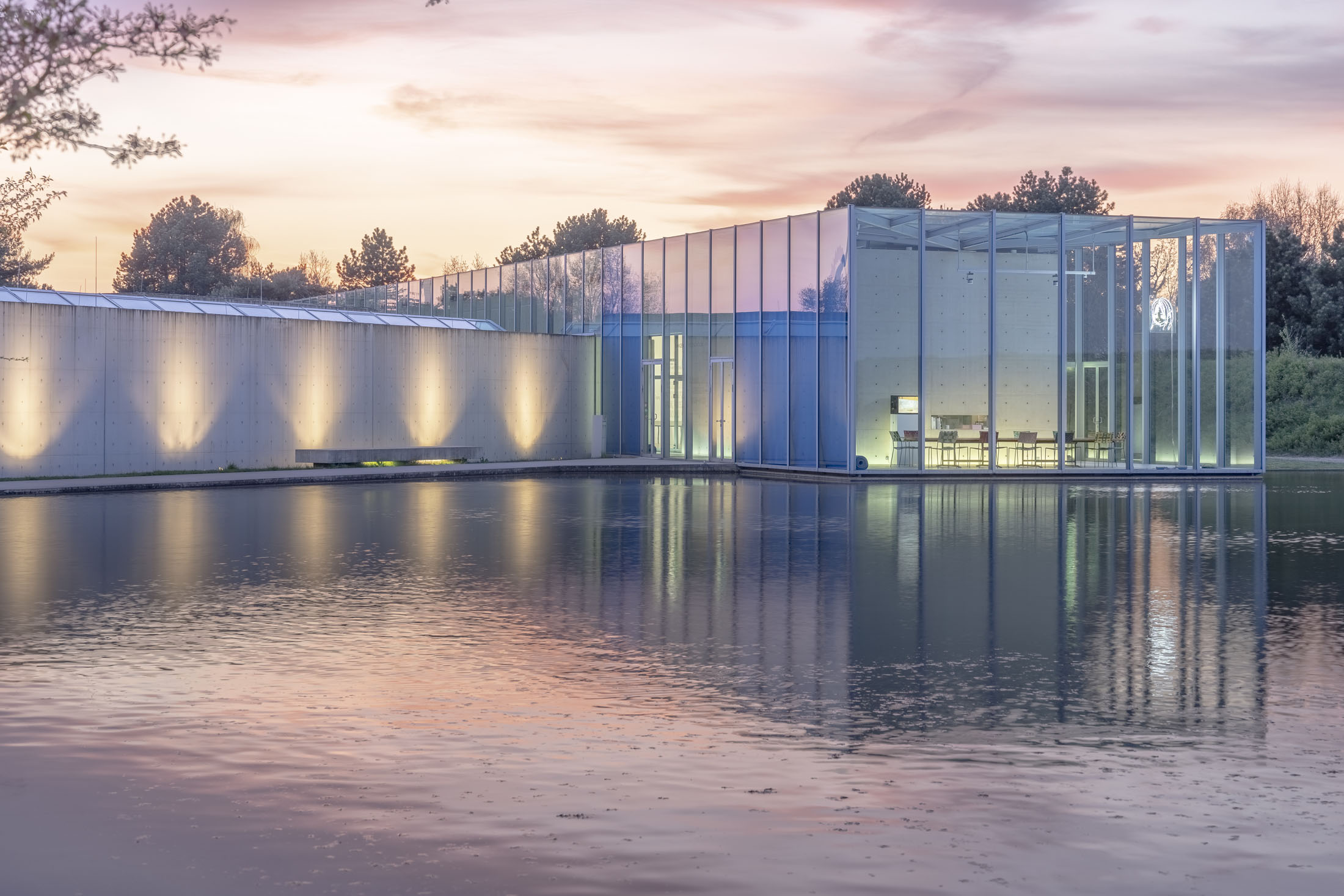
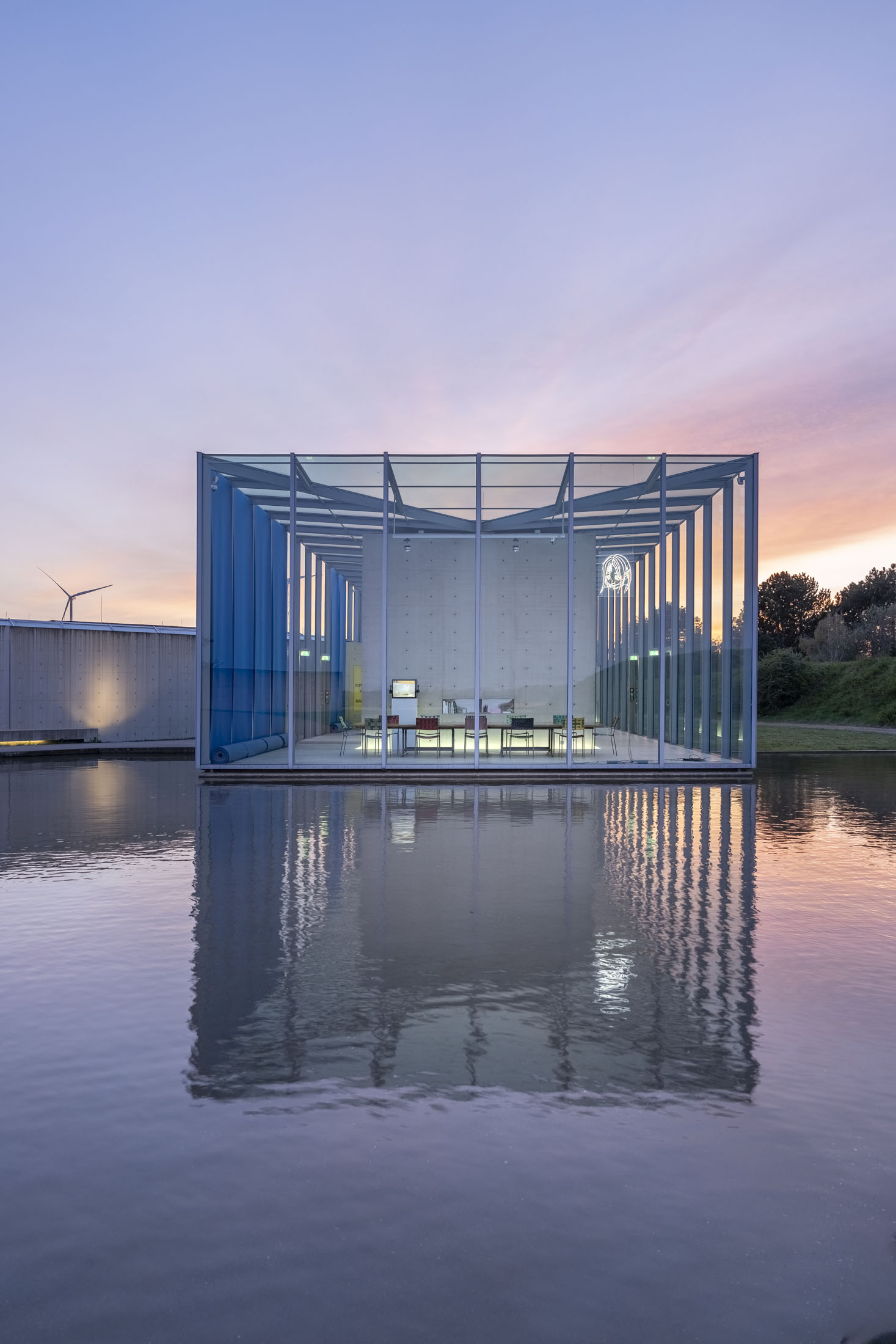
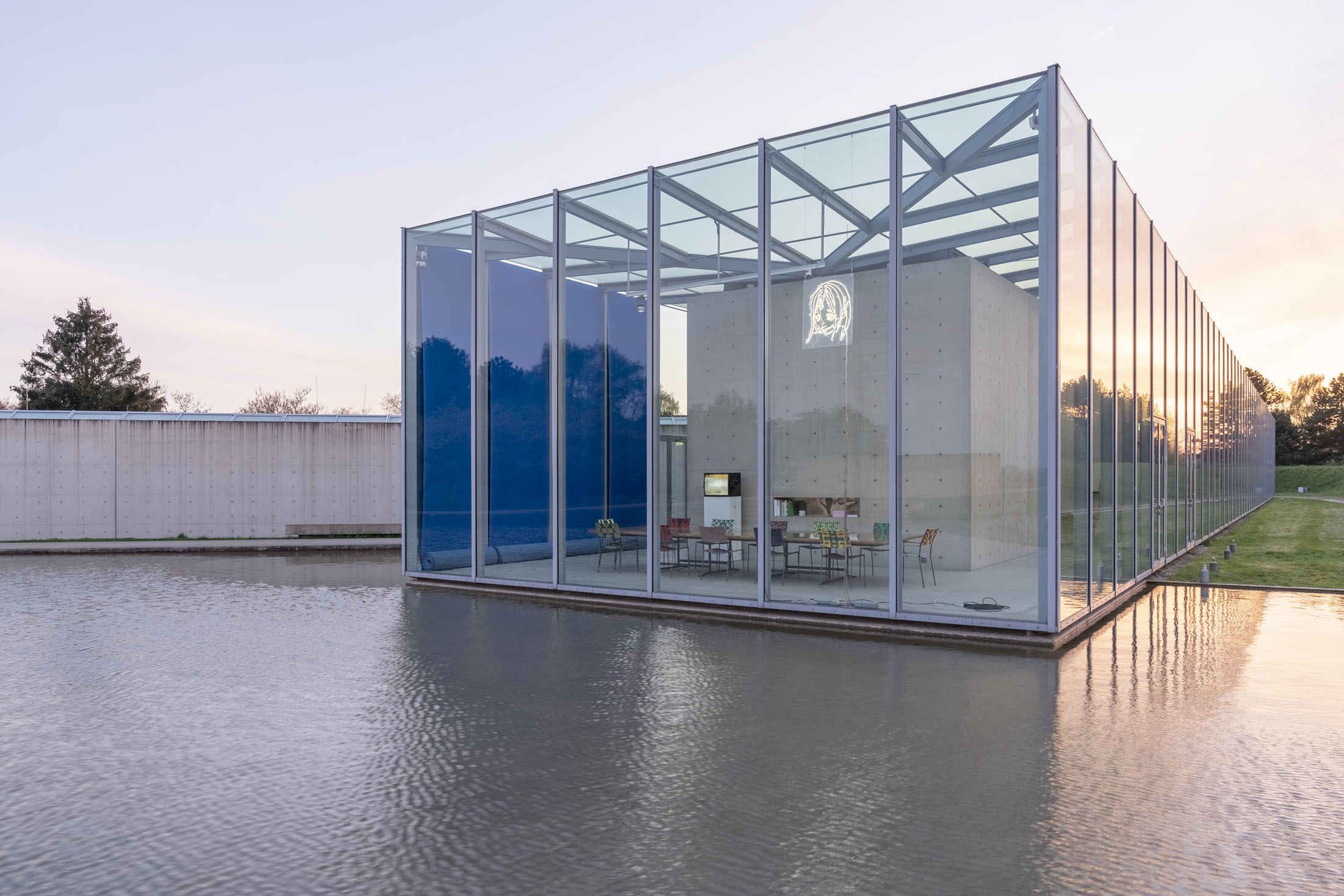
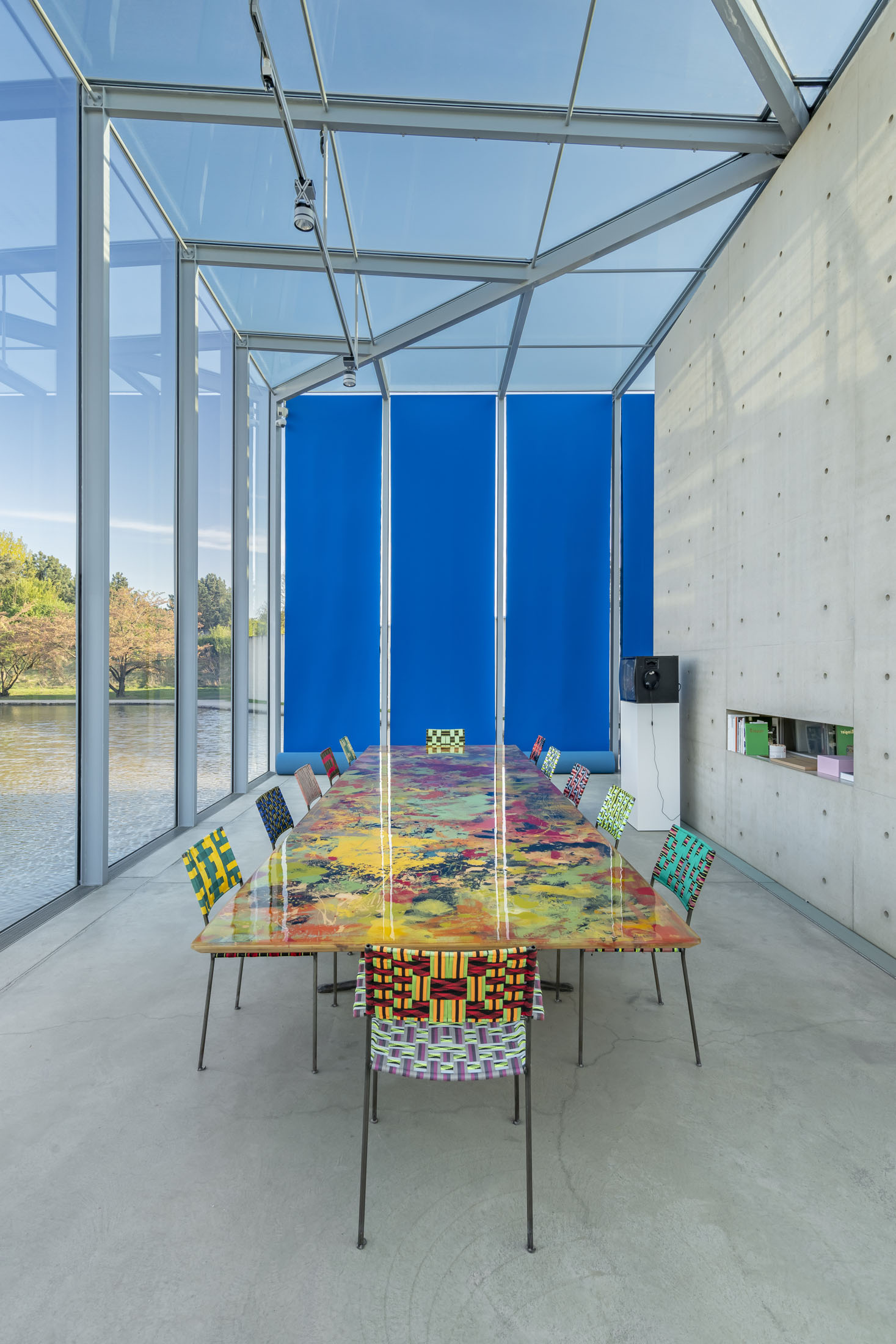
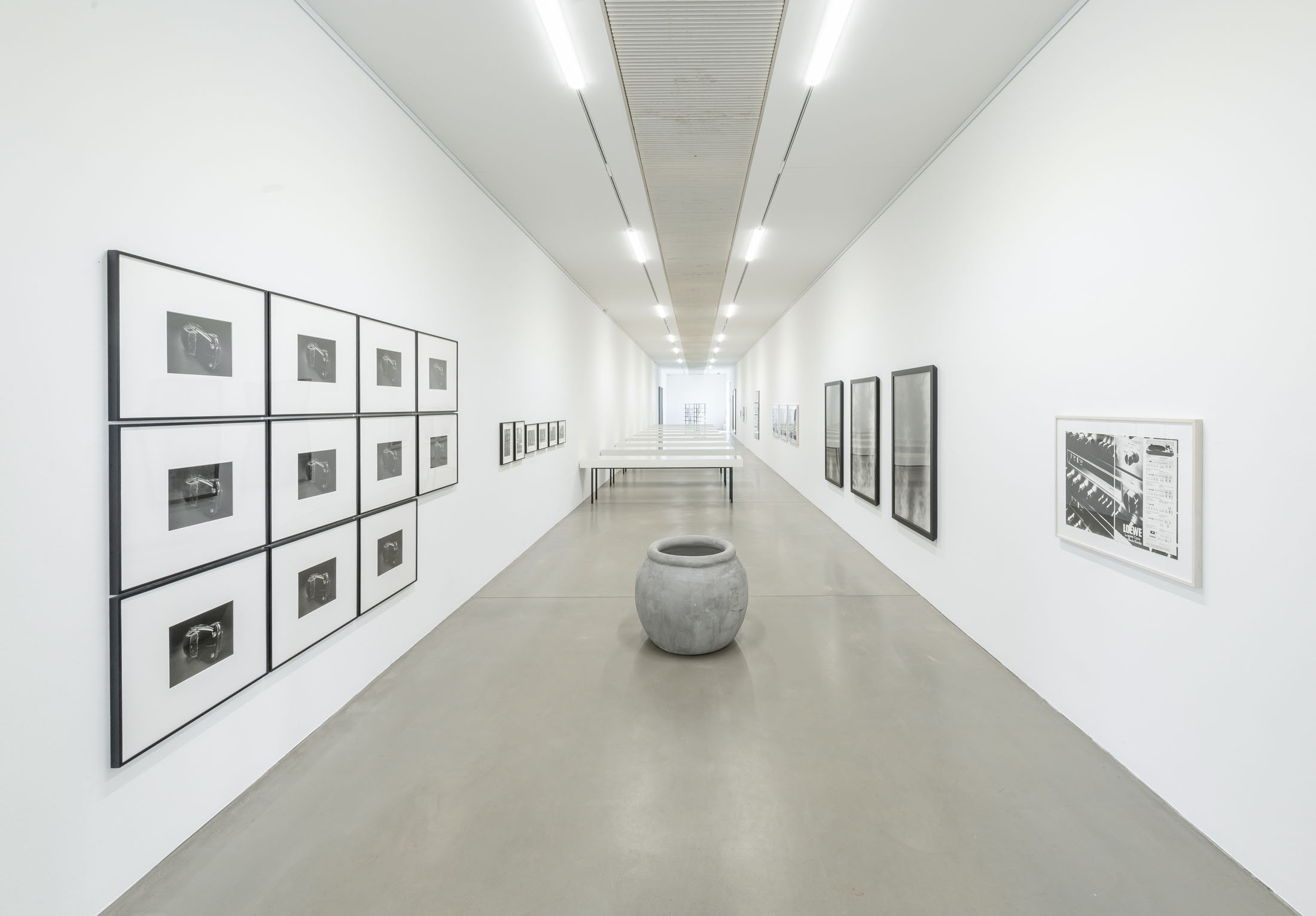
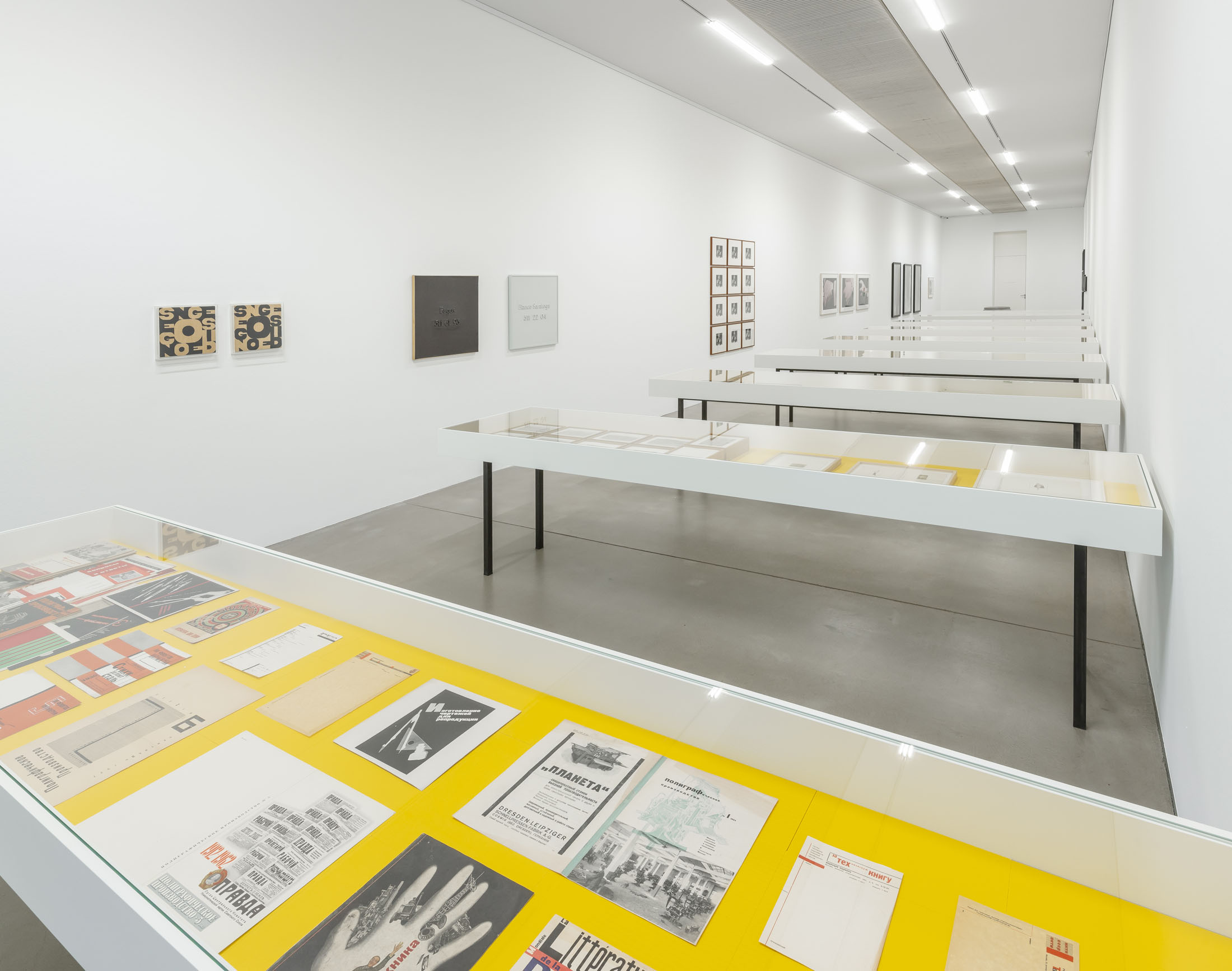
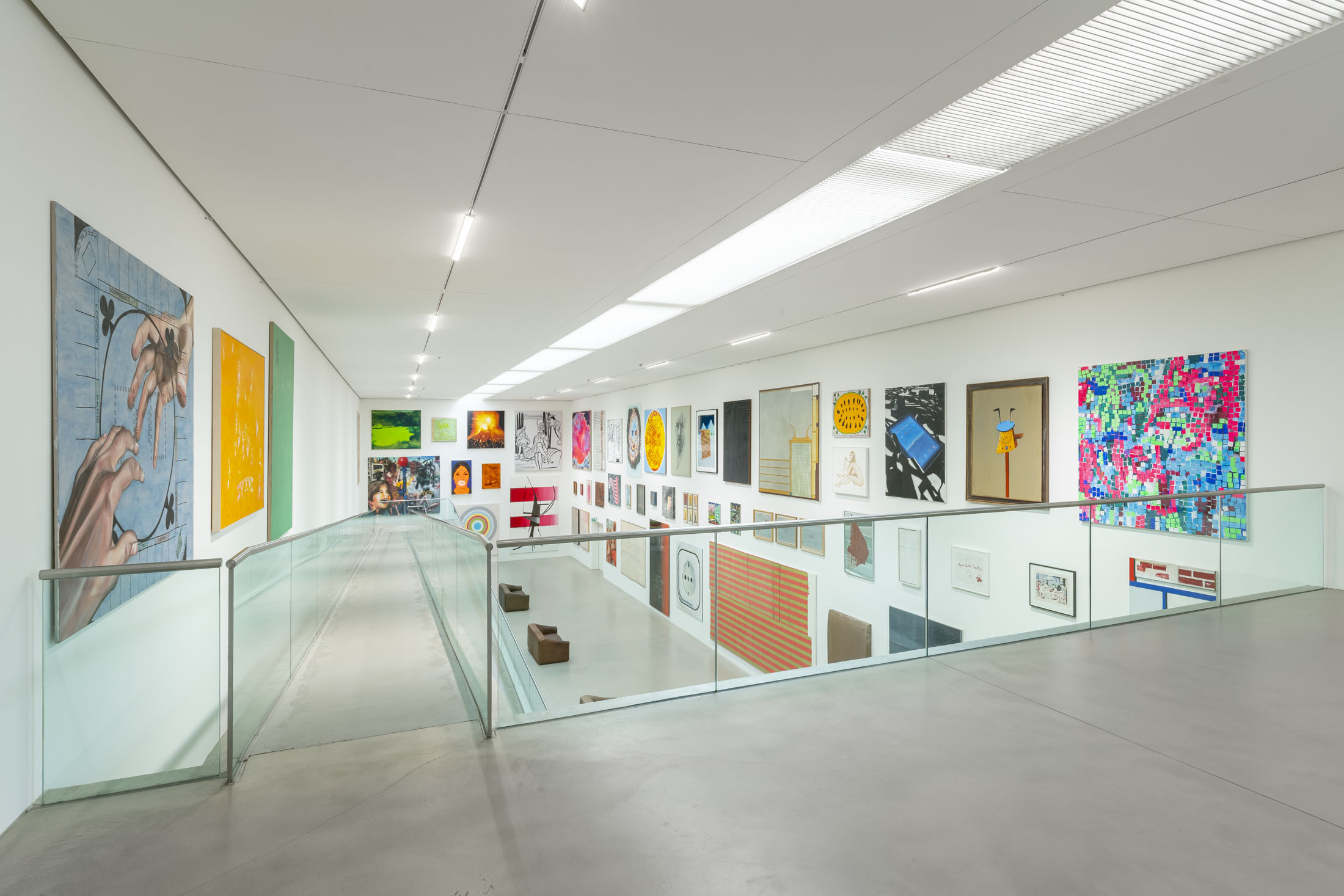
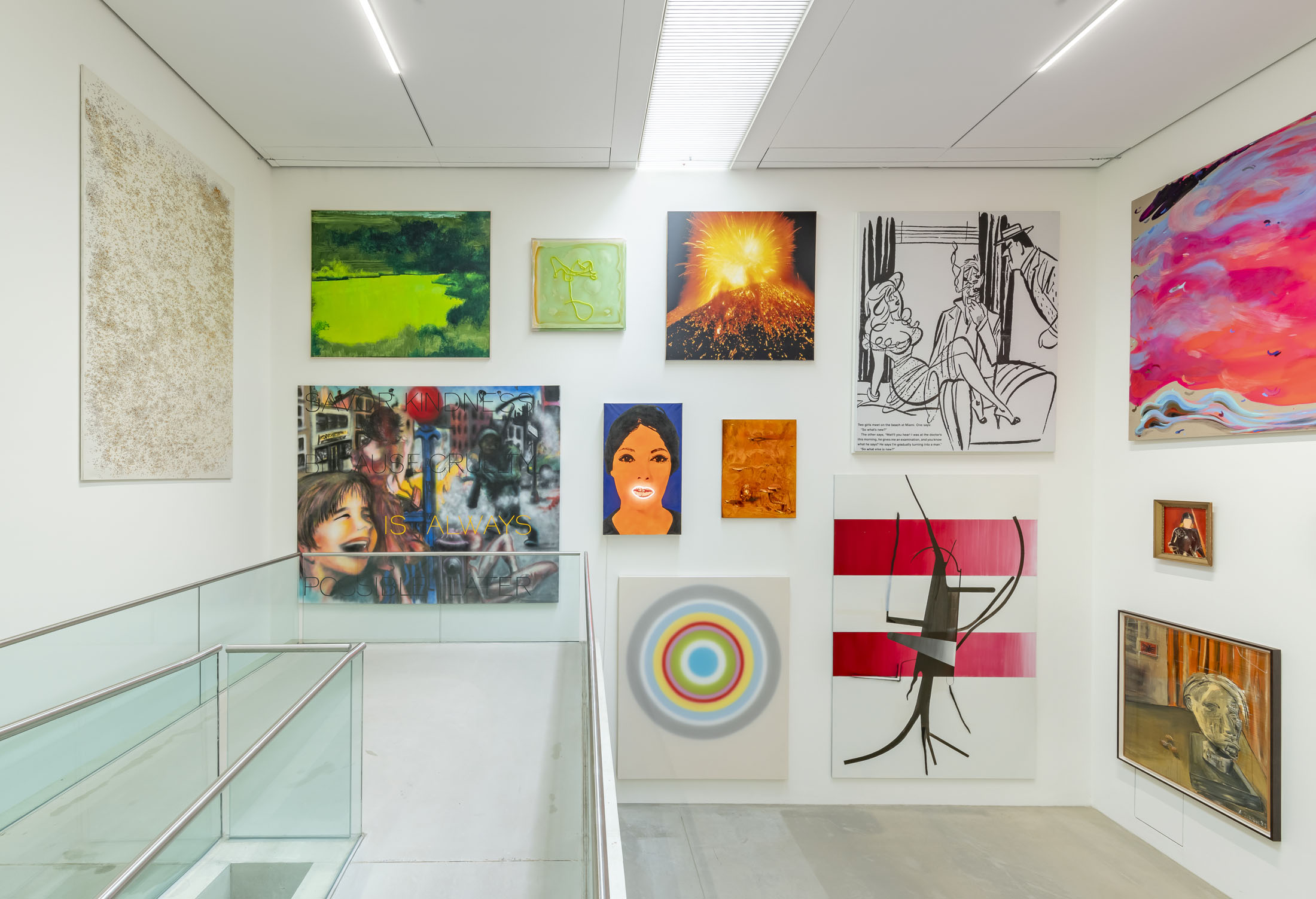
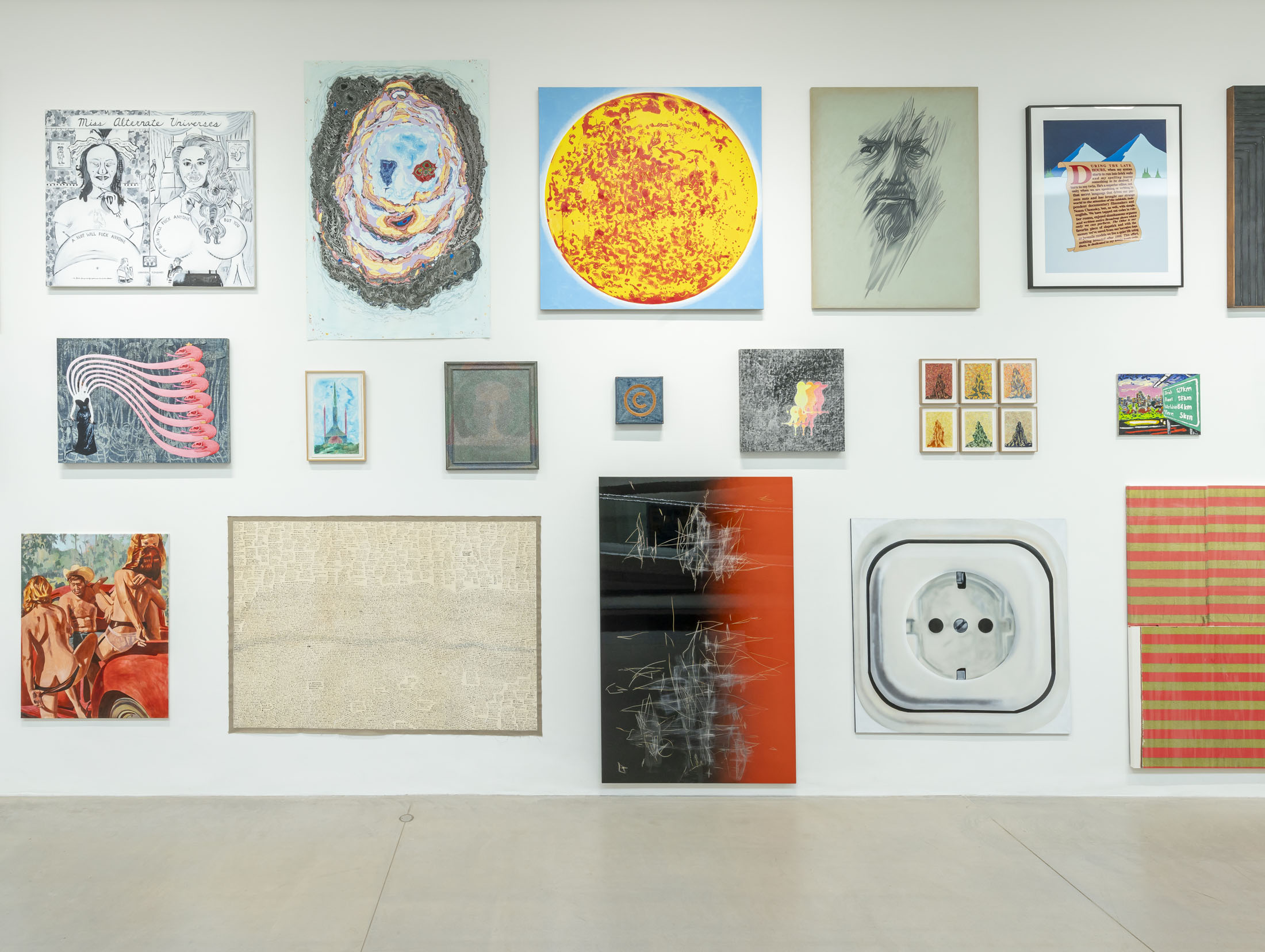
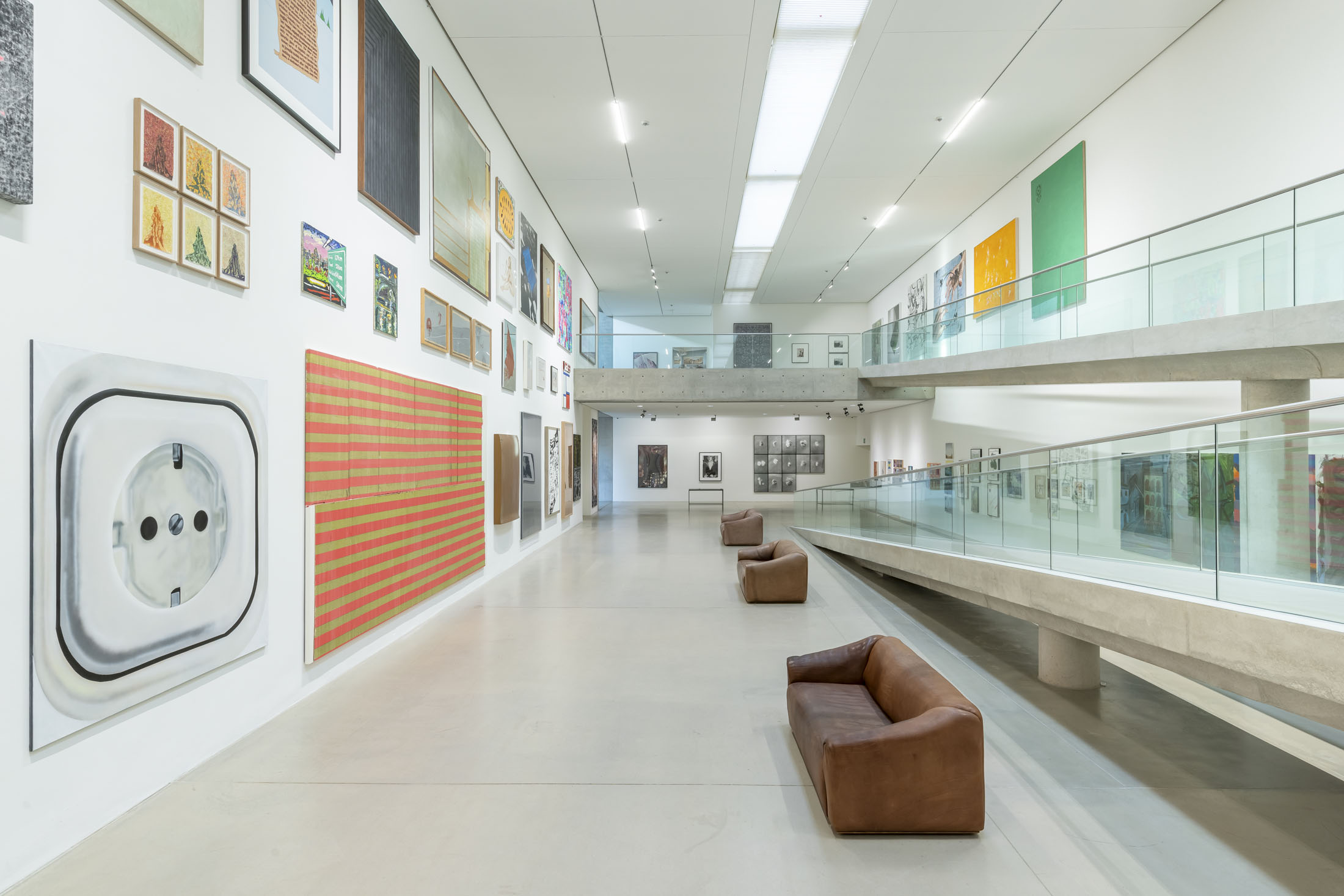
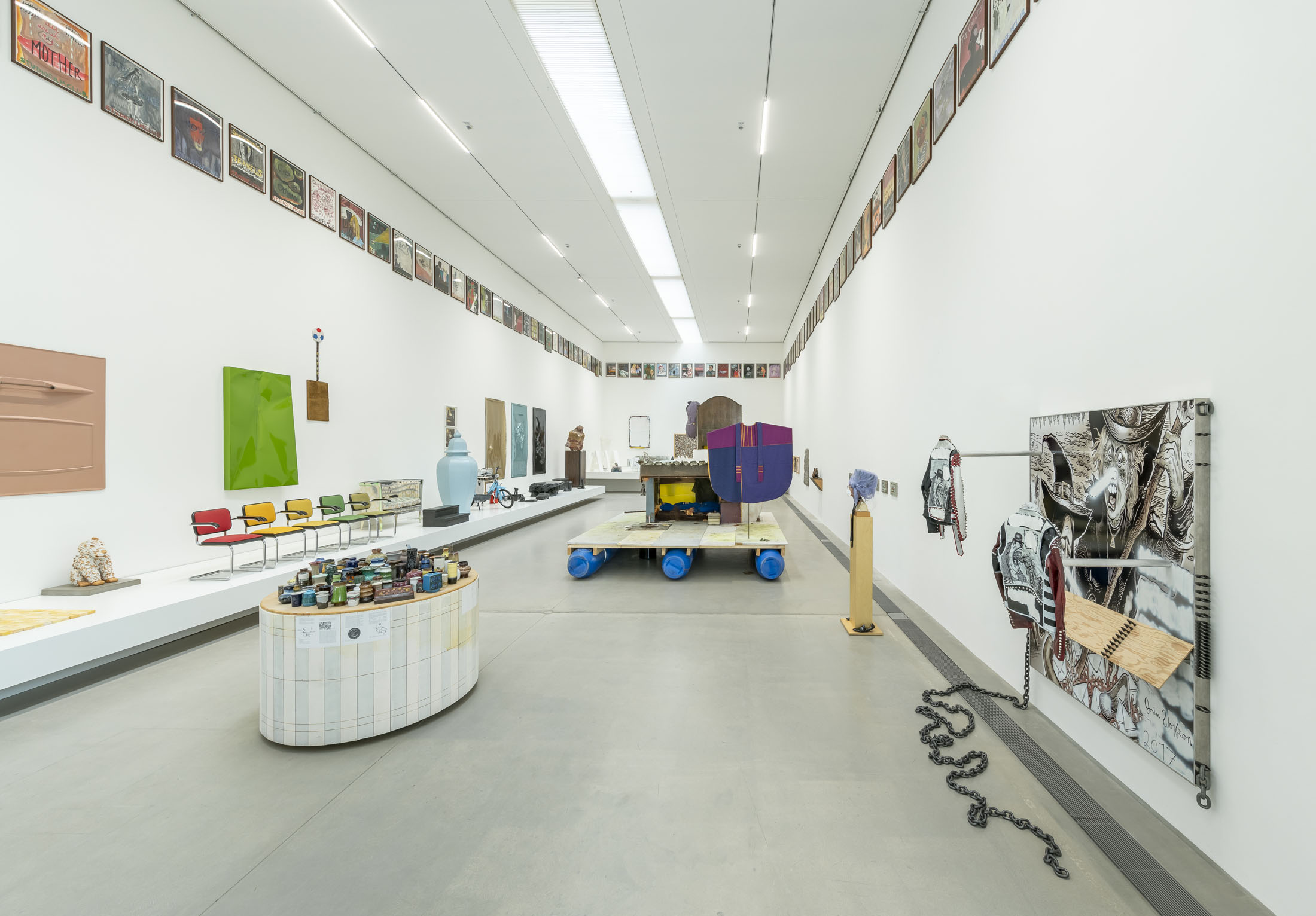
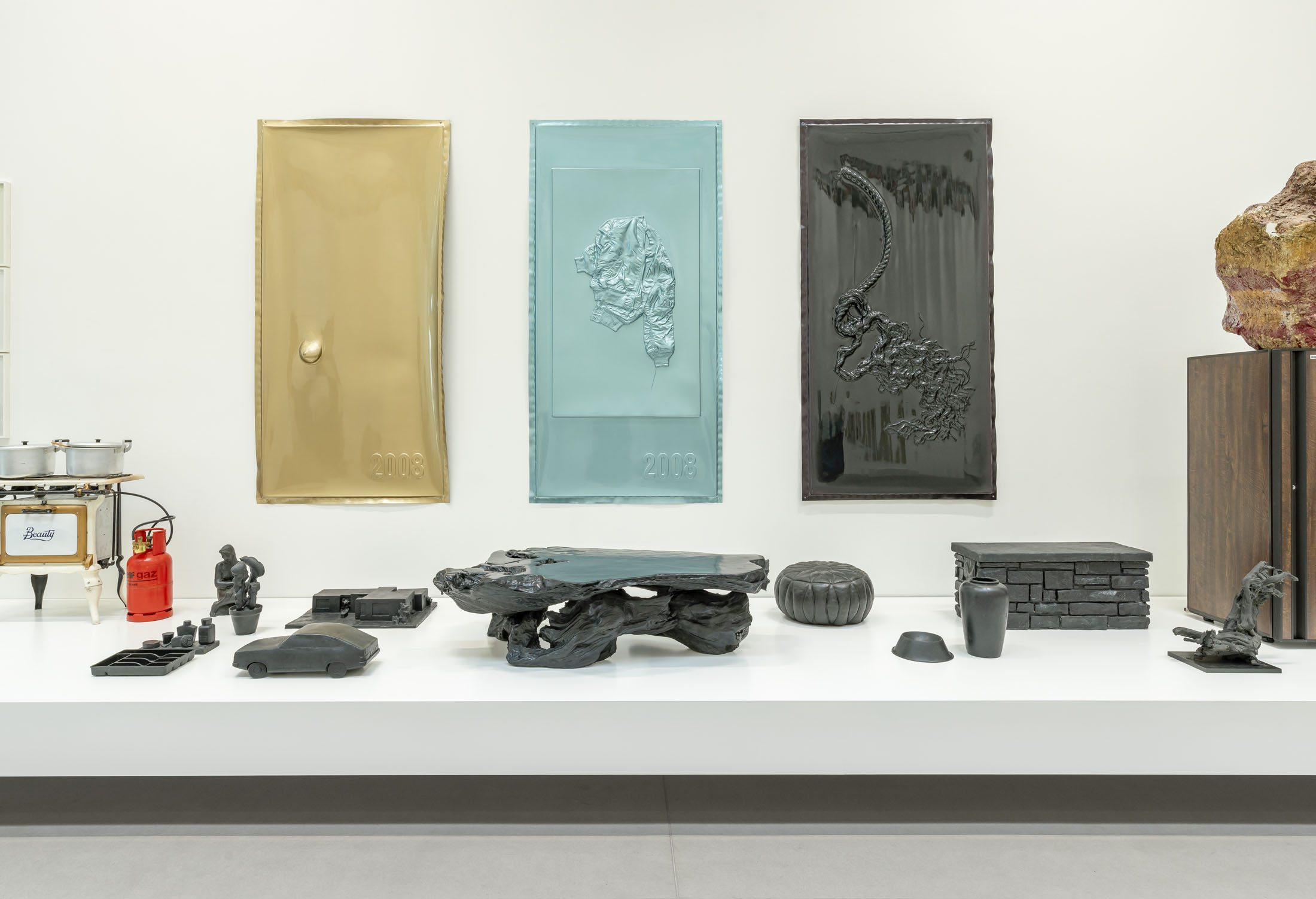
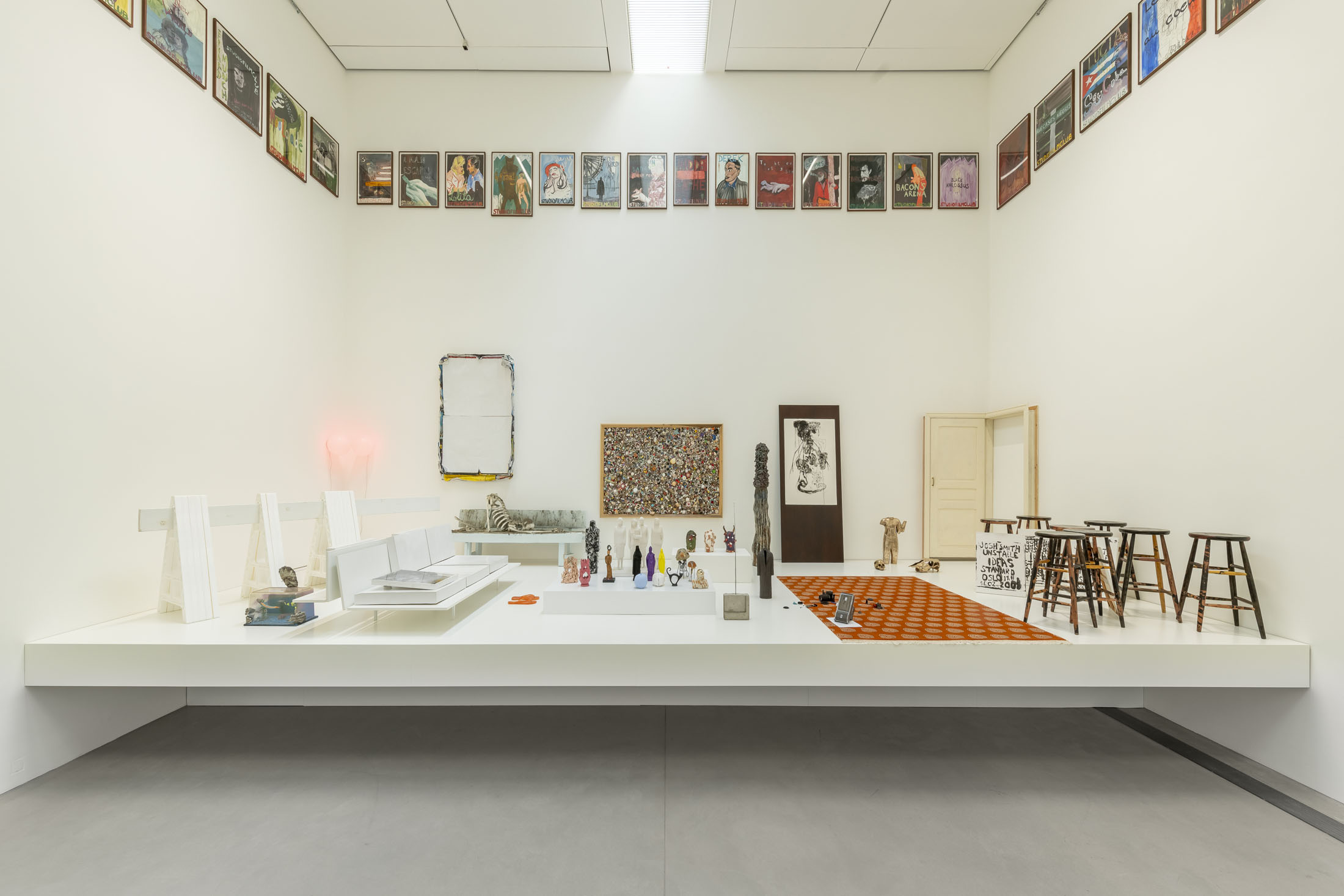
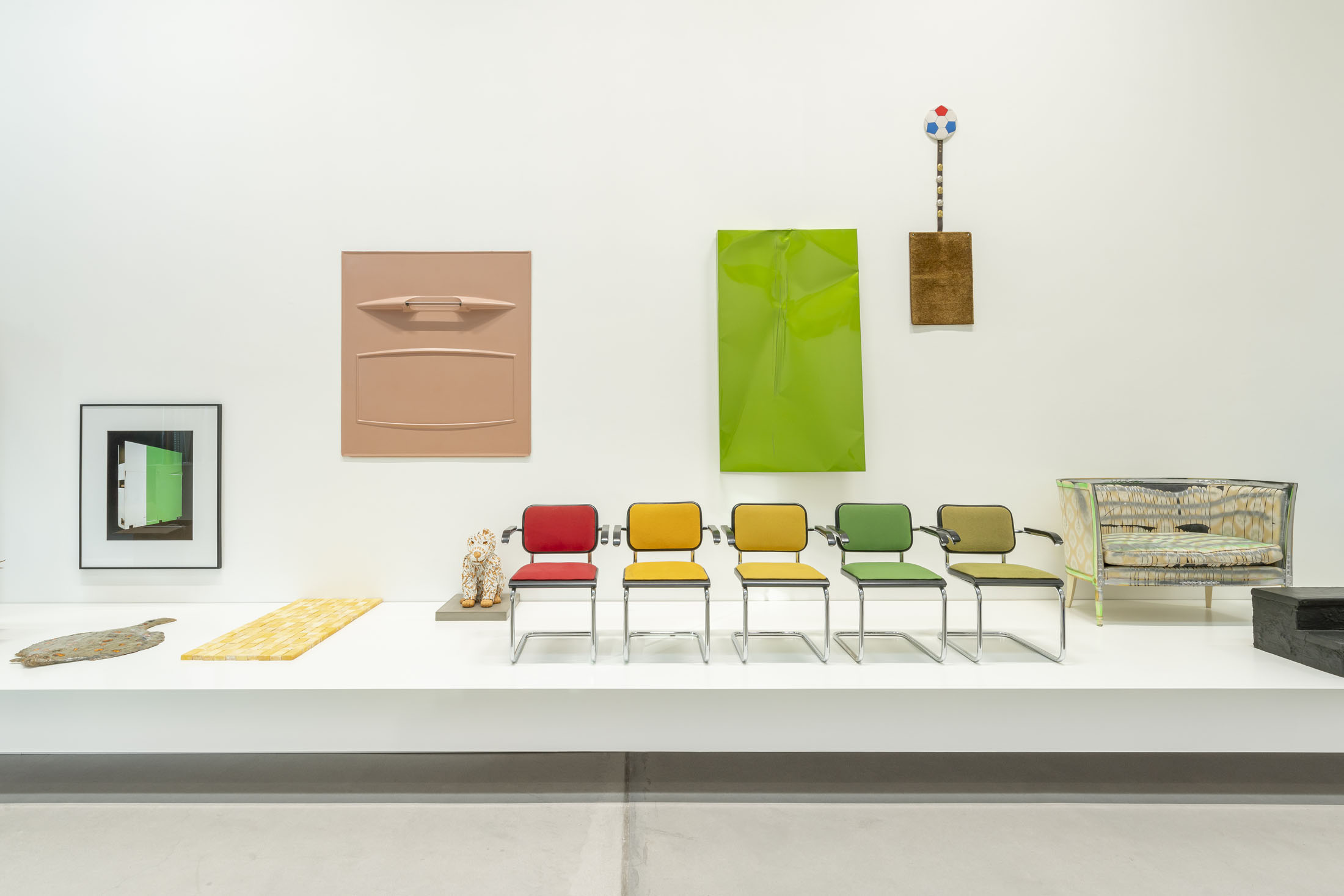
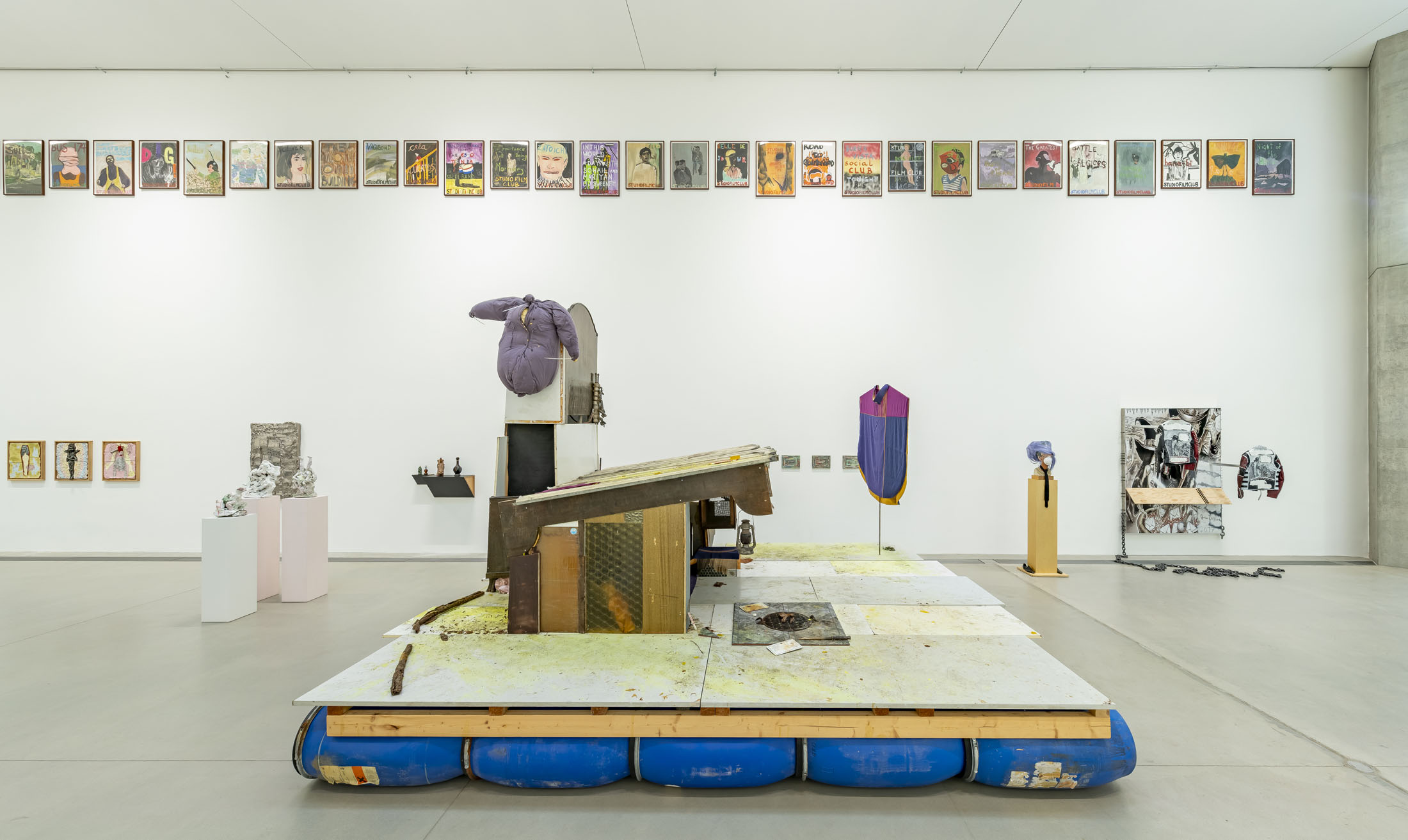
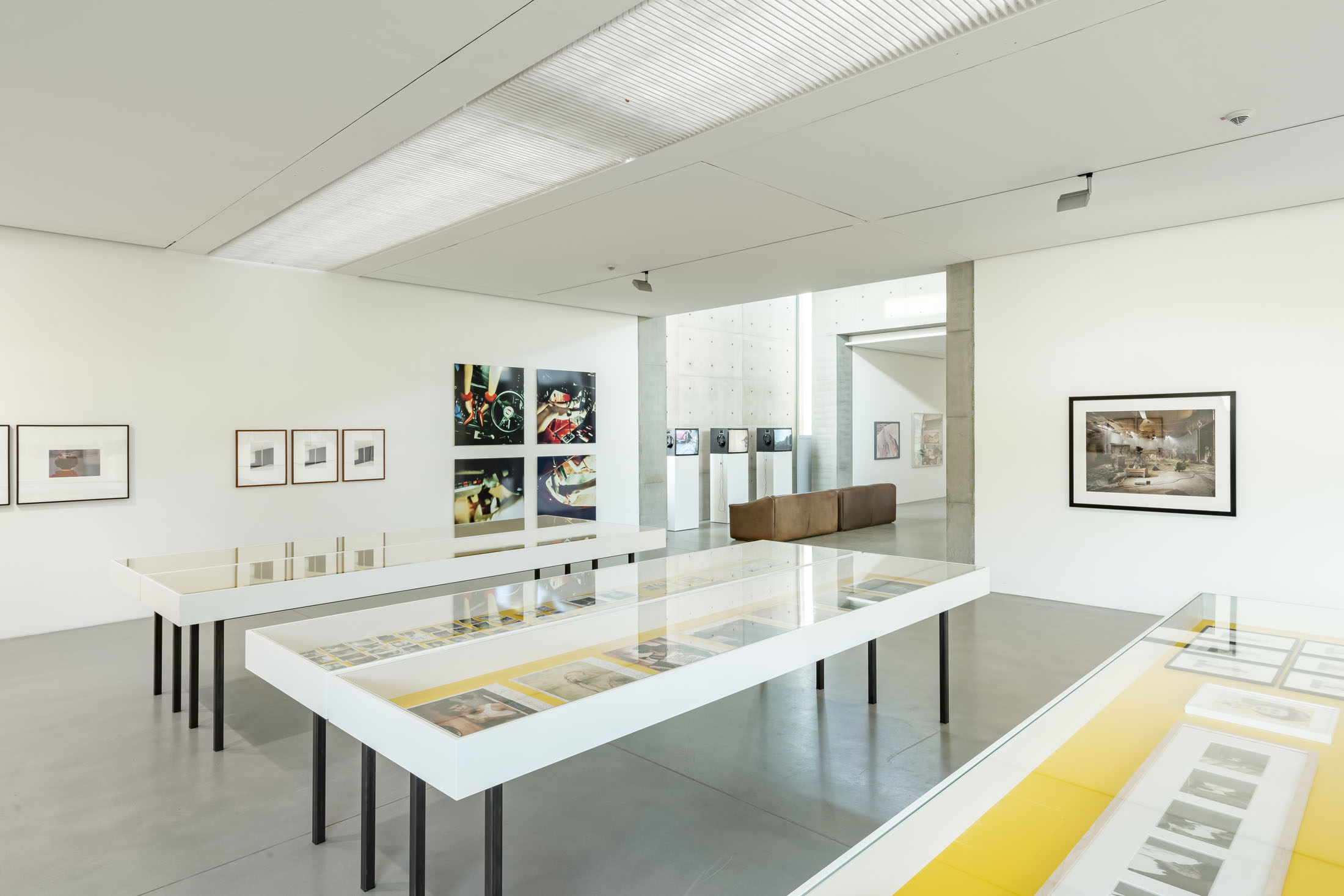
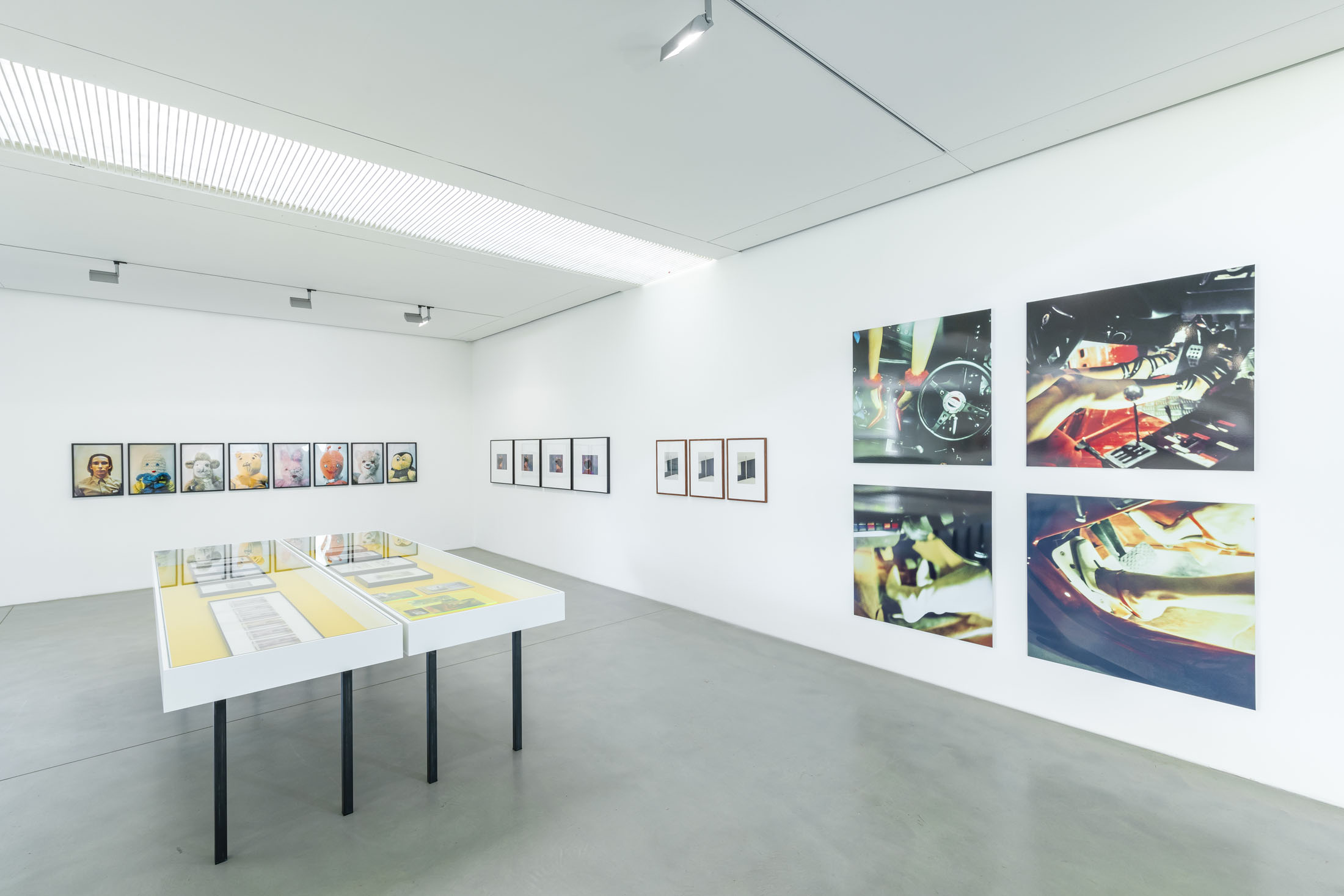
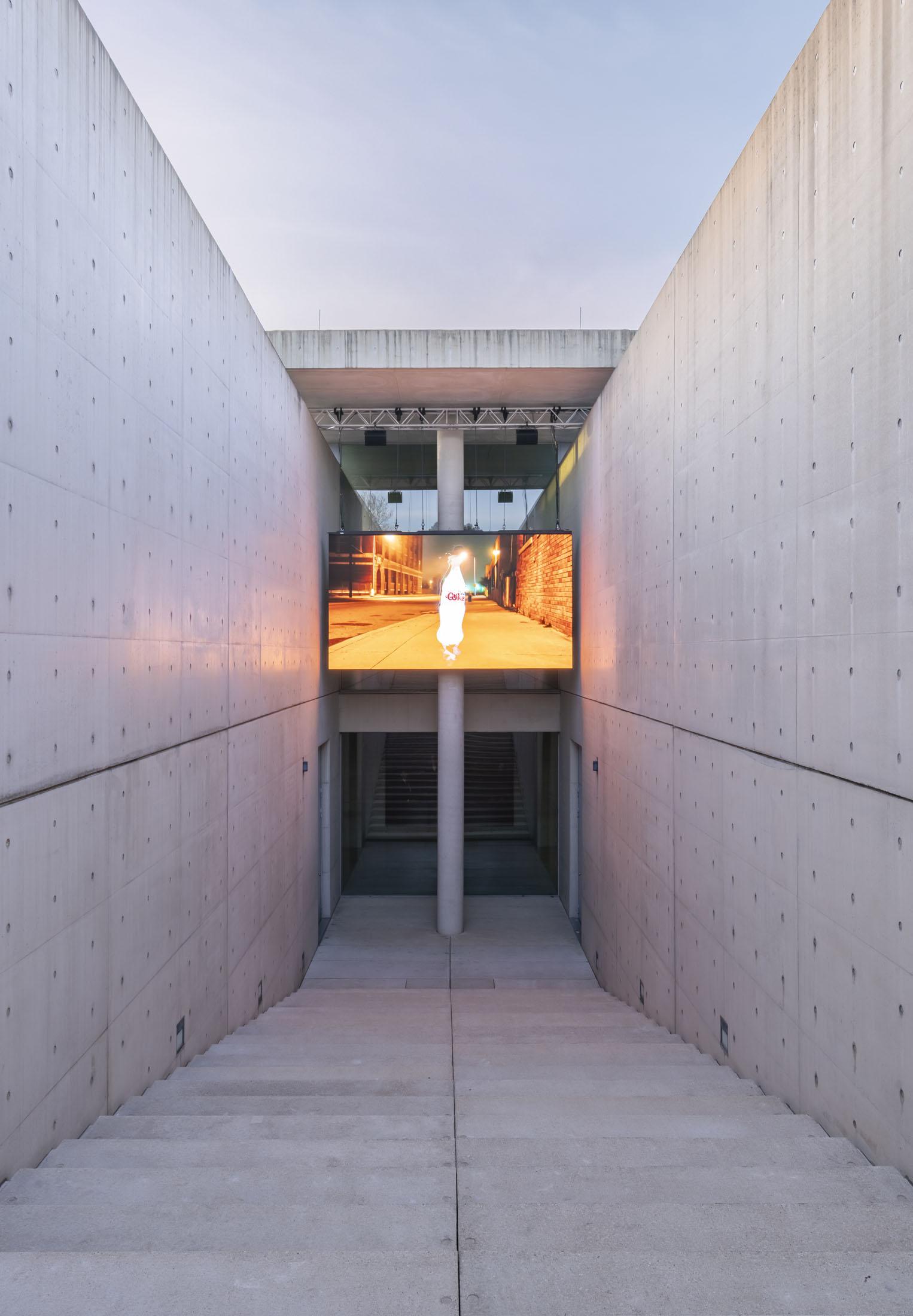
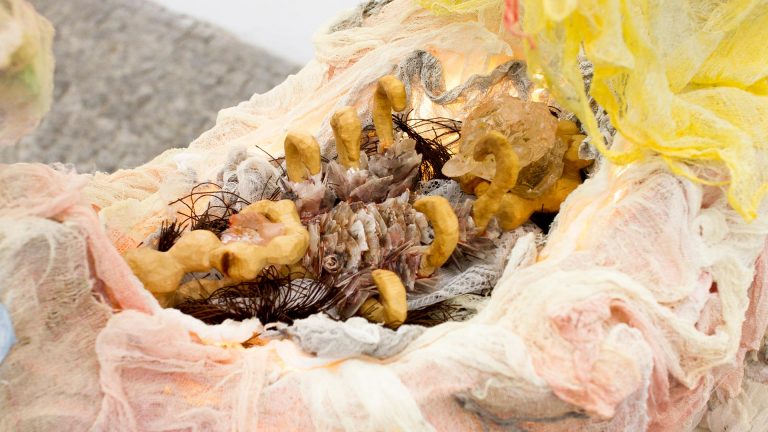
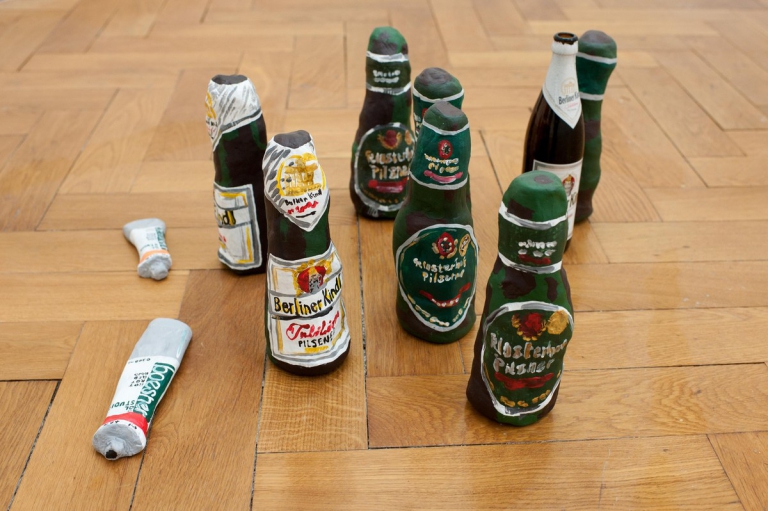
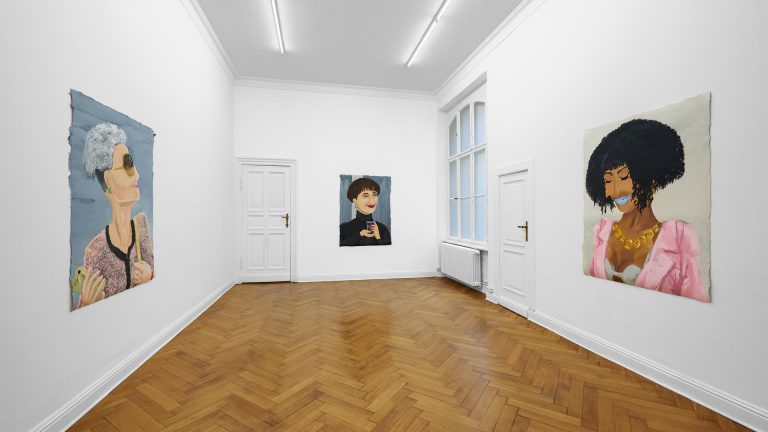
From April 13 to October 5, 2025, the Langen Foundation in Neuss will present an extensive selection of works from the Swiss Ringier Collection, marking its first major exhibition in Germany. Curated by Beatrix Ruf and artist Wade Guyton, the exhibition features approximately 500 works, offering an overview of one of the most relevant collections of contemporary art. Spanning works from the late 1960s to the present day, it documents Michael Ringier’s 30 years as a collector and key developments in the art world.
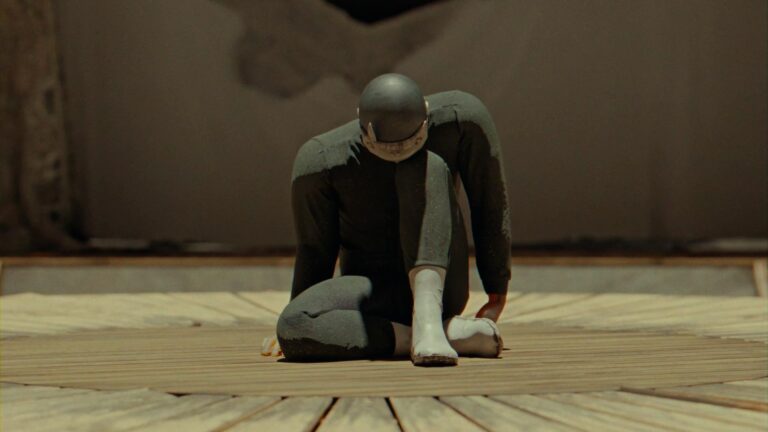
Titled Drawing, Painting, Sculpture, Photography, Film, Video, Sound, the exhibition showcases works across nearly all forms of artistic media. Together, these pieces form a rich and layered portrait of Michael Ringier, a Swiss publisher and media entrepreneur, whose collection of art is deeply intertwined with his personal and professional life, as well as the identity of Ringier, a media company active in 19 countries across Europe and Africa.
Ringier’s integration of art into its corporate culture is a defining characteristic of the company. Since 1997, the company has invited international artists to design its annual reports, granting them complete creative freedom. These collaborations have resulted in creative and intelligent explorations of the role of a media publisher today and its engagement with audiences. Renowned artists including Fischli/Weiss, Maurizio Cattelan, and Sylvie Fleury have contributed to these reports, as has Wade Guyton, whose report featured a one-to-one reproduction of one of his paintings printed in high-resolution detail across hundreds of pages. When compiled, these pages recreate the work in its original dimensions.
The exhibition’s subversive title highlights how traditional artistic media continues to inspire new interpretations—both by challenging their conventional boundaries and through intentional artistic ambiguity. Drawing, Painting, Sculpture, Photography, Film, Video, Sound reexamines the expectations surrounding what defines a medium and how it shapes our perception. The connection to a global media company like Ringier is evident: from its beginnings in publishing and printing to its evolution into a digitized and diversified corporation, the company has been shaping the relationship between content and medium for over 190 years. Wade Guyton, too, challenges the concept of the medium of painting—whether through his large-format printed works or the strategic use of digital technologies, he questions what a medium can be and how it shapes the art it conveys.
Through these explorations, the exhibition invites viewers to see the collection not merely as a compilation of works but as a dynamic narrative that constantly opens up new perspectives. This approach reflects Michael Ringier’s view of art as a living, integral part of both his entrepreneurial and cultural engagement.