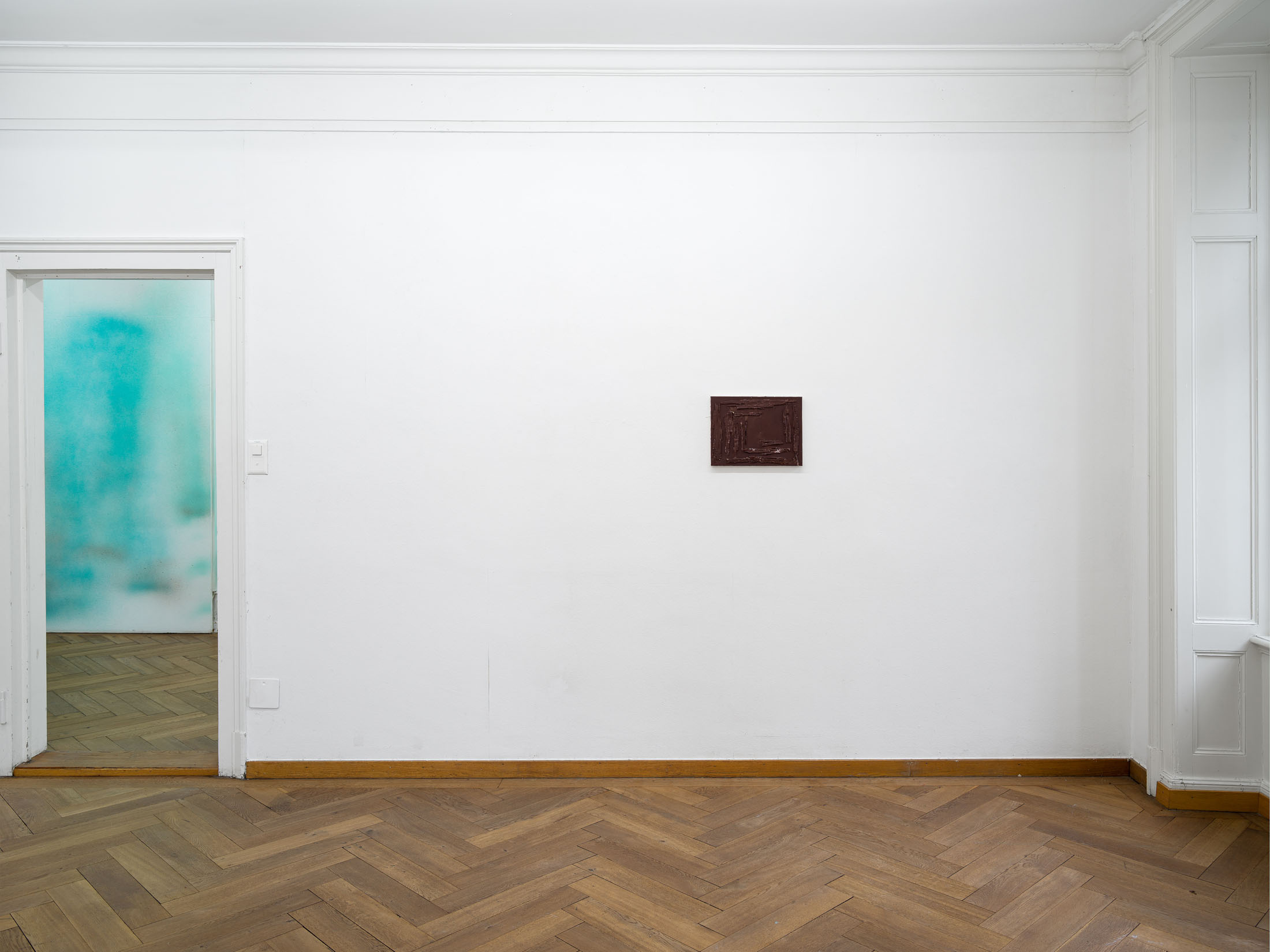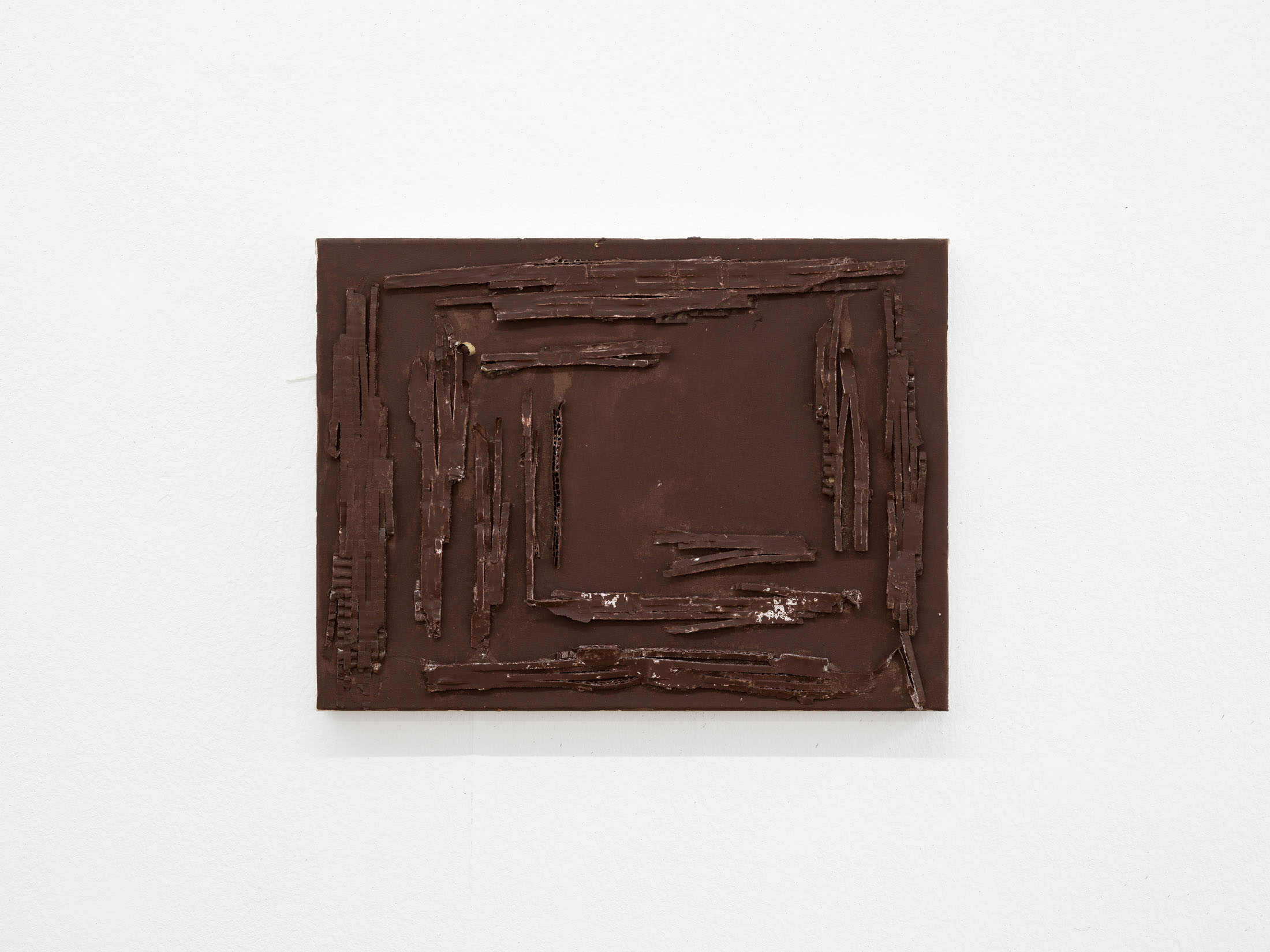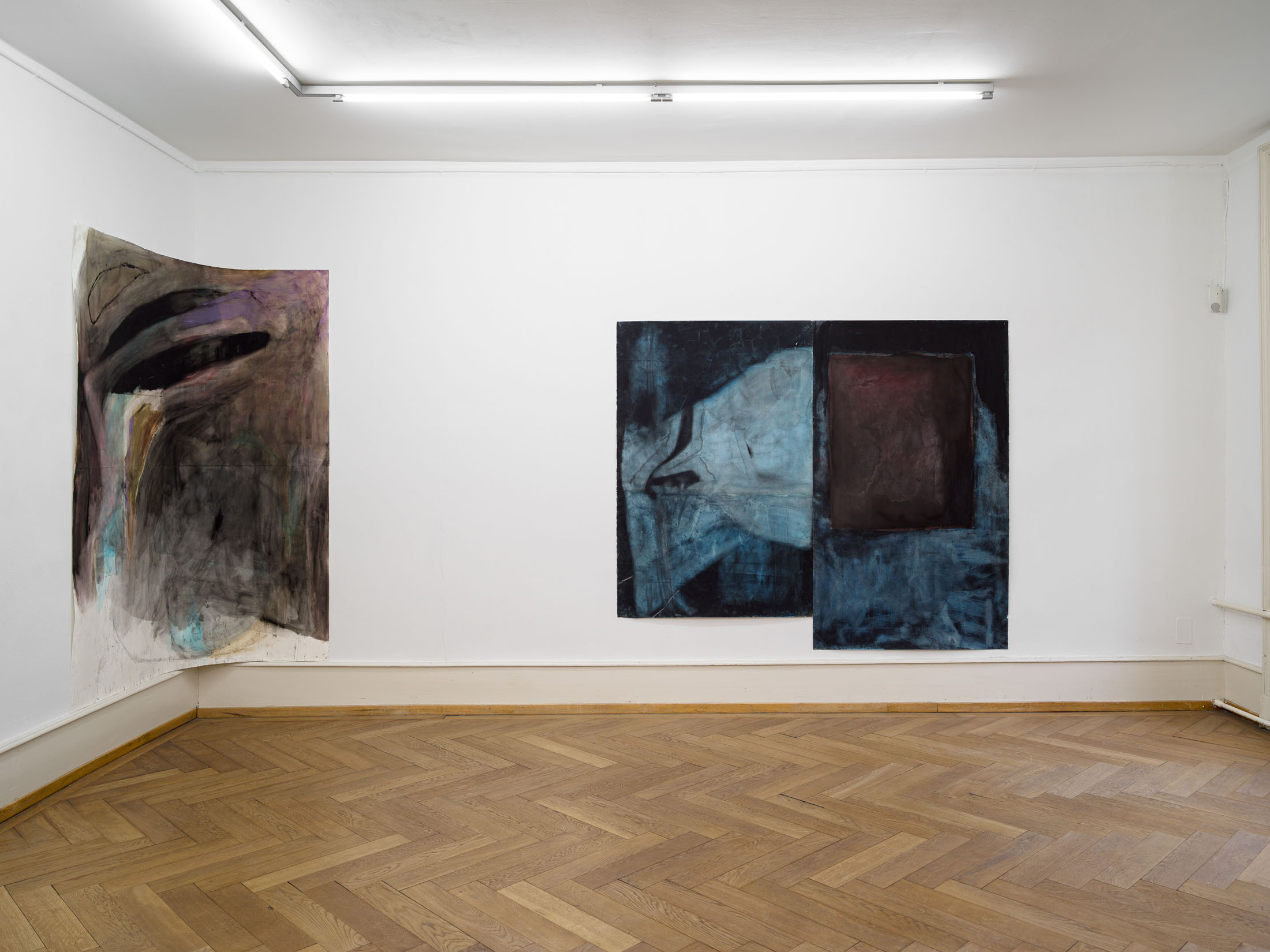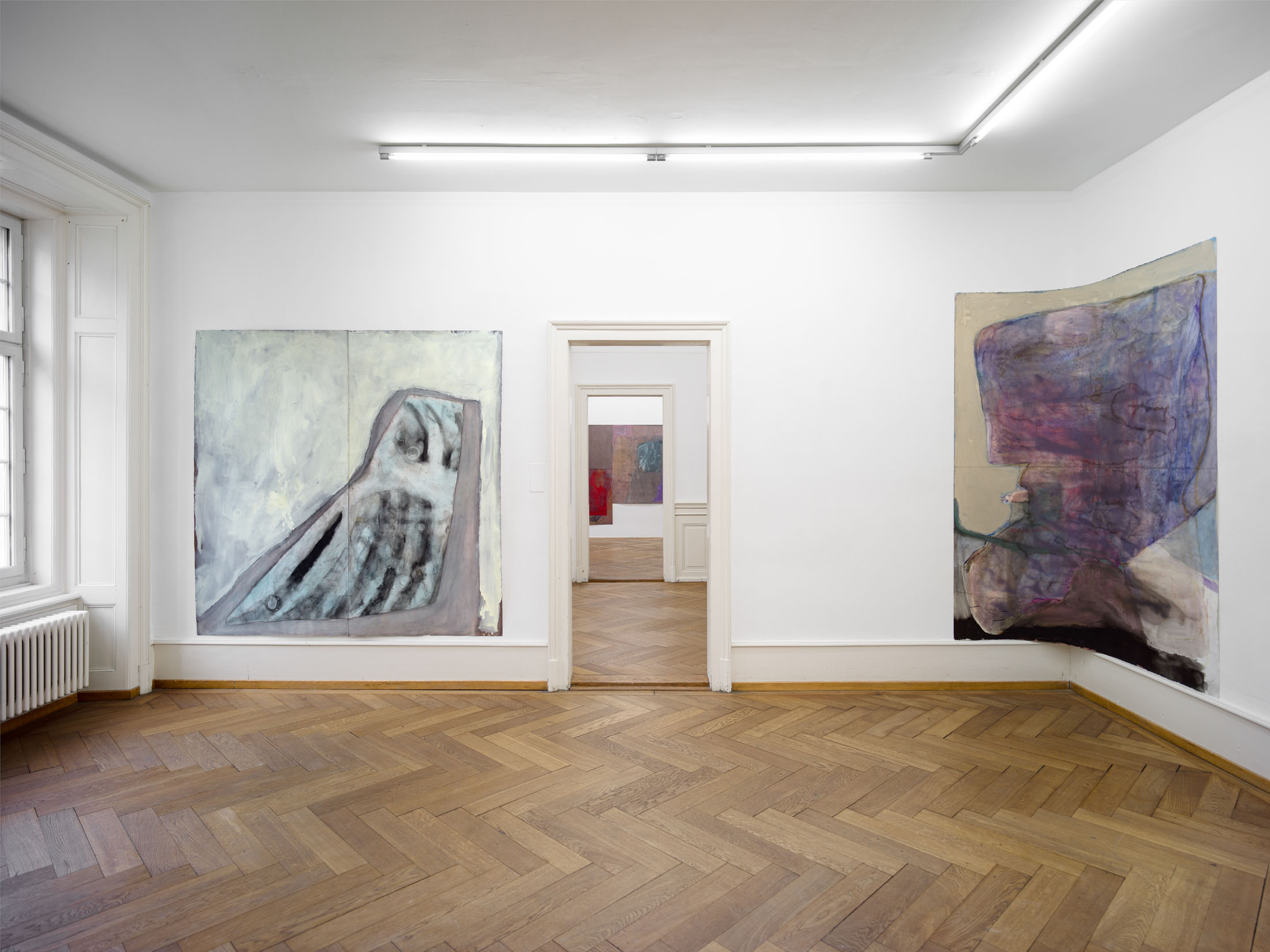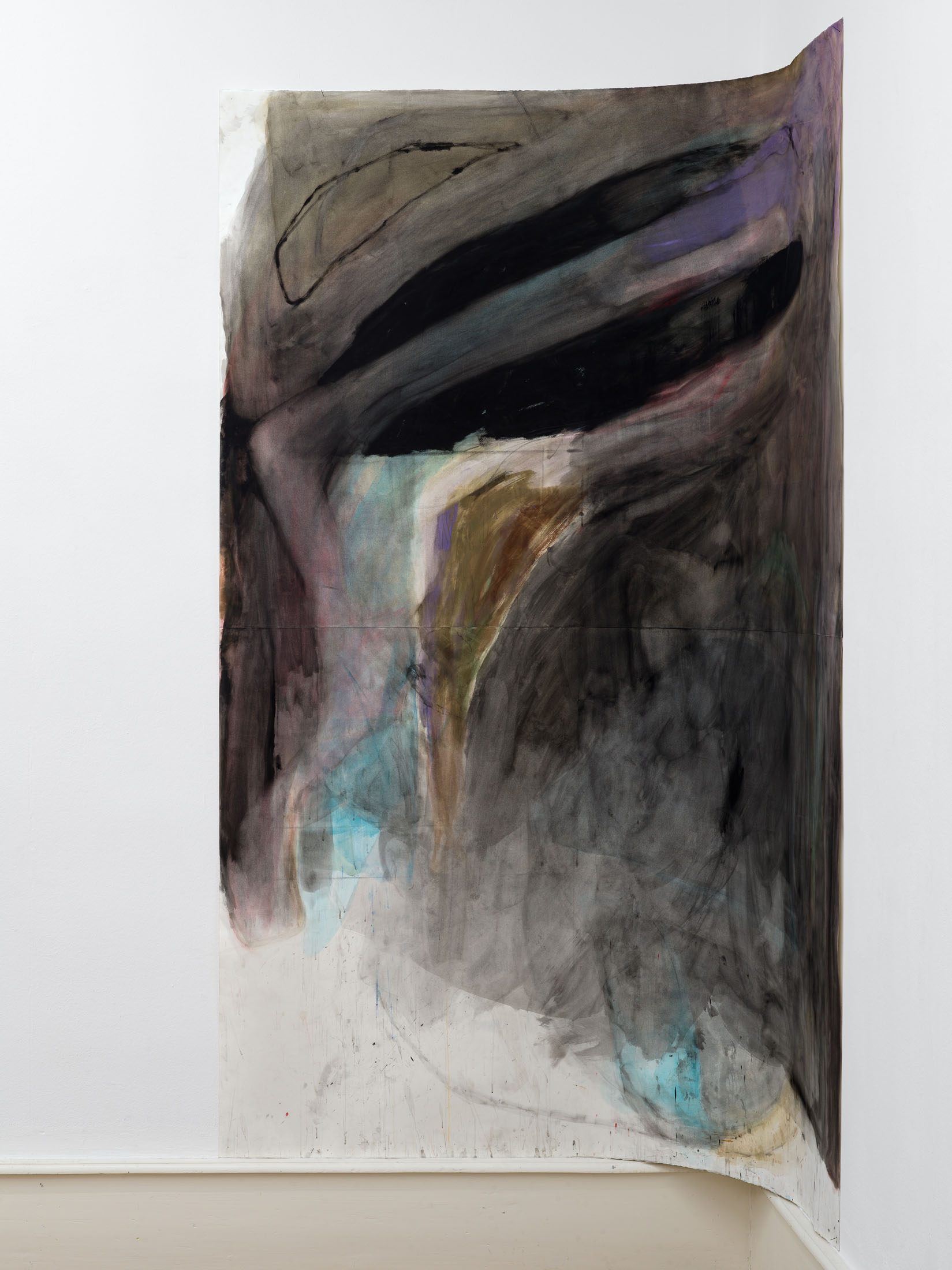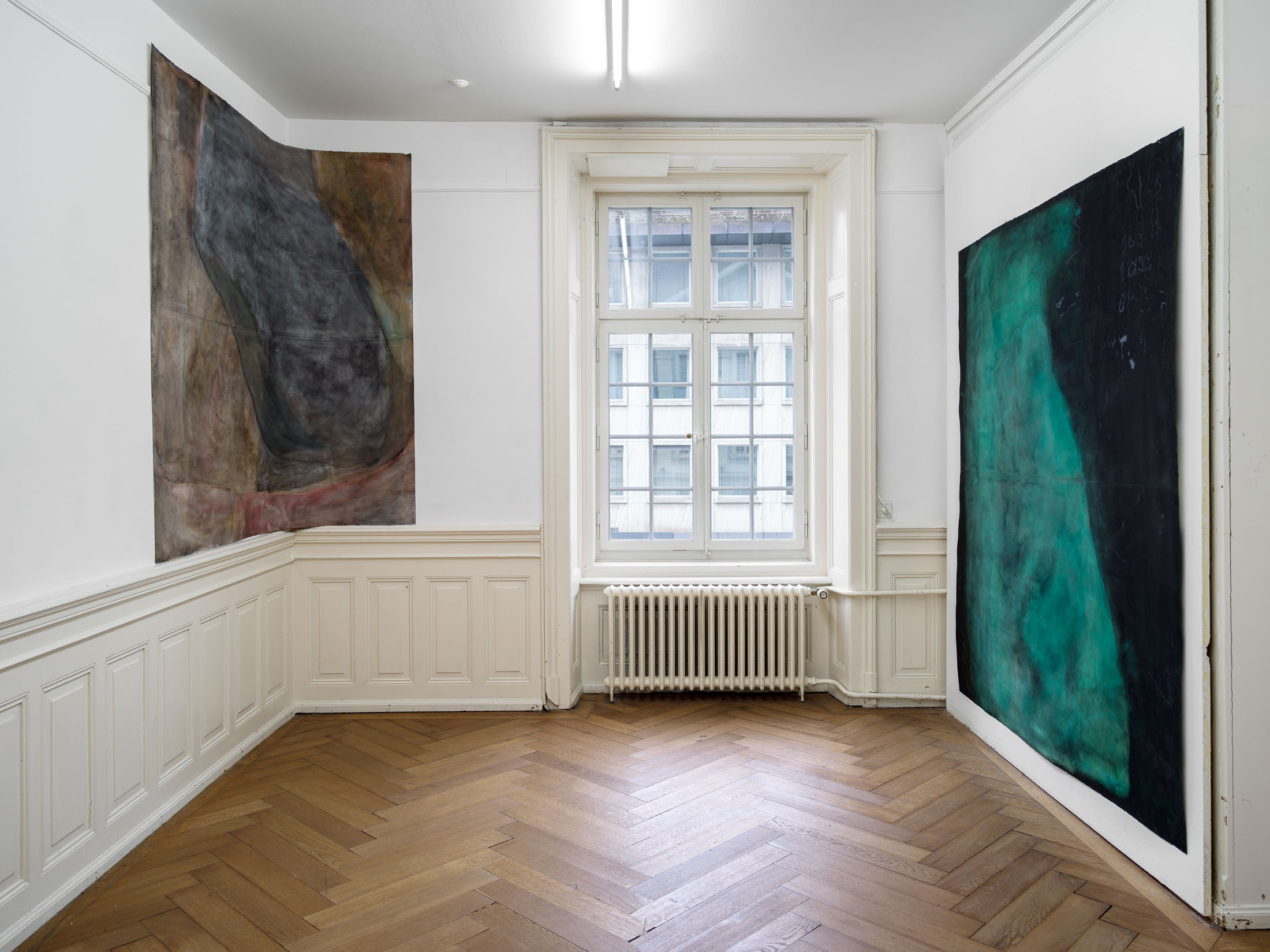
The exhibition brings together recent works by four artists from German-speaking Switzerland and the Romandie, Switzerland‘s French-speaking region. All four work in very different ways with pain- terly processes in which the dimensions and movements of the body play a special role. Each artist also has their own approach to displaying the works in the exhibition space, in terms of how they are hung or how the walls are incorporated. In the exhibition, each artist occupies two or three rooms on their own.
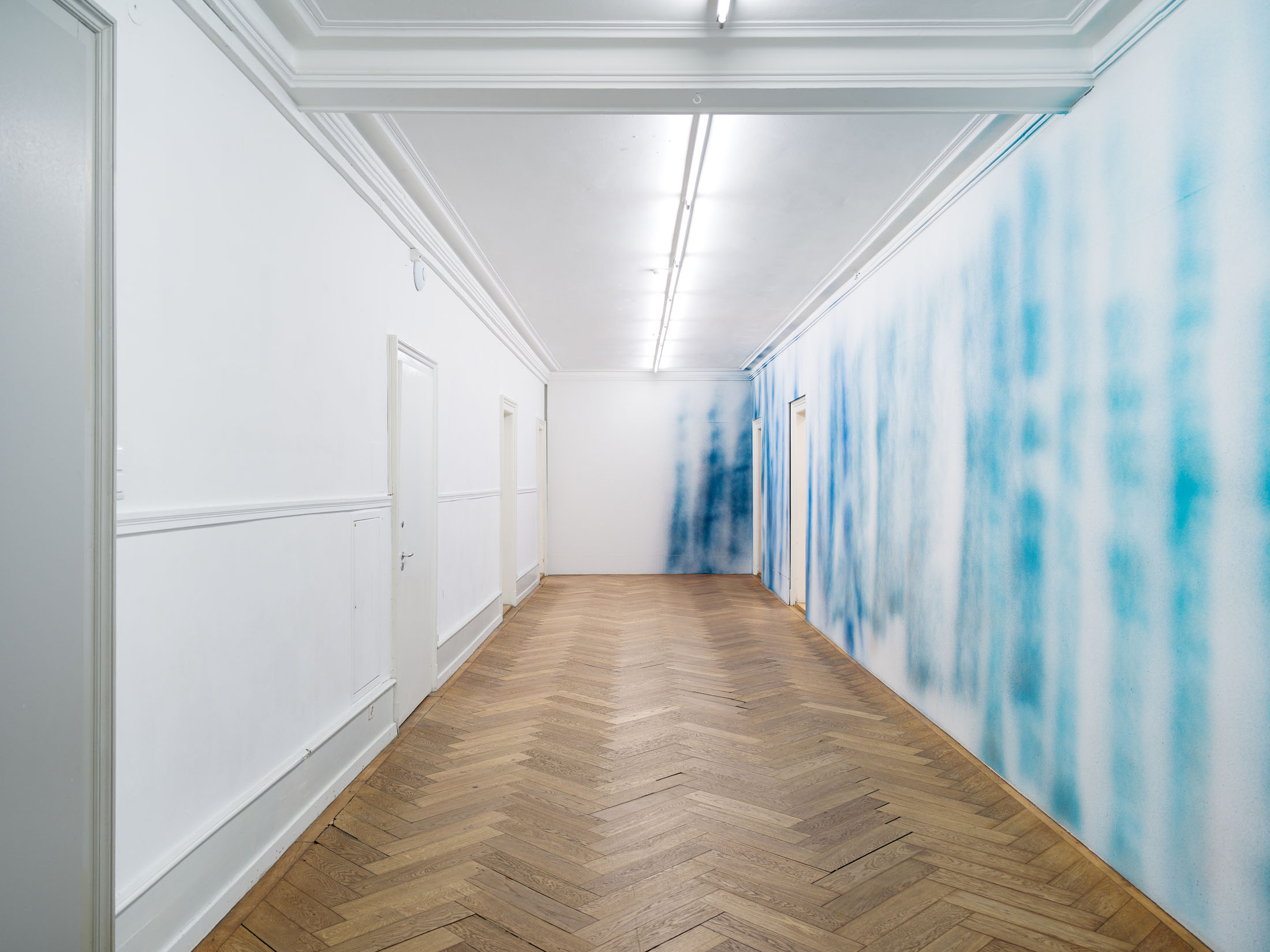
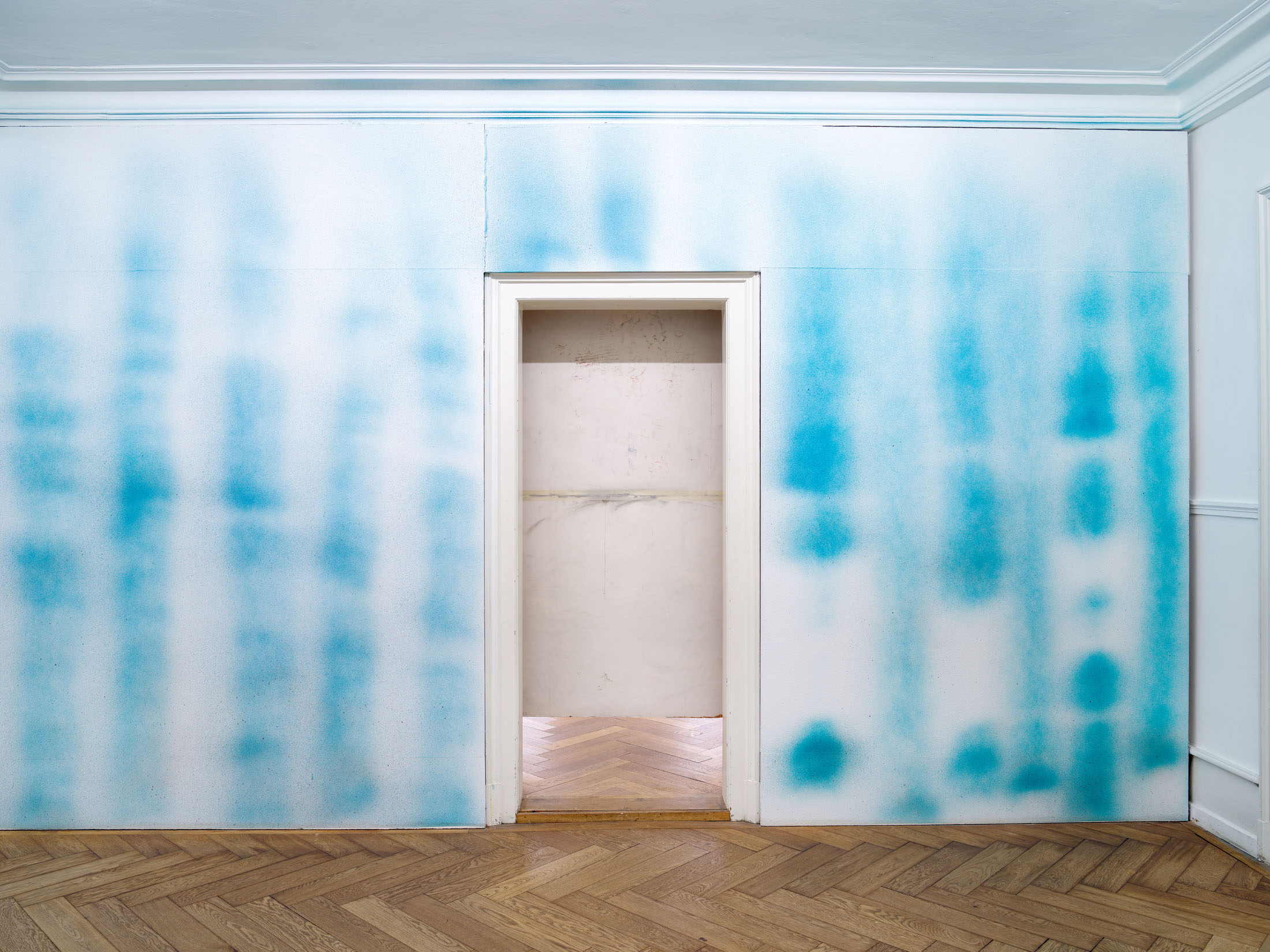
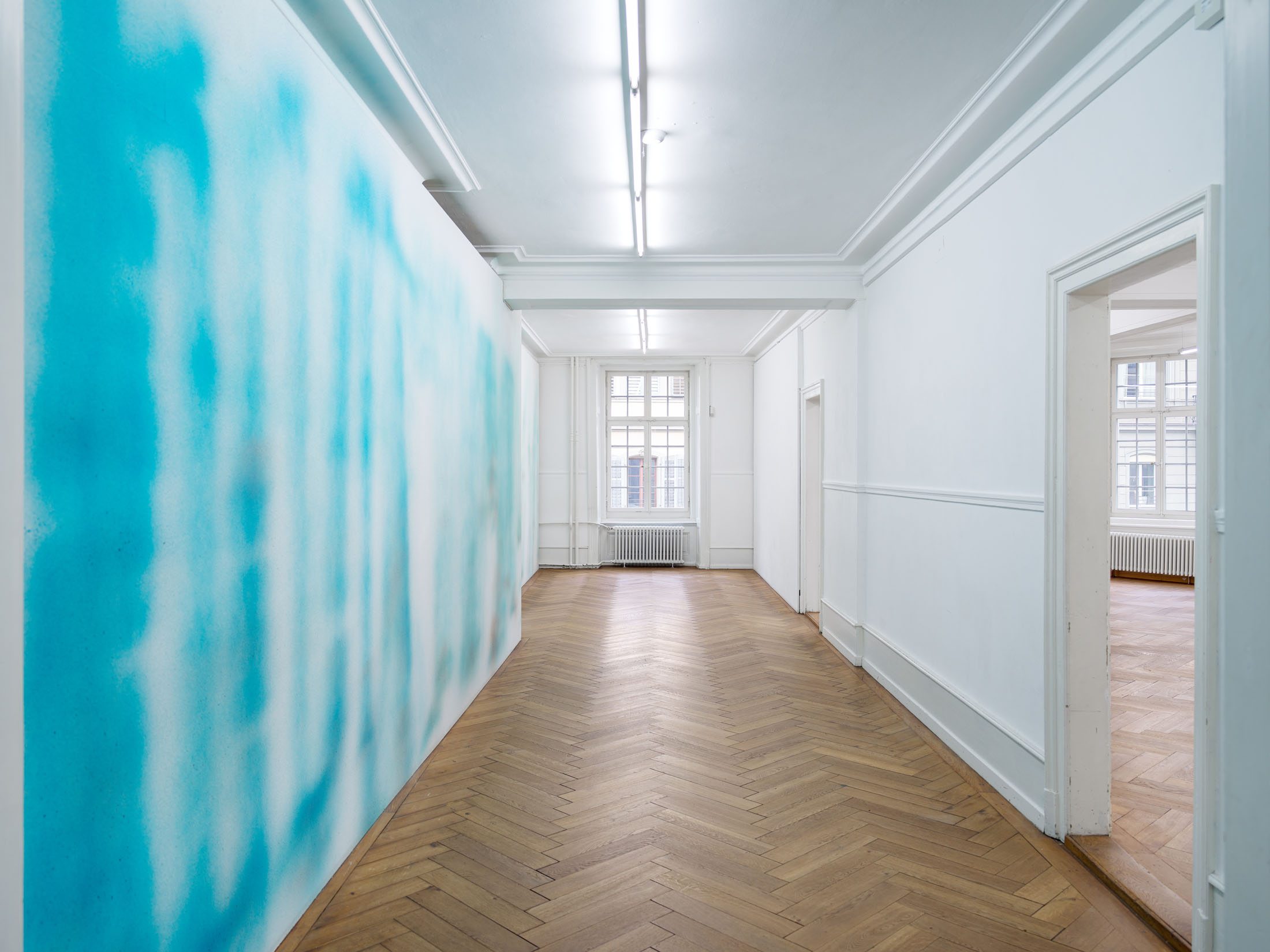
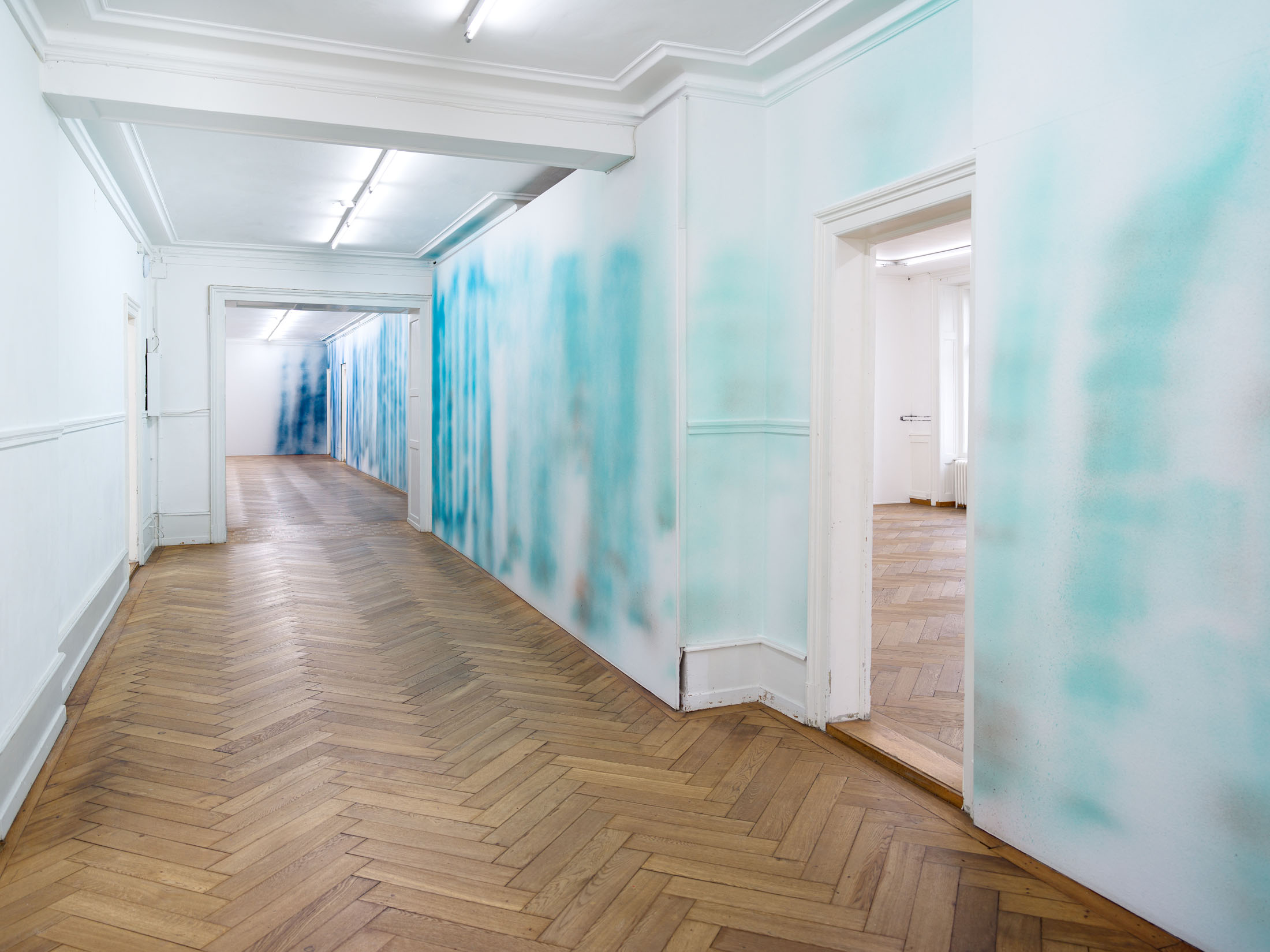
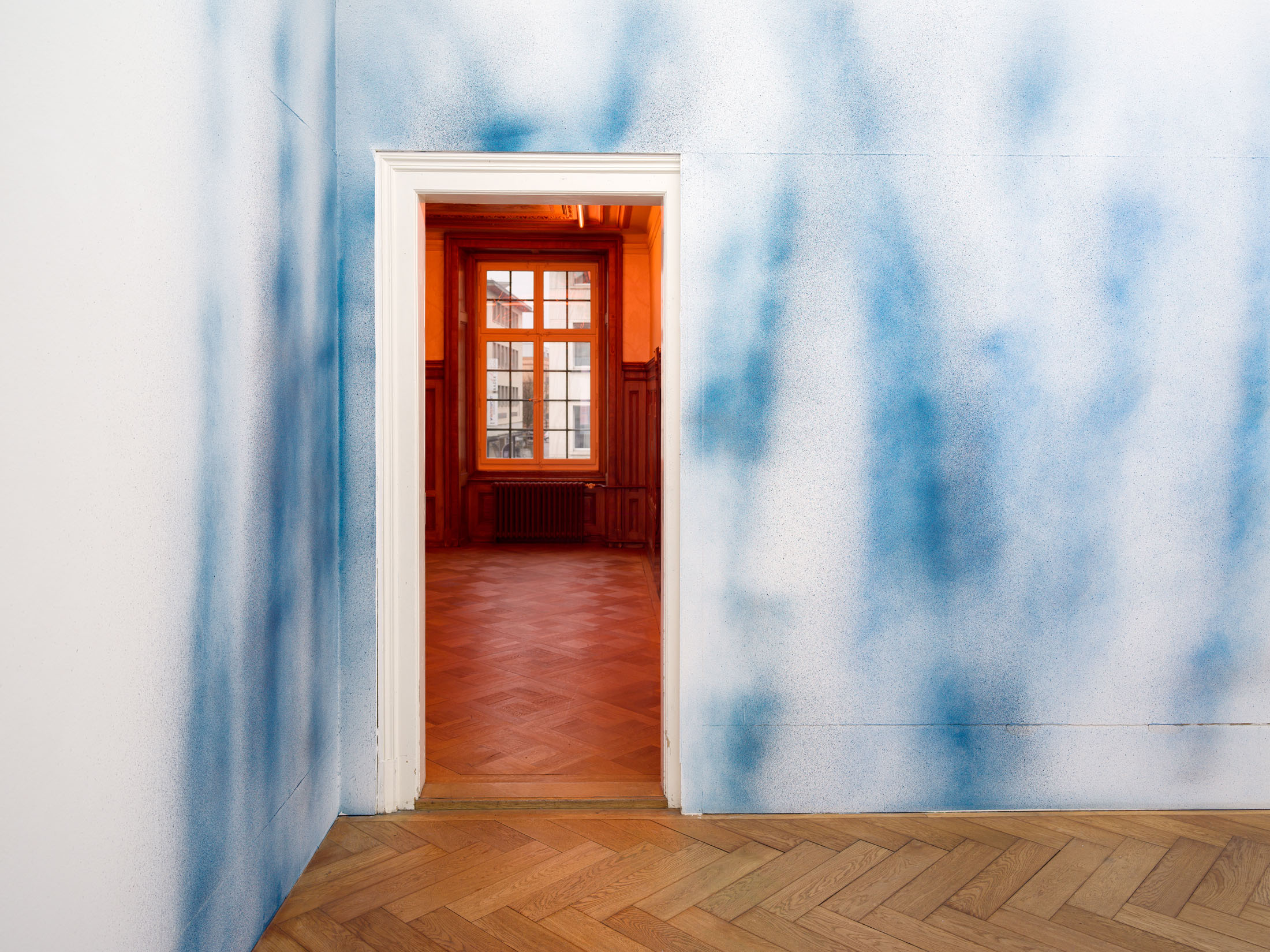
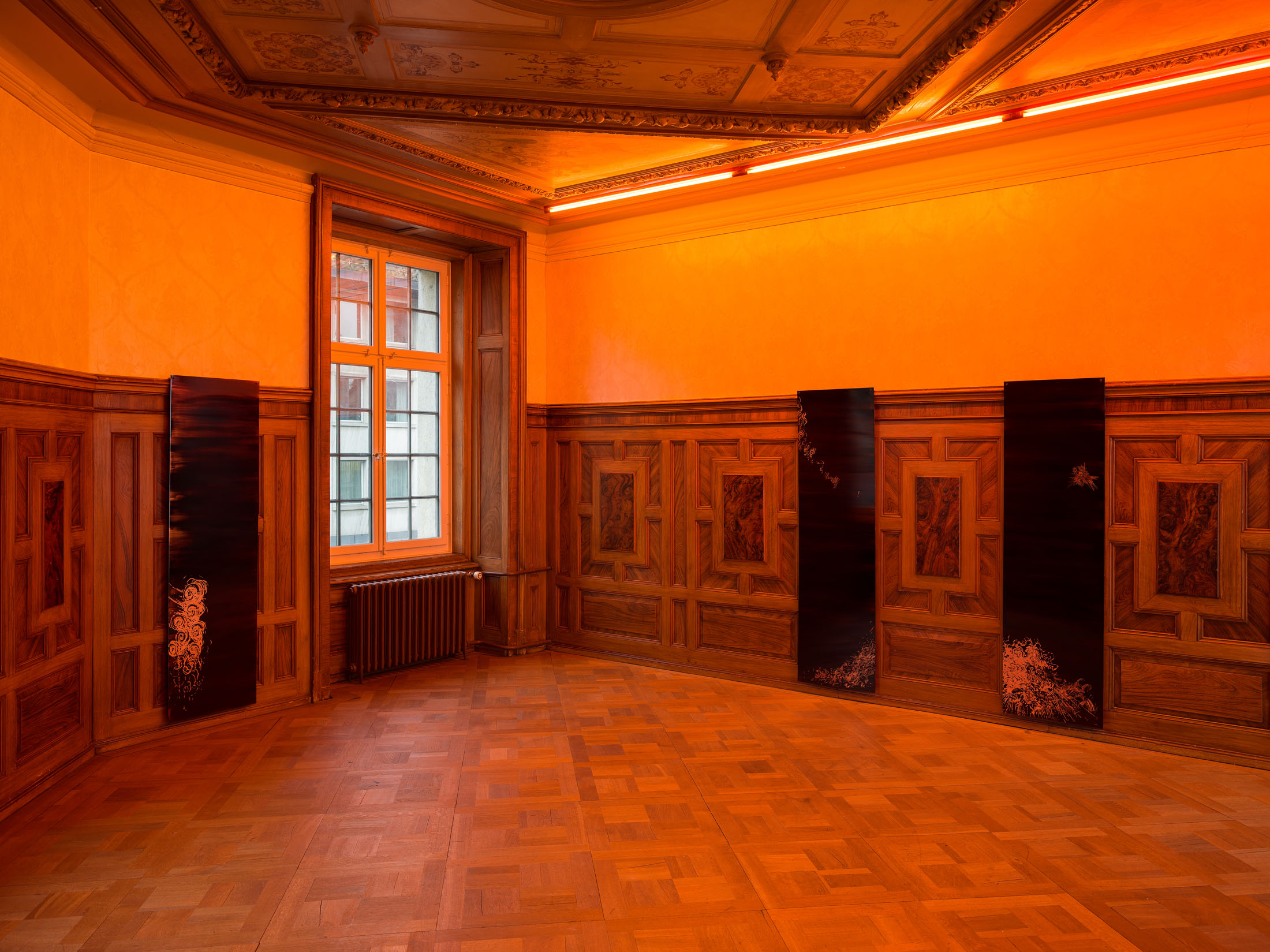
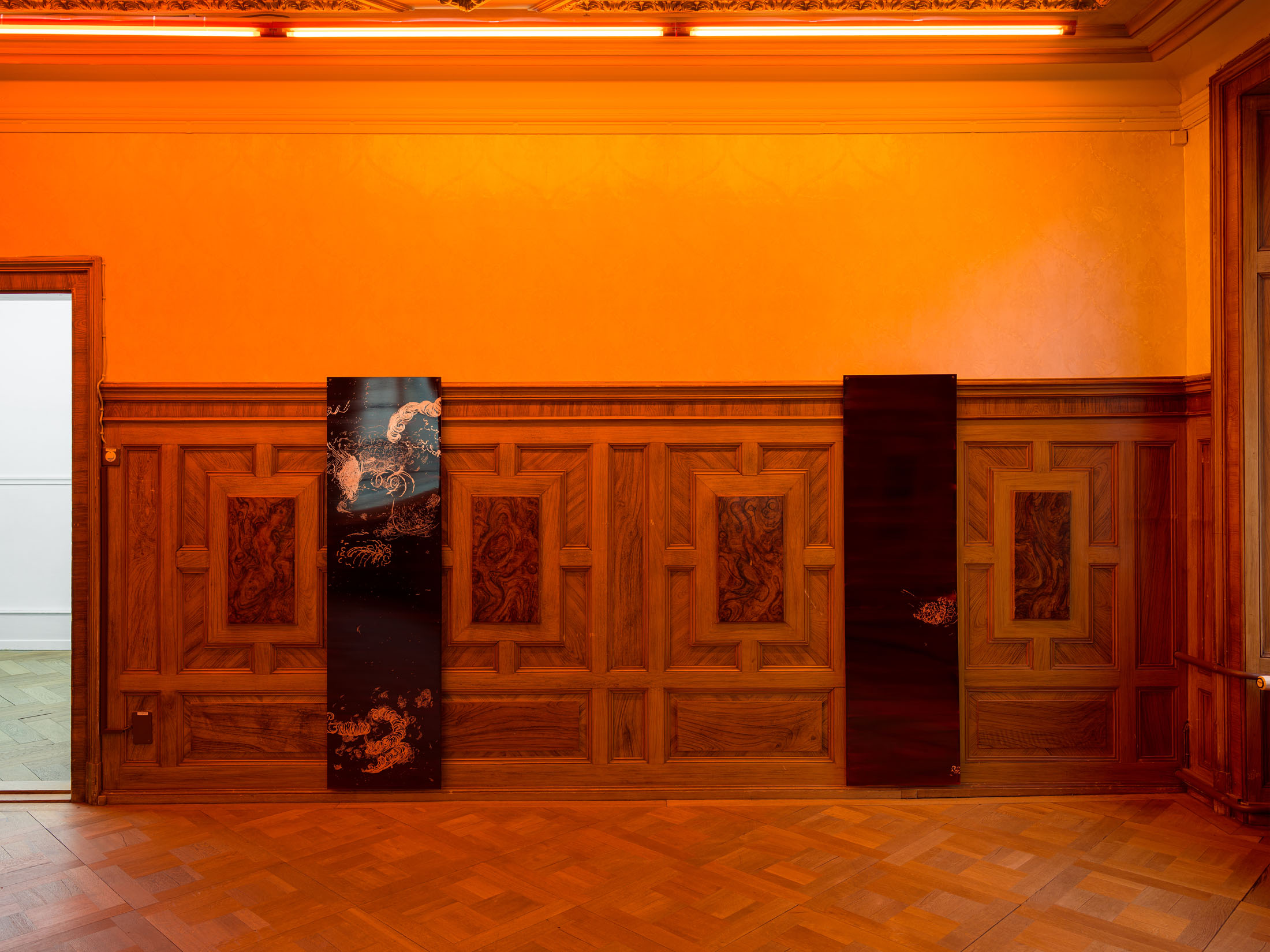
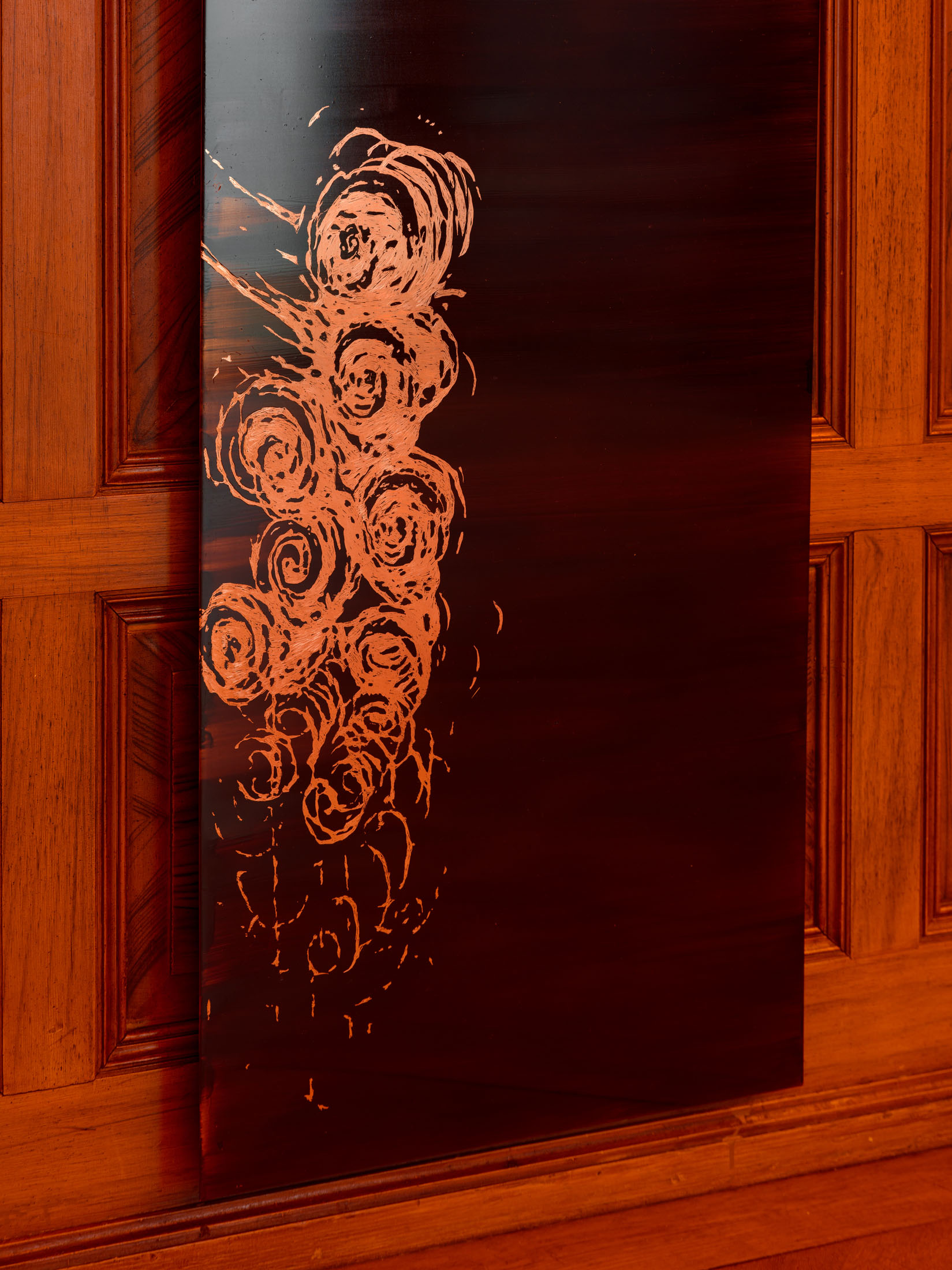
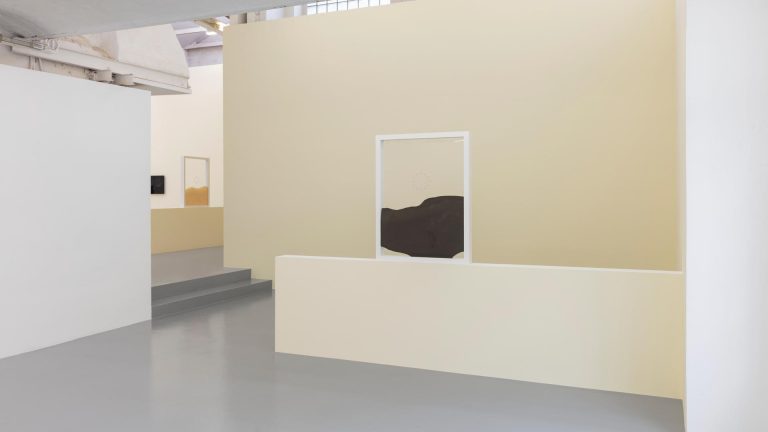
Izidora | LETHE (born 1987, lives in Zurich) created two expansive new works for the exhibition, in which the moment of mixing and blurring boundaries is central – from ‘dirt’ and water, from individual authors, from artistic media. The entire corridor is occupied by the work (im pure) GLOWS. The mural was created collaboratively by seven contributors. One person after another left expansive traces using a paint sprayer, following the rhythm of their inhalation and exhalation. These are linked to the characteristics of individual bodies, which together form a choir of sorts. Each person was assigned a slightly different shade of colour: the gradations of blue refer to water (the mural follows the Langete river, which flows beneath the building), but also to the blue liquid used in advertising instead of dirt or bodily fluids. The hygienic blue in (im pure) GLOWS is contrasted by brown speckles. This can be seen as a negative impurity – or positively as a plea for ambiguity and blending. The DELUGE ( series initially recalls simple, anonymous forms of minimalist sculpture. The austerity of the form is broken by brown-coloured light, which distorts our perception of time. Coated with asphalt, scratches shine through copper plates, in which we see our reflection and the size of which corresponds to LETHE‘s body. These plates are in a kind of limbo: they would need to be etched before they could be used for printing. The series is based on LETHE‘s exploration of Leonardo Da Vinci‘s so-called Deluge drawings, which were created in the last years of his life around 1515. LETHE is interested in the attempt to depict the undepictable – water as something that cannot be fixed or contained. Leonardo‘s drawings have been interpreted in various ways throughout art history, ranging from strictly scientific observations of nature to personal preoccupations with the end of time. The latter, the end of time, echoes in LETHE‘s engagement with the historical drawings today.
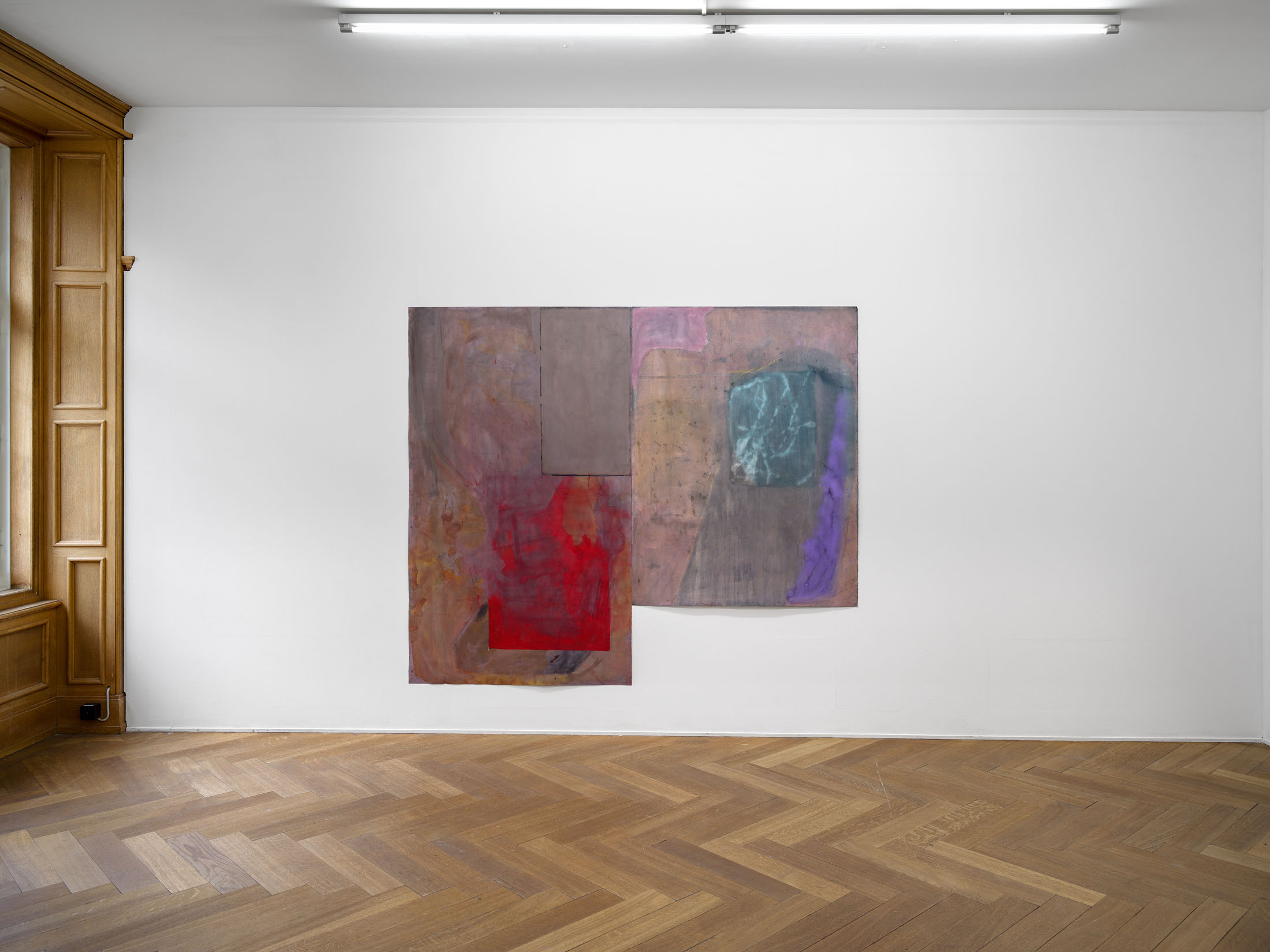
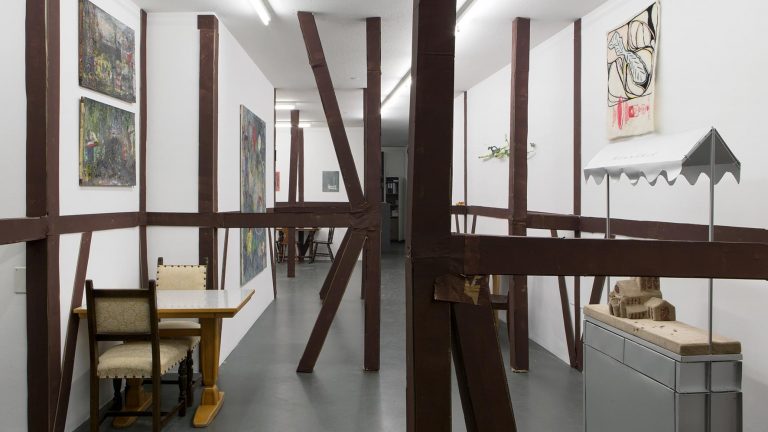
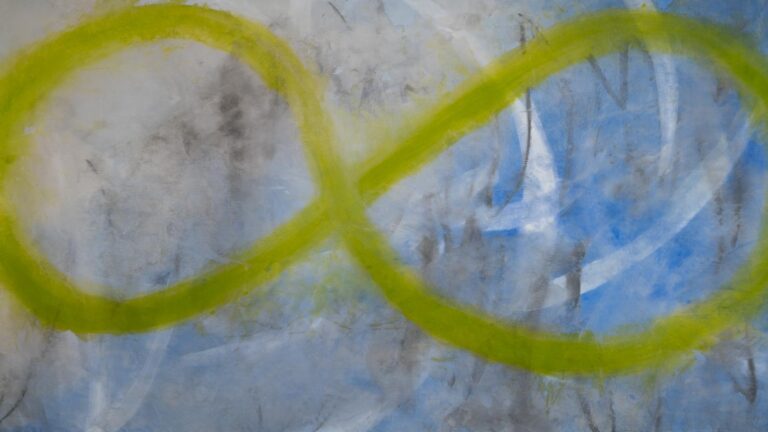
The element of water and references to local architectural features associated with the River Langete connect the works of LETHE with those of Thomas Hauri (born 1974, lives in Basel). Water is prima- rily a material and tool in his work, as Hauri works using watercolour technique. The unusually large sheets of laid paper used for watercolours often lie on the floor while he works. Hauri uses large amounts of water, which flows over the paper, spreading the paint or dissolving shapes that have already been painted, collecting and evaporating. A decisive factor for the artist is that watercolour paintings can be reactivated, sometimes months or years after they were last worked on. Hauri uses paintbrushes, sponges and bristle brushes to make painted, dried surfaces workable again with water. He creates layers and then removes them again. The physical effort involved is noticeable when viewing the work, although it is not an expressive outburst but happens slowly. It is also evident in the footprints visible in some of the pictures. In his experimental painting processes, Thomas Hauri often places objects and specially created shapes under and on top of the paper to control the water and influence the abrasion. The tension between control and loss of control is important. Hauri says: ‘I‘m looking for something I don‘t yet know. Over long periods of time, this results in images that are non-representational and yet suggest something physical, organic and spatial. ‘They‘re on the brink,’ says the artist. The hanging of the works is also of particular significance. Hauri has arranged 12 works, most of which are being shown for the first time, in three consecutive rooms. The individual works form an installation that visitors can immerse themselves in. This impression is reinforced by the closure of a passageway, which encloses the installation and requires visitors to cross the rooms twice. The hanging precisely responds to the unique characteristics of the exhibition rooms in the repurposed community centre and, with its gradations, references Langenthal‘s old flood infrastruc- ture with its stairs and high pavements.
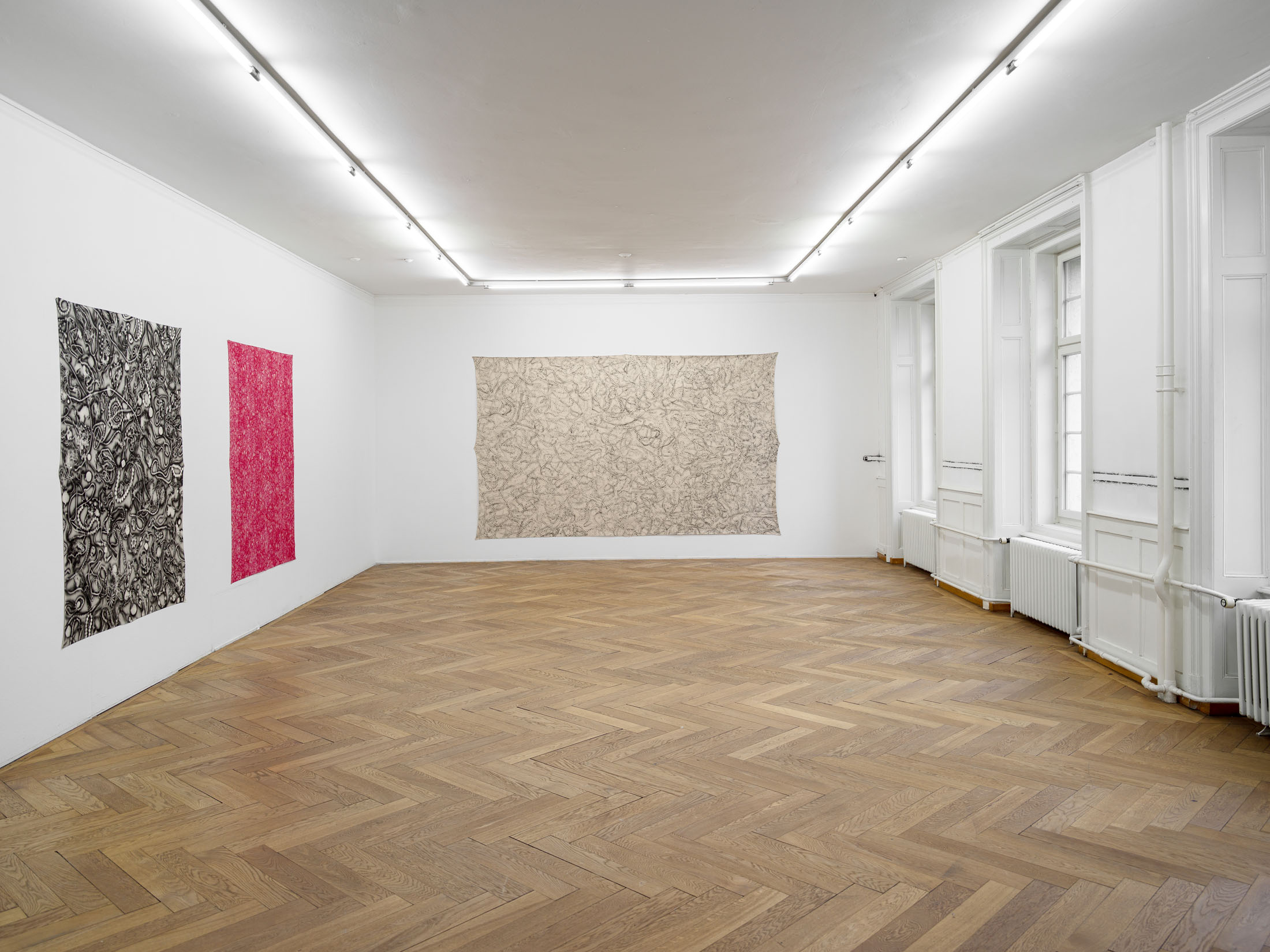
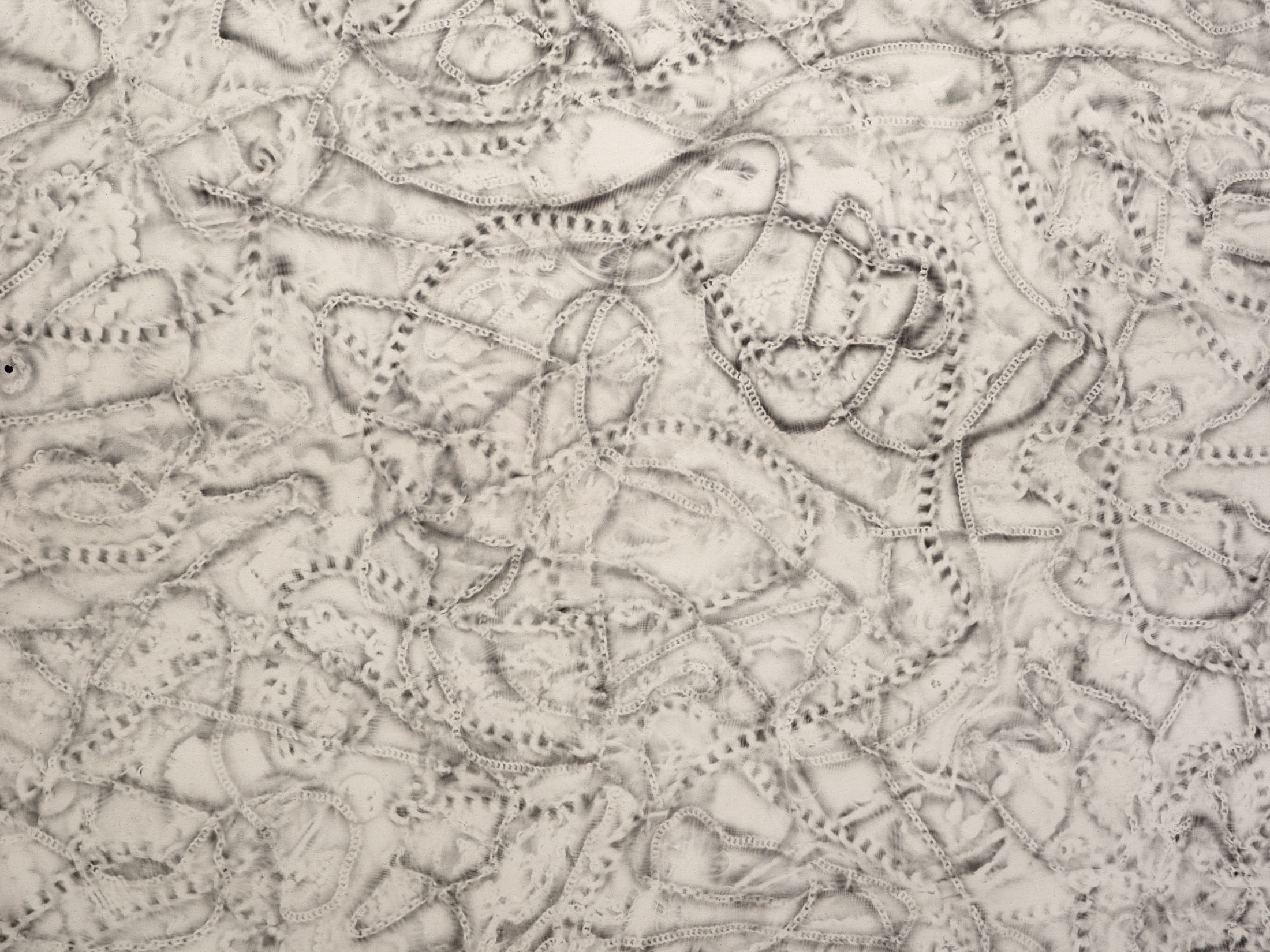
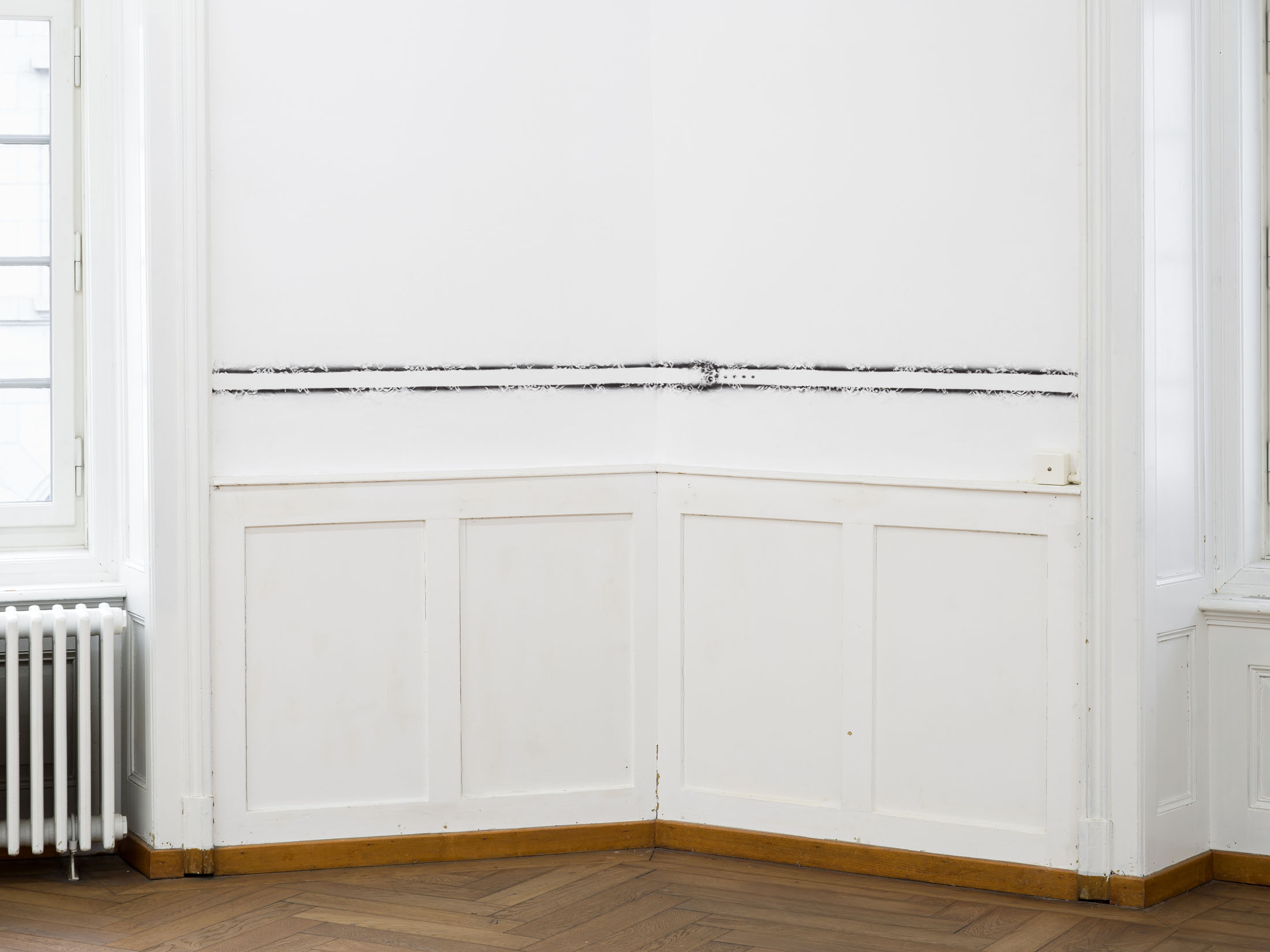
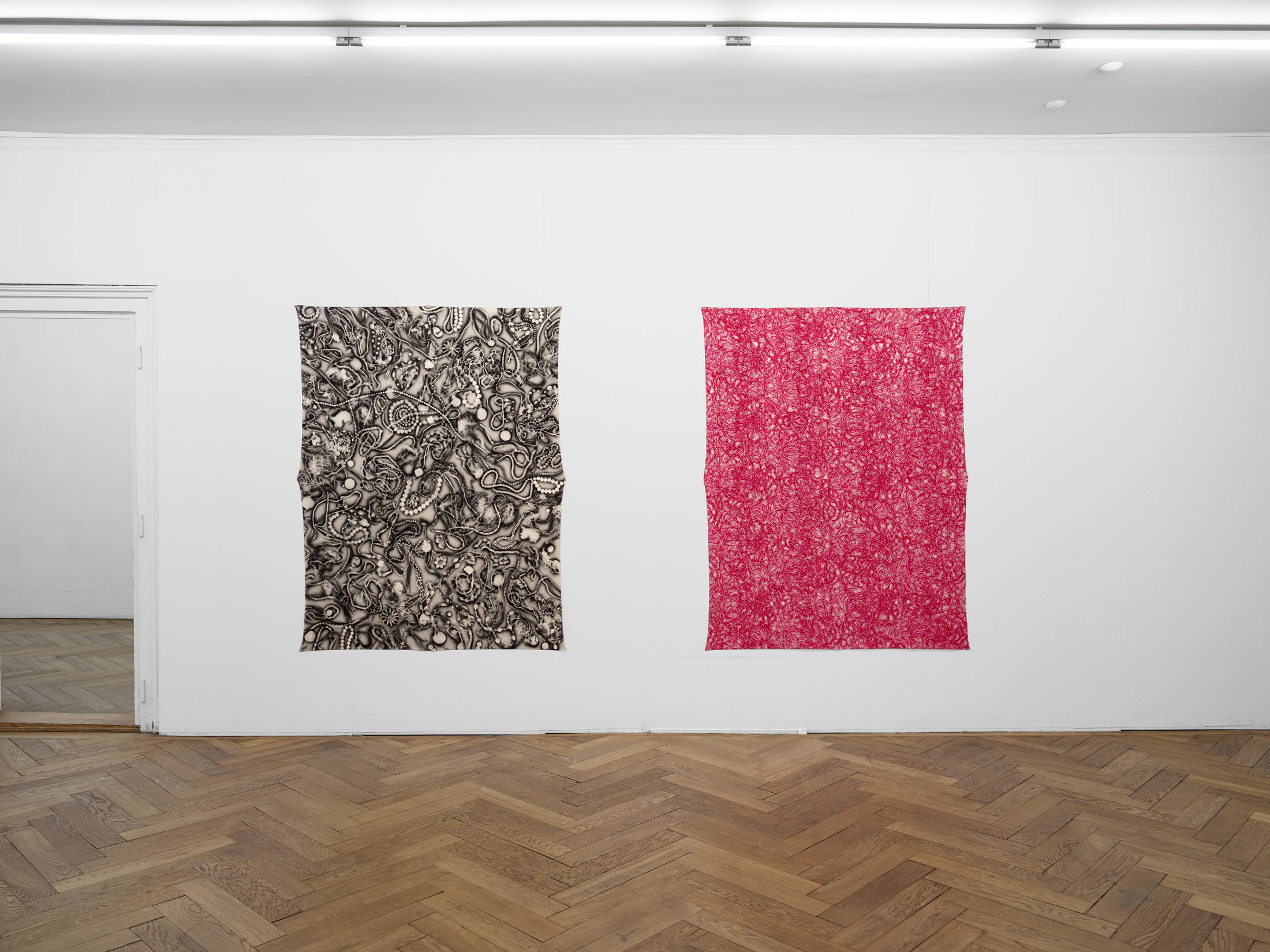
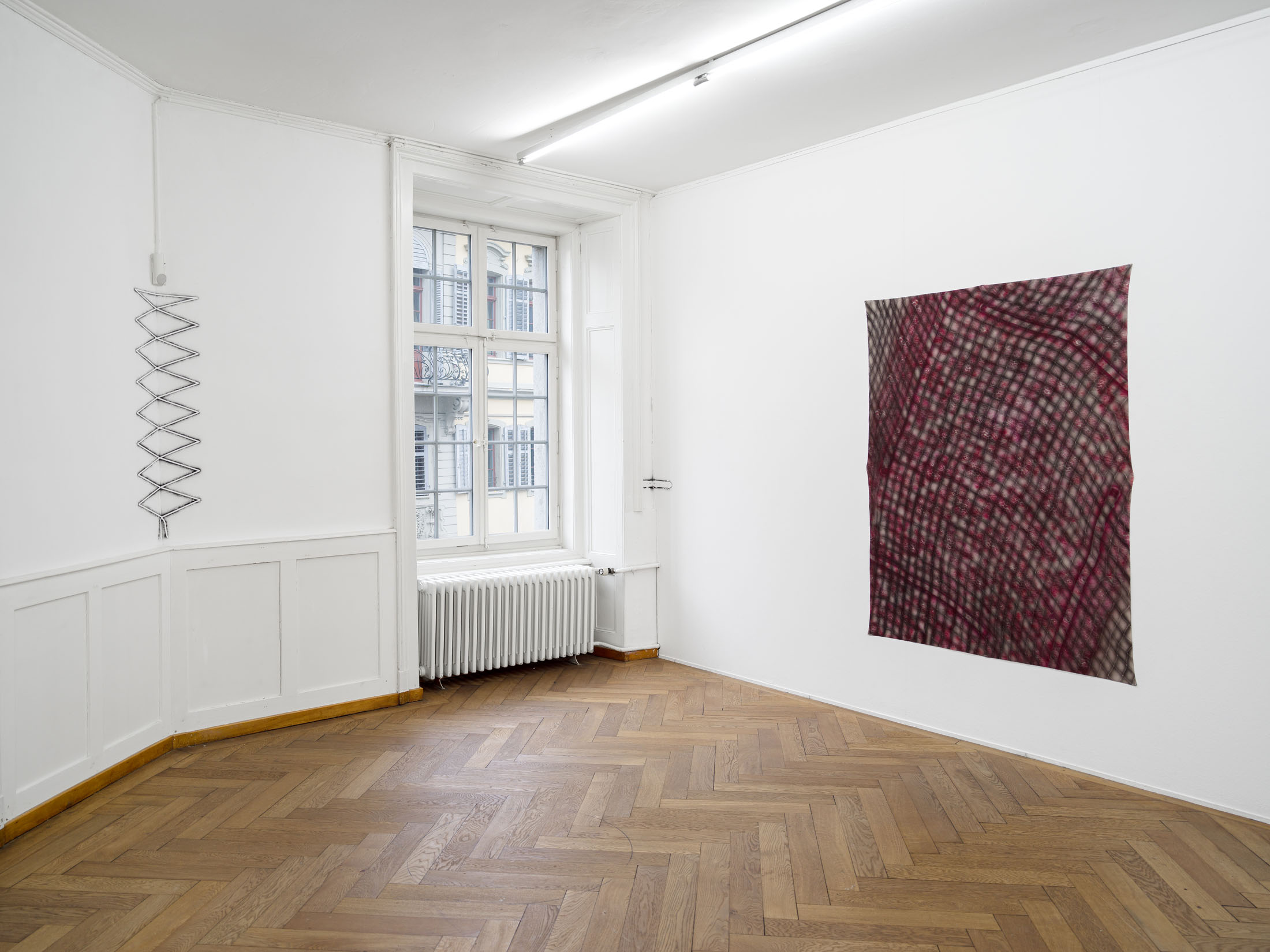
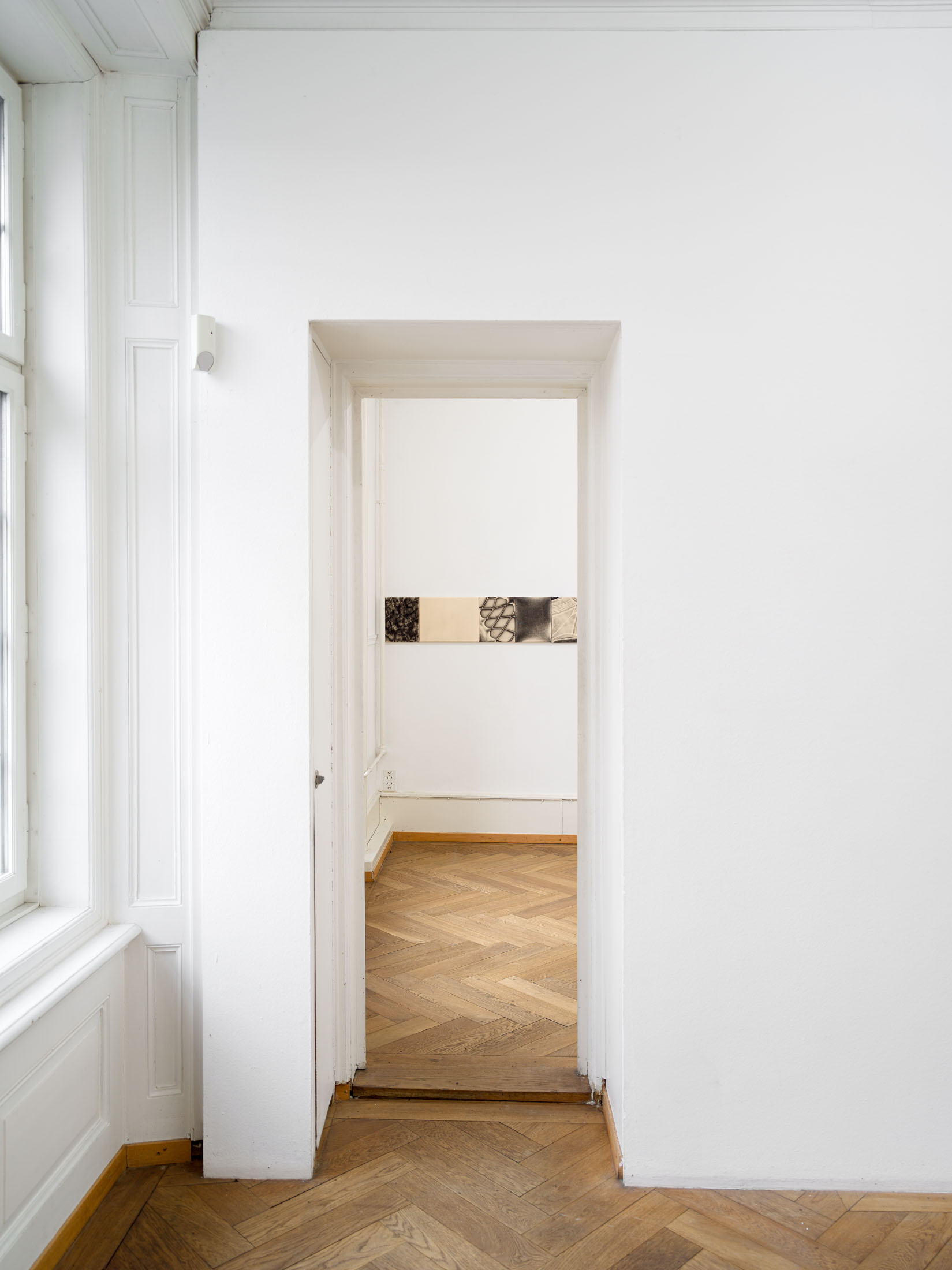
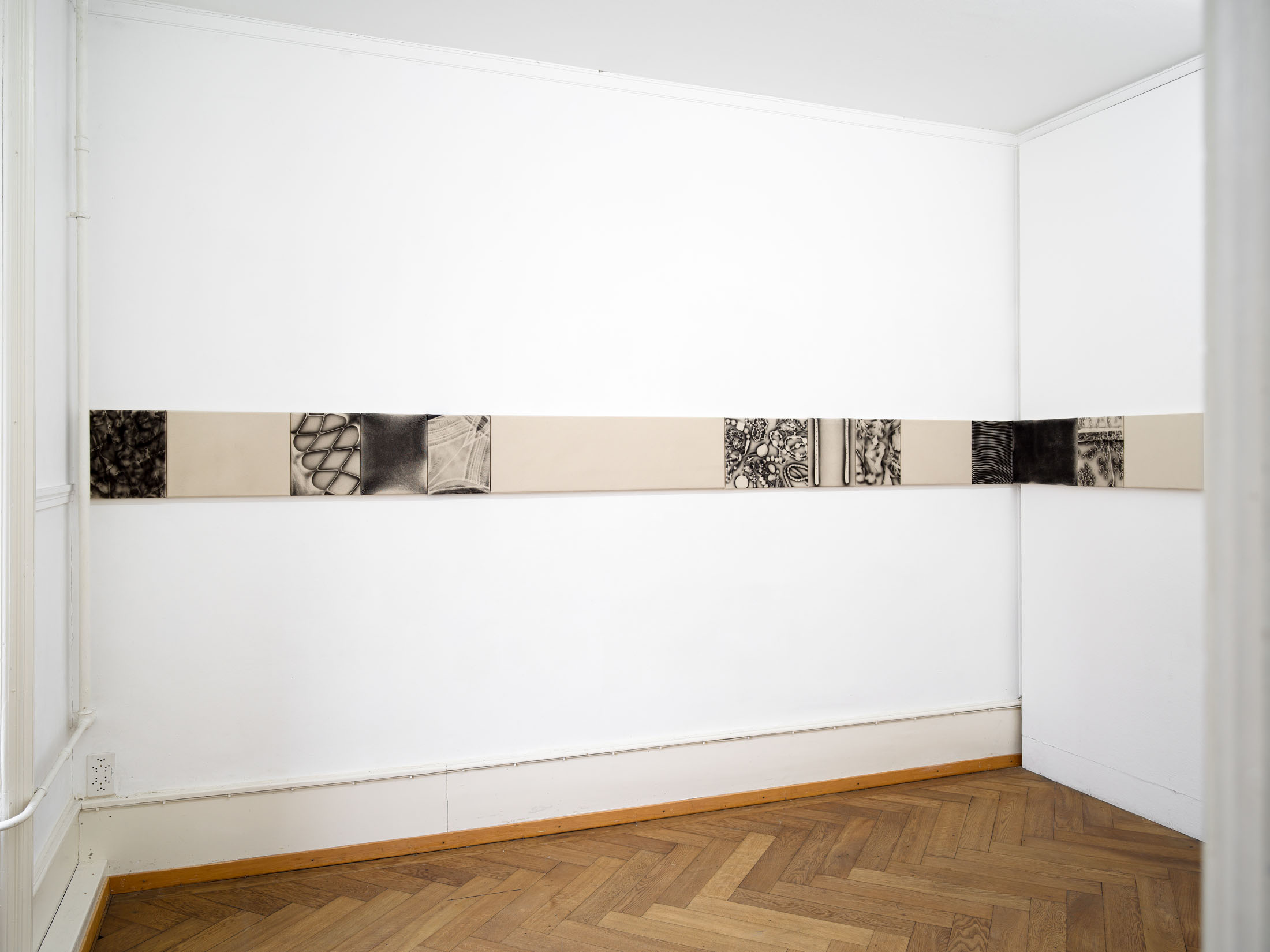
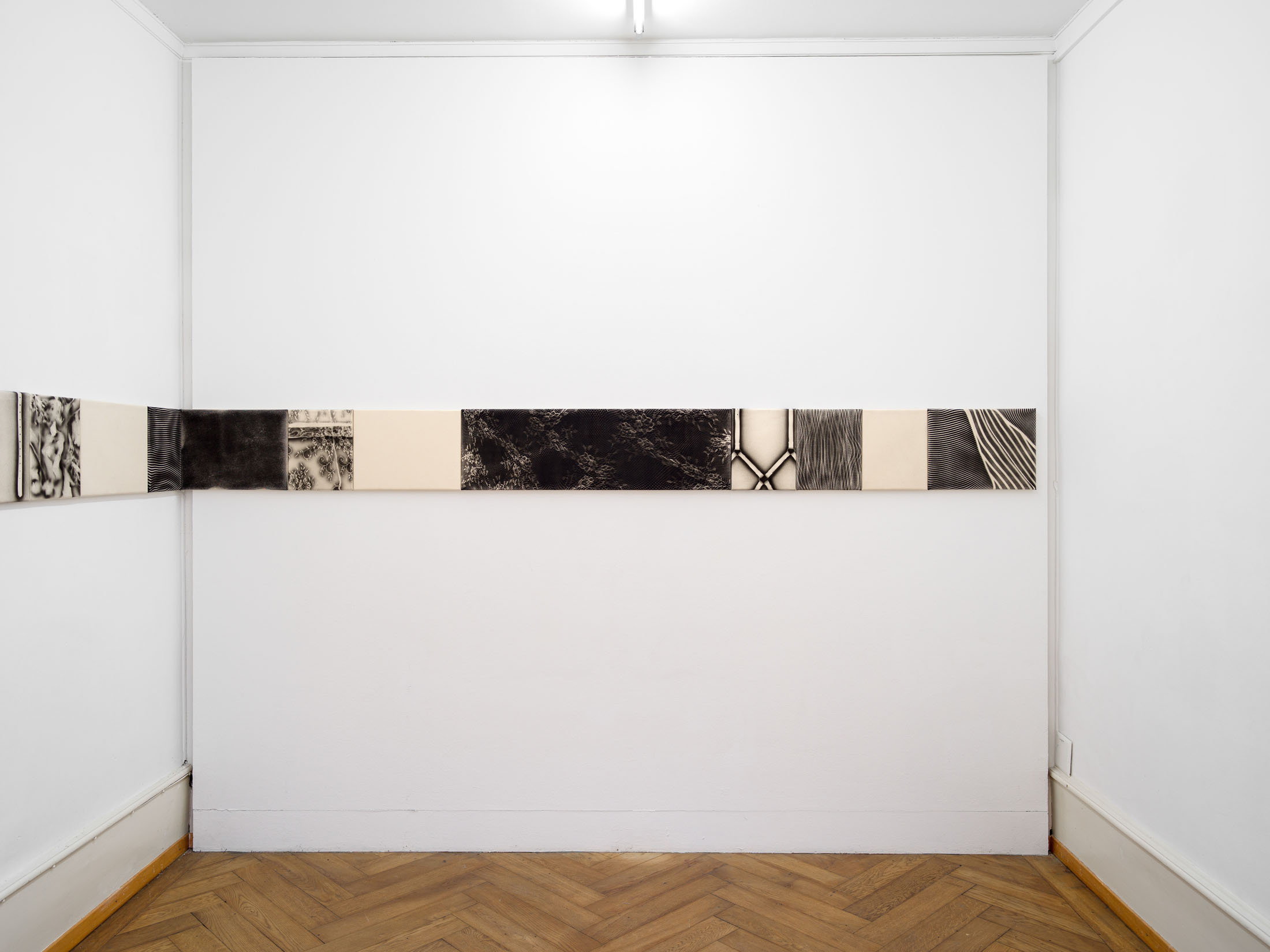
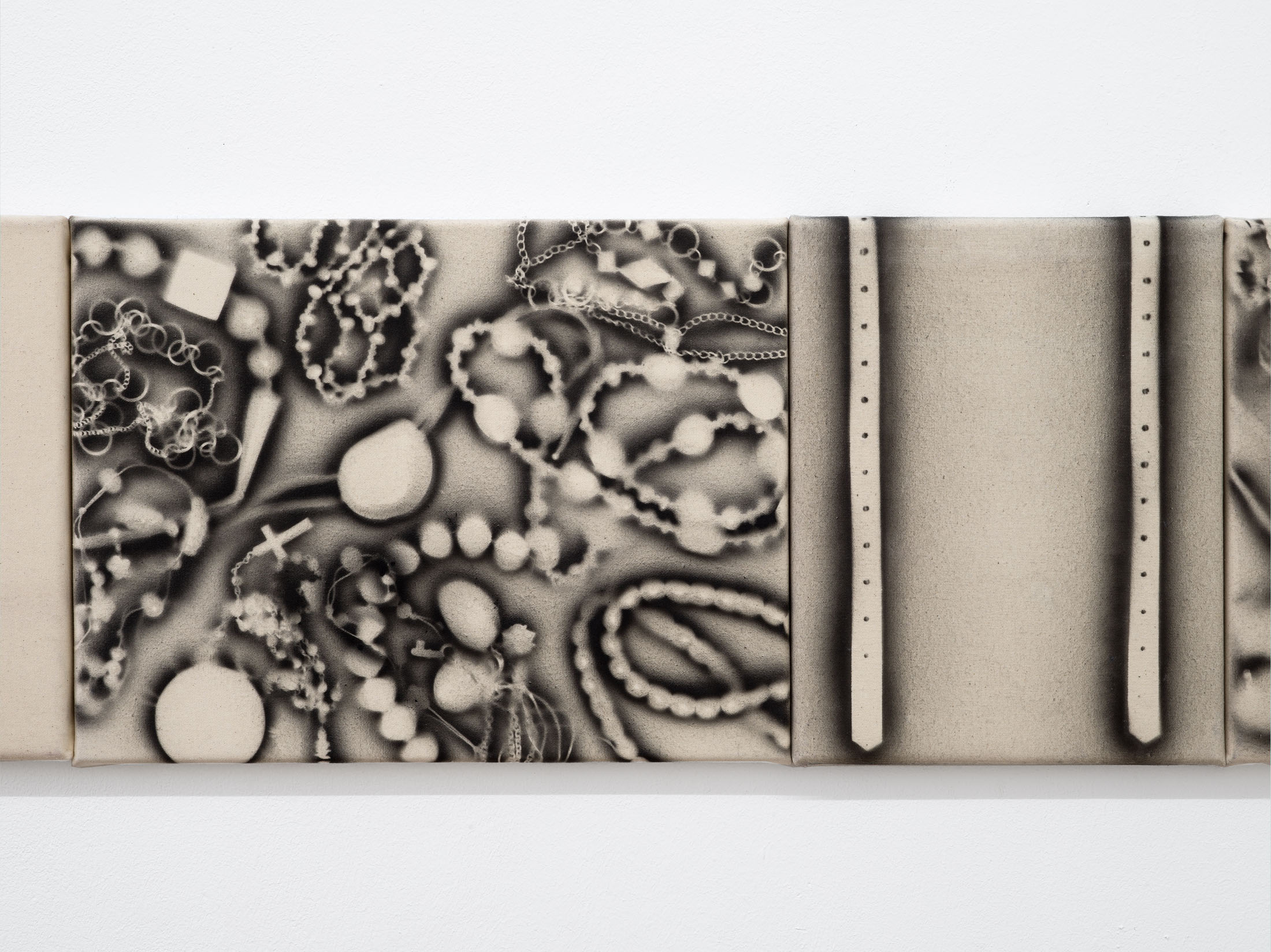
Christelle Kahla (born 1994, lives in Lausanne) features in the smallest room and in one of the largest rooms at opposite ends of the building. She employs symbolic objects such as clothing and jewellery as stencils for images sprayed with airbrush. Kahla refers to the physical while avoiding painterly gestures as an expression of the executing body itself. The process resembles that of a photogram, where objects are placed directly on photographic paper. Here, too, there are negative images: the place where the object lay remains empty. Nevertheless, the result is very vivid. The objects Kahla uses are charged with meaning. Chains, jewellery, lace, belts and corsets evoke the body and the intertwining of desire and compulsion, sensuality and power, adornment and control. The large room (Room 7) displays four large-format works on canvas, which are stretched directly onto the wall without stretcher frames. They resemble skins, a notion reinforced by references to tattoos or scars in the titles. Scars in Bloom is the name of one of the paintings, which is based on floral patterns but also reminds us of injured skin. The rooms themselves are also treated as bodies when Kahla uses motifs of belts and corsets in works sprayed directly onto the walls. The element of the belt, which encloses a space, reappears in the small-format series Fragments of Intimacies (The Nudes series #1–19) in Room 2. Here, the 19 images form a band that symbolically encloses the space. Some canvases are left blank, reminiscent of bare skin, silence or the absence of traces. The title hints at central aspects: the artist refers to the art-historical tradition of the nude, albeit indi- rectly. Kahla’s images work with fragmentation while simultaneously bringing bodies to life.
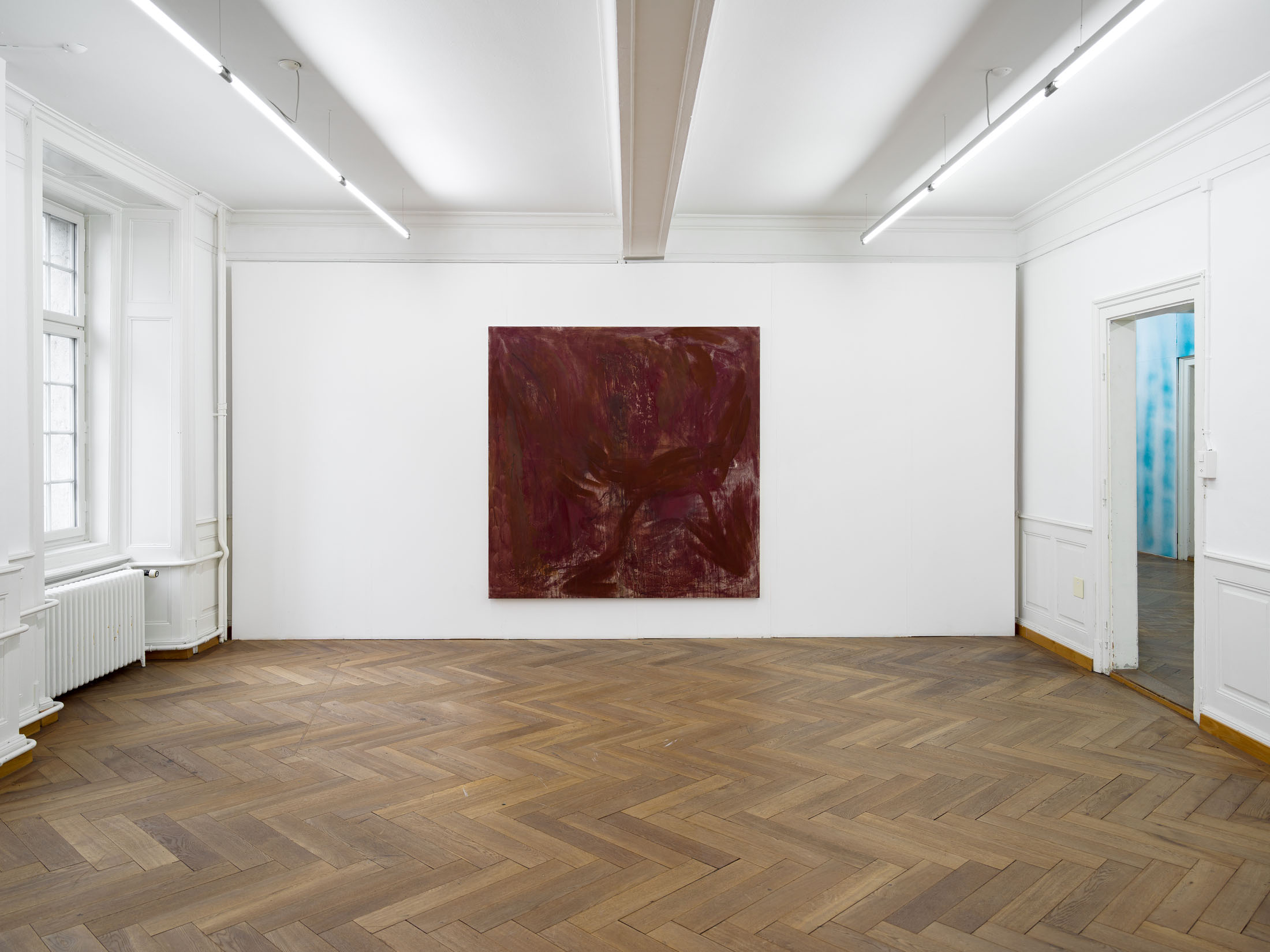
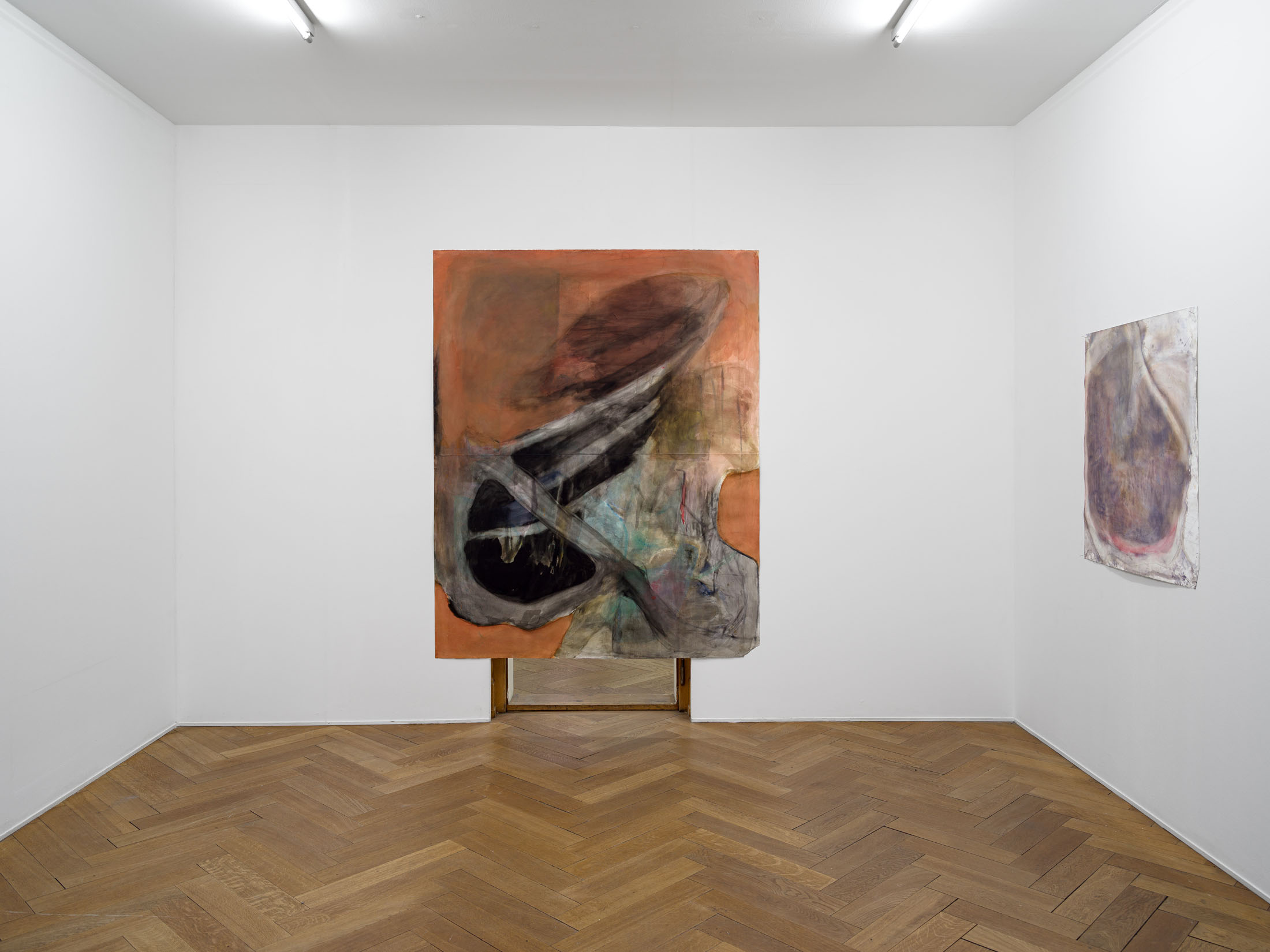
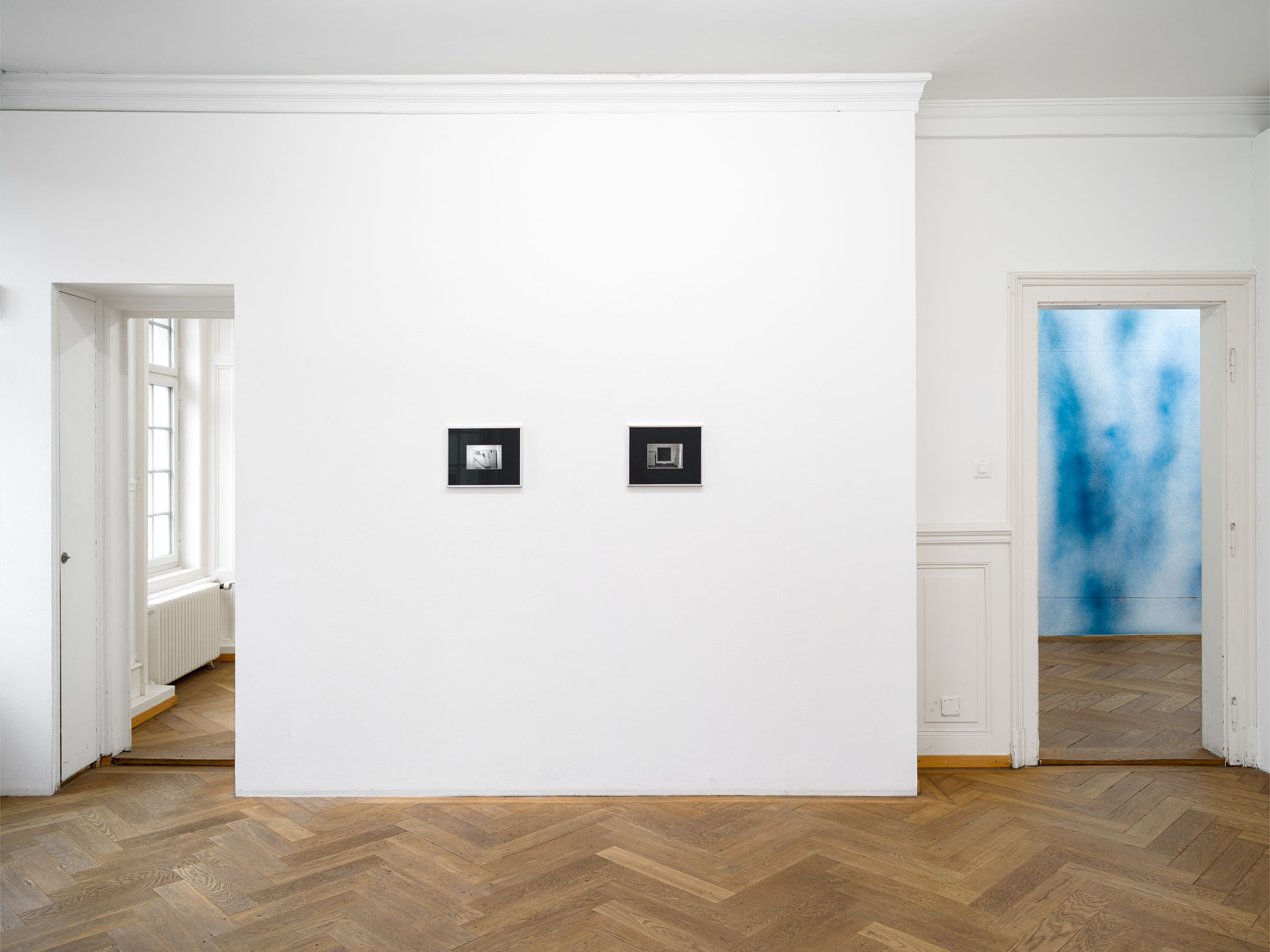
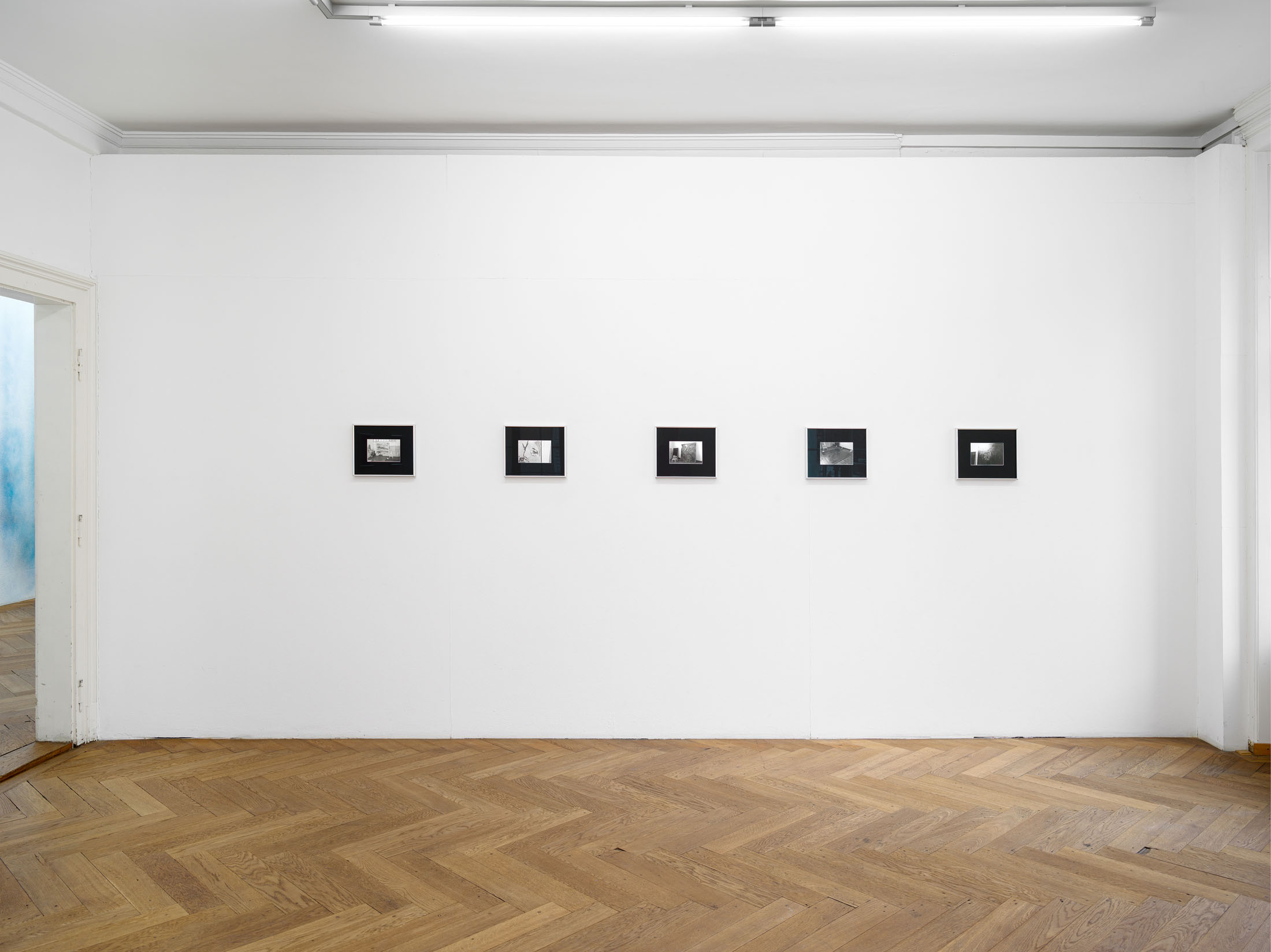
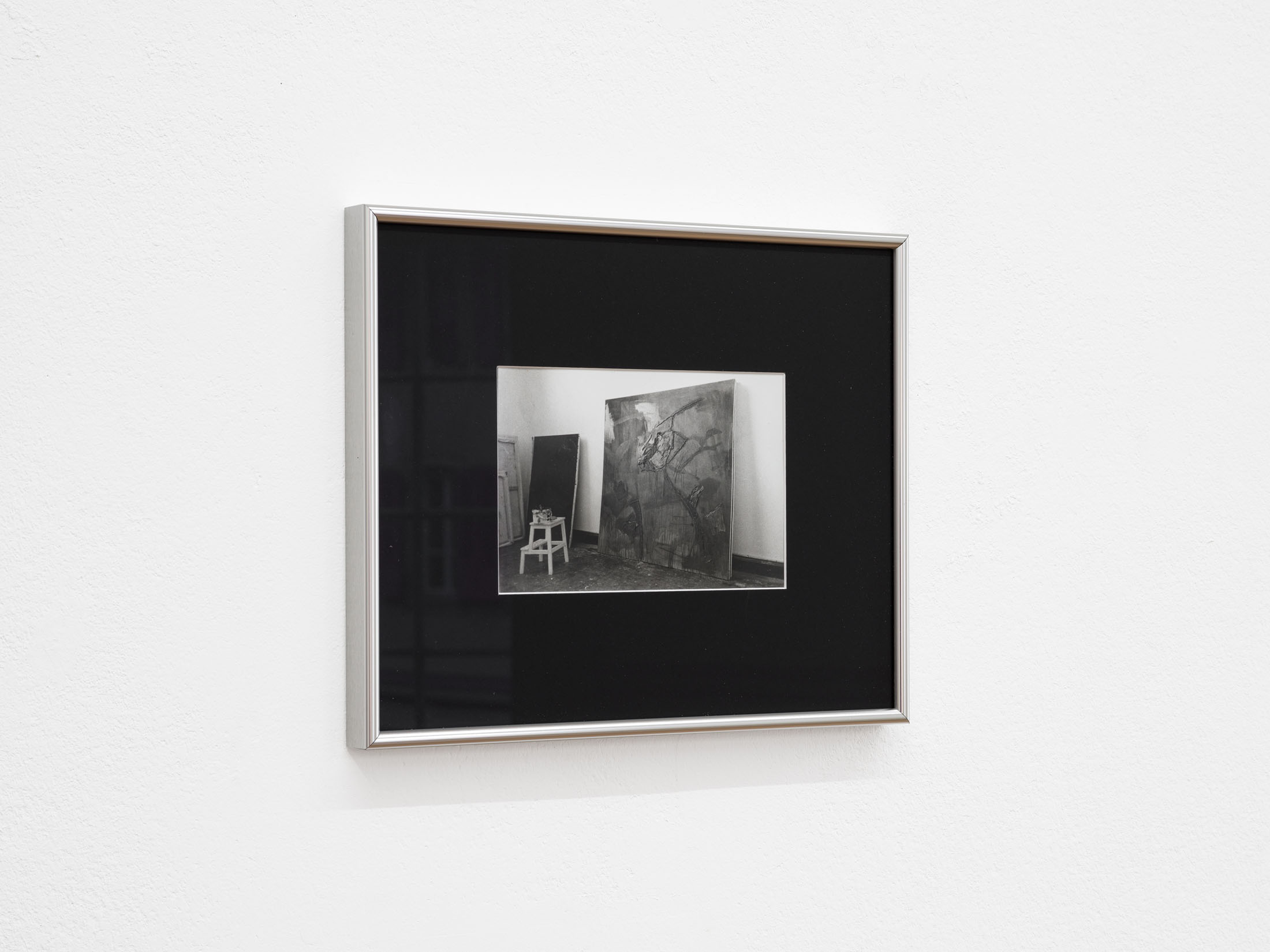
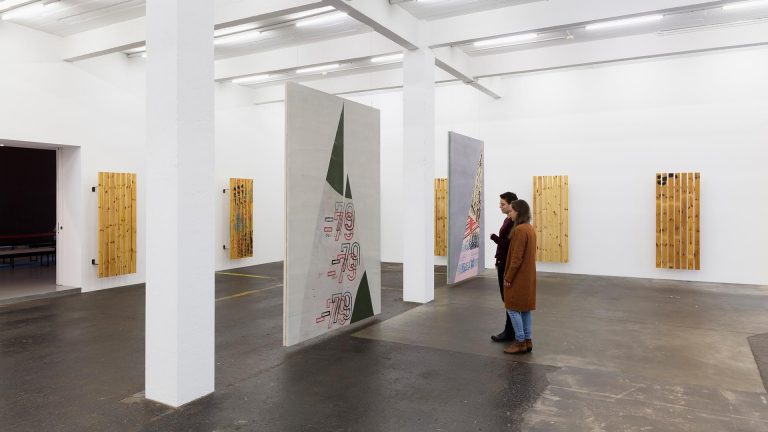
Like Christelle Kahla, Anastasia Pavlou (born 1993, lives in Basel) exhibits in two rooms at opposite ends of the Kunsthaus. The larger of the two rooms presents two paintings that reflect a practice in which process, the unexpected, and chance are central. In the large-format Untitled, rough brush- strokes, which can be felt as powerful movements, meet flowing surfaces resulting from the repulsion of oil paint and water, and sharp charcoal strokes. Her paintings bear witness to an ongoing working process that explores questions of time, materiality, and physical gesture. In a recurring physical and mental effort, the artist paints and repaints, removes canvases from their stretcher frames, only to turn them over and start again. Objects are found, glued on and covered with heavy brushstrokes. The artist understands the act of painting as a search for a precise moment that allows a canvas to stand on its own – the moment when a painting is permitted to leave the process of active production and enter a secondary archival state of physical movement and painterly gesture. Pavlou‘s visual language is not exclusively expressive. There are also figurative moments in her painting practice, and writing appears. The possibility of deviation, for example towards the conceptual or figurative, is a fundamental condition. Analogue photography is a constant companion, as can be seen in the smaller of her two rooms. These are photographs taken in the artist‘s studio. At first glance, the pho- tographs appear to have been taken casually while painting, but they are not documenting anything. Rather, they seem to be a conceptual play with transformation within the artist’s own work, in which large-format colourful paintings are reproduced in small black-and-white fragmented form, with the result framed and hung as a finished work.
The exhibition is curated by Raffael Dörig, Director Kunsthaus Langenthal and Marius Quiblier, assistant curator Kunsthaus Langenthal.