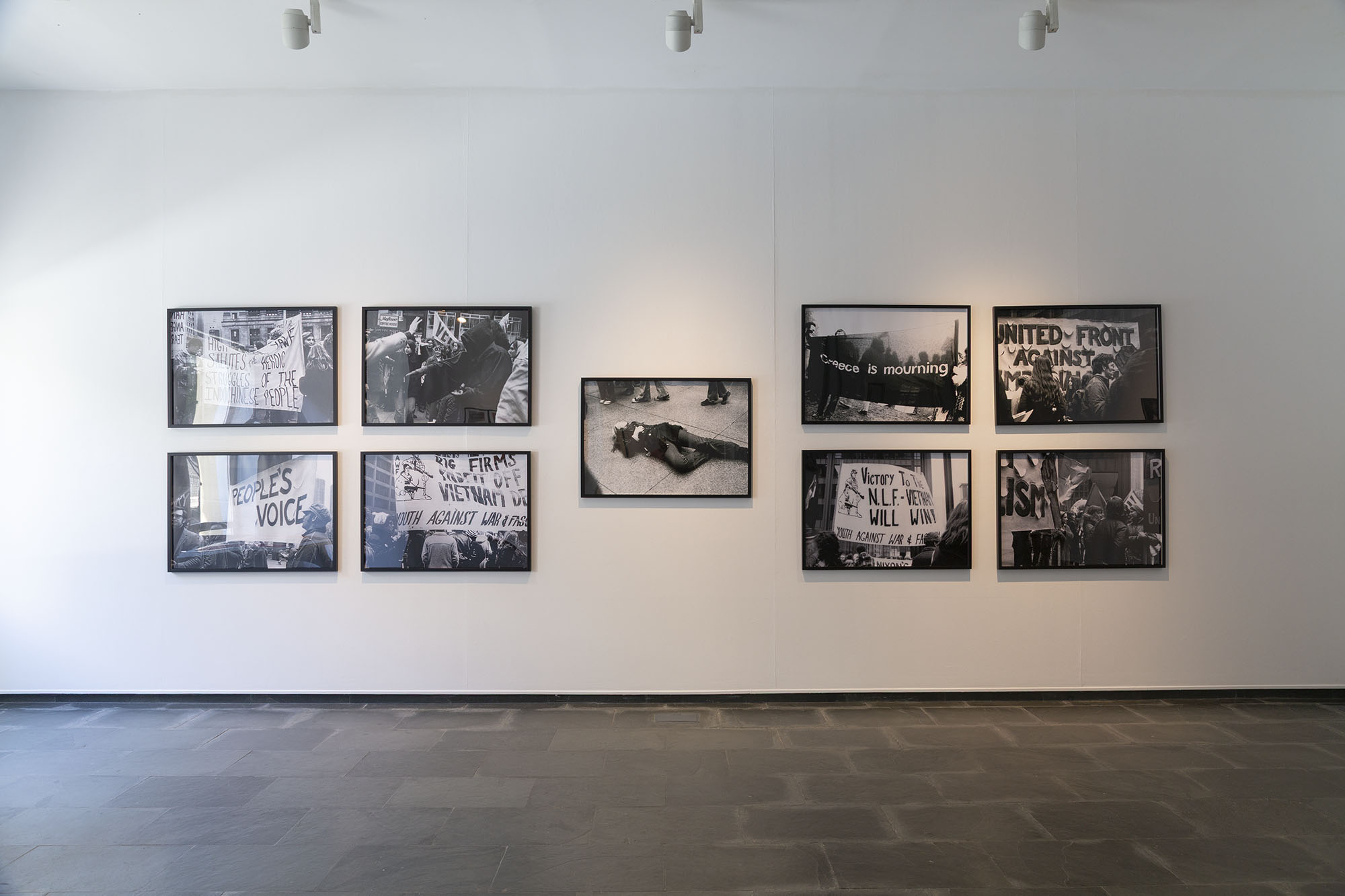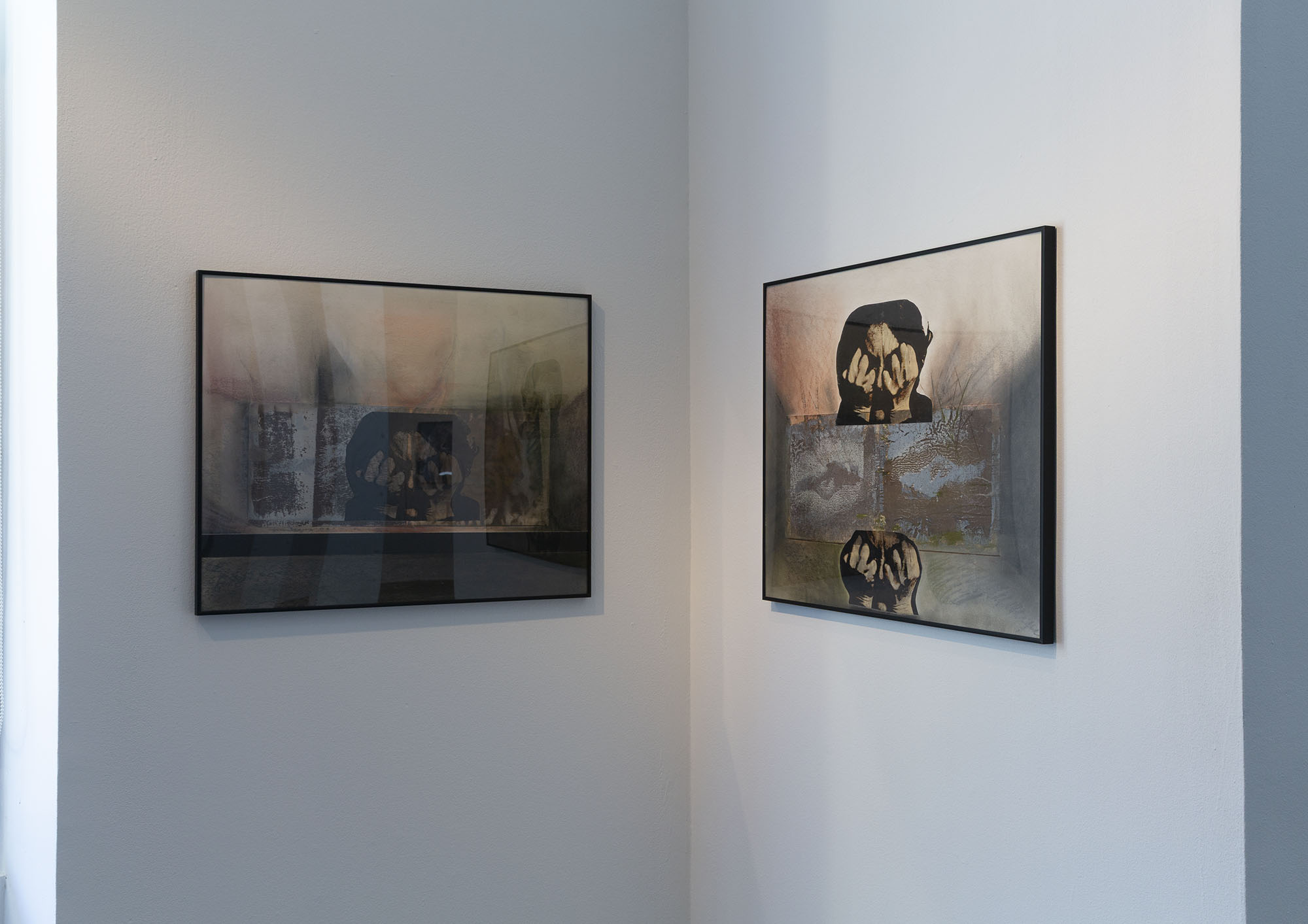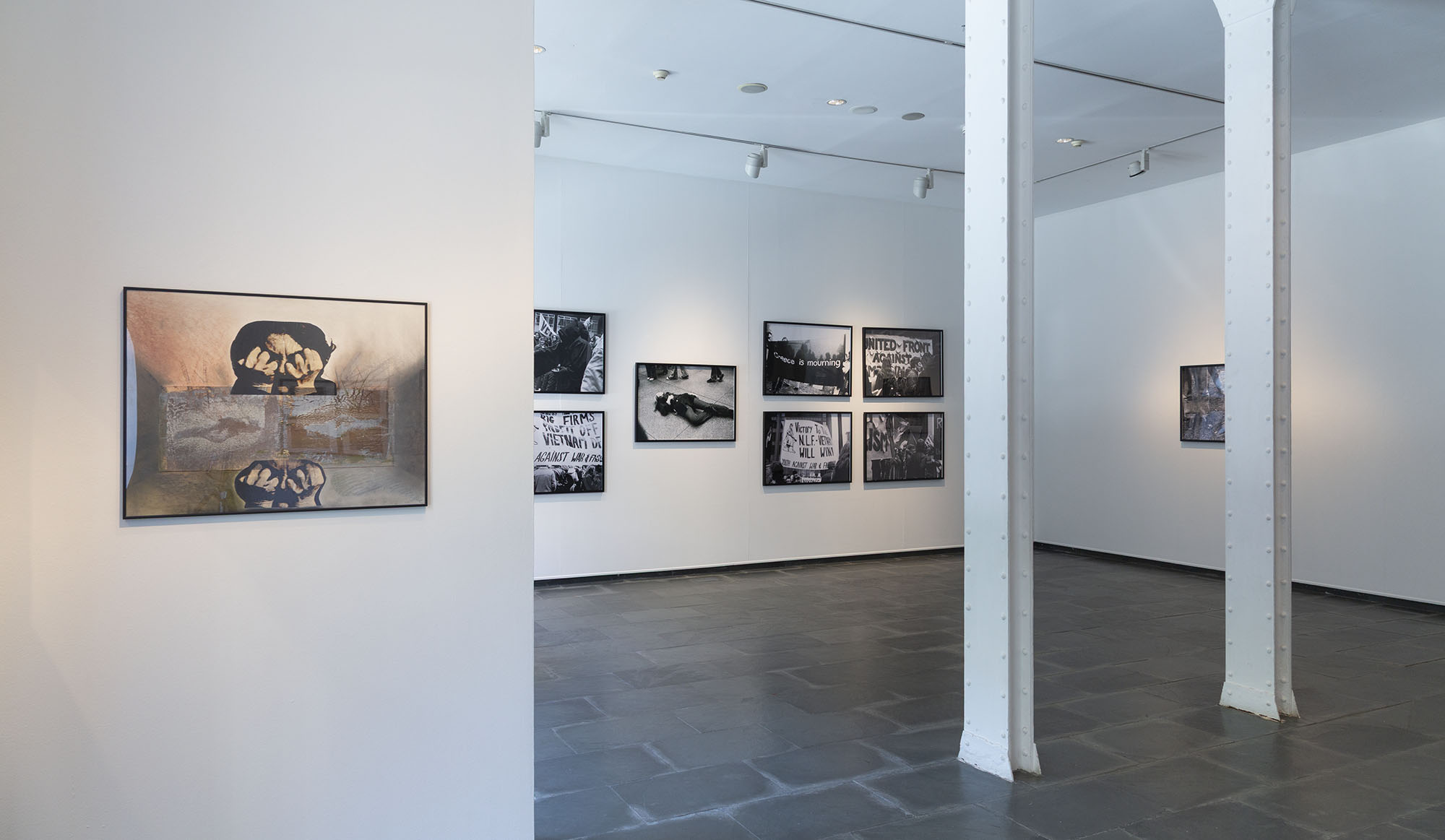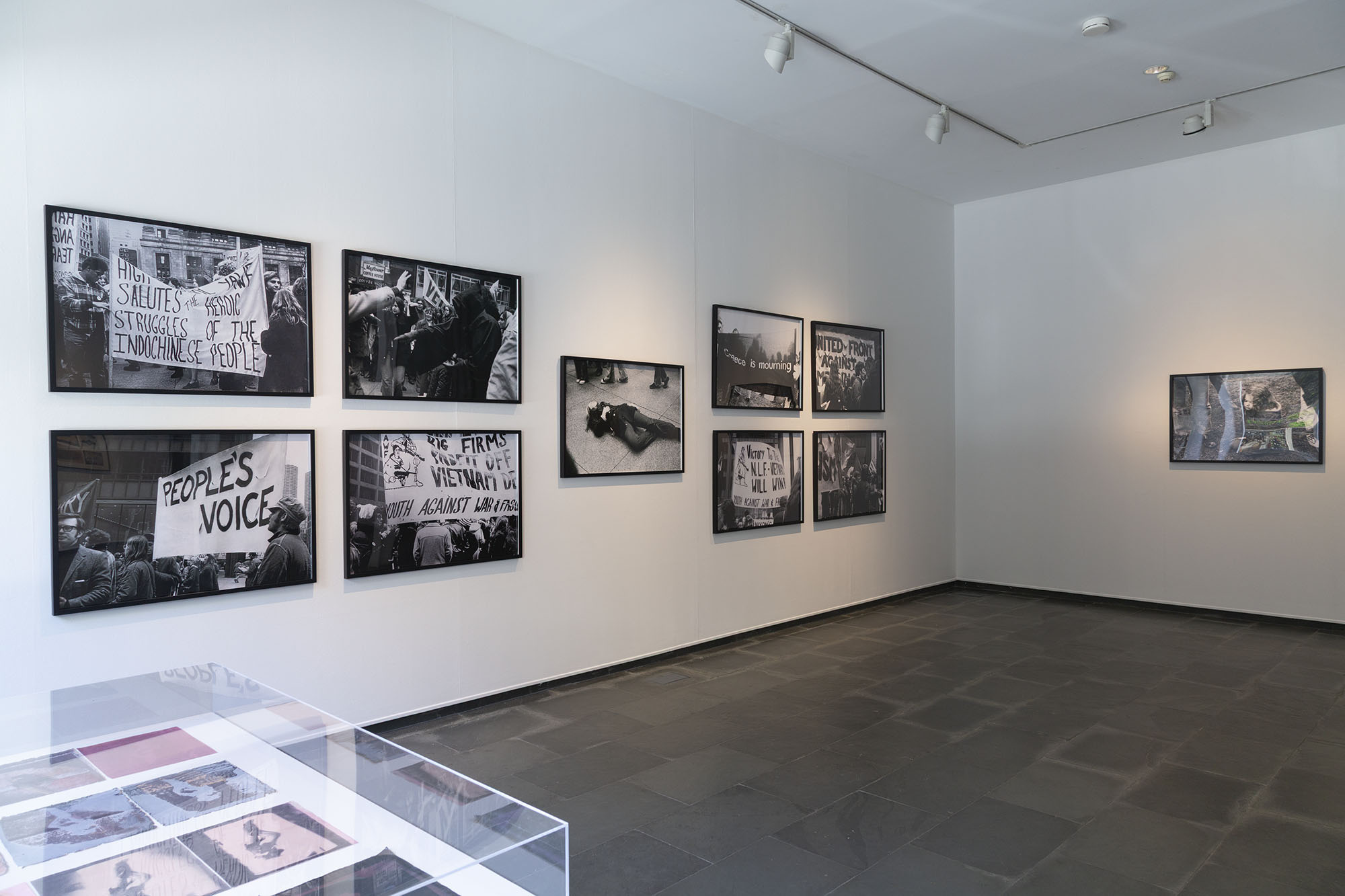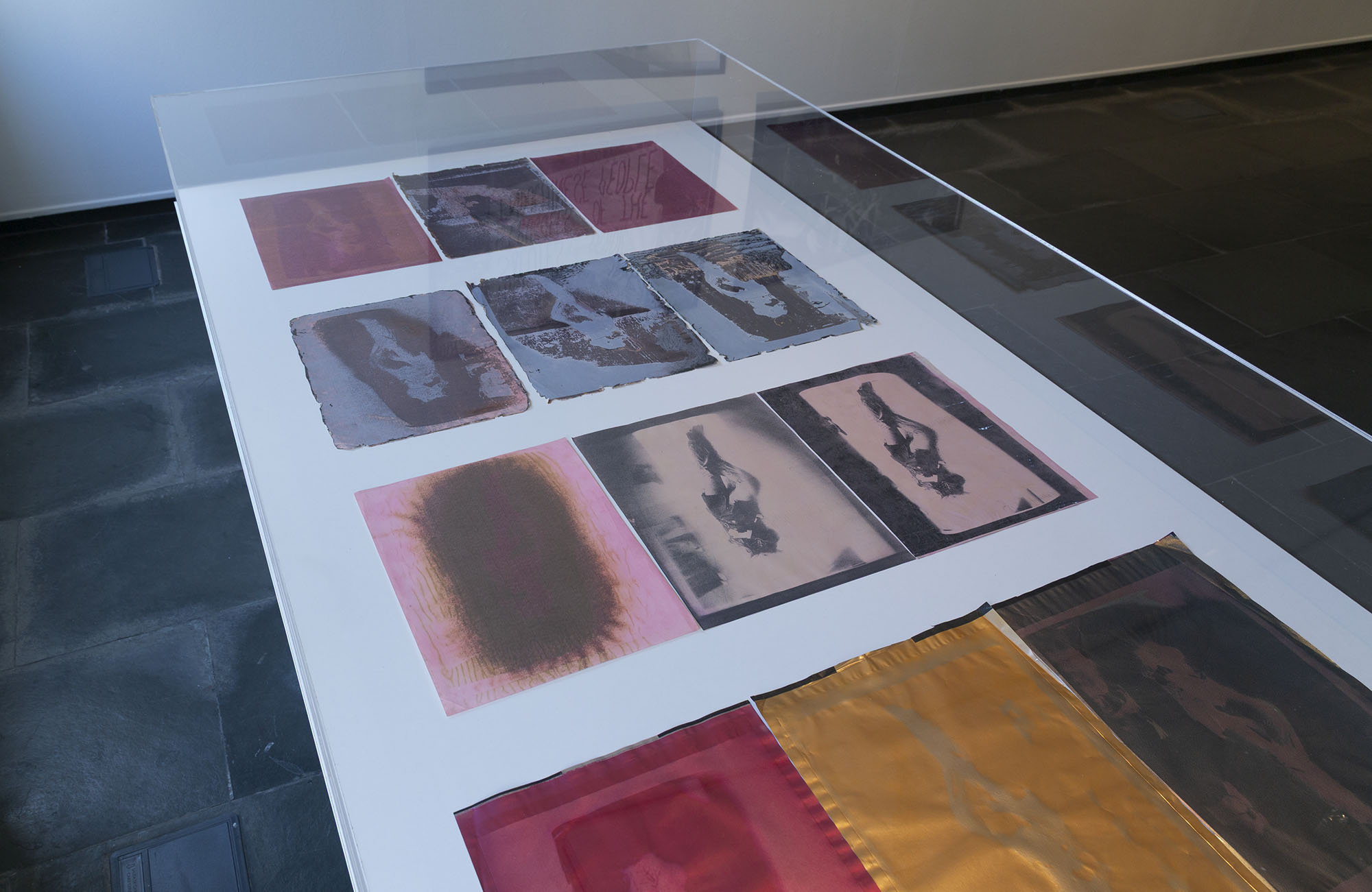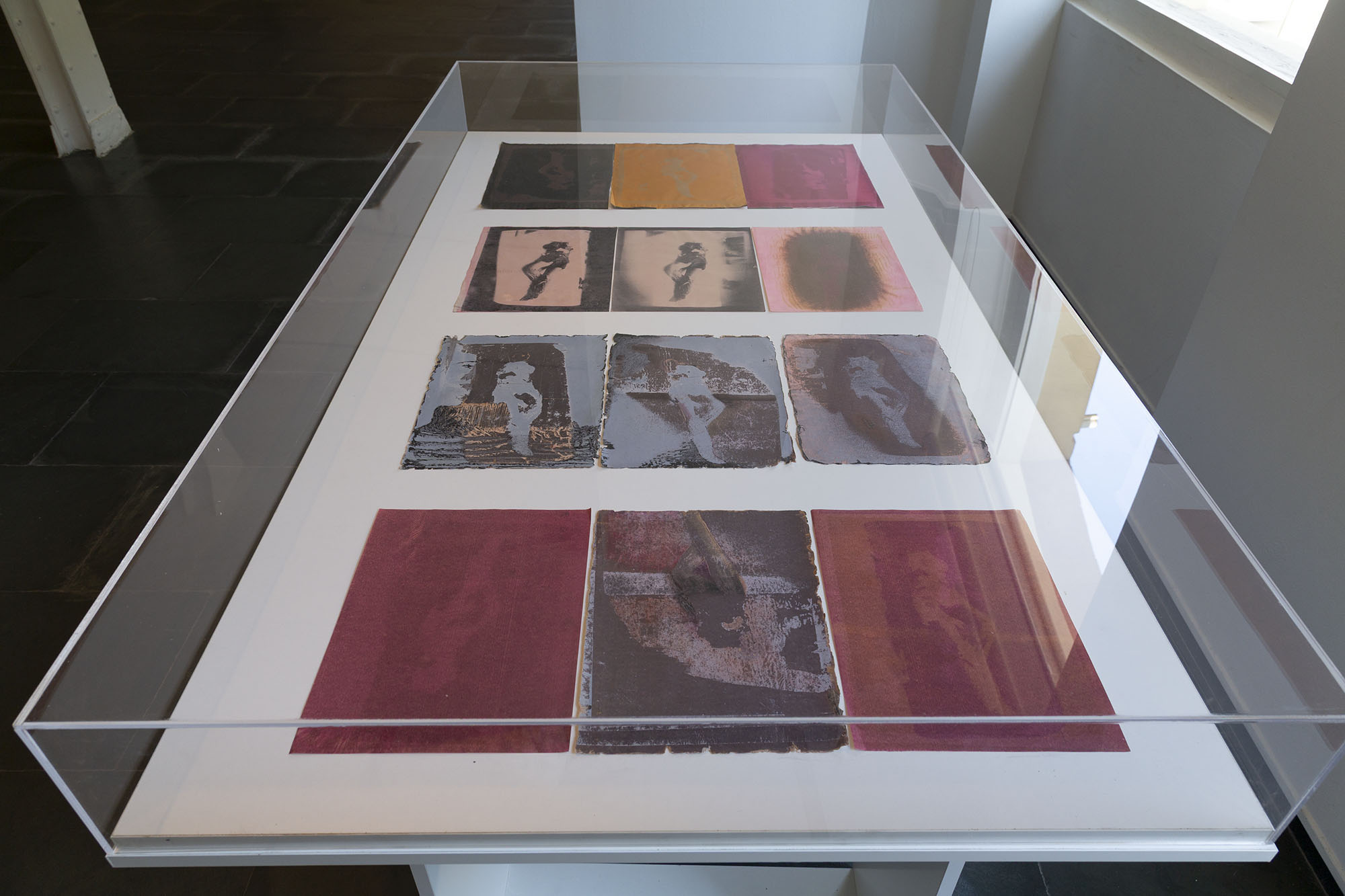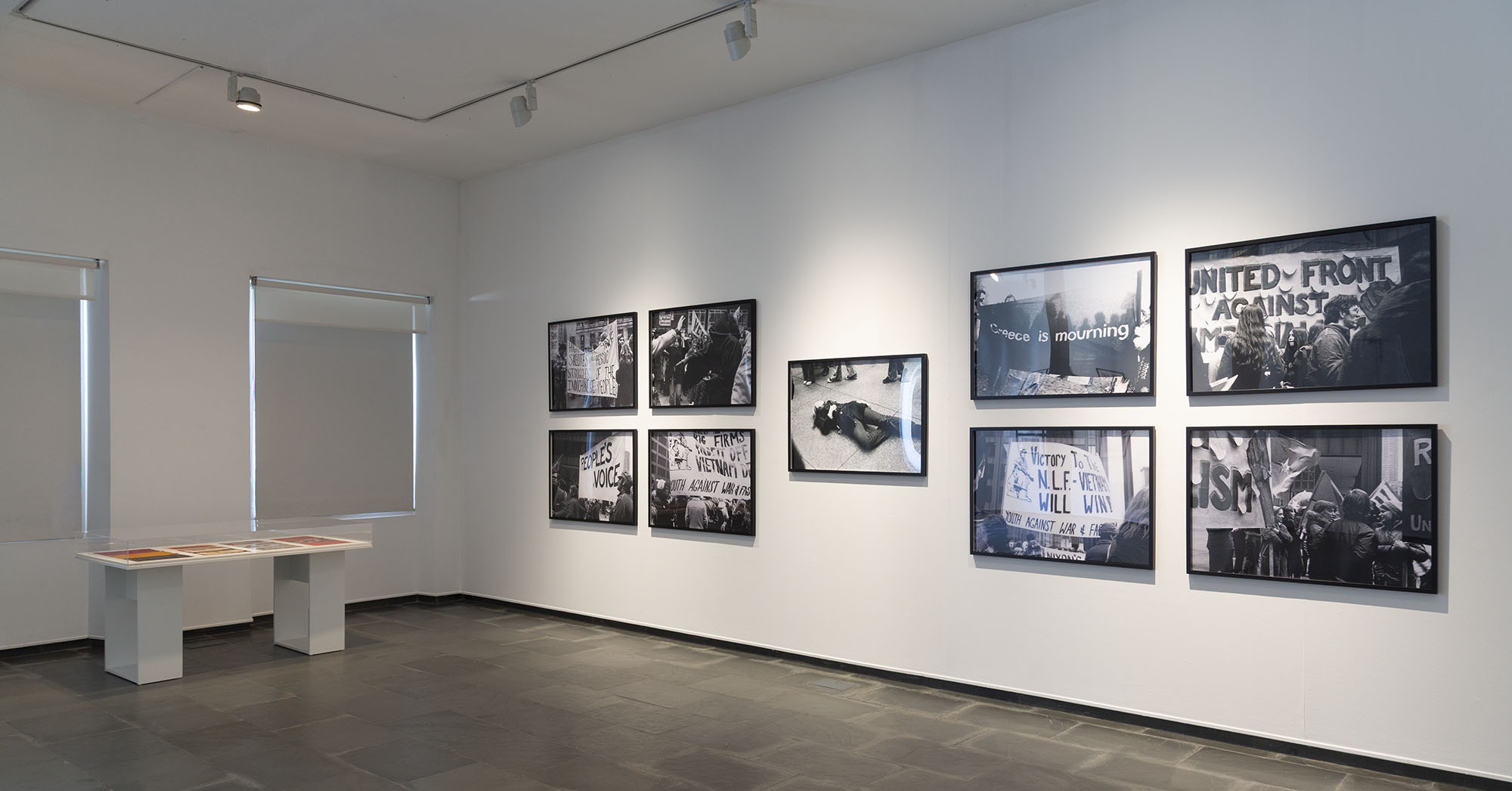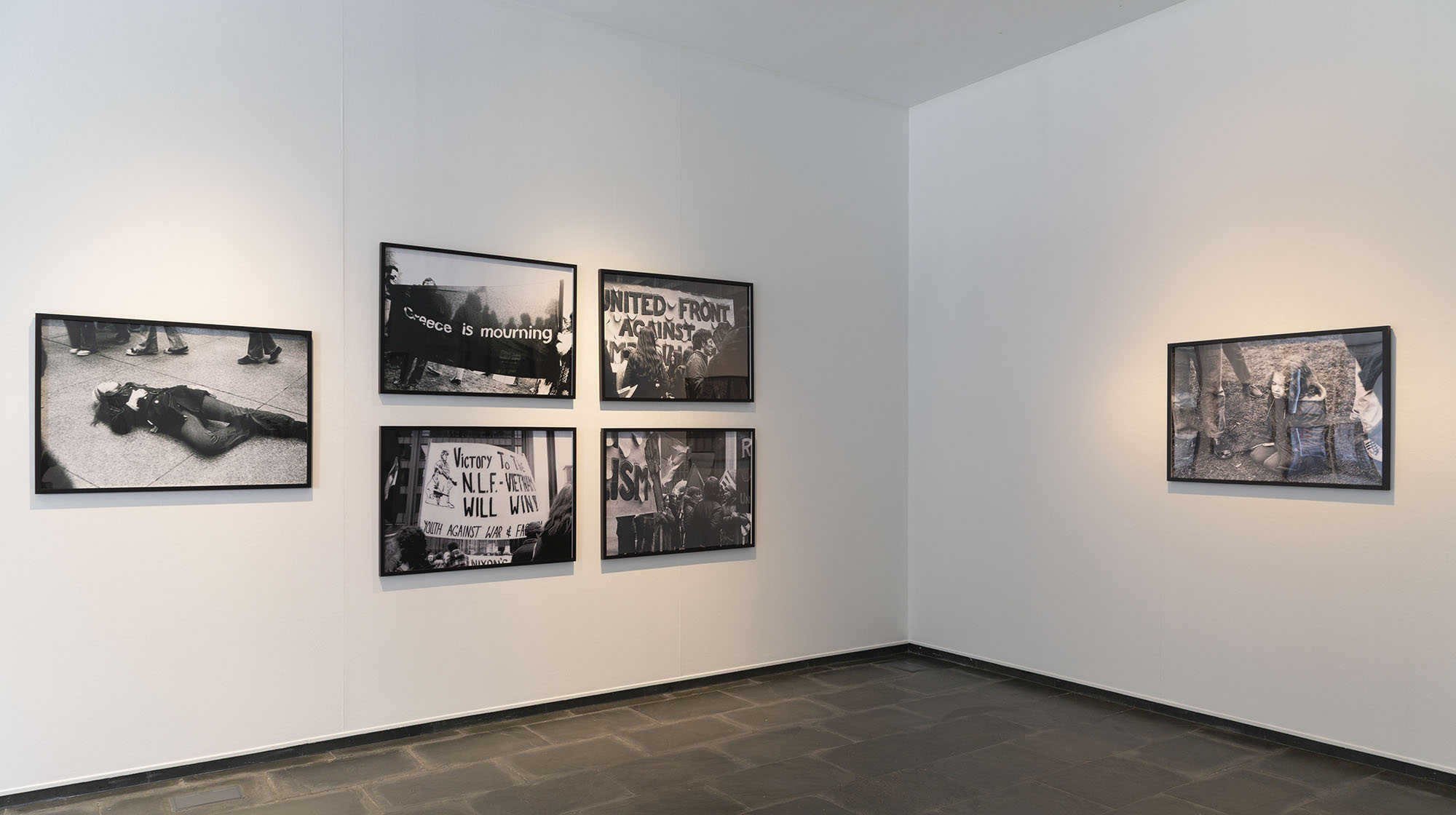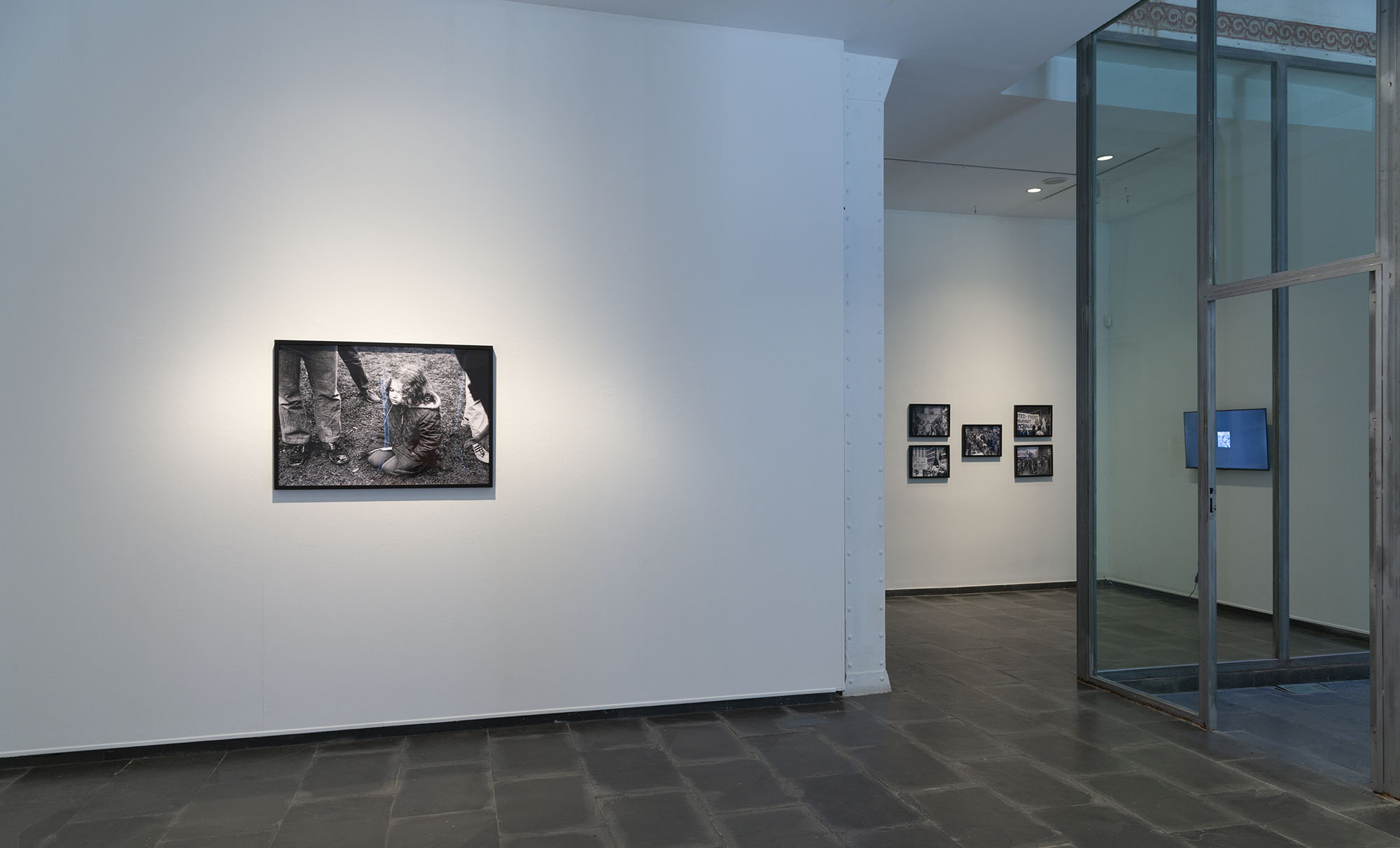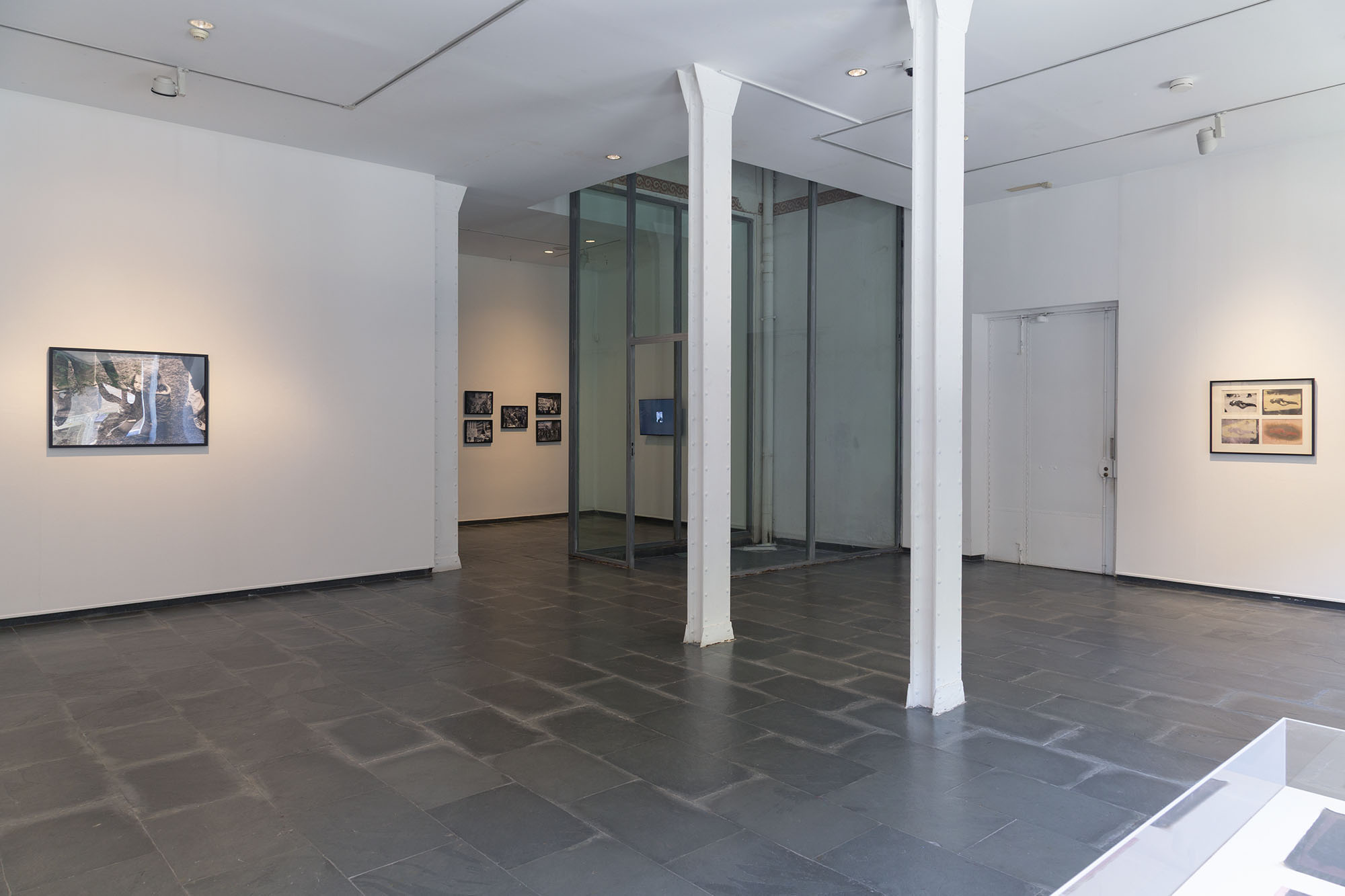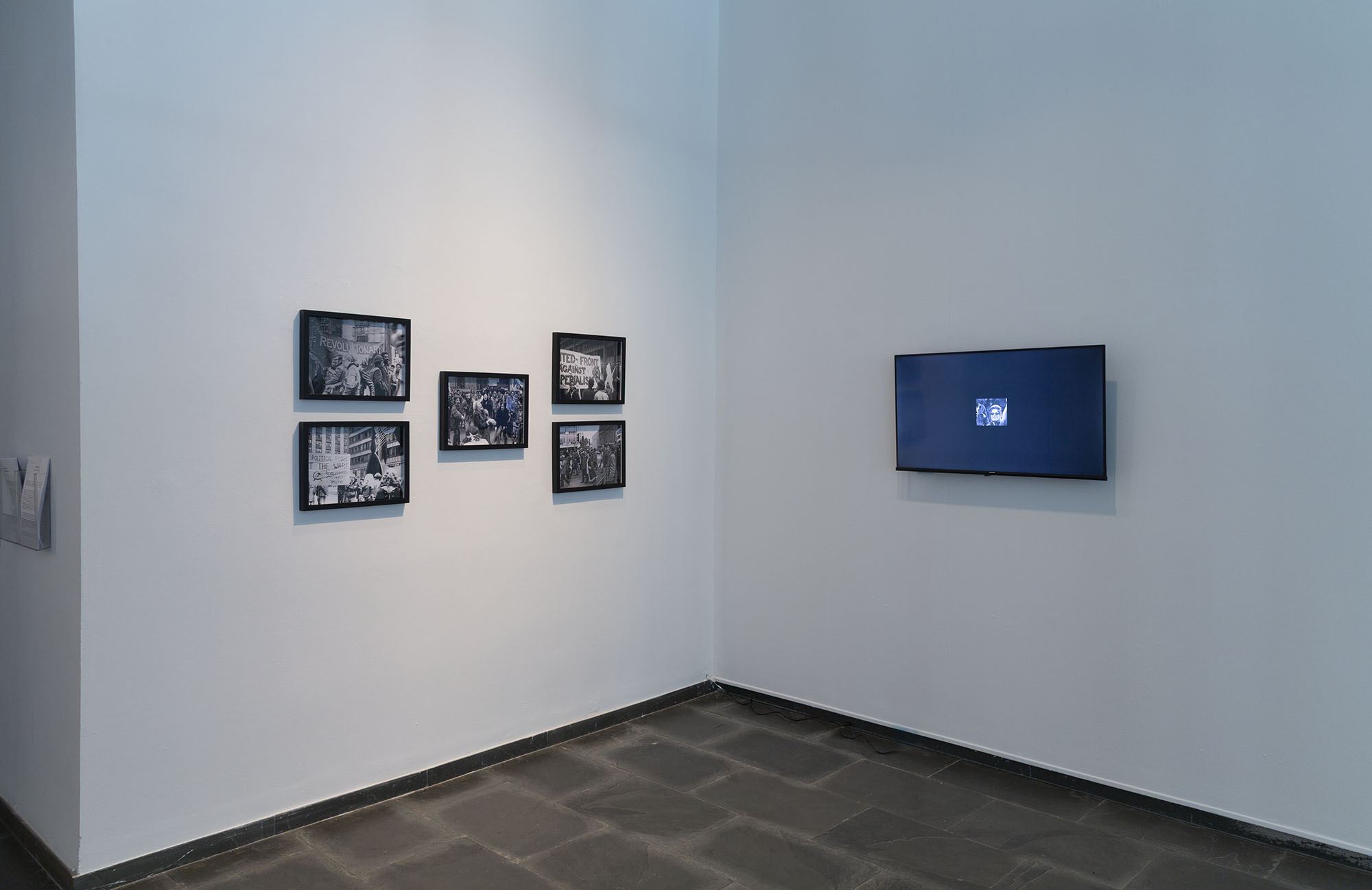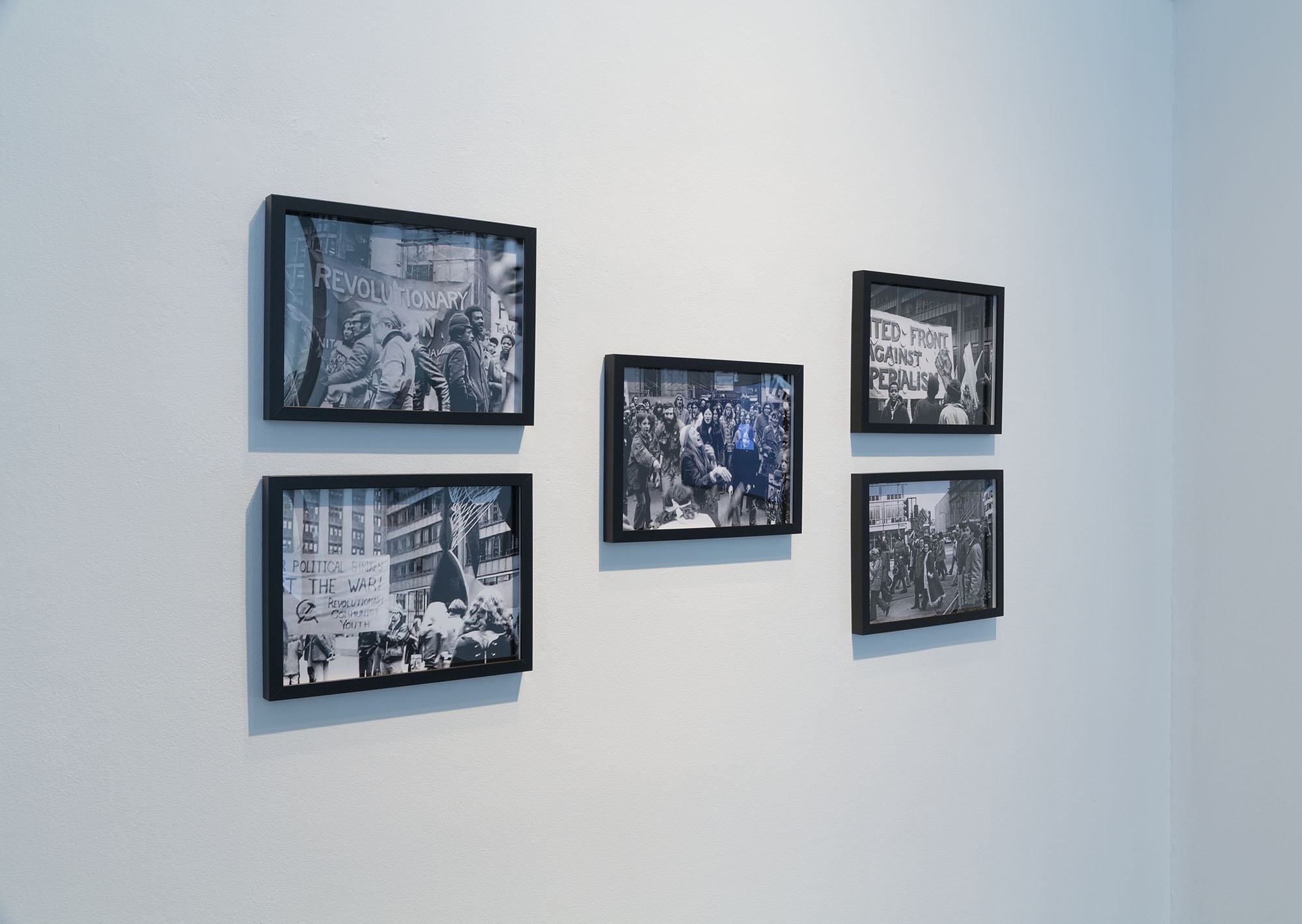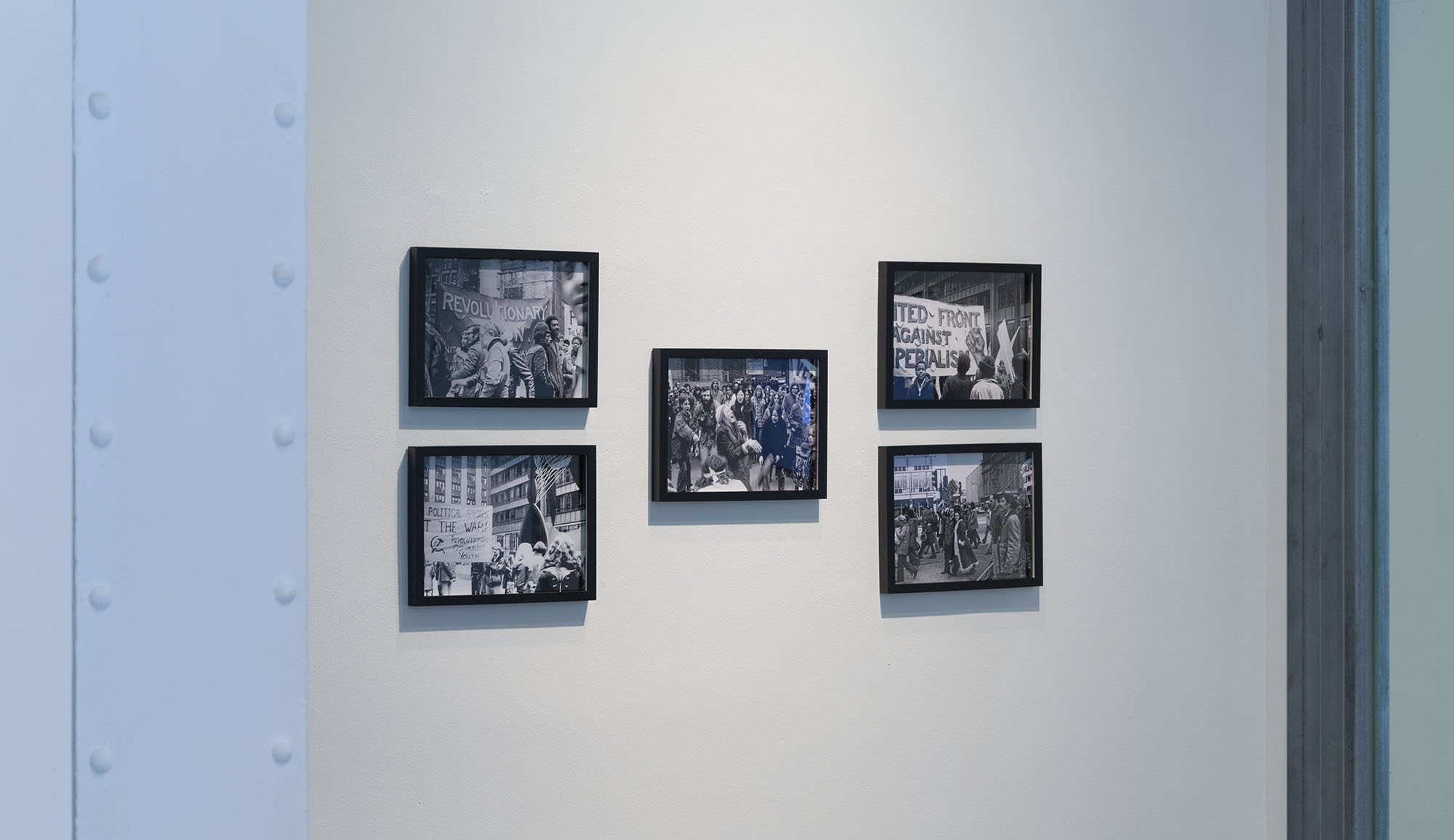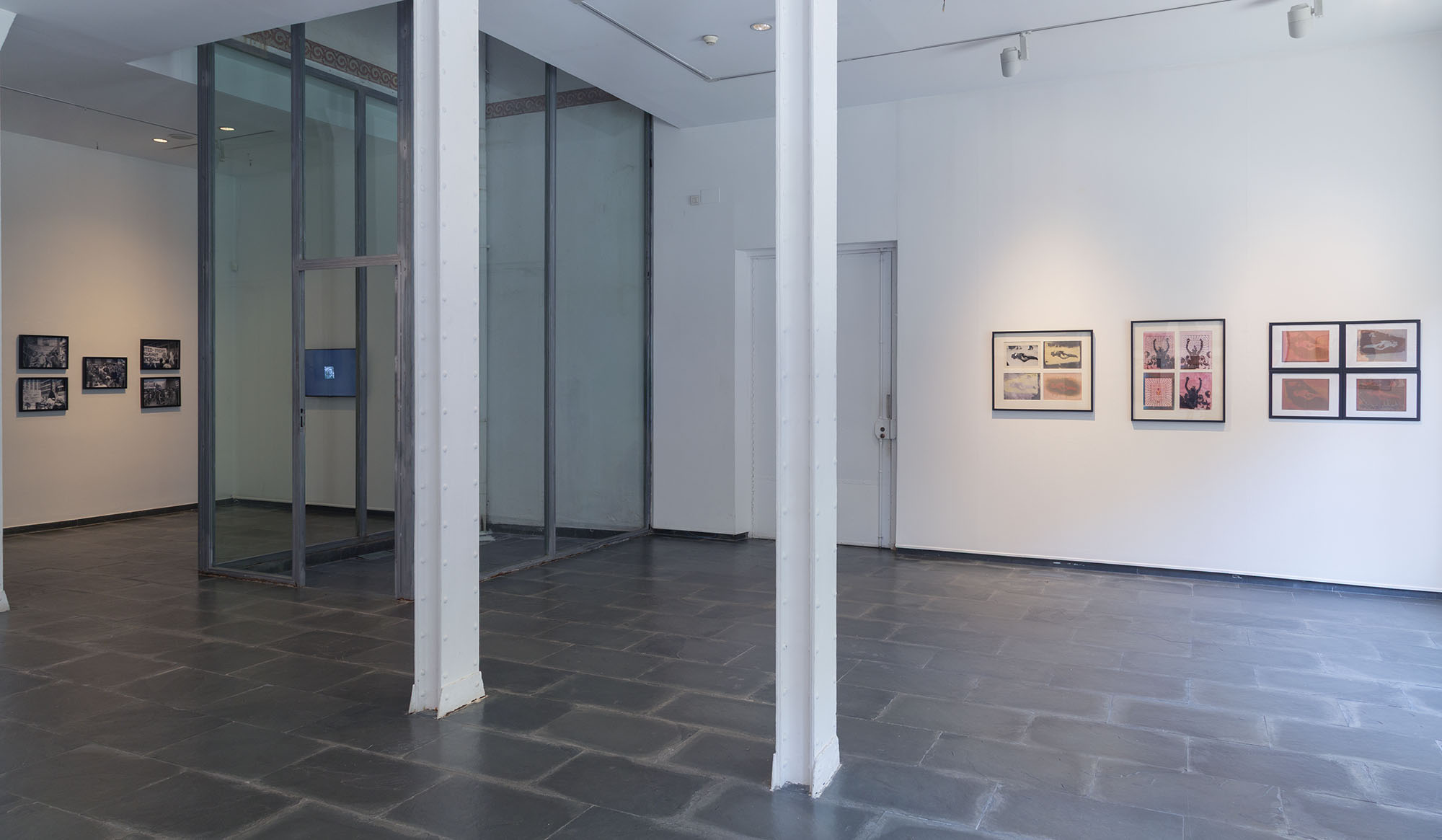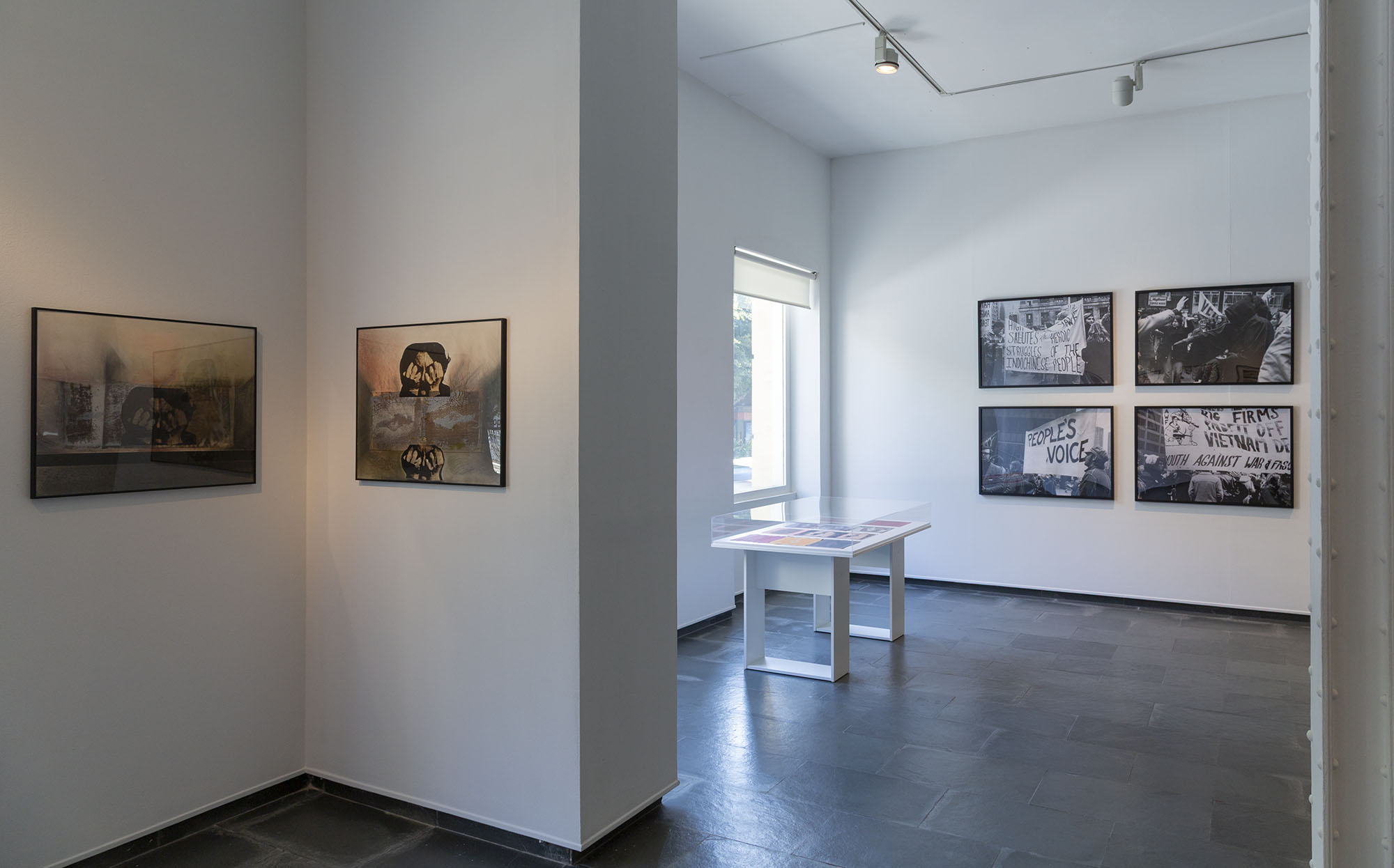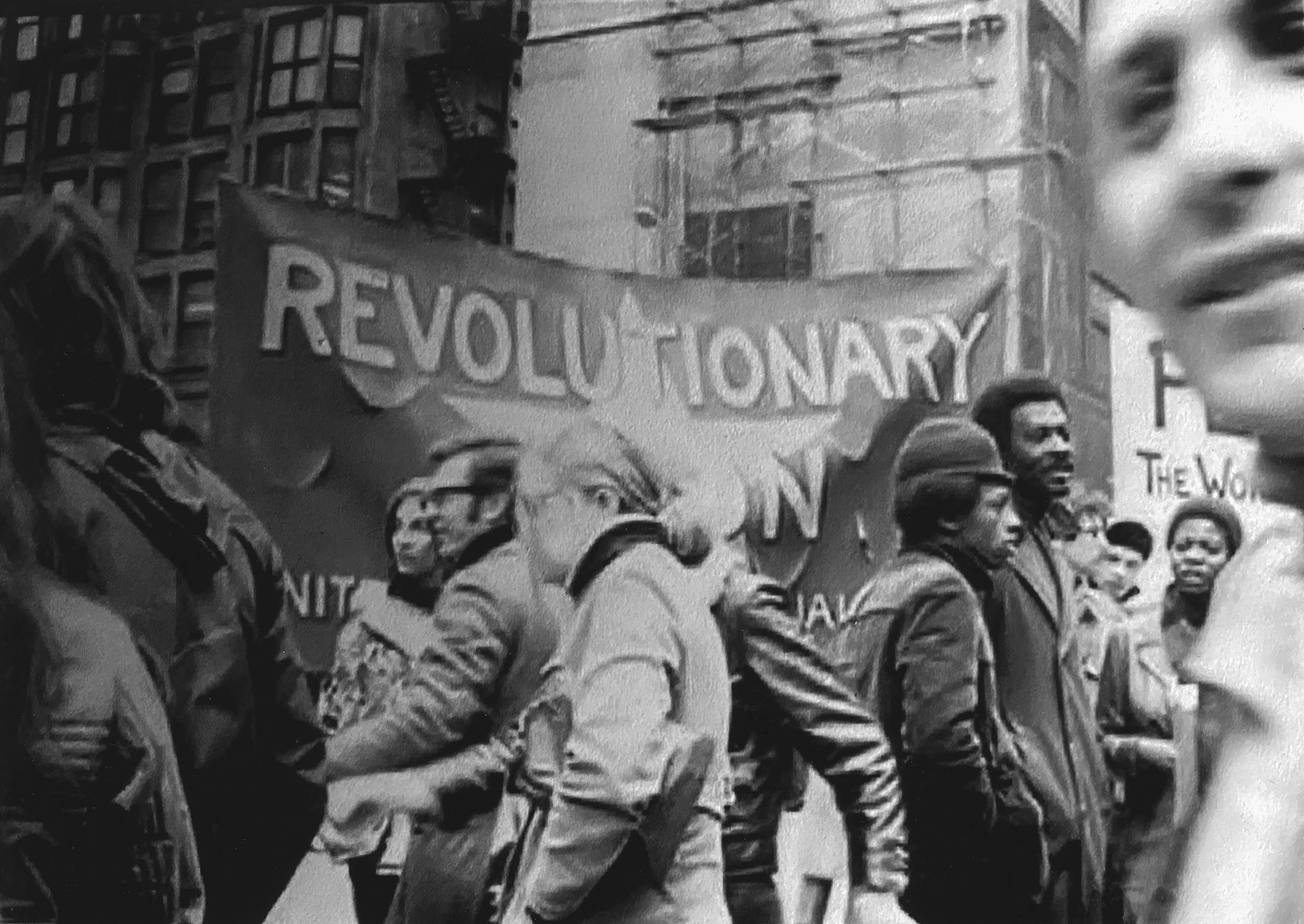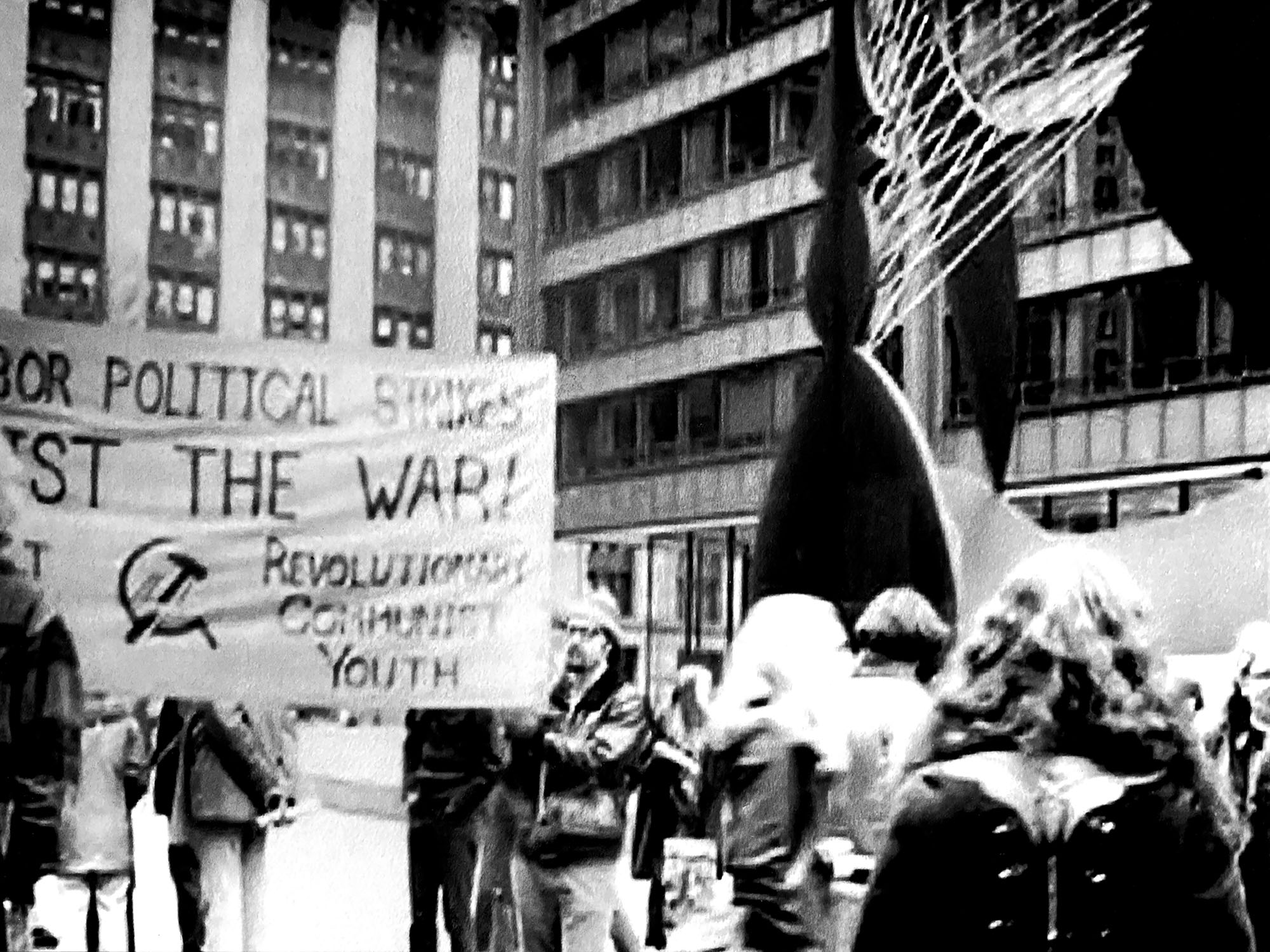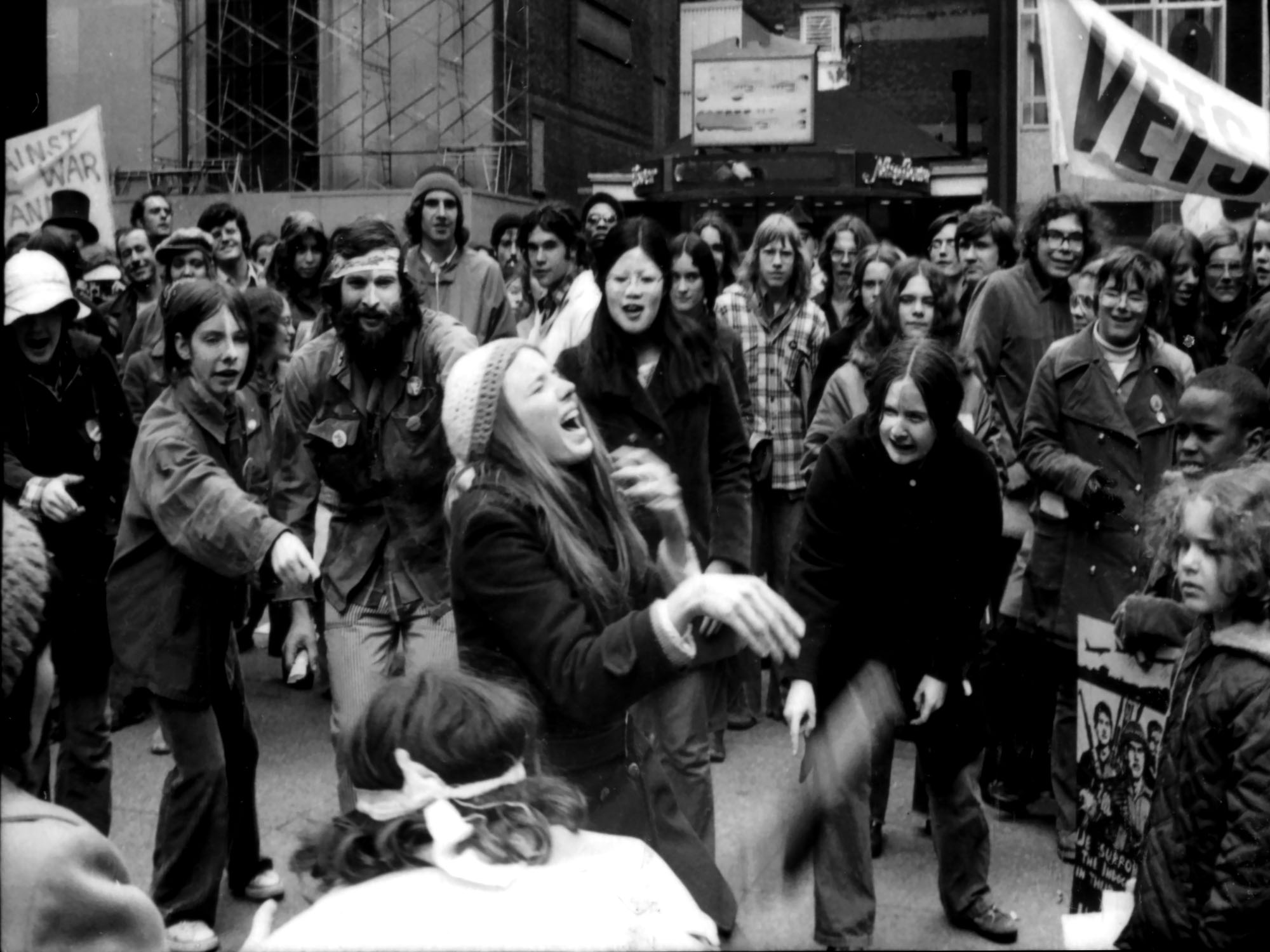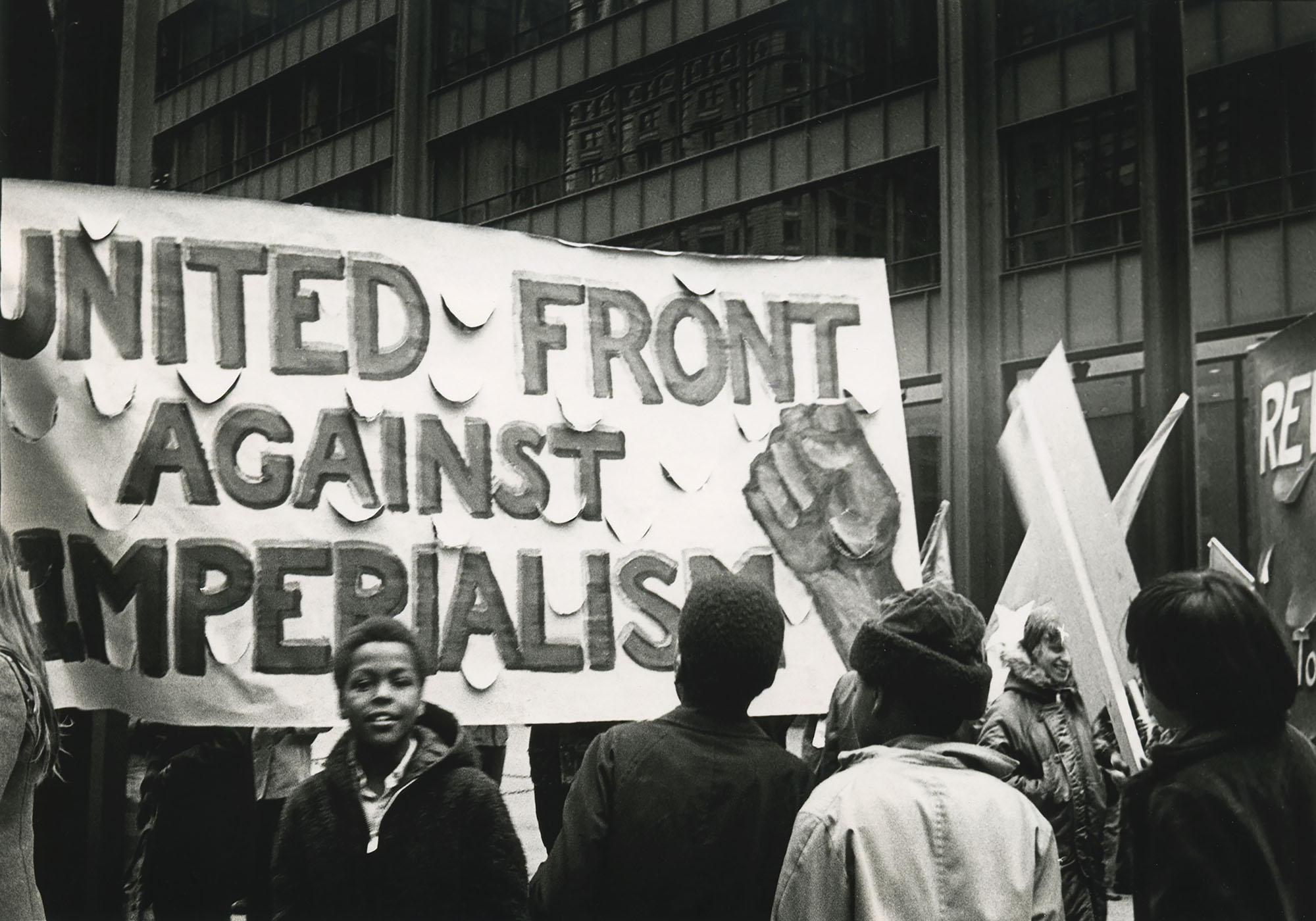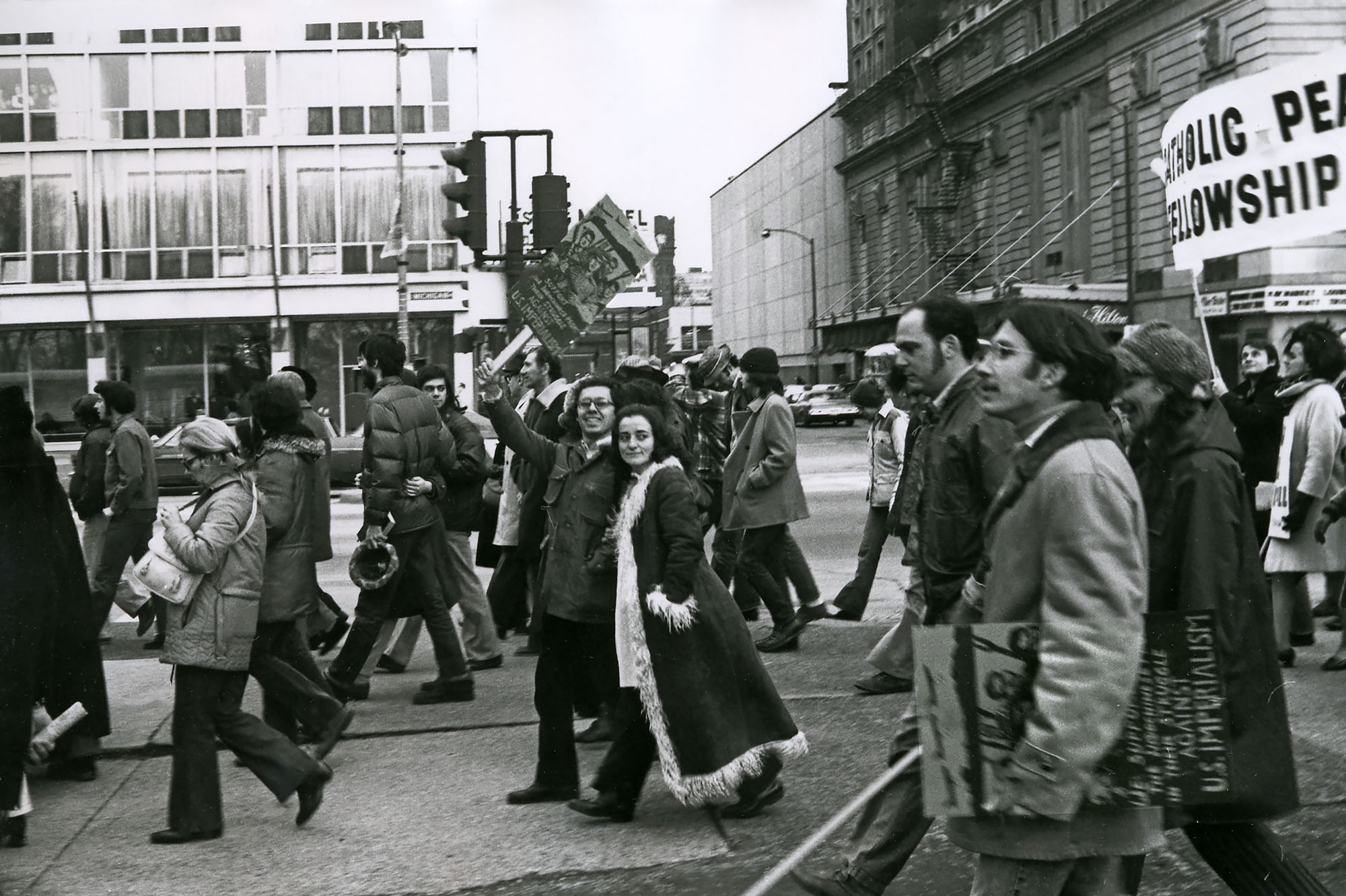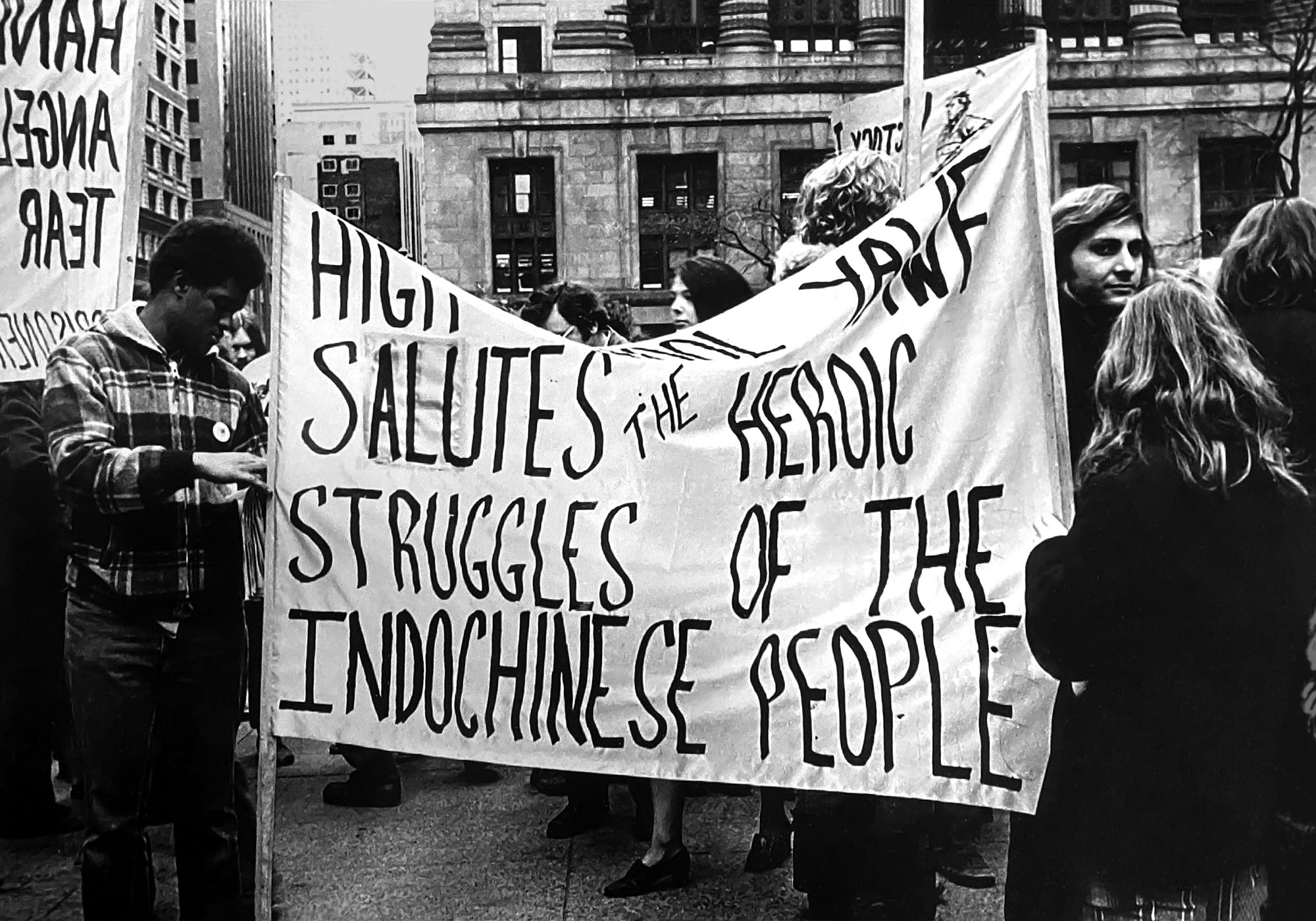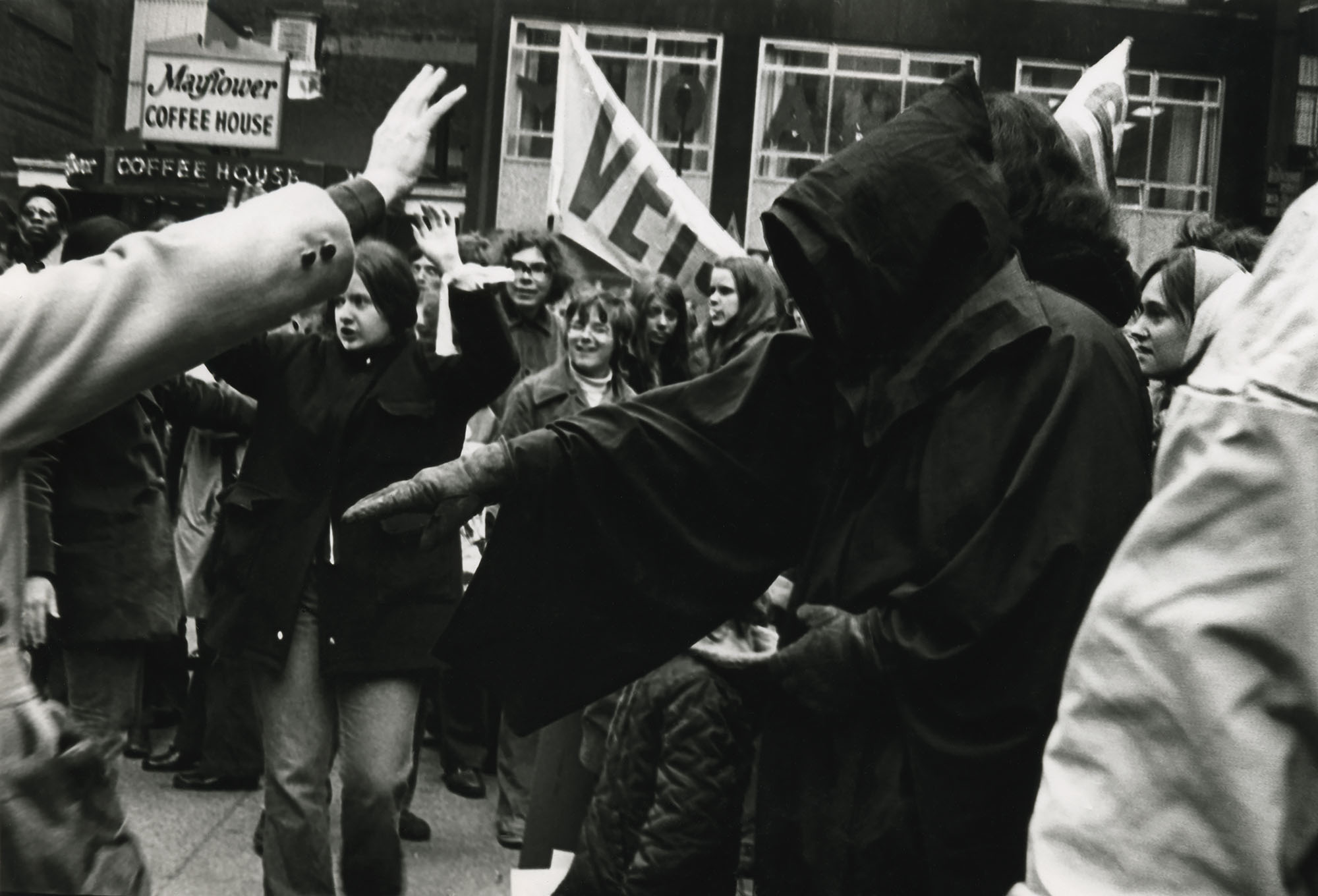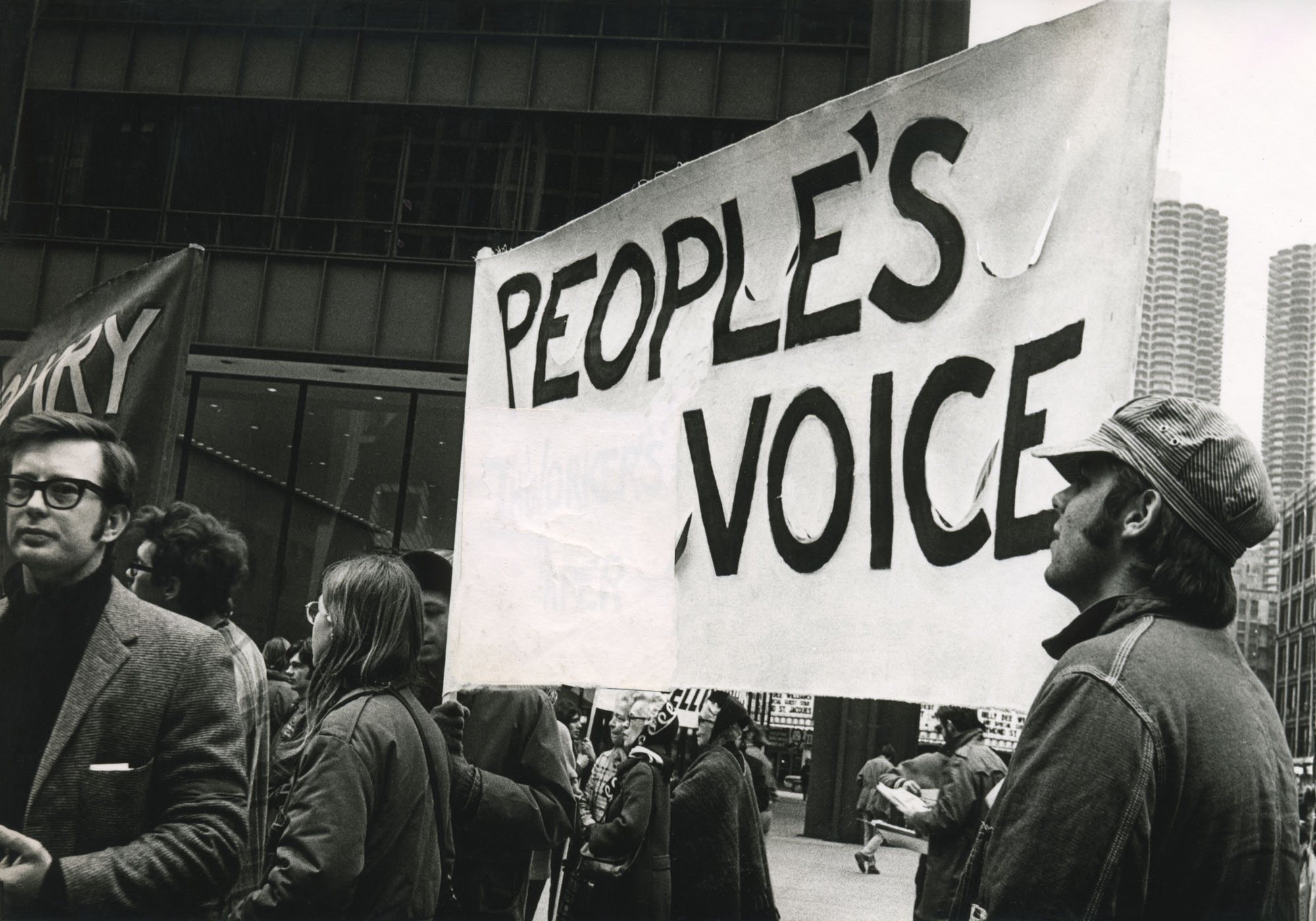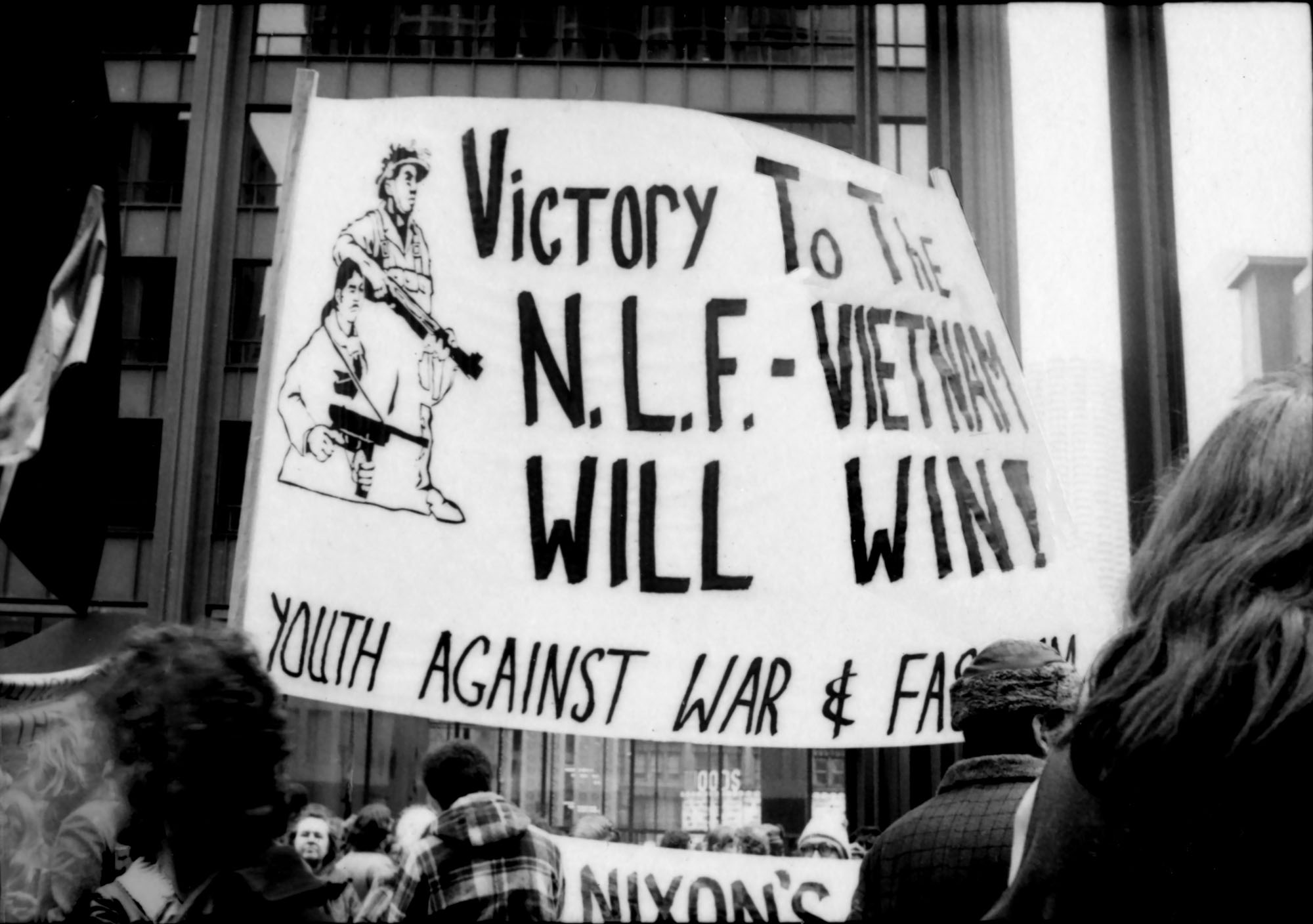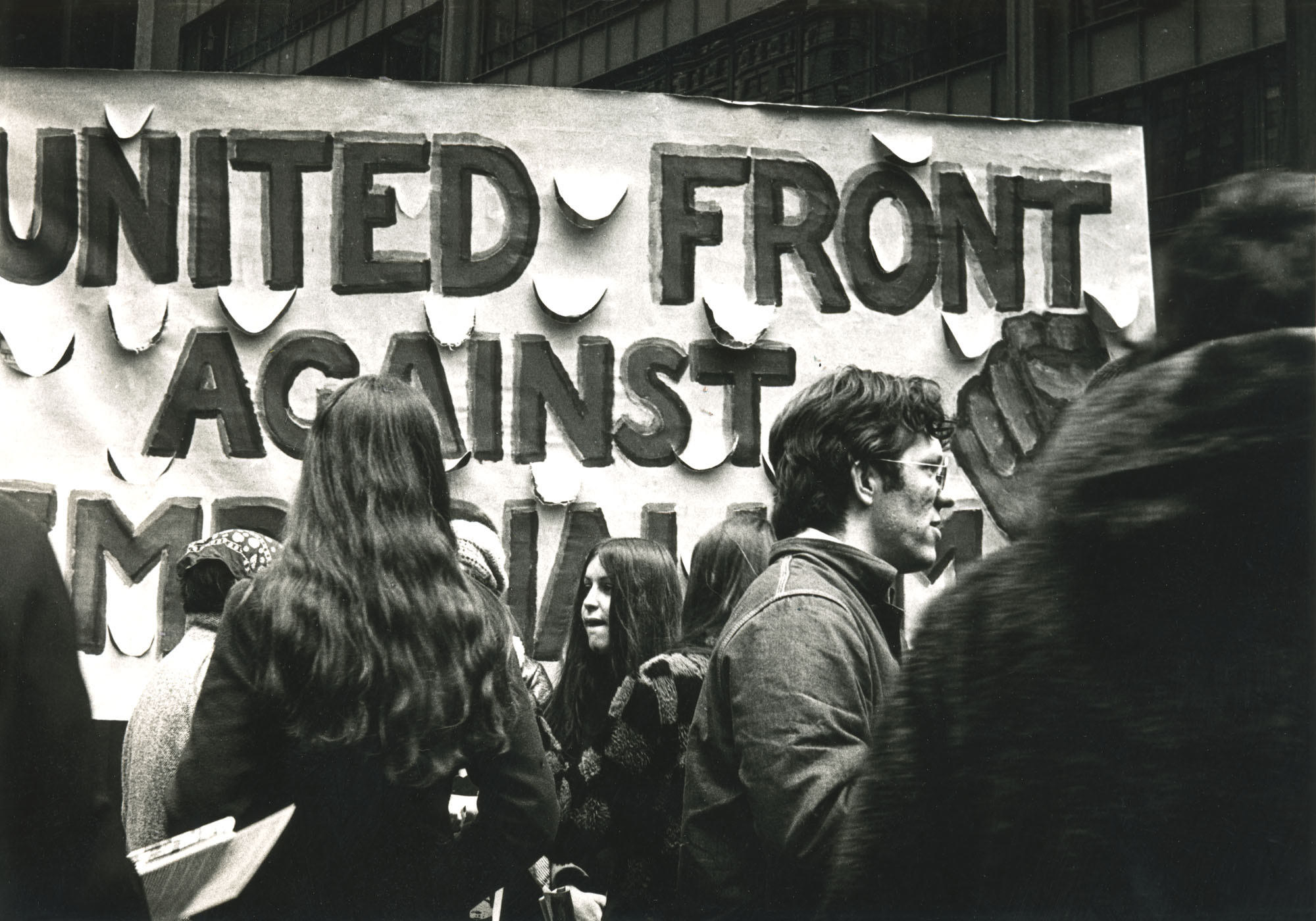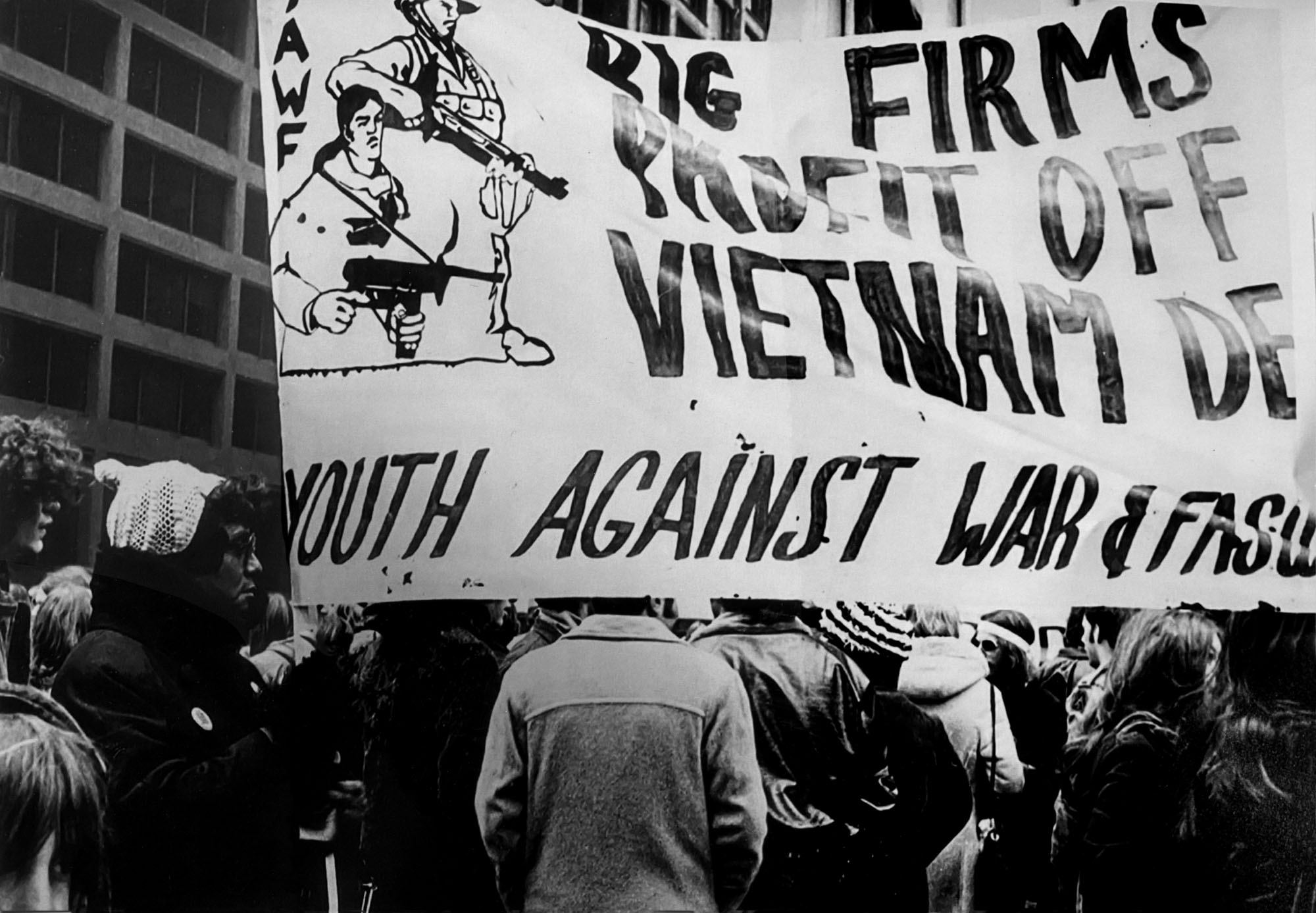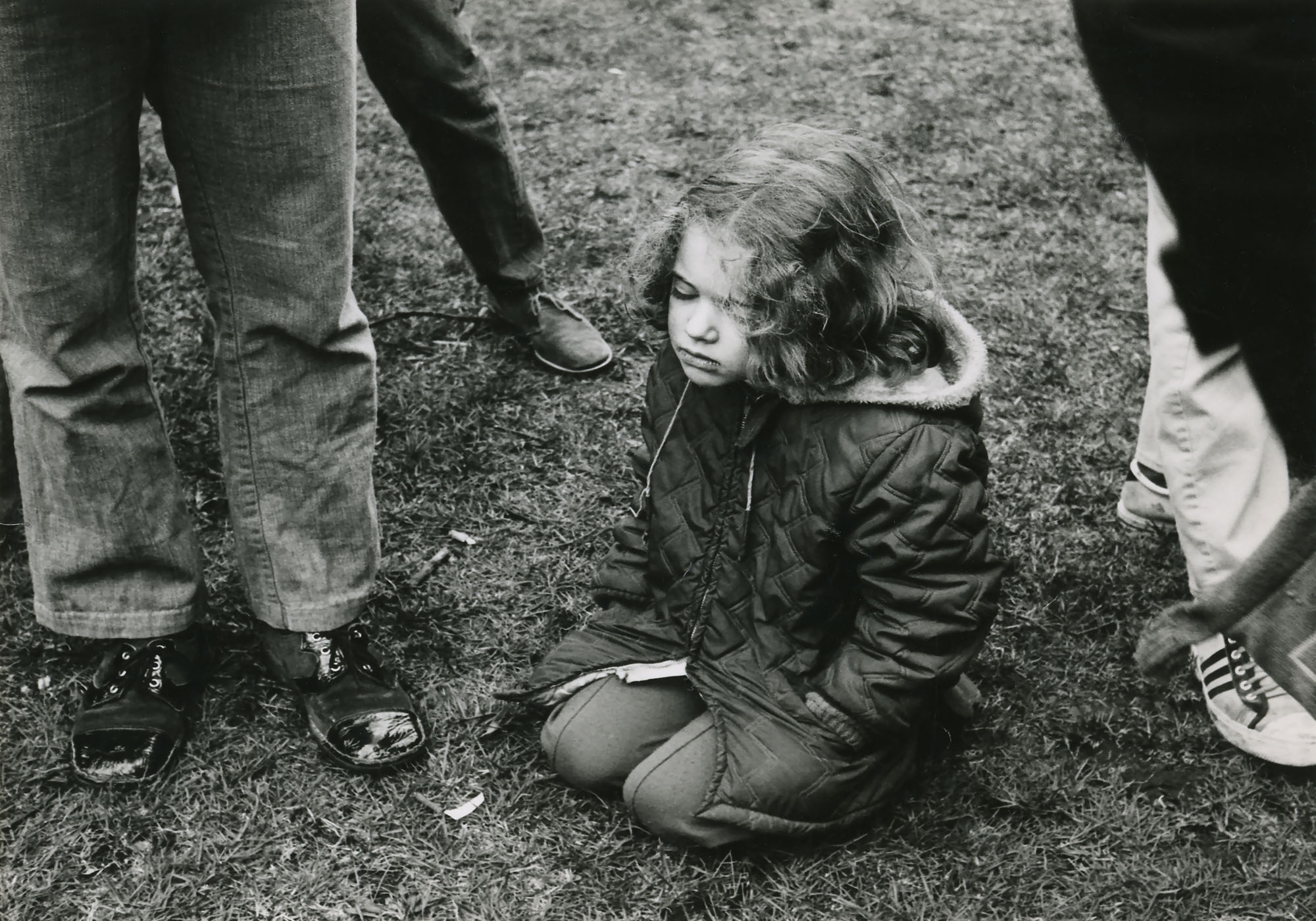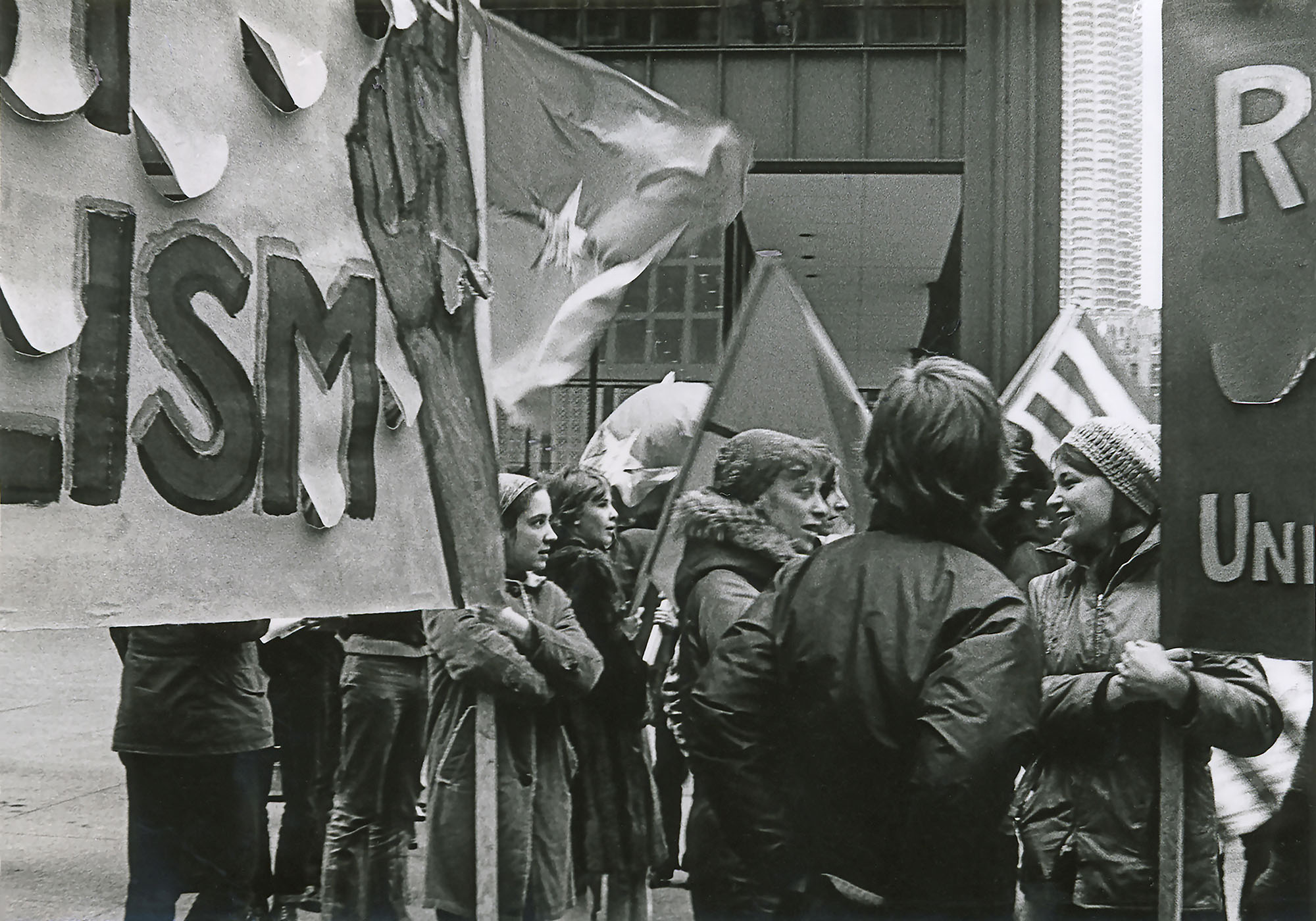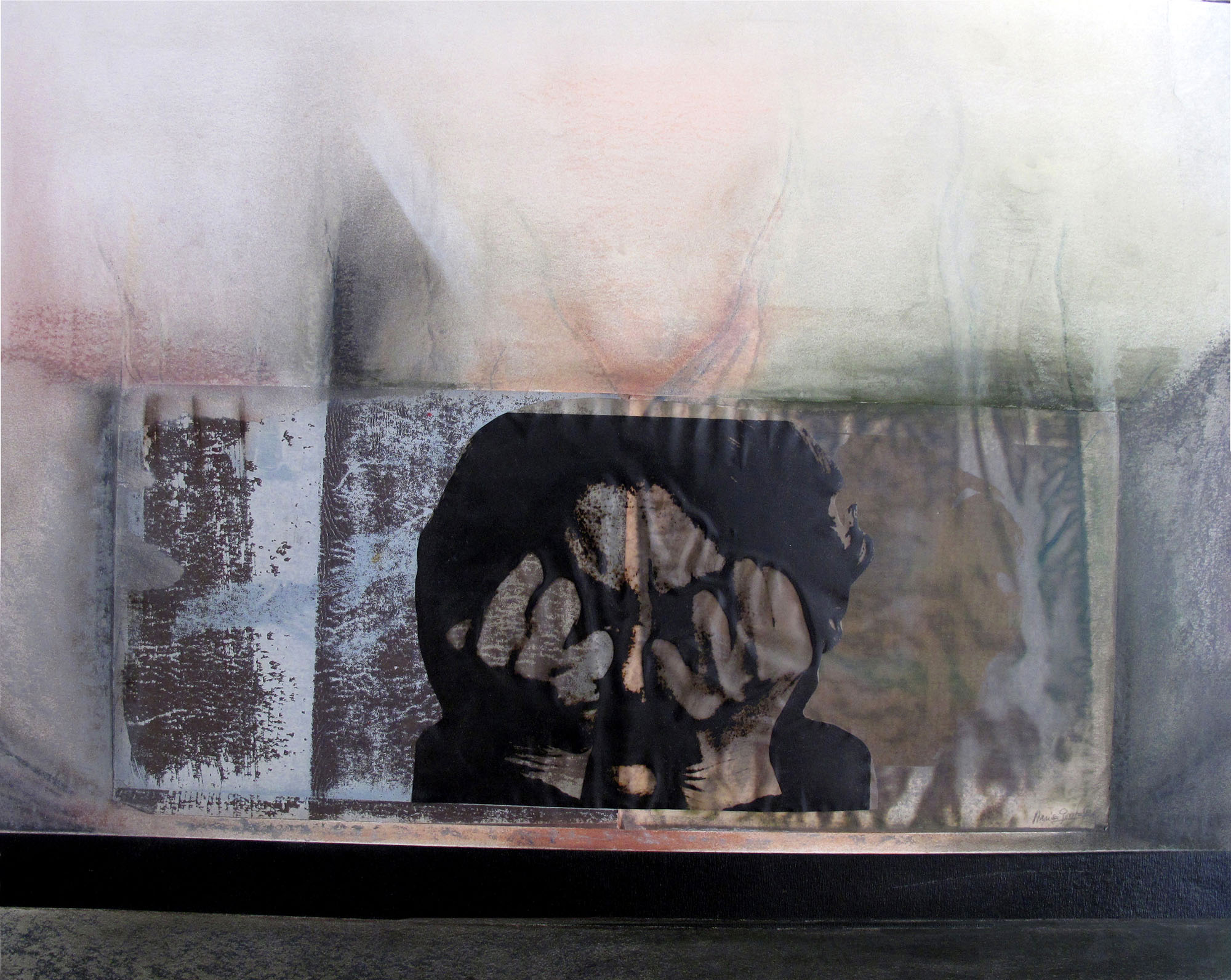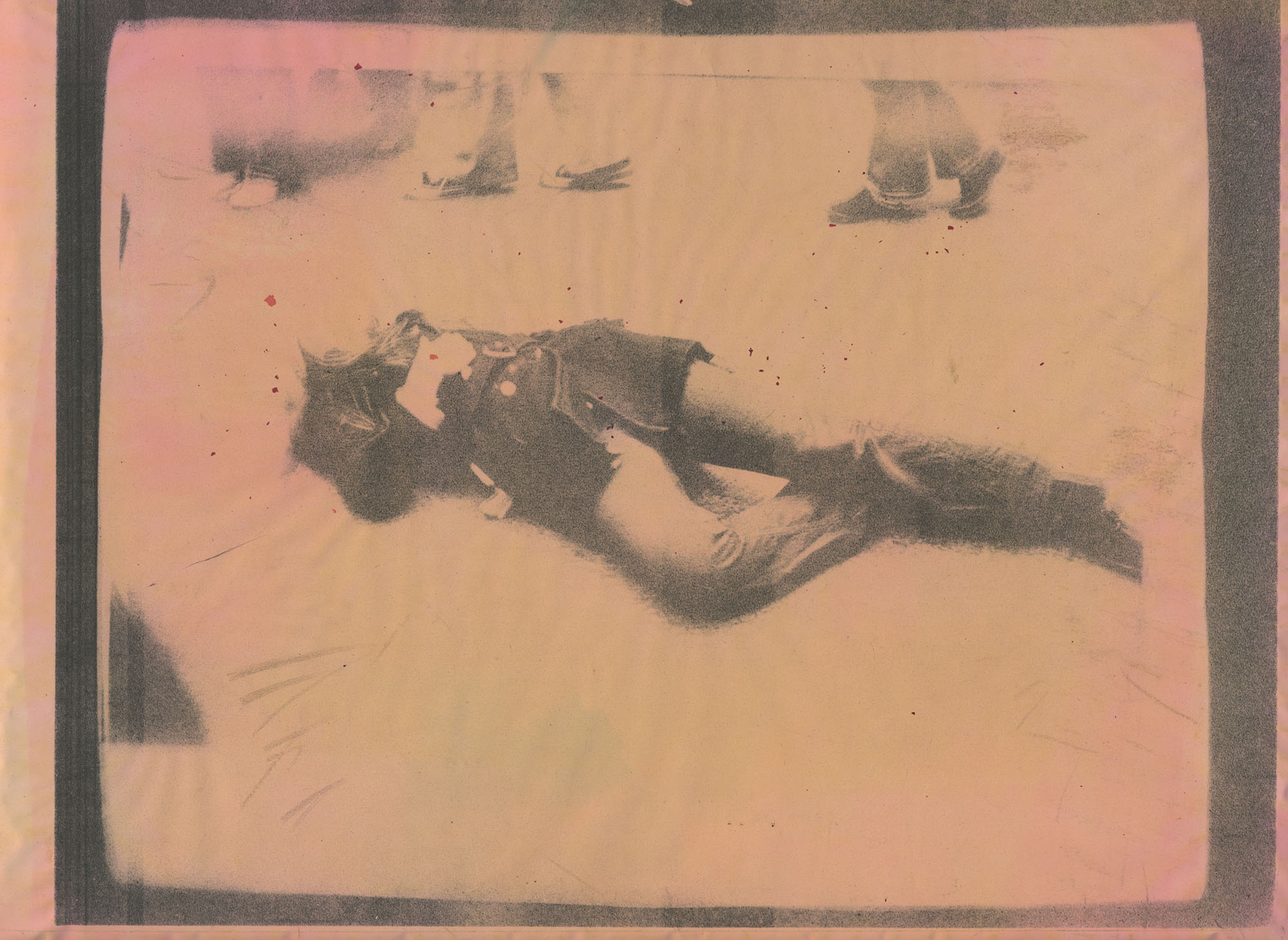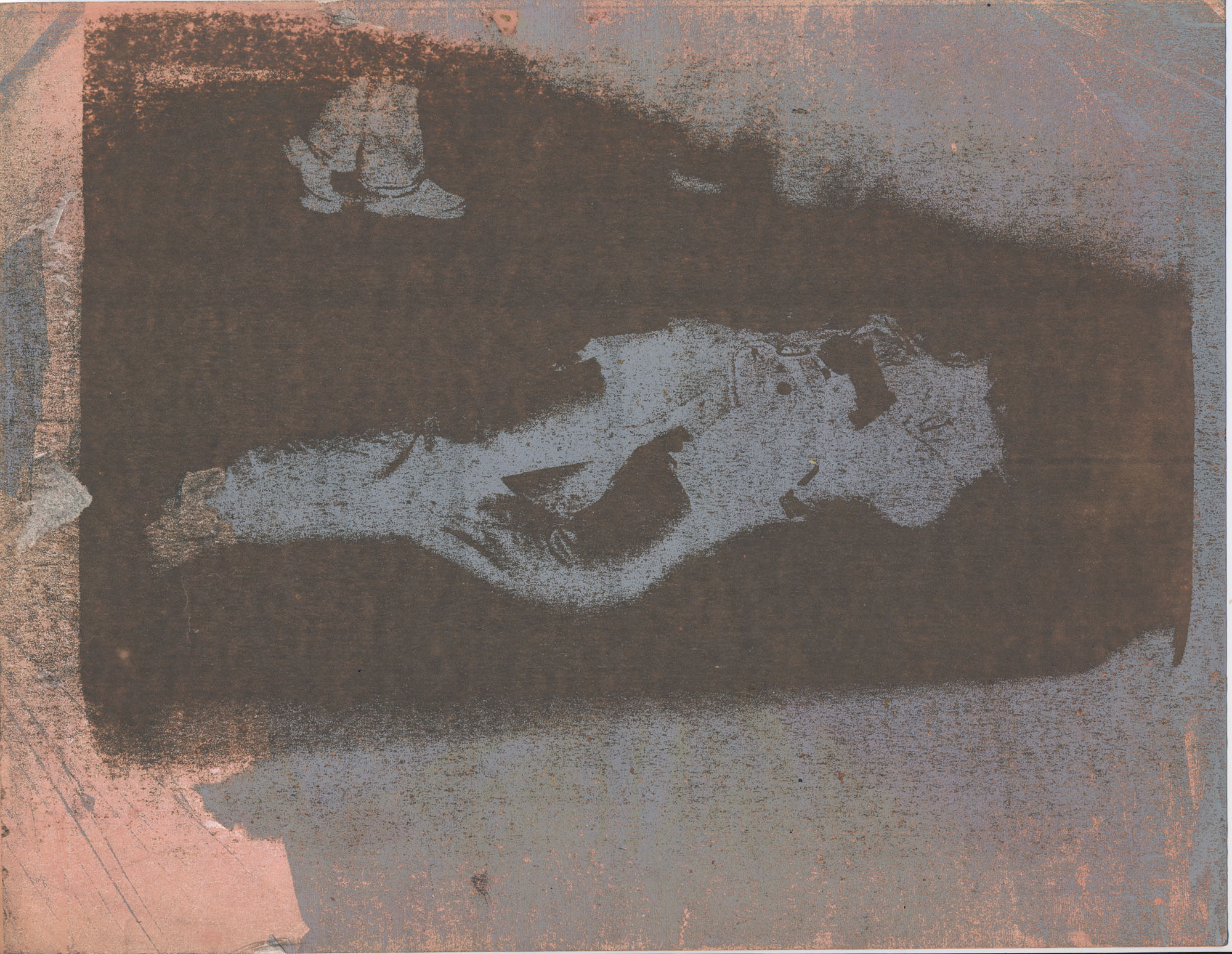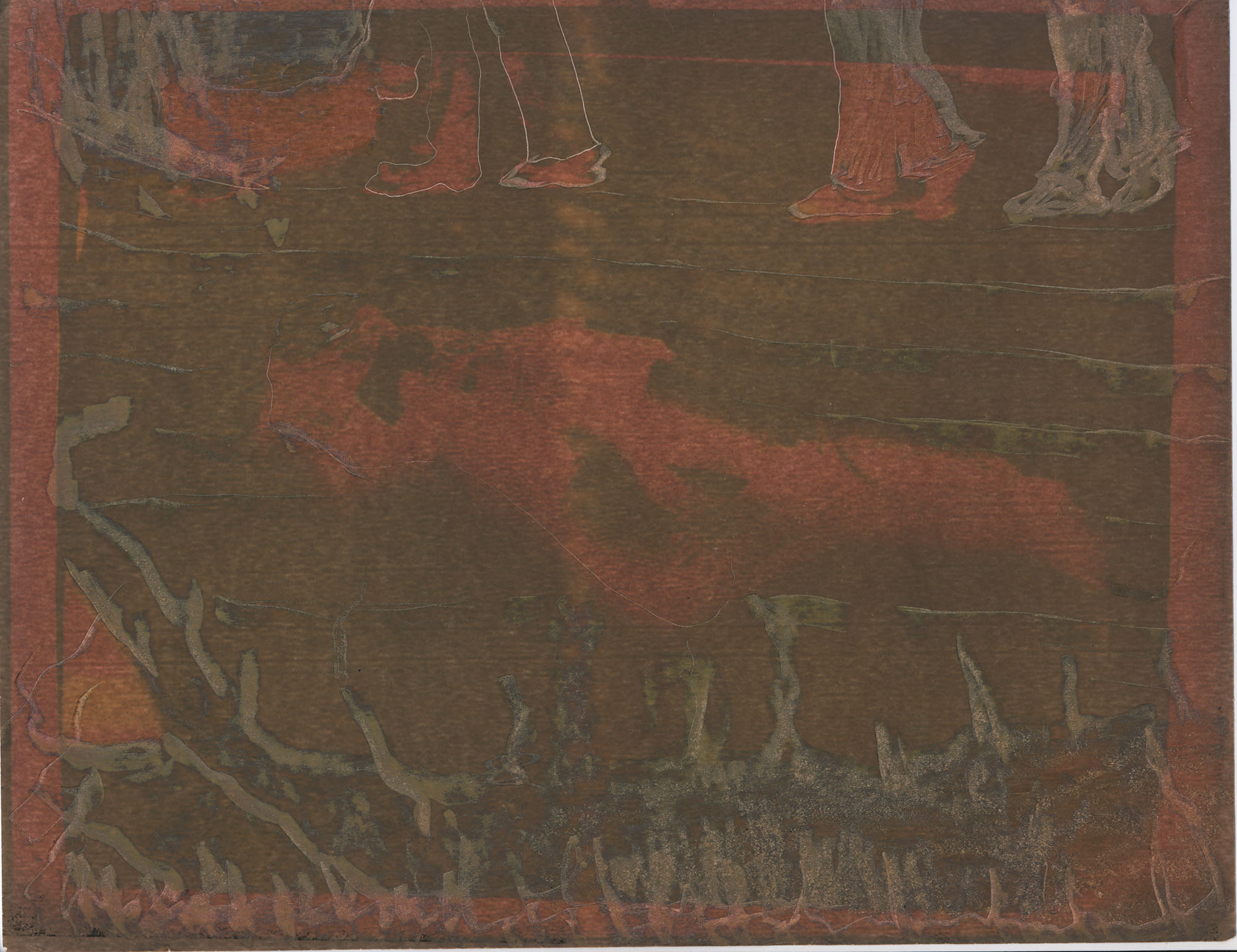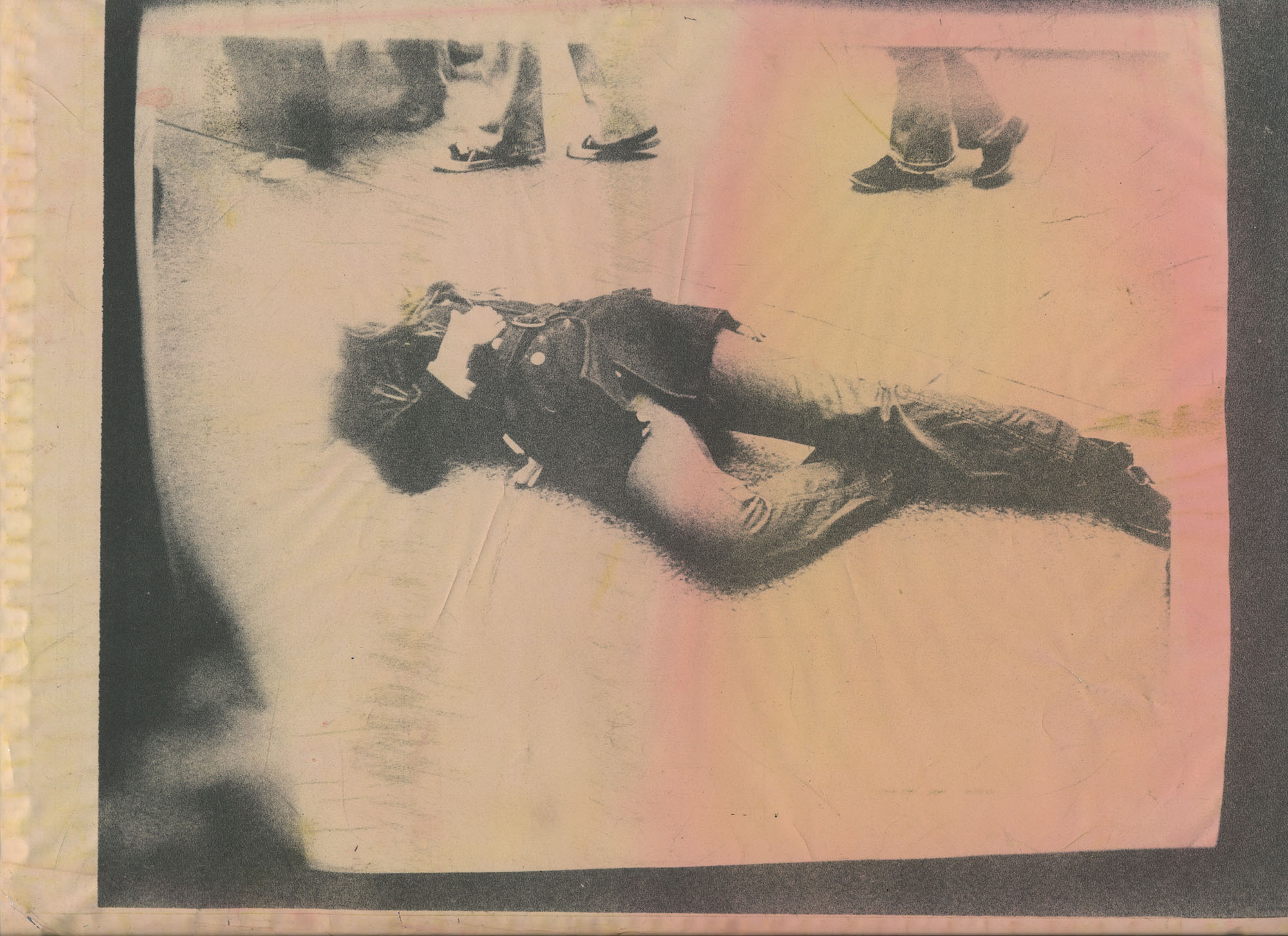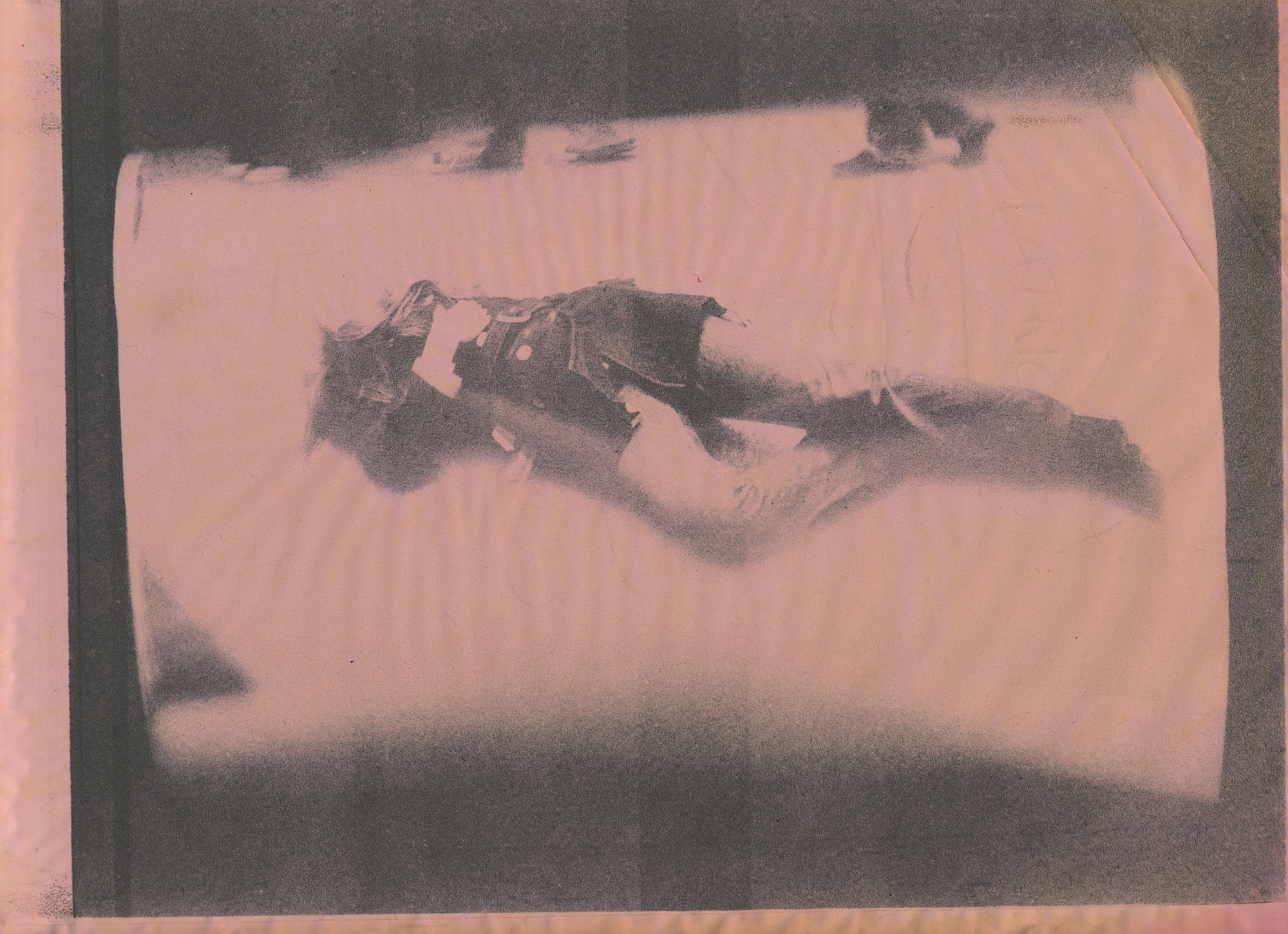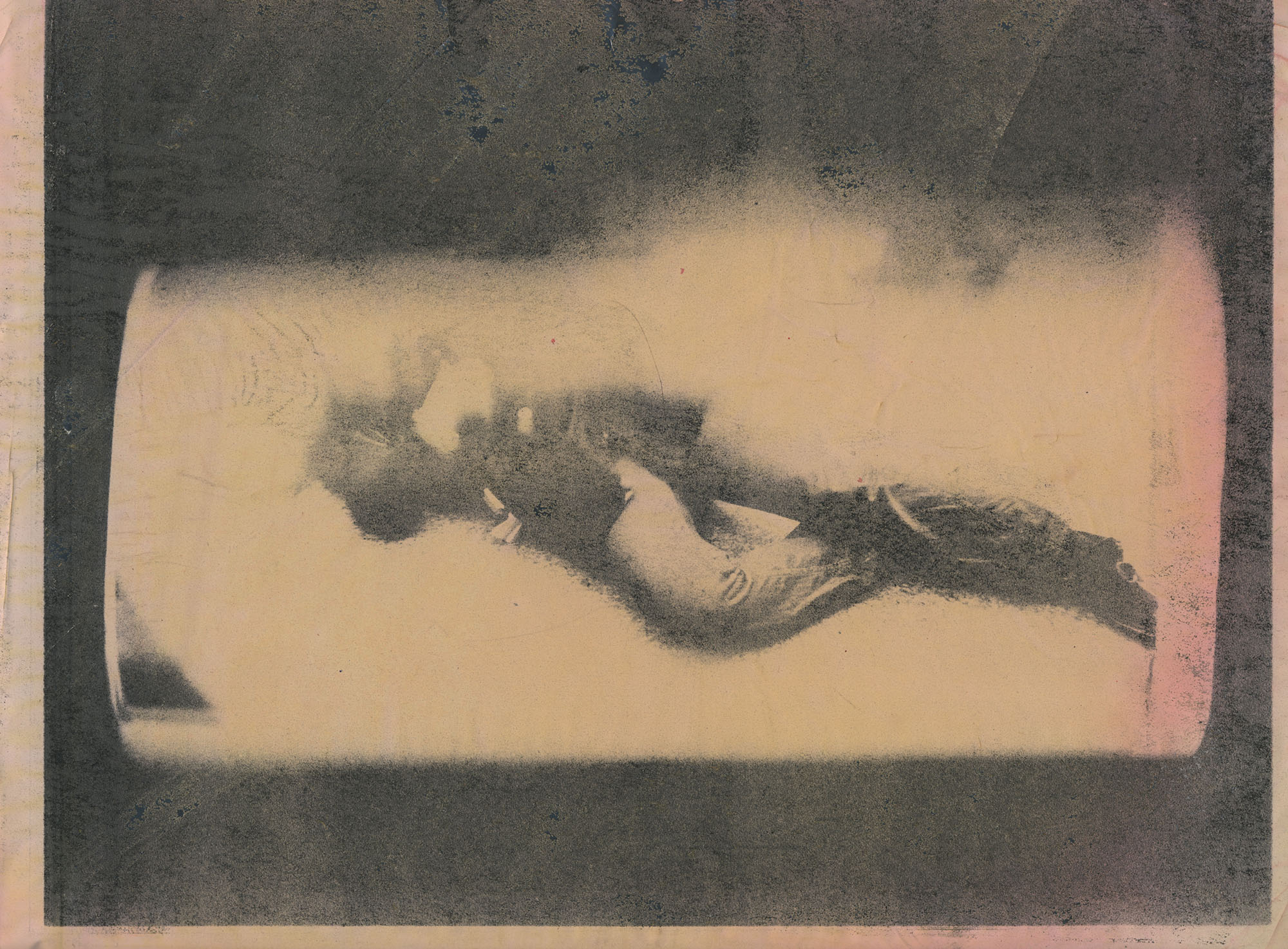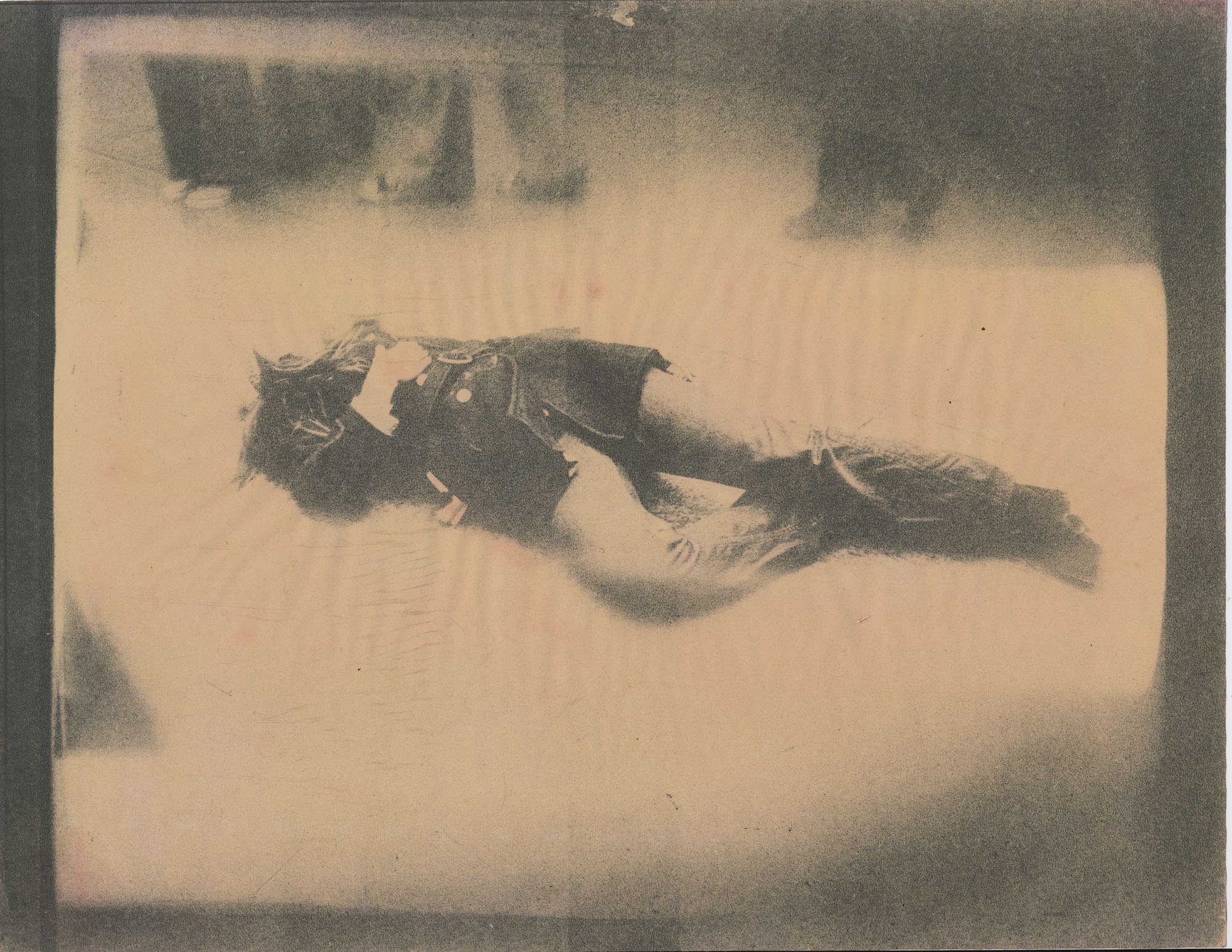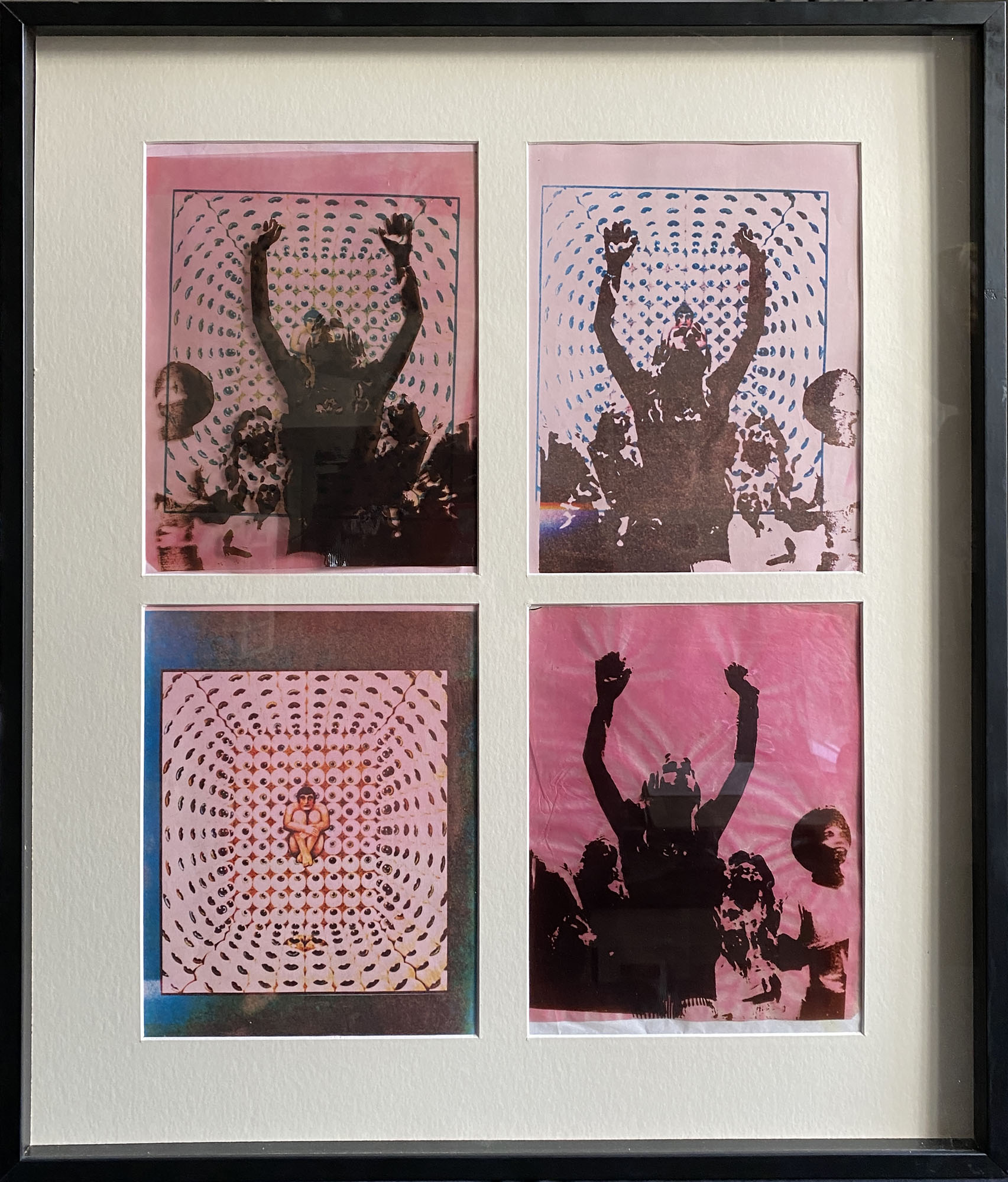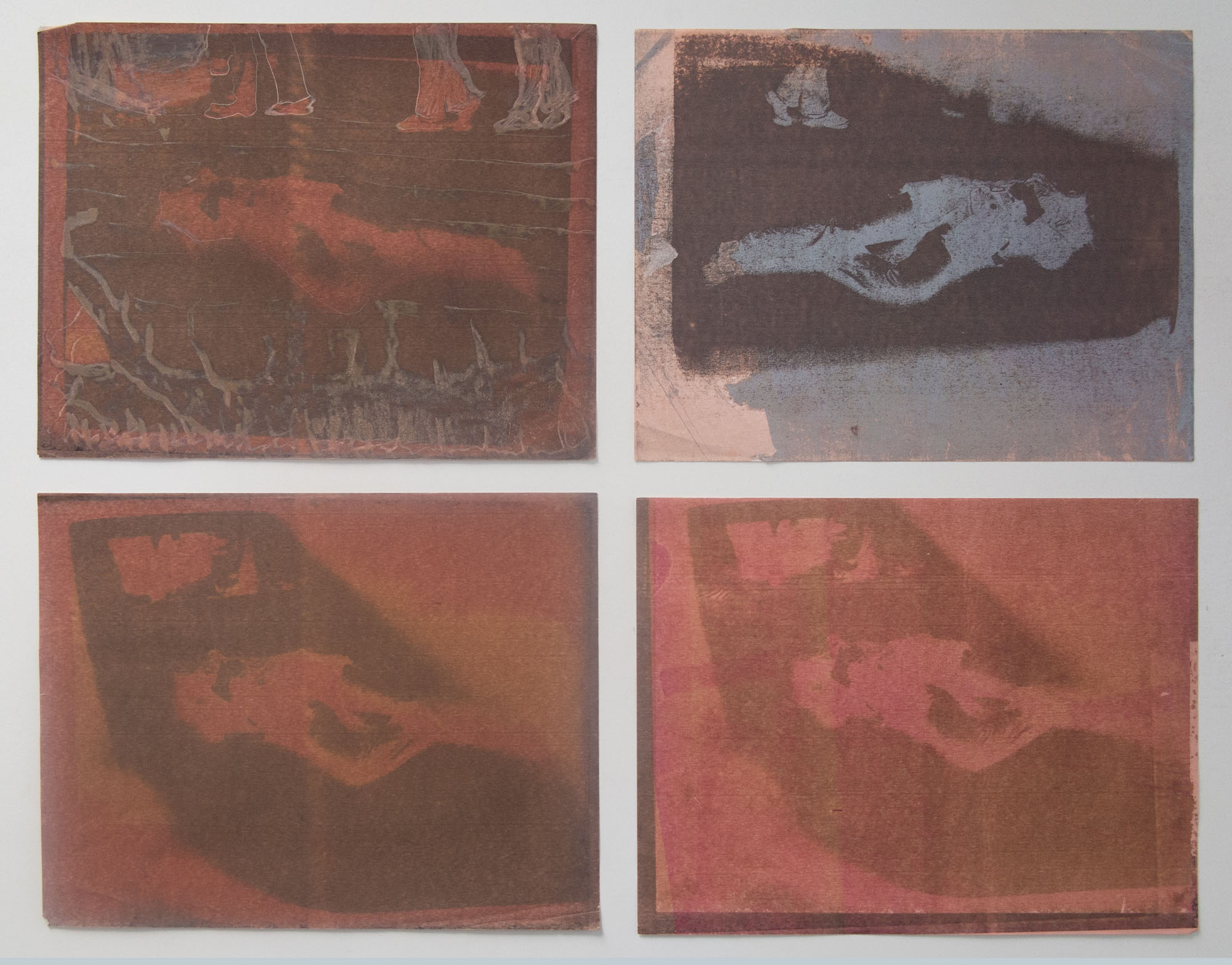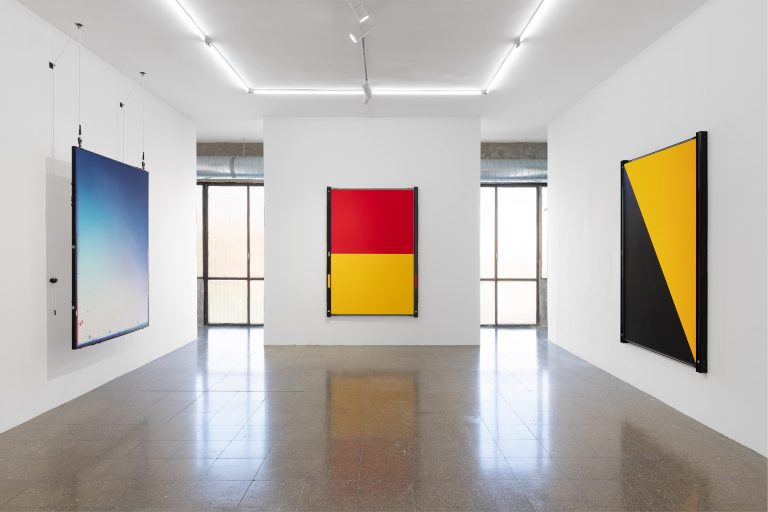
This exhibition starts from a series of photographs in black and white. Taken during the demonstrations occurred in the streets of Chicago by the end of 1972, they show the protests against the escalation of the bombings in Vietnam. Combining both artistic and documentary disciplines, the exhibition shows a selection of 16 photographs.
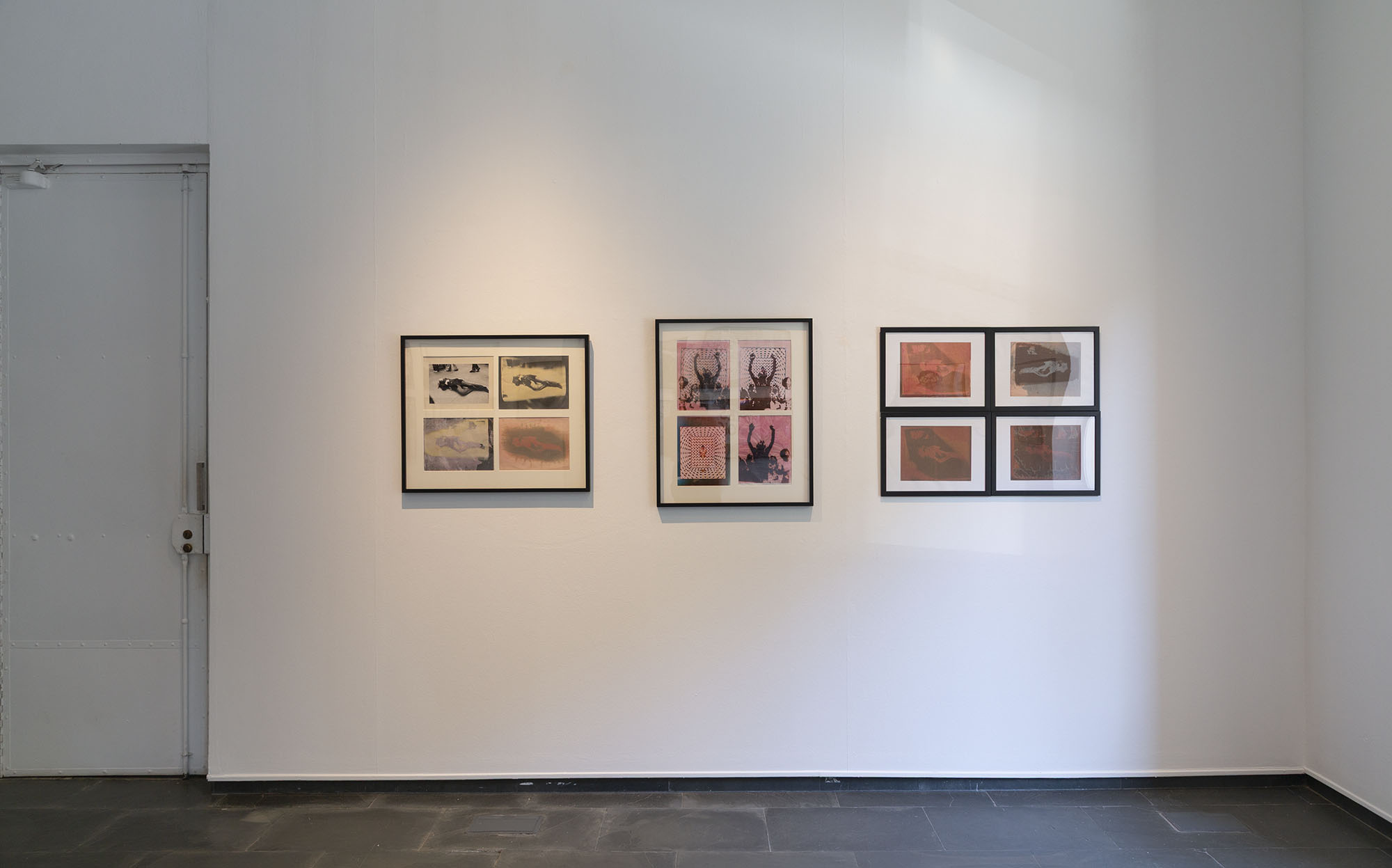
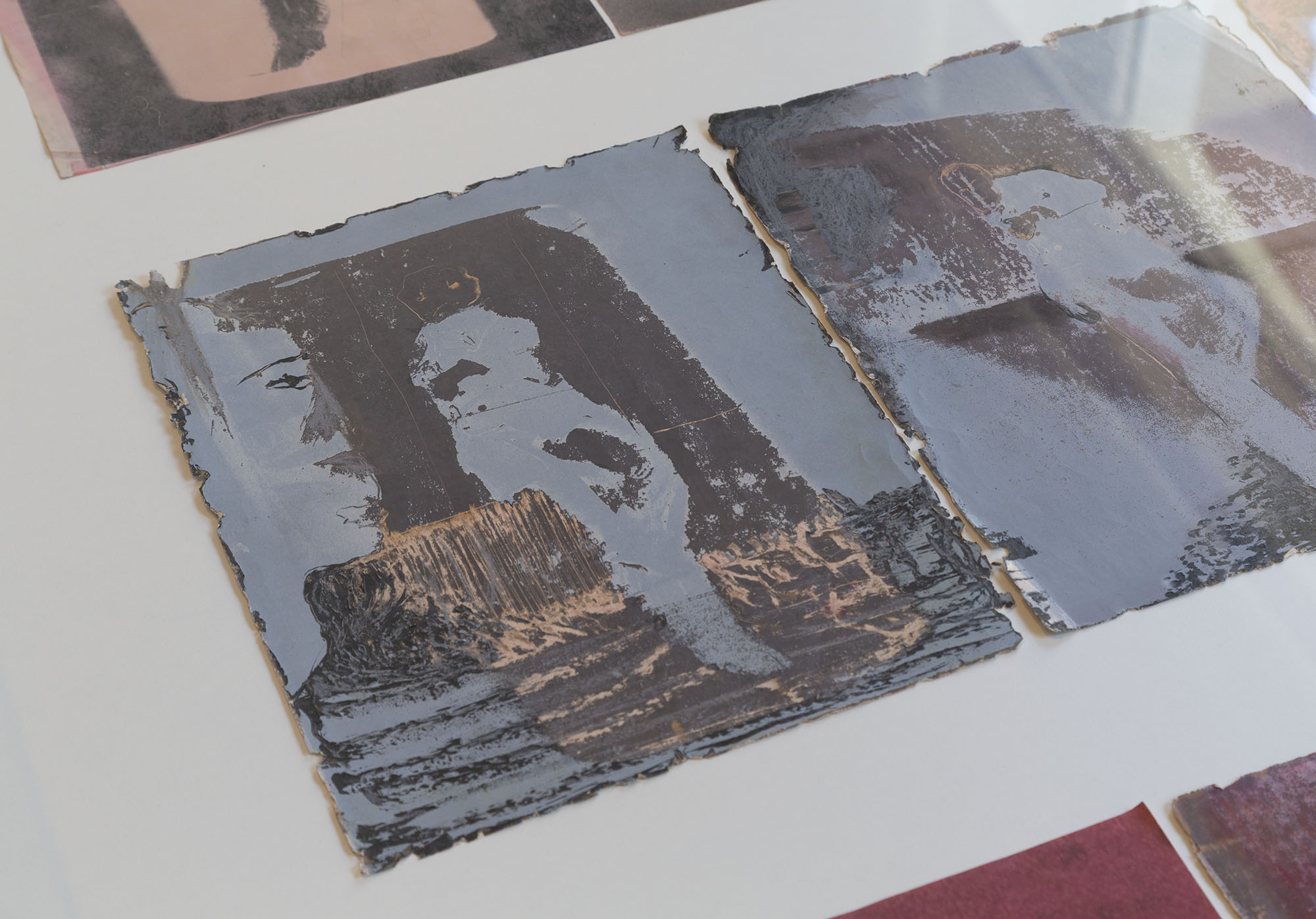
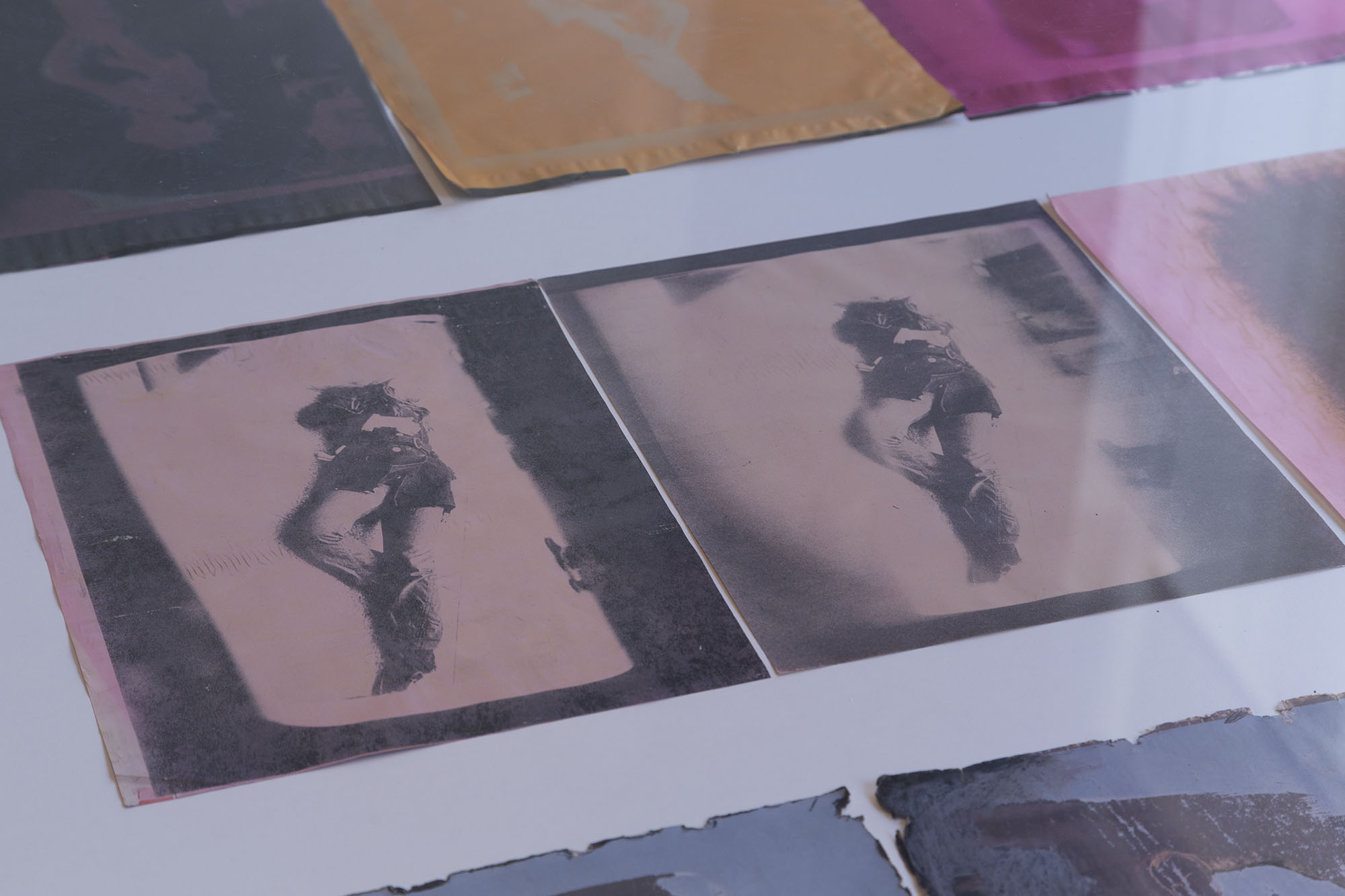
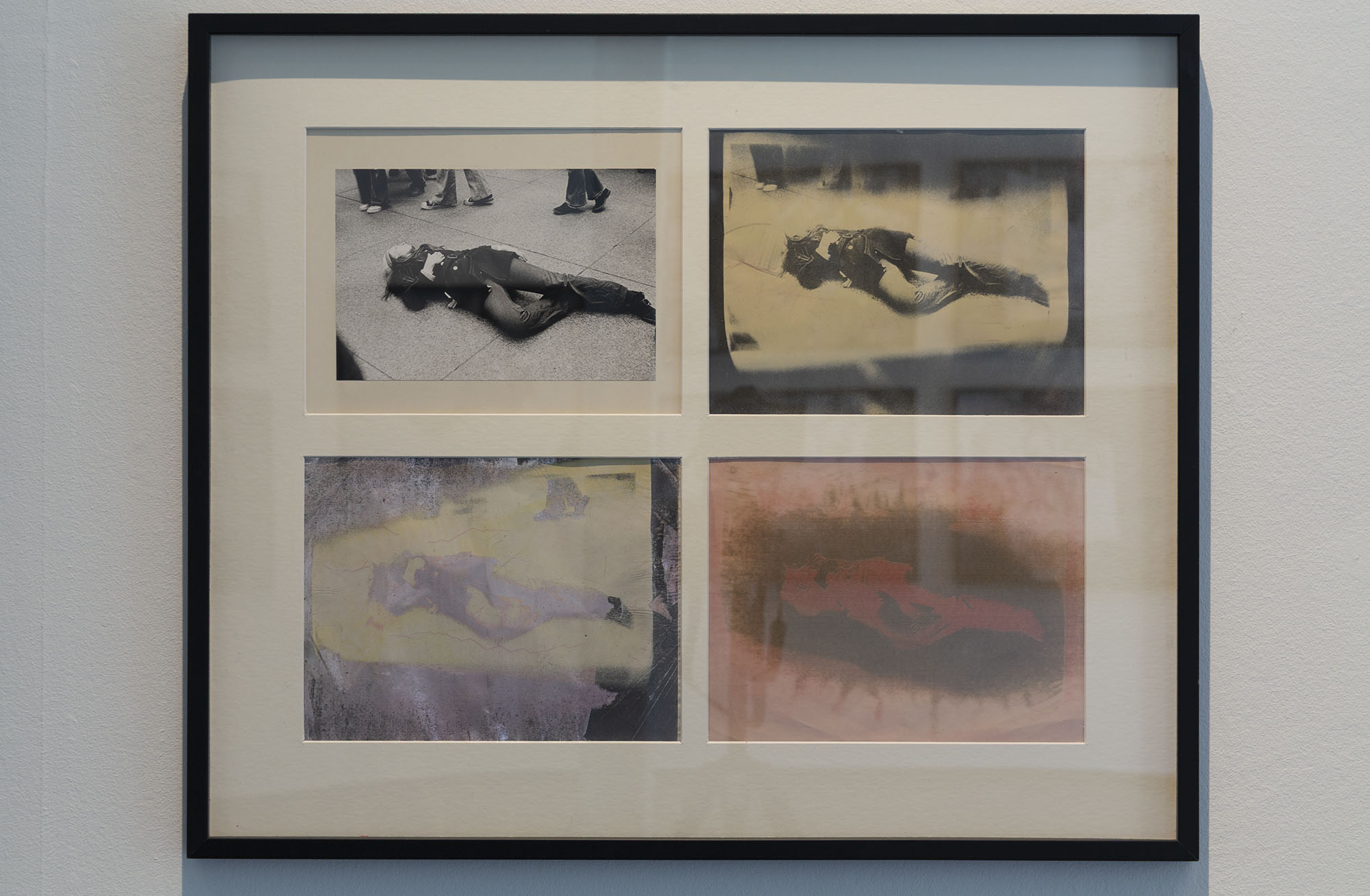
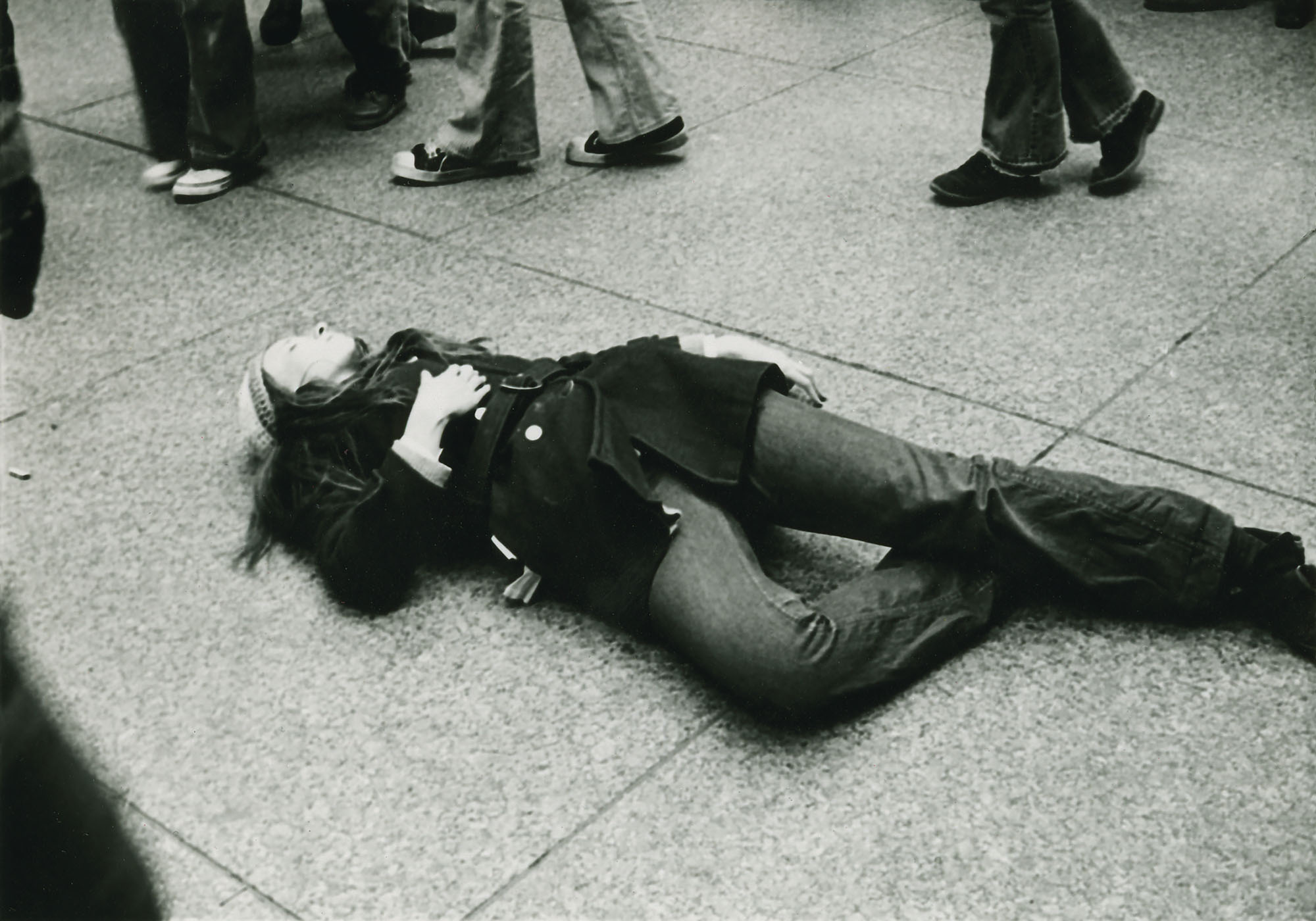
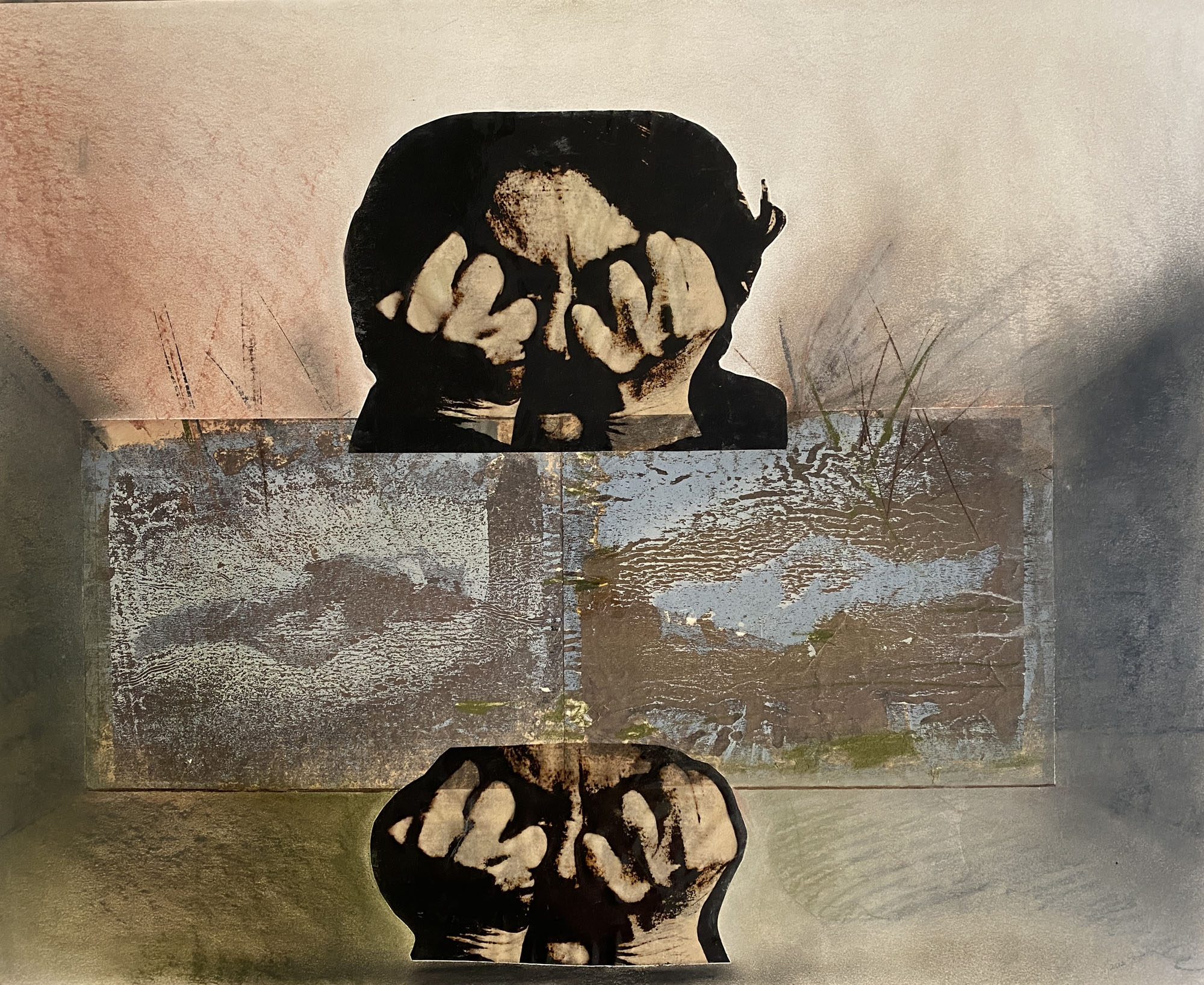
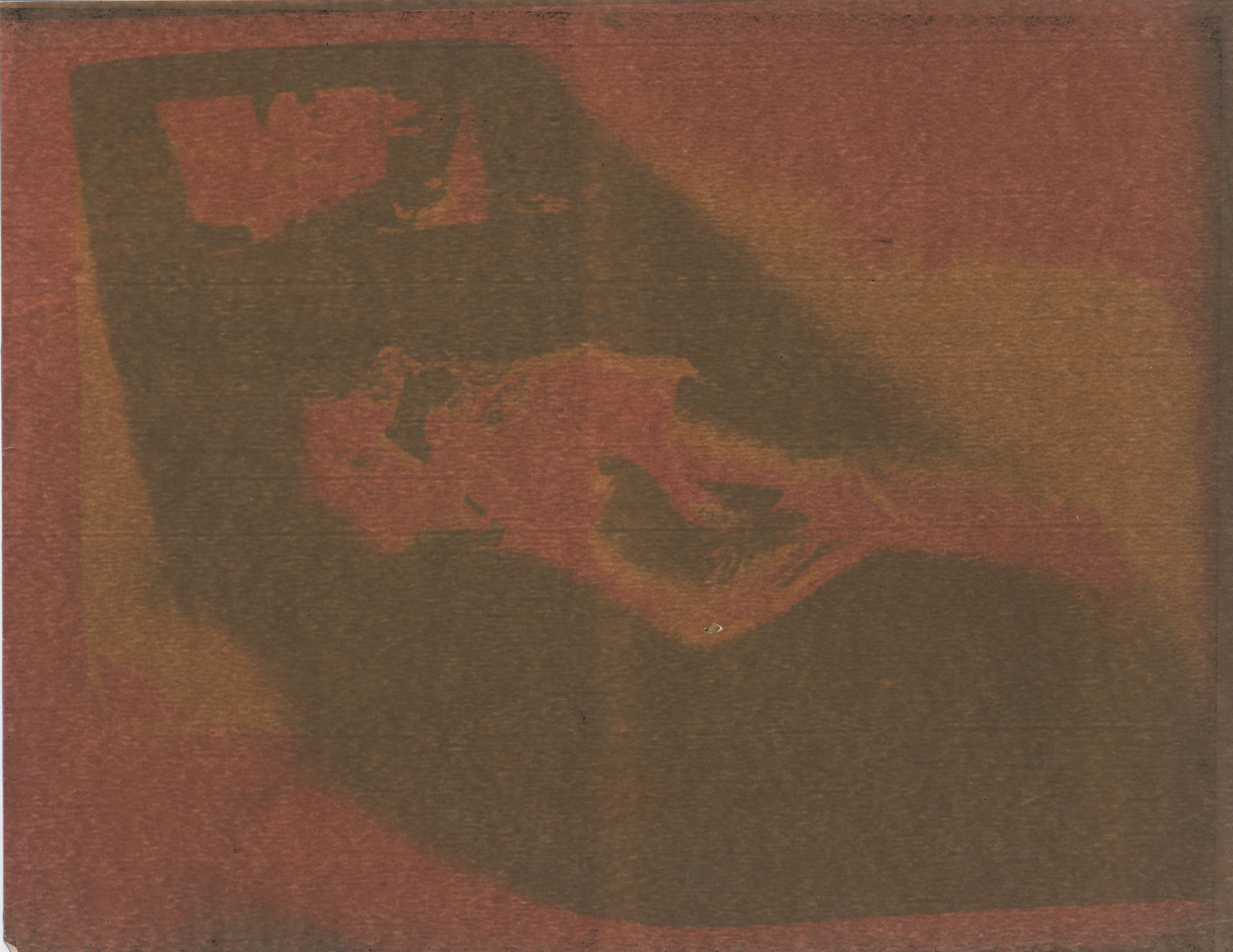
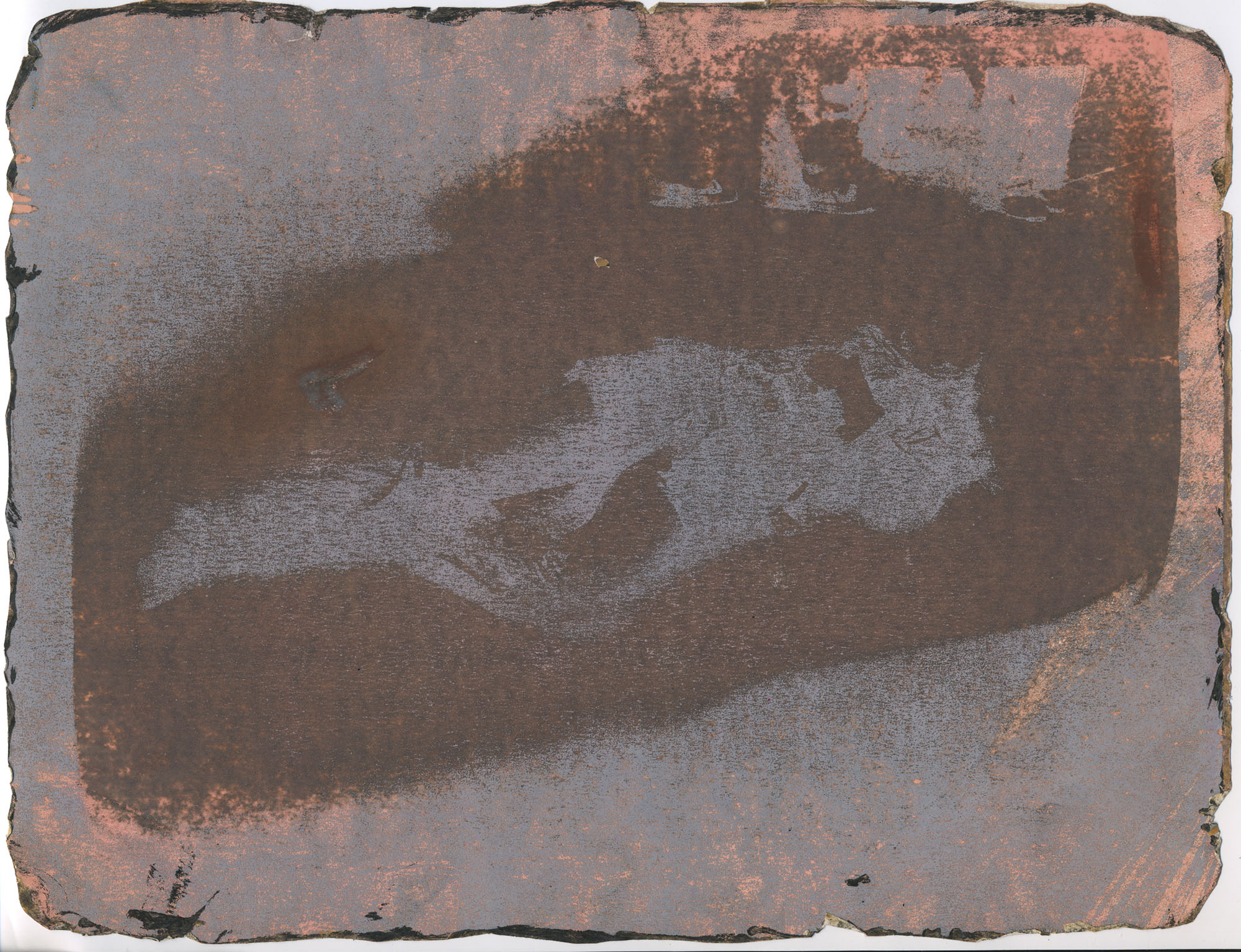
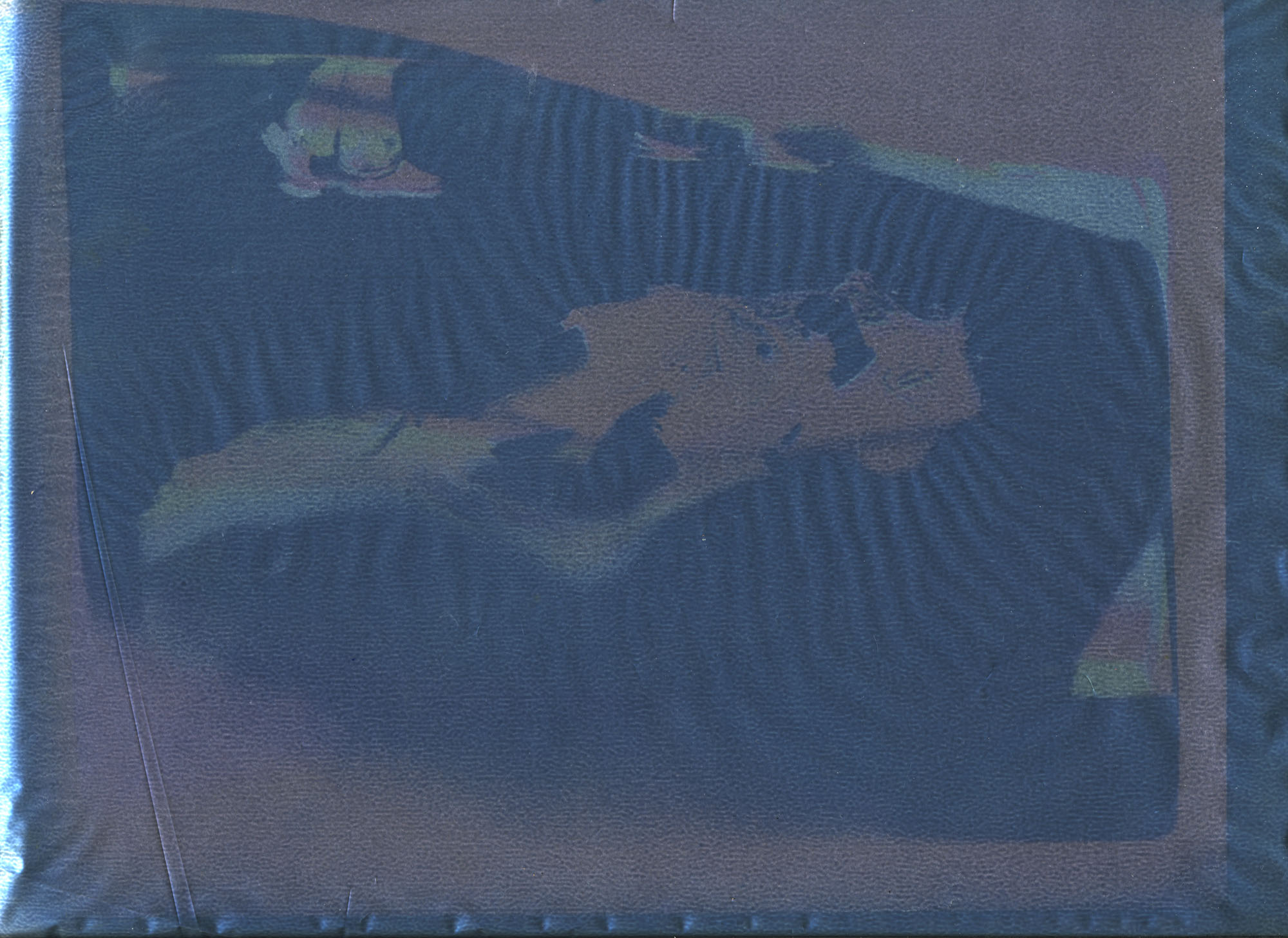
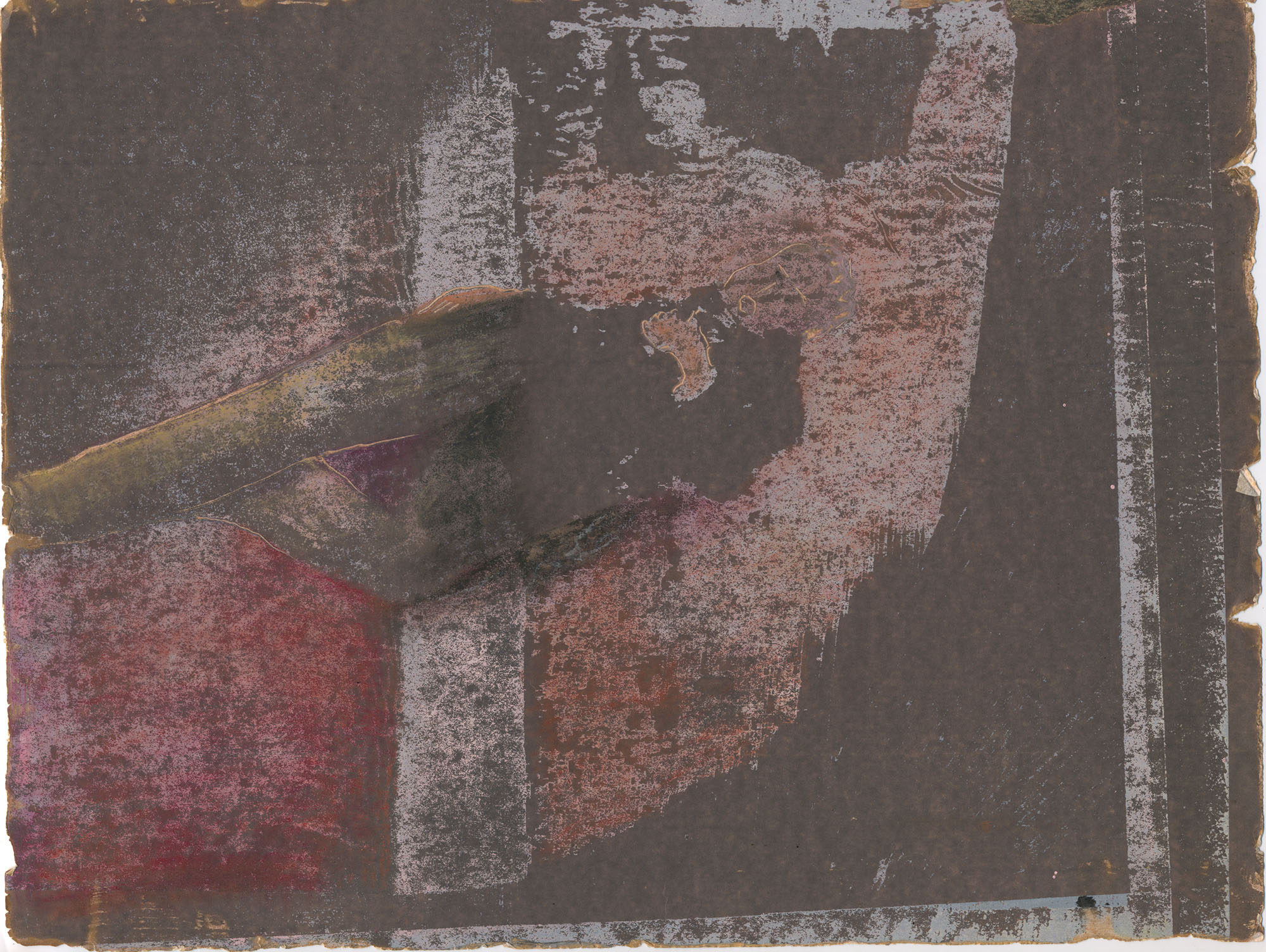
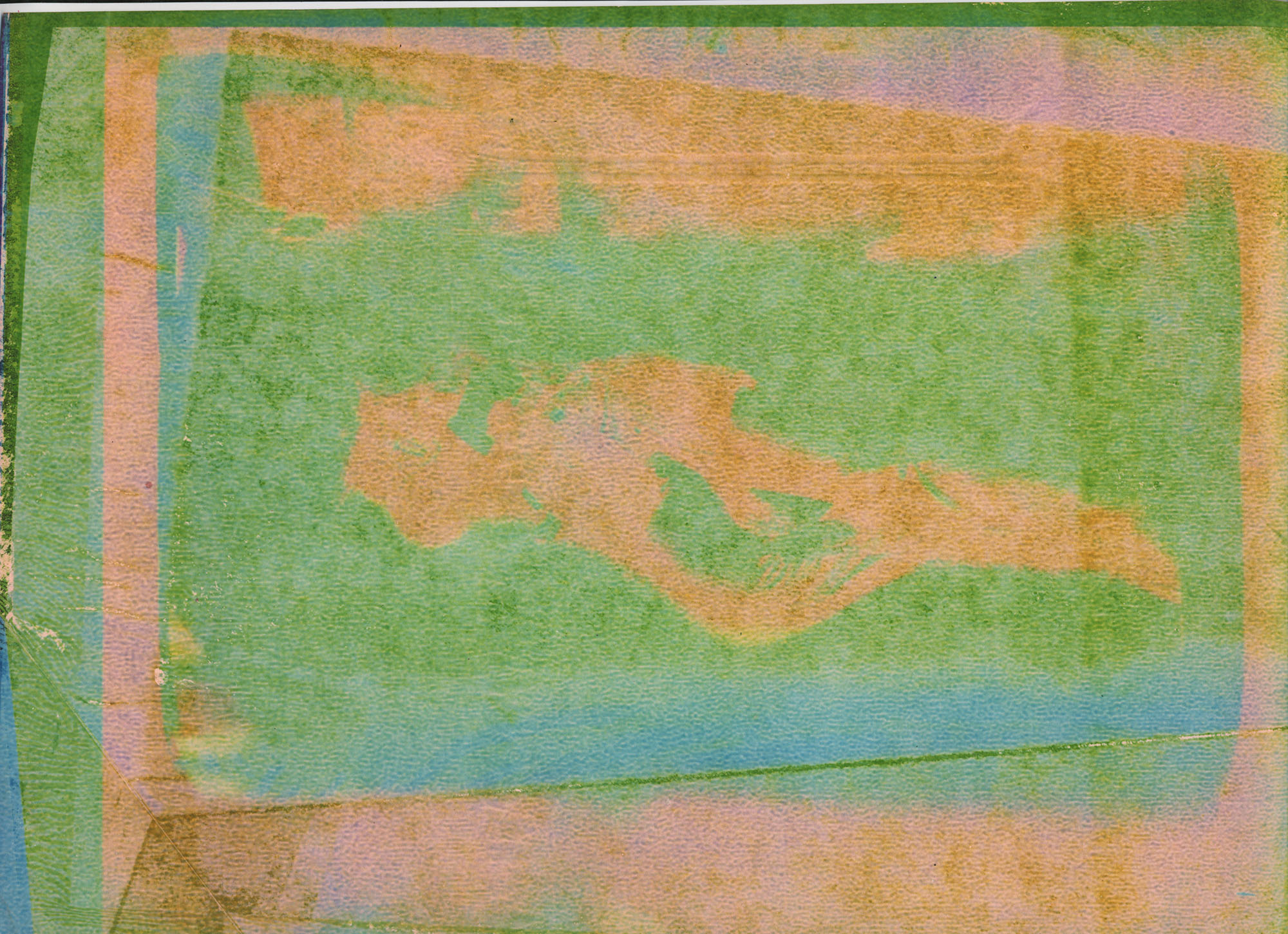
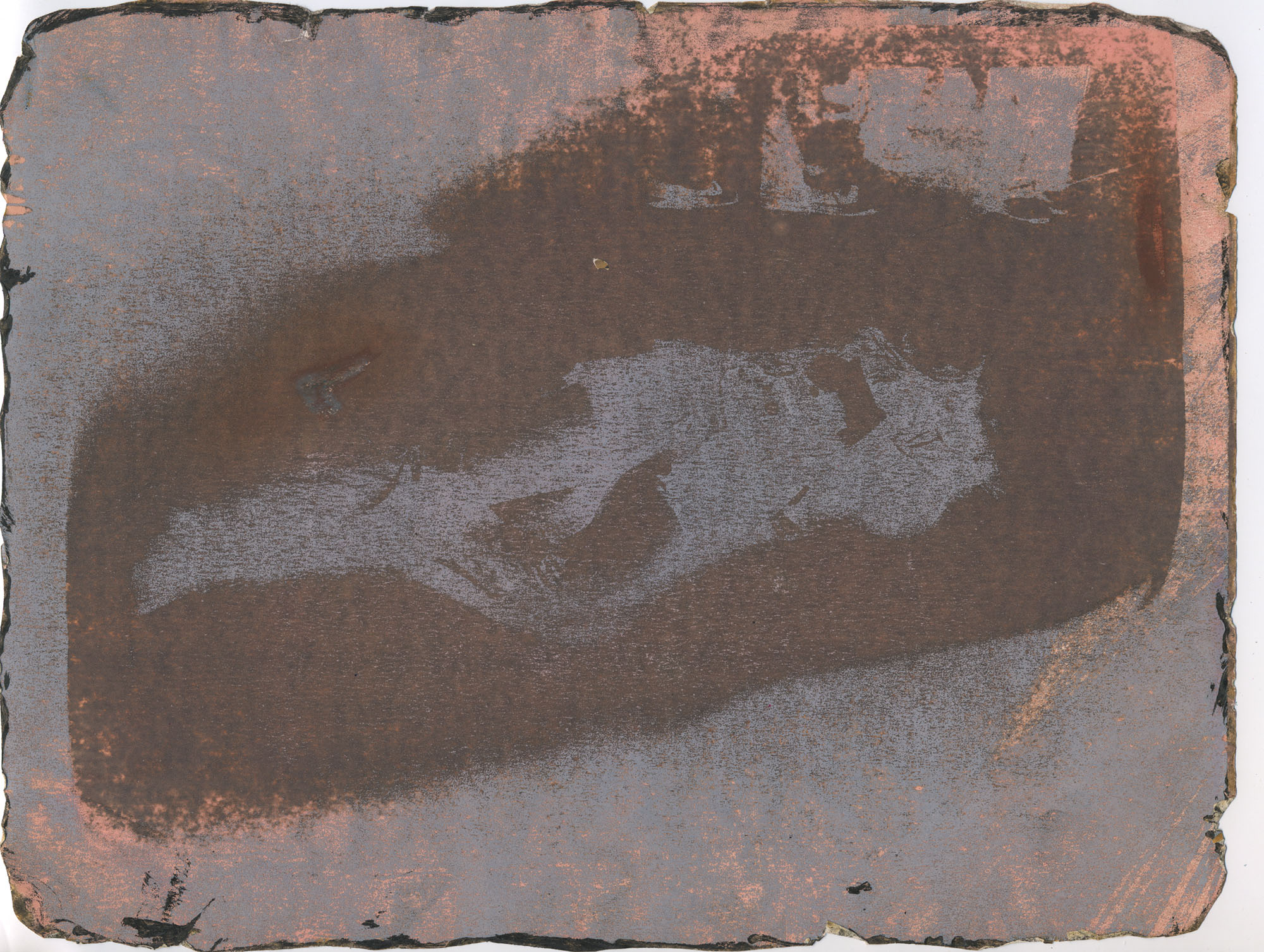
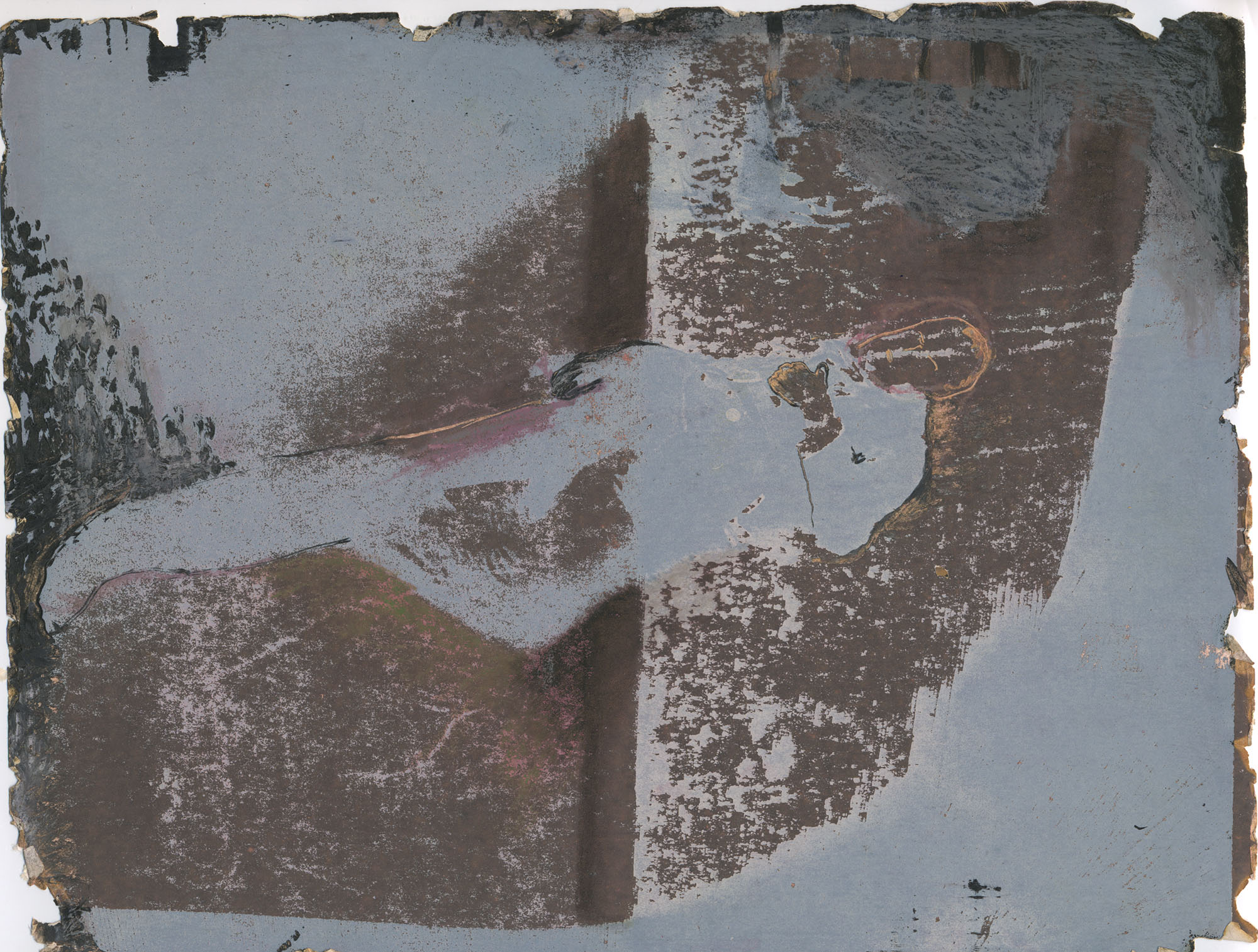
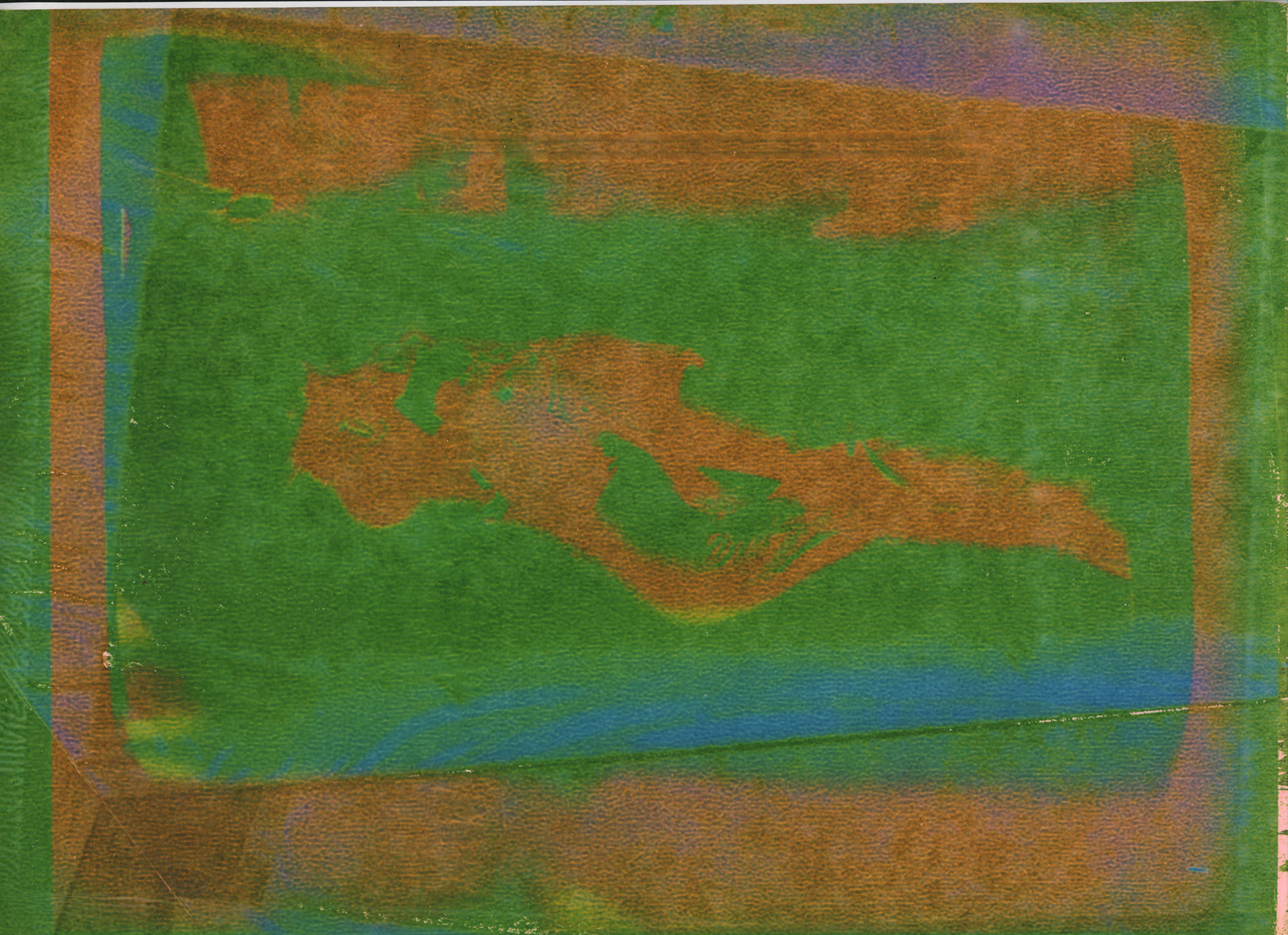
Marisa González was studying the Master in Fine Arts at the Art Institute, in the Department of Generative Systems, which had been created shortly before by Sonia Sheridan, her director back at the time. Upon her arrival to the United States, she had found a country committed to the mobilisation of its civil society, a transversal movement involving students as well as army veterans and a considerable mass of citizens —despite of age, race or status. Marisa and her camera joined the protests, happy to be able to exercise the fundamental right of collective freedom of speech when declared in the public space. In one demonstration, she witnessed a spontaneous performance, which she didn’t hesitate to record. This image would result in many versions, given the use of experimental techniques associated with new media technologies learnt by the students of Sheridan’s program.
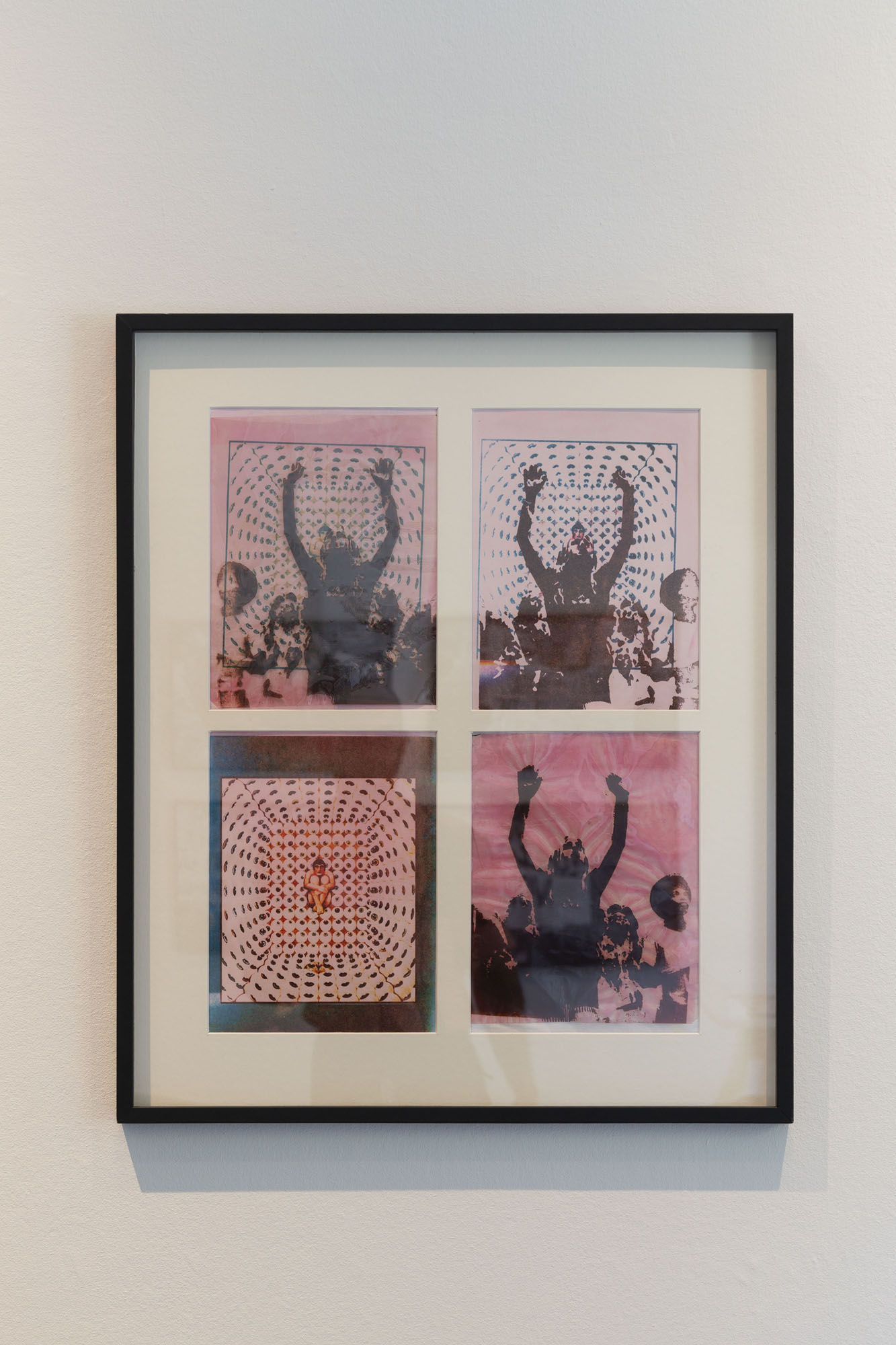
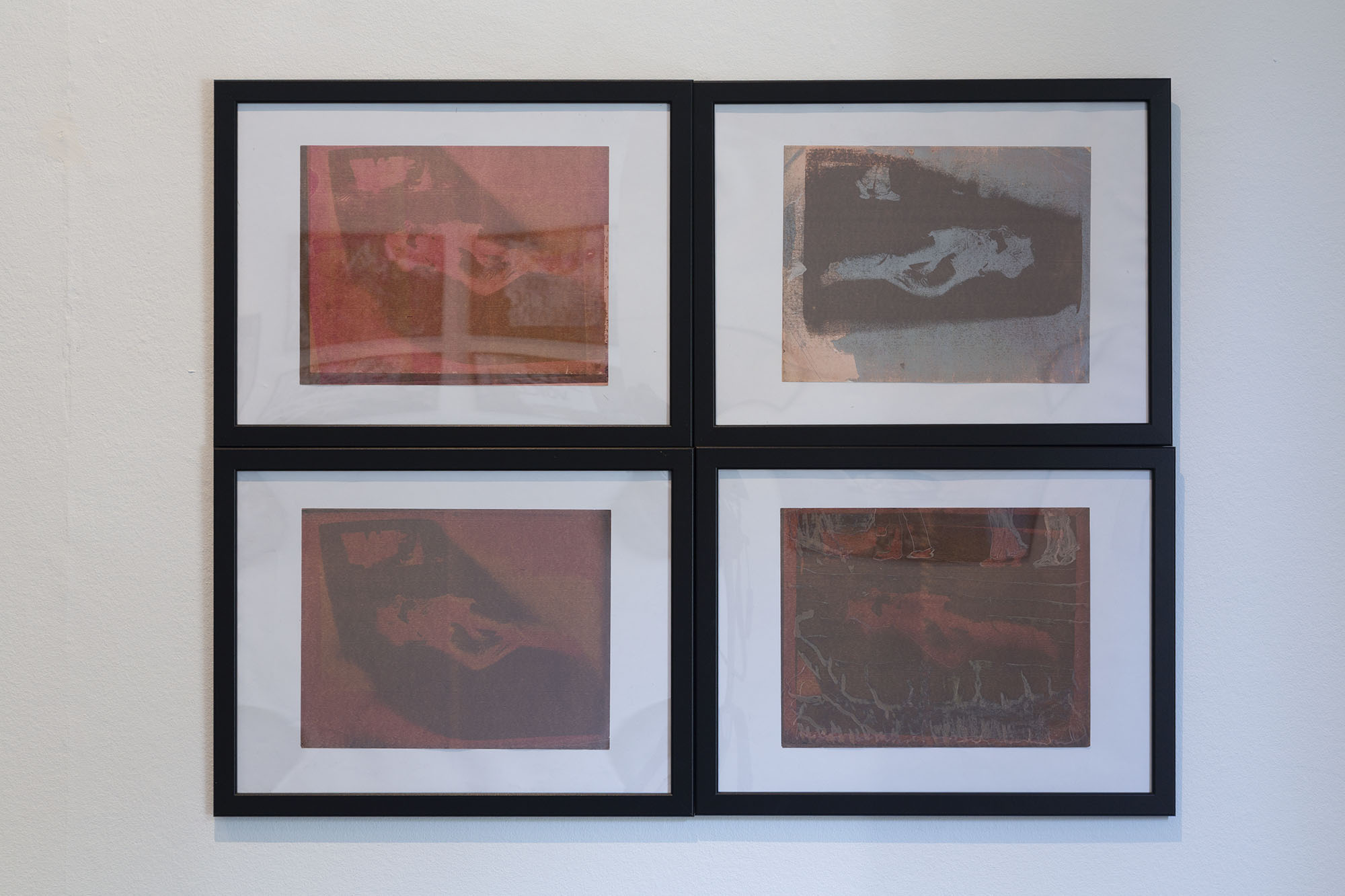
These two sets of works constitute this solo exhibition. It is the first she creates upon her arrival to the United States —they can be considered her first project. In them, many of the ingredients of her later works —developed along a wide and brilliant career, are already present. On the one hand, the pioneering use of new media and the political and gender discourse, not only in Spain but internationally; on the other hand, the collective work related to the practice of performance. Additionally, there is also the seriation of an image. Altered and disfigured, its handling allows the creation of different versions made by mechanical media in devices that had been designed for totally different uses rather than artistic creation.
Most of the works in this exhibition are fully shown for the first time. Only three small panels were exhibited in the anthological show dedicated to her work last year in Museo Reina Sofía, which later toured to Azkuna Zentroa in Bilbao; apart from two collages we took to Artissima fair in November 2023. It was there we learnt the she had been awarded with the Velázquez Prize.
The title of the exhibition, taken from a banner, reminds us the importance of the citizens’ voice when it makes itself heard continuously, firmly and peacefully. The US civil society got to be heard and listened during the last months of 1972. If it weren’t the only cause leading to the end of the war, its message was decisive: to propitiate the country’s ungovernability should the unsupported armed conflict continue.
Marisa González (Bilbao, 1943)
She finished the highest studies of piano in her hometown conservatory. In Madrid, she studied Fine Arts. In 1971 she moved to the United States to study a Master in Fine Arts at Art Institute of Chicago. Later, in 1976, she studied at the Corcoran School in Washington D.C., where she graduated with a BFA, obtaining the End of Career Award.
Her entire artistic career is marked by a systematic relationship with the ever-changing technologies of contemporary society, from her first works with photography and the first photocopiers in the early 70’s, later with faxes and then with computers and video.
In the symbiosis between art and technology, and having as a method the assembly of different techniques, Marisa González has generated a new language codified by herself. The reproduction of images and fragments and its repetition, or the generation of form as emblematic values of the contemporary, are present in all her work.
She has had more than 60 solo exhibitions and 150 group exhibitions. Her work is in numerous museums and collections. In 2023 she was awarded with the Velázquez Prize, the country’s highest distinction in the contemporary art scene. She has recently had a great anthological exhibition in Museo Reina Sofía, Madrid, and in Azkuna Zentroa, Bilbao.
People’s Voice. Chicago 1972
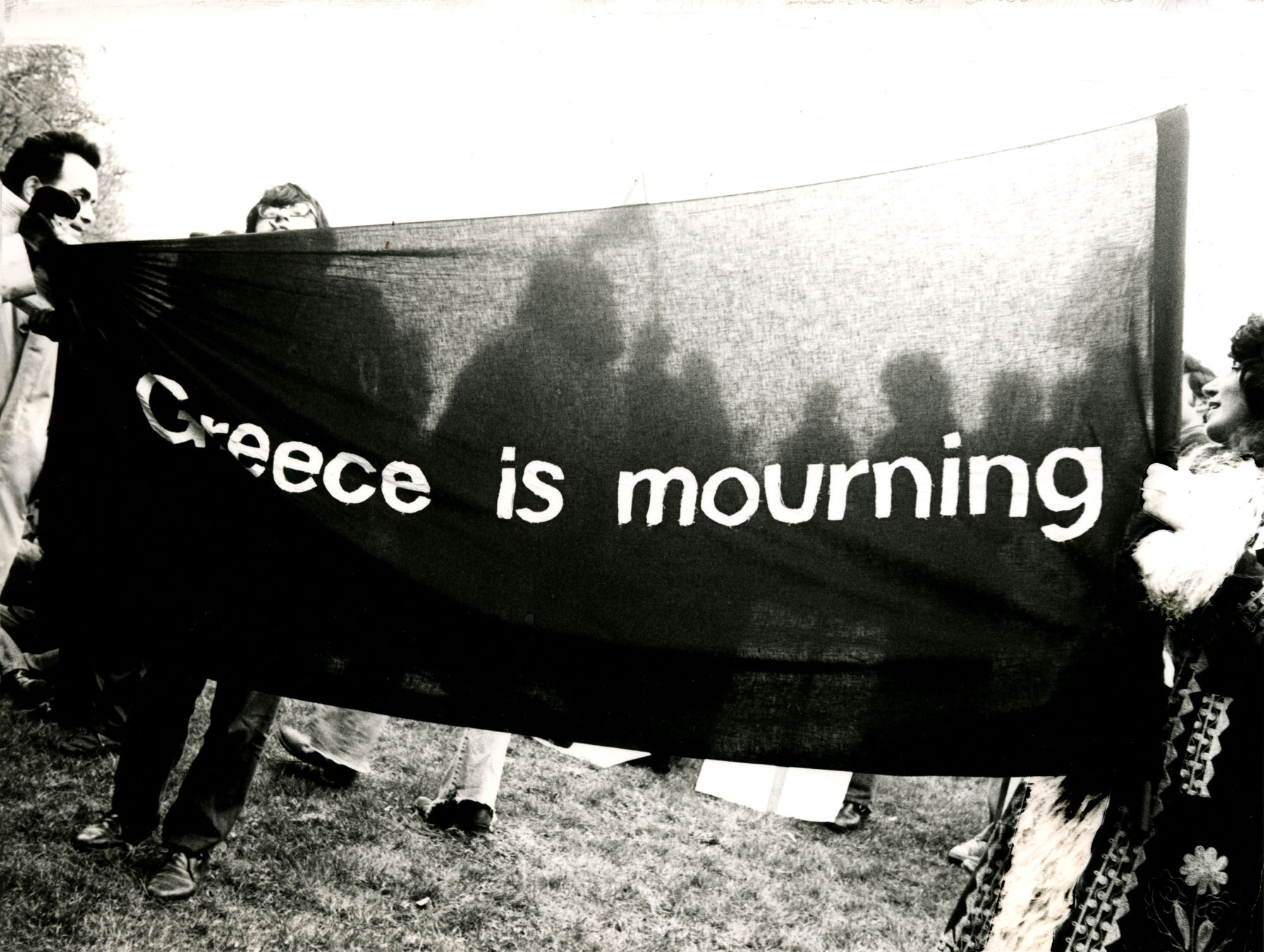
It is with pleasure that I have been given the opportunity to talk about such a concrete and specific series of works. Between 1972 and 1973, Marisa González creates them in Chicago —where she was studying art— from a few photos of protests against the Vietnam War. The protests were mostly peaceful, but they also show other statements —such as anticolonialism movements refusing to take force in pushing out the North Americans occupying the country by means of force itself. This is also related with a strong antiracist influence represented by the active associations of Black Power. At some other times, the communist affiliation is clearly stated, though generally the protests go against the war and fascism. We can even see a banner reading Greece is mourning, a direct reference to the Greek Junta that was ravaging the country since 1967 and received the support by the government of the United States. By the way, the banner also alluded to the victims of the Athens Polytechnical uprising.
What Marisa González makes out of these images is not a mere documentary tour. She uses them as the base for a speculative work to experiment with shapes and colours. The aim is to empathetically confer them not only with an ethic dimension, but also an aesthetic one, should they not already had it in the first place. The aestheticization of photographs through pop, hippie and young people movements, which is very linked to the American Way of Life counterculture, tracks a way. However, it is interesting to see how the formal work of Marisa González doesn’t exactly follow that same path. A banner reads People’s voice, which is far from being a plain statement. People have a thousand ways of complicating the opinion of their voices in a very simple manner. This is why, for instance, representative democracy cannot be entirely democratic. It is not a matter of pure statistics; representation doesn’t establish exact links between the representees and the represented.
By all means, in the conceptual tools used in the fields of Fine Arts and Politics there exists a common vocabulary around representation. As simple as it may look, the connections also happen around values, ideology, civic expressions, etc. For instance, with the left/right pair, or the chromatic symbolisation of colour red. In the era of technical reproduction, the impact and connections among parliamentarism, democracy or bureaucracy have not been studied that deeply. Abstract ideas such as the loss of aura have to do with the shift in the legitimacy of power, or the transferal from God to people. They are not oblivious whatsoever to the industrialisation of the copy, the expansion of printing, the administrative expertise, the legal filing, etc.
Evidently, I am referring to Walter Benjamin and its well-known essay, The Work of Art in The Age of Mechanical Reproduction, whose first version was published in French in 1936. Controversially translated by Pierre Klossowski, it provoked an agitated discussion with Adorno and some other colleagues from the afterwards called Frankfurt School, who apparently didn’t seem to understand the full scope of the text. Probably Sigfried Krakauer was the most influential scholar in extracting certain ideas of the text and the one who gleaned more theoretical contributions, along with the early reading made by Hannah Arendt. I am obviously making all these references because the case I am elaborating is filled with the aforementioned reading material. The work by Marisa González that I am talking about enables to interpret Benjamin almost literally —and the aesthetics exegetes who already consider the text a common ground, a producer of a specific type of art with a strong dose of ideology or a trend to overcome once for all cannot deny it. Because these concepts, by the way, had already been announced by Benjamin himself.
But let’s go back to the point mentioned earlier about the aesthetic procedures — we’ll see that the term will have more than a single meaning— performed by Marisa González with a few images imbued with politics. I am saying that the fact they have laid the finger on an evidence: that of the aestheticization of politics that has been carried out, on the one side, by a pro-communist ideology in the political left, and on the other side by the counterculture and mass culture, is already of immense value. But there is more. In any case, let’s bring out the famous paragraph by Benjamin where he speaks about the aestheticization of politics under fascism and the communist response of politicising art. The translation takes into consideration the different versions of the Benjamin’s text —which practically sit on the first version by Klossowski and Adorno— and the different versions provided in Spanish:
Mankind, which in Homer’s time was an object of contemplation for the Olympian gods, now is for itself. Its self-alienation has reached such a degree that it can experience its own destruction as an aesthetic pleasure of the first order. This is the situation of politics which Fascism is rendering aesthetic. Communism responds by politicising art1.
If anyone does not understand the rise of fascisms and the new far right in Europe and the world, here is Benjamin offering an explanation. During the last century, the conditions of mechanical reproduction have only favoured this escalation. We have already gone through the shift in the mythical time, where gods had their place and made politics legitimate —even if they did not participate and were above it. It is now the people both the reference and the political subject of its own actions the one who, when lacking the constant tools provided by criticism, inevitably activates the self-alienation that Benjamin talks about. This drive is highly interesting on account of the aestheticization procedure that Marisa González carries out; which takes place within the communism orbit, meaning —if I may— the set of actions and gestures I have briefly described for the protesters’ images. Which is, in any case, the aestheticization process of the left politics and its responsibility, through that same procedure, in the rise of fascisms in the world —since it took the path of making art politic after Benjamin. I would say that there is no need to mention the entire course of aesthetic actions and alienations that —from the fall of the Berlin Wall to the alter-globalization and decoloniality processes— have been positively and negatively operating in the ideological frame still called communism.
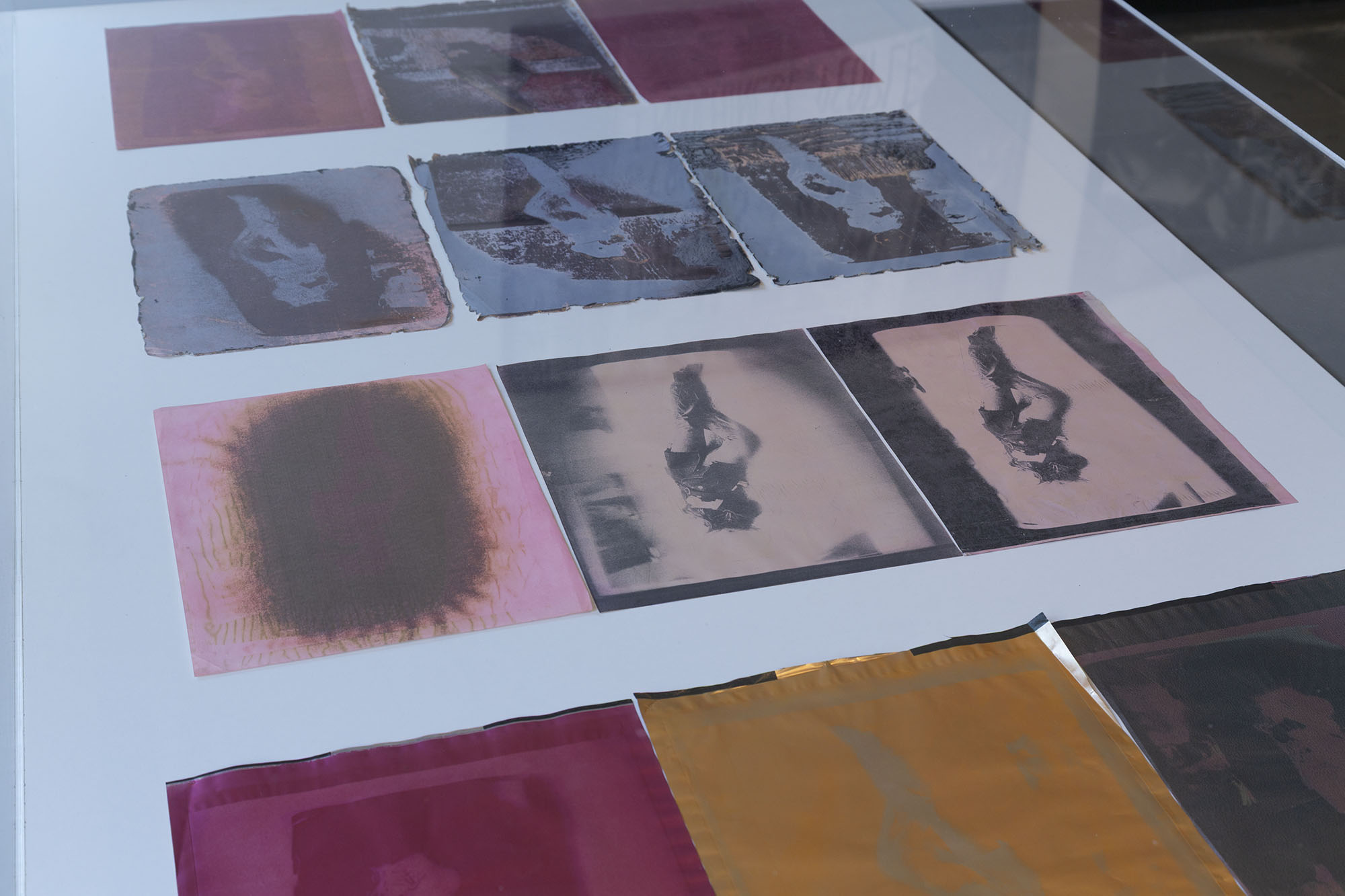
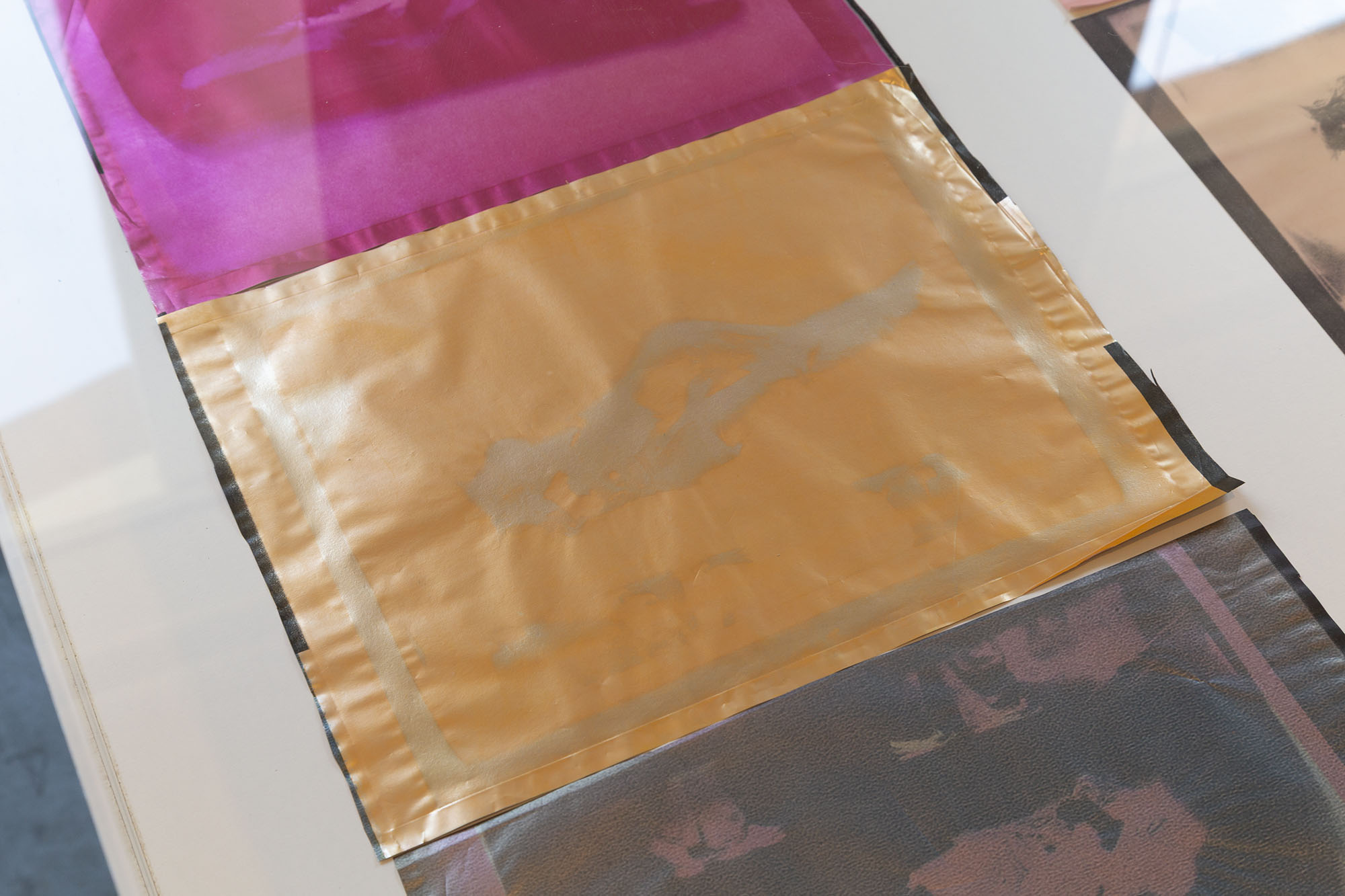
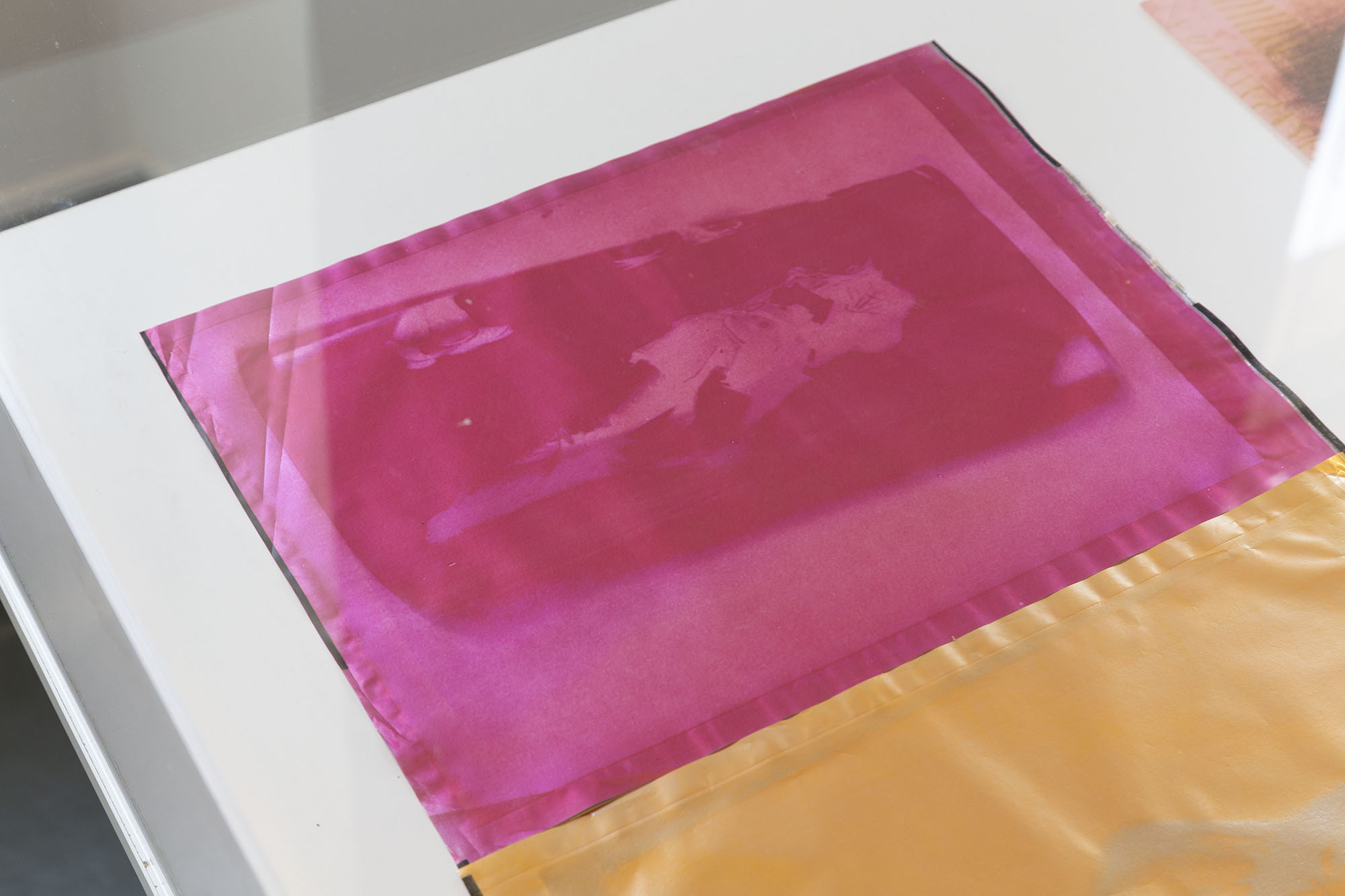
Let’s think about the solarizations2 of Marisa González. Let’s think about its reds, pinks and yellows, even the silver colours that emerge in the picture of the protester who played dead. Let’s think about the seriation; how it becomes a phrase, a narrative, a discourse —affective for images and their meaning. Let’s look at the energetic field around the protester with arms raised and how the psychedelic effect makes the space psychological in order to materialise the gathered energies that are driven around a demonstration. The modular distribution of images, the individualisation of the muerta de mentirijillas (or the played dead women) —who reminds us of the dead-alive in Los ángeles exterminados by José Bergamín, which seemed like the only chance for the people to survive after 40 years of Franco dictatorship— and their repetitive pattern becomes the dramatic centre of all the other images of protesting. It also reproduces the pathos of the fallen body, of the tomb effigy, or the dead Christ about to resuscitate —as resuscitation is related today to reproduction—as a political value. Differences in the graphic procedures by Marisa González are aligned to what Wittgenstein pointed somewhere between seeing-as and seeing-thus, that is, seeing immediately and seeing according to cultural and historical factors. Evidently, photographs are a seeing-thus, whereas their plastic procedures result from a seeing-as; in a perhaps too simple depiction of the proposal made by the Viennese philosopher. It is curious that Wittgenstein’s considerations concur with the questioning of mechanical reproduction, but far from the distinctive melancholy of his contemporaneous Benjamin. In fact, Wittgenstein’s concern for the aspect, a sort of liaison between seeing-as and seeing-thus, which would take into account the continuity of plastic transformations and a multi-stability of meanings, will very much agree with Benjamin’s body of work in Passagenwerk.
Anyway, this is a short essay, so you may not expect a solution to the issues I am raising about the art practice based on the procedures of Marisa González in her work3. But, at least, I would like to point out an important topic that is usually overlooked in the otherwise attentive reading of Benjamin’s text.
The opposing fascism/communism pair that can be grossly read in the paragraph makes the rest look like a play on words. However, there are no casual sentences in Benjamin’s writing, not one that lacks an ultimate sense; and as we know, especially in the referred pamphlet, there exists a lot of corrections and rectifications, also editions out of original versions, which makes it even more challenging. What has also been very discussed is the first exegesis resulting from the mythical order of the gods and their power over men, along with the transition towards a mankind with agency —that is, turned into a political subject. Benjamin critically emphasises that political overlapping, in which communism and fascism would be two different answers, but curiously united in the duplicity of the individual, who is at the same time manager and managed; producer and product; subject and object. Moreover, the possibility of using politics as a deferred tool is poorly explored, as the Russian formalist used to like, for example. Benjamin worked on this matter in other texts, especially in those related to the criticism and crisis of capitalism, as in Passagenwerk or Arcades Project. Furthermore, very diverse thinkers such as Hannah Arendt, Michael Taussig, David Graeber, Raoul Vaneigem, Giorgio Agamben, Susan Buck-Morss o Catherine Malabou have dedicated this matter some time and space that is impossible to comment on right now.
Precisely, I did discuss at some point with Raoul Vaneigem —who recently passed away and whom this text is undoubtedly dedicated, that we barely pay attention to the central distinction Benjamin establishes when aligning the word aesthetics with fascism, while art with communism. It was Vaneigem himself who explained to me the varieties in the use of German language these words have and the precision Benjamin proves when using the terms aesthetics and art as unequivocally different. Obviously, what mass culture has done with the images of this sort of protests is an aesthetic procedure; but what Marisa González has done with these photographs is an artistic procedure. It should be noted that simplifying images is one result of the mass-media procedures, while complexity is a consequence of the procedures made over these images in the practice of Marisa González. When Wittgenstein thinks at some point that the stability of the seeing-as is pejorative —with the example of the swastika crosses, it is no accident that it may be associated to the National Socialist movement.
Ultimately, the fact that the work of Marisa González with these images suggests such procedure —to open the question and enabling the questioning, is a prodigious achievement. Images are presented with their own density and many-sidedness, such as the voice of the people, such as people’s voice.
—Pedro G. Romero. Sevilla-Barcelona, July and August, 2026
[1] (Translator’s note) In Illuminations, edited by Hannah Arendt, translated by Harry Zohn, from the 1935 essay. New York: Schocken Books, 1969.
[2] (Editor’s note) Actually, the works the author refers as solarizations are the toner rolls which were used and marked by the copied image. The printer was a 3M Color-in-Color, the first colour printer sold in the United States after 1968, and it worked through a sublimation process of ribbons dyed in metallic cyan, magenta and yellow which transferred the colour by heat. These beautiful pieces are meaningful not only because of their aesthetic value, but also for the importance they have in understanding both the discourse and the creative process of the artist. Given the context, it would be more than appropriate to treat them as works of art.
[3] (Editor’s note) Even if the works by the author do not seem to focus entirely on the aspect, the concept does have an impact on them. But, on the contrary, they are a consequence of the momentum of her production in the context of Generative Systems. The program consisted on exploring all of the expression possibilities of an image that could be obtained through new technologies in order to prolong its life or give it some others… All this, with a pioneering conscience of recycling a circulating image.