I’m God-sent, like He sent me up so I can relay these messages
Like He use me as his vessel, like He use me as an instrument
They locked me in a box, they hate how God just keep on blessing me
They locked me in a box, I pray to God this ain’t my destiny1
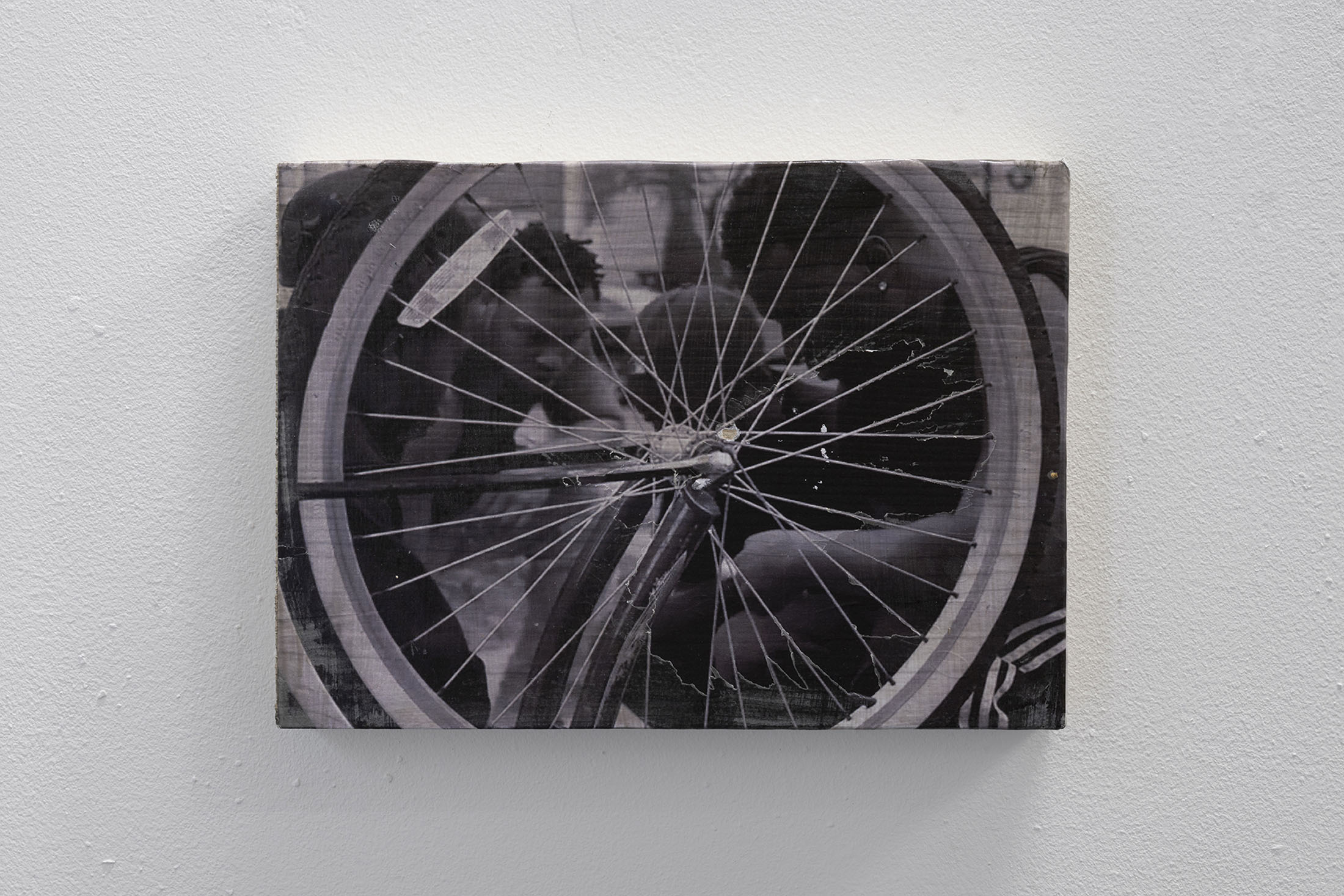
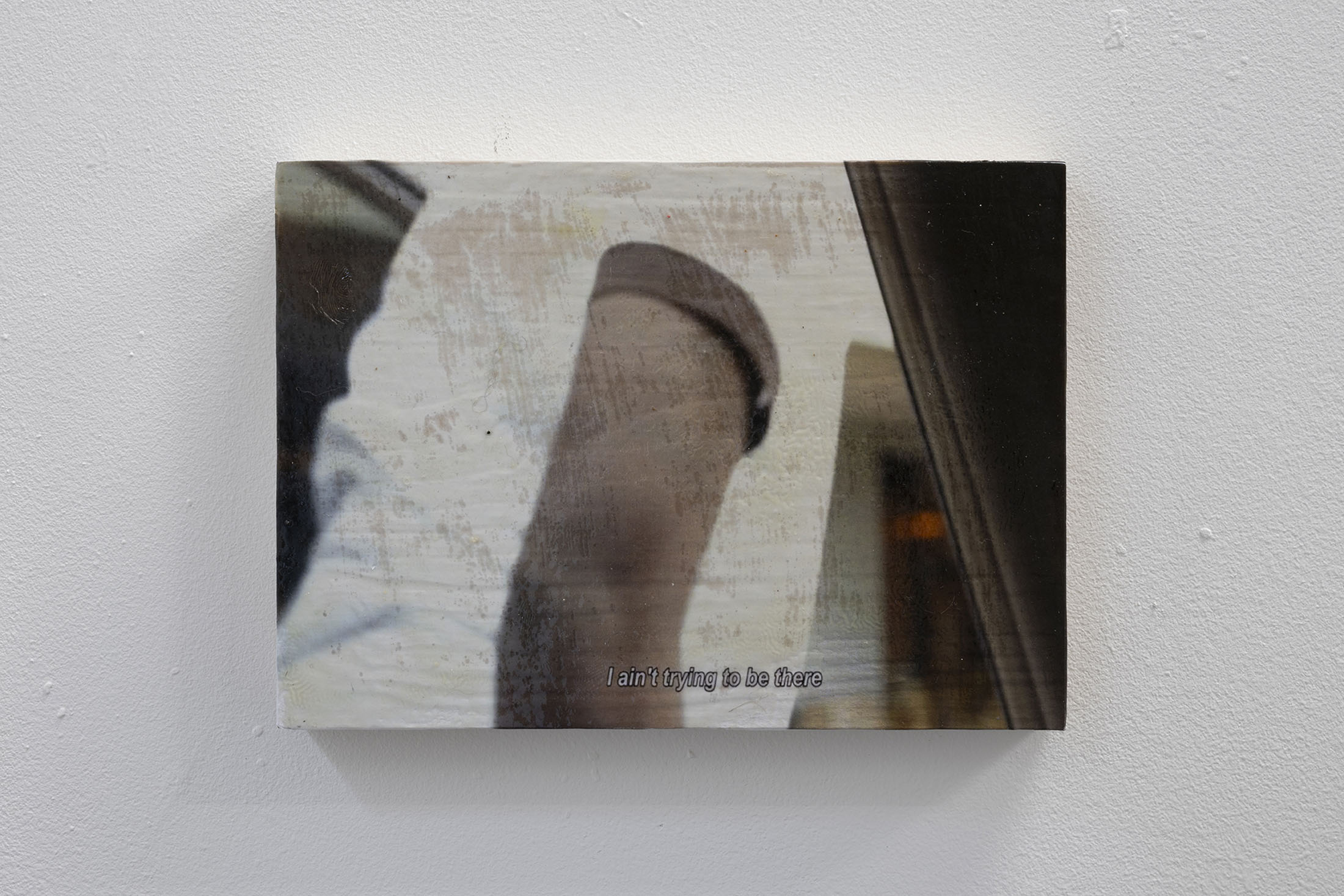
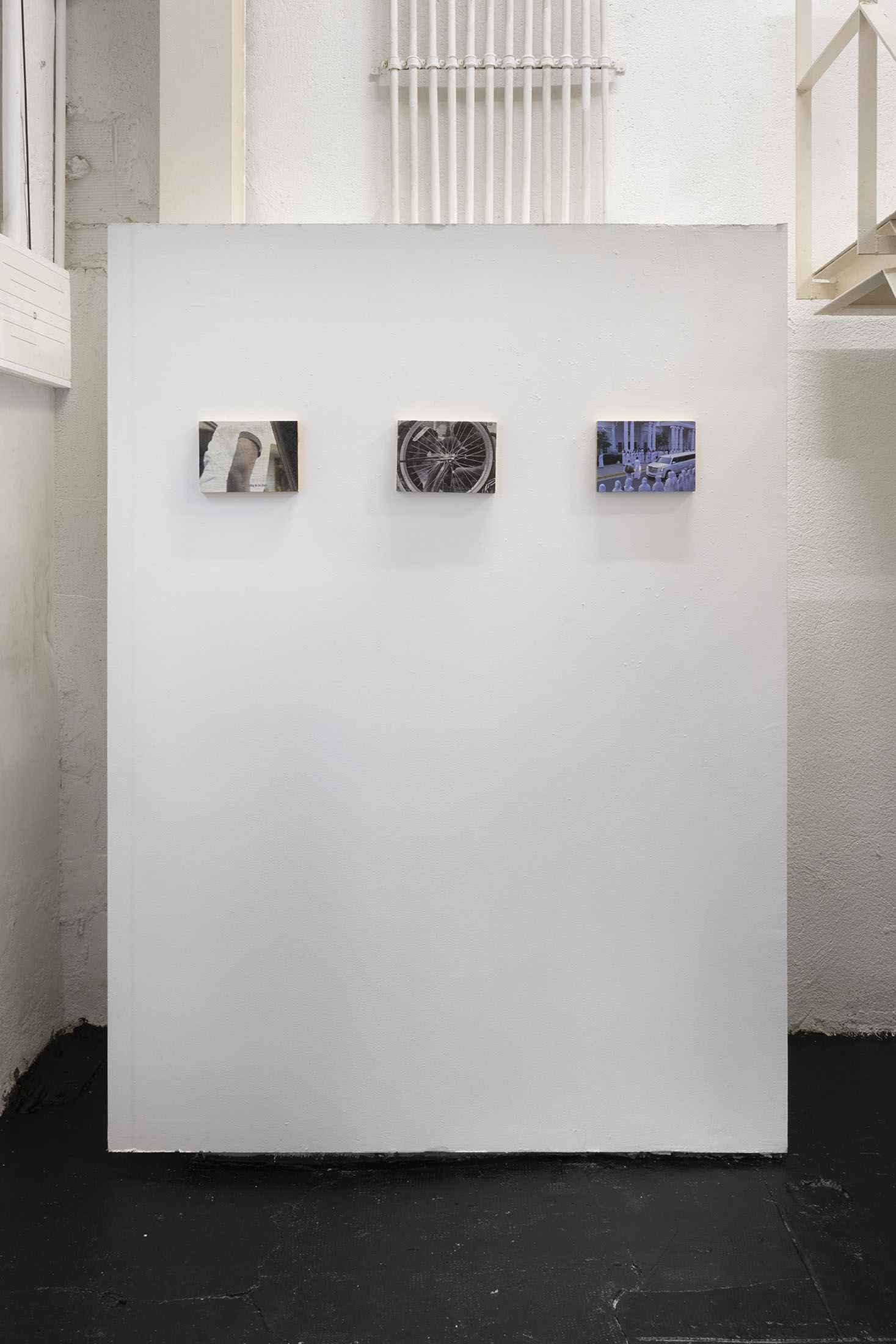
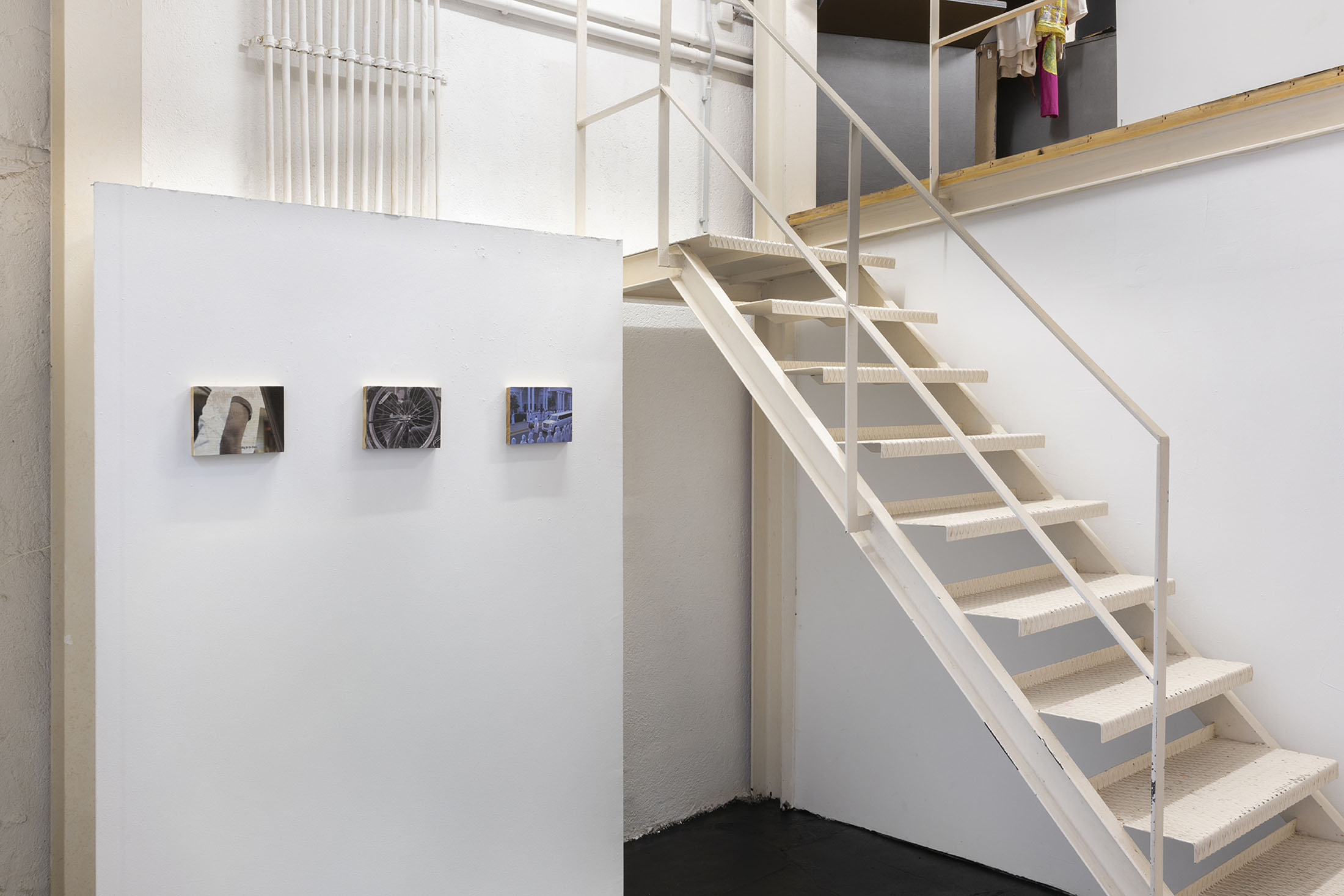
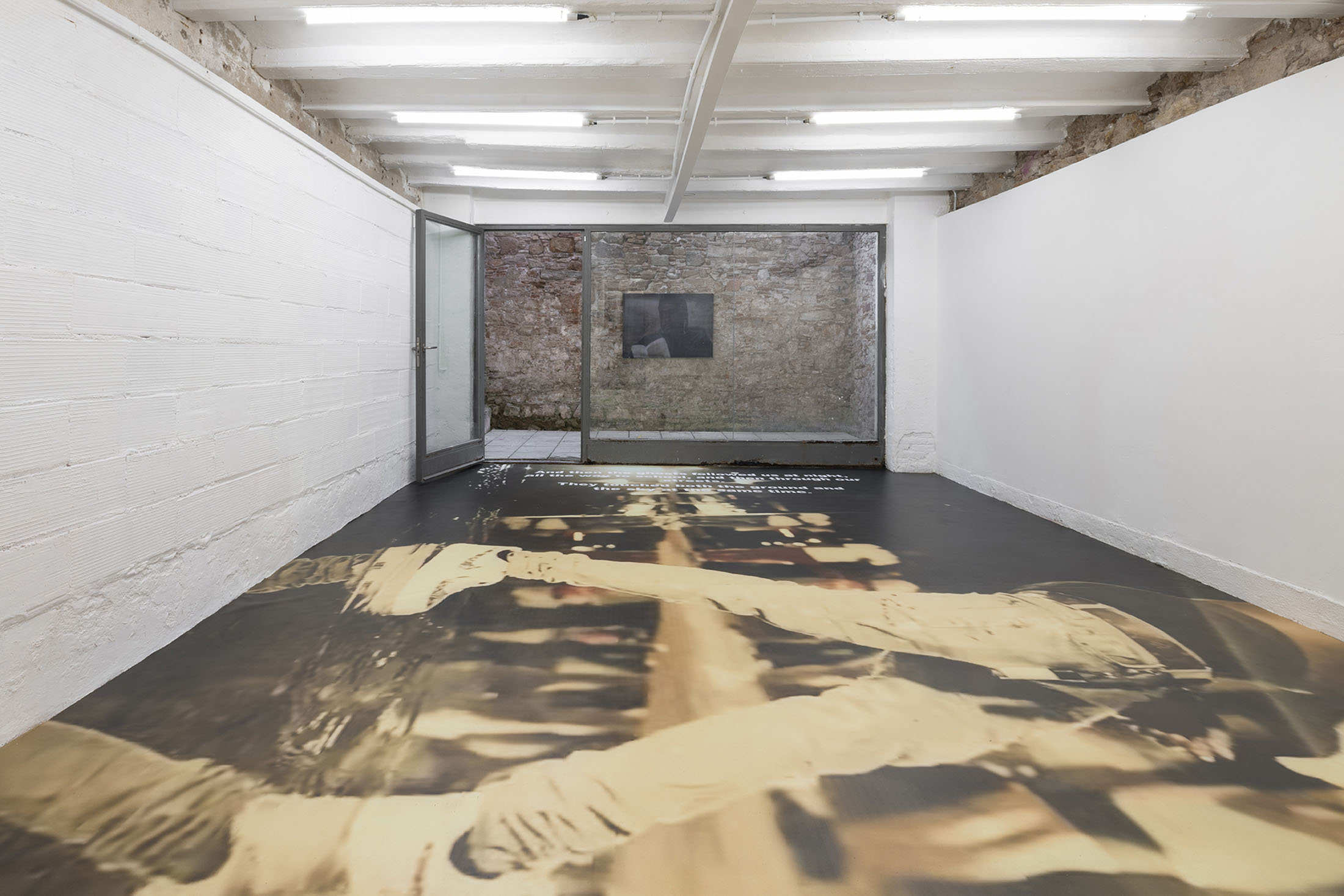
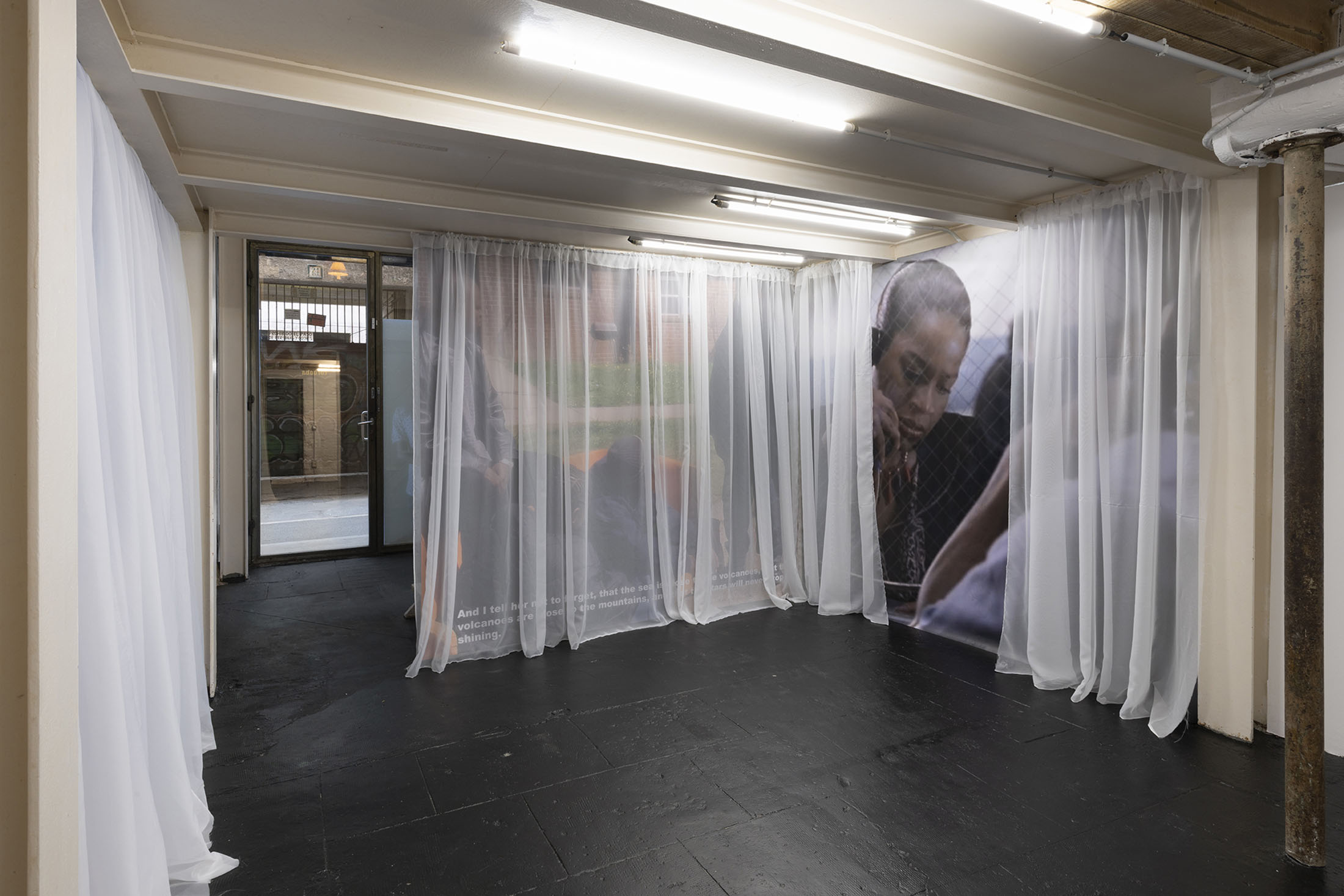
Where Would I Be? is a newly commissioned site-specific photographic installation by multimedia artist and film maker Luna Mahoux. Taking as its point of departure Mahoux’s ongoing practice of investigation and image archiving, all but one of the photographs in the exhibition were appropriated from online sources: YouTube, Television Series, films and image archives which the artist screenshots, crops, reconfigures, expands and alters.
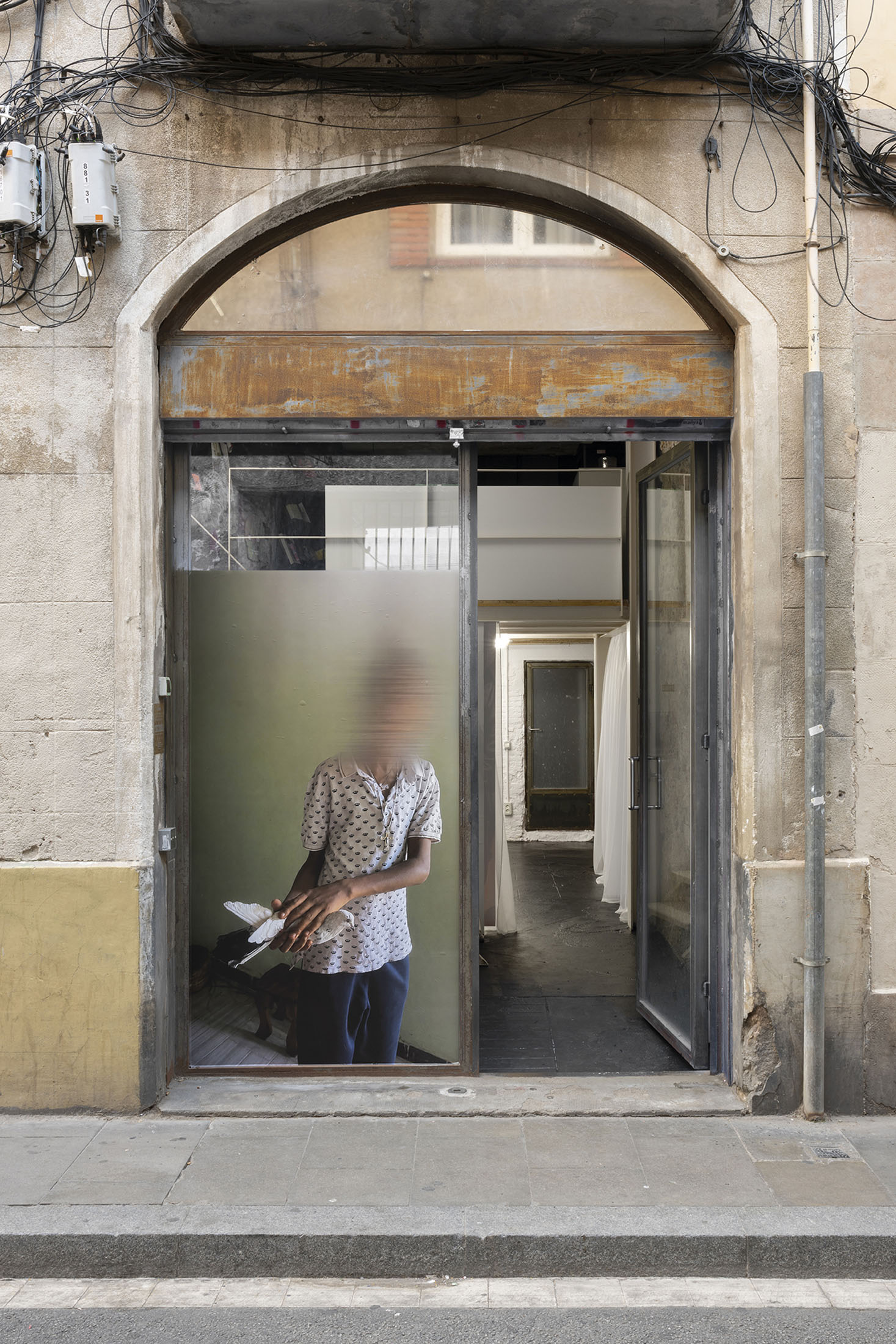
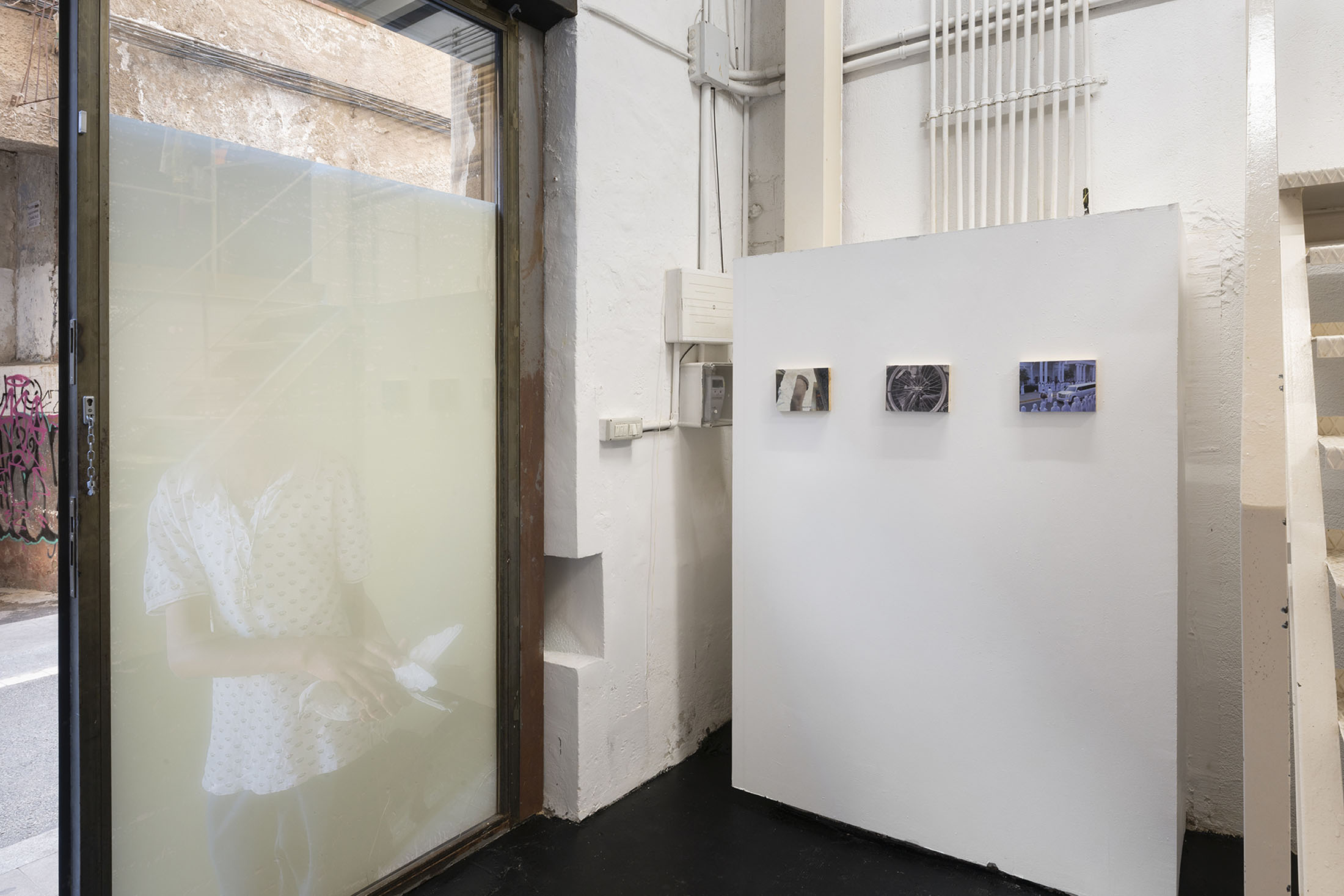
During a recent trip to Ethiopia, Luna met Barcelona-based Ethiopian-born artist and musician Adrasha for the first time. The two practitioners immediately connected, became friends through a recognition of shared experiences, and ended up travelling together for the remainder of their month-long trip. Fruits of this trip can be seen in parts of the exhibition, starting with Adrasha’s musical performance which occurred at the exhibition’s opening, and similarly in the vinyl photo of a young boy releasing a dove which faces out from the window onto the street in front of Cordova. The person depicted, his face blurred to preserve his identity, is actually Adrasha’s cousin and is the only image from this exhibition that Mahoux photographed with a camera.
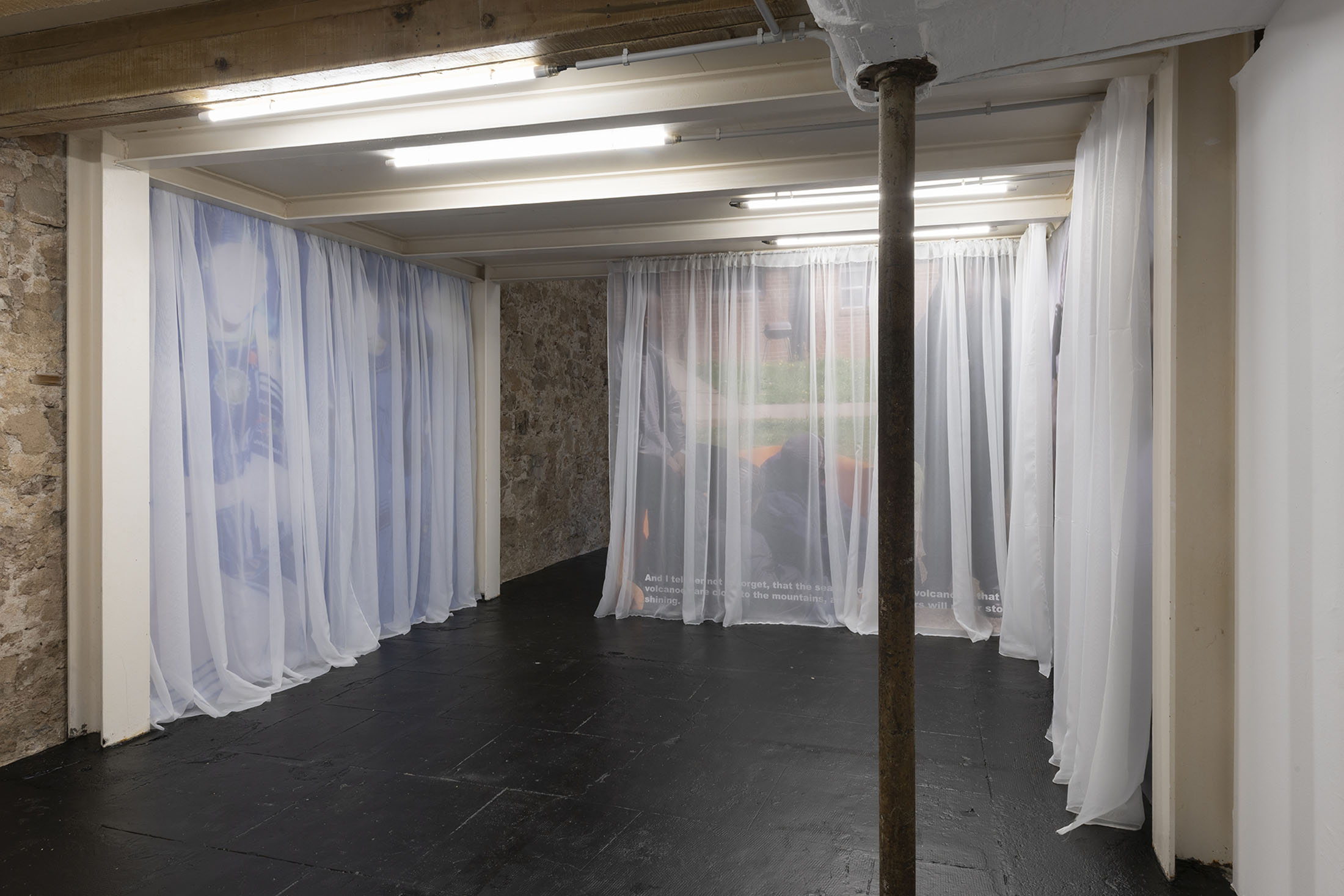
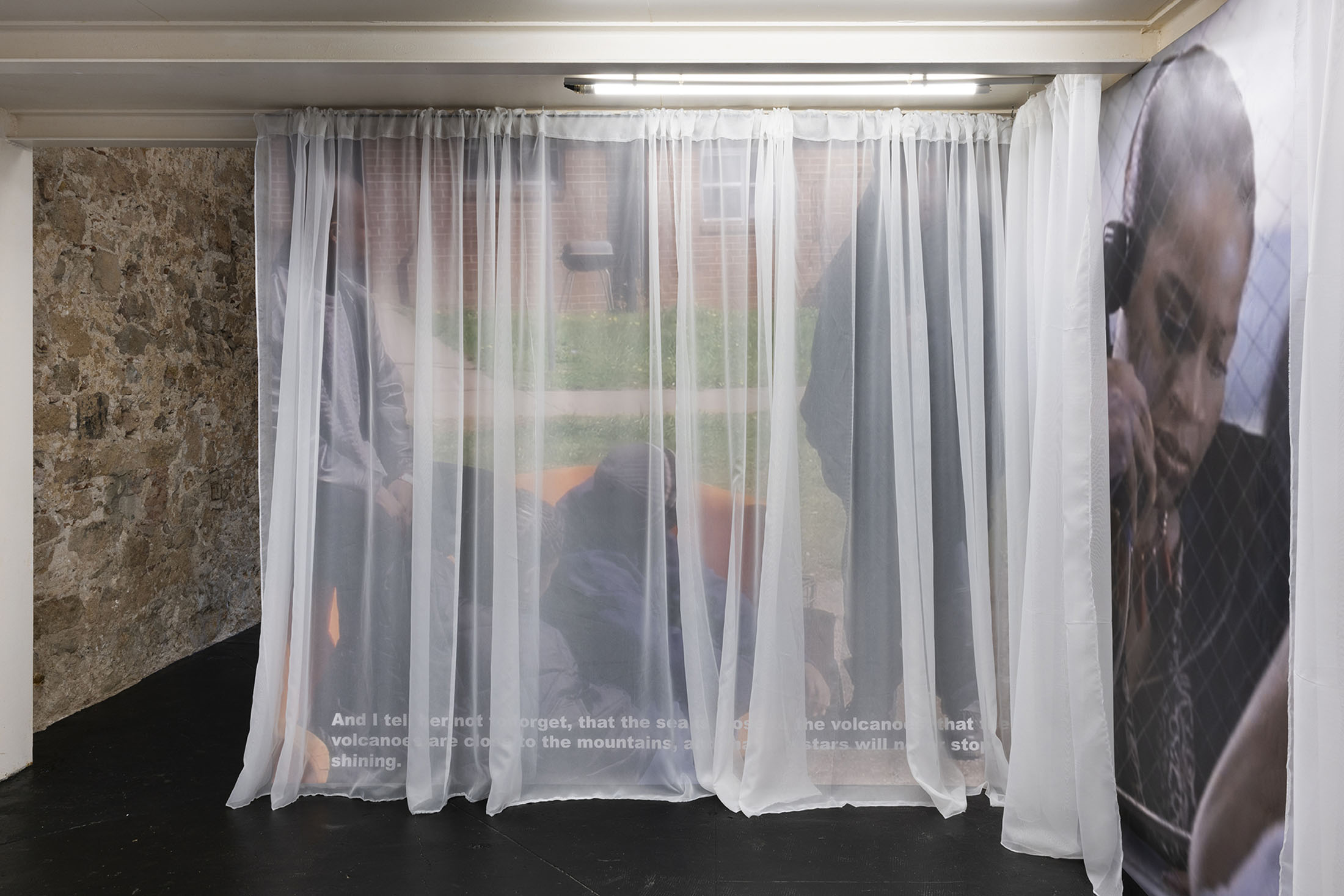
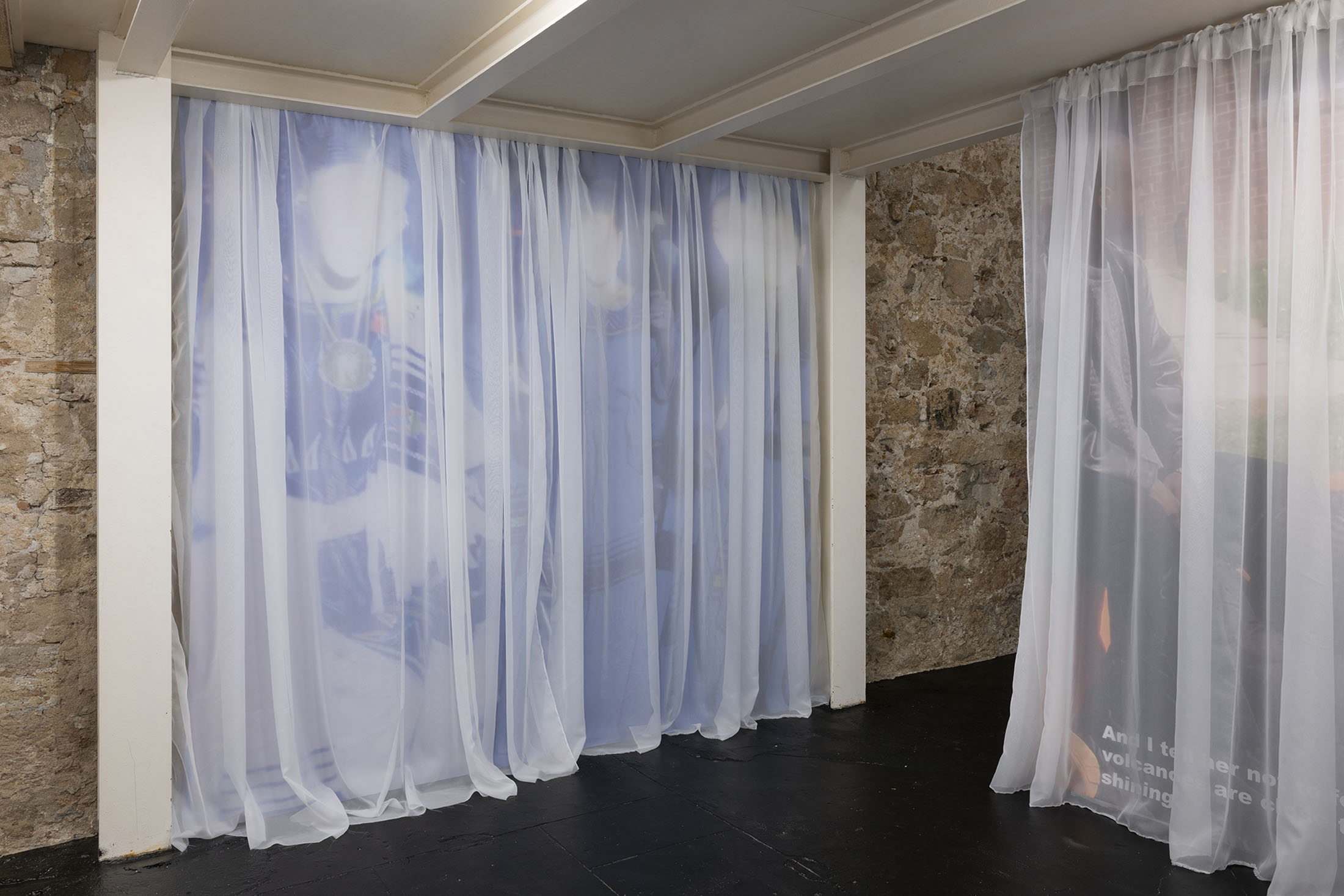
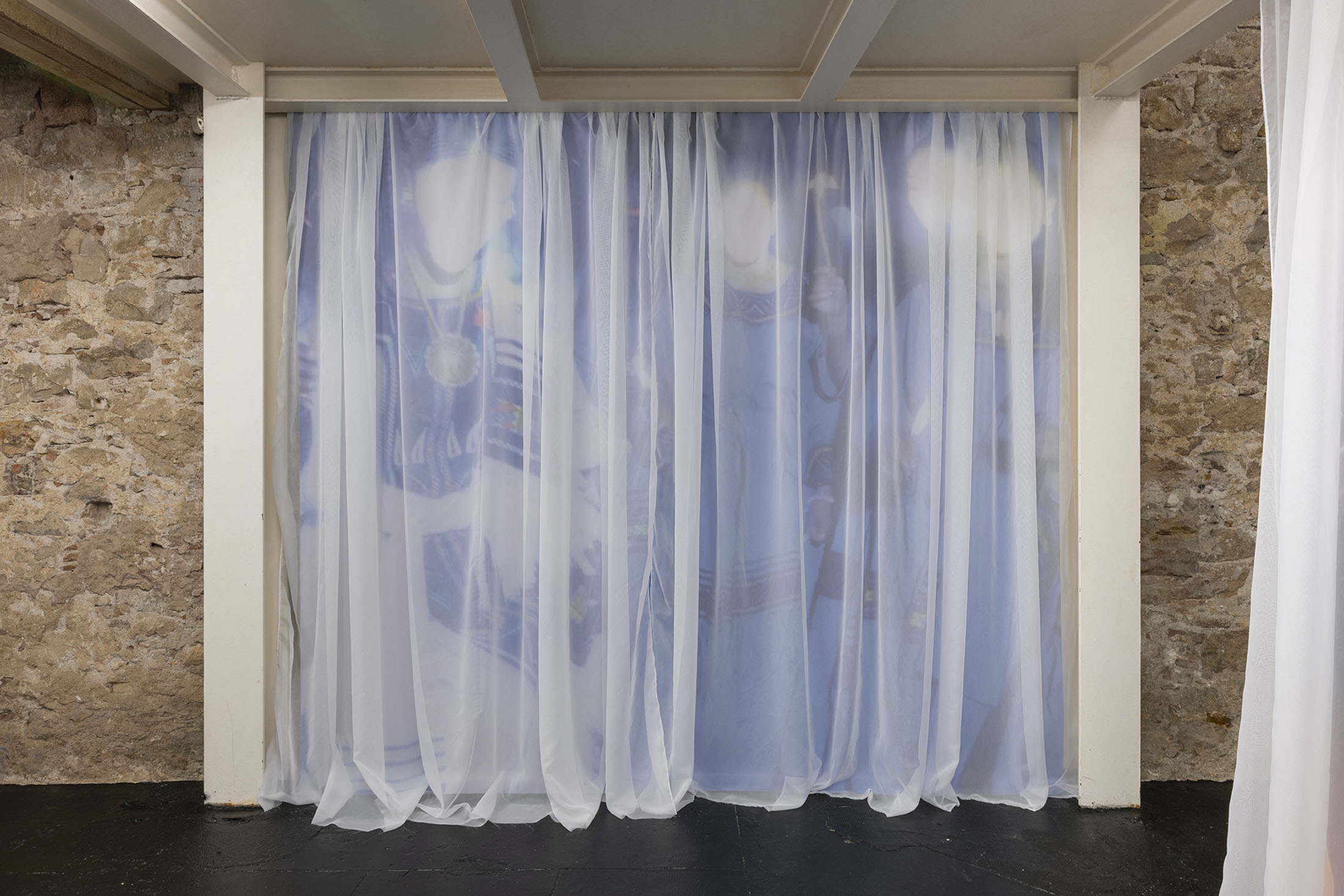
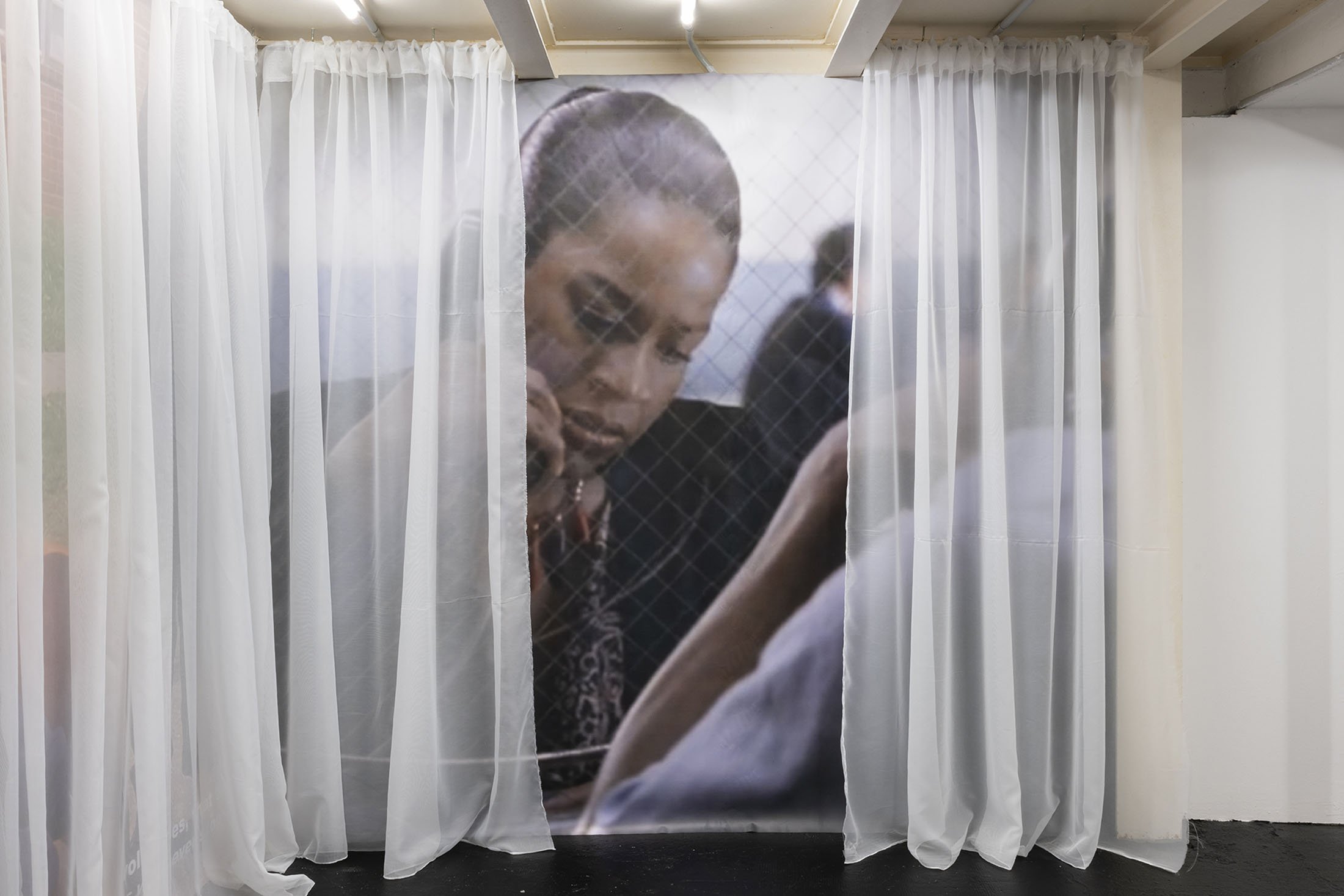
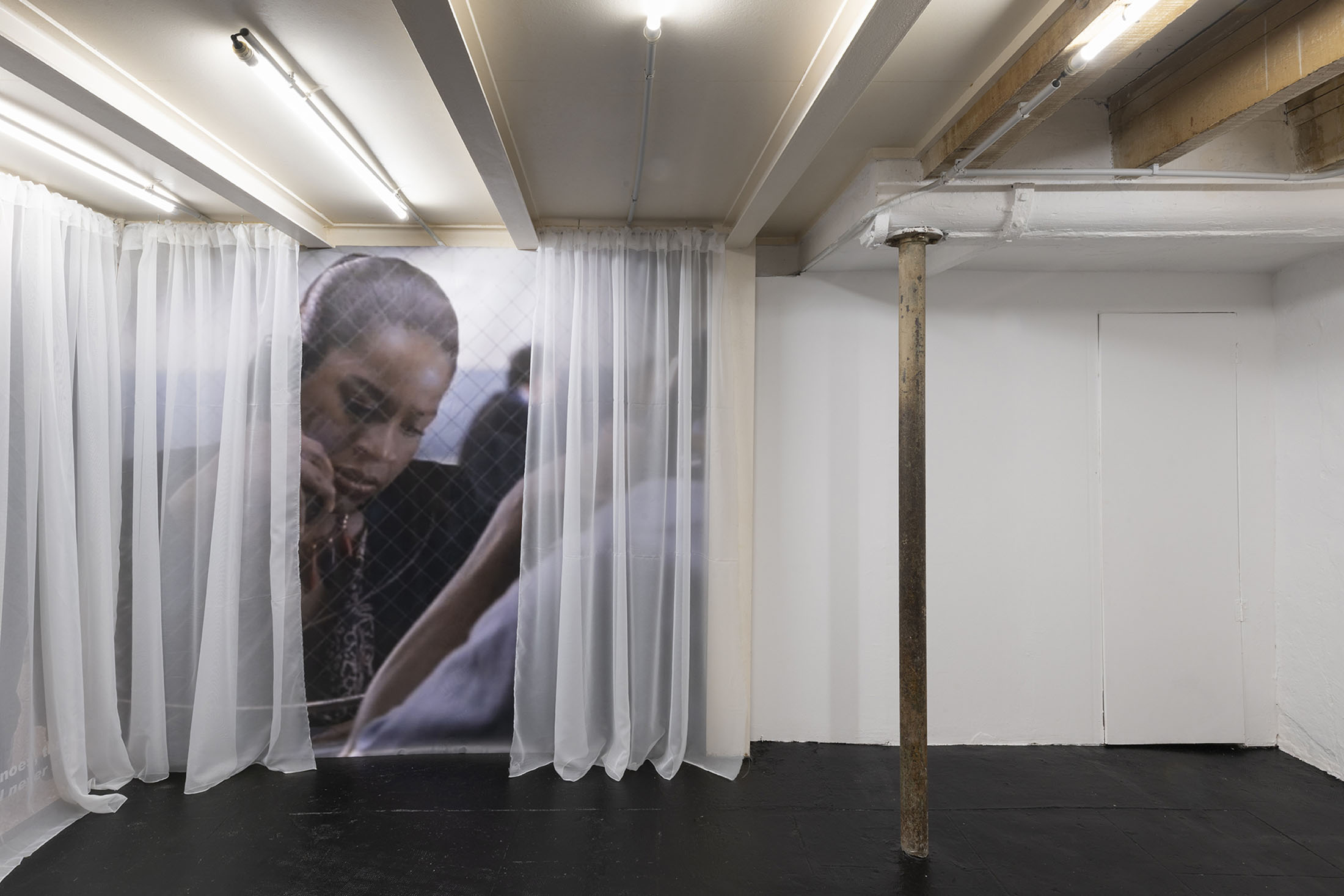
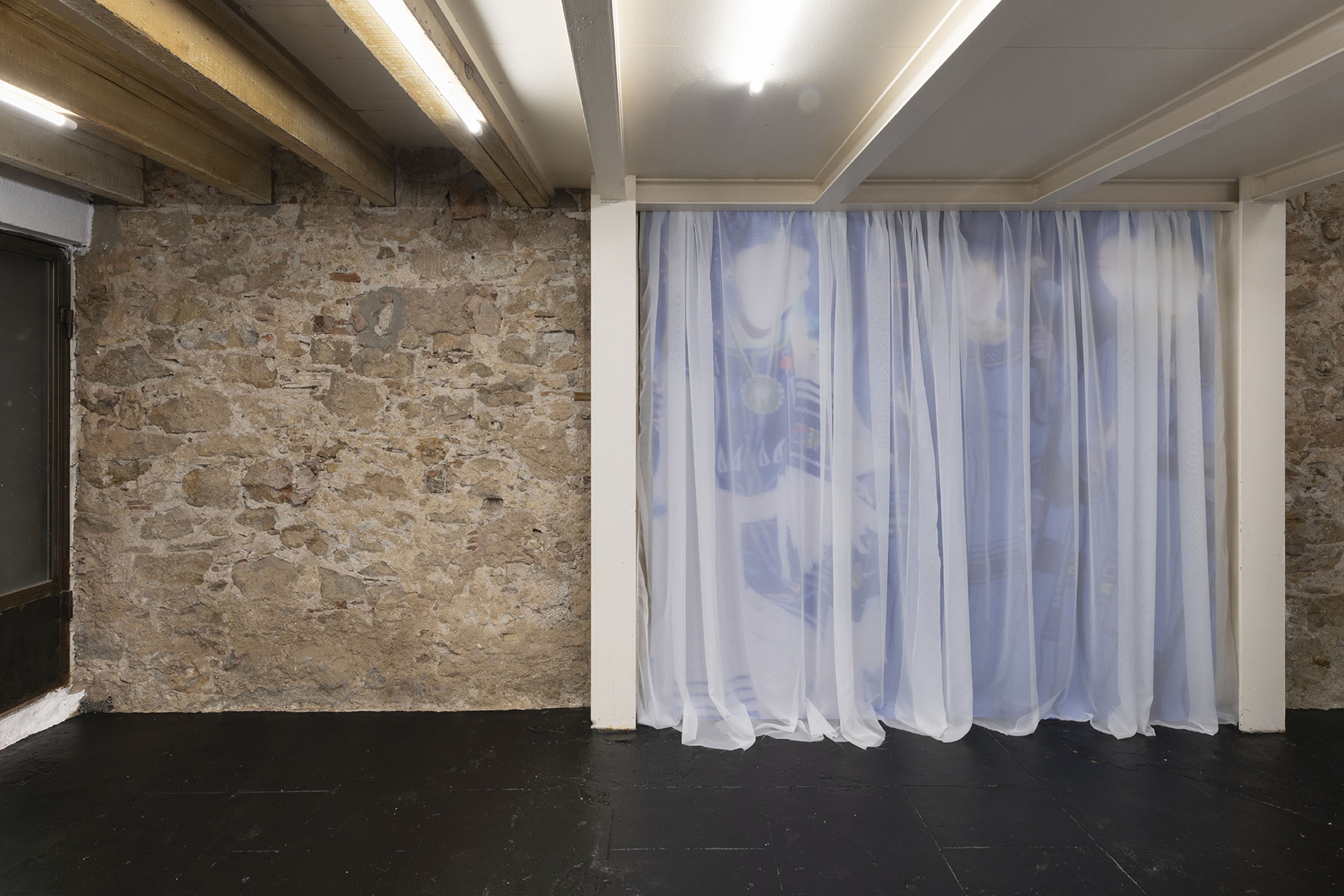
In room two, in the center of the exhibition, there are three large scale photographs all of which are obscured by sheer translucent curtains. The act of covering the iconography is a common practice of Ethiopian Orthodox Tewahedo Churches where sacred images are often veiled for conservation, both on a practical level protecting them from dust and harsh natural elements, and also in order to maintain a certain mystery and reverence. The image on the left hand wall in Mahoux’s installation was sourced from YouTube and depicts a group of Ethiopian women whose faces she also hid, superimposing flashes of light. The two remaining images of this veiled installation come from the television series The Wire which ran for five seasons between 2002 and 2008 and recounts a fictional yet highly realistic story set in the city of Baltimore told from the perspectives of a varied group of citizens and the police. The show, and in particular the characters and sites which Mahoux immortalized here with her choice of images, are emblematic and have become iconic parts of a Black American contemporary vernacular. In one image, a group of adolescents sit on a discarded orange sofa in a housing project in West Baltimore which acts as a central meeting hub. In the image printed here Mahoux added a poetic and hopeful speculative subtitle “And I tell her not to forget, that the sea is close to the volcanoes, that the volcanoes are close to the mountains, and that the stars will never stop shining.” The last photo depicts a mother and son talking through telephones and a glass partition during a non-contact visit in prison, a recurring site in the series where many of the characters end up. The man behind the glass is D’Angelo, one of the central figures in the first few seasons and the one sitting atop the sofa in the previous image.
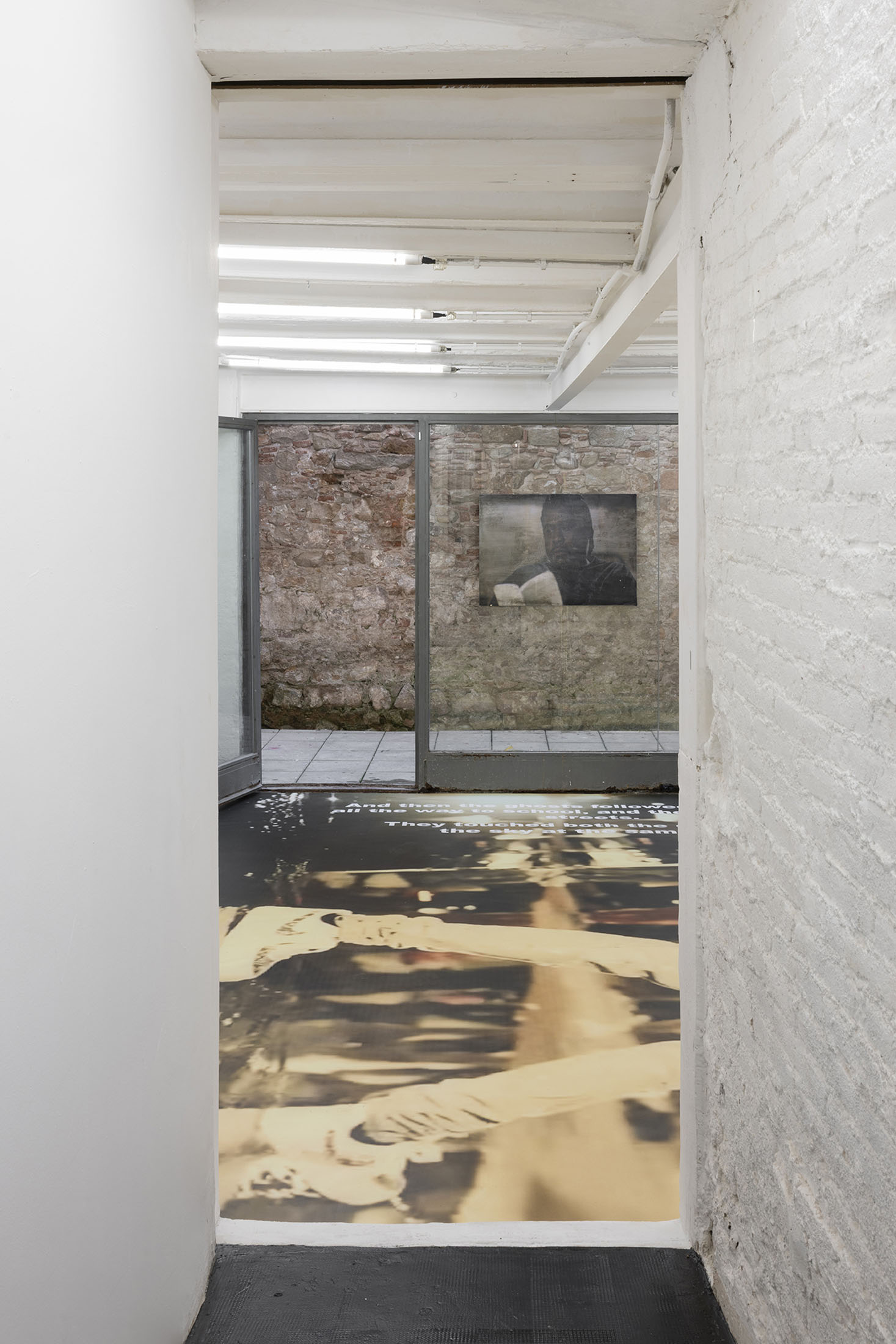
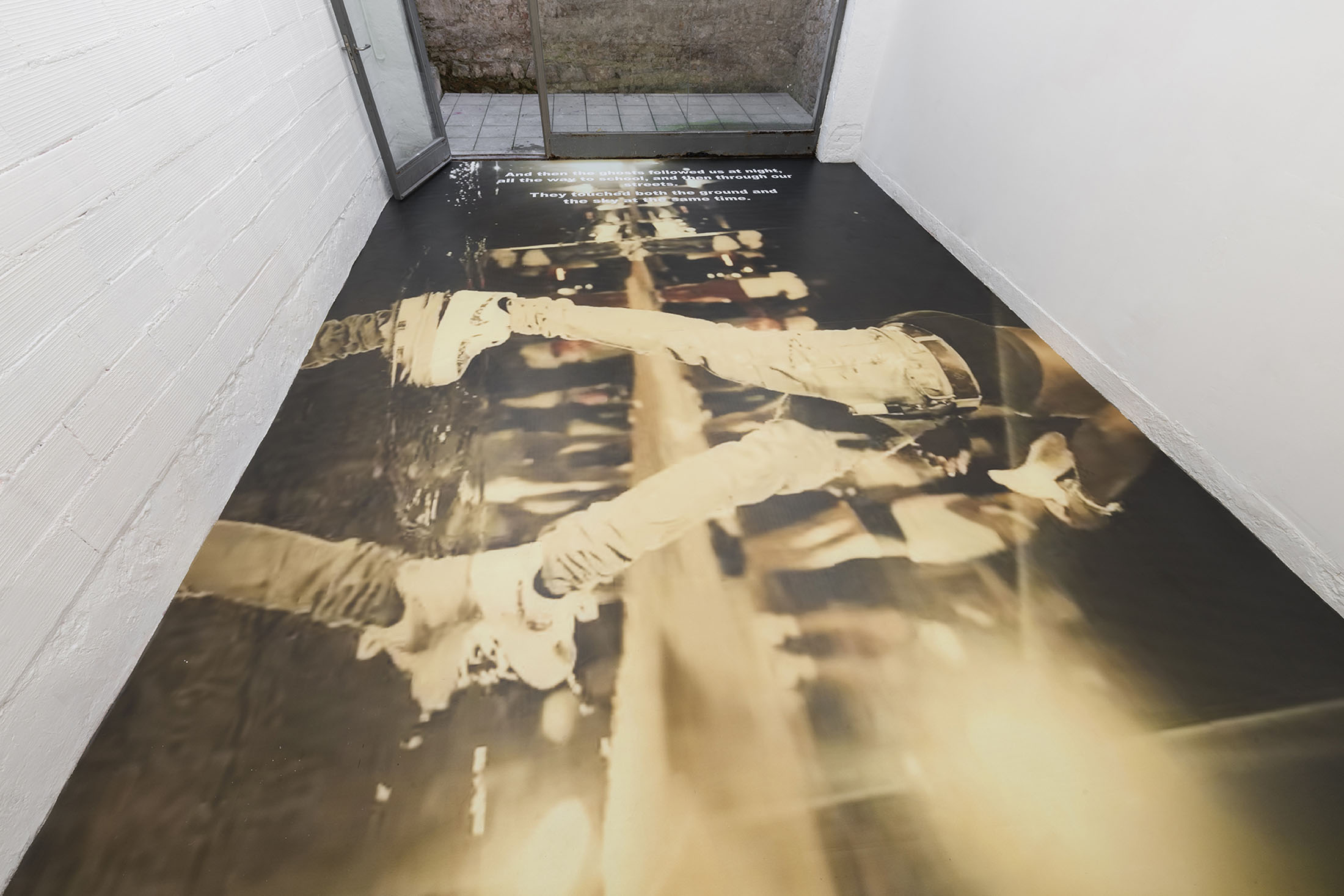
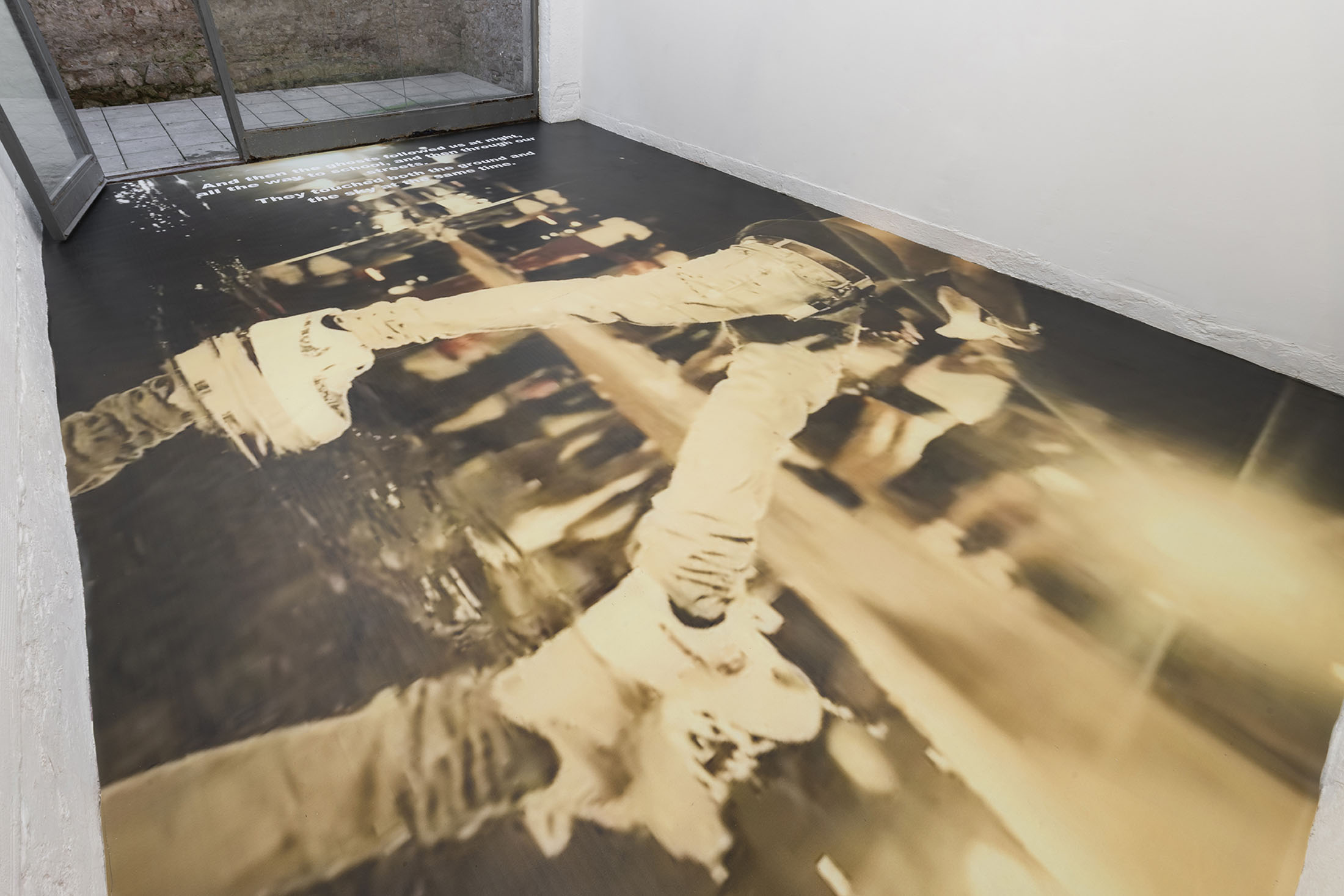
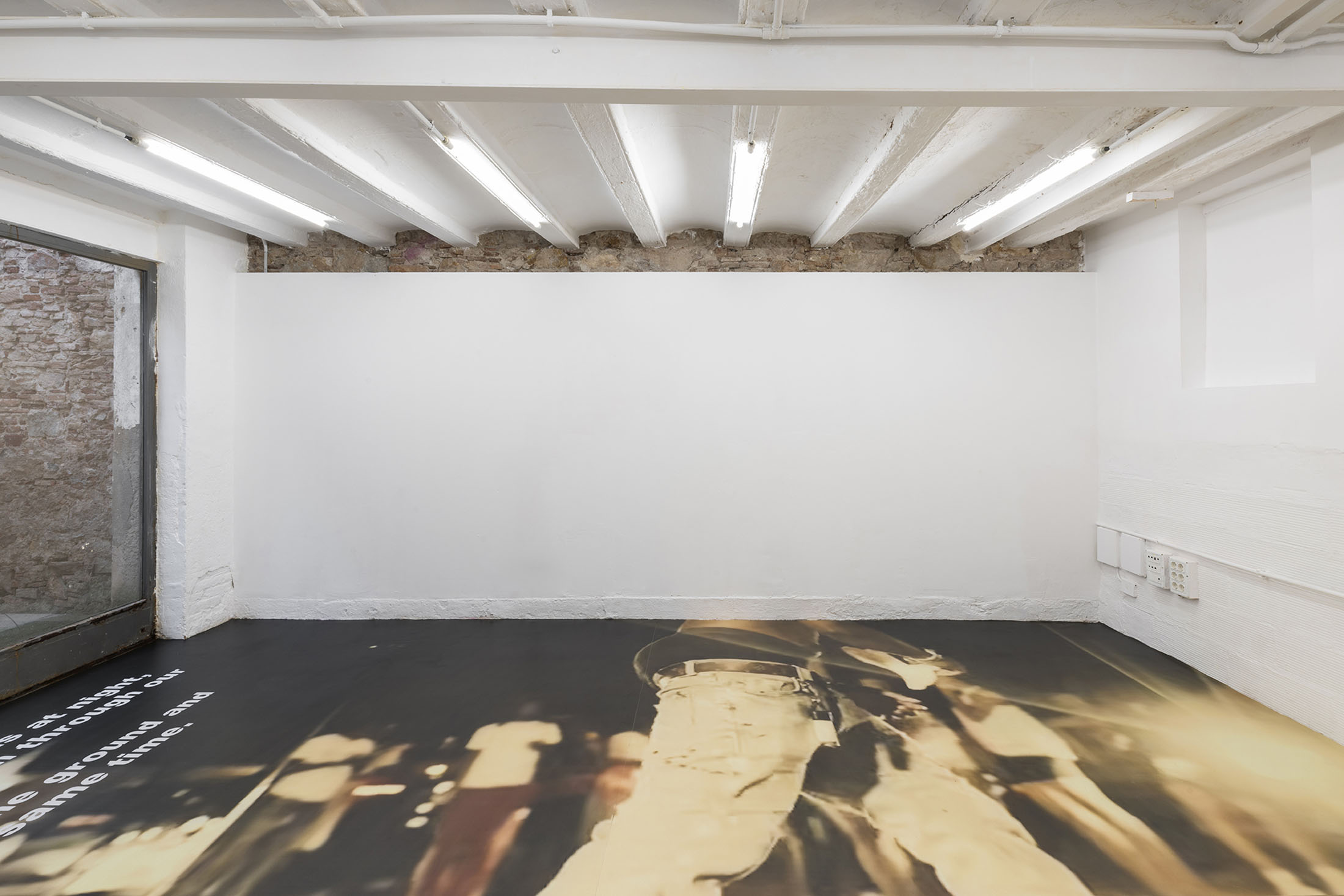
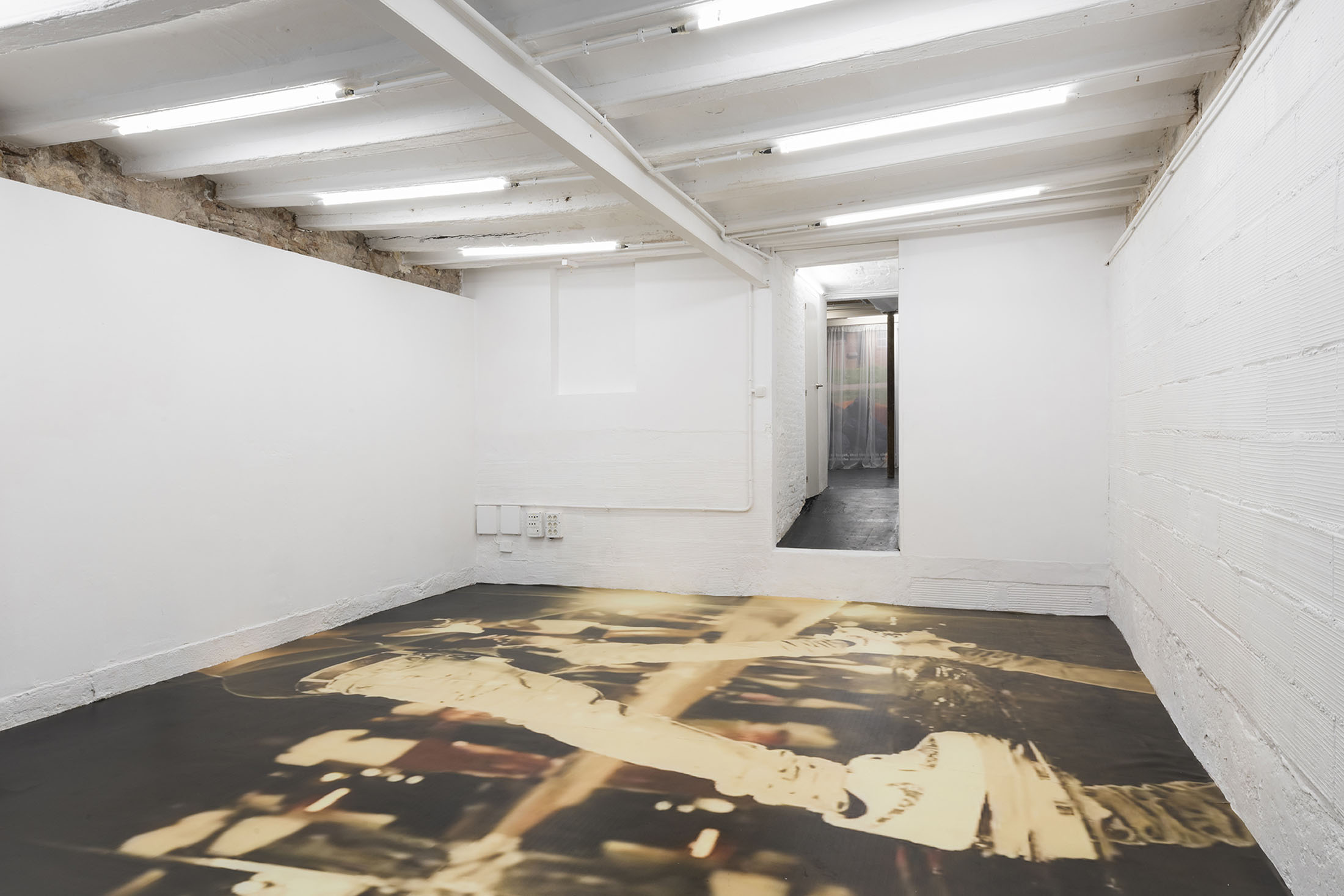
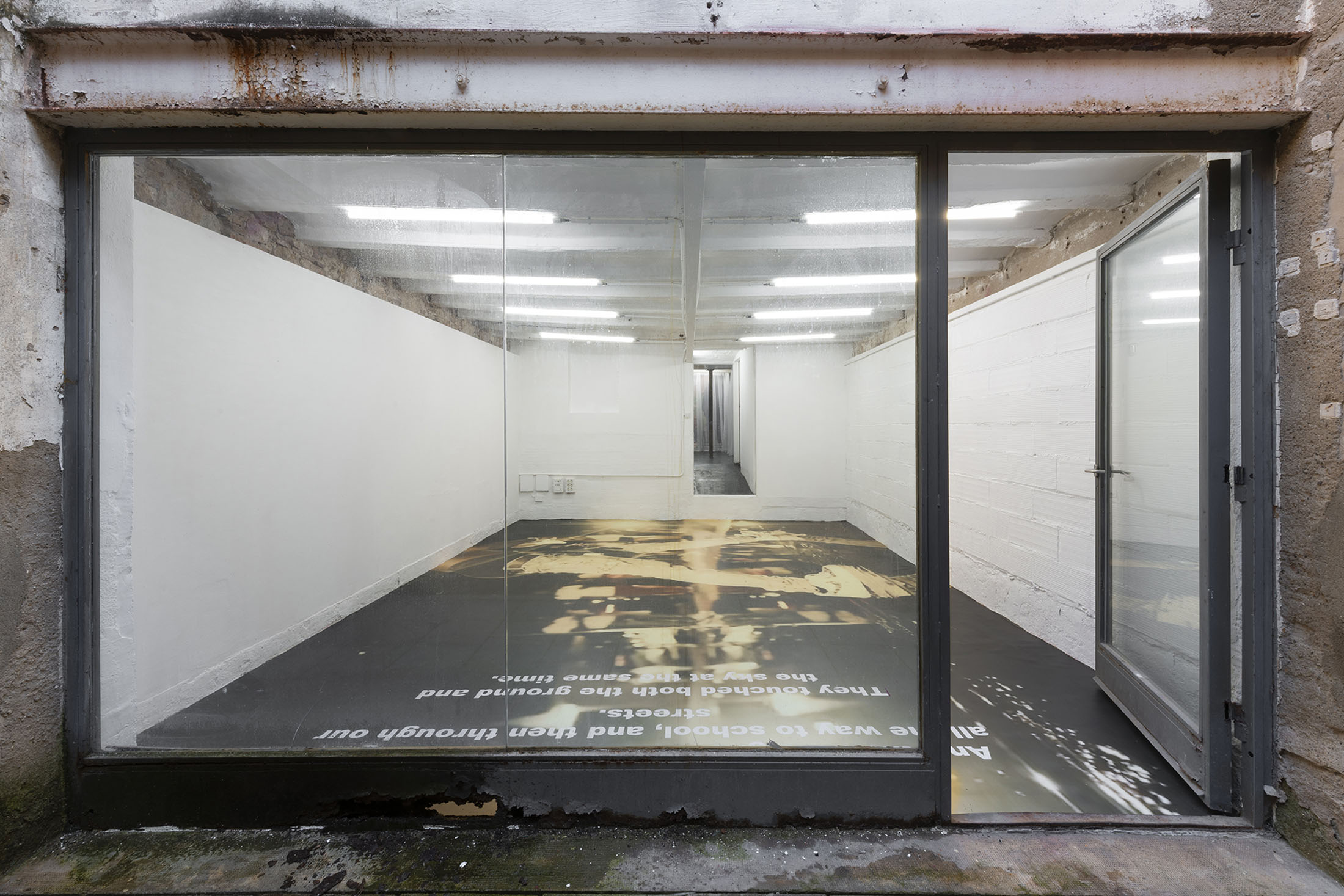
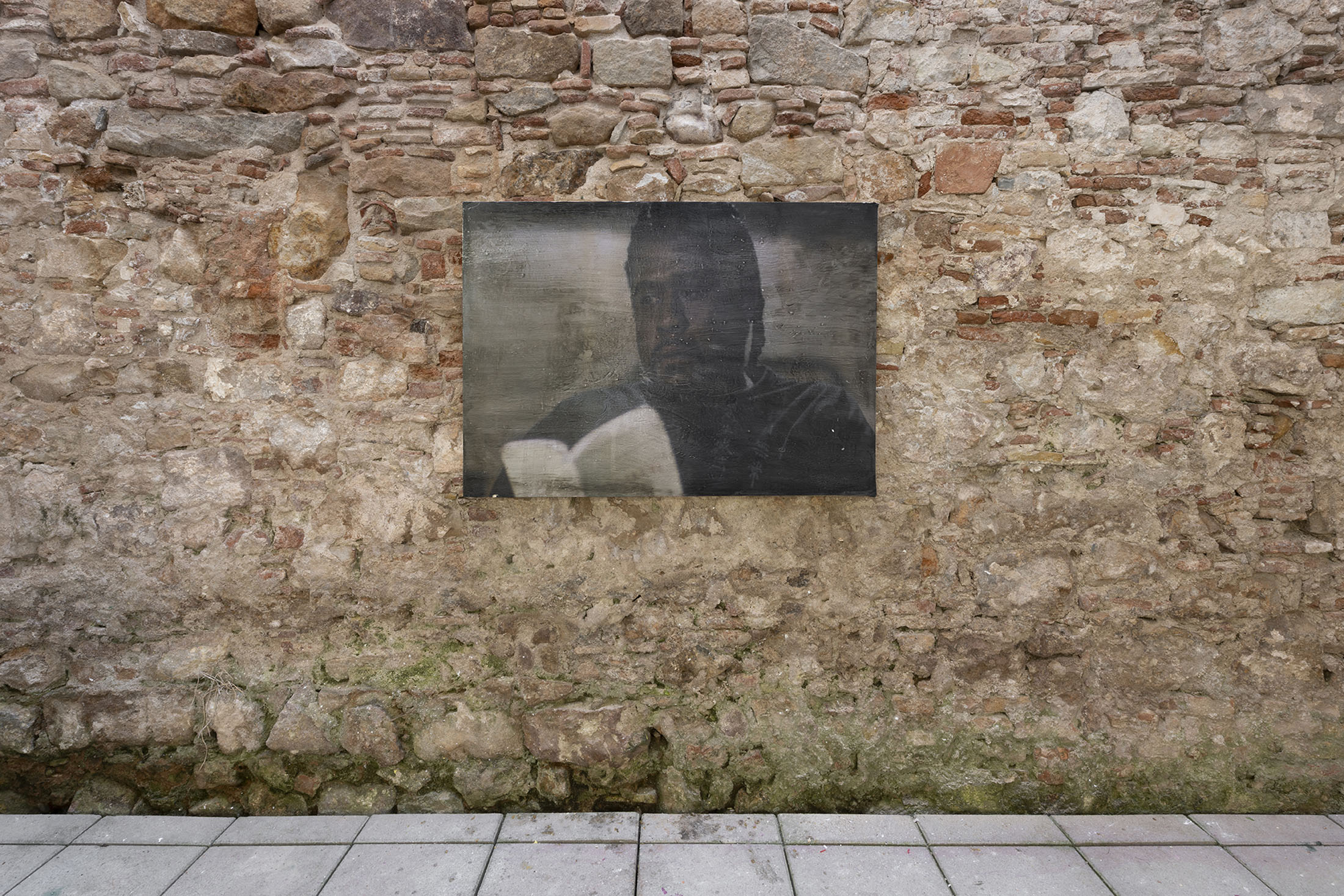
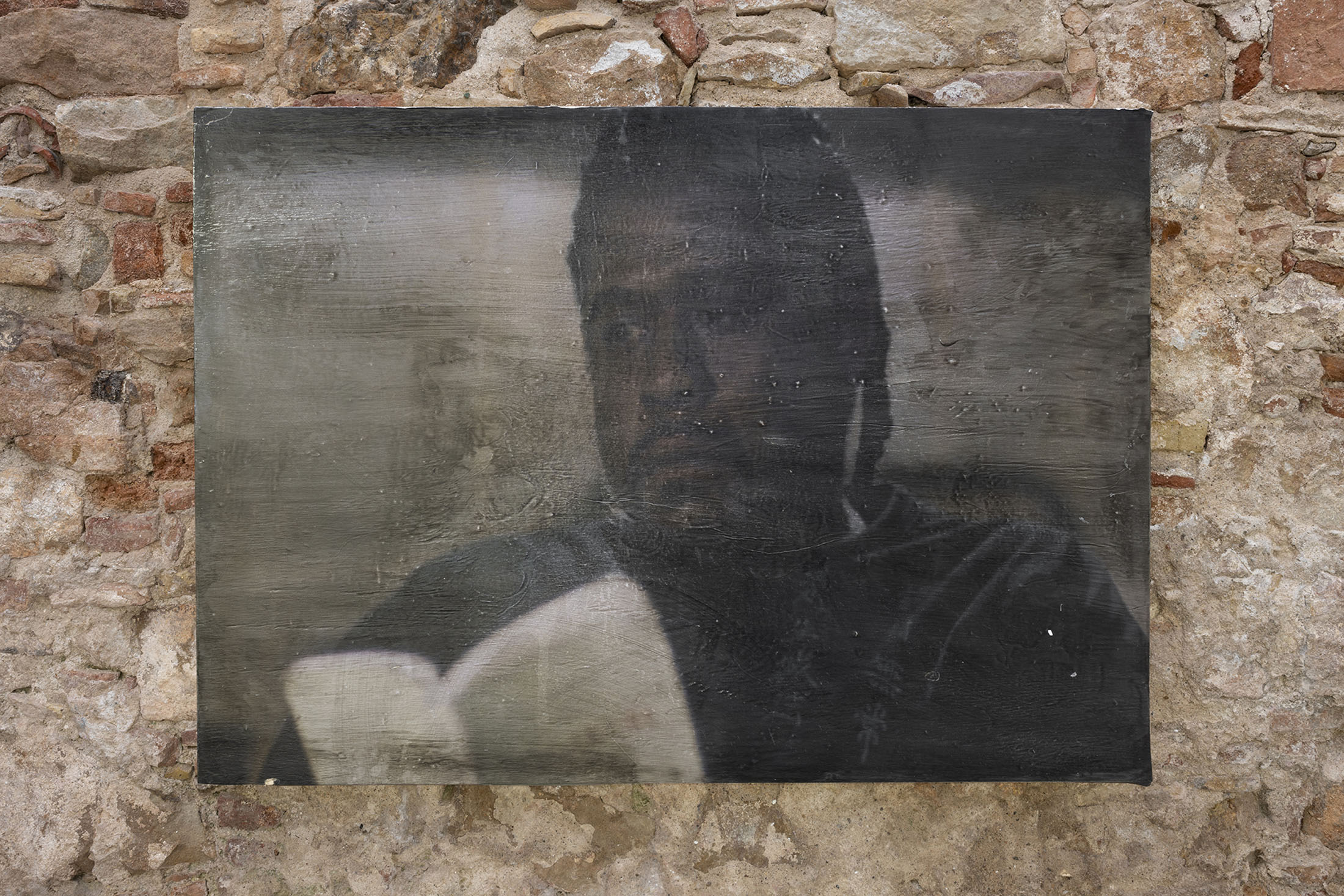
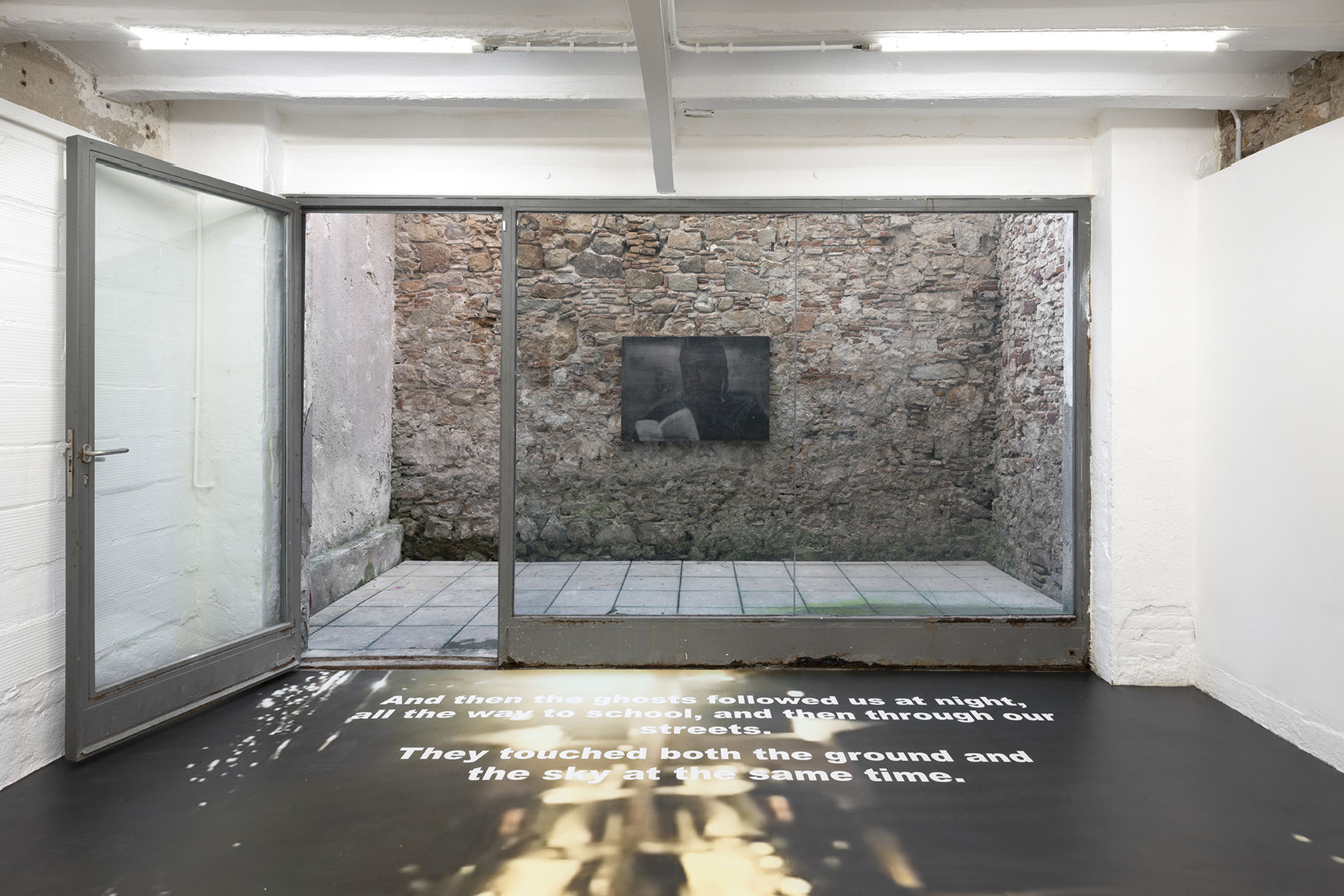
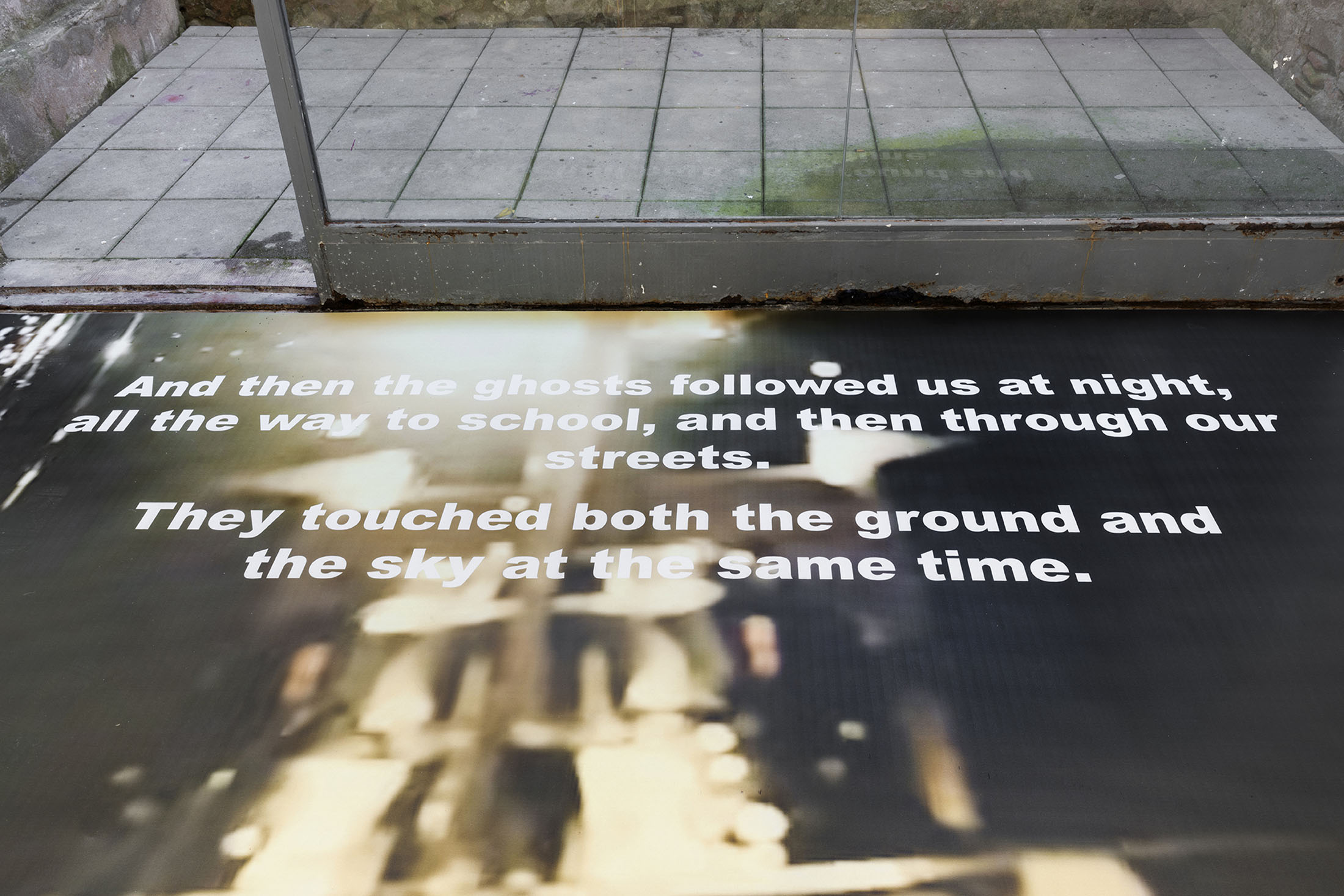
In the back room there is a large scale image printed on carpet extending over the whole floor. It is a still from an officially unreleased track and accompanying video of They Hate Me / Even Steven, a two part song by rapper Kodak Black. The song and video, released online in May of 2026, is a remix produced by producer and filmmaker prod.iammontario which repeats a set of short film loops of Black in the Golden Acres housing project in his native Pompano Beach, Florida. Hung above this image outside in the back patio of the exhibition space is a final image wheatpasted onto wood depicting a still from Ghost Dog, a film made in 1999 by Jim Jarmush. In the movie the character Ghost Dog, AKA Forest Whitaker, silently follows the codes set out in Hagakure: Book of the Samurai, an 18th century text by Yamamoto Tsunetomo. In the image Whitaker can be seen reading the book, which is a moment, like those from The Wire, that has been mythologized within black culture.
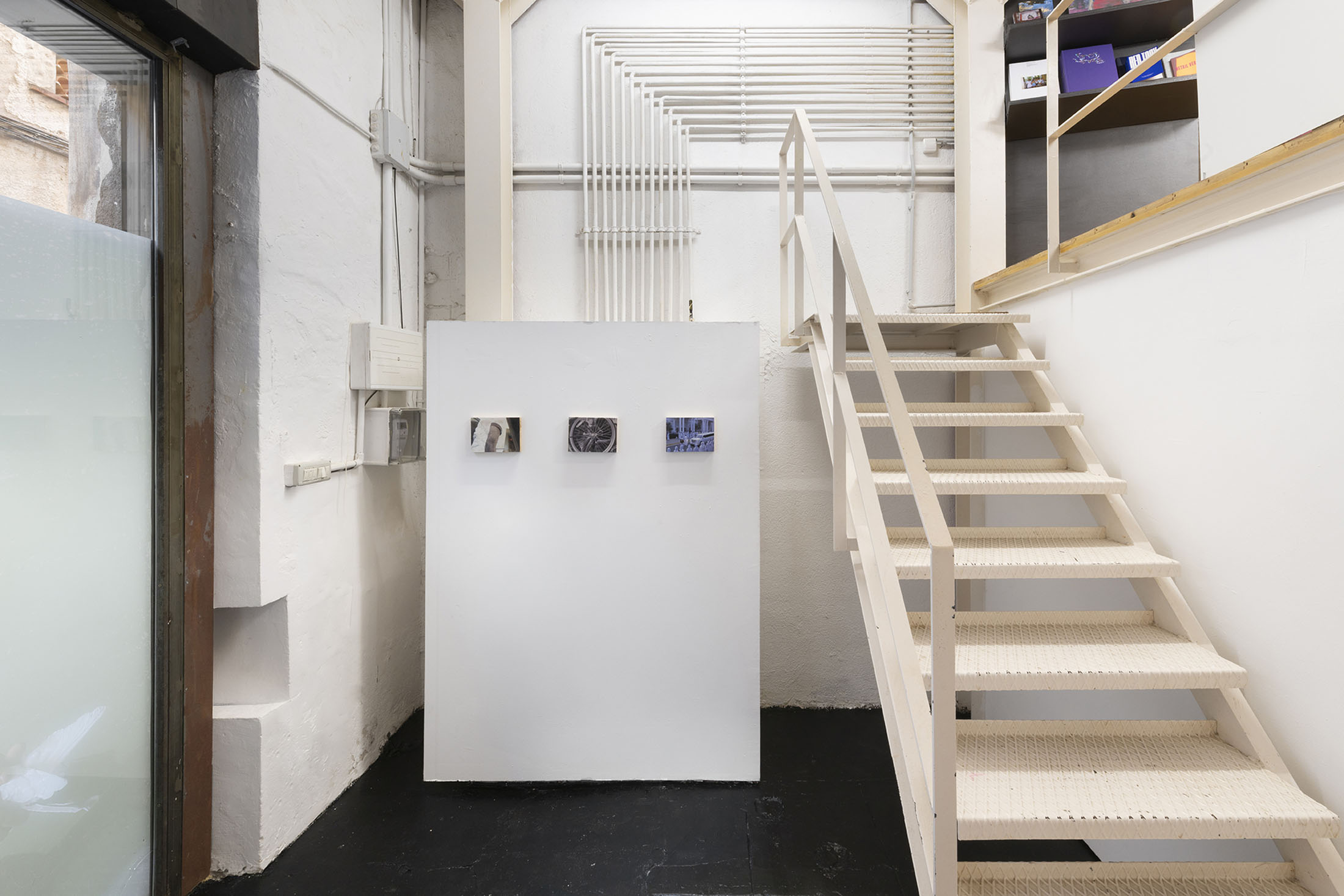
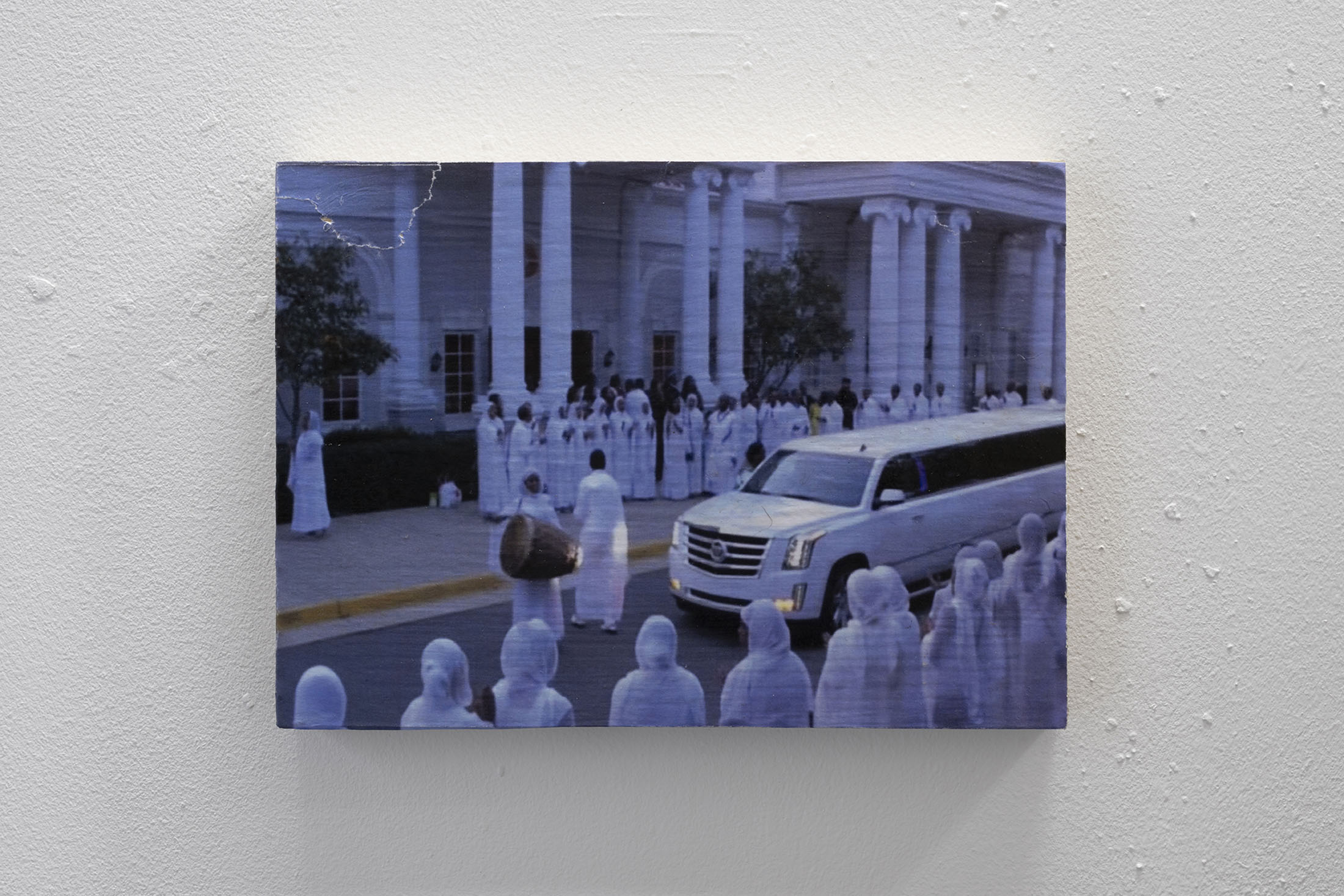
Mahoux’s images hold many disparate things on the same plane: ancient religious traditions from her native Ethiopia, contemporary Rap music, user-generated videos and iconography, as well as moving images, both those she creates and those which she samples. The complexity of this layering can be seen in one of Mahoux’s small-scale images on wood which depicts a scene from the parking lot of a traditional Ethiopian wedding ceremony in the USA. All of the attendees are wearing matching white robes and in the center of the frame is a figure playing a traditional drum illuminated by the headlights of a white Cadillac Escalade. Much of the iconography Mahoux selects and reinterprets seems to be born from between worlds; geographic, temporal, sonic and spiritual. They hover in the space between life and death, between heaven and earth. As the text Mahoux superimposed on the image covering the floor attests “They touched both the ground and the sky at the same time.”