One of my all-time favourite books when I was a child was Gianni Rodari’s post-war Tale of Cipollino (1951), a whimsical children’s tale written in the aftermath of fascism and the Second World War, an allegory about political oppression filled with anthropomorphic fruit and vegetables. So obsessed was I with this fantastical, over-the-top world that I can still recall stage excerpts from the eponymous ballet that my family took me to see one winter at Moscow’s Bolshoi Theatre. (Growing up in what were fast becoming the dying days of the USSR, whose embers metamorphosed into a half-hearted and short-lived attempt at liberalism, the paradox of course didn’t dawn on me then of the popularity of Cipollino in a country suffering under another type of tyrannical rule). In the story, Cipollino, his youth and innocence emphasised by the green tufts of scallion sprouting from the top of his head, fights the unjust treatment of his fellow vegetable townsfolk by the fruit royalty that governs over the garden kingdom. The bulbous, fleshy body of the arrogant Sir Tomato; the painfully acidic overtones of Prince Lemon; these are nemeses as fierce as any political leader.
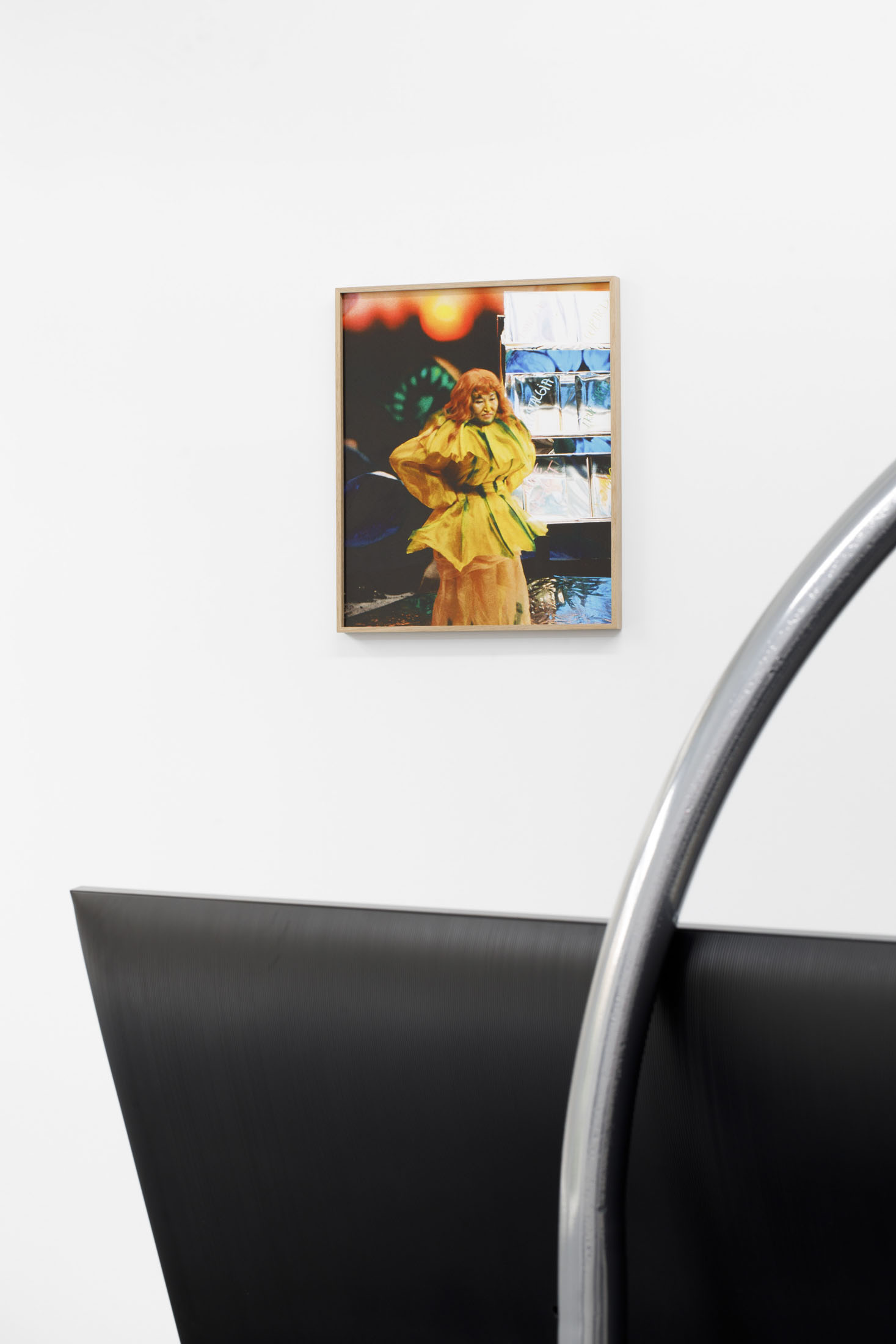
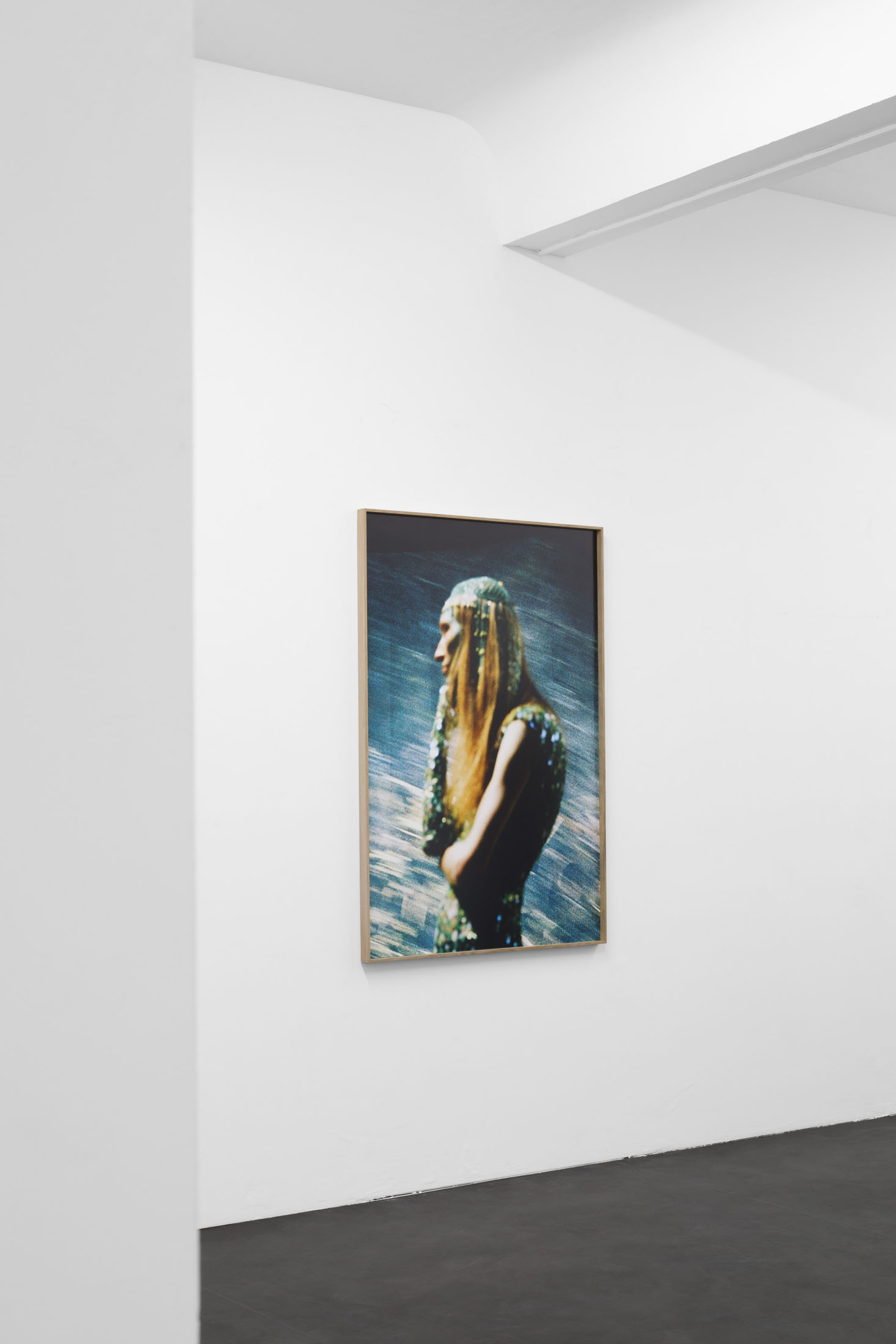
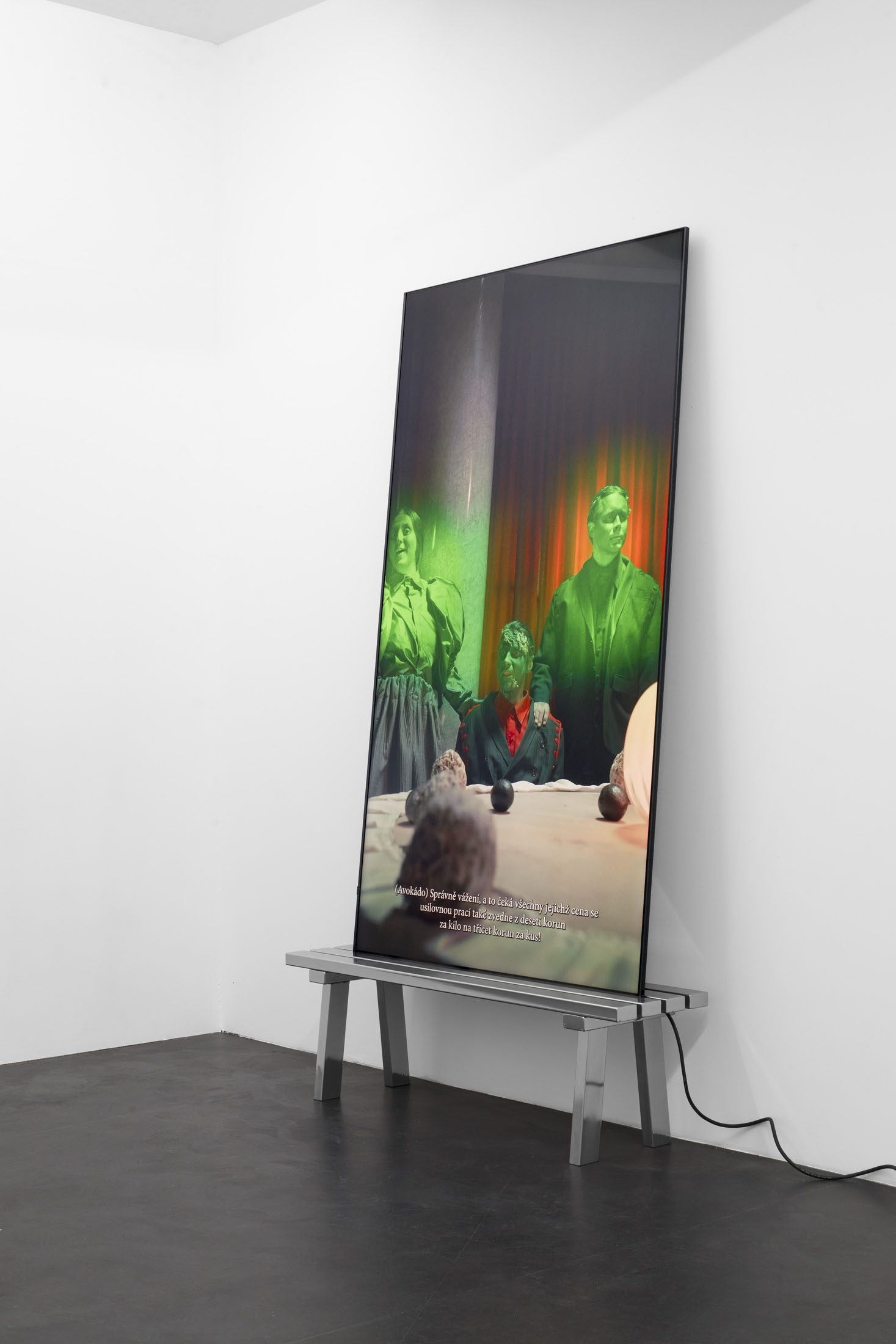
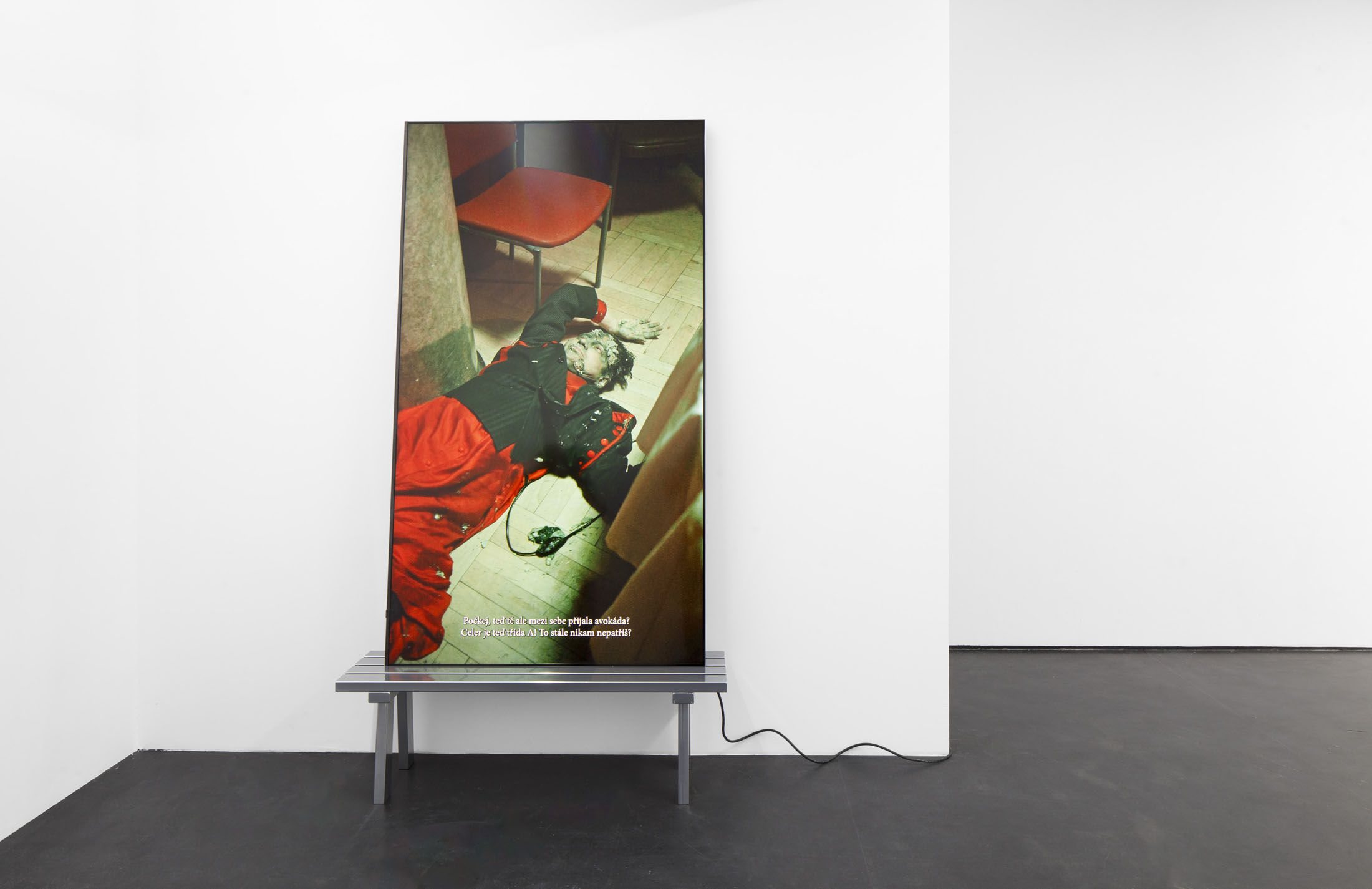
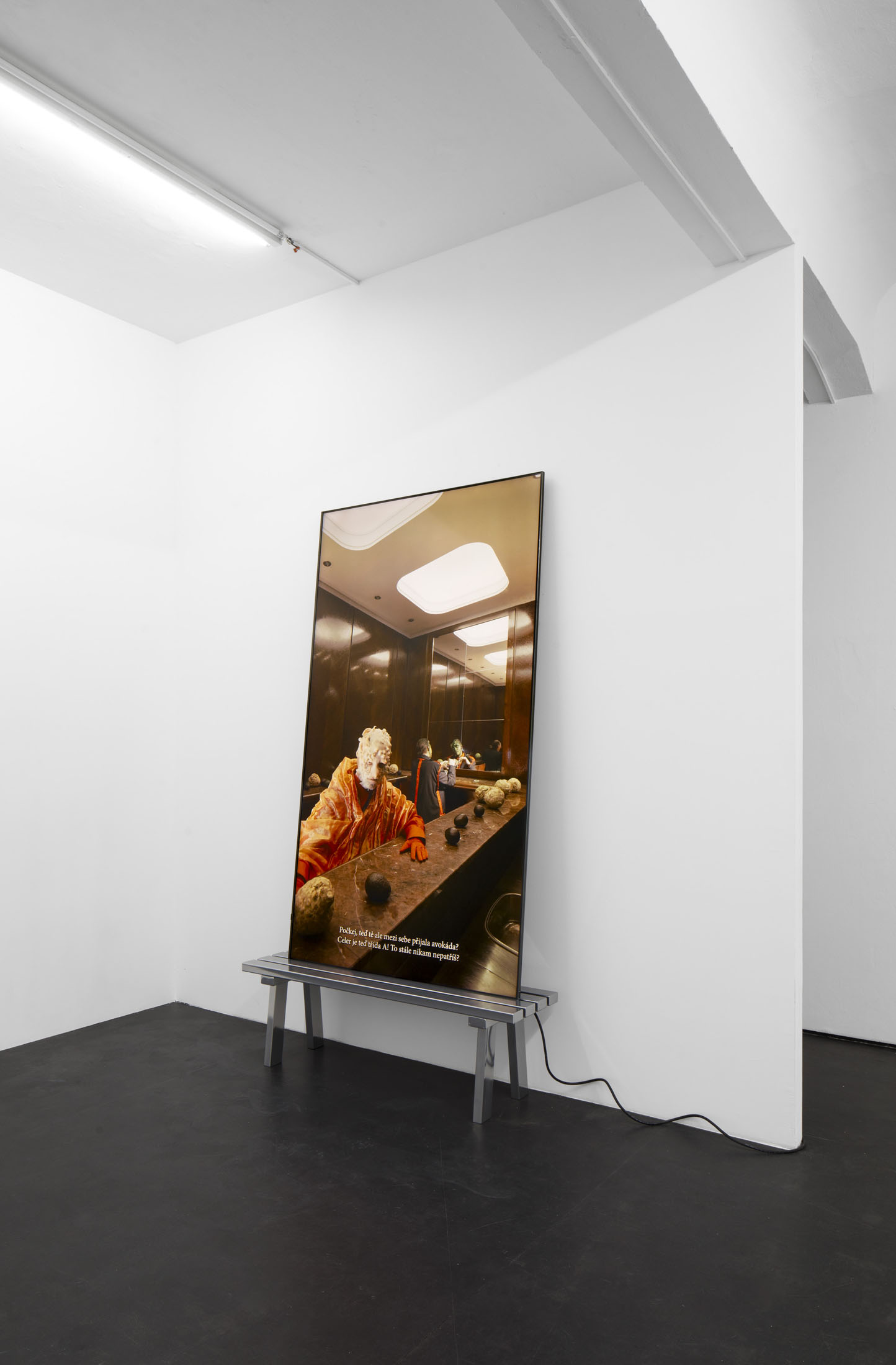
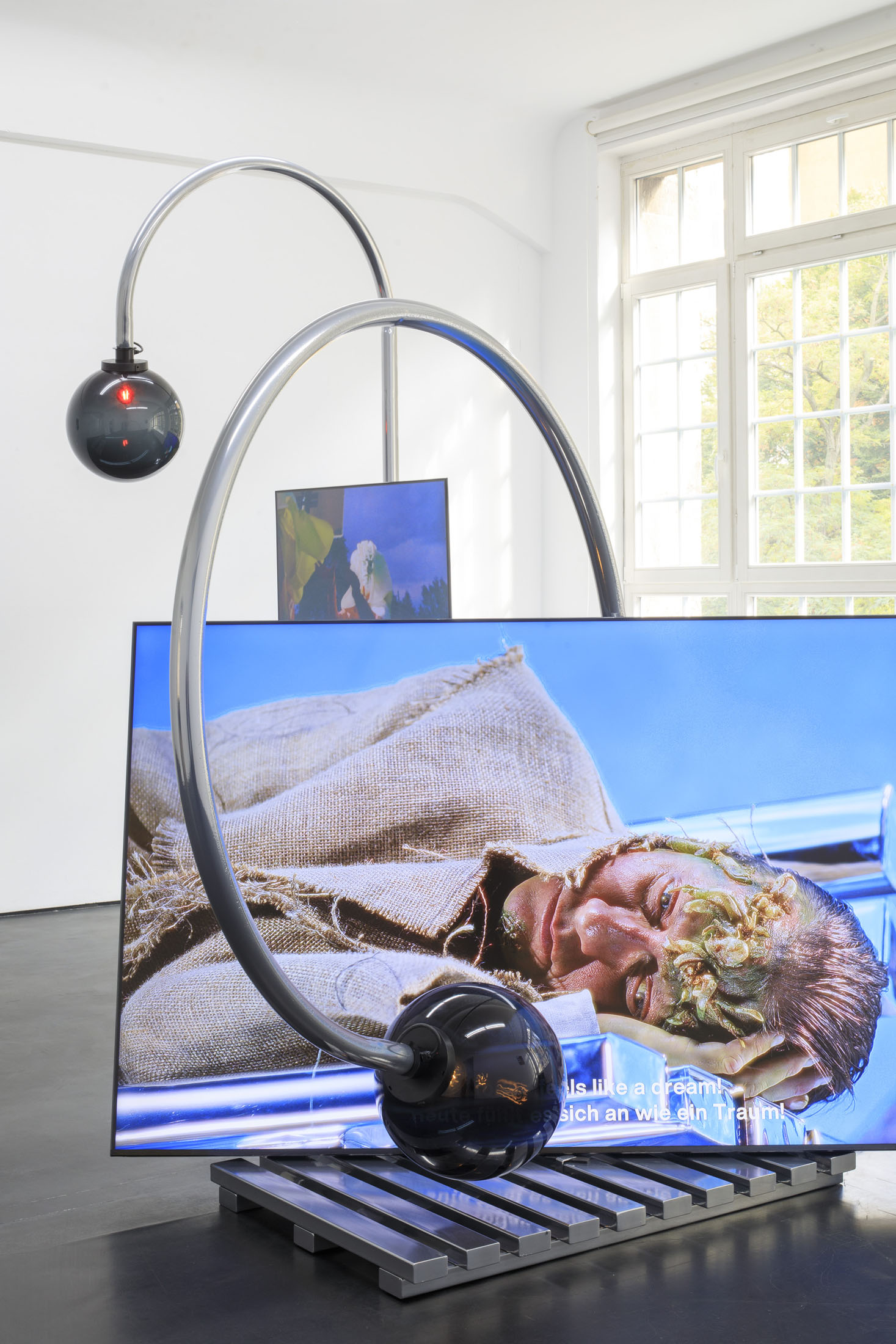
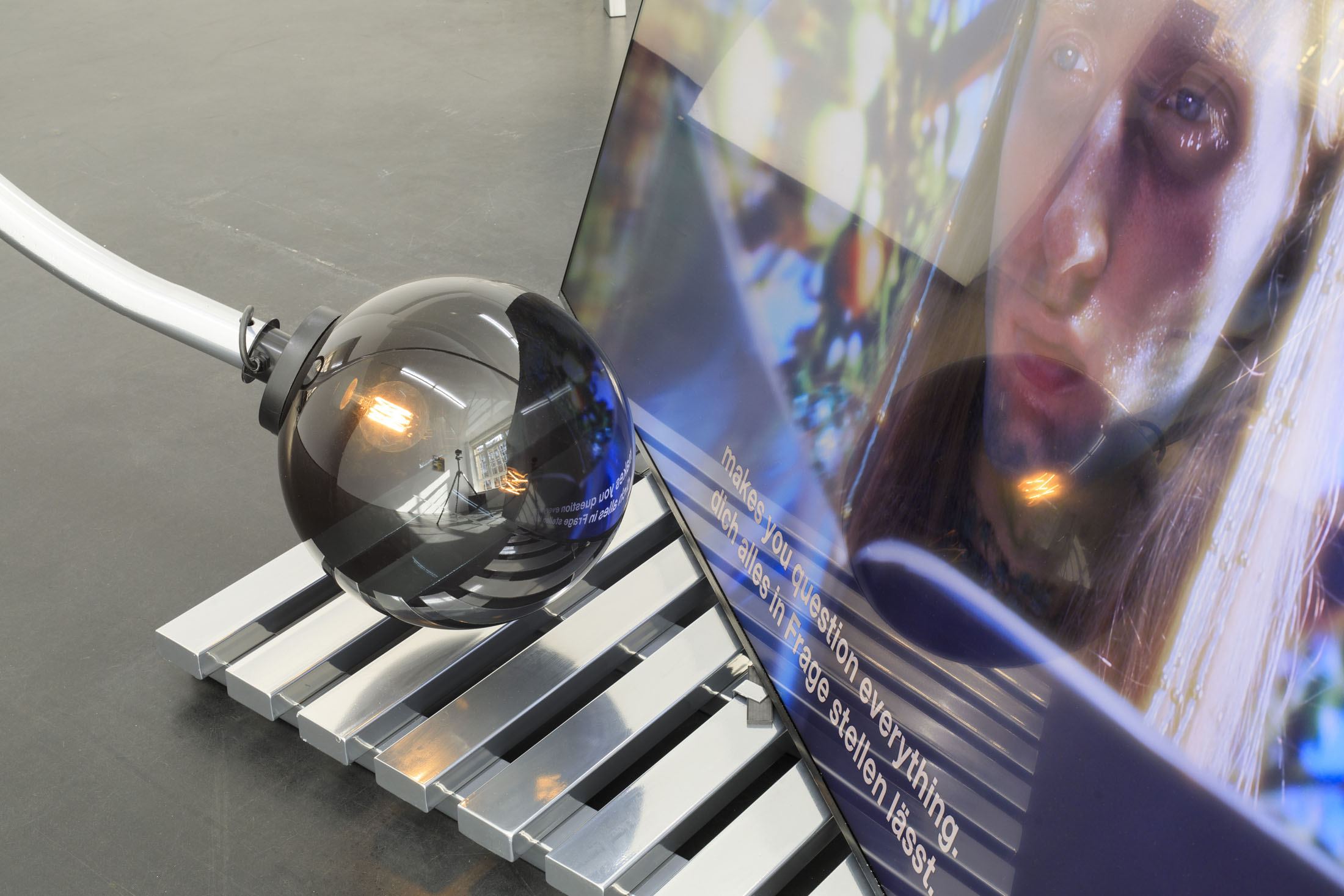
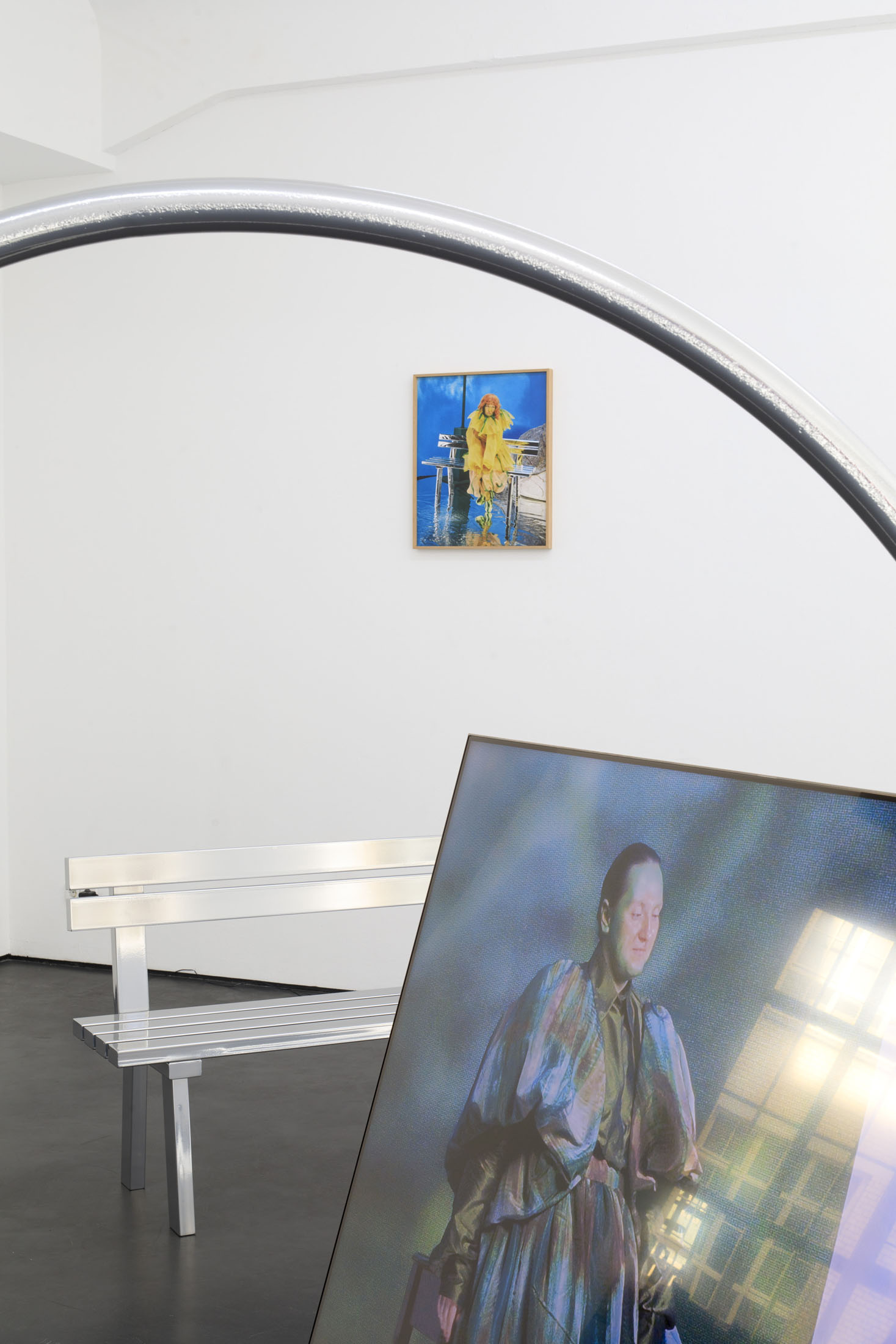
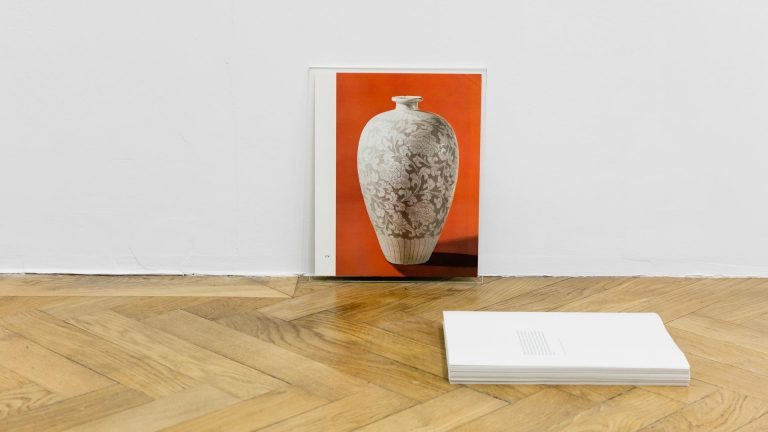
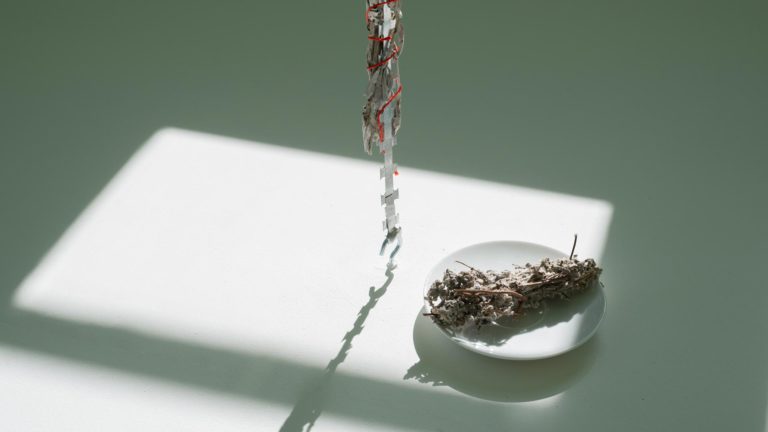
Jakub Jansa’s sprawling film project Club of Opportunities, begun in 2017, takes a similar approach in its consideration of tyranny and politics, class mobility and labour, social economics and belonging, but updates and upgrades it to a more easily digestible form for a 21st century audience. Instead of the ubiquitous fruit and vegetable staples of Rodari’s epoch, Jansa gives us a world of polar opposites: celeriacs vs avocados. The forgotten, unwanted, dirt-covered vegetable usually left to rot at the bottom of the fridge or discarded from the organic-farm-to-door delivery service pitted against the polished skin and creamy insides of the exotic sun-kissed fruit who only travels First Class. The ugly and humble but nutrient-rich root vs the world-class and pumped-up superfood. Class A vs Class C. Notwithstanding Jansa’s surrealist touches, there’s something very Mean Girls about the whole affair. A vegetarian-friendly technofeudalism that, so far, consists of nine episodes and their corresponding installations, each with their own aesthetic code.
Hovering between reality and fiction, each episode reflects upon authority and power, social determinism, class and social climbing through tried and tested tropes including absurdism, film noir, reality TV or motivational speech. Set in a vegesociety dreamed up by Jansa with the help of Kamil Nábělek, an eccentric Czech historian and philosopher who the artist tasked with shaping a waterproof theory for this fantastic no-man’s-land, Club of Opportunities is a social satire that centers on the trials and tribulations of Celerist – half celery root, half man – as he traverses the fictional land’s highly regimented and hierarchical set of rules and decorum. True to his nature, Nábělek developed a theory of celerist ontology, composed of the over-looked celeriac, a vegetable lacking a sexy back story or fantastical claims to eternal youth. Alongside our main protagonist, Jansa also develops the figure of the Seer, a kind-hearted fortune-teller, a vegetarian’s dream version of Cassandra, but just like the Trojan princess of Greek mythology, the Seer’s fate is never to be believed. To make matters worse, this empathetic figure, liberalism and liberal democracy dressed up in pauper’s clothes, has (you guessed it) lost its way.
Left to his own devices, Celerist’s coming-of-age story encompasses the weaponization of shame and a social coming-out (Shame to Pride, 2021); political influence and apathy (Opening Ceremony, 2022); nationalist pride, neoliberal blindness, false nostalgia and broken promises (Pumpkinville, 2024). All in all, it’s a colour-saturated, flamboyant, DIY lesson in how modern societies are brainwashed. And the result is where we find ourselves today.
It may come as a surprise that in a Soviet-era Czech Republic (or Czechoslovakia as it was then), in an empire of a supposedly classless society, class was the very thing on everyone’s lips. Club of Opportunies then can, and should, be seen not just as brazen social commentary, reigniting debates that disappeared from public consciousness post-1989, but as the implementation of an artistic energy and freedom that goes counter to the stale dos and don’ts of academicism. Jansa’s films point a finger at their own artifice, and that of art and of artistic posturing, yet they remain acutely aware – as witnessed in Celerist’s existential crisis that is played out in Shame to Pride – of the impossible task of ever fully breaking free from the socially ascribed roles that the ‘art world’ imposes on its subjects. A vegetable revolution? More like a fantasy world that is stuck in its ways and refuses to change. It’s tempting to read the on-screen defection and class struggle as inherent to recent 20th century Czech history, just think of the events of the 1968 Prague Spring, a brutal Soviet-led invasion to end a momentary period of collective emancipation, but Jansa seems to also be drawing attention to the lackluster nature of today’s Western political struggles. Meaning that we got lazy and sidelined by false promises and sparkle. Come to think of it, liberalism itself got lazy and sidelined by its own over polished allure. Its sidekick soft power got too soft.
In Vincenzo Latronico’s novel Perfection (2025), the author explores millennial alienation, digital aesthetics, and the illusion of an immaculate life through the story of Anna and Tom, two freelance designers in Berlin. The opening pages open with a striking catalogue of meticulously curated interior design choices, online photographs meant to attract potential subletters. It describes sunlight flooding honey-coloured parquet, mid-century vintage furniture, chalk-white walls, and a carefully placed face-down magazine, attesting to the cultural clout of its owners.
Everything just so. But as the author zooms in on his protagonists, the images begin to crack, revealing cobwebs, cheap fakes and a deep psychological malaise. Jansa’s Club of Opportunities is similarly revealing about human nature and our innate need to put on a performance for others to make ourselves feel better, a touching but flawed attempt to pretend that our fake lives have a semblance of truth to them. To avoid the fate of Celerist and the Seer, we would do best to sit up and listen. We might actually learn something.