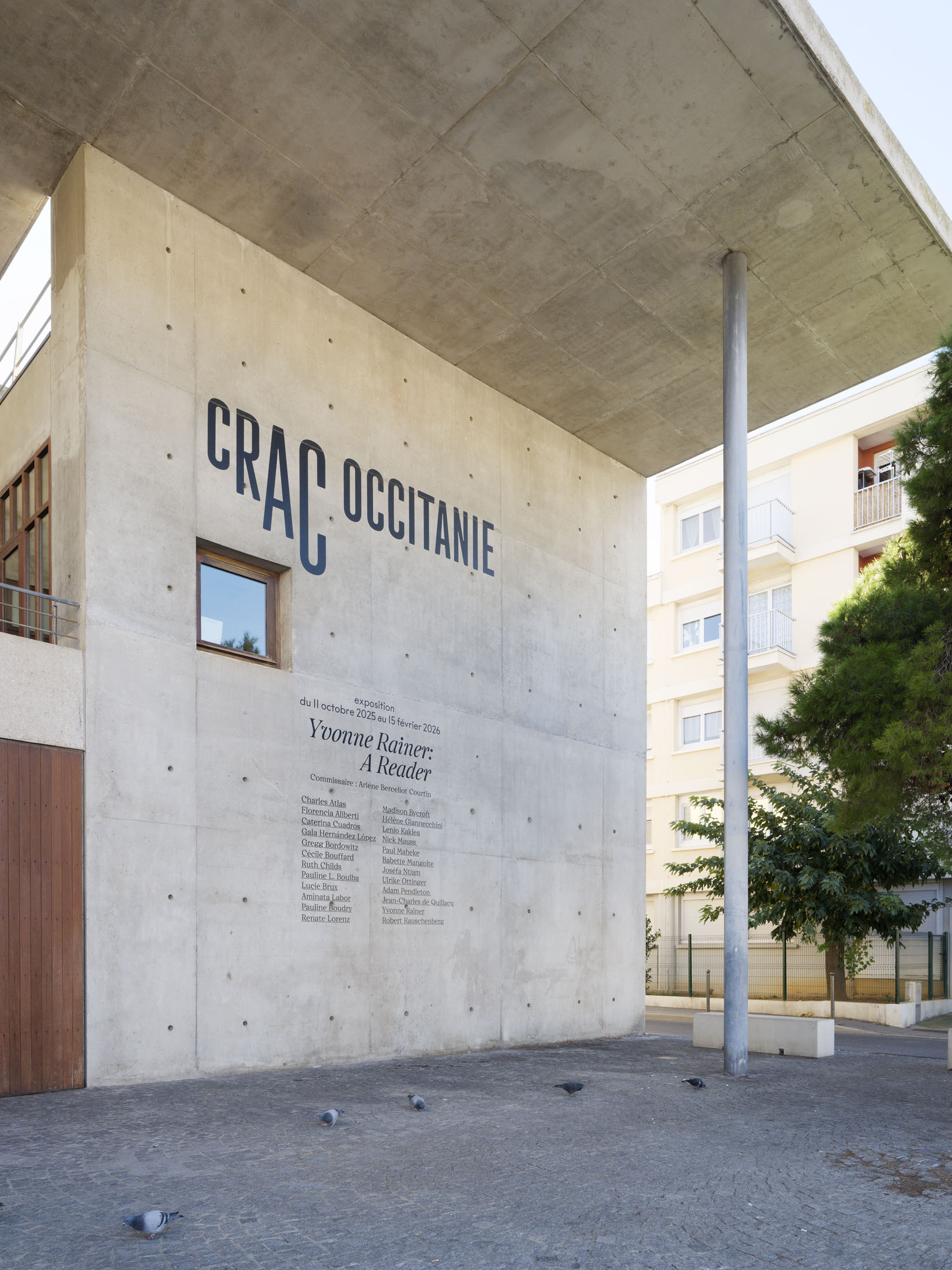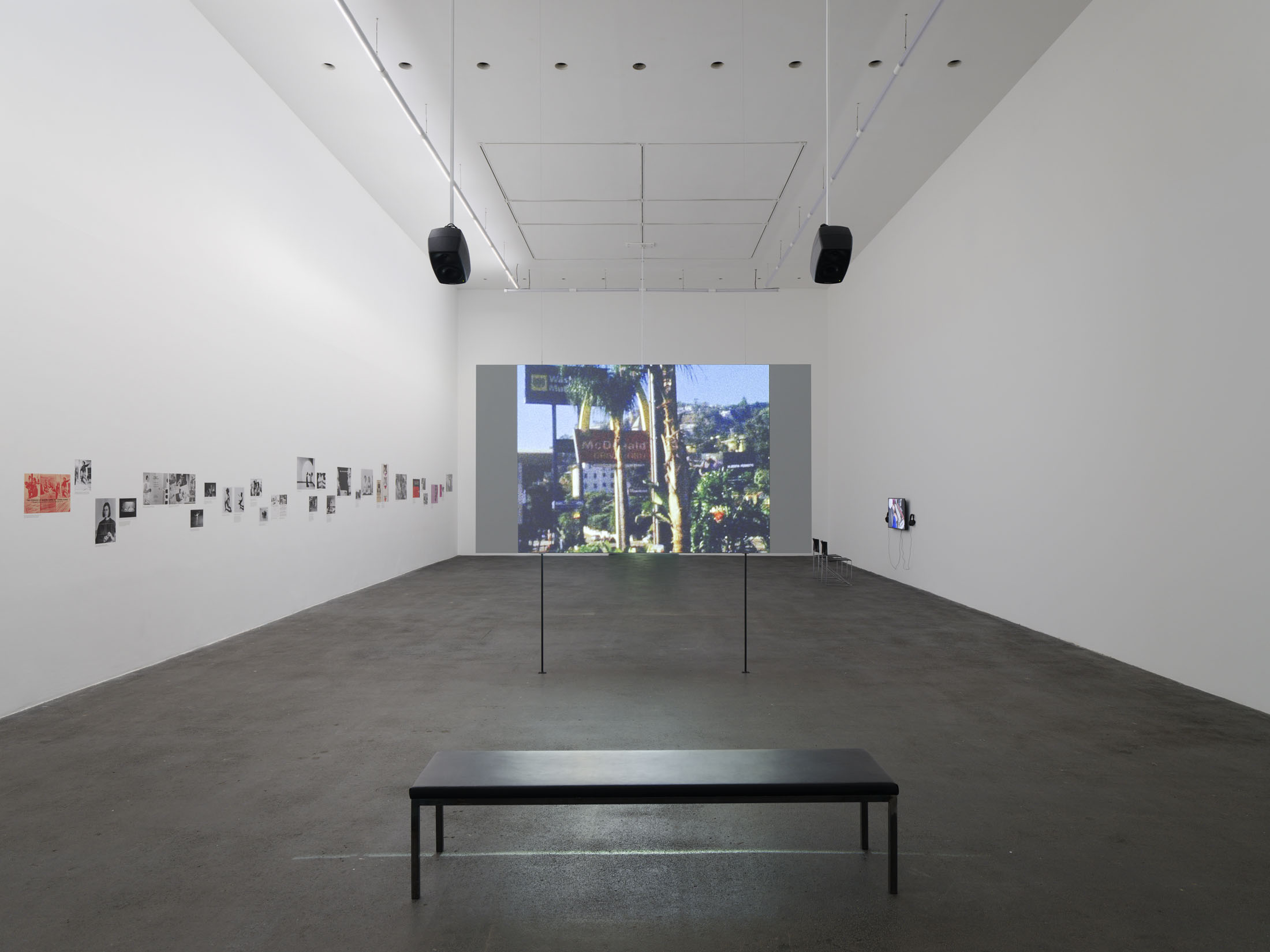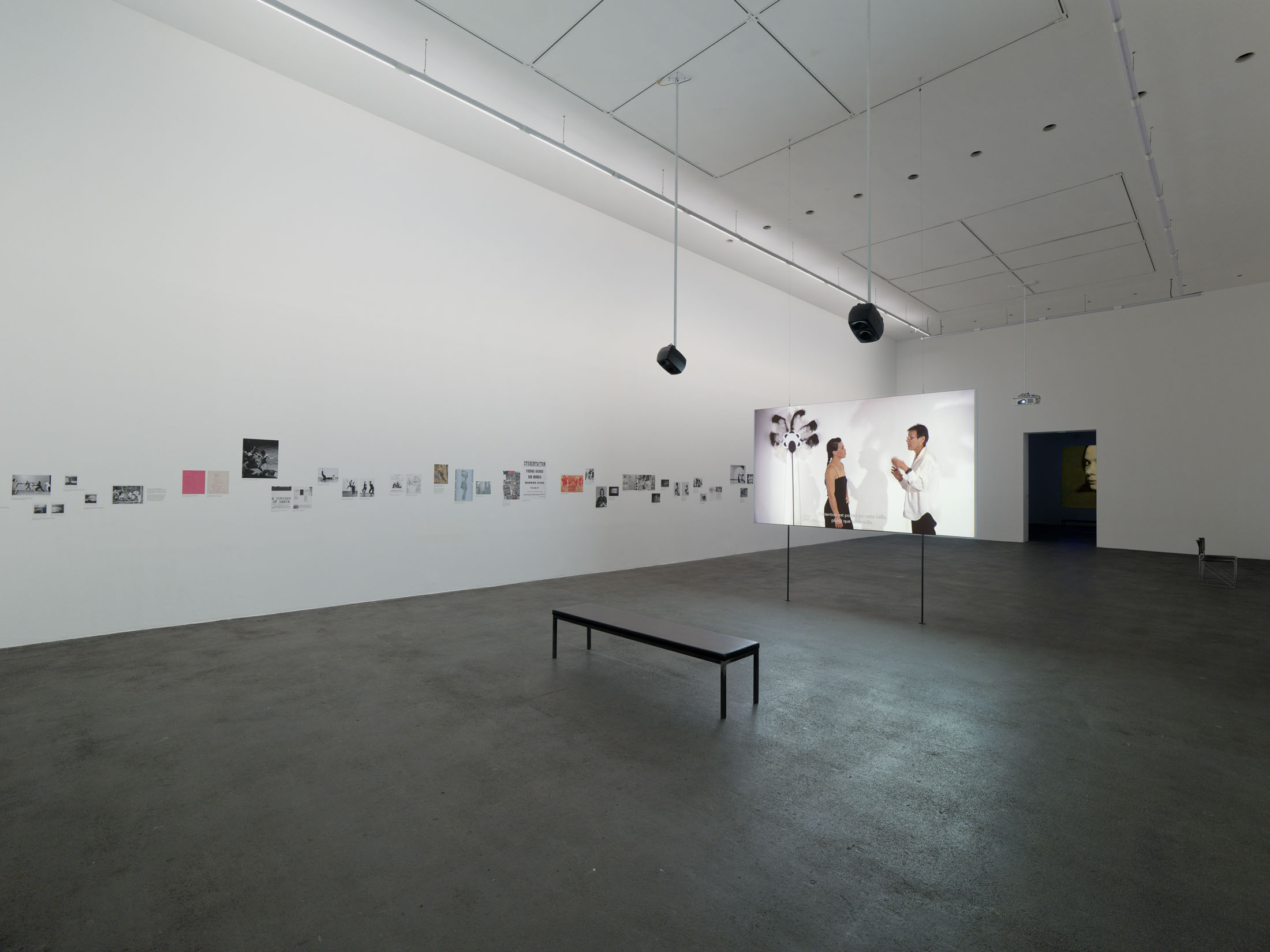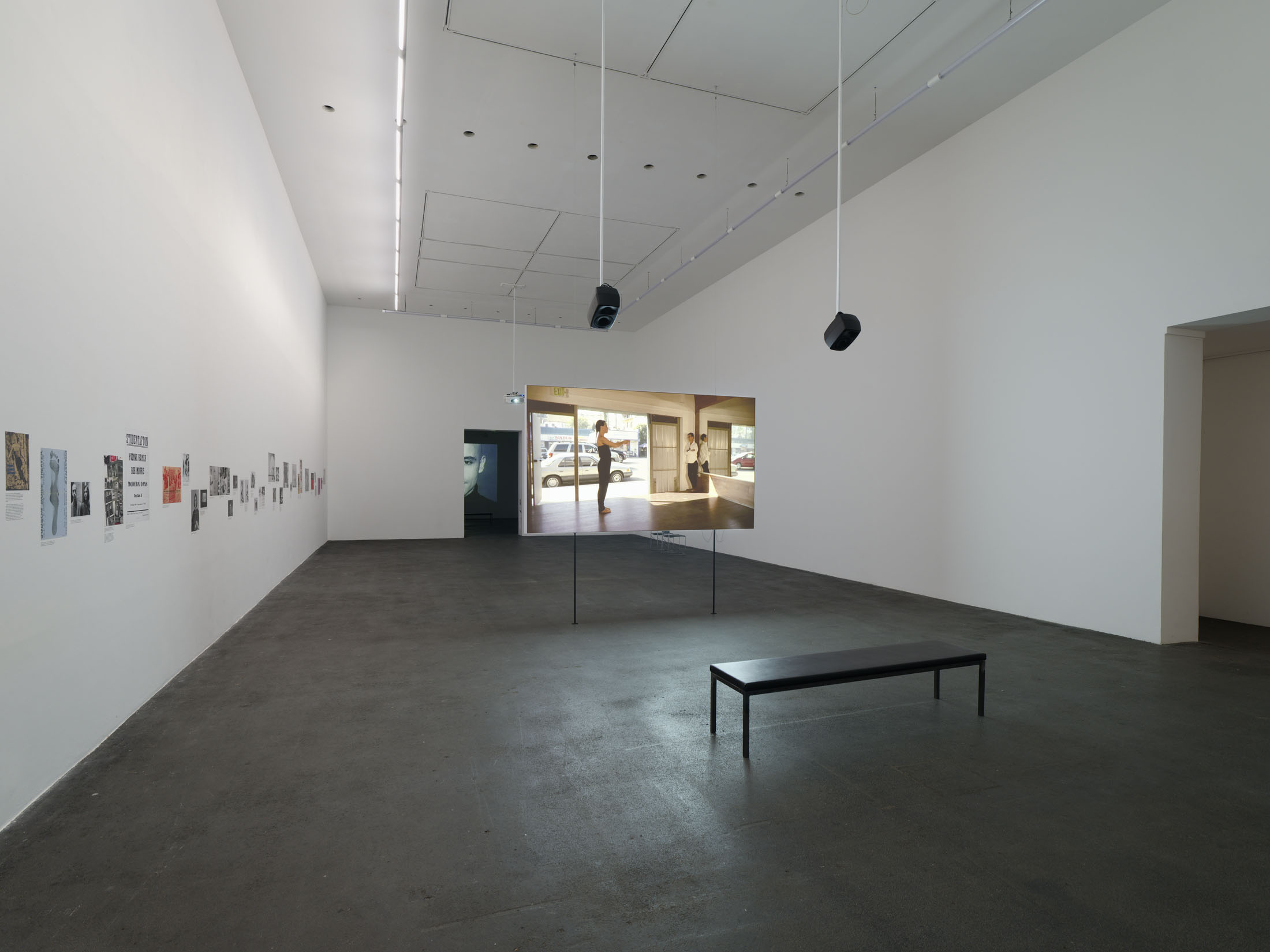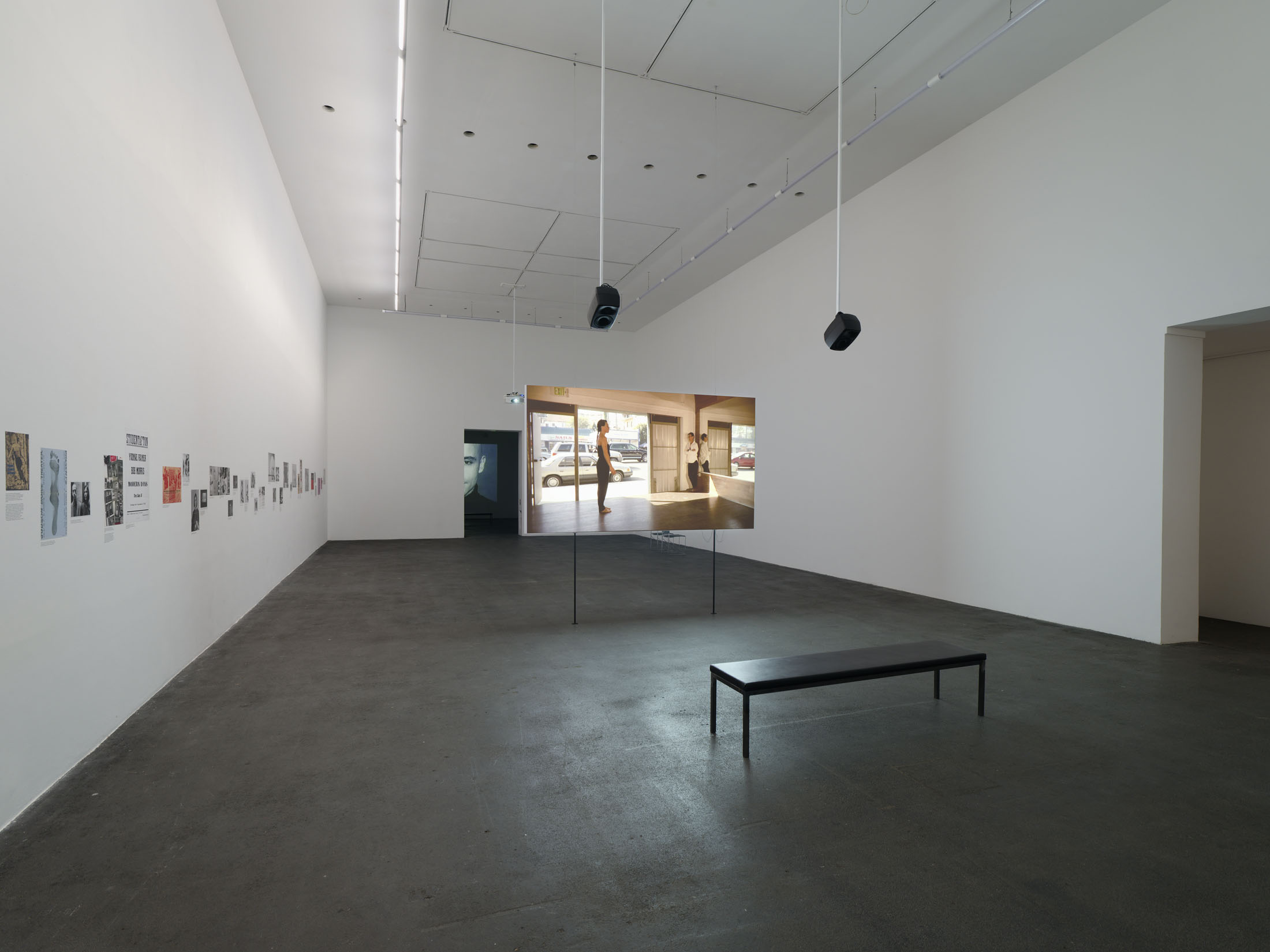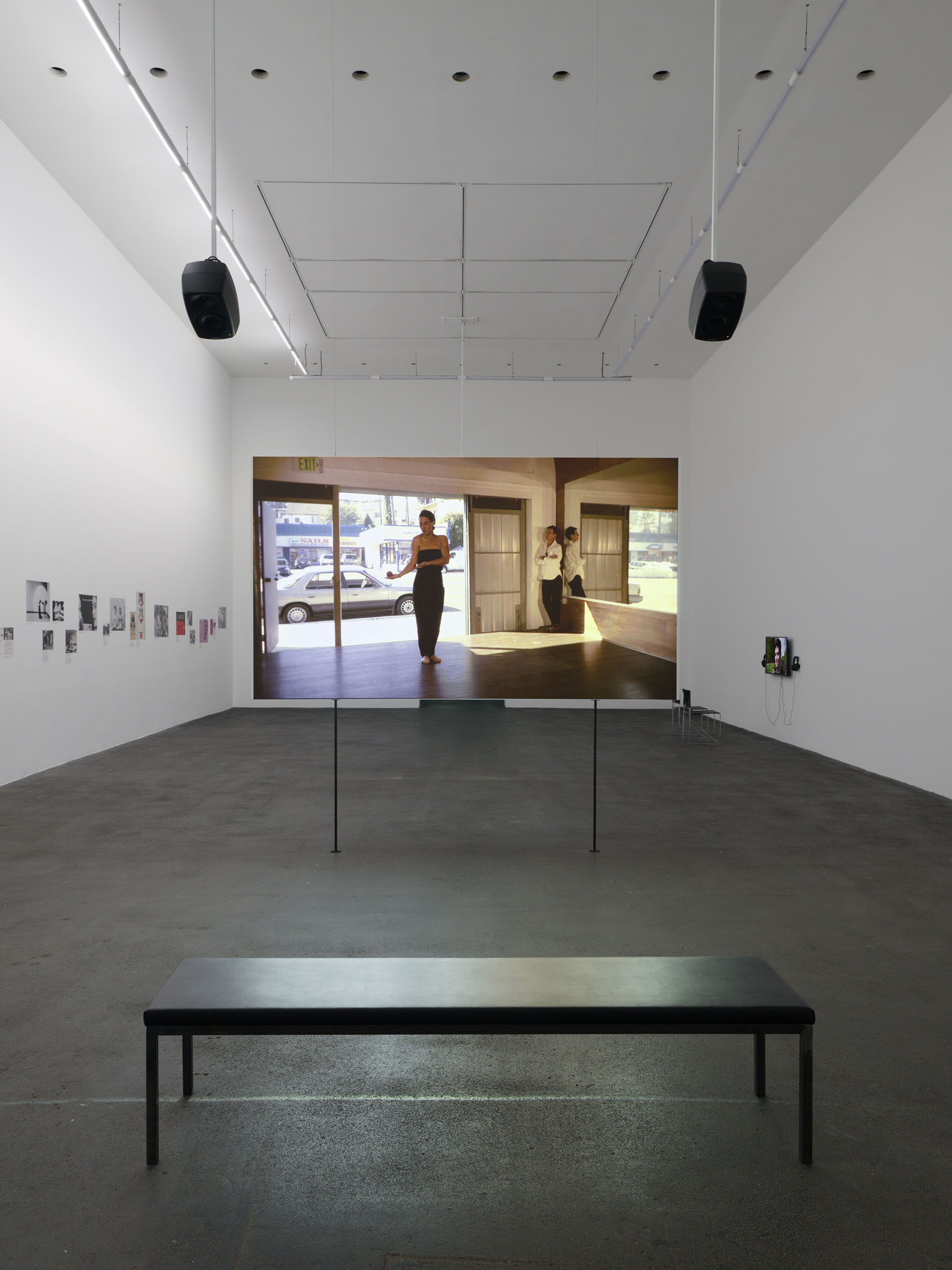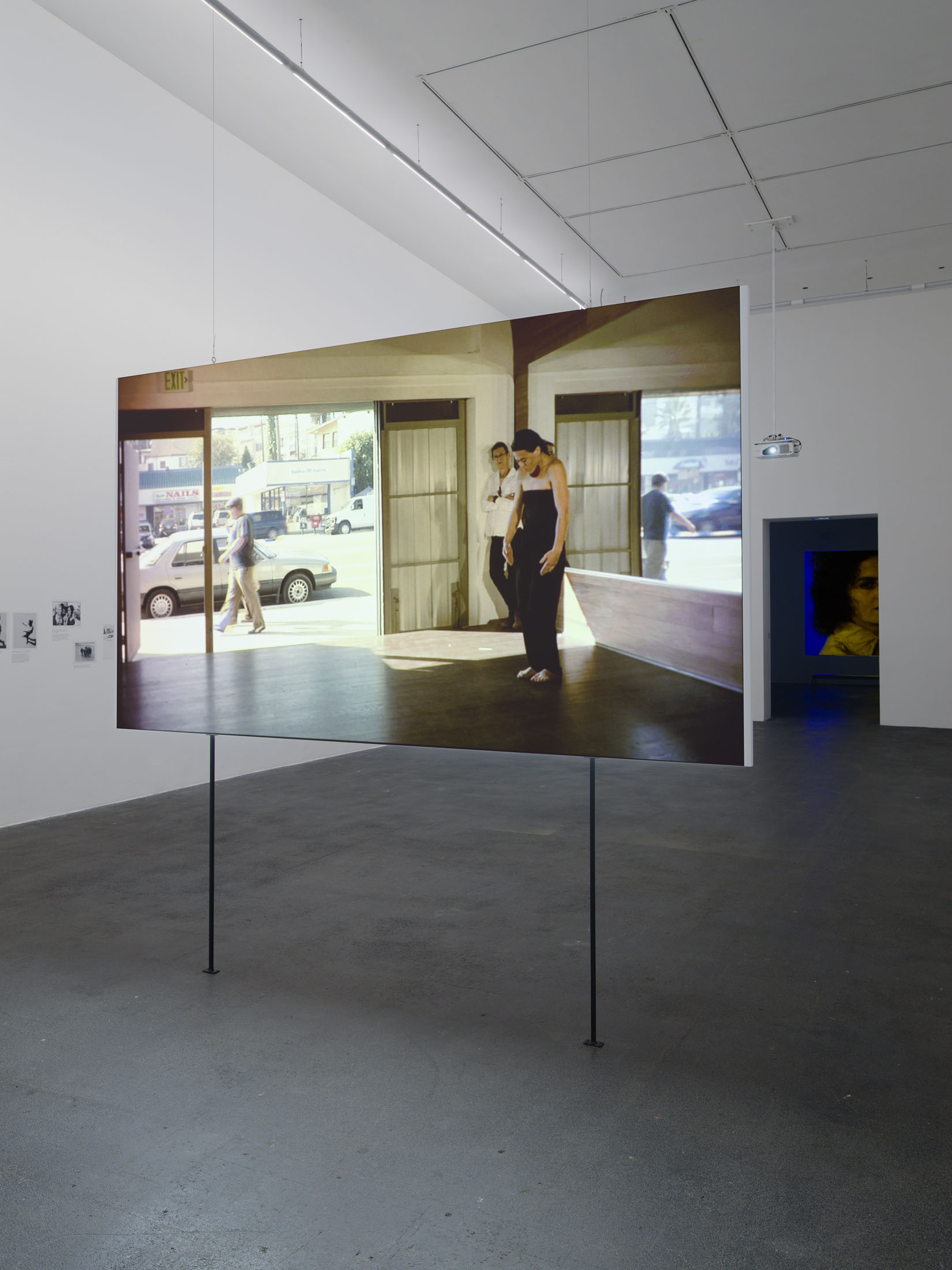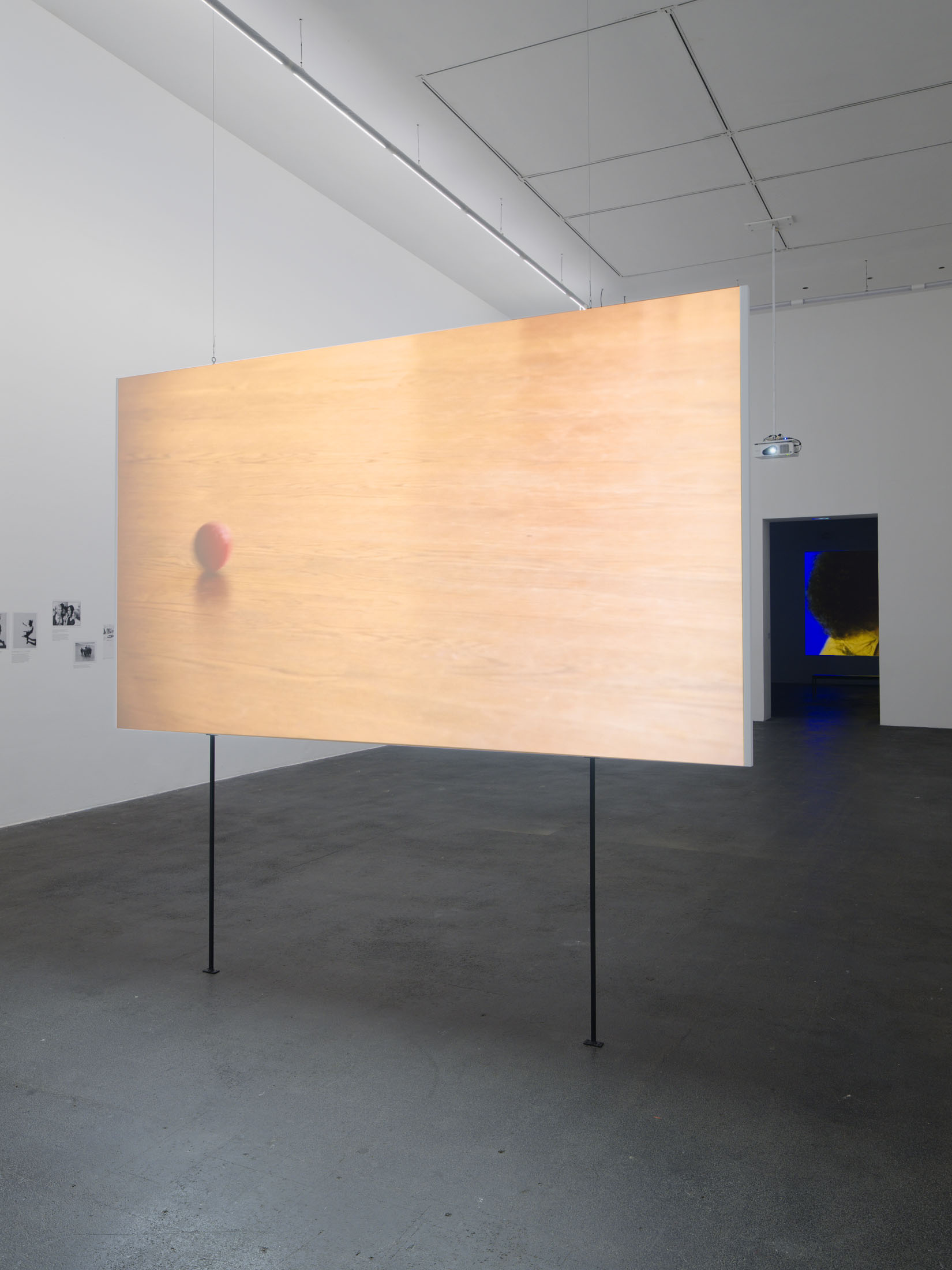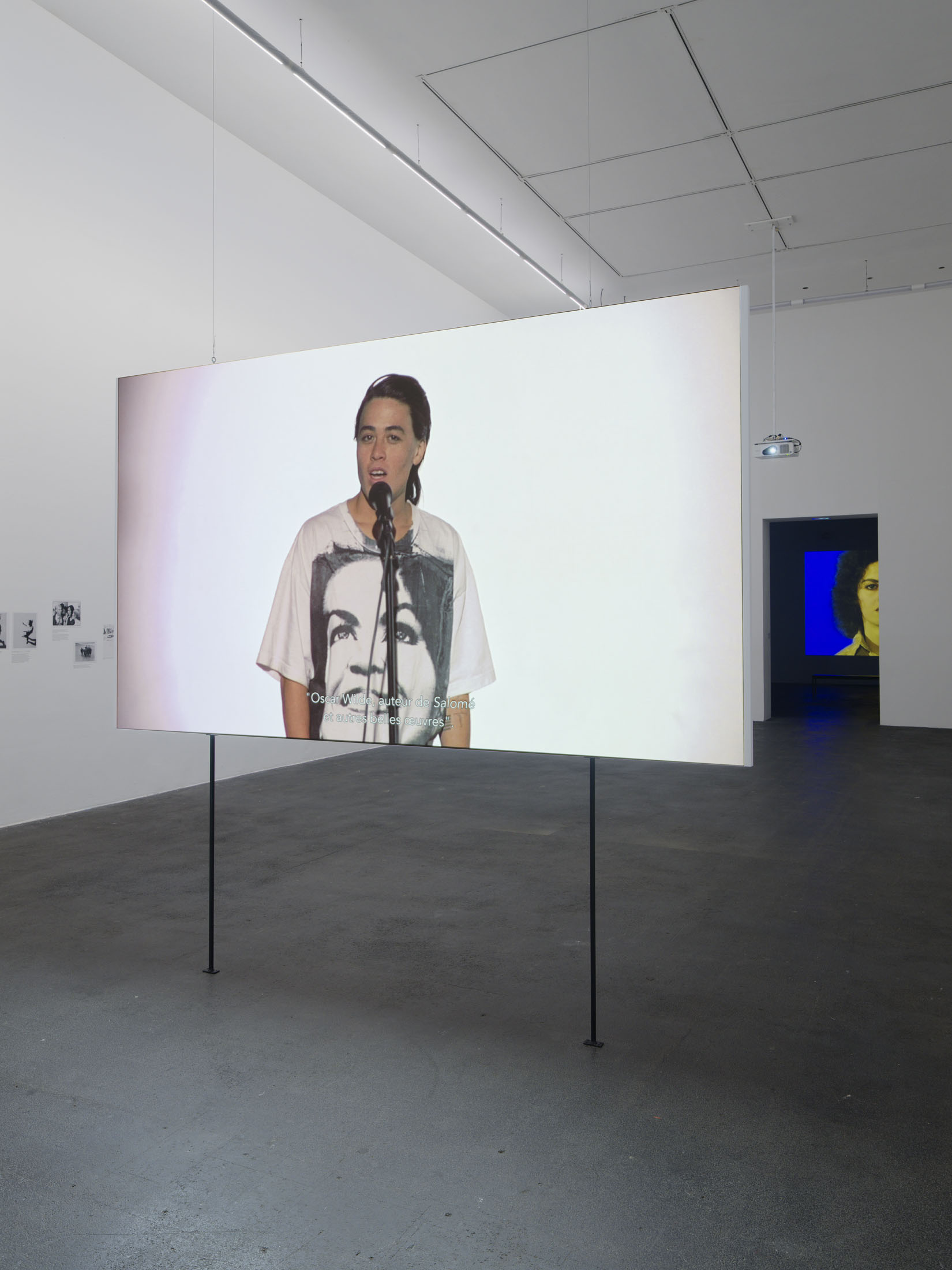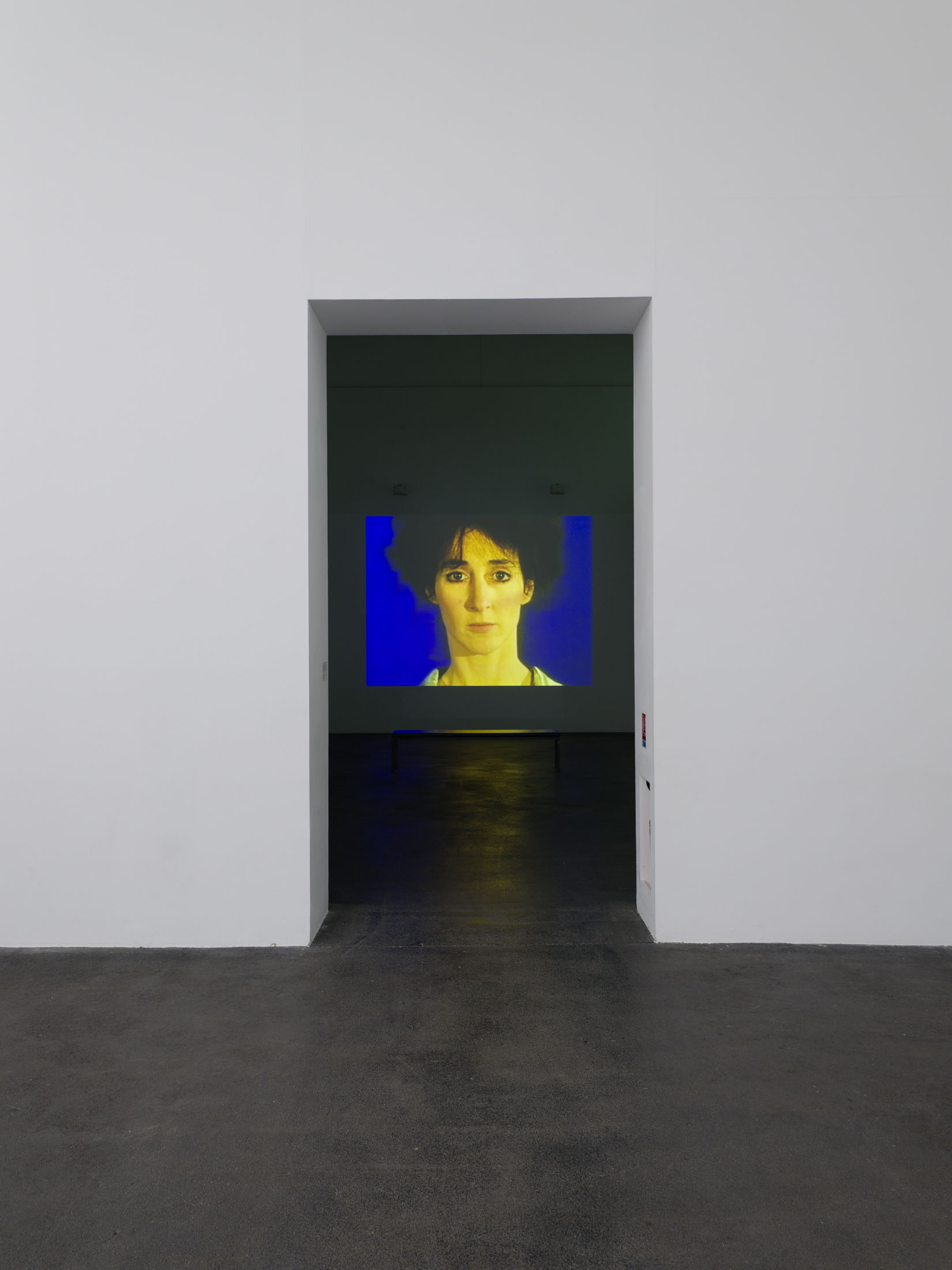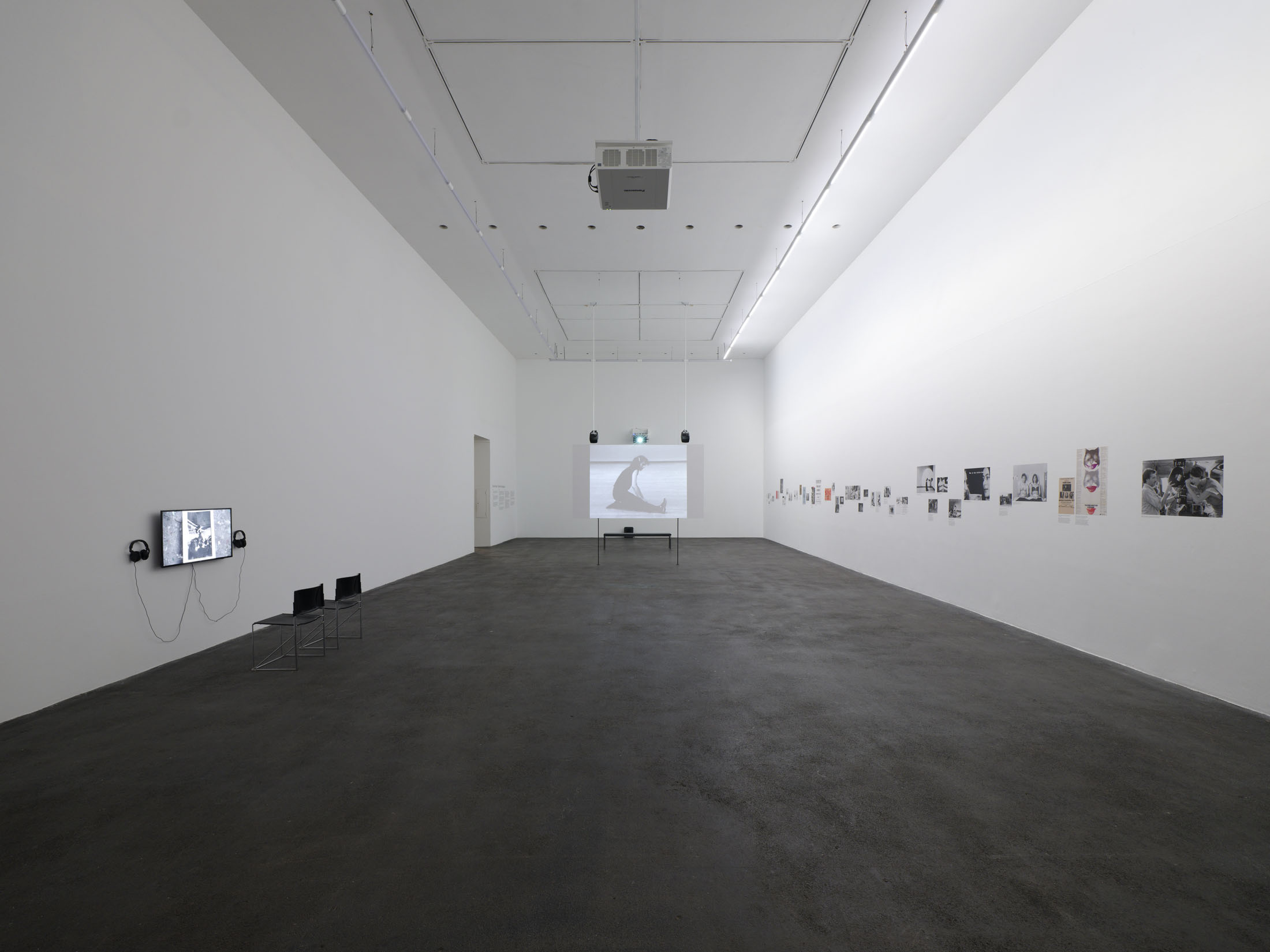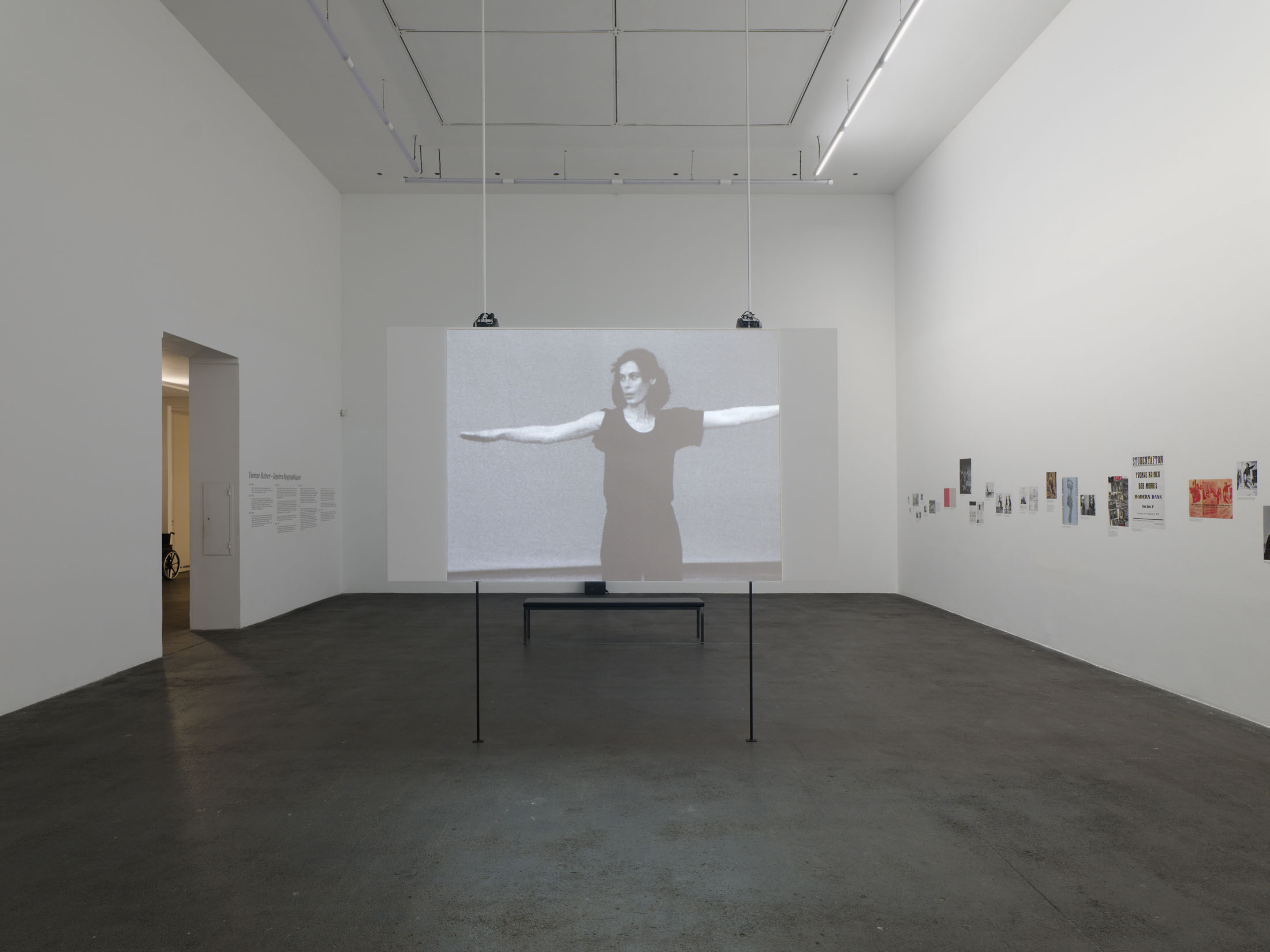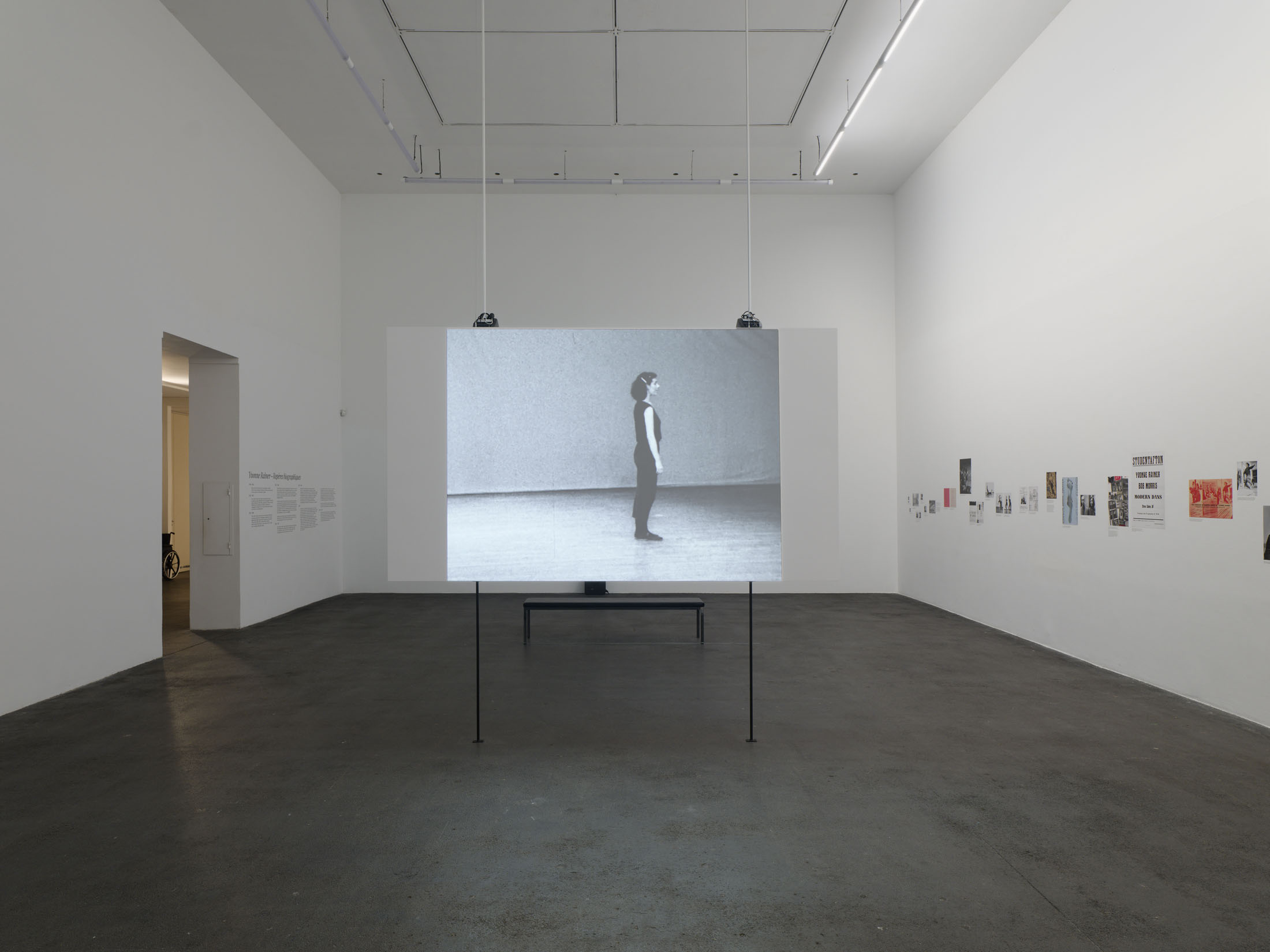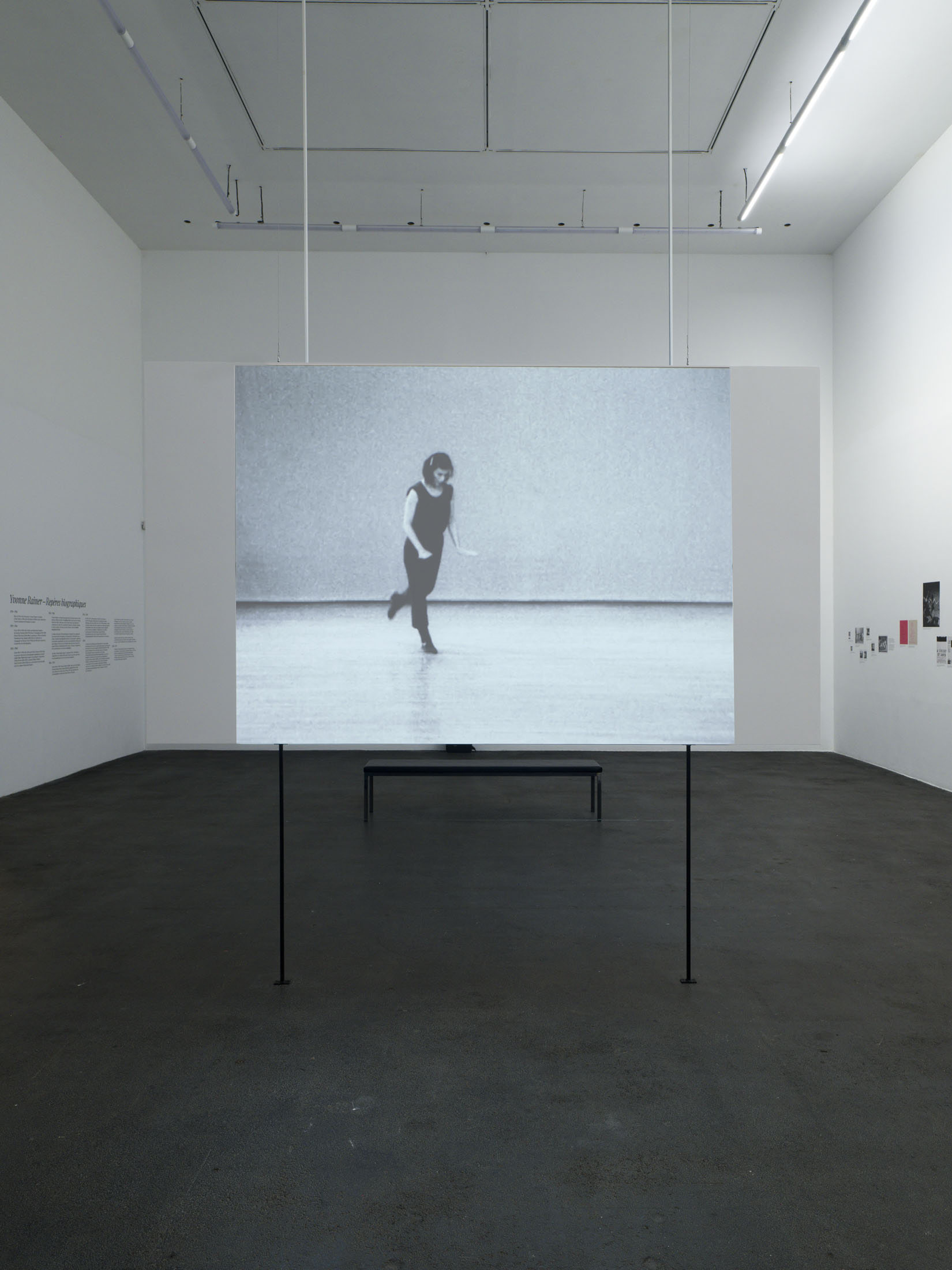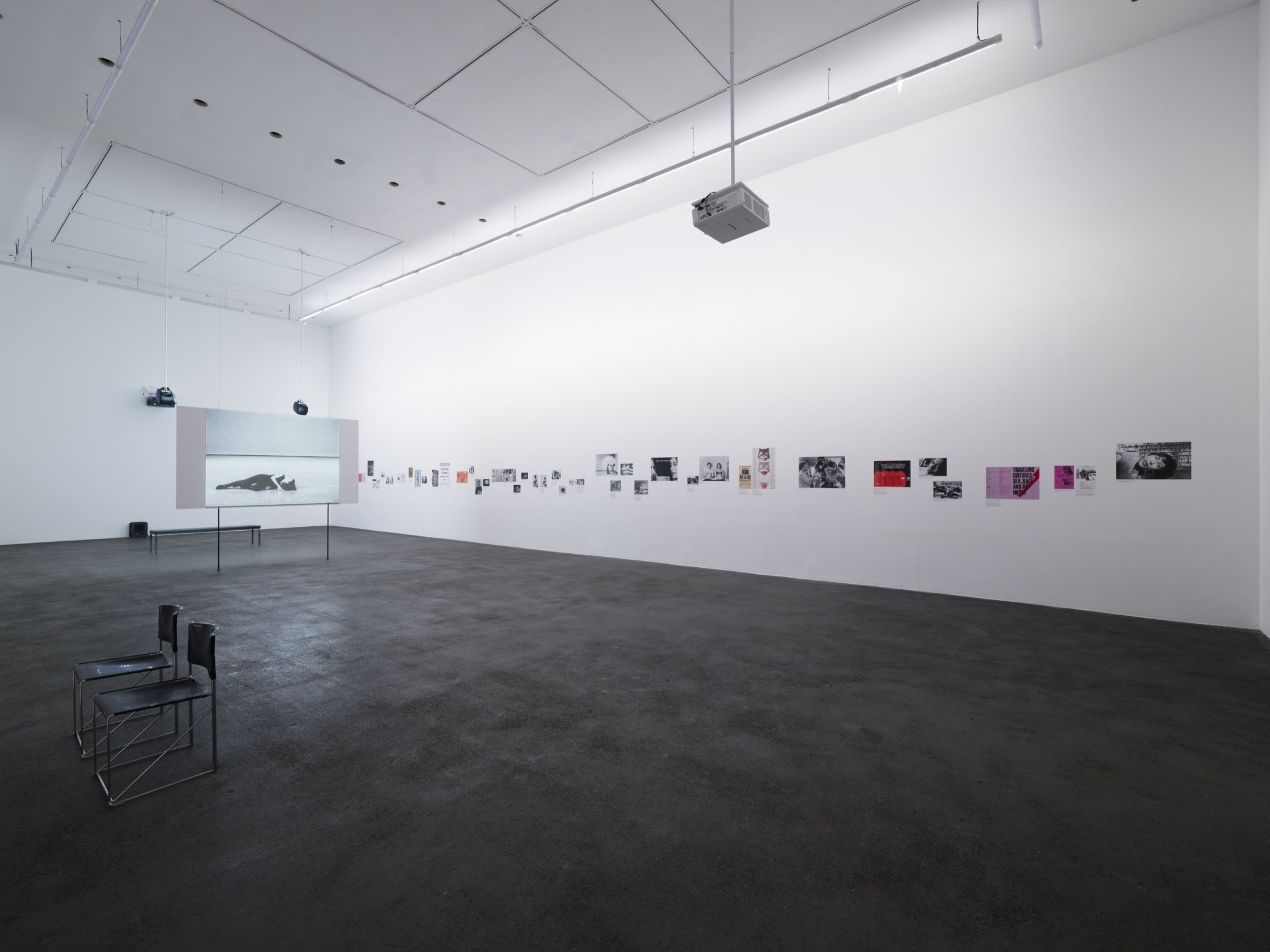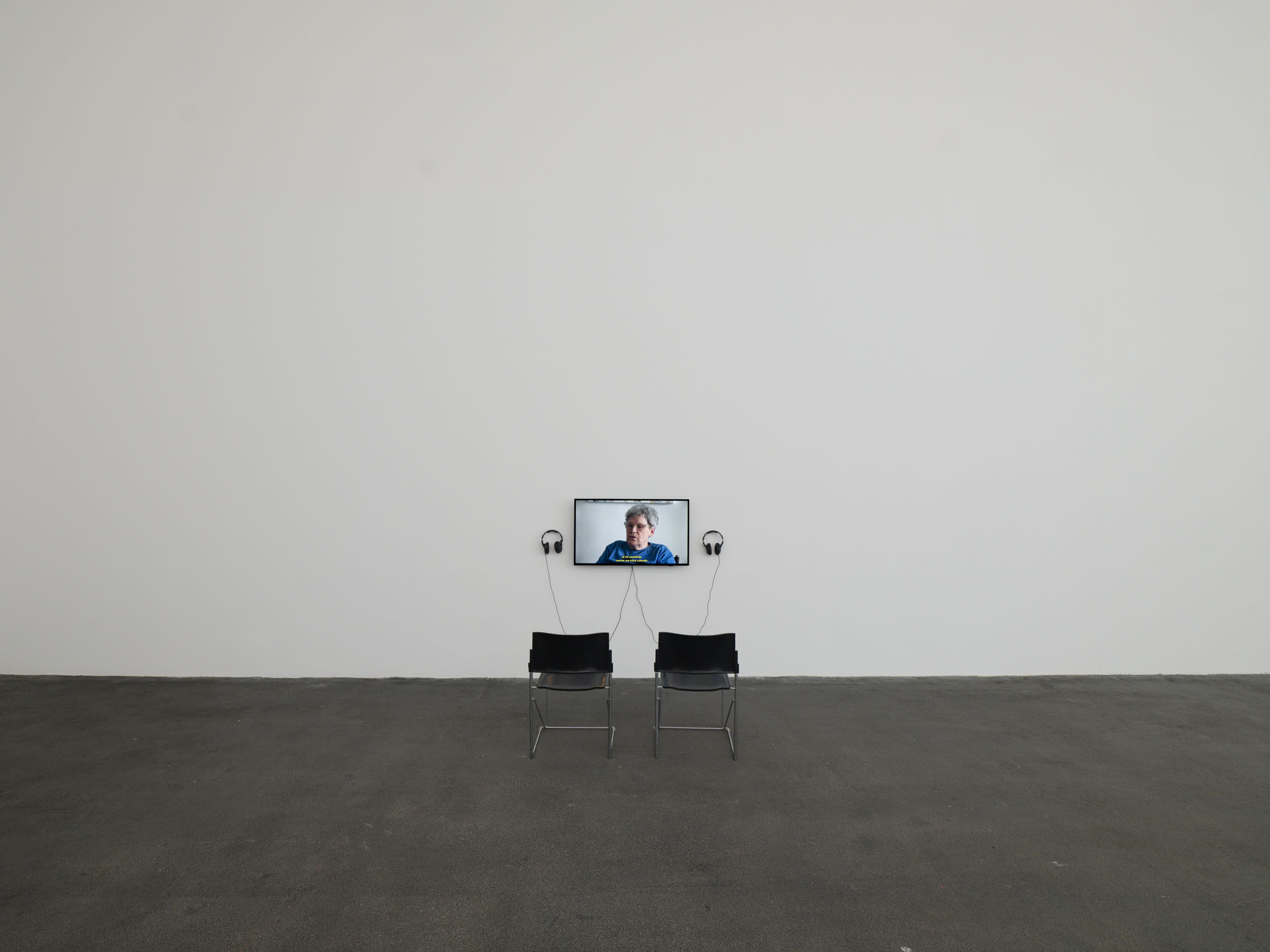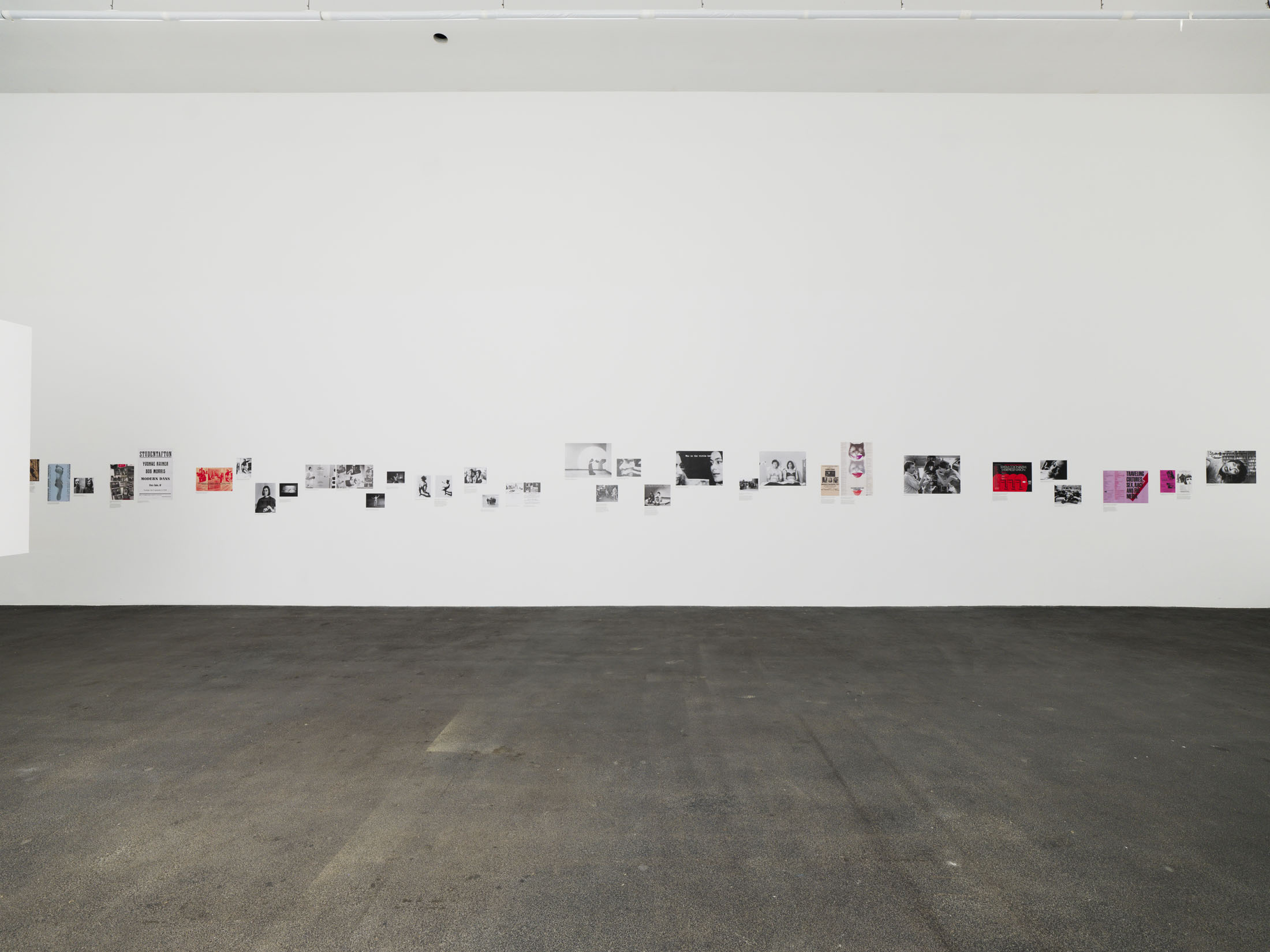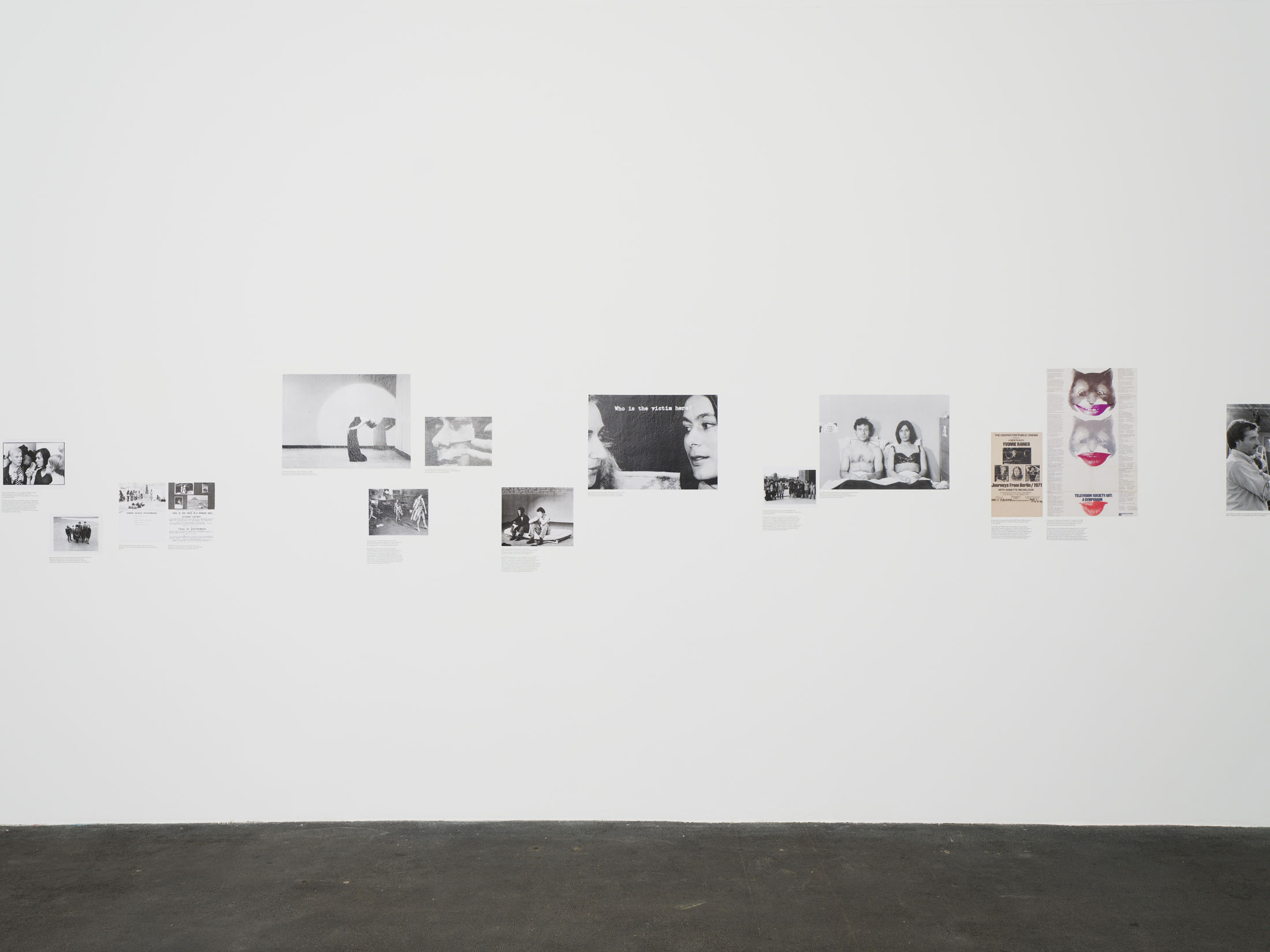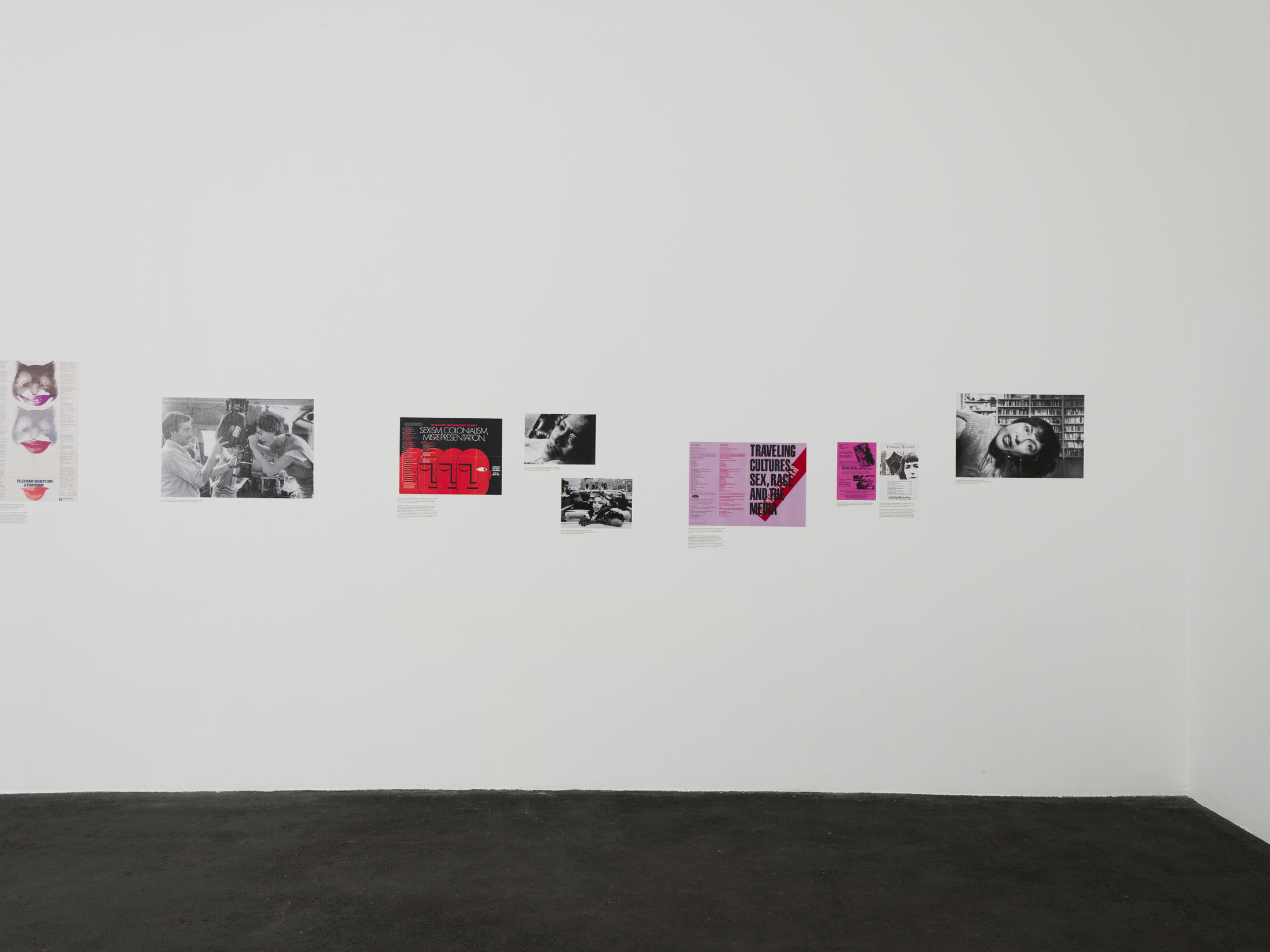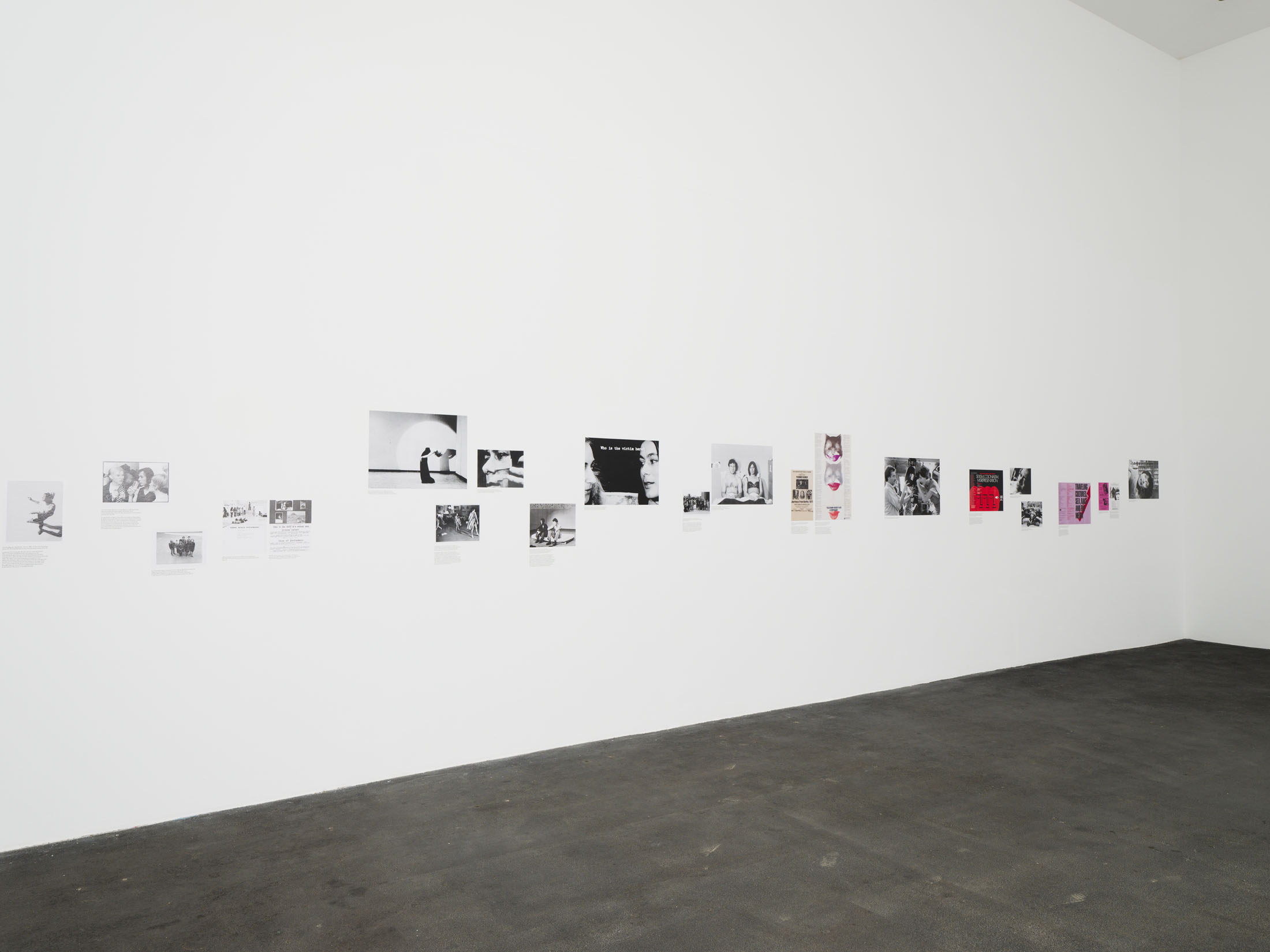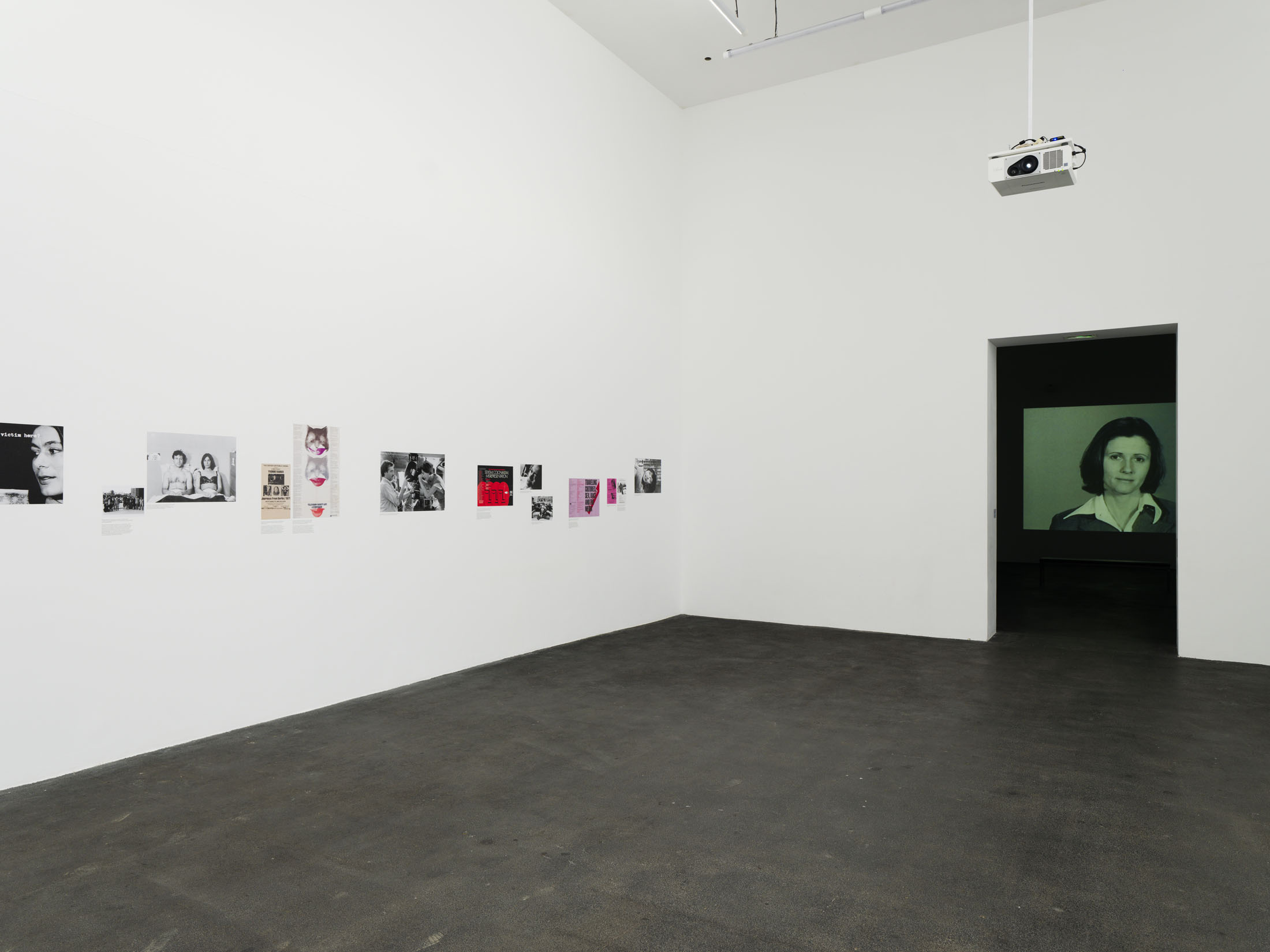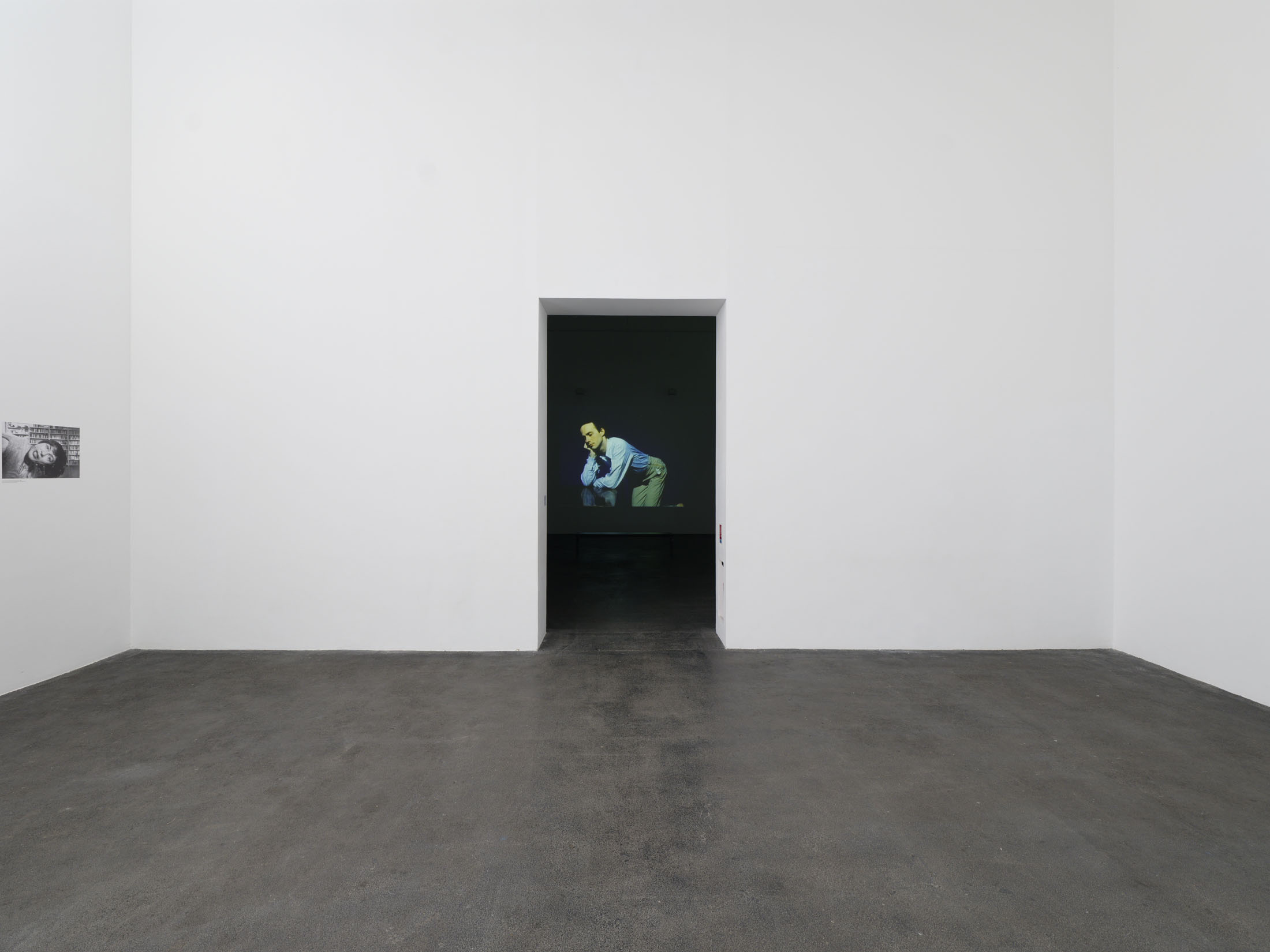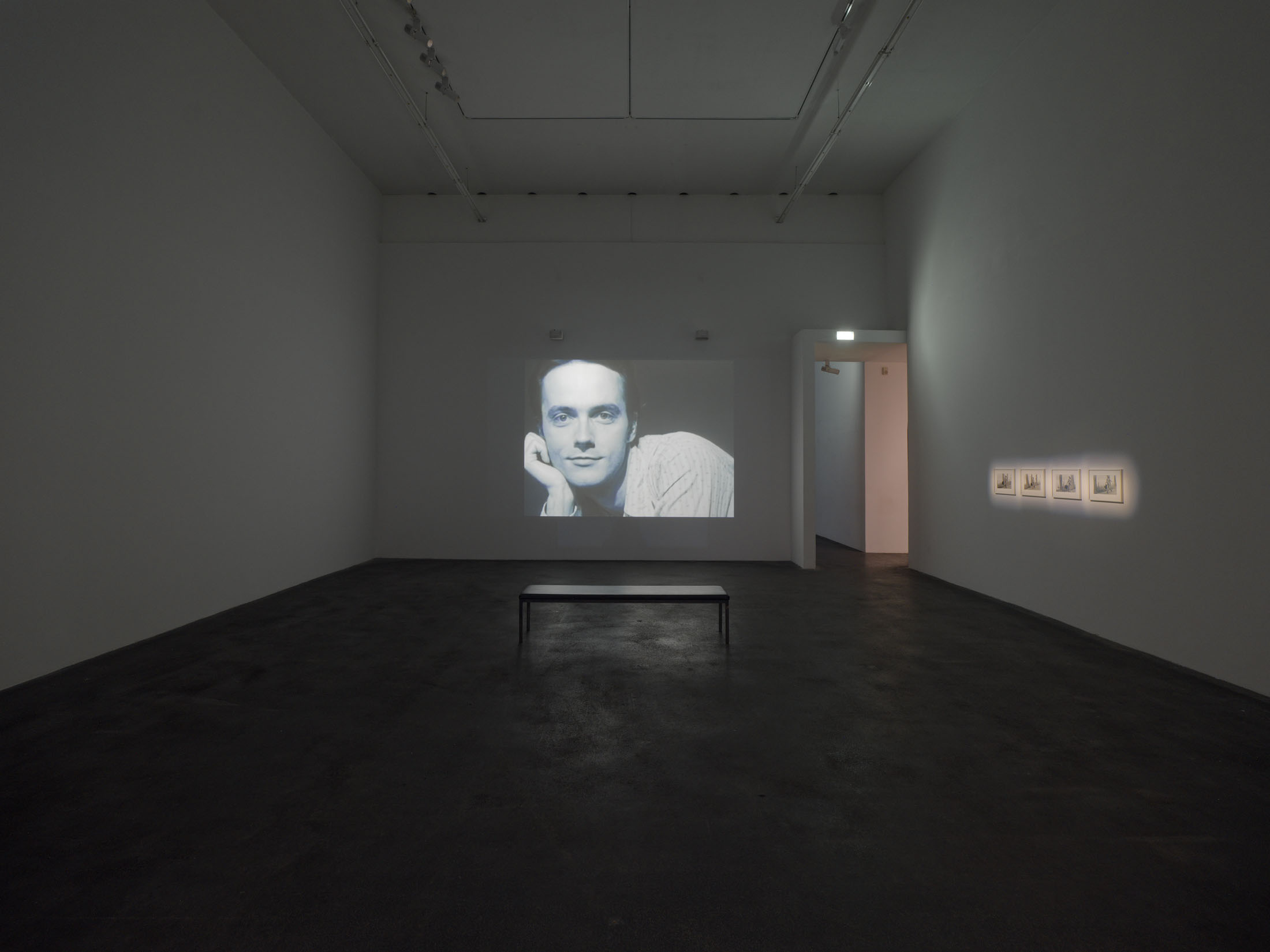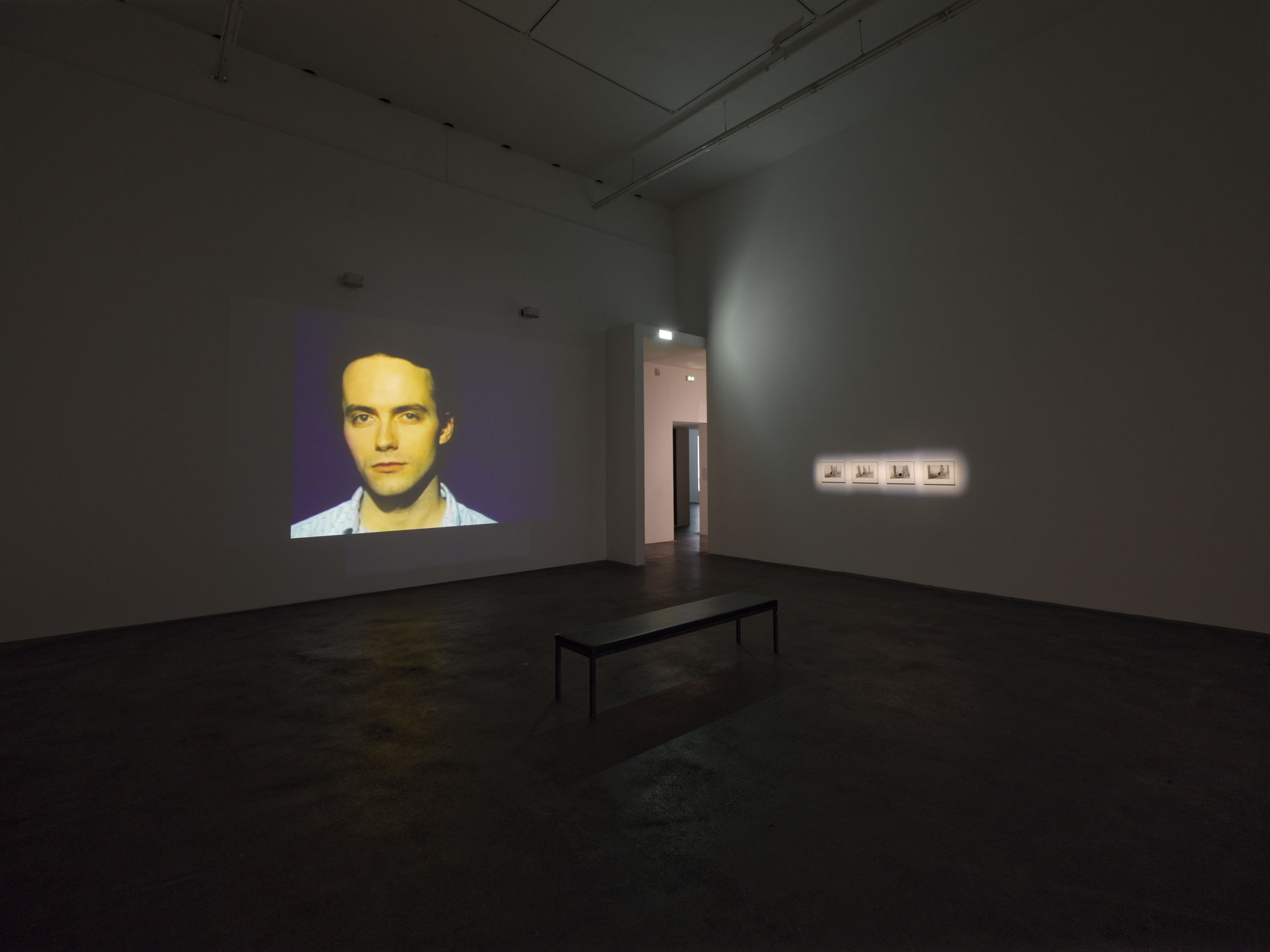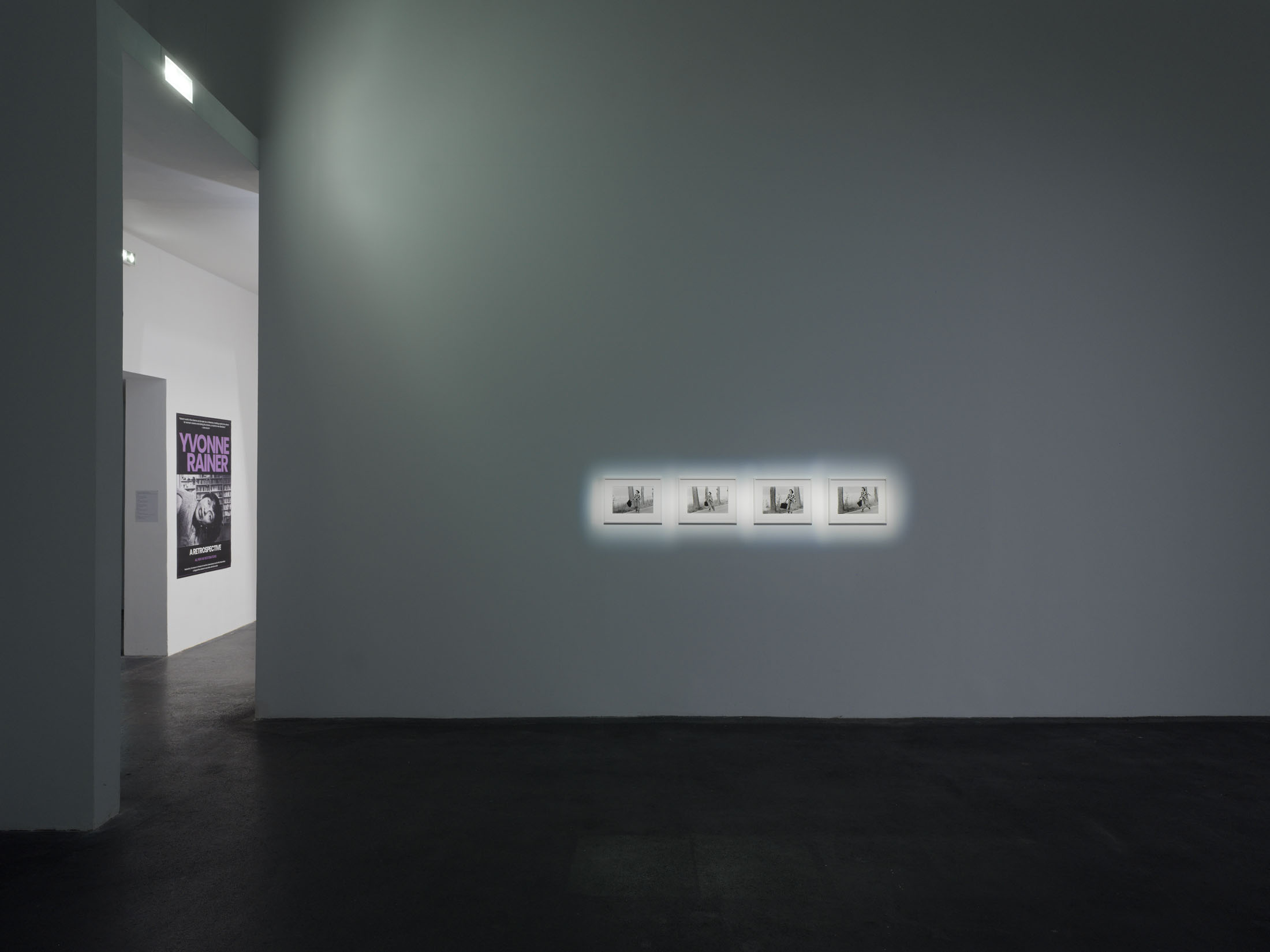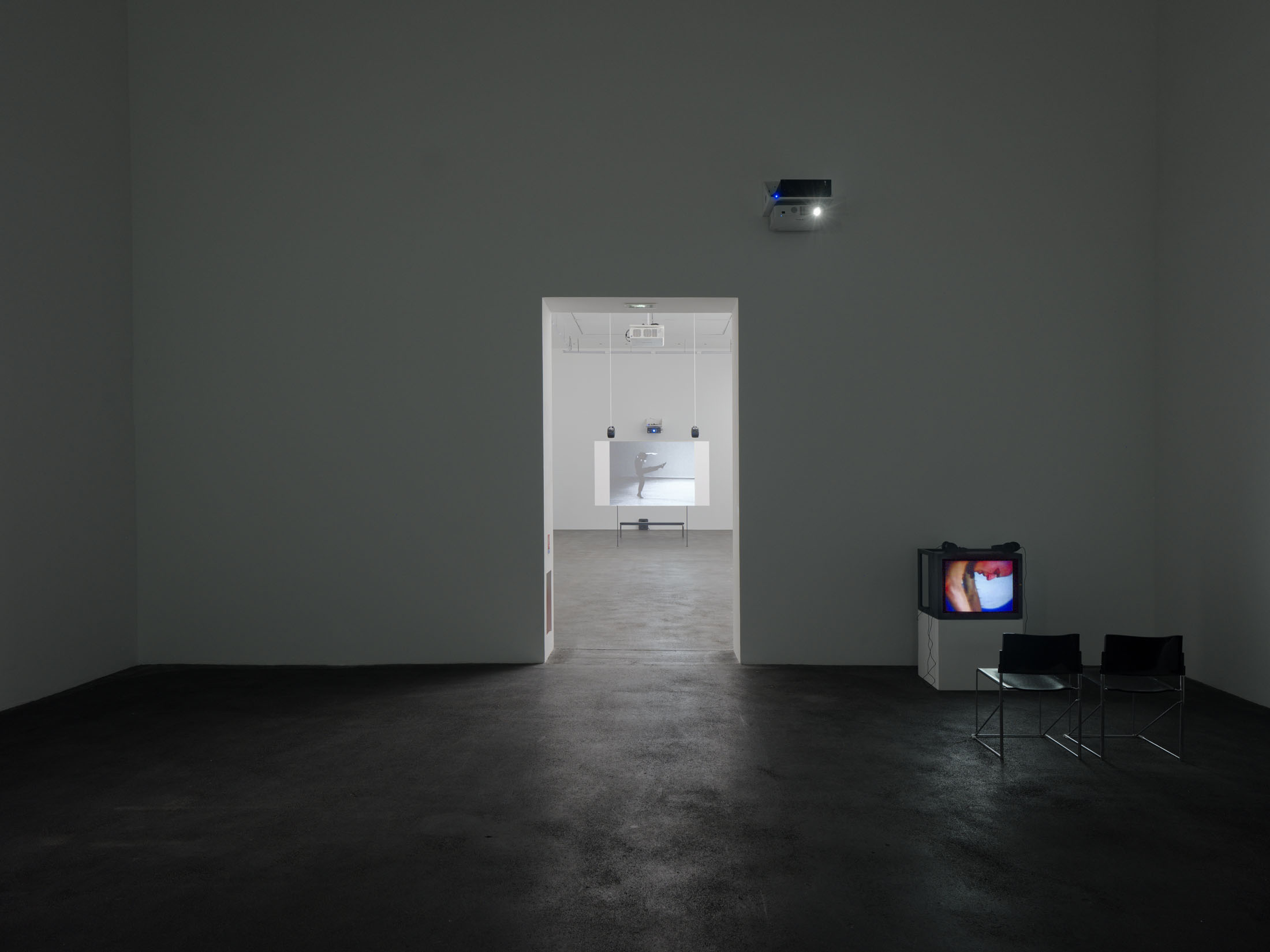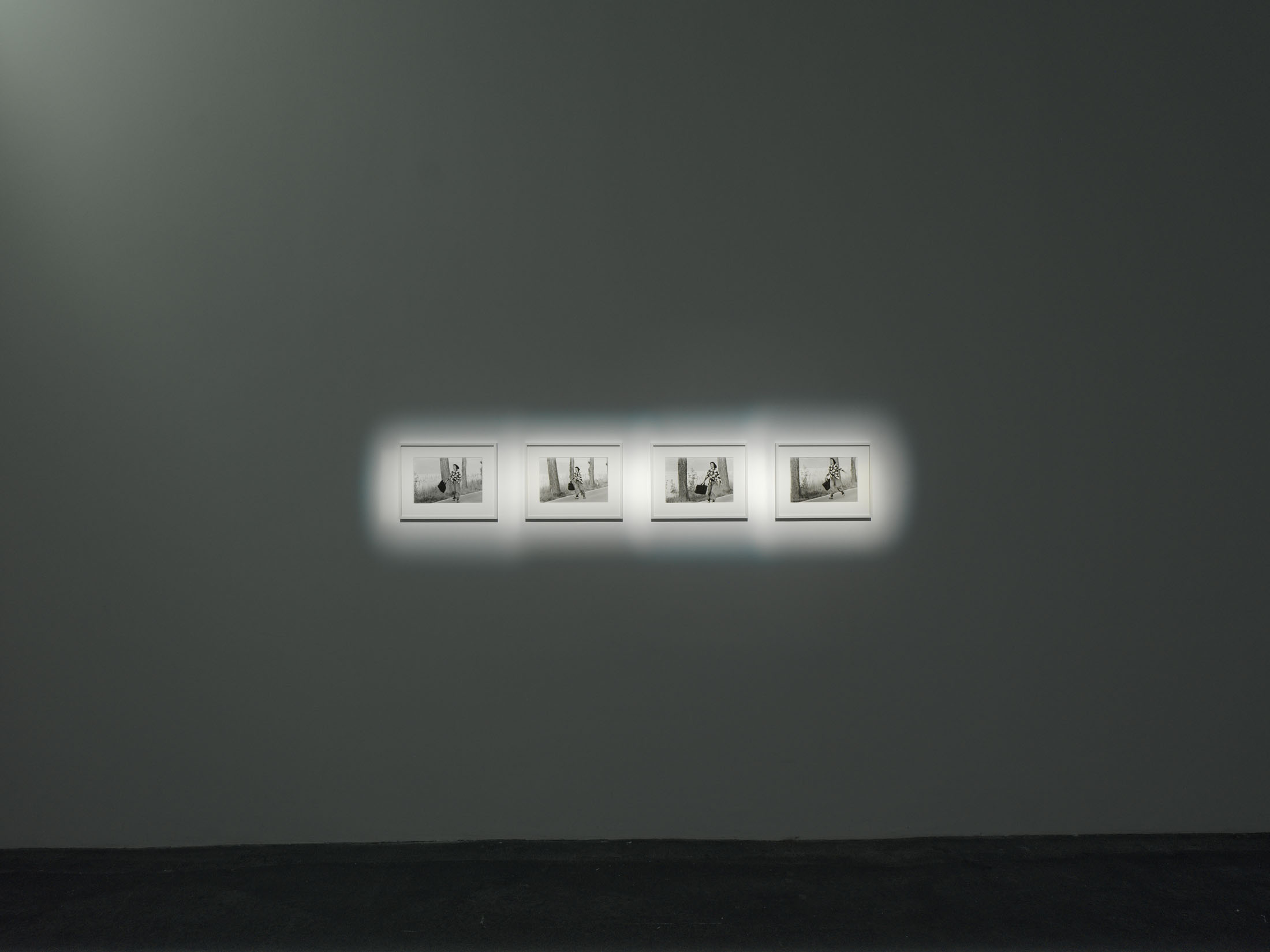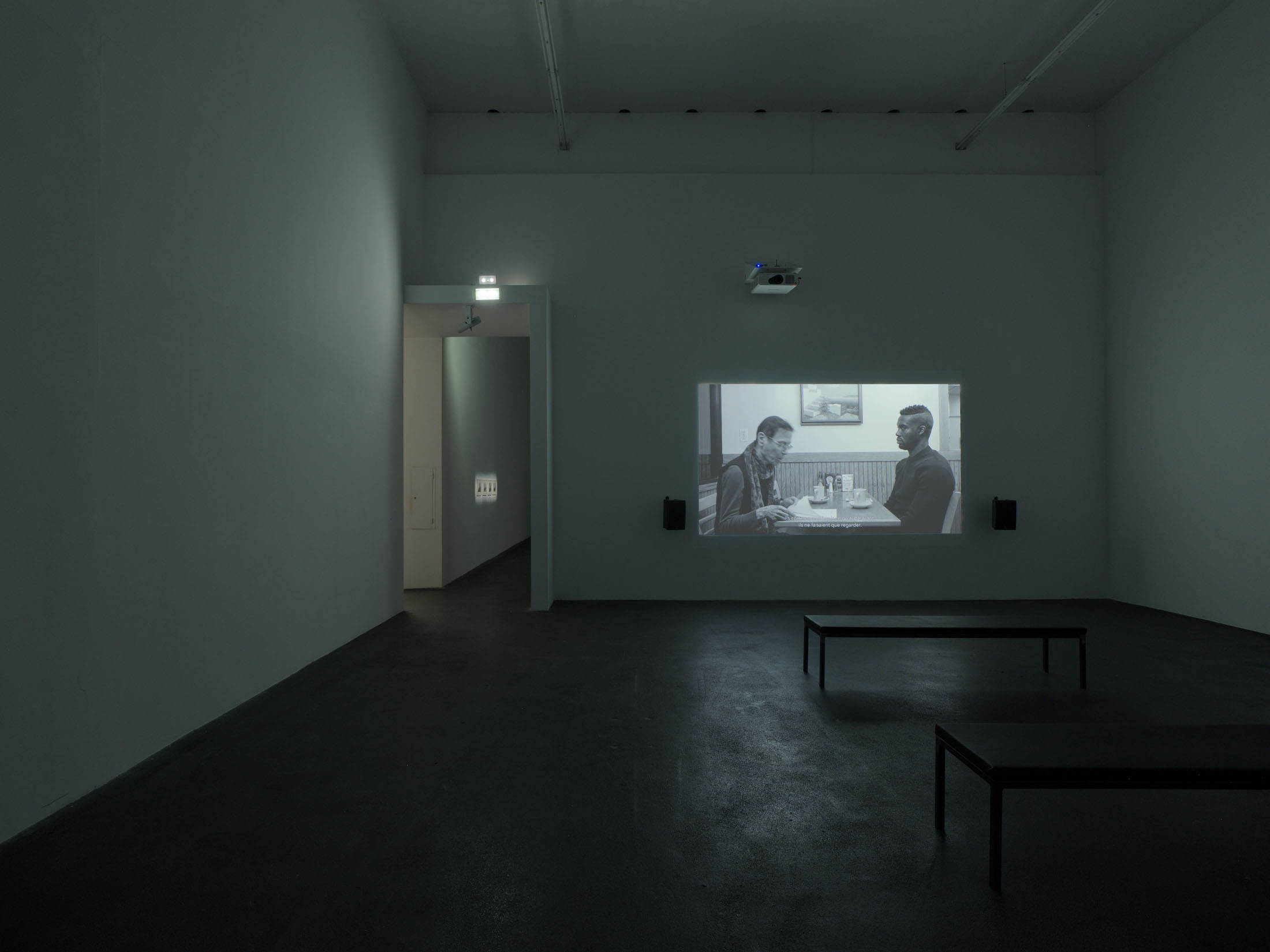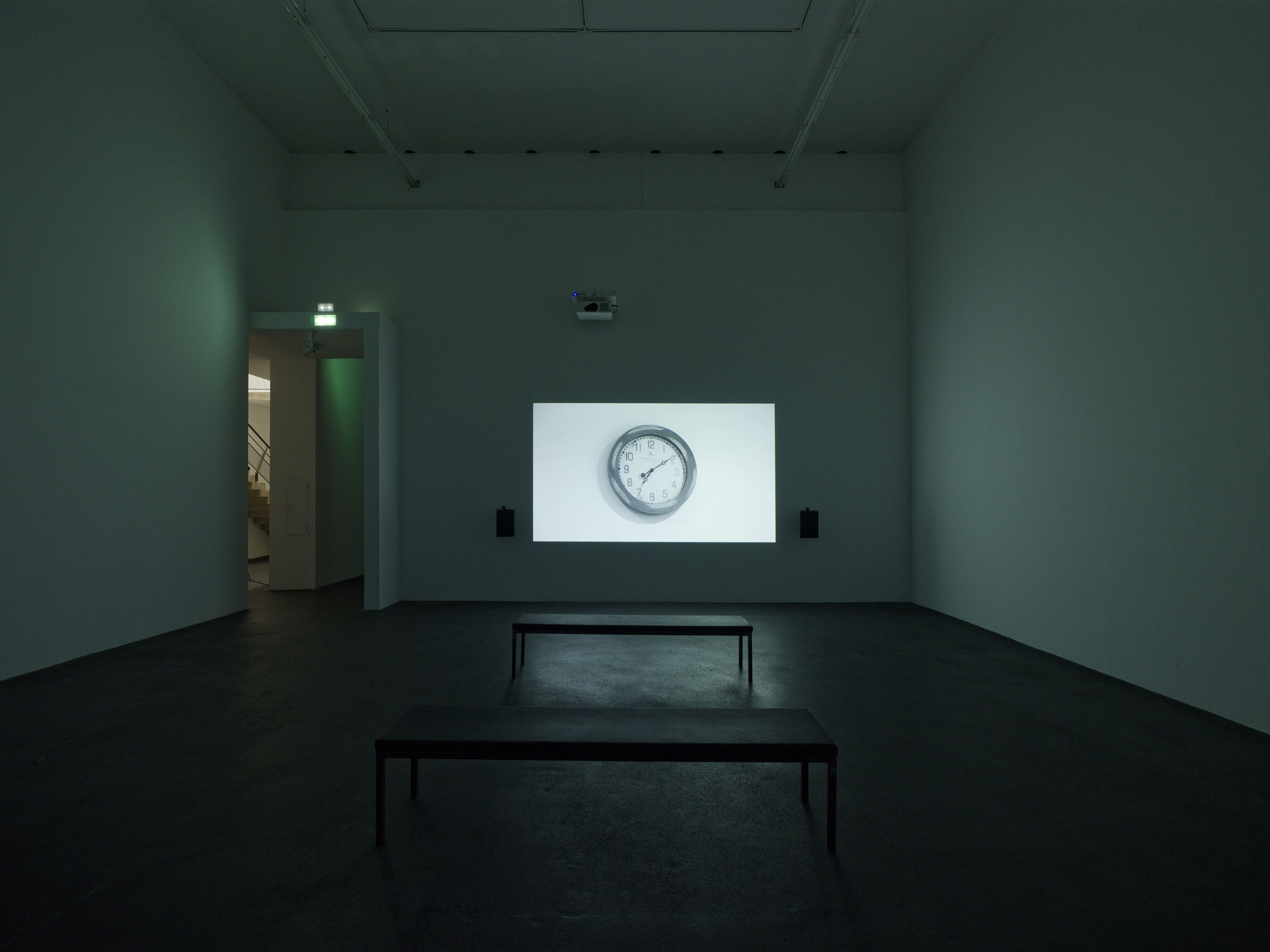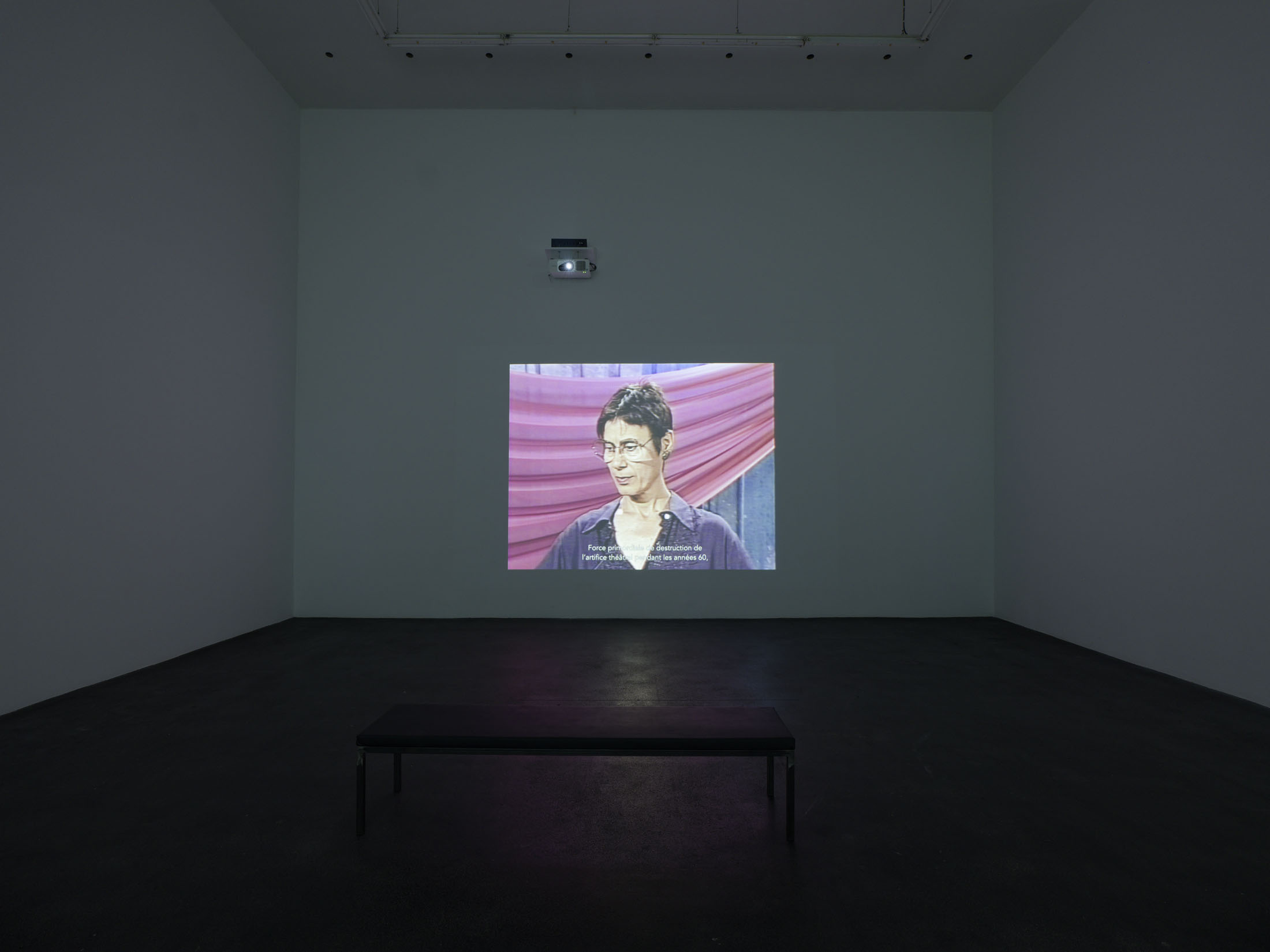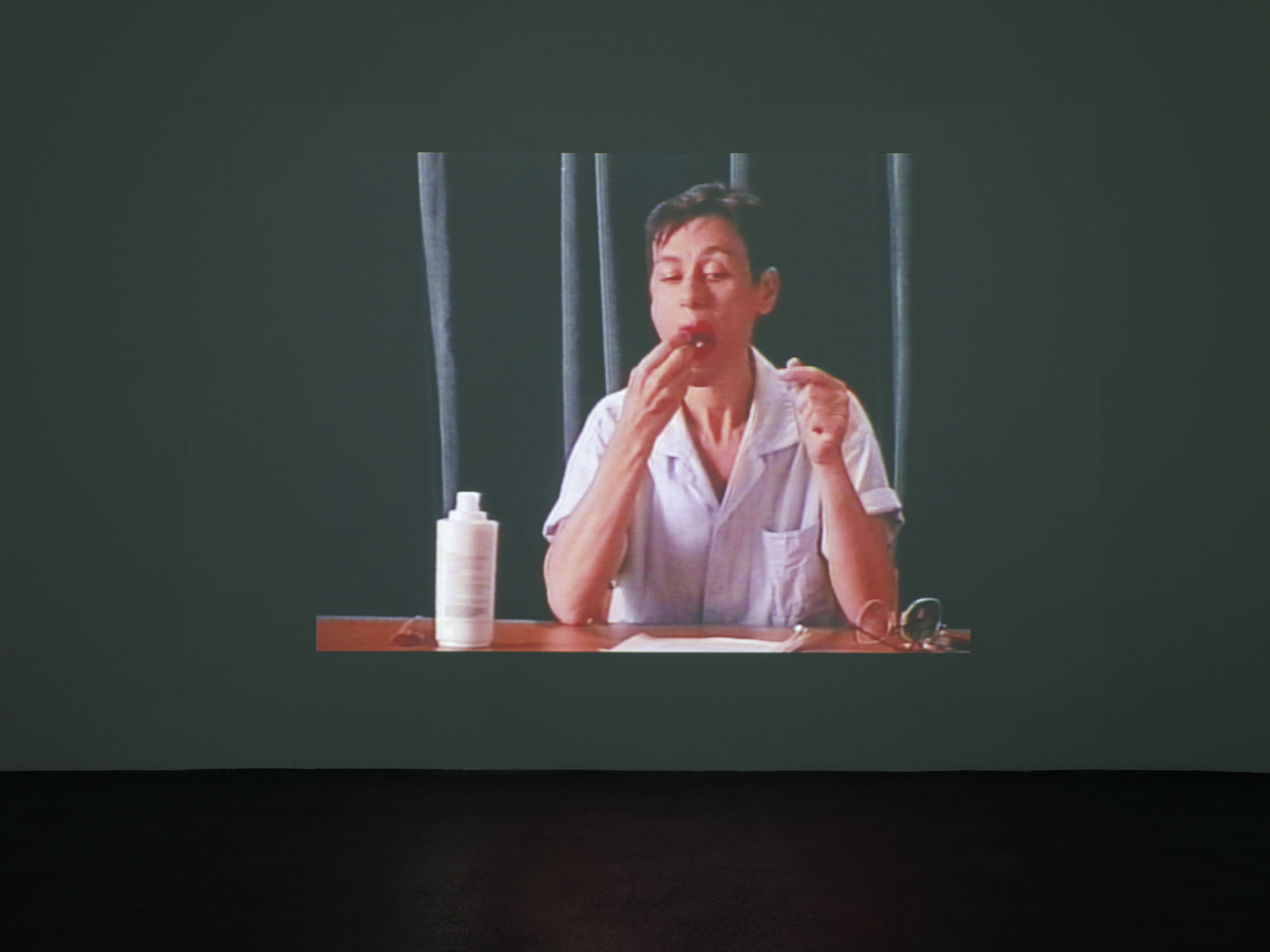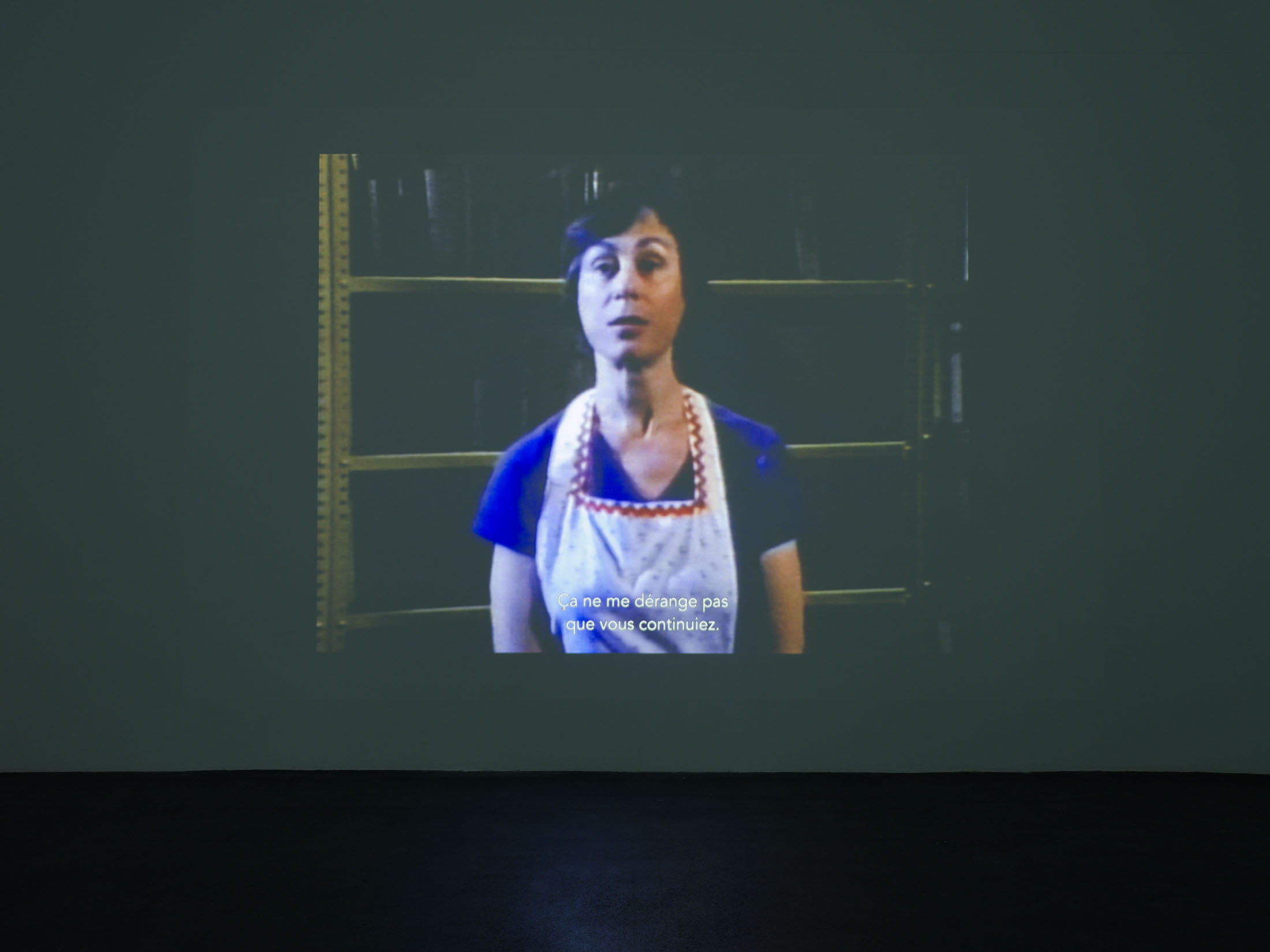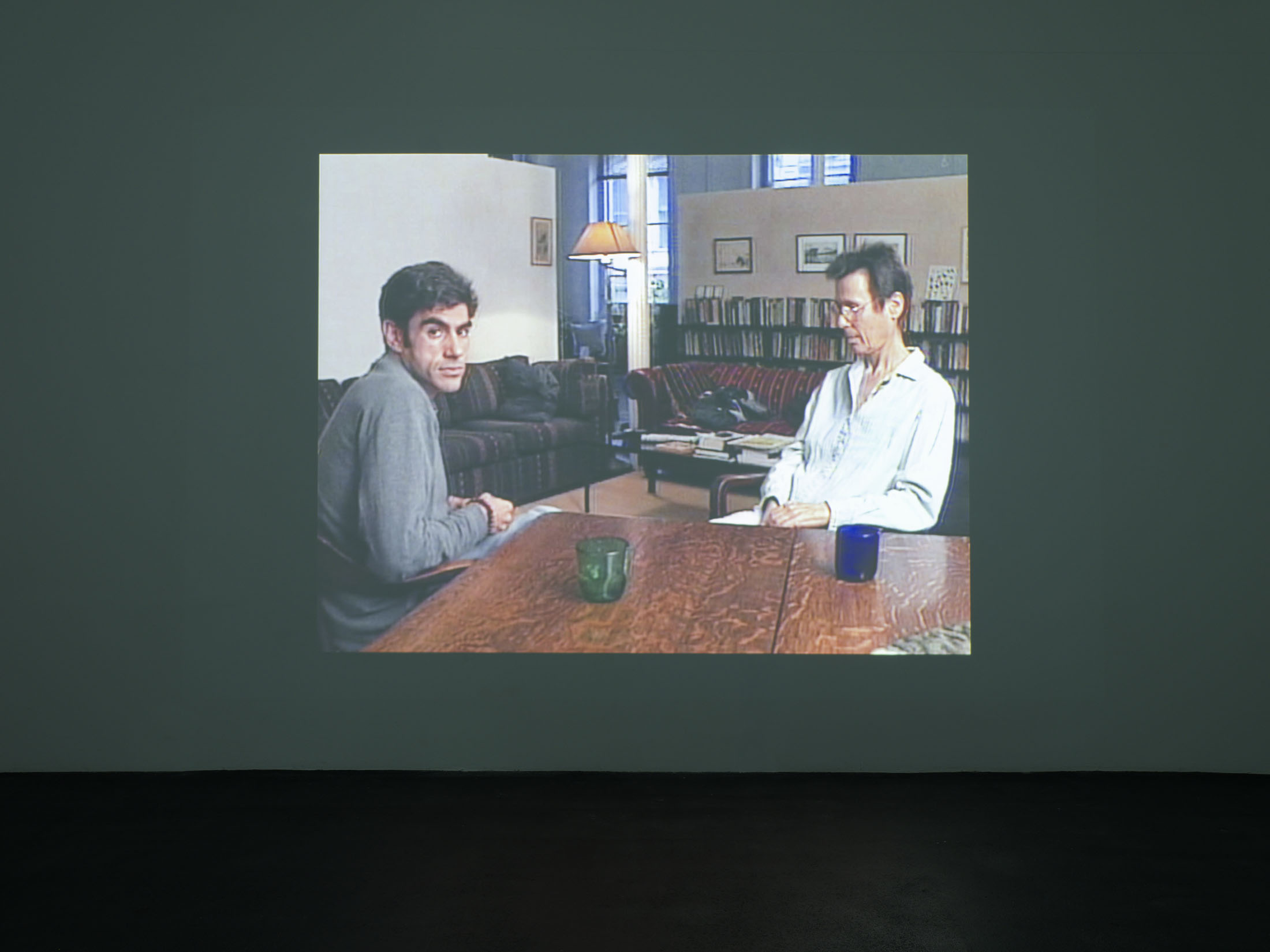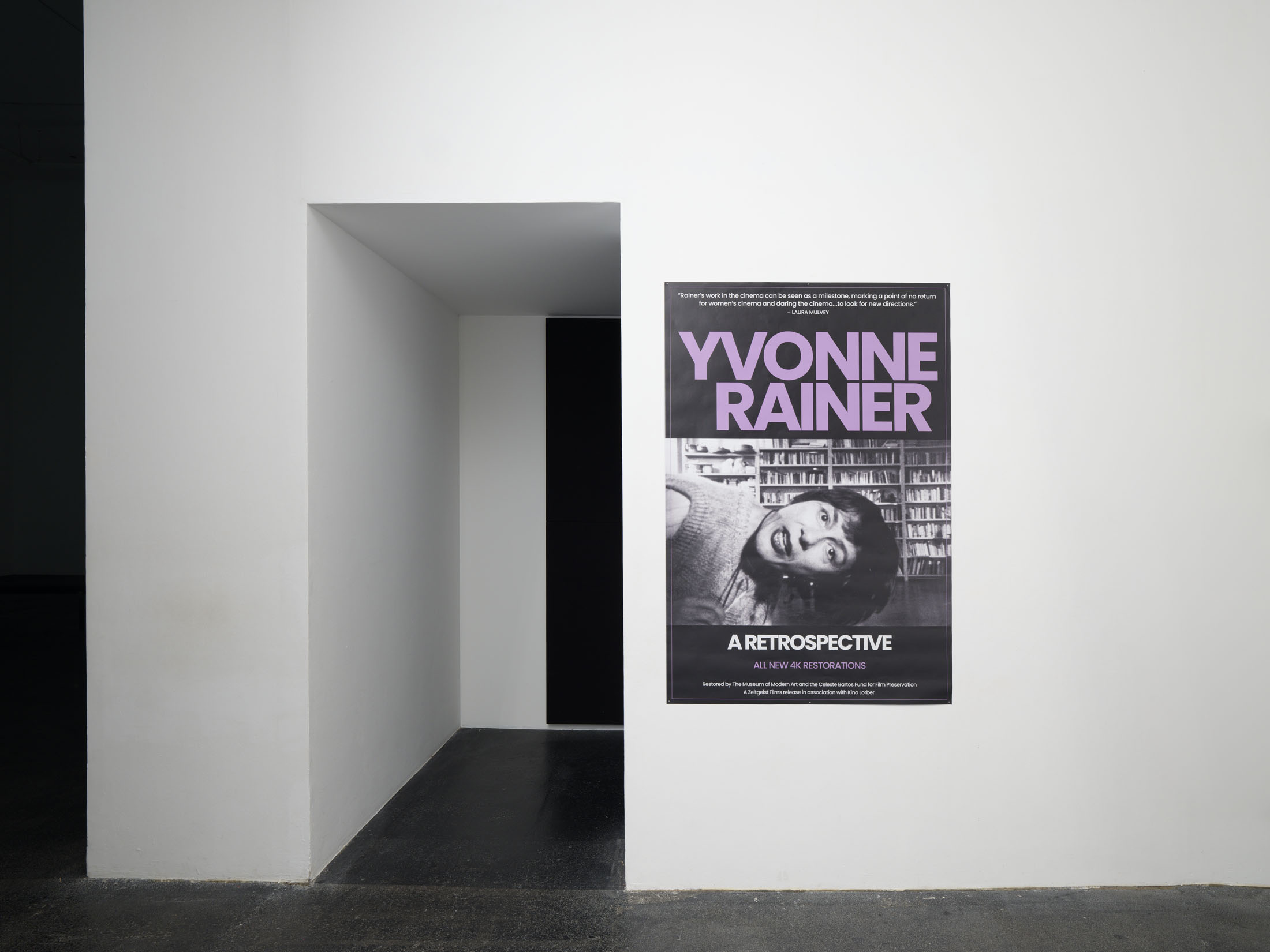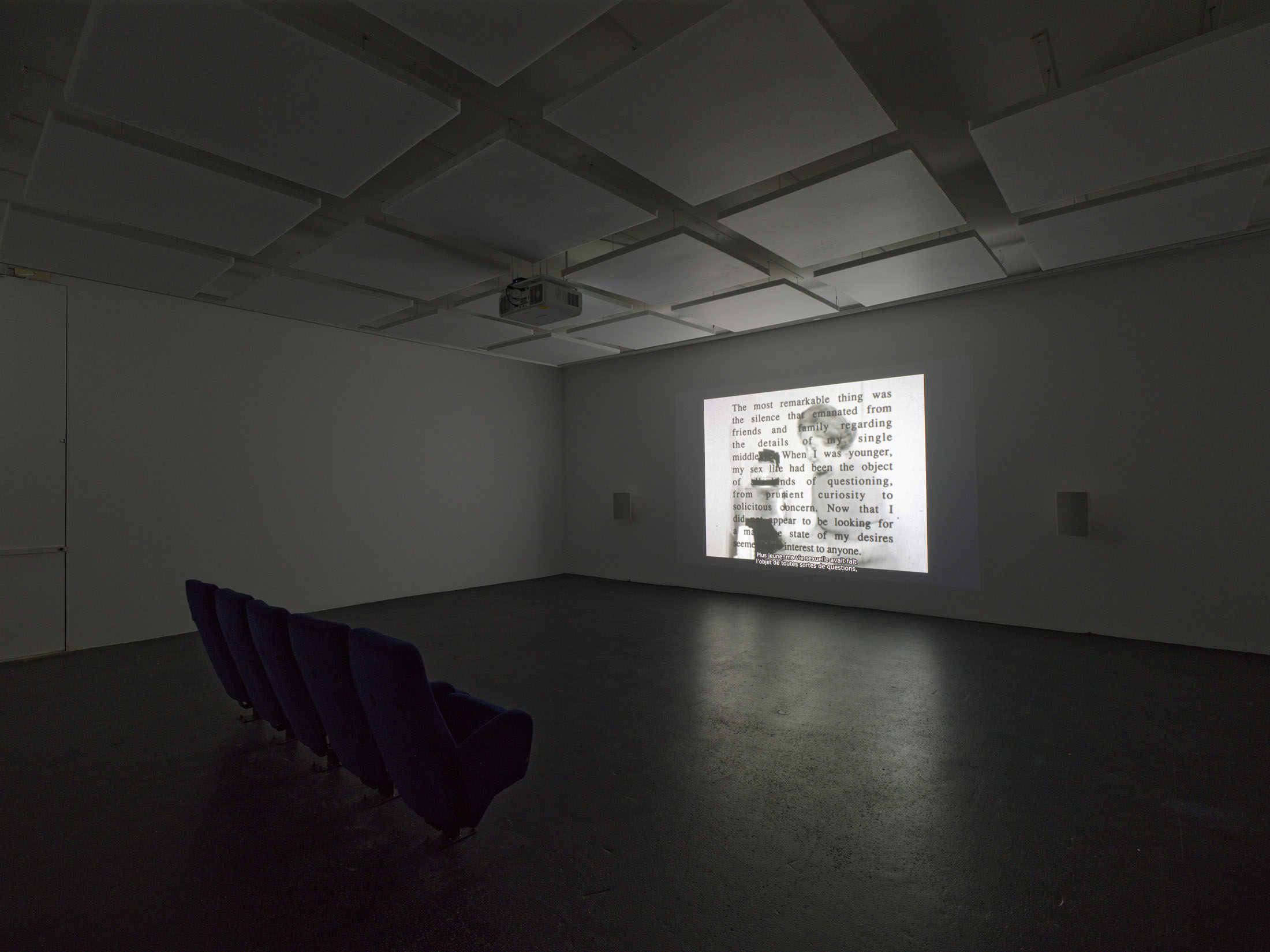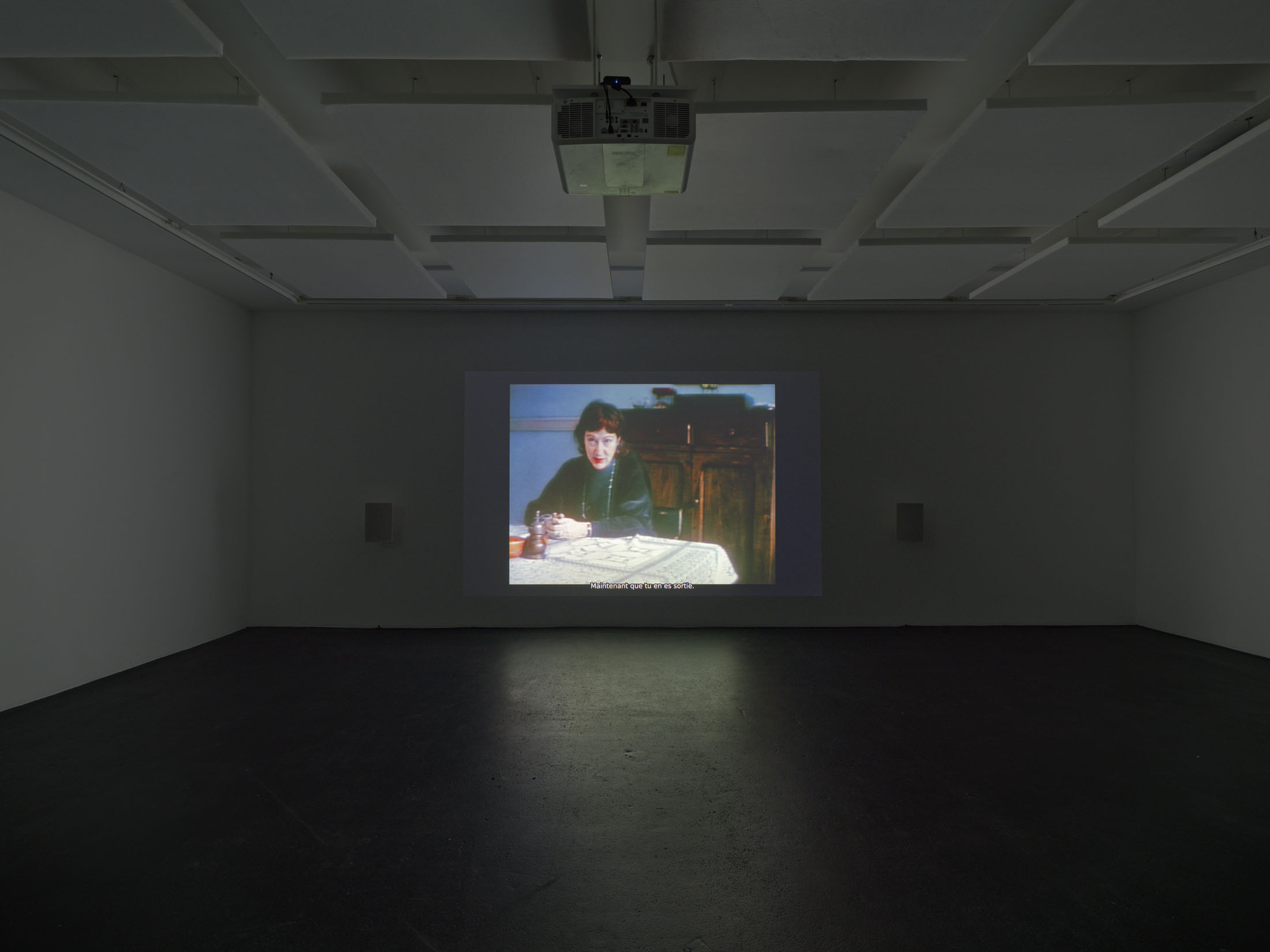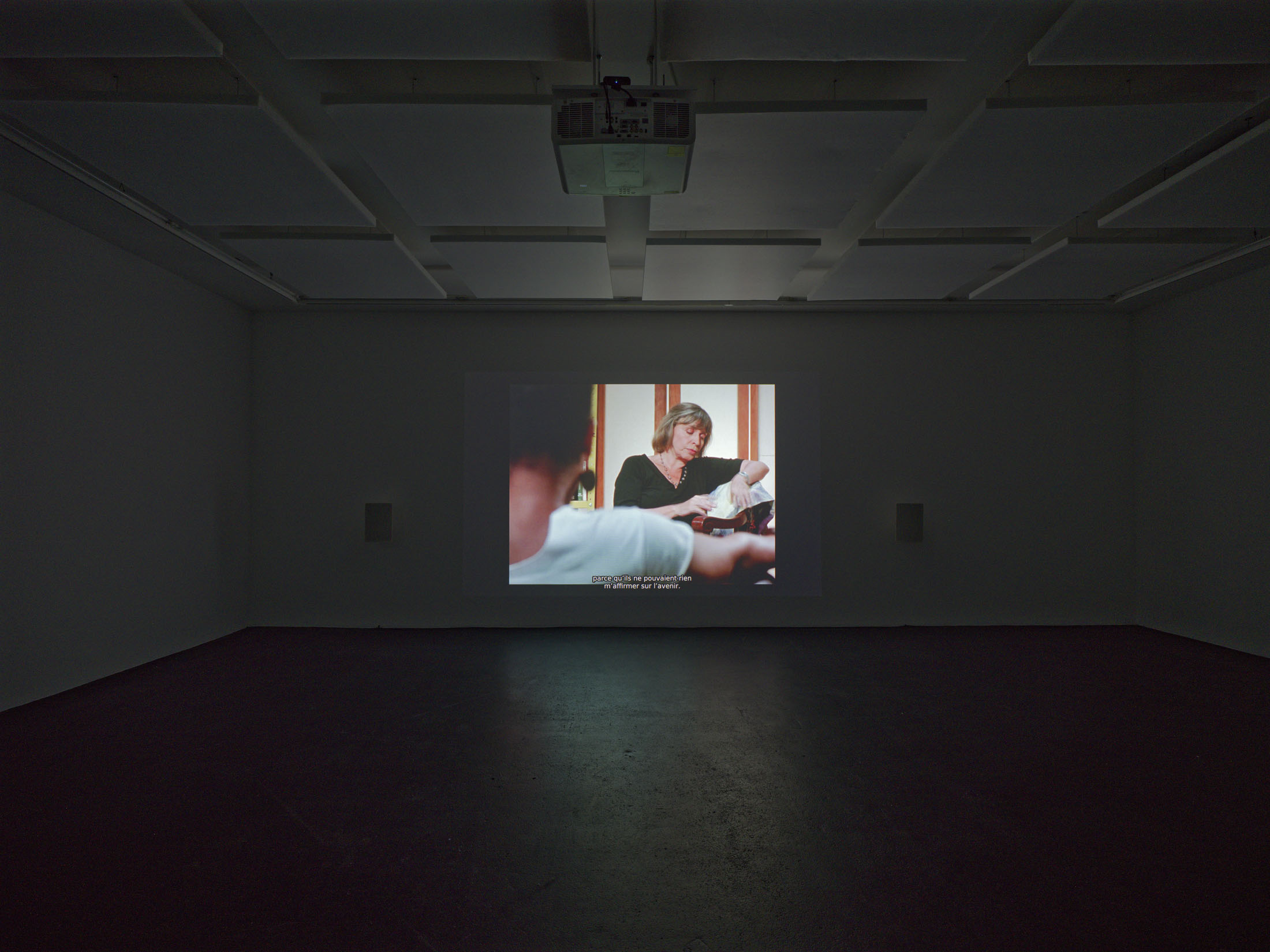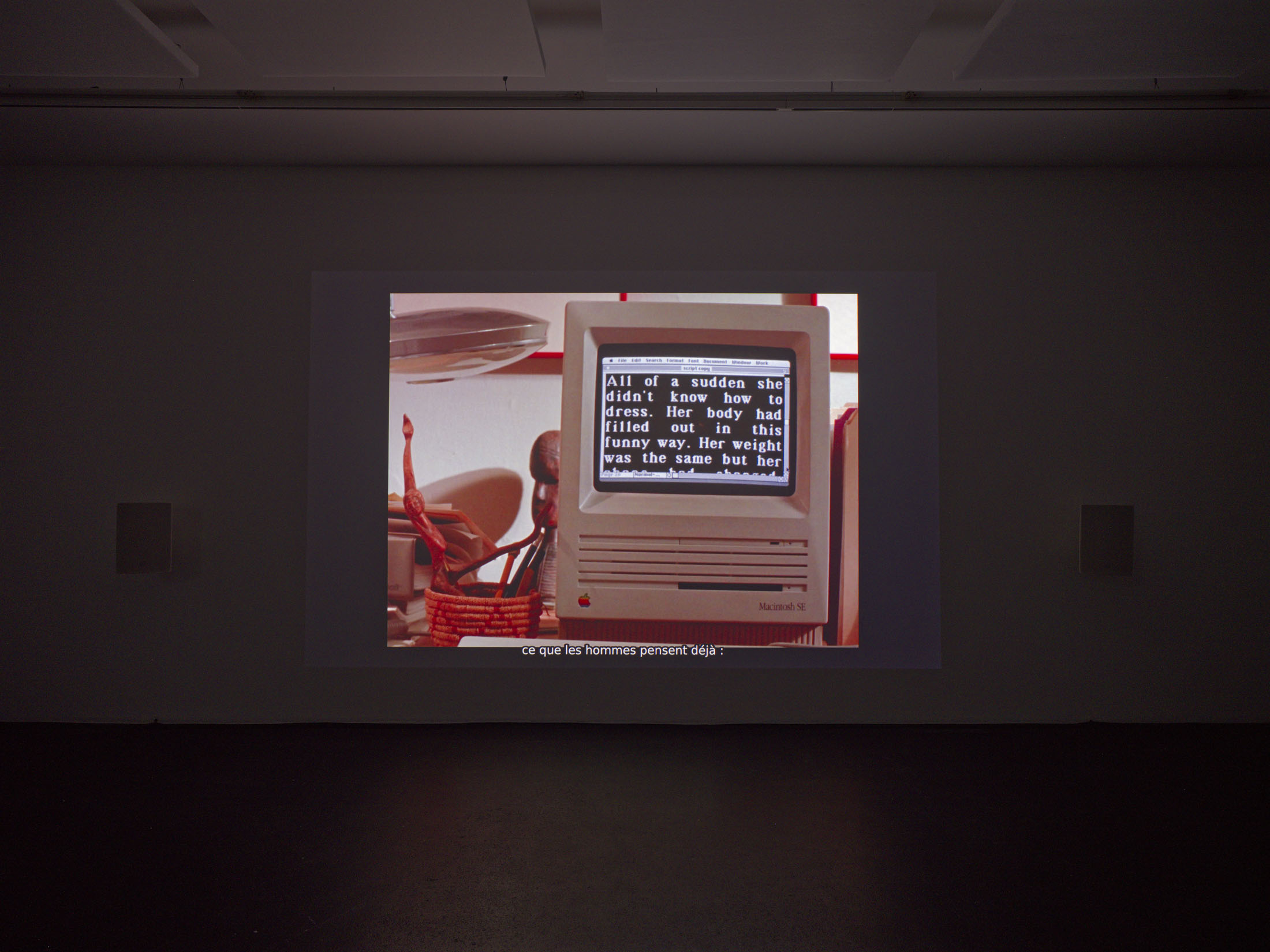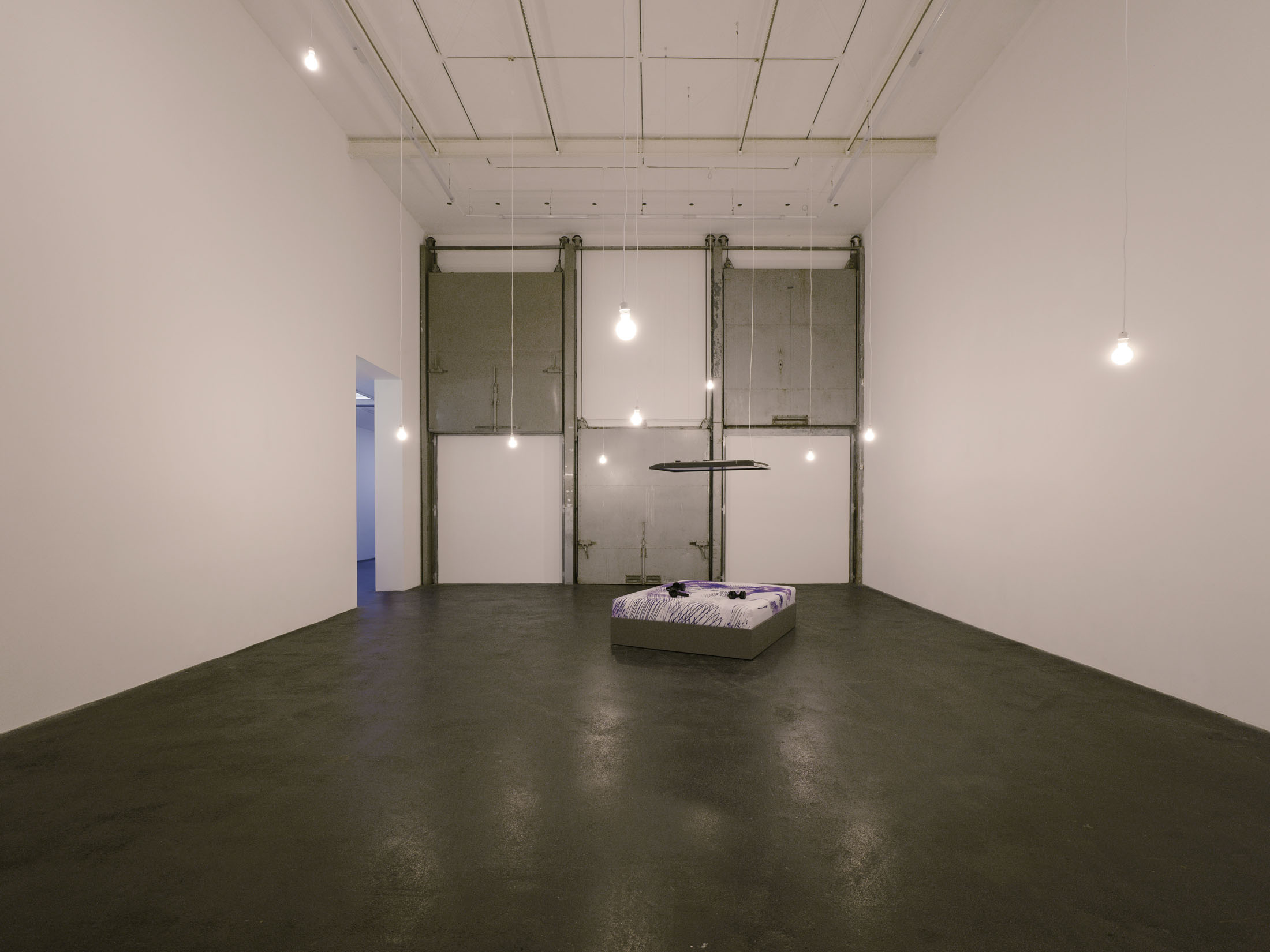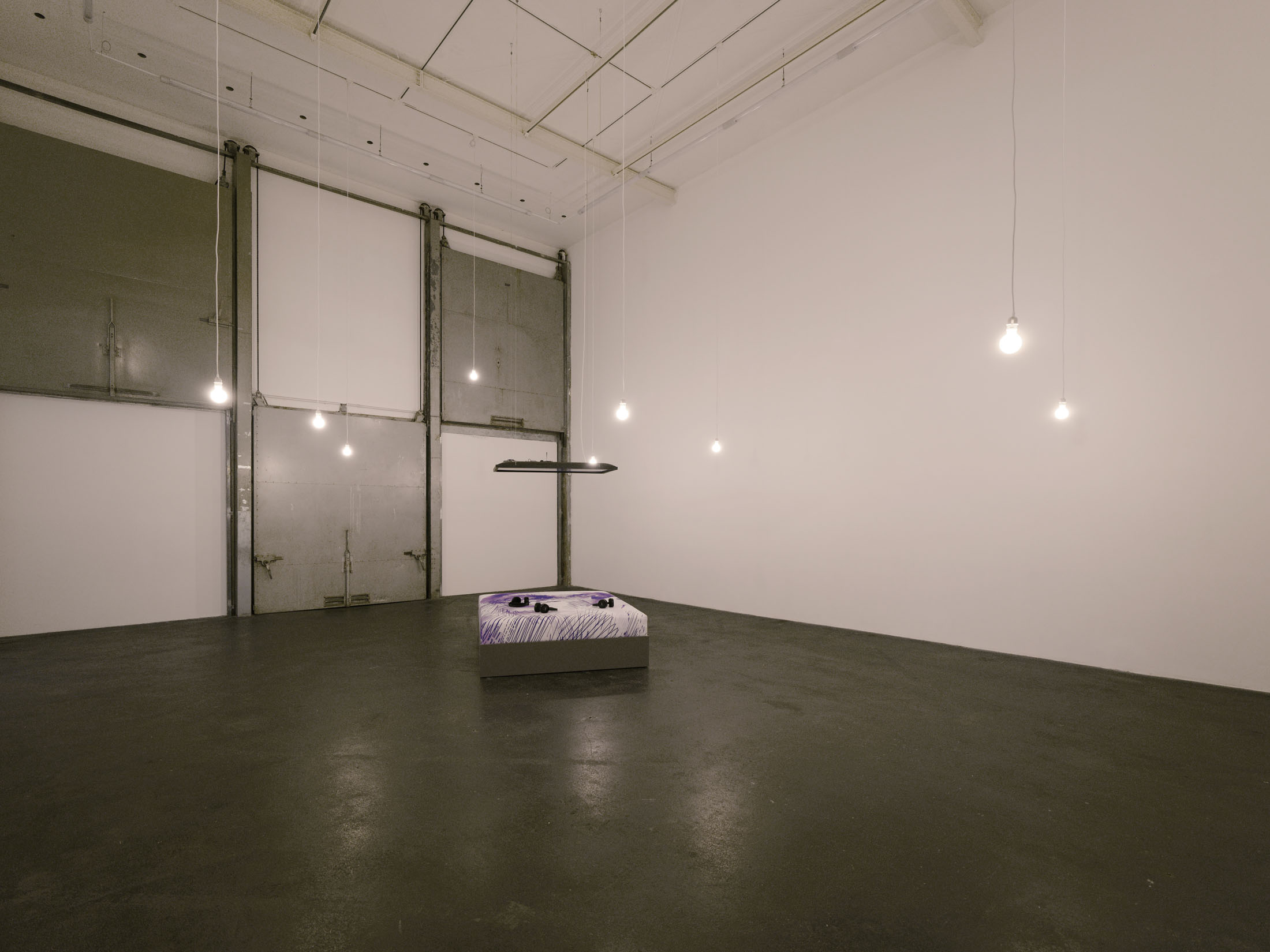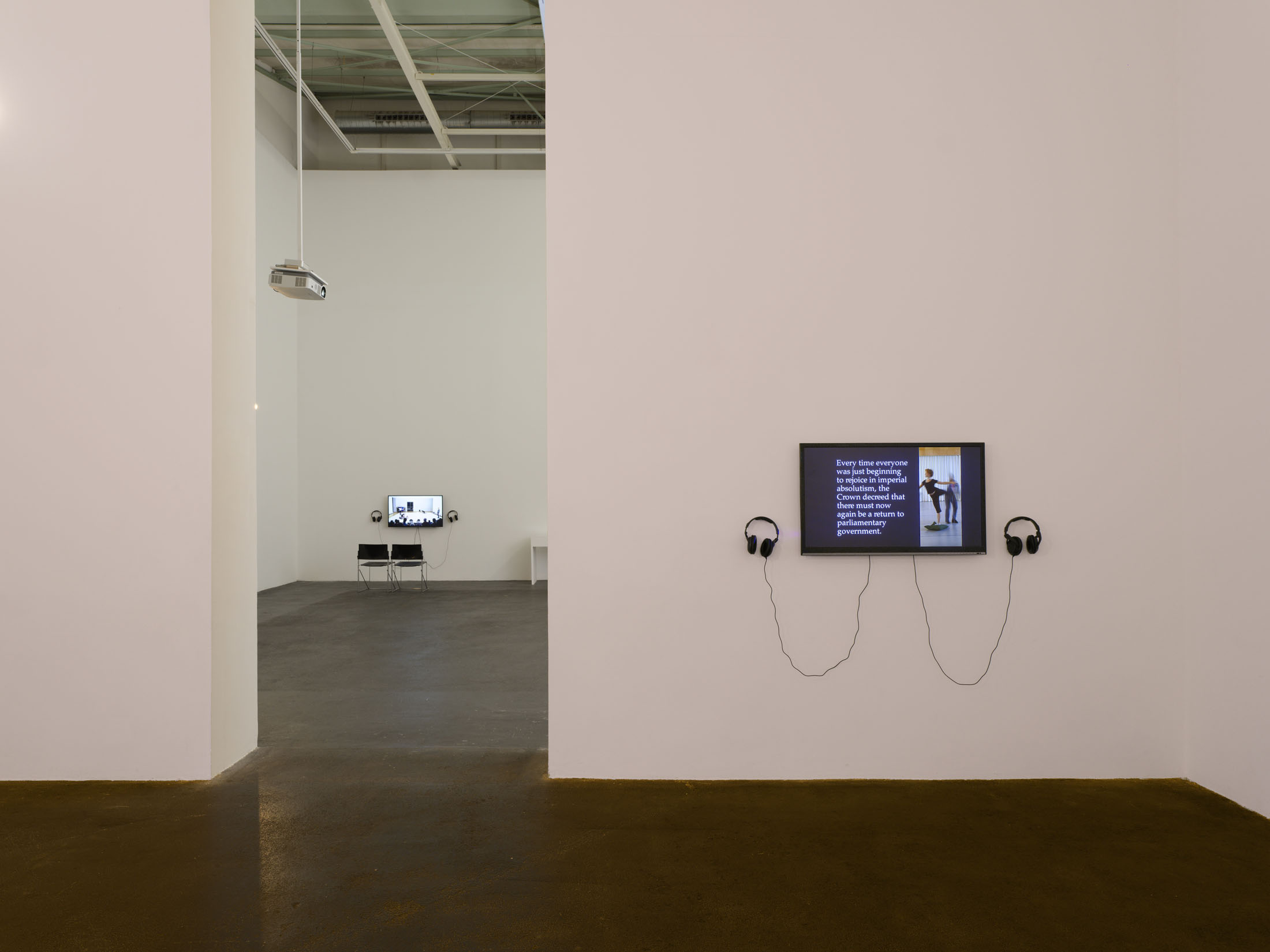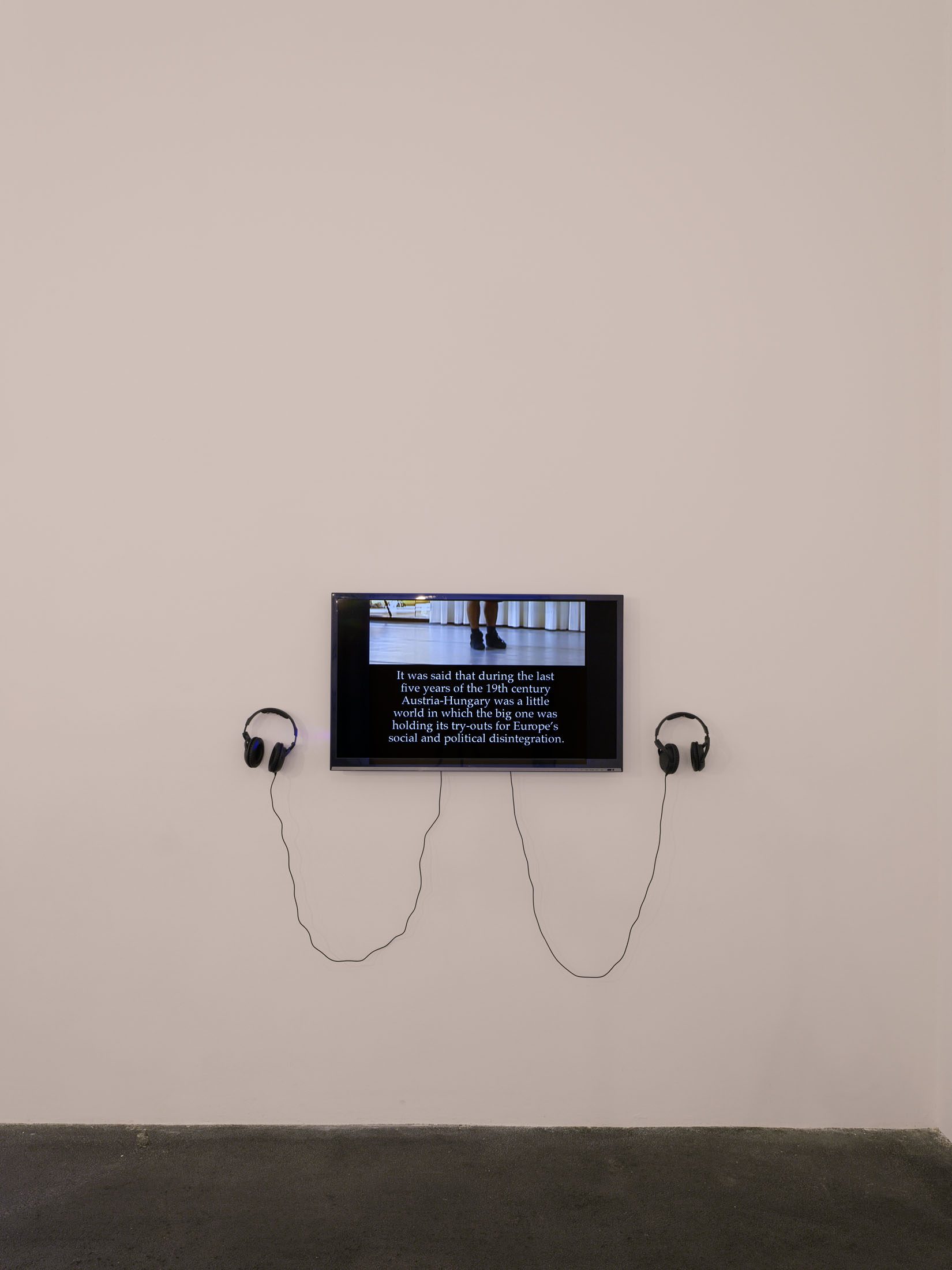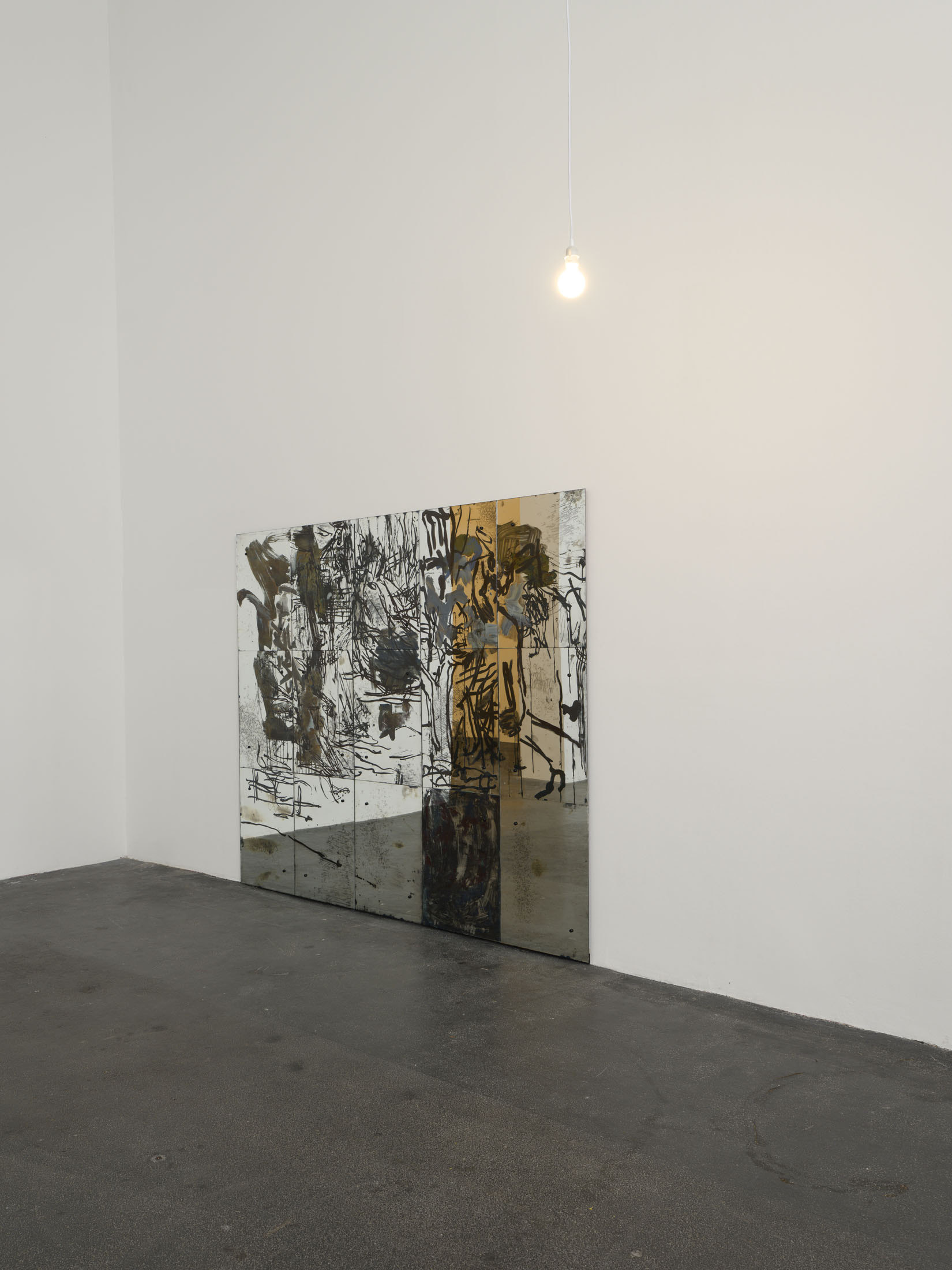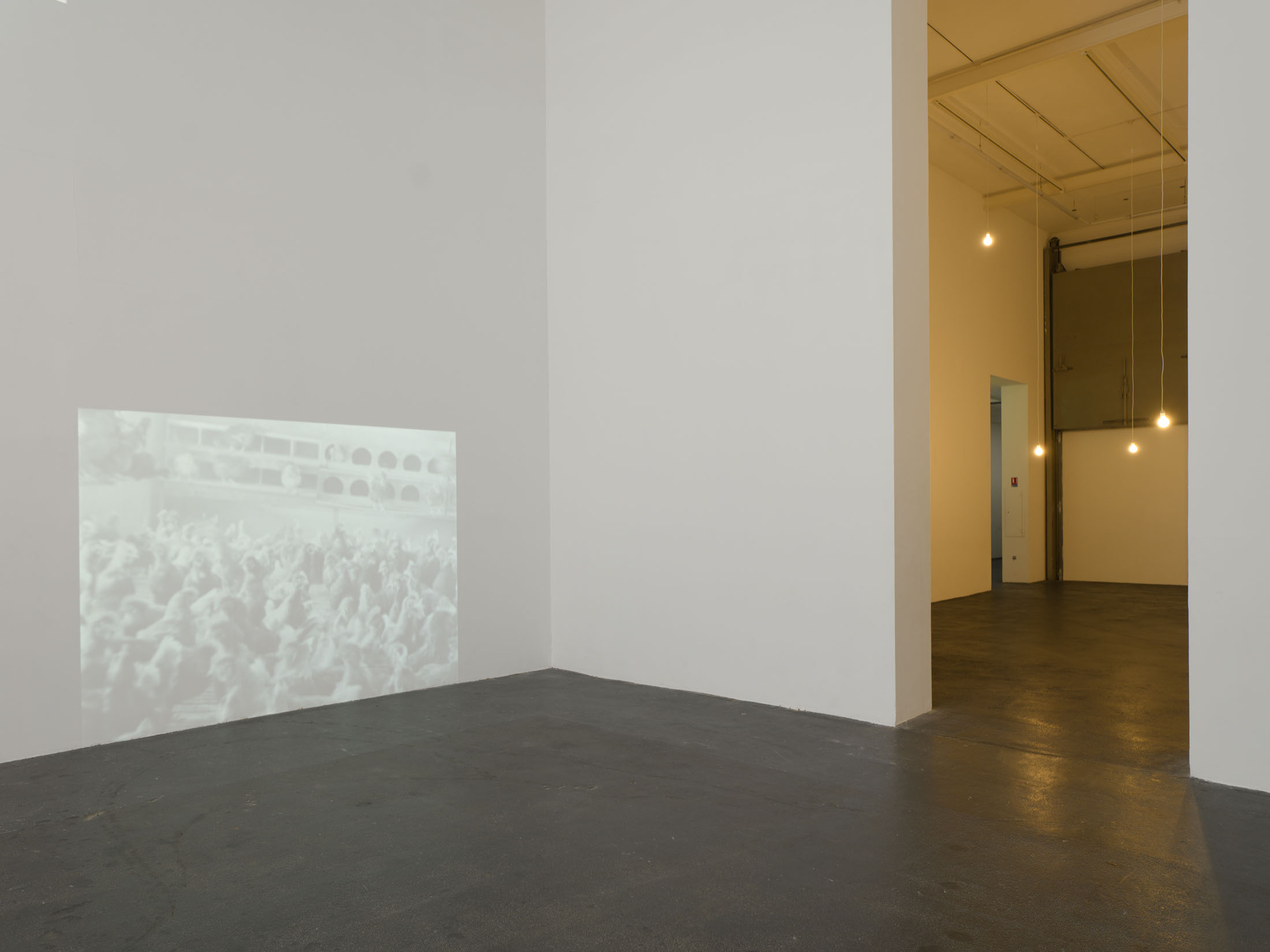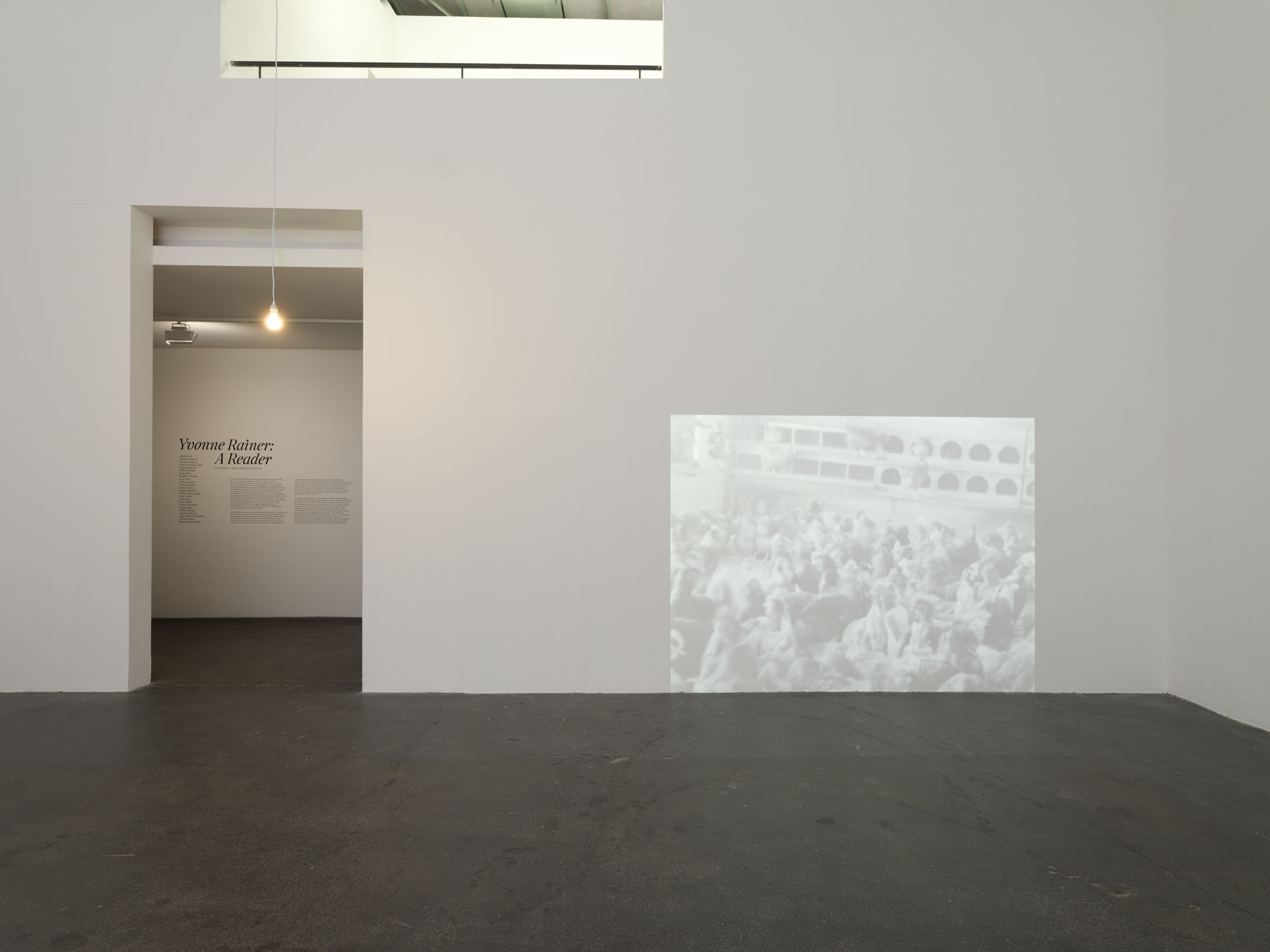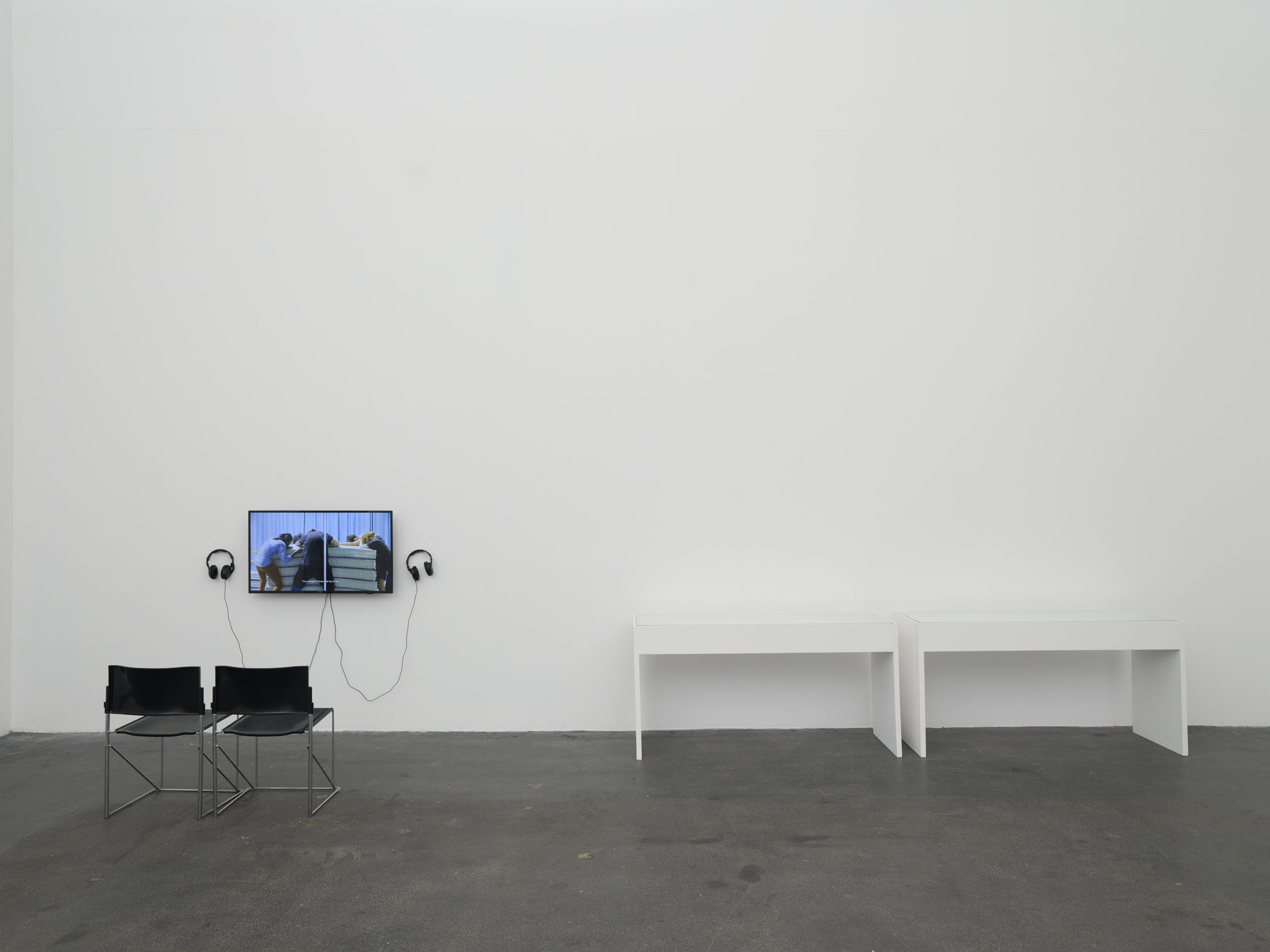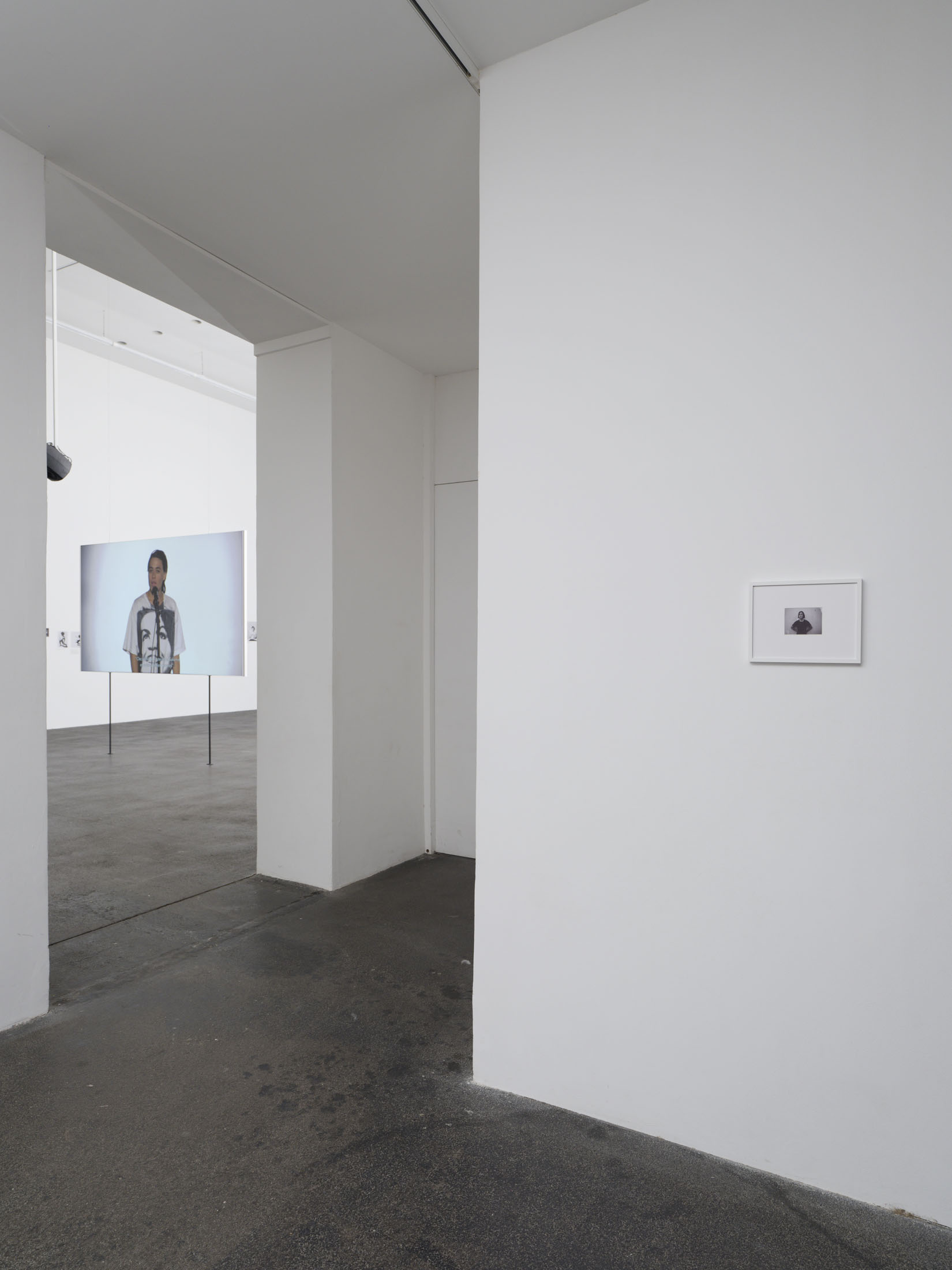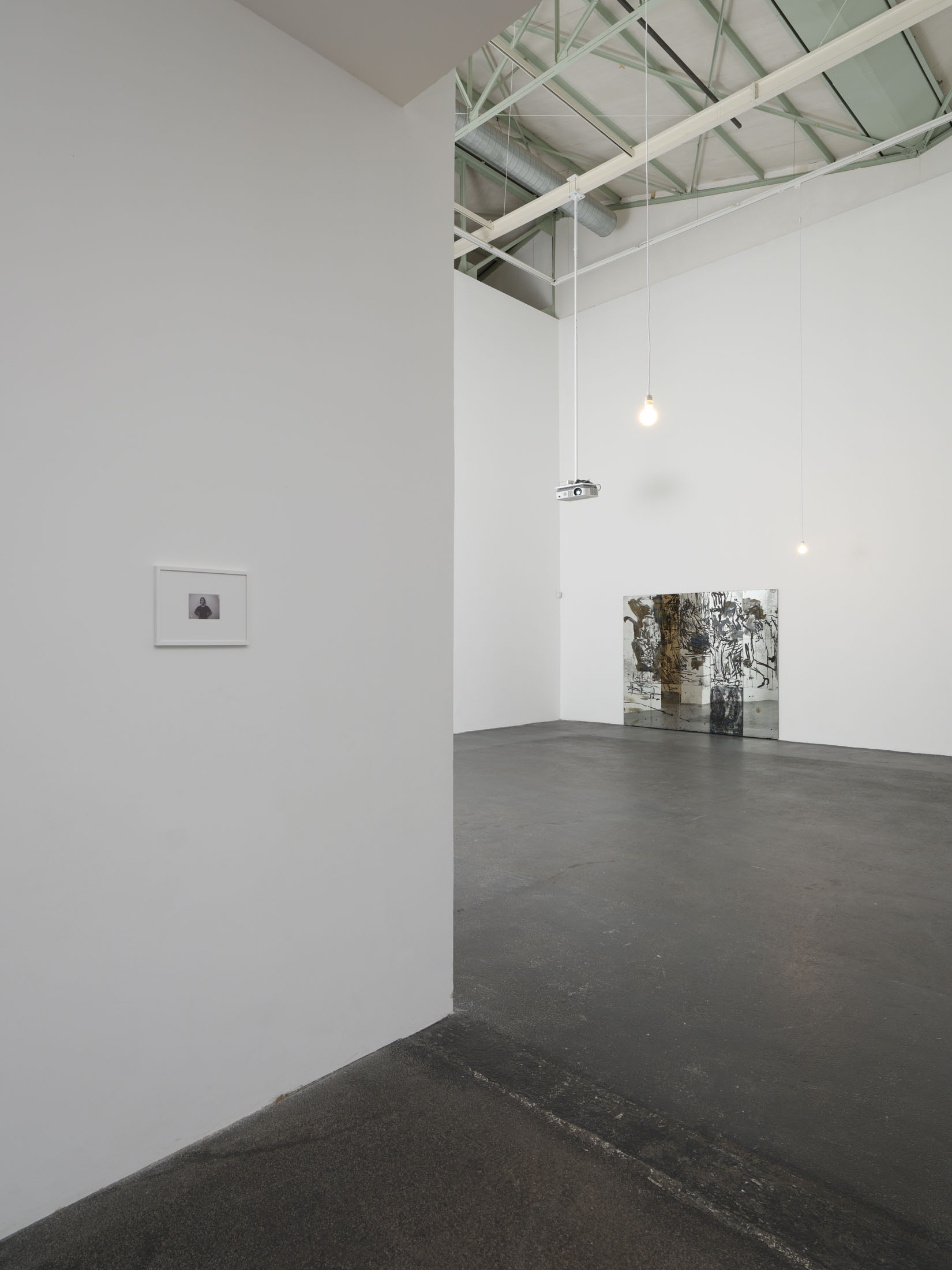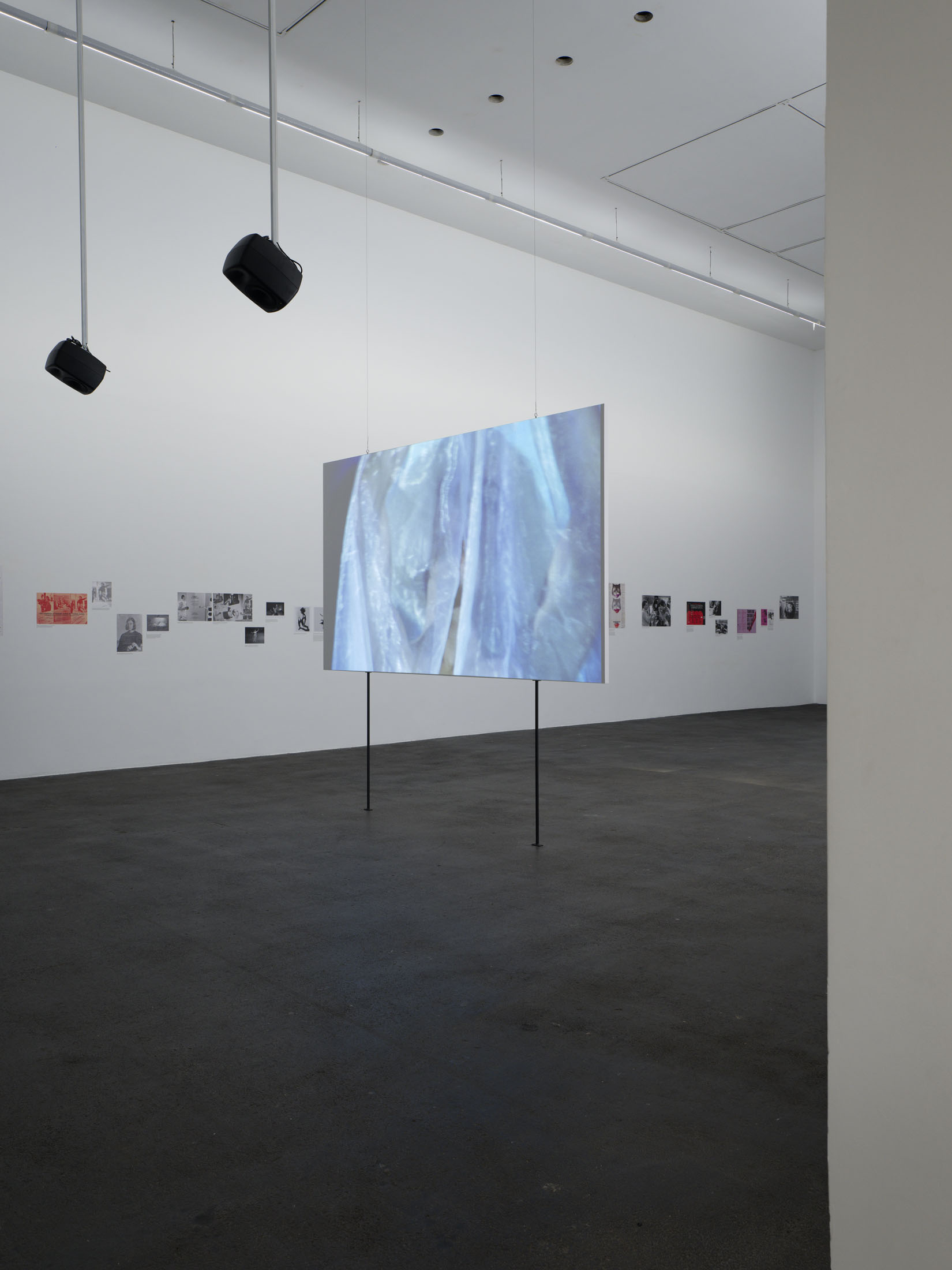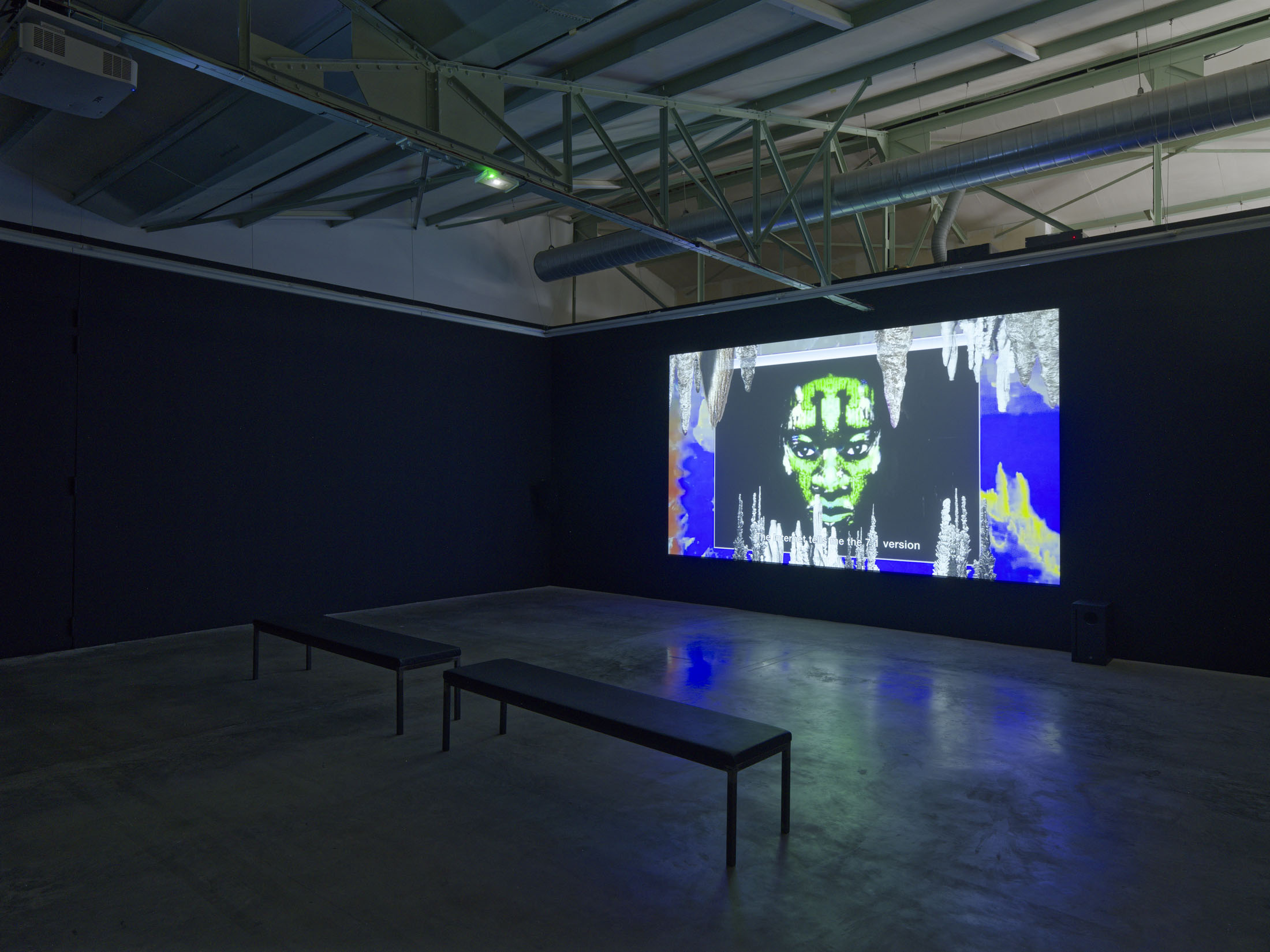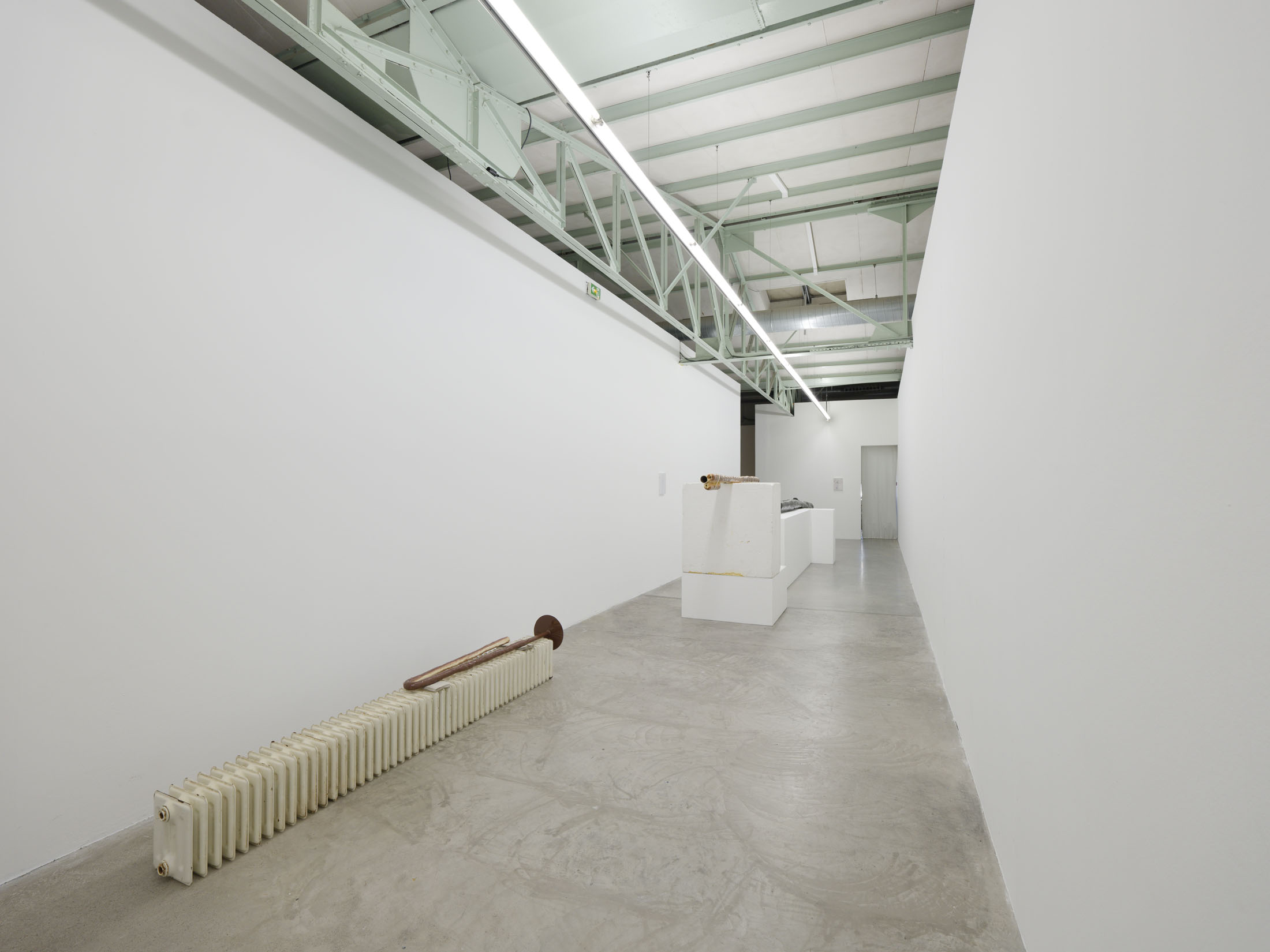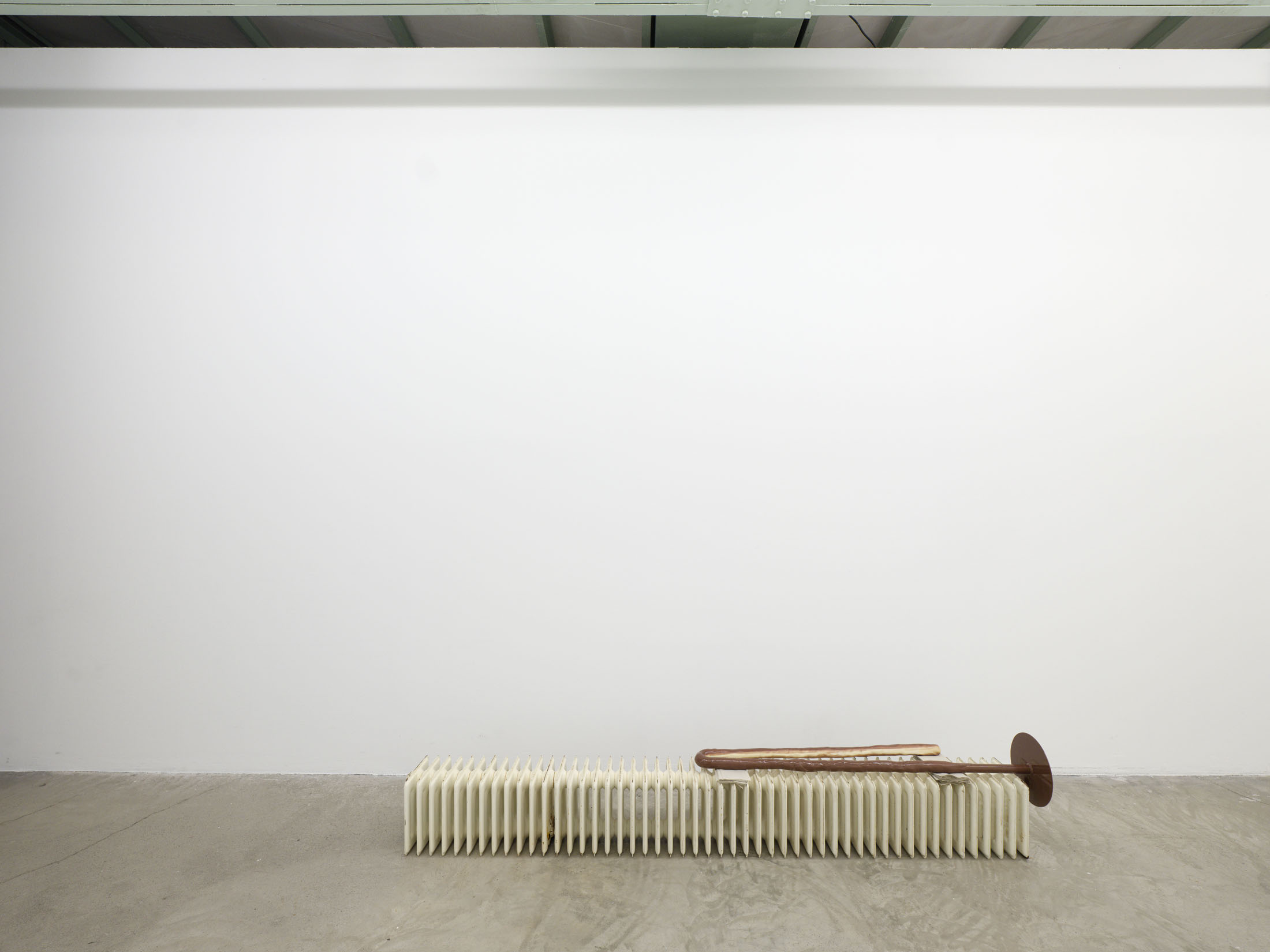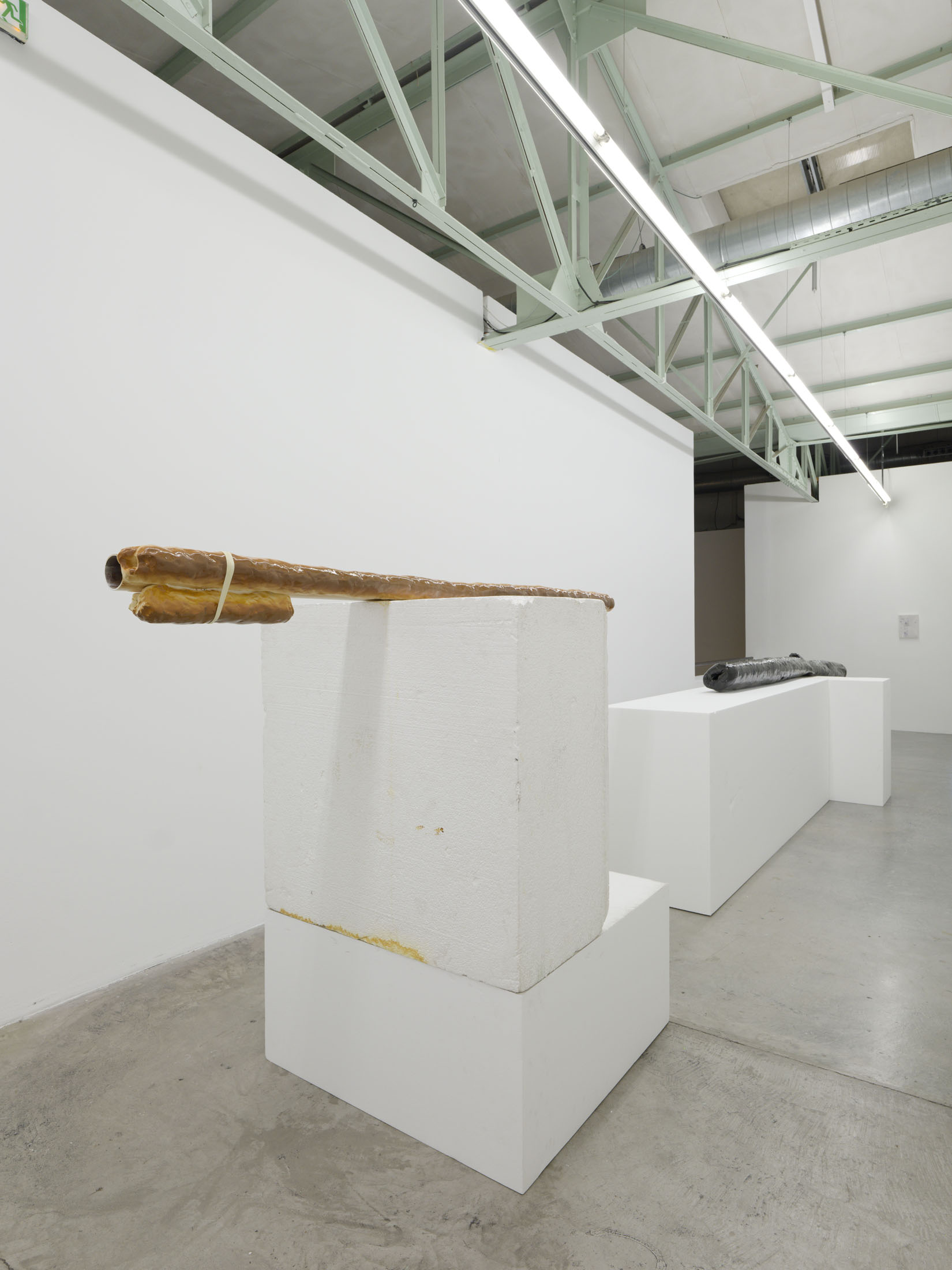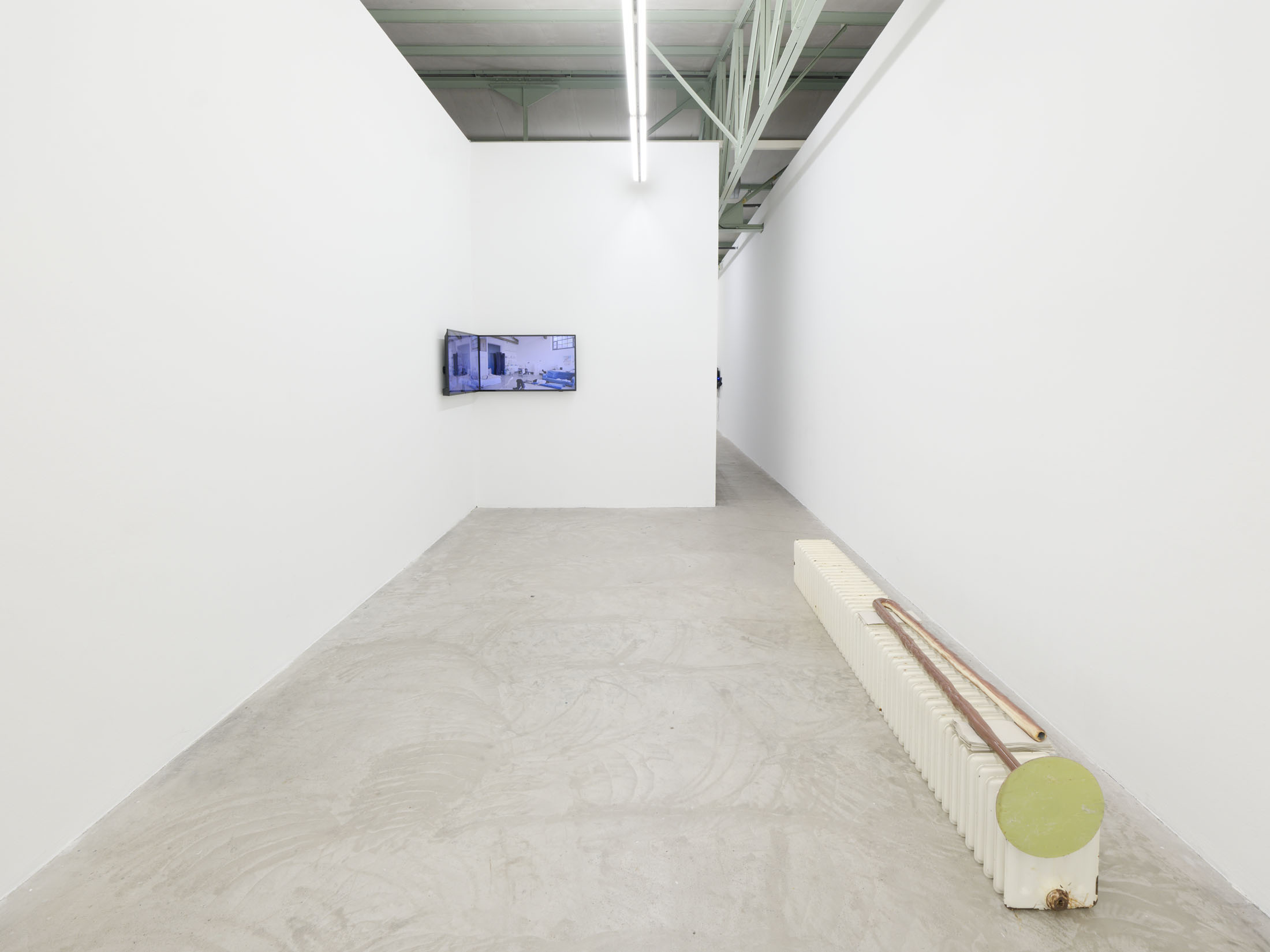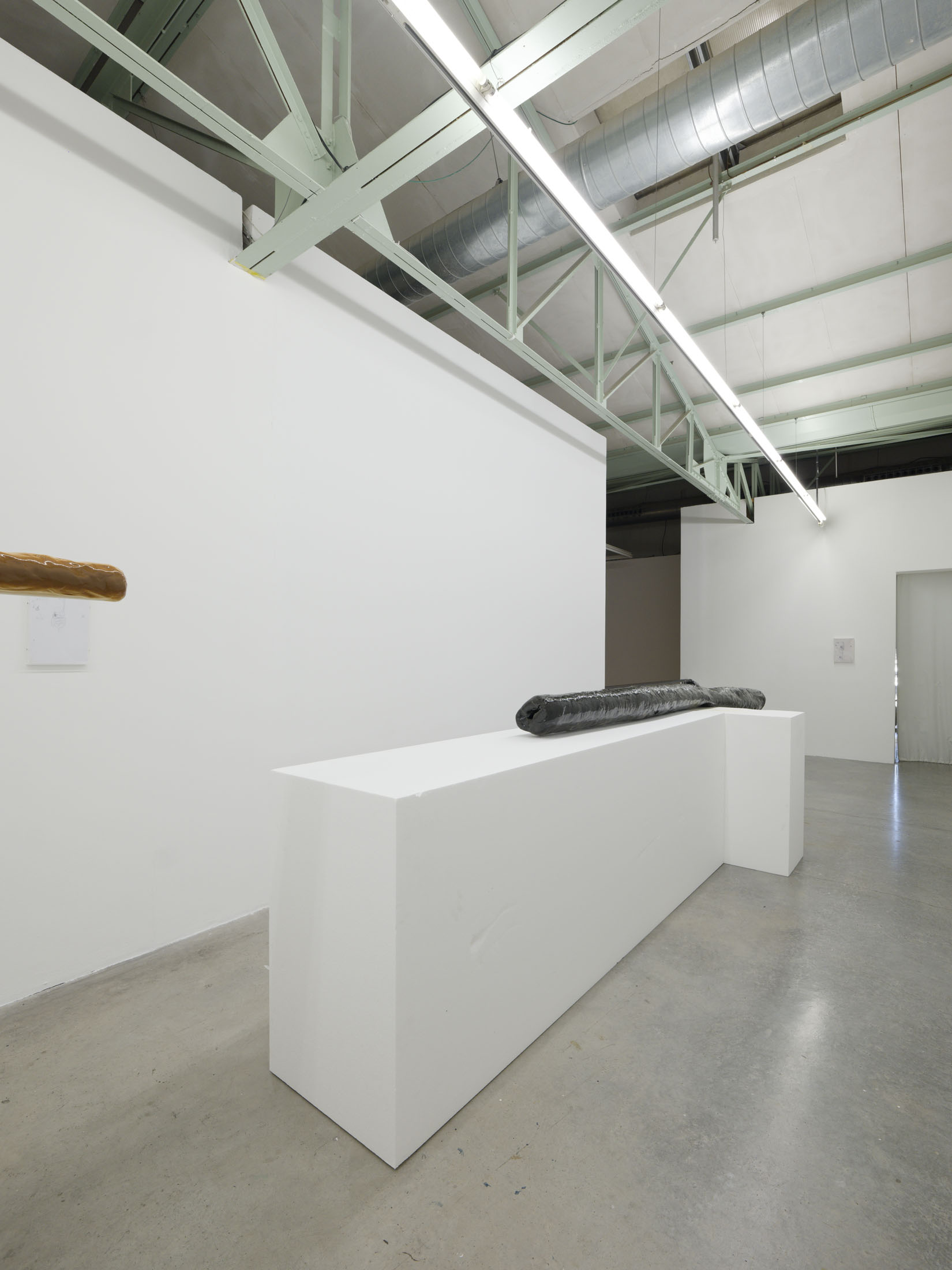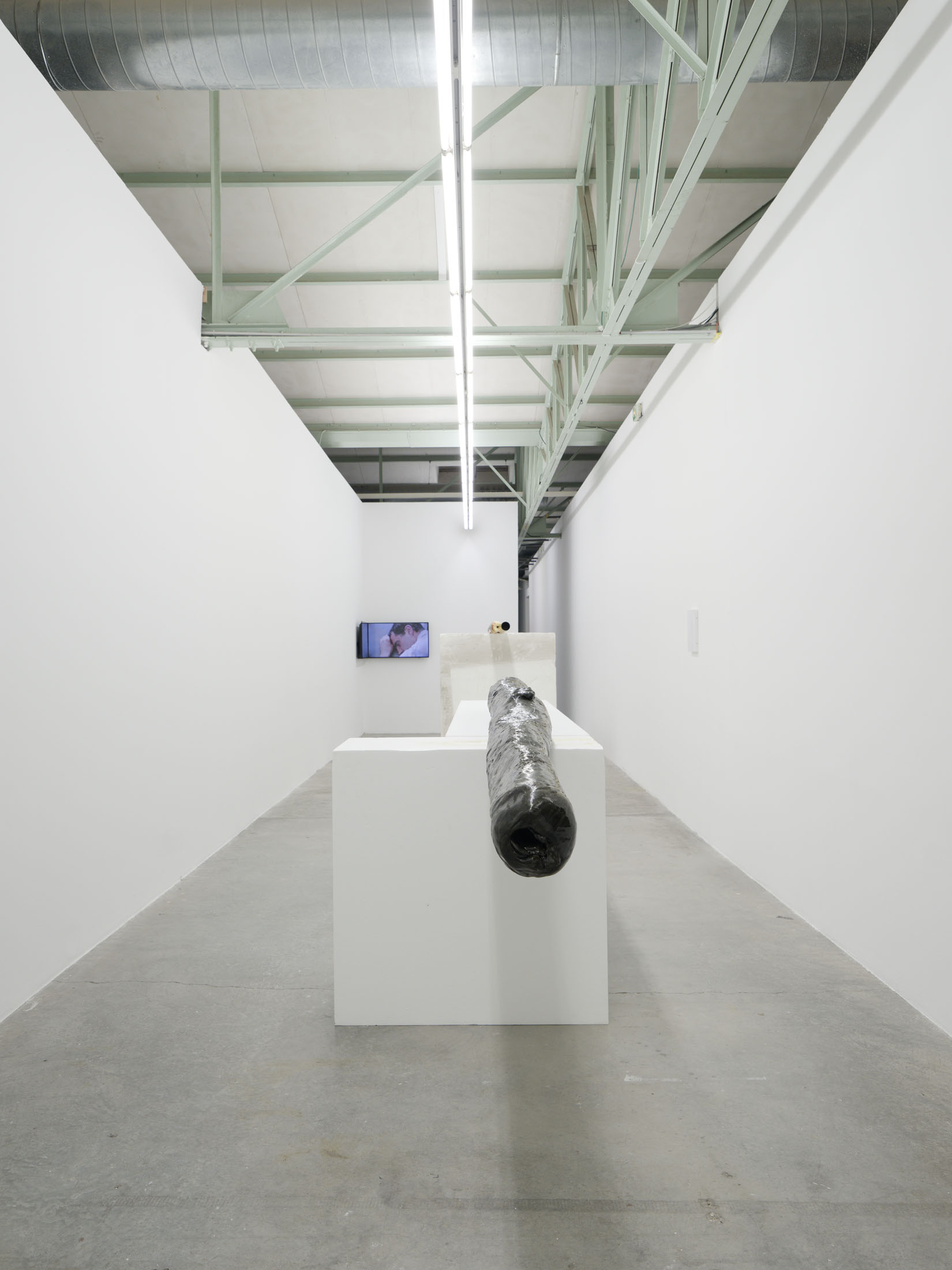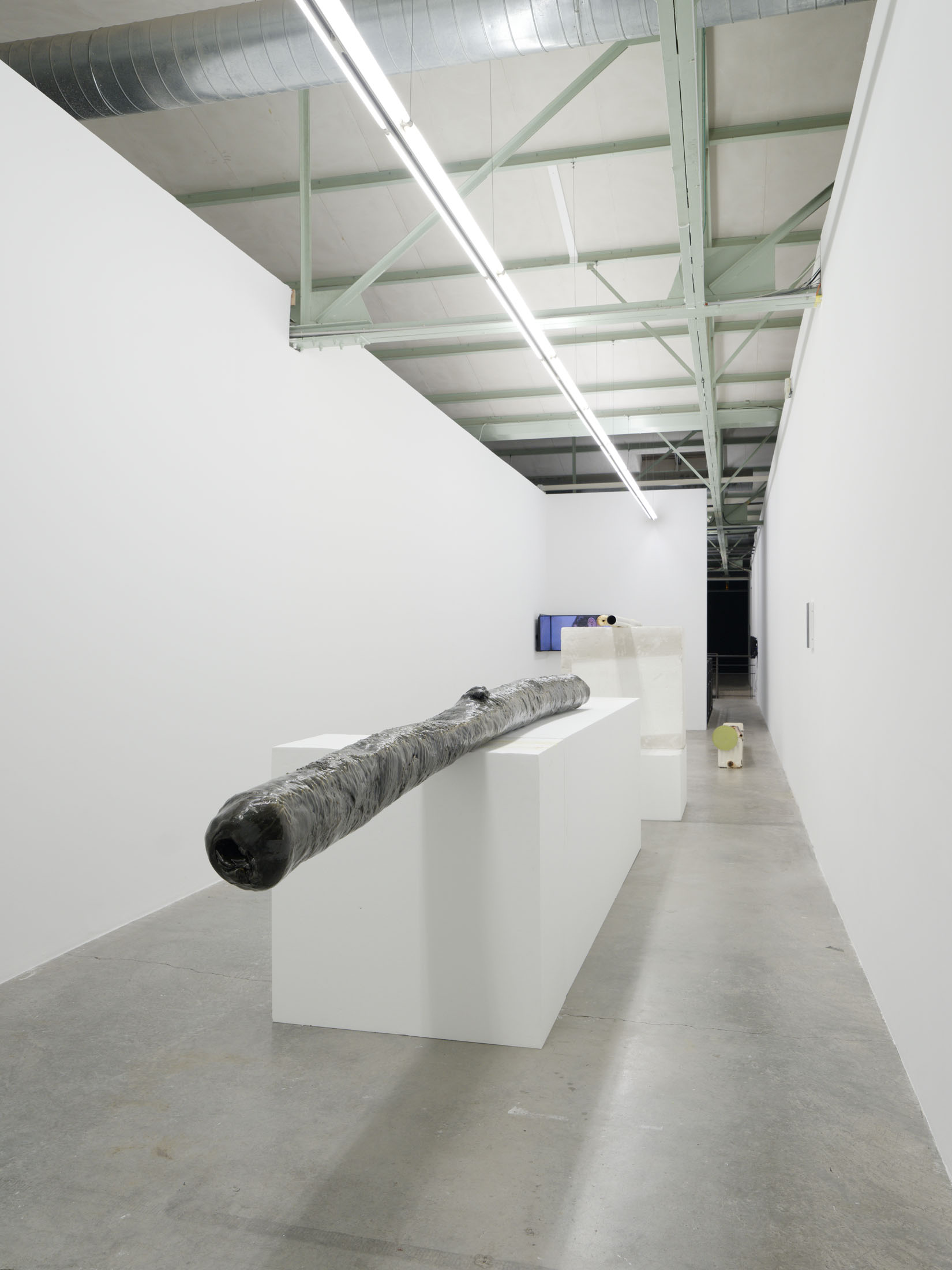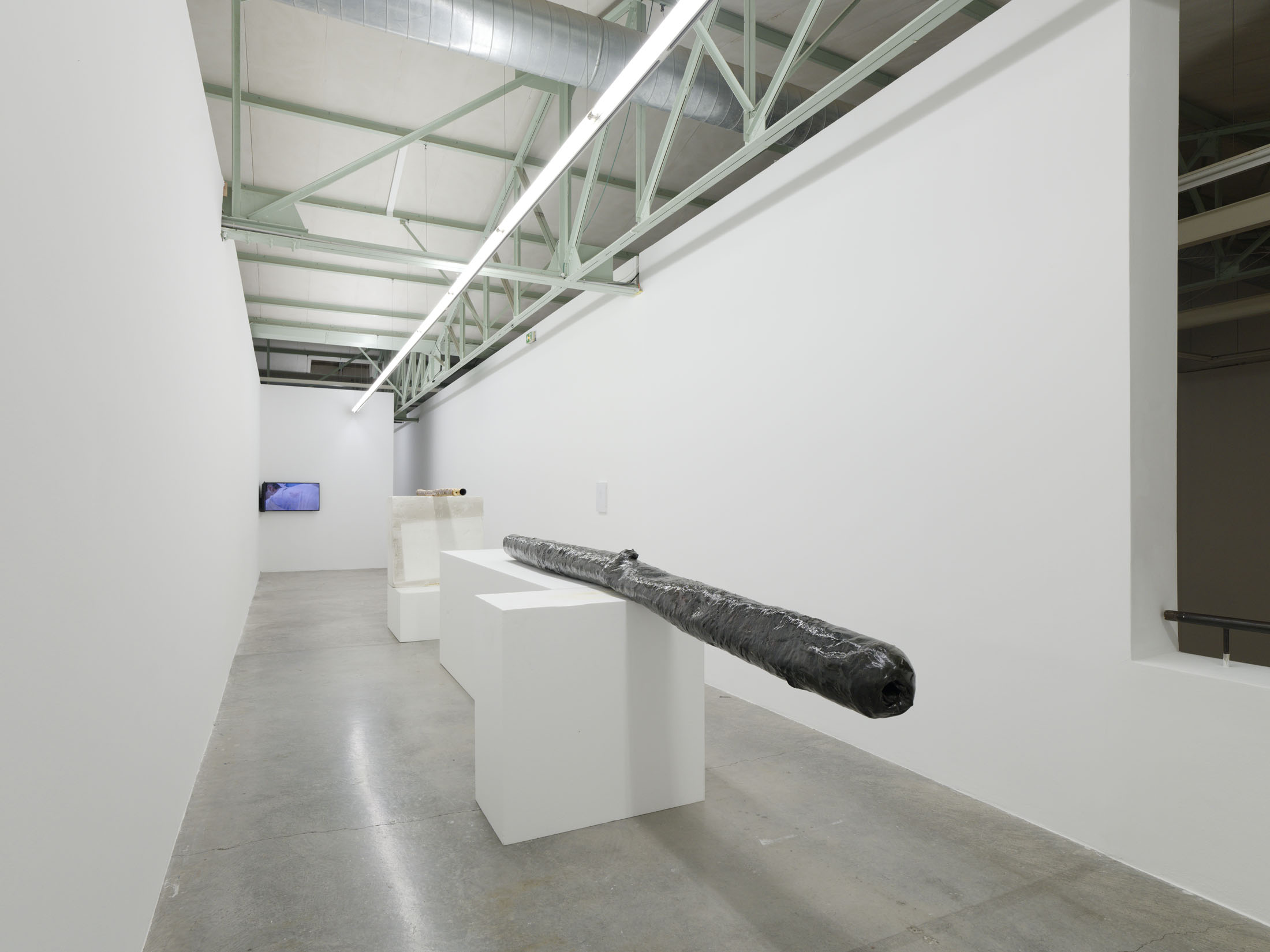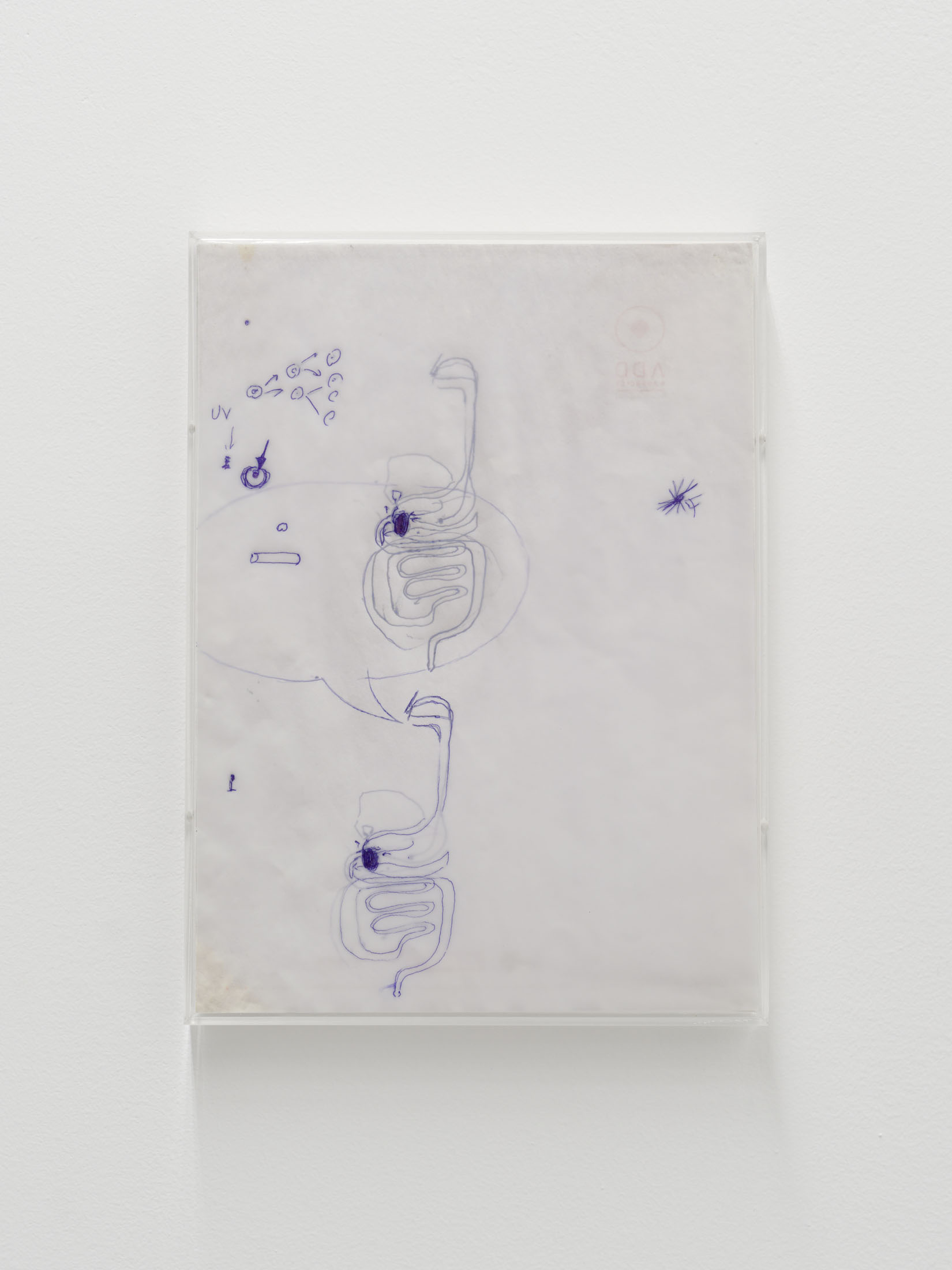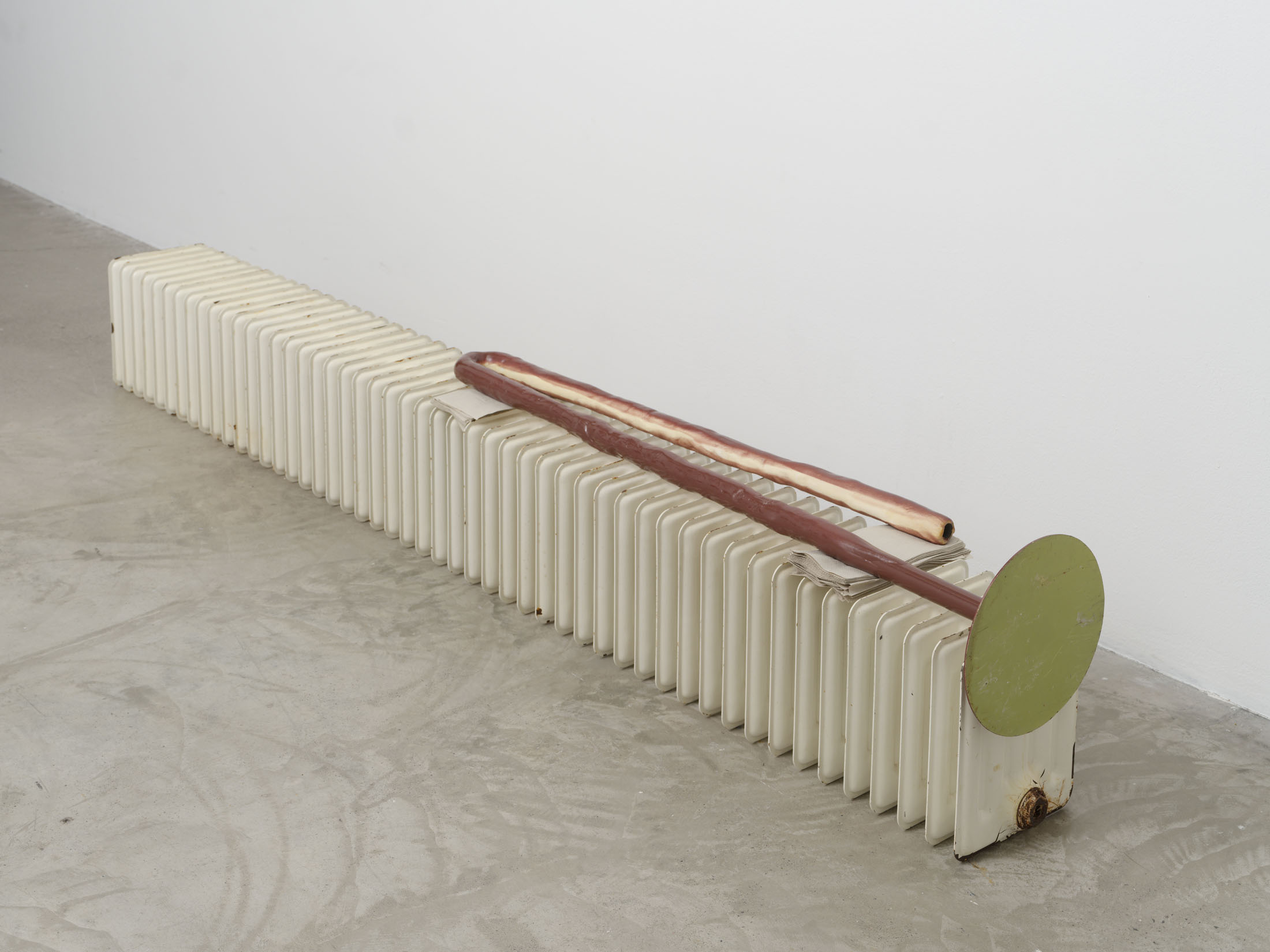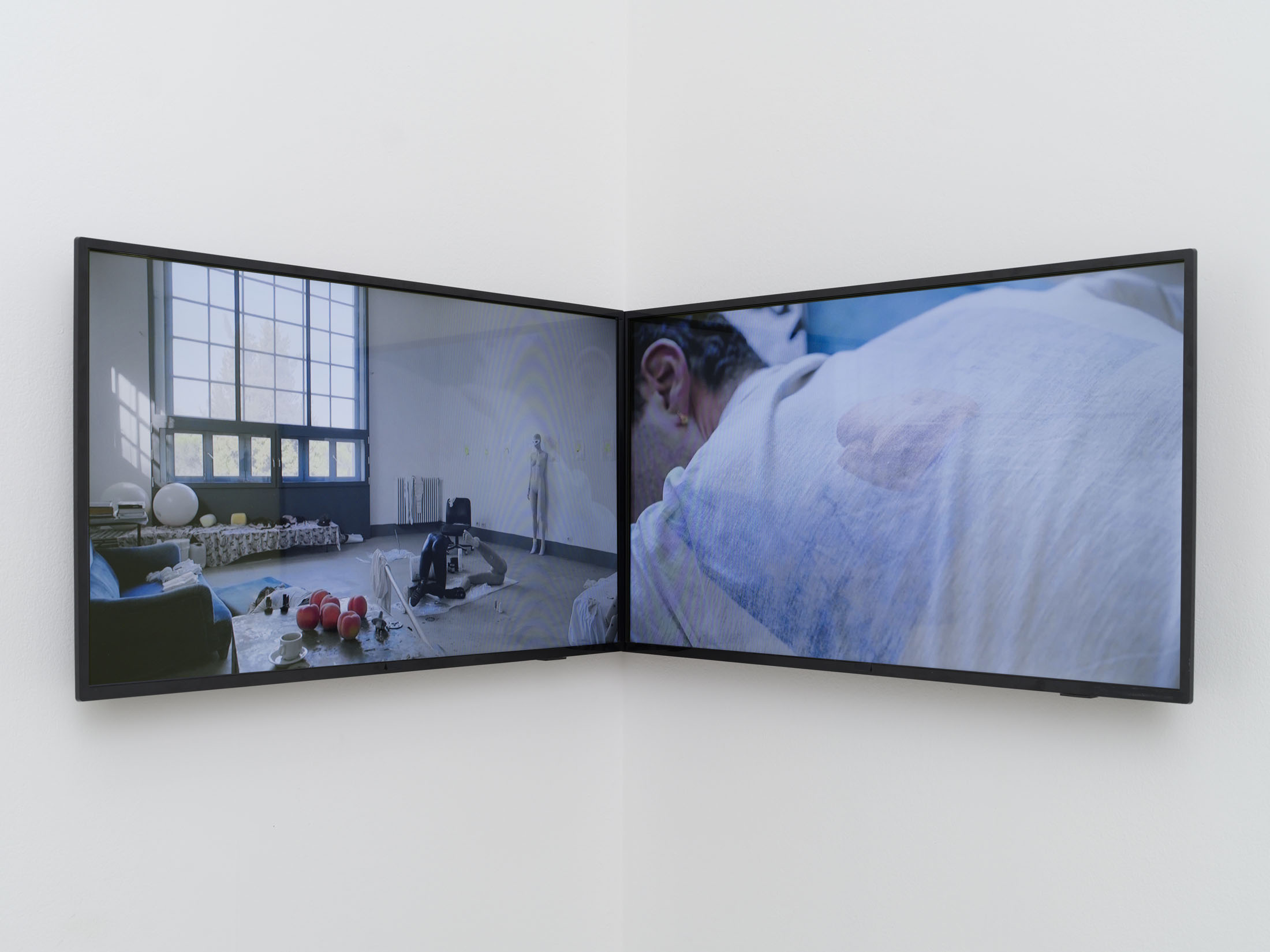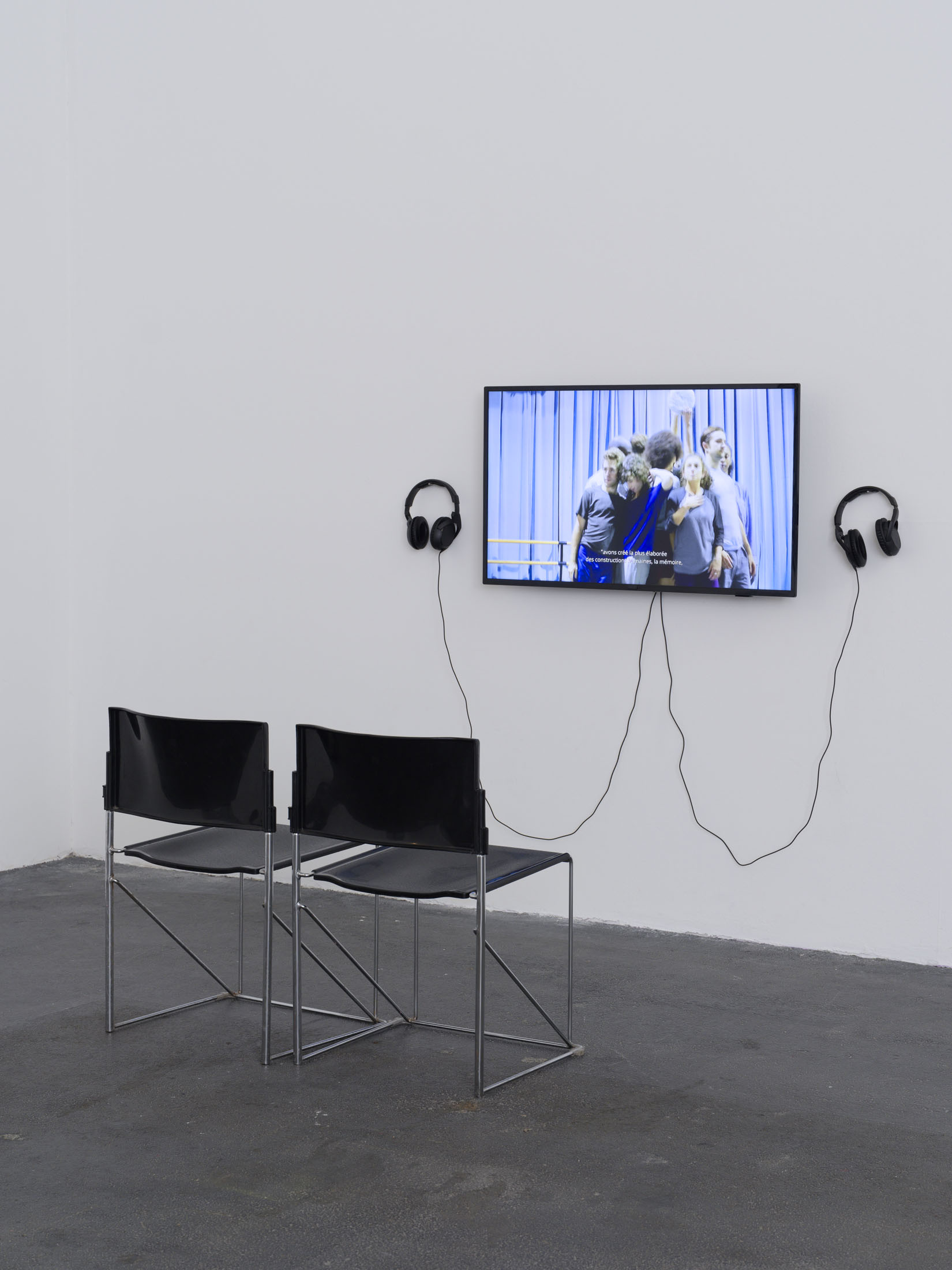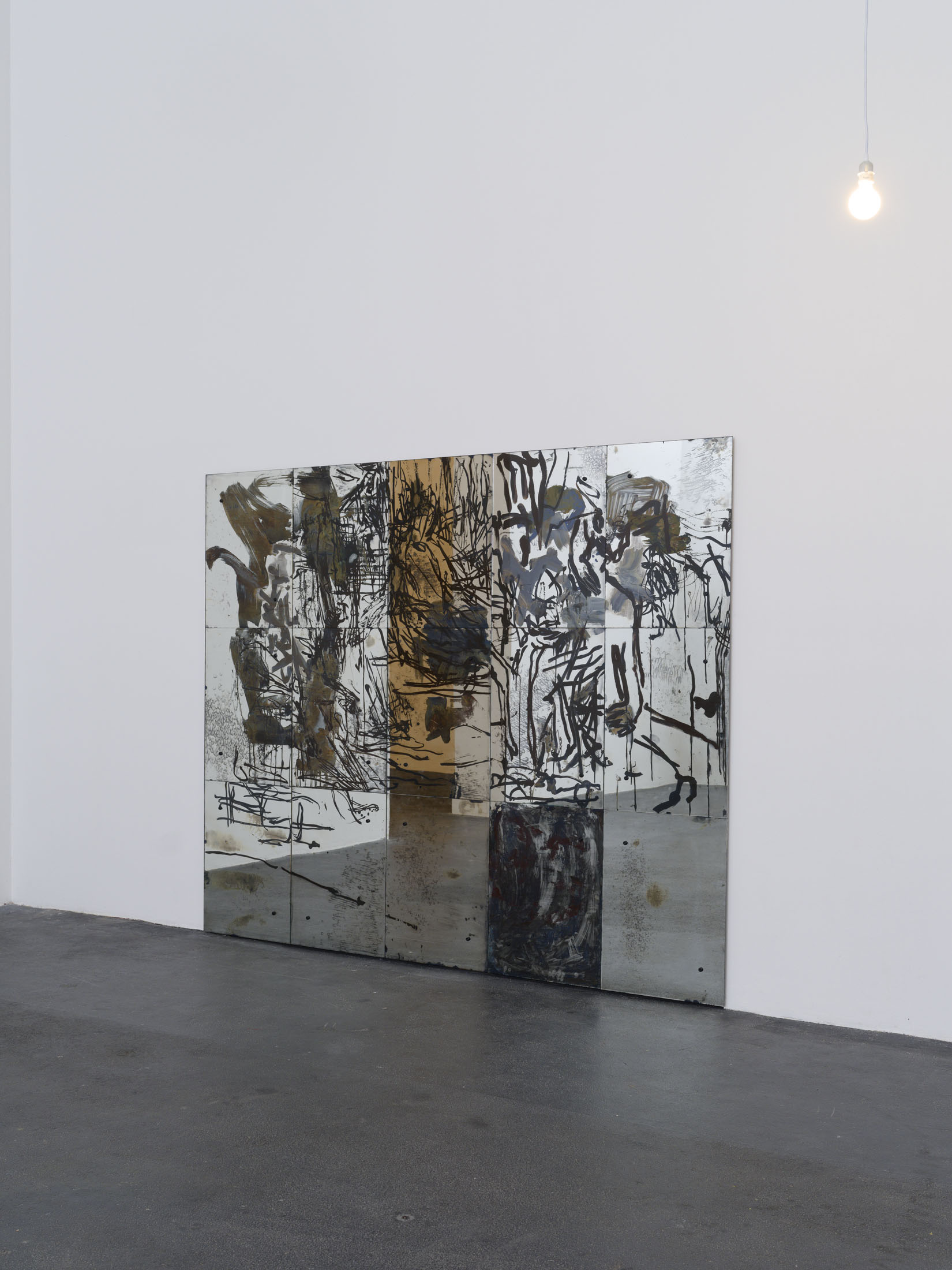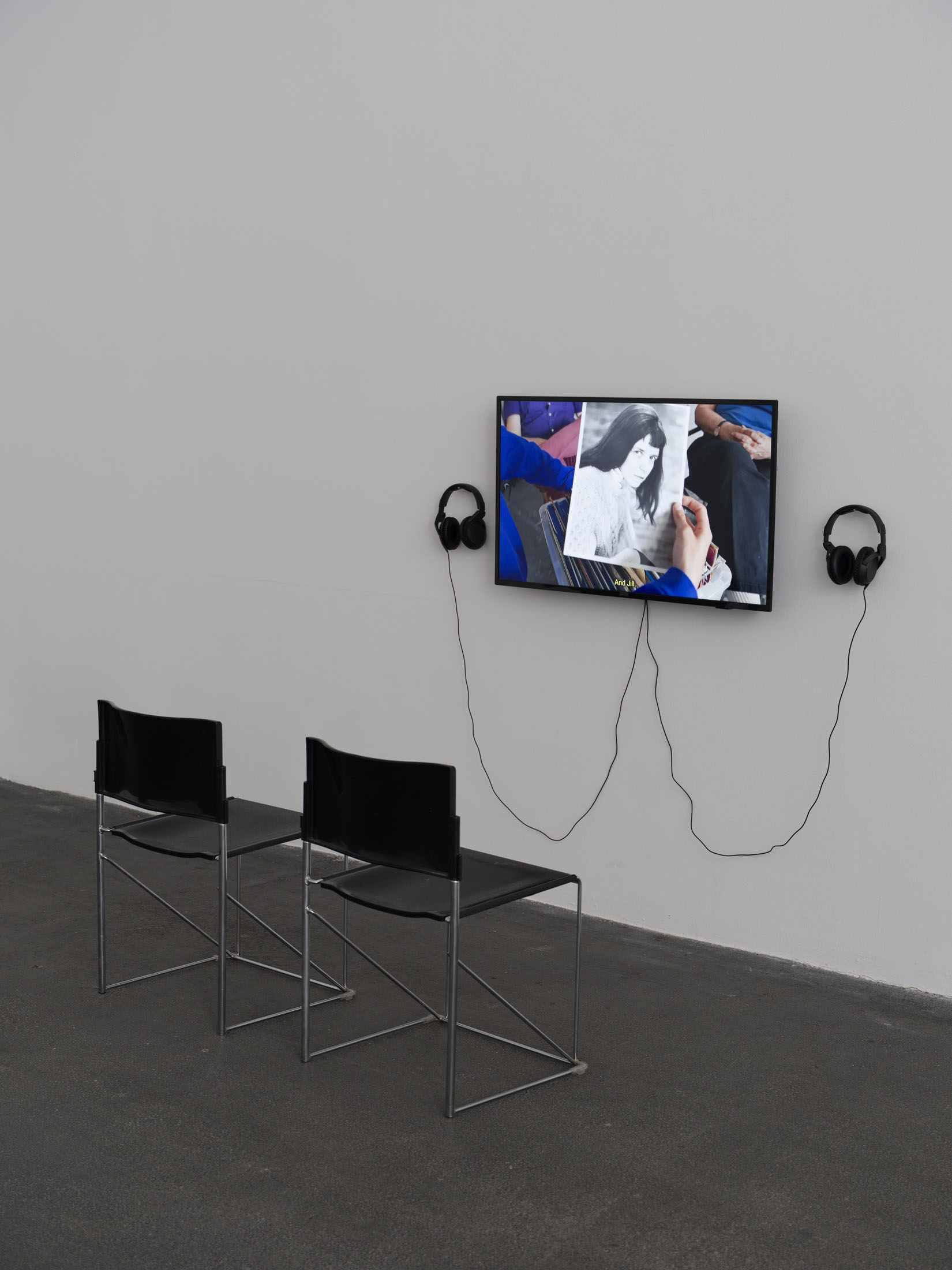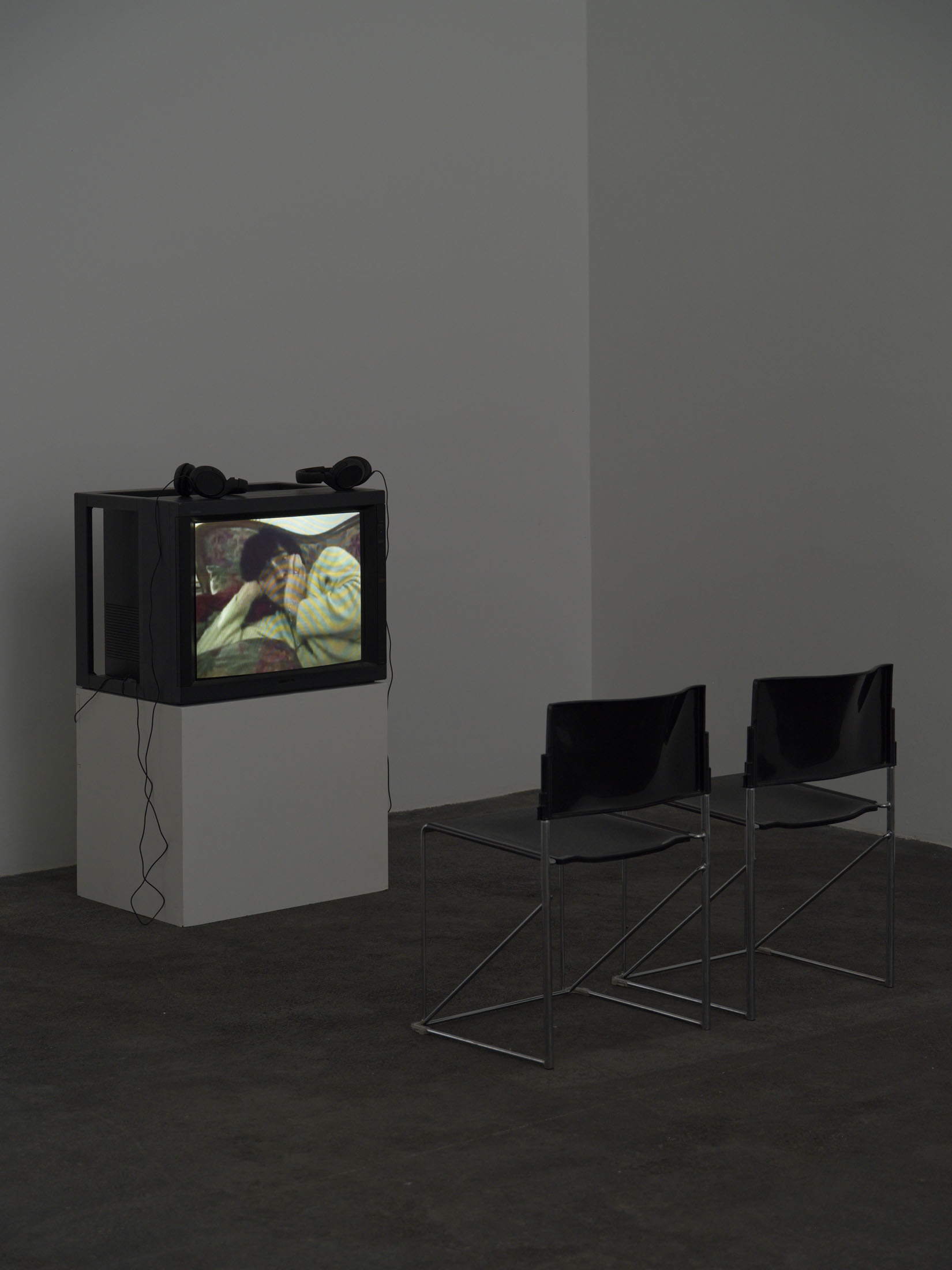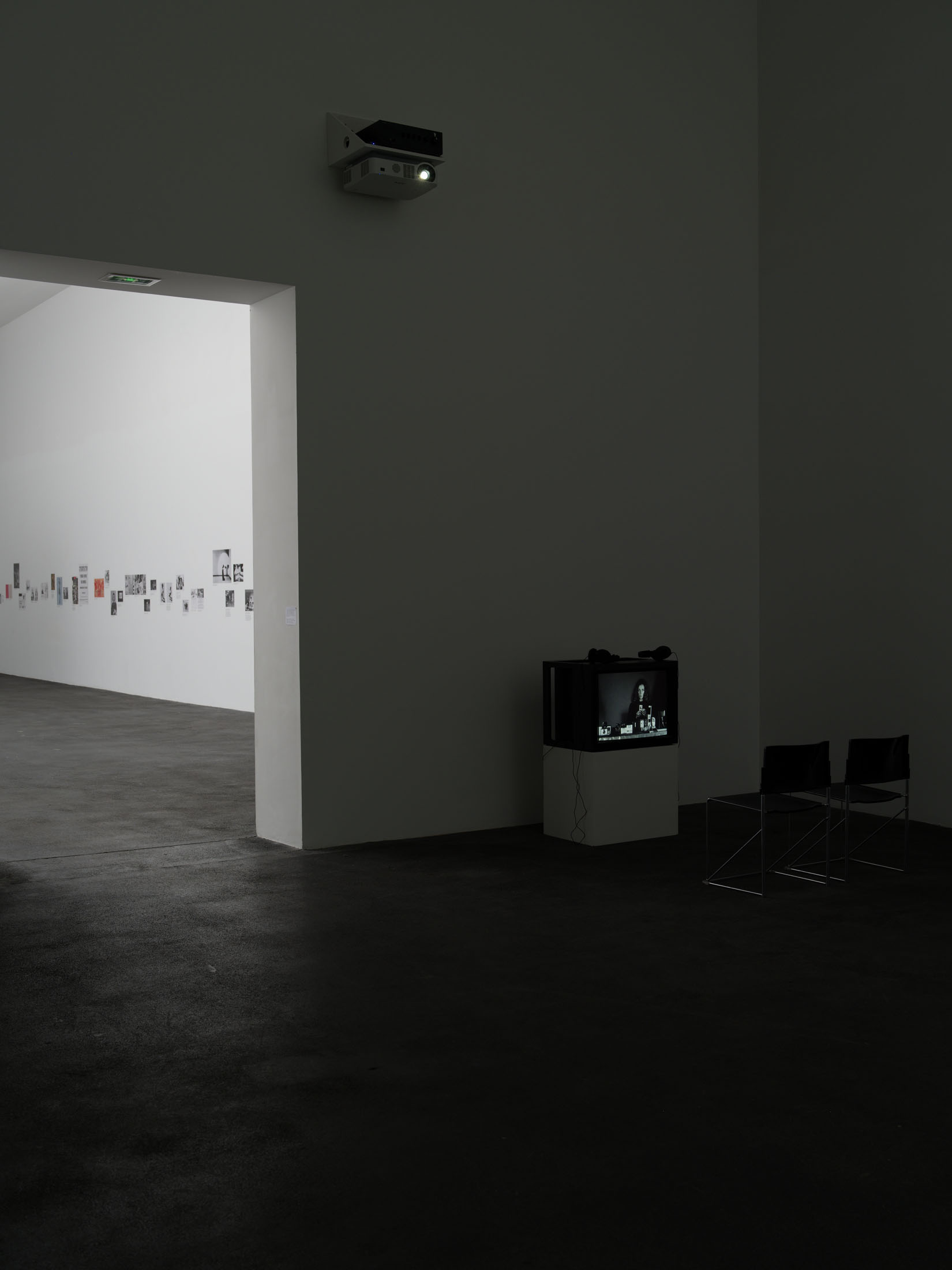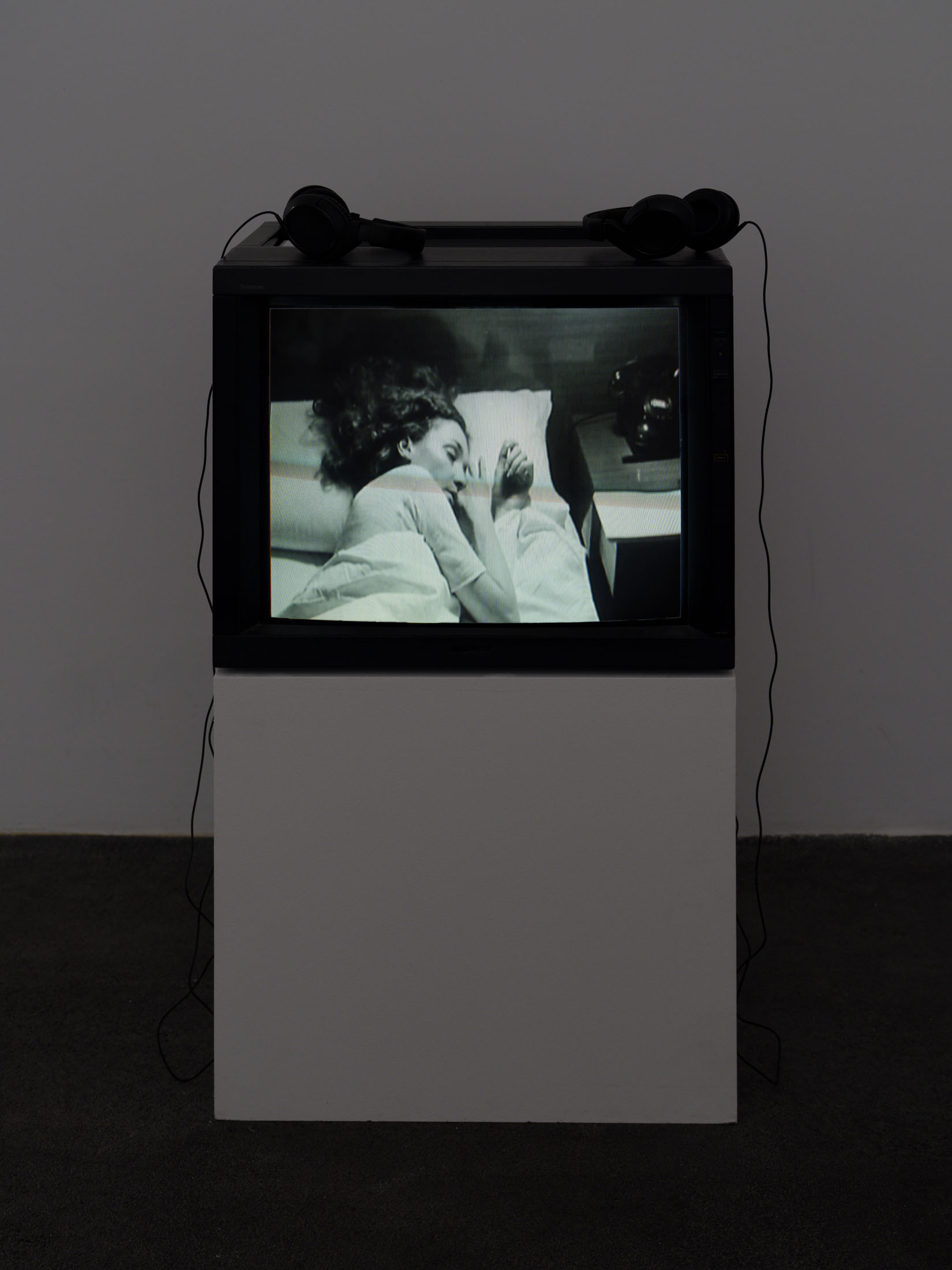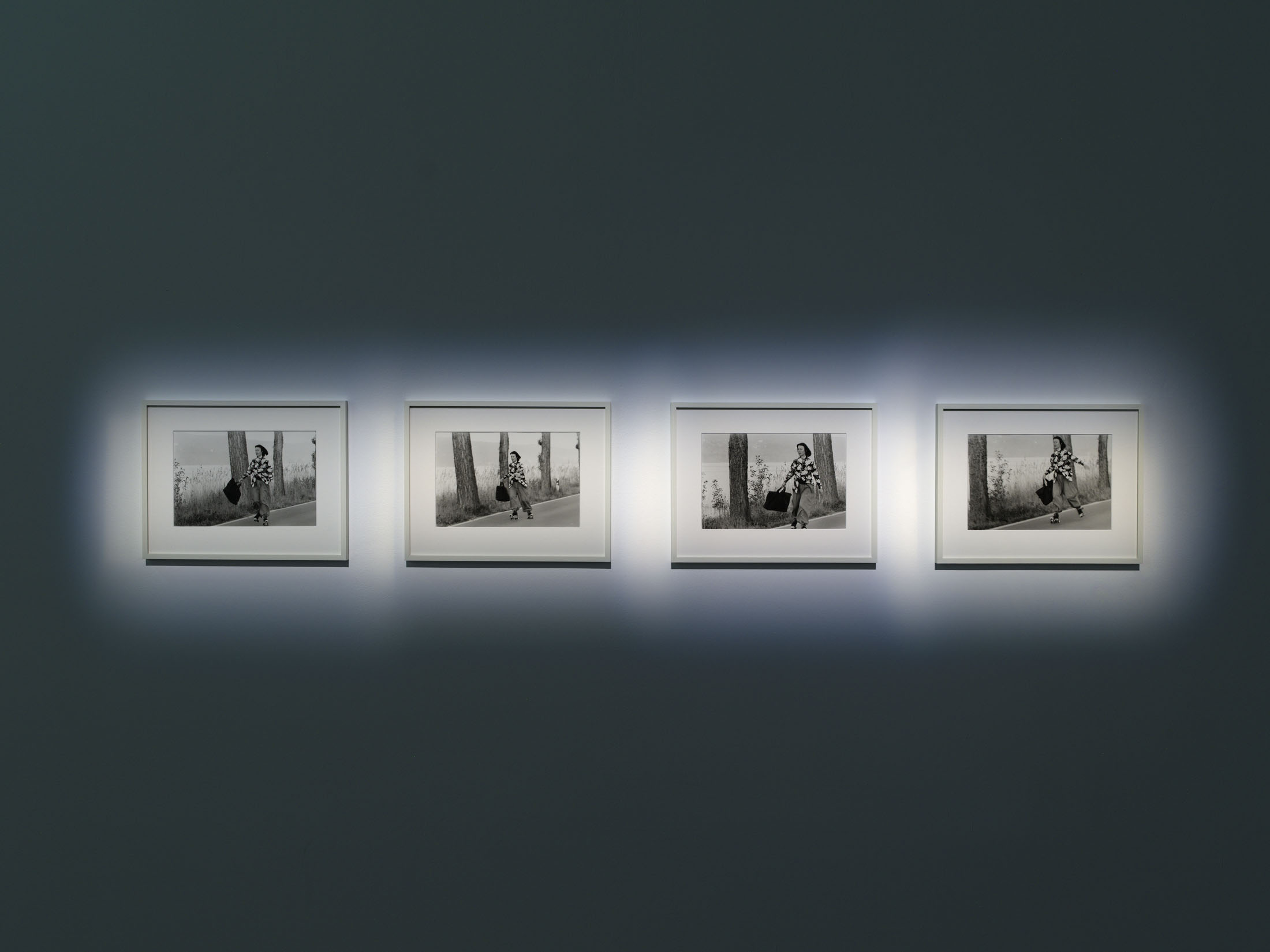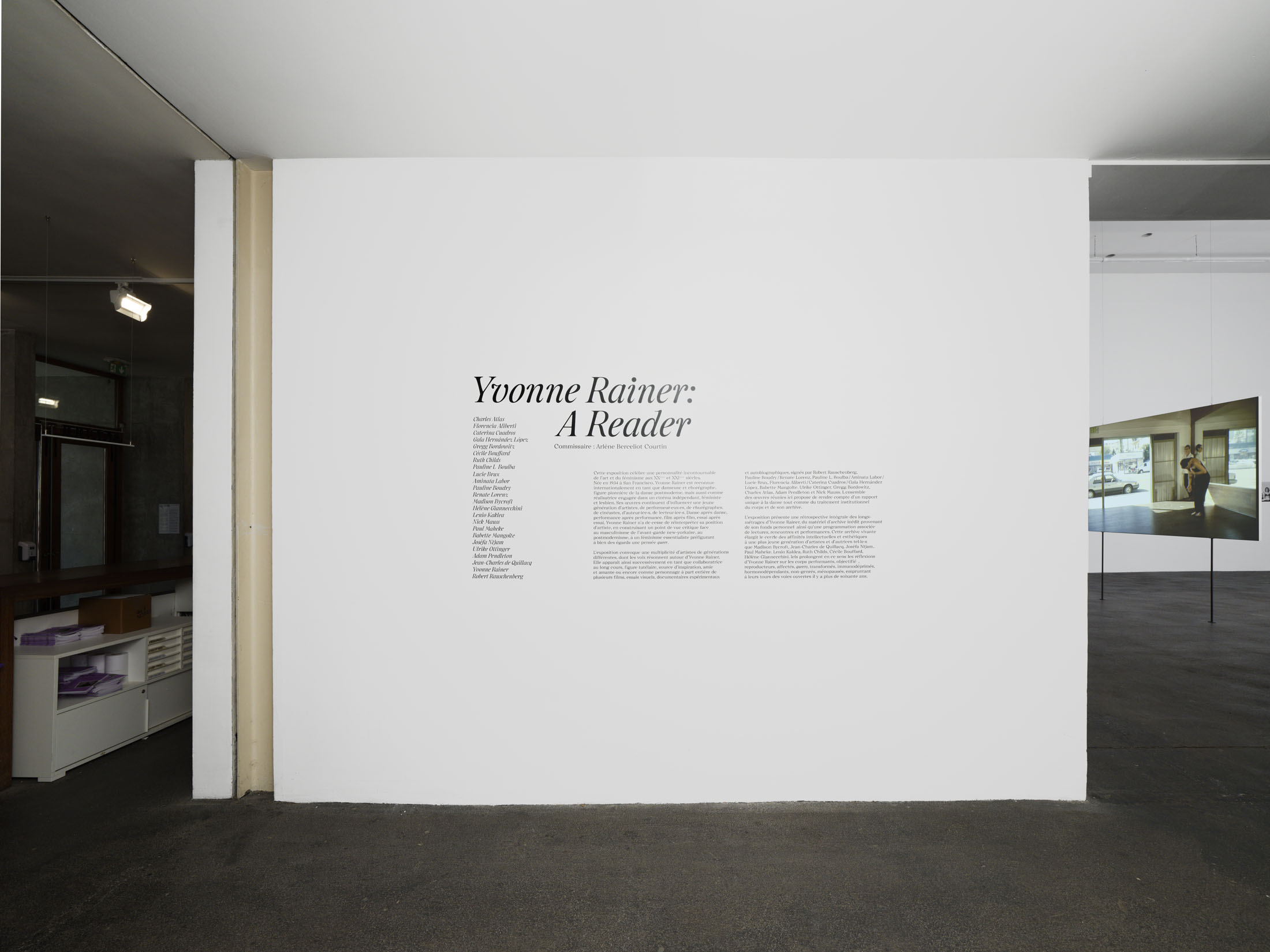
How should Yvonne Rainer be read, seen, and especially exhibited today?
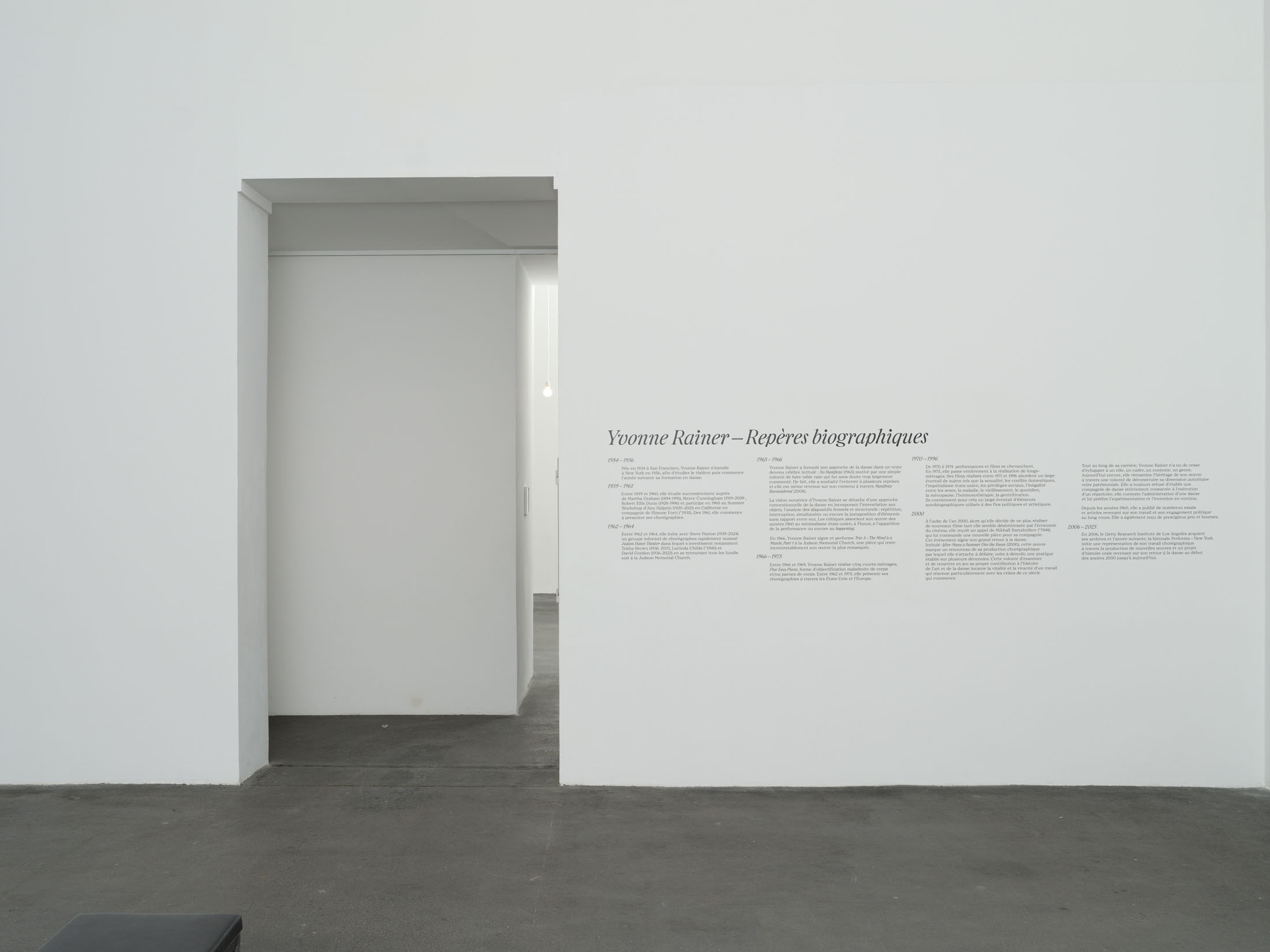
At the height of minimalism in the 1960s, the choreographer and filmmaker (born in 1934 in San Francisco) lost all desire for objectivity as a performer, preferring to explore the emotions at play in human, social and sexual relations. The exhibition takes its title from the term “reader” in two of its senses: a publication assembling a set of texts by one author, and the very position of the person who reads.
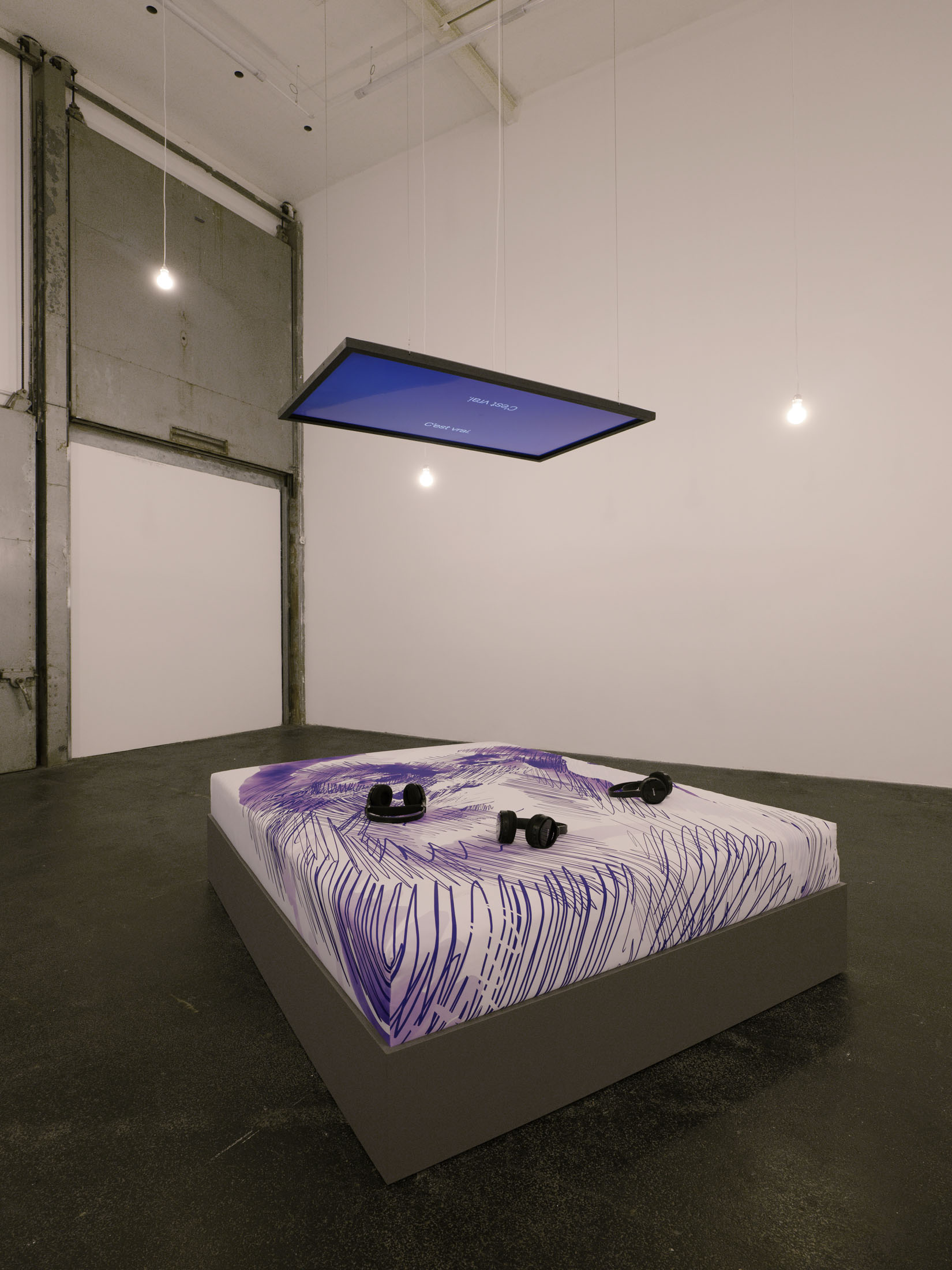
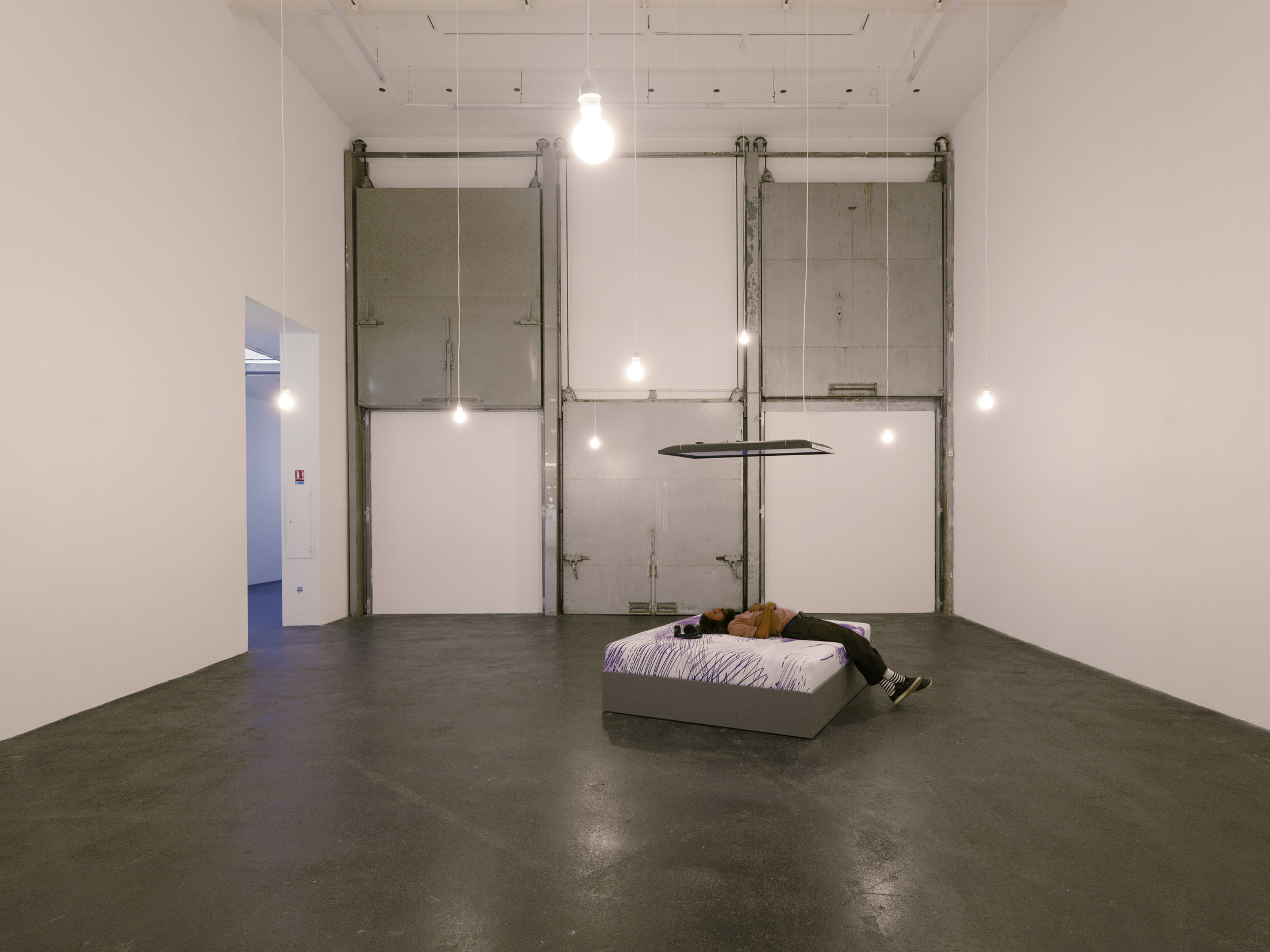
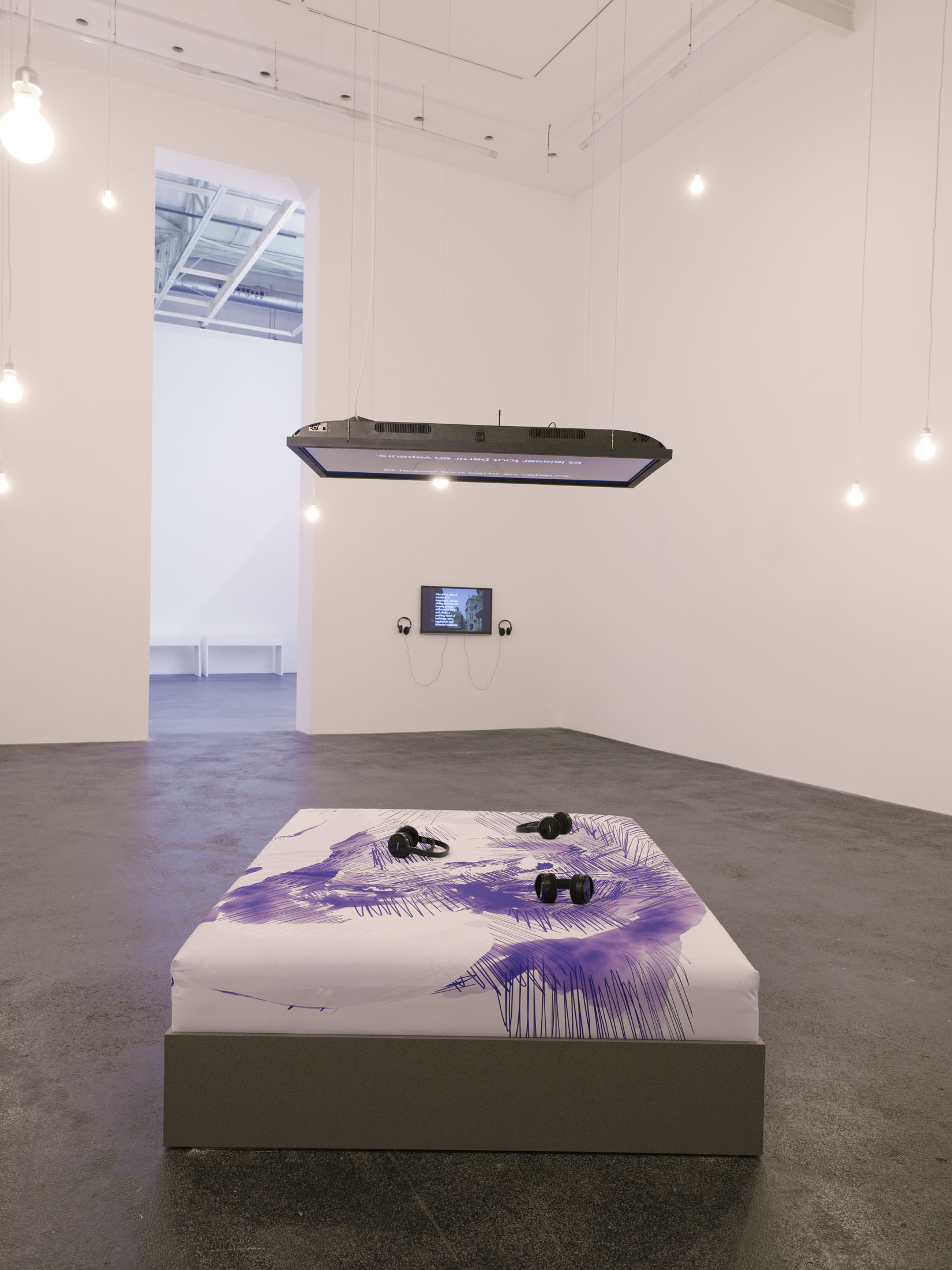
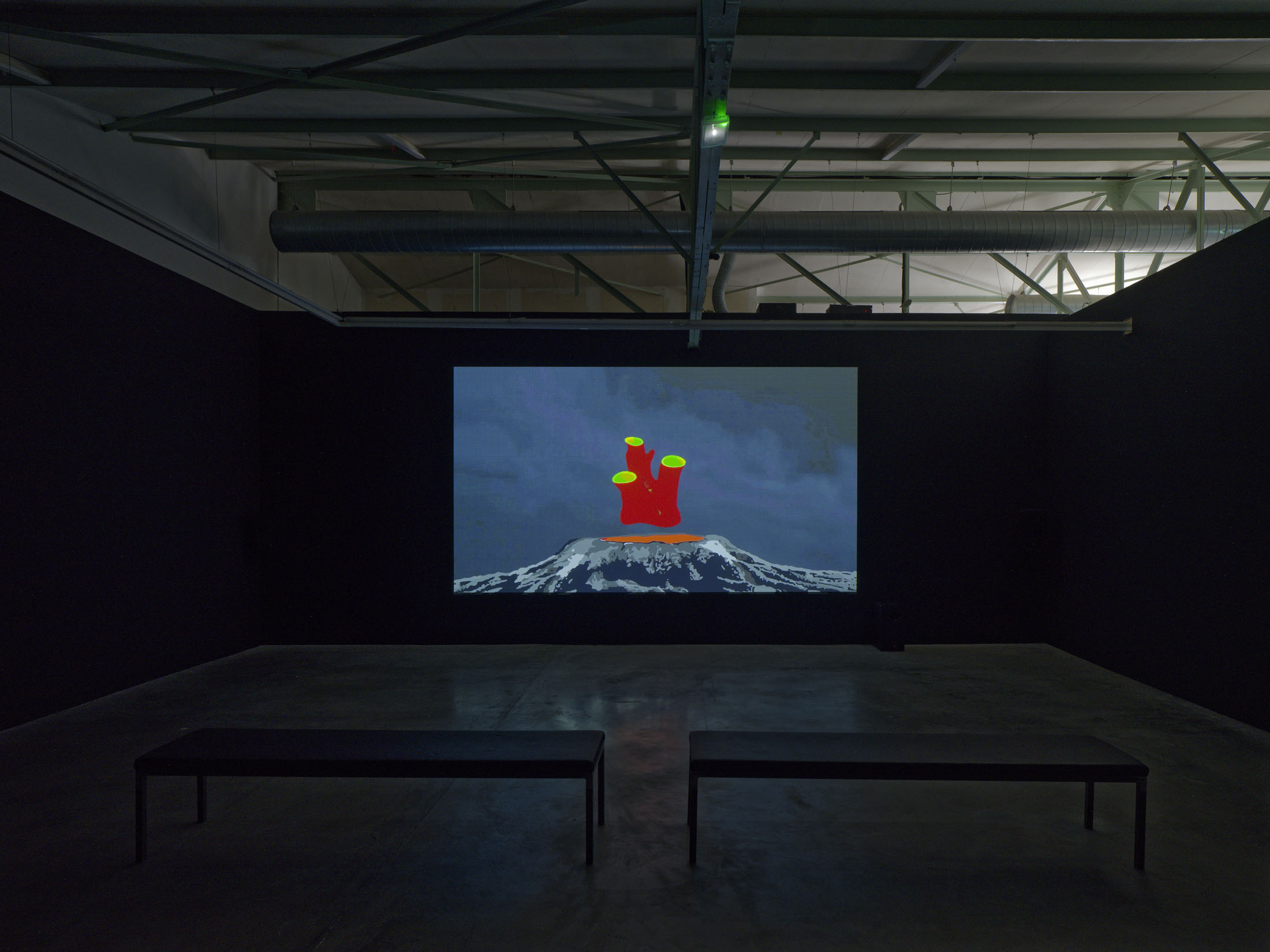
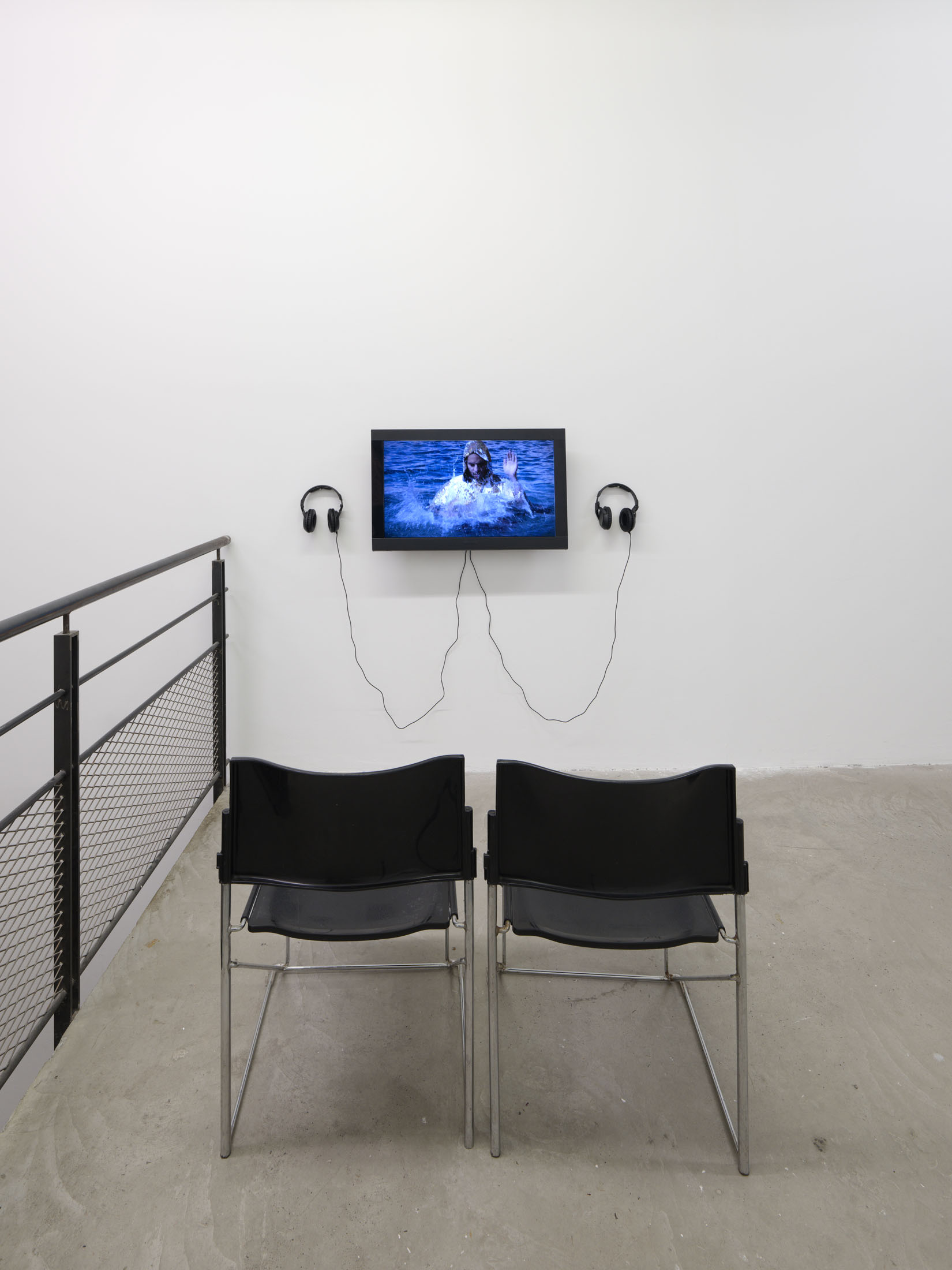
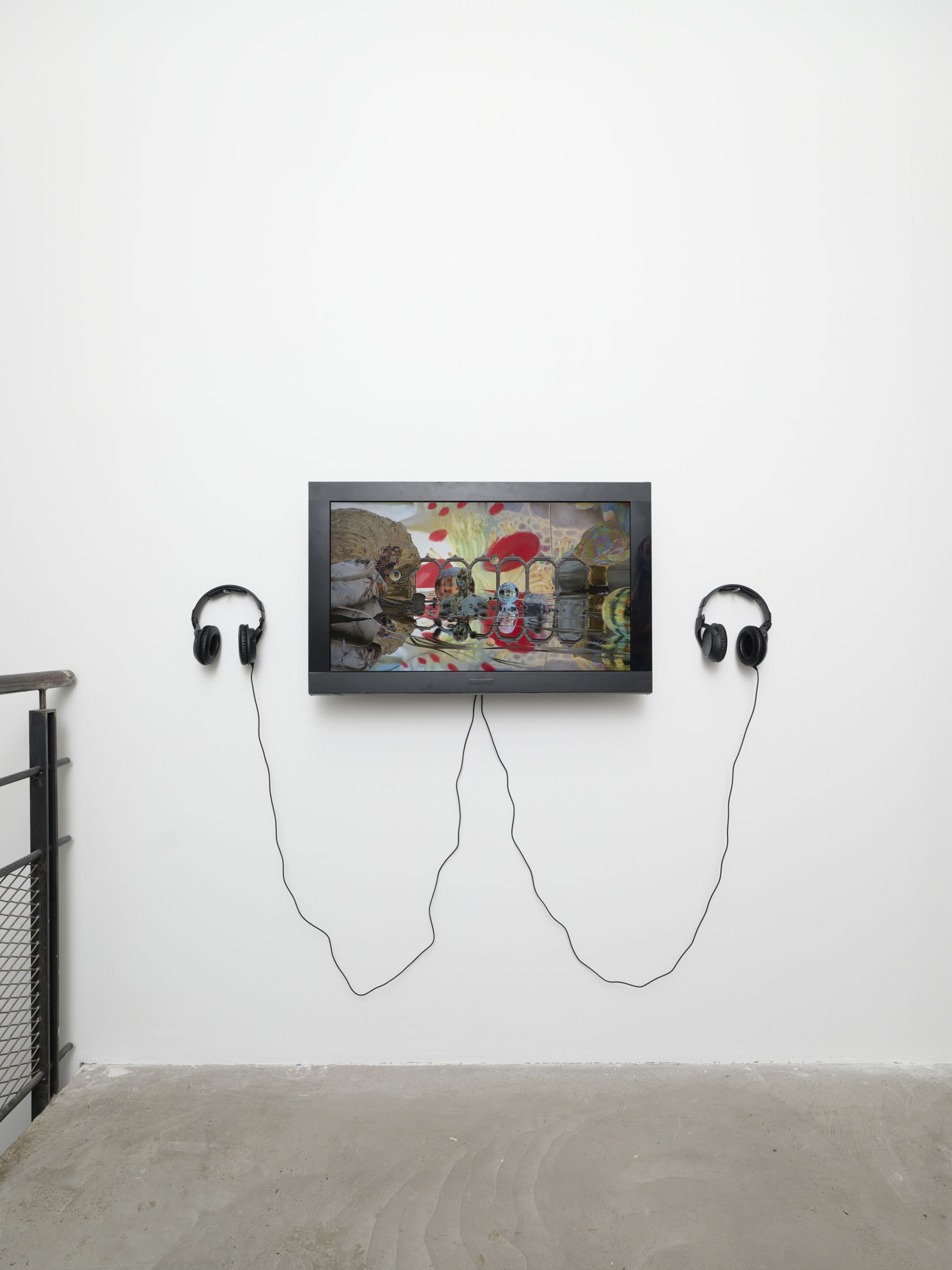
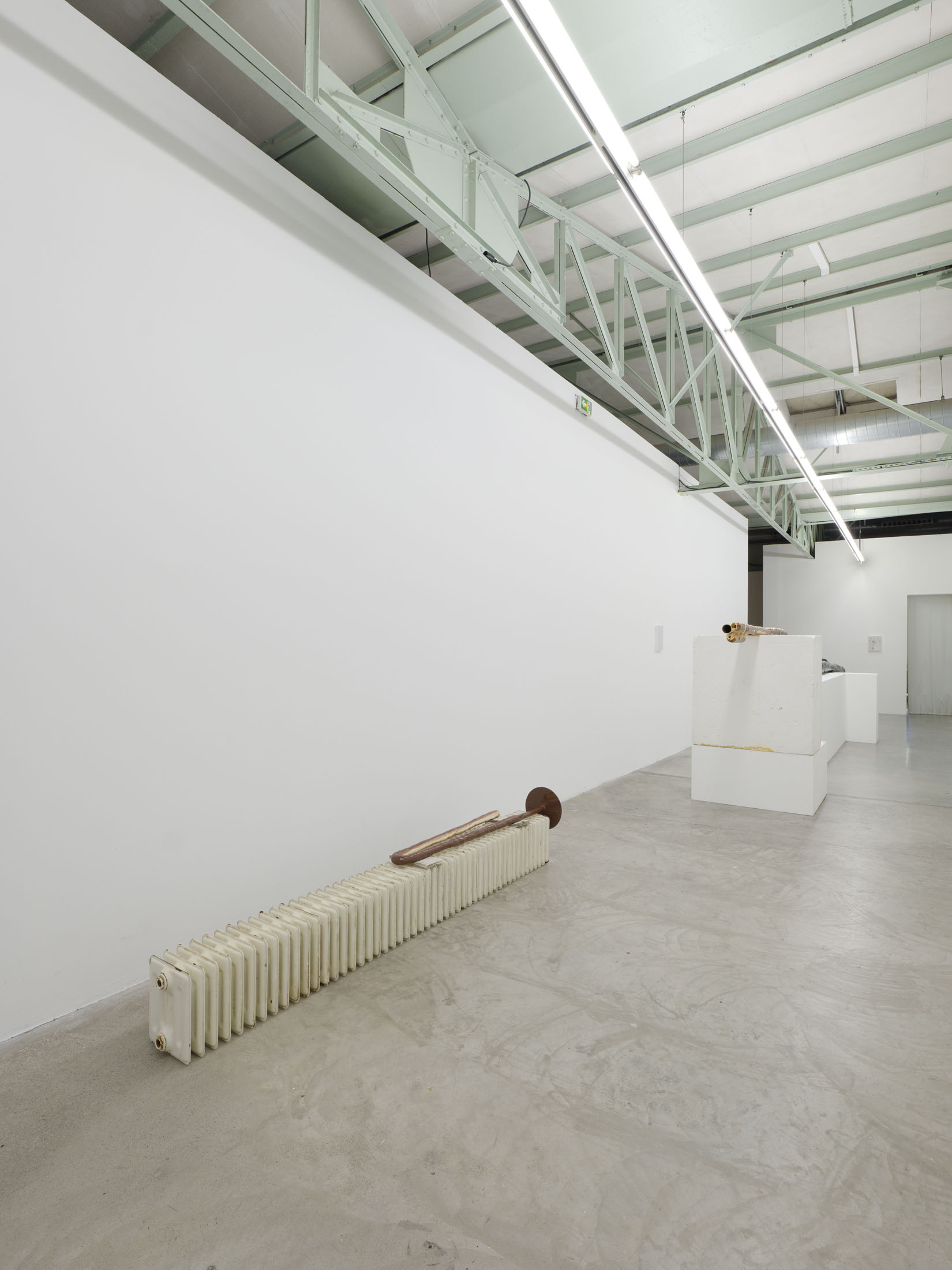
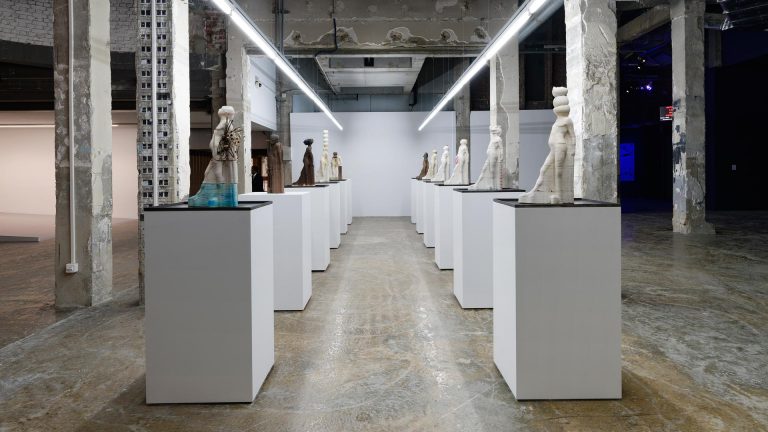
This format has been transposed into the art centre to create a novel form of interdisciplinary exhibition that brings together dance, cinema, performance, video, visual arts, literature, and archives. Dance after dance, performance after performance, film after film, essay after essay, Yvonne
Rainer has never stopped reinterpreting her position as an artist, developing a critical point of view on the masculinism of the New York avant-garde, on postmodernism, and on an essentialist feminism that in many regards anticipated queer thought. In this sense, Yvonne Rainer is an example of longevity and ceaseless rebirth, achieved through constant engagement with feminism, anti-militarism, anti-imperialism, anti-racism, and activism against the AIDS epidemic.
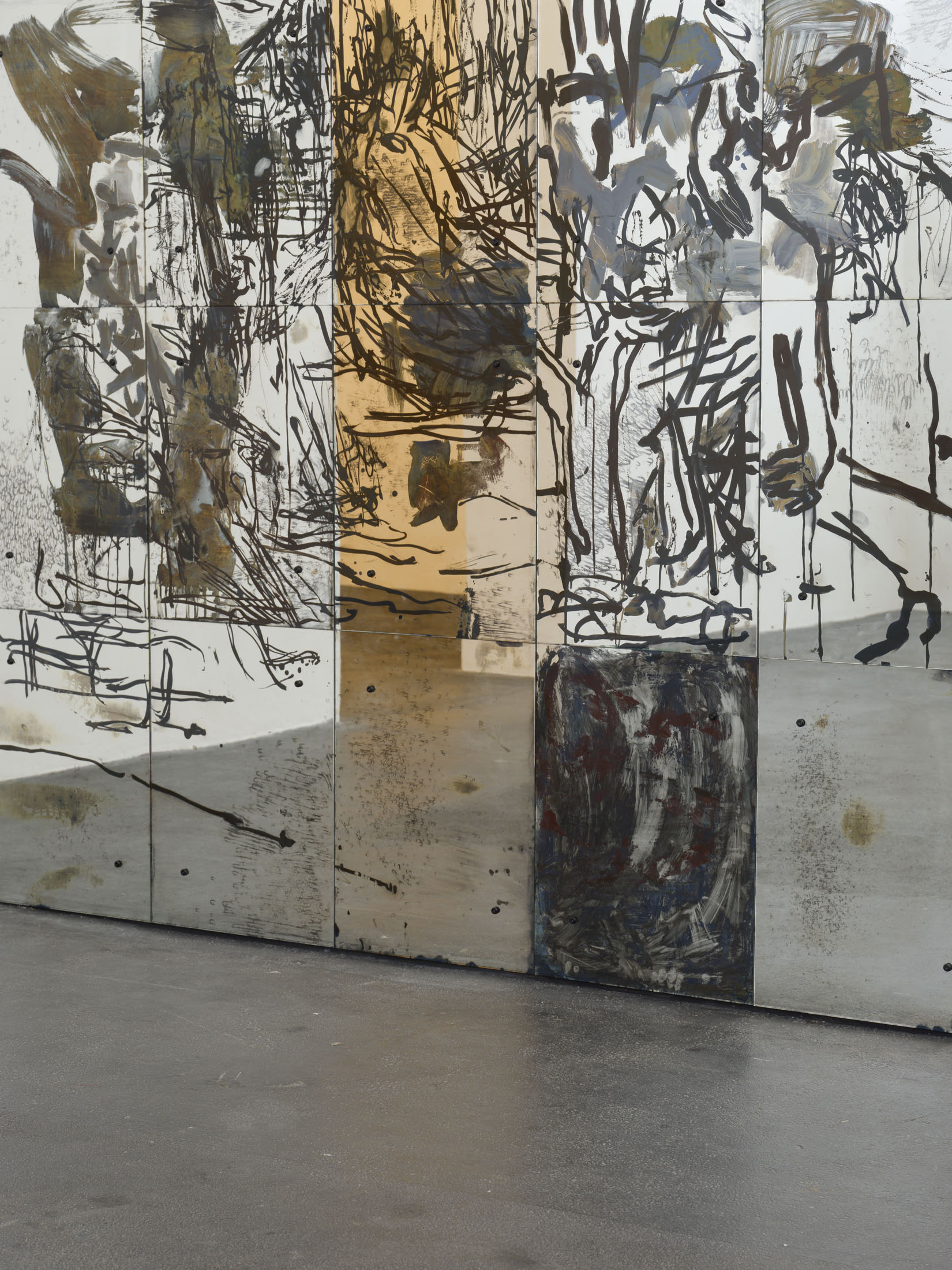
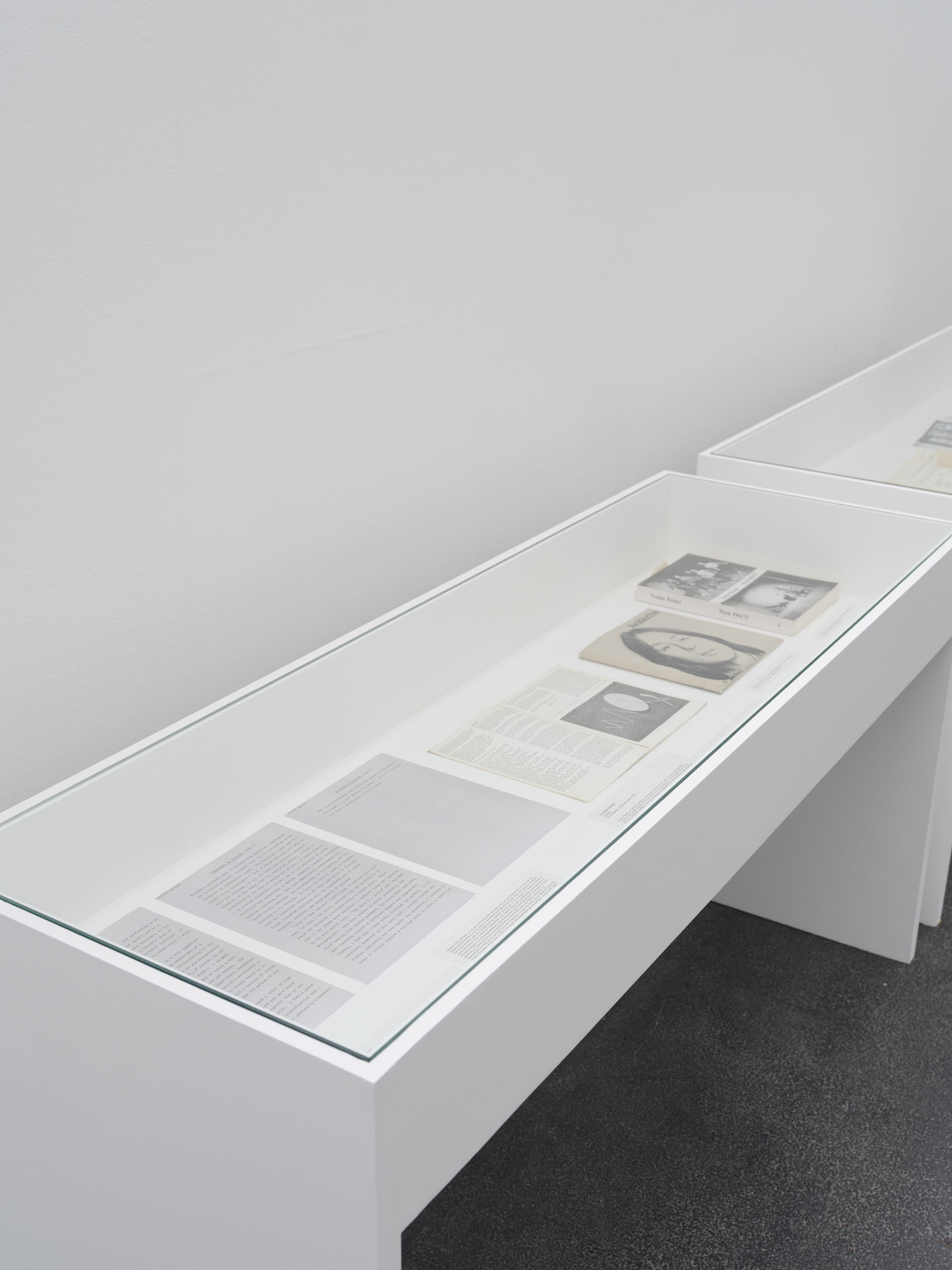
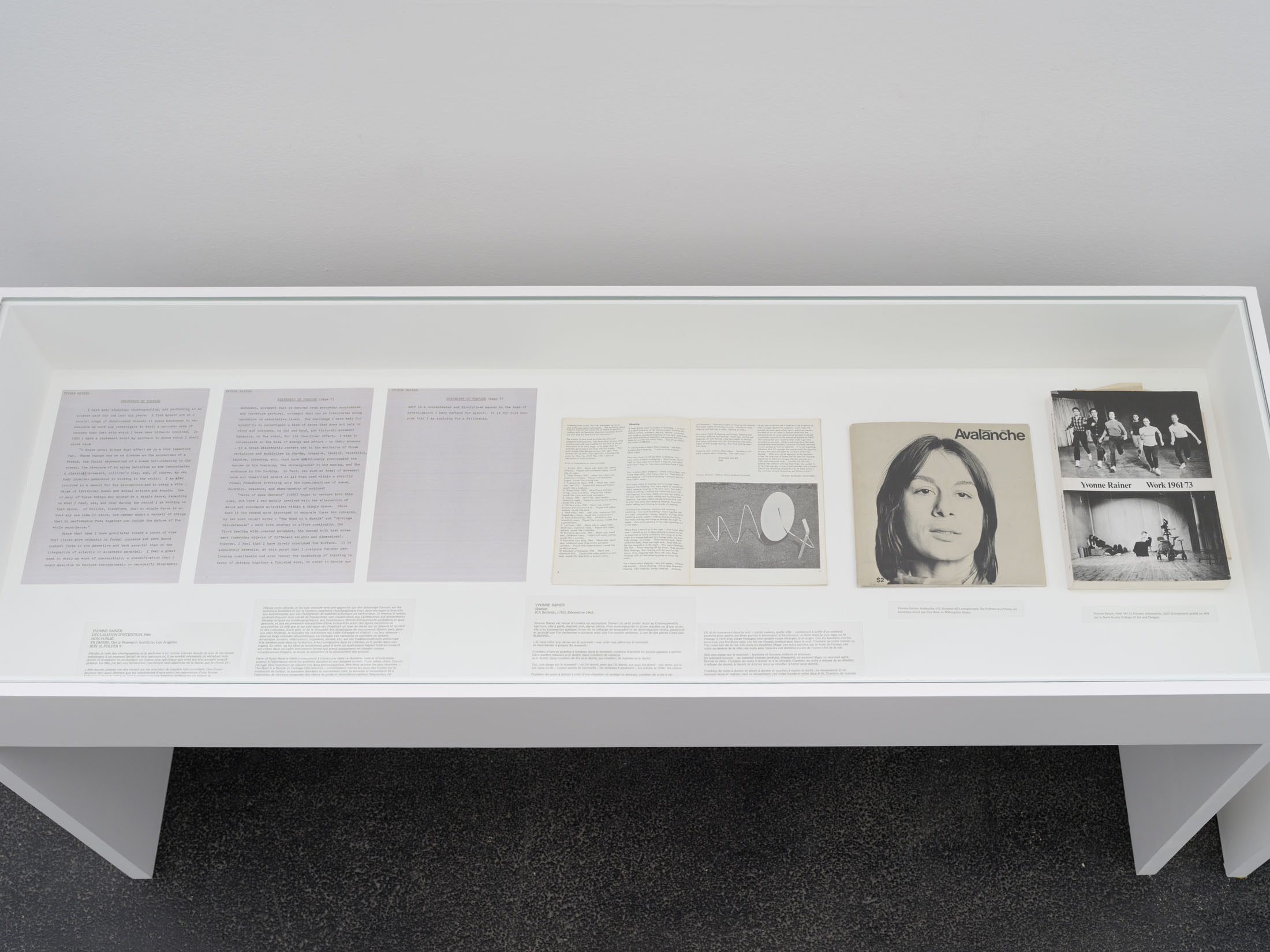
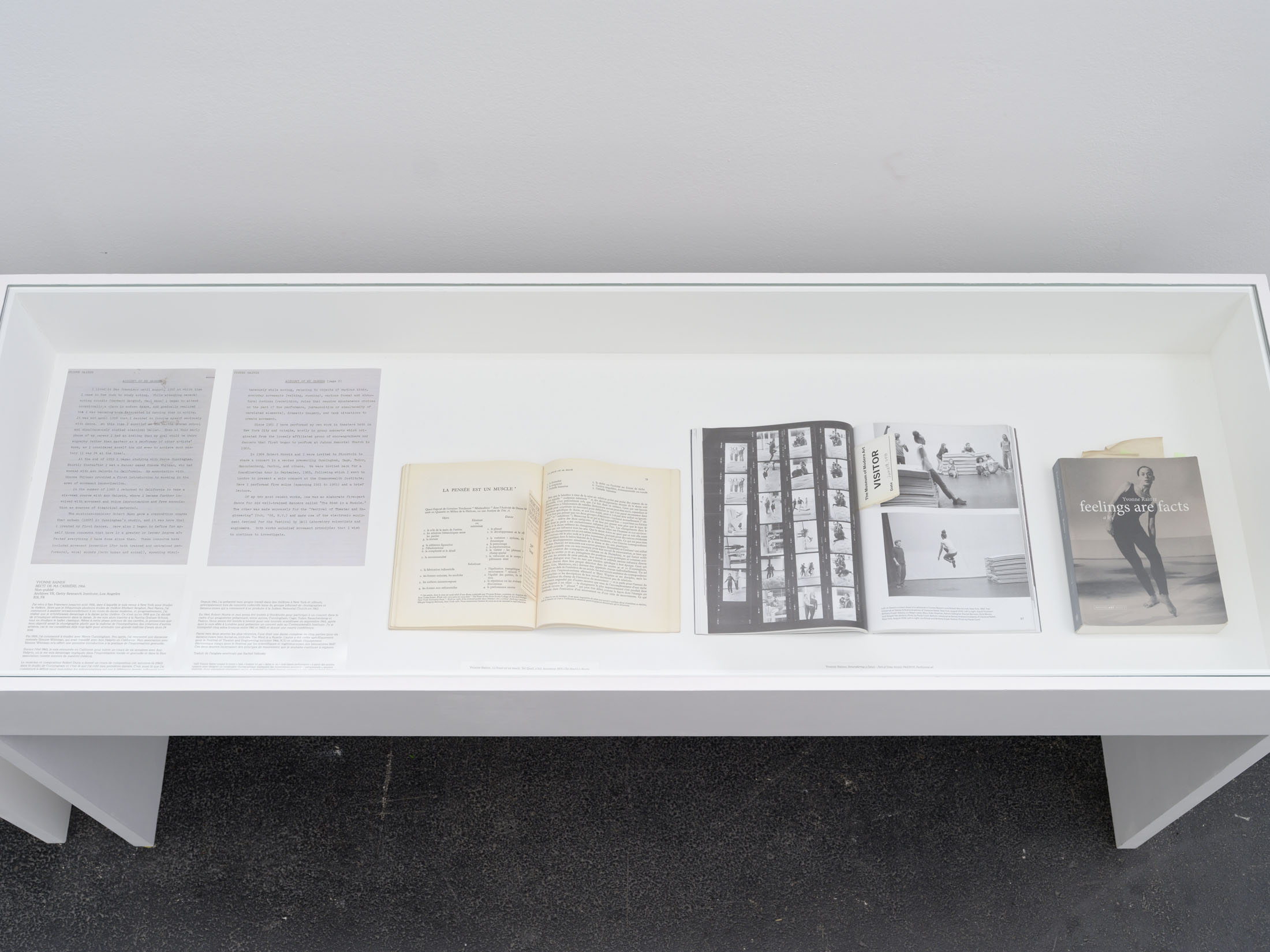
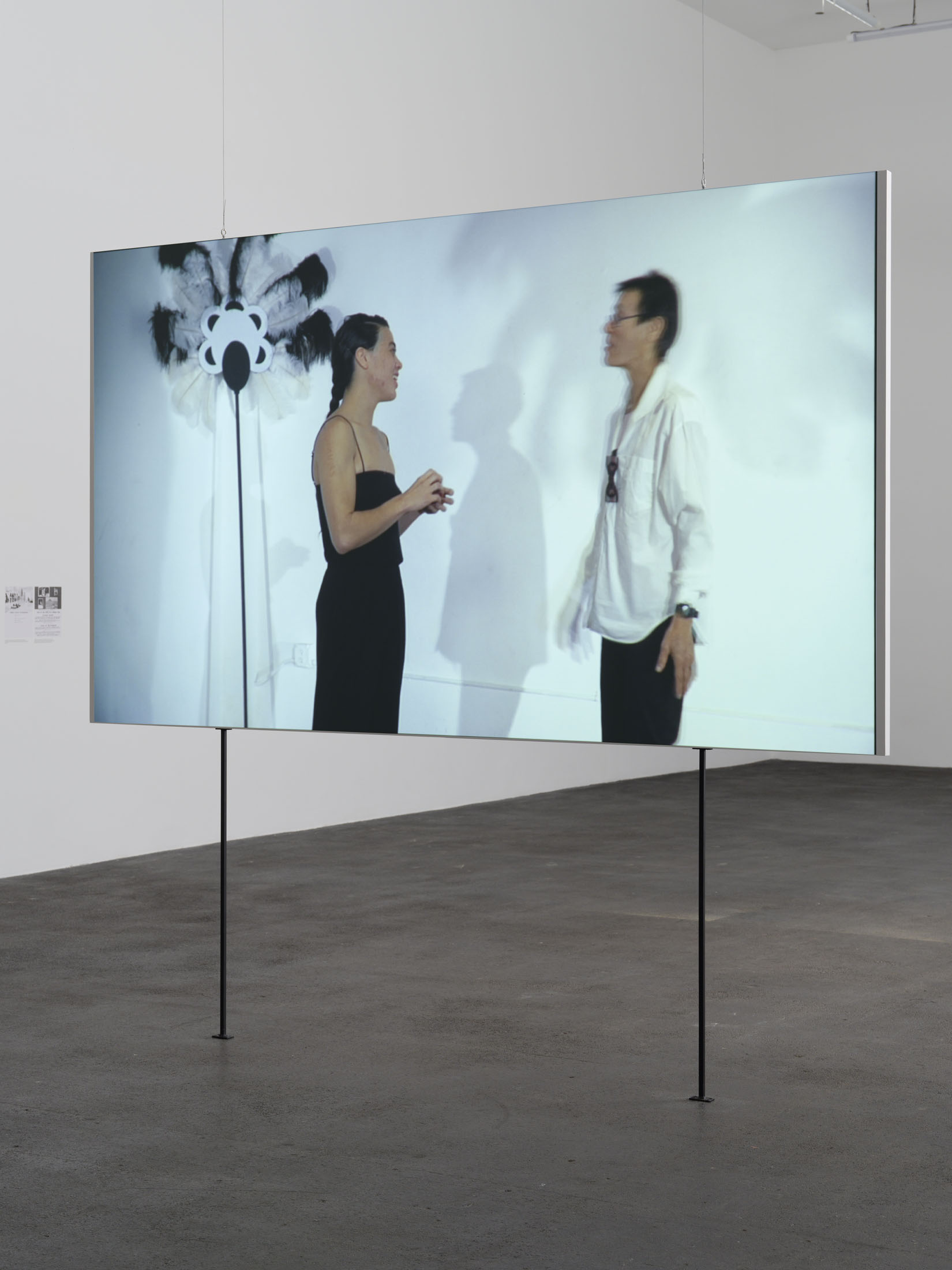
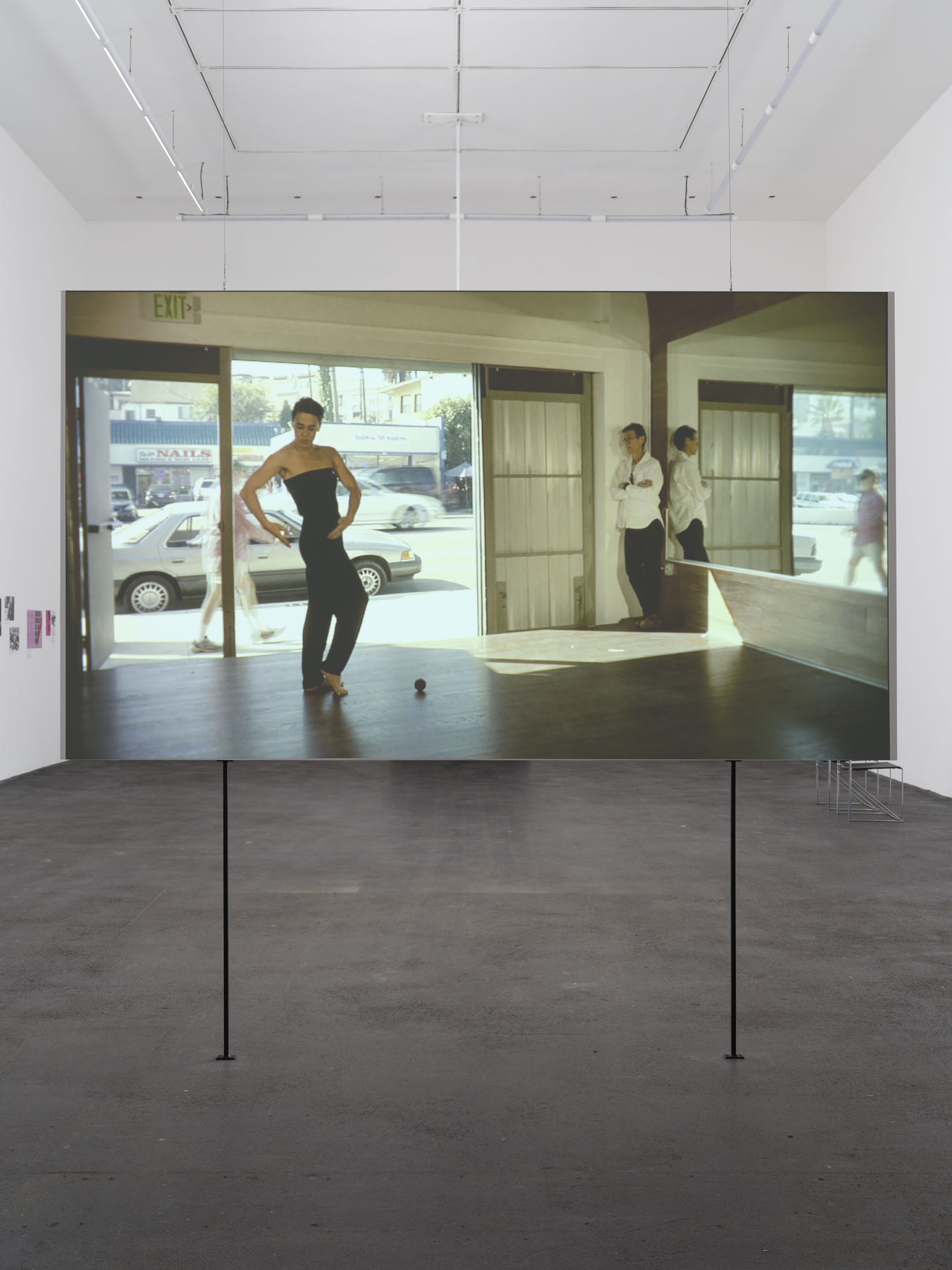
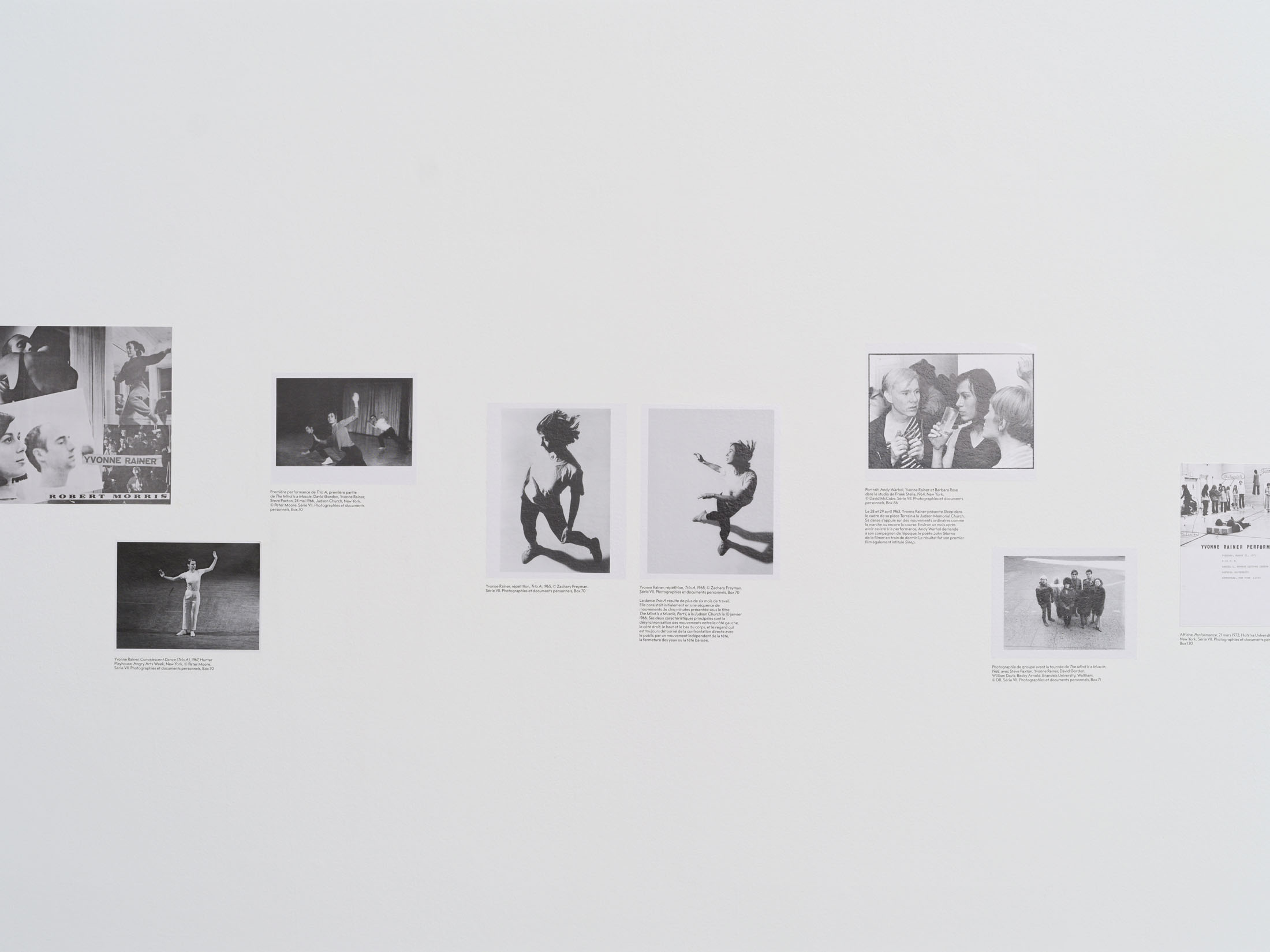
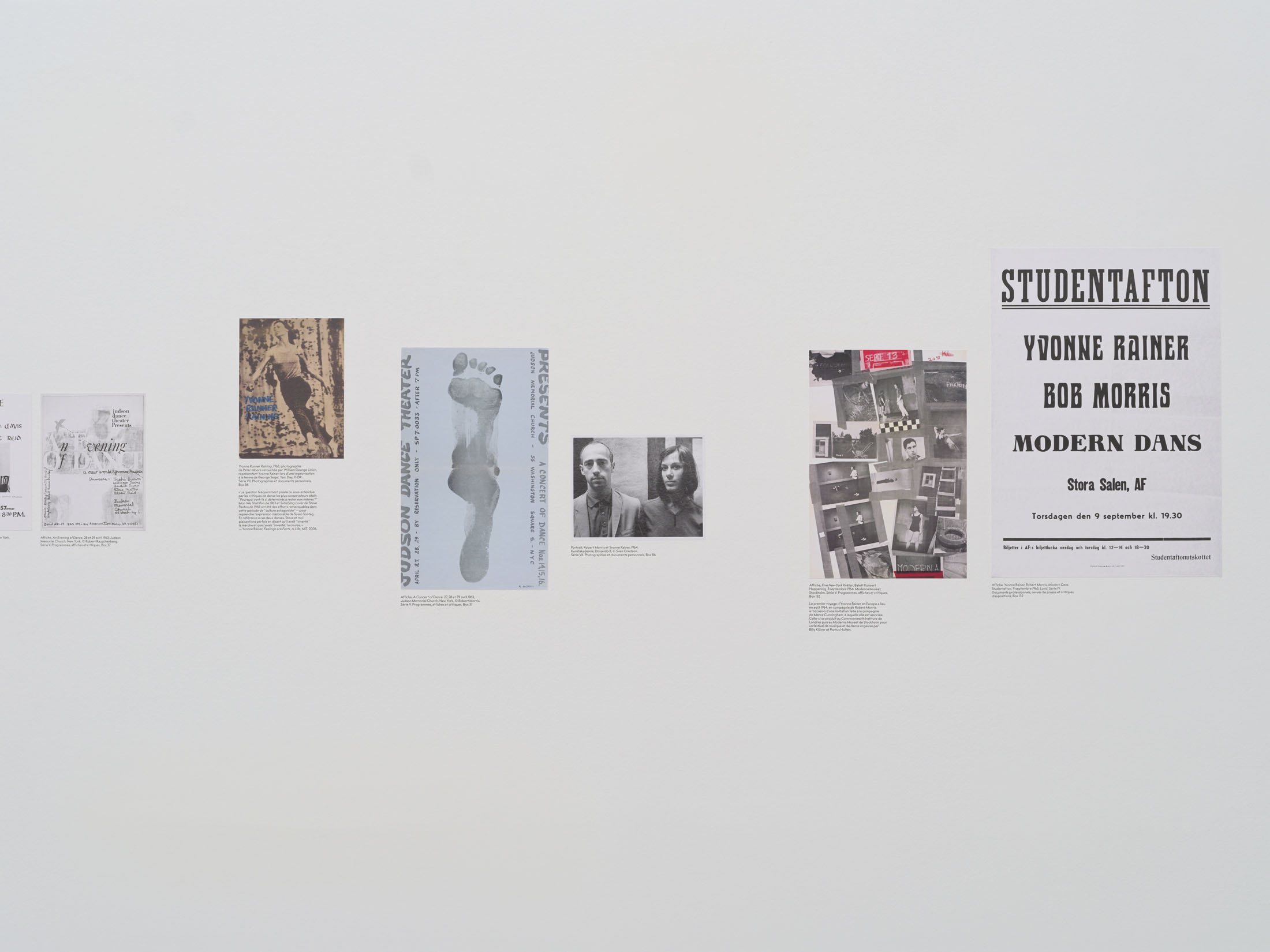
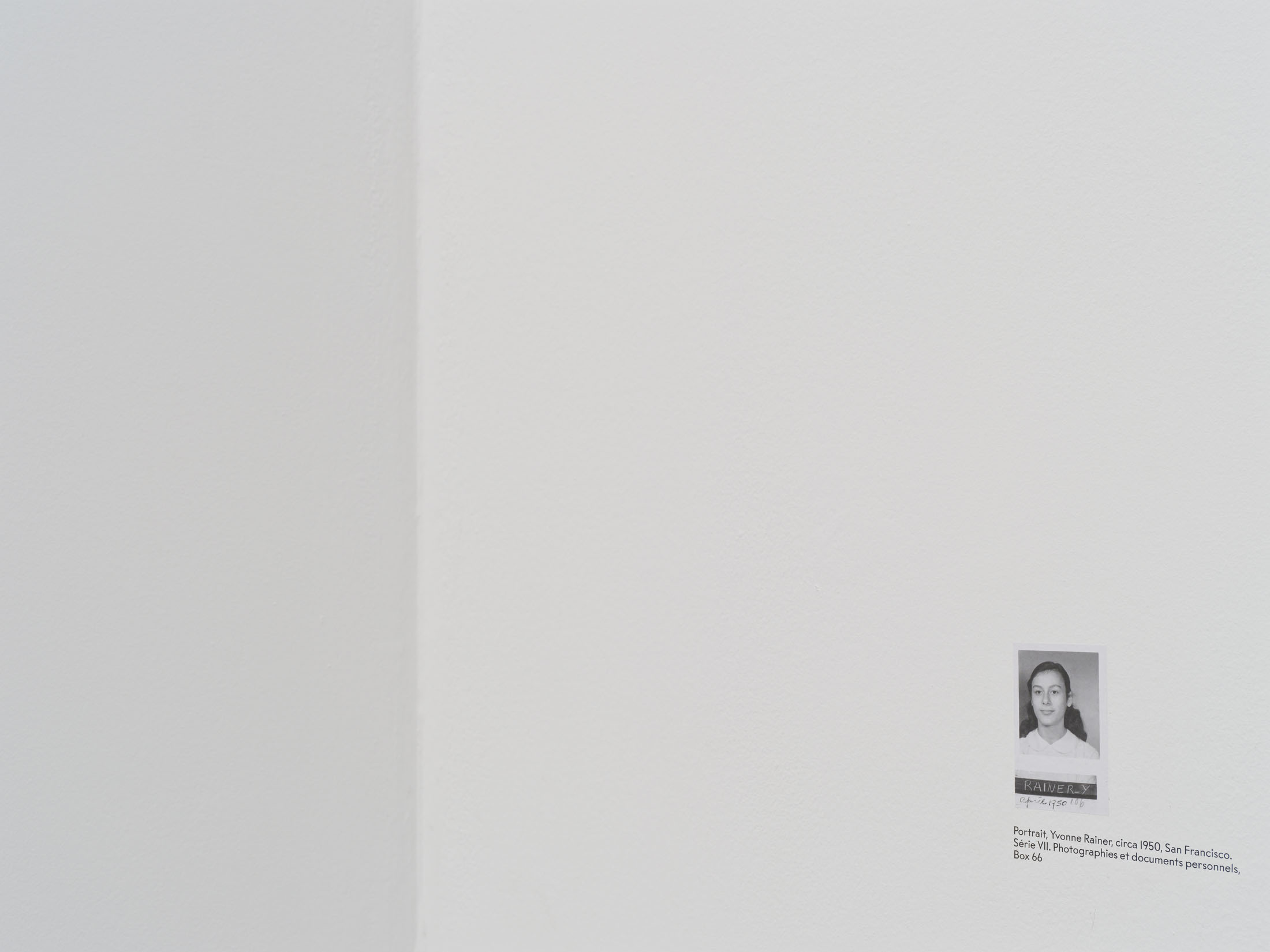
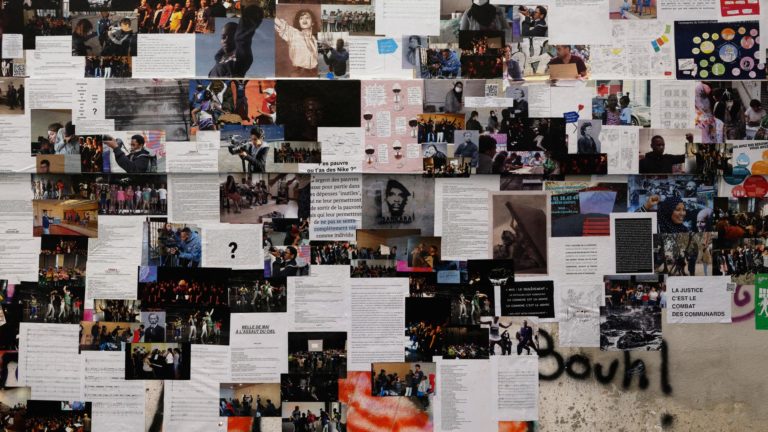
Though it might look like a solo exhibition, it assembles a multiplicity of artists, performers and researchers whose voices resonate around Yvonne Rainer. The exhibition also offers a complete retrospective of Yvonne Rainer’s feature films, as well as material from her personal archives, and a
programme of public events that includes performances, readings and talks. “Yvonne Rainer: A Reader” celebrates a key figure of art and feminism in the 20th and 21st centuries.
Feelings are facts. These are now reproduced and translated into French for the first time. They are as alive and vivid as can be, expressing a subjectivity that is by turns female, a-woman, lesbian, queer… In other words, a voice in motion, continually revitalized by struggle, encouraging us to devise new forms of self-representation. This project is the result of
several years of research in France and the United States (mainly New York, Los Angeles and San Francisco). It is accompanied by a bilingual publication (JRP/Editions – Nouvelle fenêtre, supported by the Centre national des arts plastiques – Nouvelle fenêtre and Villa Albertine – Nouvelle fenêtre) that extends and materialises the desire to make available in French, for the first time, a sizeable collection of previously inaccessible articles, writings, essays and interviews. The book includes a series of recent interviews with Gregg Bordowitz, Boudry/Lorenz, Nick Mauss, Lynne Tillman and Yvonne Rainer.
–Arlène Berceliot Courtin