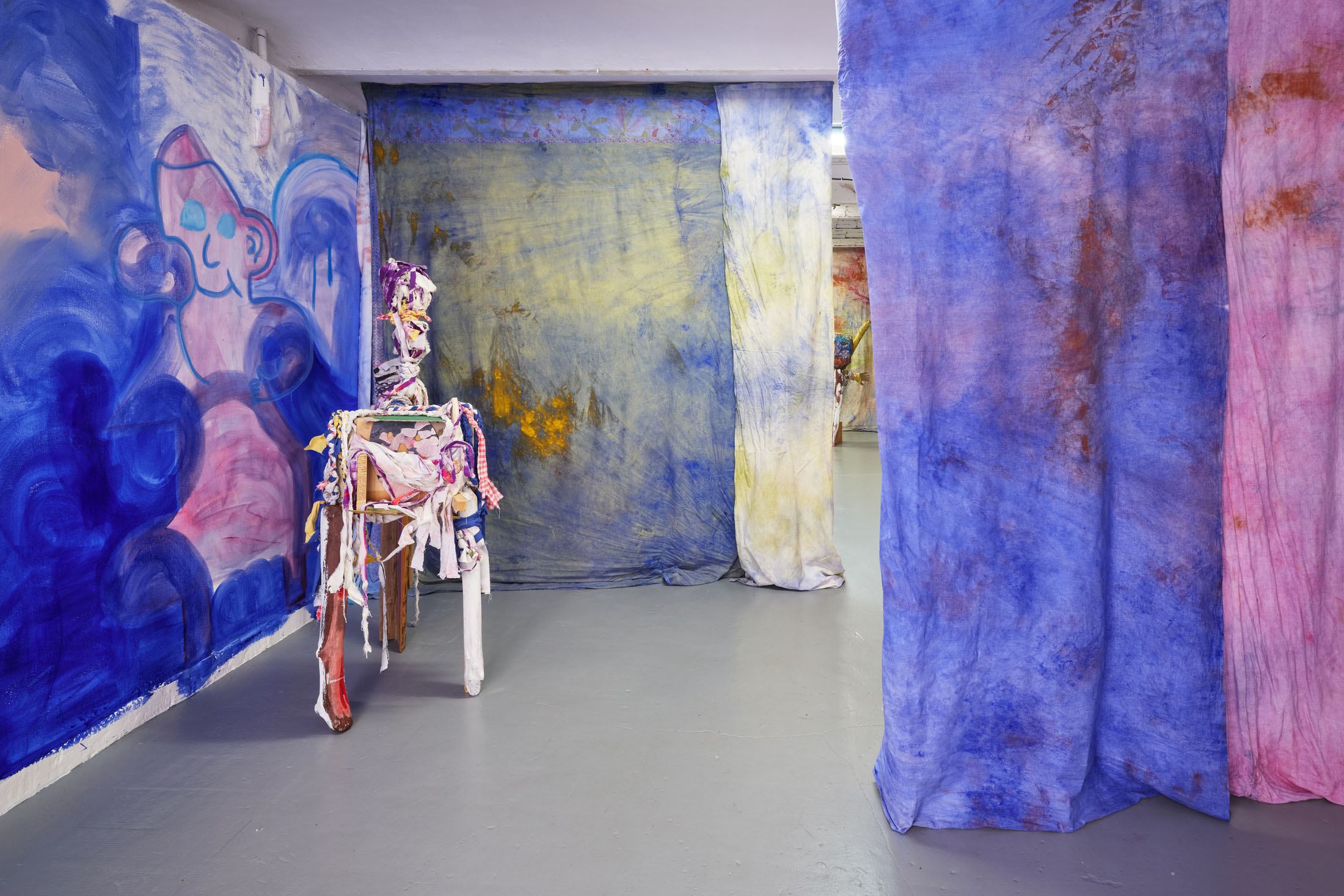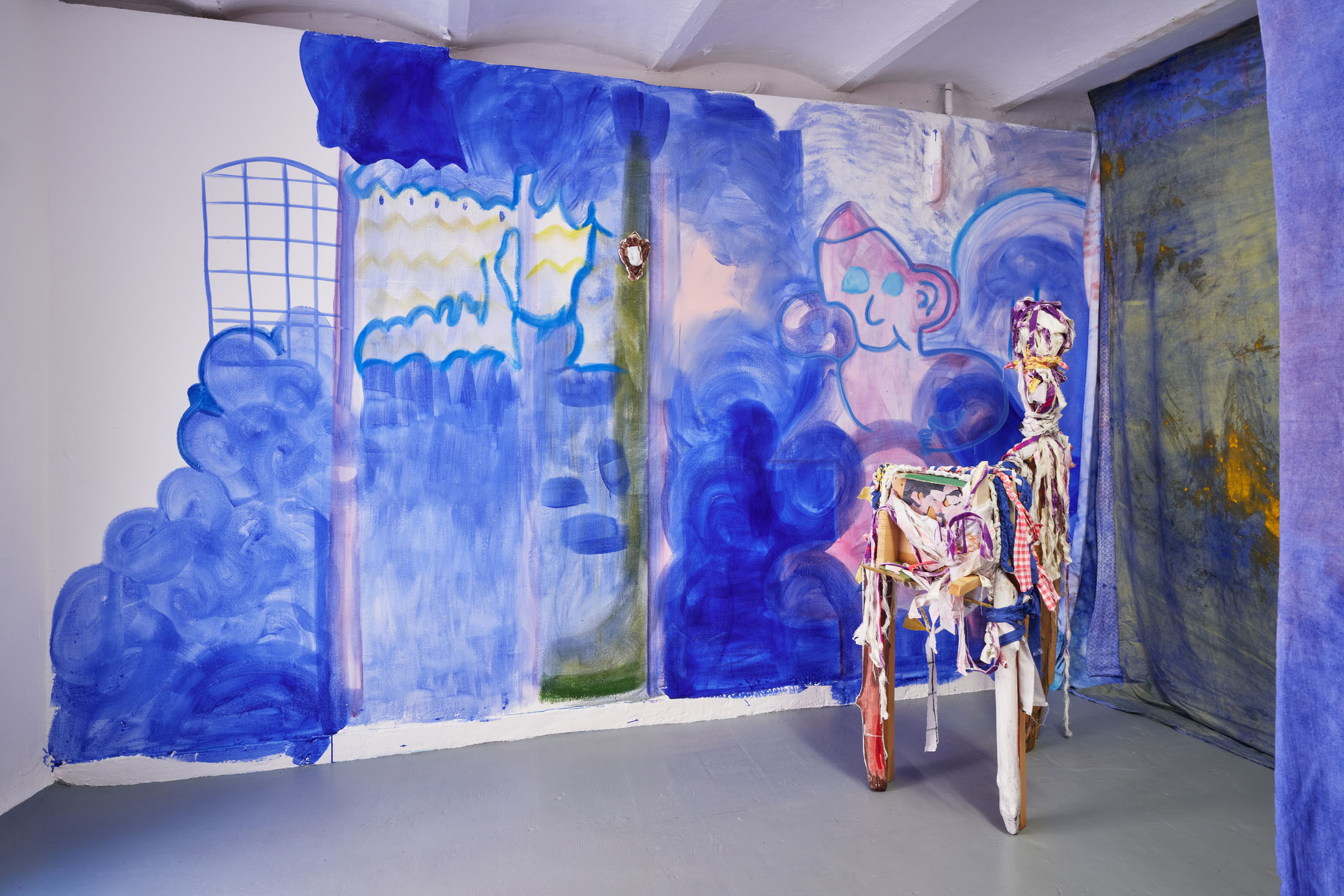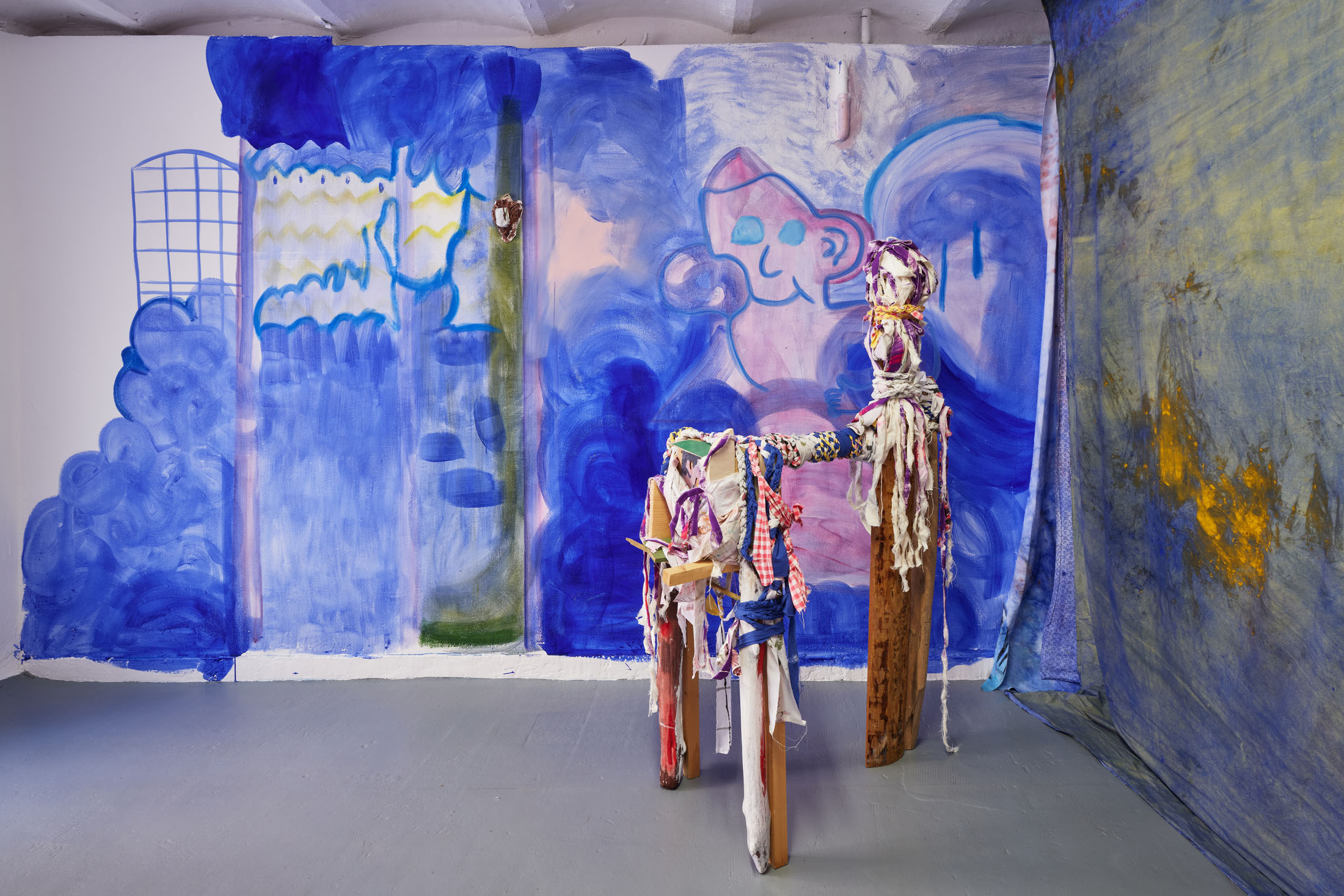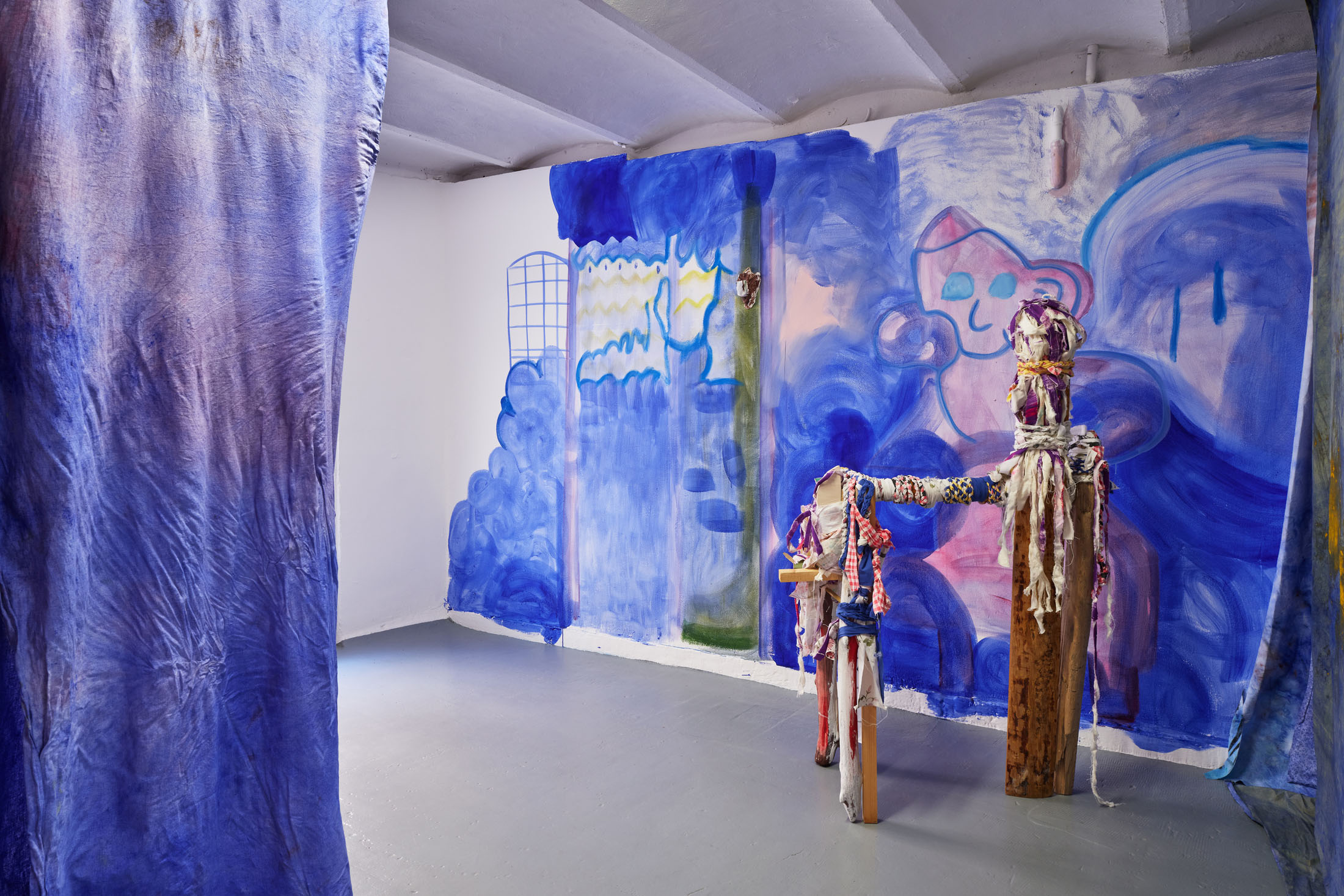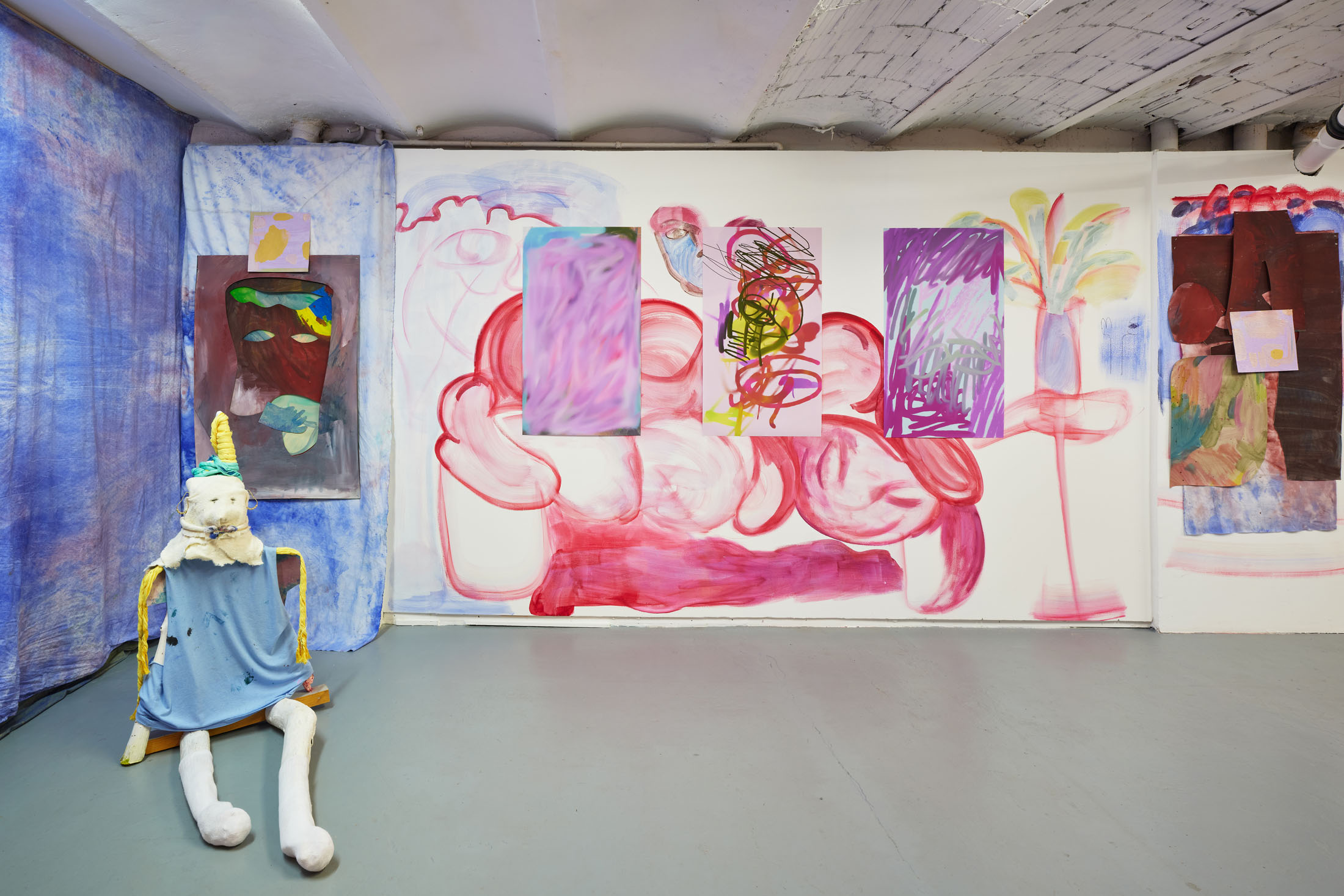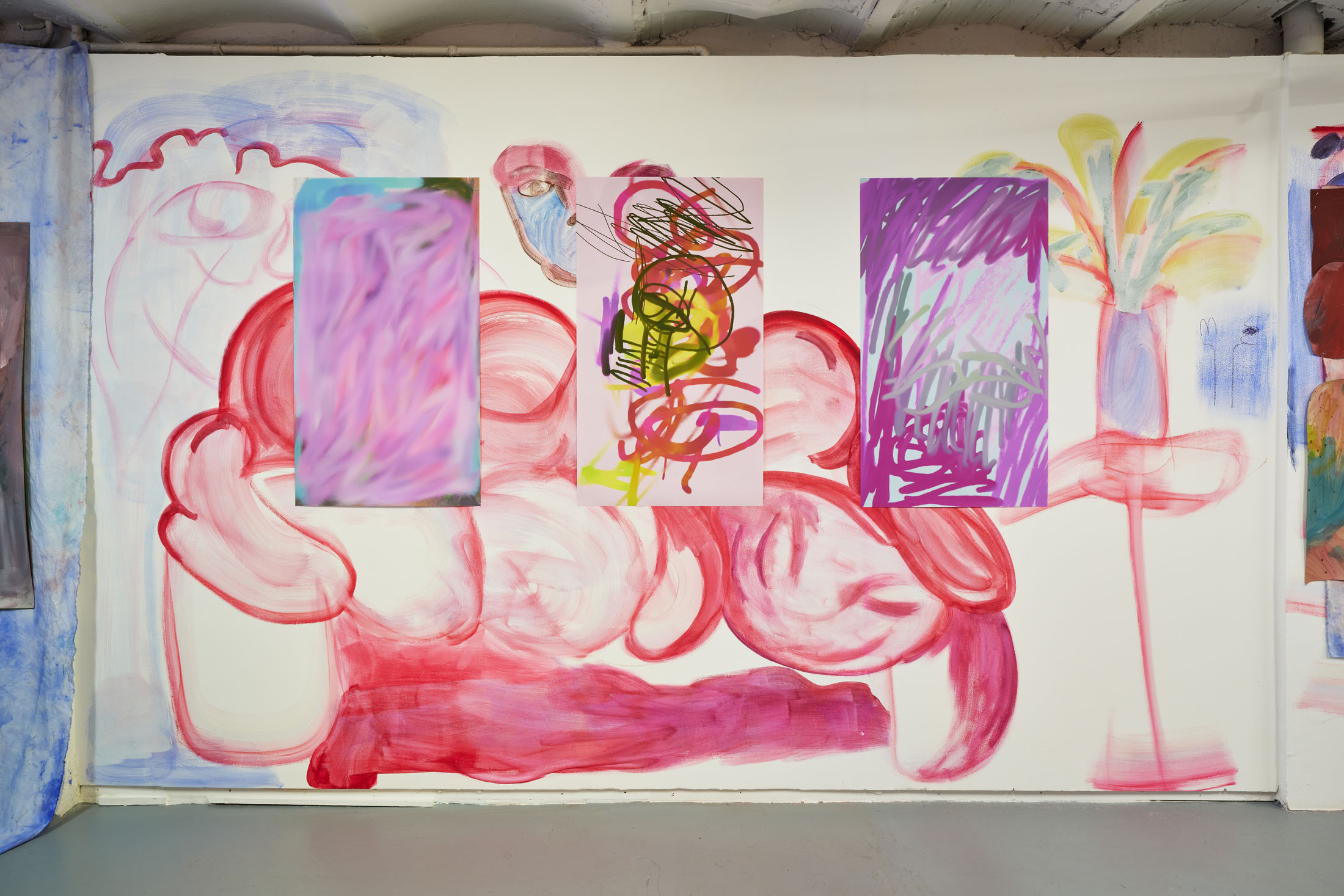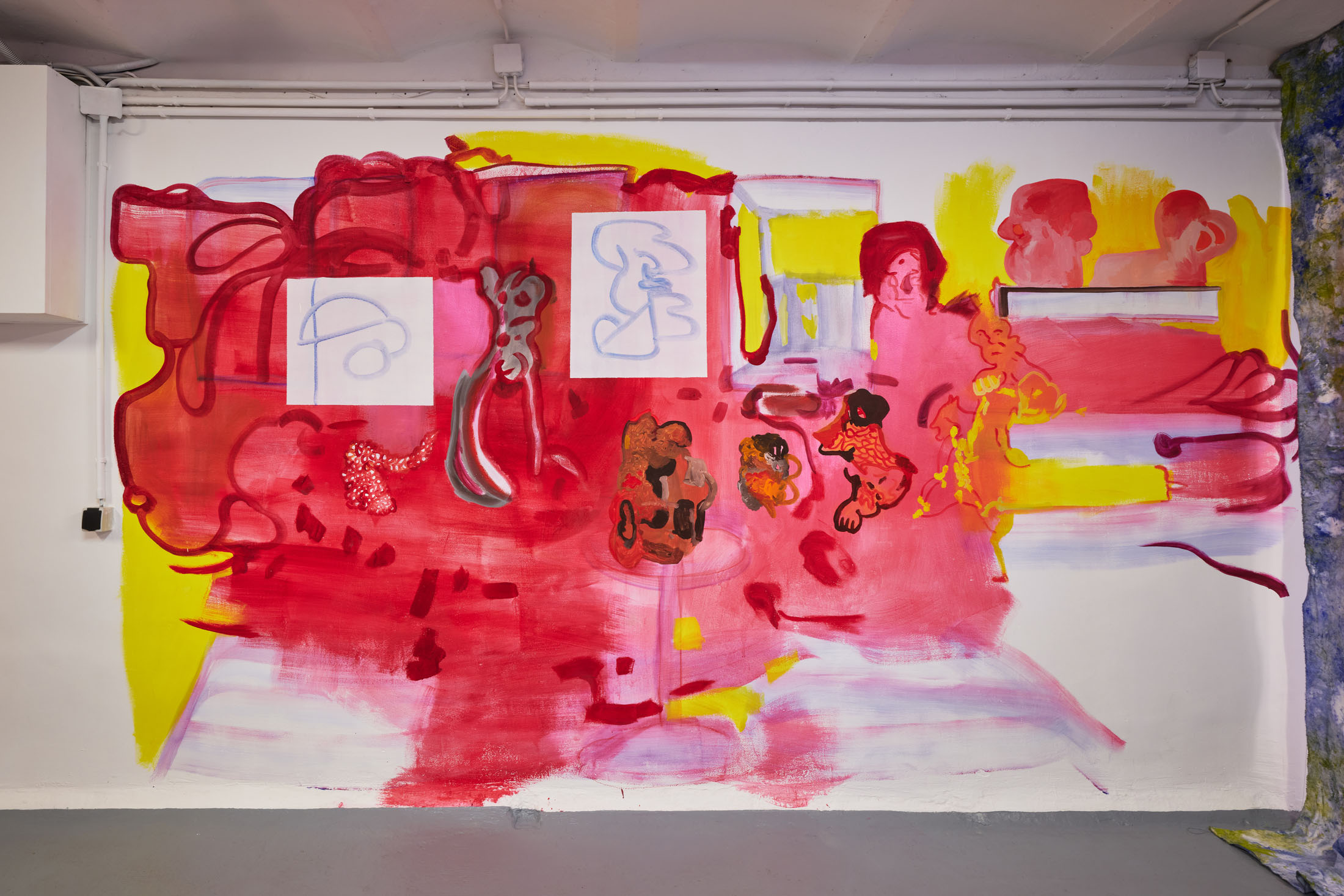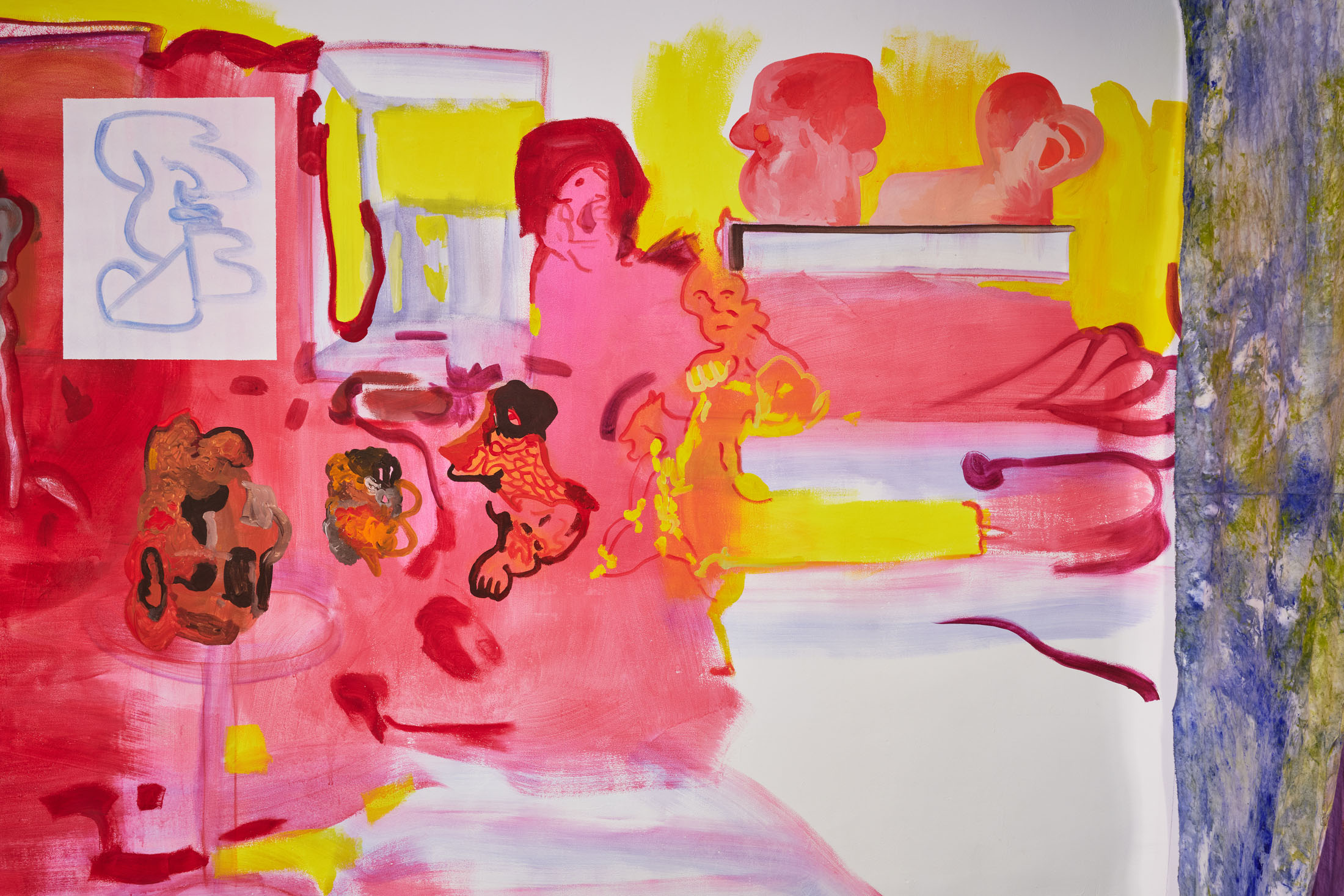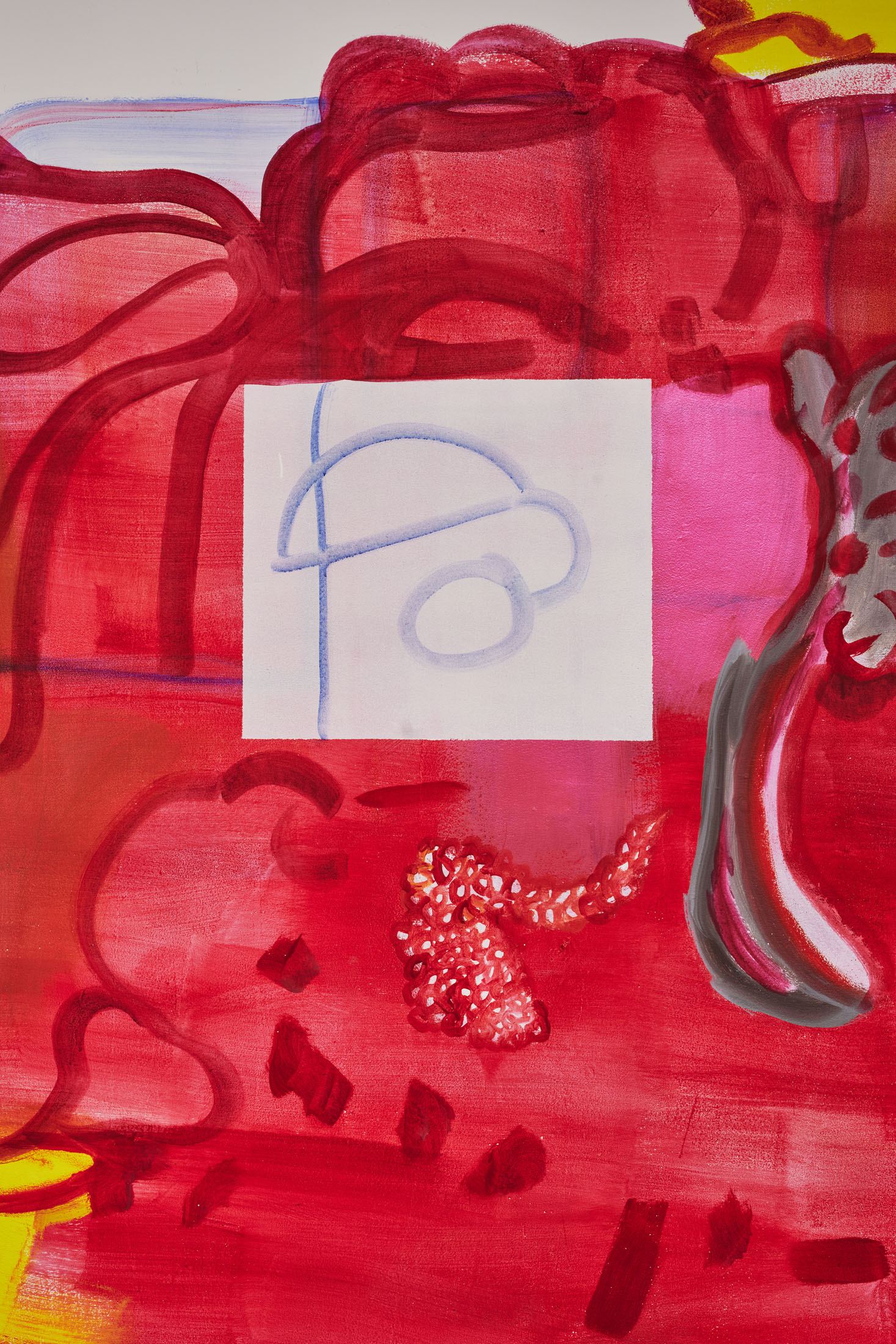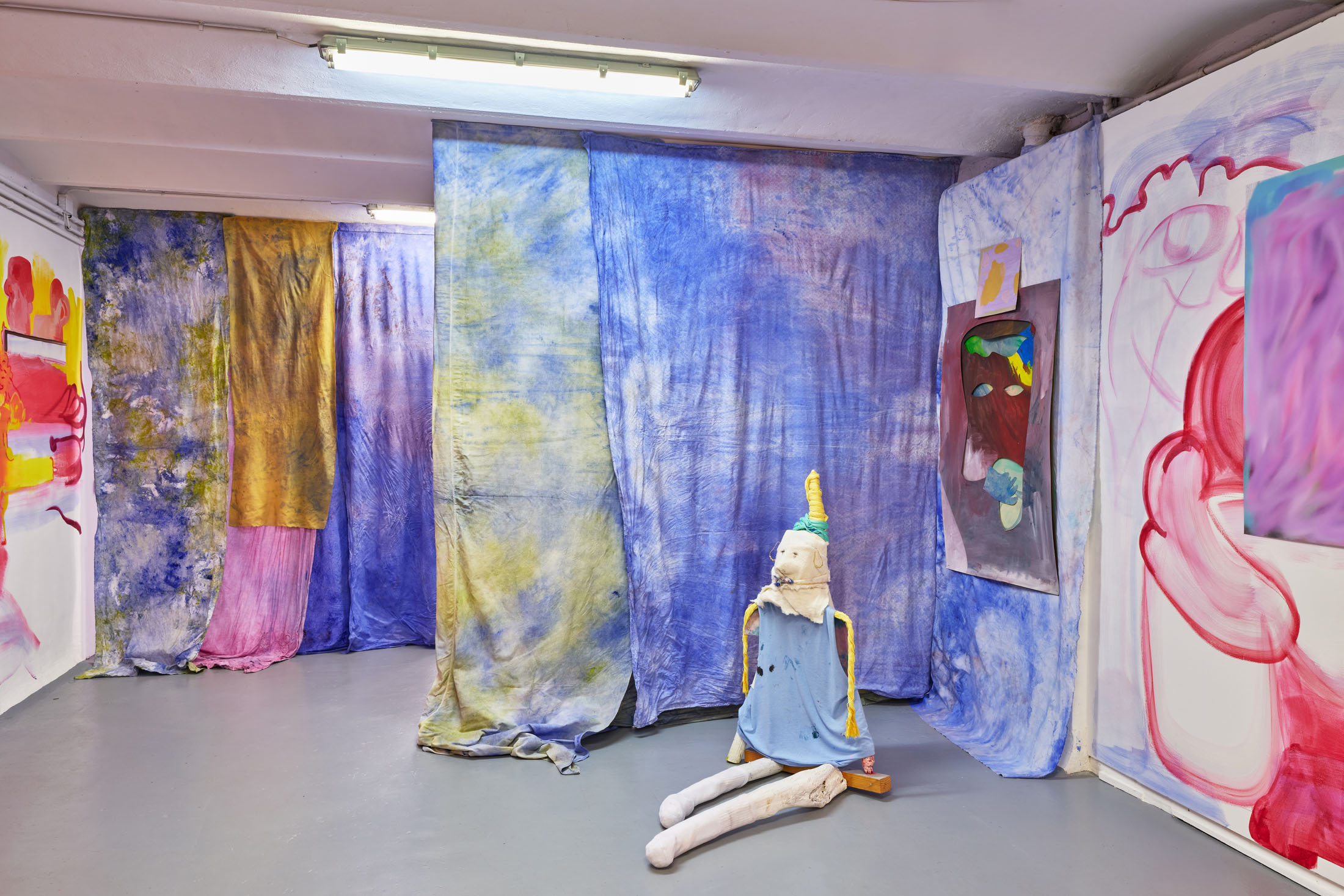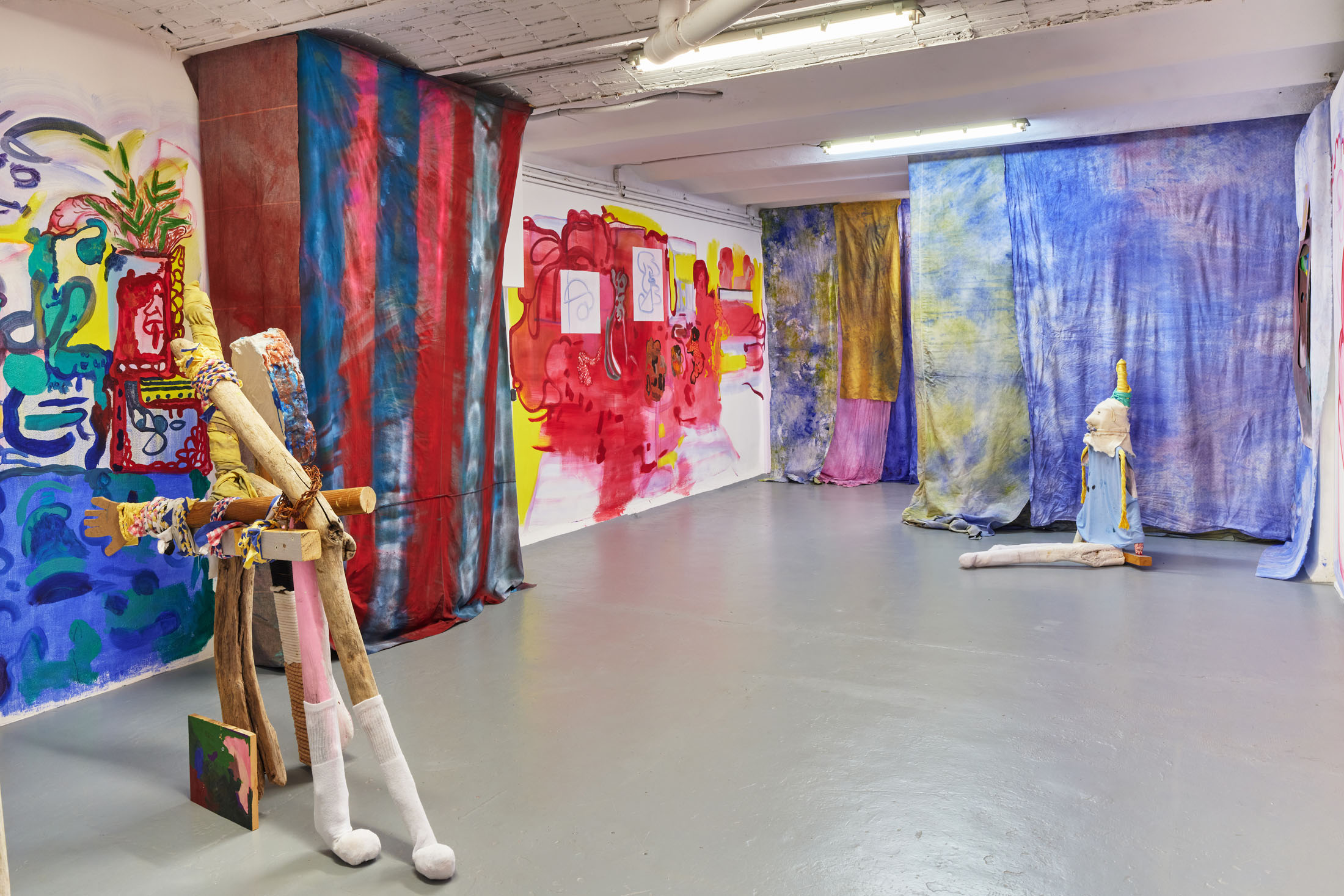
In L’Antre de l’Épouvantail, Yoan Sorin approaches painting not as a self-contained medium but as a contested, unstable field. Painting here is less about mastery than about confrontation: a fragile surface where sincerity, vulnerability, and improvisation collide.
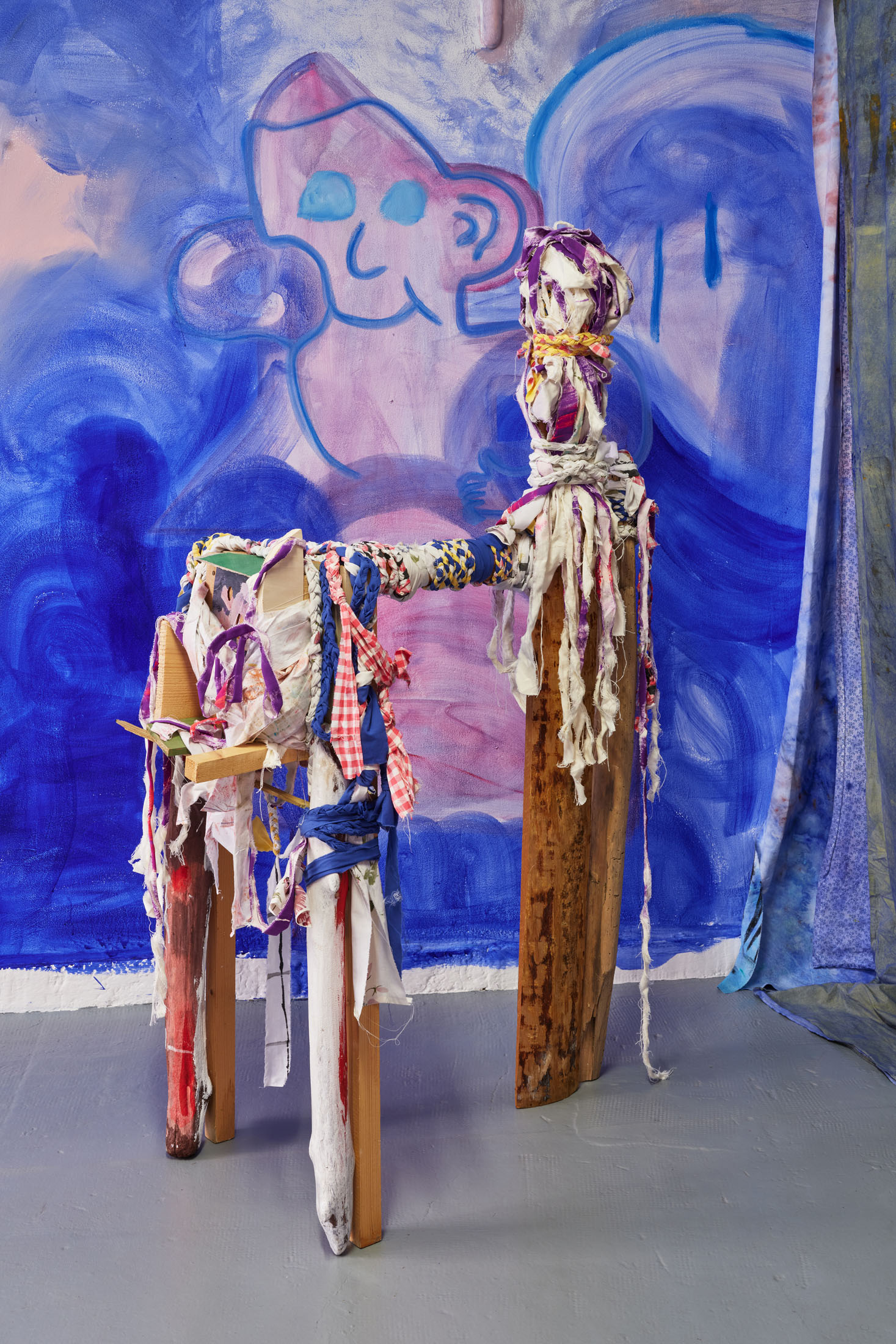
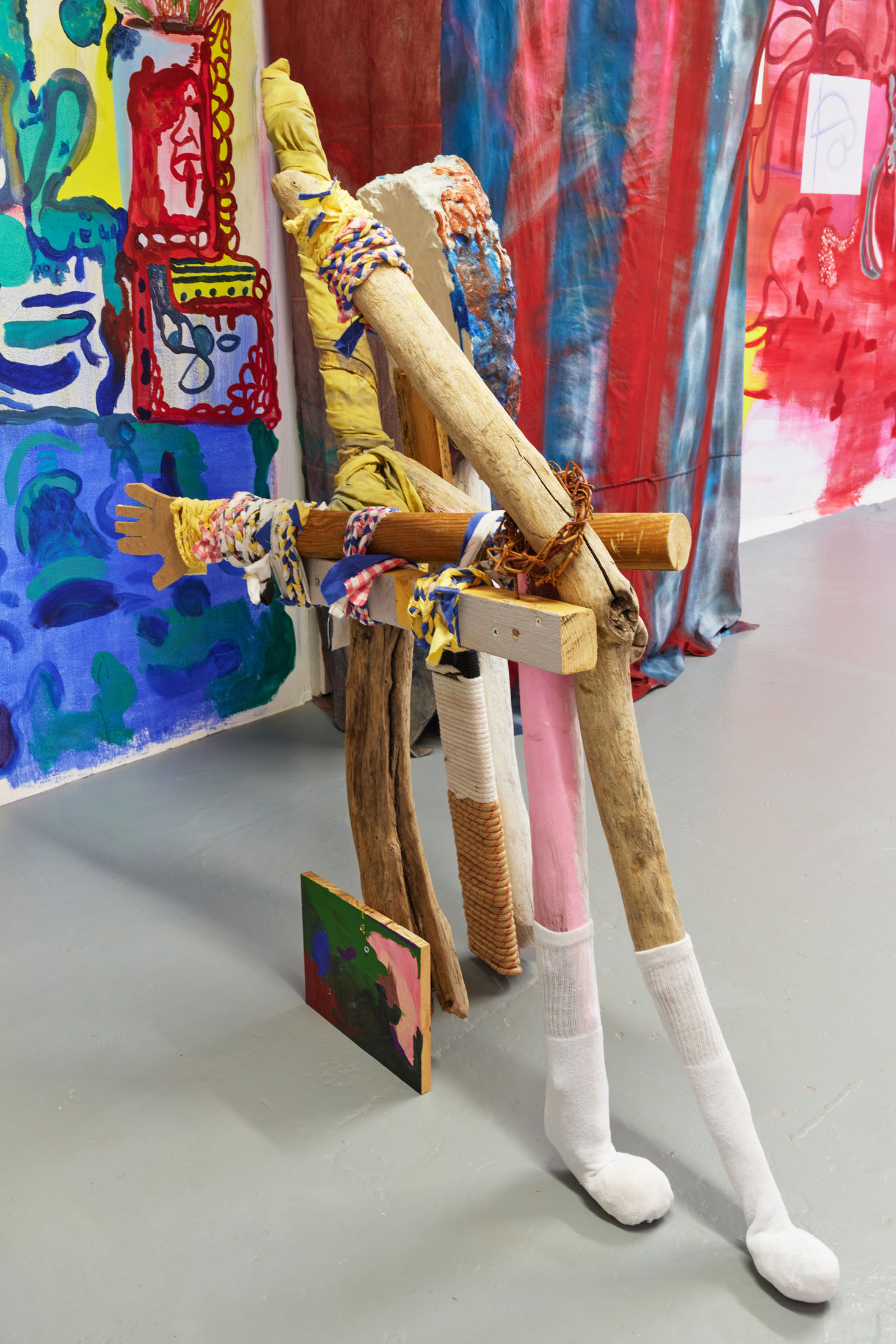
The figure of the scarecrow (Épouvantail)— suspended between menace and protection — becomes a central metaphor. Echoing the lineage of images designed to disturb rather than console, from the pitture infamanti of Renaissance Florence to the radical deconstructions of Supports/Surfaces in the 1970s, Sorin reactivates painting as effigy rather than monument. His canvases are precarious bodies, closer to avatars than to authoritative objects.
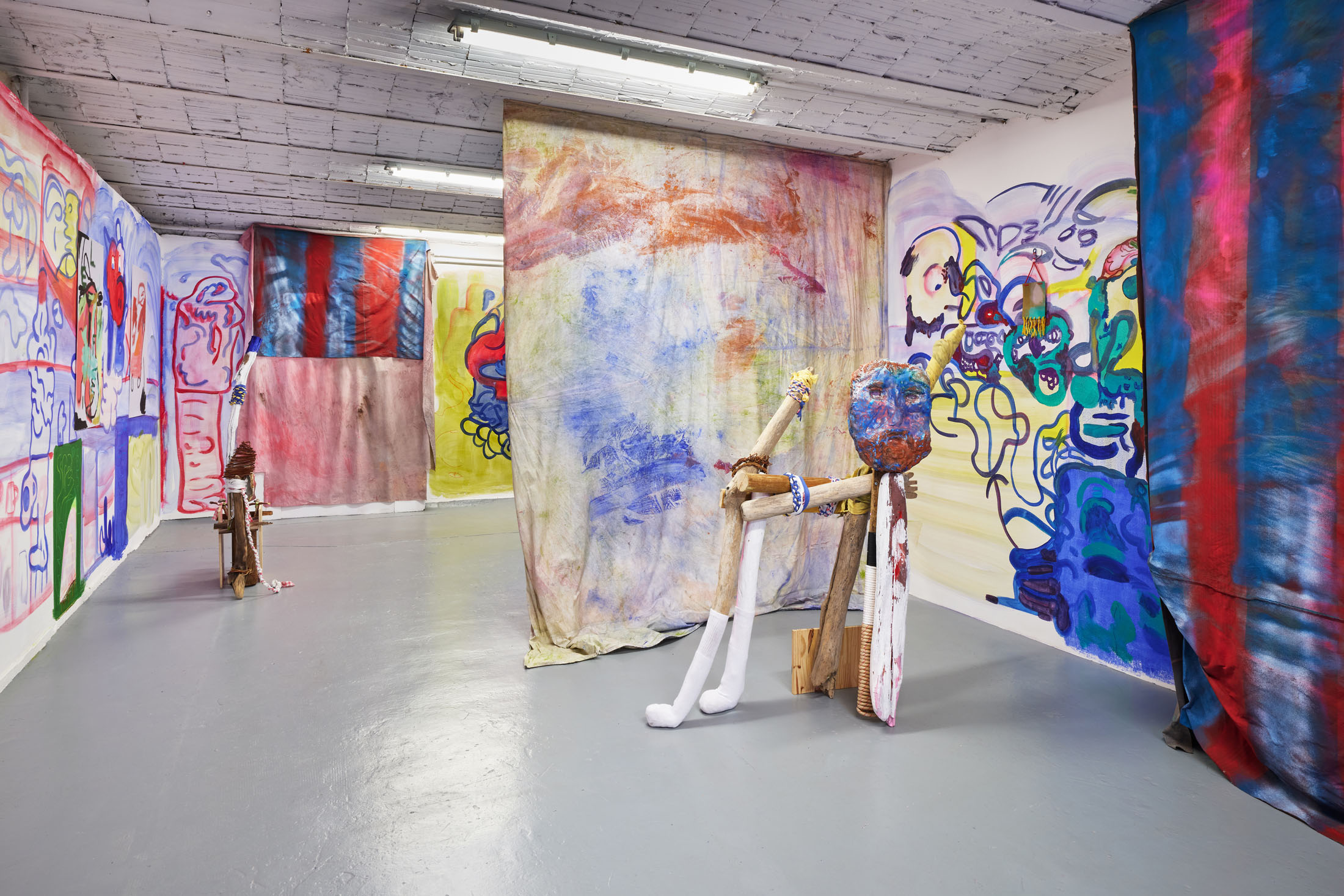
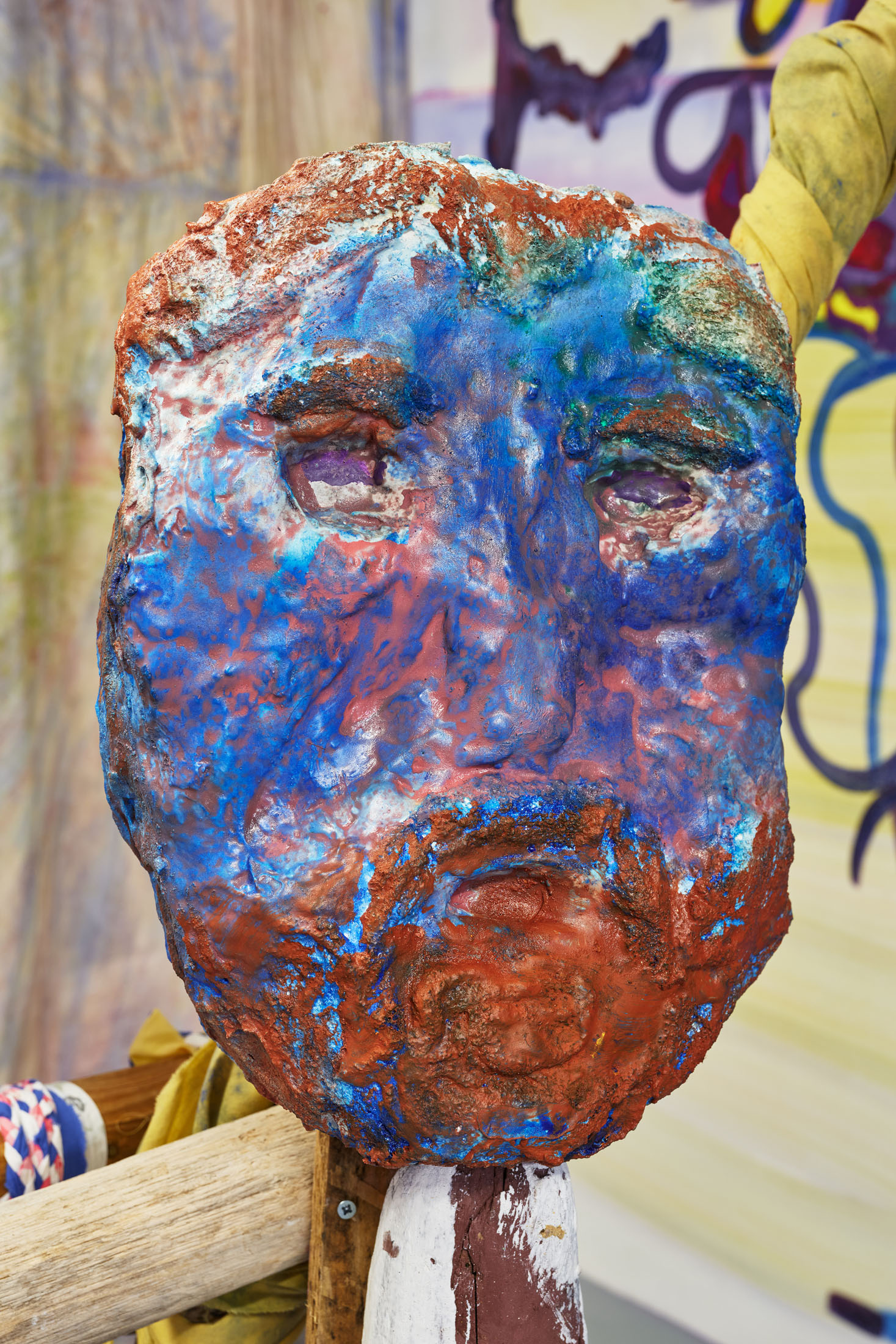
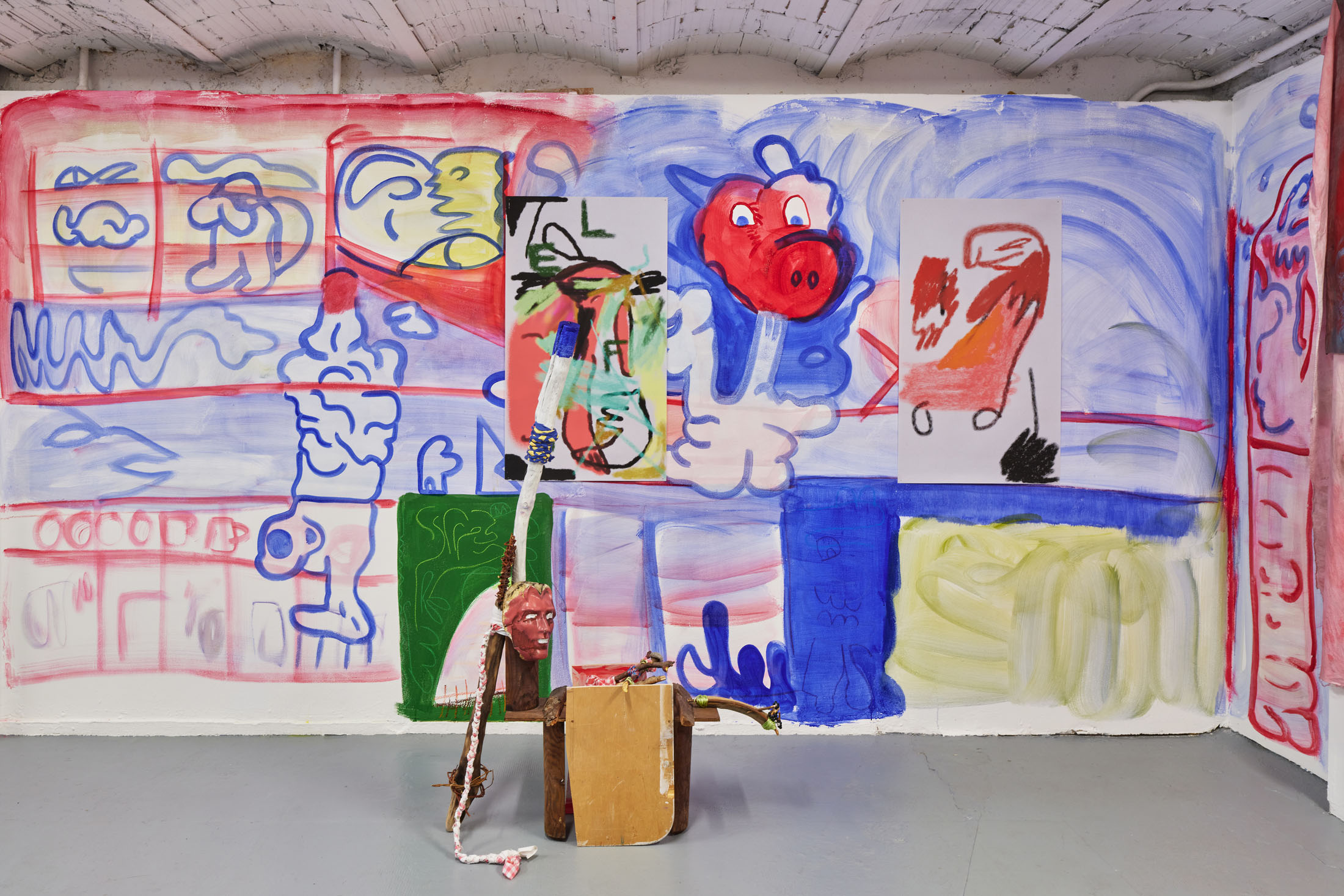
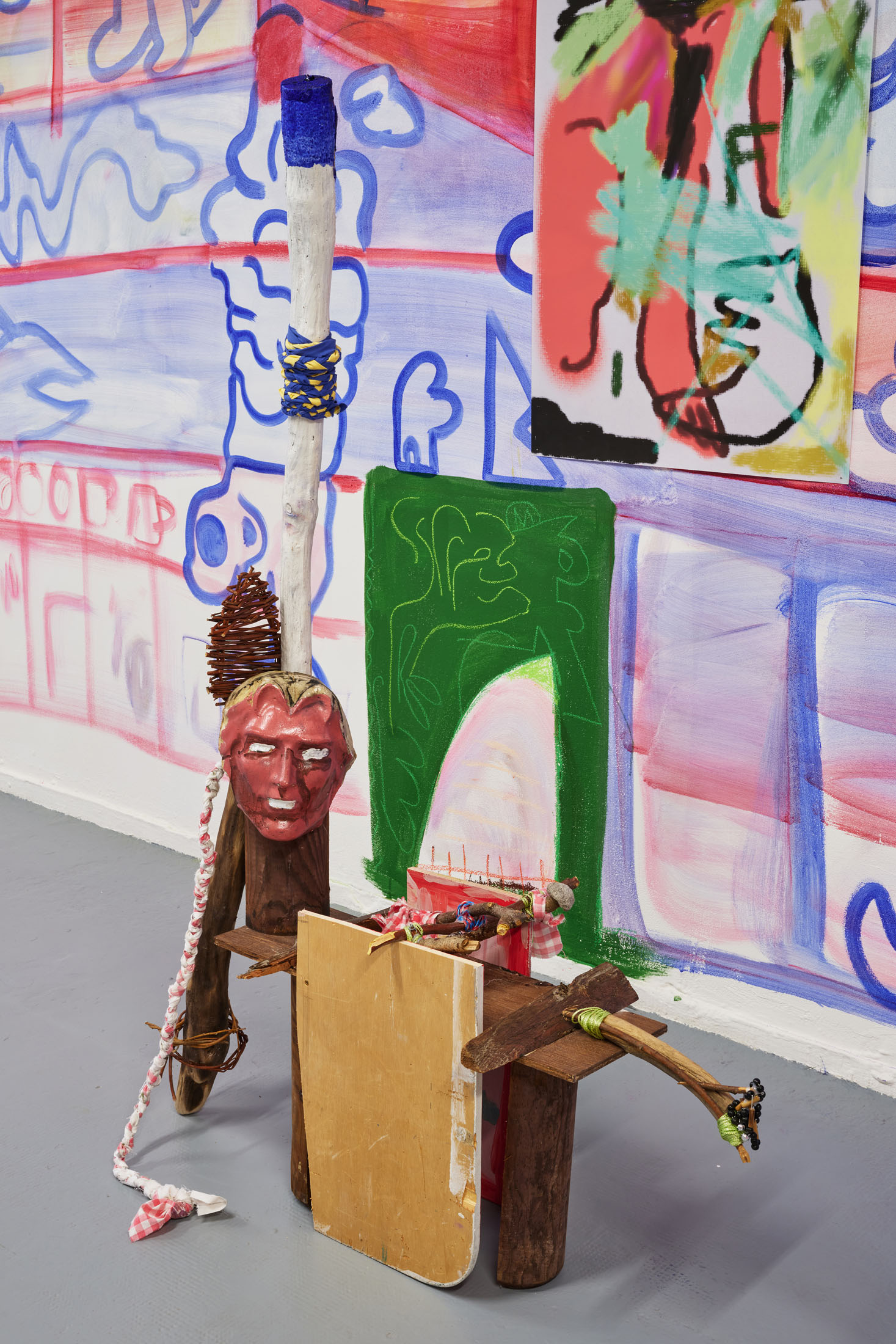
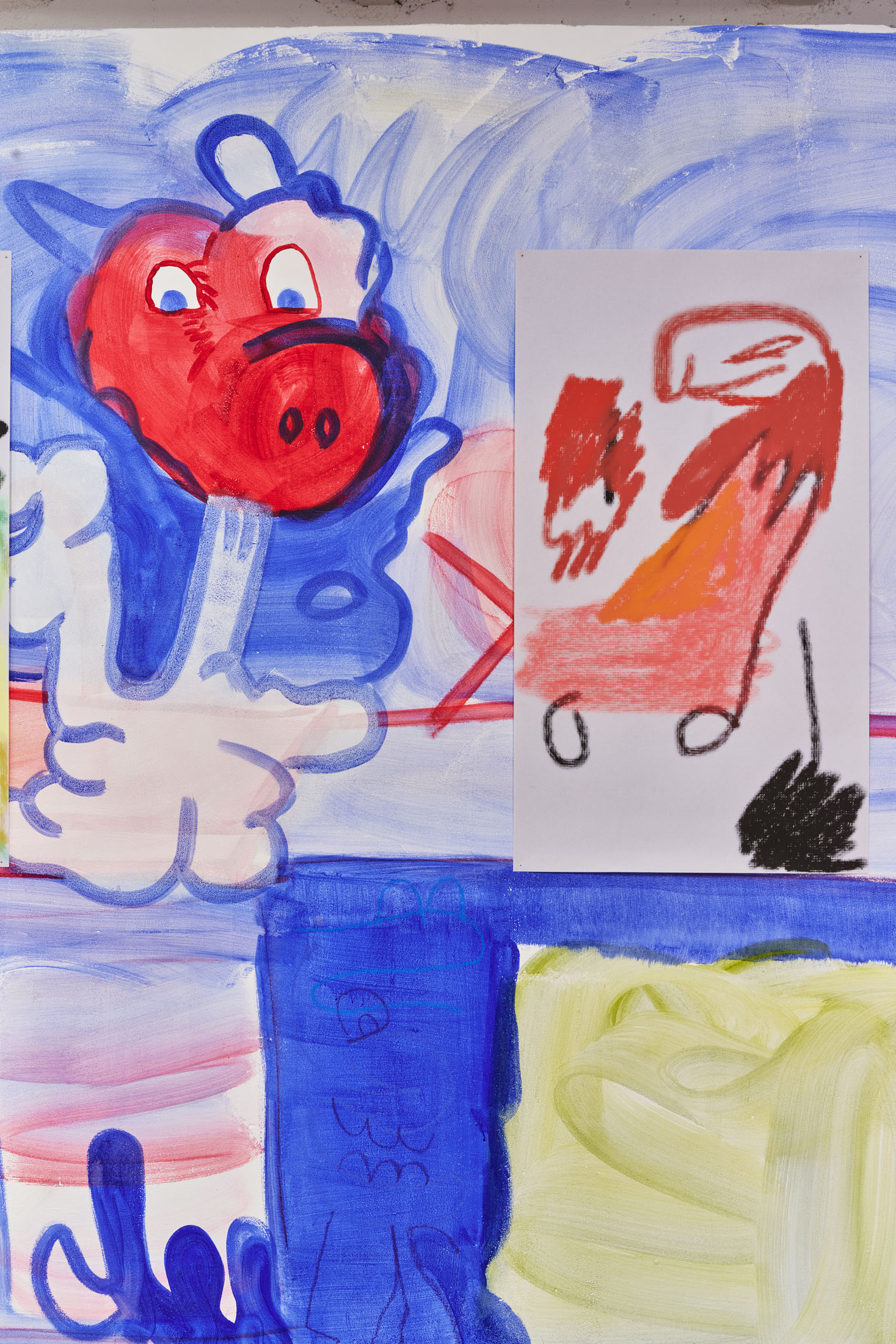
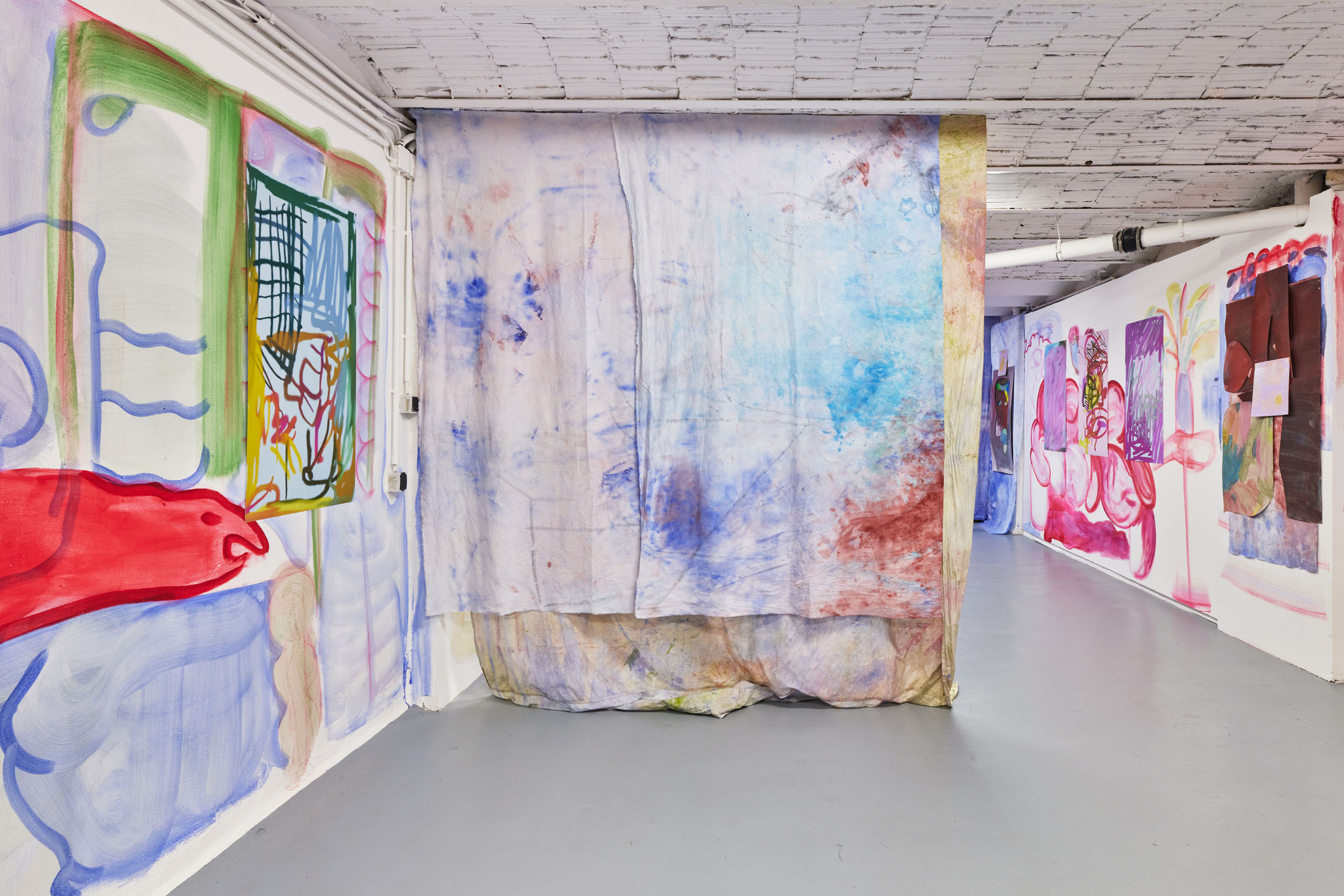
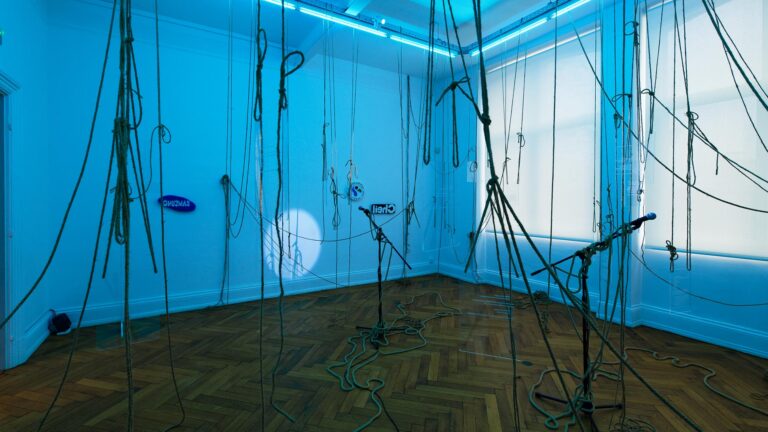
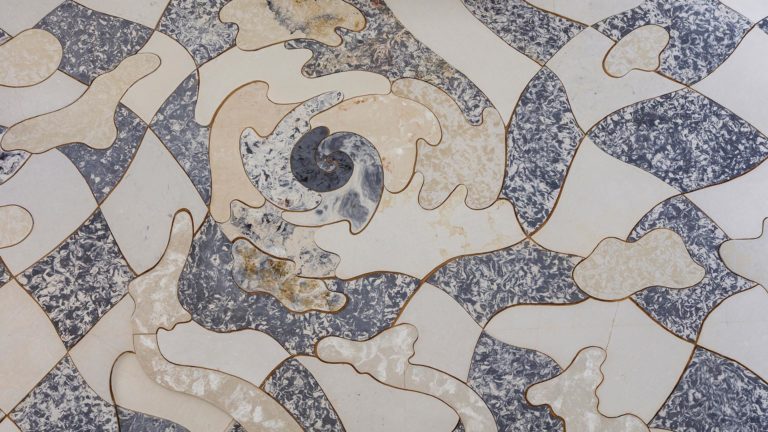
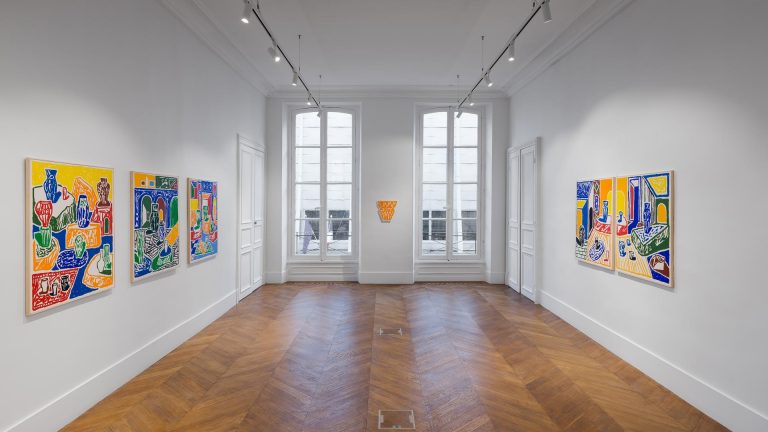
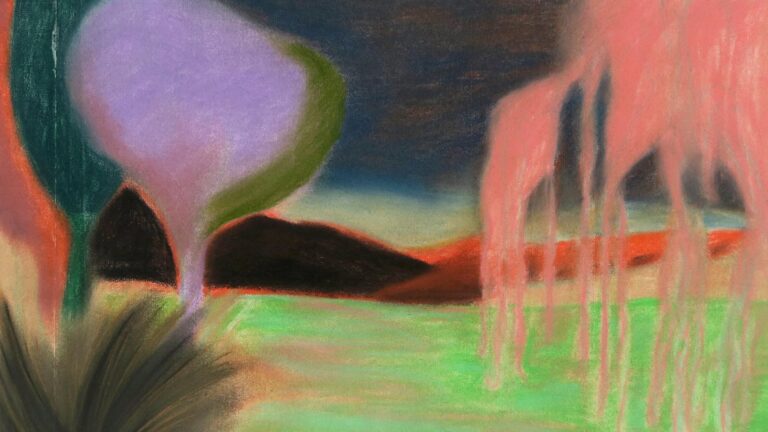
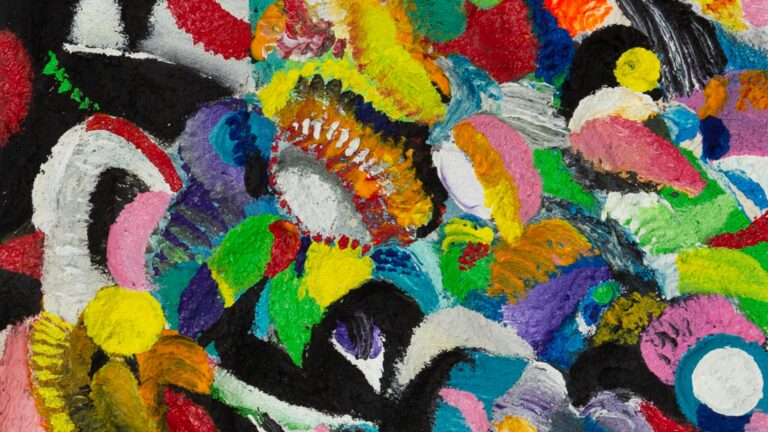
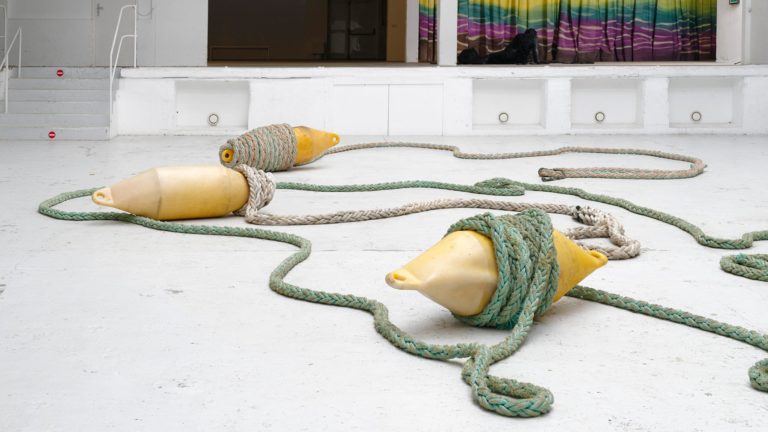
The exhibition transforms the gallery into a porous dwelling where painting escapes its frame. Works lean, collapse, and spill into space, recalling theatrical props, fabric environments, or remnants of performance. Domestic gestures — torn bedsheets braided into ropes, pigments mixed with water and applied with sponges or construction brushes — meet signs of figuration that emerge almost accidentally, like faces, masks, or fragments of furniture. Sorin insists on painting as disguise, as a way of inhabiting and reconfiguring space rather than representing it.
At once intimate and collective, the scarecrow functions as both self-portrait and anonymous figure, an effigy haunted by solitude, survival, and invention. Driftwood gathered along the seashore evokes human remains, while braided textiles suggest escape routes, improvisations of freedom. In Sorin’s practice, art remains a search for possible exits — a way of resisting isolation and reclaiming presence.
Ultimately, L’Antre de l’Épouvantail, affirms Sorin’s understanding of art as a practice of risk, doubt, and sincerity. The scarecrow is embraced not as failure but as companion: a reminder that painting is most alive when it unsettles, resists closure, and opens itself to vulnerability.
Yoan Sorin (b. 1982) is a French visual artist whose practice spans drawing, installation, and performance. His work engages with cultural codes and everyday materials, exploring how art can serve as a space for critical reflection, emancipation, and collective experience. Sorin’s projects, presented in museums as well as through workshops and collaborative formats, aim to expand participation in contemporary art and to include voices often absent from traditional art spaces.