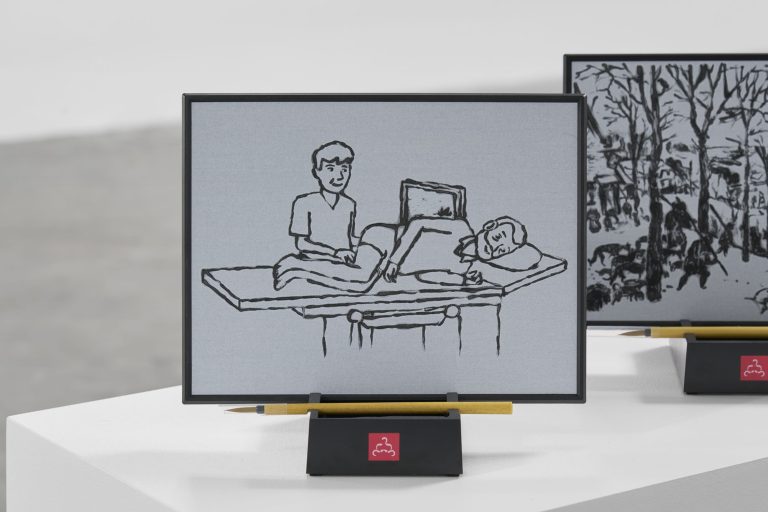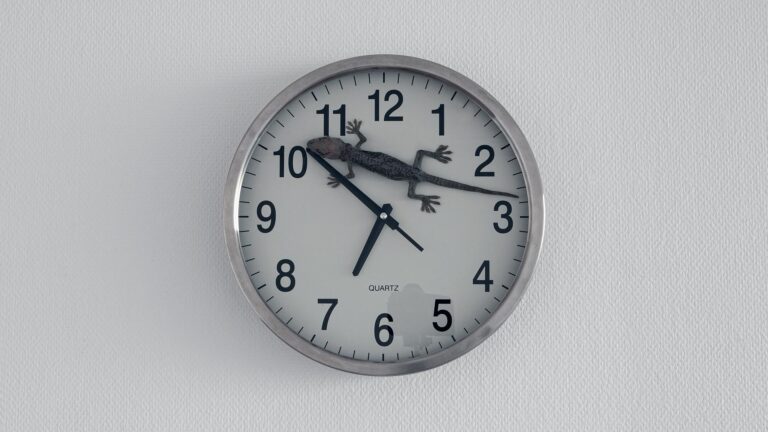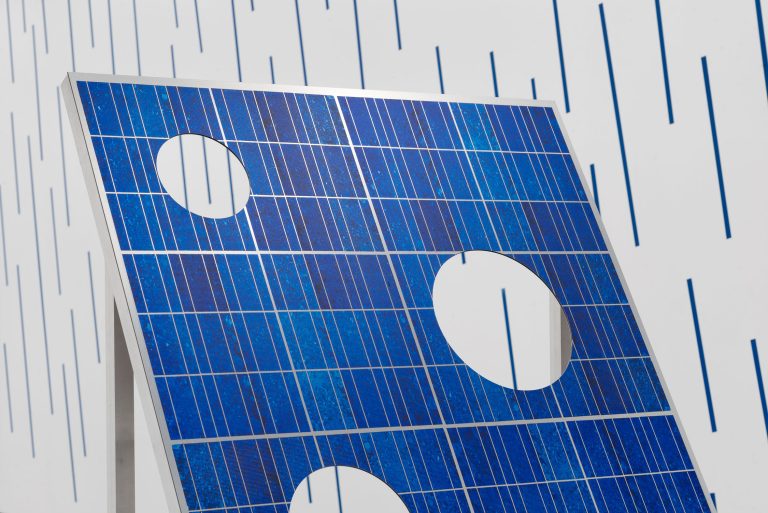
Matteo Cantarella is pleased to present “Words strain, crack and sometimes break”, a group exhibition featuring works by artists Anna Andersson (b. 1989, SE), Therese Bülow (b. 1996, DK), Carina Emery (b. 1991, CH) and Ingrid Furre (b. 1983, NO).
“Words strain, crack and sometimes break” brings together the work of four artists with distinctly different sculptural practices. Each, within their respective material registers and processes, assert form as a condition marked by continuity and transformation.
Dodging fixed linguistic interpretation, Anna Andersson explores how sculpture – as an object of thought – assumes physical form through process. Her work is driven by a continual negotiation between rules and release, where logic operates as a form of pursuit and building up and breaking down unfold simultaneously. Central to this approach is an ongoing question of when intuition should take precedence and when constraints must be maintained.
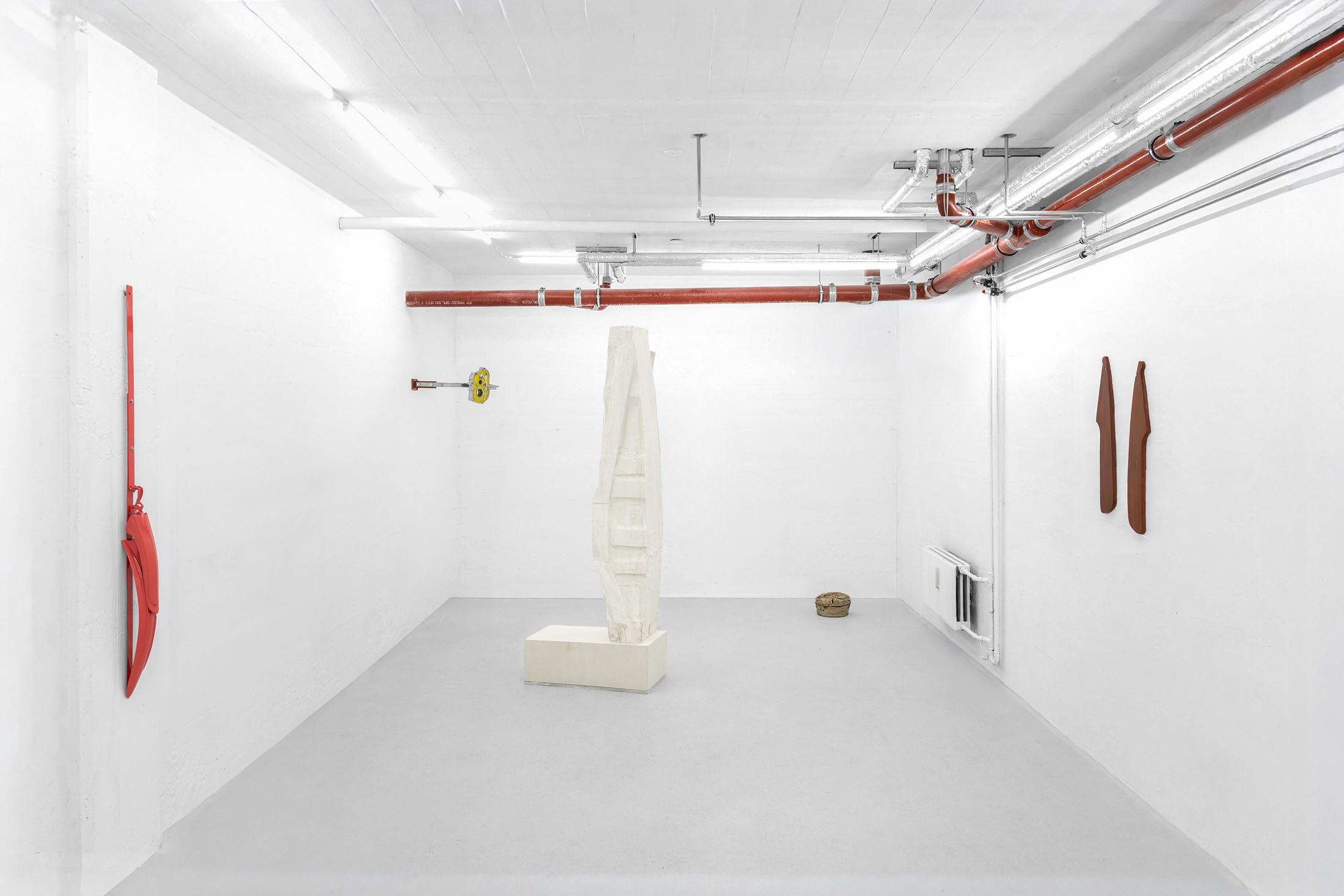
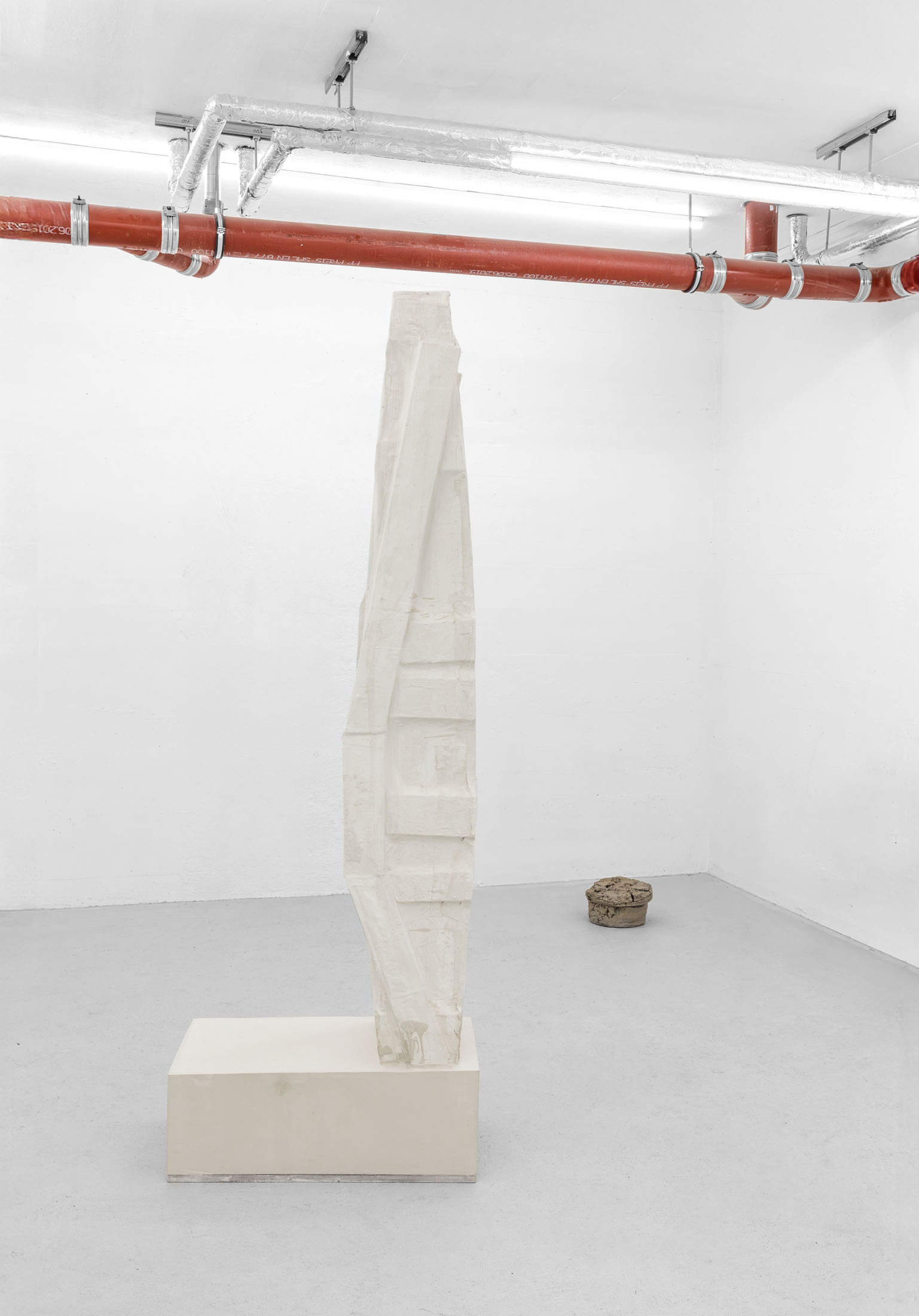
In “L” (2021), Andersson pours plaster over a form while simultaneously casting a base that allows it to stand upright. This introduces a backward logic in which the sculpture gradually withdraws into its own mass, ultimately returning to the condition of a block. Alongside such structural reversals, her practice attends to what is subtle and elusive as much as to what is immediately visible. Untitled (bucket), 2025, a concrete work shown on the floor, is formed from a bucket of water used to wash hands and tools after working with plaster, allowing the material to register the circumstances of its own making. Attempting to move beyond themselves while remaining steadily held in place, the works give form to the elusive tension of never fully knowing which pursues which – the mind or the world.
For Bülow, material exists across multiple registers at once. It holds traces of memory, sensation, and thought, operating both as an intangible field of resonance and as something physically present. These immaterial associations are not separate from matter but embedded within it, giving material a dynamic, living quality, one that remains responsive and continually reshaped by shifting conditions.
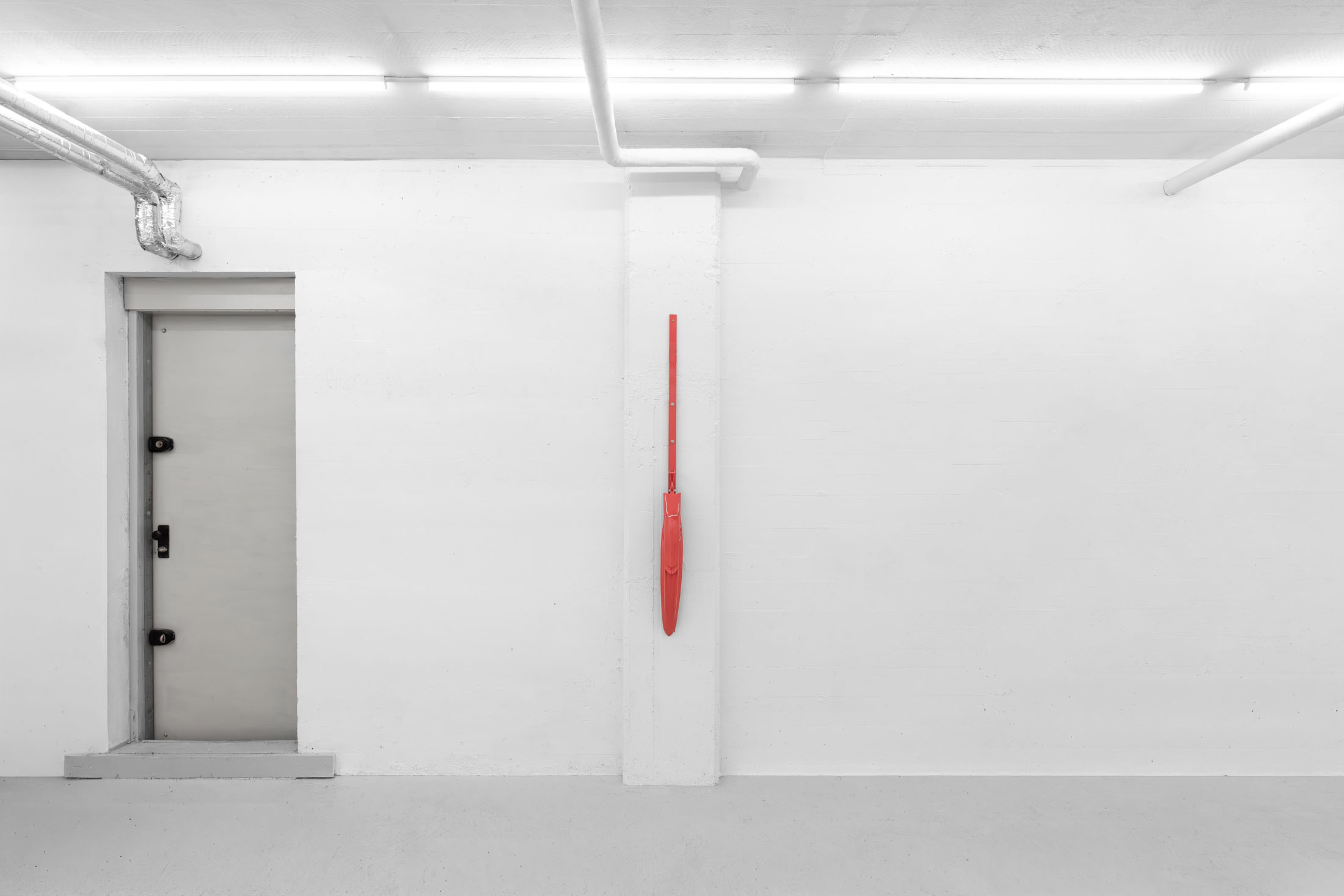
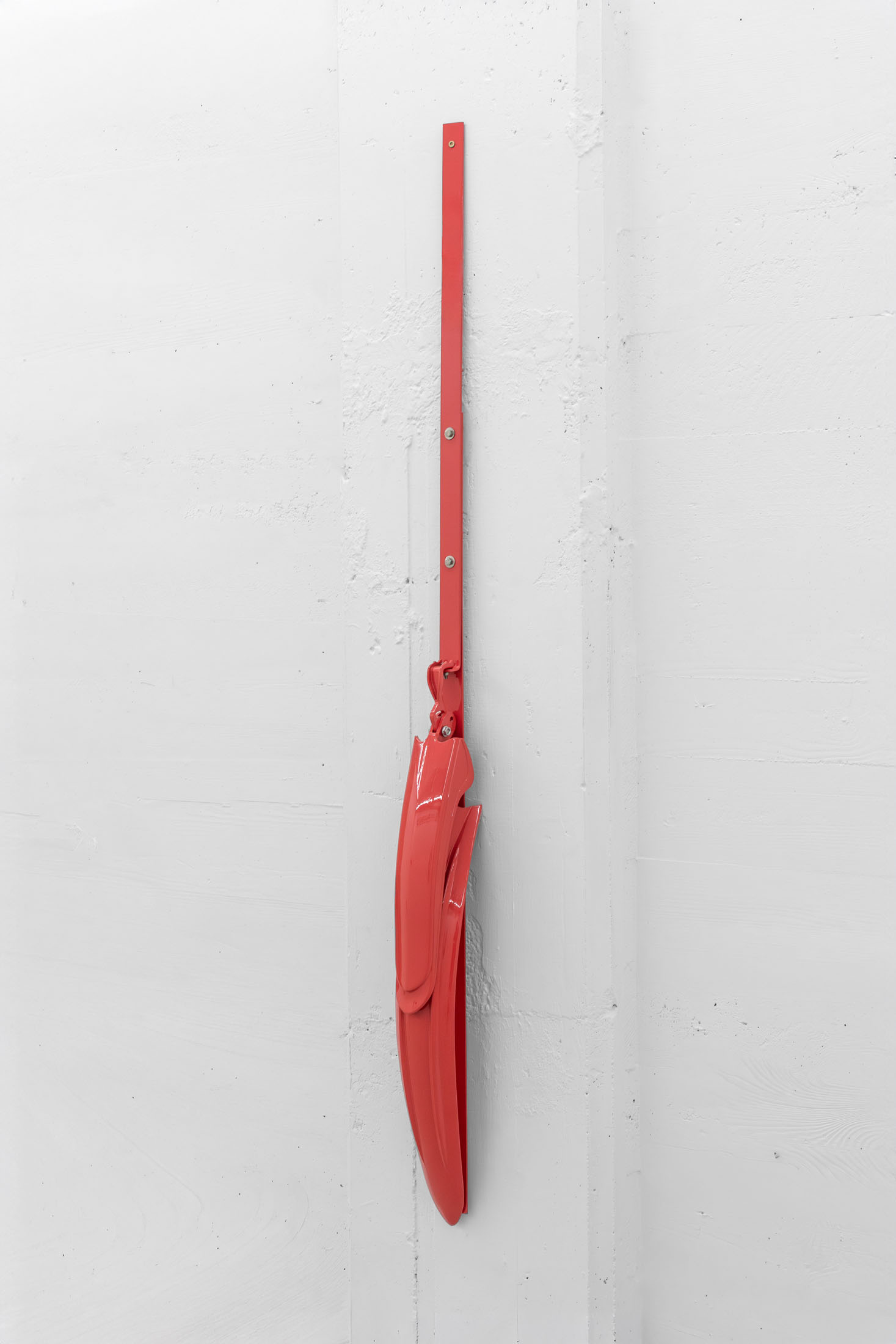
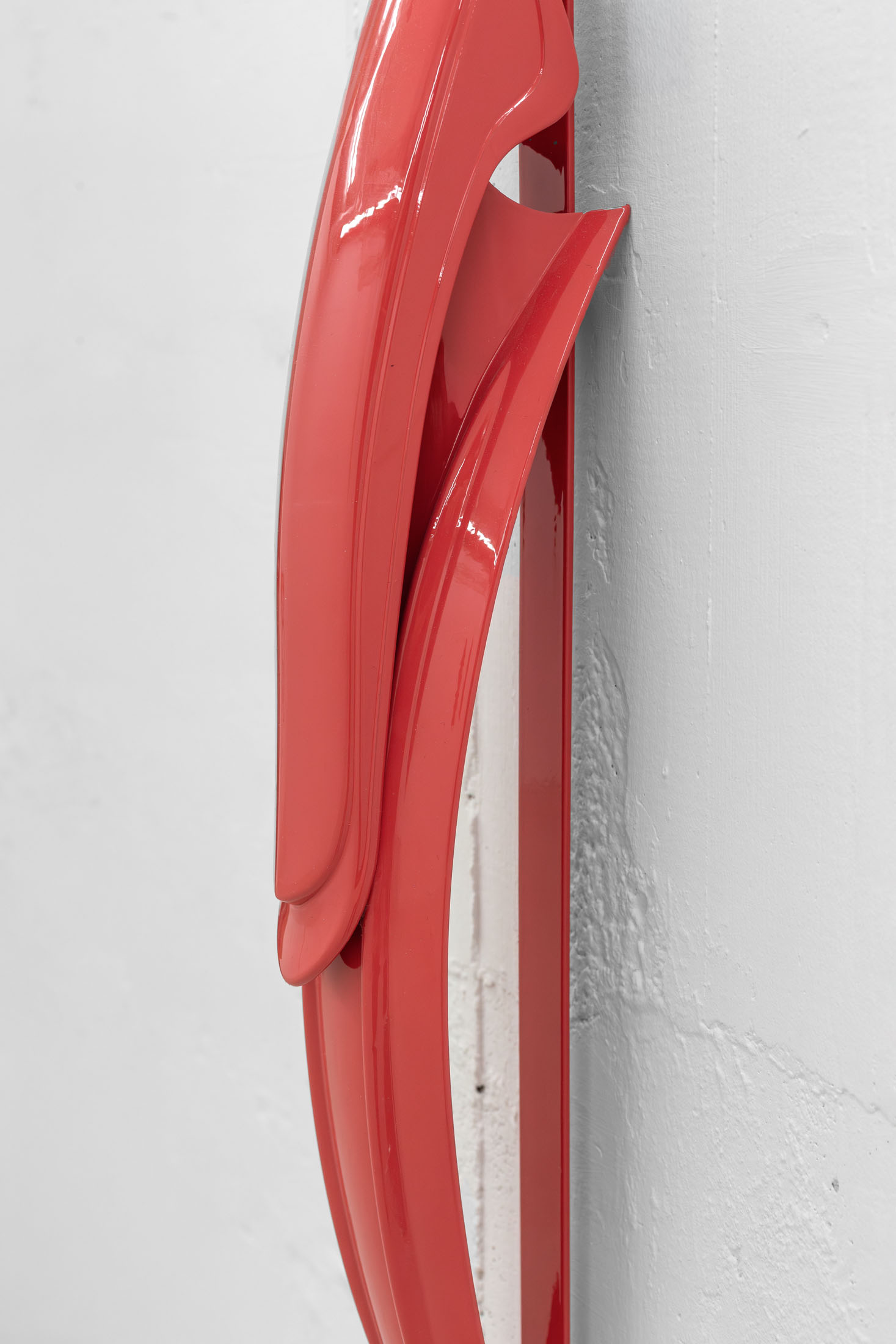
In “Splint” (2025), two found bicycle rear fenders are held in suspension from a vertically mounted, elongated red form fixed directly to the wall. The work reads simultaneously as rigid and vulnerable. Its outer shell curves inward, partially enclosing an interior void, as if still engaged in an act of shielding or protection, despite the absence of a body to serve. At the same time, its metallic surface and exposed, sharply defined mounting points assert its constructed and industrial character. These elements interrupt any purely organic reading, grounding the work in systems of fabrication, attachment, and support. The tension between these registers – care/constraint, vulnerability/rigidity – becomes central, positioning the object as both a protective shell and a structure dependent on external forces to remain in place.
Bülow’s practice attends to such minute entanglements to reimagine how bodies, objects, and forces coexist. In doing so, her work invites ontological reflection on how we perceive and engage with the world beyond the boundaries of the individual, foregrounding the depth of interconnectedness and the shared trajectories between humanity and its ecological surroundings.
Almost all animals, including humans, emit direct-current fields into sea-water as a result of electric differences between their bodies and the ocean. Tiny bladders are found in the skin of all sharks and rays. These sensory vesicles contact the surrounding water through jelly-filled canals that lead to groups of pores on the animal‘s head. They use these structures to detect the natural electrical charges of potential prey, and may also use them for navigation and communication with each other.
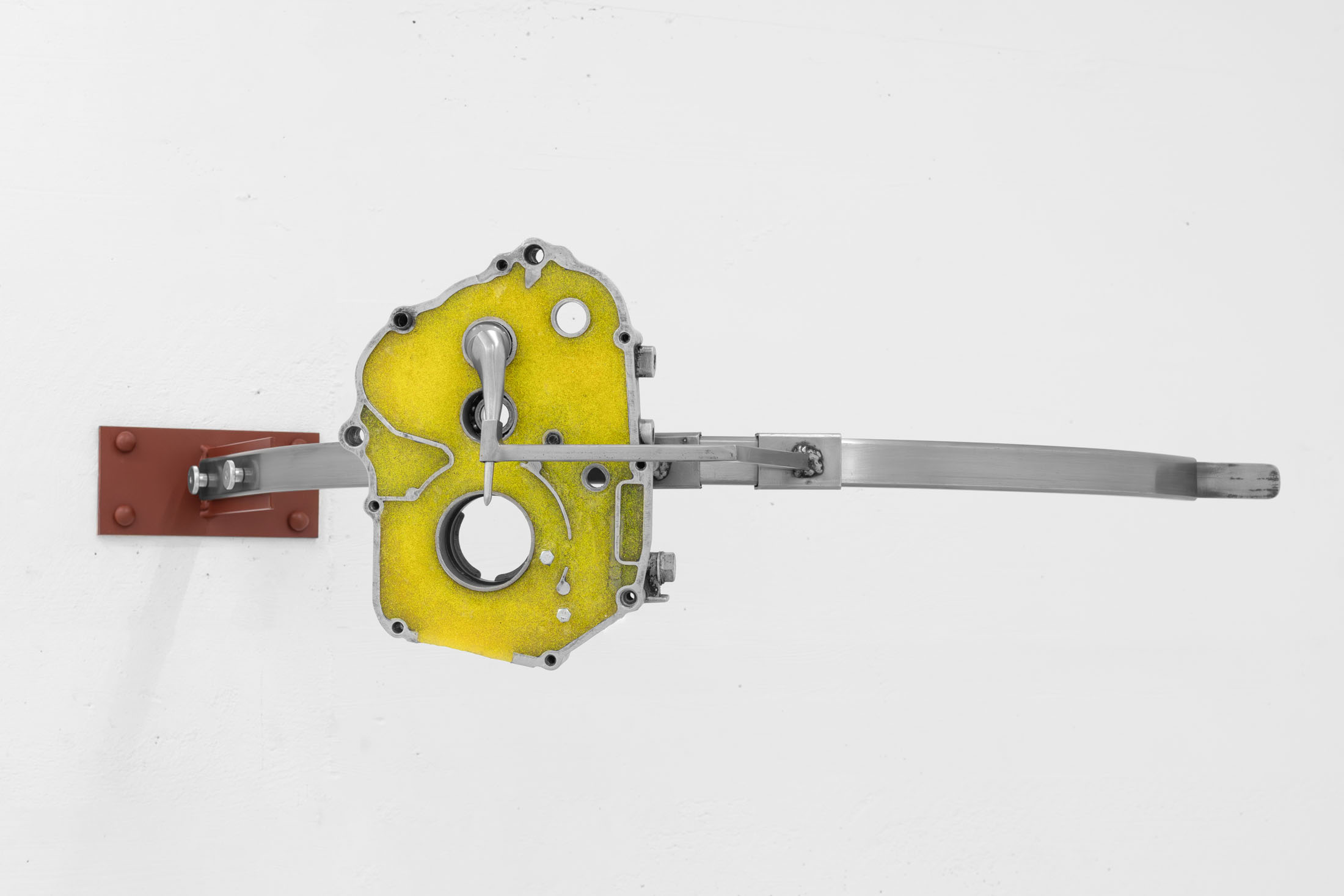
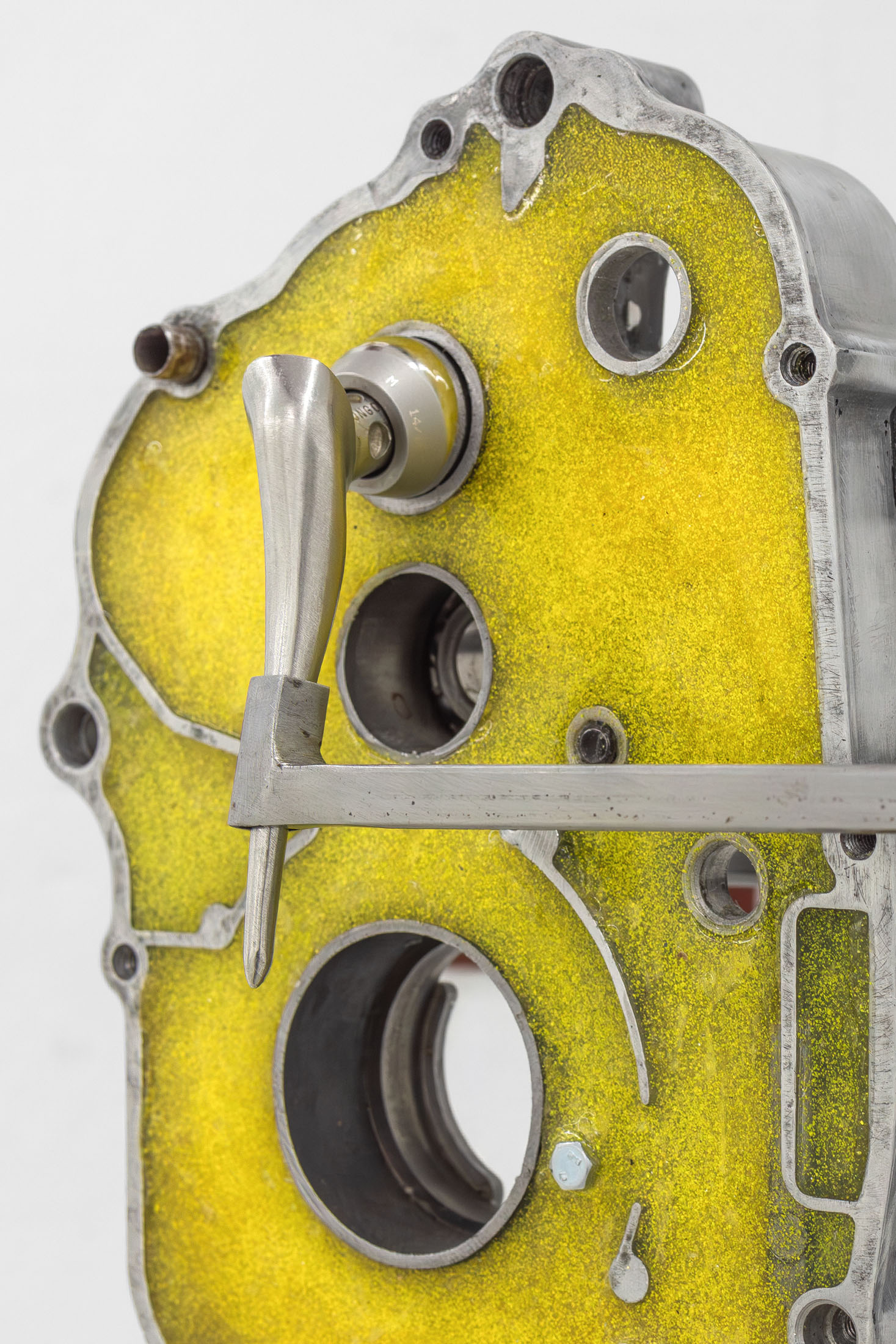
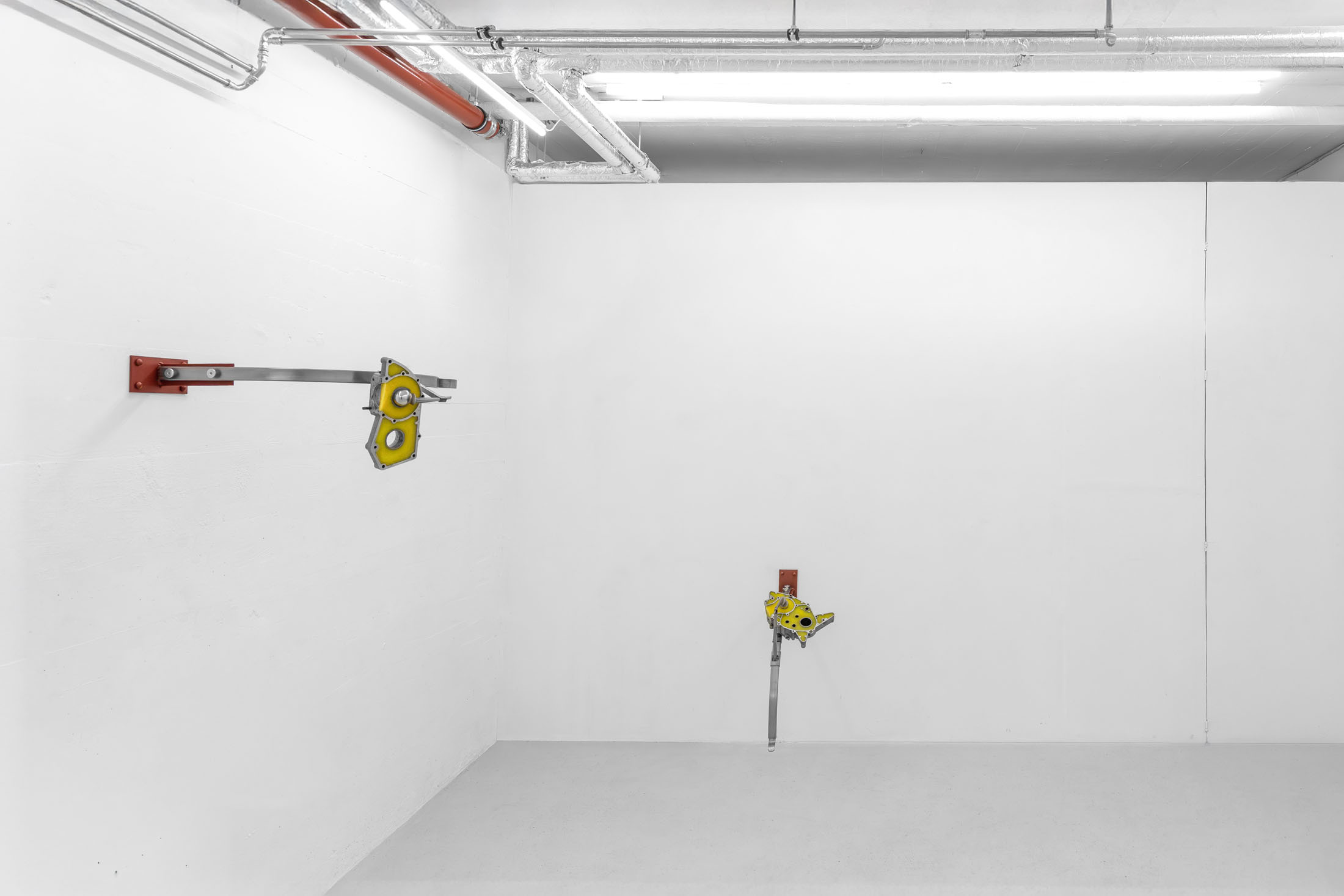
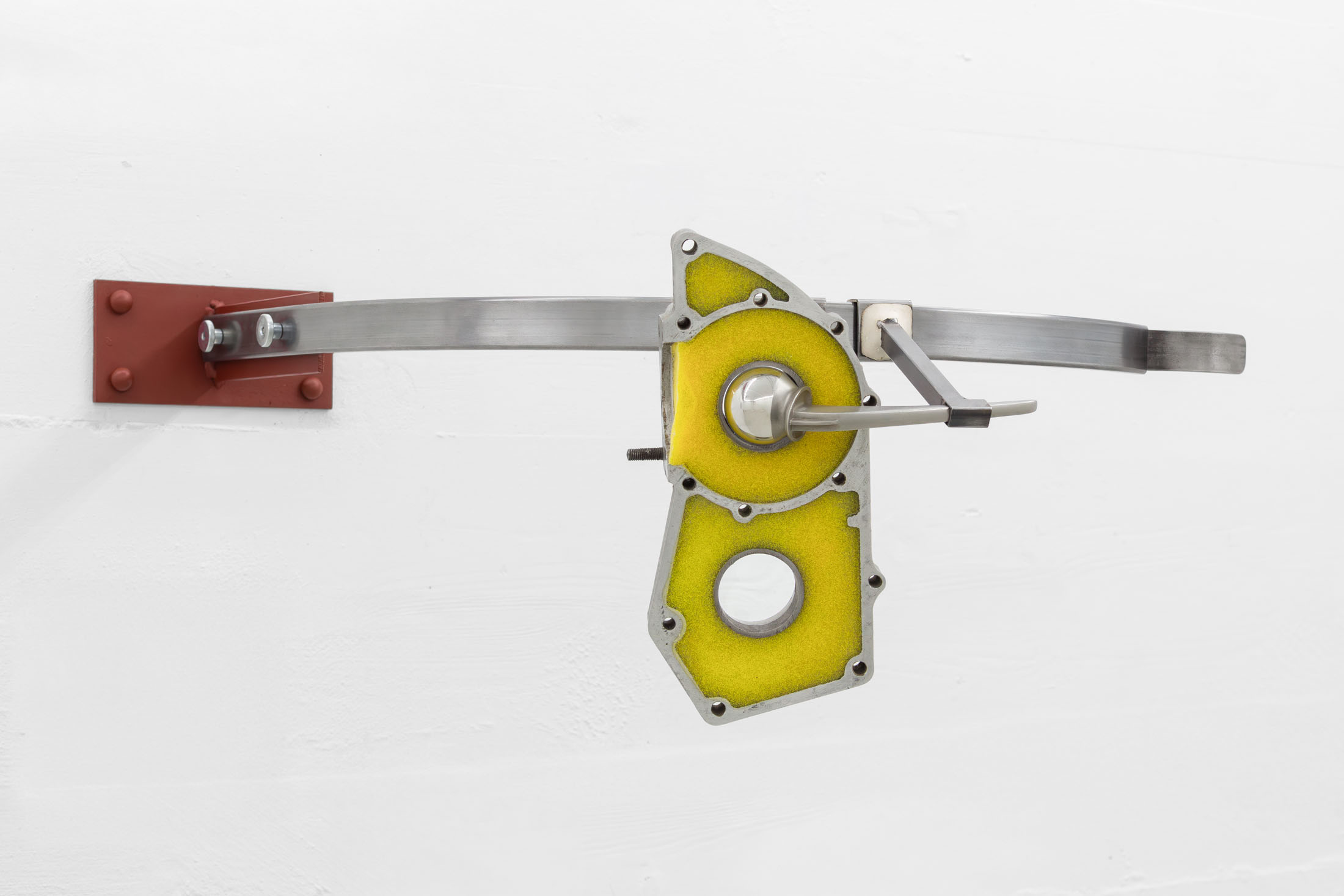
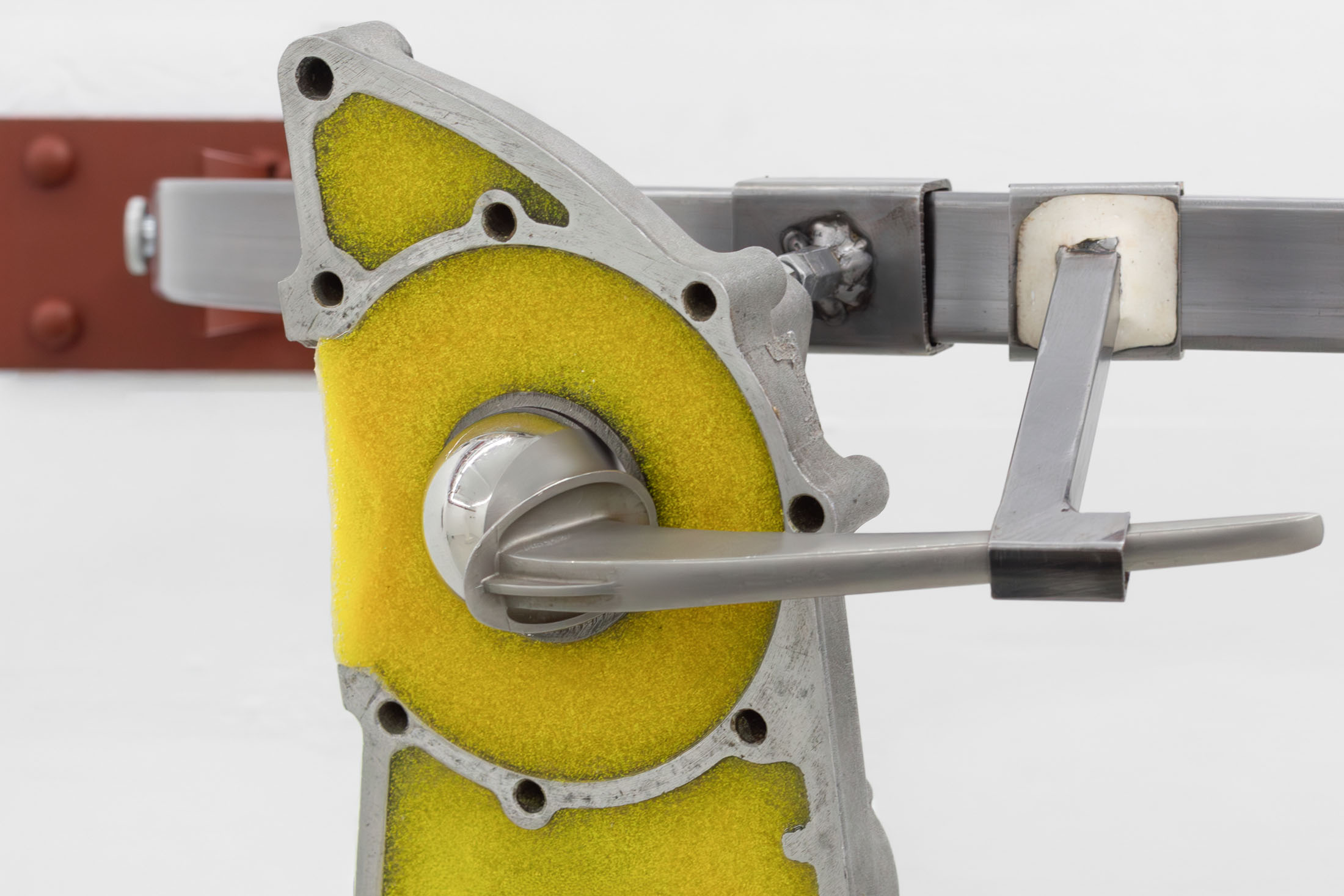
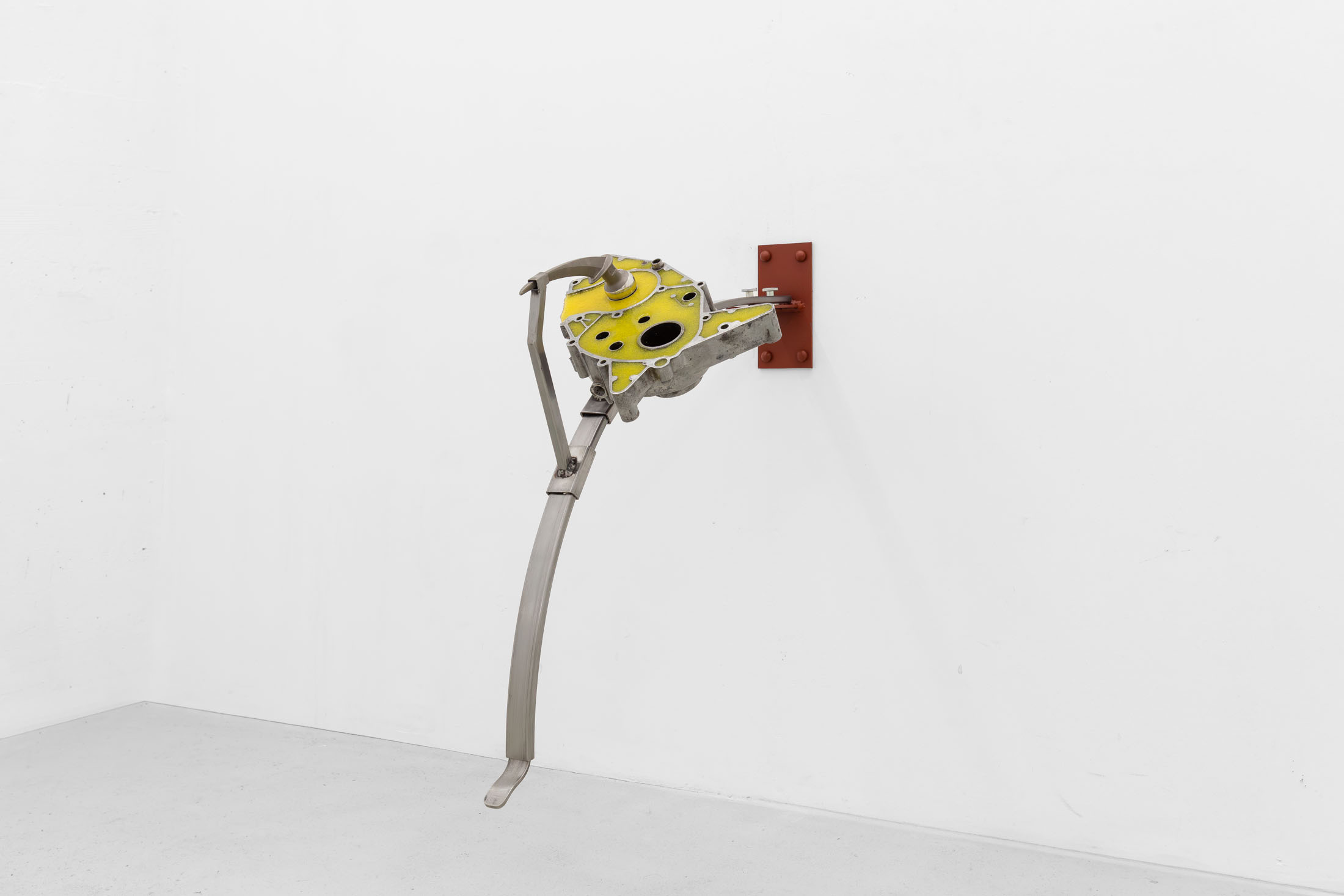
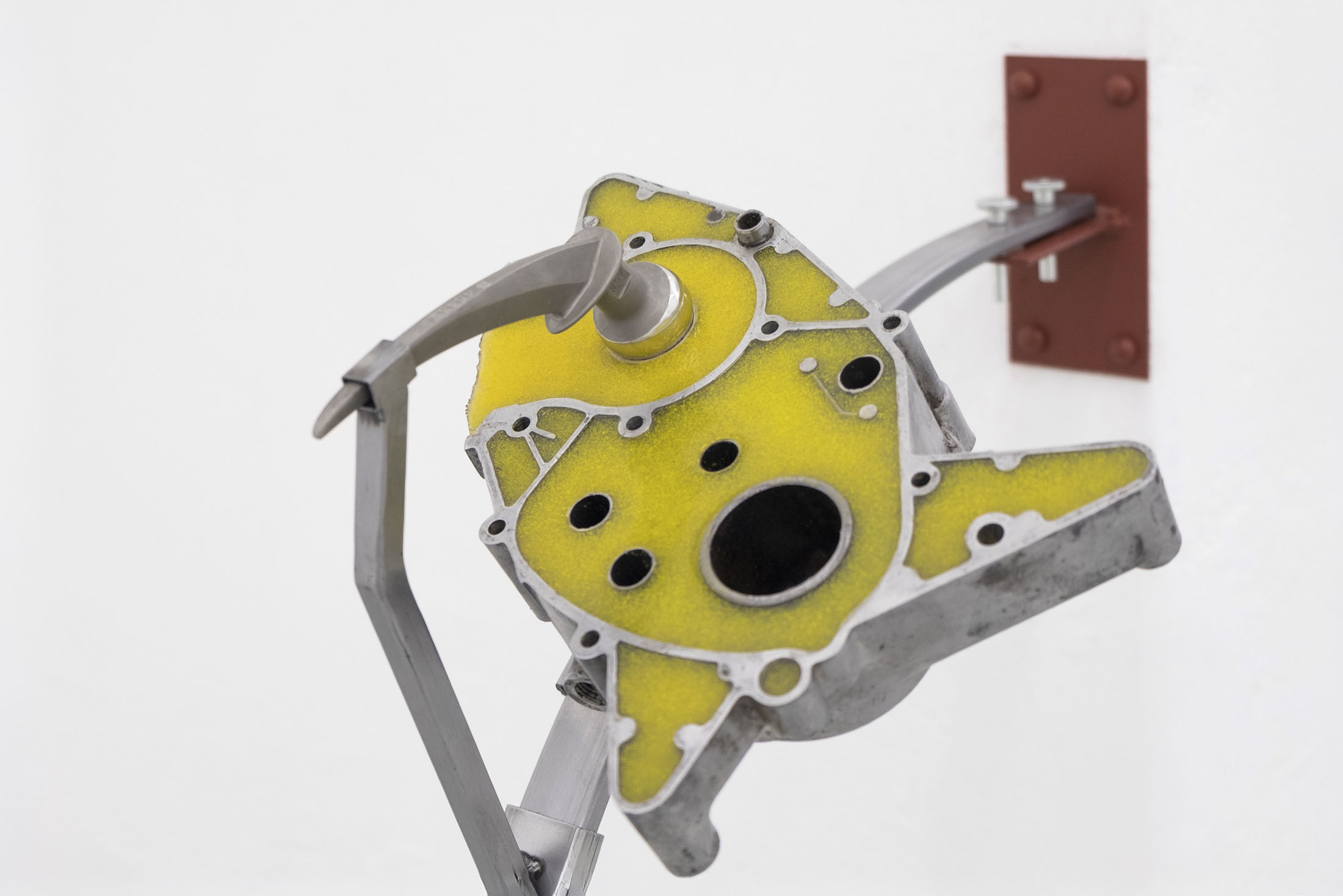
Similar to these jelly-filled sensitive organs, Carina Emery’s “Stretch Receptors” (2023) work as sensors that seem to record, trace and contact. Hip prostheses are anchored in the circular openings of their respective mechanical body, or are guarding them. These dissected engine components are reminiscent of cross-sections of organs or body parts. The metal therefore becomes membranes, nerfs, vessels or tendons. Similar to stretch receptors in the human body, which monitor the state of muscles and return the information to the central nervous system.
Emery’s practice consistently explores the mimetic interplay between the organic-natural and constructed matter. By isolating and magnifying bodily and mechanical structures, and by drawing attention to shifts between micro and macro scales, she activates the crafted body as a site of association. Forms open as an analogies for psychological, emotional, and social processes, however, at the same time, they remain anchored in the ambiguity of the body: they exist between foreign object, tools, and extension of the self.
Norwegian artist Ingrid Furre often draws inspiration from domestic surroundings, producing forms and structures made from a variety of materials such as wood, fabric, foam, or soap. It is at the intersection of familiarity and abstraction, that for Furre sculpture emerges.
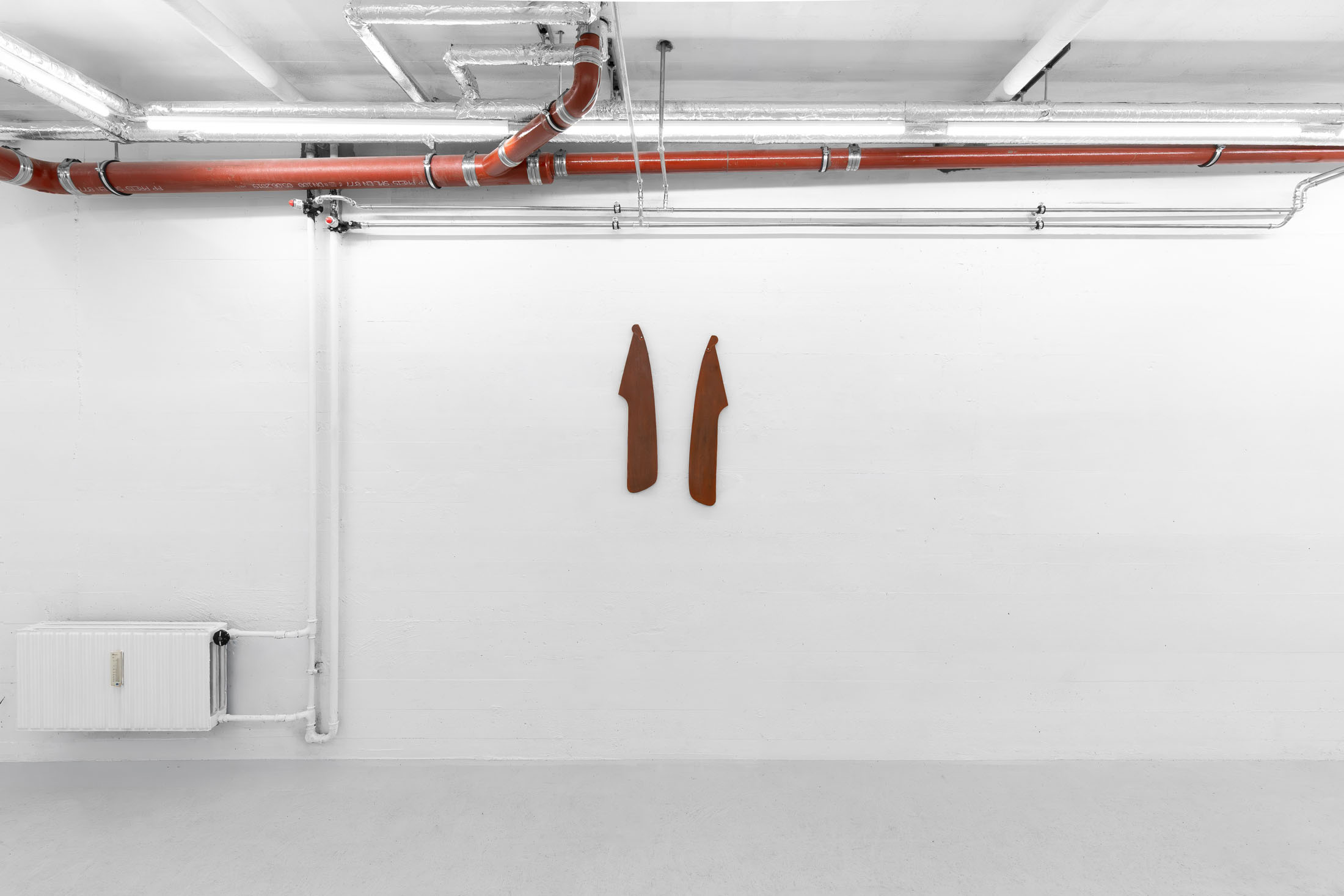
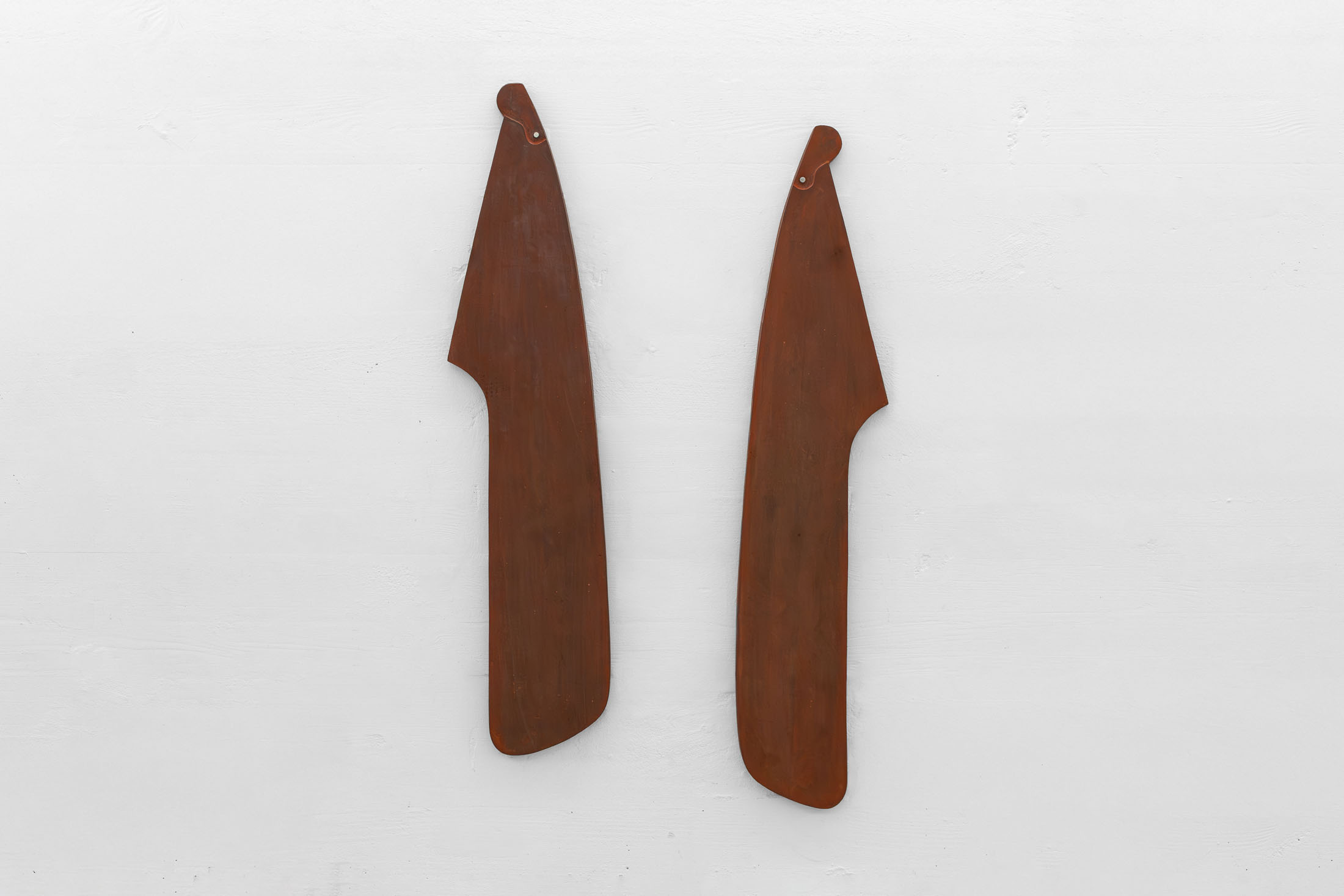
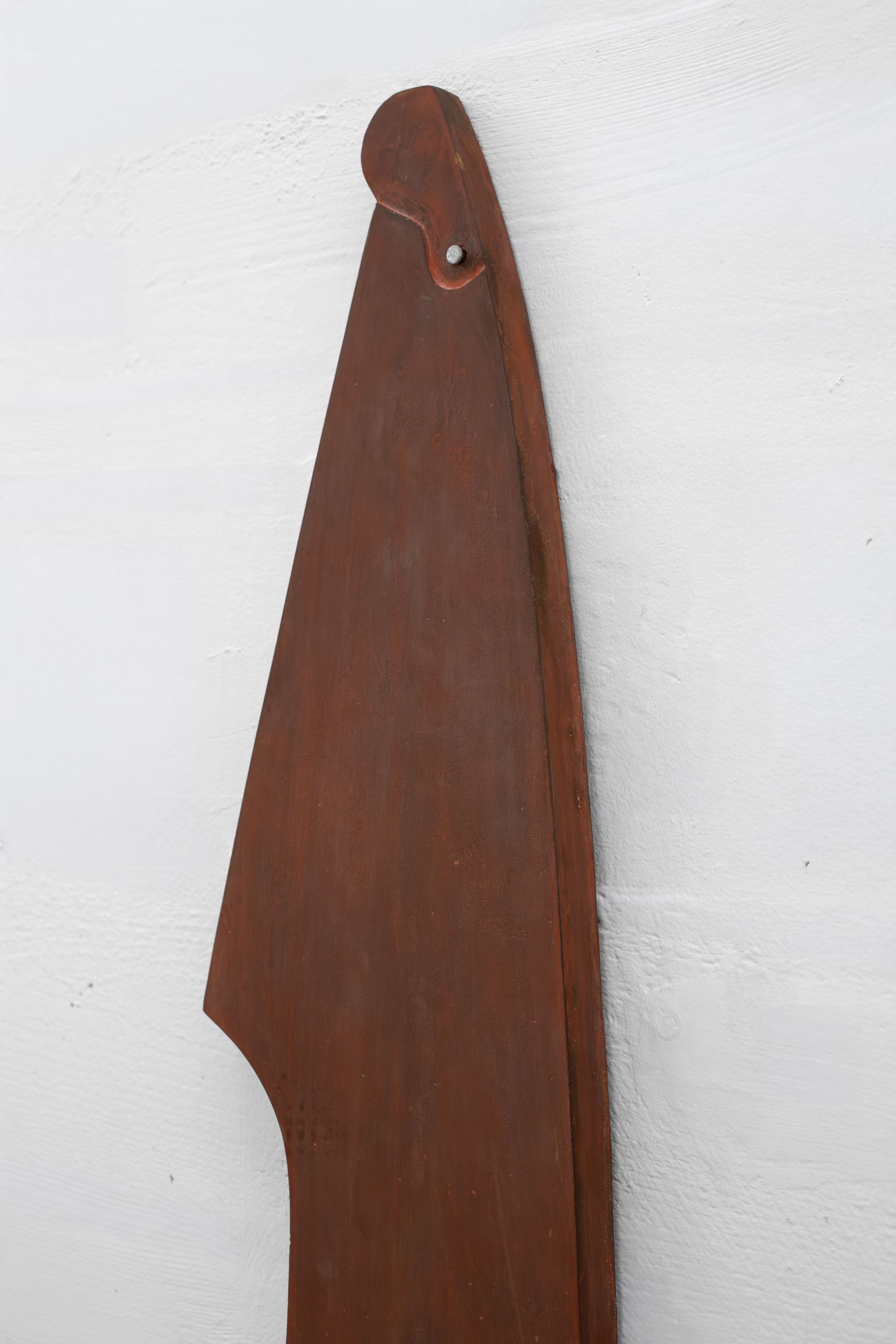
Installed as a pair, the two bronze elements of “losing face” (2021) appear to turn away from one another, suggesting a breakdown in alignment or coordination. Rather than forming a coherent whole, the work stages a relationship defined by distance, misrecognition, and incomplete correspondence.
Each form is cast from fine strands of hair condensed into a single, solid mass, recalling the stylized treatment of hair in ancient sculptural traditions, particularly in marble and sandstone. Translated into bronze, hair – normally light, intimate, and mutable – becomes dense and weighted, underscoring its cultural and symbolic charge while stripping it of individual specificity. The objects hover between recognizability and opacity. They seem to hint at a former use or function – tools such as a knife or a sledgehammer come to mind – yet any clear reference remains unresolved. This ambiguity situates the work within a suspended temporality. In this way, “losing face” (2021) articulates form as relational and displaced – defined through the lingering trace of something once aligned.