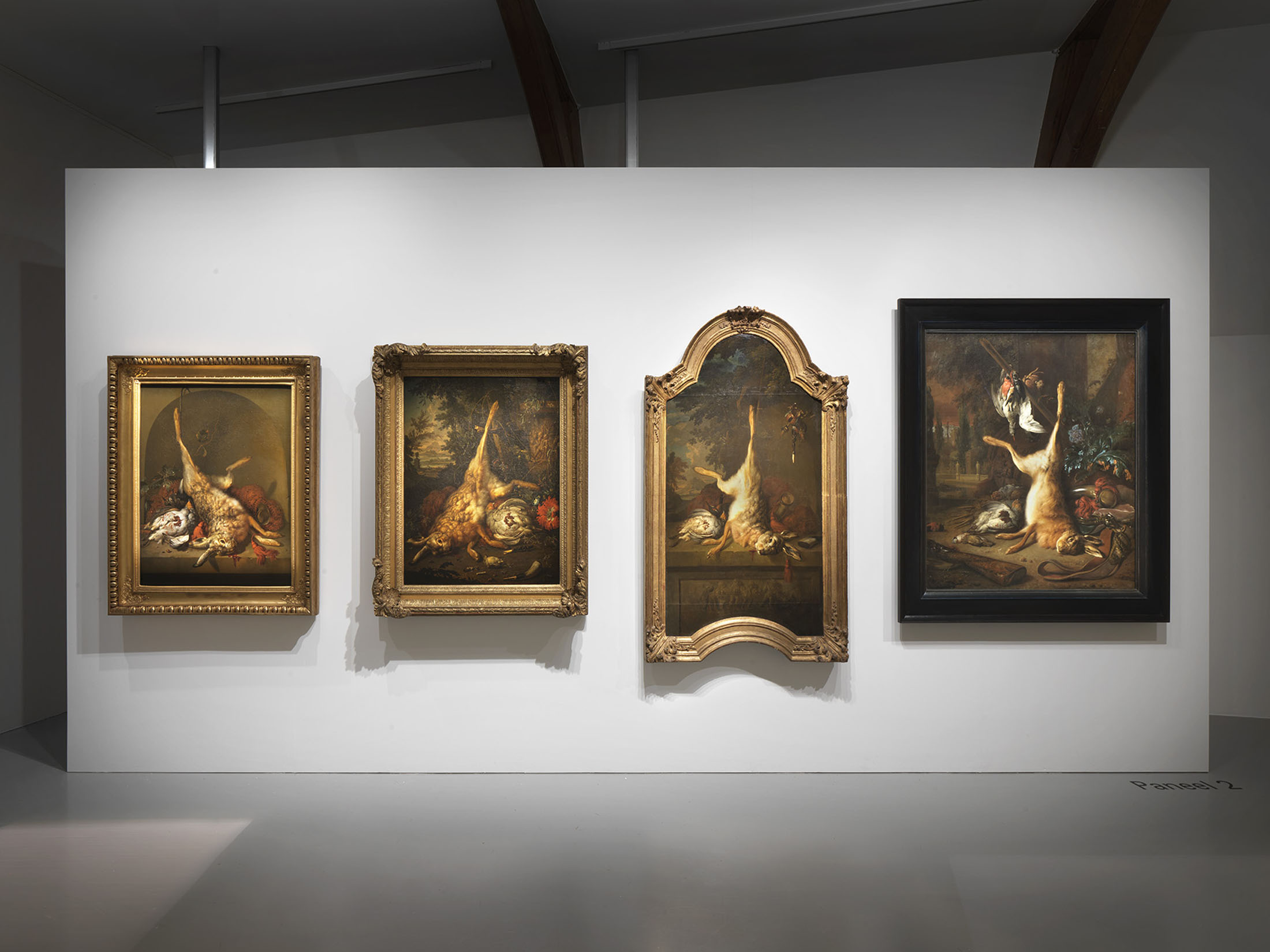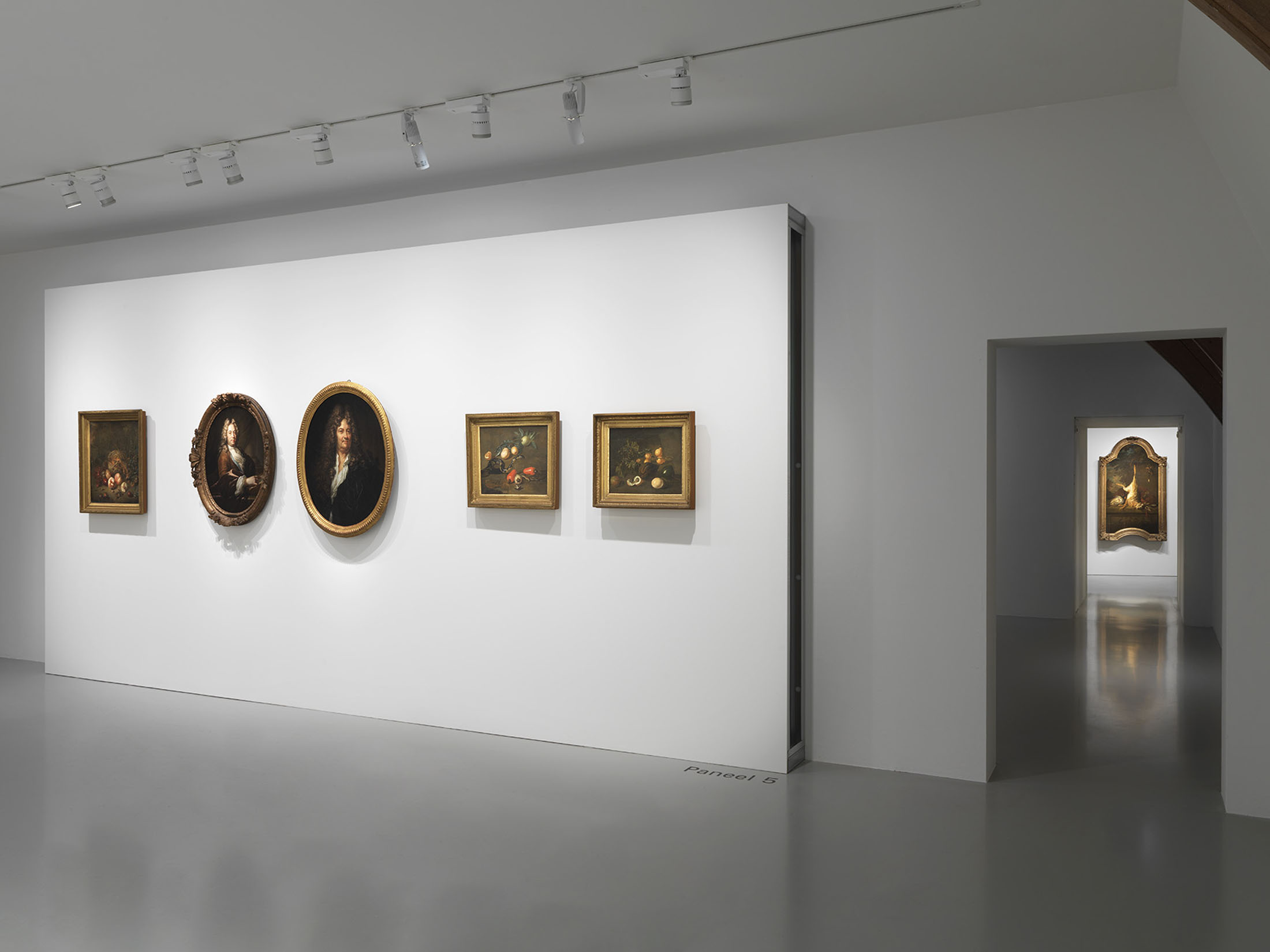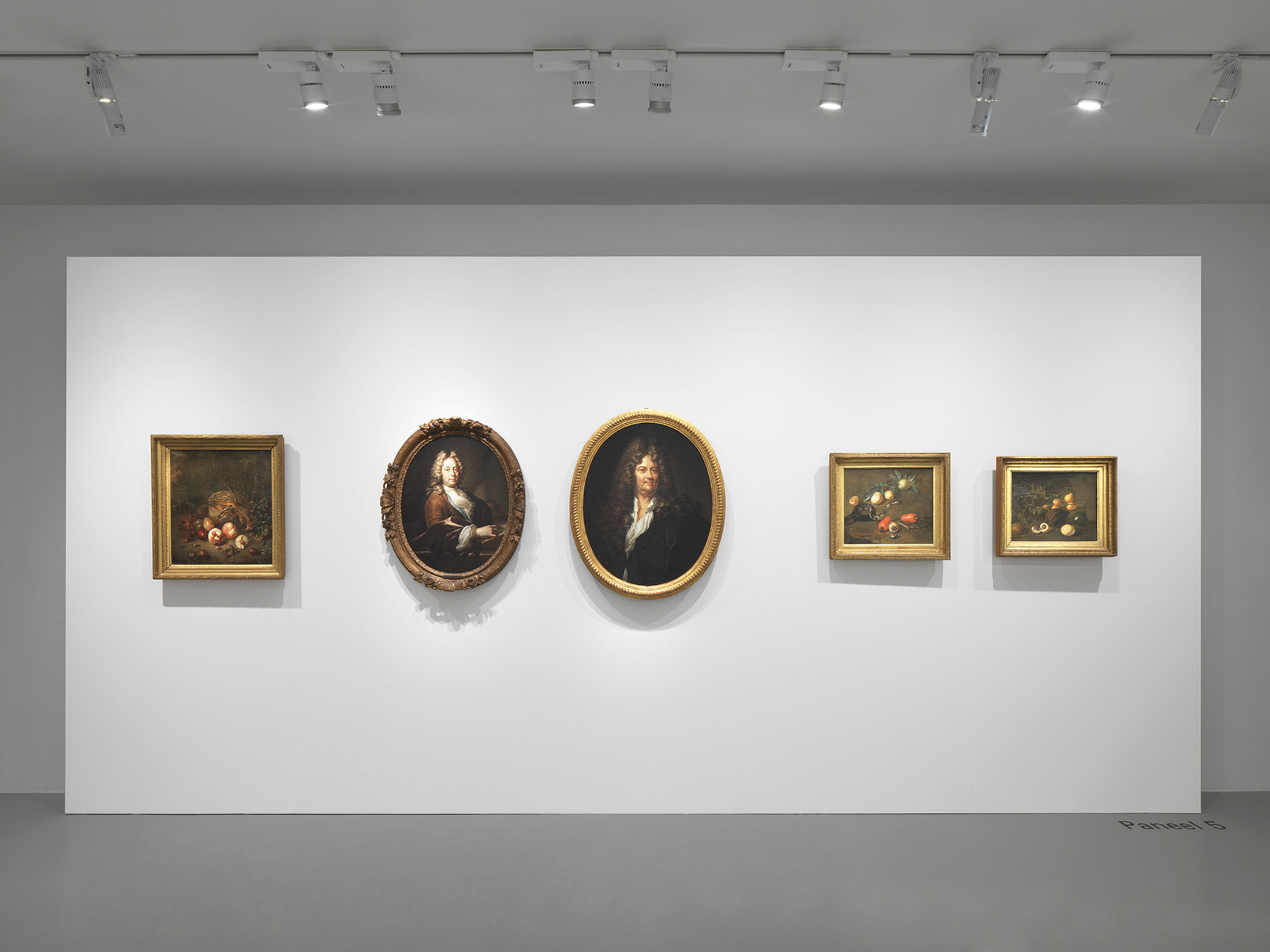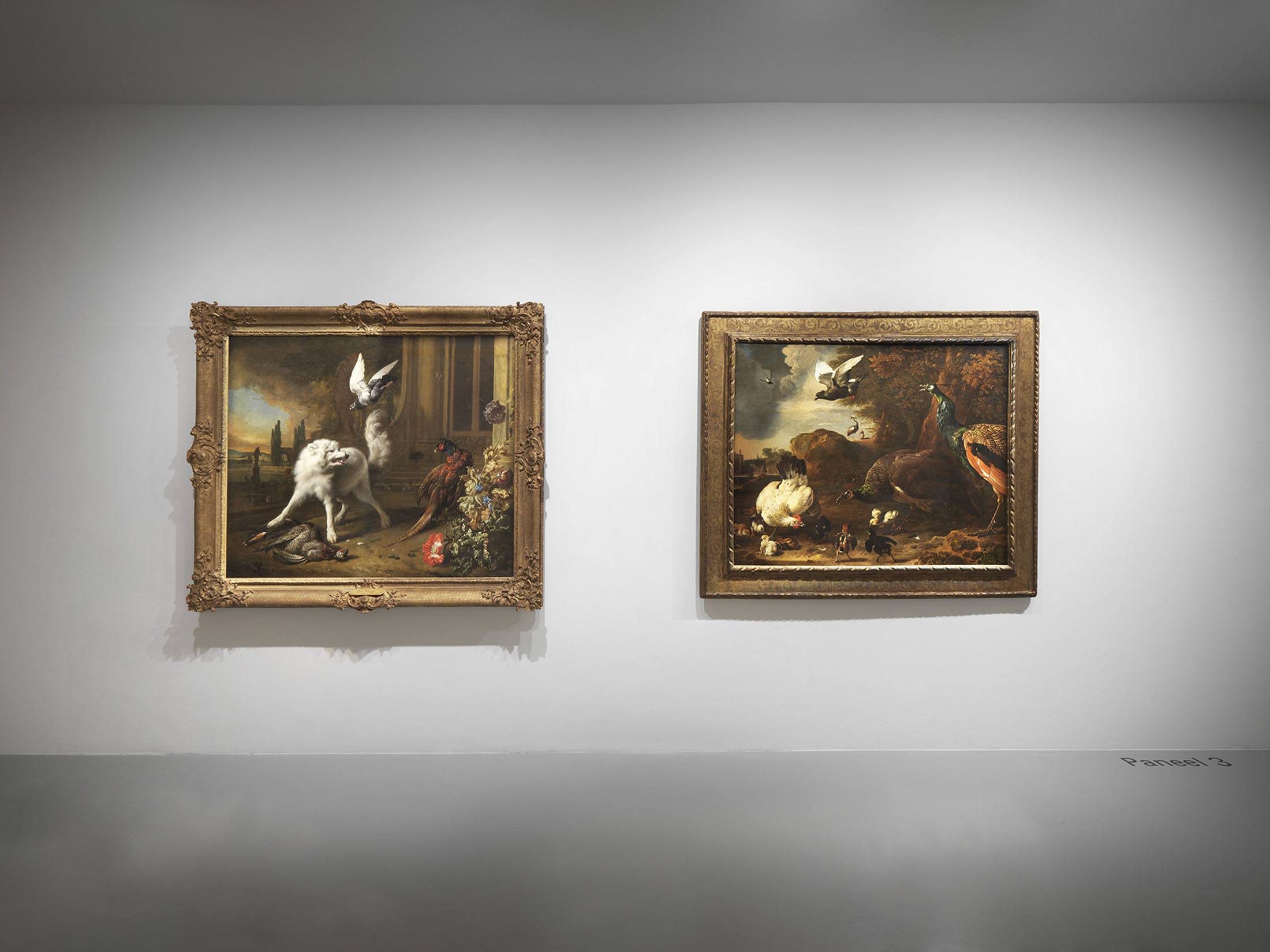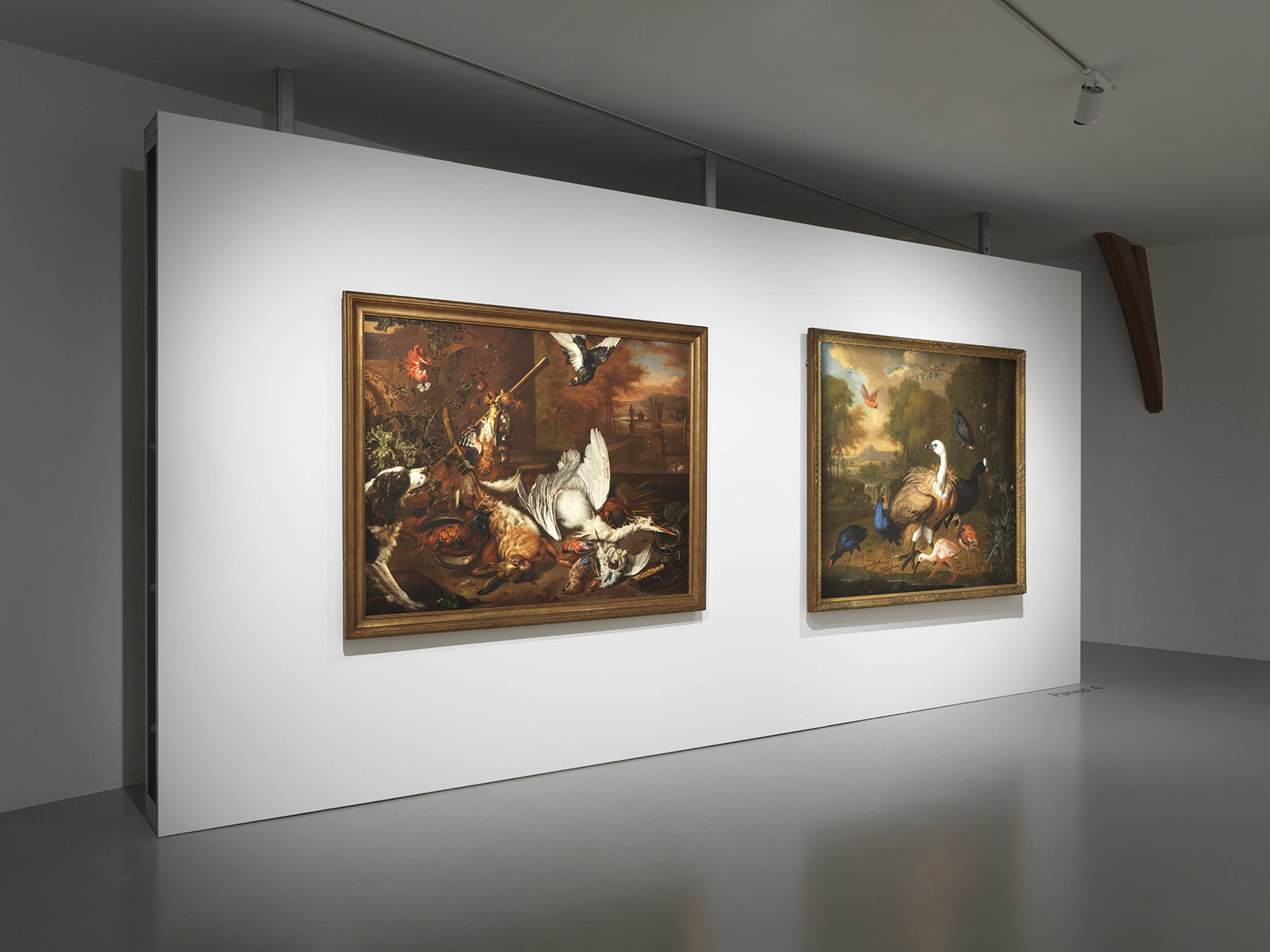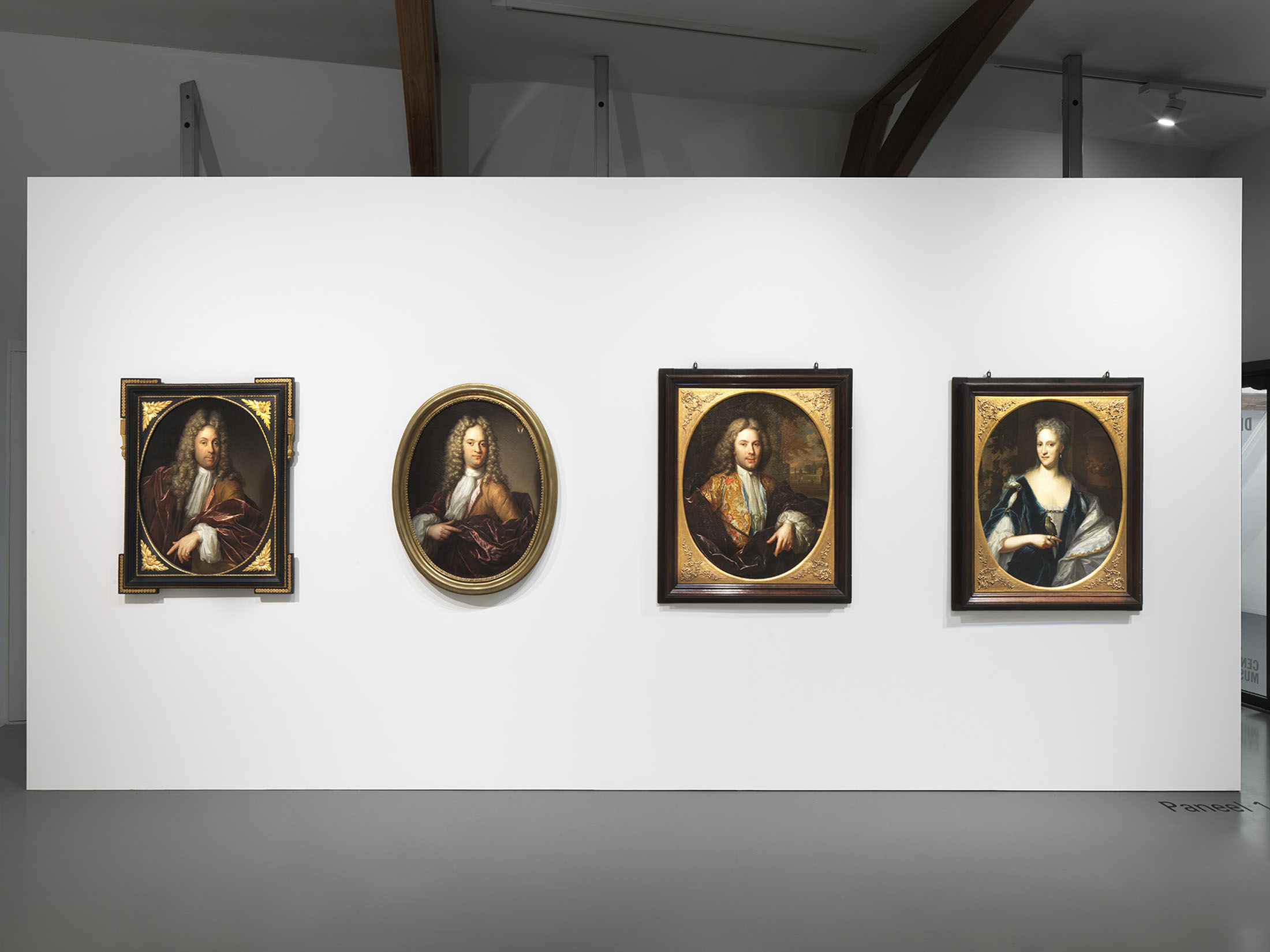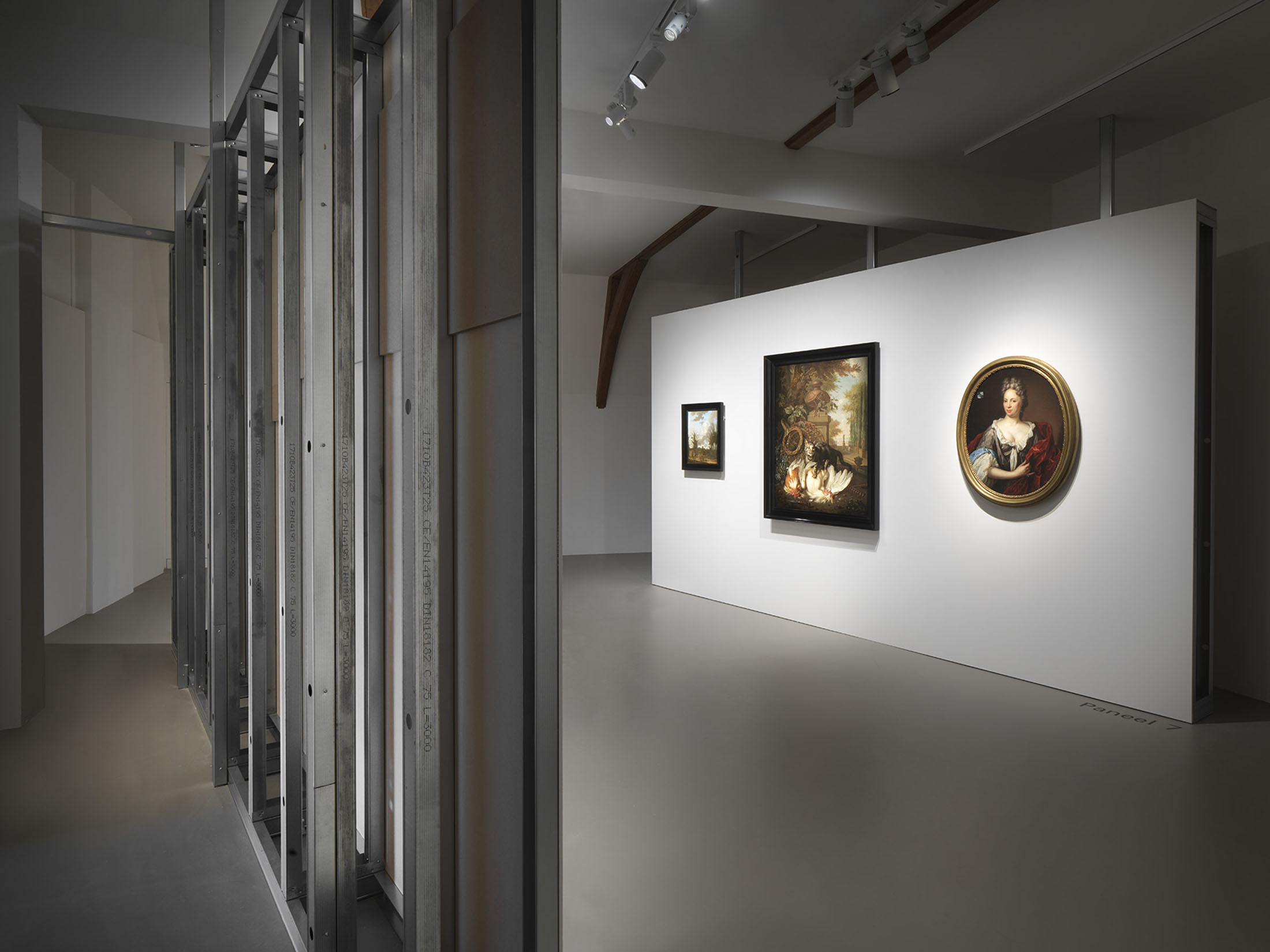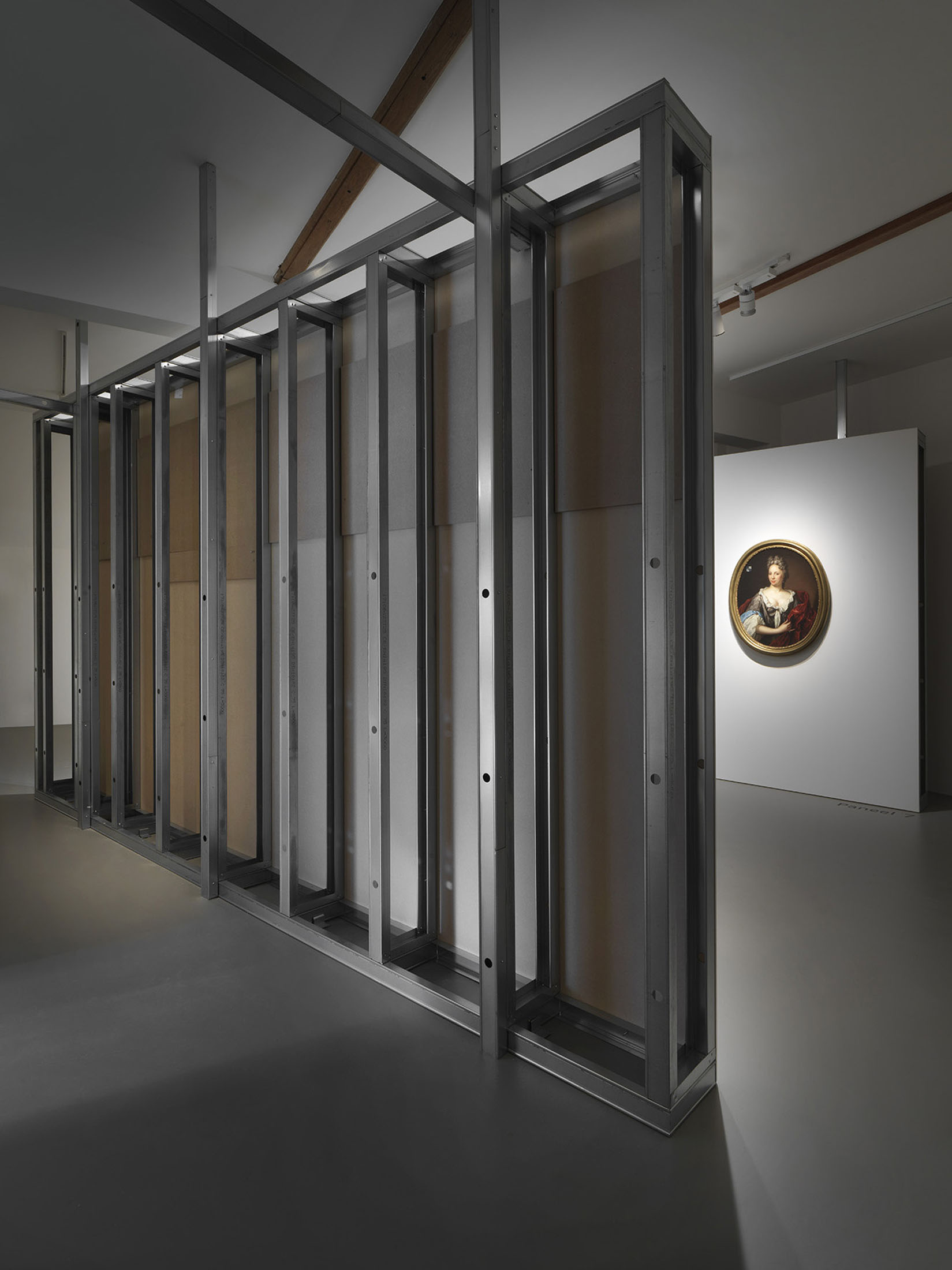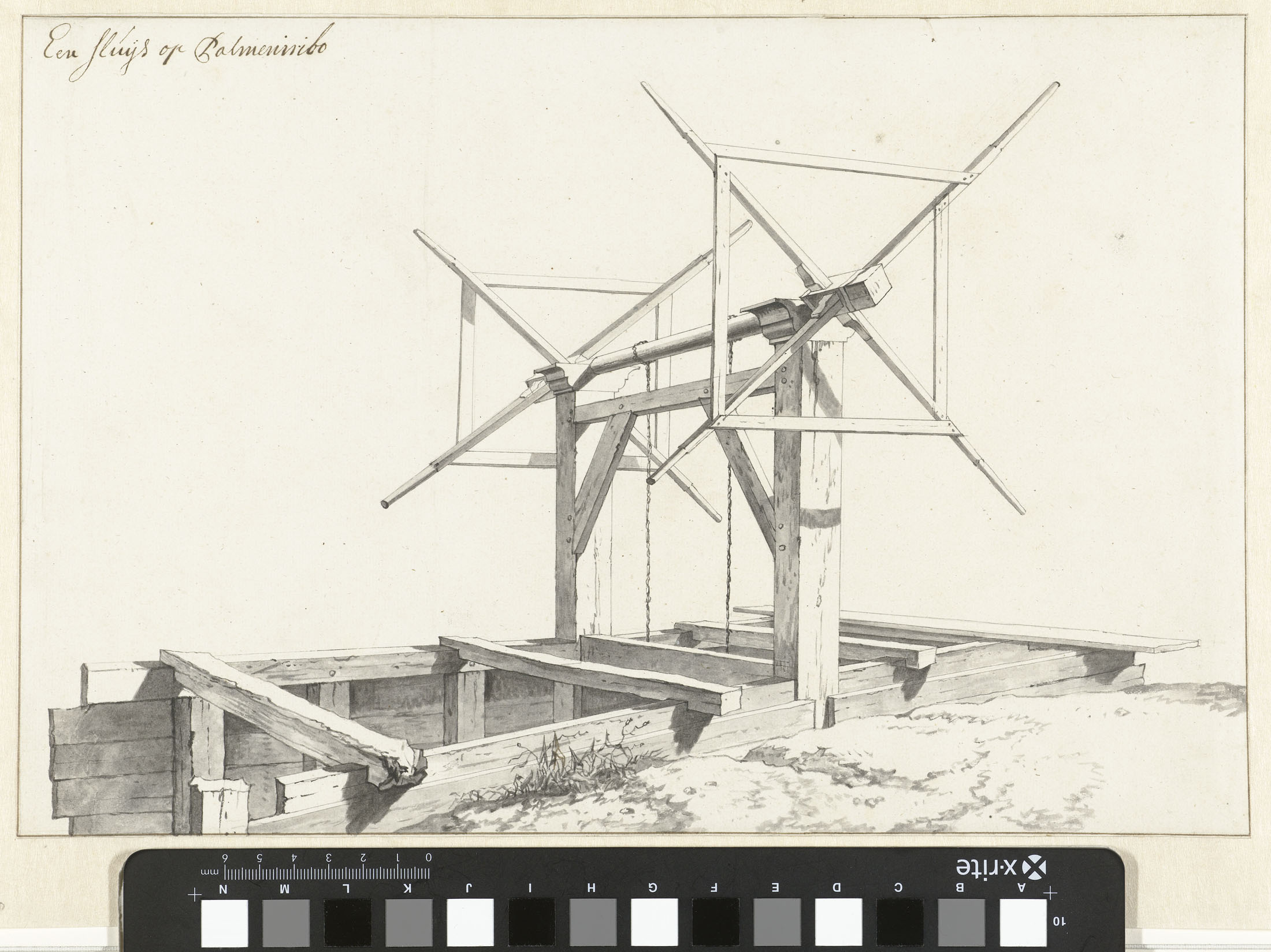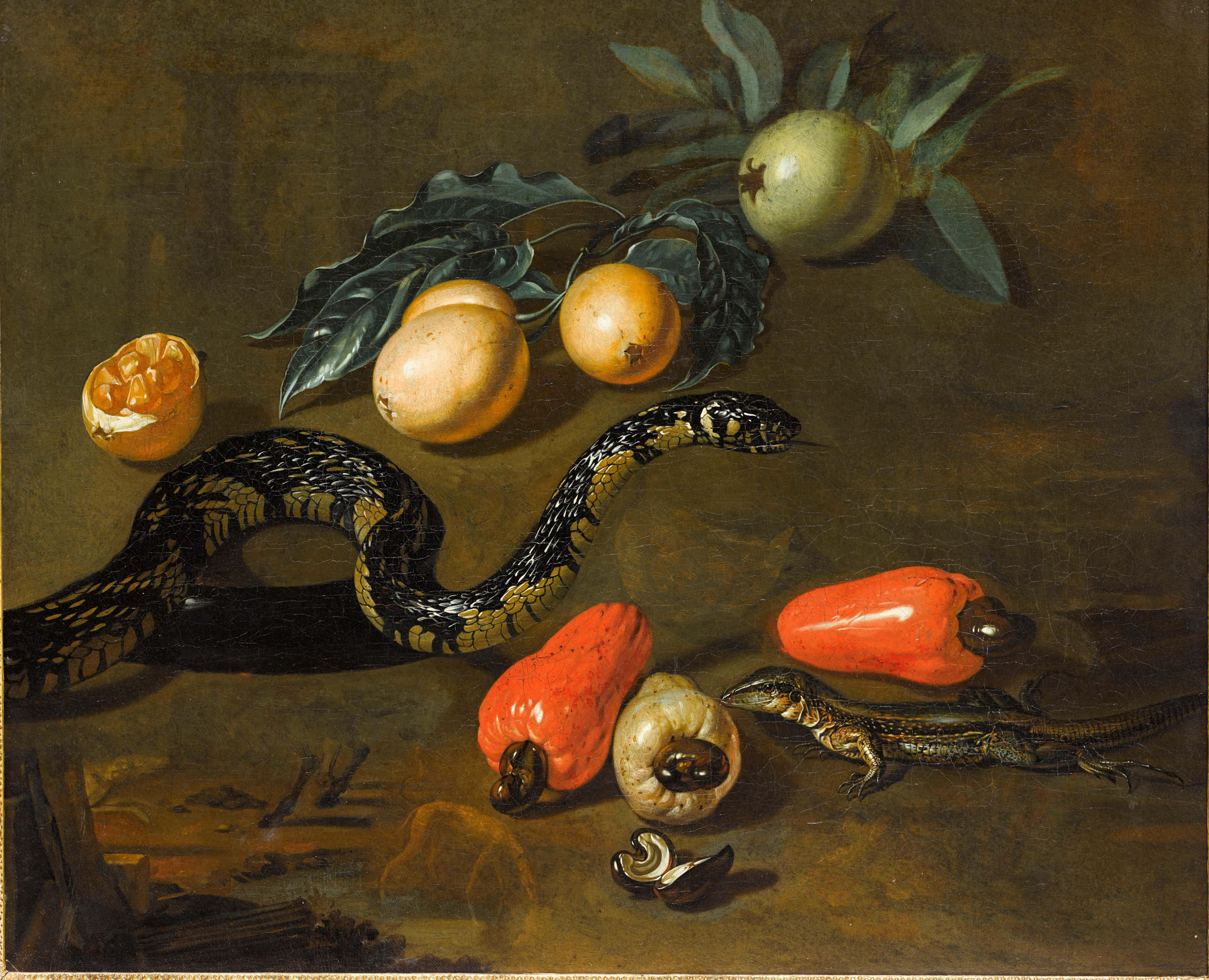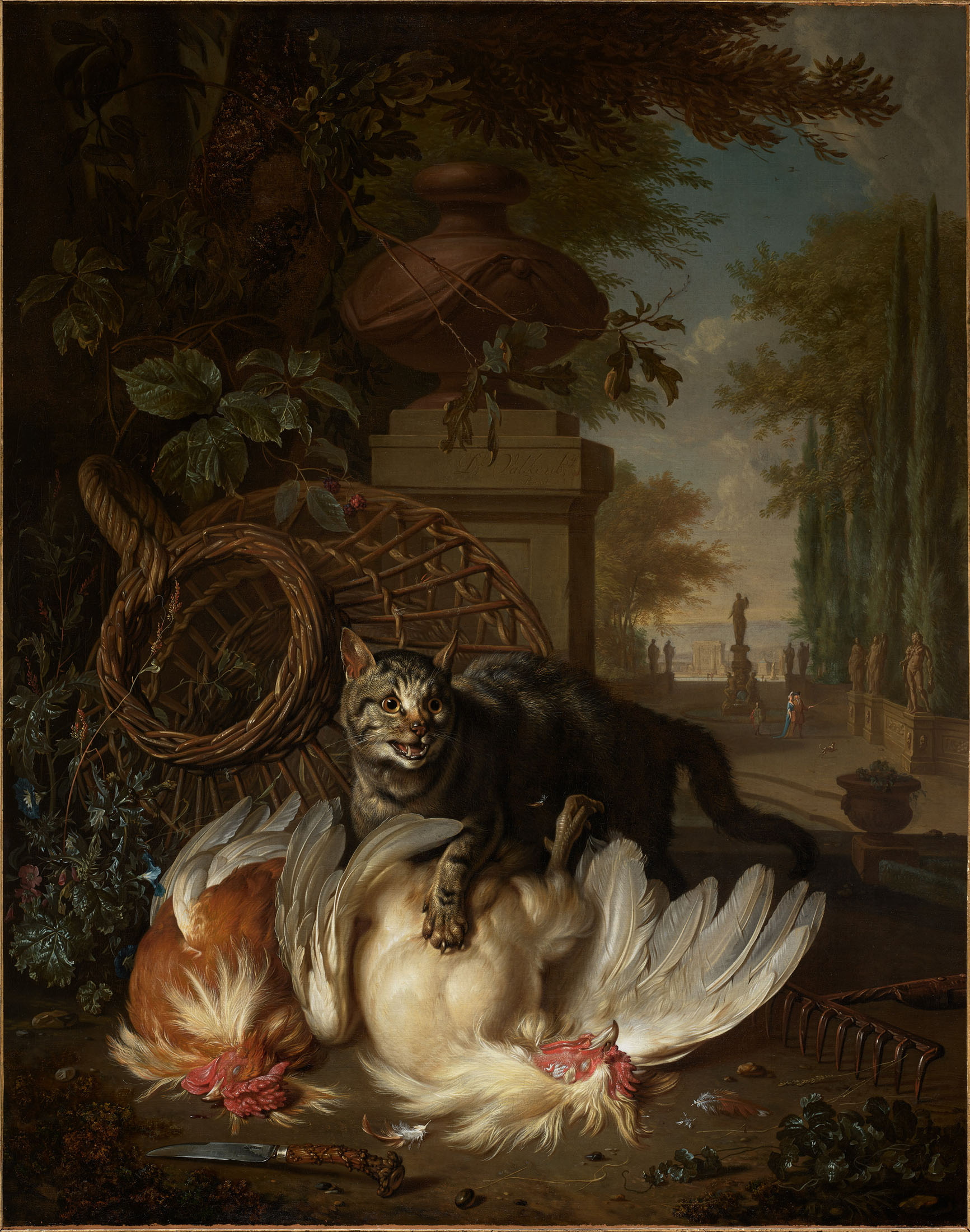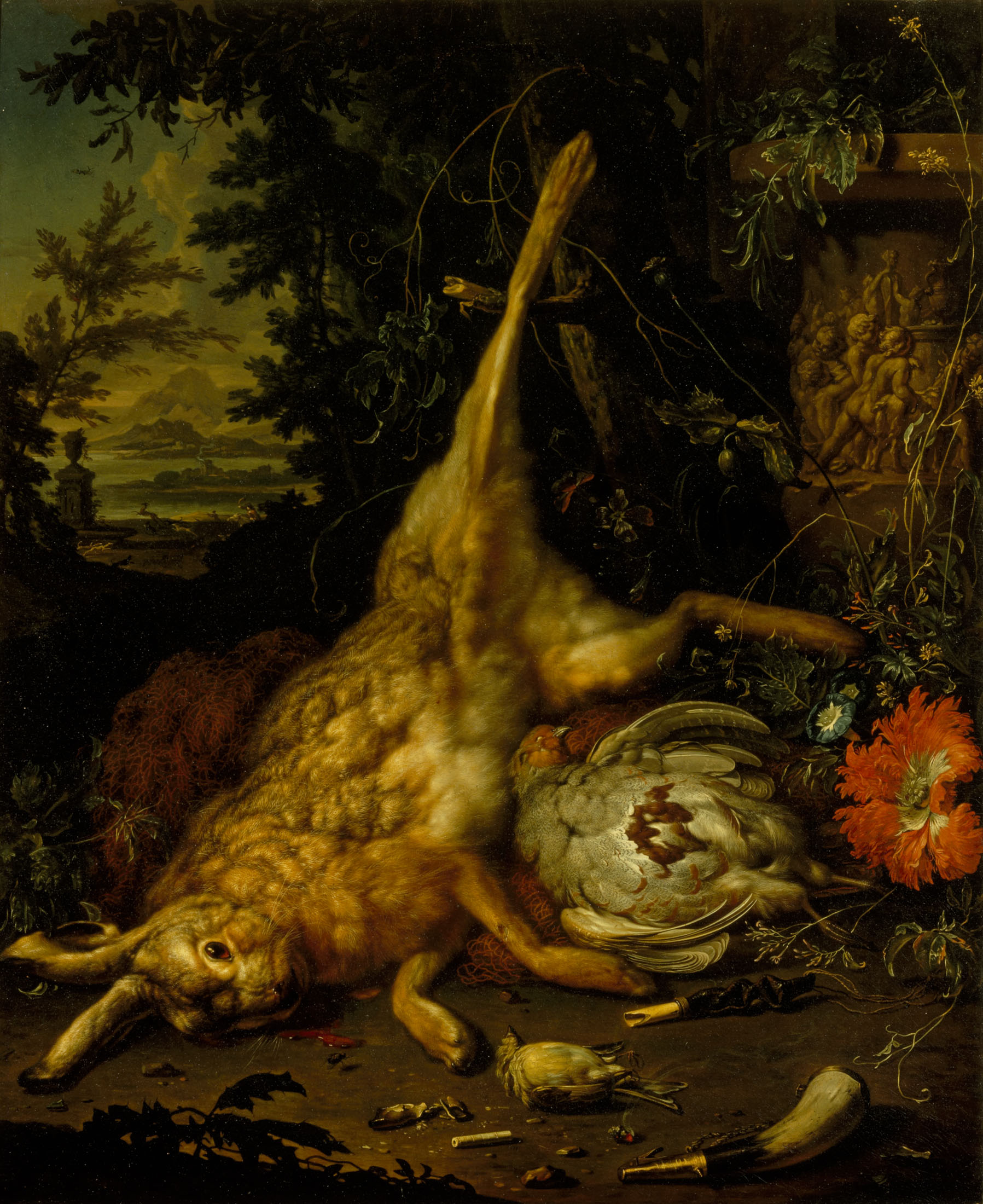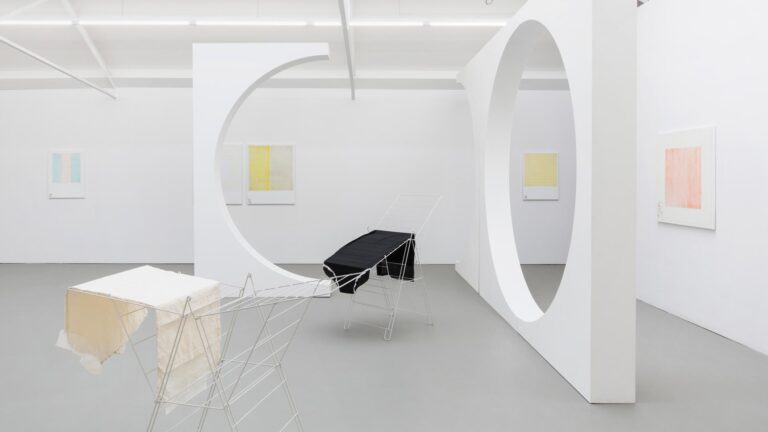
On 13 September, the Centraal Museum in Utrecht opens the first institutional solo exhibition in the Netherlands by Willem de Rooij in nearly a decade. In Valkenburg, the artist explores how 18th-century Dutch elites used visual culture to promote colonial ideology. Through an expansive installation – bringing together thirty paintings by Dirk Valkenburg (1675 – 1721) for the first time – De Rooij examines how visual culture was strategically deployed to legitimise power structures.
Willem de Rooij:
“I am fascinated by the function of images within systems of power. By isolating, regrouping and interrogating them, I aim to reveal the underlying structures.”
Bart Rutten, Artistic Director of the Centraal Museum:
“The Centraal Museum works transhistorically: by viewing historical art through a contemporary lens, we connect it to current issues. Valkenburg is a striking example of this – the installation marks a new step in Willem de Rooij’s distinctive oeuvre while shedding new light on the work of Dirk Valkenburg.”
Portraits
Valkenburg features works by Dirk Valkenburg and his contemporaries: divergent genres such as plantation landscapes, botanical studies, hunting scenes and portraits. Deliberately arranged on panels in five galleries of Centraal Museum, each genre is highlighted. Valkenburg painted portraits of and for wealthy colonial patrons, who – unlike the enslaved people he depicted – are always shown as individuals. Here De Rooij reveals how wealth and status were passed down through generations, continually reaffirming patriarchal and imperial power.
Hunting Scenes and Still Lifes
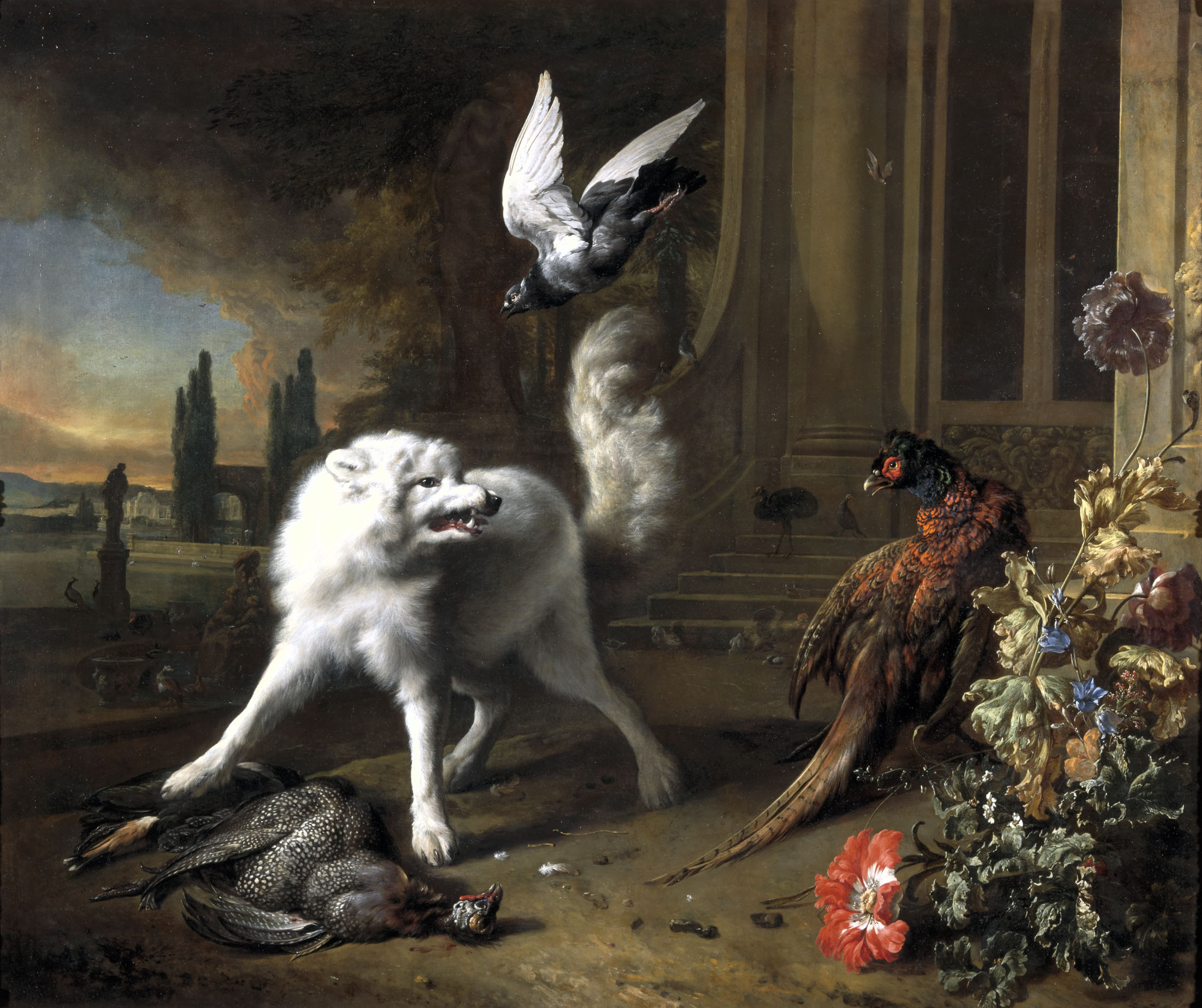
Like his portraits, Valkenburg’s hunting scenes represent an underexplored genre within his oeuvre. These works also reflect the operation of the ‘white gaze’: hunting was a privilege of the elite, and the scenes symbolise power and status. De Rooij uses repetition to demonstrate the mechanics of image-making.
Plantation Imagery
The paintings Valkenburg created in Suriname are unique within image production in the 18th-century Caribbean, as they depict Indigenous and enslaved people on location. However, the violence inherent to the profitable plantation system is conspicuously absent.
In the final gallery of the exhibtion, all genres converge: a panel displays Valkenburg’s most renowned plantation painting (Gathering of Enslaved People on a Plantation of Jonas Witsen, on loan from the National Gallery of Denmark) alongside the portrait of colonial stakeholder Maria Uylenbroek and a still life of dead birds. By placing images of enslaved and Indigenous people, privileged white women and murdered animals side by side, De Rooij exposes the workings of the dominant white, male gaze.
Appropriation and collaboration
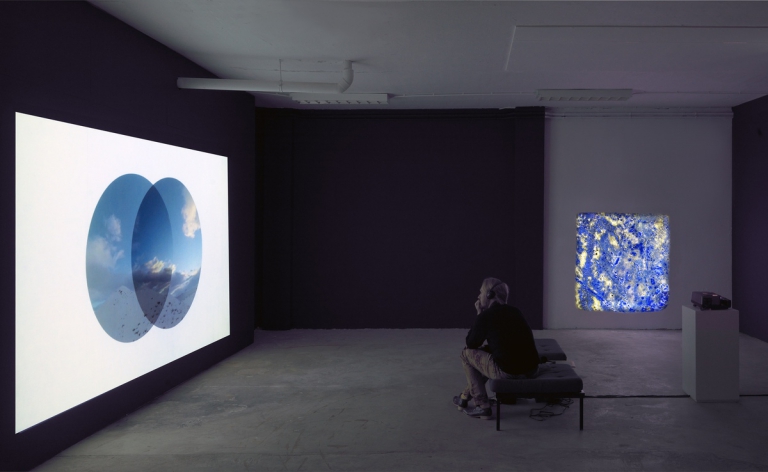
Since the early 1990s, Willem de Rooij (b. 1969, Netherlands) has created temporary installations that analyse the politics of representation through appropriation and collaboration. His meticulously crafted publications and objects reflect his research in global art history and visual anthropology. Drawing on his experience with film and sound, De Rooij uses montage as a method for presenting appropriated images and objects – allowing new meanings to emerge between seemingly disparate elements.
About Dirk Valkenburg
Dirk Valkenburg (1675 – 1721) was a Dutch painter. In the early 18th century, he spent two years in Suriname, where he created images of enslaved Africans and Indigenous people on sugar plantations for wealthy colonial patrons. Valkenburg trained for two years under Jan Weenix.
Catalogue
Dirk Valkenburg, a comprehensive publication accompanying the exhibition, combines a full catalogue raisonné of the artist’s oeuvre with fifteen new essays. Edited by Willem de Rooij and historian Karwan Fatah-Black (Leiden University), a specialist in slavery and colonial history, the volume brings together international scholars approaching Valkenburg’s work from a variety of fields and angles, including art history, queer studies, and postcolonial studies. Contributors include Frank Dragtenstein, Karin Amatmoekrim, and Will Furtado. The book will be launched in early December.
Dirk Valkenburg was developed in collaboration with the RKD, the world’s largest knowledge centre for visual arts of the Netherlands. The RKD acquires, manages, researches, connects and presents art historical knowledge and information for museums, academia and the public.
Forget to Remember
On 4 and 5 October, theatrical performances will take place at the Centraal Museum in connection with the themes of Valkenburg. Forget to Remember presents overlooked stories from colonial and slavery history, told from the perspective of women of colour. These multidisciplinary performances are a collaboration between Sites of Memory, Shishani & Sisterhood and DOX, in partnership with Stadsschouwburg Utrecht, Afrovibes Festival and the Centraal Museum.
About Willem de Rooij
Willem de Rooij studied at the University of Amsterdam, the Gerrit Rietveld Academie and the Rijksakademie in Amsterdam. Since 2006, he has been Professor of Fine Art at the Städelschule in Frankfurt am Main and, since 2015, advisor at the Rijksakademie in Amsterdam. In 2016, he co-founded BPA// Berlin program for artists and became a member of the Akademie van Kunsten.
In 2000, De Rooij won the Baloise Art Prize and was nominated for the Hugo Boss Award (2004) and the Vincent Award (2014). He was a Robert Fulton Fellow at Harvard University in 2004 and a DAAD Fellow in Berlin in 2006. In 2005, he represented the Netherlands at the Venice Biennale together with Jeroen de Rijke (1970 – 2006), with whom he collaborated from 1994 to 2006 as De Rijke / De Rooij.
Recent solo exhibitions include King Vulture (Akademie der bildenden Künste, Vienna), Pierre Verger in Suriname (Portikus, Frankfurt am Main), Whiteout (KW Institute for Contemporary Art, Berlin), Ebb Rains (IMA, Brisbane), Entitled (MMK Museum für Moderne Kunst, Frankfurt am Main) and The Impassioned No (Consortium, Dijon). Recent group exhibitions include steirischer herbst (Graz), Errata (MAIIAM, Chiang Mai), Mindful Circulations (BDL Museum, Mumbai), Stories of Almost Everyone (Hammer Museum, Los Angeles), the 17th Jakarta Biennale, EVA International – Ireland’s Biennial (Limerick), the 10th Shanghai Biennale and Hollandaise (Raw Material Company, Dakar).
Willem de Rooij’s work is held in the collections of the Stedelijk Museum (Amsterdam), Mumok (Vienna), Hamburger Bahnhof (Berlin), Centre Pompidou (Paris), MOCA (Los Angeles) and MoMA (New York).
Valkenburg is a partner project with the Hartwig Art Foundation. The exhibition will be on view from 13 September 2025 through 25 January 2026 at De Verdieping in the Centraal Museum, Utrecht.