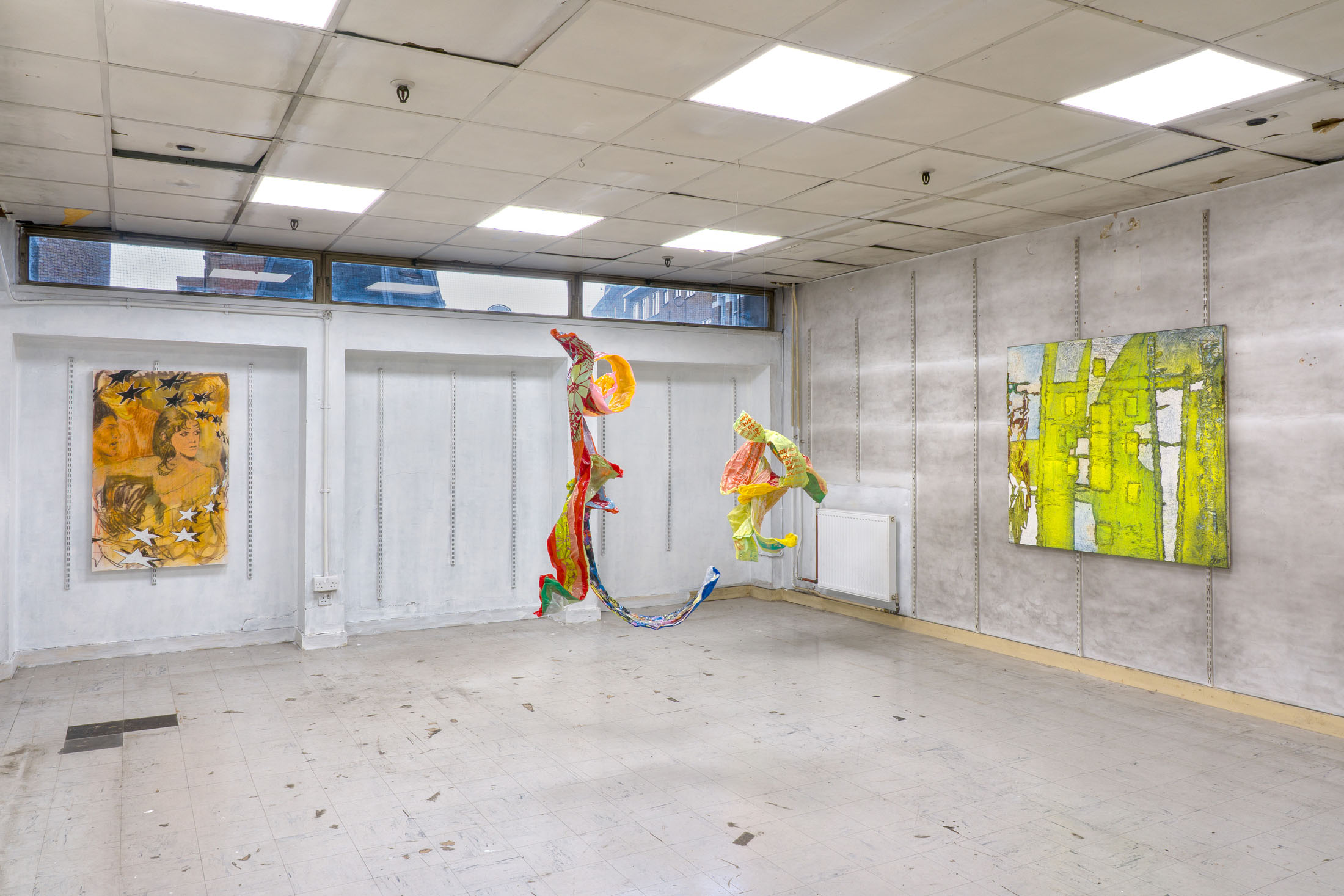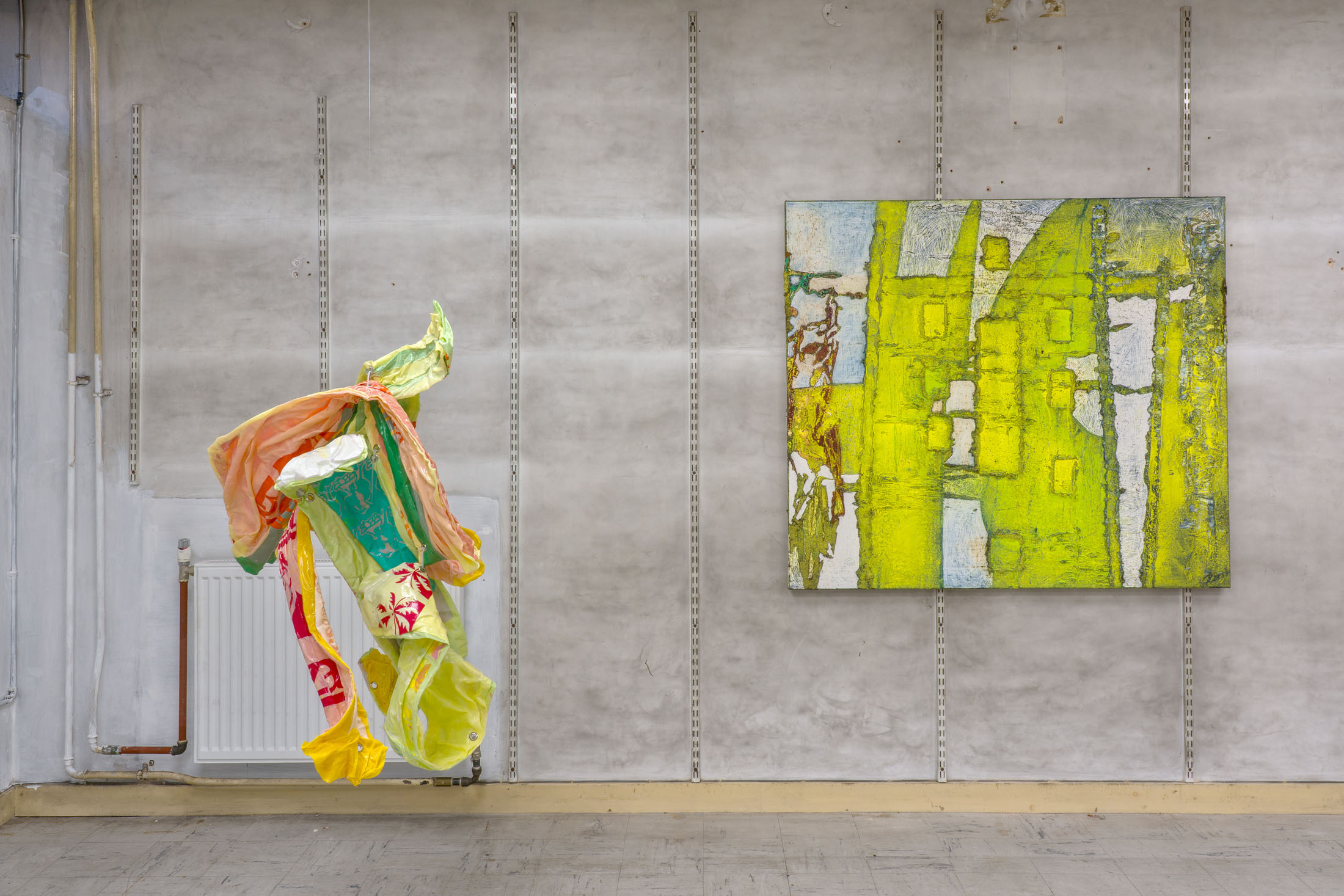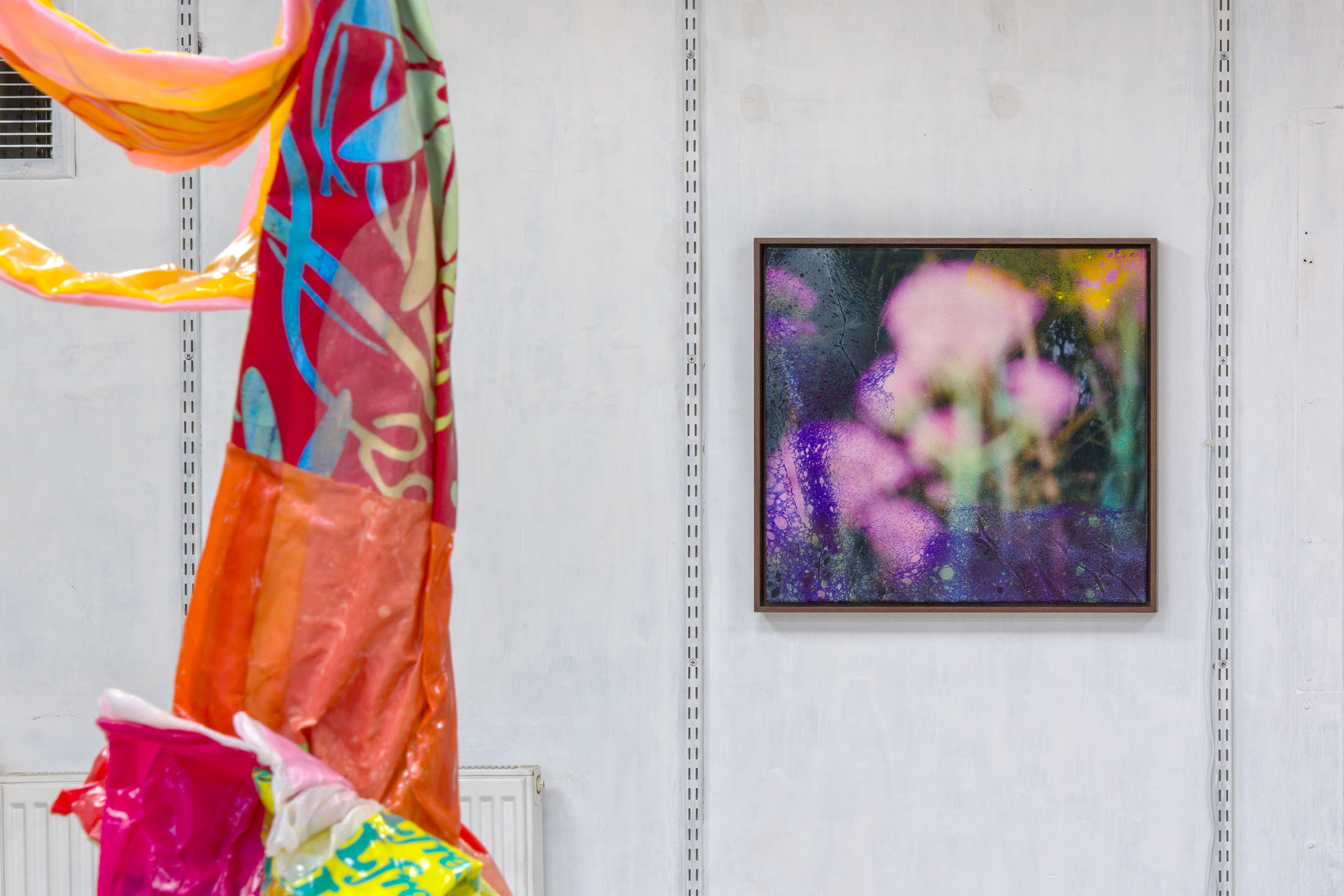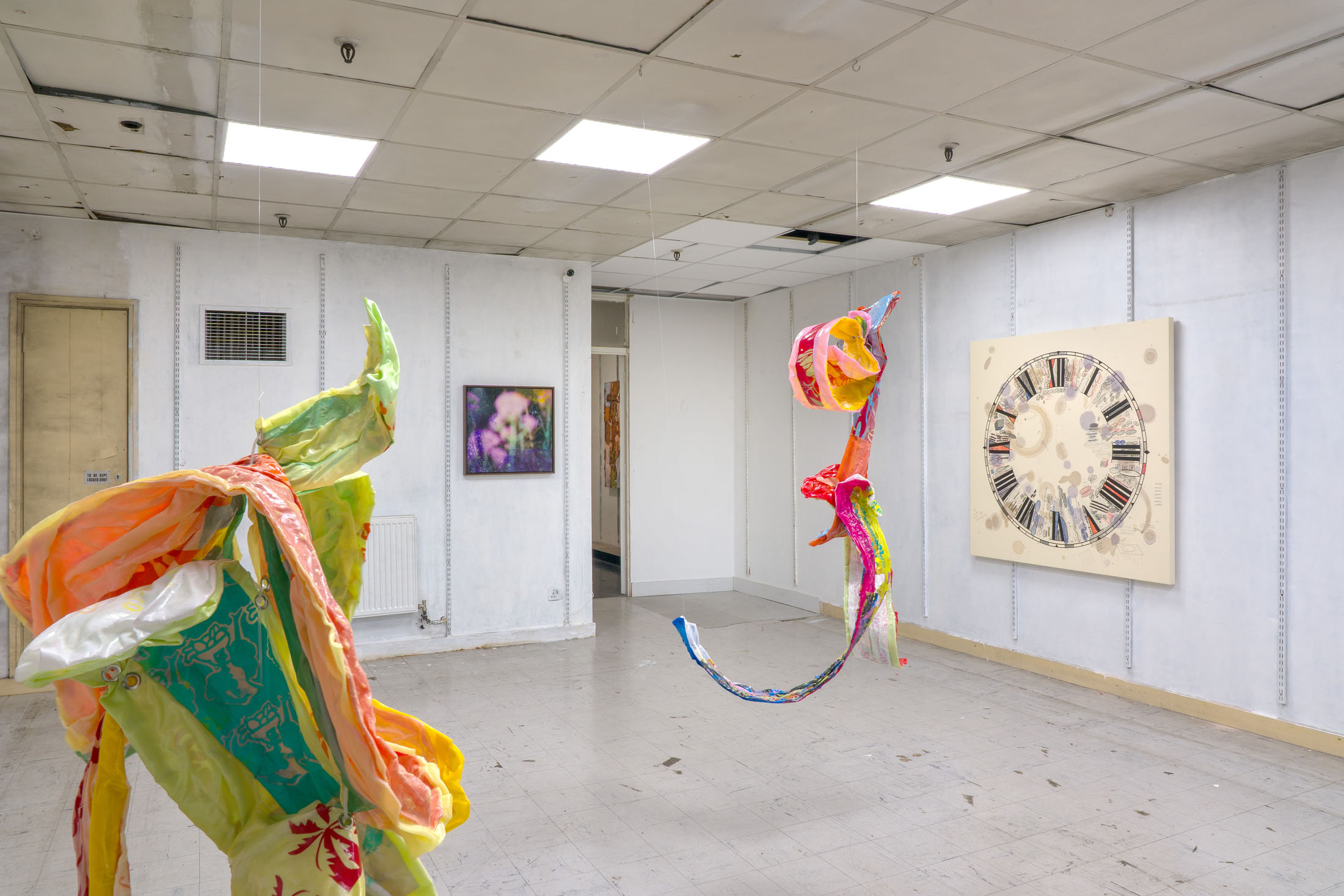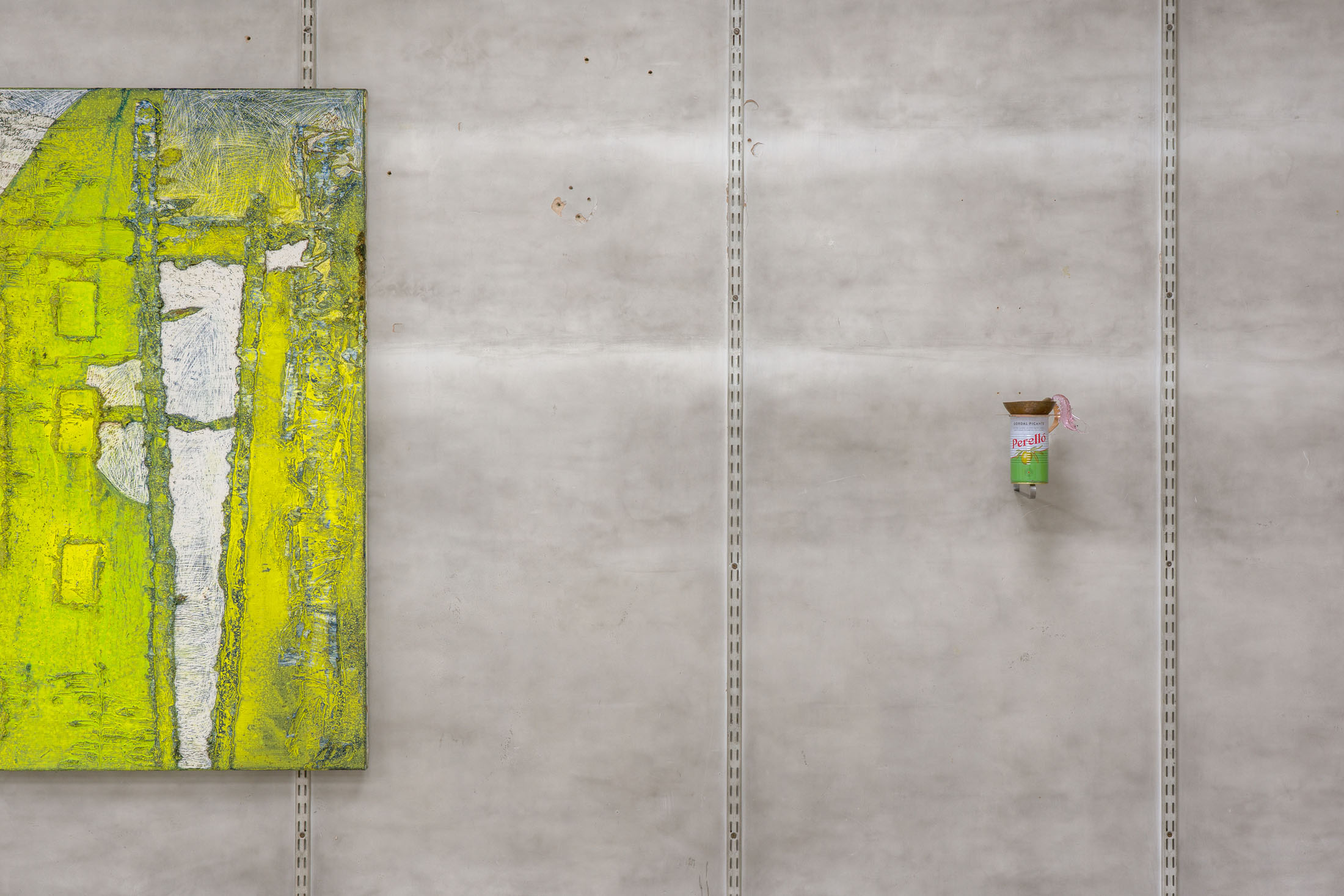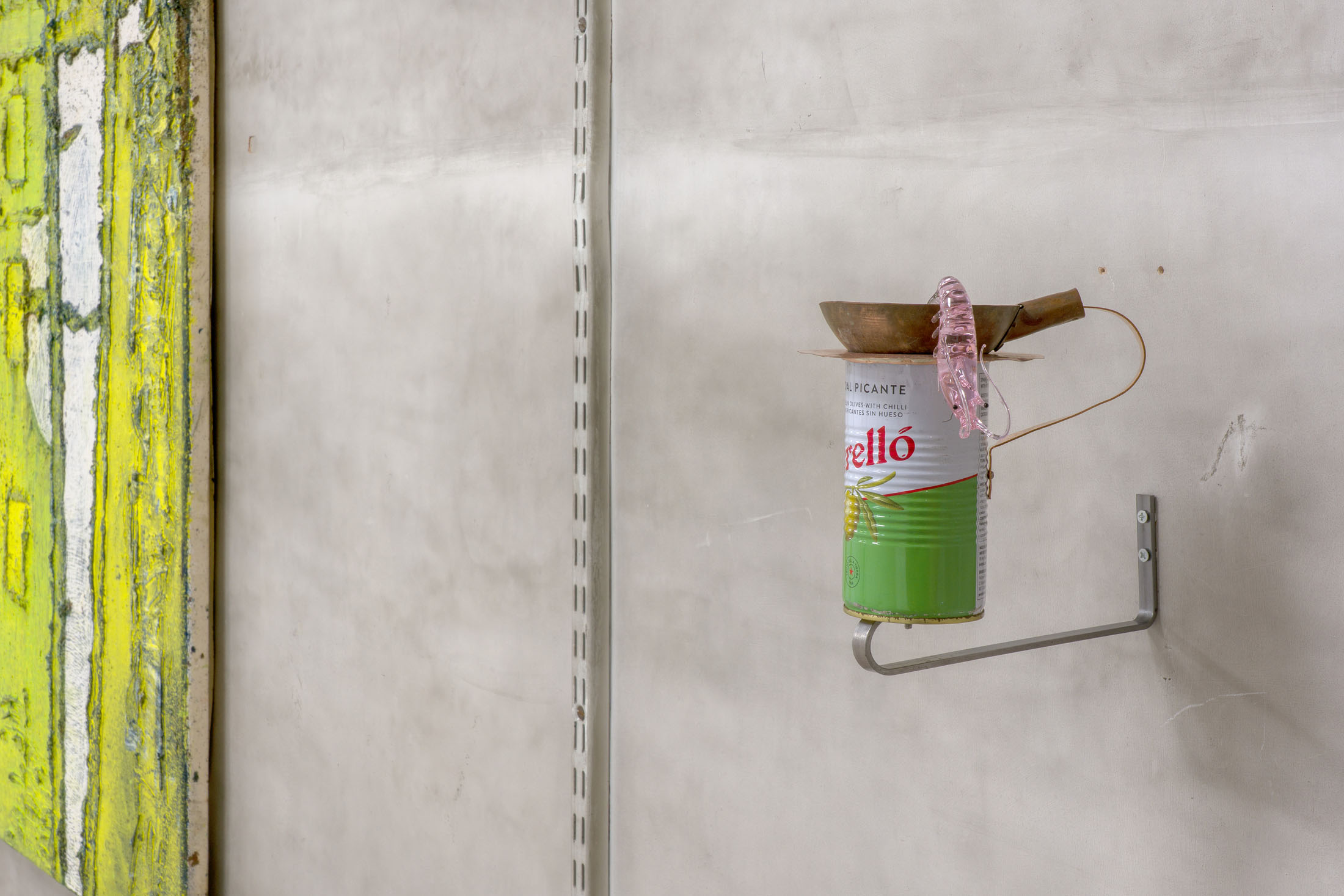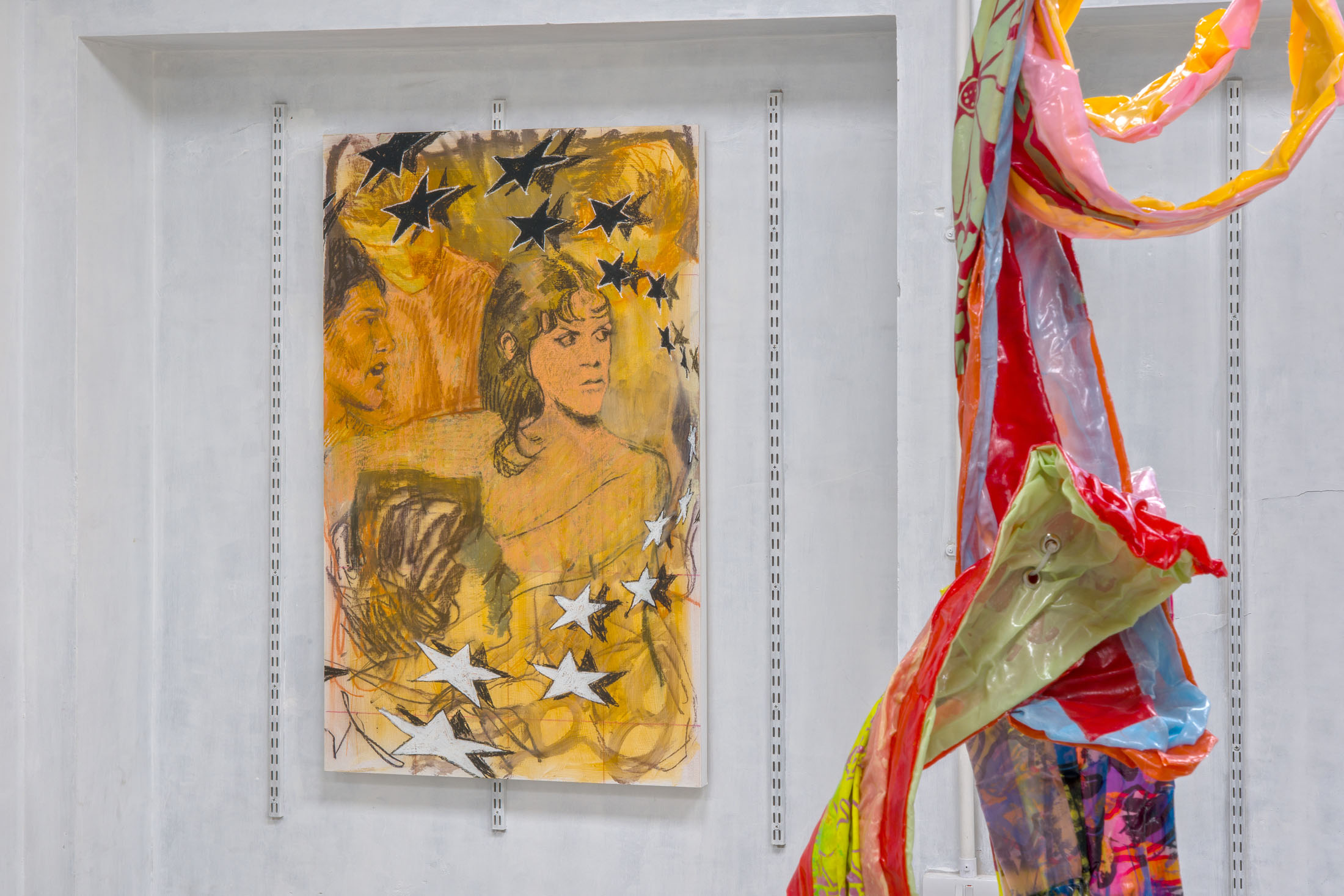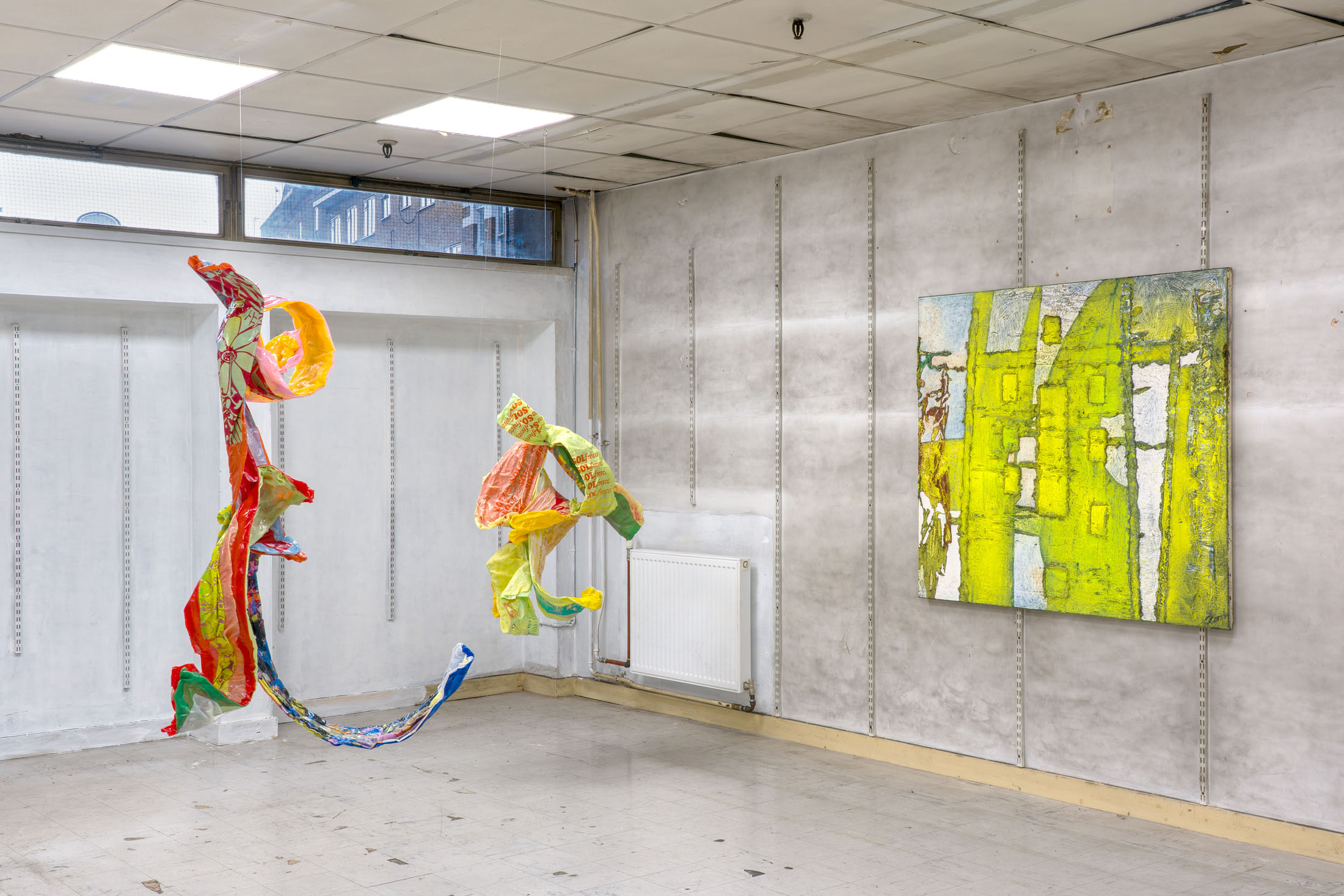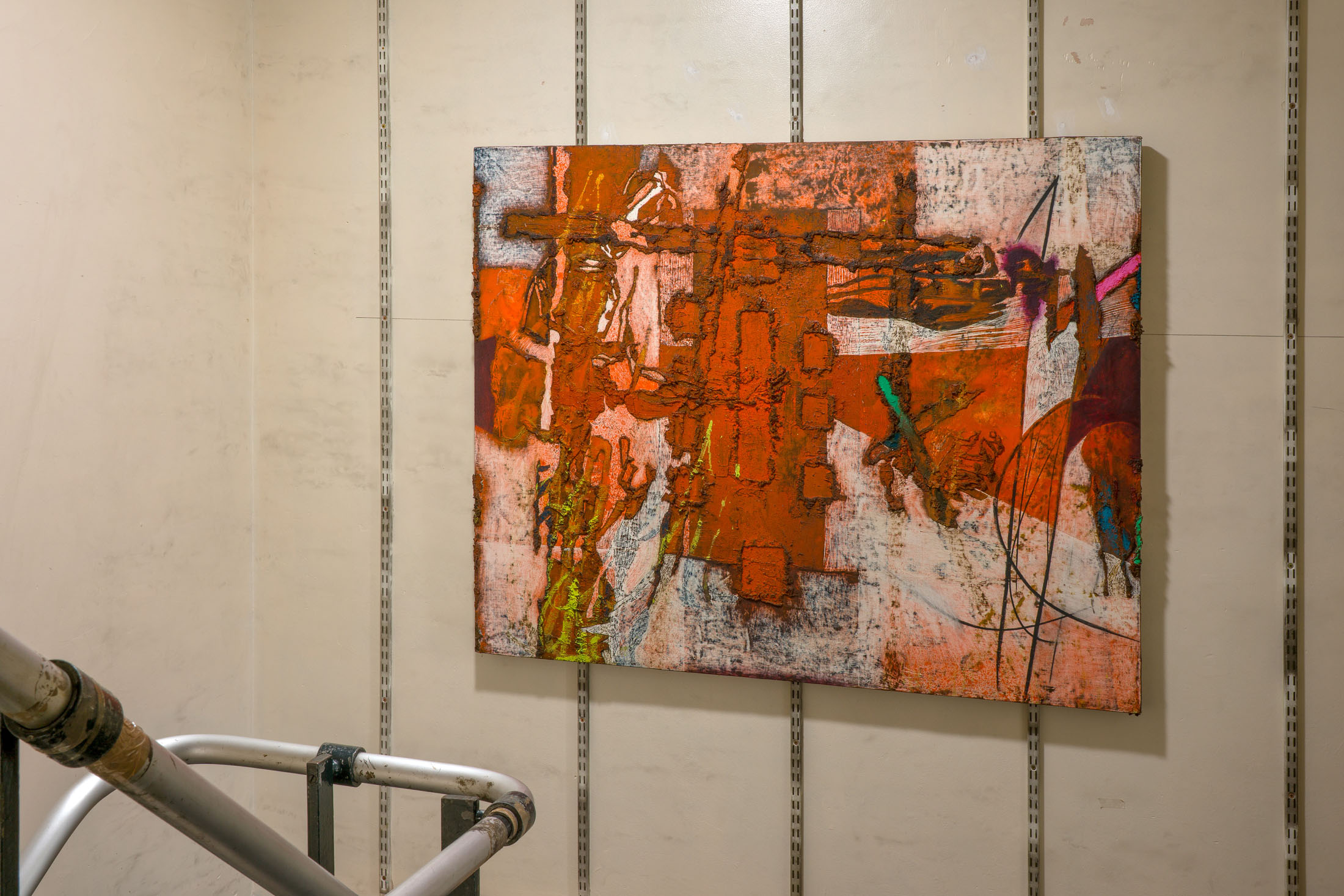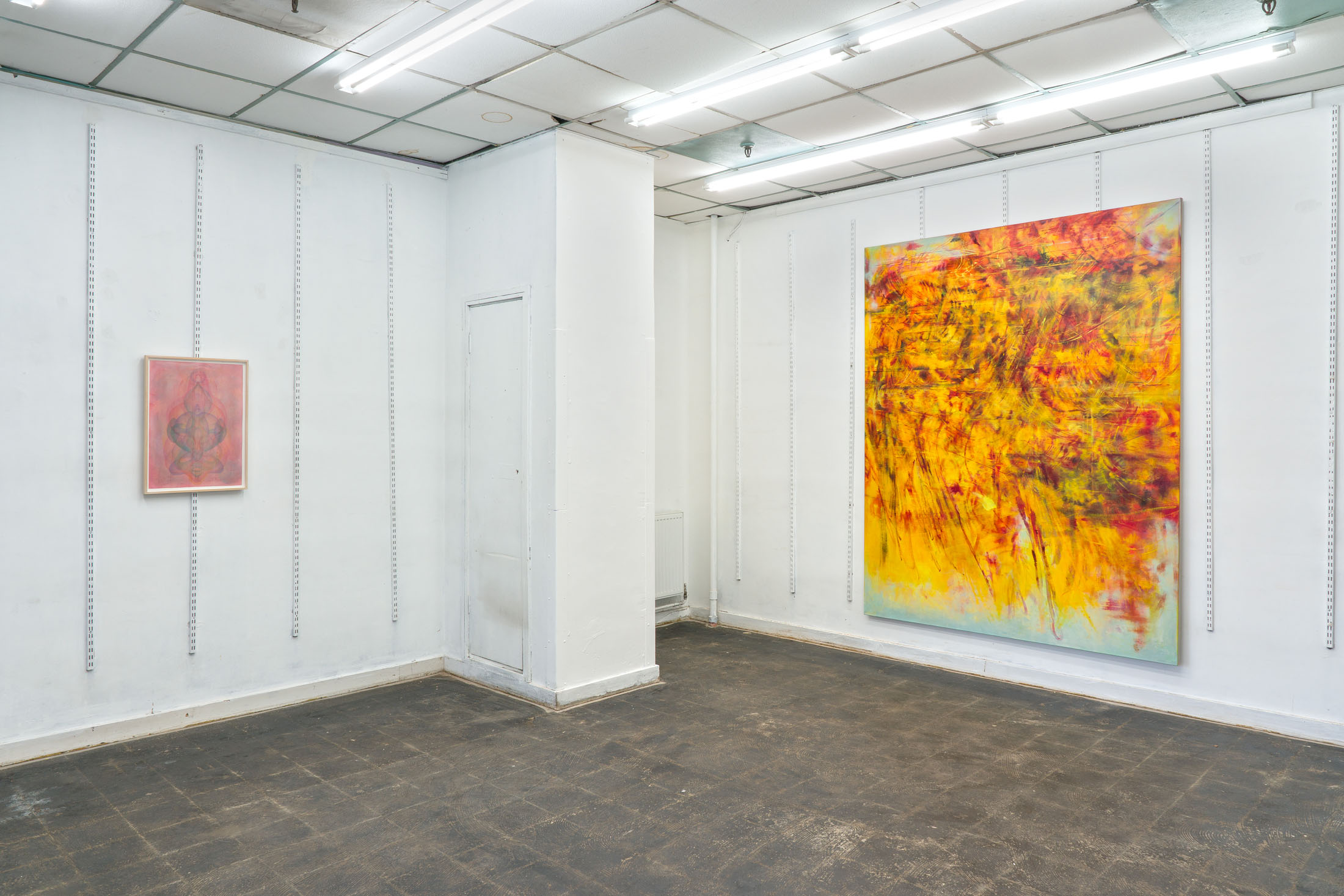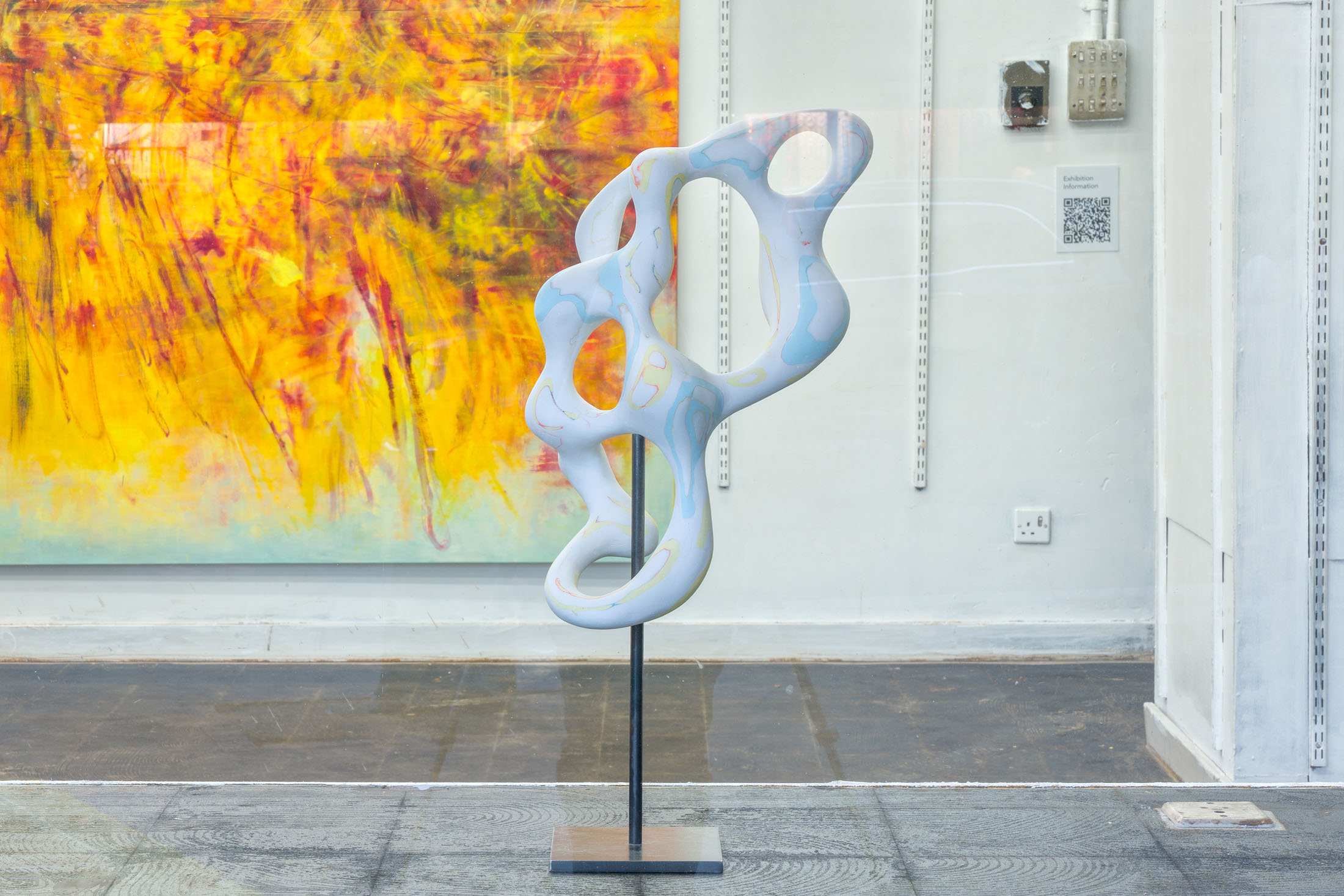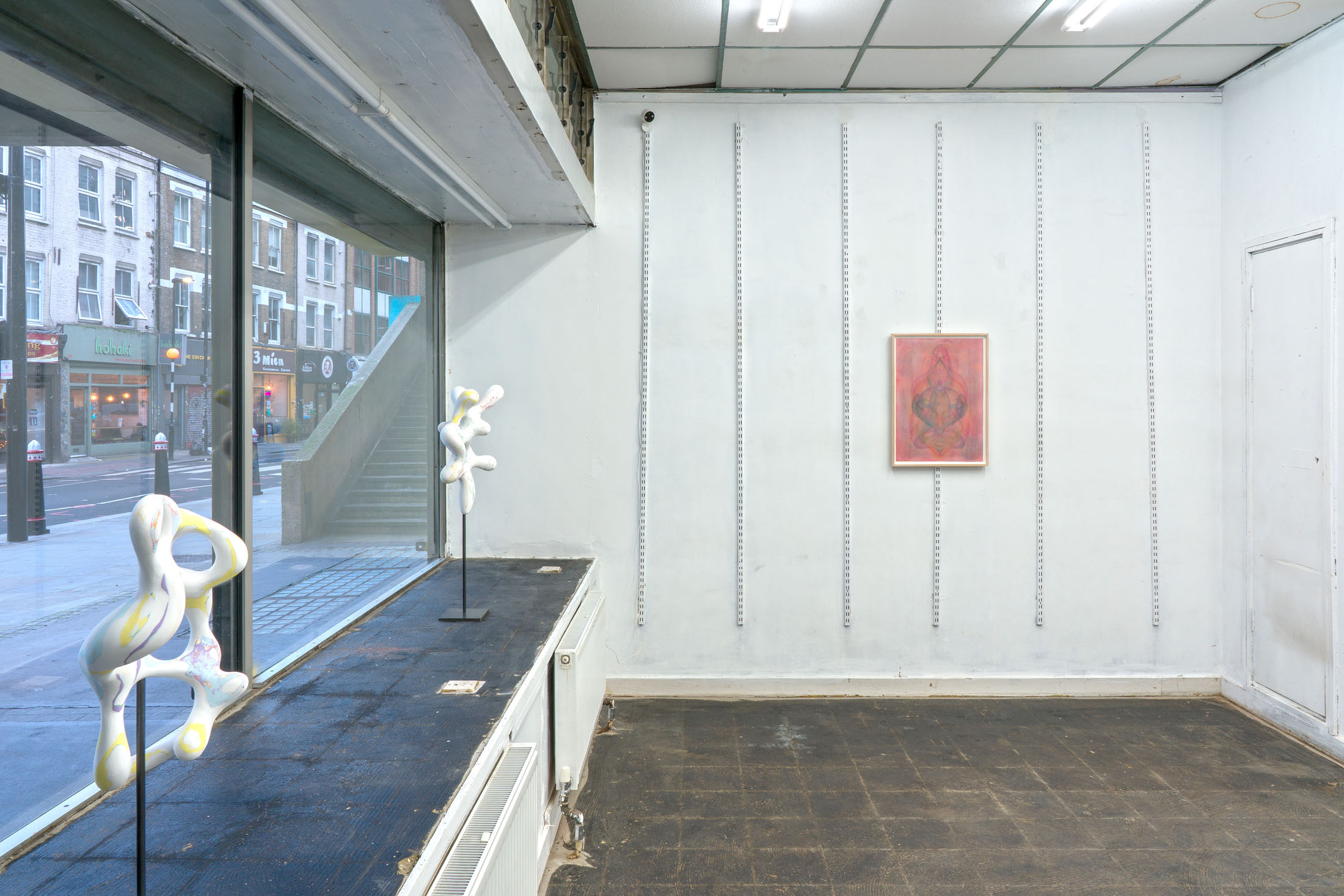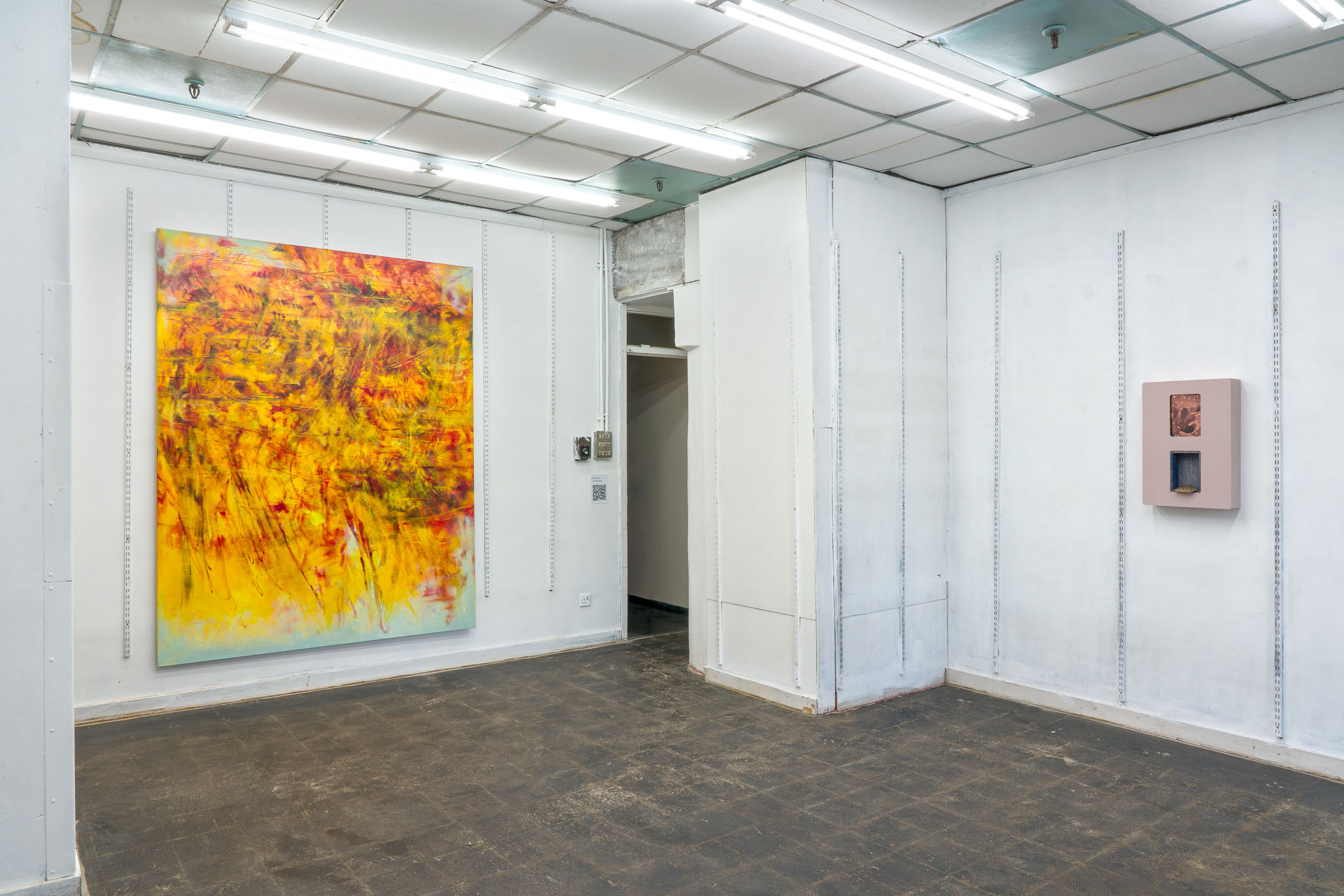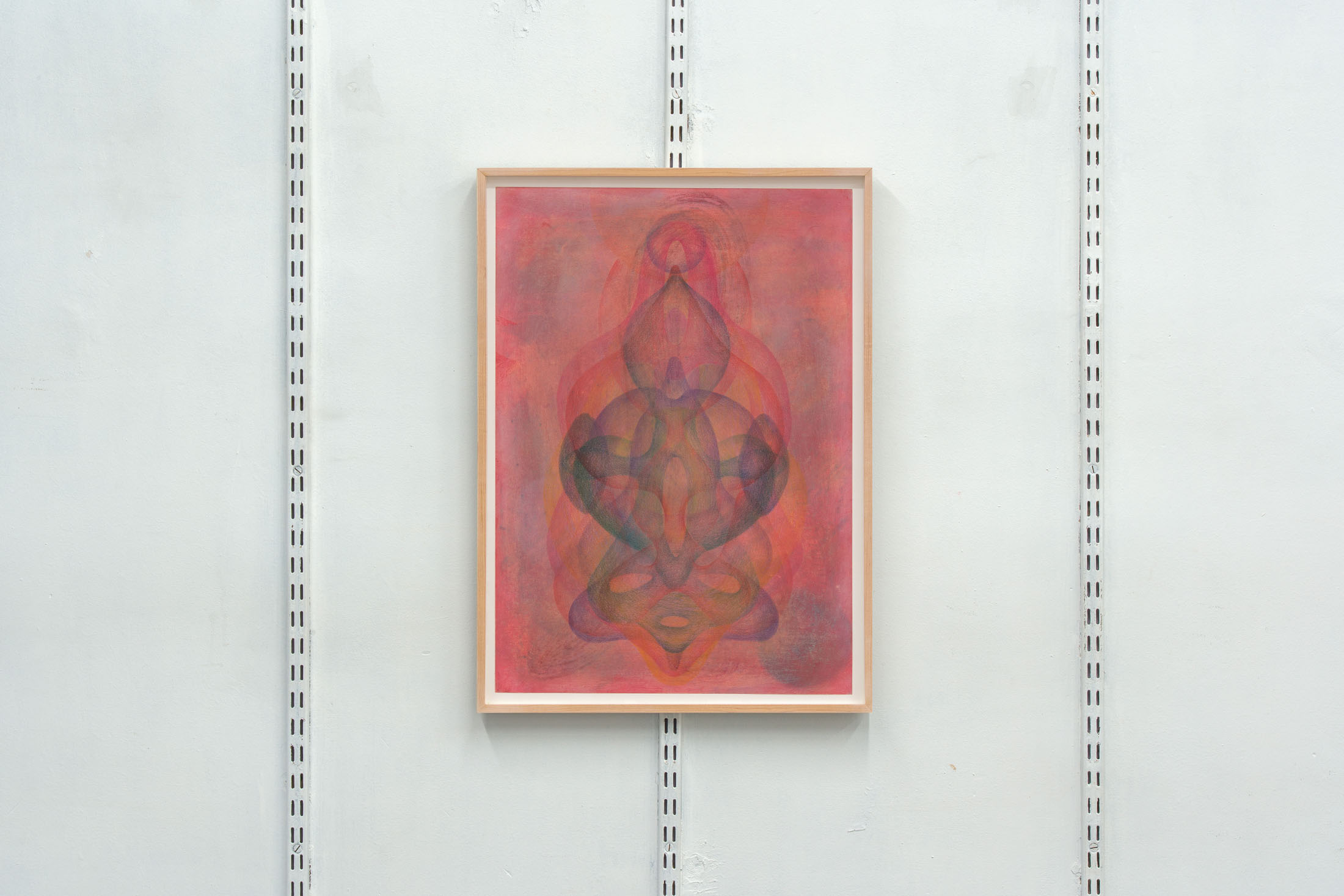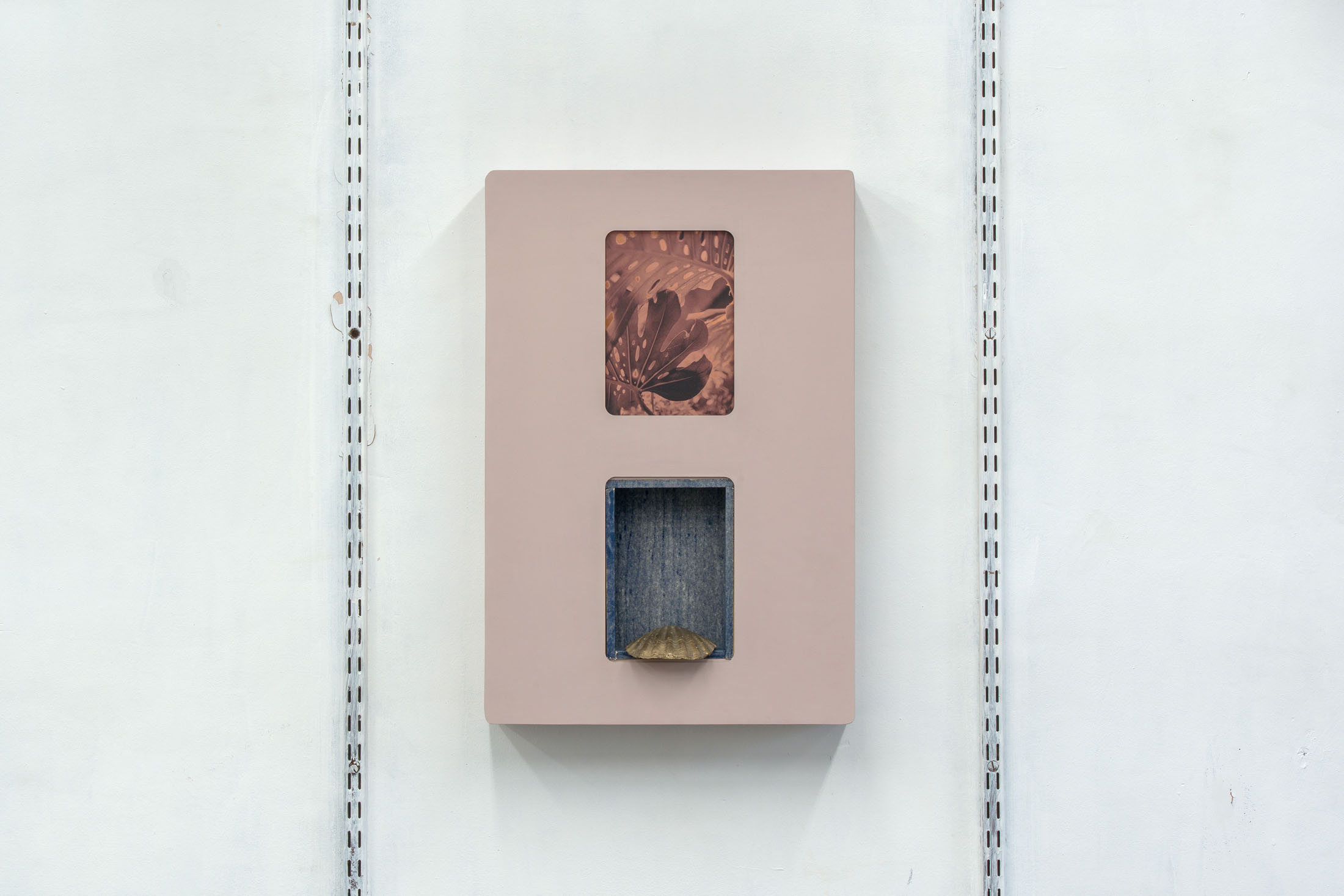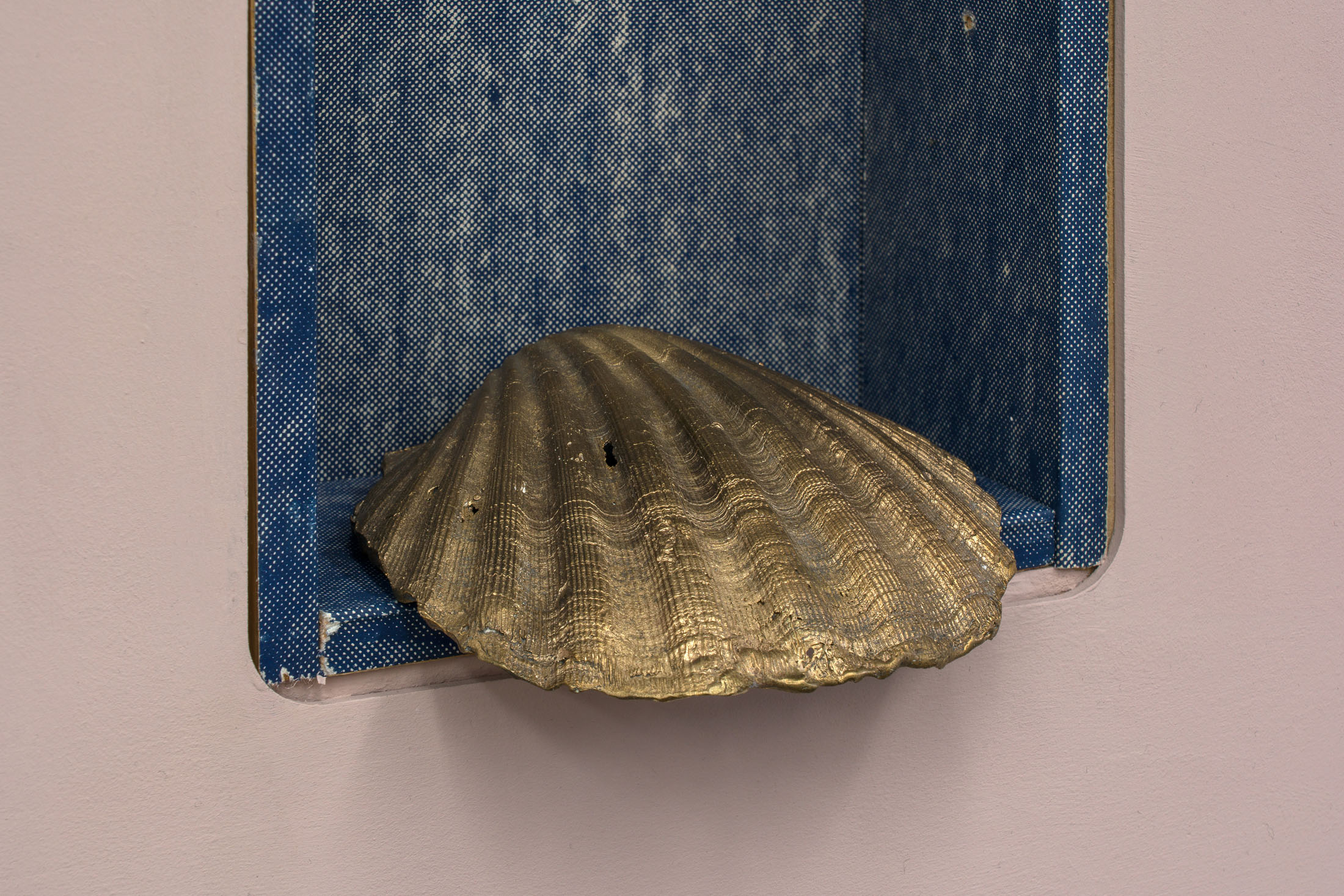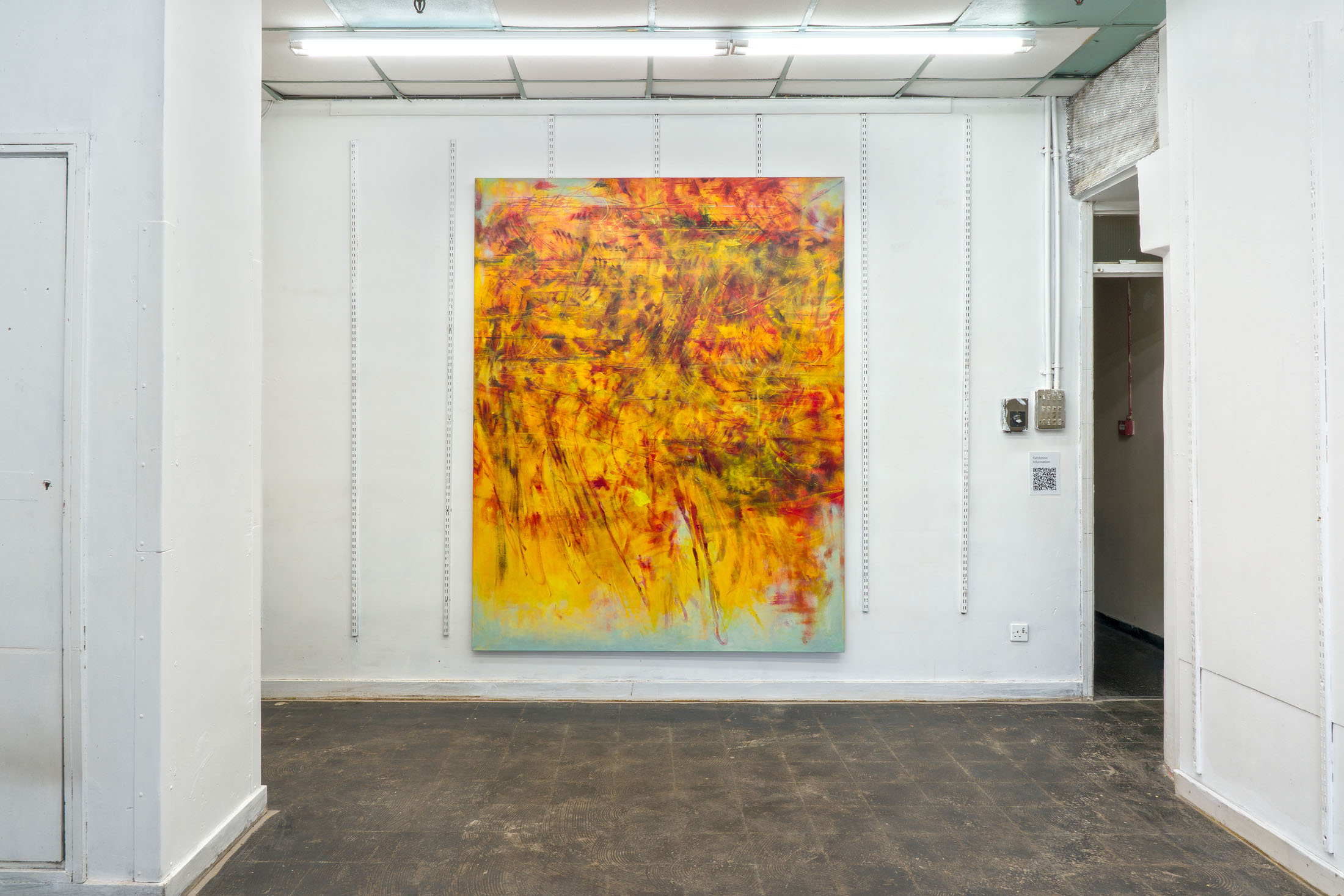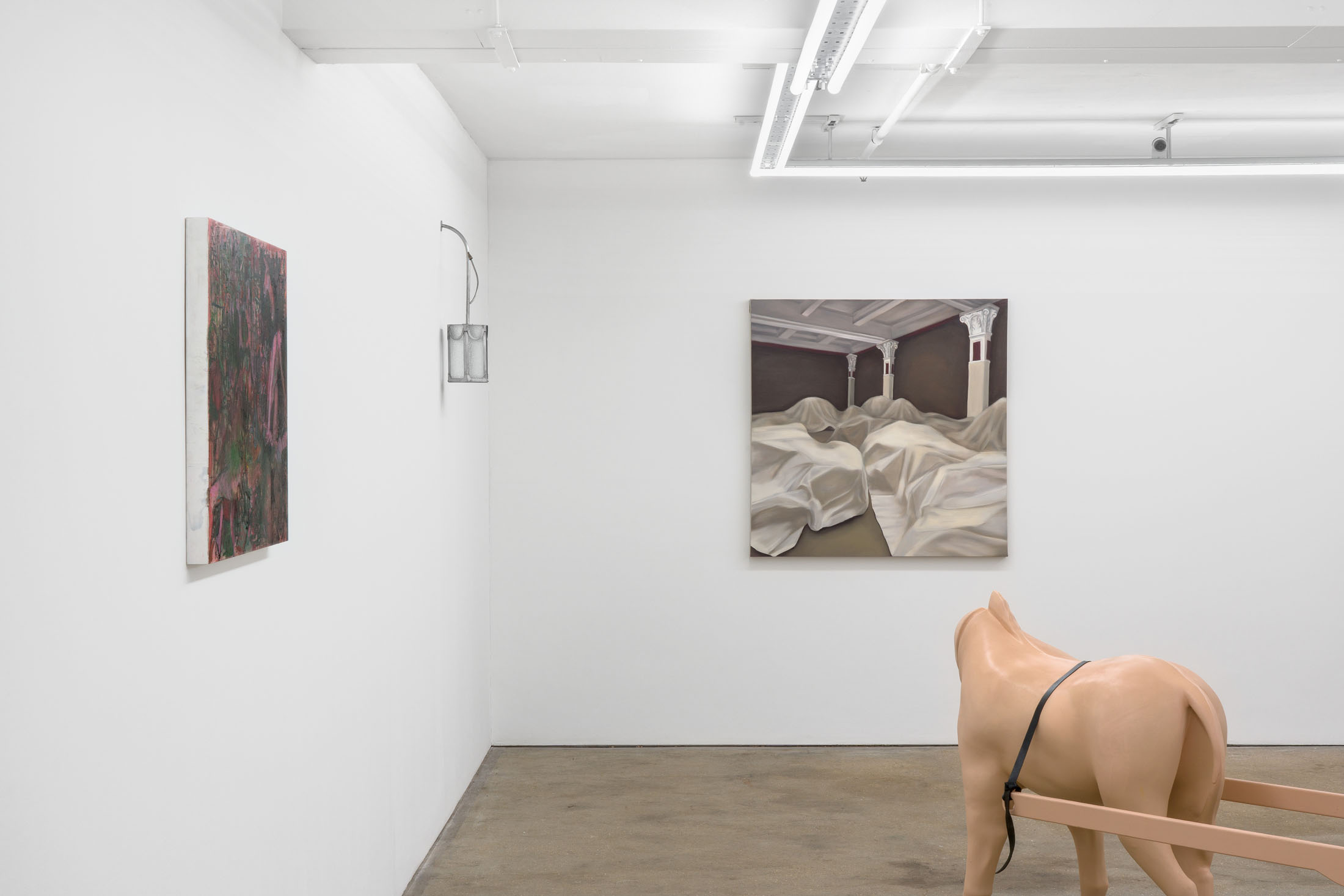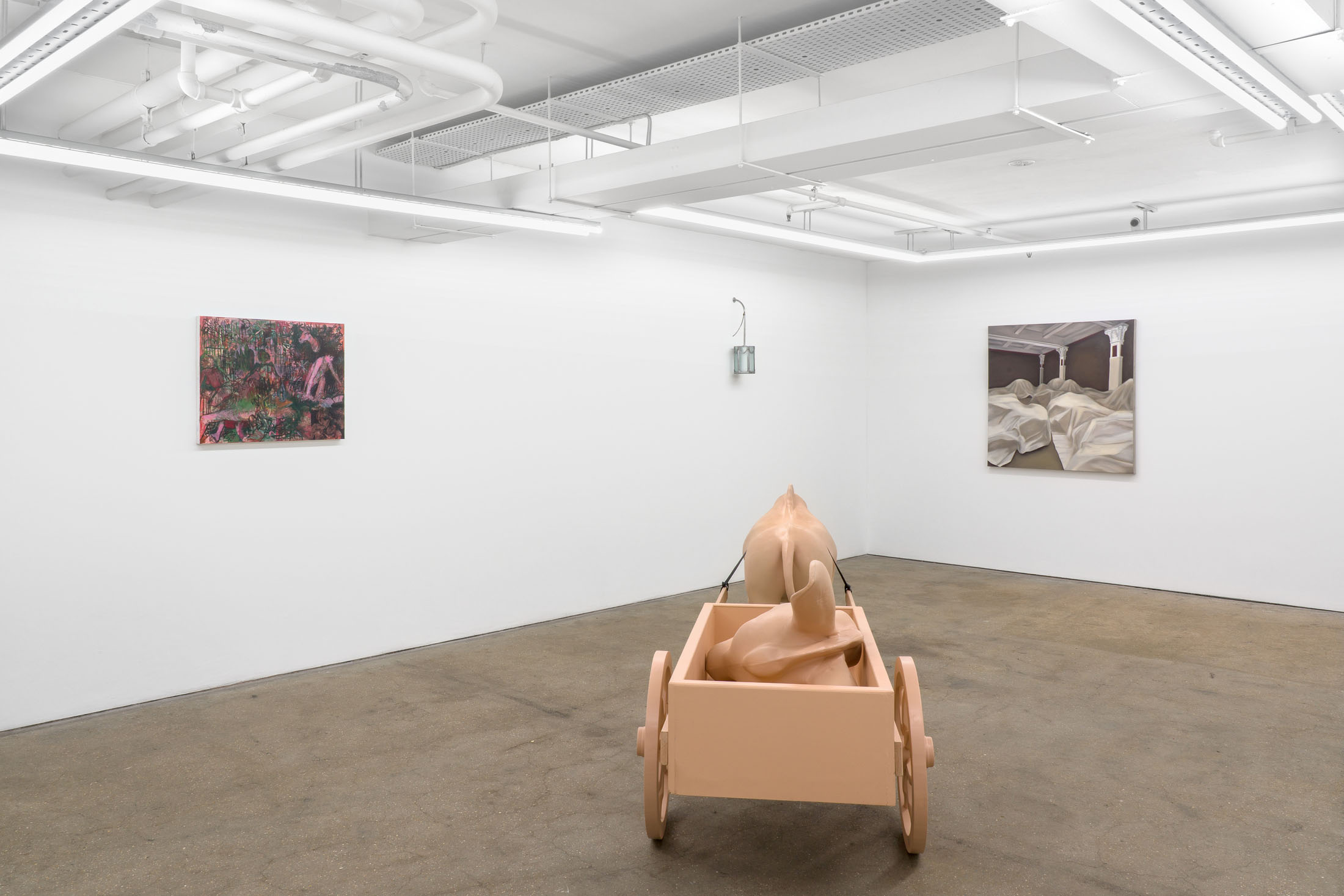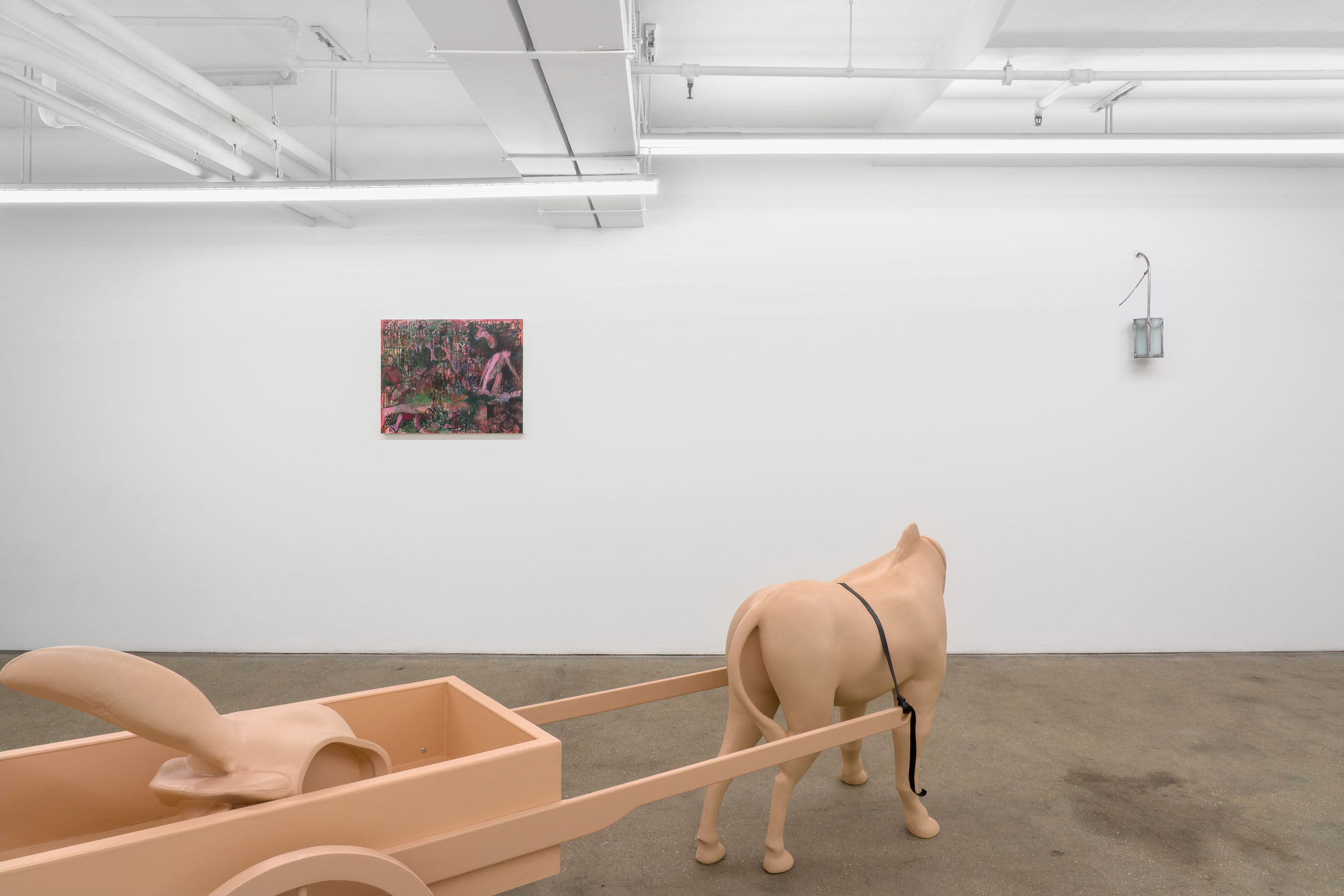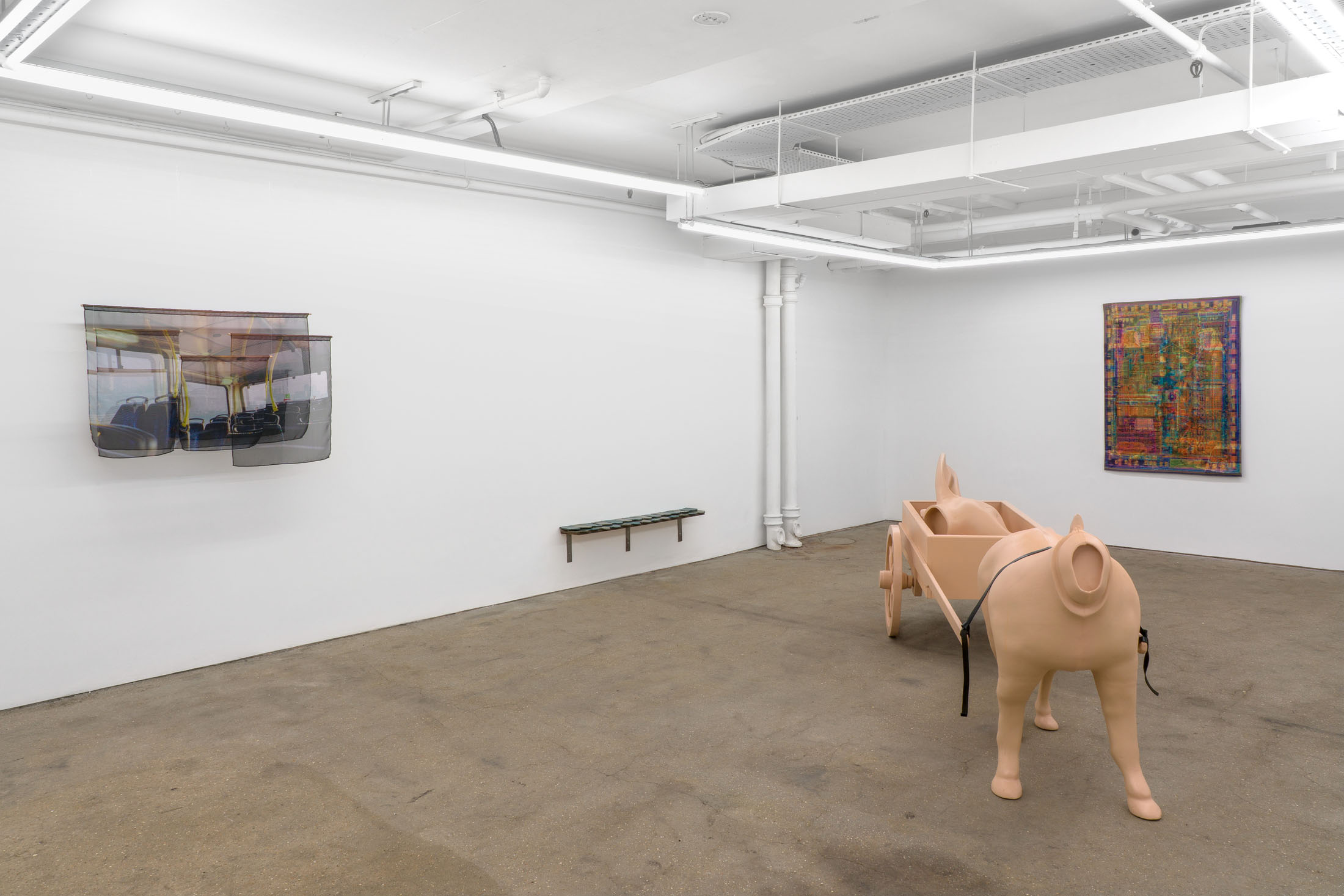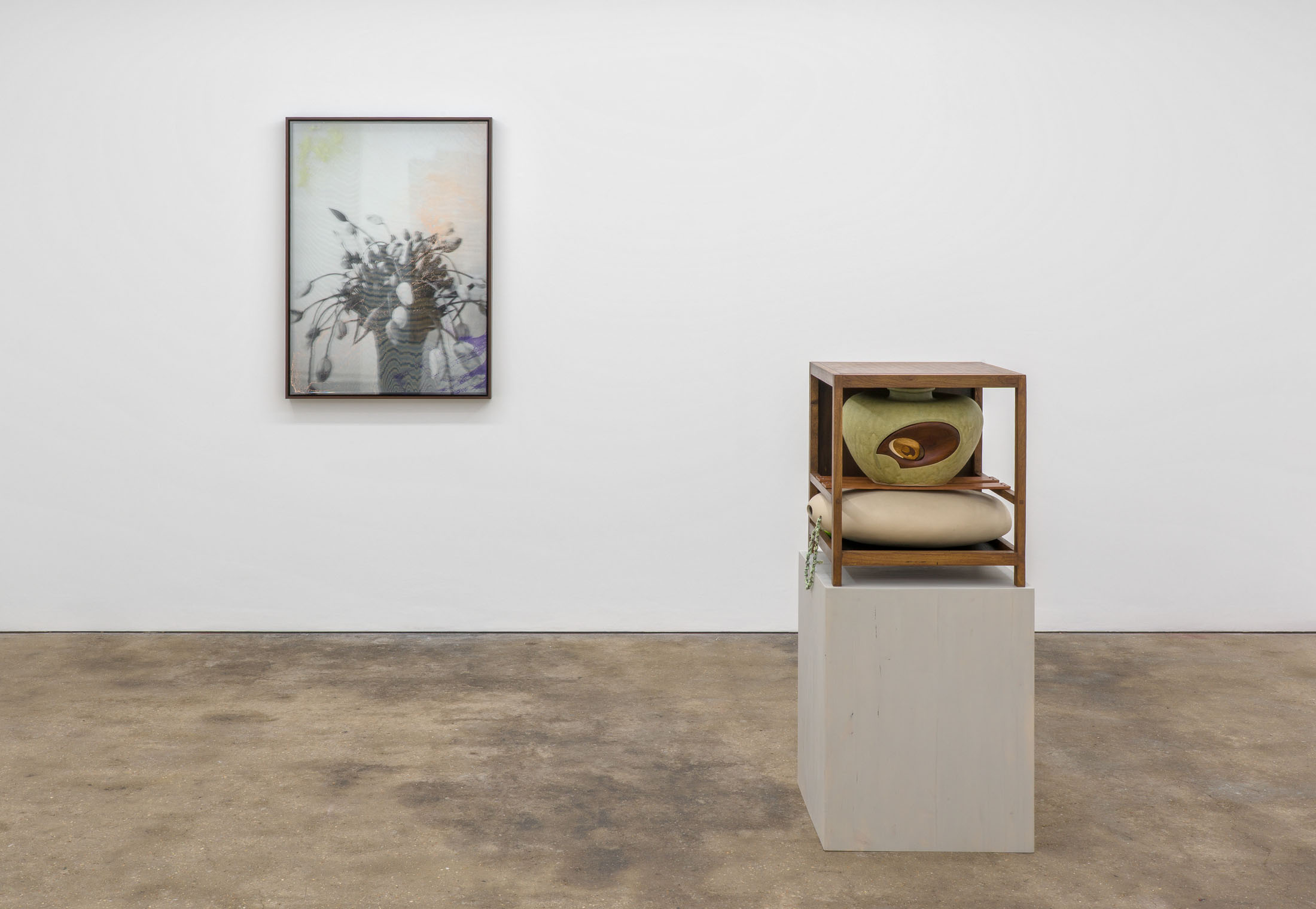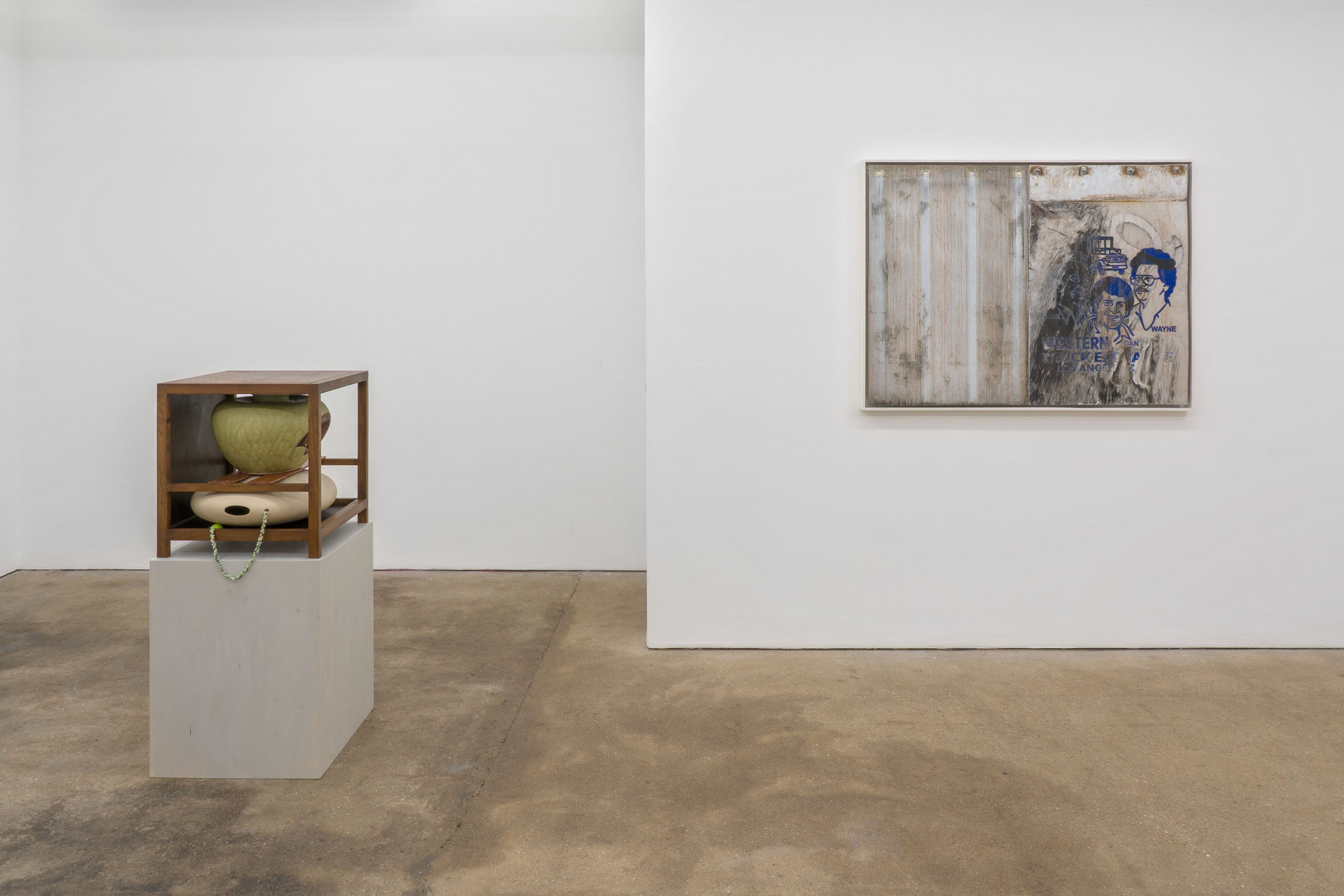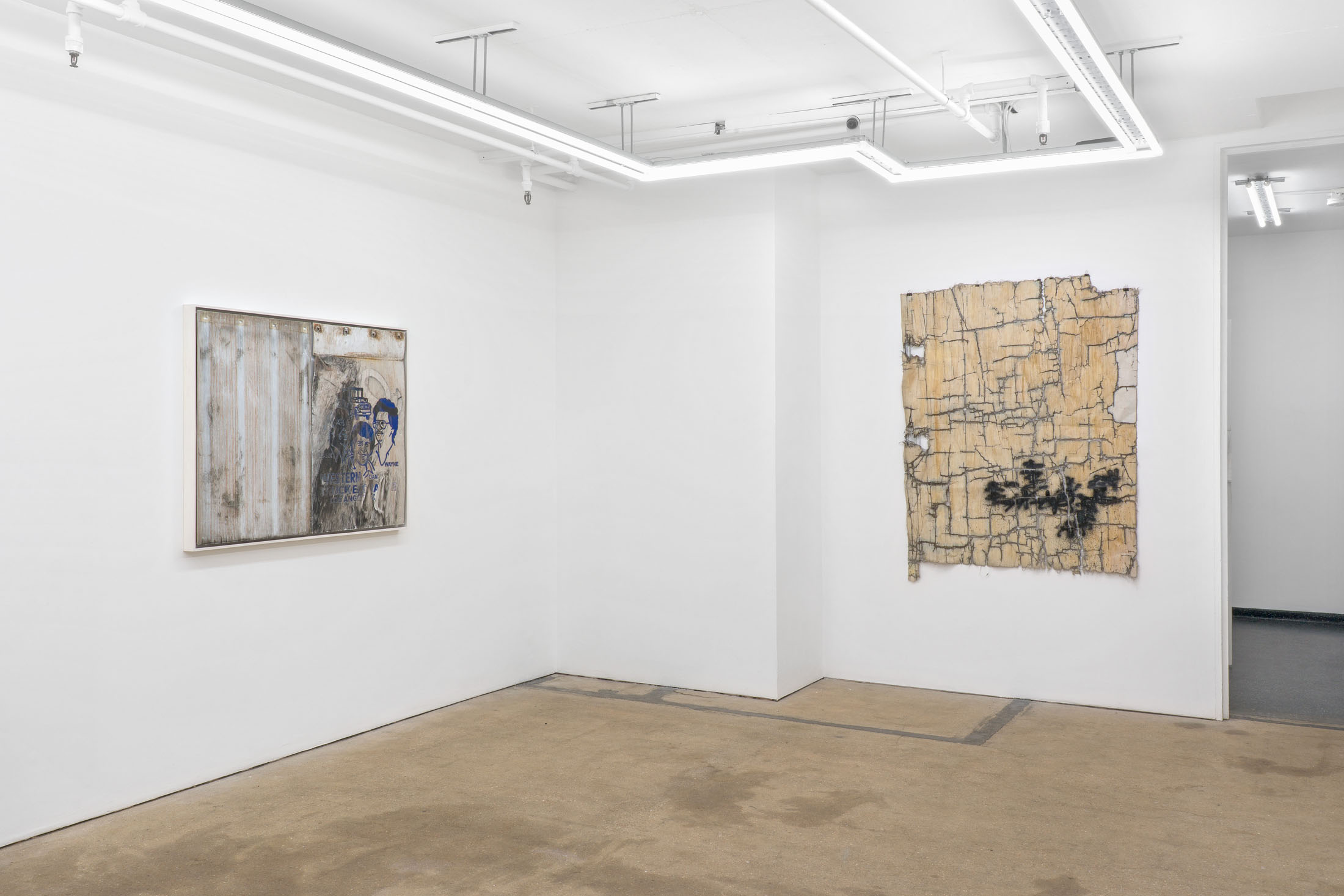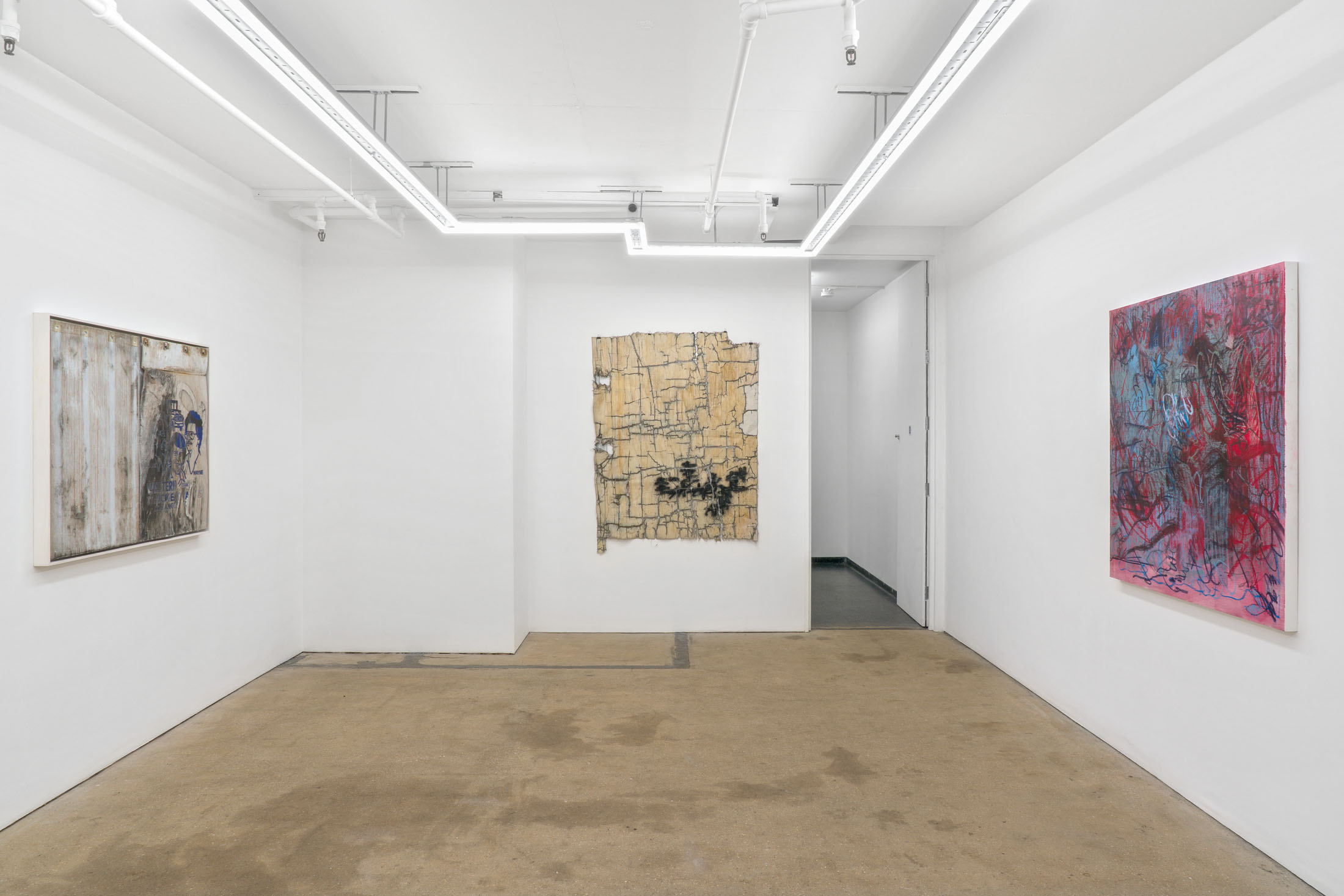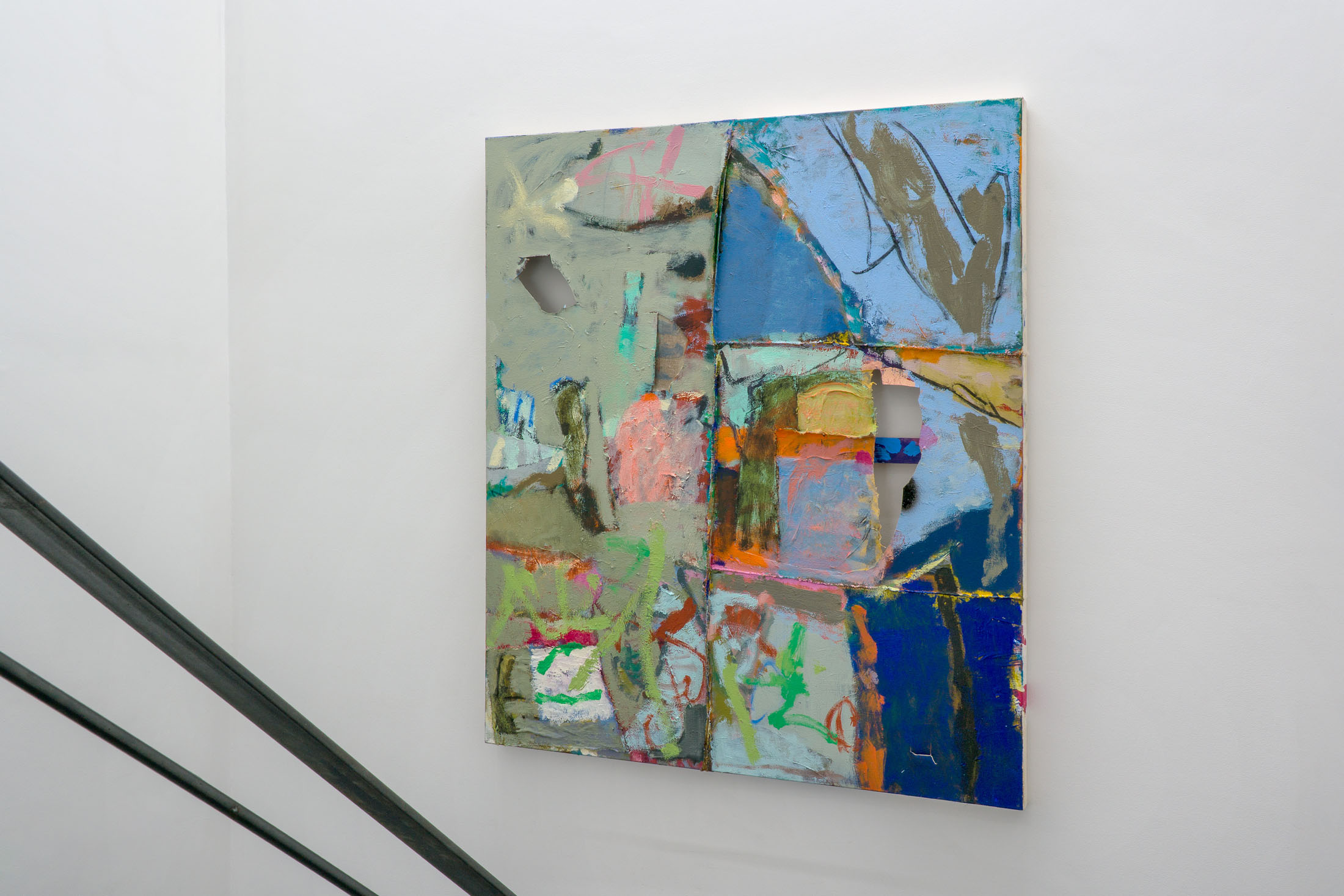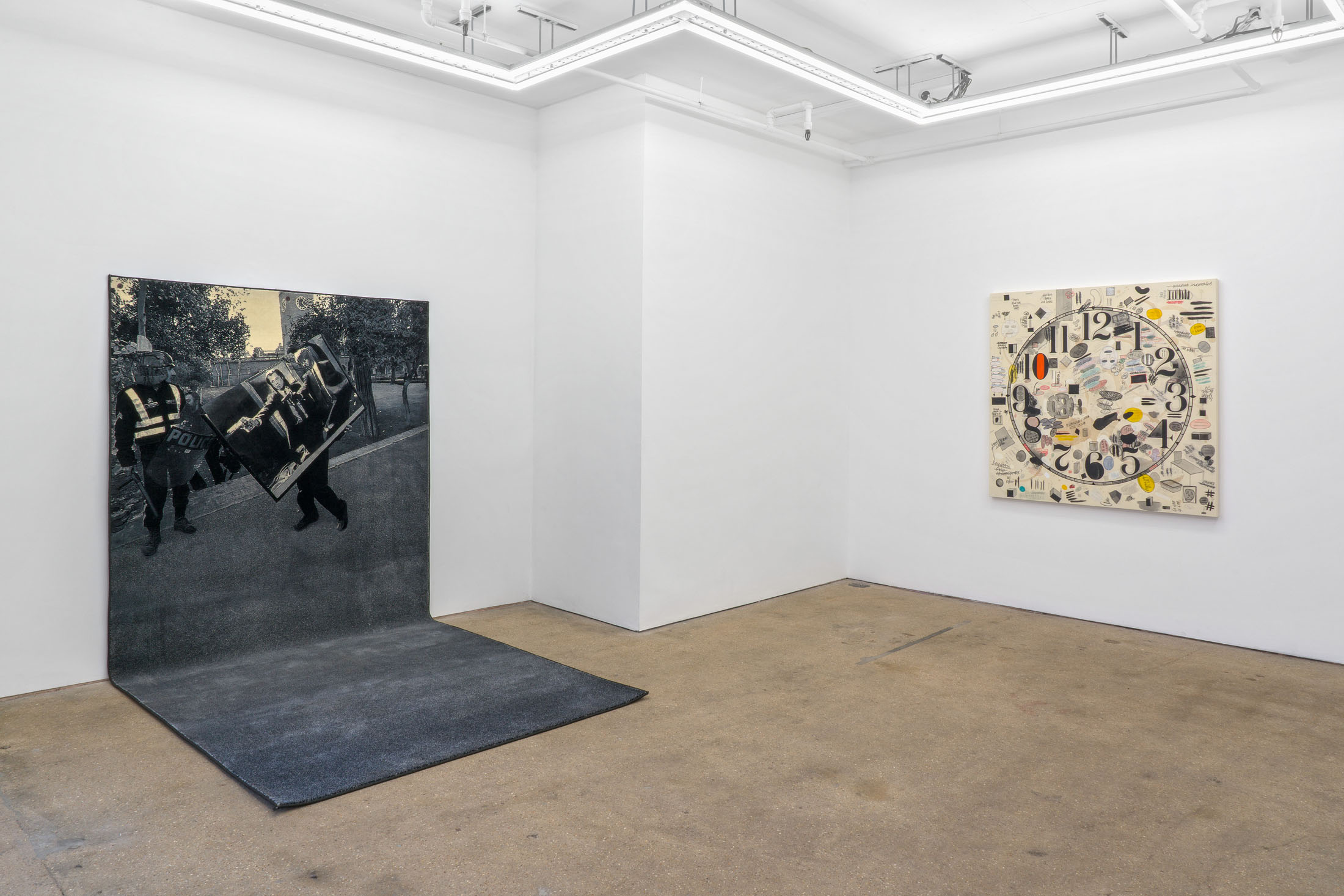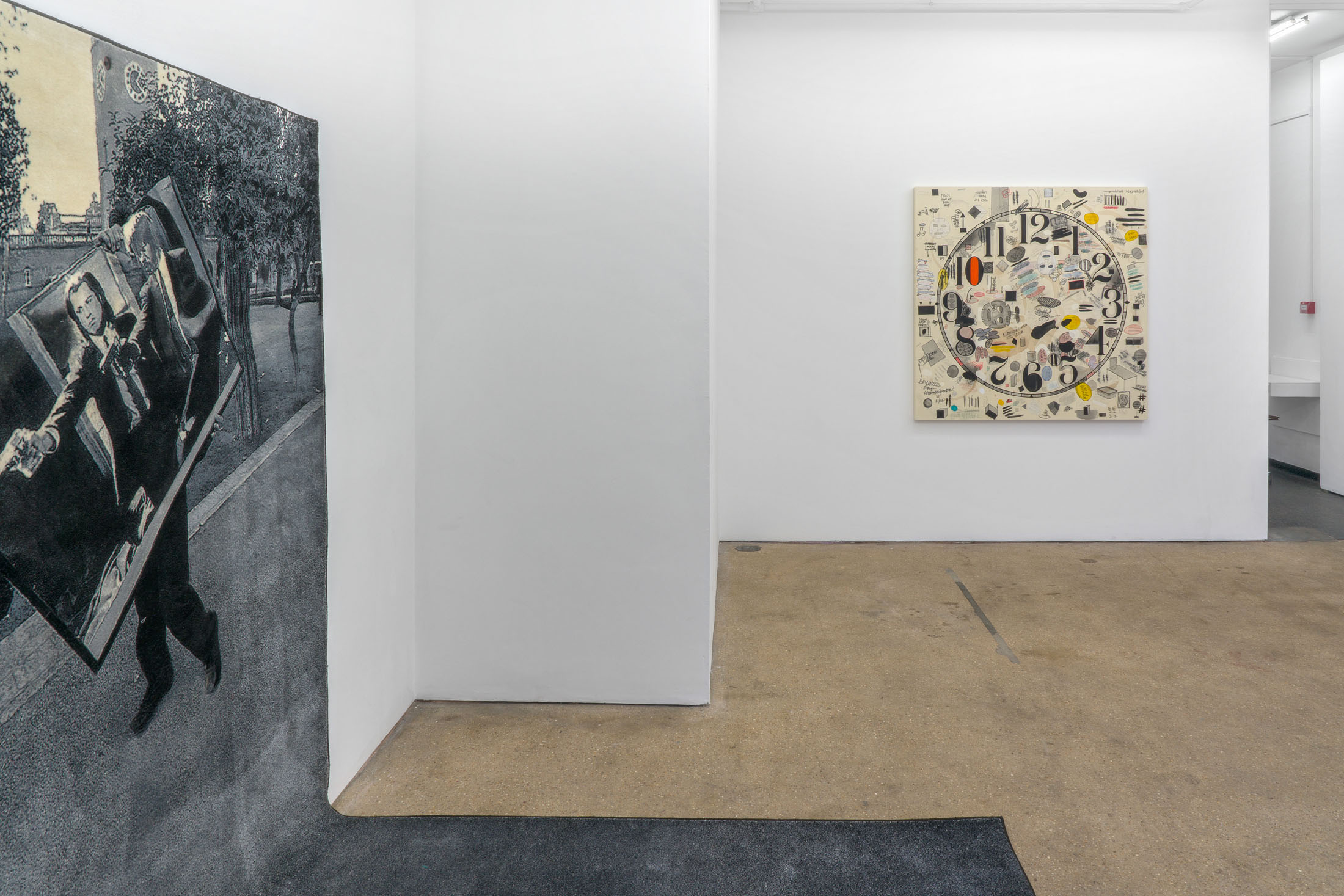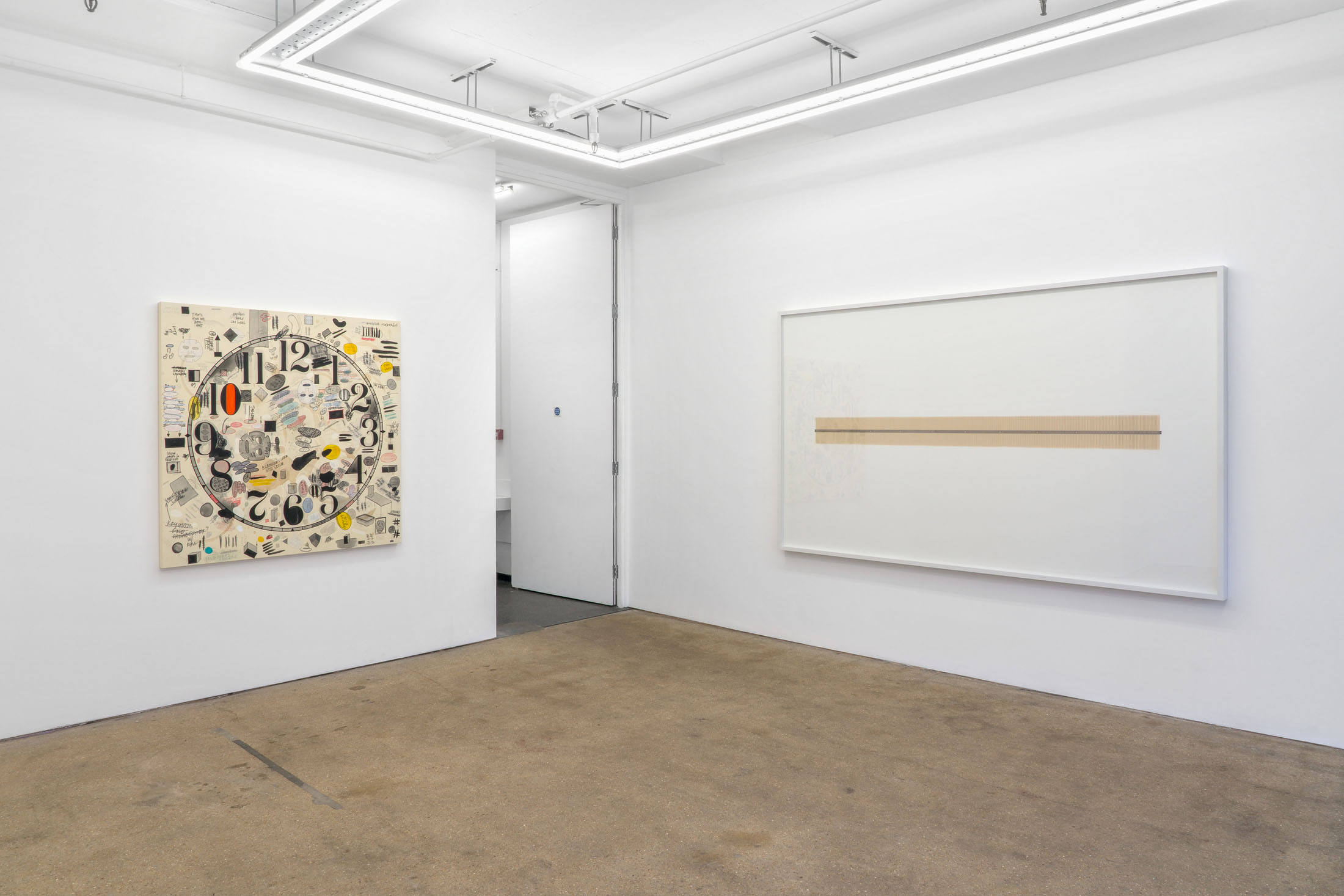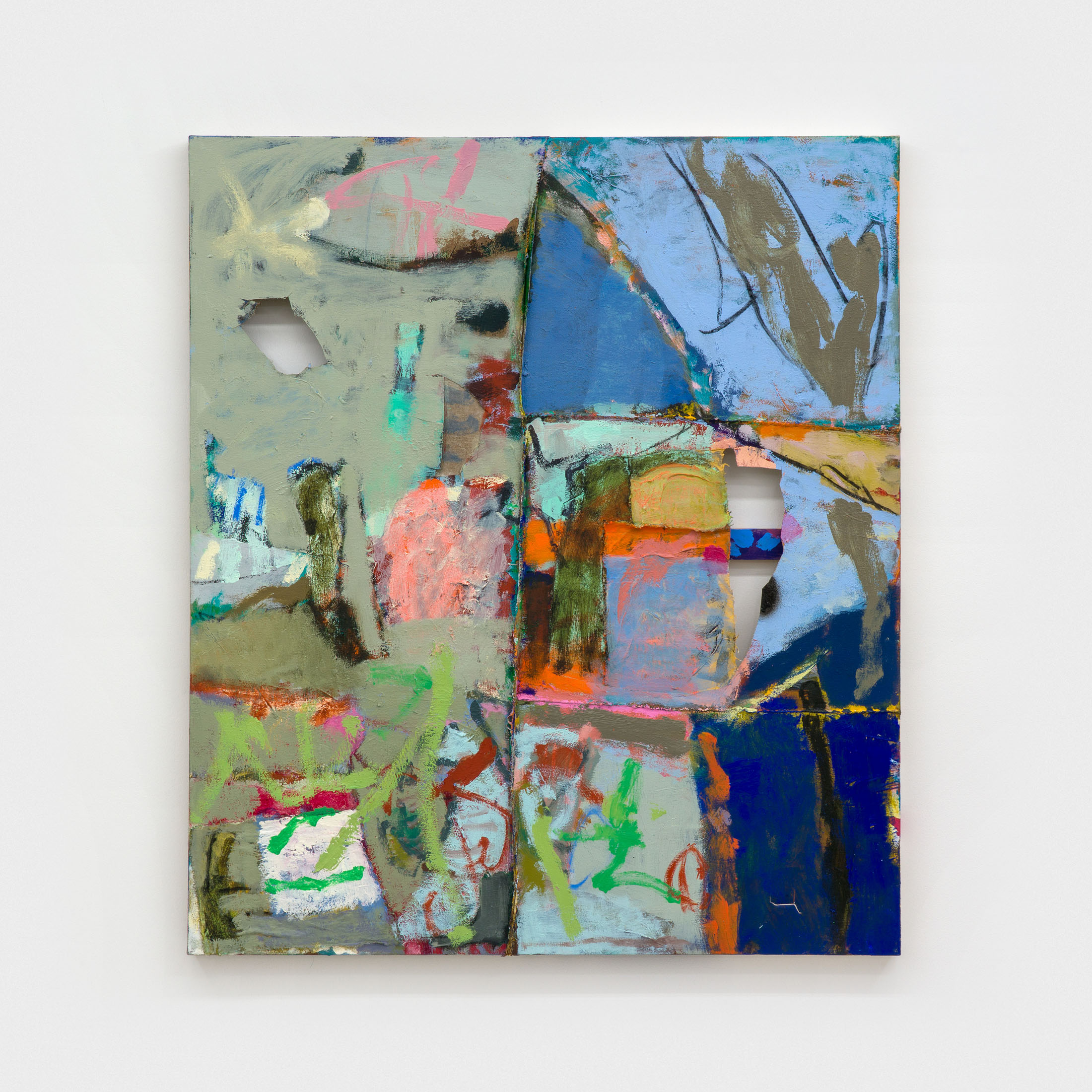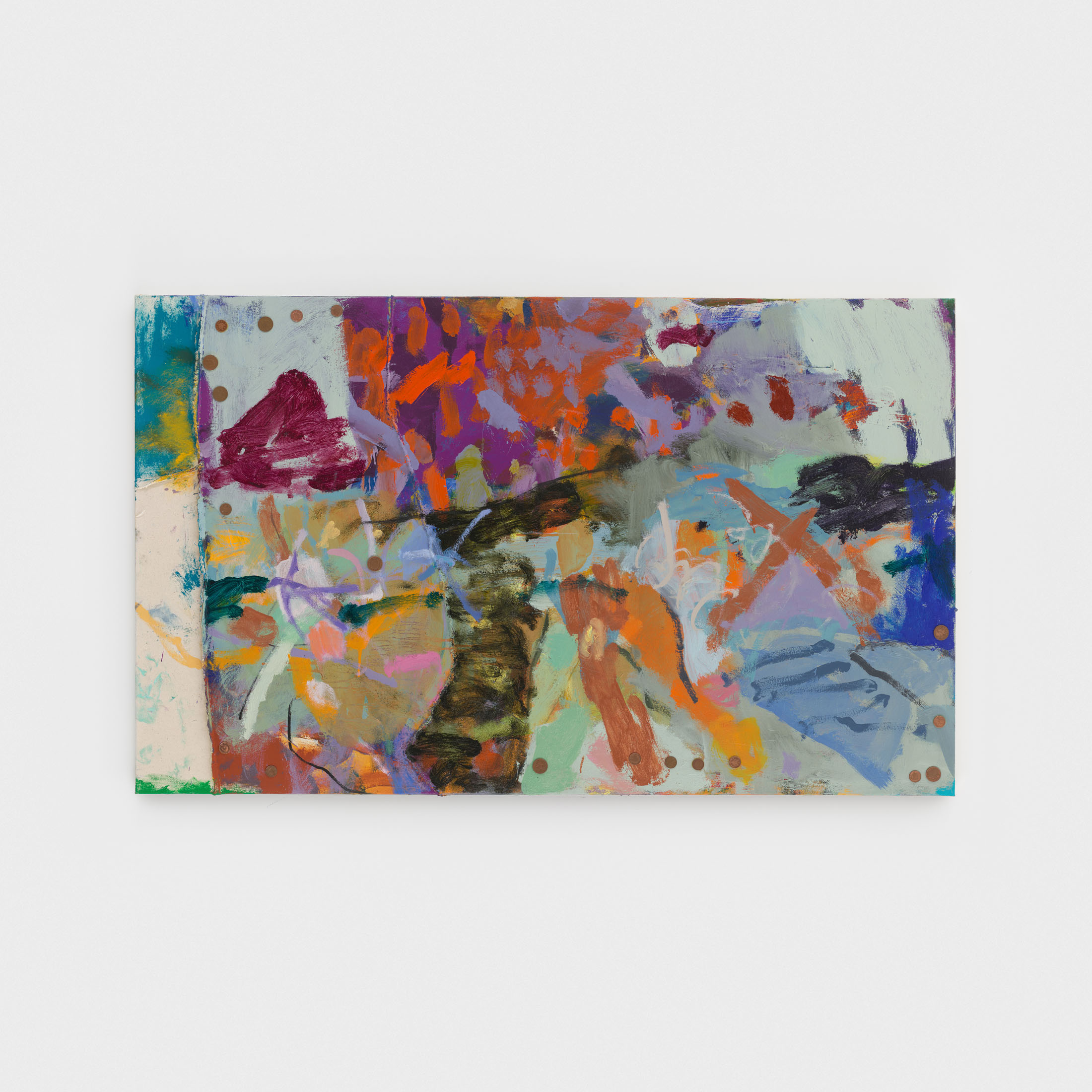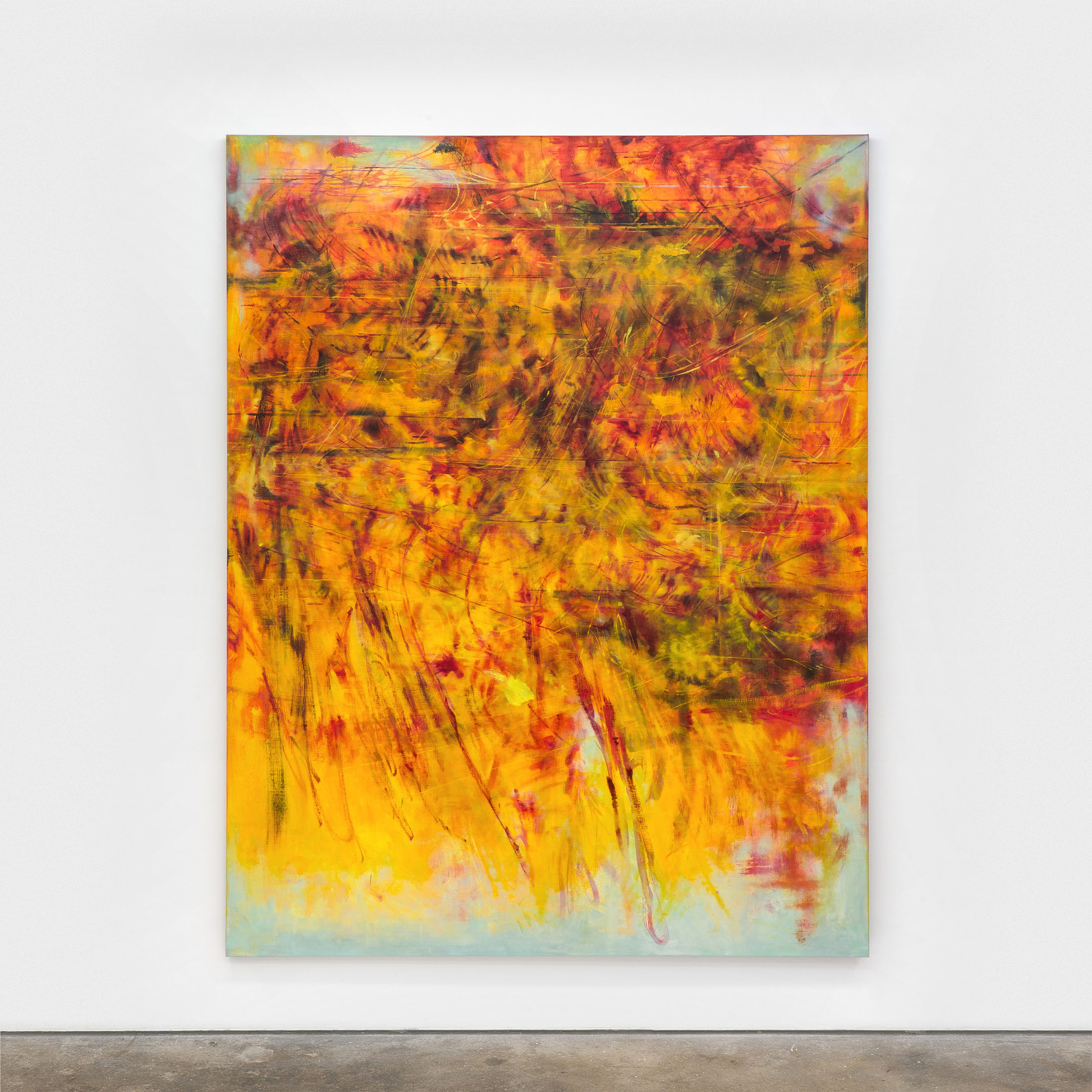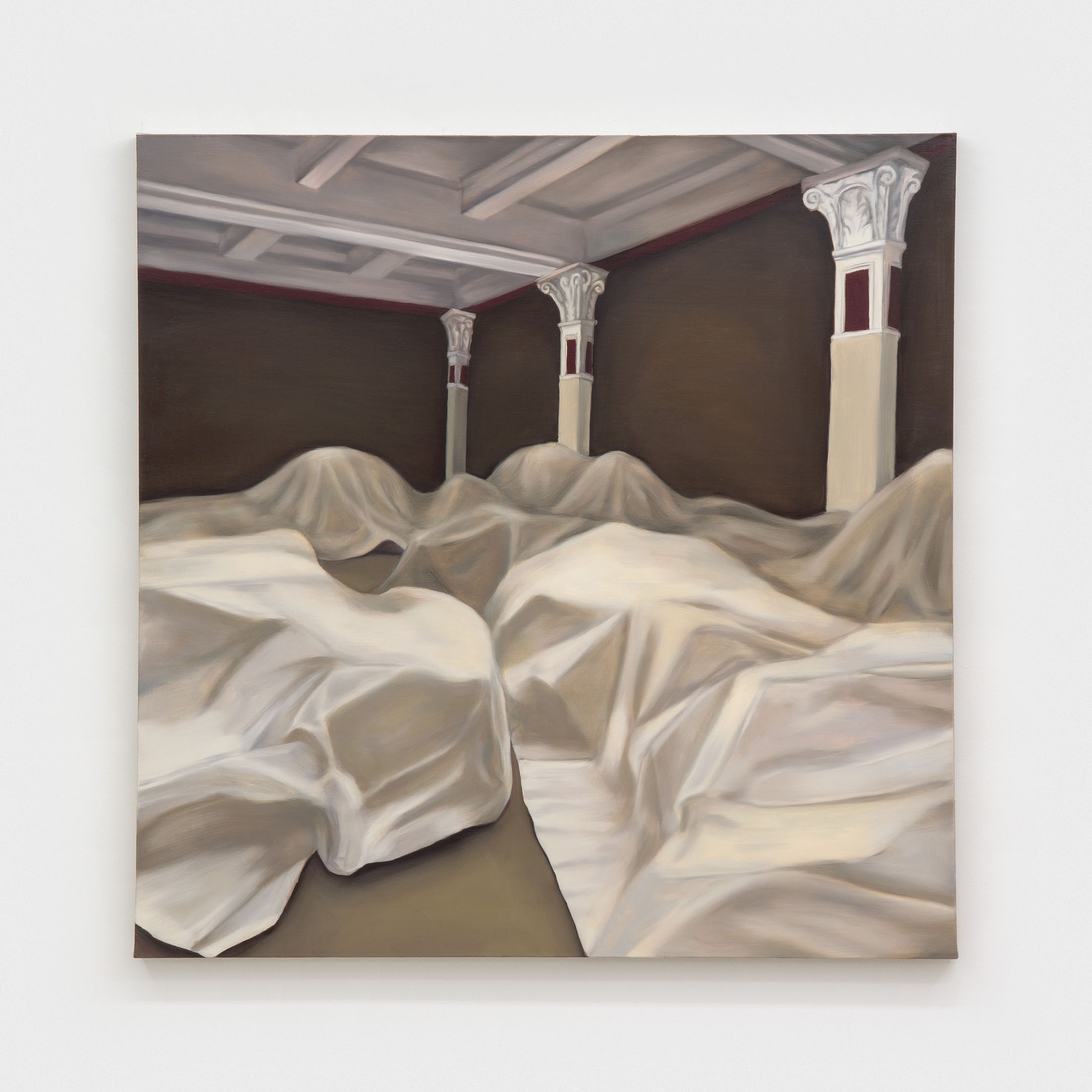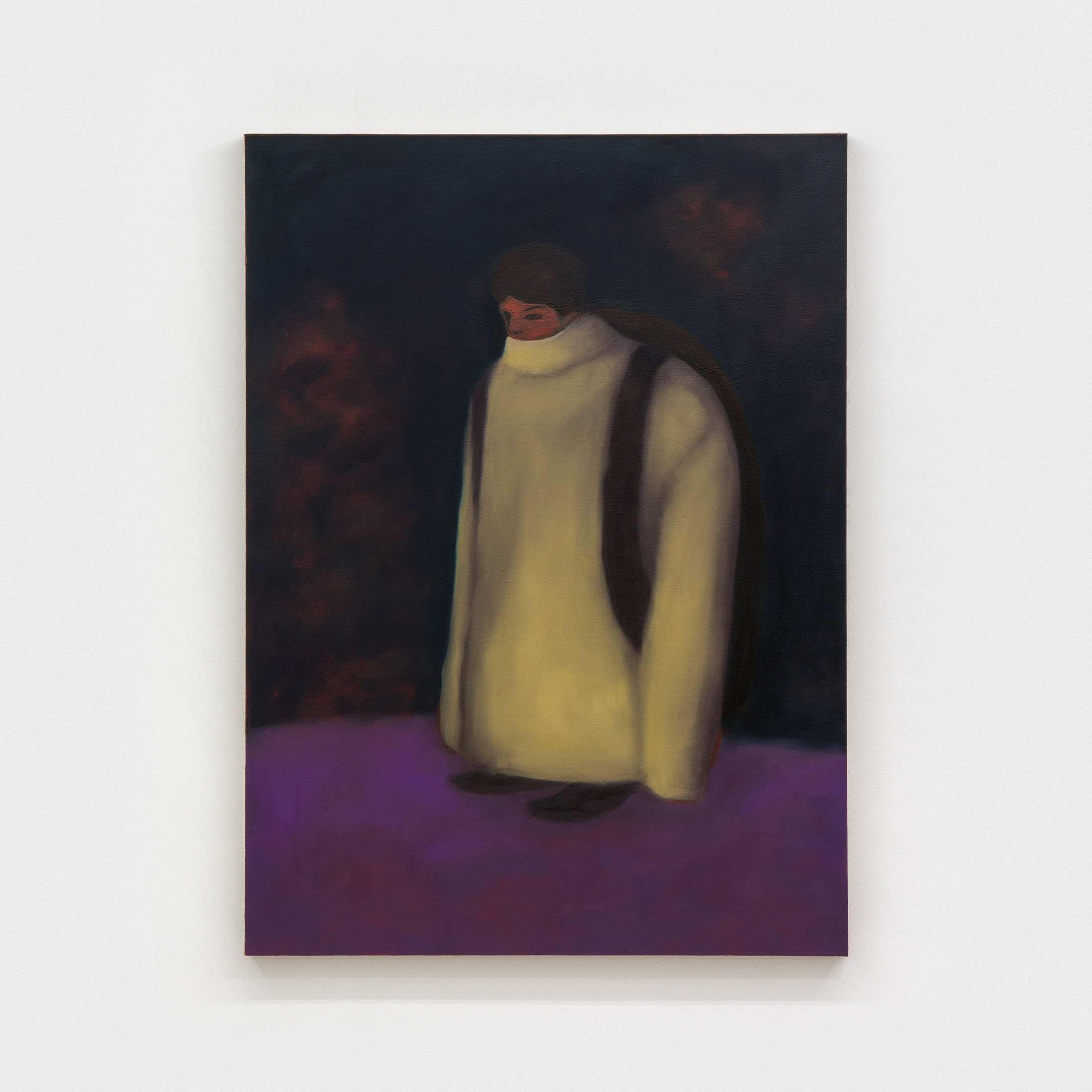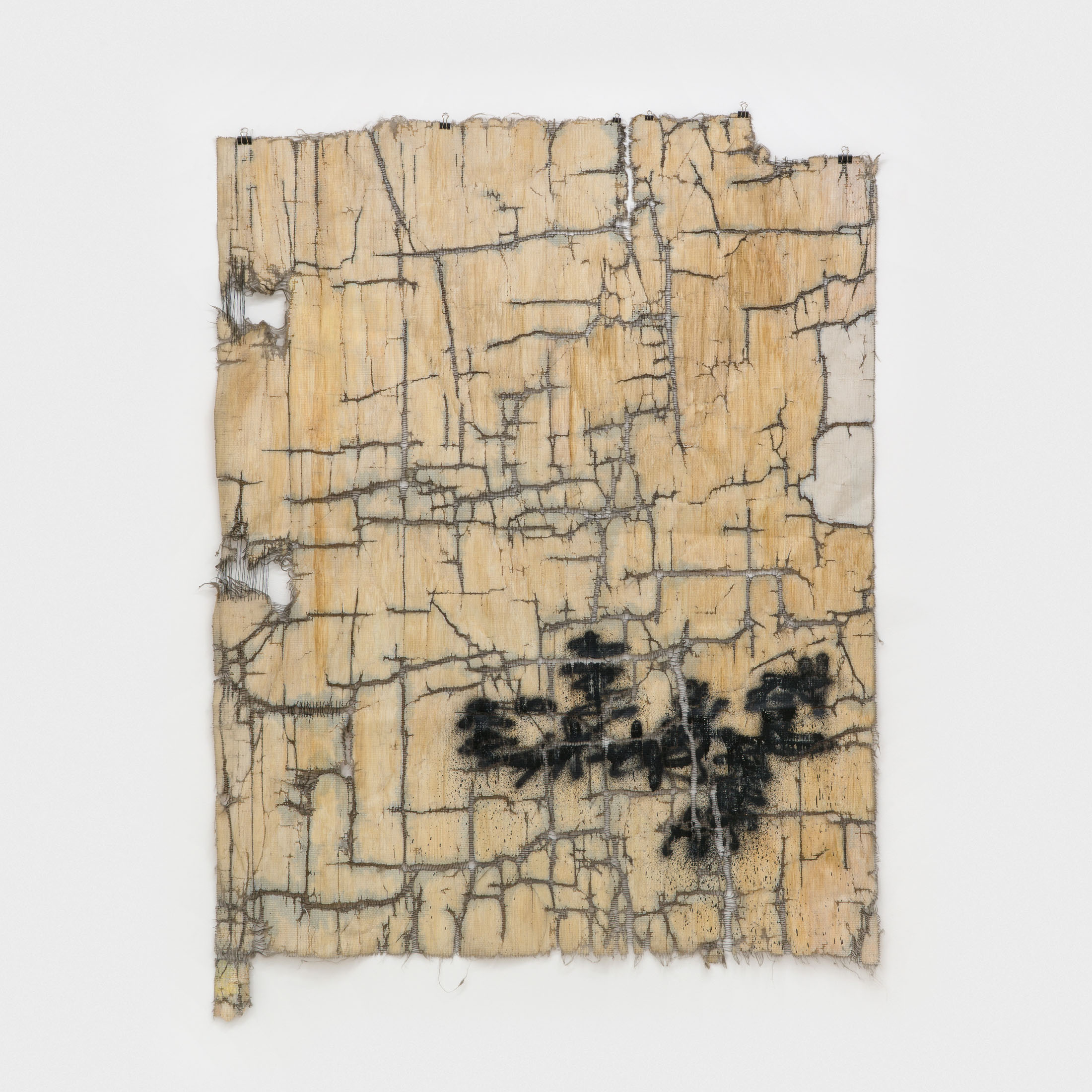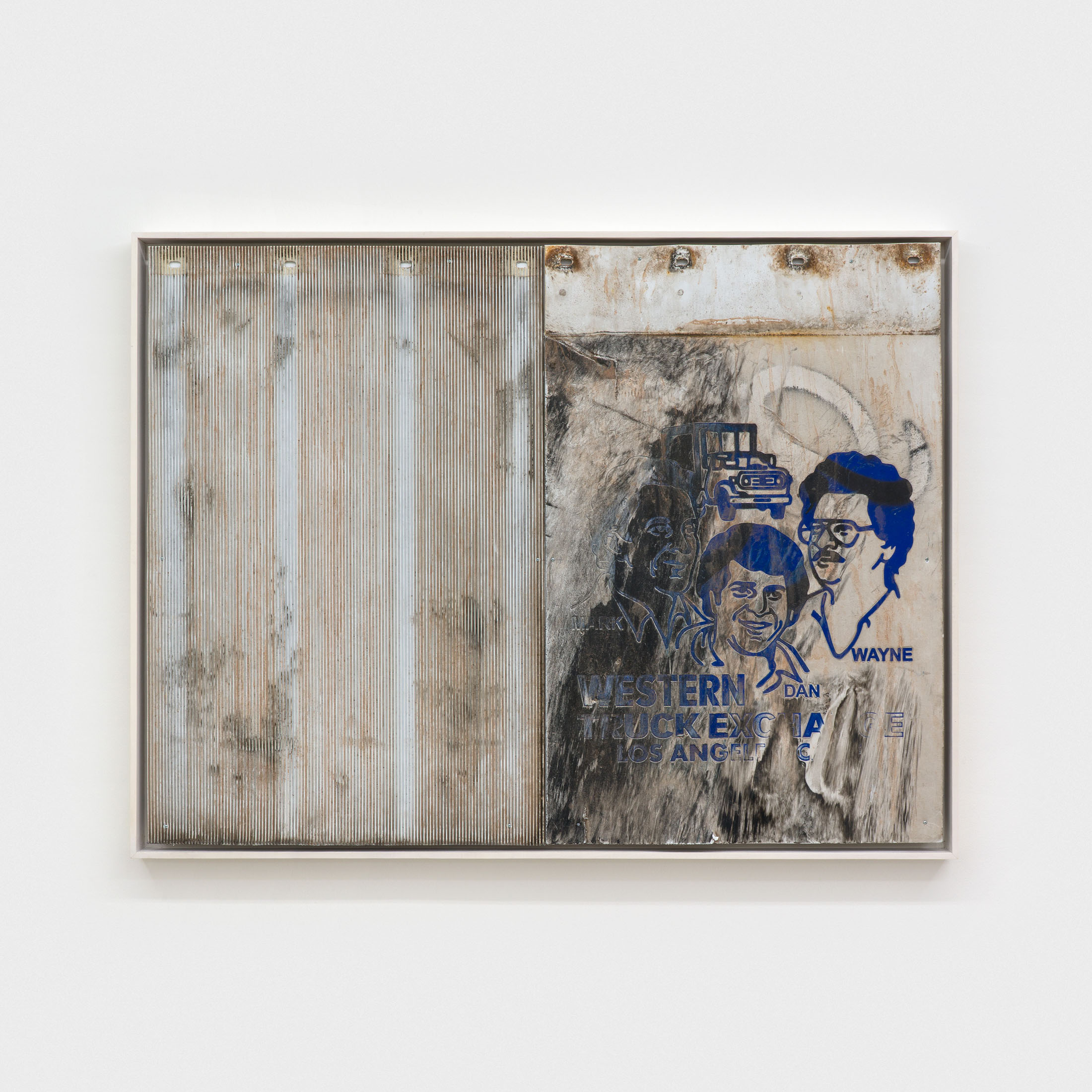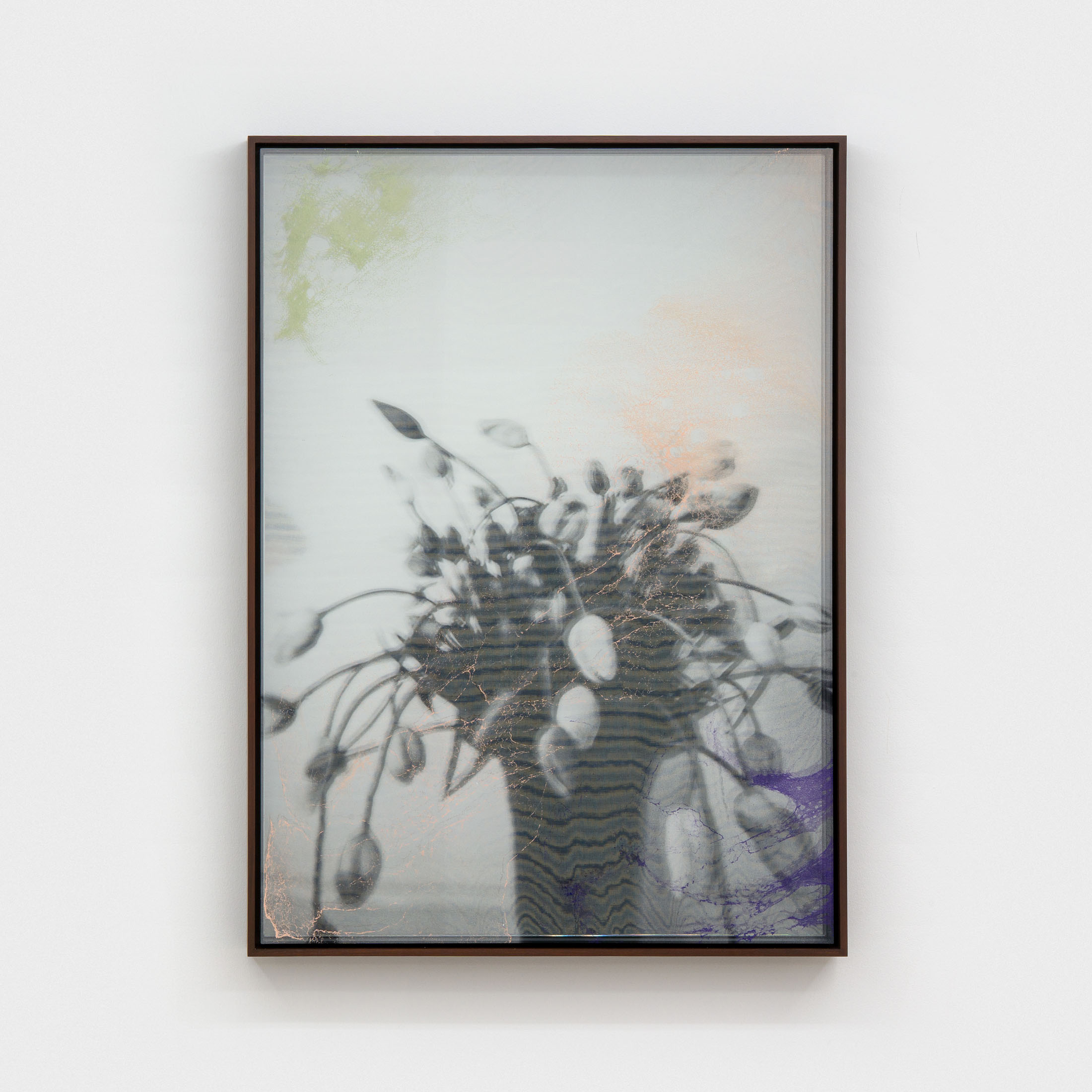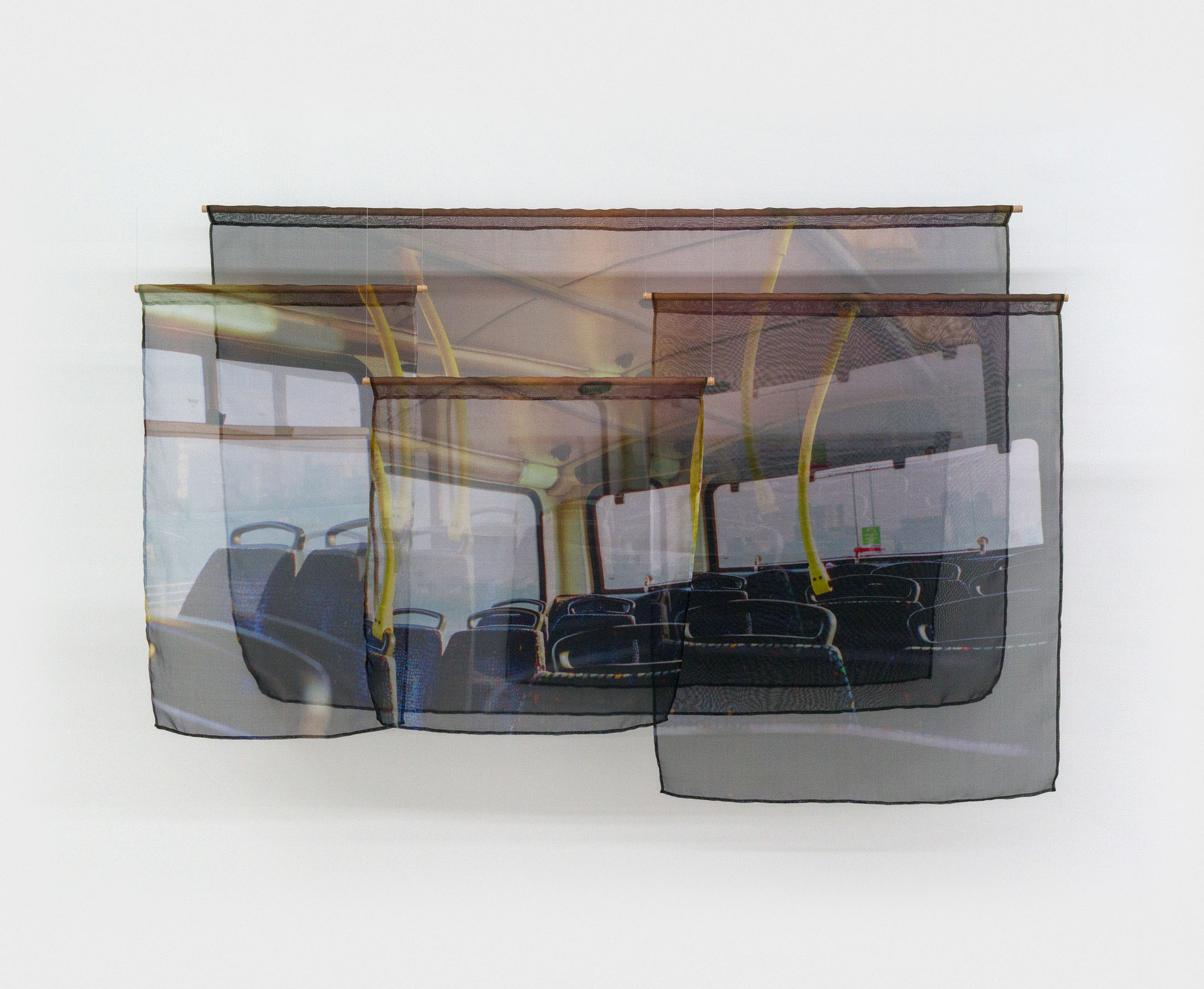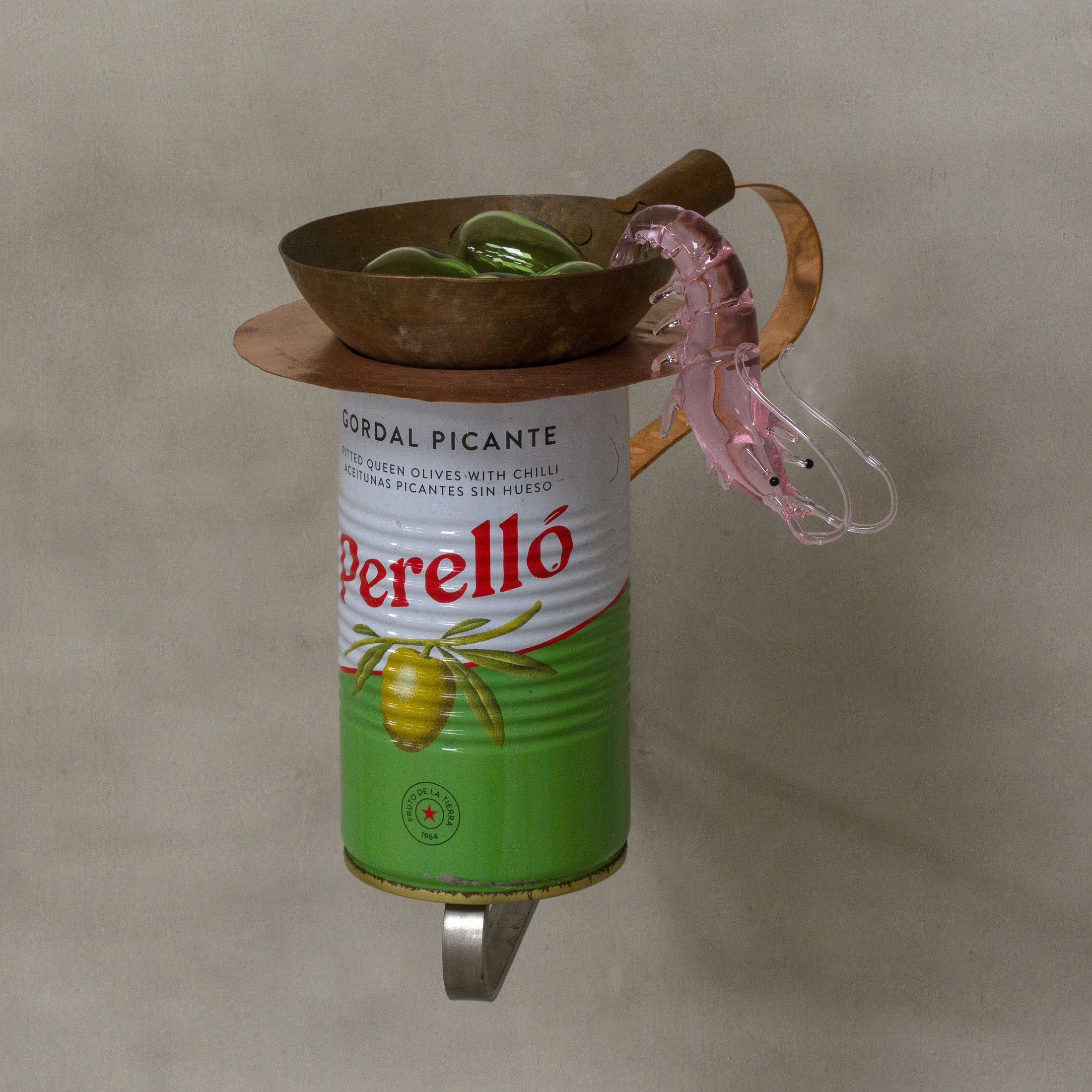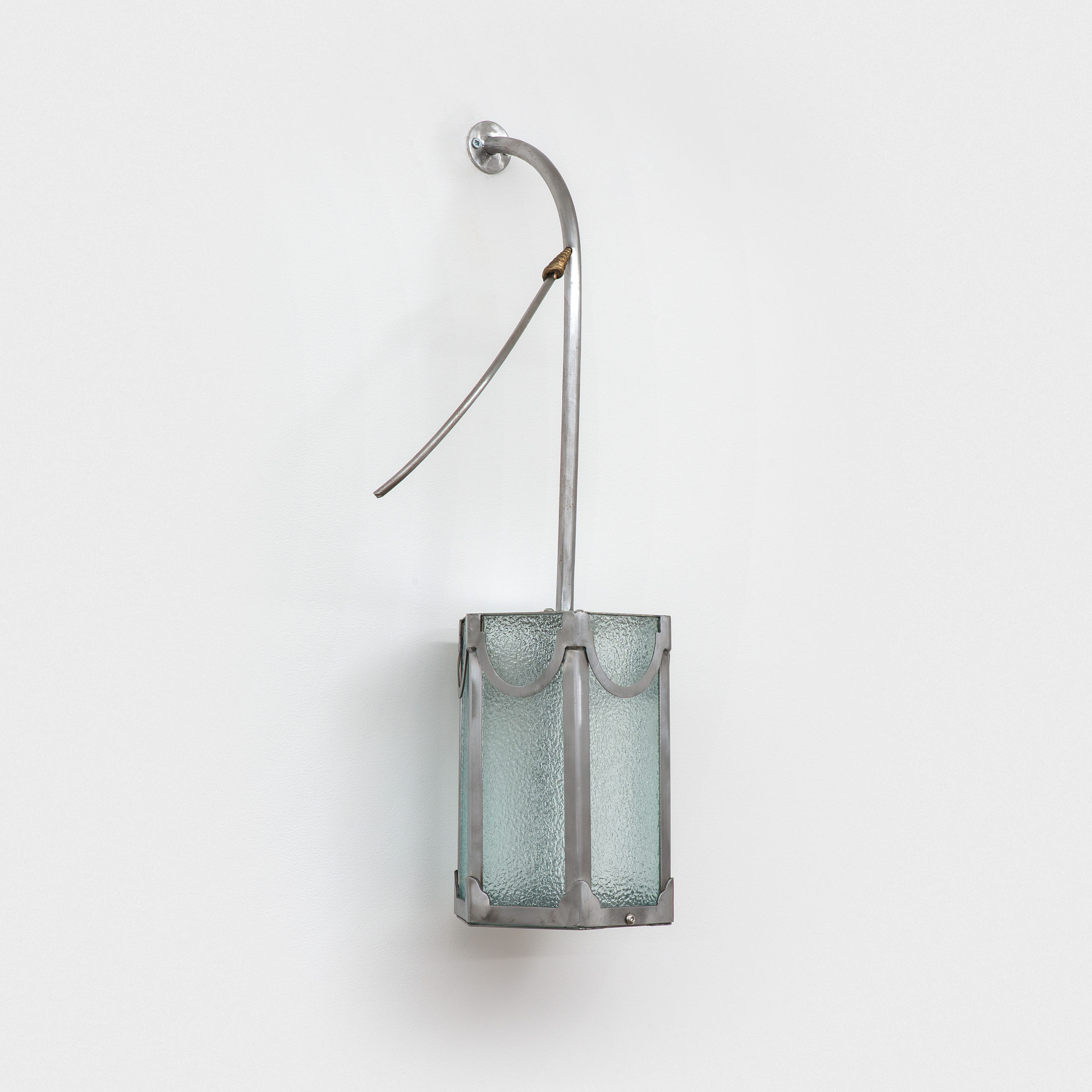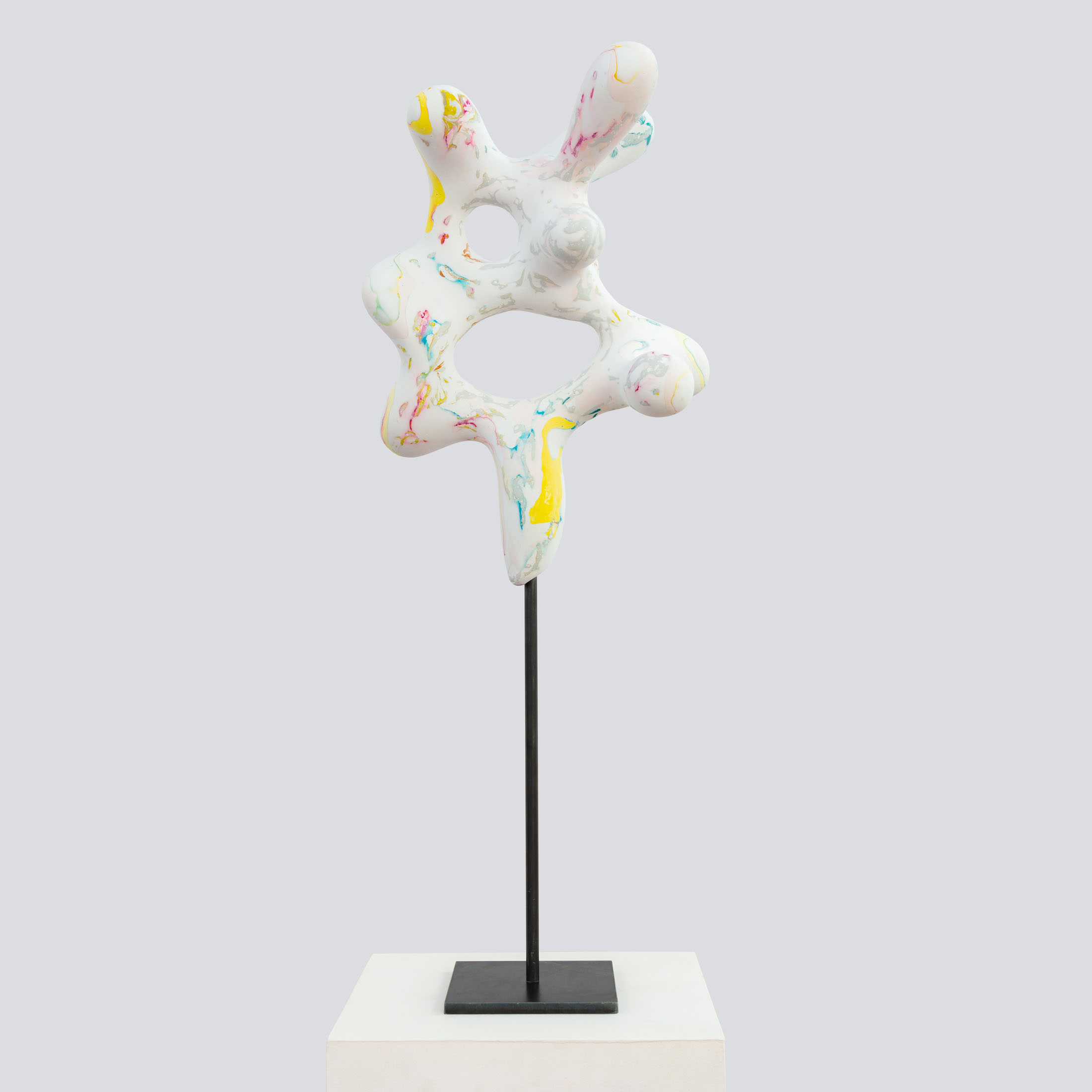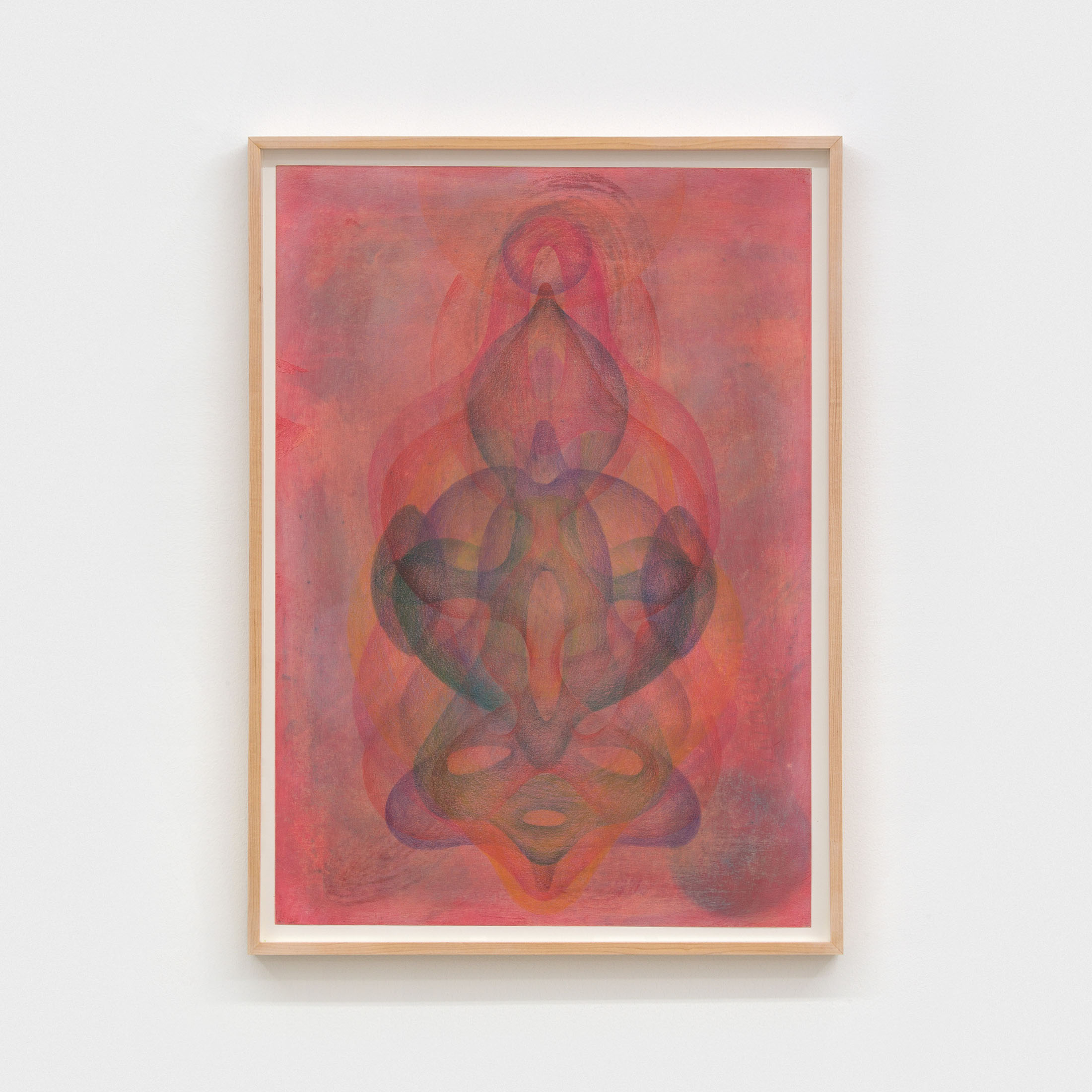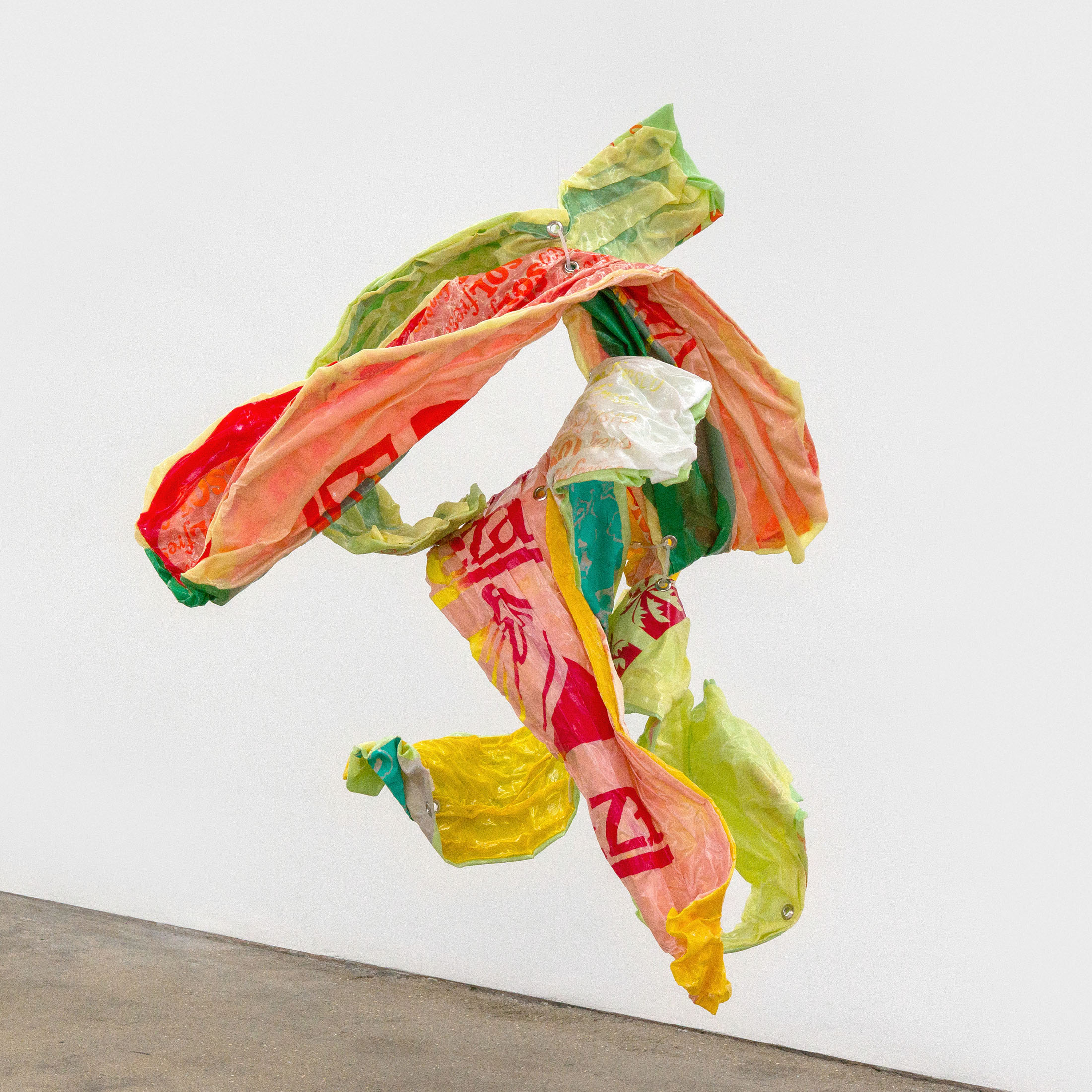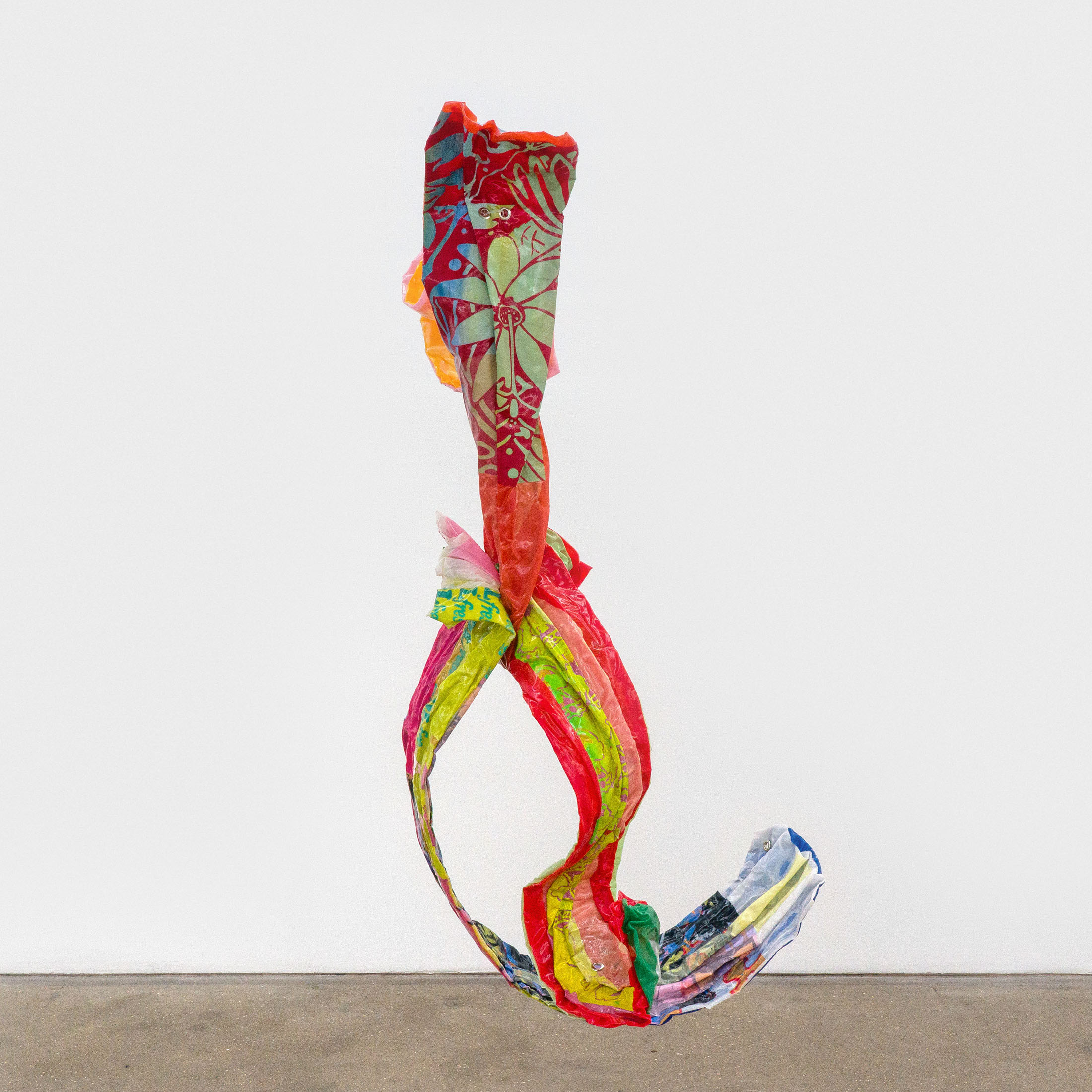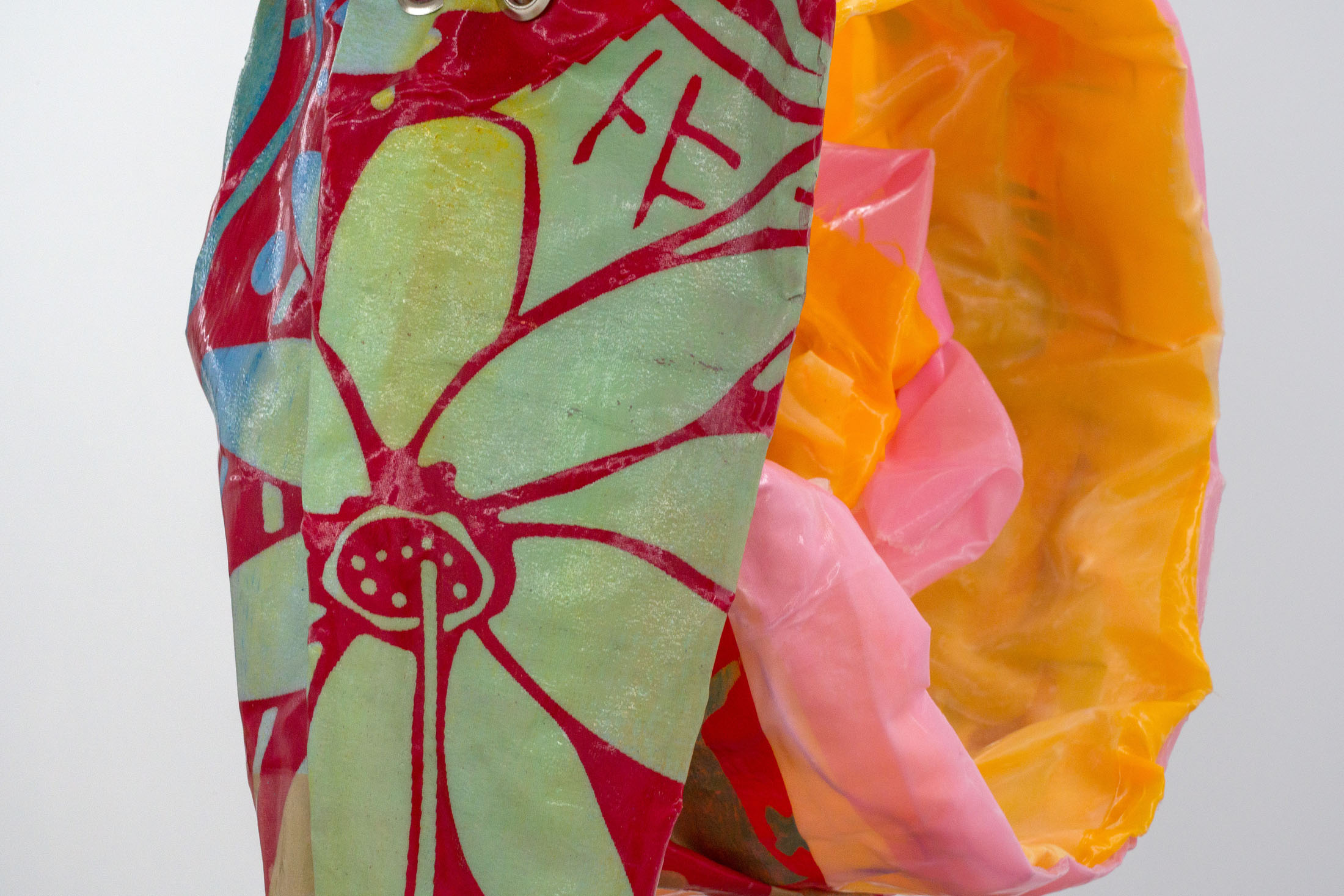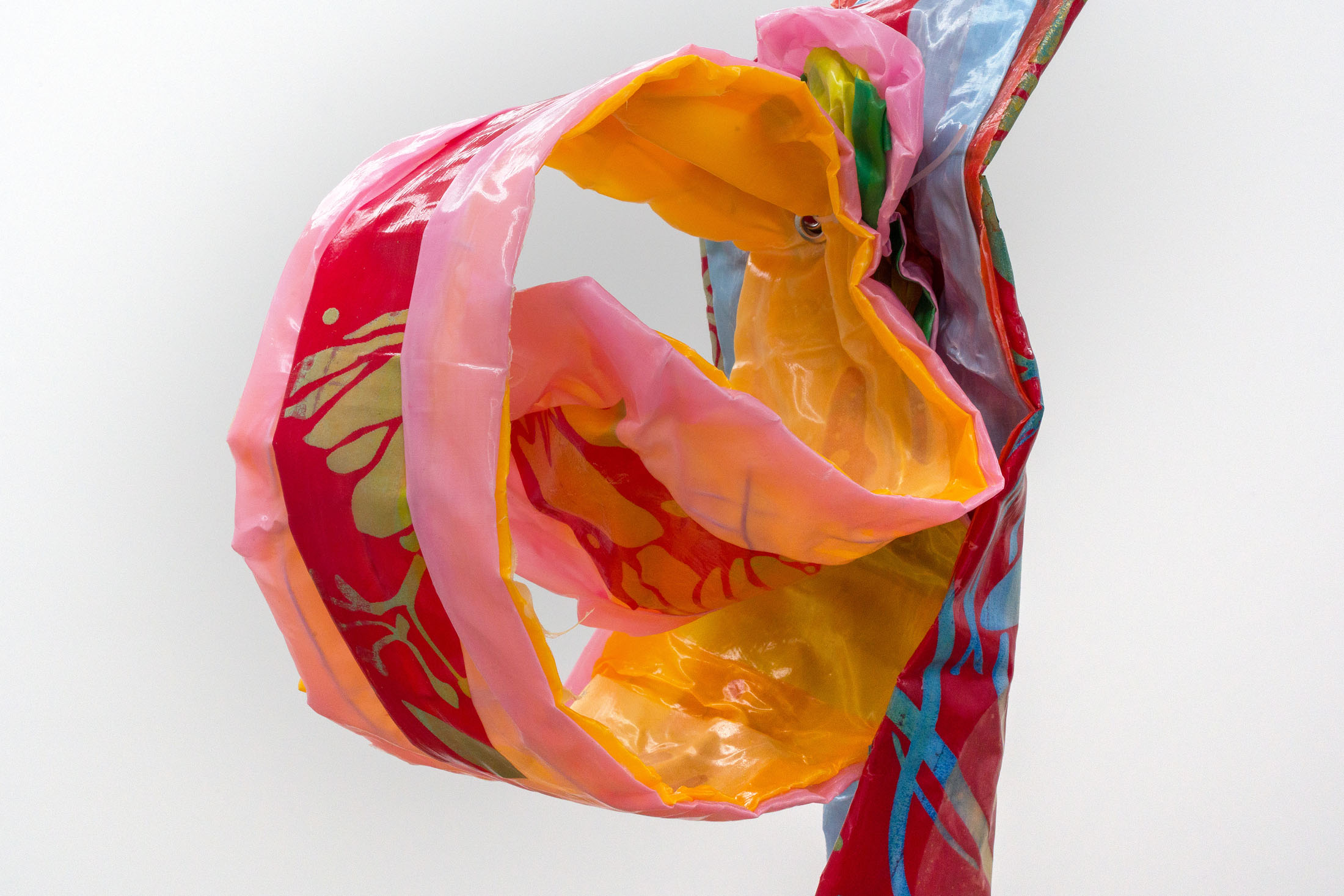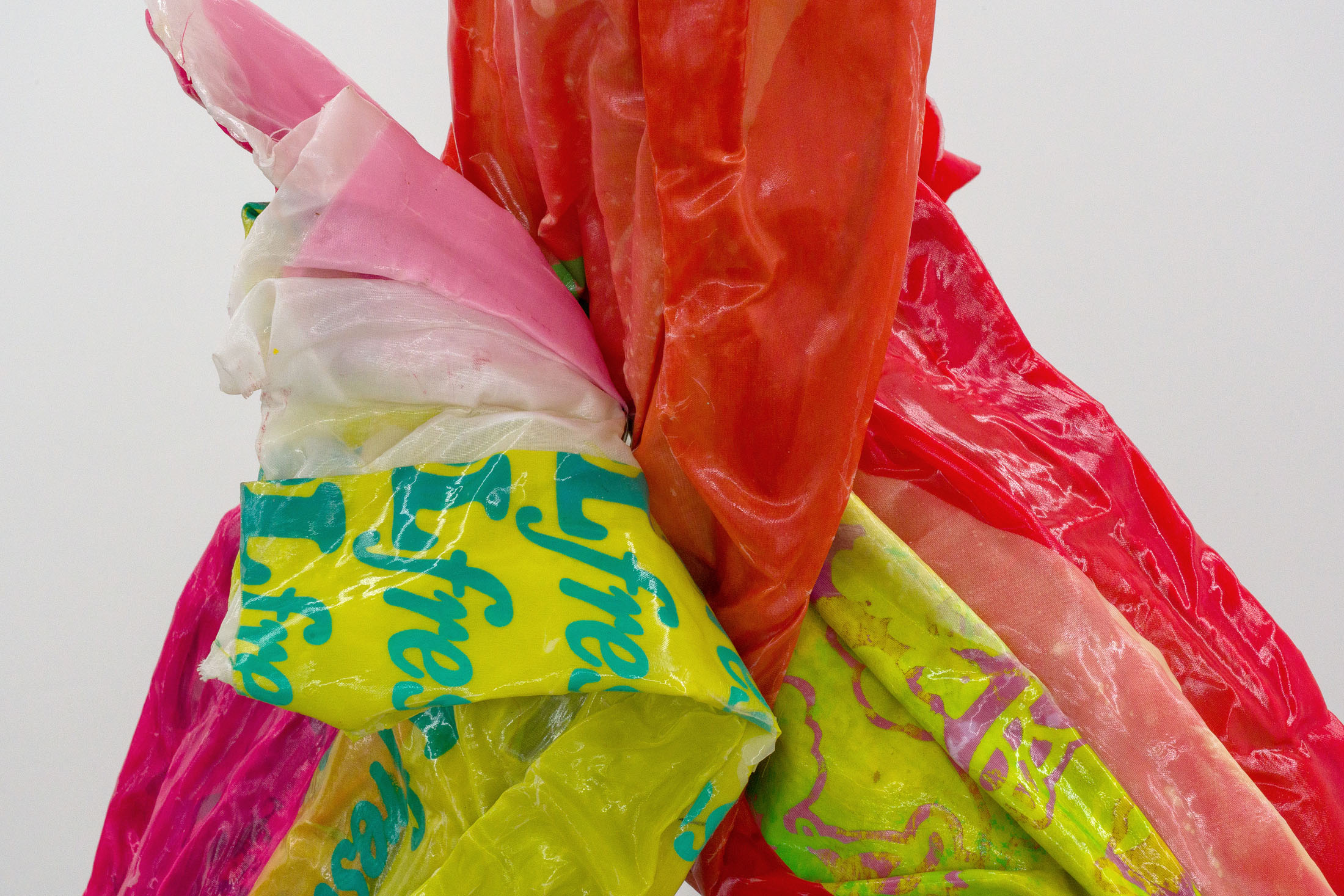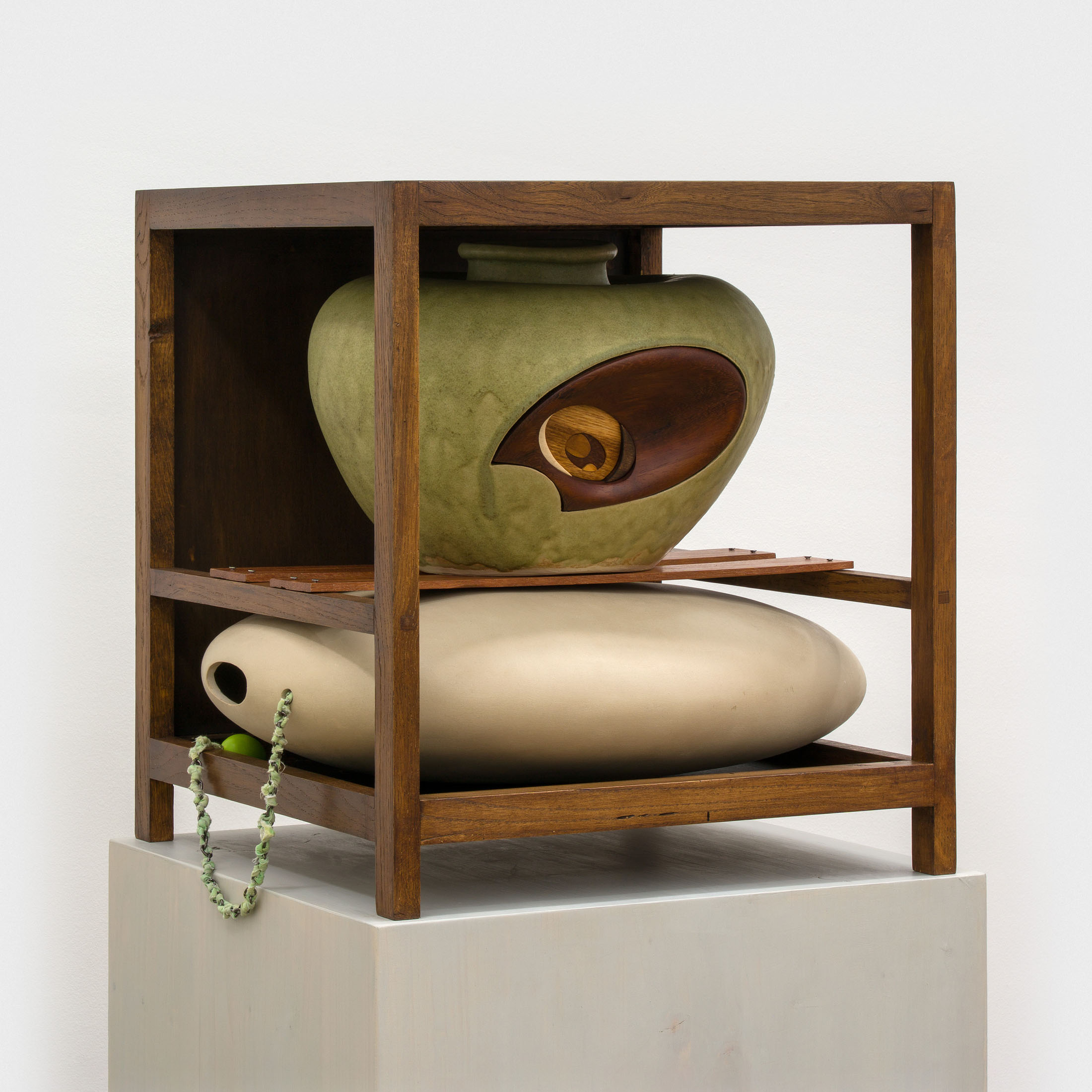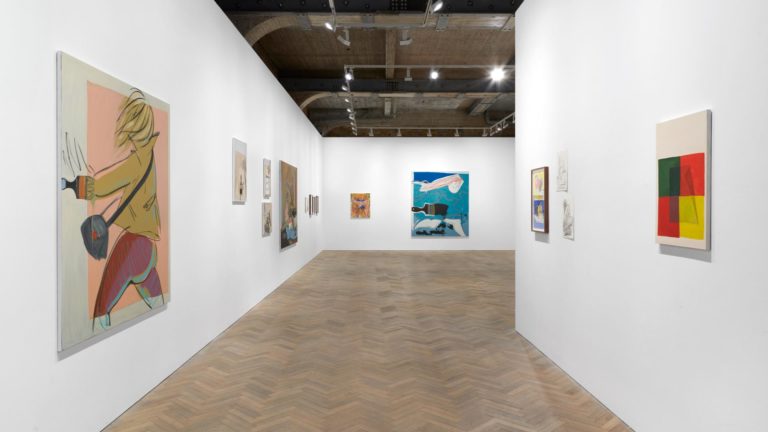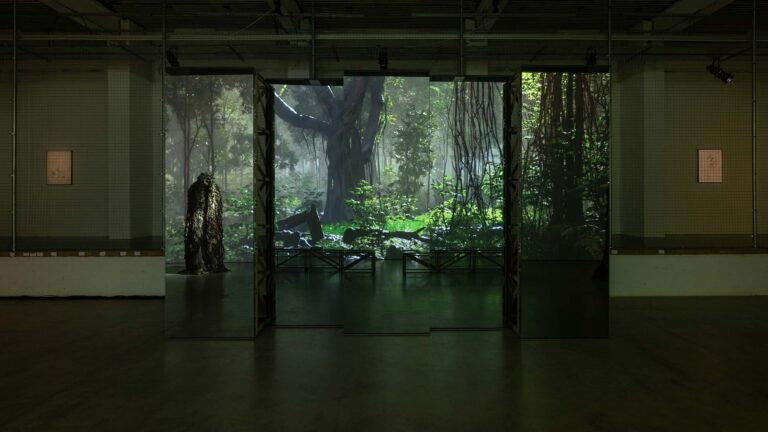
Public Gallery is pleased to present Viewing Velocities, a group exhibition bringing together fifteen artists who employ often contradictory notions of time in their practice, denaturalizing the experience of time as a site to be contested. Borrowing its title from Marcus Verhagen’s publication, Viewing Velocities: Time in Contemporary Art, this exhibition illustrates how ‘entirely static works can insinuate themselves into the rifts between distinct temporalities’, demonstrating the diversity of applications and vitality of interventions responding to time in contemporary art.
Across five floors of the gallery space, the works in this exhibition balance abstraction, repetition, materiality and scale, responding to Verhagen from numerous vantage points. Some artists aim to convey the palpable collapse of past and present, while others propose counter-temporalities as a form of resistance and refusal. Many artists address 24/7 capitalism and the cadences of labor and leisure, whereas some take a more philosophical approach, considering time represented, or methods of time measurement and its deconstruction. Even still, various artists consider the temporal span of a work’s making, while others attend to the relationship between art object and viewer, and approach the question of time as it relates to the speed of visual perception. Together, the exhibition proposes a study of dilation, distortion, suspension and finitude, rethinking the present temporal order in relation to both artmaking and the everyday.
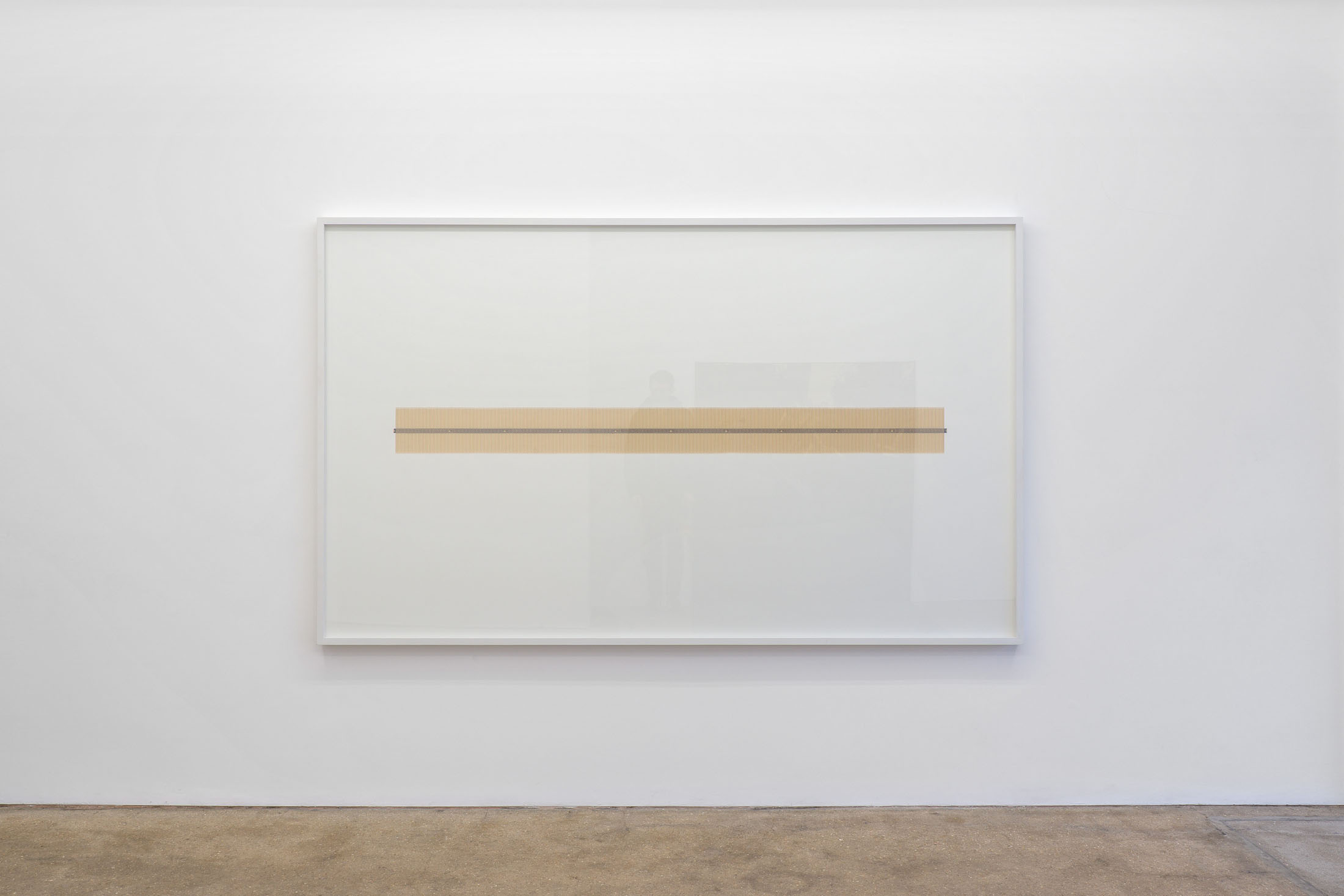
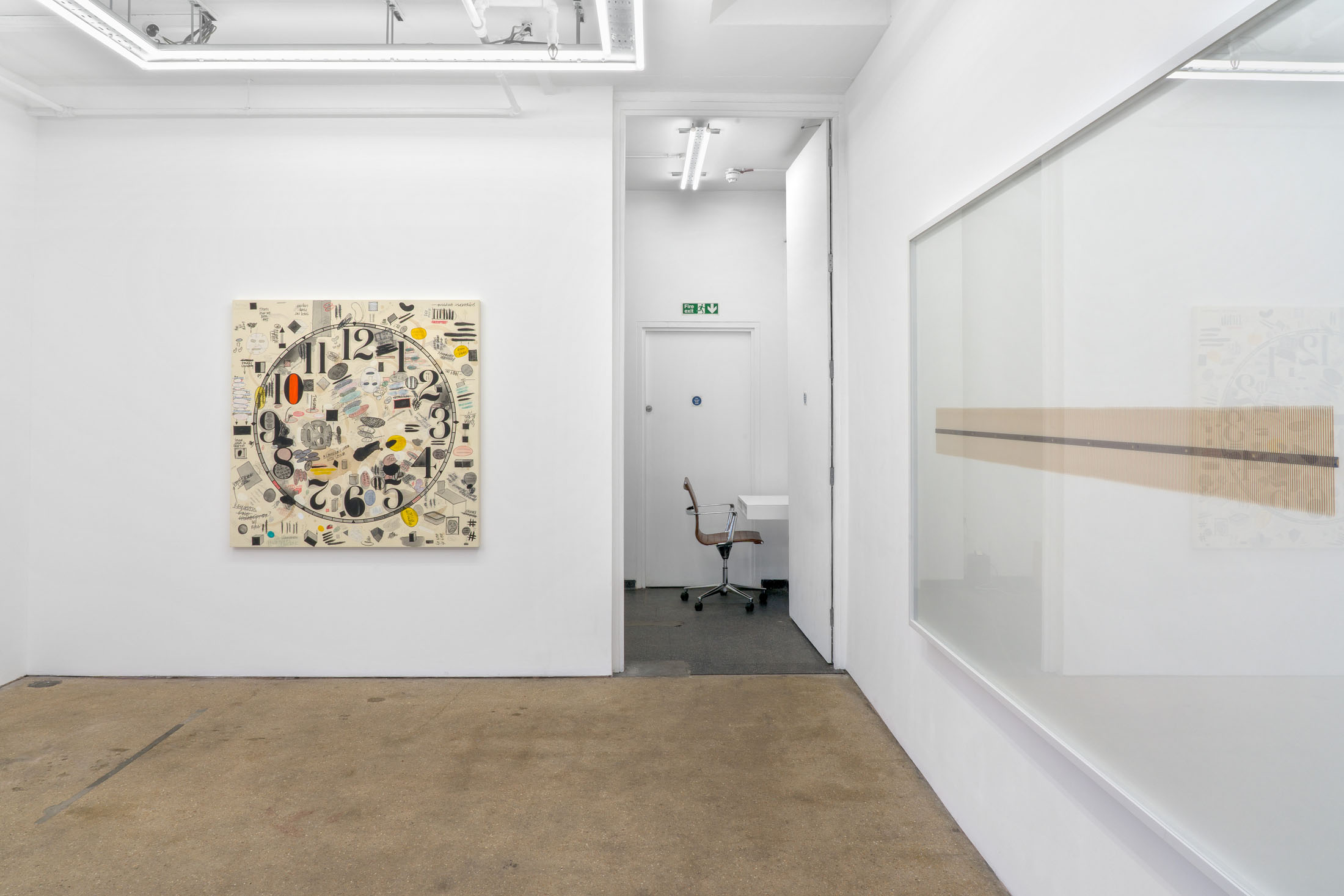
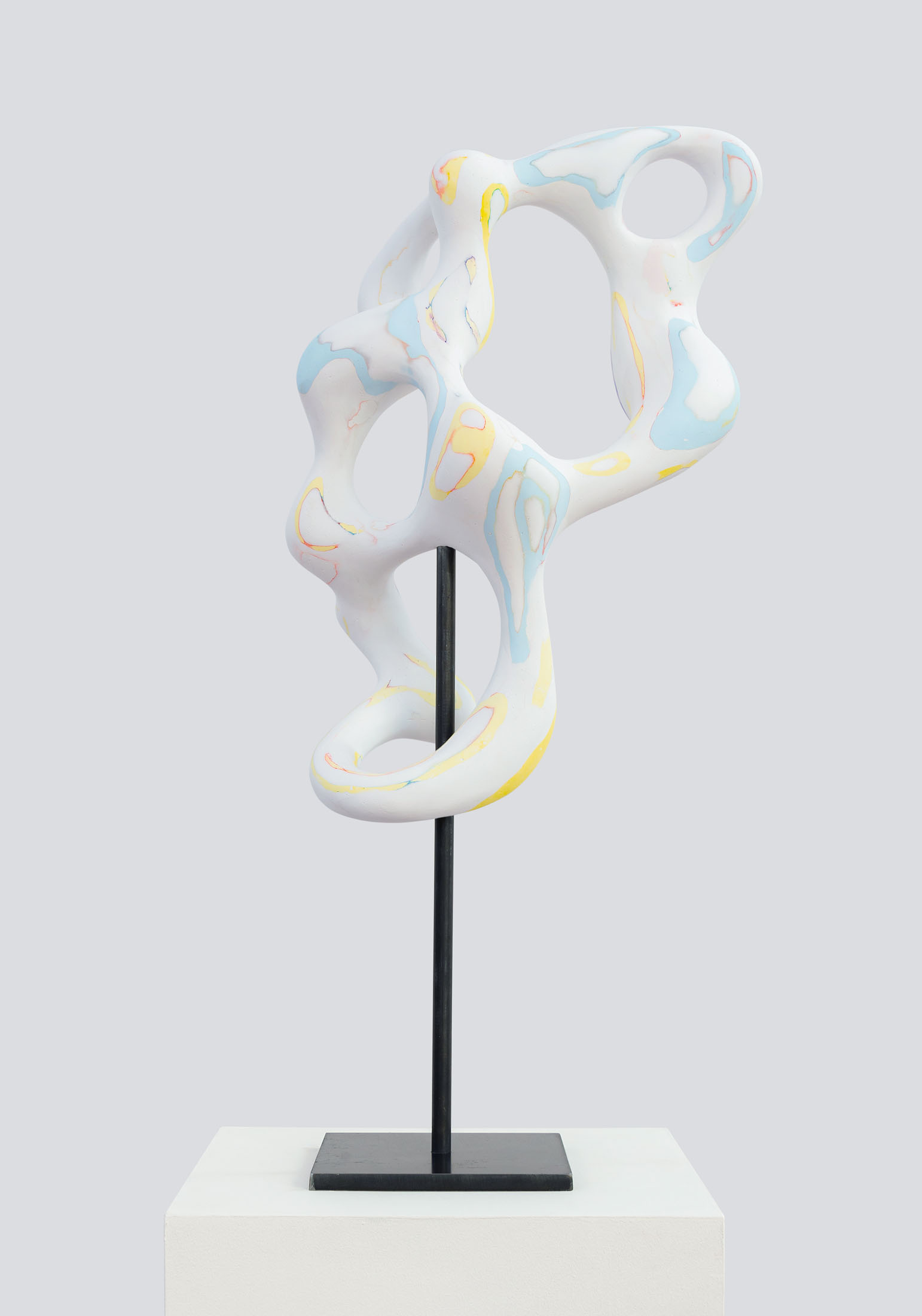
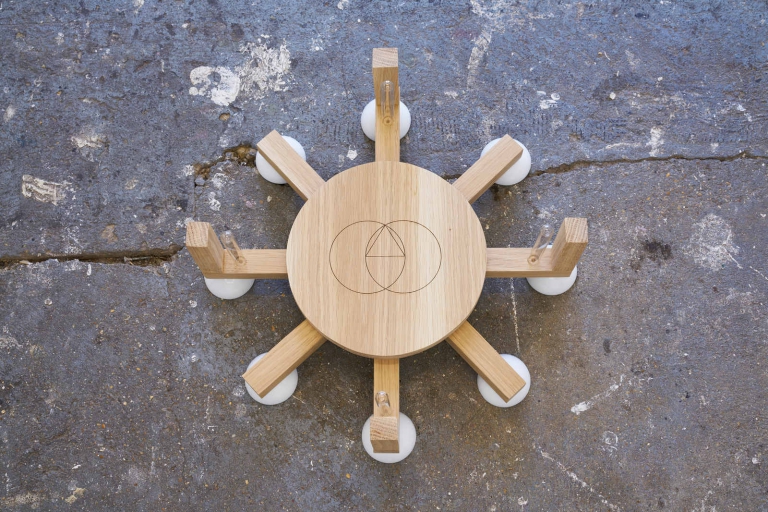
Alicja Kwade’s sculptural and conceptual practice studies entropy and teleology, reflecting on the complexity of temporal experience and its interdependence with both natural and constructed systems. Meta-Meter (2021) demonstrates Kwade’s concern for ordered, mathematical structure, often expressed through her use of line. As with her watch-hand works on paper, Meta-Meter shifts the viewer’s attention from the object of study to the unit of time measurement itself. Kwade responds to the same concerns as Verhagen, namely the history of rationalising time and its arbitrary method of division. Her work transforms accepted systems into open-ended questions: through playful absurdity and close observation of the everyday, scientific precision gives way to metaphysical wonder.
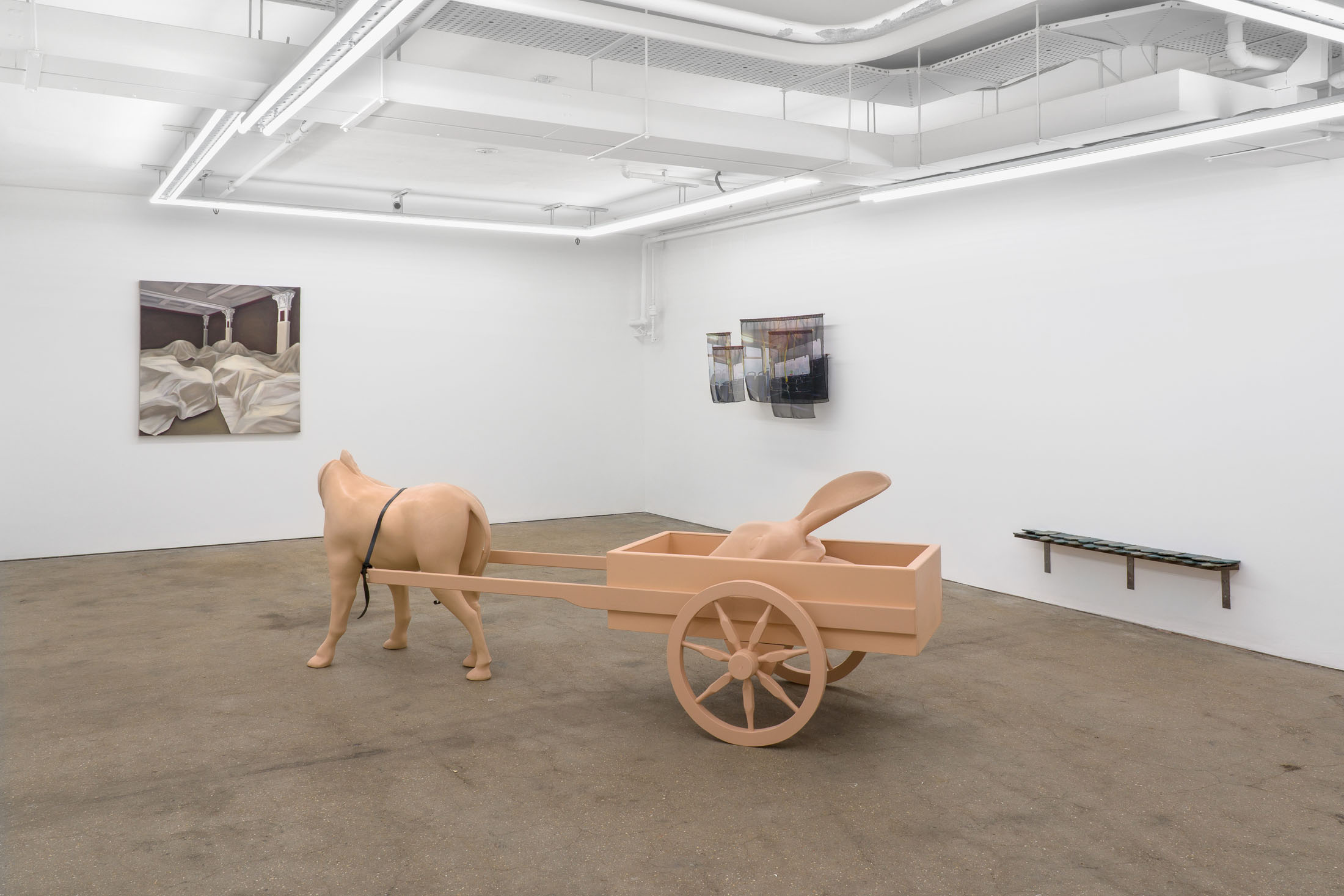
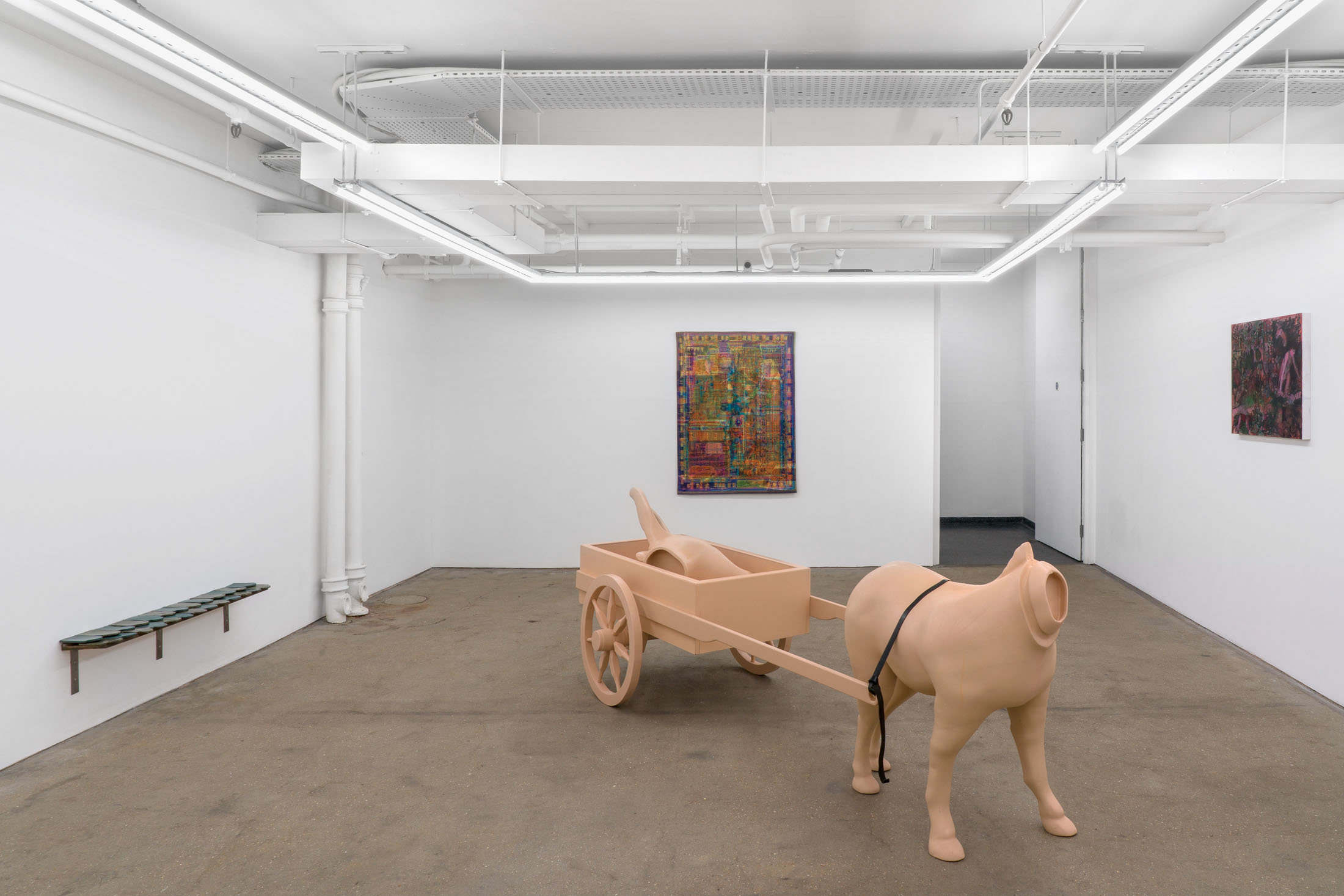
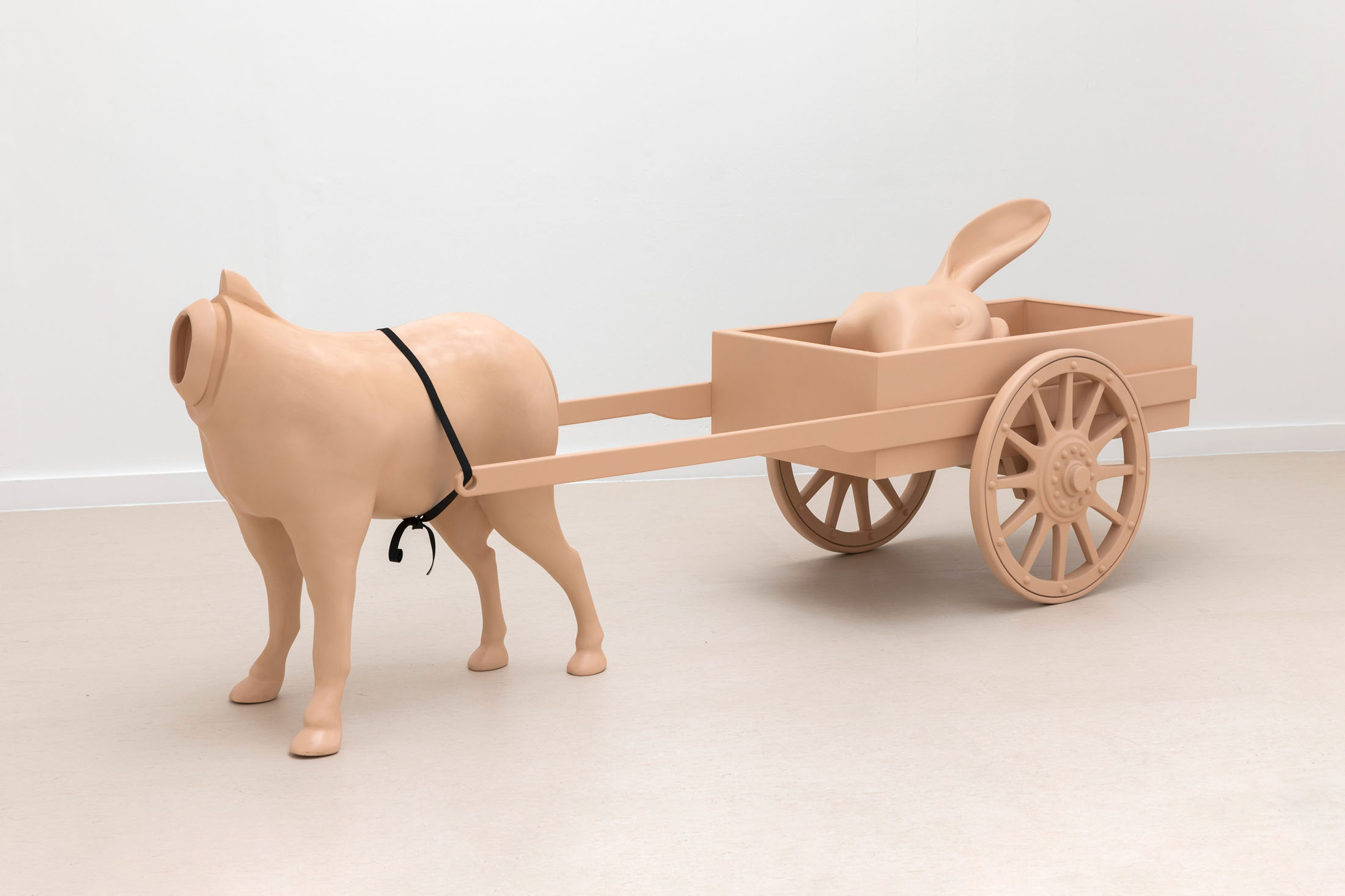
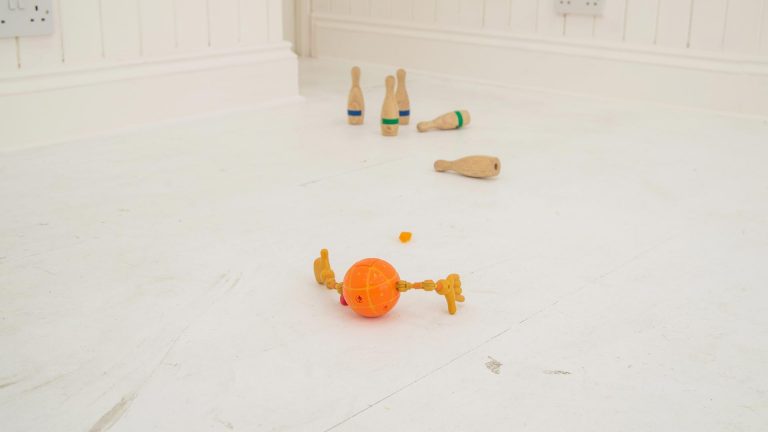
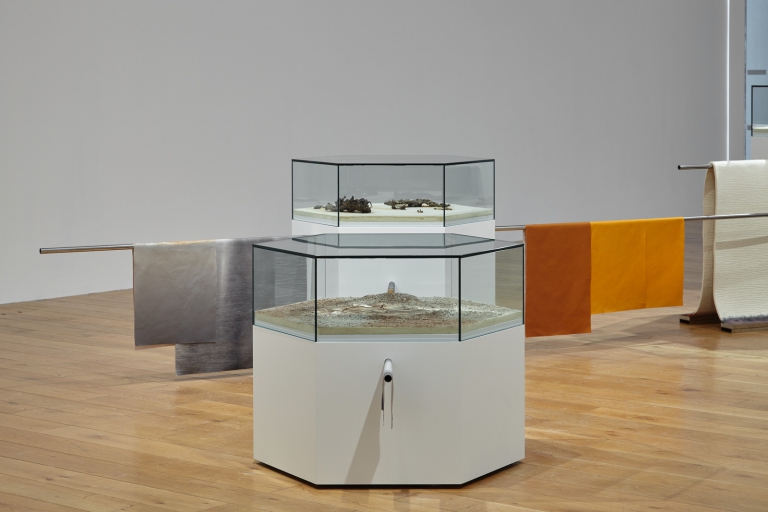
Such absurdity takes a darker turn in Ghazaleh Avarzamani’s The Virtue of Donkey (2023), whose sculptural practice, rooted in game theory and psycho-political mechanisms, reimagines structures of labor and learning as systems of control and possibility. In Avarzamani’s installation, a donkey drags its own severed head, recalling Verhagen’s point that “the inequalities that mark the current order are reproduced on the axis of time”. The body, governed and dispossessed, is commanded by the demands of labor, dragging its own consciousness as commodity-cum-corpse. In this work, the field of play is haunted by a labor beyond meaning.
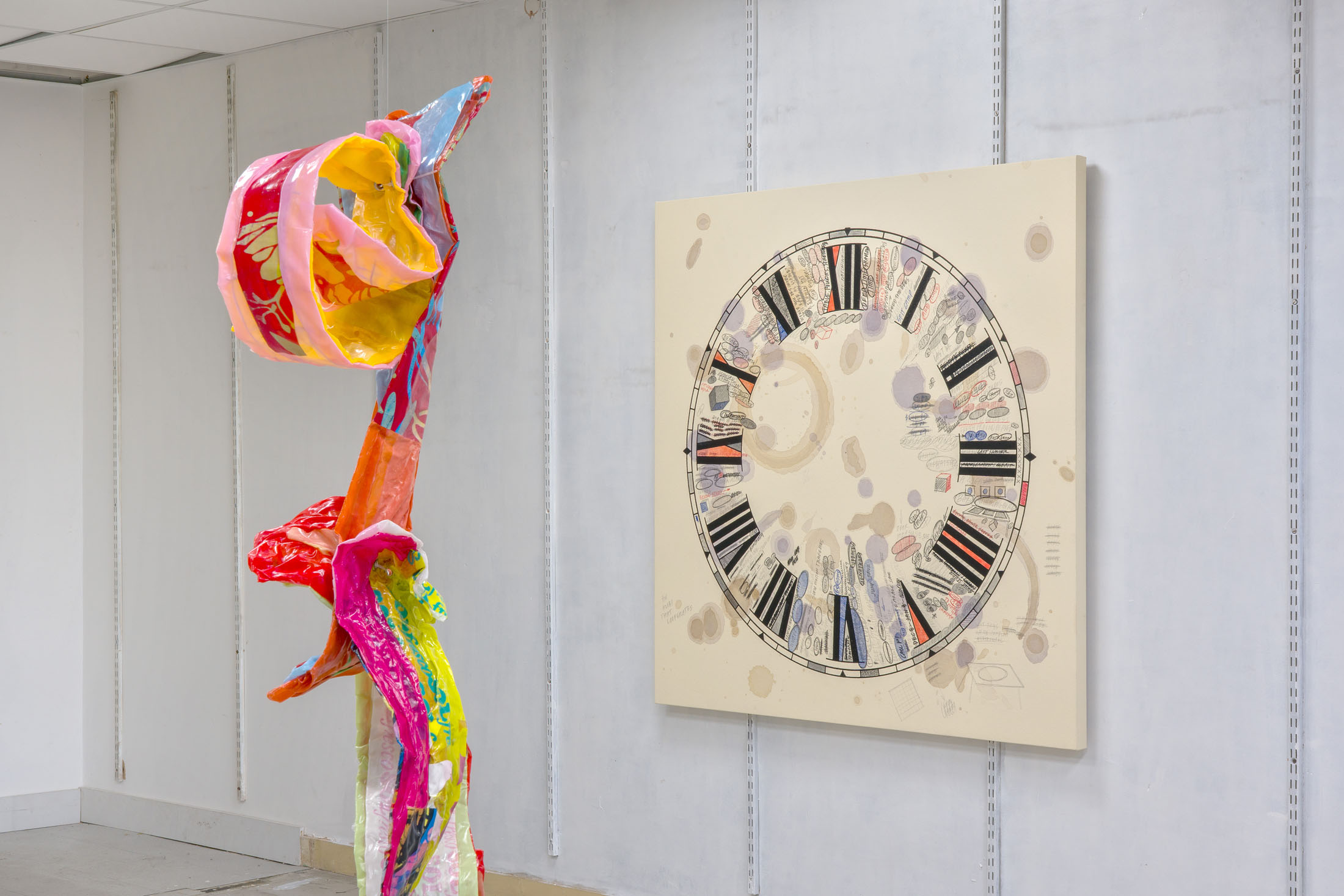
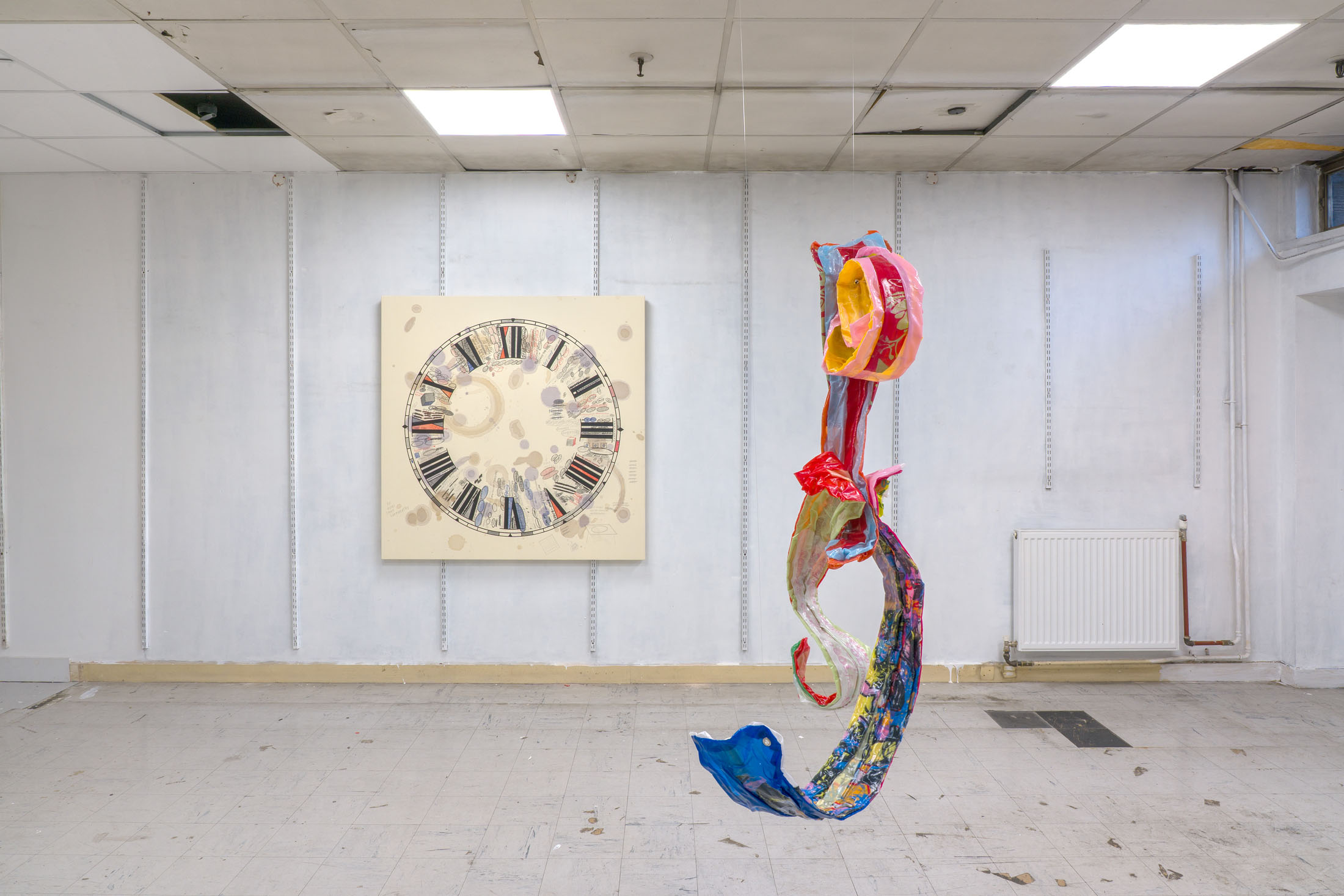
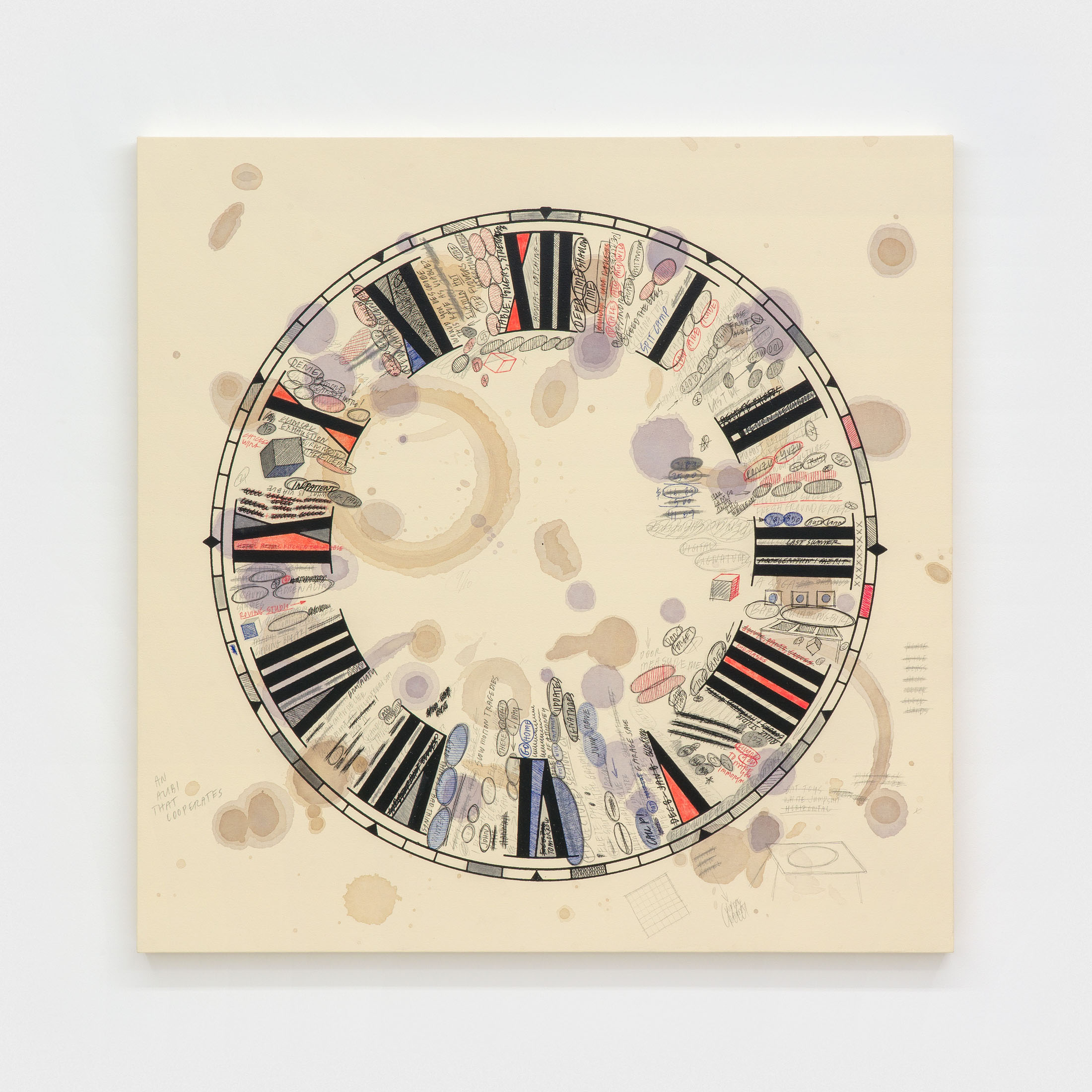
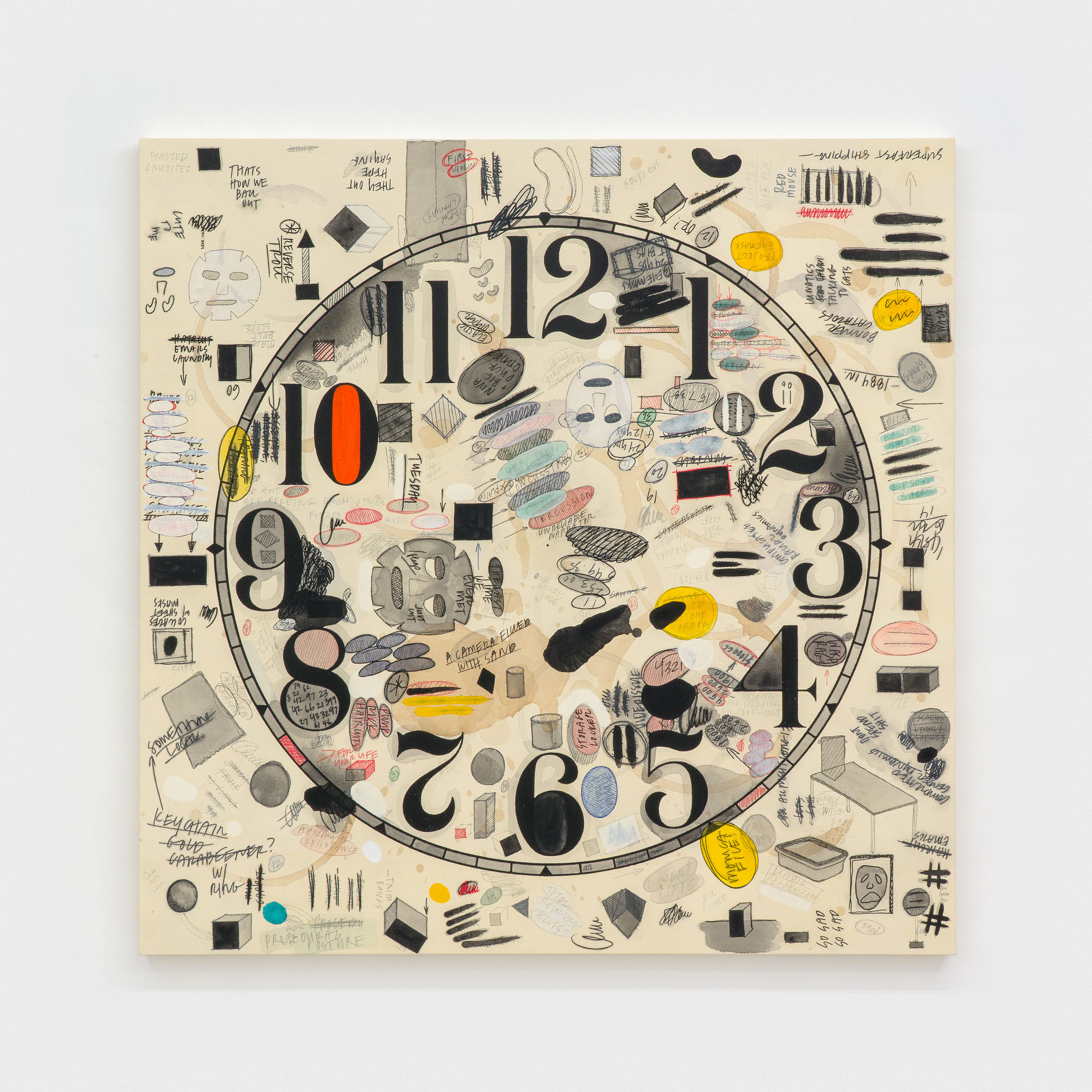
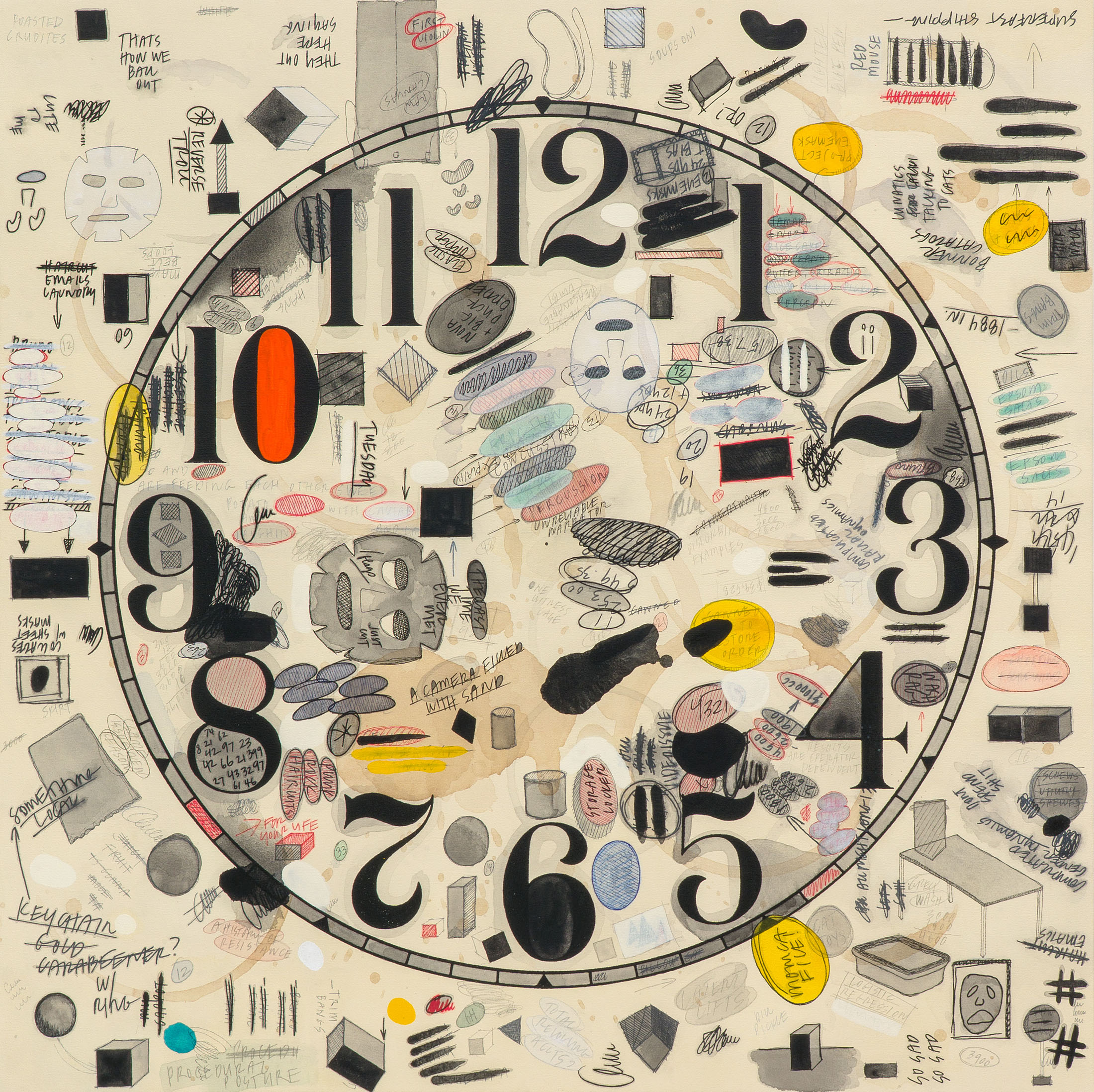
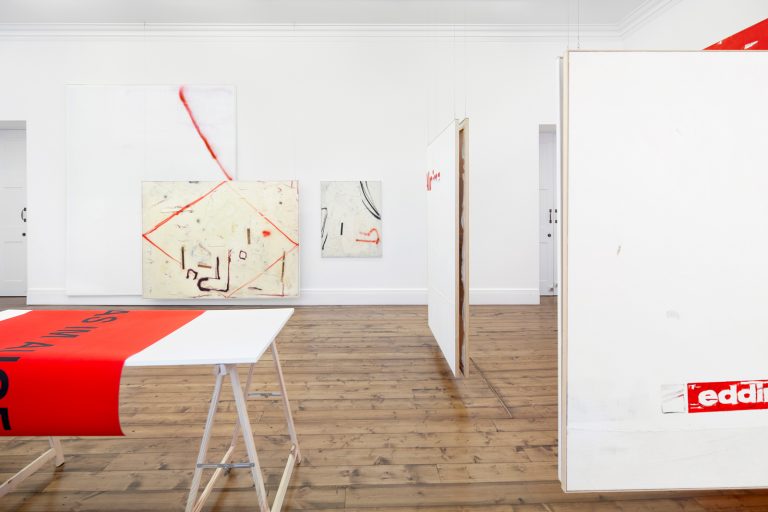
Amanda Ross-Ho renders time as subject, material and instrument – a clockwork ecology of process and accumulation, echoing Verhagen’s claim that contemporary artists often turn to the exhibition-as-medium. From 2017-18, Ross-Ho recorded her “relentless conscious, and subconscious, mark-making and stenography” on vintage paper clock face dials, later transforming these drawings into twelve large-scale paintings produced during her solo exhibition MY PEN IS HUGE, turning the gallery into a de facto studio. Untitled Timepiece (NEW CHAIR, DECENT BED) (2018) is a silkscreened clock face inscribed with everyday shopping lists, philosophical meditations and urgent notes to self, ranging from “FRESH GROUND PEPPER” to “YOU CAN’T GO AWAY THIS WEEKEND”. Along with anxious doodles, coffee stains, calculations, phone numbers and red wine halos, its frenetic surface is perhaps only tempered by the banality of what it dictates. Dense aggregations of daily life supplant the movement of a standard timepiece, presenting instead the residues of real recorded time.
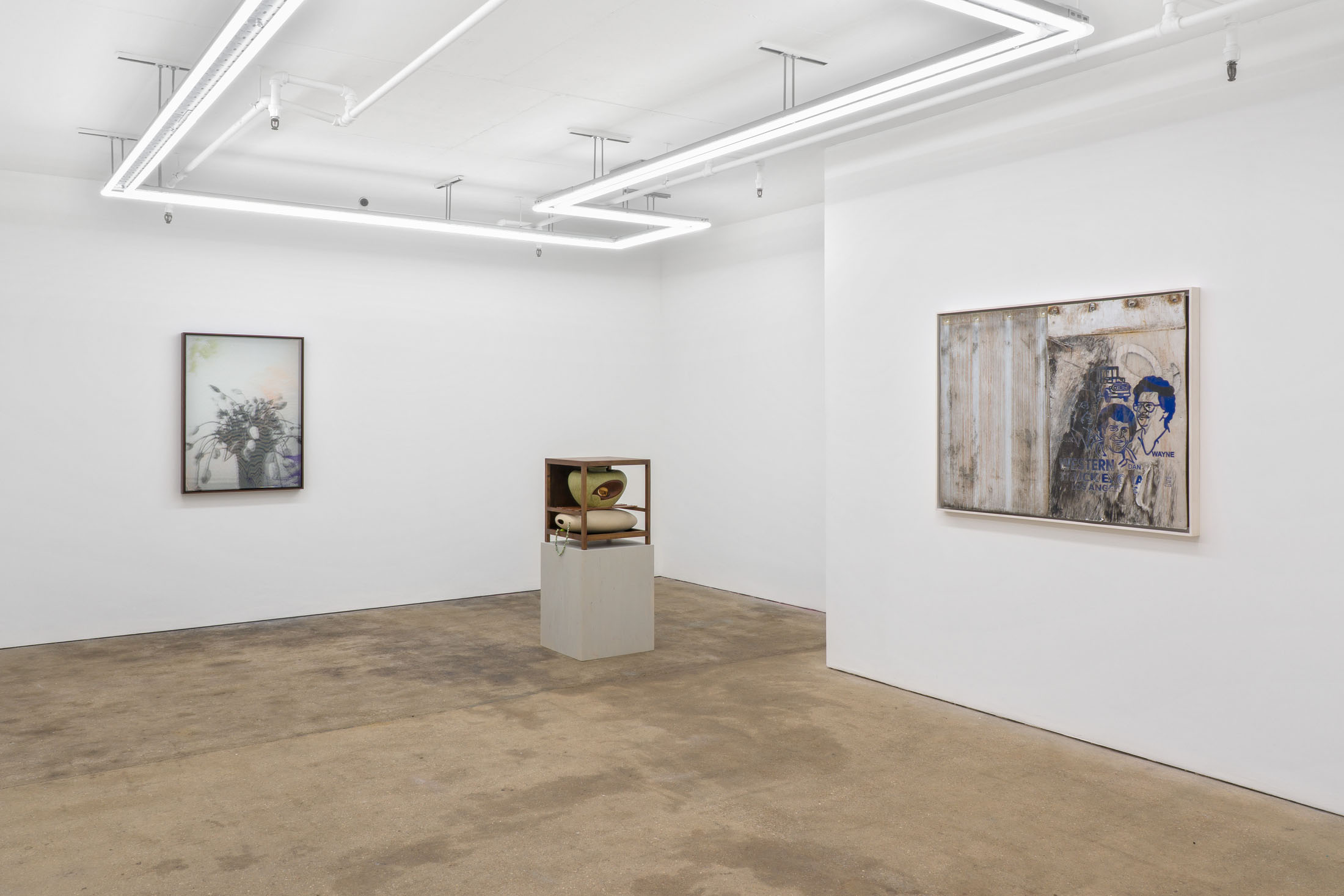
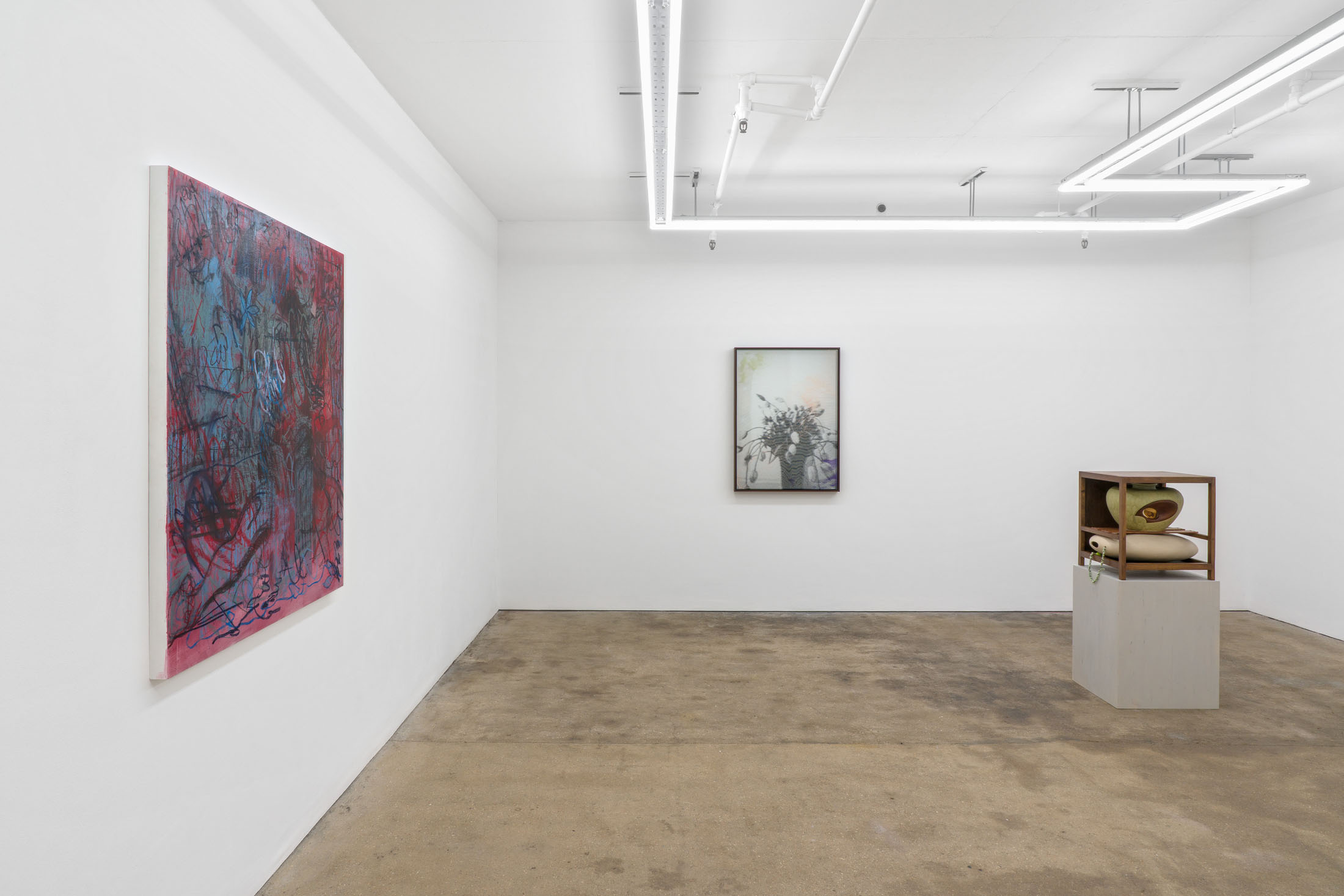
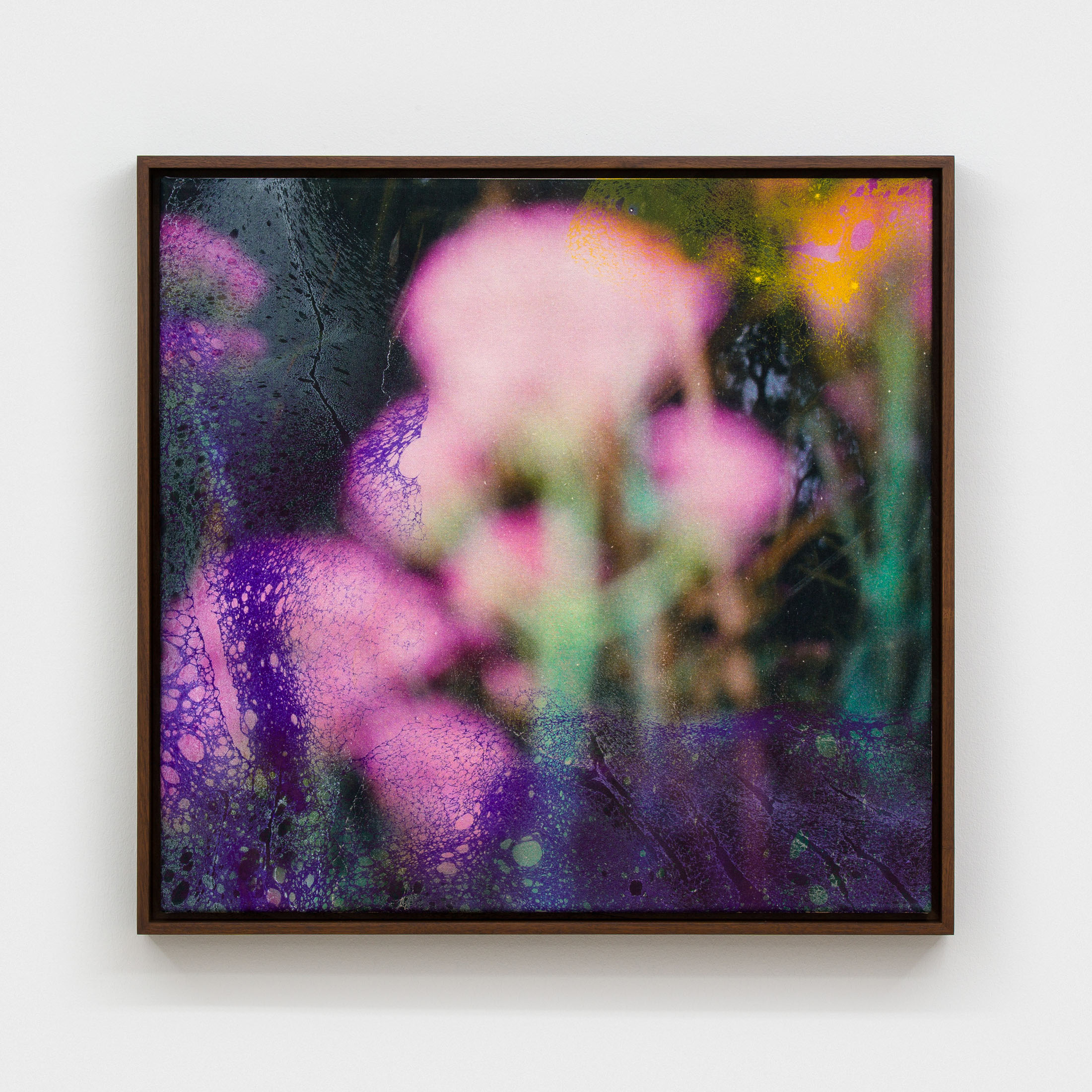
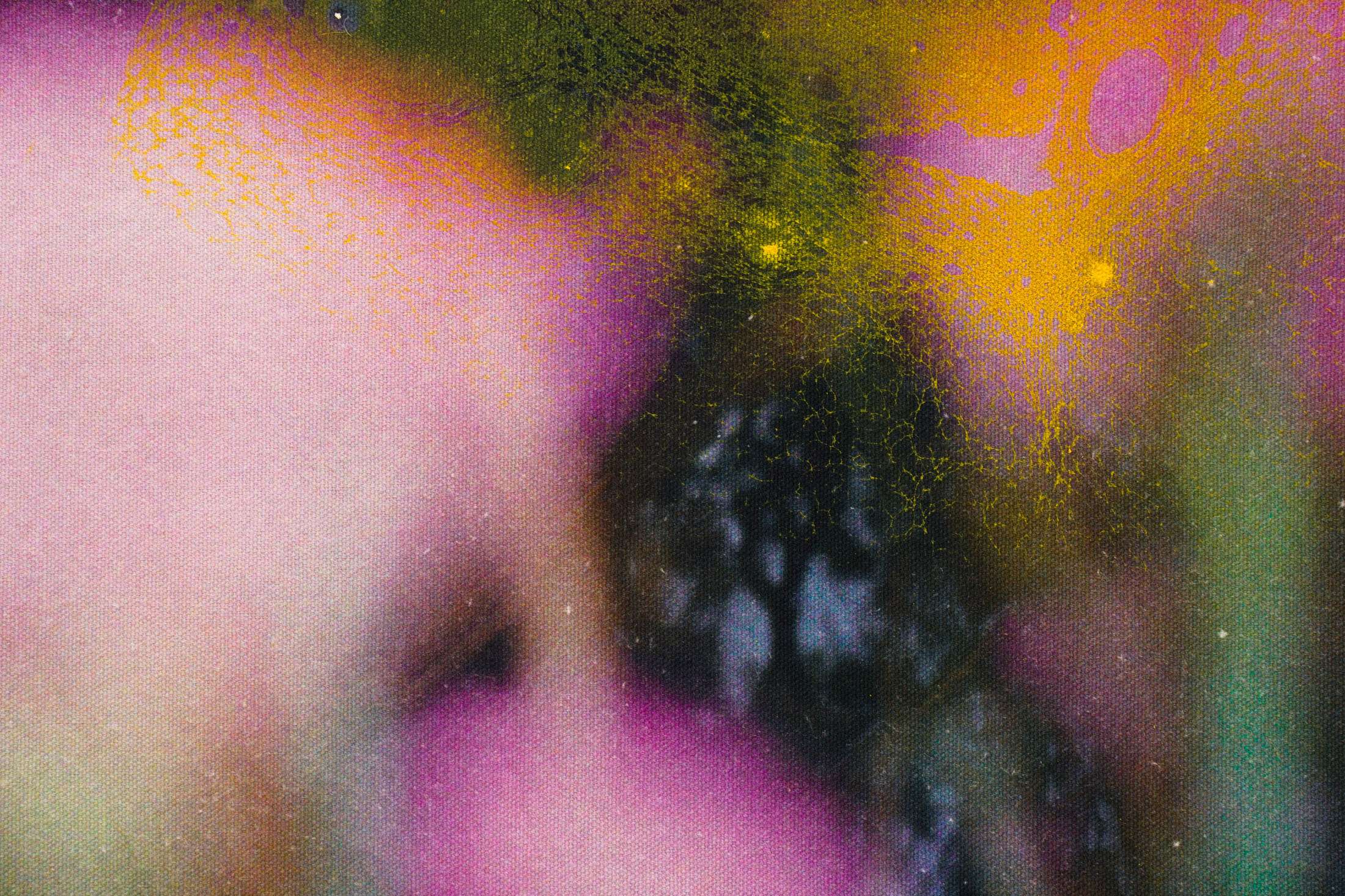
Shaniqwa Jarvis’ photographs and silk paintings collapse personal and collective memory into tender, time-bound images. In Jarvis’ work, Verhagen’s notion of the extended present takes vivid form. She explores the beauty and fragility of transience – where flowers and family photo albums become quiet meditations on continuity and change, mapping echoes of one’s identity across generations. With works i’m okay, now. (2025) and something sweet, something tart (2025), her layered compositions share a connective tissue: washes of acrylic paint
form distinctive patterns like weathered fabric or a spider’s web. Doubling as deterioration, compositionally it functions as a physical double exposure, a real encounter or convergence of different moments in time.
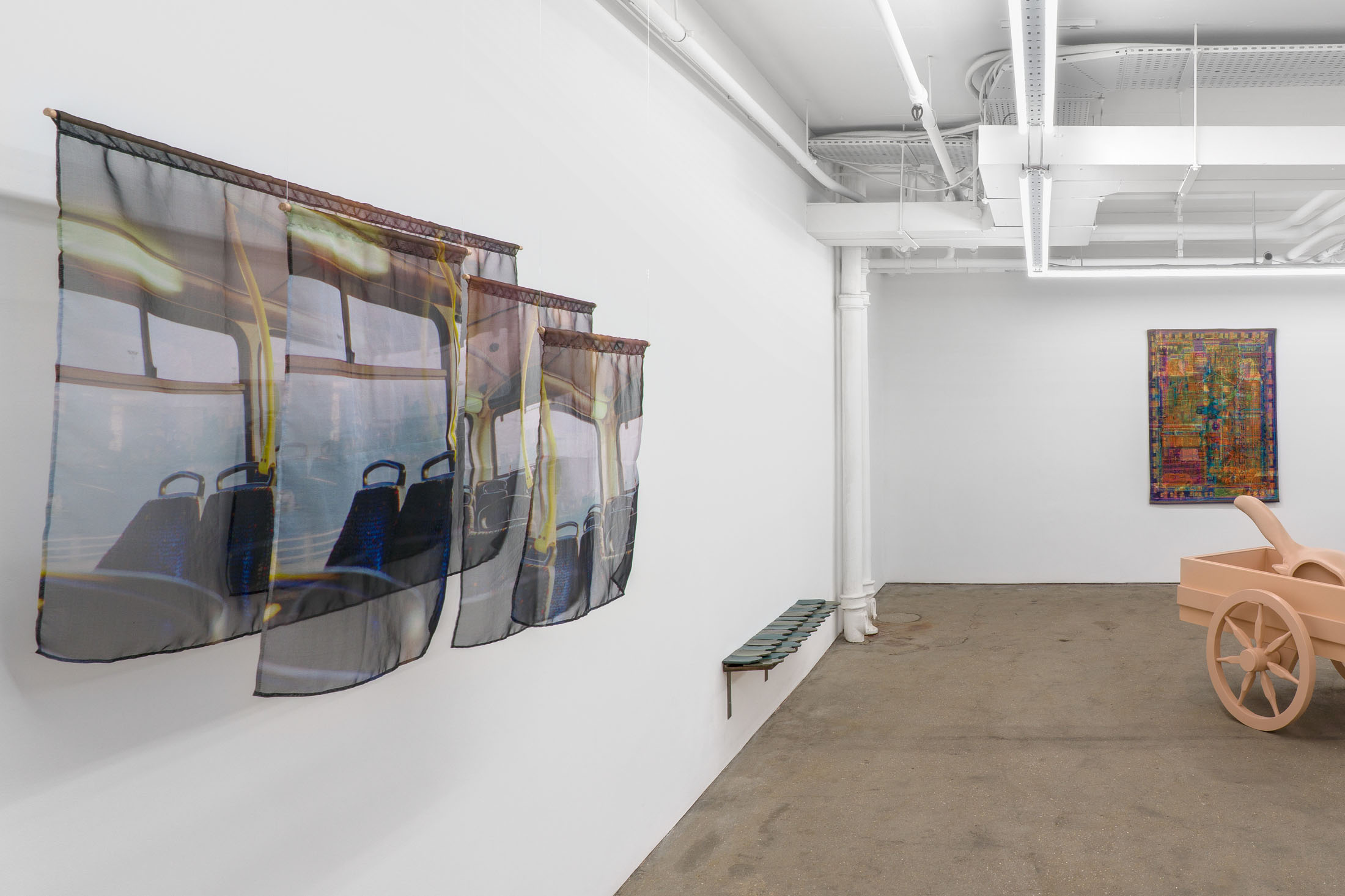
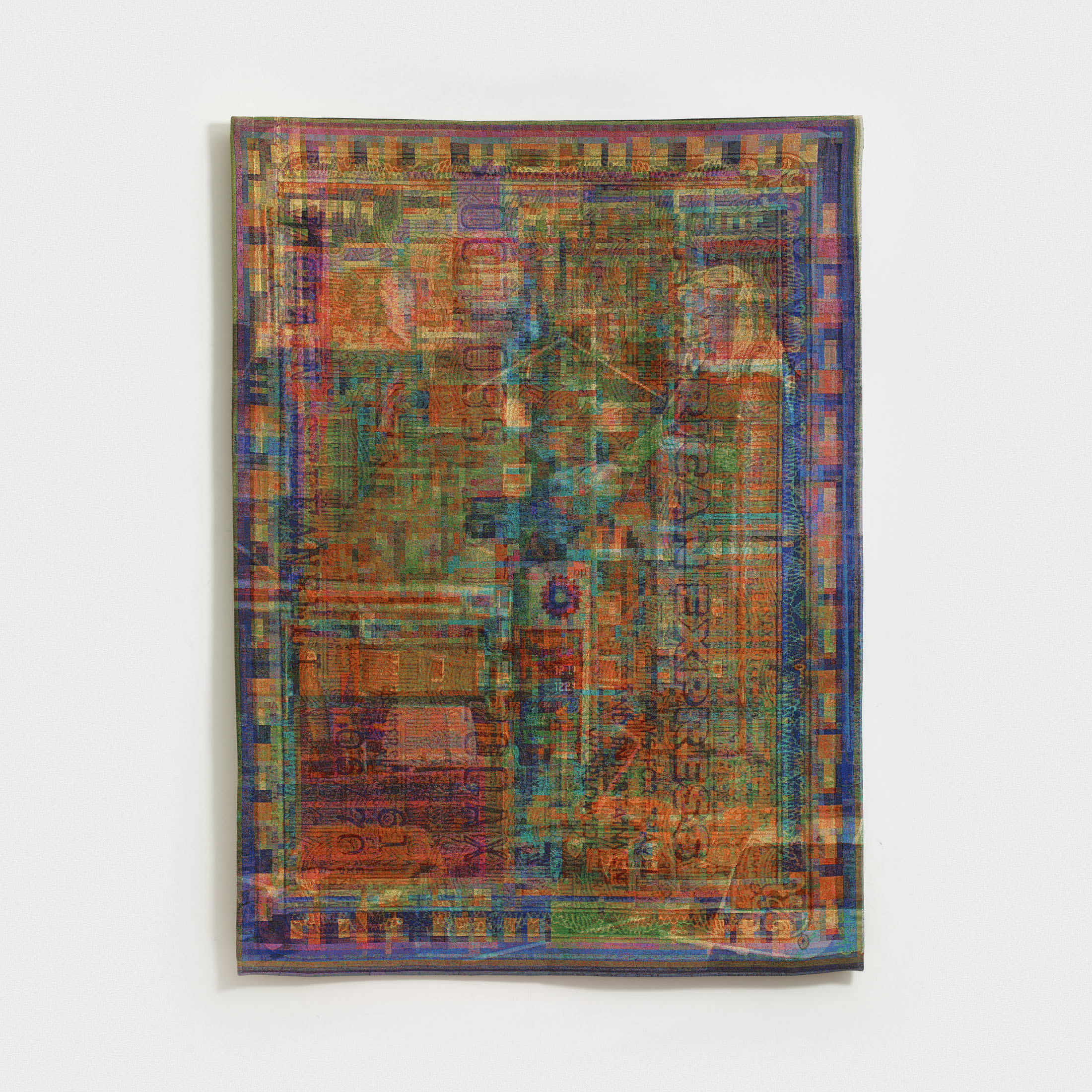
Recontextualizing the genre of tapestry outside traditional depictions of classical myth and religious allegory, Grayson Perry instead centers the dramas of contemporary British life. Credit Card, A13, Van Eyck, Microprocessor (2019), resembles a small worn carpet, depicting four layered images that reference money, commuting, marriage and the internet. Perry compresses social histories into intricate tableaux that oscillate between the medieval and contemporary, engaging Verhagen by reflecting on the accumulative effects of social acceleration. In this way, his work also relates to Jacques Rancière’s Modern Times: Temporality in Art and Politics, exploring how the experience of time is stratified by socio-economic class and occupation.
Viewing Velocities situates artistic production within broader temporal regimes, responding to the recent proliferation of research devoted to attention economies, durational aesthetics, artwork-as-worker’s strike, and installation-cum-waiting rooms. As a study in ‘keeping time,’ the exhibition stages a temporal landscape in which each artwork proposes a distinct rhythm of encounter. In doing so, it echoes Verhagen’s proposition that time in contemporary art unfolds not as a neutral sequence but as a material condition – that perception is elastic, shaped by the conditions through which we look.