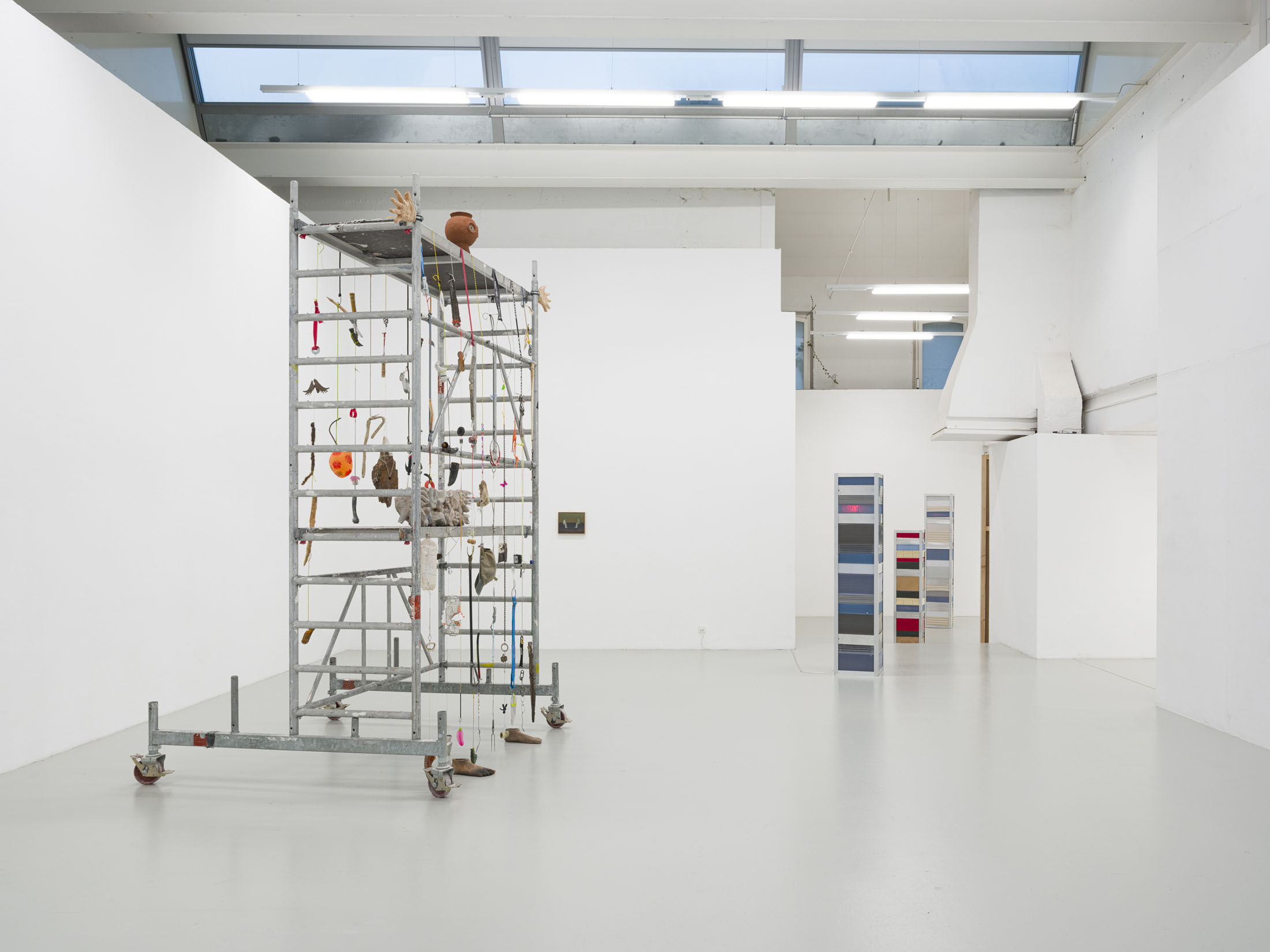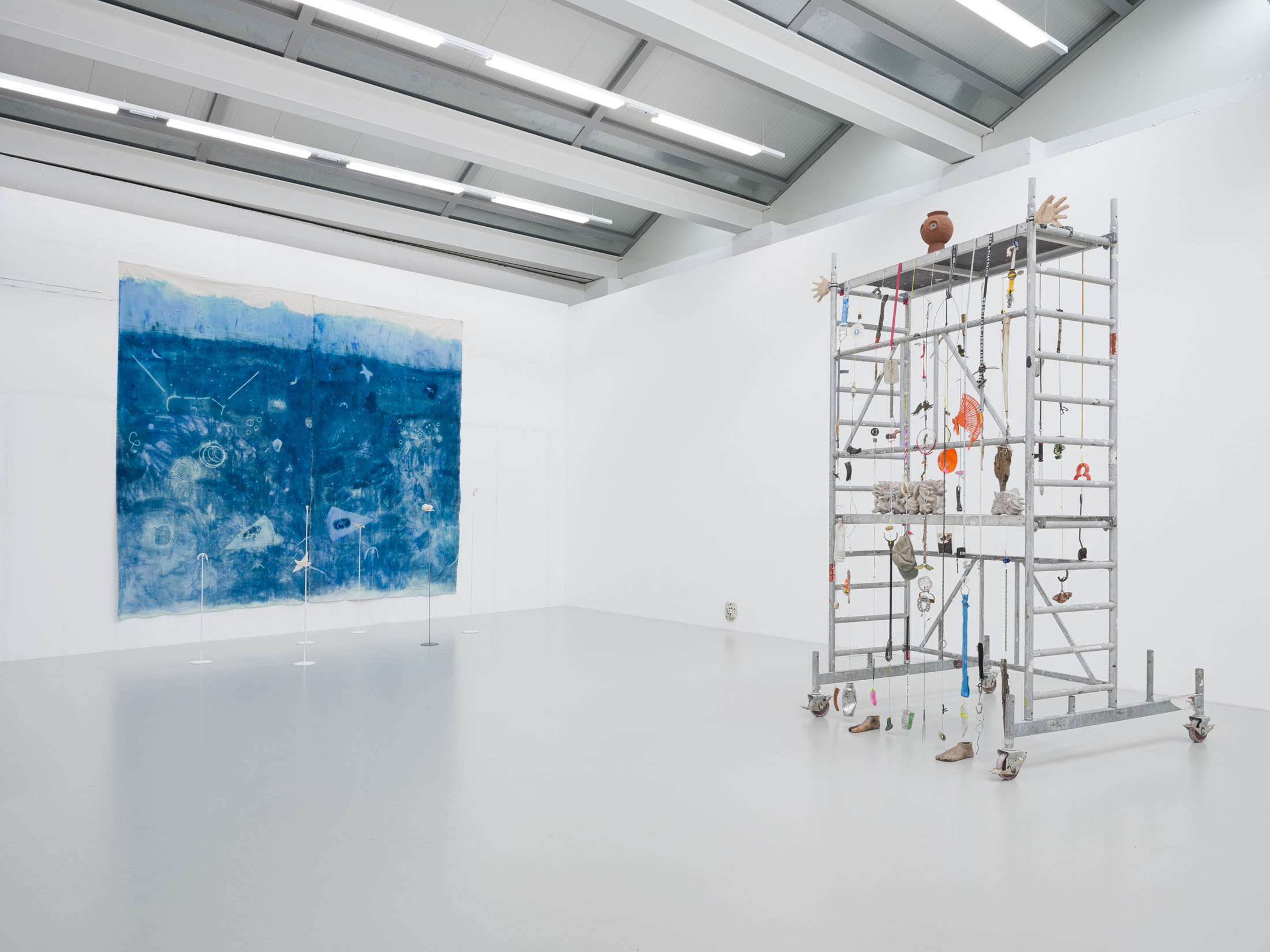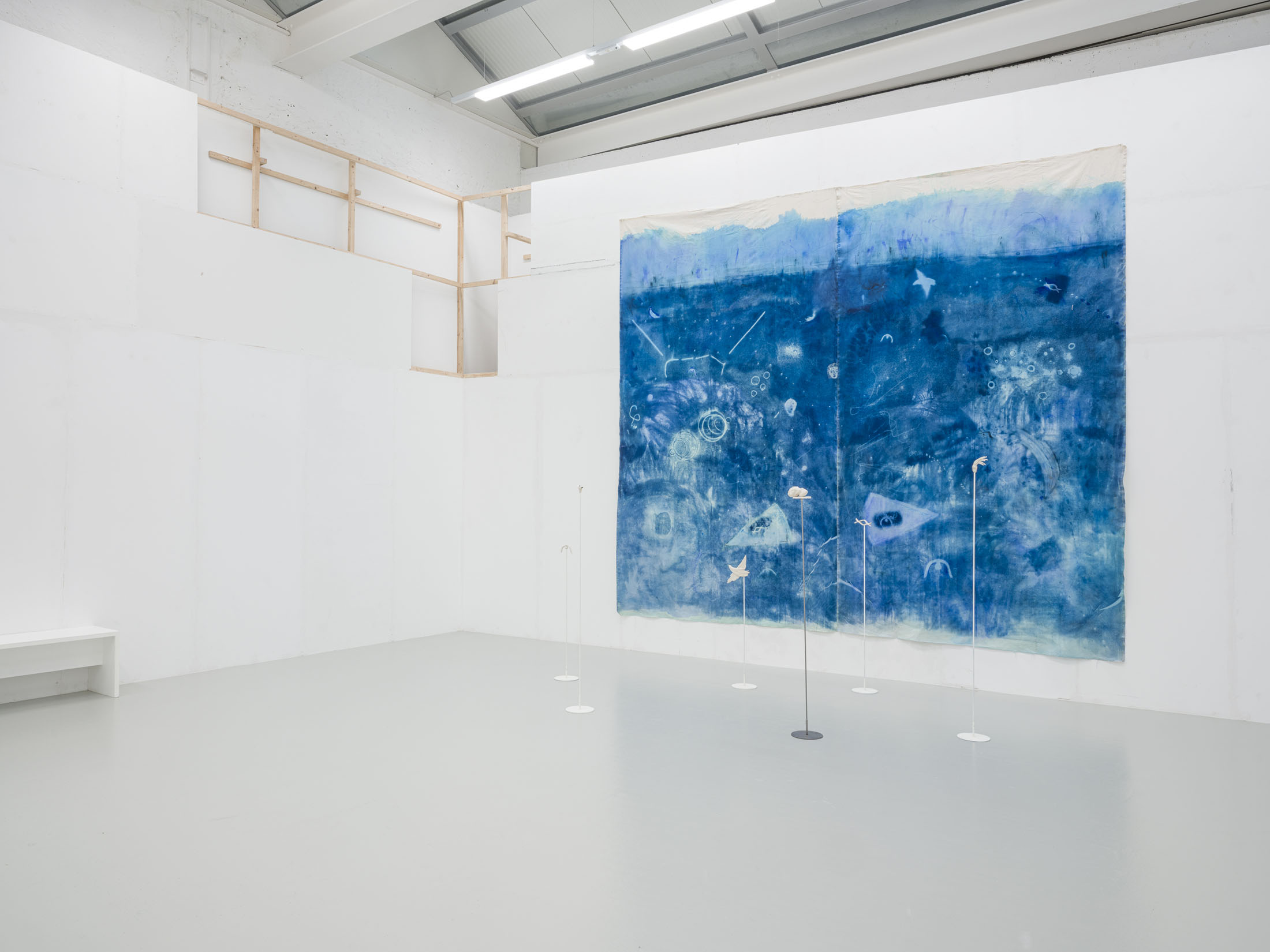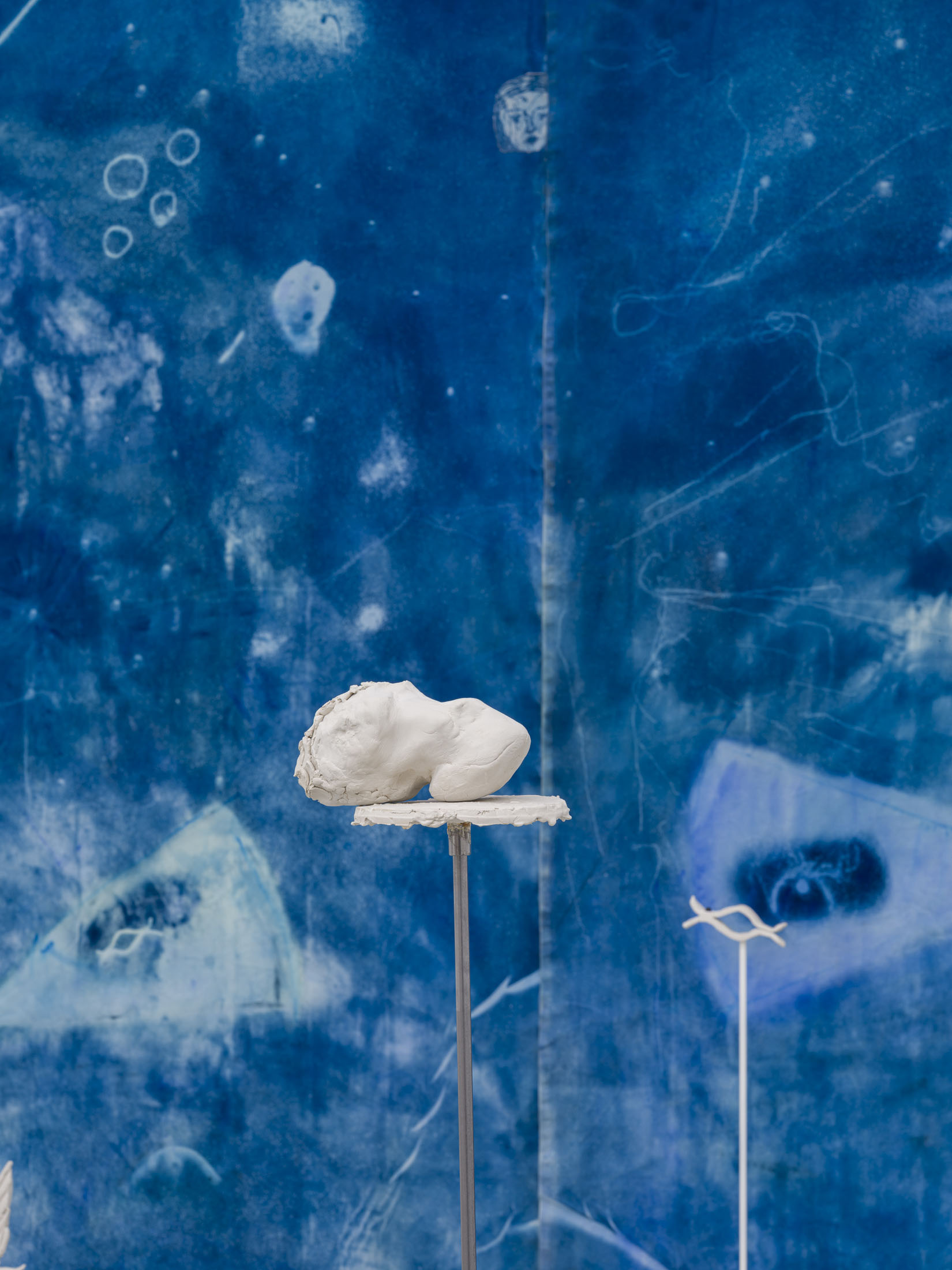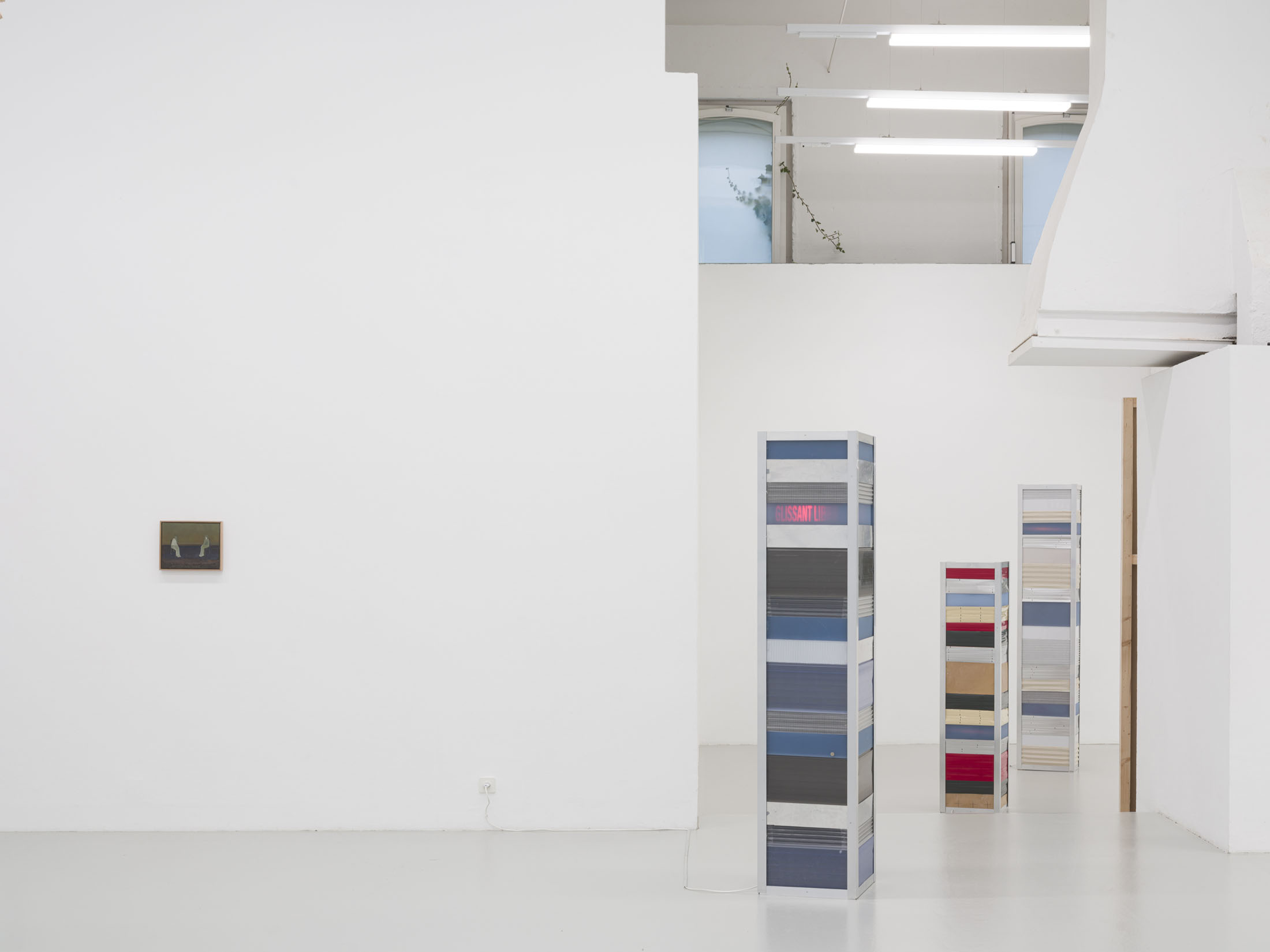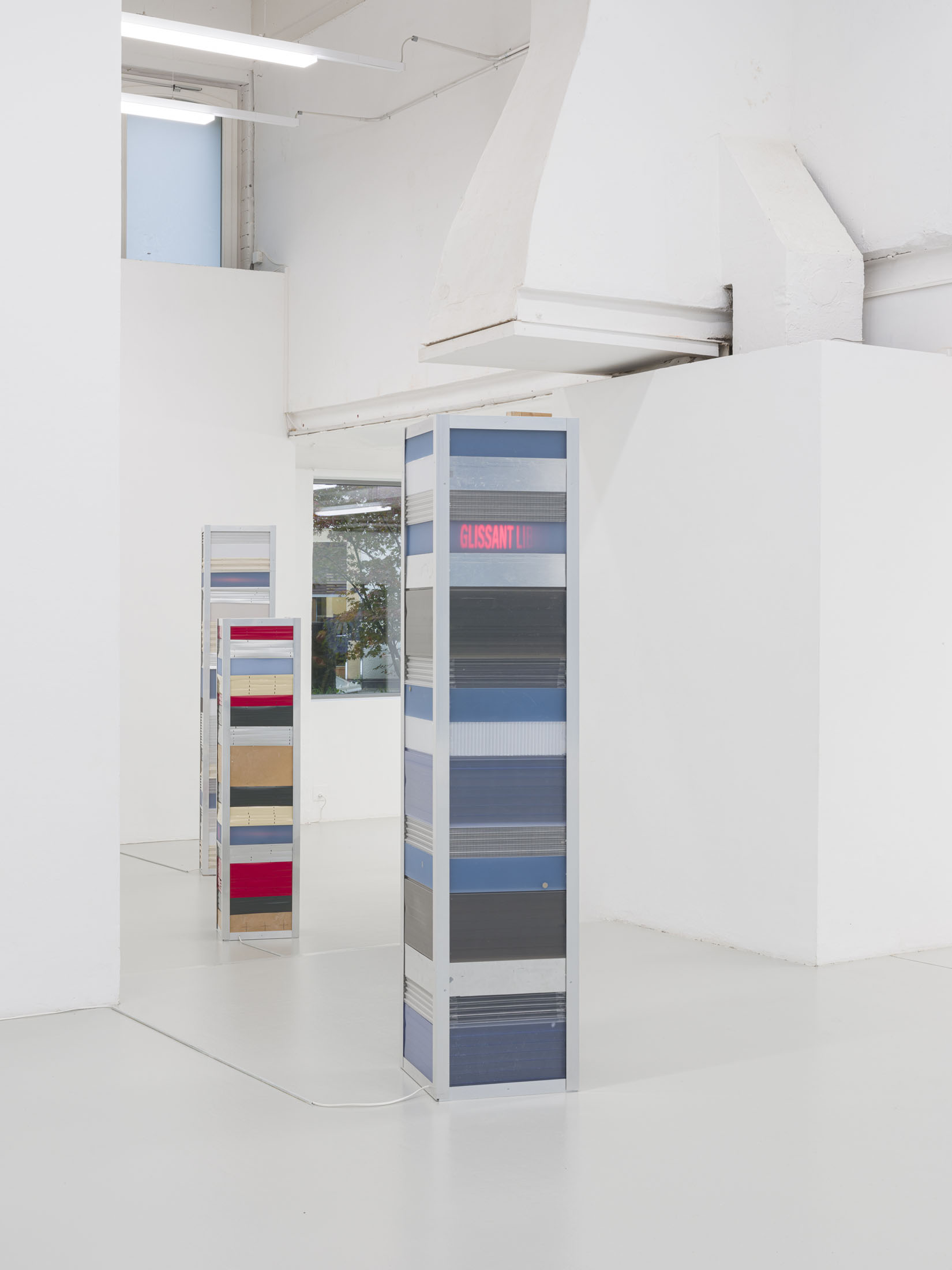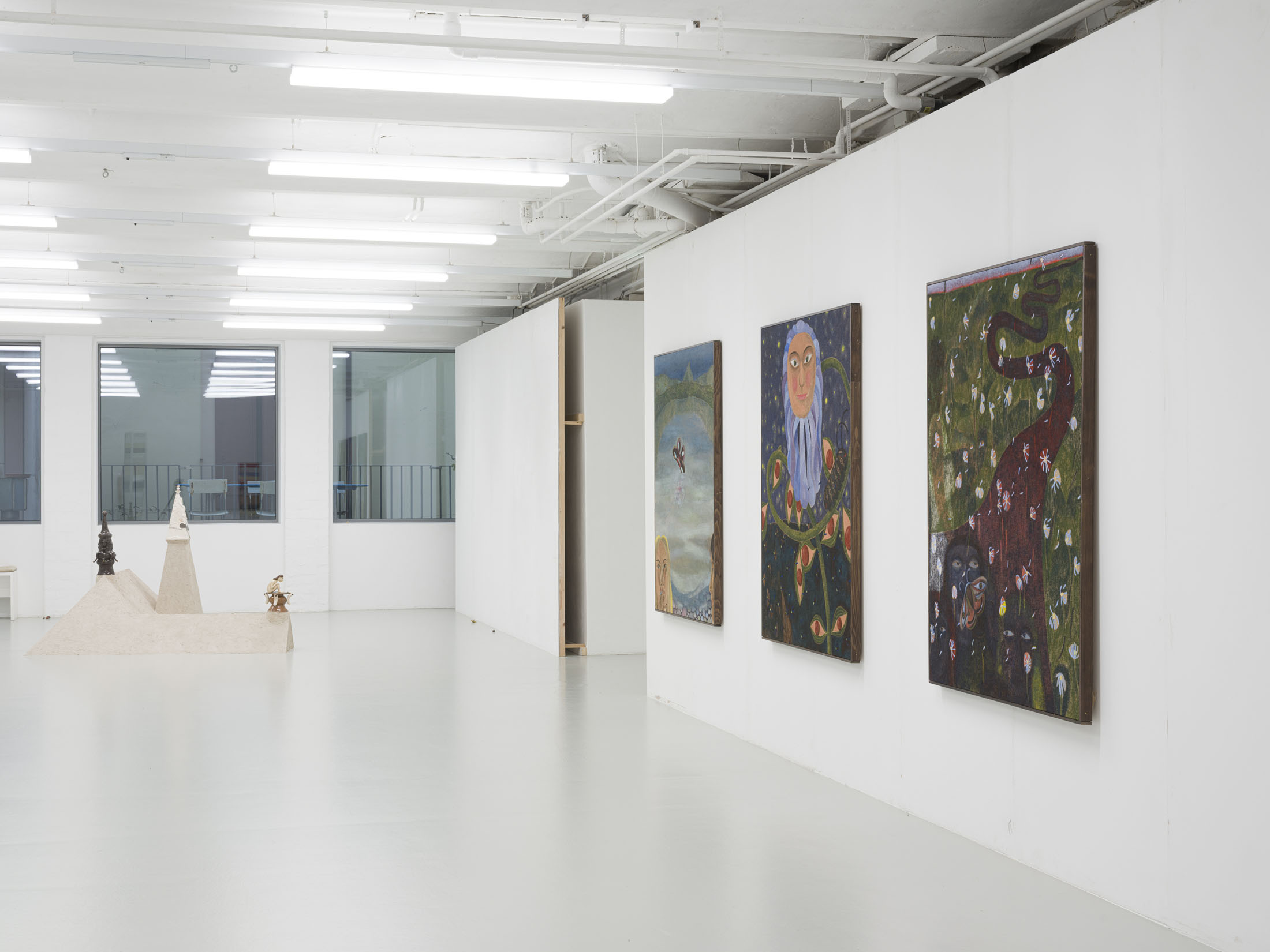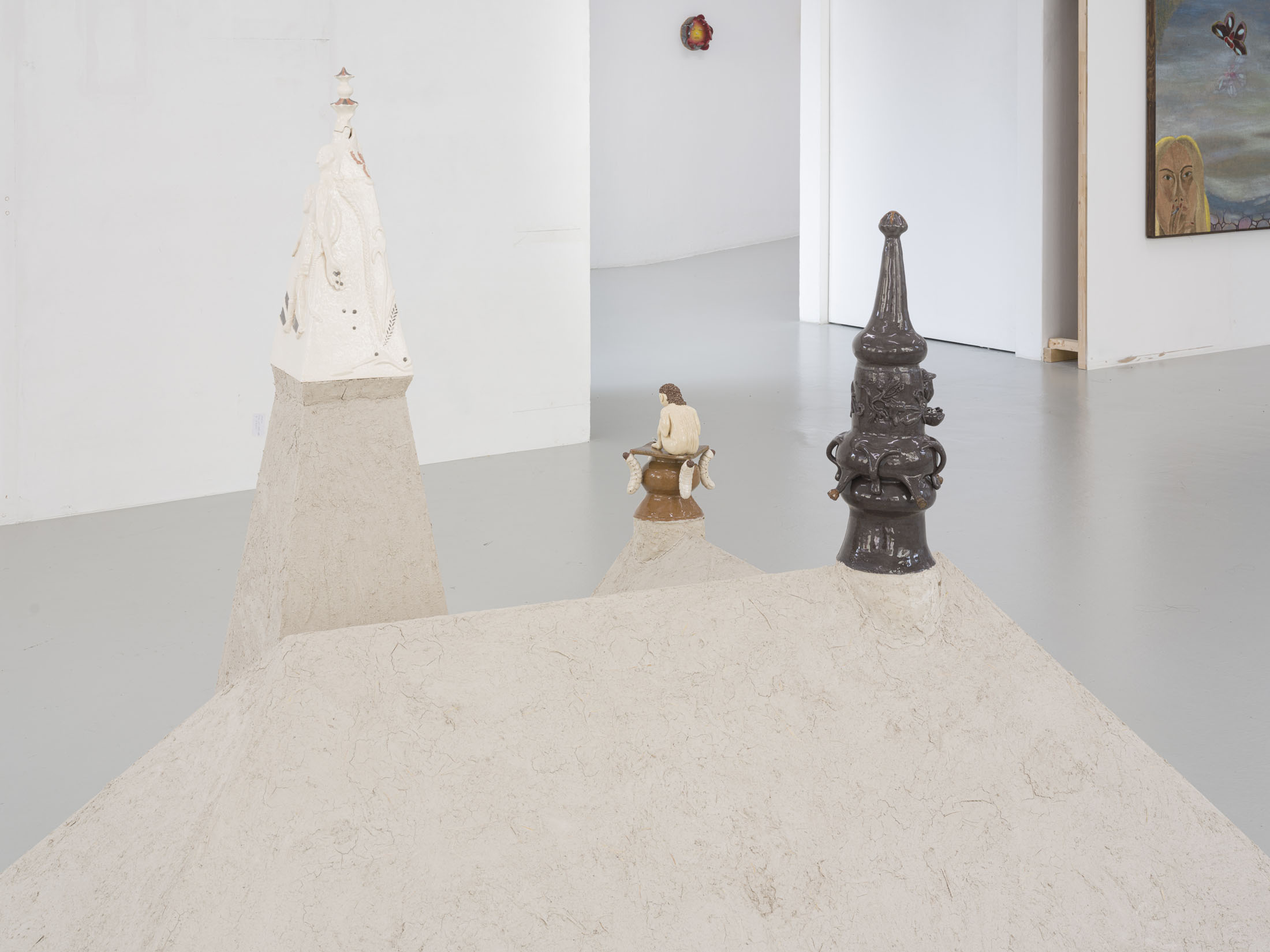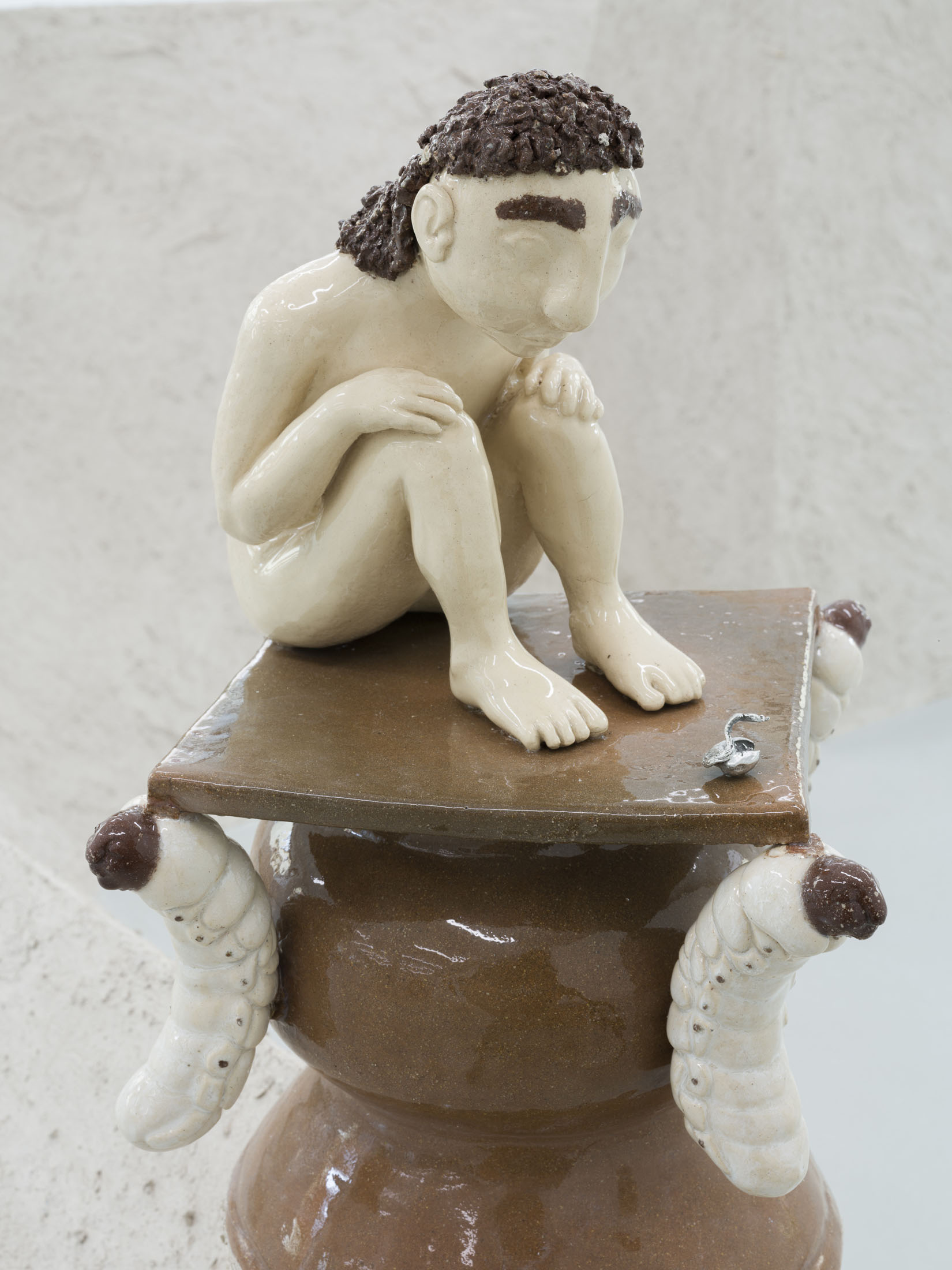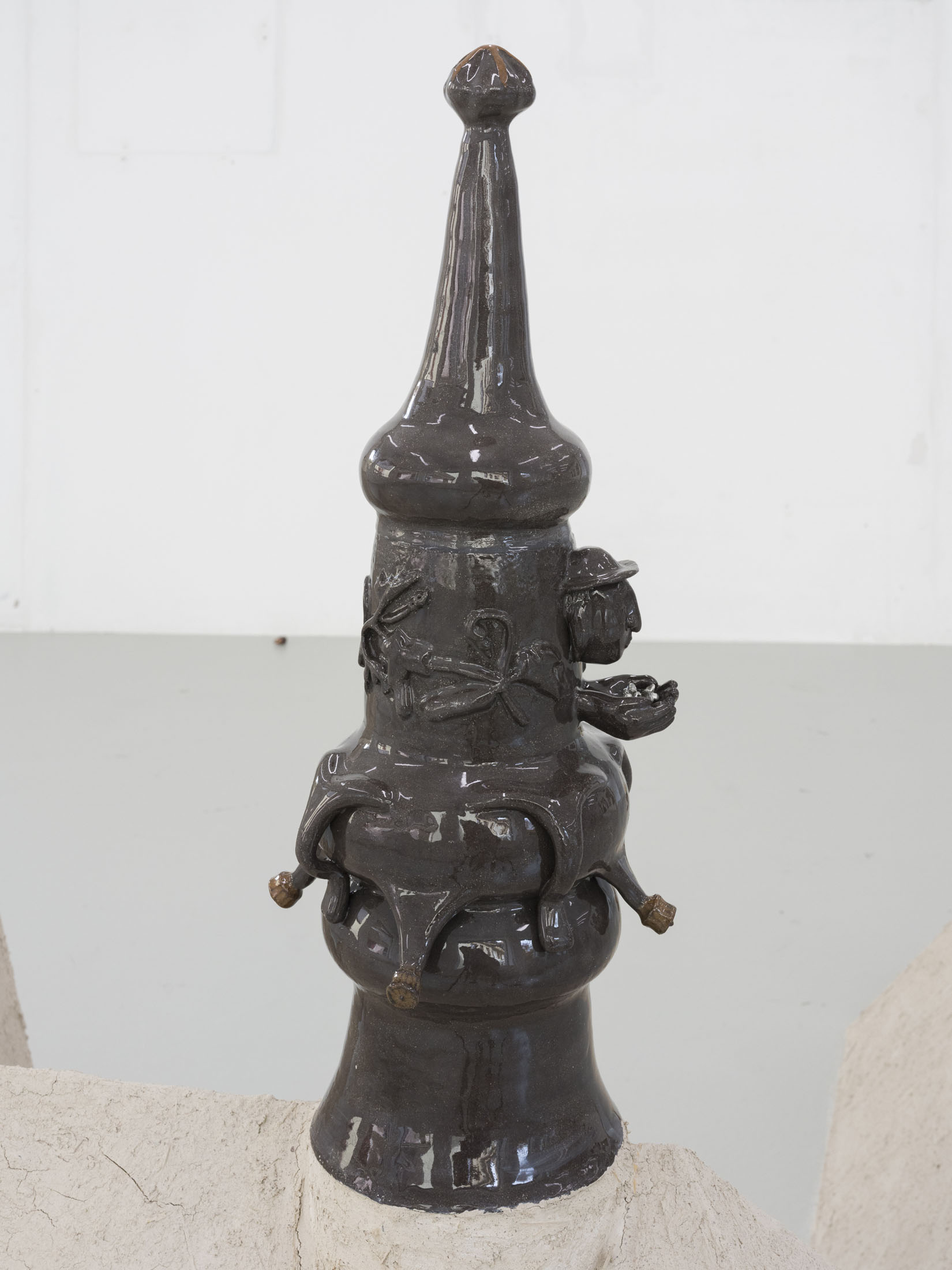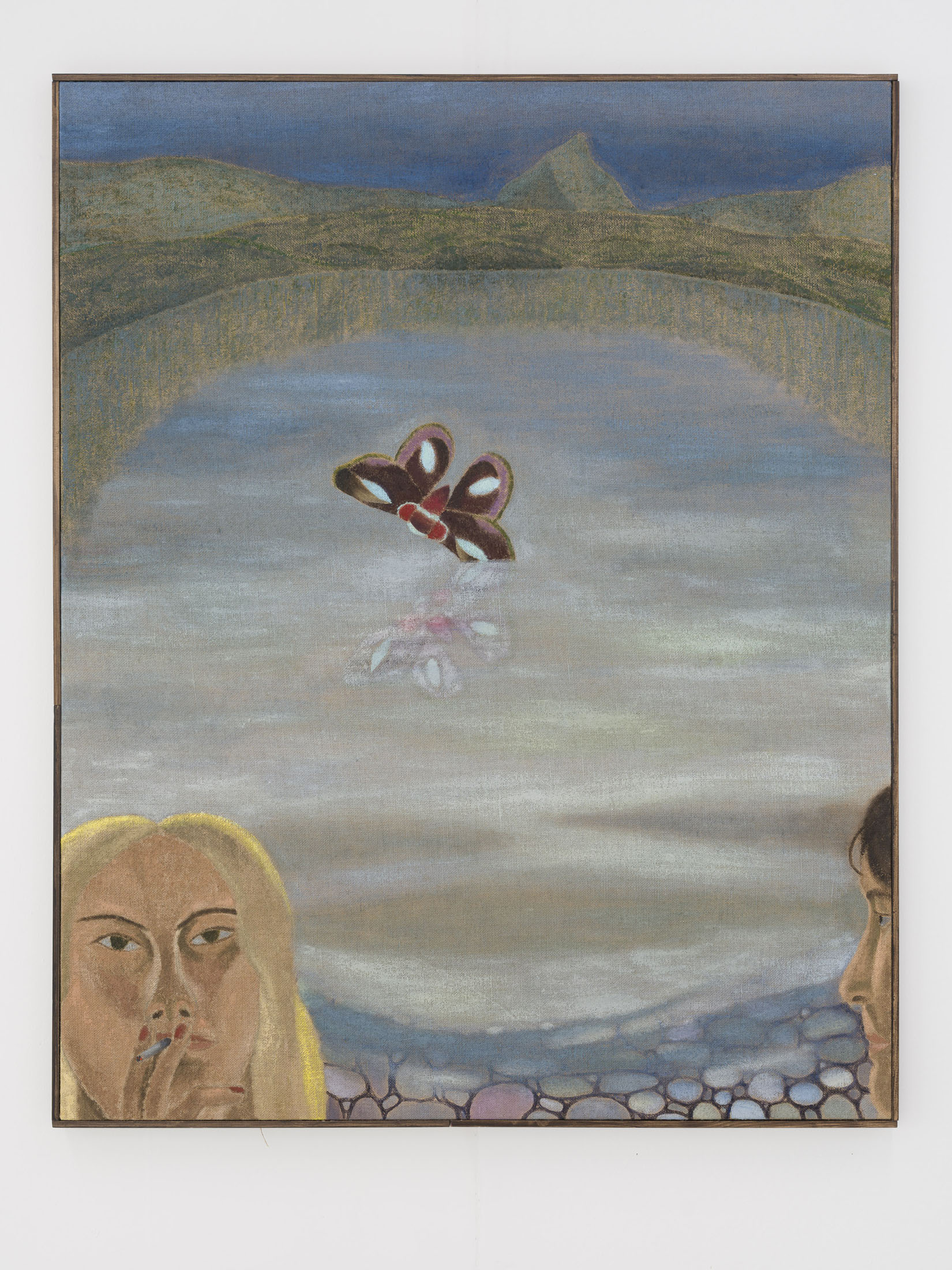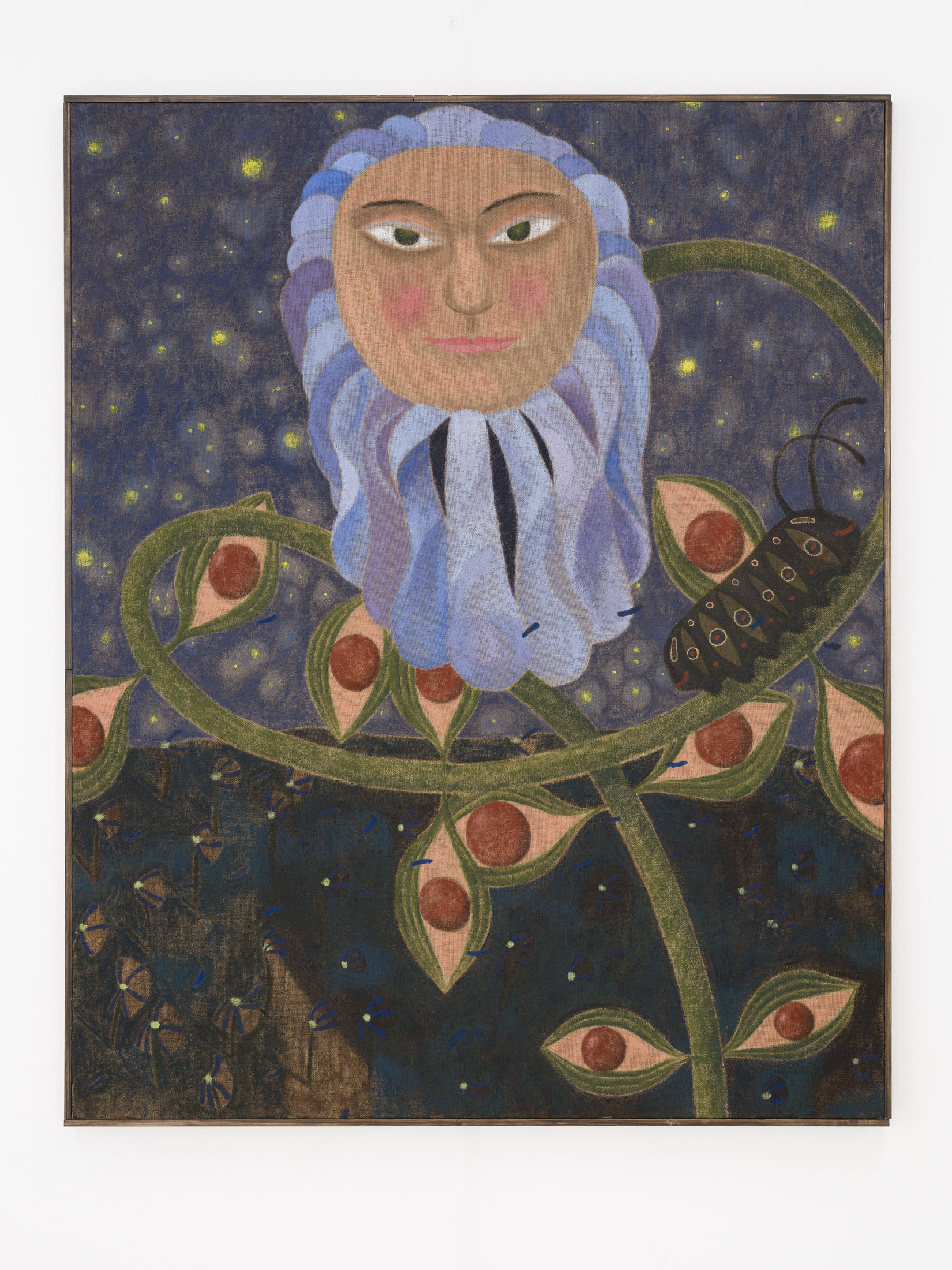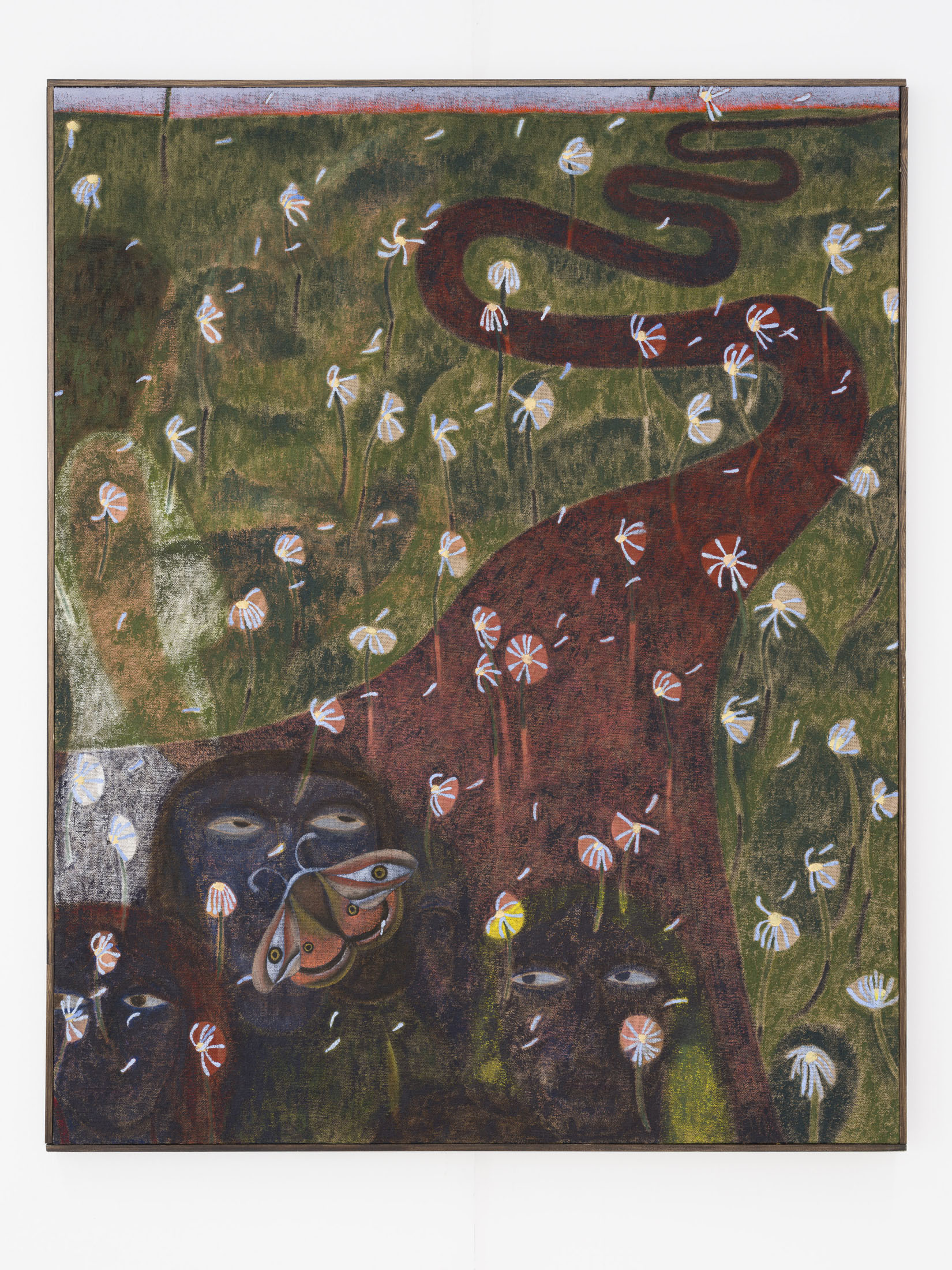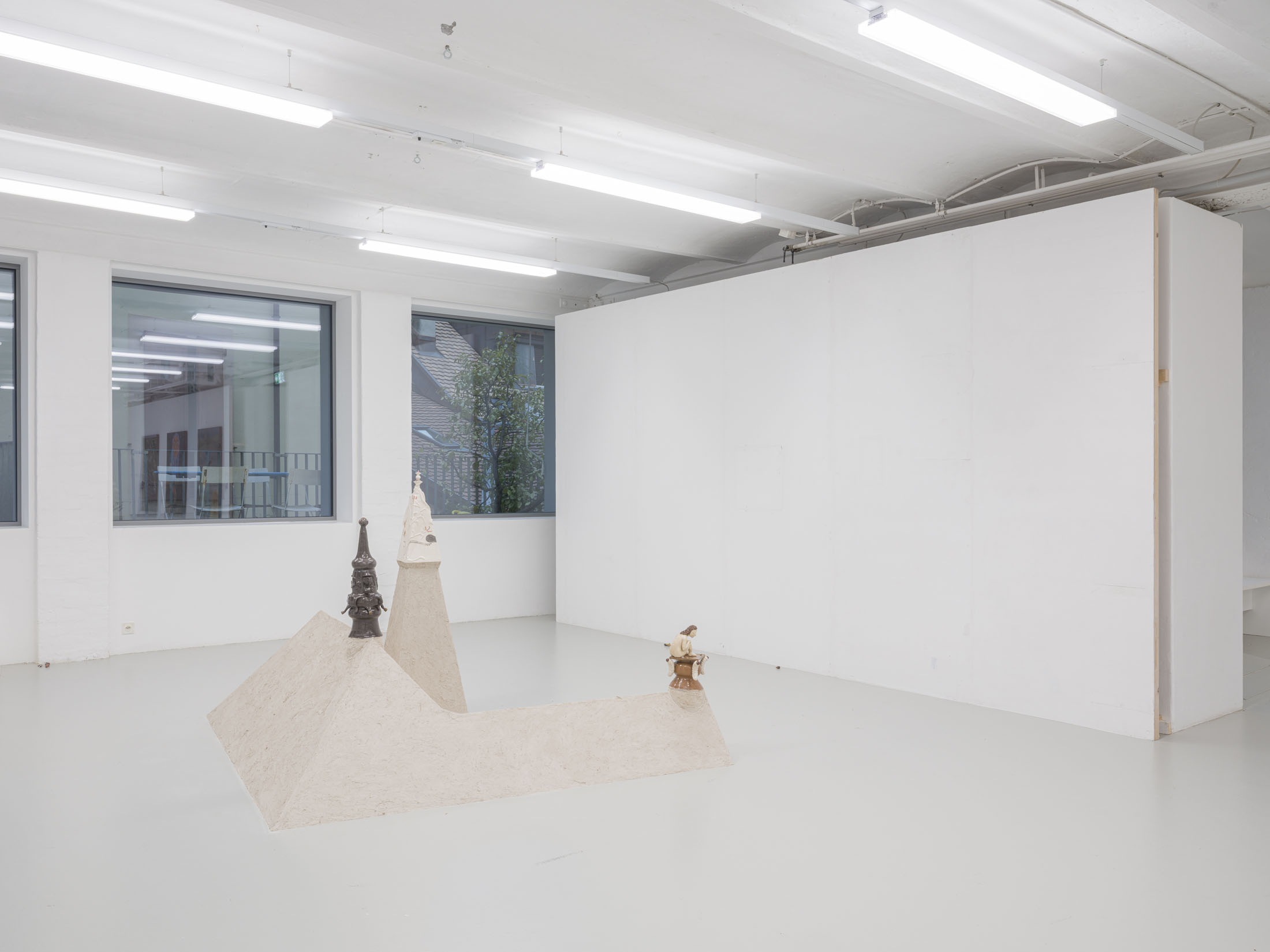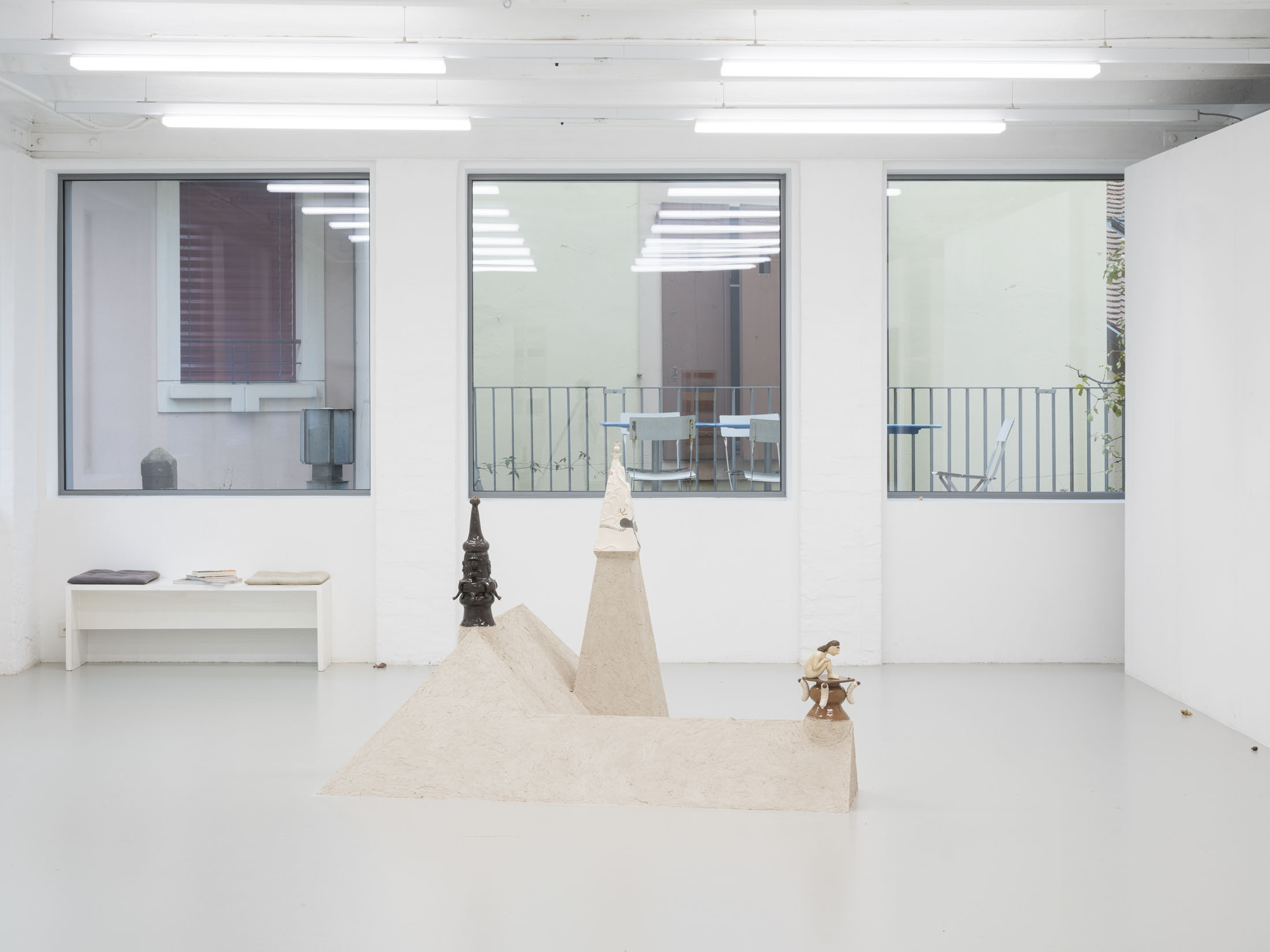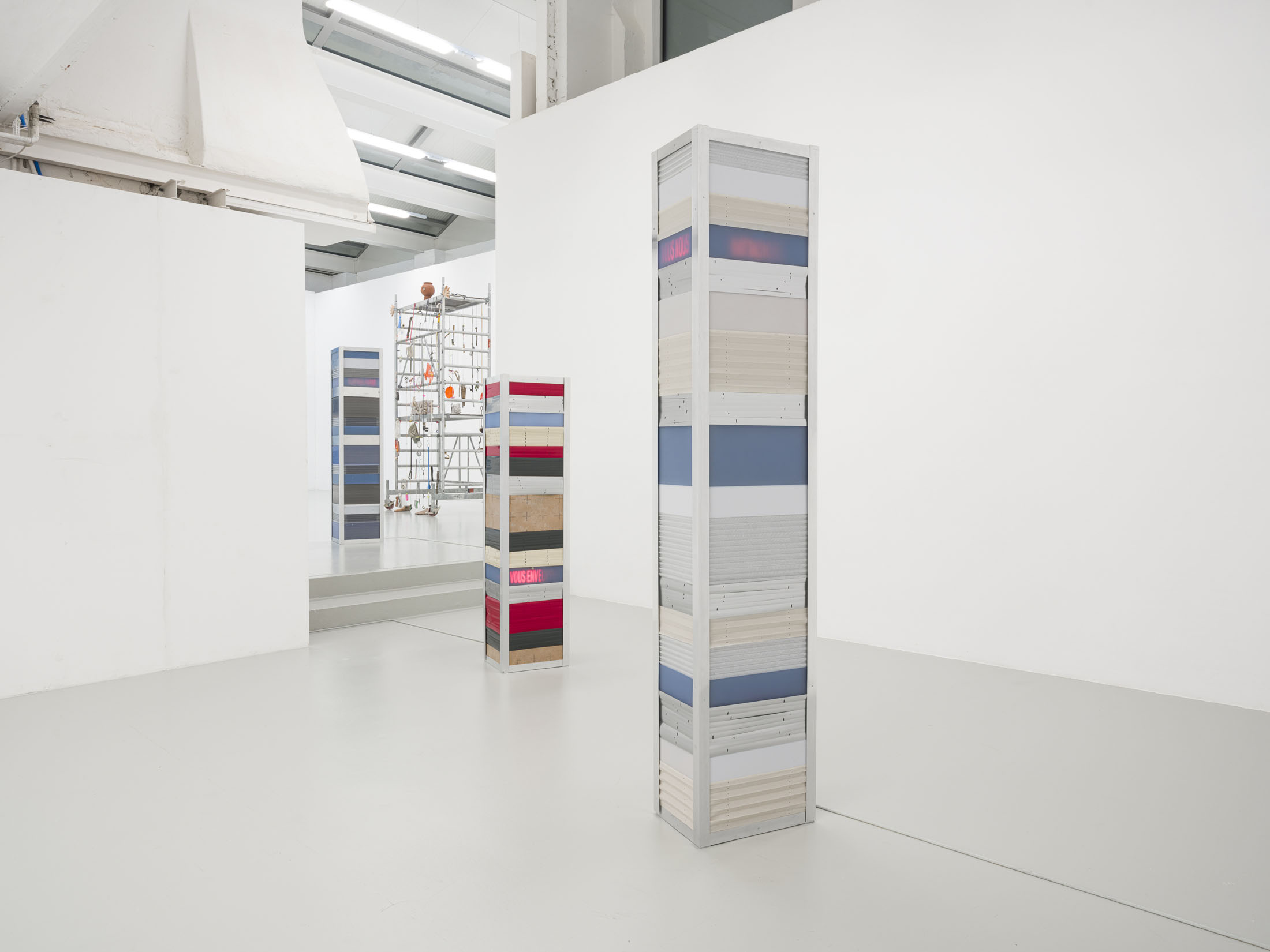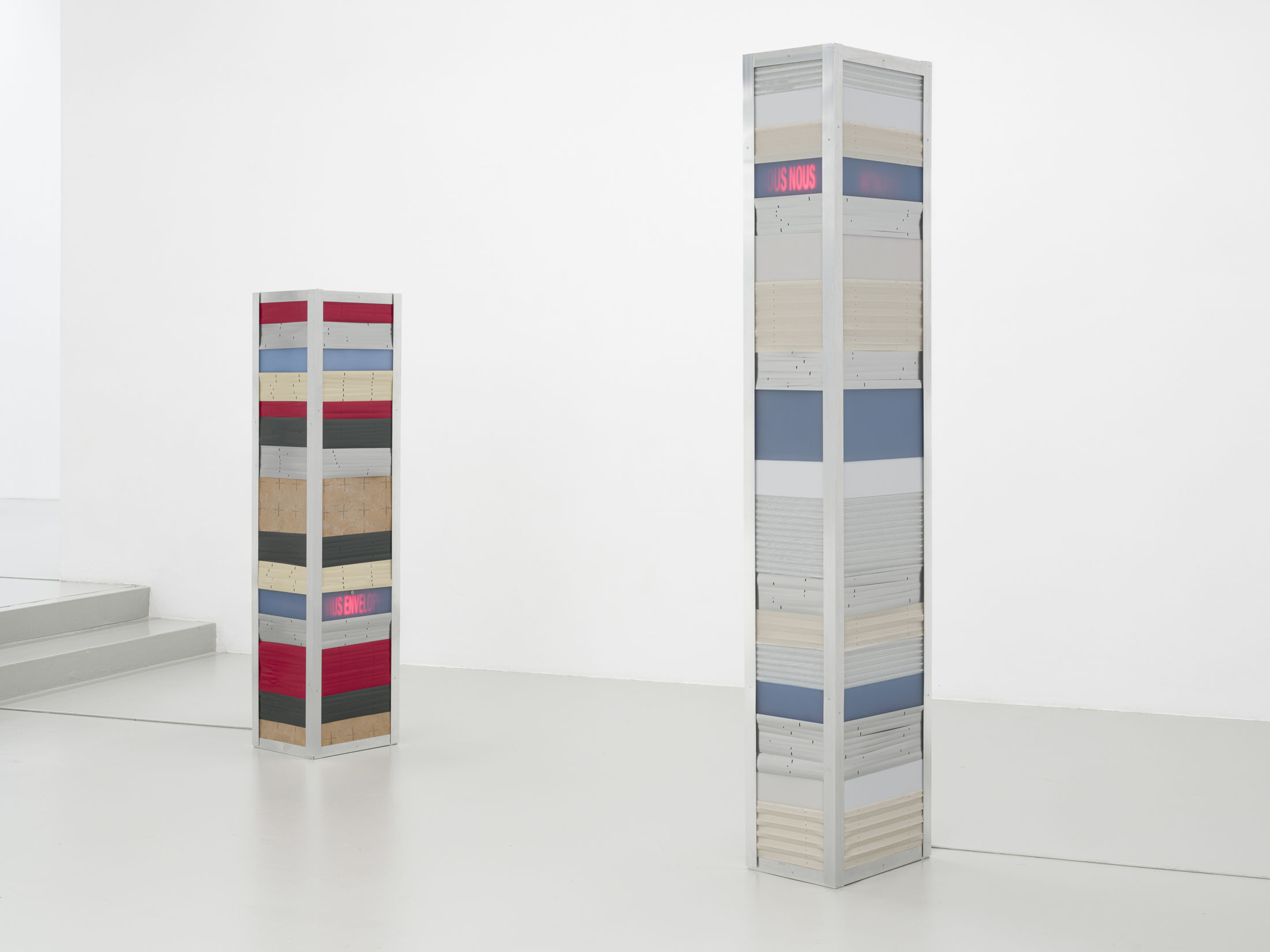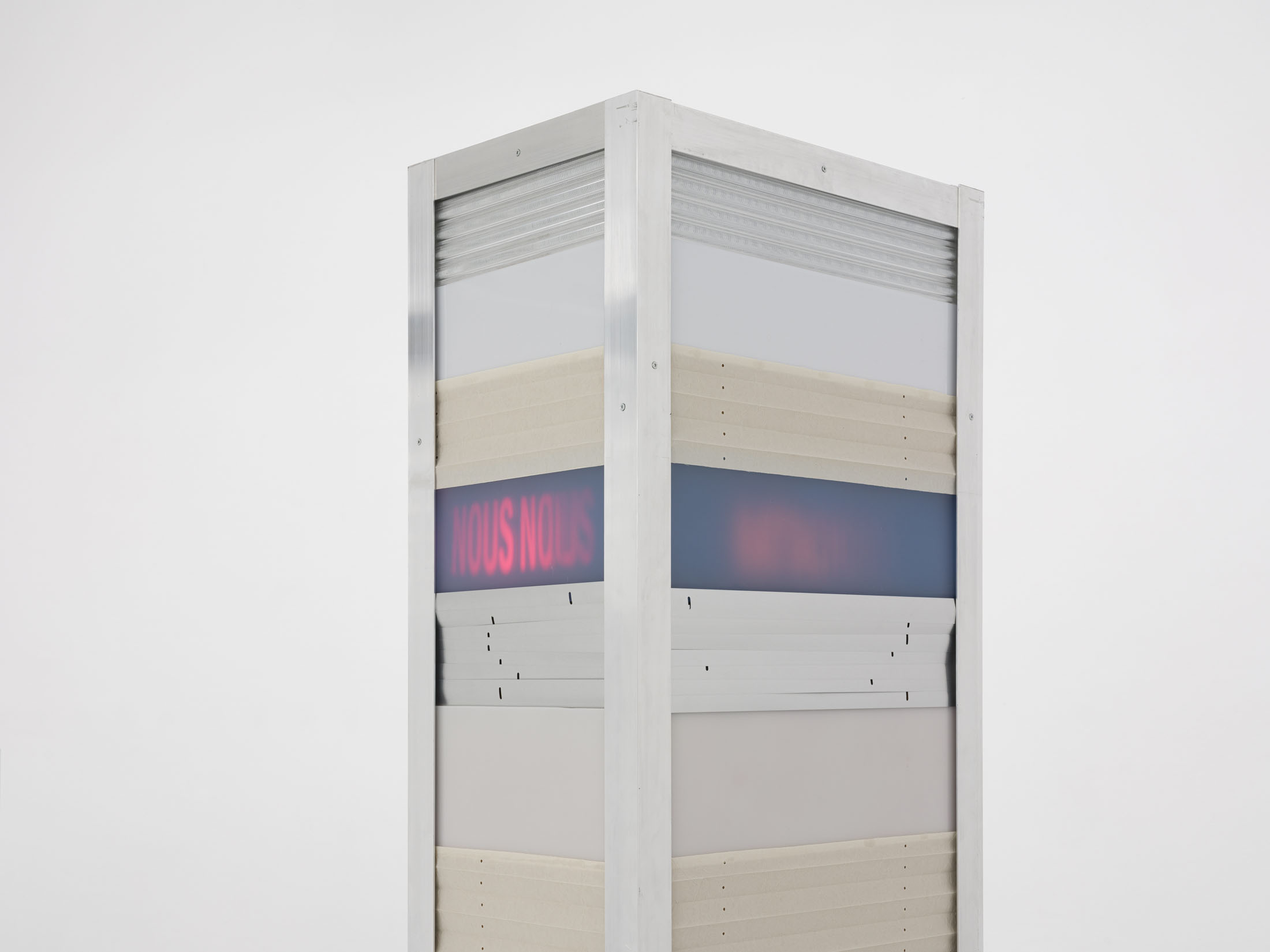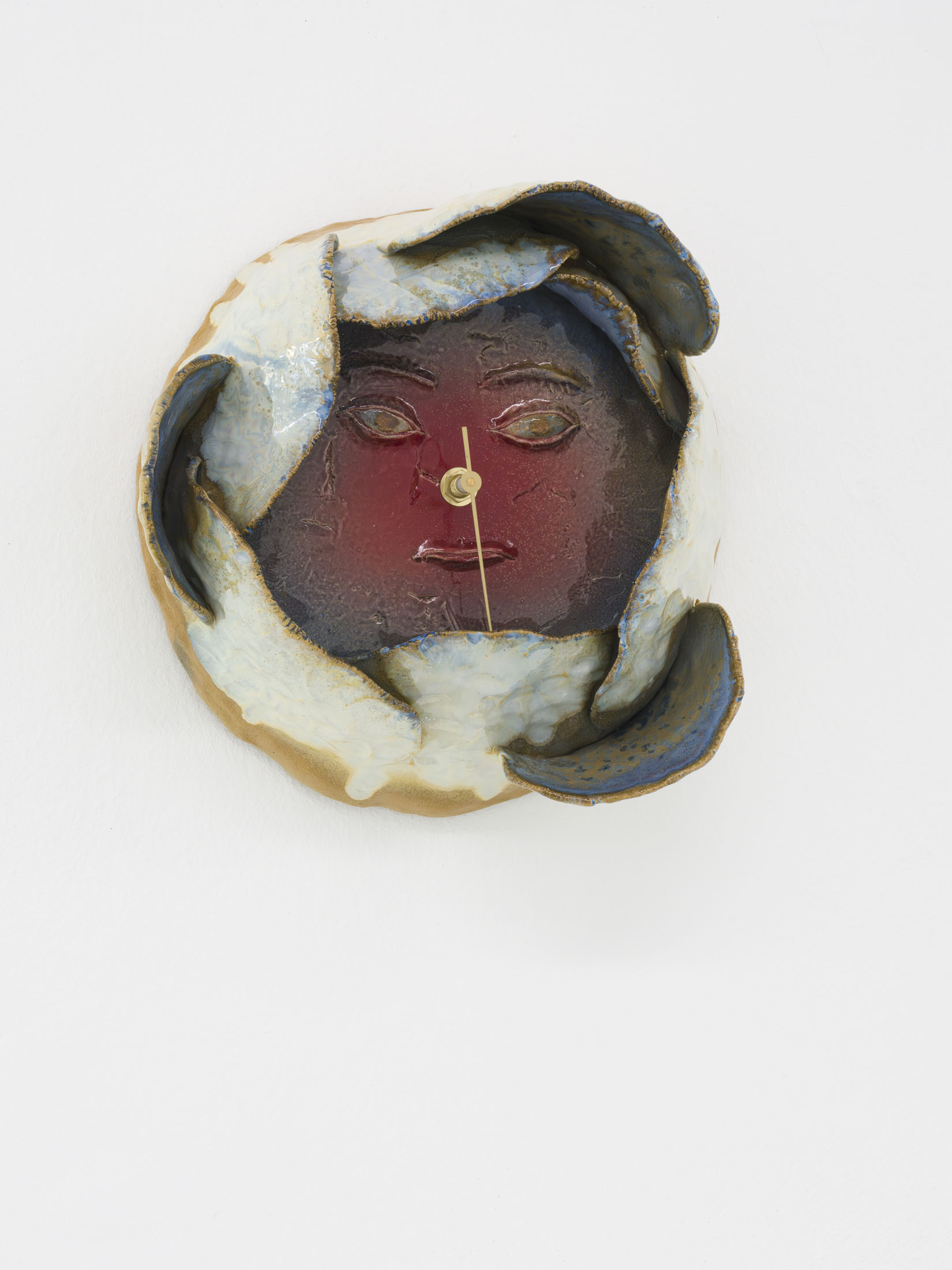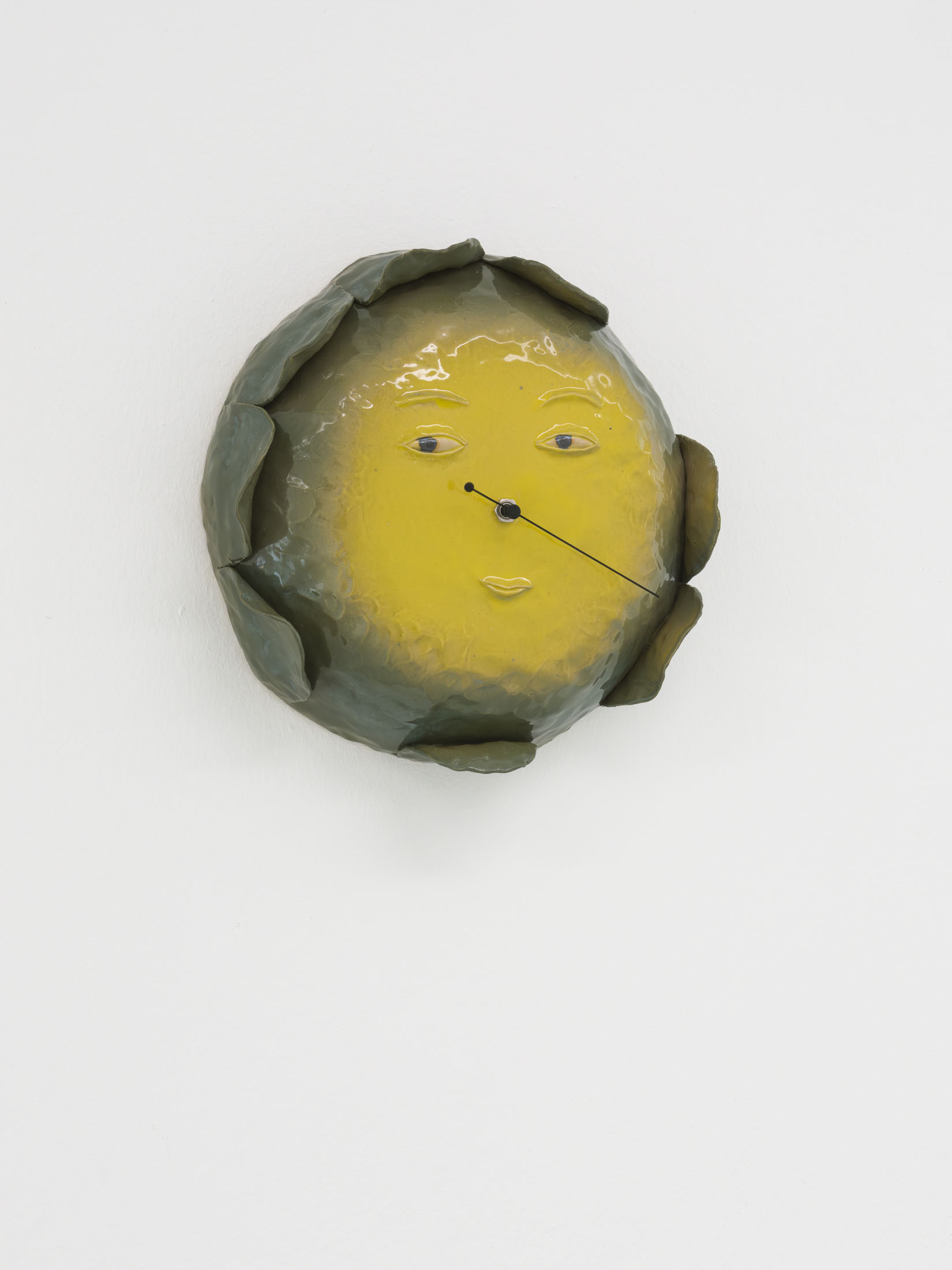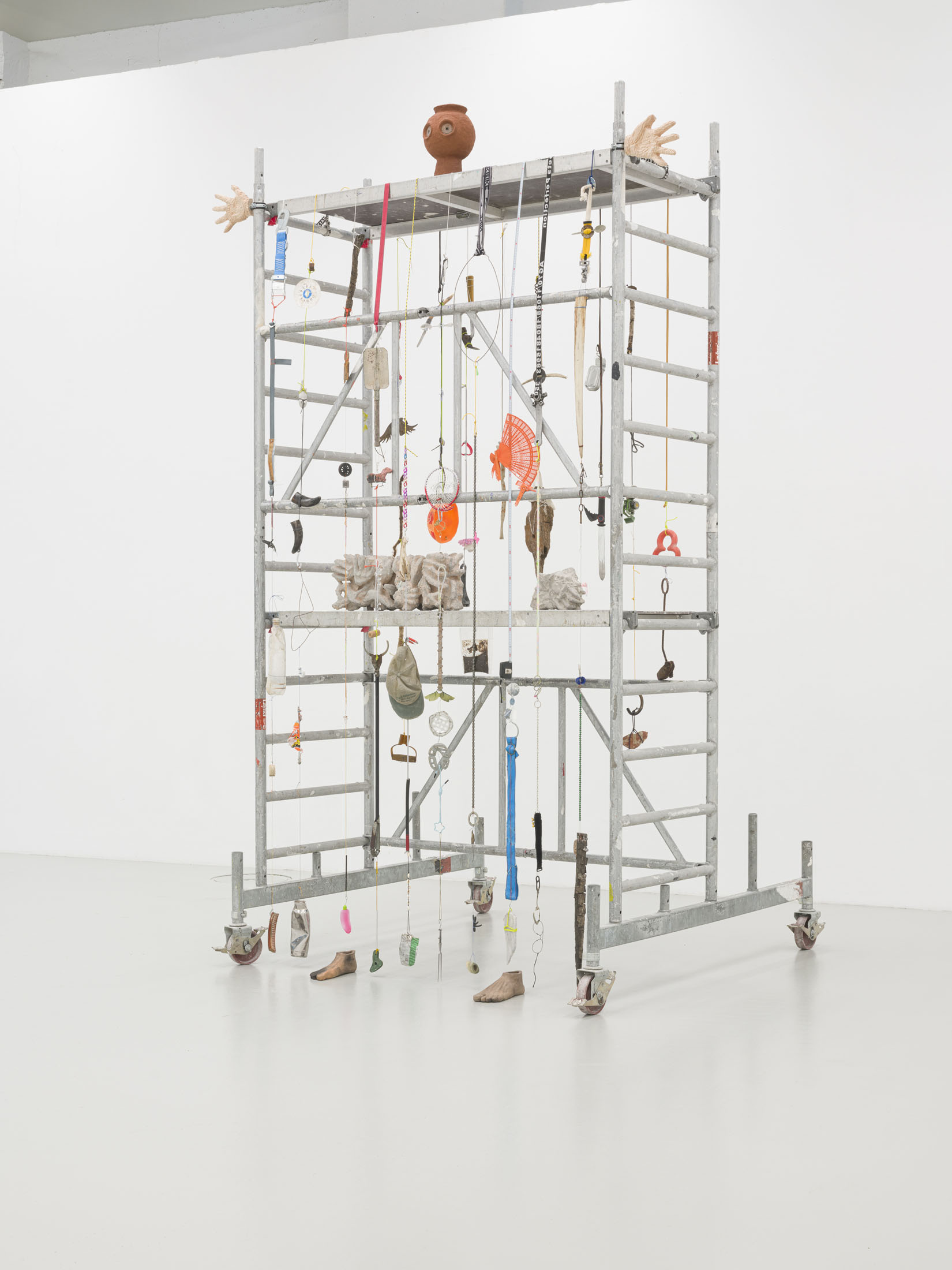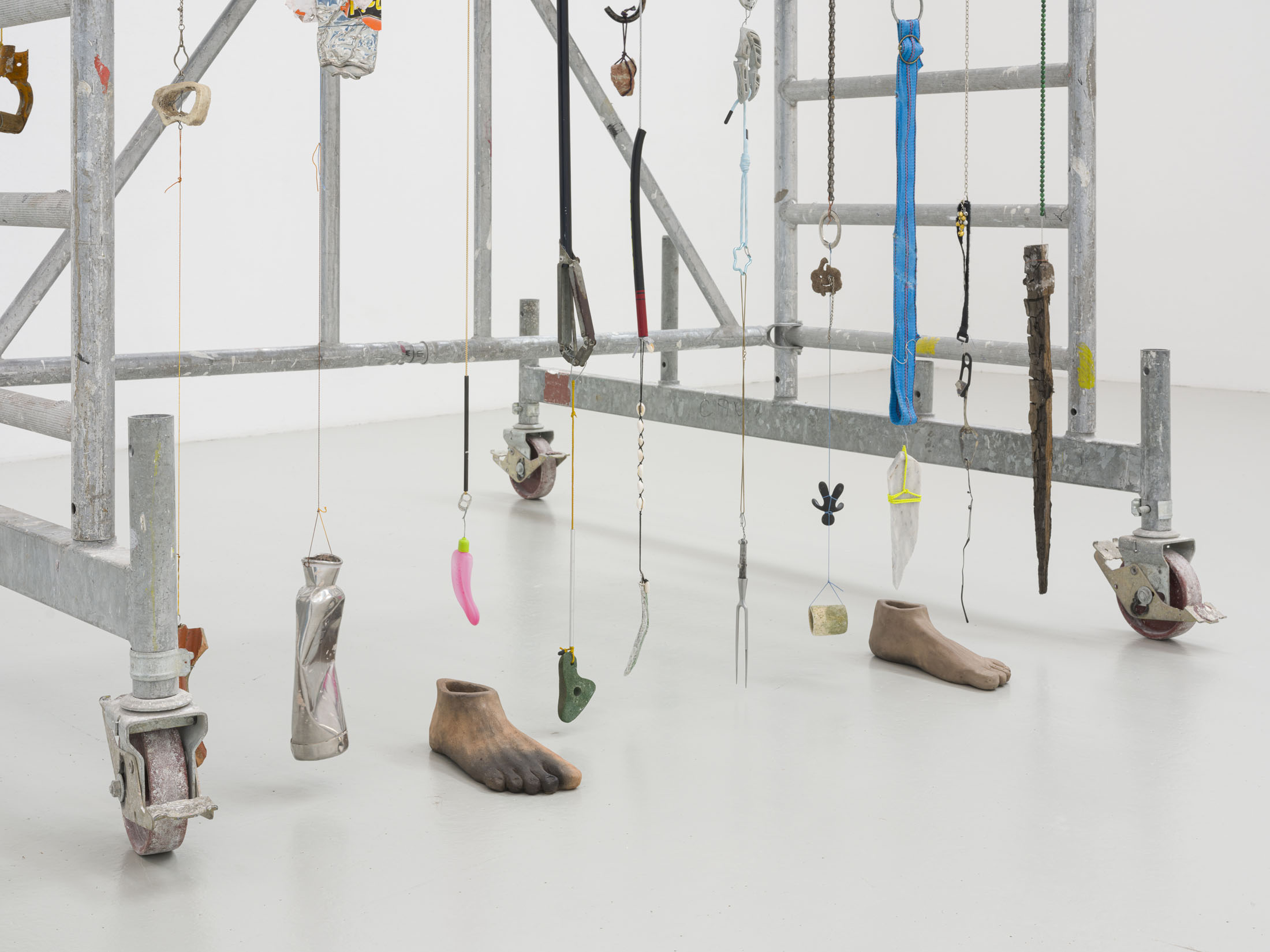
The exhibition Tender Futures asks how we can imagine and build possible futures. Its starting point is solarpunk, an artistic movement at the intersection of science fiction, ecology and politics. It’s characterized by an optimistic vision of a future based on the transformation of lifestyles, technologies and our relationship with the environment.
In a crisis-ridden world, this show takes a critical stance towards the productivist and capitalist logics that structure our contemporary Western society. What it seeks to offer is not answers but rather observations regarding burning questions, a sort of gentle resistance and a pushback against pessimism.
Talking about solarpunk means, above all, reflecting on our future as a society and asking how we would like to live. The exhibition draws on certain principles of this movement to imagine low-tech ways of inhabiting the world, considering alternative models and a return to traditional skills. Solarpunk is therefore not only the theme of this show, it is also its method.
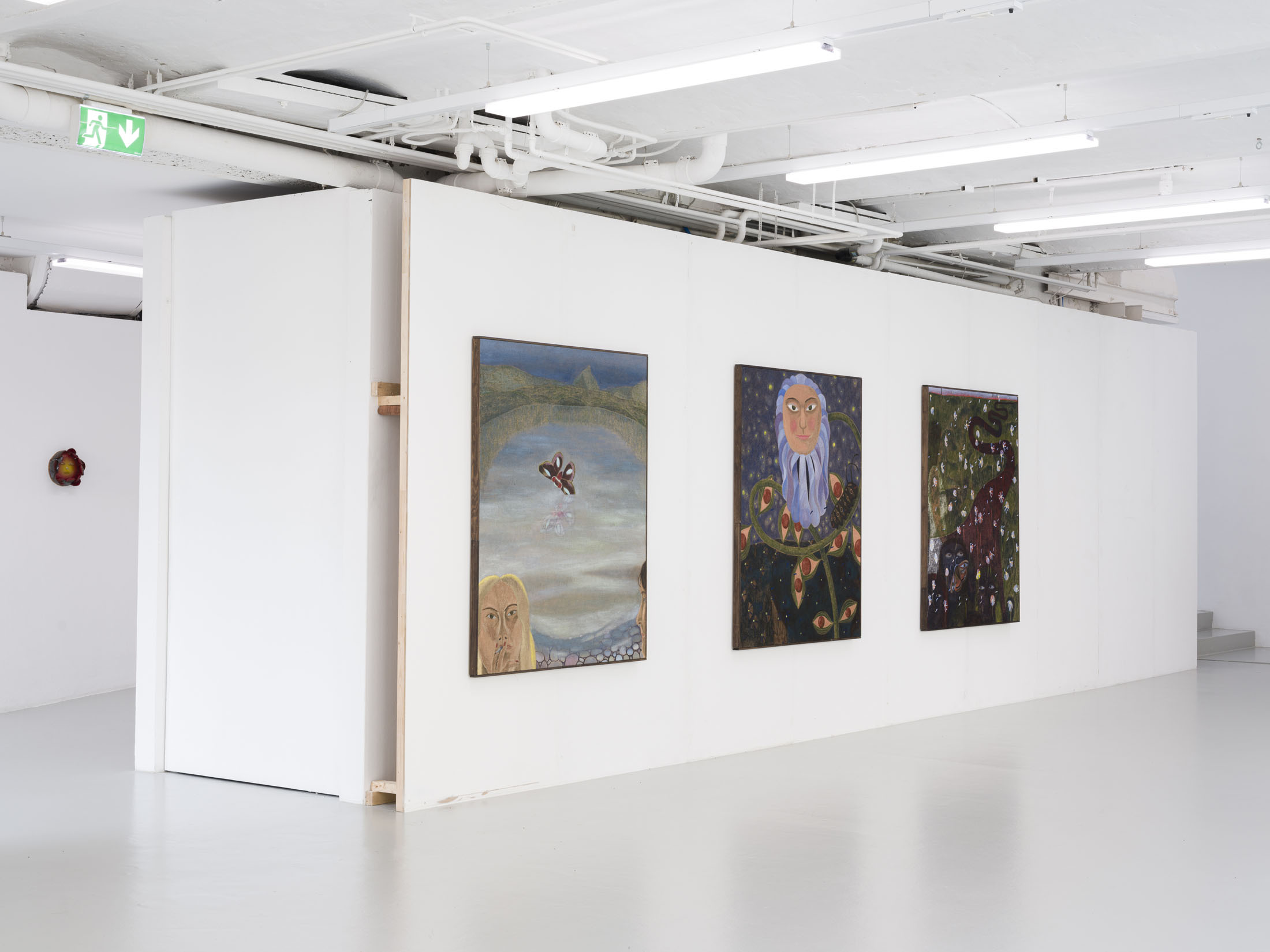
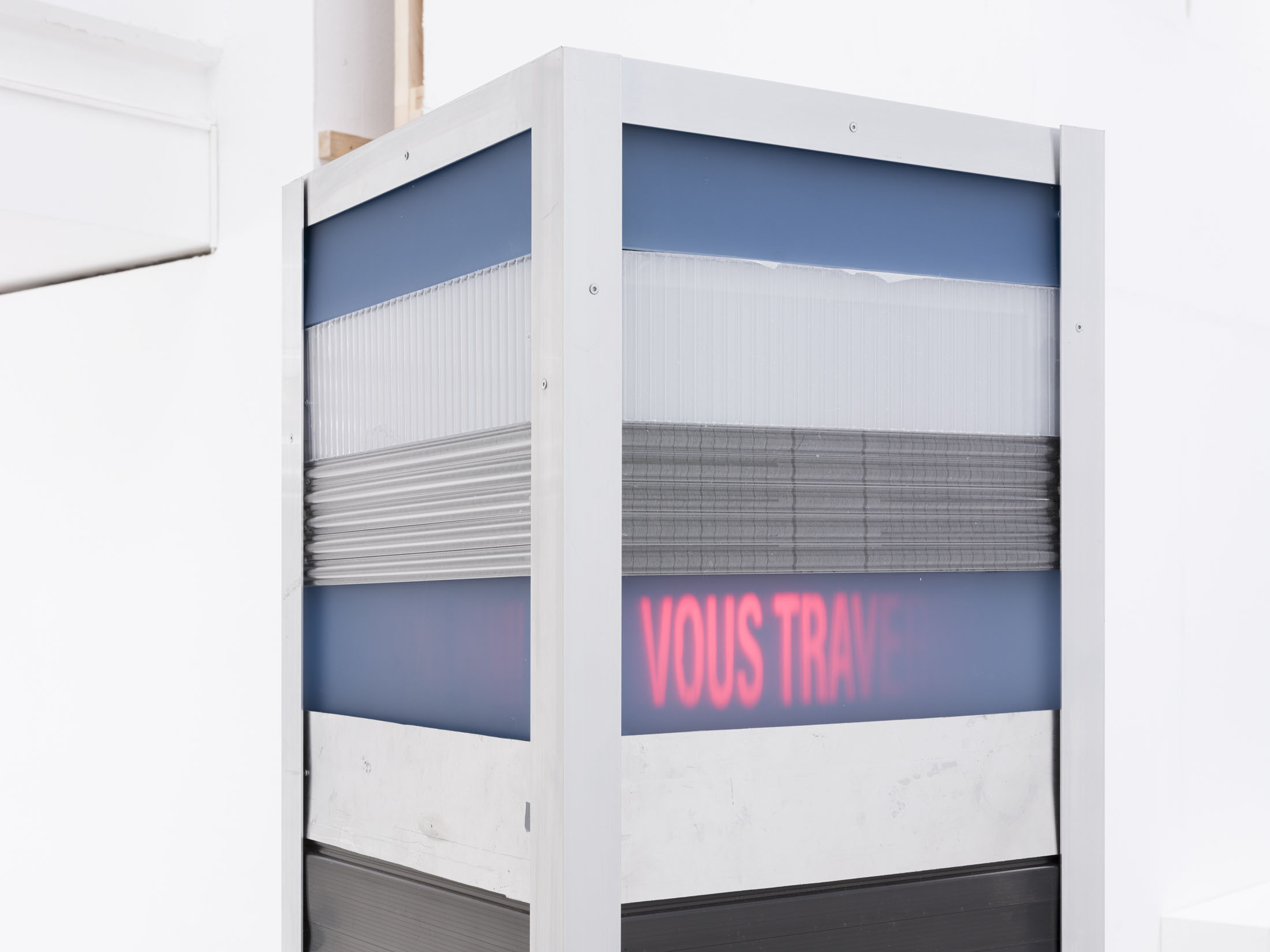
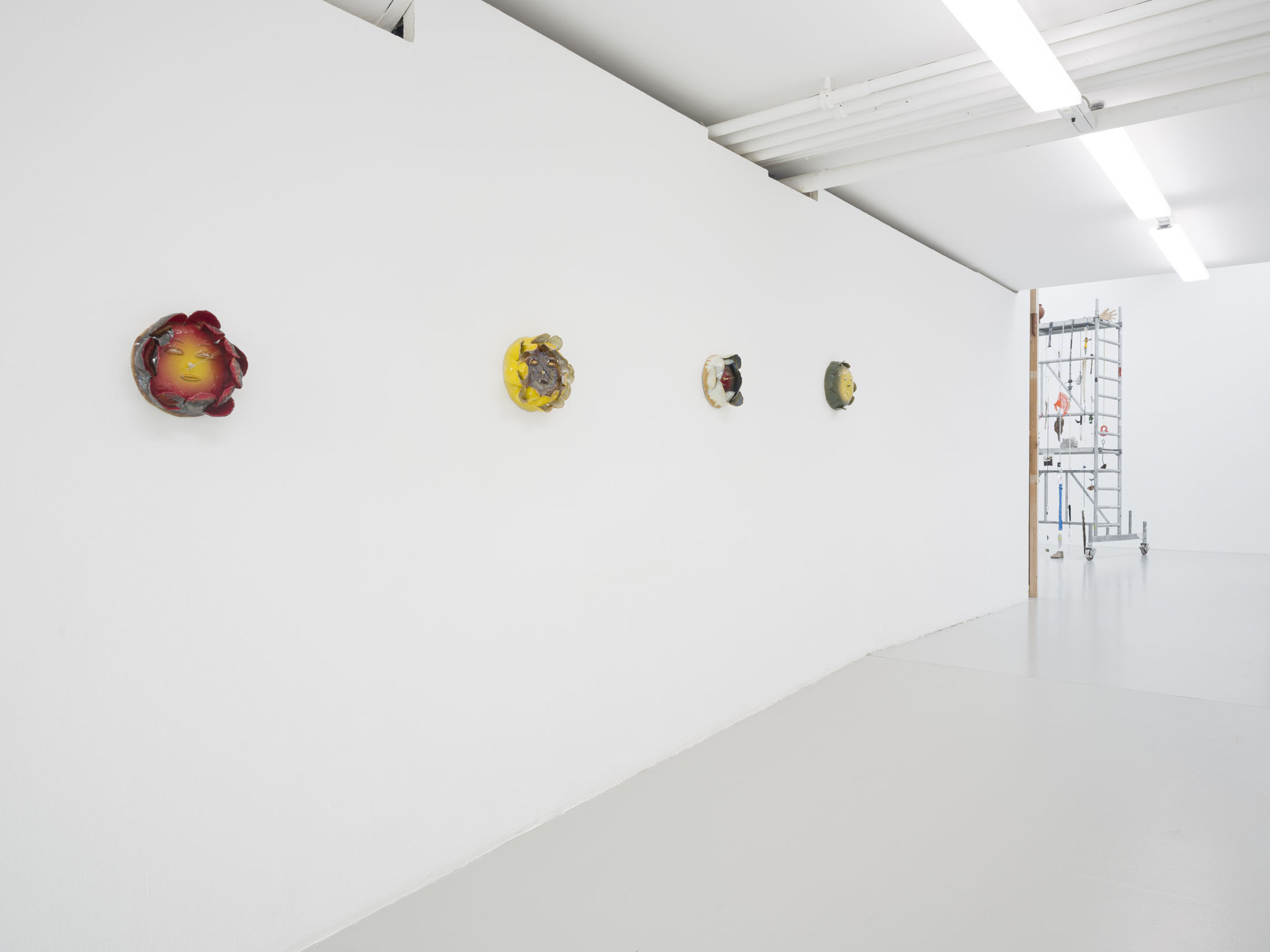
This approach is evident in the way it redefines the venue’s architecture by using new wall panels deliberately lefl unfinished. This intervention is a way to foreground process, experimentation and a state of constant change. It also reflects a desire to construct and deconstruct society.
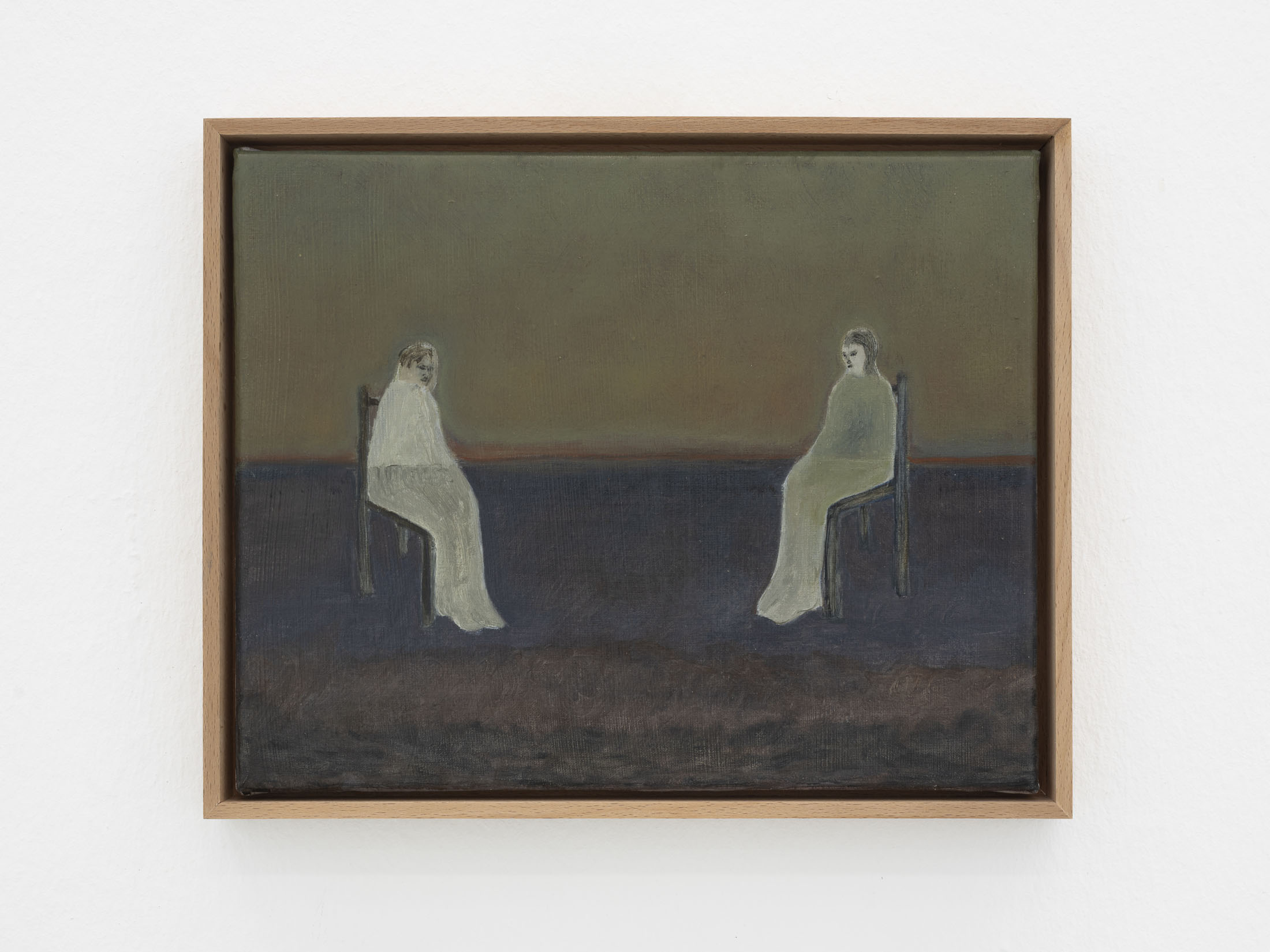
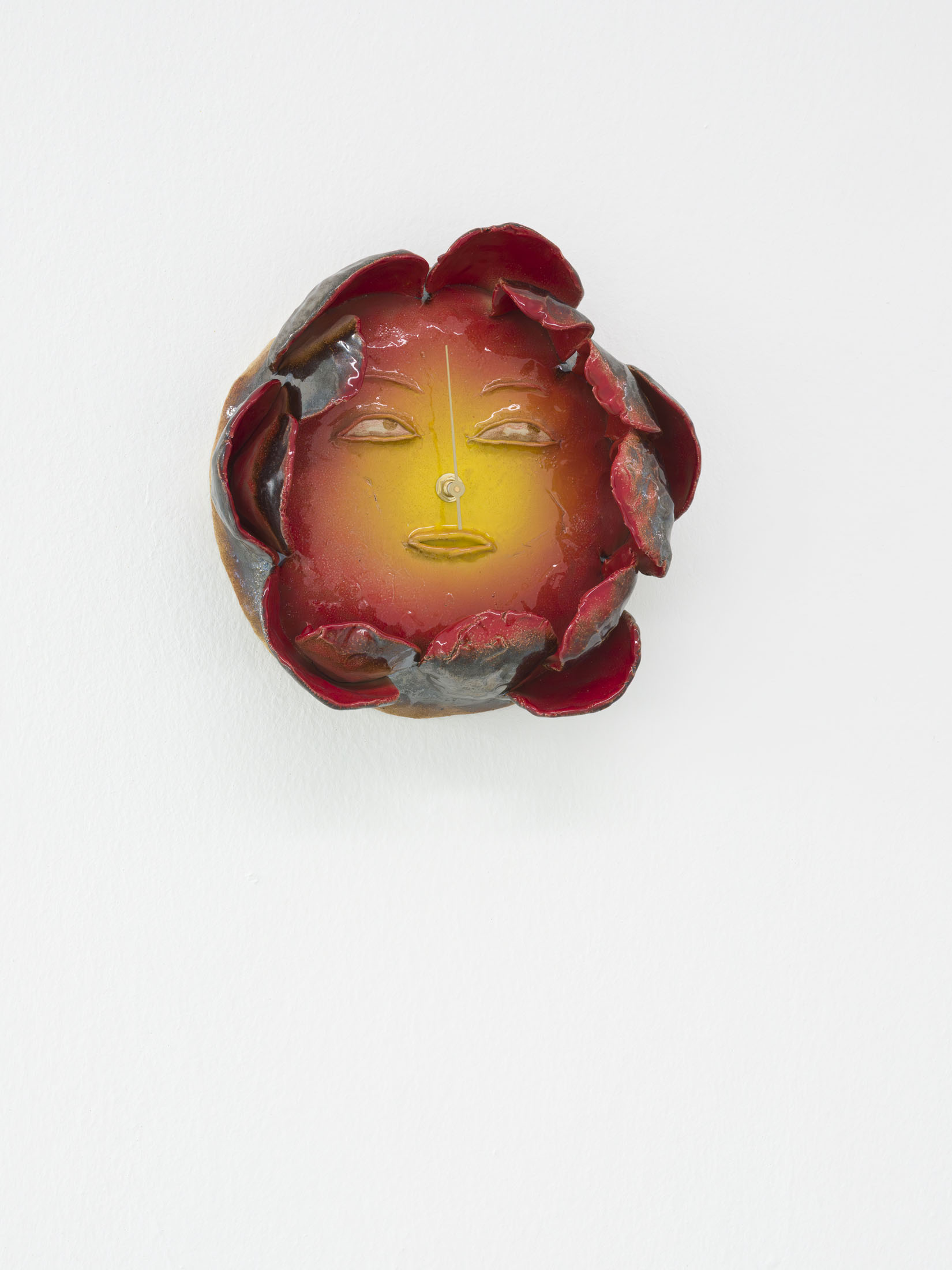
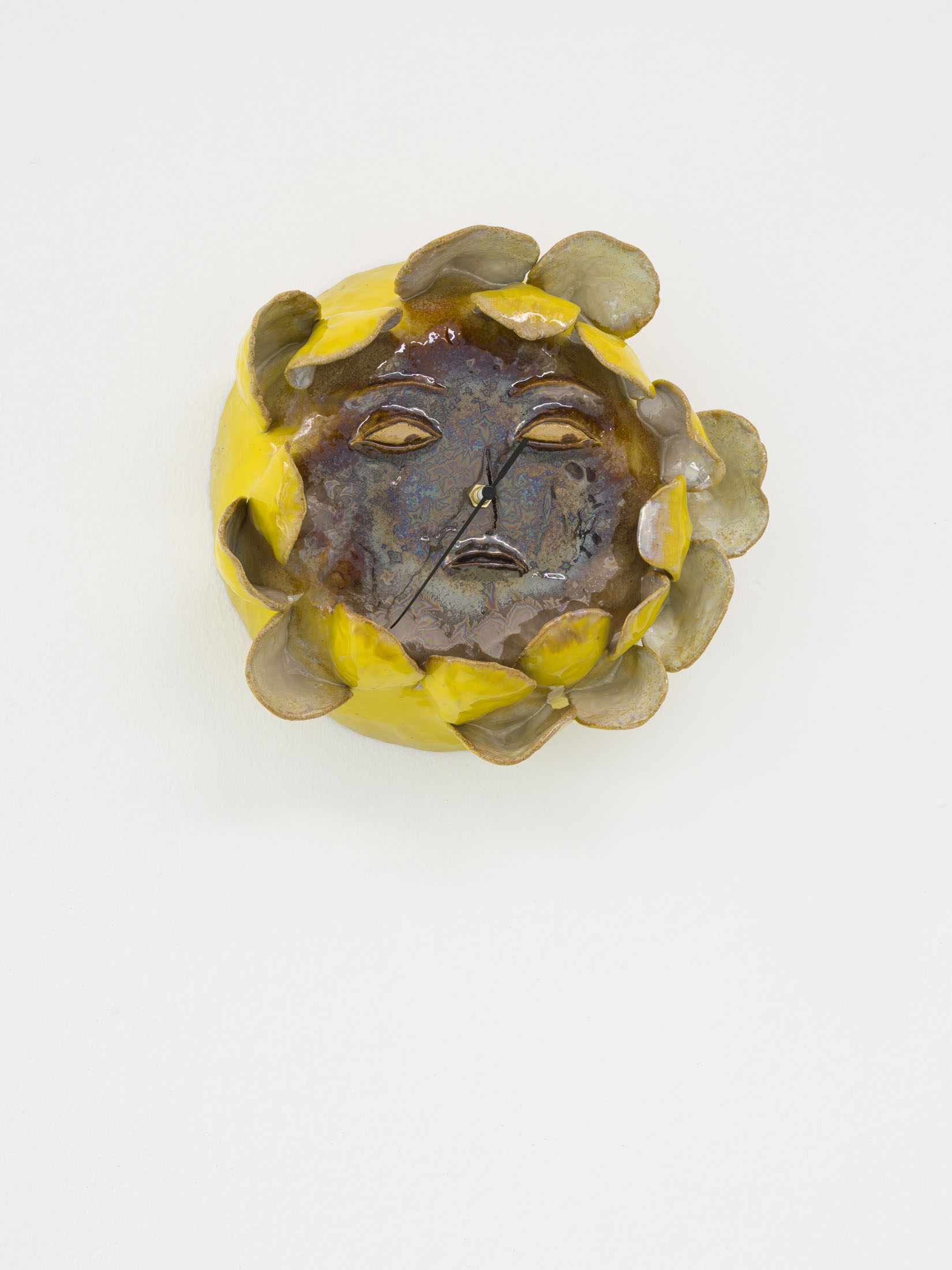
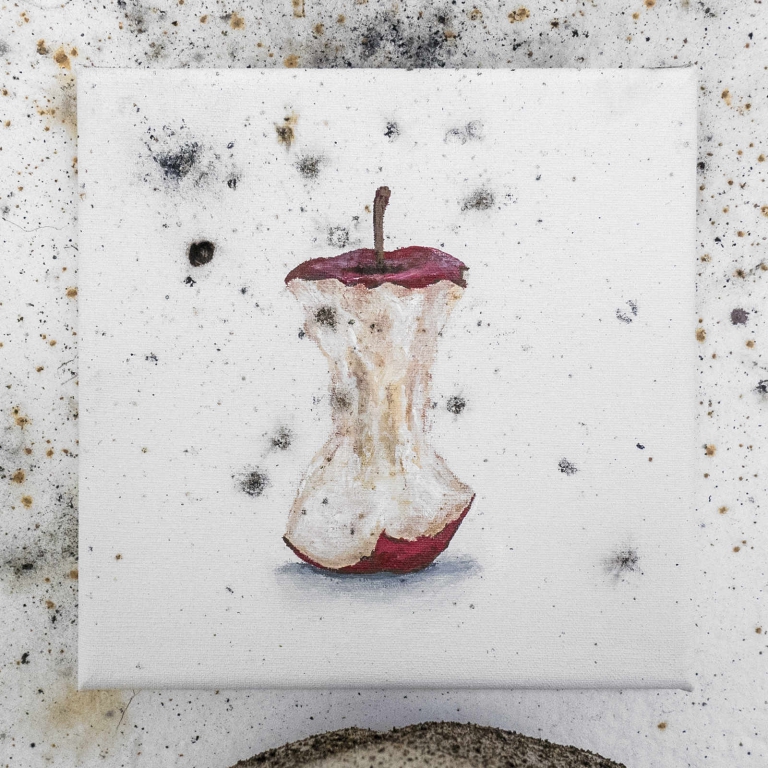
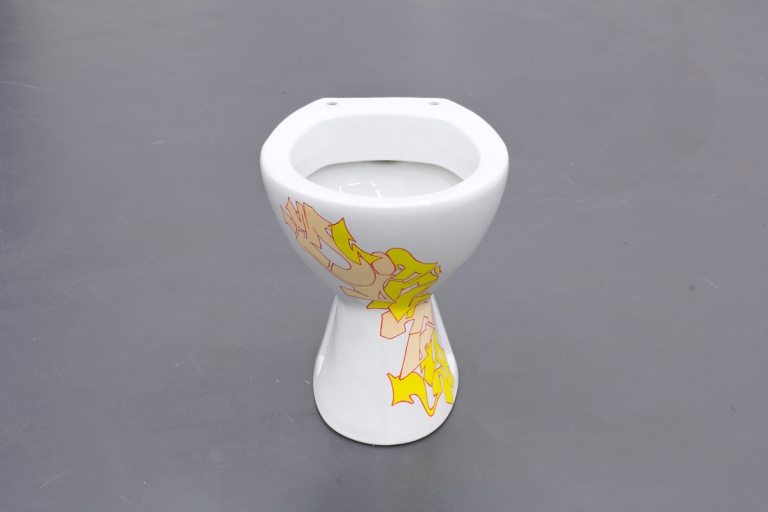
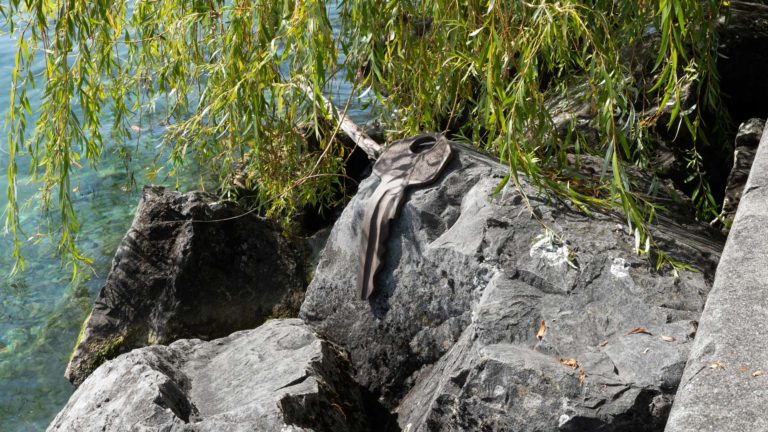
The invited artists were selected for the way their practices open spaces for speculation. The production of new works specifically for this exhibition can be considered forms of research, regarding, for instance, our relationship with agriculture, objects, time and modes of production, from viewpoints ranging from utopian to dystopian.
Just as a buuerfly in Brazil might bring about a tornado in Texas, a tiny variation in the present can alter a trajectory and give rise to radically divergent futures. These futures are already present as potentialities in each of our choices. Each of them, even in this show itself, could, perhaps, constitute a turning point, changing the course of things and leading to other possible worlds.
—Victor Sala, Translated by Leo Stephen Torgoff