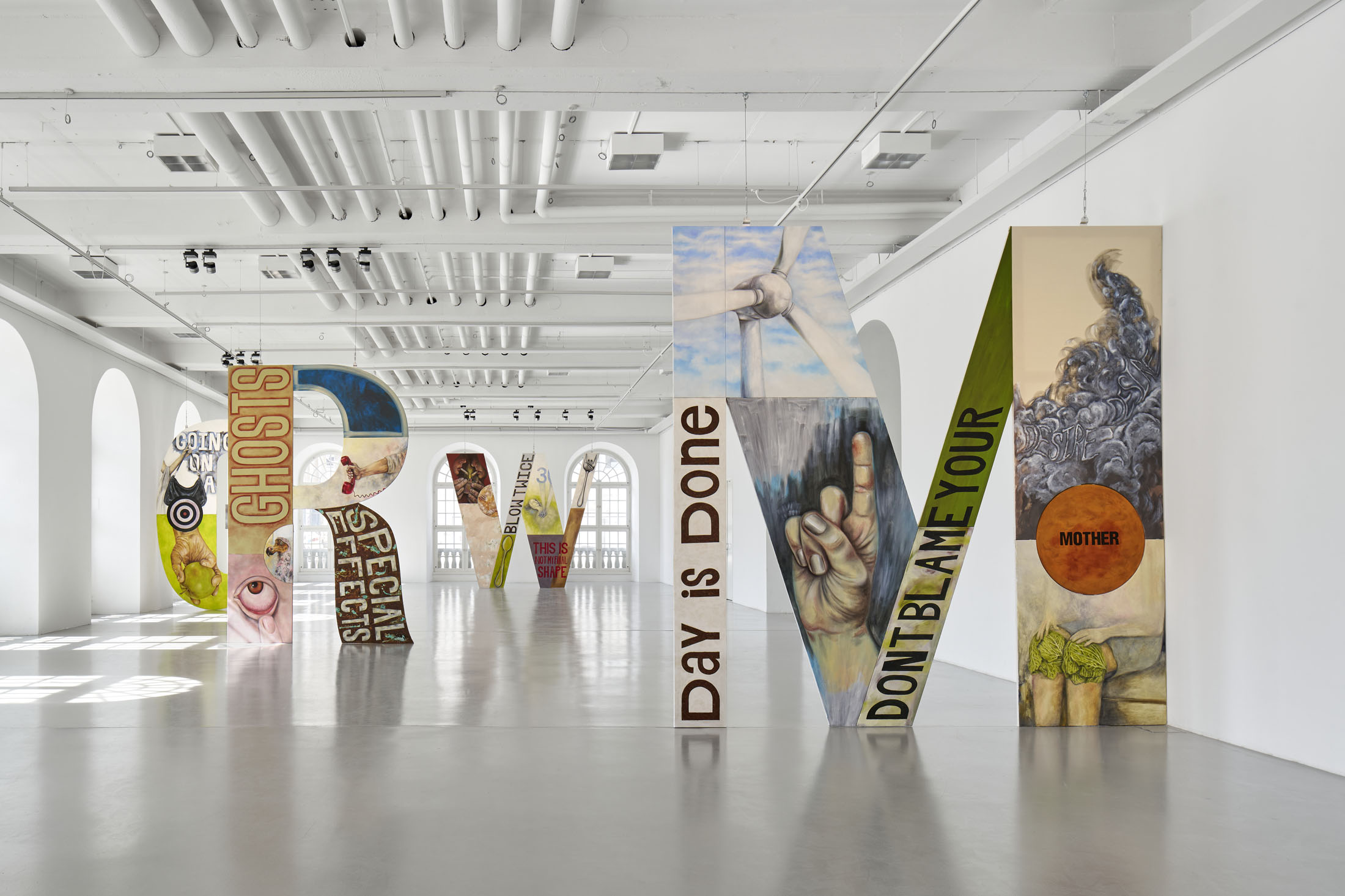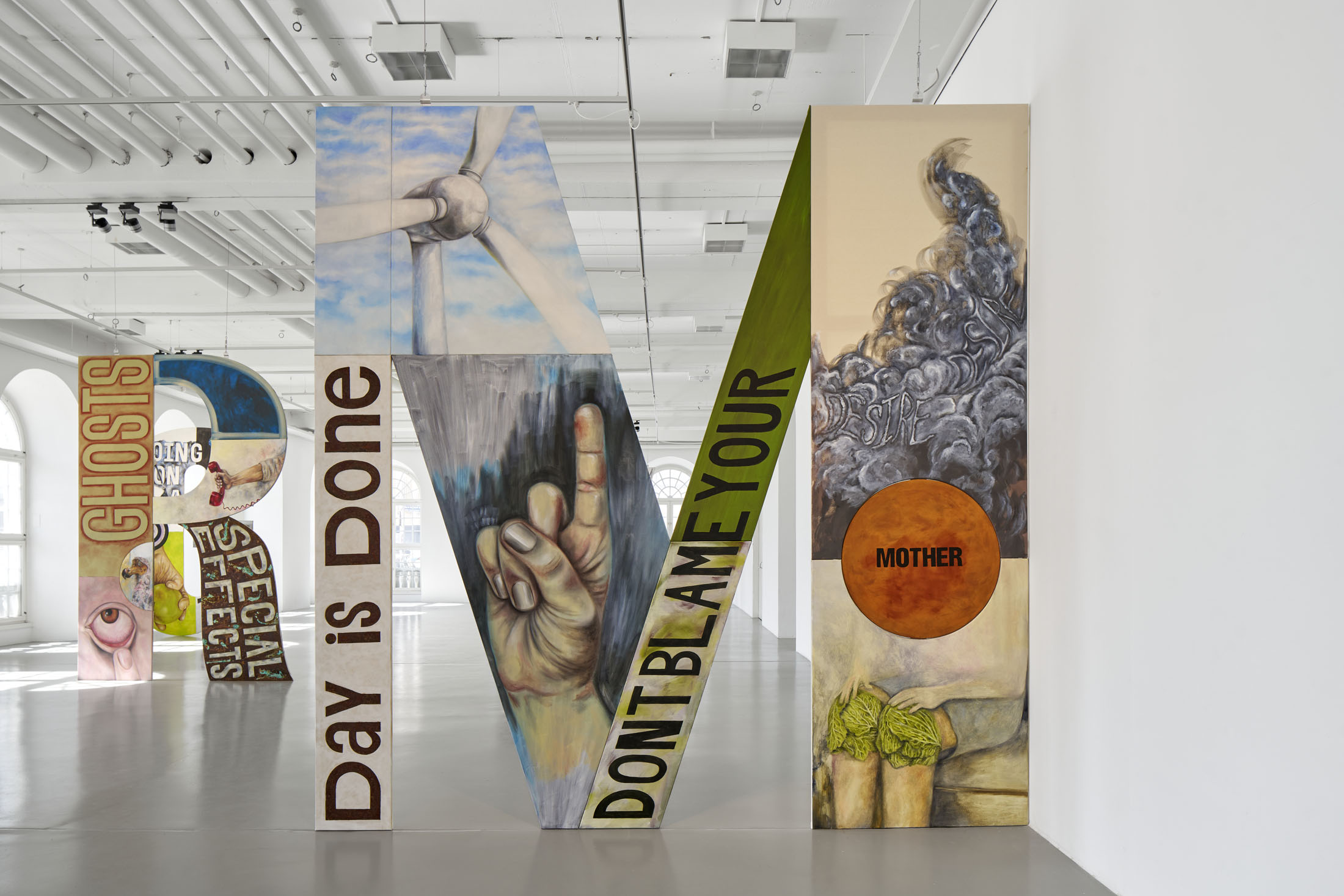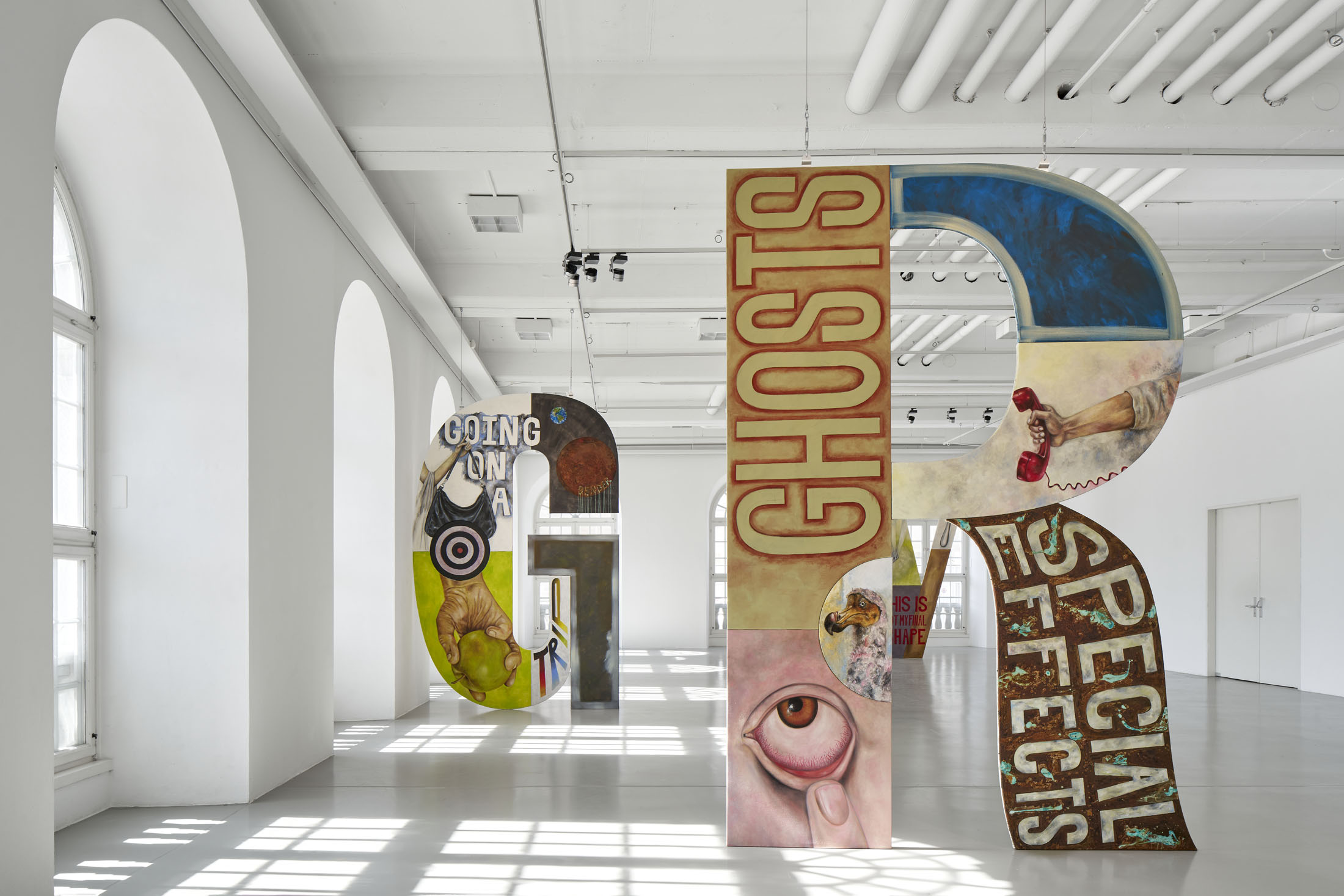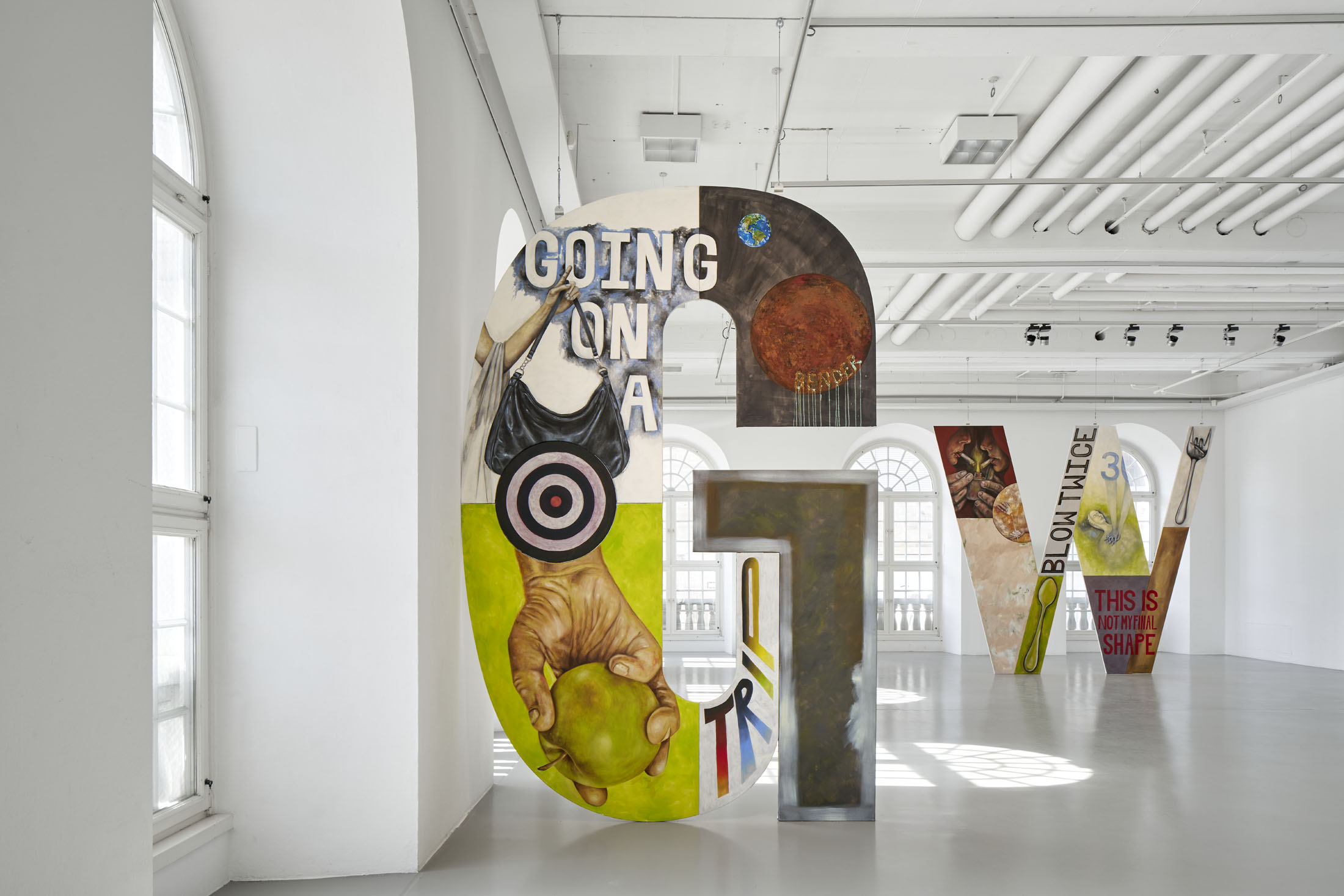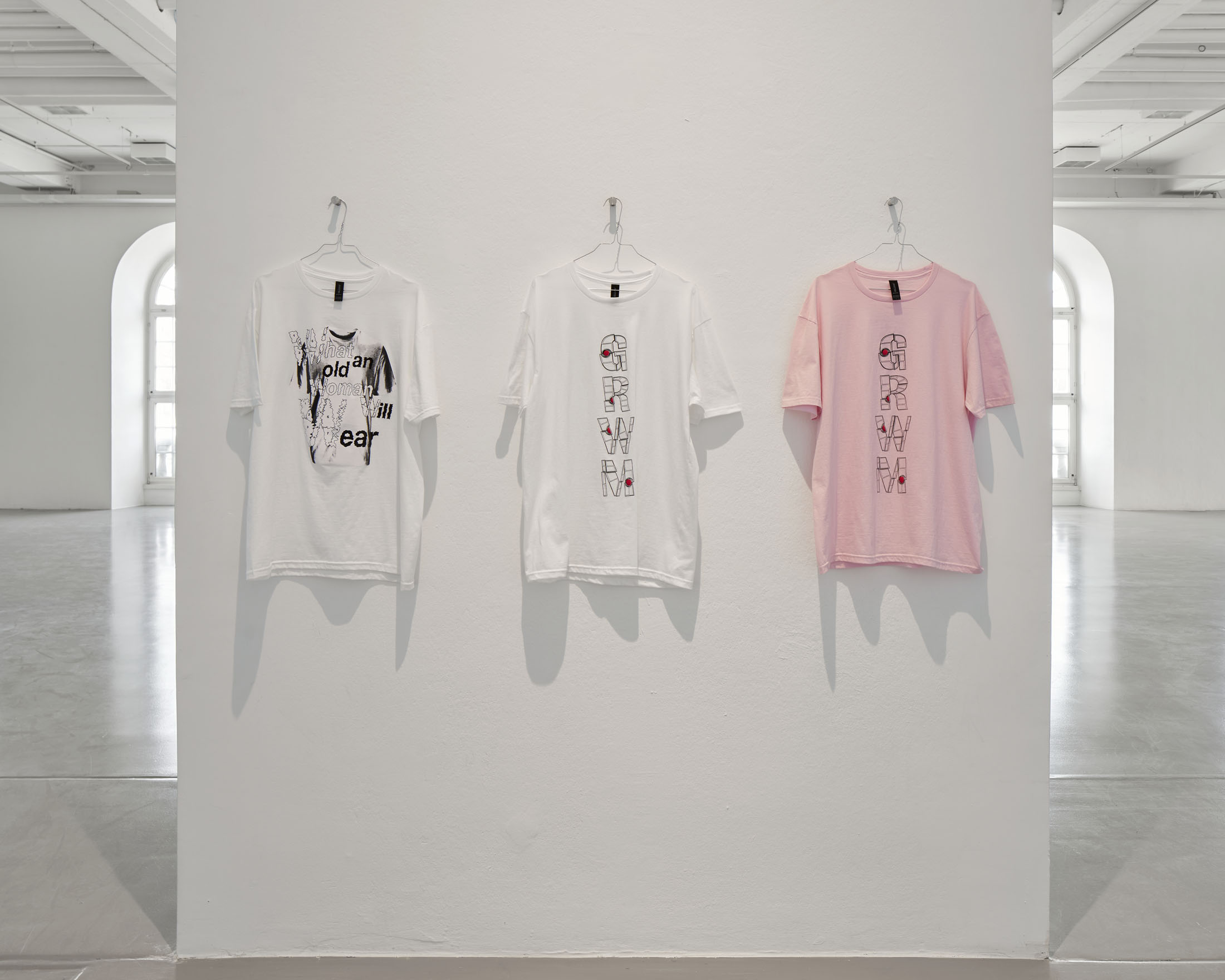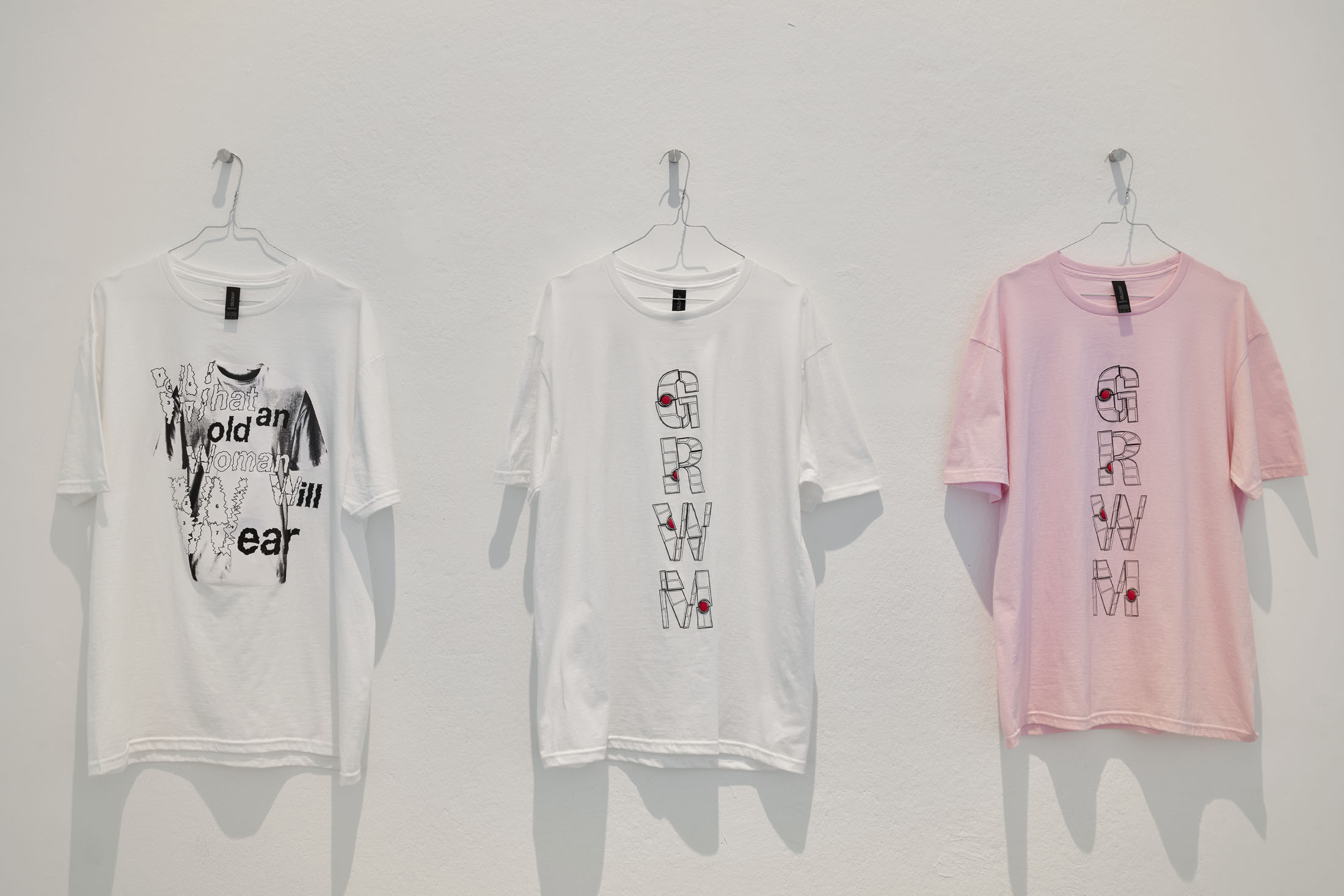
The time it took to go from #wokeuplikethis (popularized by Beyoncé’s iconic 2014 hit Flawless) to GRWM was a rough span of ten years. Ten years that account for the rise of TikTok and its Gen Z populous dethroning the millennial as the driving force of online production, a pandemic which rendered domestic interiors a site of cultural imagination, and an altogether bleaker, unstable outlook on the world.
GRWM is an acronym for Get Ready With Me, which, when typed into TikTok, yields 22 million videos with hundreds of billions of views, in which almost exclusively women talk into a propped-up phone camera whilst applying 14-step makeup routines. This demystification of beauty in these demonstrations of the amount of labour, money, and skill that goes into a morning routine appears to me (a millennial, raised rather on the #wokeuplikethis ethos) the shocking antithesis to a standard of beauty that was always meant to seem effortless.
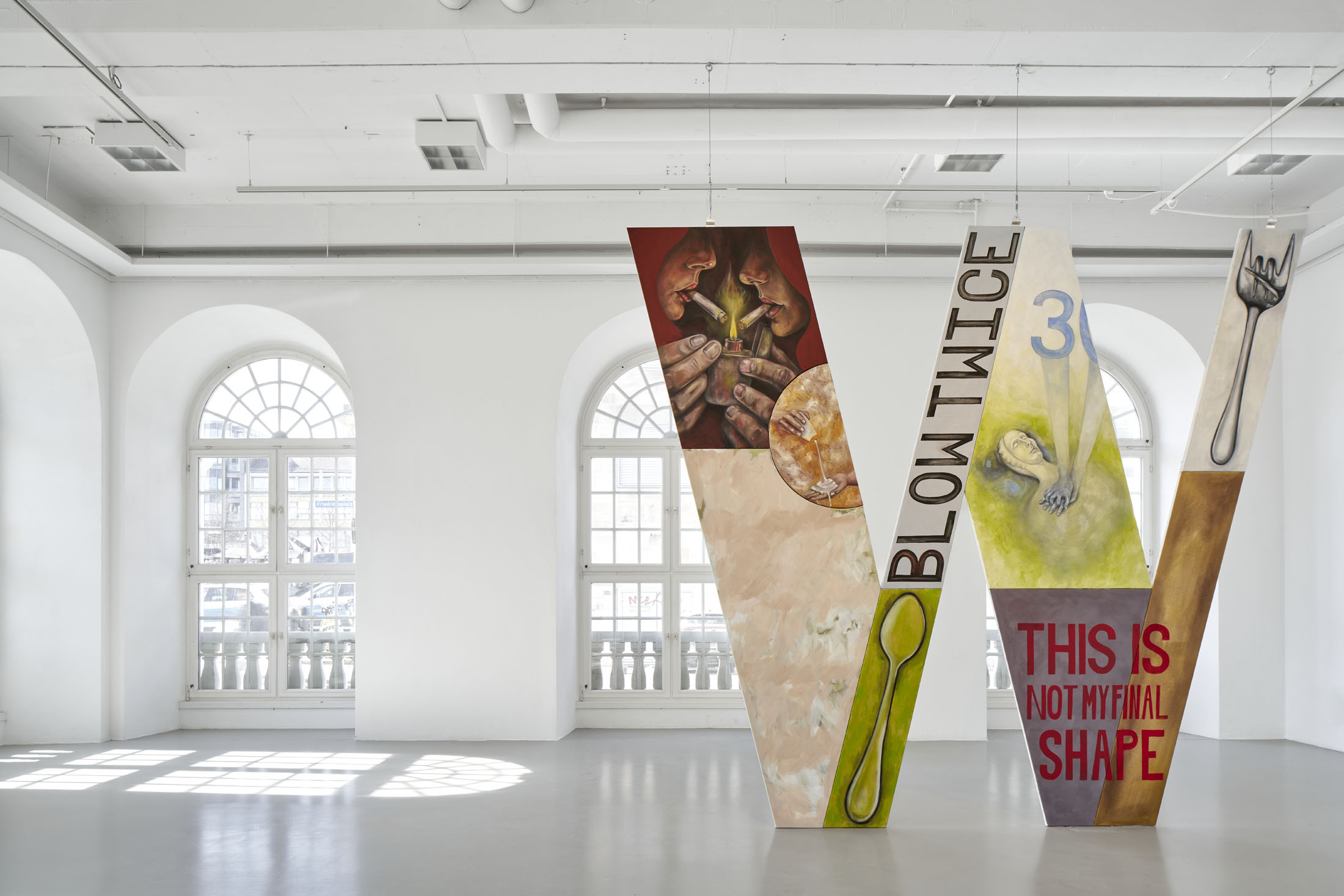
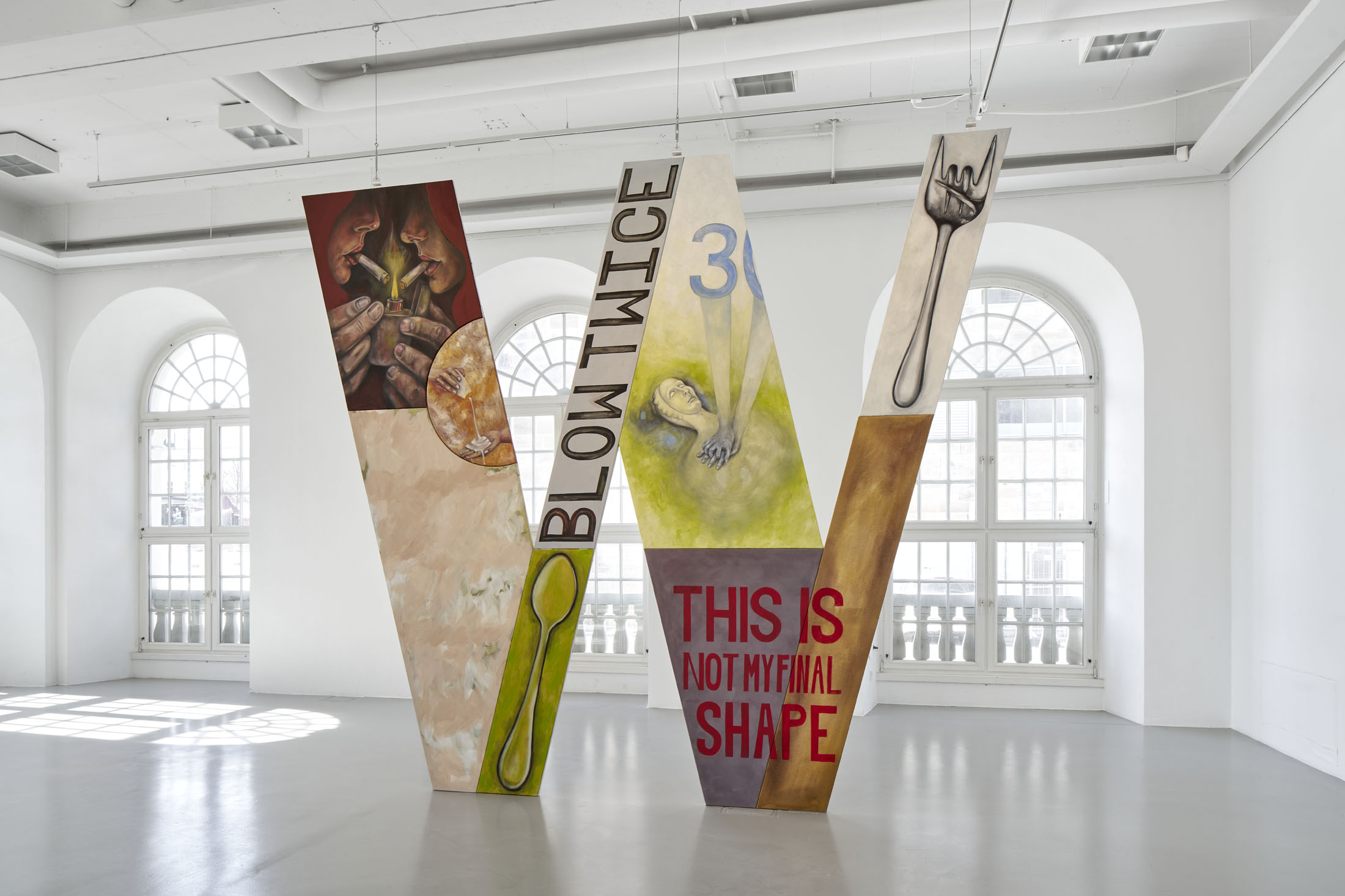
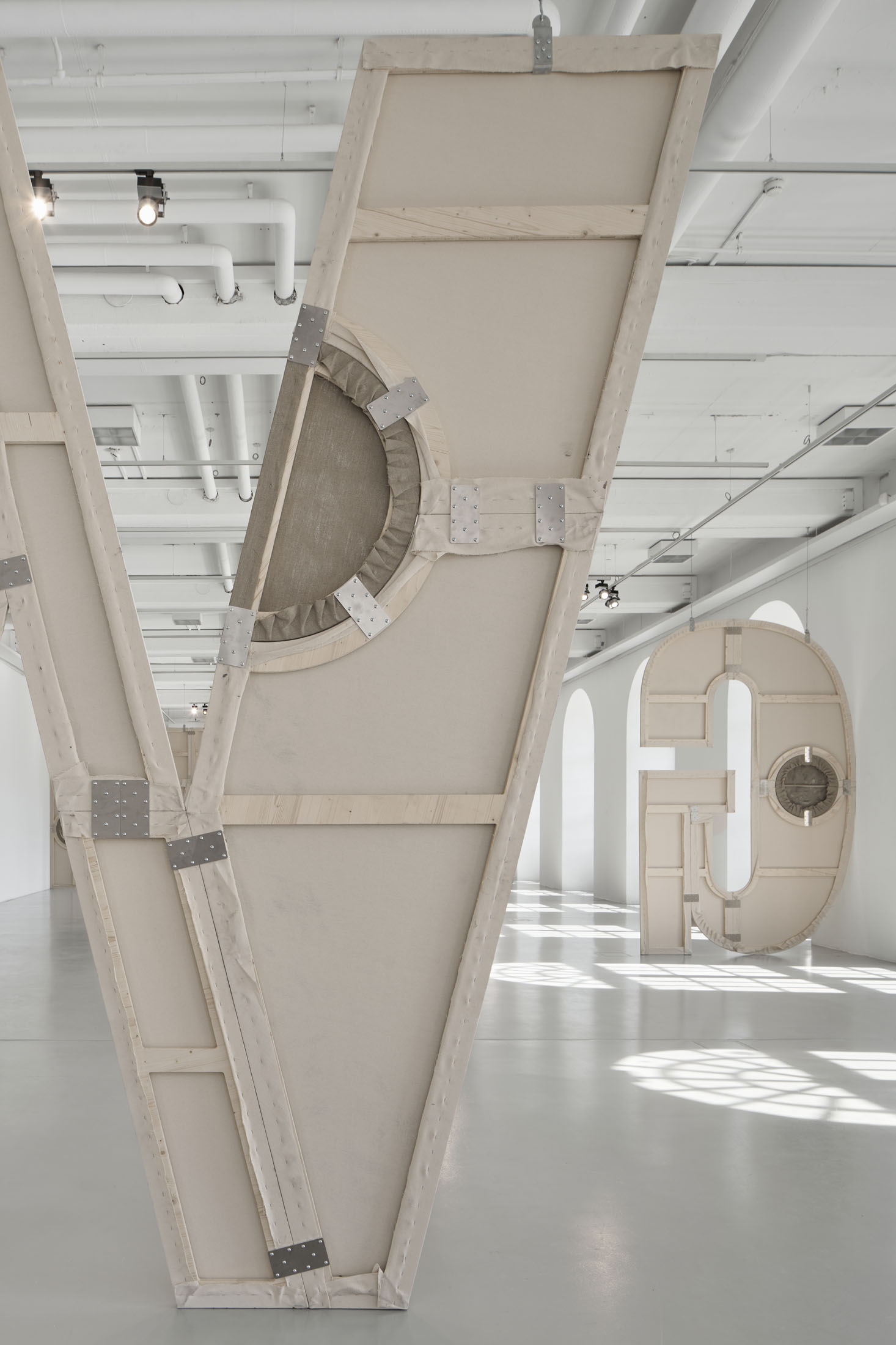
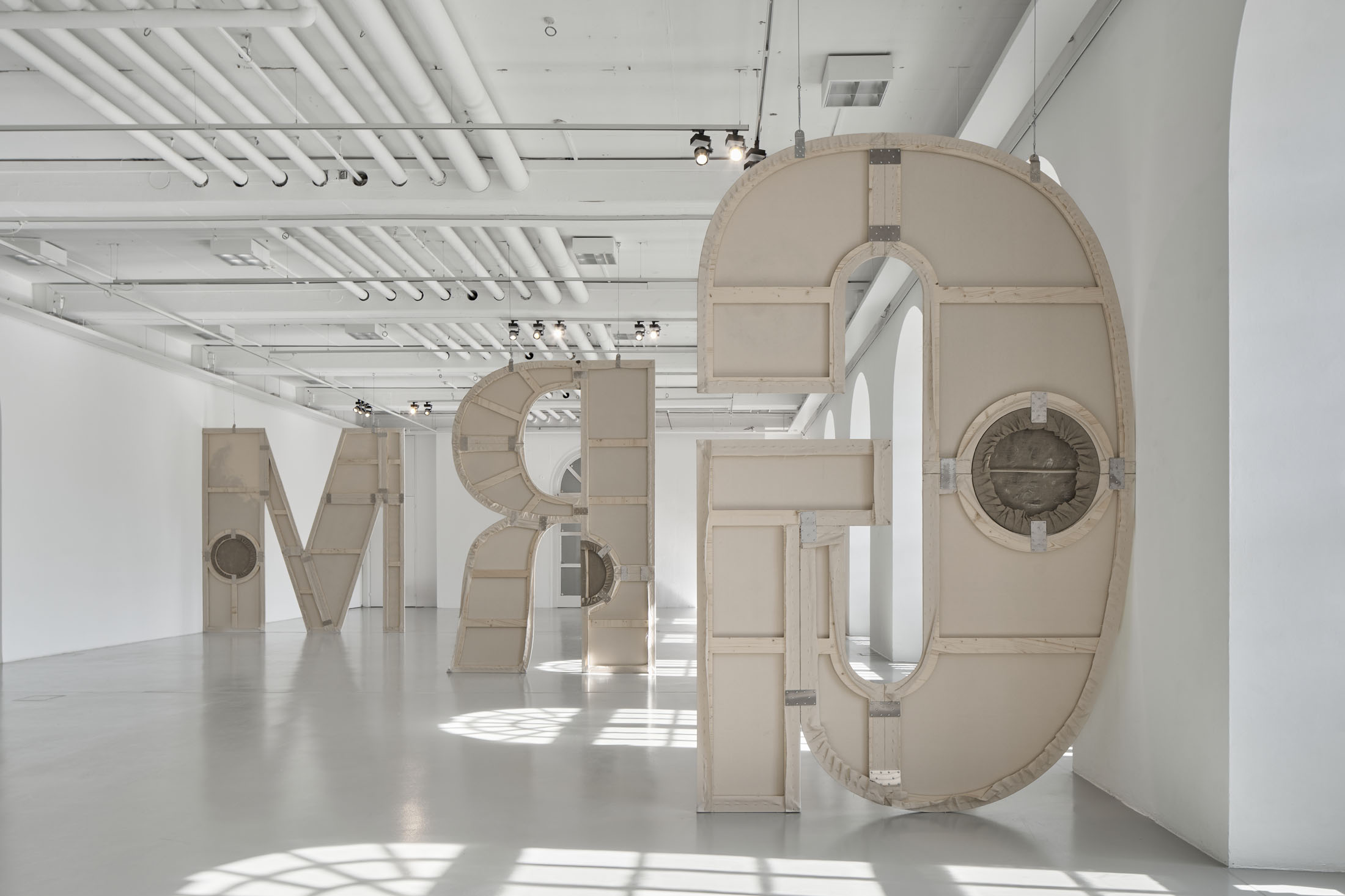
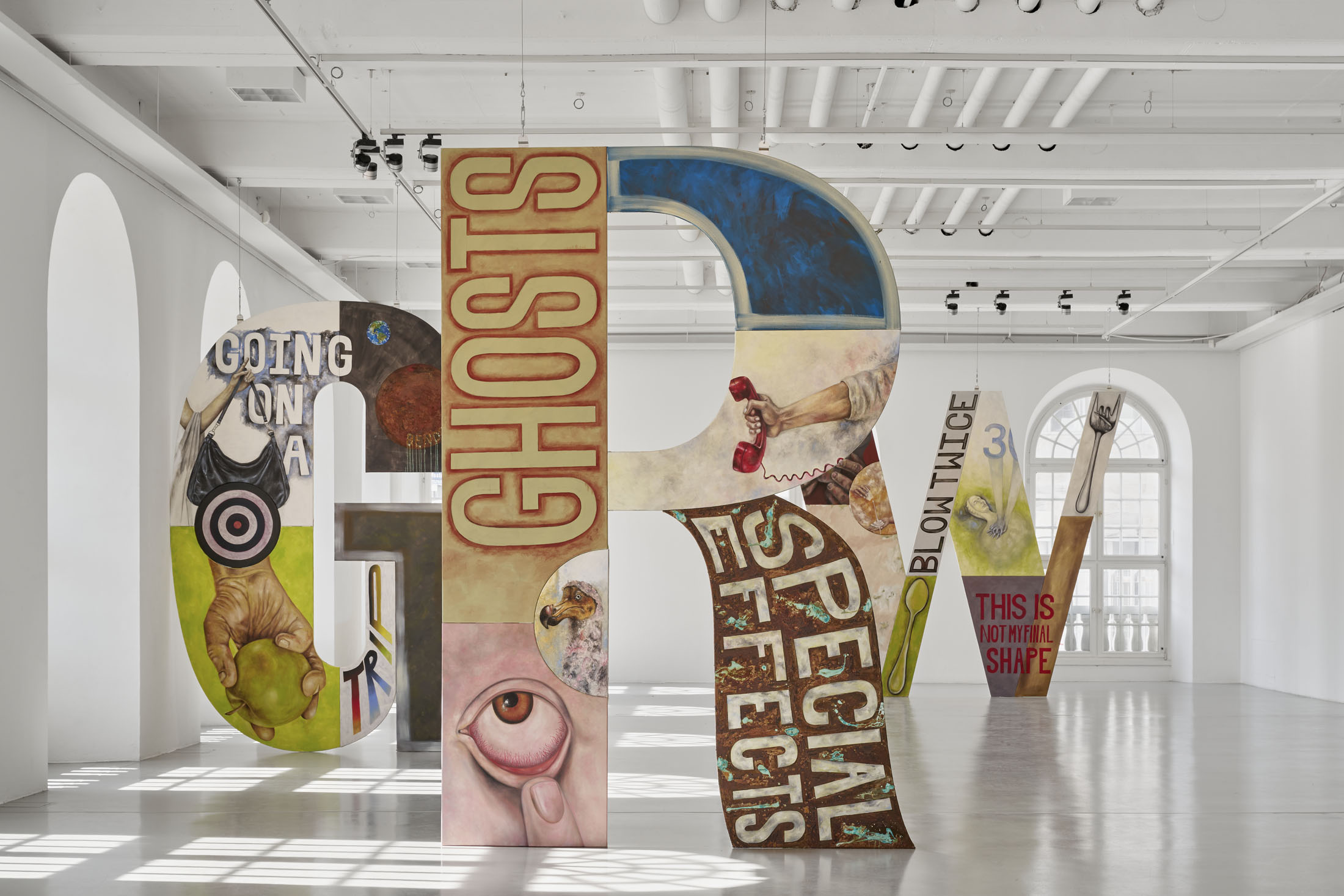
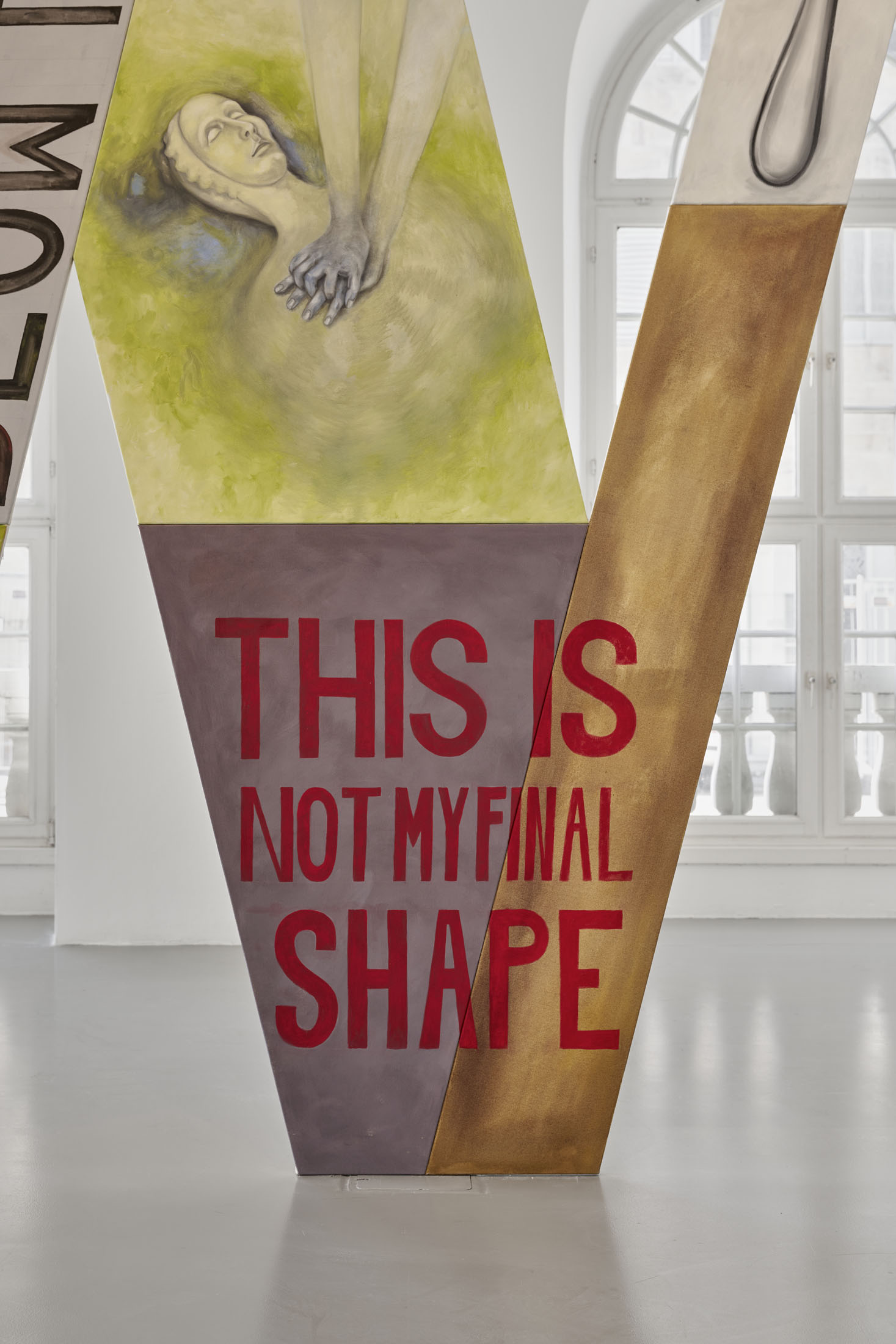
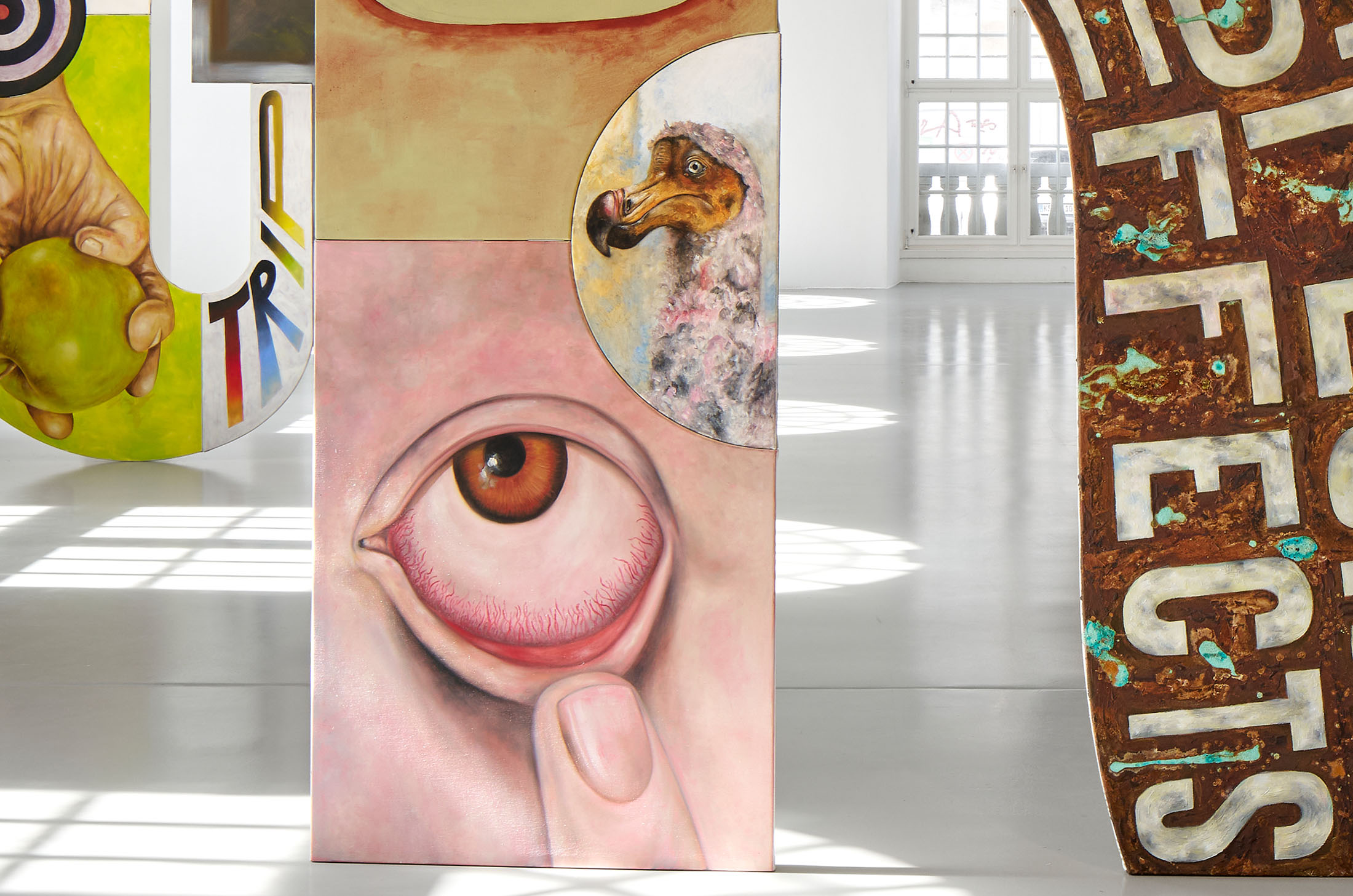
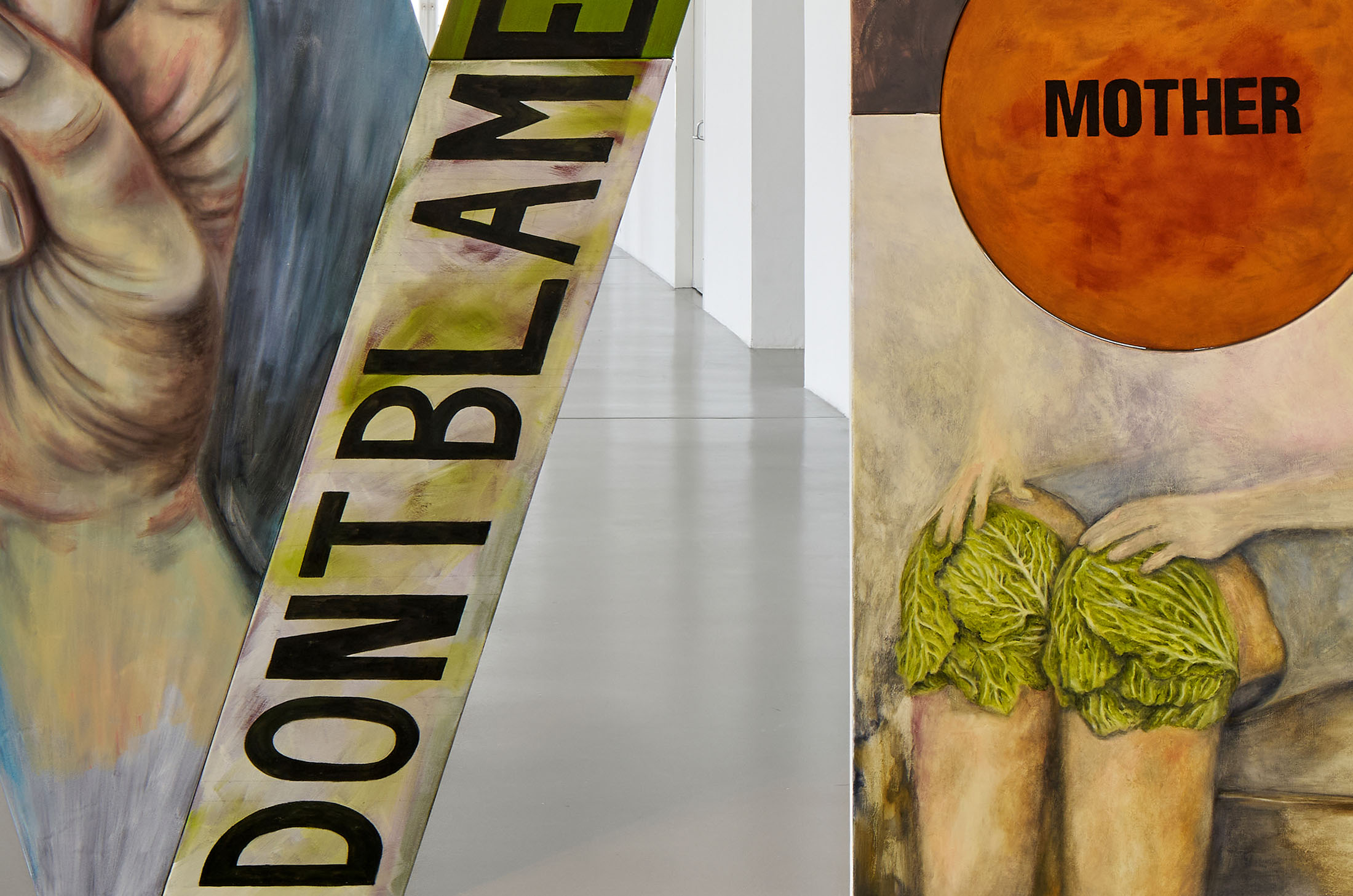
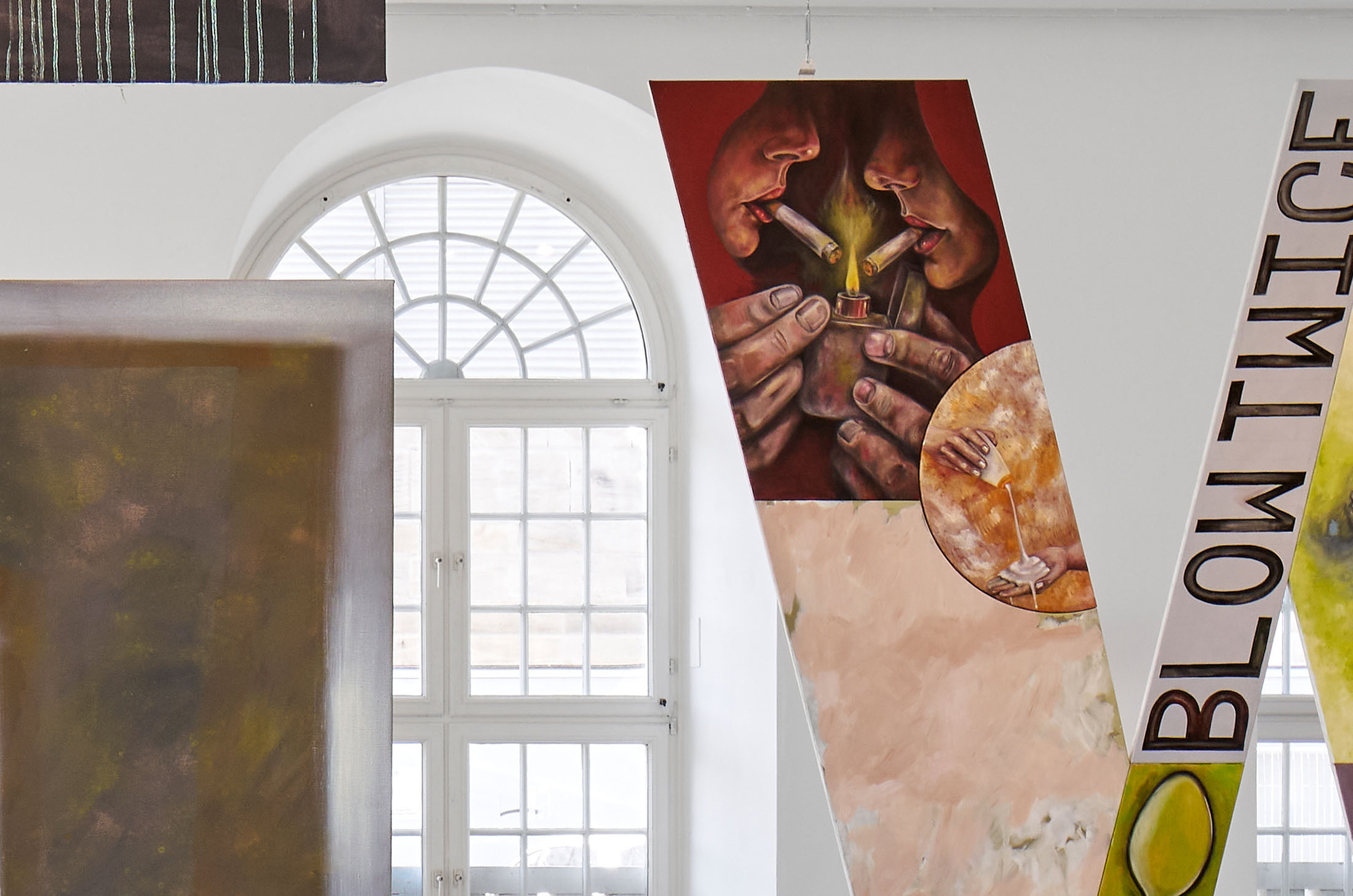
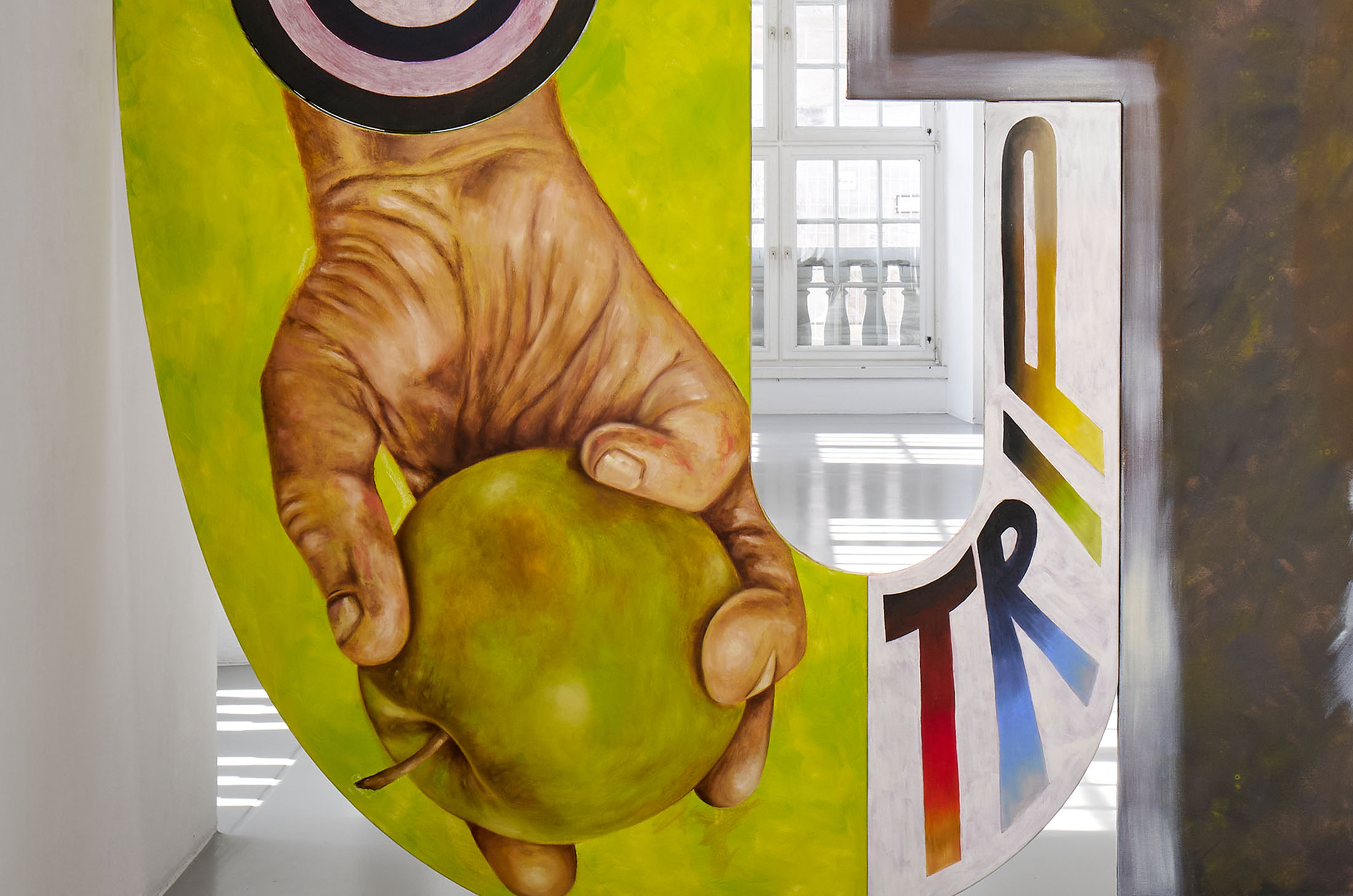
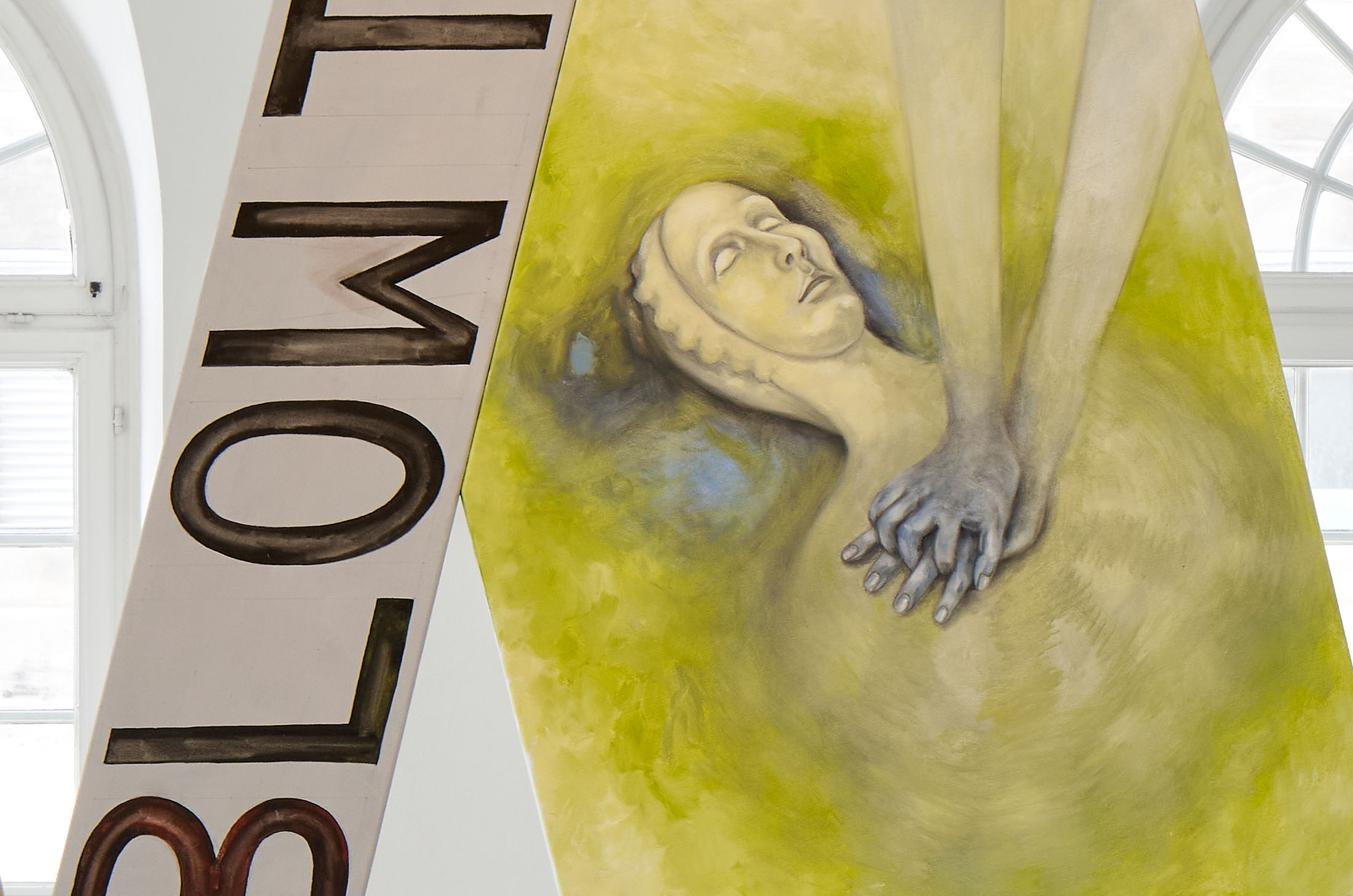
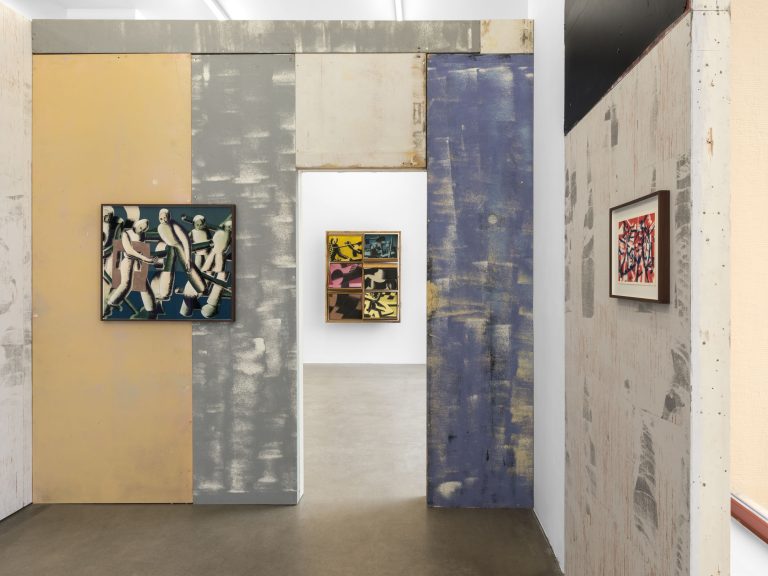
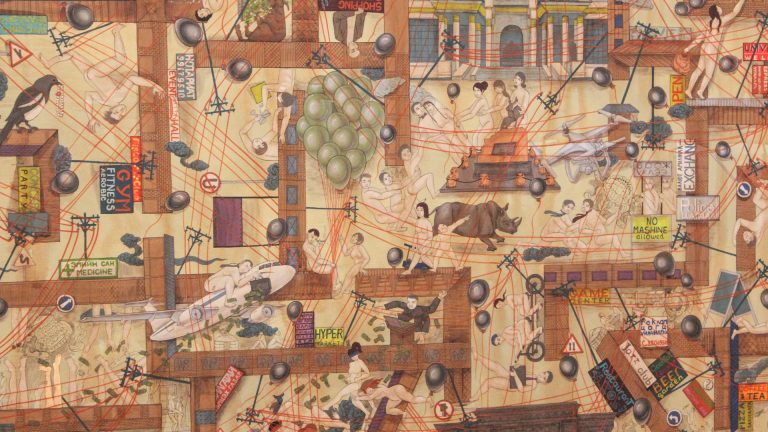
In the Kasseler Kunstverein, Tanja Nis-Hansen presents these four letters suspended in mid-air as paintings, or rather amalgamations of numerous paintings that come together like a puzzle to form their larger whole. Thirty in total, they feature an array of subject matter of images and words that, in their particular constellations, open up readings that extend beyond the individual works.
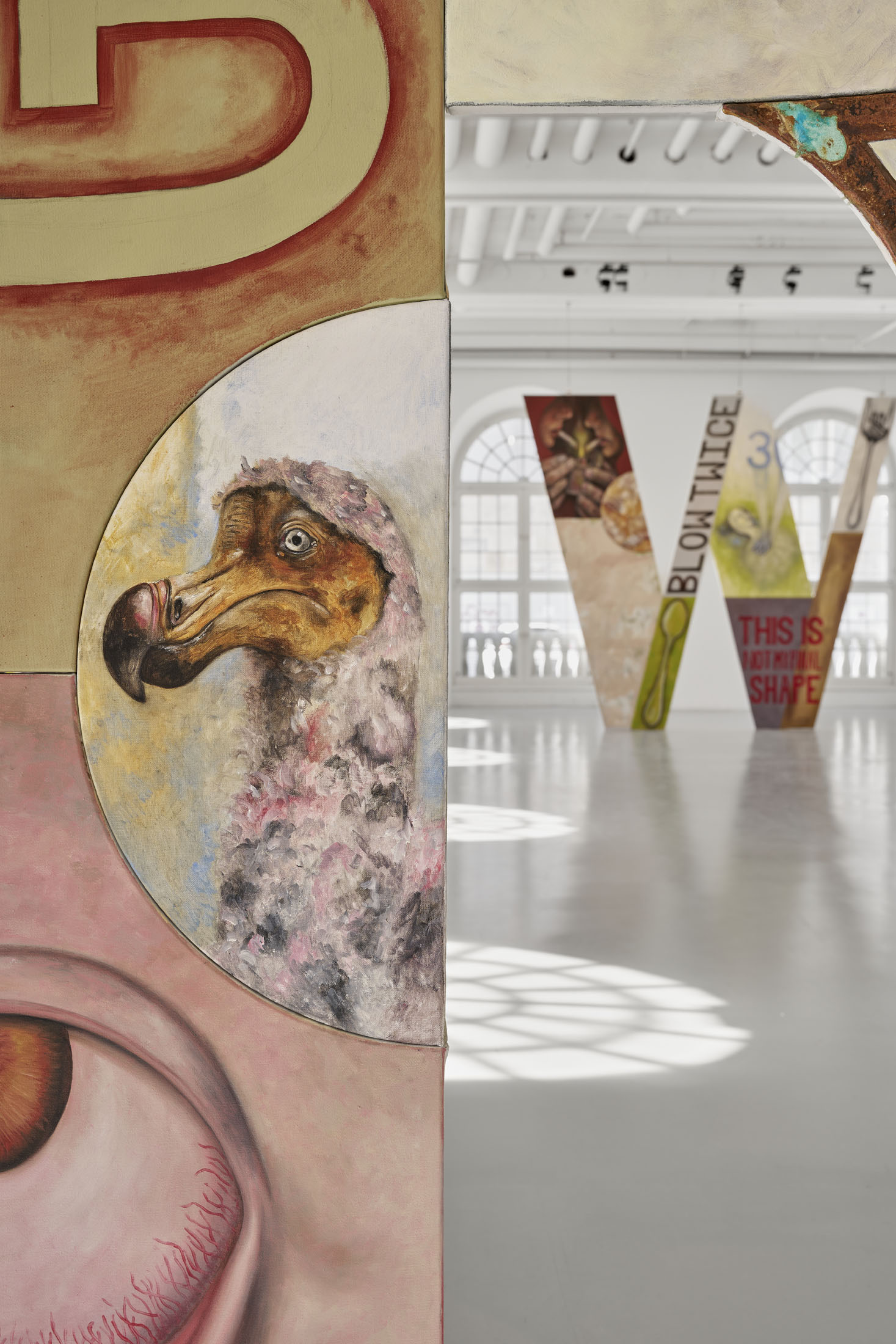
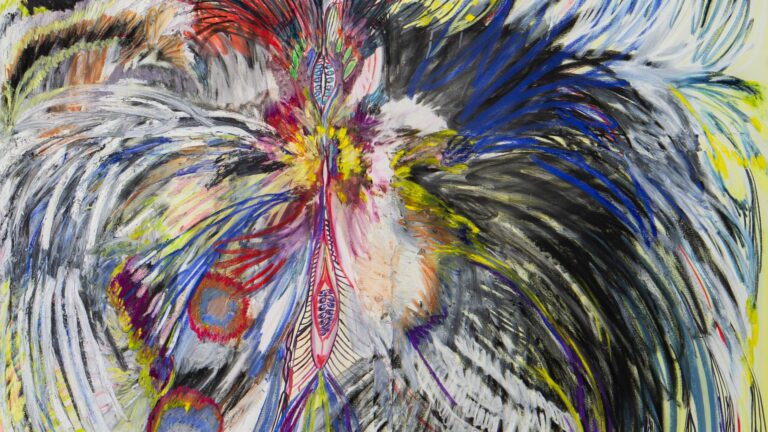
Amongst them, one can find a petrified-looking dodo, a windmill, an eye being forced open, and an apple, all of which appear more as isolated symbolic markers rather than representations of immersive scenes. The apple, particularly, is a recurring theme in Nis-Hansen’s work, as it carries a proliferation of connotations from sin, temptation, by its voluptuous, shiny curves, fertility, as well as its associations with health and lifestyle. There is also an abundance of extended, bodiless limbs, either pointing towards something out of frame or stretched out so as to offer an object to be received by another. These gestures are directional, leading the eye throughout the canvas, but also hold an appeal-like immediacy in their demand. Read along the sentence fragments that repeatedly carry a similar imperative, or mantra-like tone, and one begins to grasp the disparate fragments of a verbal and visual mode of communication beyond their fixed meaning in language. Writing through images, so to say. A kind of hieroglyphic charades.
Where Nis-Hansen’s work in the past has often dealt with the liminal spaces of illness, both in the affective register of uncertainty as much as its literal infrastructure dictated by the anonymity of waiting rooms and confided spaces, the works on view in What an Old Woman Will Wear shift more explicitly towards the relation of the (female) body to its representation and formation, both in visual culture as well as through language.
This idea that language is not enough to grasp the entirety of existence is a problem as old as writing itself. Plato’s denunciation of writing as a pharmakon, both remedy and poison at once, was revived by Derrida in the reformulation that each attempt to grasp at something with words corrupts it. In a way, this is similar to what is said about memory: Every time one conjures a memory, it is distorted, slightly rewritten. Repression, then, where events are stored at the level of the subconscious, is perhaps a mode of preservation.
Both the pitfalls of language and the pitfalls of consciousness, which is most readily accessed once language is loosened, are present in this exhibition. Nis-Hansen’s intuitive mode of juxtaposing word and image echoes Freud’s method of free association, where speaking overtakes thinking to draw into the perceptual reality of the unconscious. To deal with bodily states of uncertainty, illness, and otherness, which do not sit neatly in the confines of existence staked out by what we have words for, is to balance at the threshold of representation and reality.
If one were to point to a leitmotif of this exhibition, it would be the crevice where surfaces give way to the depths they conceal, the attempt to approximate psychic states of instability beyond learned social codes of language, appearance, and surface. In the realm of representation, this happens when symbols are loosened from their fixed meanings through unexpected juxtaposition. Slips, dreams, and jokes are where Freud began his venture into the unconscious. Those spaces in which articulation fails, where meaning is perverted as word and image no longer map neatly onto one another, can be thought of as an outer shell, much like clothing, that does not simply veil an inner chaos but shapes how and whether it appears at all.
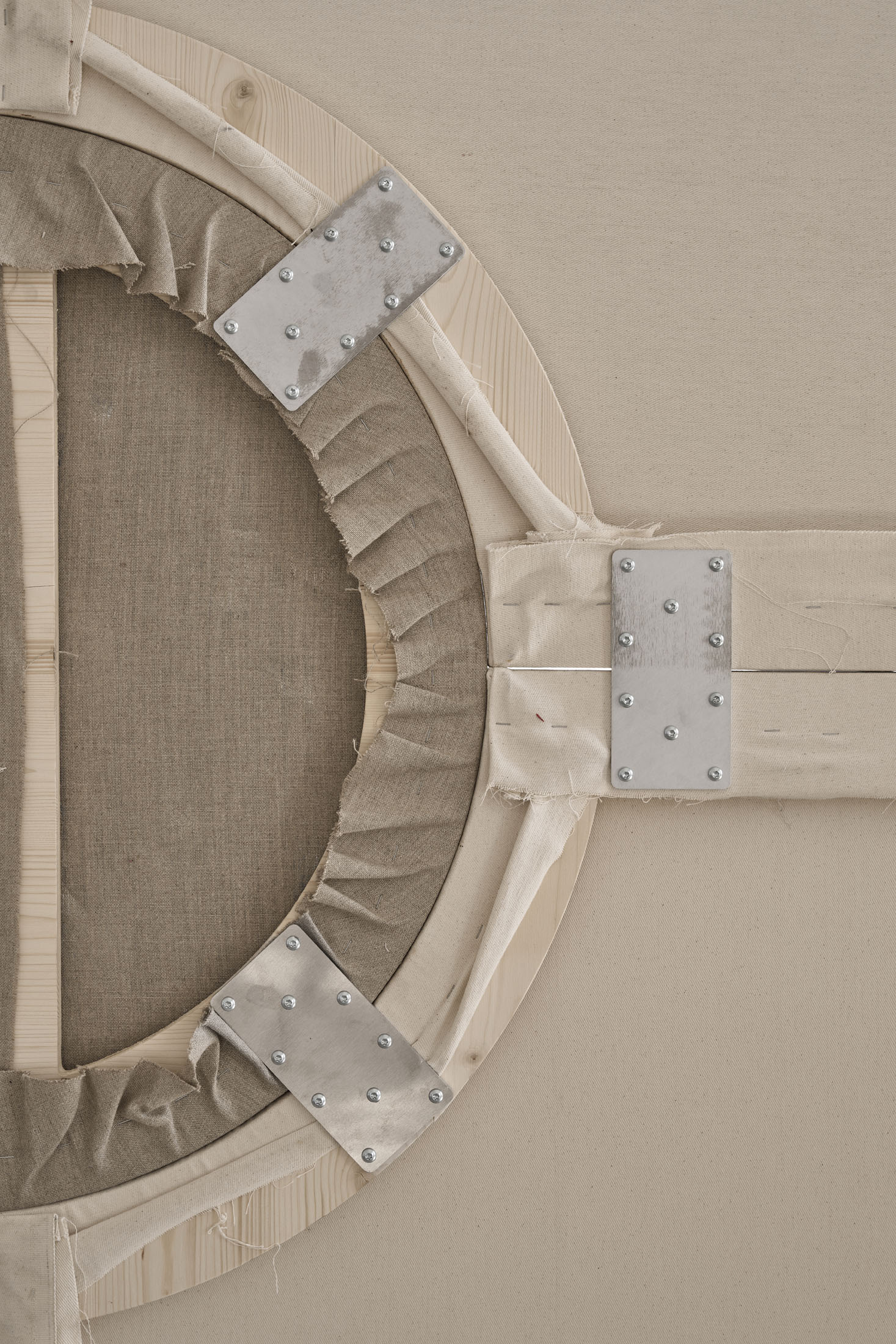
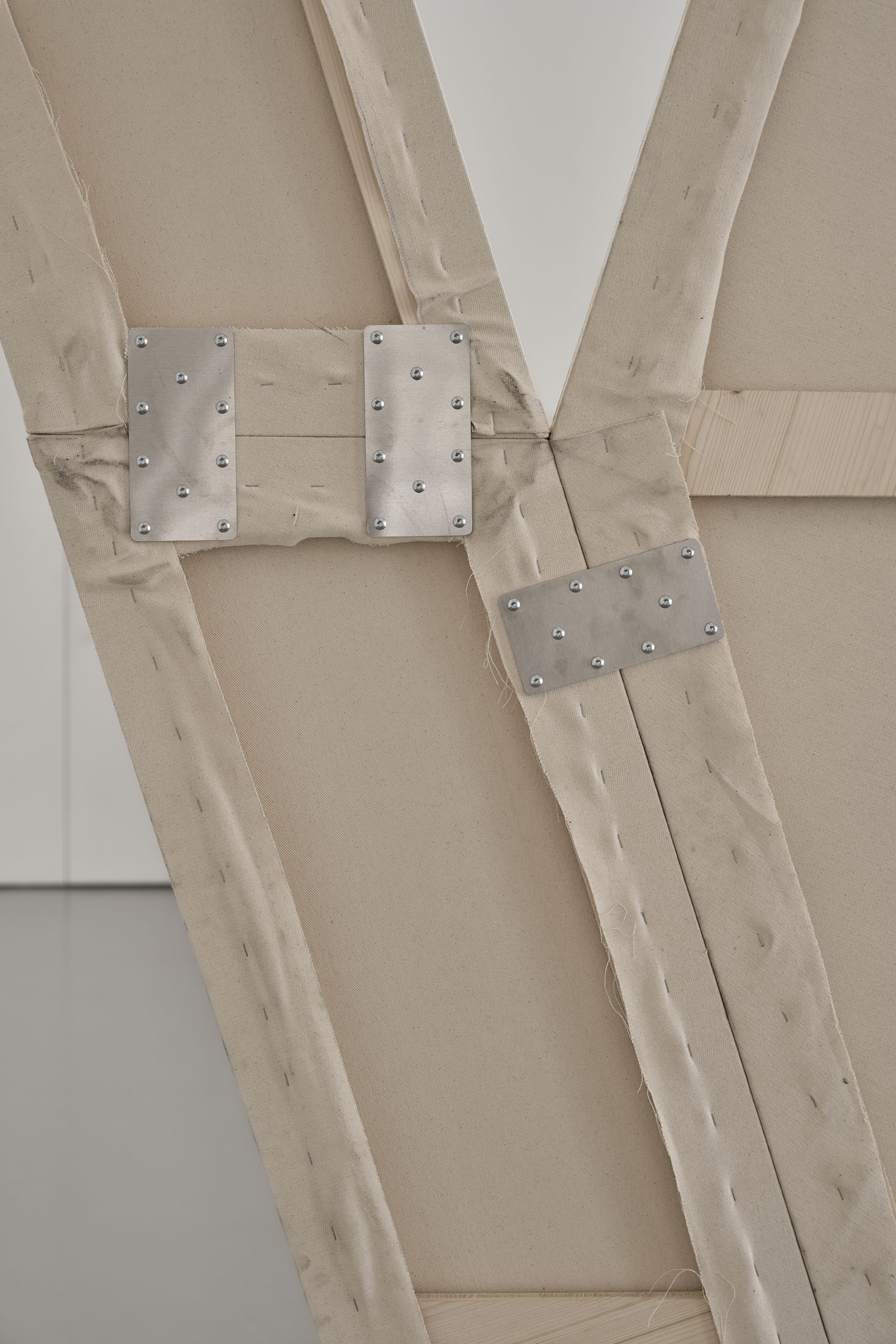
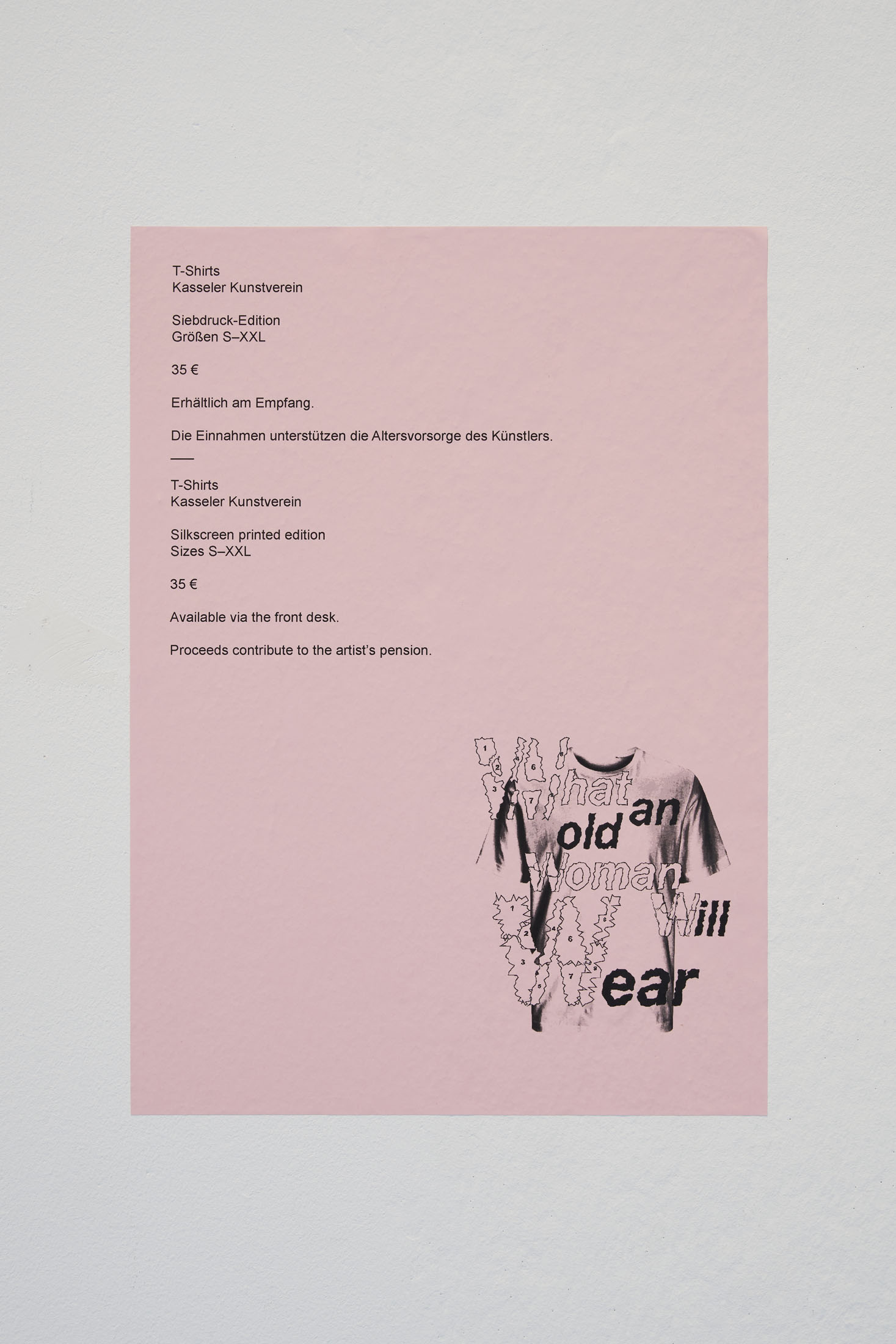
To Get Ready With Me, then, is an invitation into what was, up until recently, considered the most private of realms and its monetization into a global multibillion attention economy. To imagine what kind of clothes to drape over a future-shriveled body, or to disgorge one’s secret insides into a new public sphere: the ekphrastic image of clothes draping an imagined aging body drawn when imagining What an Old Woman Would Wear extends this inversion. A figure rendered through its coverings, exposing its construction. This turning inside out is something the paintings themselves seem to enact, as they have joyously leapt off the wall, revealing their frazzled, bulky undersides that extend beyond the picture plane.
–Dara Jochum