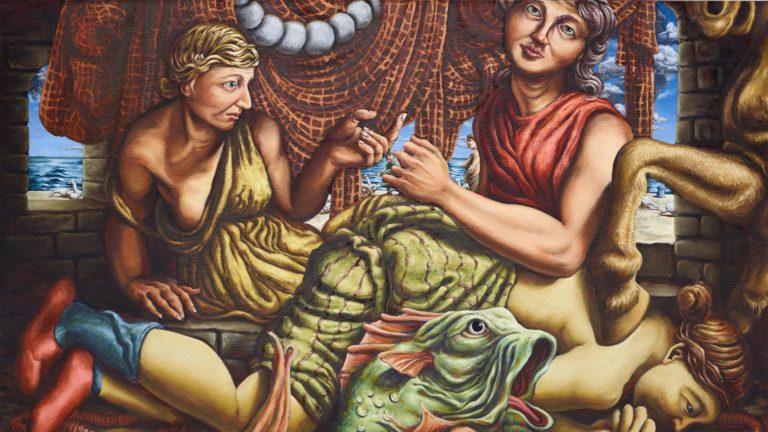
Here I Am Human
Here I Choose to Shop
After being asked to write something for an exhibition in which the distortion of those oft-quoted lines from Goethe’s Easter Walk is meant to occupy a visible moment, I find myself desperately trying to come up with my own counter-variations and leaving Post-its all over my apartment.
One of them, stuck onto the toilet lid, reads:
Here I am human
Here I shit within
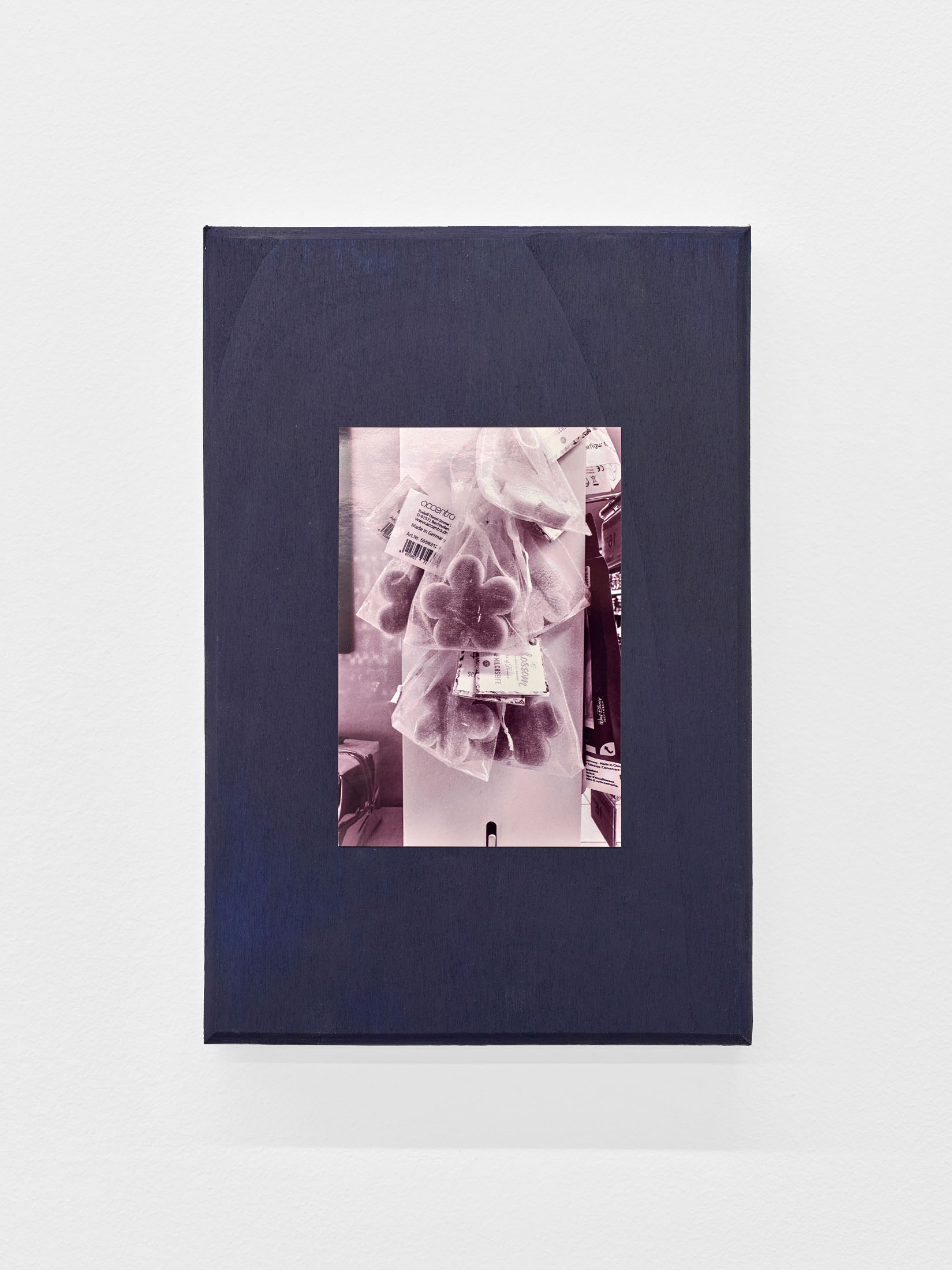
I am despairing over the linguistically—and bodily—intuitive, childhood-familiar variation of Goethe’s verse (long before this child first read Faust I) in the DM slogan, and in my own fecal rewritings (which ground my being in the unstoppable processes of my metabolism) I search for protest—protest against the assertion that my dignity, my very existence as a human being, must prove itself through purchasing power.
Against the assertion that a commodity society is to be taken as nature, and the consumer eleva-ted to some timeless ontological subject.
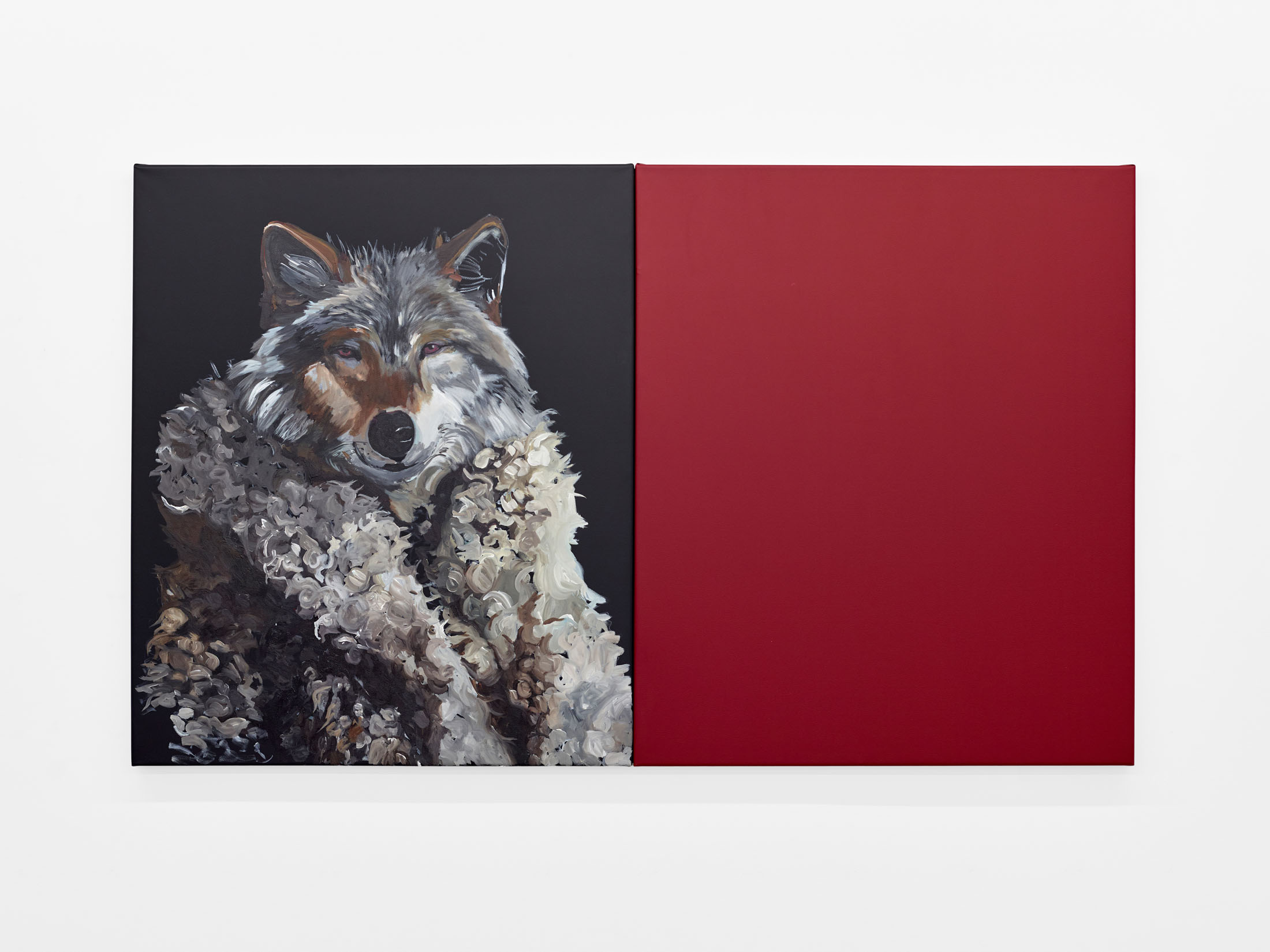
The wolf puts on a sheepskin, and we eat mock turtle soup. Brown sameness from a can.
Whenever I mention anything fecal in a text, I am embarrassed immediately upon publication. Atchoo. The funny thing—
Paperbacks. About the
handkerchief I read on Wikipedia:
“Beginning in the 18th century, feelings of embarrassment became more pronounced, so that for example, at table, any use of handkerchiefs was to be avoided so as not to offend the other guests. (…) The concept of embarrassment gained a new position in society, such that even the use of the word “blow one’s nose” was to be avoided.”
(The word “embarrassment” appears in blue, underlined.)
For centuries, then, in Europe the use of handkerchiefs has been a strictly private affair, relega-ting the removal of snot and tears and spit to that ugly, speechless niche where we are meant to deal with our other bodily fluids and smells as unobserved as possible.
Why don’t we talk about this, when we talk about so many other things?
Hood up and
Here I am human
homo homini insert:
a species of animal you find the cutest.
But with you I am now speaking about the times of crying, about the snot and the water, acknow-ledging that such times were necessary.
An unremarkable covering, a pelt grown for protection.
The empty tissue box sits on the nightstand for months, collecting dust, and we begin to fade it out of our vision, instinctively and reliably steering around it whenever our hands search the sur-face for something else. The walls too are there, white like a lamb, and we never perceive them as movable, never imagine tearing them down, never even consider what might lie behind them.
We speak of “winged words.” Enemies of the state, meanwhile, were tarred and feathered. For an execution method, that sounds far too cheerful.
The wolf puts on a sheepskin, and what’s served is fake hare, and as an appetizer, mock turtle soup, and these days the EU Parliament decides that a veggie burger may no longer be called that.
On my shelf I see the book titled Human Dignity Is Violable, whose intention—after the initial shock of its seemingly polemical phrasing—reveals itself, upon a moment of reflection on the world, as an accusation, a simple fact.
The author of the book is Ulrike Meinhof. The wolf puts on a sheepskin and we eat dino nuggets, which are still allowed to be called that. It is becoming harder and harder for me, who eats ve-gan out of pity for animals, to go to the supermarket without crying—even at the cheese aisle— thinking of the forcibly impregnated cows torn from their children. Against this world-informed, catastrophically consistent hypersensitivity that would, if followed through, make life impossi-ble, I buy brand-name clothing and sometimes other luxury goods produced under degrading conditions without any remorse, and I refuse to tolerate the Right because, as is well known, my tolerance stops at intolerance, and I deny my political opponents their own voice, and I earnestly wish cancer upon people who bend down for the store-brand salami.
Ulrike Meinhof, after her career as a journalist, violated the dignity of many people. And I
try to imagine Stammheim as a site of bed-rotting.
We talk about the new South Park episodes, about the woke critique of wokeness,
but I can’t anymore, I can’t keep up;
please wrap me in cotton wool—no,
cellulose.
A wolf
in sheep’s clothing: if Dialectics of Enlightenment were a plush toy.
Homo homini
atchoo.
–Text: Sophia Eisenhut