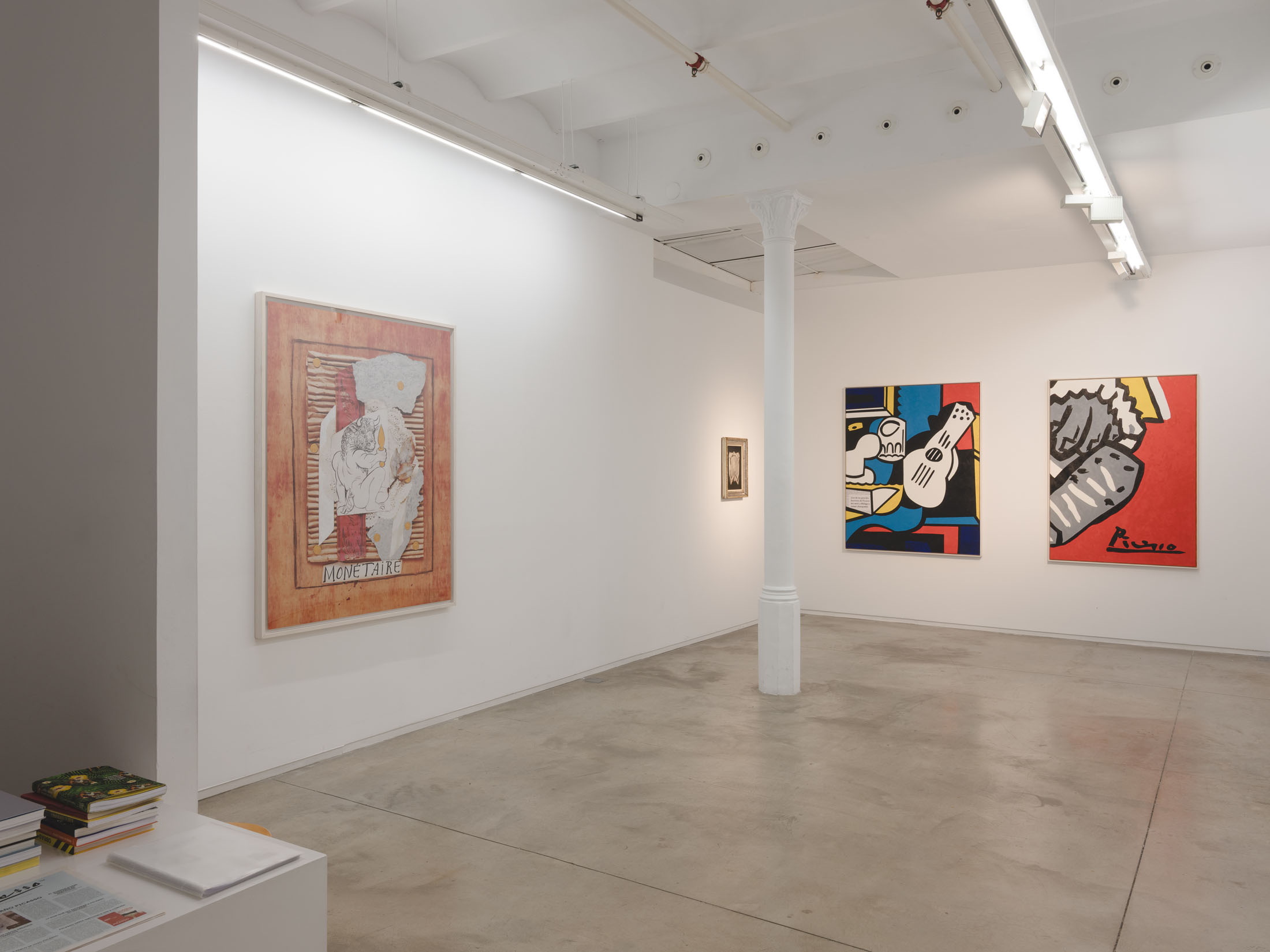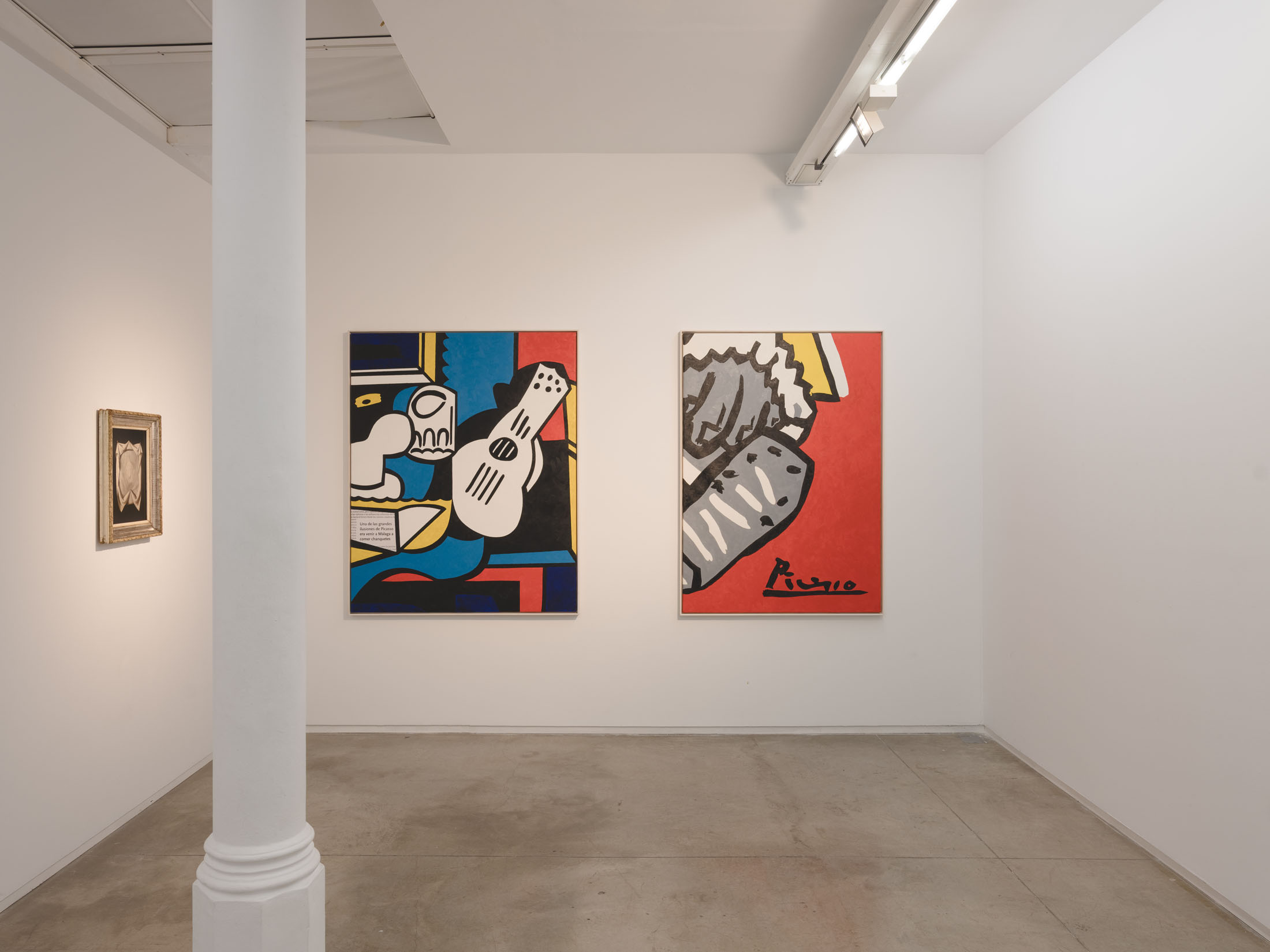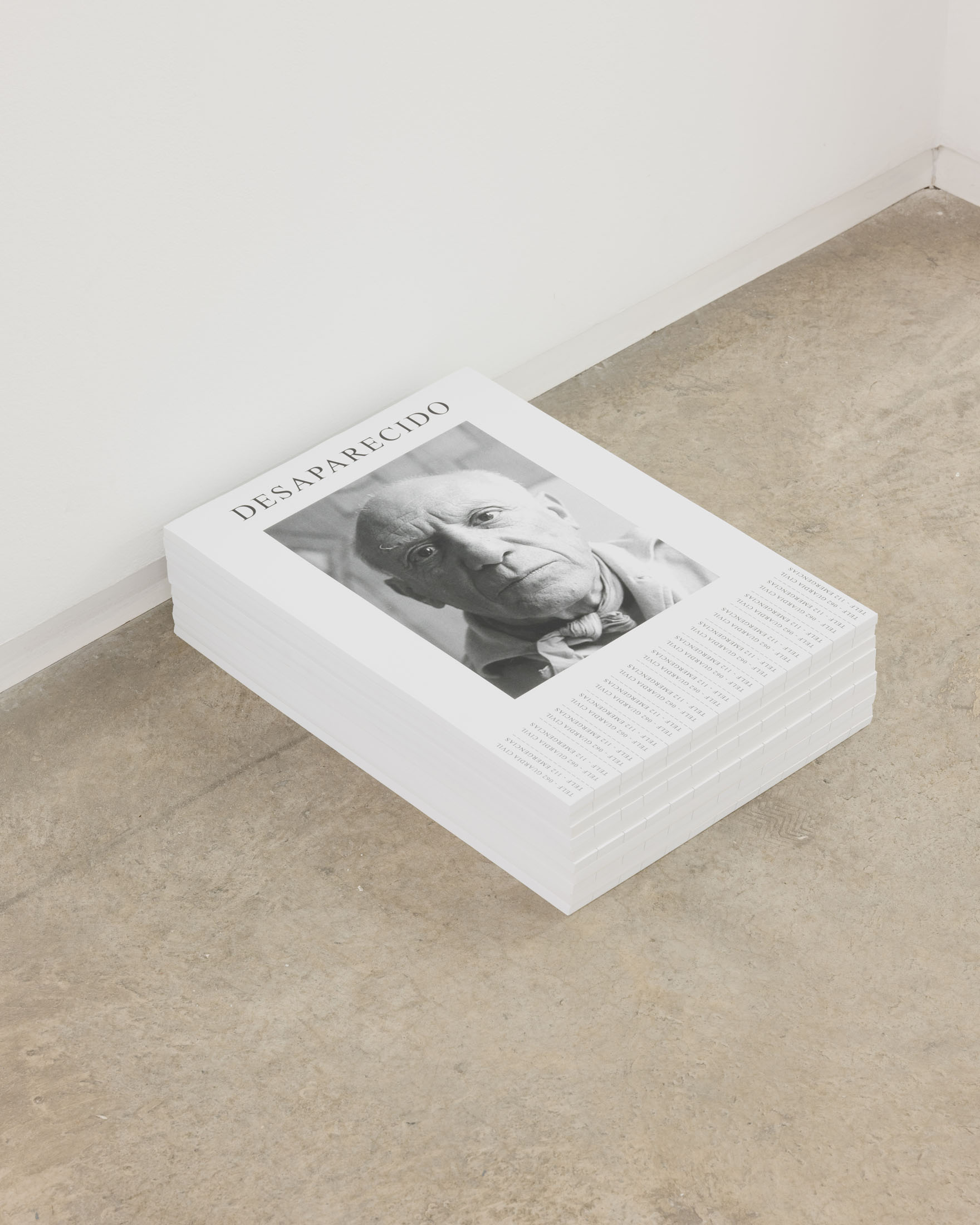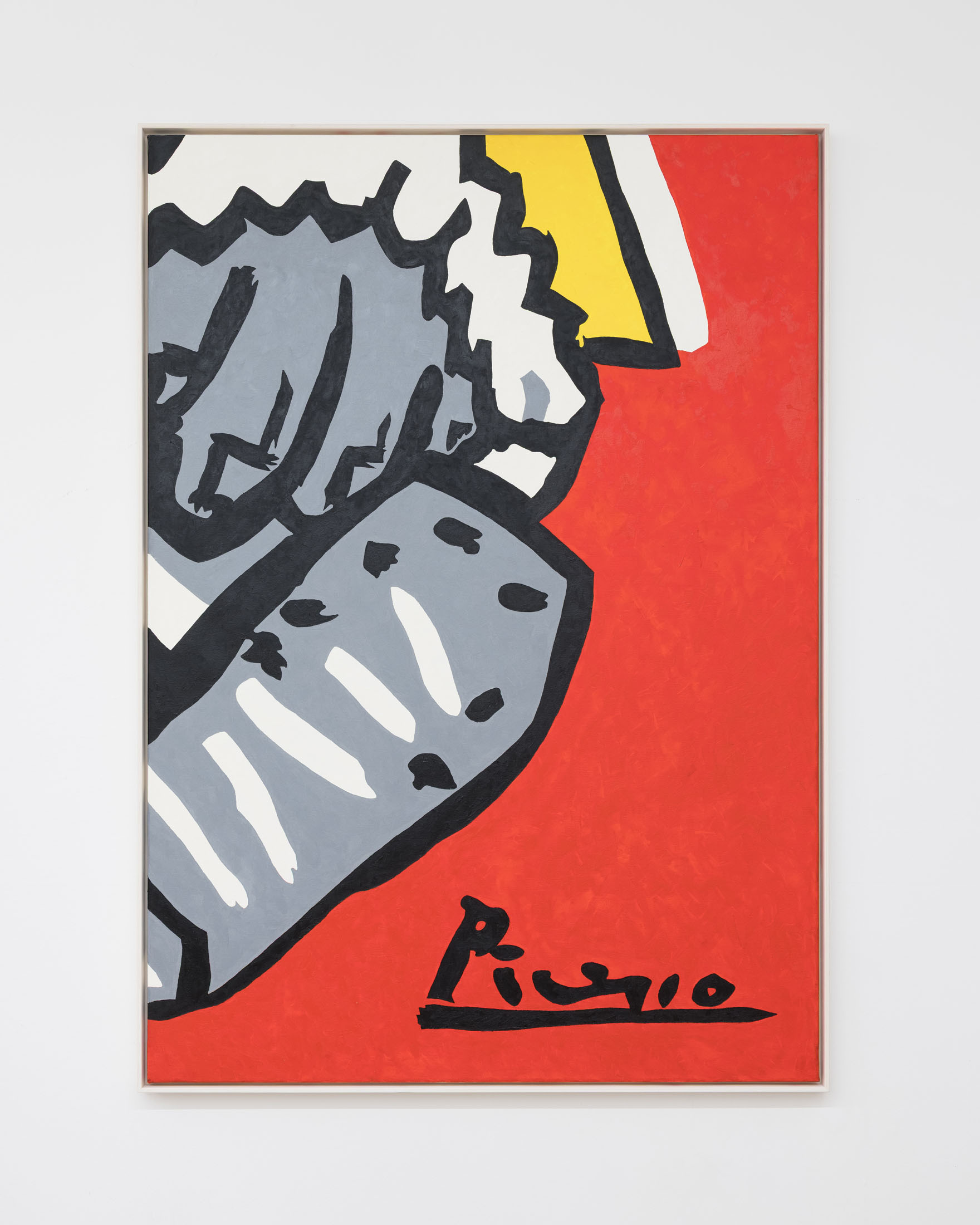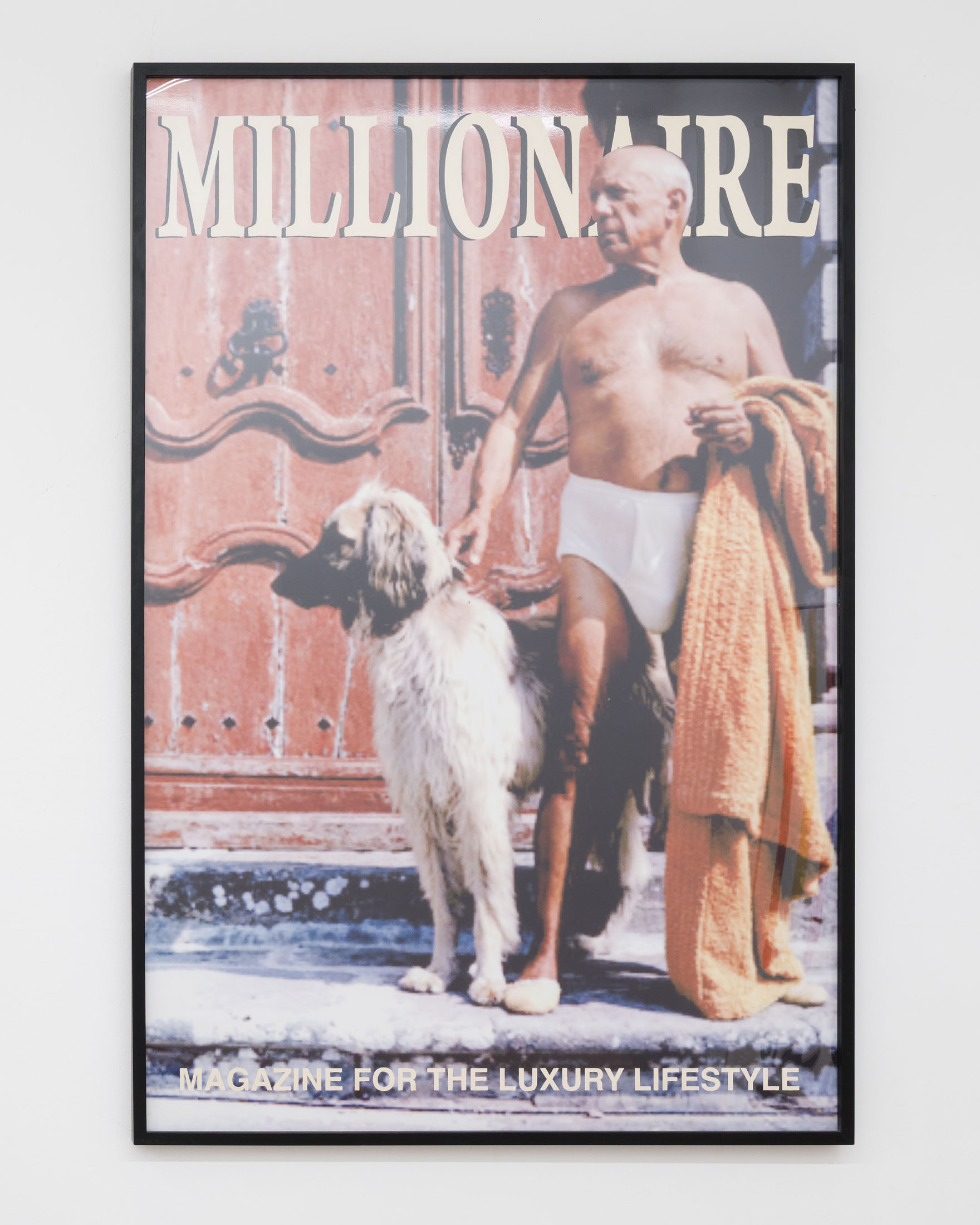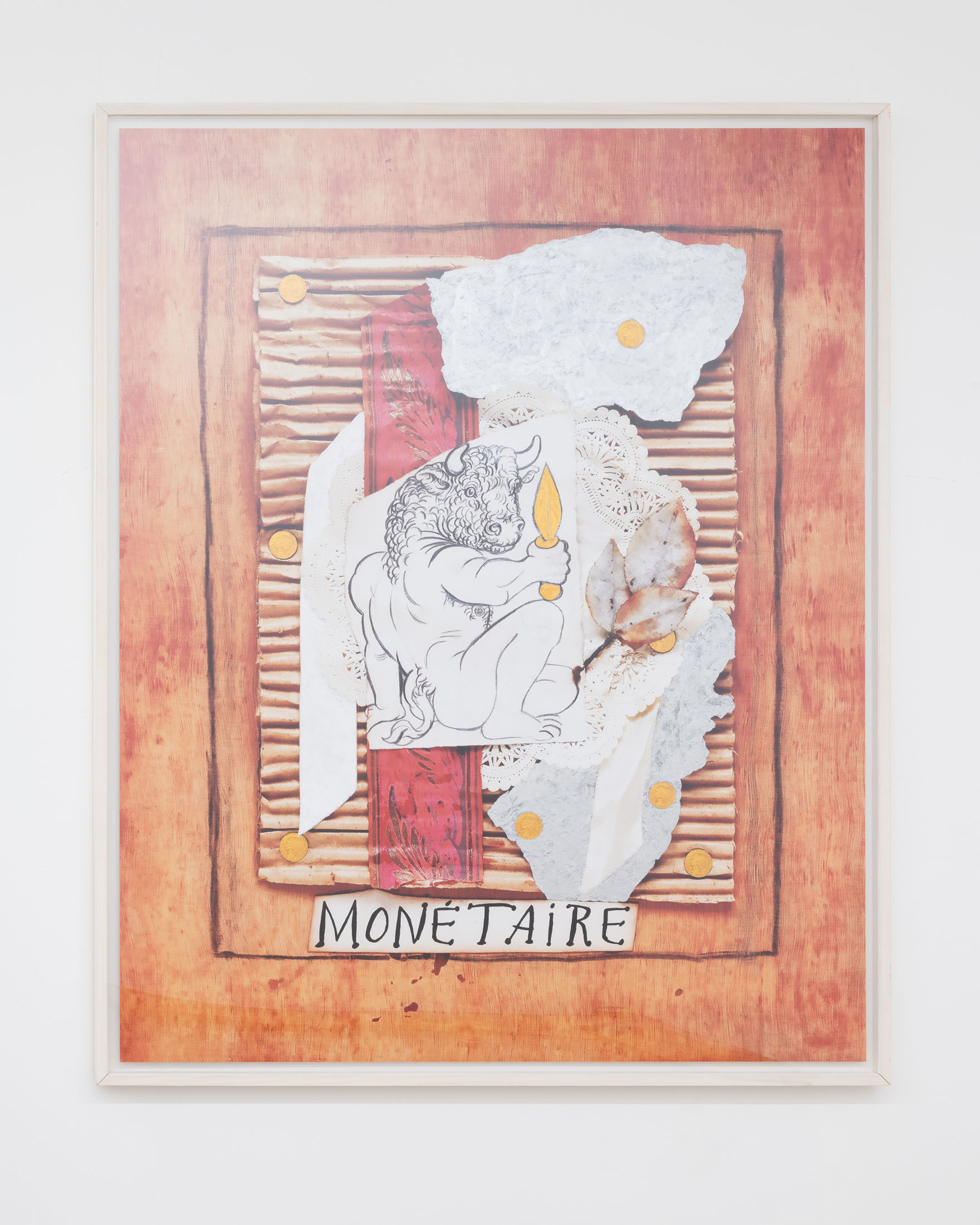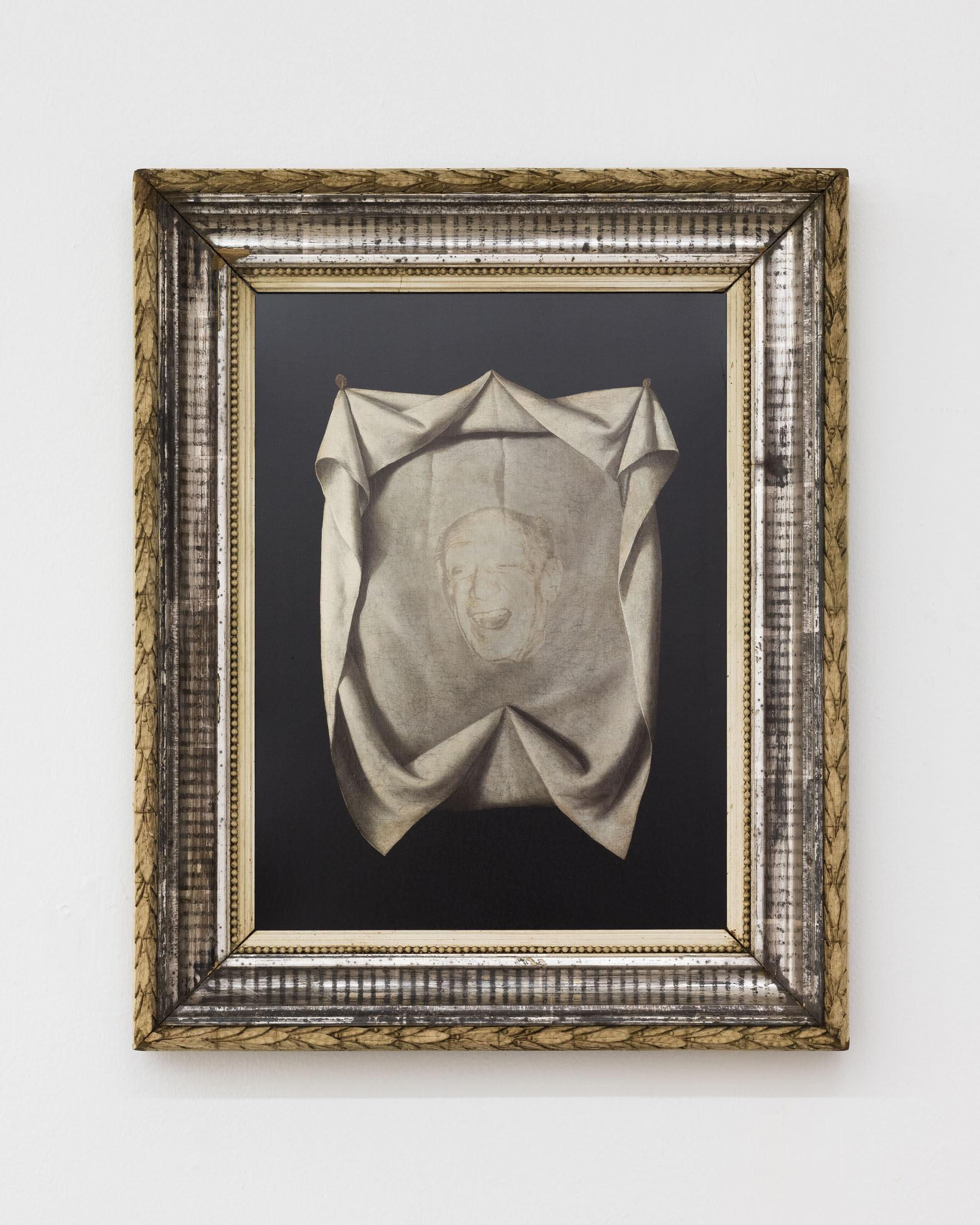
Since the early 2000s, Rogelio López Cuenca has been working on an inexhaustible archive: images, documents, objects, and references that show how the image of Picasso has circulated through media, institutions, and all kinds of campaigns. Through this archive, the artist analyzes how that mythical figure — the genius, the cultural icon, the brand— has been transformed into just another consumer product, perfectly adapted to the logic of spectacle and the cultural tourism market.
Under the title PI©A$$O™, we present in our gallery a selection, derivation, and reformulation of works that were part of the homonymous project carried out in 2023/24 in various state museums on the occasion of the Picasso Year celebrations, along with some earlier works on the phenomenon. Through a strategy of critical infiltration, Rogelio addresses Picasso’s figure as a hypertrophied cultural sign —that is, an oversized and overexploited symbol— turned into a registered brand, a tourist resource, a national icon, and a global consumption fetish.
The exhibition presents visual, textual, and documentary materials that analyze how the figure of the Málaga-born painter has been appropriated by fields such as advertising, politics, or cultural tourism. His legacy has been instrumentalized, turning him into a decontextualized image, aligned with hegemonic discourses, stripped of historical and political complexity. The figure of the artist as a “genius” has become a tool of consumption. As John Berger anticipated in his famous essay Success and Failure of Picasso (rather creatively retitled in its latest Spanish edition as Fama y Soledad de Picasso), the mythology of the modern artist has ultimately bent to the market, occupying a symbolic place equivalent to luxury cars or mansions in the advertising logic of culture. Today, culture tends to function like a souvenir: visually attractive, easy to consume, but devoid of conflict or depth.
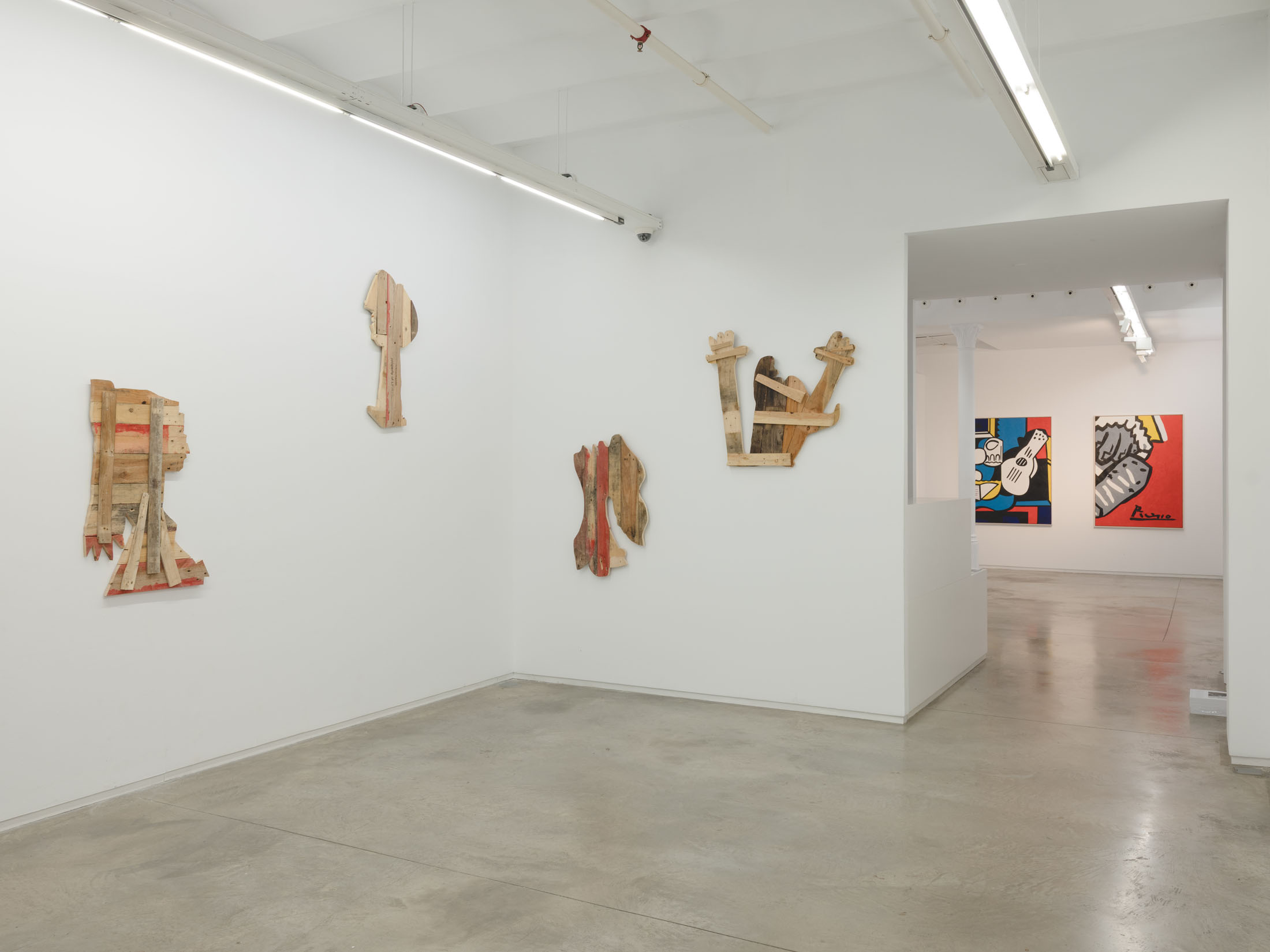
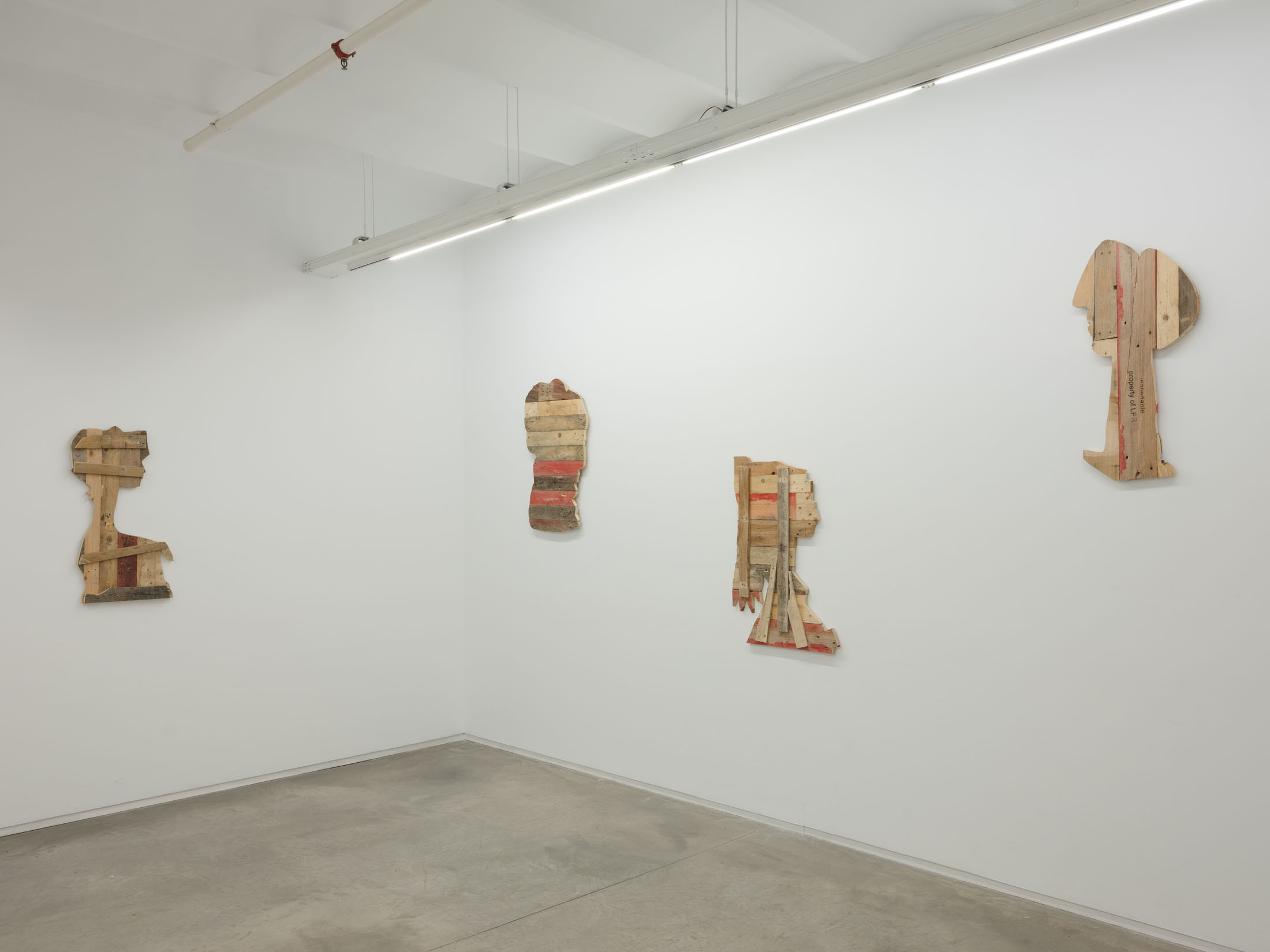
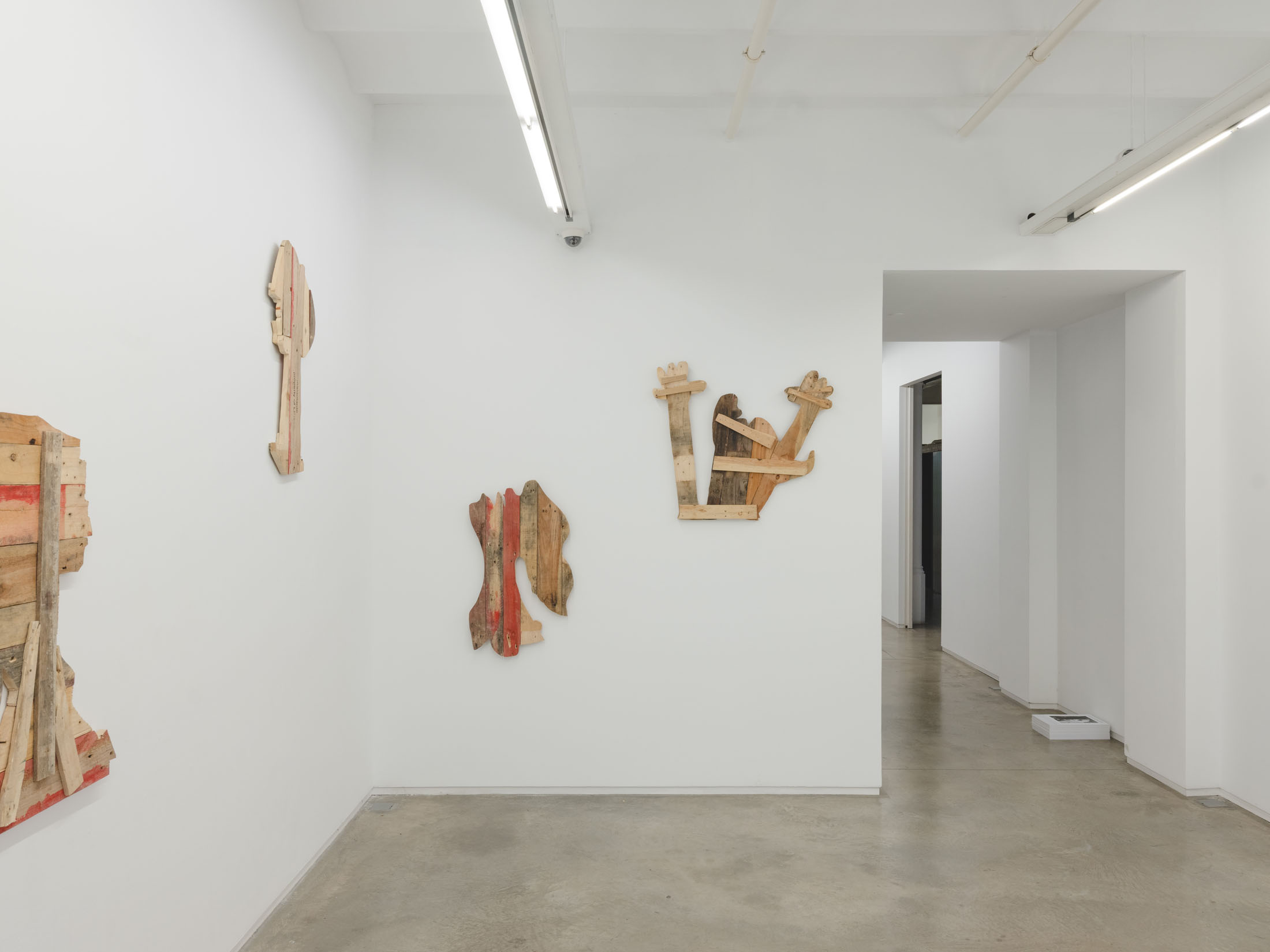
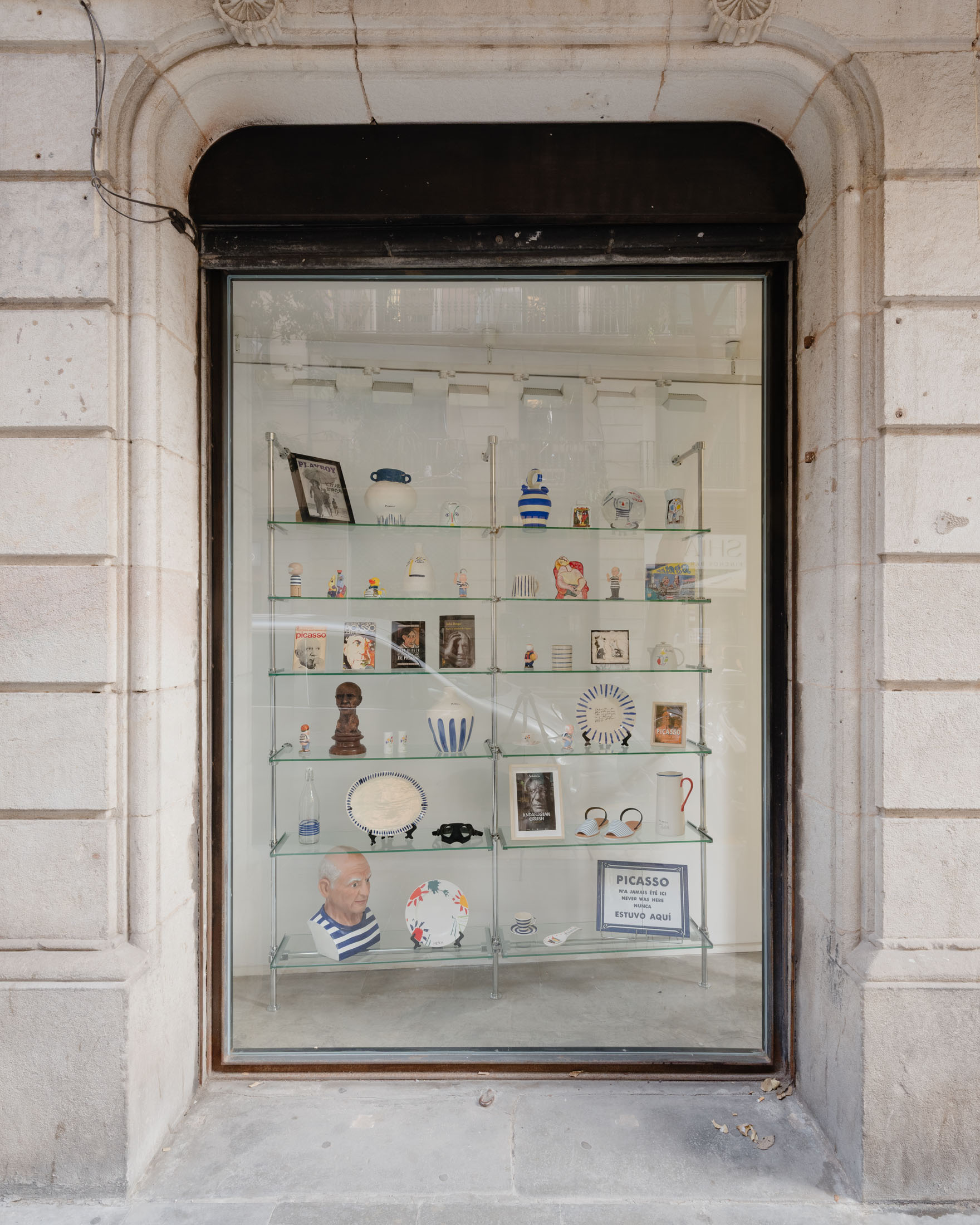
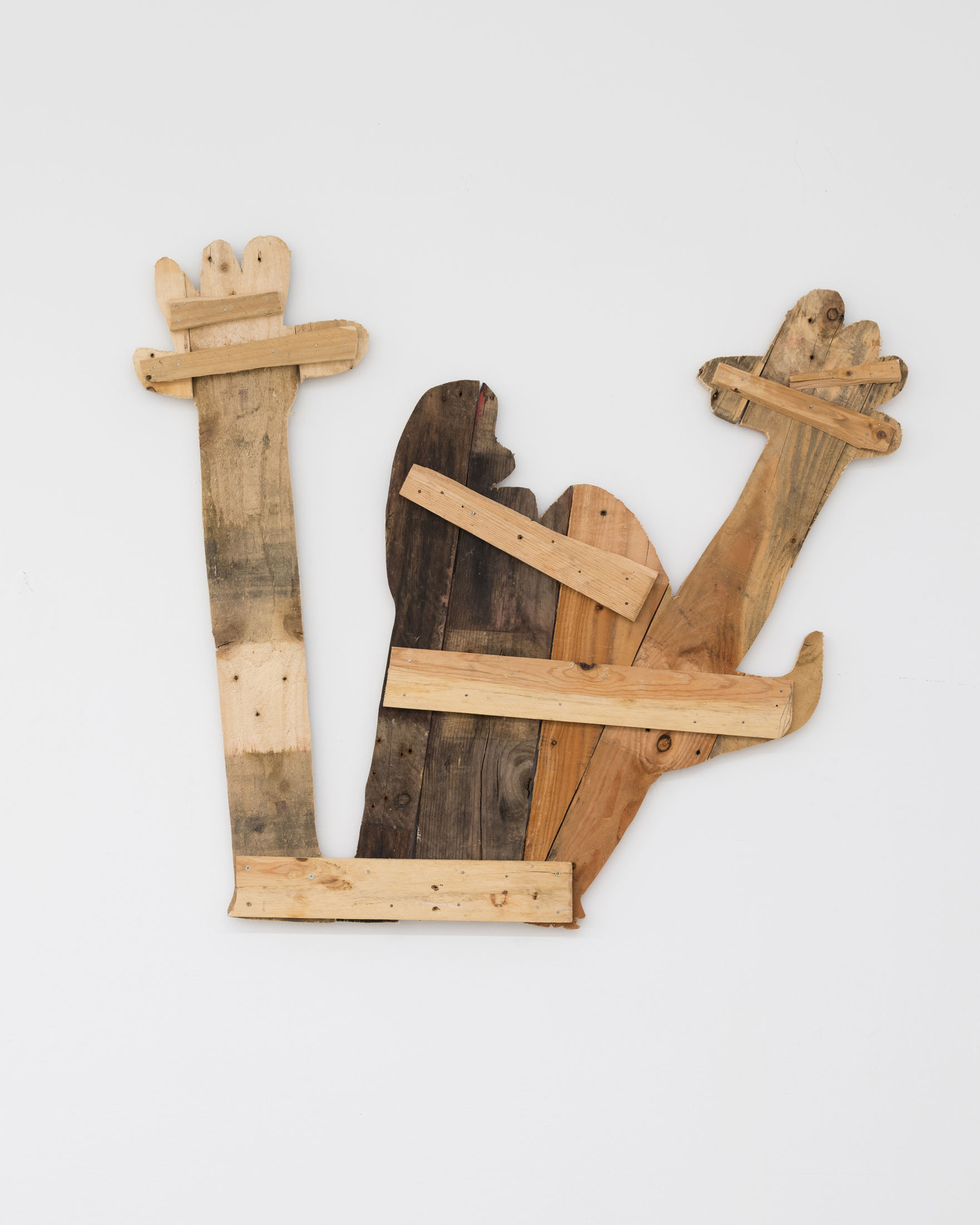
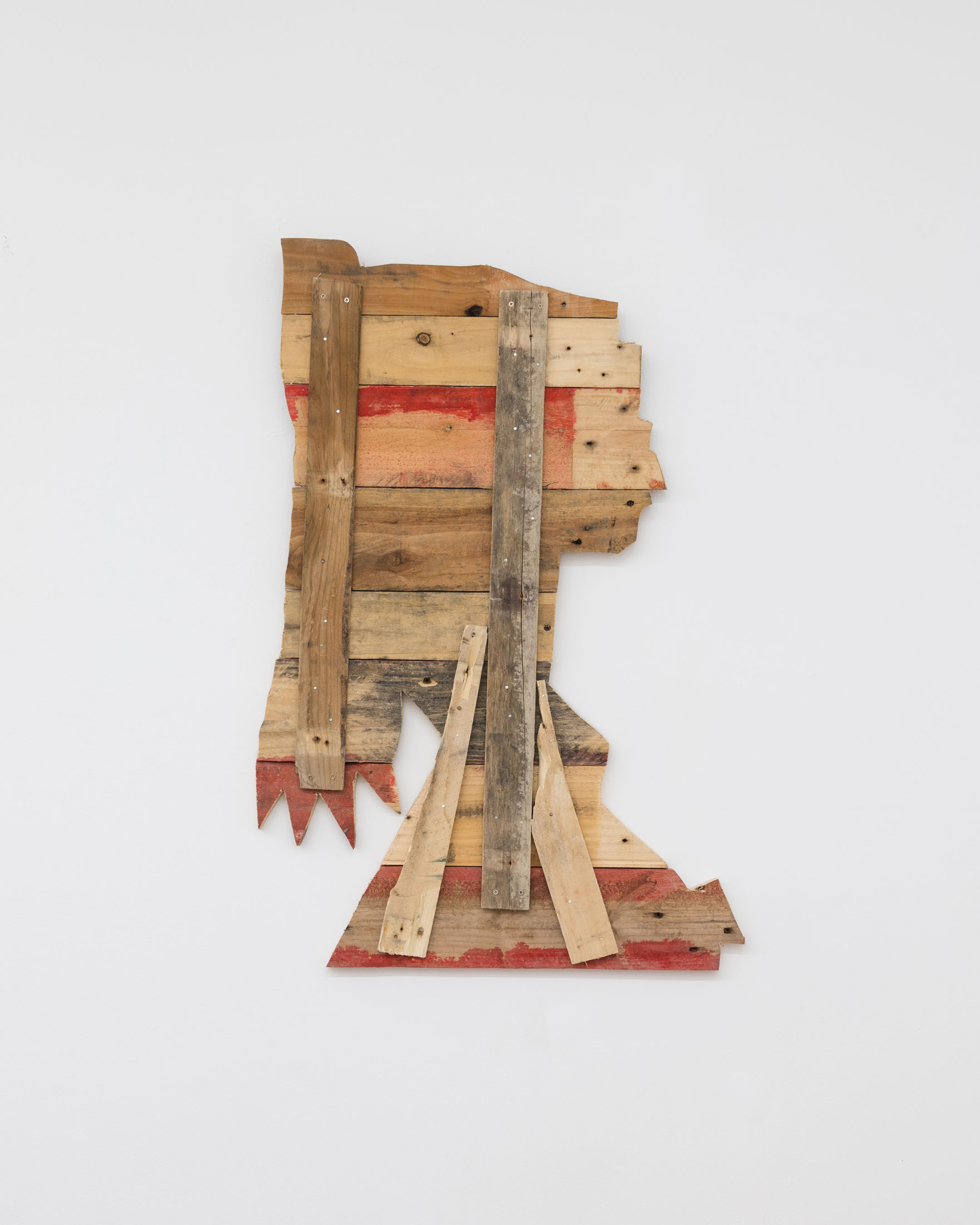
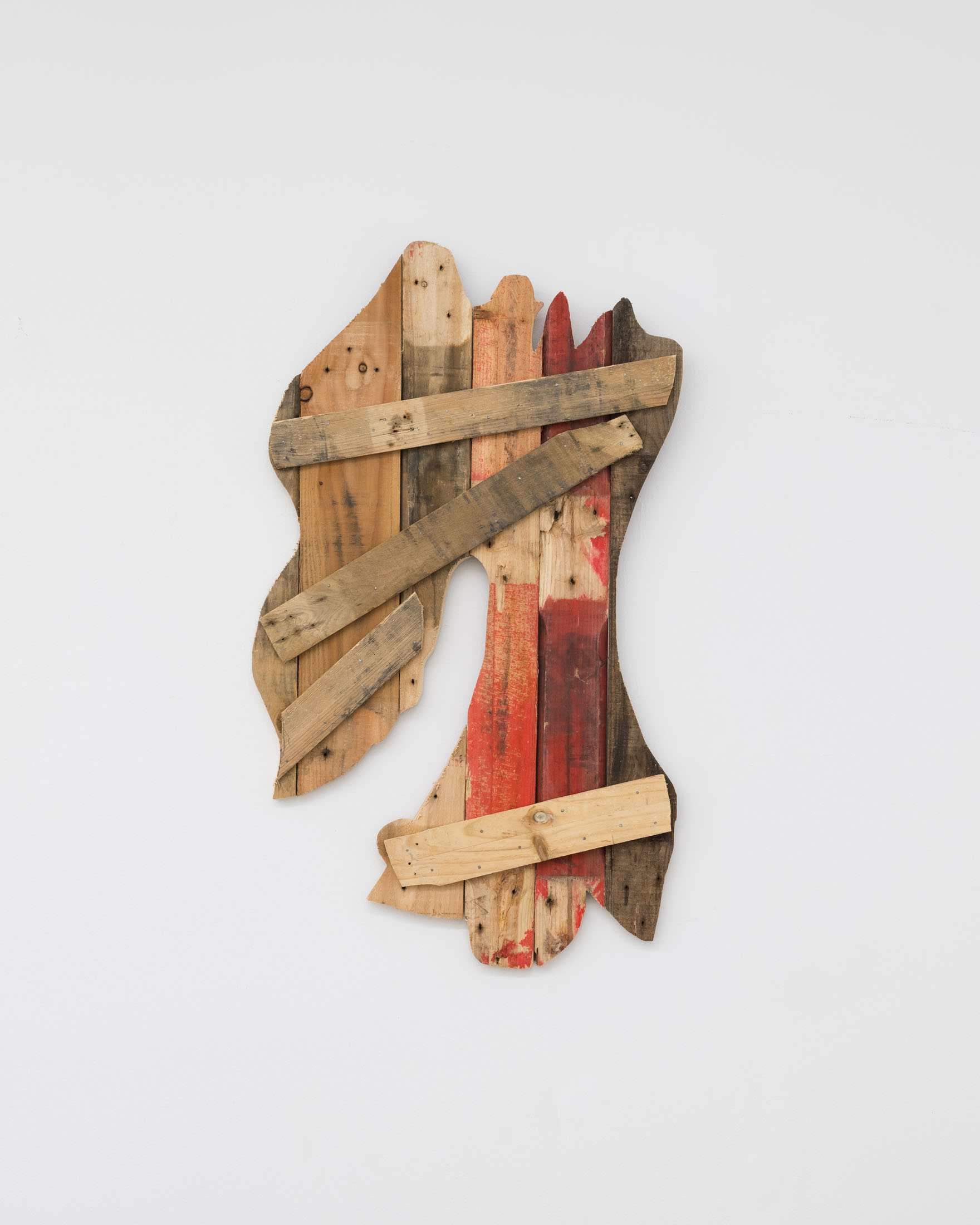
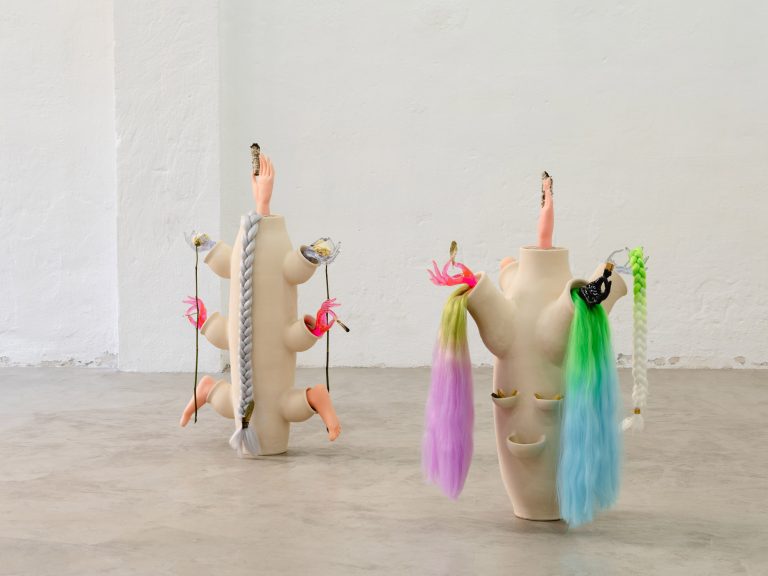
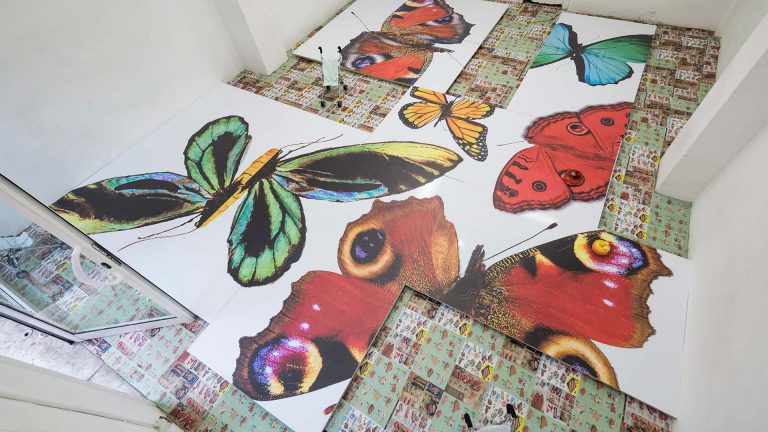
The exhibition is divided into four distinct parts: in the gallery’s storefront, visible from the street, a whole repertoire of elements inspired by the Málaga painter is displayed —all that merchandising that exploits his image, turning him into a tourist and commercial icon. In Gallery Room 1, a series of sculptures titled Tete de Bois (Blockheads) are presented. Here Rogelio proposes a “critical approach to a deeply rooted trope of patriarchal culture,” that of the artist and his muse or model as raw material, “of which both Picasso’s work and his personal history represent an archetypal example.” In one of the texts published for the Picasso Year, titled Era cuestión de tiempo. (1973-2023): La misoginia de Picasso como tema (It Was Only a Matter of Time. (1973–2023): Picasso’s Misogyny as a Theme), Isabel Bellido provides context on the painter’s relationship with women. The sculptures thus represent some of the most recognizable female images in his work.
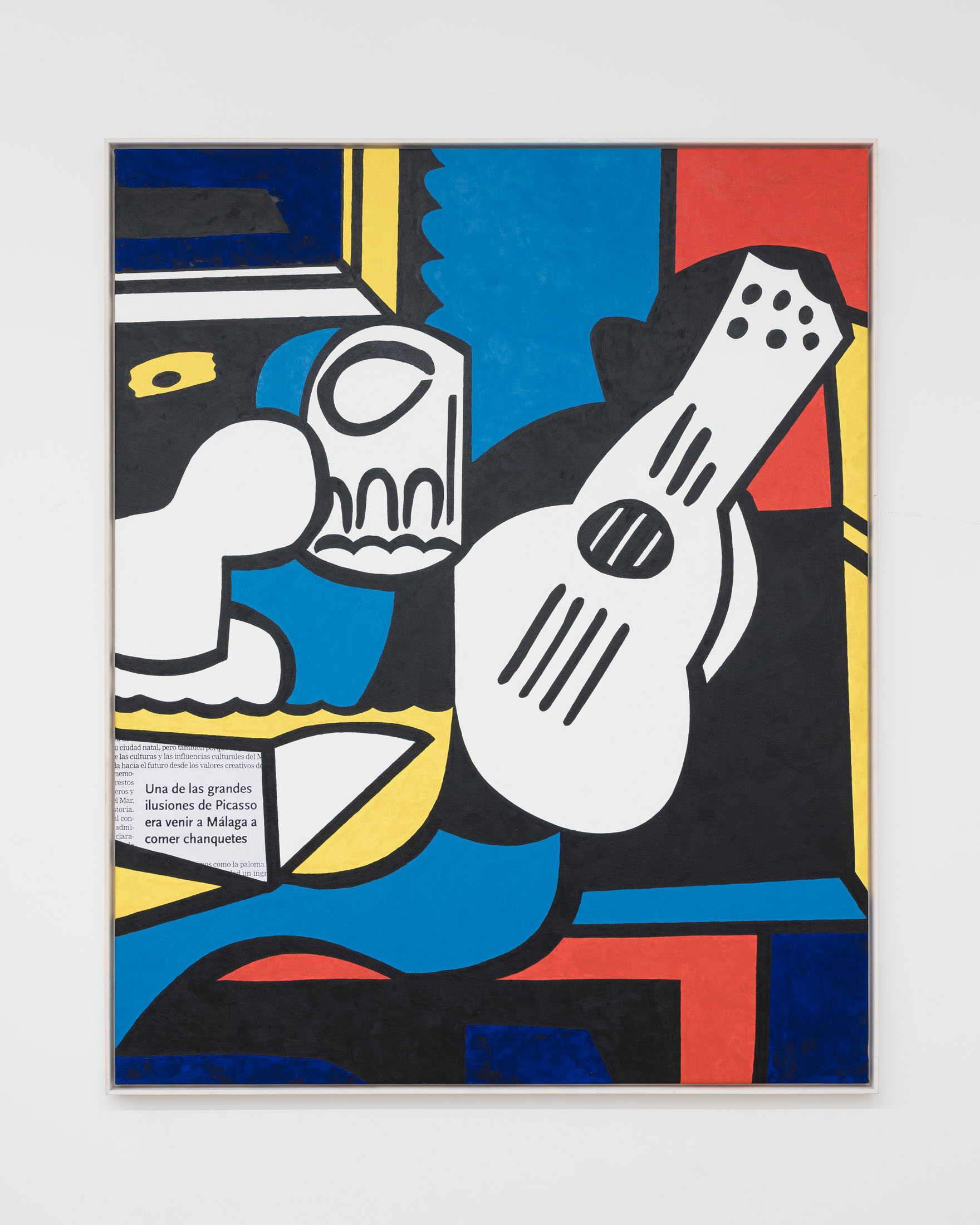
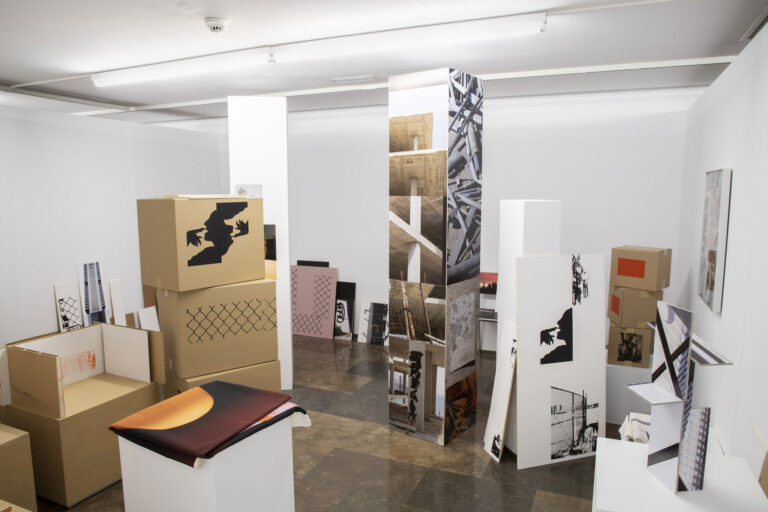
In Gallery Room 2, several works from the series Ciudad Picasso (2010) are shown, the first formalization of the artistic research project Surviving Picasso / Sobrevivir a Picasso, which addresses the process of (re)inventing the imagery of the city of Málaga around the fact of being the birthplace of the most famous artist of the 20th century. It is hard to imagine a more fitting label than the Picasso brand to lean on in the competition between cities characteristic of the new post-industrial economy —the struggle to attract investment, “emblematic” activities, and visitors in the global tourism market. The proven effectiveness of the Picasso name adds the prestige of its symbolic capital to a perfume as much as to a restaurant (they say it is the most common name for pizzerias world
wide), or even to a car; and not just any car: in Spain, the Citroën Picasso was once the police vehicle. Finally, in the minicinema space, as part of the new FLASH program, which will be on view only from September 18 to 21 during BGW, we present a series of videos by Rogelio on the exploitation of Picasso’s figure and brand in audiovisual media.
Rogelio López Cuenca (Málaga, 1959) is a philologist, poet, and visual artist. Since the late 1970s, as a member of the group that would later become the activist collective Agustín Parejo School, he has organized demonstrations, concerts, and exhibitions, produced editorial projects, carried out poetic interventions in urban spaces, and explored copy art and experimental poetry.
In the 1980s, López Cuenca combined methods from the visual arts with practices from literature and the social sciences: he worked with stickers, manifestos, traffic signs, and billboards (urban furniture used as information points).
From the mid-1990s onward, he began focusing on representation and on the construction of the identity of the “other,” in relation to both individual and collective identity in the West. This concern remains one of the main themes in his work today. Since the early 2000s, the artist has carried out numerous collaborative projects aimed at revisiting official history through urban interventions and the creation of “alternative cartographies.”
He has exhibited at Galería Juana de Aizpuru, Es Baluard, IVAM, Centro Andaluz de Arte Contemporáneo, and Museo Reina Sofía, among others. In 2022, he was awarded Spain’s National Prize for the Visual Arts (Premio Nacional de Artes Plásticas).