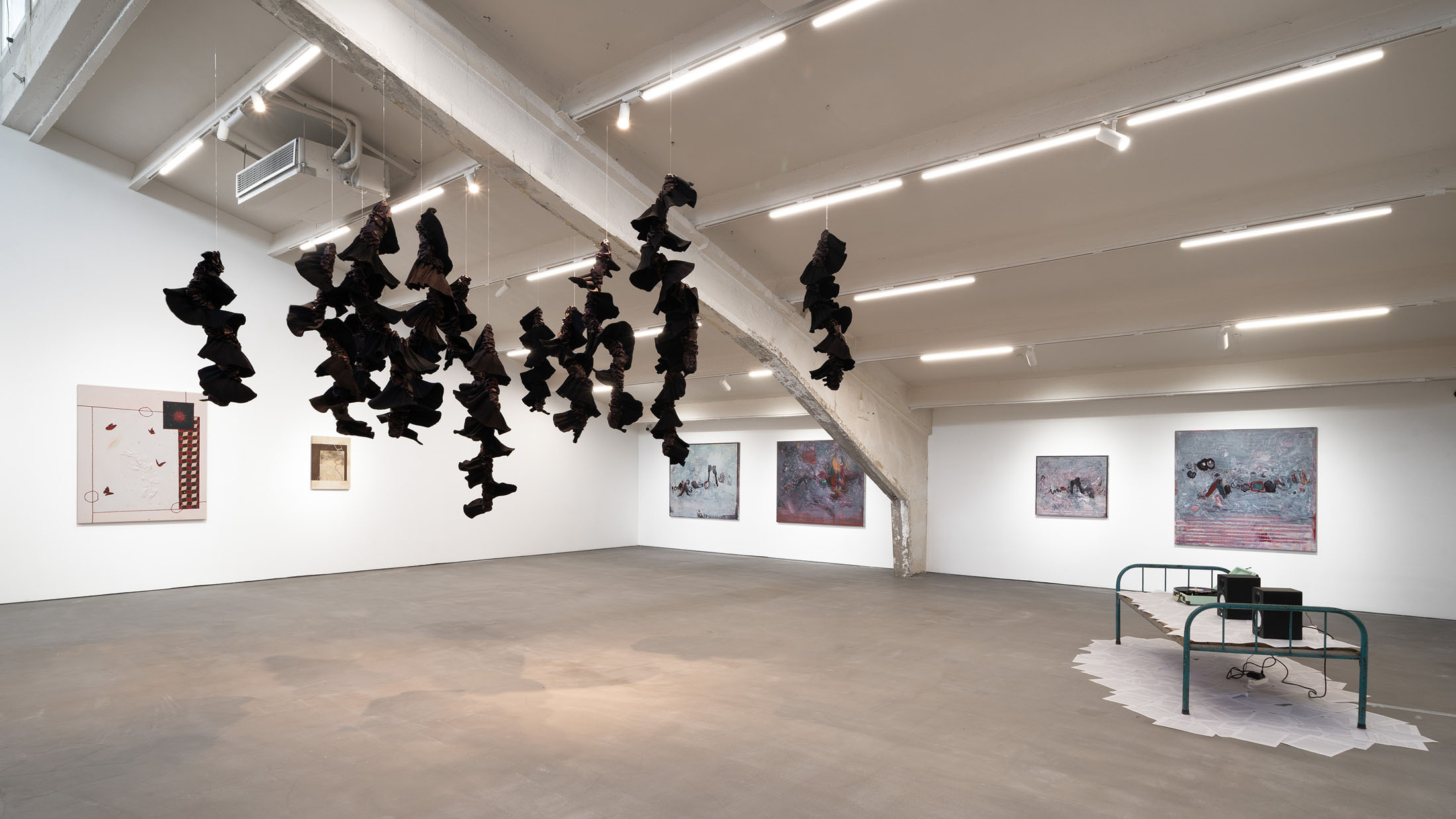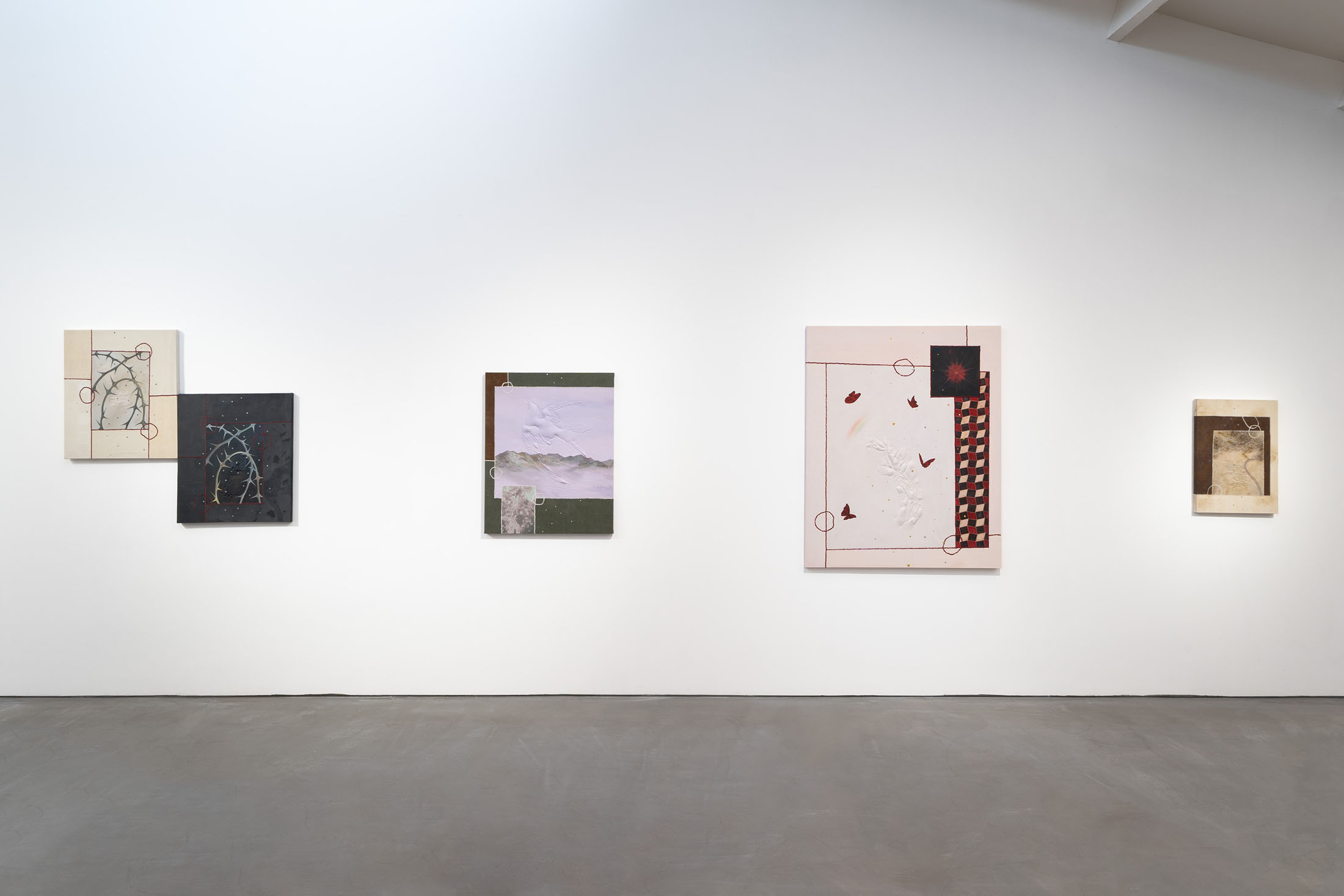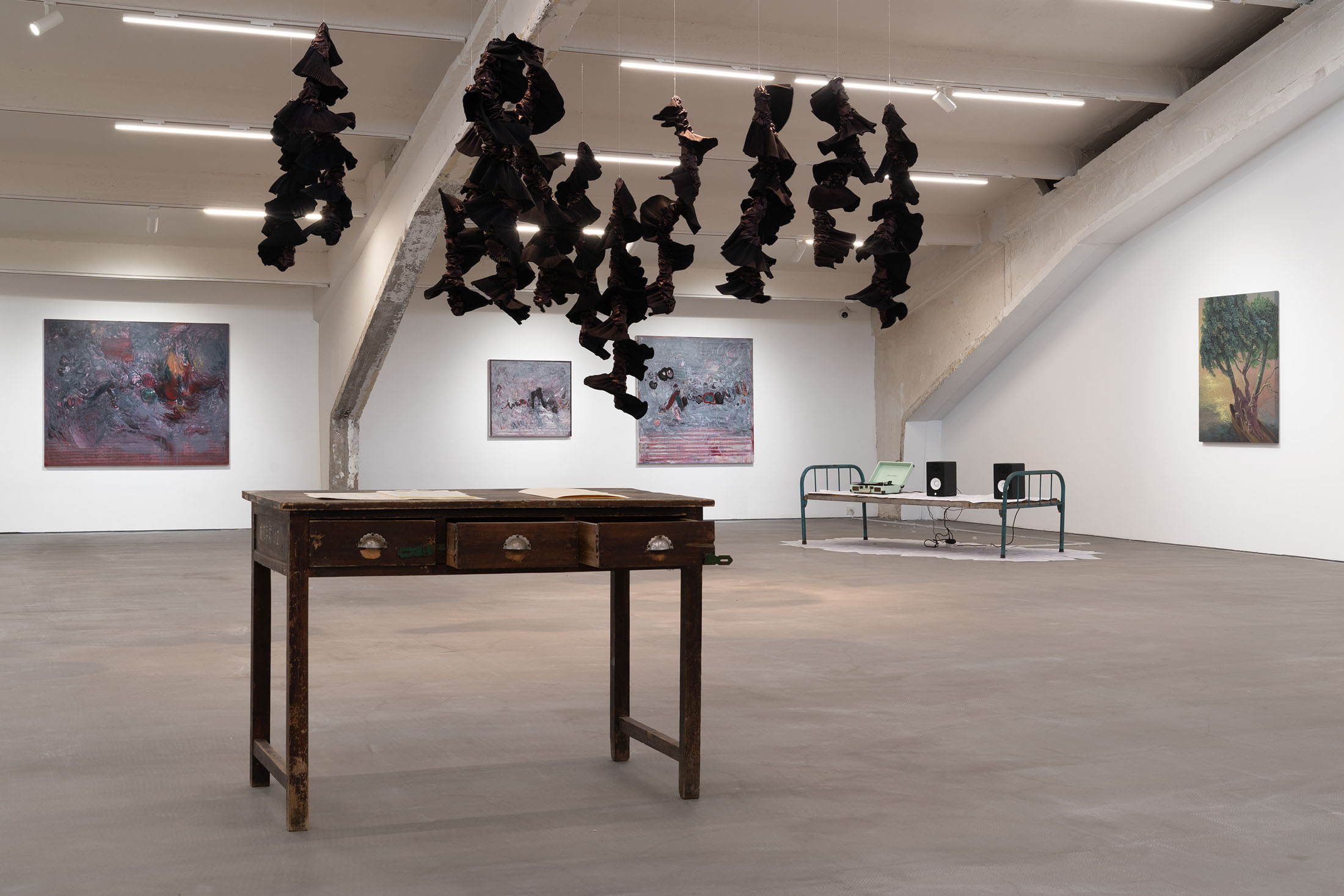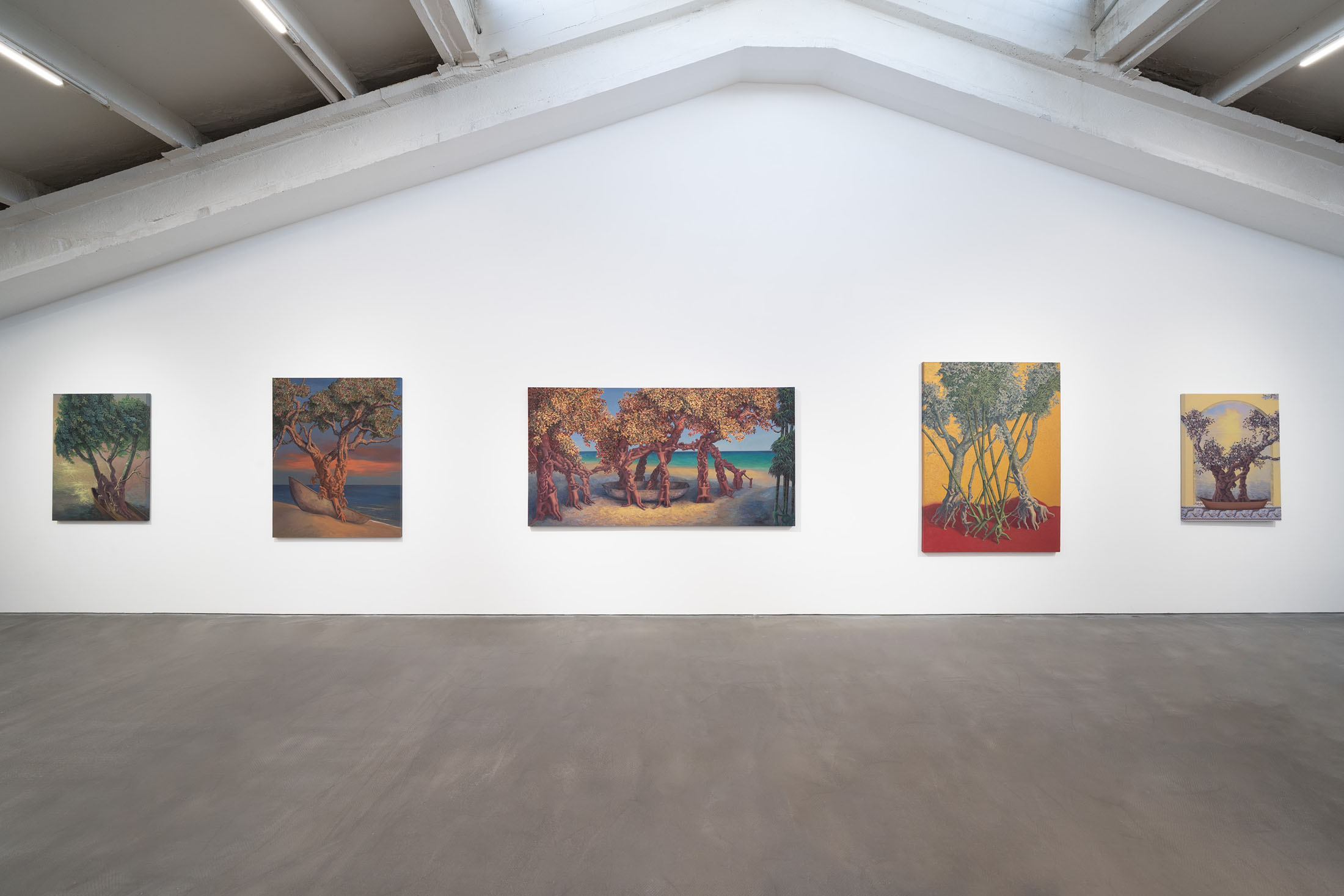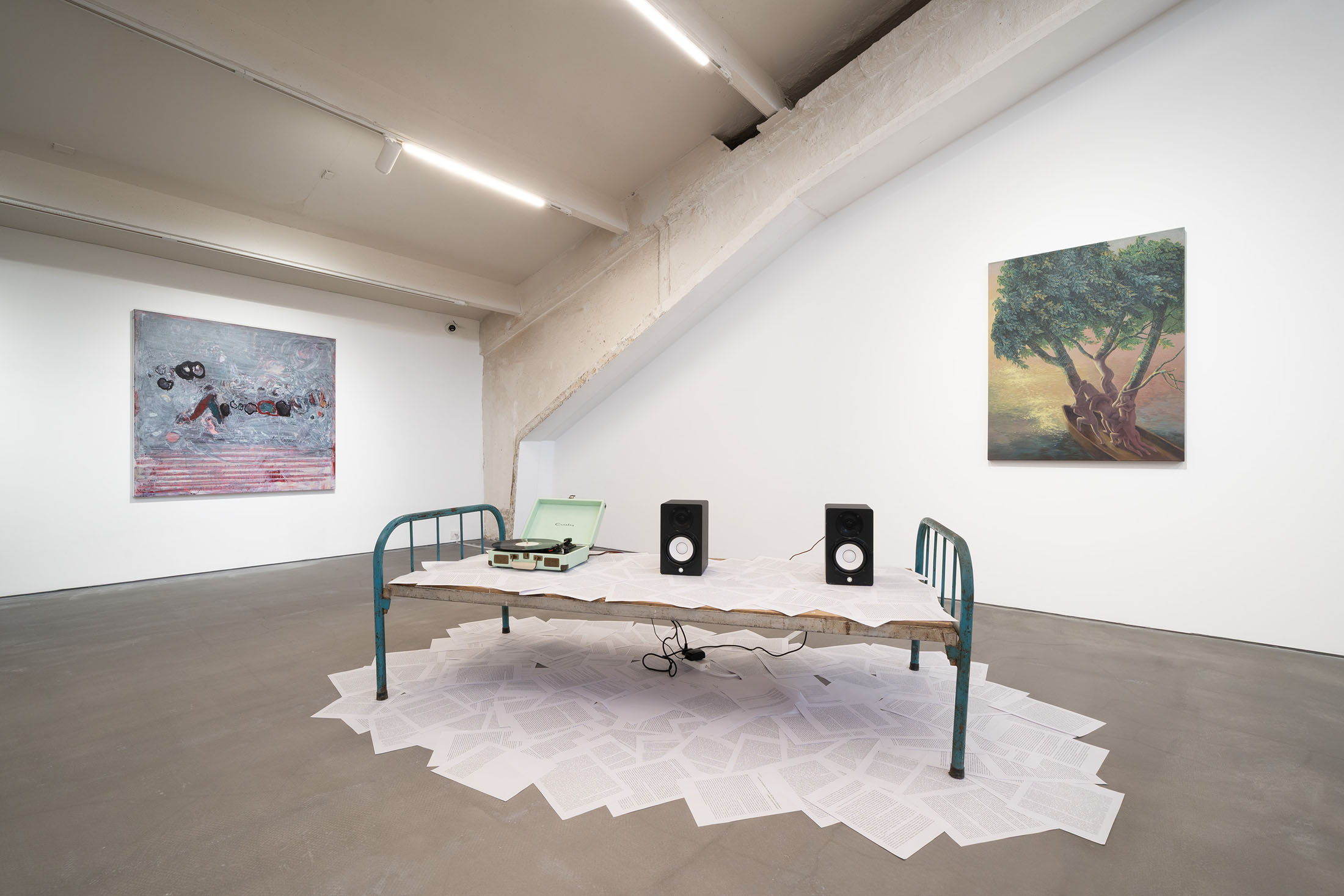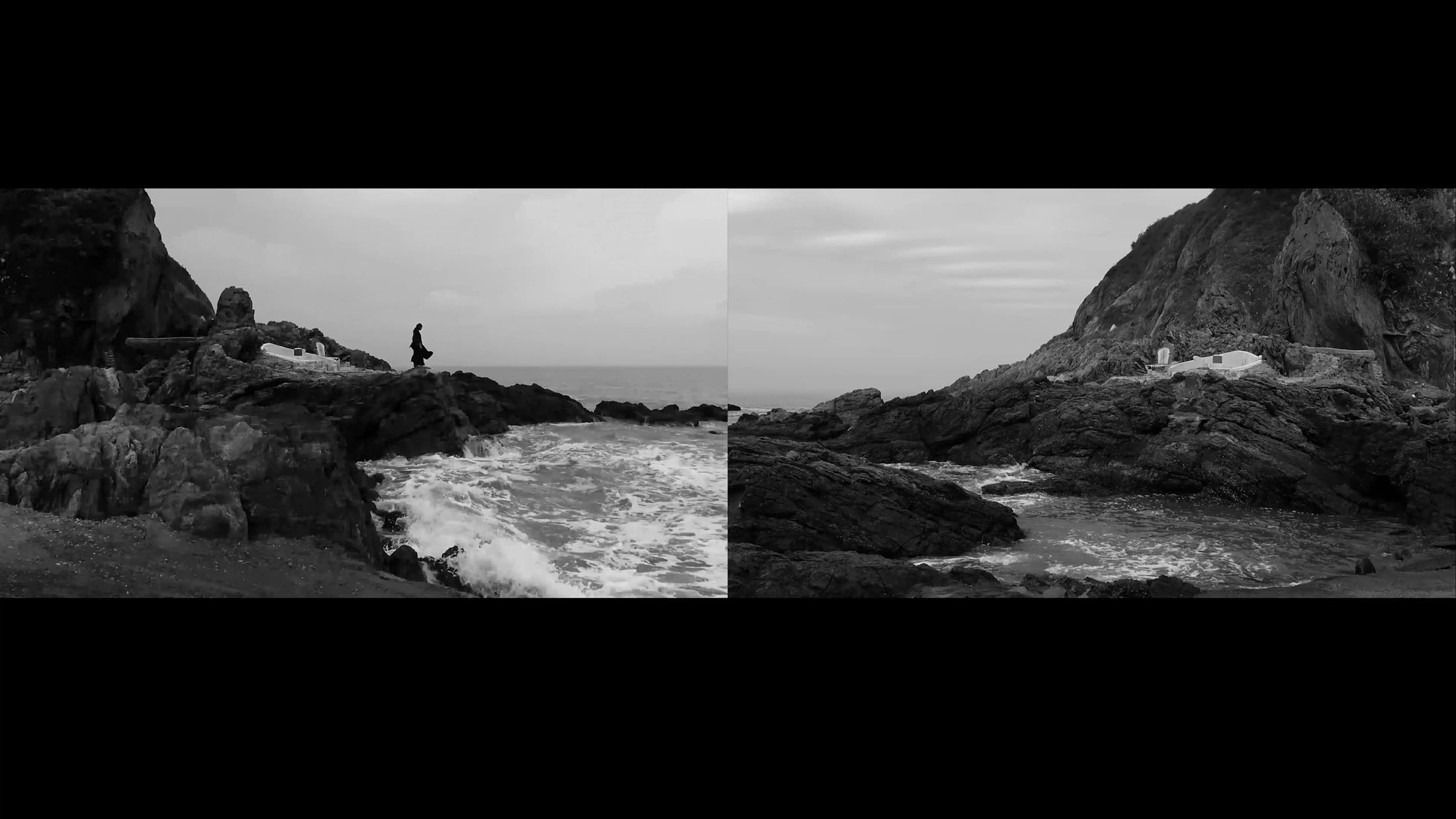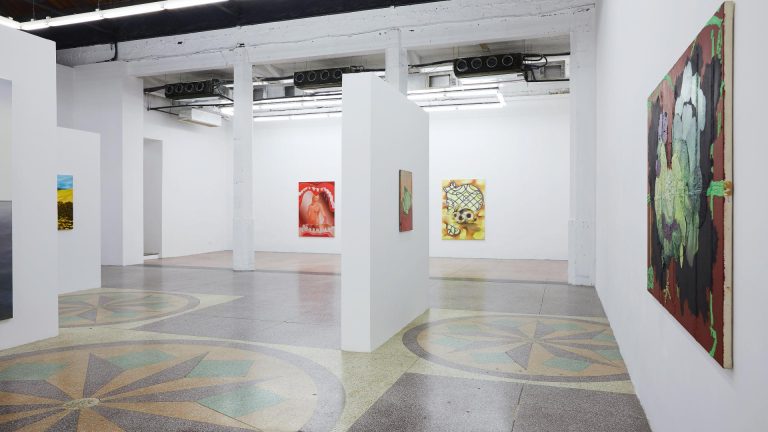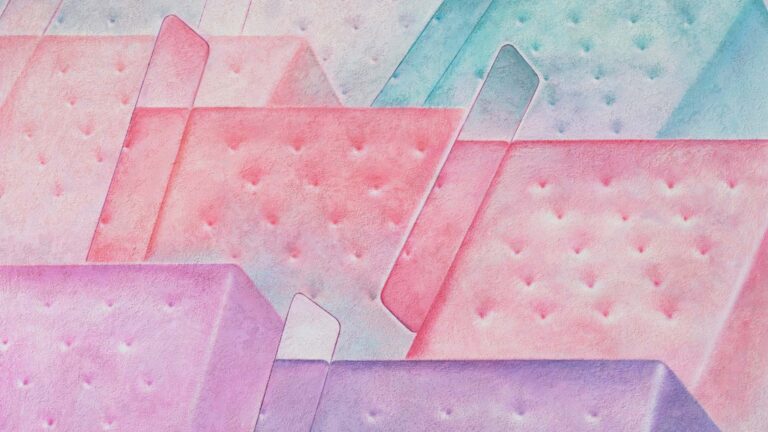
Patient Zero” originally comes from epidemiology, referring to the first identified infected individual in an outbreak—the “starting point” that people later attempt to trace. In reality, however, such a point often does not exist. Disease never truly begins with a single person; it has already been accumulating much earlier, within environments, relationships, and social structures. Any one individual merely happens to be the first in whom symptoms become visible.
This exhibition, Patient Zero, begins from precisely this premise. It does not attempt to identify “the first person who fell ill,” but instead uses the concept to pose another question: when a form of social pressure accumulates over time, where do the first cracks in the psyche appear?
If epidemiology studies how viruses spread between bodies, this exhibition turns to a more elusive form of transmission: how fear, repression, historical trauma, power relations, and those responsibilities and obligations taken for granted sediment layer by layer within society, ultimately erupting within individual consciousness. In this sense, “patient zero” is not a person but a position—a site where structural pressure, once sufficiently accumulated, first manifests its symptoms. Art is not necessarily the source of such pressure, but it often becomes the field in which these symptoms are first perceived. Tensions, fractures, and anxieties not yet clearly named tend to surface first in images, narratives, and forms.
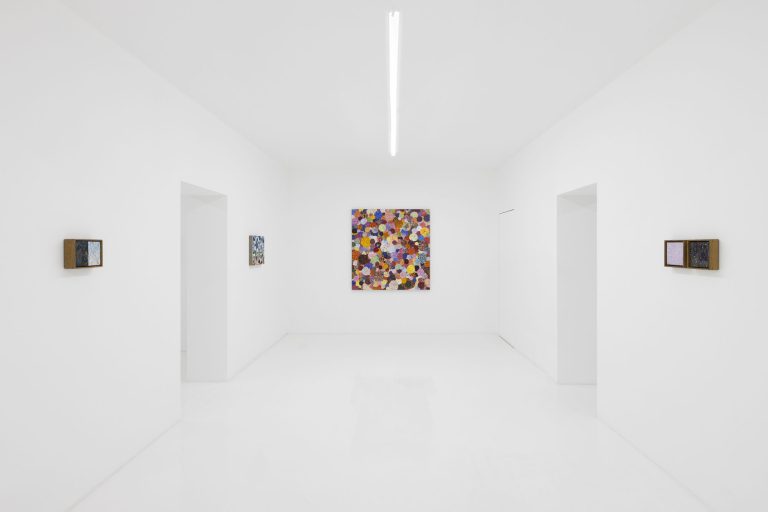
For this reason, the exhibition is not organized by medium or style. Instead, it attempts to place different artistic practices within a shared psychic stratigraphy. Drawing on Carl Jung’s notion of the “collective unconscious,” one might understand that the psyche is never entirely private; it is always entangled with history, culture, and social structures. The ruptures, repetitions, silences, and distortions that appear in artworks are not merely expressions of personal emotion, but often point toward deeper structural experiences.
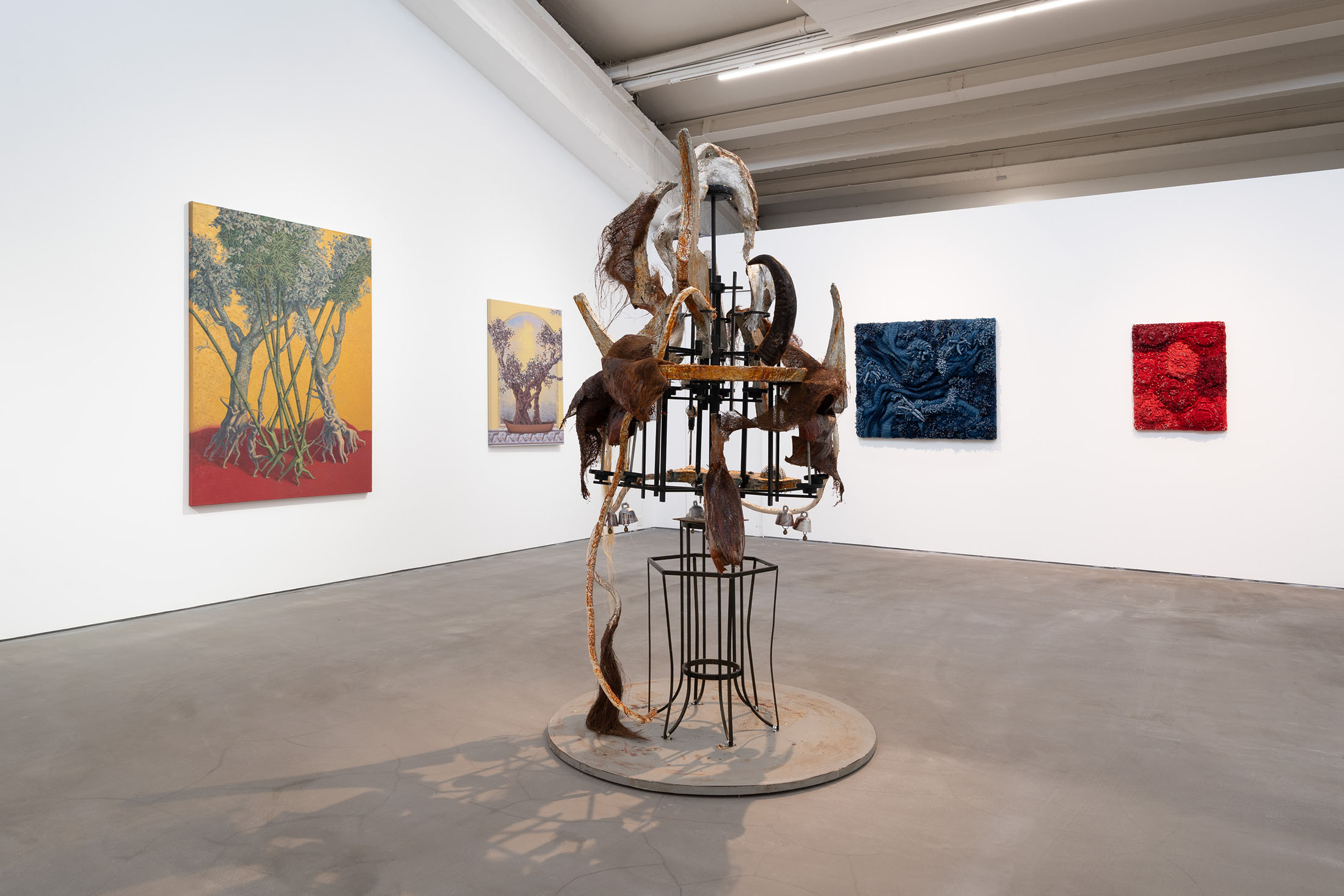
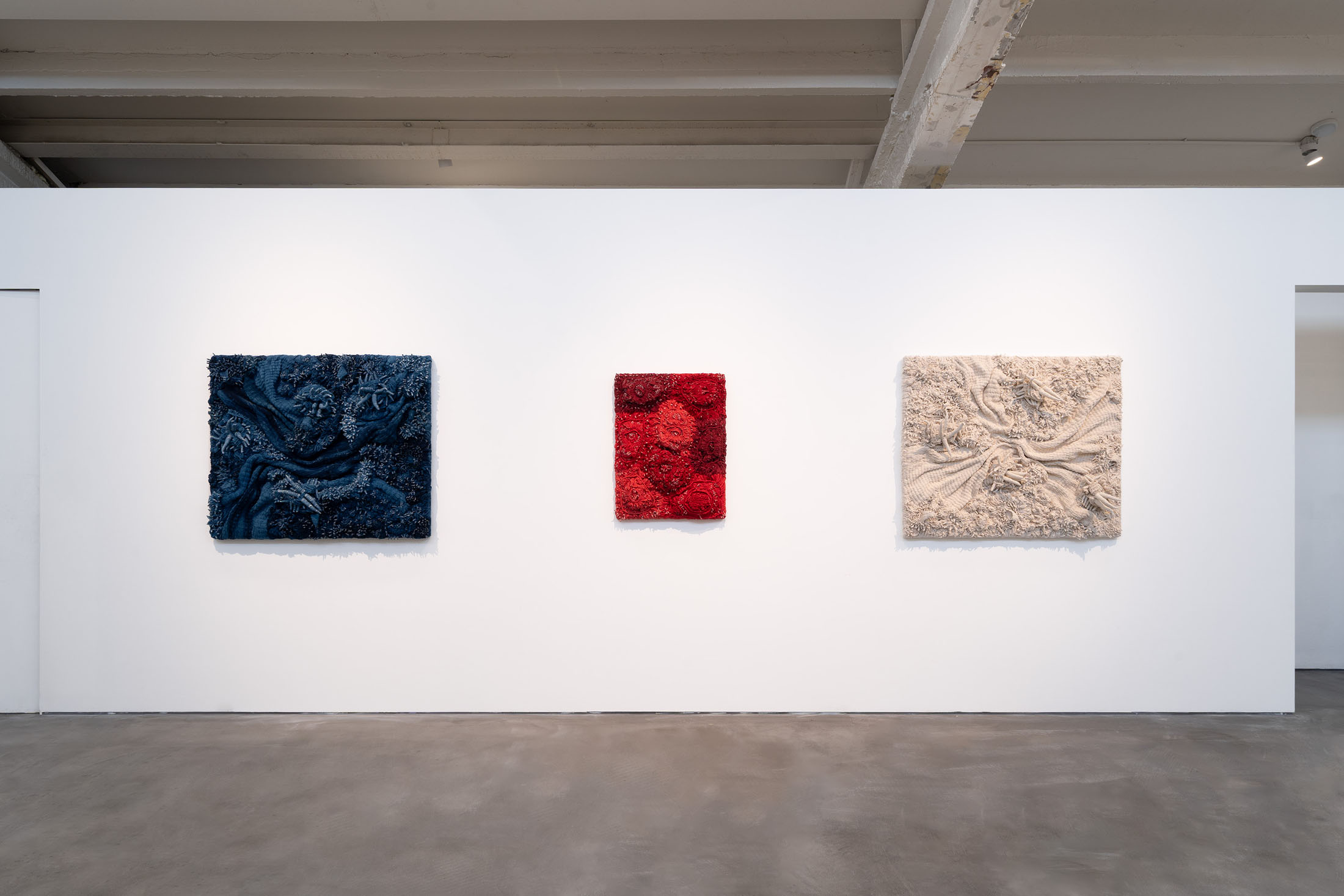
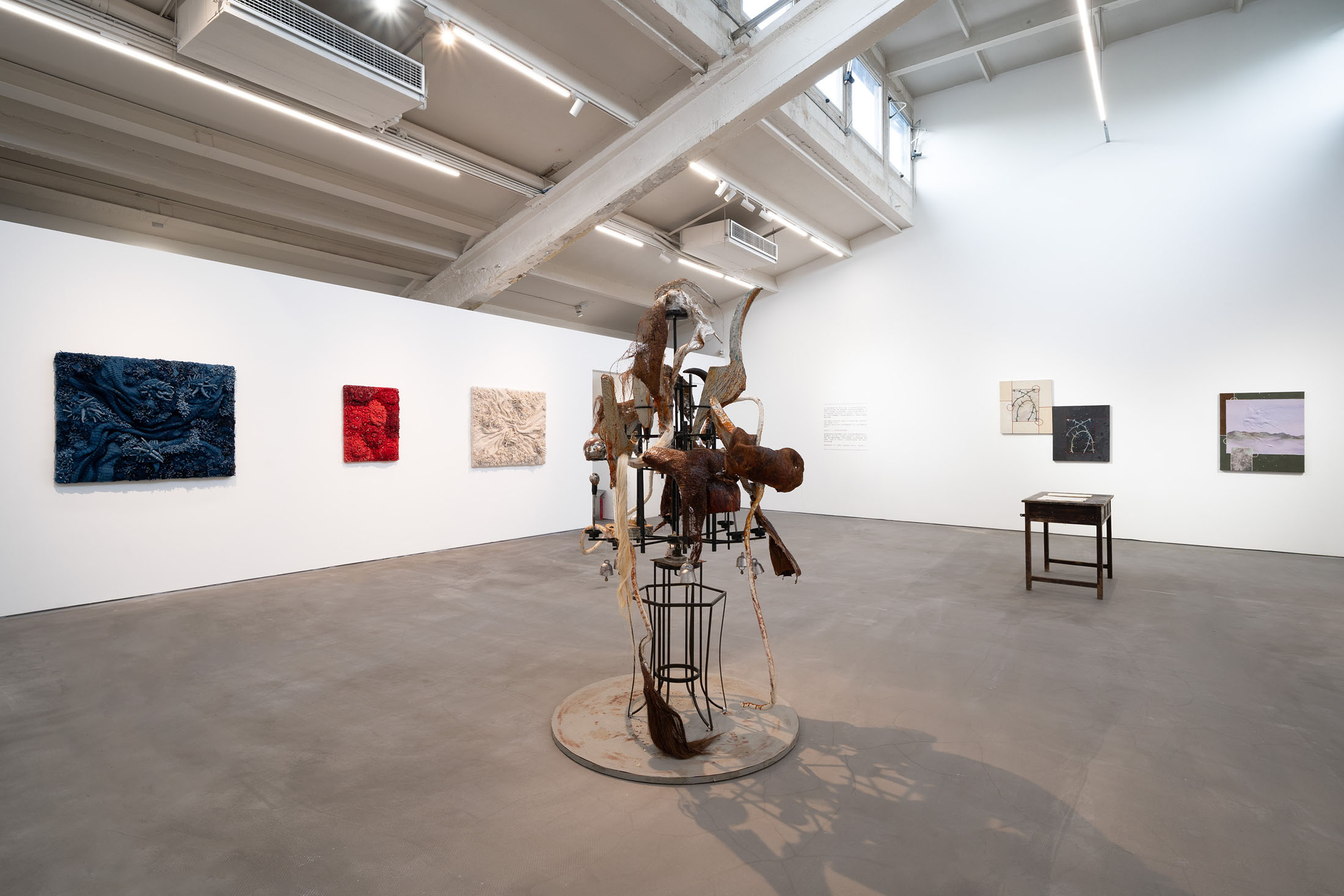
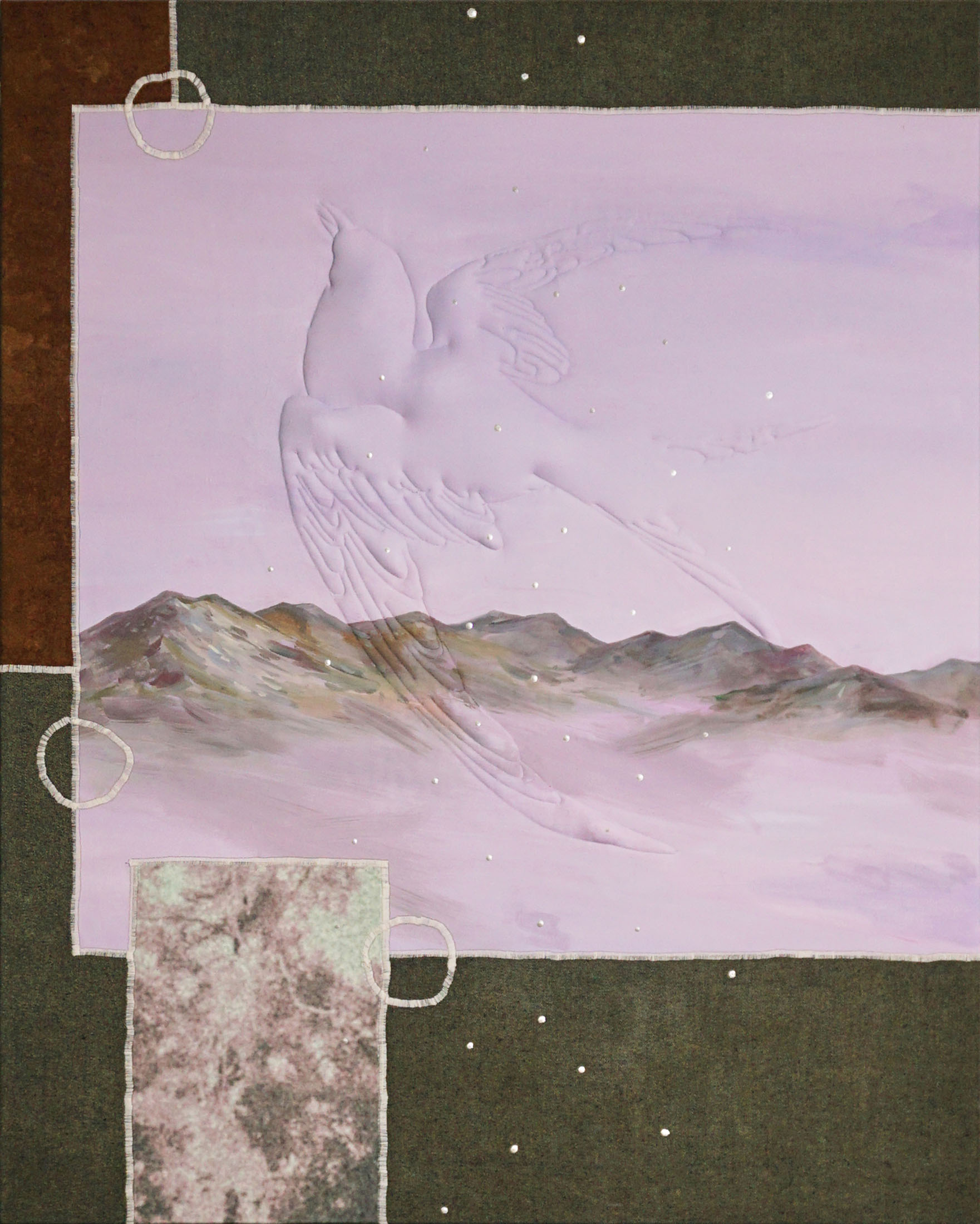
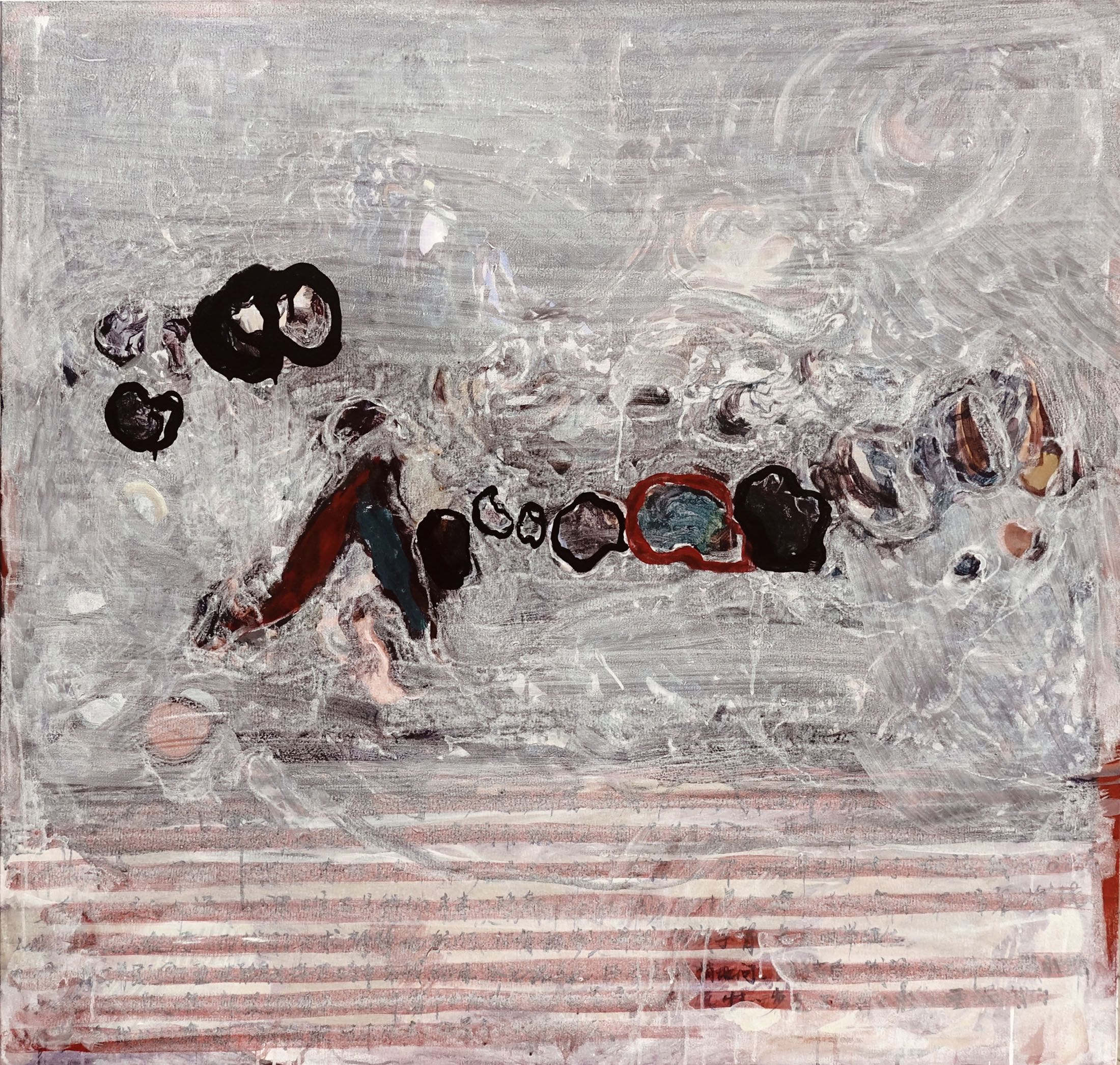
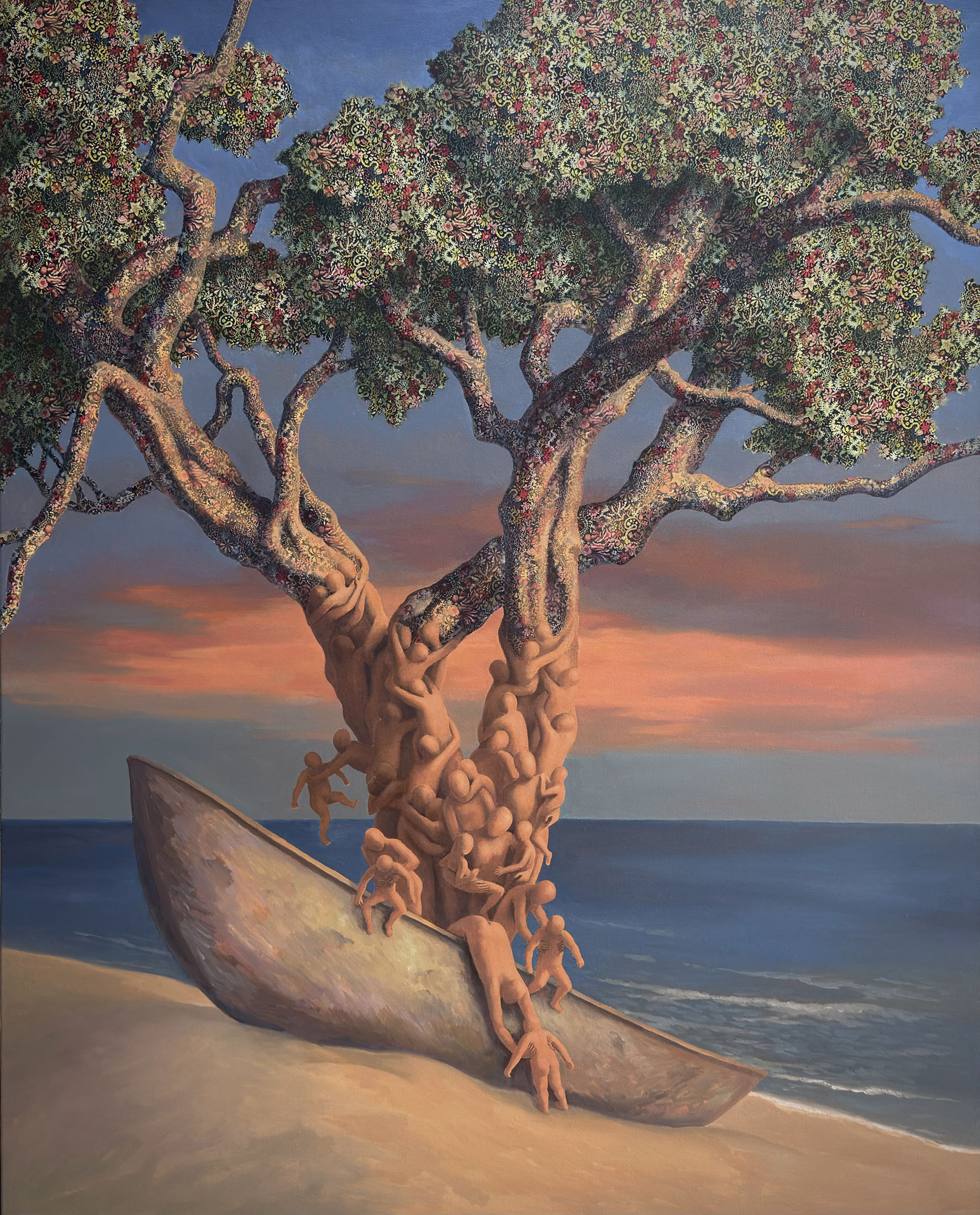
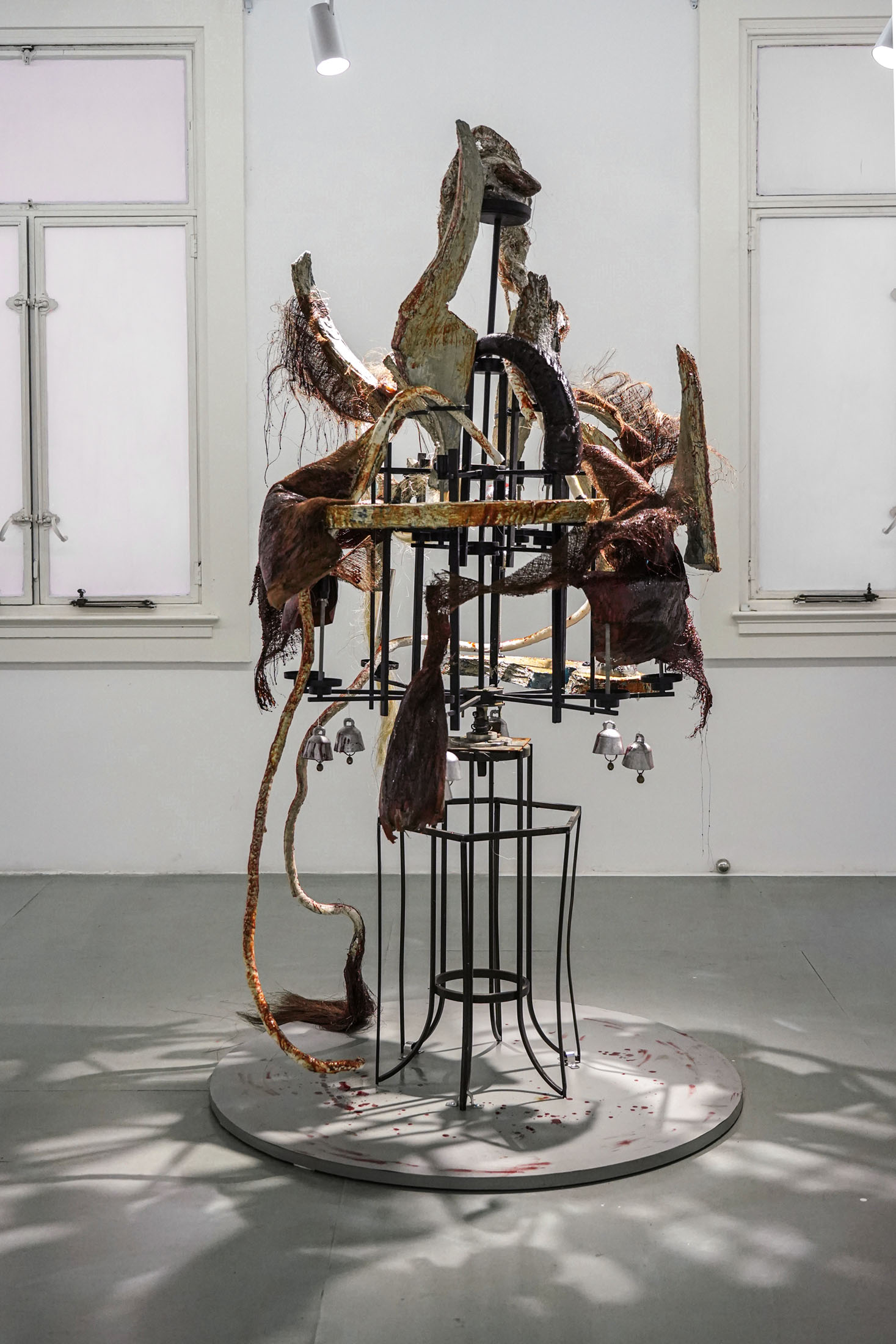
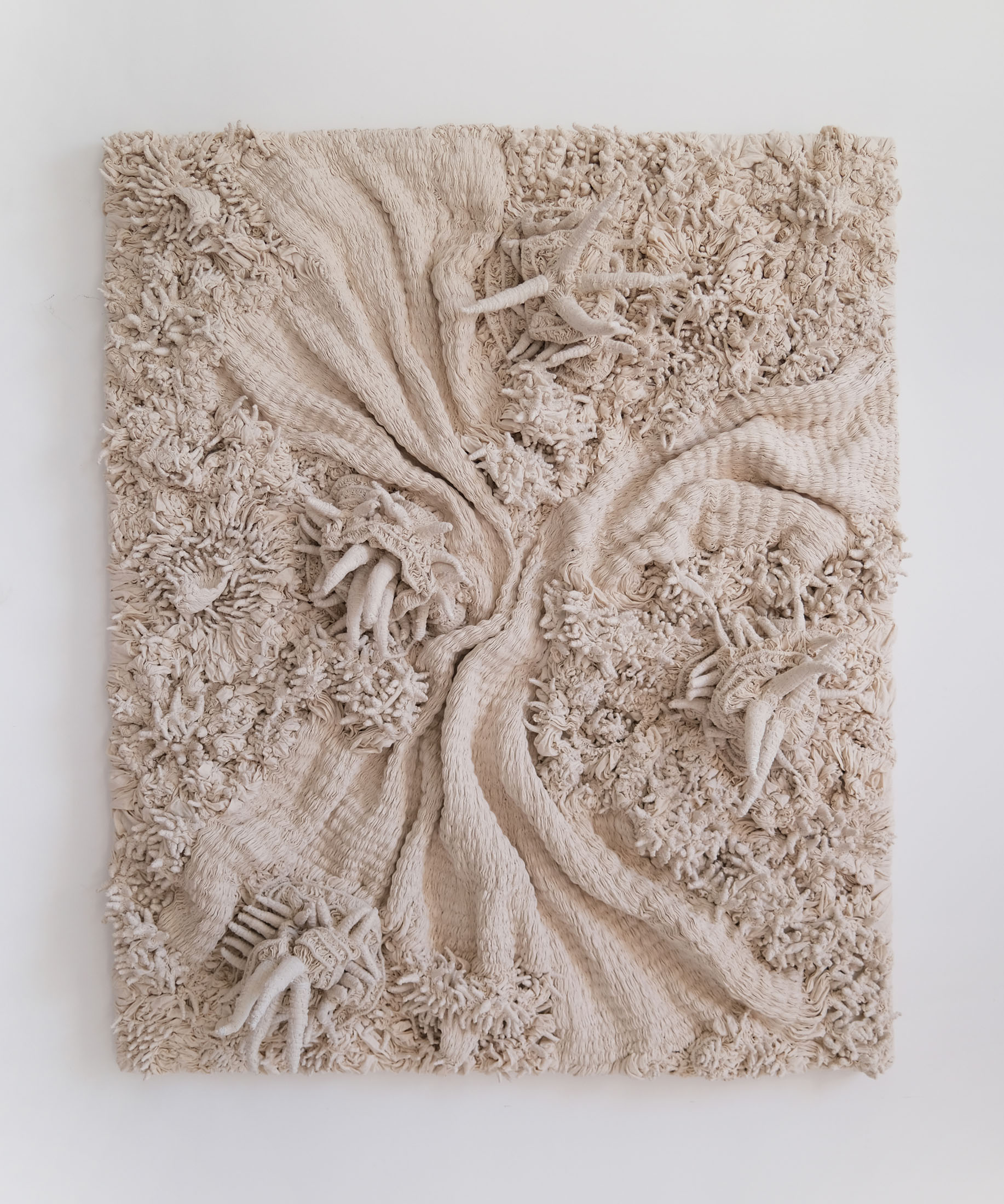
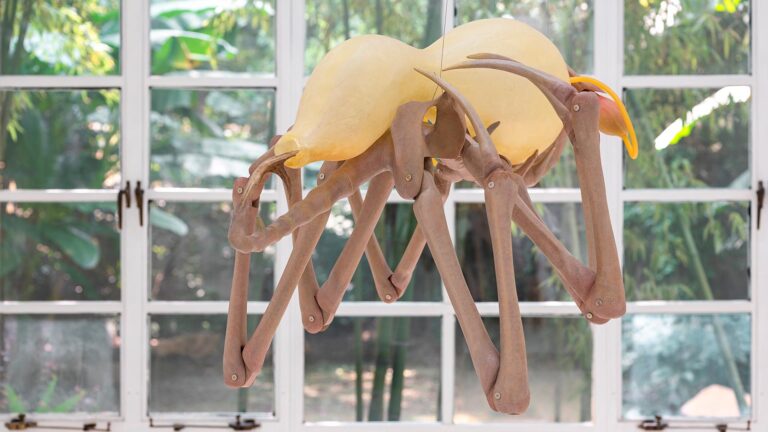
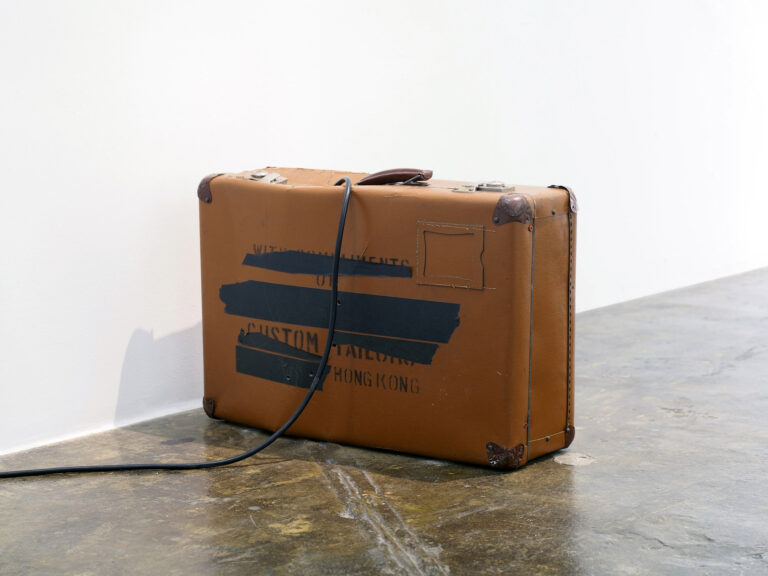
Within Patient Zero, each artist’s work touches upon a different source of pressure: the erosion of body and time through prolonged labor; the extractive force of family structures; the silences left by historical violence; the gradual internalization of self-censorship; and the self-repairing impulses that emerge as systems approach collapse. These works do not function as diagnoses; rather, they resemble early symptoms—signs that have not yet been fully explained by social narratives, yet have already begun to spread at the level of the psyche.
When established narratives can no longer account for lived experience, language is often the first to loosen, even to the point of near unintelligibility. Cracks tend to appear first within language itself. The narrative of Patient Zero unfolds from this point: artists are not healers, but those who first sense these fractures. Their works are not the disease, but the earliest traces left by social structures deep within the psyche.