The Marta Herford presents the most extensive solo museum exhibition to date of the internationally renowned artist Mohamed Bourouissa (born in Blida in 1978, lives in Paris) in Germany. In a poetic manner and in poignant spatial stagings, the artist addresses thematic areas based on individual protagonists, ranging from a colonial history that continues to this day and structural discrimination to personal remembrance. The exhibition, developed by guest curator Oriane Durand (born in Marseille in 1981, lives in Berlin), traces a course from Germany via the Parisian suburbs to the artist’s Algerian homeland. The selection includes photographs, films and installations from 2005 to the present, with many of the works being specially developed for the architecture of the museum or shown for the first time in this exhibition.
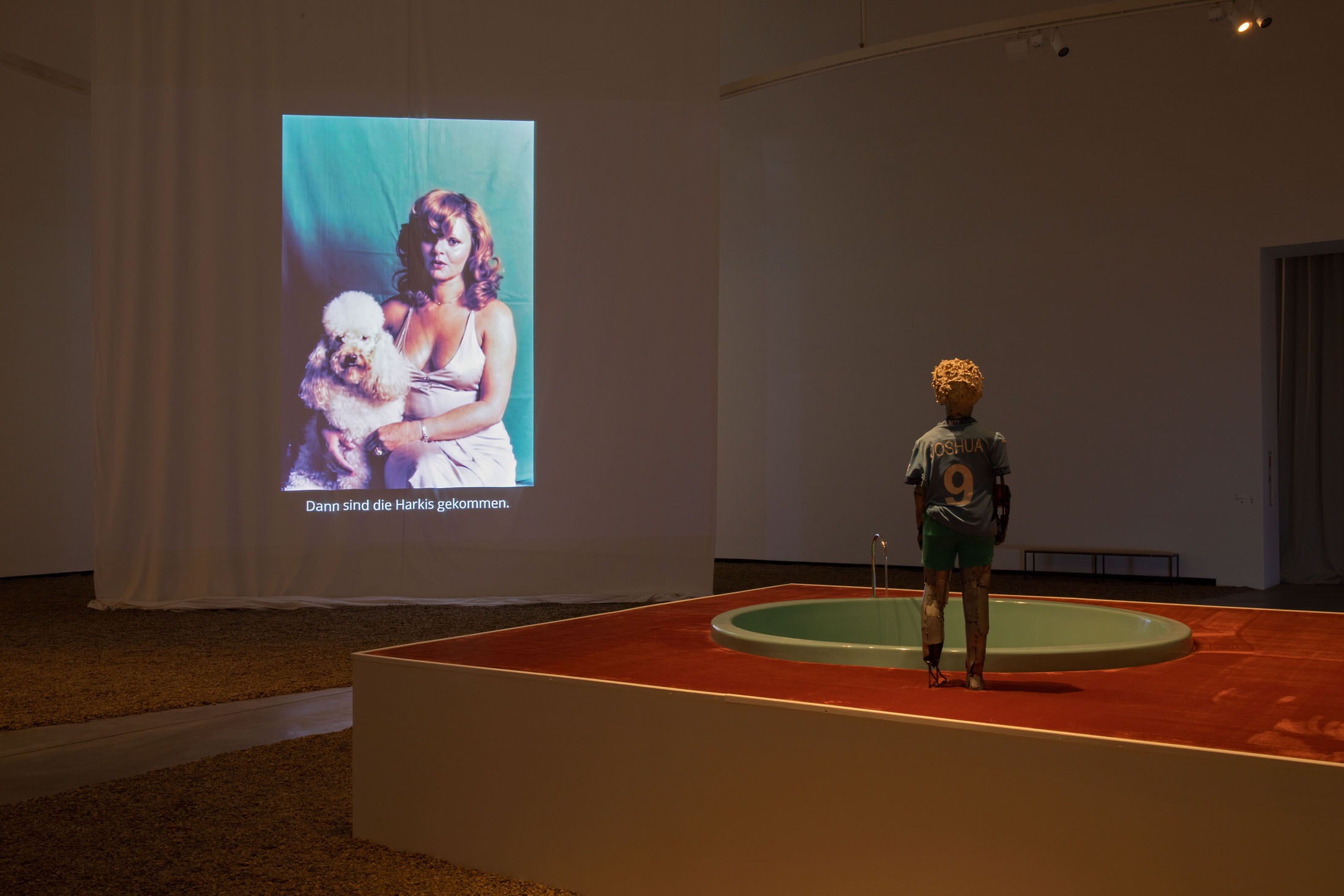
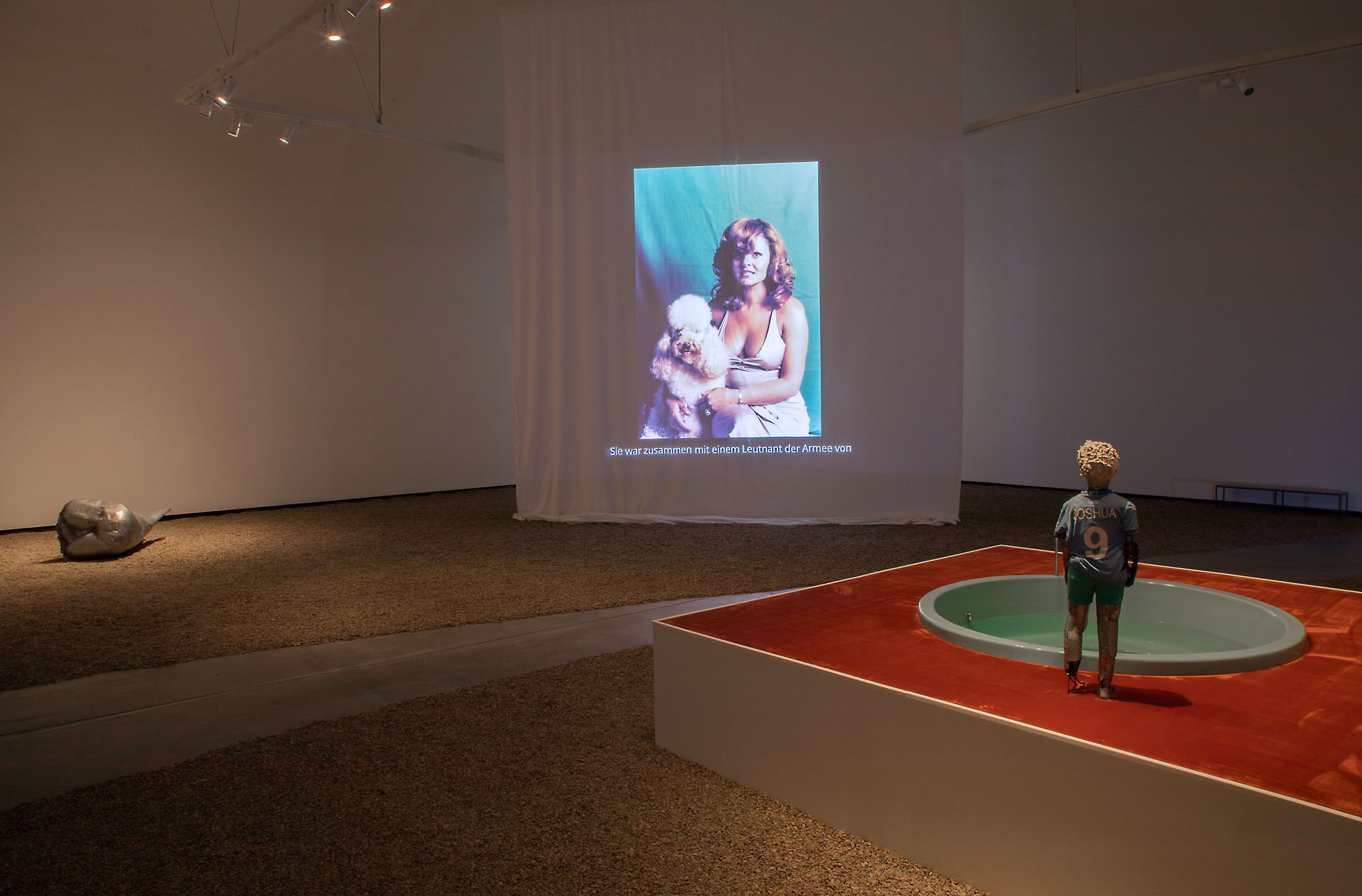
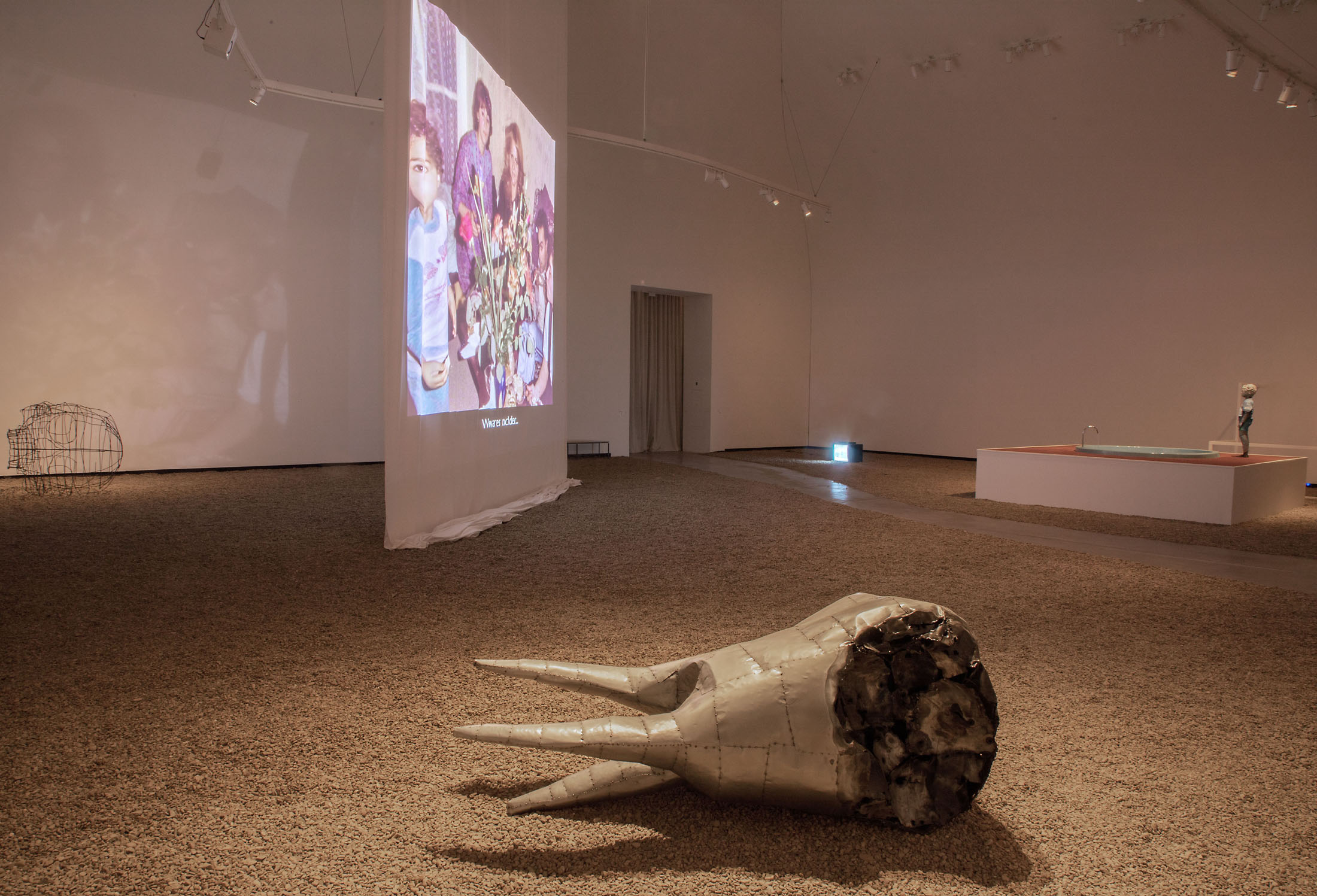
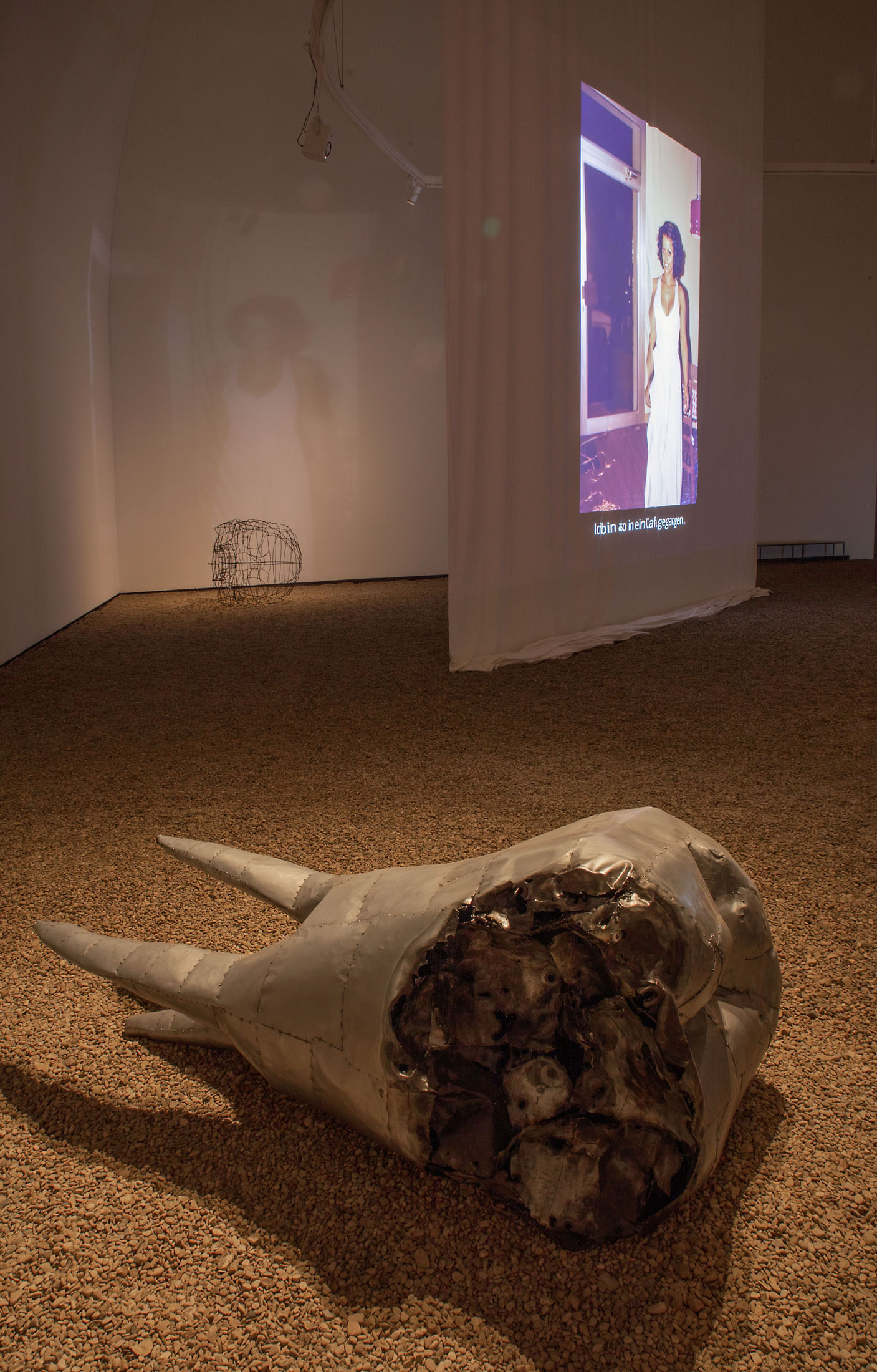
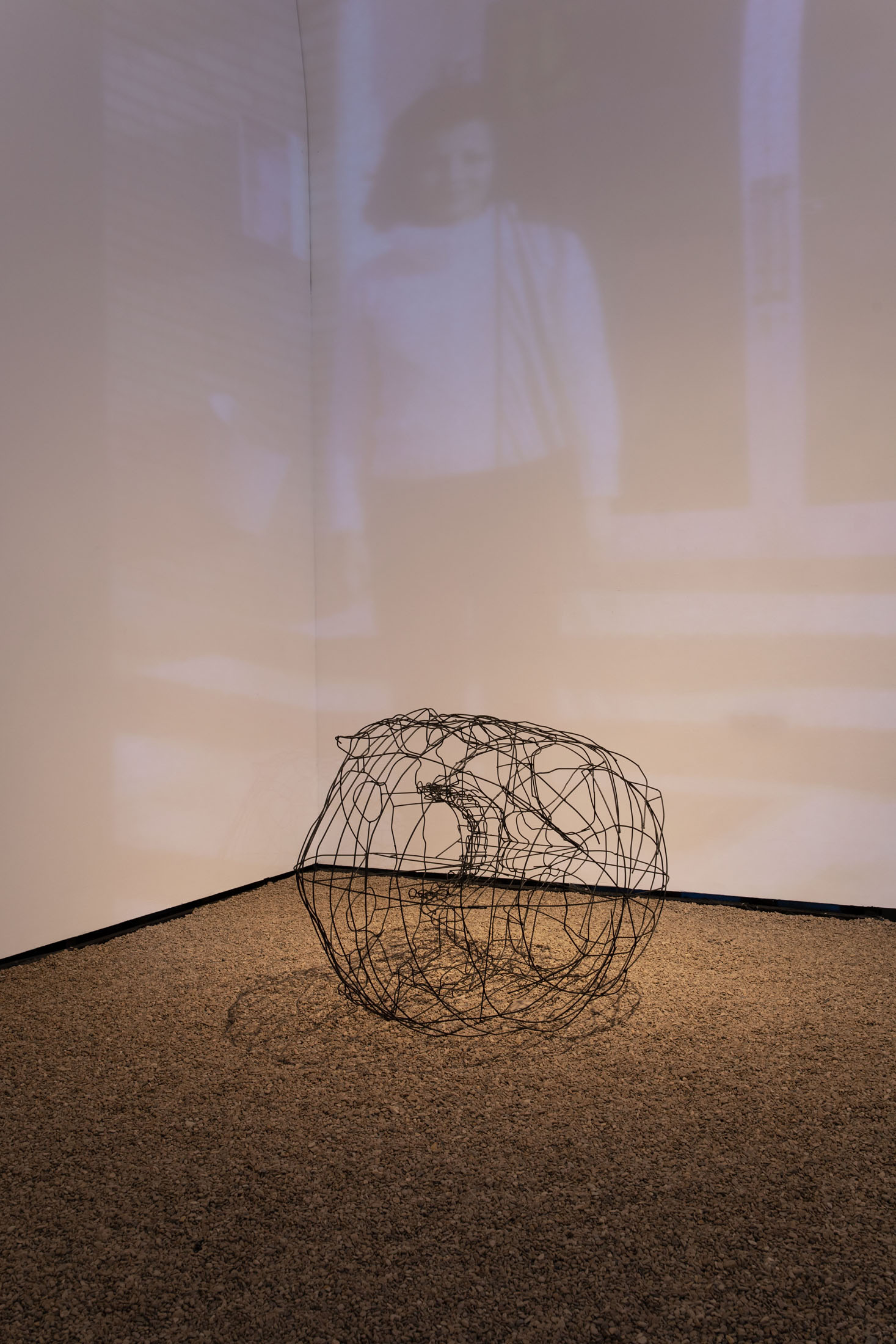
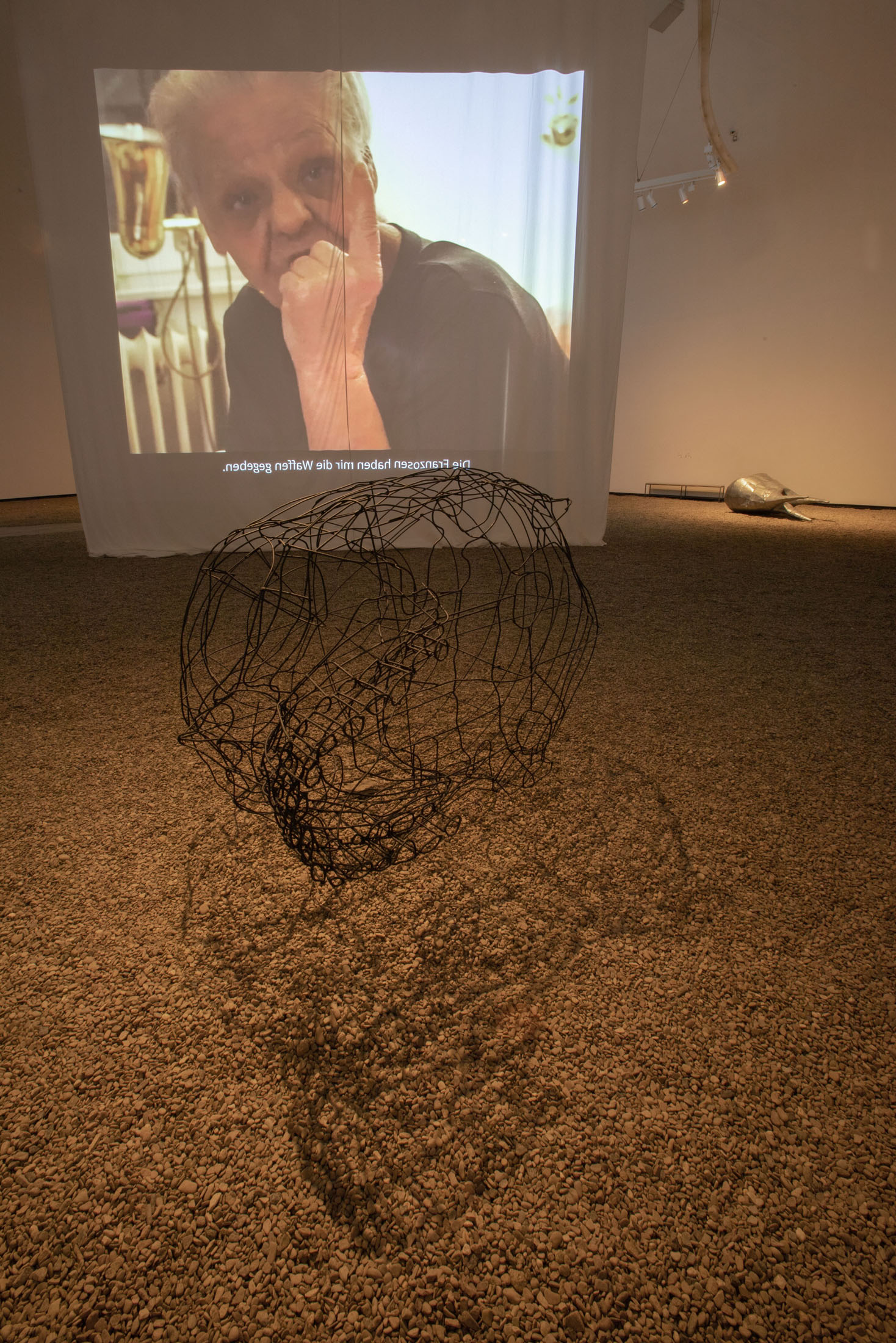
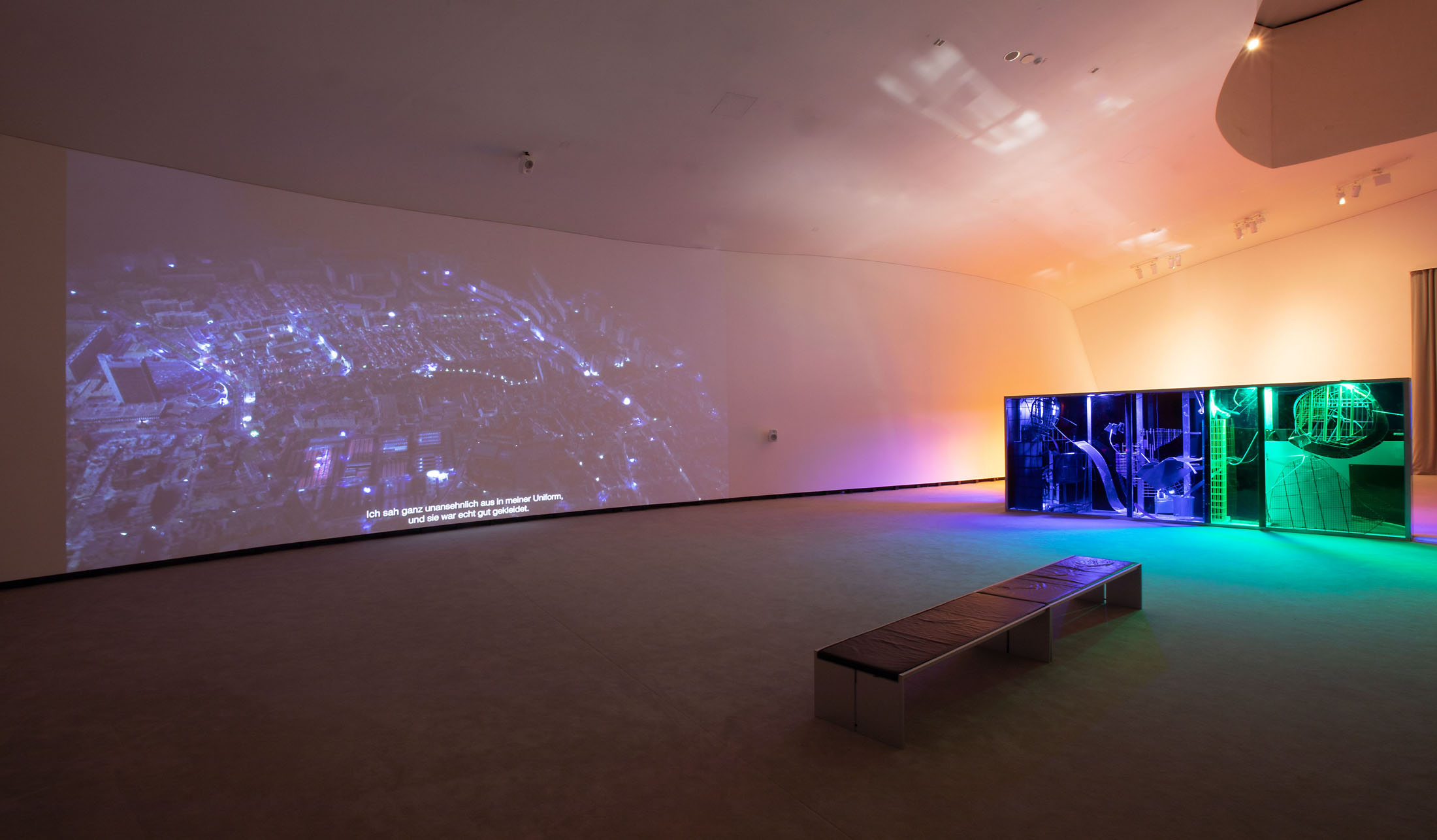
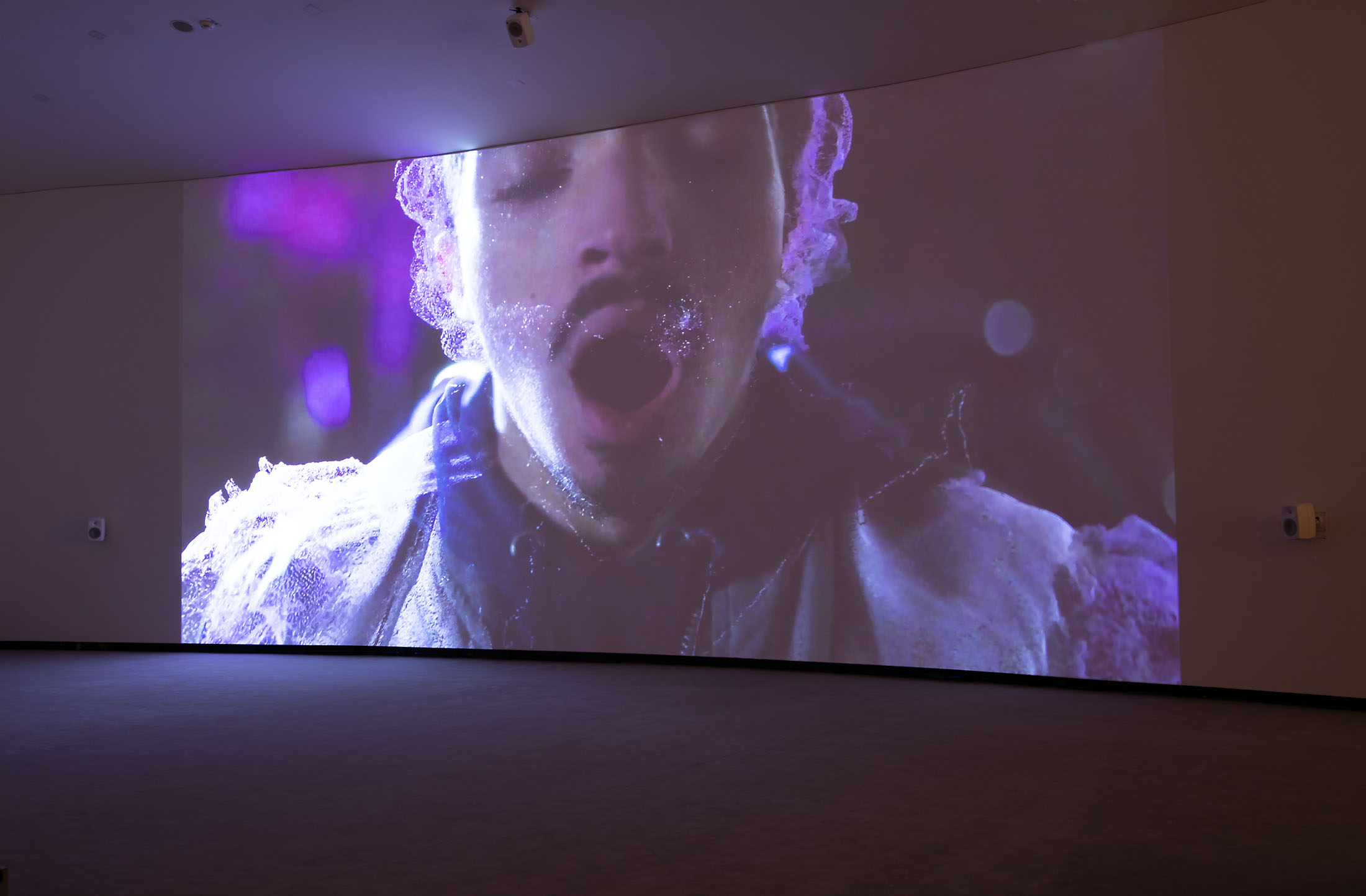
The exhibition entitled Pour Noubia, like the newly conceived film installation, is dedicated to the artist’s aunt, who is buried in Bielefeld. The film Noubia (2025) transforms the 22-meter-high exhibition space (Dom) into a kind of mausoleum, in which it is projected in large format onto a cloth of approximately 100 square meters. Noubia Meier was born in Blida in 1942 and began working as a prostitute at a young age during the Algerian War (1954–1962). She migrated via France and Belgium to Osnabrück, where she initially worked in a brothel and later as an independent dominatrix and also married.
When she died in 2022, she left her nephew numerous photographs and video cassettes. Mohamed Bourouissa not only visited his aunt many times, but also made audio recordings with her. On this basis and using artificial intelligence, he developed a film that brings her back to life.
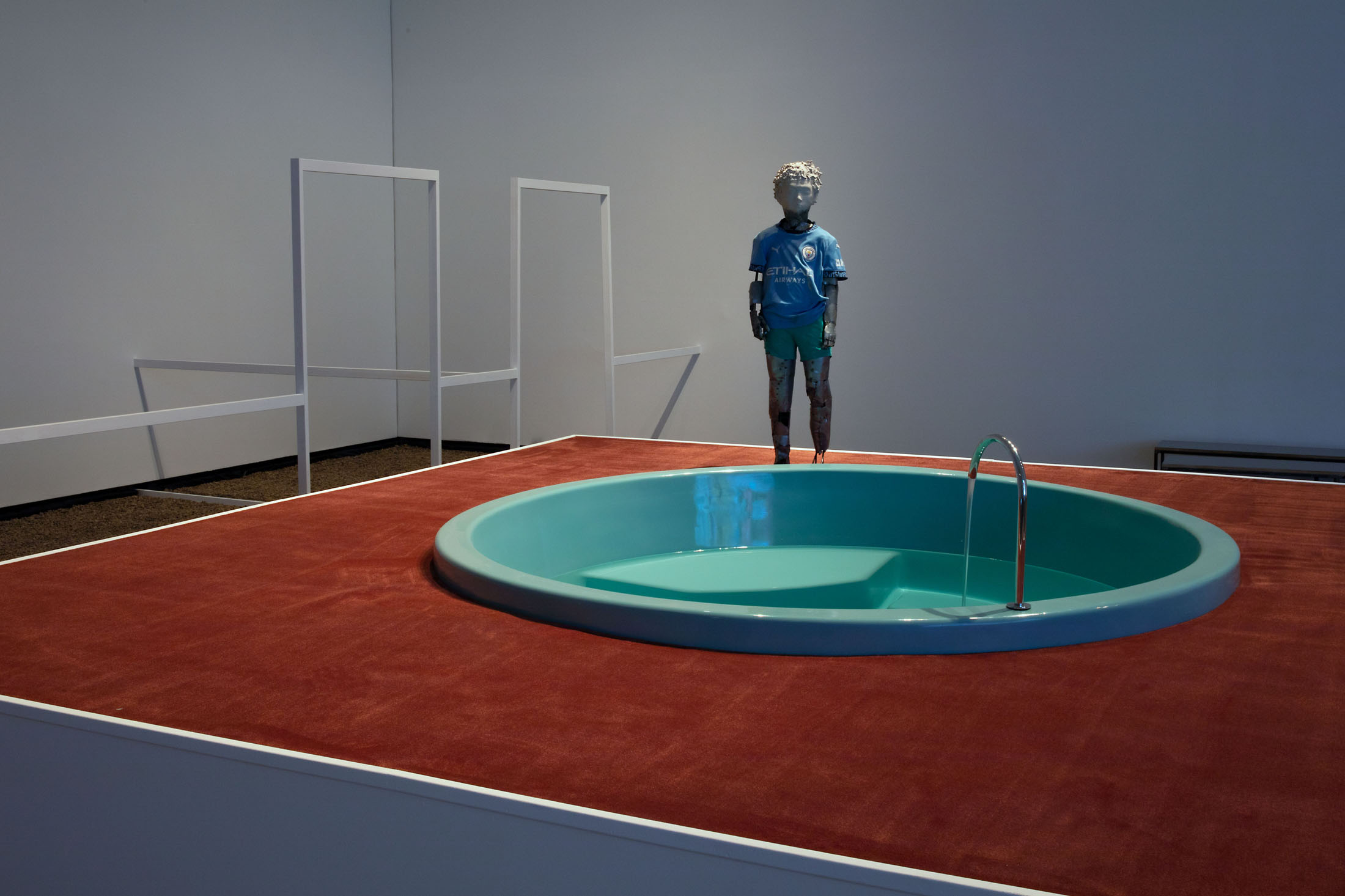
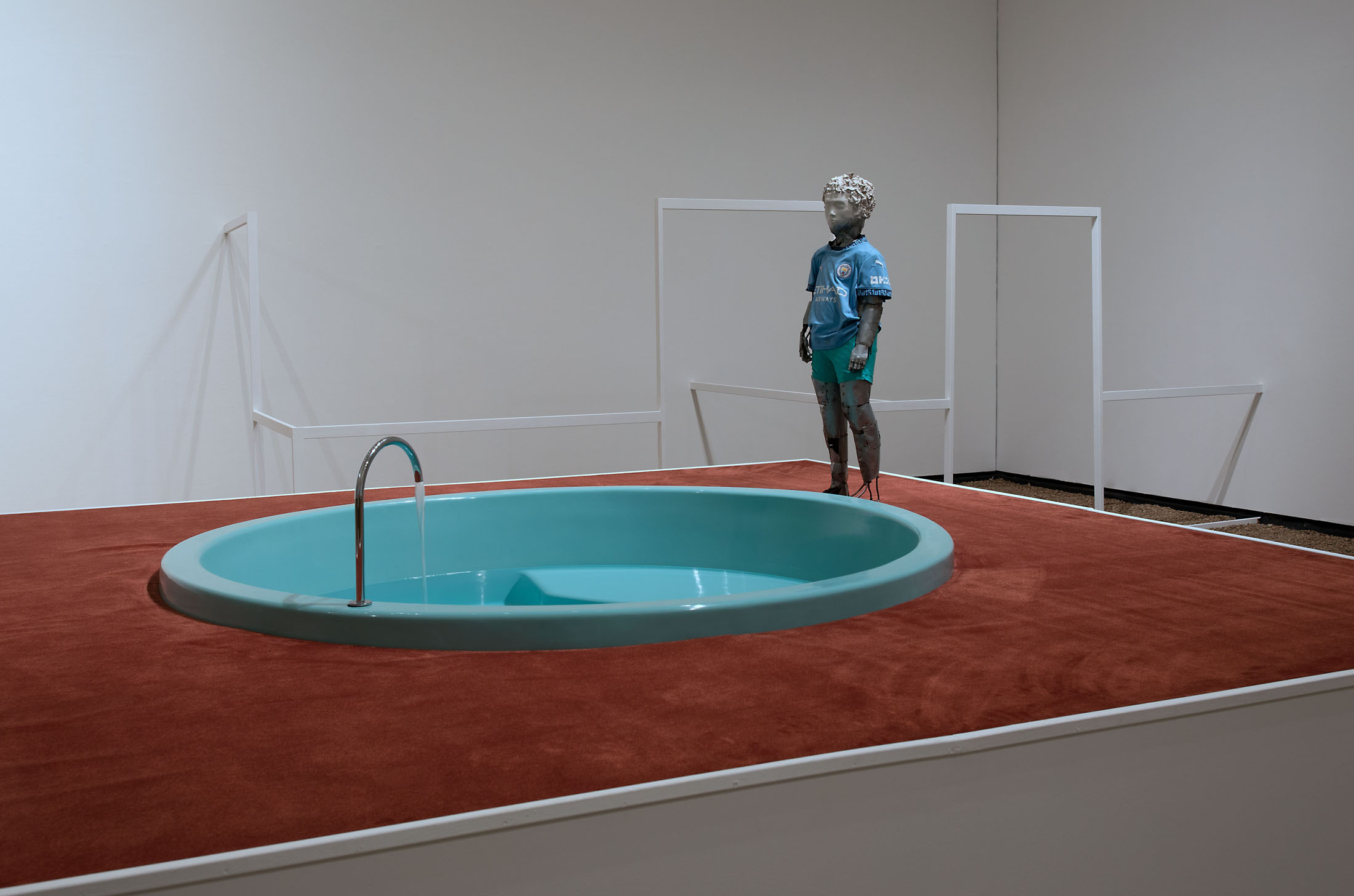
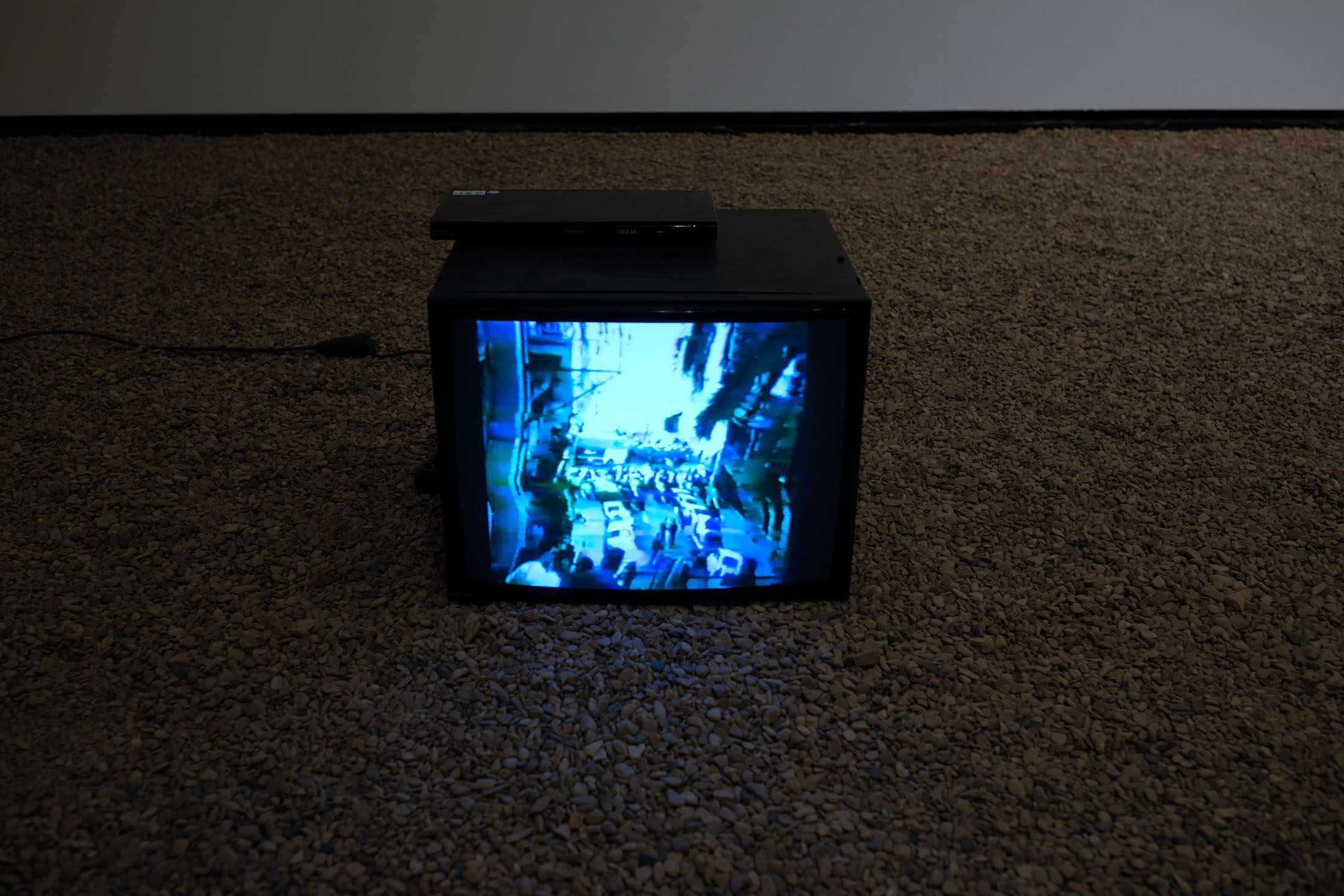
This is embedded as a spatial installation in a gravel landscape, surrounded by other sculptures, forming a place of tranquility. In the exhibition design, Bourouissa quotes the aunt’s environment in many places; for example, a pool is reminiscent of one of the photographs from the Osnabrück brothel. He himself also appears in some parts of the film as a child. The figure of the boy standing by the pool can also be read as a biographical reference.
The sensitive portrait of the Arab migrant and sex worker depicts the obstacles she had to overcome, but also her strengths, her unbroken joie de vivre and her self-determined path to independence as a woman and entrepreneur. Even though Bourouissa’s works always emerge from his environment, this new work reveals both a personal and a collective narrative.
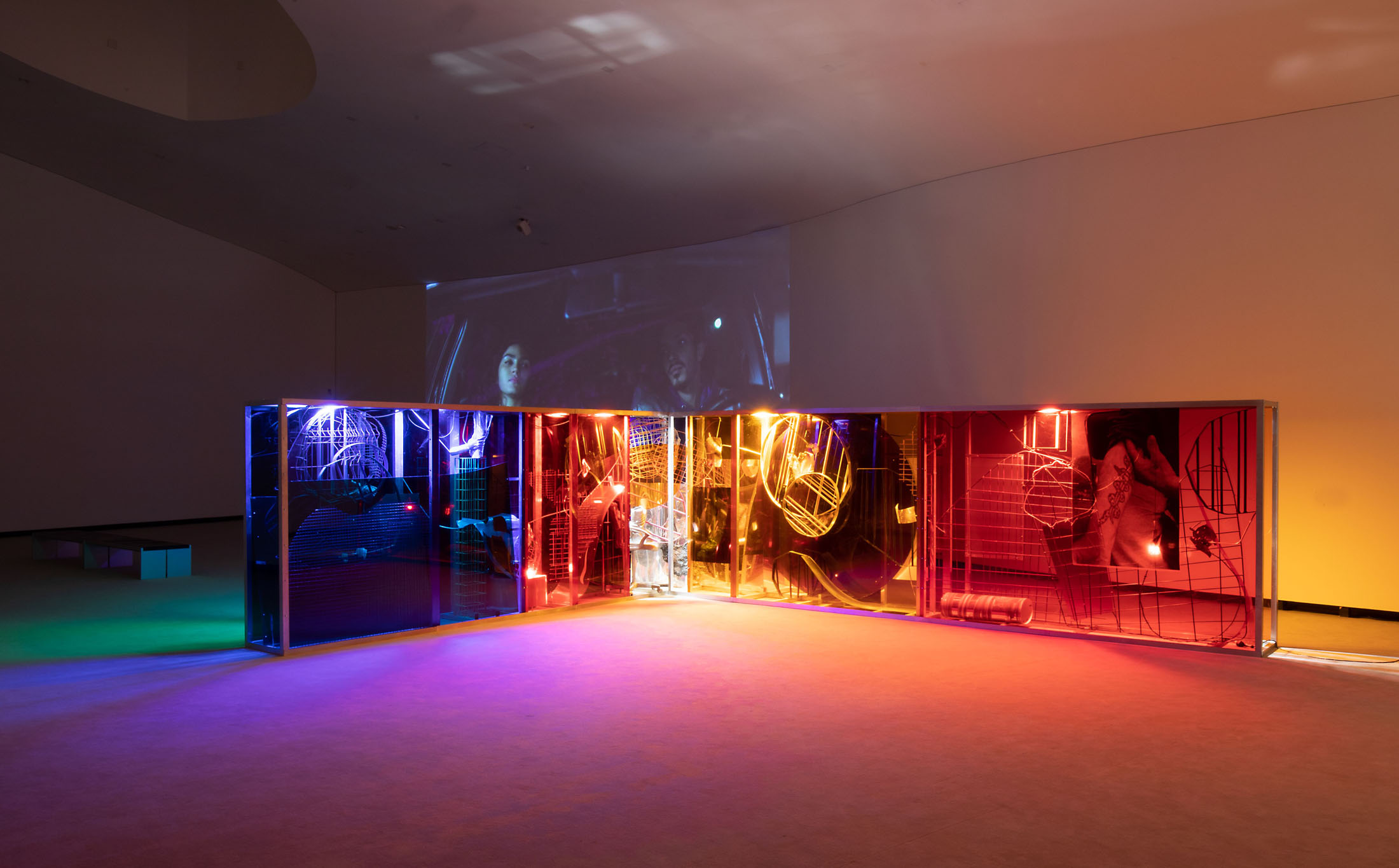
The award-winning film Généalogie de la Violence (2024, Engl. Genealogy of Violence) leads into the Parisian suburbs. Here, a narrator tells of his date with a young woman. The couple, who are talking in a parked car, are suddenly checked by the police. This control, which could have been supposedly banal, reveals the logic of racial profiling and the actions of a state system that is permeated by racist structures. The film’s haunting visual level, in which real and thought space merge into one another in an animation, makes it possible to understand the enormous psychological burden that those affected experience.
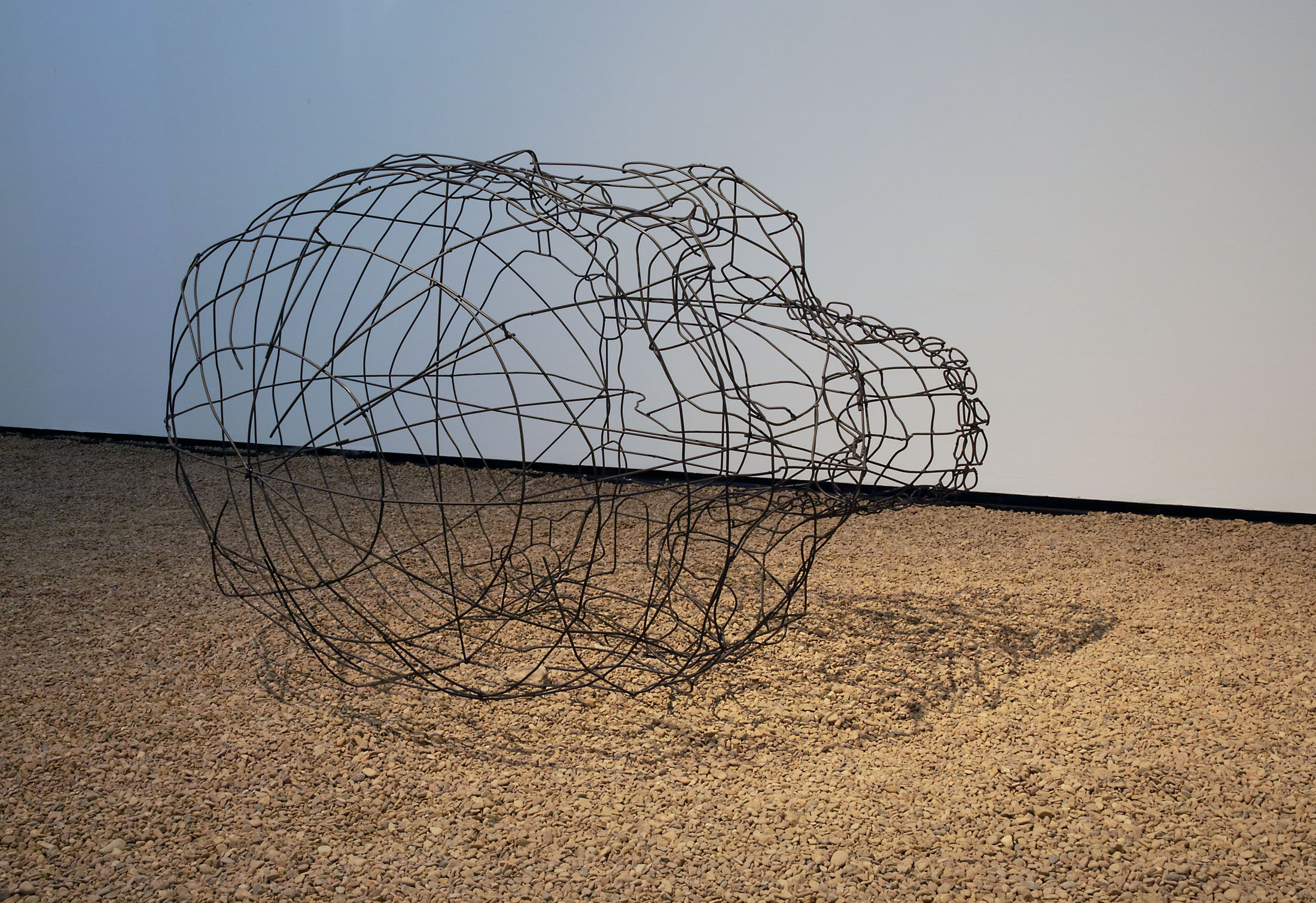
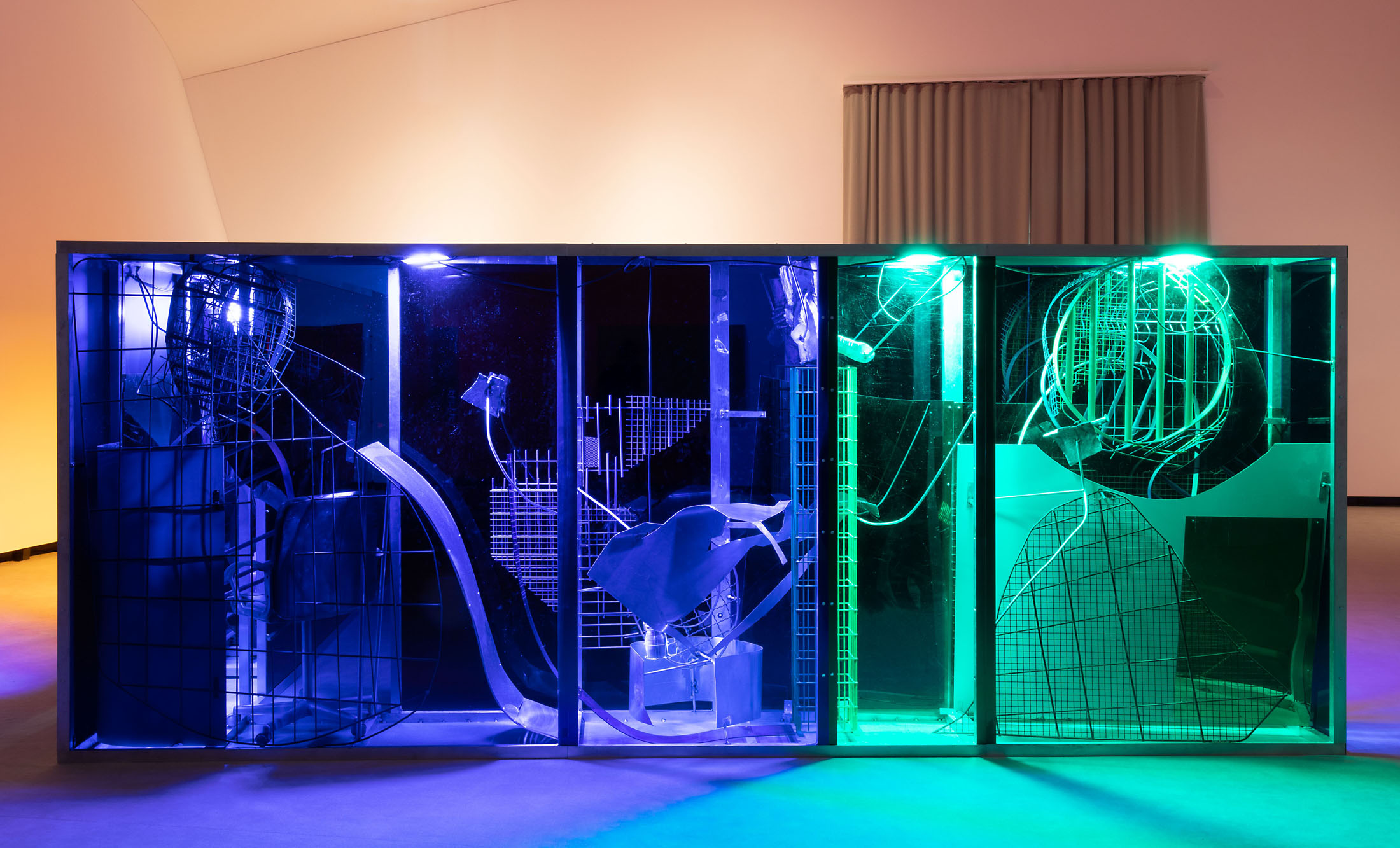
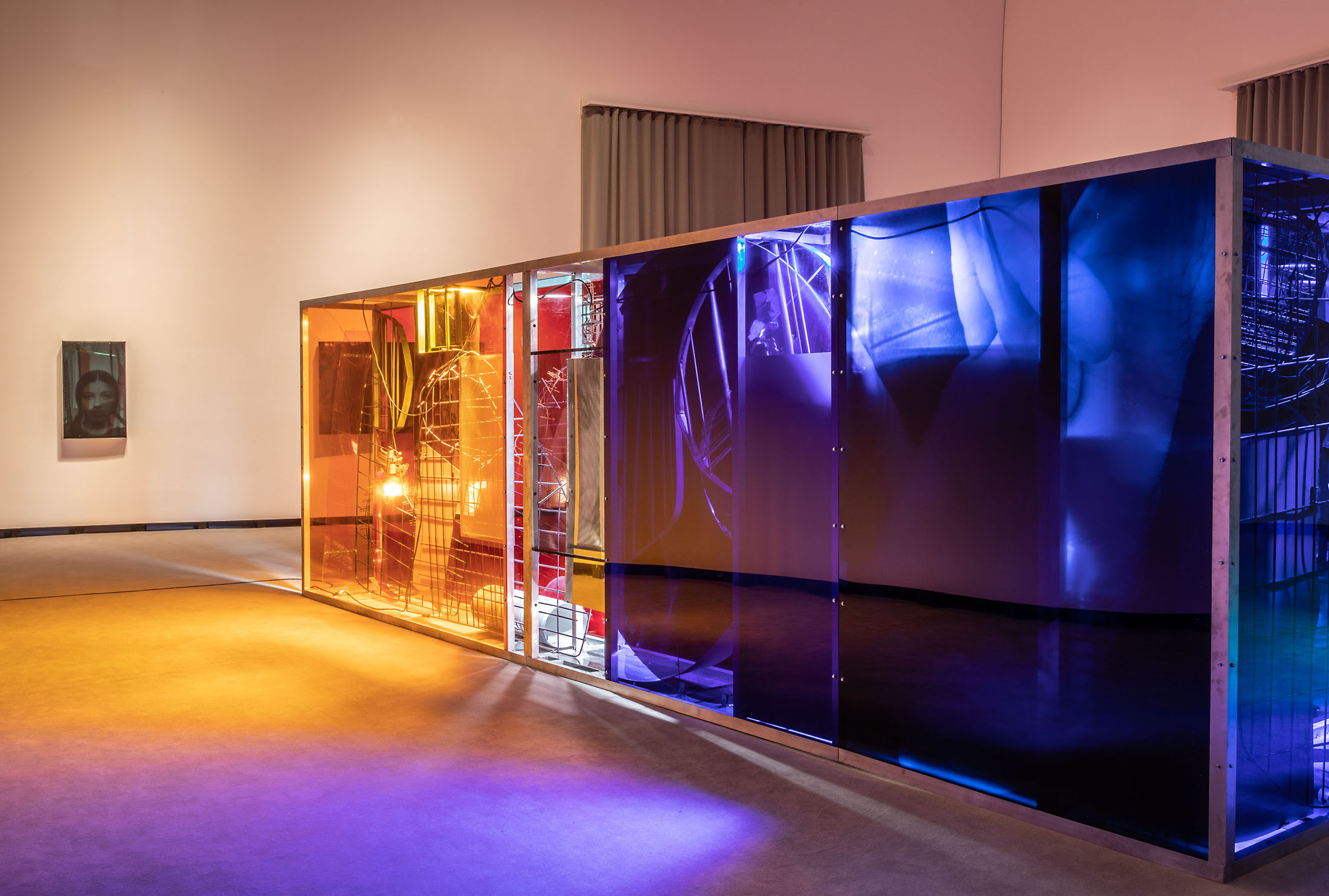
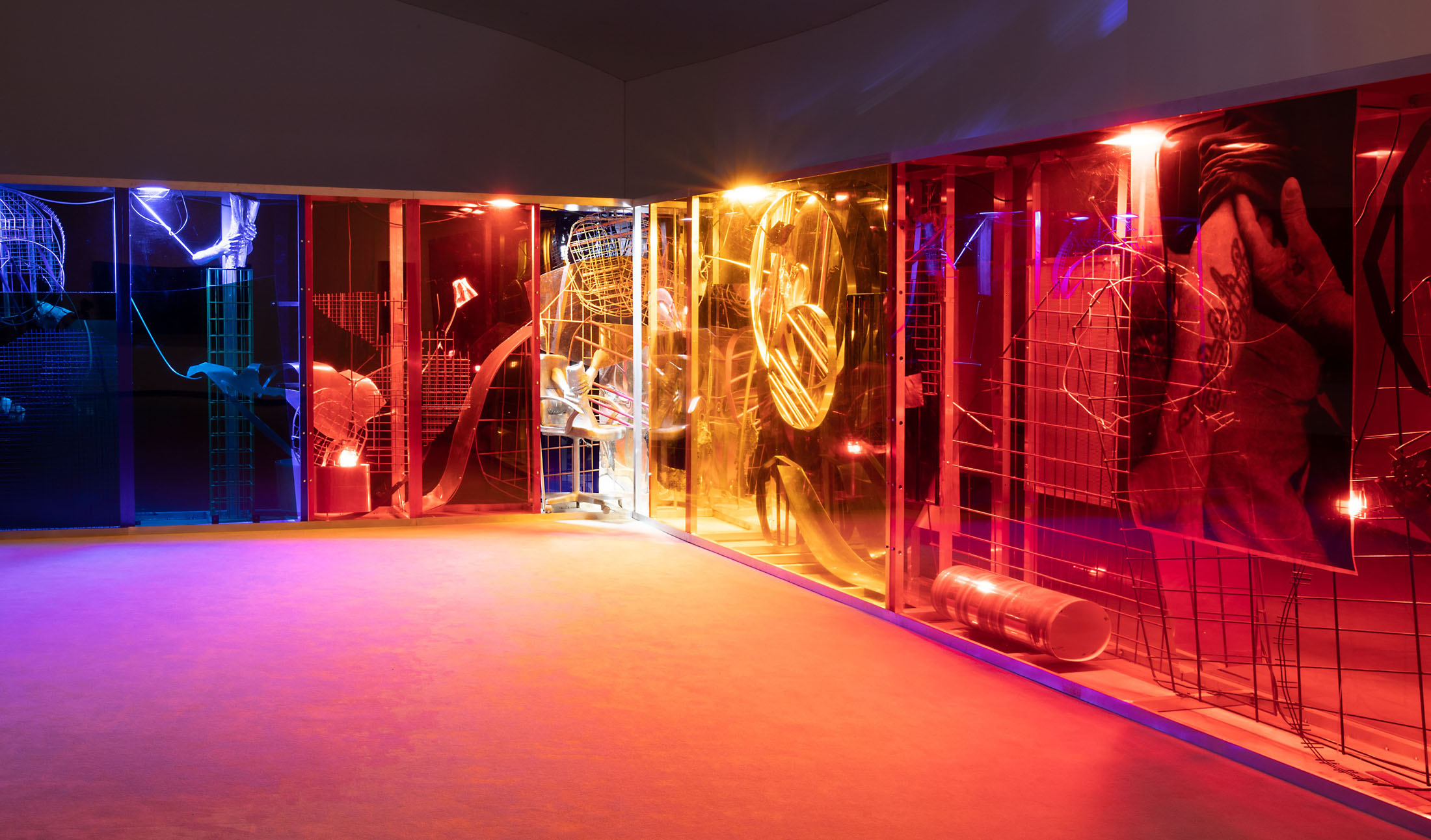
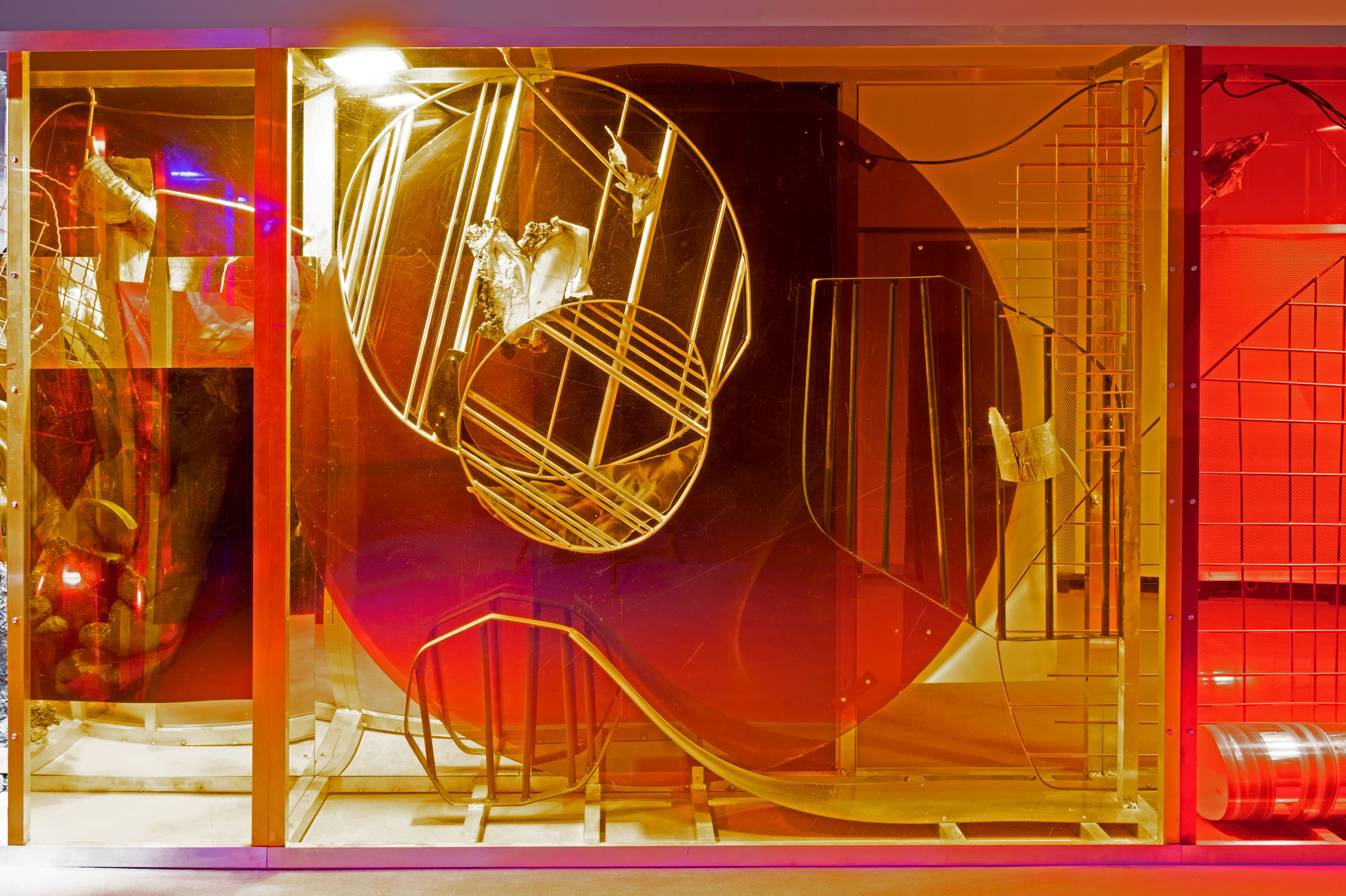
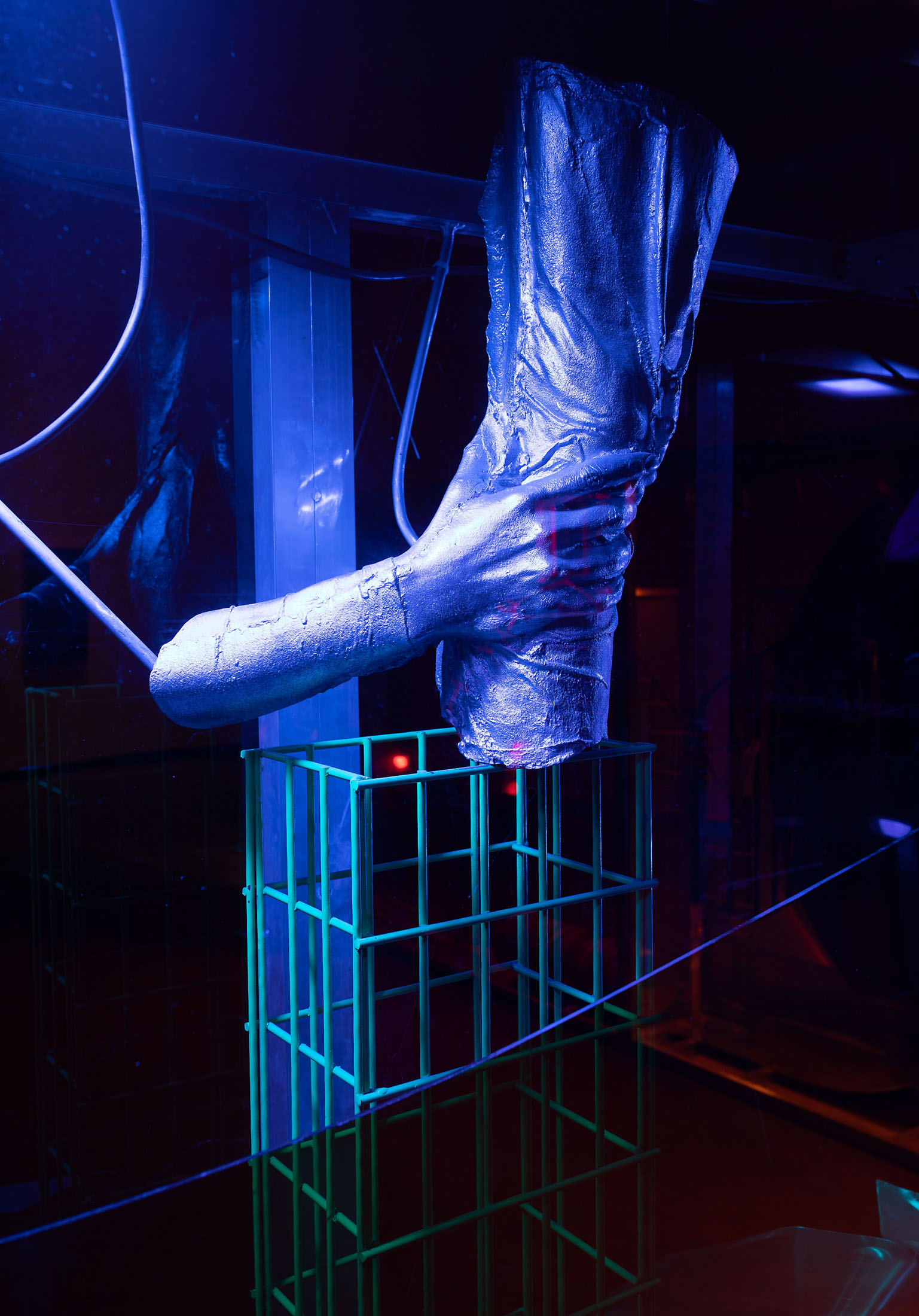
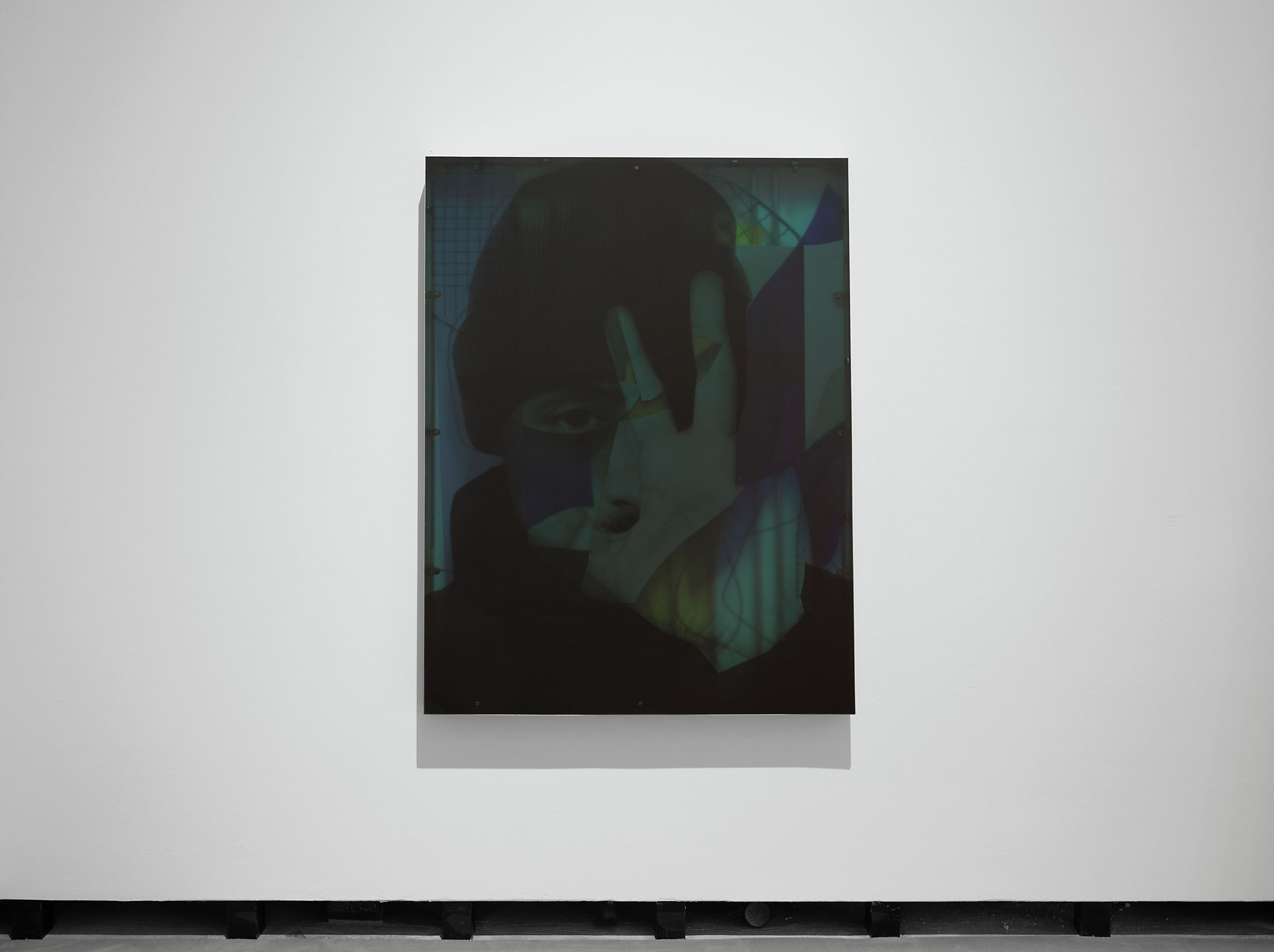
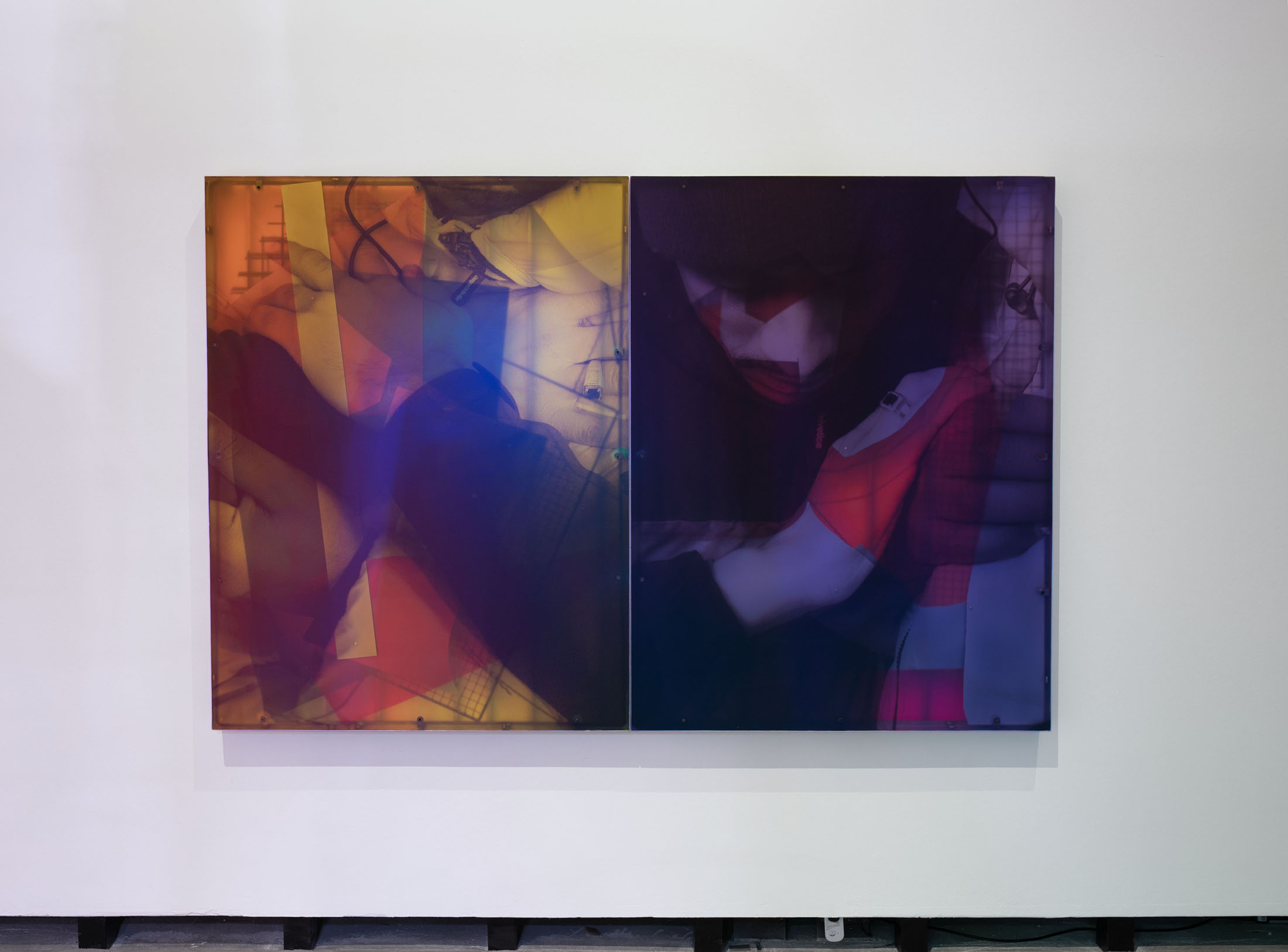
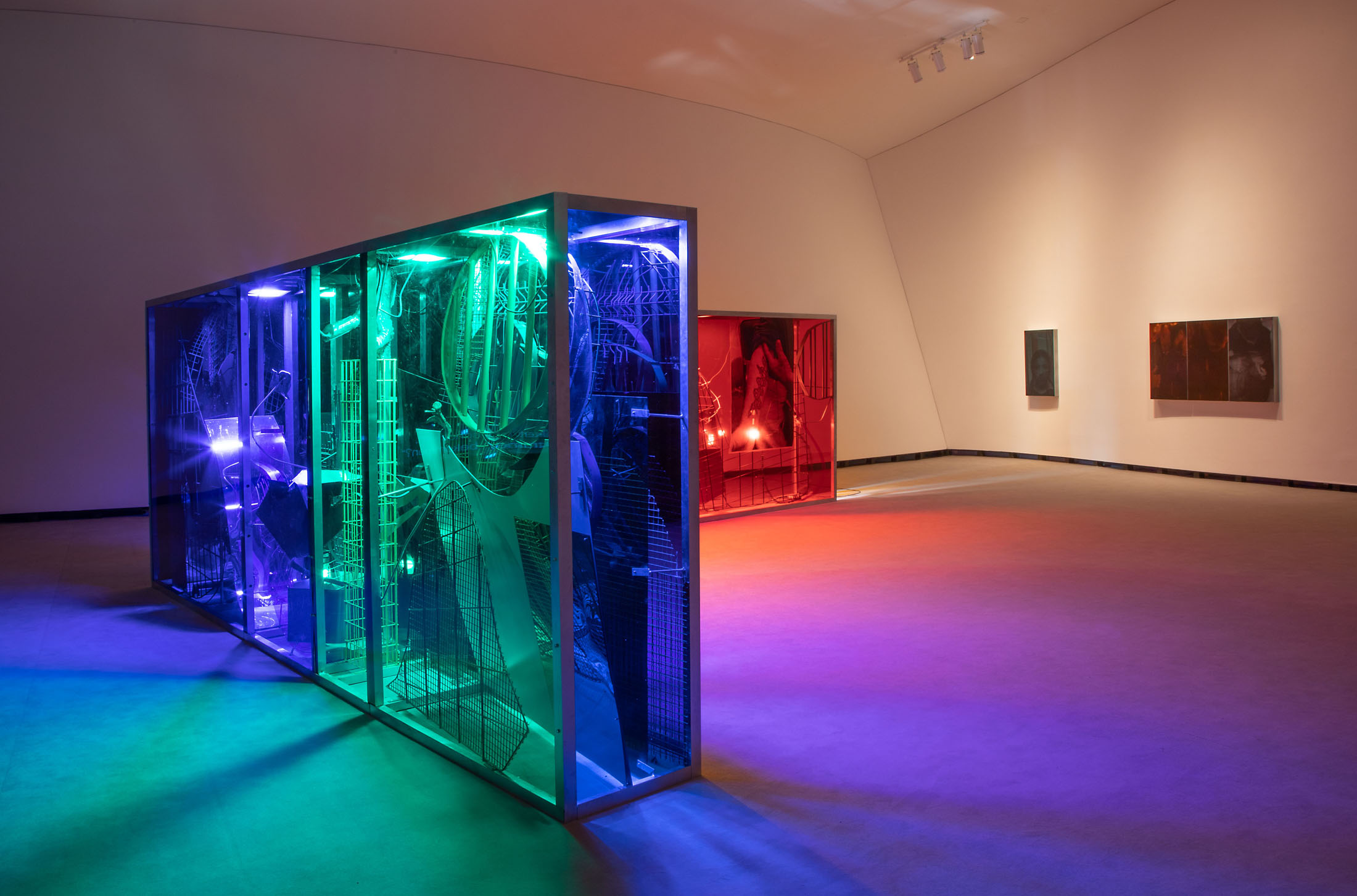
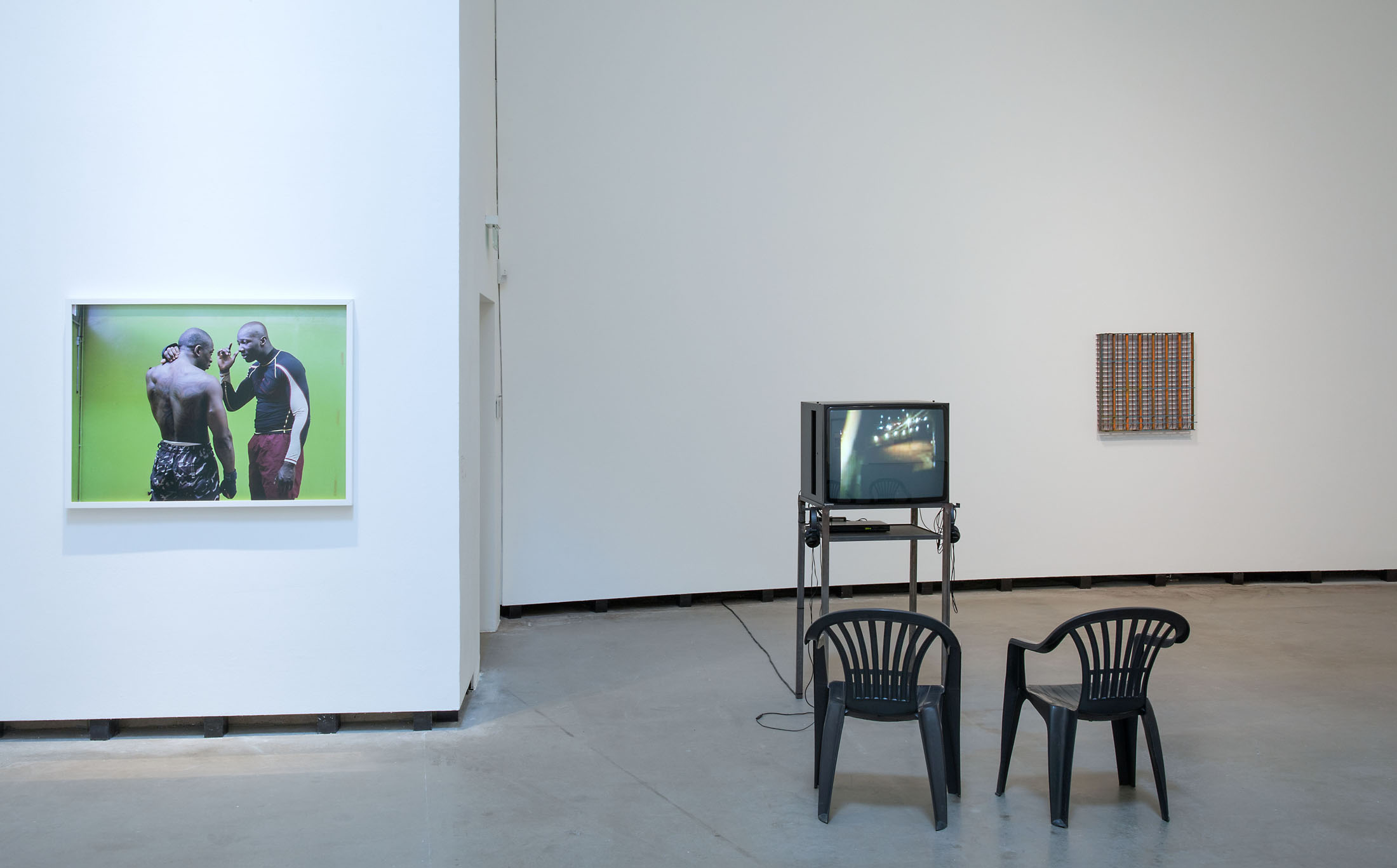
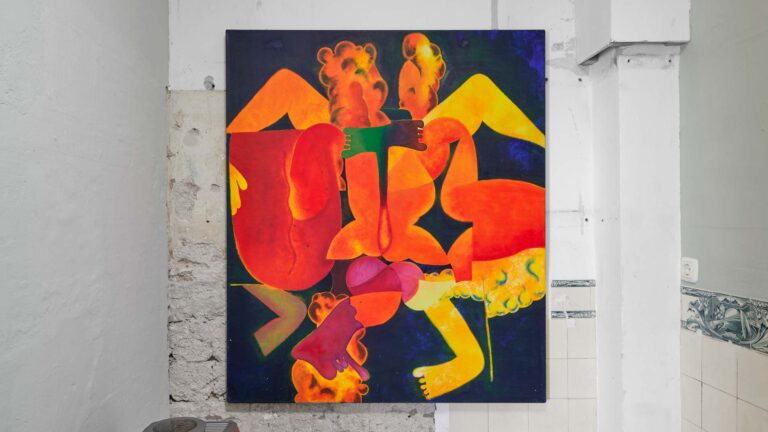
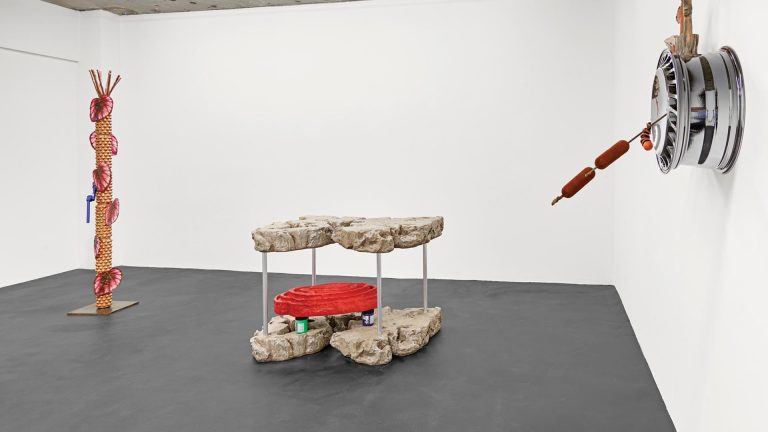
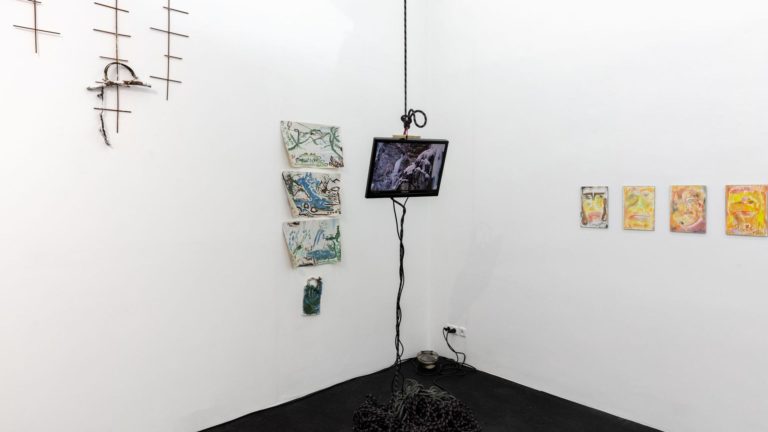
Grids and thus structures characterize the works, but also the design of the exhibition parcours. Large, blue, red and orange luminous spatial elements with the title Lila (derived from the Arabic lail=night) (2024) bring together numerous objects and remnants of sculptures from the studio. On the walls, the Hands series of works (2024-2025) continues these multi-layered pictorial elements. The series of wall objects consists of layers of foils and grid structures, behind and on which there are photographs of body parts such as hands, faces and gestures.
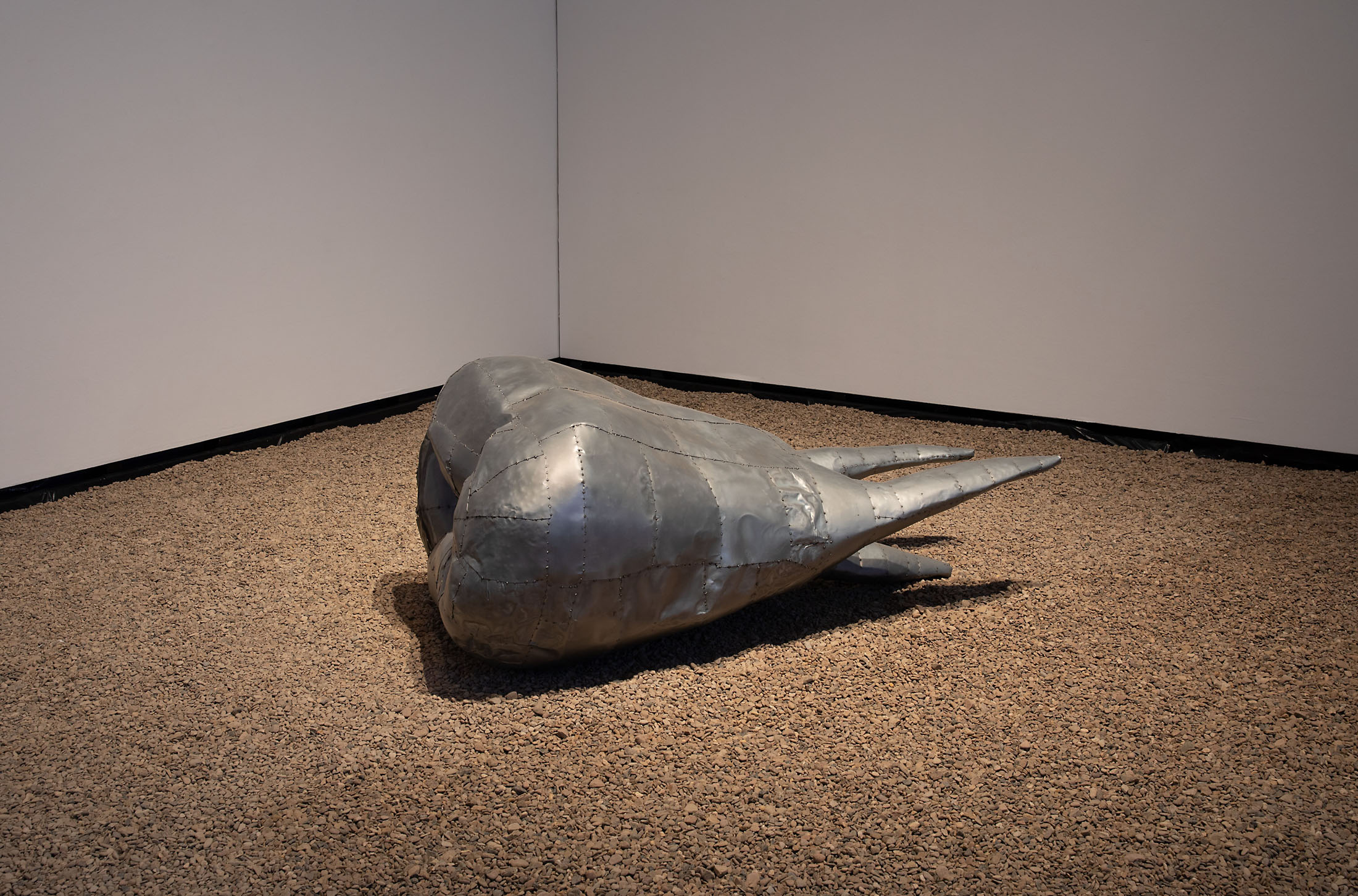
The physical encounter takes place in the exhibition parcours through many facets: For example, an aluminum sculpture was created in the form of a carious tooth, which can be read as a metaphor for the profound consequences of altered eating habits that were introduced into occupied territories through colonial influence. This and other works are symbolic of questions of physical existence in the context of the power relations that one culture exerts over another.
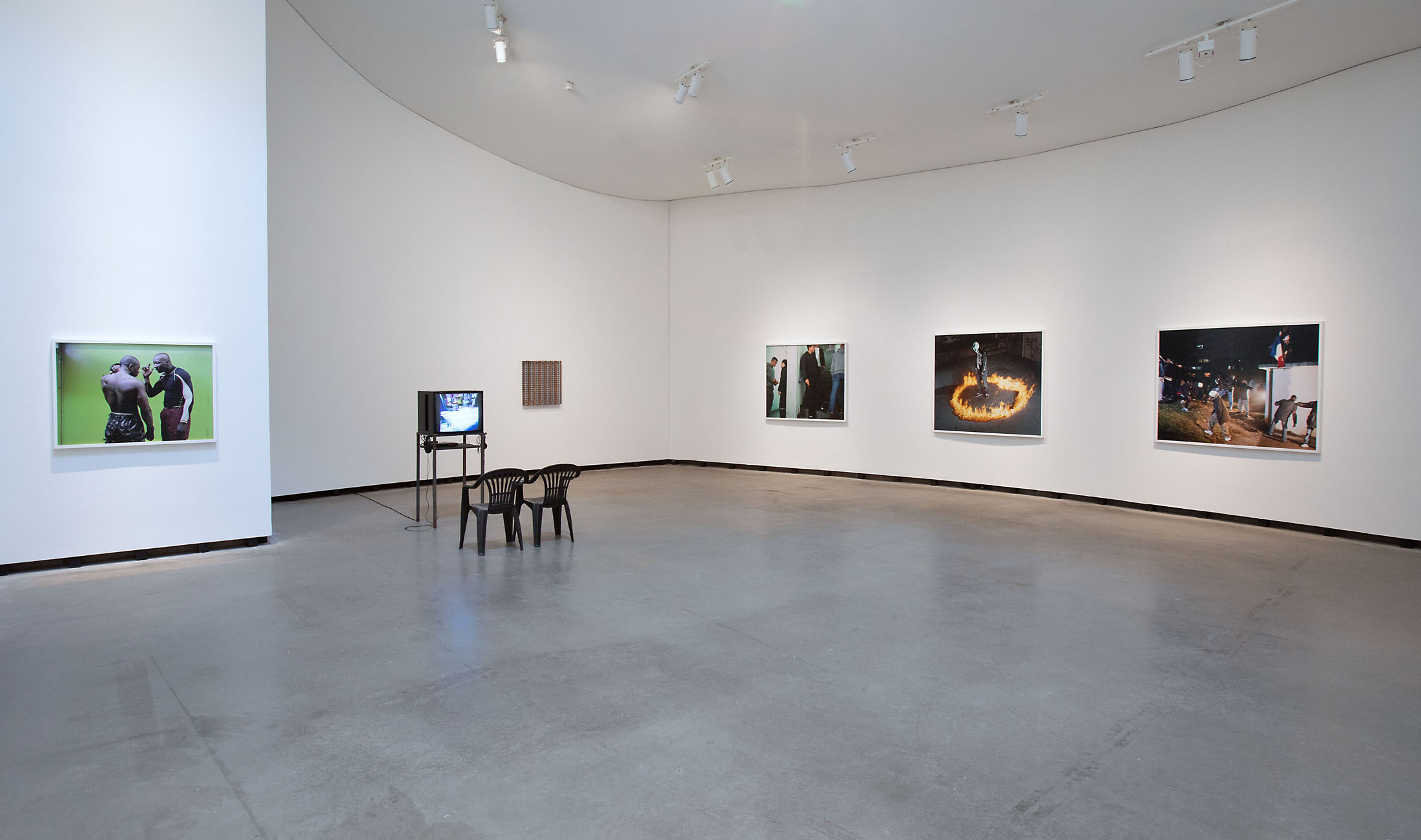
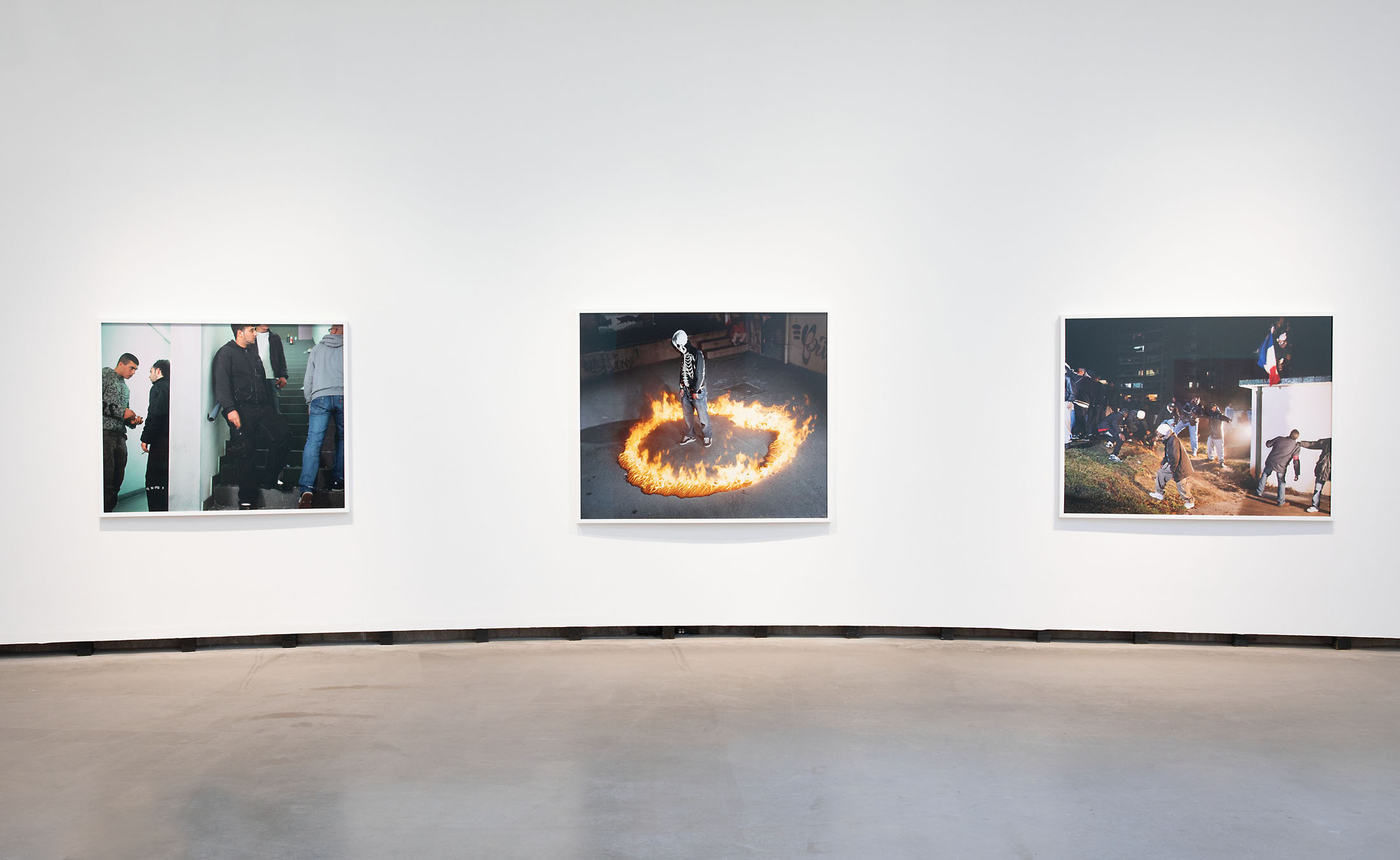
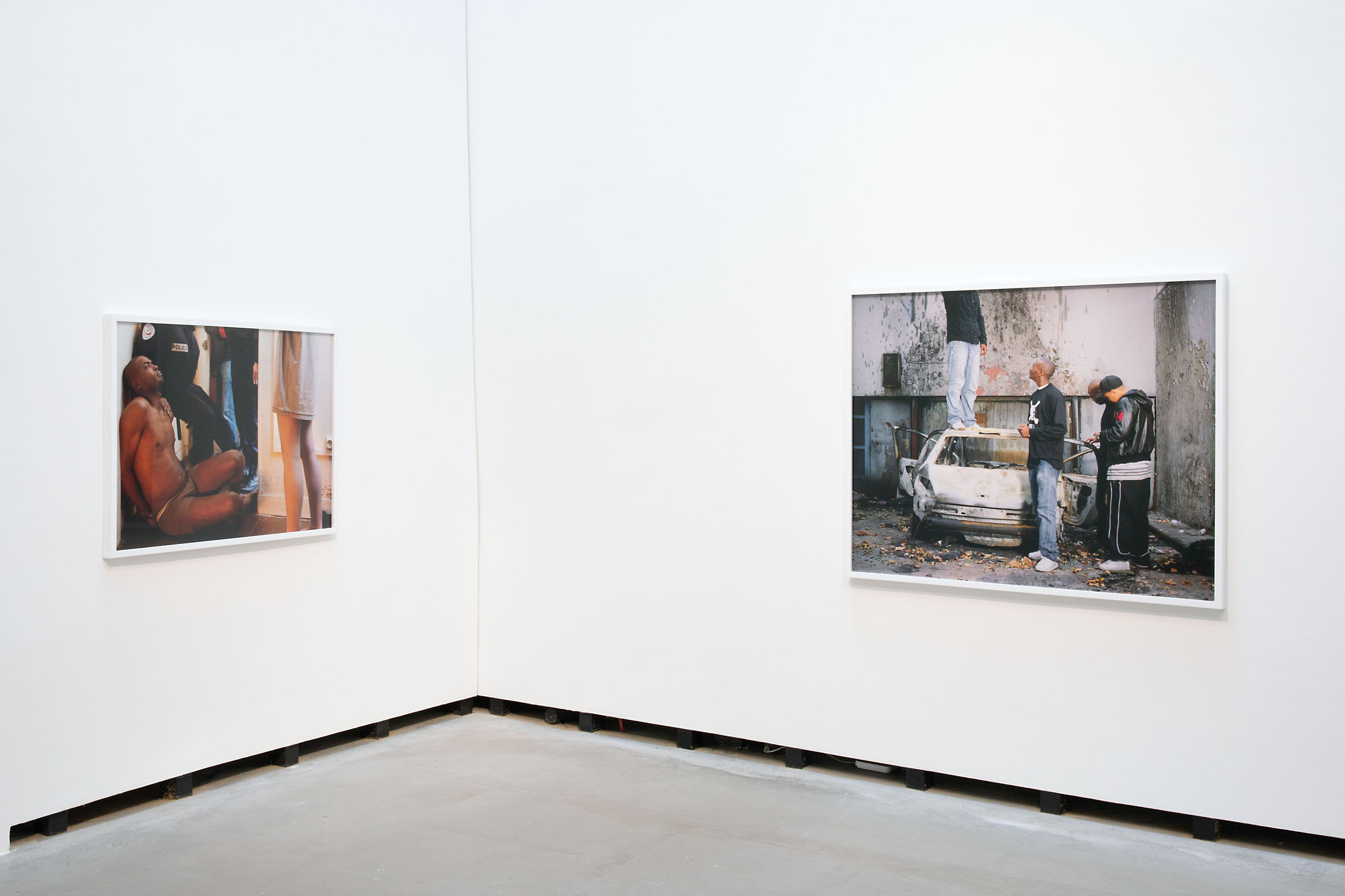
Another chapter with reference to Paris is dedicated to the Périphérique (periphery) photo series, which was created between 2005 and 2011 and with which Mohamed Bourouissa became known in the contemporary art scene. The photographs were taken in the Parisian banlieues and show young men in staged compositions. The scenes quote paintings from the 19th century, such as those by the French painter Eugène Delacroix. Bourouissa uses the European canon of images to empathically and dignifiedly stage marginalized population groups in today’s society.
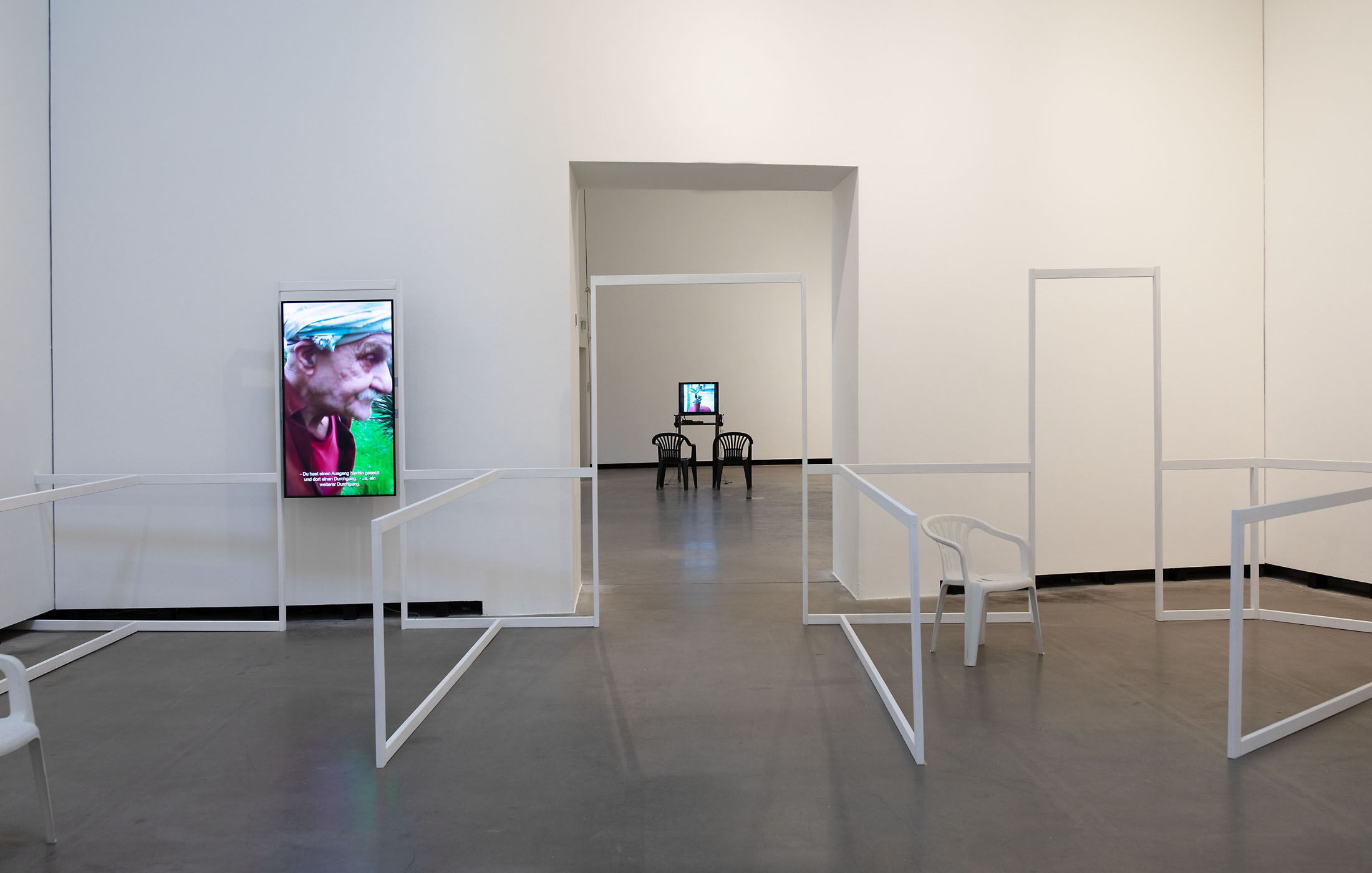
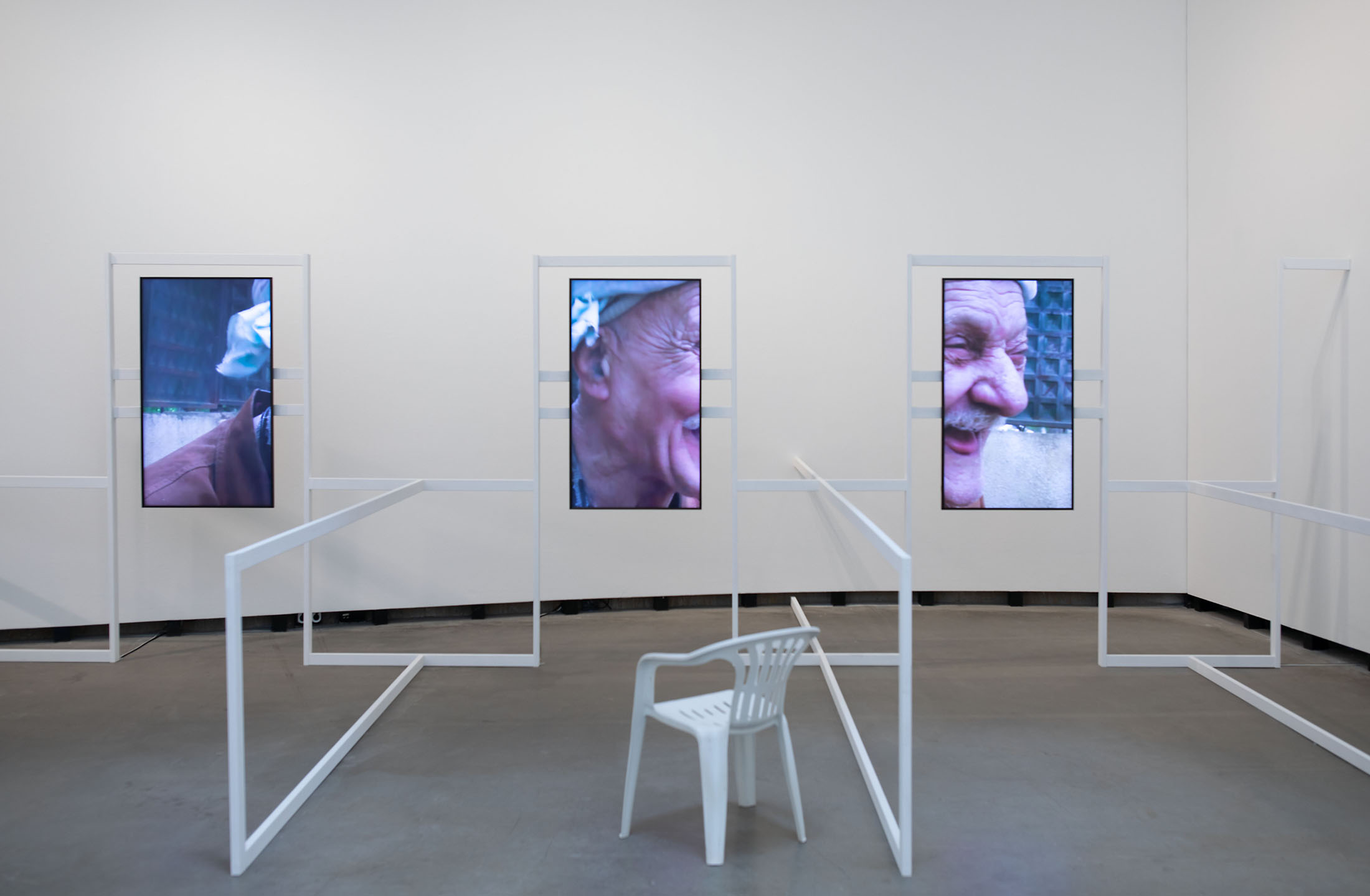
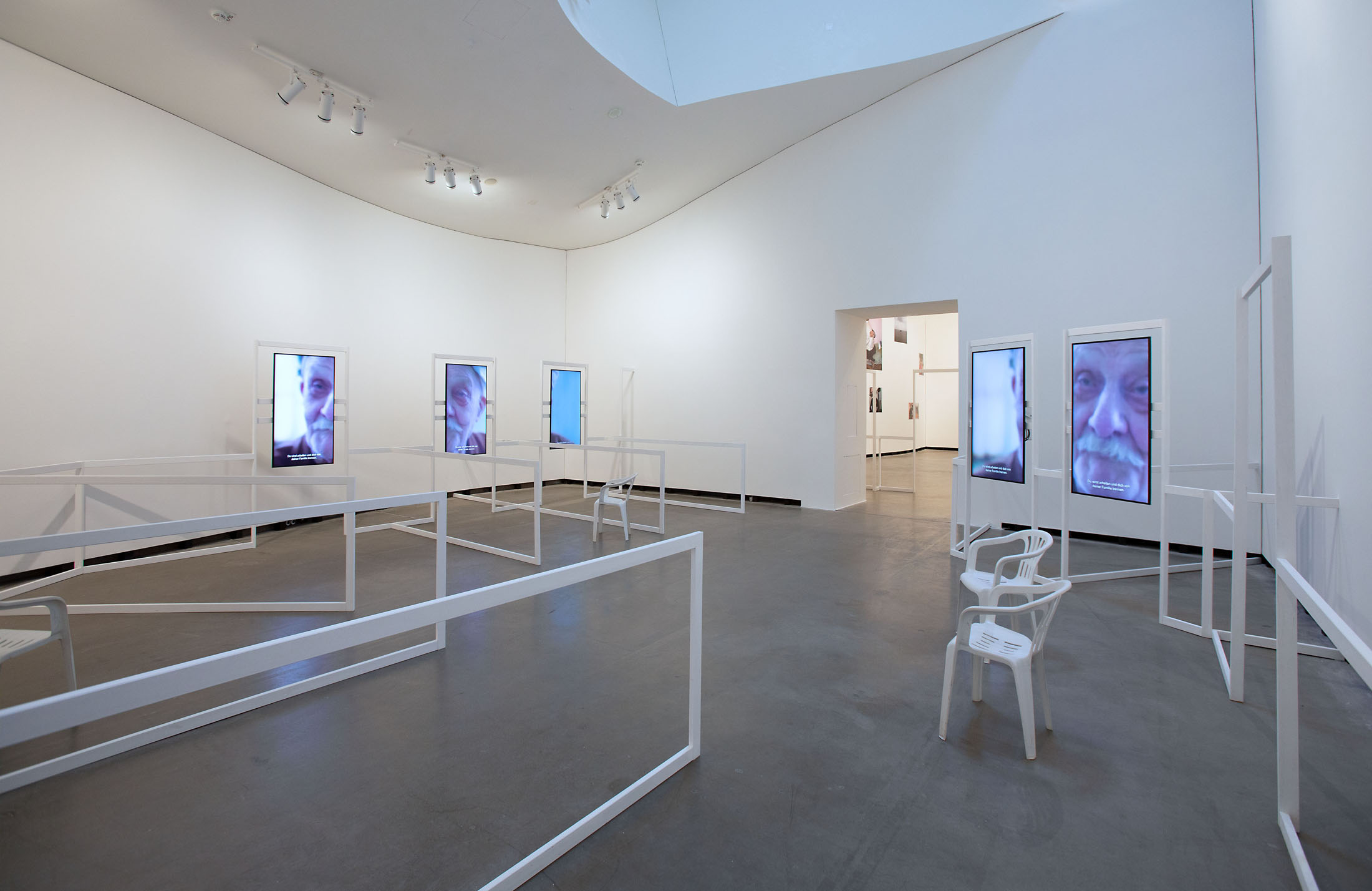
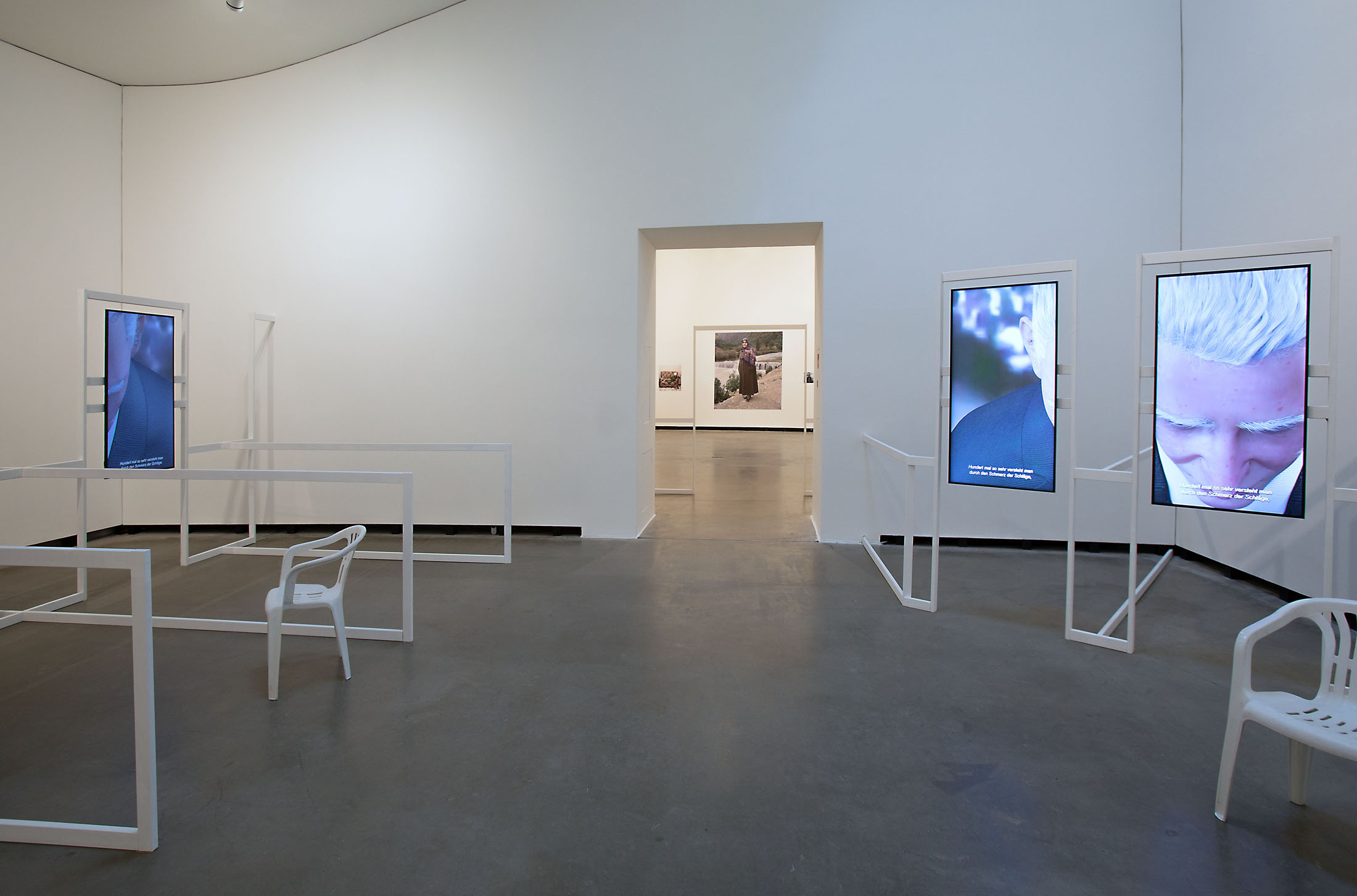
A wooden structure, inspired by the architecture of the psychiatric hospital in Blida, marks another station of the tour. Blida, the hometown of the artist’s family, gained great importance through the work of the psychiatrist and anti-colonial thinker Frantz Fanon. In the 1950s, Fanon examined here the profound psychological effects of colonialism on the colonized population.
At the center of the installation is the multi-channel video work Le murmur des fantômes (The Whispering of Ghosts) (2018). In the film, Fanon’s former patient, Bourlem Mohamed, tells of his experiences of the acts of violence of French colonial rule. The traumatized protagonist developed his own form of processing through the design of the clinic’s garden. With this work, Bourouissa not only addresses the after-effects of the Algerian War, but he also focuses on an exemplary form of resilience.
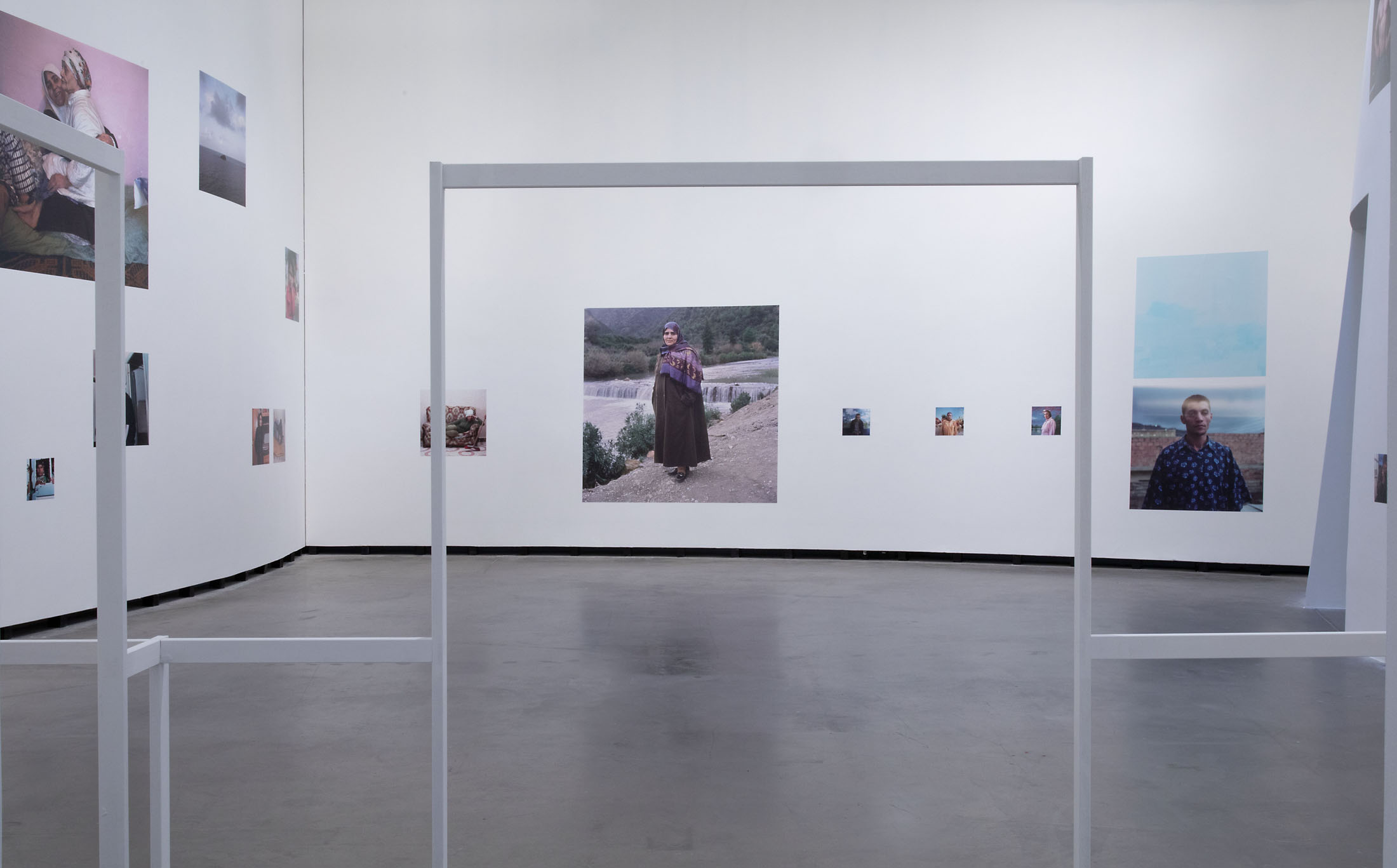
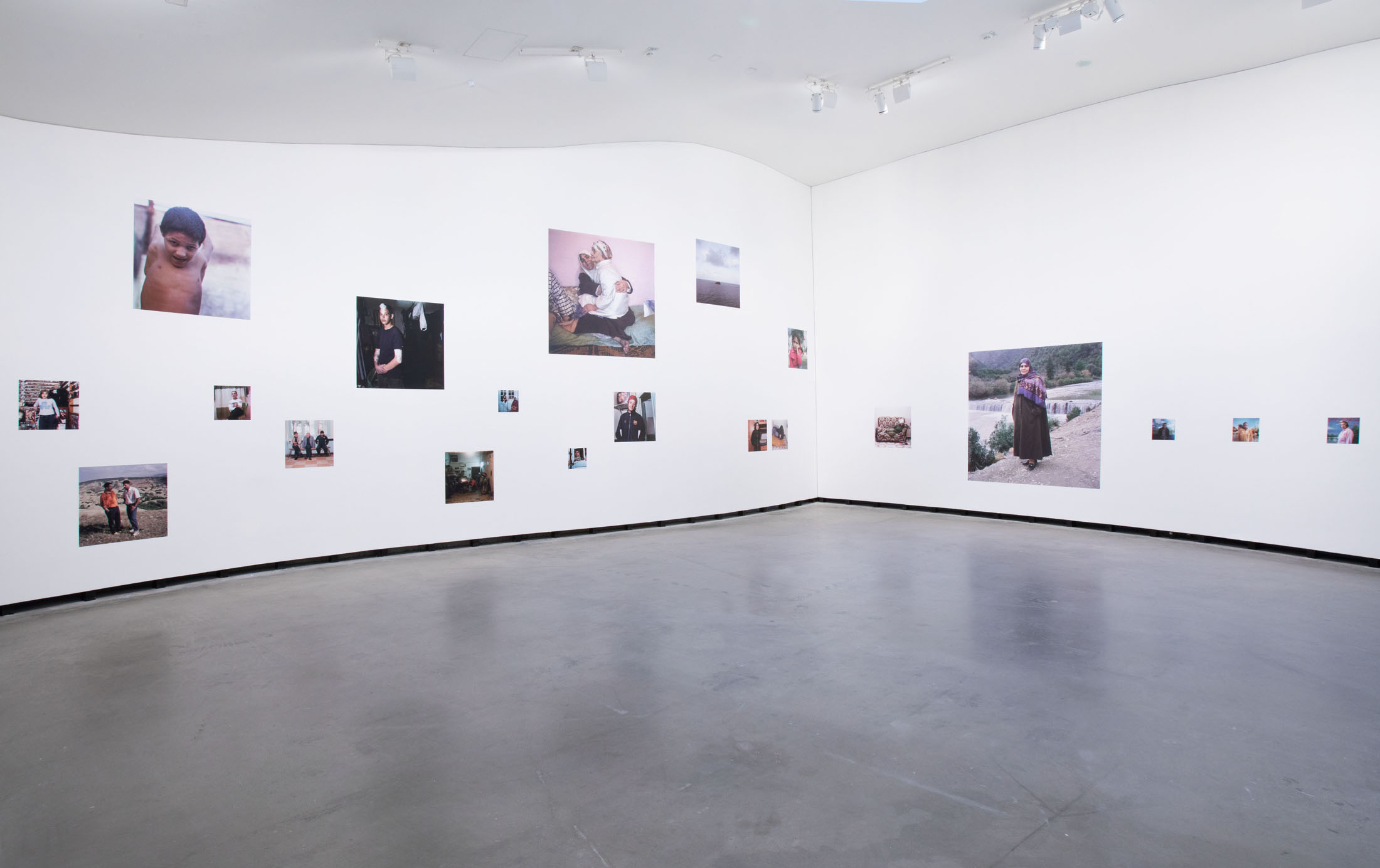
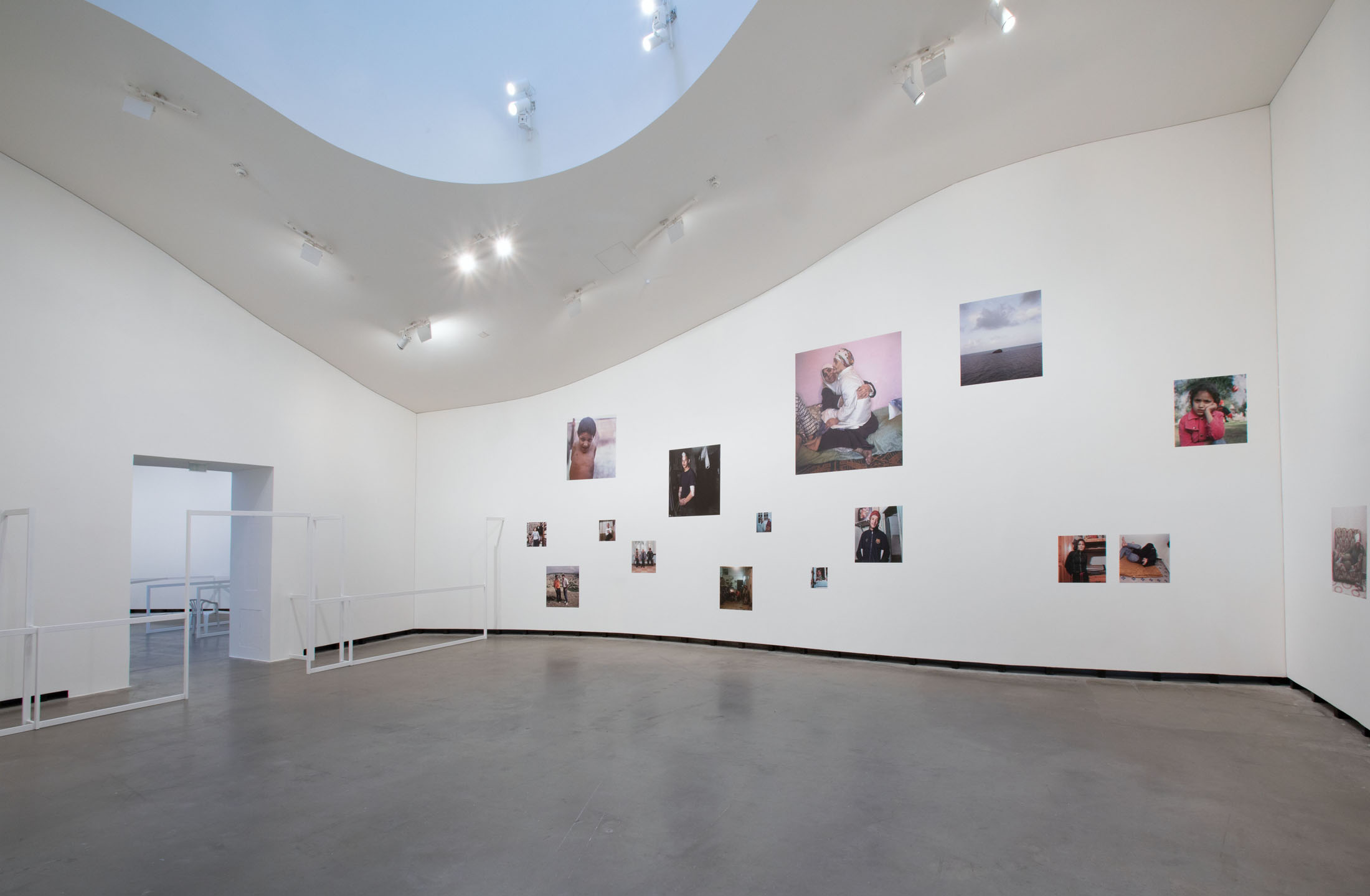
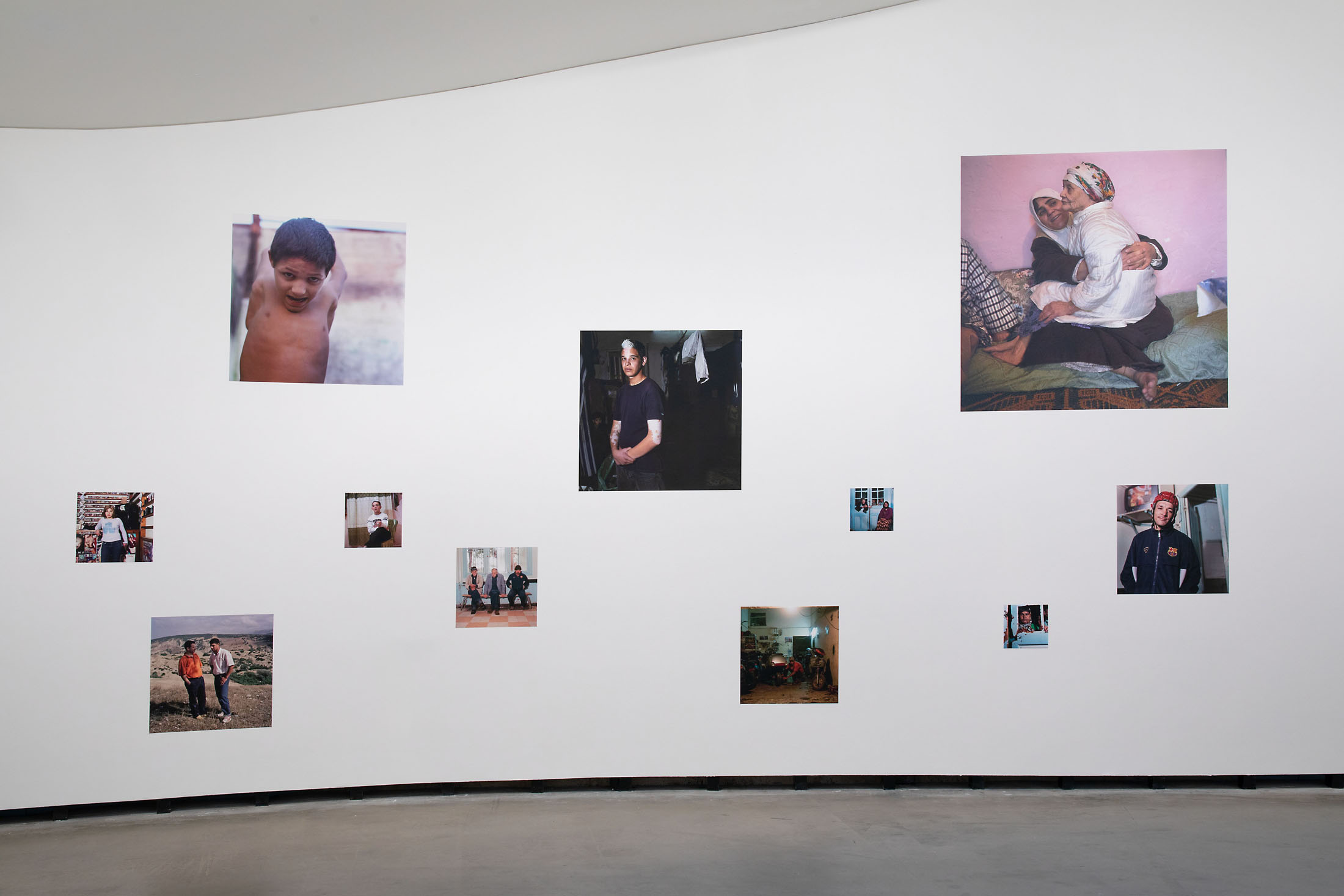
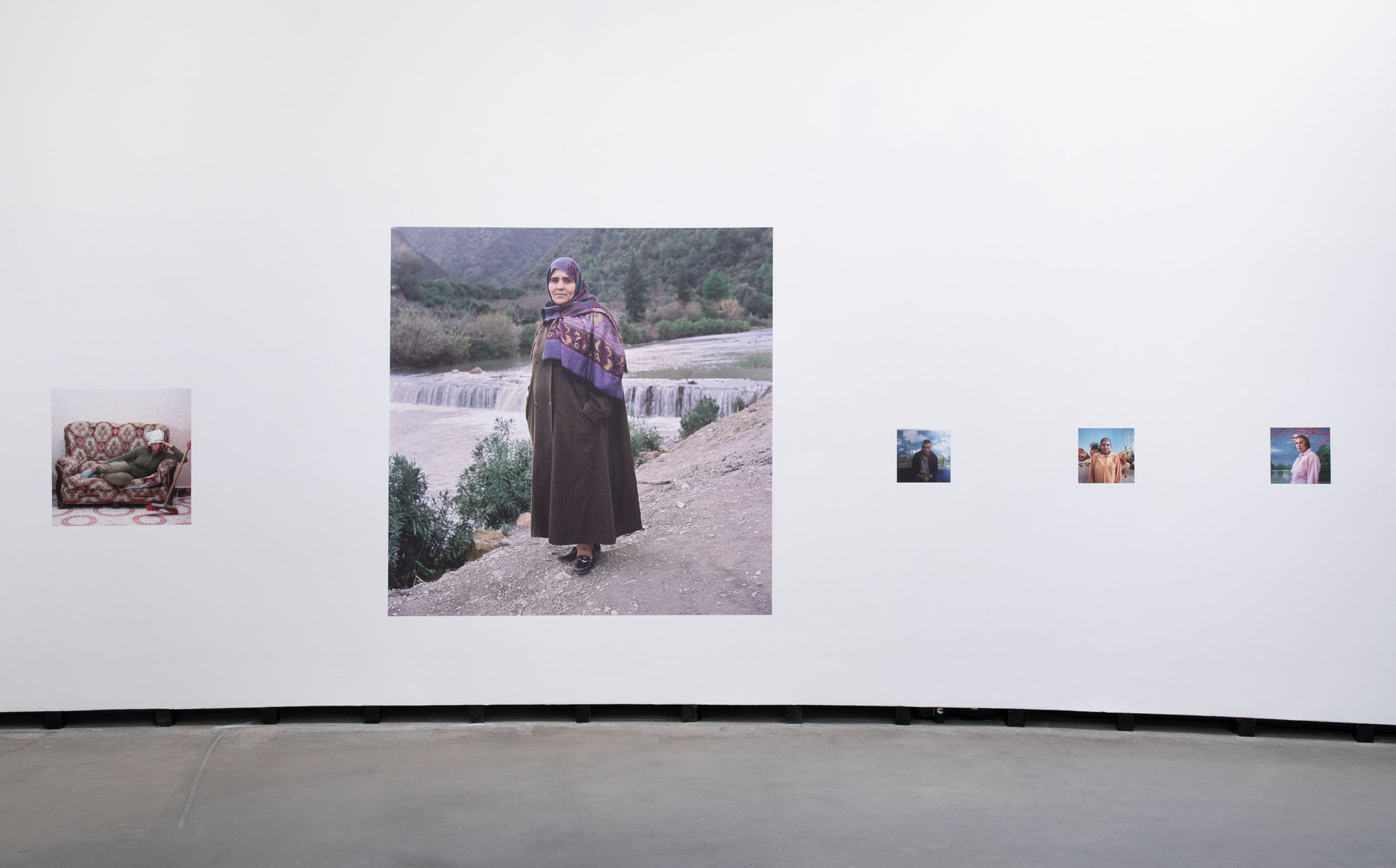
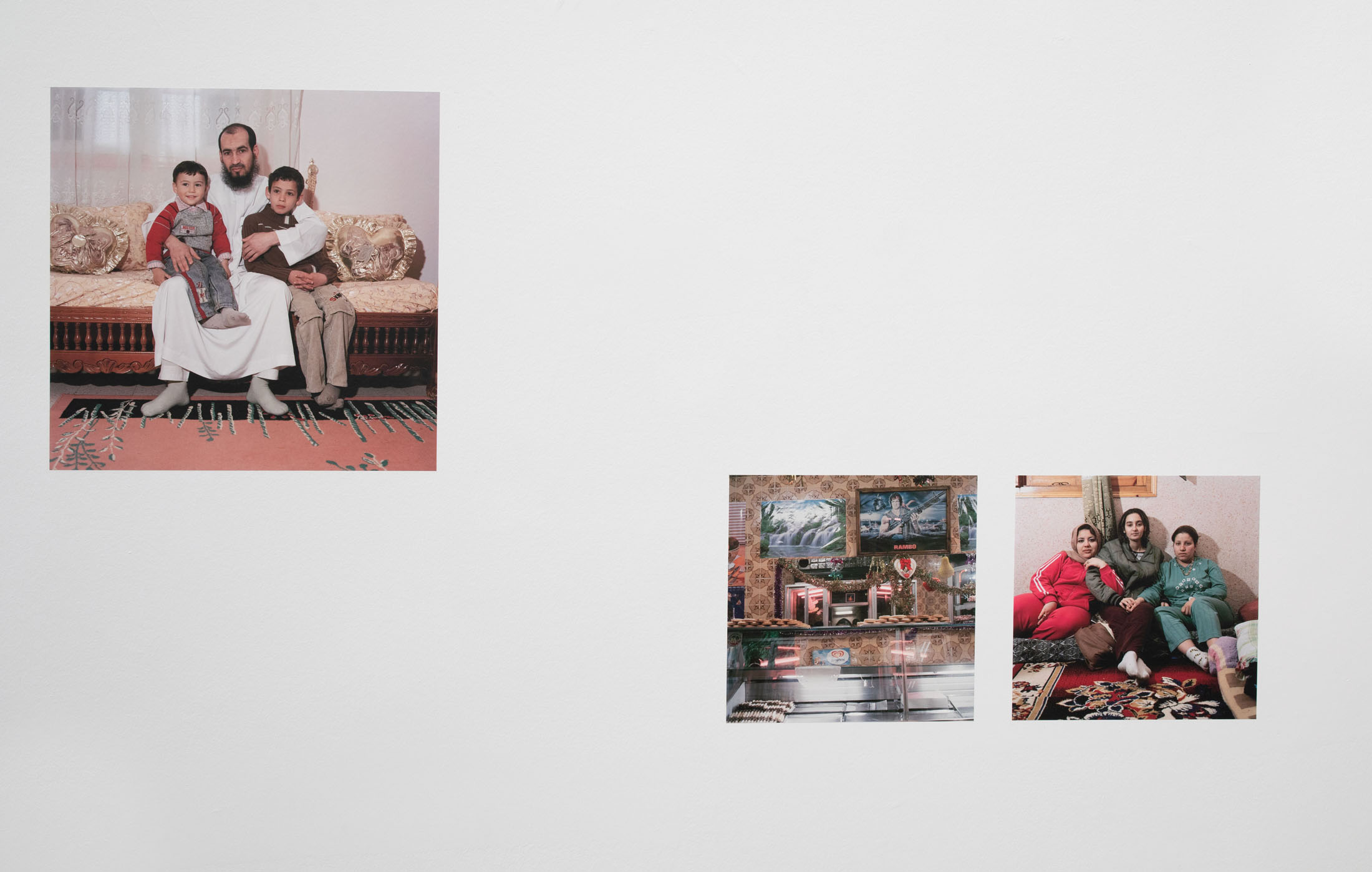
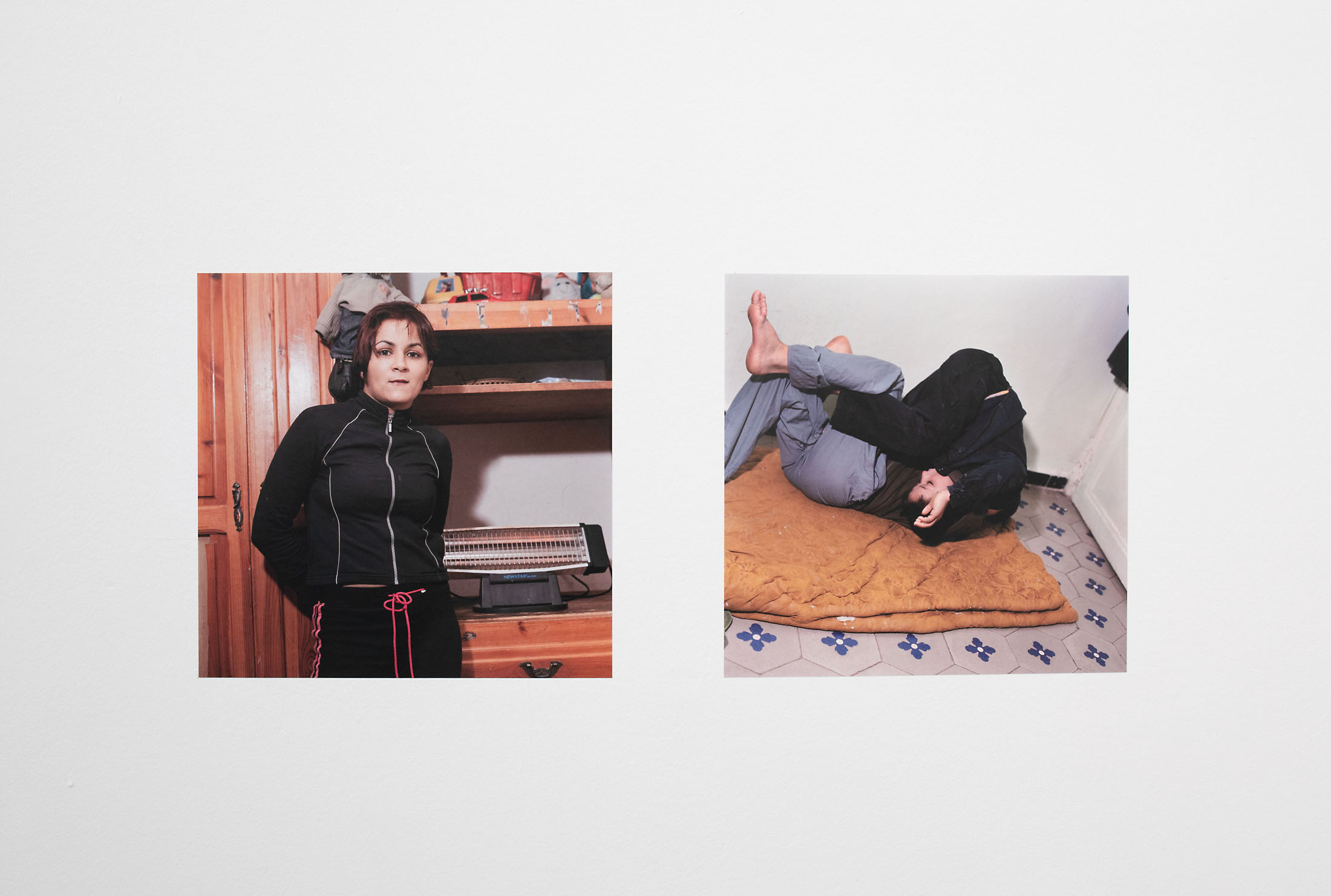
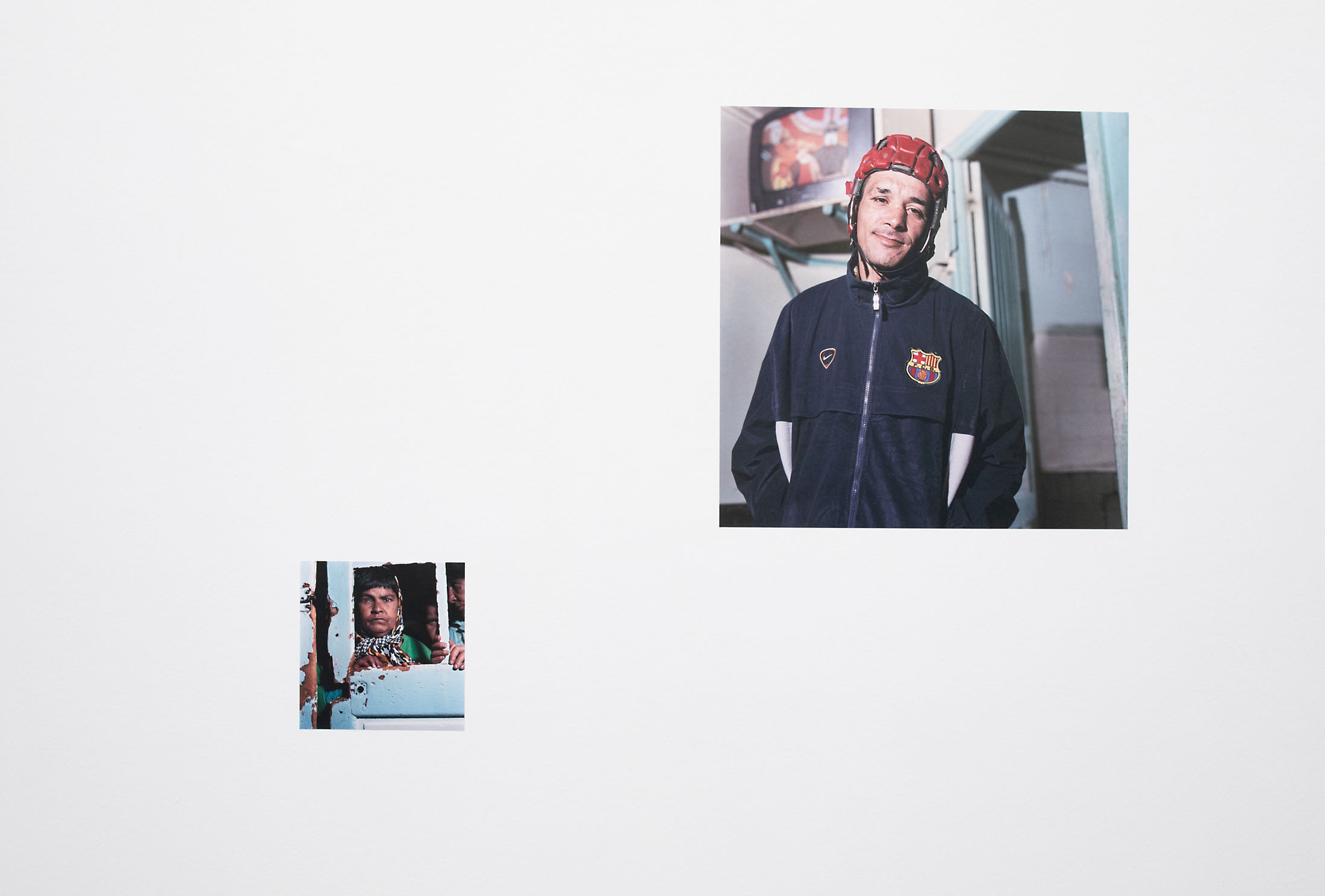
Finally, the exhibition shows a series of previously unpublished photographs taken in and around Blida in Algeria between 2007 and 2008. These are portraits and landscape views that, in various formats, themselves resemble a living panorama across the curved walls of the gallery. Beyond their documentary realism, their unpretentious immediacy conveys a sense of lived everyday life that opens up a space for resonance and connection.
The exhibition is being realized in cooperation with the Migros Museum für Gegenwartskunst, Zurich, where it will be on display in June 2026.