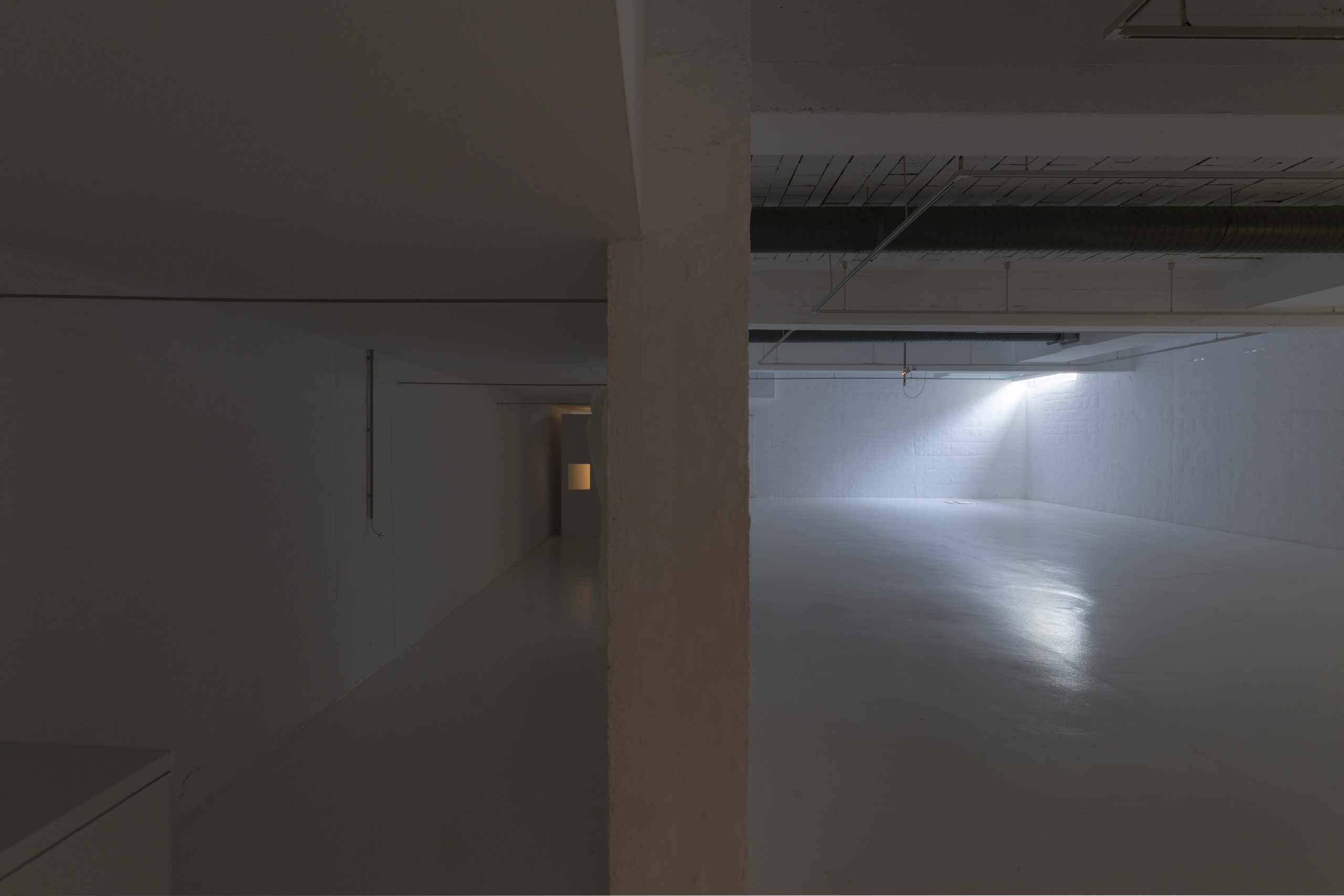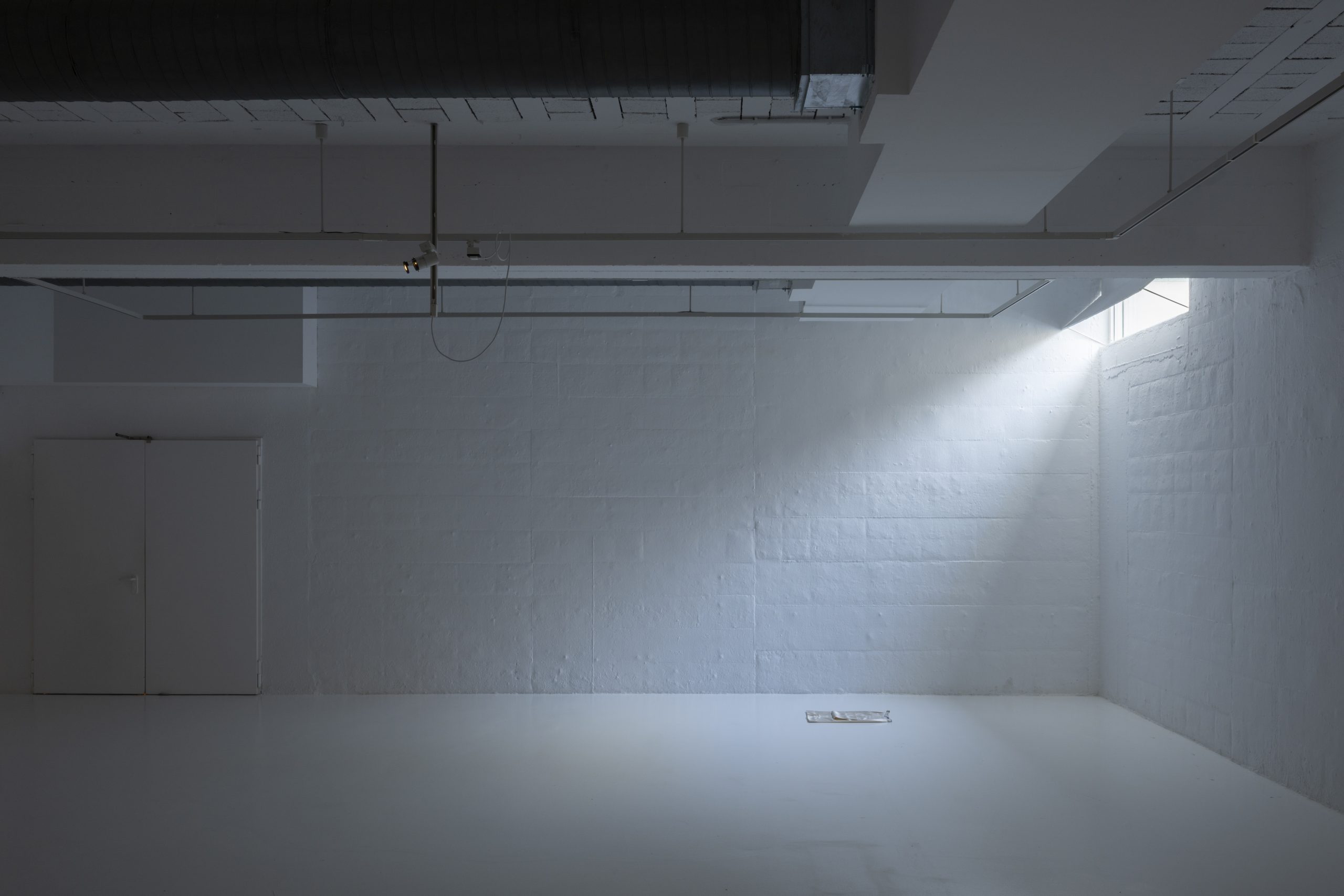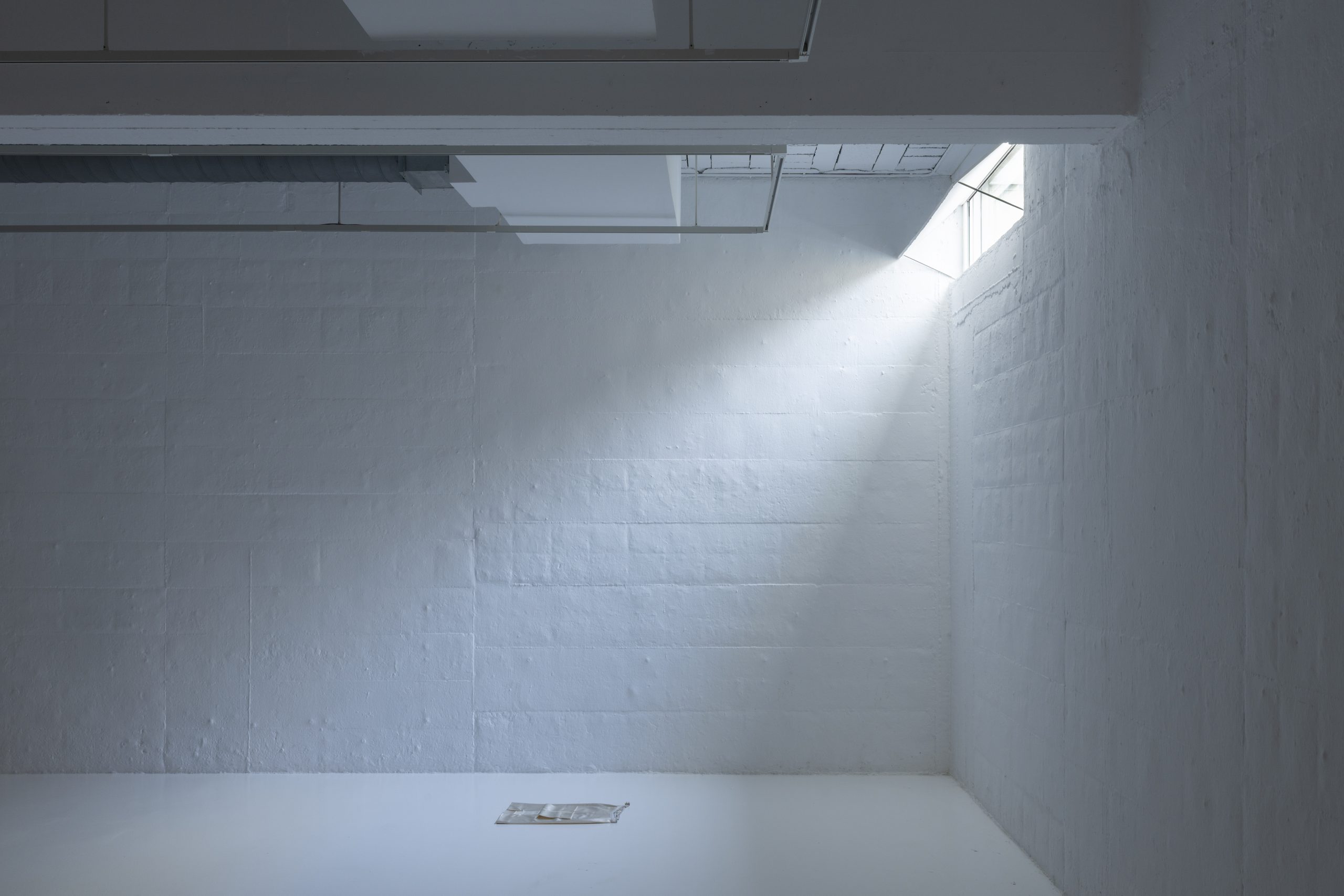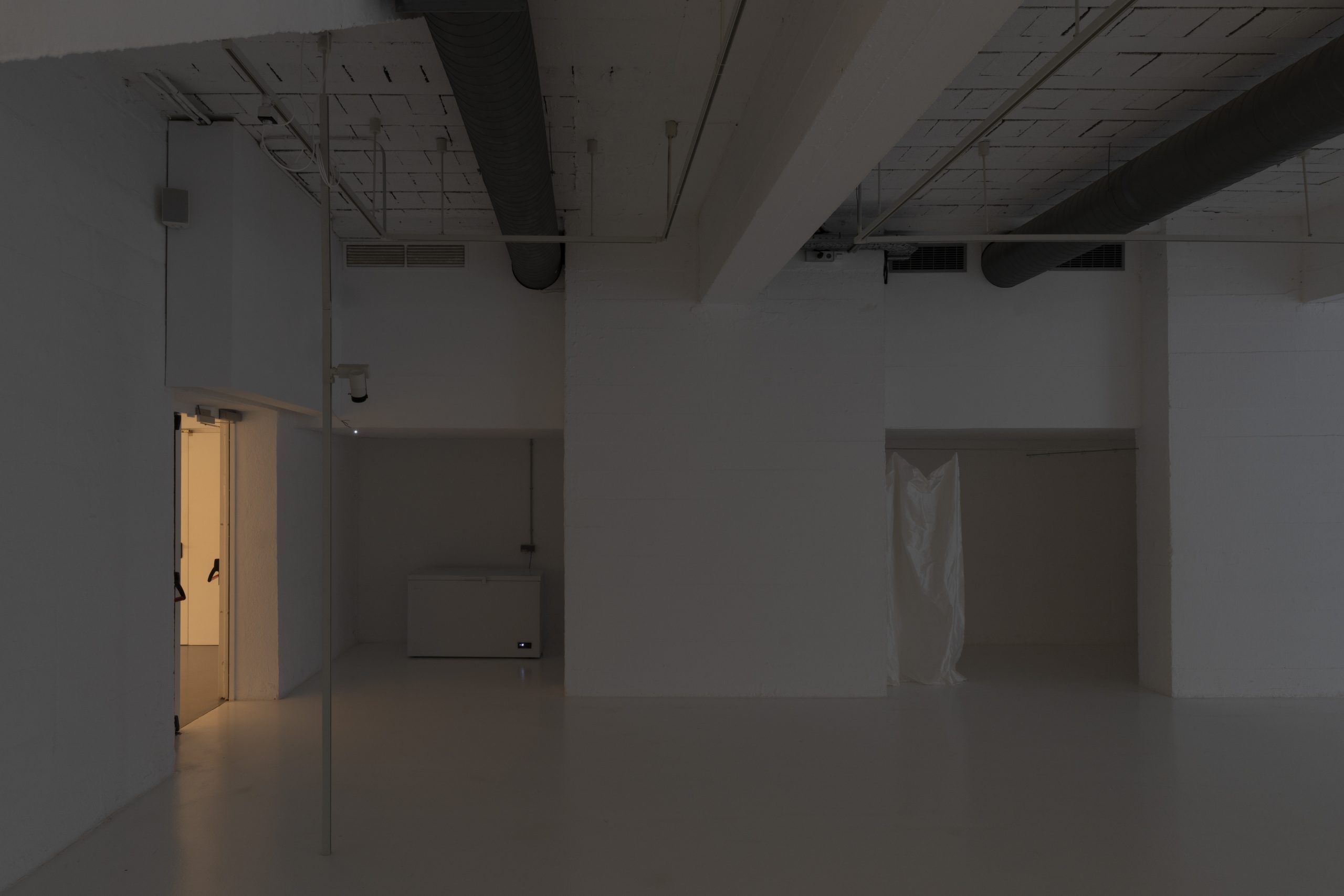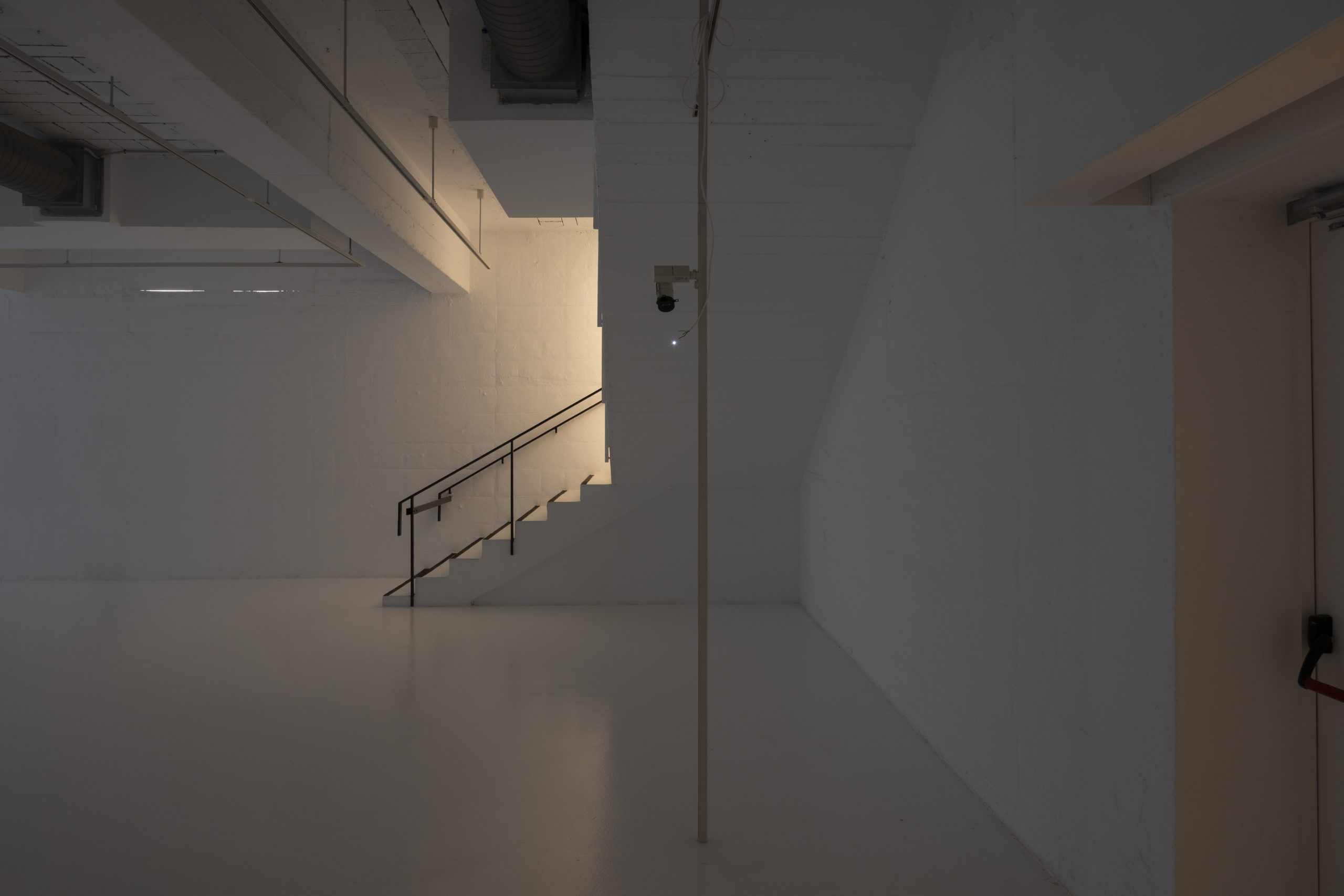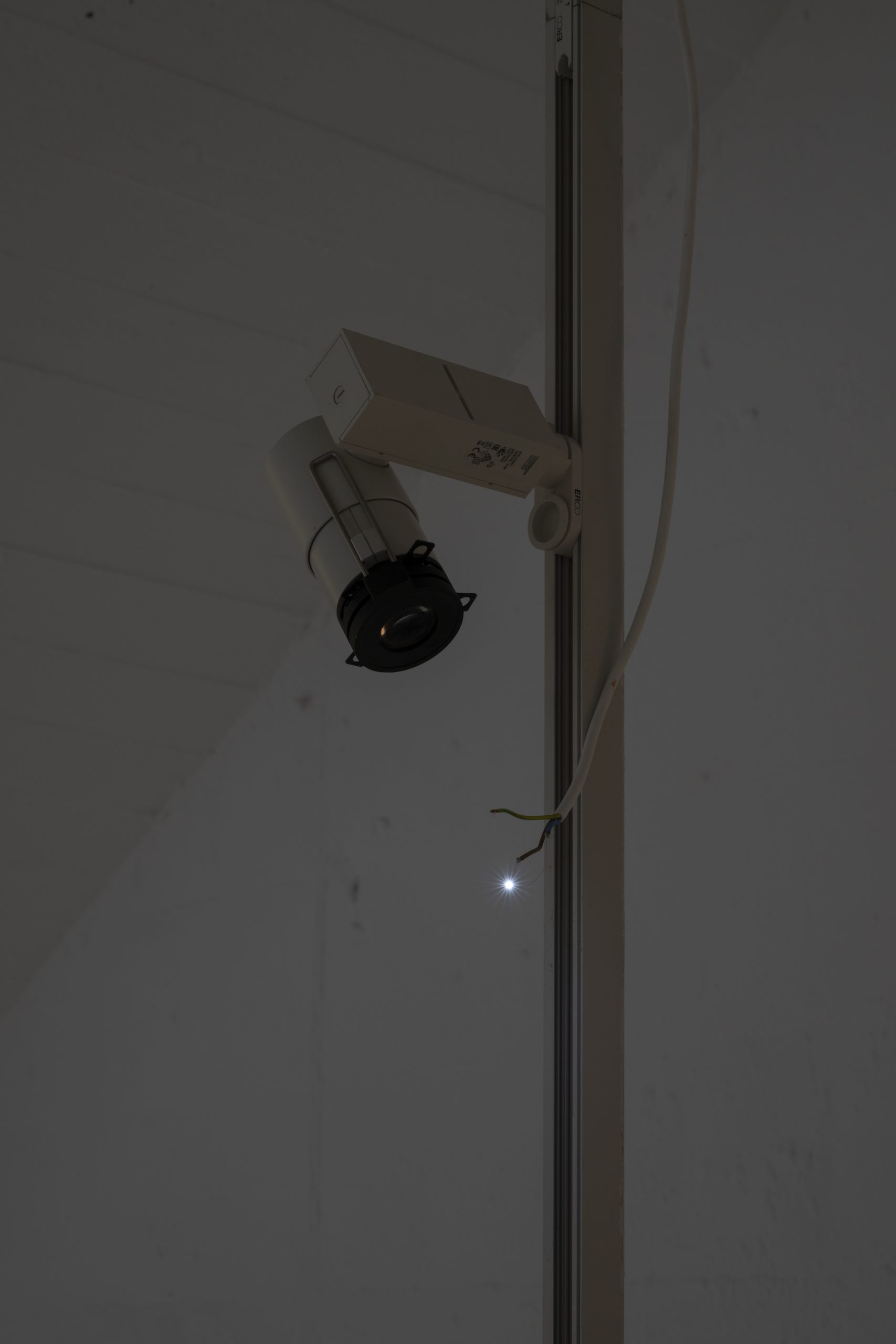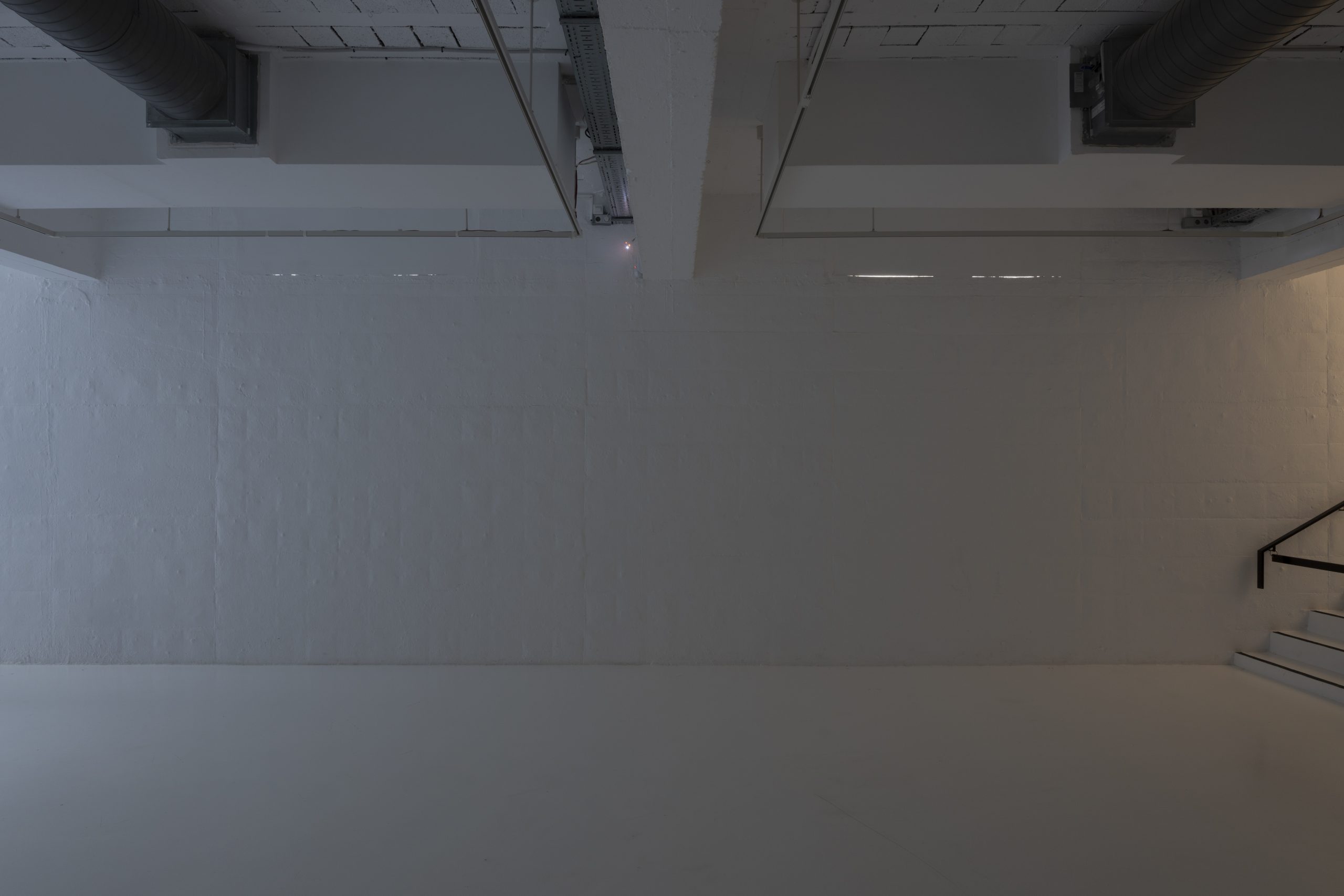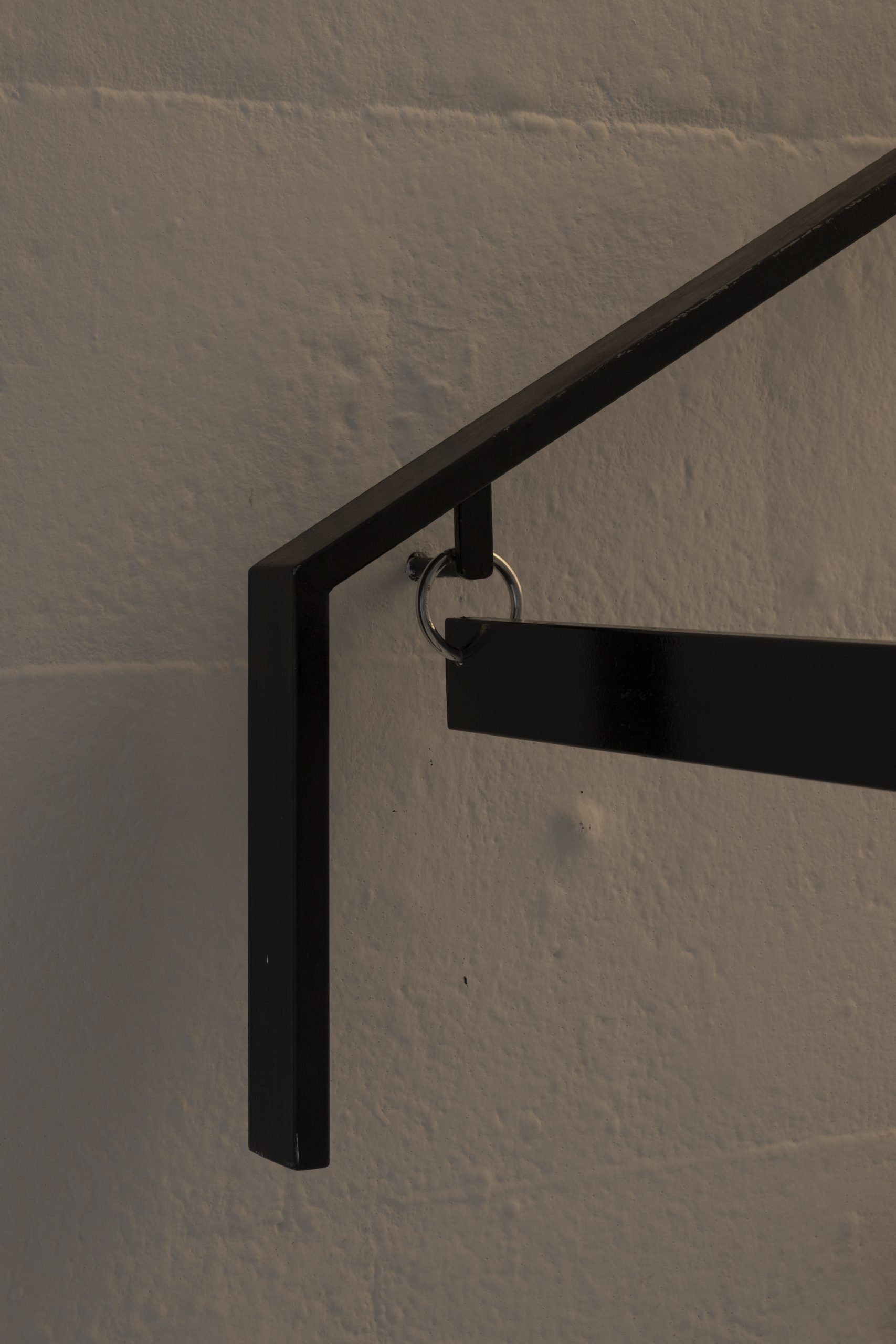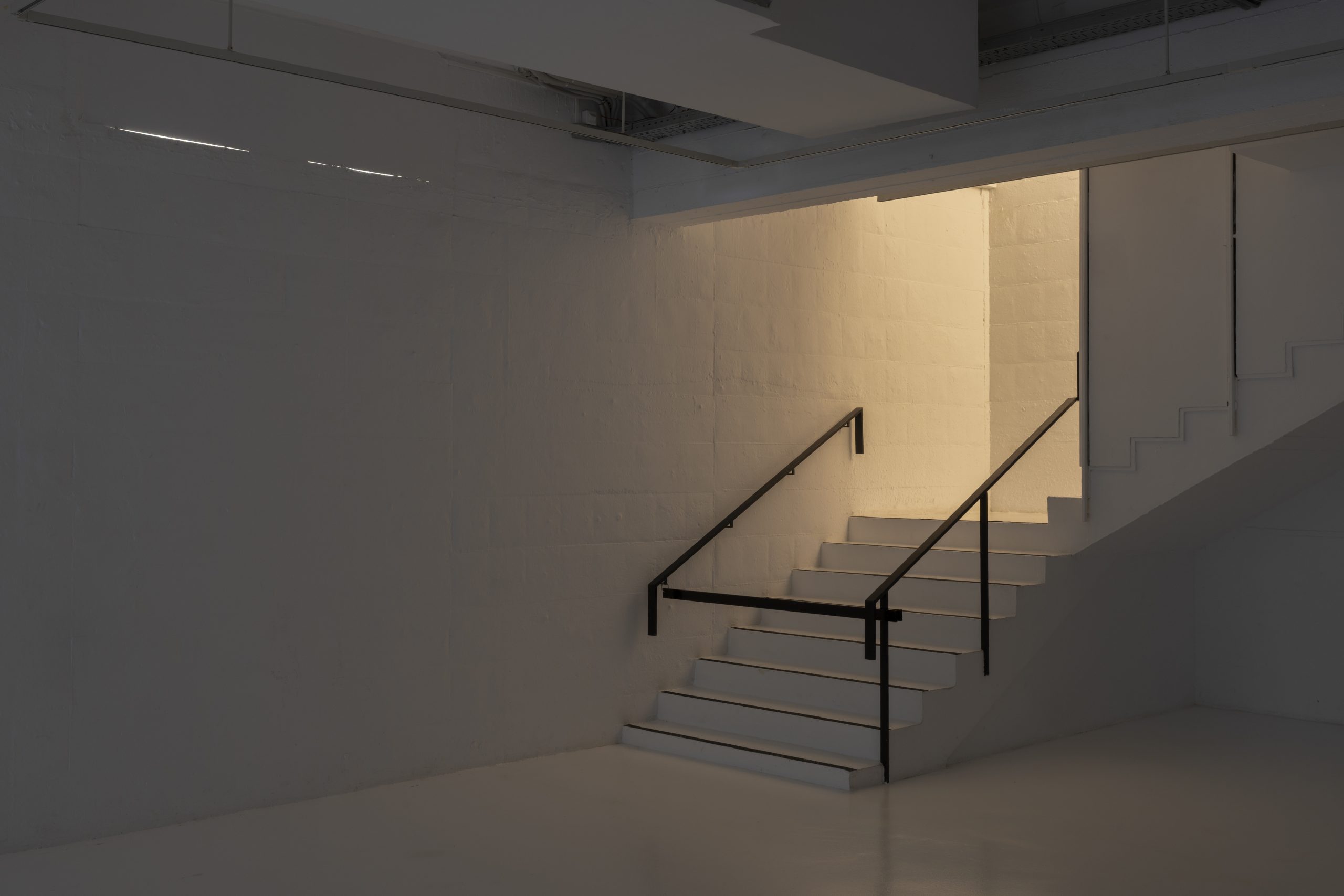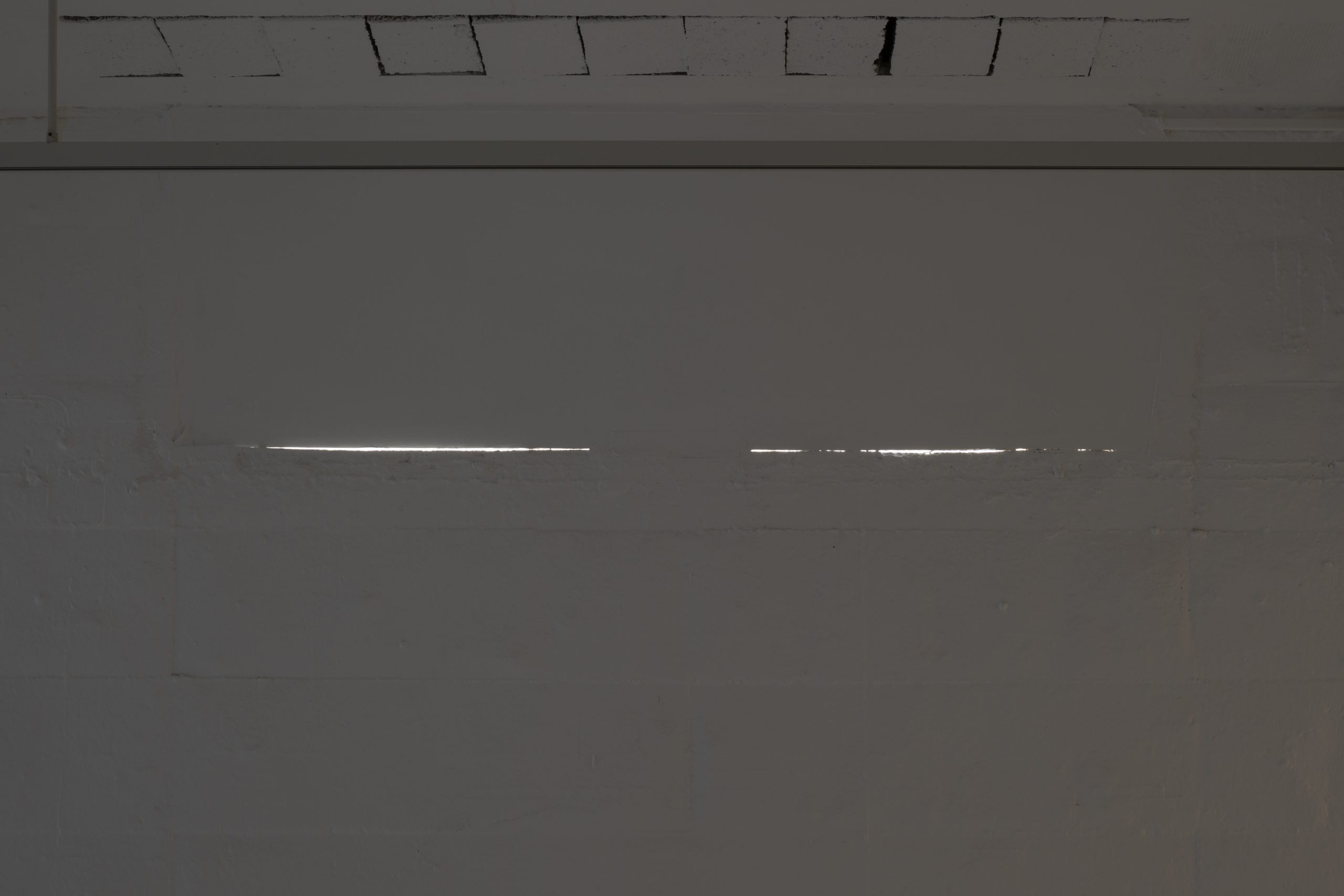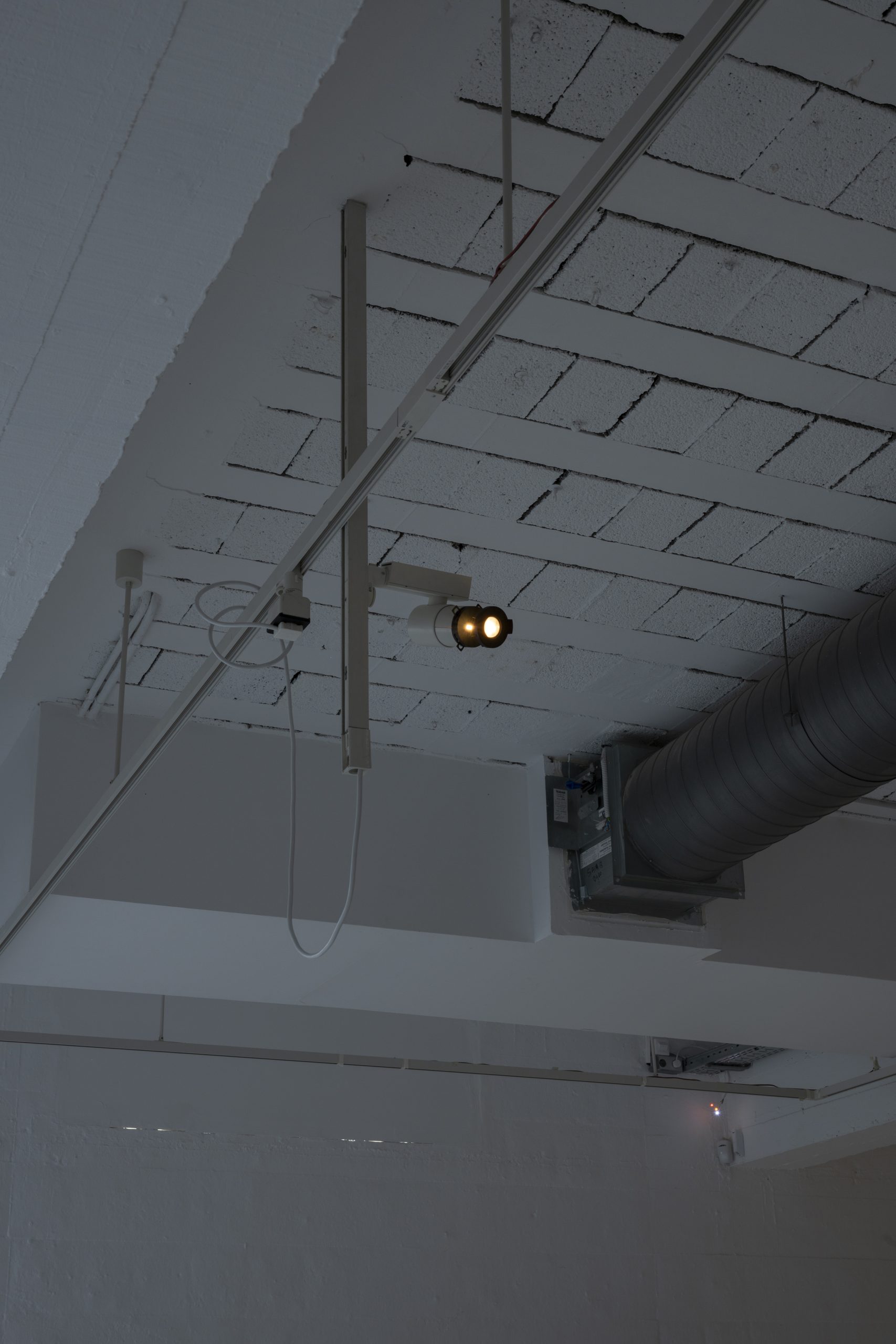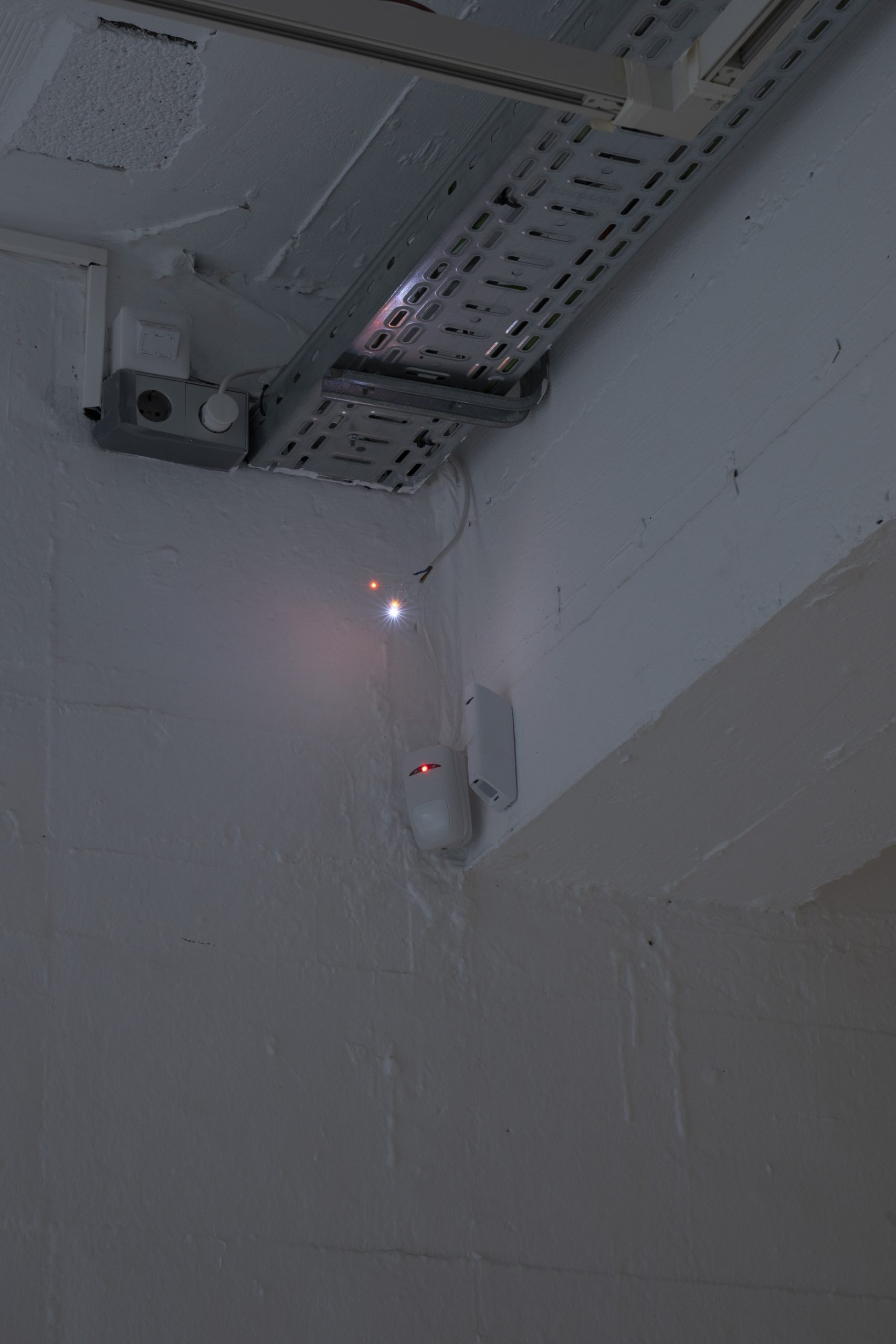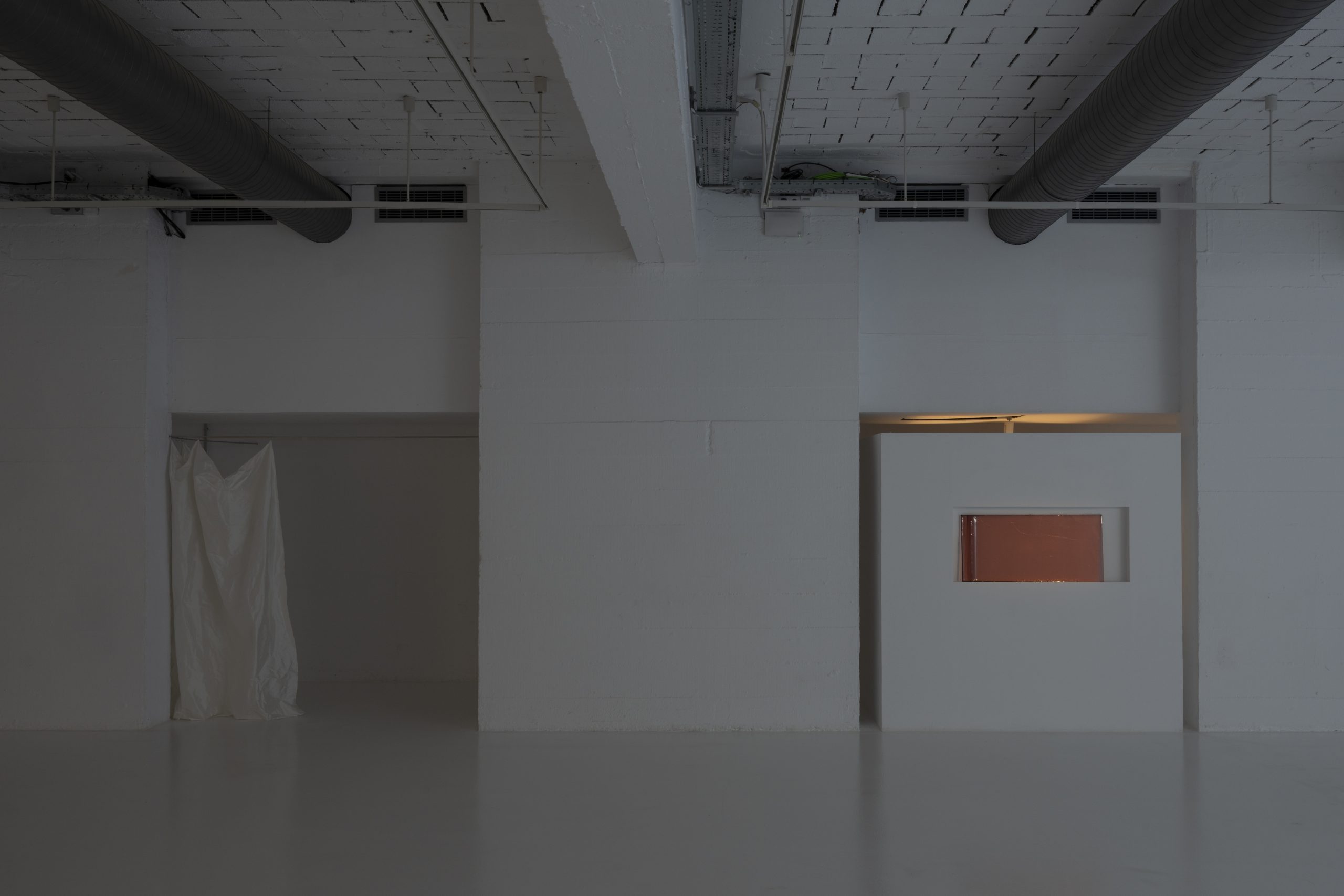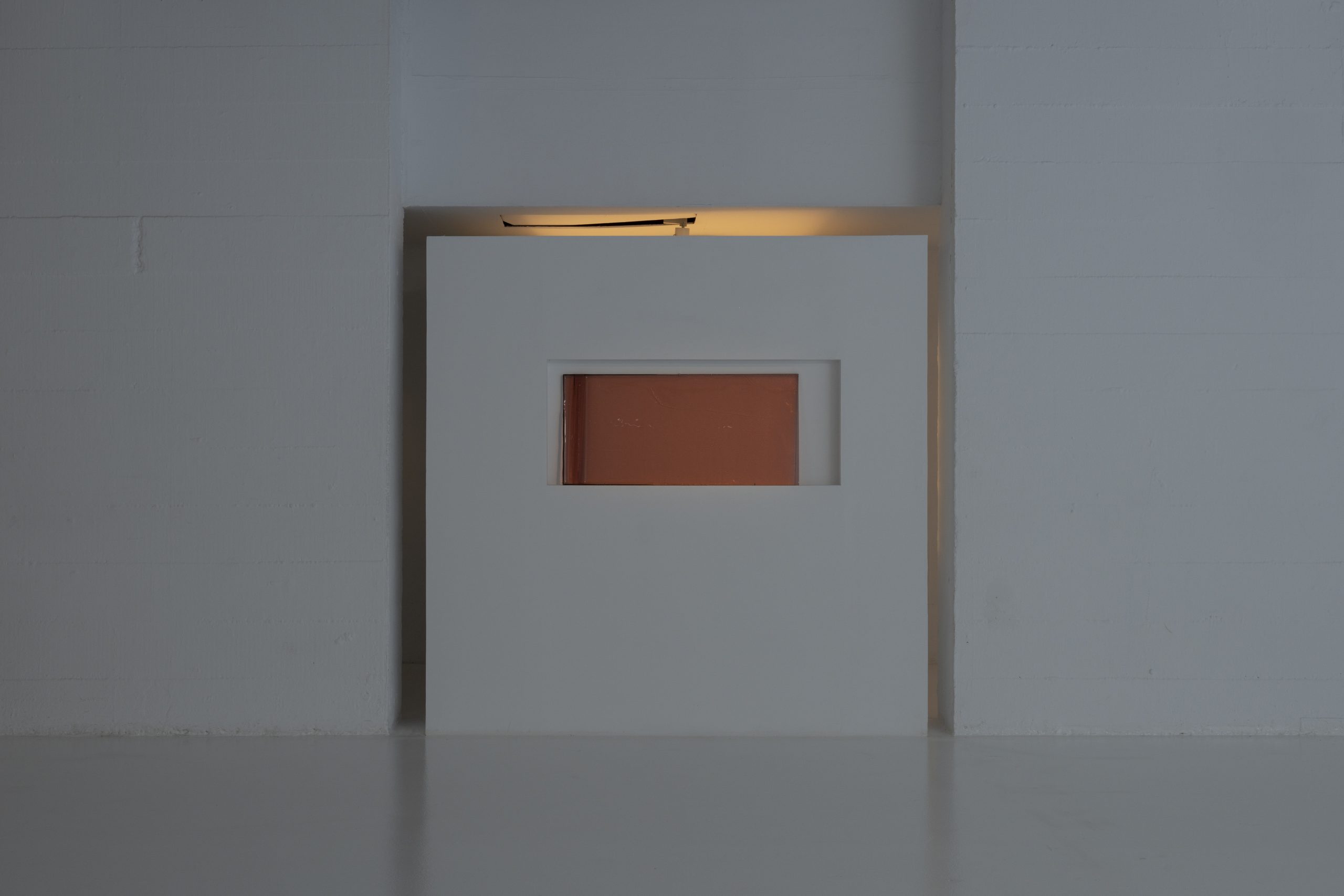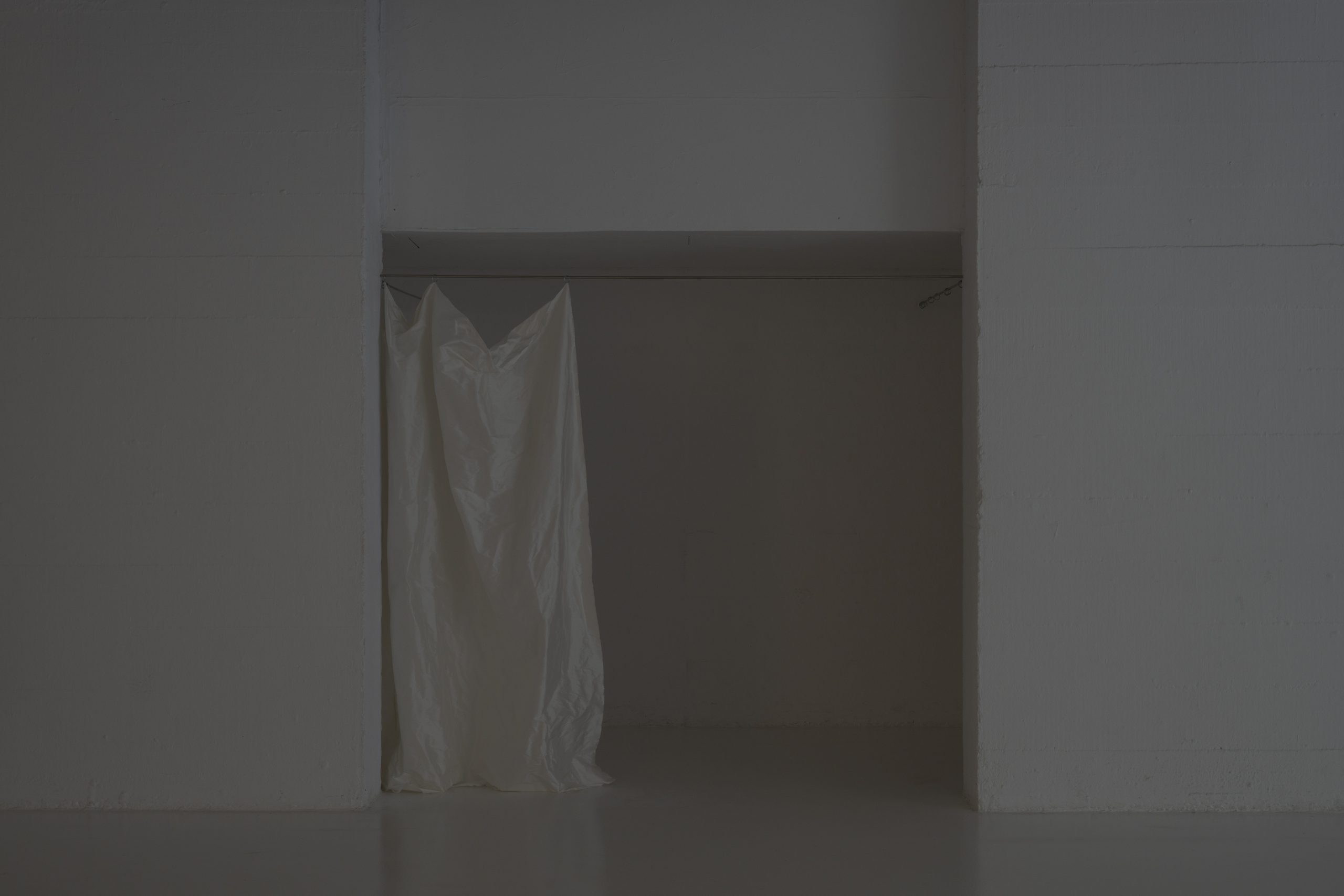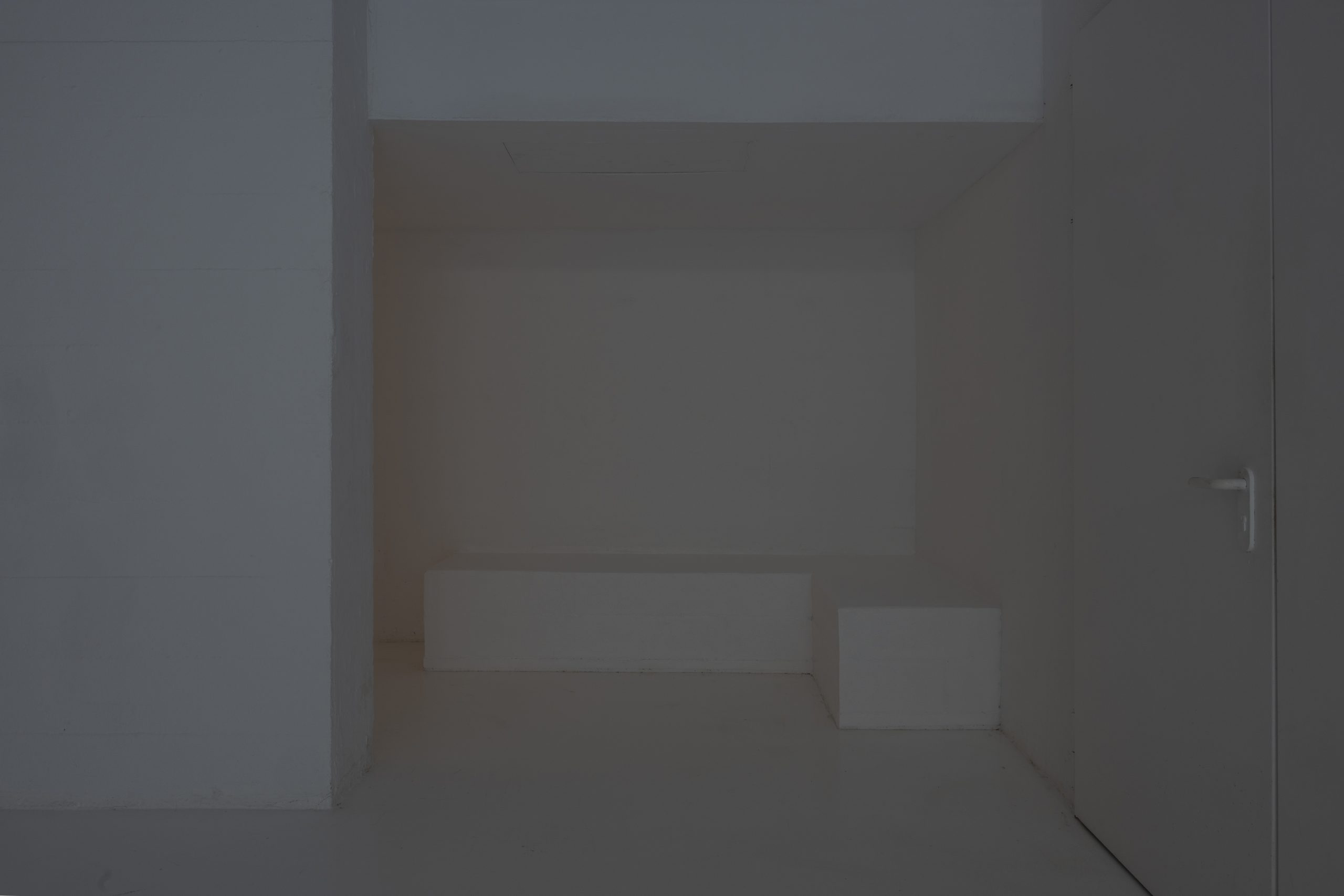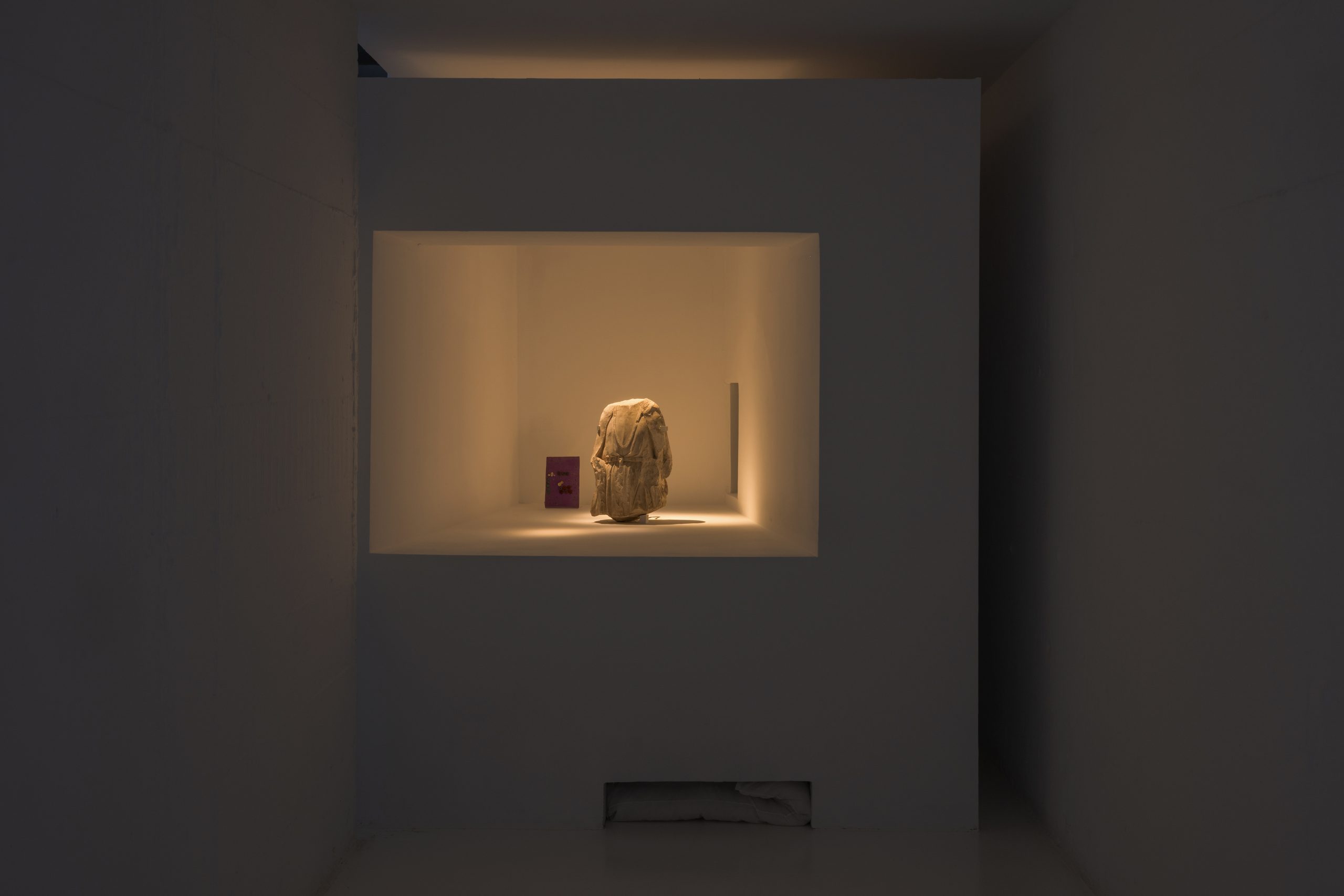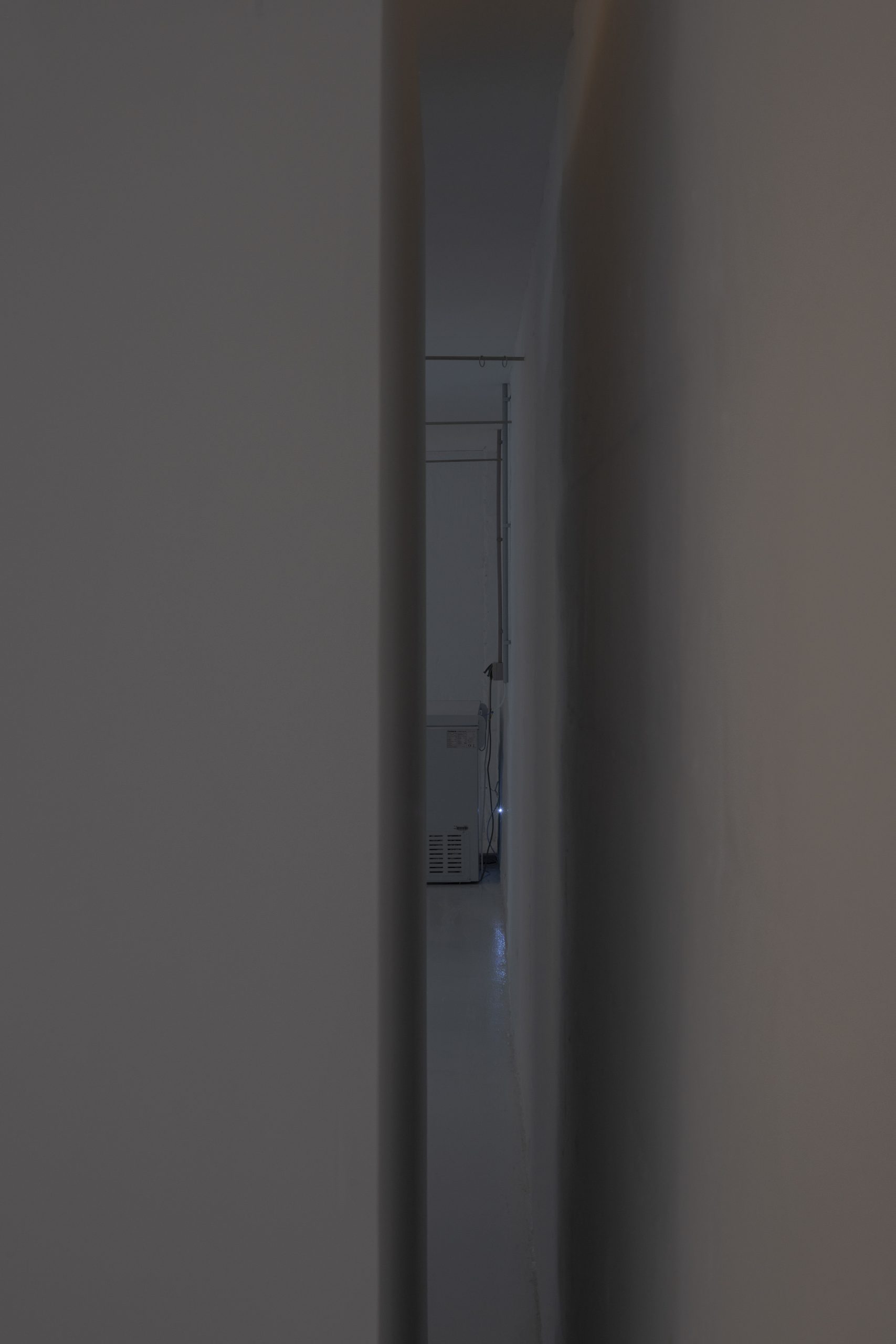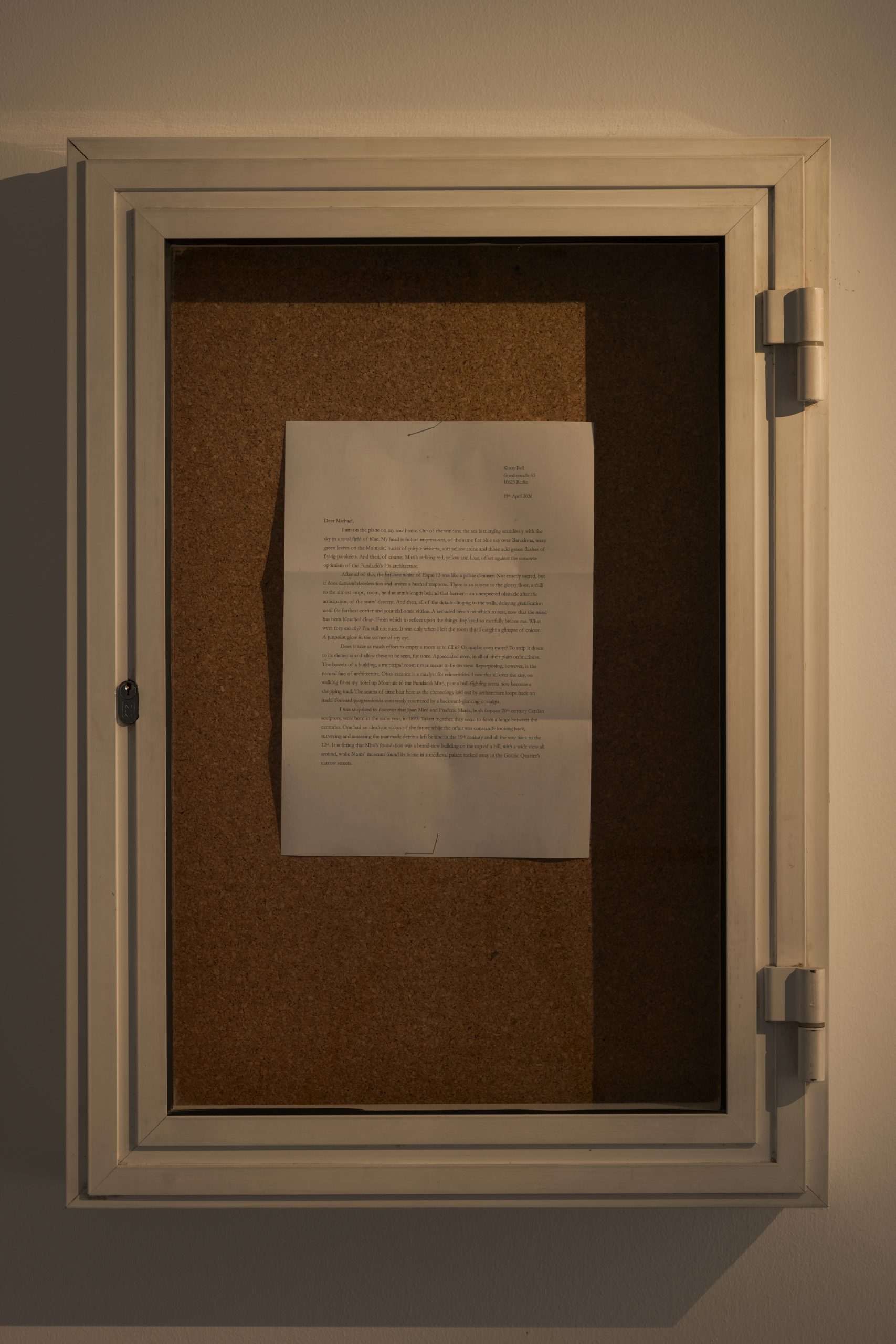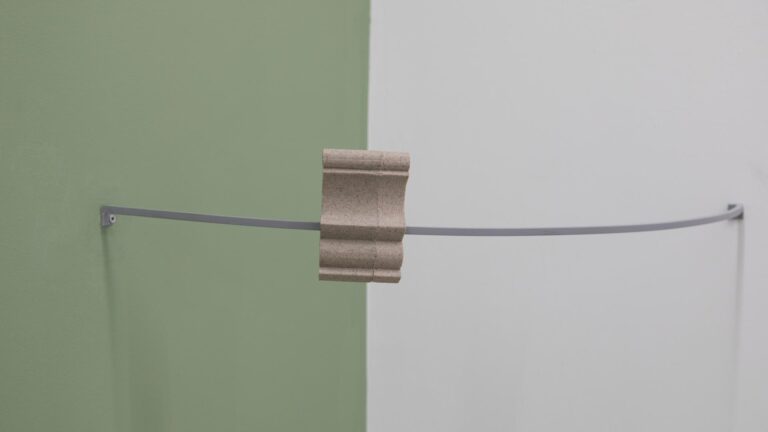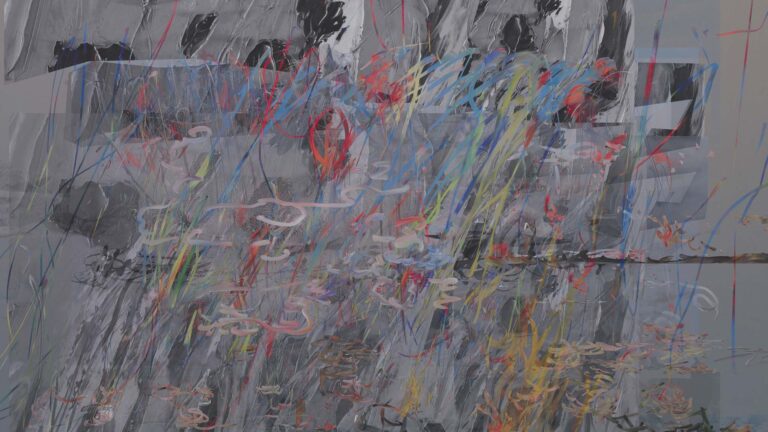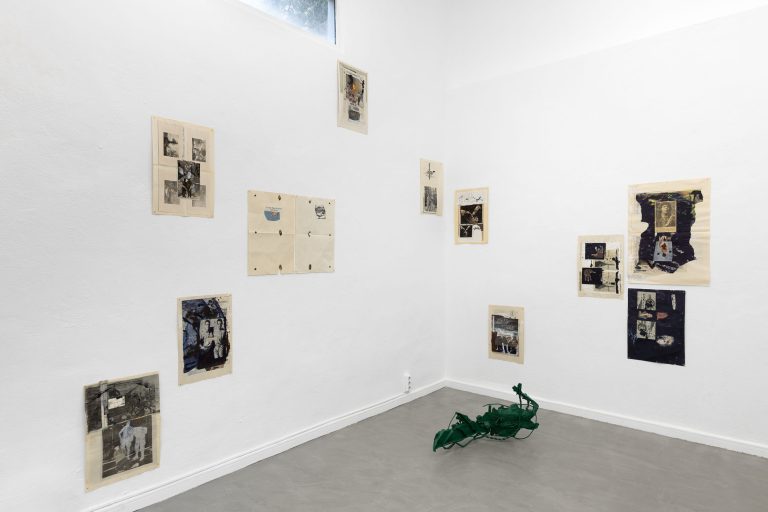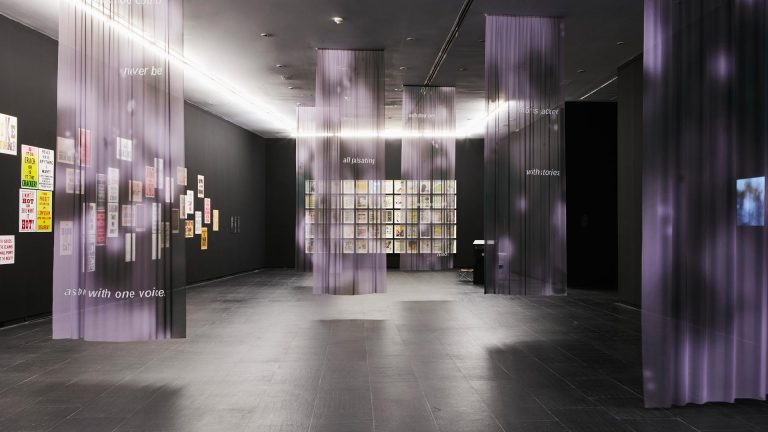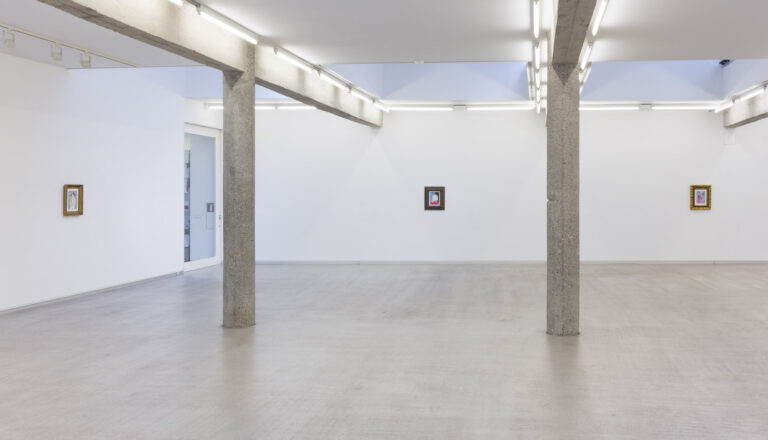
Espai 13 presents Space 13 Room 14 Crypt, a solo exhibition by Michael Kleine.
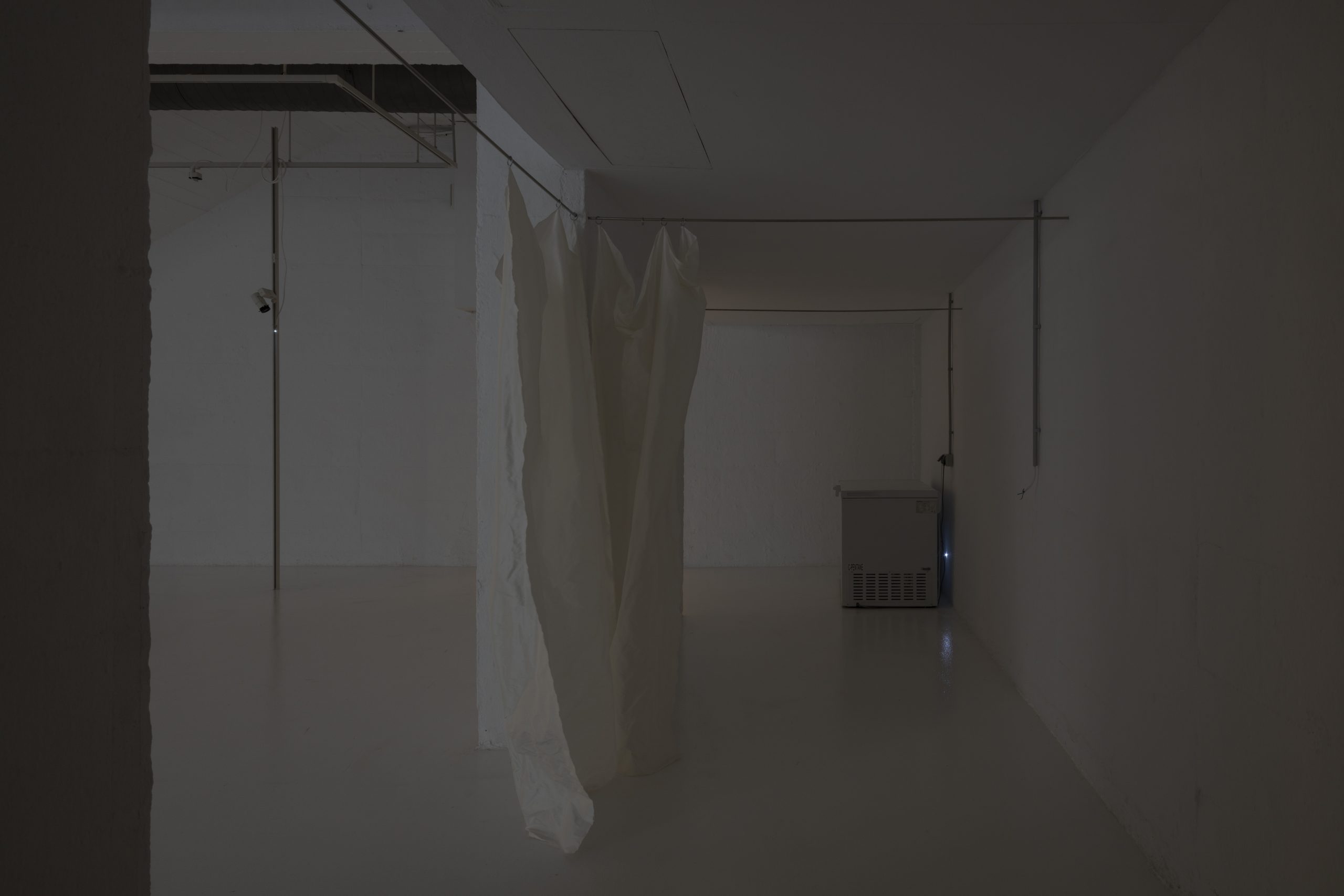
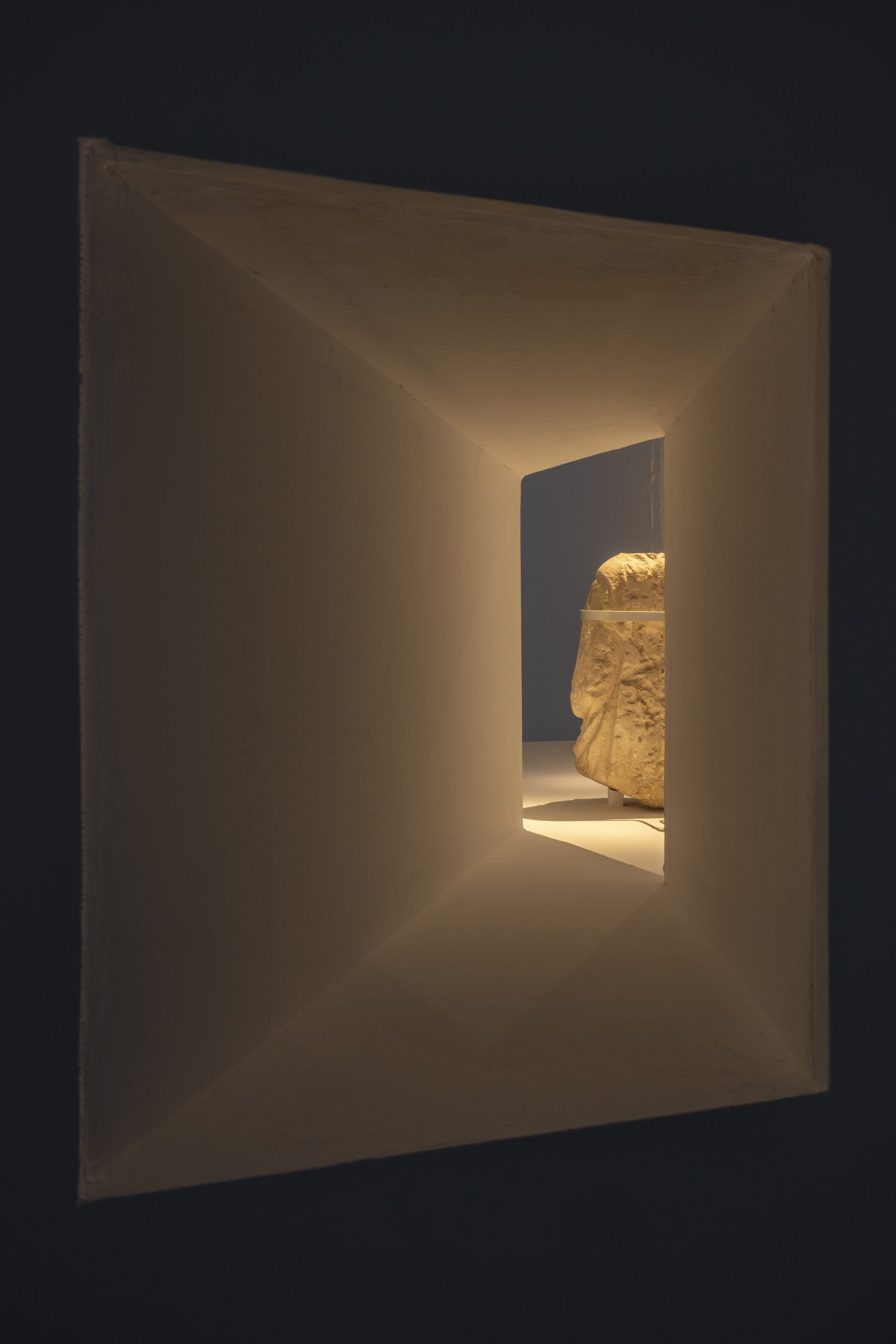
Through the use of presences and absences, Michael Kleine’s installation brings together different spatial dimensions: architectural, psychological and historical. By rearranging a series of objects from the collections of the Museu Frederic Marés, the exhibition looks at how already exiting conditions such as the intensity of light, the movement across the building, the volumes of emptiness or the space’s acoustics determine presence. There is a friction between those conditions and the borrowed objects, in which energy appears as a historical flow. The edges between objects, bodies and temporalities dissolve in a greater enveloping environment. This atmospheric condition emerges from a kind of invisible tunnel that connects the radical dependency and porousness across institutions, spaces, objects and bodies, stretching the transitional into a dramaturgy that destabilizes the very notion of individuality.
Michael Kleine lives and works in Berlin. His practice moves between formats, across architecture, displays, performances, music and sculptural work in dialogue with site and context. Objects are often uprooted from their original realities and use through a series of framing devices. In their new containers, they are still part of their former lives ‘out there’ as theatre props, organic matter, and found objects, whilst also being integral elements of one total work.
ALEX ALONSO
The decision–making process behind this exhibition follows a sort of twin logic that connects different spaces. It also operates as a kind of undercurrent choreography which I see as a tunnel: a hollowness, a channeling corridor where emptied–out density is negotiated. It is defined not so much for what it contains, but for what it lacks. Could you speak more of this immaterial dependency and the kind of presence it both demands and generates?
MICHAEL KLEINE
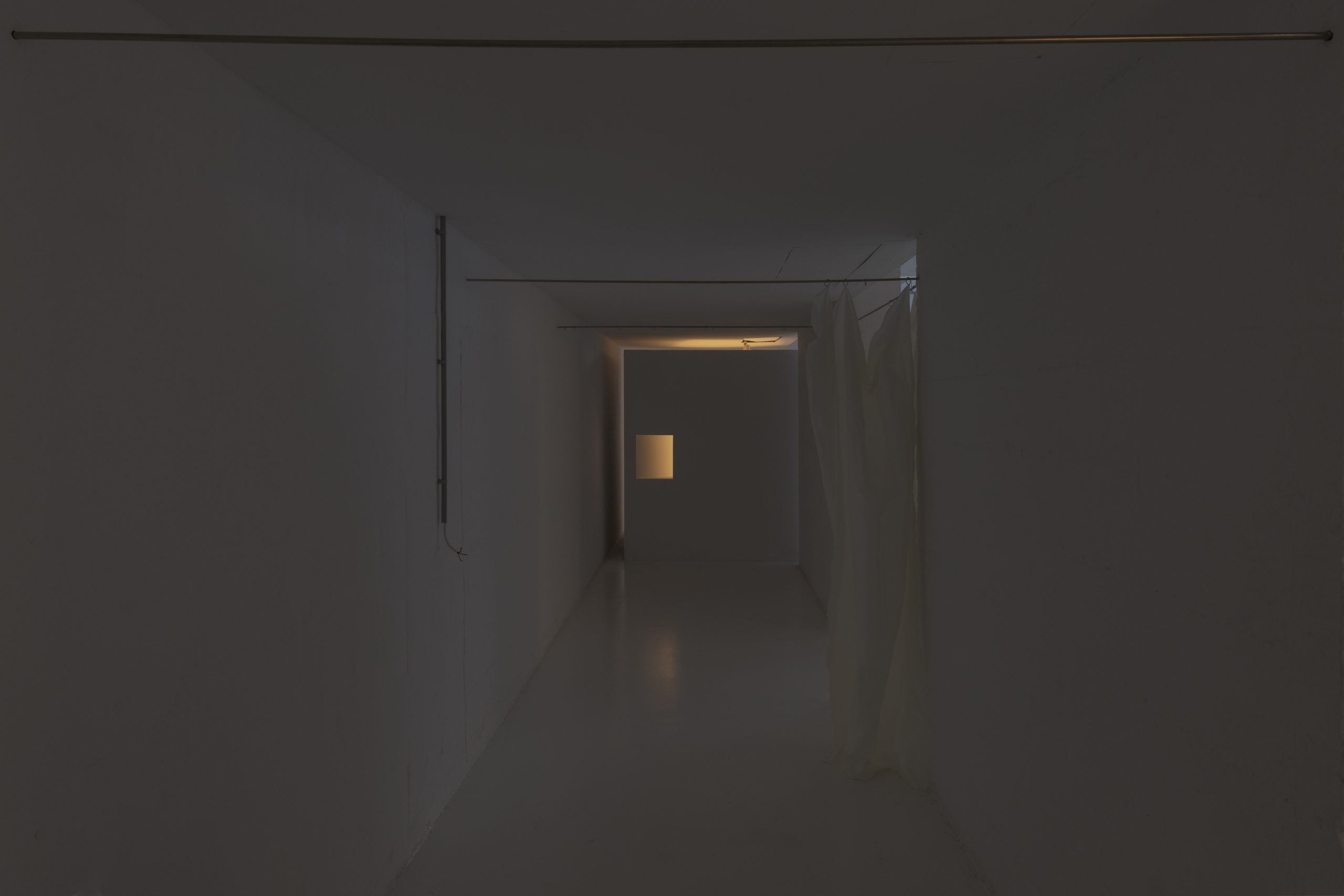
The image of the “tunnel” captures the path between the two places (Fundació Miró and Museu Marés) and the time it takes to get from one to the other — the way down the hill through the city. Even in the two museums where the project unfolds, you have to walk across several corridors and rooms before you reach my work. The building and the adjacent spaces become part of it, consciously but involuntarily.
The “immateriality” within my work is ambivalent: there is a lot of material involved in the process, and mostly there is a lot of labor. Most of it ends in gestures or details that are not very visible or that blend greatly into the existing conditions of the space, its infrastructures, its light and sound, and they are easy to miss.
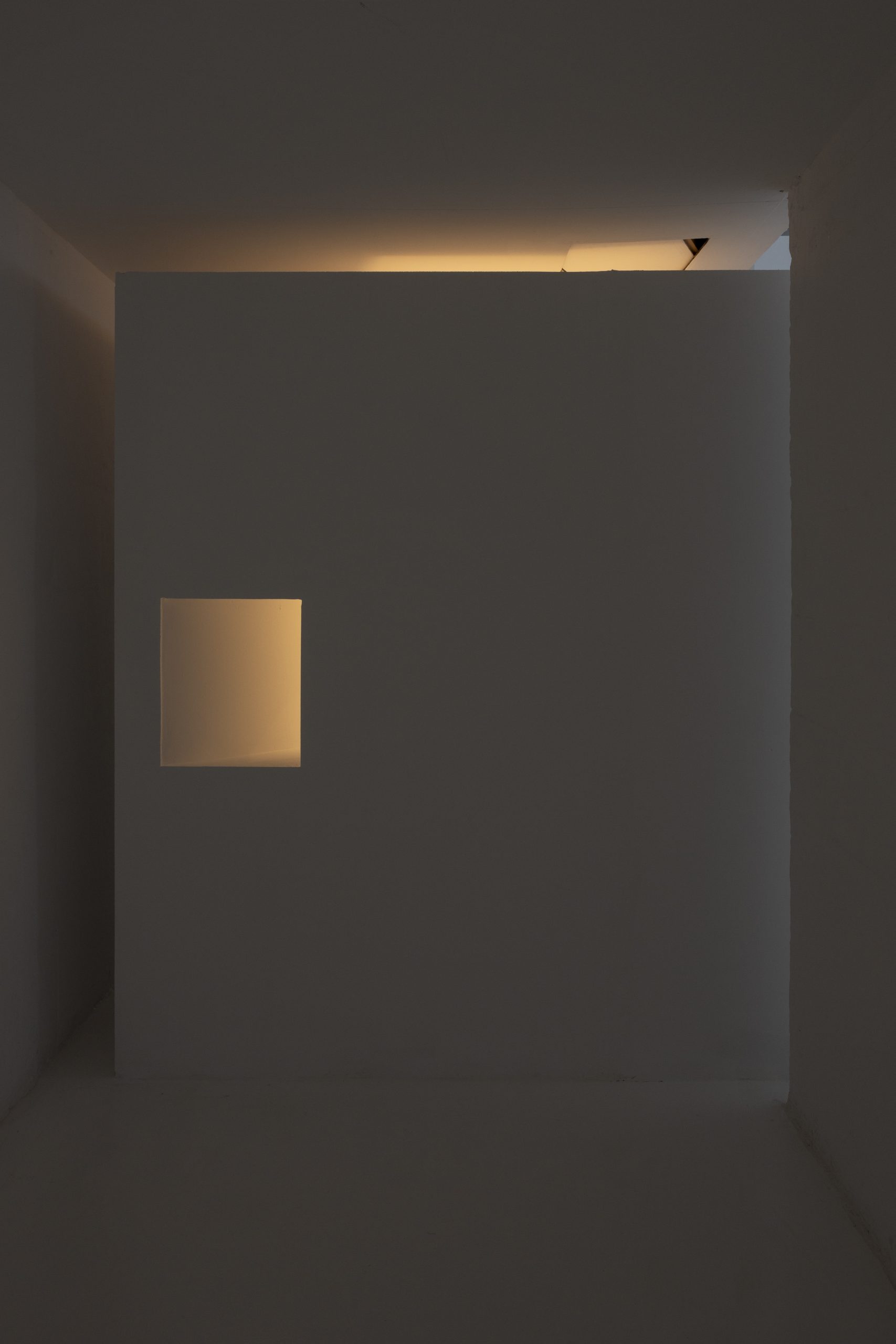
However, assembling these seemingly immaterial gestures is crucial, in my understanding, for a specific energy to emerge that matters to me. You need a great deal of labor to create this kind of emptiness in order to make space for the visitor — for their experience, to allow intimacy.
It is almost as if this emptiness carries a certain form of care, something that can hold you.
ALEX ALONSO
The question of immateriality here is compelled to take into consideration its existence both in and through time. The exhibition is not only a time-assembly of sorts, where different memories and projections overlap; it is also, due to the object’s position in different historical–ideological–symbolic–material–spiritual times, a mechanism of energetic reconfiguration. The changes in meaning and resonance of these objects: through their birth, successive transformations, re-stagings and decay, trigger a series of questions. From fundamental issues around the extraction of resources, shifts in the value of things, topics of care and maintenance, to spiritual, inner extractivism.
Immateriality precisely arises because of its entanglement with life, because it is rooted in the sacred dimensions of matter…
MICHAEL KLEINE
I love your expression “entanglement with life”. It speaks to me with its inherent playfulness and with the acknowledgment that a certain liveliness has to be protected at all costs. And placing the liveliness of the visitors, and their presence at the center through this staged emptiness –a kind of choreographed void– in order to provide space in an expanded sense, is fundamental for me.
ALEX ALONSO
Much of the exhibition is based on holding objects with different temporalities together, letting their transient spirits bloom. As Anne Boyer puts it: ”Beauty is as serious as the hardness of everything else. Flowers, fragrances, winged things, these are not sentimental little inconsequences, or mystified curly cues on dead history’s coffin, but this kind of beauty: the slight and the fading is notorious for how it is also tautological. A flower that does not wilt has missed its own point.
Fragrance is because it is volatile”. I feel like some elements in the space expand this sense of volatility, while others seem to stretch time…
MICHAEL KLEINE
Coming from a background in music and opera, the experience of time, duration and ephemerality is a very central aspect of my practice… or actually in my experience of anything. Dealing with historical distance is an important part of my practice, one that contributes to this awareness — to being conscious of time and change.
I think my perception is also shaped by the many hours I spent in concerts, or sitting through operas, waiting for something to happen, expecting to feel or to experience something. Also sitting in churches, in services, in museums. Duration and the passing of time are dear components in my perception of things. To sit, to wait, and to observe your own thoughts and feelings is something I enjoy. So yes, I totally agree with what you perceive: sometimes my work feels like throwing something in the air, hoping that somebody will catch it or observe how it drifts away…
I think this is one main reason why I conceive and create spaces in so many different fields and genres. Because the spatial dimension is a fundamental part in the handling of time.
ALEX ALONSO
Right, and it is as if the exhibition has a particular musicality. It’s almost as if this ‘‘waiting for something to happen’’ could be translated into a prelude or an overture. Some kind of introduction to a music composition in which the staging of time produces an intrigue where things tend to, either disintegrate or become more of themselves. This friction between what things tend towards and what they are forced to be, creates a very particular drama. This is very present in how objects are organised in historical collections like the one at Museu Marés and how, in contrast, this new container, allows them a different presence. Even if they weigh and measure the same, they exhale differently.
How is this hapticality produced? Are there any specific decisions or gestures that you keep recurring to in the reframing of objects?
MICHAEL KLEINE
A recurring element in the work is the contradiction between upstaging and downstaging. On the one hand, mundane, everyday profane things are given a lot of space and attention: all the means of staging are applied to them, while on the other, valuable things or large artistic gestures seem almost neglected. This is perhaps an attempt to bring art and the everyday closer together. I believe interesting energies can emerge from this interplay, from shifting attention.
In my observation these are also techniques often used in religious contexts, which in many ways feel close to our perception of art: small, materially worthless things are treated with enormous significance, while other monumental, grandiose or very valuable gestures and materials are used almost casually, as if they were self-evident.
ALEX ALONSO
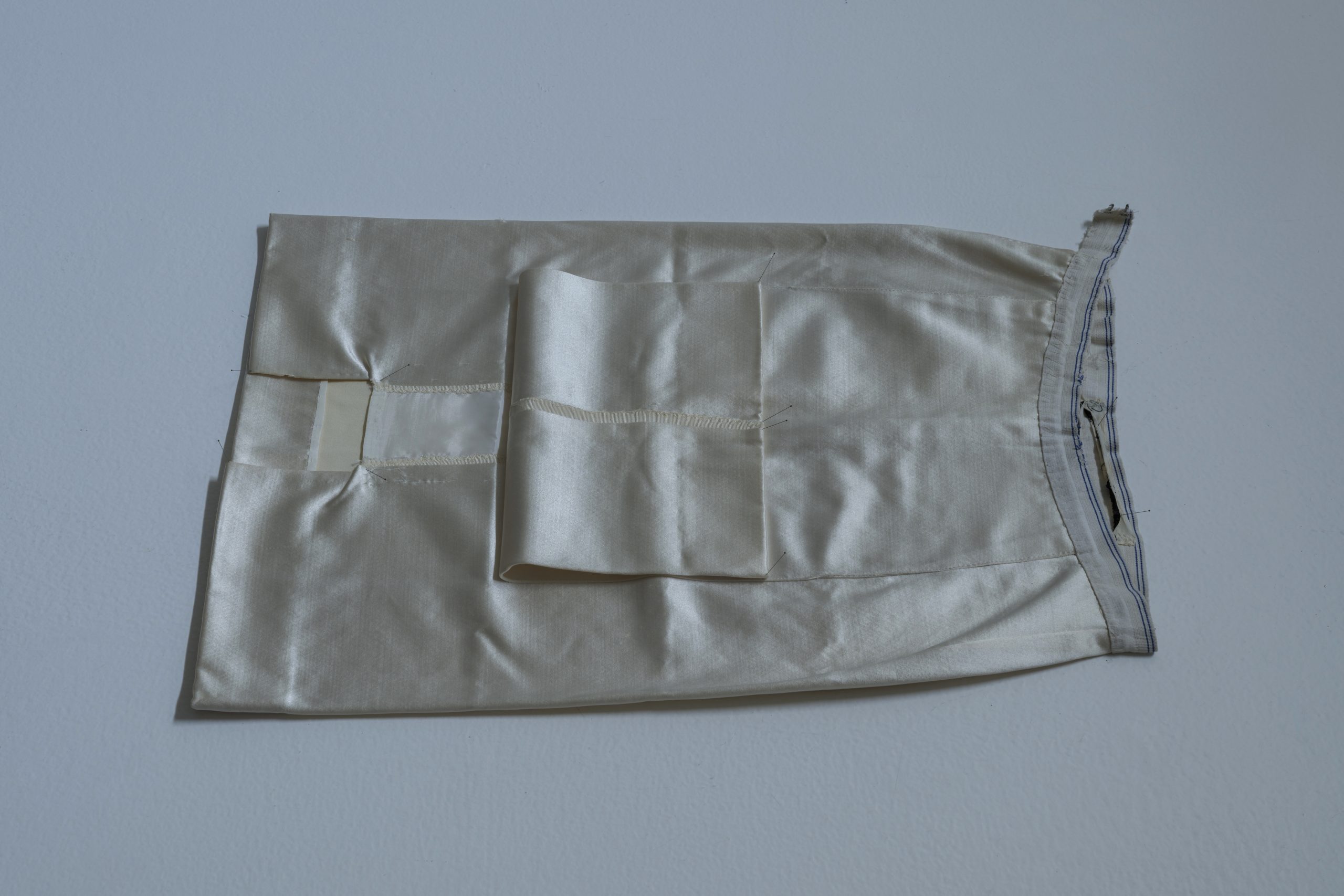
The way in which the body is invoked through its absence, speaks of a vanished energy. The worn–out clothes and the delicate tactility of the fabrics remind us of the brevity of life and how the body transitions with nothing, how it becomes dust. But transition is not purely seen as a bodily phenomena. From empty fridges to minerals, a body is never just a body…
MICHAEL KLEINE
It is true that the human body is absent in these things, but in my perception it becomes very present precisely because of that. It could be the absence of a visitor that just left the room, the absence of the original owner of the skirt, the absence of the 14th-century stonemason, the absence of the conservator who just placed the sculpture in the vitrine… It mirrors your own physicality back. This is also connected to how I perceive the traces of labor. The body of the artist, but also the body of everyone involved in the production of the work, gains a kind of presence through all the gestures and the labor that becomes tangible and perceptible. At the same time, the audience’s body is also given space. I spend a lot of time thinking about what precise positions the visitor can take, where they might tend to move, where they might linger, where they cannot access. This layer of movement, the choreography through the exhibition is very central, and it is the visitor’s presence that completes the work.
Michael Kleine’s Espai 13 Sala 14 Cripta is co-produced by the Fundació Joan Miró, the Museu Frederic Marès and the Fundació Joan Brossa – Centre de les Arts Lliures. The exhibition at Fundació Joan Miró’s Espai 13 is part of from 6:12 pm to 5:48 pm, a program curated by Alejandro Alonso Díaz.