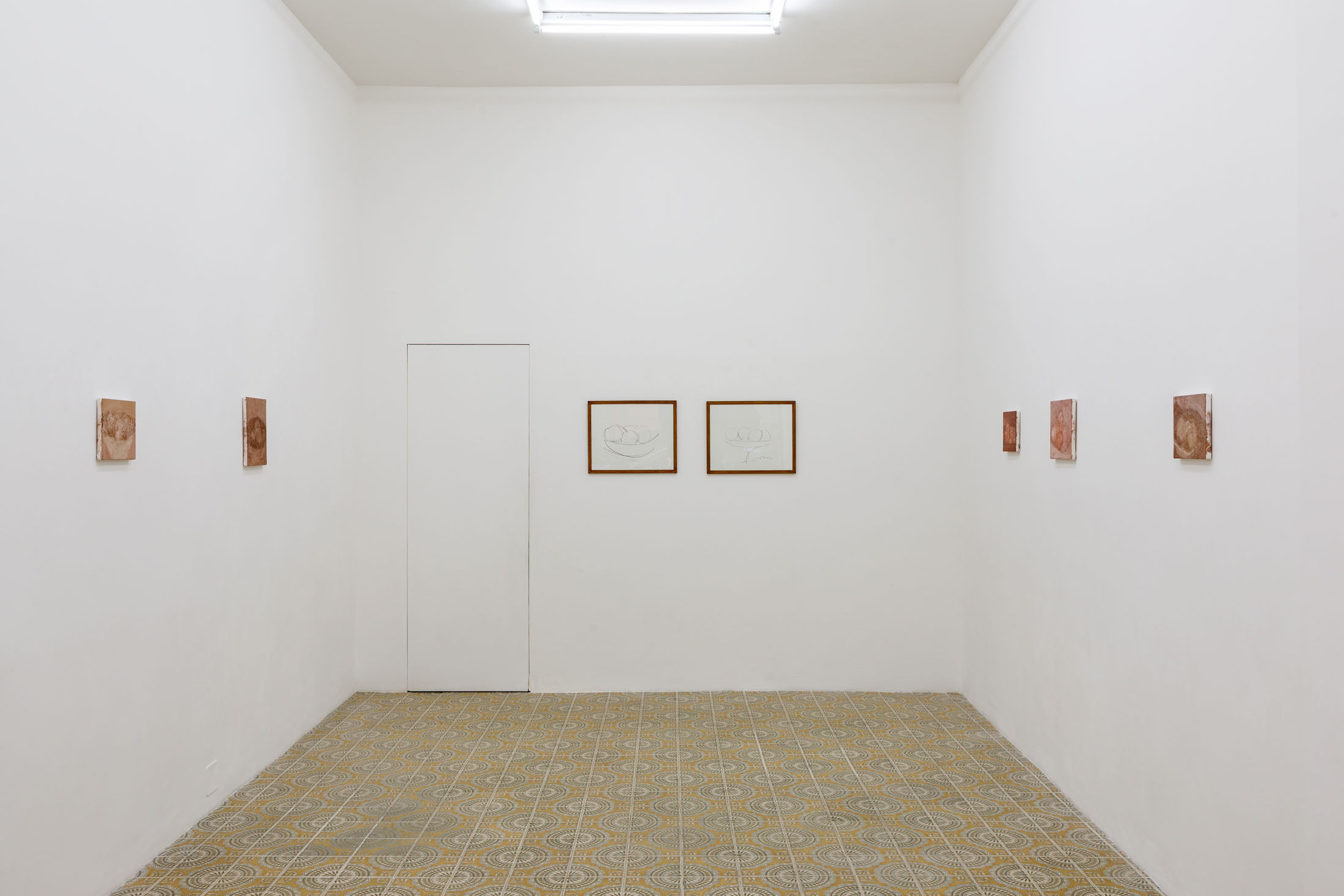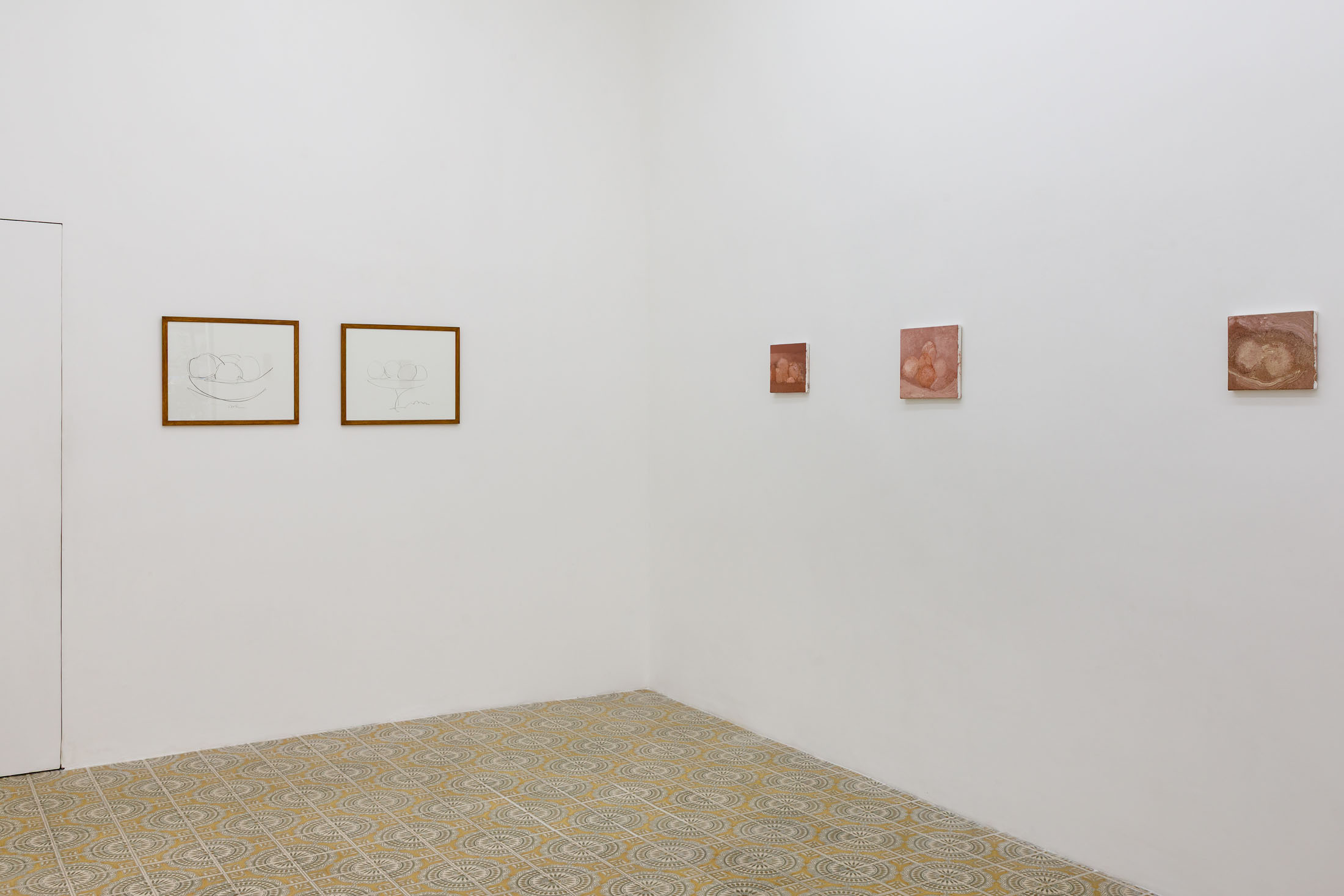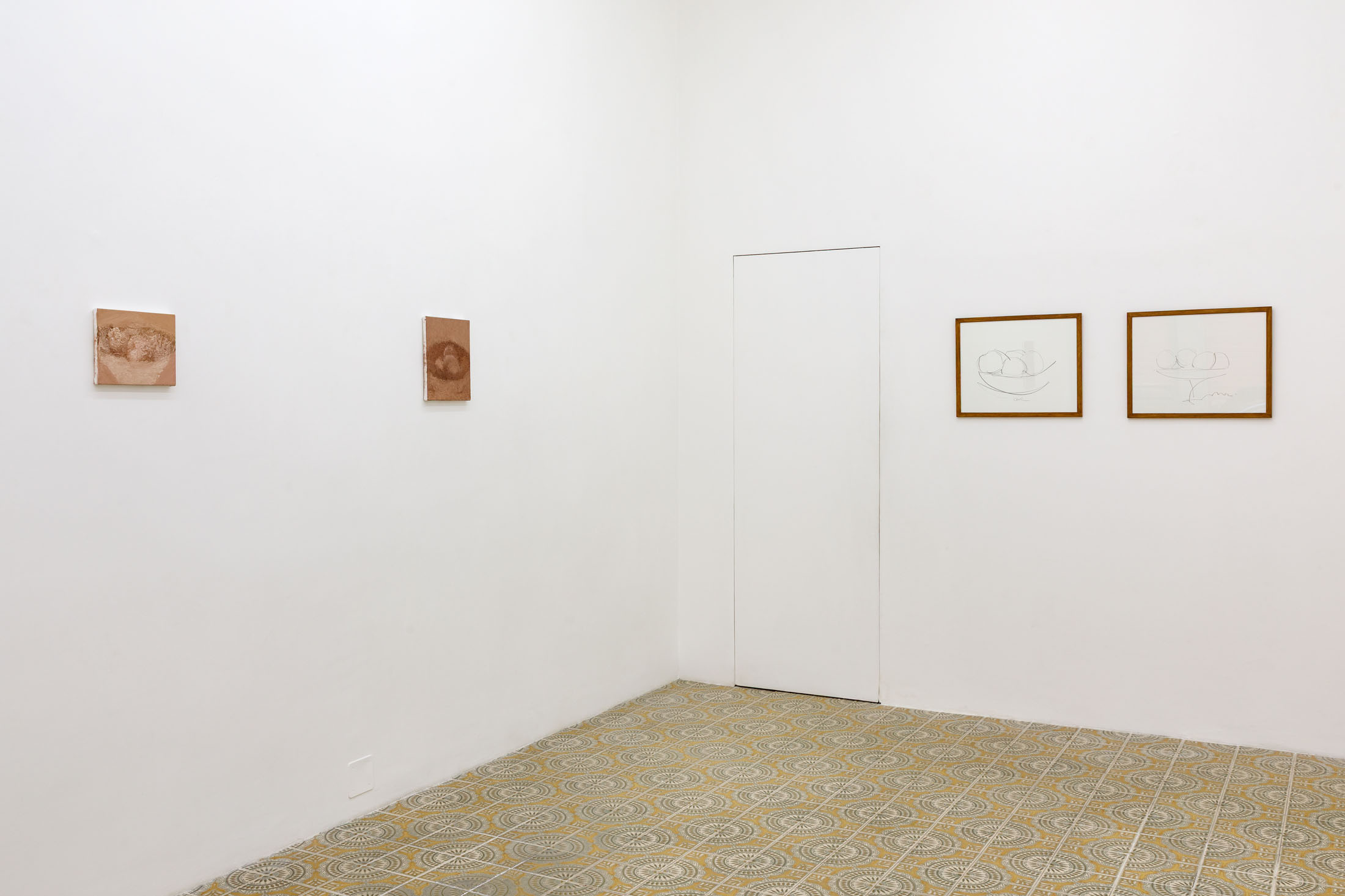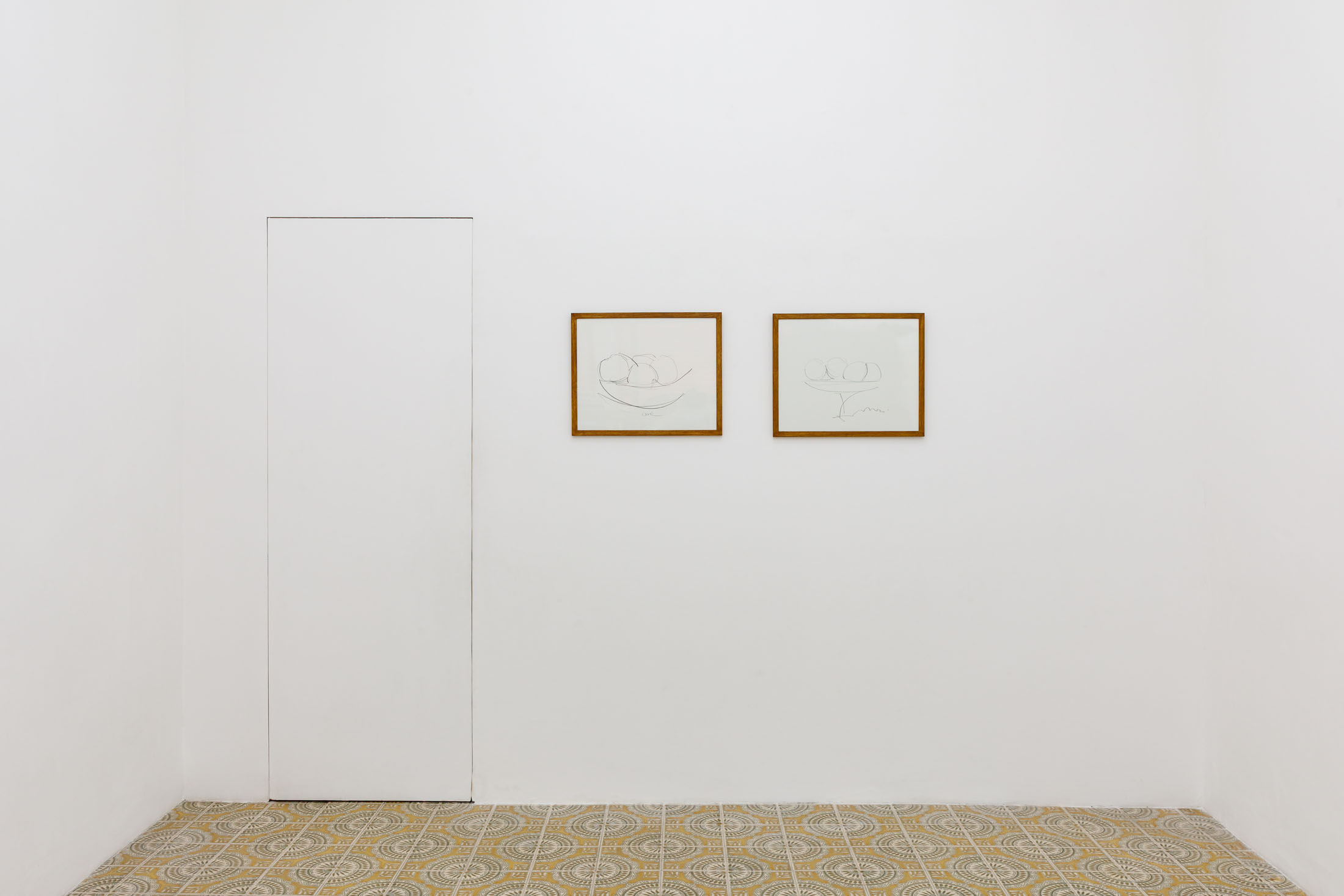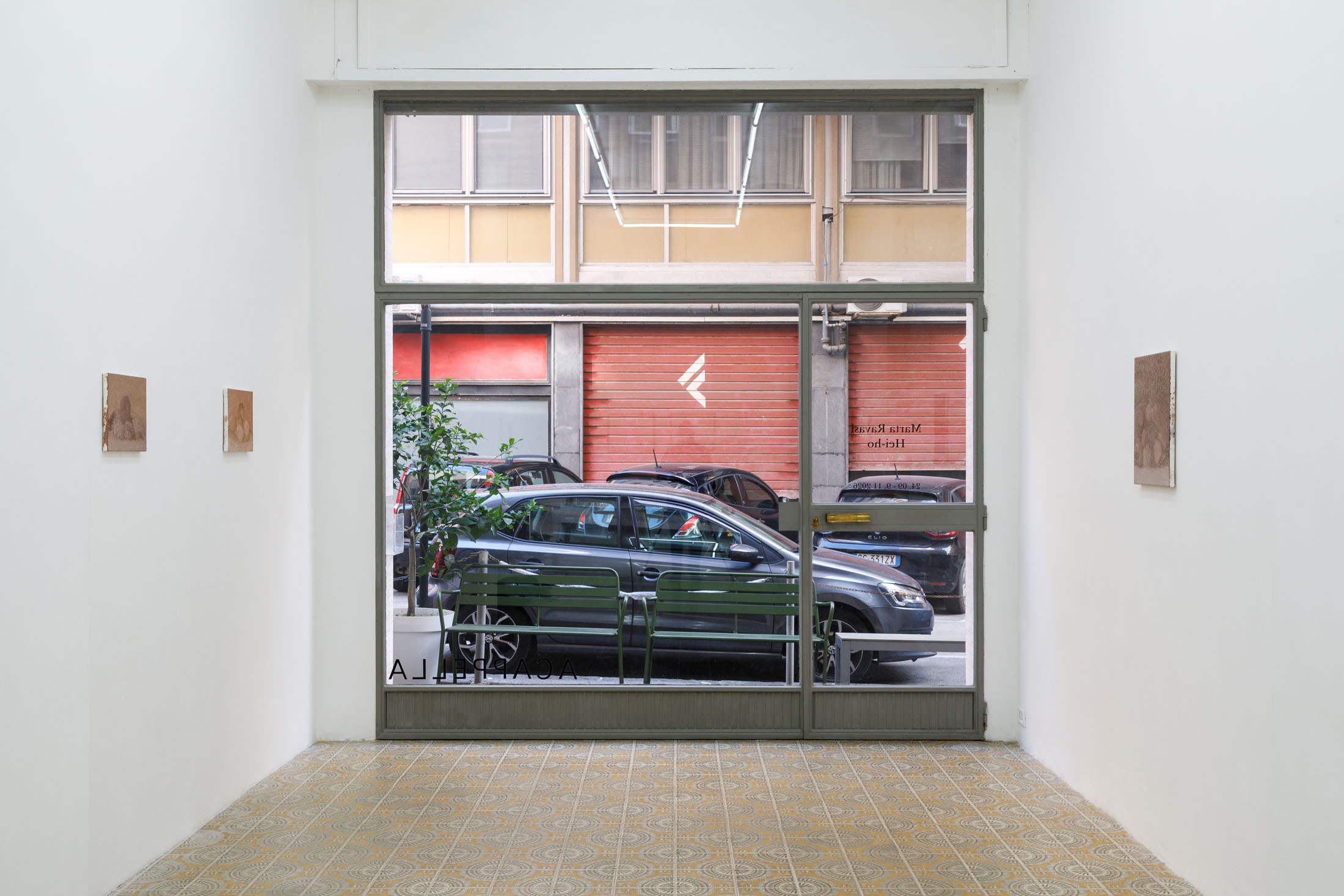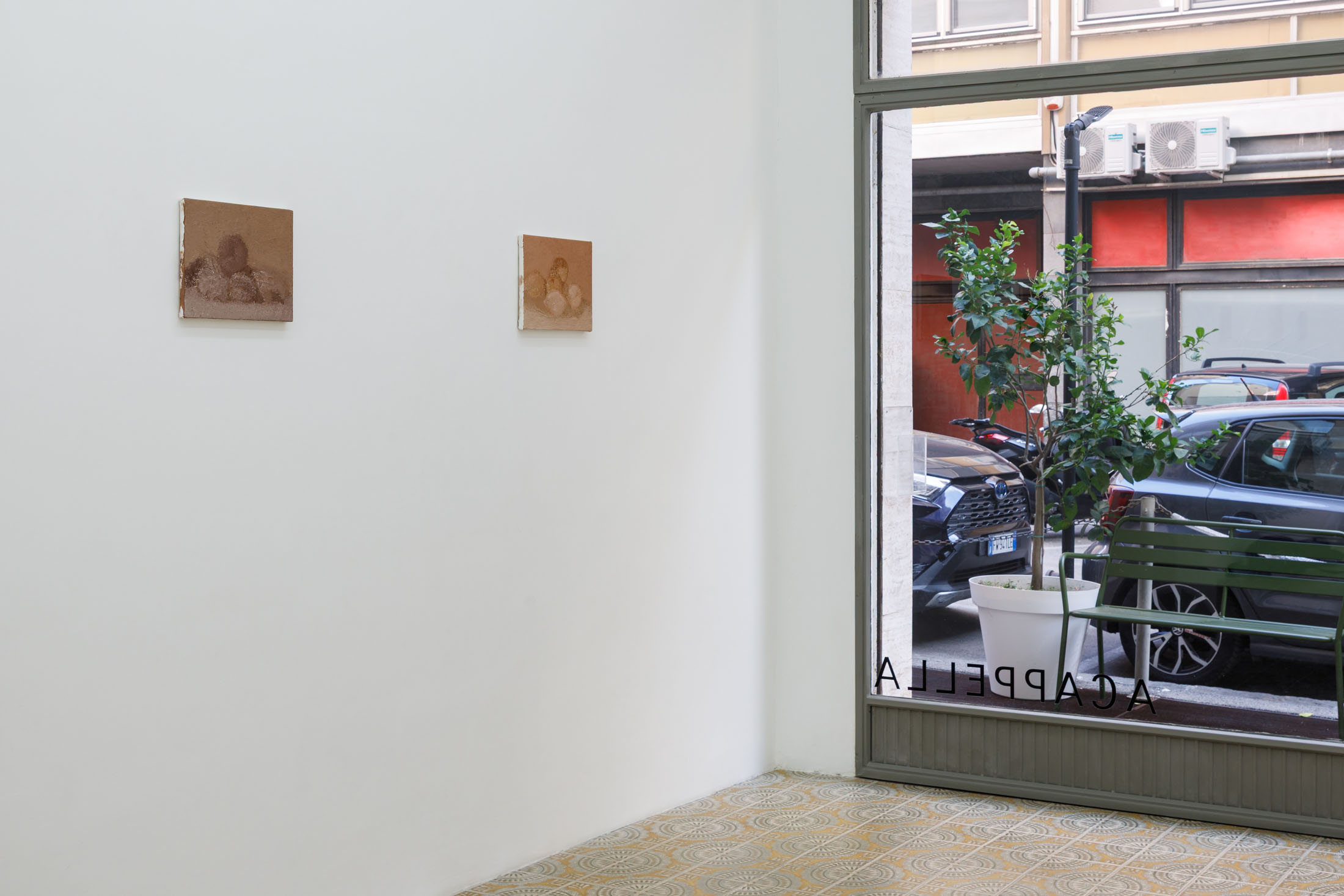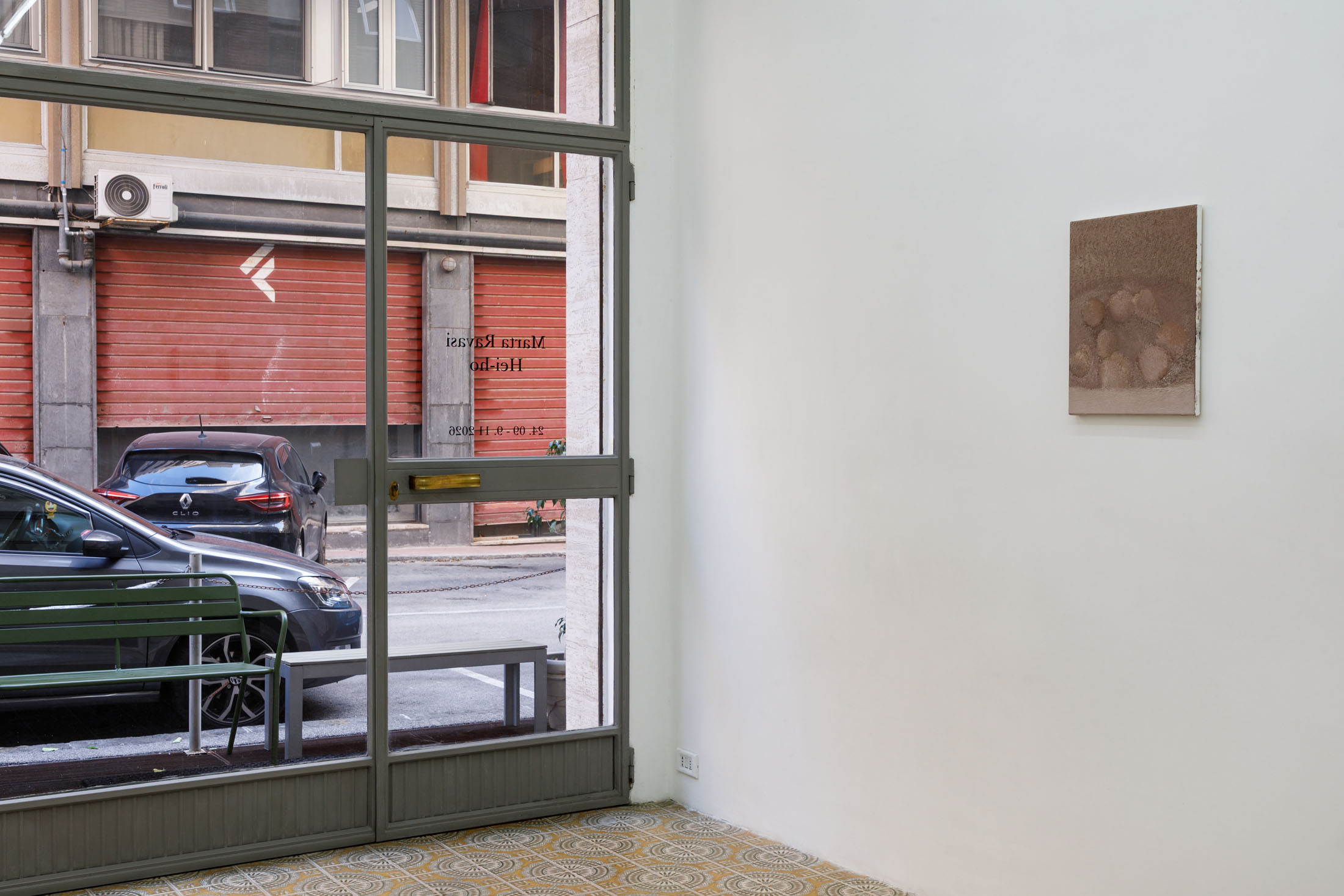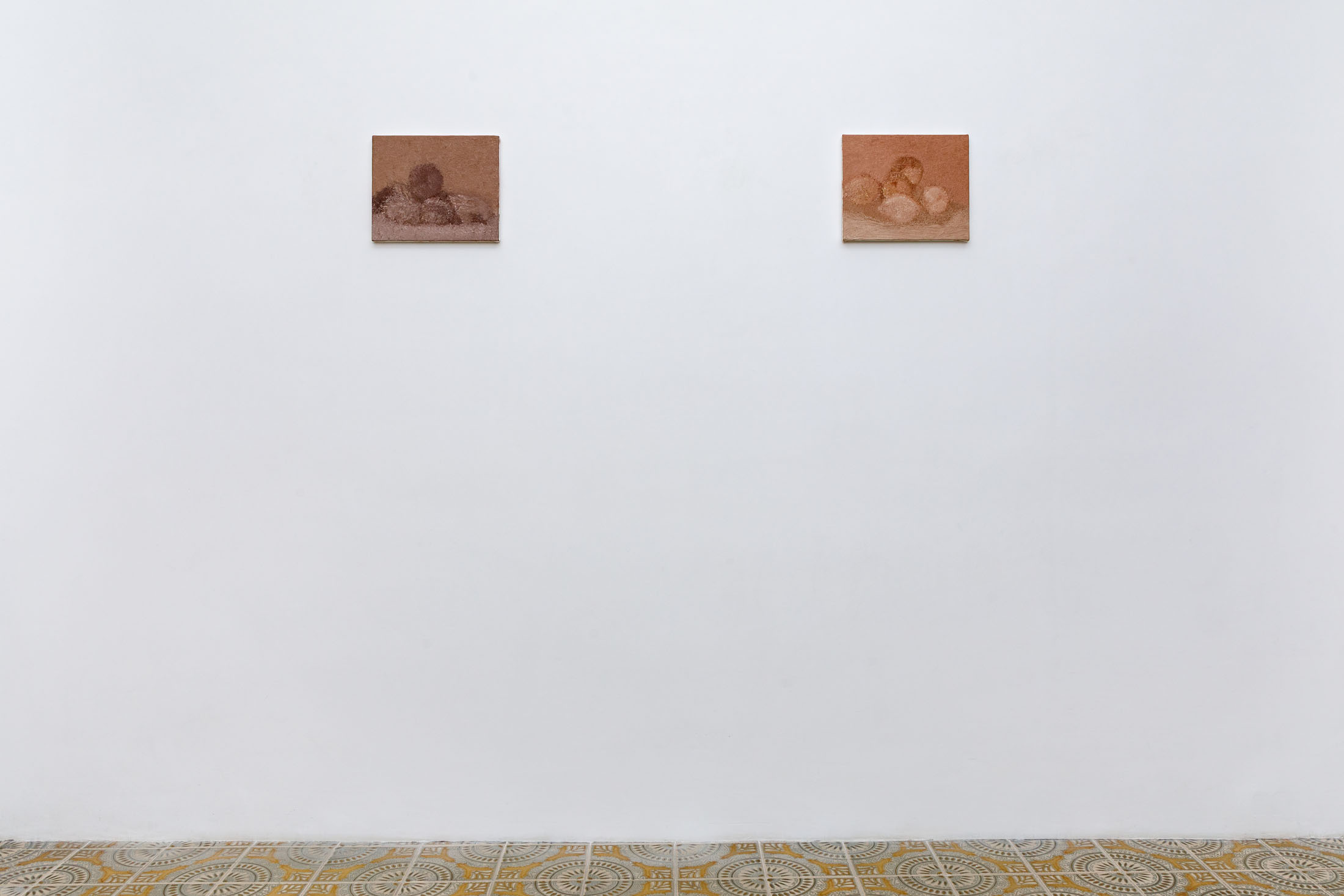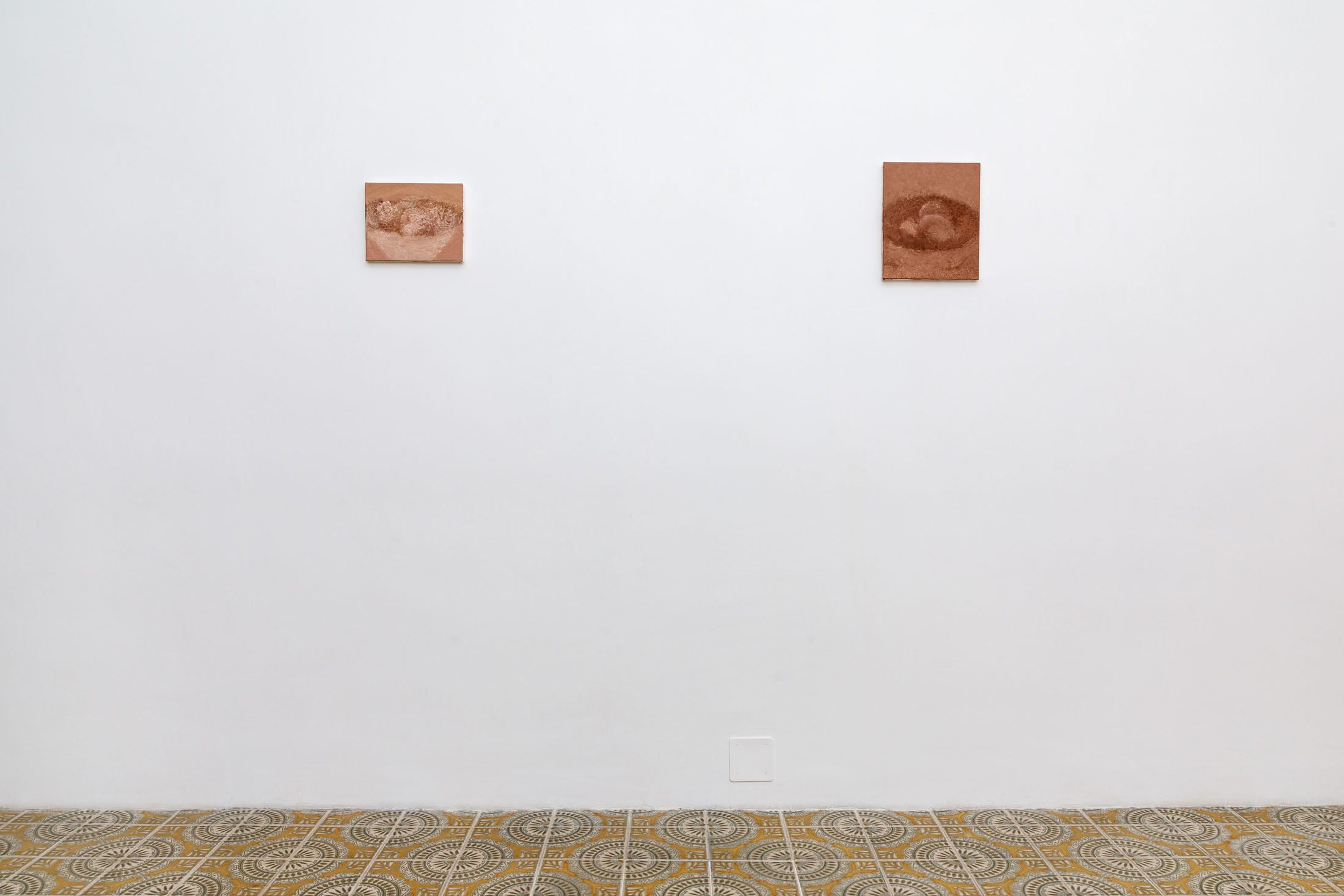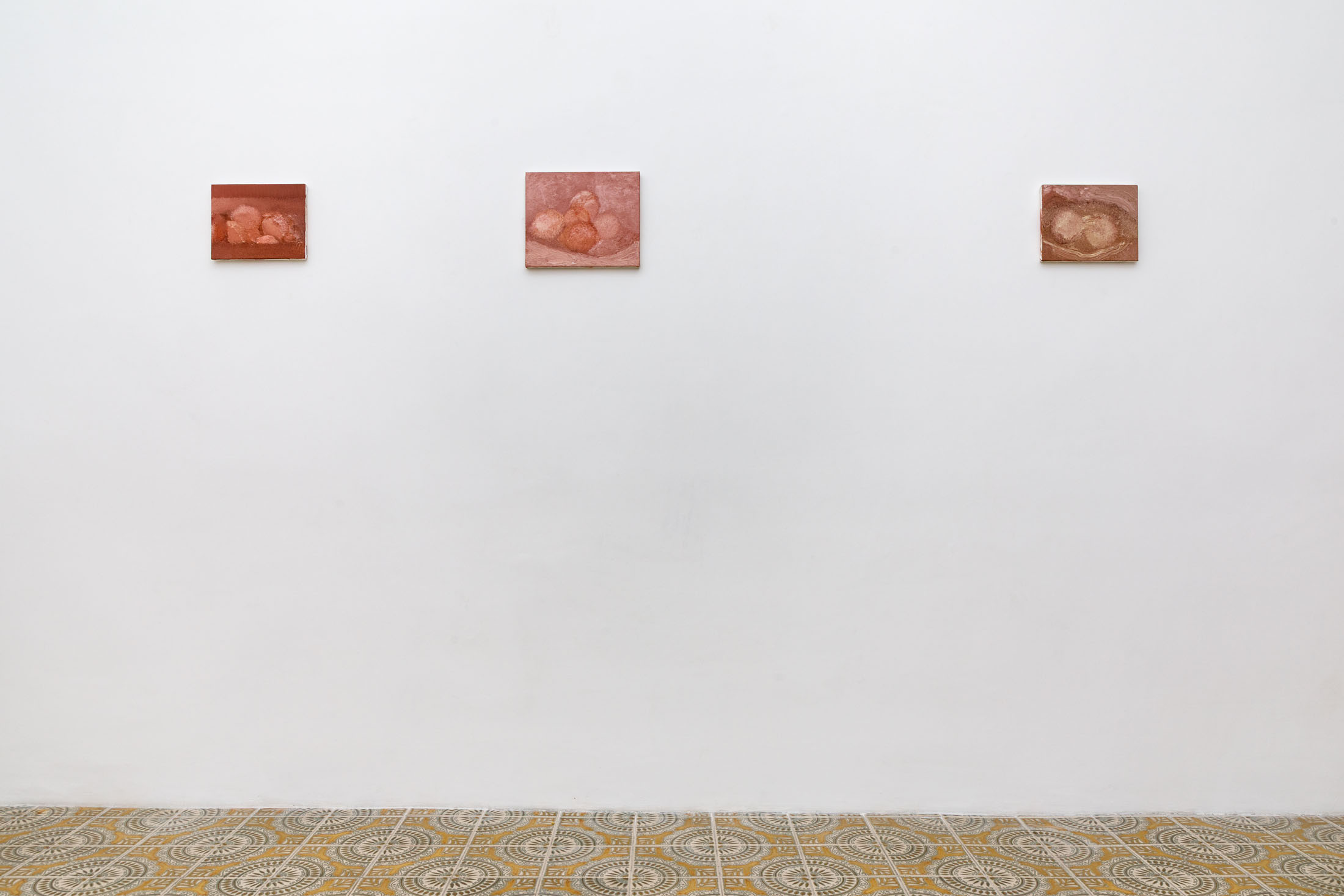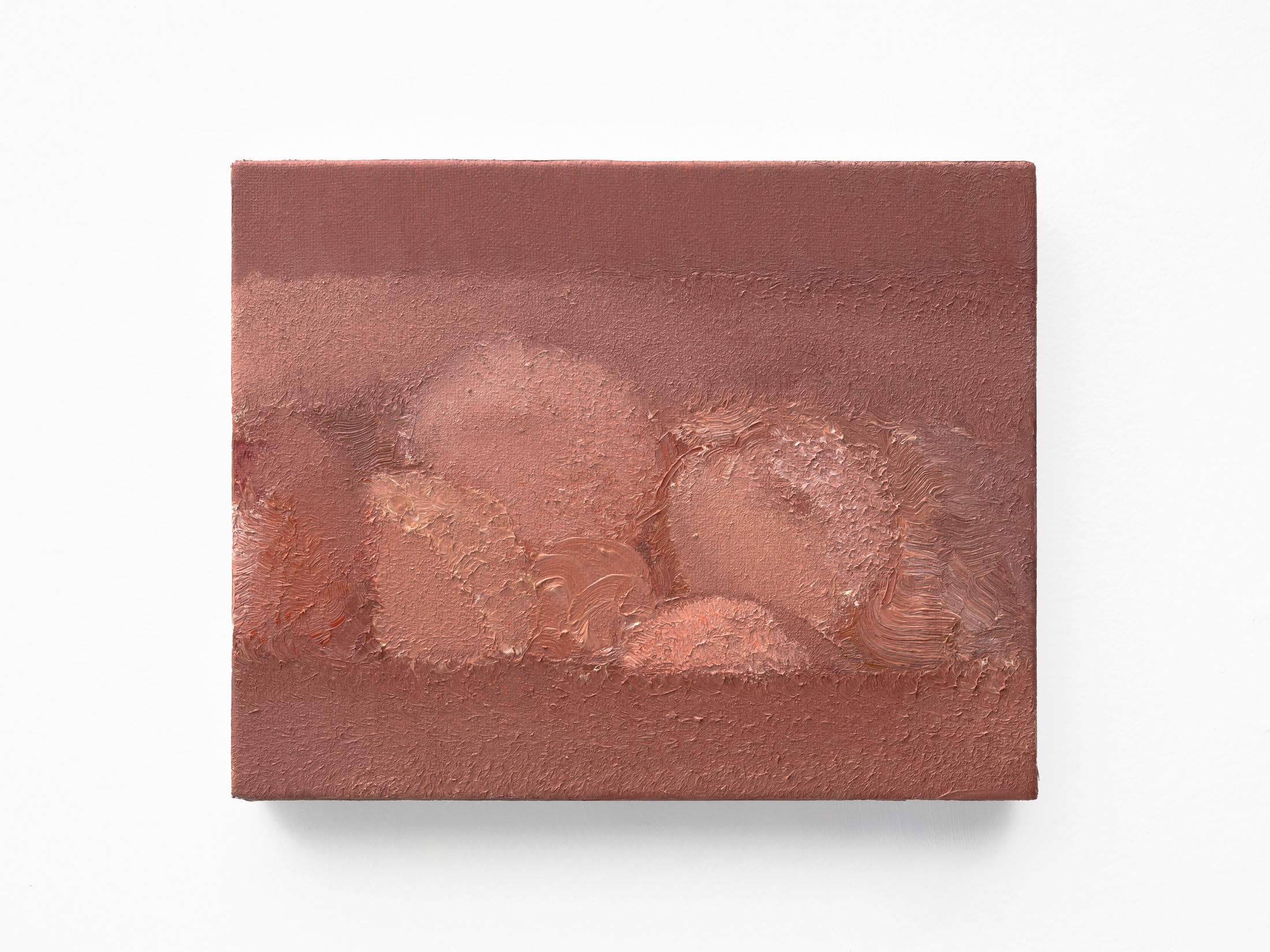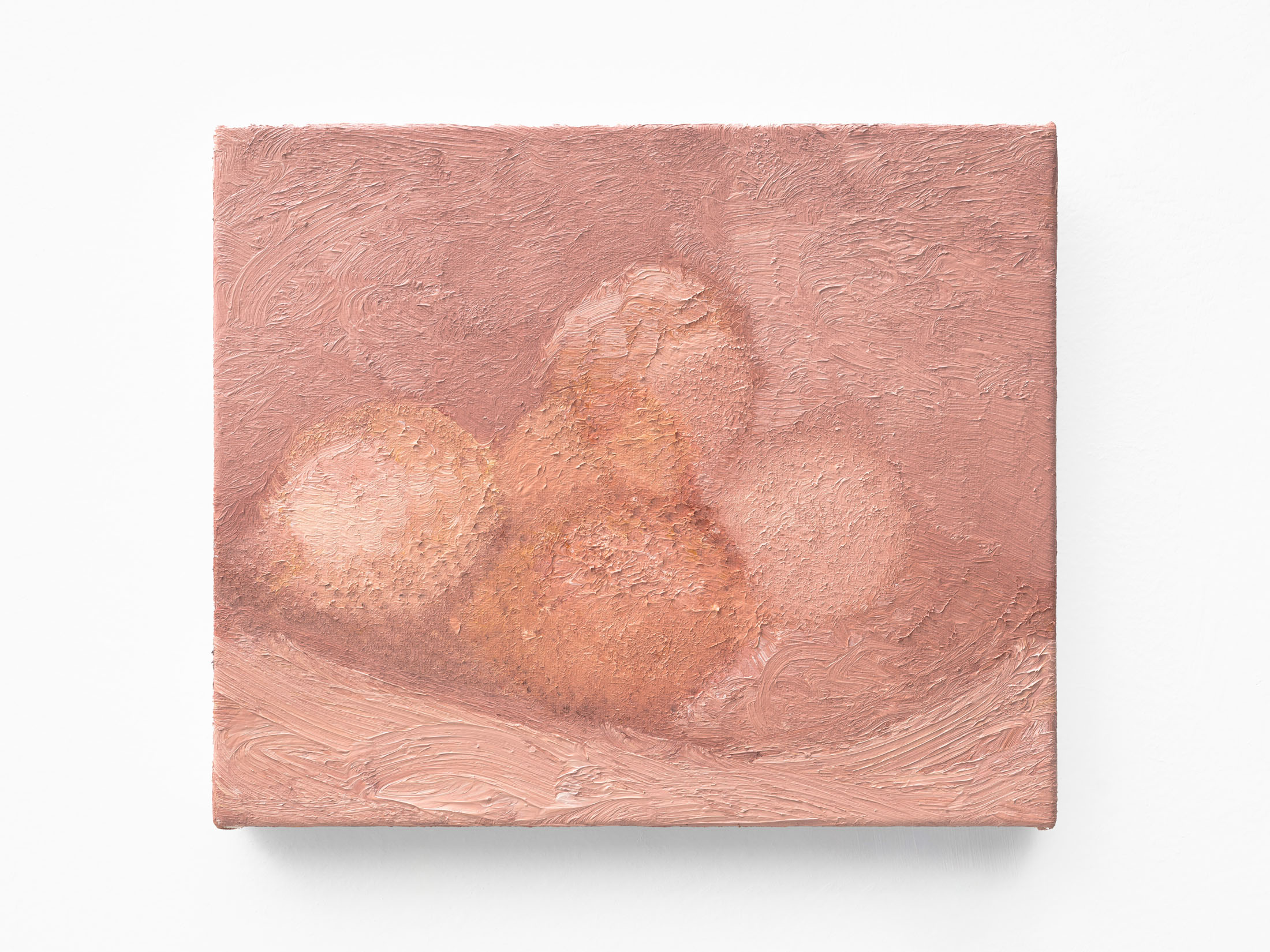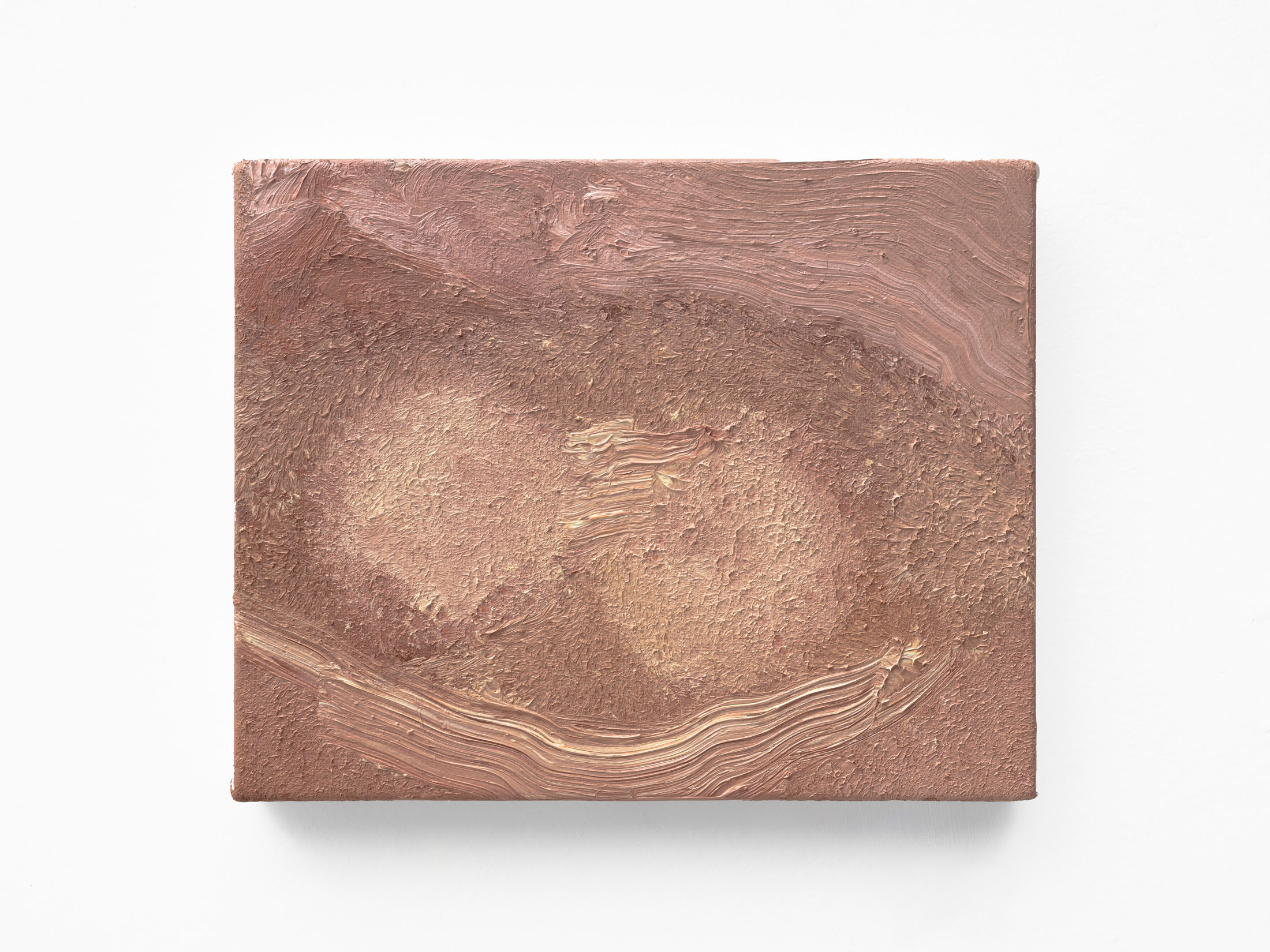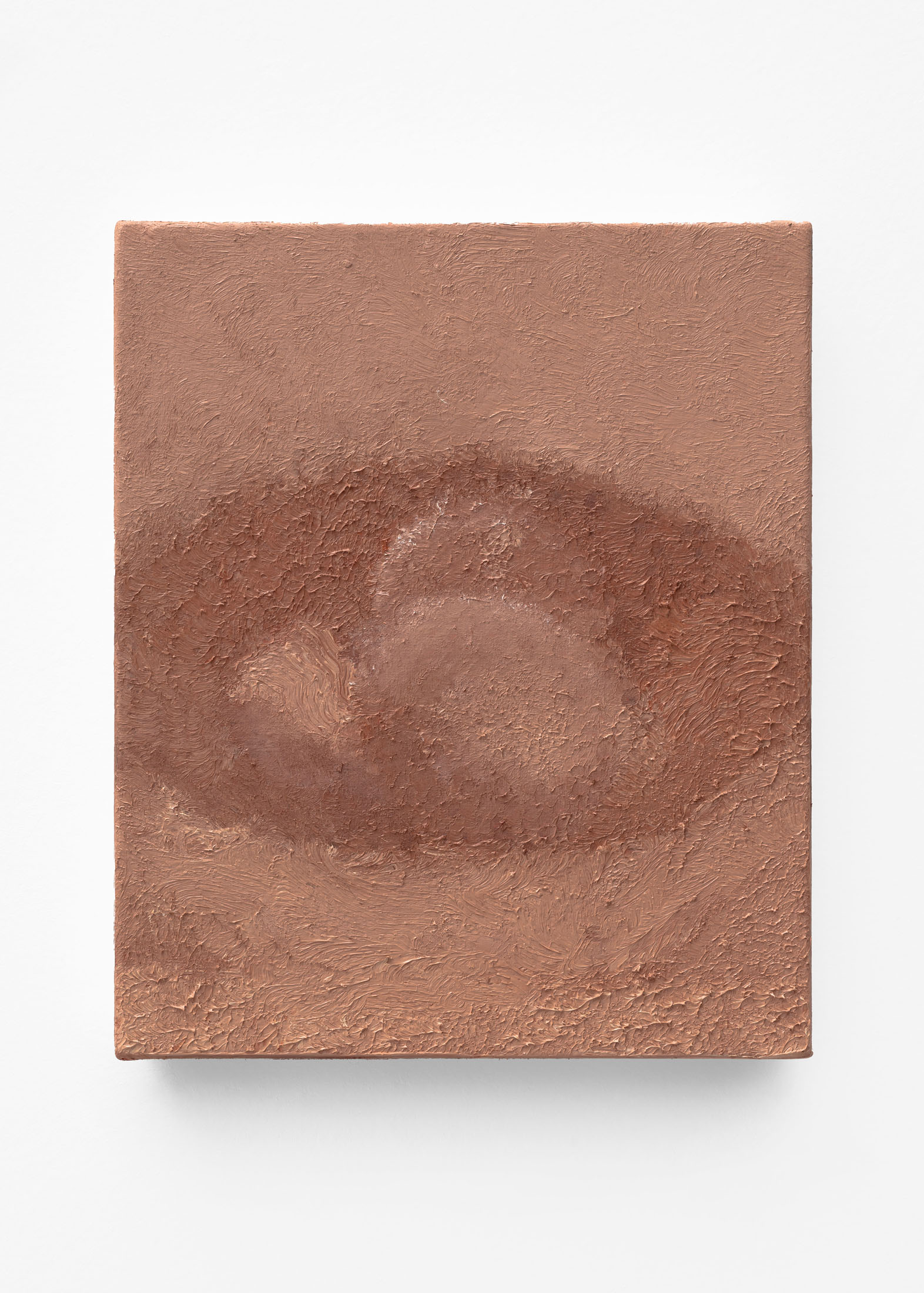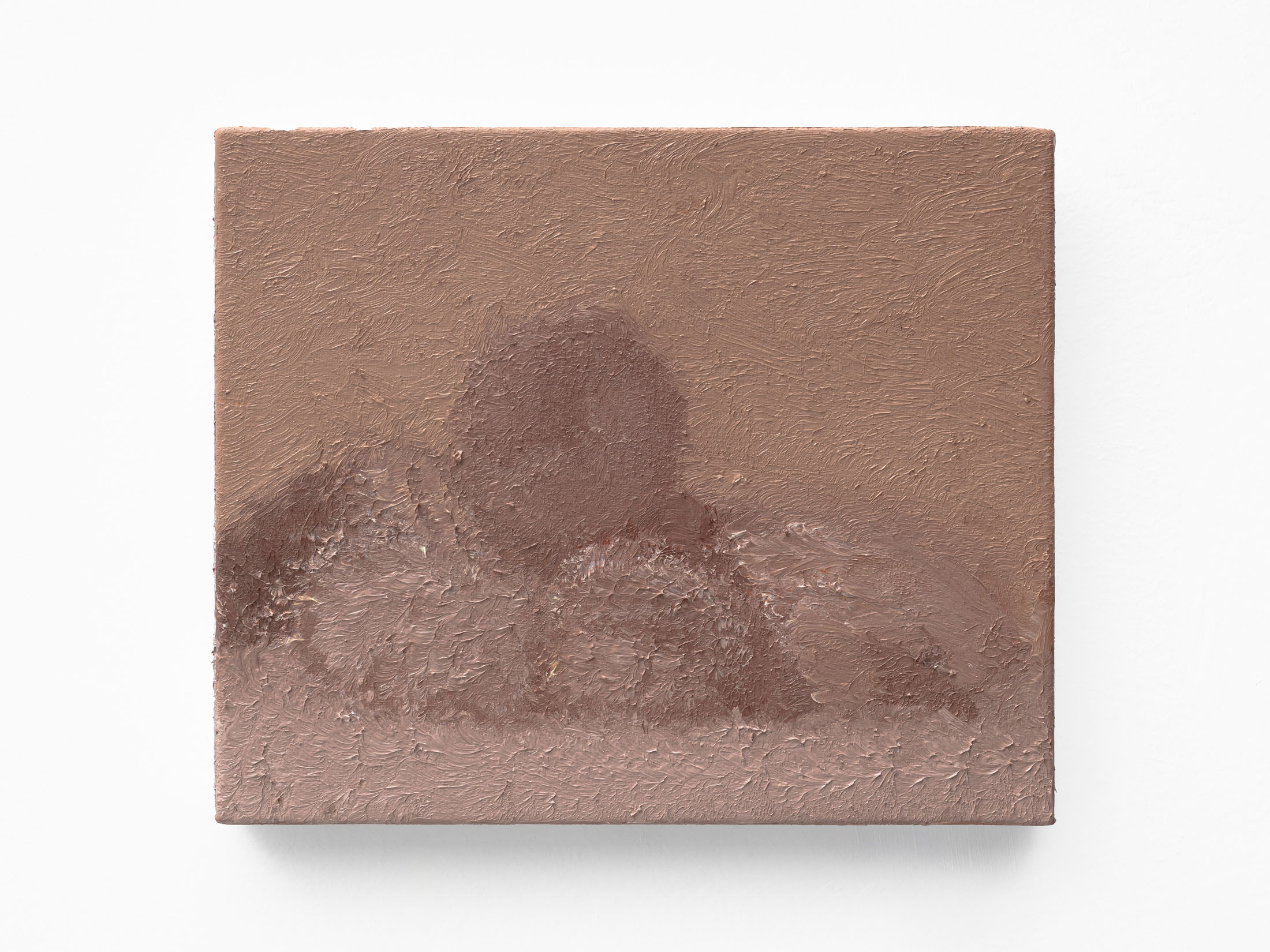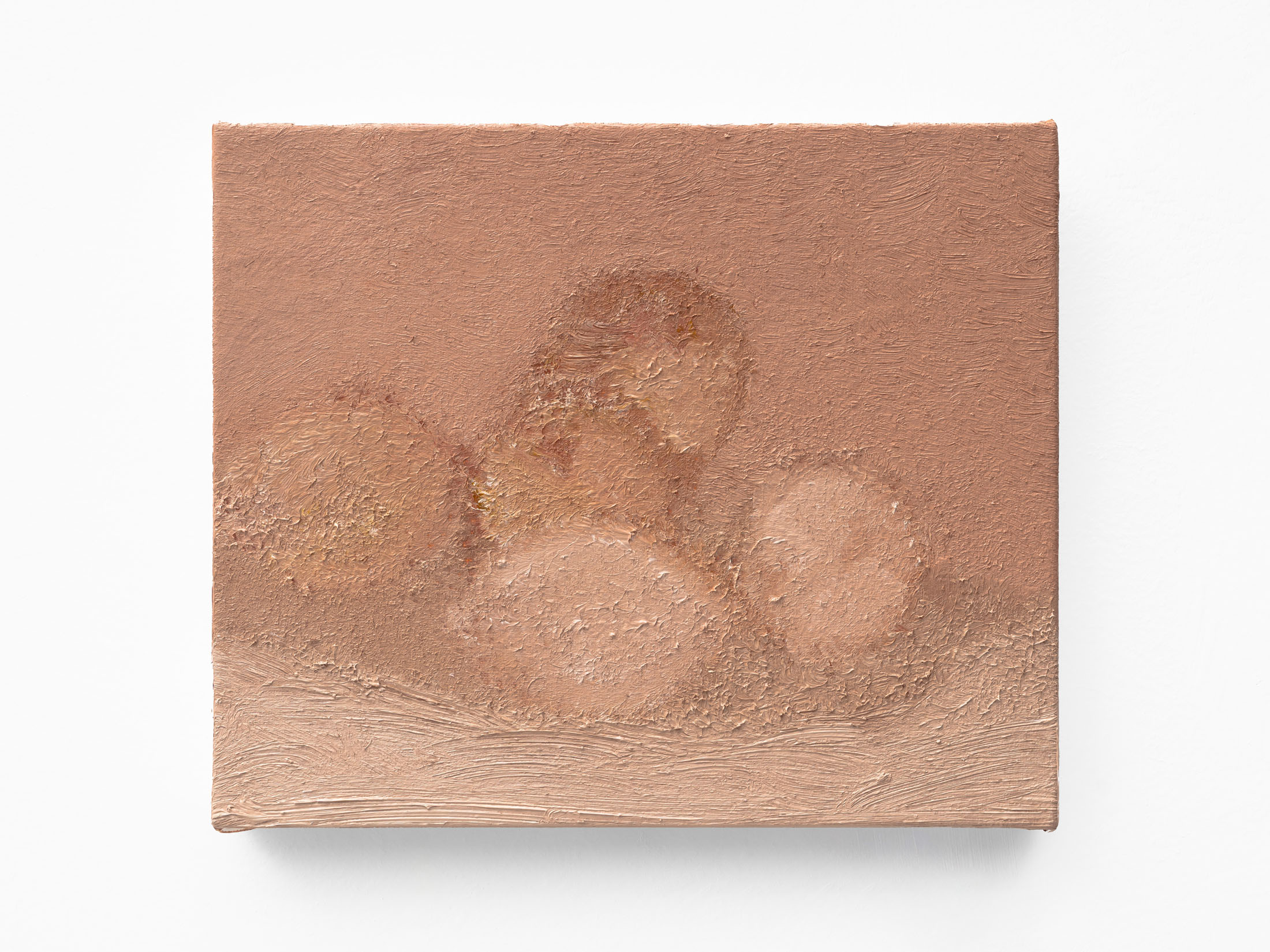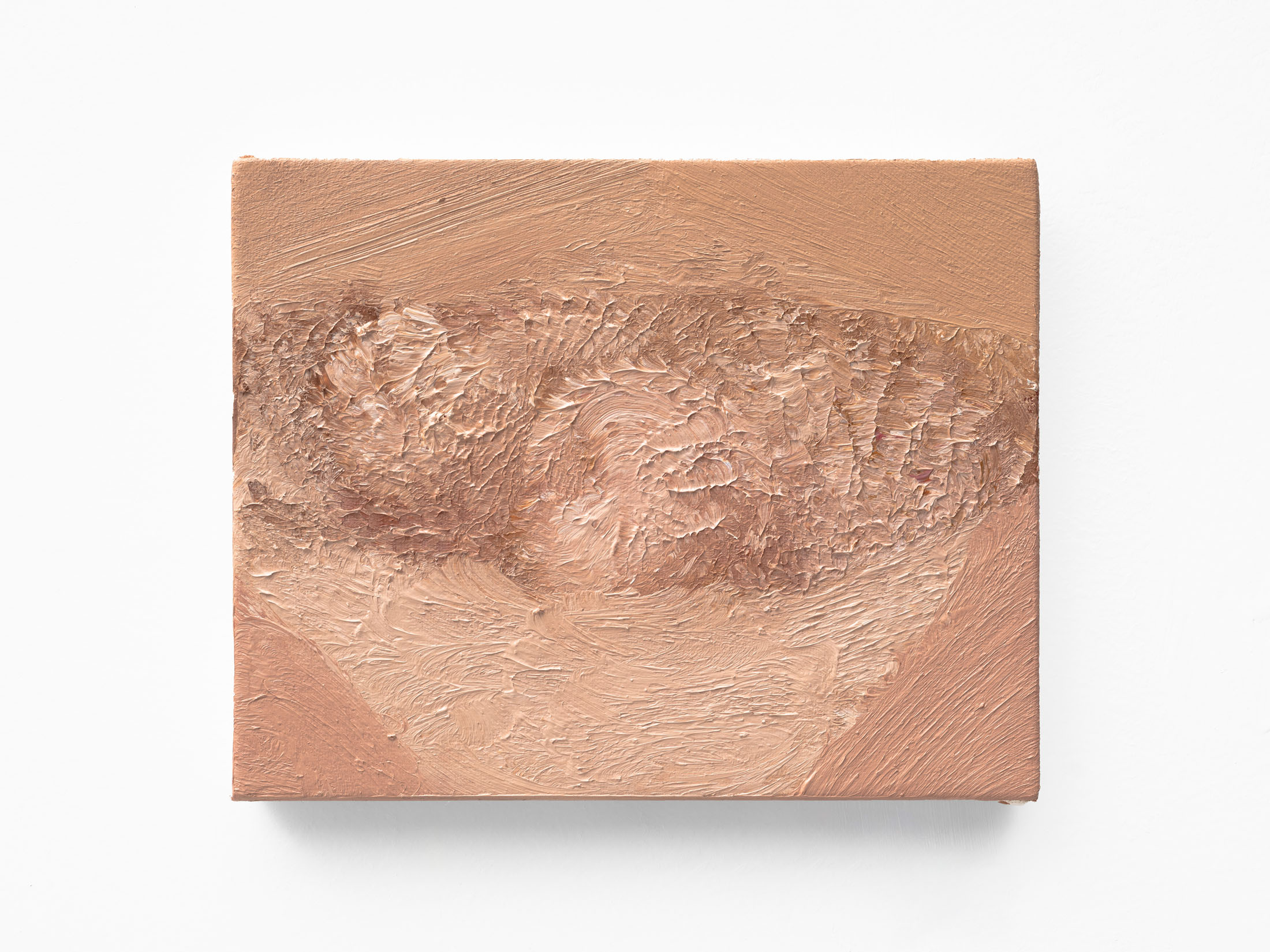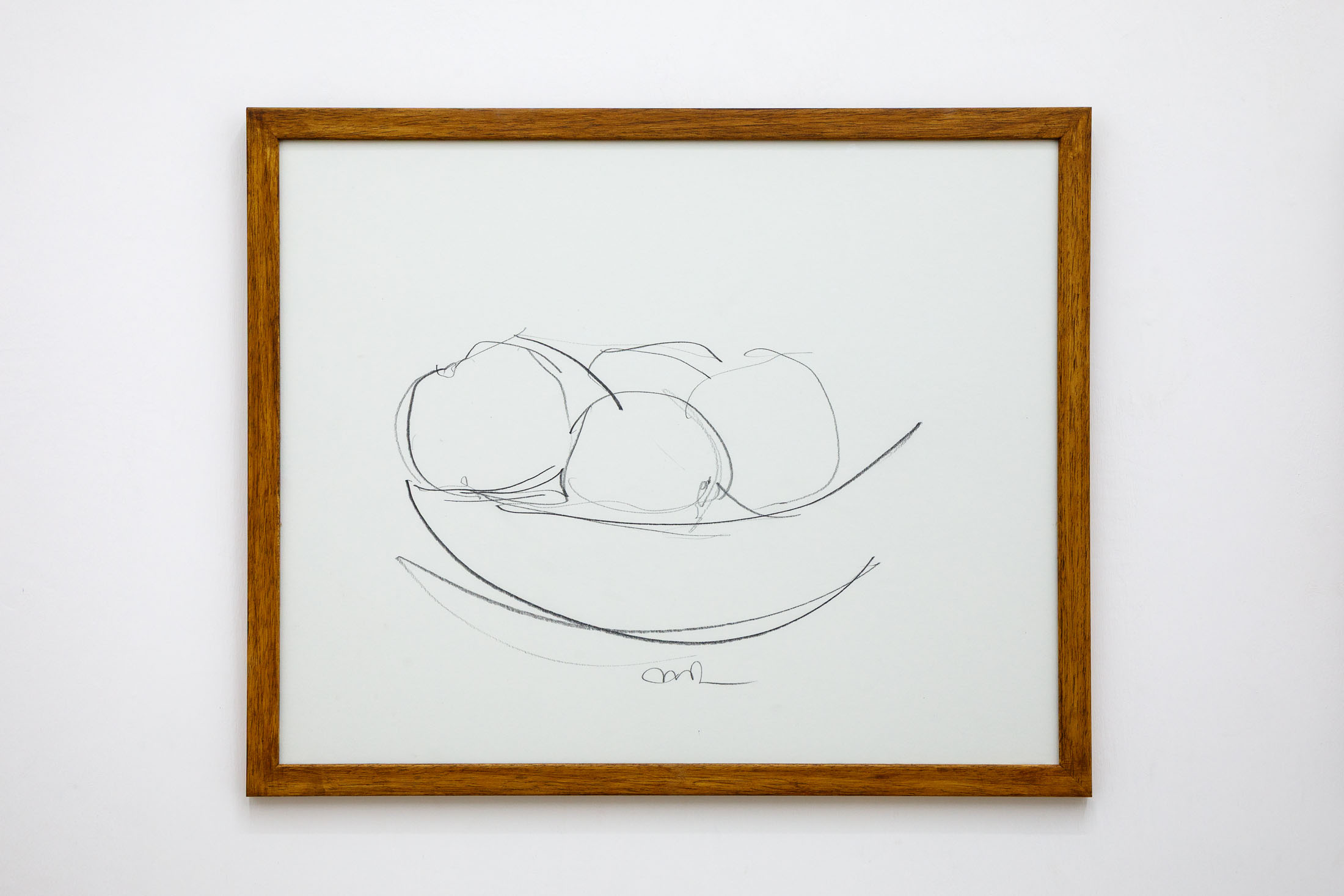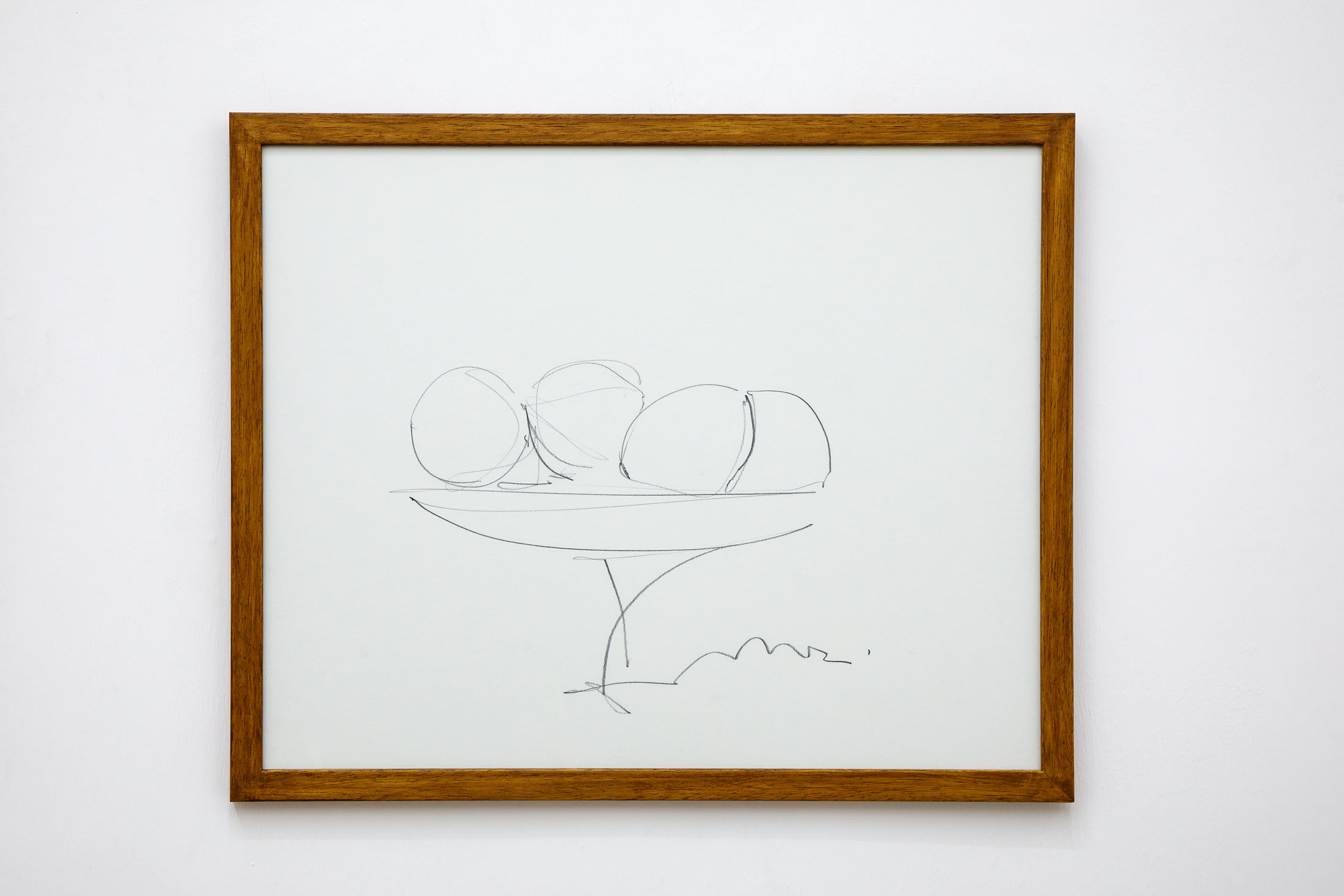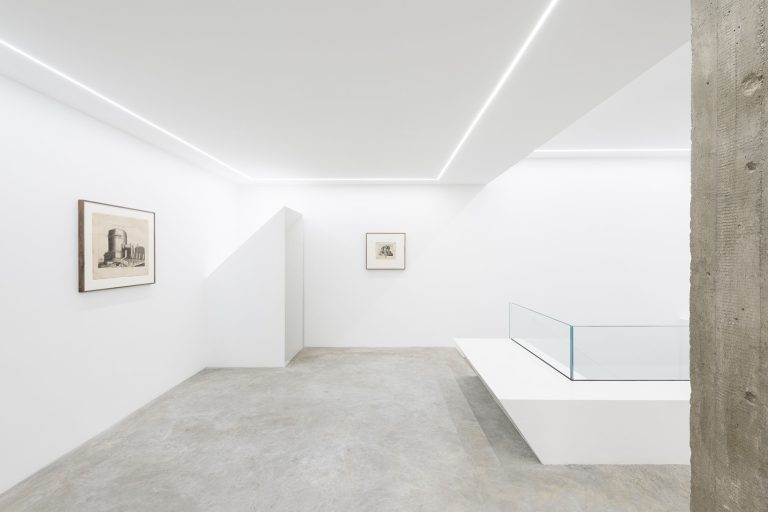
Acappella is delighted to announce “Hei-ho”, Marta Ravasi’s second solo exhibition at the gallery. The Italian artist (born in Merate in 1987; lives and works in Milan) presents a new body of work dedicated to the still life, continuing the dialogue initiated in Naples with “Bucce” in 2023, her first exhibition at the gallery.
The progressive and dynamic development of this subject confirms it as the protagonist of Ravasi’s inquiry, serving as a pretext to expand her formal research into painting.
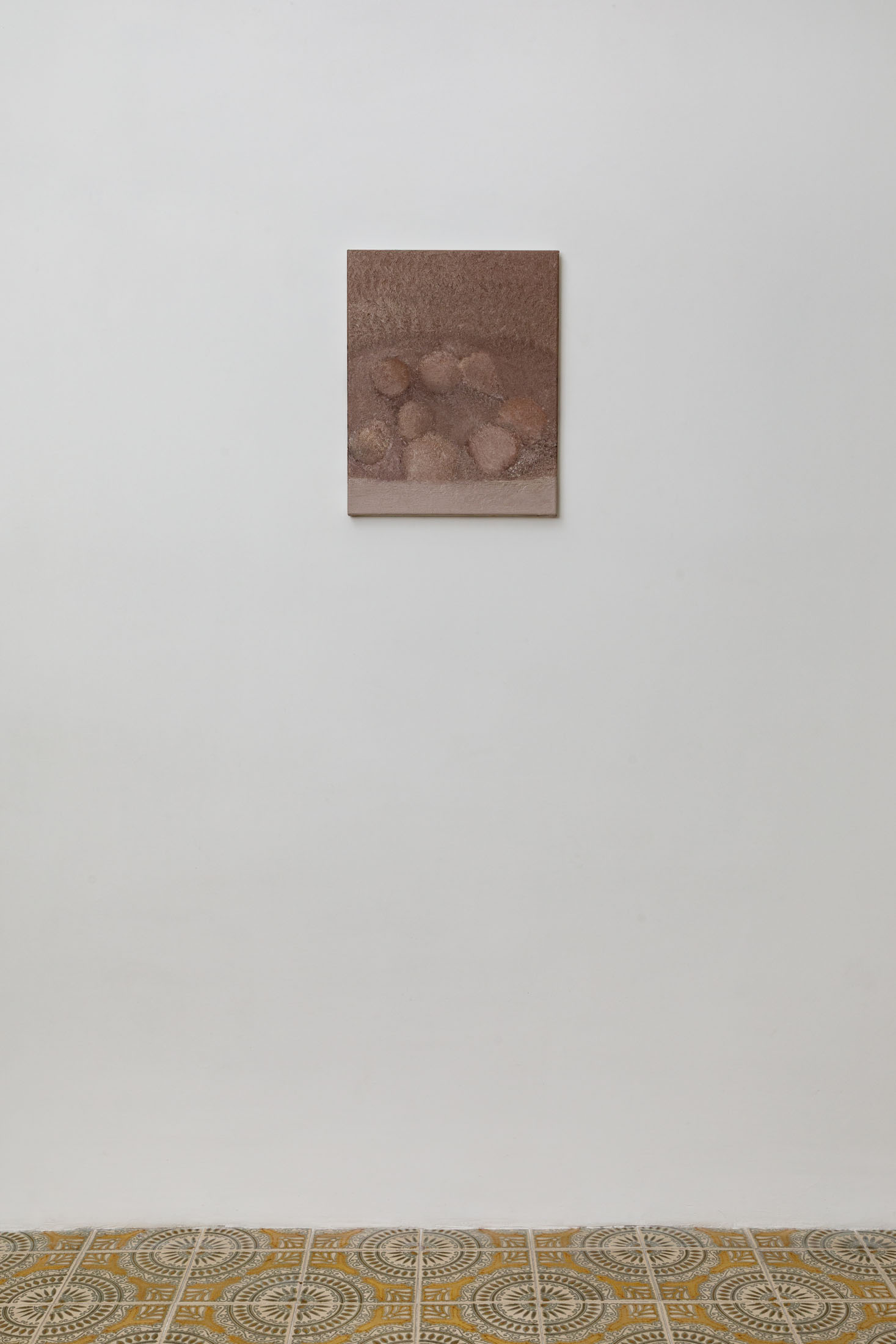
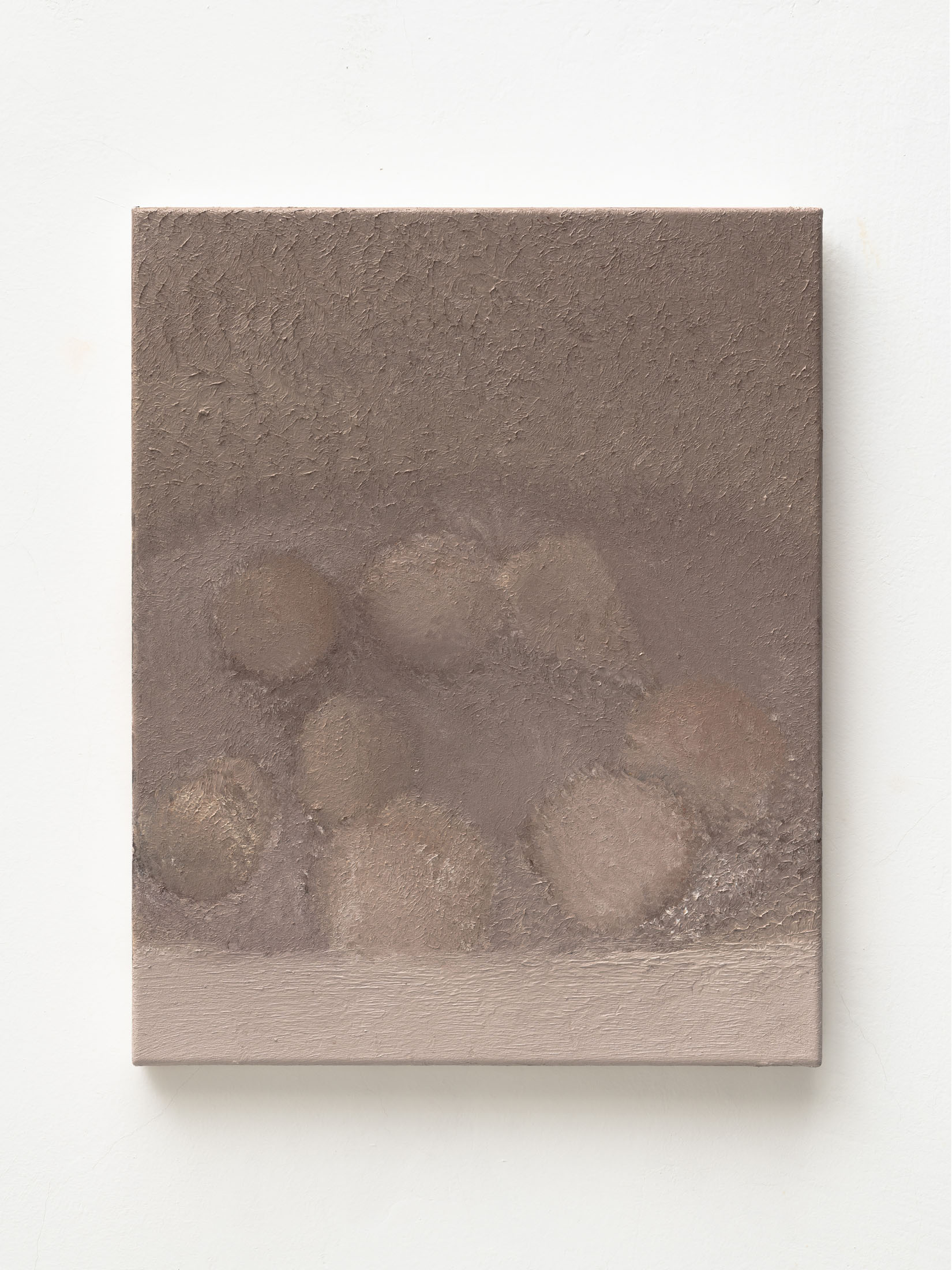
The works – small-scale oils on canvas – bear witness in this recent production to the consolidation of the artist’s poetics. Revolving around these subjects, which are treated as mere expedients, the research moves towards an increasingly visceral, yet simultaneously atmospheric, definition of the pictorial matter on canvas.
The pictorial variety of textures and colours is defined through a paradox: whilst dimensions, materials, and subjects remain unchanged and constant—restricting the scope to compositions of generic spherical fruit—the formal variety expands. The range of action is thus dense with possibilities: surfaces are refined or thickened in specific areas of the canvas, whilst the compositions find new geometries and the choice of palette is enriched. This spectrum of possibilities opened up by Ravasi has well-defined boundaries, yet it seems to develop within the very depth of the painting and its structural characteristics.
Experimentation thus unfolds across canvases that are primarily horizontal in format, where geometry takes centre stage. The focus is generally decentred, and the viewer’s gaze navigates the surfaces through different impastos and brushstrokes, which manage the colour on the canvas in ever-new ways—with strokes that are at times more frenetic, and at others more composed and controlled.
In this scenario, the fruit is emptied of its literal image and reconstructed through abstract and atmospheric volumes. These transform it into ellipses and eclipses, where full and empty spaces are rendered entirely anew in composite pinks and oranges.
Hei-ho is an onomatopoeic interjection that directs the viewer’s attention towards a less rational vision of daily life. It acts as an awakening and a call to the materiality of painting itself and, consequently, to the construction of the picture, returning once more to the subject and to an active gaze upon these everyday, universal presences.
The exhibition will open on Thursday, 24 September 2026 and will run until 9 November 2026.
Zeus’ brain, a particularly exquisite food
-Marta Ravasi’s 9 Wombs at Acappella Gallery-
living nature / still life movement / stasis internal / external content / form message / messenger unit / plurality
The Diòs enkèfalos was attributed by the ancients to what was superlative, with particular reference to food: something so exquisite that it deserved proximity to the head of Zeus. Some foods -including fruits – with perfectly completed shapes carry with them a promise of alteration. Of the three basic shapes, the circle, a polygon with an infinite number of sides, is the one that most easily seems to be able to escape itself. It only takes a little pressure for it to become oval, a growth for it to swell, a sag for it to bend. From a geometry with no beginning or end, an organic form can emerge, subject to growth, mutation, bending, and liquidity. Bruno Munari writes that a form can have “already within itself an indication of the direction of movement”, that is, an intrinsic vital sense. The implicit tension of a natural object is perceived, therefore, in its capacity for change on the time axis. What is imperturbable to the variables of microscopic dynamics – and is apparently static, firm, immutable – may be a mirror of an apparent fixity on whose mantle, instead, life flows. The stability found in an irregular configuration tells the story of the infinite suspension of a patwhich moves in two opposite directions: gravitropic and phototropic. ‘The root system’, the system of roots, of the seed, of the past mirrors ‘the fruit system’, the system of the fruit, of the product, of the future showing, in the fixed instant, a present embraced by its becoming: not a crystallized condition, but the provisional point – of waiting – in which opposite directions meet. The exquisite fruit therefore seems touched by divine lustre not only for the association cerebral, but for a deeper kinship with the generative body of Zeus. The gestation of Dionysus, outside the uterus but in a cavity of the body that suddenly becomes matrix, introduces a new anatomy of birth. A thigh can become a lap, a bowl can become a belly, a basket It is a domestic and primordial cavity: a space capable of guarding a transformation. In that dimension, every fruit is fulfilled matter and promise of fulfillment and painting takes place further gestation, in which the visible is cradled before becoming fully himself. Every surface is a membrane, wrapped in shades of carnal colors that remove the fruits from botanical evidence and reunite them with body size. In threshold colors, we witness the formation of identities: each twin form becomes the guardian of a facet of the self. It is in this infinite twinning that the soul moves on a path in seek, according to Plotinus, ensuring a movement that does not lose its center, even if walking away in search of his own selves. But every perimeter is a trace for a return, a gravitation, near or far, which always accompanies home.
Hey-ho! Hey-ho! At home to rest Hey-ho! Hey-ho! Hey-ho! Hey-ho!
—Elizabeth Germana Arthur