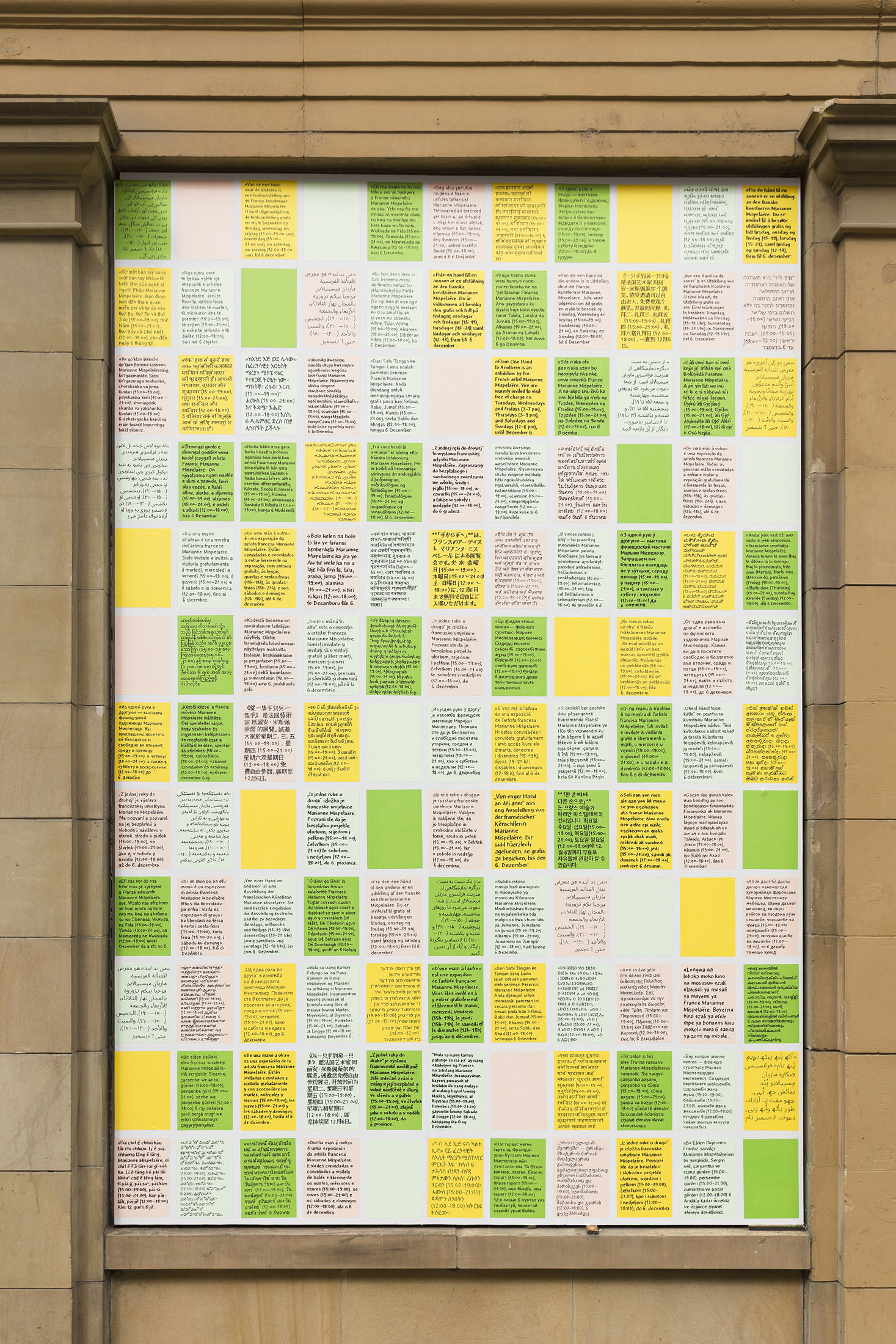
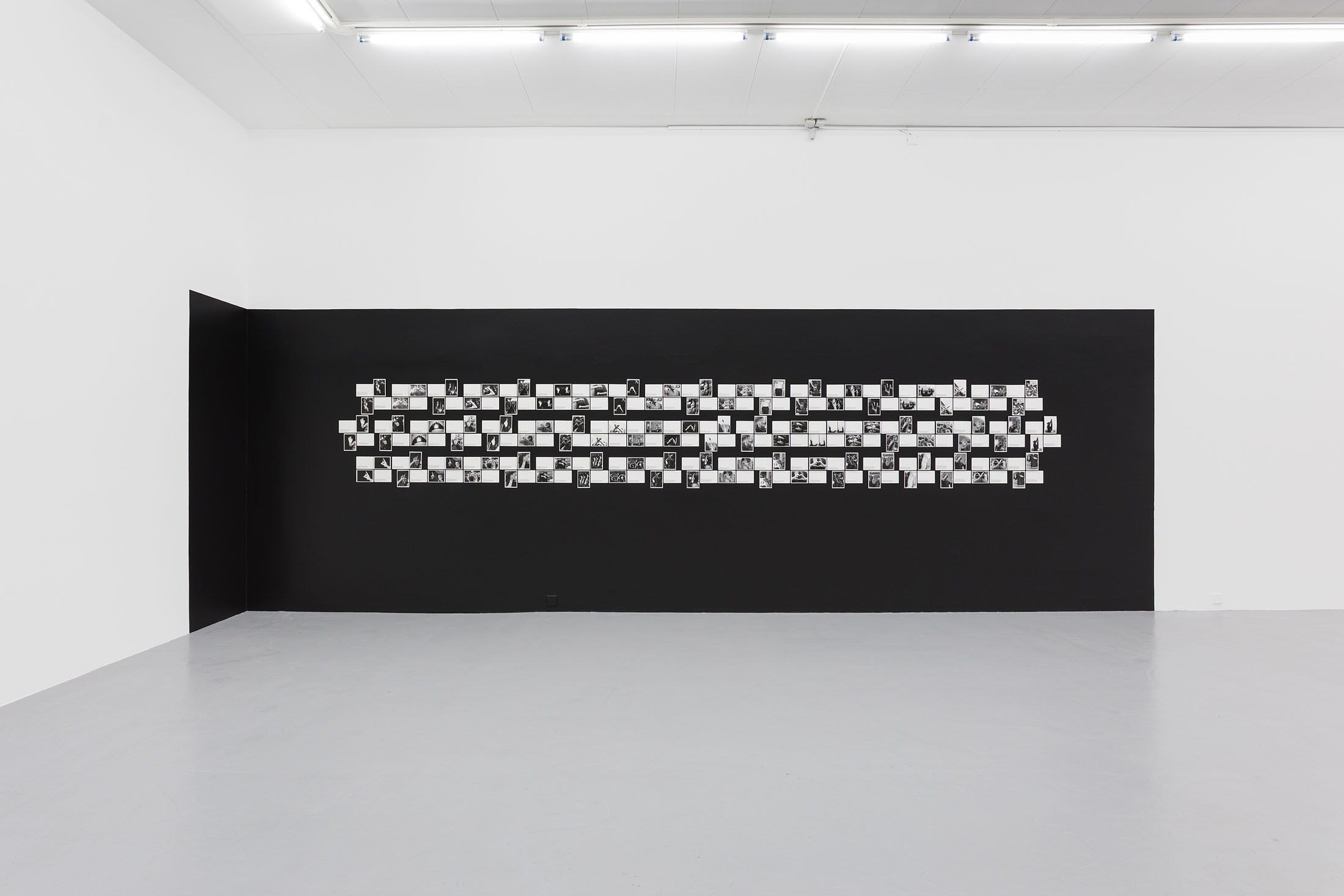
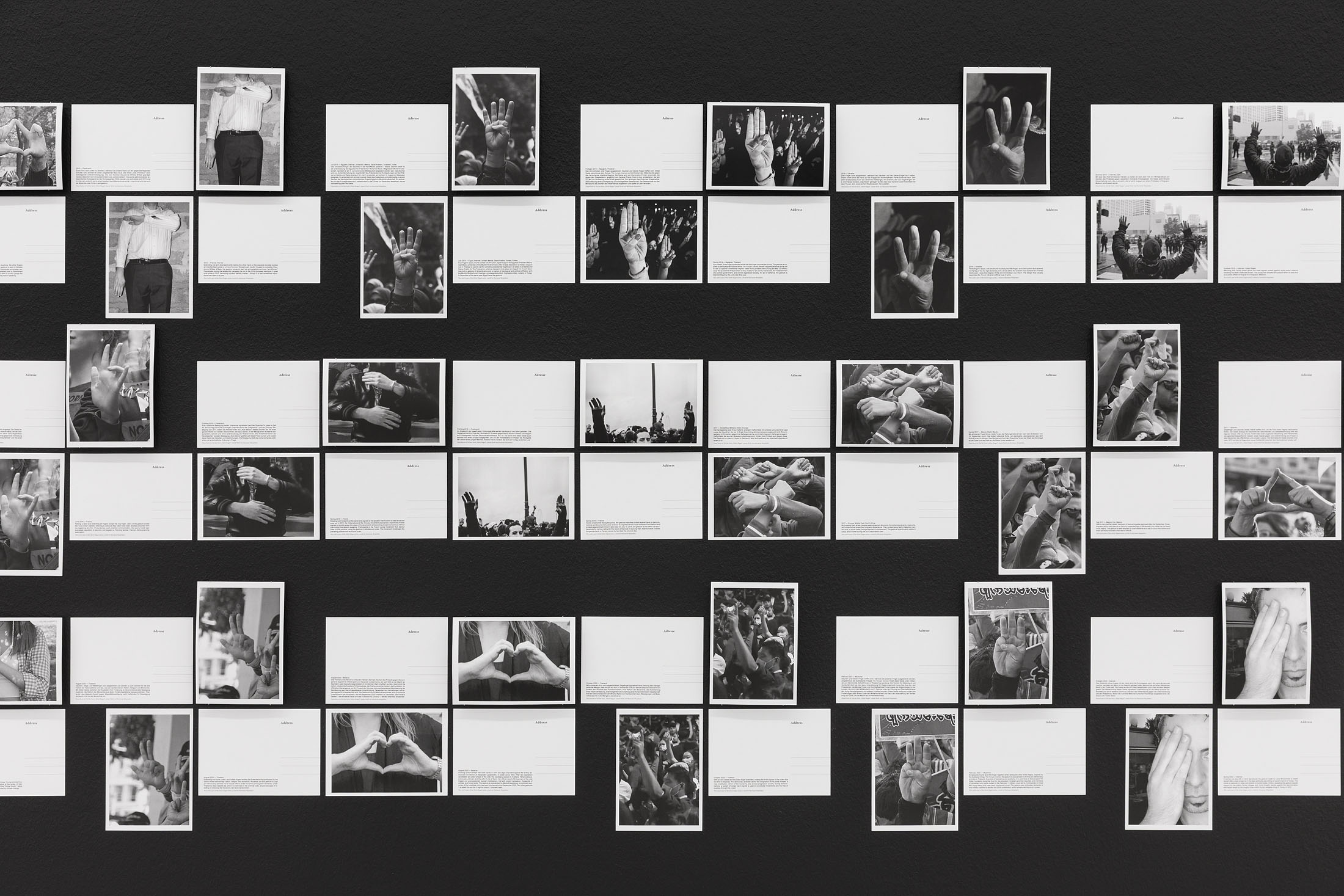
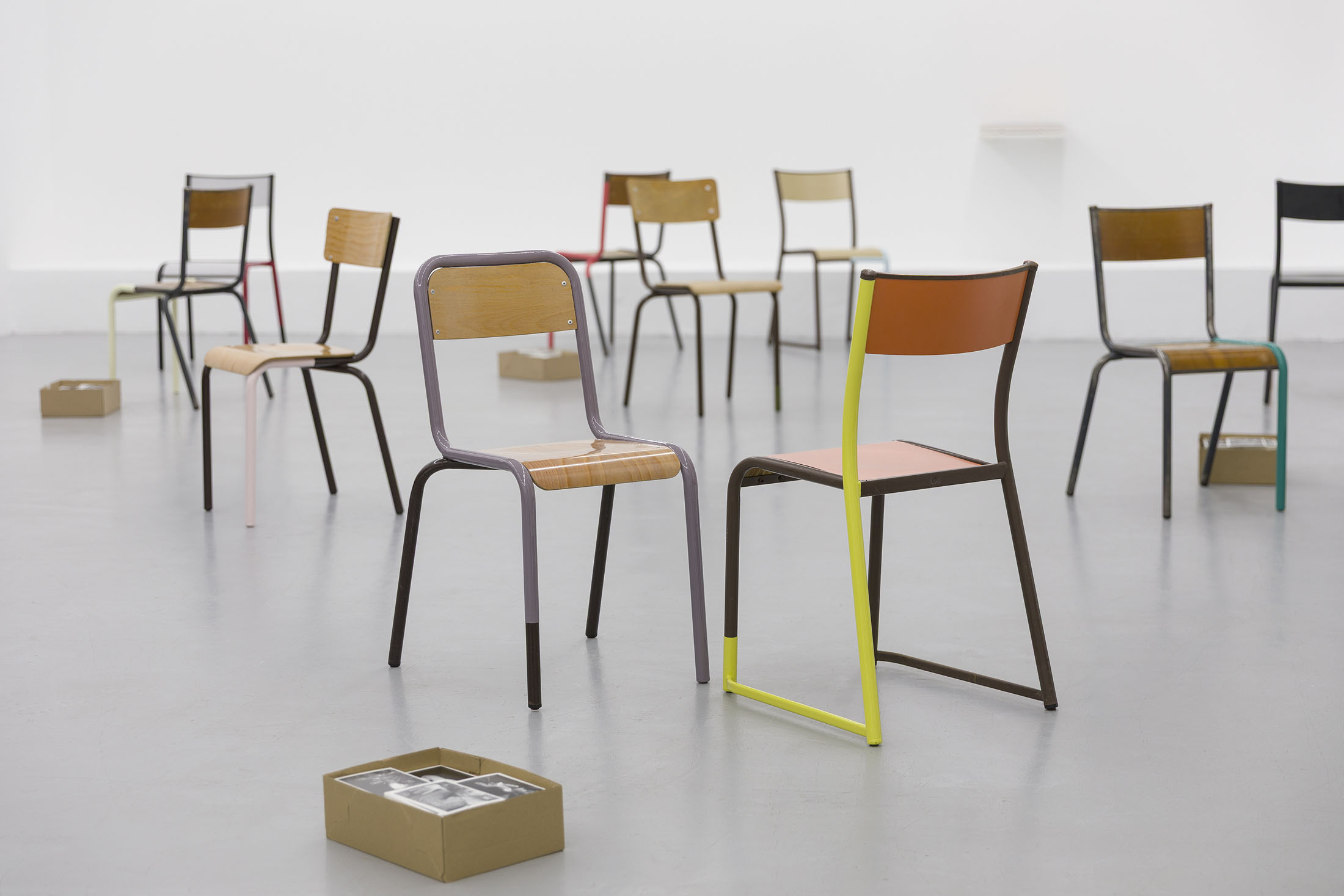
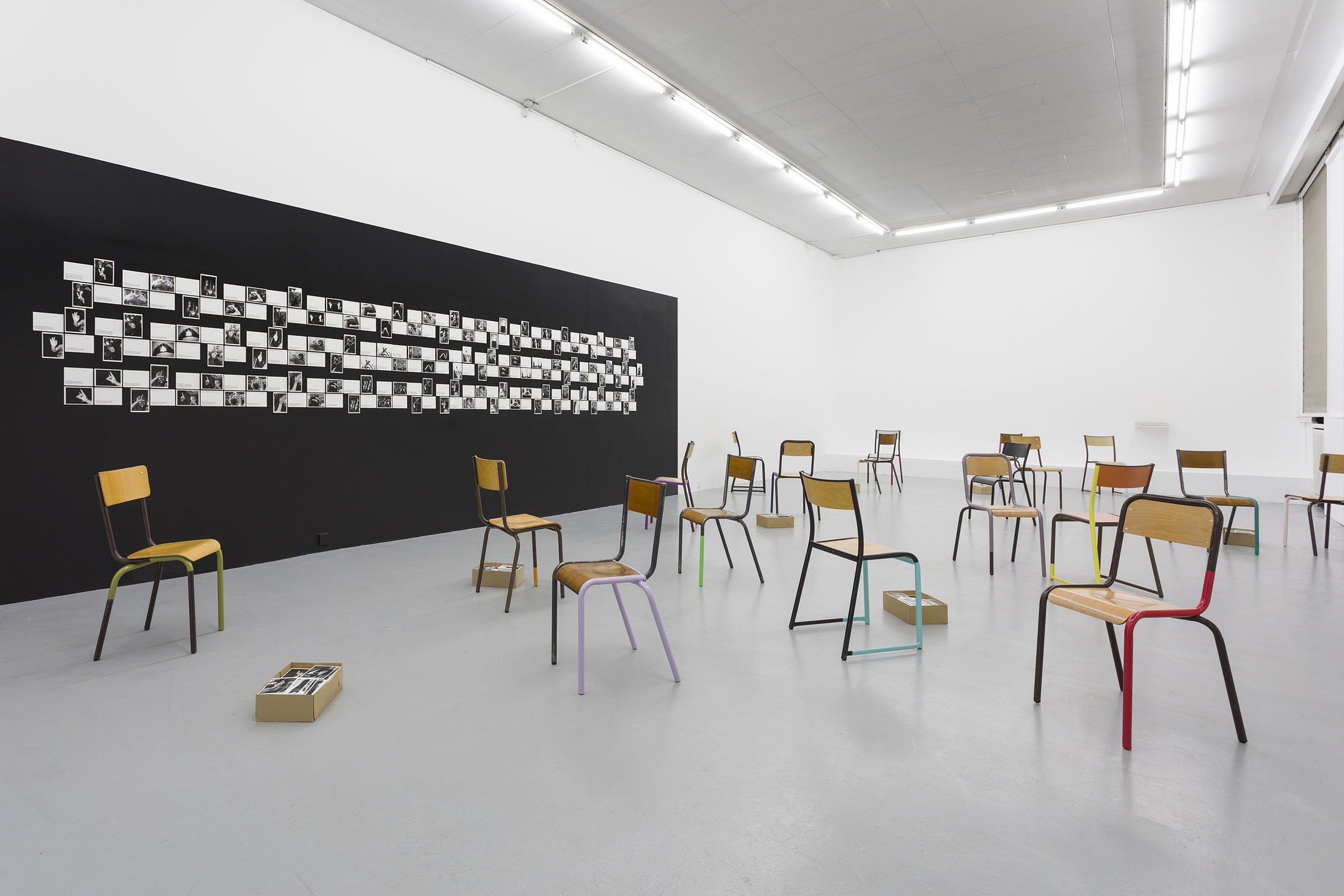
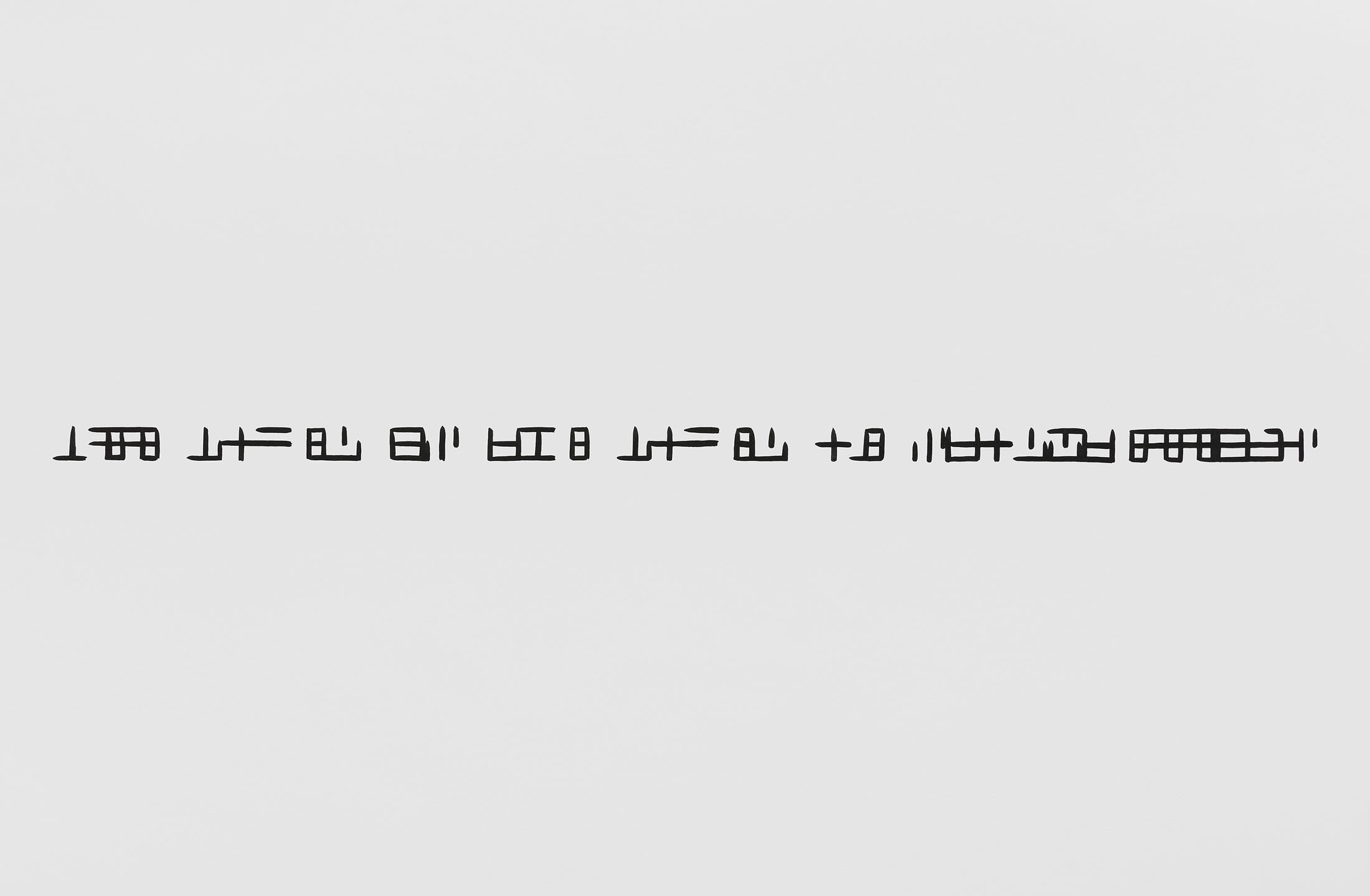
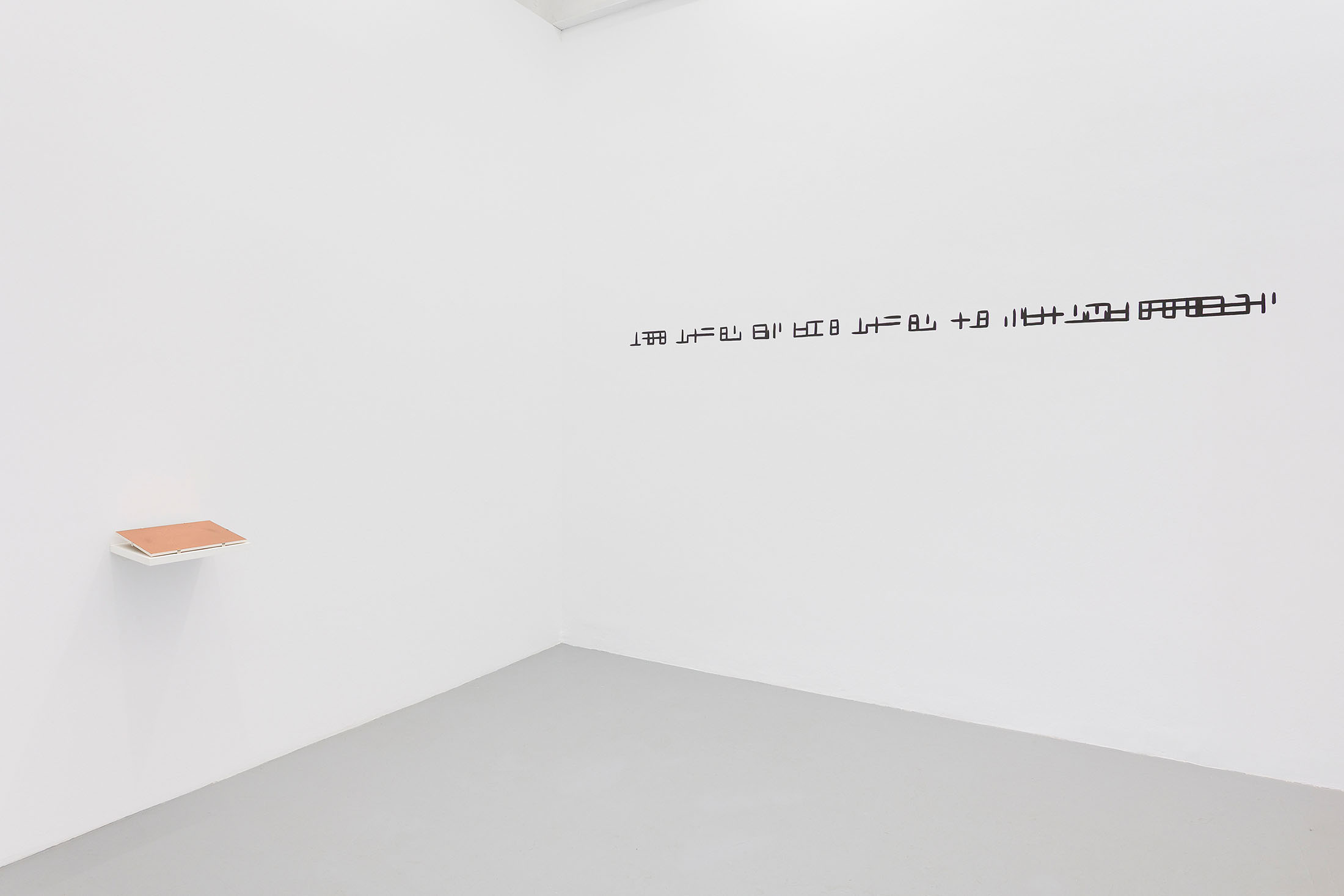
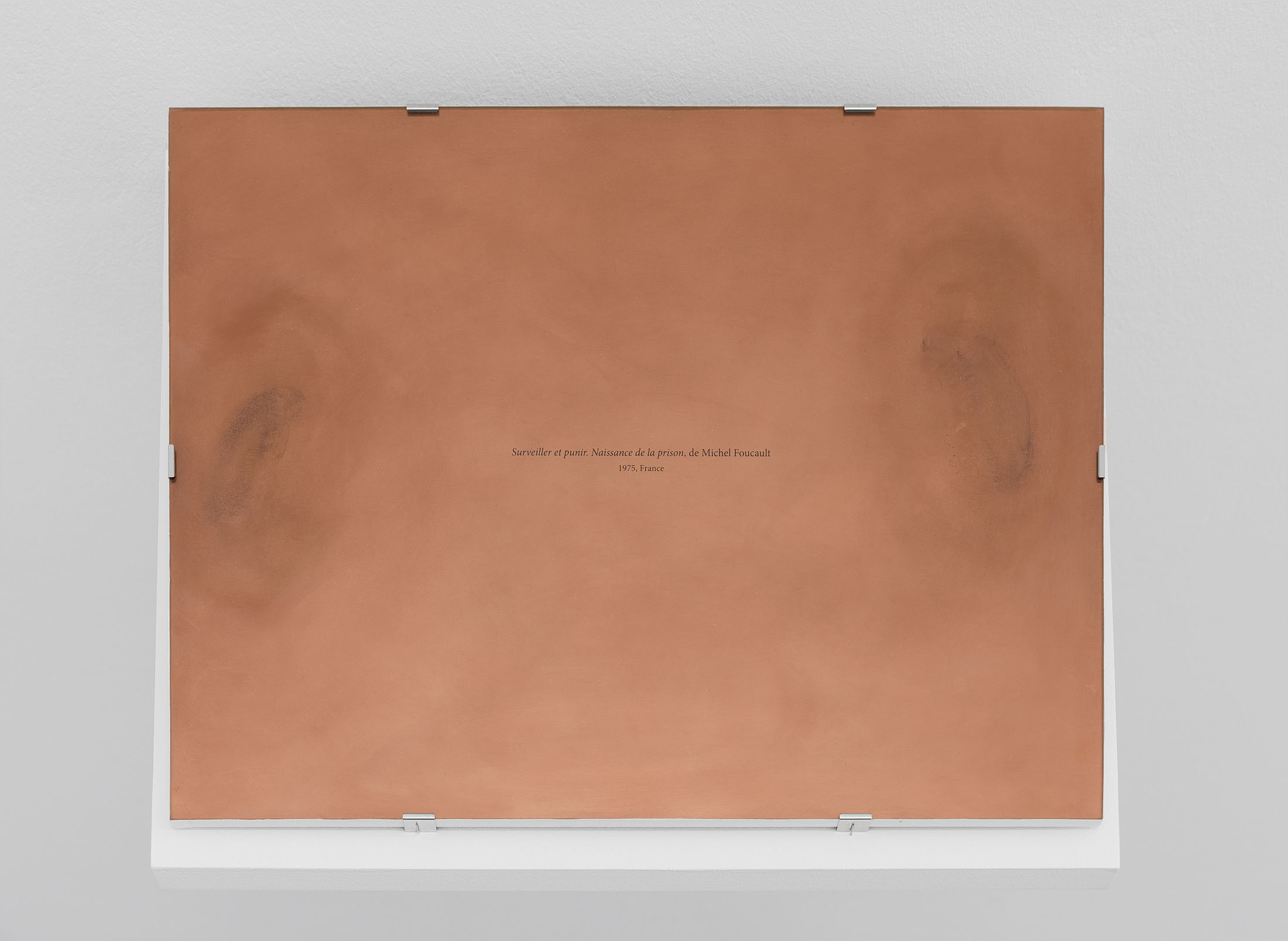
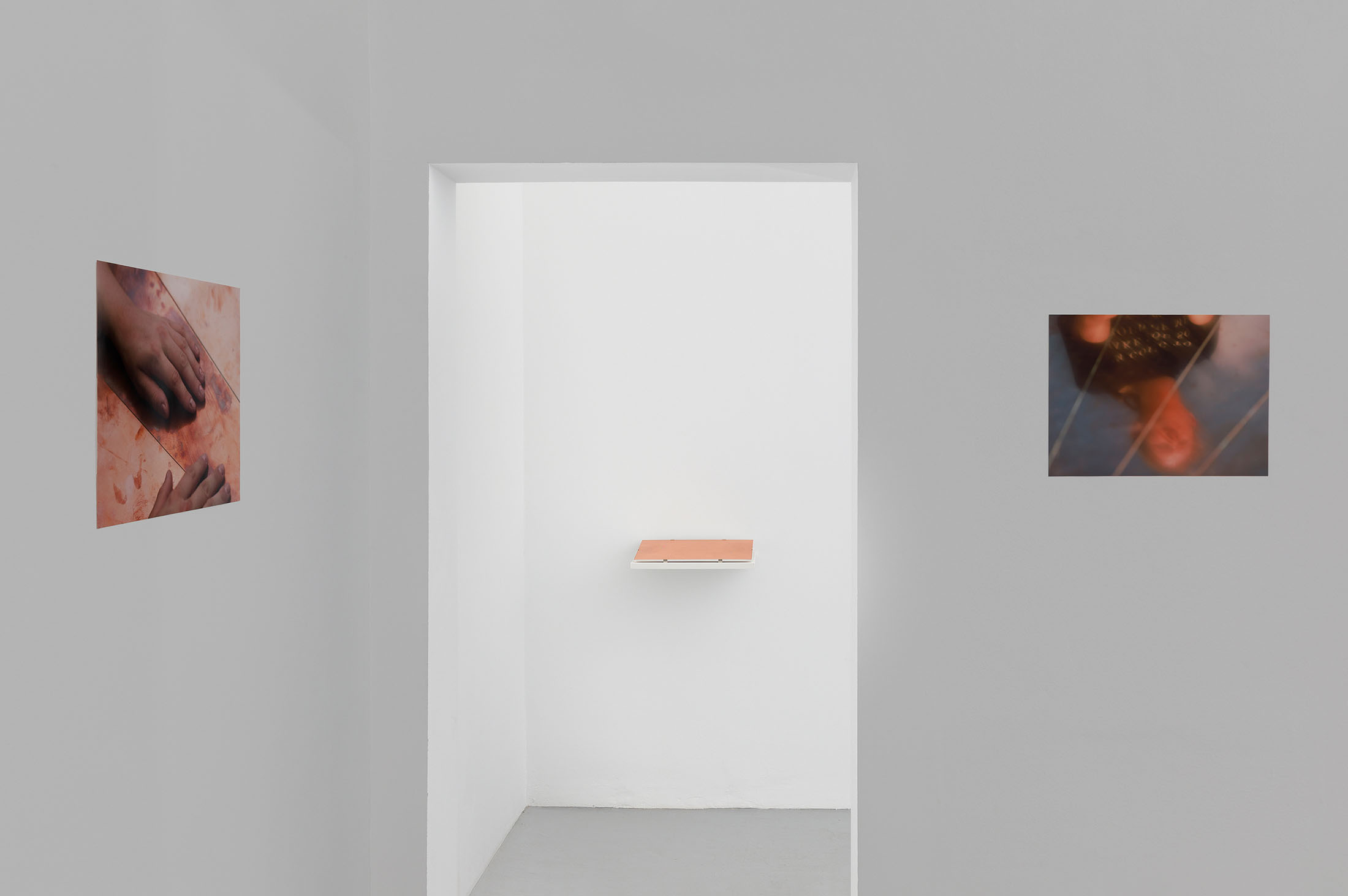
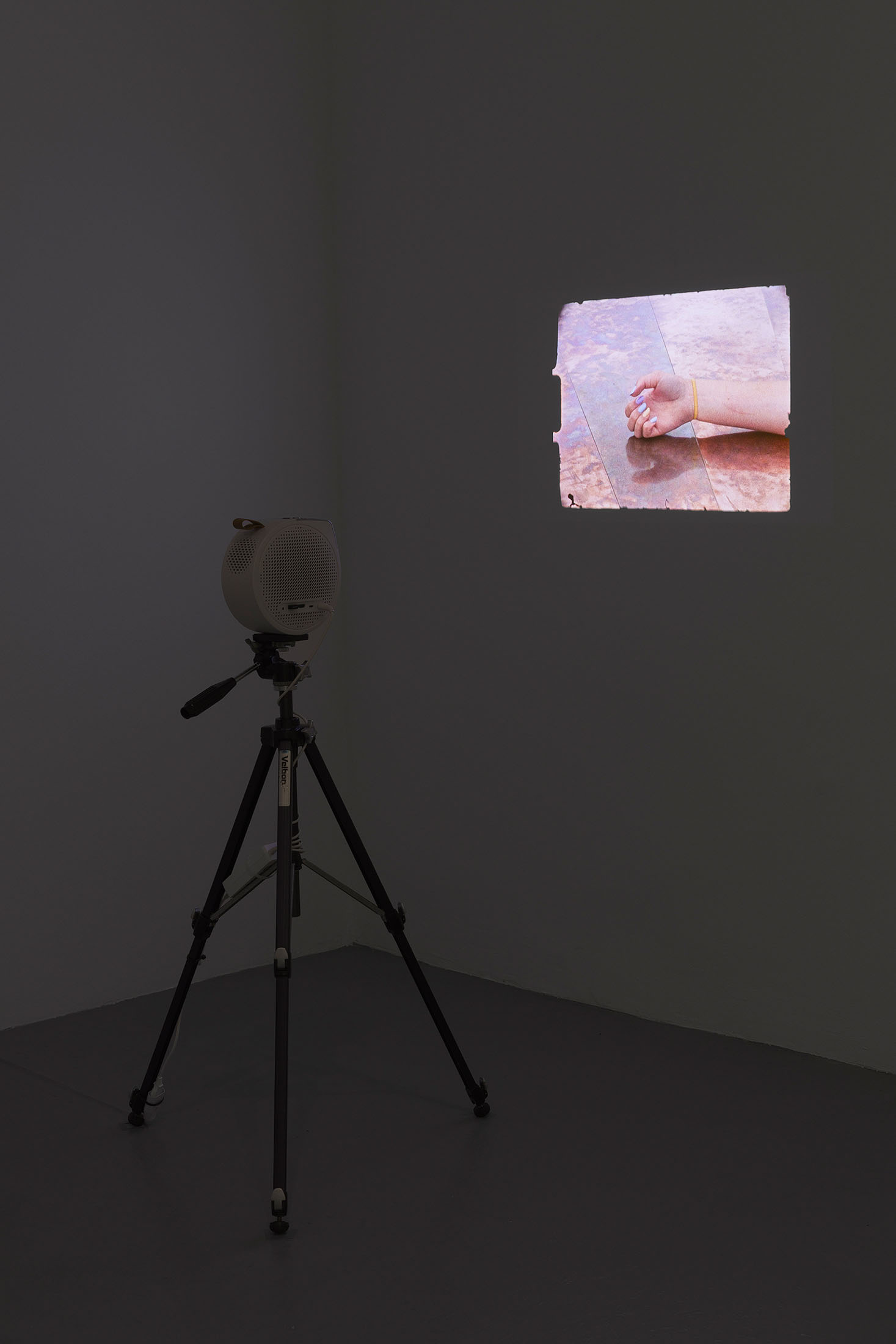
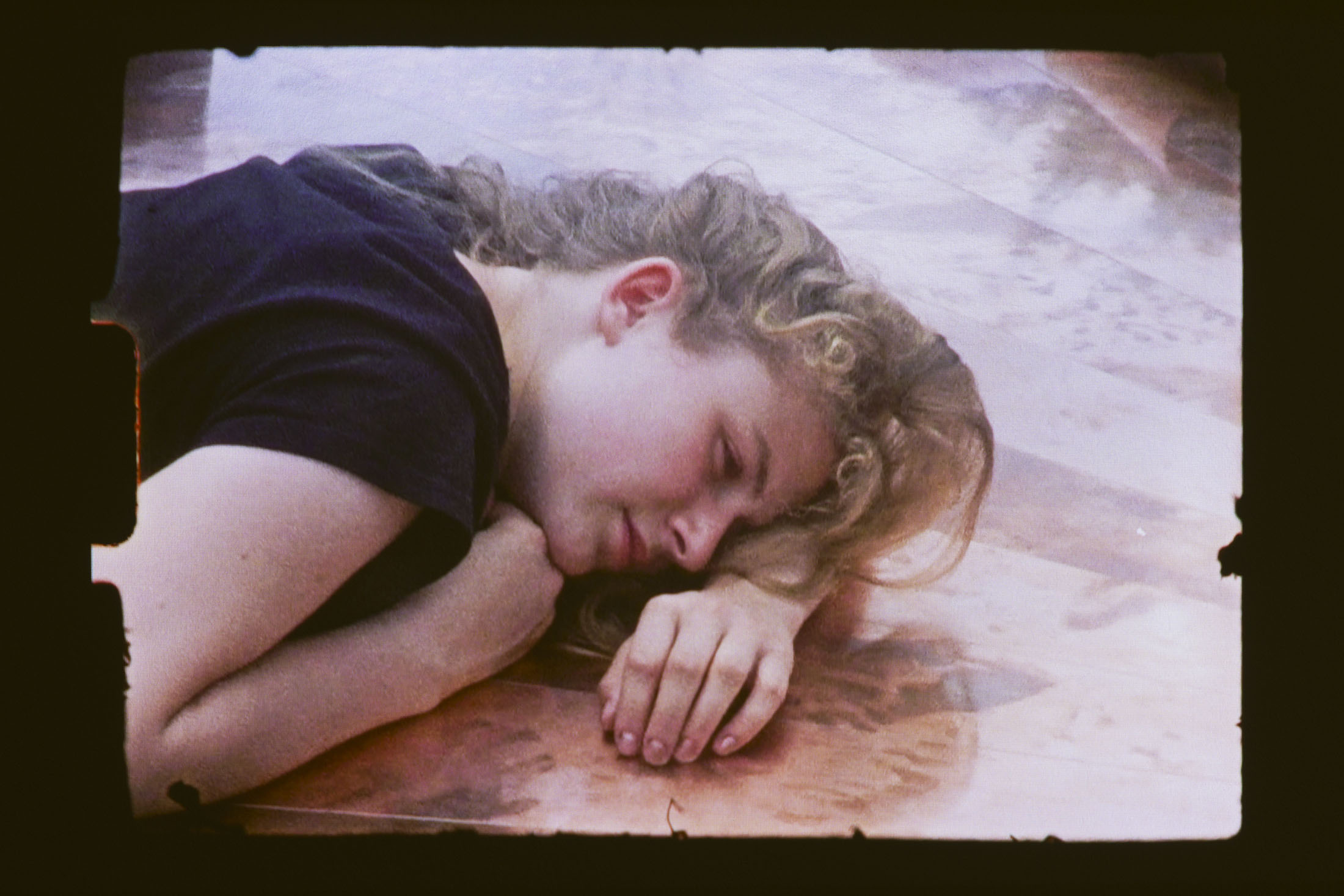
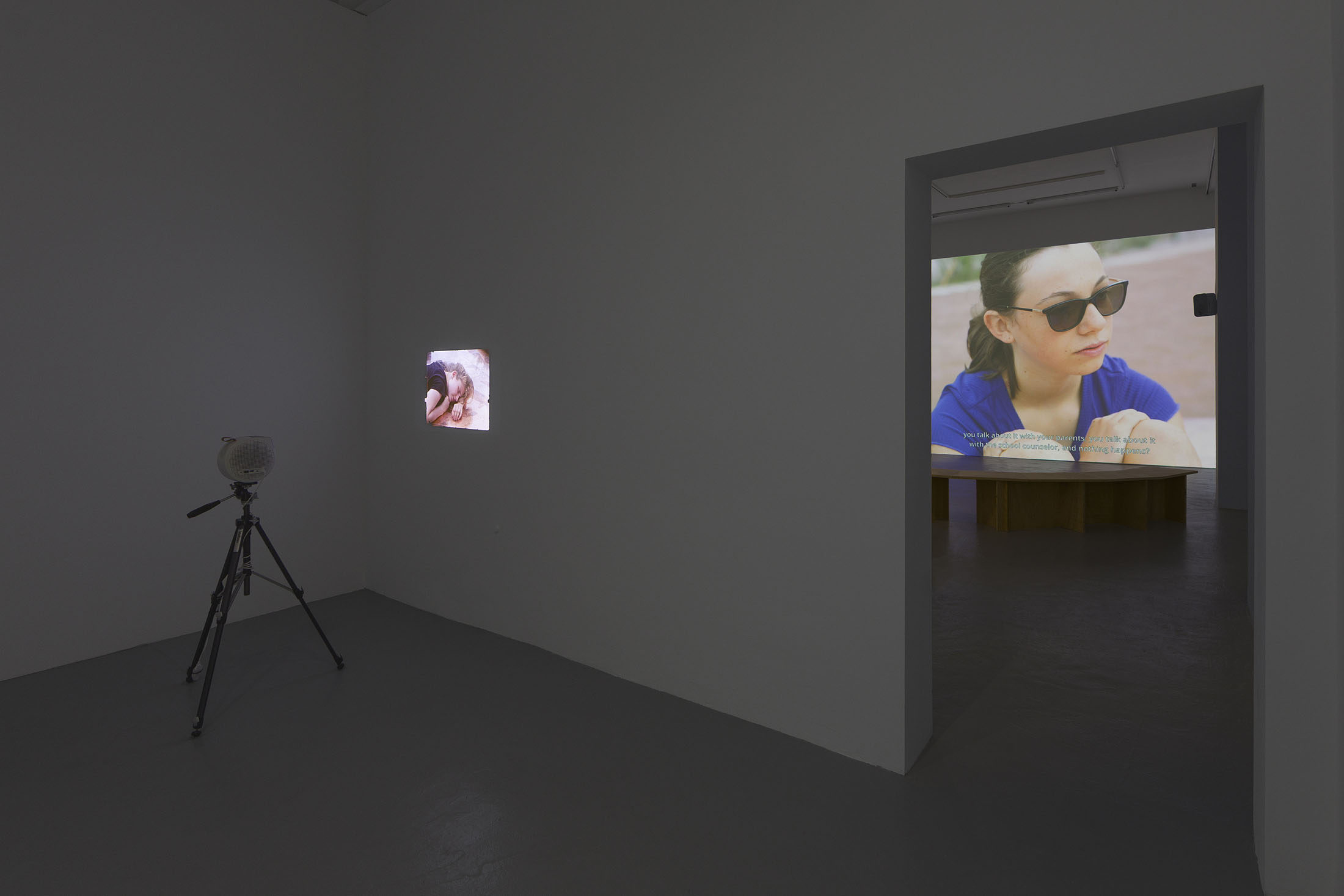
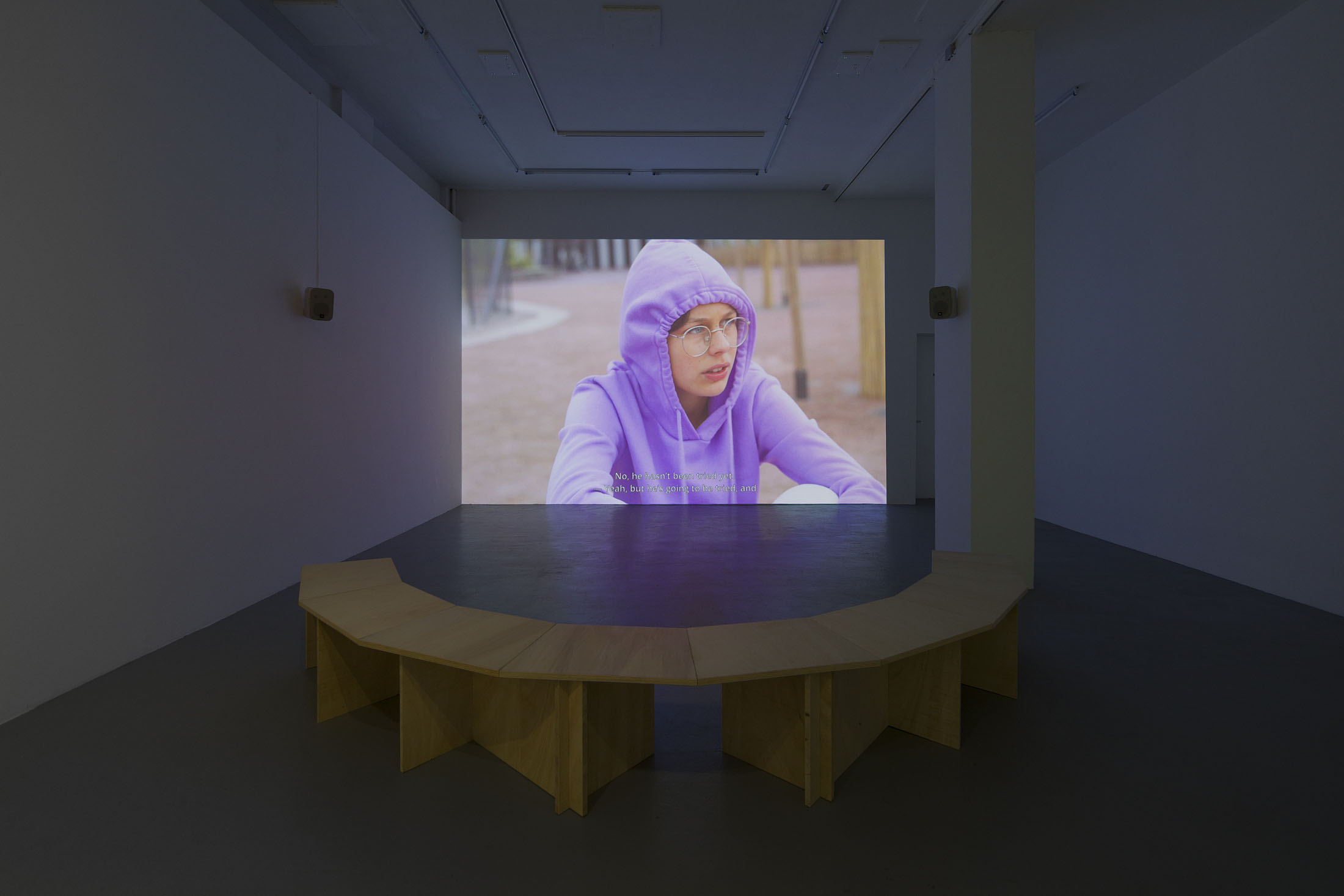
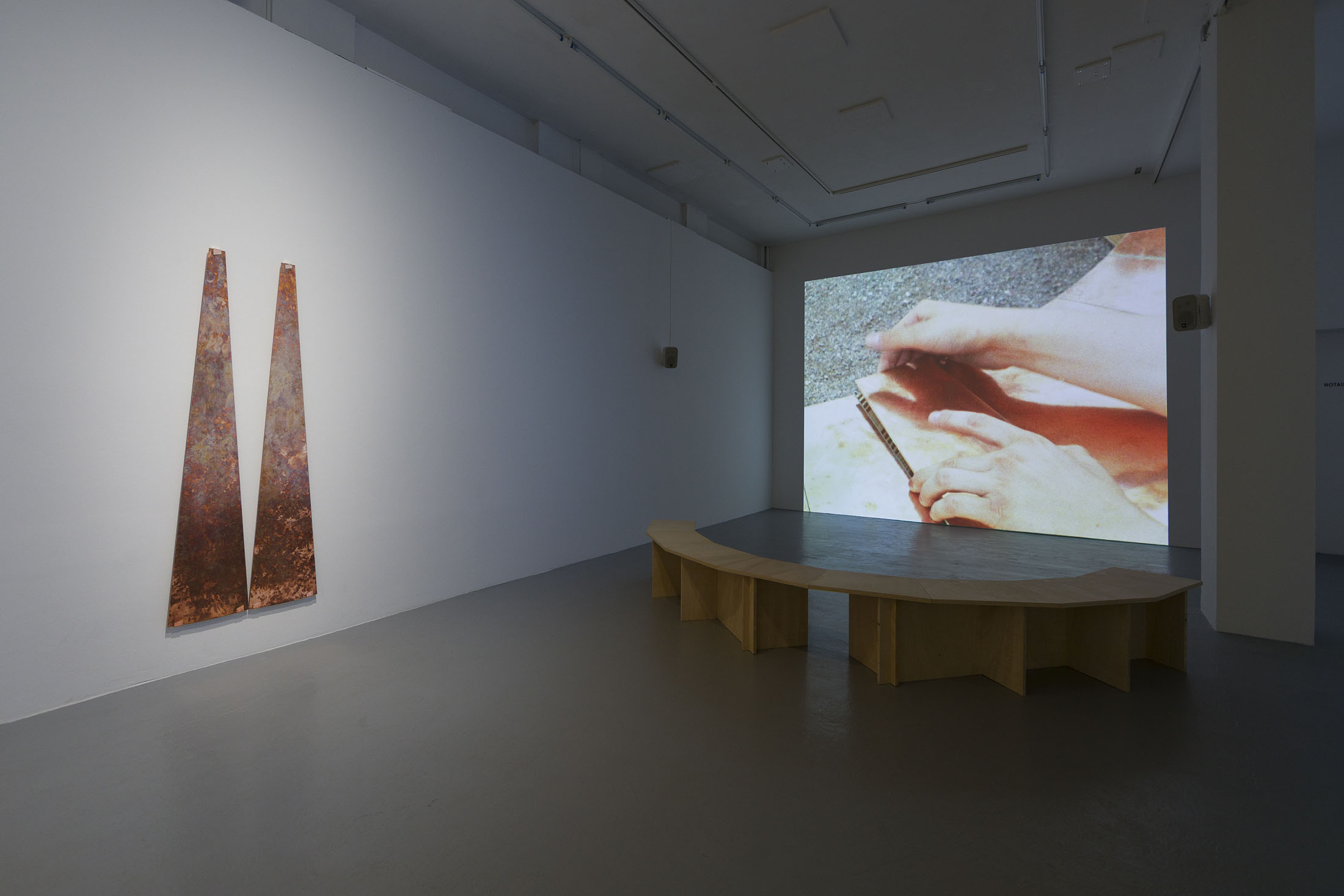
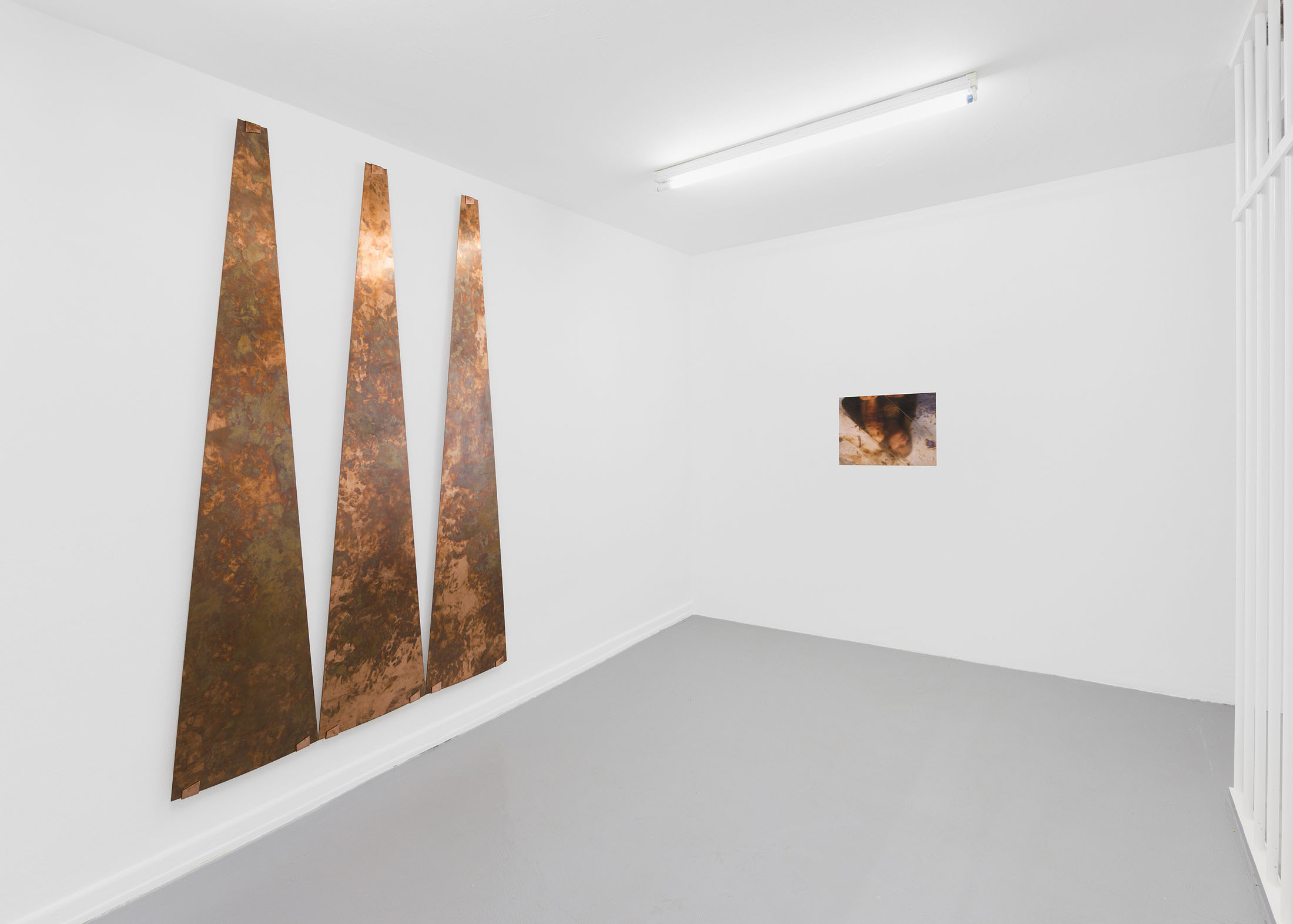
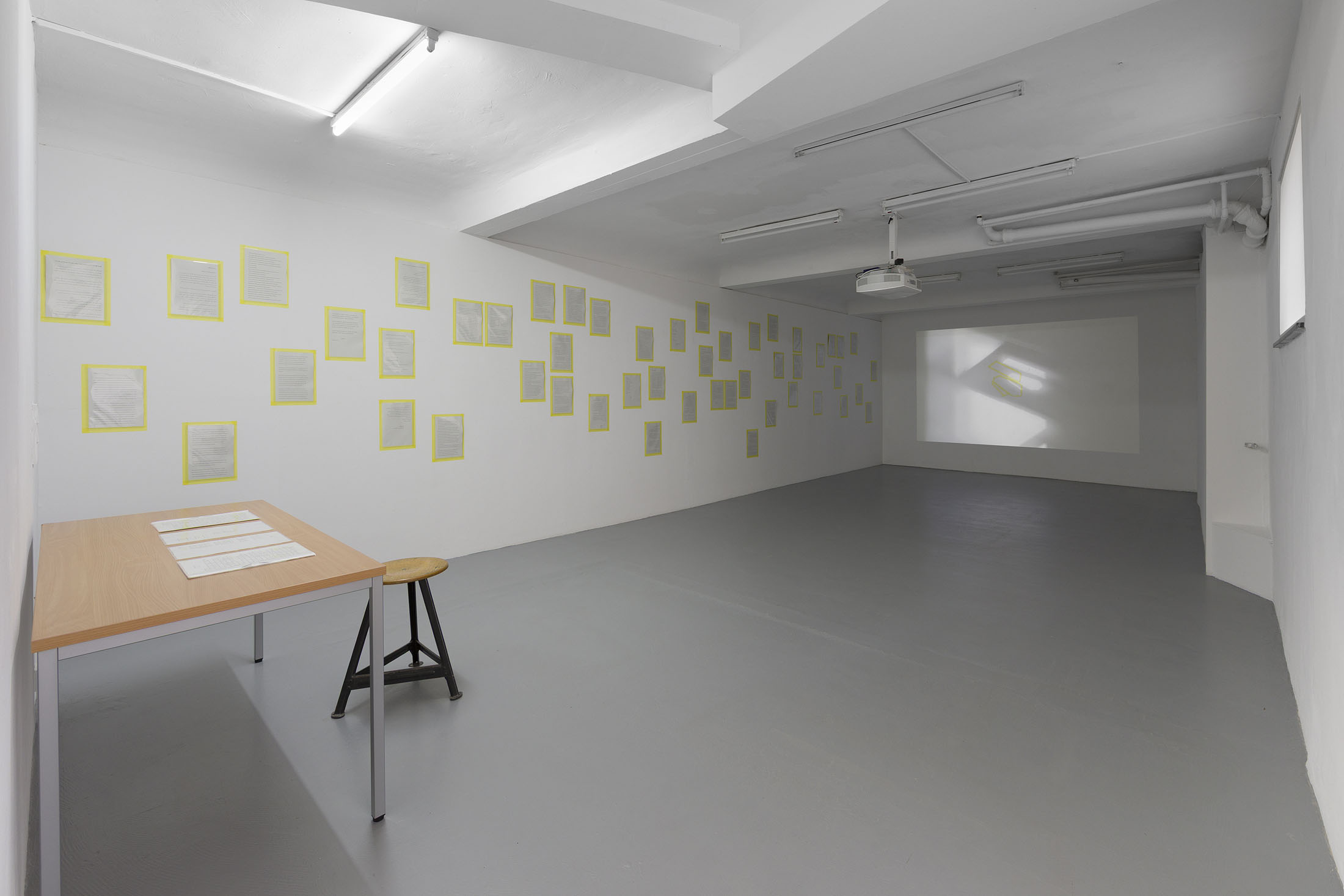
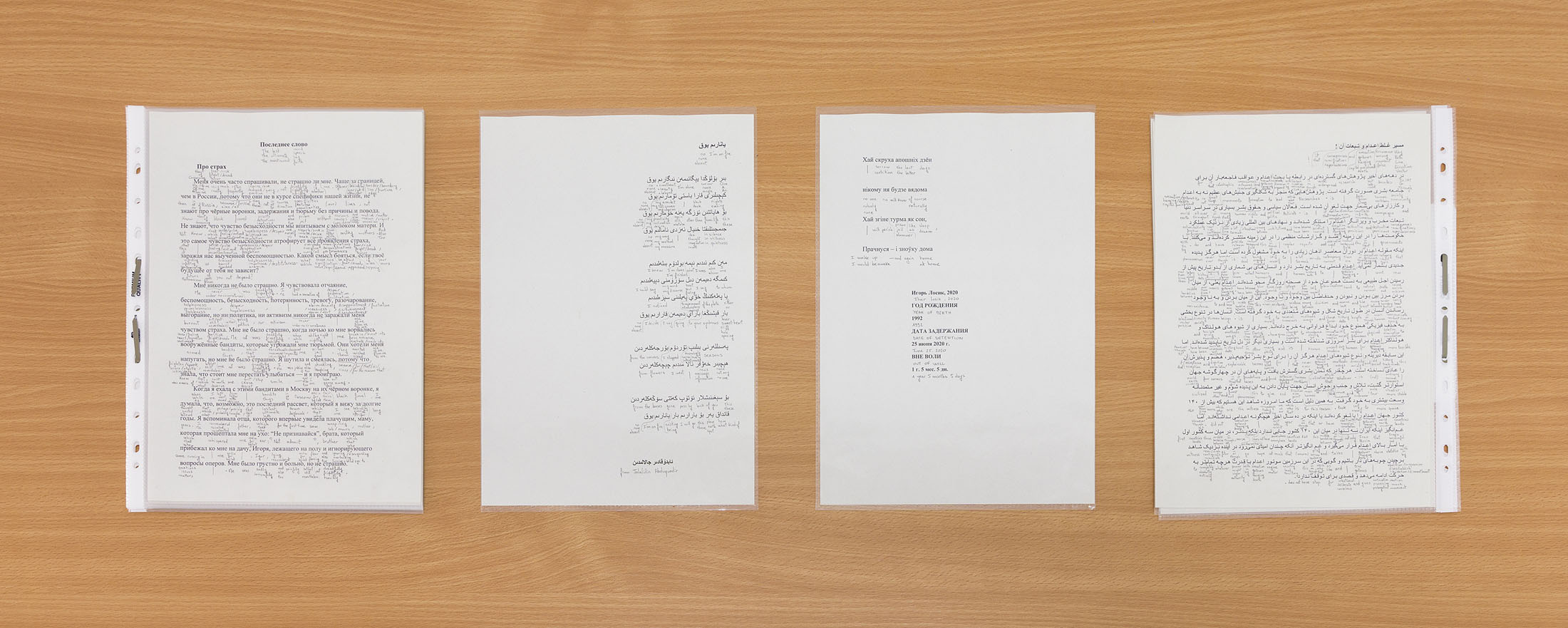
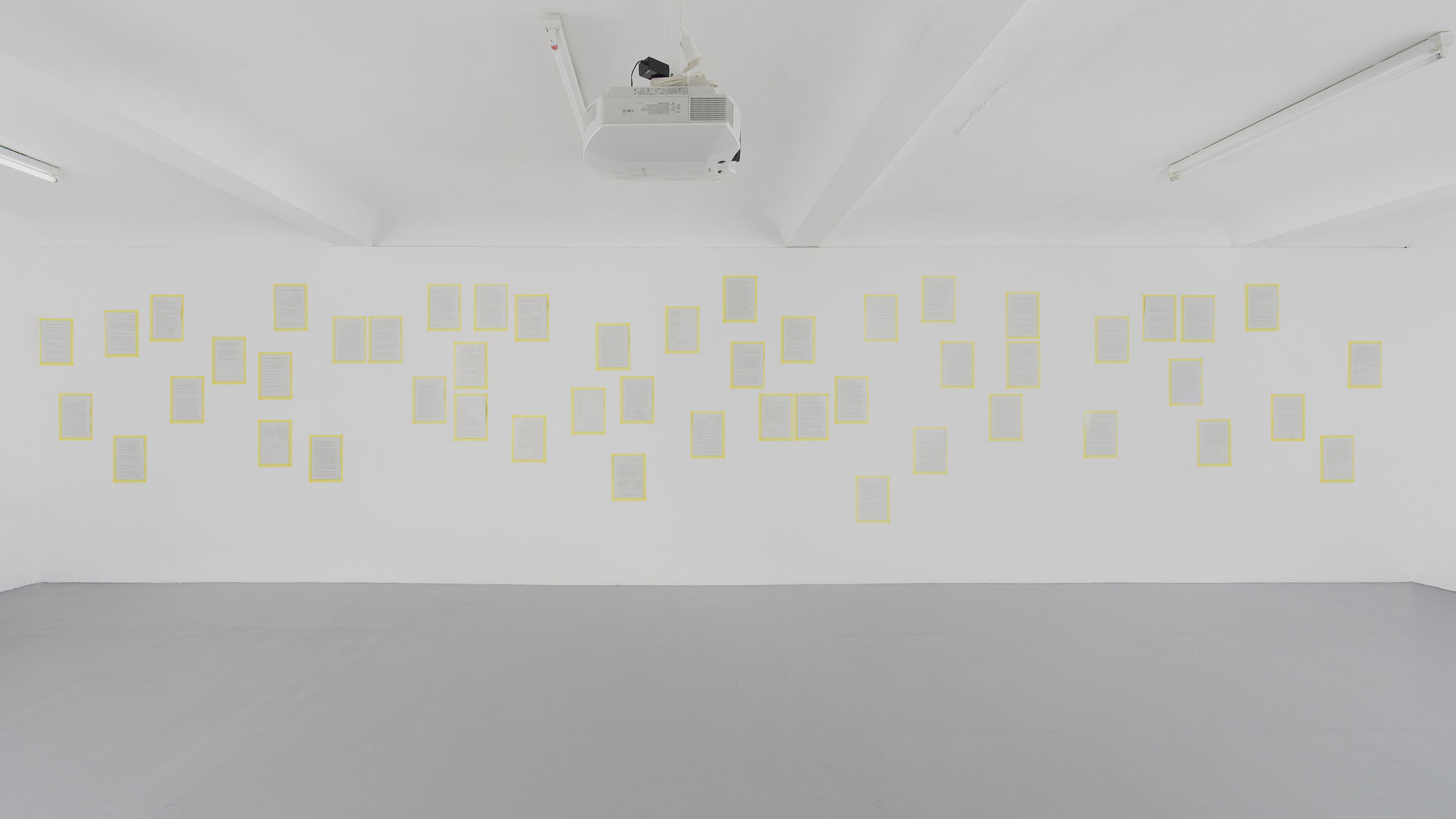
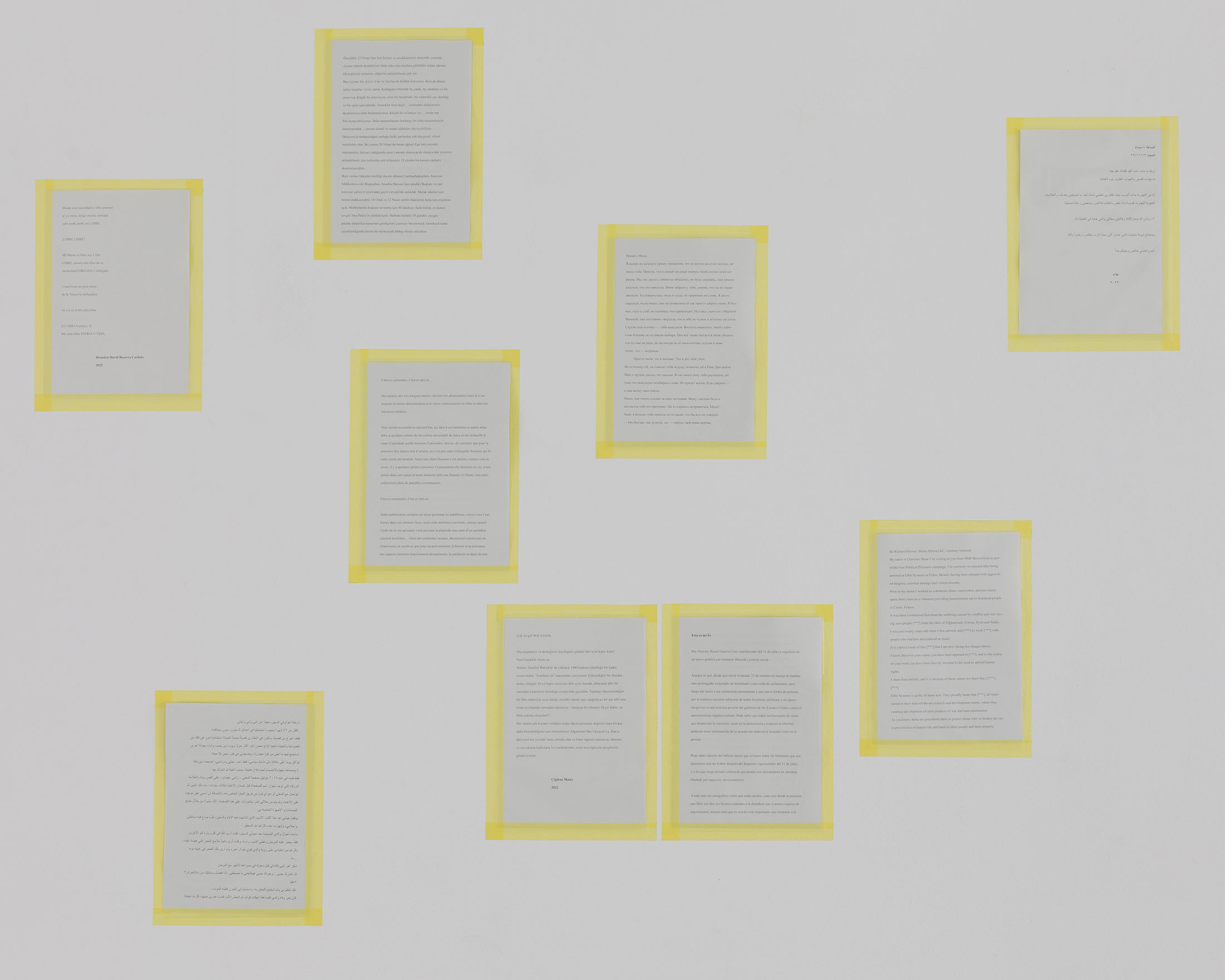
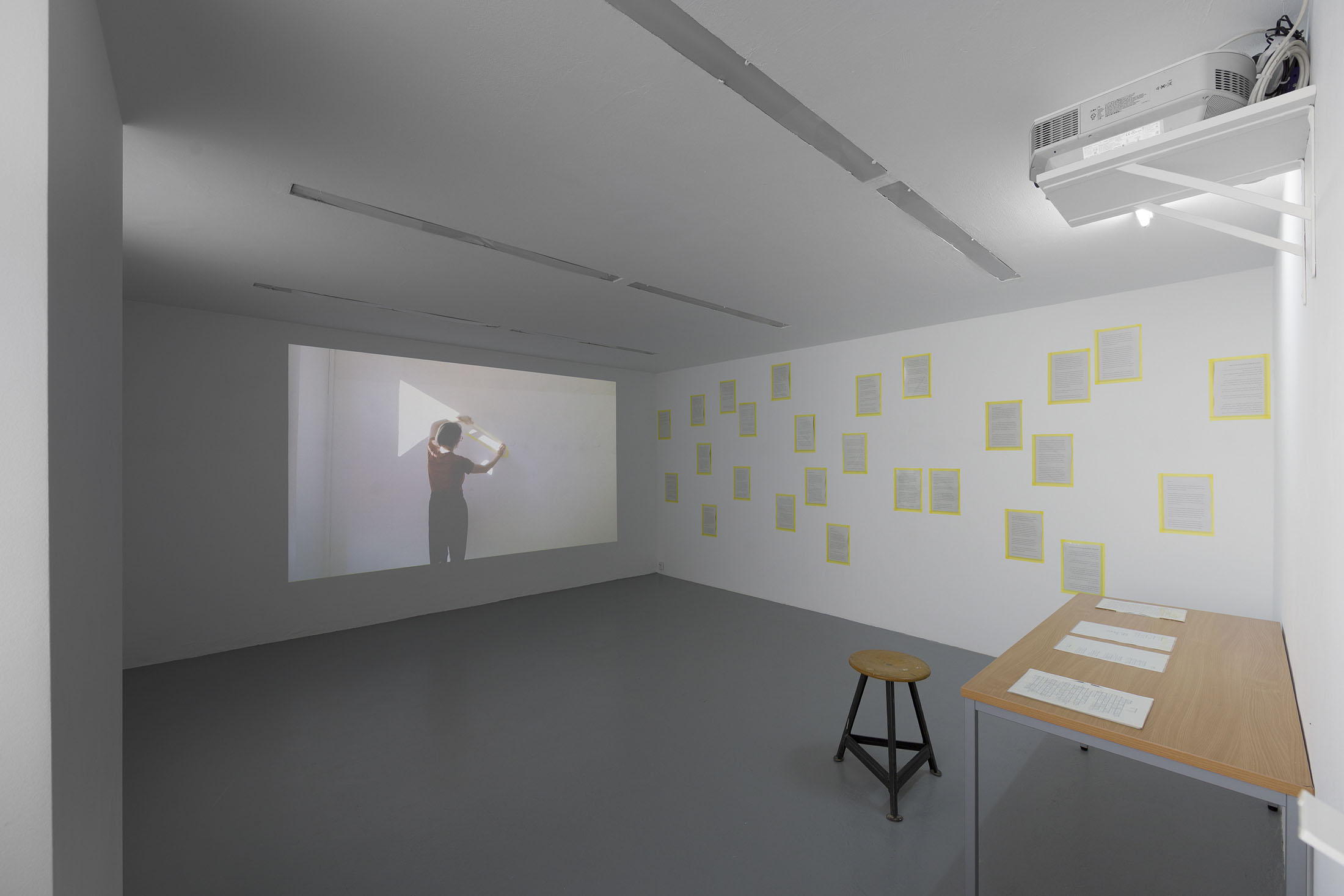
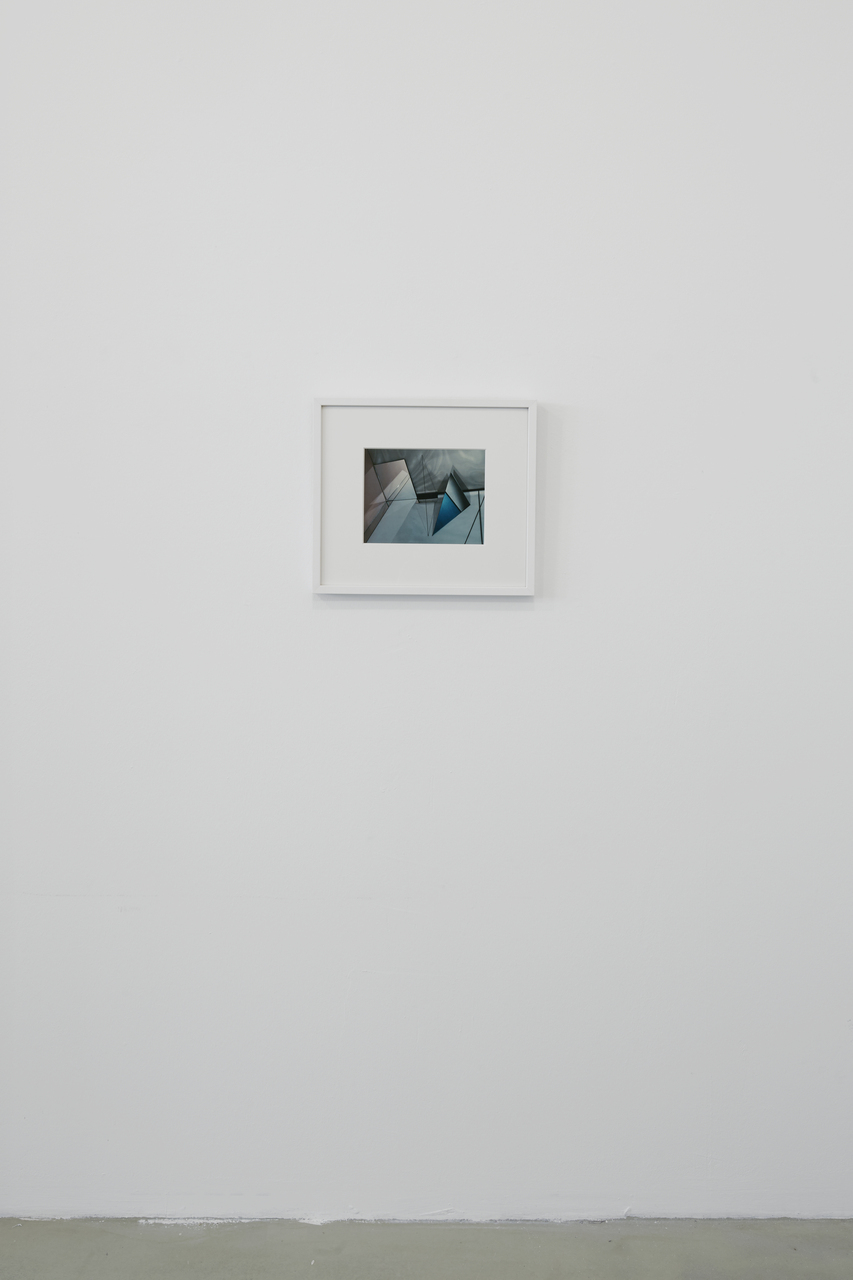
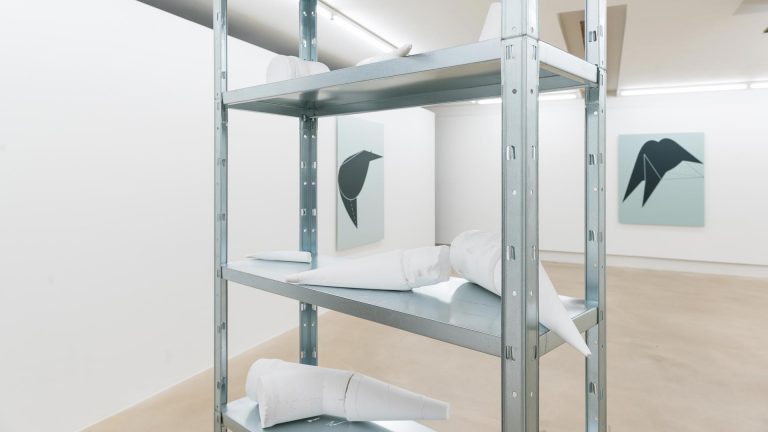
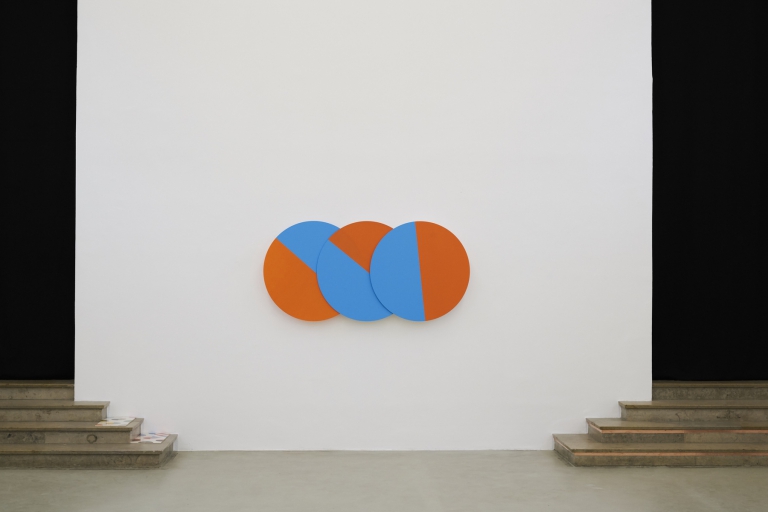
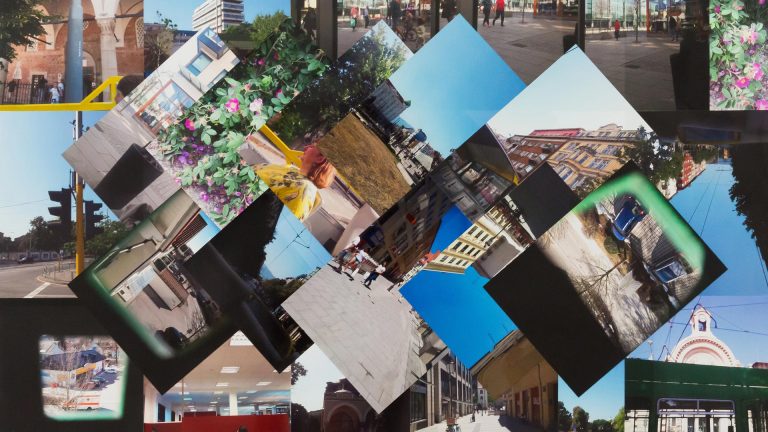
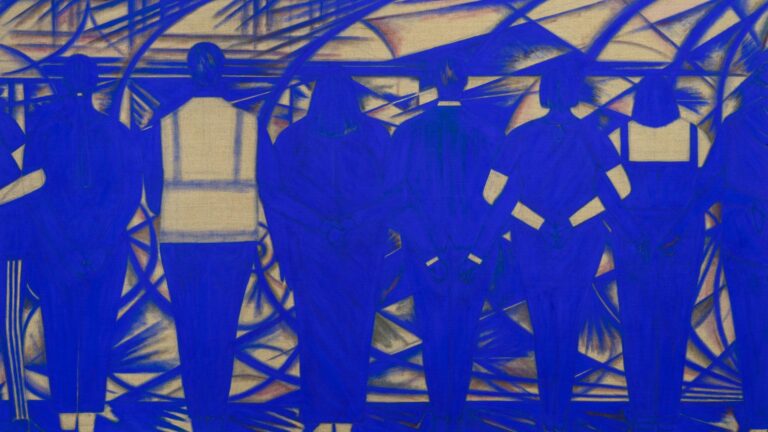
The exhibition From one hand to another features an interplay between languages, gestures, and other forms of communication, examining how we perceive and understand the world and how we share it with one another. In drawings, videos, photographs, texts, and installations, the artist Marianne Mispelaëre investigates details and traces of human life and social interaction, creating works that are partly fleeting and partly enduring. She acts as an attentive observer, bringing to light the various dimensions of social relationships and the ofteninconspicuous processes that shape society.
In the poetic nature of her works, the theme of language is central: the way we express ourselves determines our ideas and perceptions; it shapes and reinforces hierarchies and power structures. As such, language can unite, but it can also divide, whilst itself being in a state of constant movement and translation. In Marianne Mispelaëre’s practice, it becomes an important tool for revealing, deconstructing, and rethinking entrenched social processes and interpersonal relationships. Alternative forms of communication are an essential part of her work, particularly where narratives persist despite the inadequacy of words.
Her works emerge from situations of contact: from encounters, exchange, transmission, collaboration, appropriation, negotiation, and conflict. They are often activated, interpreted, or continued by her or by others. Her visual language is precise and focused, yet it also remains open to different perceptions and interpretations. Through minimal interventions, she creates places for listening and conversation—spaces in which meanings are not fixed but kept in motion collectively.
From one hand to another engages in particular with the following questions: What can our eyes understand of what they see? What do we see—and what do we already know before we even look? What remains of an event once it has passed? Who tells its story? Which voices are passed on, and which are silenced?
The exhibition title From one hand to another opens up diverse contexts when one considers its relationship to the works on display. In some cases, the works are literally passed from the artist’s hands into those of visitors and passers-by; in others, the word and the platform are passed on. In further instances, the writings and signs are even placed in the artist’s hands by others. Ultimately, the actions and transitions that shape the exhibition also embody an ever-relevant exchange within and beyond societies.