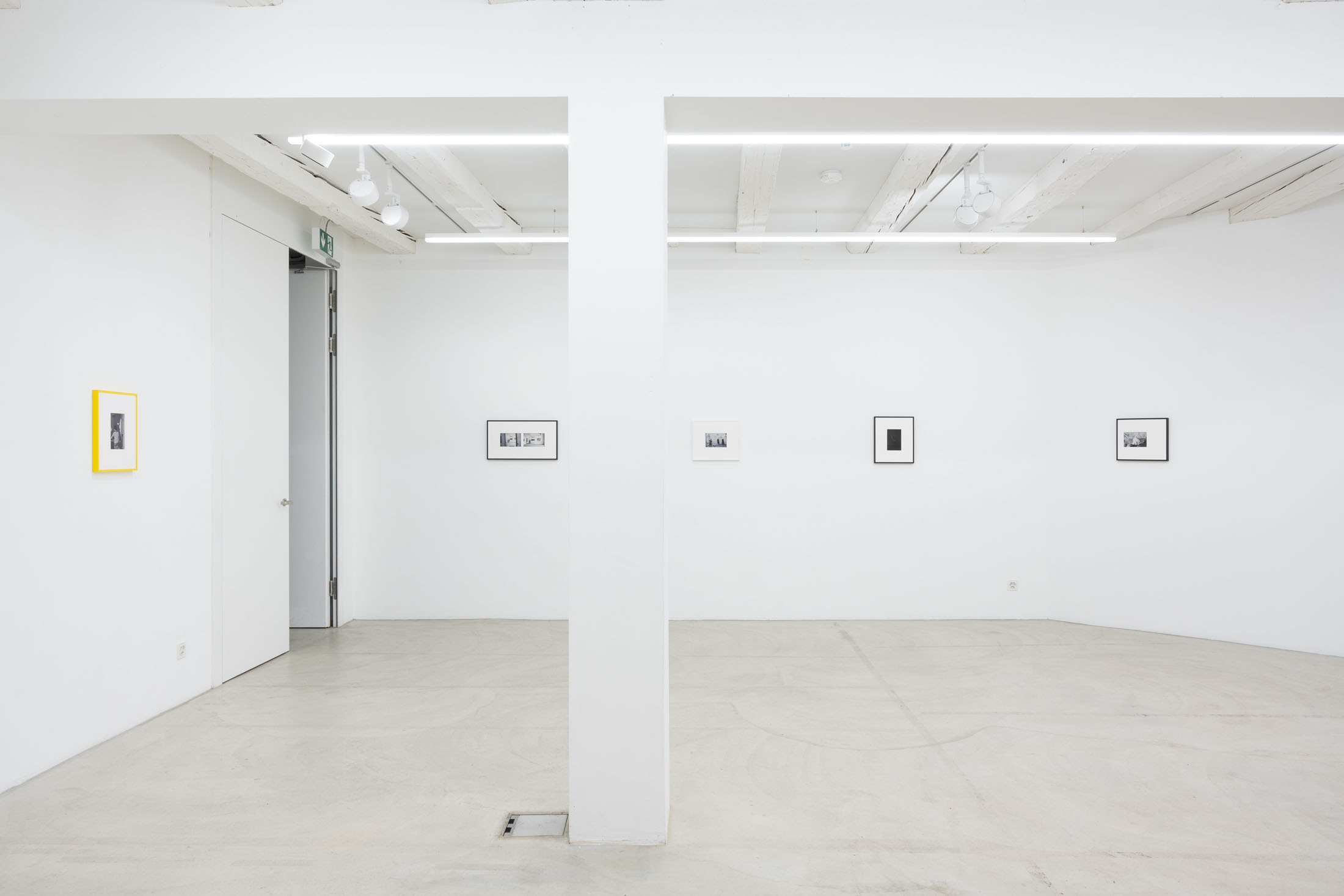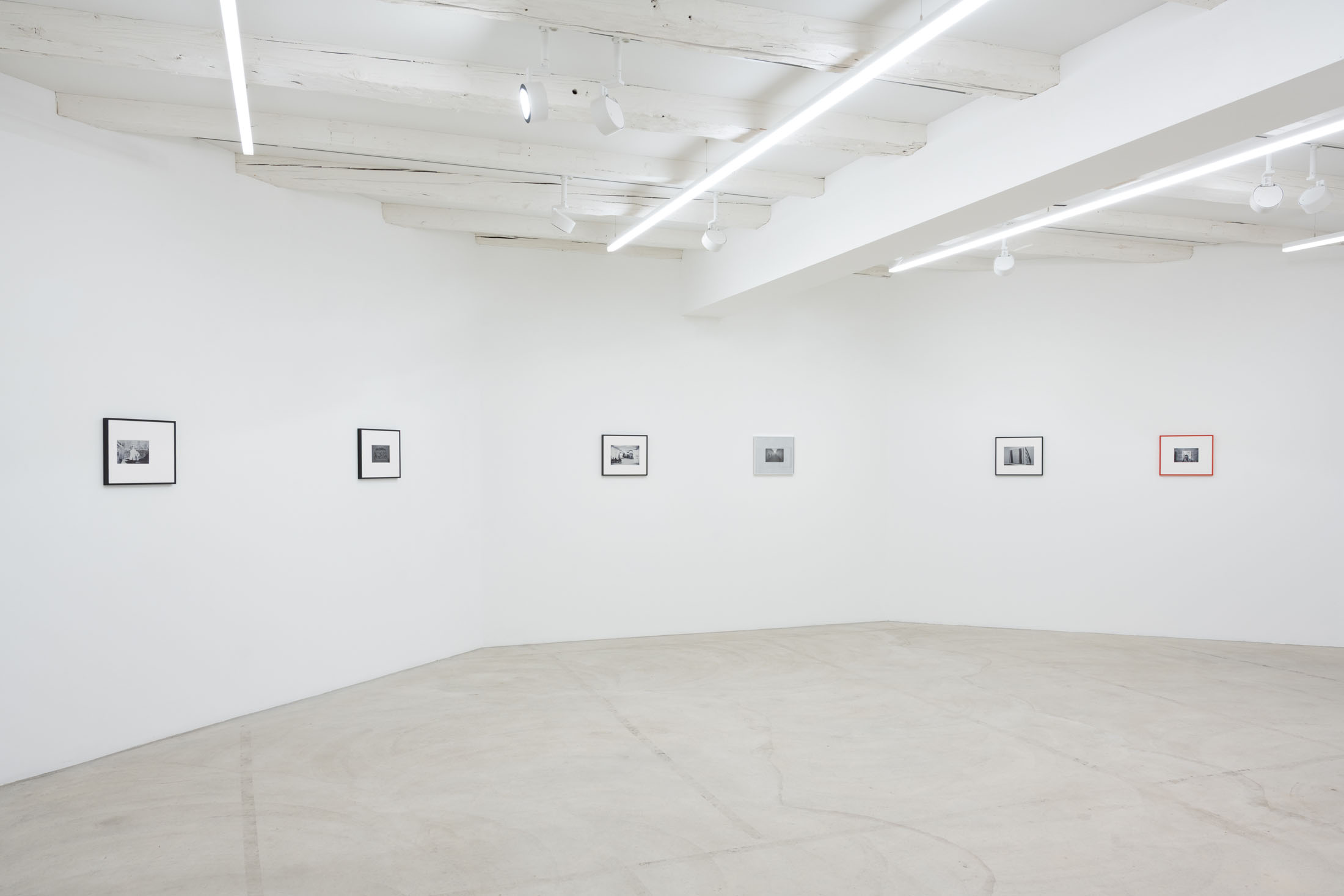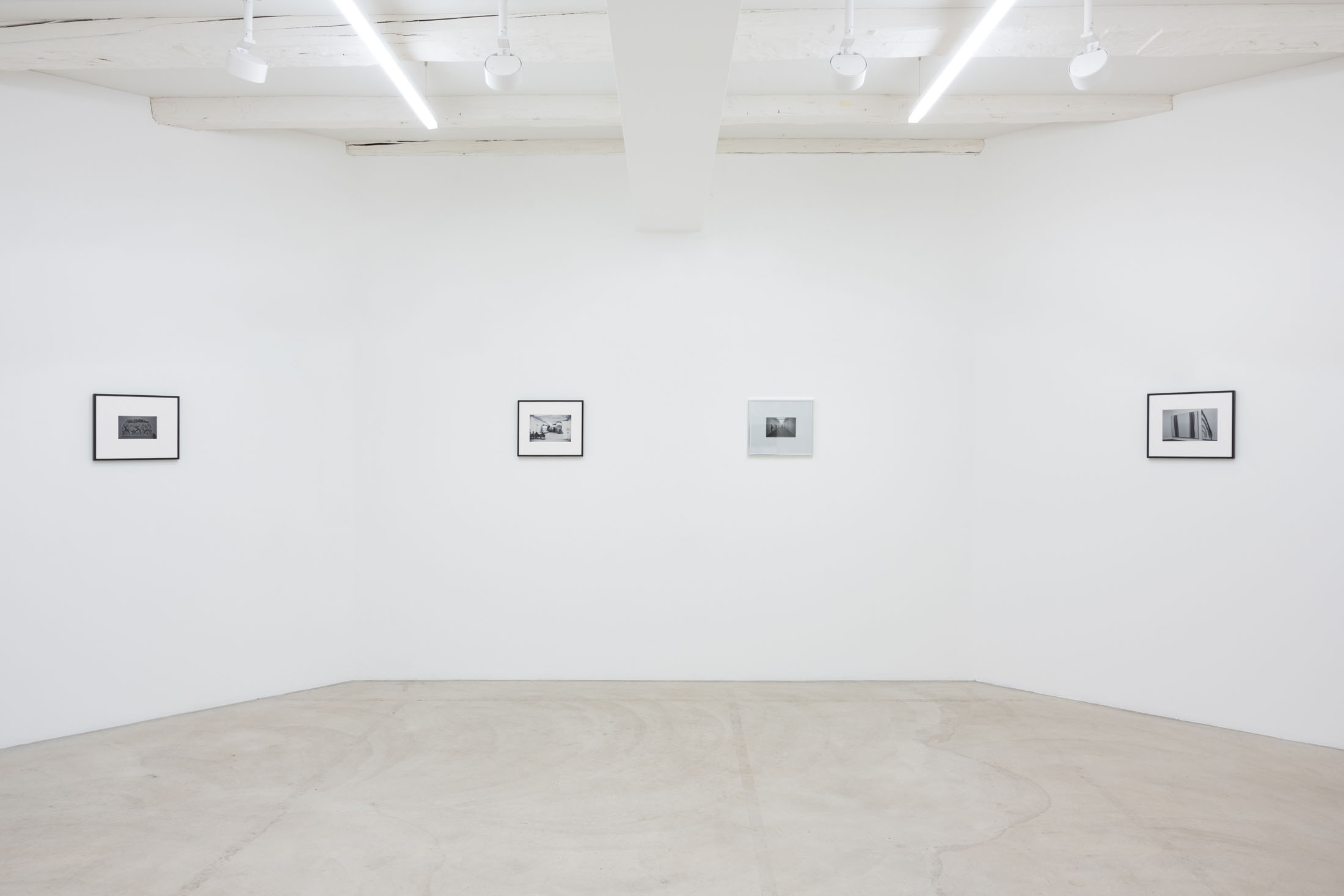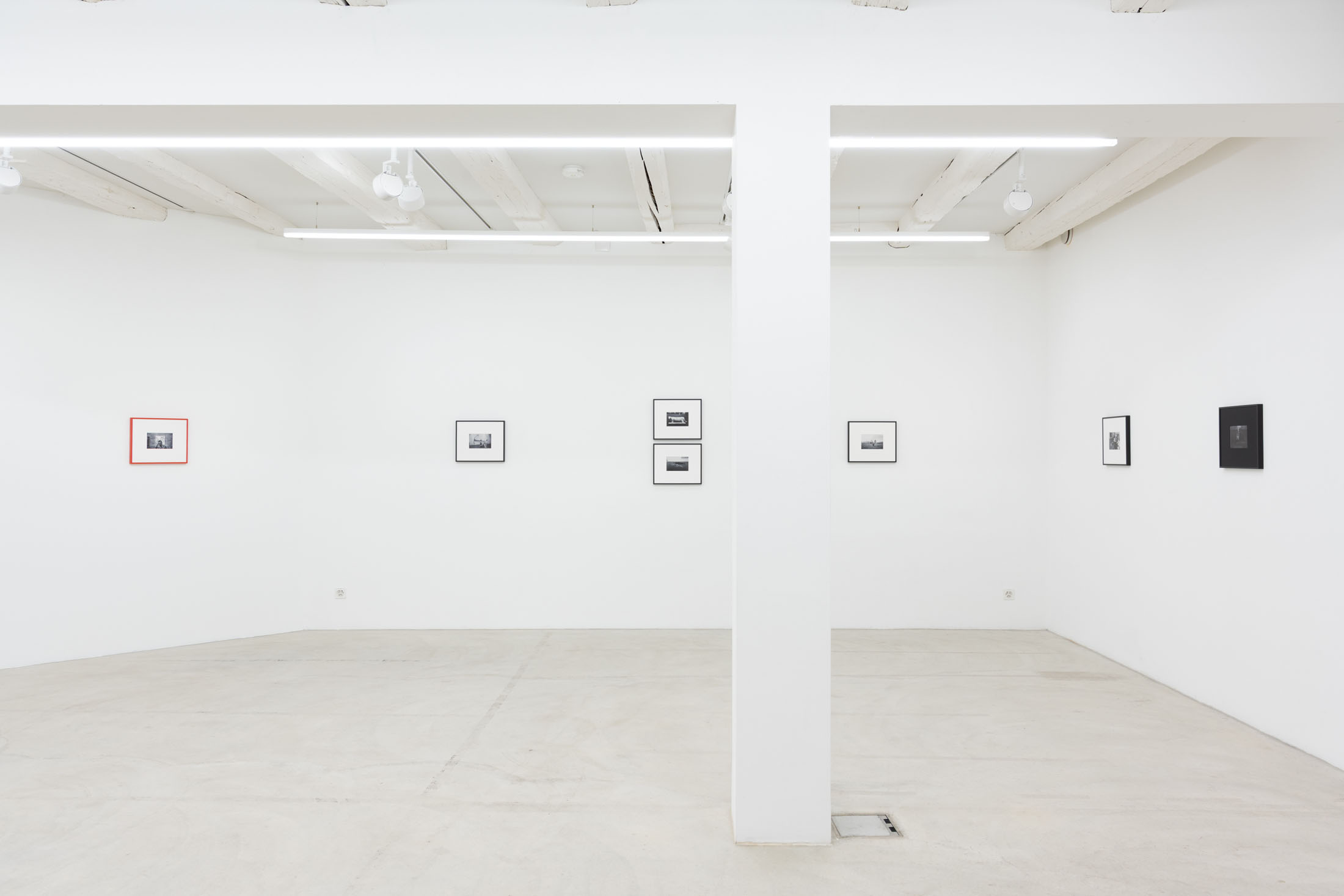
Maria Netter was an influential figure in 20th-century art criticism, primarily known for her analysis of modern and contemporary art in the German-speaking regions of Switzerland. Born in Berlin in 1917, her career spanned from the early 1940s until her death in Basel in 1982. Writing for several publications, she worked to demystify art at a time when many found the avant-garde inaccessible, approaching her reviews in a way that educated as much as it in-formed. She was equally known for her independence and integrity — speaking candidly about her views without yielding to the pressures of the art market or public opinion, earning a reputation for honesty that readers respected.
Throughout her writing career, Netter maintained the ha-bit of illustrating her articles with photographs she took herself. Excluding camera aides was neither a matter of budget nor logistics: she was a self-taught photographer who rarely went anywhere without her Leica M3. Her passion is evident in the two thousand or so rolls of film that comprise her estate, an archive accounting for a wide cast of figures who constituted a lively fraction of the Swiss art scene (Niki de Saint Phalle, Jean Tinguely, Meret Oppenheim, Max Bill, among countless others, photographed in studio visits, dinners, vernissages, and art fairs). Remarkable as this roster of figures is, it is the photographs where no one specific is portrayed that are the subject here.
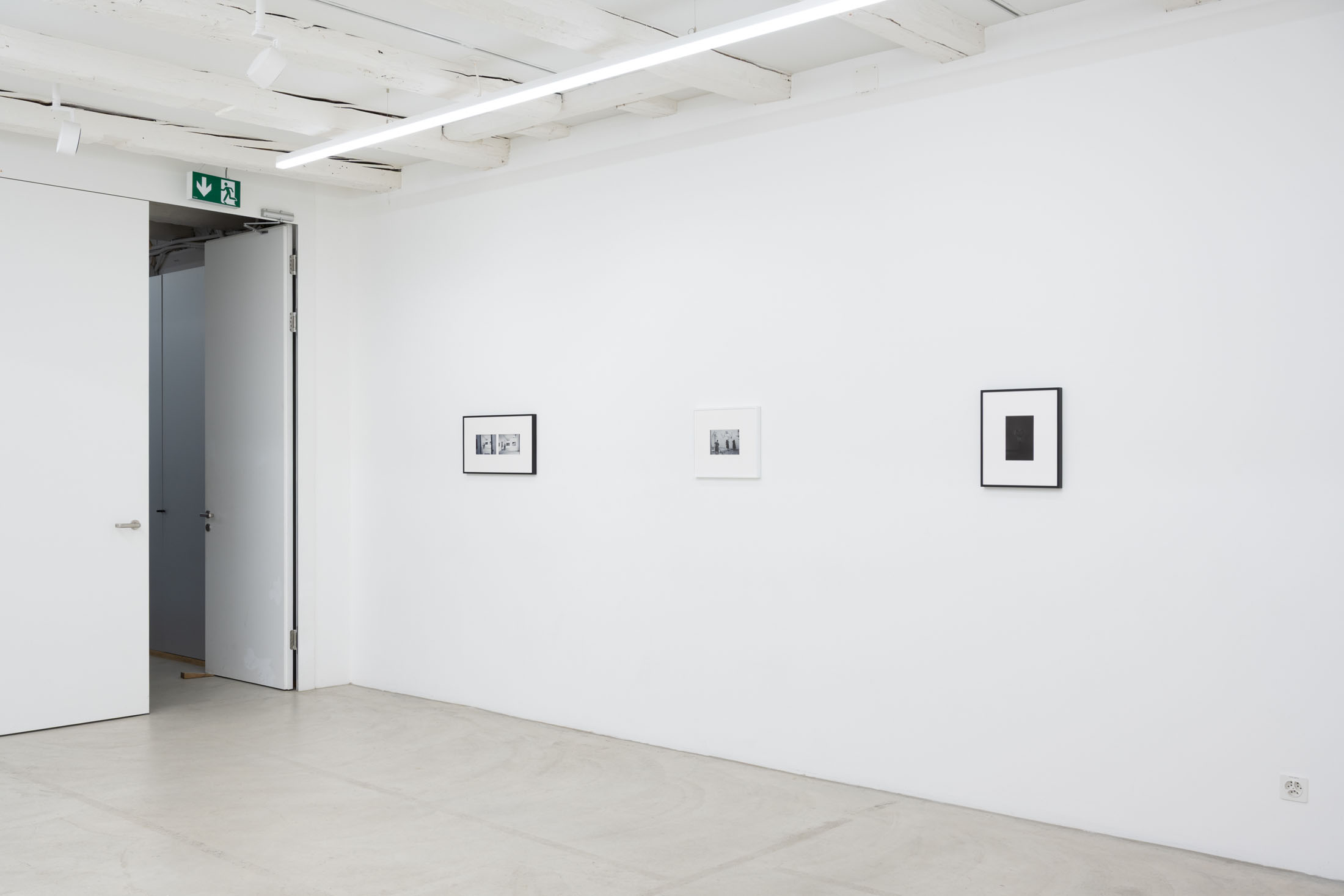
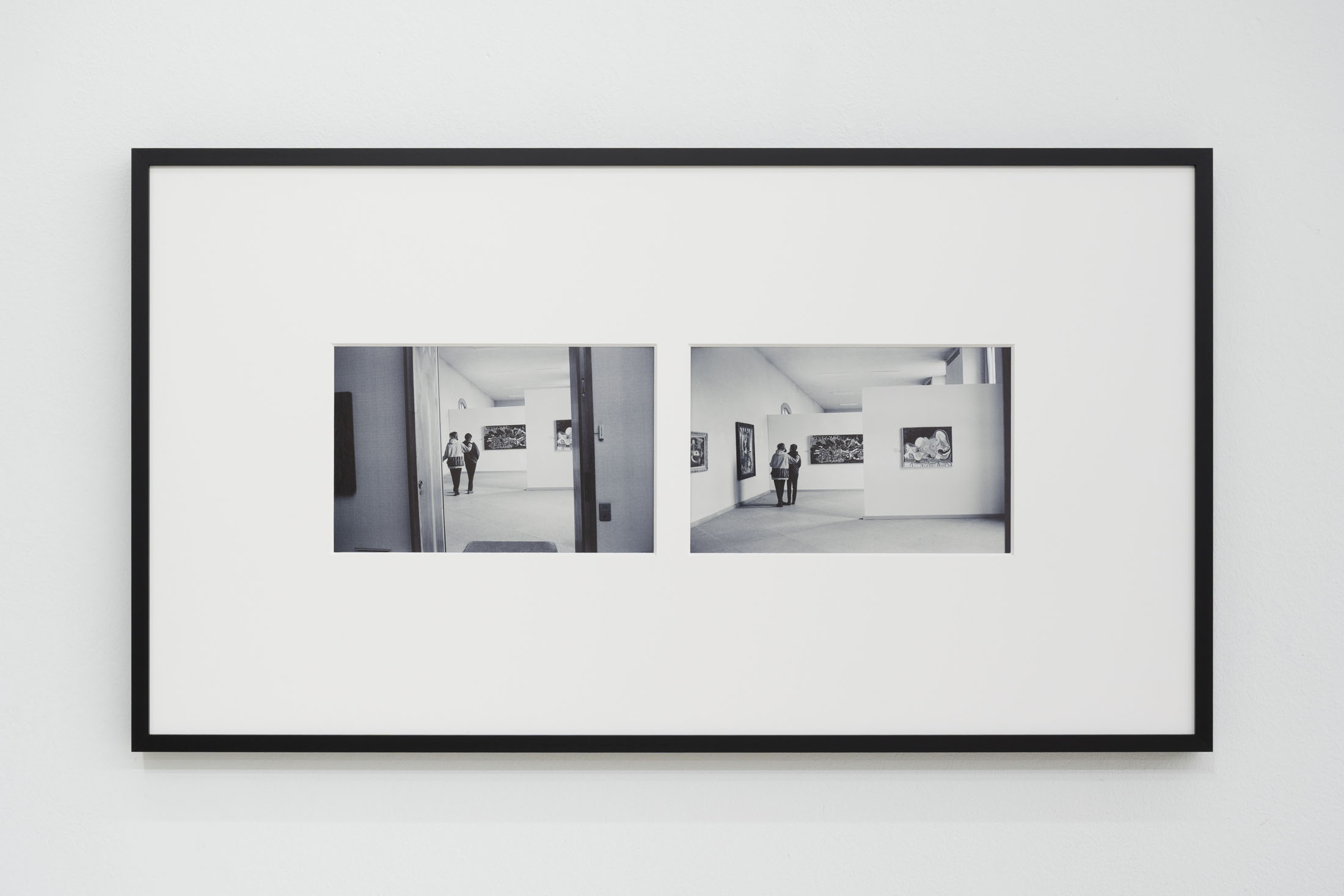
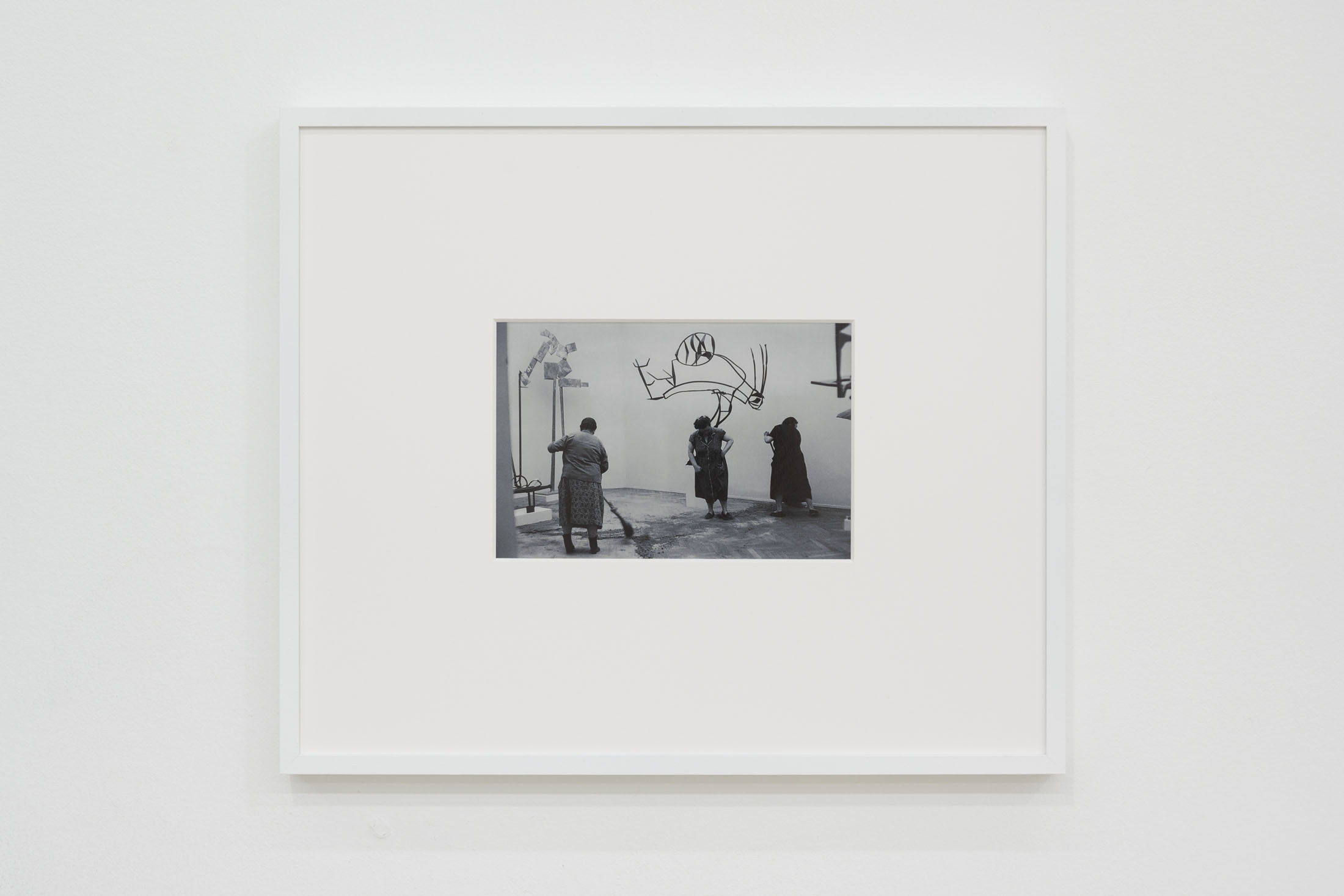
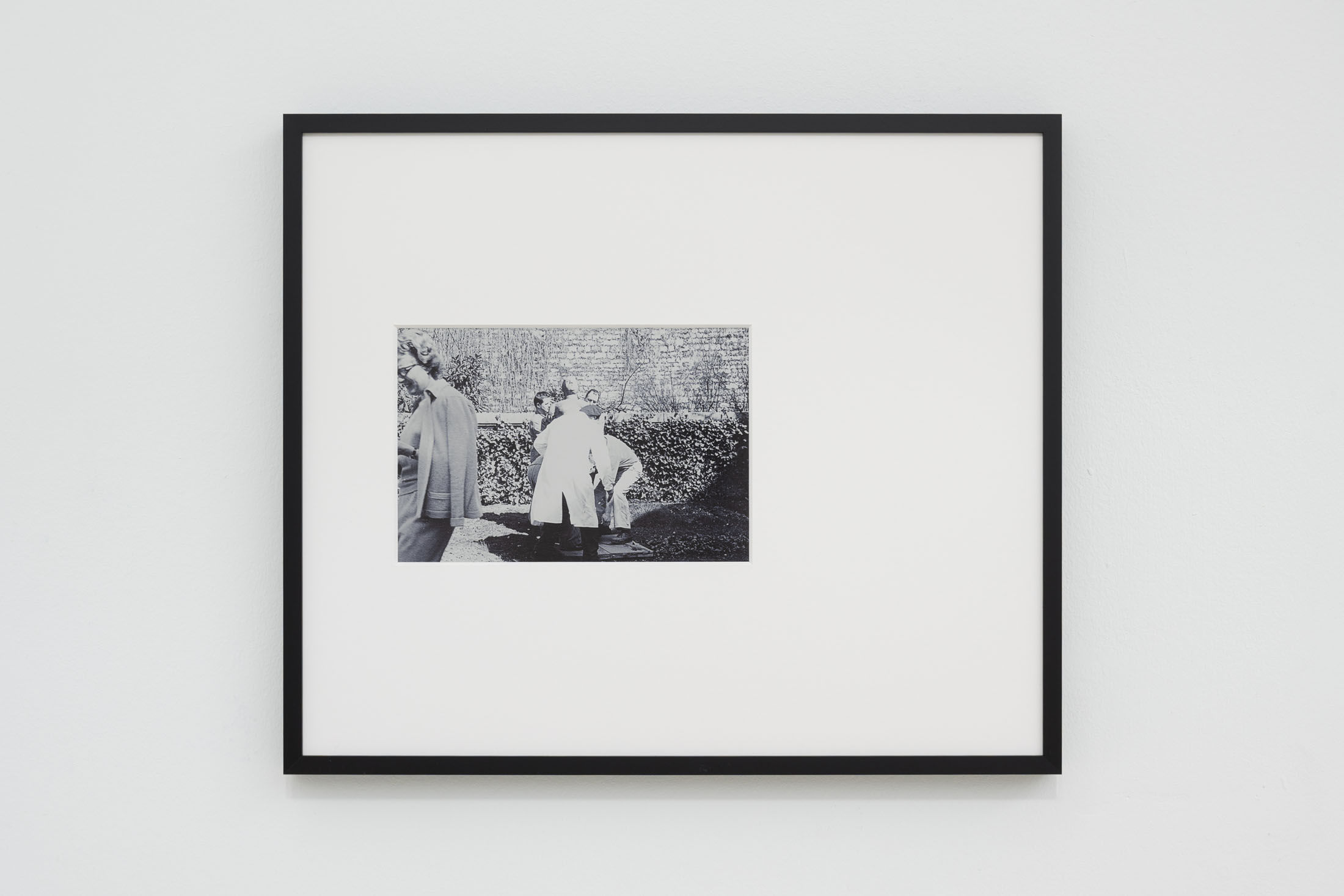
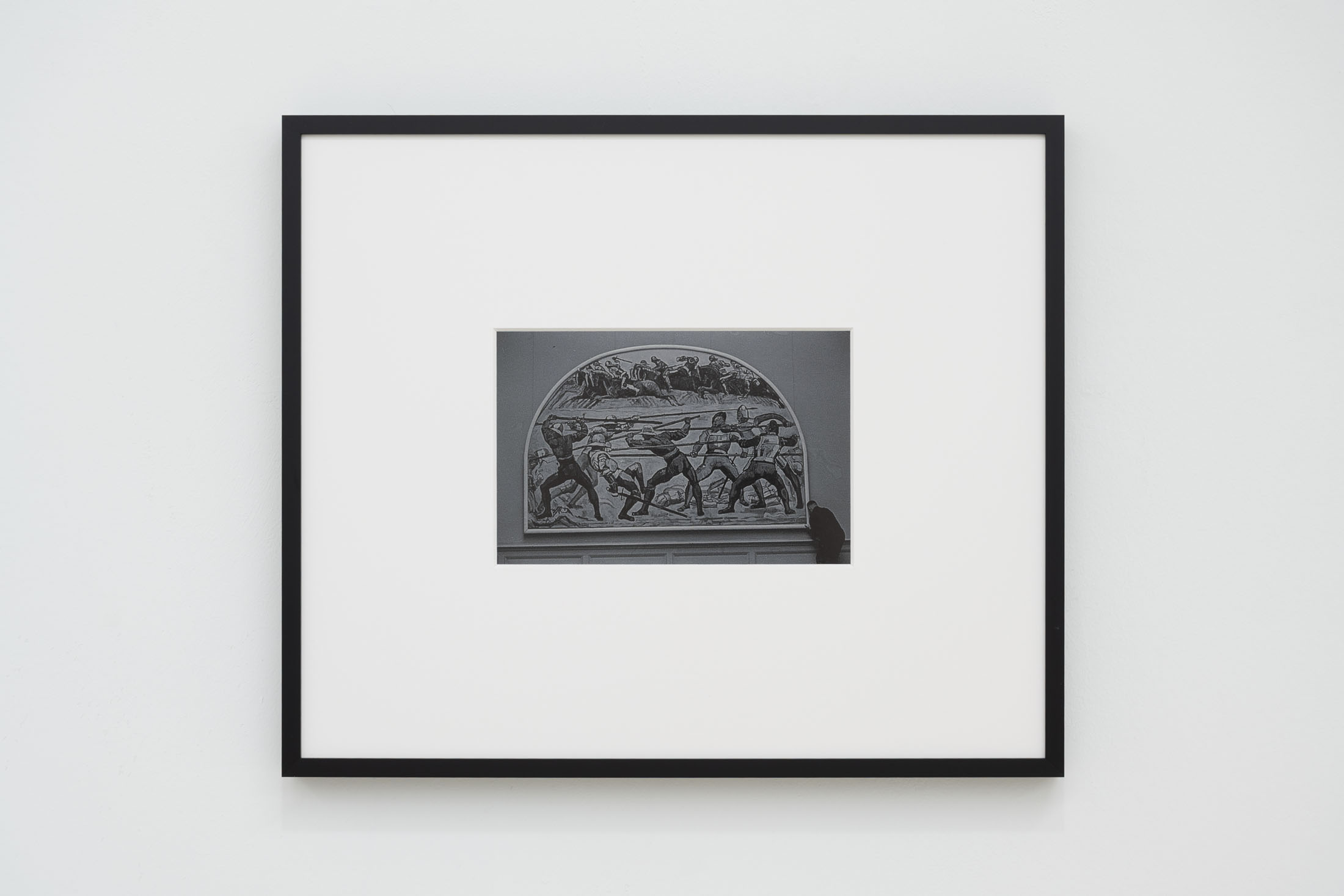
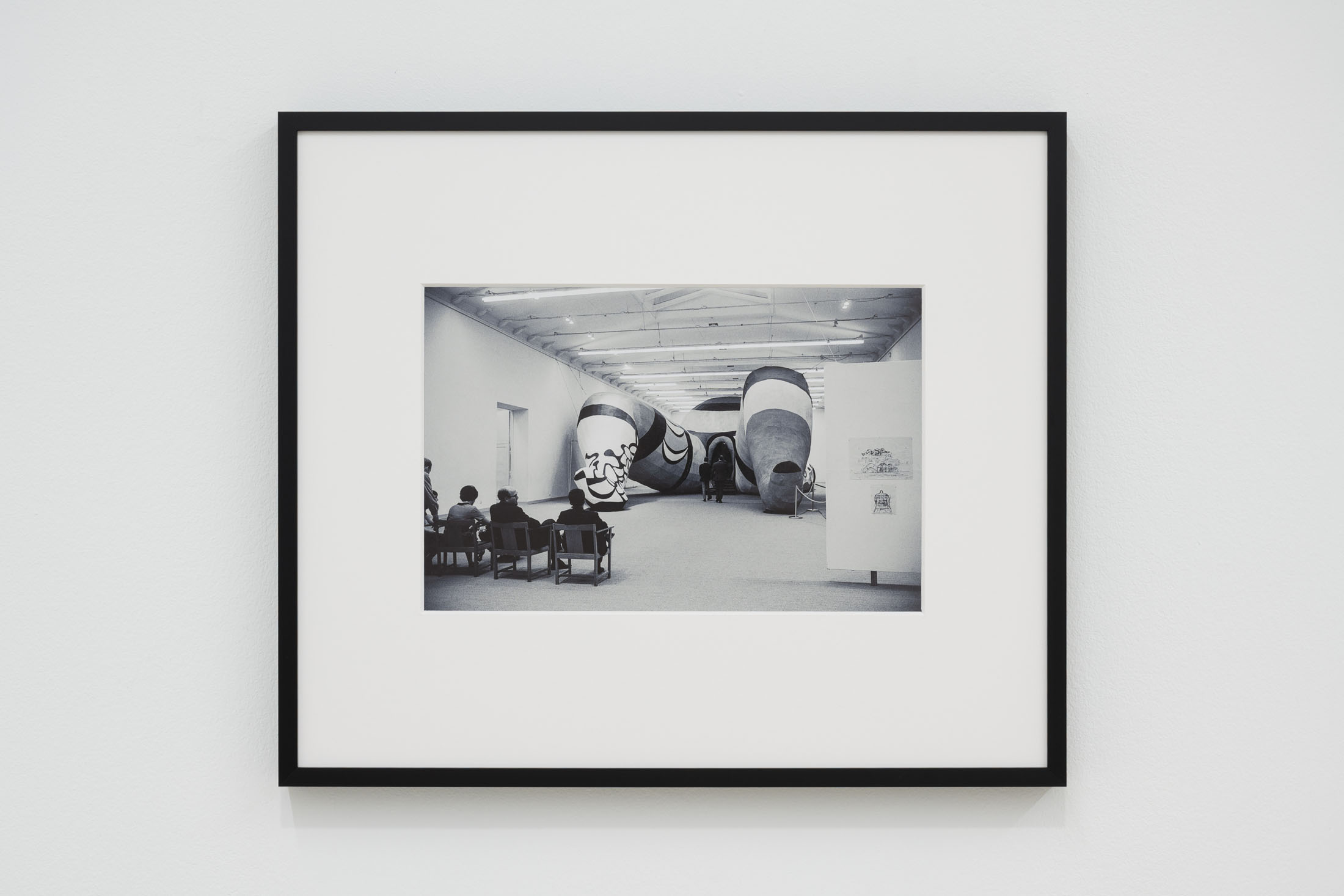
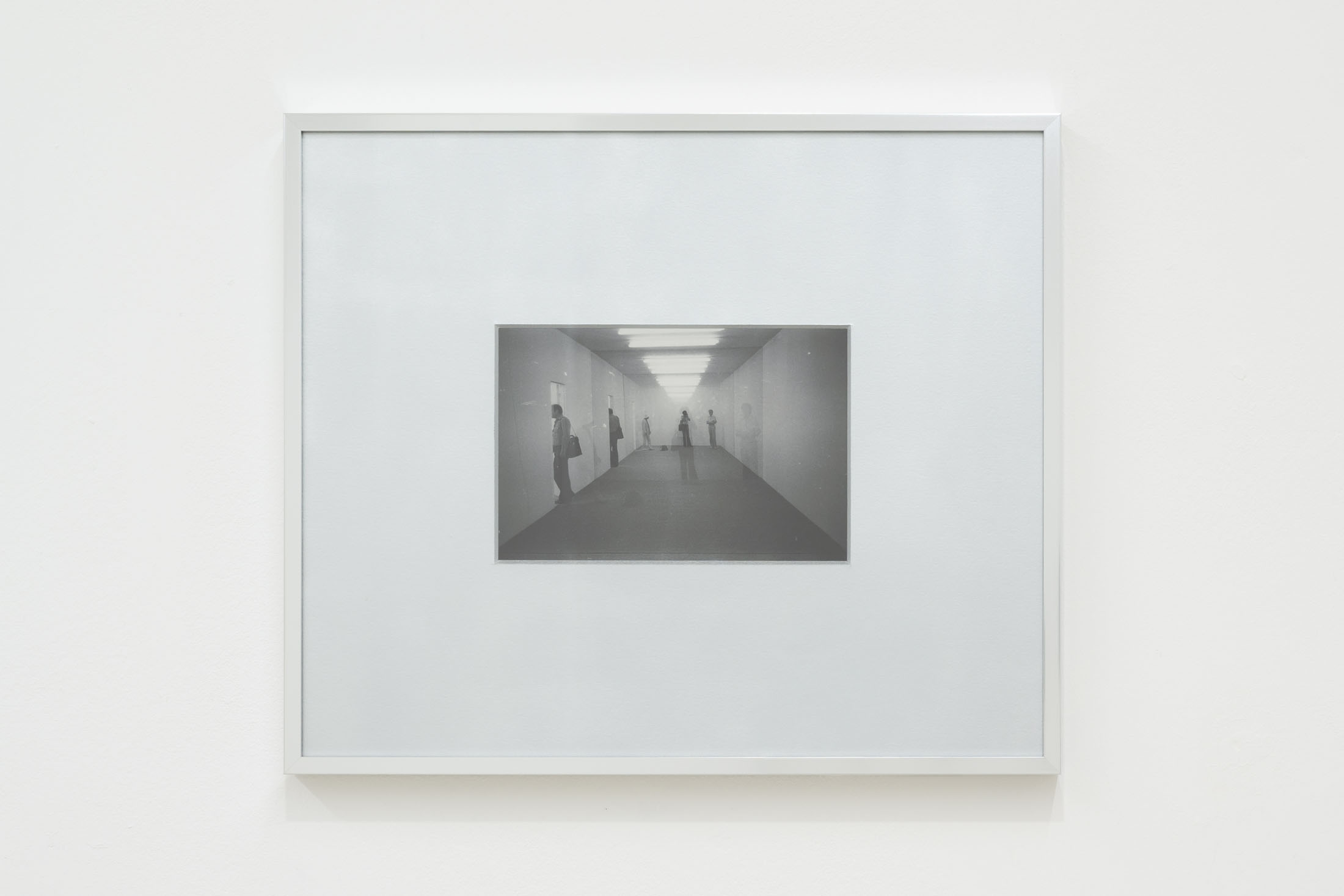
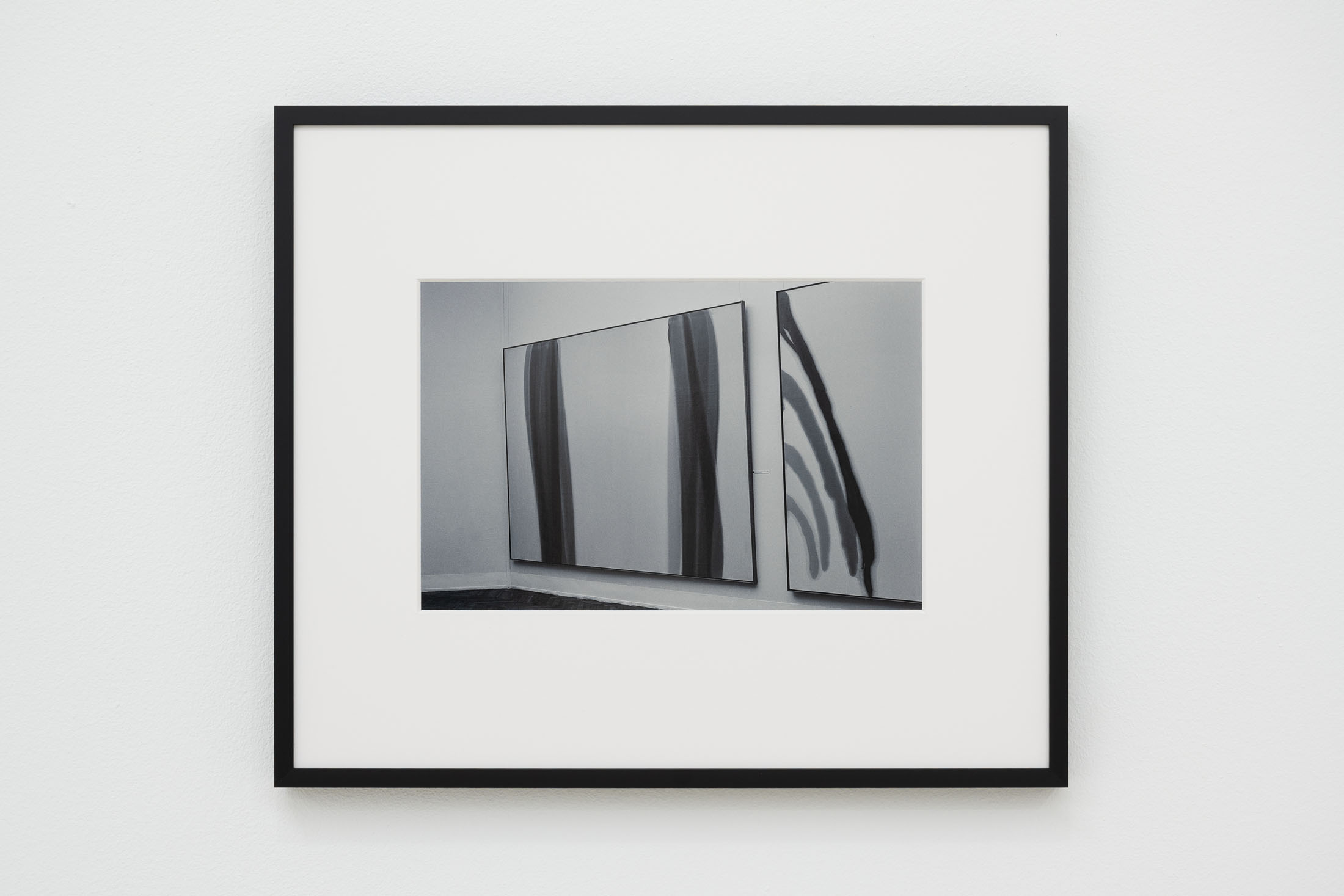
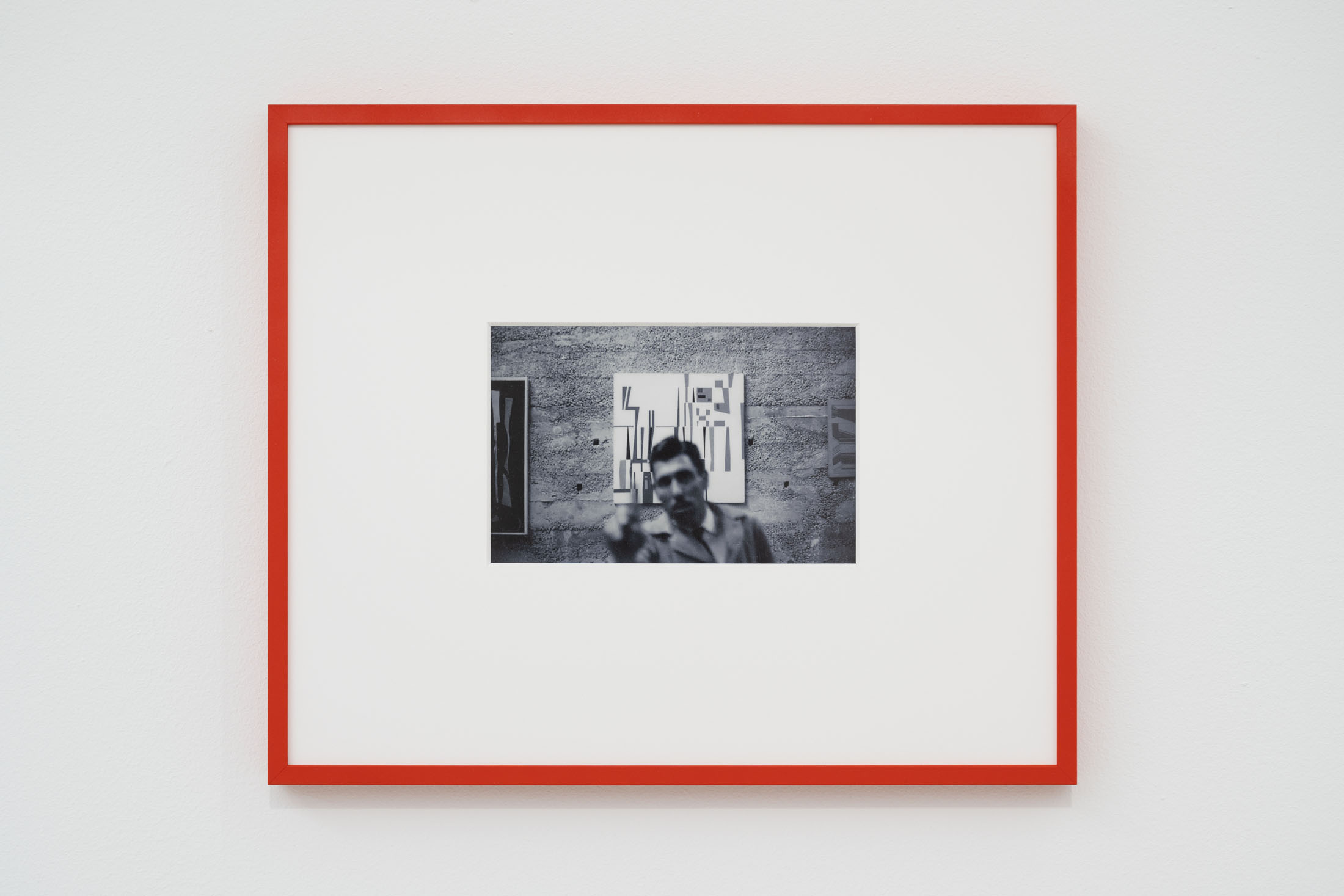
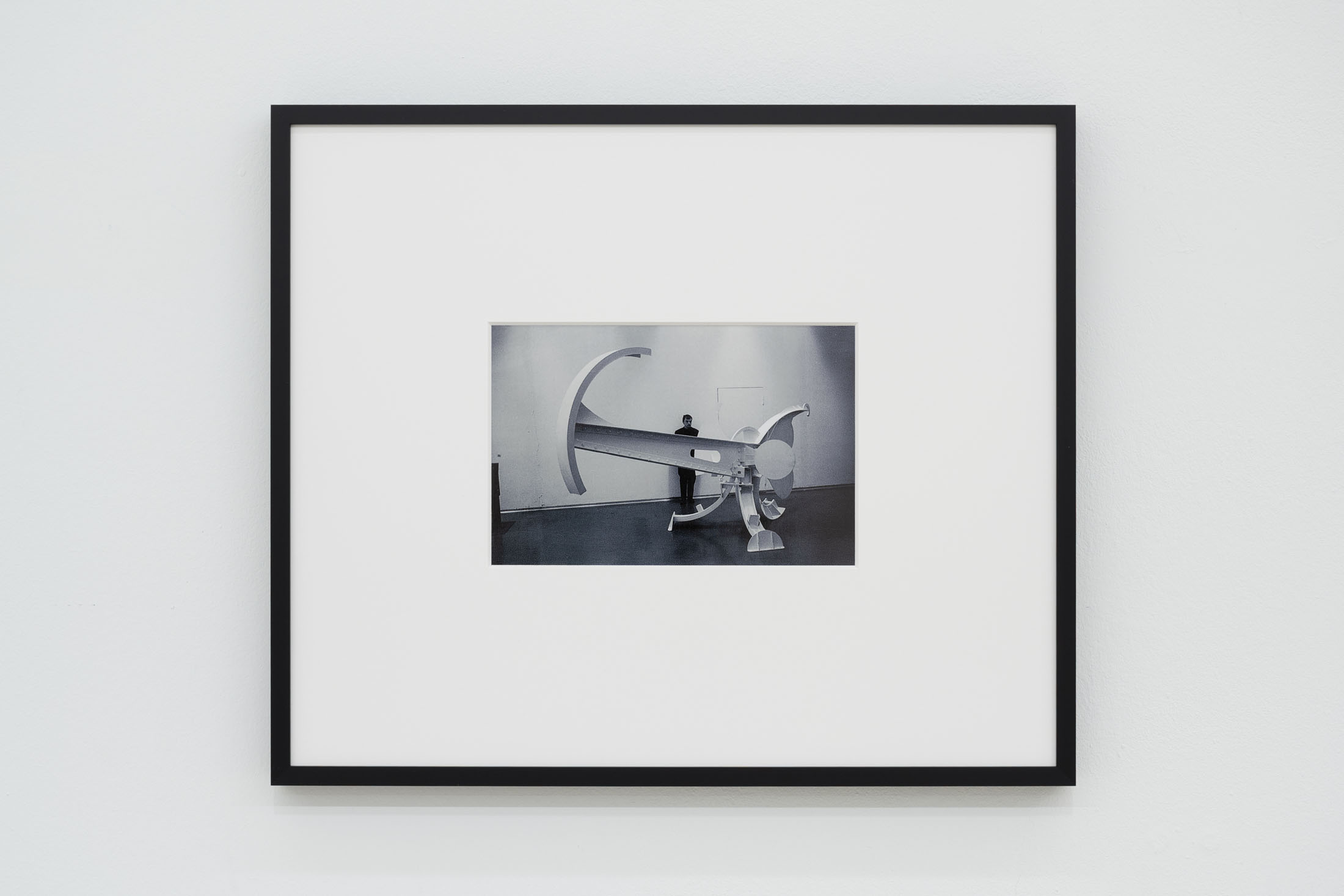
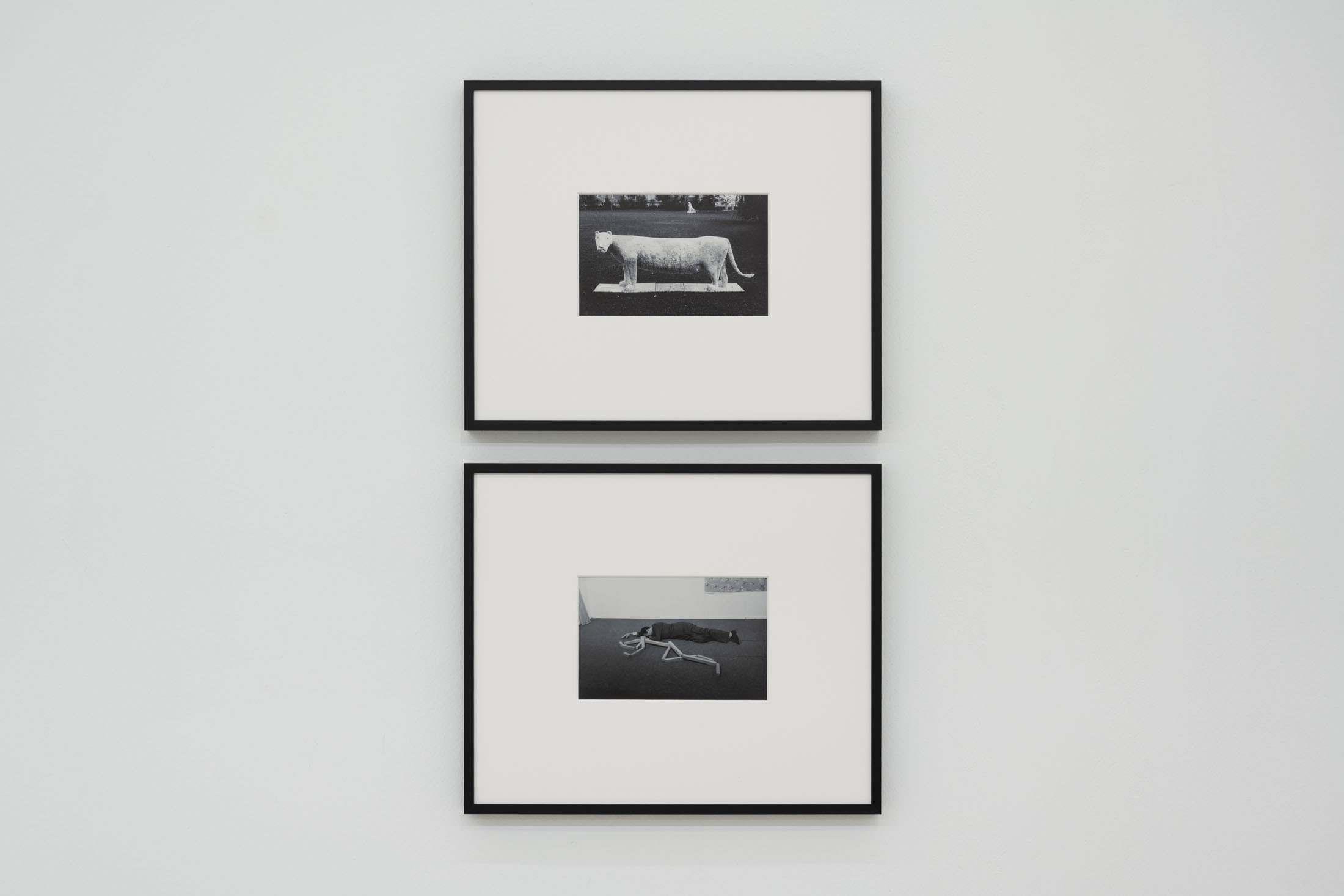
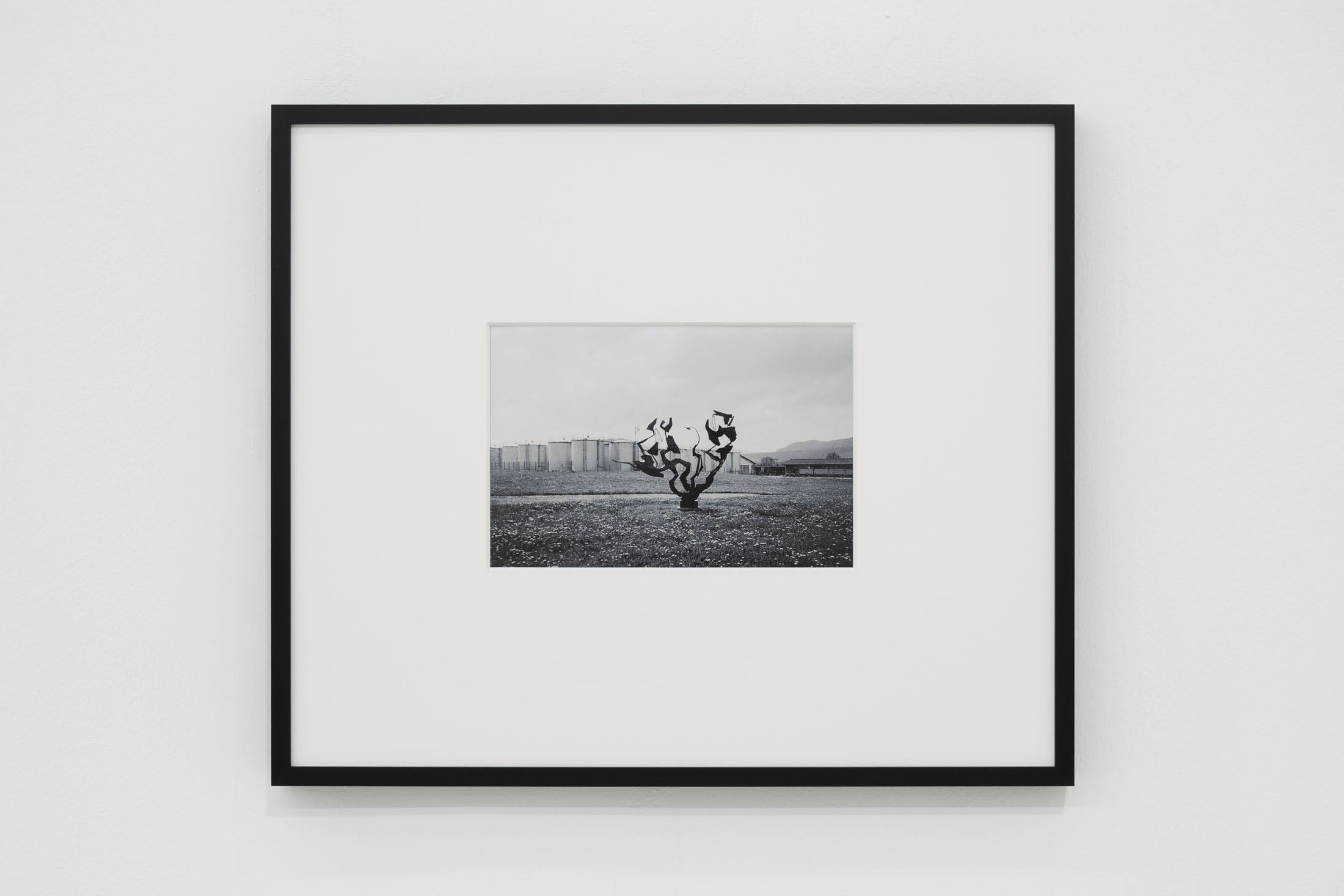
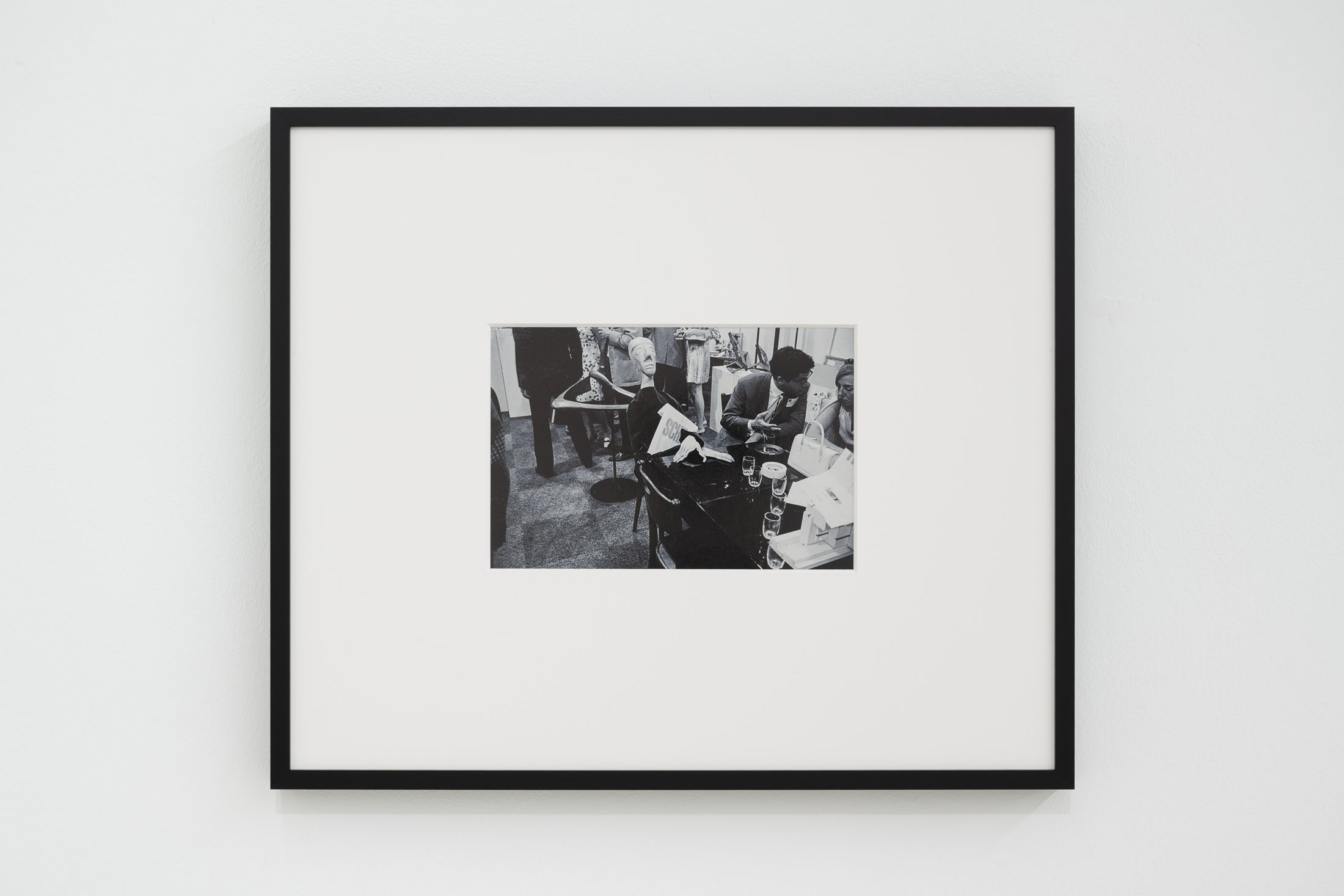
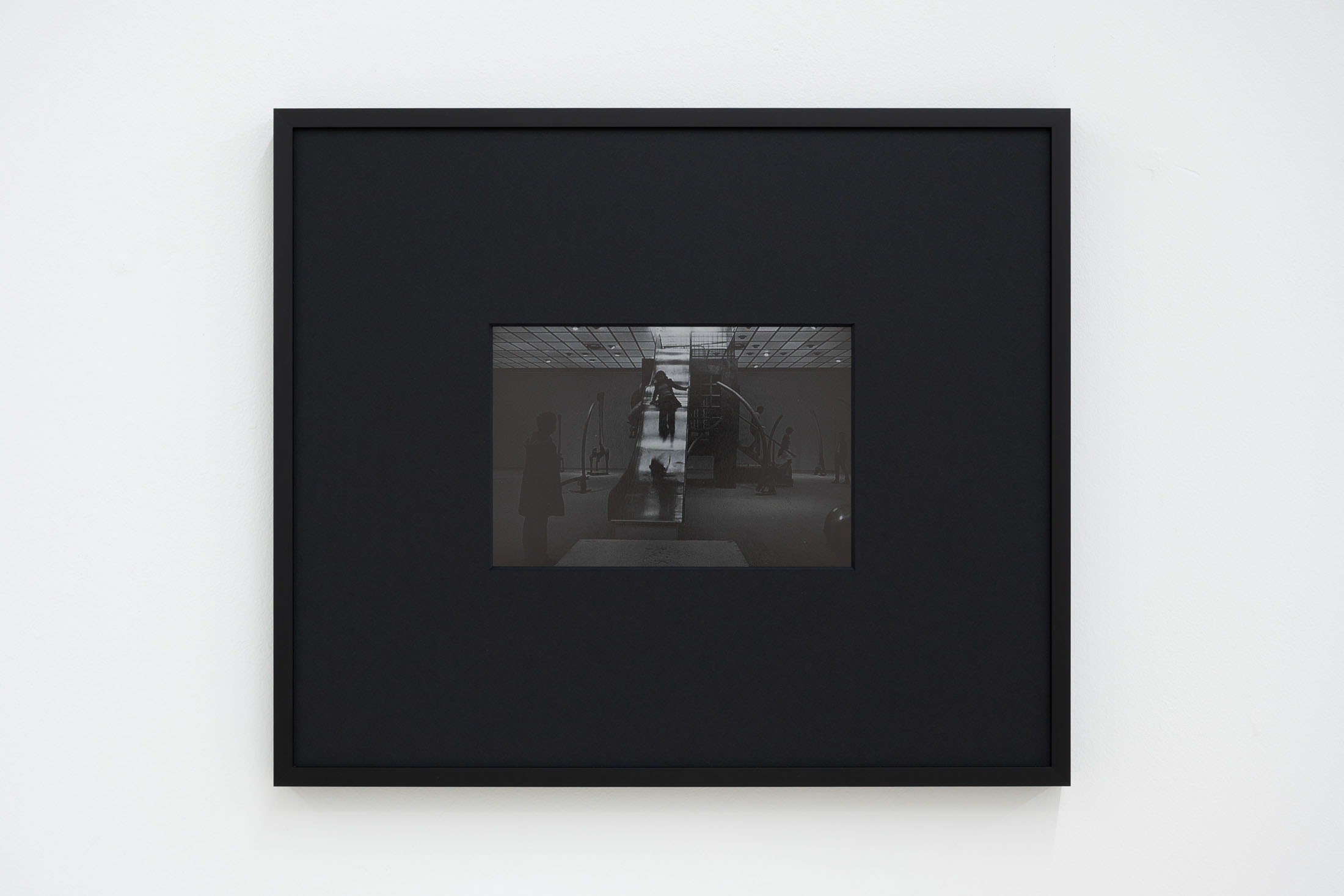
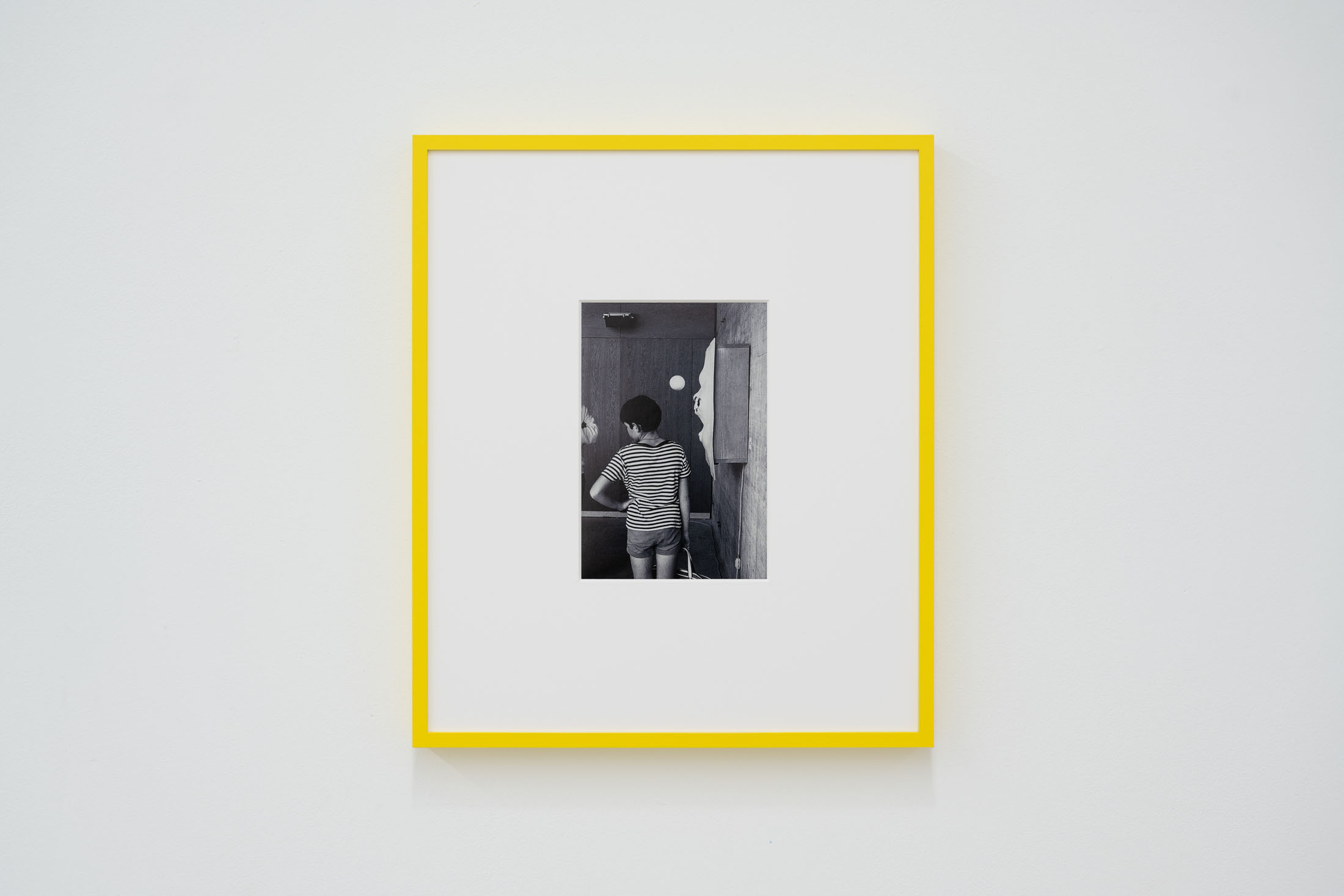
Netter‘s exhibition photography was made without any special apparatus — no tripod, no flash, no diffuser — all freehand shots on black-and-white 35mm film. To the many accustomed to the polished aesthetics of contemporary exhibition photography, they might appear hasty or even lopsided: some slightly blurred, others showing walls, floors, and ceilings that refuse to align, and the angles (never widened by a lens) give the geometry an occasionally stubborn, at times disagreeable character. But there is something else in these images, something closer to a signature wit. Netter had an observer‘s instinct for the bigger picture and a keen eye for the quiet comedy latent in the gallery space: a couple folded into each other before a Picasso nude; cleaning staff sweeping sawdust from be-tween the spikes of a sculpture, navigating its hostile de-sign with seasoned indifference; an Eva Aeppli ghost seated at a table alongside gallerist and collector mid art fair, all three apparently deep in discussion about pricing. In capturing these and other moments from a slight re-move, she documented a second reality parallel to the art itself — the absurd, tender spectacle of people earnestly encountering objects made by other people, neither party quite sure what the other expects.
All of this points to the perspective of someone absorbed in her surroundings rather than orchestrating them. Netter‘s photography is the opposite of staged: it is as after-thought, or rather a reflex; like candid remnants left behind by someone busy simultaneously thinking and searching. This places us in the POV of a person acutely sensitive to the presence of the exhibition and the endless friction be-tween wishful artworks and the uncooperative physical world. The images are thus less records than impressions, and their imperfections are precisely what matters here.
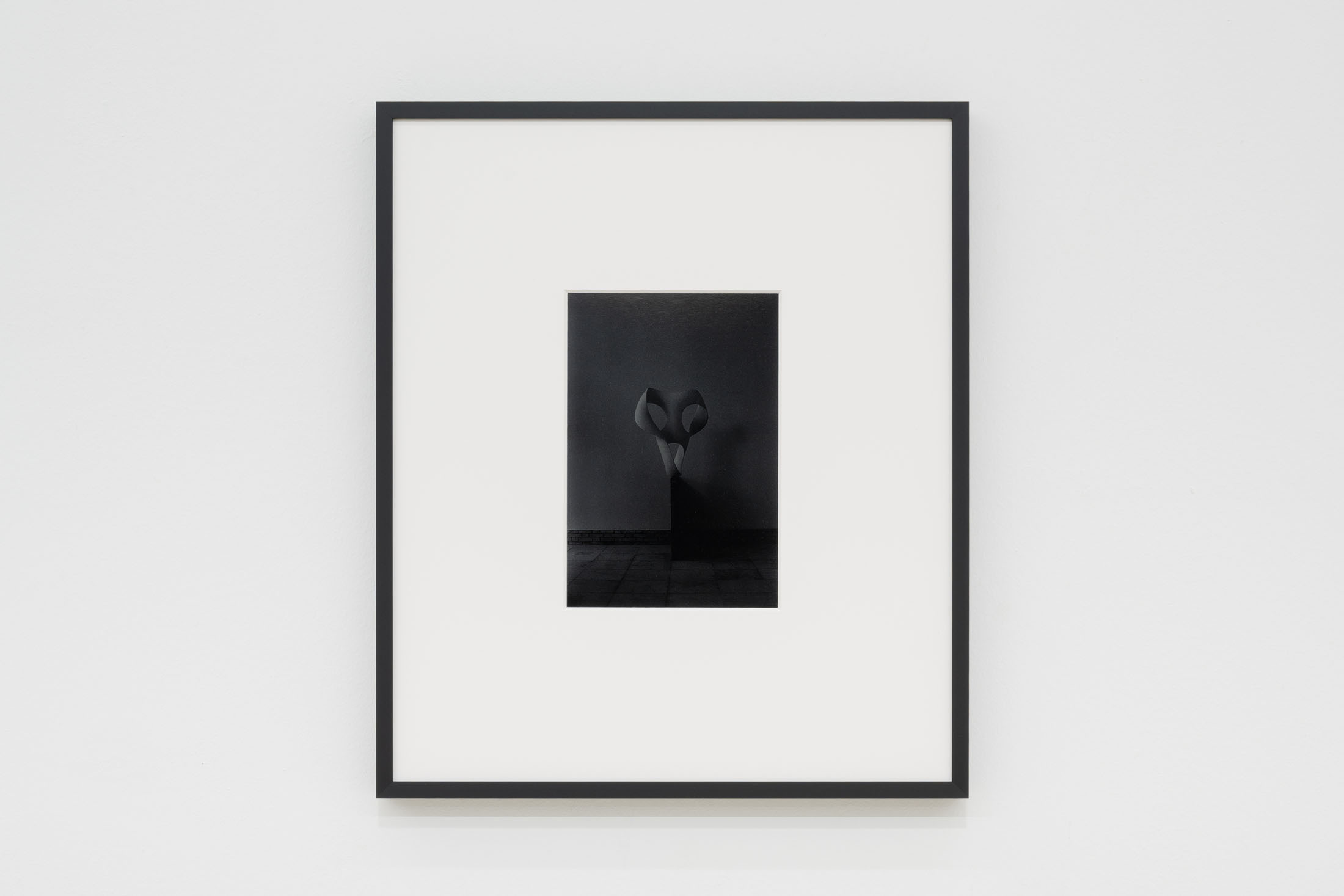
Softness has historically been at odds with photographic technology, which relentlessly moves toward its elimination. Yet it has also served as alternative means of achieving a different kind of realism — one that focused precision cannot reach. A blurred photograph stretches photography‘s technical limits in a way that says something important about the limits of perception itself. The combination of the camera‘s failure and the eye‘s failure produces representations that resemble what memory actually feels like: not crisp, not complete, but atmospherically true. Netter‘s snapshots of sculptures, paintings, and installations are attentive surveys of shape, rhythm, and composition that carry just the right amount of mystery, presence, and humour. By being sincere rather than contrived, they end up more realistic than the enhanced images that pass for art documentation today.
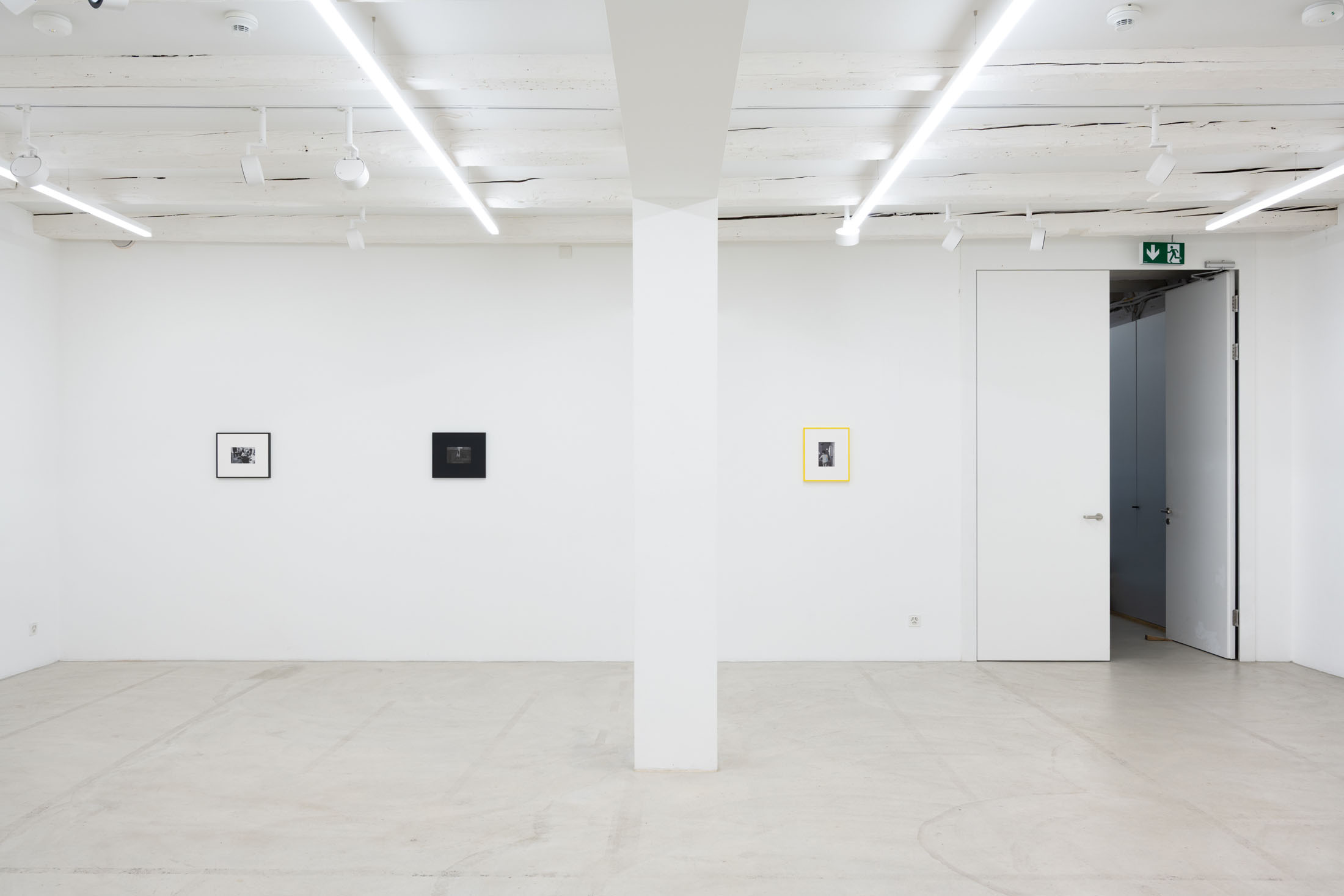
To avoid losing all memory of exhibitions, we rely on photography, which, while unable to recreate the experience, provides a useful semblance of what it was like to be in the room. Standard practice involves staging idealised views with cherry-picked scenography one could only encounter by sneaking in after hours, scrubbed of visitors, noise, and accident (no emergency exit signs, fire extinguishers, un-used electrical wall plugs, any kind of scuffs, etc.). Everything crisp, the light white and homogeneous, the angles either perfectly parallel or dynamically anamorphic (a distortion of reality that works hard to conceal its own distortion). Originally these images were intended for archives, for professionals concerned with preservation and exchange; but such images have long since escaped that role, and now hold a dominant position in art’s daily narrative.
This shift has consequences. As exhibition photography becomes increasingly central to how art is encountered and circulated, it shapes not only public perception but the making of art itself — artists and curators designing works and displays with an eye toward how they will photograph, privileging legibility over experience, the shareable image over the unrepeatable moment. The result can feel like a cloning: exhibitions that resemble one another because they have been optimised for the same screen. Netter‘s exhibition views unwittingly achieved something in between. They serve the purpose of documentation while also standing as photographs that capture the fleeting atmosphere of a room at a particular moment. For this reason I would not call them “exhibition views” at all, but “exhibition sightings”. Images whose acceptance of motion, spontaneity, and humanity preserves the ephemeral quality of exhibitions we so long to remember. And if photography cannot encapsulate the feeling of witnessing something special that will soon expire, what is even the point?
Maria Netter arrived in Basel in 1936, having left Berlin to es-cape the rise of National Socialism. She studied theology and art history at the University of Basel, and began writing art criticism while still a student. It was a notable moment to enter the profession (Basel in the 1940s was home to a high concentration of female art critics, among them Herta Wescher, Carola Giedion-Welcker, and Georgine Oeri). Netter went on to write for a wide range of Swiss publications, from daily newspapers like the Basler Nachrichten and the National-Zeitung to magazines such as Das Werk and Graphis, and later for financial and business press under an “Art Market” rubric, where the modern art trade came under se-rious critical scrutiny. She worked as an assistant to Georg Schmidt at Kunstmuseum Basel (1944-45), served on the ex-pert committee of Art Basel from its first edition in 1970, and between 1976-78 co-directed Kunsthalle Basel on an interim basis. After her death in 1982, she left her written estate to the University of Basel Library, and her photographic archive (around 20,000 items) to the Swiss Foundation for Photogra-phy. It has been held on permanent loan at the Swiss Insti-tute for Art Research (SIK-ISEA) in Zurich since 2014. With special thanks to Sarina Scheidegger, Jack Pryce, Mariana Tilly and Alice Jaeckel.
The exhibition is supported by Fondation Calouste Gulbenkian – Délégation en France, Stiftung Anne-Marie Schindler and Schweizerischen Institut für Kunstwissen-schaft (SIK-ISEA). Ausstellungsraum Klingental is supported by the Canton of Basel-Stadt. The annual pro-gram is supported by the Swiss Arts Council Pro Helvetia.