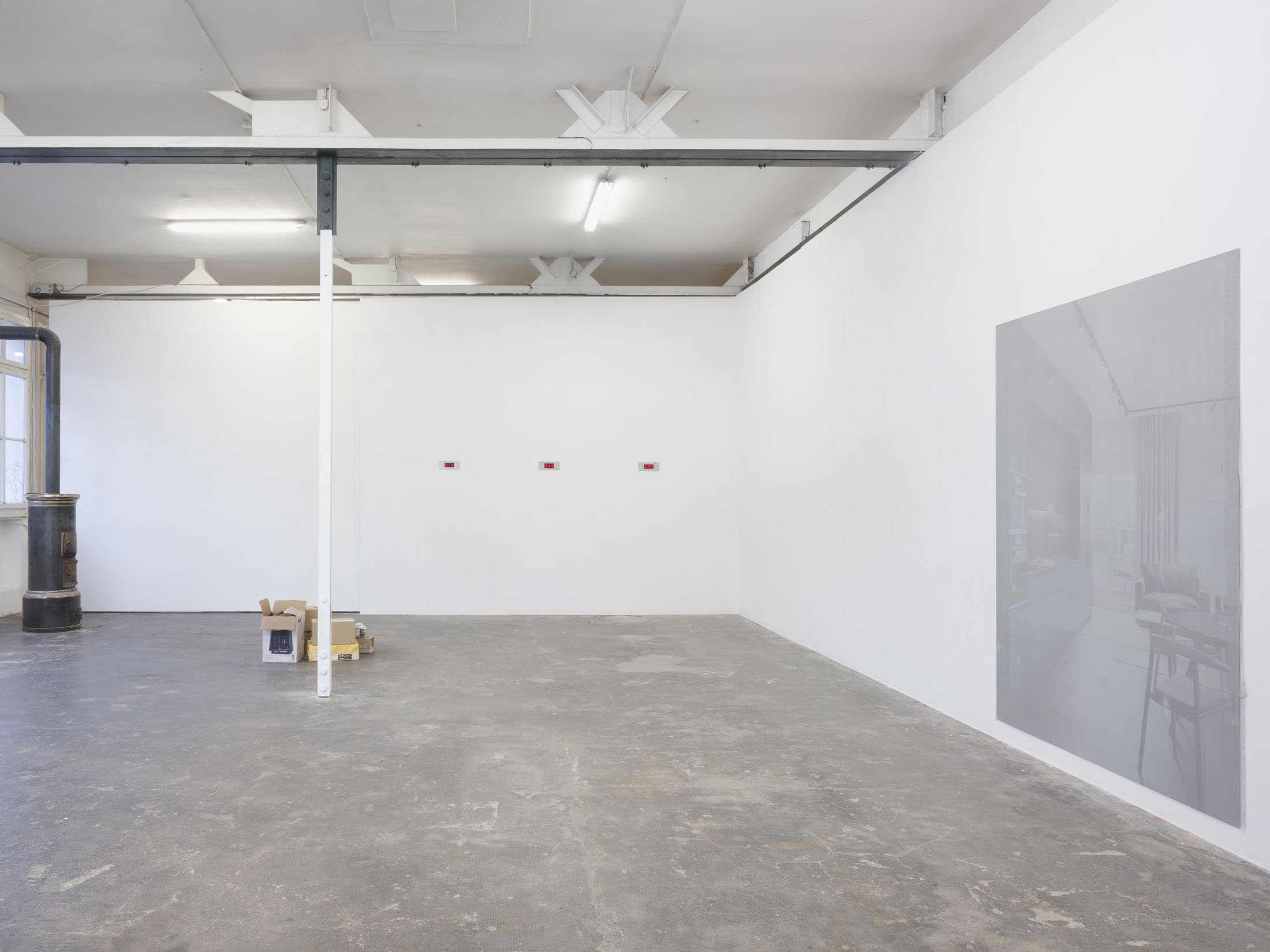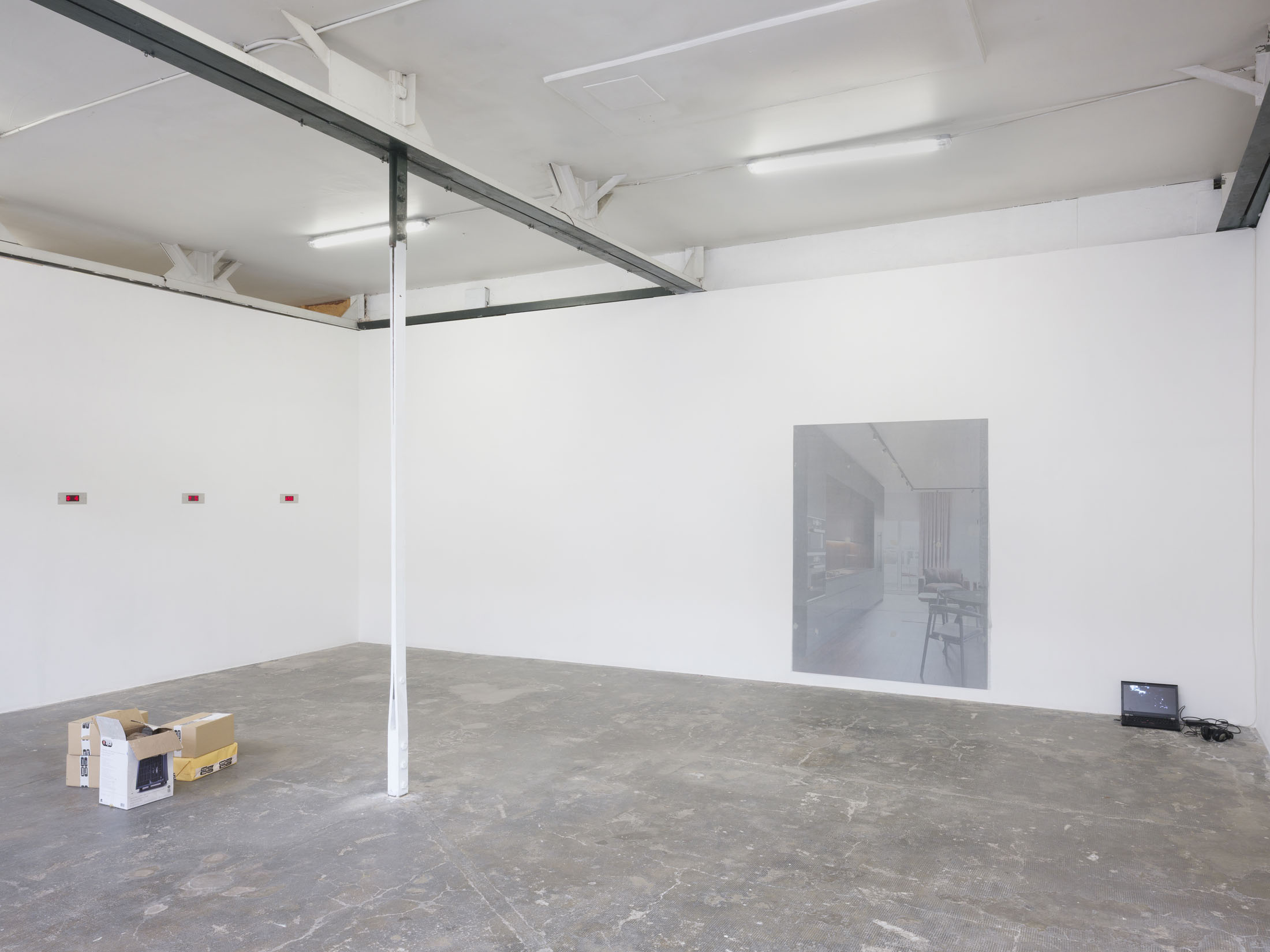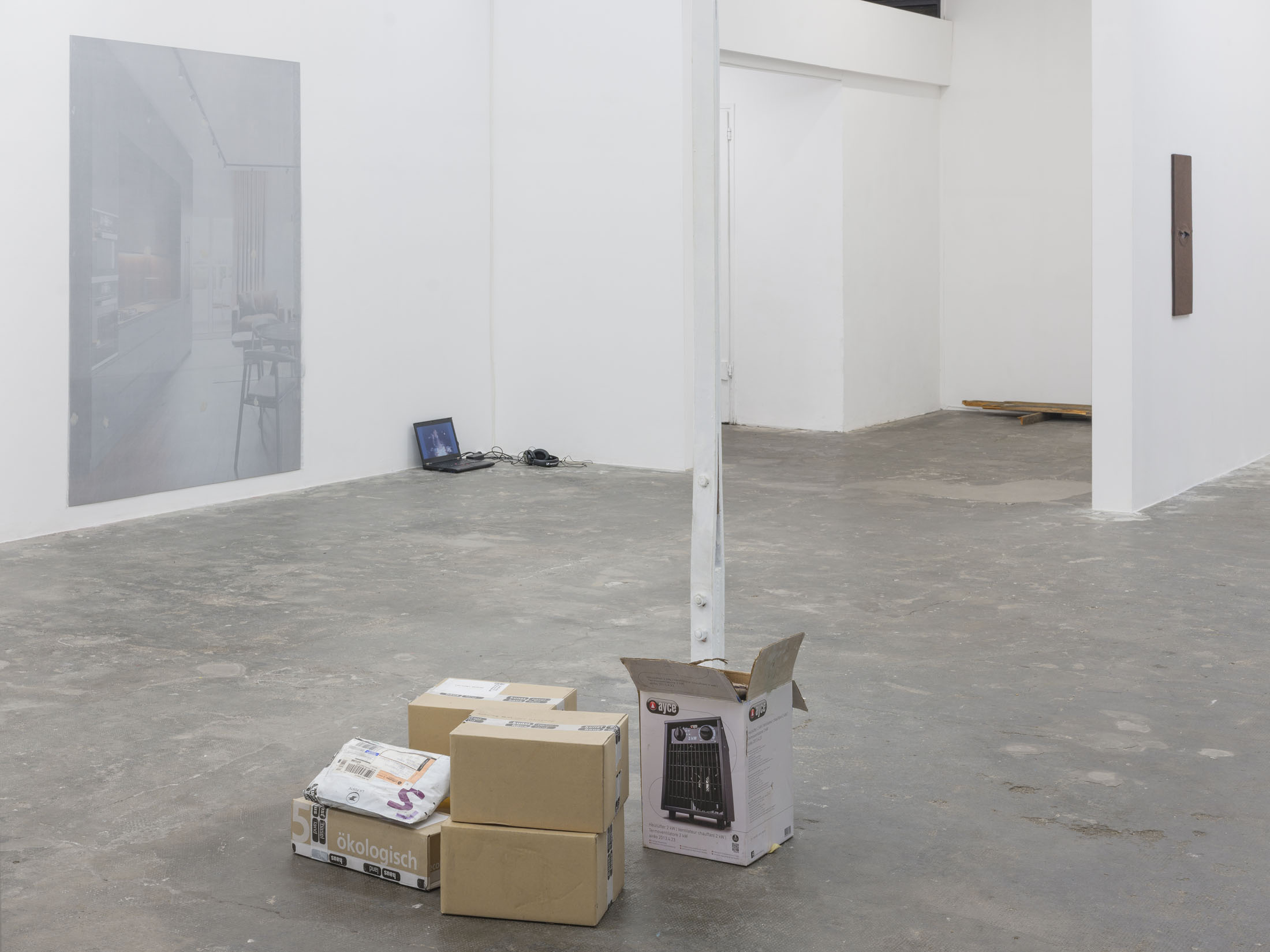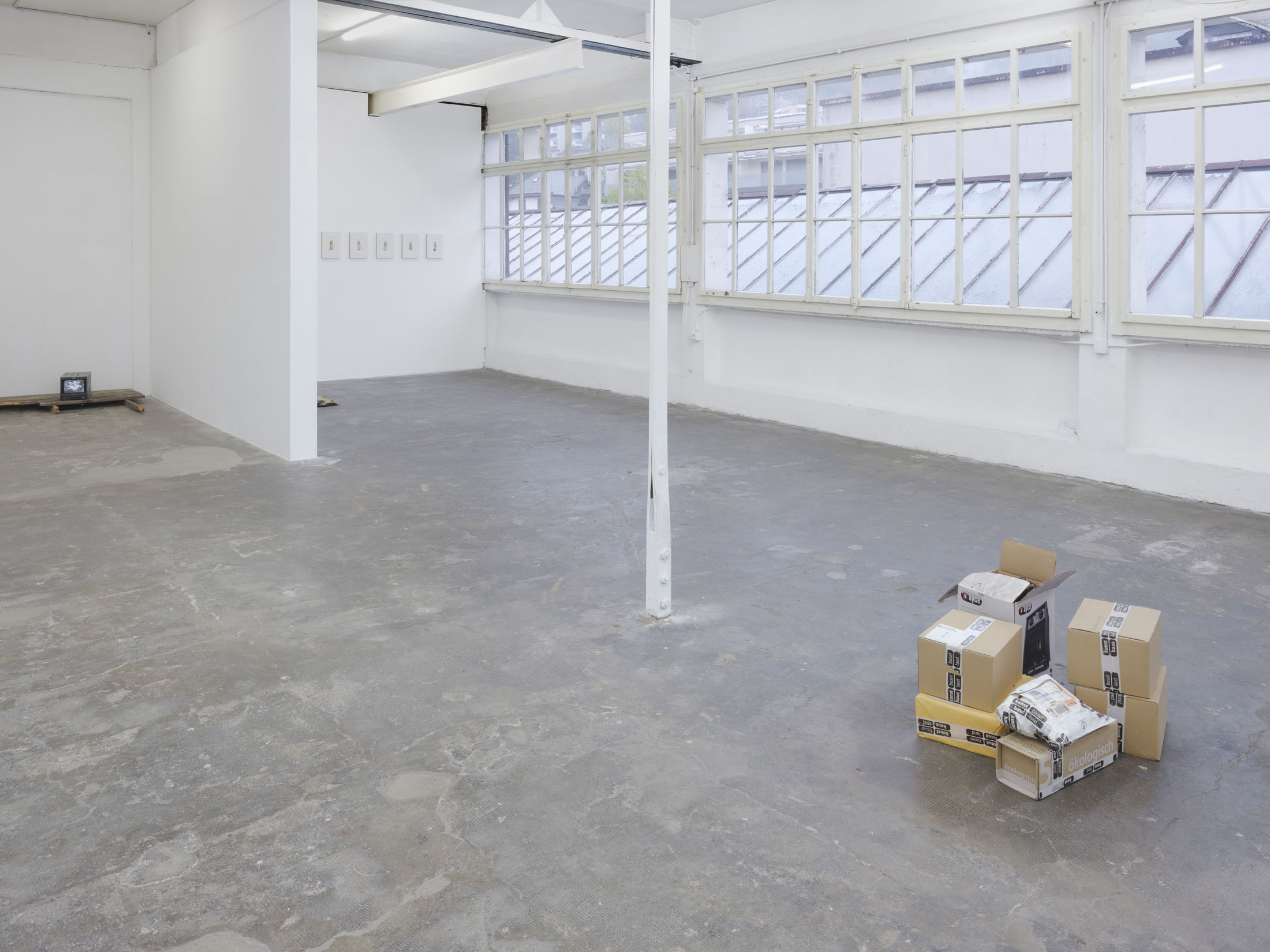
Since last year, we have been organizing exhibitions in various artist-run spaces across Switzerland. One of us besing based in Zurich, the other in Geneva; our curatorial encounters have so far taken place in Biel, Lausanne, and finally in Neuchâtel — halfway between the two linguistic regions. Each iteration of the curatorial project seeks to adapt to a new space, audience, spirit, and set of habits. We hope that the exhibitions we propose can sometimes align with an existing program, or at other times help redefine its contours.
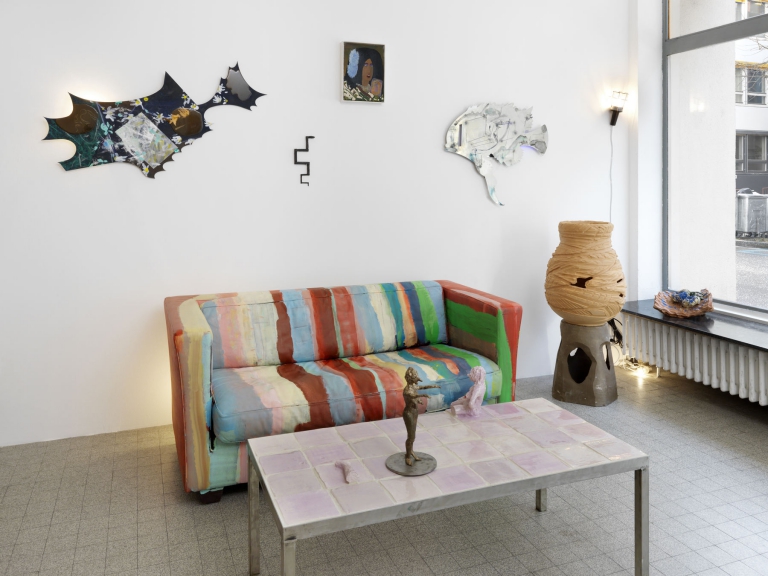
At Smallville, artists Gabriele Garavaglia, Théa Giglio, Gilles Jacot and Hélène Janicot meet for both formal and conceptual reasons in the exhibition Long Distance Relationship. We wanted them to meet one another, allowing our curatorial voice to emerge without compromising the ongoing research of the invited artists.
Anyone who has ever experienced a long-distance relationship can probably relate to that Kopfkino[1] looping endlessly in their mind — that inner cinema made up of strong emotions, nostalgia, and boundless speculation. Yet Long Distance Relationship is not about the happy ending of a romantic story; the exhibition instead offers an open reflection on absence, presence, projection, and everything that lies in between.
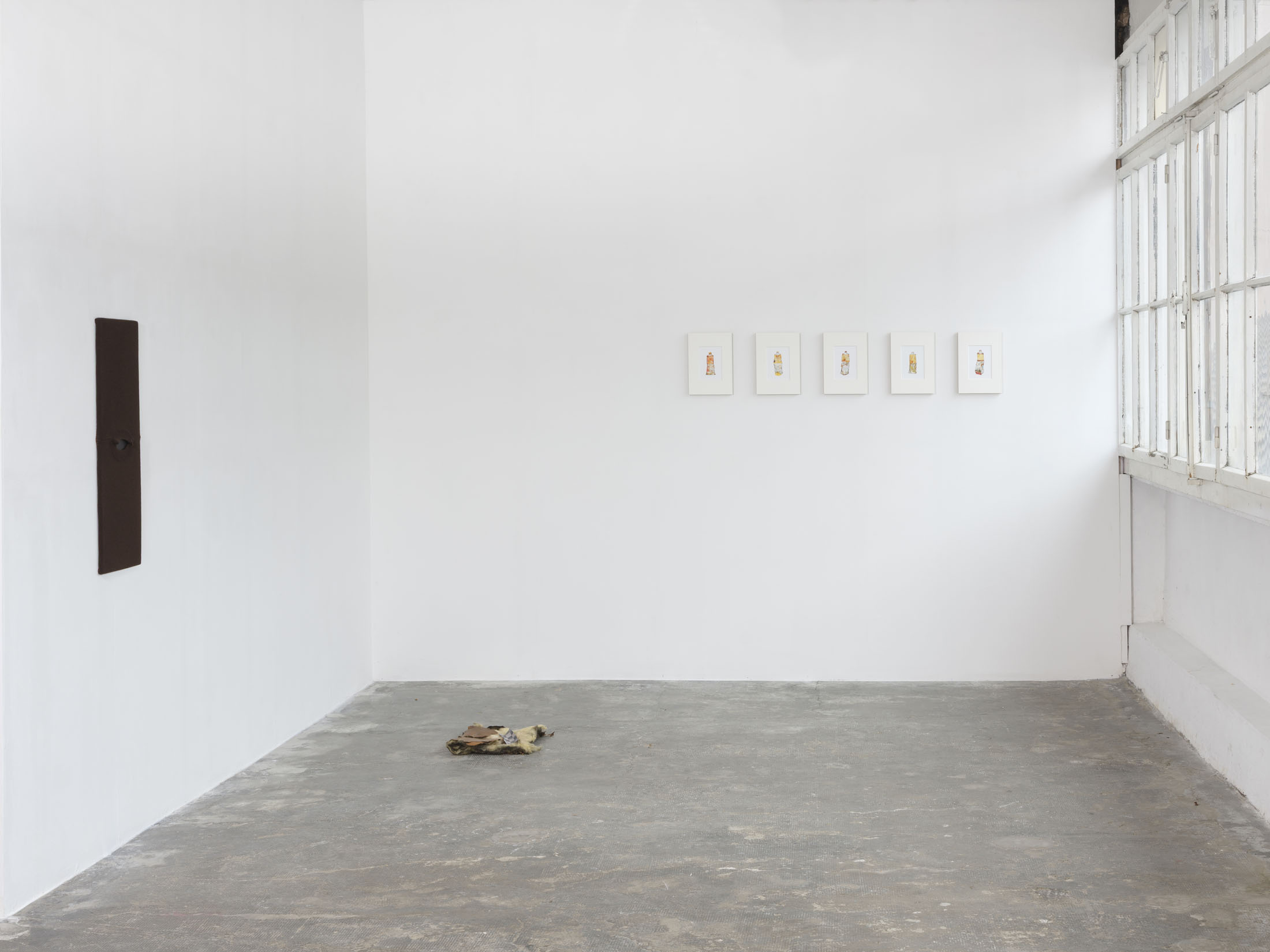
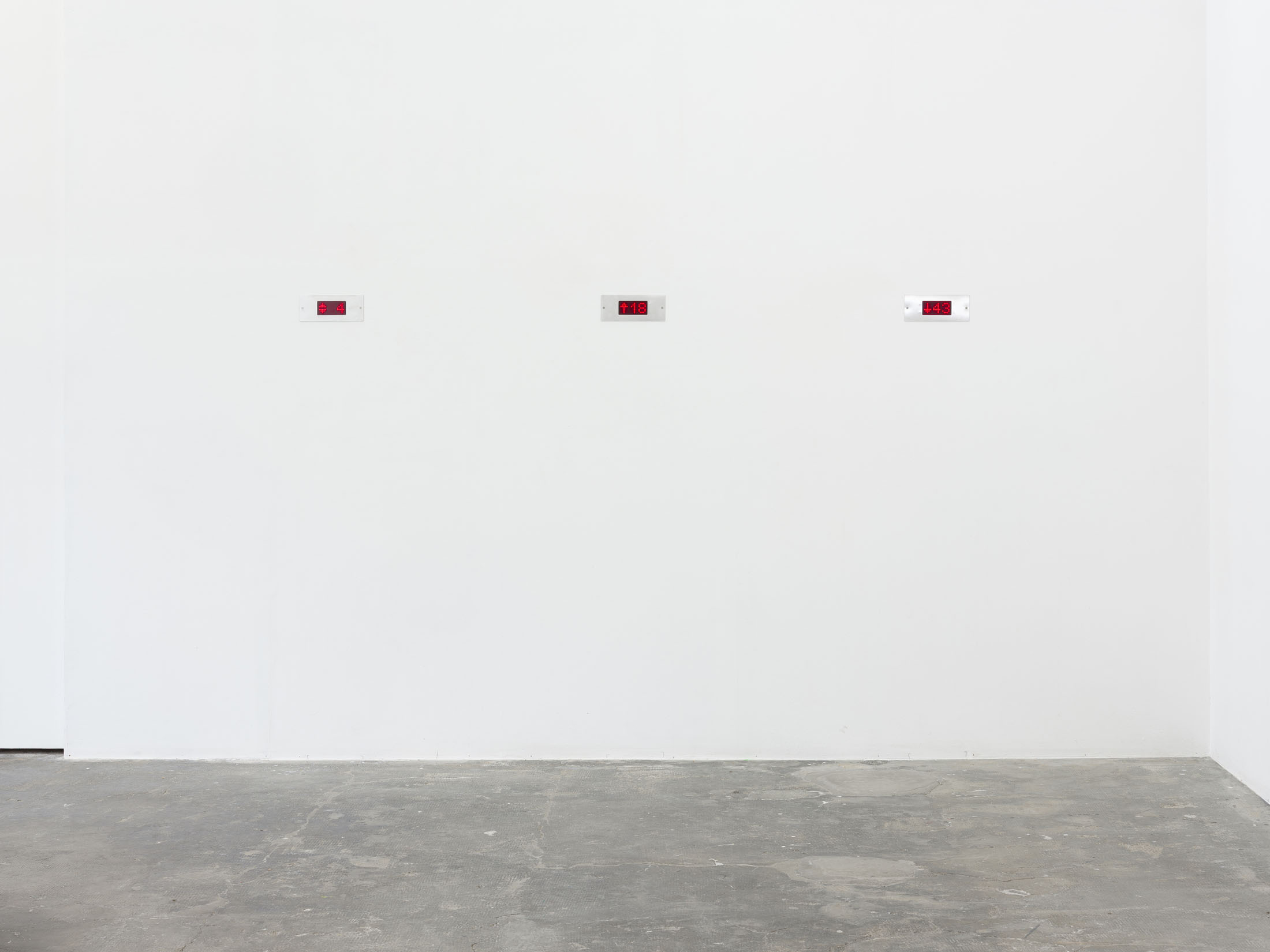
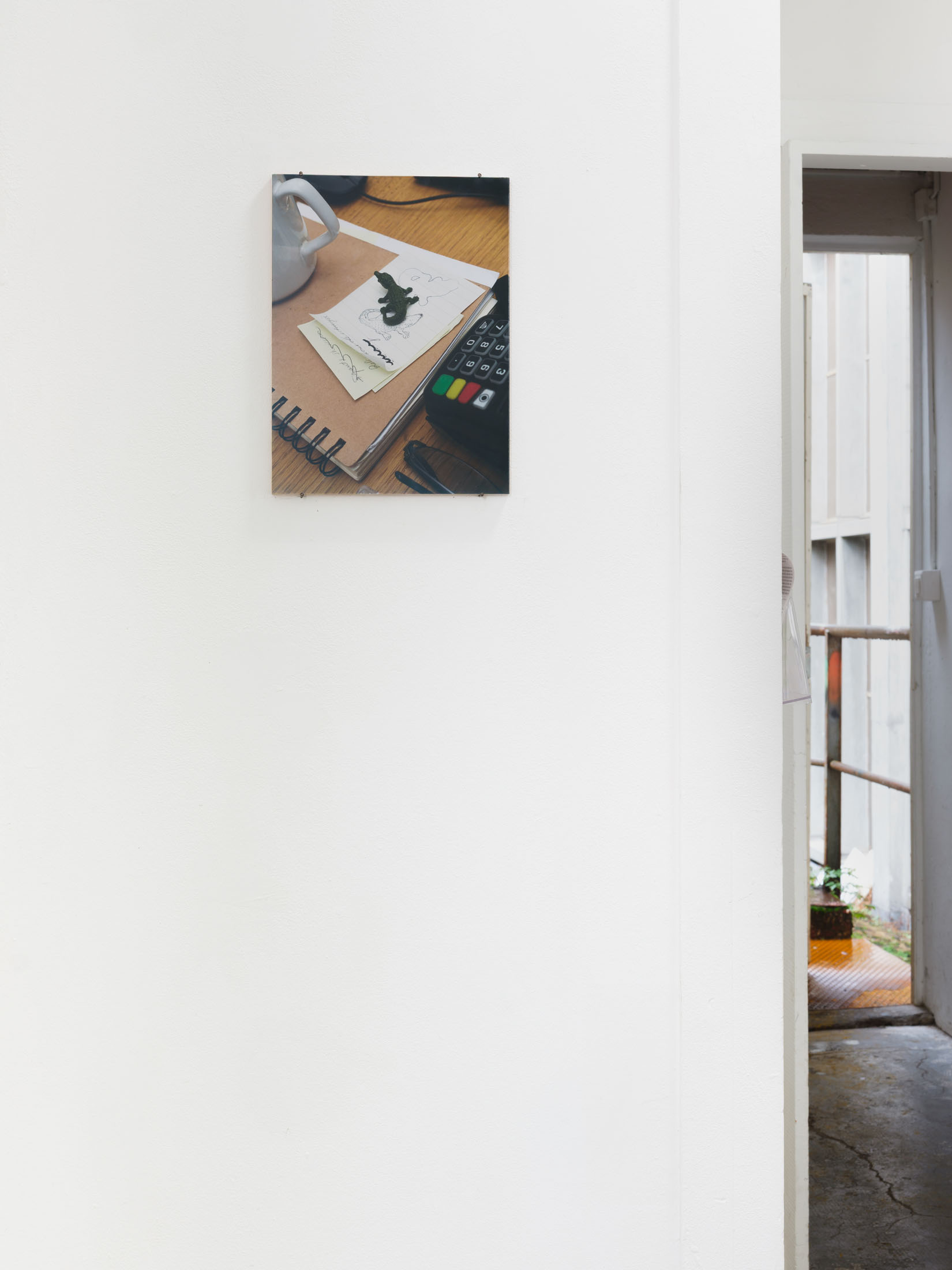
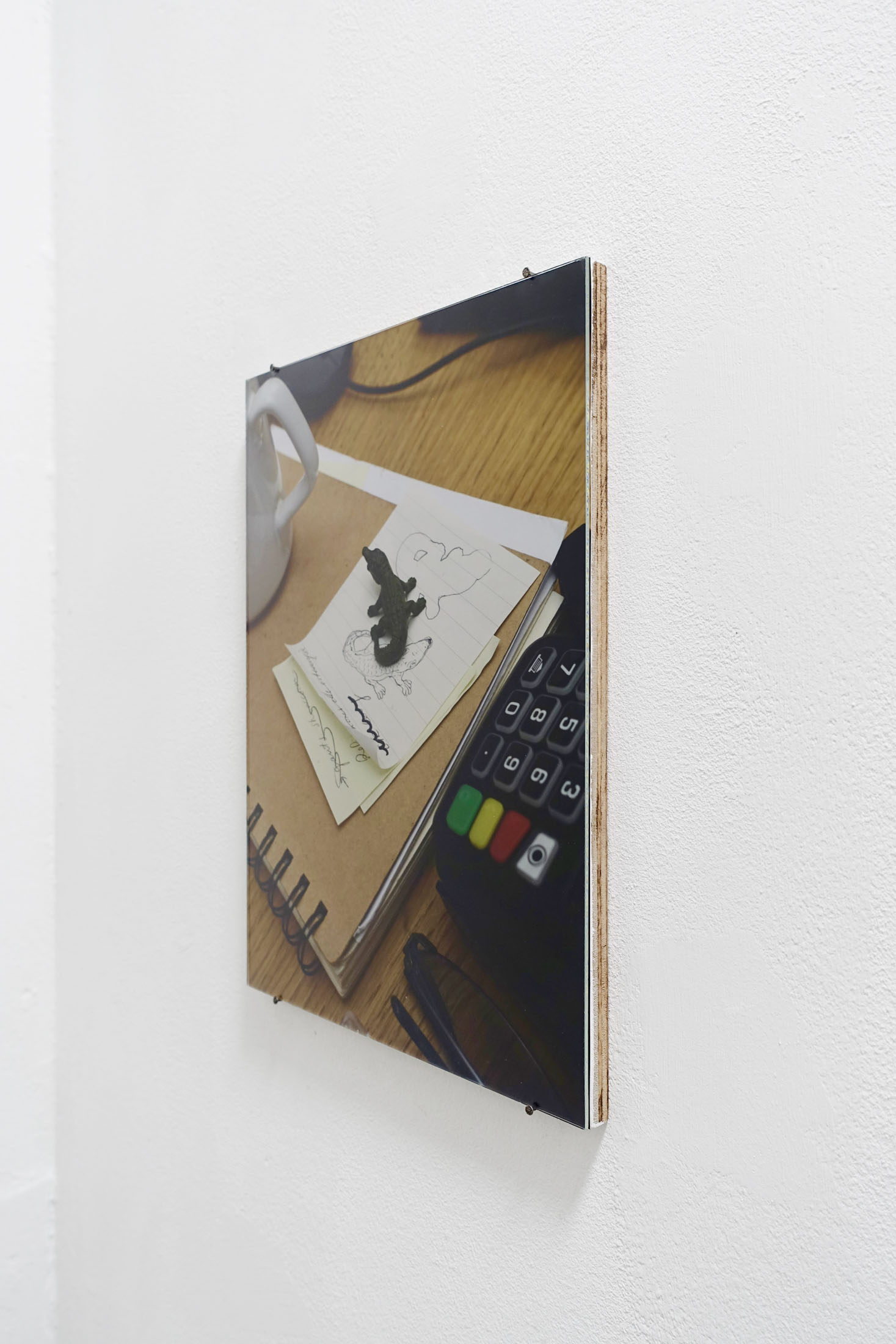
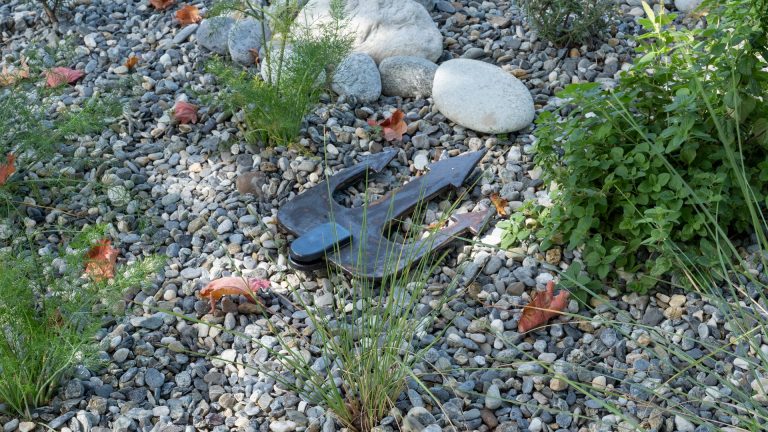
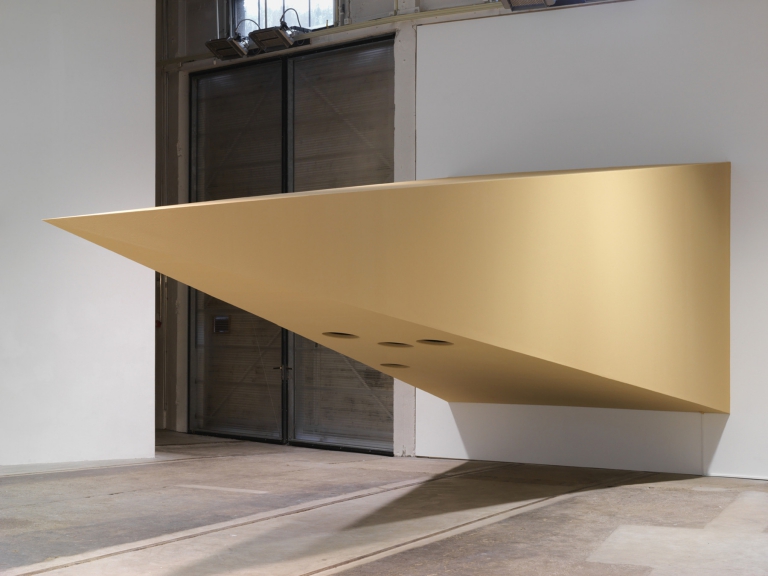
Here, one feels a bit as if in purgatory — a moment of delay while waiting for one’s fate to be revealed. Then, there are those who leave and those who stay, sometimes for a long time. The number in Dial (4) is not a circle of hell from the Divina Commedia. Gabriele refers instead to a floor number that does not usually exist in buildings in China as the Cantonese dialect pronunciation of “four” comes dangerously close to that of “death.” A similar superstition seems to exist in various Eastern Asian countries.
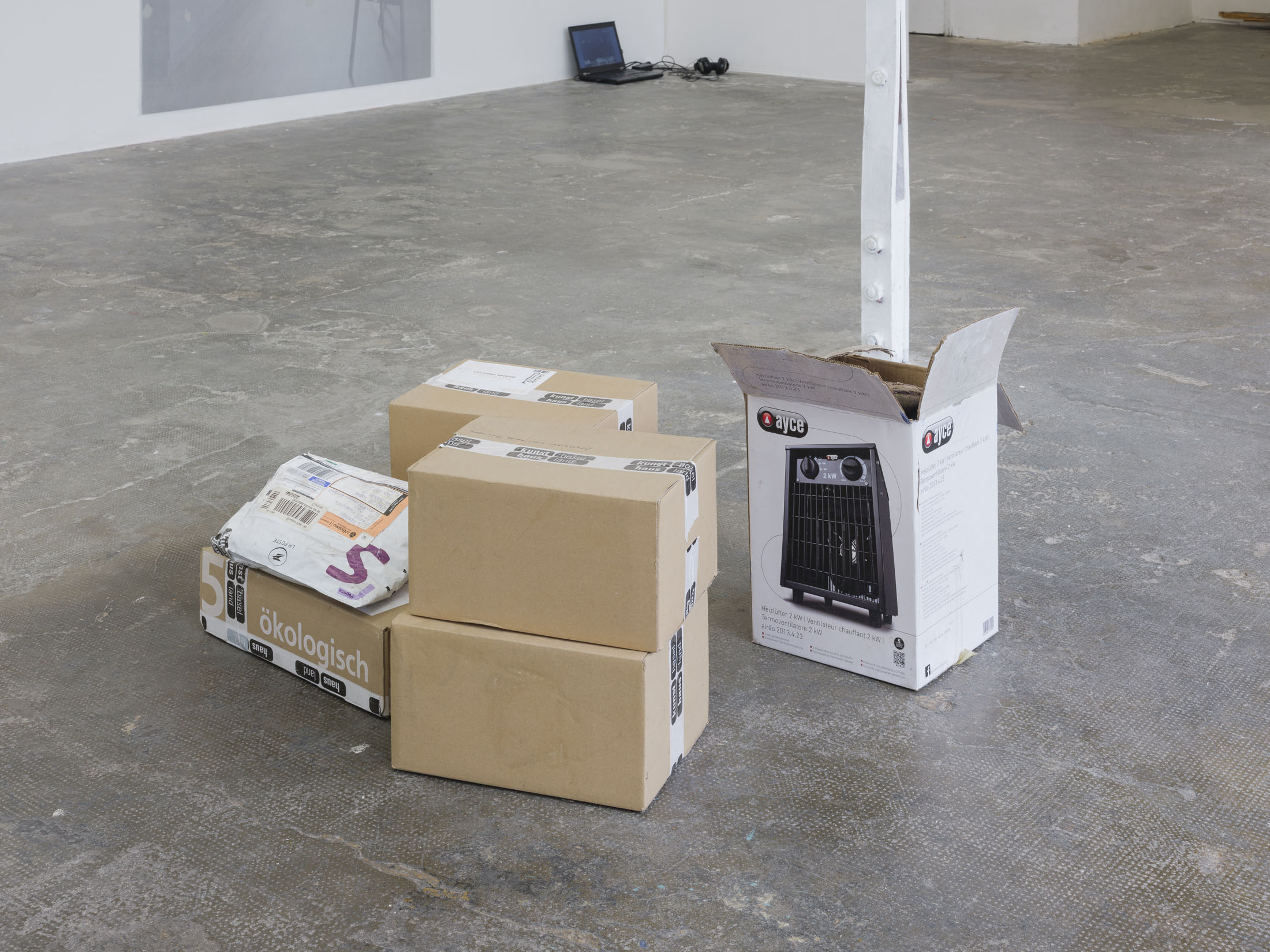
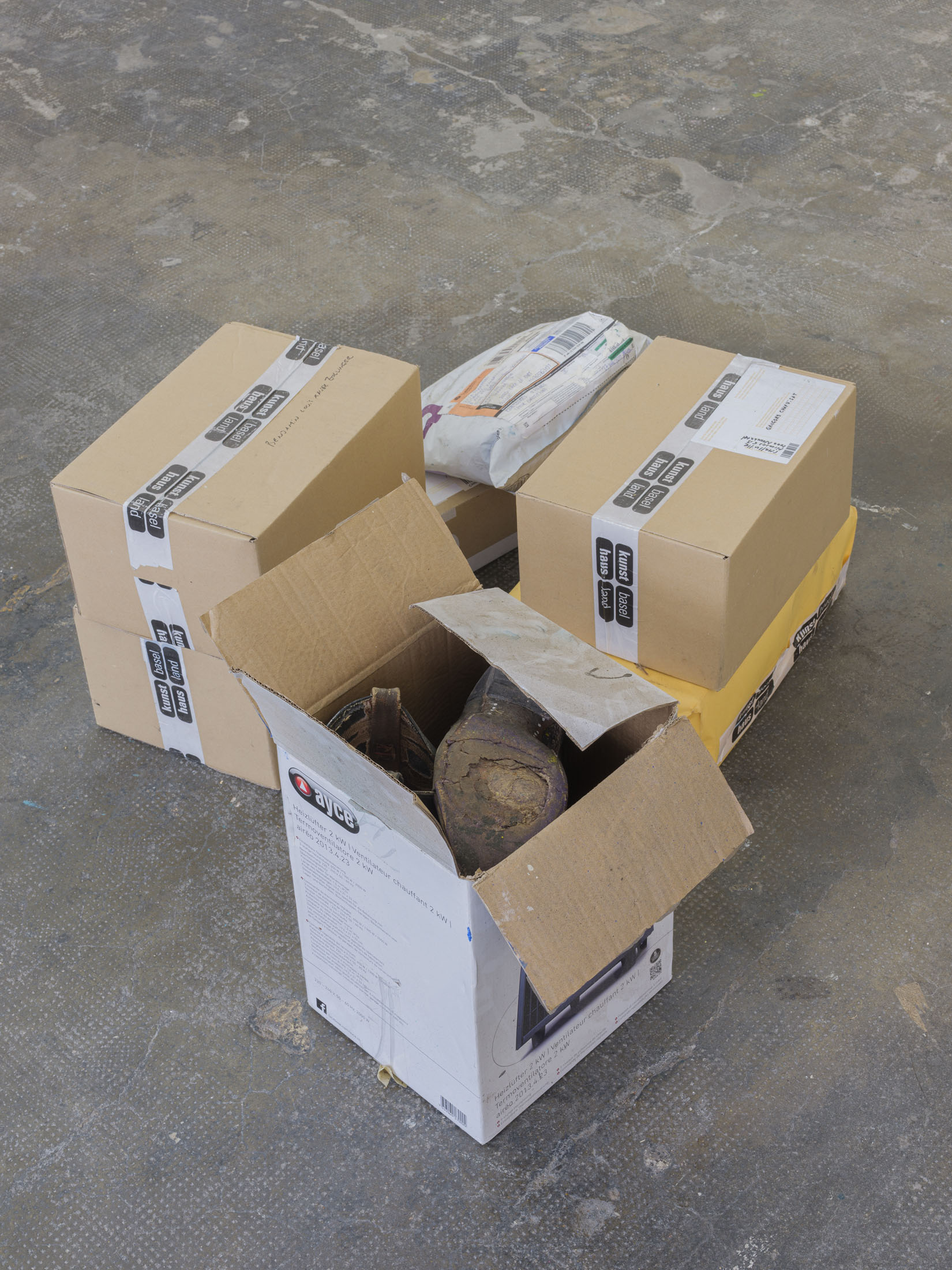
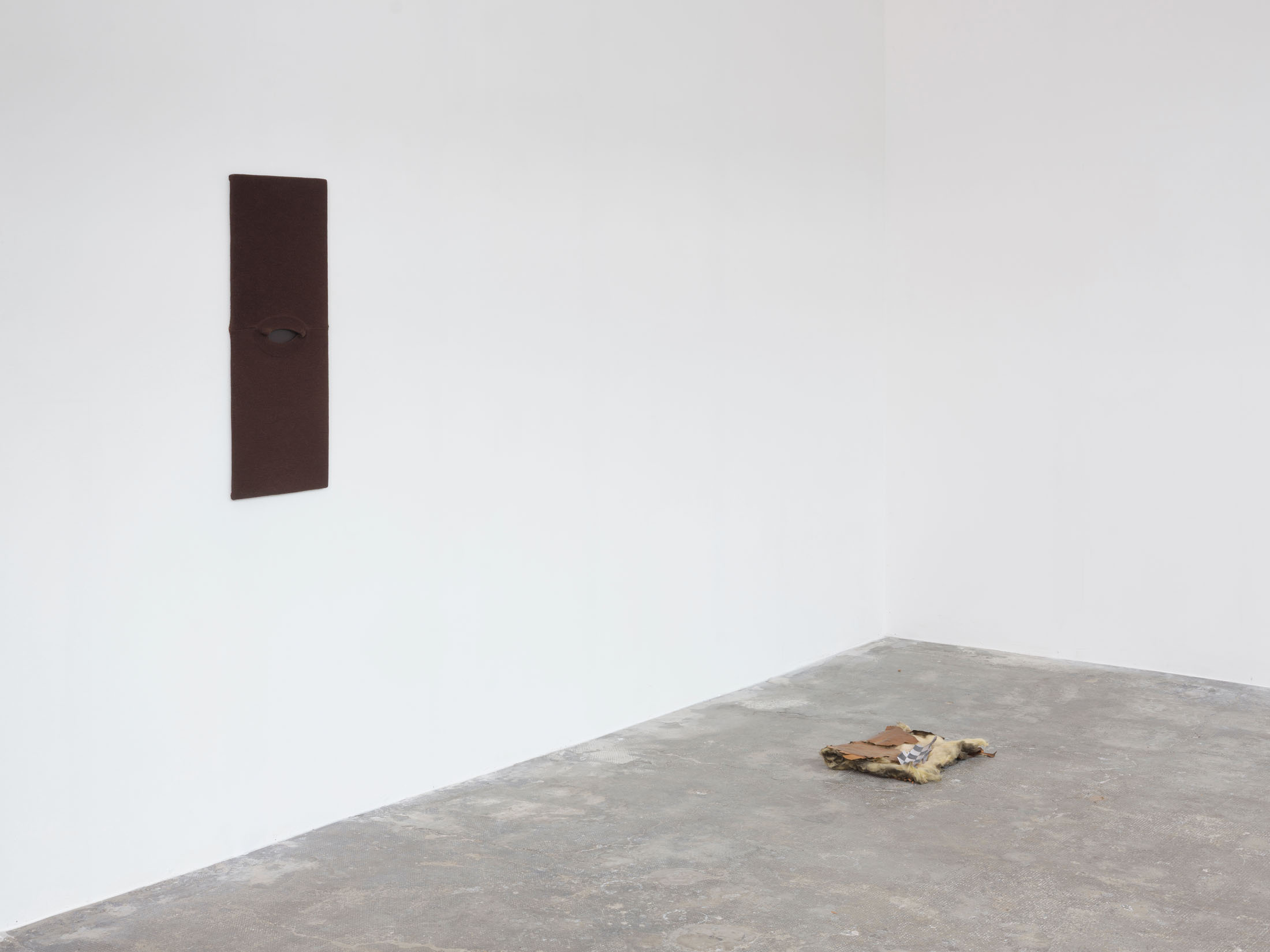
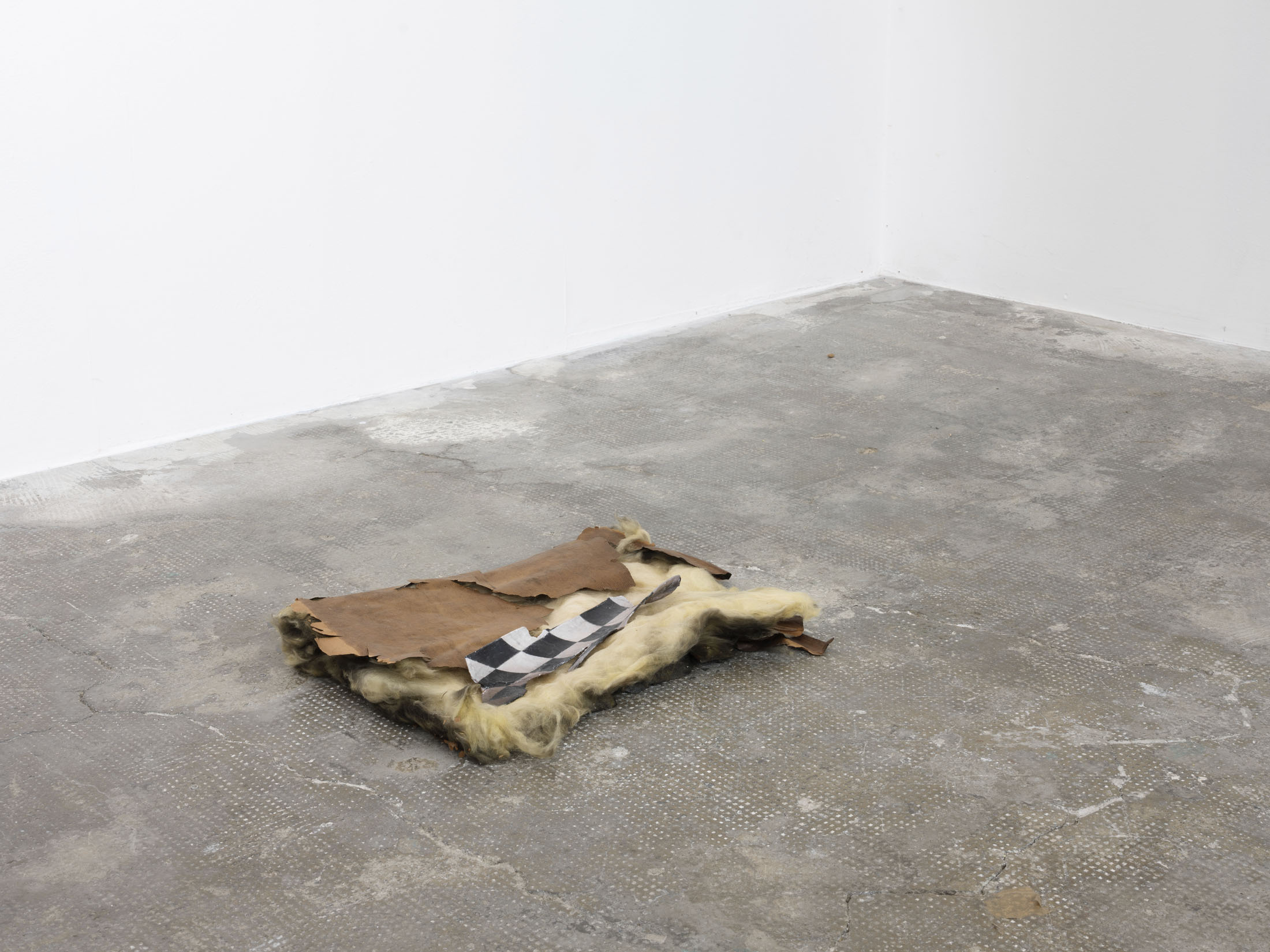
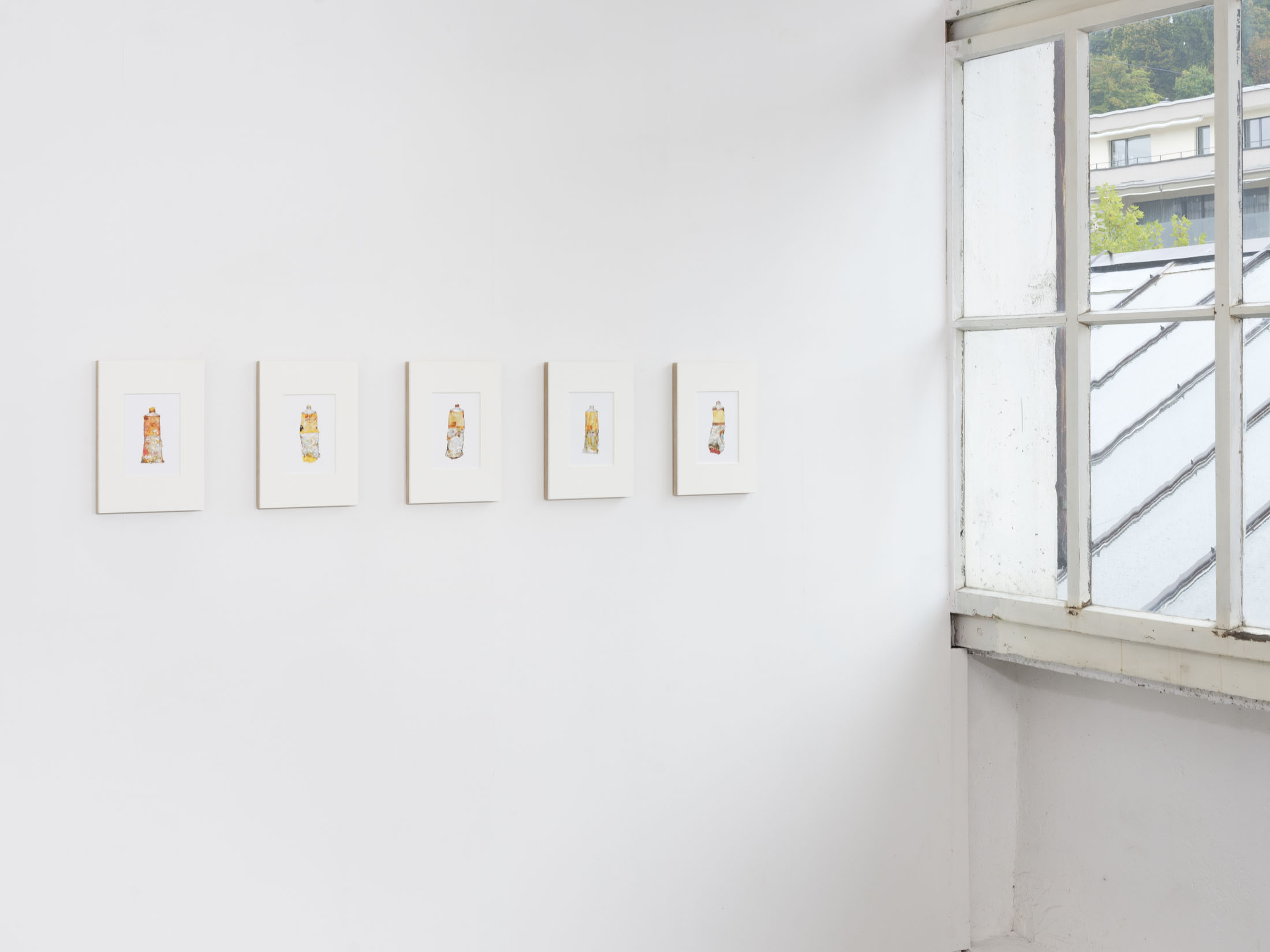
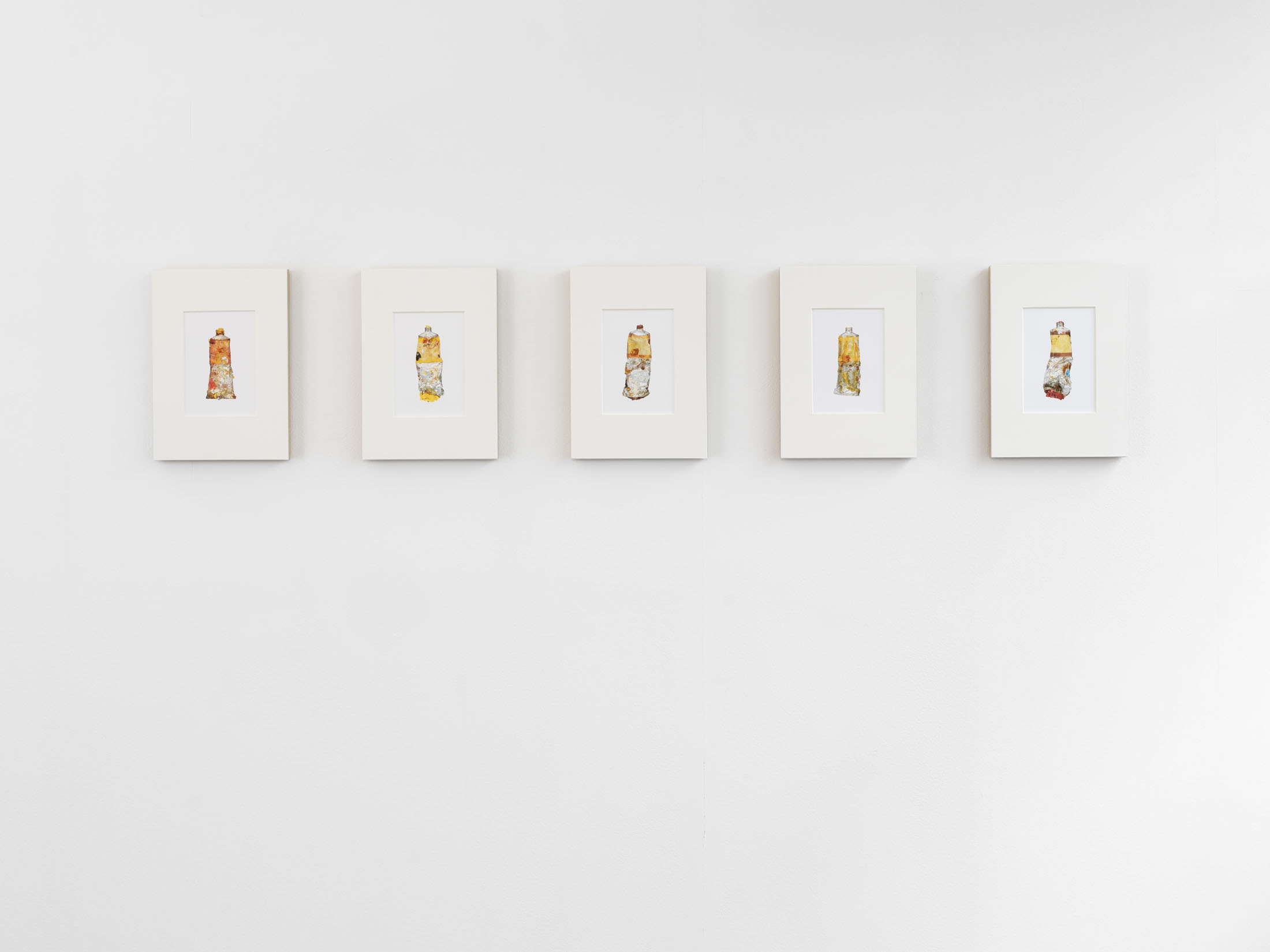
Not far away, parcels almost ready to be shipped are scattered across the floor. Dusty from the attic, disintegrated by time, they become artworks through the sensitive and sharp gaze that Théa brings to Smallville’s archives — true to the reputation of any self-respecting artist-run space. Creating installations from withdrawn, forgotten, or even mistreated objects is an integral part of the artist’s practice. This gesture manifests itself through simple displacement as well as photographic reproduction, paying homage to tubes of paint as one would to museum artifacts.
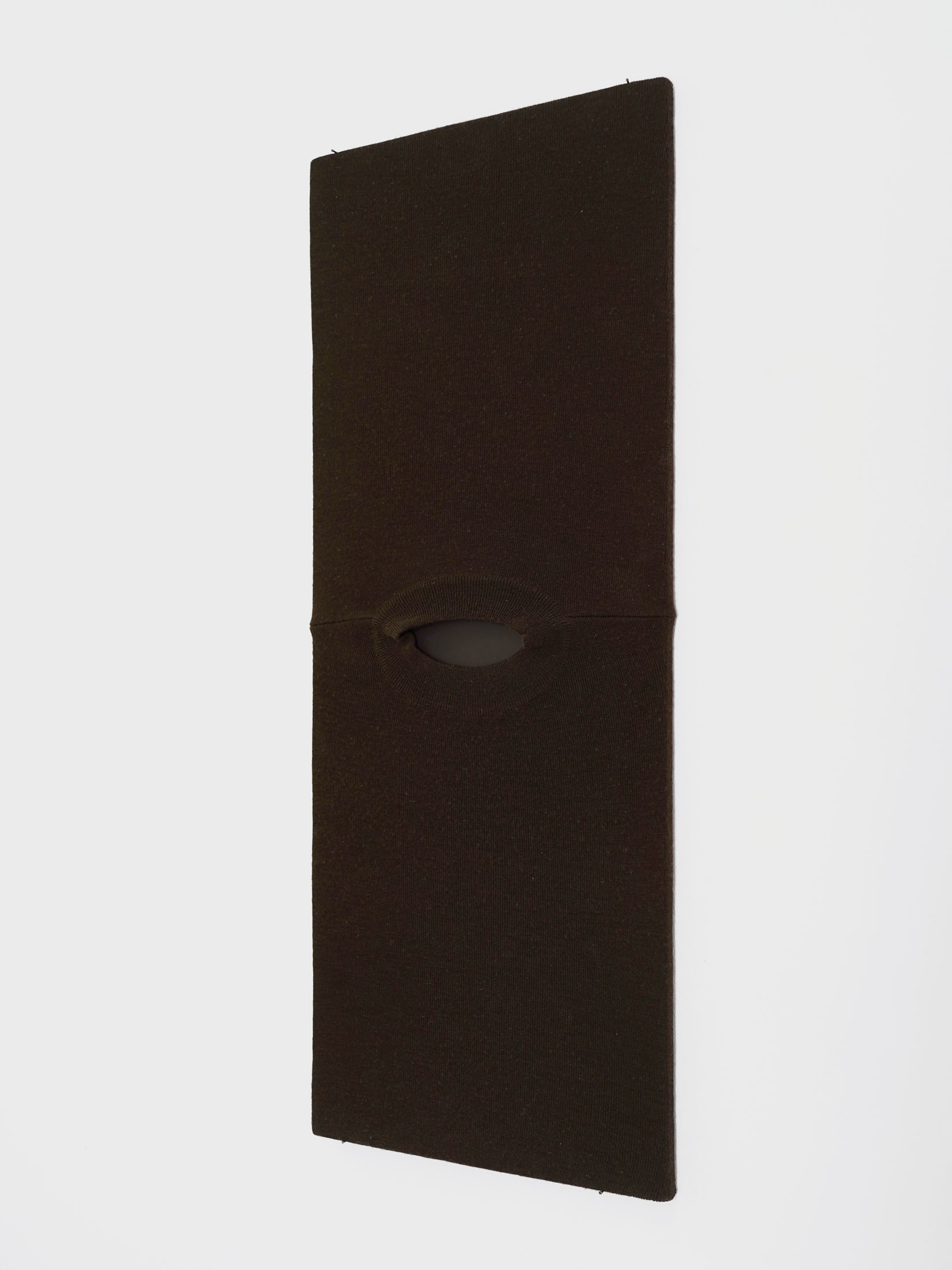
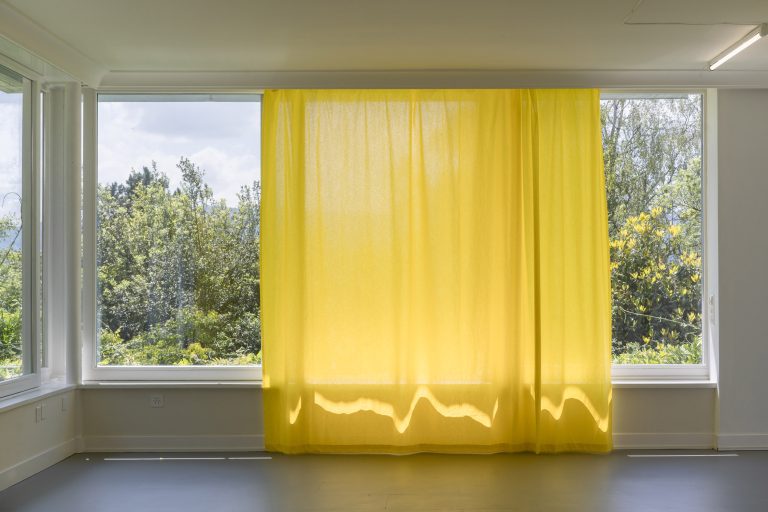
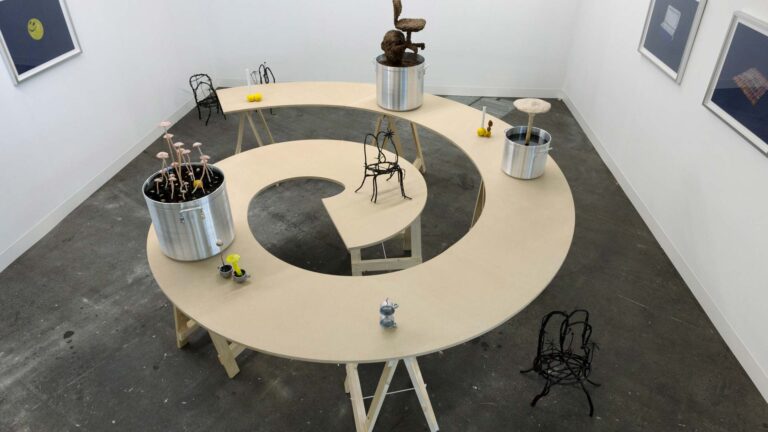
This attention to peripheral forms is something Théa shares with Hélène. Gathering signs, materials, and shapes along the path to her studio, she explores here the contours of possible bodies — what wraps and protects them, or simply what allows one to grasp what makes a body a body. Or again, how it disappears, dissolving from a three-dimensional plane into a two-dimensional one.
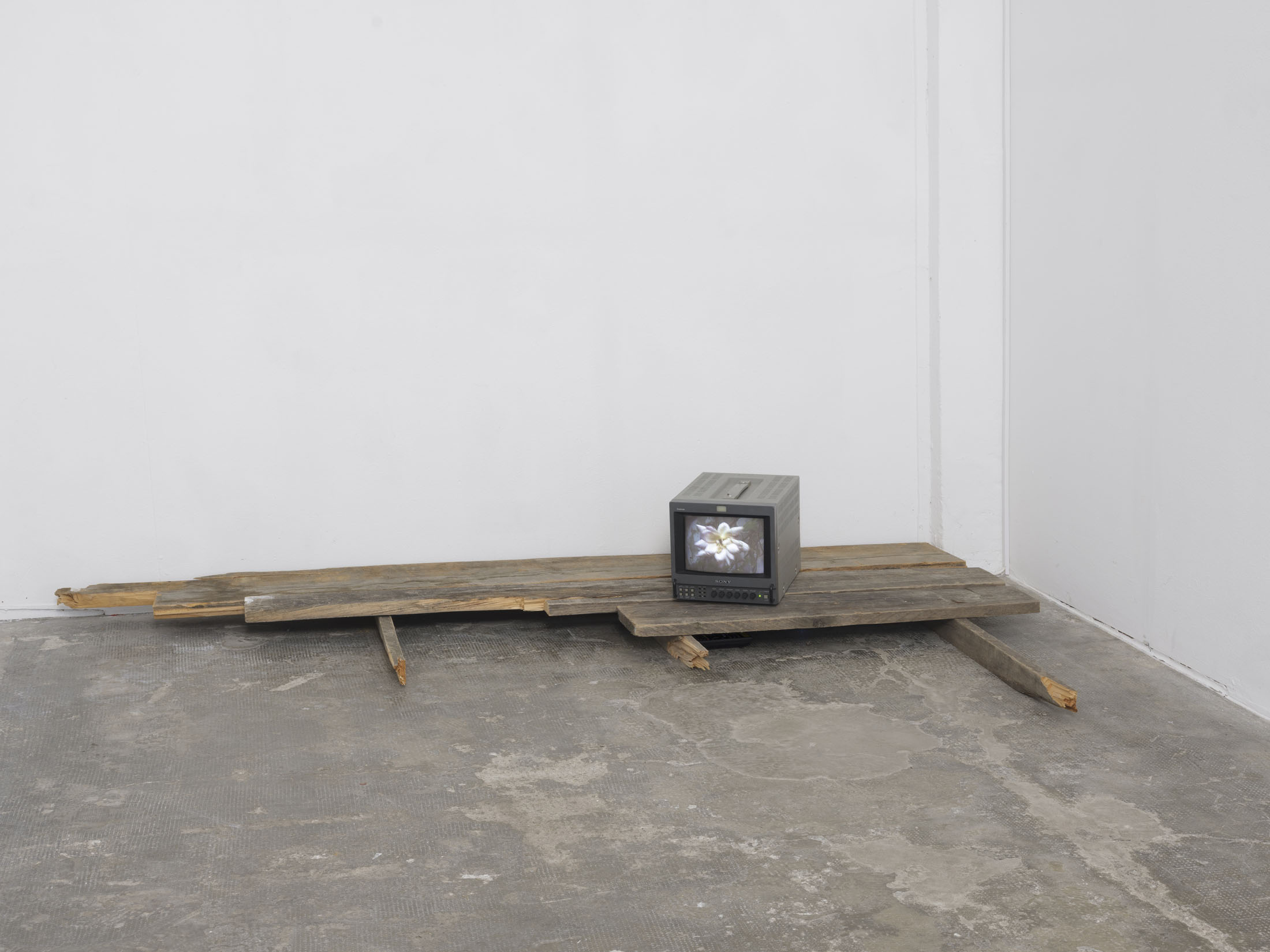
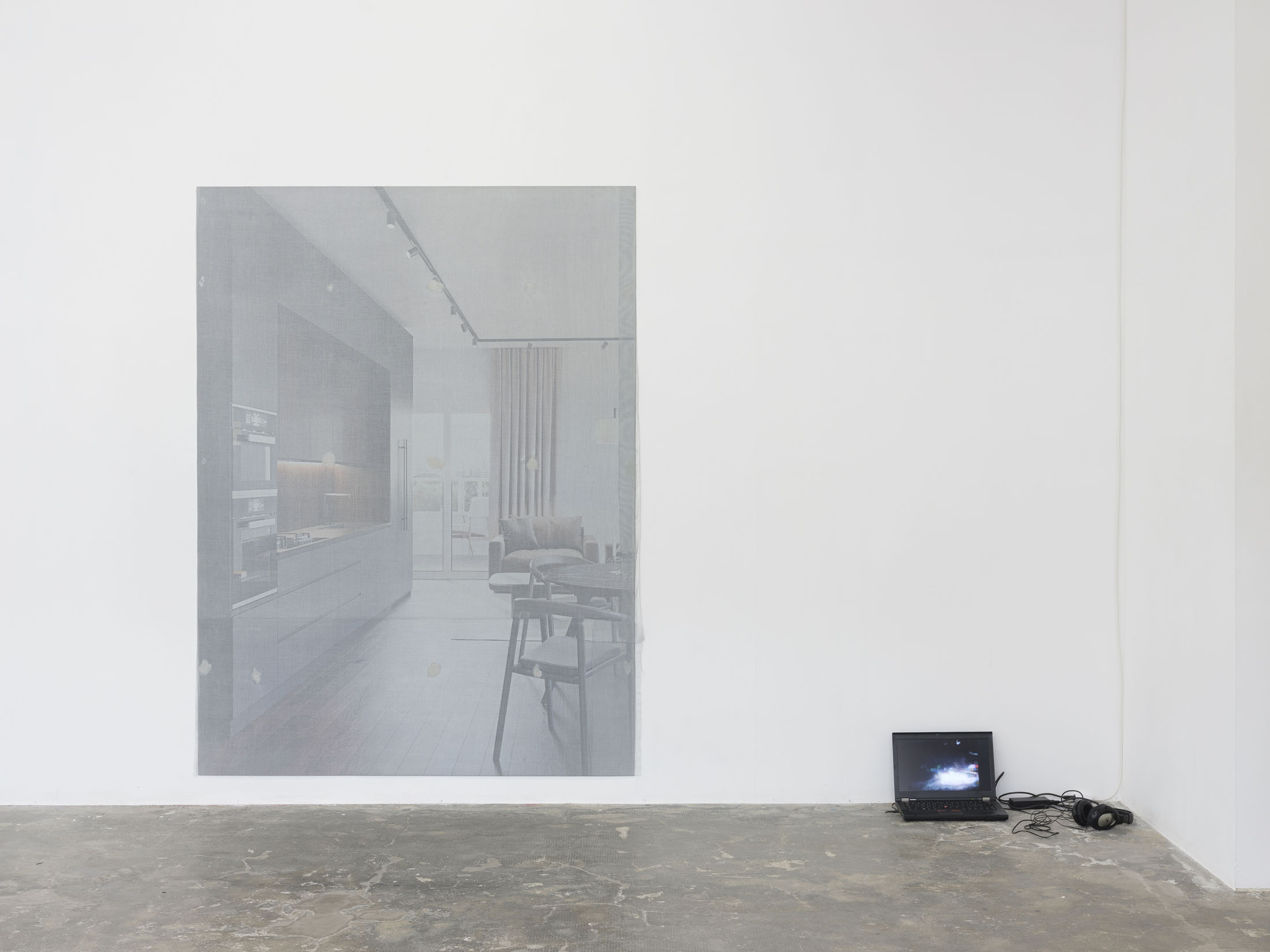
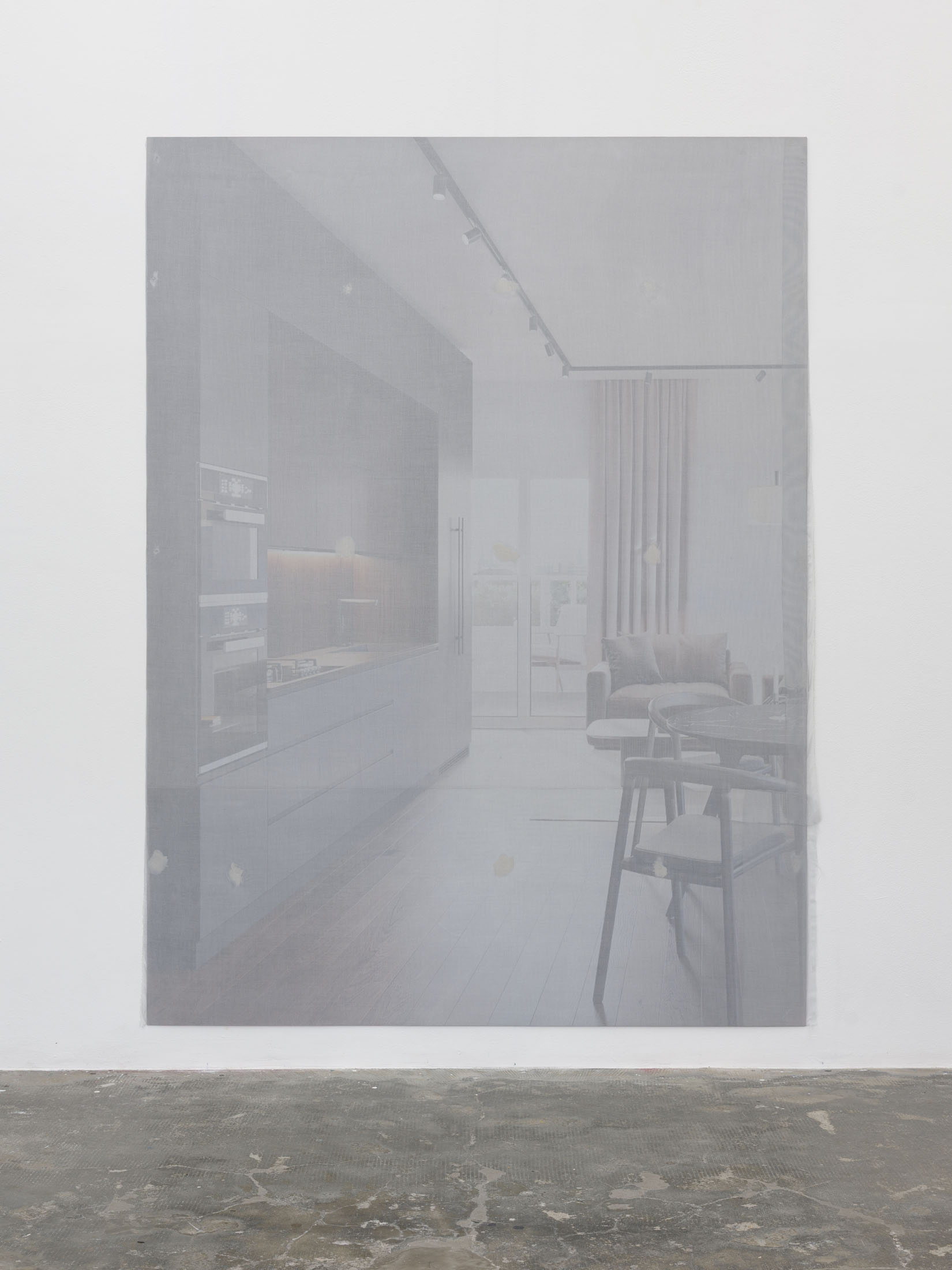
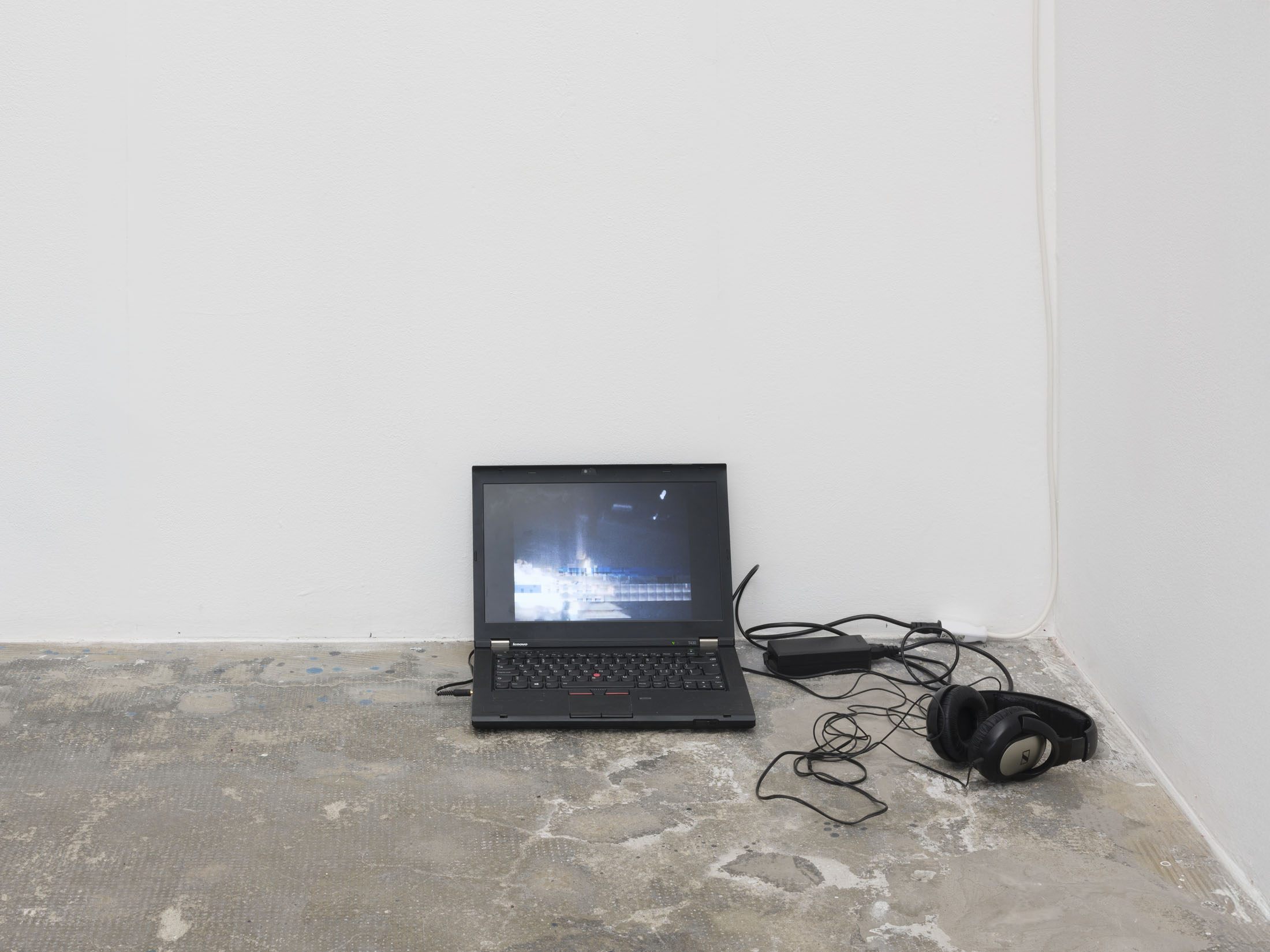
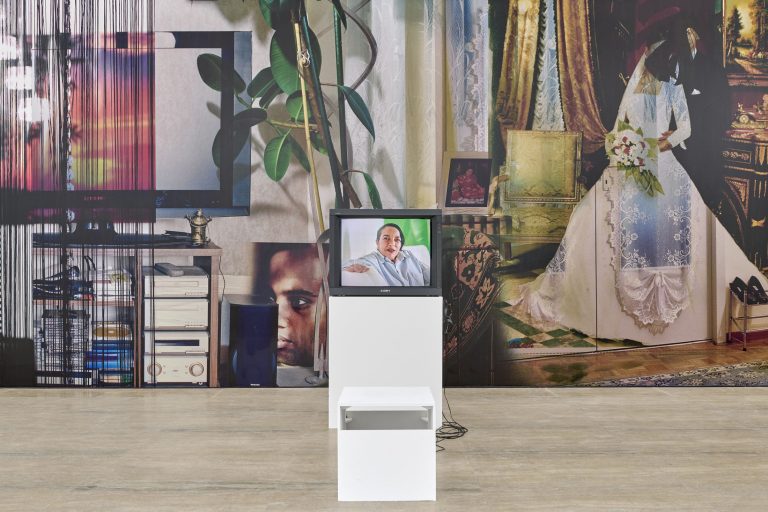
Gilles’s gaze also turns to the details offered by urban landscapes. In the series it’s always summer and the sky is blue, Gilles Jacot uses advertising panels sourced from public space. romantic ideas shows a video file erased by time, dating back to the artist’s youth. Between commodified alternative culture and co-ownership architecture, two idealizing perspectives intersect in search of authenticity.
–Katia Leonelli & Marius Quiblier
[1] The German word Kopfkino literally means head-cinema. It refers to the mental movie that plays in your mind when your imagination starts running.