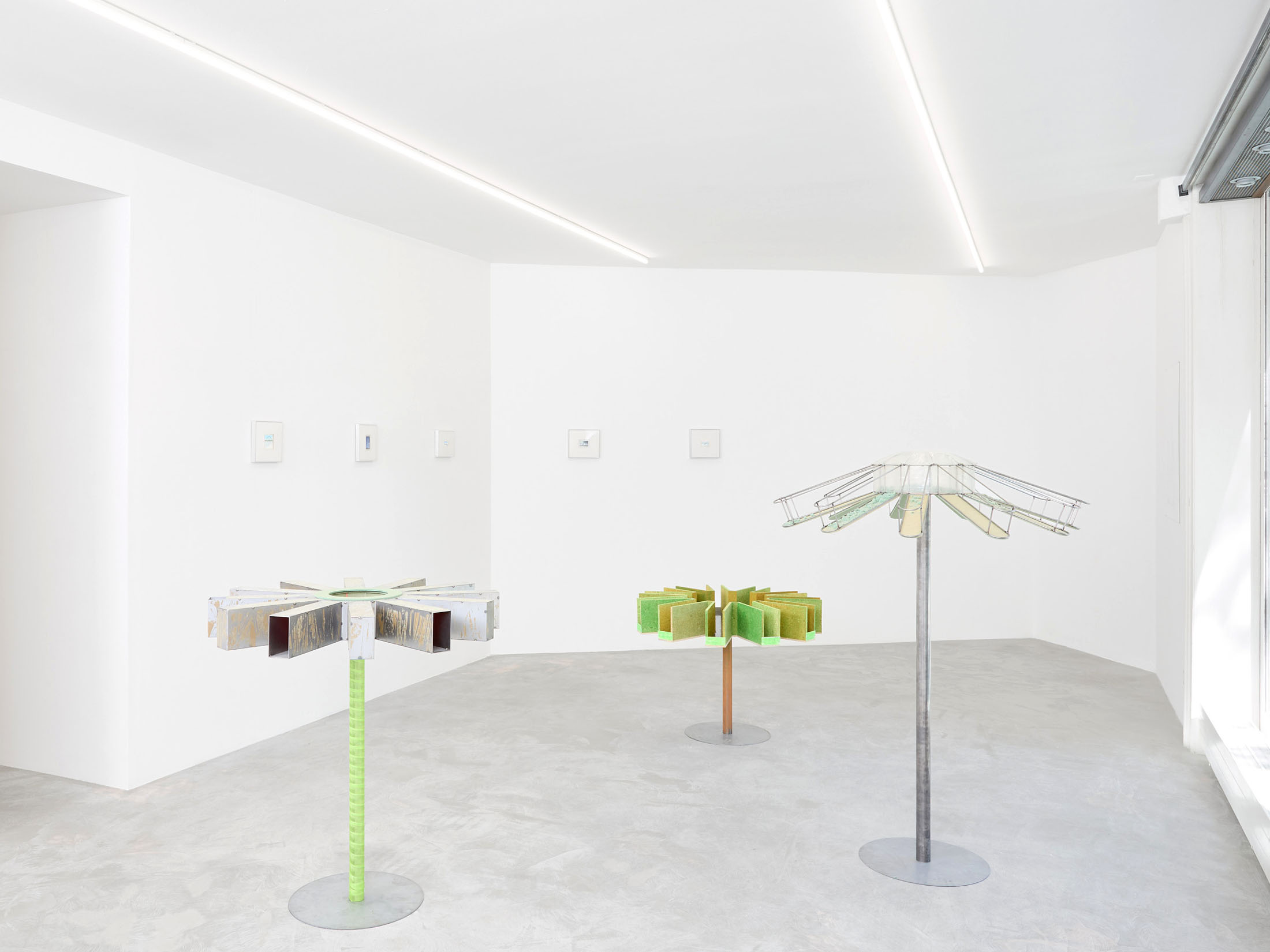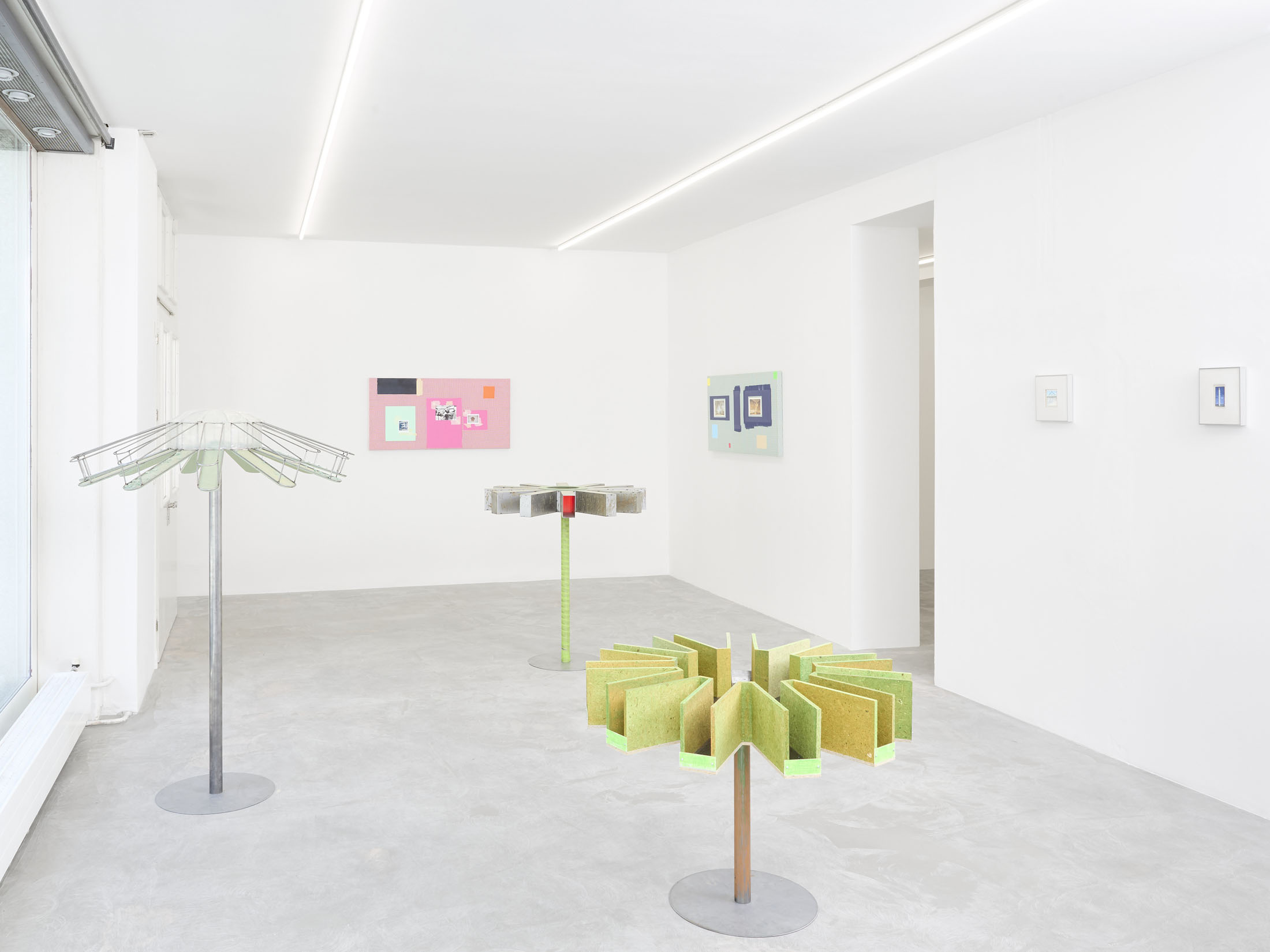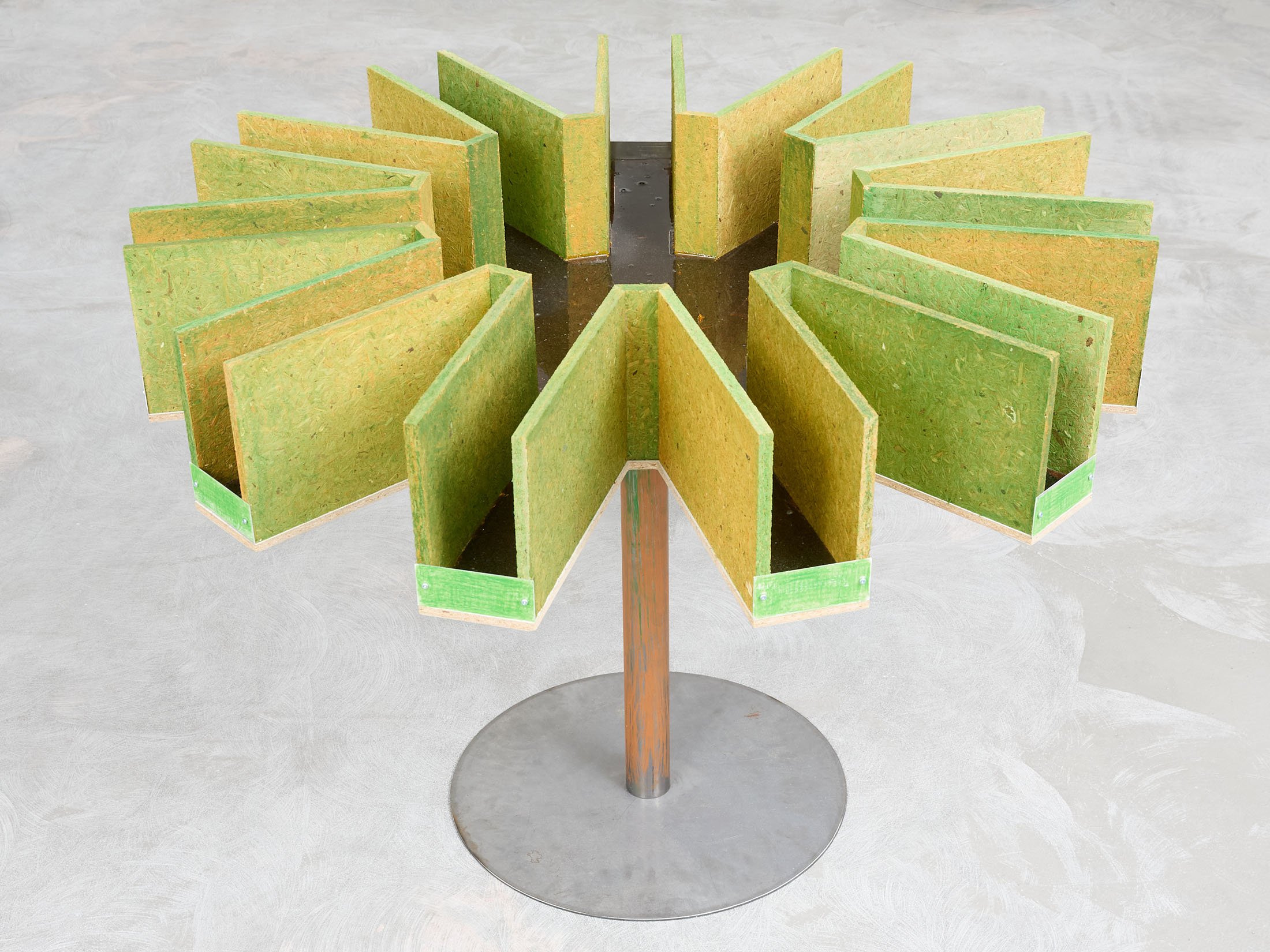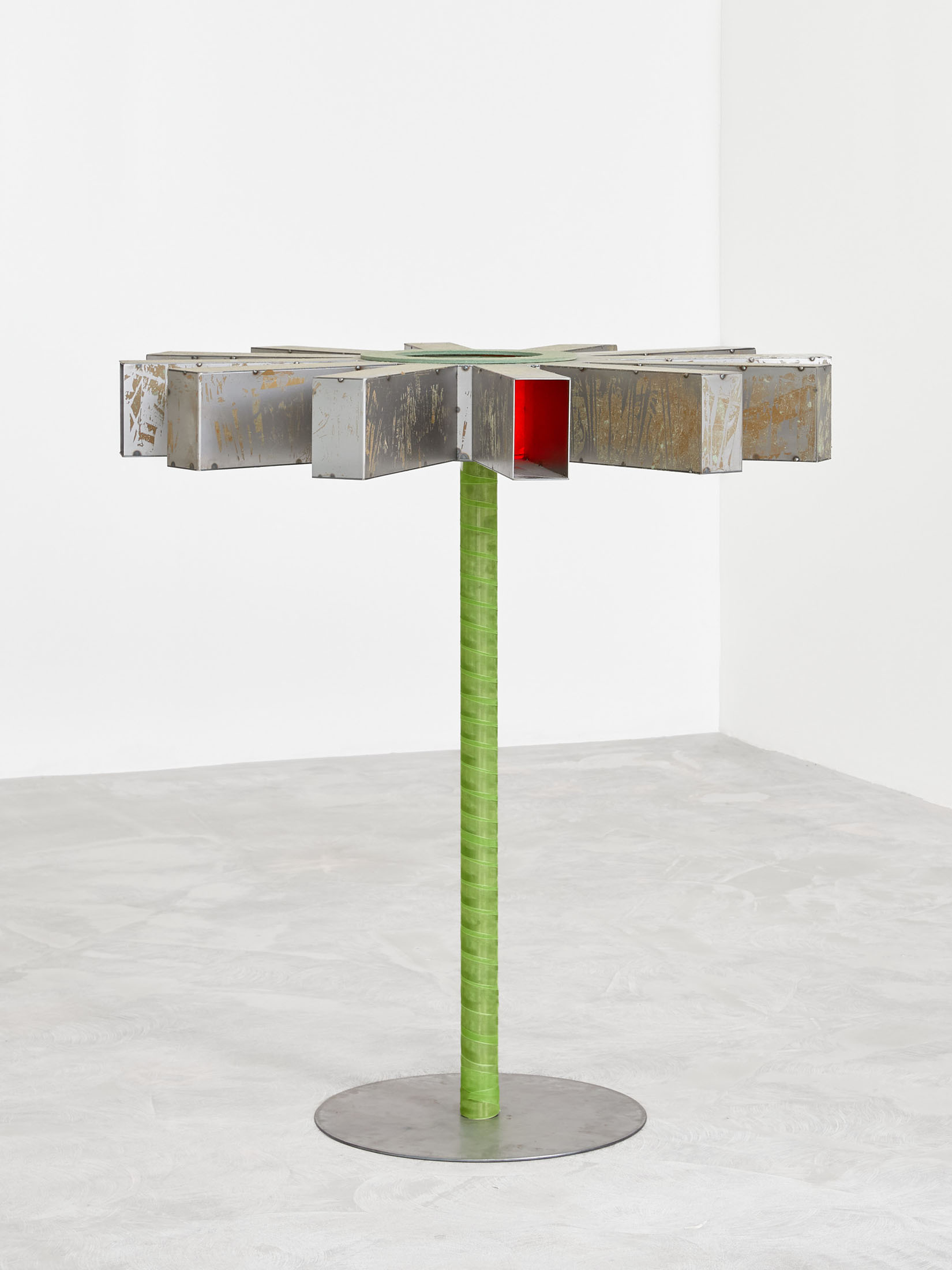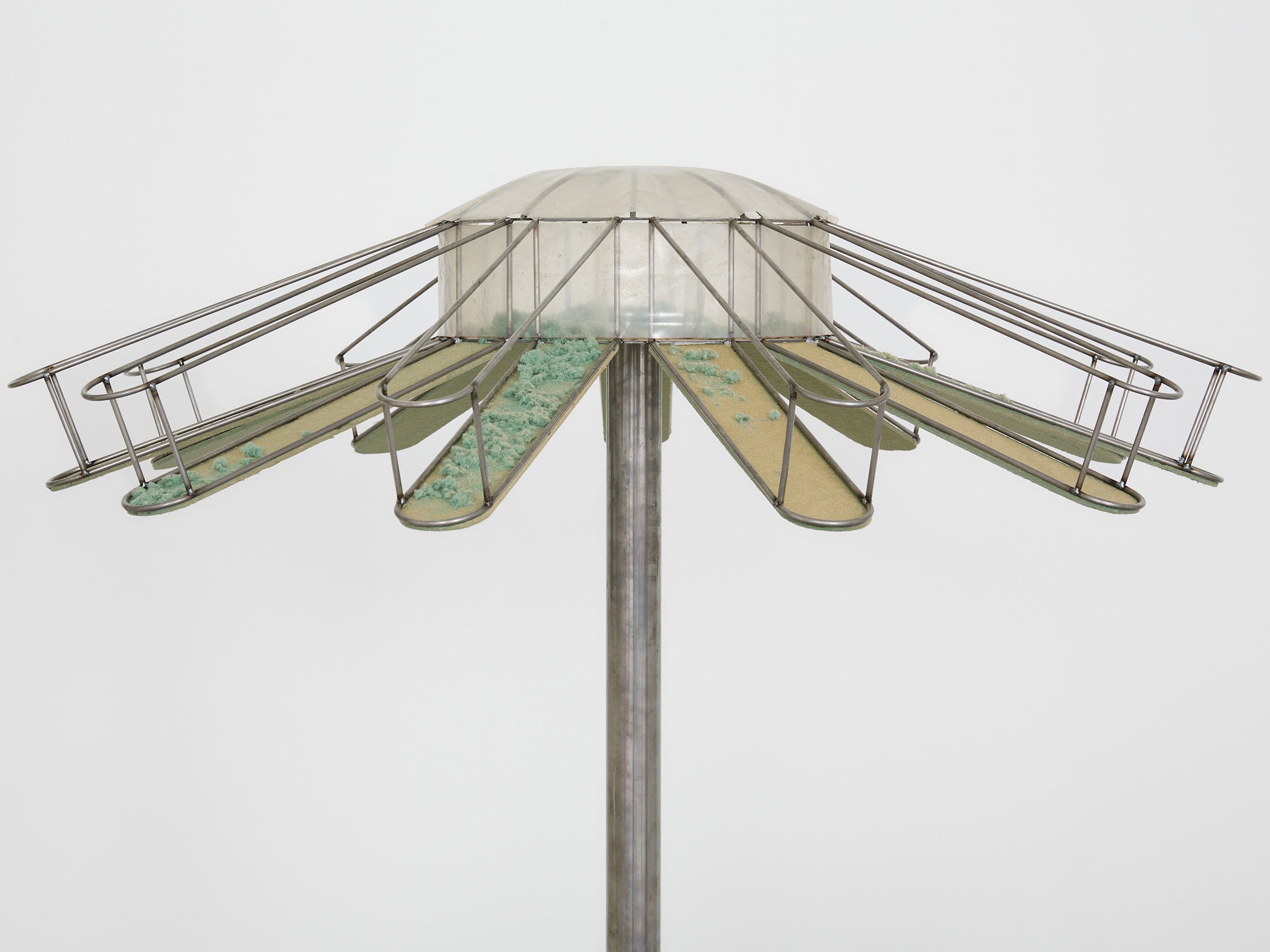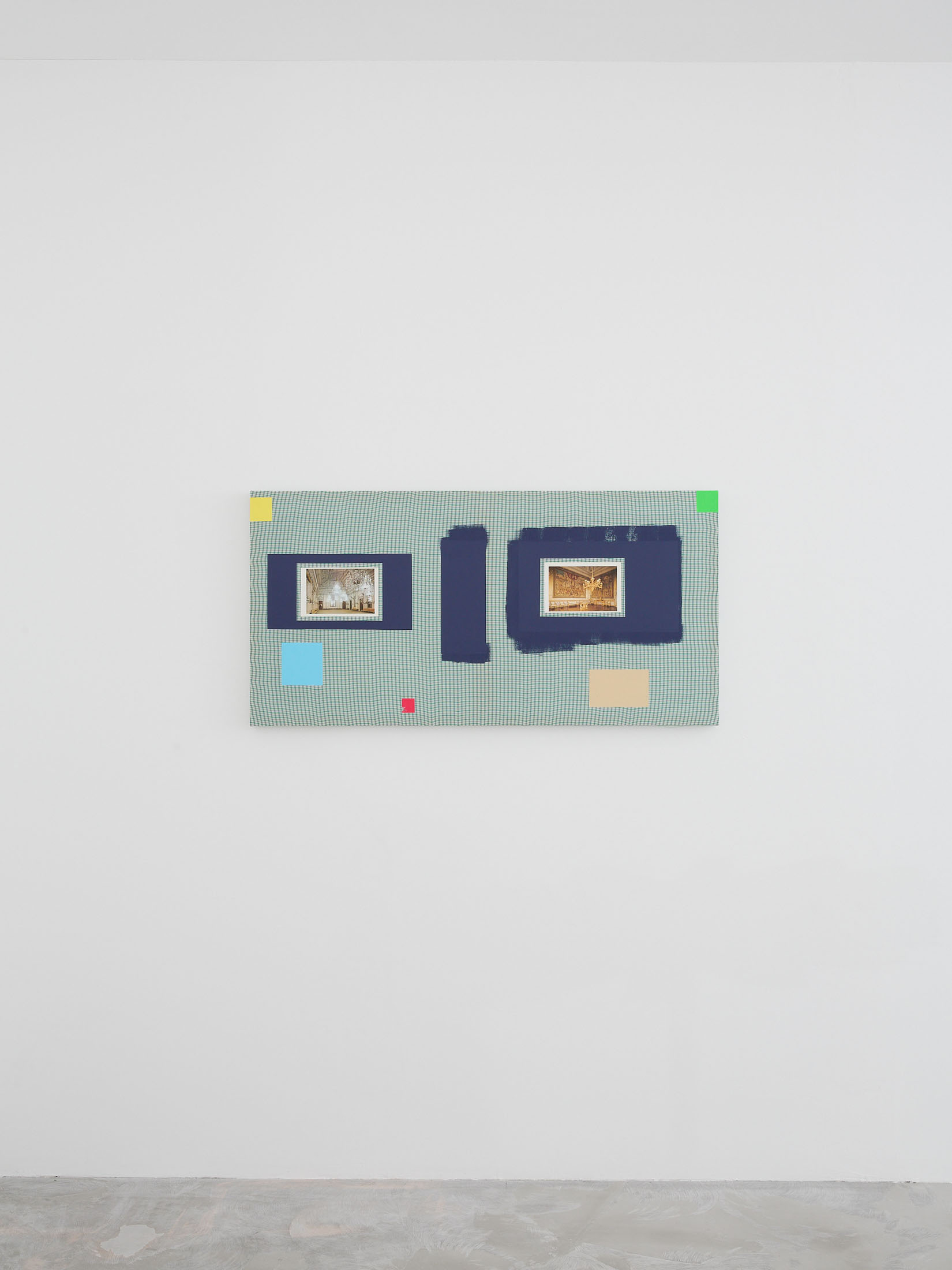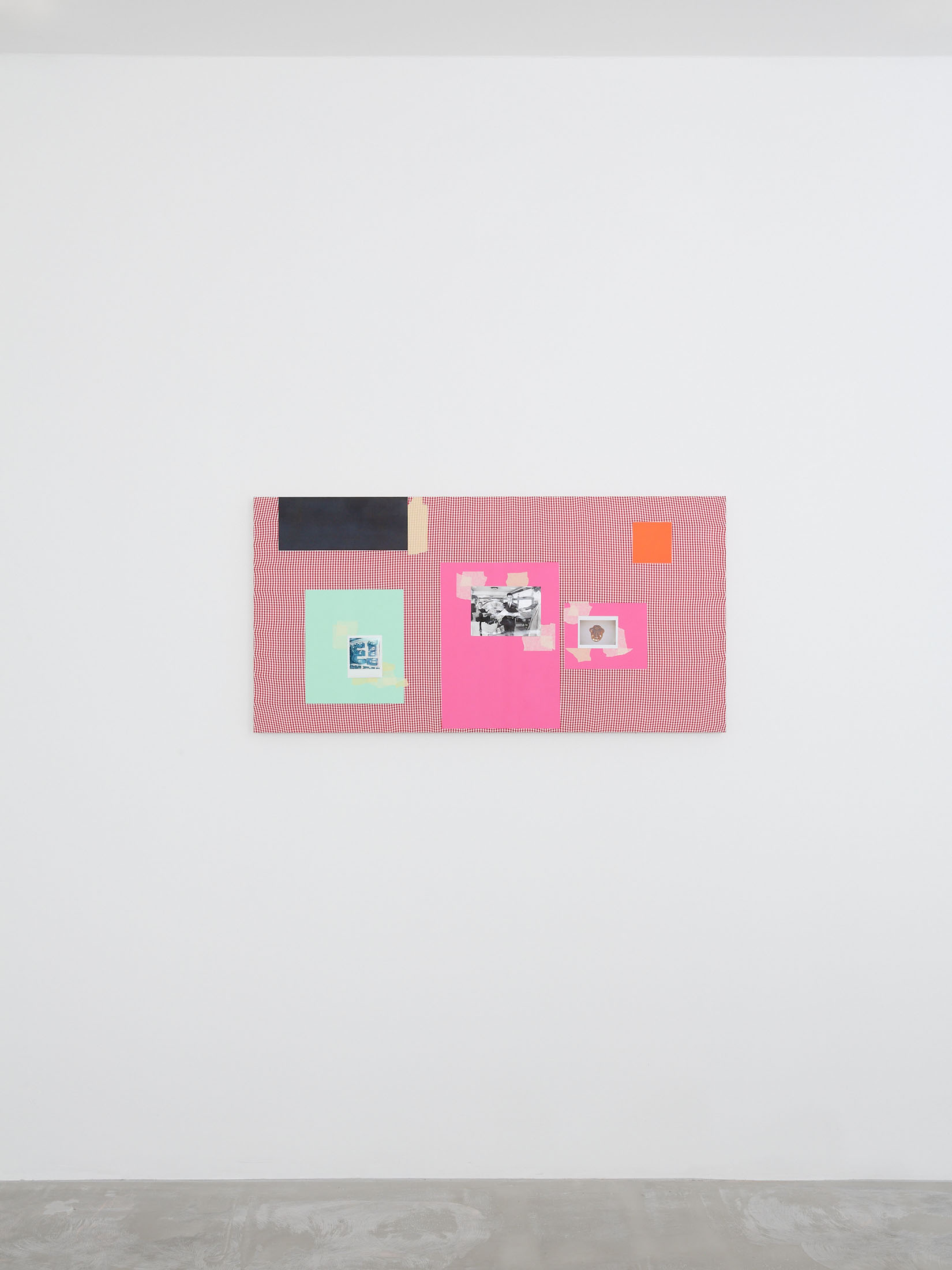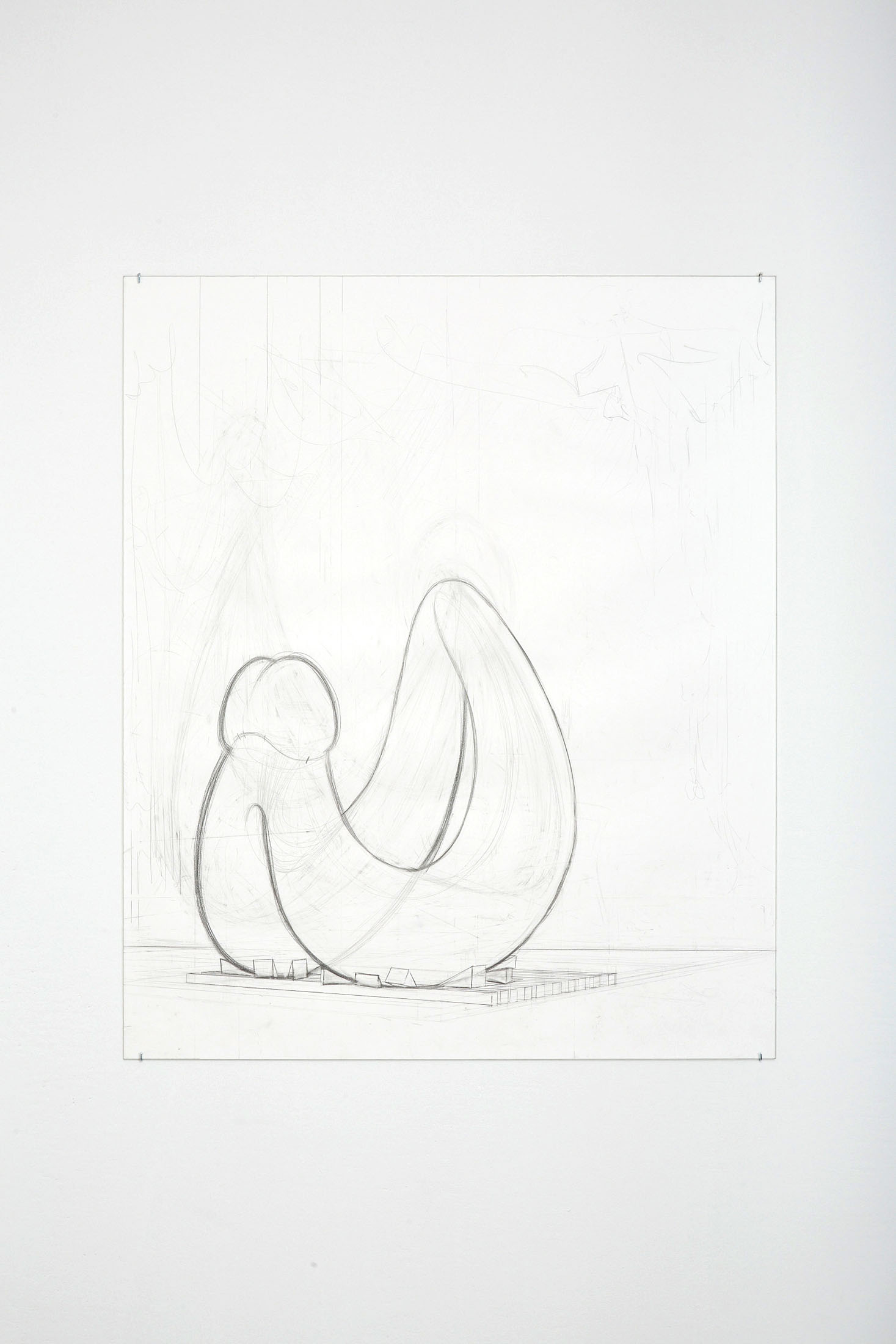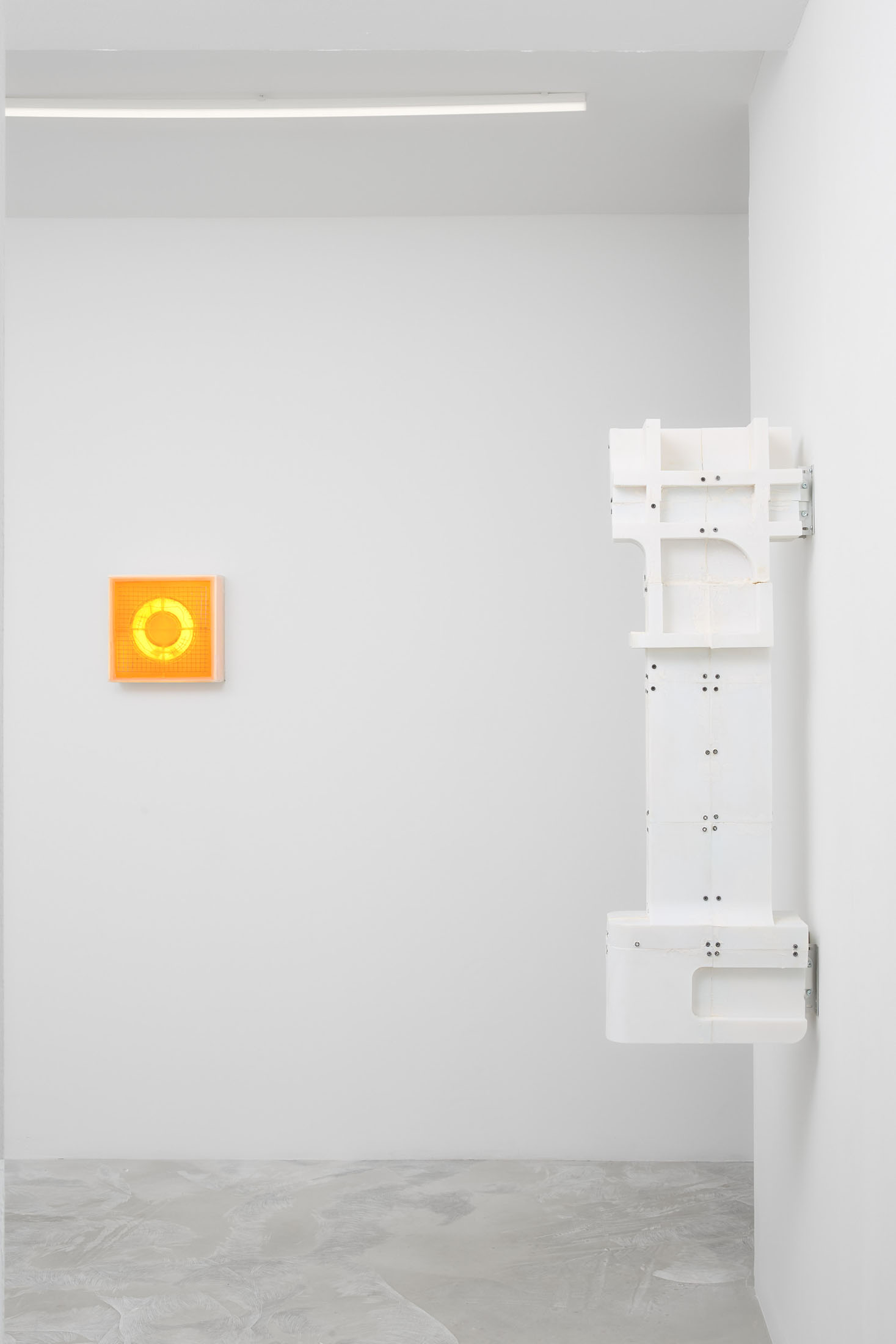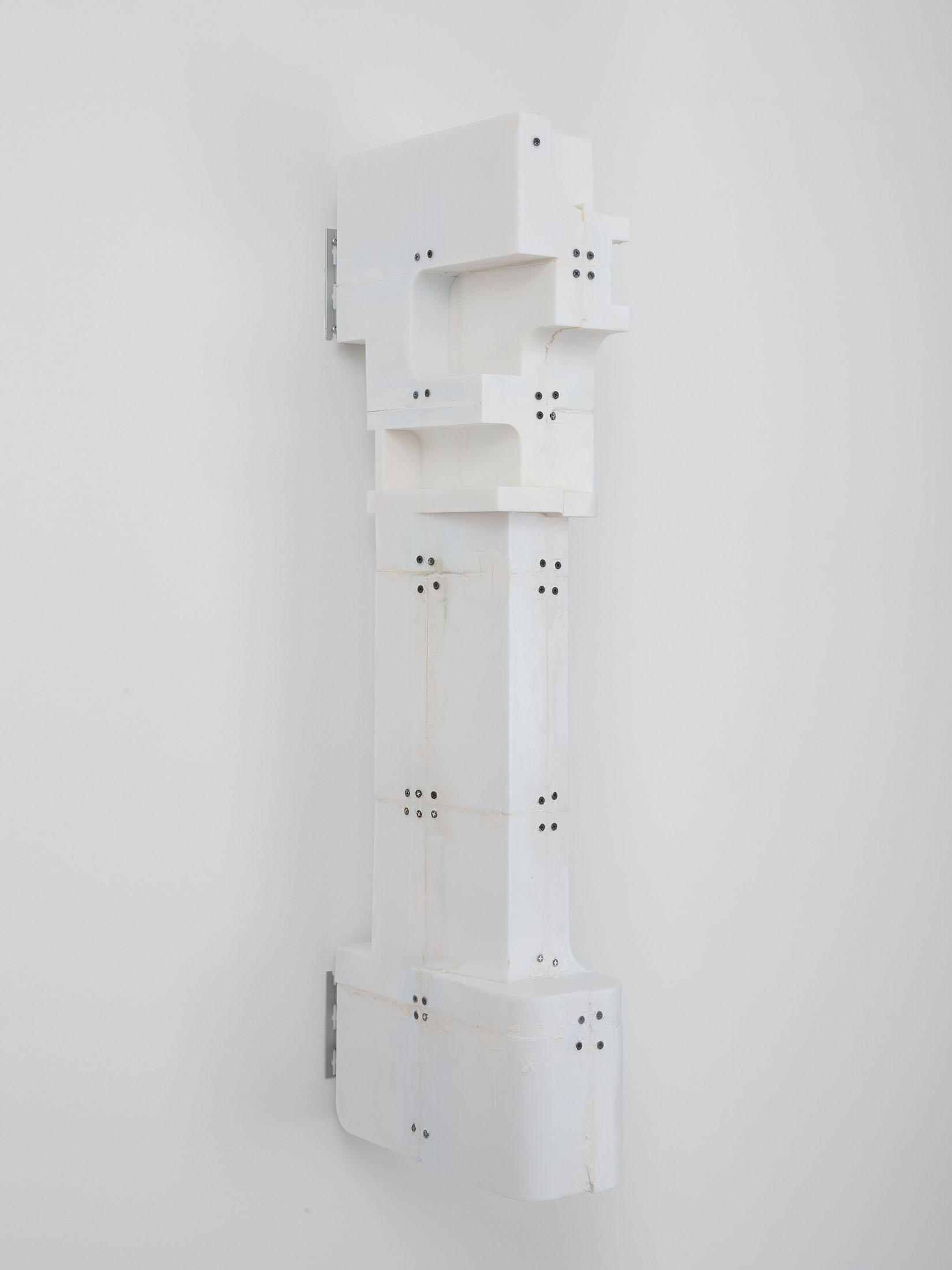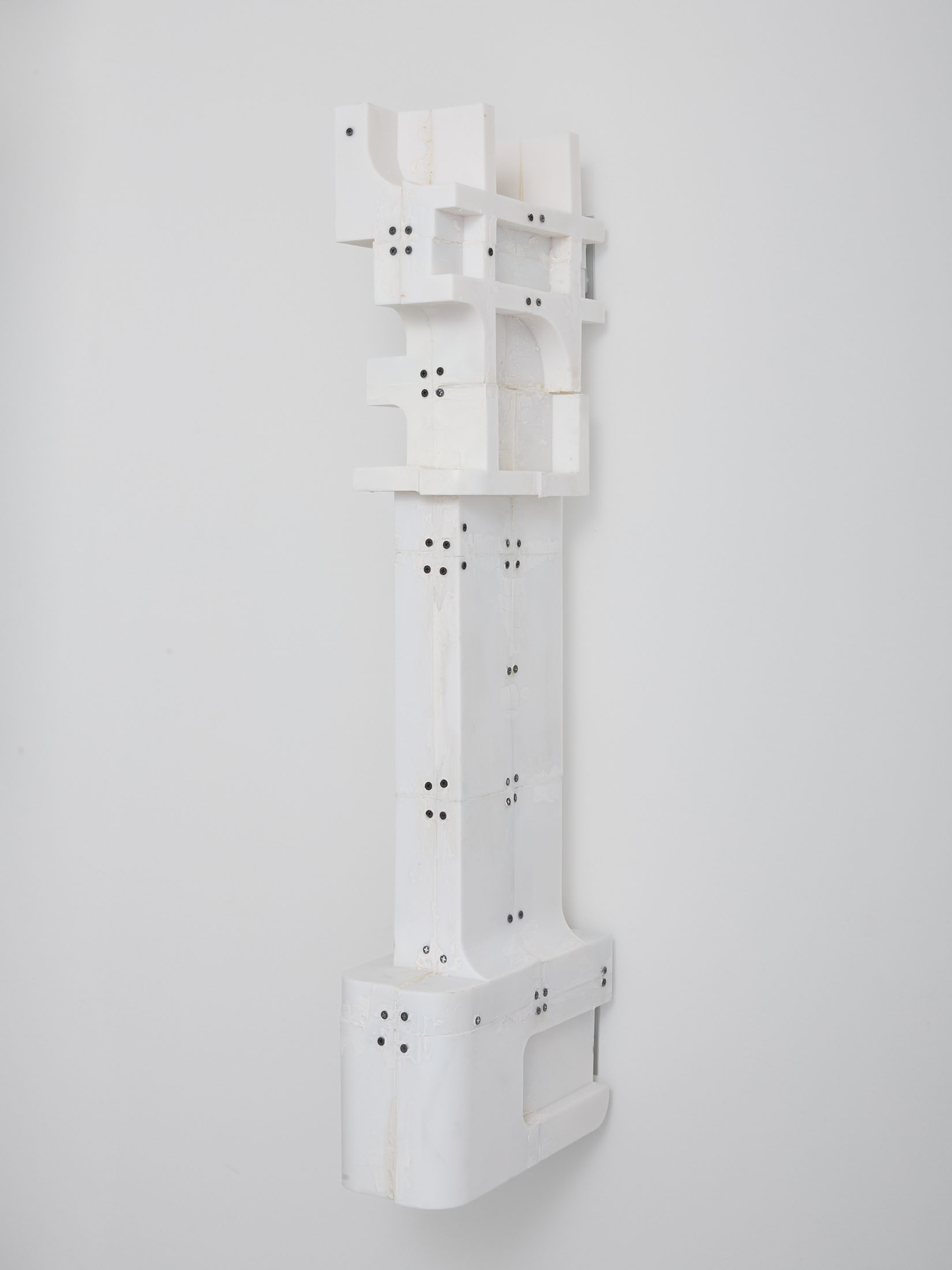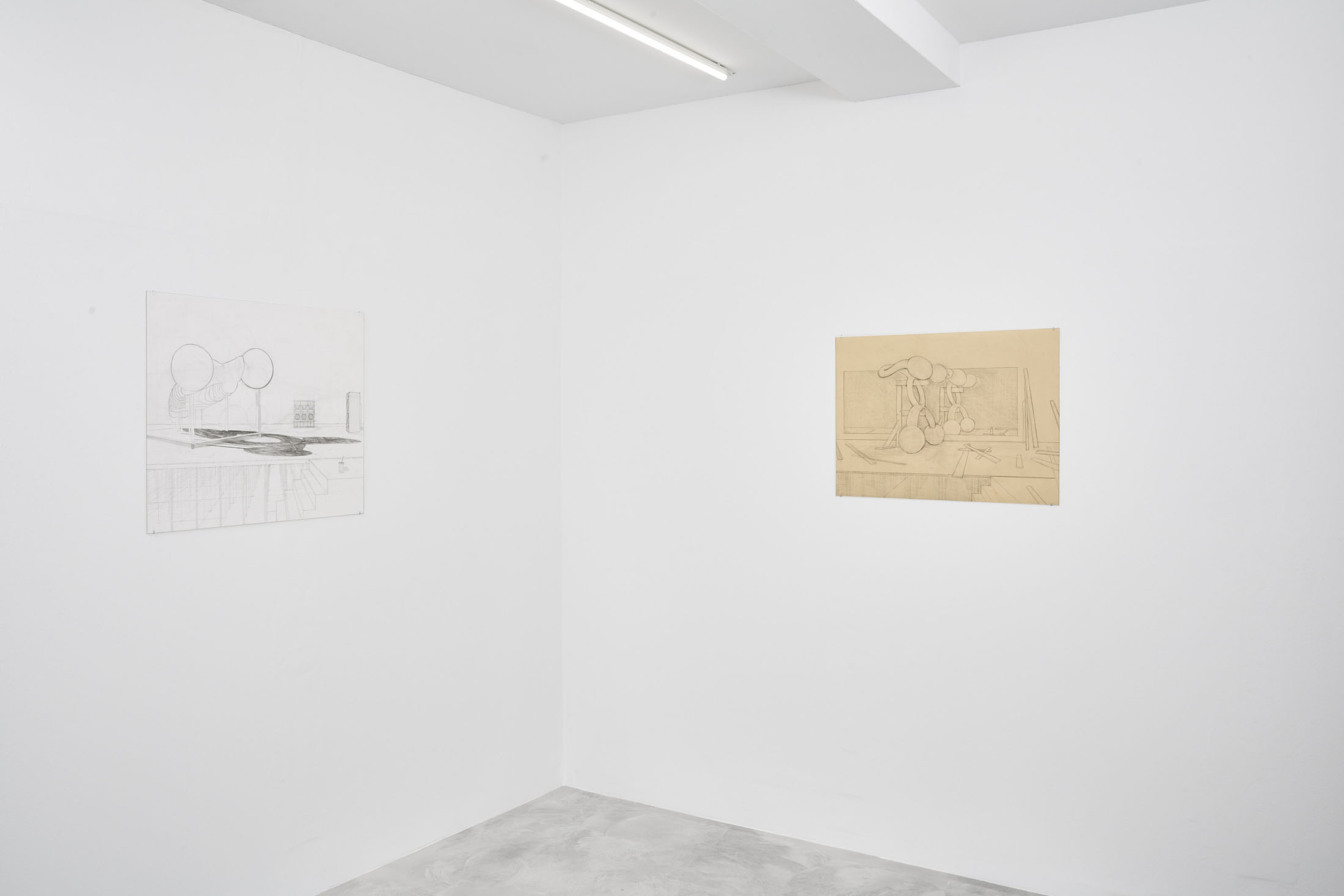
Language acts as a time capsule. Often without noticing, we use words whose meanings were formed long ago, in relation to specific contexts, cultures, or moments in time—sometimes even tied to particular people, places, or buildings that may no longer exist. One can then wonder what from our present will leave traces in the language of the future: which situations or structures will persist through words, and in what contexts they might be used to tell a story.
In French theatre, the terms “face” and “lointain”, as well as “jardin” and “cour”, designate the four principal orientations of the stage. “Face” refers to the downstage area, facing the audience, while “lointain” denotes the rear of the stage. “Jardin” and “Cour” indicate, respectively, stage left and stage right from the audience’ perspective.
Because “left” and “right” are relative to the position of the individual, they are ill-suited to the practical demands of stage work. As in maritime terminology—where fixed references such as “bâbord” and “tribord” (port and starboard) are defined in relation to the structure of the vessel—the theatre has developed a vocabulary that ensures stable orientation and unambiguous communication.
Historically, the expressions “King’s side” and “Queen’s side” were used, referring to the placement of royal boxes in theaters associated with the monarchy, notably at the Tuileries. Following the French
Revolution, these terms were abandoned and replaced by cour and jardin, in reference to the courtyard of the Tuileries Palace on one side and the Tuileries Garden on the other, which bordered the Salle des Machines where the Comédie-Française performed.