Un lit, grand ouvert et froissé
Comme un bateau désemparé
Plages désertes
Membres inertes
Dégoût de vivre
Paupières mouillées
J’écoute ton cœur effrayé [1]
Absences Répétées opens with the voice of Jeanne Moreau. Carried by a fragile melody, imbued with a sense of romantic urgency, it seems to be addressing François, the film’s protagonist—a novelistic hero glimpsed at first only fleetingly, lying on his bed, bathed in light. Beautiful and young, gentle and somber, he laughs before breaking down in tears. Fired from his monotonous job at a bank—where he now goes only a few days a week to secretly consume heroin—he shuts himself away at home, surrendering to despair. “While I am alone in my room, outside life goes on,” he says.
Moreau’s voice could well be that of François’s girlfriend, unhappy to love a being constantly on the run; or that of his mother, whose desperate visits lead nowhere. Or perhaps it is the voice of his best friend, who has managed to escape this self-destructive world, for whom François feels a deep tenderness born of shared memories from a time forever vanished.
Absences Répétées is the fourth feature film by Guy Gilles, a major yet largely overlooked artist whose brief body of work is marked by a singular poetic sensitivity. Resolutely romantic, he was interested in maladjusted young characters, prisoners of their dreams and of the past, searching for a reason to exist.[2]
Gilles—this “loner of no school”—advocated for a cinema “against all fashions,” a “subjective” cinema in which sincerity and emotion prevail over what is discussed in “highly erudite dissertations” or “dogmatic conferences.”[3] Arriving too early or too late, misunderstood by his contemporaries, most of his films went unnoticed and struggled to find funding. Stricken with AIDS, he died in 1996, convinced that one day his work—having found no success during his lifetime—might find it posthumously. He made Absences Répétées in 1972, amid the turmoil of a deep depressive episode and numerous suicide attempts brought on by a painful breakup with Moreau. The voice that introduces the film speaks of François just as much as it speaks of Guy. And it speaks to me as well.
I discovered the filmmaker’s work in my bedroom—a bedroom barely distinguishable from François’s—where I have secluded myself for years, gradually sinking into the depths of silence. Everything external has now become insignificant: in this one-room universe, only I remain.
Loneliness and boredom patiently weave an intimate complicity with the figures that populate my films, my readings, my music.
As this hermetic space where I spend interminable days gradually takes on the appearance of my coffin, I think of Courtney Love’s shrill chant in Miss World, a song in which she prophetically exclaimed, “I’ve made my bed, I’ll lie on it / I’ve made my bed, I’ll die in it”[4], a few months before the passing of her partner Kurt Cobain, who was, like me, 27 years old. In his suicide note, as a conclusion, he had quoted lyrics by Neil Young: “It’s better to burn out than to fade away.”[5] Rather than accepting inevitable aging, perhaps one should let oneself be carried away by the morbid and comforting suicidal dream. If life goes on like this—waiting, waiting again, waiting eternally—then one should act and seek. As Jacques Rigaut wrote, “suicide must be a vocation.”[6]
Music traces the path, poetry extends it; the verses of Xavier Villaurrutia often return to my mind: “La muerte toma siempre la forma de la alcoba que nos contiene”[7] The Mexican poet—alienated and scorned—constructed for himself an “artificial refuge,” “a private world populated by the ghosts of eroticism, sleep, and death. A world governed by the word absence.”[8] It is this space of introspection that, both in his life and in his poems, shelters his thoughts. His “solitary poetry for solitaries”[9] is the result of the inner journey of a motionless pilgrim who, from an arid and obscure room, devotes himself mercilessly to self-exploration. After all, having been violently cast aside by society, all that remains is to give oneself over “entirely to the sweetness of conversing with (our) soul, since it is the only one that men cannot take from (us)”[10], as Rousseau once wrote when, at the end of his life, he too had become a pariah.
This is what François commits himself to: devoting his reclusive life to writing a collection of brief reflections, aphorisms, unpretentious meditations—just a few sentences, a few words—from a being who has become insignificant and believes himself to be nothing more than his own shadow.
His confessional tool is the pen; Guy Gilles’ is the camera, which he uses prodigiously to summon the sublimated nostalgia of the fleeting instant. In his films, time detaches itself from all linearity: it stretches and diffracts, echoing the thought of Deleuze, for whom “the past does not succeed the present that is no longer; it coexists with the present that it has been.”[11] In cinema, time manifests as a fluid experience, made of superimpositions between what is perceived, what is remembered, and what is imagined, thus blurring the boundaries between reality and fiction.
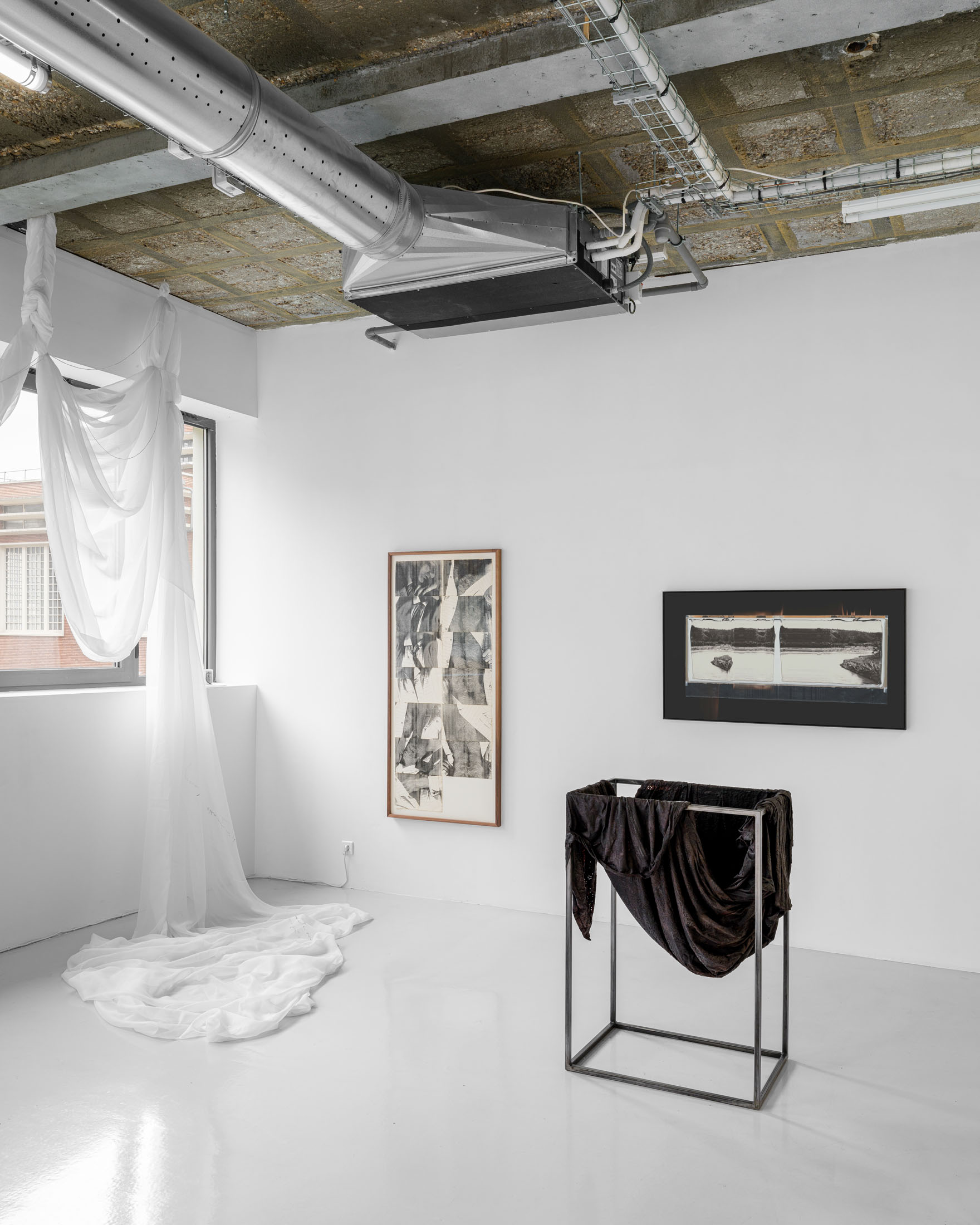
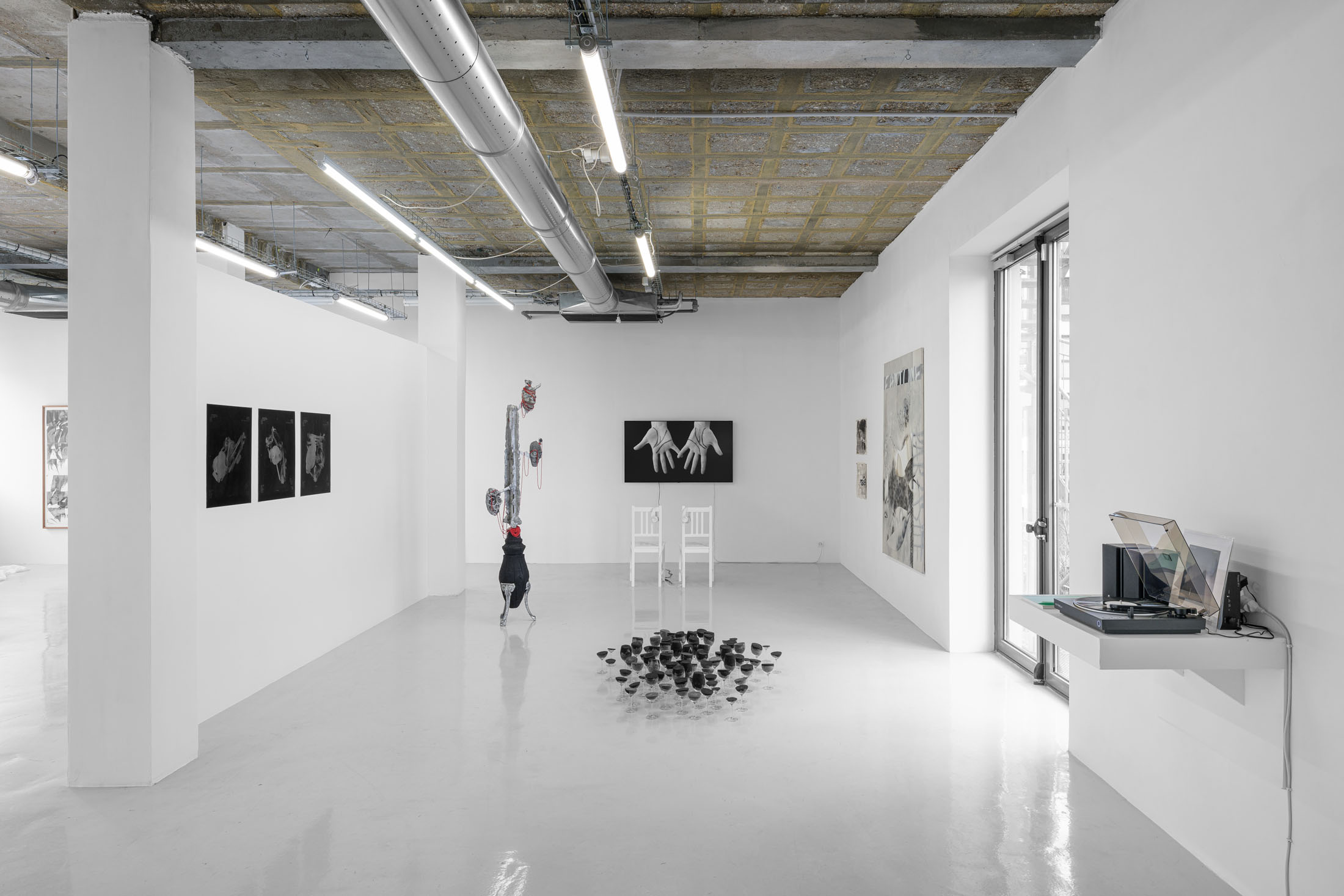
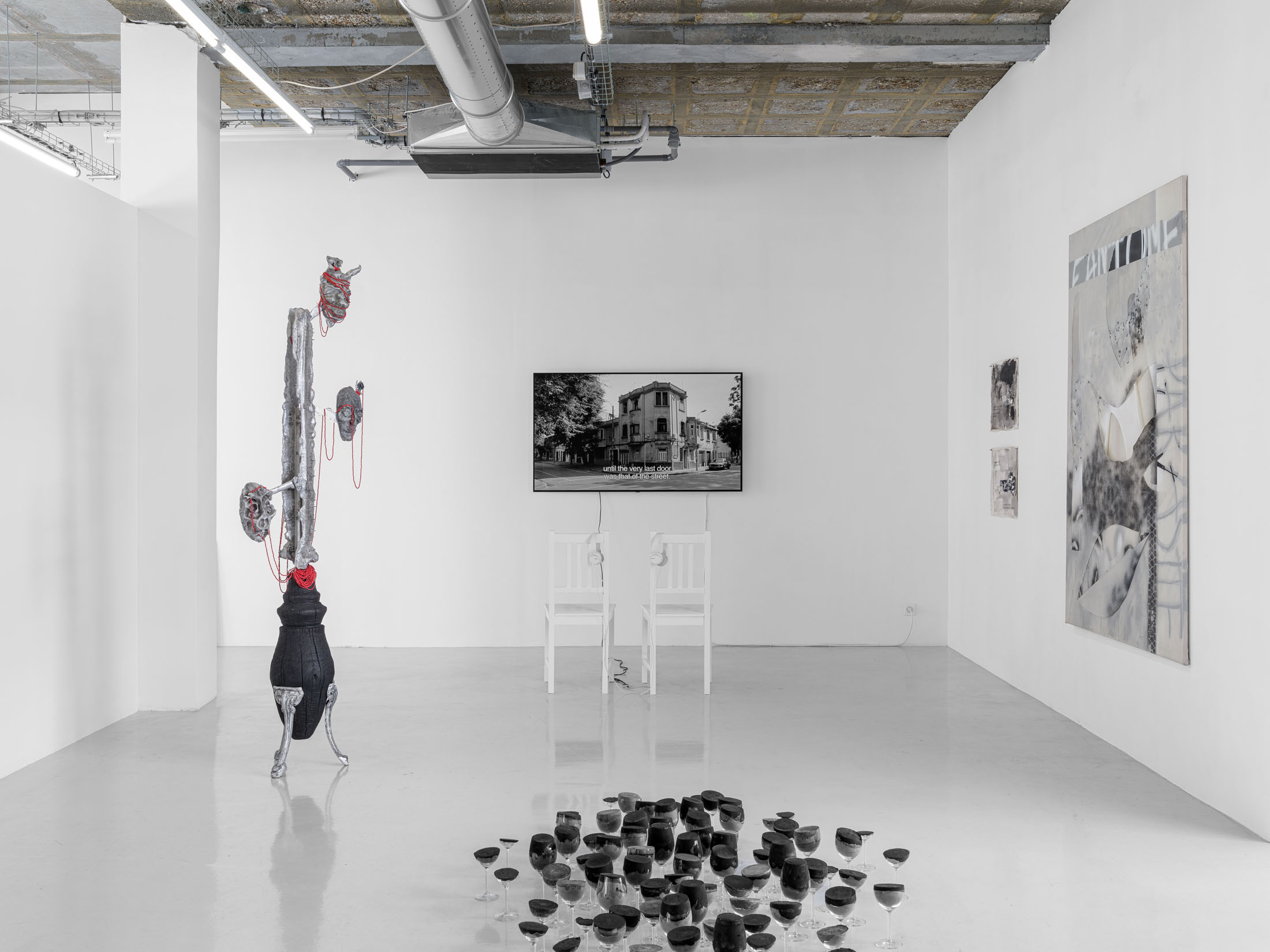
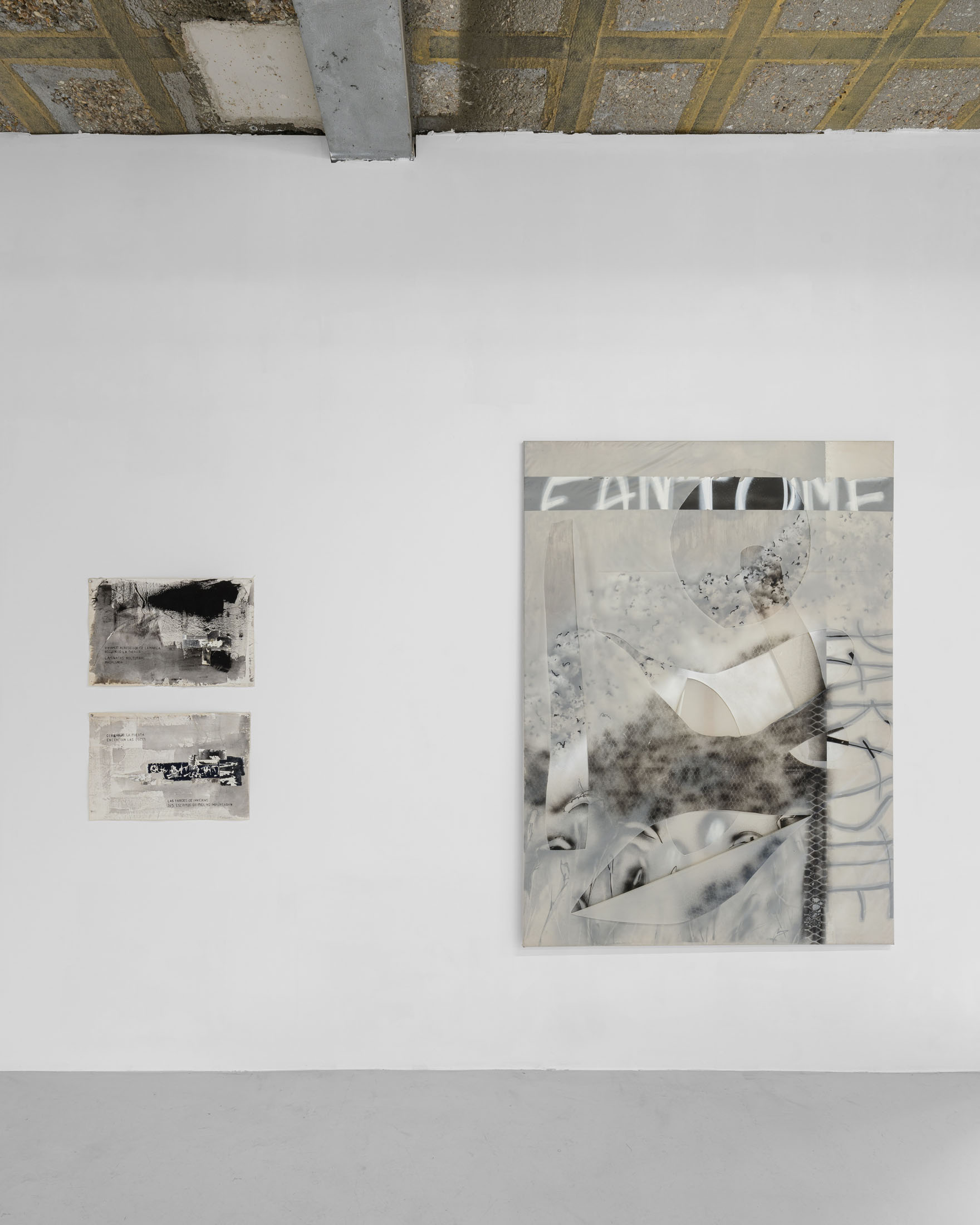
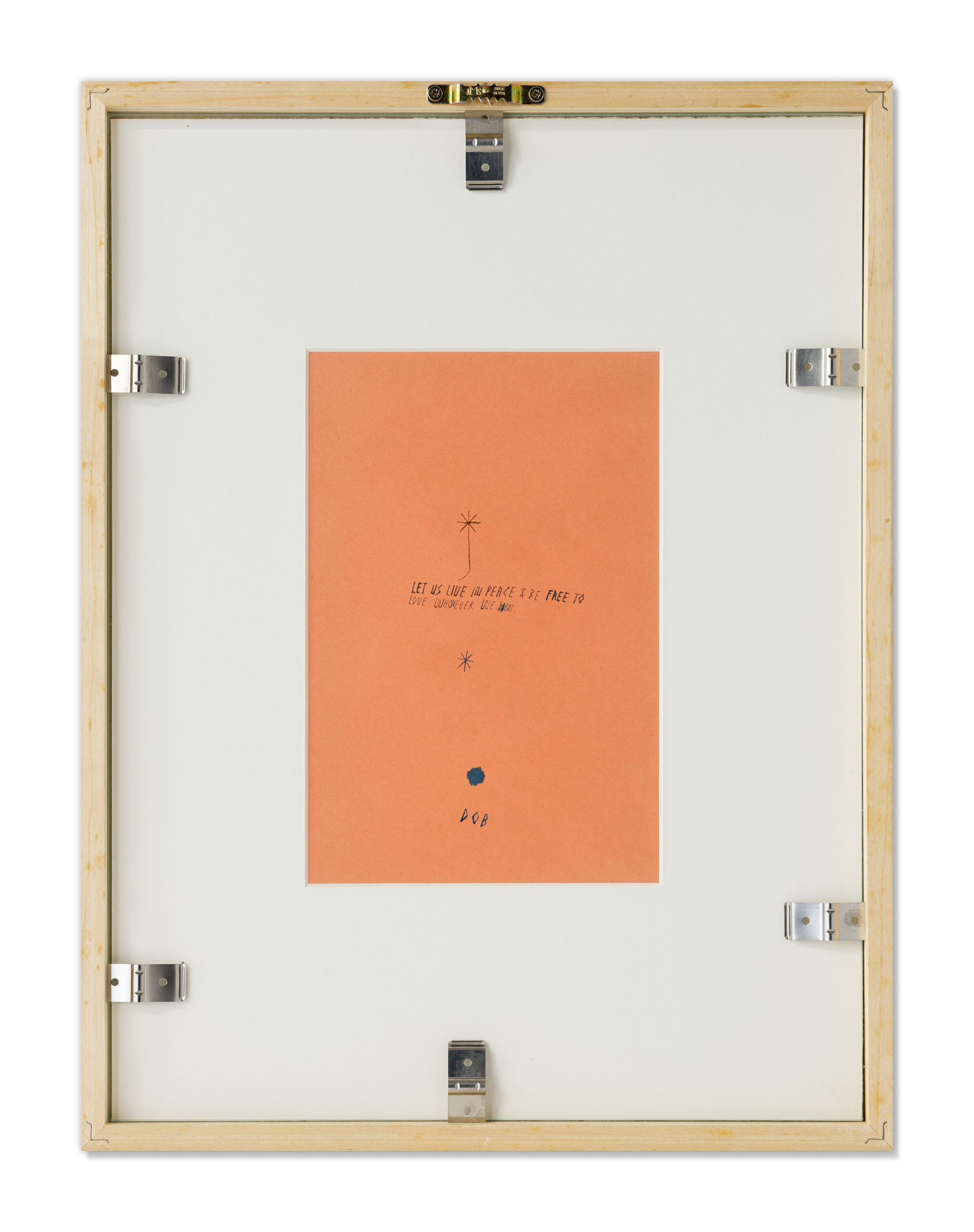
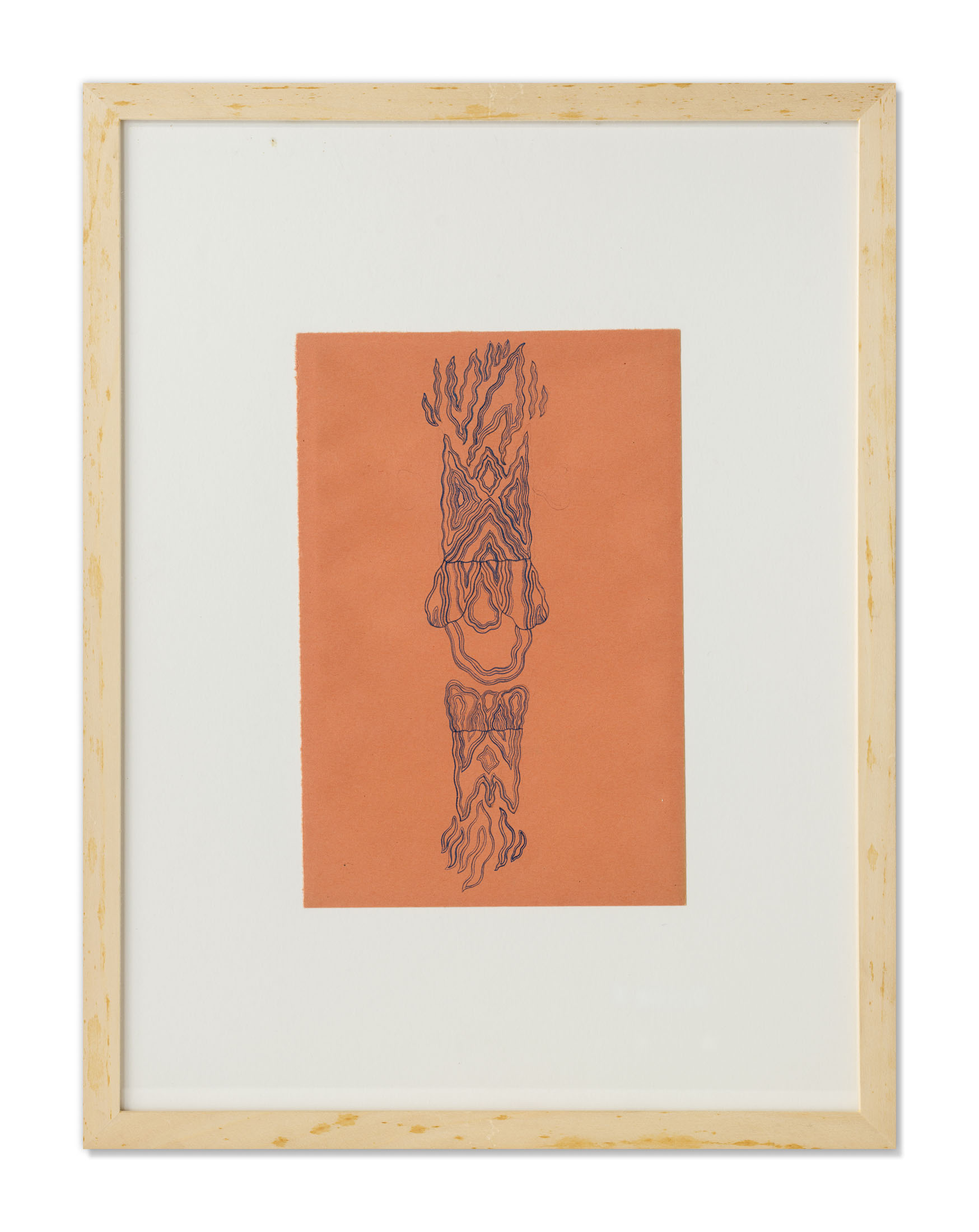
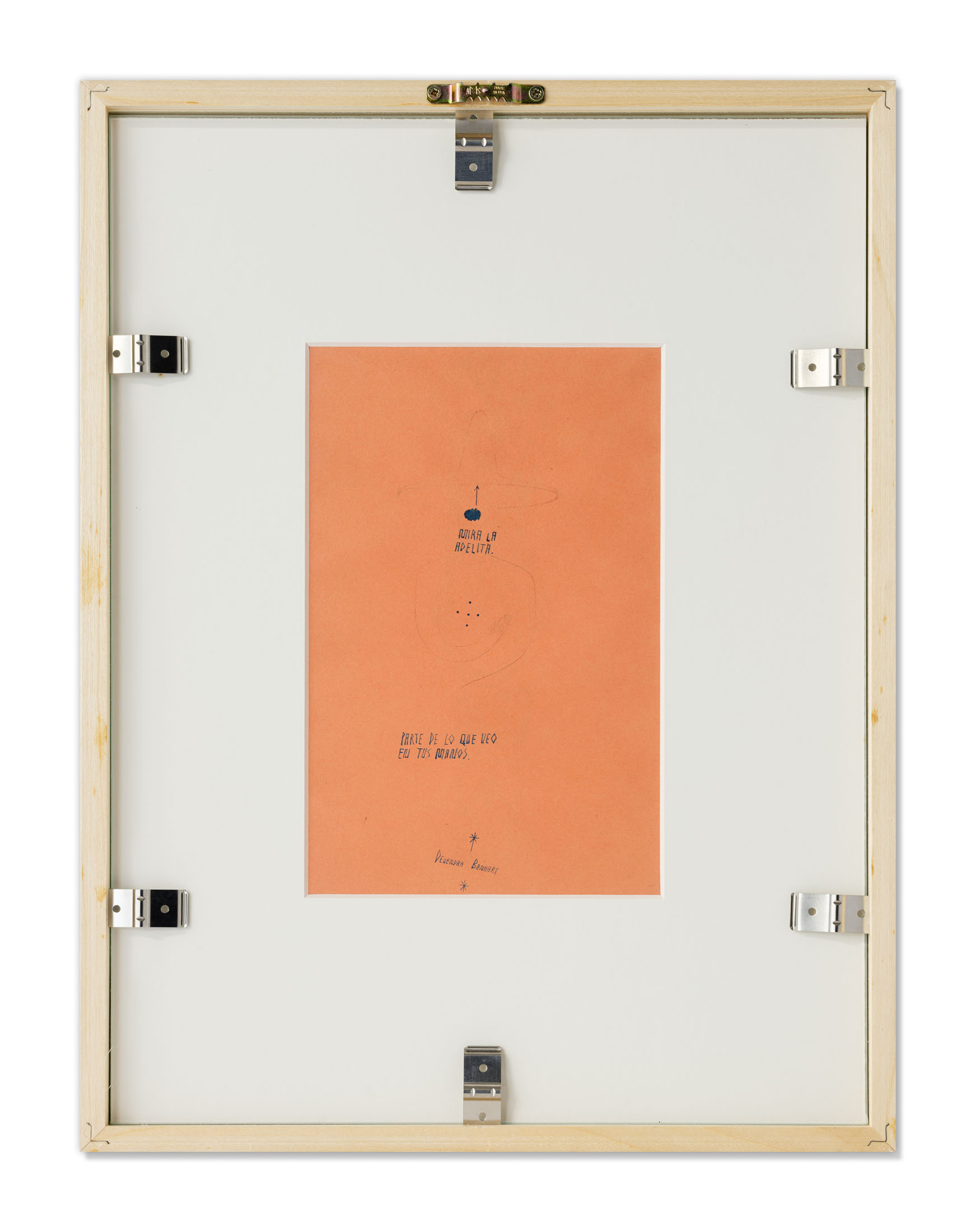
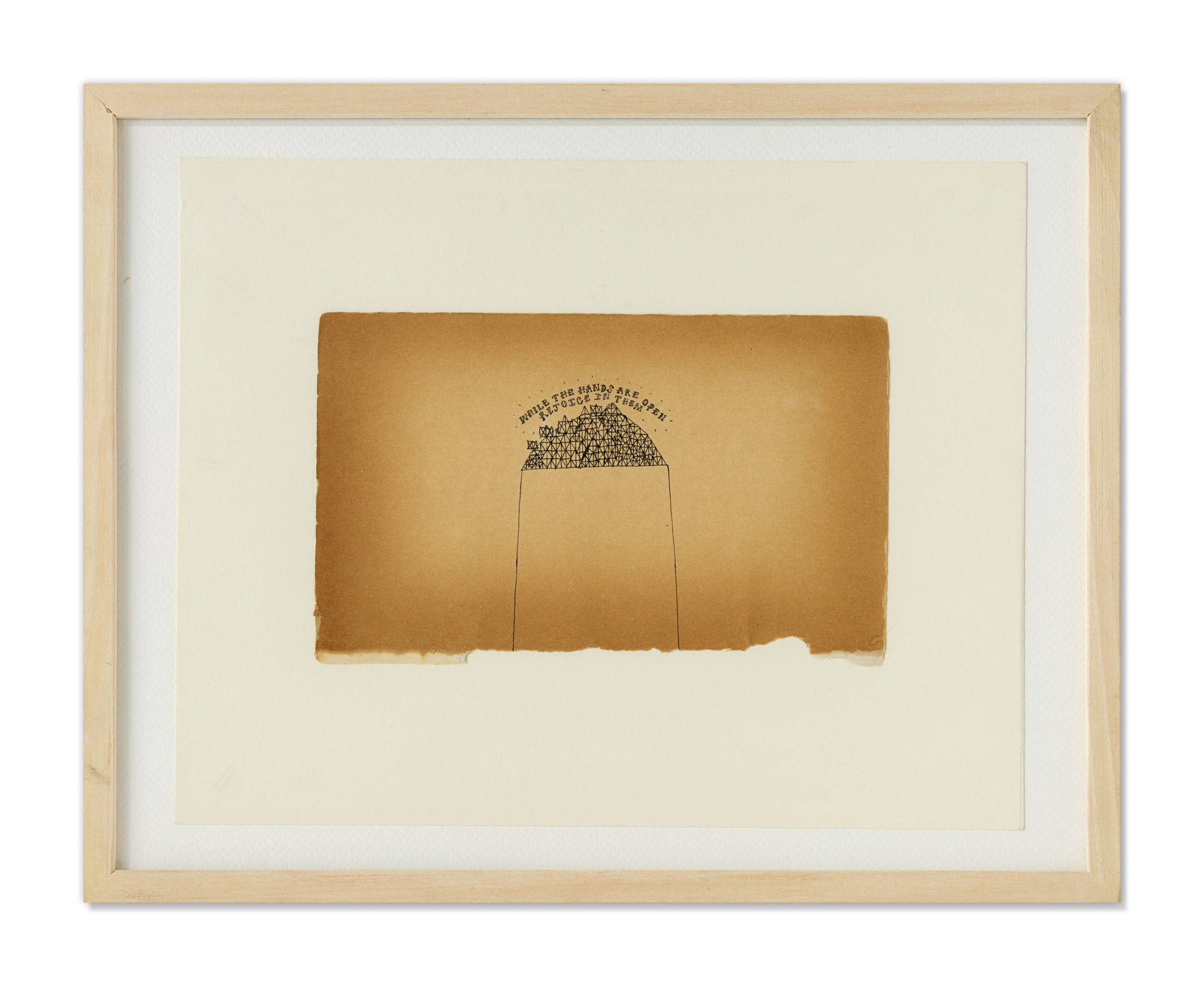
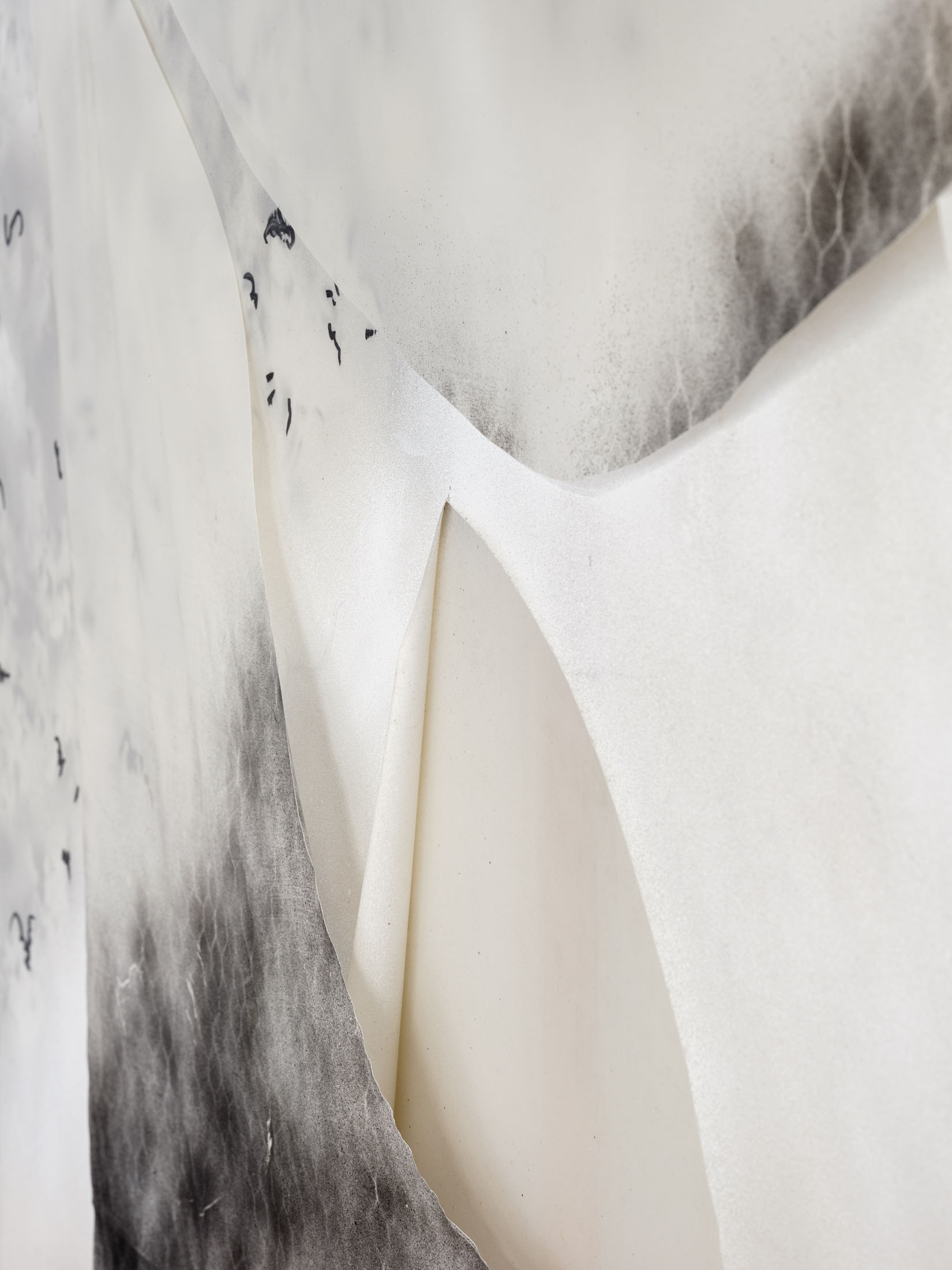
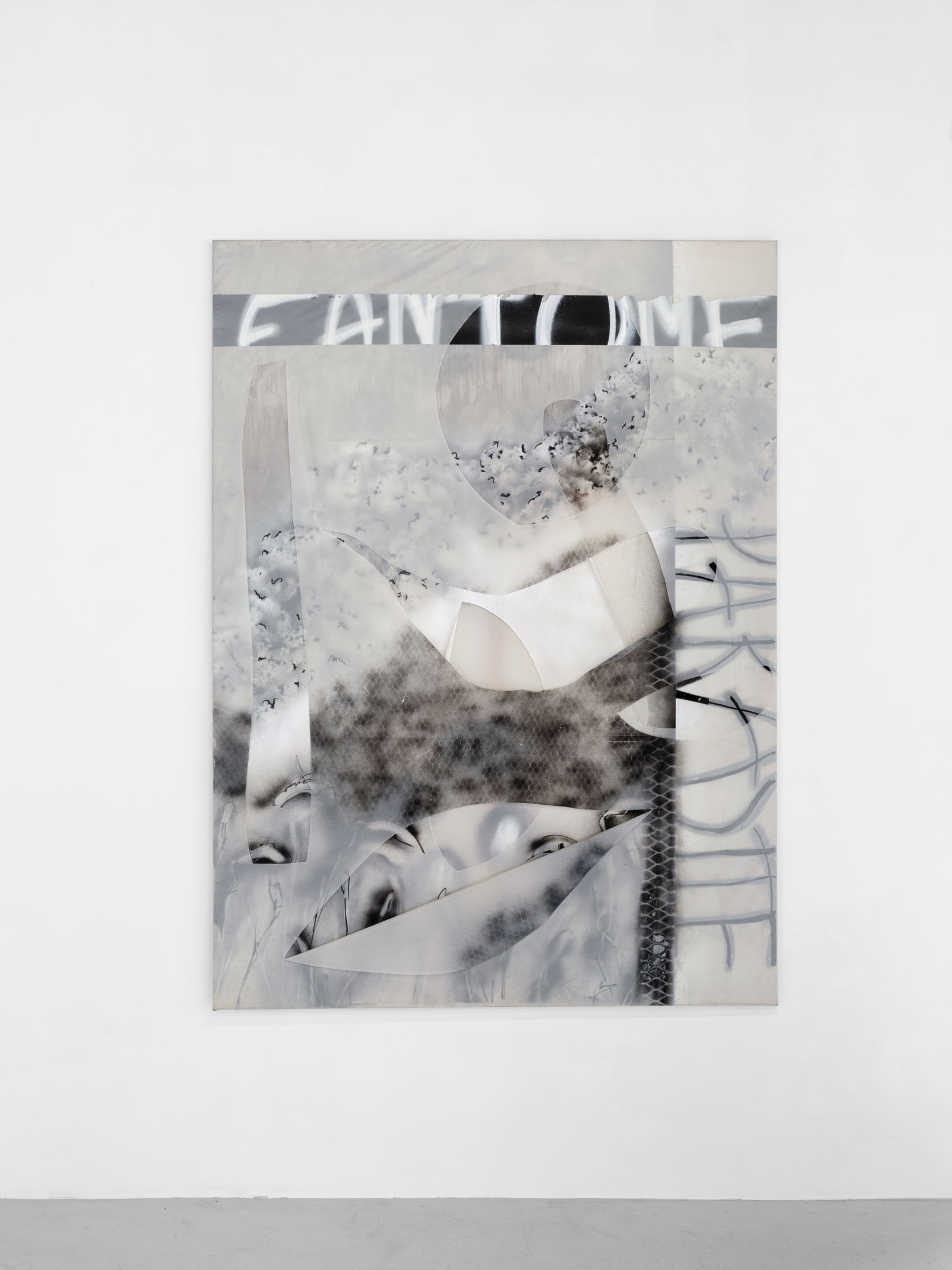
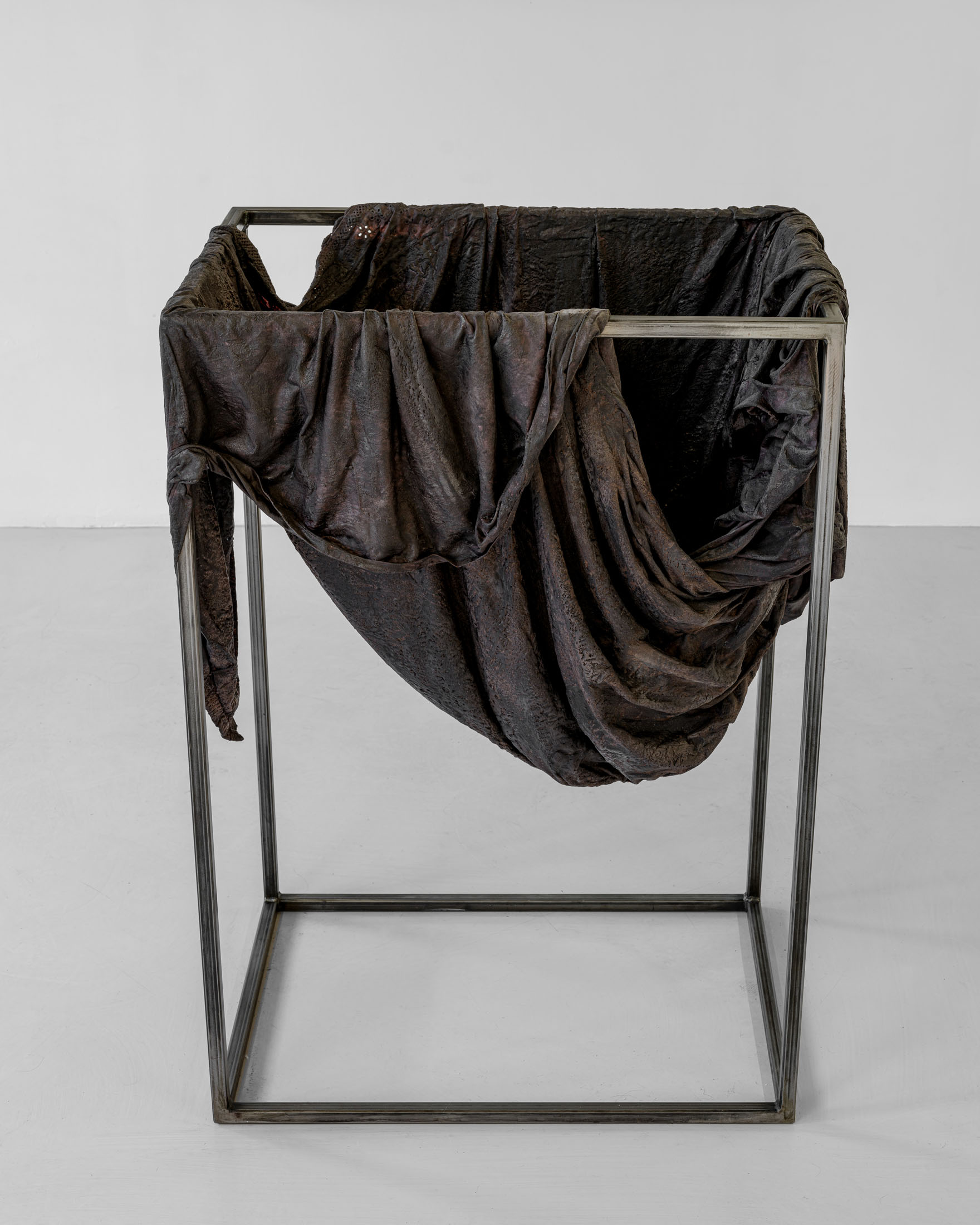
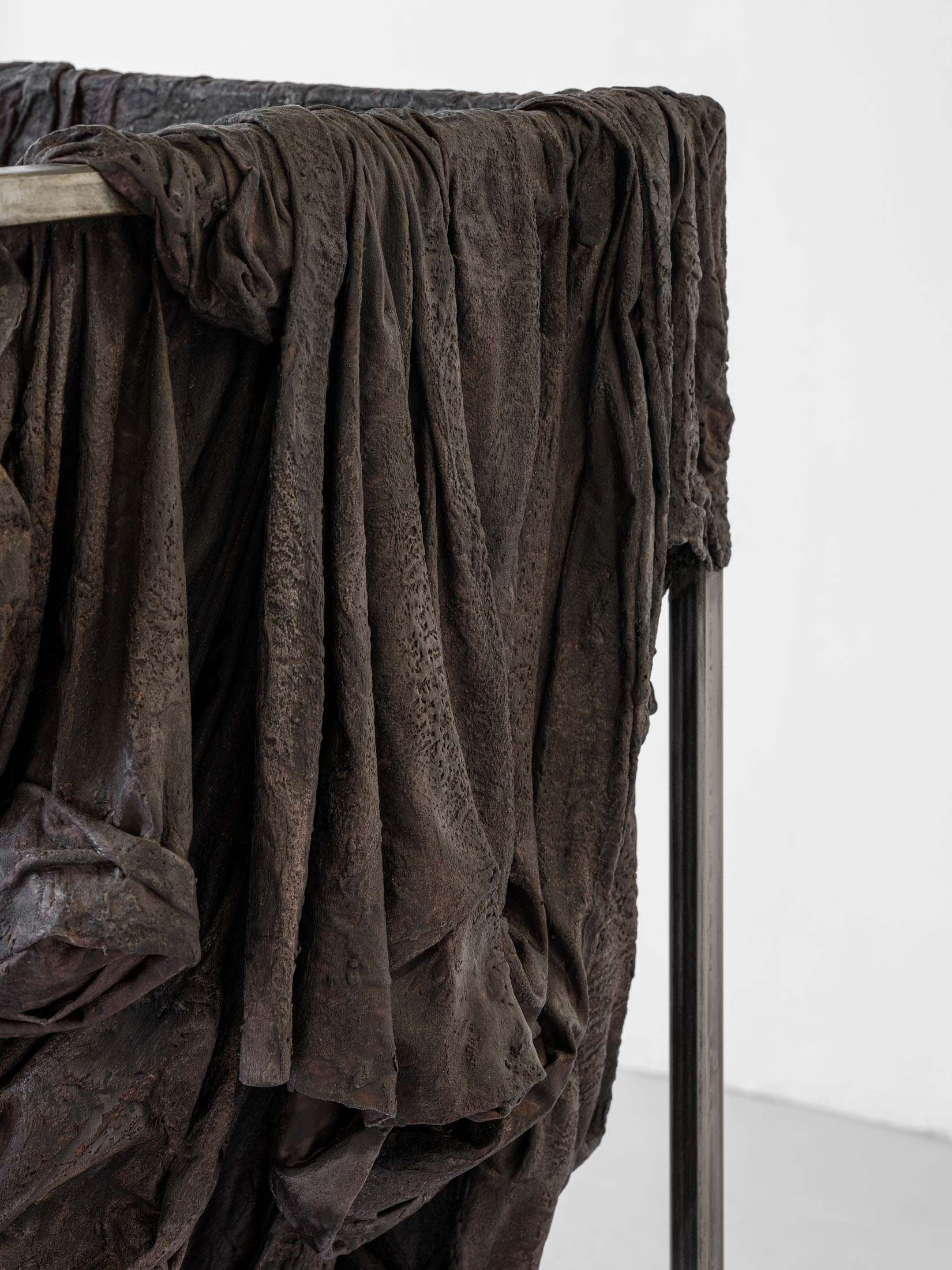
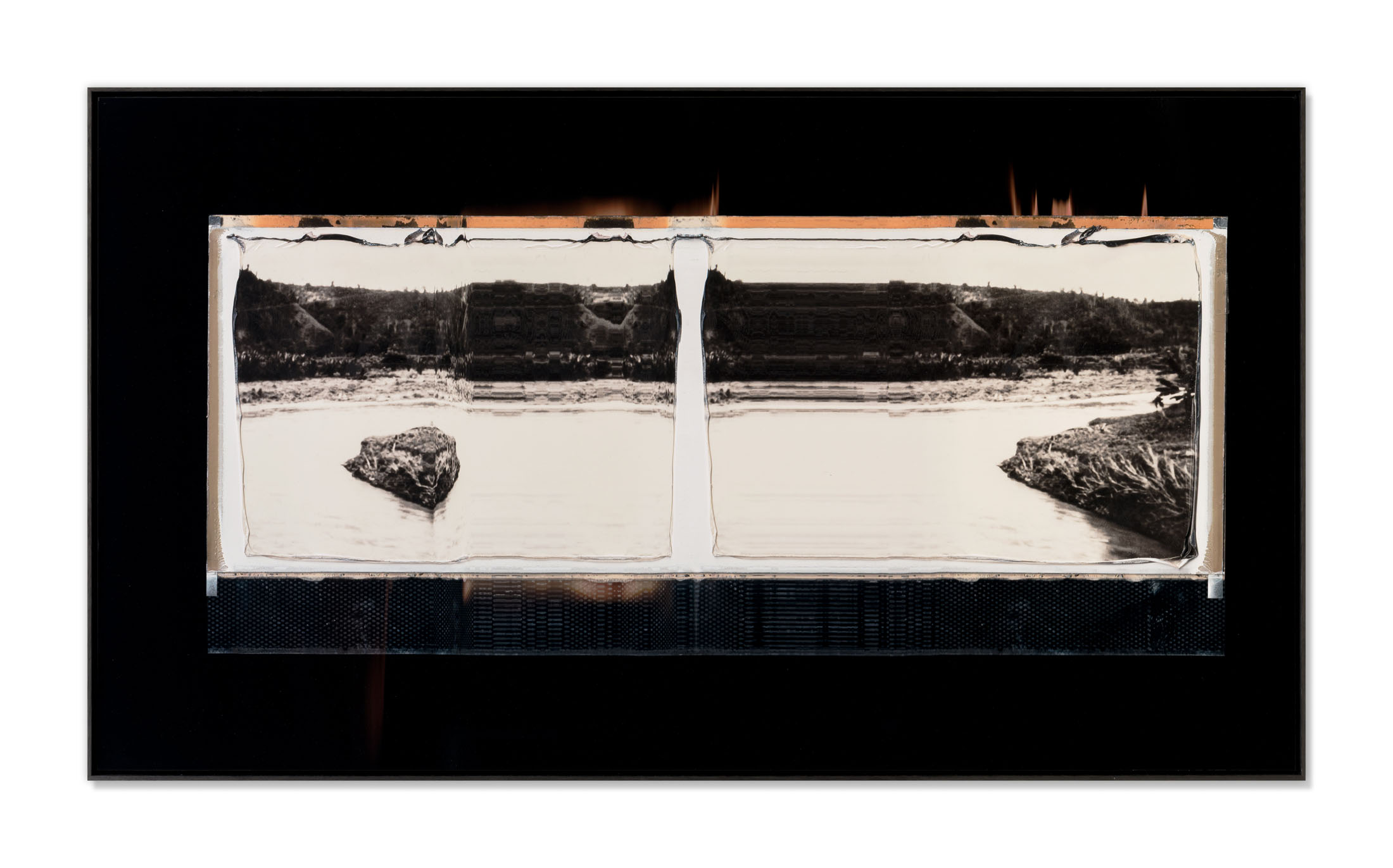
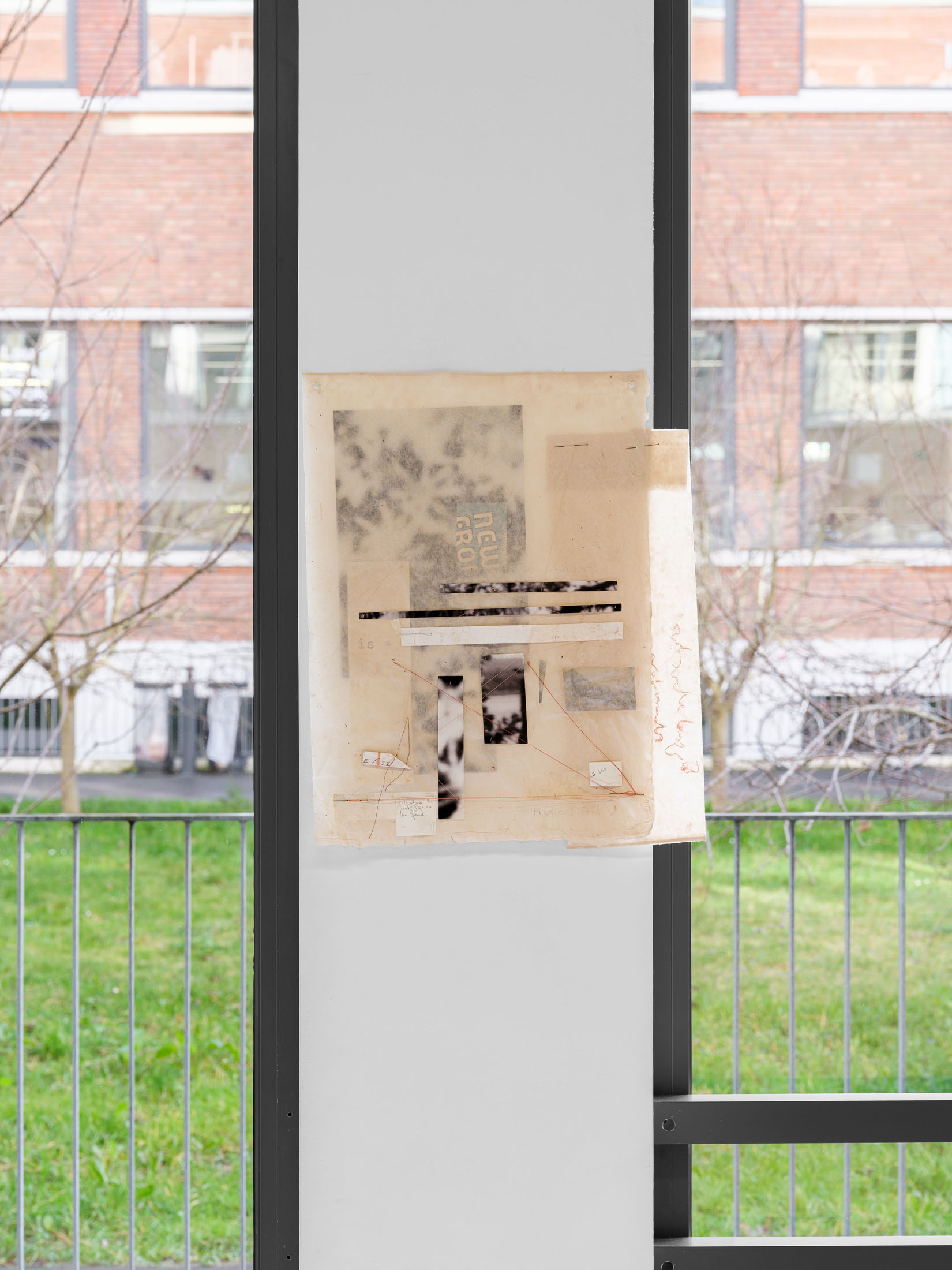
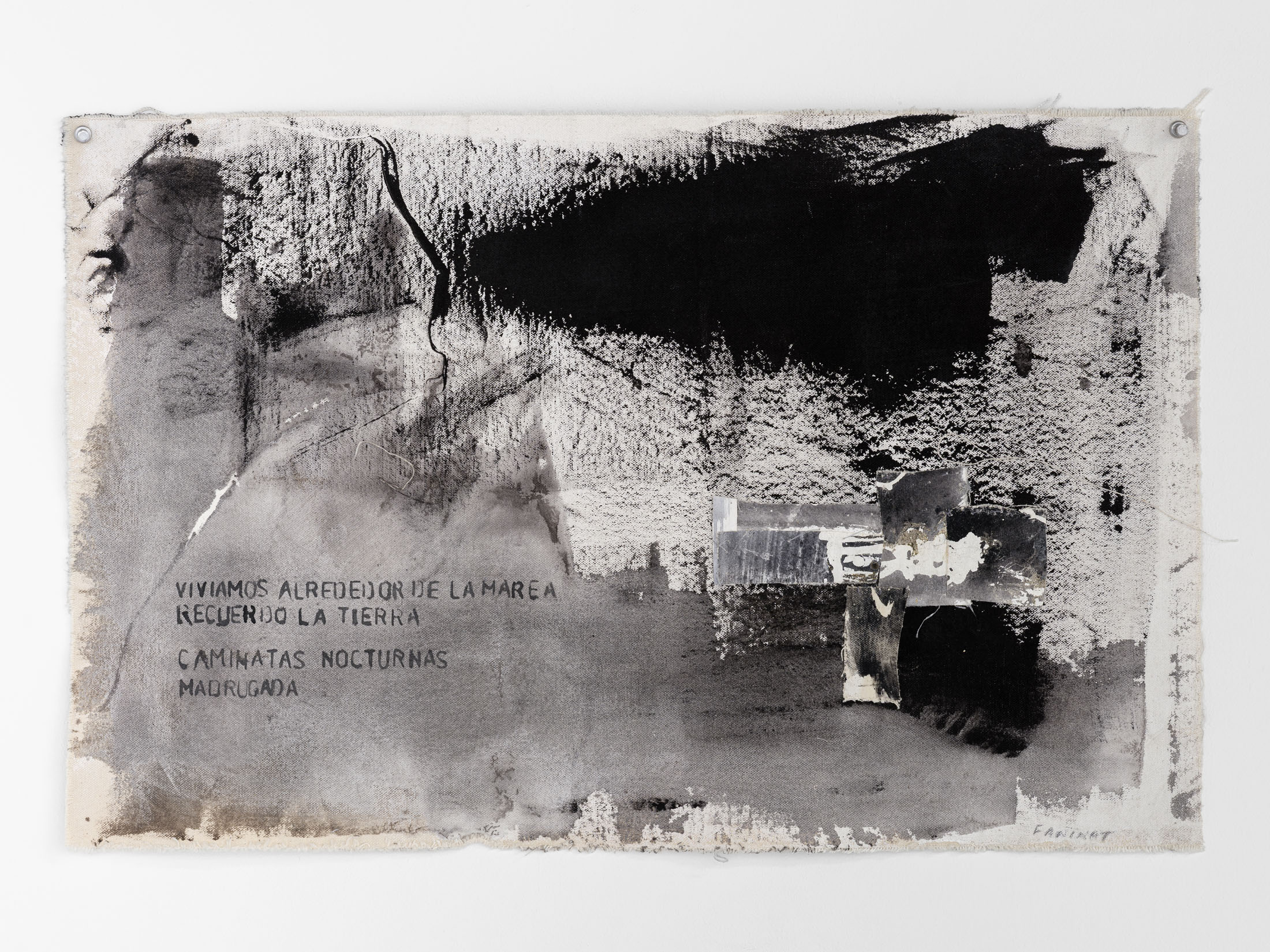
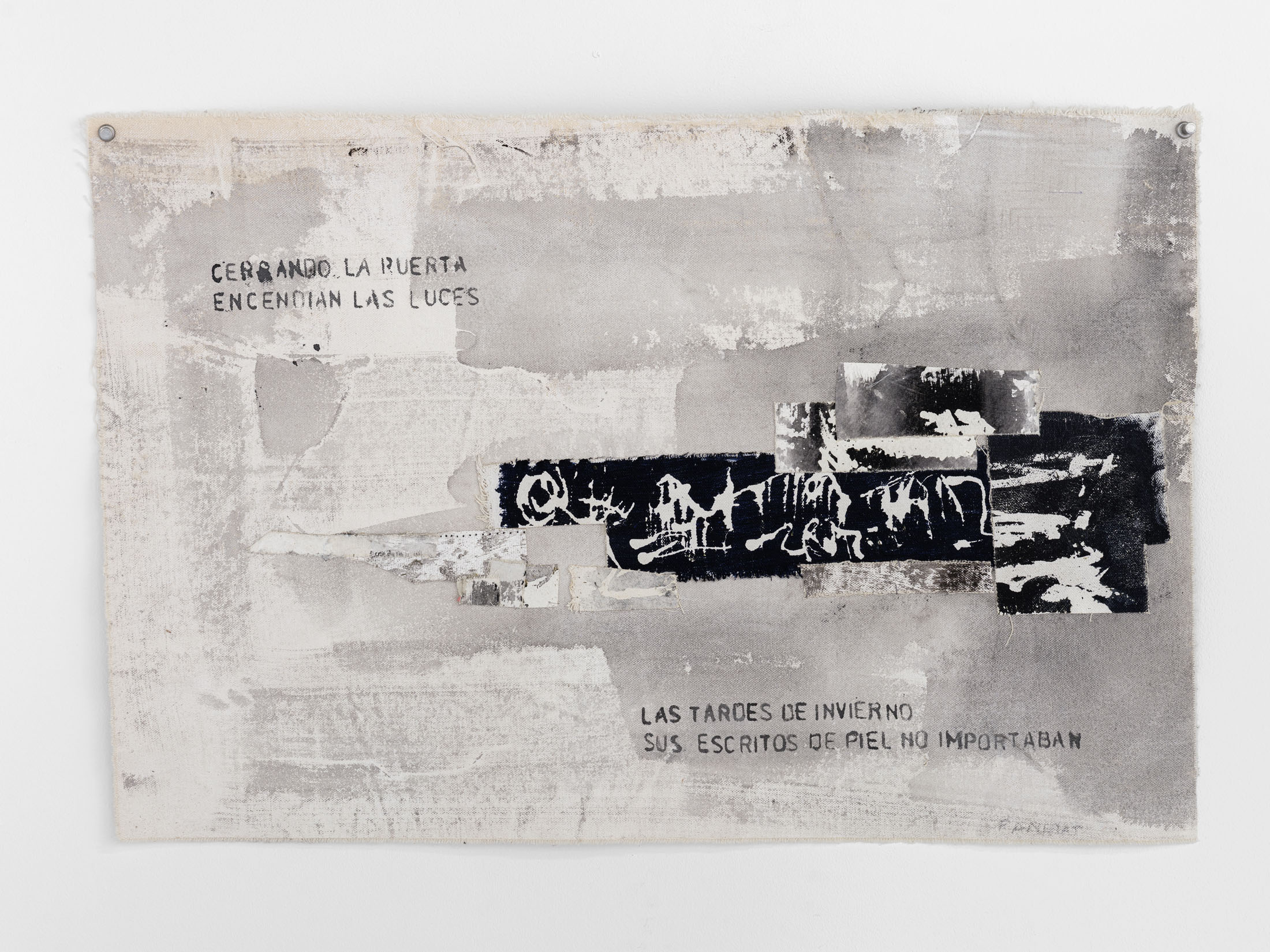
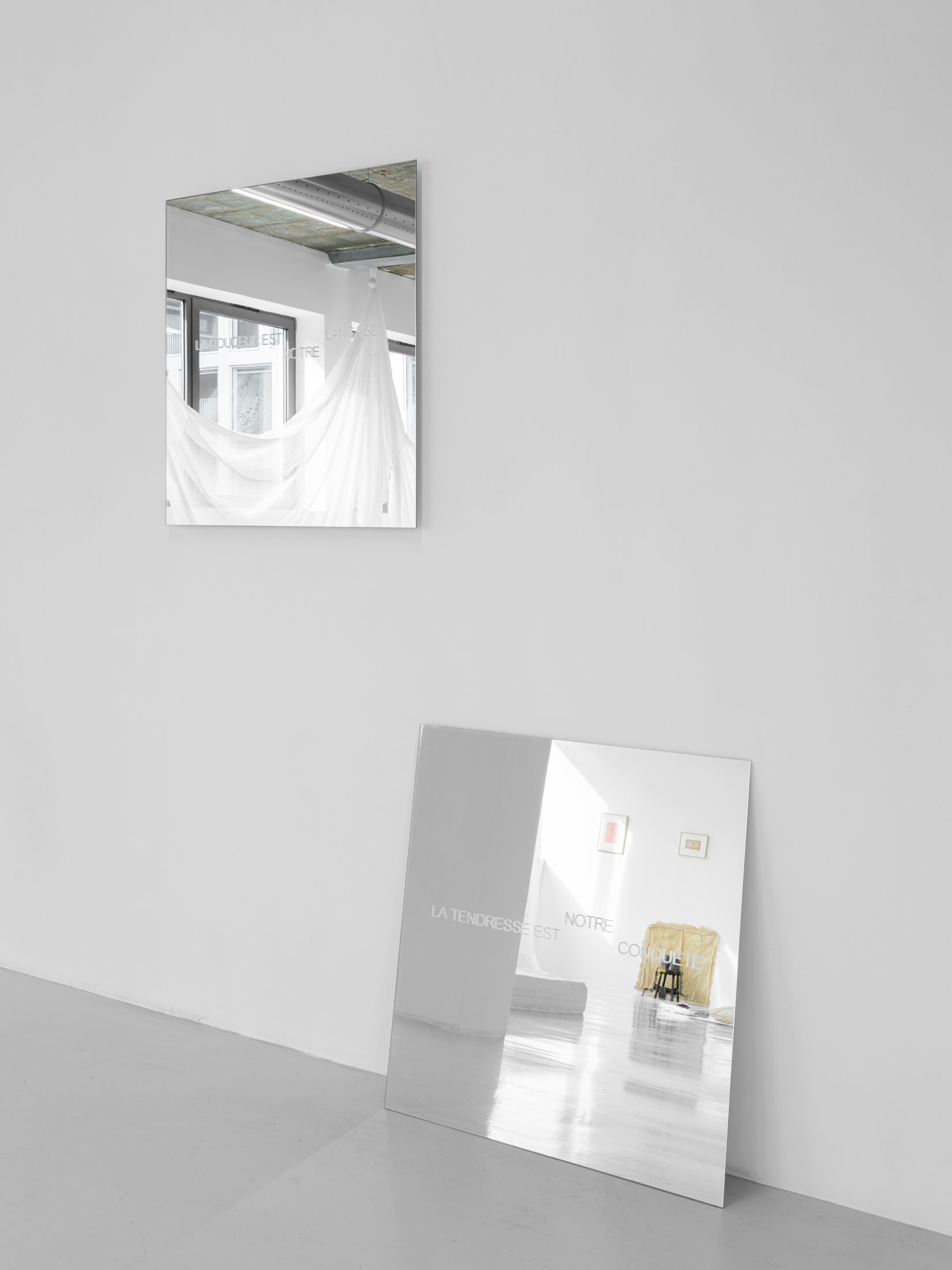
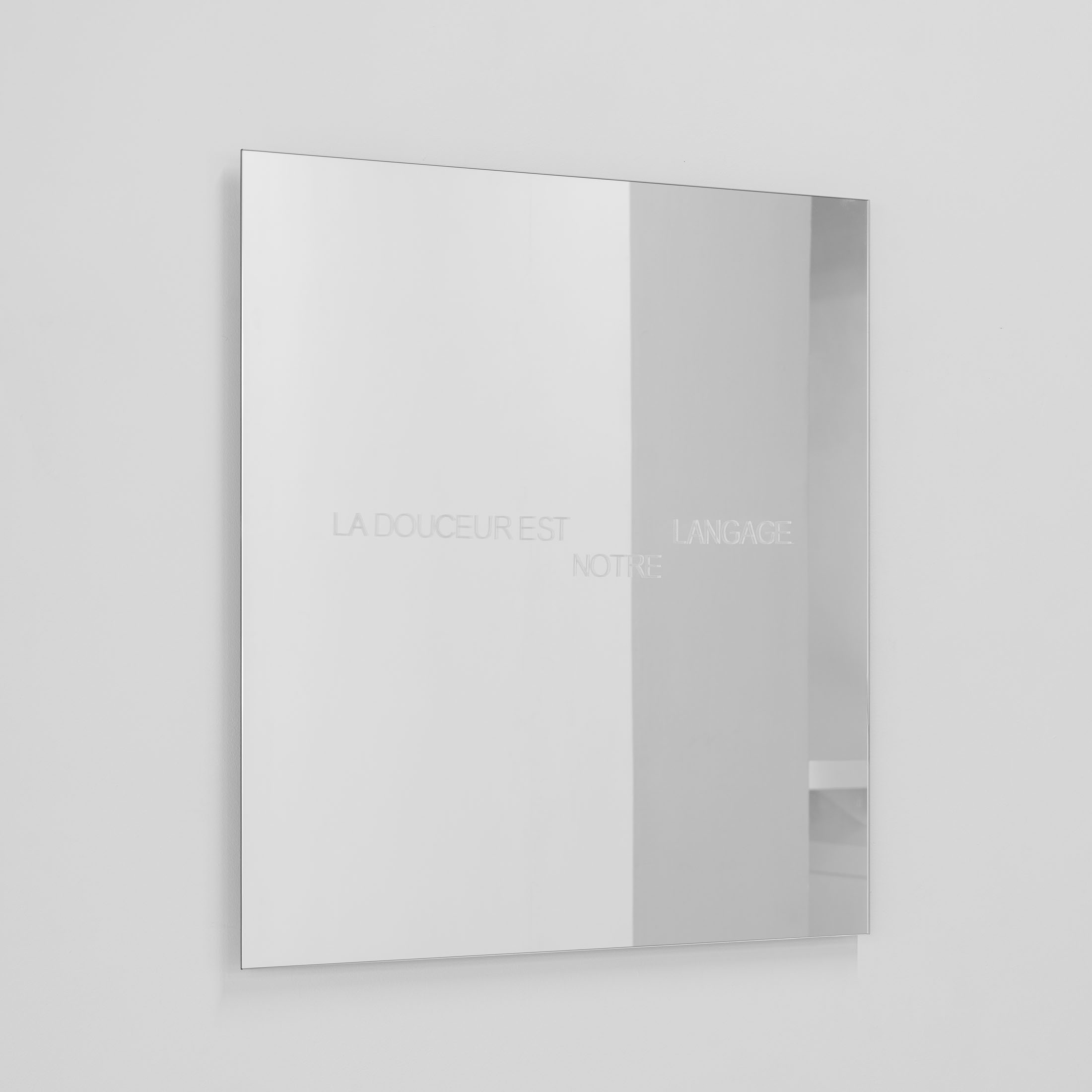
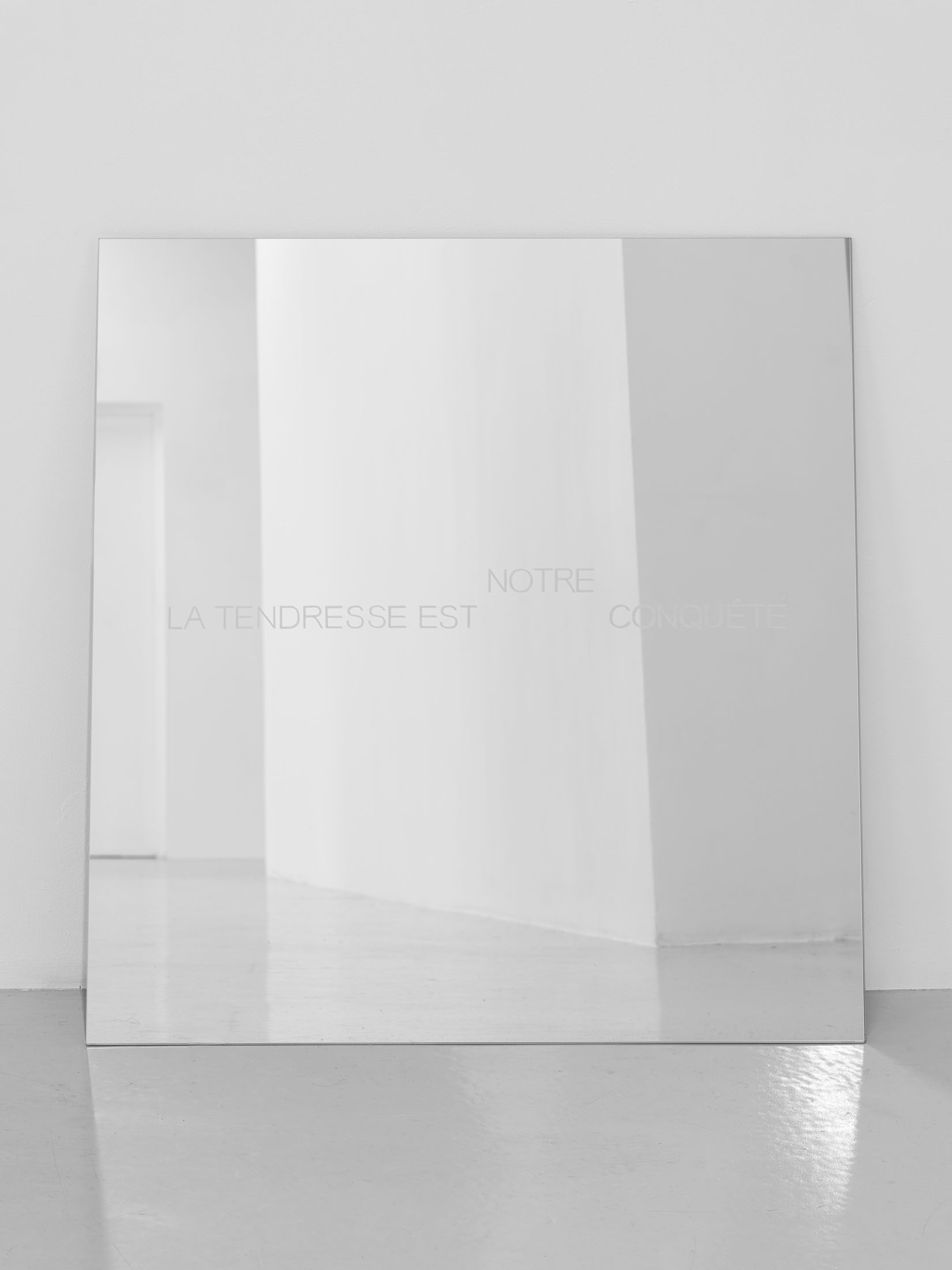
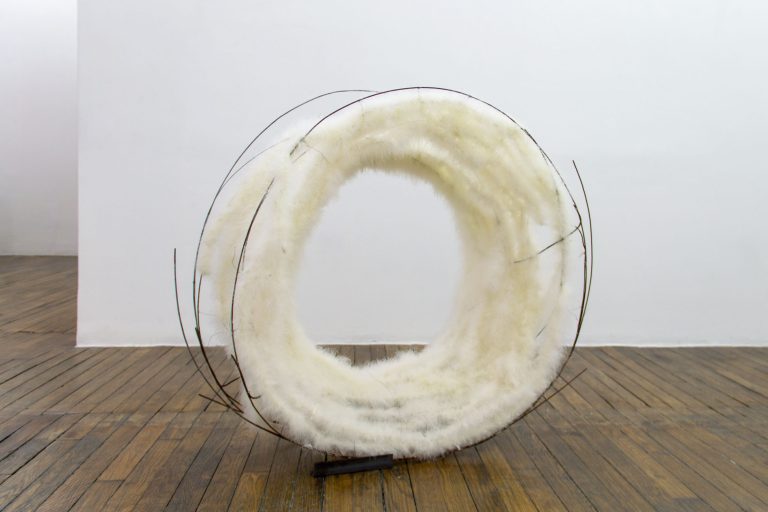
This exhibition takes shape in a similar way. The artists featured in it revisit intimate territories and shift perceptions in order to recompose memory in fragments. Emotions from the past reappear as transfigured murmurs, awakening sensations that arise despite oneself, letting the past vibrate in the present. They develop a singular artistic gesture, on the edge of poetry, which seeks less to narrate than to awaken sensitivity, outside all orthodoxy.
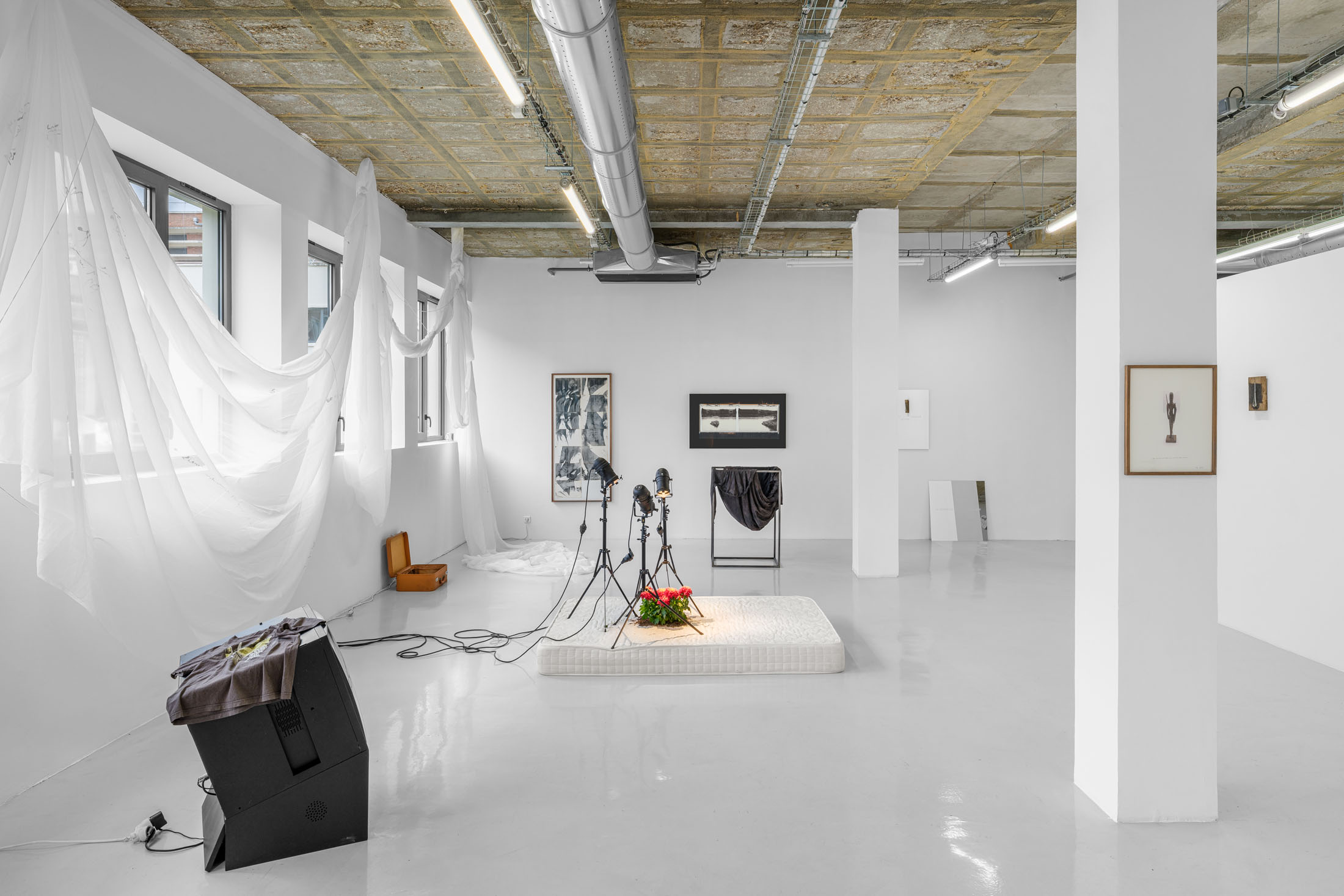
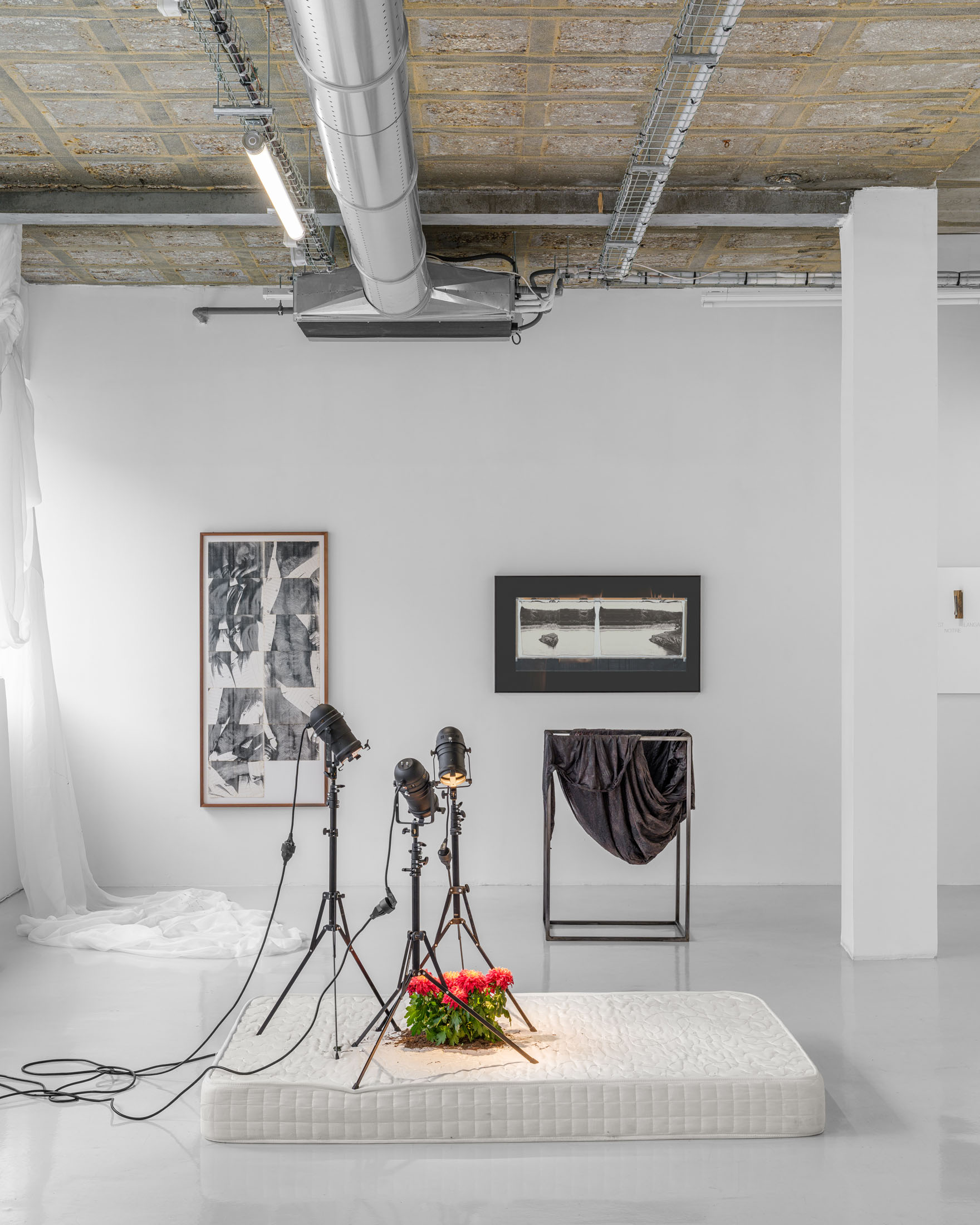
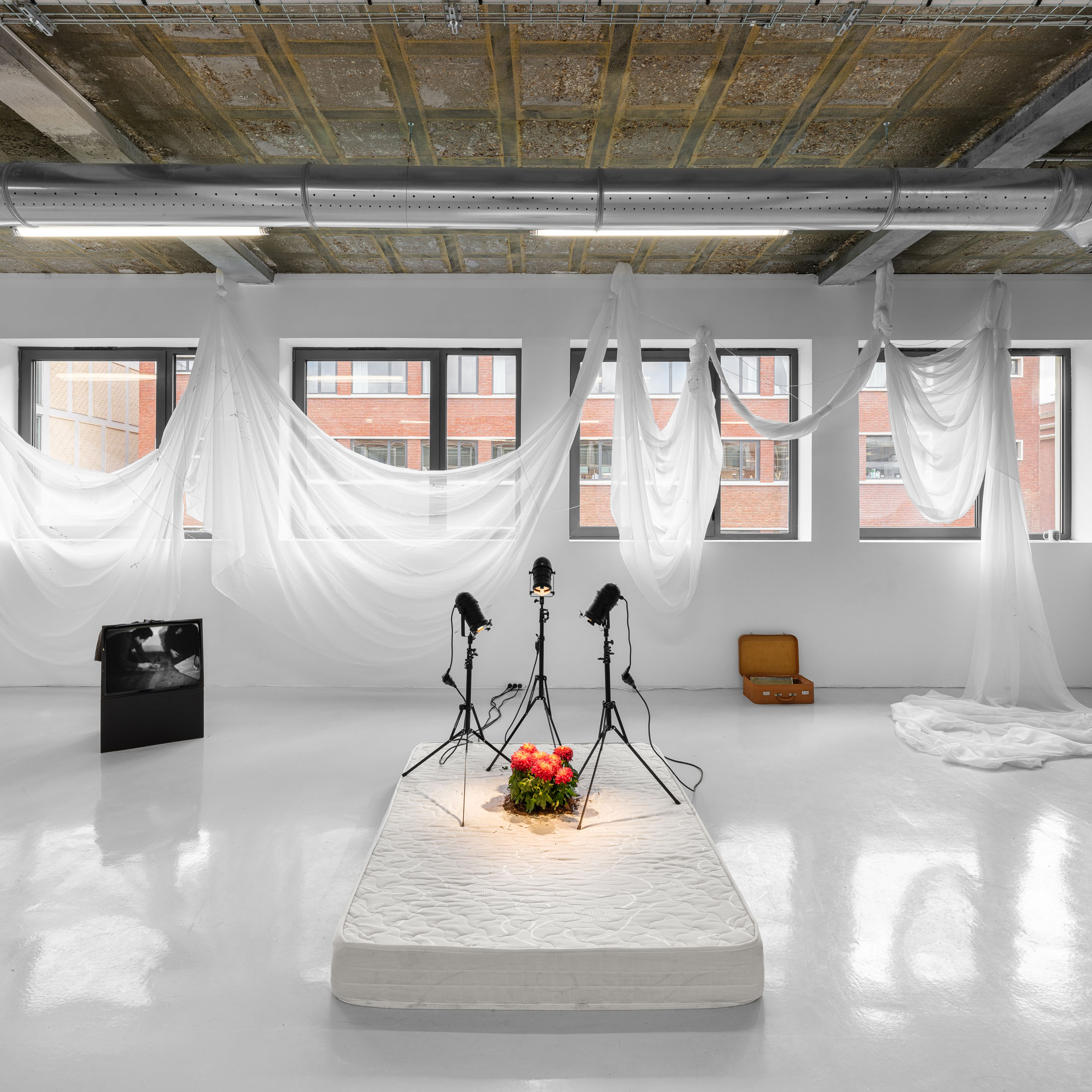
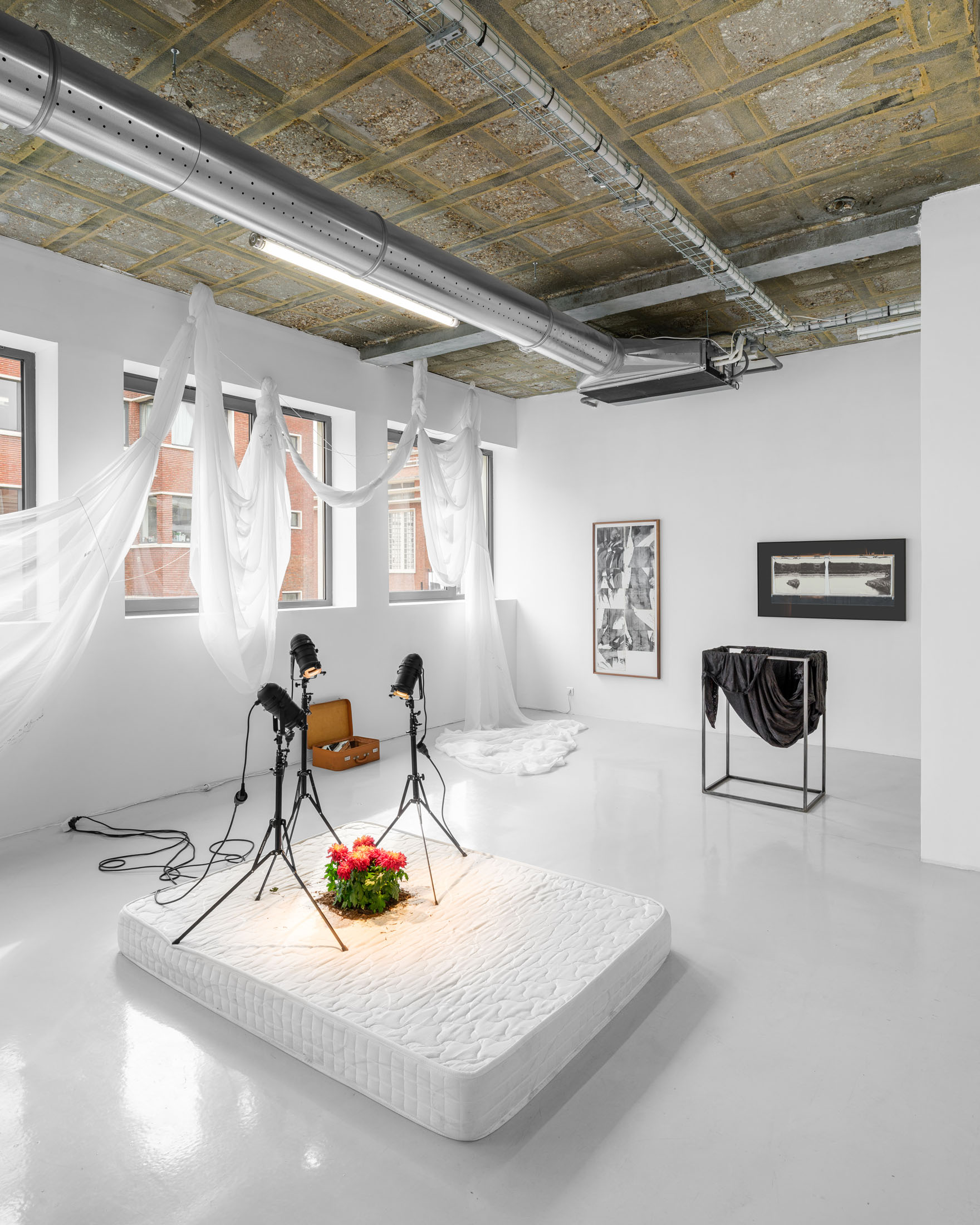
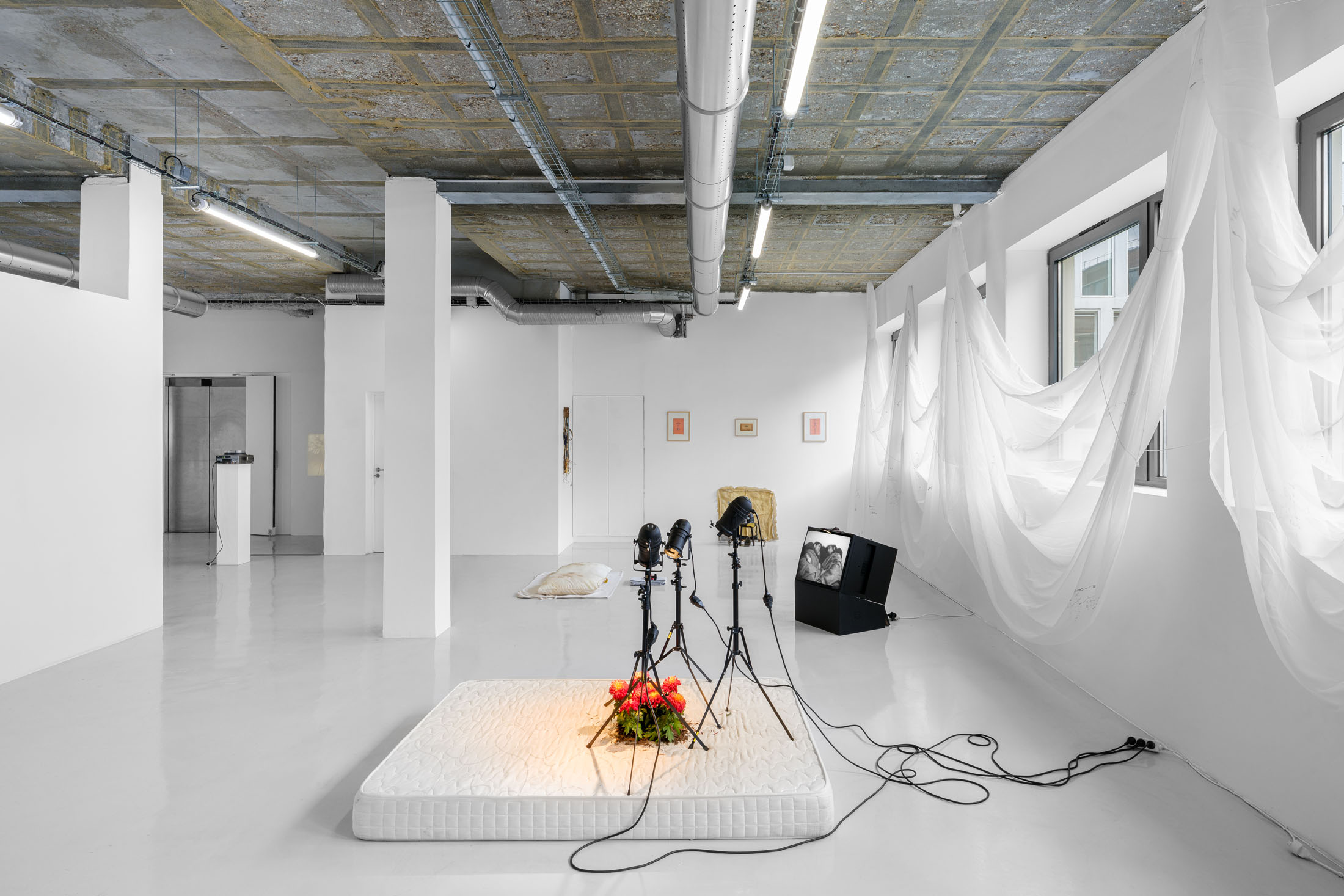
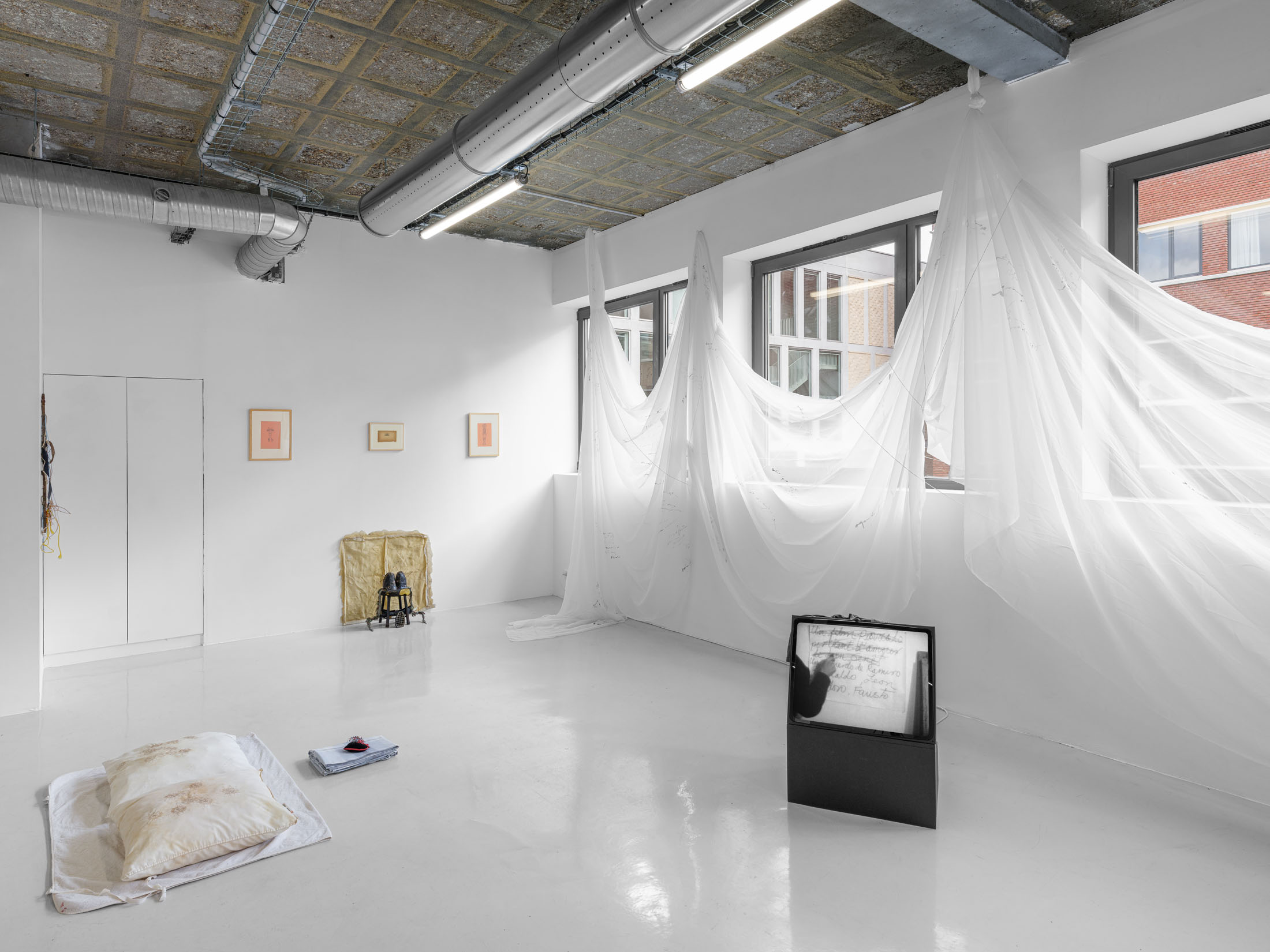
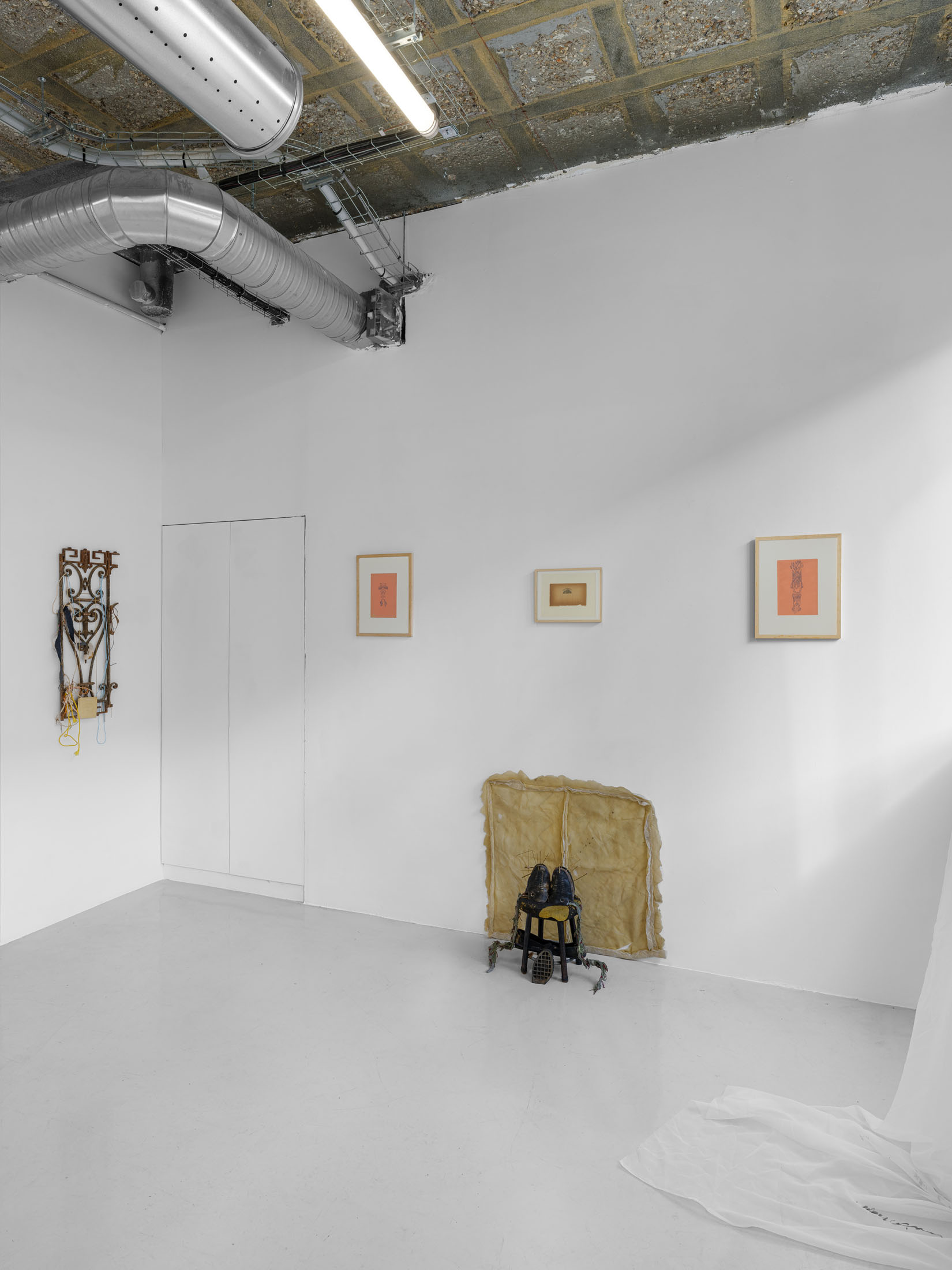
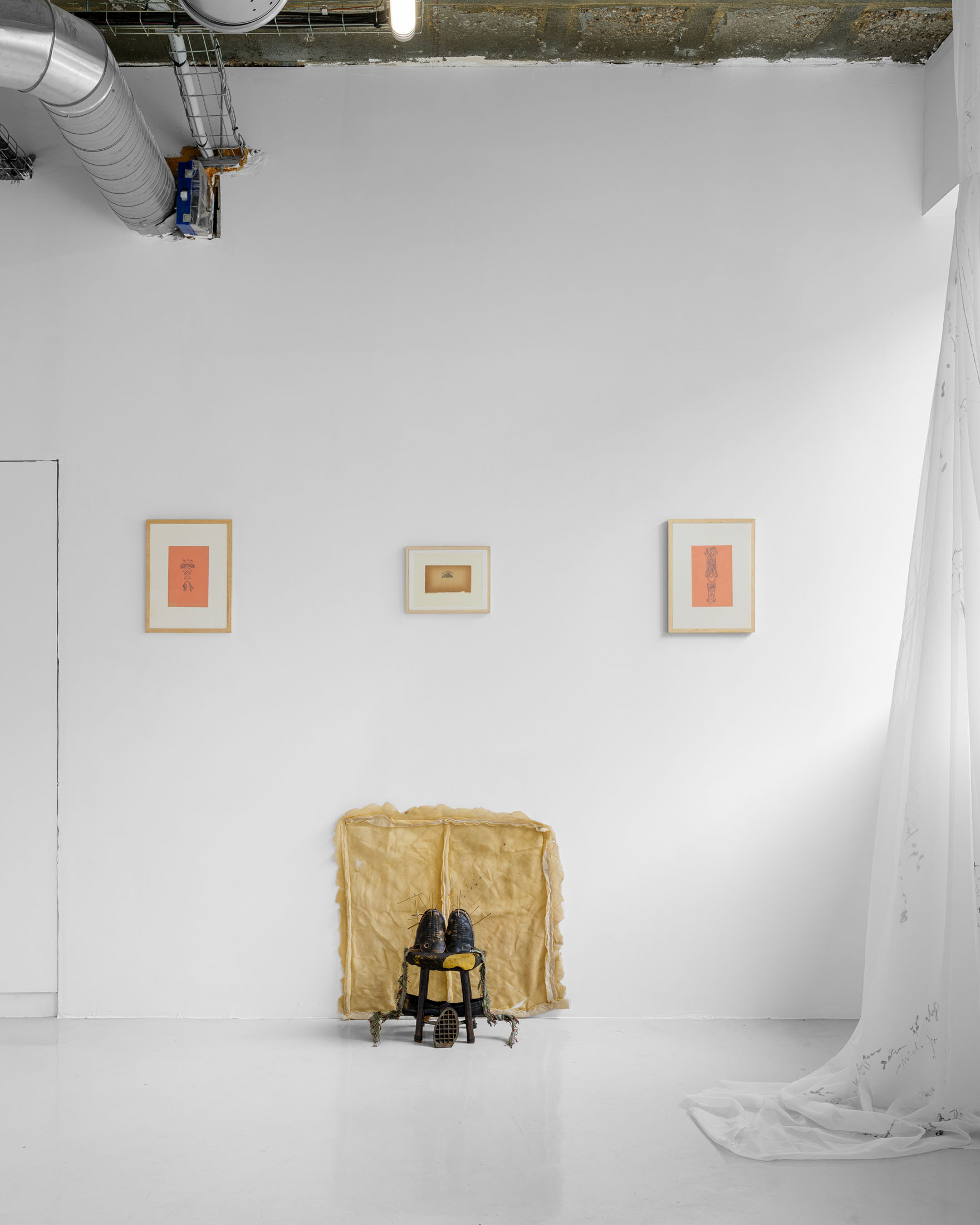
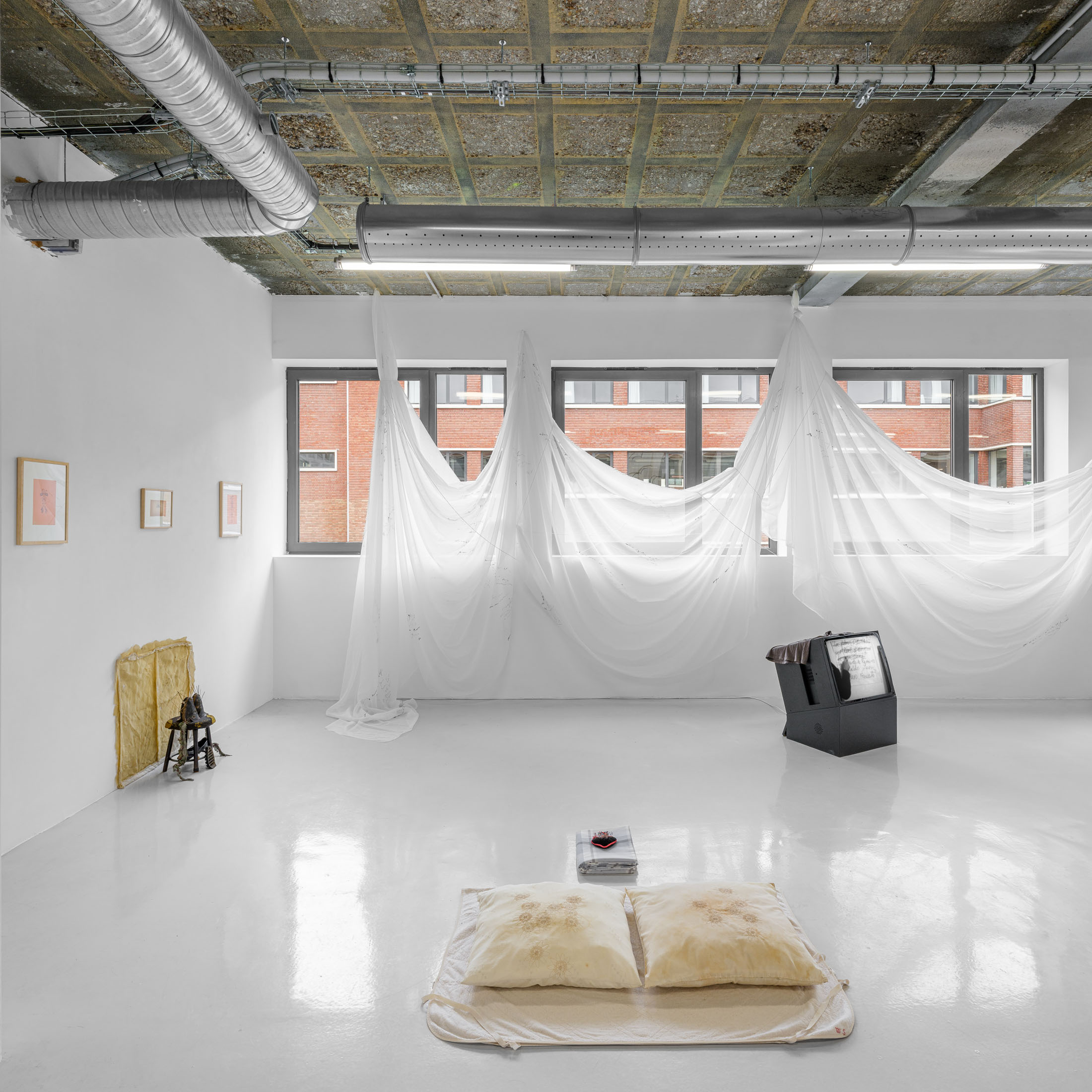
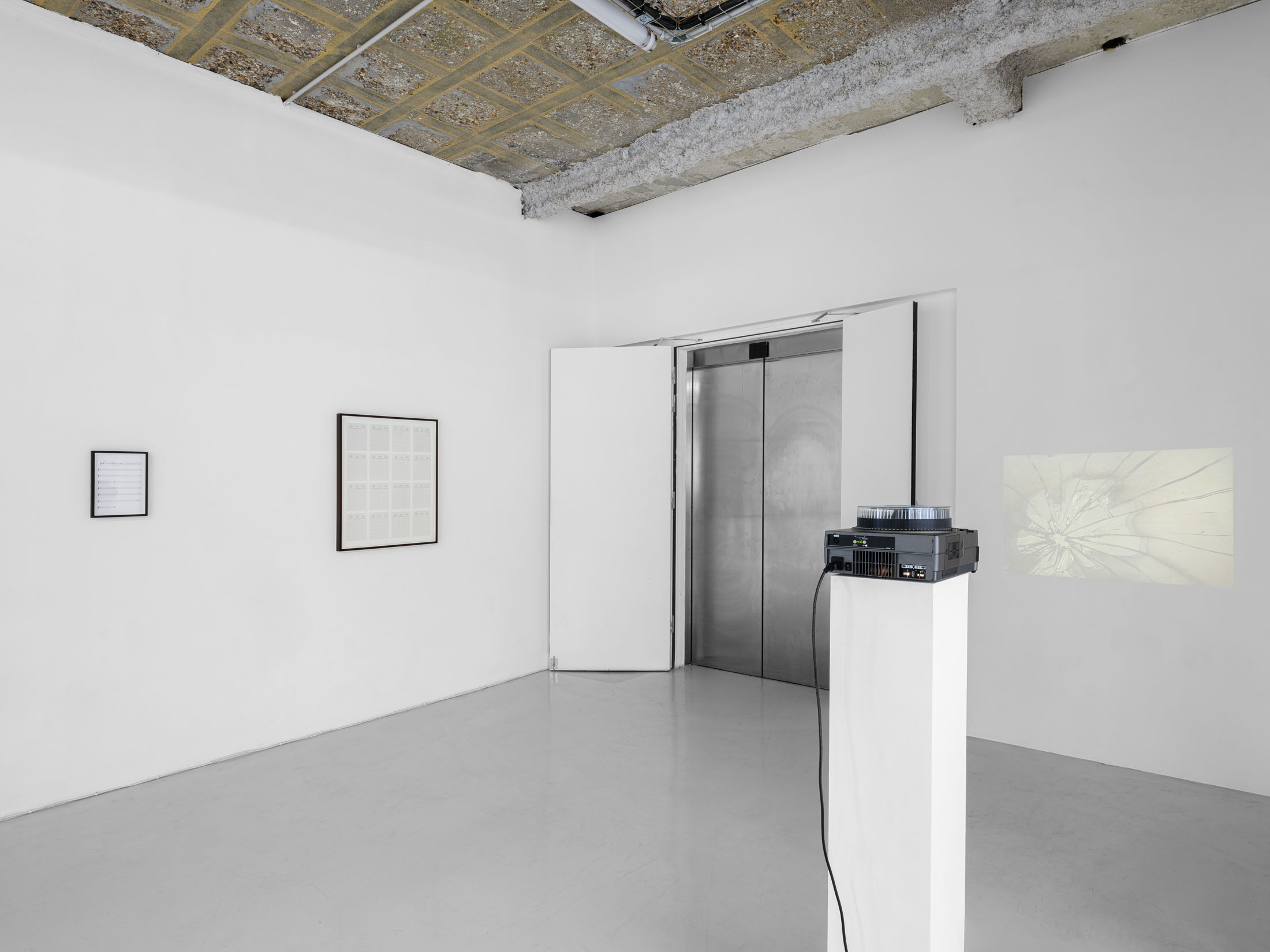
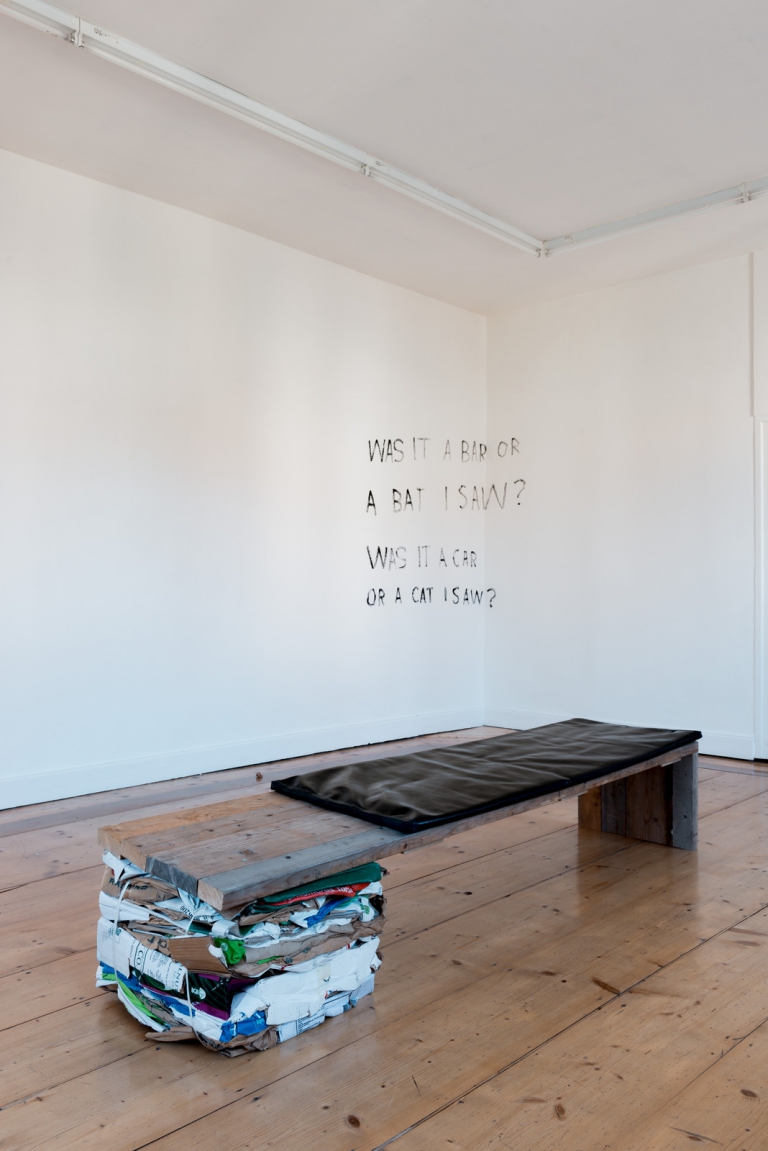
Le lent demain thus unfolds as a suspended space between personal diary and mise en scène, a mnemonic construction in which memory is not a simple passive reservoir of the past, but an active process of narrating one’s own life. As Paul Ricœur emphasizes, the self comes to be understood by assembling its memories into a story.[12] This story is presented here, in the gallery, as a reconstructed bedroom that is mine without quite being so. It goes beyond the faithful autobiographical restitution to open itself to distance, transposition, and reinvention, because, to borrow Guy Gilles’s words, “in all true artistic creation, there is always the search for what one is, what one could be, and what one would like to be.” [13]
Like the filmmaker, they all adopt a sensitive rather than demonstrative stance—a way of looking at the world askew. For them, creation is inseparable from life: it follows its rhythm and its metamorphoses. Man and artwork nourish one another, until they form an autonomous organism capable of absorbing the surrounding world and reconfiguring it. They don’t invent mirages or create illusions but intensify reality to reveal what is latent within it, and to unfold its possibilities.
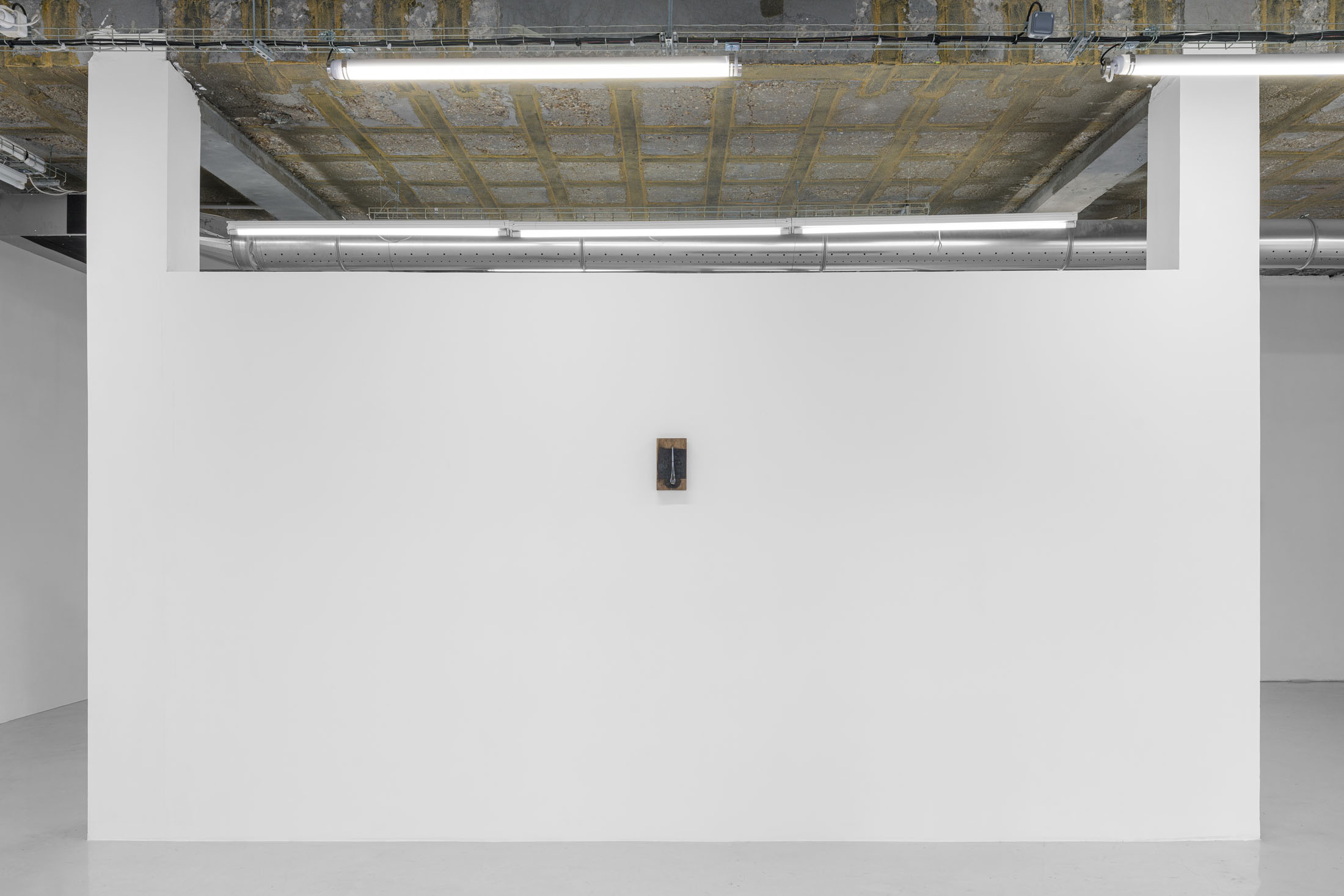
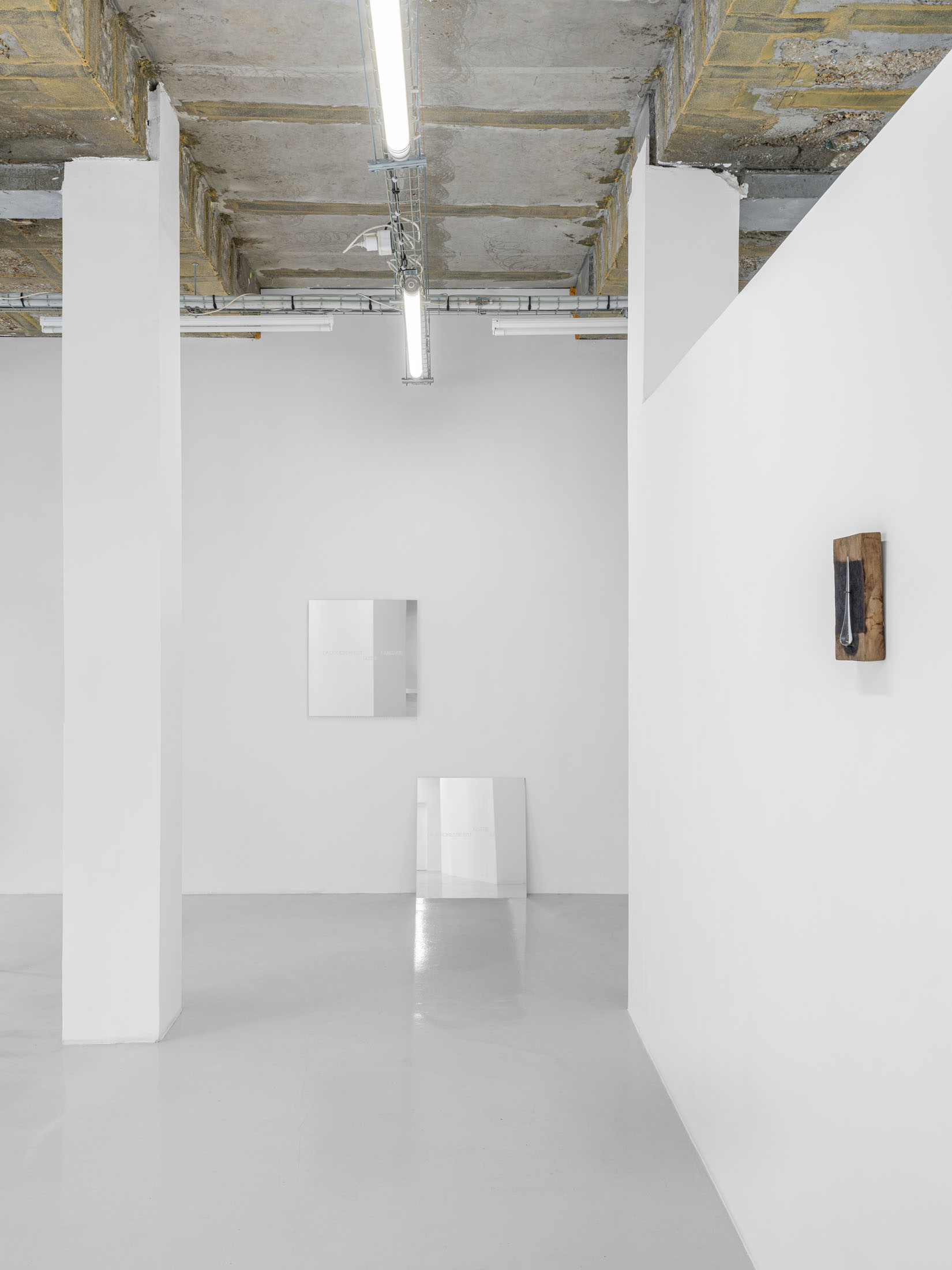
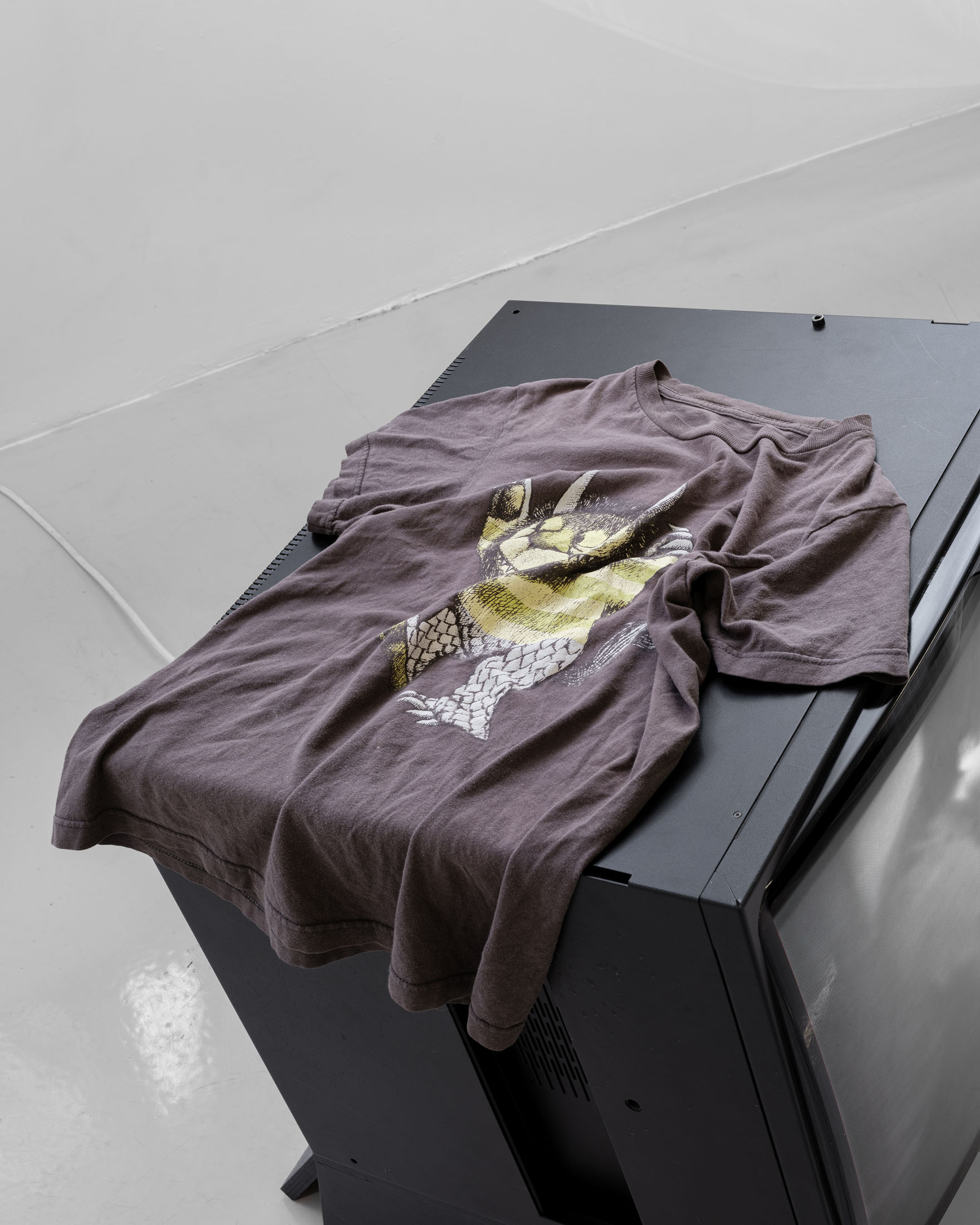
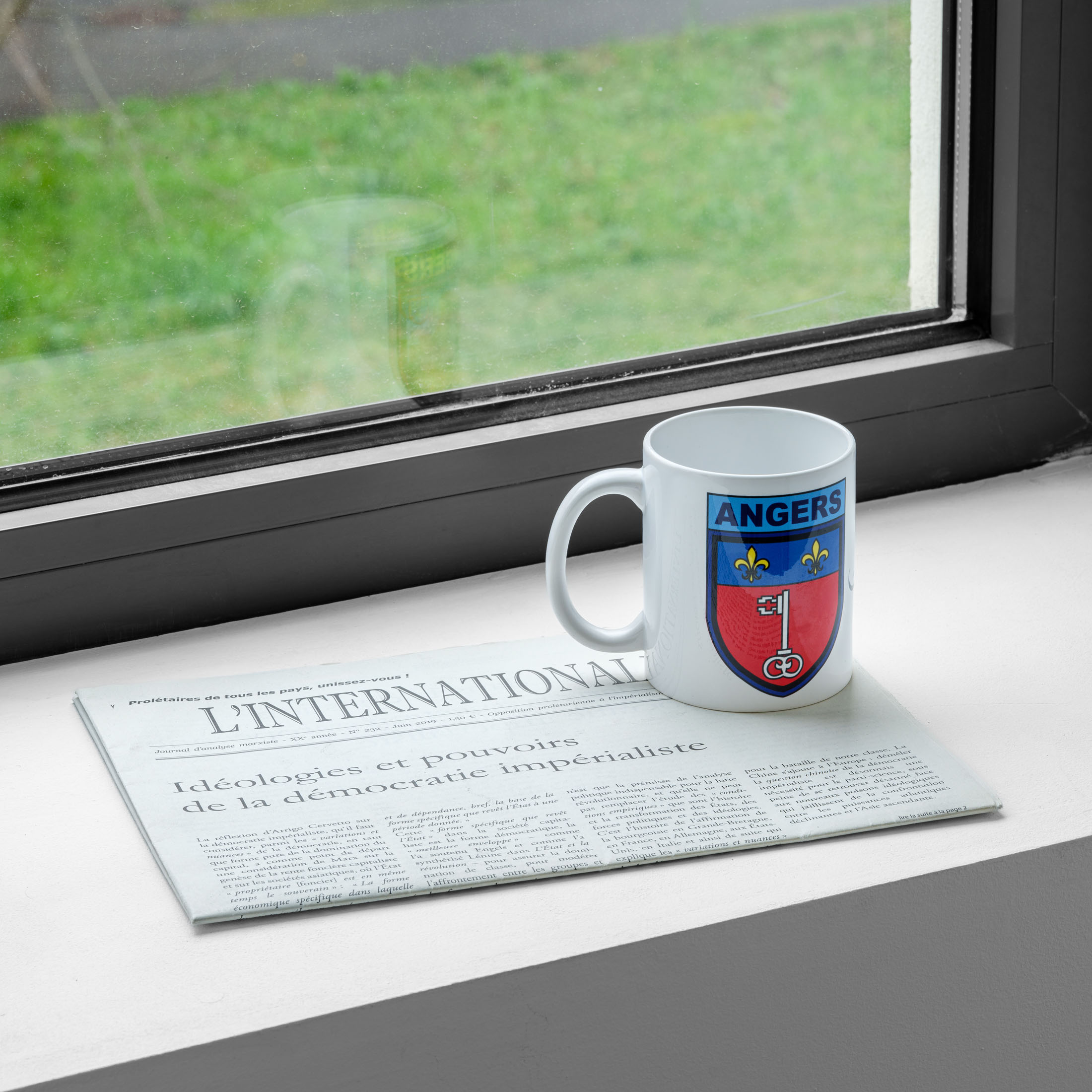
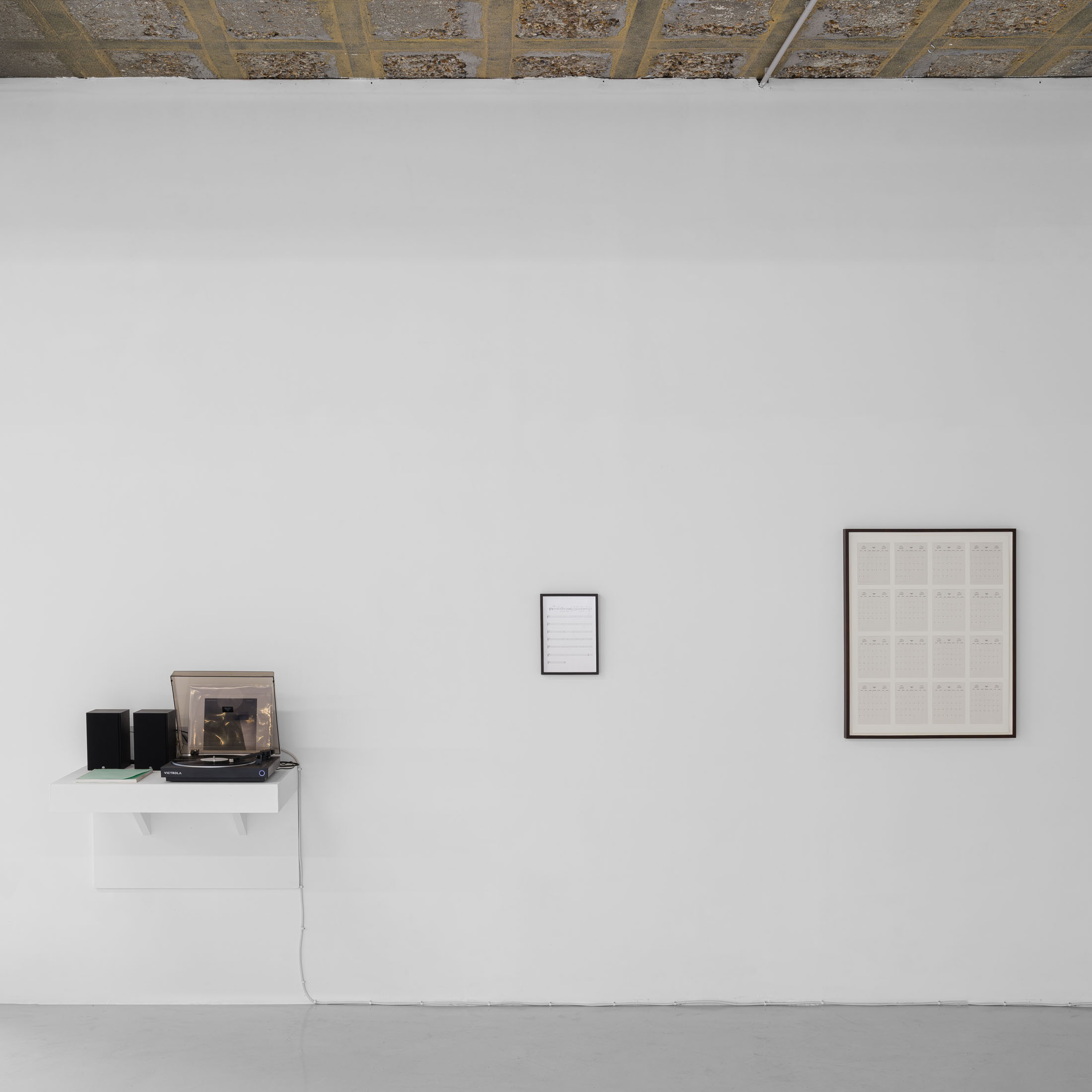
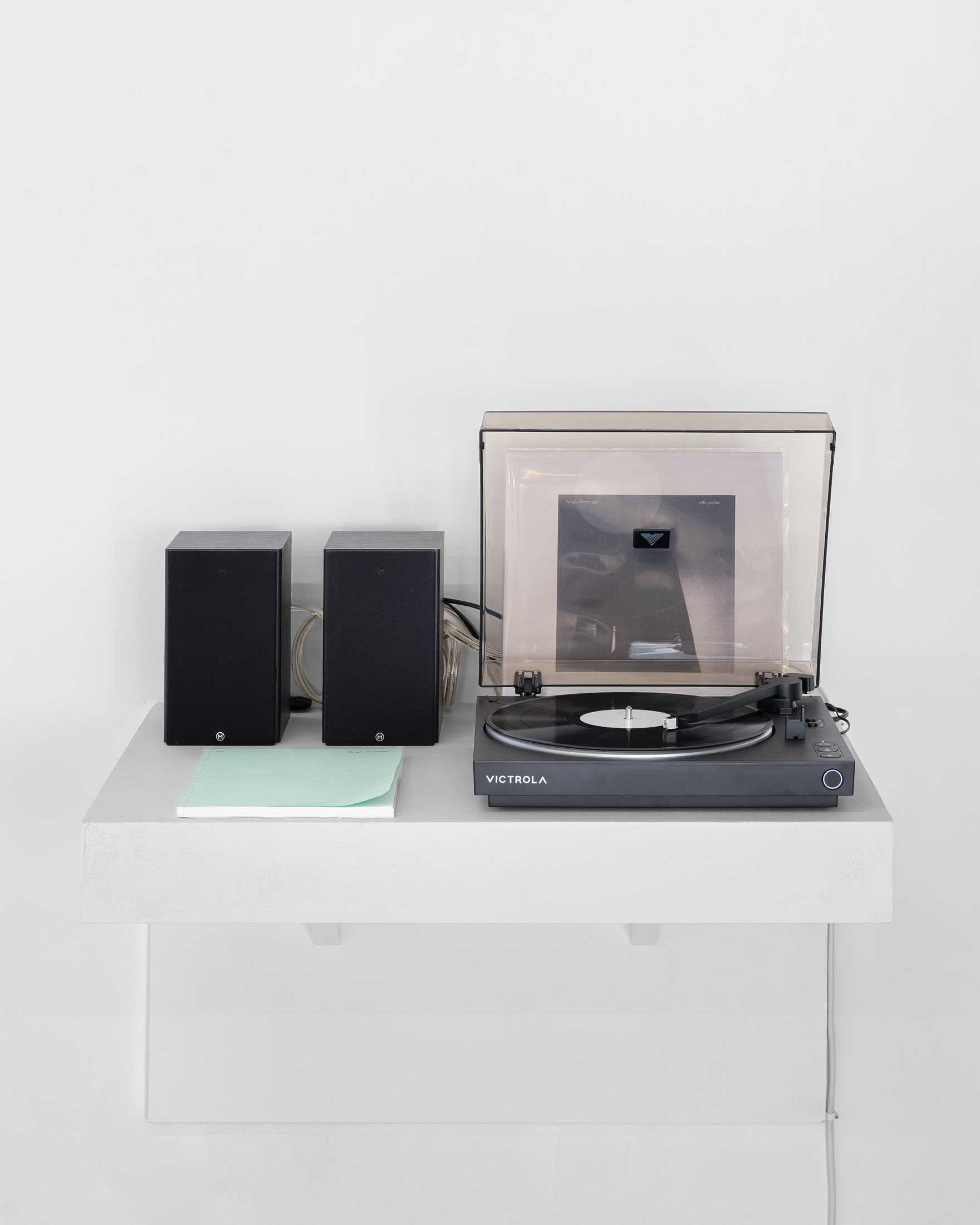
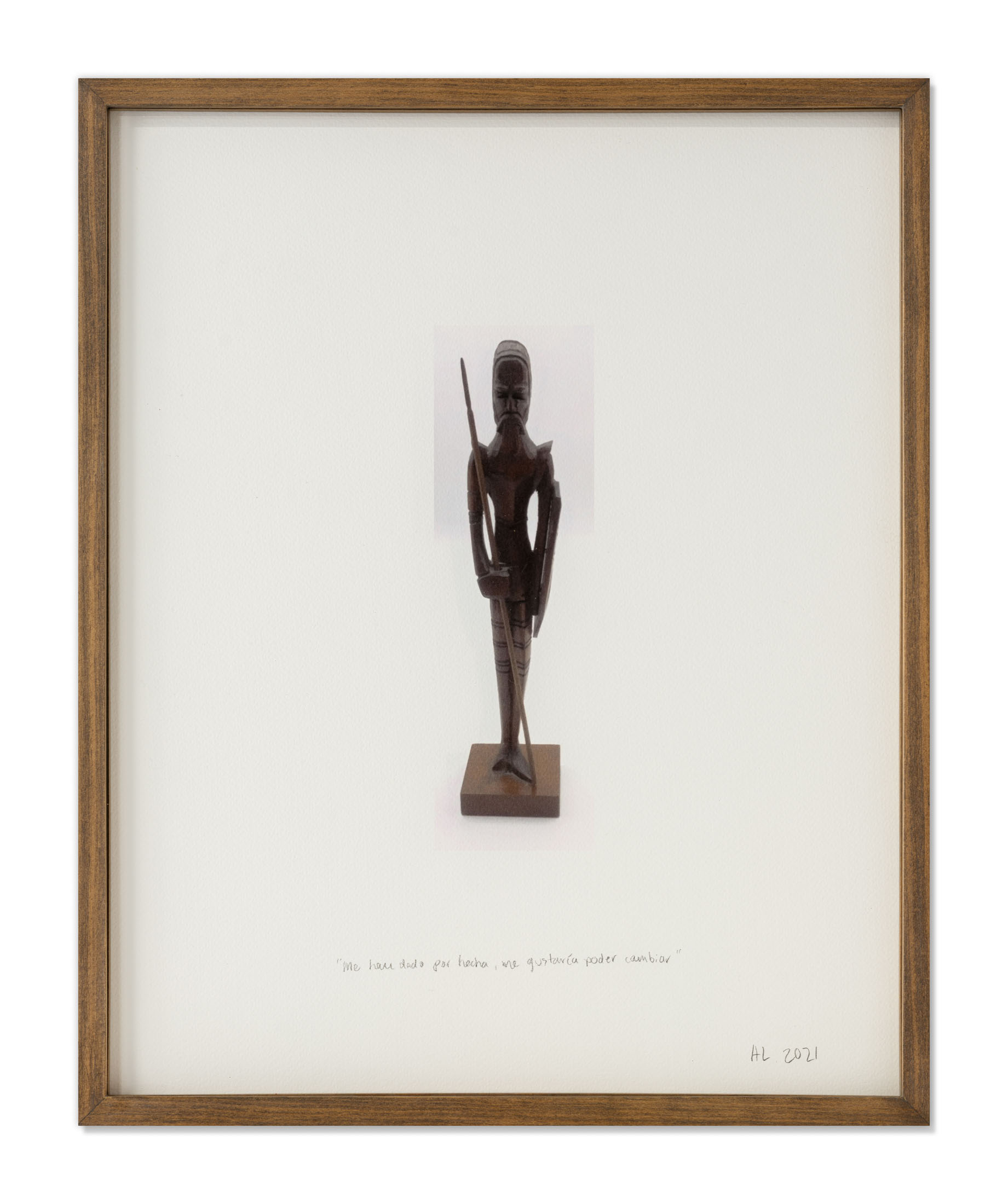
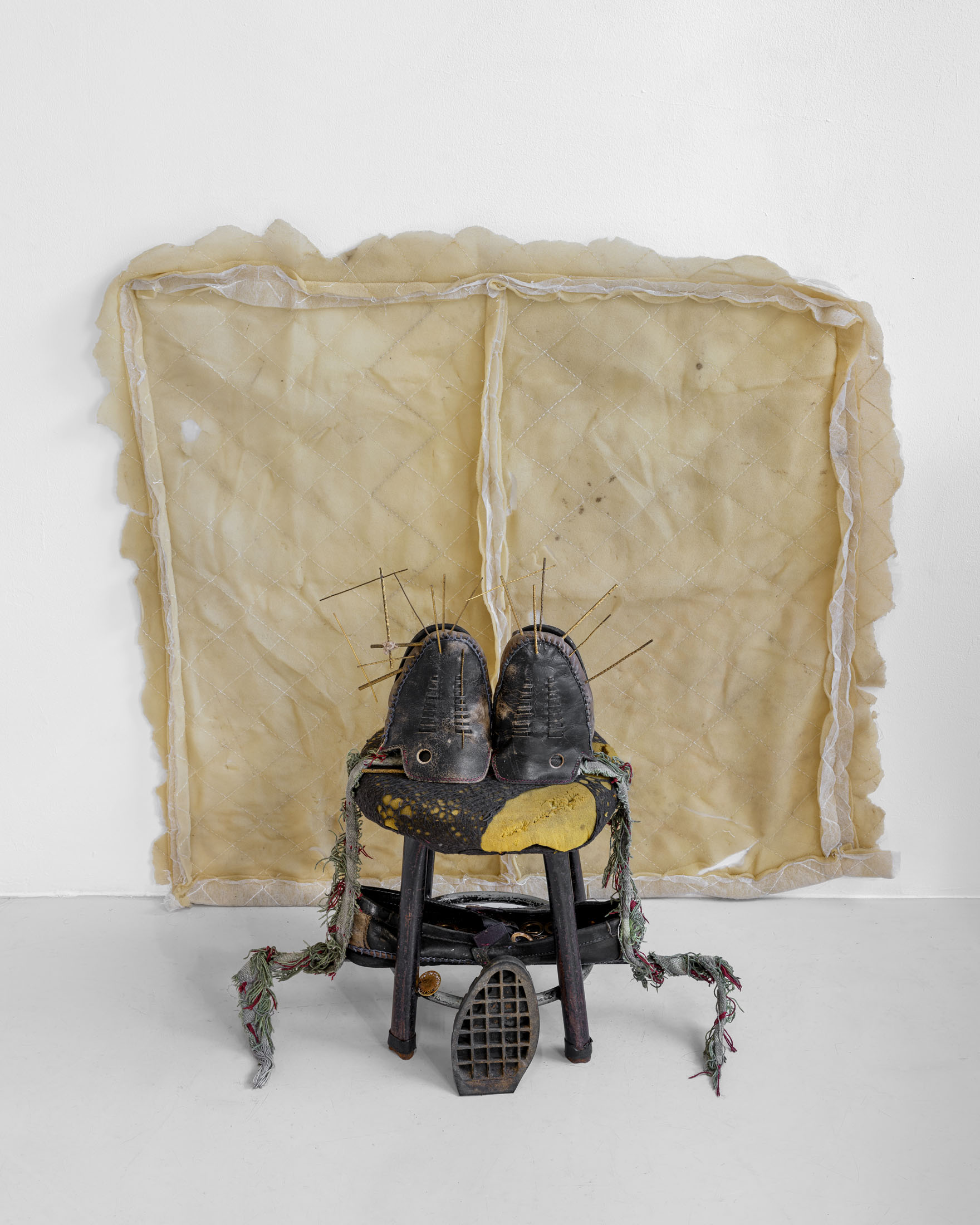
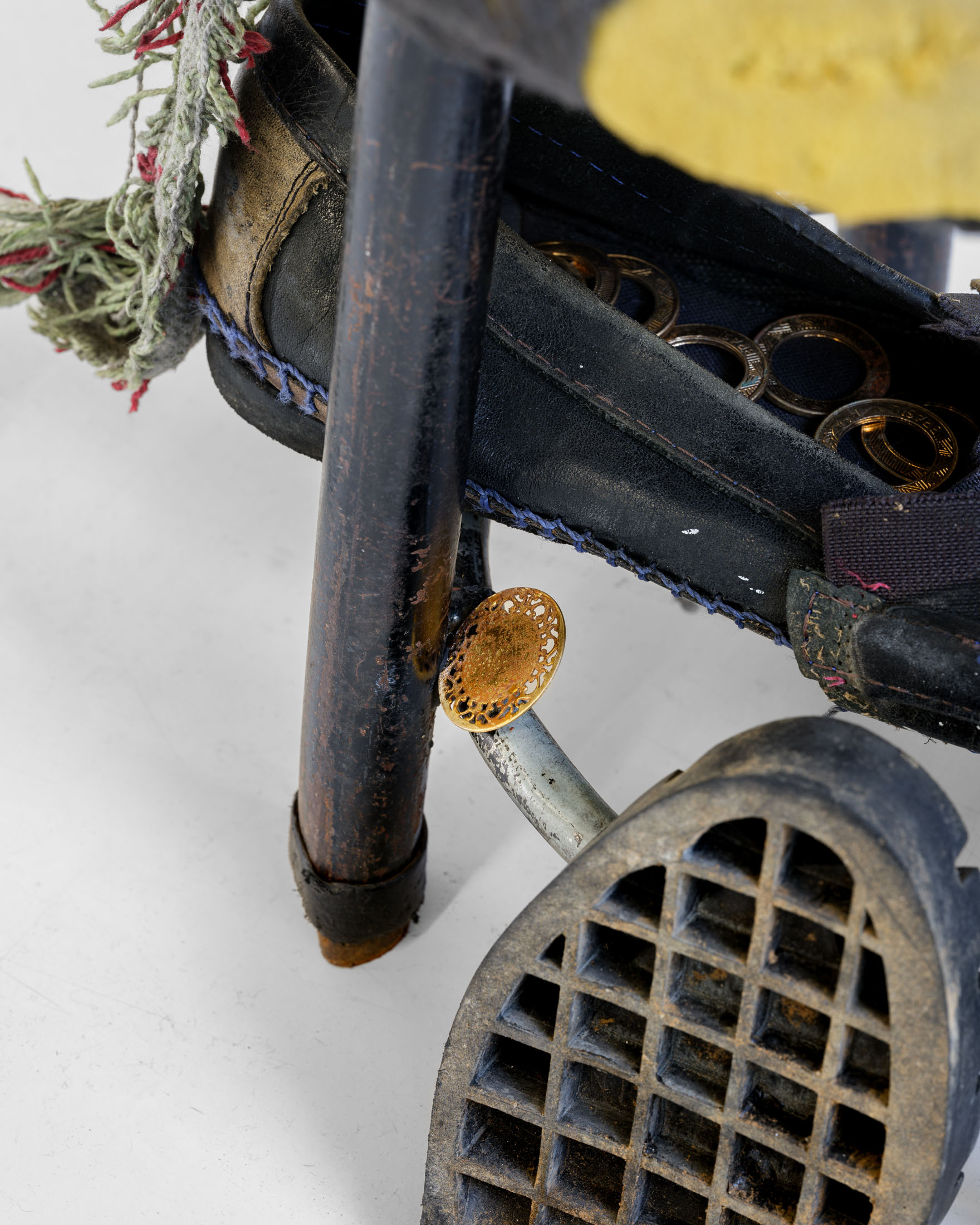
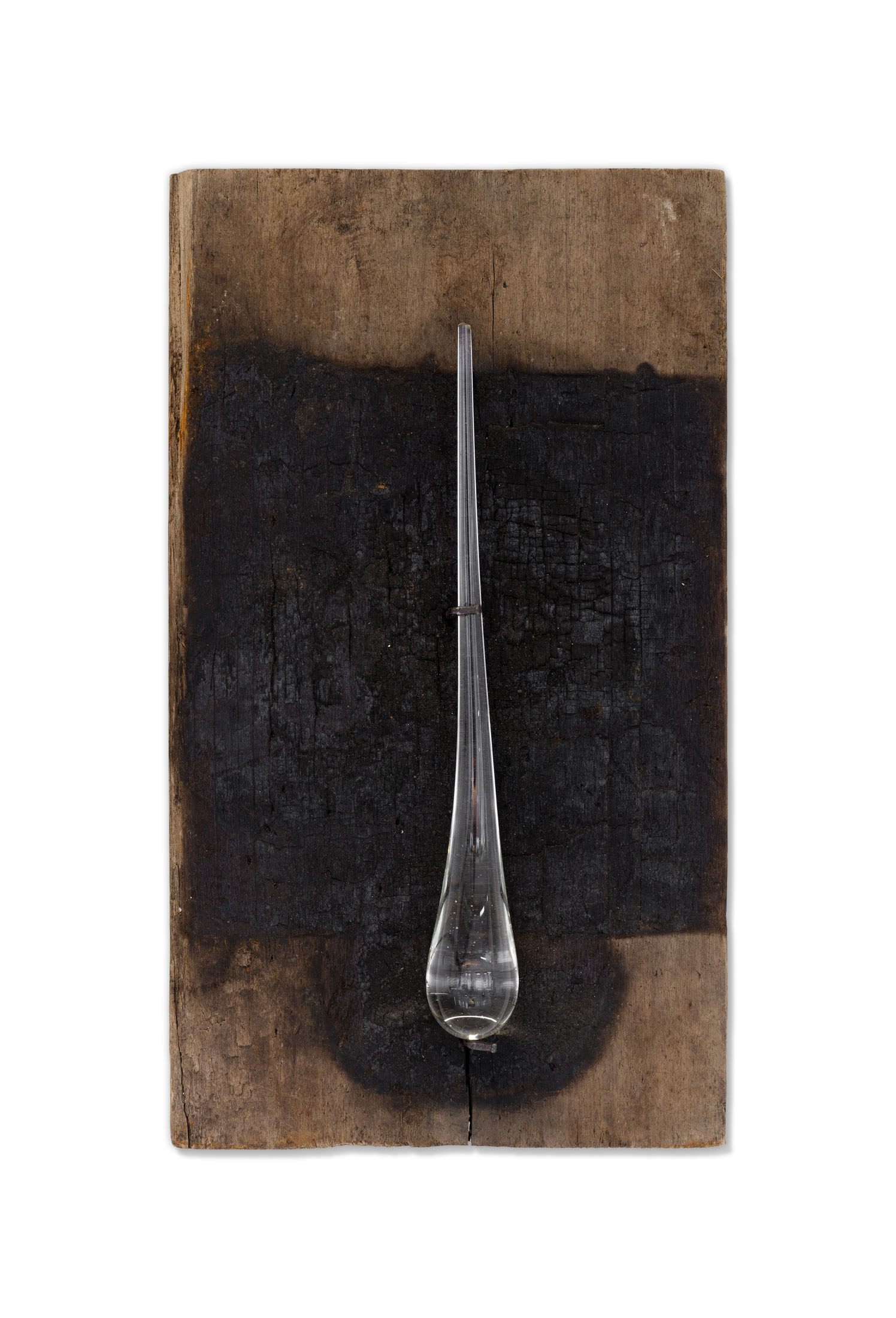
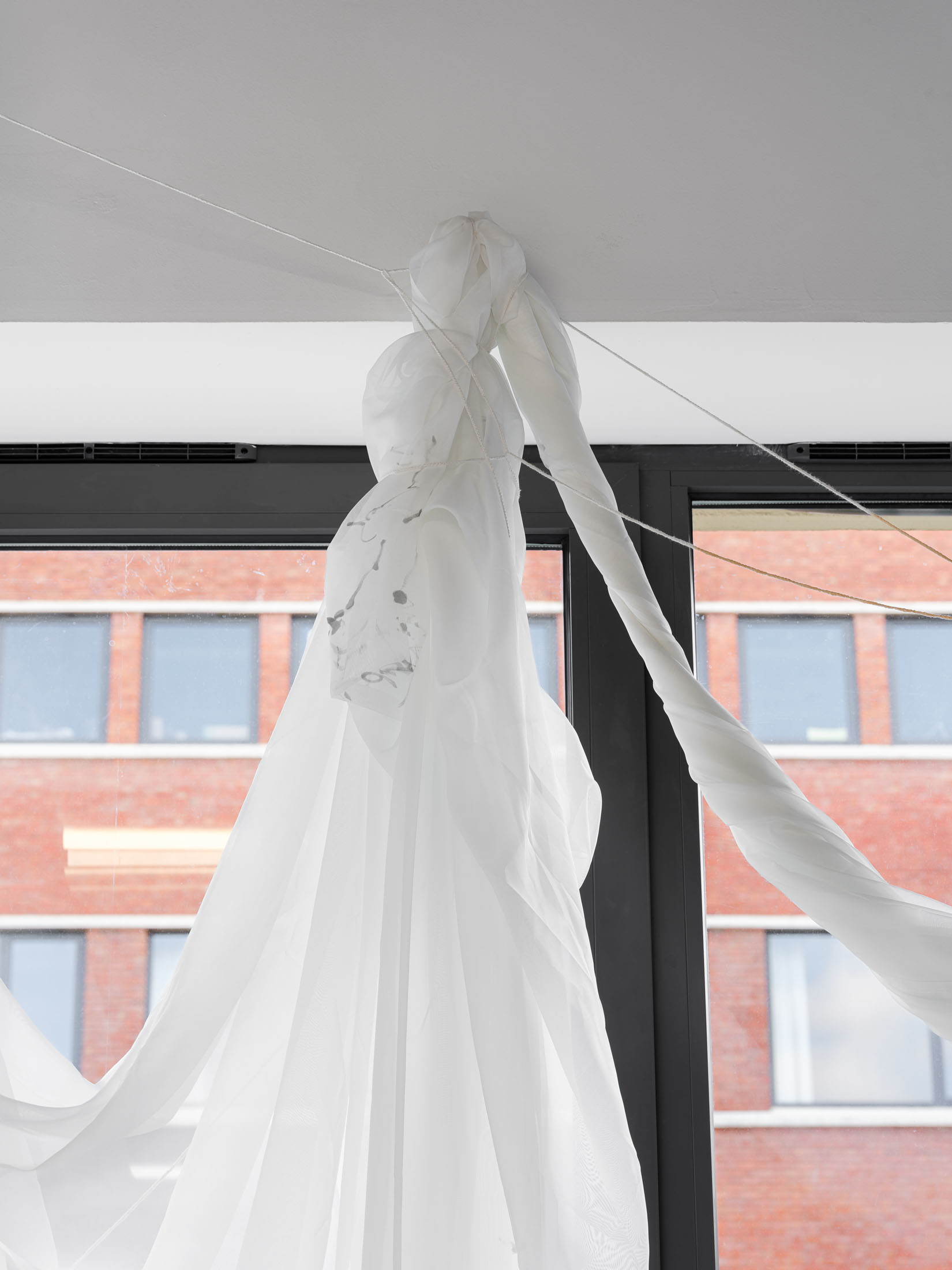
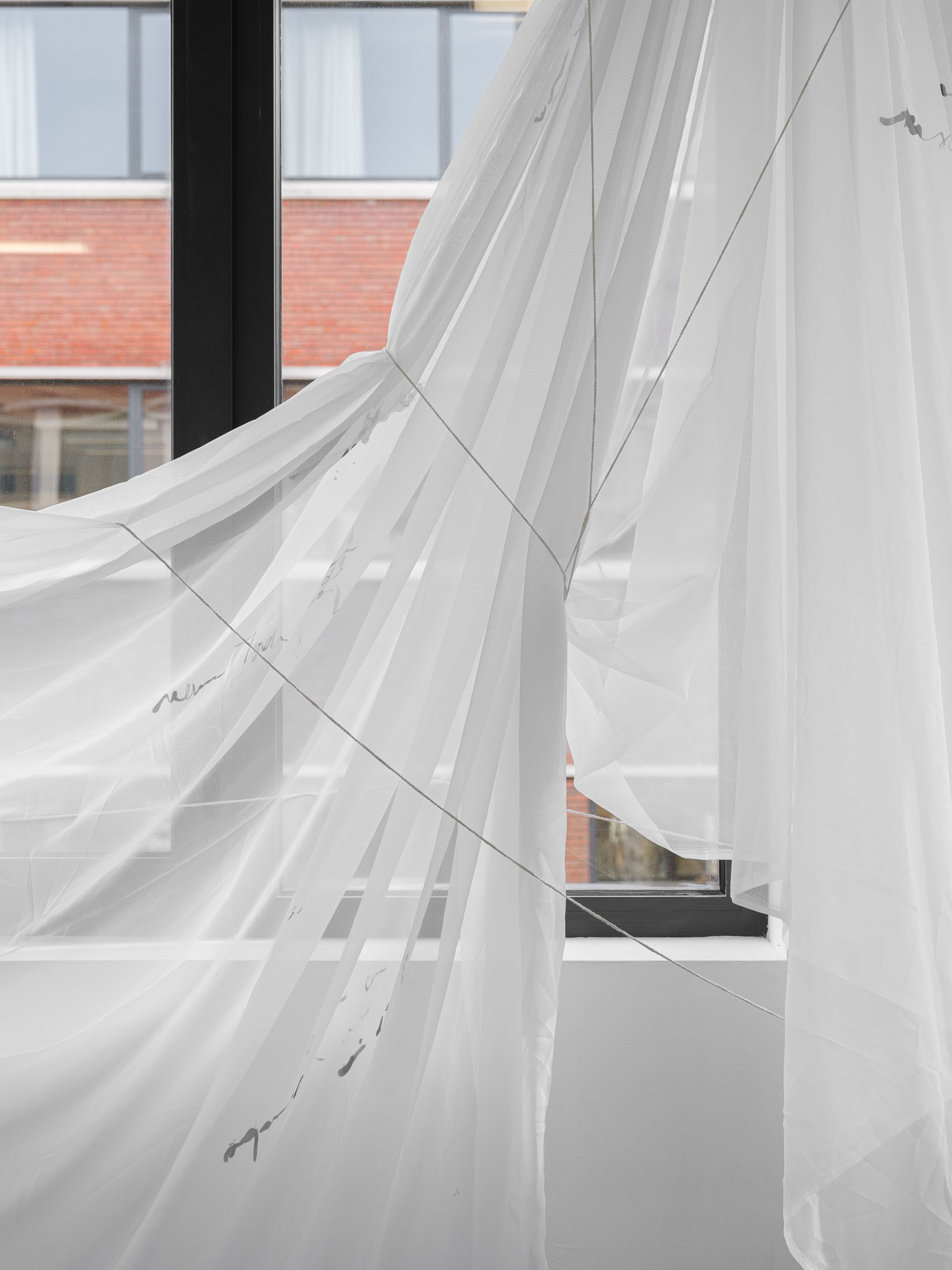
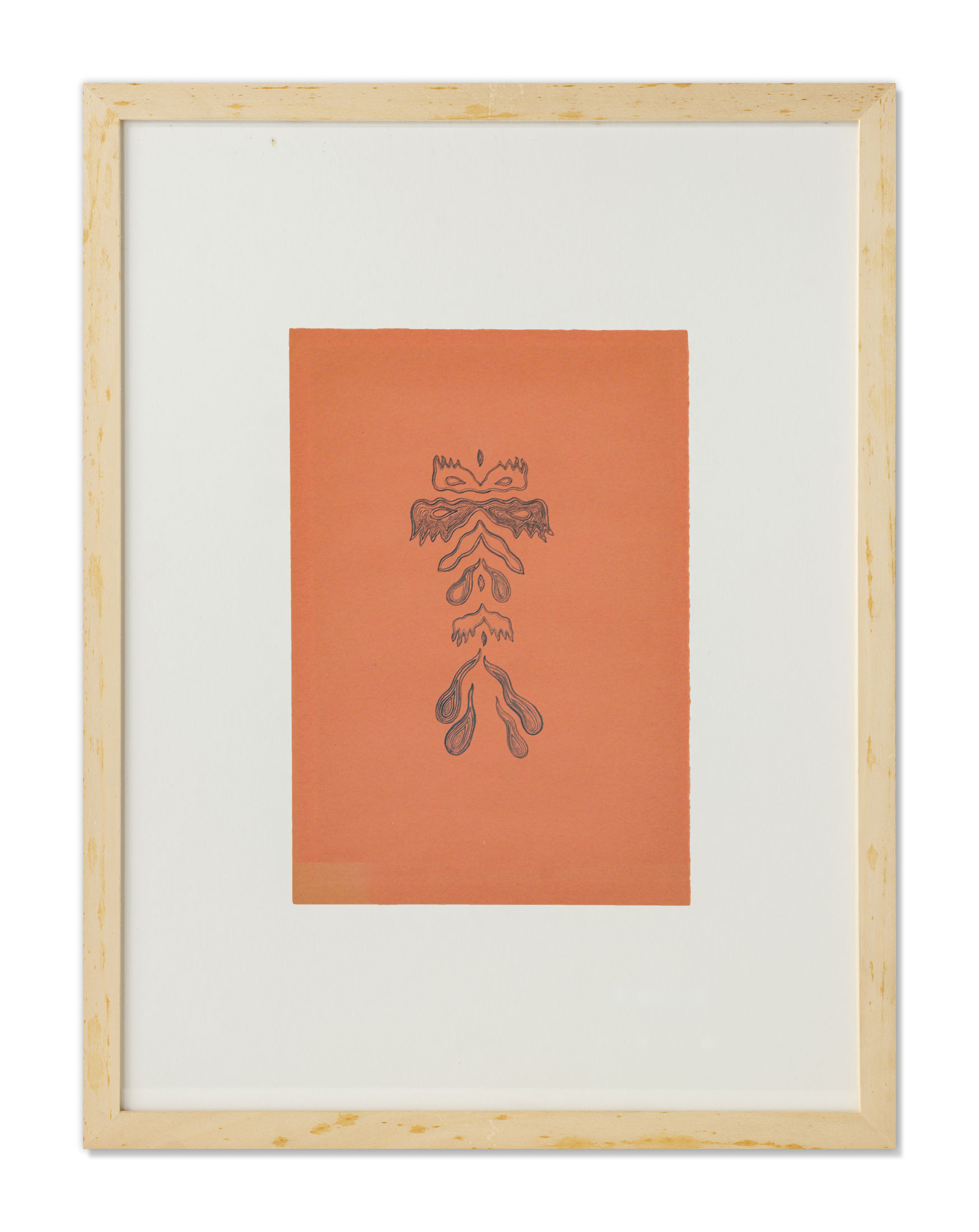
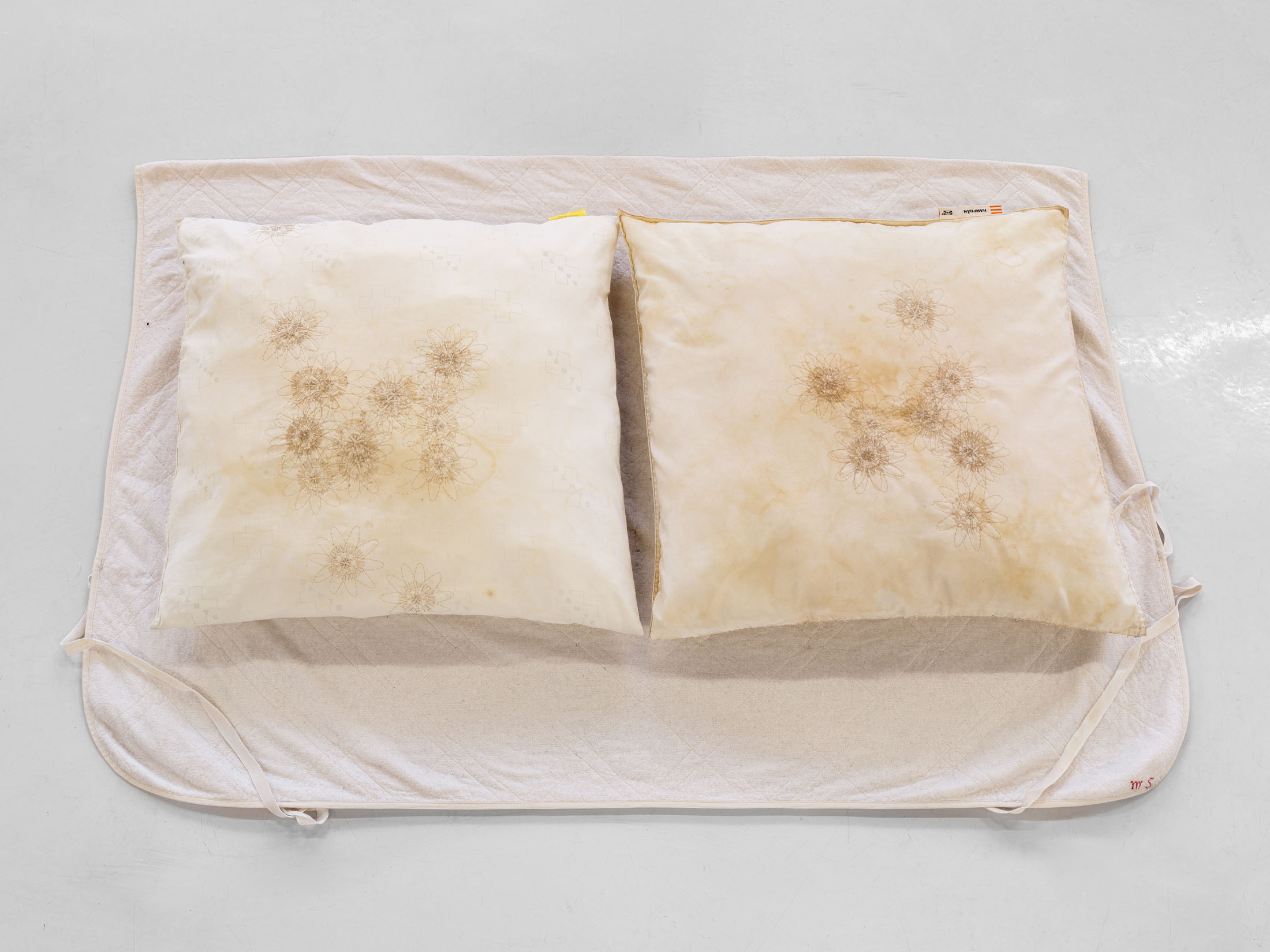
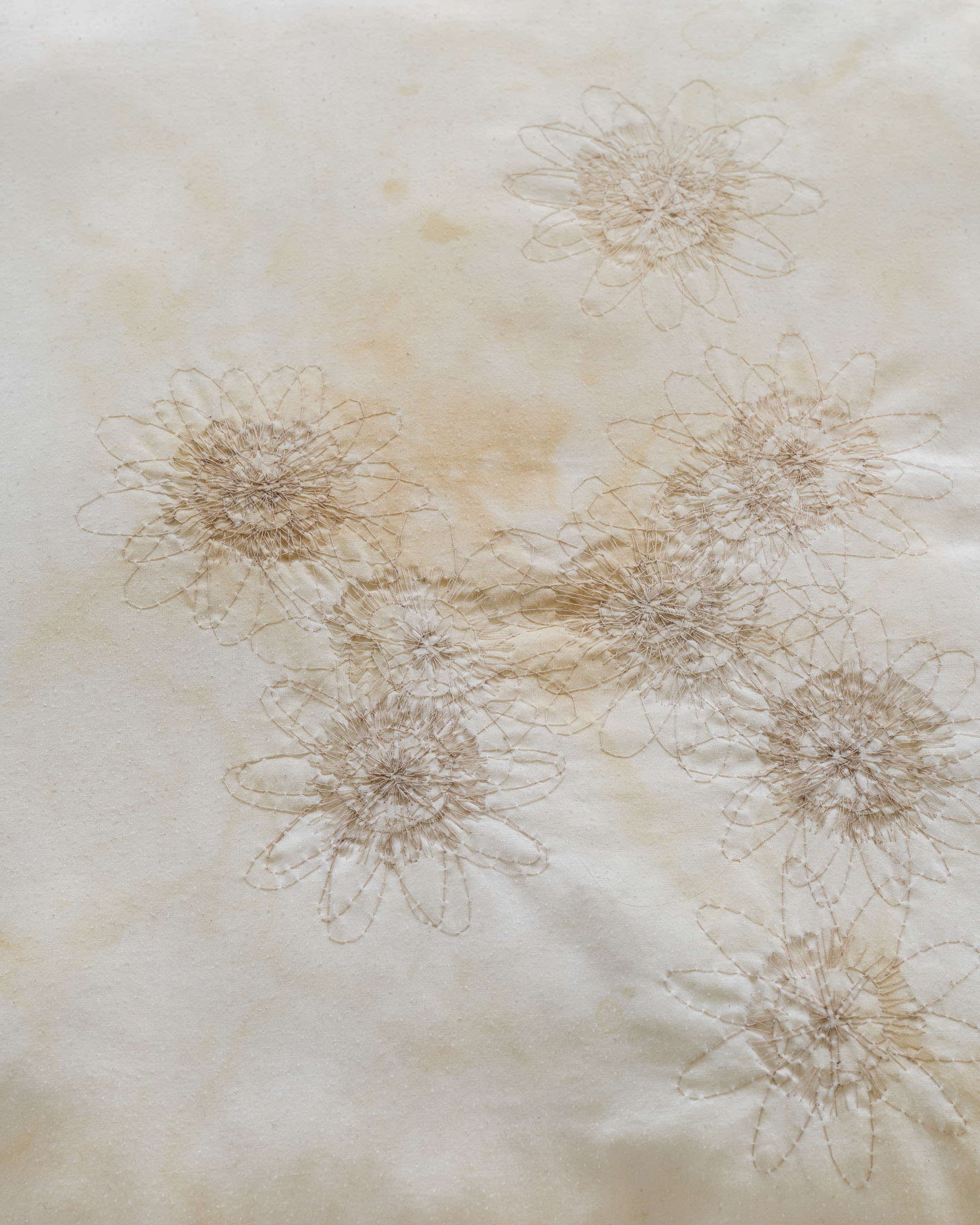
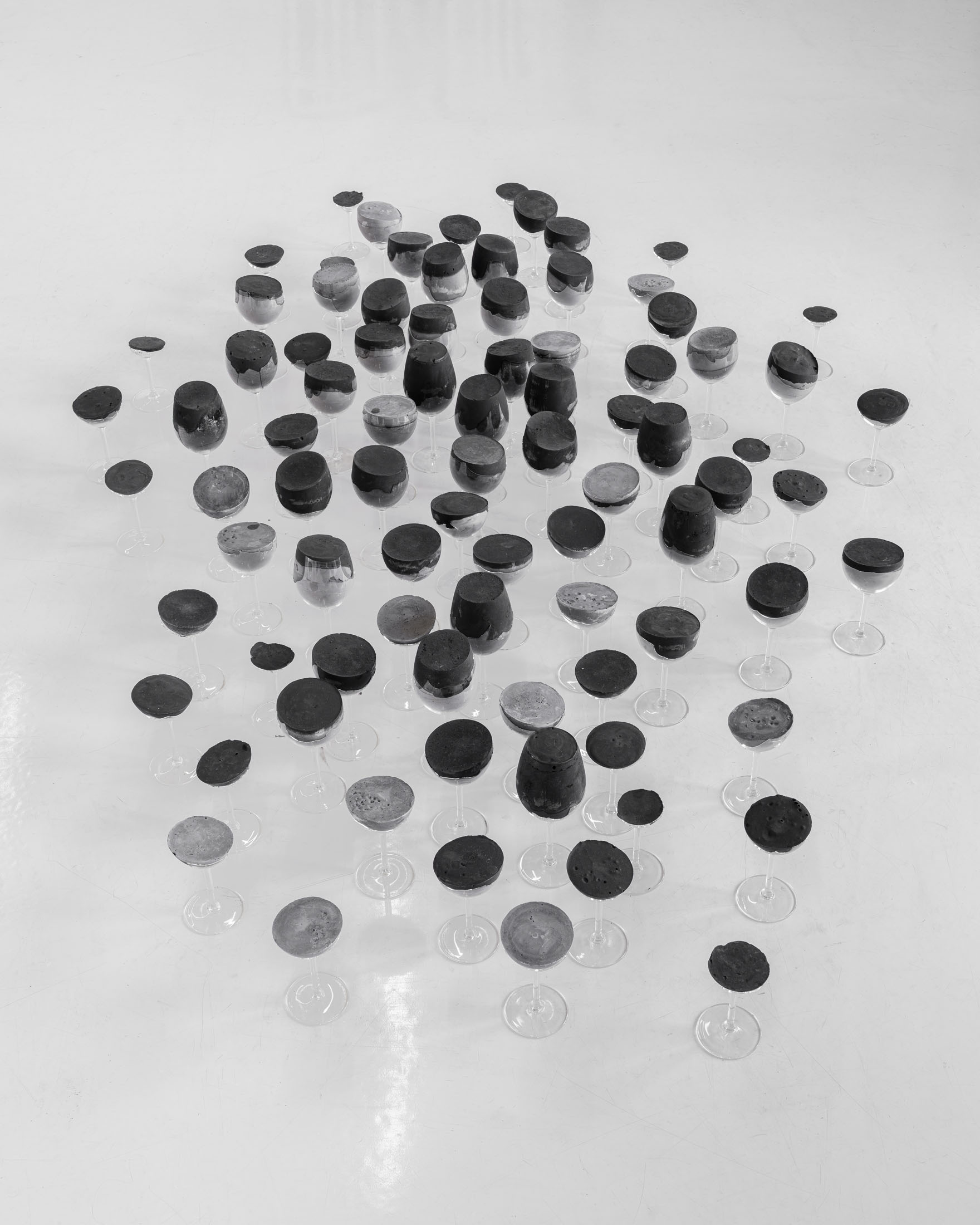
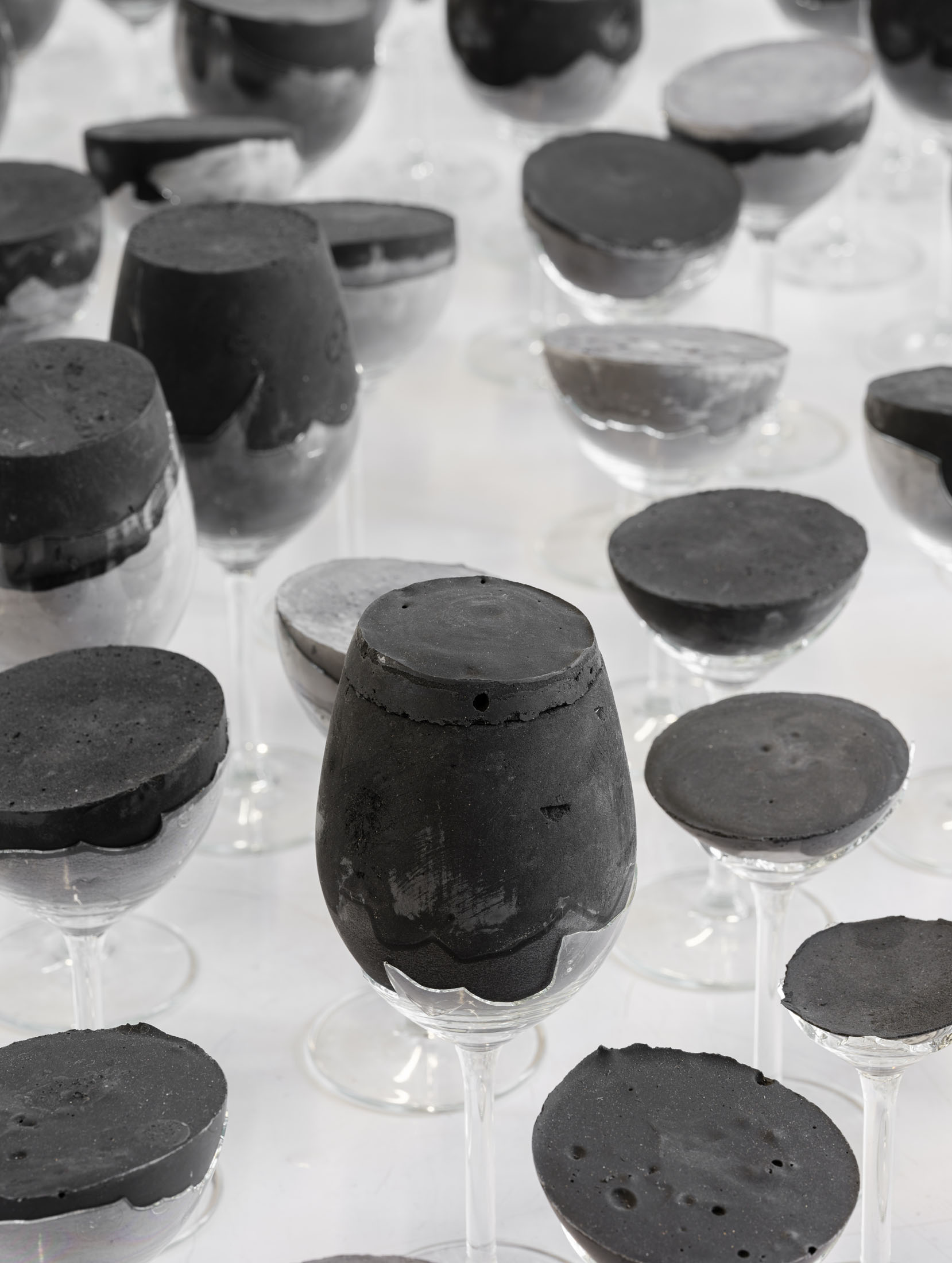
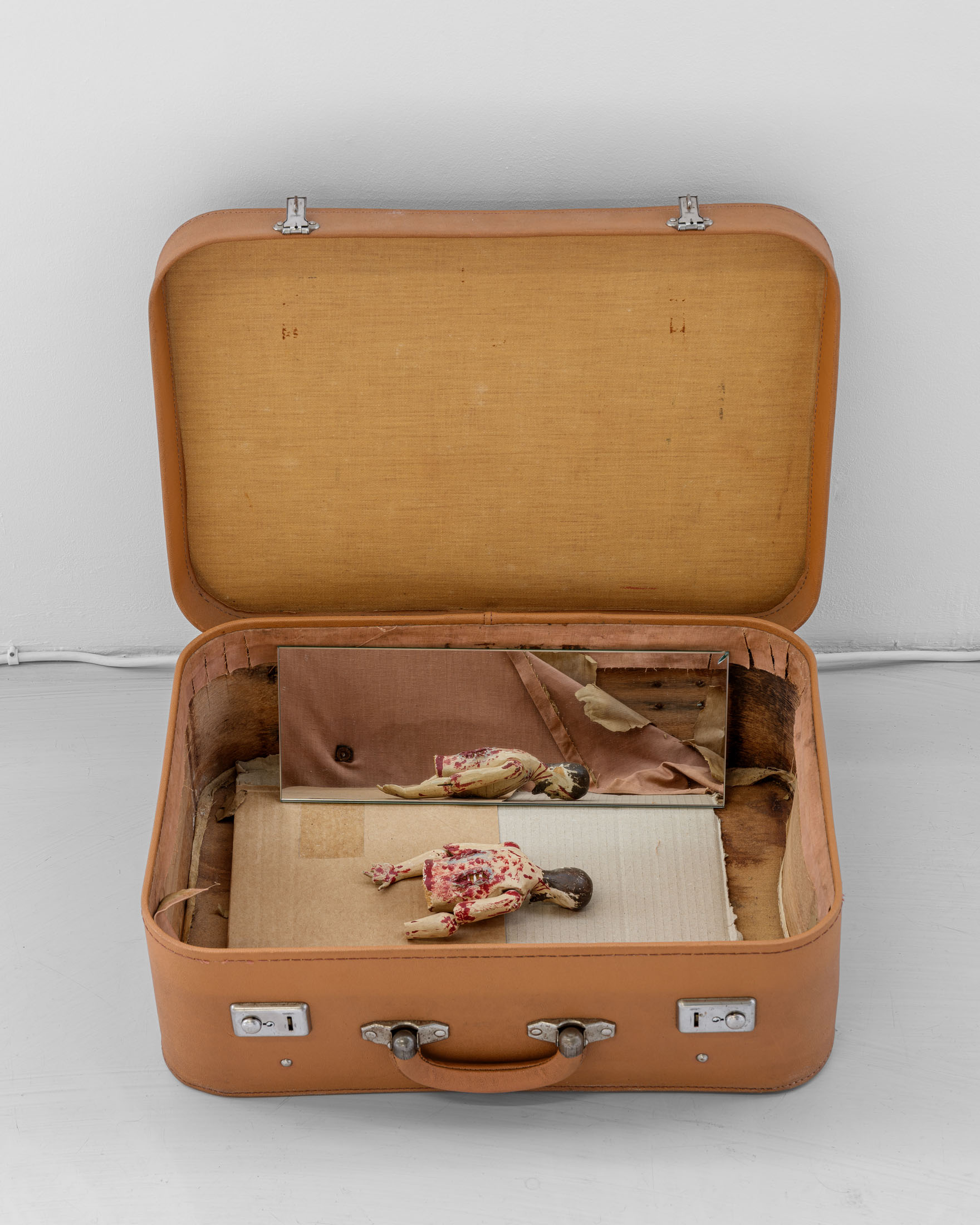
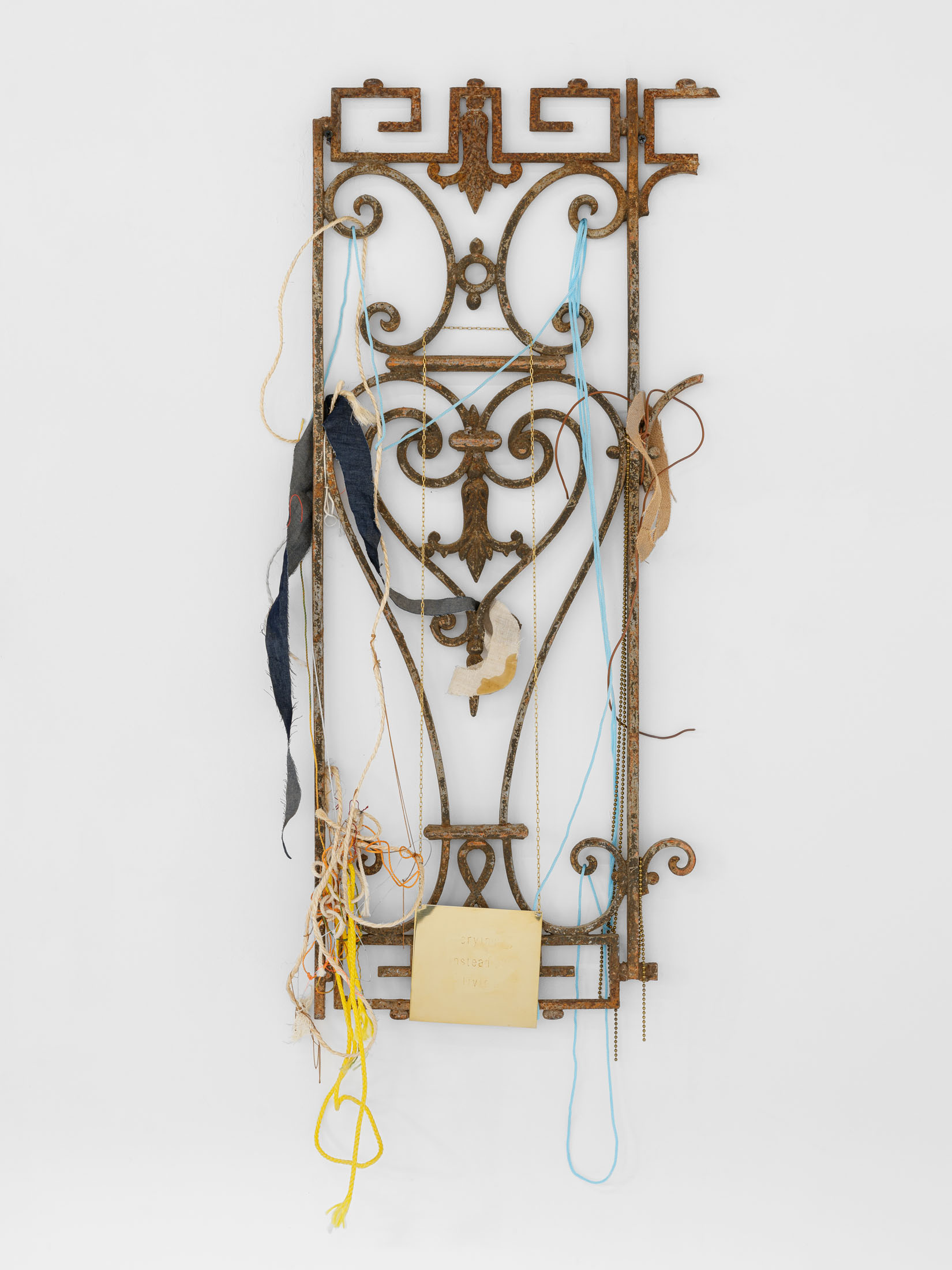
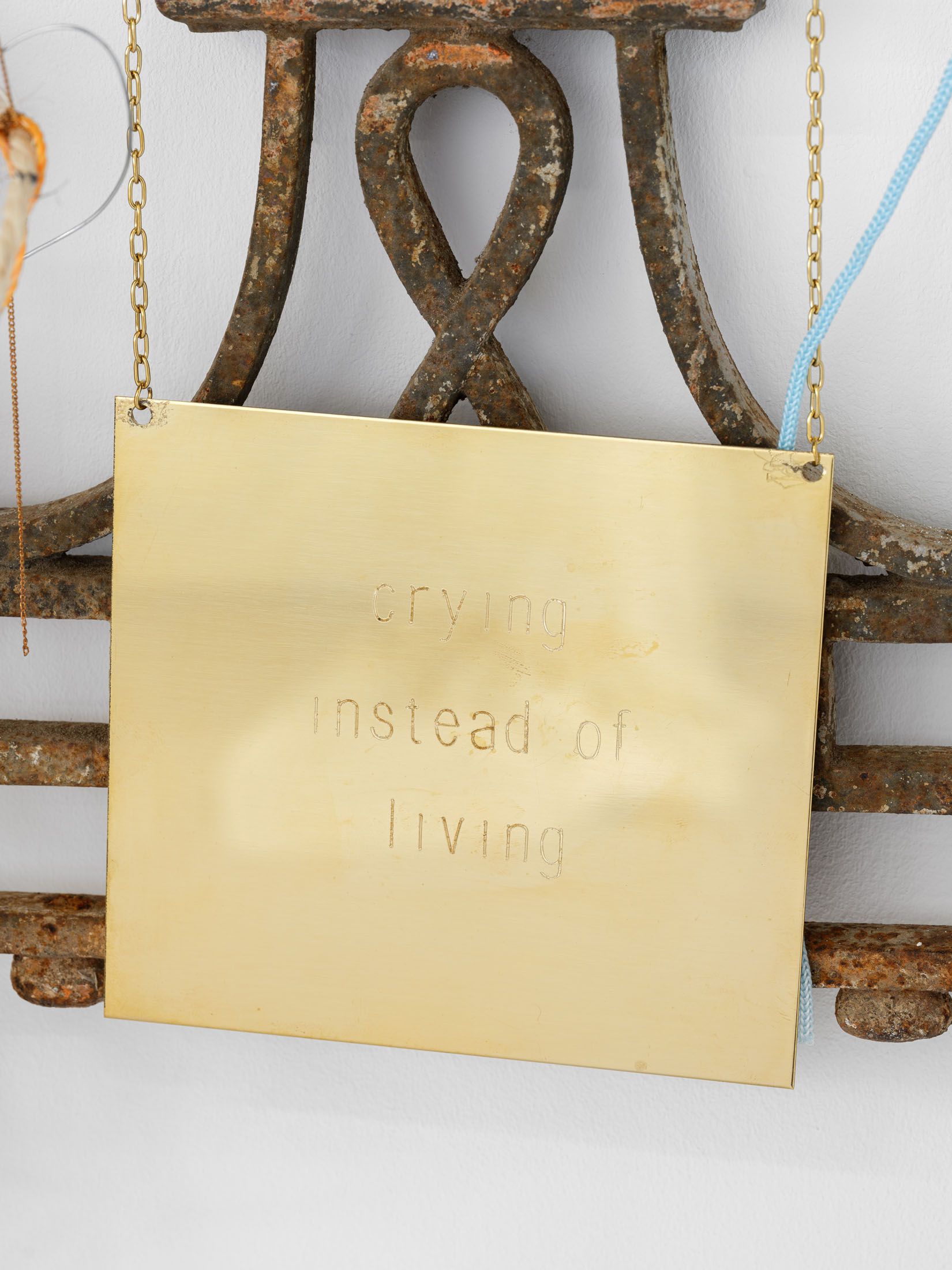
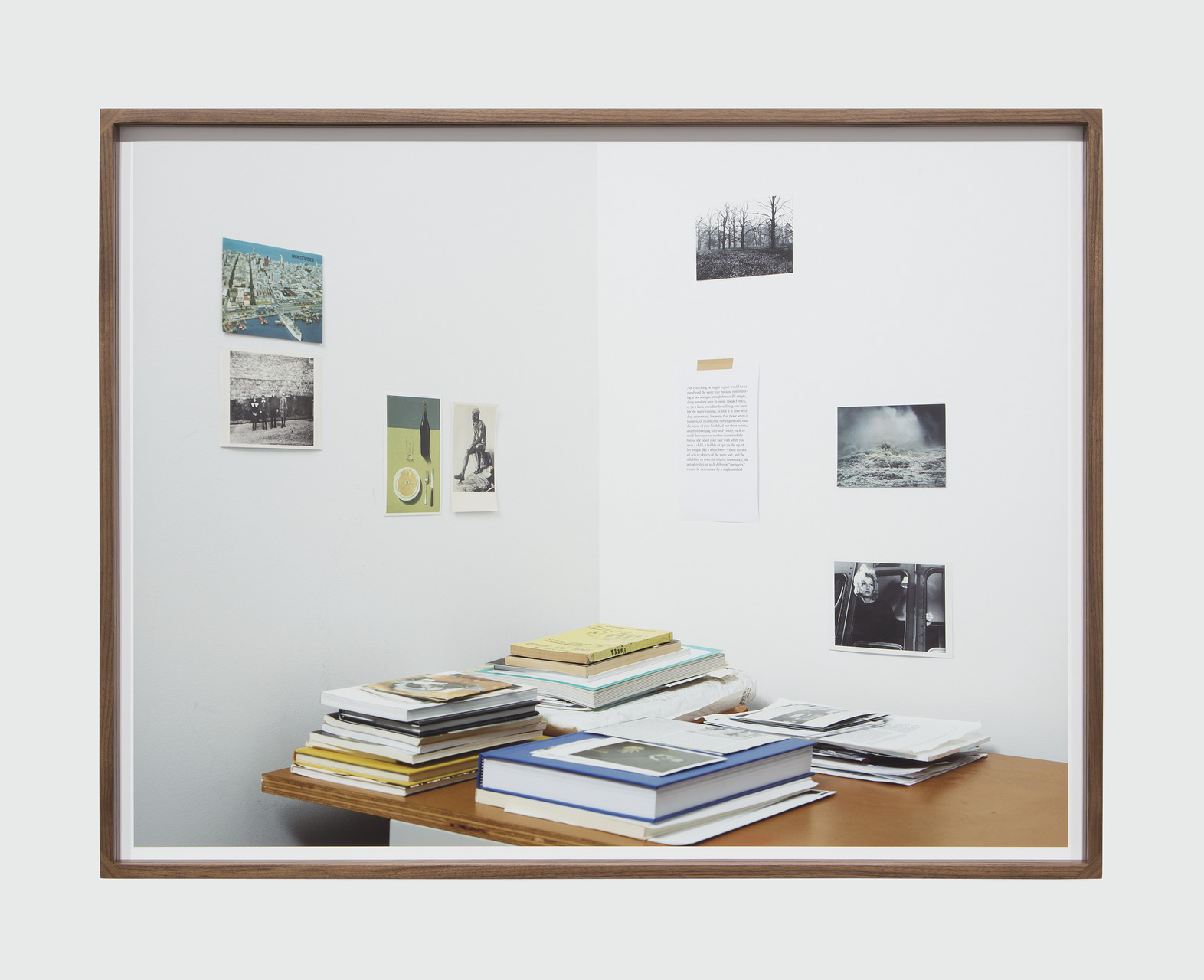
The reality they engage with here is that of the domestic sphere. In this bedroom, literary, philosophical, musical, historical, and mythological references overlap, respond to one another, sometimes blur together, shaping evocative compositions laden with reminiscences, where the tangible dissolves into the oneiric. This bedroom is a closed universe, an island where isolation manifests the burden of distance. Geographic and temporal distance first, separating these artists—all Latino and Latin American—from their lands of origin.[14] Distance also from the outside world, whose remote echoes, endlessly invoked, feed the paradoxical regret of absence, the aching desire for what remains out of frame. This bedroom is, finally, a territory populated by cherished objects bearing the discreet imprints of solitary, loving, friendly, familial lives that have passed through them. The body, always fleeting, appears only suggested; it inscribes the ephemerality of youth and childhood, reminding us that, whether we laugh or cry, time slips away[15], and that death is fast approaching.
Dans notre lit chaud et carré
Comme une nacelle envolée
Tu me recouvres
Tu te découvres
Attentive, moi, je te suis
Où est ta mort, où est ta vie ? [16]
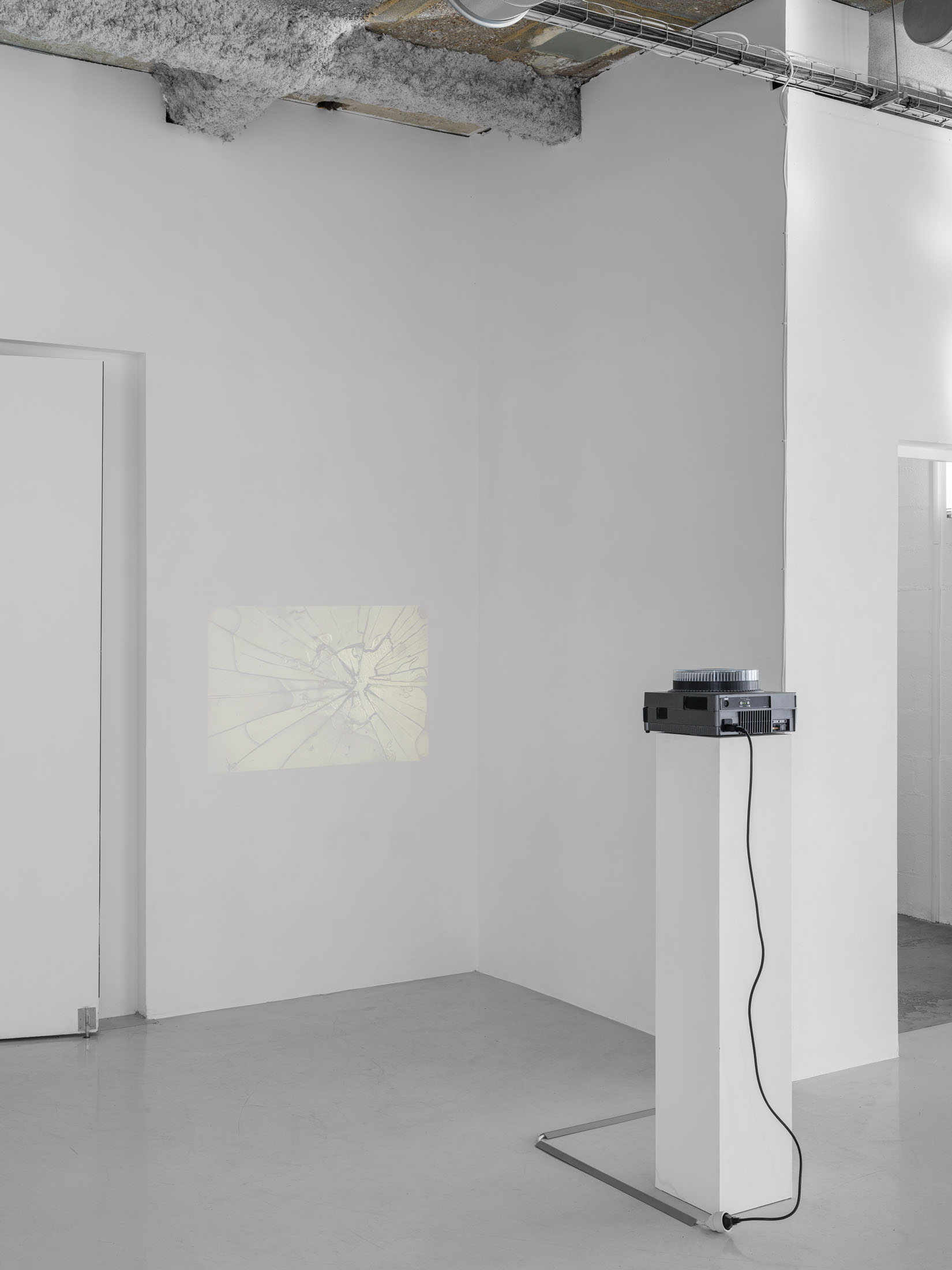
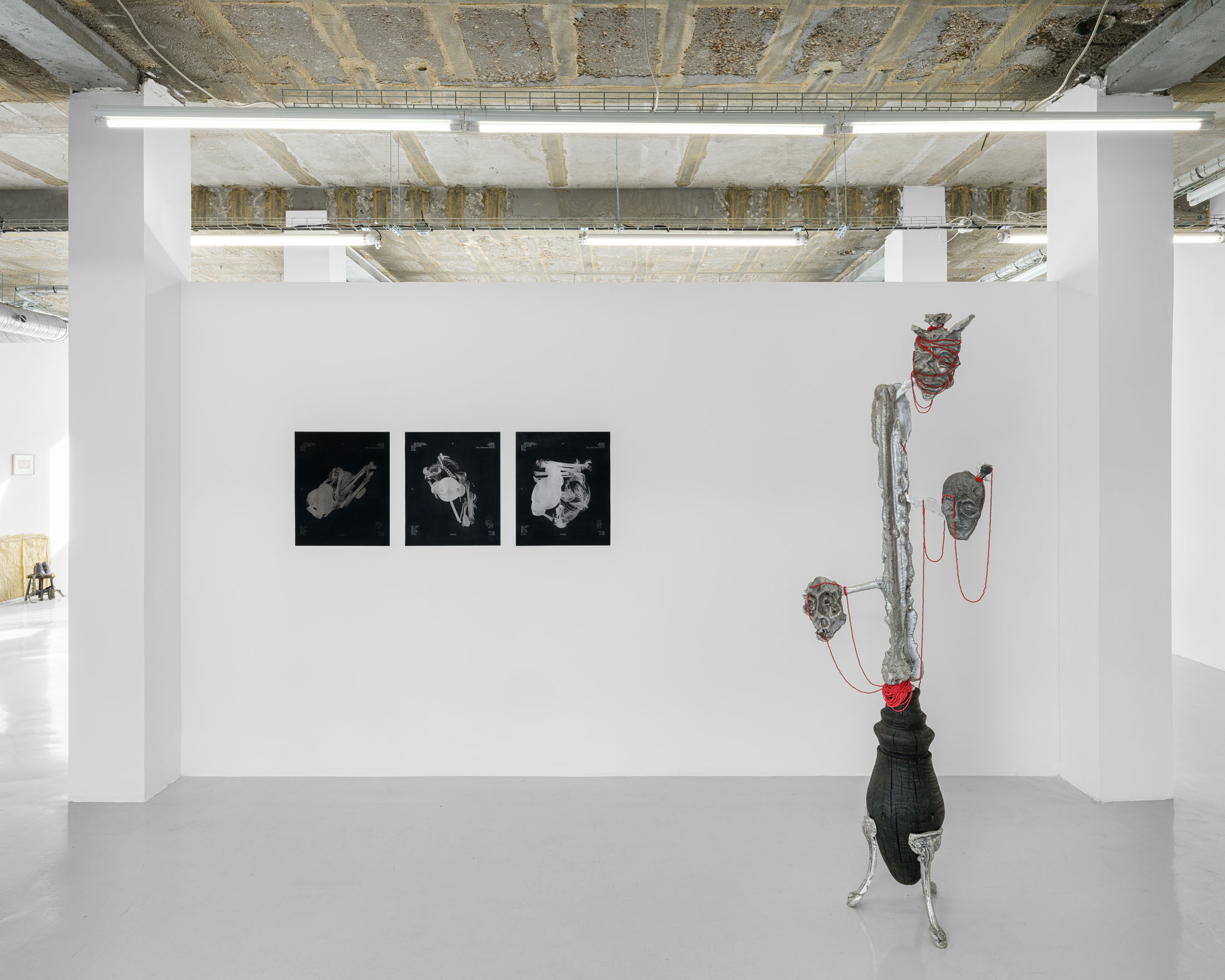
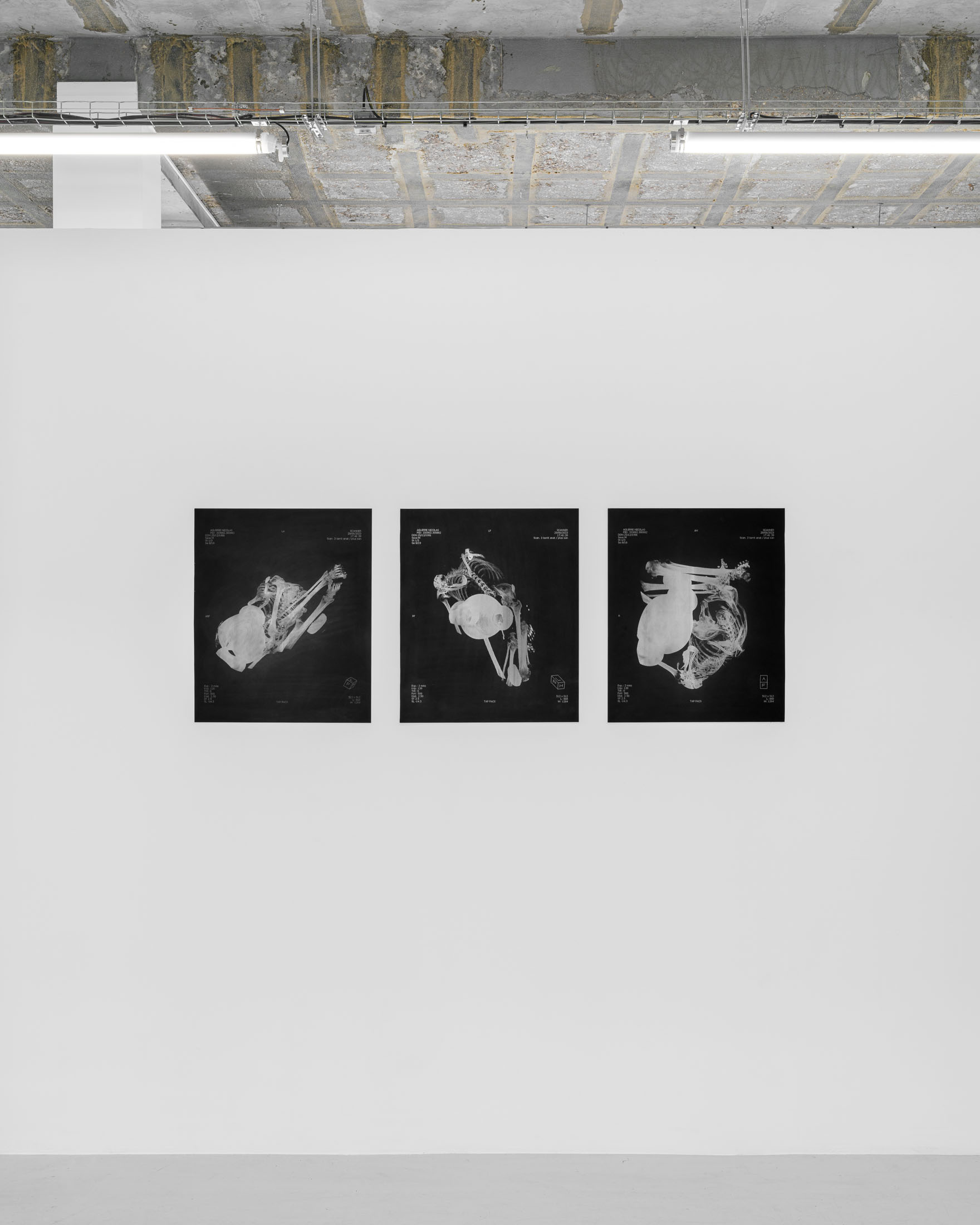
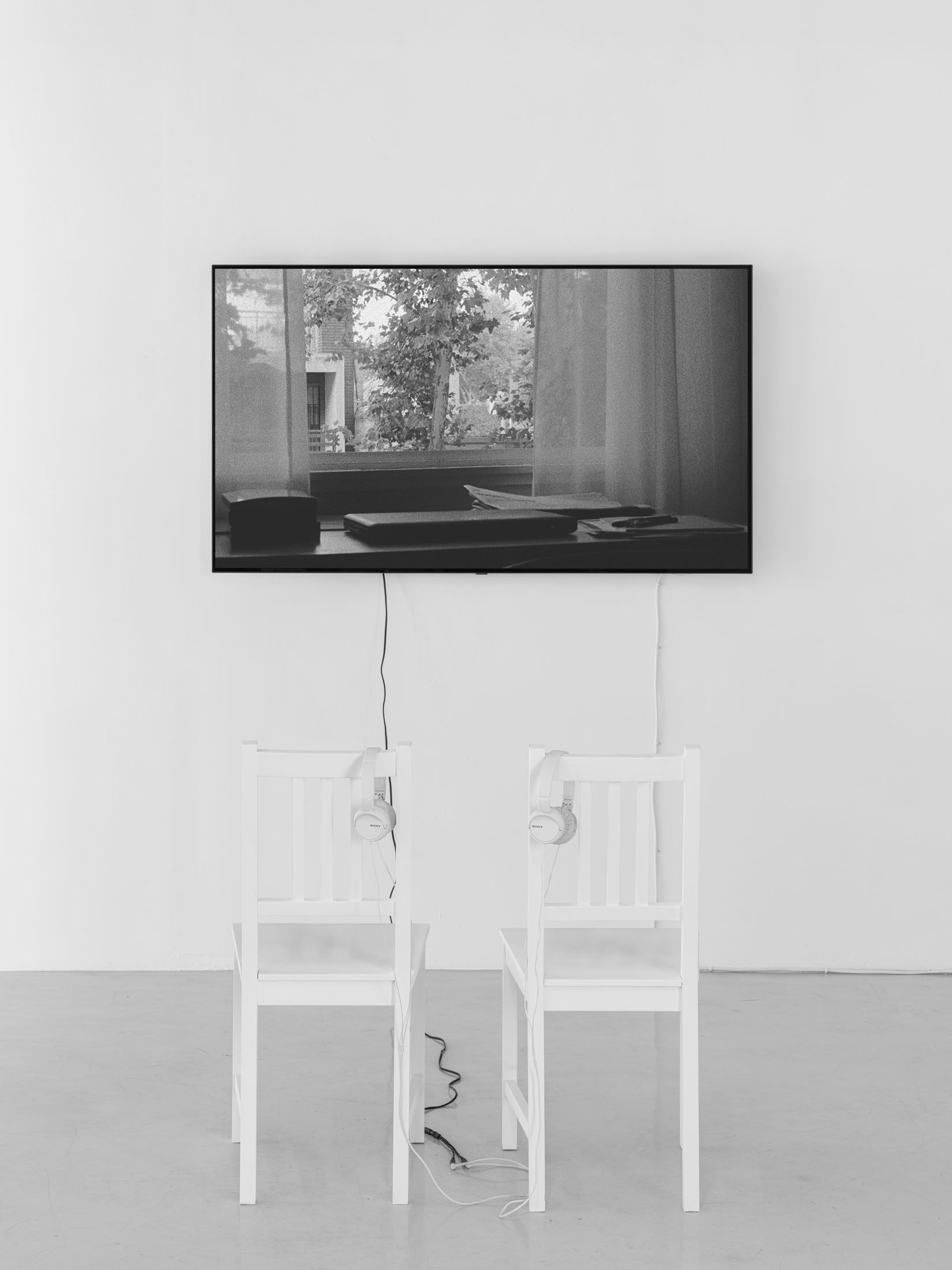
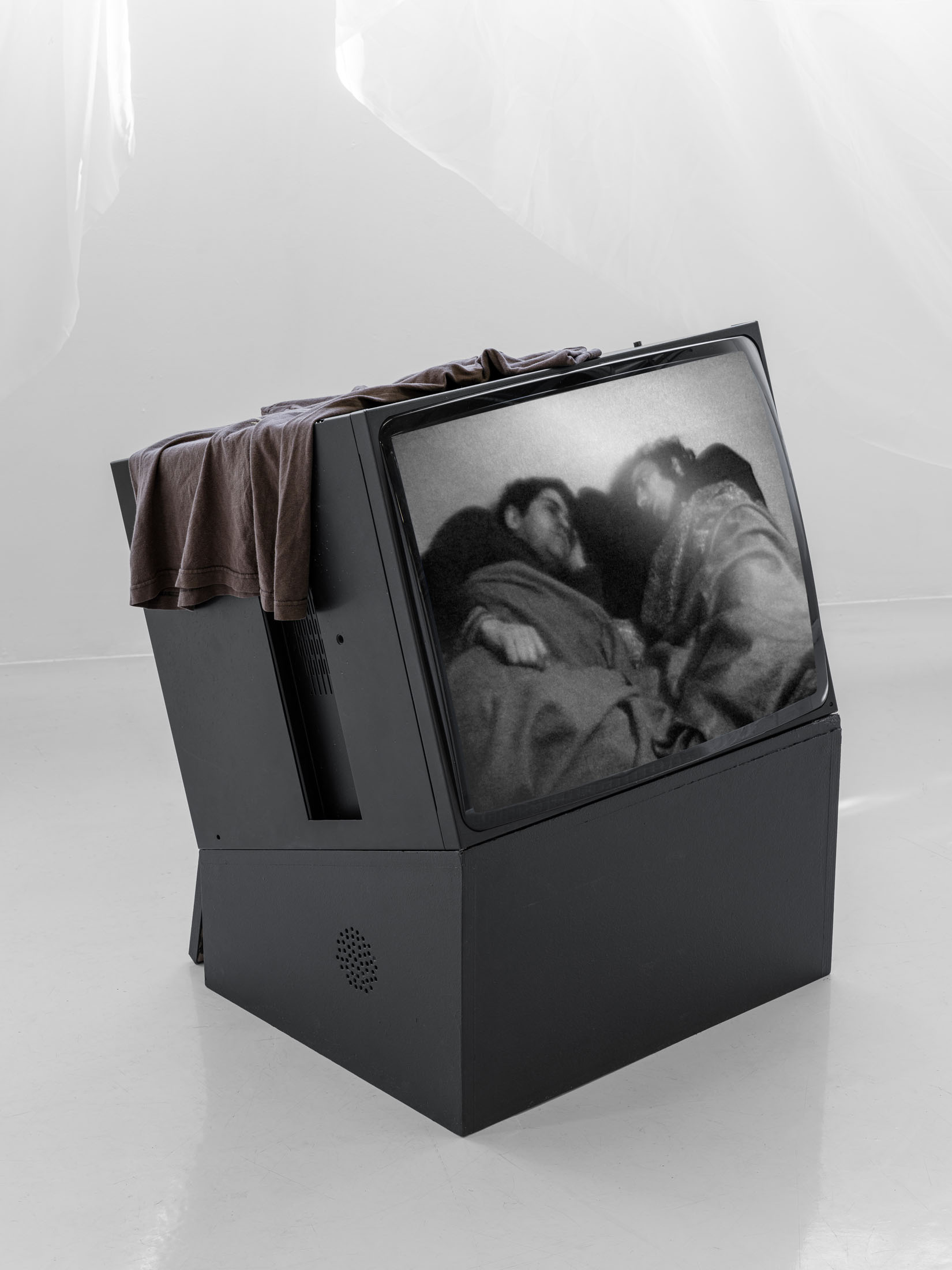
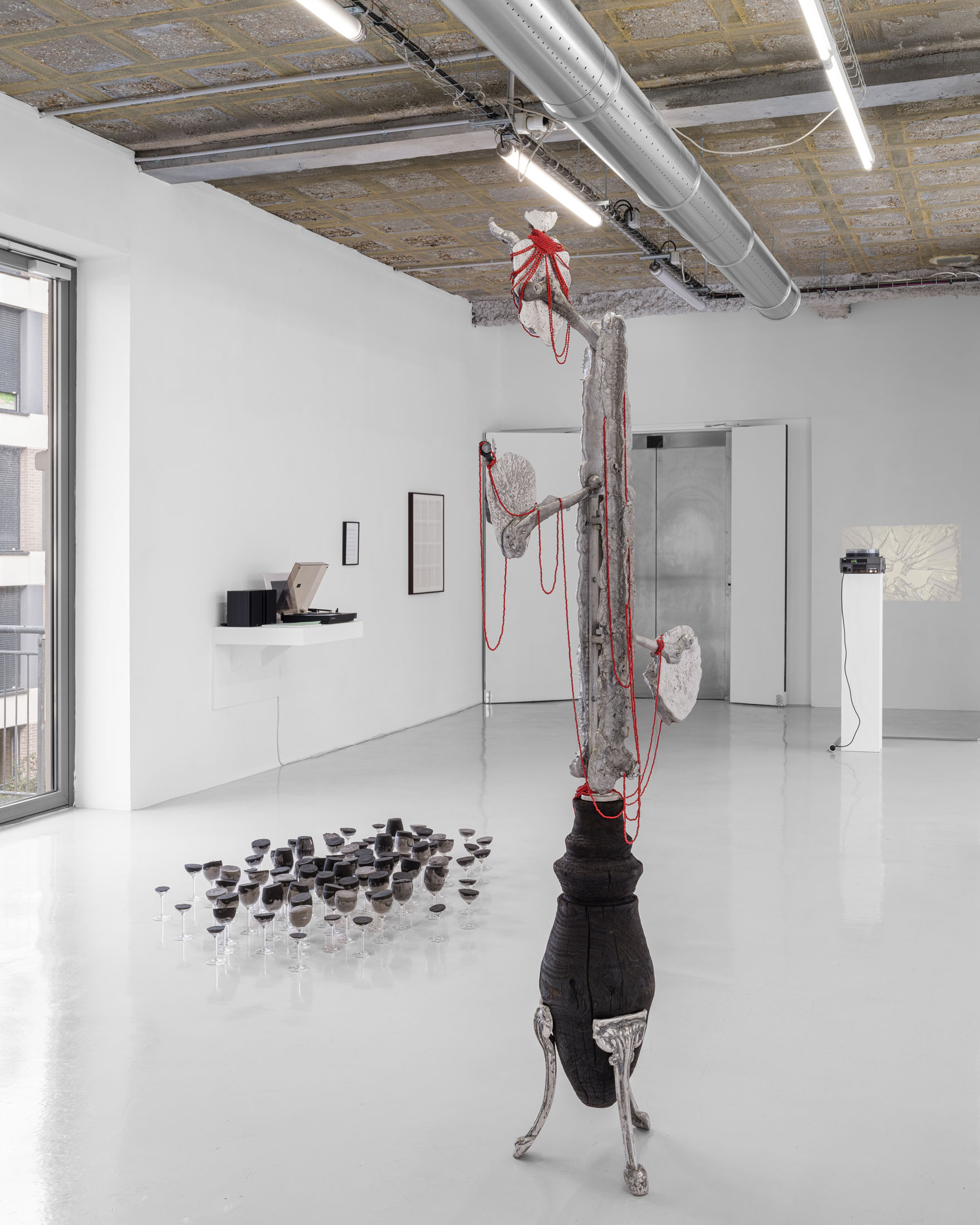
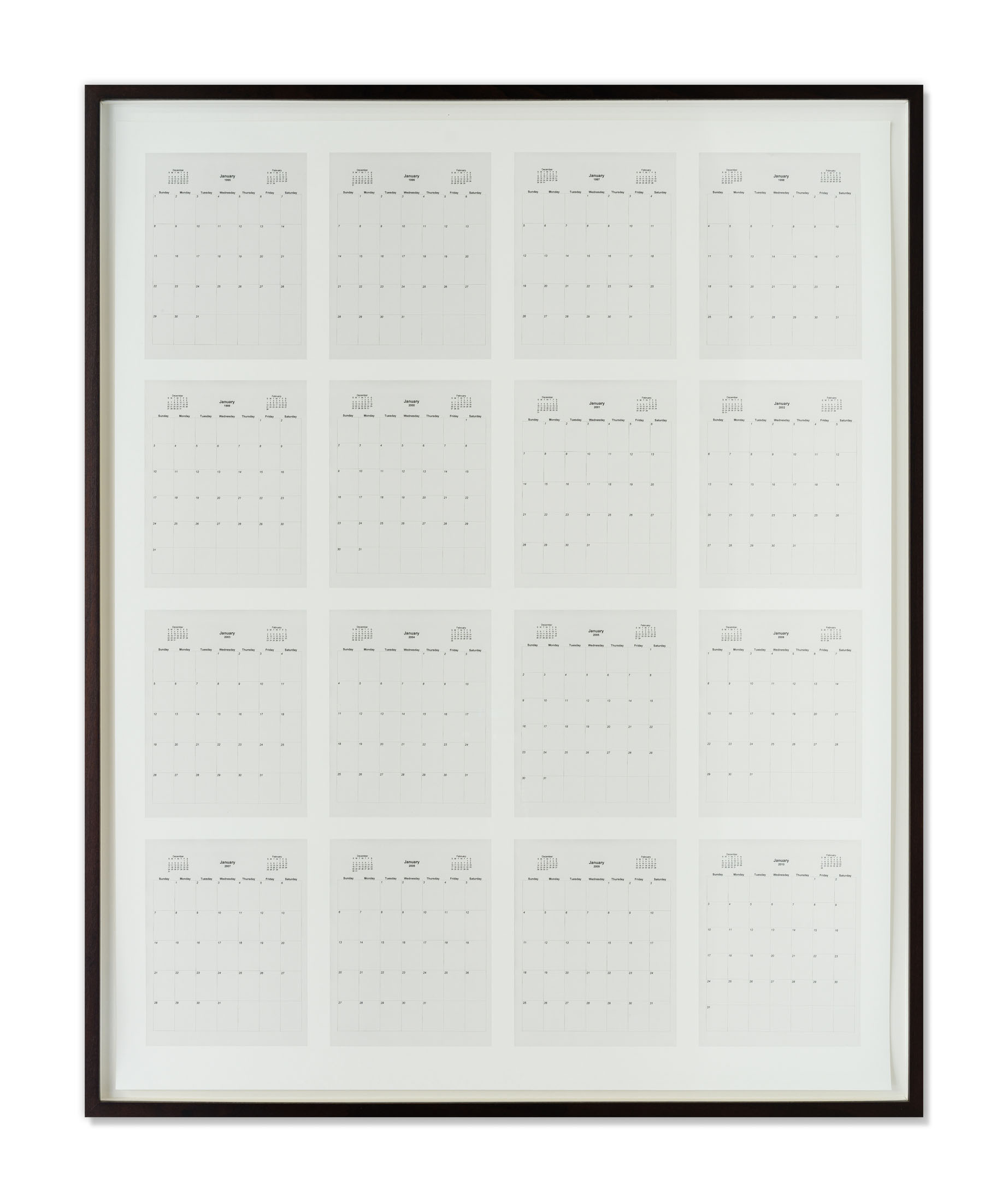
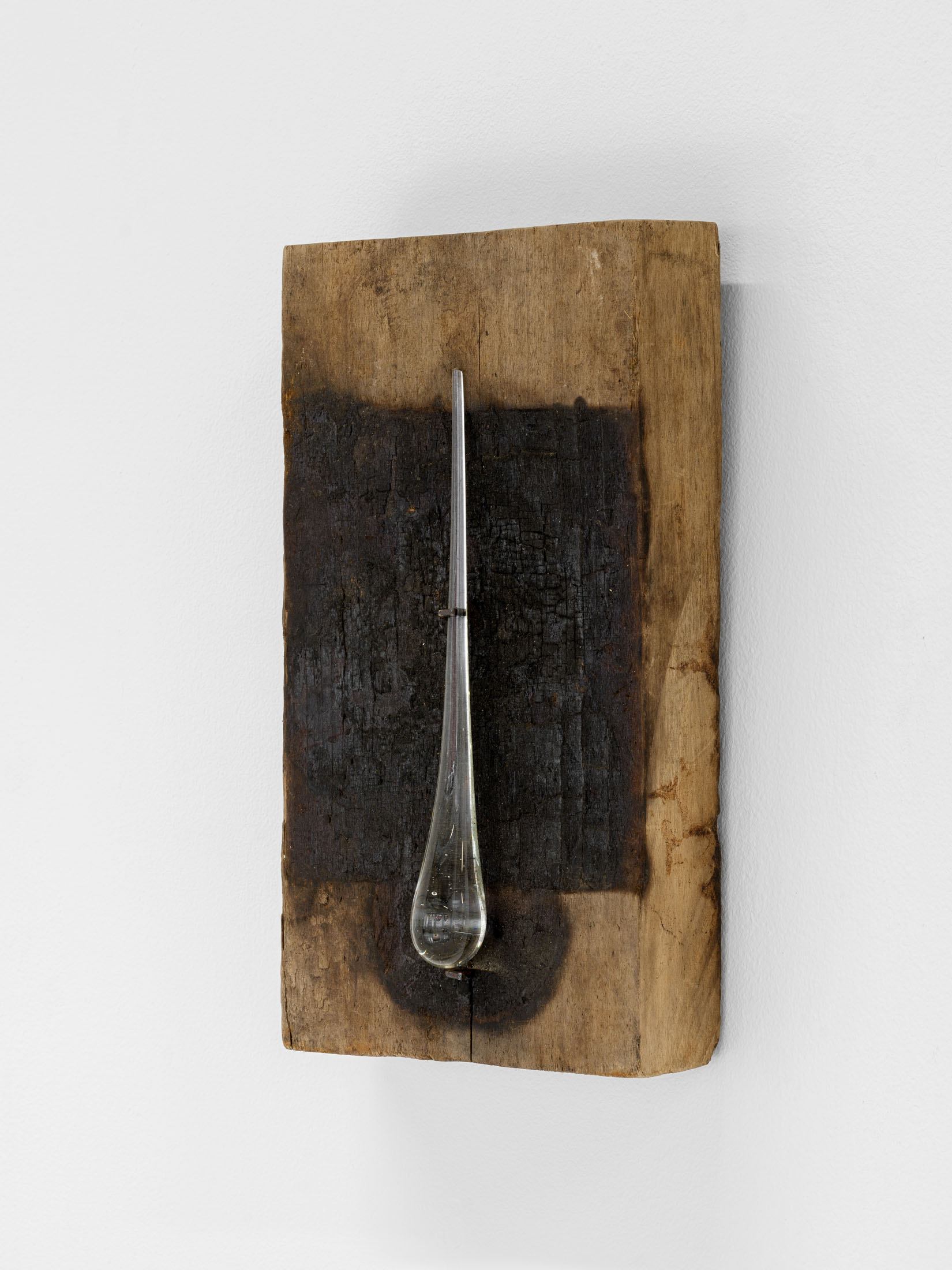
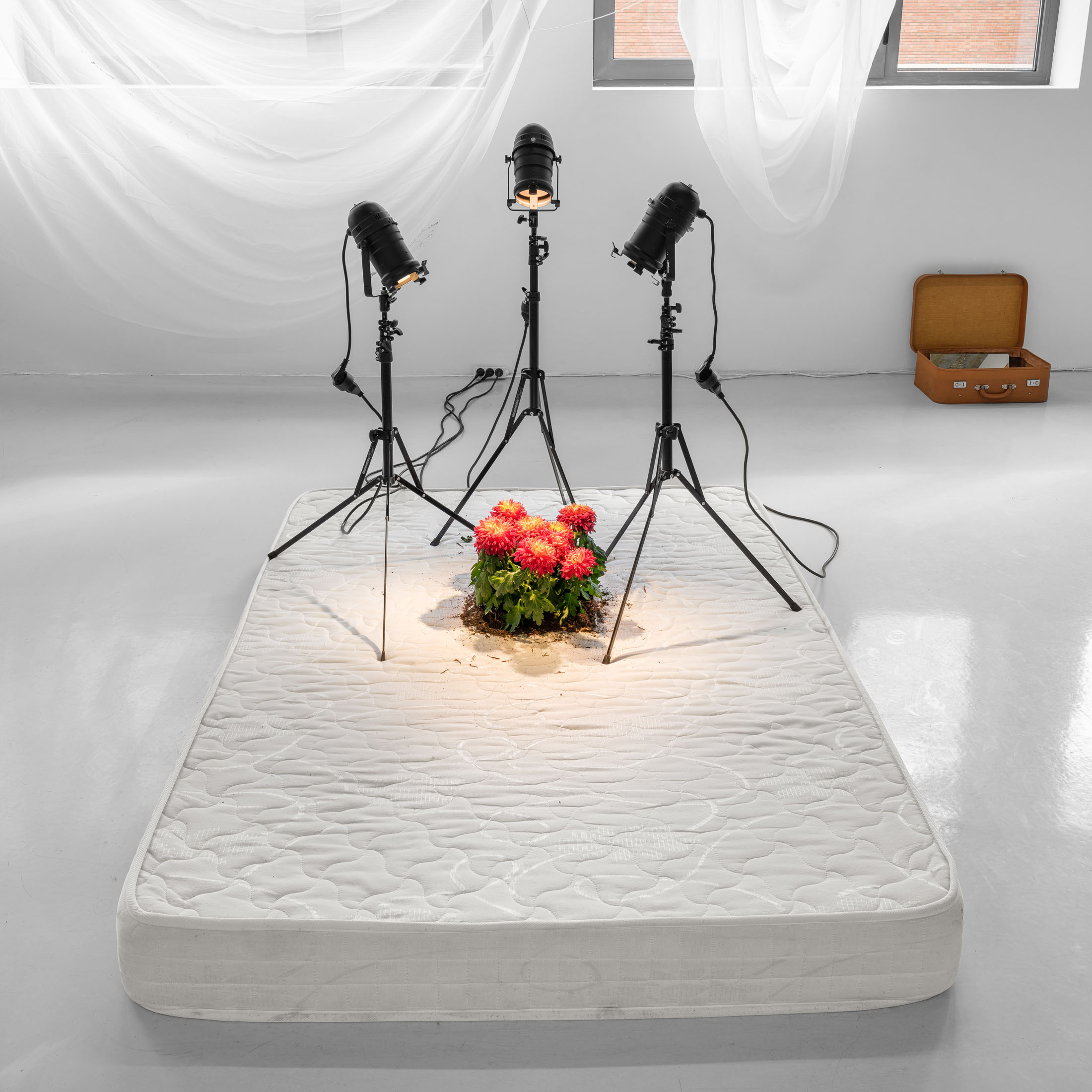
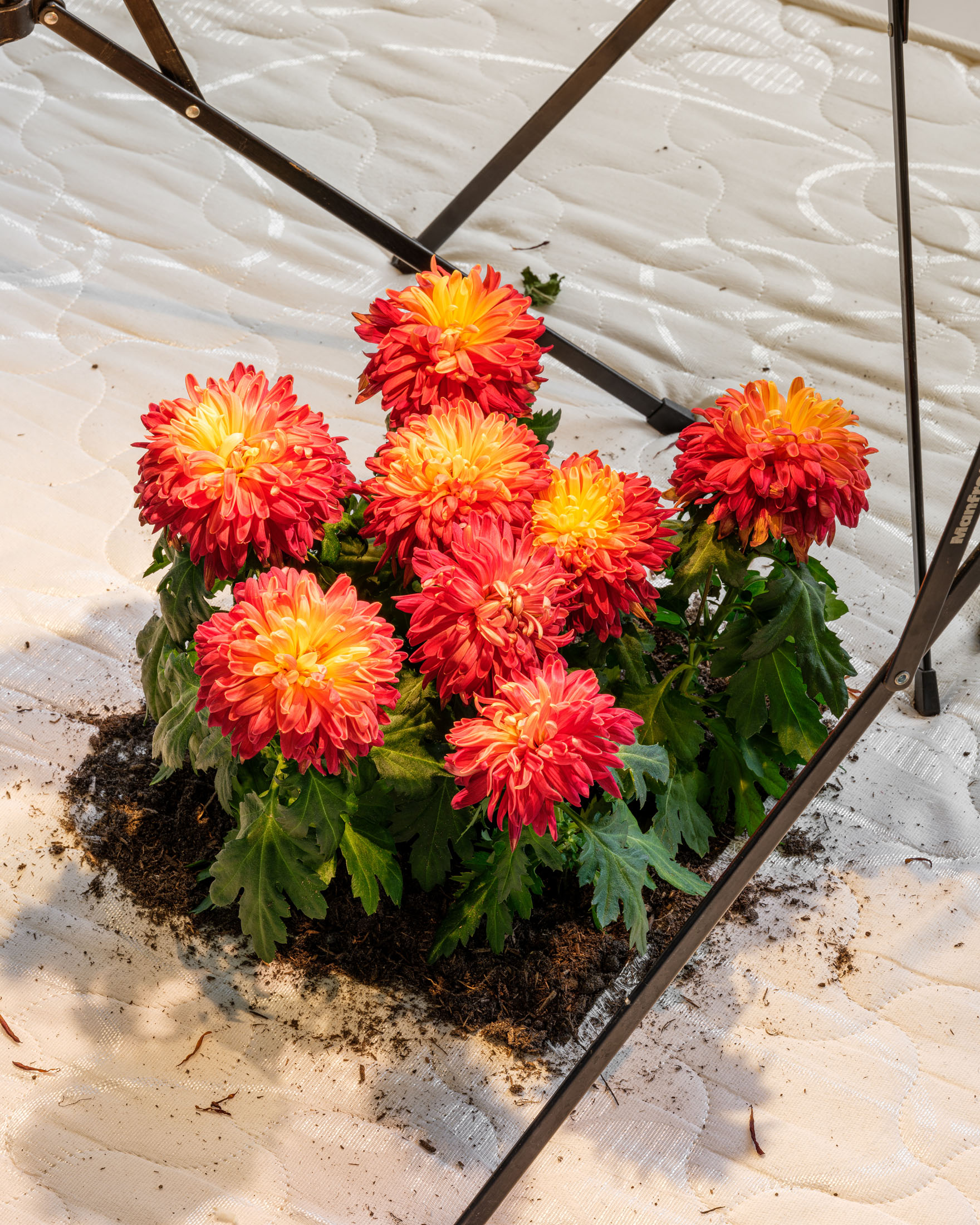
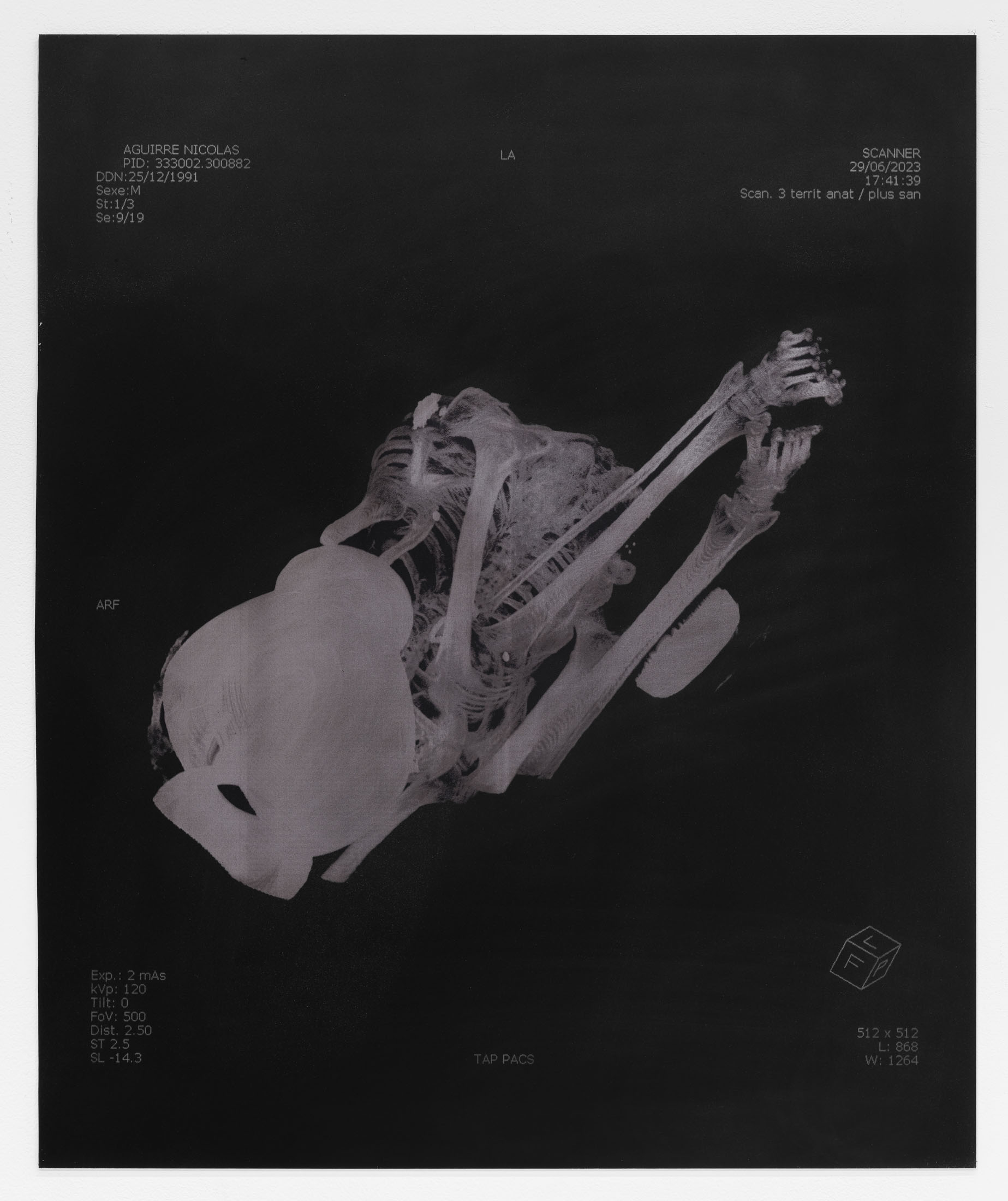
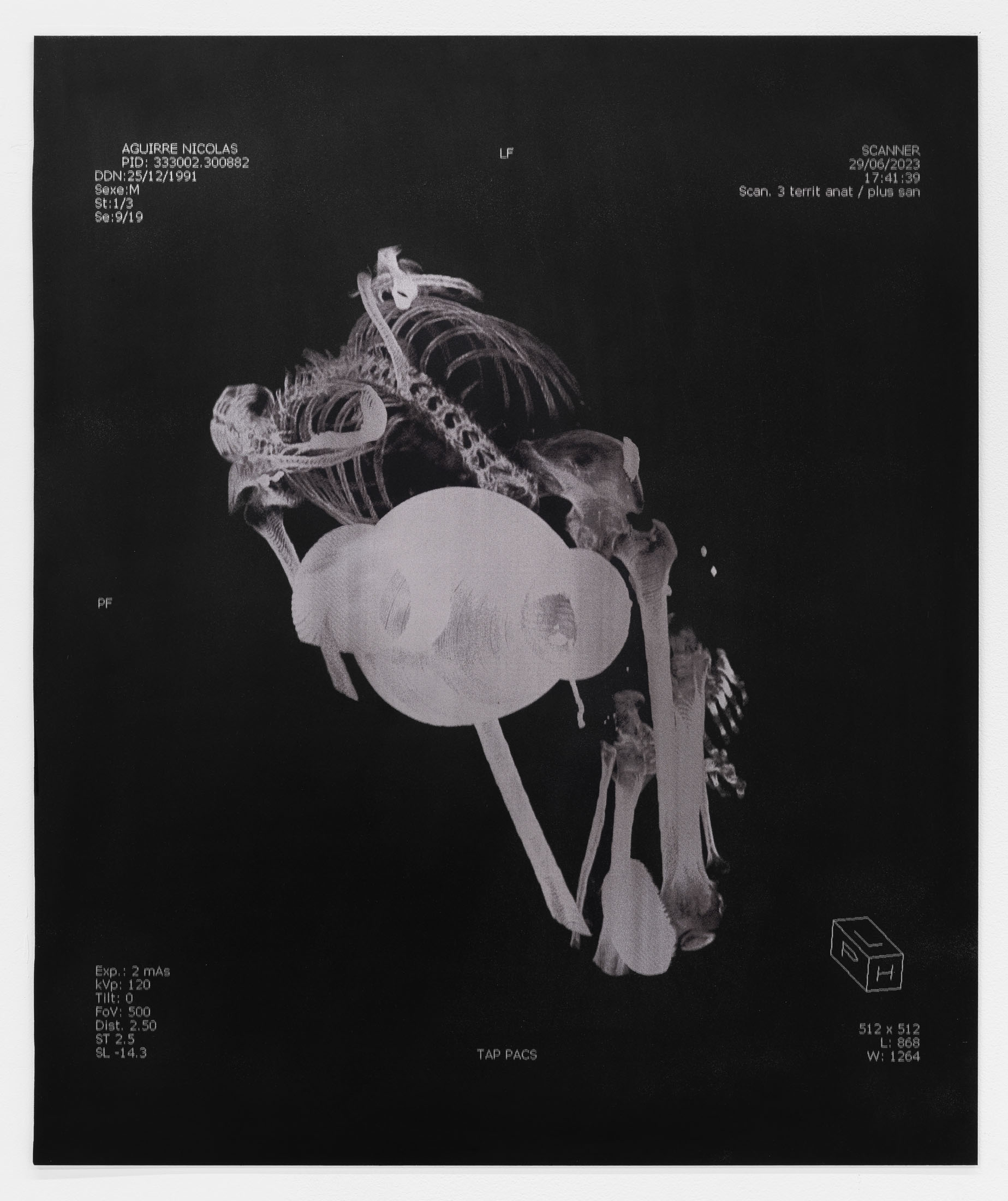
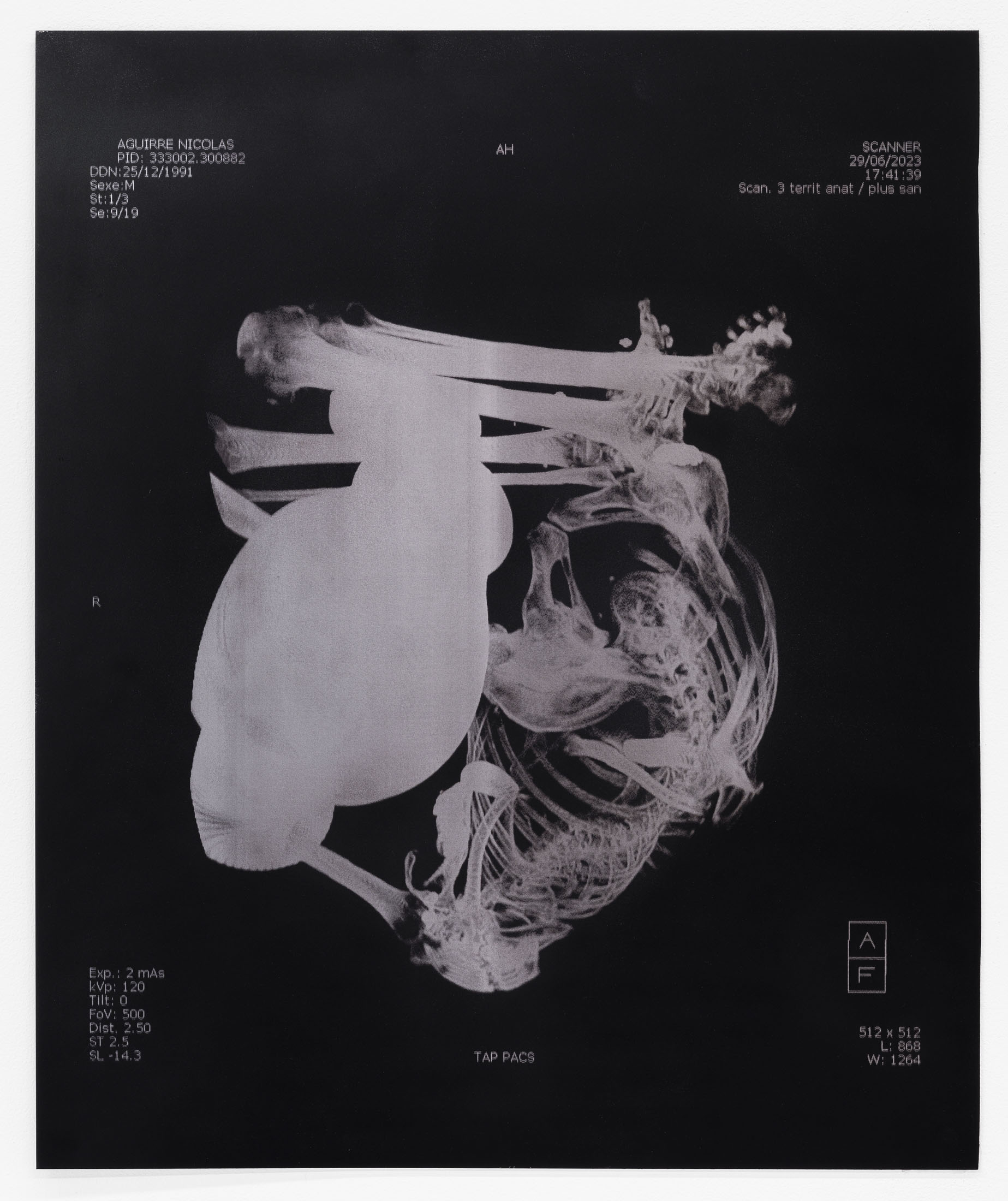
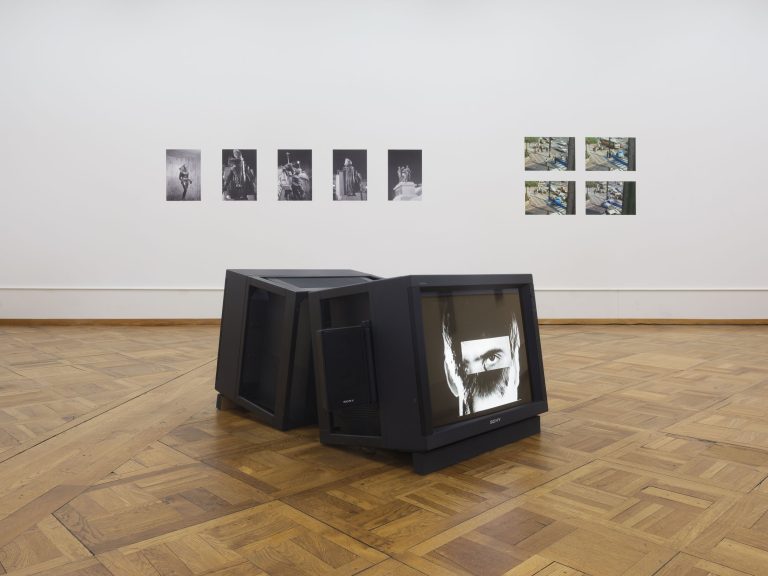
Jeanne Moreau’s voice never stops accompanying me. It resonates for a long time—hours, days, weeks—after each of my viewings of Absences Répétées. How can one answer her questions? I would like to ask some others in return: where have wonder, sweetness and certainty gone? Life is difficult to envision when our time has vanished. Death, on the contrary, appears to me everywhere. In Isadora Soares Belletti’s funerary bouquet of chrysanthemums, vestiges of a shattering murder (Together for now). In excerpts from The Map and the Territory by Michel Houellebecq, recited in Alejandro Cesarco’s video while we observe the aging flesh (Musings). In Nicolas Aguirre’s X-ray scans (Carpaccio), which show us that we are, alas, “walking cemeteries”[17] carrying death “as fruit carries its seed.”[18] In the diaristic work of Teo Hernández, whose films are “a journal of solitude, waiting, dream, death.”[19] For him, “the only goal a filmmaker, an artist can have is death.”[20] Yet it also presents itself as a potential beginning again, a zero point[21]: “it’s about dying to be reborn.”[22]
It was Mishima who, perhaps better than anyone else, succeeded in conveying this experience in the preface to Confessions of a Mask: “Writing this work is obviously dying to the being that I am, but I also have the impression, as the writing progresses, of gradually regaining my life. What do I mean by that? That before writing this work, the life I was leading was that of a corpse. At the very moment when, thanks to this confession, my death was accomplished, life surged back within me.”[23]
From the earliest stages of this project, the face of death has been transformed before my eyes. In constructing it, I may have discovered a way to live with this heavy burden—of experiencing melancholy and withdrawal no longer as impasses, but as ways of reconnecting with the world and with art. While awaiting a slow and uncertain tomorrow, can an exhibition become a cry of hope?
— Sebastián Quevedo Ramírez
Paris, January 2026
[1] A bed, wide open and rumpled
Like a stranded boat
Deserted beaches
Lifeless limbs
Disgust for life
Wet eyelids
I listen to your frightened heart
This is how the song Absences Répétées begins, the film’s central musical theme, written and performed by Jeanne Moreau. It is available on YouTube: https://www.youtube.com/watch?v=4DqhpEhK2MY&list=RD4DqhpEhK2MY&start_radio=1
[2] Filmmaker Gaël Lépingle has played a major role in the rediscovery of Guy Gilles’ work, notably by directing a sublime docu-fiction film, Guy Gilles (2008), as well as a book, Guy Gilles: un cinéaste au fil du temps (2014). In academic circles, Mélanie Forret has extensively written about Gilles’ work as part of her doctoral thesis, research that later led to a beautifully illustrated book entitled Guy Gilles: à contretemps (2022), published by Éditions de l’Oeil. In the same year as its publication, a conference titled “Je croyais que la vie été un poème” dedicated to the filmmaker, was organized at Université Paris 8. The recording is available online: https://www-8etdemi.univ-paris8.fr/je-croyais-que-la-vie-etait-un-poeme/.
[3] Interview of Guy Gilles with Henry Chapier for Combat, February 7, 1968
[4] Miss World by Hole, 1994
[5] Hey Hey, My My (Into the Black) by Neil Young, 1979
[6] Jacques Rigaut, Agence générale du suicide, Paris, Editions Sillage, 2018, p.29
[7] “Death always takes the shape of the bedroom that contains us.” Xavier Villaurrutia, Nostalgia of death, Paris, Editions Corti, 1991, p.82
[8] Octavio Paz, “Xavier Villaurrutia en persona y en obra”, Antología, México: Fondo de Cultura Económica, 1980, p. 17
[9] Octavio Paz, Xavier Villaurrutia : 15 poemas, Ciudad de Mexico, Universidad Nacional Autónoma de México, 1986, p.3
[10] Jean-Jacques Rousseau, Reveries of the Solitary Walker, Paris, Flammarion, 2012, p.41
[11] Gilles Deleuze, L’Image-temps, Paris, éditions de Minuit, 1985, p.106. In his documentary La Loterie de la vie (1977), Guy Gilles would say: “What I love about cinema is this often anterior past, this future that is always already past, this compound time—the present of the film, dreamed as more than perfect.” With Guy Gilles, writes Mélanie Forret, “the point is not to return to the past, commonly referred to as flashbacks in cinematic language, but to allow the past to return within the present” (Guy Gilles: à contre temps, p. 317).
[12] In Paul Ricoeur’s philosophy, narrative identity refers to the way a person understands and constitutes themselves through the stories of their life, by articulating past, present, and anticipated actions and experiences so as to produce a certain coherence and continuity of the self. Fictional characters play an essential mediating role in this process: in particular, the figure of the suffering character gives form to possible configurations of human existence. Although such a character is “other,” they allow for a recognition of oneself through alterity and thus become a narrative possibility of the self.
[13] Interview with Guy Gilles for Les Lettres françaises, July 5, 1972. In a text published in the catalogue of the 25th Locarno Film Festival in 1972, Gilles develops the autobiographical dimension of the character of François: “I tried to translate his turmoil, his refusal, and his self-destruction by seeking support and courage in my own turmoil and refusals. The resemblance stops at destruction, which I replace with the artistic construction of the film. I therefore love François as another self.”
[14] The artist and theorist Svetlana Boym speaks of “diasporic intimacy,” a form of emotional closeness that arises between people who share a common diasporic experience, composed of memories, cultural references, and often implicit codes. It is formed in the in-between, between the country of origin and the host country, and rests as much on absence and nostalgia as on mutual recognition. This intimacy is neither strictly private nor fully public, but is based on a discreet, shared understanding.
[15] This axiom is first mentioned in Guy Gilles’ third film, Earth Light (1970), and then revisited in Absences Répétées. [16] In our warm, square bed
Like a drifting boat
You cover me
You uncover yourself
Attentive—I follow you
Where is your death, where is your life?
Strophe from Absences Répétées by Jeanne Moreau.
[17] Guy Gilles continually recycles certain lines in his films, spoken by different characters in various contexts. This particular line appears in his documentary Proust, l’art et la douleur (1971) and later in his final completed film, Docile Night (1987).
[18] Xavier Villaurrutia, “La poesía”, Revista de Bellas Artes, No. 7, 1966, p. 17.
[19] Teo Hernández in Andrea Ancira Garcia & Neil Mauricio Andrade (ed.), Anatomie de l’image : Notes de Teo Hernández, Ciudad de Mexico, Ediciones tumbalacasa, 2019, p.88
[20] Ibid, p.140
[21] Interview of Guy Gilles with Renaud de Dancourt for France Inter, November 4, 1972: “Absences Répétées is total refusal. In the face of a damaged, weary world, it is the refusal to live, the stage beyond revolt (…) Absences Répétées is what Marguerite Duras calls zero point. That is to say, the moment when one understands that everything must be destroyed in order to start over.”
[22] Teo Hernández in Andrea Ancira Garcia & Neil Mauricio Andrade (ed.), p.205
[23] Yukio Mishima, Confessions of a mask, Paris, Gallimard, 2019, p.11