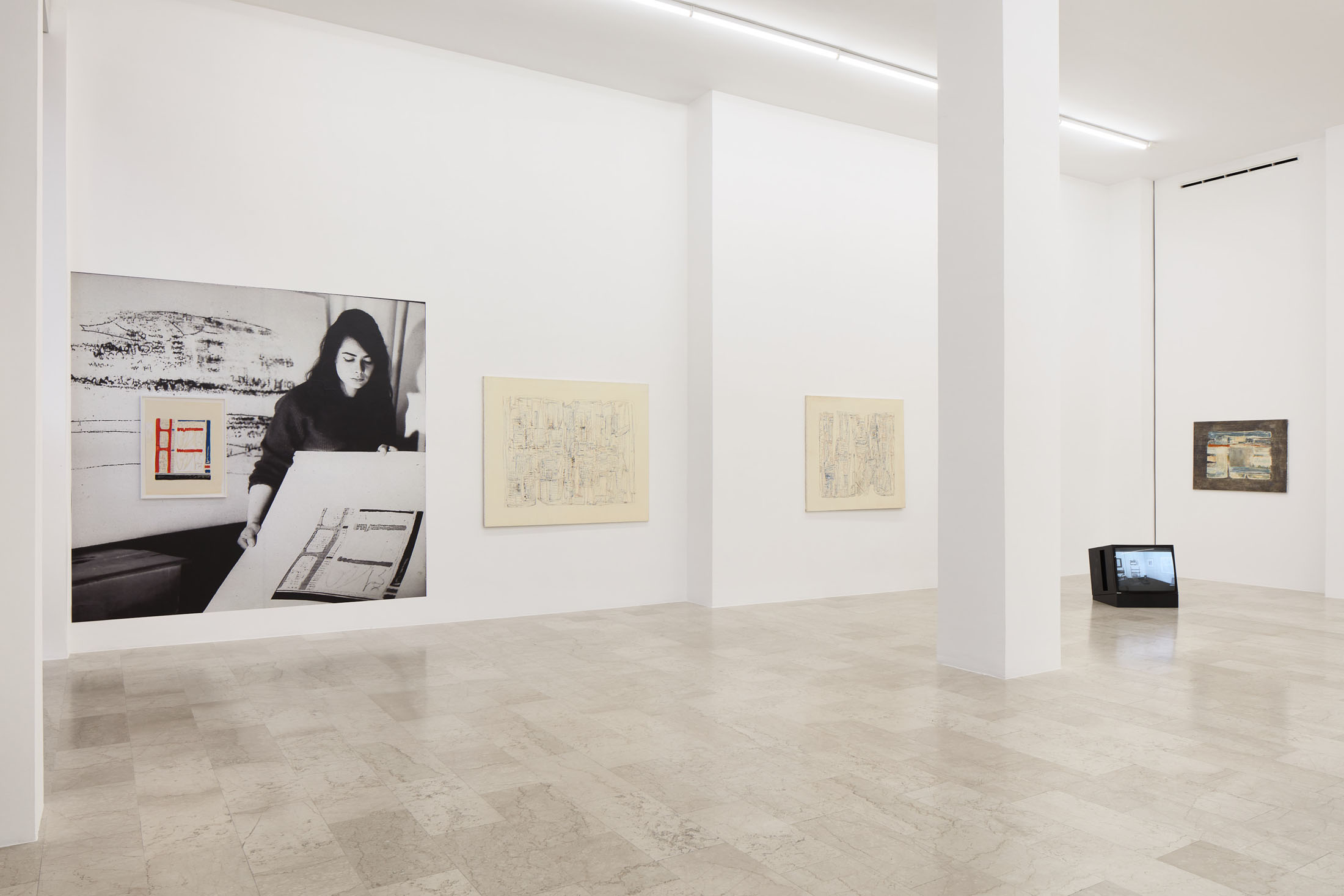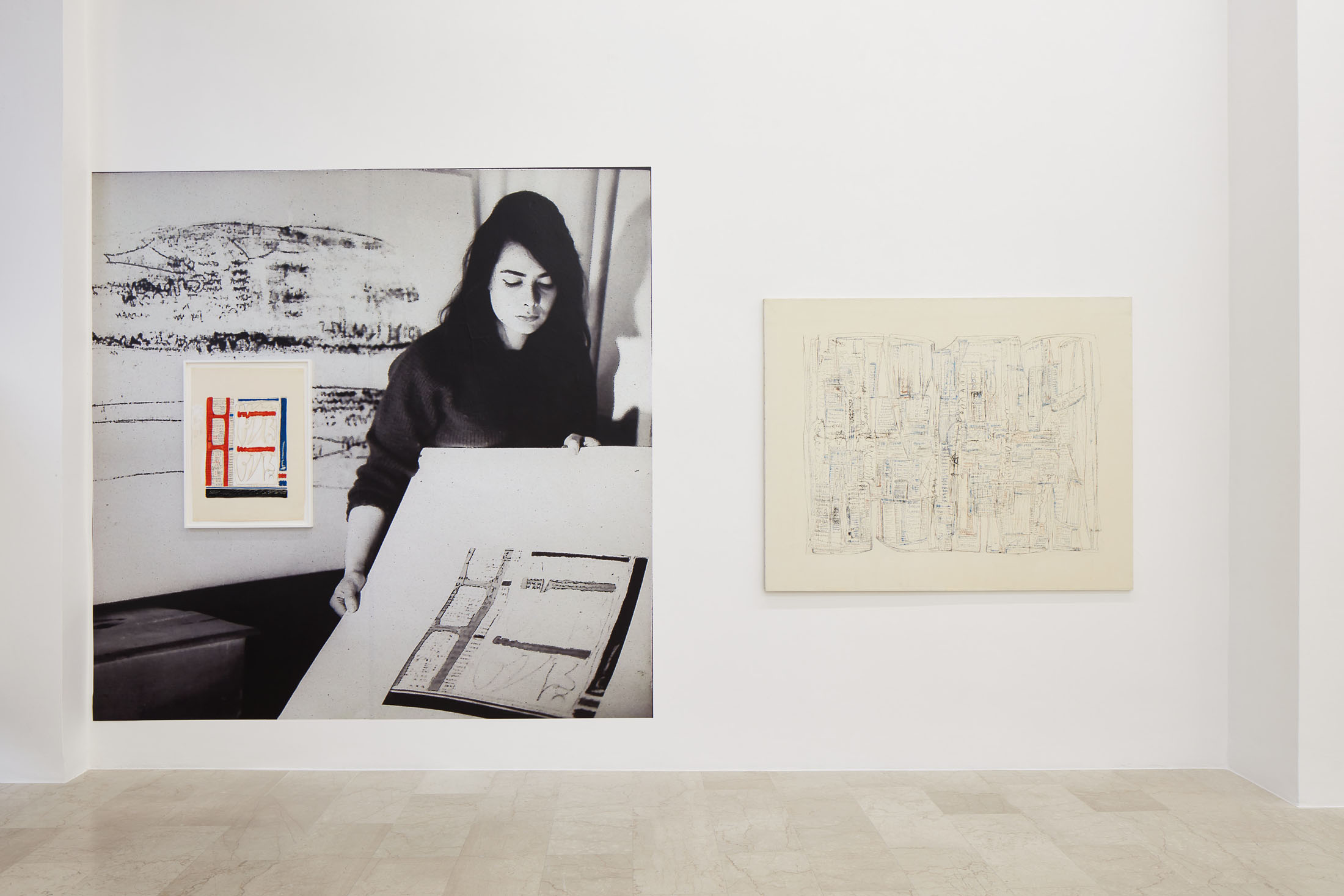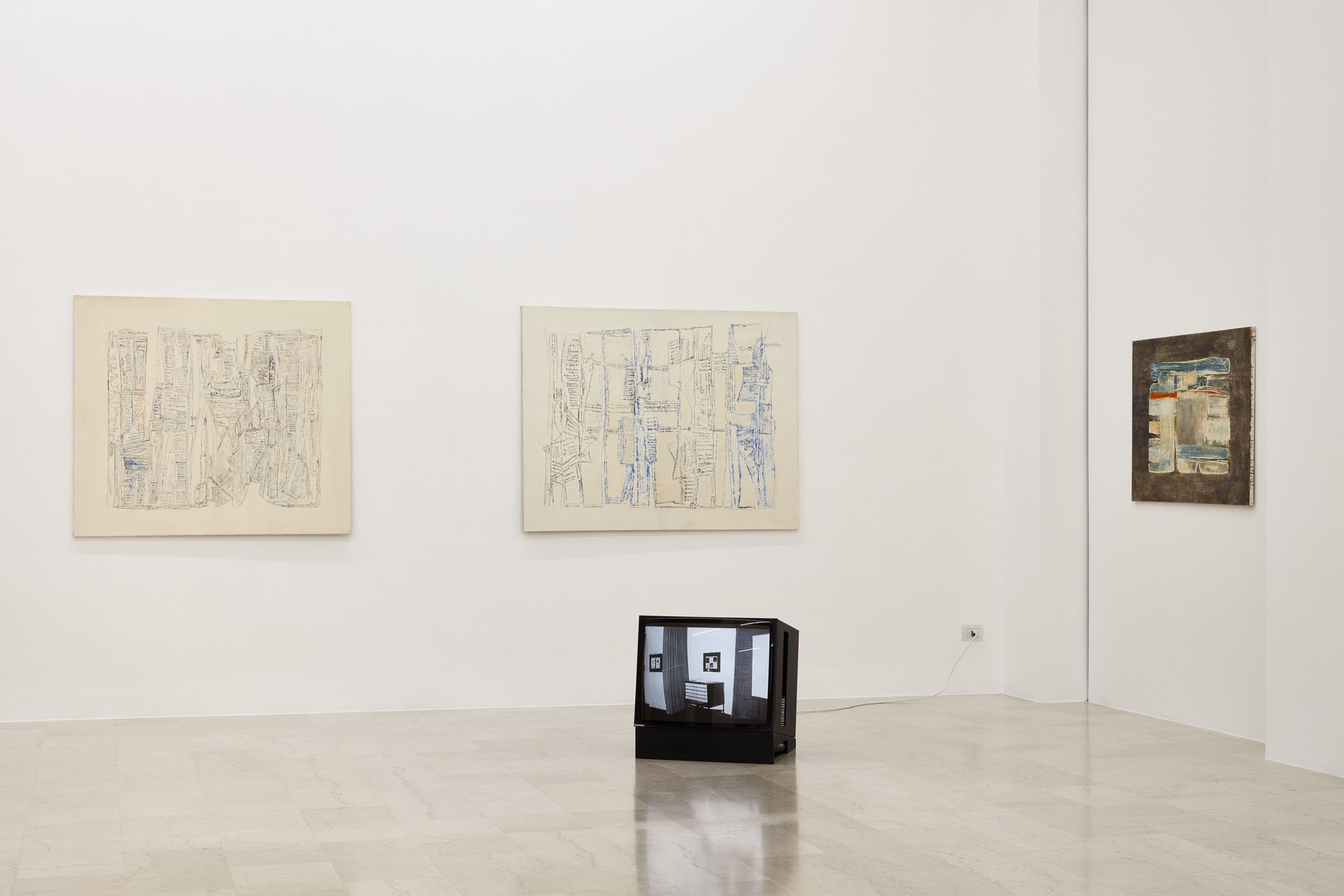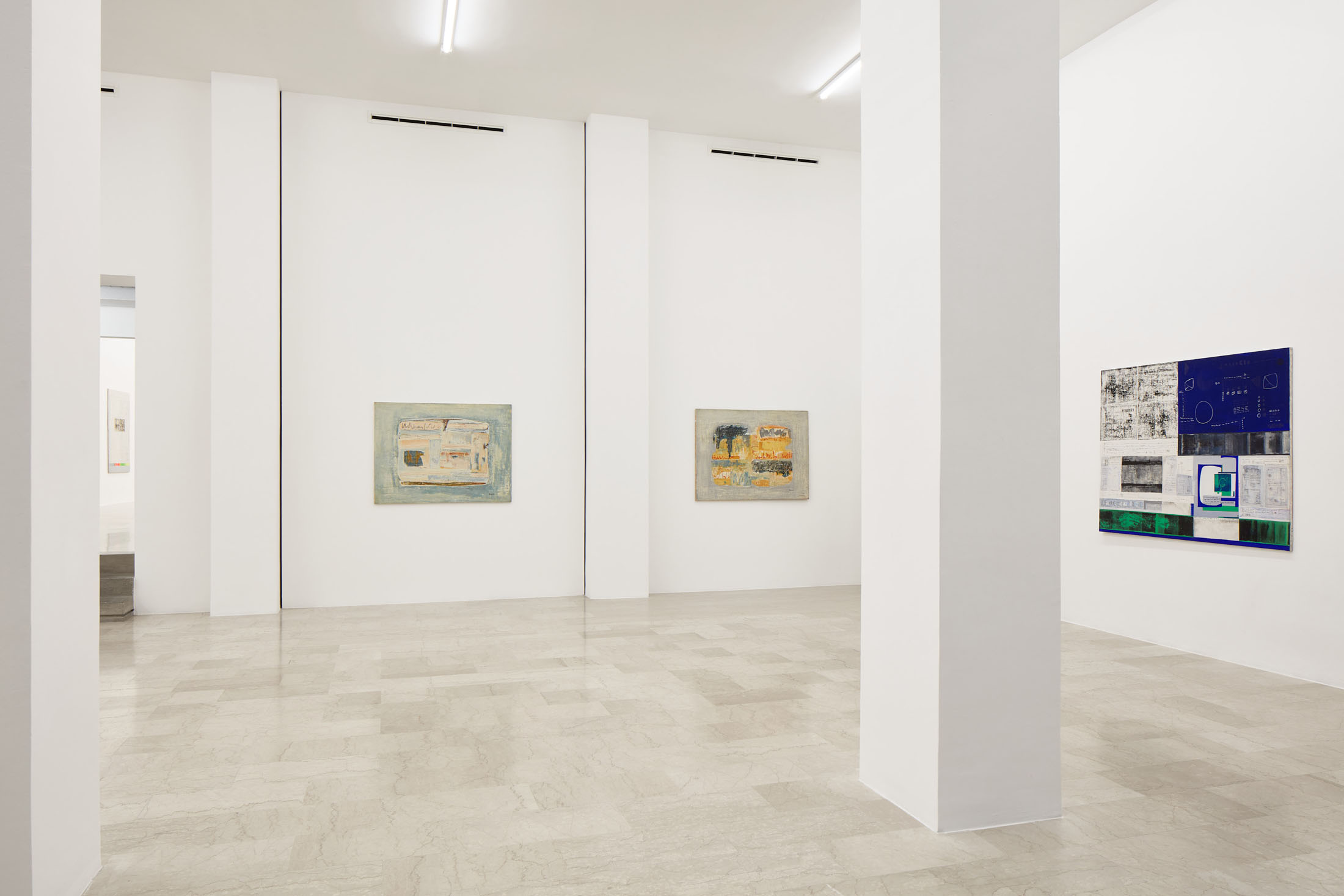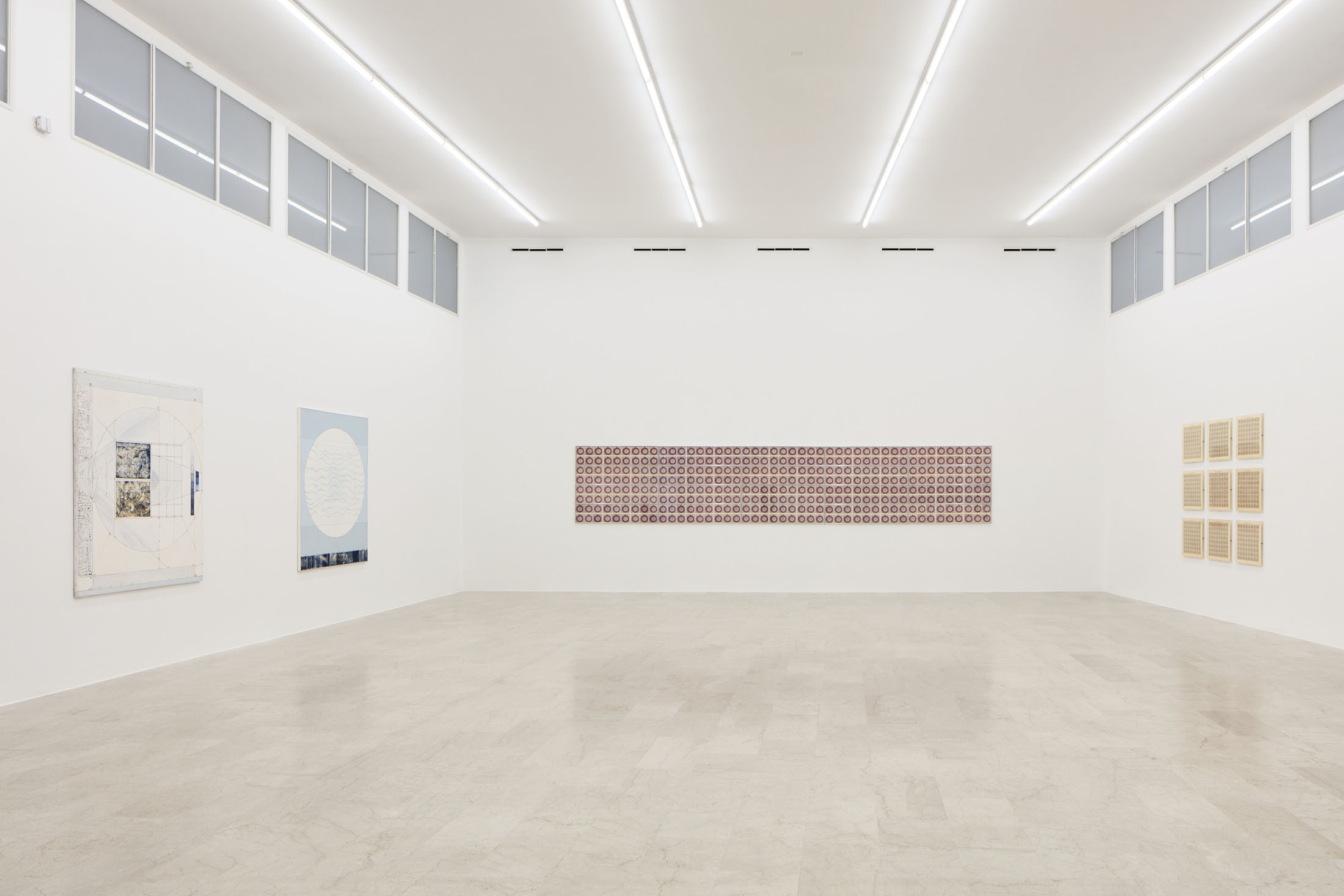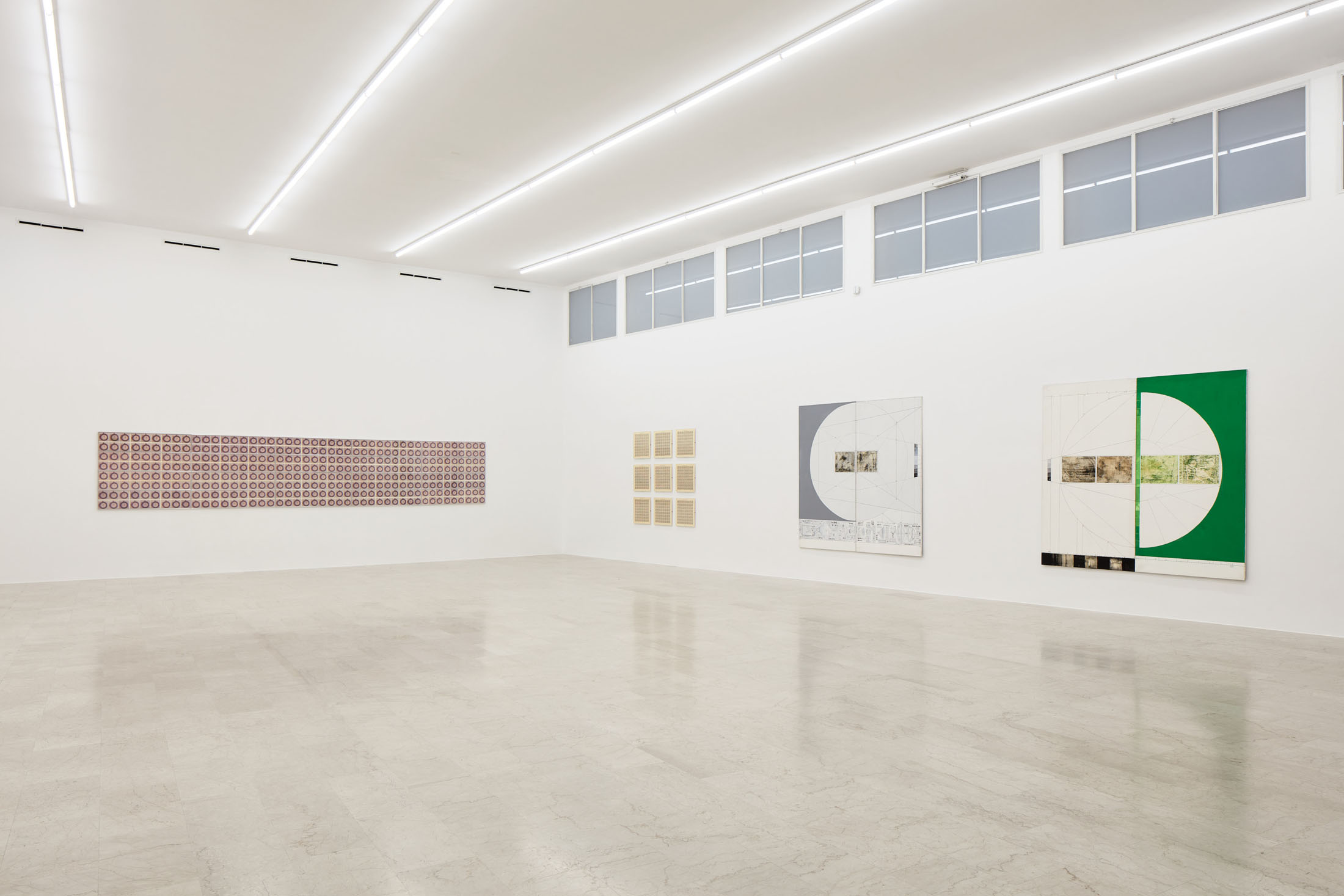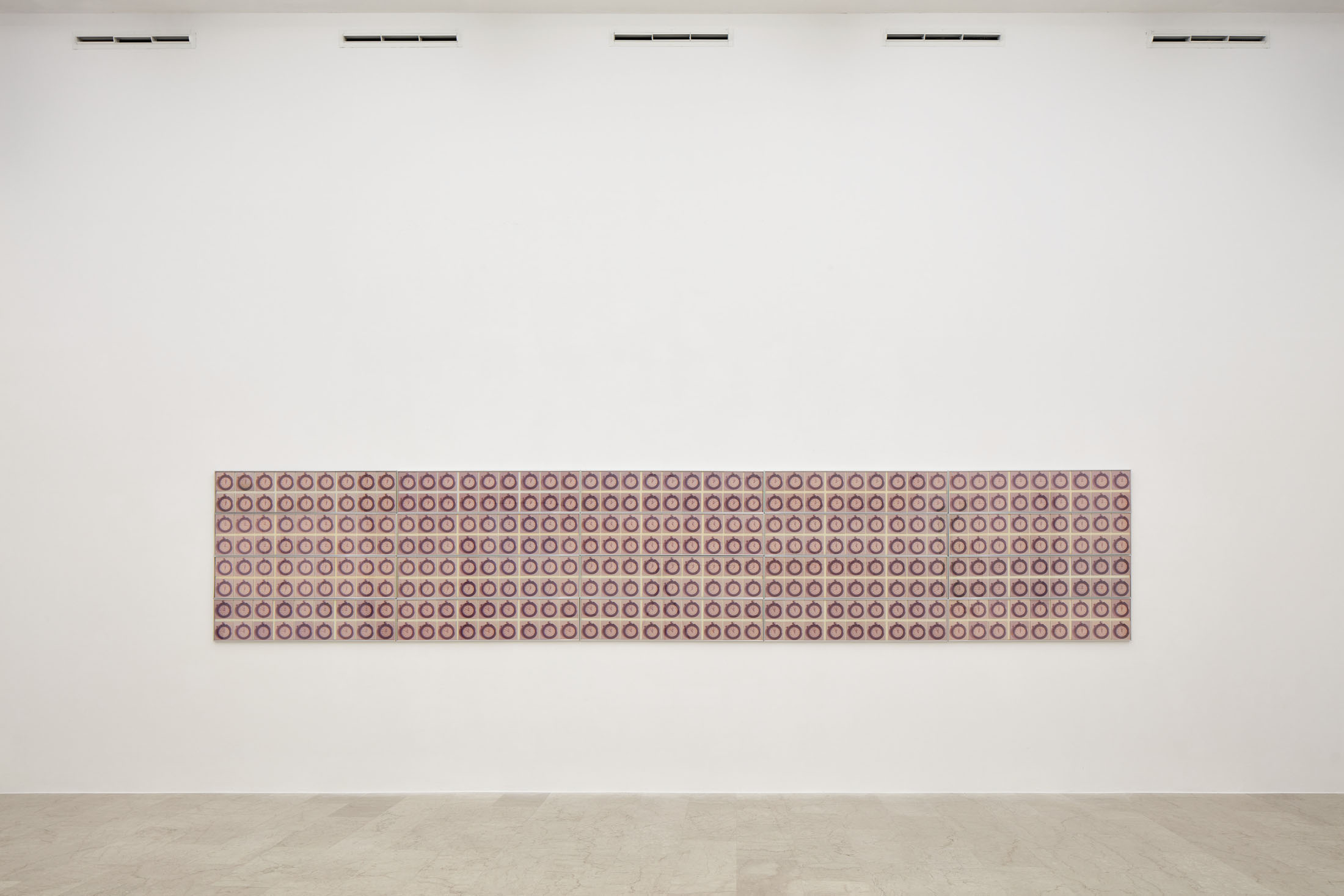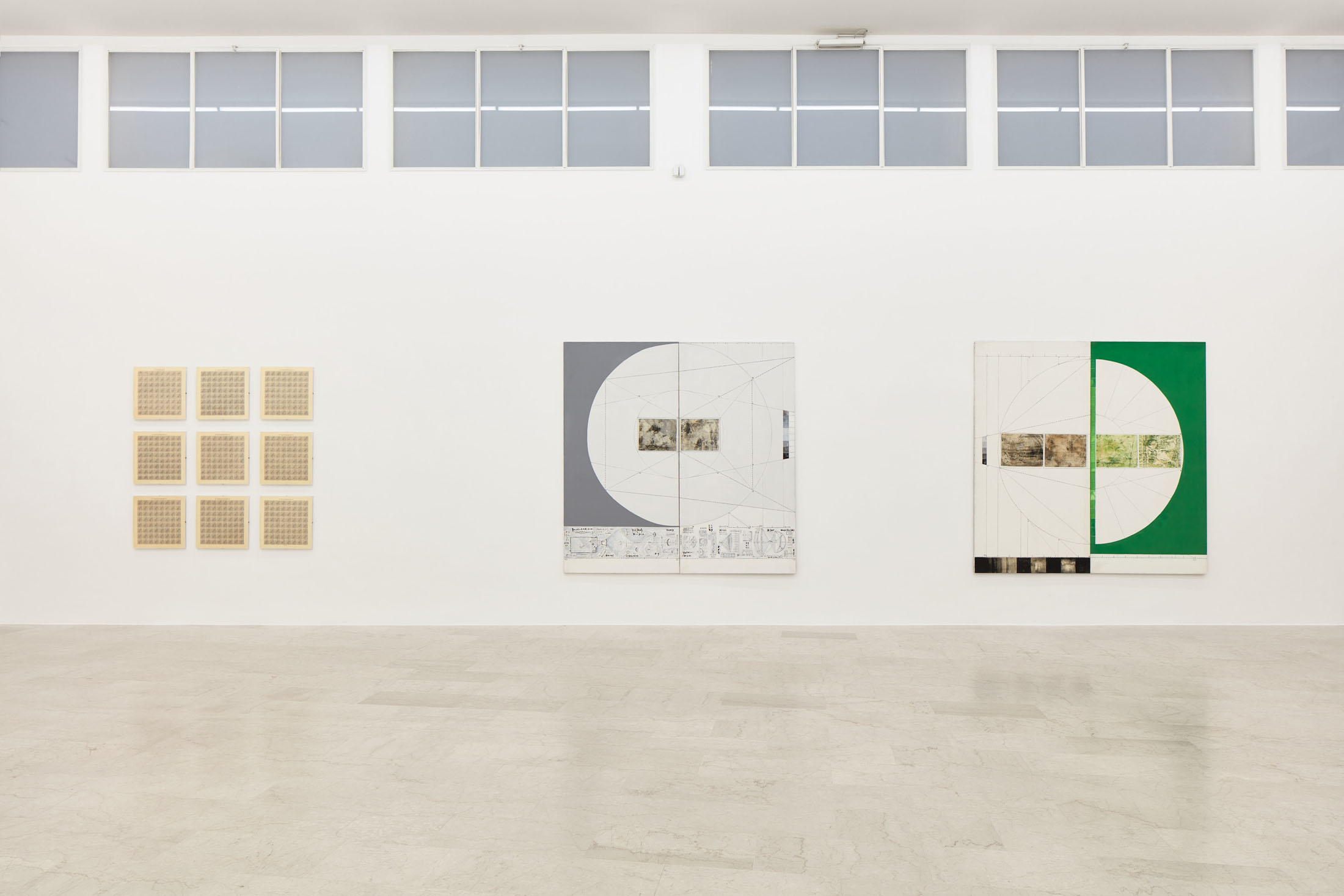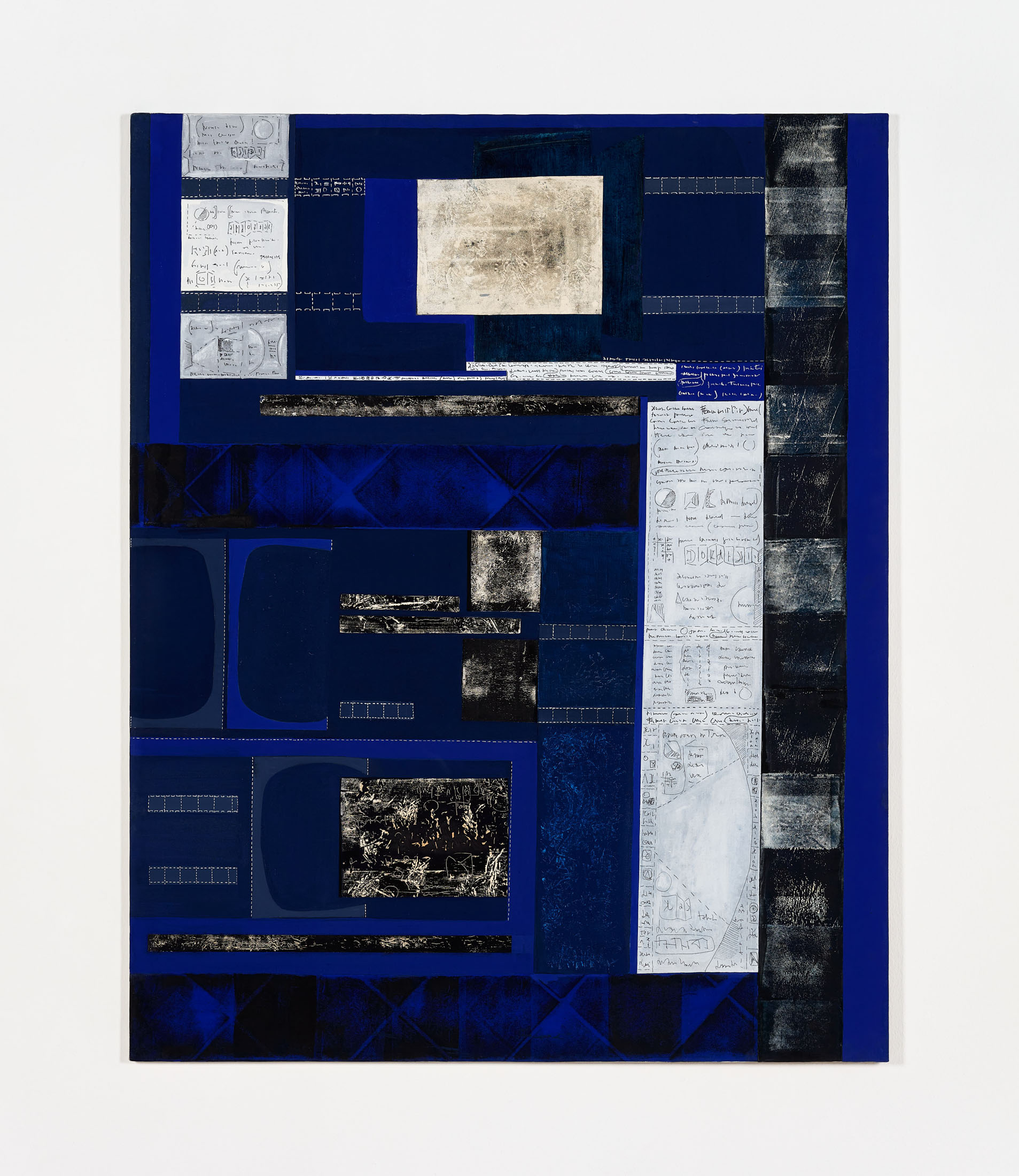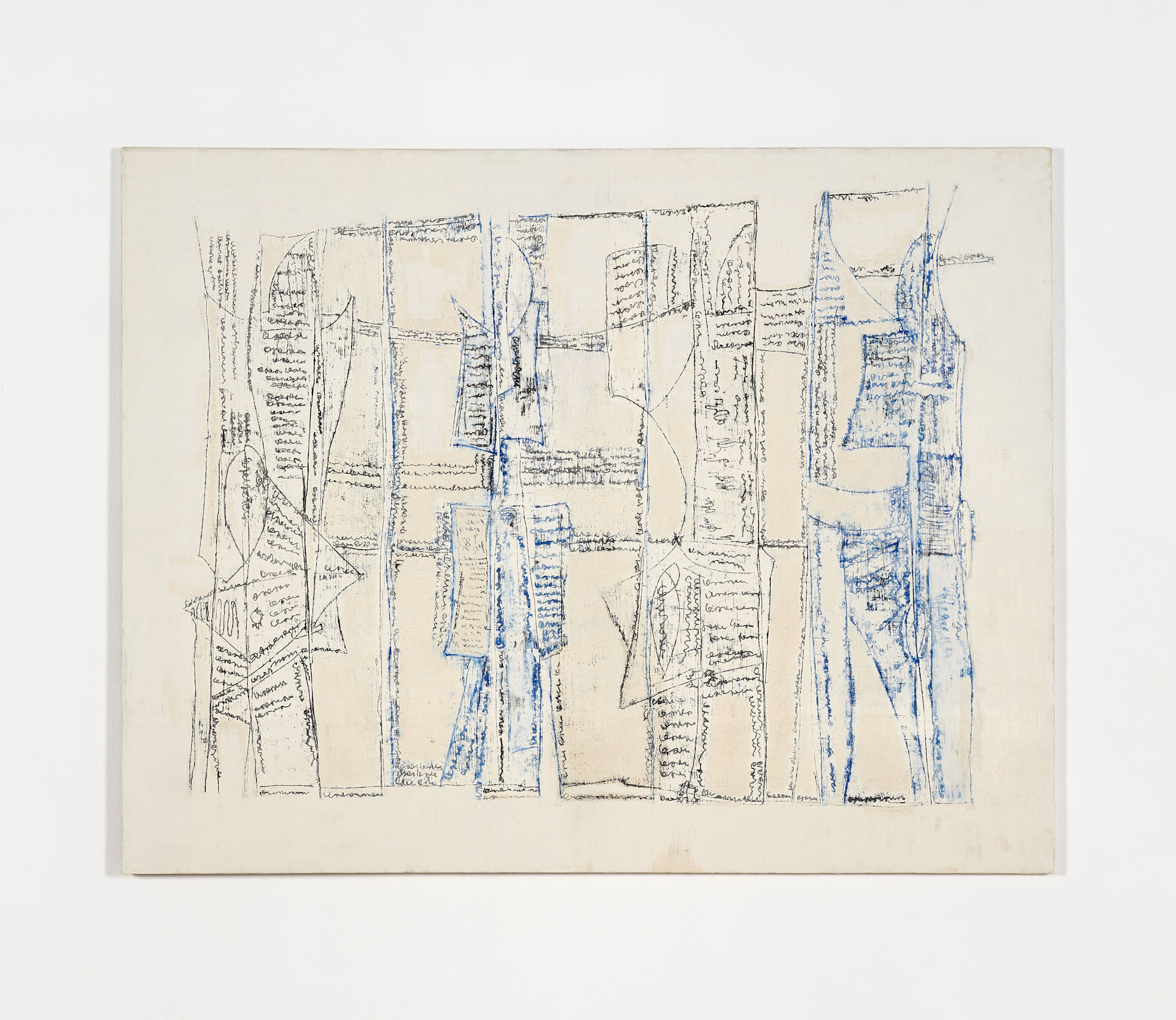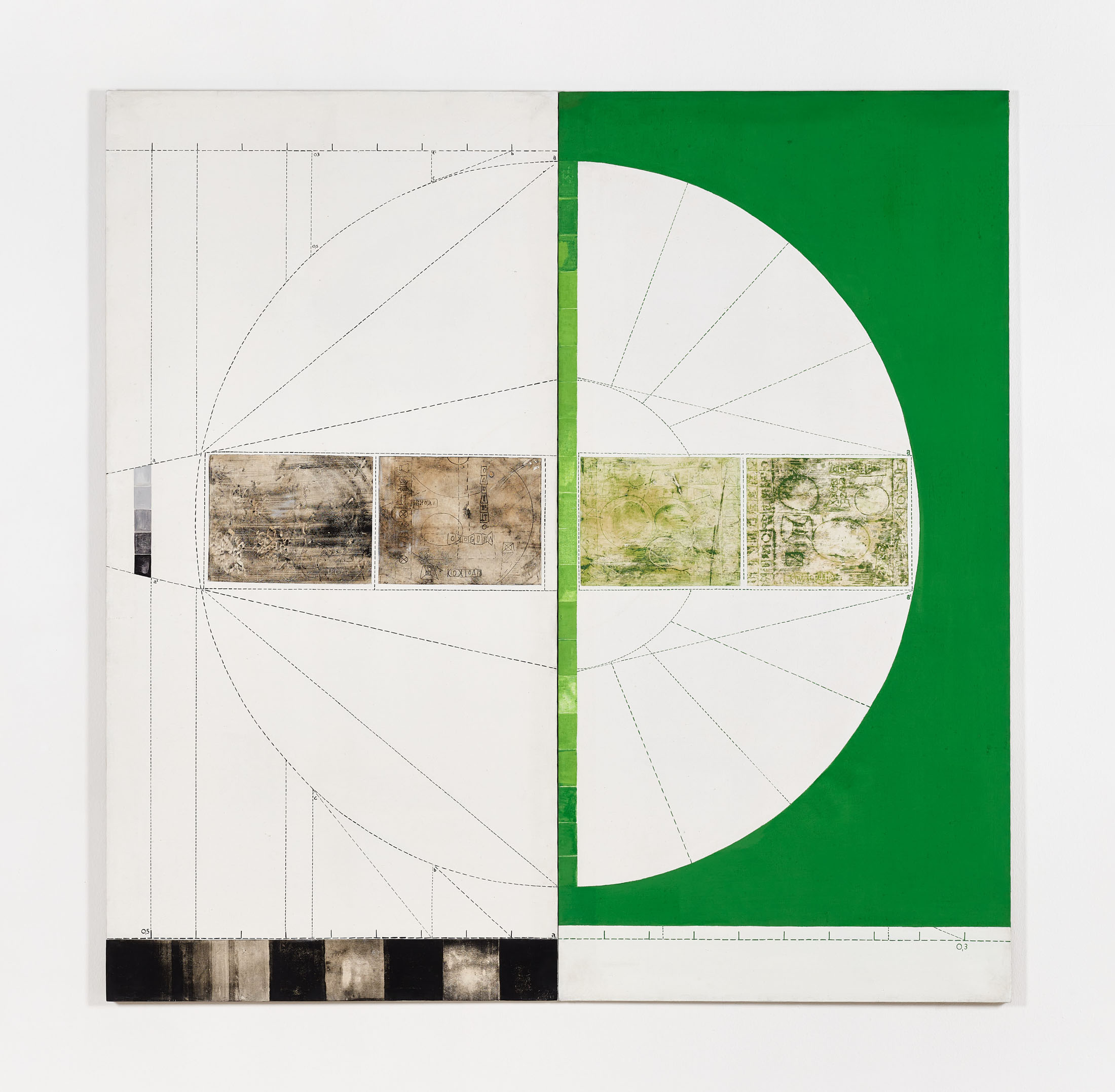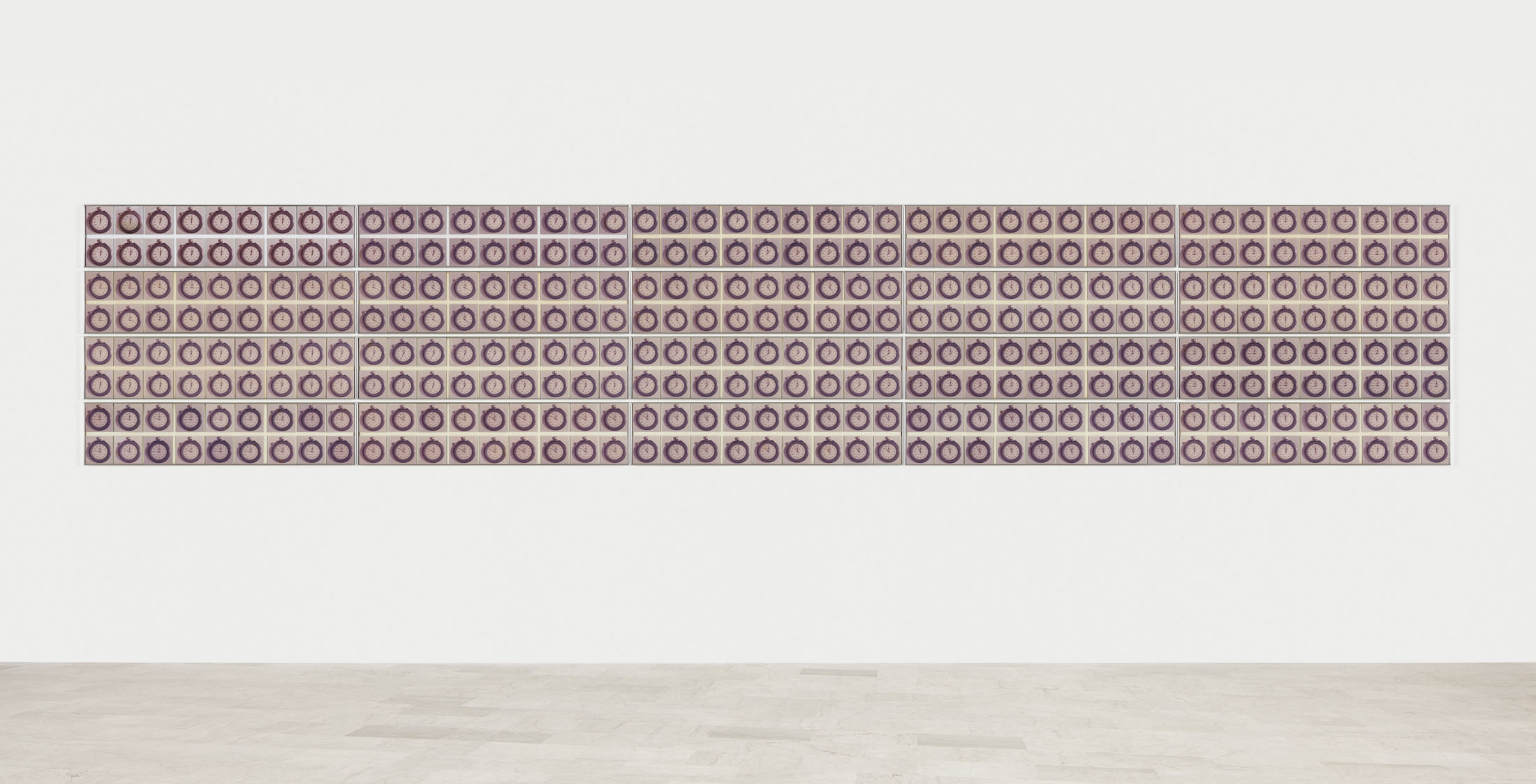
P420 is pleased to announce The Endless Diagram, the second solo exhibition by Laura Grisi (1939, Rhodes, Greece – 2017, Rome, Italy) in the spaces of the gallery, curated by Marco Scotini.
The exhibition comes at a moment of extraordinary international critical acclaim for the artist, including recent acquisitions of her works on the part of Centre Pompidou in Paris and the Tate Collection of London. After the first solo show in the gallery in 2018, Grisi’s work has been the focus of two important museum retrospectives: at Muzeum Susch in Zernez in 2021, and at MAMCO Geneva in 2022-23. She has also been included at the Venice Biennale in 2022 and in other group shows that have repositioned her in a unique role, outside the usual consolidated narratives.
The Endless Diagram adds a fundamental and as-yet unexplored facet to the path of rediscovery forced by P420. The central feature of the project is a recent find in the Grisi Archive of a series of crucial works, produced from 1961 to 1965.
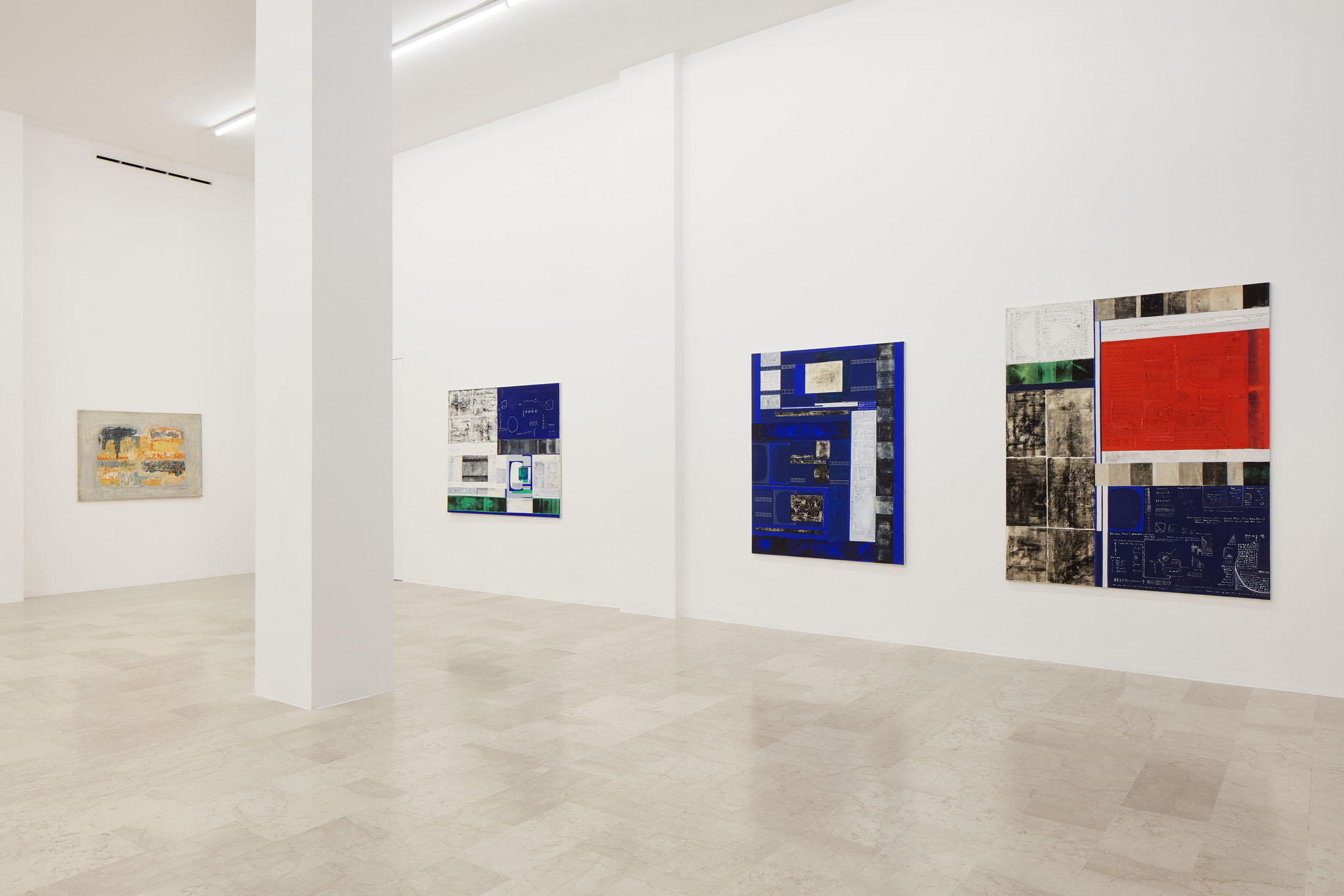
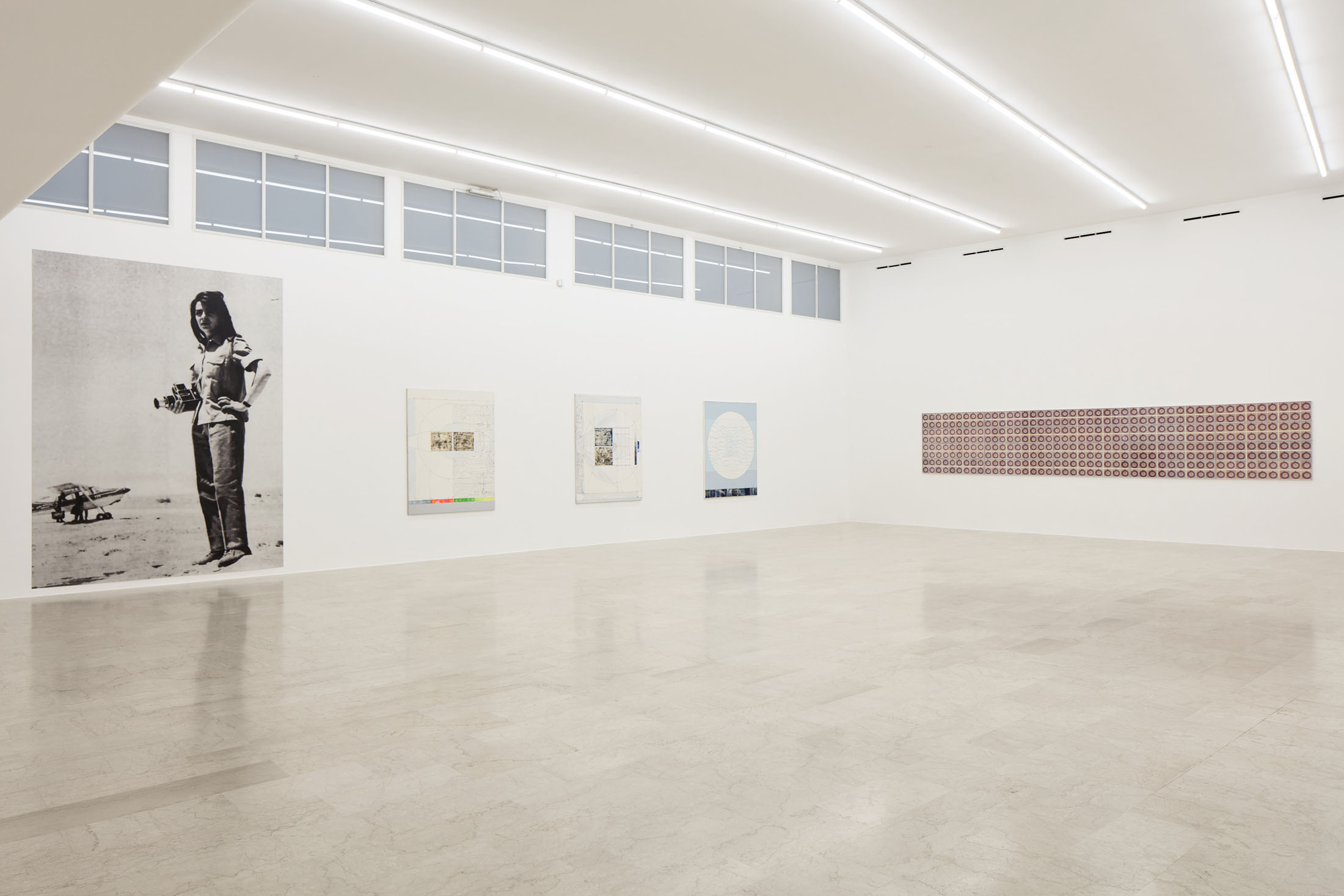
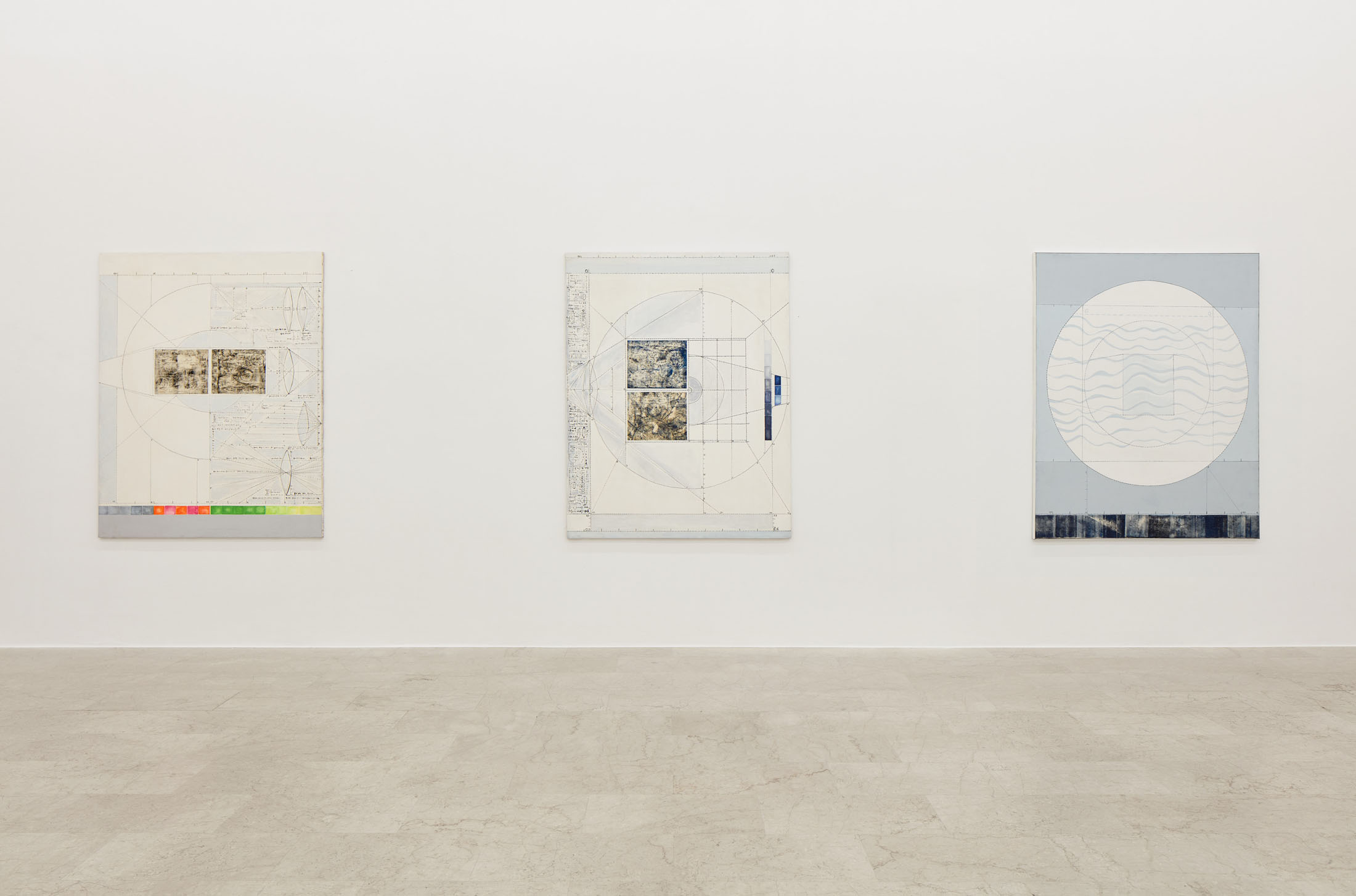
This new development offers a key of reinterpretation of the artist’s entire oeuvre: the diagrammatic approach that made her research famous in the 1970s displays surprisingly early roots, already in the 1960s. The exhibition thus blurs the boundaries between the material dimension (painting and installation) and speculative theory (represented by systems of permutation and temporal breakdown), suggesting a continuity and coherence of vision previously underestimated.
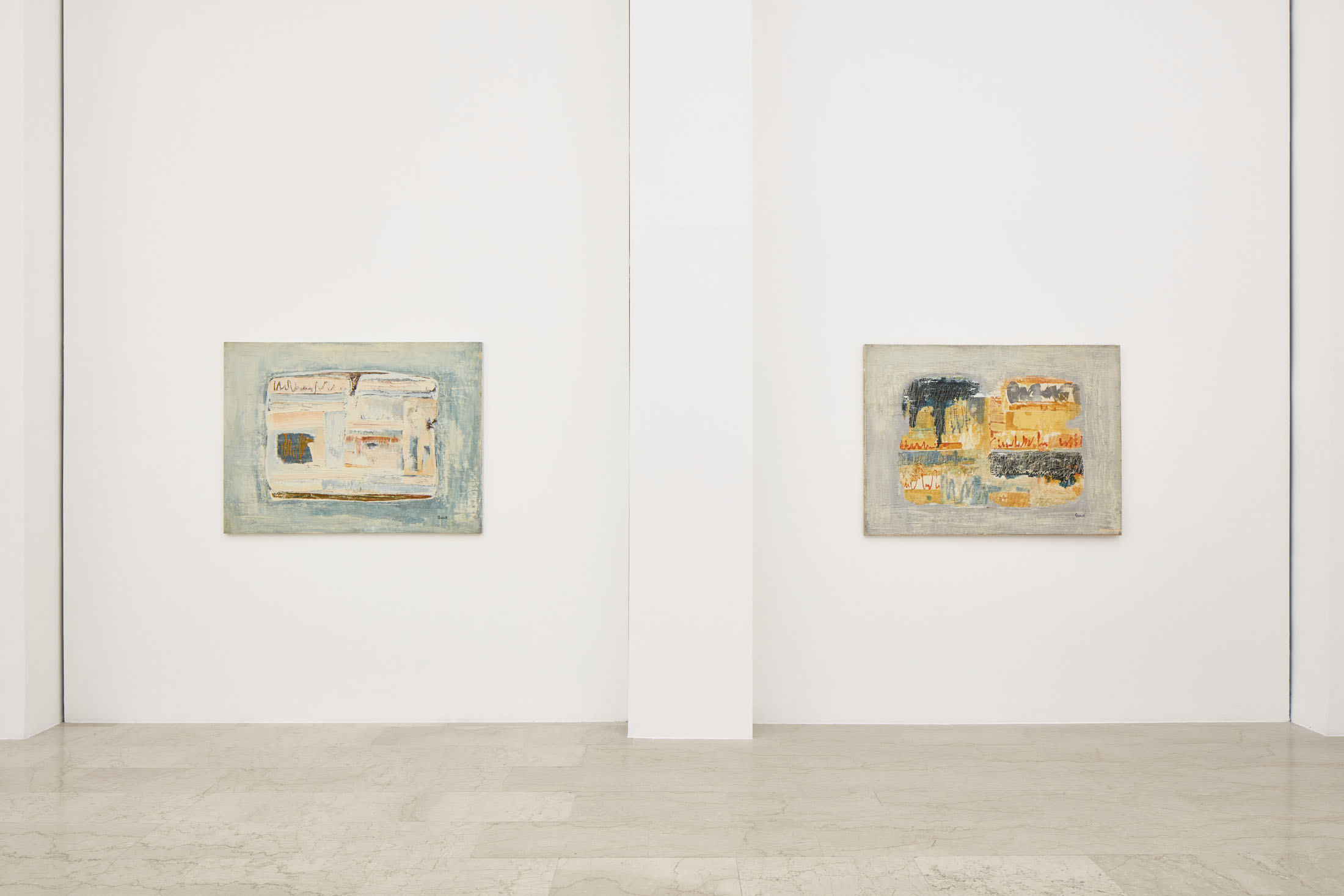
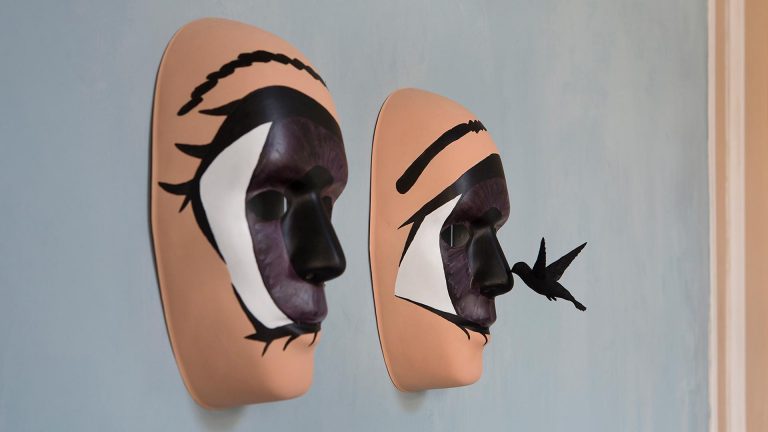
First of all, the show presents works from the early 1960s, which constitute the initial core of Grisi’s output. These works already seen in the first group shows (Premio San Fedele, Milan, 1961; Premio Michetti, Francavilla, 1964; Premio Castello Svevo, Termoli, 1964) and in the artist’s first solo exhibitions (Galleria
Il Segno, Rome, 1964; Galleria Errepi, Bologna, 1964; Galleria dell’Ariete, Milan, 1965), are now re-examined in a direct dialogue with the production of the next decade. The show does in fact continue forward, through a selection of fundamental pieces from the 1970s, which underscore the conceptual lexicon for which the artist is known.
The comparison reveals the fact that the early works are not simple forerunners, but represent the roots of the “diagrammatic thinking” that characterizes all of Laura Grisi’s artistic practice.