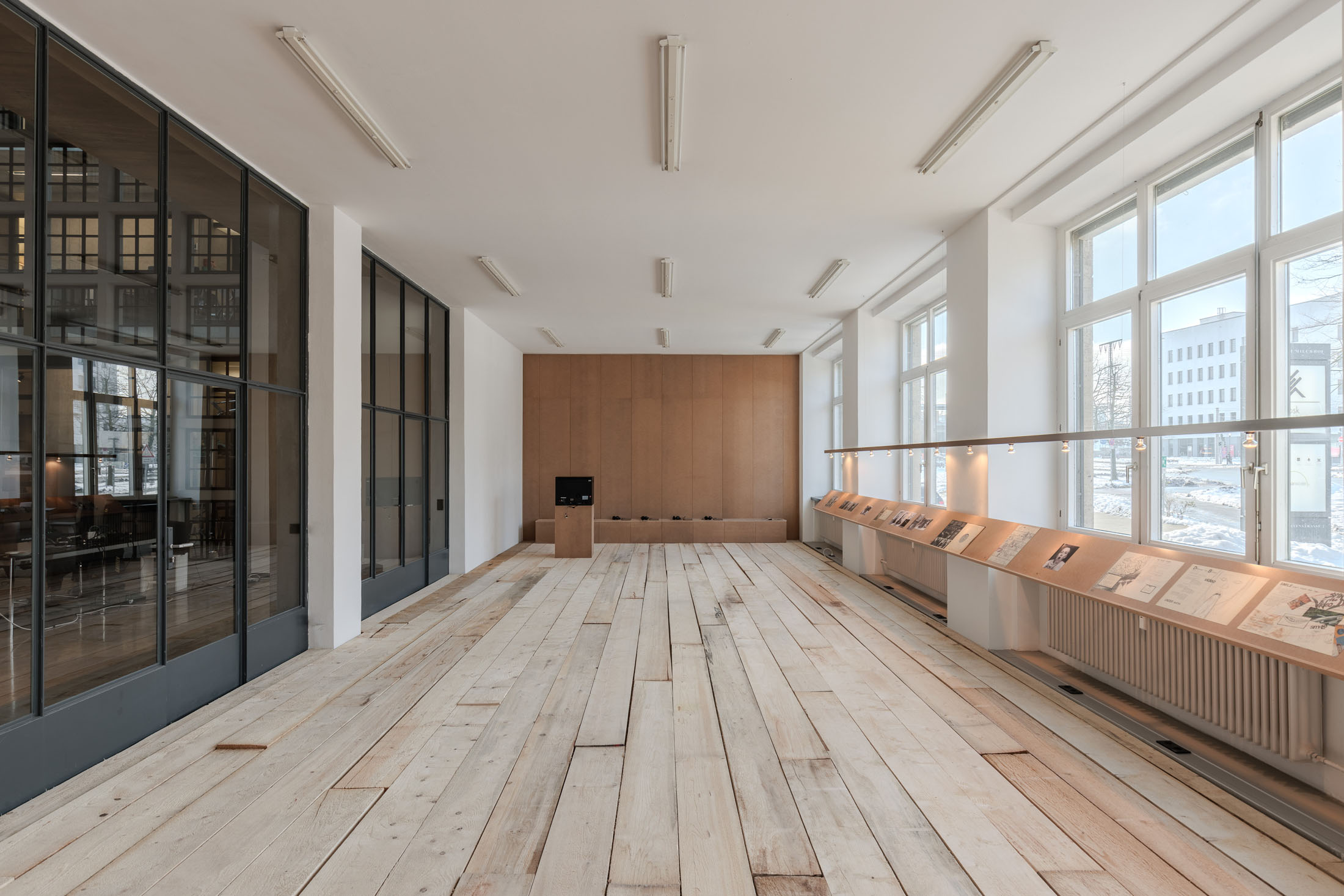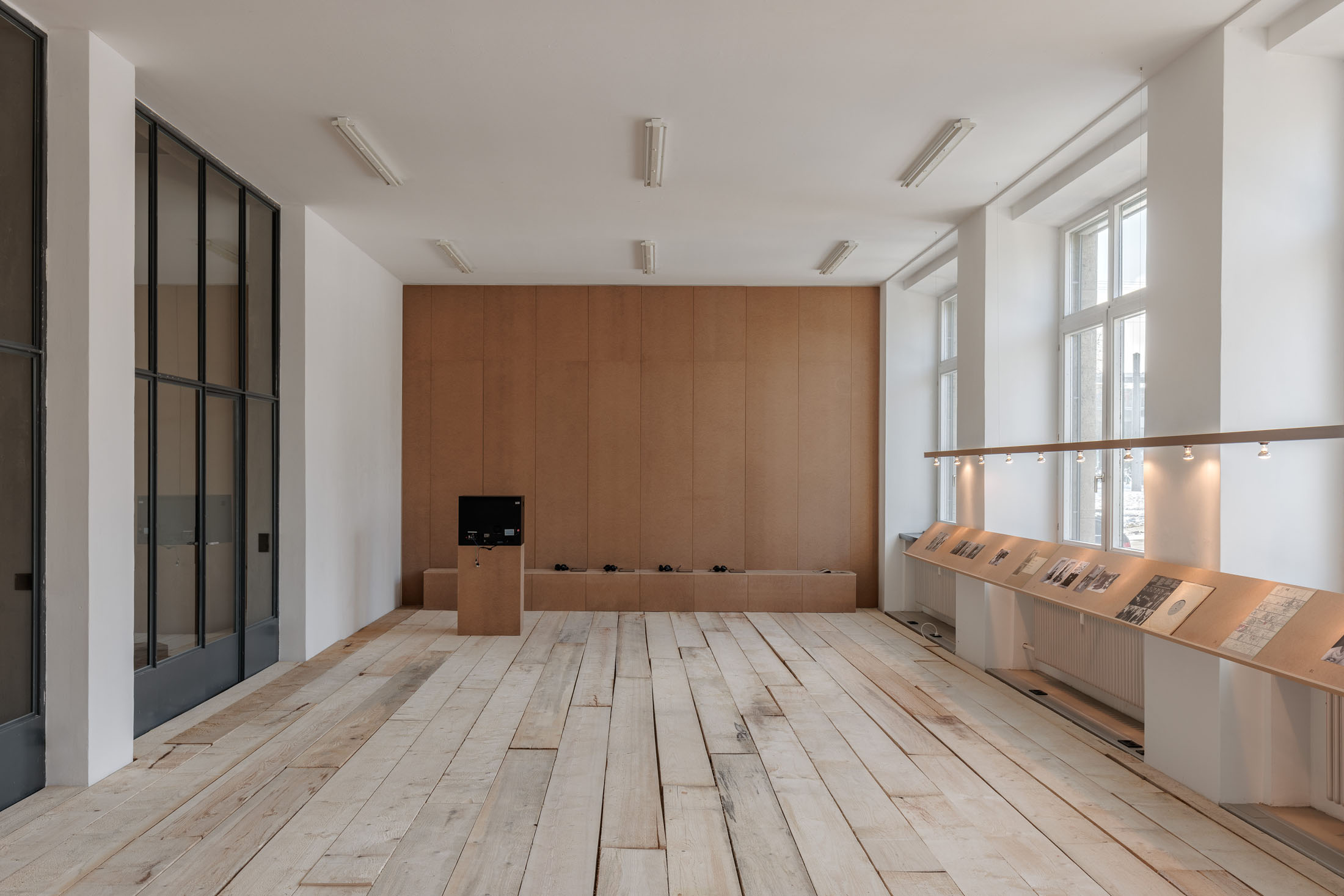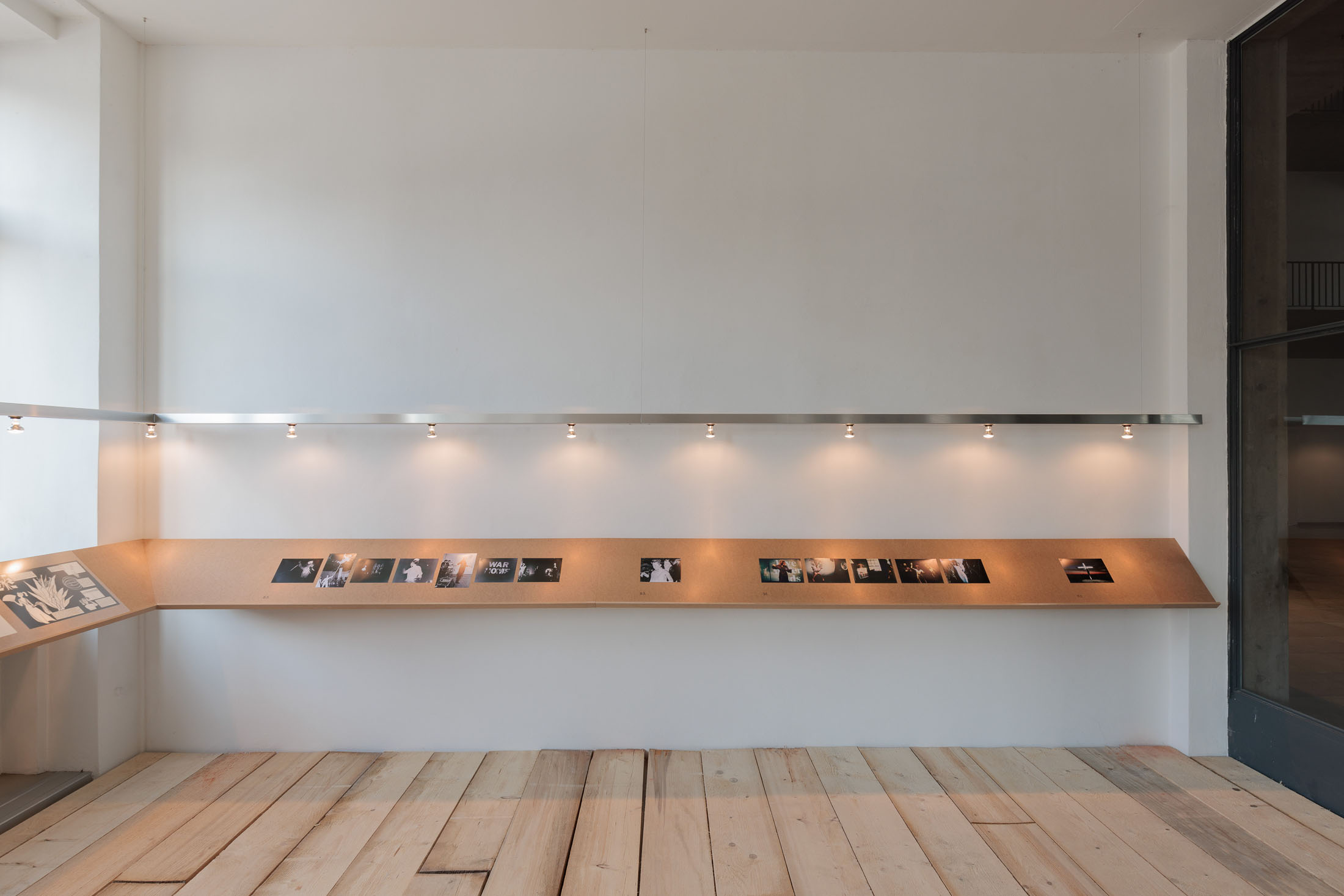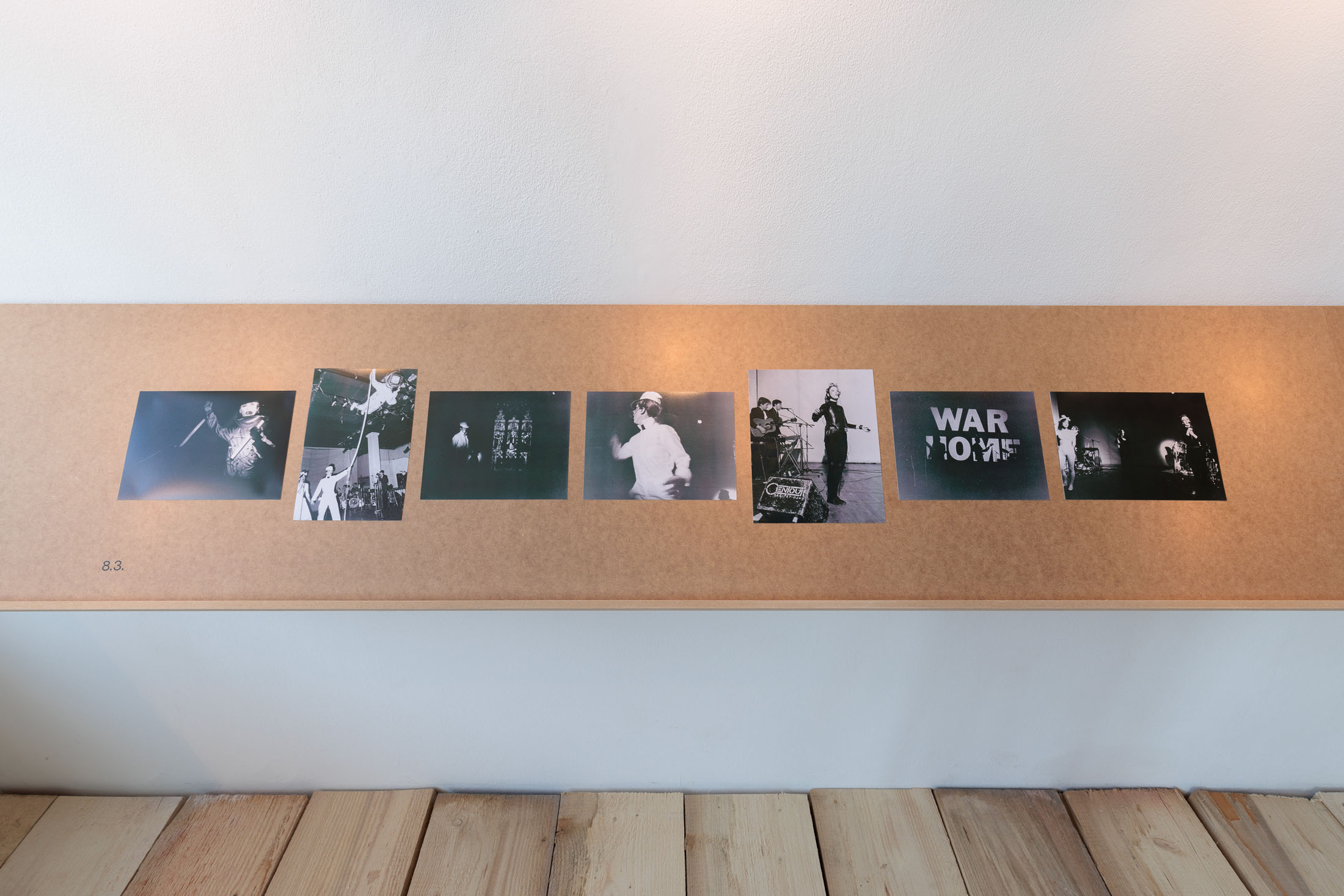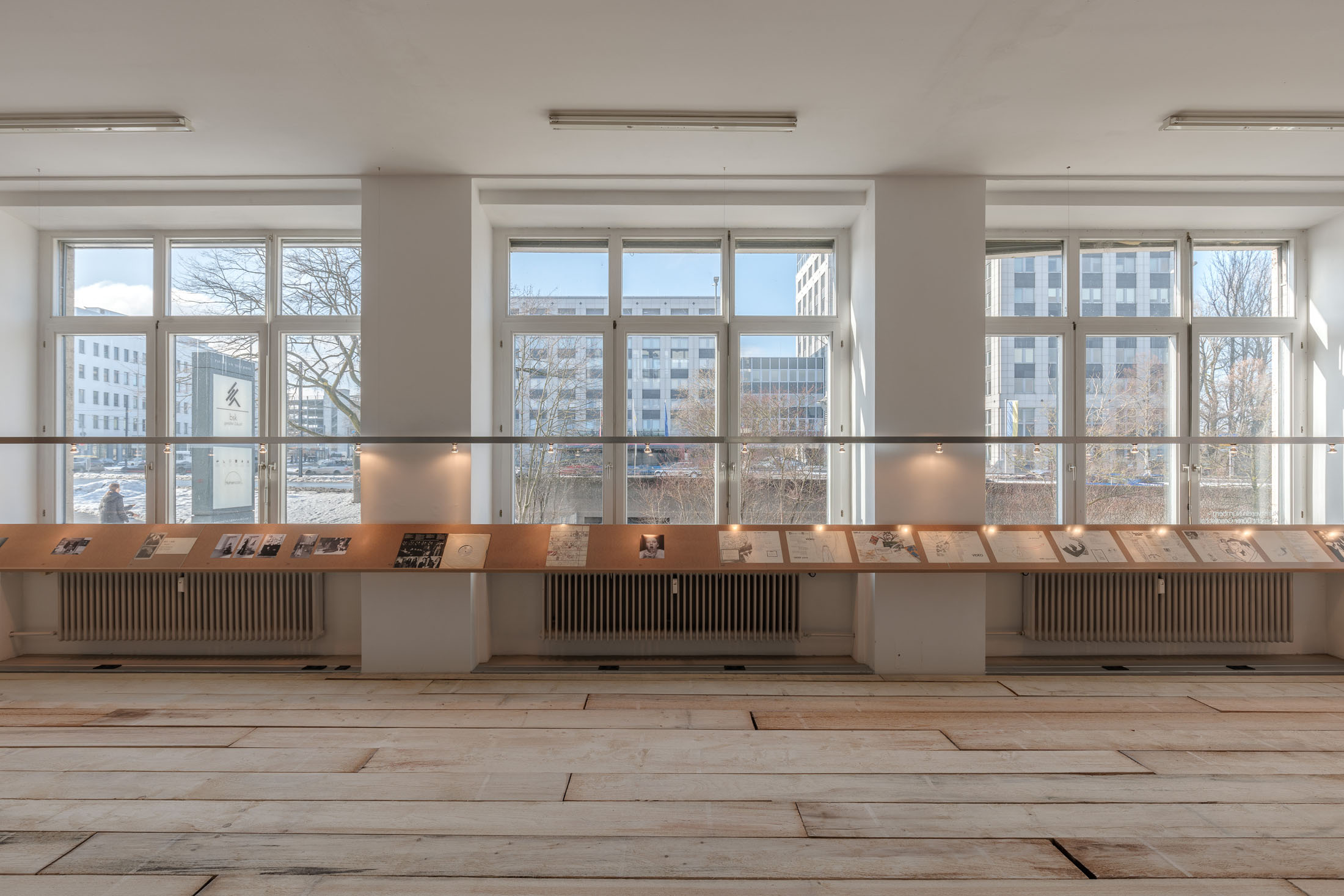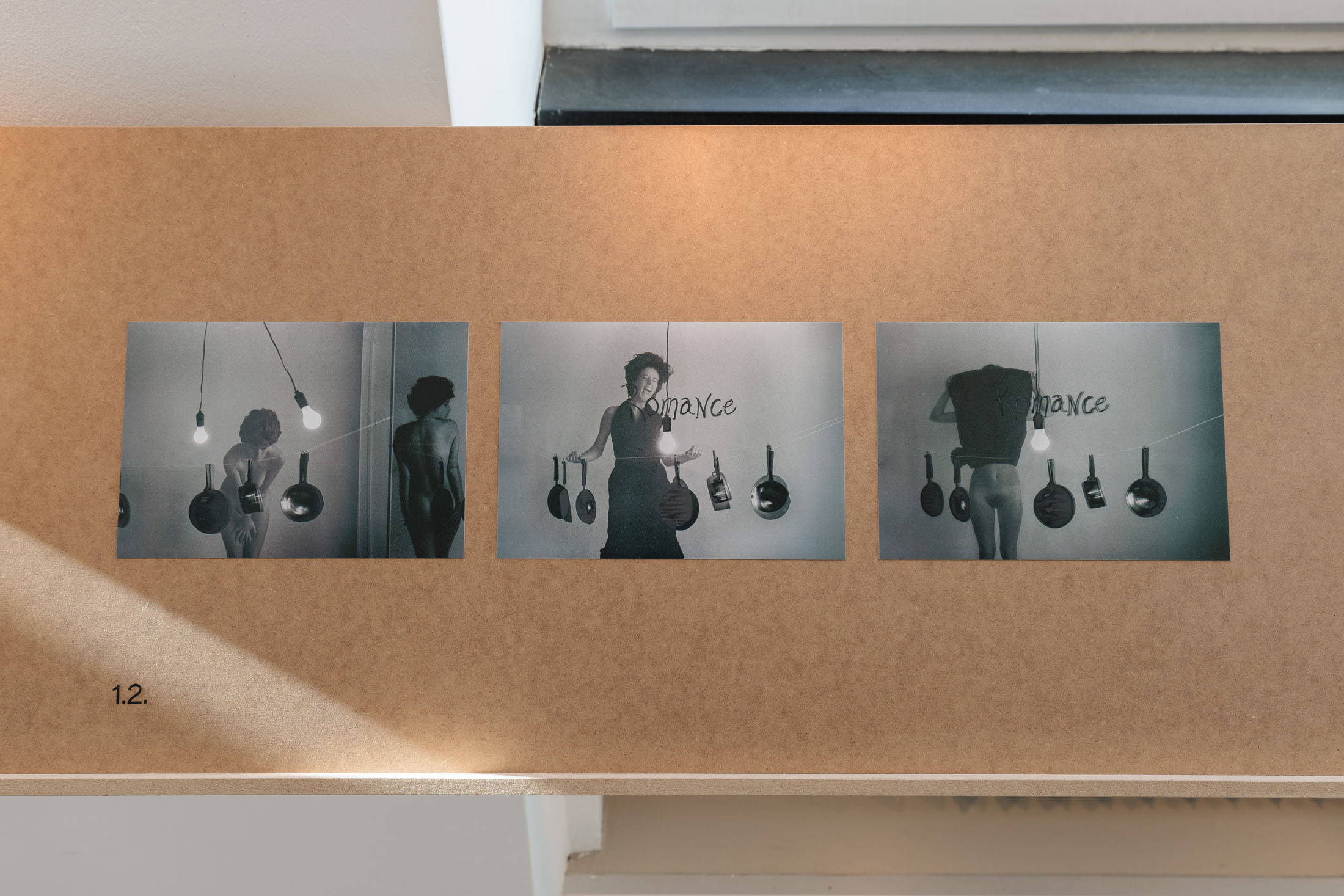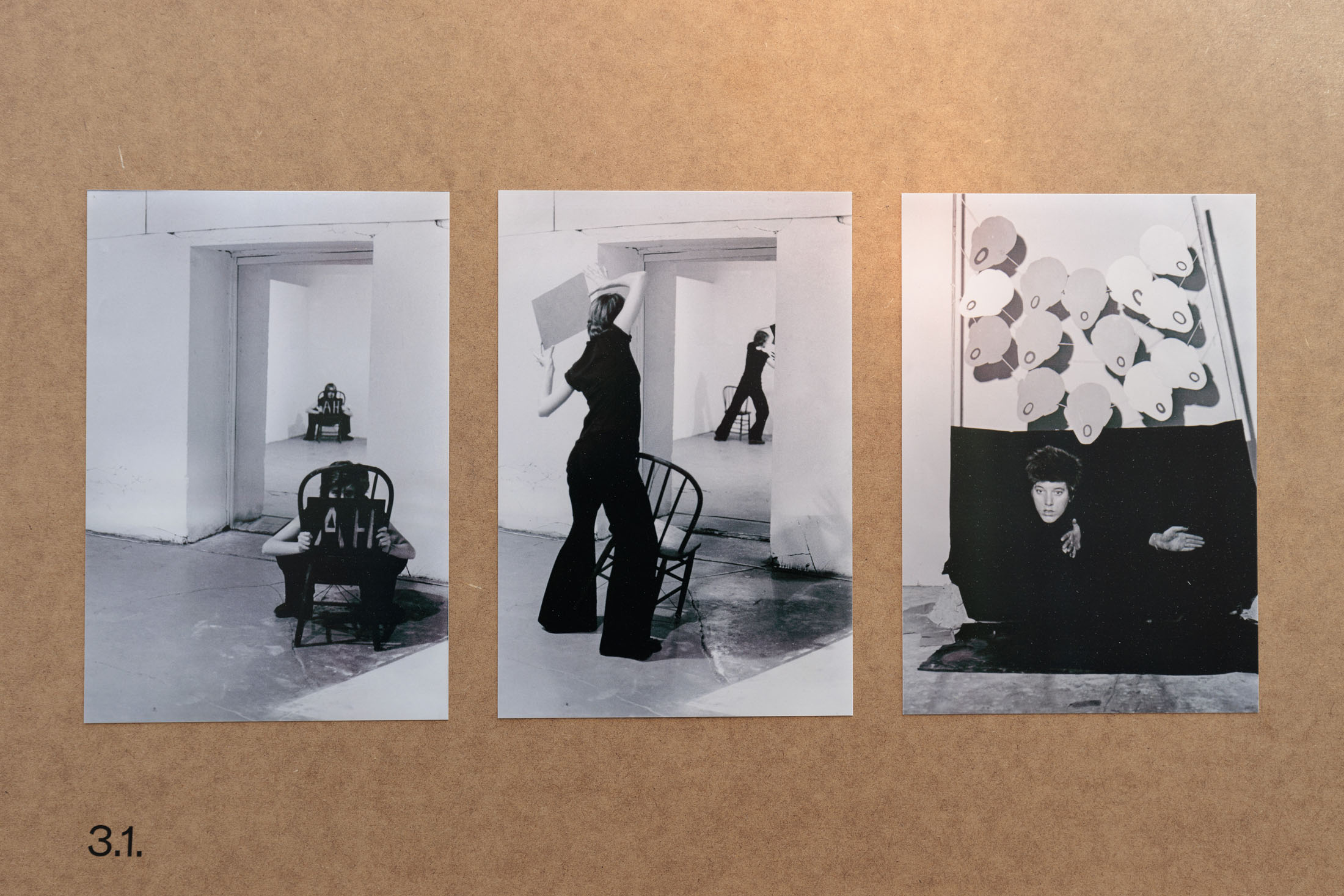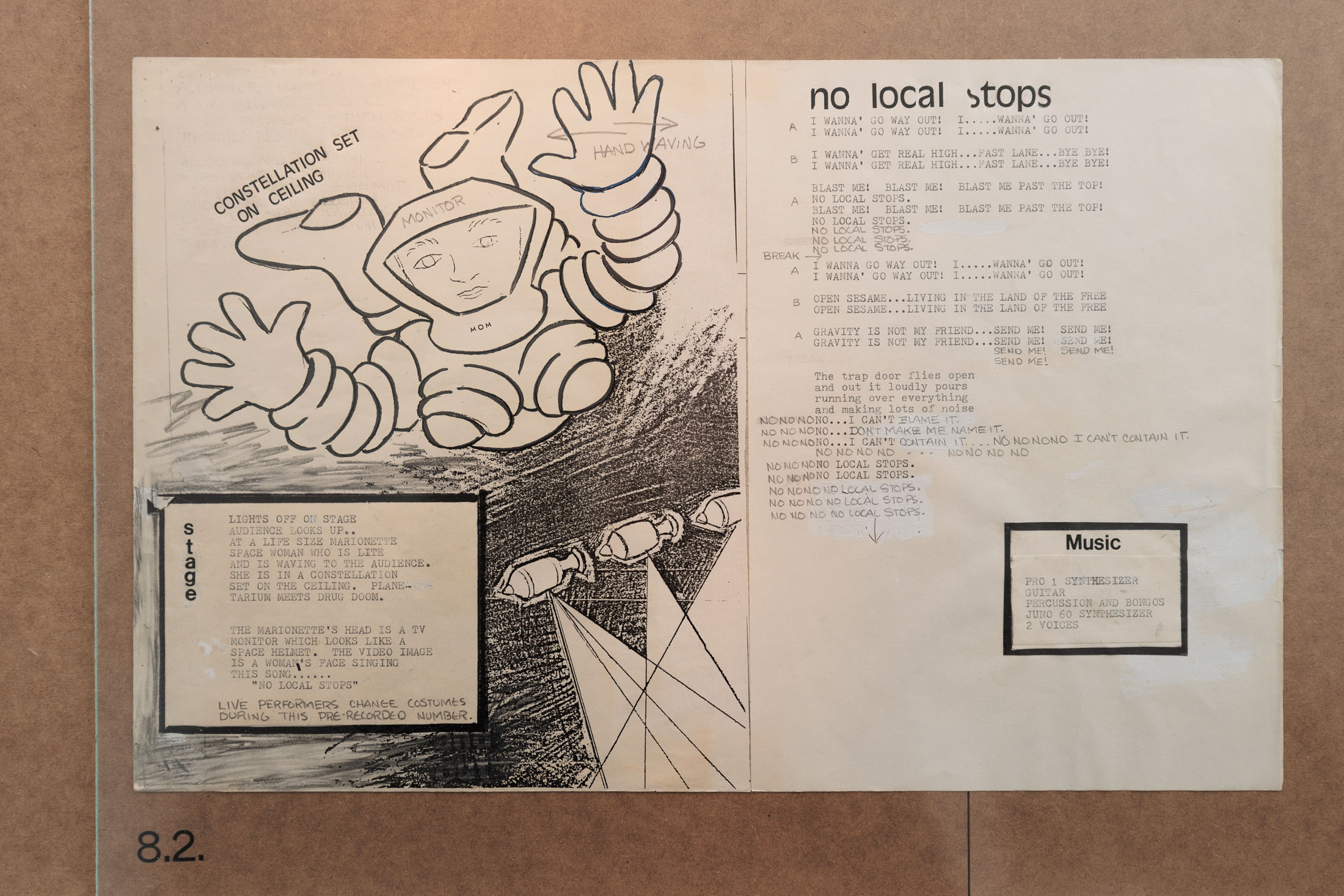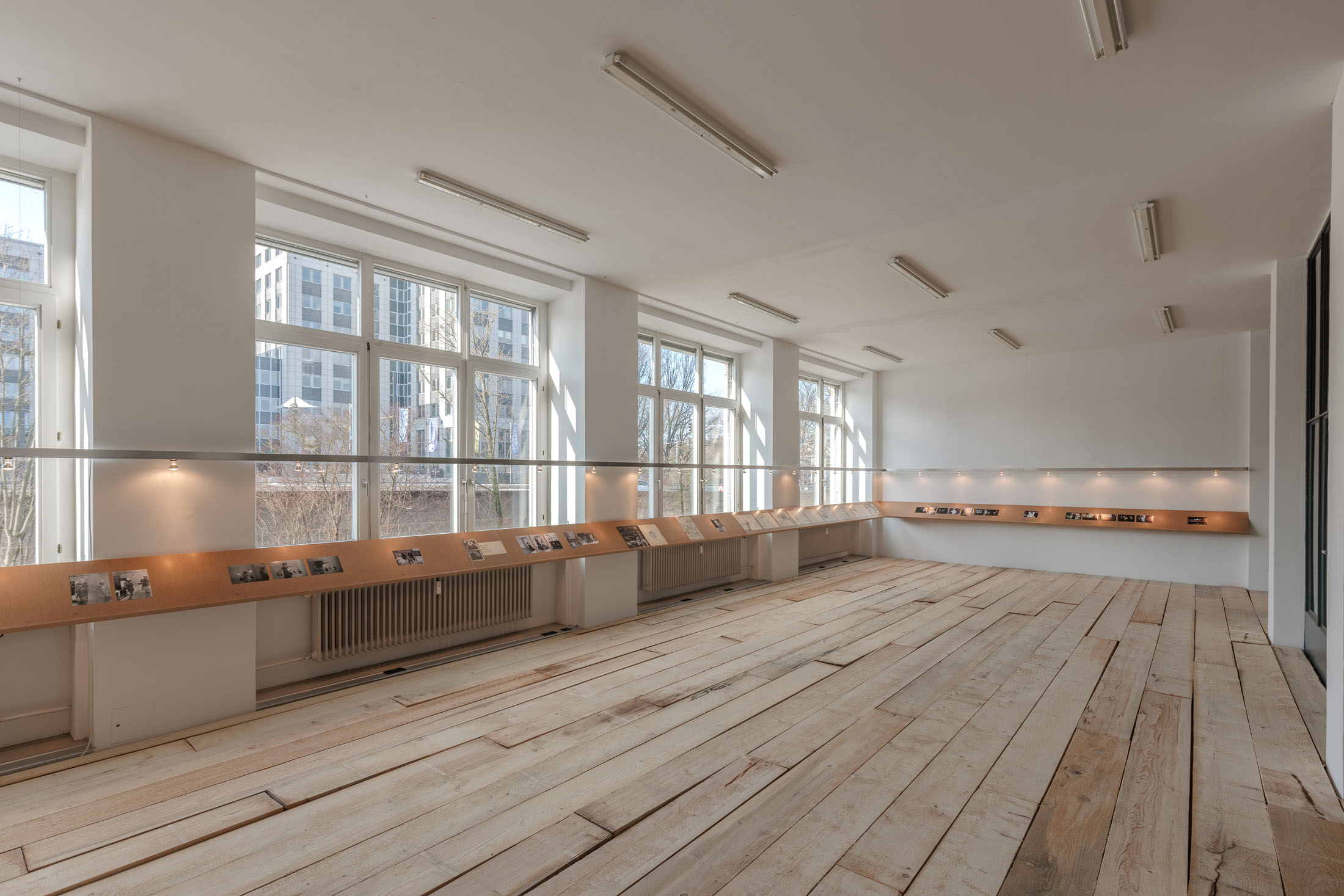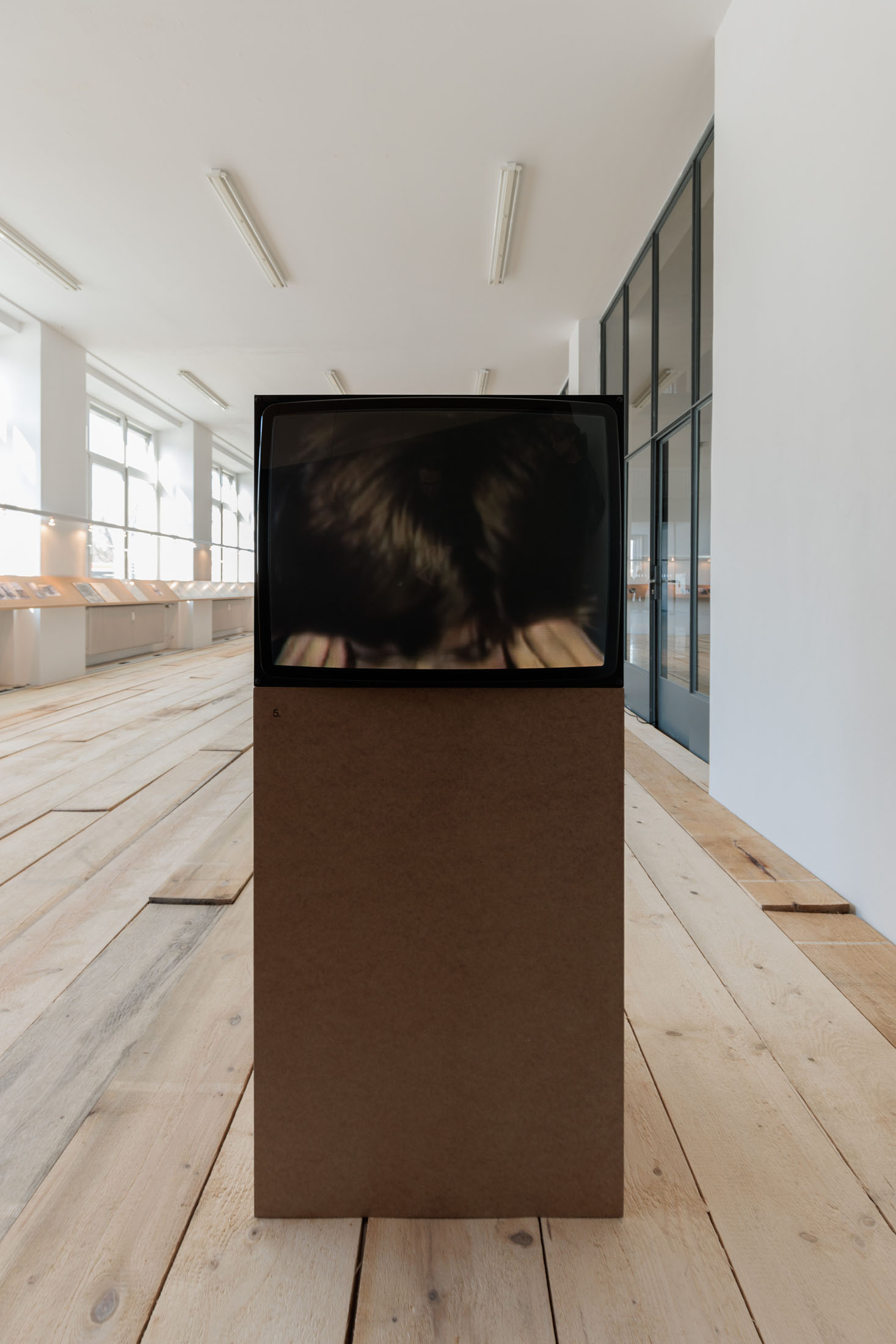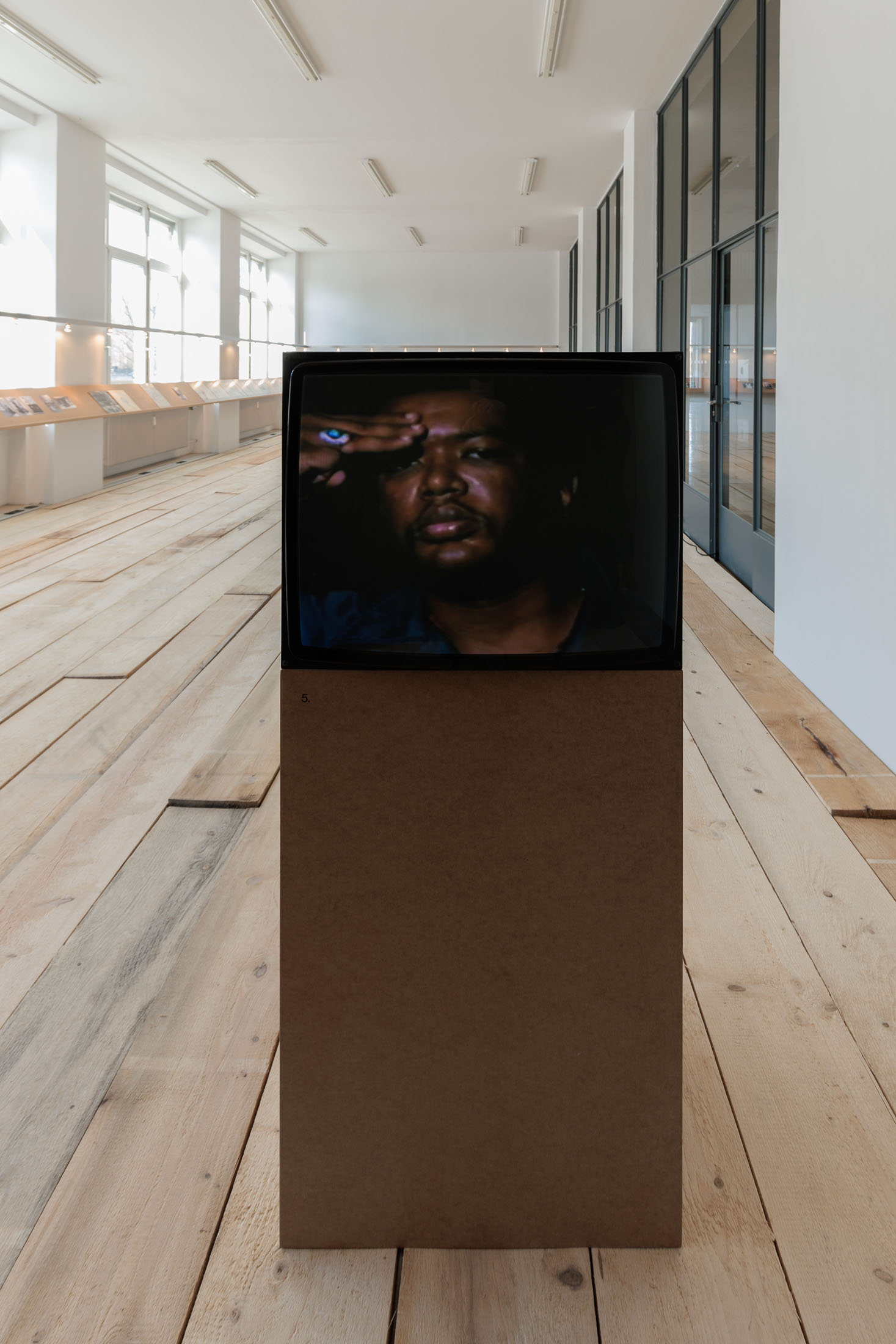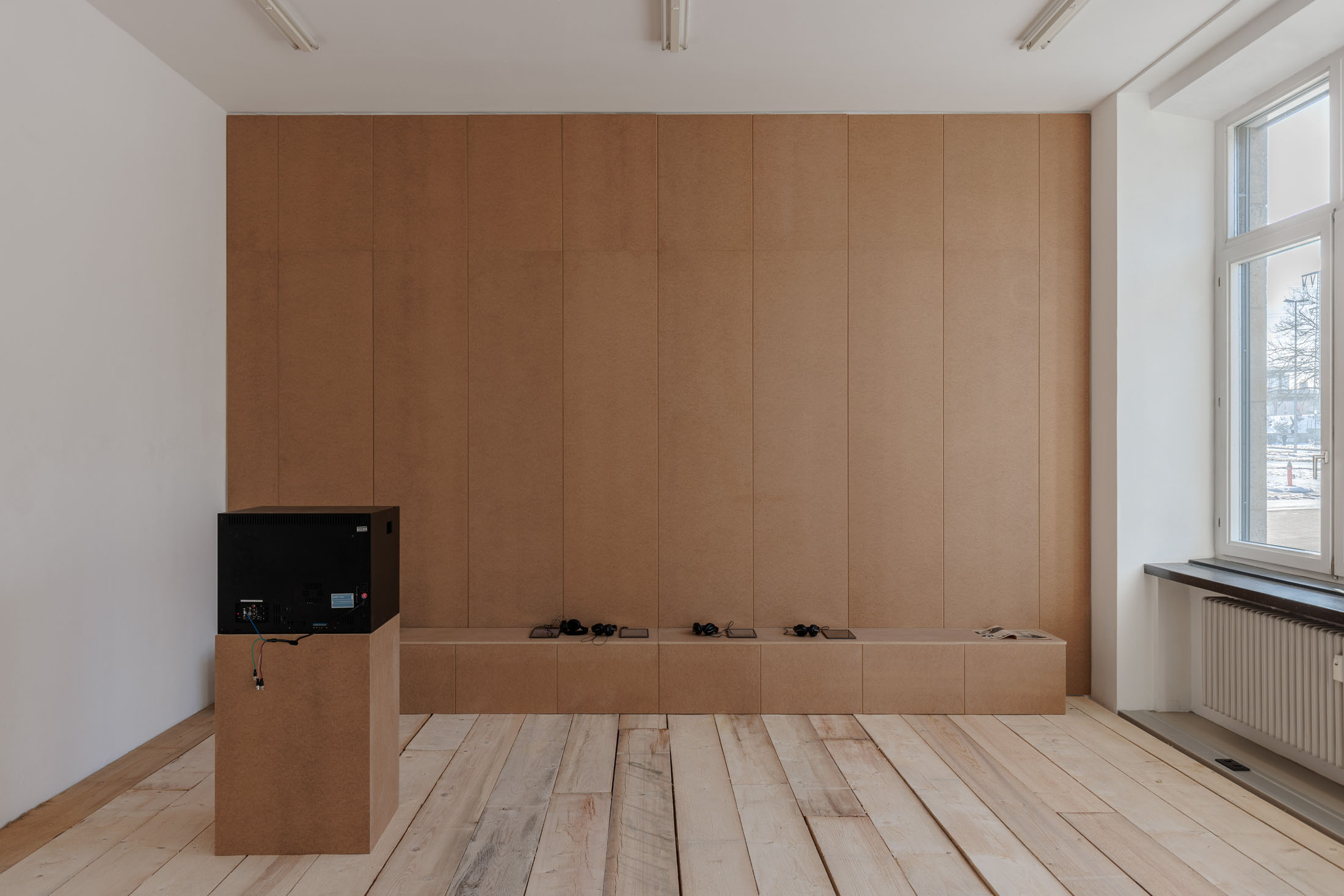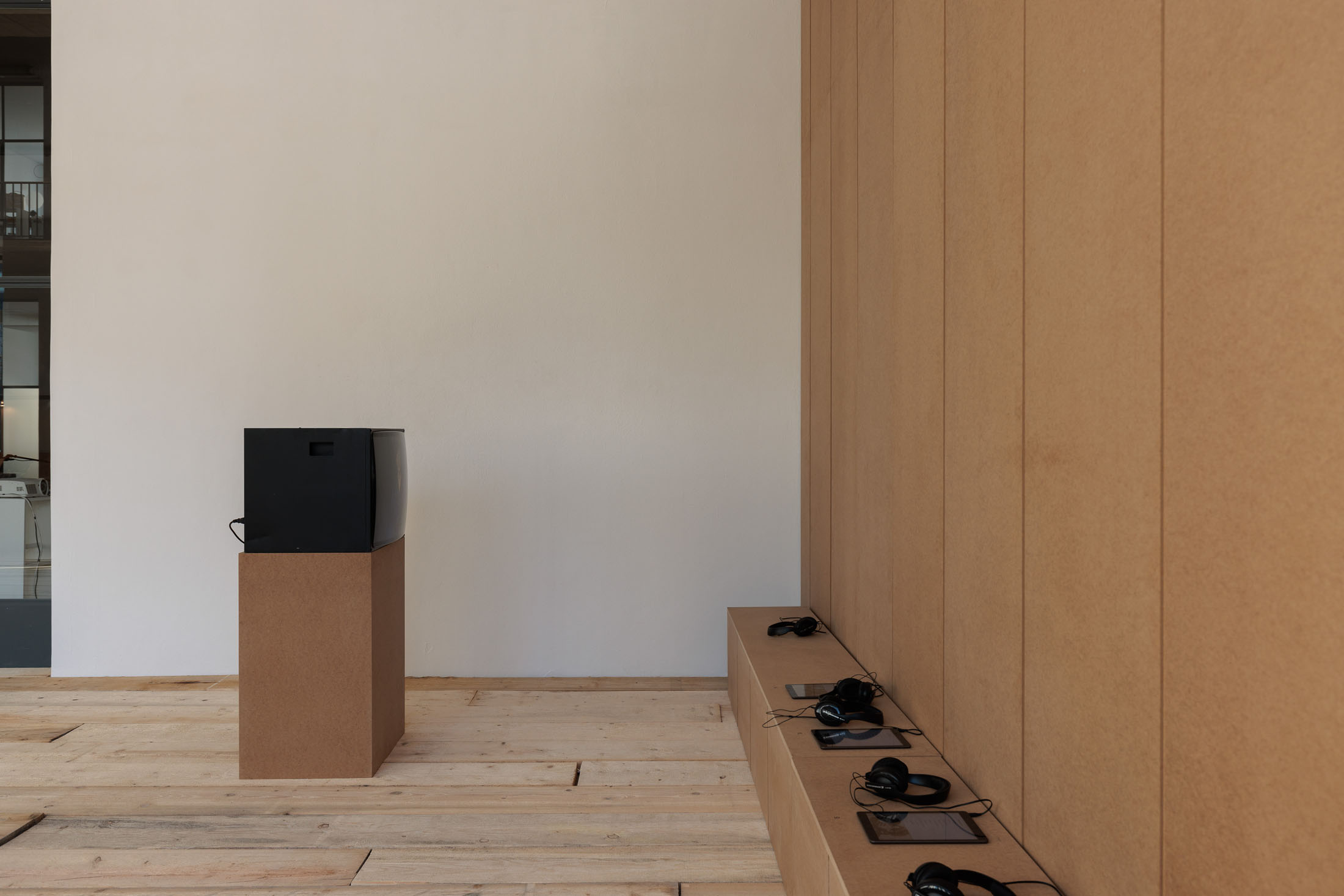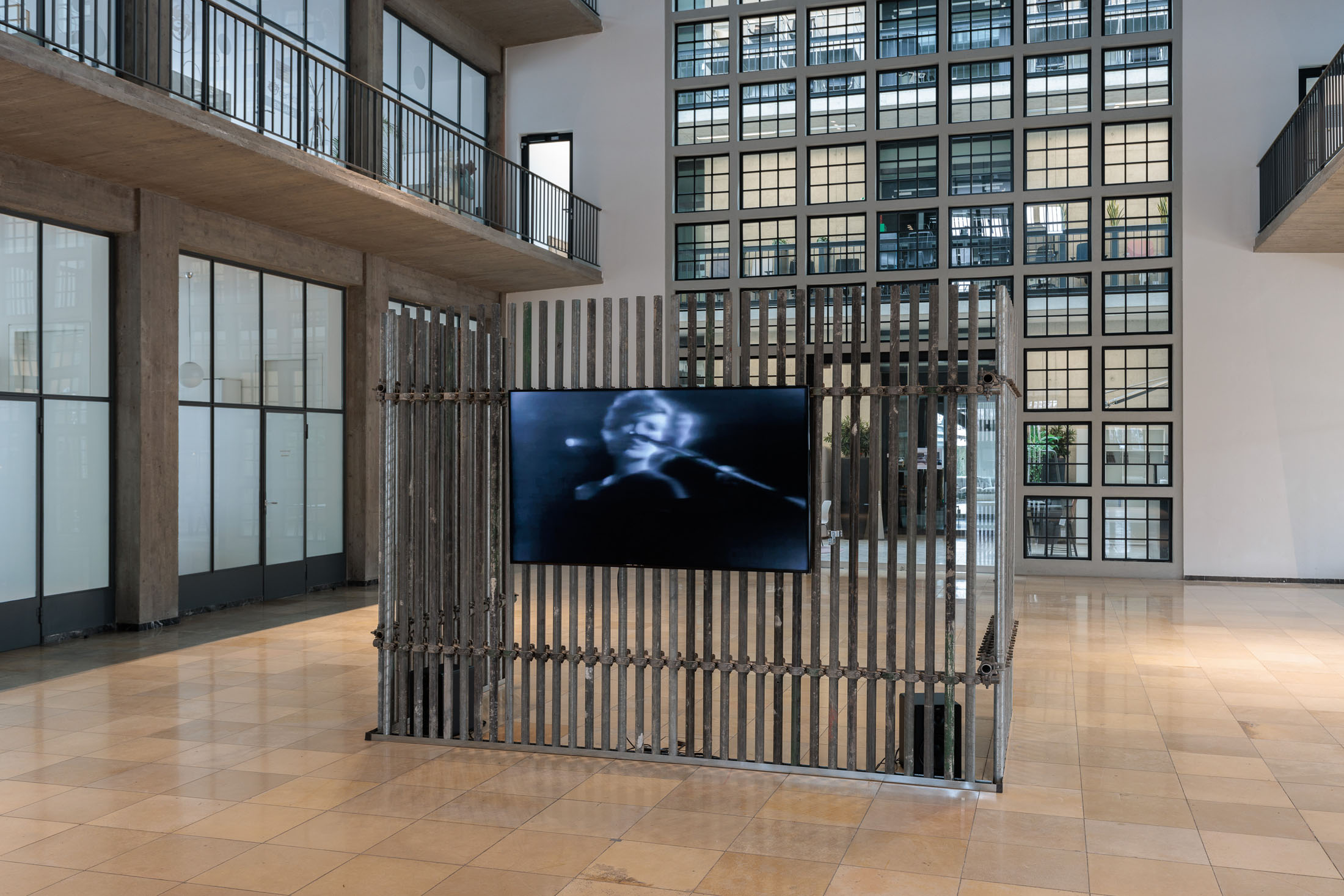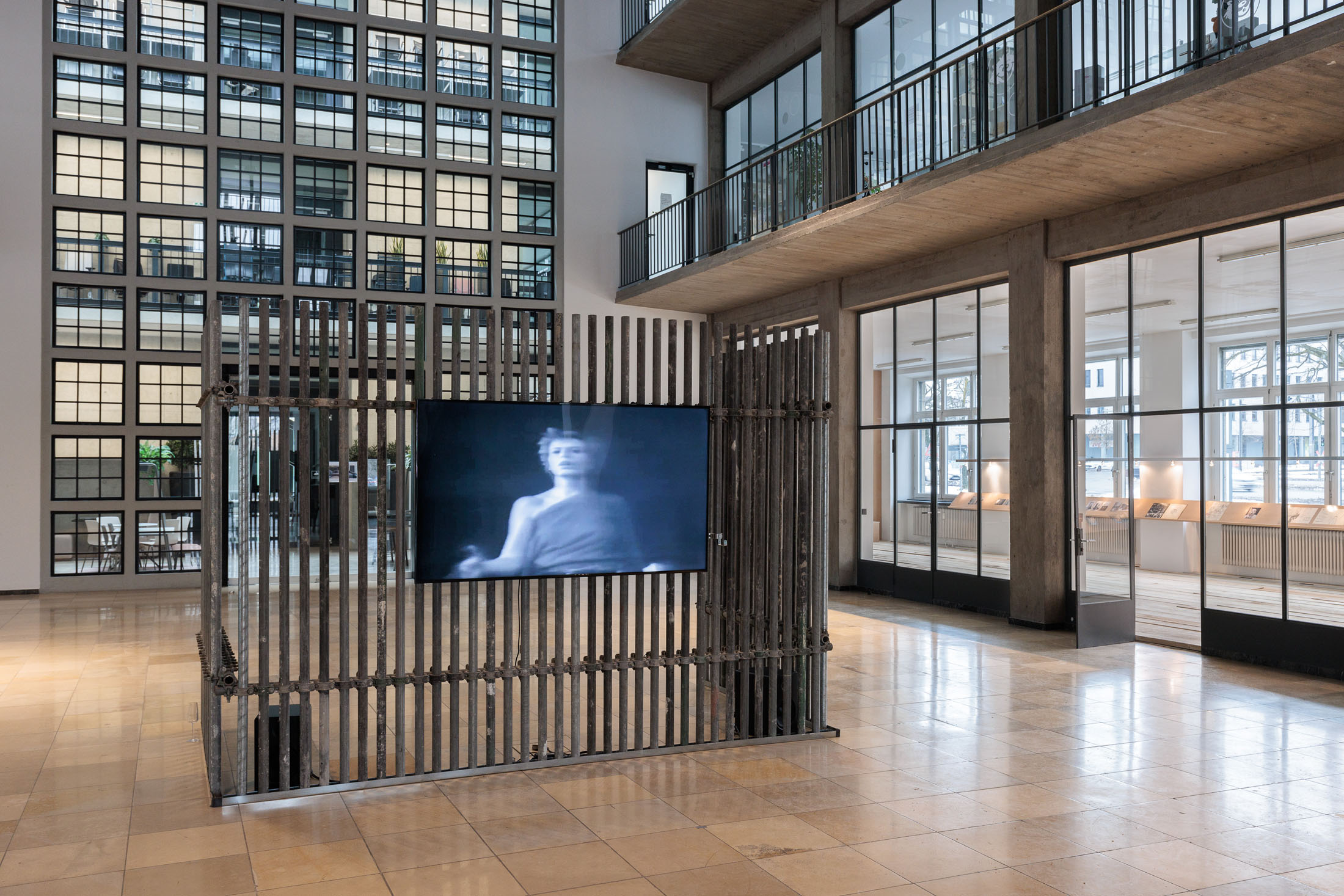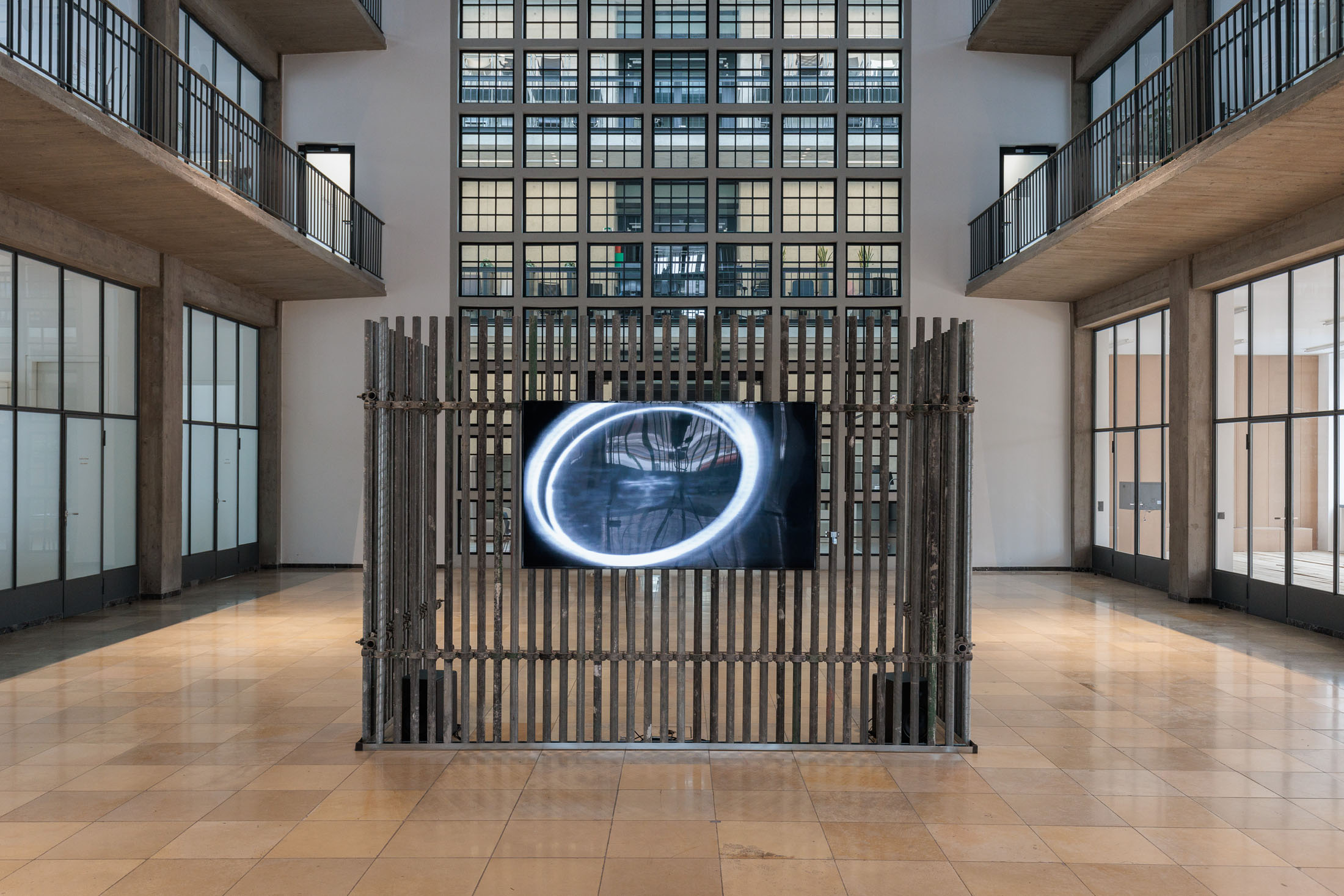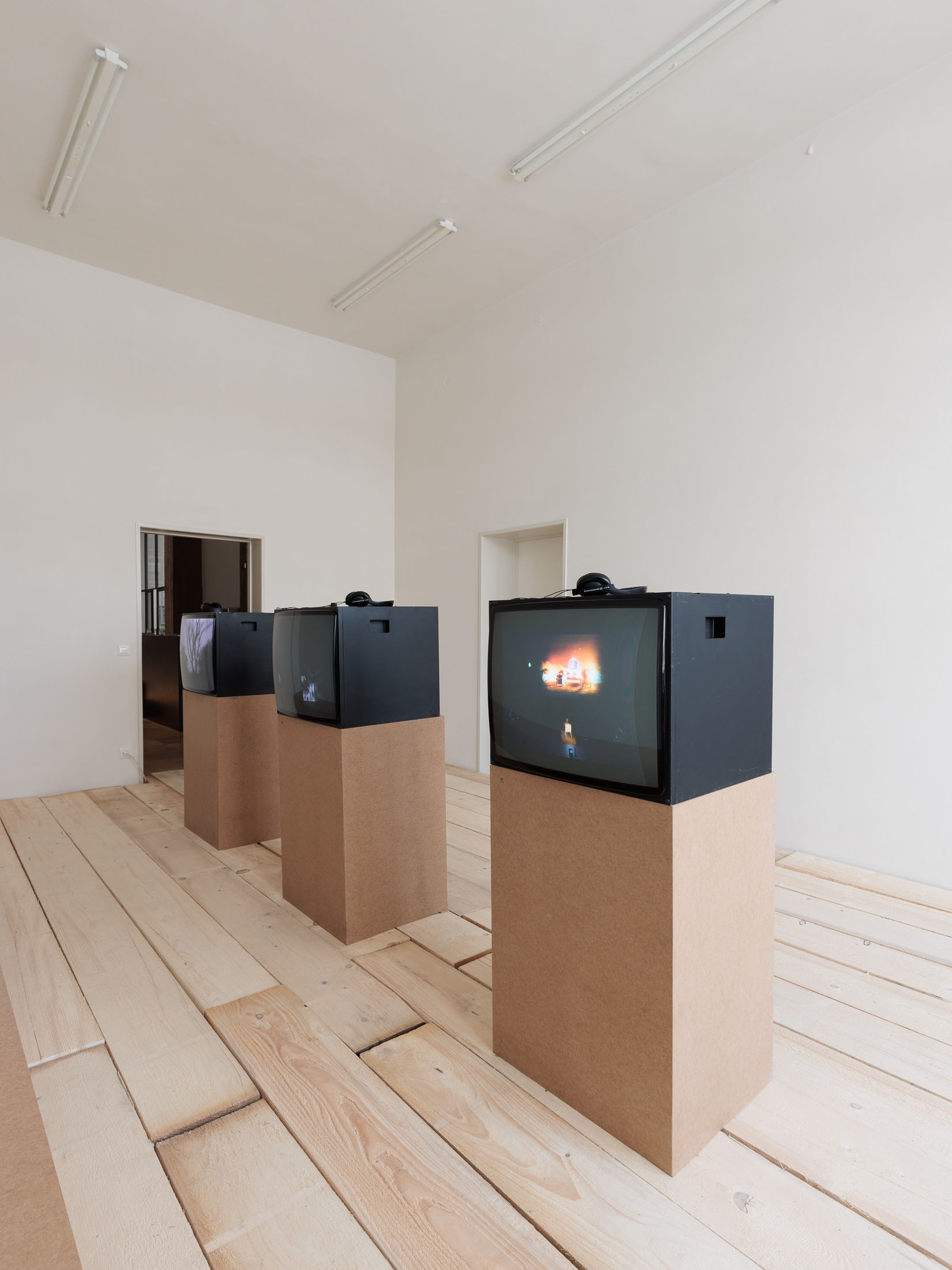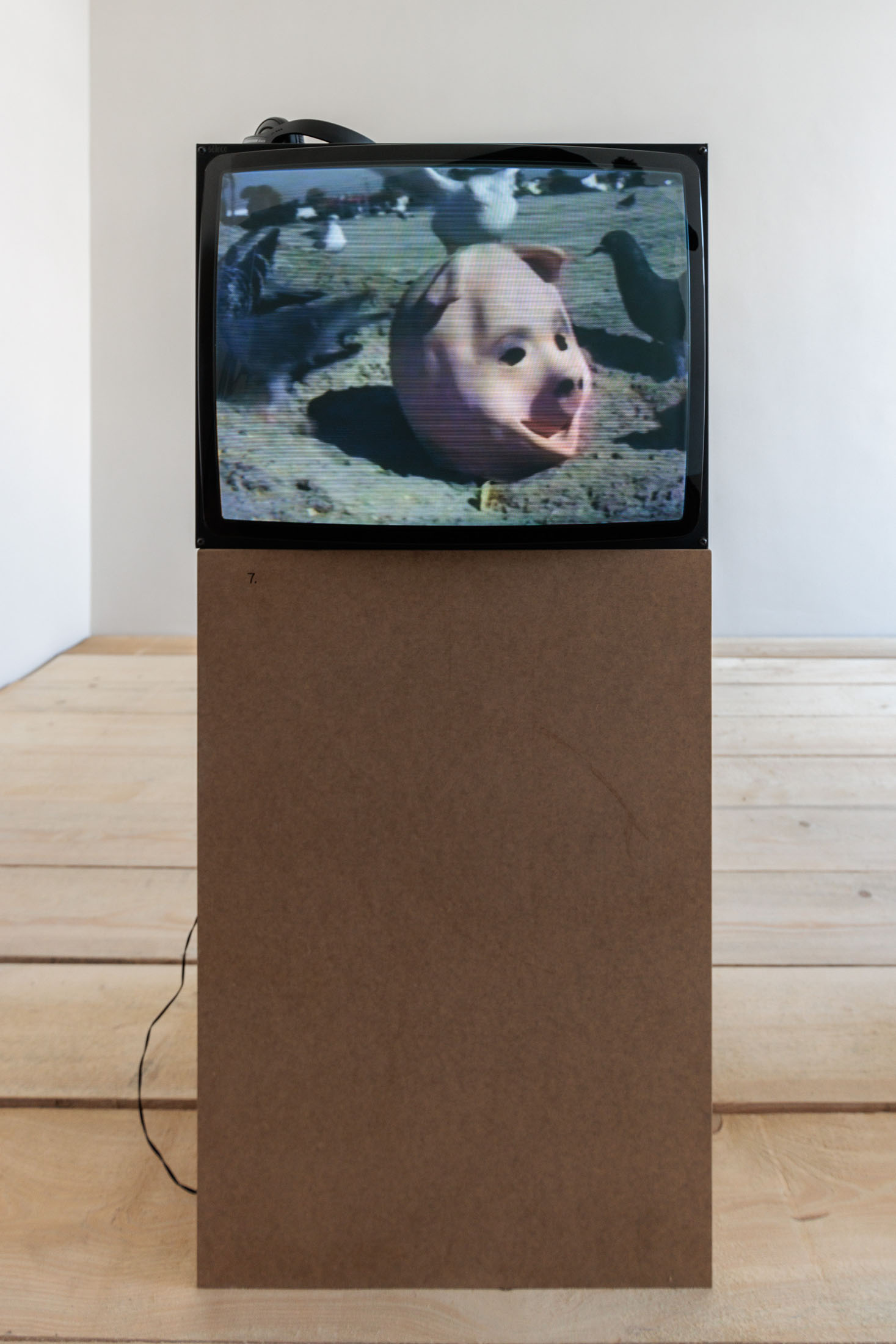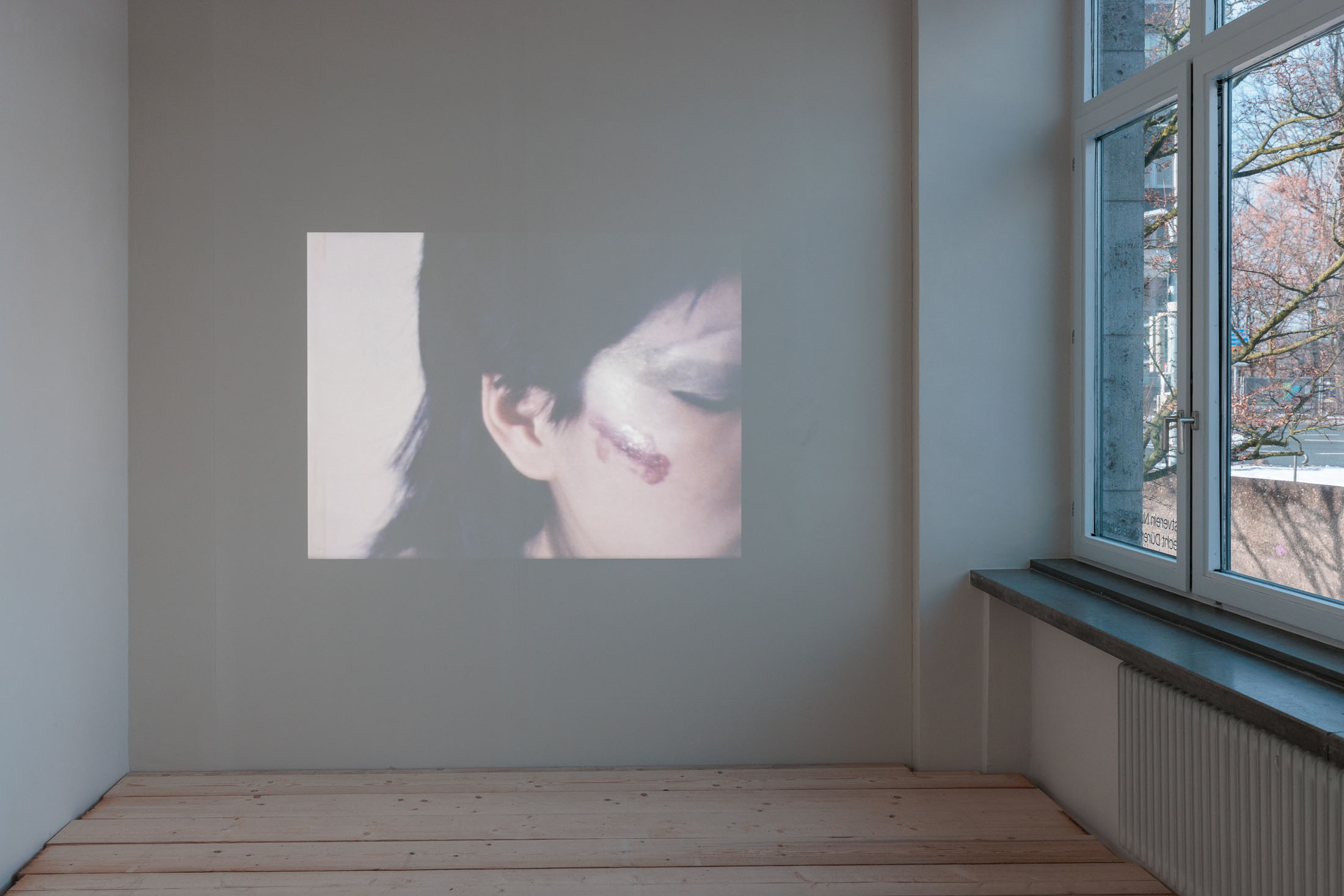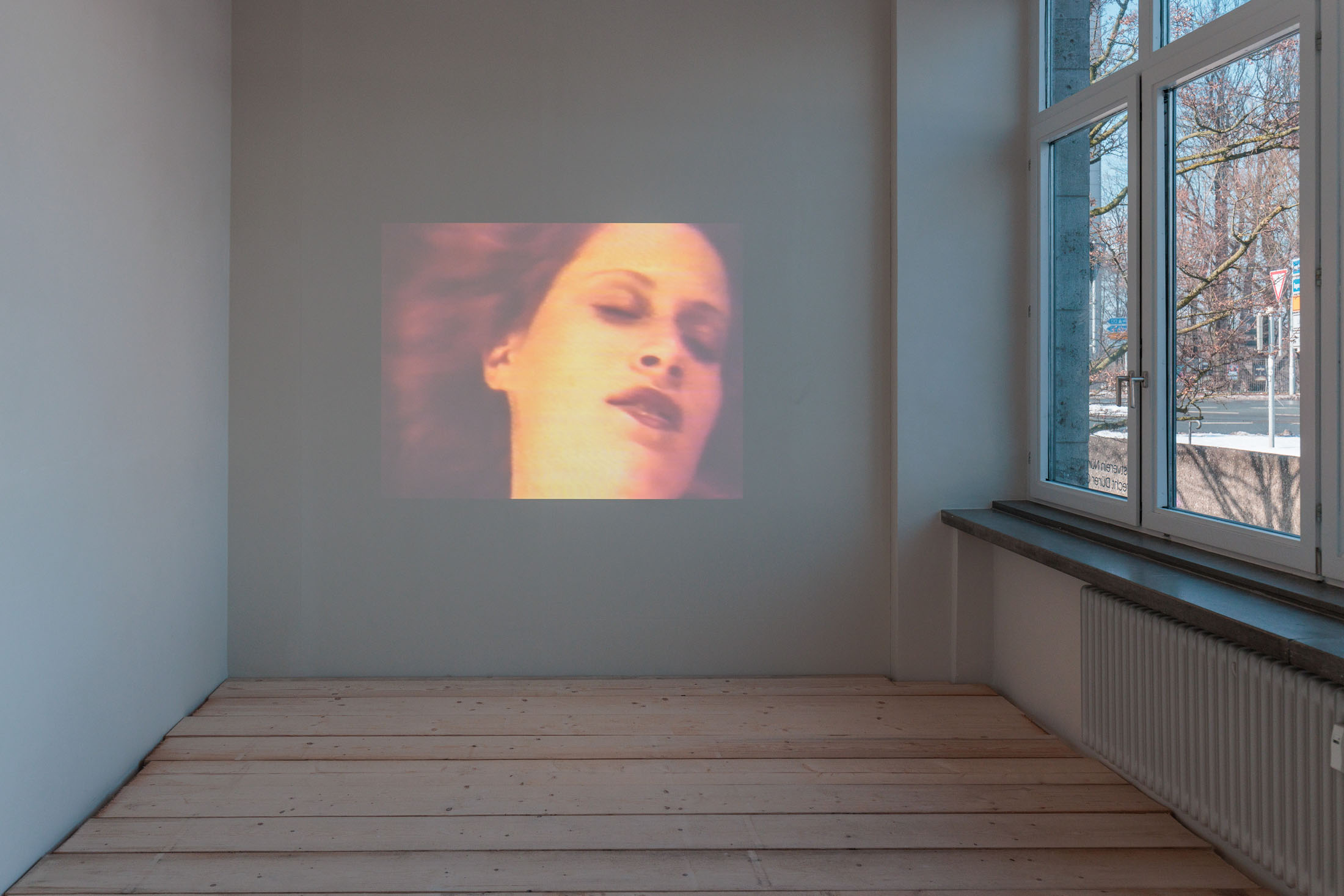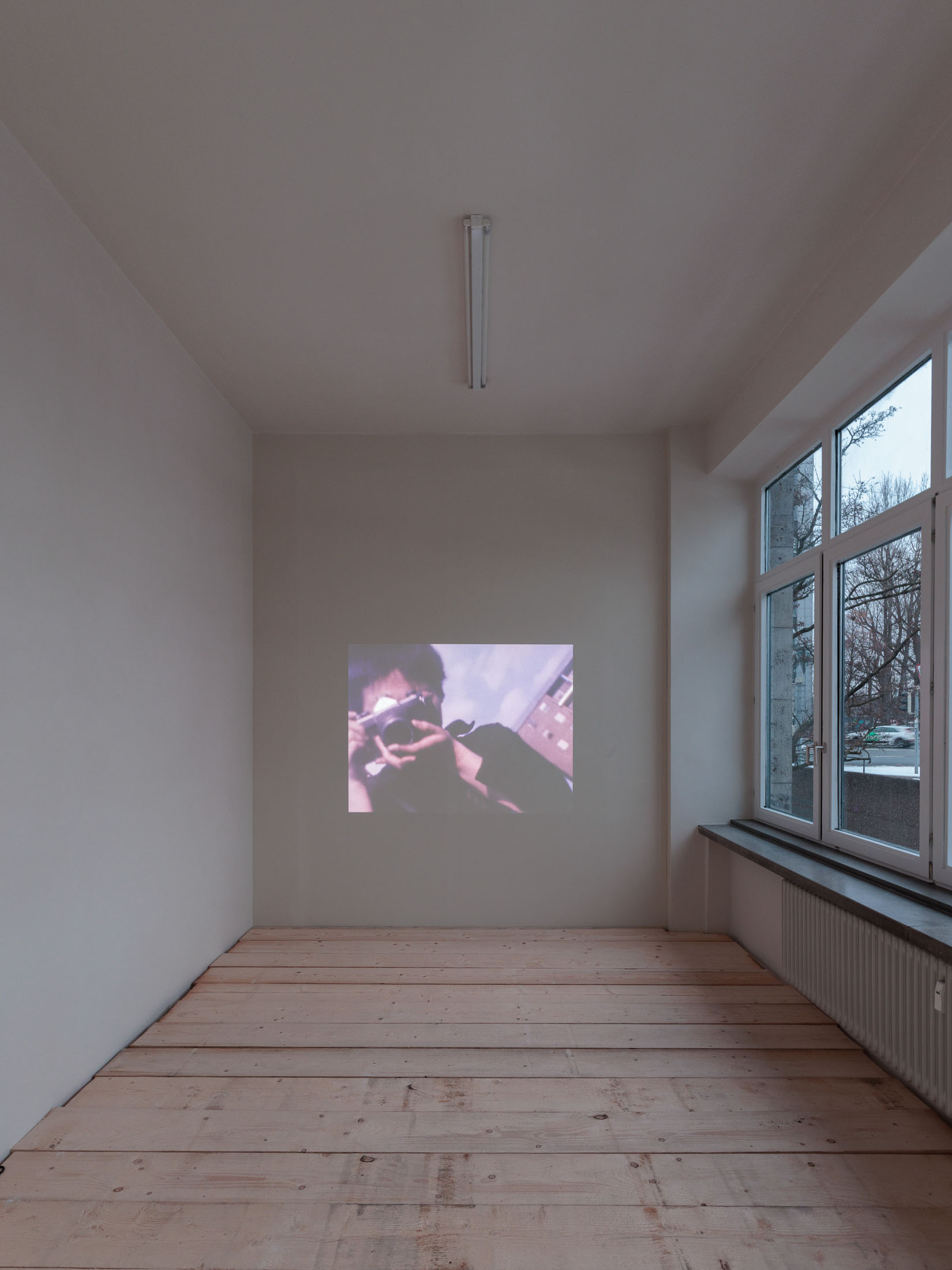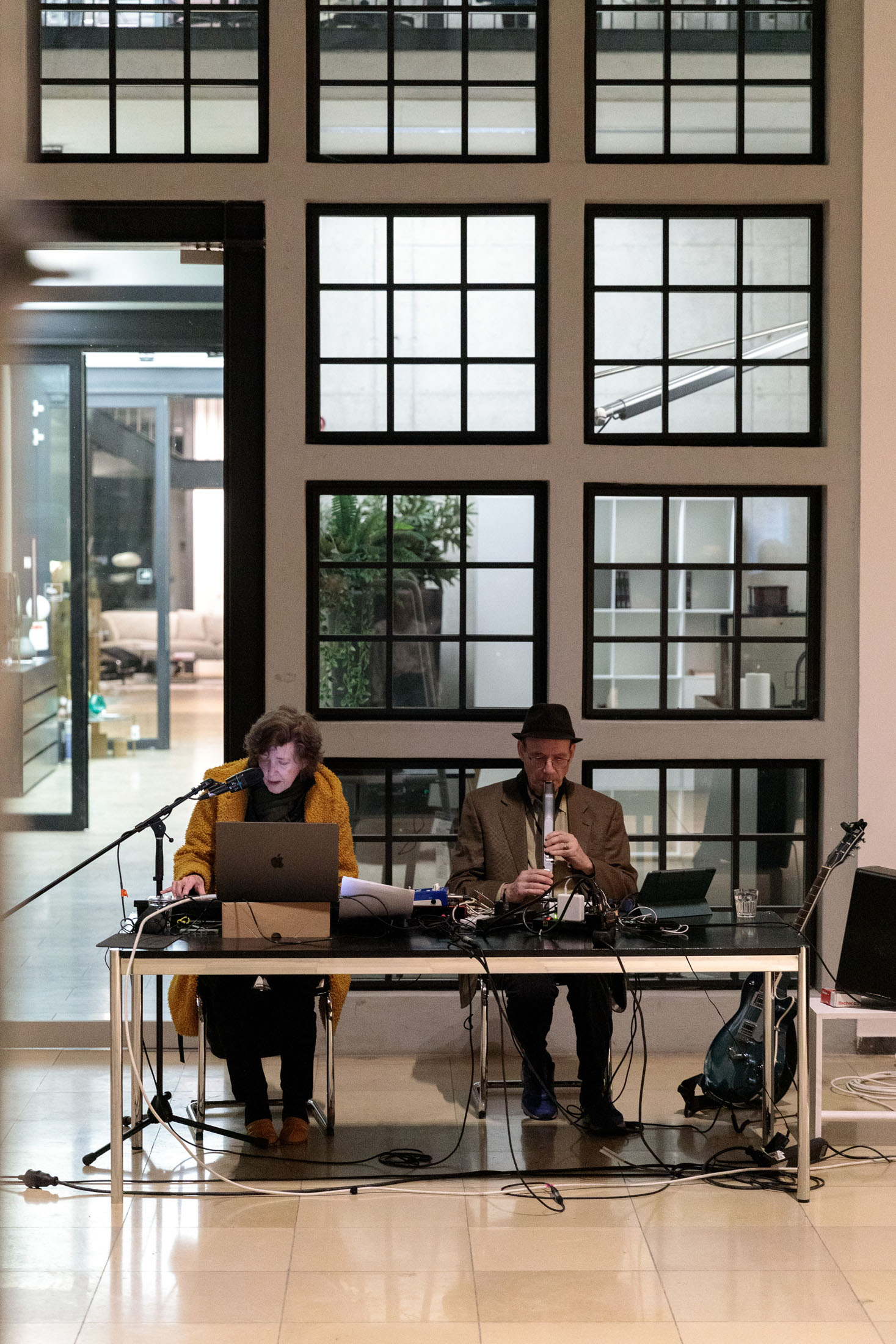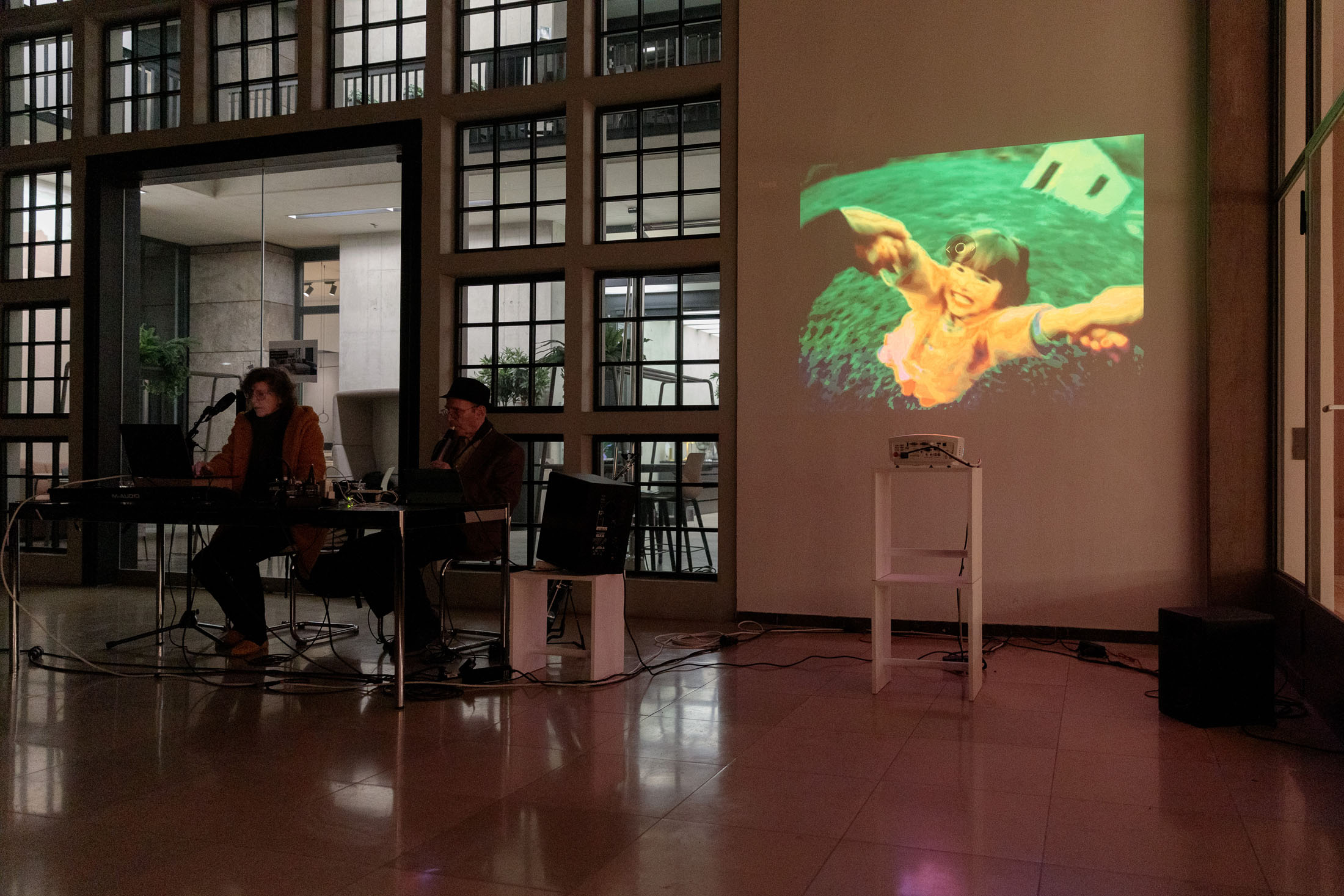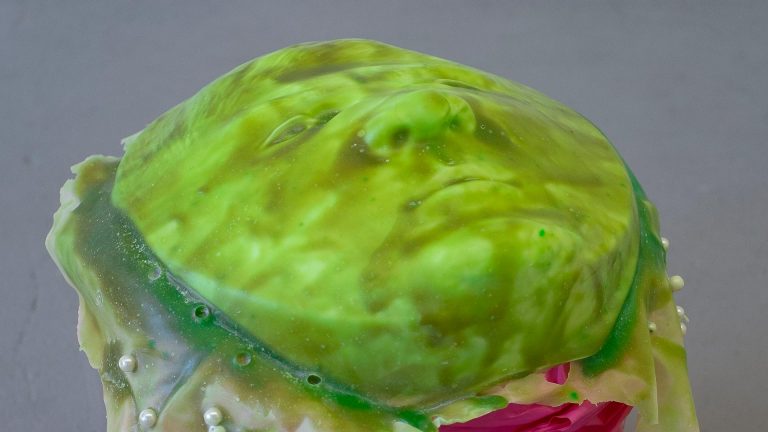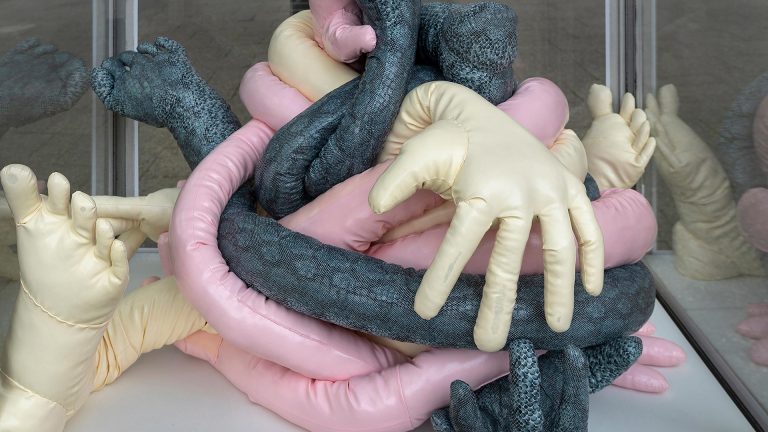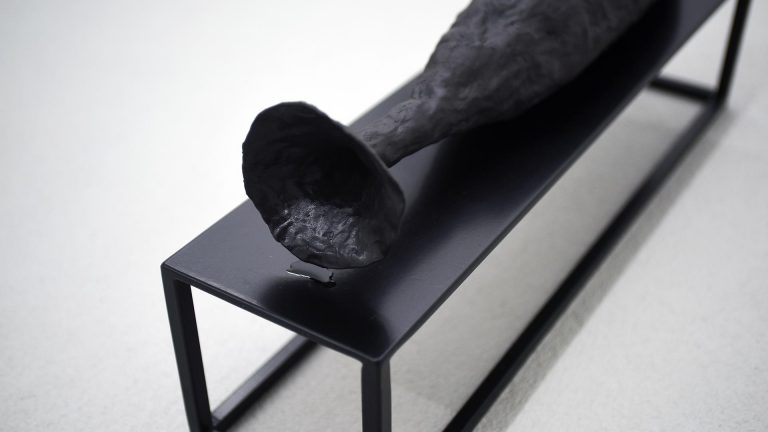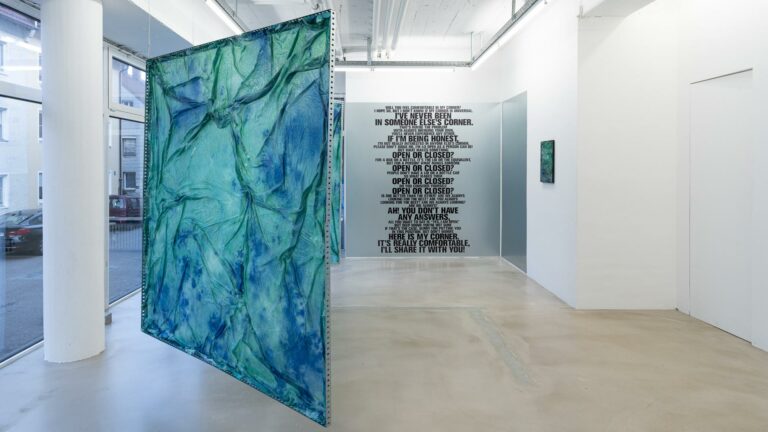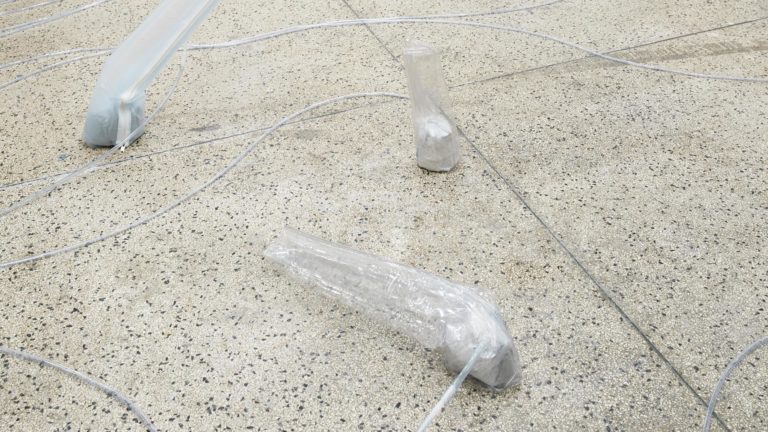
“Miracles in Reverse“ is the first solo exhibition in Europe dedicated to artist, musician, and video pioneer Julia Heyward (*1949, USA; lives in Los Angeles). From January 31 to April 19, 2026, the Kunstverein Nürnberg will present an extensive survey of her work, featuring videos, albums, storyboards, and photographs—some of which will be shown publicly for the first time. The exhibition spans four decades of artistic practice.
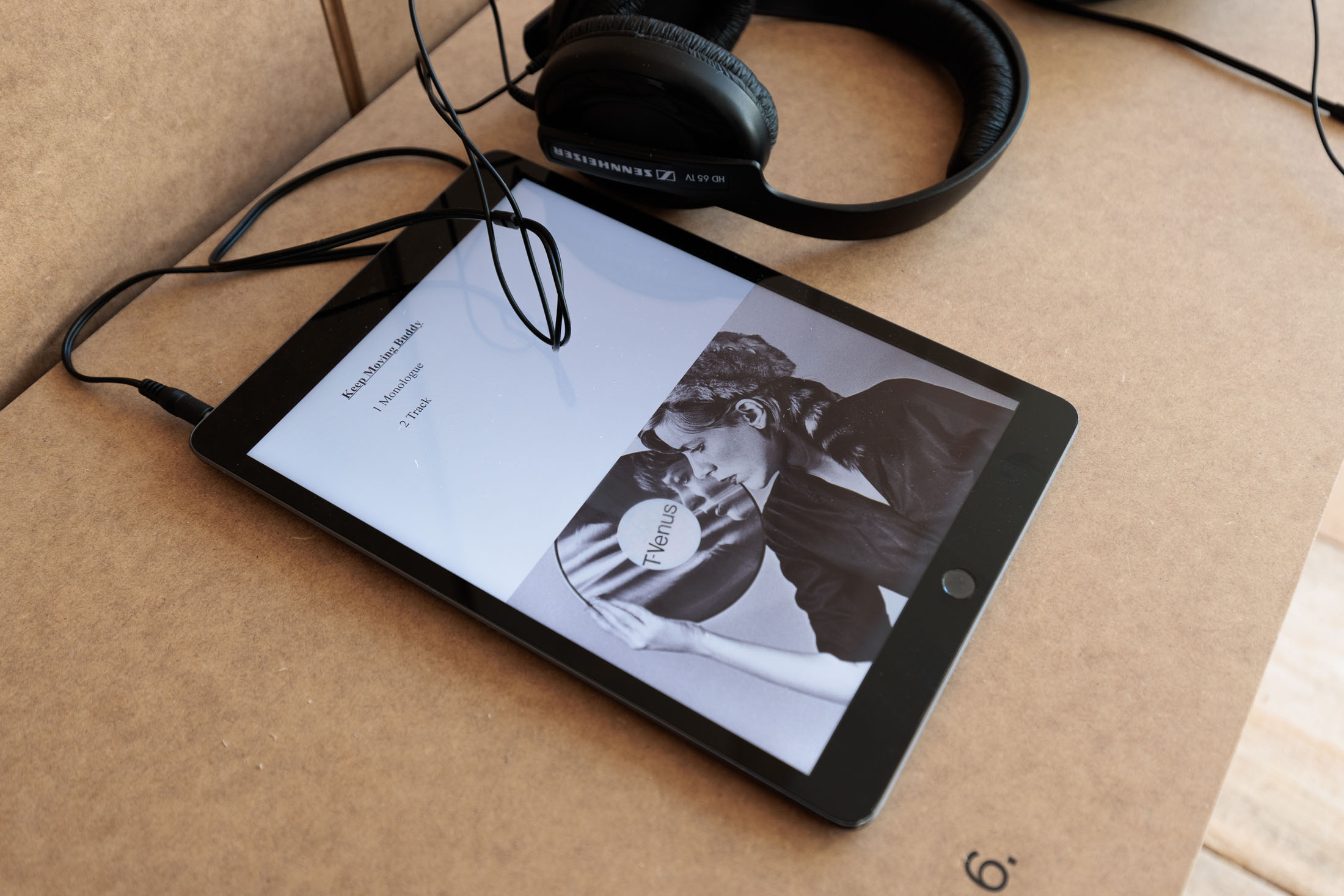
Questions of faith, class, gender, and strategies of (self-)mystification run through Heyward’s work. A central figure in New York’s 1970s and 1980s performance scene, she shaped the emerging music video genre—well before the MTV era. After completing the Whitney Independent Study Program in 1973, Heyward began performing under the pseudonym Duka Delight, became involved in the New Wave and Post-Punk movements, released an album with T-Venus, and created music videos, including for the Talking Heads.
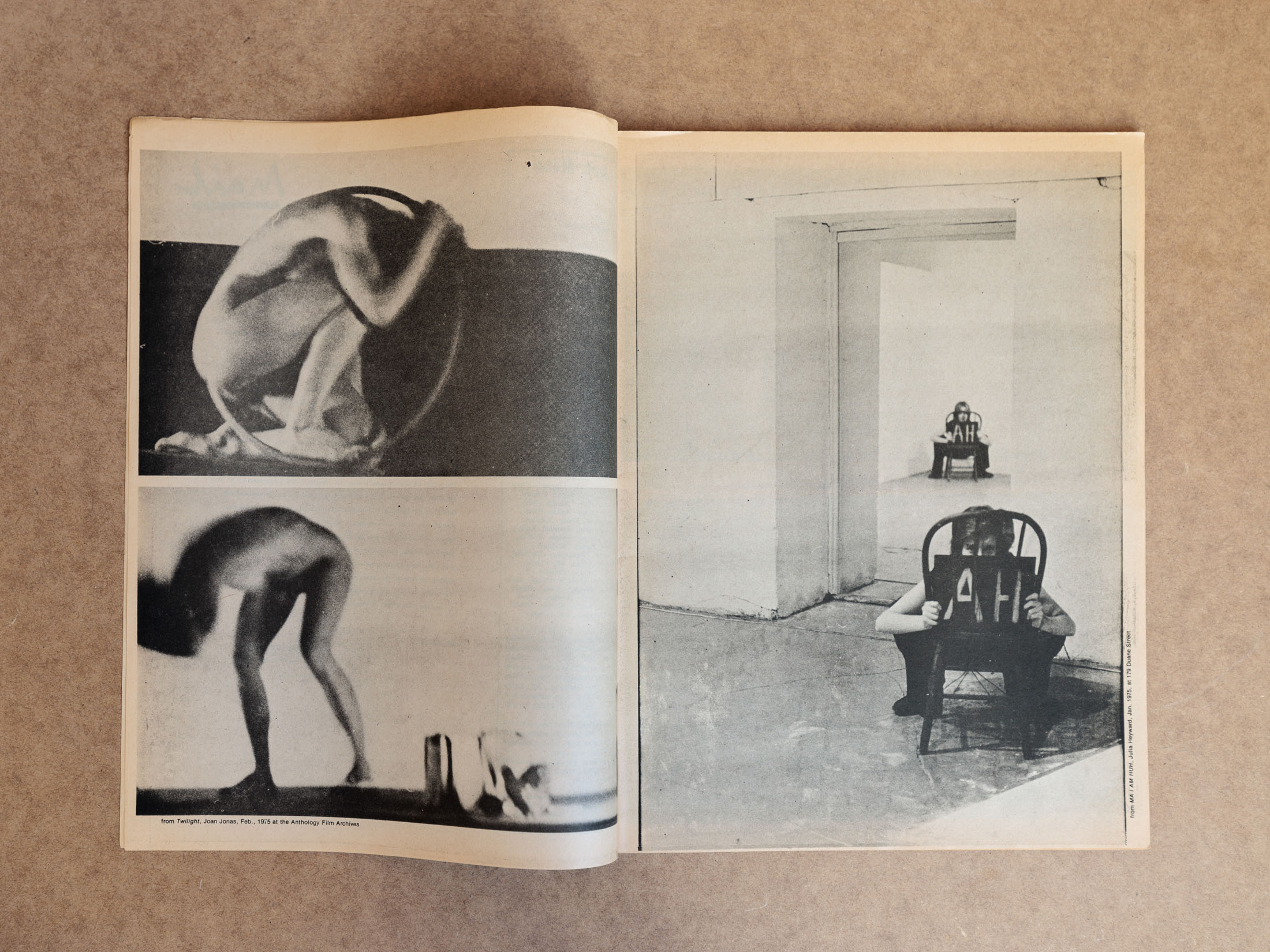
Heyward developed a unique performance style combining Mongolian throat singing, comic ventriloquism, and libidinous sound effects. In her performances she plays with the signs of pop culture while resisting its commercial logic. In contrast to the conceptual art of the 1960s and 1970s, she turned toward television formats such as Saturday Night Live and stand-up comedy. Her aim was to bring “narration, emotion, melody, and light” back into art. With sharp timing, linguistic agility, and an inventive use of video technology—guided by what she once called an “unfailing combination of cunning and innocence”—Heyward has influenced generations of artists, among them Ericka Beckman, Mike Kelley, Michael Smith, and Laurie Anderson.
Heyward is often associated with the loosely defined group that critic Douglas Crimp described as the “Pictures Generation,” artists who appropriated mass-media imagery and formats both playfully and critically. Through her feminist work in front of and behind the camera, she placed herself at the center of her own narratives. In the 1970s, she adapted the personas of television figures—news anchors, comedians—and infused them with elements of self-staging and gender-bending. More than fifty years later, her approach feels strikingly prescient in a world shaped by social media, where global news, personal feelings, and hyper-personalized realities constantly overlap.
“My goal is to create multimedia works that come from and speak to my deepest core—where fact and fiction, faith and flesh, particles and waves all converge.” — Julia Heyward
The solo exhibition Miracles in Reverse is organized in collaboration with the Westfälischer Kunstverein, where another presentation of Heyward’s work will open in spring 2026. A comprehensive monographic publication on the artist’s practice will be published by Mousse Publishing in conjunction with both exhibitions.
Biography — Julia Heyward
Julia Heyward (1949, USA; lives in Los Angeles) earned her BFA from Washington University in St. Louis and participated in the Whitney Independent Study Program in 1973. In 1984, she received one of the first New York Dance and Performance Awards (“Bessies”), followed by nominations for the Herb Alpert Award in the Arts (1995, Composition) and in Film and Video Production (2004/05). In 1999, she was awarded a Guggenheim Fellowship, and has received support from the Rockefeller Foundation, the Greenwall Foundation, the New York State Council on the Arts, and the National Endowment for the Arts.
Her videos, performances, installations, and interactive projects have been shown internationally, including at the Whitney Museum of American Art, The Kitchen, Lincoln Center, and Anthology Film Archives in New York; the Daejeon Municipal Museum (Korea); Art Interactive (Boston); Centro de la Imagen (Mexico City); as well as at Künstlerhaus Stuttgart and the Bonner Kunstverein. Her first institutional solo exhibition took place at the Wattis Institute for Contemporary Art, San Francisco, in 2015.