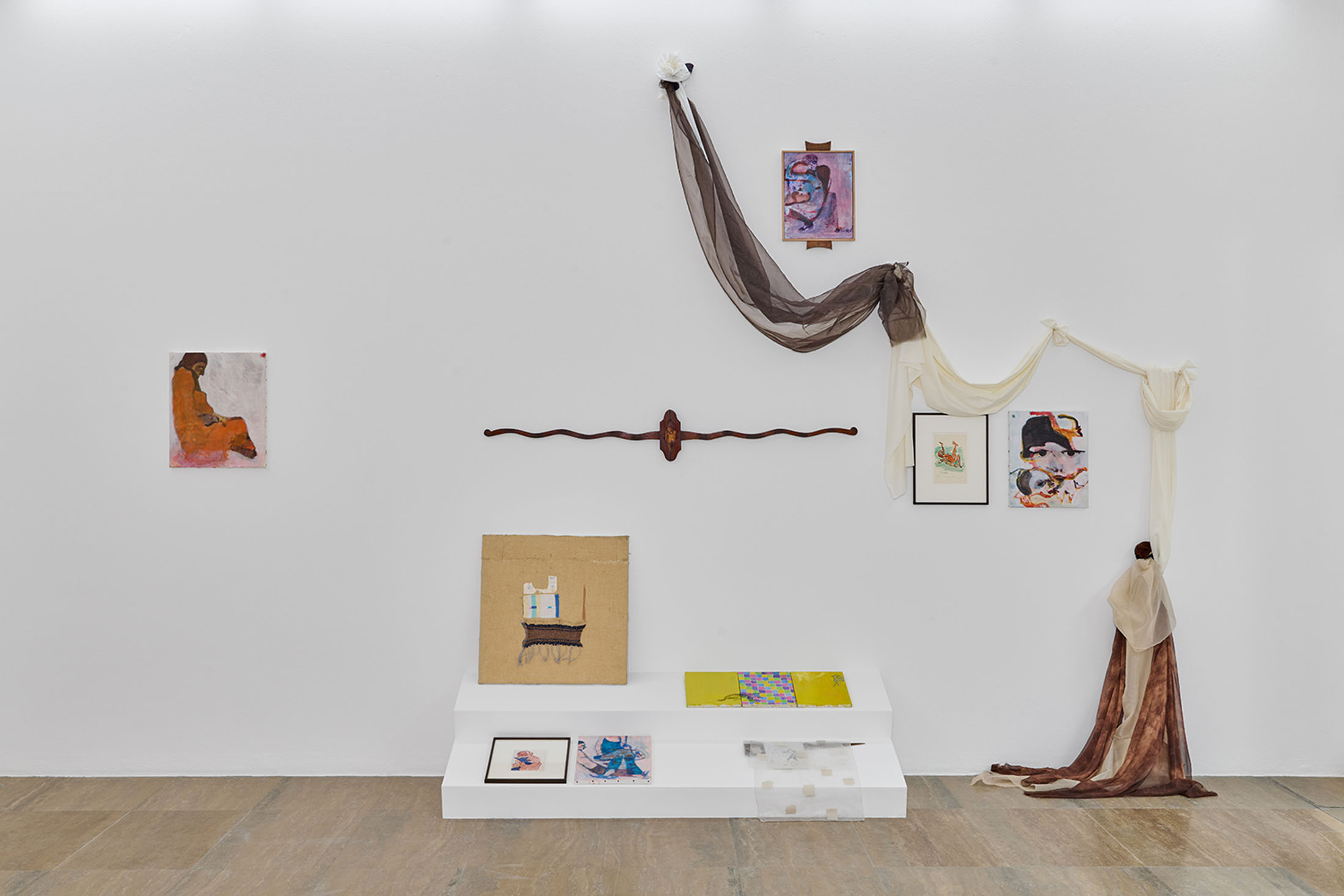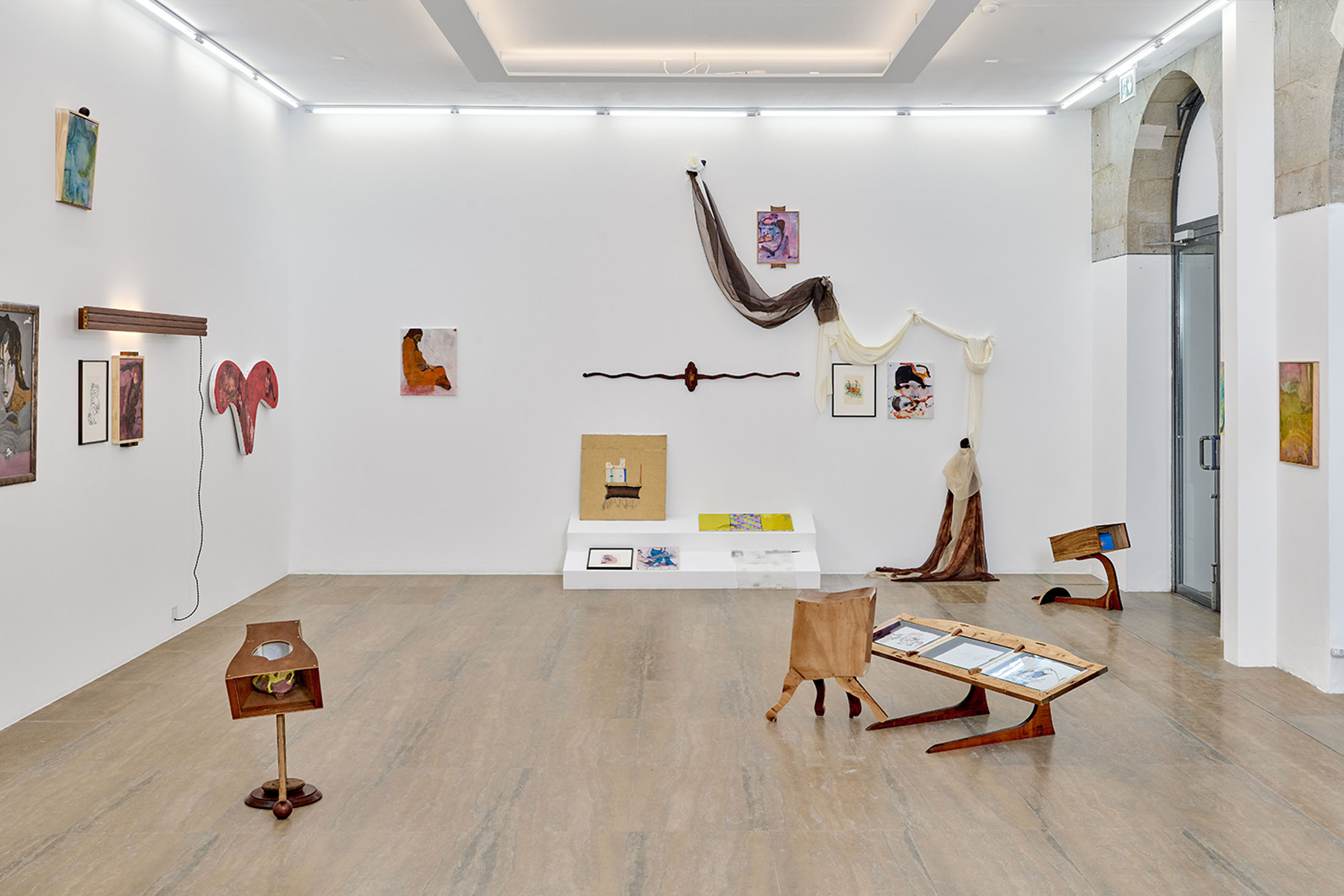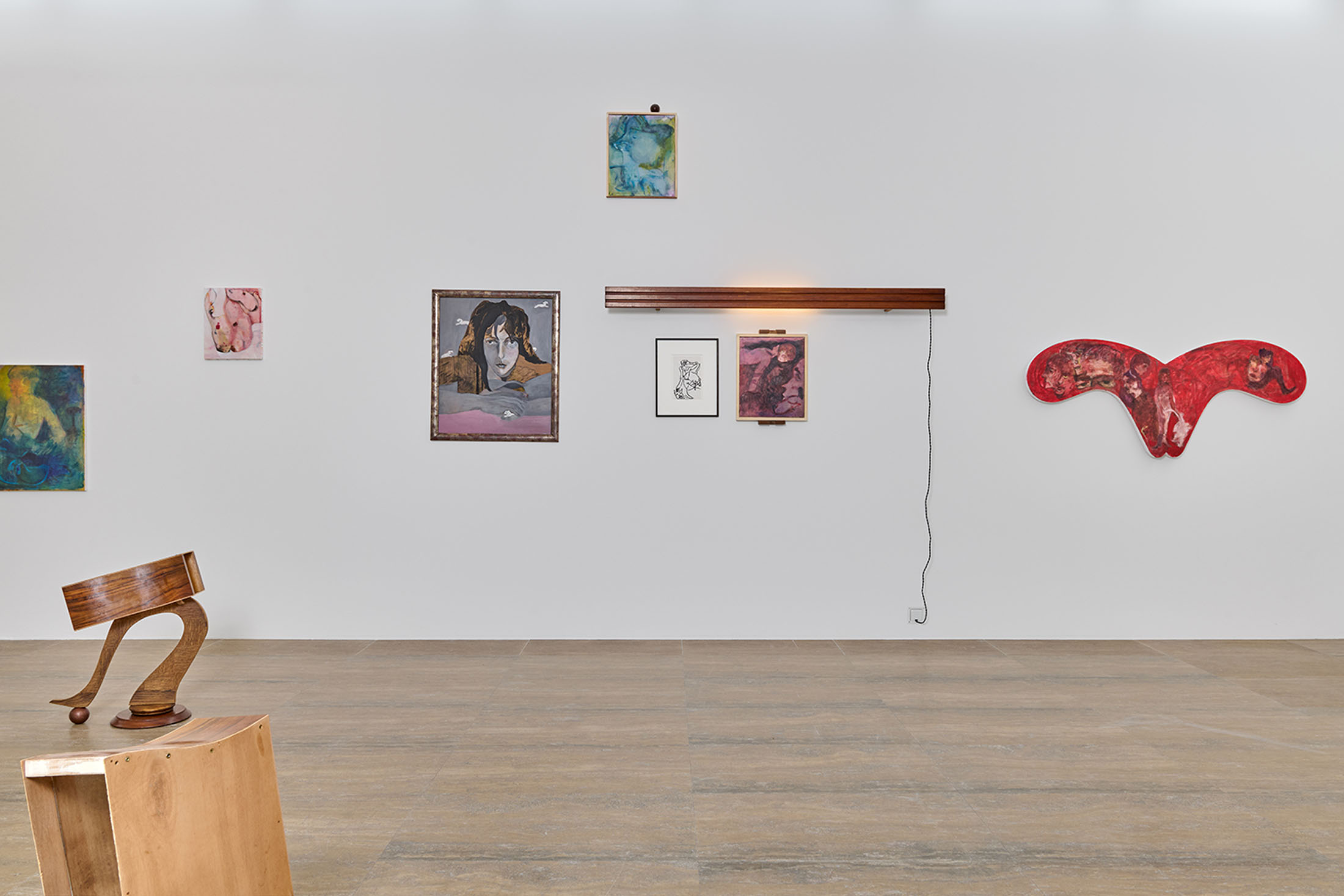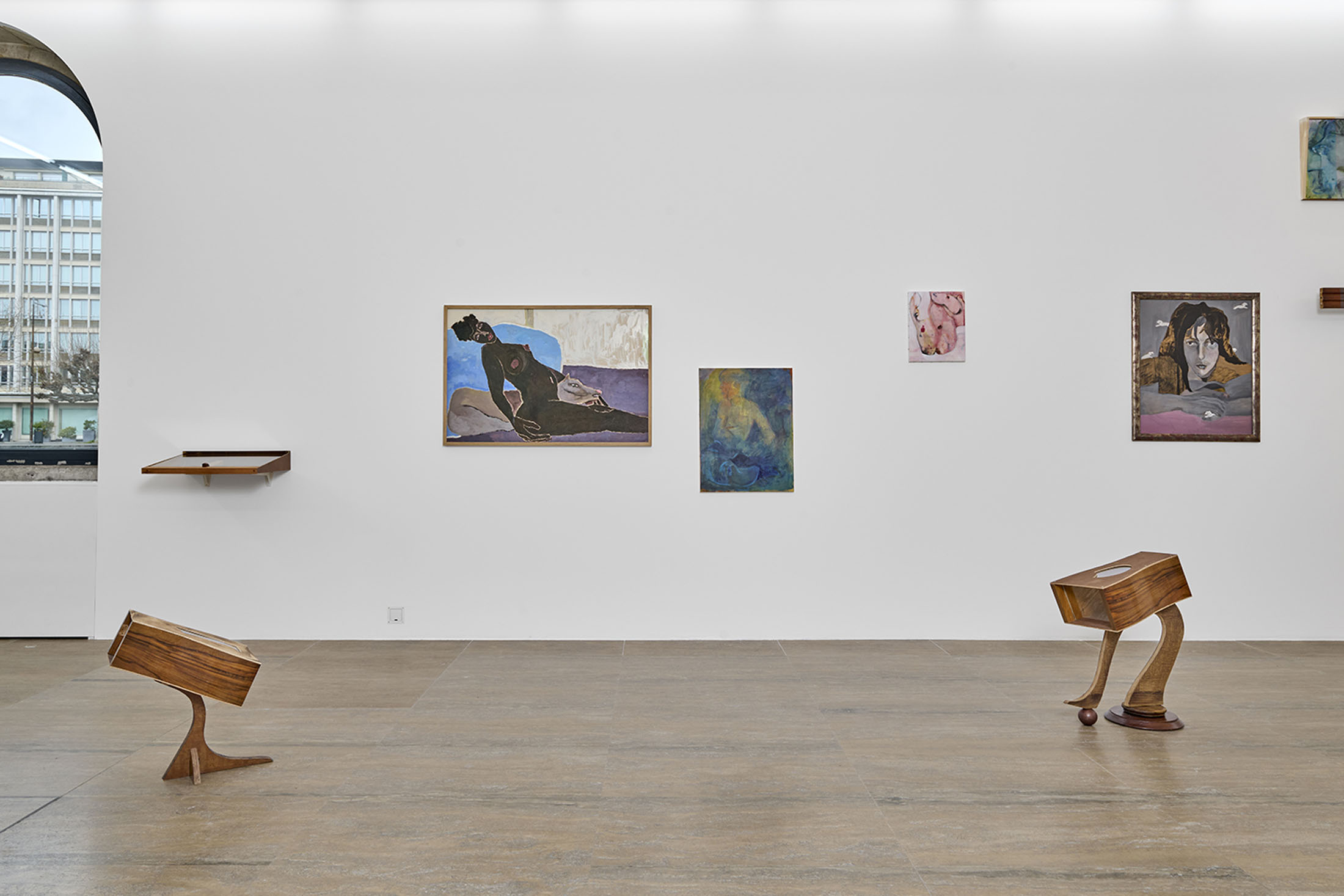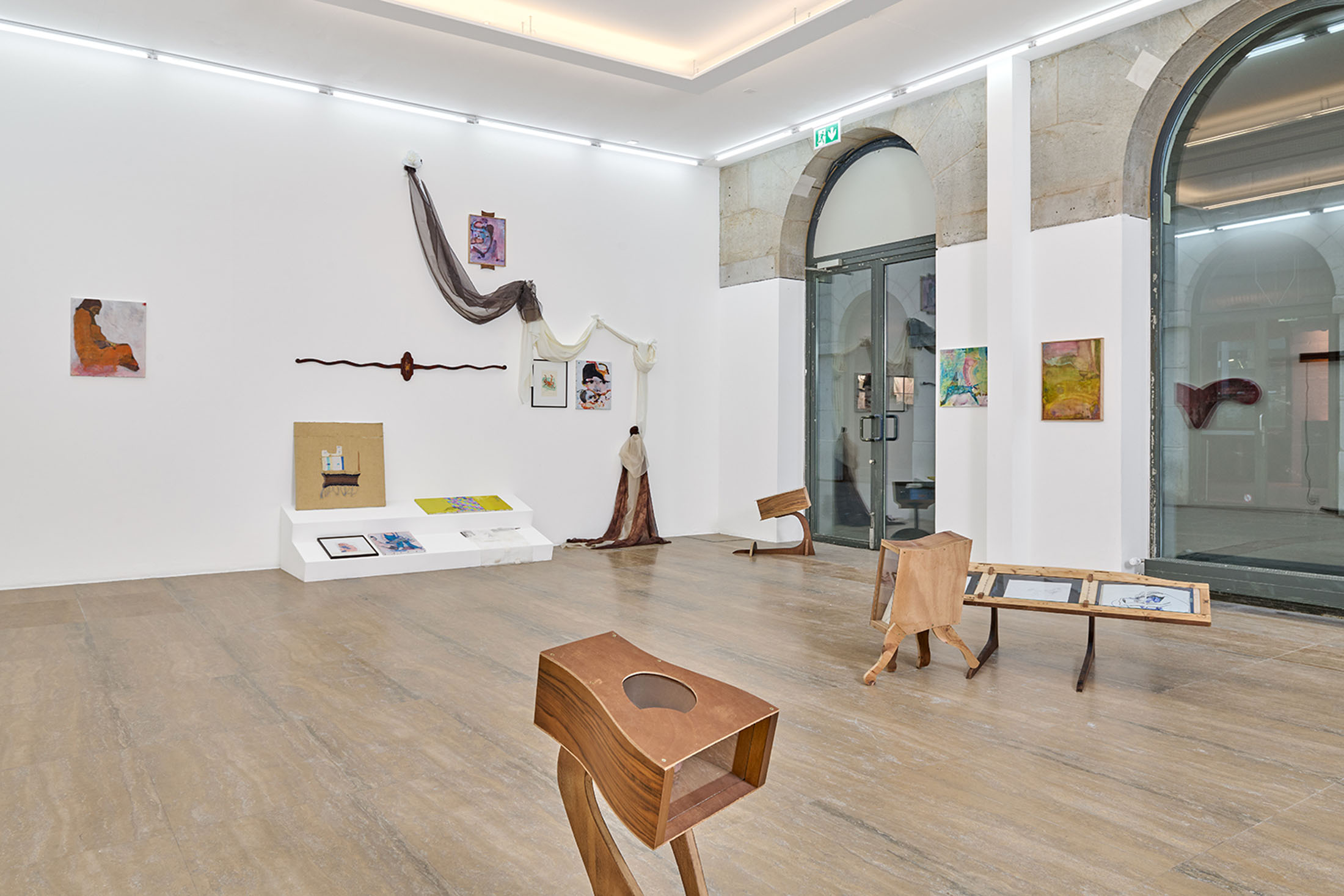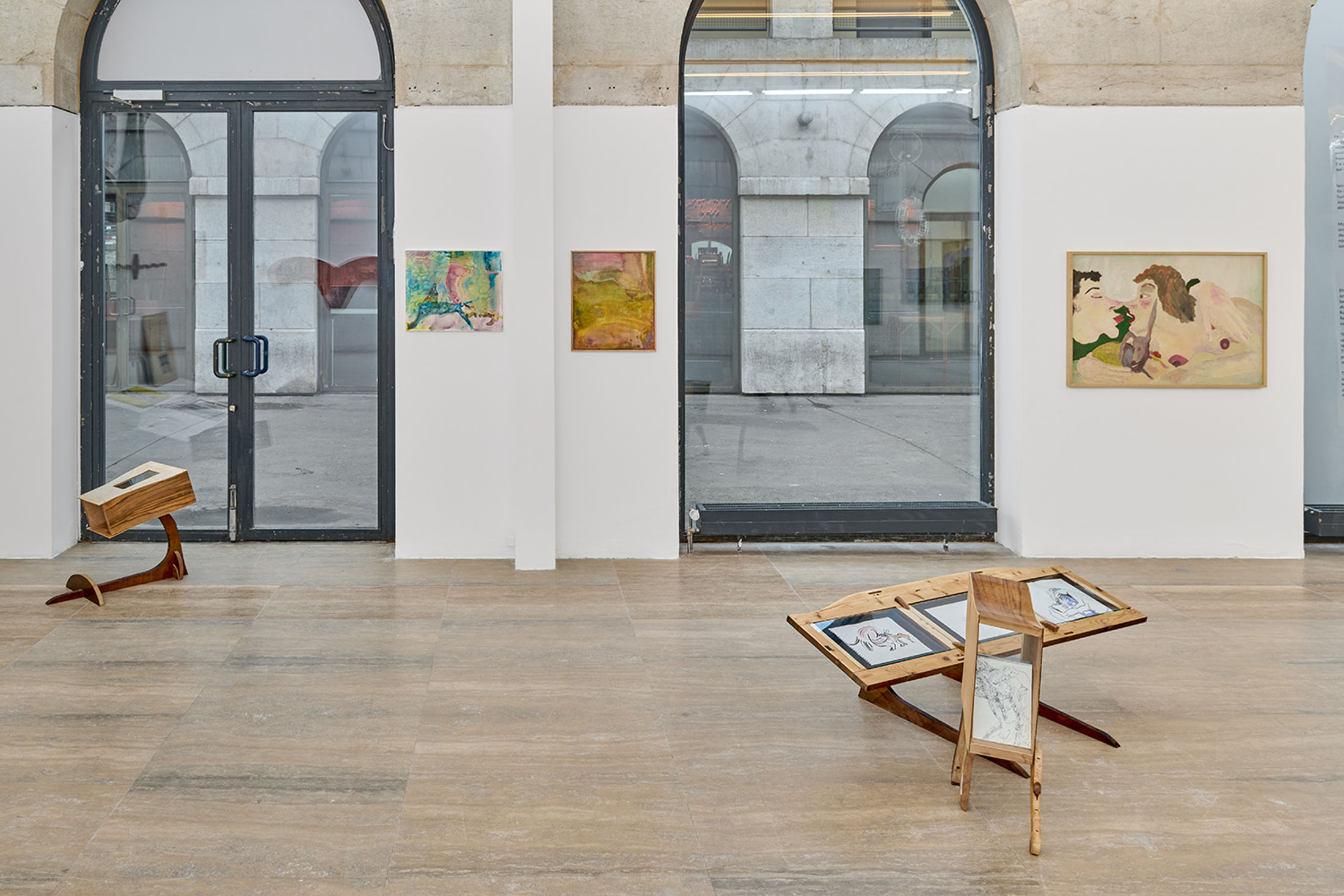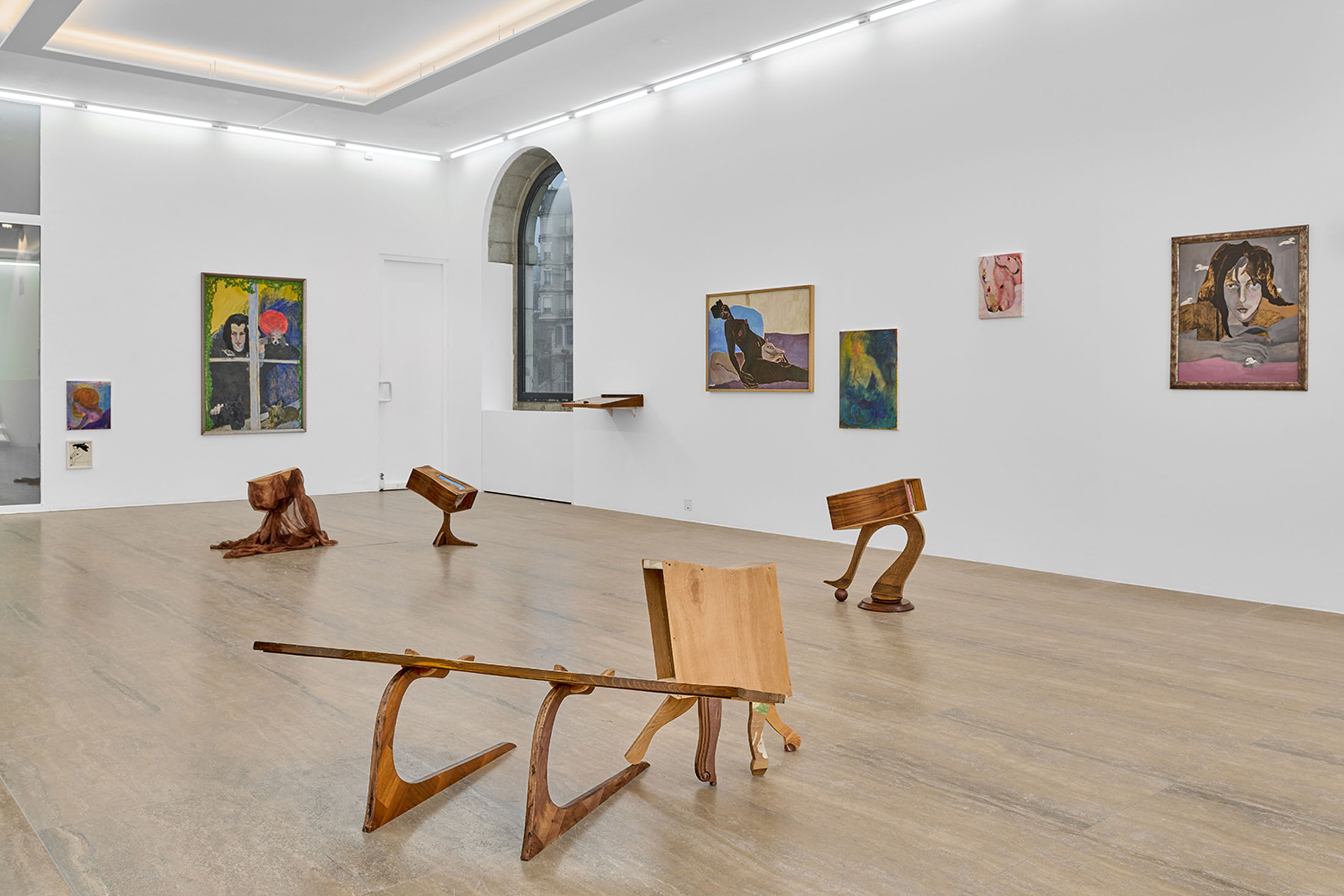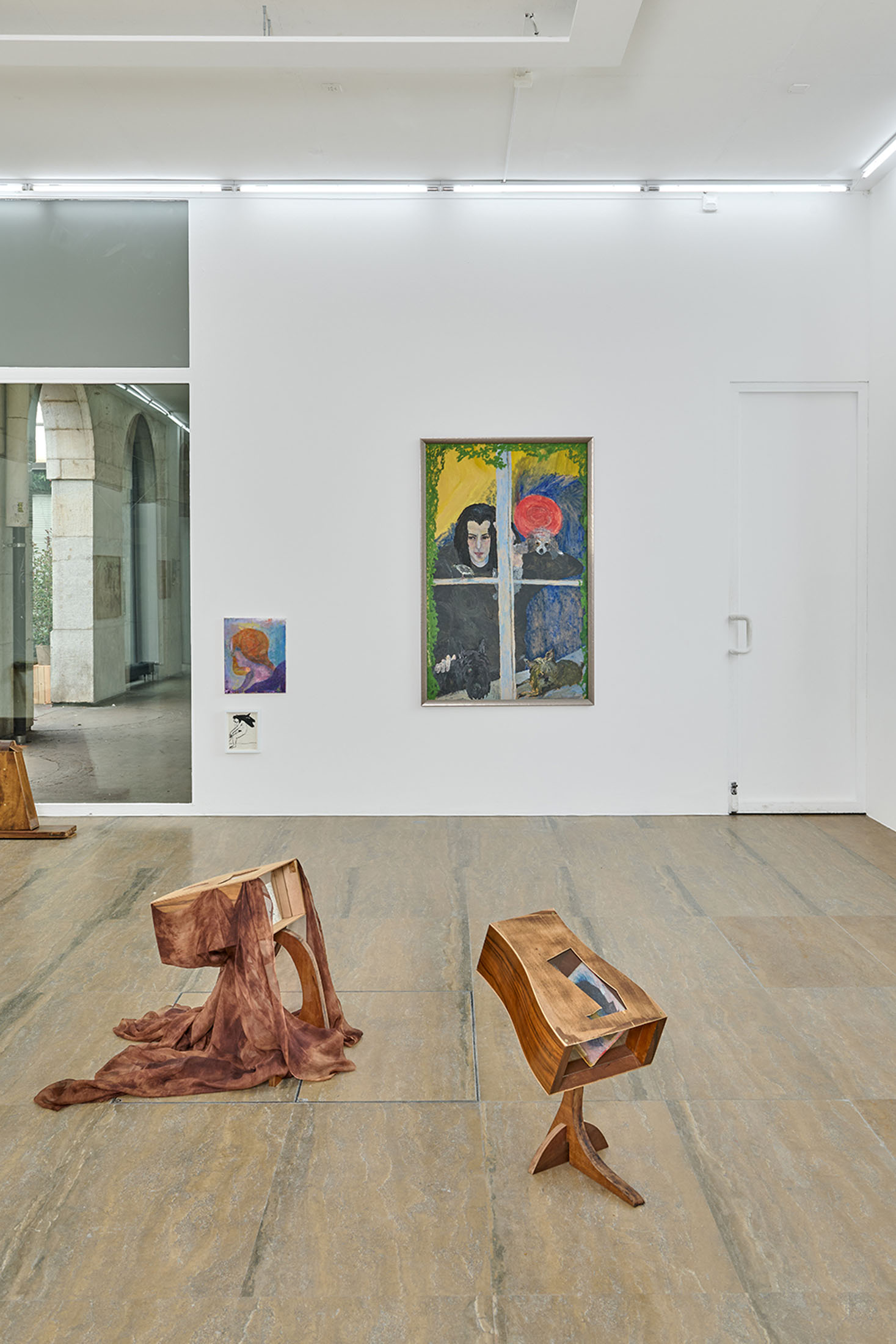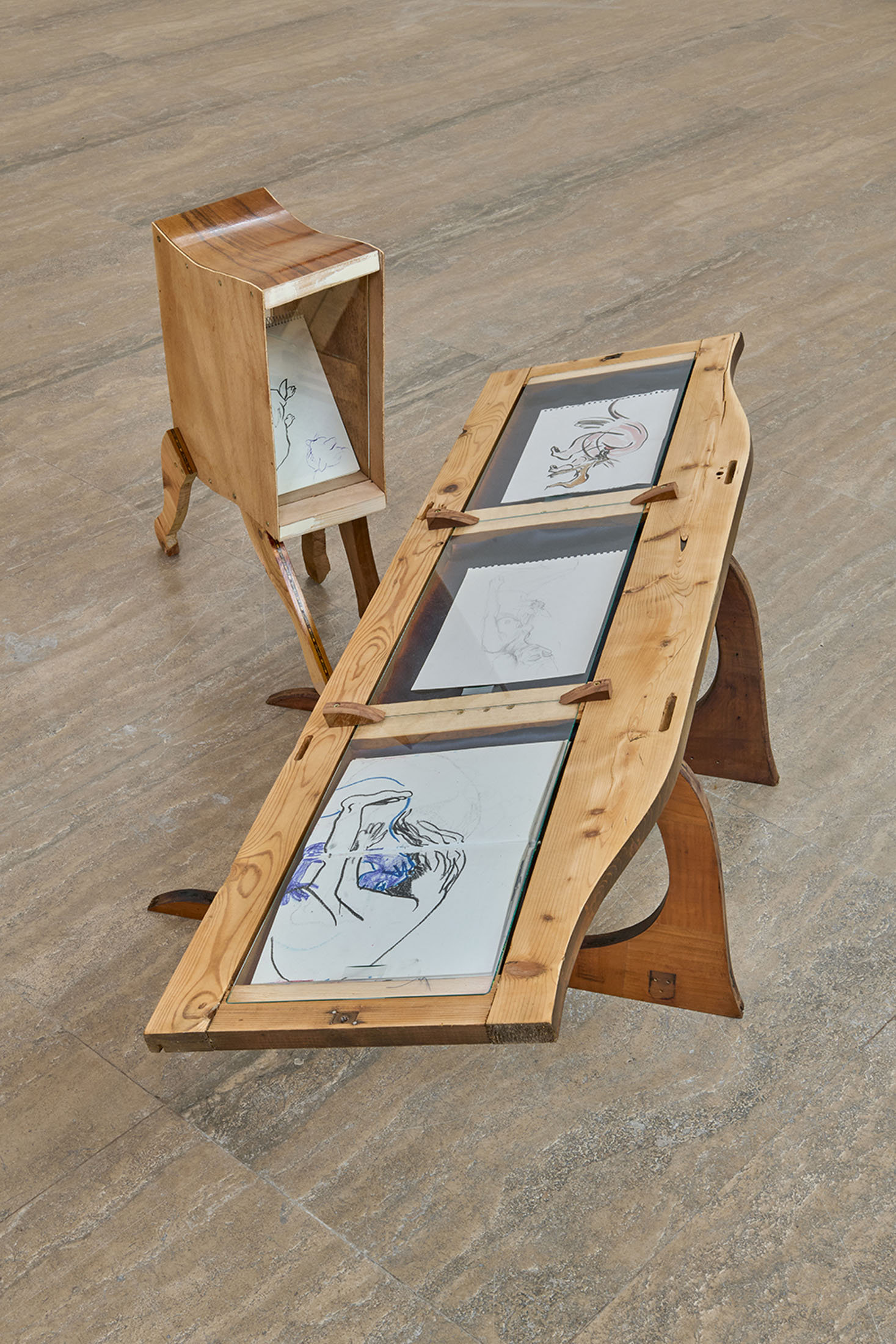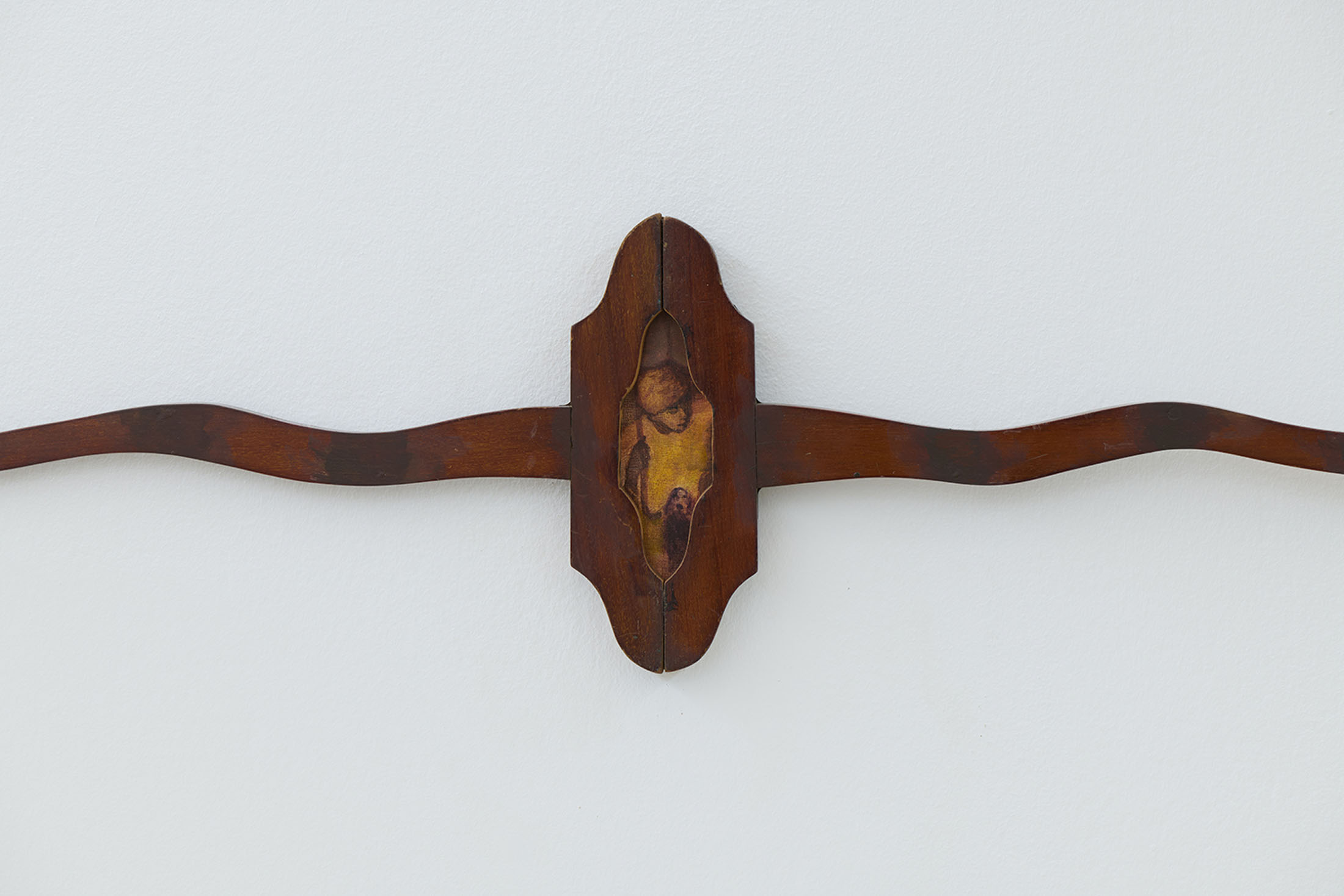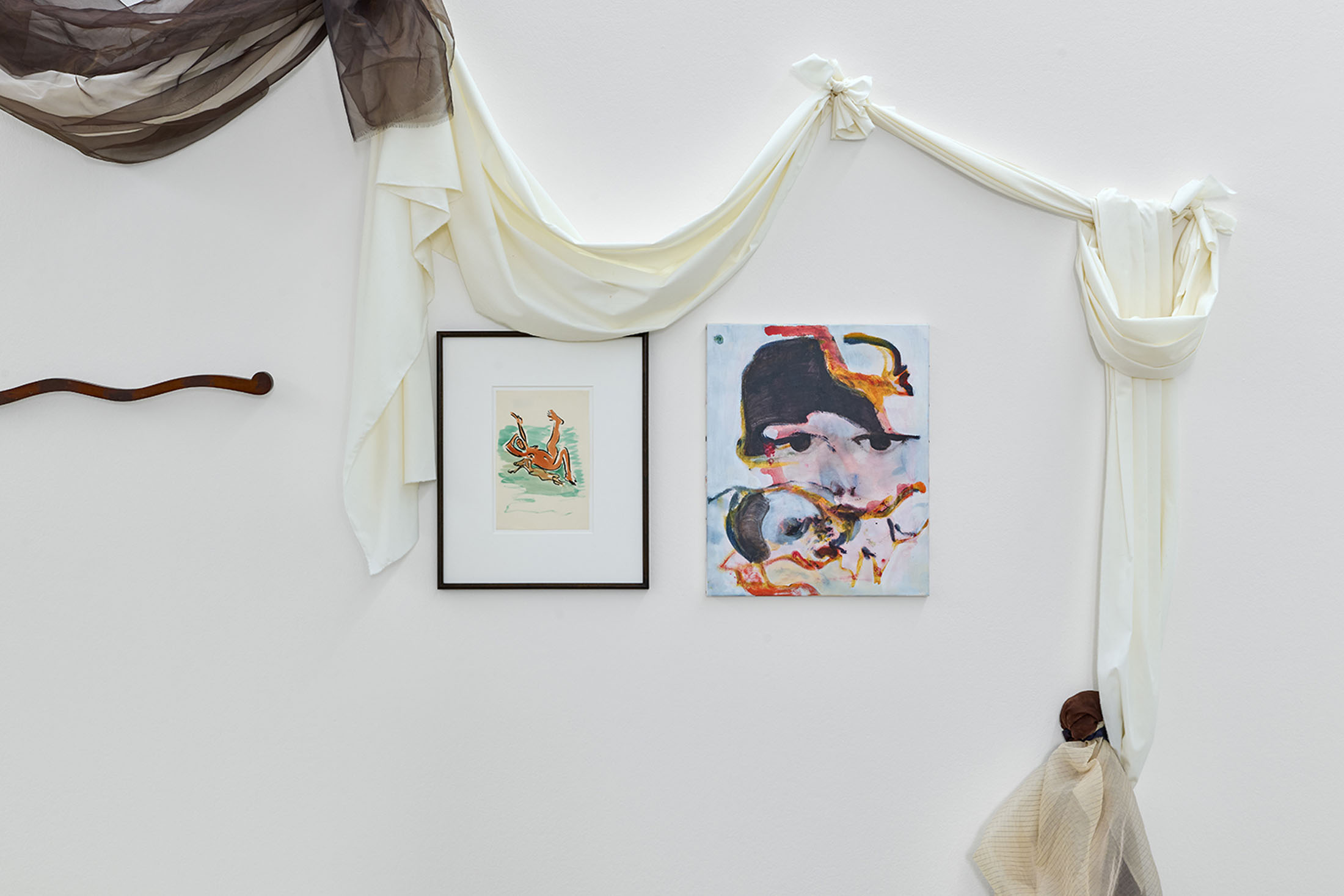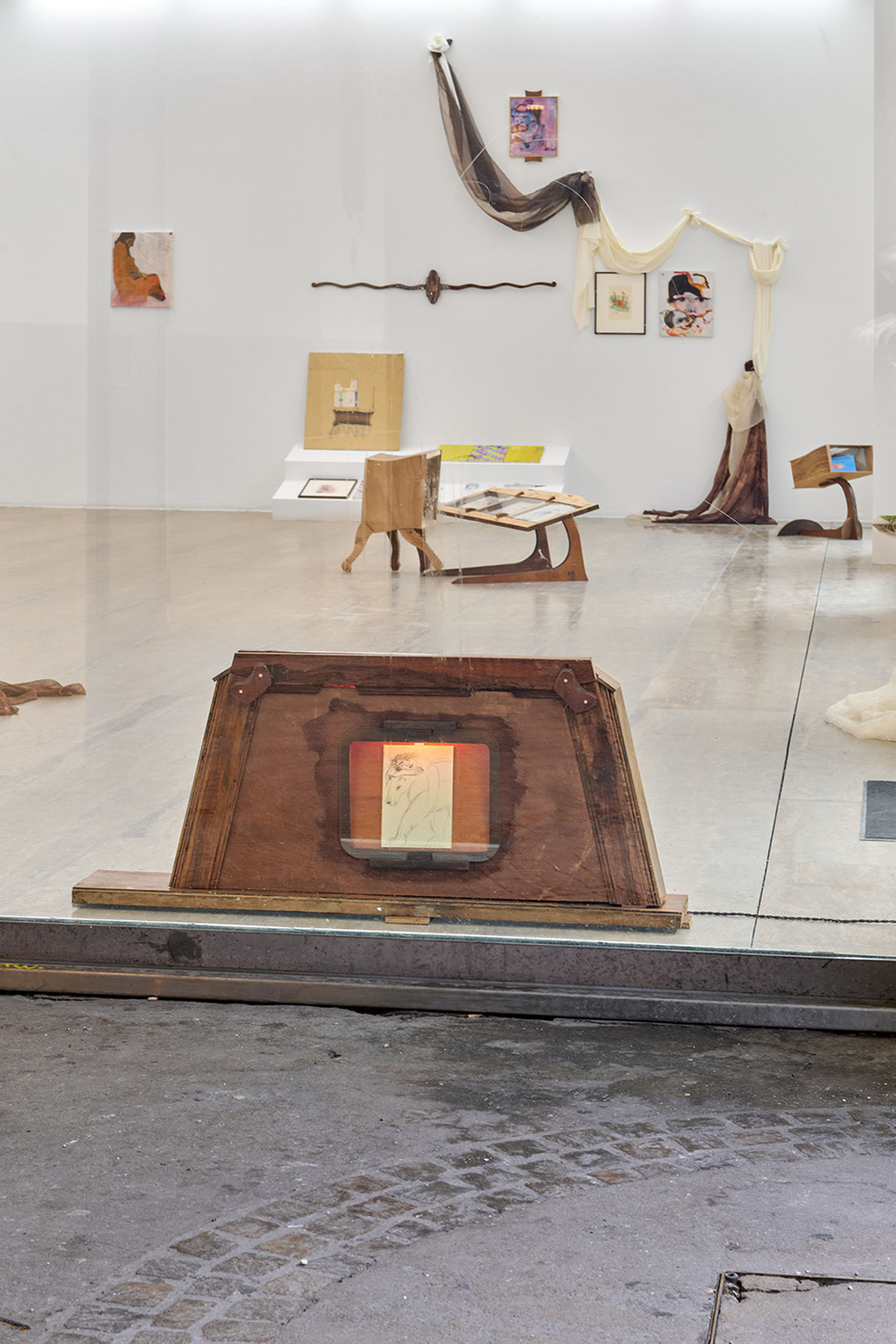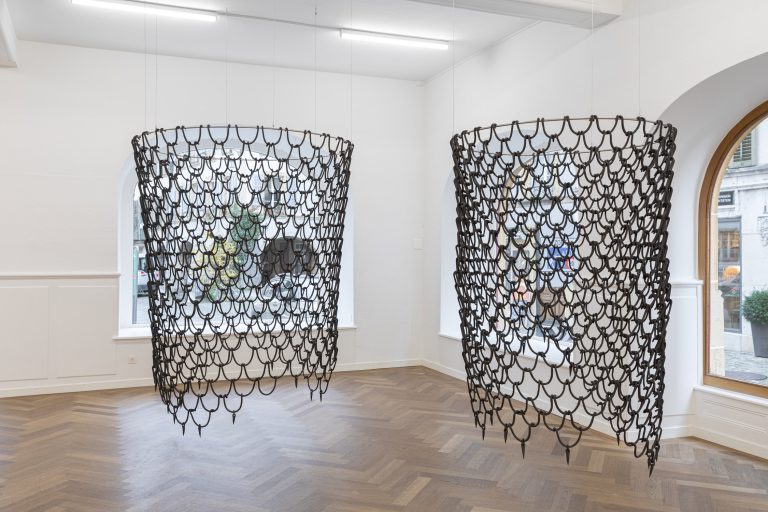
Halle Nord presents an exhibition bringing together two artists from different generations, geographical regions, and socio-economic backgrounds, whose practices share a common interest in the relationship between humans and non-human animals. For the first time, the works of Jessy Razafimandimby and Cathy Josefowitz will be shown together, in a posthumous conversation taking the form of a duo exhibition, first presented at Halle Nord and later at LaM, Lille Métropole Musée d’art moderne, d’art contemporain et d’art brut.
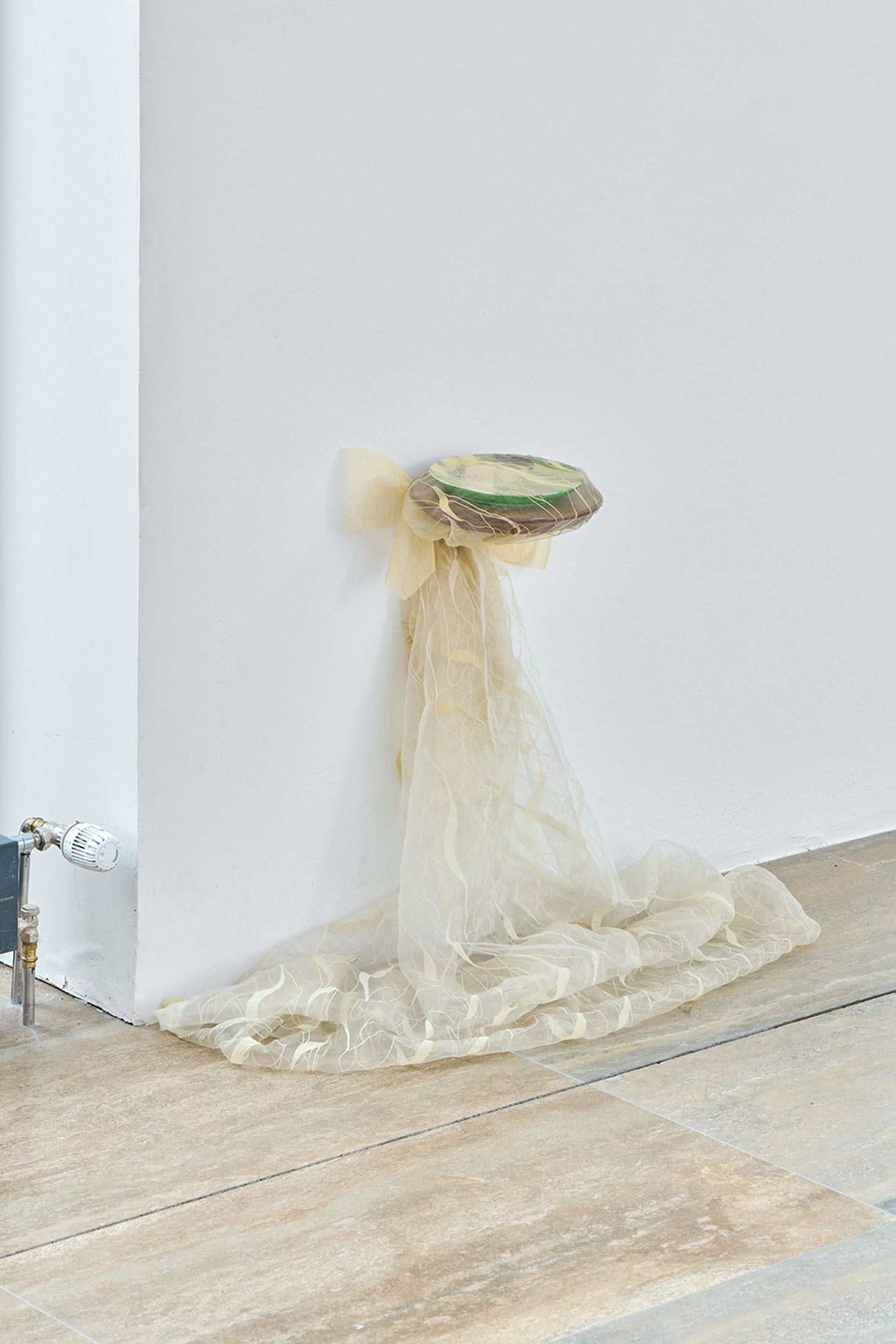
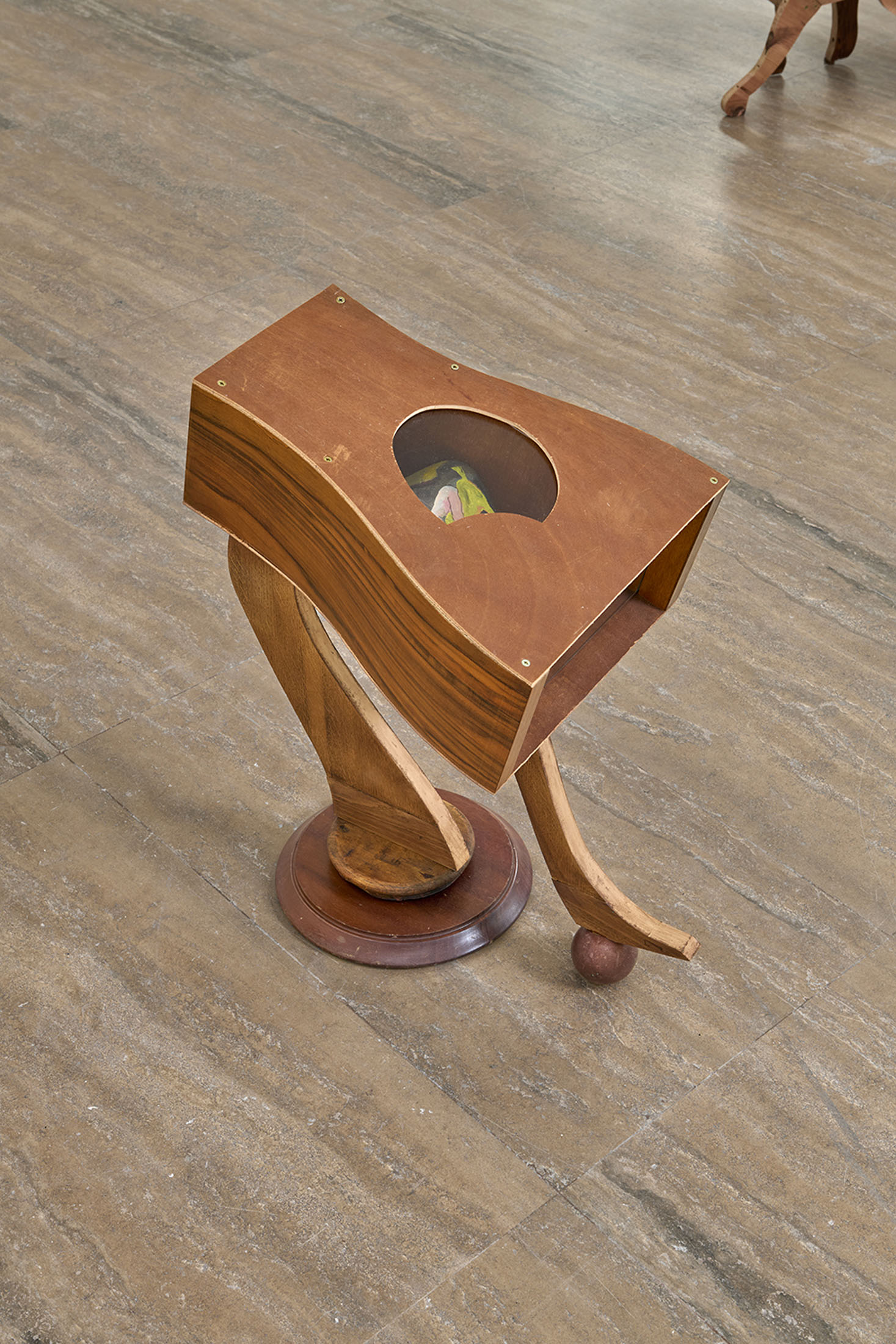
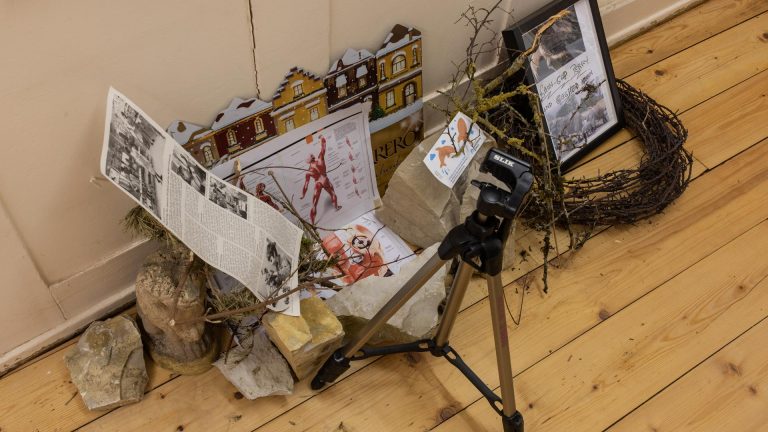
For Valse Velue (Furry Waltz), Jessy Razafimandimby worked closely with the estate of Cathy Josefowitz to select works exploring the relationship between humans and animals. In response, he created a new series of paintings and installations that foster a dialogue between their artistic practices. Razafimandimby drew inspiration from Agility, a competitive dog sport that involves guiding a dog through a sequence of obstacles, tunnels, jumps, and bridges along a precisely designed course.
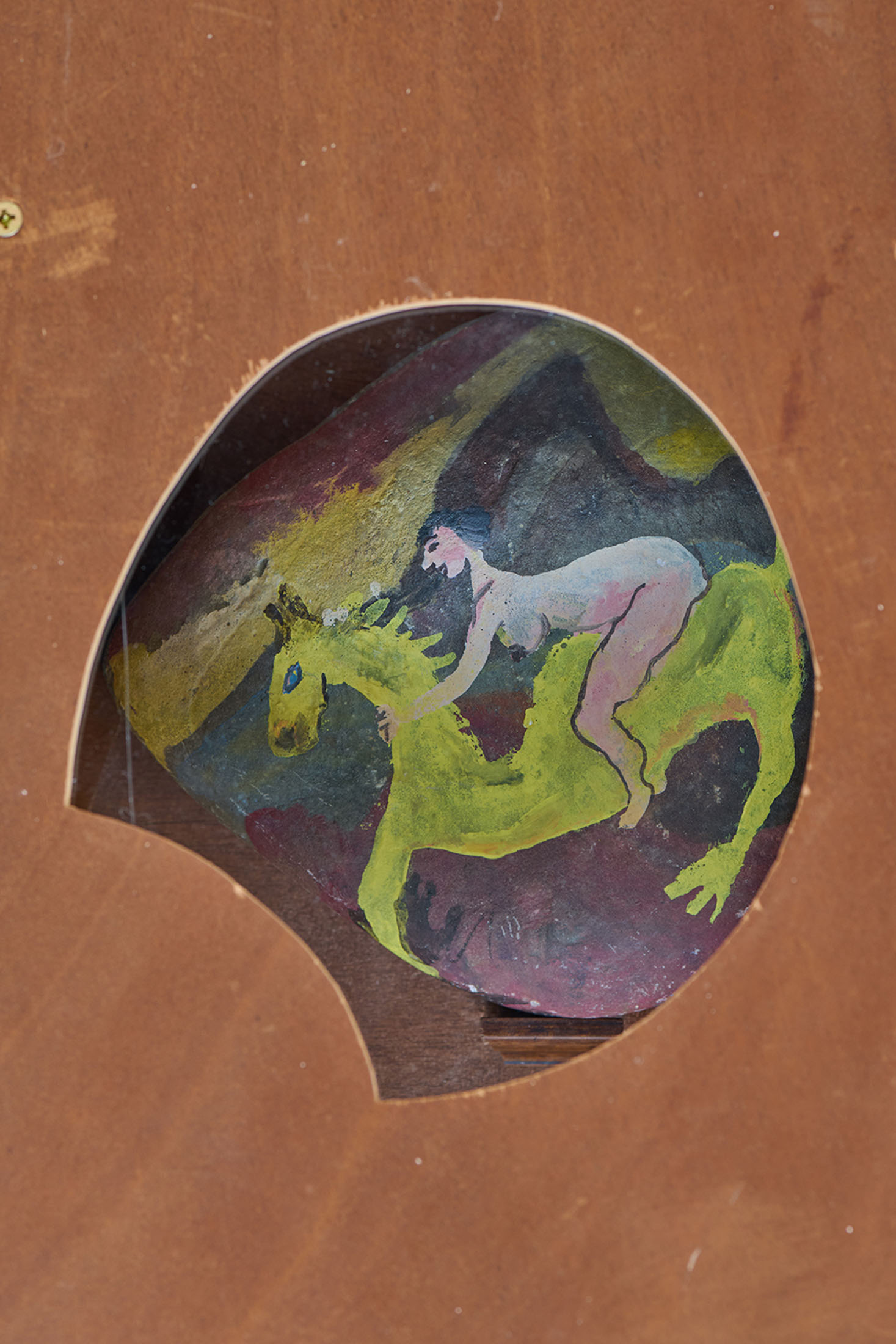
Beyond the mere representation of animals, Cathy Josefowitz (*1956, New York – †2014, Geneva) was deeply interested in the relationship between human and non-human beings. Throughout her career, she consistently depicted bonds with animals, such as bears, horses, dogs, and cats. This theme intensified from the late 1970s to the late 1980s, in a series of animal drawings and paintings where humans and non-humans coexist peacefully, expressing a symbiotic relationship that challenges dominant power structures. Rather than portraying animals as subjects under human control, Josefowitz envisioned mutual respect, affection, and peaceful coexistence. These paintings can be read as a critique of human exceptionalism, through which Josefowitz advocated for interspecies solidarity grounded in post-human ethics. Ultimately, by examining this construct holistically, she sought to dismantle the symbolic violence inherent in defining the animal as the ultimate Other.
Similarly, the work of Jessy Razafimandimby (*1995, Antananarivo, Madagascar, lives and works in Geneva and Marseille) often depicts domestic spaces as sites of convergence between human figures, animals, and chimeric entities. His practice challenges the boundaries between species, presenting hybrid forms that embody transformation and fluid identity. In his art, human and animal figures merge, reflecting a vision of identity as ever-changing rather than fixed. These composite beings resist the social norms that separate the refined from the raw, questioning the bourgeois ideal of society as a controlled and orderly space.
Acknowledgements : Bettina Moriceau-Maillard ; Hauser and Wirth, Zurich ; Grégoire Prange ; sans titre, Paris
Biographies
Following her death in Geneva in 2014, Cathy Josefowitz left a legacy of more than 3,000 artworks spanning over forty years of artistic practice. Although the substantial body of work produced by this cosmopolitan Swiss artist was rarely exhibited during her lifetime, it can today be reconsidered in relation to contemporary critical discourse. Her oeuvre resonates in a particularly compelling manner with questions of bodily identity emerging in Europe and across the Western world, with issues of representation and self-representation, and with the rise of new forms of feminist activism.
Jessy Razafimandimb’s multidisciplinary production encompasses painting, drawing, installations, and performance. Often, these practices converge, with the artist manipulating fragmented decorative objects and textiles that extend the work beyond its frame. These extensions reveal a clash between sculpture and painting, staged by Razafimandimby. The artist brings a world inherited from the past back to life, drawing on French cinema of the 1960s, jazz, design, and postwar architecture. He pays particular attention to the history of interior decoration and ornamentation, as well as to social conventions and the “good manners” traditionally associated with a conservative way of life and promoted by a classist, bourgeois system.
Jessy Razafimandimby lives and works in Geneva and Marseille. He received his Bachelor’s degree in Visual Arts from the Geneva University of Art & Design (HEAD) in 2018. Recent exhibitions include Hakanto Contemporary, Antananarivo; Dortmunder Kunstverein; KNMA – Kiran Nadar Museum of Art, New Delhi; the 6th edition of the Dhaka Art Summit, Forde, Geneva; Art au Centre, Geneva