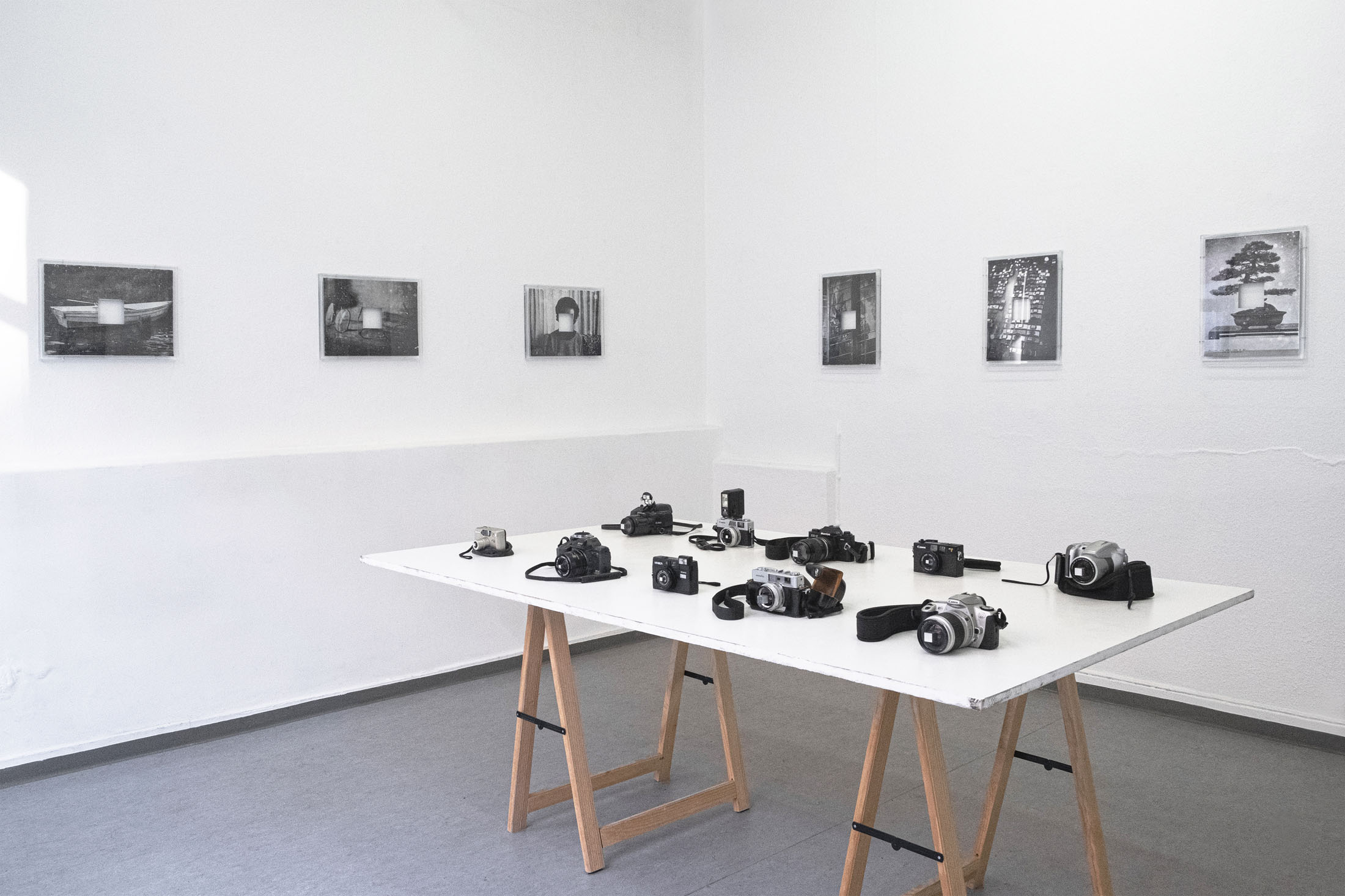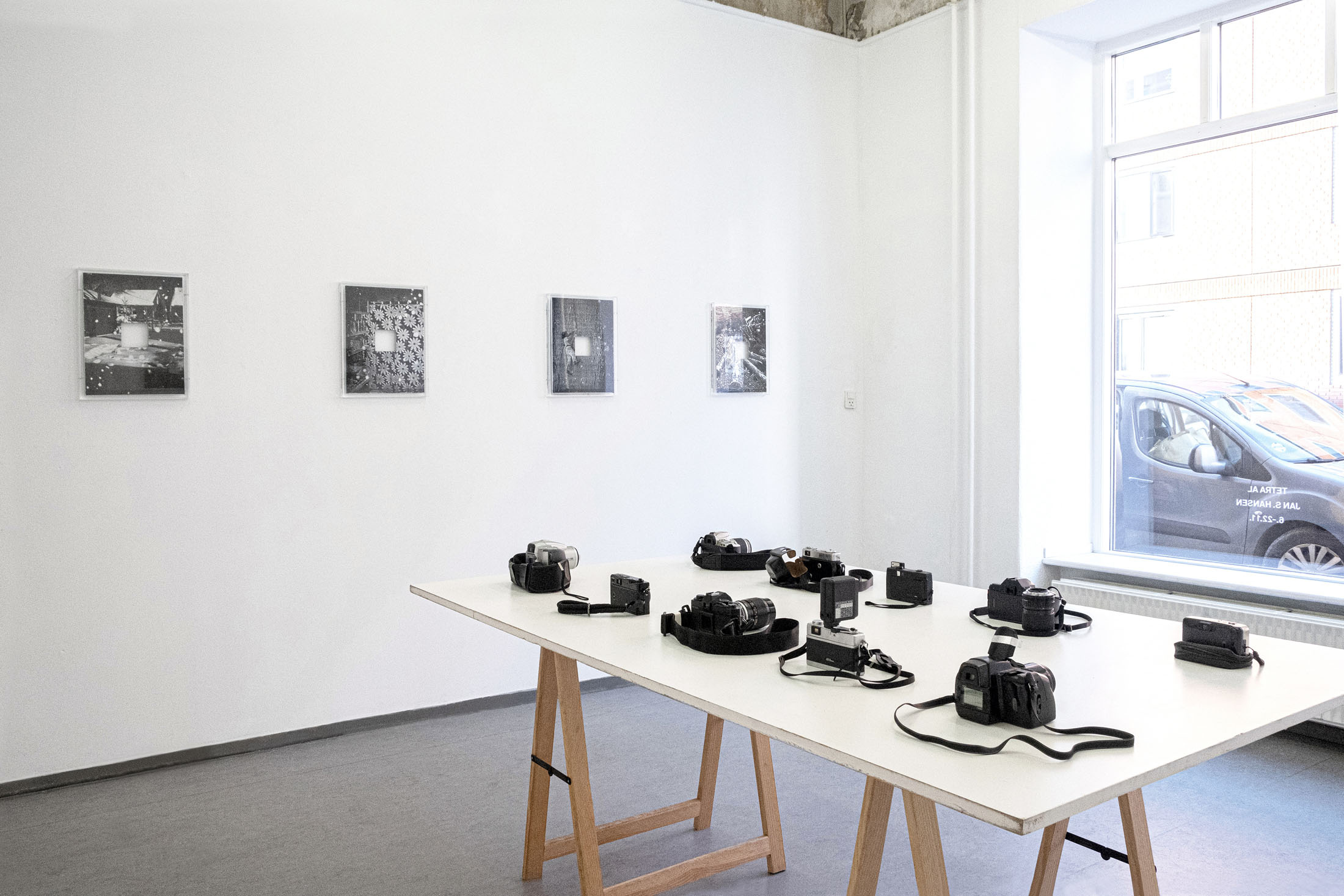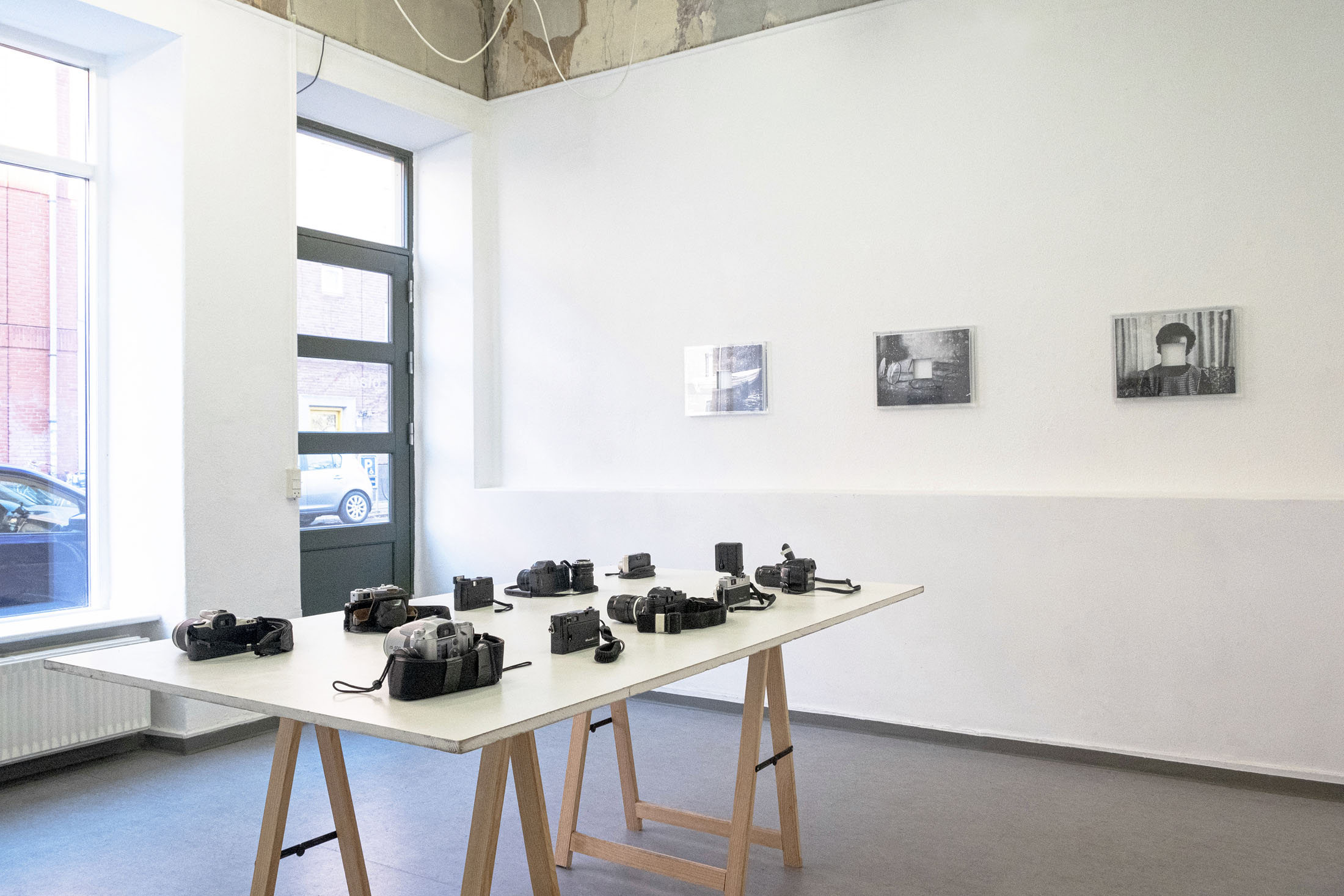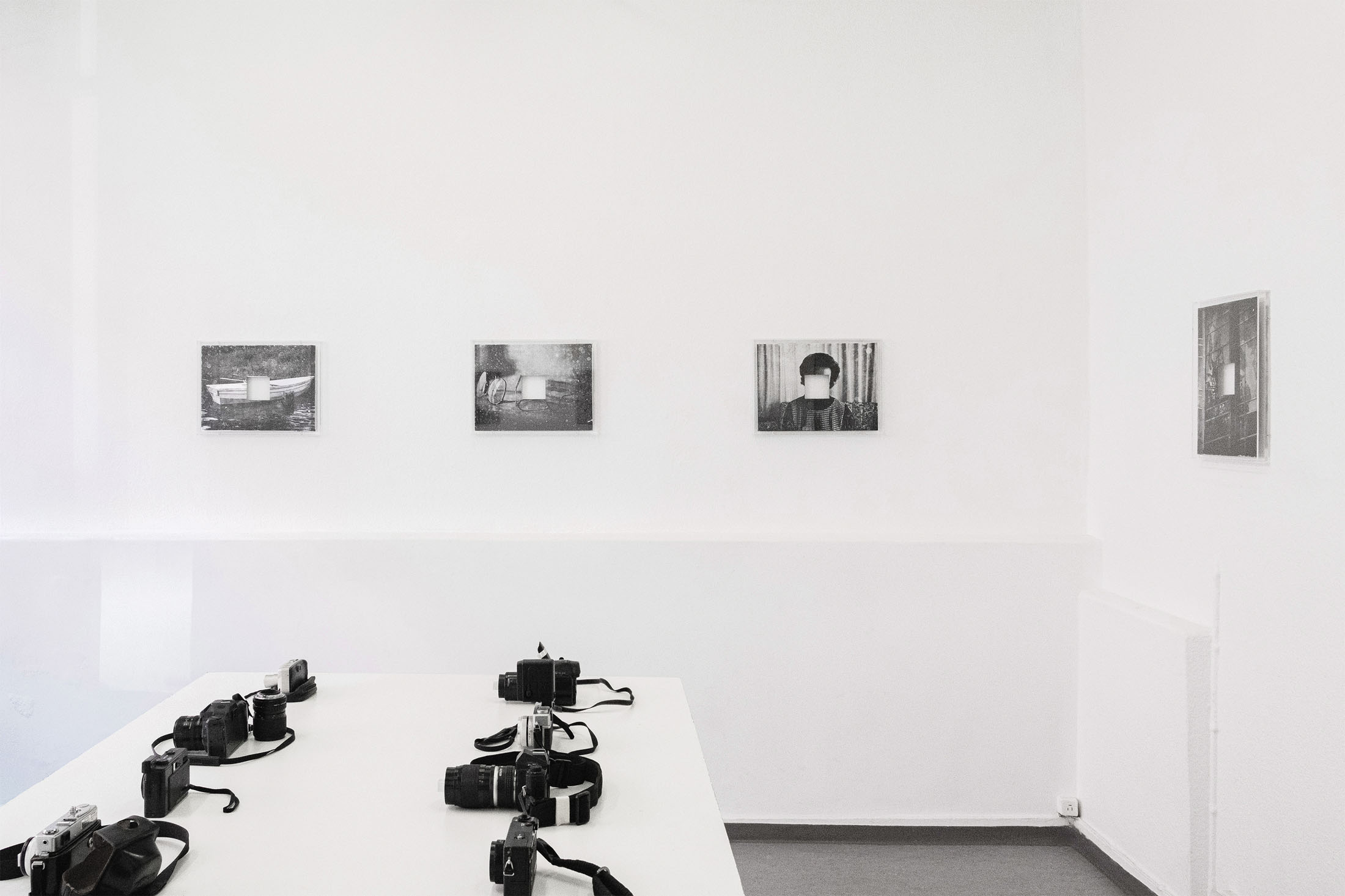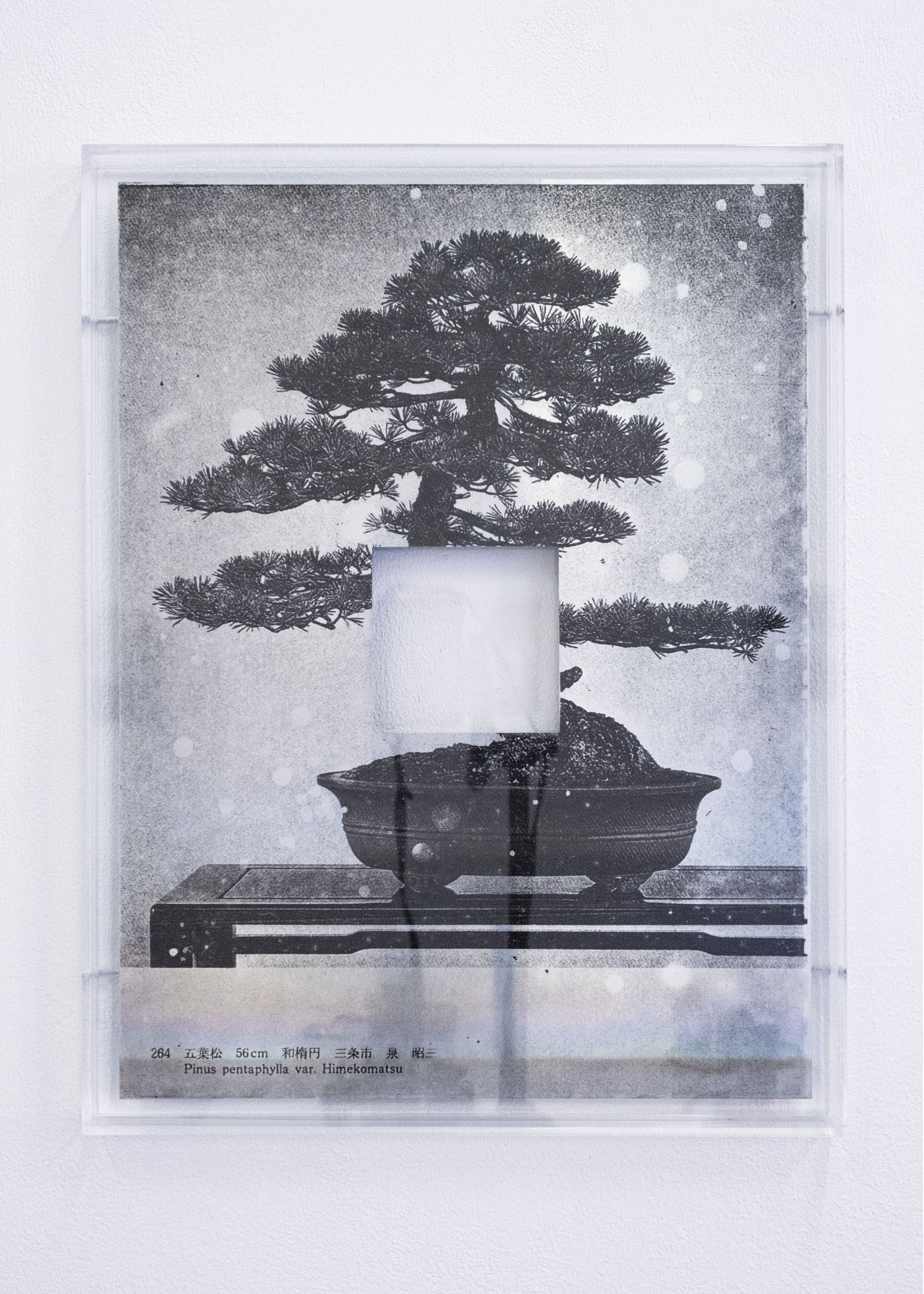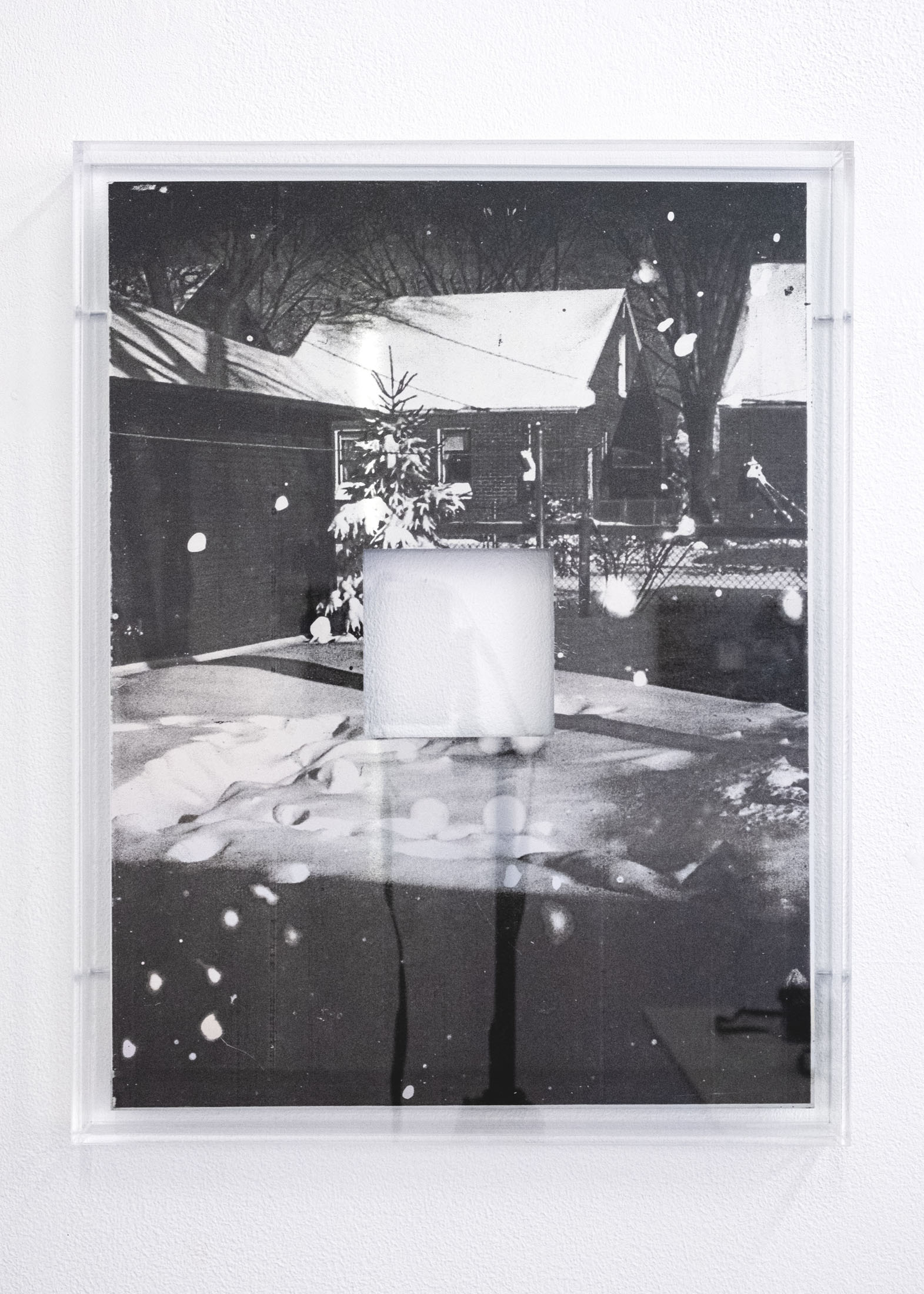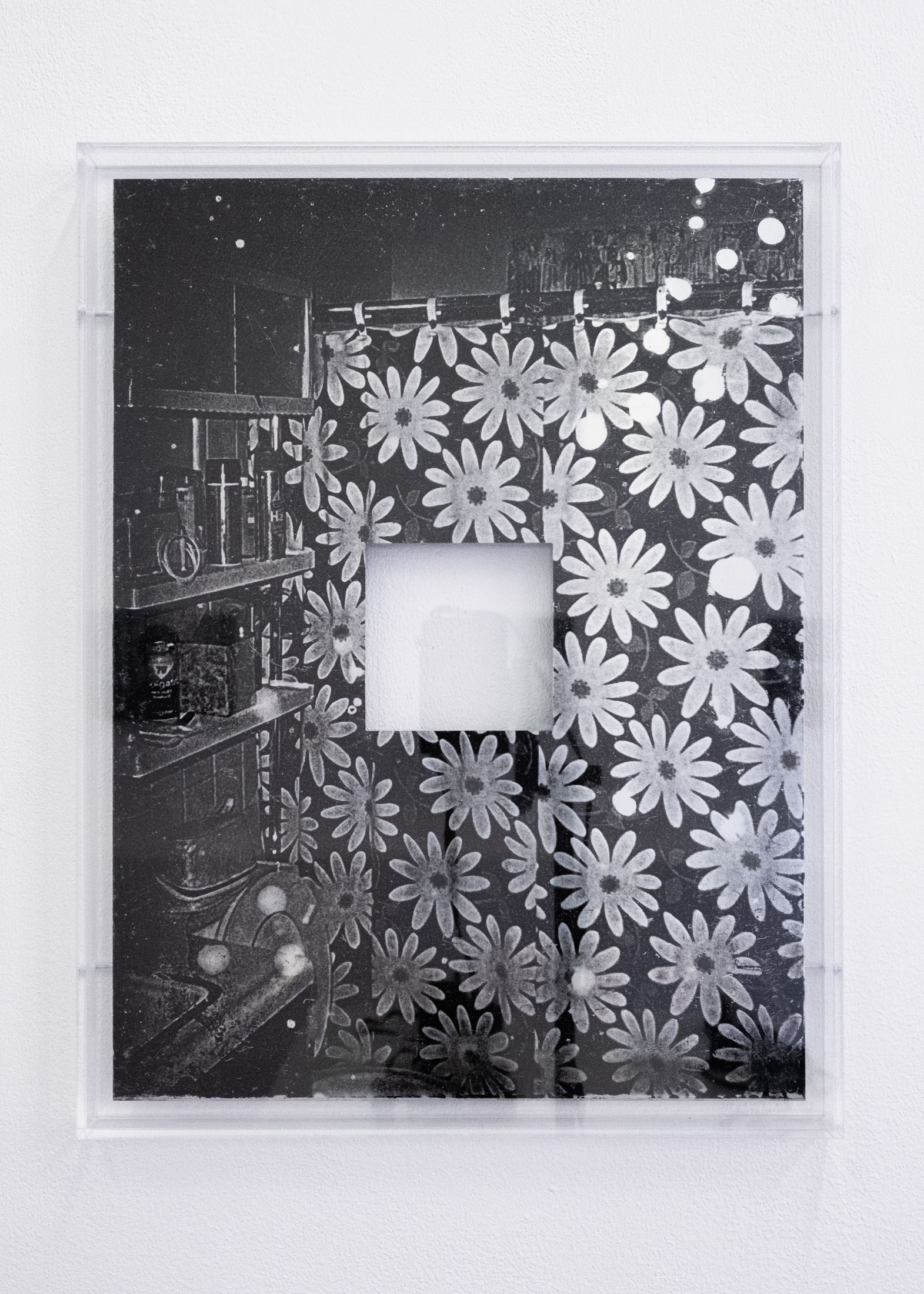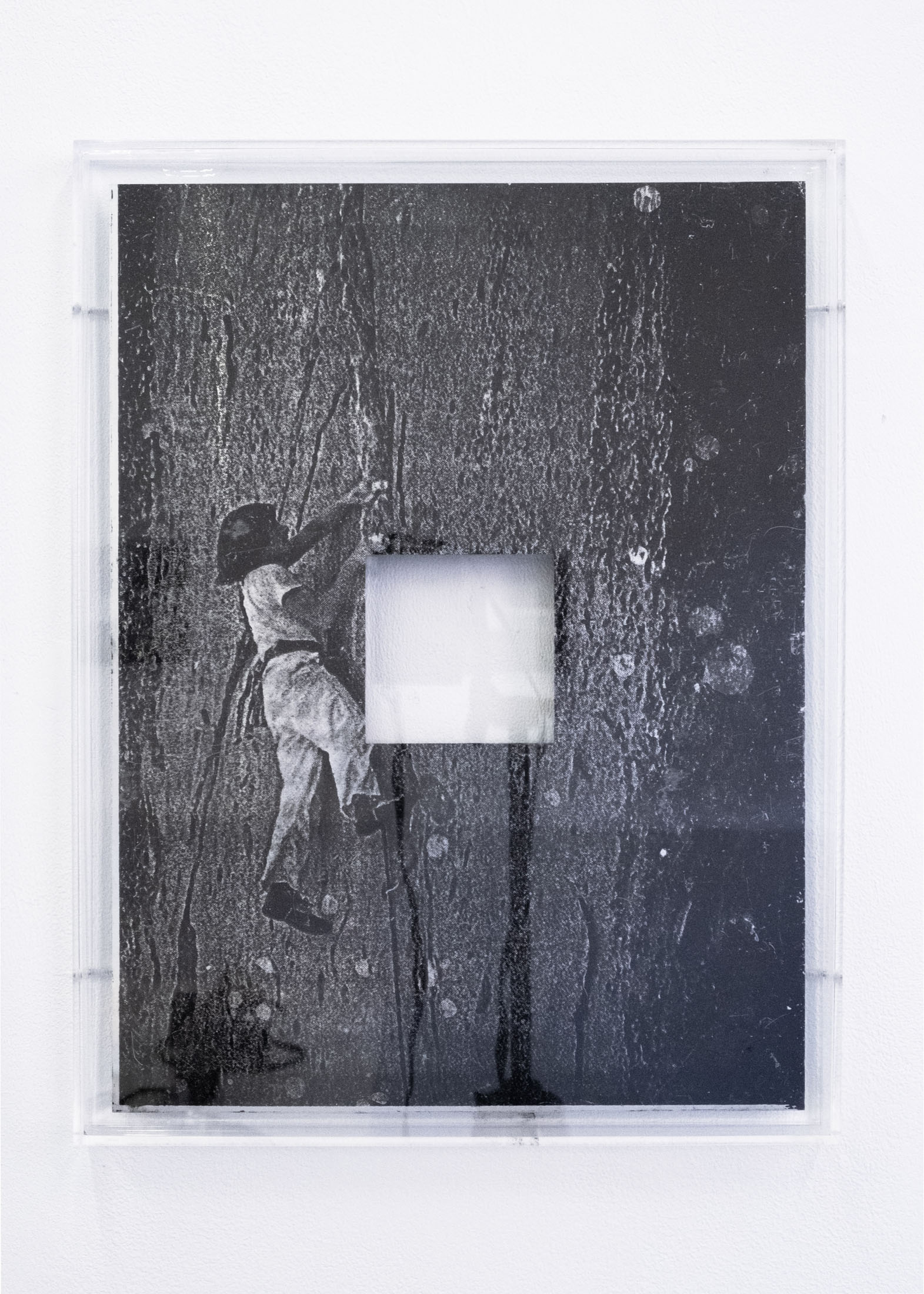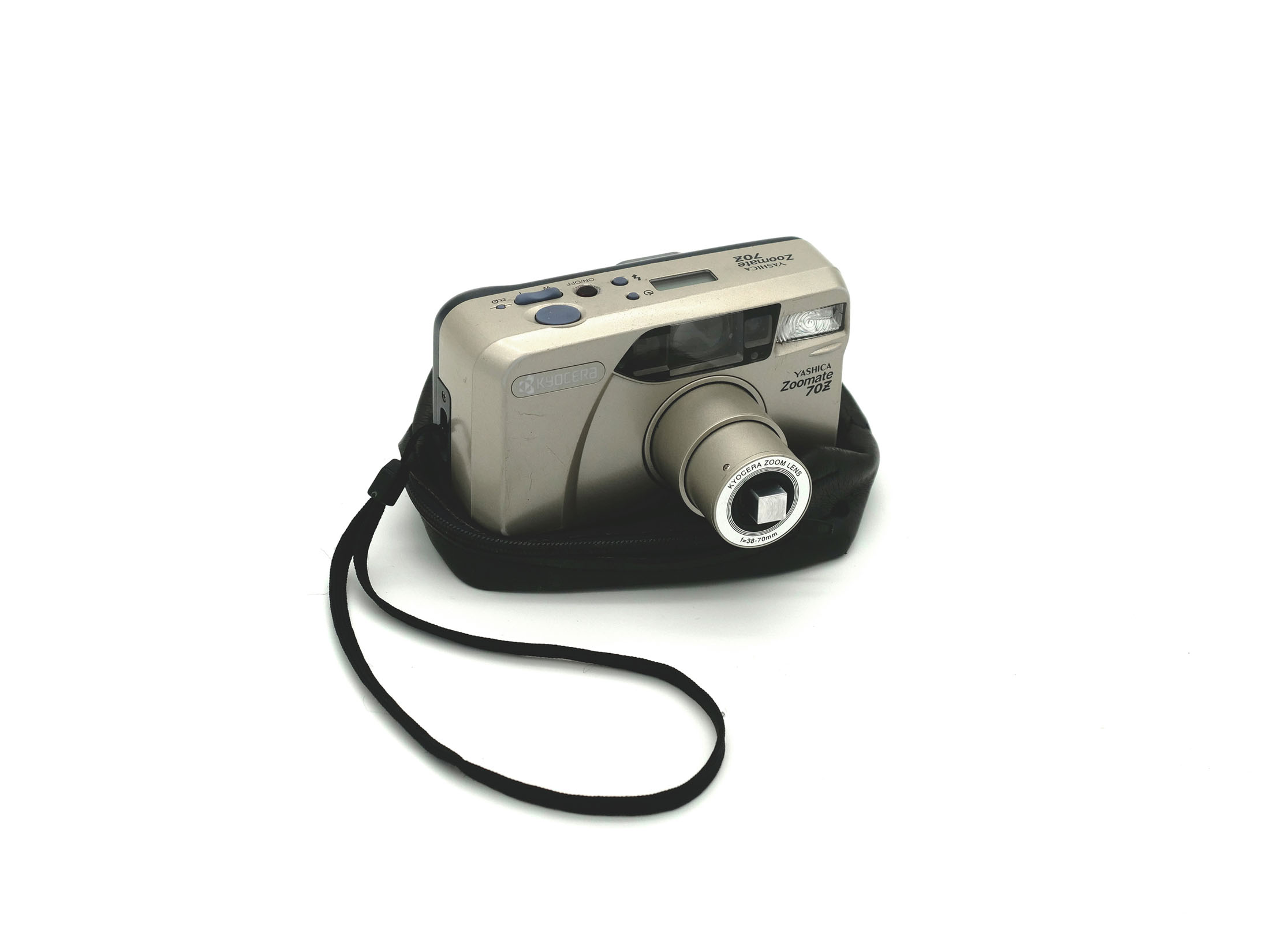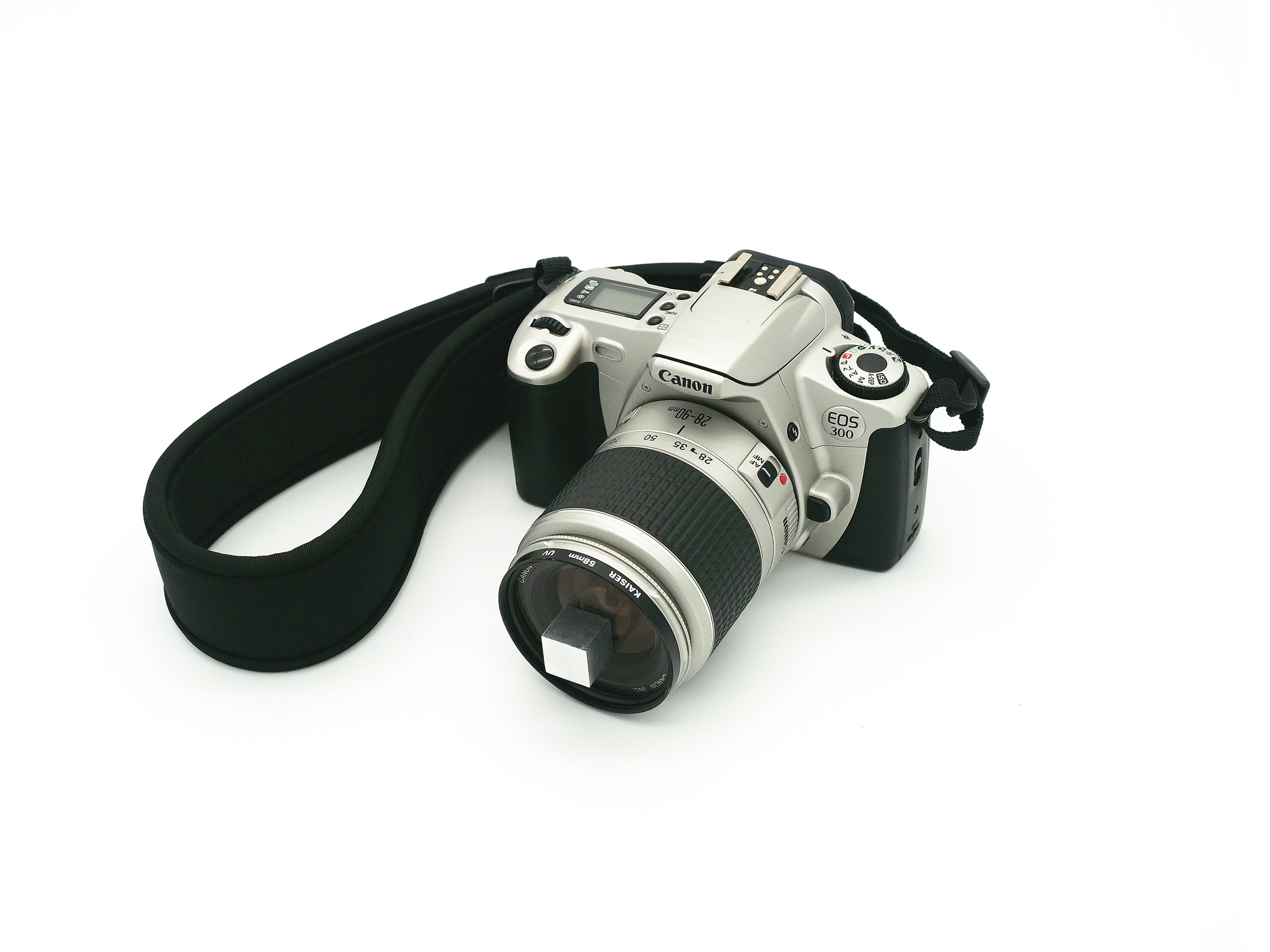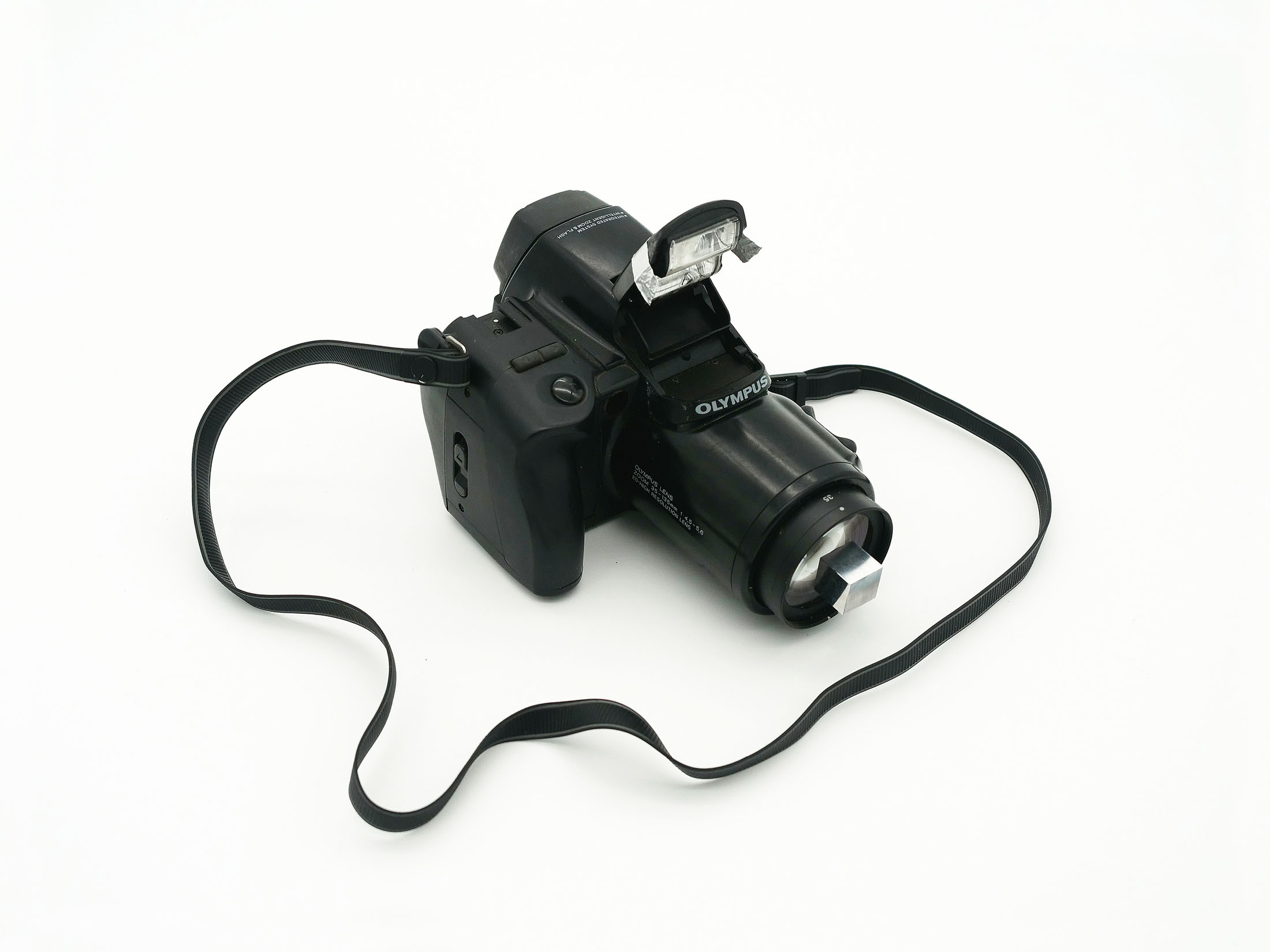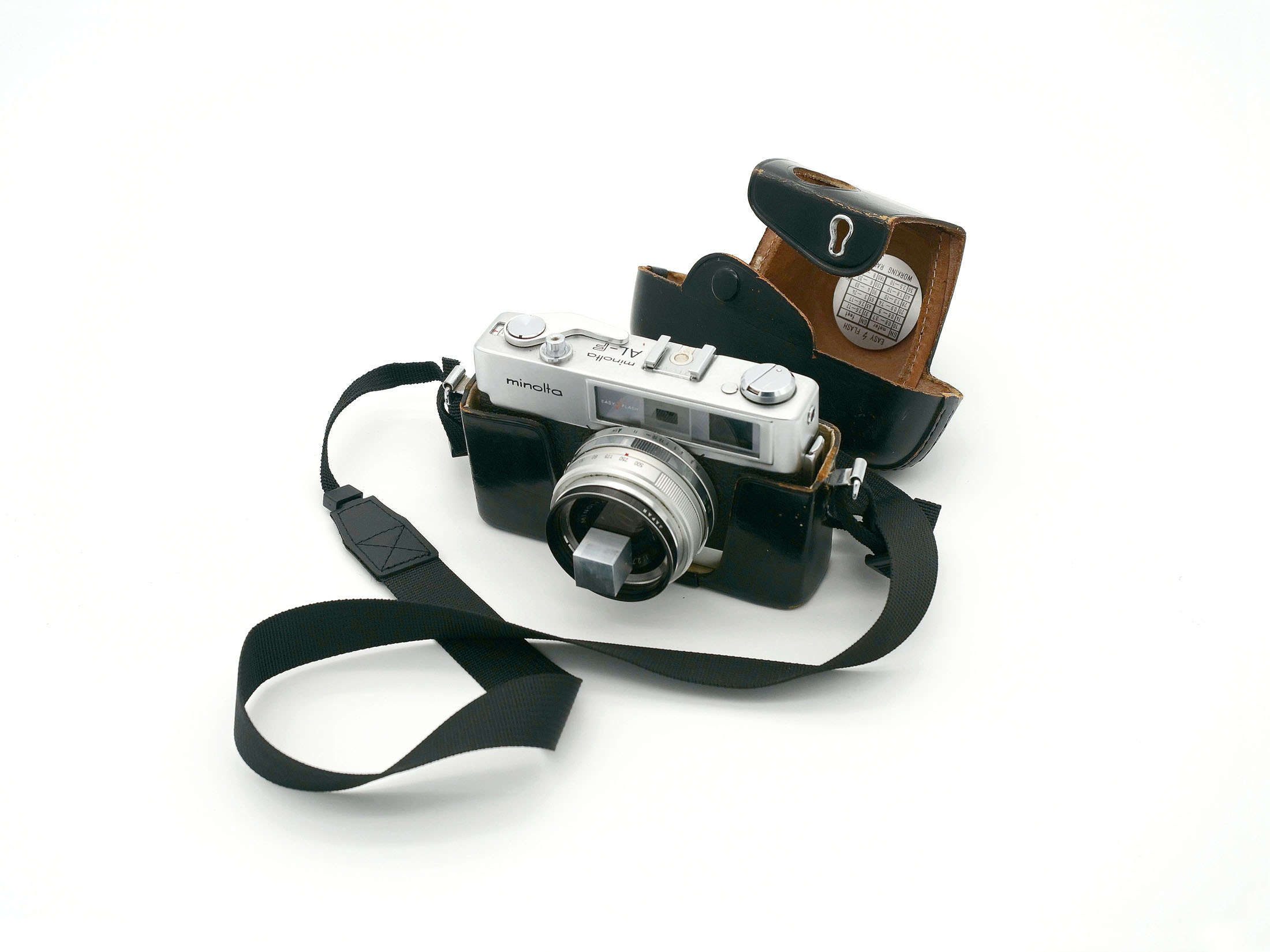
Between 2021 and 2024, the body of work titled Tetra was produced from 35 mm slides dating from the 1960s to the 1990s and presented as slide projections. Composed of 243 images in three sets of 81 (Tetra I, II, III), the series reinterprets found material, combining anonymous, discarded slides individually sourced from eBay with personal photographs drawn from family archives.
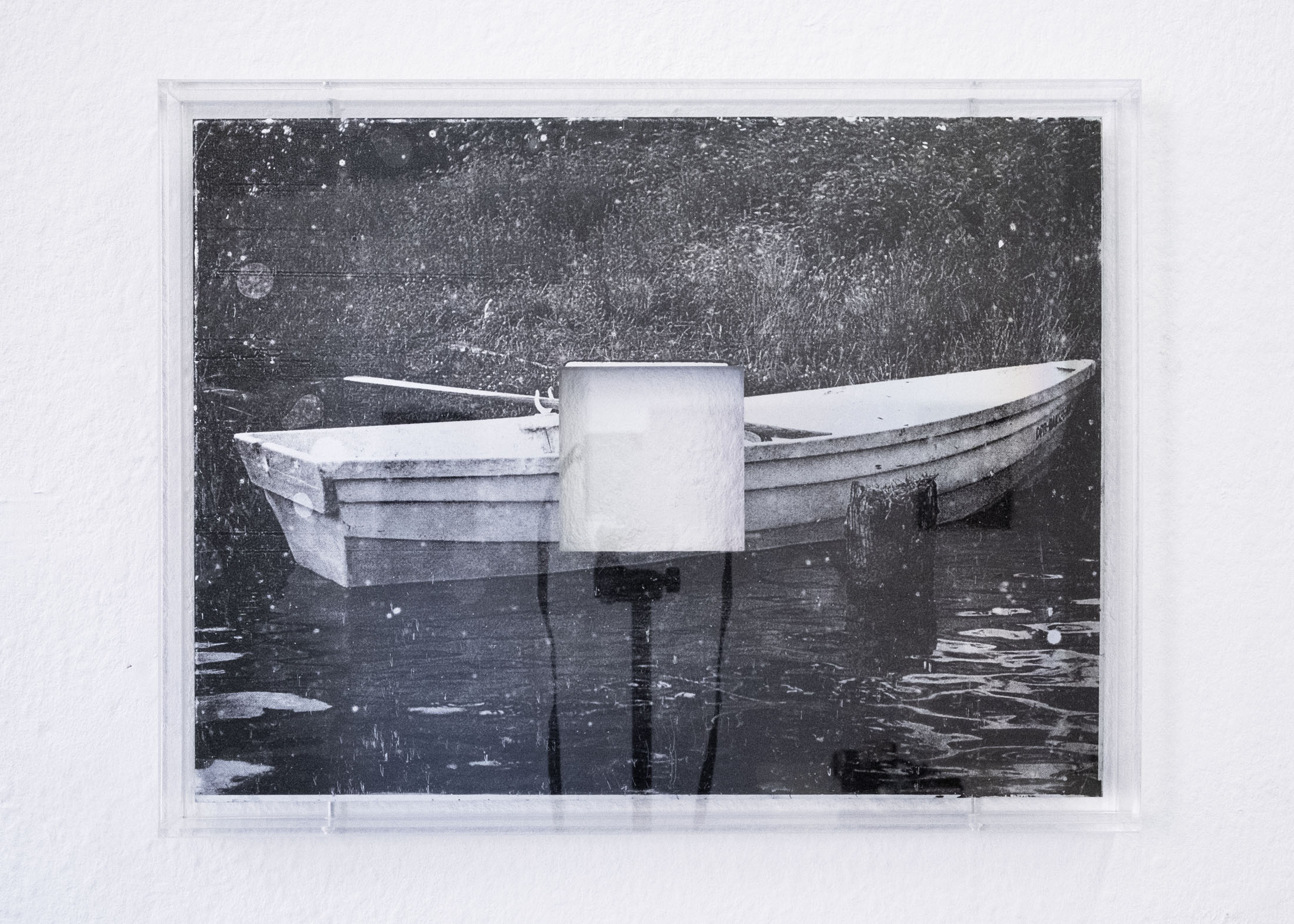
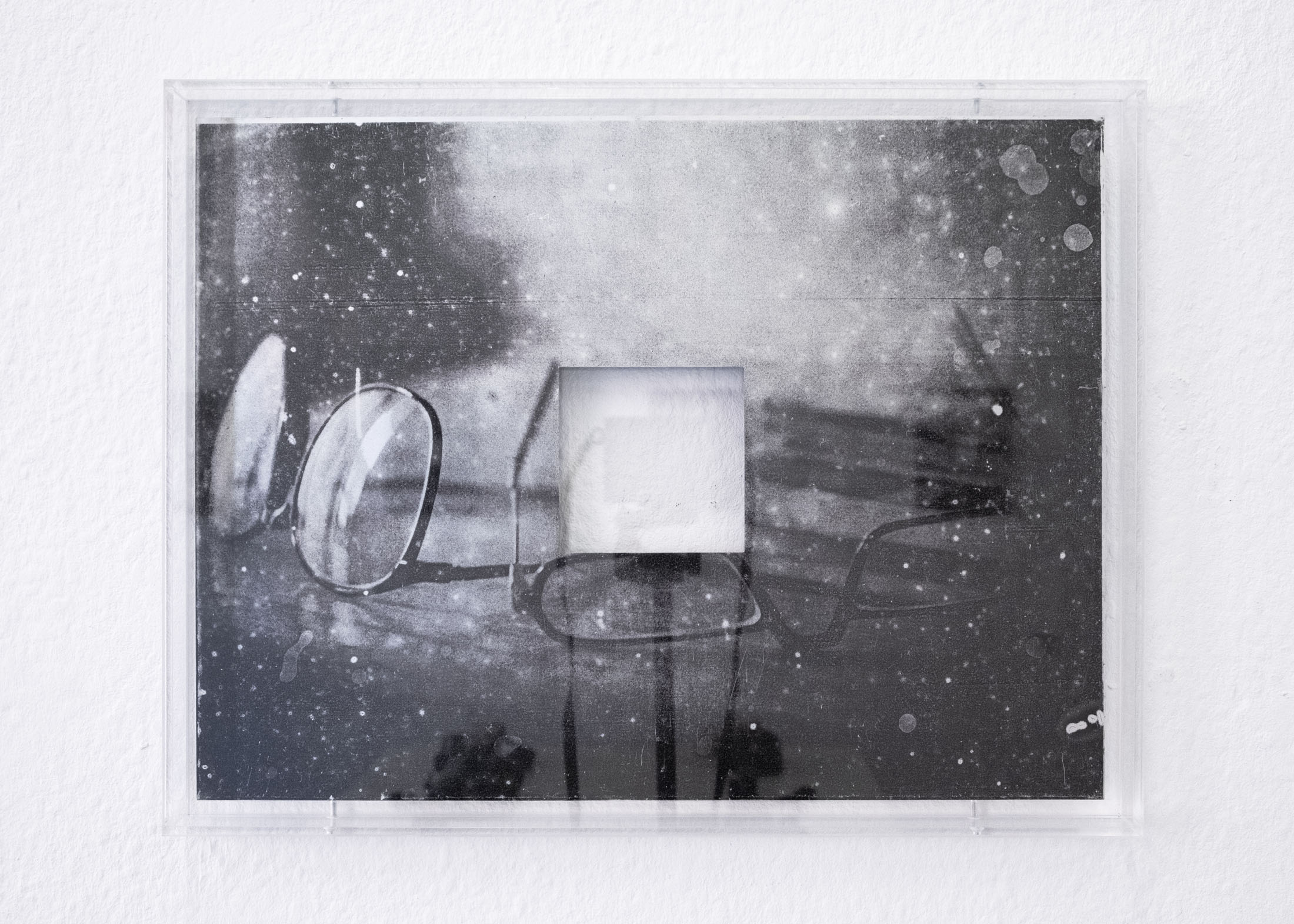
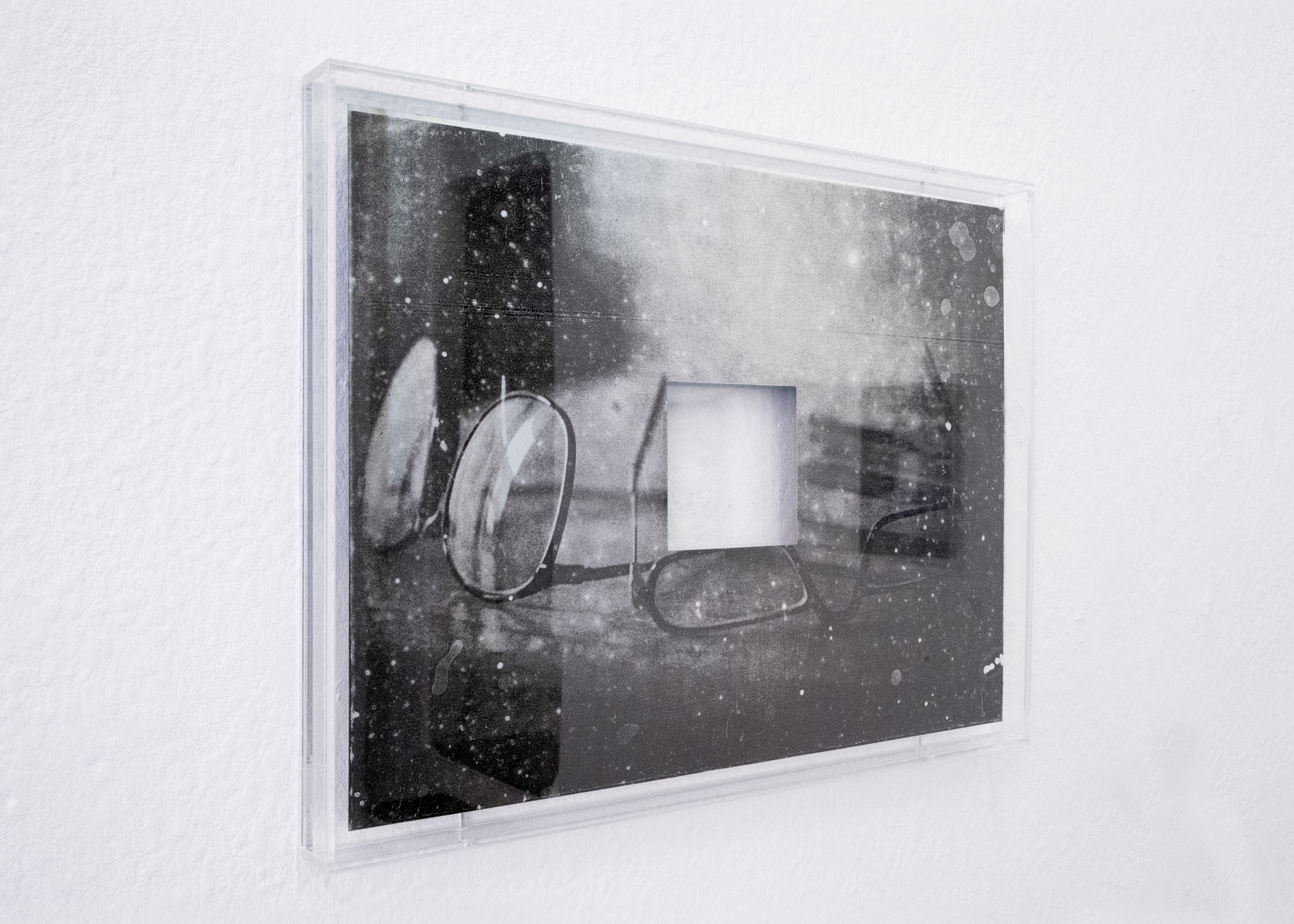
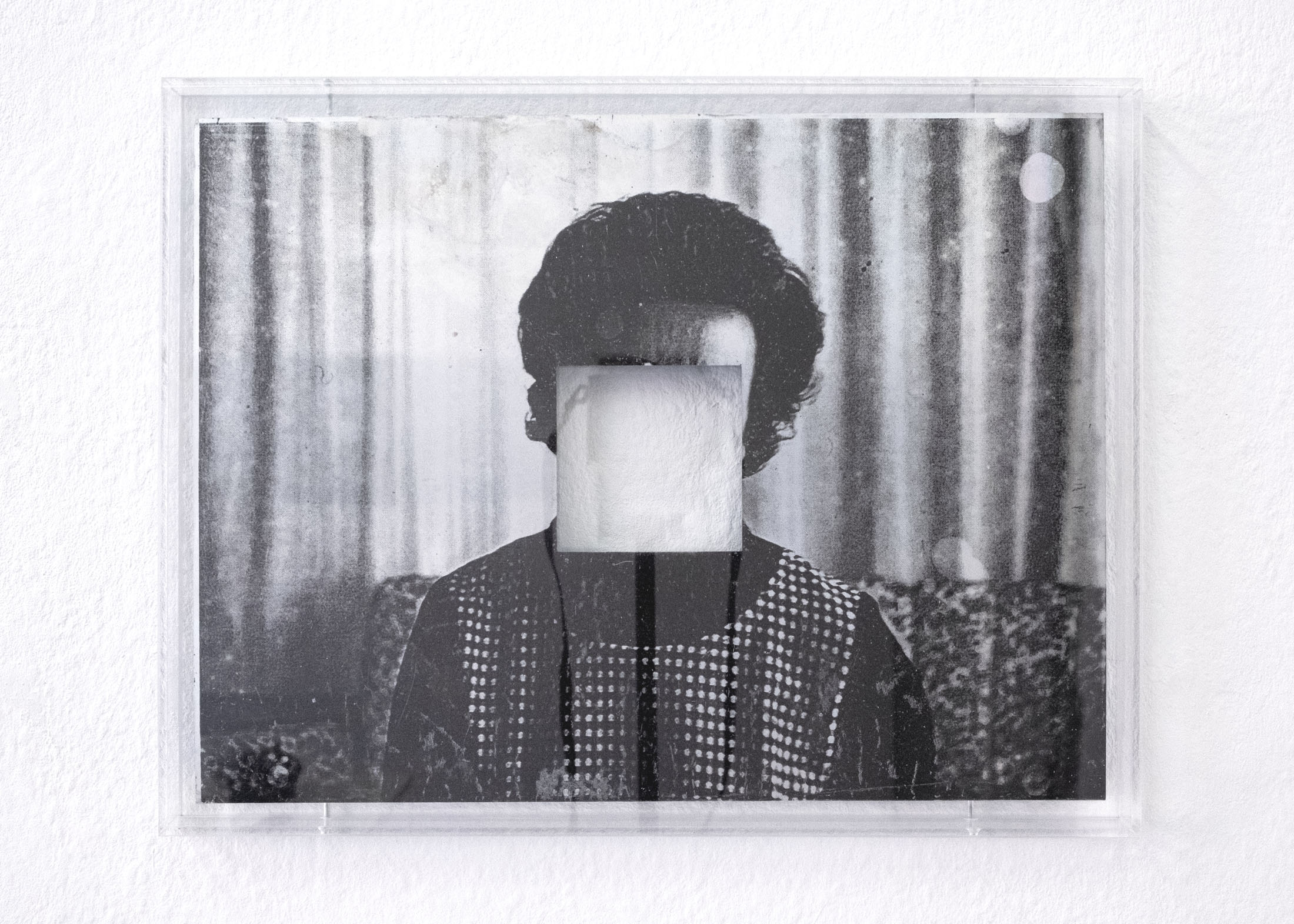
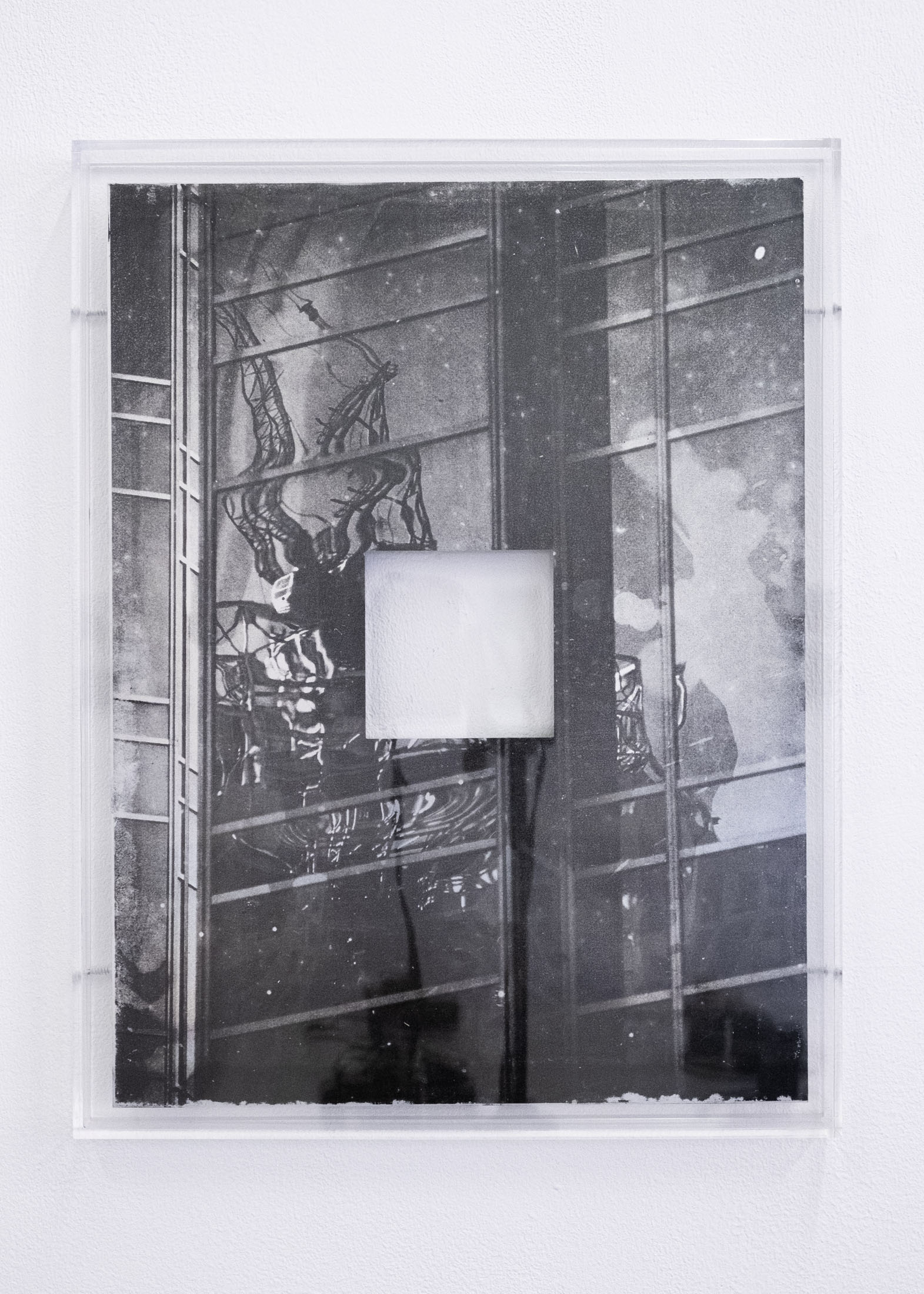
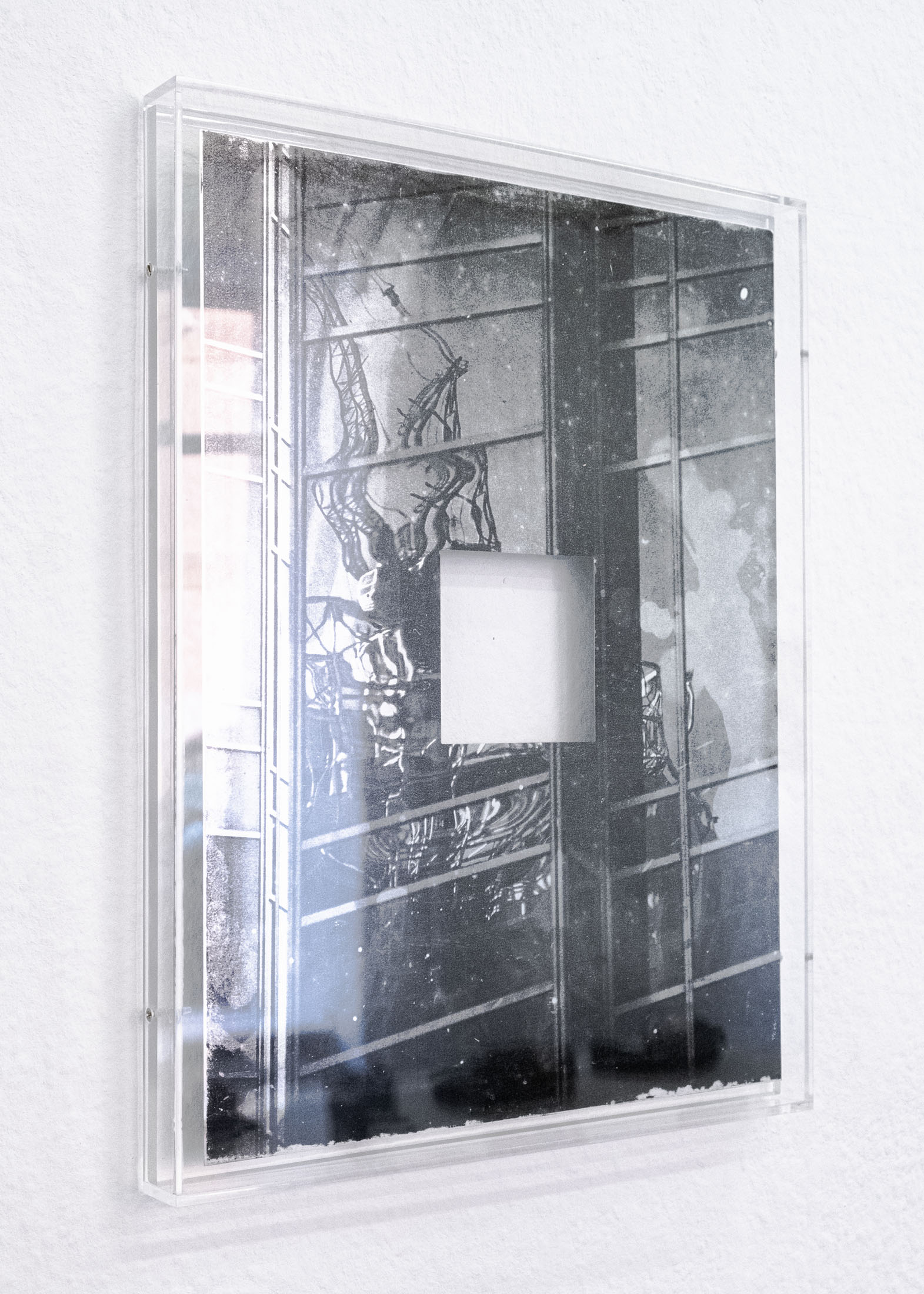
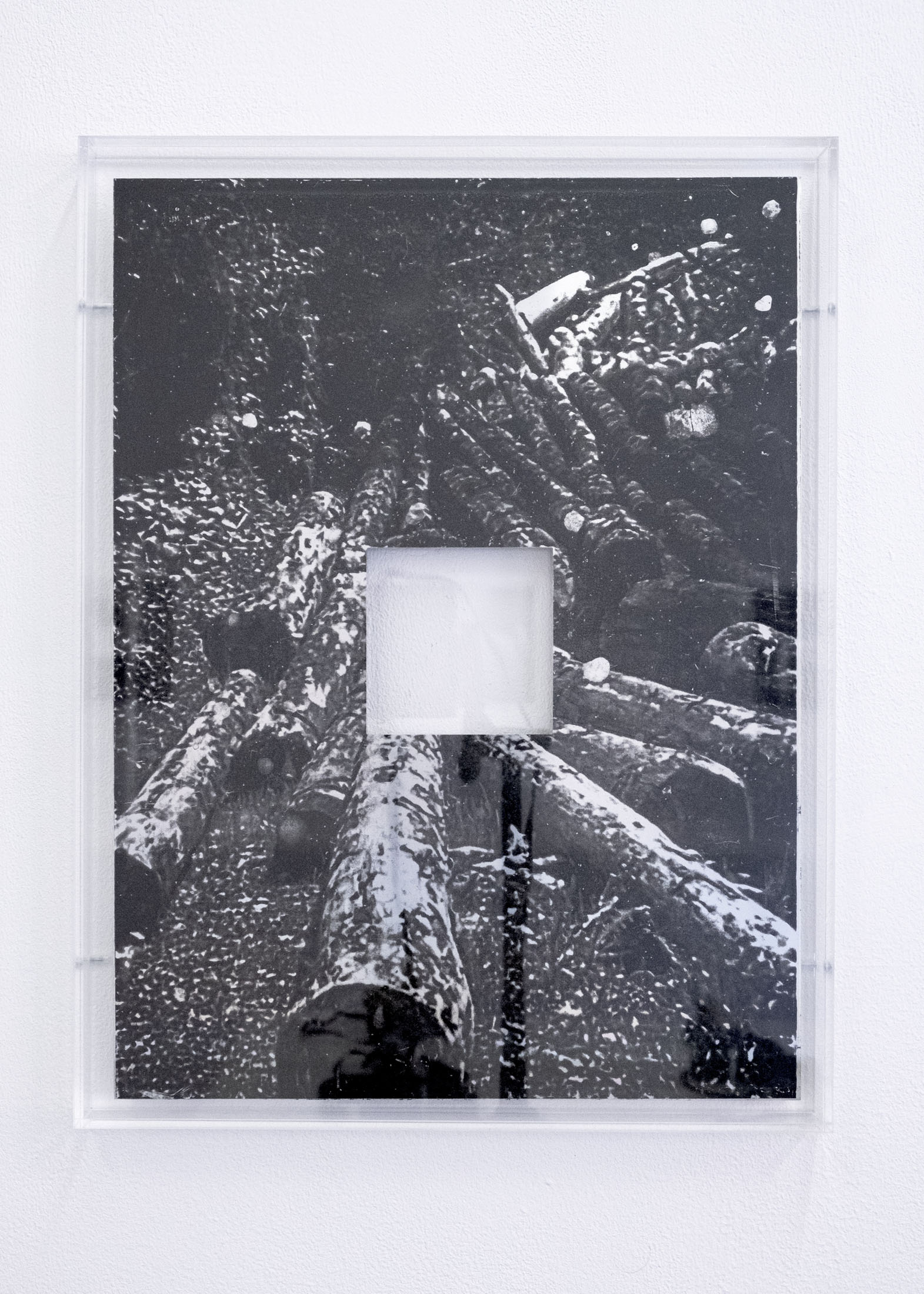
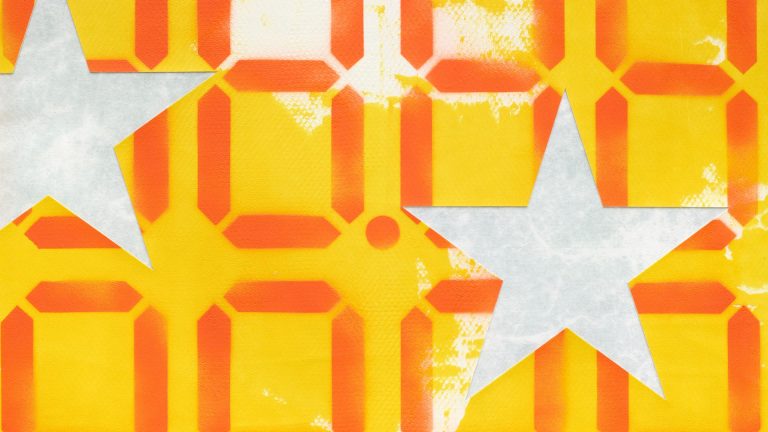
In late 2024, selected slides were translated into lithographic prints on pre-sensitized anodized aluminum plates titled Tetra AL. These industrial plates, designed for short-run offset printing and typically single-use, were retained and repurposed, transforming disposability into longevity. On the reverse side of each plate is a developed negative from another slide, linking the works in a material, visual, and conceptual sequence.
The imagery falls broadly into three themes: the natural world, the built environment, and human life. Each corresponds to a temporal scale – deep geological time, intergenerational architecture, and personal lifespan – and together outline the environmental contexts in which human activity unfolds, offering a composite view of time, memory, and culture.
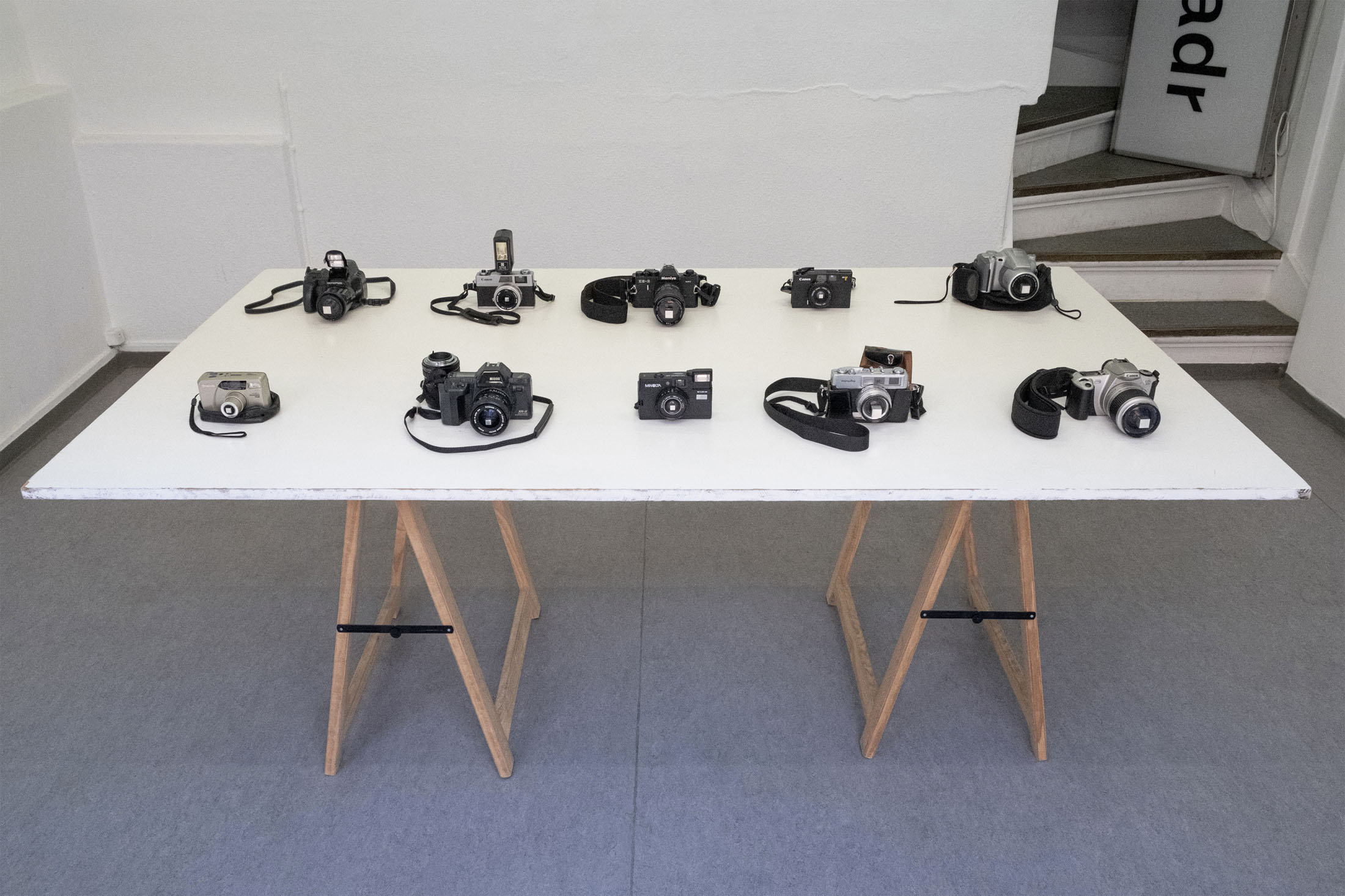
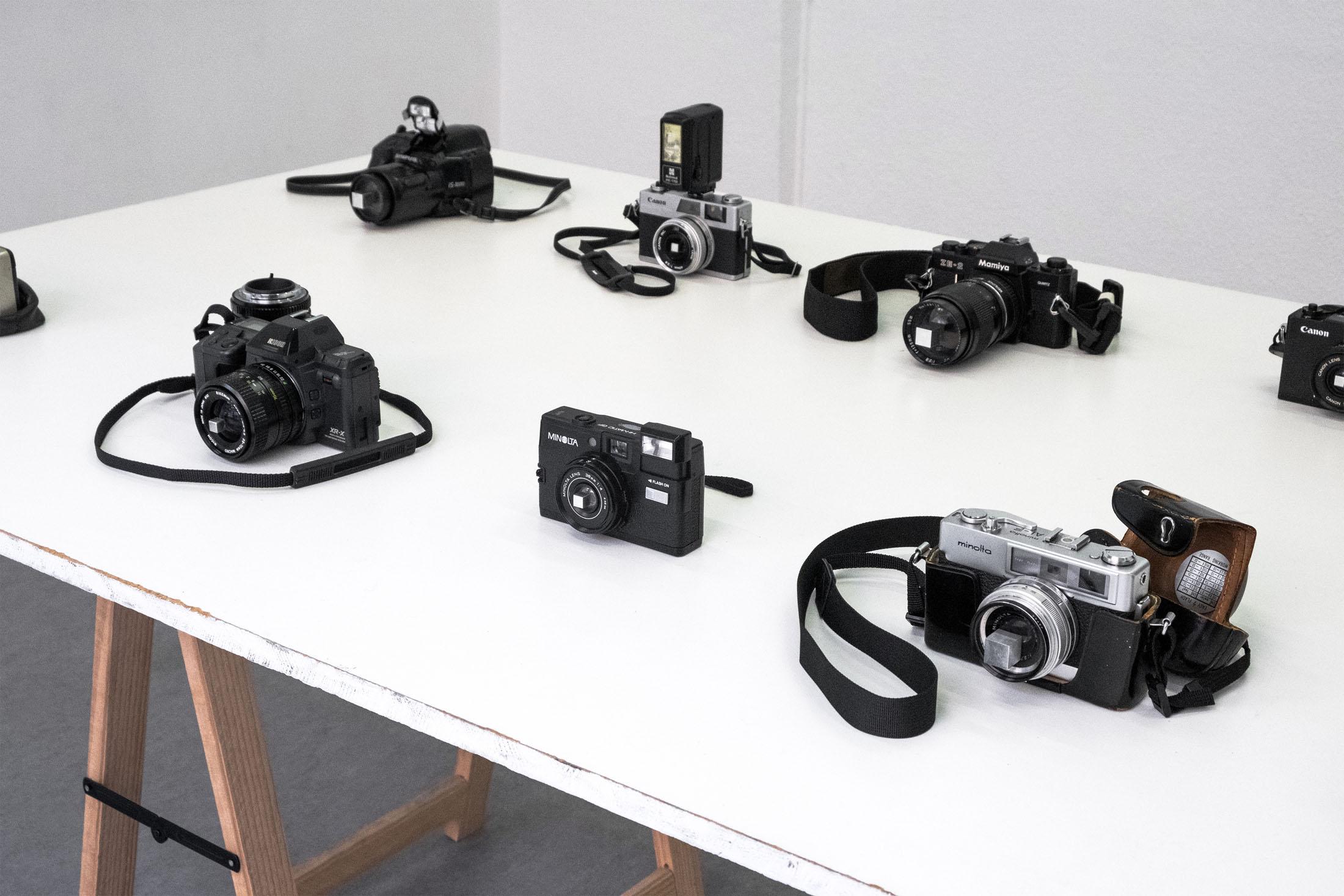
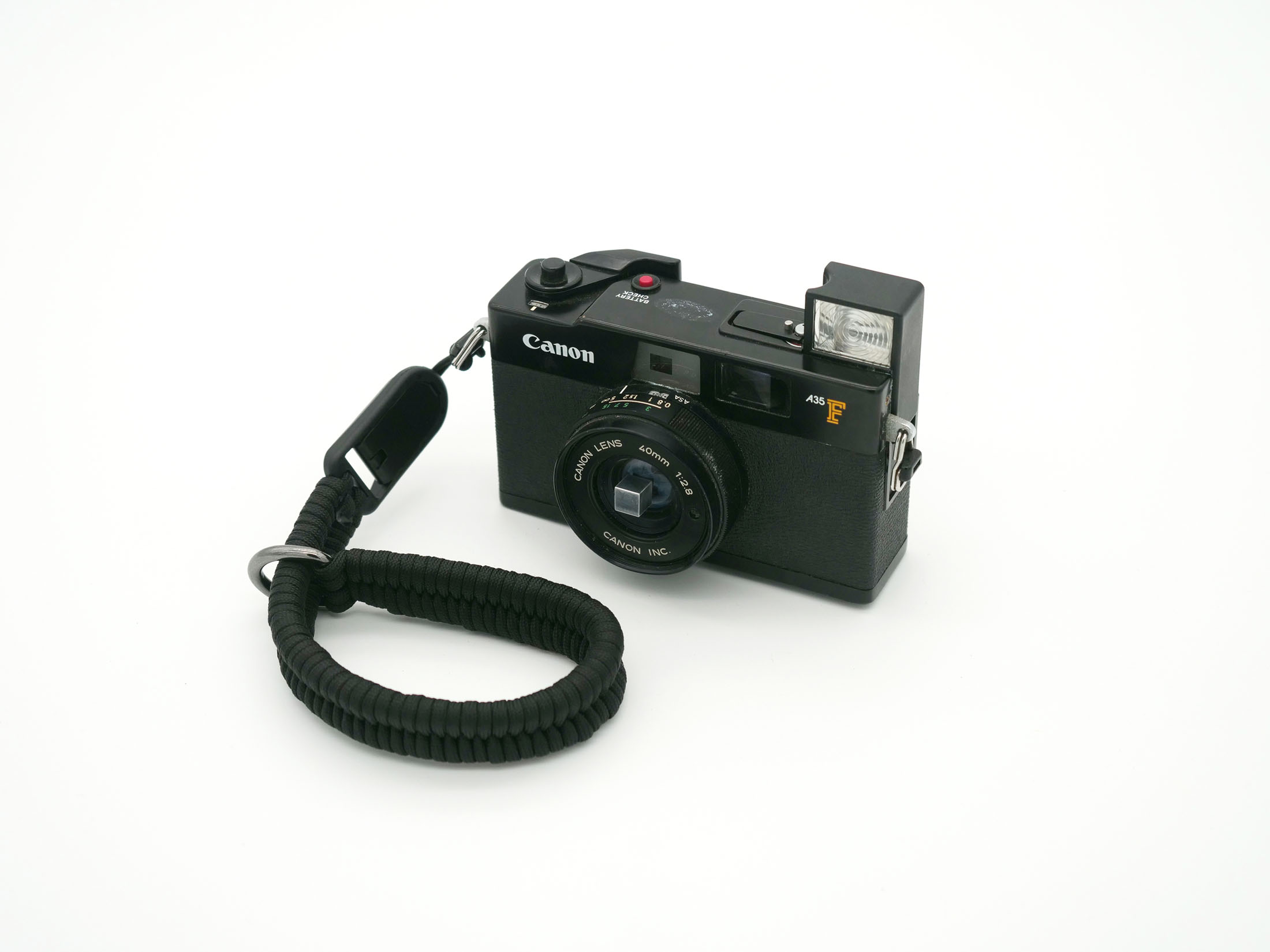
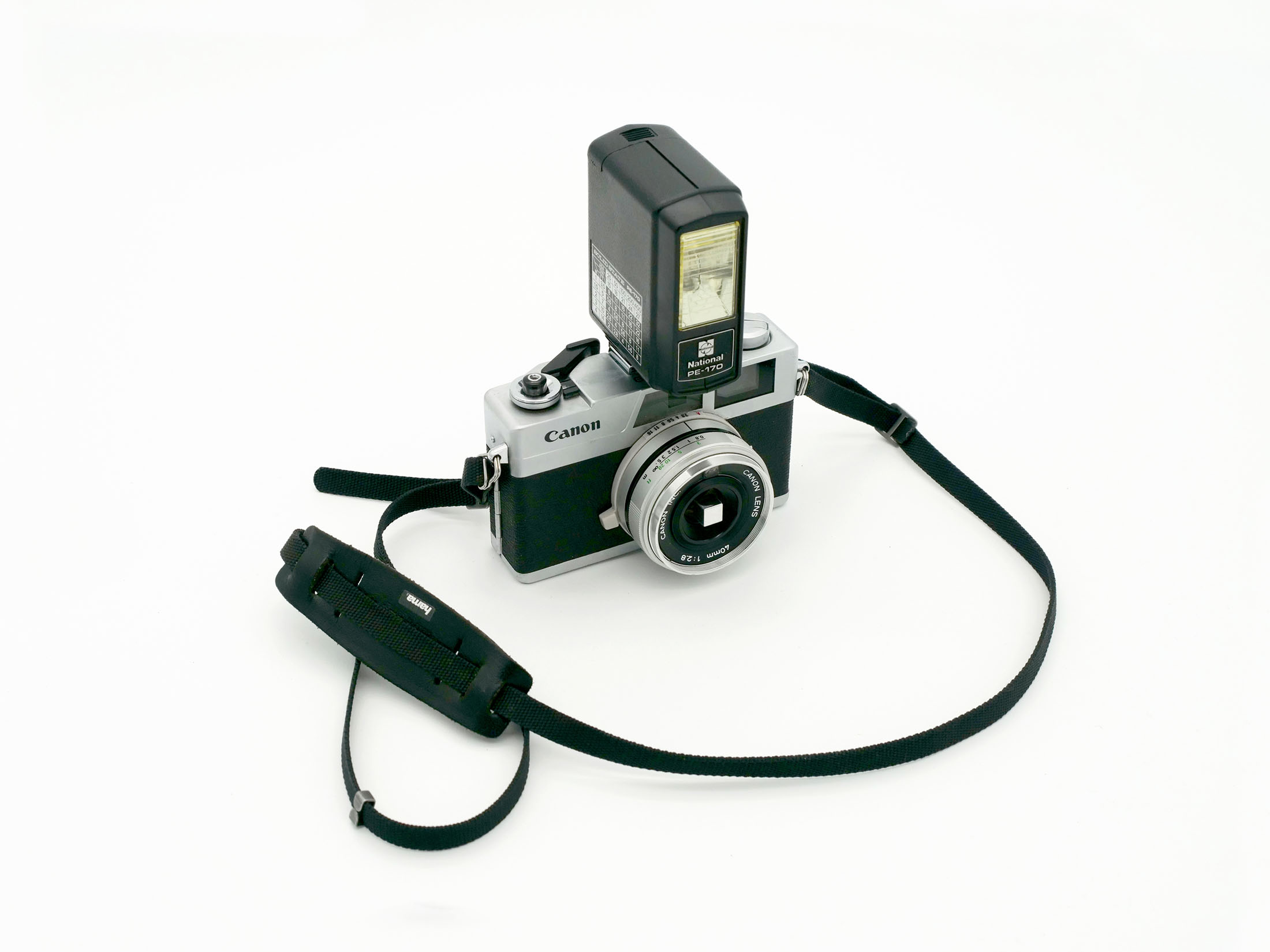
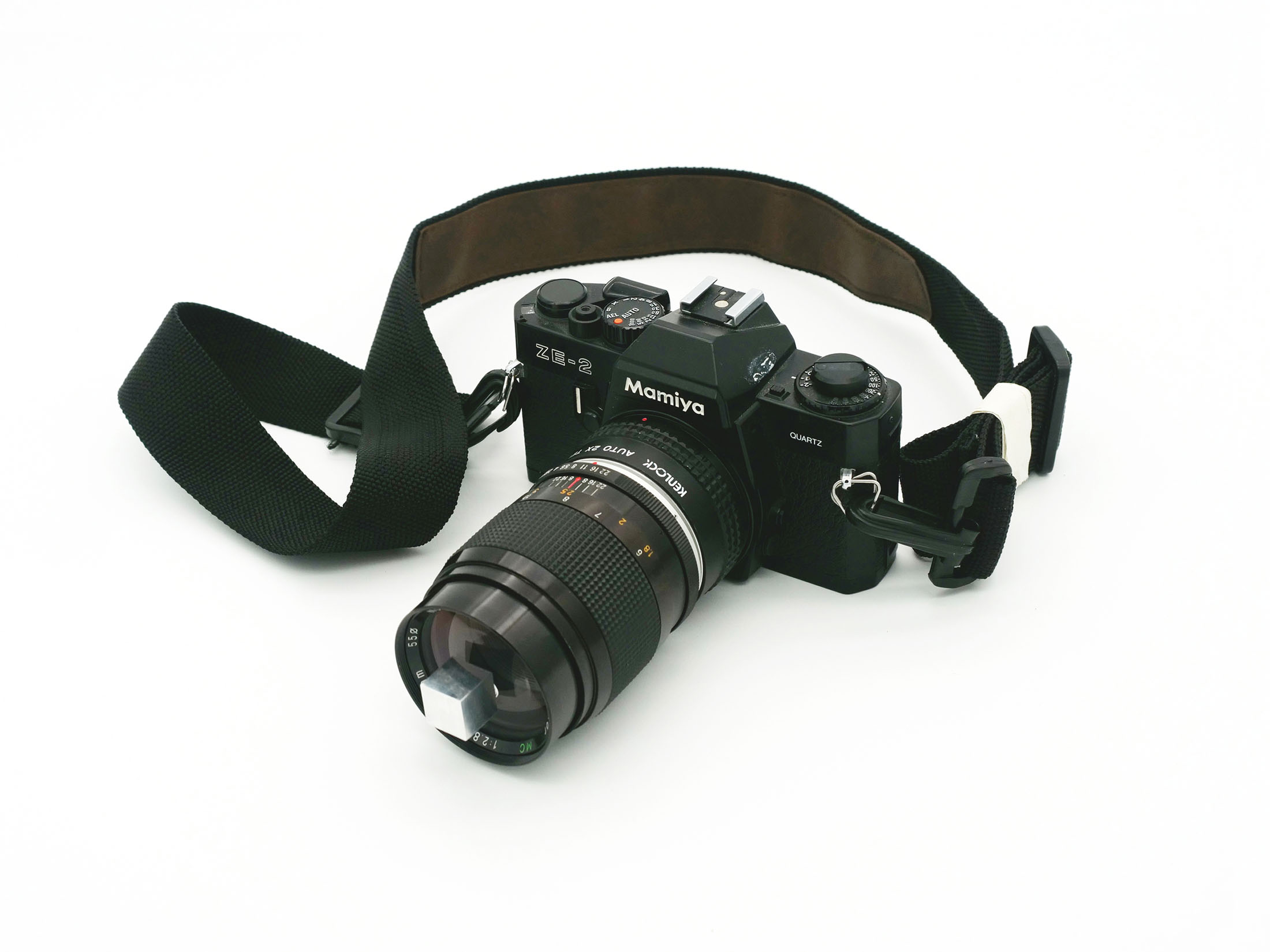
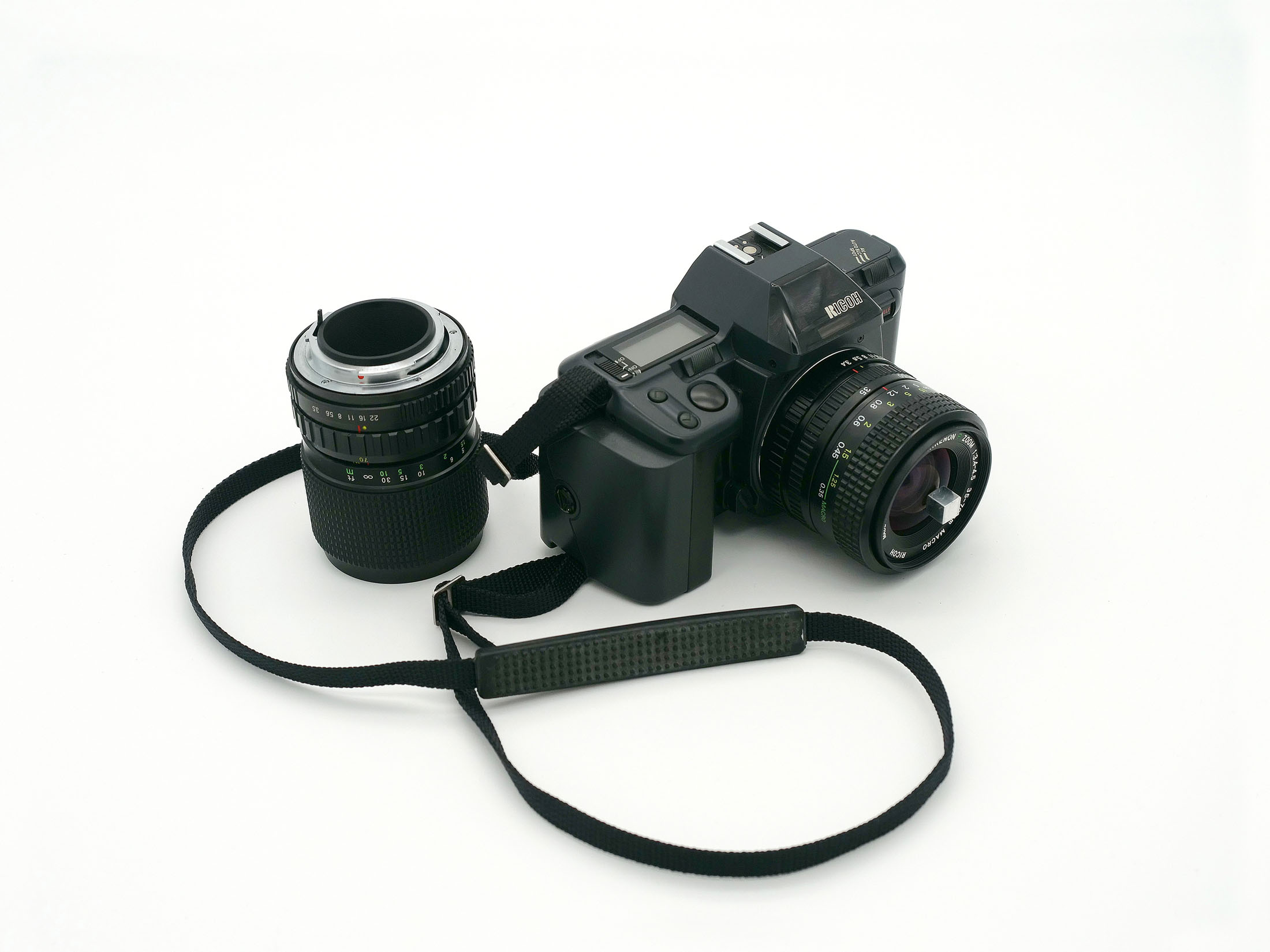
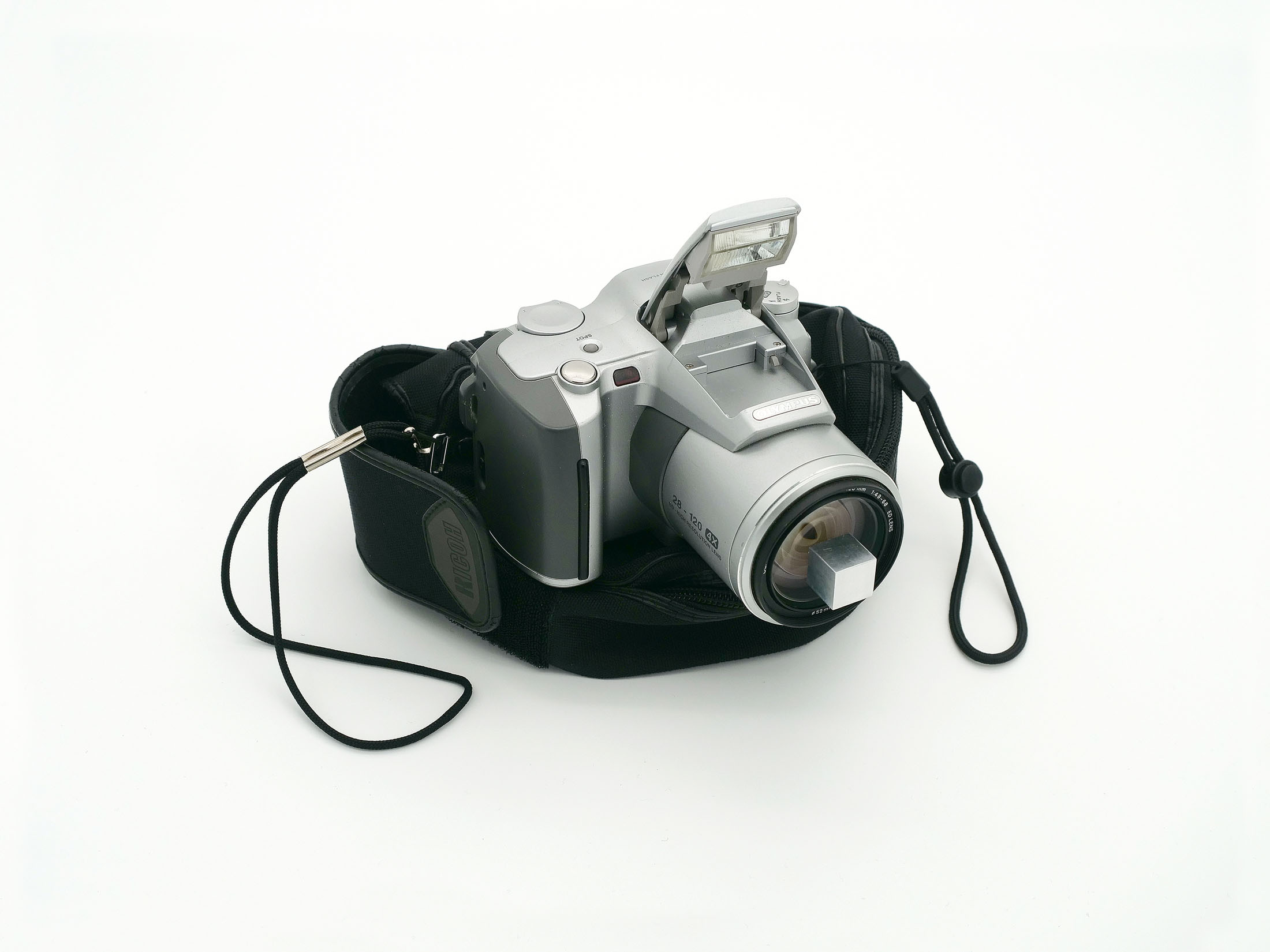
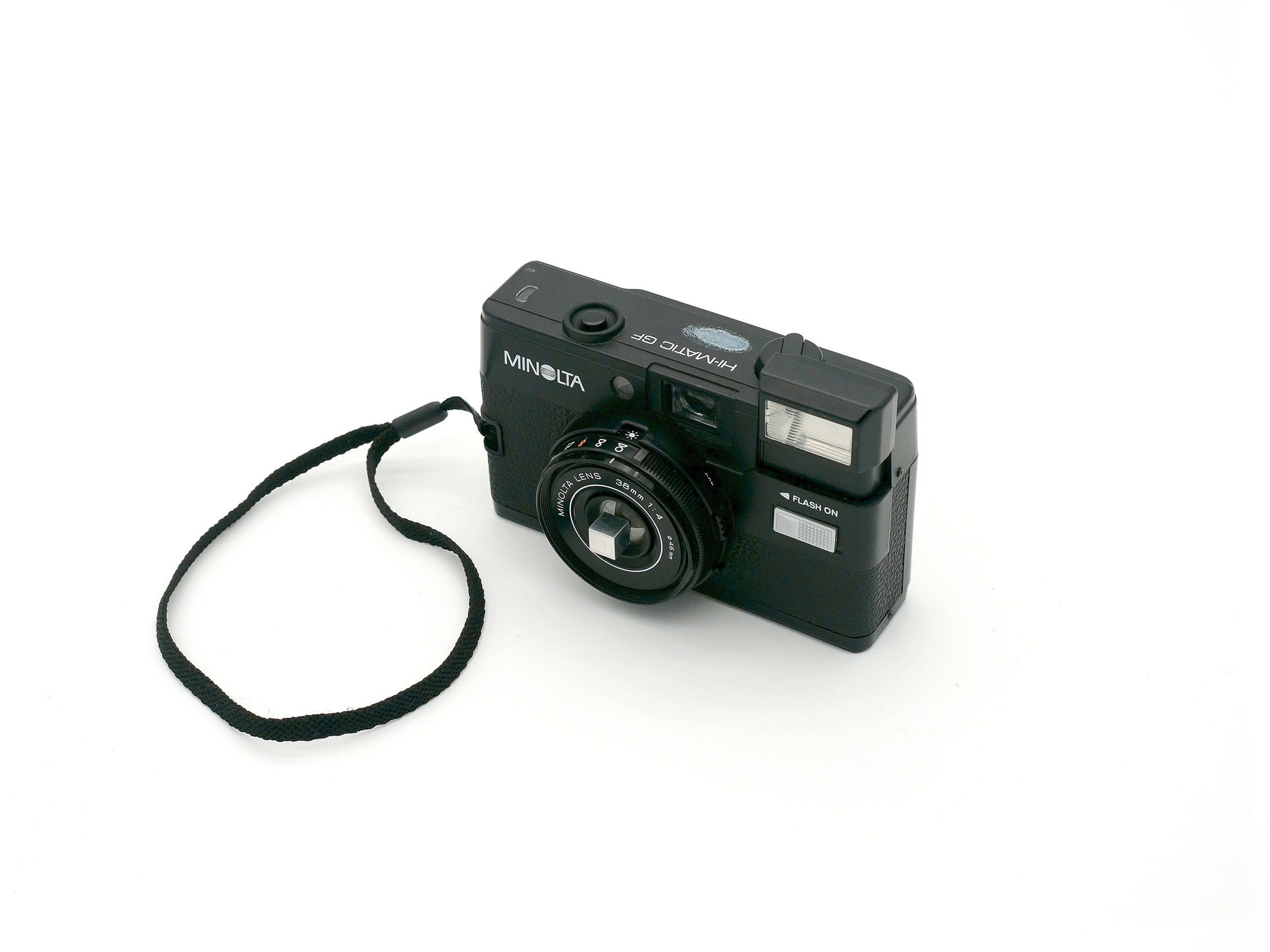
At the center of each image is a square hole. In the original slides, it was laser-cut into the celluloid; in the prints, it is CNC-milled into the aluminum. This recurring void runs through the series, establishing a visual axis that suggests linear temporality and movement. It simultaneously invokes the physiological blind spot in human vision, where the brain compensates for missing visual data, pointing to broader gaps in perception, representation, and cognition.
The 35mm slide, now mostly obsolete and marked by the nostalgia of a superseded medium, was shaped by material constraints. Typical rolls contained 24 or 36 exposures, requiring deliberate selectivity in what was captured. Slides were commonly shown in domestic or educational settings, circulating within limited, often private contexts, and associated with family slideshows, pedagogical tools, travel documentation, and legacies of modernist art.
The square, in turn, evokes the pixel, connecting analog and digital image cultures and marking the transition from measured image-making to networked circulation. Digital photography, by contrast, enables immediate, unlimited distribution across platforms, reflecting a change in value and a broader move from scarcity and discernment to abundance, ubiquity, and the expanded visibility of contemporary visual production. The inclusion of photographs from family archives – an attempt to partake in, rather than solely appropriate, once-intimate images – brings attention to questions of authorship, the ethics of working with private, discarded material, and the conditions under which personal imagery is now widely accessible, placing the work between public and private memory, and individual and collective forms of representation.
By materially altering and recontextualizing these found images, Tetra AL explores the fragmentation of perception and the shifting meaning of the photograph and its motifs over time. It considers the evolving relationship between technology, memory, and interpretation, tracing how external reality and internal consciousness weave together – the unstable, elusive nature of subjective experience.