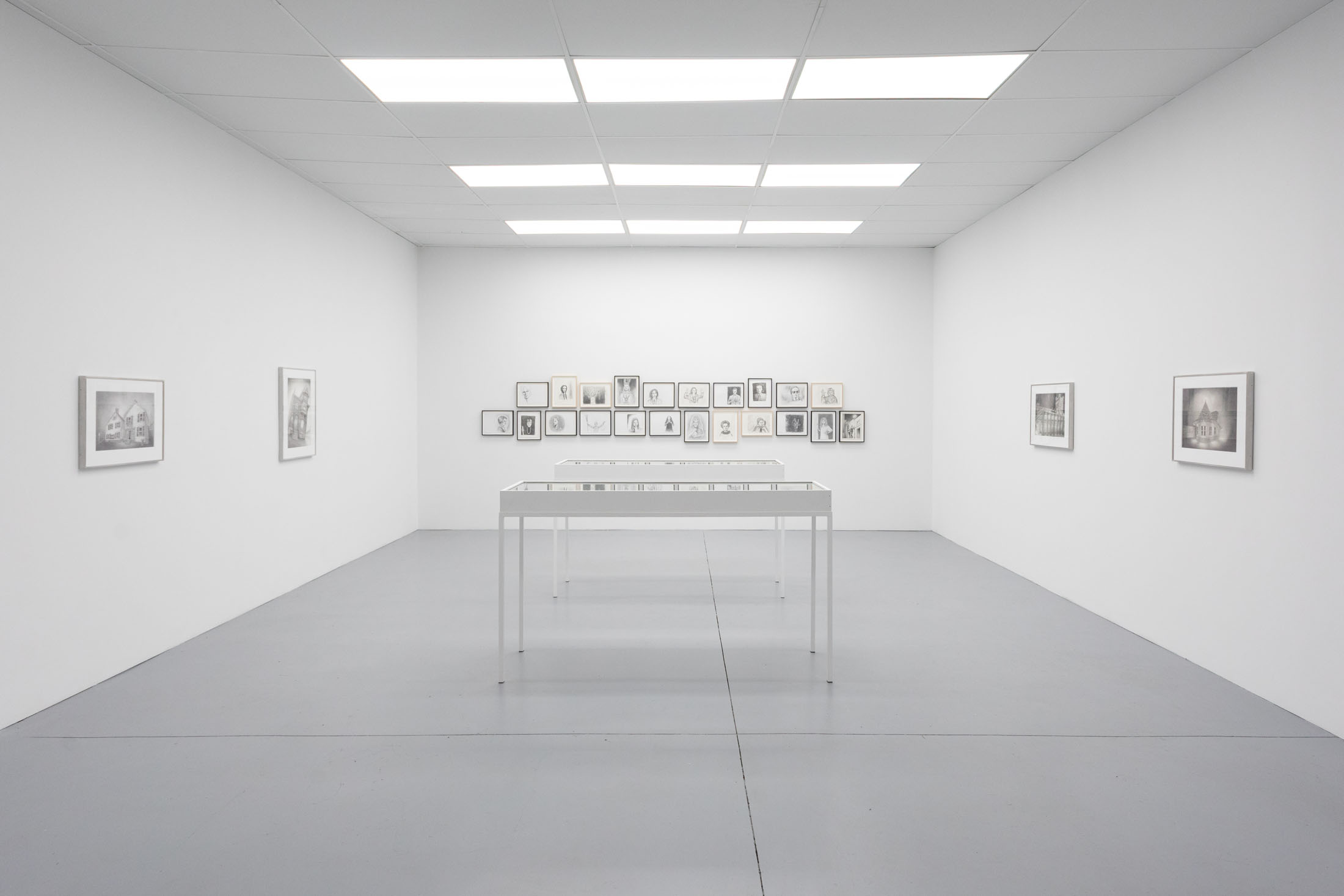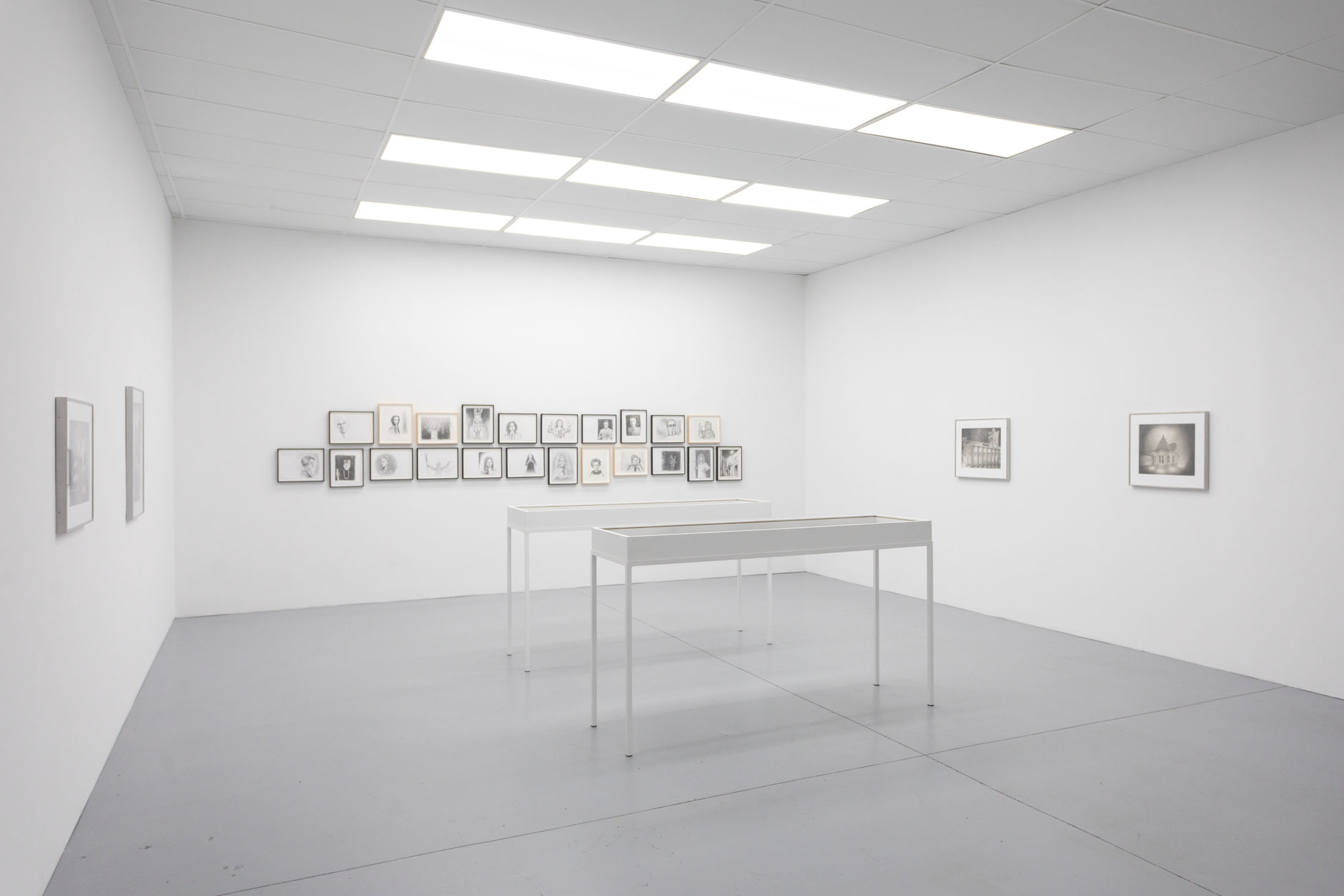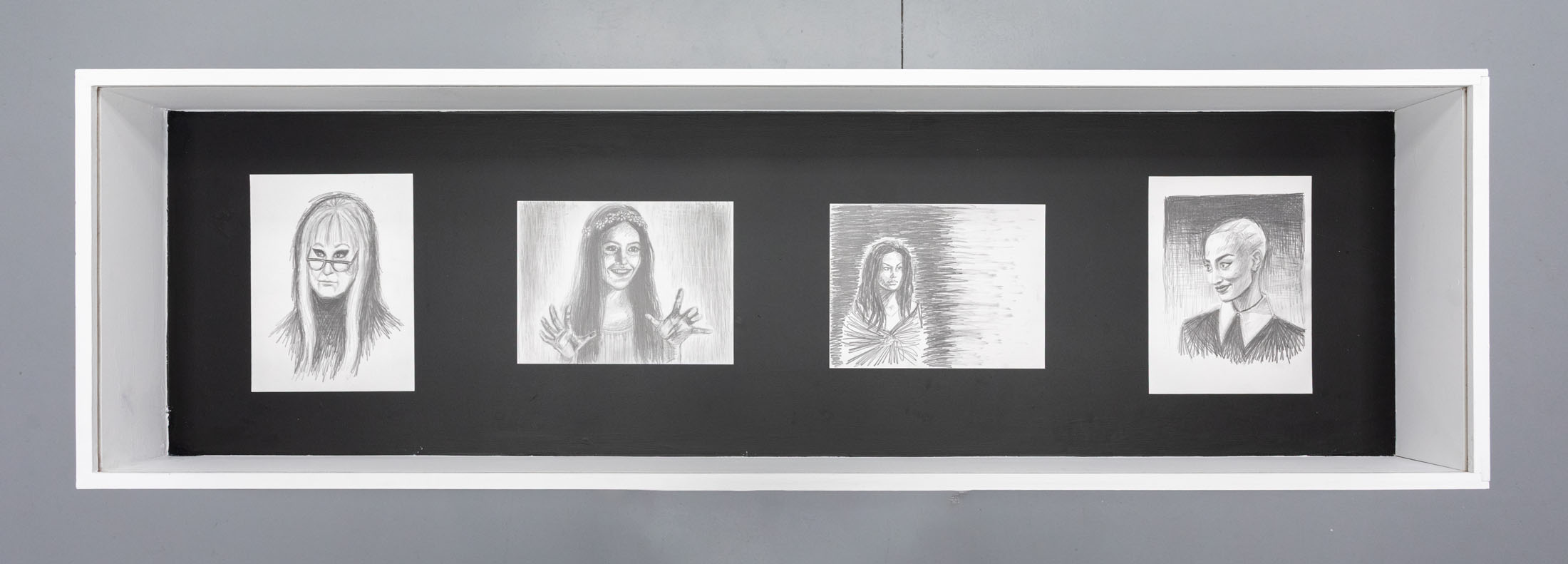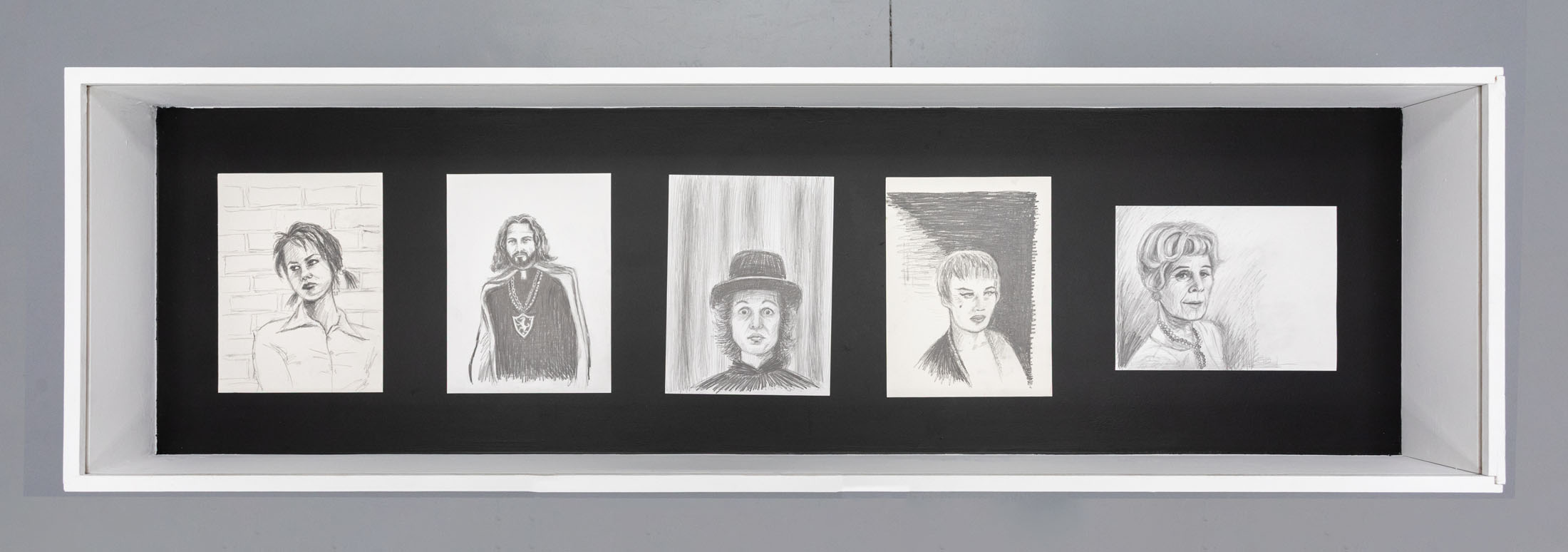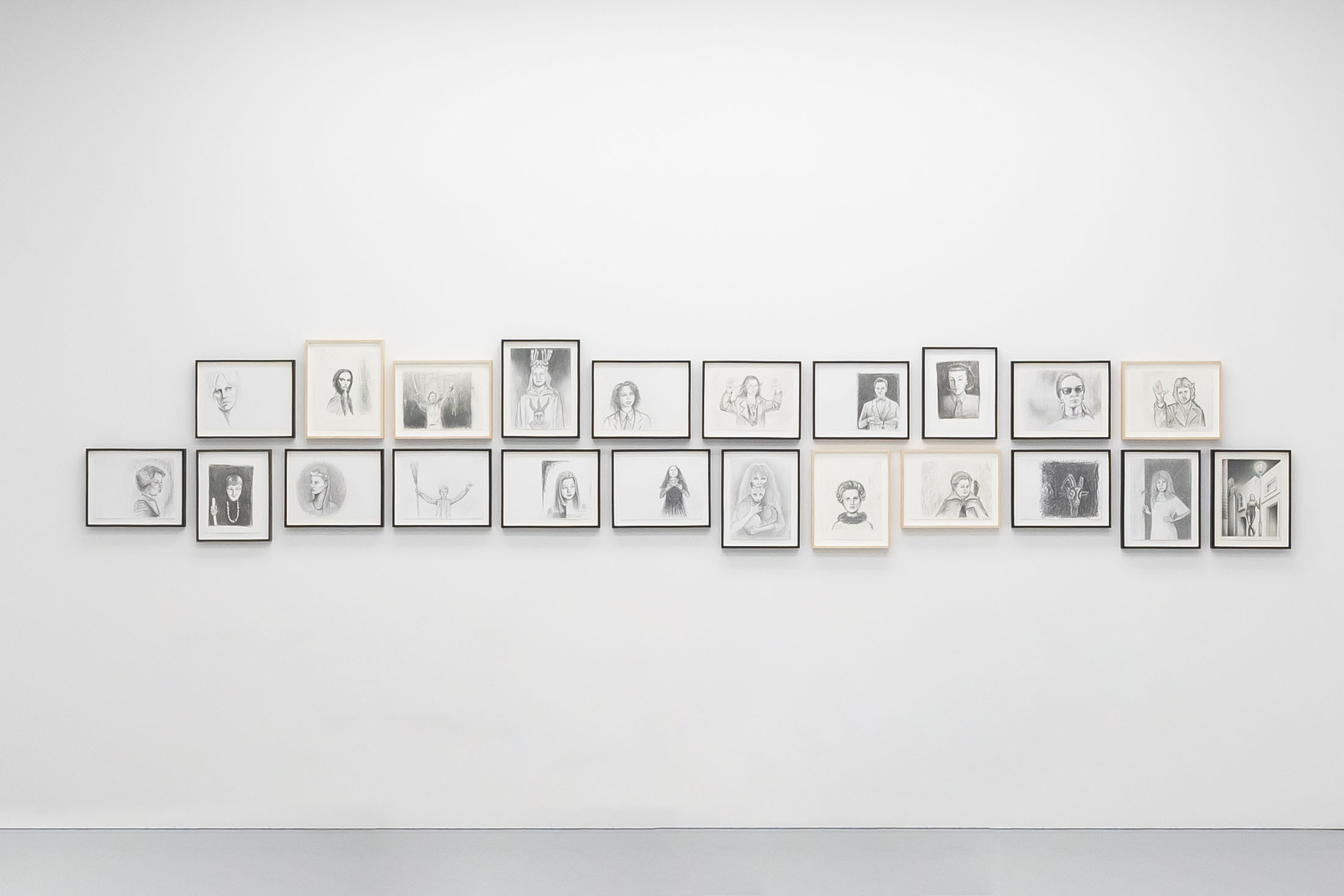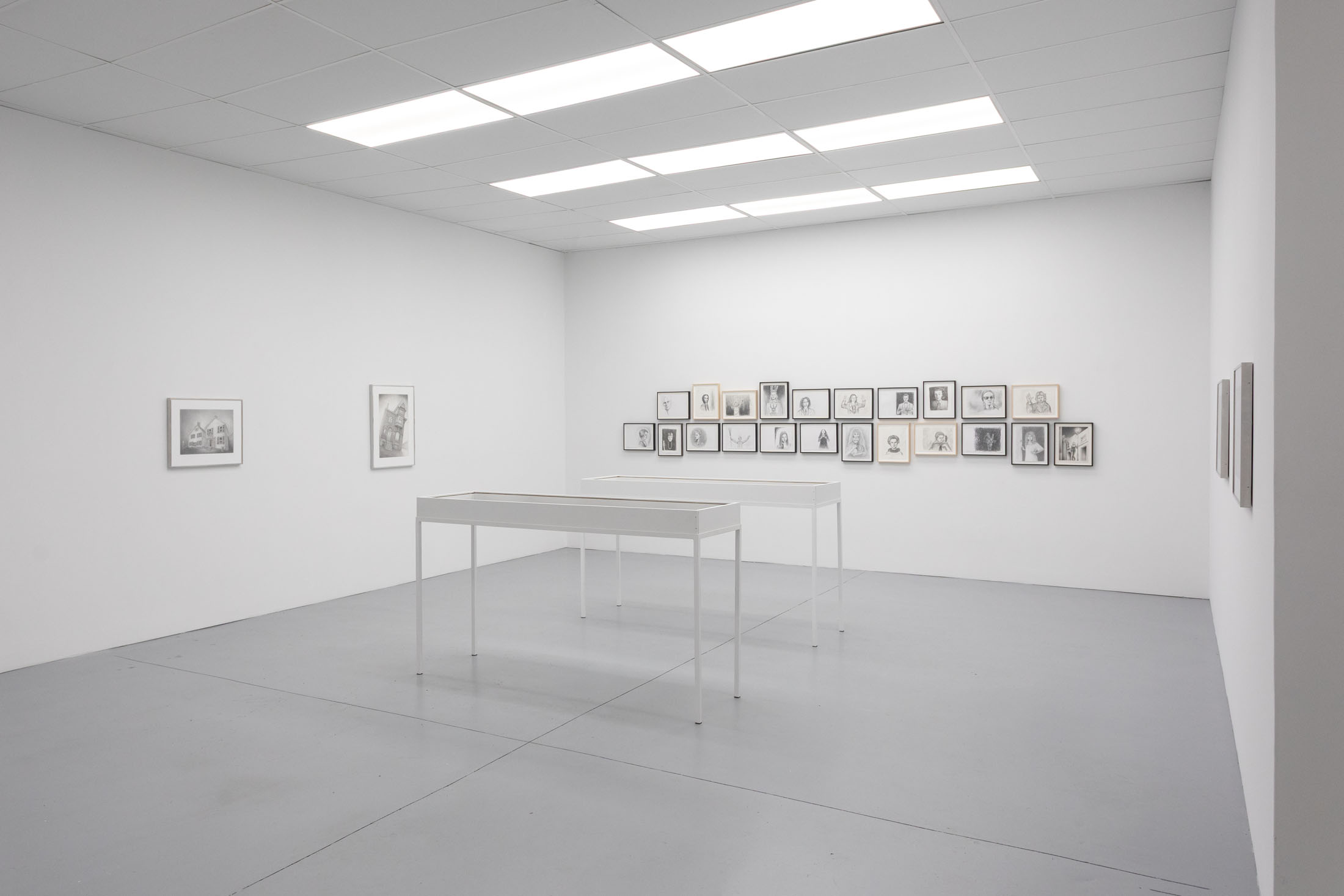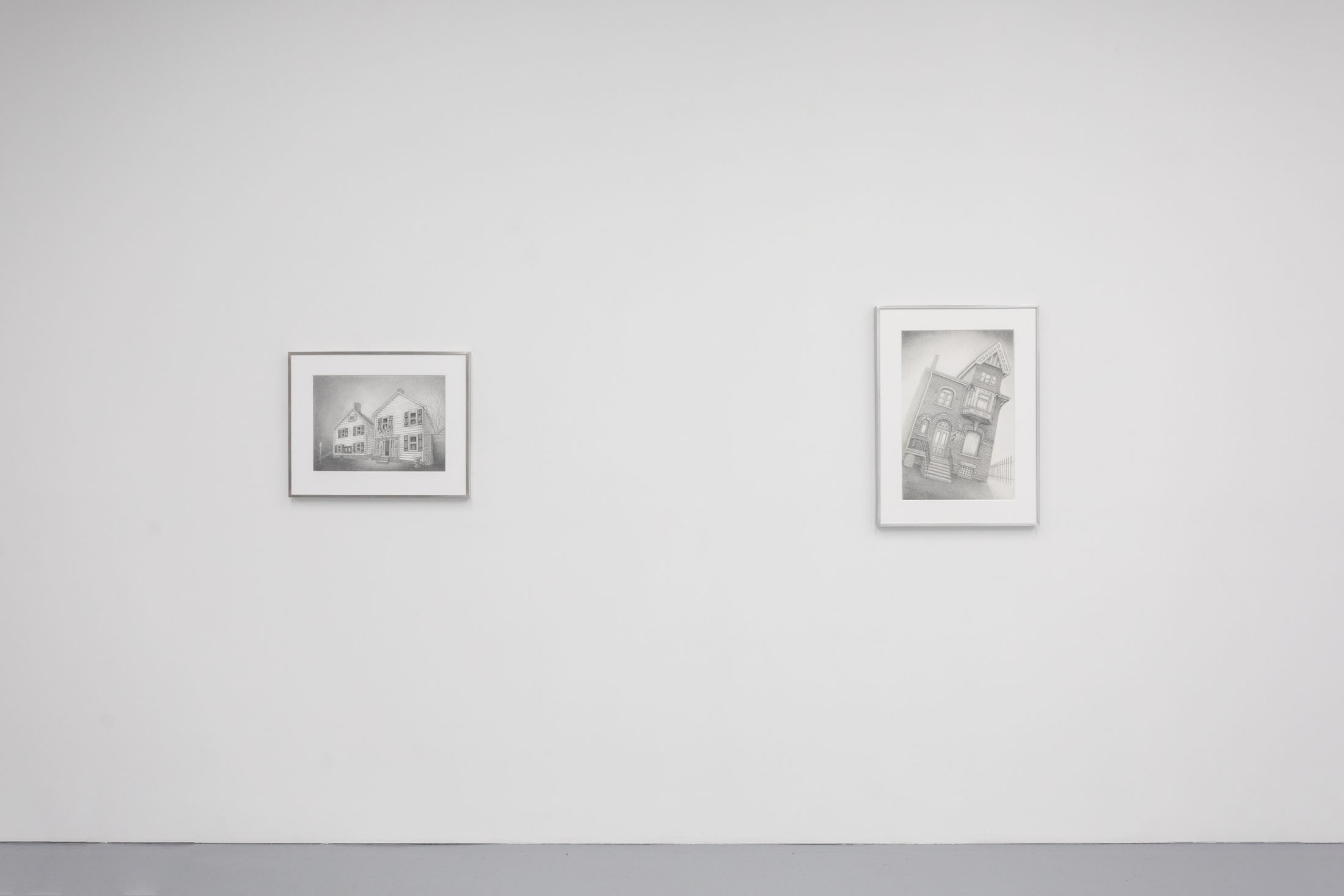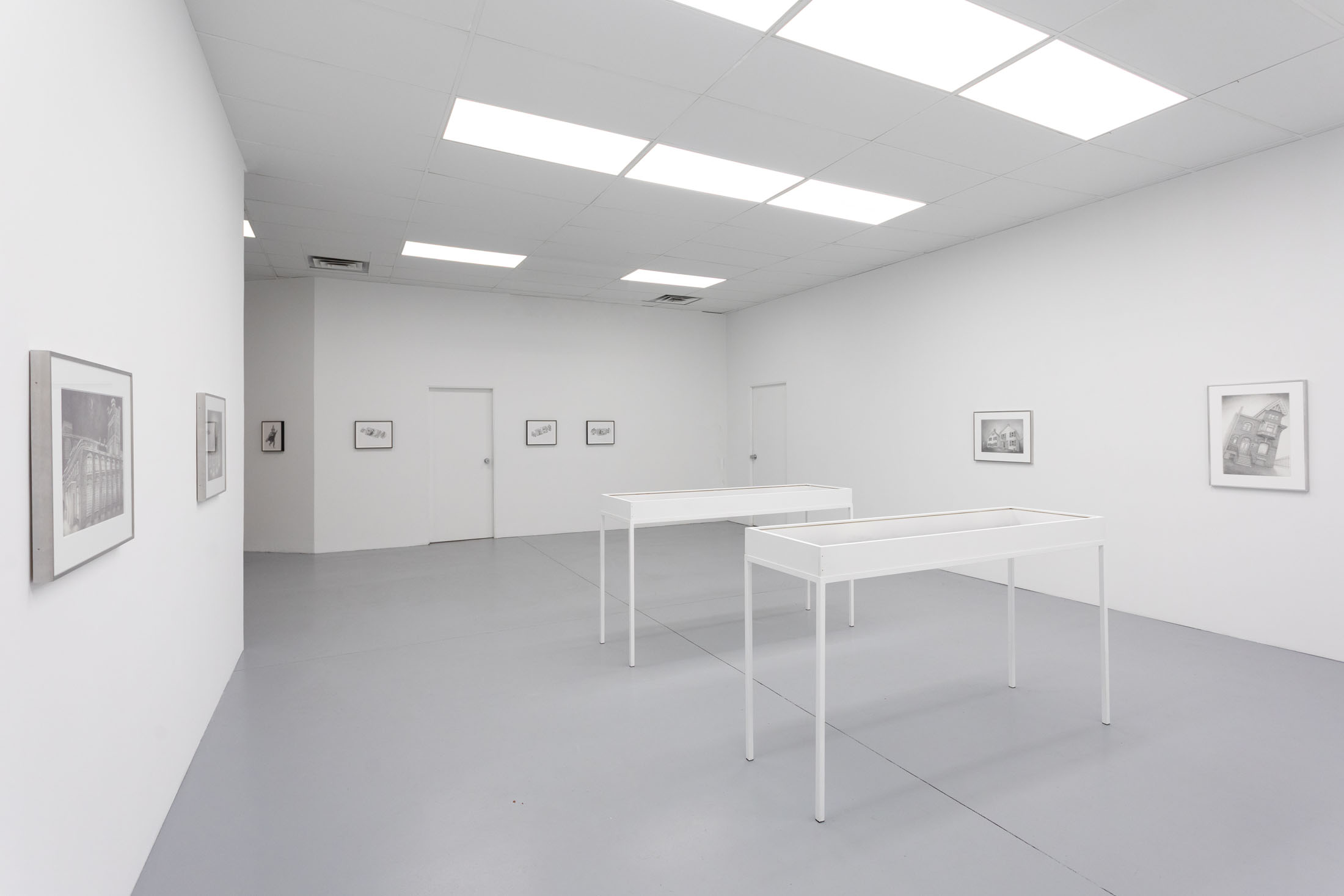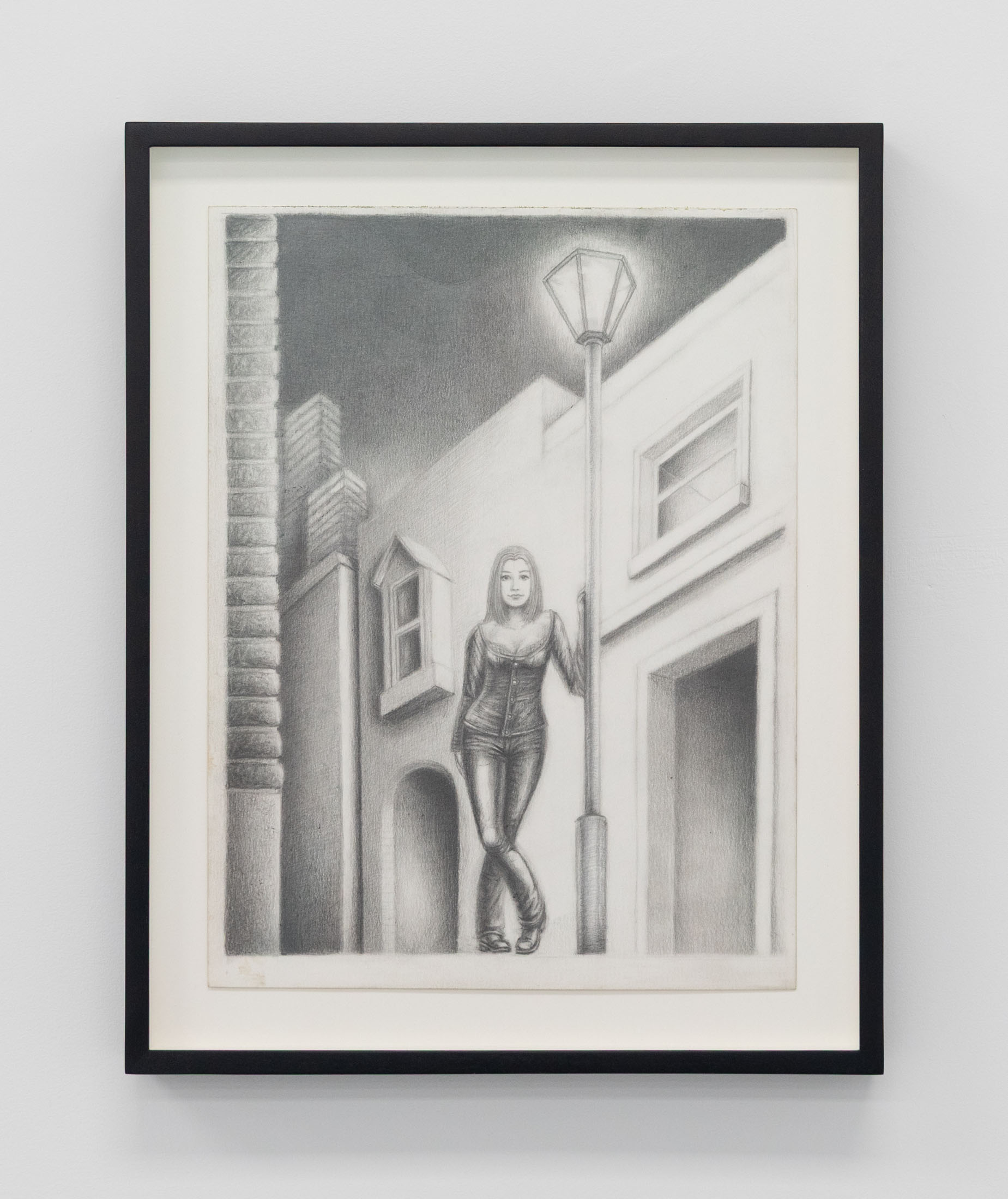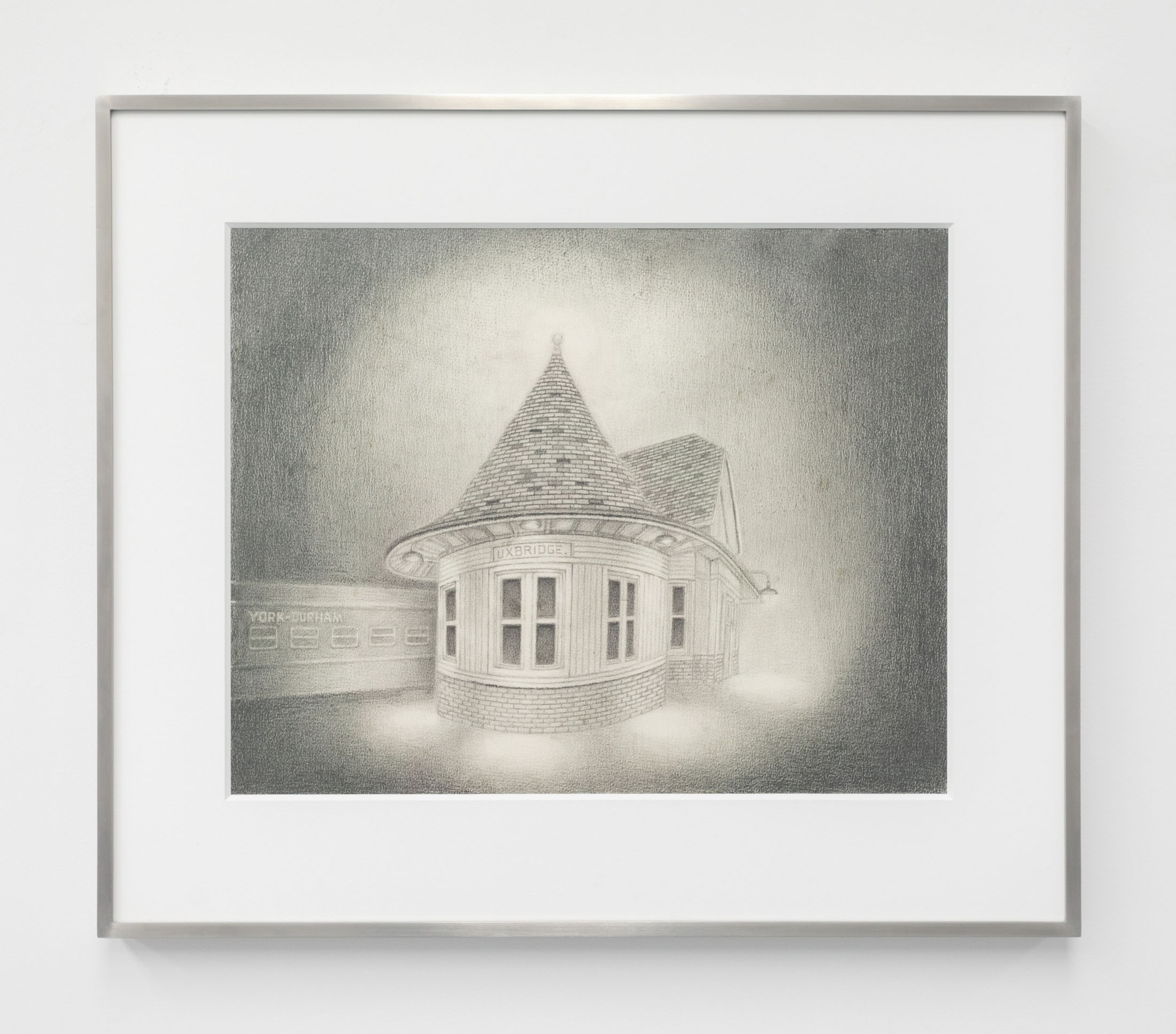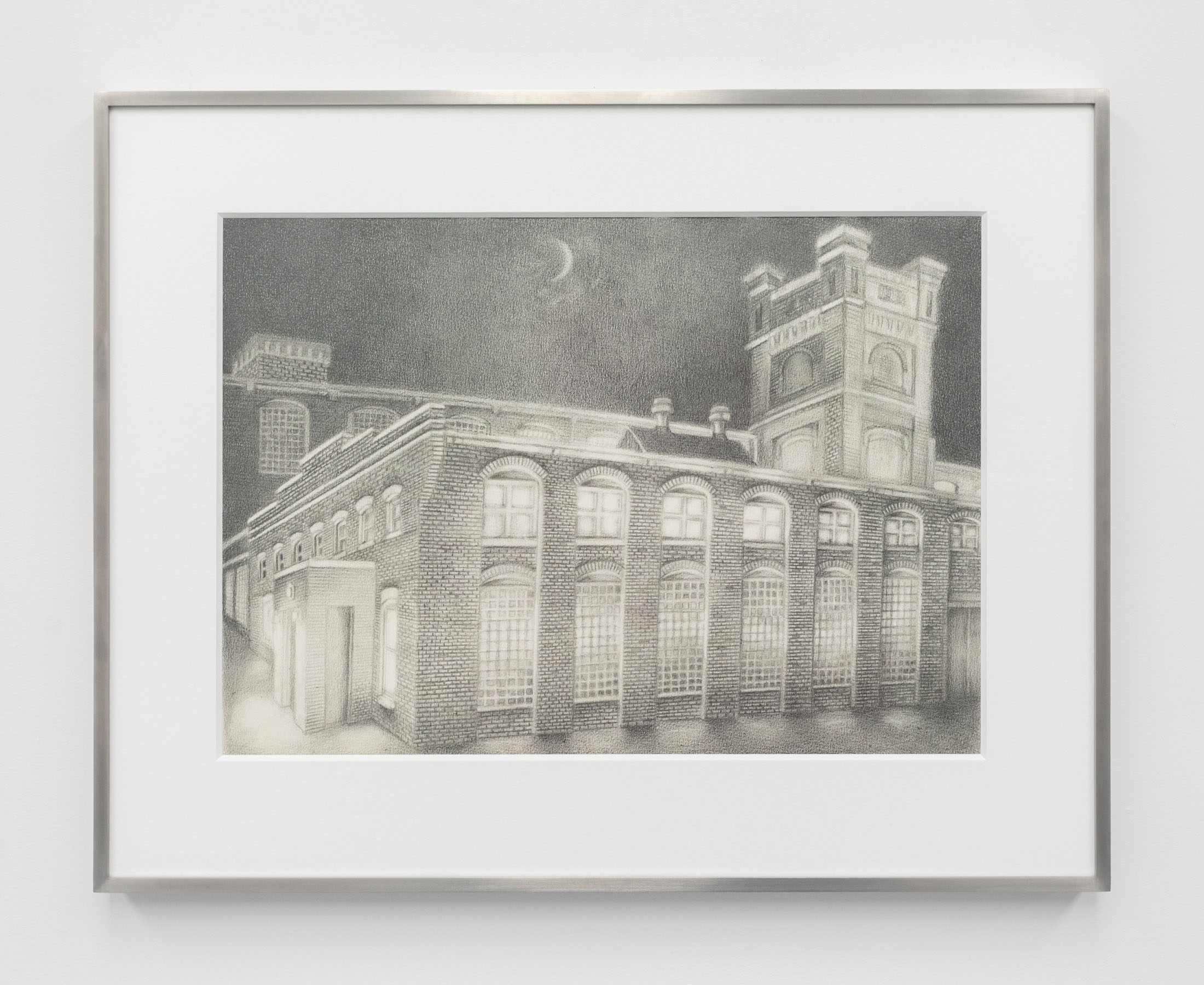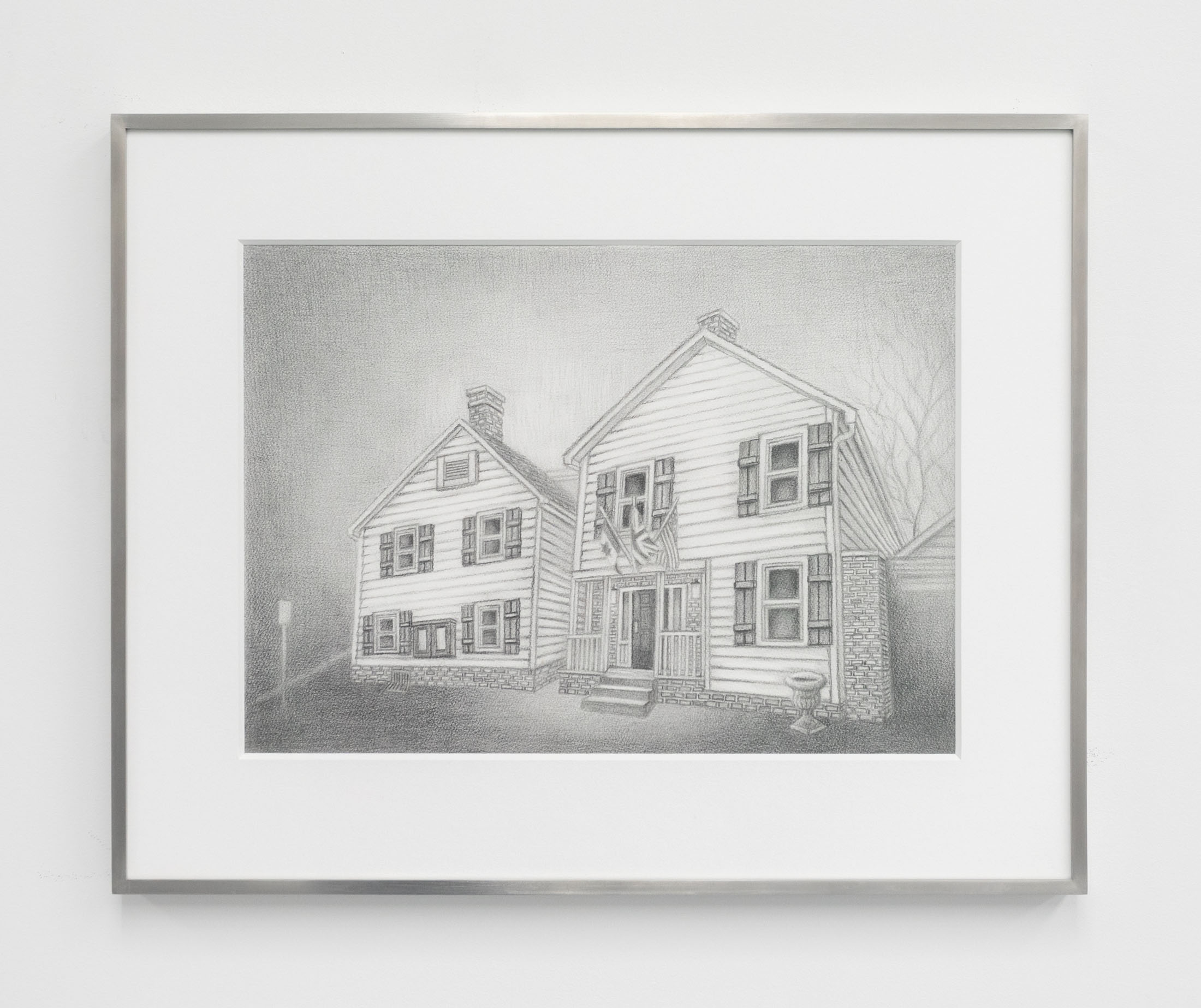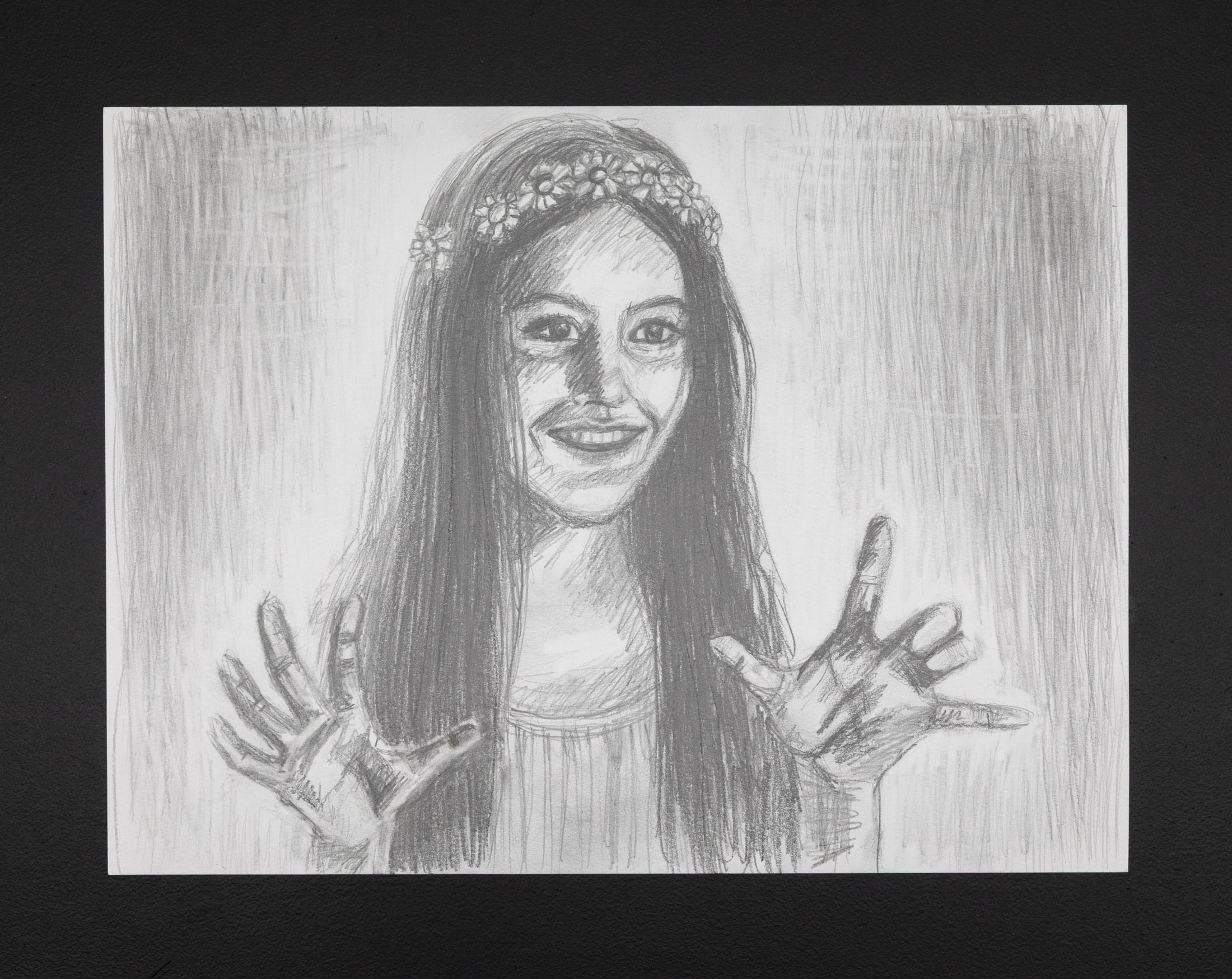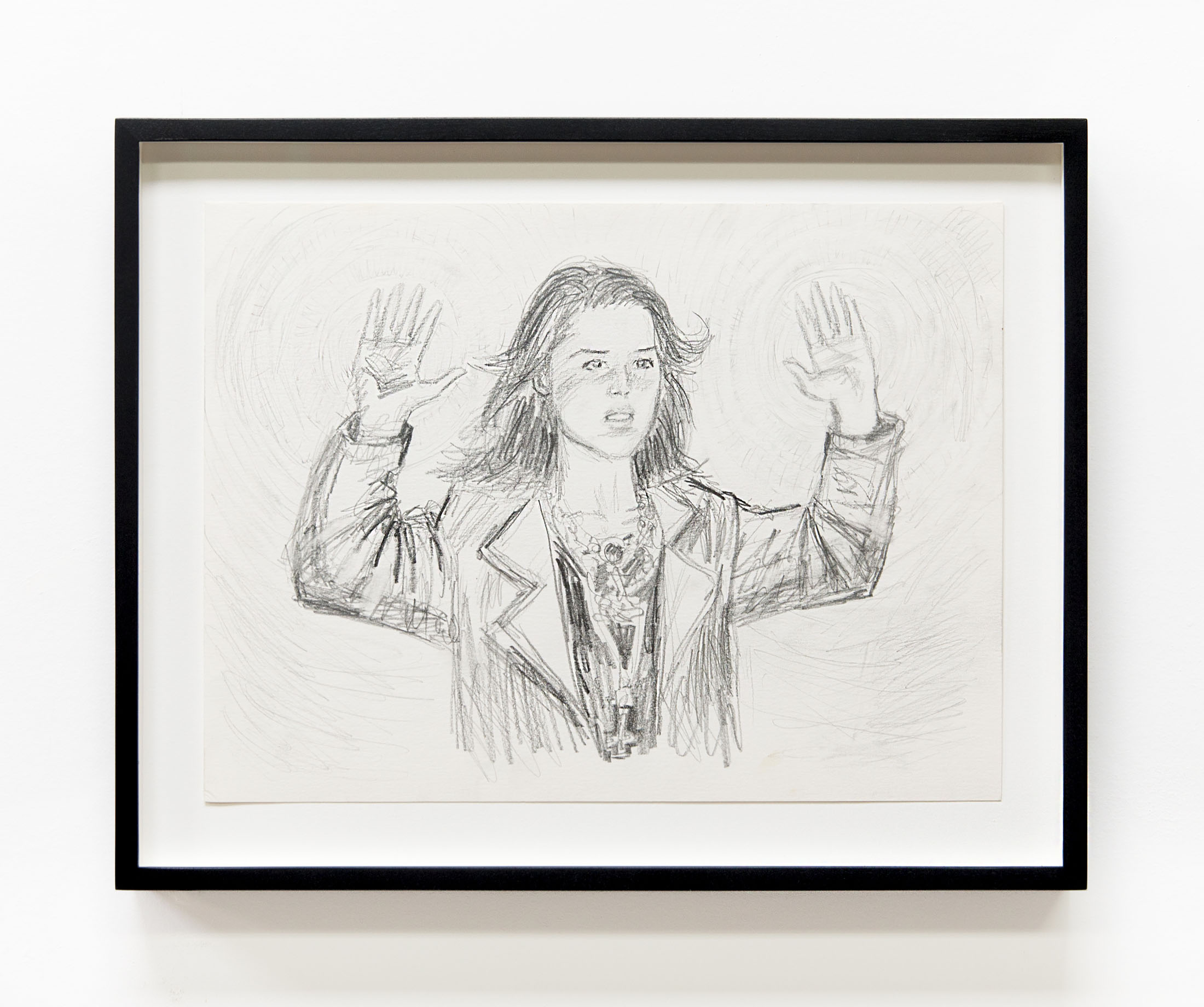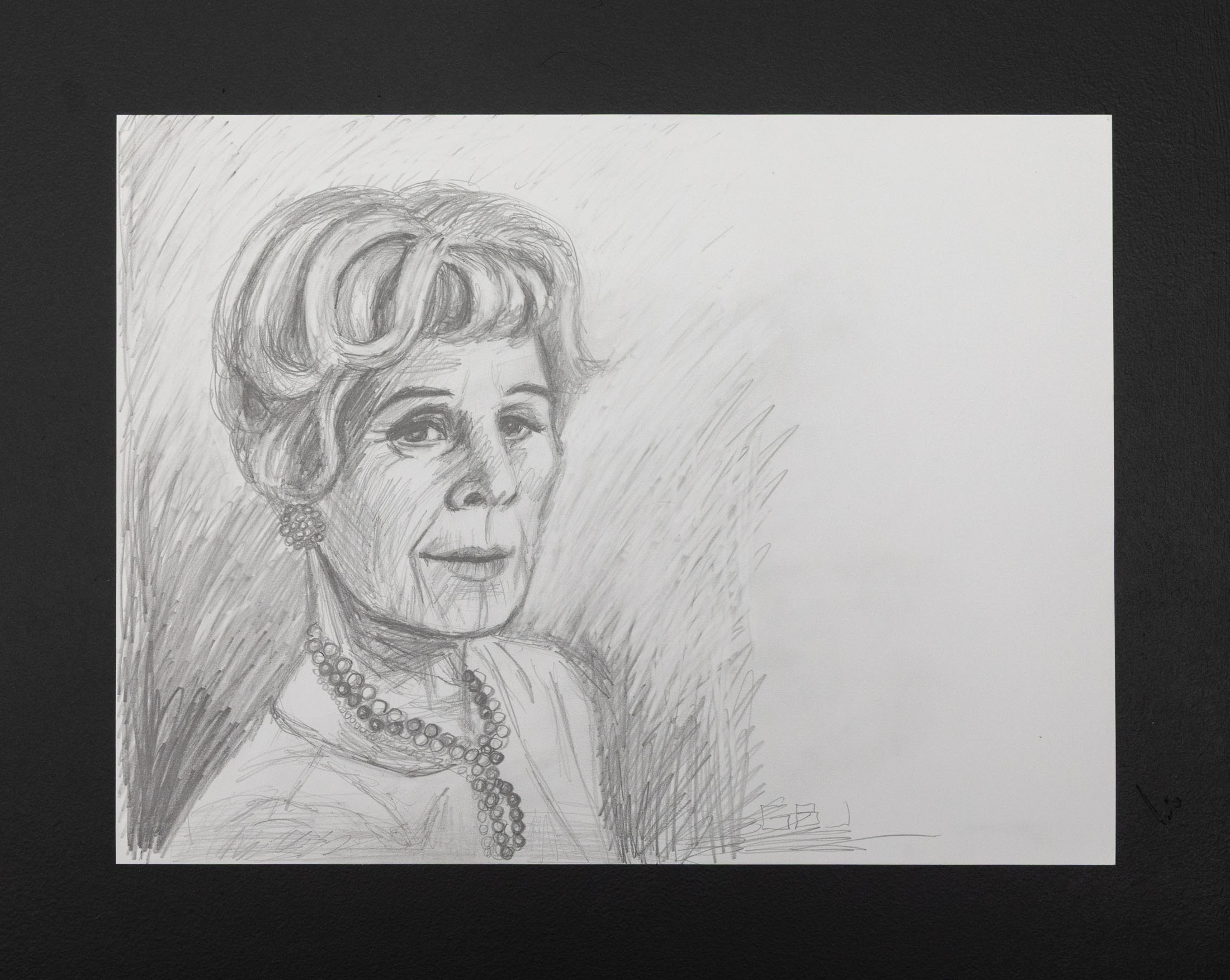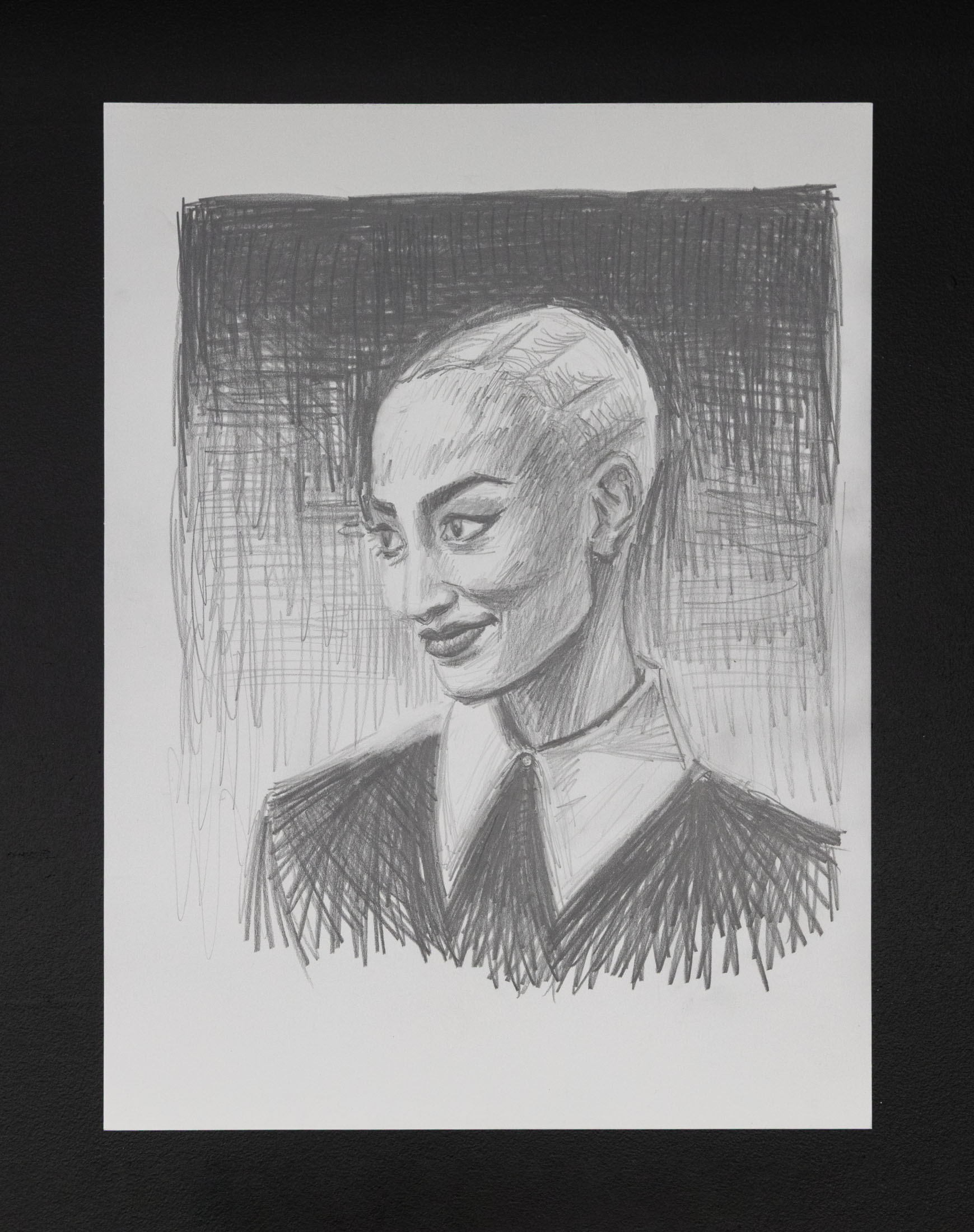
COOPER COLE is pleased to present A Razor for an Apple, an exhibition by G.B. Jones. This marks the artist’s third solo exhibition with the gallery.
For the occasion, Scott Treleaven has written the following text:
G.B. Jones is recognized as a legend of the early 90s avant-garde, and as one of contemporary art’s great creative polymaths. When the curators of the Brooklyn Museum’s lauded Copy Machine Manifestos: Artists Who Make Zines exhibition were assembling their dizzying checklist of over two-thousand artifacts, they were struck by how often Jones was cited by other artists: a genre-and medium-hopping influence that spans decades. Jones has also been adroitly situated alongside other iconoclastic conceptualists such as Cady Noland, Raymond Pettibon, Karen Kilimnik, and Mike Kelley. Like Noland, Jones operates with a material slyness barely concealing a seething fury, while the similarities to Kilimnik, Pettibon, and Kelley can be read in her world-building deployment of Pop and Punk tropes, handled with a deftness denoting a prophet at work rather than a disciple. Pick any of her works and you’ll notice she is telling you something about the future—and this new body of drawings shows her, once again, poised on a cuttingly divinatory edge.
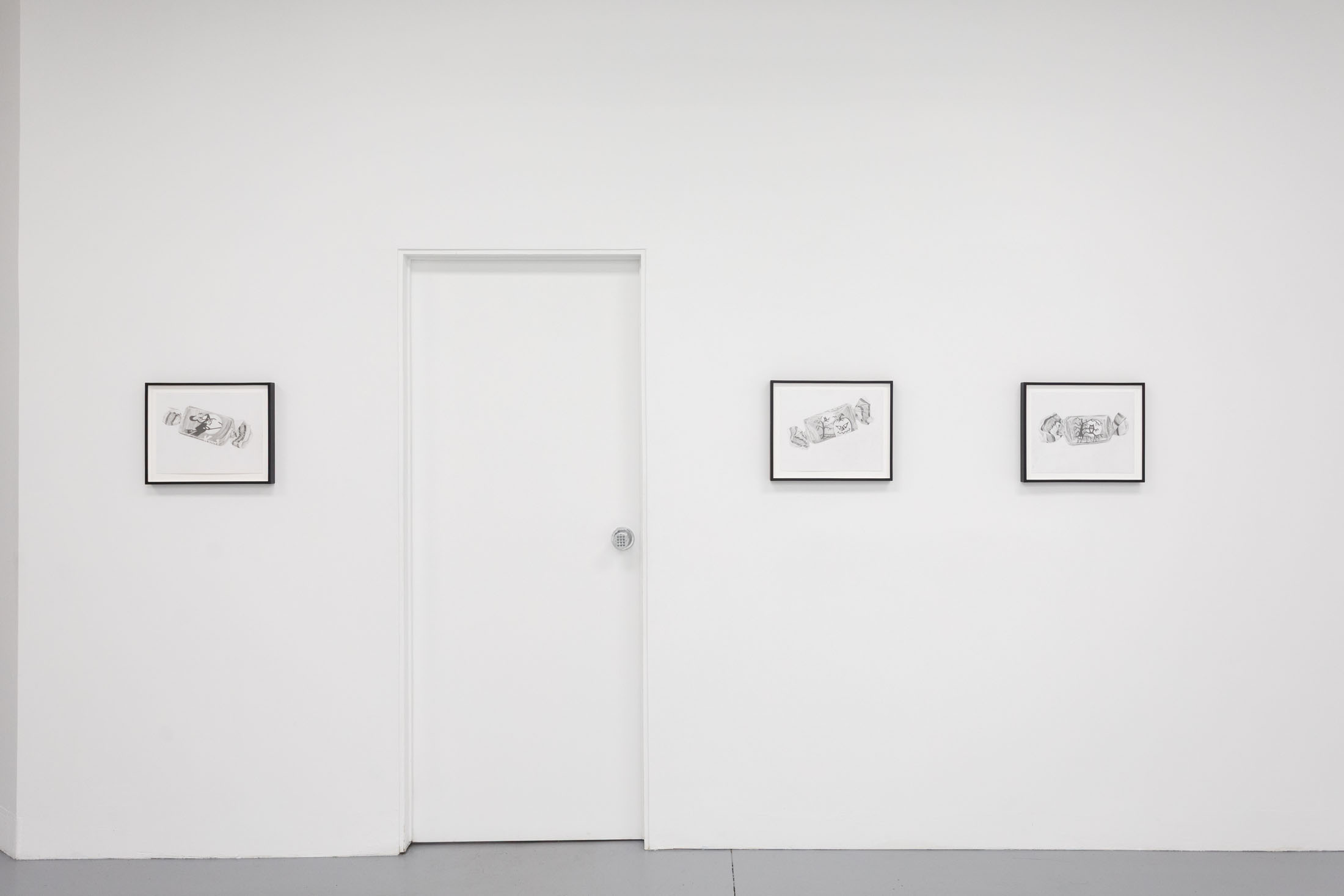
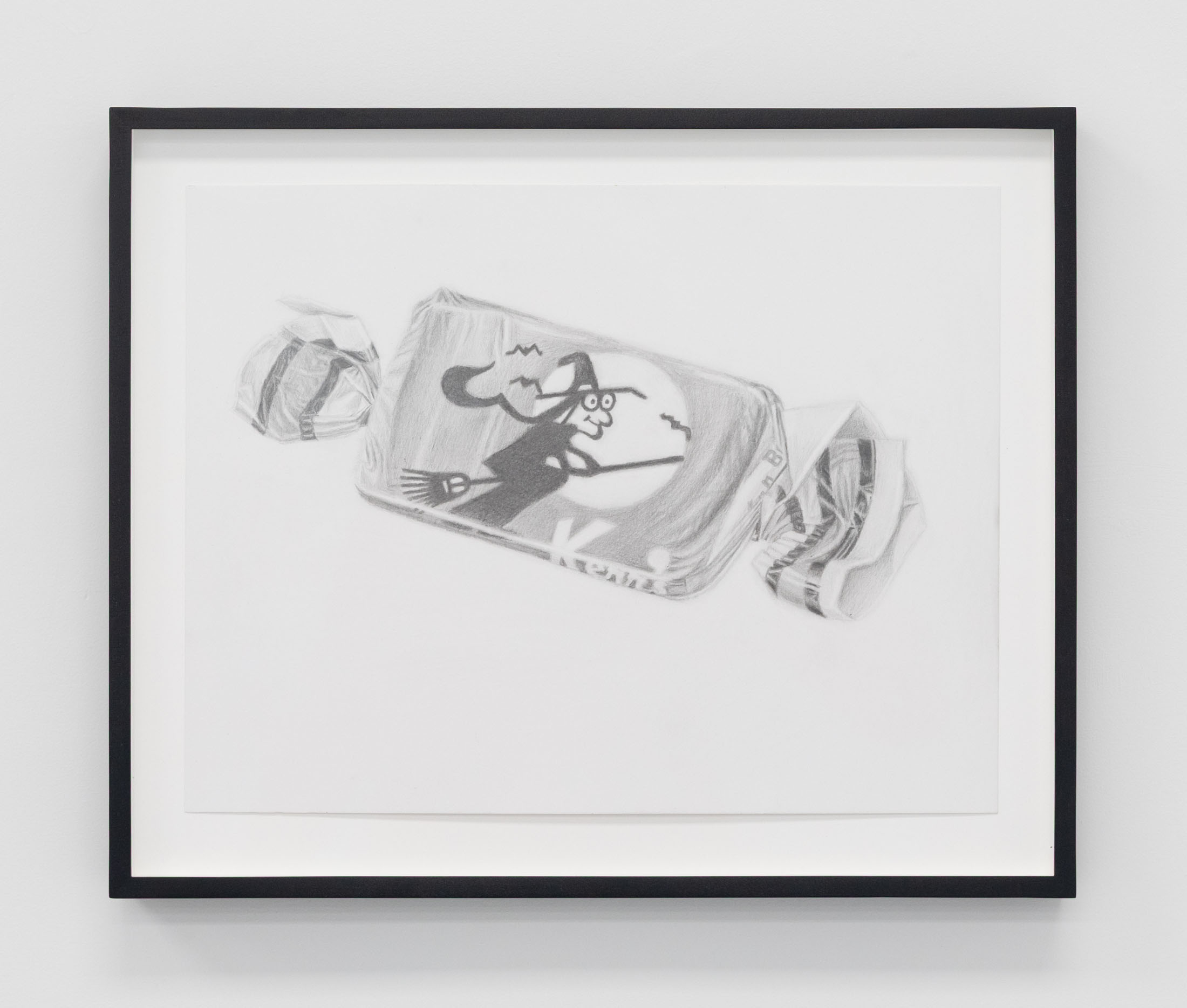
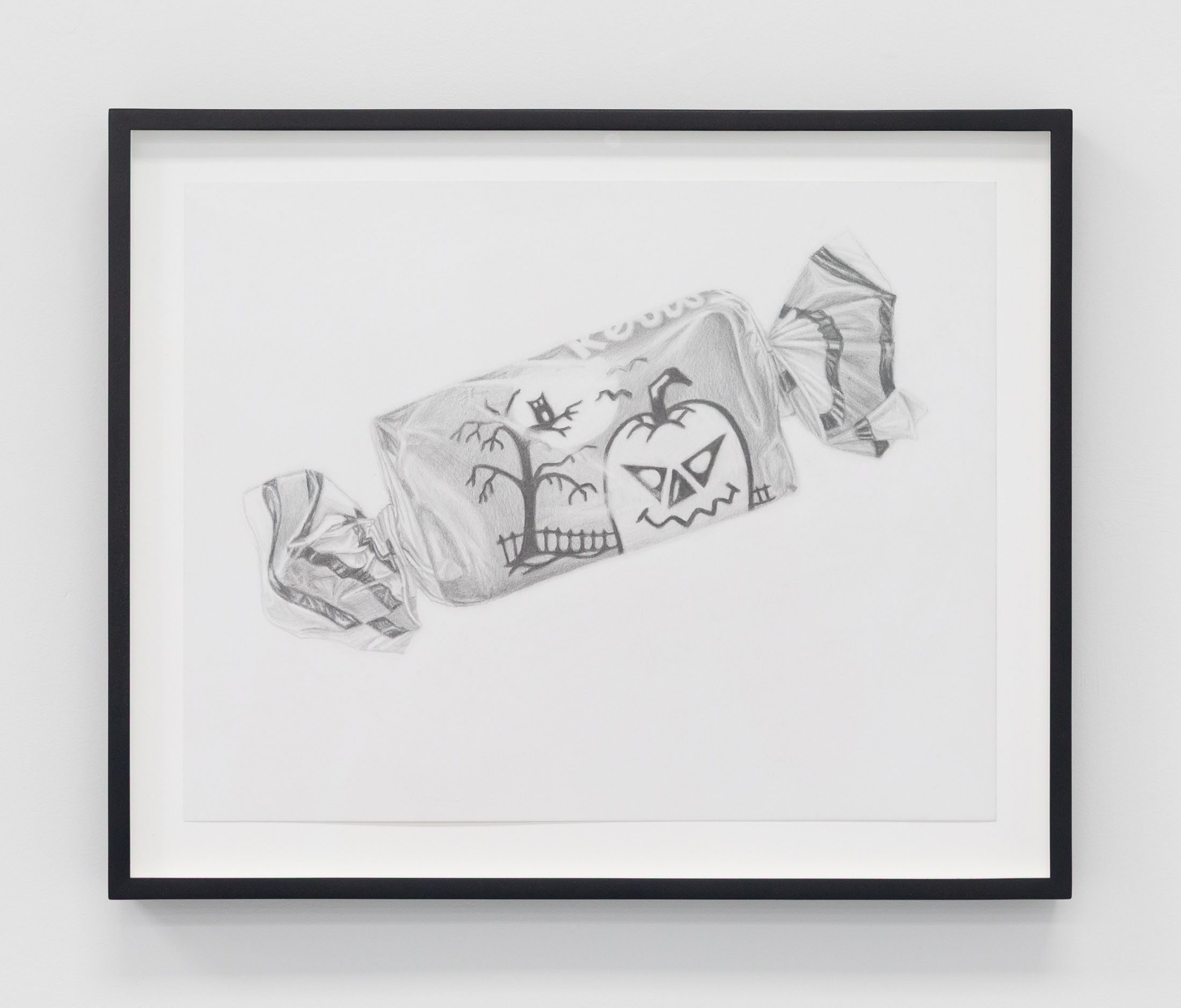
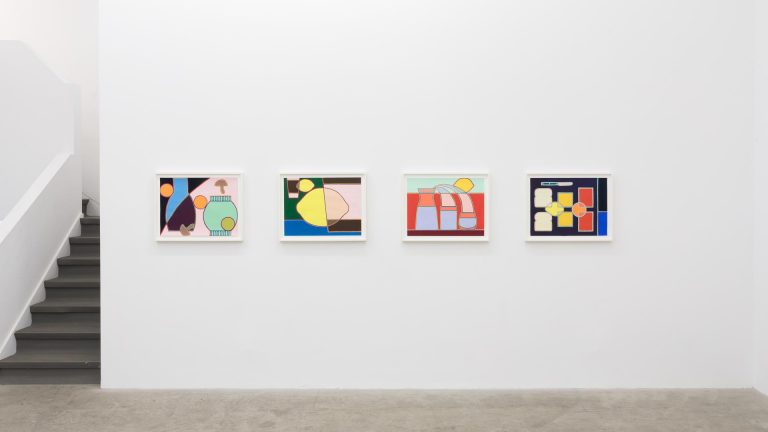
The artist’s most recent subjects can be found lurking at the crossroads of urban folklore, the gothic, occult cinema, and feminist revolt. Jones’ signature drawing style sets the tone and trained eyes will be quick to pick-up on the varied tempo in her line—telegraphing urgency, intimacy, or eerily intense observation; cadences gleaned from her skills as a graphic designer, filmmaker, and musician. A trio of drawings of confectionary purveyor Kerr’s ubiquitous Halloween Kisses builds on Jones’ longstanding series of oddly chilling, exquisitely rendered lollipops and candies. Every Canadian trick-or-treater carries with them a memory of their tar-like consistency and molasses flavour—less prized as candies than as beloved seasonal signifiers that transform a mere pile of candy into spooky spoils.
Before taking a bite we’d be wise to remember that Jones’ excavations of popular and historic symbolism always occur in tandem with dissections of the broader culture at large, and its gnarled root system of class anxiety, sexual oppression, queasy nostalgia, and moral panic. Anyone who’s trick-or-treated might also recall parents anxiously checking our loot for hidden dangers: the poisoned chocolate bar, the pin secreted in the Tootsie Roll, the razor blade in the apple. Despite it being a virtually non-existent occurrence, the mythological suburban terror of tainted sweets is a reminder of the dire “won’t someone think of the children” paranoia perennially activated against all sorts of phantom, politically opportune threats.
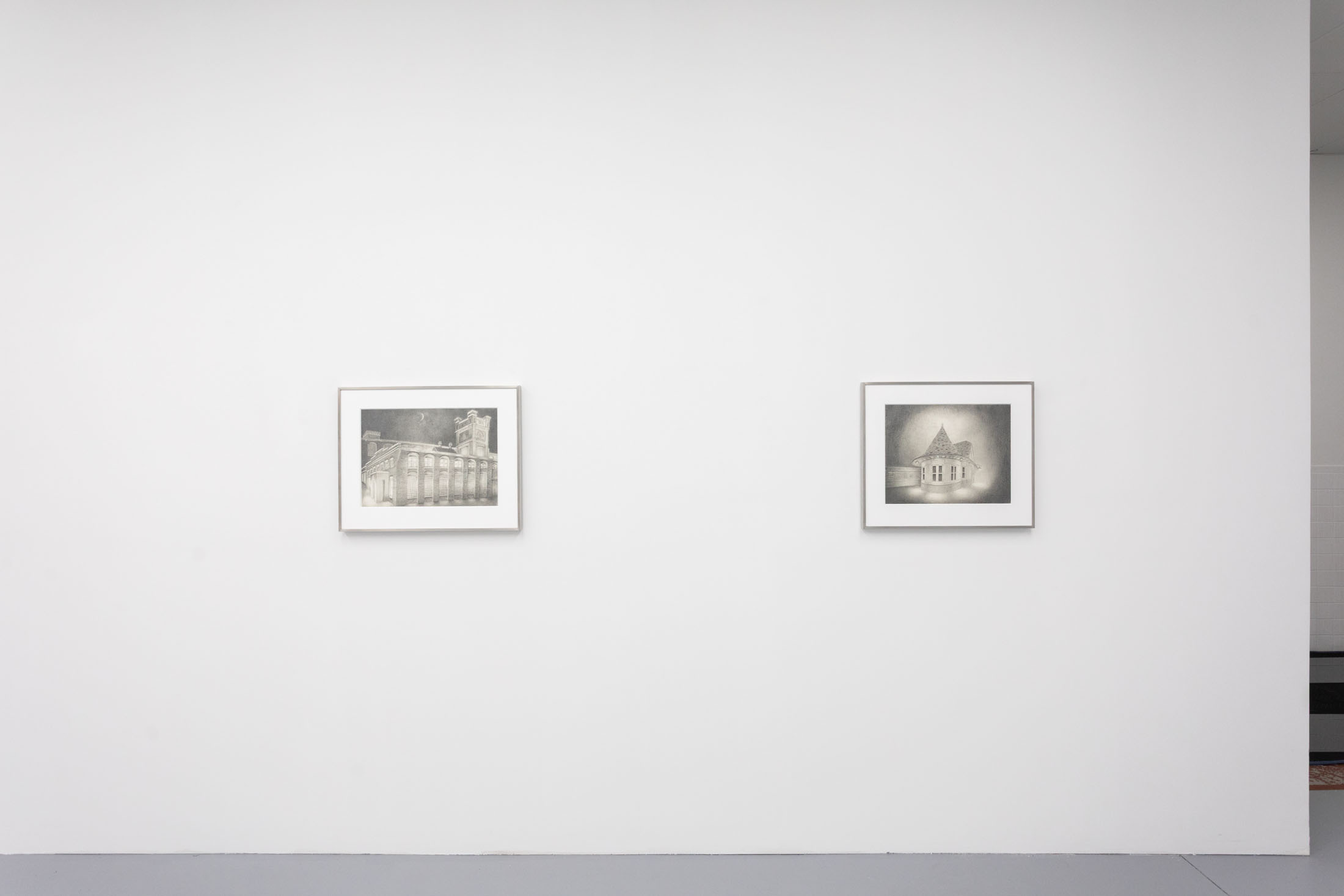
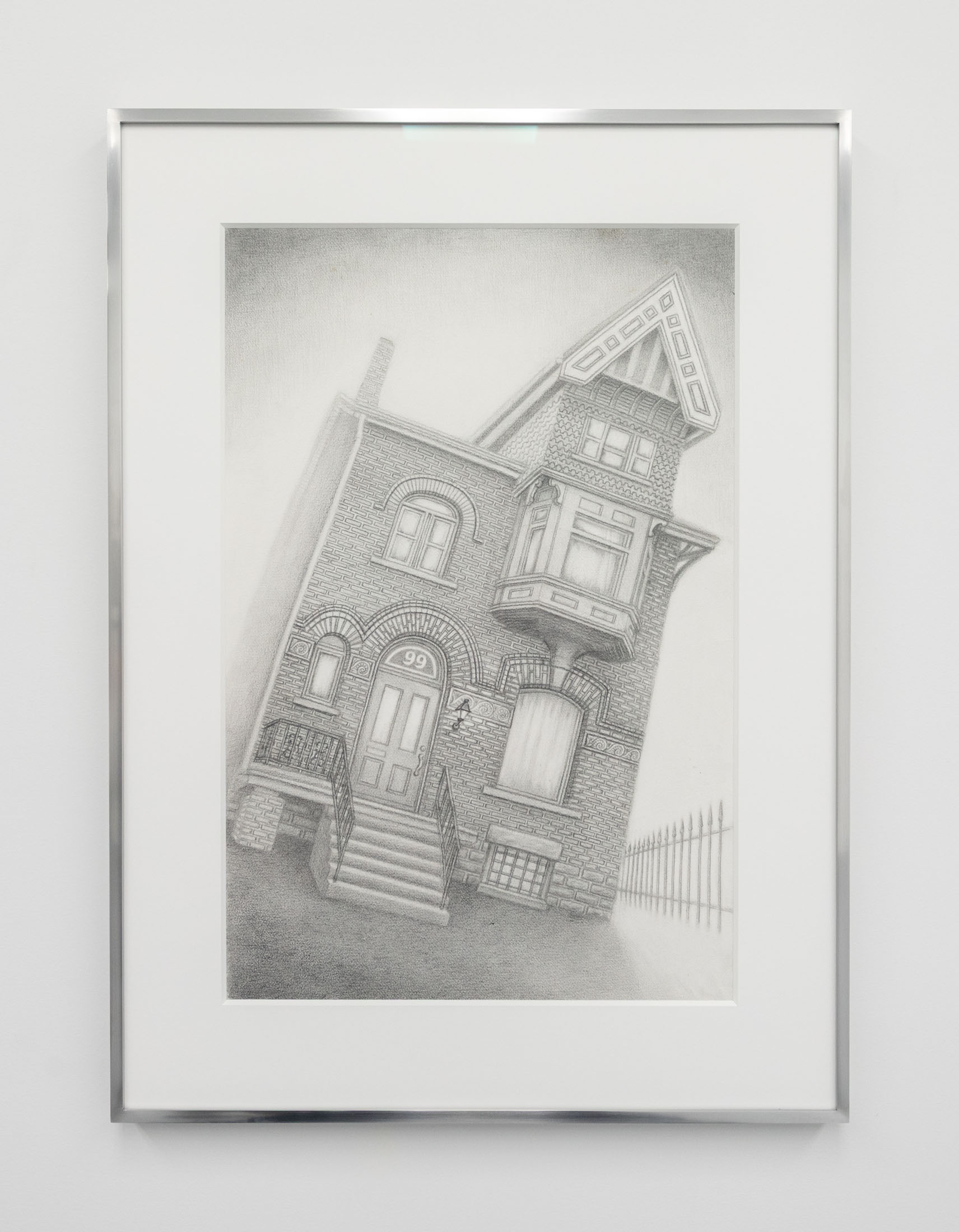
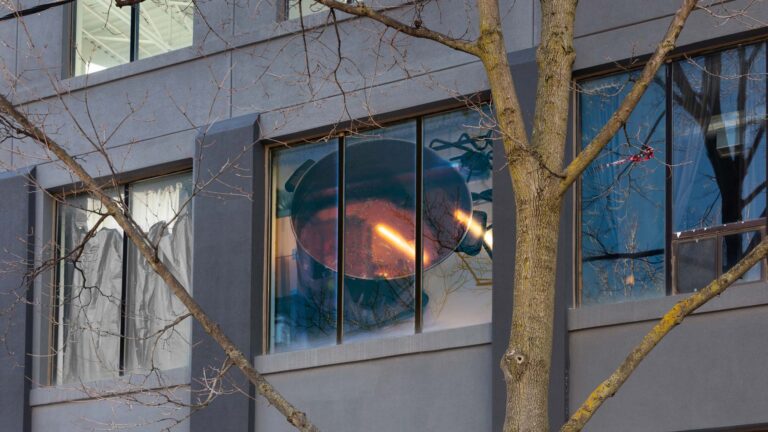
Alongside the Halloween Kisses is a stunning depiction of an 1887 residential home in downtown Toronto. Part of another series by Jones featuring 19th century, Southern Ontario Gothic, and brutalist architecture, these works derive from observational sketches and photographs taken during the artist’s numerous site visits to these vanishing markers of other eras. The palpable tensions in the drawings emerge from a seeming utter stillness sidling up to a subtly animating set of supernatural visual cues: stare at them long enough and you can feel how easily some bygone ghost could slip from the paper into the present or, just as easily, that you could vanish across the same threshold. Jones’ buildings come wreathed in gradient glows, surmounted by sickle moons high overhead in smudgy grey nights, or, like this one, set at a vertiginous tilt, radiating preternatural light from its windows. The mysteries within these edifices usually remain unsettlingly opaque, but in this instance for those of us, like Jones, who are interested in the more peculiar undercurrents of history that have added their contours to our city, the address 99 Gloucester Street might be remembered as momentary headquarters for one of the late 1960s more notorious cults. Transplanted from the UK, the hippie apostles of The Process Church of the Final Judgement swept along Yonge Street in their long black cloaks selling copies of The Process magazine, convivially inviting people to drop by their Gloucester coffee house where they might partake in a free telepathy workshop, or listen to the Processeans proselytize about an imminent human-made apocalypse which, surely now, has caught up with us. The cult’s core belief was that Jesus’ all-encompassing love included a certain amount of sympathy for the devil; a heretical theology that set them up for all manner of social and religious reprisal. Even though The Process was, as it turned out, essentially harmless, during its brief tenure it became one of those one-size-fits-all bogeys accused of everything from the Manson murders to cattle mutilation (an especially upsetting accusation for the Processeans who were all committed animal rights activists). The Process collapsed shortly after its arrival in Toronto and from all accounts, while it was never well organized, it was beautifully art-directed.
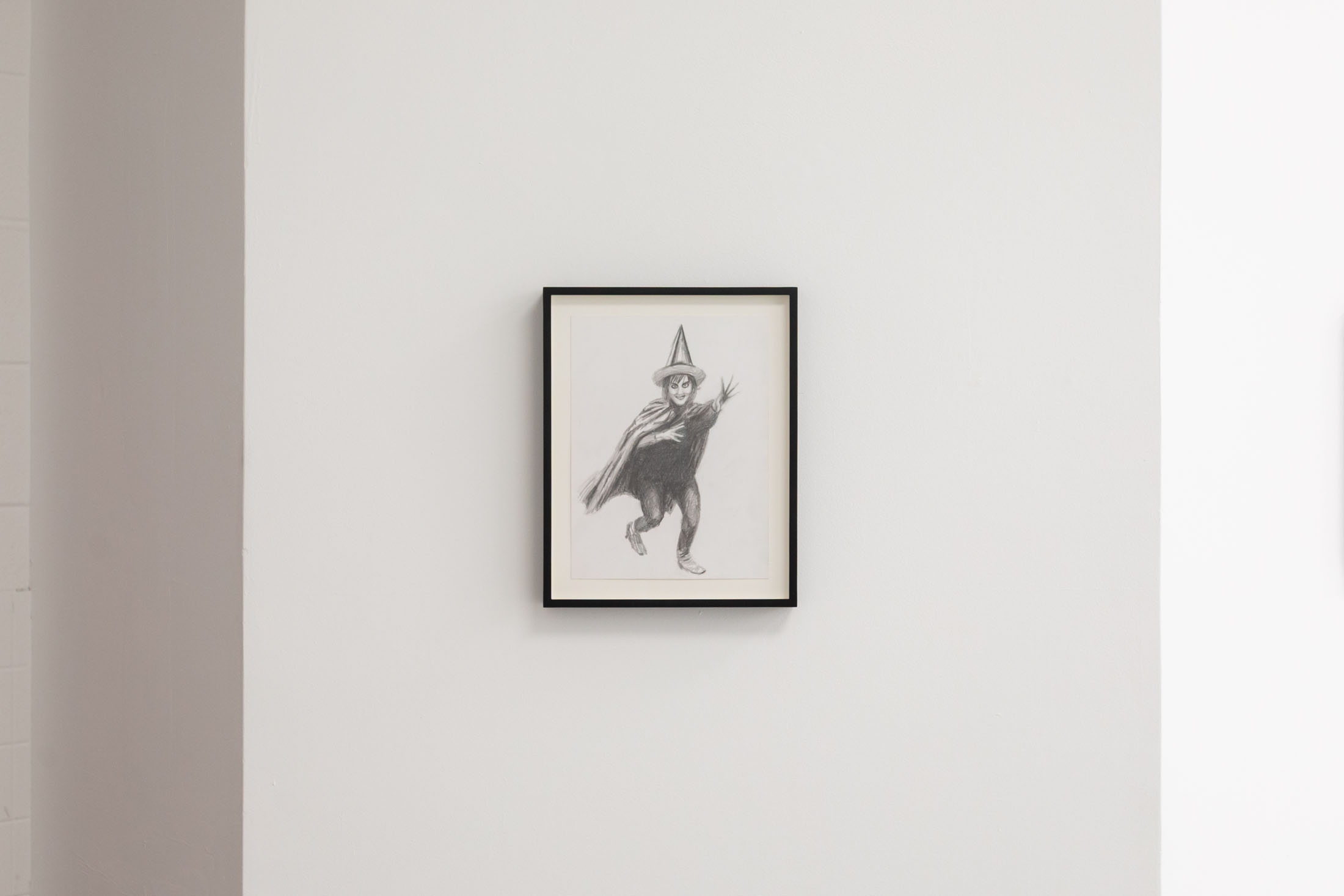
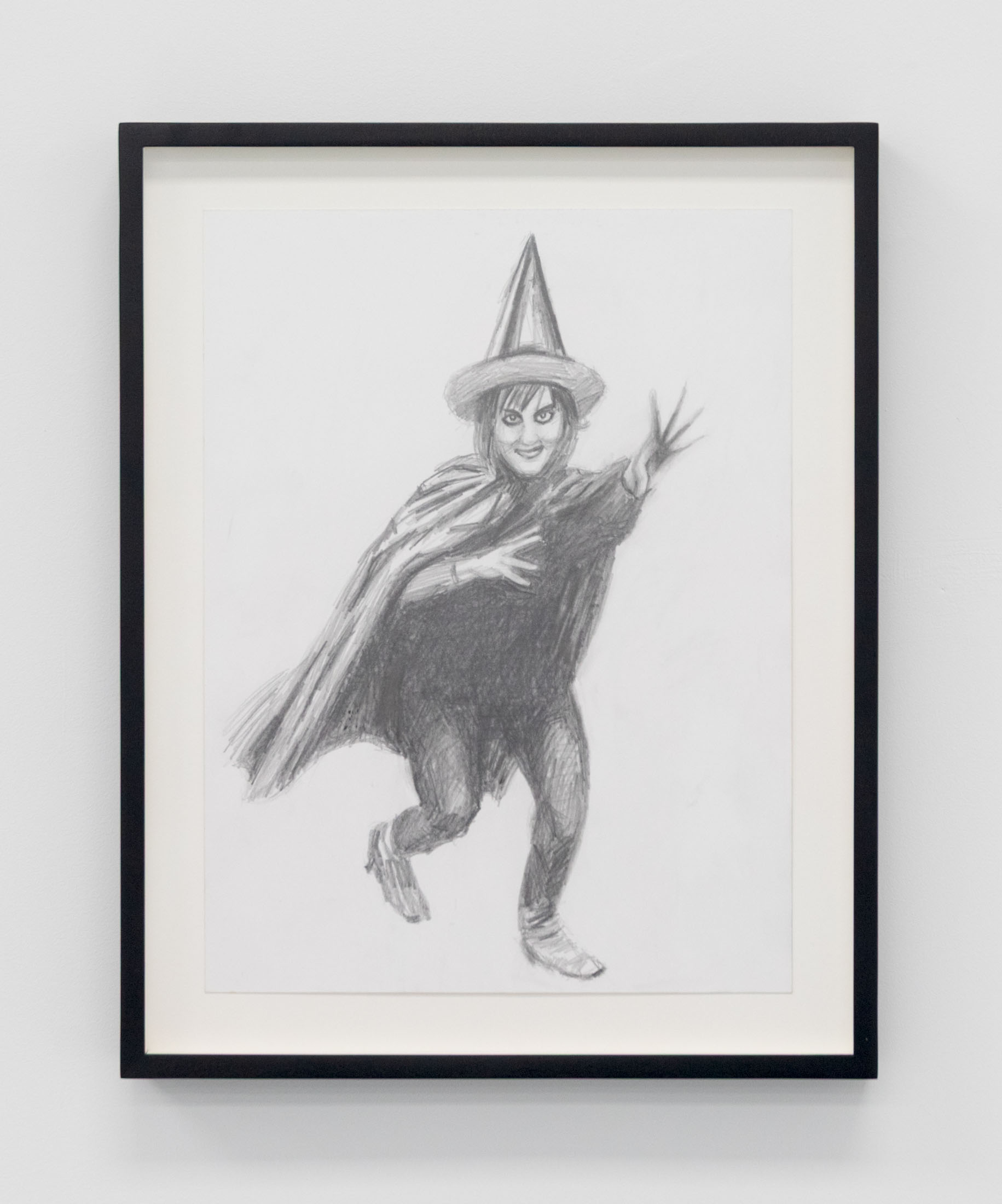
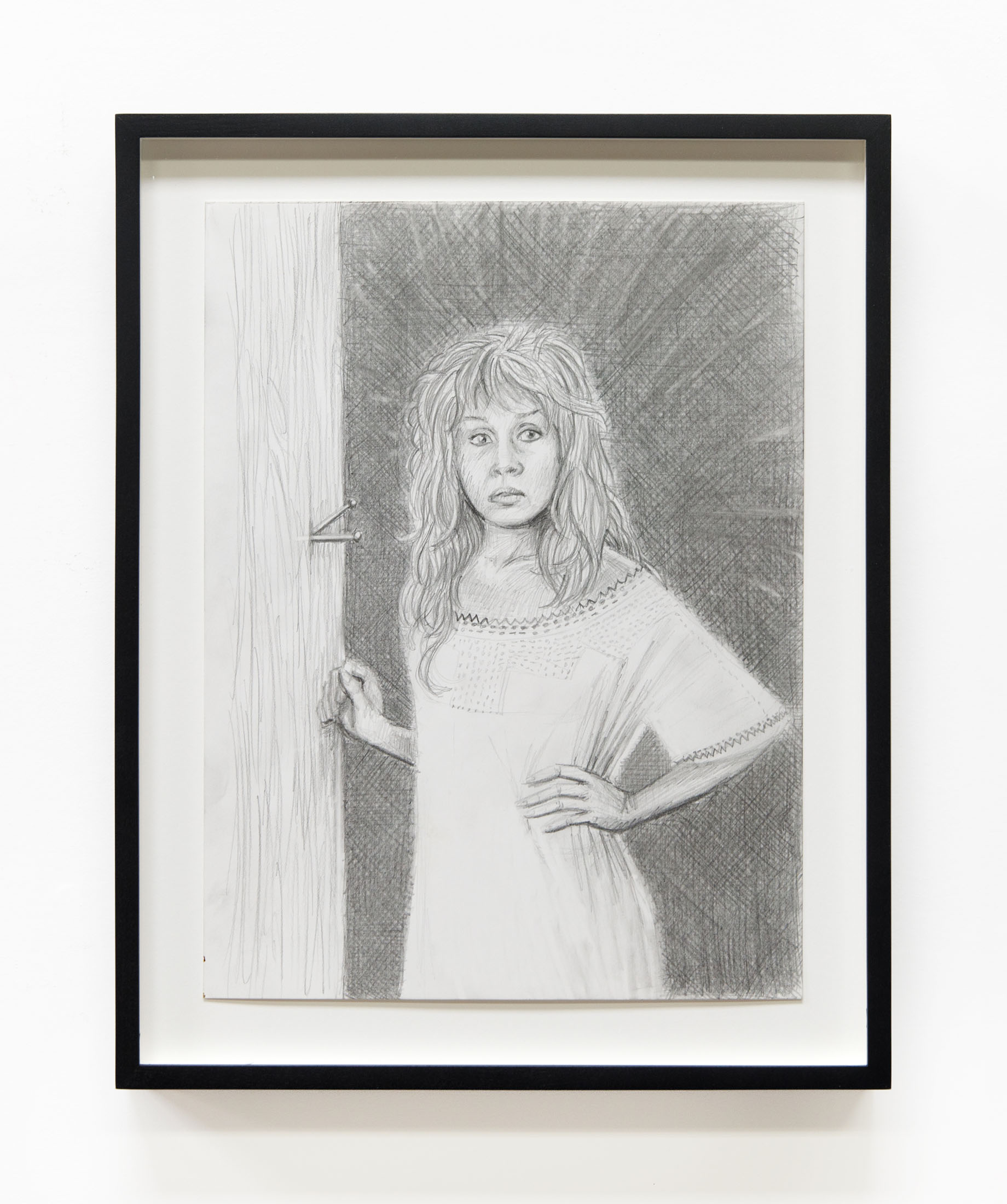
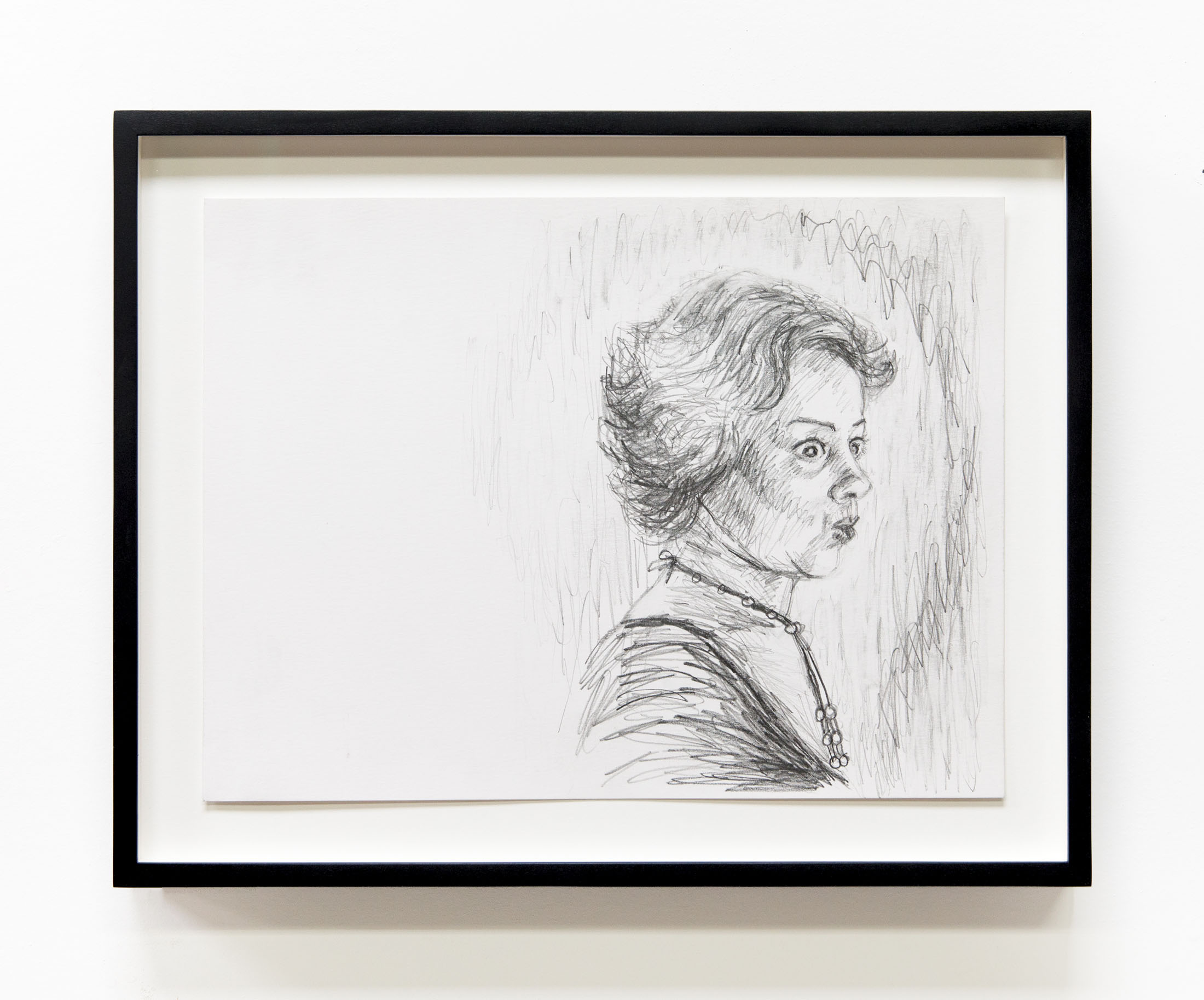
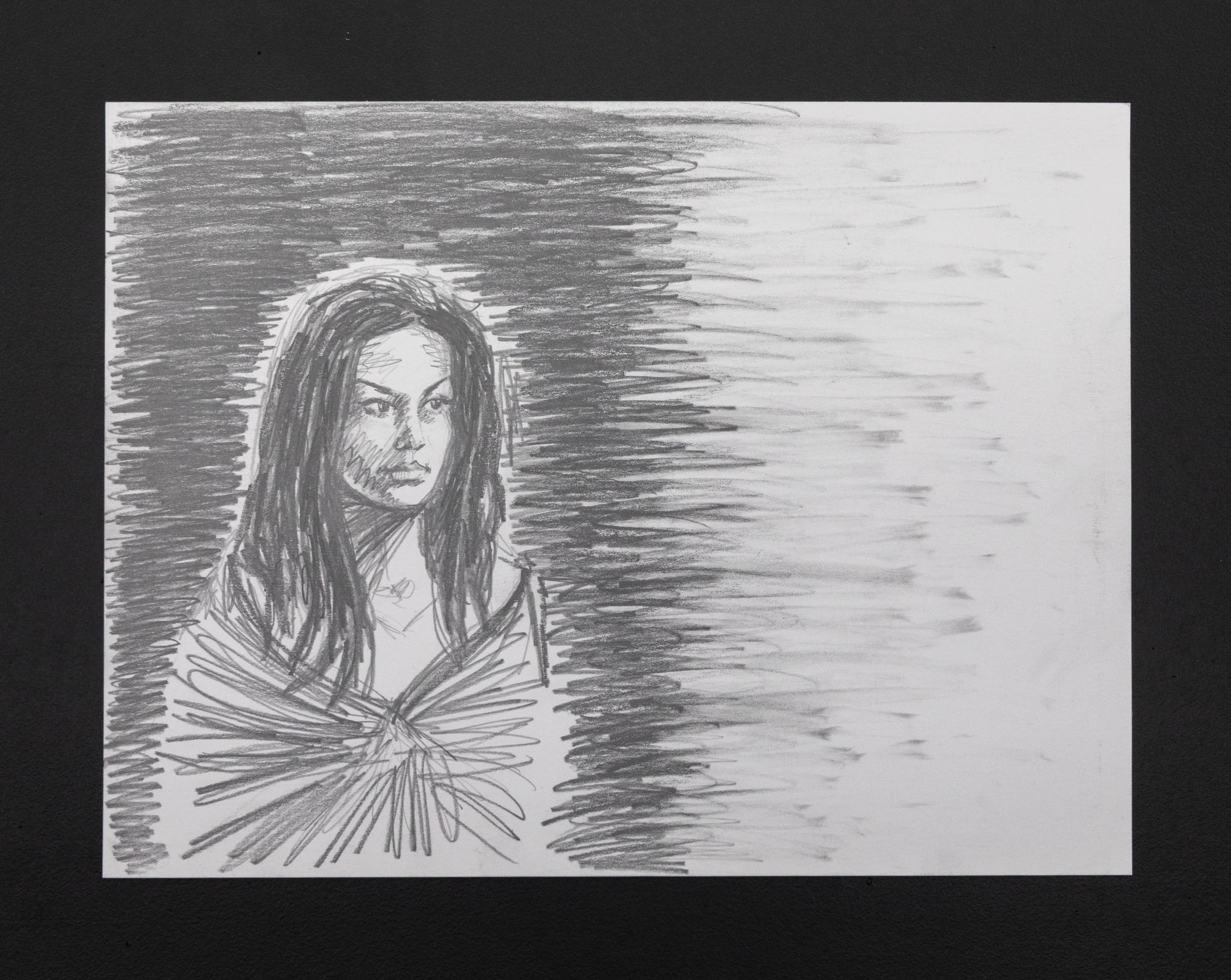
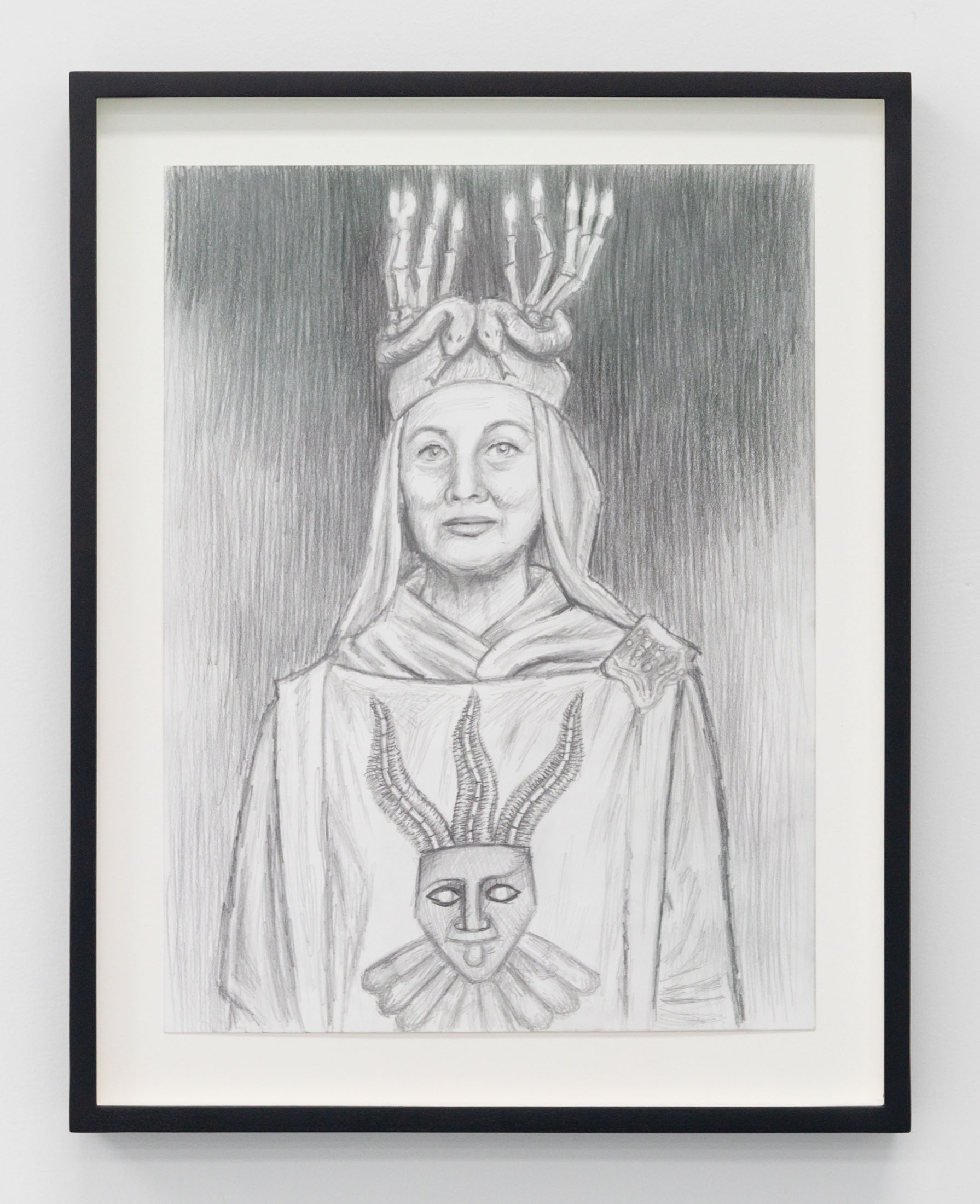
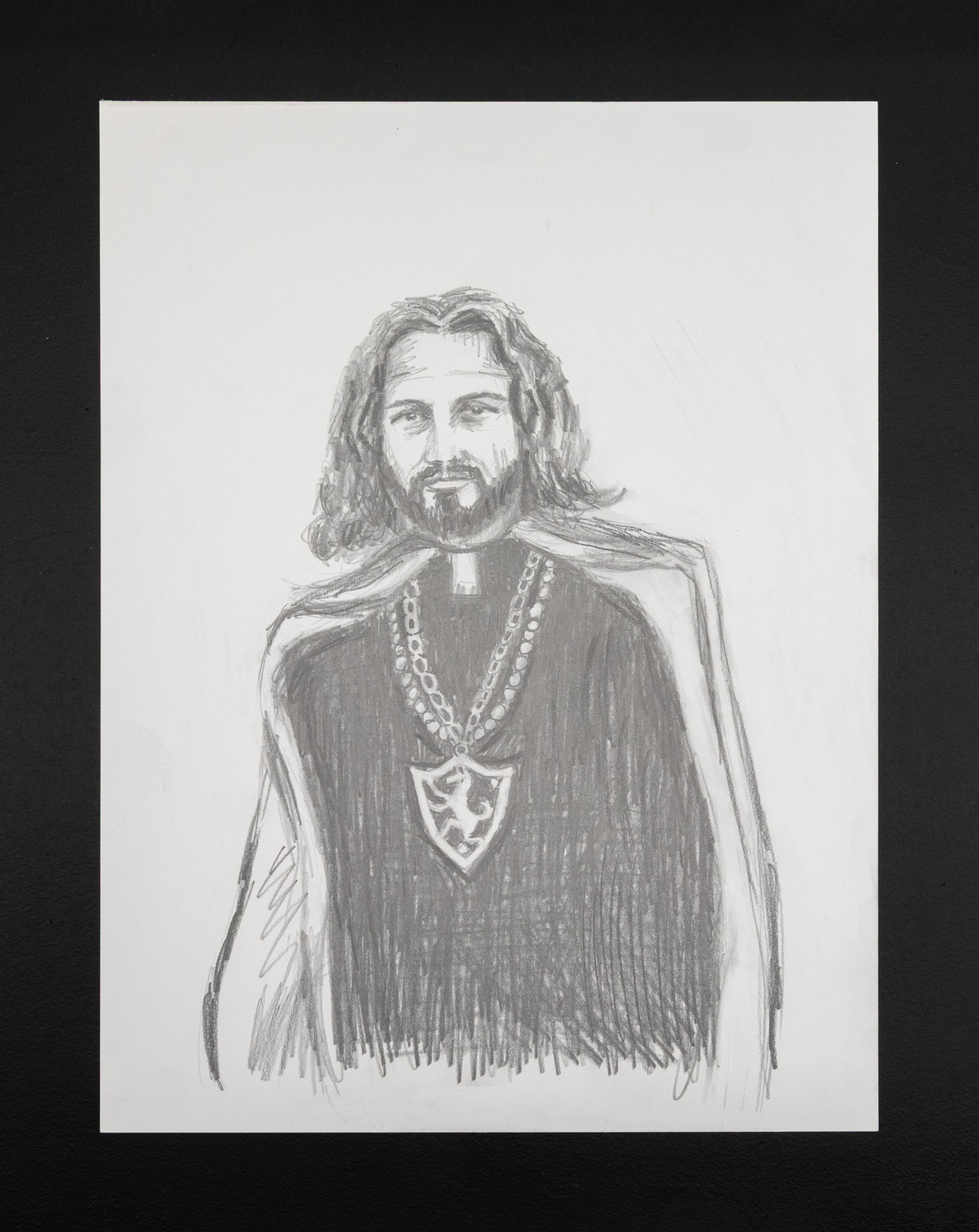
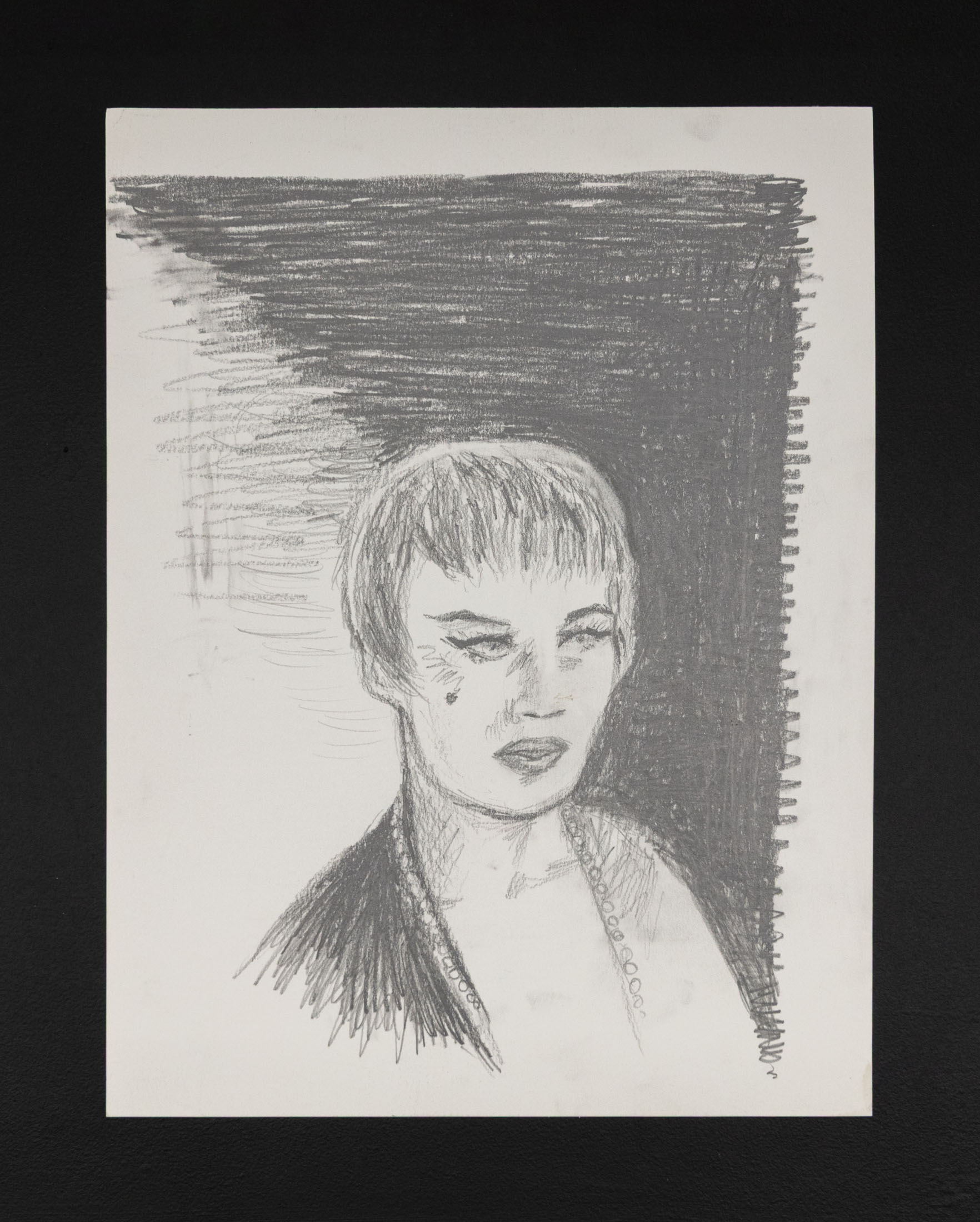
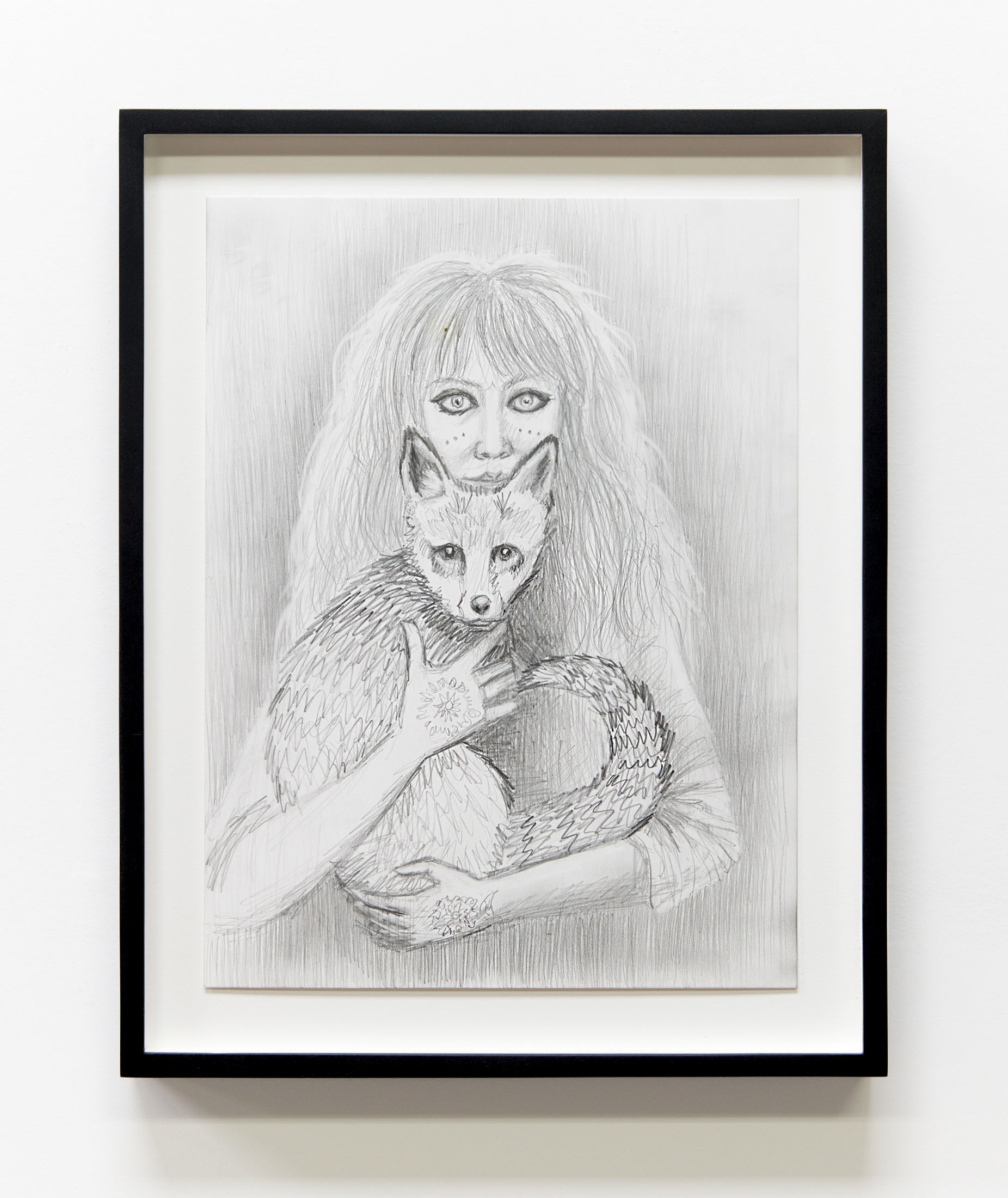
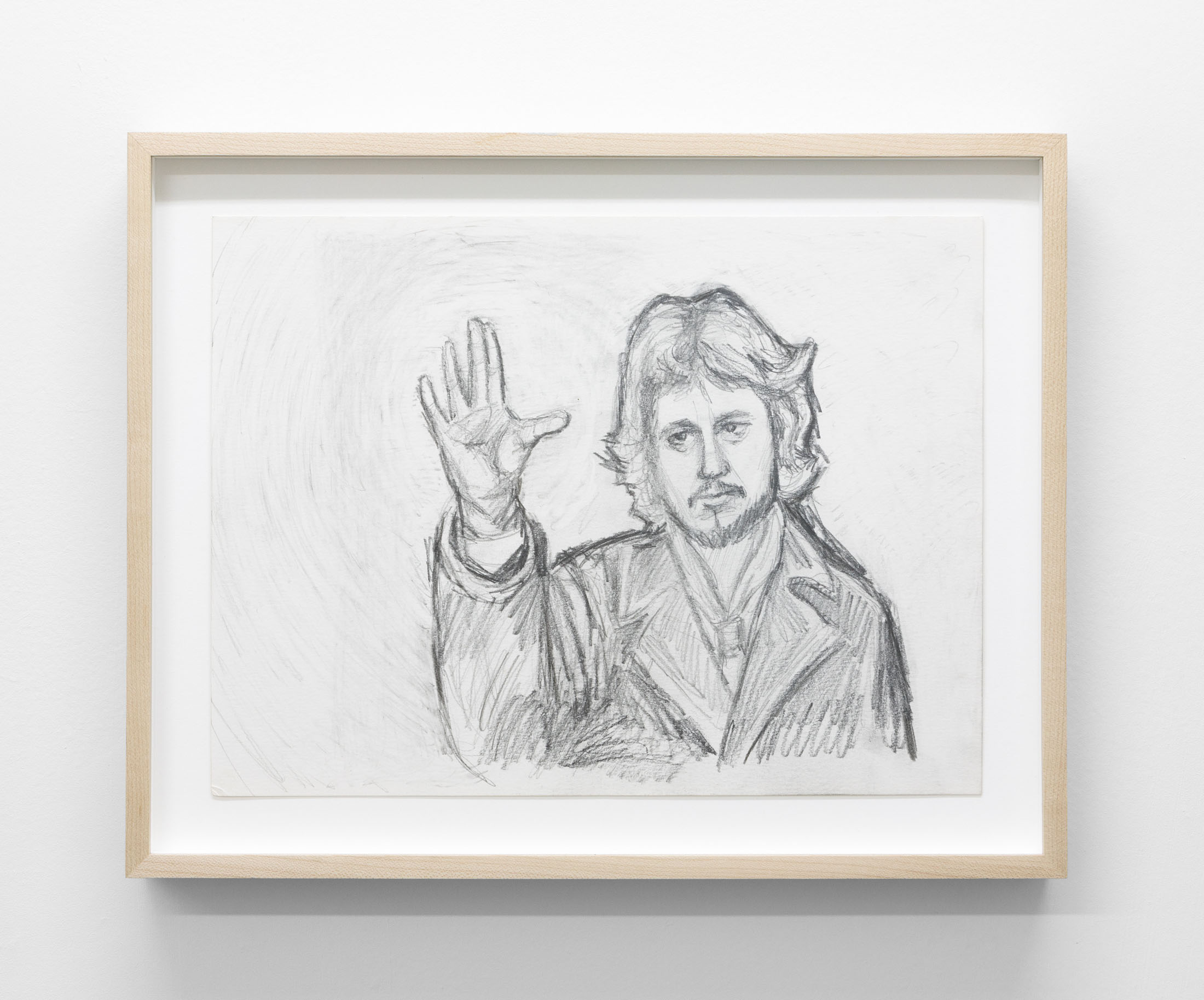
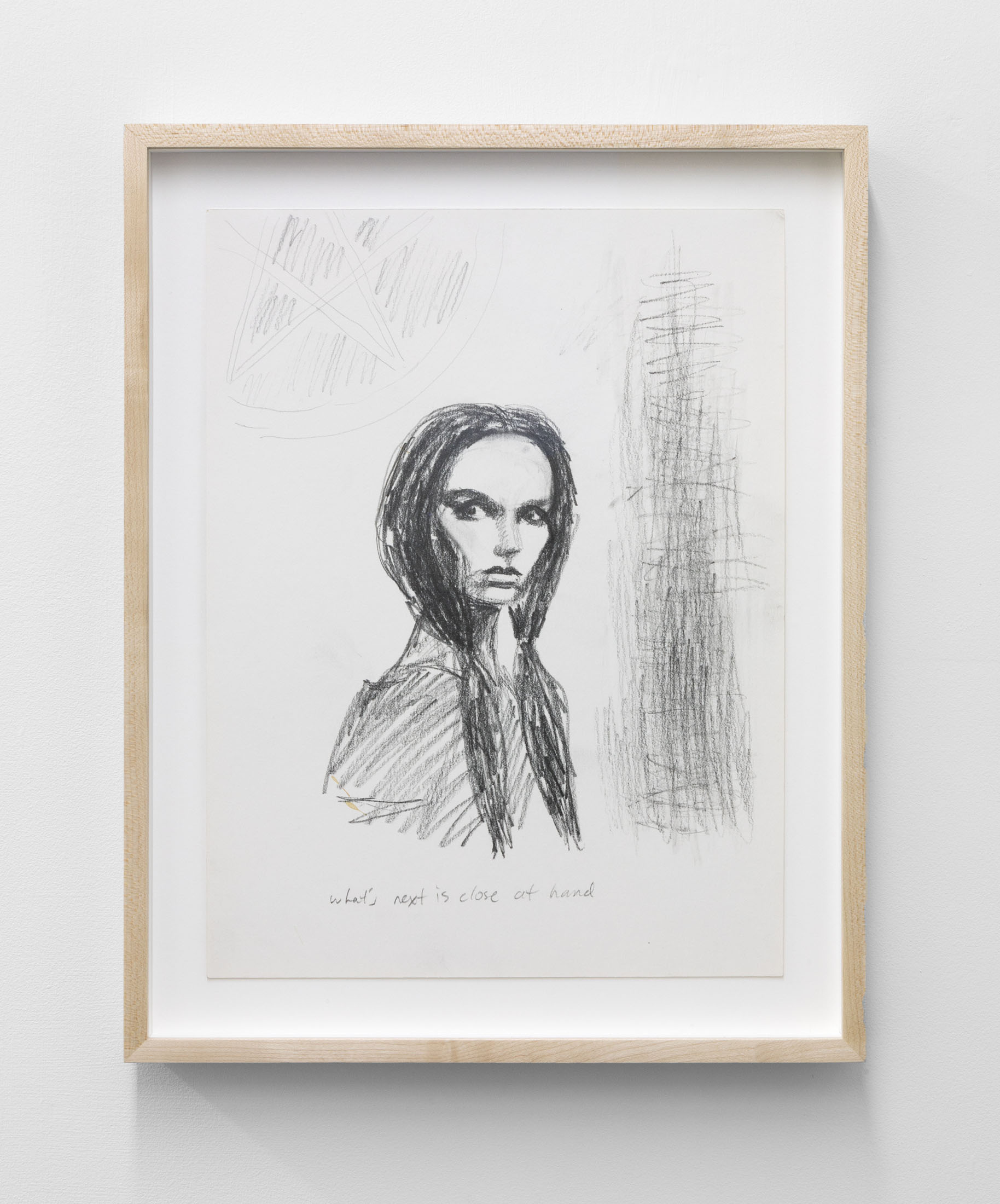
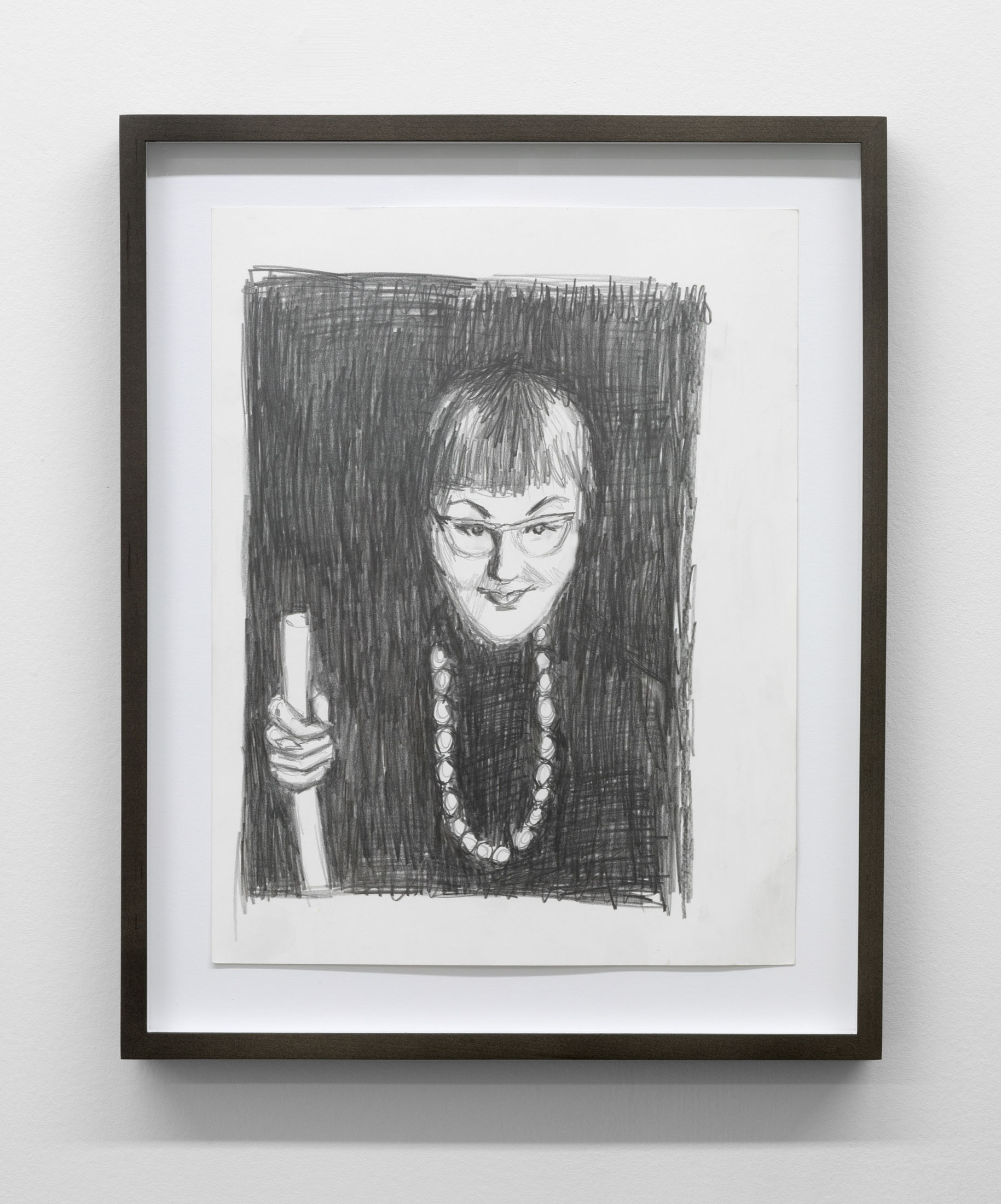
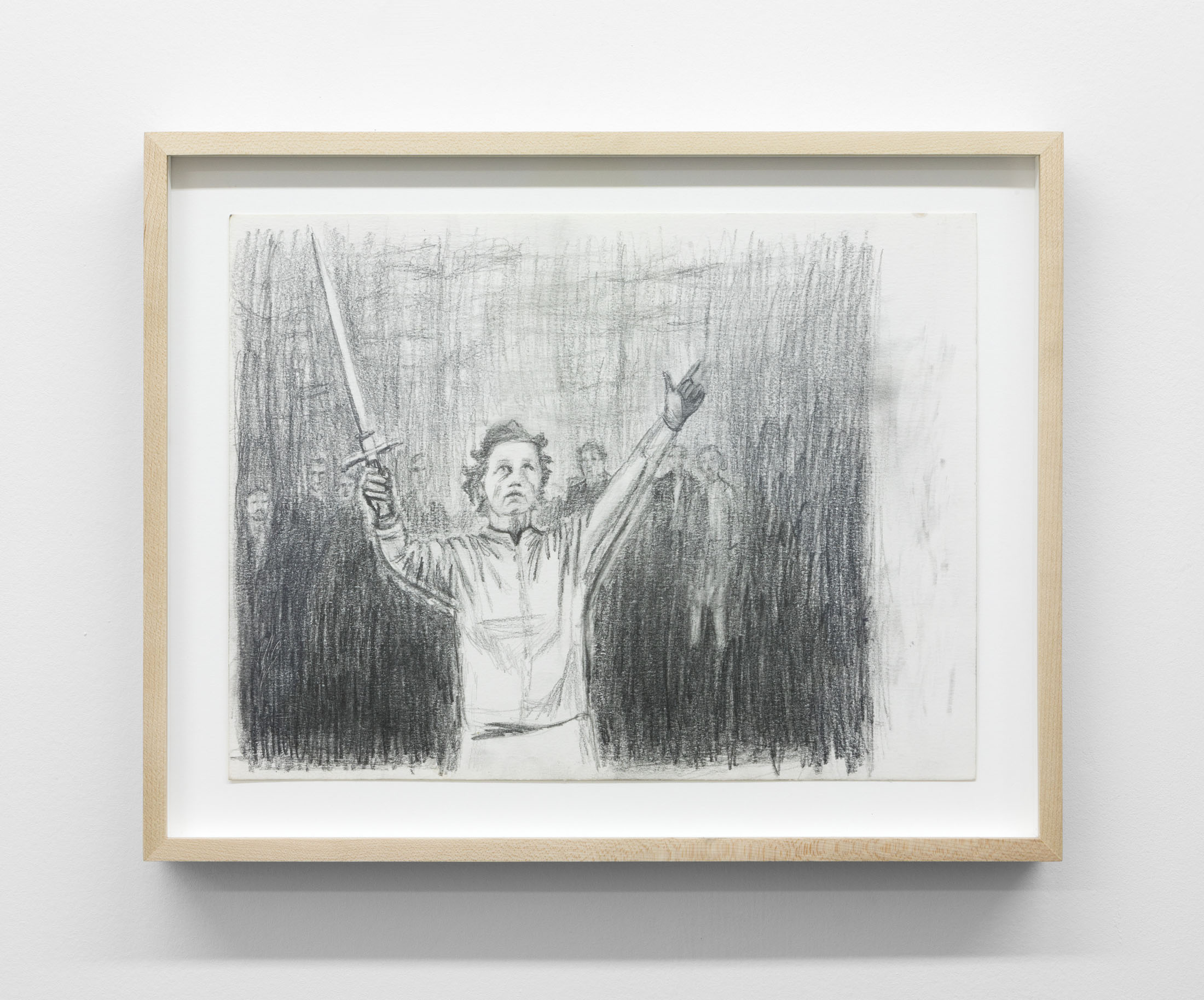
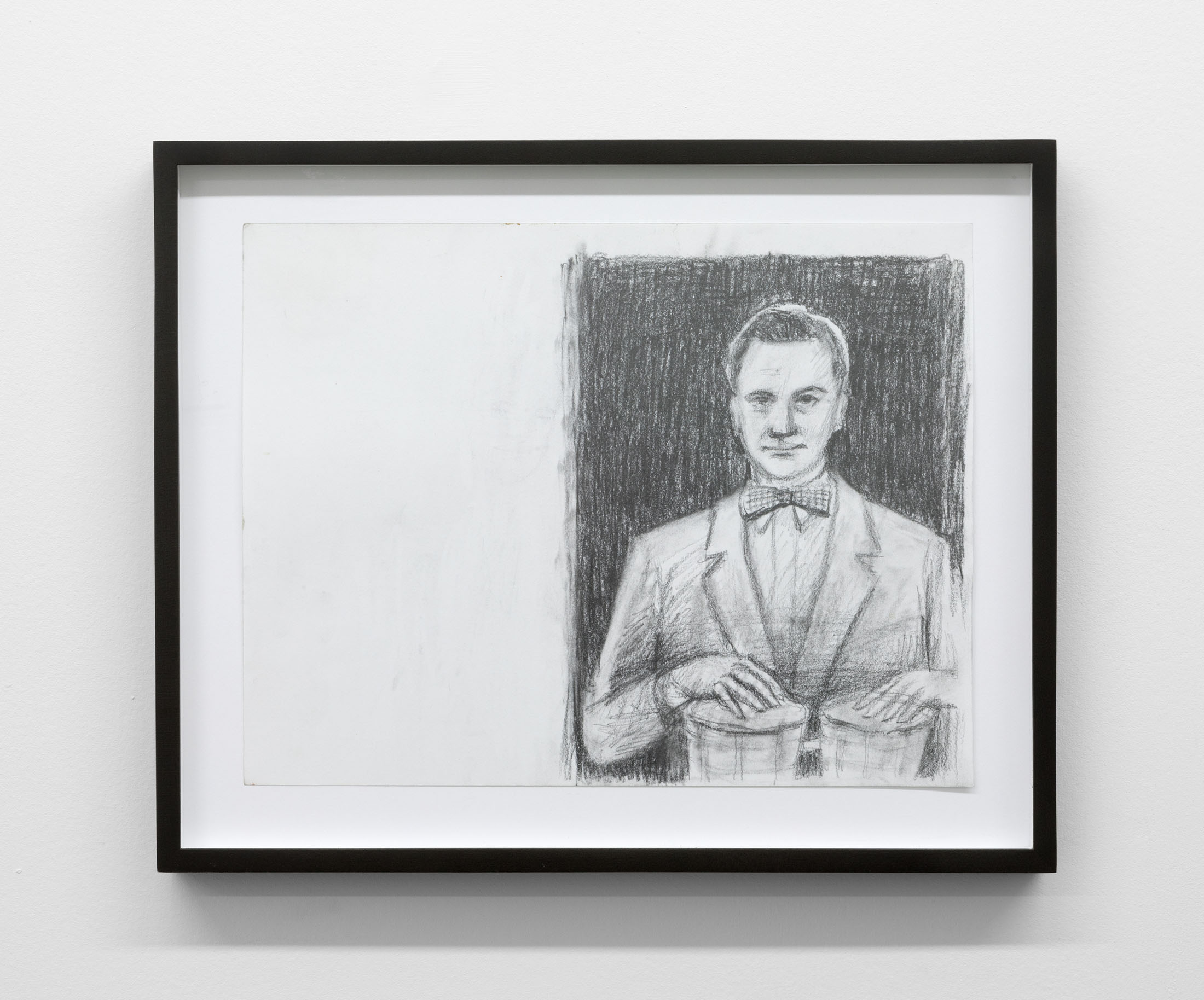
As an artist who, famously, has had her own work seized and destroyed in the name of protecting the skittish masses from wickedness, Jones remains wary of the floating crosshairs of society. All of the world-building she has ever engaged in is innately queer, a vision populated by allied groups of misfits and outliers finding reciprocity through shared rage and, from that, a shared aesthetic language. It’s at this junction that we find the subjects of her celebrated 2024 book “Witches” (Heretic House / Midnight Mass Press), and the most significantly represented body of work in the exhibition. The pencil on paper portraits of both historic and cinematic practitioners of witchcraft represent something of a supreme convergence of core ideas in Jones’ practice, and she brings a breathtaking sense of immediacy to the fore. The drawings have the quality of spontaneously captured field sightings, or intimate studies of friends, with Jones’ line crackling electrically around fingertips, glaring eyes, coalescing into dense silvery-blacks. However timeless the figure the witch may be (stretching back well beyond Homer, who wrote of them in 700 BCE), the witch is always of their time; vanguard of the natural world, wise helper of the hopeless, a last-ditch protector of the oppressed ready to offer alternative means of survival. As scholar Dr. Patricia MacCormack notes, the witch bestows a special kind of permission, encouraging us to engage in acts of retaliatory violence in a vitalistic, radically compassionate way. She also points to perennial resurgences of witchcraft—like the one we’re seeing now—coinciding with eras mired in violence against women, queer people, and our environment. Jones’ portraits include a number of notable originators of contemporary witchcraft like liturgist Doreen Valiente, priestess Janet Farrar, artist Rosaleen Norton, and proto-“hedge witch” Sybil Leek (who published a syndicated horoscope that Jones and her friends consulted); a constellation of genuine spiritual celebrities. Yet Jones acknowledges the warp and weft of fictive and factual at work in the witch’s world by presenting real-life personages alongside wholly invented ones without differentiation. Some of the portraits feature actors like Neve Campbell and Rachel True from “The Craft,” a film undeniably responsible for introducing a whole generation of teens to spellcasting, likewise Alyson Hannigan who played Willow, the lesbian heartthrob sorceress from “Buffy the Vampire Slayer.” Sharply tempering these more sugared pop expressions, Jones also adds a portrait of one of the members of W.I.T.C.H. (Women’s International Terrorist Conspiracy from Hell), a radical feminist group that inaugurated their spree of anti-capitalist and anti-patriarchal actions on Halloween night back in 1968.
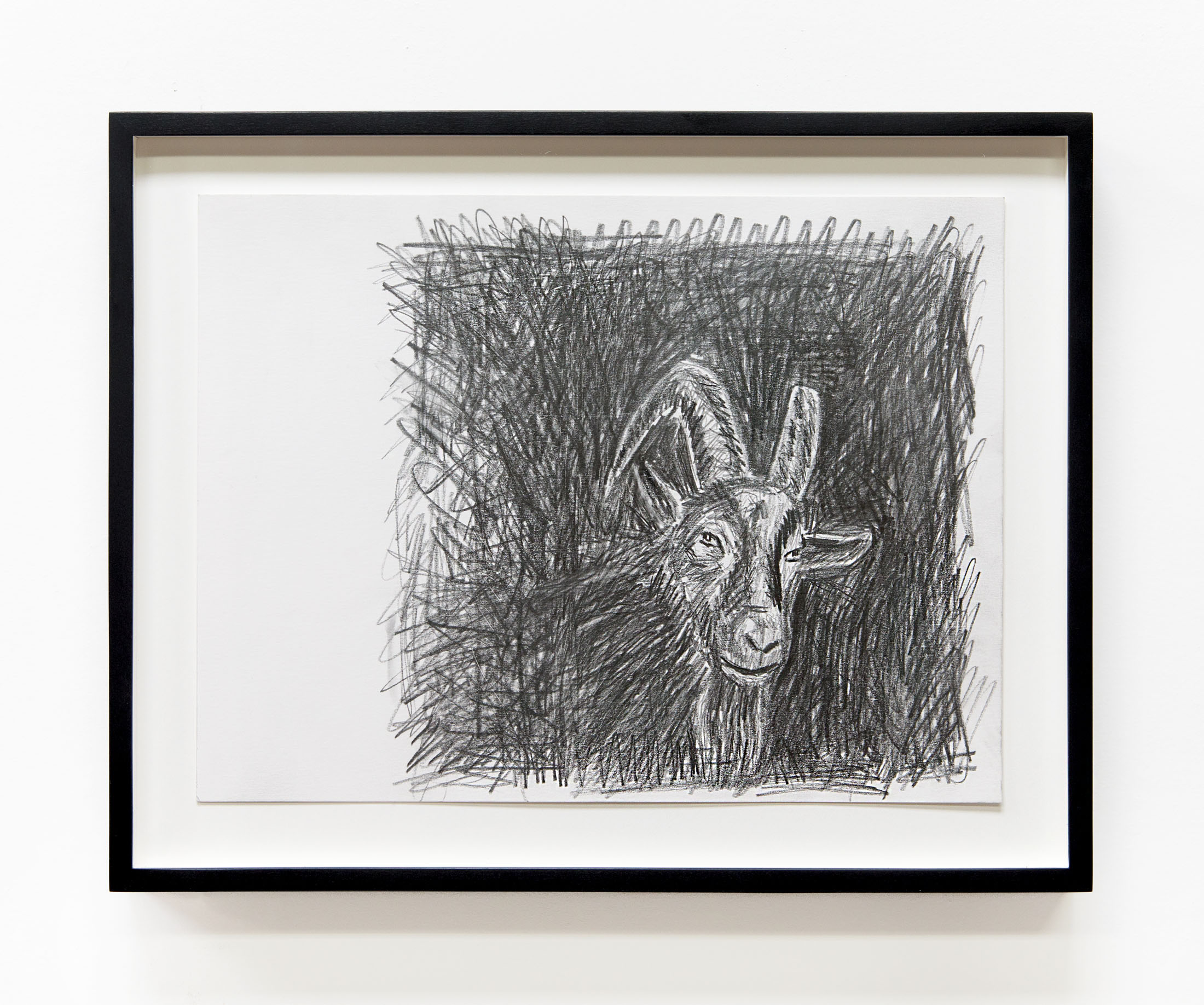
It’s intriguing to consider that, given the potent nature of her subjects, Jones prefers to conjure them using the most unassuming and democratic tools available: a pencil and paper. Don’t be fooled though, paper deceives with its humbleness; as a seemingly preparatory medium, its power comes from pointing us elsewhere, to something yet to come. It’s perfect given Jones’ talent for presaging emerging movements and shifts in deeper, as yet unseen cultural currents. What is it that the witch always sees in the crystal ball, the spread of tarot, churning cauldrons, and pricked thumbs?—human folly.
A Razor for an Apple arrives at a moment when the so-called “culture wars” appear to be successfully, shamefully, turning back progress by stripping us of our own psychic autonomy, our own imagination, and our very own lived expression, crushed into narrower and narrower definitions. It’s fair to say that many of the scintillating tensions at work in Jones’ exhibition come from an ever-present sense of danger, the tenuousness of our freedoms, and the knife-edge thrill of the fight to regain them. Yet none of the denizens in Jones’ world are ever downtrodden. They are embodiments of desire armed, and that most dreaded usurper of the status quo: the thriving deviant. Acutely aware that the cynical powers of economic recuperation are forever attempting to transform underground bastions of rebellion into mere shadows of their original promise, Jones reminds us that the trick to remaining ungovernable is staying magnificently indigestible.
—Scott Treleaven is a Canadian artist and writer.
G.B. Jones (b. 1965, Bowmanville, Ontario, Canada) is an artist, filmmaker, photographer, musician, and zine publisher whose multidisciplinary practice has had a profound influence on queer culture and contemporary art. Jones first gained recognition through J.D.s, the groundbreaking Toronto-based queer punk zine she co-founded with Bruce LaBruce, which became a defining publication of the queercore movement. During this period she also co-founded the post-punk band Fifth Column: led by Caroline Azar and Jones, their music and politics helped shape the emergence of Riot Grrrl and queer punk cultures throughout the 1980s and early 1990s. Her celebrated drawing series “Tom Girls” reimagines the homoerotic imagery of Tom of Finland by replacing his hypermasculine male protagonists with women, transforming an iconic visual language into a radical contribution to third-wave feminist and queer art. Since the early 2000s, Jones has developed an ongoing series of witch portraits inspired by cinema, folklore, and everyday life, recasting these historically marginalized figures as queer icons and symbols of resistance, community, and otherness. In 2002, Jones began a long-running collaboration with artist Paul P., producing a series of intricate collages that explore queer history, memory, and visual culture. Several of these works were later published in the “Queer Anthology” series of books edited by Richard Porter and released by Pilot Press from 2017 to 2018.
G.B. Jones has exhibited her art nationally and internationally since the early 1990s, in spaces such as Air De Paris, Paris; White Columns, David Zwirner, Feature, Participant Inc., Brooklyn Museum, New York; MOCA Toronto, The Power Plant, Mercer Union, Cooper Cole, Toronto; Vancouver Art Gallery, Or Gallery, Vancouver; Columbus Museum of Art, Columbus; Kunsthalle Exnergasse, Vienna; Muncher Kunstverein, Munich; Gallery Neu, Schwules Museum, Berlin; amongst others. She was included in the 2012 exhibition This Will Have Been: Art, Love, and Politics in the 1990s, which was curated by Helen Molesworth for the MCA Chicago and subsequently travelled to the Walker Art Center, Minneapolis, and the ICA Philadelphia. G.B. Jones lives and works in Toronto, Ontario, Canada.