“There are religious images that were found in humble places. They are usually images of Our Lady found by shepherds, sometimes children, in caves or at the side of a road. This encounter, magical or miraculous depending on who tells the story, turned a small, imperfect piece into an object of worship. Churches, cathedrals and luxurious spaces were then built around them in their honour. And yet the image remained the same: a piece of dark, almost domestic wood that one day came to light in an unexpected place. Surrounded by gold and stone, these statues seem smaller than ever. The monumentality of the space does not magnify them: it actually exposes them. It is in this disproportion, in this mismatch between the container and what it contains, that something in the body of the beholder recognises itself.
Because the body measures. It measures unintentionally, continuously, adjusting its pace, recalibrating its posture, seeking the proportions that are familiar to it. We remember places as they were when we first encountered them, on the scale of our bodies at that time. And when we go back, or when we come into a new space that we nevertheless recognise in some way, this memory is activated before any kind of thought. Scale is also a form of affection. The exhibition is a gateway to this feeling.
Esther Gatón has been working for years on this frequency: the frequency of objects that hold and tell more than they show, the frequency of things with which one establishes a relationship of empathy, which endures through scale, touch and the affection we had for them. For this exhibition, she has created a mechanism that unfolds atmospheres of different densities and rhythms in three different spaces, each inhabitable in a different way. The “you” invoked in the poem by Jorge Guillén, which the exhibition is named after, explains it well: it is not a name, but rather an address. It settles in different places in the room, in different pieces, and from there it starts to speak.
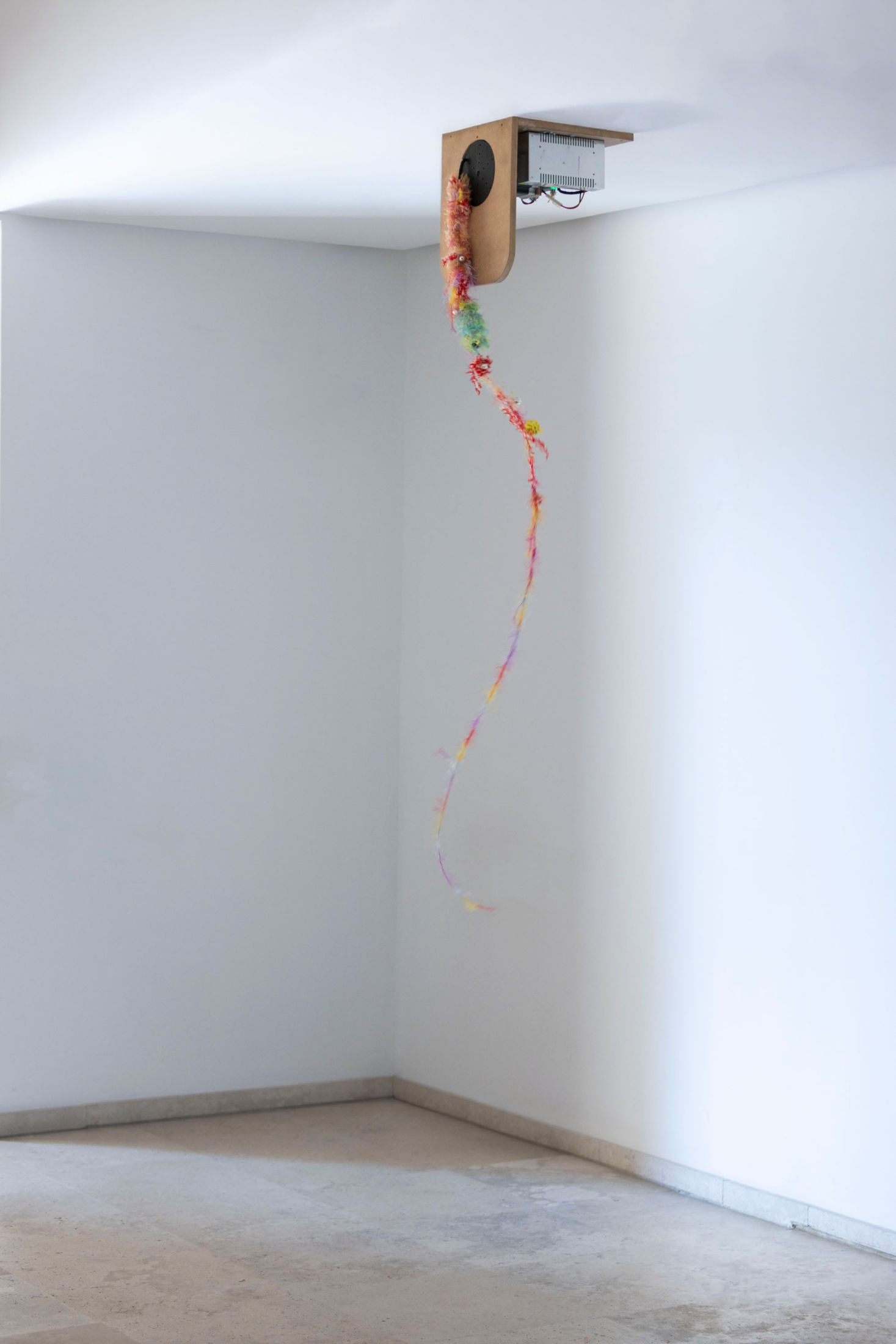
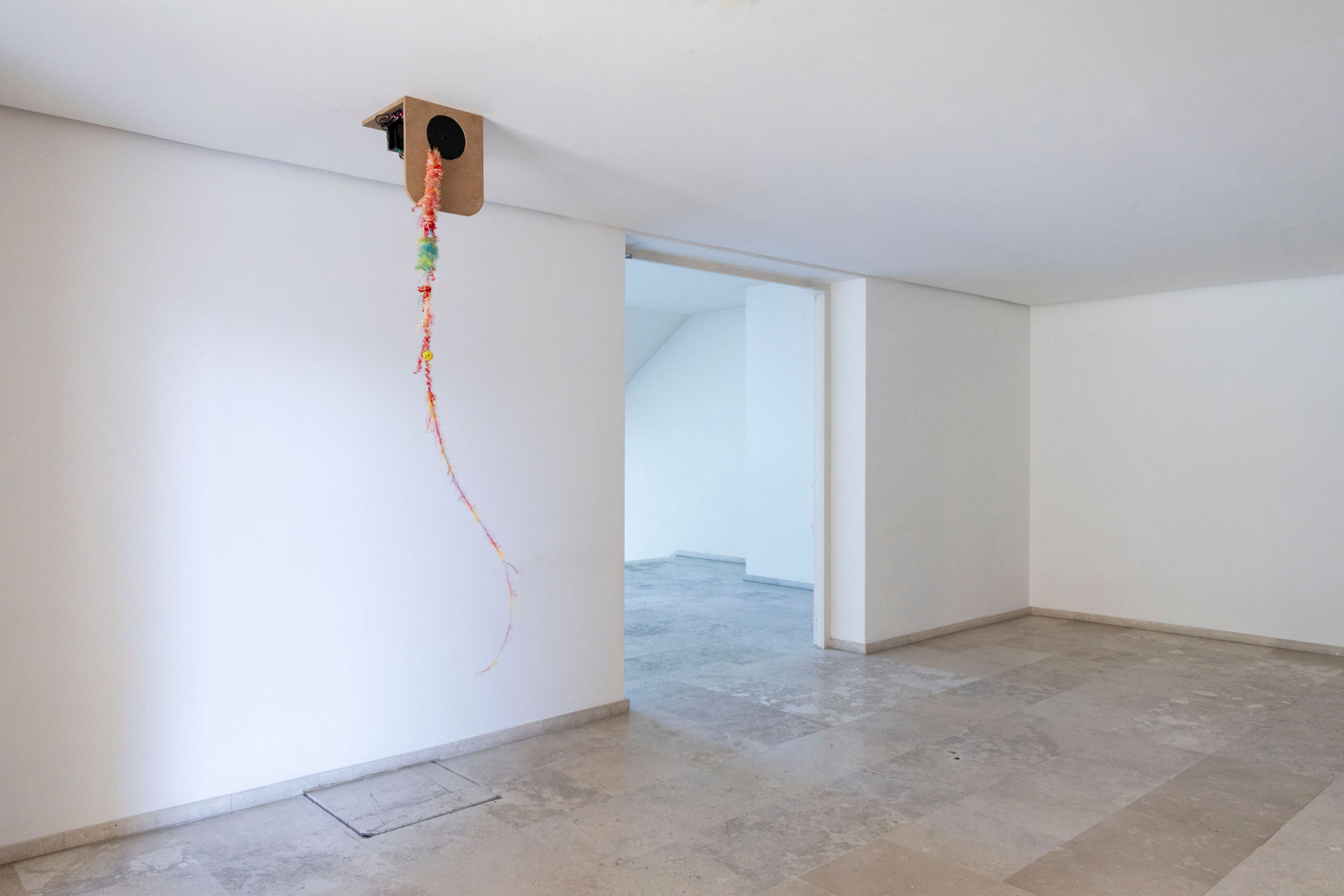
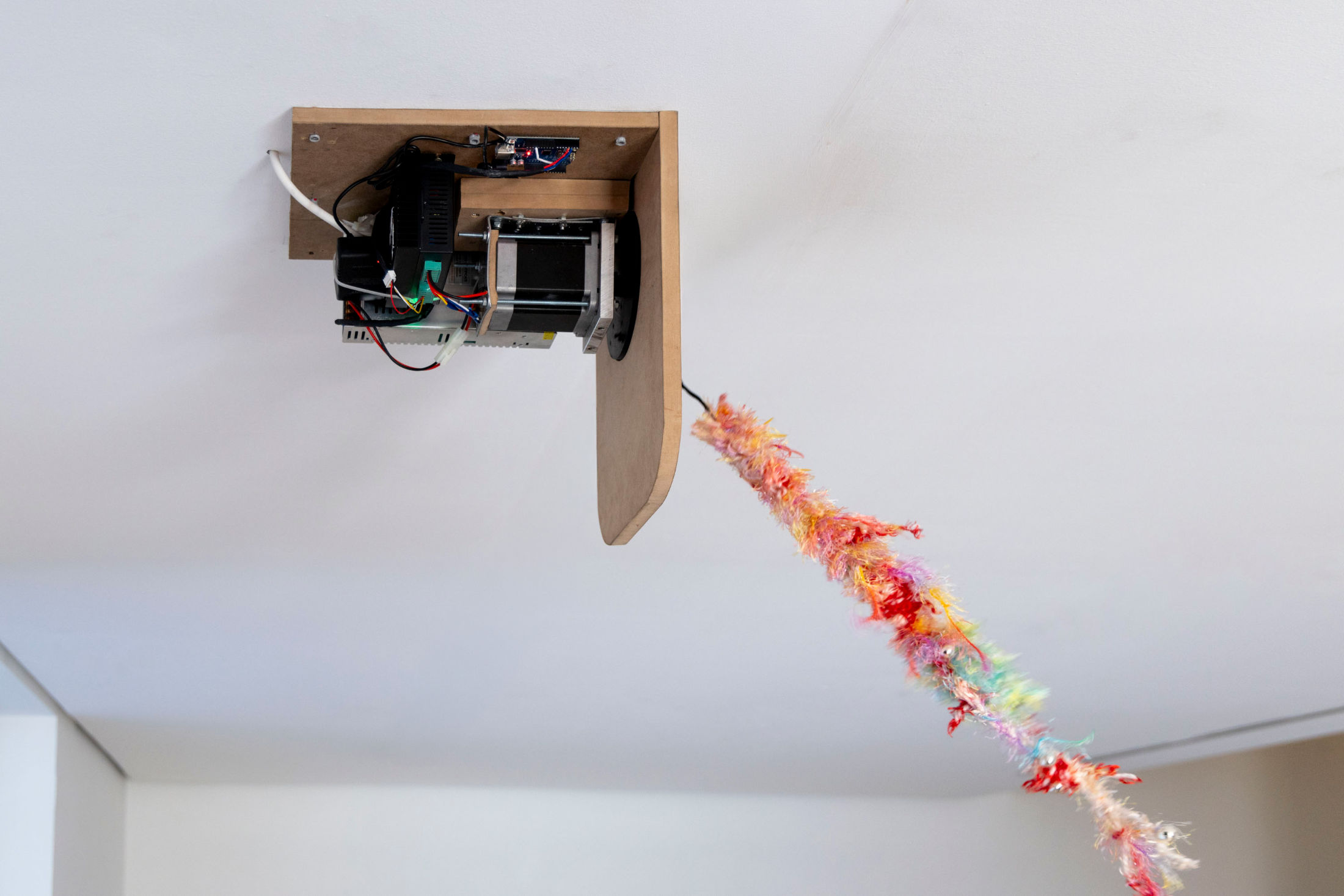
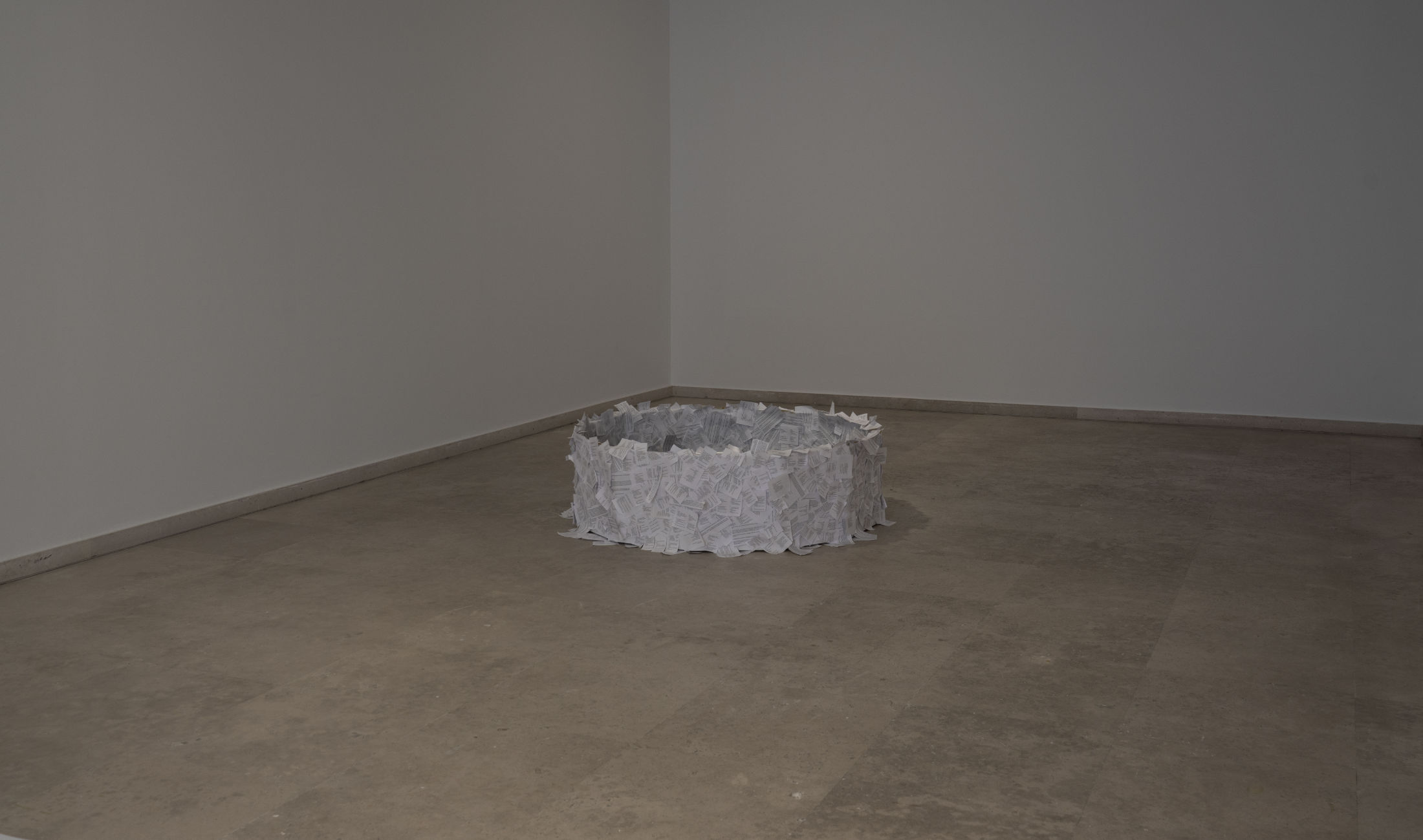
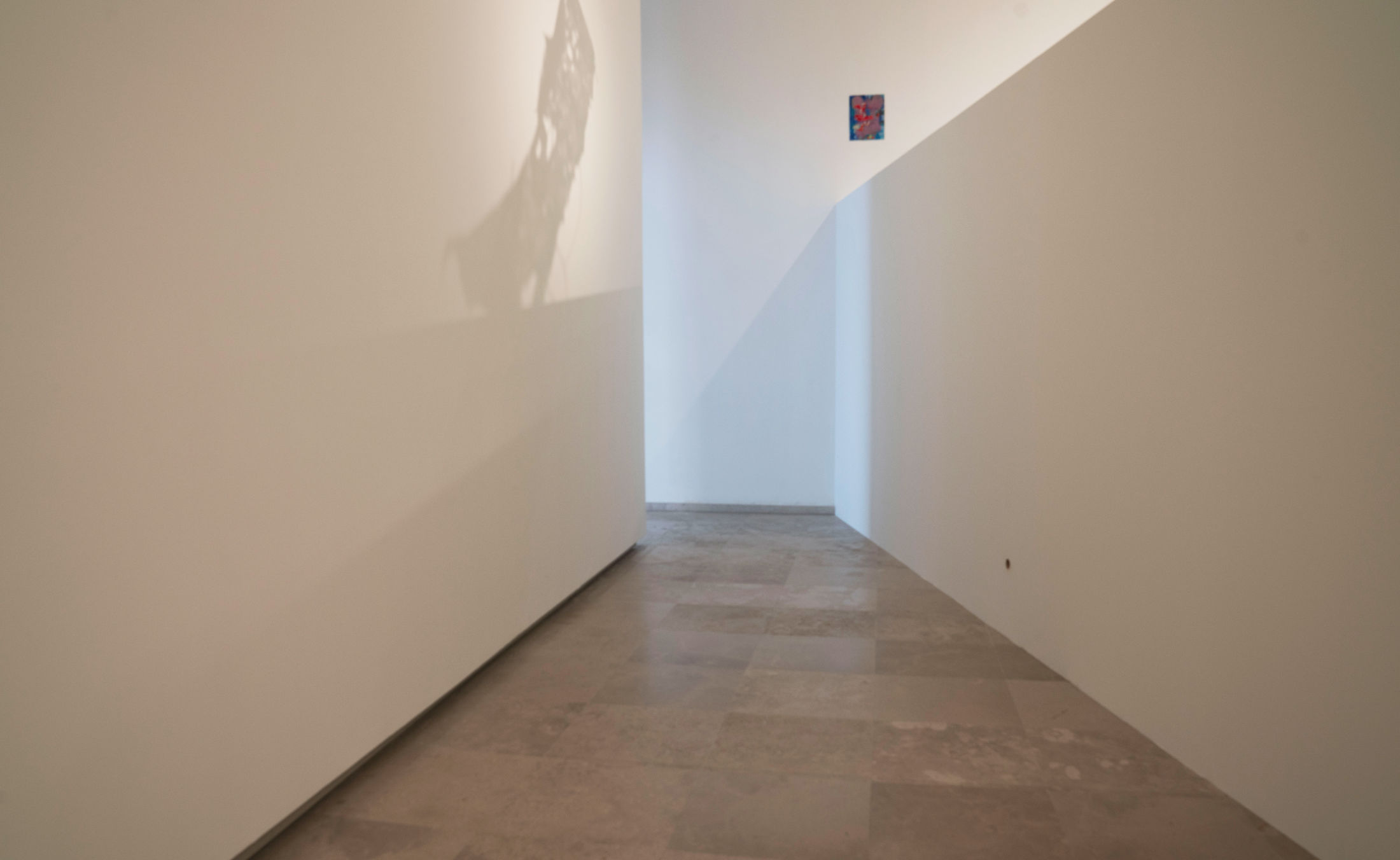
As you go in, you hear a sound. Over and over again, with a cadence that is not from the outside, but rather one that imposes its own rhythm on the body, before the eyes have taken over. Like a mechanism that someone left running, and which is still working even though no-one has asked it to. A door that is normally closed has opened: light pours in, filtering into the next room through the architectural openings, and something in that simple gesture changes the nature of the space. From here on, the works of art await us.
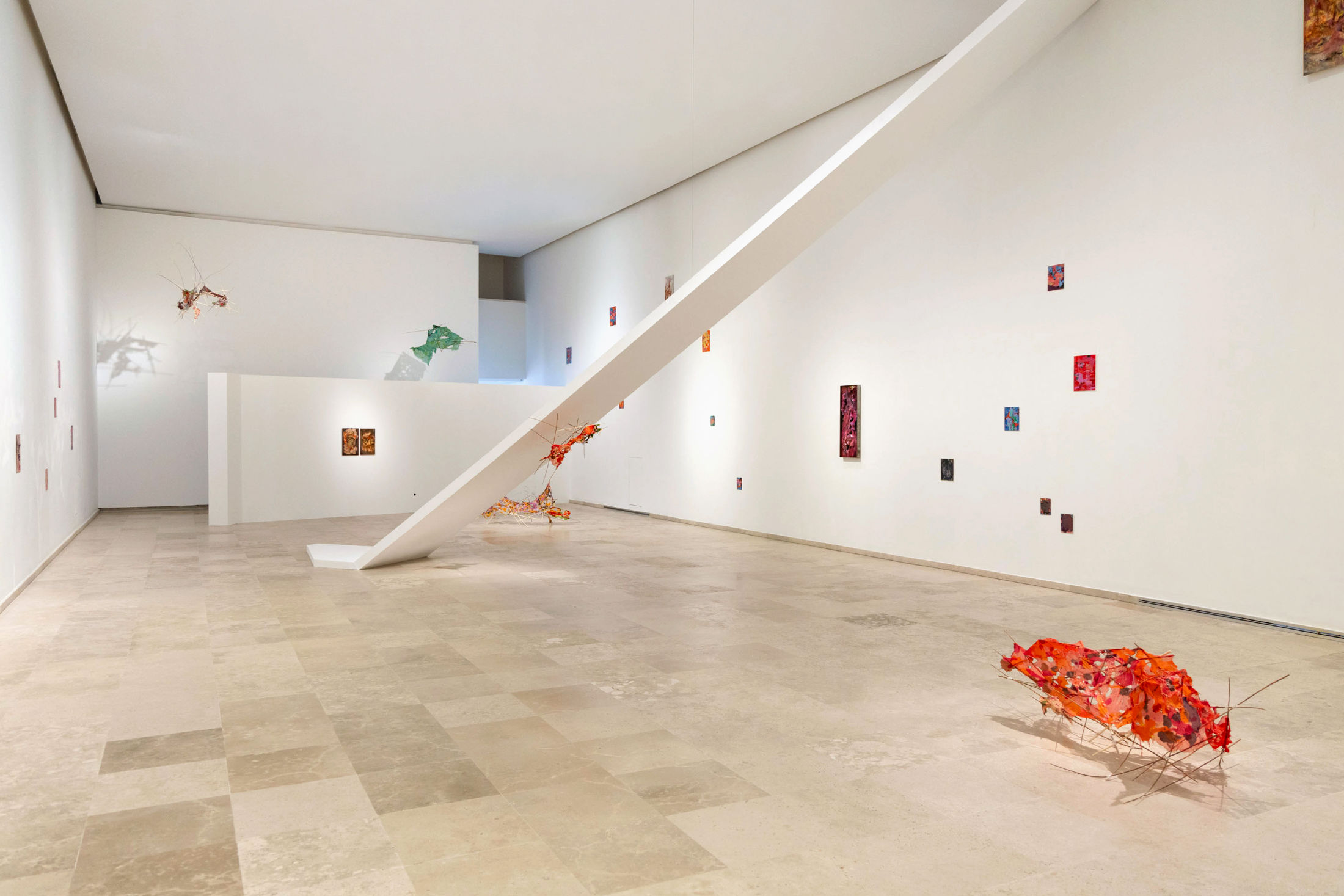
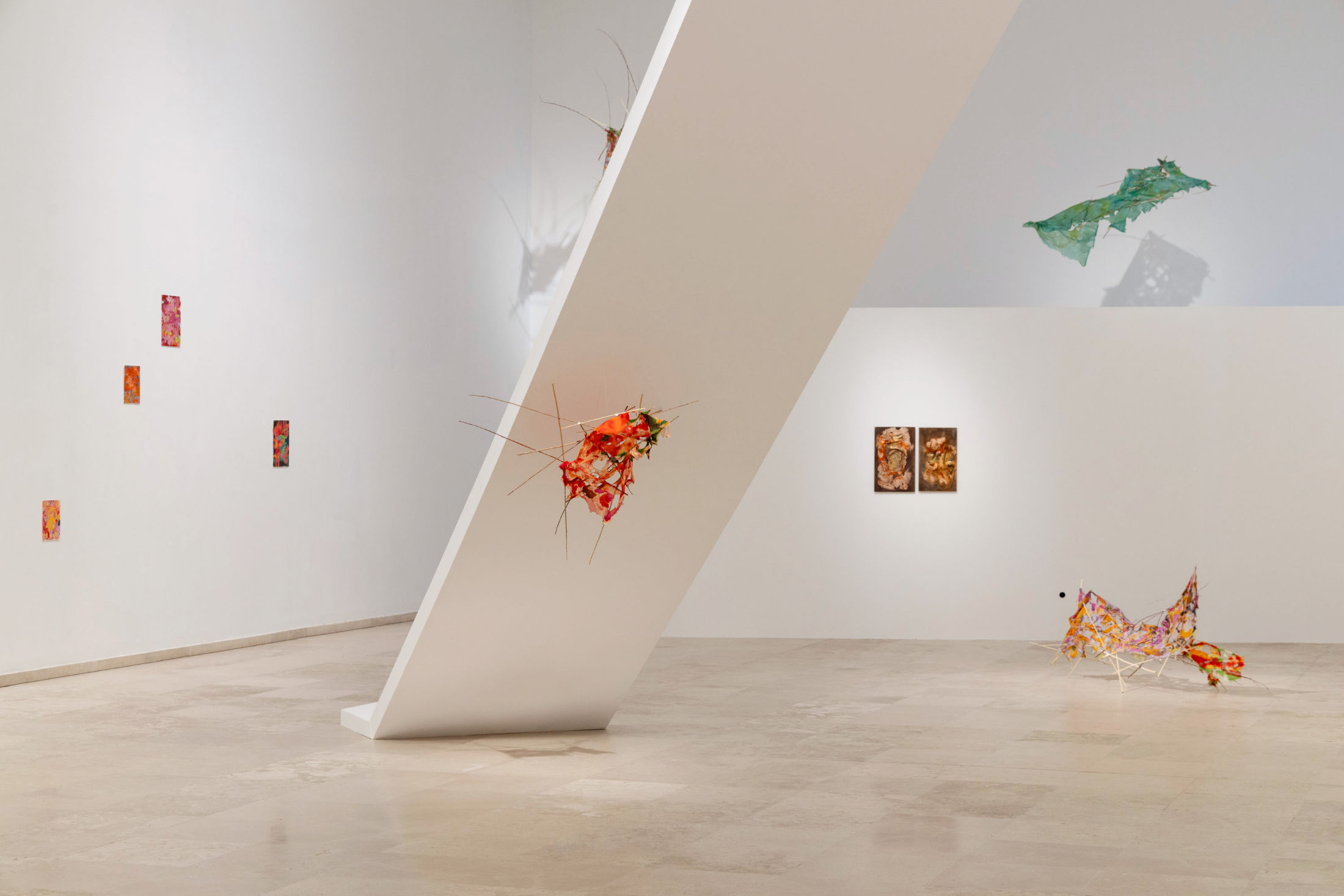
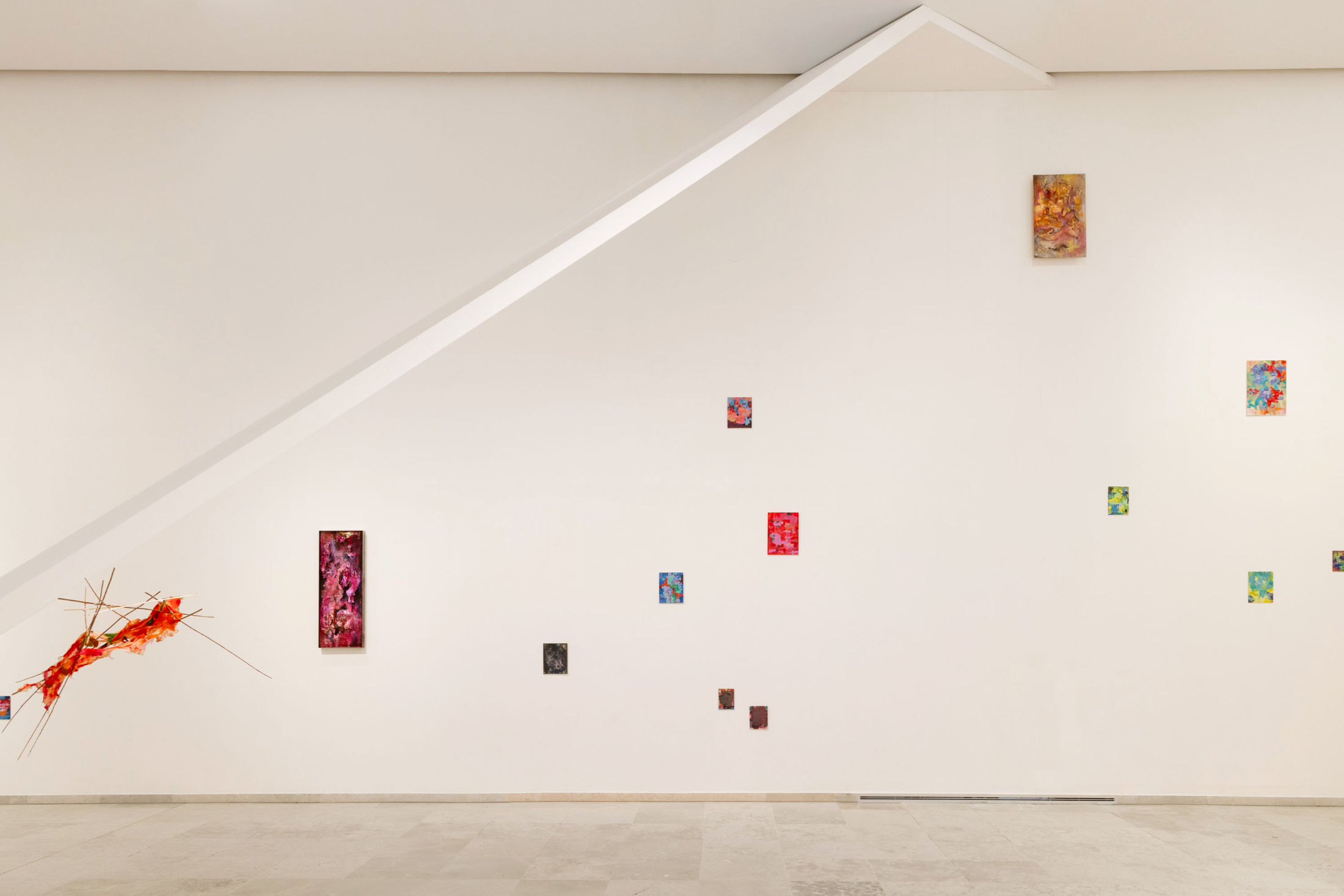
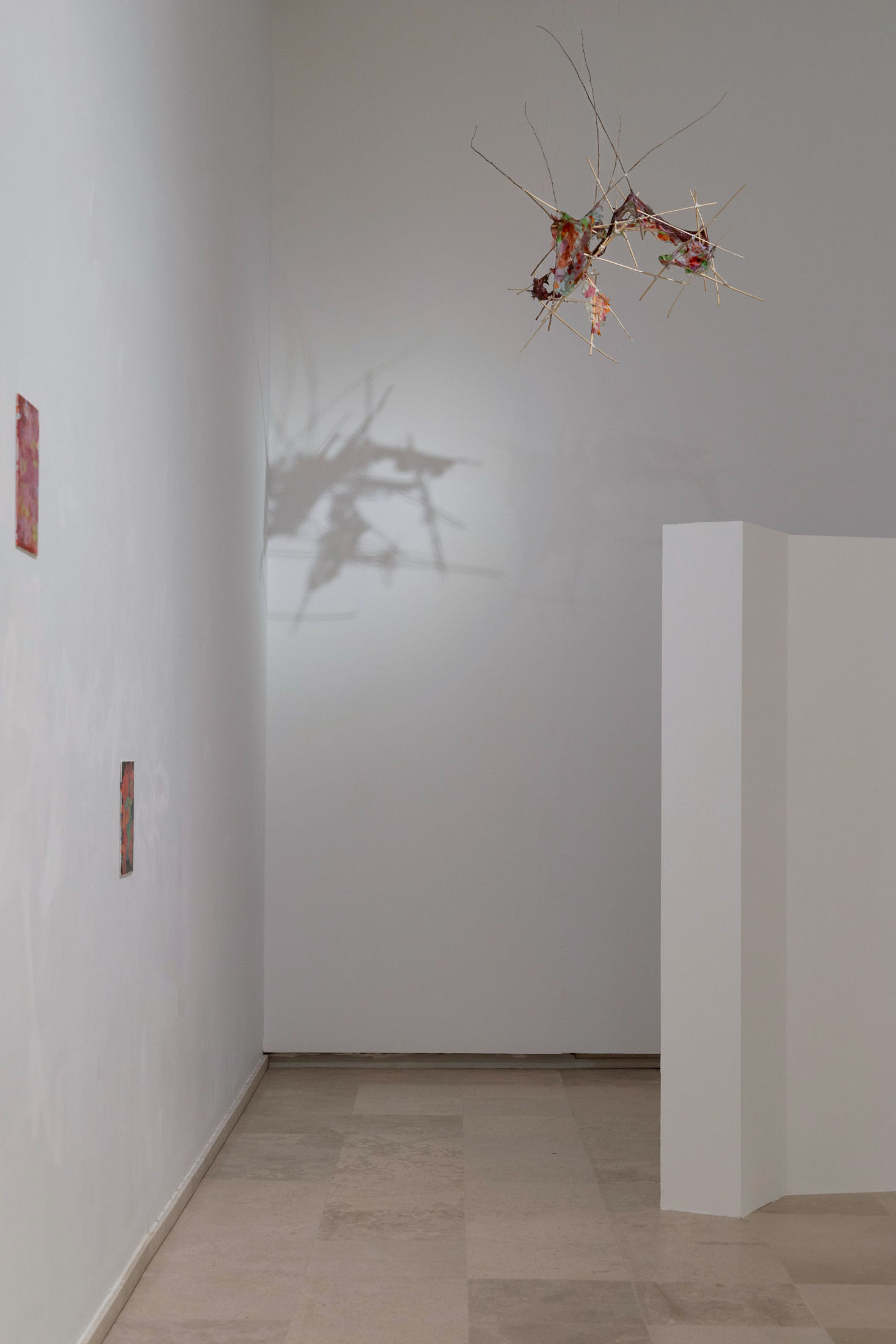
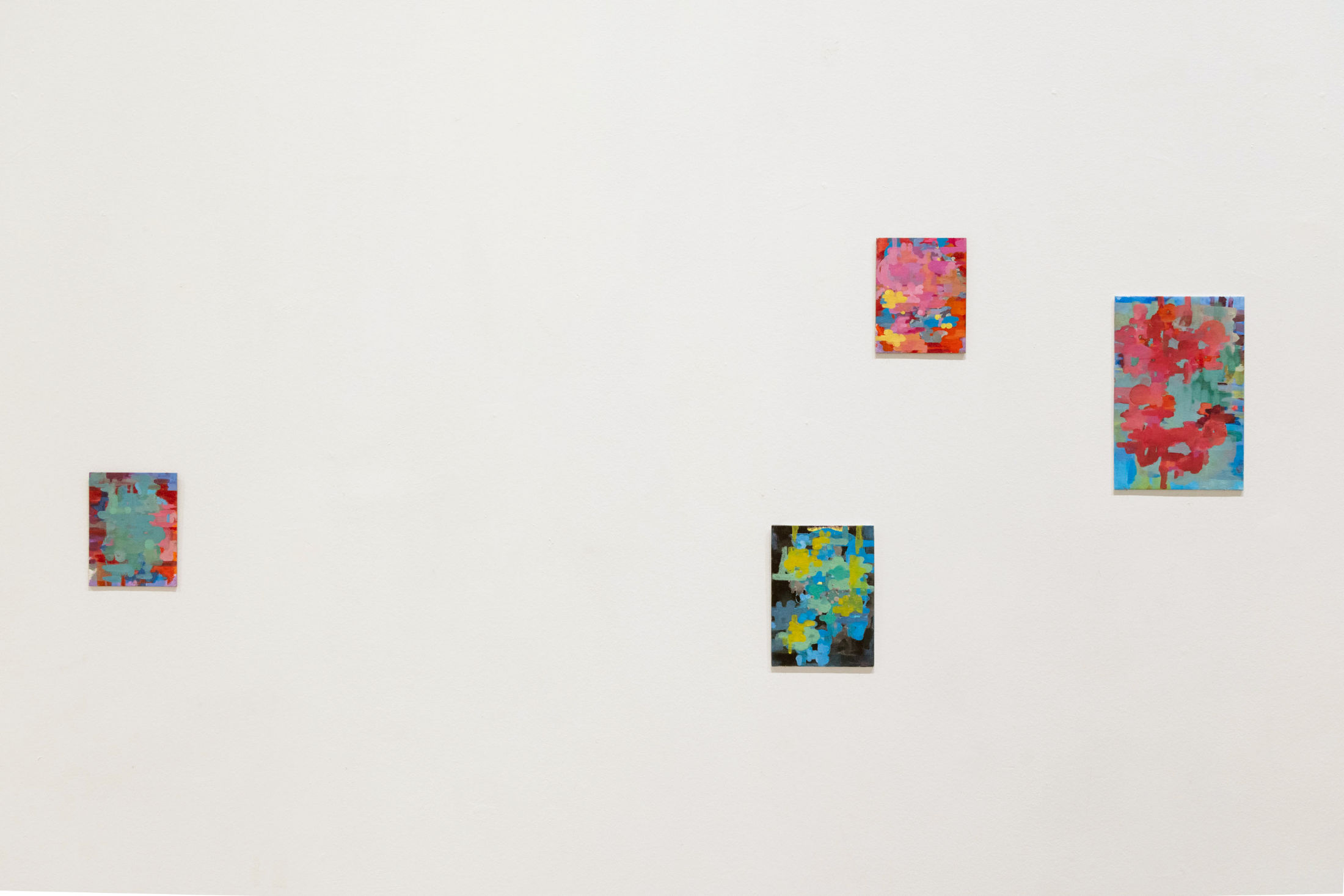
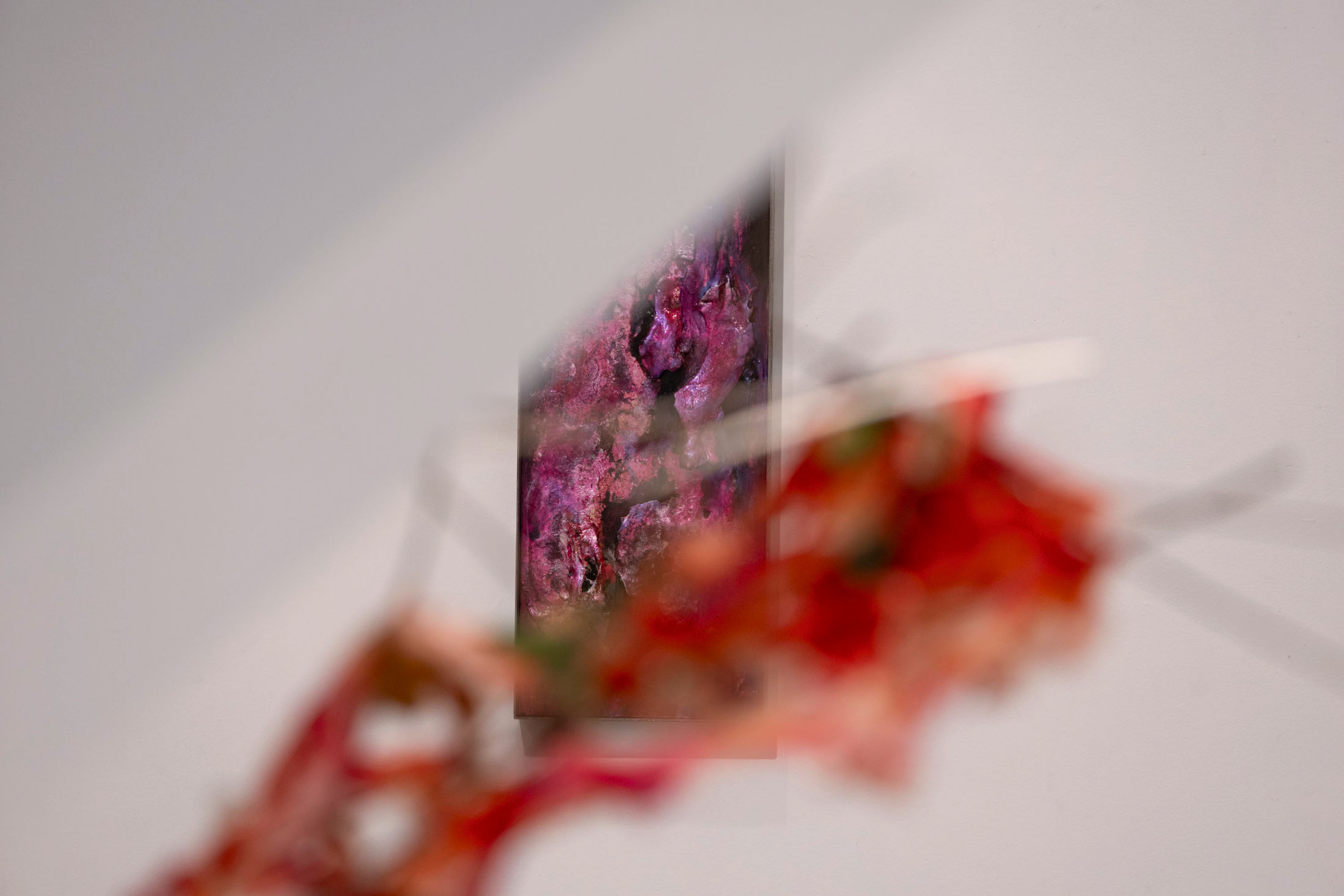
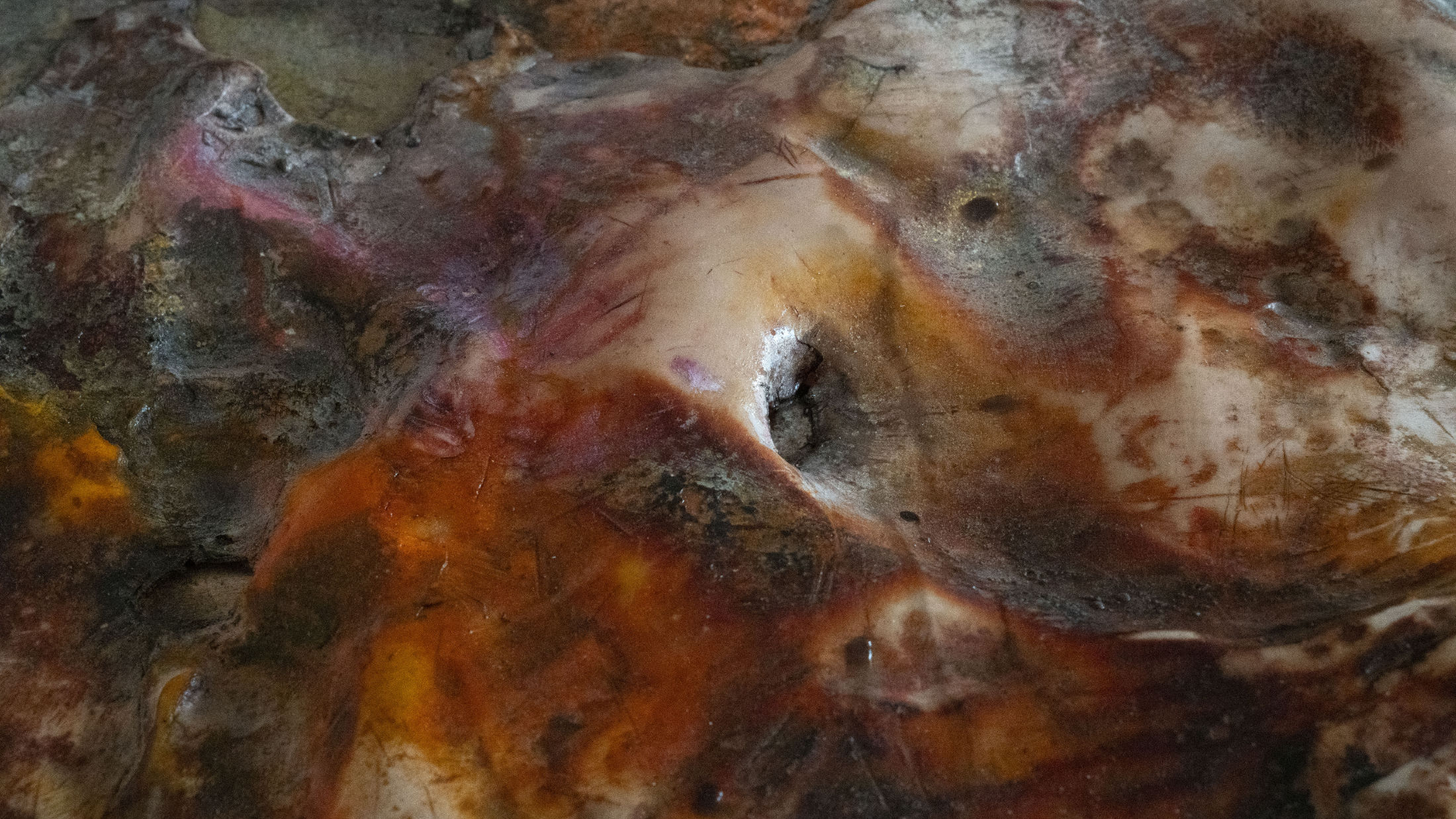
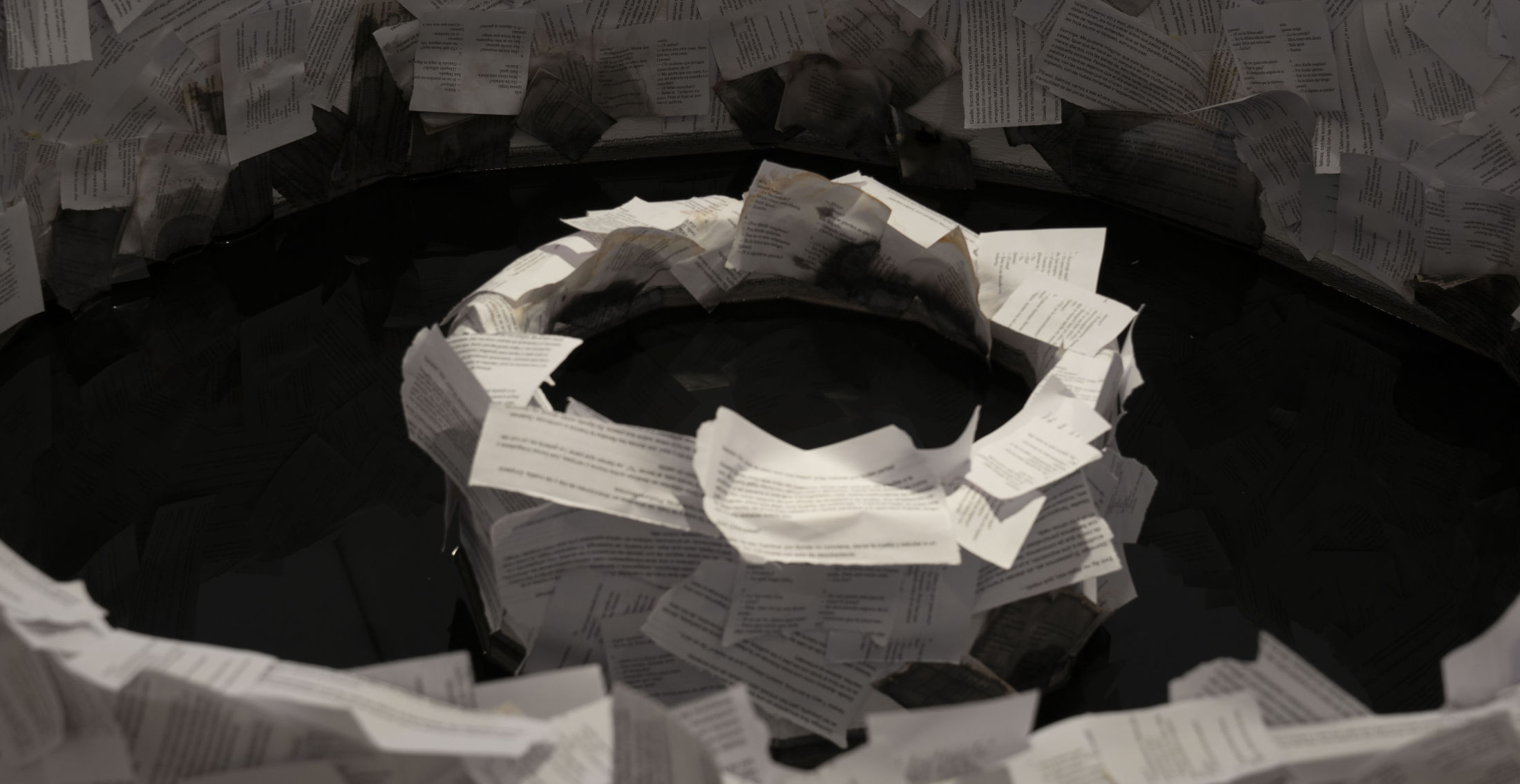
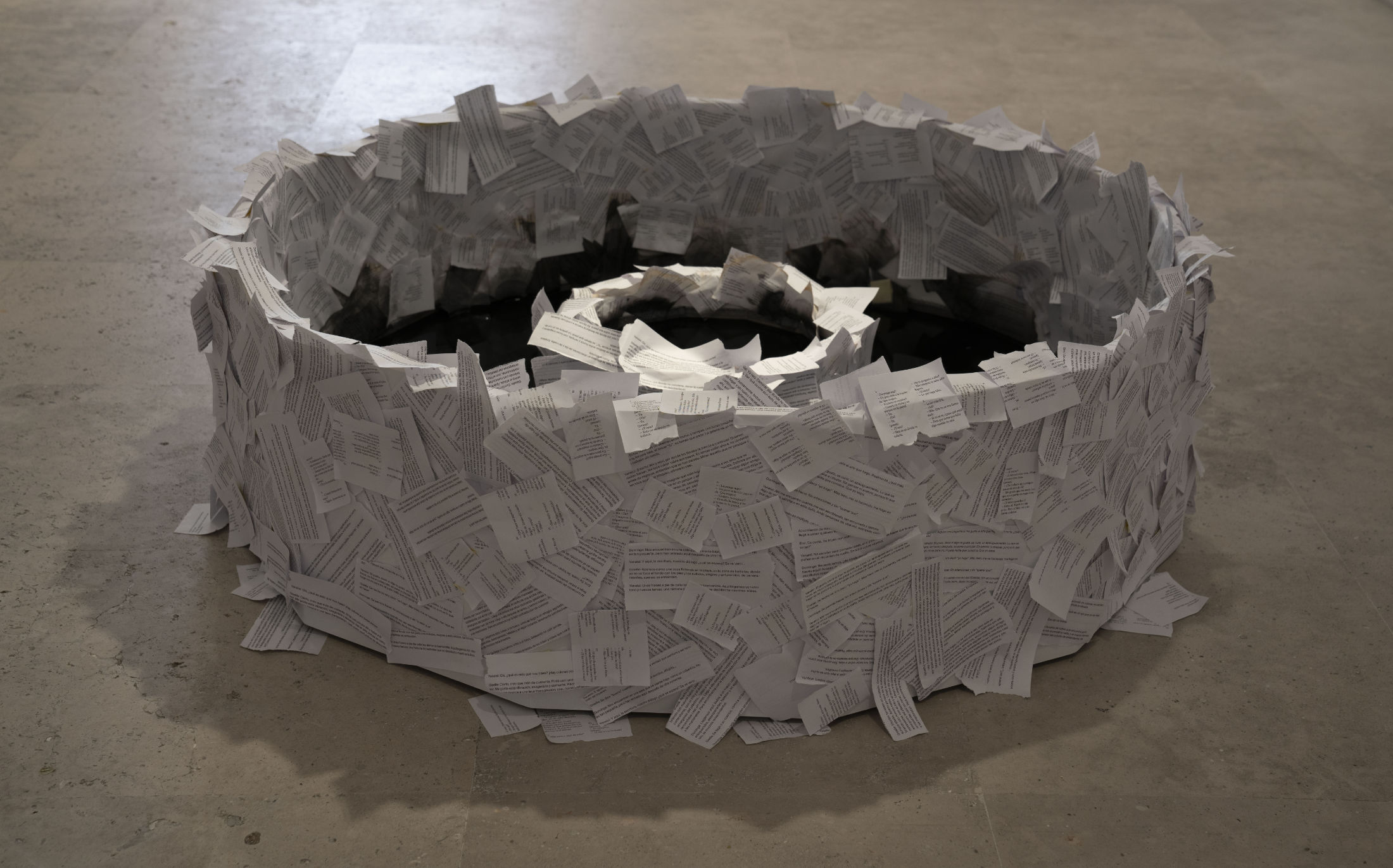
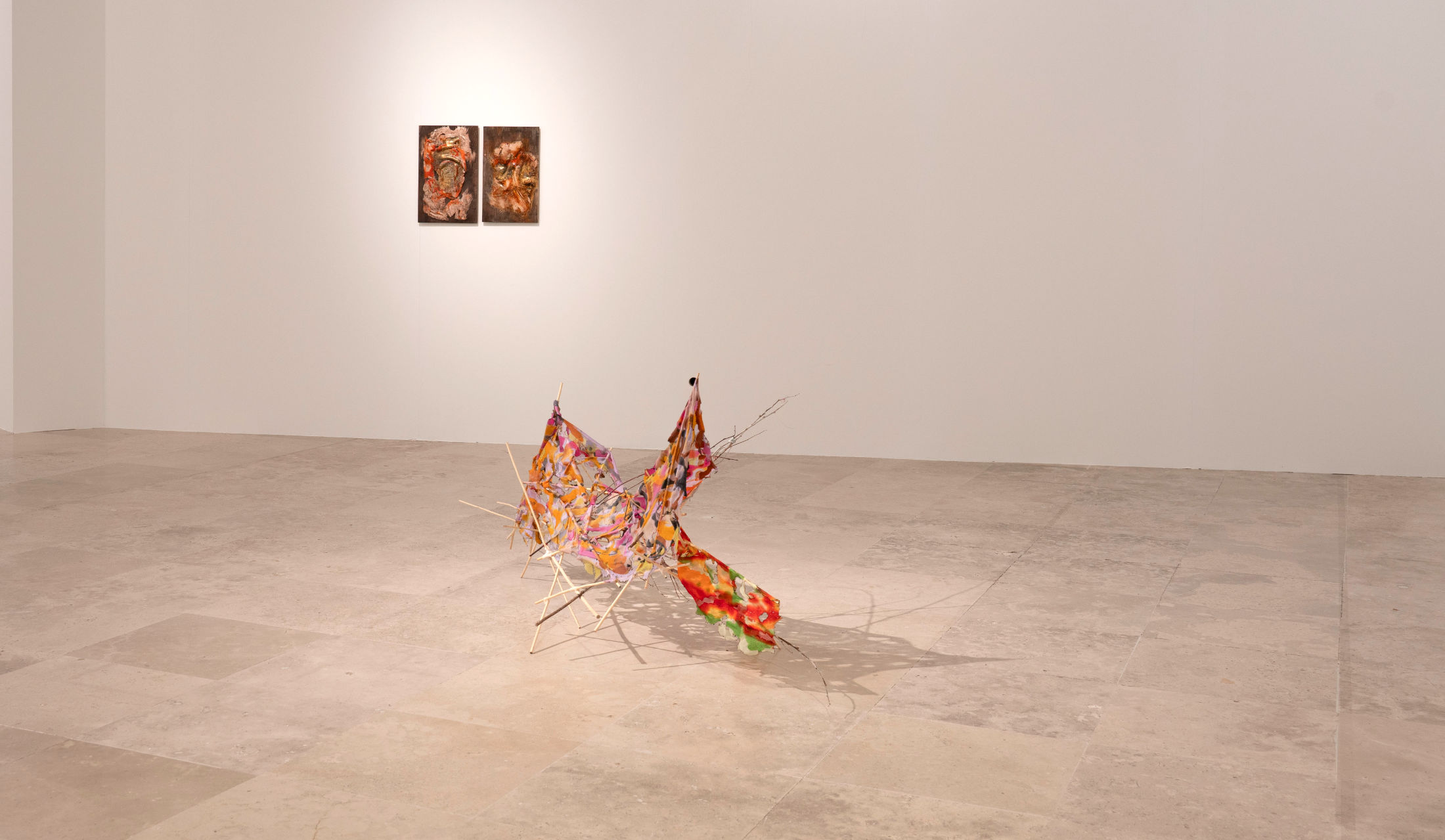
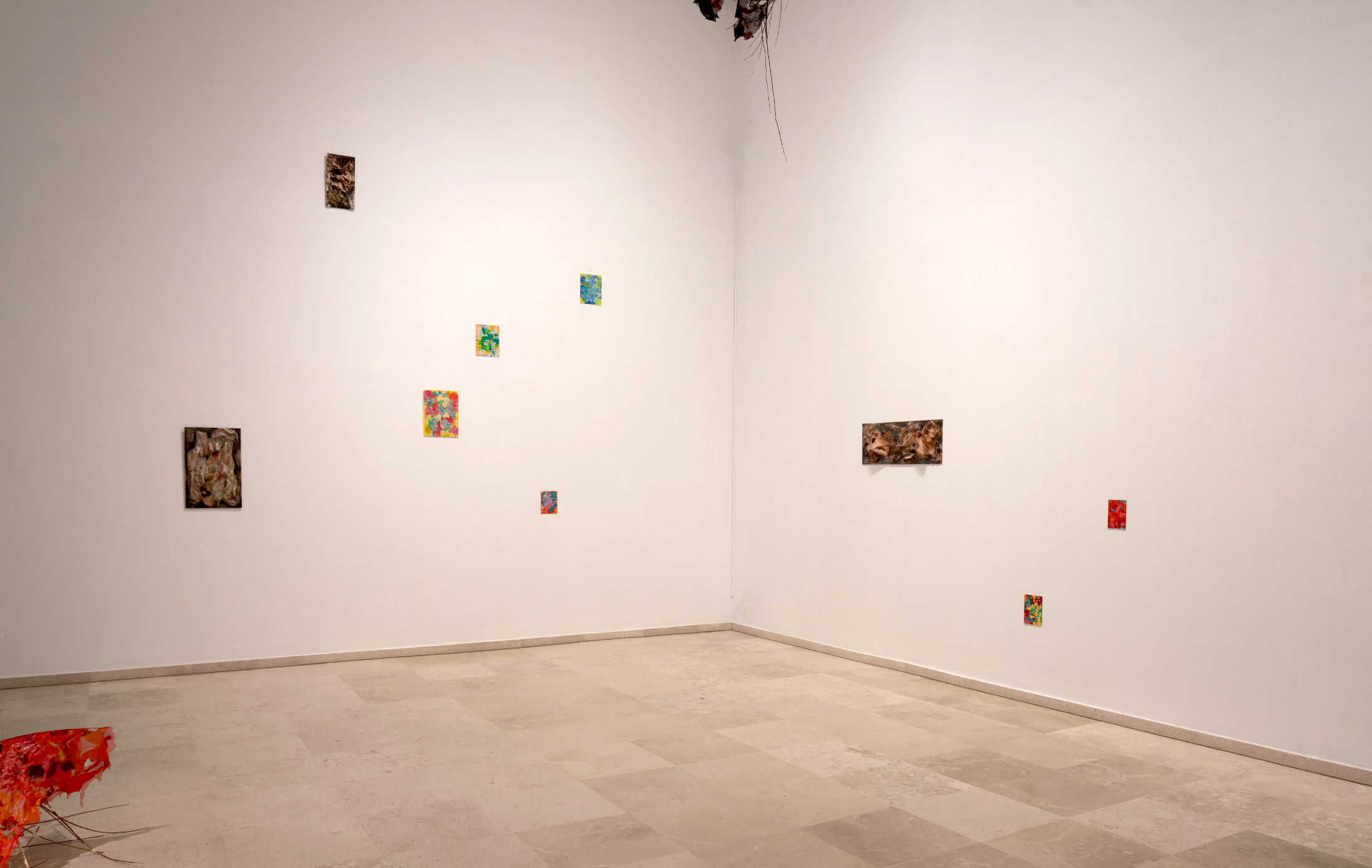
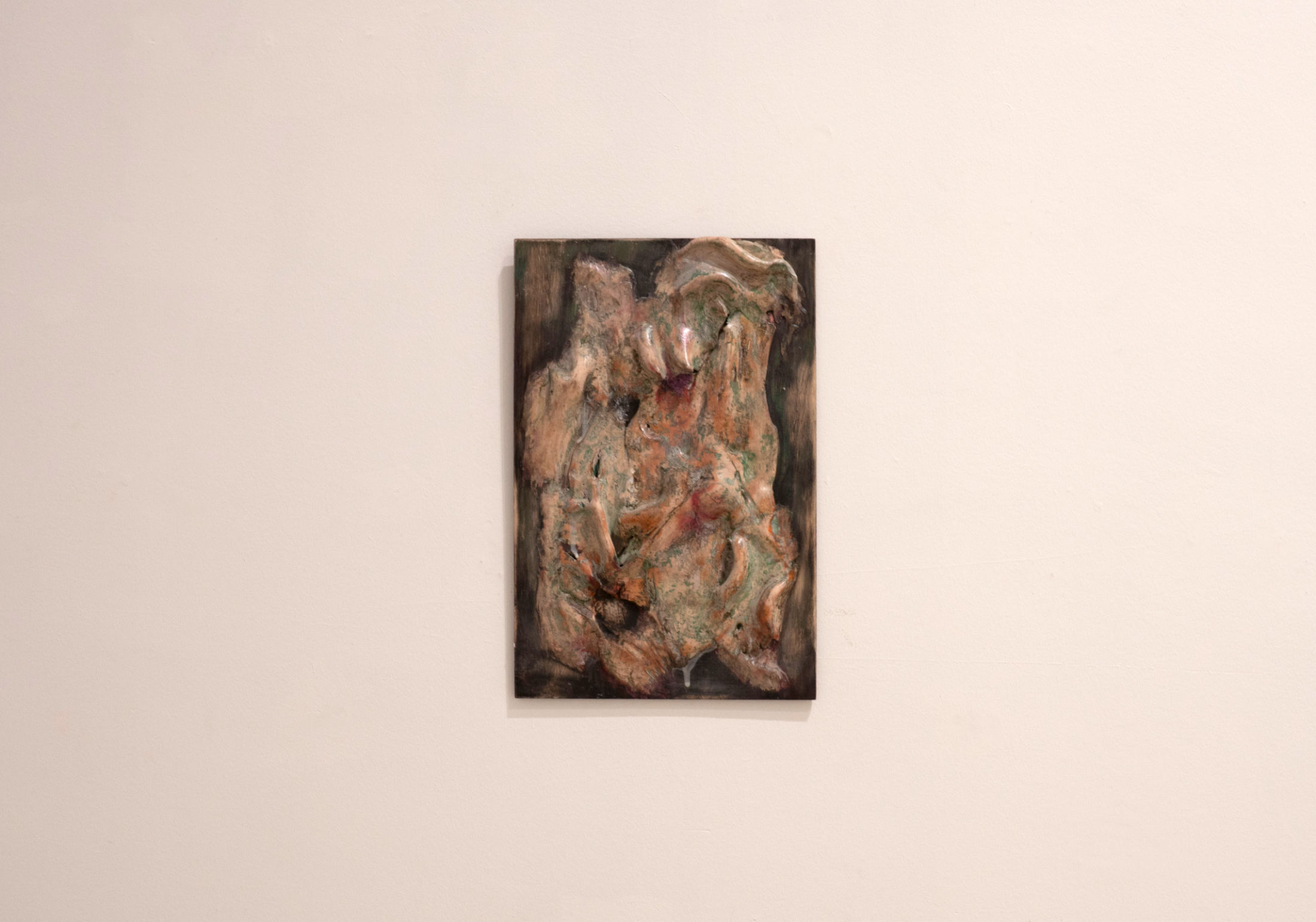
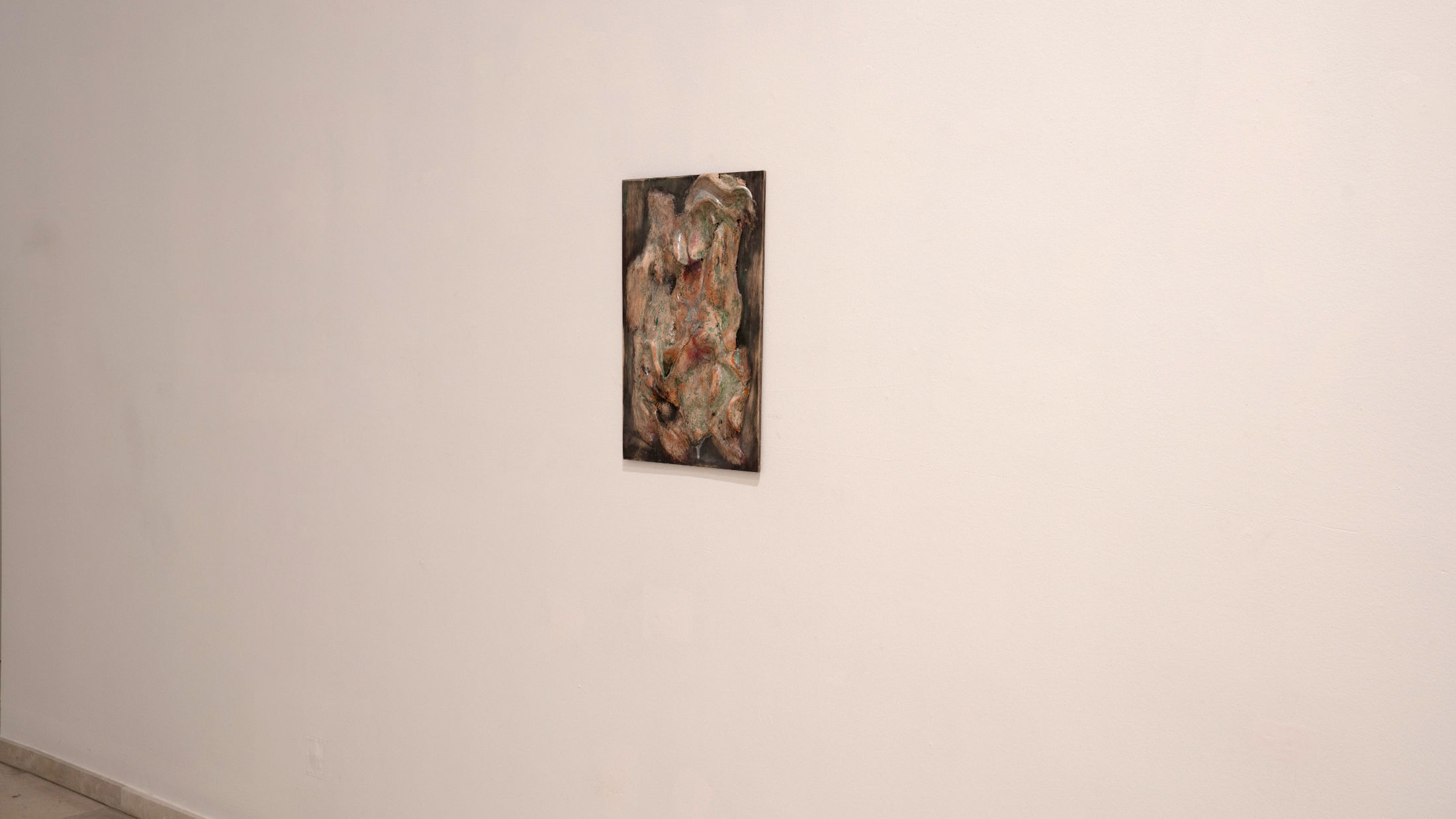
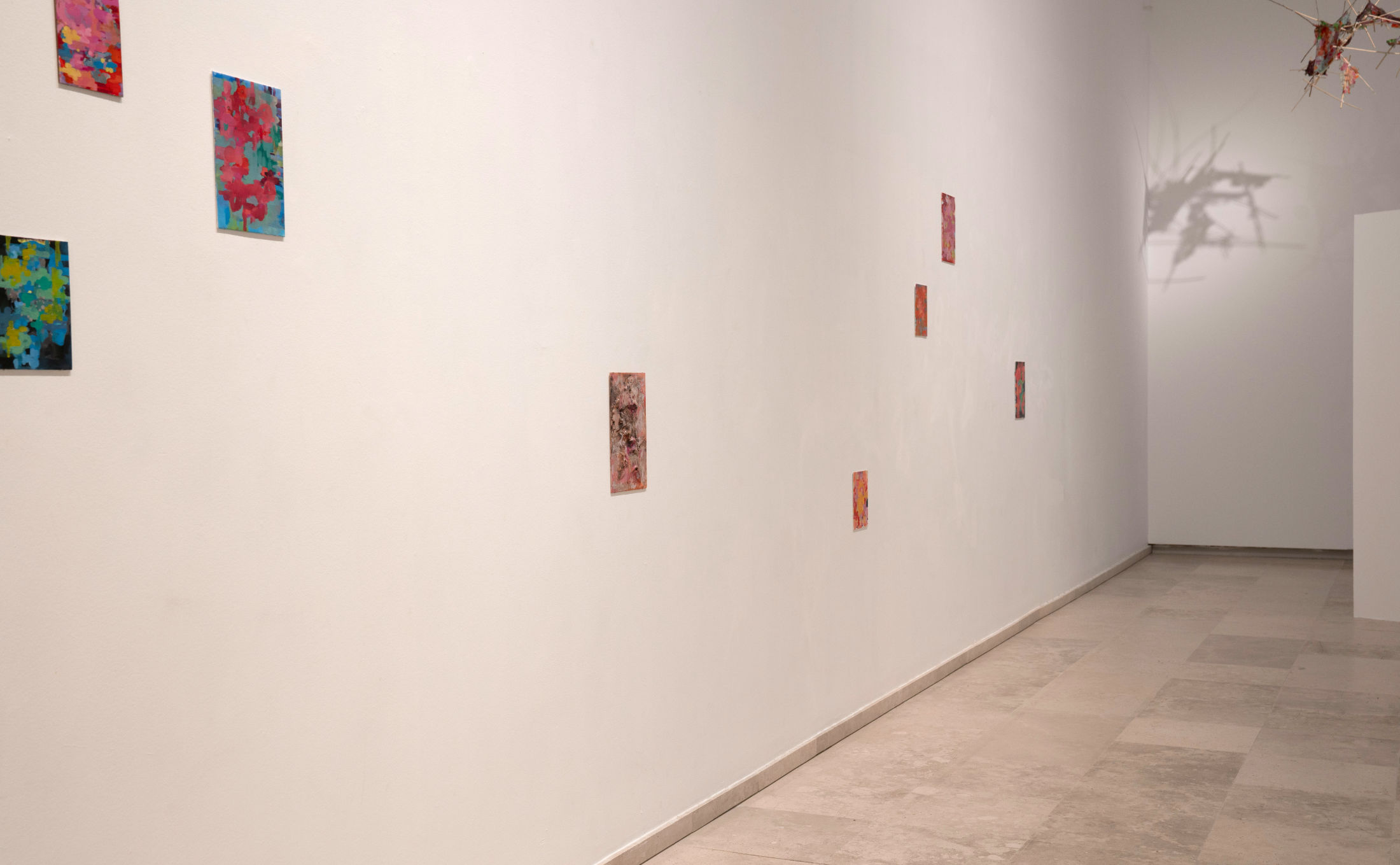
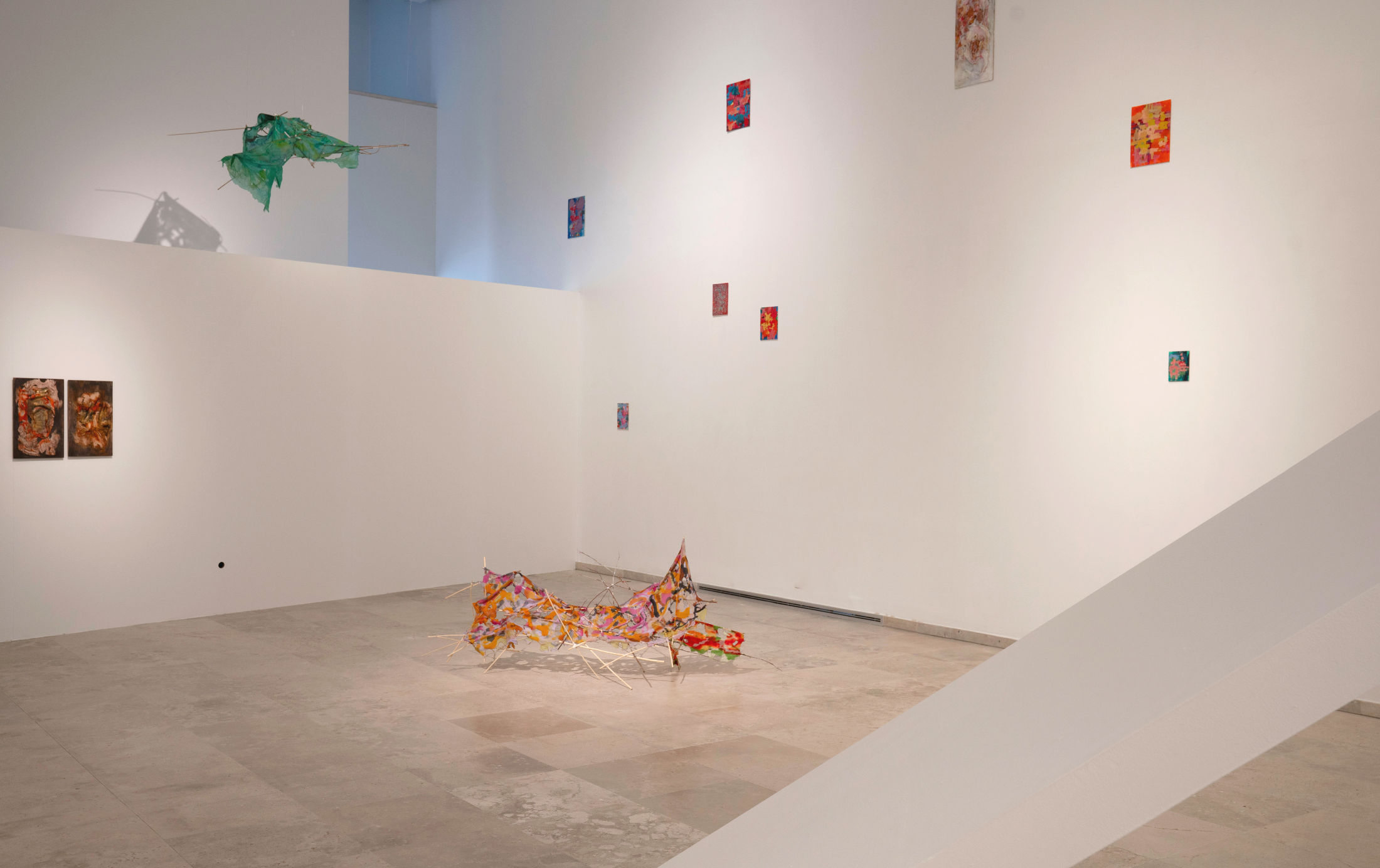
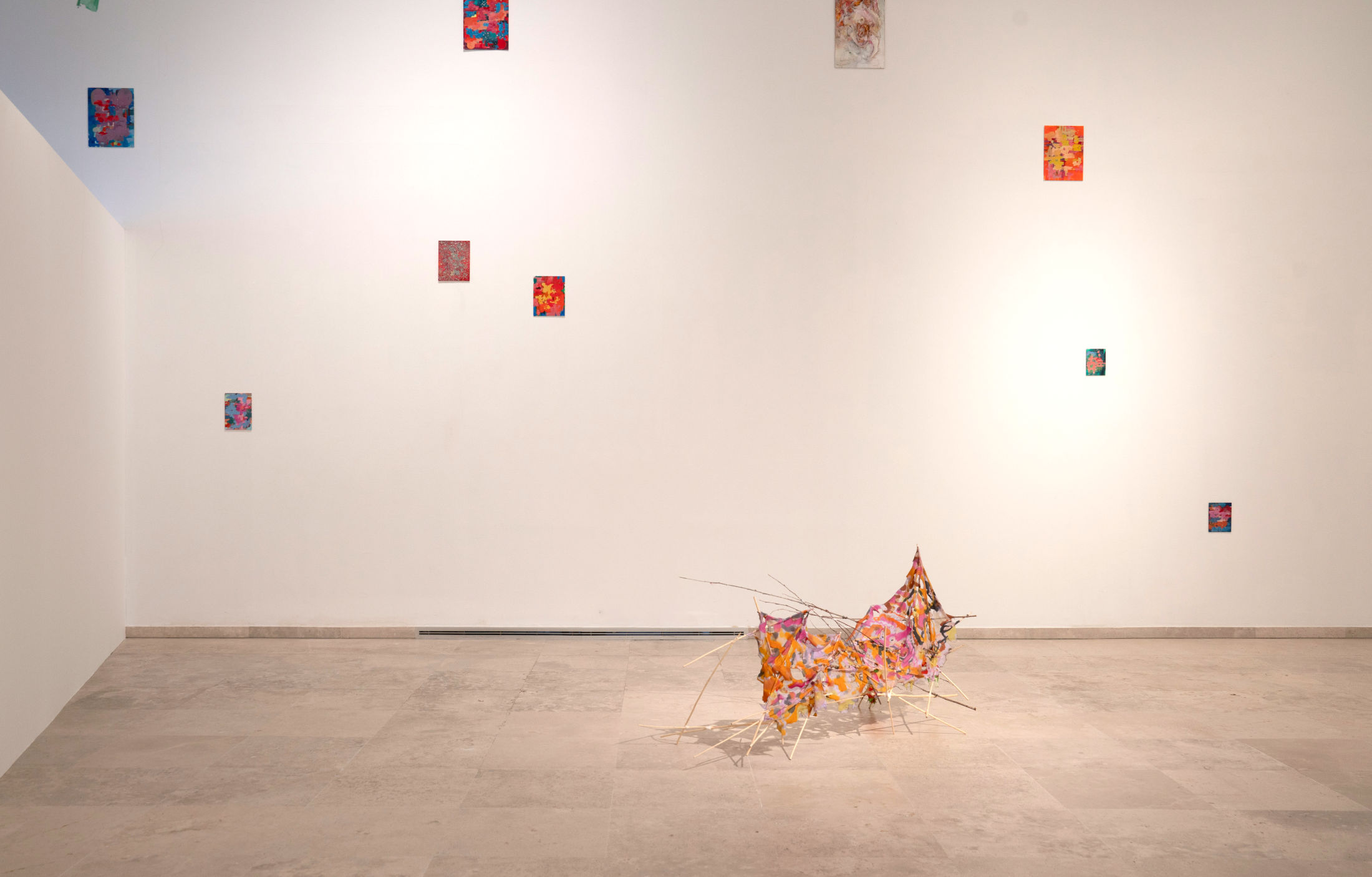
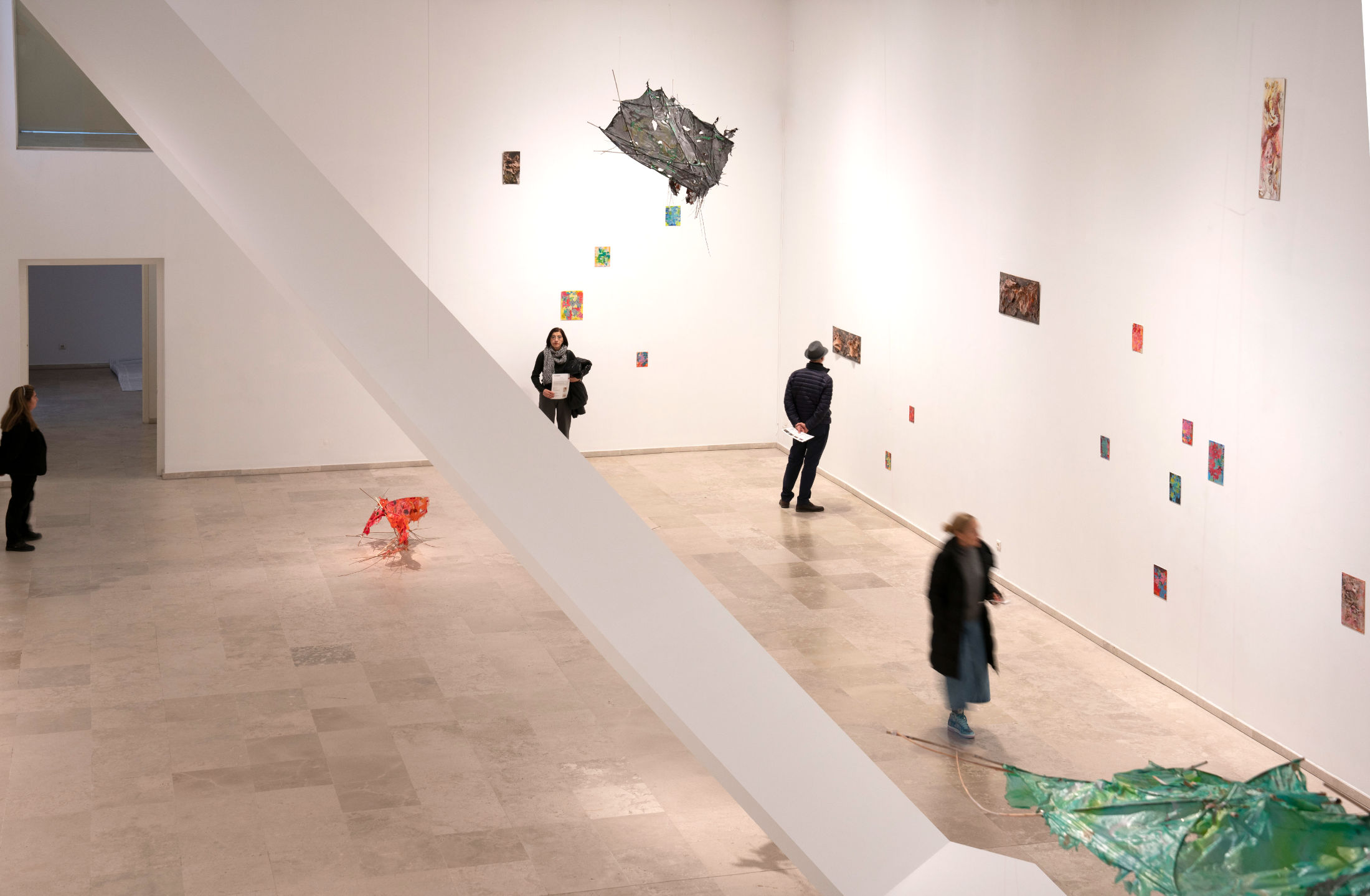
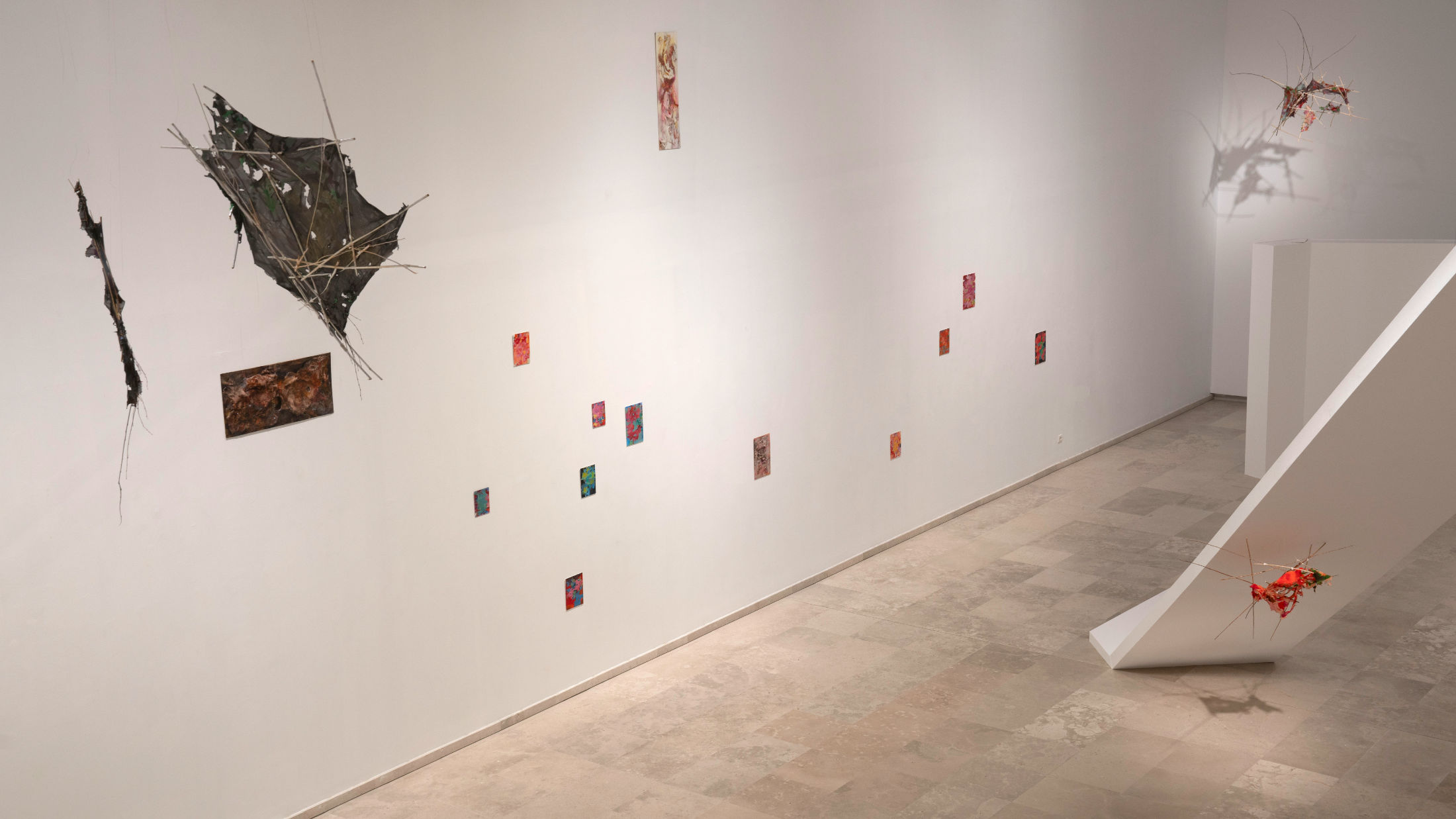
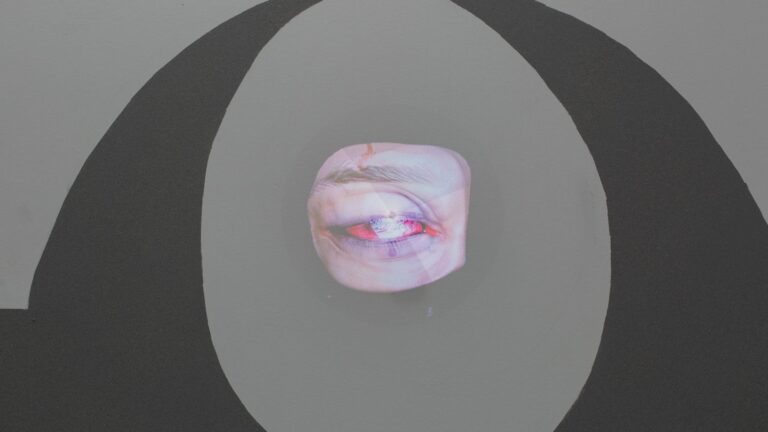
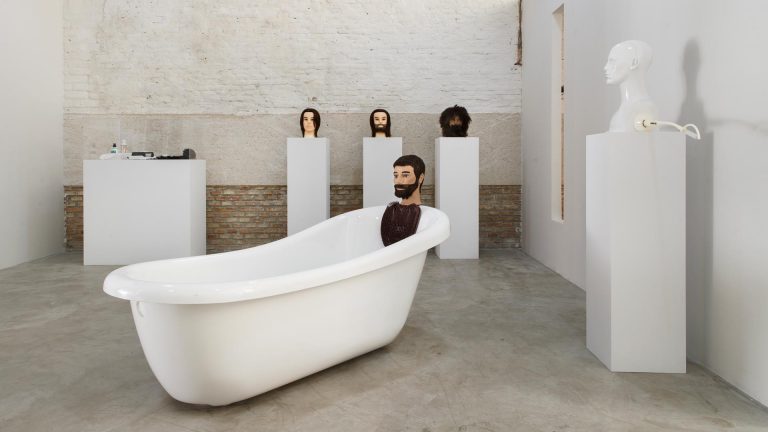
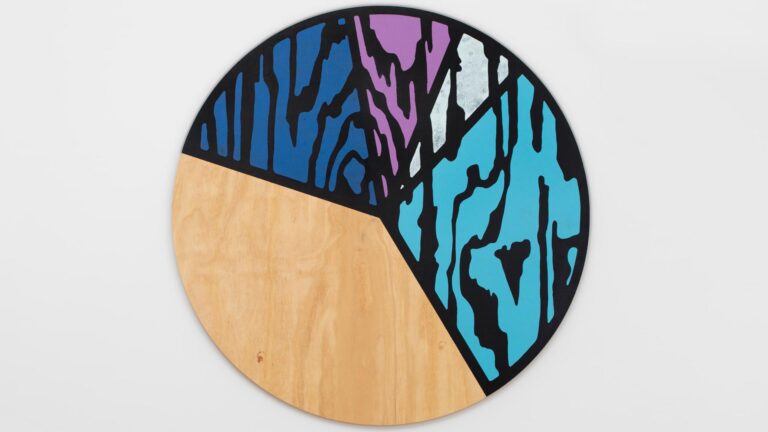
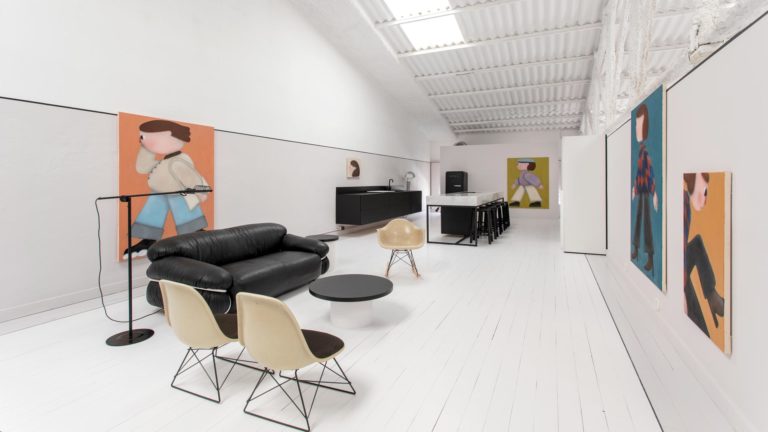
The architecture of the room has been altered so that it can escape from its own logic. The works of art are scattered throughout, as if they had come to a space that is falling apart and were responsible for holding it together: each one is just where it should be, and if only one were to leave, everything else would collapse. Some emerge from the surface, like organic bas-reliefs, crafted from the material used to make dolls. The body recognises this material before identifying it: soft, a little cool, pinkish, with that texture that was perhaps our first contact with something that mimicked a body, without actually being one. Like skins that have found the wall to rest upon. There are also smaller, more vulnerable pieces. Paintings that form a kind of record of intimacy: moments captured with the same caution with which you preserve the residue of something you no longer quite remember. The colour in them is not chosen all at once: it comes, settles, and stays. The layers build upon one another with the same logic by which certain memories accumulate – not in order, but through persistence, because something keeps coming back until it finds its place. There is no neutral background: each shade is already the sum of what came before, a sedimentation that seeks not to conceal, but to add. They work like a polyphony: each has its own voice and could exist on its own, but together they create a dialogue that requires no agreement, only proximity. Small and scattered, each is a moment in itself – together, they generate an atmosphere that sustains everything else.
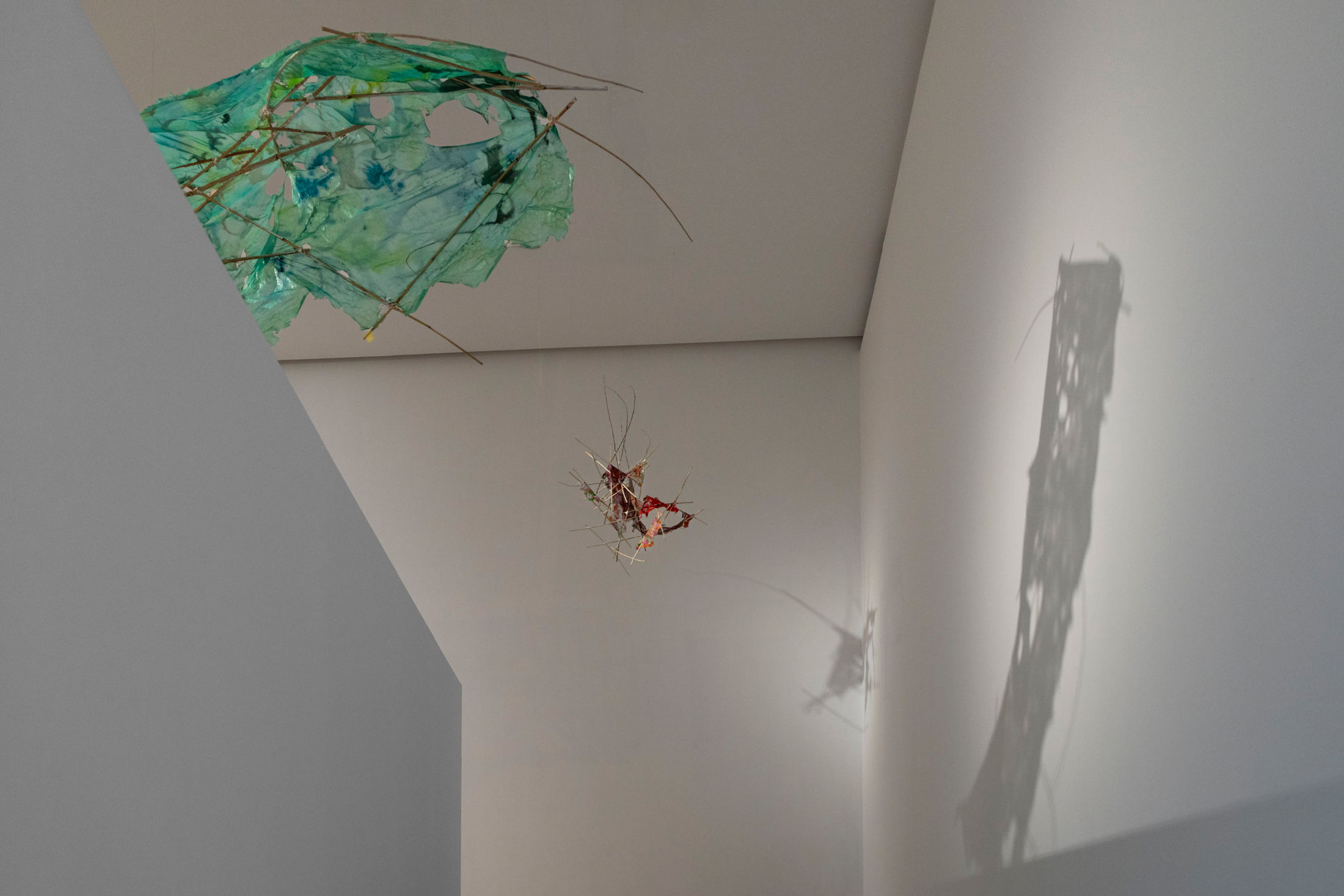
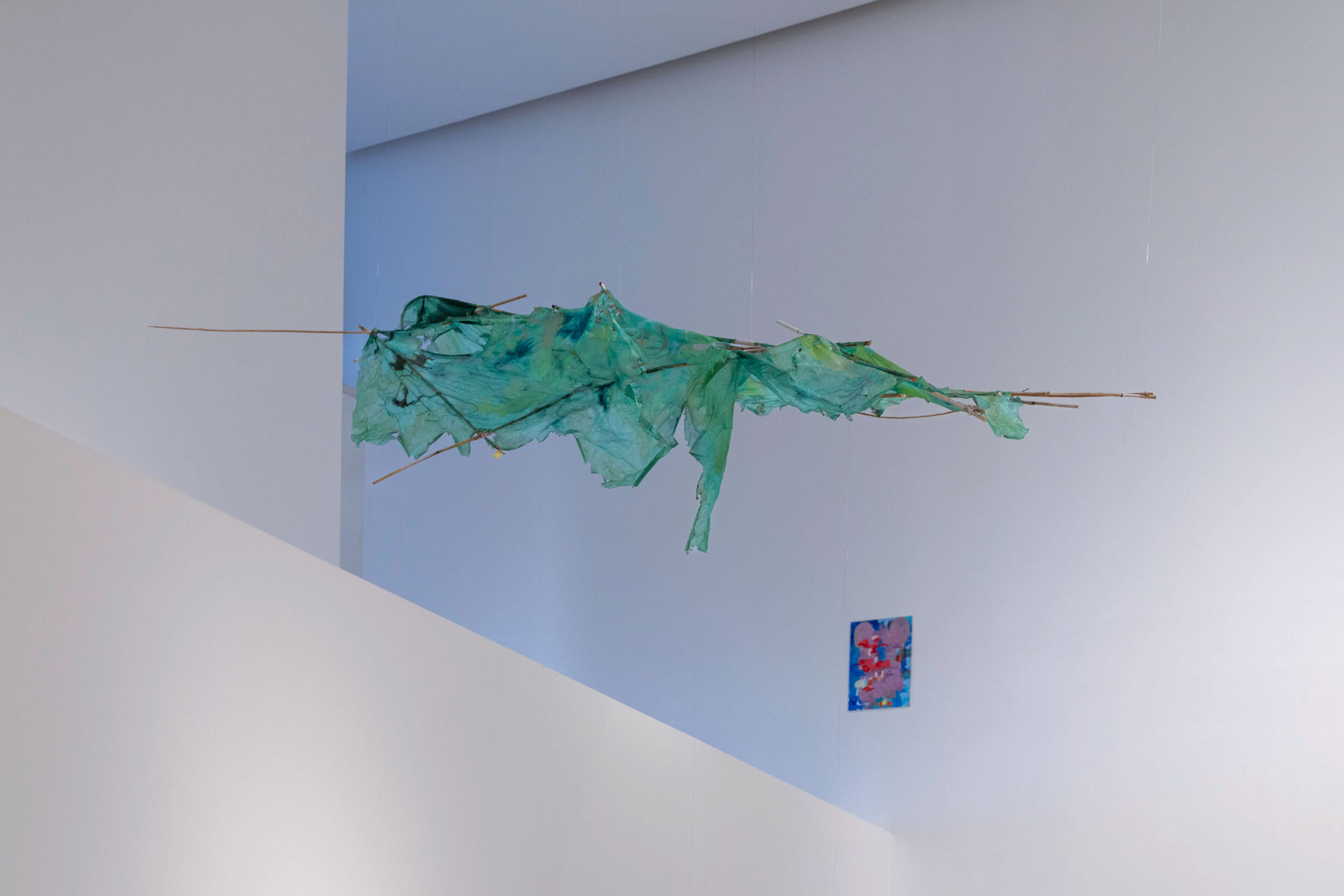
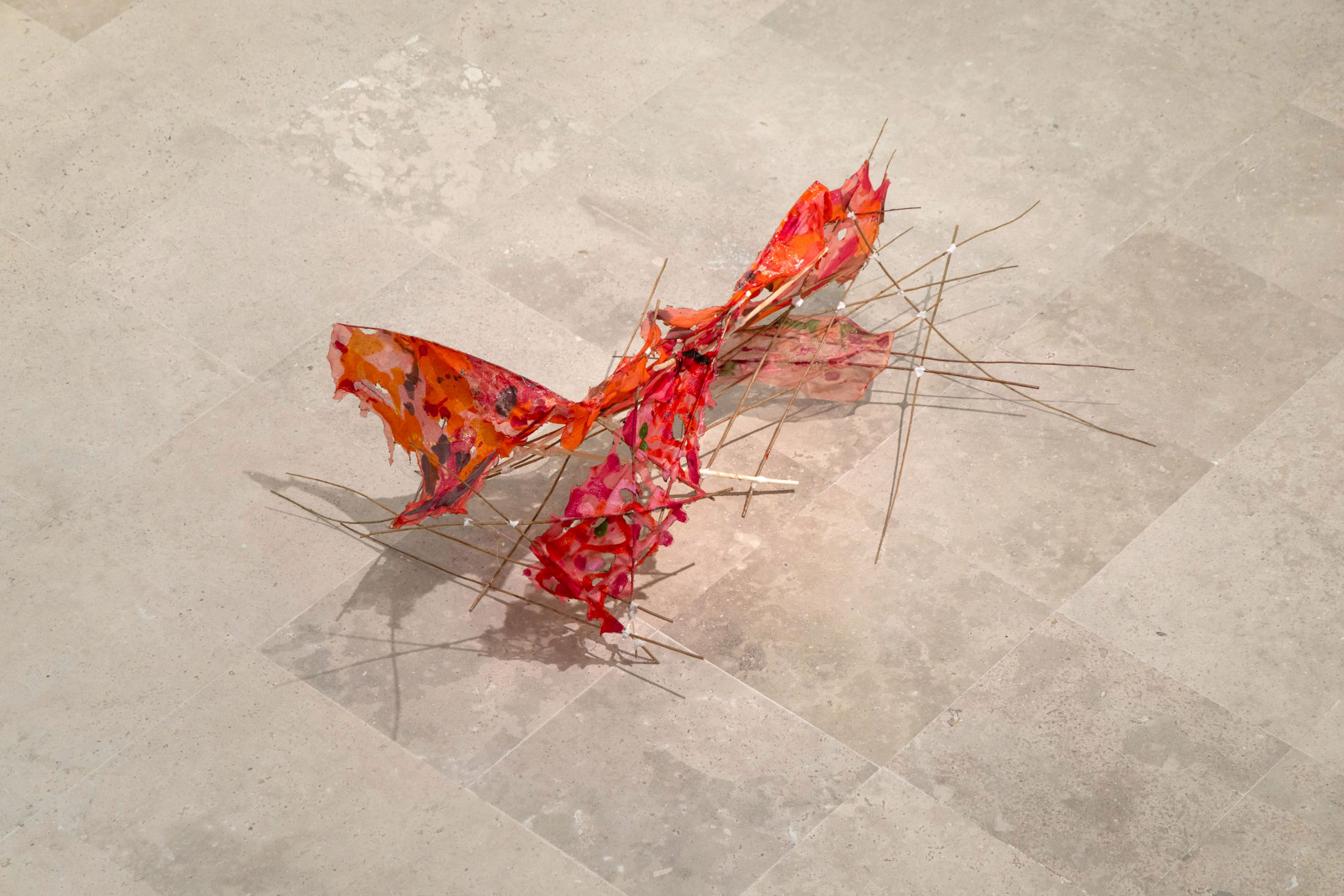
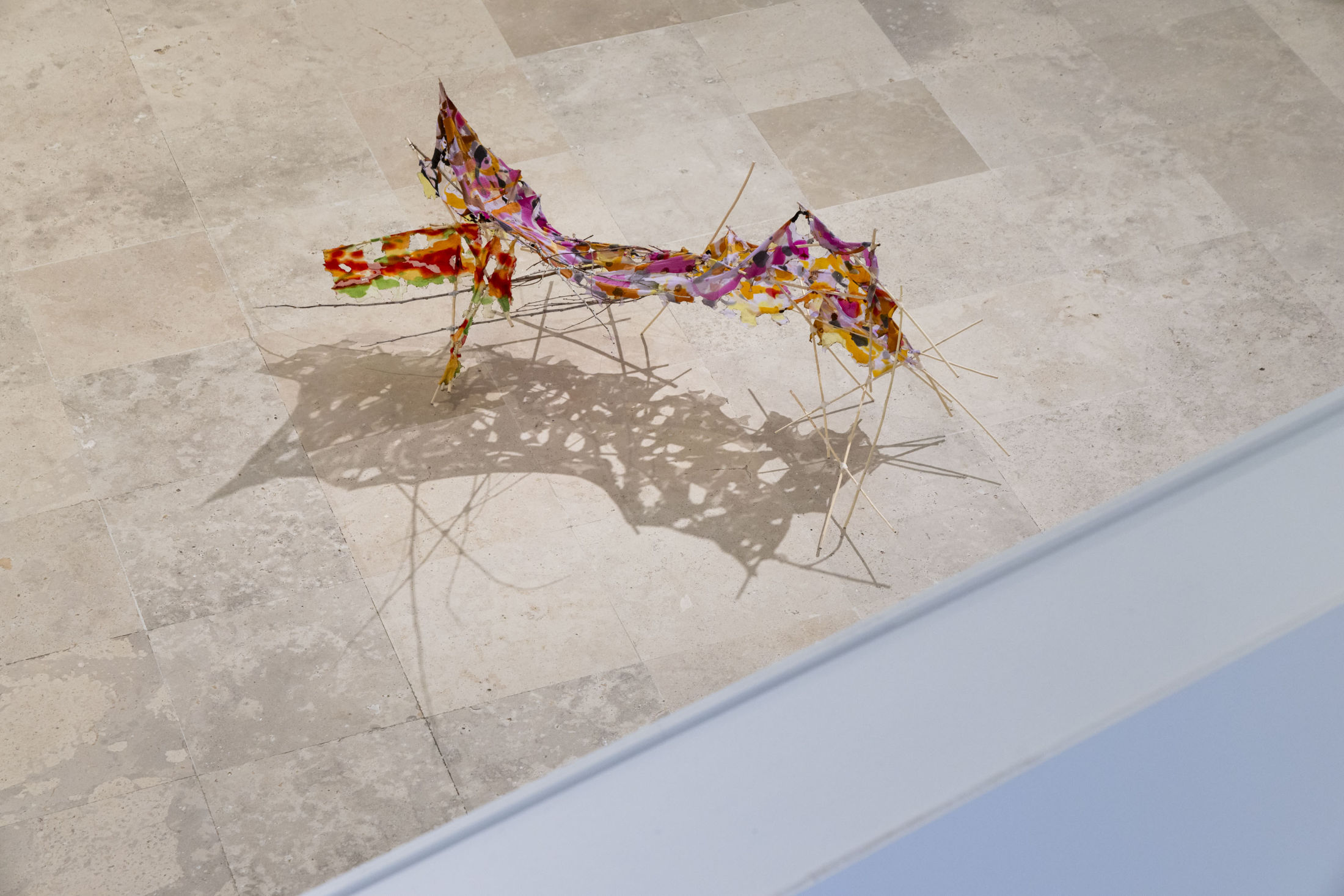
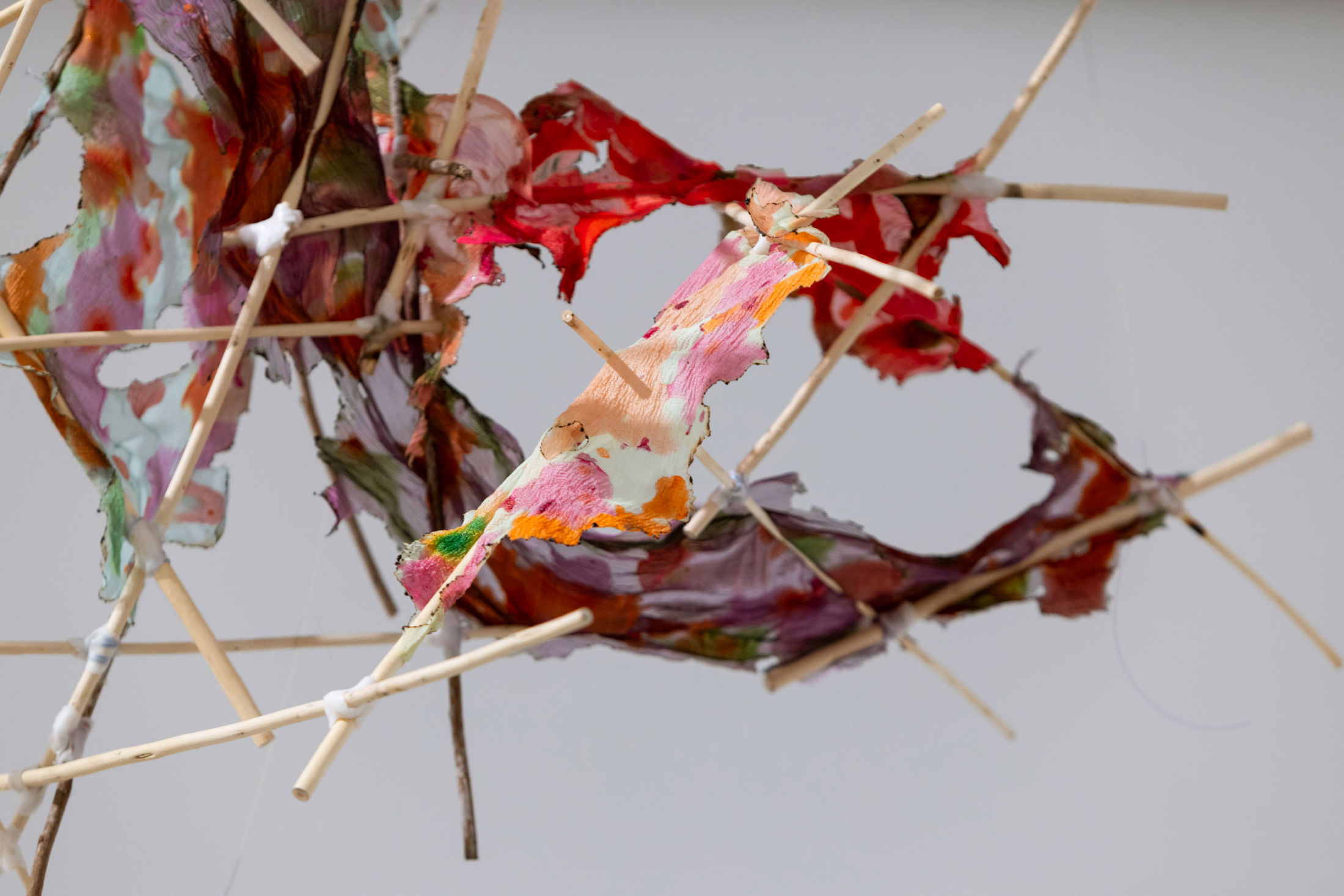
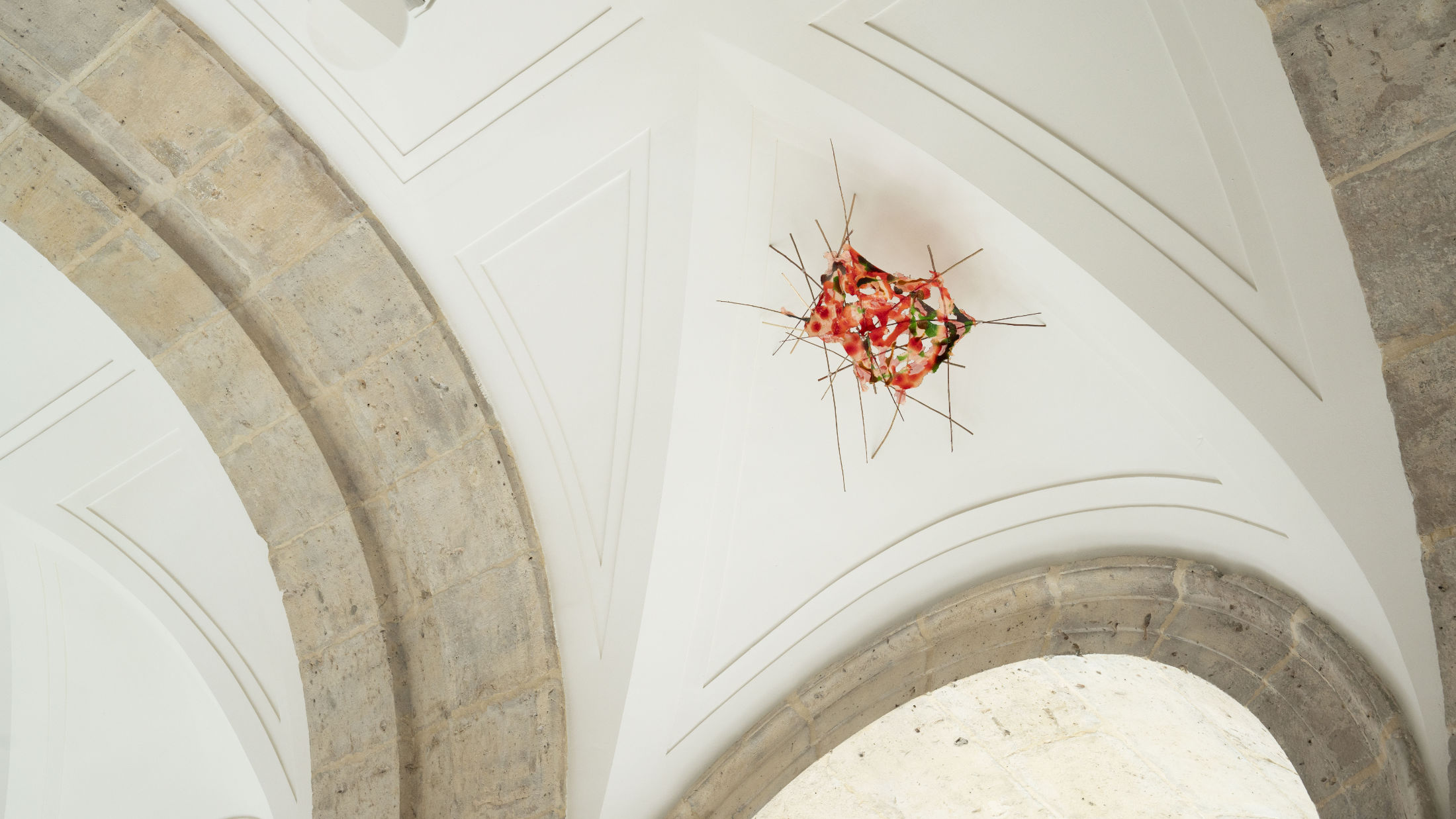
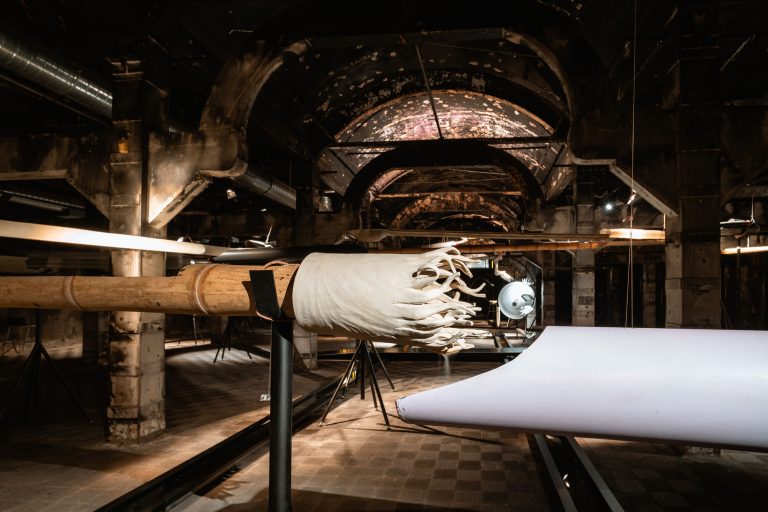
Among them float the bioplastic sculptures. Translucent and voluminous, they fill the air in the room with a presence that never quite fully materialises. They employ a Baroque-style artifice: the thread that peeks out, the structure that reveals itself, the visible stage machinery. There is something of a damaged image here, a covered surface that fails to fully conceal what lies beneath it. The theatricality serves memory. What remains is not the image, but what it awakens. Its stimulus.
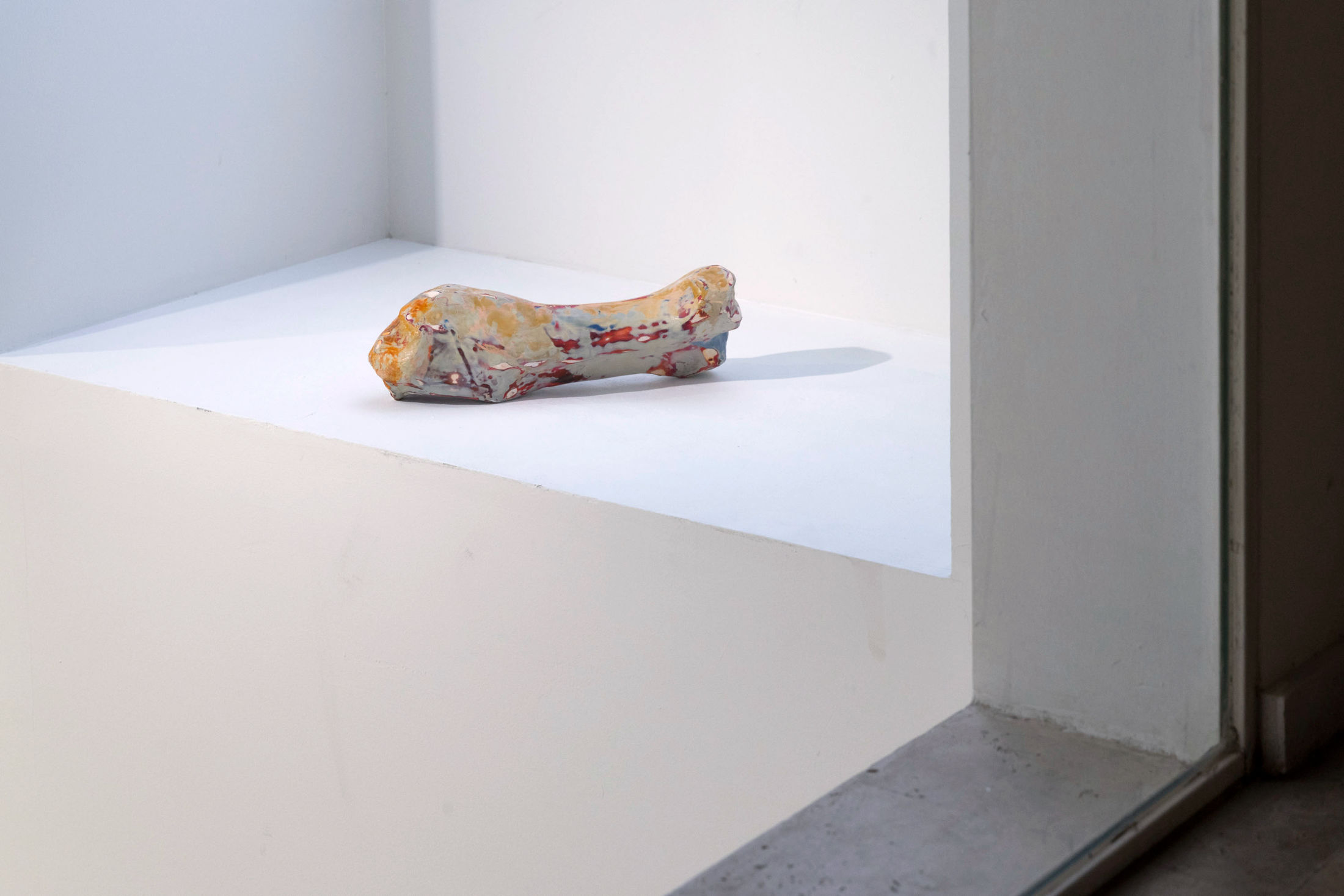
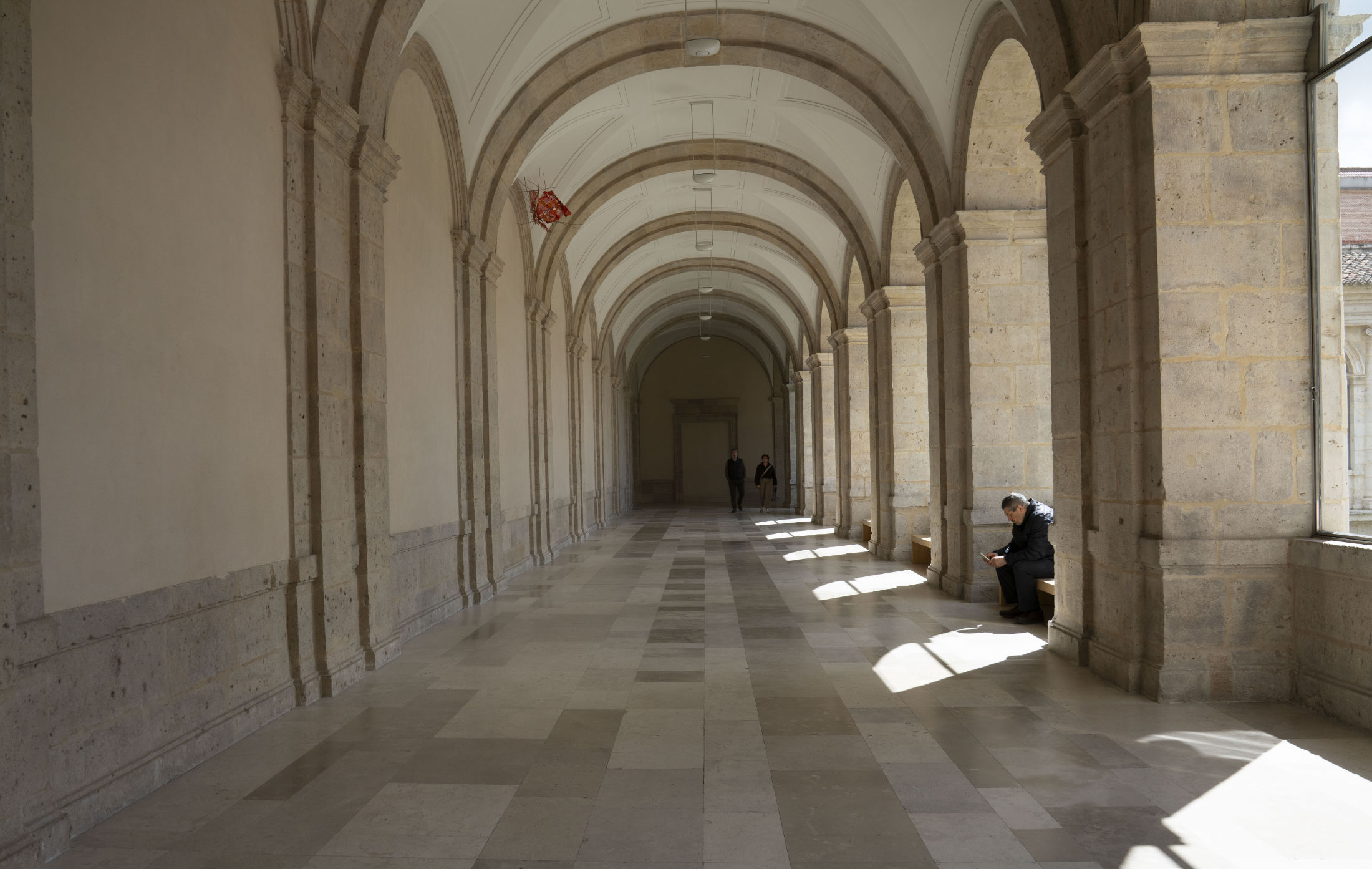
The final cog in the wheel is also the quietest. Valladolid is a city that knows how to remain silent: not an empty silence, but rather a form in its own right, something that takes up space with the same conviction as stone or wood, shaping its surroundings without anyone actually realising. Esther Gatón grew up in this atmosphere, and her work carries it within her with no need to name it. The last room is where that legacy becomes most palpable: time here becomes so dense that it seems possible to knead it, work it with your hands, digest it slowly. It is the battery of the mechanism, what powers everything that has gone before, what ensures that the journey does not end, but rather restarts once more. Beginning again from that silence, from that thick, familiar substance.
The small statue of the Virgin in the centre of the cathedral has not changed in size. It is us who have changed, and with us the scale of everything we love. Perhaps that is why we recognise ourselves in her: not in her glory but rather in her humility, in that way of persevering whilst surrounded by something that is too great. These pieces retain that same proportion: the exact measure of an affection that the body does not forget, even though the mind no longer knows what to call it.”
—Rafa Barber Cortell. Exhibition curator