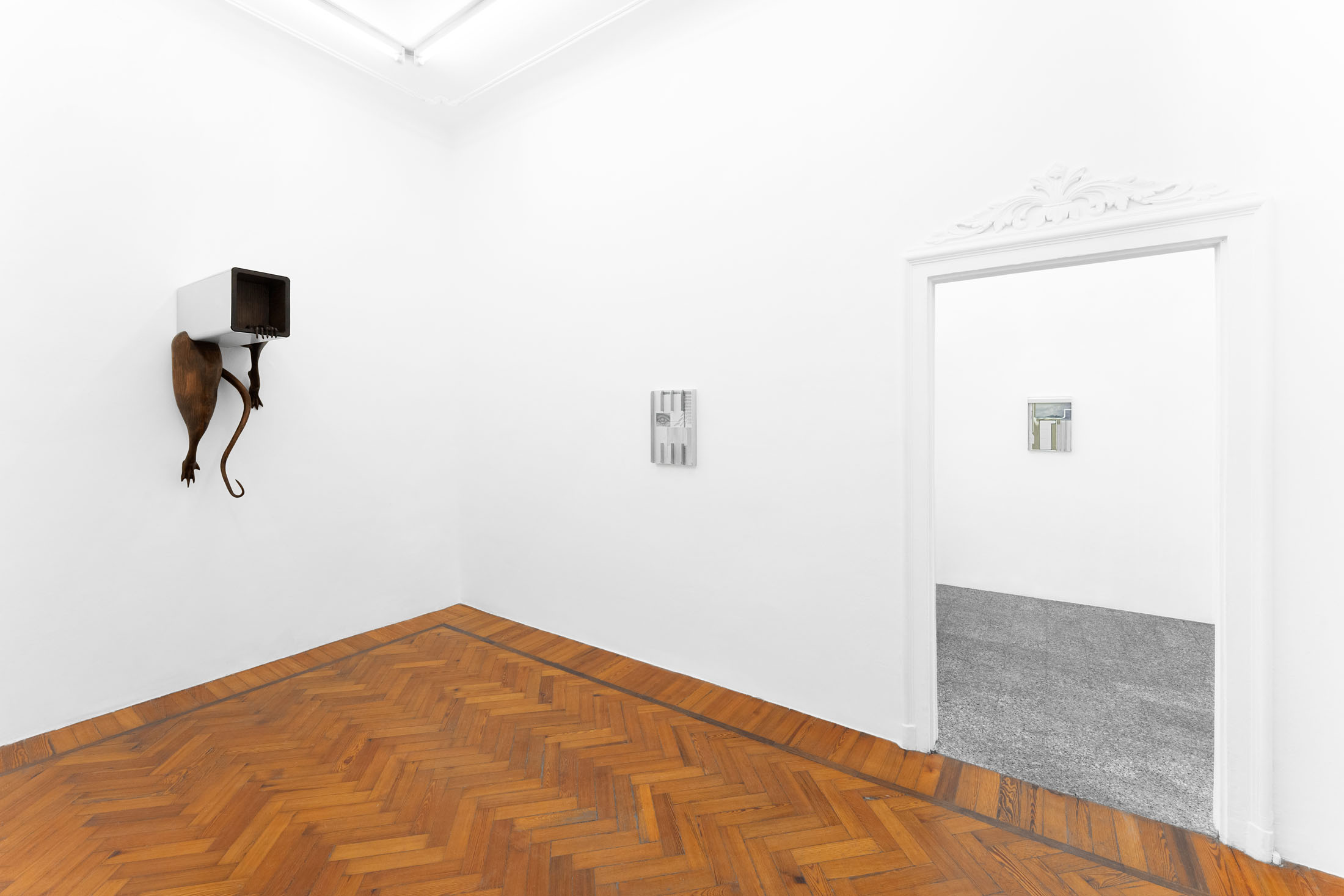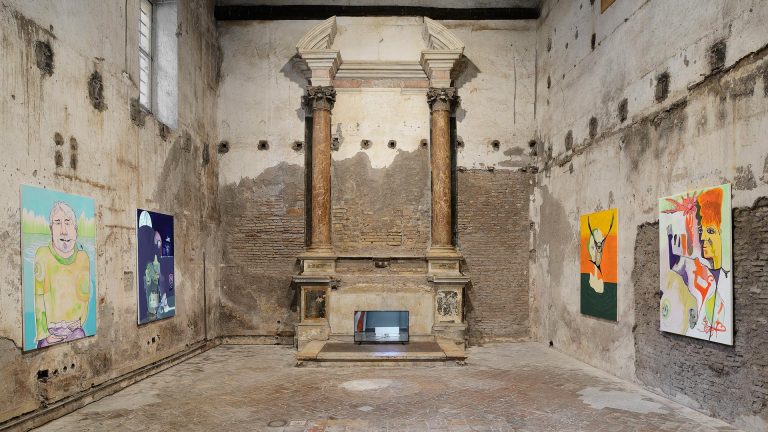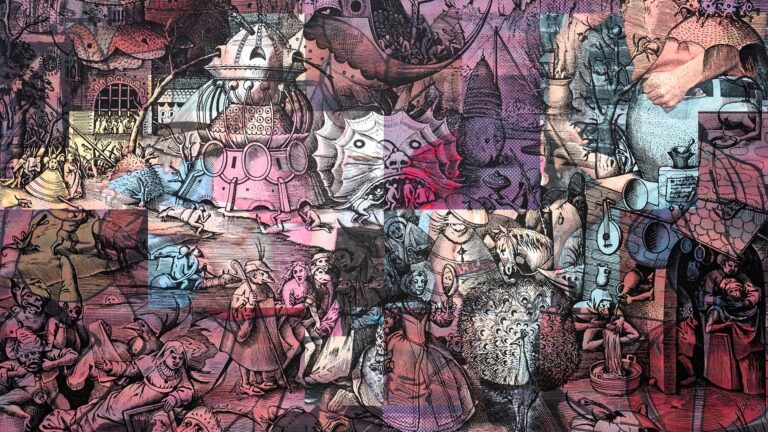
Studiolo bureau is pleased to host HIDE & SICK (Ceci Tuera Cela part II), the first Italian solo exhibition by artist Eliott Paquet (Paris, 1990), curated by Studiolo and accompanied by a text by Gabriella Gasparini.
The exhibition is the second chapter of a project shown in autumn 2024 in the spaces of the atelier Poush in Paris and entitled “Ceci Tuera Cela” (This Will Kill That) — an expression taken from Victor Hugo’s novel Notre-Dame de Paris and pronounced by the archdeacon Claude Frollo as, with his hand resting on a book, he observes the cathedral of the same name. A prophetic act meant to imply that the invention of printing would gradually supplant the symbolic function of monumental architecture; the hundreds of iconographies contained in religious artifacts gave way to a more scientific medium, easily reproducible, that directly entered everyone’s home. In this brief passage Hugo reminds us how every progress is inevitably accompanied by the loss of something else, and it is precisely from these “social traumas” between known and unknown, between tradition and innovation — in this case between the slow talent of the hand and the tireless creation of the machine — that Paquet’s reasoning and all the works in this series take shape.
With HIDE & SICK, the artist takes a step forward of about a century, along the path of another epochal transition: that between the canons of classical/19th-century construction and the concepts of modernism. An equally complex change which, as theorized in Beatriz Colomina’s book X-Ray Architecture, was also stimulated by an obsession of medical derivation: the fight against tuberculosis and the development of X-rays; rationalist architects, inspired by these and by the typical asepticity of sanatoriums, composed a new architecture: functional, light, transparent (like an X-ray) and cold, as if to convey a concept of both physical and mental health; a synthesis easily traceable in the anti-decorative theories of Adolf Loos, in Le Corbusier’s 5 points of architecture, as well as in the hyper-glass buildings of Mies van der Rohe and Philip Johnson.
No act of purification – however – can be created without the production of a waste, and it is only through this process of cleaning, from everything that is superfluous, that the modernization of the identity of things, ideas and people is determined. A valid alter ego for every aspect of our life and which, in architecture – with regard to its technical-aesthetic aspects – we can identify in its bowels; ducts, sewers, dirty and hidden underground spaces… those that Slavoj Zizek (in his book Il Trash Sublime) calls “third” spaces, beyond the inside and the outside, which our mind unconsciously abstracts and forgets because there dwells and moves everything with which we do not want to have contact: from our waste to other living beings, protagonists of our most ancestral fears such as, for example, rats. This is why Paquet chooses precisely the mouse as the protagonist of this new working page; a species developed in parallel with industrial progress which embodies, symbolically, precisely that unhealthy universe from which we want to protect ourselves, a presence that, when it emerges from its underground boundaries, already disturbs us at its mere sight but which (as the artist himself underlines), is also one of the greatest collaborators for humanity in scientific, medical, and behavioral research.
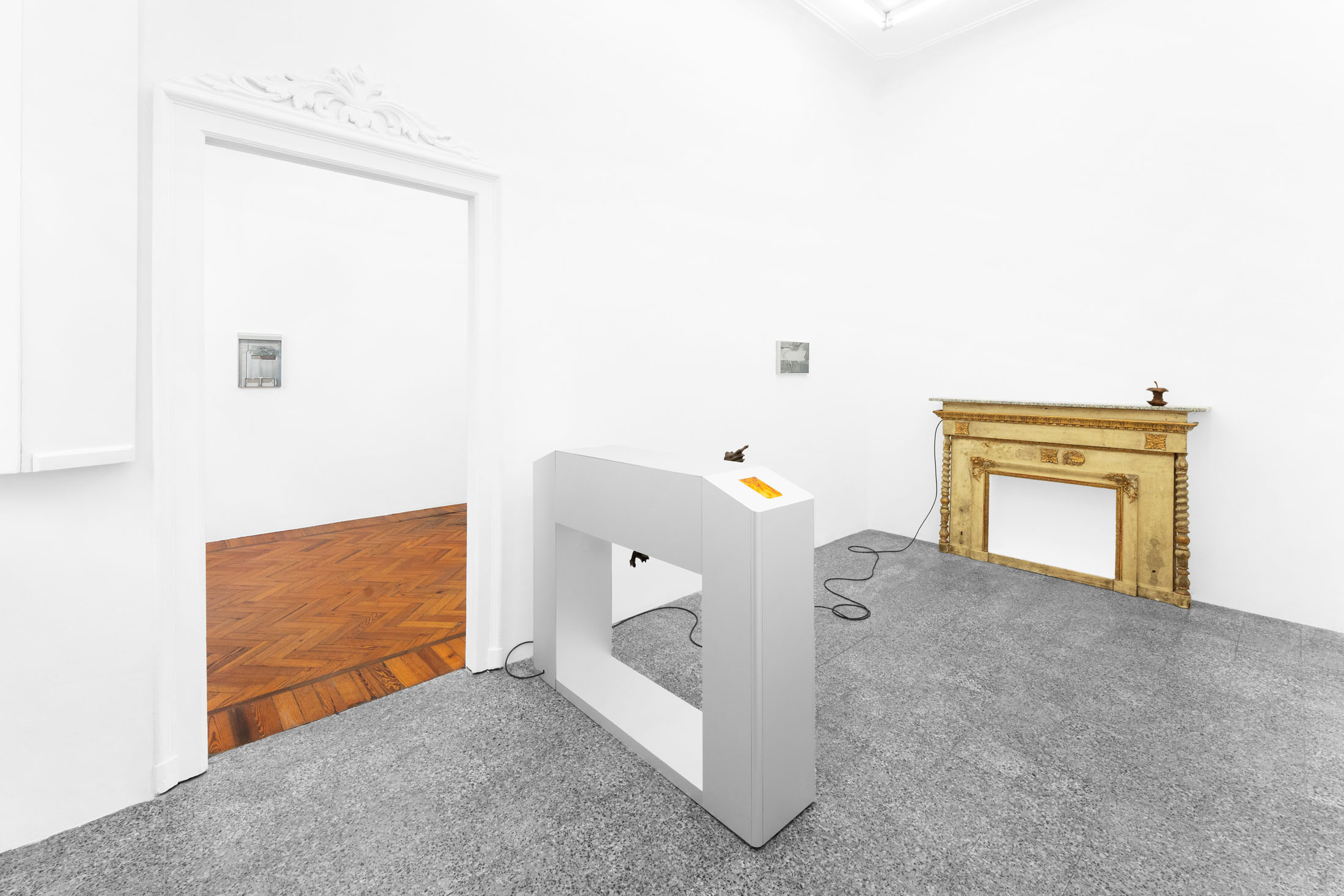
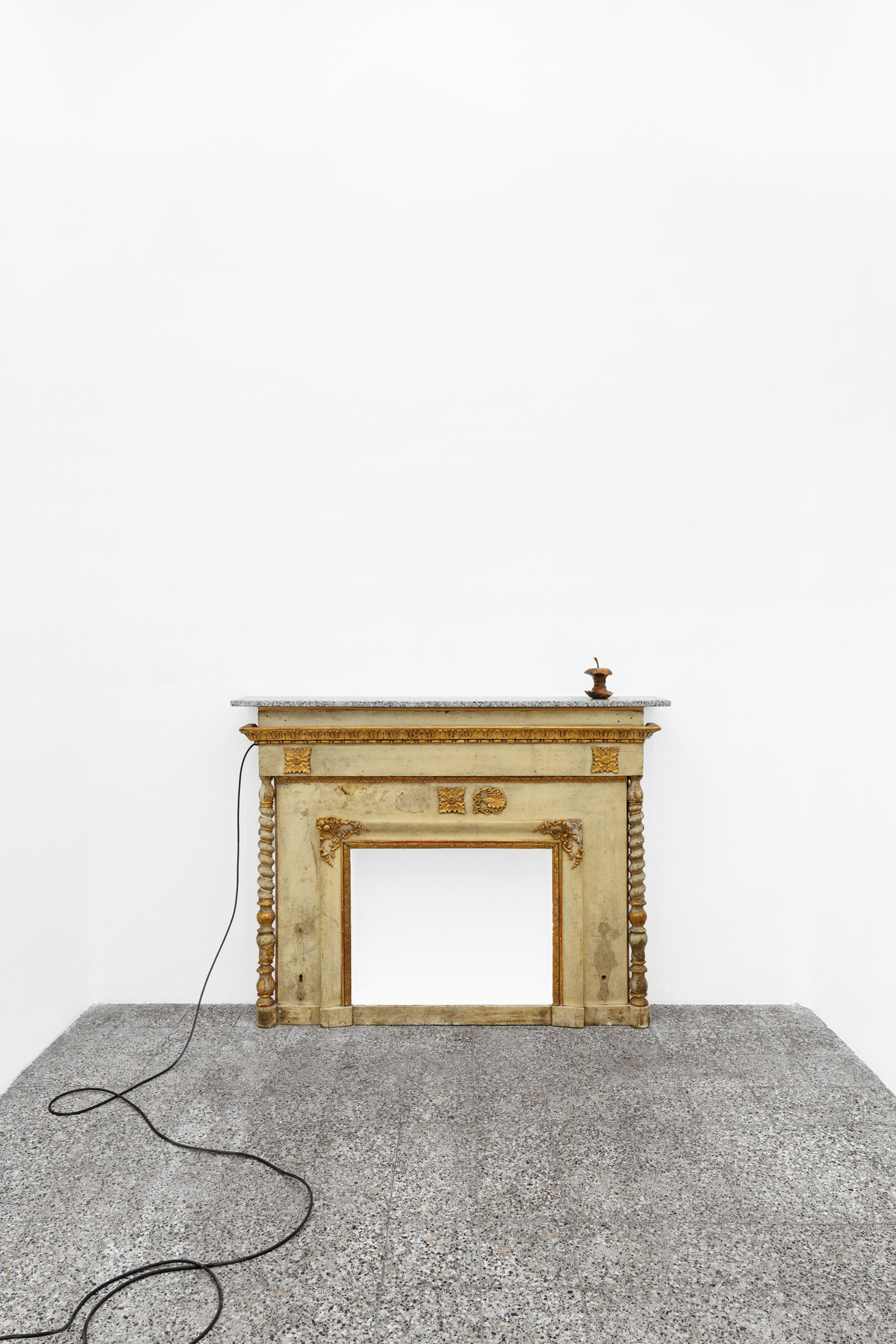
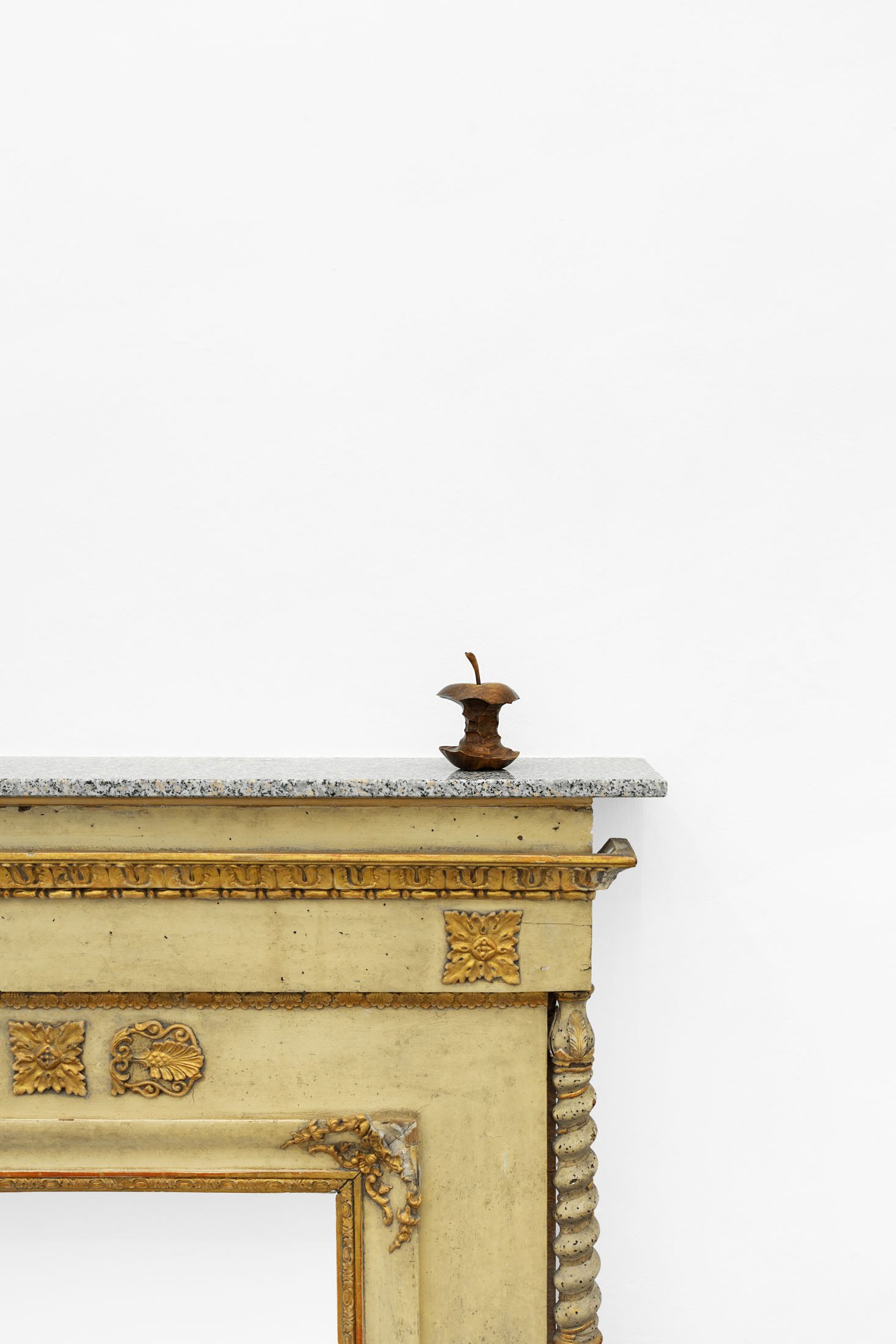
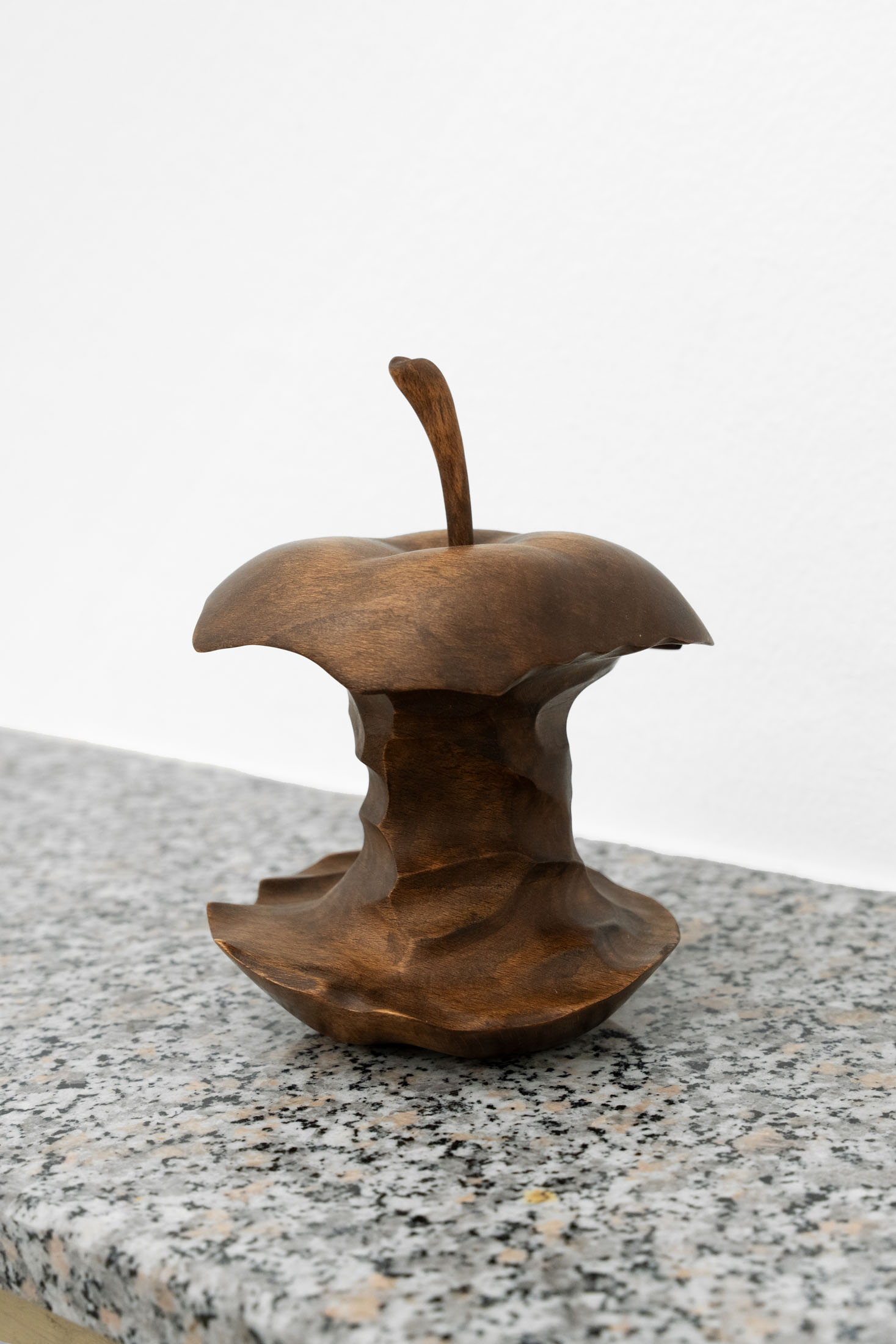
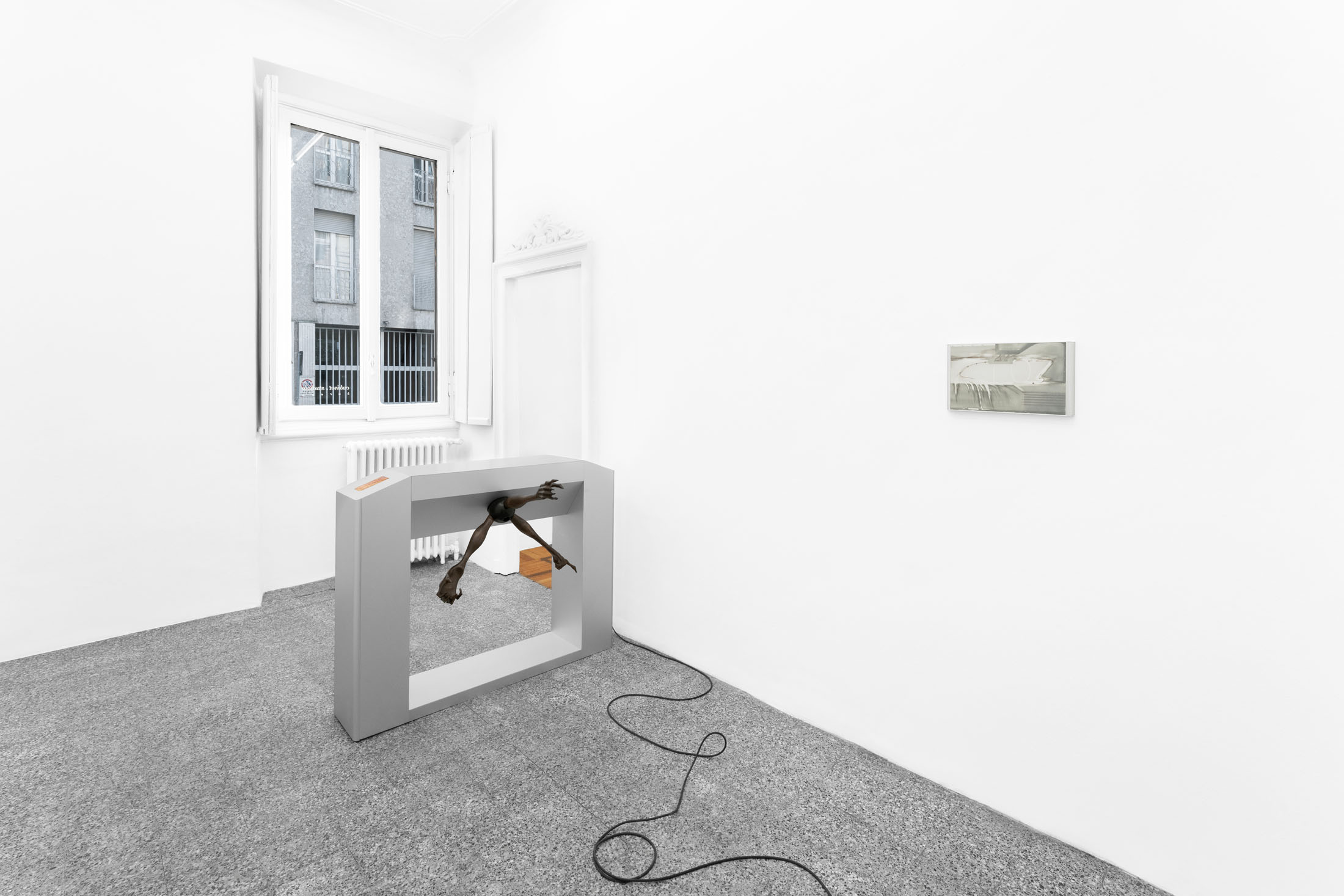
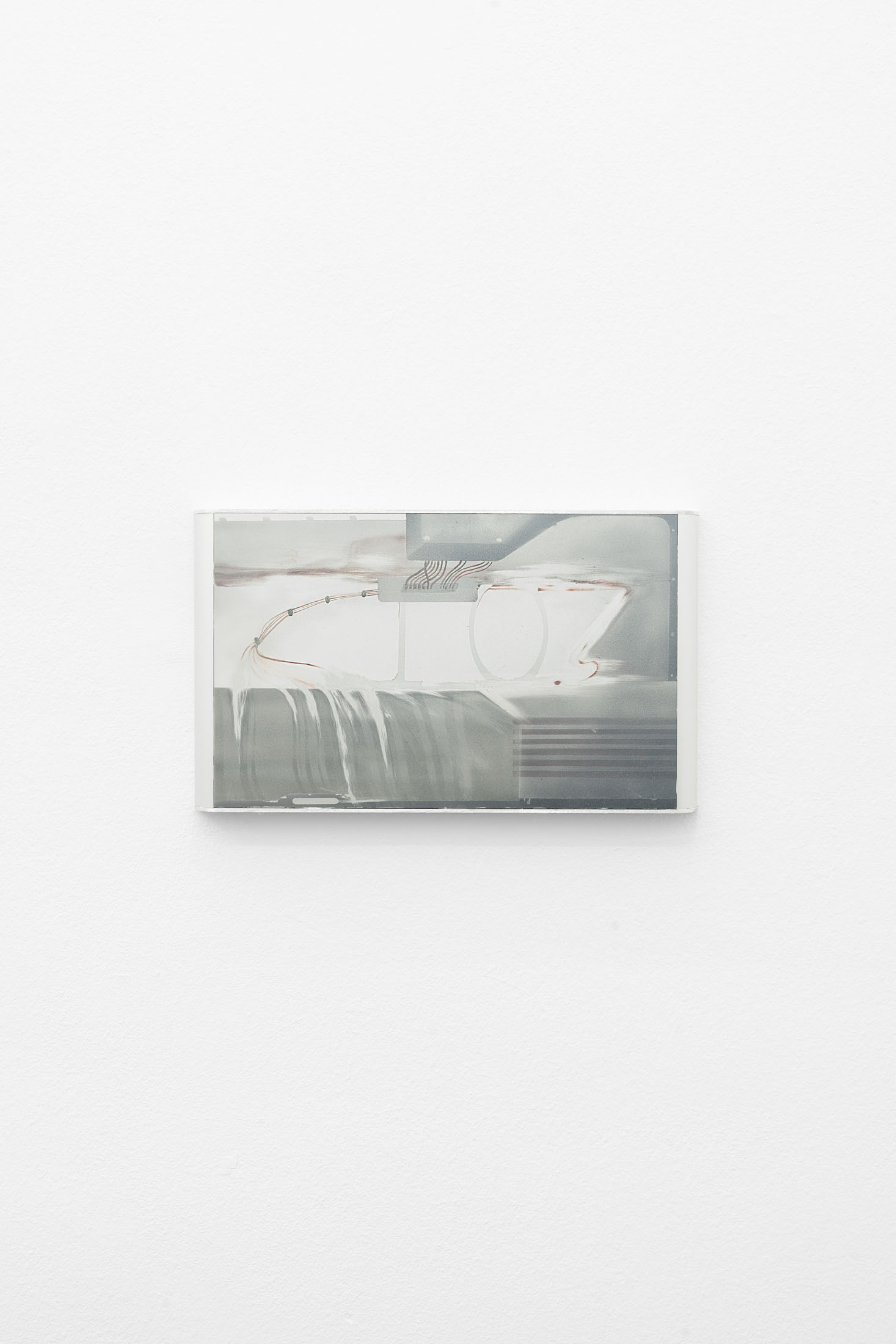
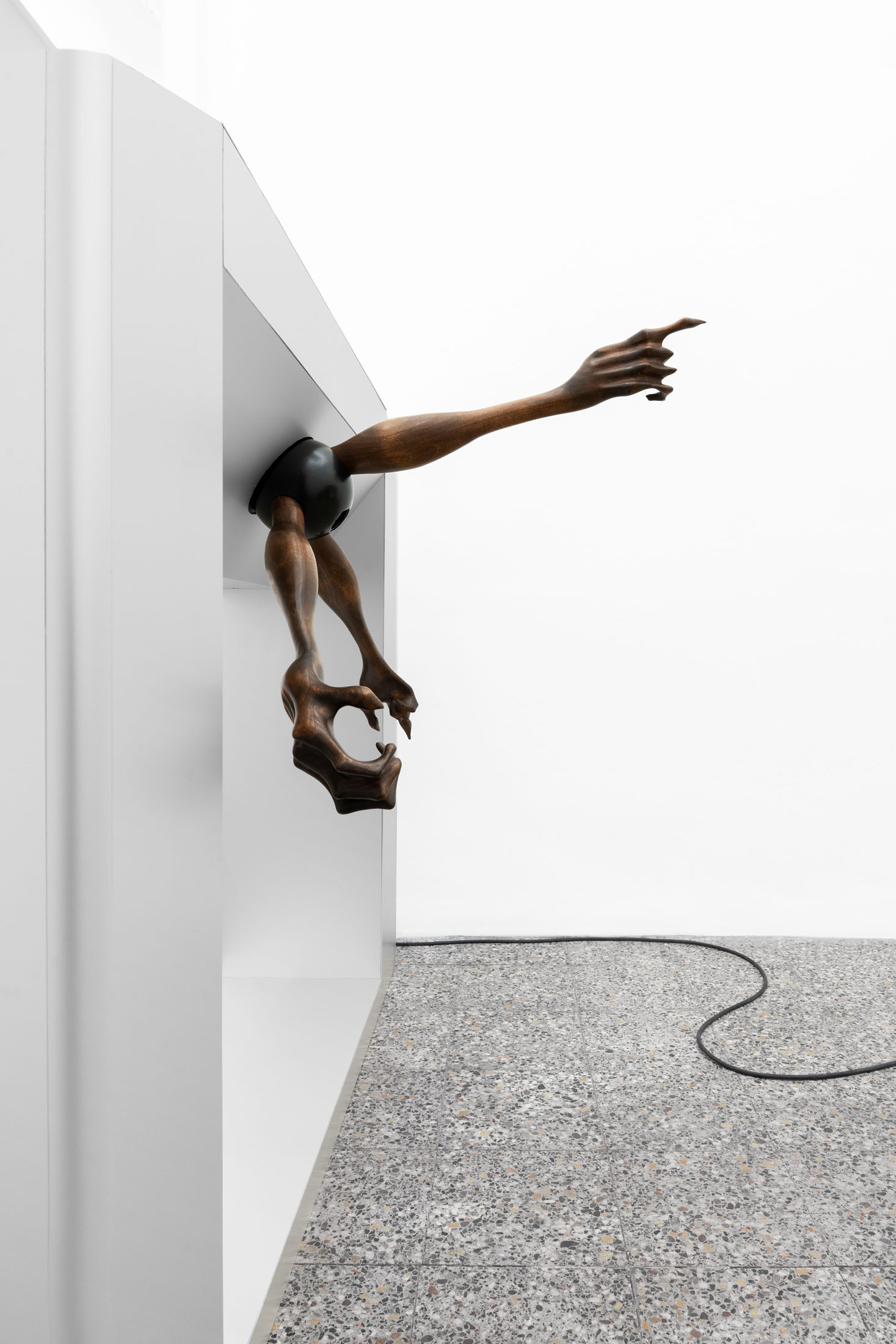
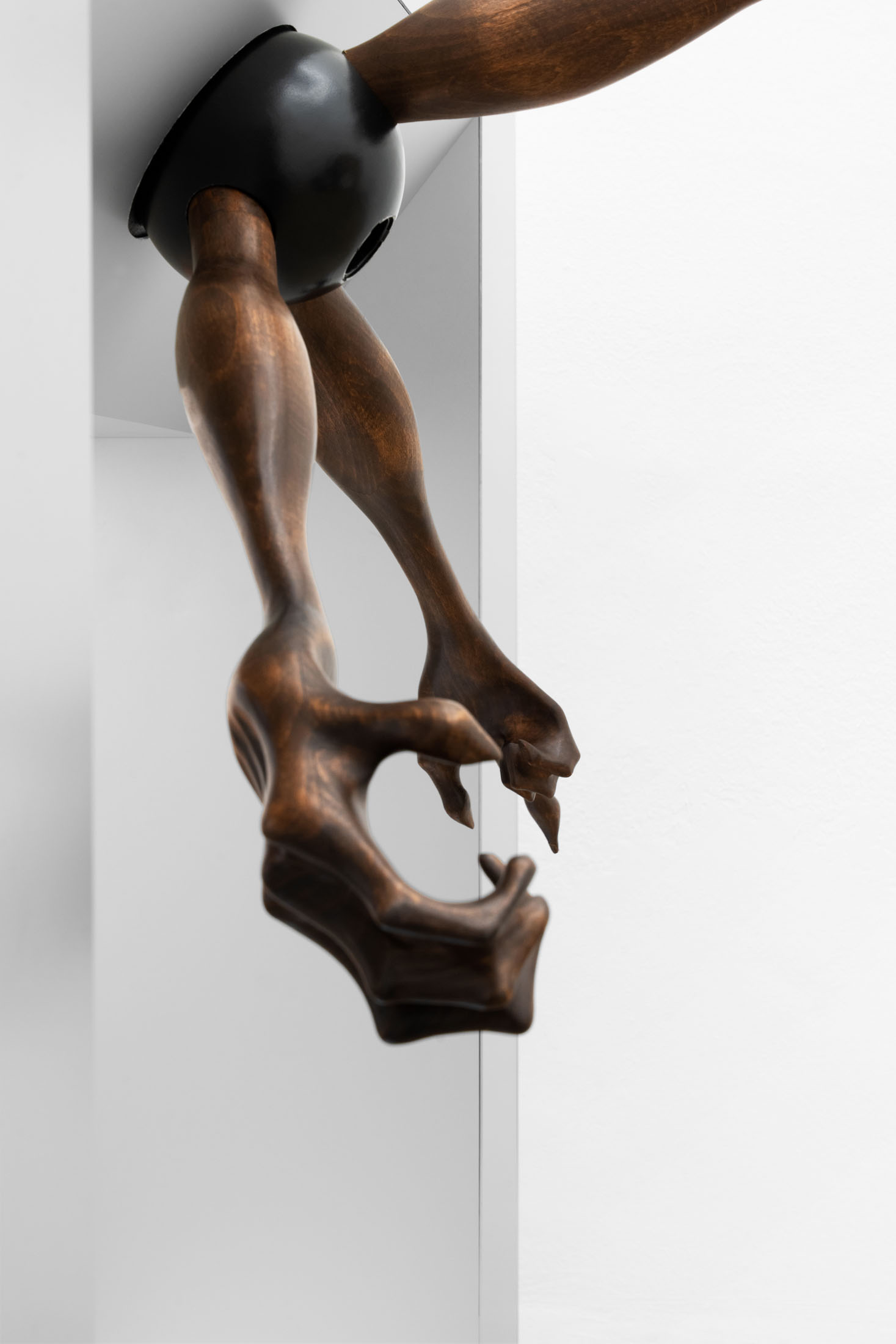
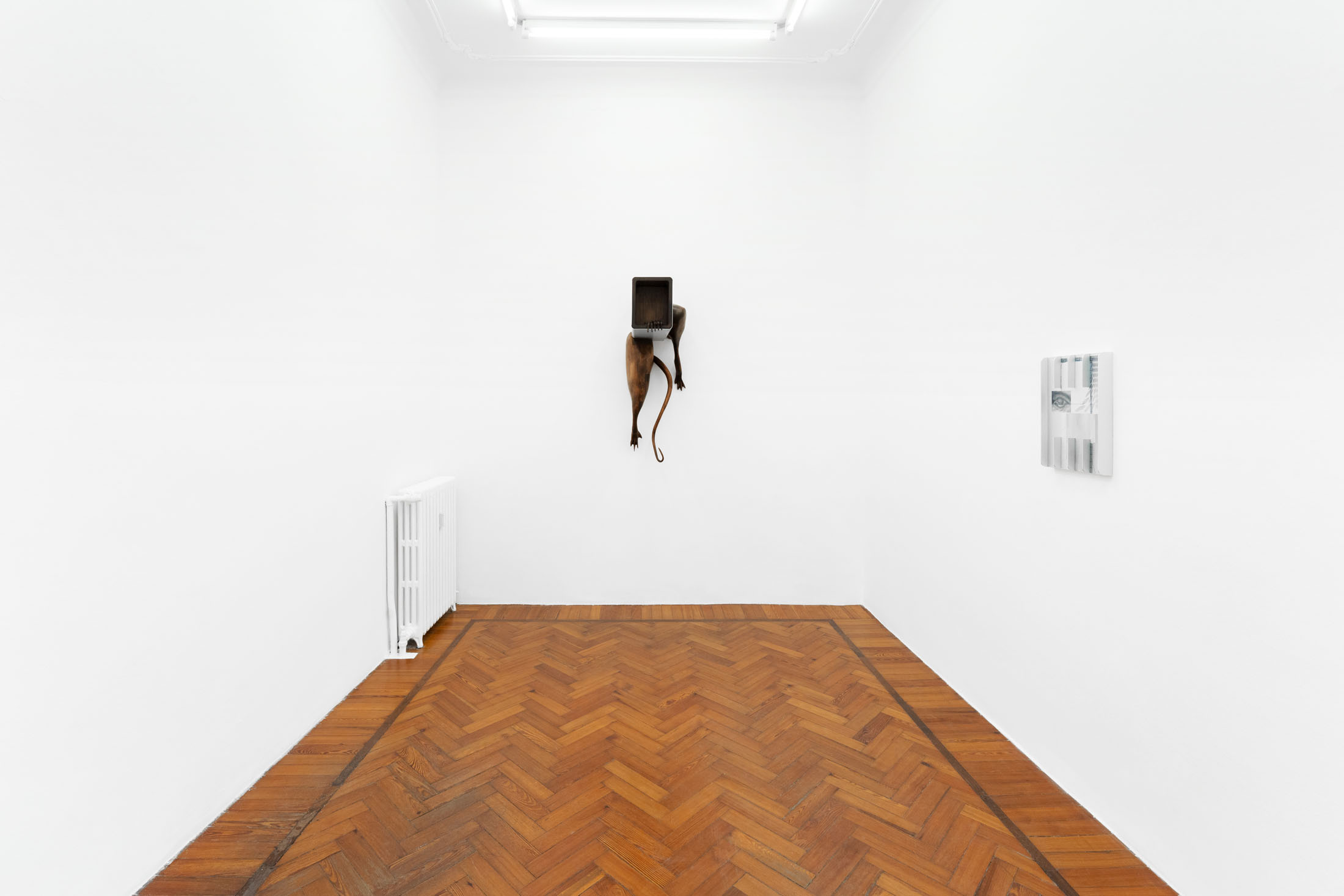
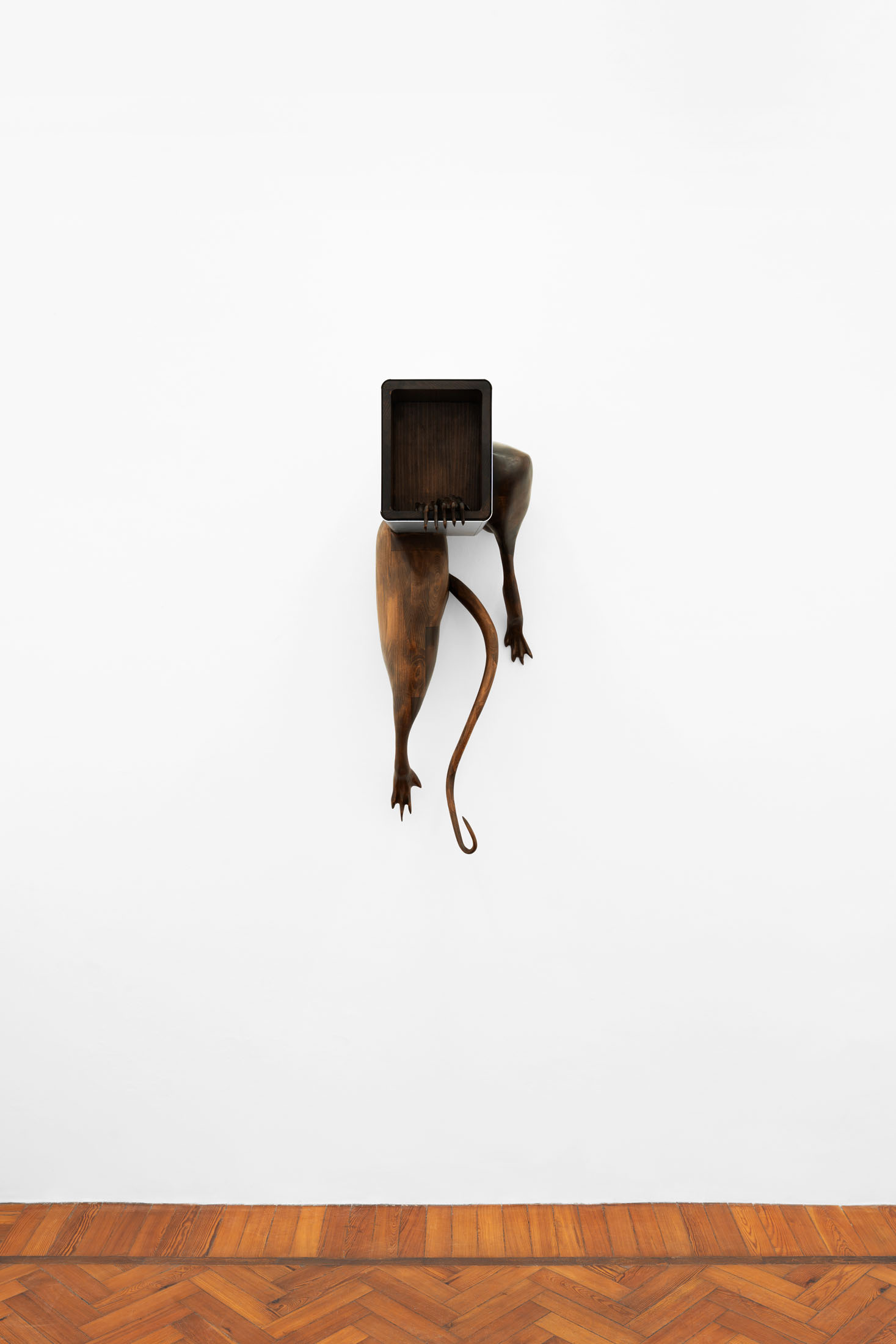
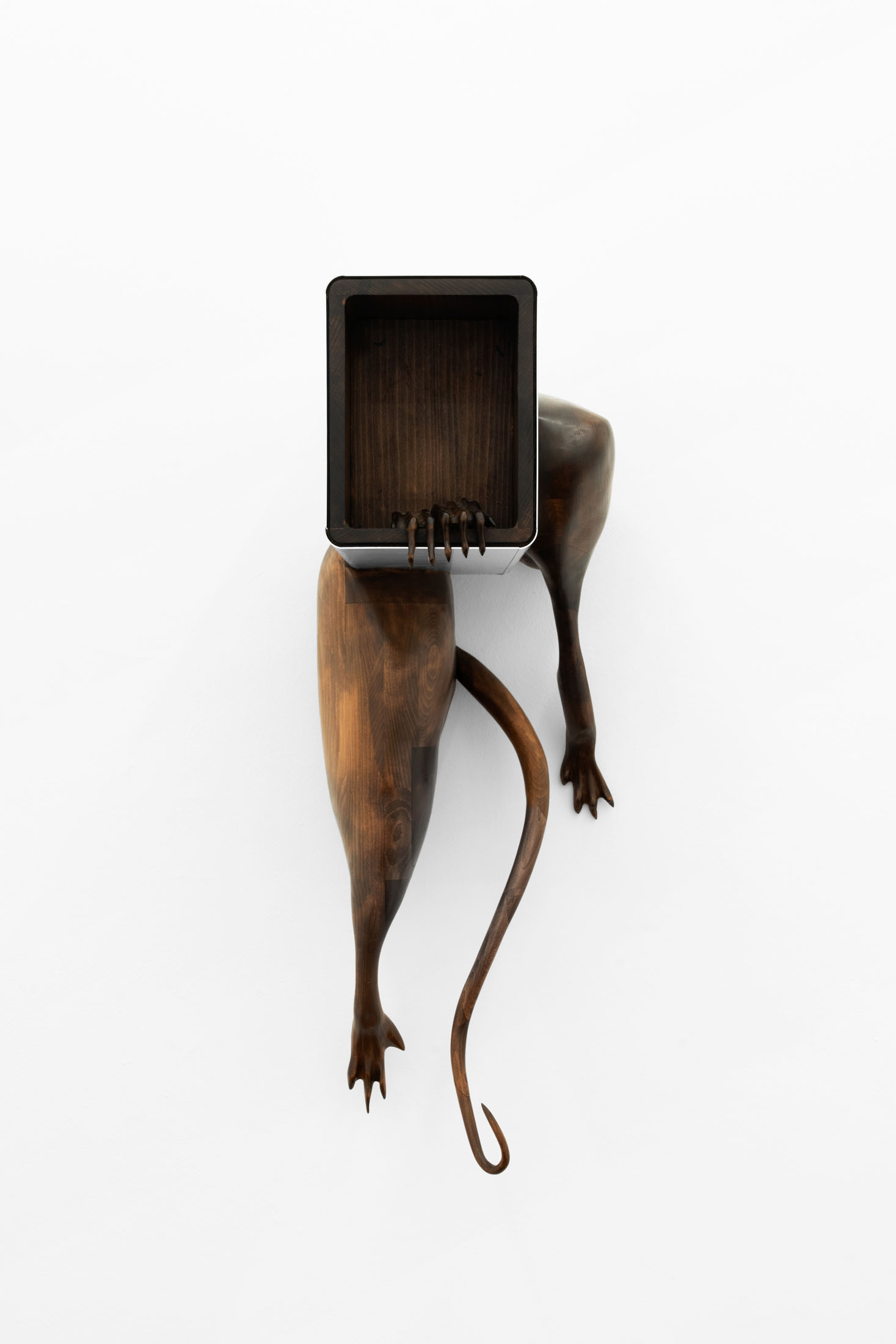
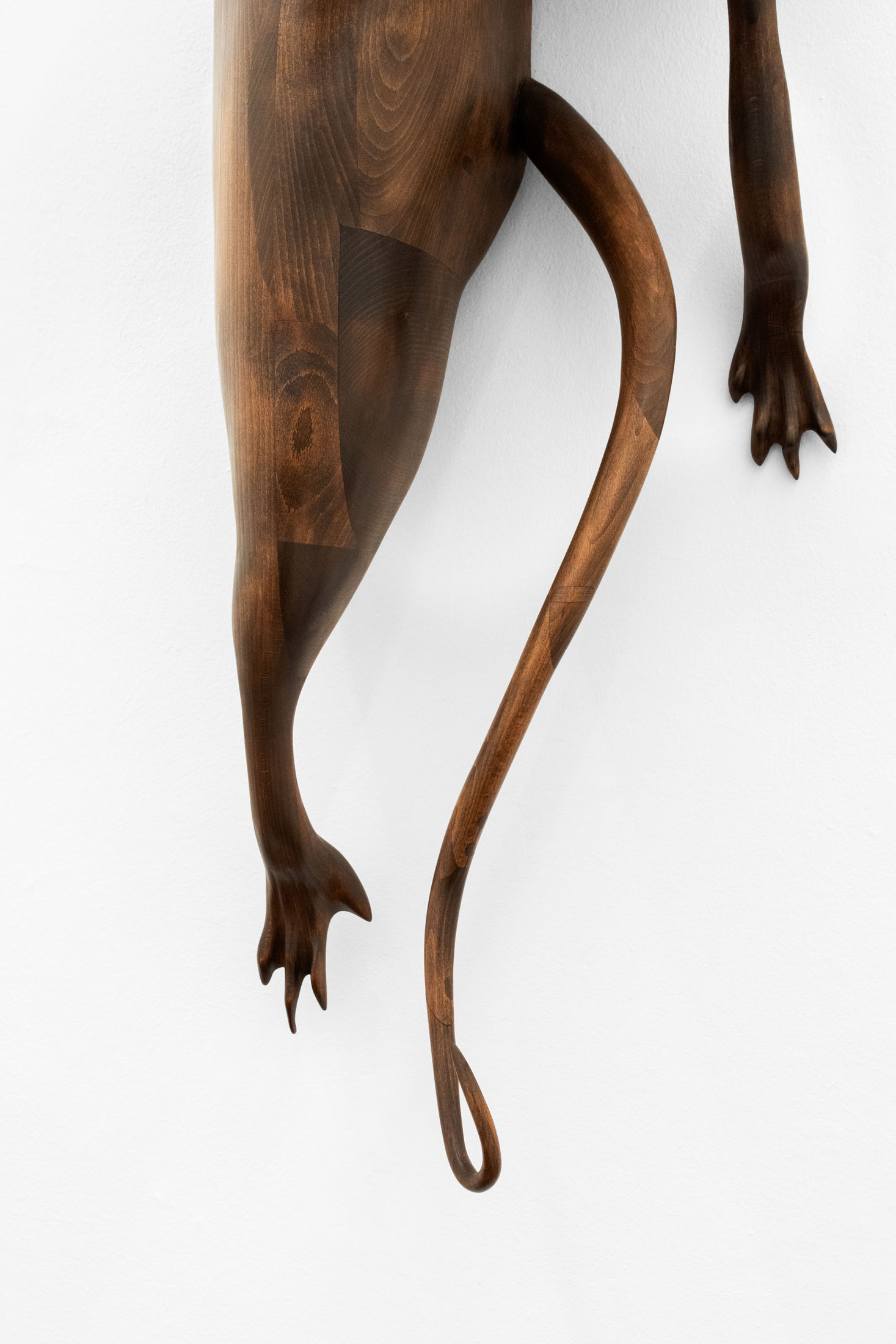
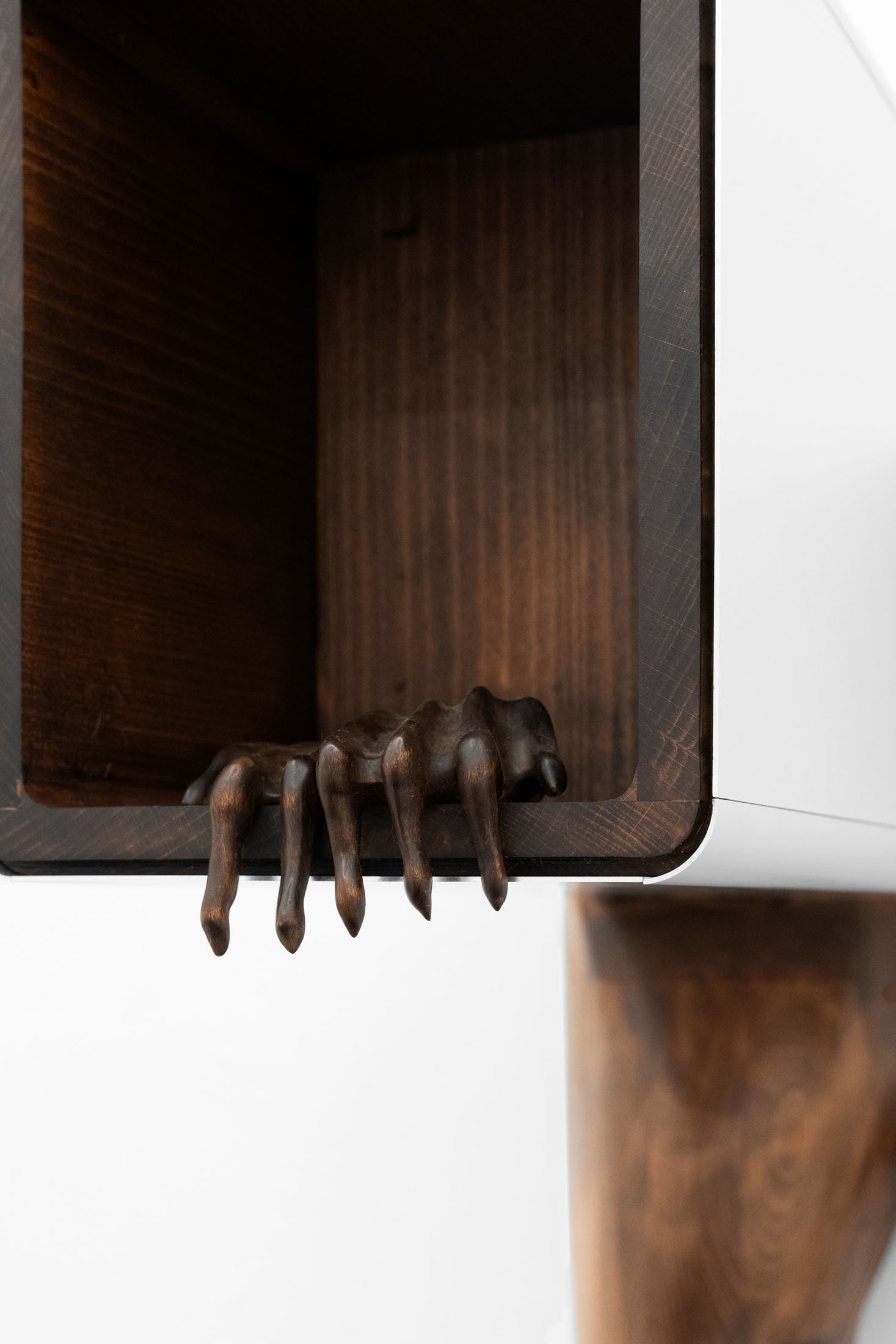
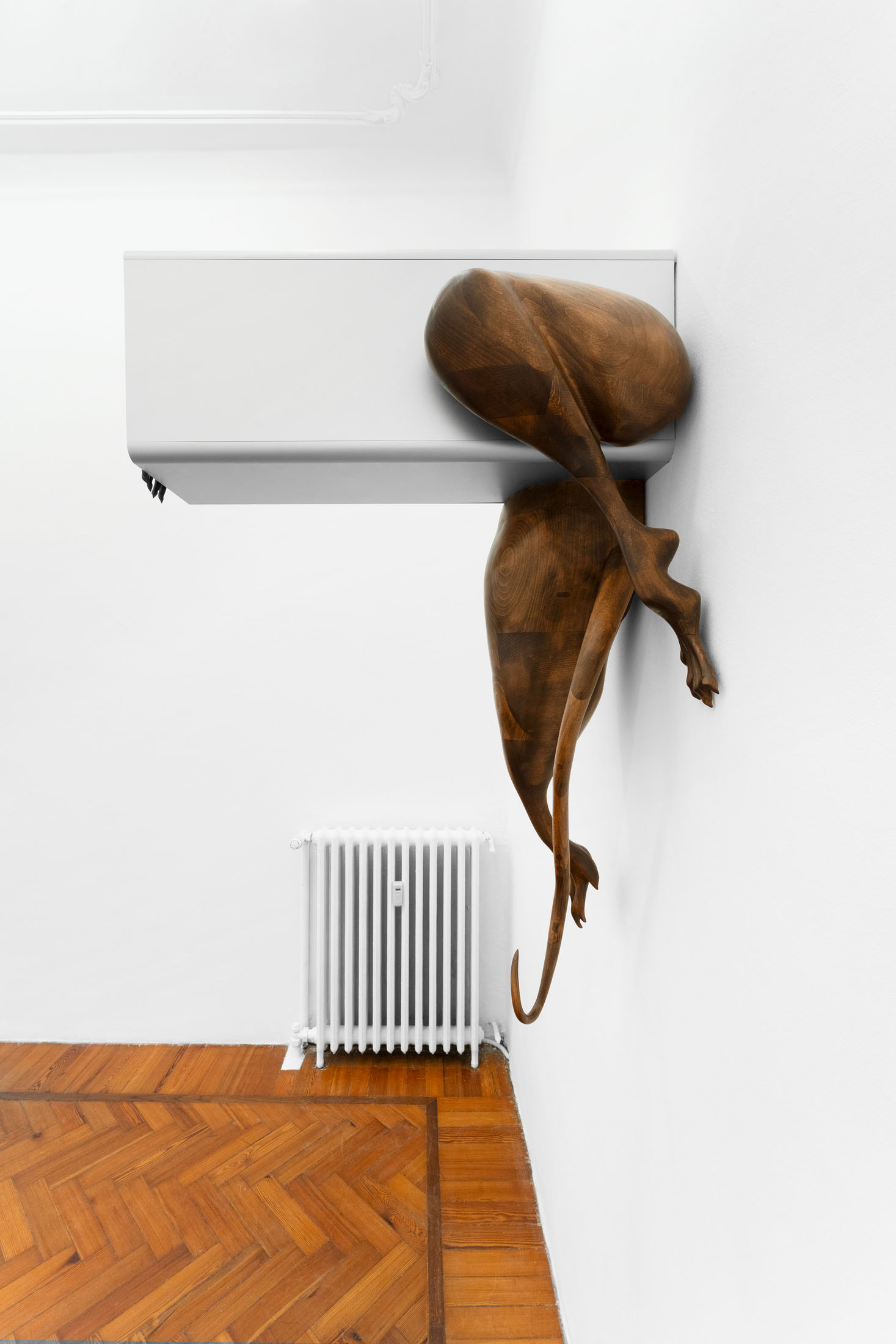
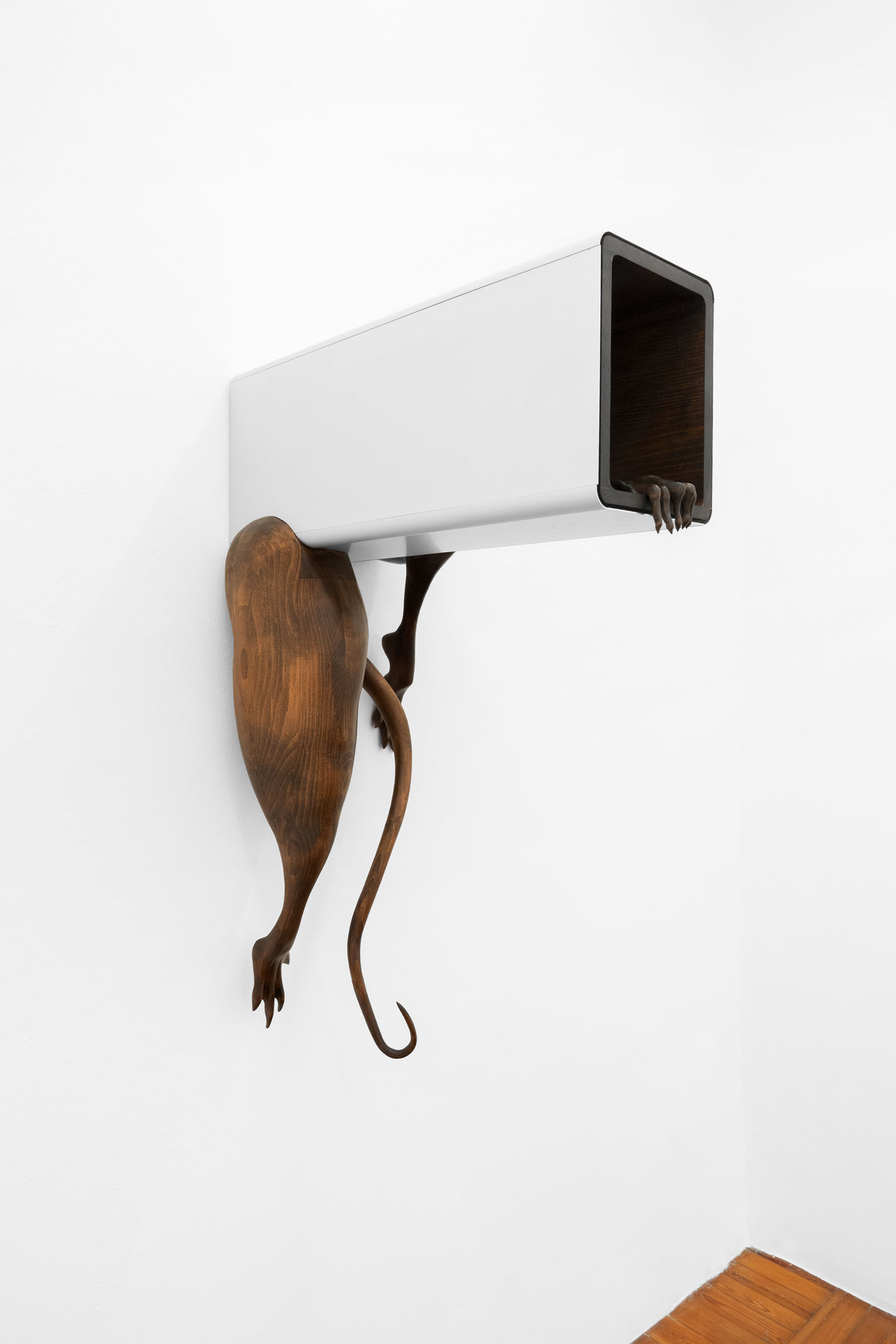
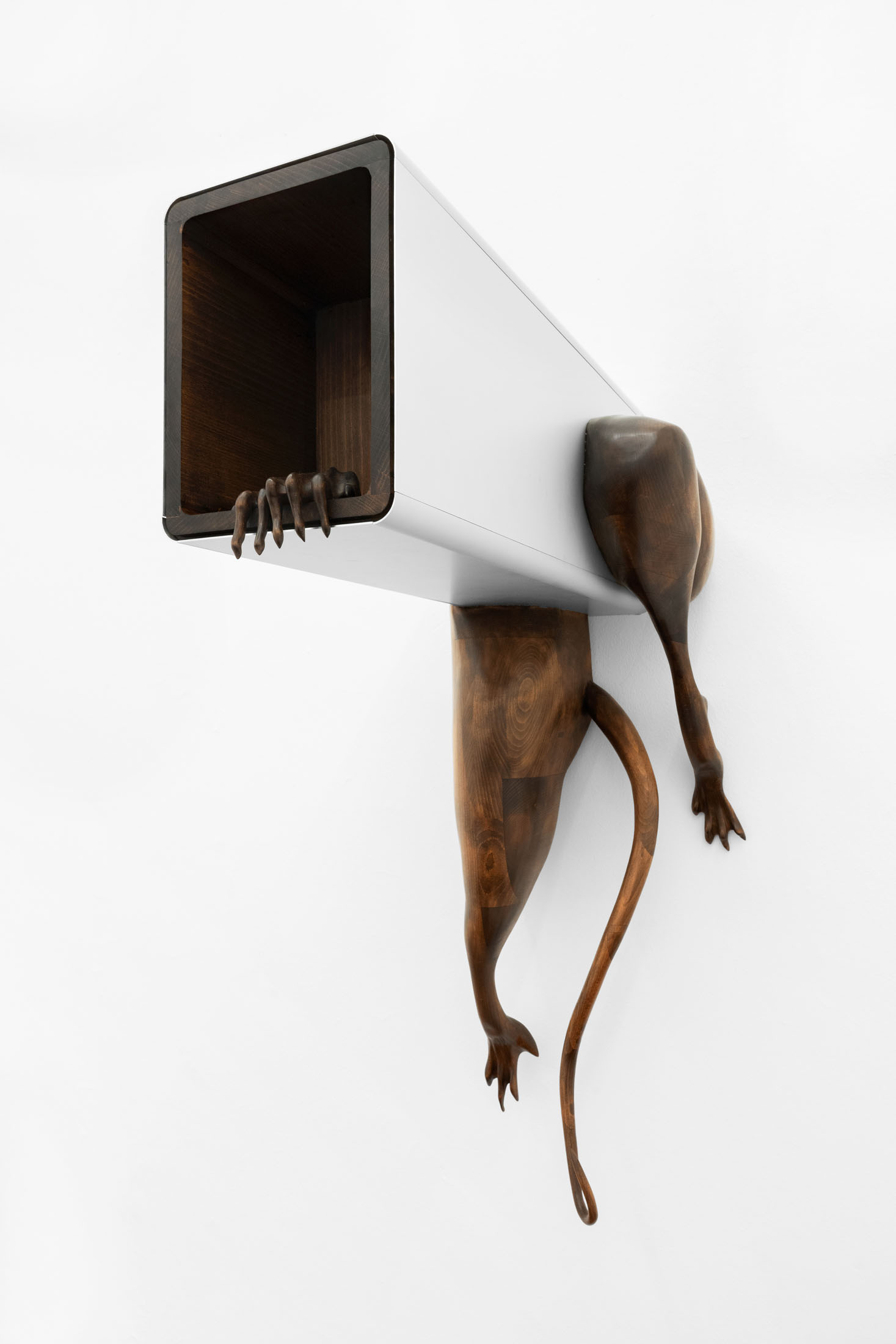
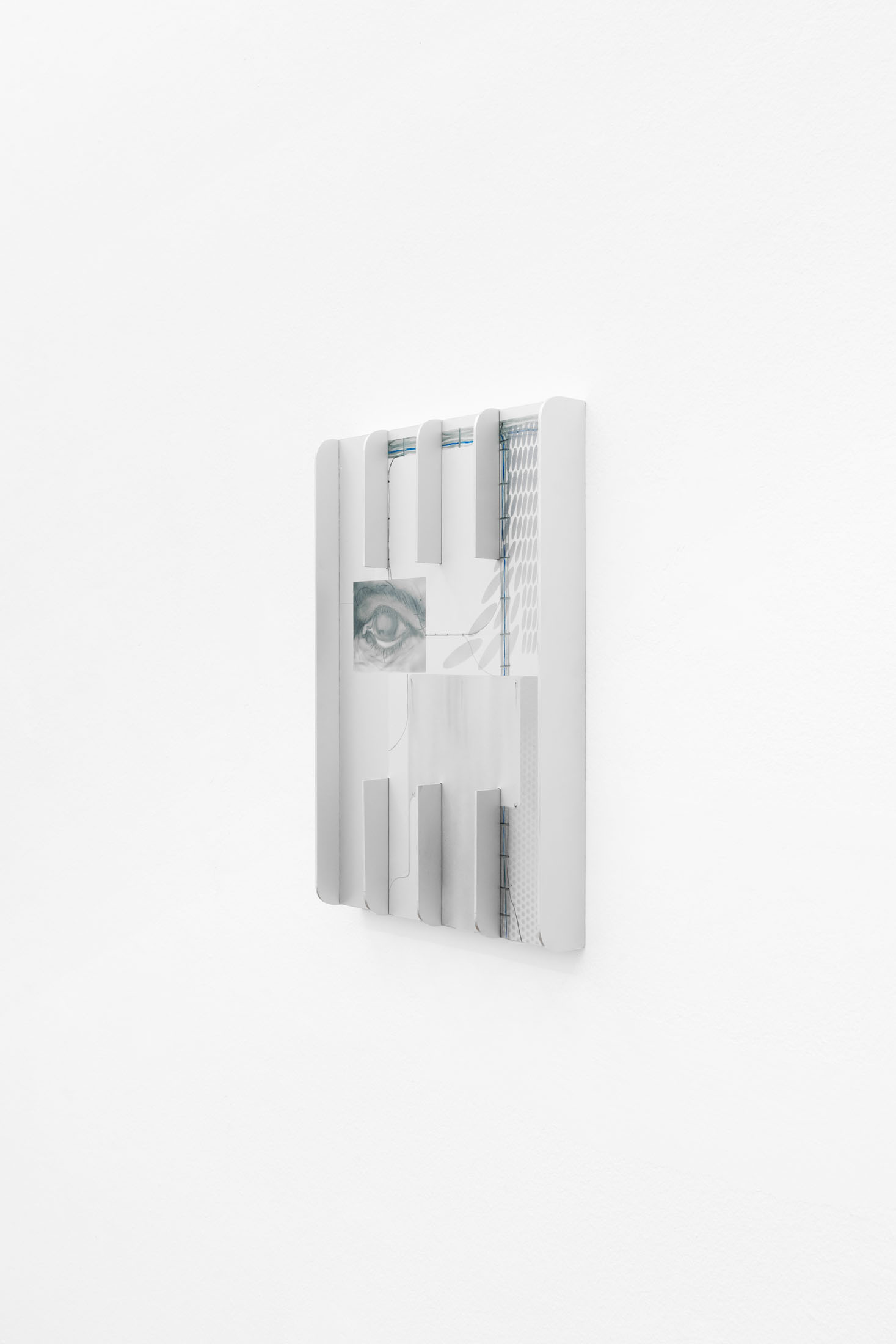
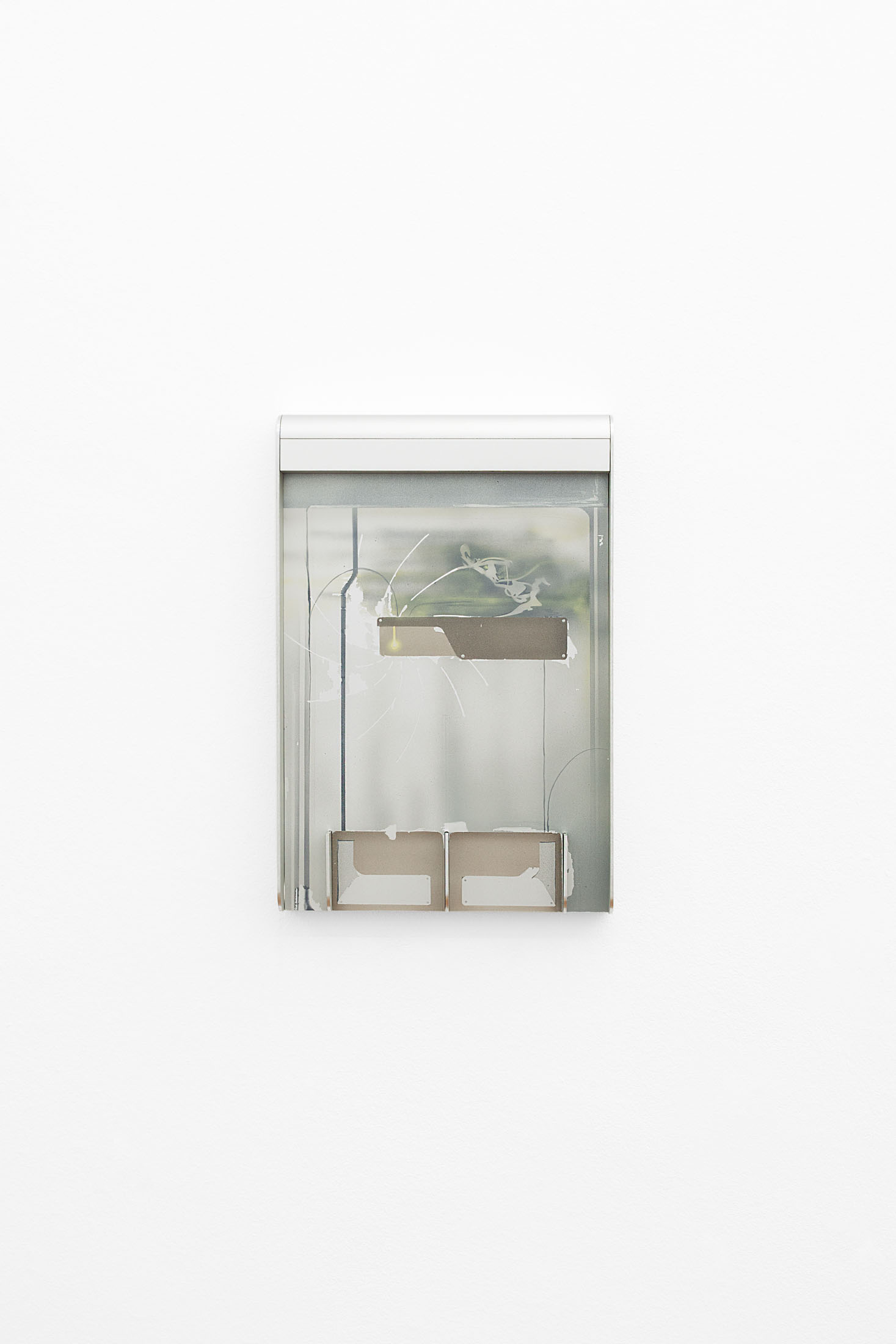
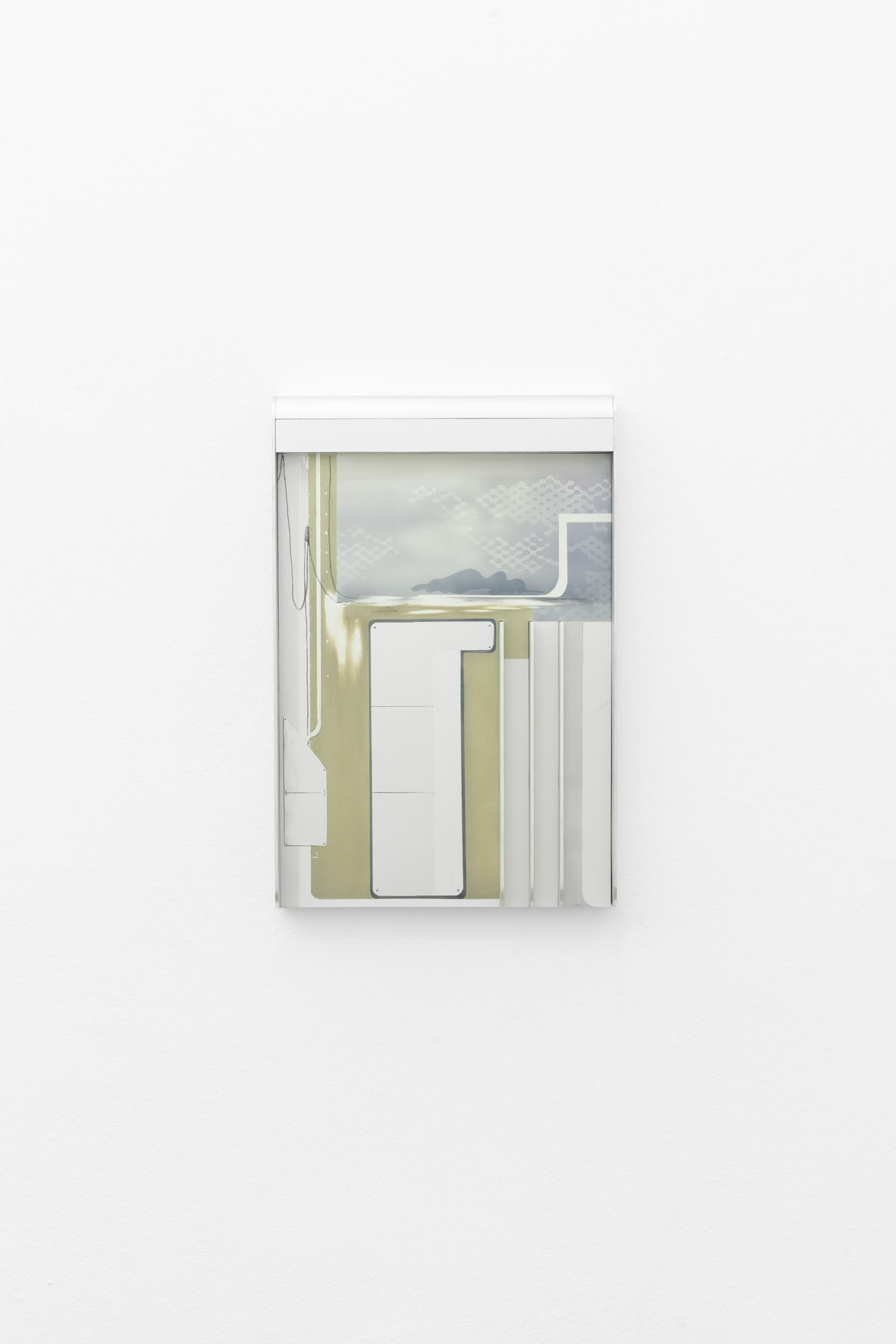
This figure, in the exhibition, takes on different forms and accompanies us in a path of progressive manifestation; if in the first room, with Hitchcockian suspense, the artist warns us of its presence by leaving some hidden but unmistakable traces, such as “Apple” — an apple core gnawed away, made in beech wood — in the second, our supposition becomes certainty. “Stryge #6” stands out hanging on the wall like a contemporary gargoyle, although its features do not recall the grotesque decorations of a cathedral but rather the smooth and translucent surfaces of modernist architecture; within this duct slide the shapes of a mysterious being between man and rodent, completing this sort of summa work that gathers around itself all the concepts revolving around this exhibition. Between the two rooms, “Stryge #5” — a work in the form of a real subway turnstile whose arms, however, take the shape of enigmatic wooden limbs — functions as a filter, an ideal portal to this world foreign to us; deprived of its didactic value (due to its overturned position and off-axis with respect to the real passage), the work comes alive only if our body comes into contact with these “other” presences… as if the artist were inviting us to a metaphorical gesture of confrontation and overcoming of our fears. Completing the exhibition are four airbrush paintings on anodized aluminum entitled “H&S (Atomic Purple)”; inspired by the Game Boy model from 1998 (whose transparent plastic shell allowed one to glimpse the technological organs of the handheld console), they represent a combination of small figures or fragments of the body joined to networks of cables and other underground infrastructural pipes, “landscapes” of which the artist was able to have direct experience due to a large metropolitan excavation right in front of the door of his studio in Aubervilliers.