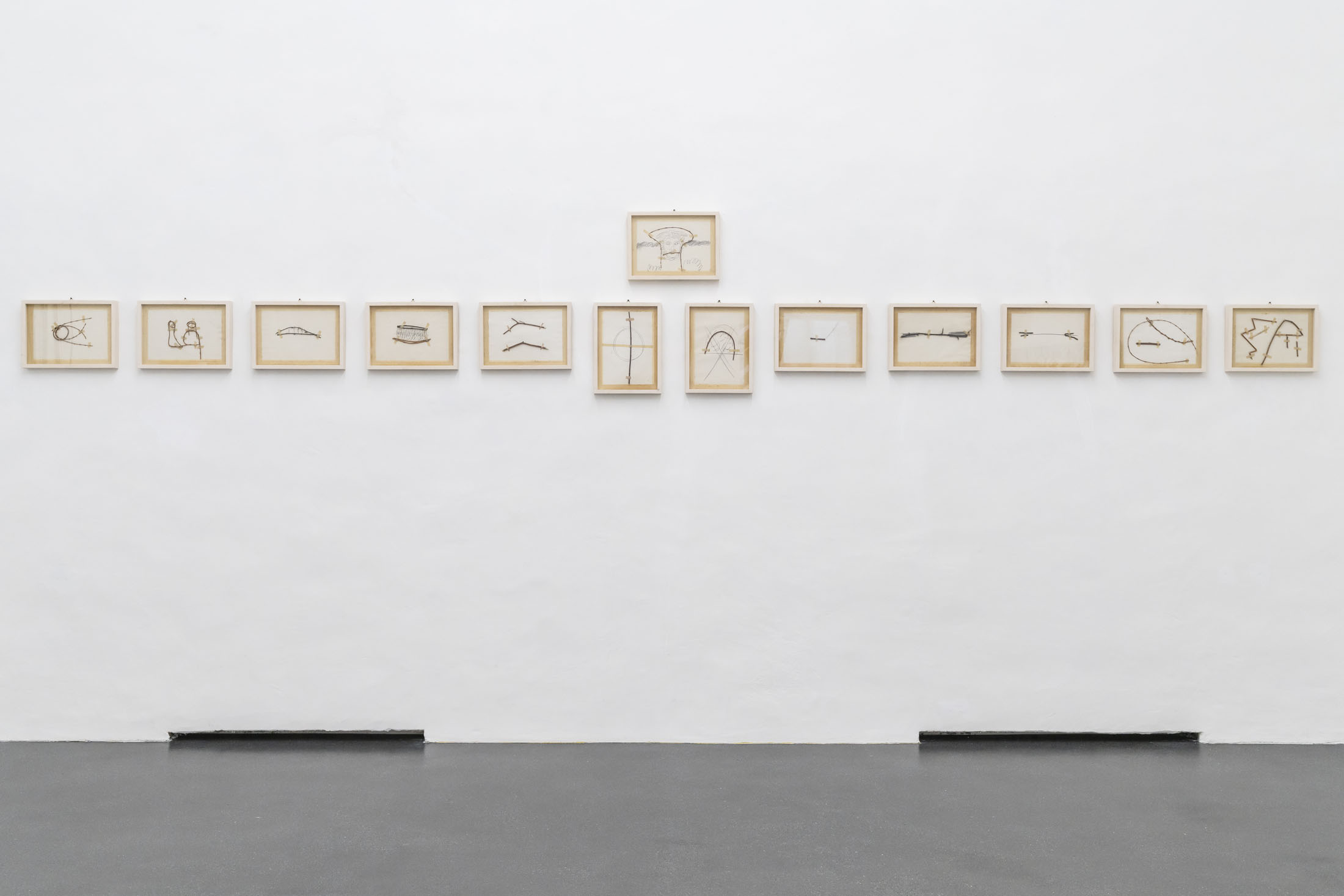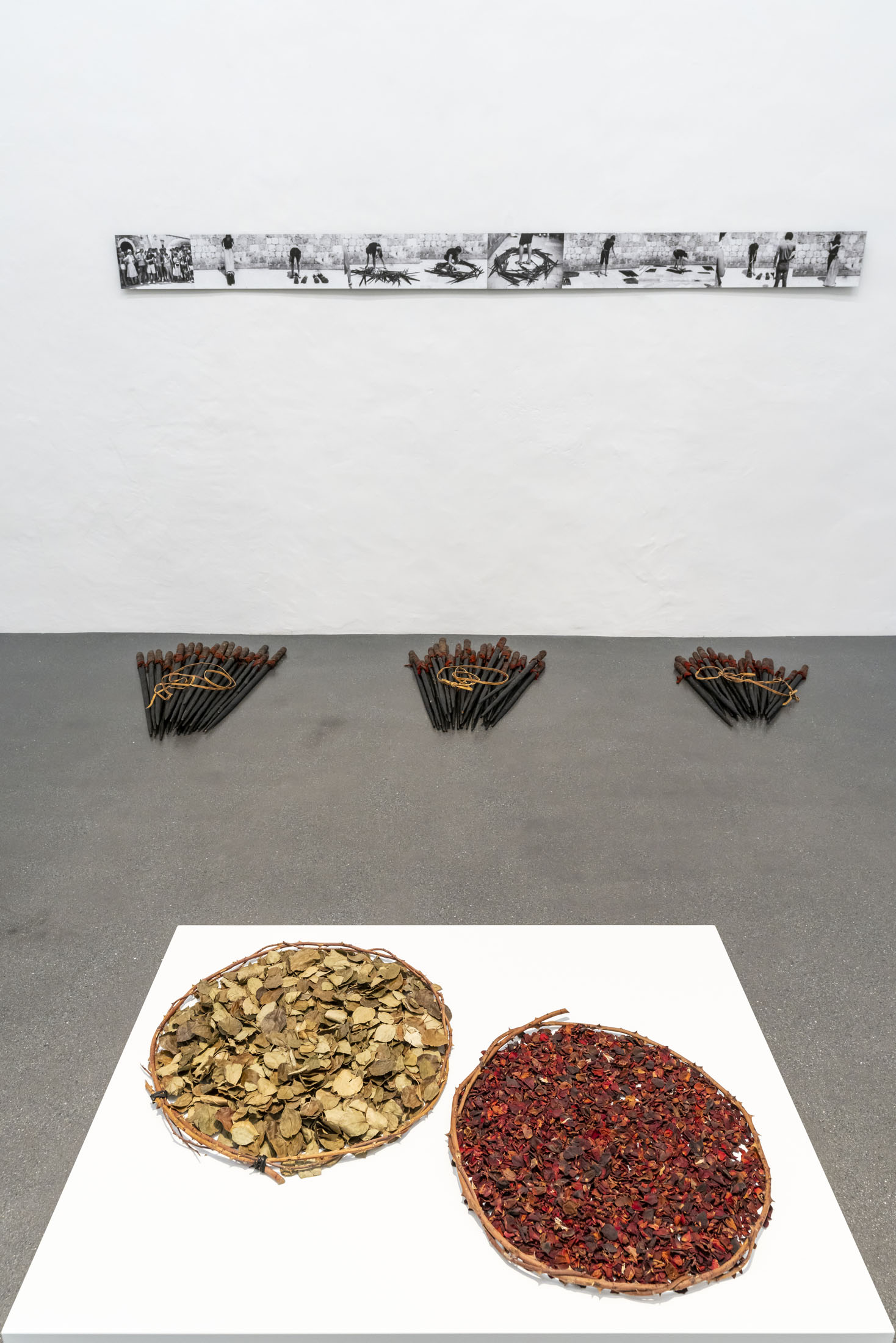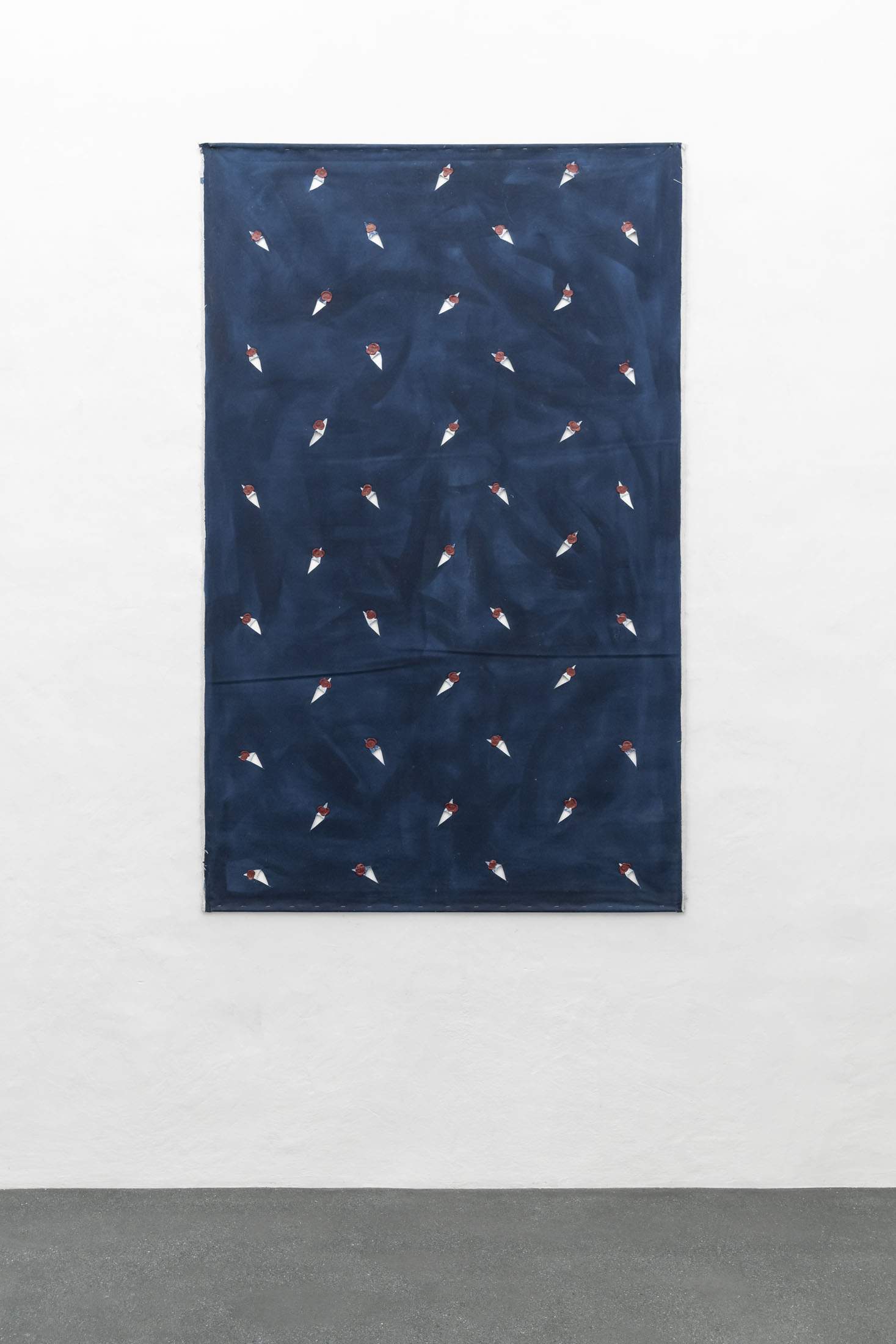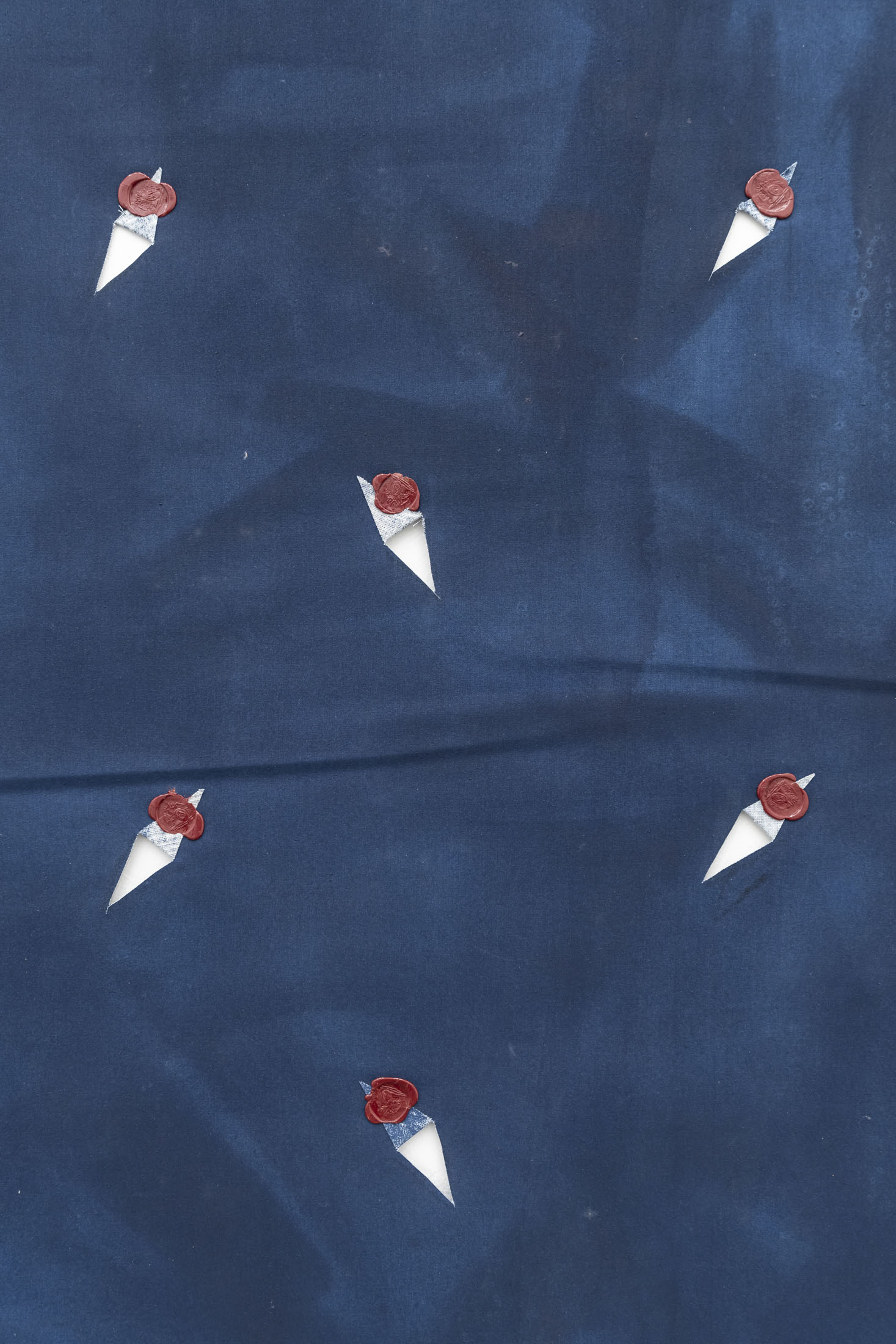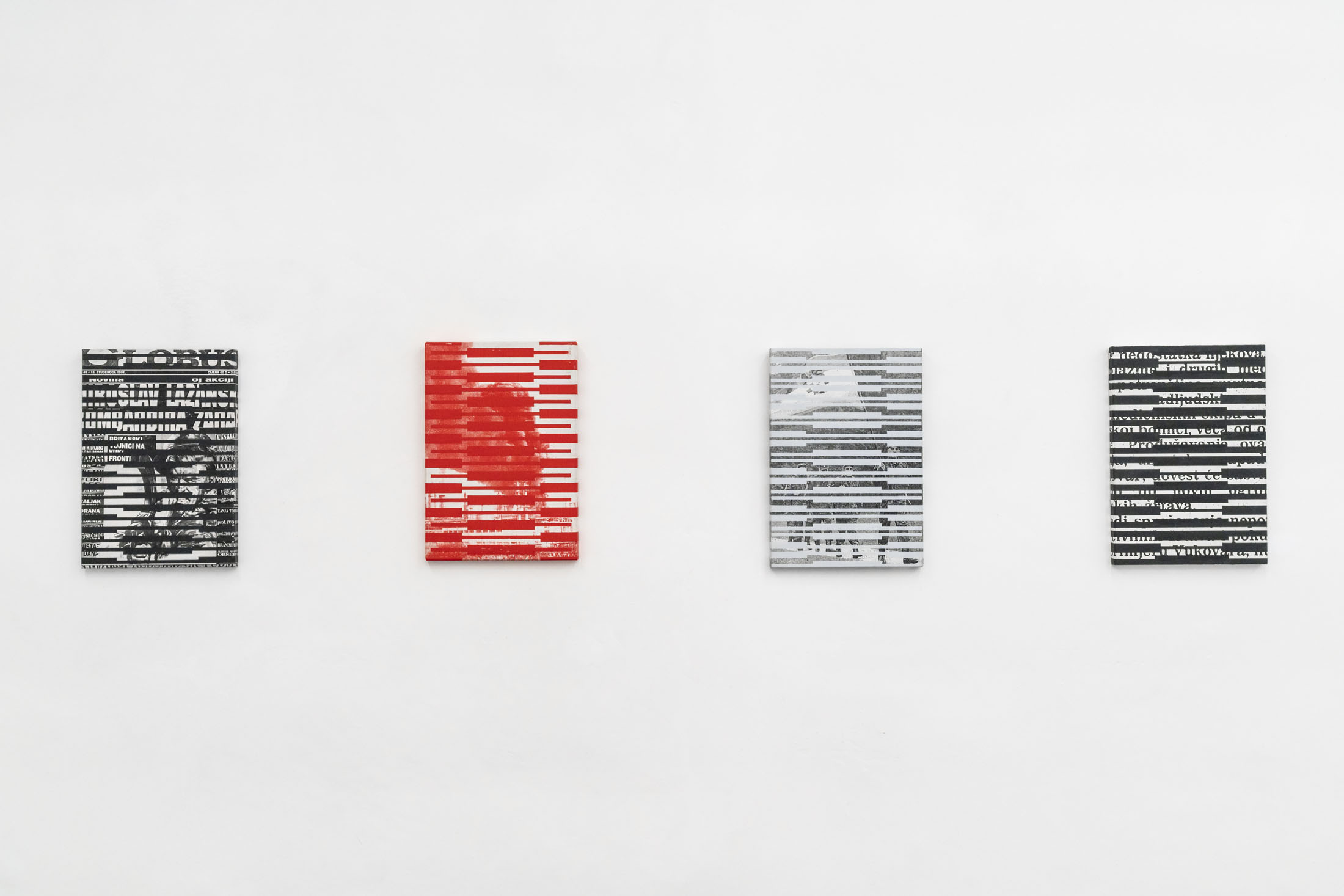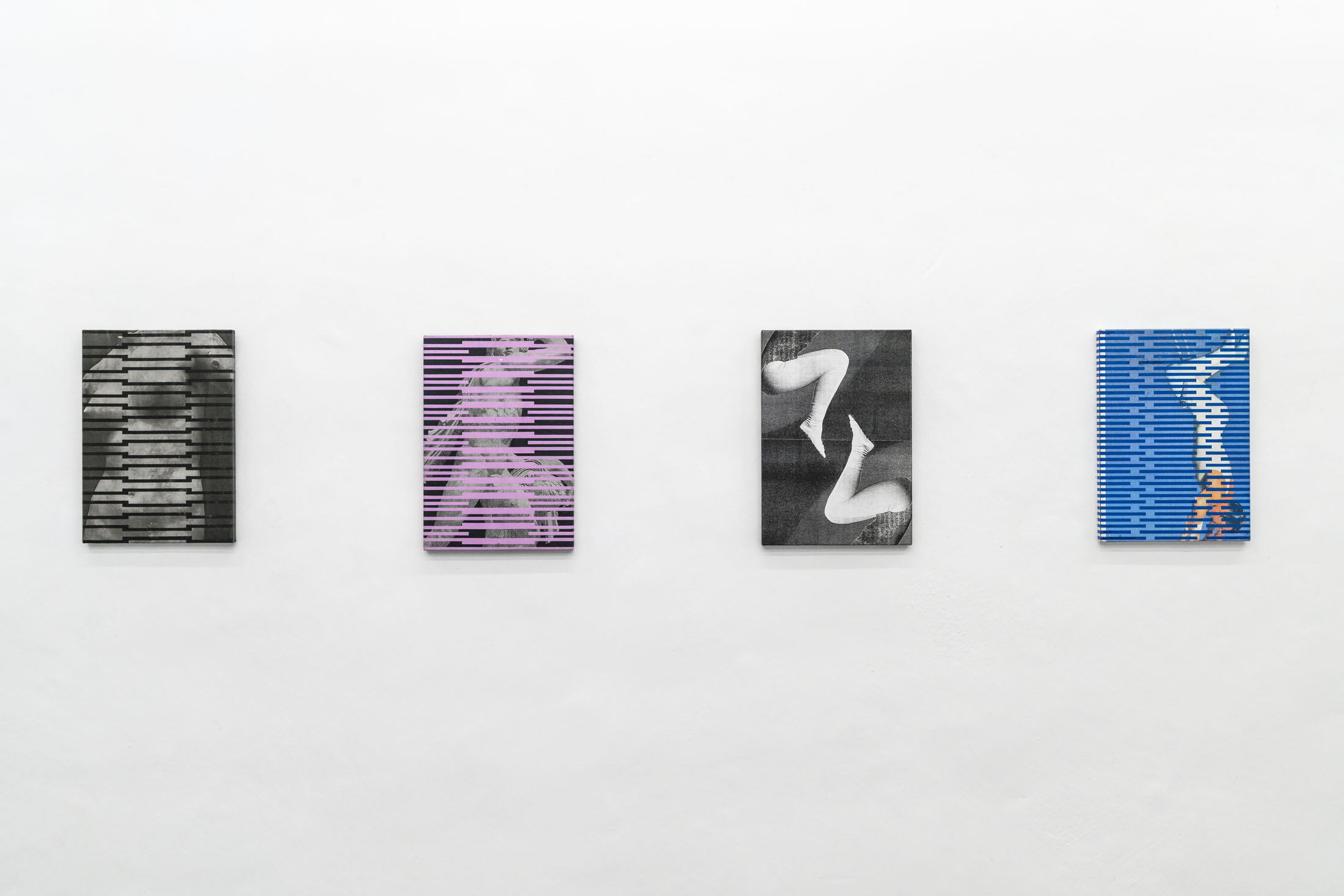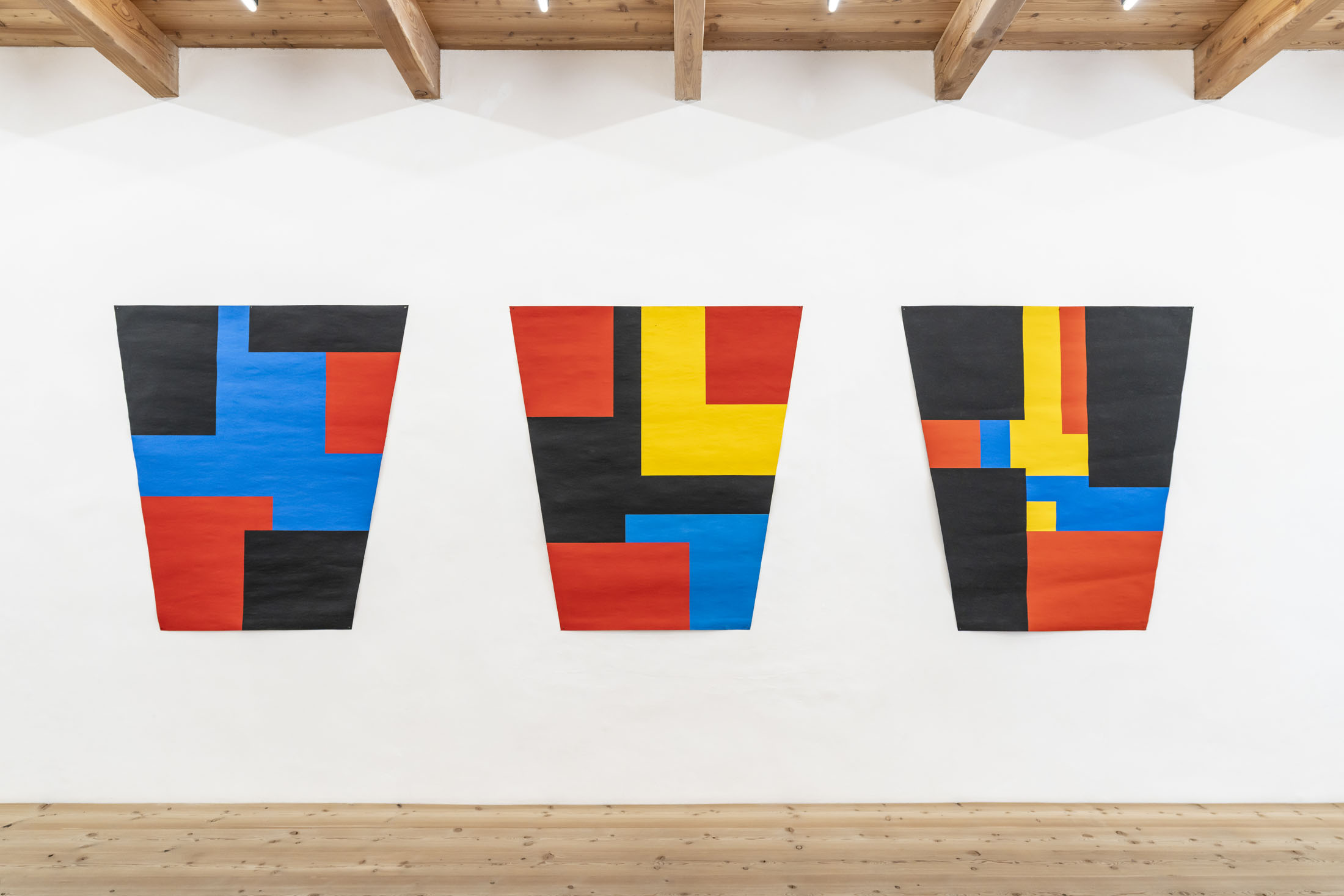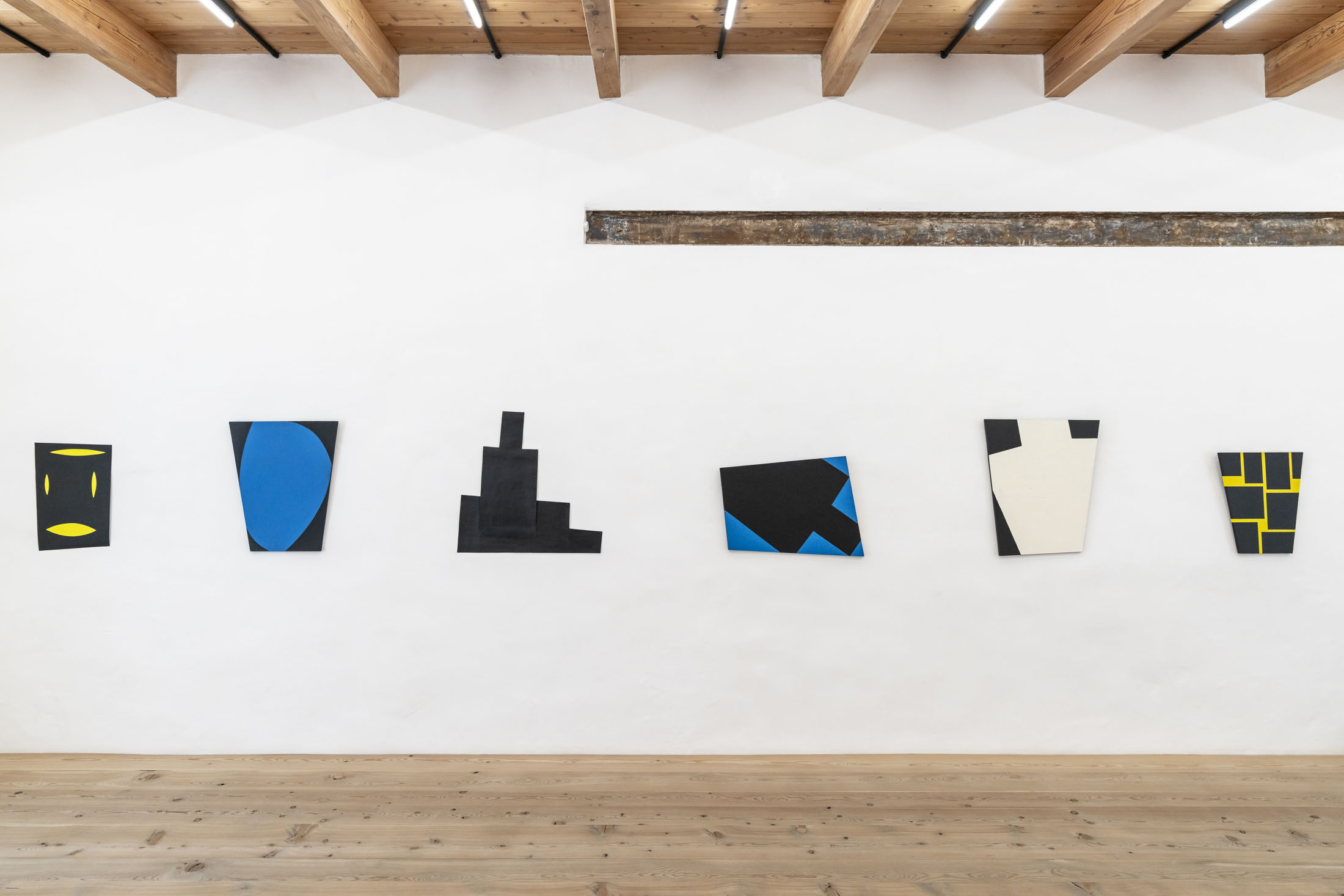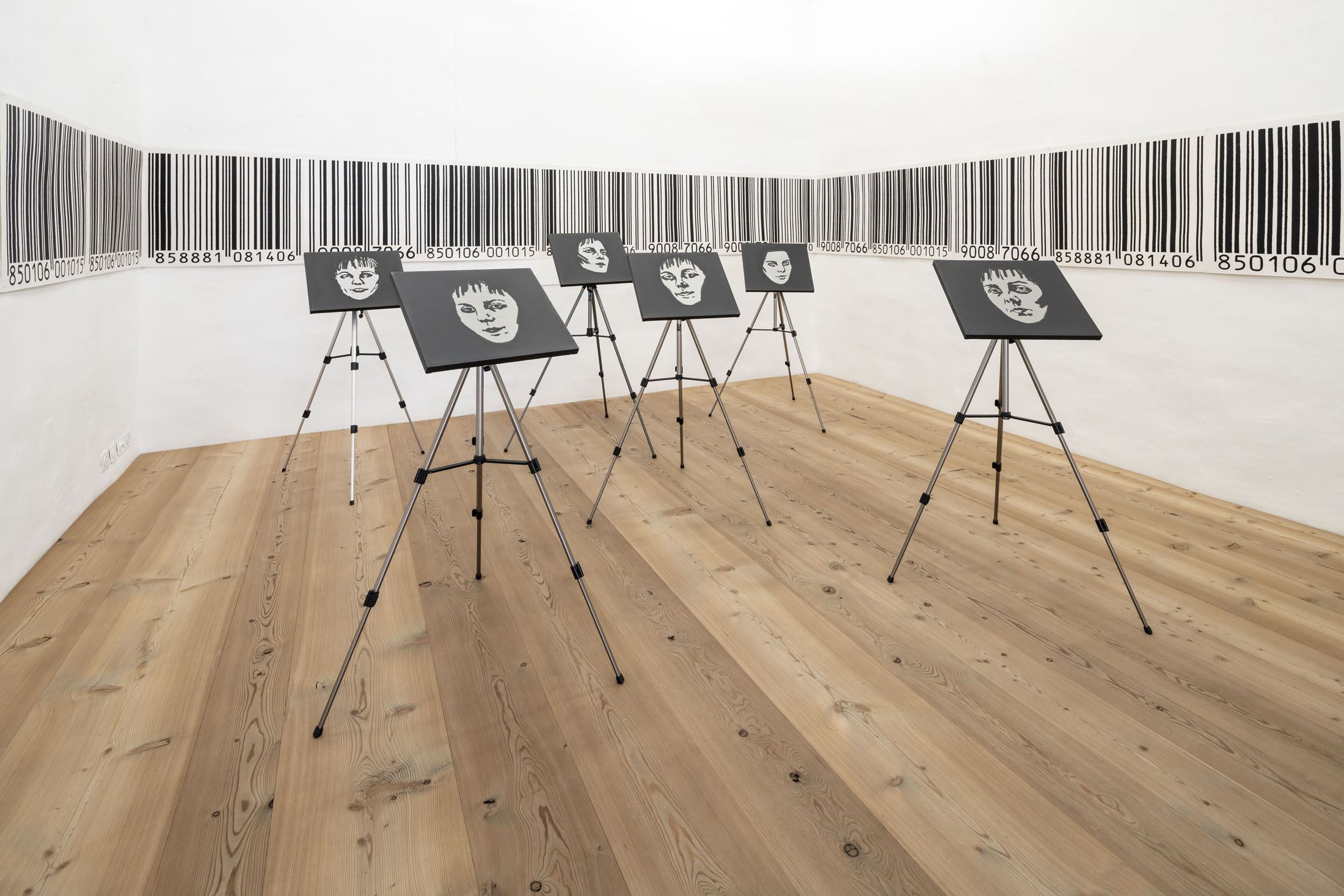
Edita Schubert was an exceptionally prolific and inventive artist, active from the early 1970s until her untimely death in 2001. A significant figure in Croatian and Yugoslav art, she exhibited at the Venice Biennale and the Biennale of Sydney (both 1982), and in galleries across Austria and the US, as well as frequently throughout Yugoslavia. Yet today, her art remains relatively little known. In December 2025, Muzeum Susch will present the first major retrospective of her work outside Croatia.
Edita Schubert: Profusion at Muzeum Susch will present a comprehensive survey of Schubert’s art, from her early paintings to the installations that marked the final phase of her career.
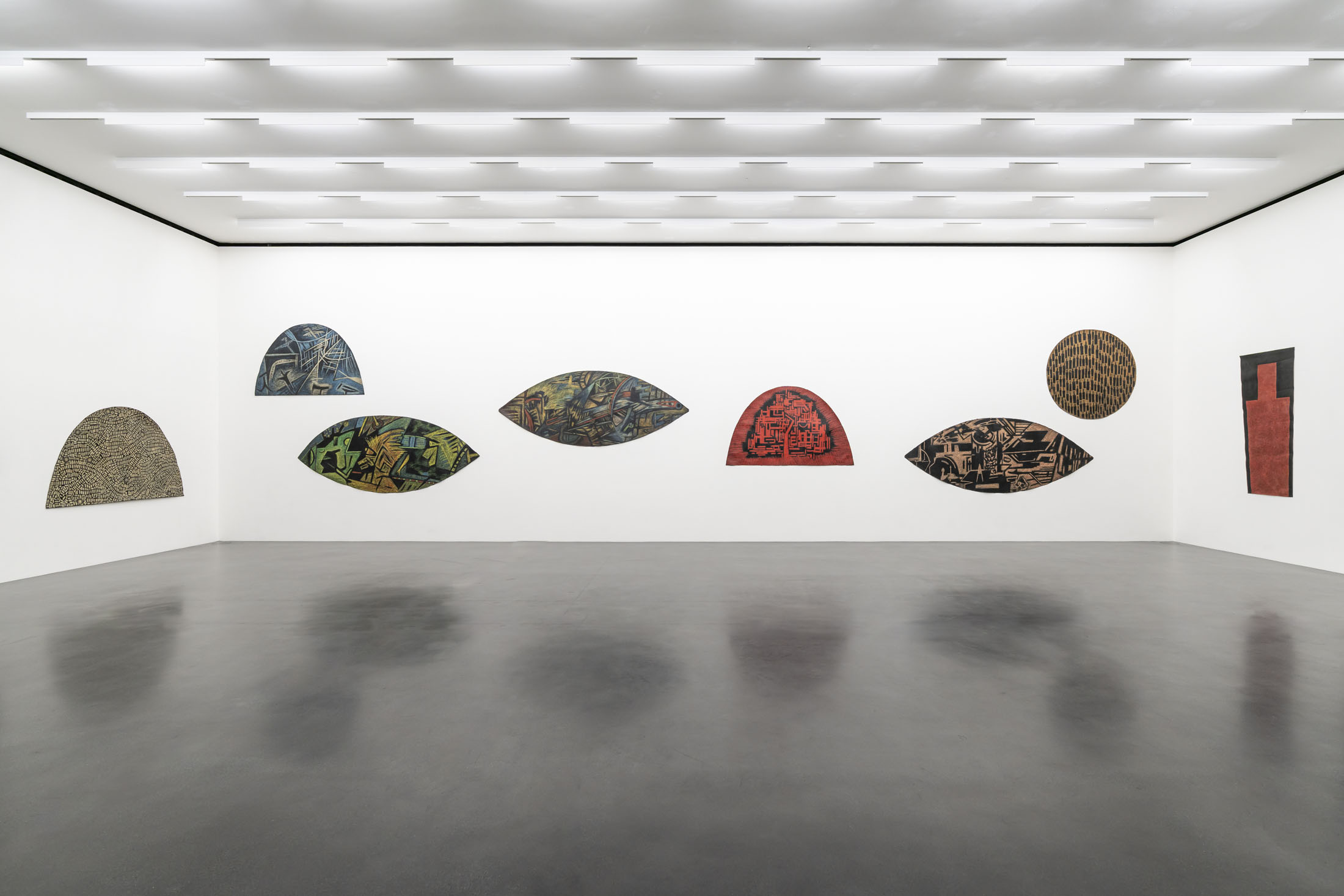
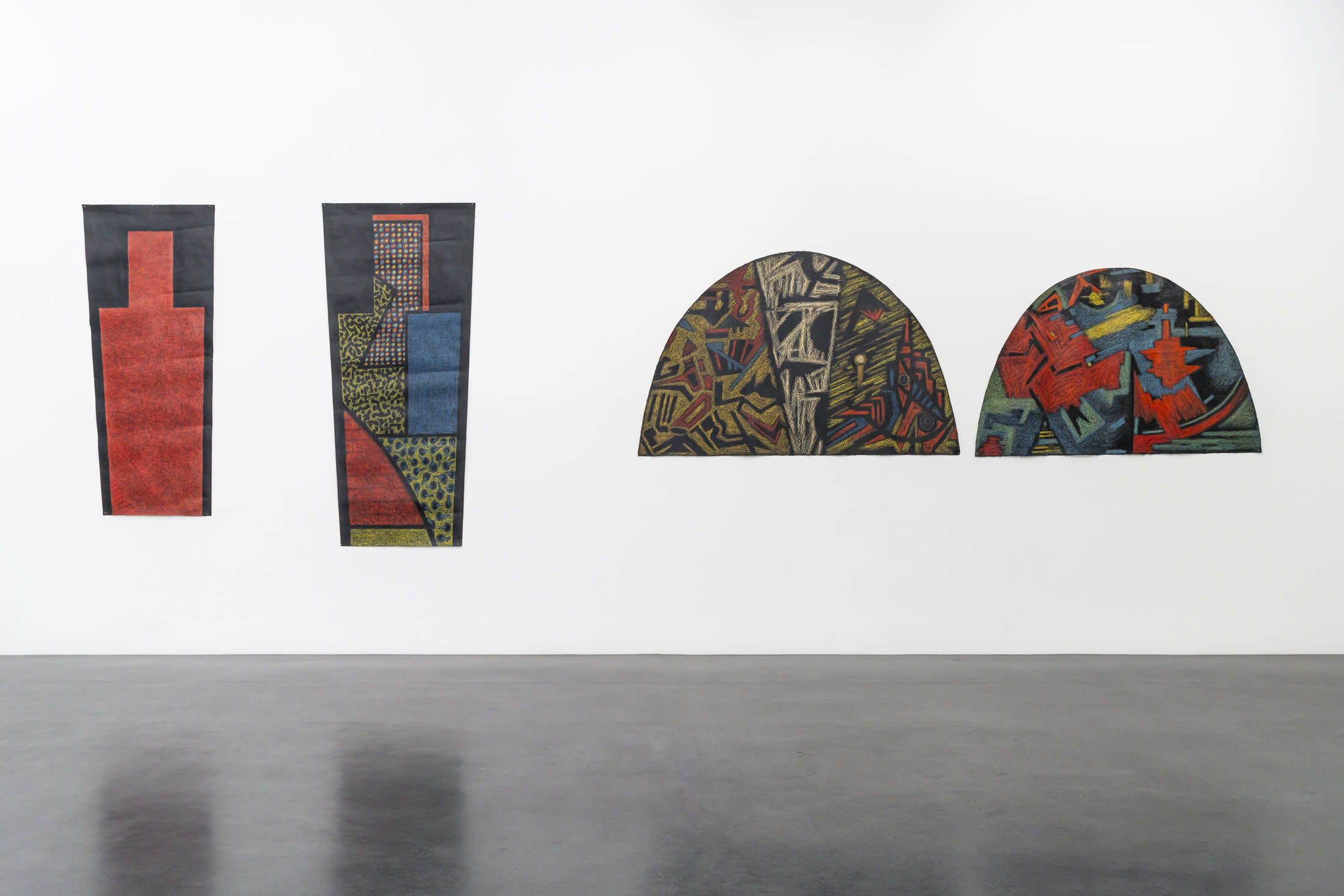
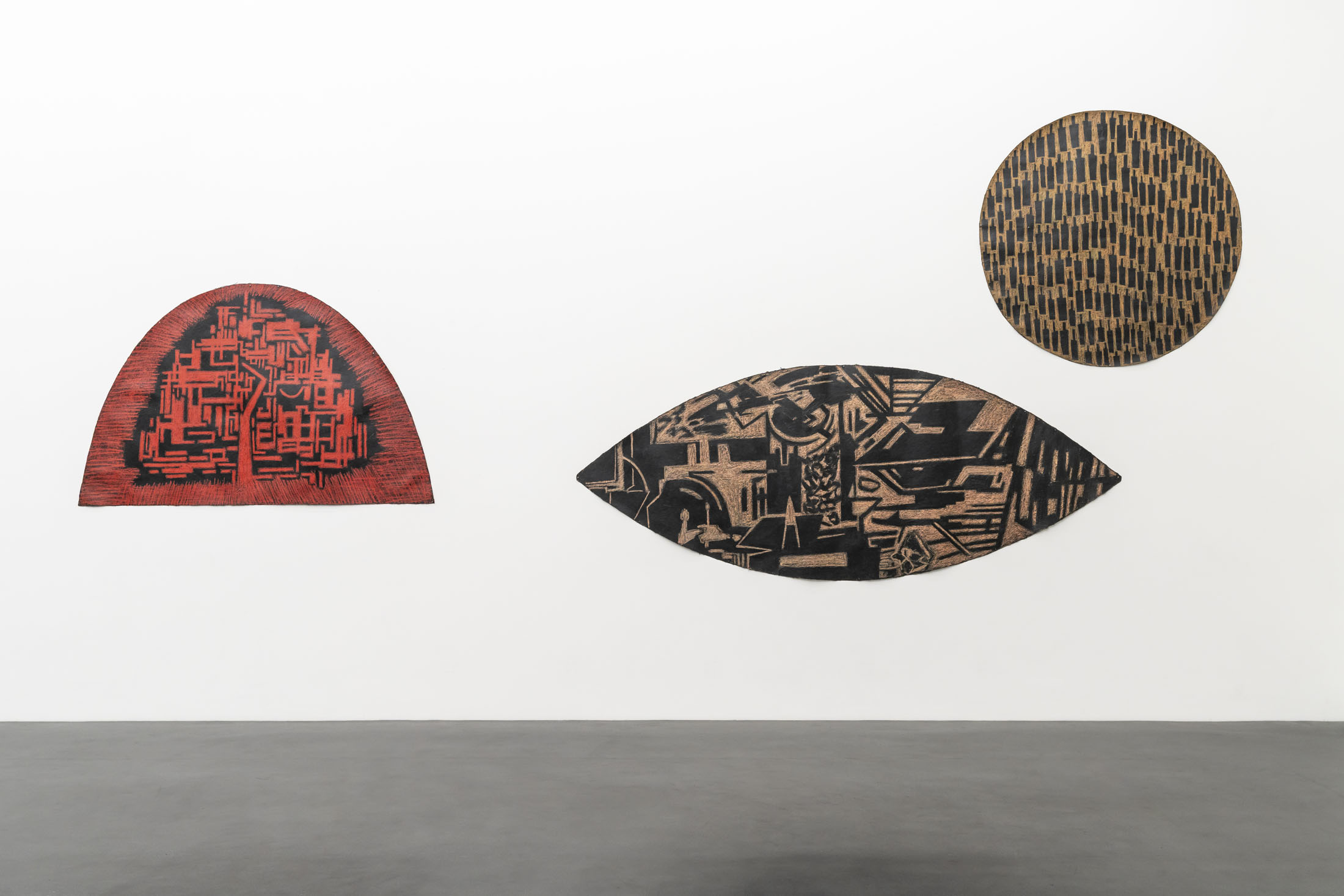
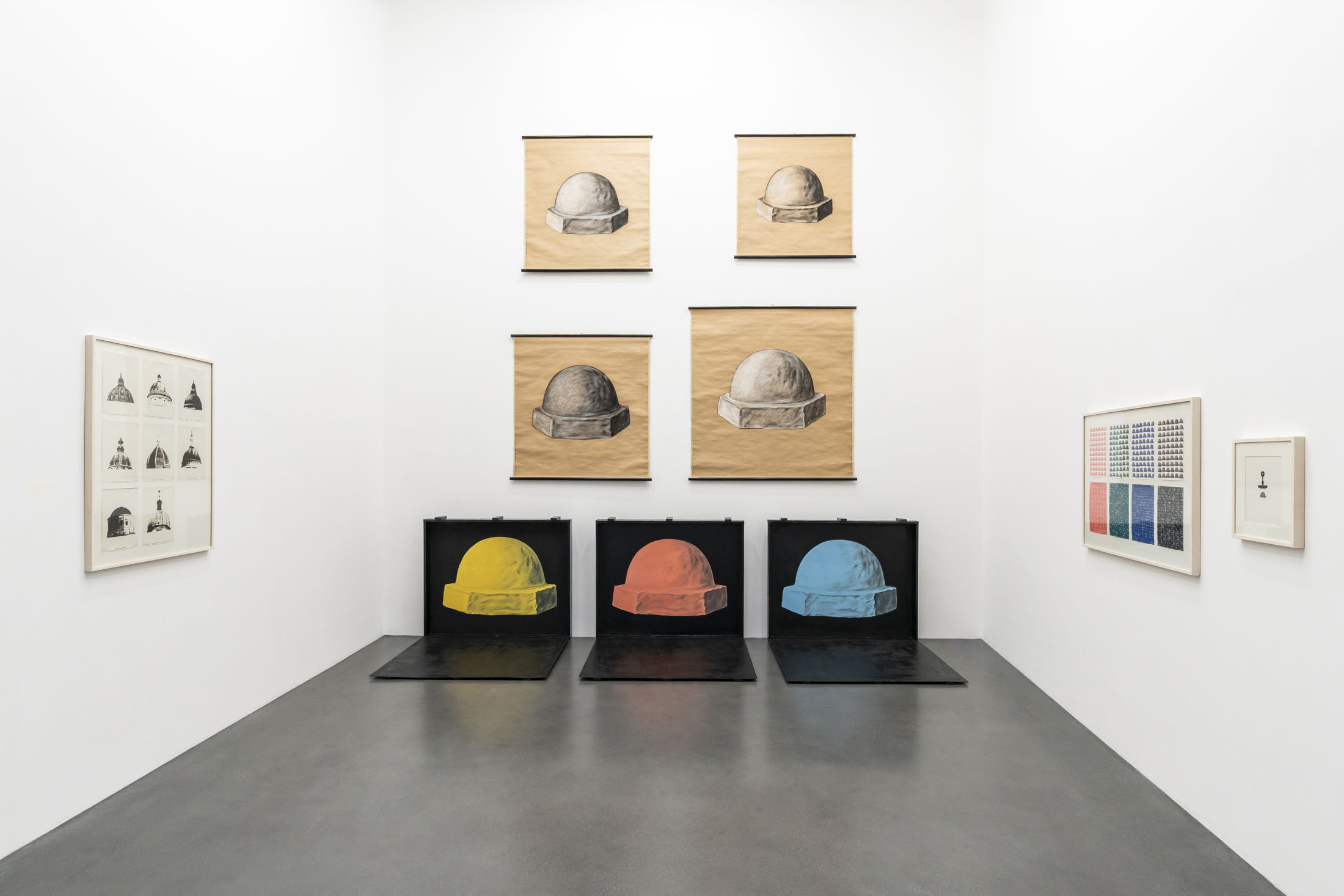
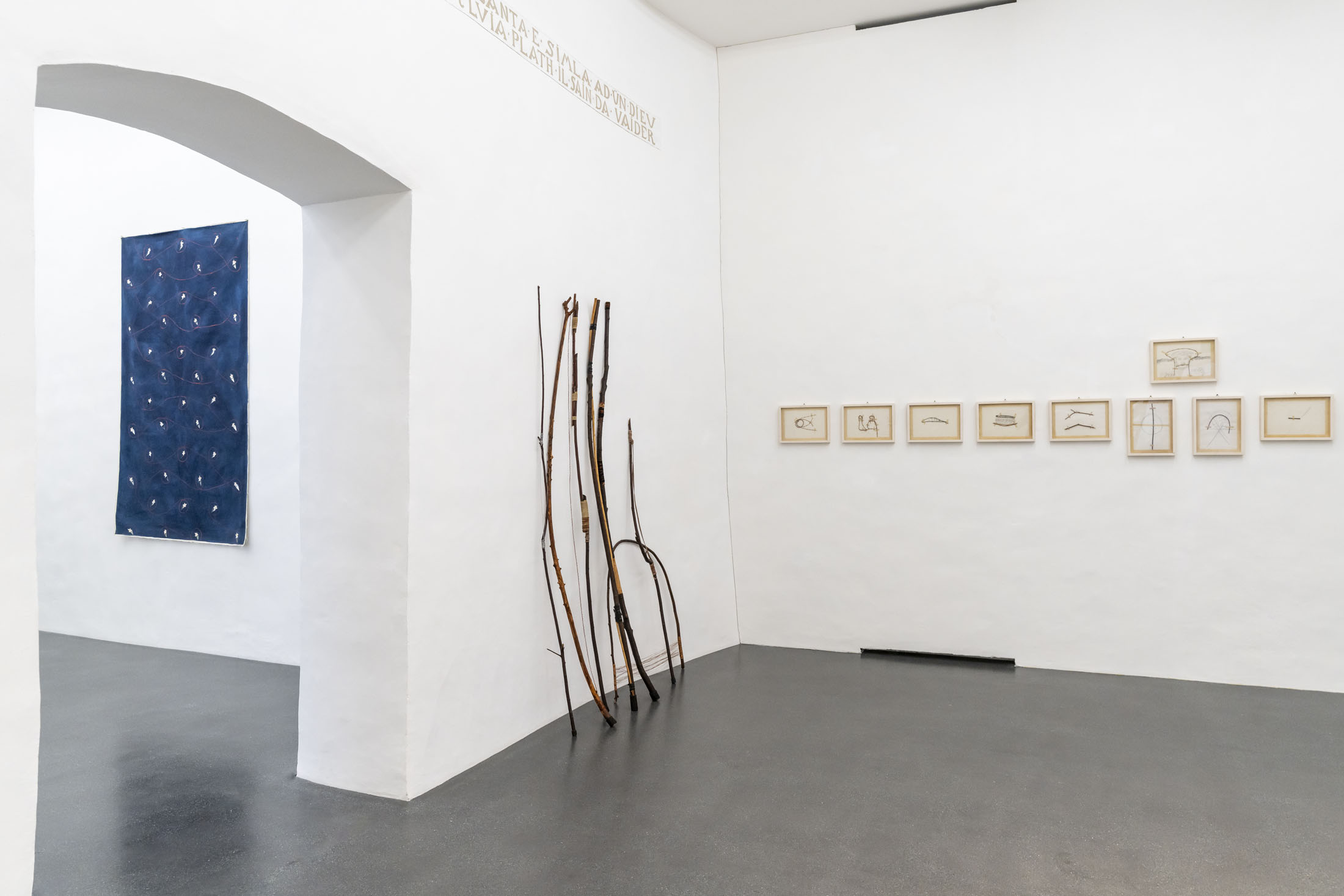
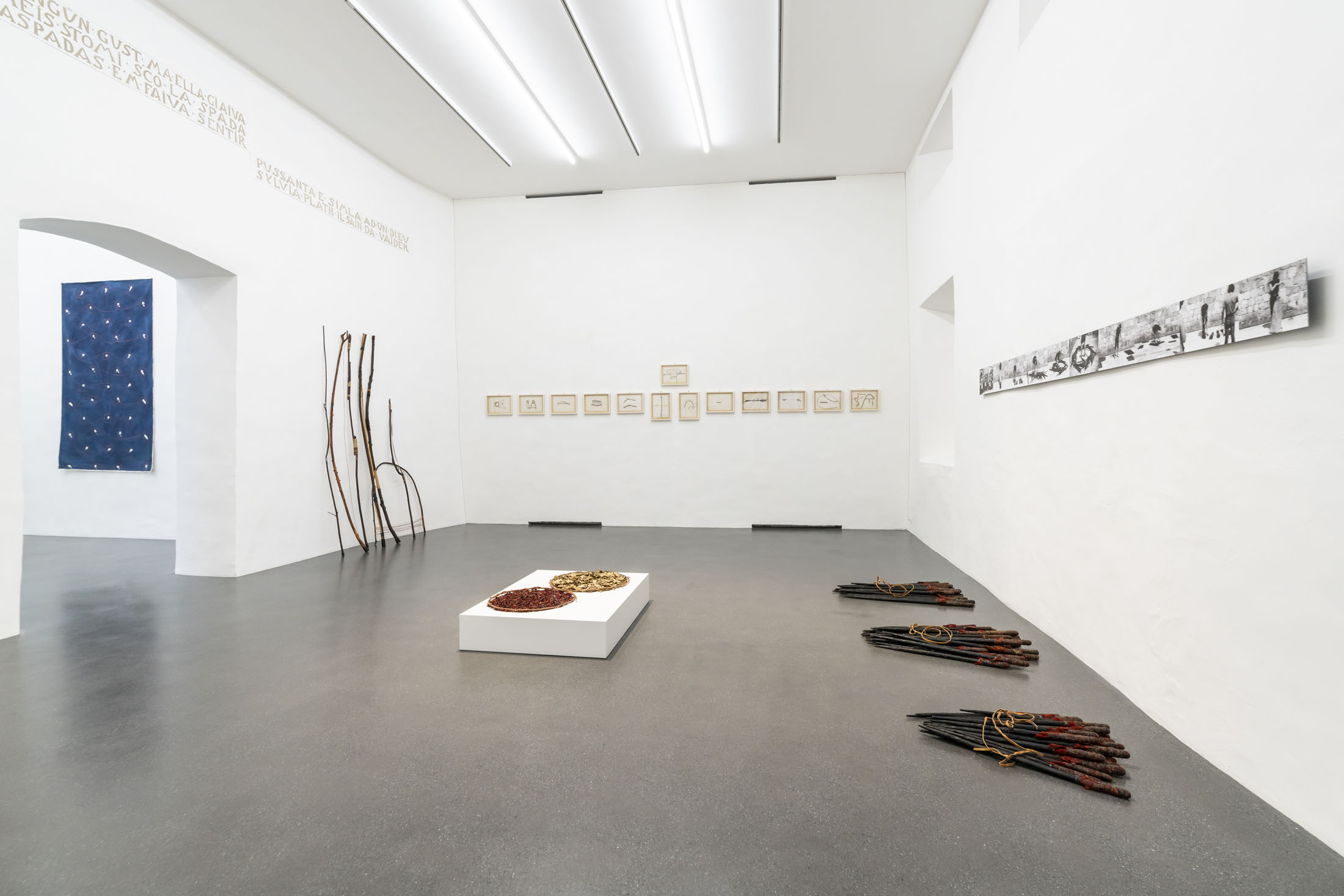
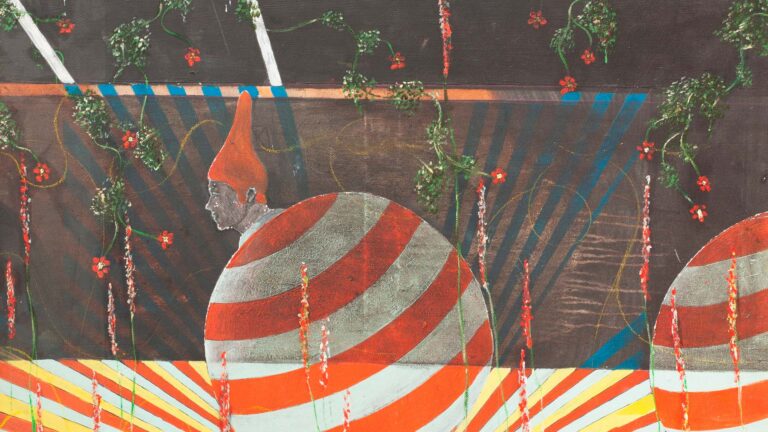
Schubert’s oeuvre is strikingly diverse, ranging from pioneering explorations of the human relations with the natural world in the 1970s, to bold paintings in the spirit of the trans-avant-garde in the 1980s, and collages reflecting on the brutality of war in the 1990s. Writing in 1985, art critic Ješa Denegri placed her at the forefront of a new direction in Yugoslav art following the austere aesthetics of 1970s conceptualism; in his words, she offered a ‘practice of profusion.’
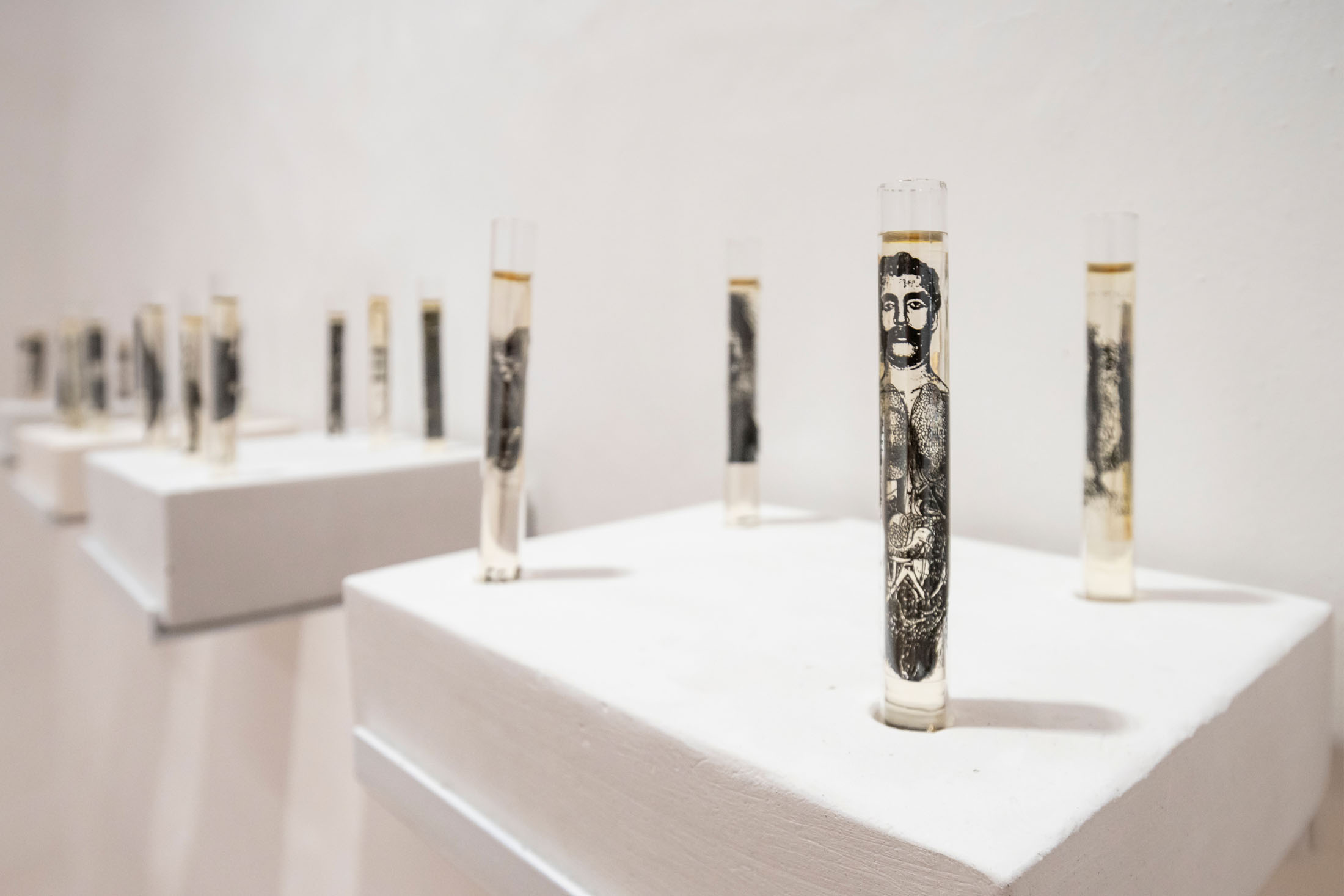
The breadth of her artistic output – sculpture, painting, performance, installation – seems to anticipate the ‘post-medium’ condition of contemporary art. Yet when viewed together, strong lines of connection and continuity emerge across genres and media, often of an intimate kind.
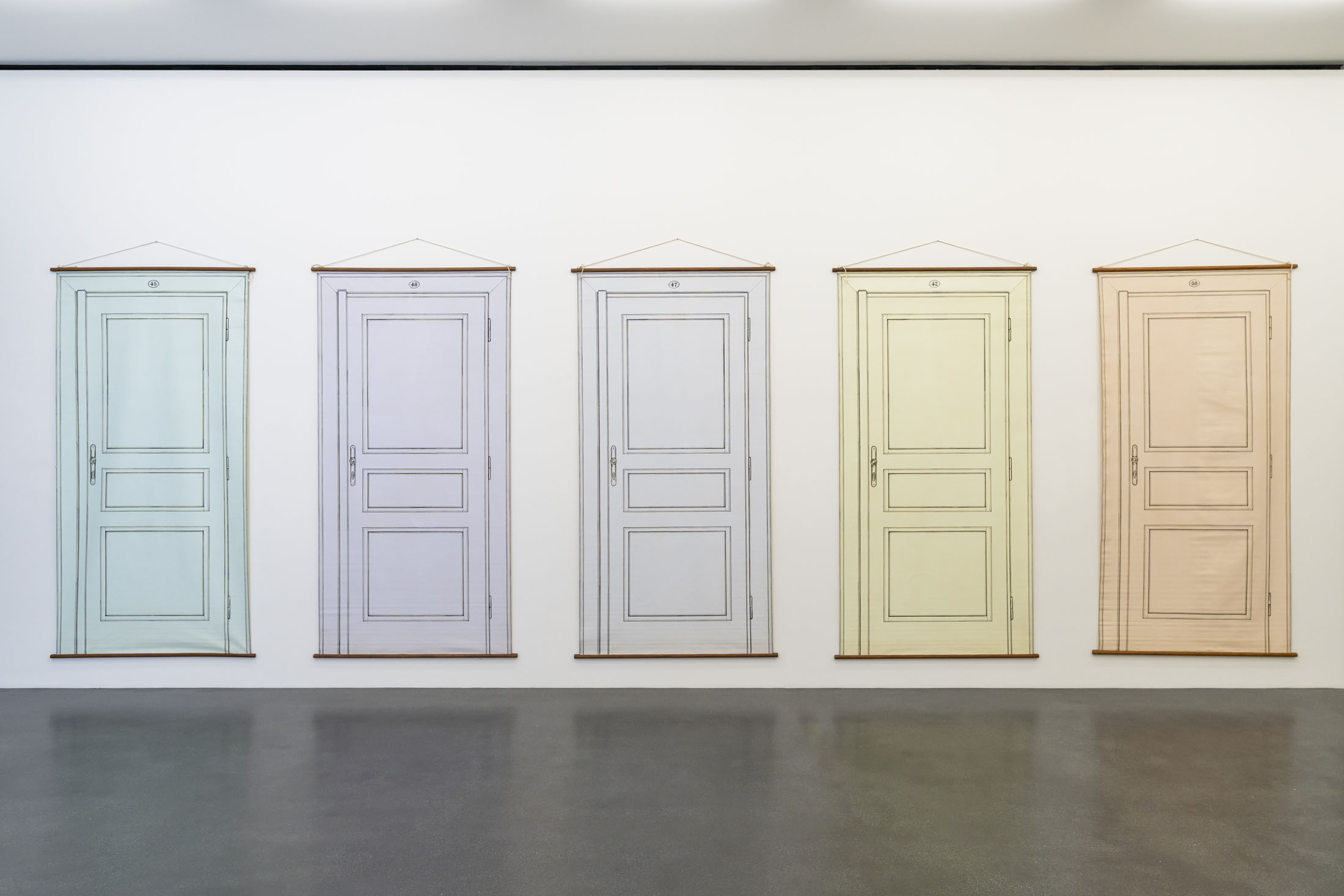
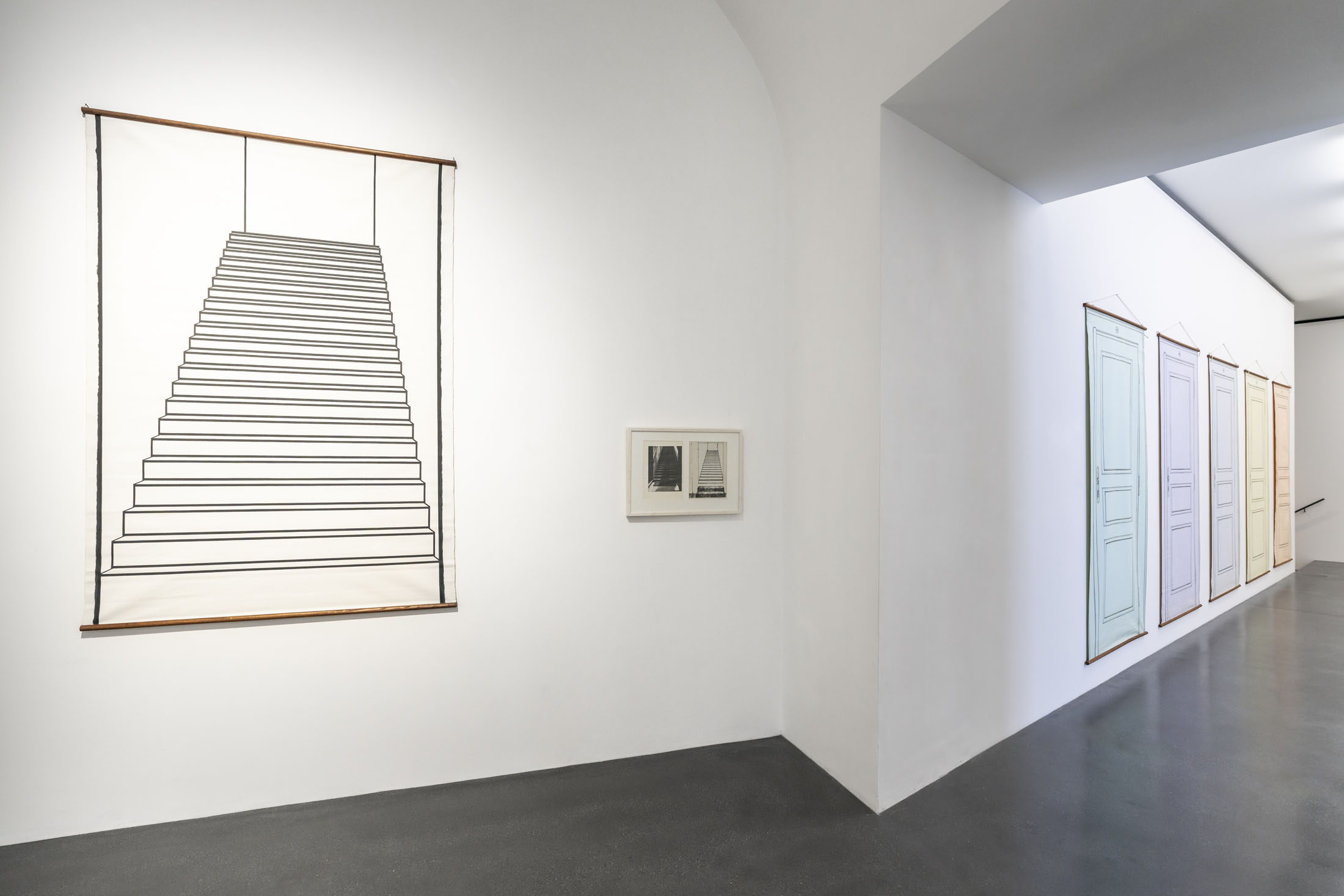
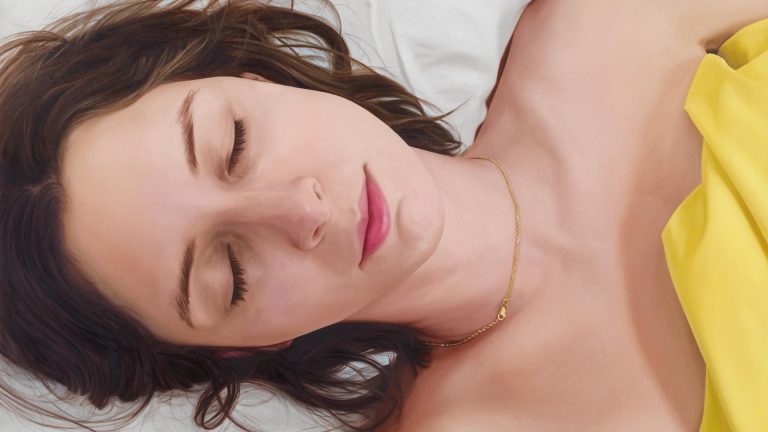
Self-portraiture appears throughout the exhibition, though not always in conventional form. A painting of a doorway or stairway may be a meditation on her life as an artist. Her later works – self-portraits of various kinds – offer profound reflections on memory, identity, and mortality.
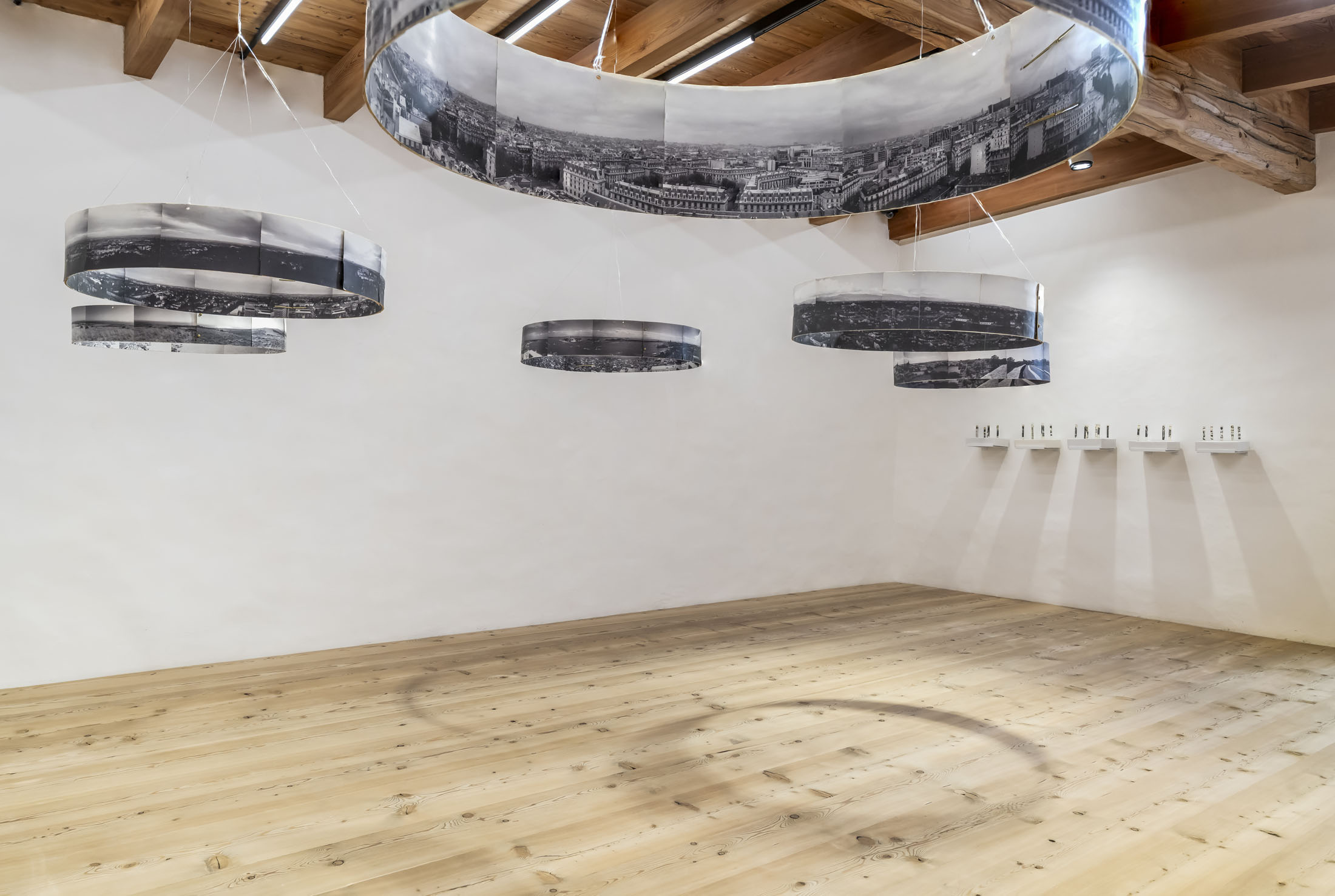
Occupying twelve galleries at the Muzeum, the exhibition will revisit Schubert’s own installation practices, such as the Doorways first installed at Galerija SC in Zagreb (1978) and Horizon, her final installation presented at Križić Roban Gallery, Zagreb (2000), in which visitors were invited to step into her memories of place through photographic panoramas.
This exhibition is part of Muzeum Susch’s ongoing commitment to researching and exhibiting the work of women artists from Central and Eastern Europe, seeking to piece together a more complete and inclusive history of modern and contemporary art. It will be accompanied by a major book co-published with Hatje Cantz, featuring newly commissioned essays by leading writers including Lina Džuverović, Meghan Forbes, Maja Fowkes, Marko Ilić, Klara Kemp-Welch, Marika Kuźmicz, and Bojana Pejić, along with a key text by Schubert’s most expert interpreter, art historian Leonida Kovač.
Edita Schubert was born in 1947 in Virovitica, Croatia. She graduated in 1971 at the Fine Arts Academy in Zagreb (class of Miljenko Stančić). From 1972 to 2001 she worked as a sketch artist at the Chair of Anatomy and Clinical Anatomy of the University of Zagreb School of Medicine. At first, her work was hyperrealist, then she created installations with a magical tension in humble materials (leaves, fabric, sand) that she combined with painted surfaces. During the 1980s her work was connected with several trends, primarily the transavant-guarde, that is, its local version called Nova Slika. By the end of the 1980s, she painted compositions of intense colors in the spirit of New Geometry, and in trying to combine the individual level of reality with the wider context, she started working on ambiental installations. In the early days of her activity, by the end of the 1970s, she started working in the media of photography. She had individual exhibitions on international exhibitions of contemporary art such as the Biennale of Sydney and the Biennale of Venice (1982). Schubert died in 2001 in Zagreb.
David Crowley is a Dublin-based historian and curator with a long-standing interest in the modern art of Central and Eastern Europe. He has curated various exhibitions including Cold War Modern at the Victoria and Albert Museum, London, in 2008–9 (co-curated with Jane Pavitt); Sounding the Body Electric. Experimental Art and Music in Eastern Europe at Muzeum Sztuki, Łódź, 2012 and Calvert 22, London, 2013 and Notes from the Underground. Music and Alternative Art in Eastern Europe, 1968-1994 at Muzeum Sztuki, Łódź, 2017 and Akademie Der Künste in Berlin in 2018 (both co-curated with Daniel Muzyczuk). His exhibition Henryk Stażewski: Late Style was presented at Muzeum Sztuki, Łódź, in 2023.
Being simultaneously a site of contemplation, and intervention, Muzeum Suschopened in January 2019 as a space for debate and research. Founded and created by Grażyna Kulczyk, the Polish entrepreneur and long-term supporter of contemporary art, it is specifically (but not exclusively) informed by a deep understanding of women artists; and, as such, seeks an emotional connection to art as a matrilineage of the sometimes omitted, the overlooked or the misread. The museum is housed in an extraordinary campus in the Engadin Valley of the Swiss Alps, located on the site of a 12th-century former monastery and brewery in Susch, a remote town situated on the ancient pilgrims’ route to Santiago de Compostela. The multi-faceted project comprises 1,500 m2 of gallery spaces, which show site-specific and permanent artworks, and boasts a regular programme of temporary exhibitions, conferences, concerts, and residencies. Due to its unique programming and award-winning architectural layout, Muzeum Susch has become a “must see” attraction in Switzerland.
Grazyna Kulczyk is an entrepreneur and patron of the arts whose business endeavors have made her Poland’s most successful businesswoman. In 2004, after many years of involvement in the art and philanthropy sectors, Ms. Kulczyk set up her cultural flagship venture: Art Stations Foundation, housed in the carefully restored Stary Browar (Old Brewery) in Poznań, Poland, which has received numerous Polish and international awards. In 2015, she began construction on Muzeum Susch in the Swiss Alps, which opened its doors in 2019. It quickly became one of the most important museum institutions in Switzerland and is recognised across Europe for its dedication to international modern and contemporary art. The Foundation’s activities also include the residency programme ‘Temporars Susch’, while ‘Instituto Susch’ has initiated the global feminist Research, Conference, and Publication Programmes.
Ms. Kulczyk’s areas of interest and her art commissions encompass a range of themes, such as the development of new technology and start-ups aimed at changing the world. She is particularly engaged in fostering entrepreneurship among women as well as promoting the equal presence of women in STEM.
From 2012 to 2018, Ms. Kulczyk supported Tate Modern as a member of the International Council and REEAC. She has also been a member of the board of the Modern Women’s Fund Committee of the Museum of Modern Art, New York, and a board member of the Museum of Modern Art in Warsaw. Ms. Kulczyk was distinguished as the European Cultural Investor of the Year 2019 and has been repeatedly recognised as one of the ‘200 Top Collectors’ in the world by ARTnews.