Search

Collection Contemporary Art: 1975–Present at Museo Nacional Centro de Arte Reina Sofía, Madrid

Collection contemporary art: 1975–present at museo nacional centro de arte reina sofía, madrid 26

Exhibition booklet is available here
museoreinasofia.es

The new exhibition narrative spans fifty years of art history, from the Spanish Transition to democracy to the present day, by way of more than four hundred works by 224 artists. Over half have not been exhibited previously in the Museo Reina Sofía Collections.

According to Spain’s minister of Culture, Ernest Urtasun, the presentation is “a major cultural event that strengthens contemporary art, widening its scope and gathering more voices and more gazes, particularly the gazes of women”.

Spain’s minister of Culture, Ernest Urtasun, the president of the Museo Reina Sofía’s Board of Trustees, Ángeles González-Sinde, Museo Reina Sofía director, Manuel Segade, and the Museo’s deputy artistic director, Amanda de la Garza, today unveiled COLLECTION. CONTEMPORARY ART: 1975 – PRESENT, the new presentation of the Museo Reina Sofía Collections spanning fifty years of contemporary art from Spain, from the Transition to democracy to the present day, via three exhibition routes. By way of a selection of 403 works by 224 artists, this new narrative seeks to cast light on the contribution of Spanish contemporary art.  

Spain’s minister of Culture, Ernest Urtasun, described this fresh presentation of the Collection as “a major cultural event that strengthens contemporary art, widening its scope and gathering more voices and more gazes, particularly the gazes of women. It merits absolute institutional support”.

Ángeles González-Sinde, president of the Museo Reina Sofía’s Royal Board of Trustees, stressed “the Museo’s further commitment to research, conservation, dissemination and thought through this project, a critical and multi-voiced re-reading that seeks to yield context”.  

For her part, the Museo Reina Sofía’s deputy artistic director, Amanda de la Garza, pointed to the Museo’s efforts to “change the way of displaying holdings to the public via a more accessible, dynamic and educational exhibition route that ensures a more hospitable and generous museum, and to environmental and sustainability standards”.

Moreover, Museo Reina Sofía director, Manuel Segade, was keen to point out that the presentation is in no way a unique one-way narrative and instead is open and constantly revisable: “The task of the Museo is not to re-read the past in looking to mirror today’s society. Rather, it entails allowing present concerns to find myriad responses in granting us the understanding that today is not a given but a process of becoming that requires collective construction. In uncertain times like the present, this is not about imagining futures but attempting to recognise in the present those desirable futures that were already here”.

The exhibition, unveiled for public display from 18 February, stretches across the entire fourth floor of the Sabatini Building, totalling more than 3,000 square metres. Its arrangement is linear and sometimes non-chronological and ranges across twenty-one chapters, comprising well-known pieces from the Reina’s Collections and acclaimed artists such as Picasso, Miró, Dalí, Juan Genovés, Juan Muñoz, Cristina Iglesias, Susana Solano, Juan Navarro Baldeweg, Esther Ferrer, Cristina García Rodero, Richard Serra and Andy Warhol; figures closely entwined with the Transition to democracy in Spain and Madrid’s Movida movement, for instance Guillermo Pérez Villalta, Ocaña, Ouka Leele, Ceesepe, Nazario, Iván Zulueta and Alberto García-Alix; artists whose practice is linked to gender sensibilities, for instance Judy Chicago, Barbara Hammer, Eulàlia Grau, David Wojnarowicz, Pilar Albarracín and Cabello/Carceller; and key figures in the cultural, political and social representation of AIDS, such as Pepe Espaliú and Pepe Miralles. Furthermore, it includes other artists who approach their work from political and theoretical stances within the critical framework of representation, for example Joan Fontcuberta and Dora García, and those who have developed different approaches to Afro identity, for example Pocho Guimaraes, Agnes Essonti and Rubén H. Bermúdez.

The narrative focuses centrally on Spain’s artistic landscape, with 77% of the artists on display (137) from Spain. Among the international artists, 31% are of Latin American origin, most notably artists such as Leonilson and Beatriz González. The presentation also includes recent acquisitions and current works by young artists, many of them women, and with a focus on Spain’s artistic settings, for instance Laia Abril, Mònica Planes, June Crespo, Teresa Solar, Elena Alonso, Sahatsa Jauregi and Nora Aurrekoetxea.      

Another relevant point to emphasise is that 258 works are hitherto (64%) unexhibited; that is, over half of the pieces on view on this floor are displayed for the first time as part of the Museo’s Permanent Collection.

Three ways of recounting fifty years of art

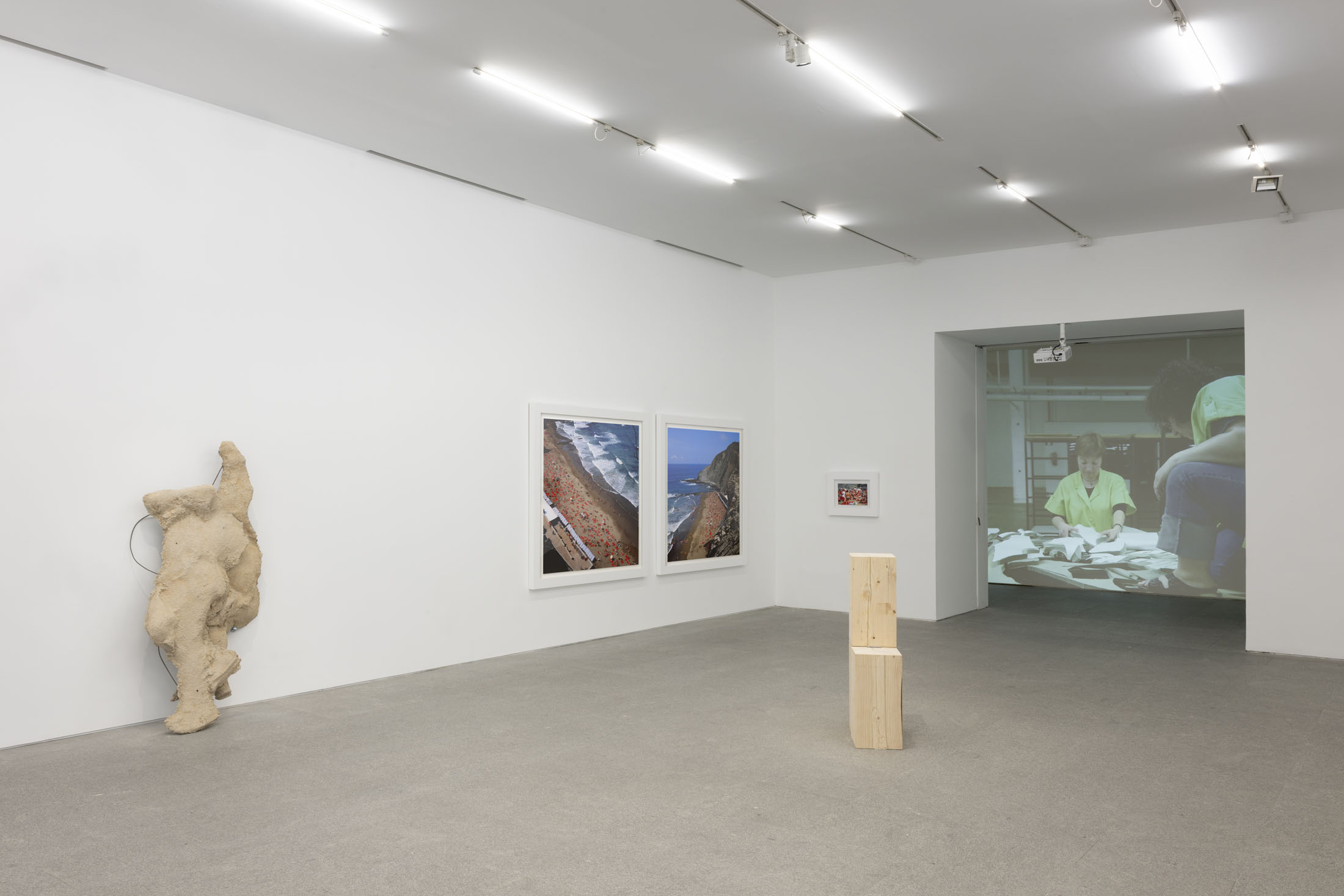
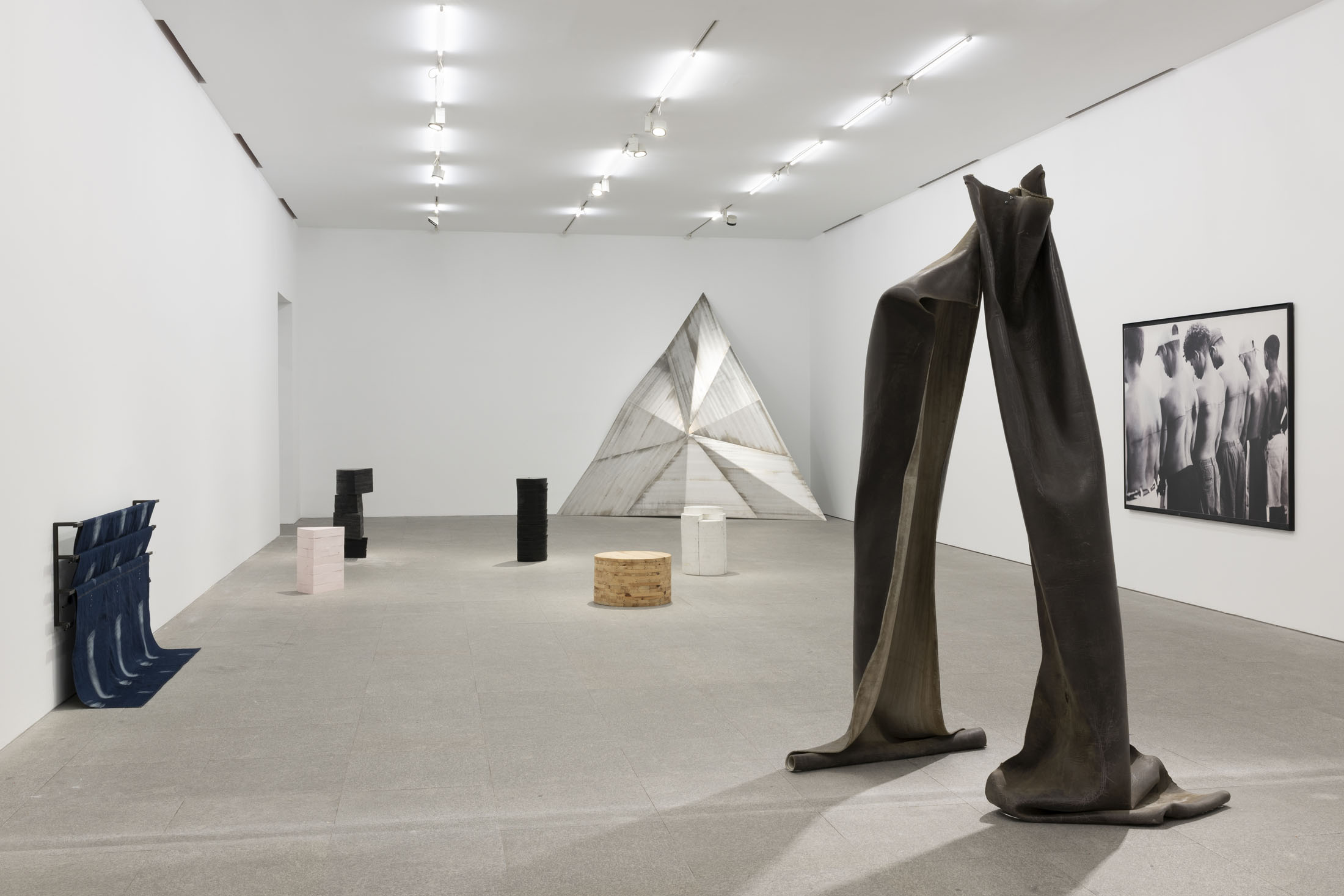
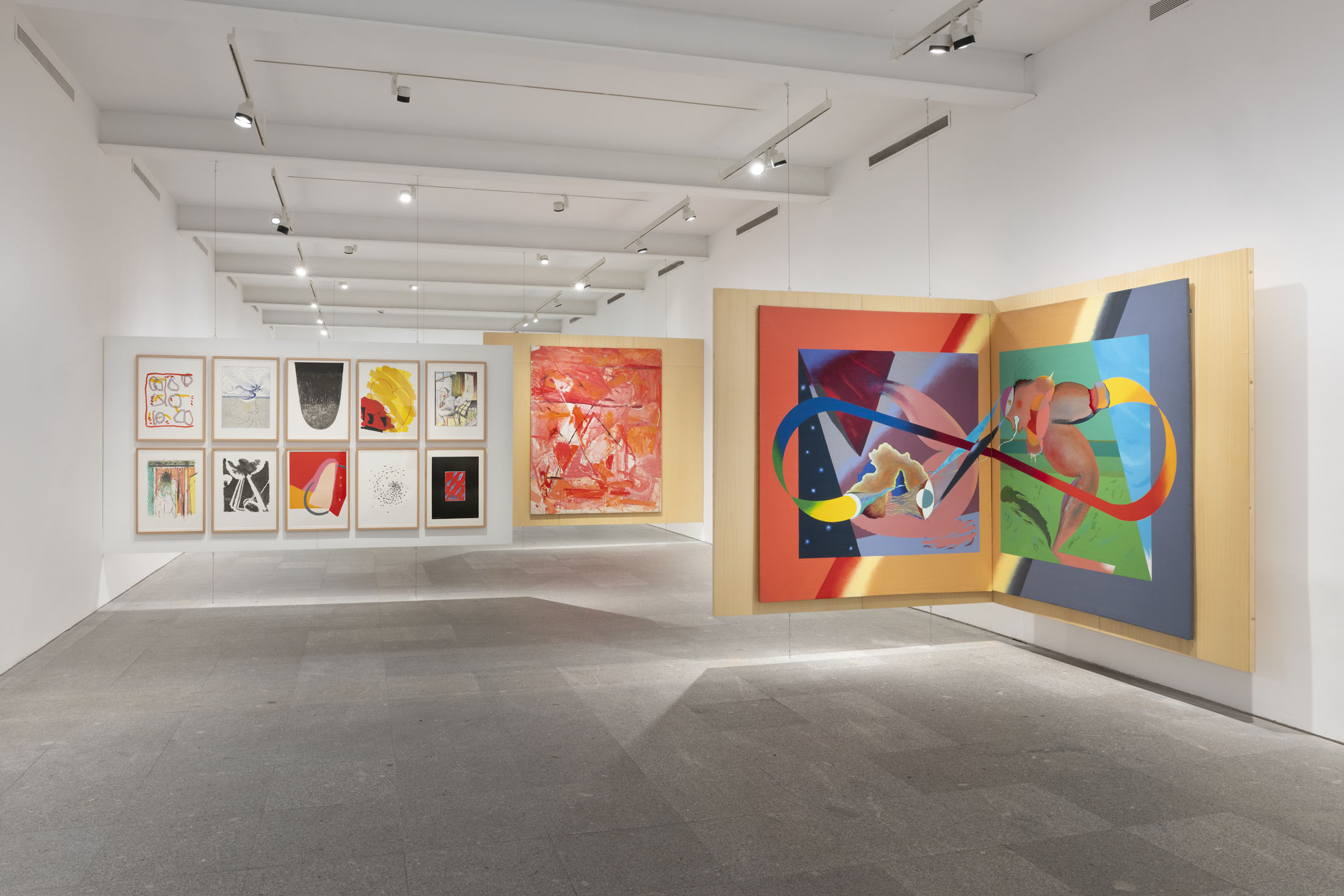
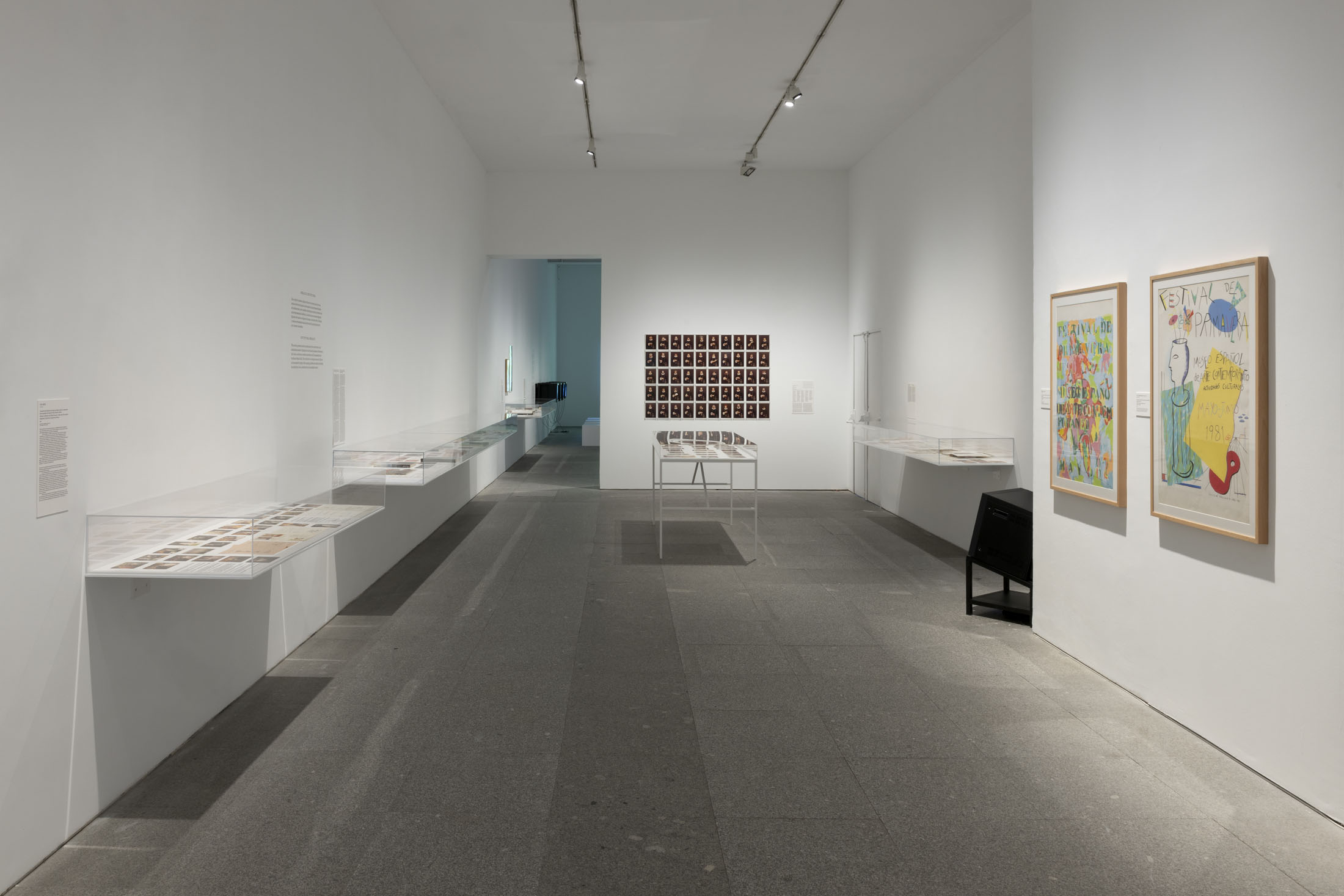
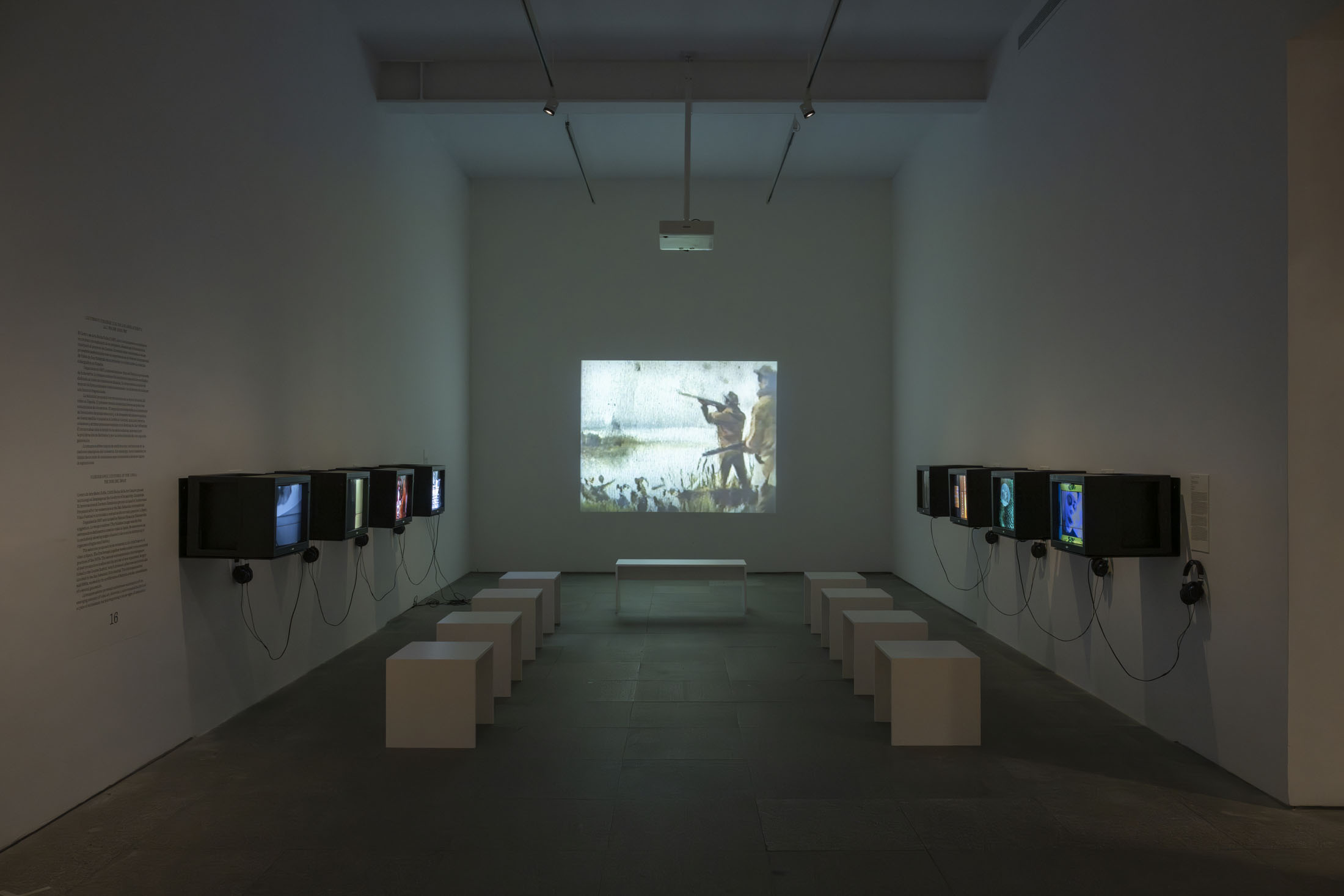
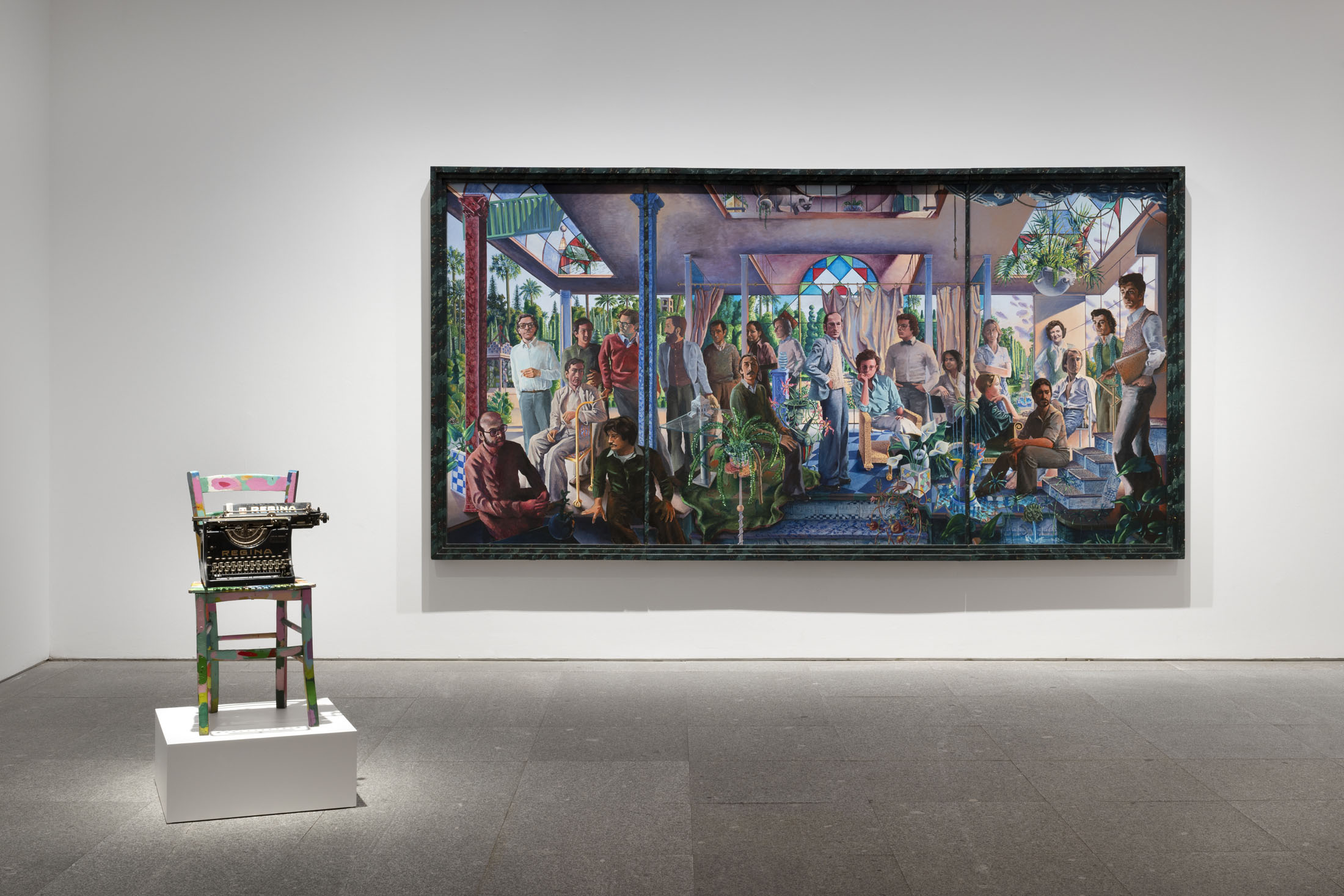
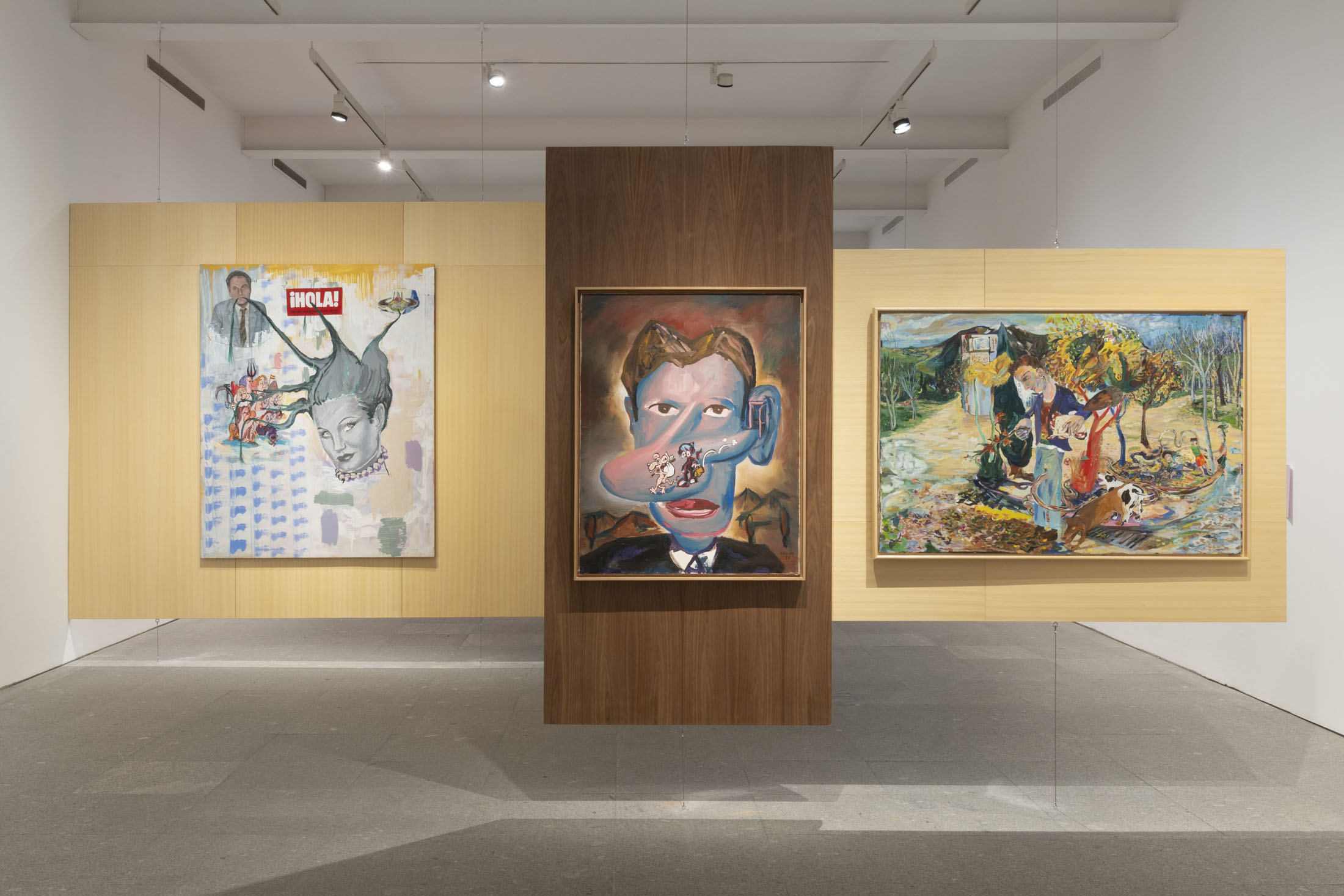
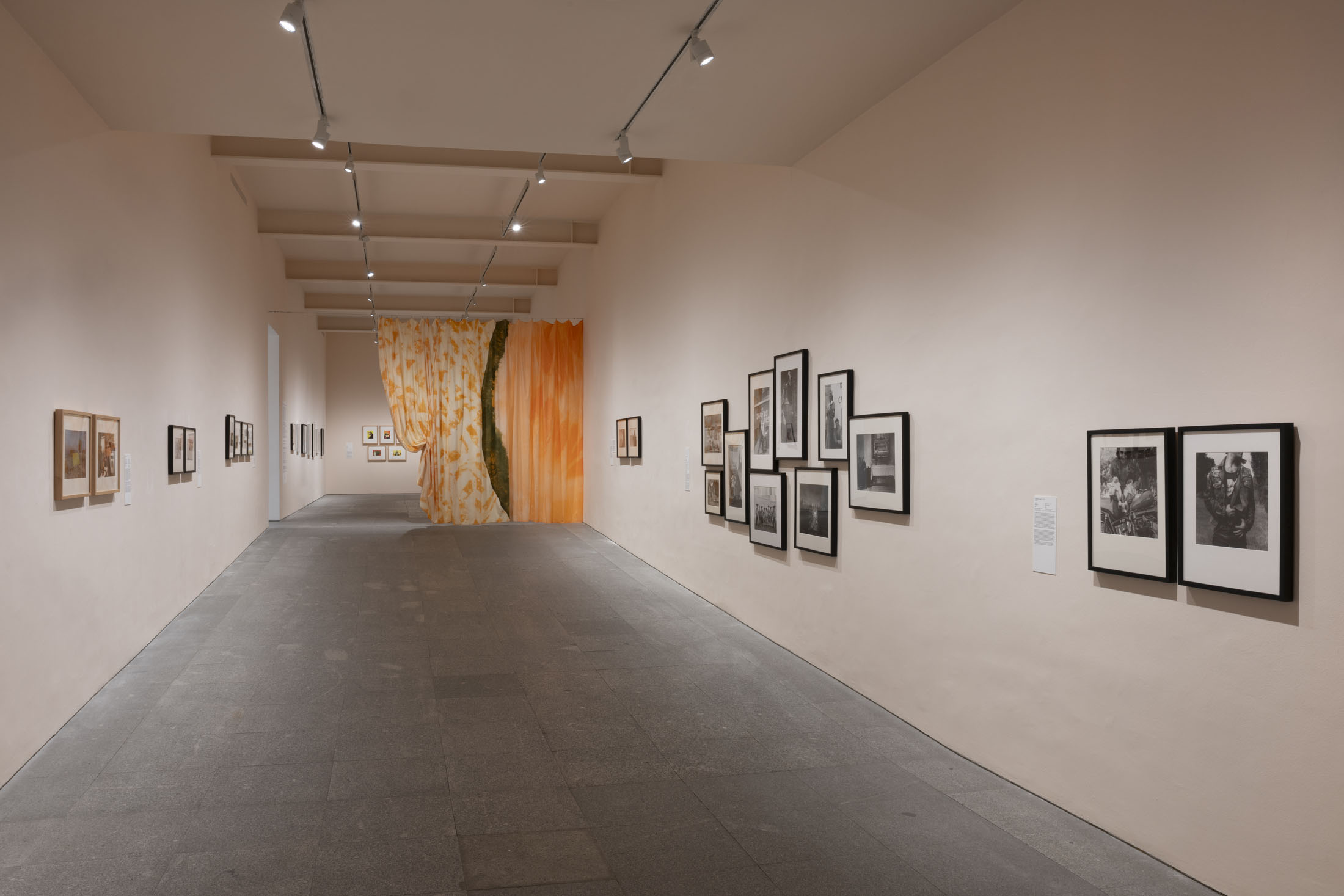
The exhibition of these works is structured around three routes which return, on numerous occasions, to the 1970s and with geographical spaces that are not a closed context but rather an intersection and a place of circulation for cultural manifestations. The first of these routes is A History of Affect in Contemporary Art, which sets out the generative power of affects in artistic creation and their role, not only as private experiences but as political and social forces that give form to art and serve to reconstruct ties in times marked by crisis. The second, entitled The Powers of Fiction: Sculpture, New Materialisms, and Relational Aesthetics, is a sculptural gallery where works co-exist physically in the same space as the visitor, breaking down the barriers between fiction and reality. And the third route, The Institution, the Market, and the Art that Transcends Both, encompasses, for the first time, the genealogy of the Museo, the development of early videographic culture in Spain, the explosion of new figuration in Spanish painting and the role of art and reality in 1980s photographic cultures, in addition to different manifestations of contemporary art which approach works from political and theoretical positions inside the framework of the critique of representation, Afro identity and gender practices from recent decades.

These three arrangements, three ways of recounting art history over the past fifty years, also render an account of specific sensibilities underpinning society and contemporary art, for instance feminisms and ecofeminisms, new gender presence, the processes of decolonisation that changed world geography and the demographic flows and pandemics that have overwhelmed the planet in recent decades, and which have transformed global sensibility and art. The Reina’s intention is to disseminate these narratives as possibilities and frameworks for future presentations, thereby making the Collections continually open to revision.

Of the 224 artists exhibited, 198 are individuals and 26 are collectives. From the set of individual artists, 129 (65%) are men and 69 (35%) are women; and of the total number of works displayed on the fourth floor, seventy have been purchased in the last two years (2024–26), and over half of these, thirty-six, are by women artists (51%).  

Visitors front and centre of the museum experience

The new presentation marks a change in the manner of displaying the Museo’s holdings to the public through a more accessible, dynamic and educational arrangement that facilitates visits. Considerable effort has also gone into making it easy to understand and contextualise via texts that accompany each of the works, as well as those in the galleries and on the fourth floor in general.   

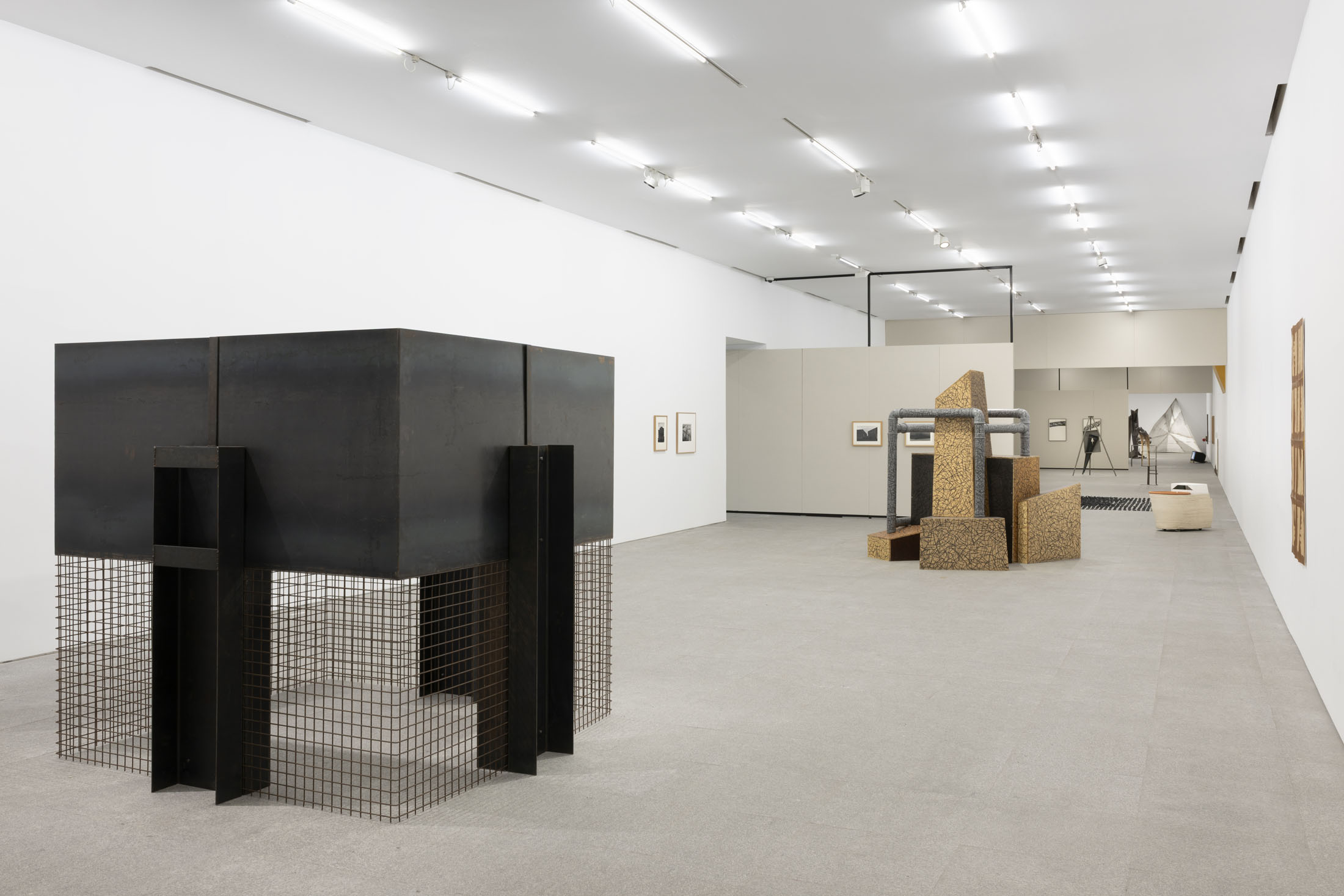
The installation arrangement of the pieces has been designed by Xabier Salaberría, alongside architect Patxi Eguiluz, while the graphic design was created by Hermanos Berenguer, with adaptations by FerranElOtro. Their approach, based on the reconfiguration of architectural spaces, dispenses with customary exhibition-language neutrality, opting instead for an installation design that combines volumes, breaks up spaces and creates new exhibition routes where works leave the walls to burst forth in the centre of the room, allowing visitors to embrace the fragmentation of narratives by following a rigorous order which gives rise to multiplicity and culminates in a diverse present.

With the aim of placing visitors front and centre of the museum experience, the new itinerary of artworks will also include portable seating throughout the floor, available as required to ensure an agreeable, relaxed and restorative visit.

On a further note, the Reina has concentrated its efforts into applying a criterion of sustainability: the exhibition texts and other supporting written material are no longer created using vinyl and are produced on more environmentally friendly paper supports. Furthermore, this year LED lights have been installed across the entire floor, premiering new lighting which adheres to present standards of energy sustainability.

Following this initial exhibition of the Collections, a similar process of transformation will continue in 2027 with a second presentation of the Collections on the third floor of the same building, this time comprehending works from the period between the 1950s and 1970s, and is set to culminate in 2028 with the unveiling of a second floor devoted to avant-garde art. Therefore, within three years the full re-arrangement of the Museo’s spaces will reach its conclusion, streamlining the display of the Collections in full across the three upper floors of the Sabatini Building and situating temporary exhibitions on its lower floors and in the Nouvel Building.
Collection contemporary art: 1975–present at museo nacional centro de arte reina sofía, madrid 1
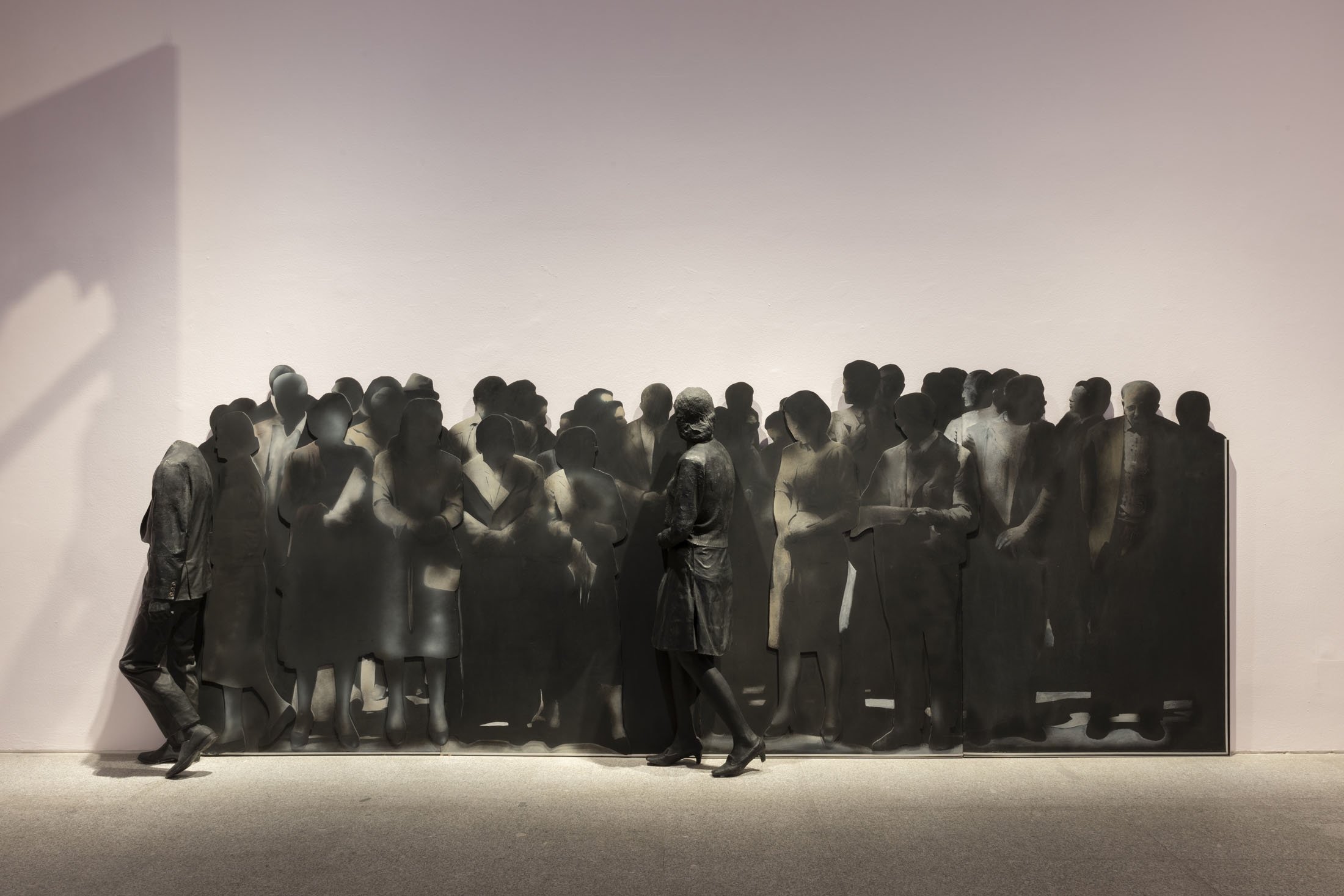
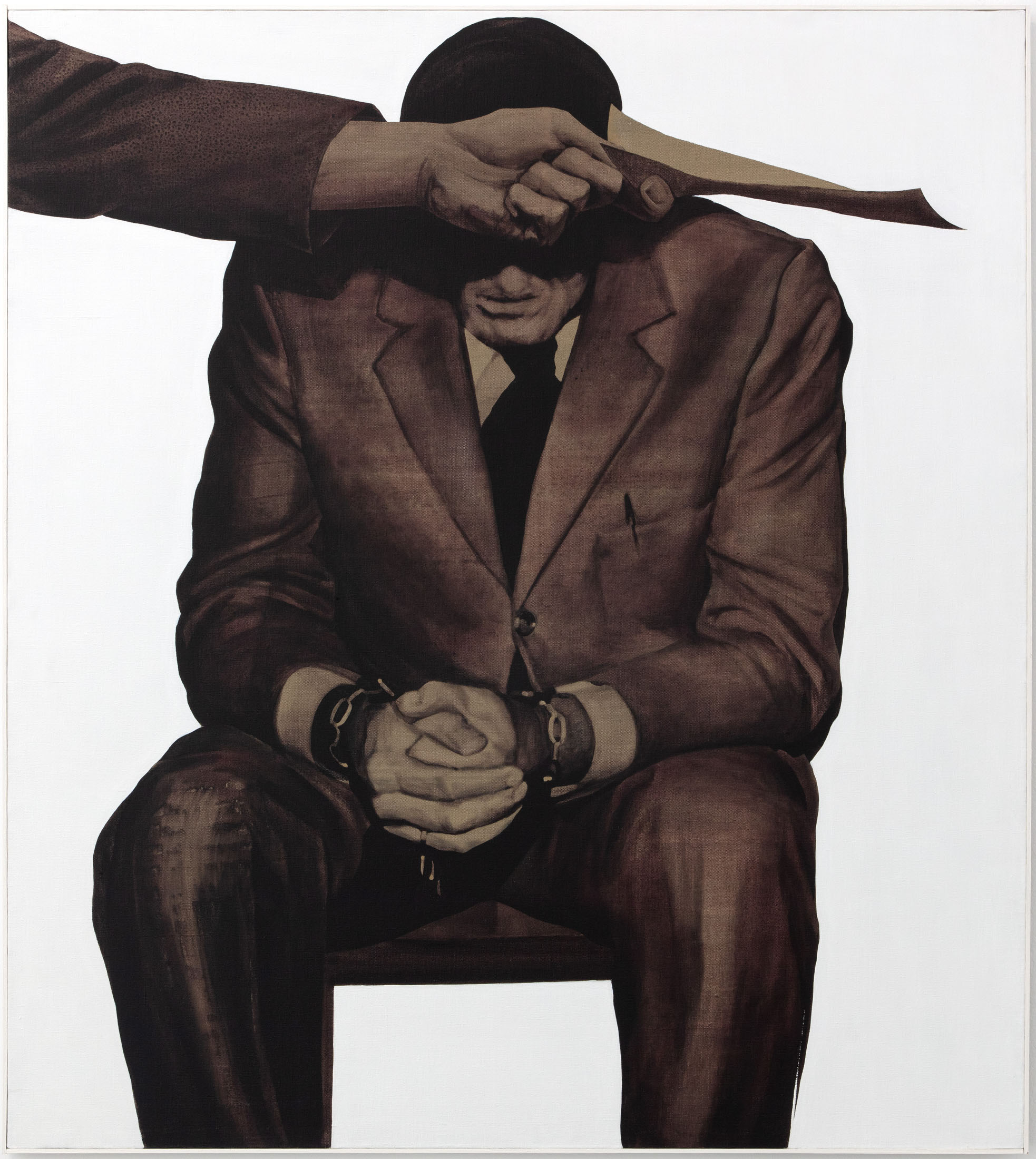
Juan Genovés, Document No. …, 1975. Reina Sofía Museum. Photograph: Roberto Ruiz. © Juan Genovés, VEGAP, Madrid, 2026
Collection contemporary art: 1975–present at museo nacional centro de arte reina sofía, madrid 2
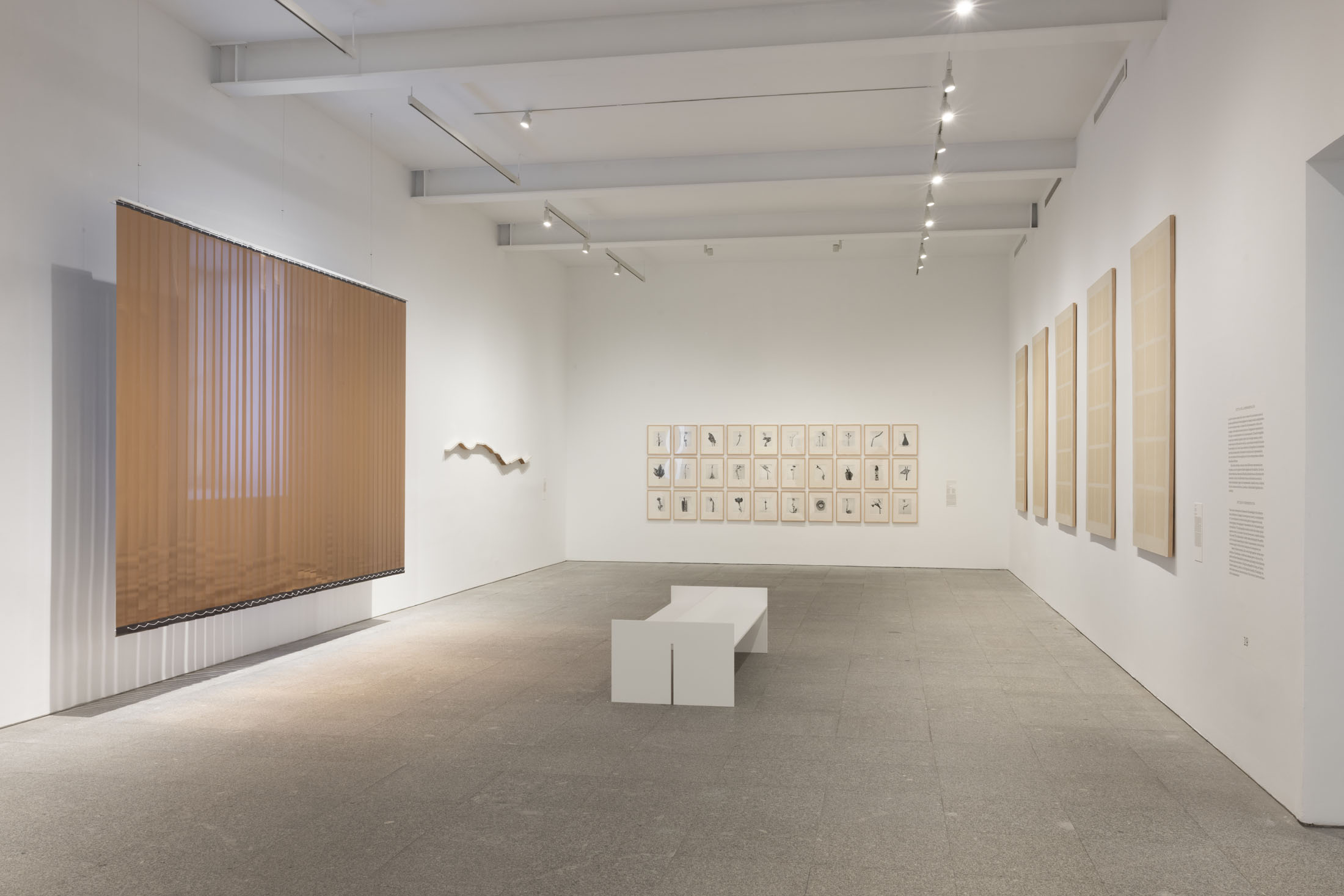
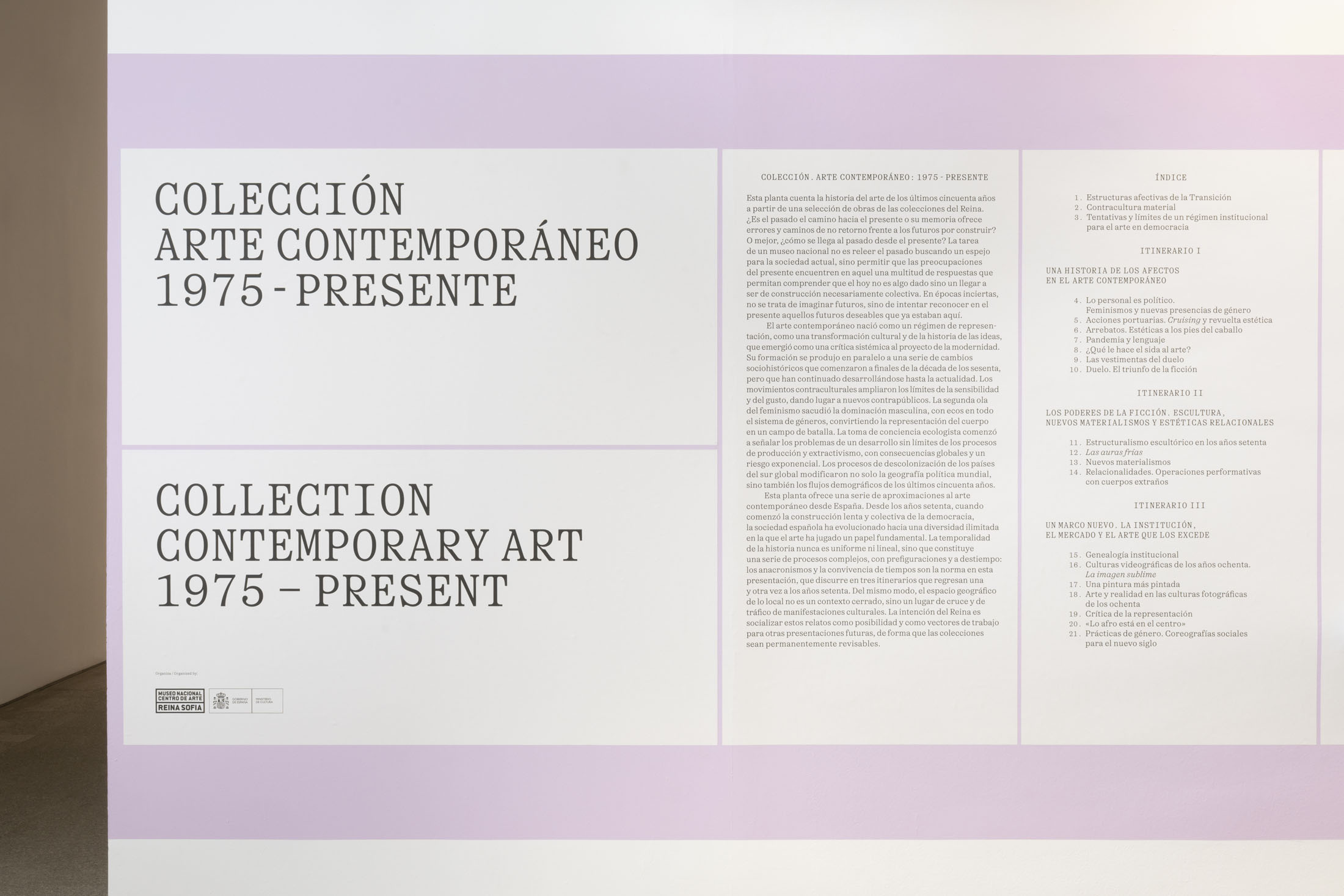
Entrance view to the COLLECTION. CONTEMPORARY ART: 1975-PRESENT
Collection contemporary art: 1975–present at museo nacional centro de arte reina sofía, madrid 3
View of Room 1 “Affective Structures of the Transition”. Photograph: Roberto Ruiz
Collection contemporary art: 1975–present at museo nacional centro de arte reina sofía, madrid 4
Rafael Canogar, Urban Scene, 1970. Reina Sofía Museum. Photograph: Roberto Ruiz. © Rafael Canogar, VEGAP, Madrid, 2025
Collection contemporary art: 1975–present at museo nacional centro de arte reina sofía, madrid 5
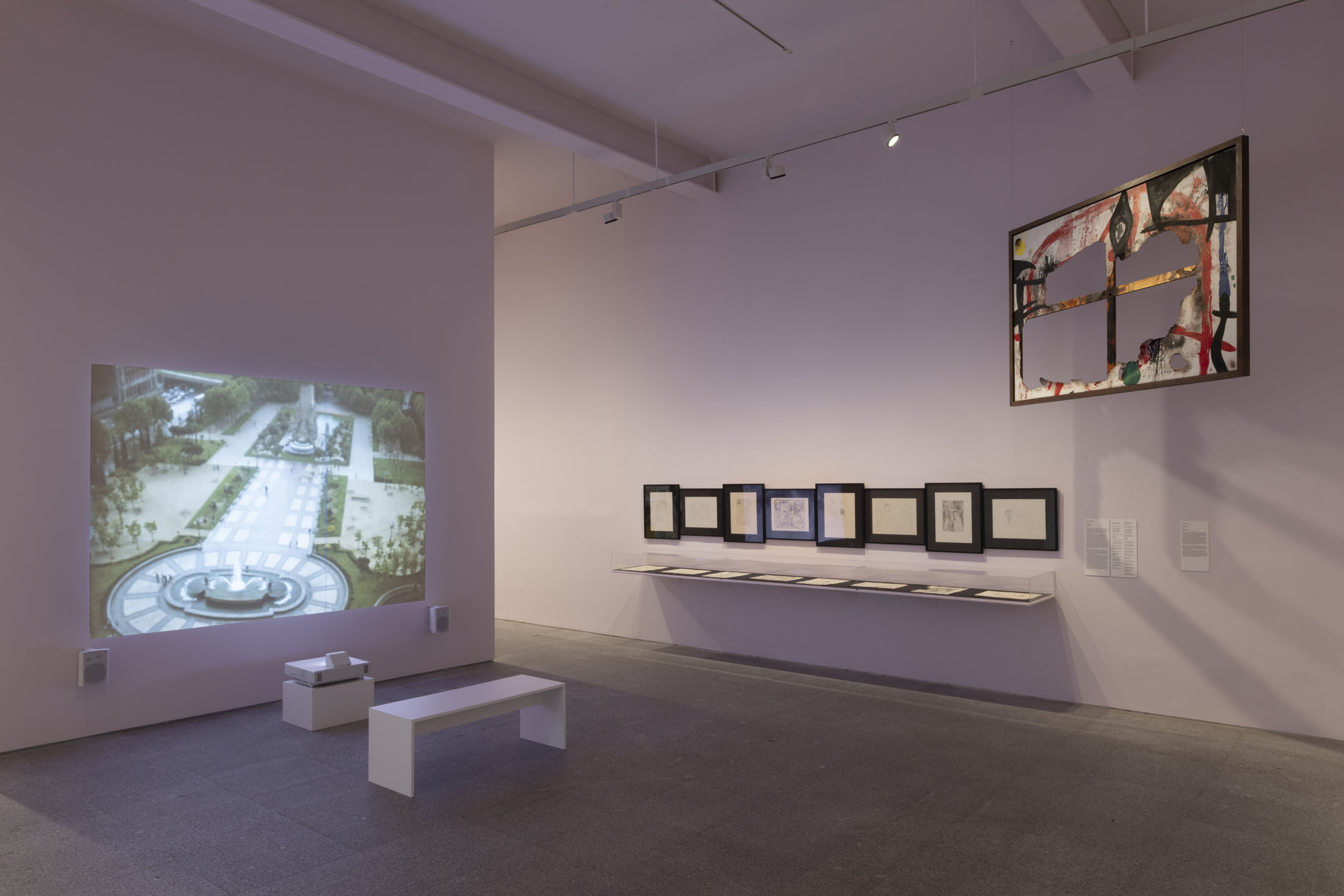
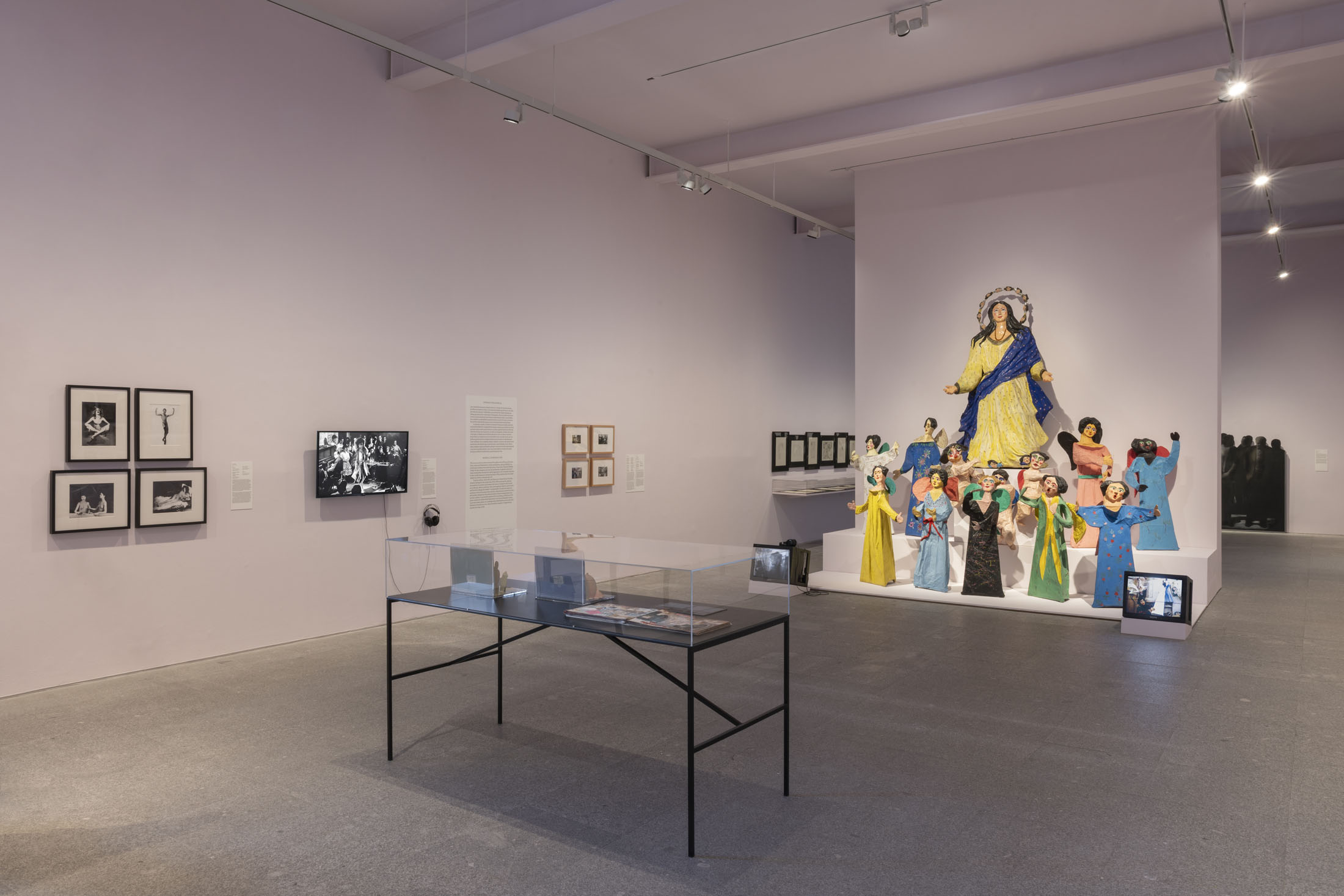
View of Room 2, “Material Counterculture.” In the background: Ocaña, Glorious Assumption, 1981-1982. Reina Sofía Museum. Photograph: Roberto Ruiz
Collection contemporary art: 1975–present at museo nacional centro de arte reina sofía, madrid 6
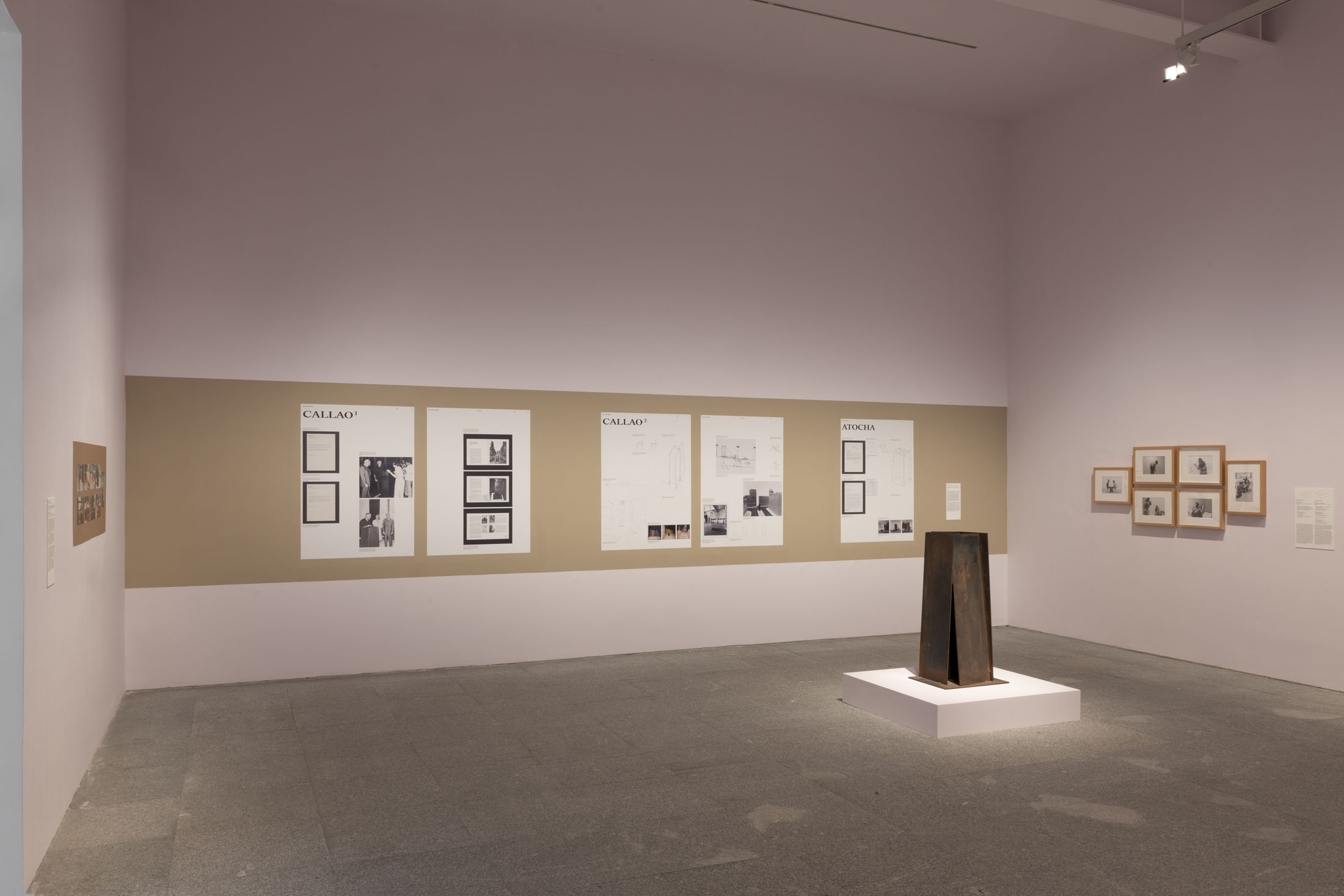
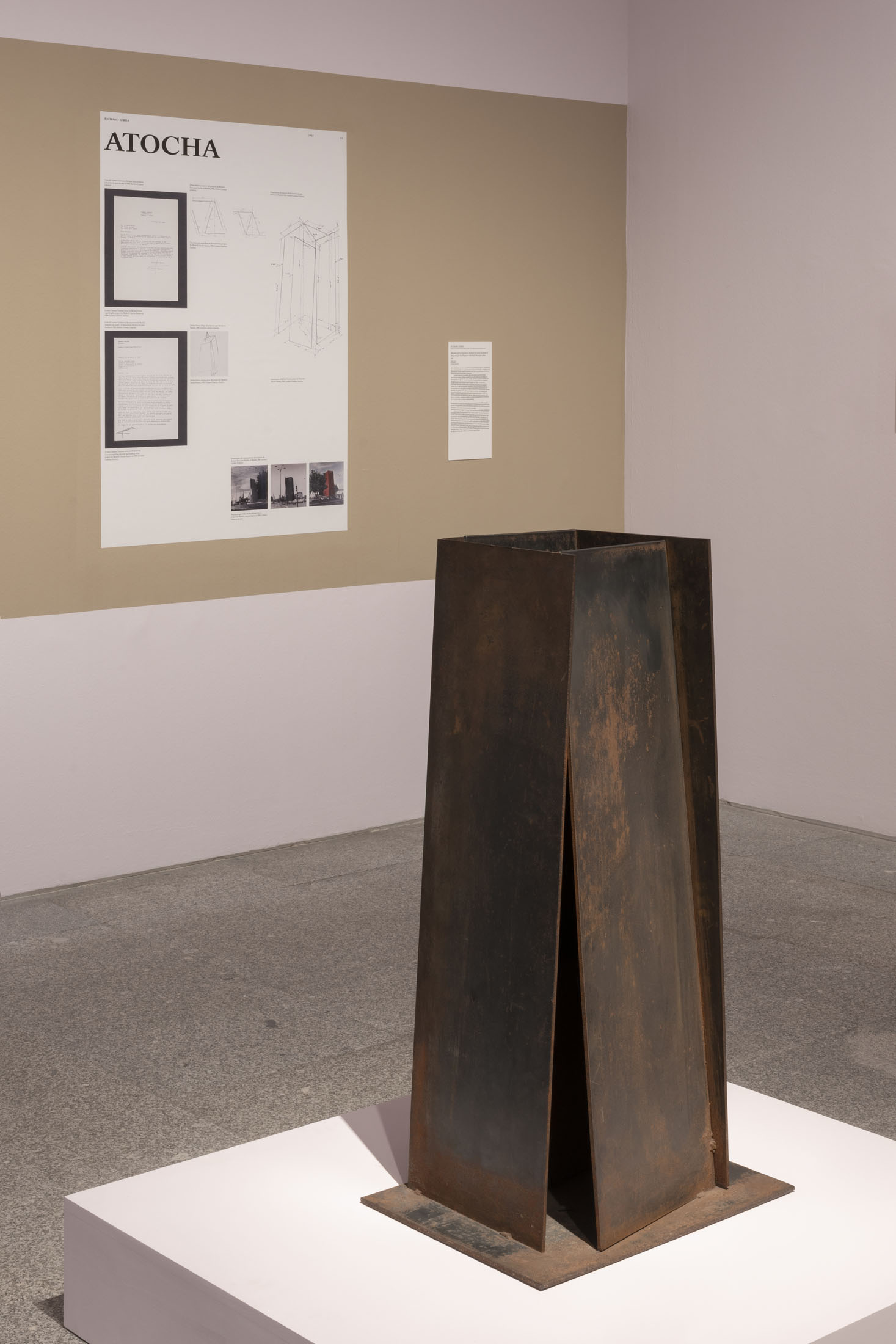
View of Room 3. “Attempts and Limits of an Institutional Regime for Art in Democracy.” In the foreground: Richard Serra, Model for a project in the Plaza de Callao in Madrid, 1981. Private collection. Photograph: Roberto Ruiz. © Richard Serra, VEGAP, Madrid, 2026
Collection contemporary art: 1975–present at museo nacional centro de arte reina sofía, madrid 7
Richard Serra, Model for a project in the Plaza de Callao in Madrid, 1981. Private collection. Photograph: Roberto Ruiz. © Richard Serra, VEGAP, Madrid, 2026
Collection contemporary art: 1975–present at museo nacional centro de arte reina sofía, madrid 8
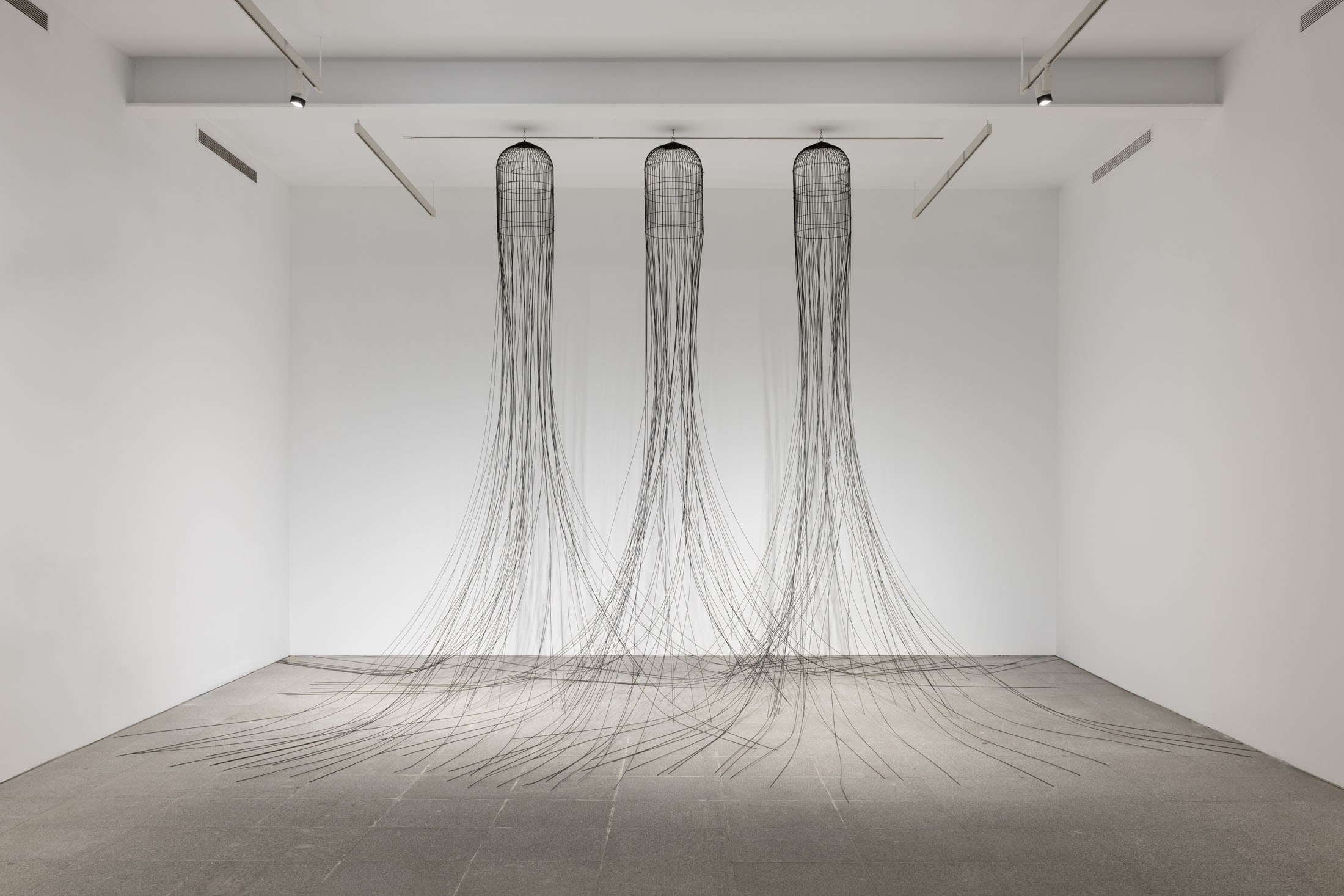
Pepe Espaliú, Untitled (Three Cages), 1992. Reina Sofía Museum. Photograph: Roberto Ruiz. © Pepe Espaliú, VEGAP, Madrid, 2026
Collection contemporary art: 1975–present at museo nacional centro de arte reina sofía, madrid 9
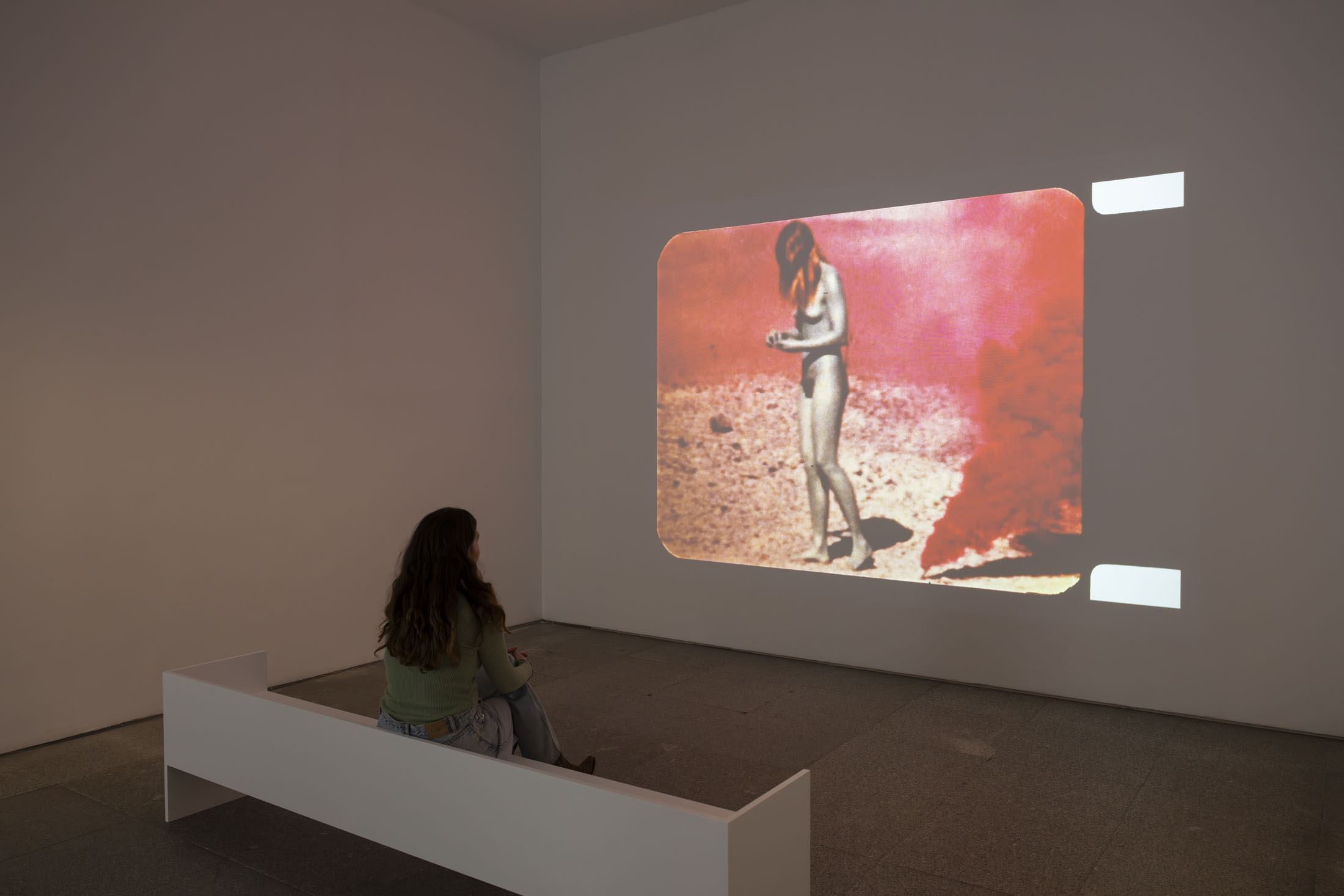
View of Room 4 “The Personal is Political. Feminisms and New Gender Presences.” Judy Chicago, Women and Smoke, 1971–1972. Reina Sofía Museum. Photograph: Roberto Ruiz. © Judy Chicago, VEGAP, Madrid, 2026
Collection contemporary art: 1975–present at museo nacional centro de arte reina sofía, madrid 10
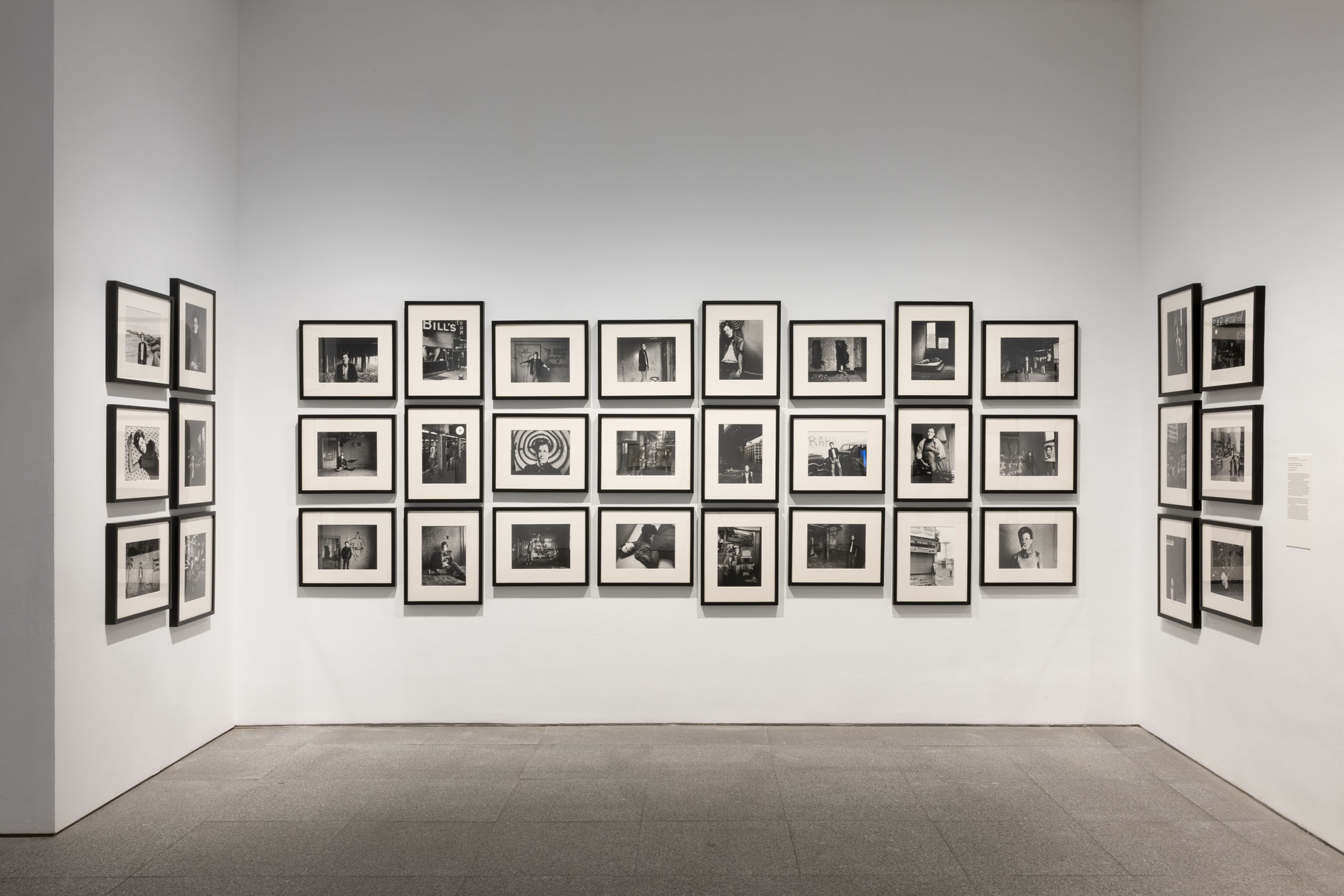
David Wojnarowicz, Arthur Rimbaud in New York Series, 1978–1979 / Posthumous print, 2004. Reina Sofía Museum. Photograph: Roberto Ruiz. © David Wojnarowicz Estate, courtesy PPOW Gallery, New York and The Estate of David Wojnarowicz
Collection contemporary art: 1975–present at museo nacional centro de arte reina sofía, madrid 11
View of Room 6 “Outbursts. Aesthetics at the Horse’s Feet.” Photograph: Roberto Ruiz
Collection contemporary art: 1975–present at museo nacional centro de arte reina sofía, madrid 12
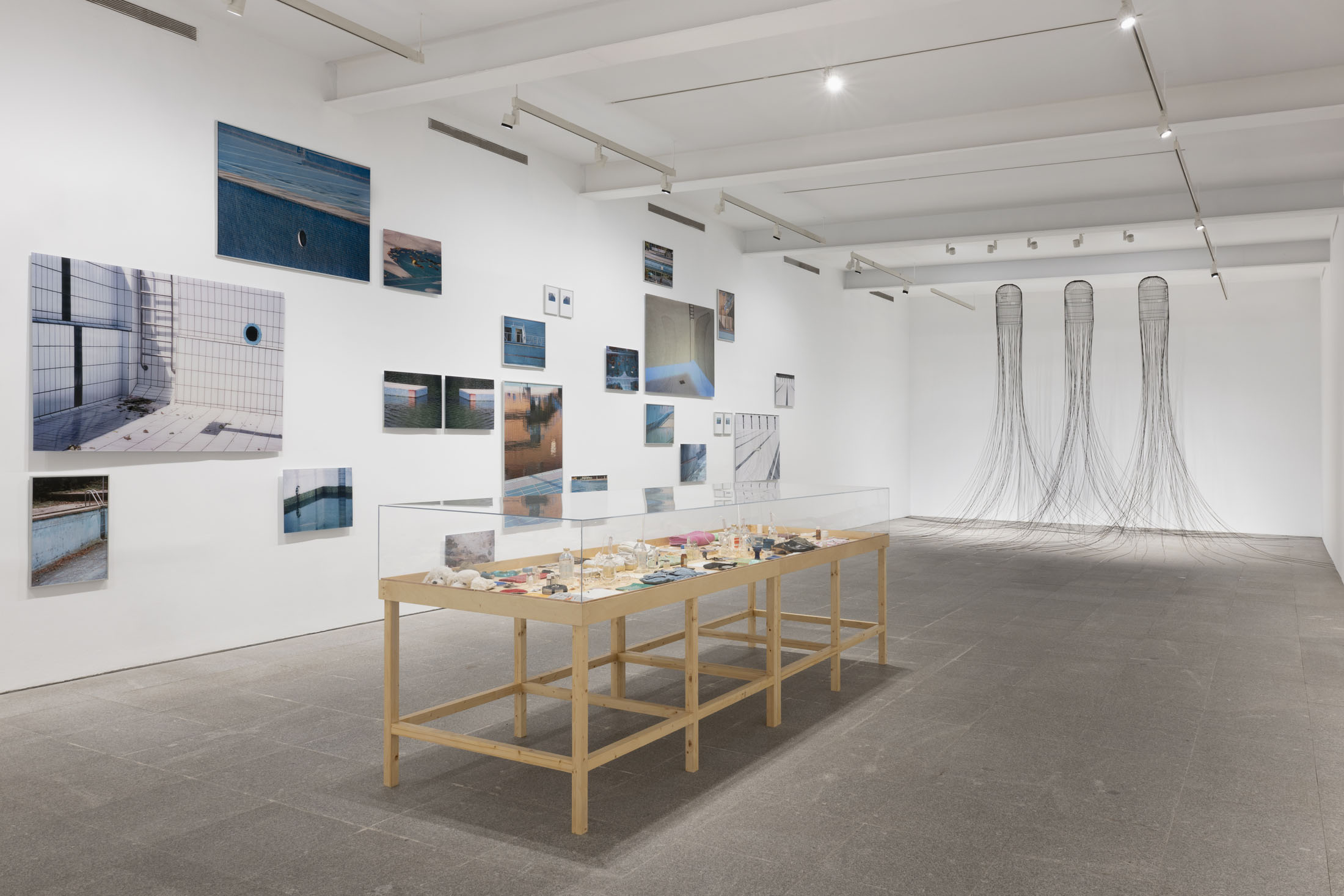
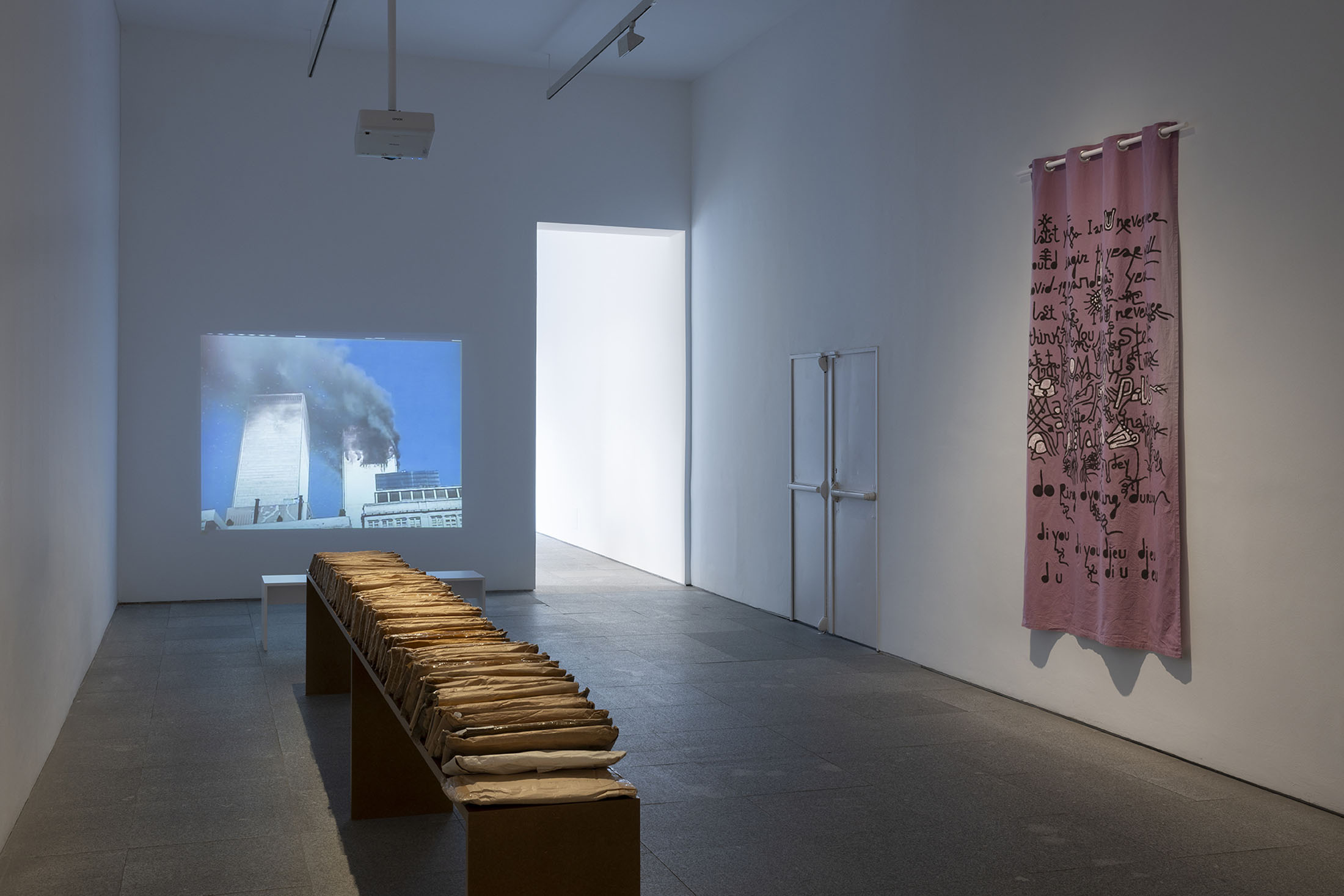
View of Room 7 “Pandemic and Language.” Photograph: Roberto Ruiz
Collection contemporary art: 1975–present at museo nacional centro de arte reina sofía, madrid 13
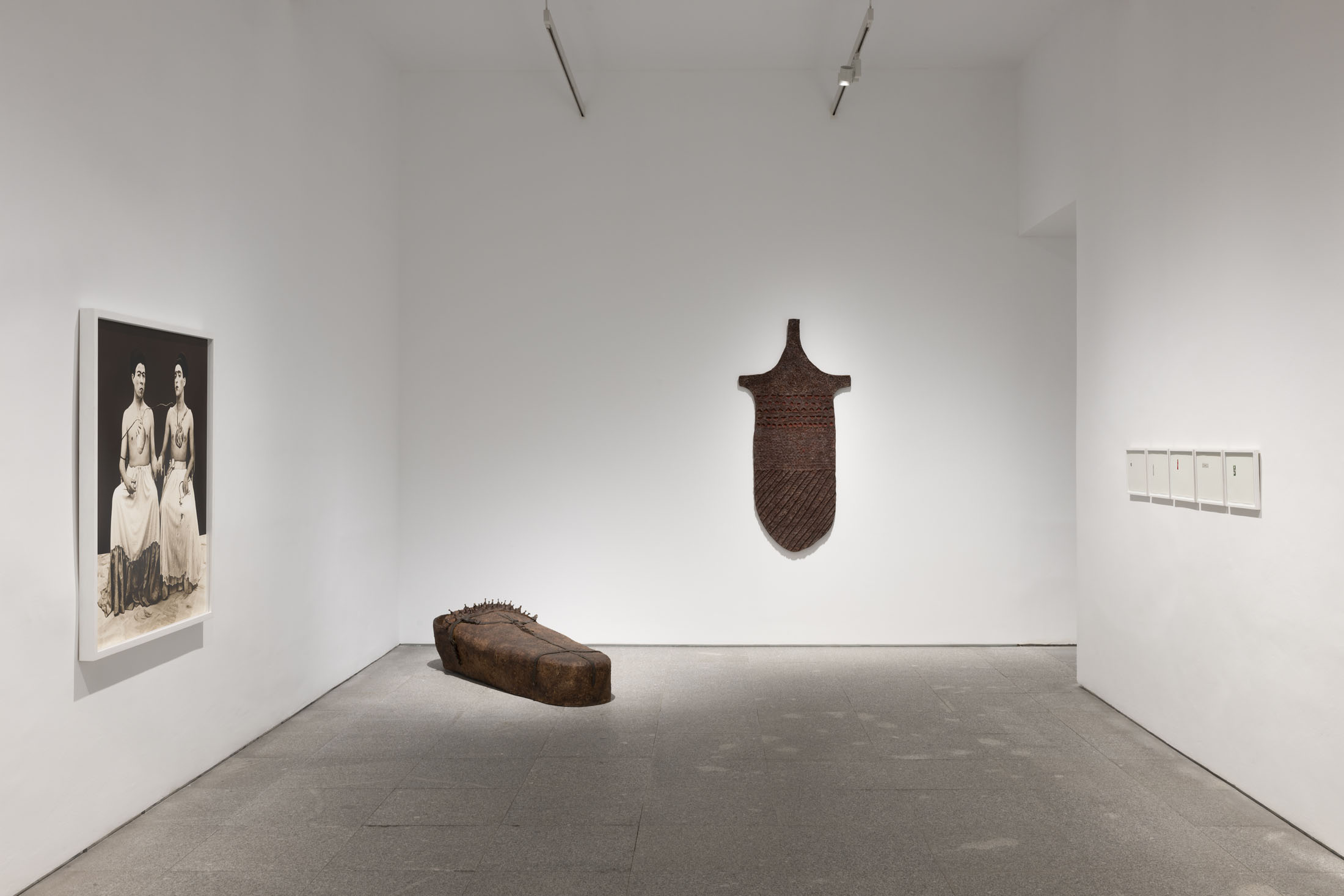
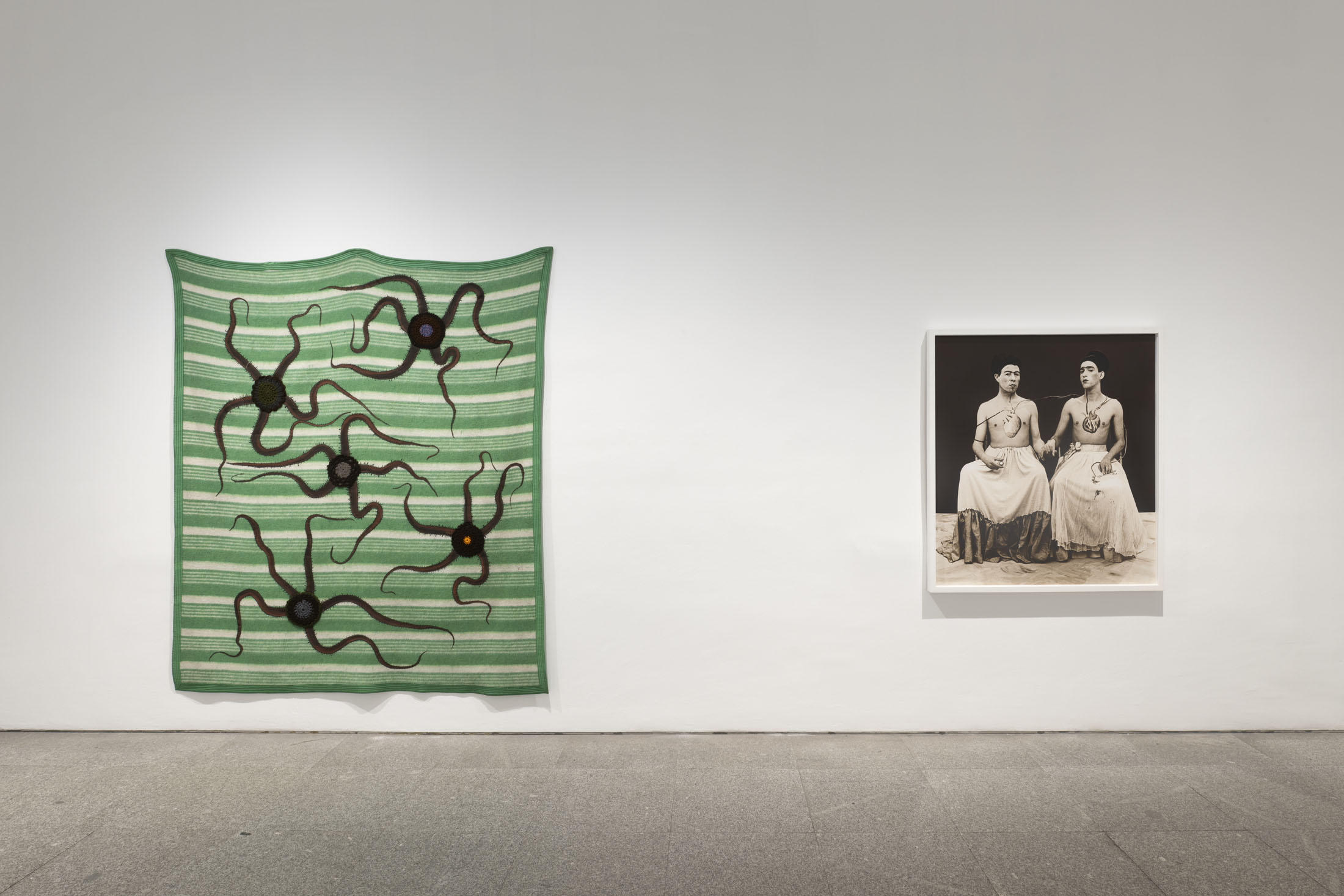
View of Room 7 “Pandemic and Language.” Left: Félix Centurión, Medusas, 1994. On permanent loan from the Reina Sofía Museum Foundation, 2020 (Donation from Patricia Phelps de Cisneros in honor of Gustavo Bruzzone). Right: Mares of the Apocalypse, The Two Fridas, 1989/2015. On permanent loan from the Reina Sofía Museum Foundation, 2015 (acquired with funds donated by Juan Carlos Verme). Photograph: Roberto Ruiz
Collection contemporary art: 1975–present at museo nacional centro de arte reina sofía, madrid 14
View of Room 8 “What Does AIDS Do to Art?” Photograph: Roberto Ruiz
Collection contemporary art: 1975–present at museo nacional centro de arte reina sofía, madrid 15
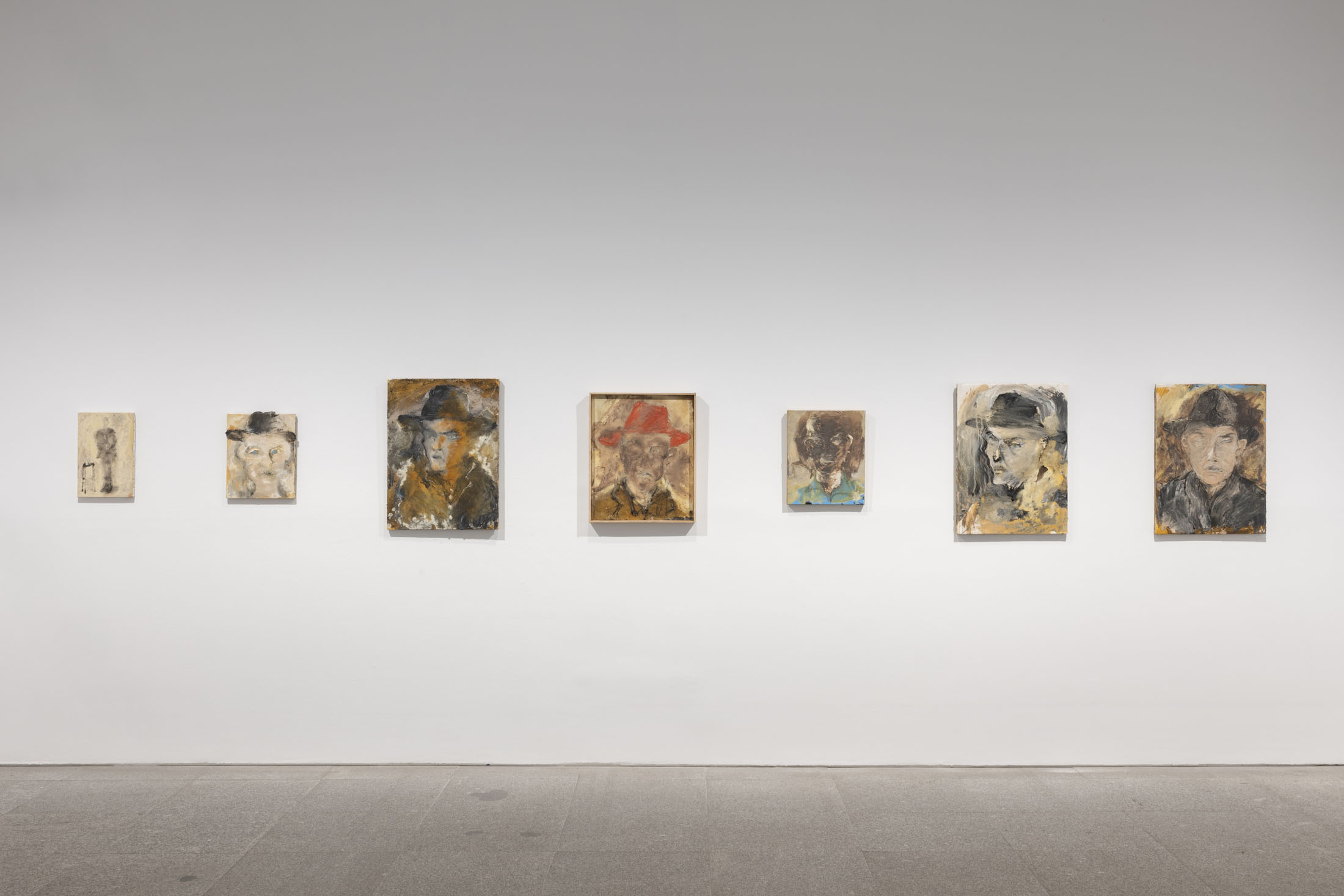
Miquel Barceló, Portrait Series of Hervé Guibert, 1990. Temporary loan from the artist, 2025. Photograph: Roberto Ruiz. © Miquel Barceló, VEGAP, Madrid, 2026
Collection contemporary art: 1975–present at museo nacional centro de arte reina sofía, madrid 16
Beatriz González, In Retrospect, 2022. Permanent loan from the Reina Sofía Museum Foundation, 2025. Photograph: Roberto Ruiz. © Beatriz González, 2016
Collection contemporary art: 1975–present at museo nacional centro de arte reina sofía, madrid 17
View of Room 10 “Mourning: The Triumph of Fiction.” Photograph: Roberto Ruiz
Collection contemporary art: 1975–present at museo nacional centro de arte reina sofía, madrid 18
Juan Muñoz, The Wasteland, 1986. Juan Muñoz Estate Collection. Photograph: Roberto Ruiz. © Copyright Juan Muñoz Estate
Collection contemporary art: 1975–present at museo nacional centro de arte reina sofía, madrid 19
View of Room 11 “Sculptural Structuralism in the 1970s.” Photograph: Roberto Ruiz
Collection contemporary art: 1975–present at museo nacional centro de arte reina sofía, madrid 20
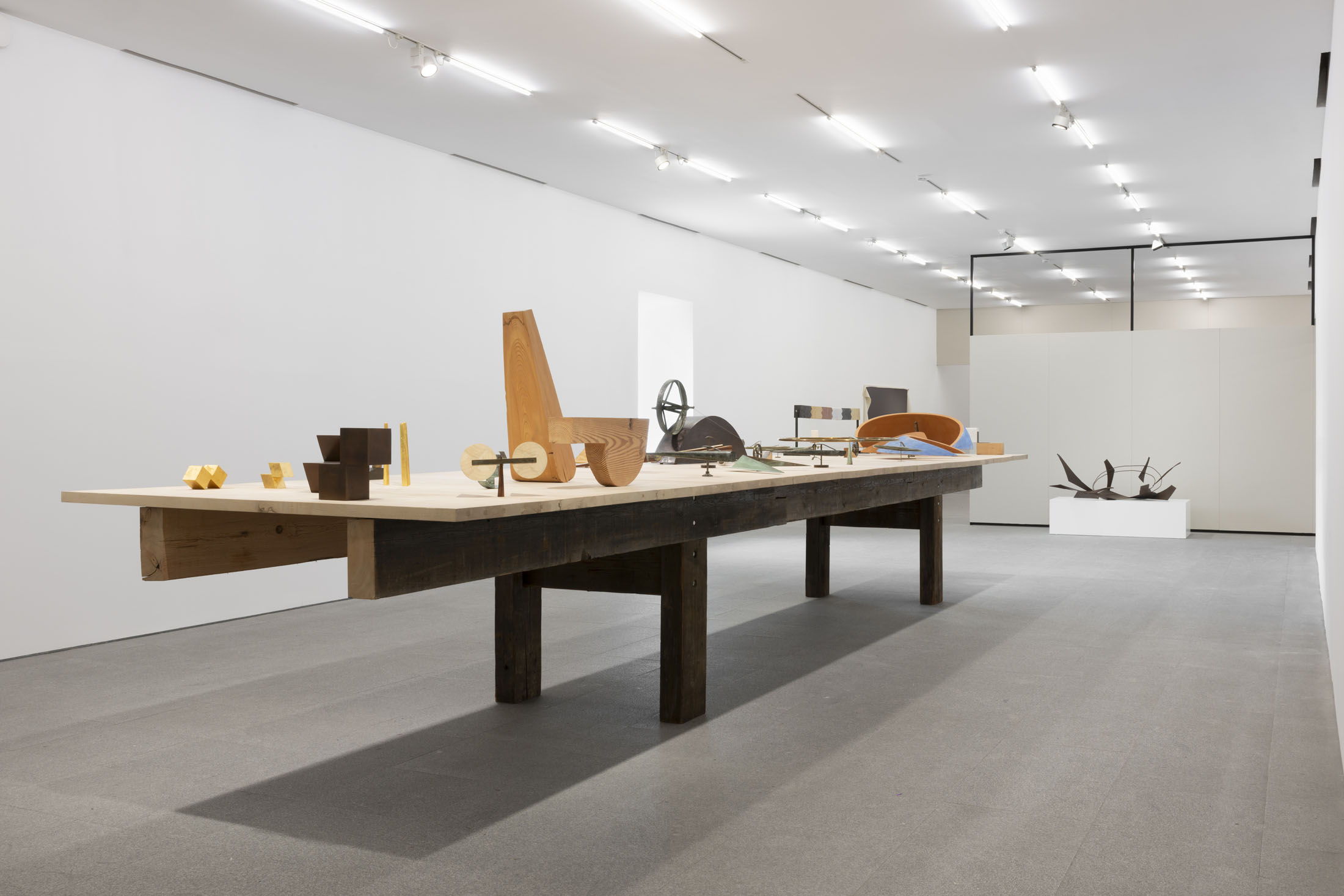
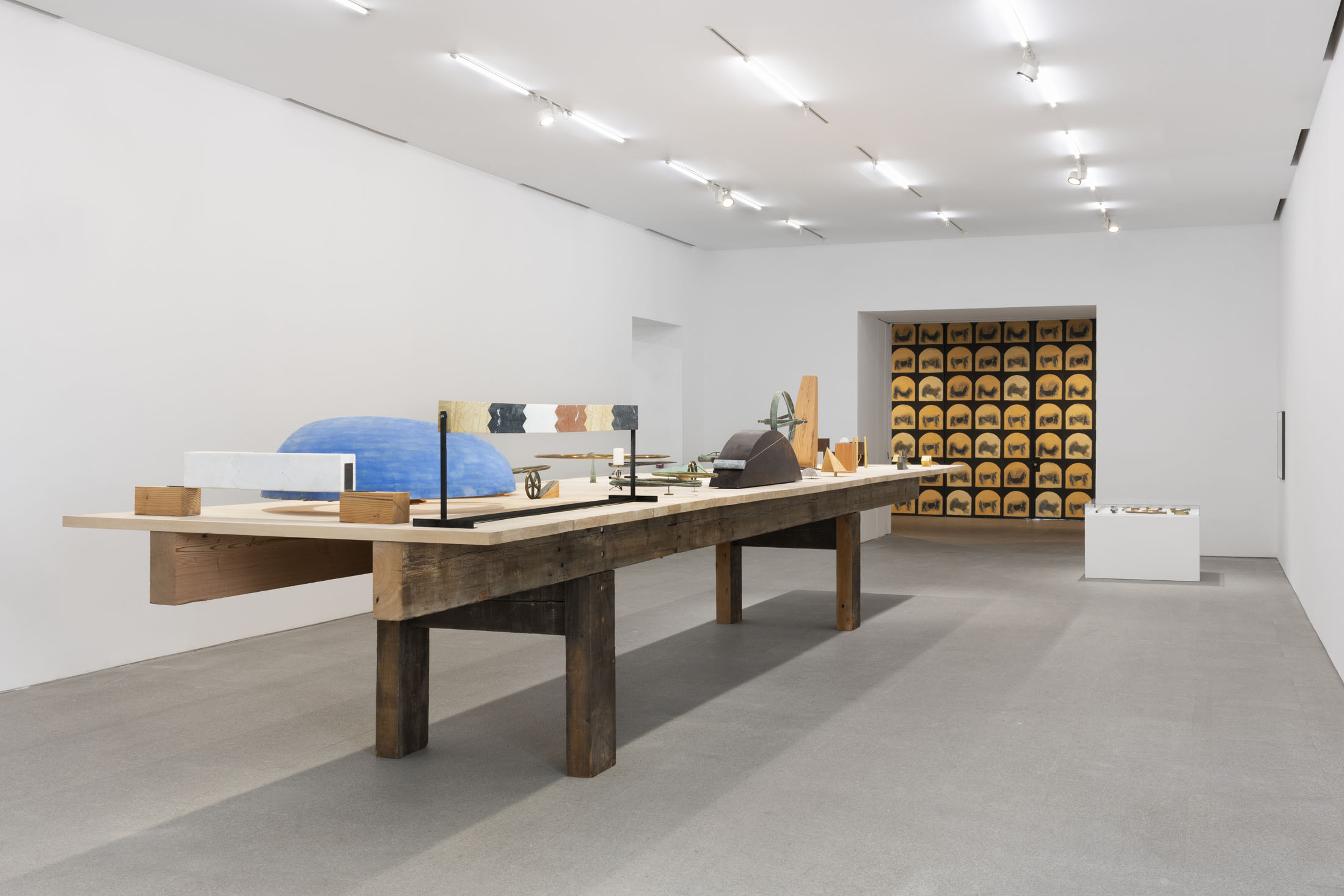
View of Room 11 “Sculptural Structuralism in the 1970s.” In the foreground: Juan Navarro Baldeweg, The Table, 1974–2005. Reina Sofía Museum. © Juan Navarro Baldeweg, VEGAP, Madrid, 2026. In the background: Anthony Caro, Table Piece CCXXXII. The Dance, 1975. Reina Sofía Museum. © The State of Anthony Caro/ Bradford Sculptures Ltd, 2015. Photography: Roberto Ruiz
Collection contemporary art: 1975–present at museo nacional centro de arte reina sofía, madrid 21
View of Room 11 “Sculptural Structuralism in the Seventies.” In the foreground: Juan Navarro Baldeweg, The Table, 1974–2005. Reina Sofía Museum. Photograph: Roberto Ruiz. © Juan Navarro Baldeweg, VEGAP, Madrid, 2026
Collection contemporary art: 1975–present at museo nacional centro de arte reina sofía, madrid 22
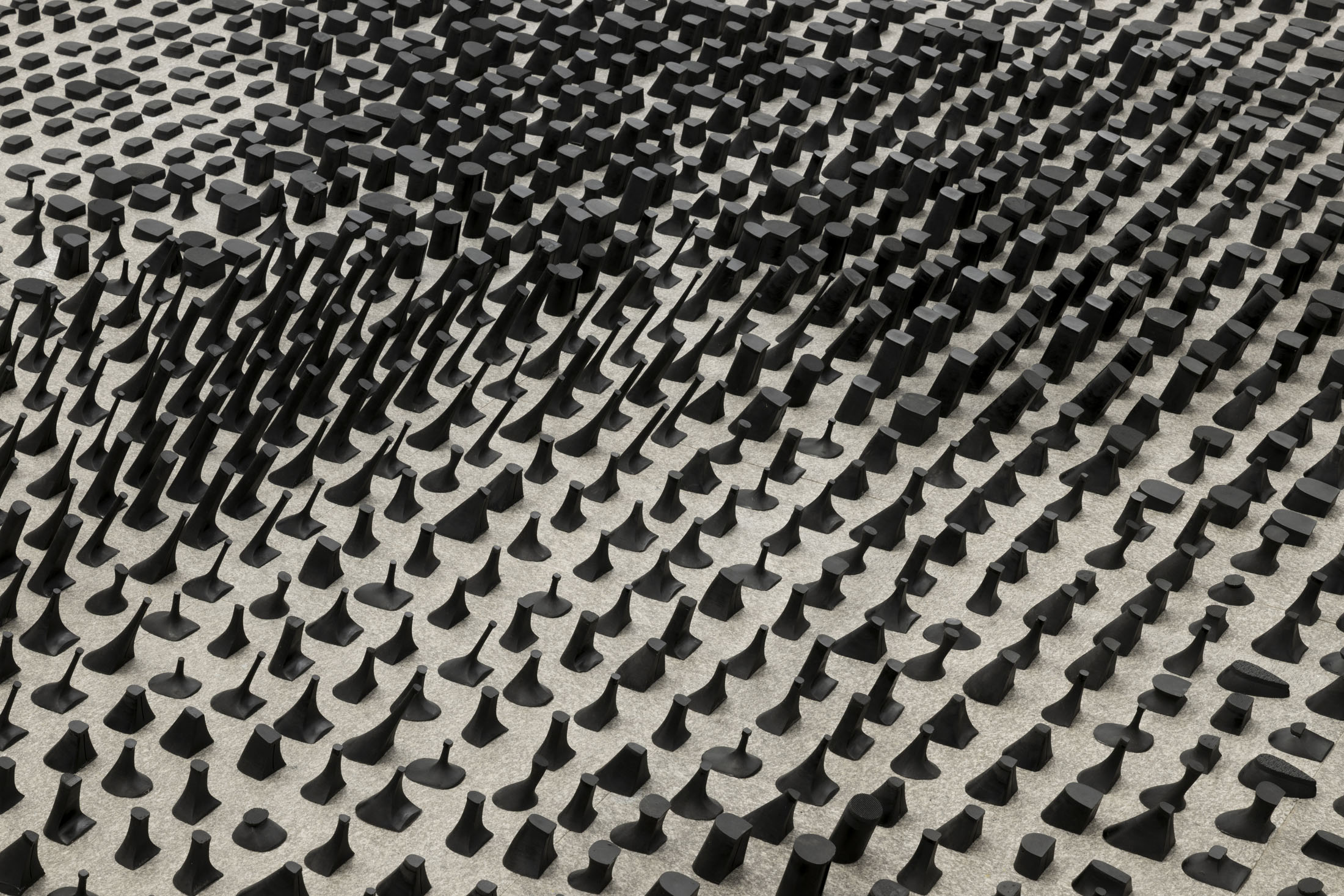
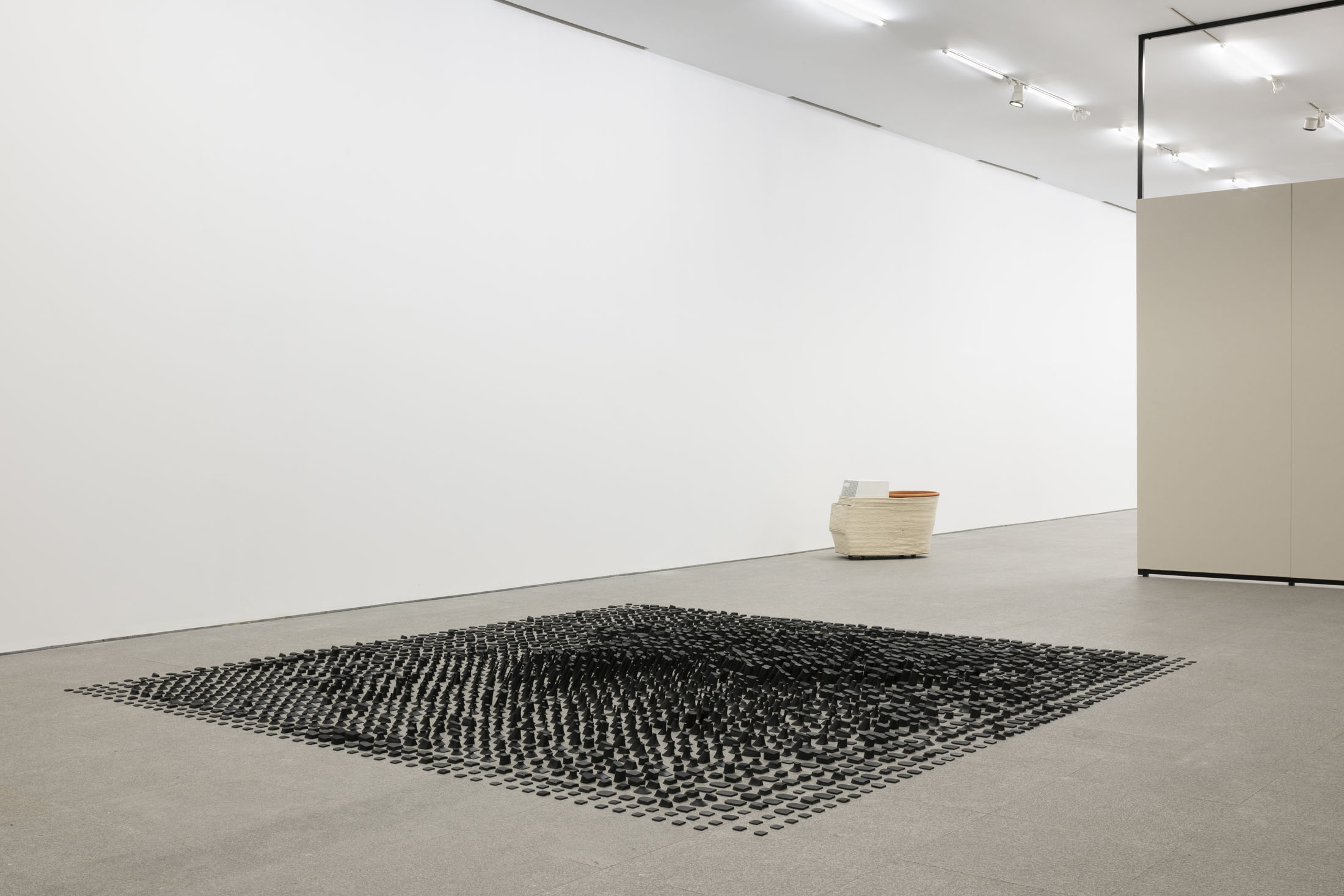
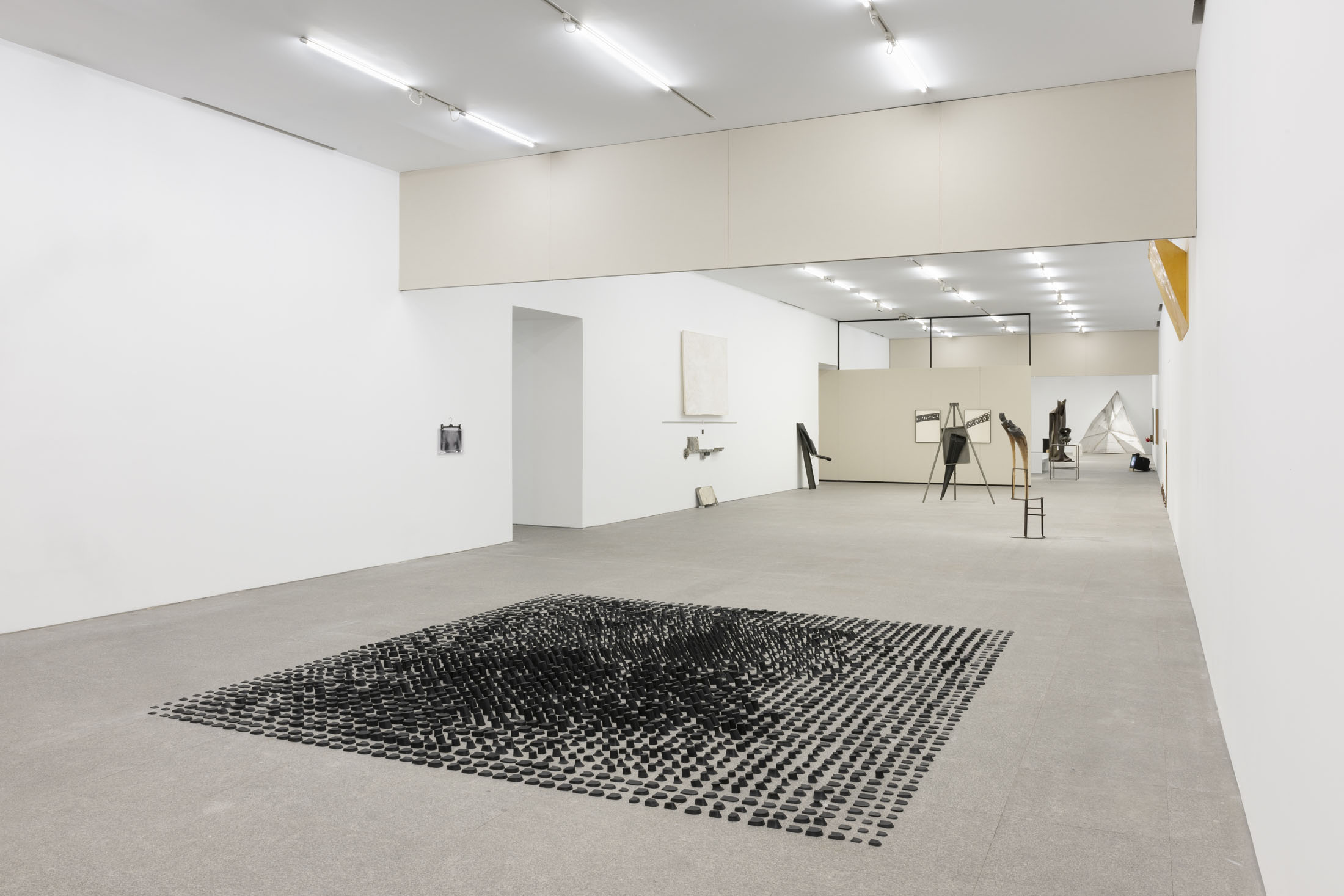
Juan Luis Moraza, Ecstasy, Status, Statue, 1994 (detail). Reina Sofía Museum. Photograph: Roberto Ruiz. © Juan Luis Moraza, VEGAP, Madrid, 2026
Collection contemporary art: 1975–present at museo nacional centro de arte reina sofía, madrid 23
View of Room 12 “Cold Auras.” In the foreground: Juan Luis Moraza, Ecstasy, Status, Statue, 1994. Reina Sofía Museum. Photograph: Roberto Ruiz. © Juan Luis Moraza, VEGAP, Madrid, 2026
Collection contemporary art: 1975–present at museo nacional centro de arte reina sofía, madrid 24
View of Room 12 “Cold Auras.” In the foreground: Juan Luis Moraza, Ecstasy, Status, Statue, 1994. Reina Sofía Museum. Photograph: Roberto Ruiz. © Juan Luis Moraza, VEGAP, Madrid, 2026
Collection contemporary art: 1975–present at museo nacional centro de arte reina sofía, madrid 25
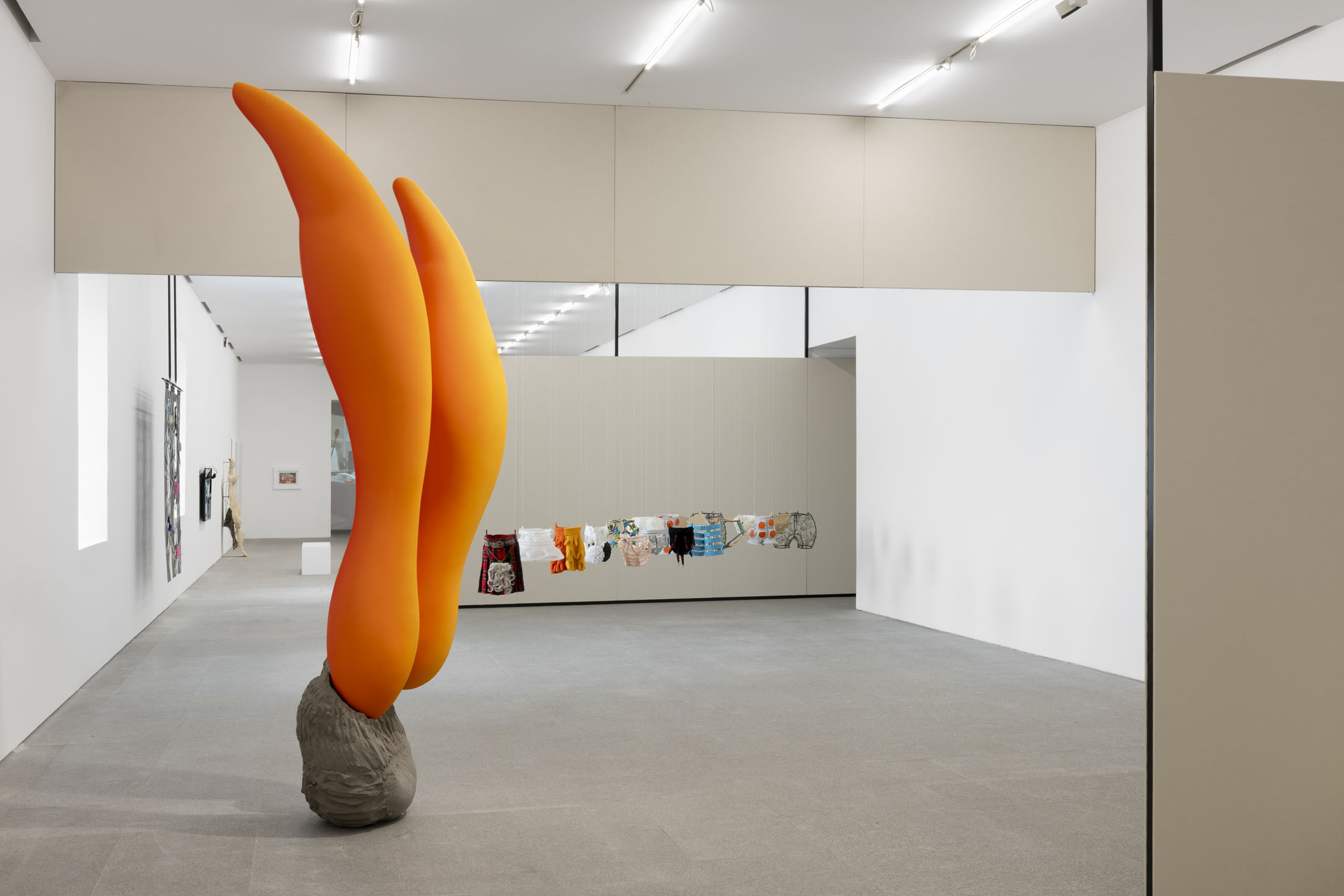
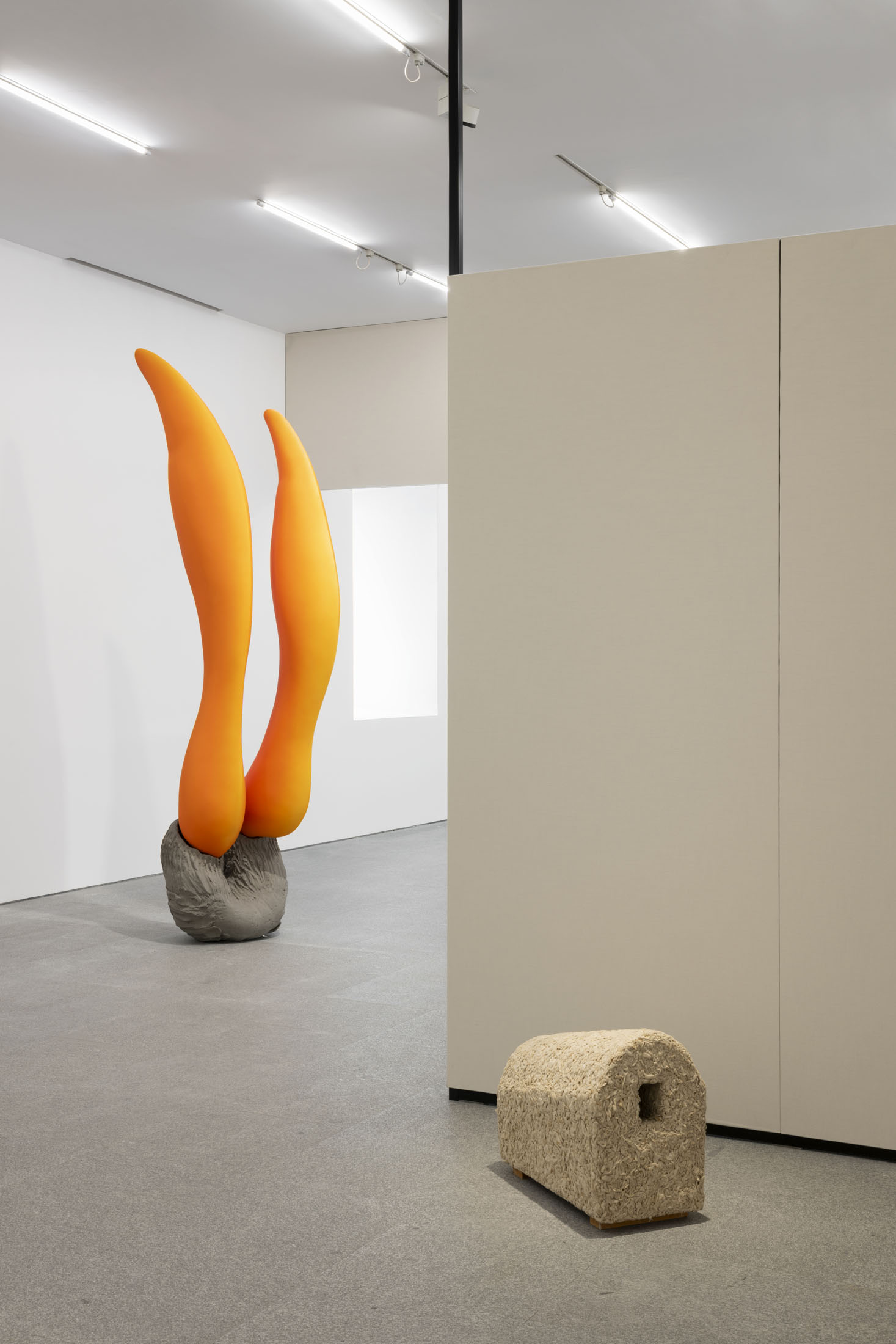
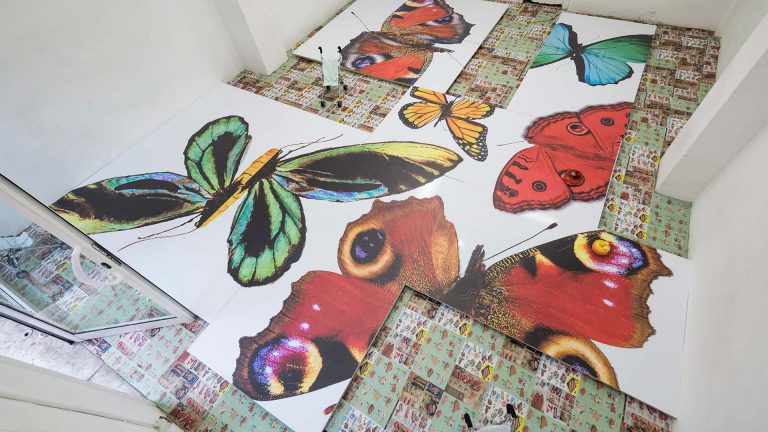
View of Room 13 “New Materialisms.” In the foreground: Teresa Solar Abboud, Tunnel Boring Machine, 2022. Permanent loan of the Reina Sofía Museum Foundation, 2022 (Donation from TBA21 Thyssen-Bornemisza Art Contemporary). © Teresa Solar, VEGAP, Madrid, 2026. In the background: Ana Laura Aláez, Tigers and Felines, 1994. Reina Sofía Museum. © Ana Laura Aláez, VEGAP, Madrid, 2026. Photograph: Roberto Ruiz © Teresa Solar, VEGAP, Madrid, 2026. In the background: Ana Laura Aláez, Tigers and Felines, 1994. Reina Sofía Museum. © Ana Laura Aláez, VEGAP, Madrid, 2026. Photography: Roberto Ruiz
Collection contemporary art: 1975–present at museo nacional centro de arte reina sofía, madrid 26
View of Room 13 “New Materialisms.” Photography: Roberto Ruiz
Collection contemporary art: 1975–present at museo nacional centro de arte reina sofía, madrid 27
View of Room 14 “Relationalities. Performative Operations with Foreign Bodies.” Photography: Roberto Ruiz
Collection contemporary art: 1975–present at museo nacional centro de arte reina sofía, madrid 28
View of Room 14 “Relationalities. Performative Operations with Foreign Bodies.” Photography: Roberto Ruiz
Collection contemporary art: 1975–present at museo nacional centro de arte reina sofía, madrid 29
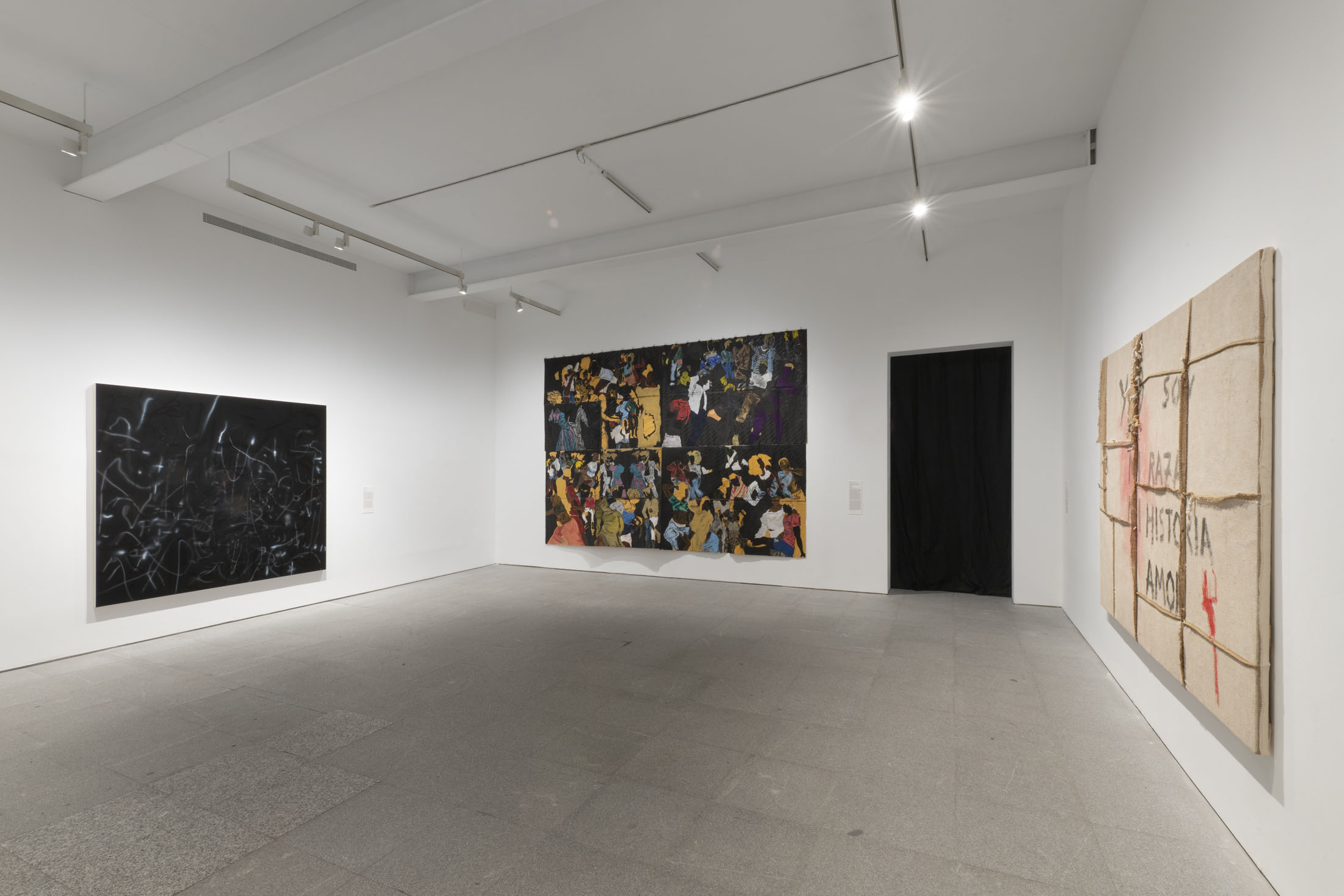
View of Room 17 “One More Painted Painting.” Photography: Roberto Ruiz
Collection contemporary art: 1975–present at museo nacional centro de arte reina sofía, madrid 30
View of Room 15 “Institutional Genealogy.” Photo: Roberto Ruiz
Collection contemporary art: 1975–present at museo nacional centro de arte reina sofía, madrid 31
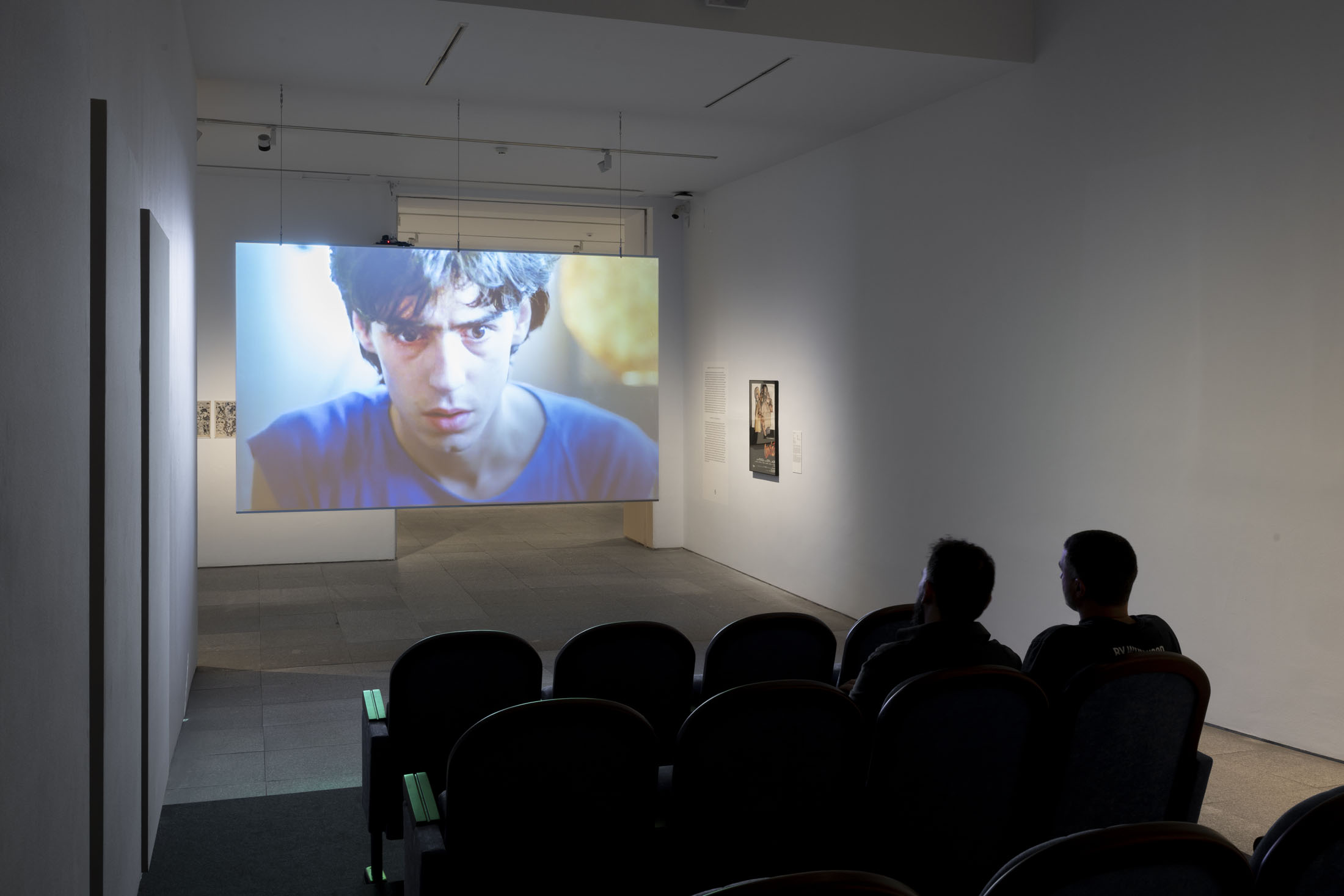
View of Room 16 “Videographic Cultures of the 1980s: The Sublime Image.” Photo: Roberto Ruiz
Collection contemporary art: 1975–present at museo nacional centro de arte reina sofía, madrid 32
View of Room 17 “One More Painting.” Guillermo Pérez Villalta, Group of People in an Atrium or Allegory of Art and Life or of the Present and the Future, 1975–1976. Reina Sofía Museum. © Guillermo Pérez Villalta, VEGAP, Madrid, 2026 / Manolo Quejido, Chair and Typewriter (Typewriter Sitting in a Chair), 1978–1979. Reina Sofía Museum. © Manolo Quejido, VEGAP, Madrid, 2026. Photo: Roberto Ruiz
Collection contemporary art: 1975–present at museo nacional centro de arte reina sofía, madrid 33
View of Room 17 “One More Painting.” Photography: Roberto Ruiz
Collection contemporary art: 1975–present at museo nacional centro de arte reina sofía, madrid 34
View of Room 18 “Art and Reality in the Photographic Cultures of the 1980s.” Photography: Roberto Ruiz
Collection contemporary art: 1975–present at museo nacional centro de arte reina sofía, madrid 35
View of Room 19 “Critique of Representation.” Photography: Roberto Ruiz
Collection contemporary art: 1975–present at museo nacional centro de arte reina sofía, madrid 36
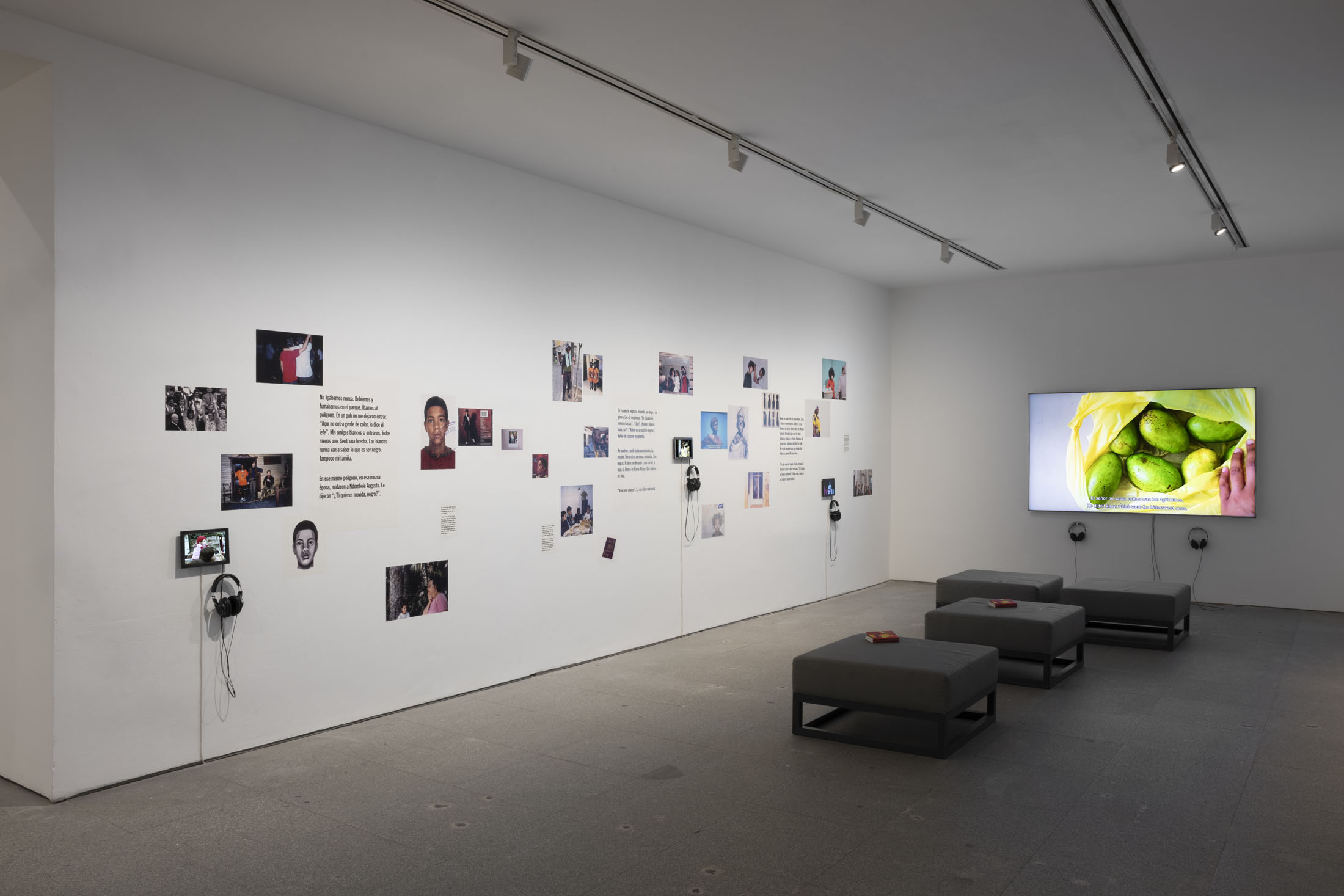
View of Room 20 “The Afro is at the Center.” Photography: Roberto Ruiz
Collection contemporary art: 1975–present at museo nacional centro de arte reina sofía, madrid 37
View of Room 20 “The Afro is at the Center.” Photography: Roberto Ruiz
Collection contemporary art: 1975–present at museo nacional centro de arte reina sofía, madrid 38
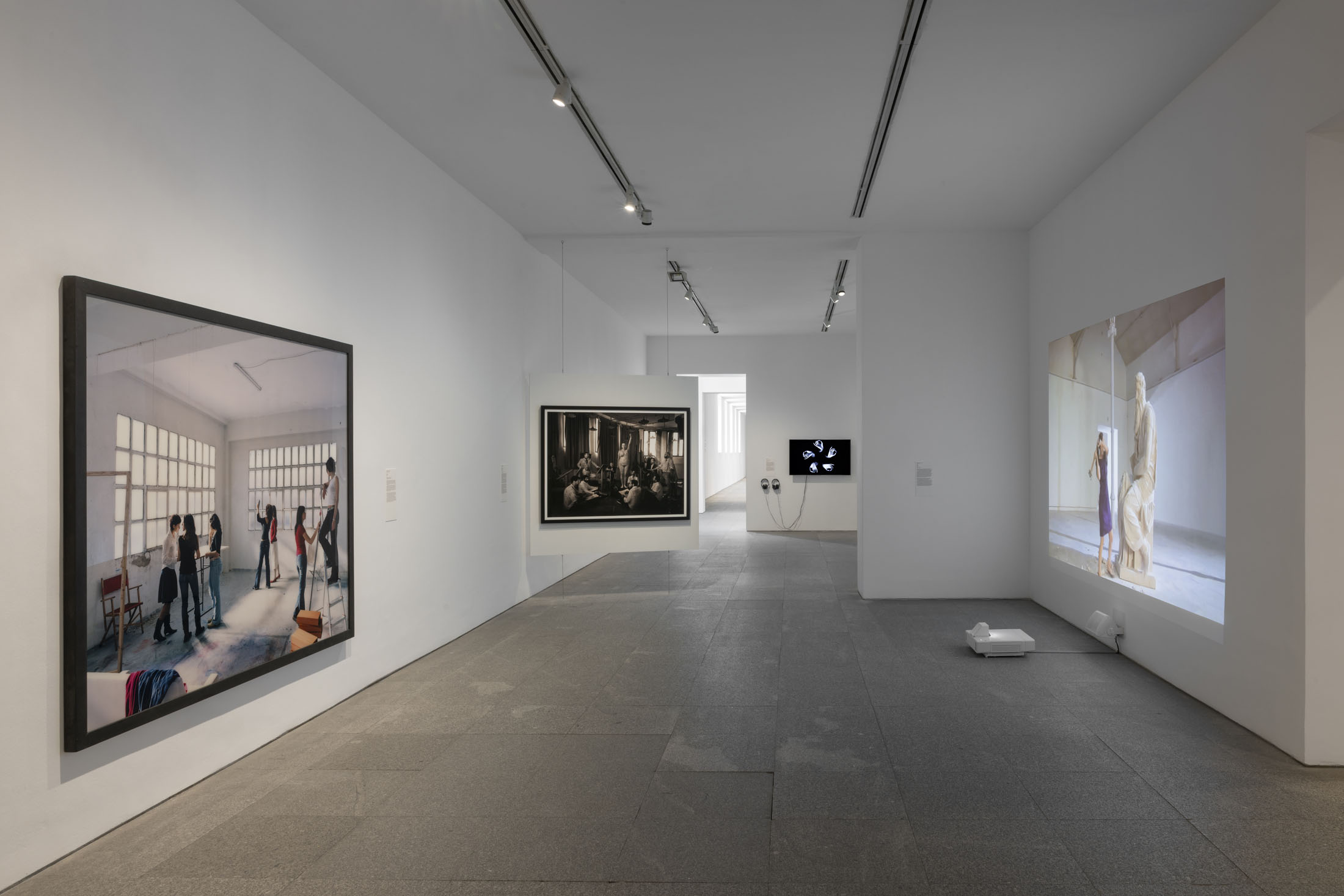
View of Room 21 “Gender Practices: Social Choreographies for the New Century.” Photography: Roberto Ruiz

↳Related Posts

December 2, 2021

April 11, 2019