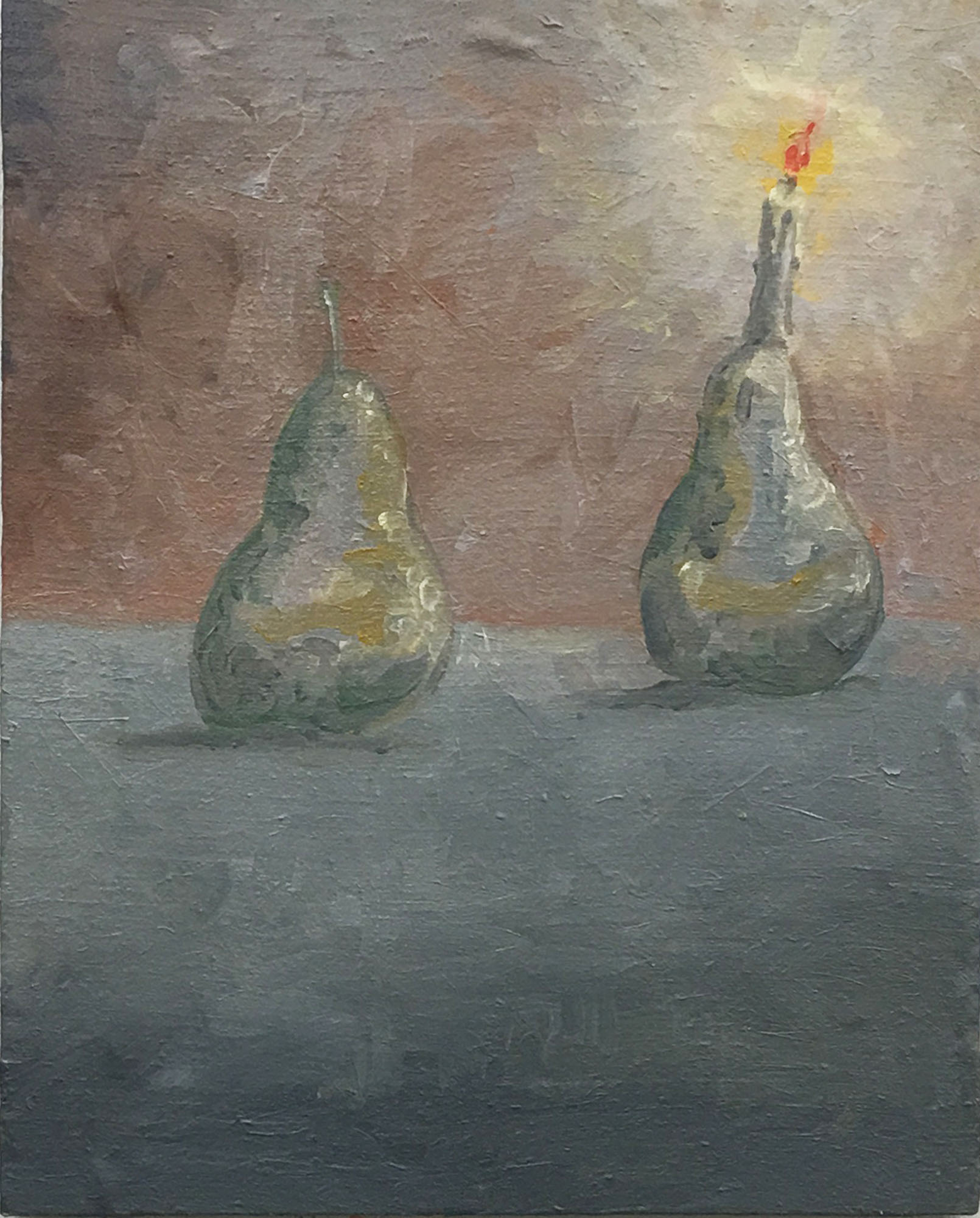
That is all
the artist left us with,
knowing we would turn
the woman’s stone into ours,
a thirst for the self
in everything—even
in the sweet chinks
of mandarin.
Victoria Chang
Edward Hopper Study: Hotel Room
Divine objects must be hidden behind the veil of of the enignma and the folds of poetry.
Pico della Mirandola
Oratio de honminis ignitate
The idea is the library, not the books. At least these insulate the walls against the cold.
Chema Cobo
Amnesia
ONE. (Language)
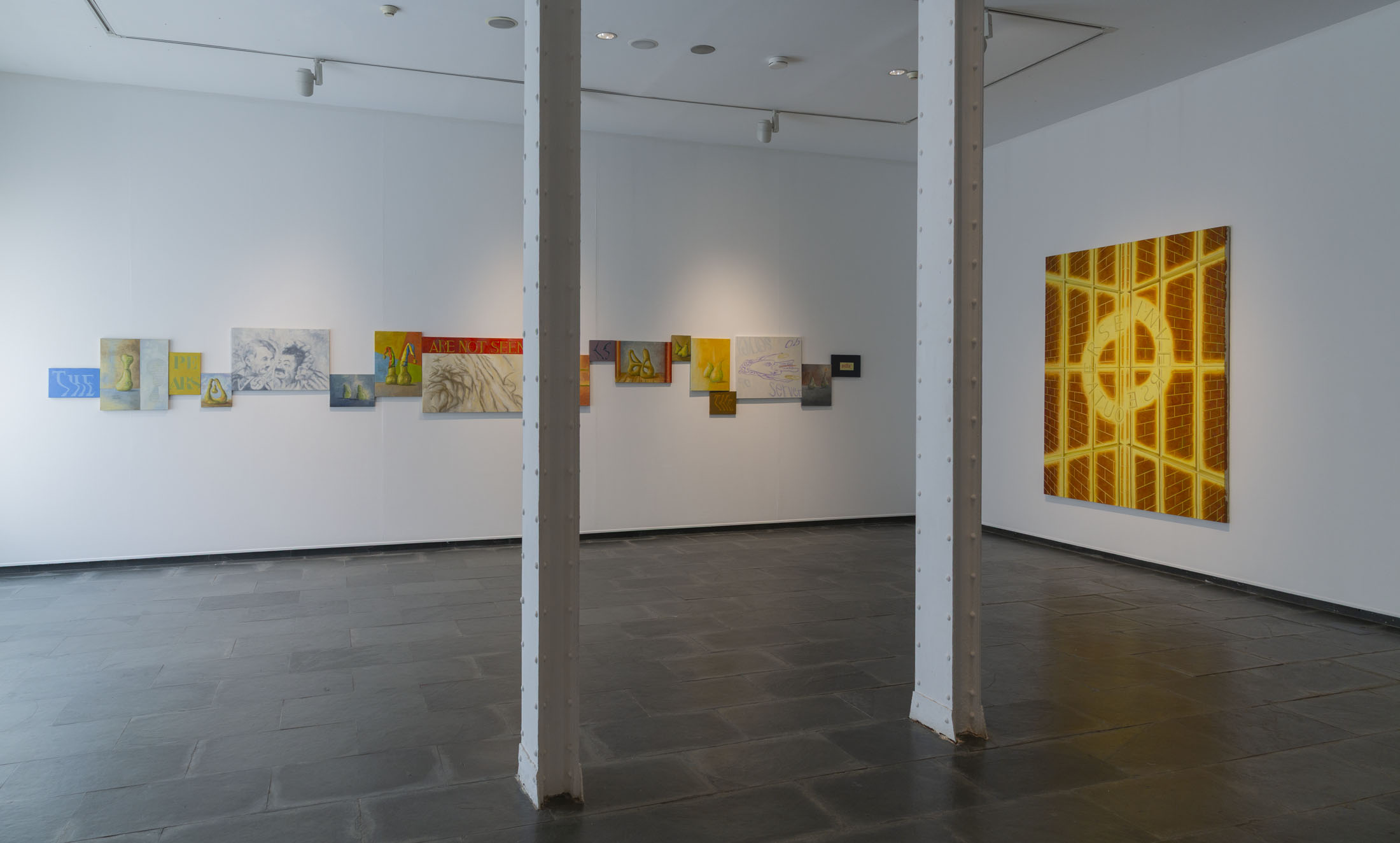
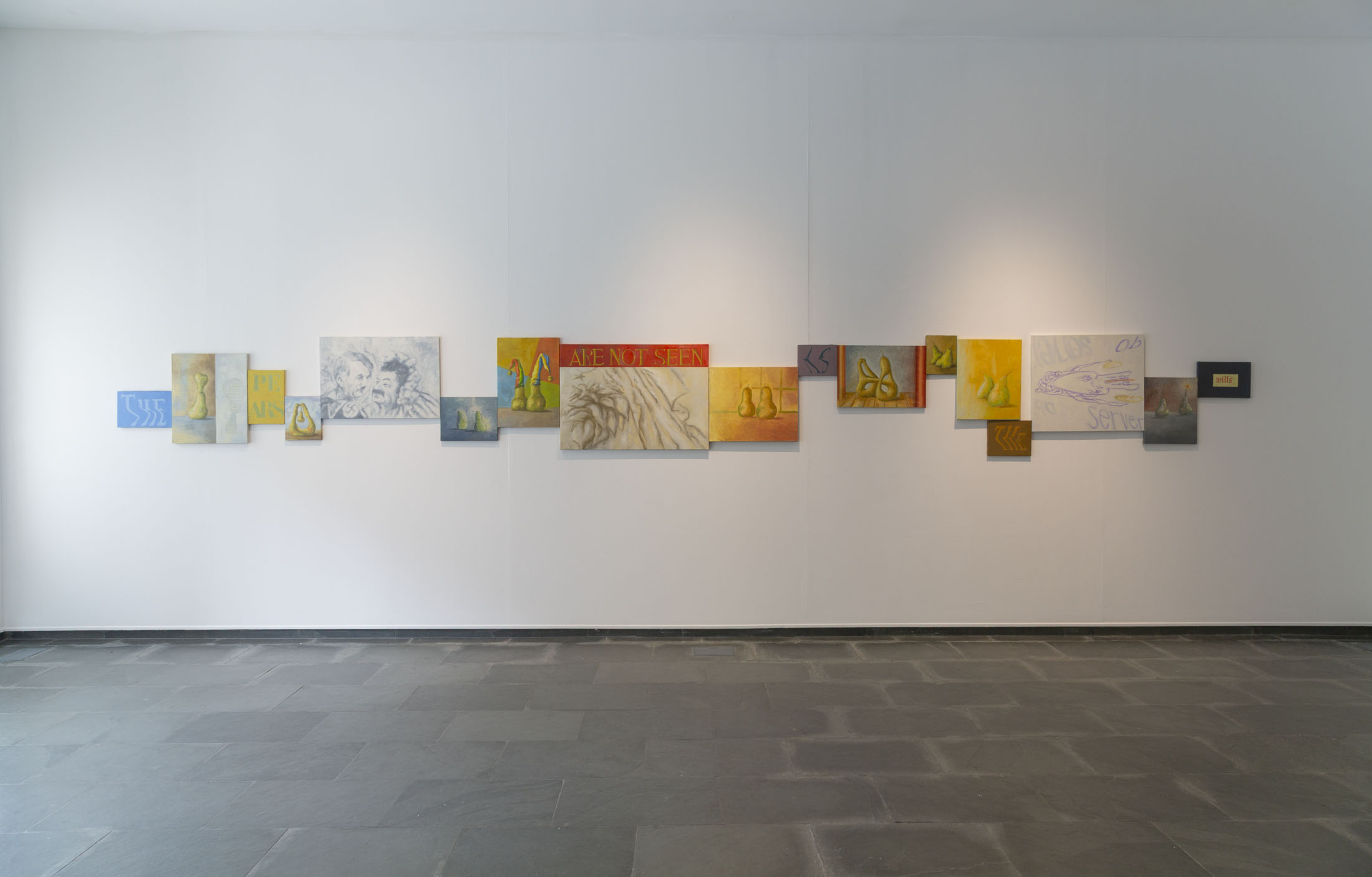
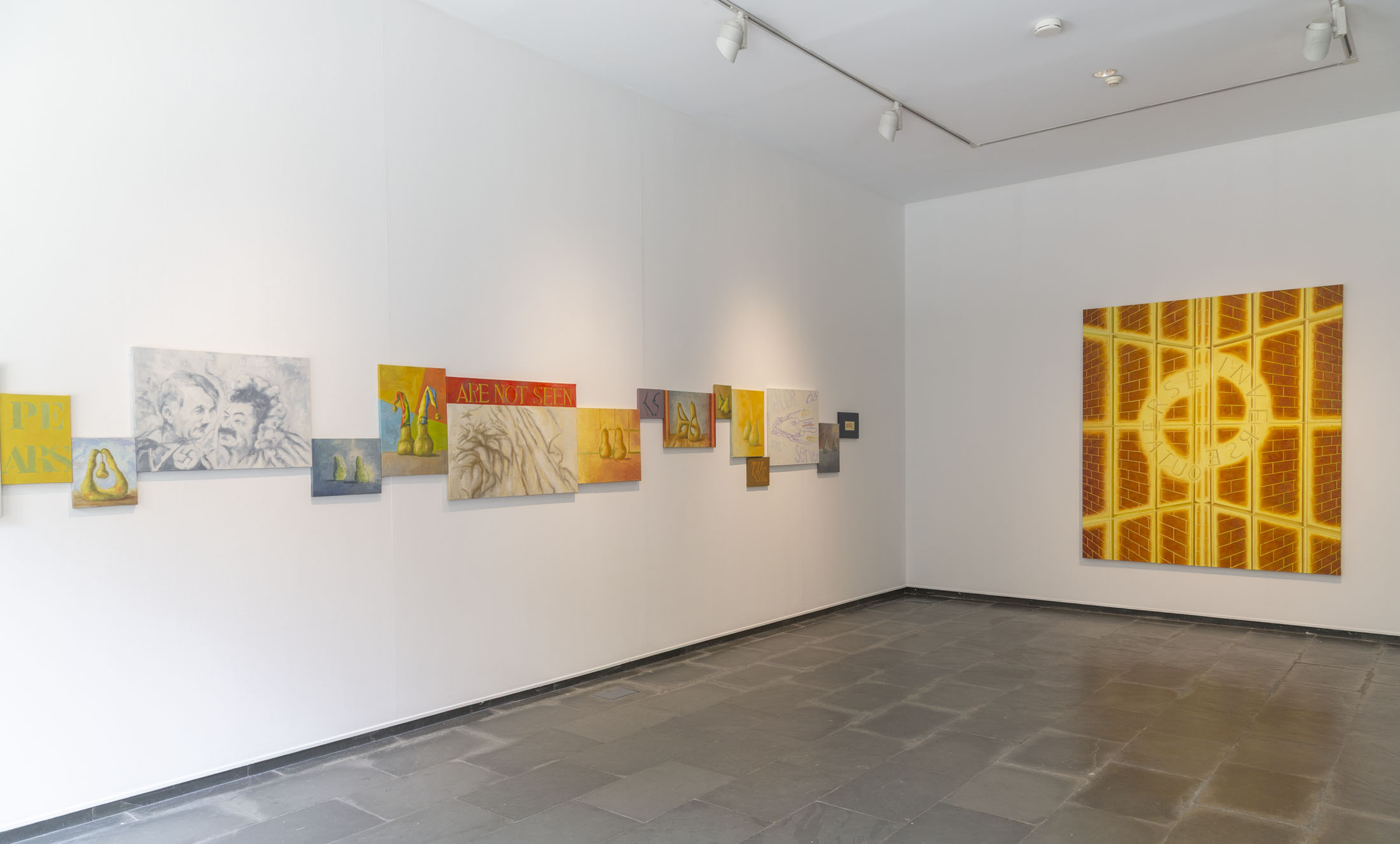
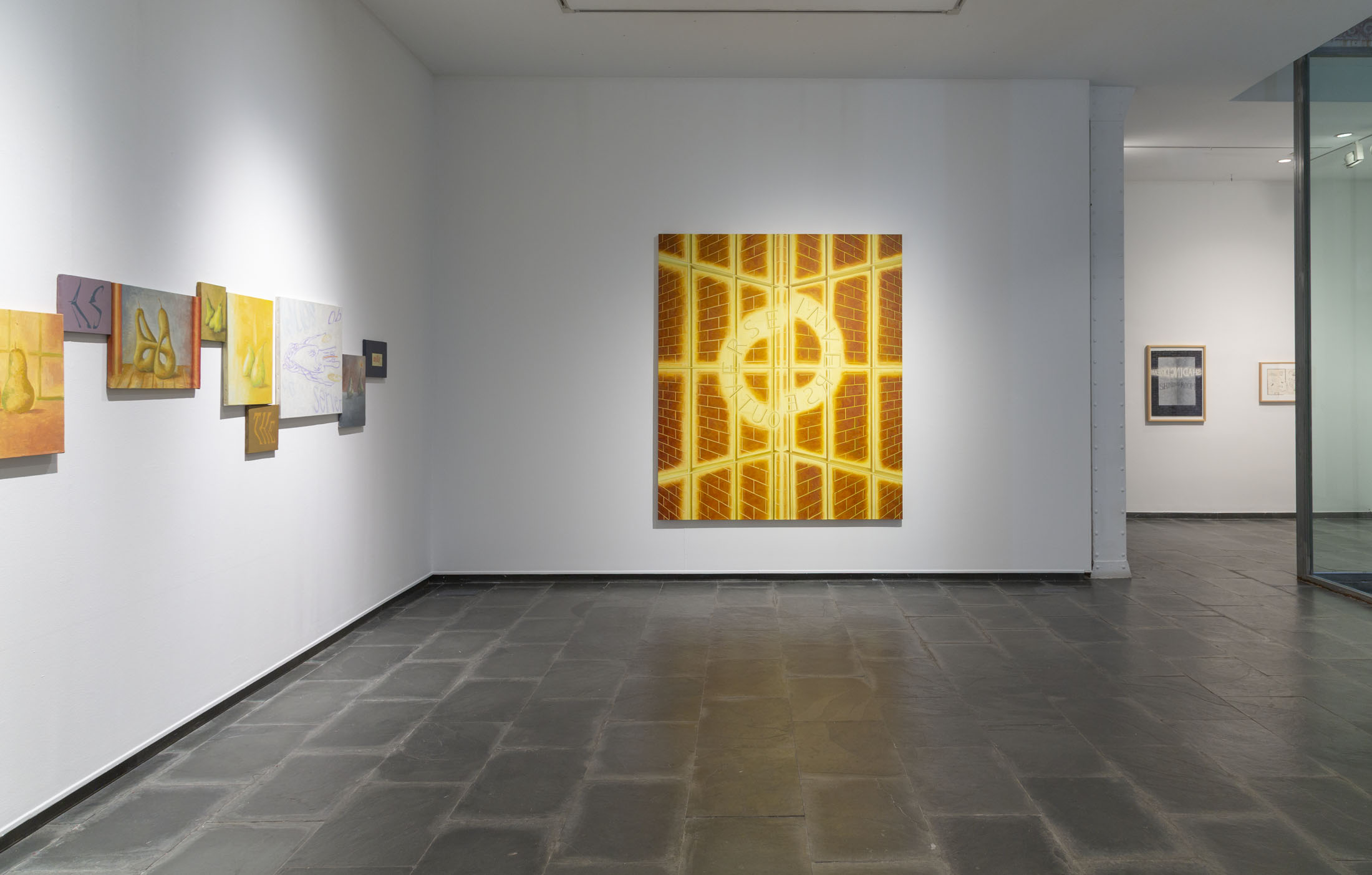
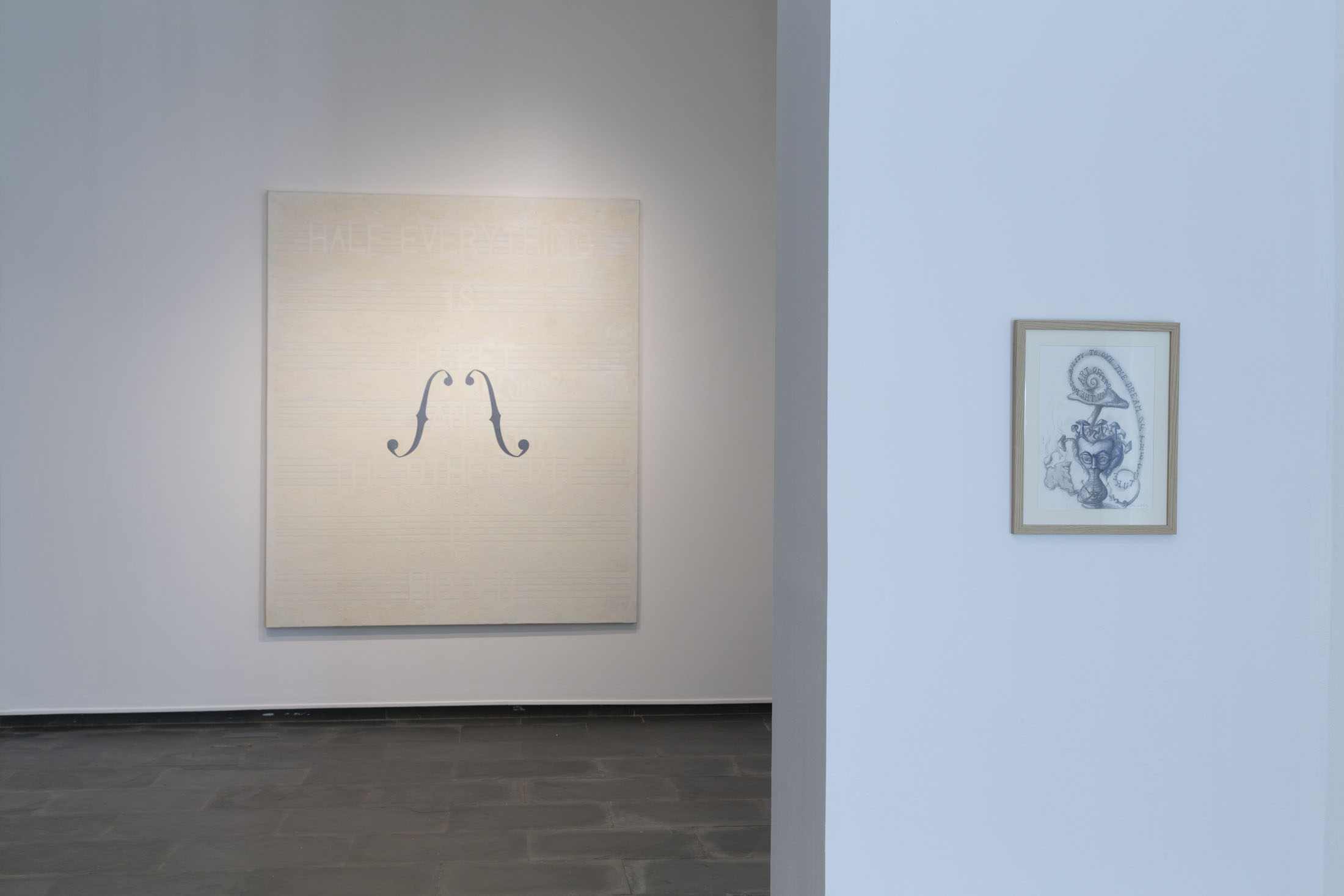
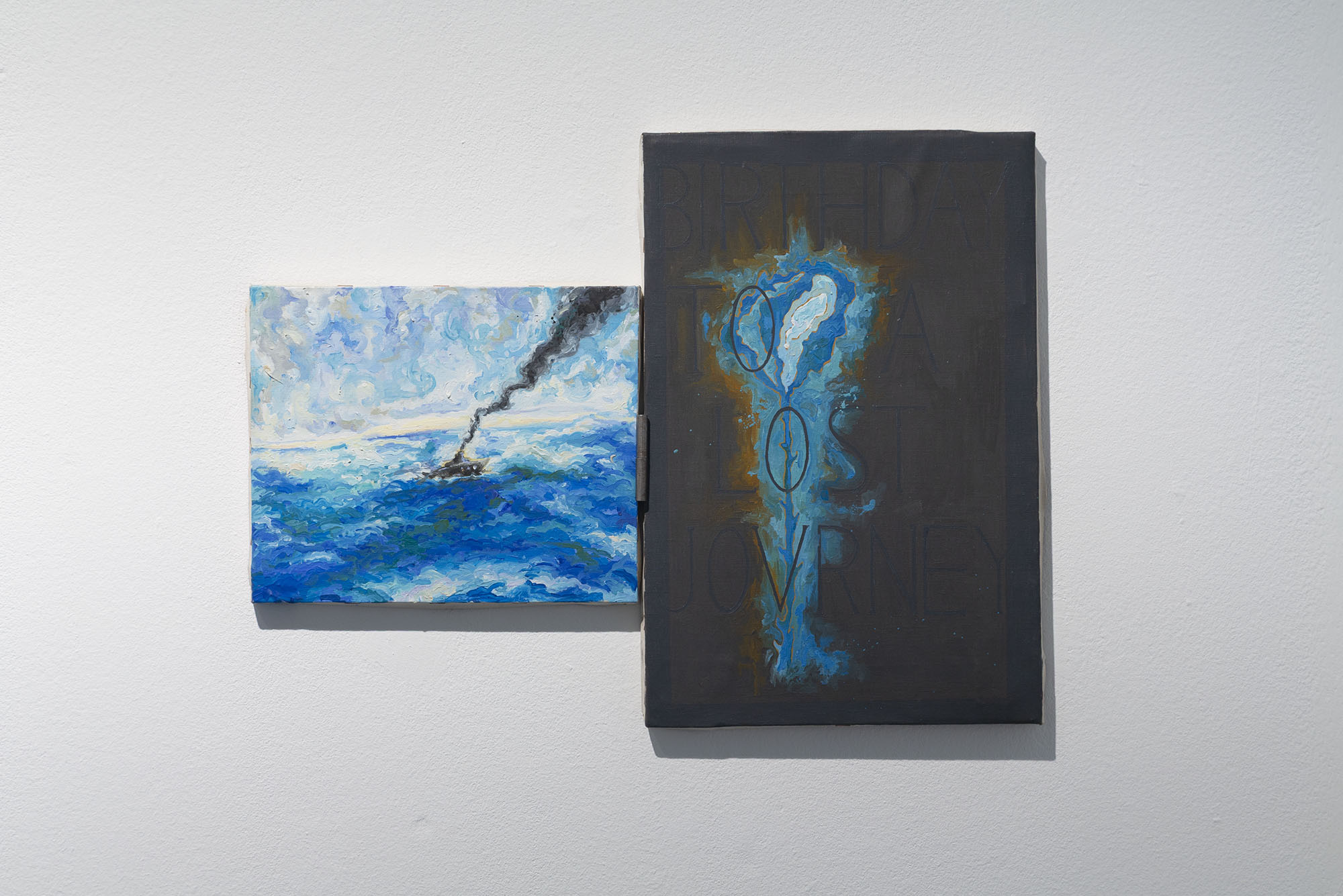
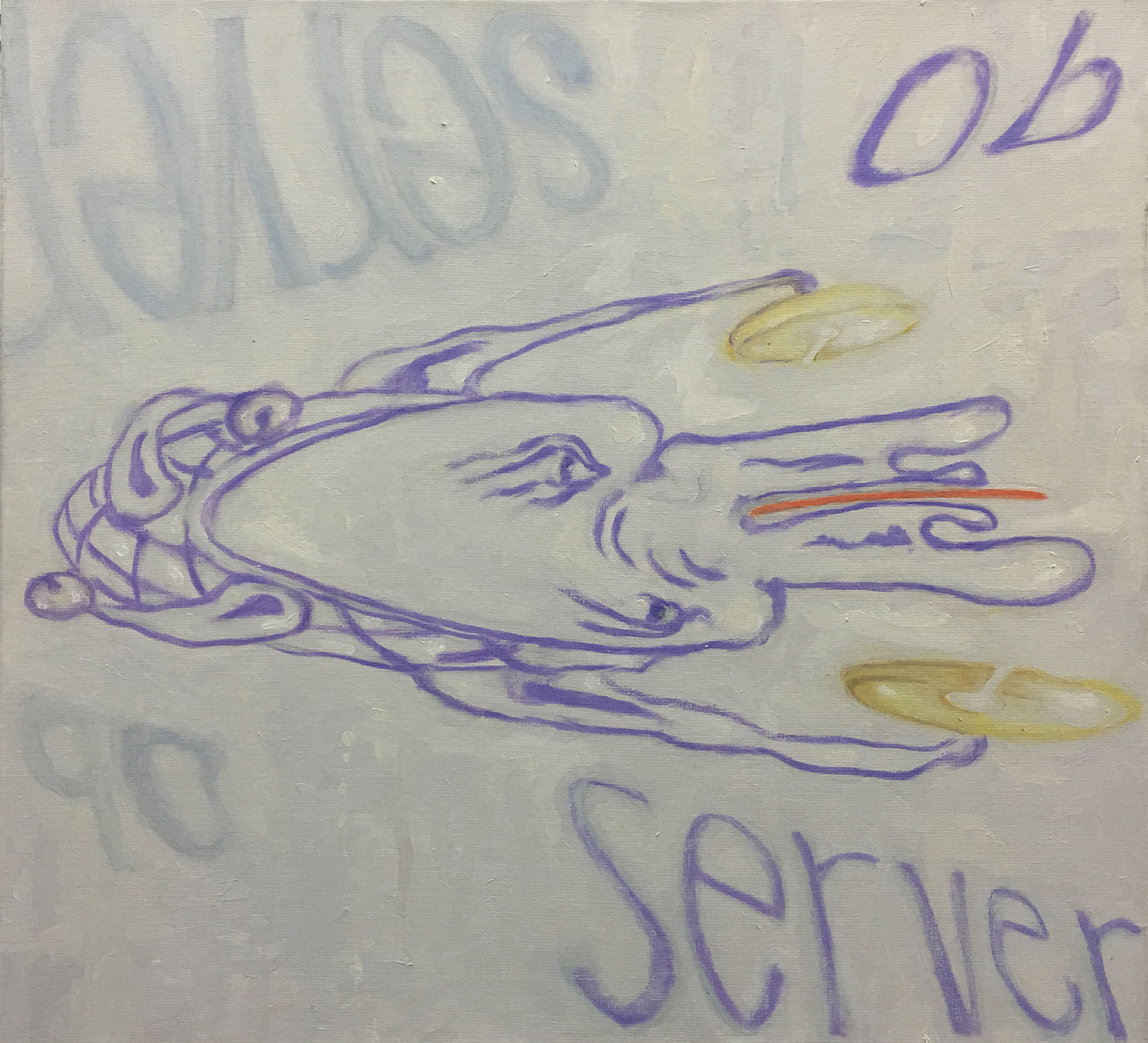
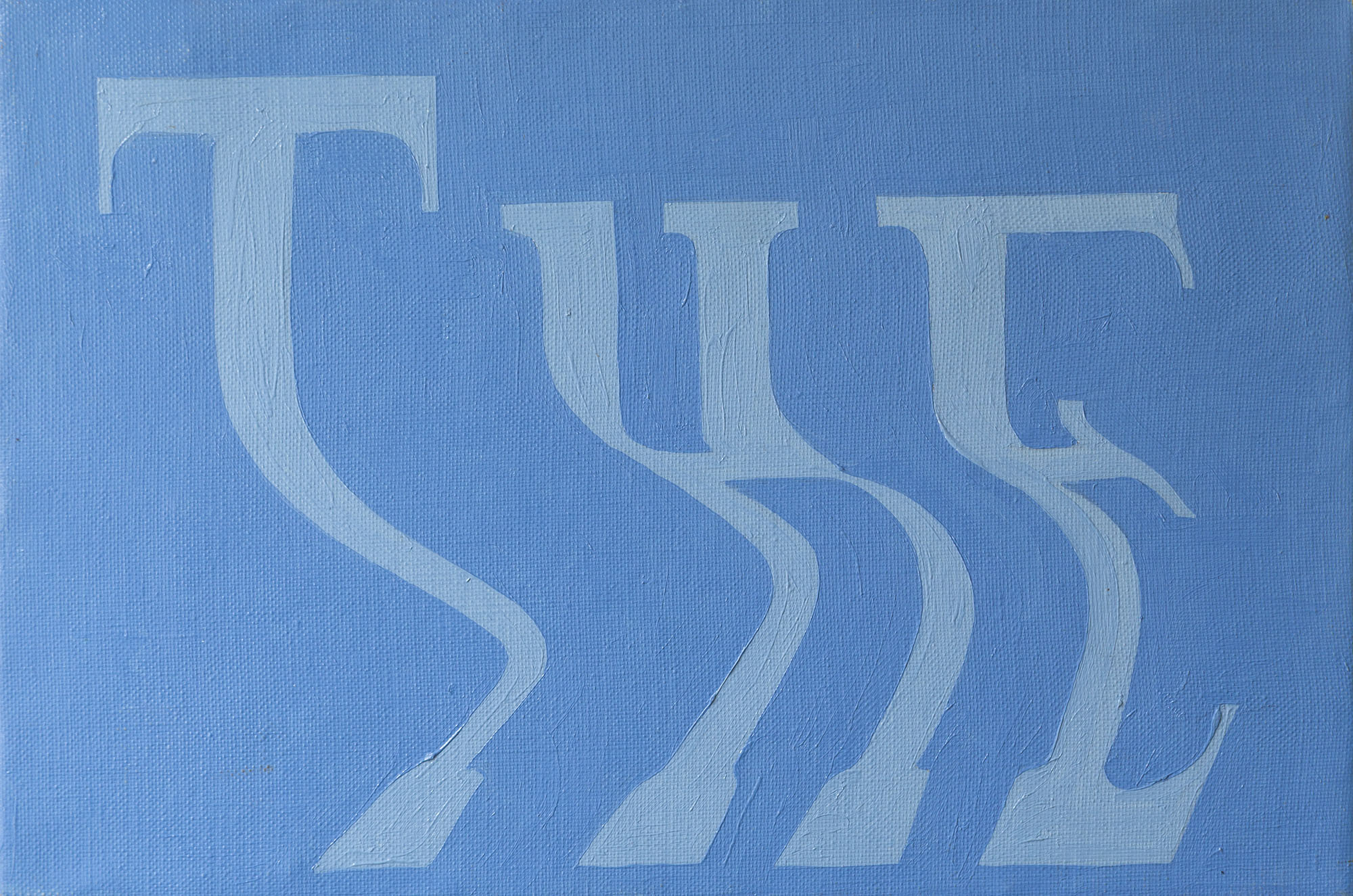
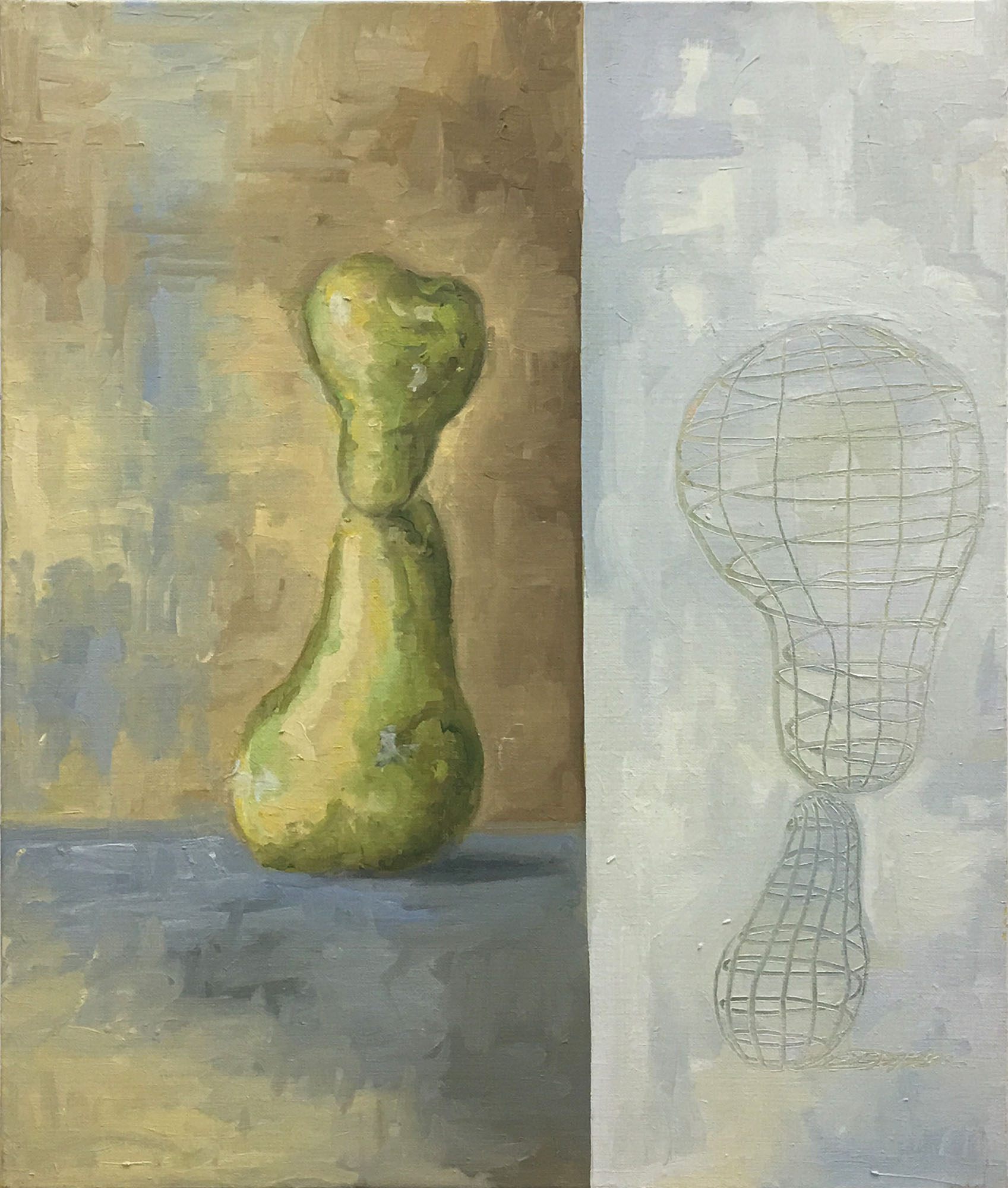
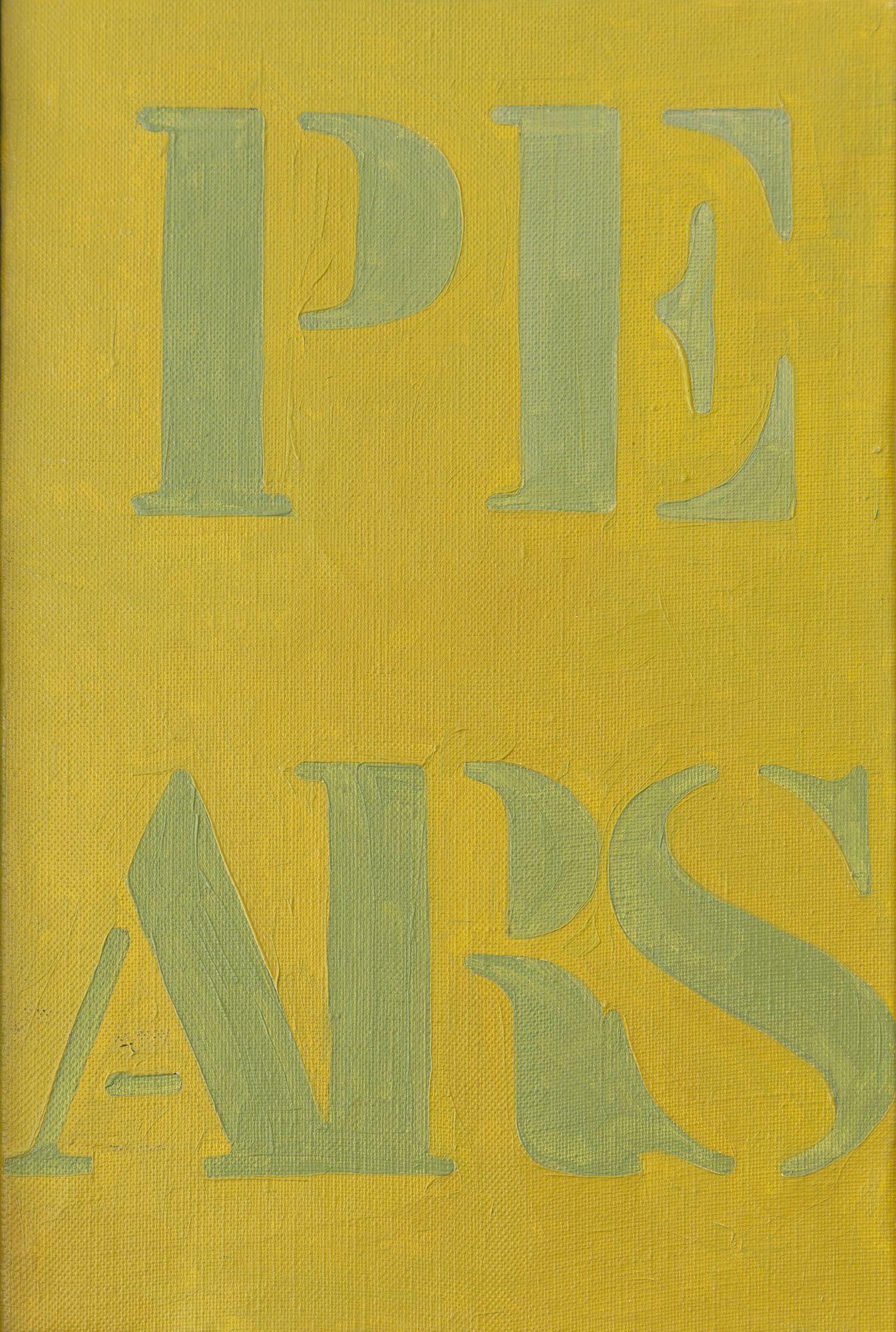
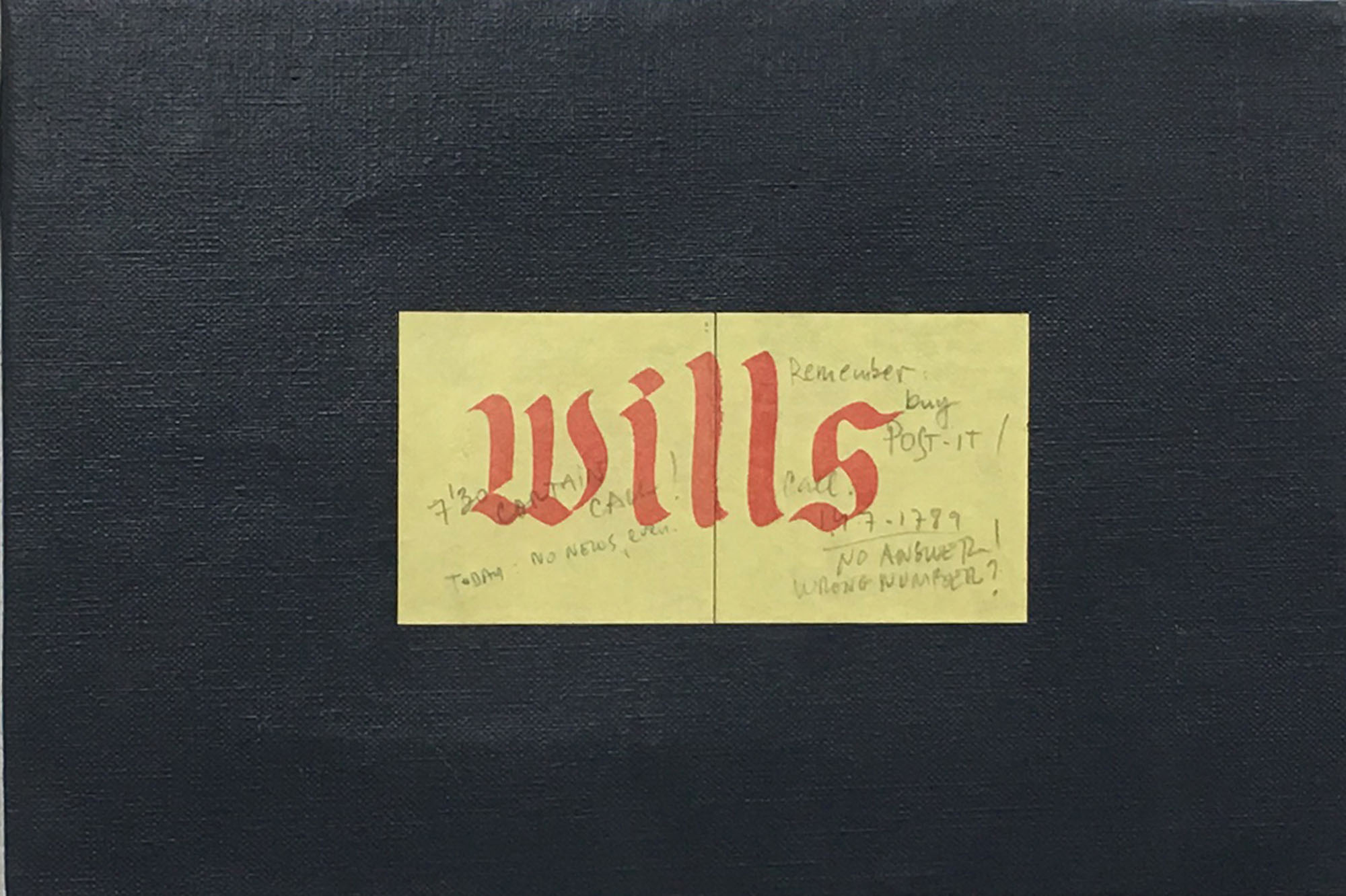
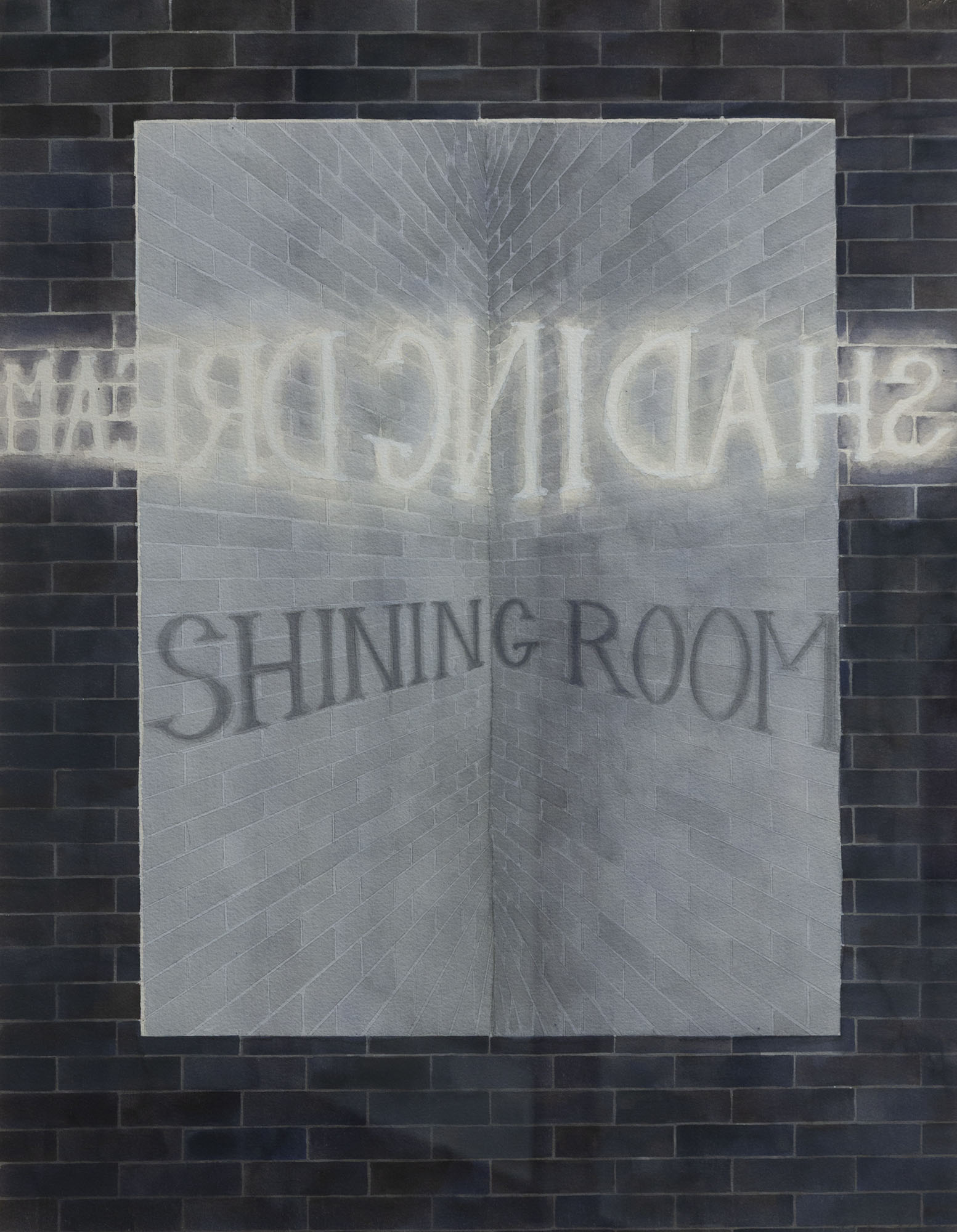
George Steiner says that human beings are animals of language. This makes them the subject and not the other way round according to Lacan. Claude Hagège states in Le Linguiste et les Langues that language appears as synthetic groups of the vocal reflexes of the universe. Its origen is scarcely known. Language appears to have emerged together with the development of symbolic thought and from there to the specific unit, the word as something special and significant within a system. This exhibition is crisscrossed by language, by a version of it that functions as a foot print or clue that in a attempt to understand, directs the gaze to the morphology of its raison d’être, the painting. Emilio Lledo afirms that “the written word was the great discovery that converted the voice in a sign for the eyes at a moment in time that human life was adquiring a new form of consistency”. In Chema Cobo’s work the word at times appears to hold up the canvas while in others it maintains its linguistic function or hides between the image it brushes against. As a result the deconstruction of reality takes place in the click of a finger.
TWO. (Vapoury words)
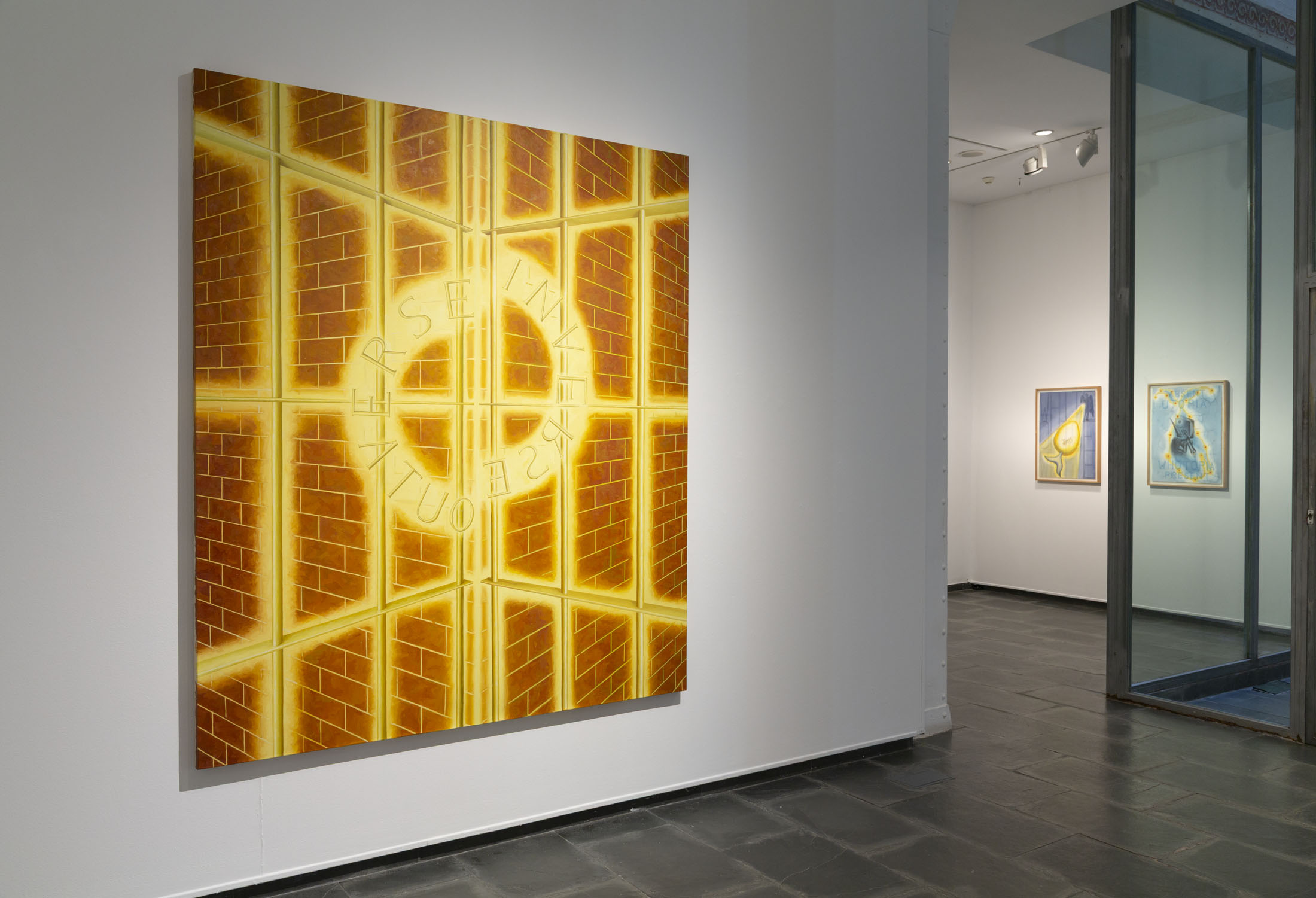
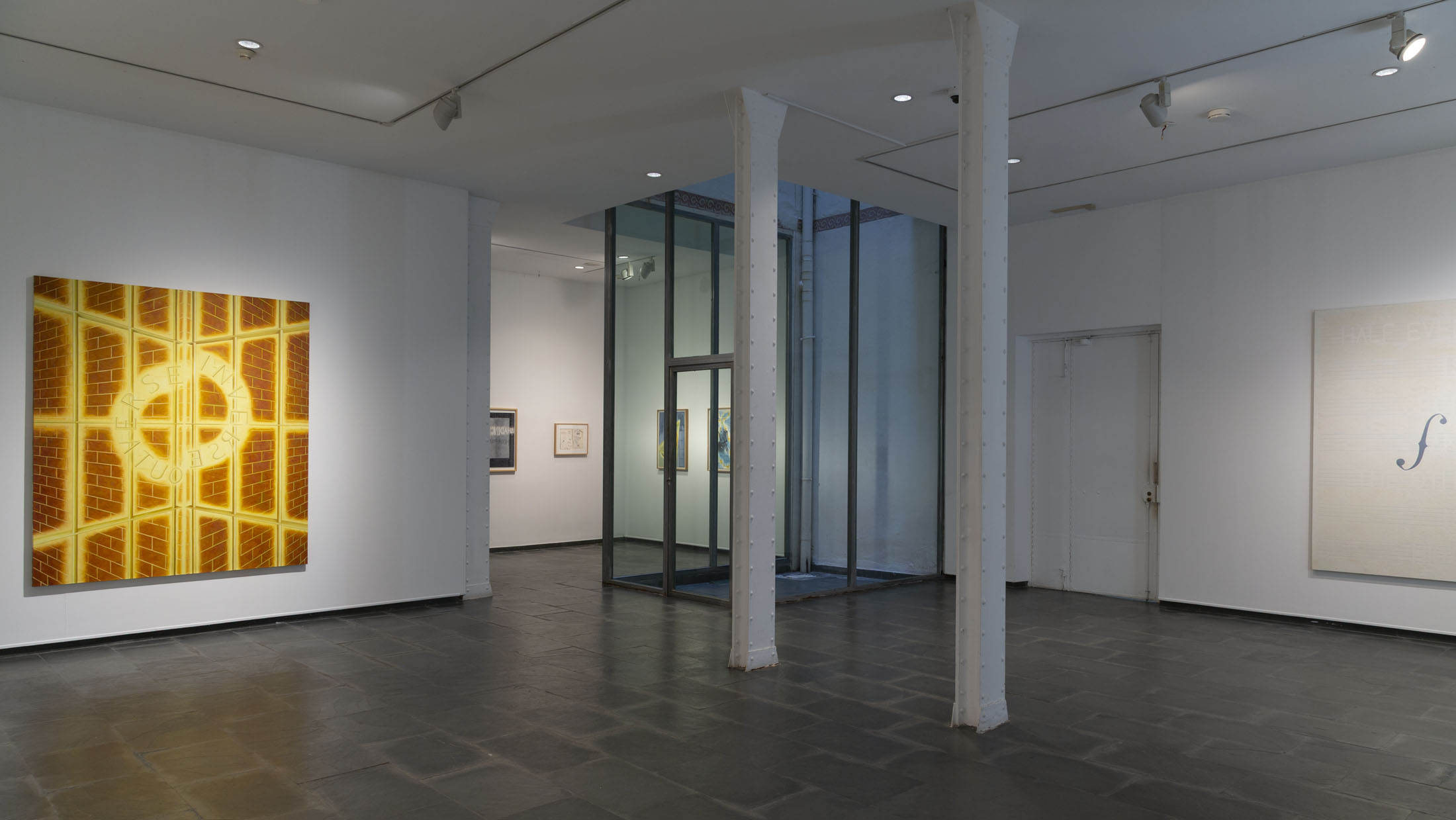
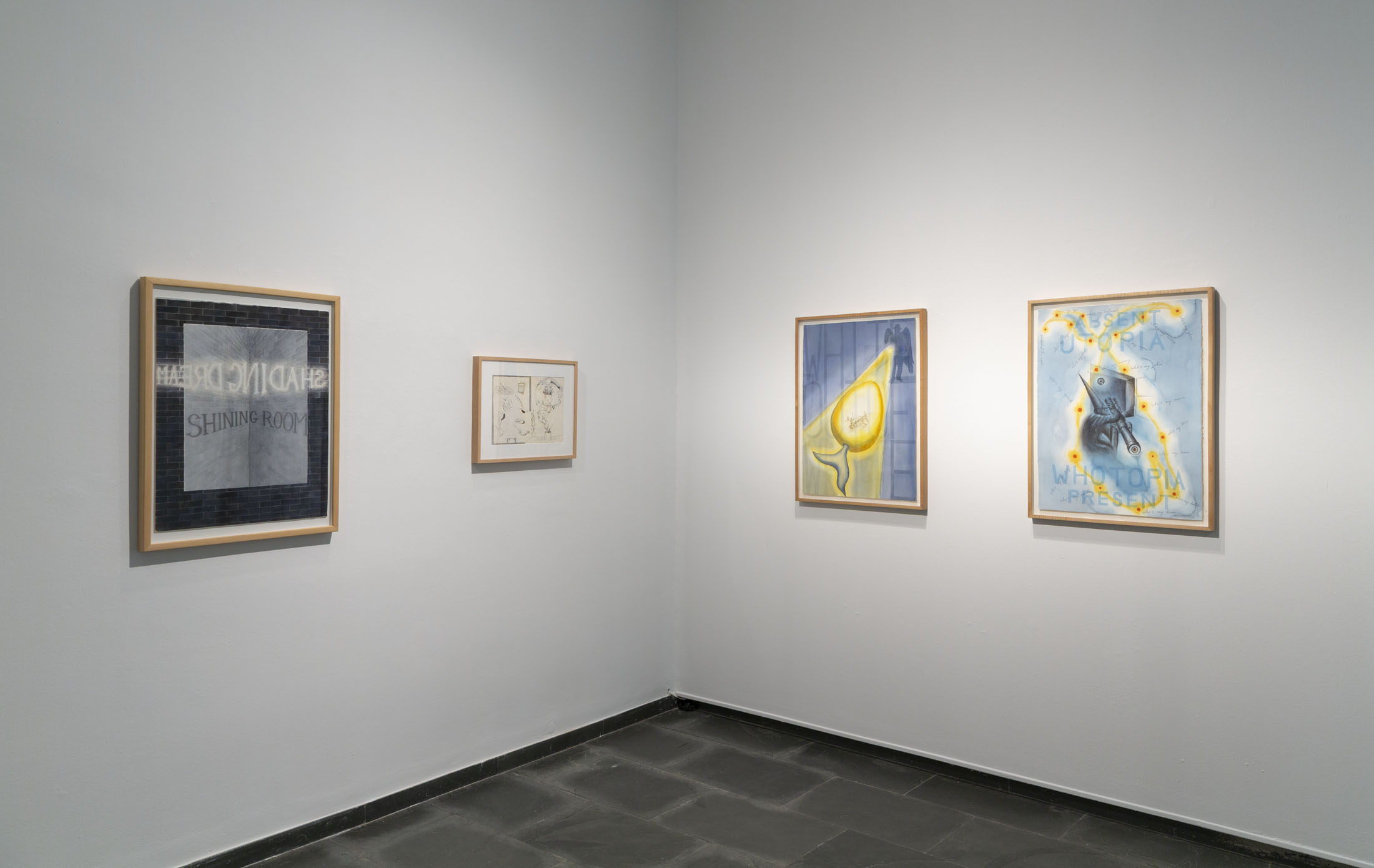
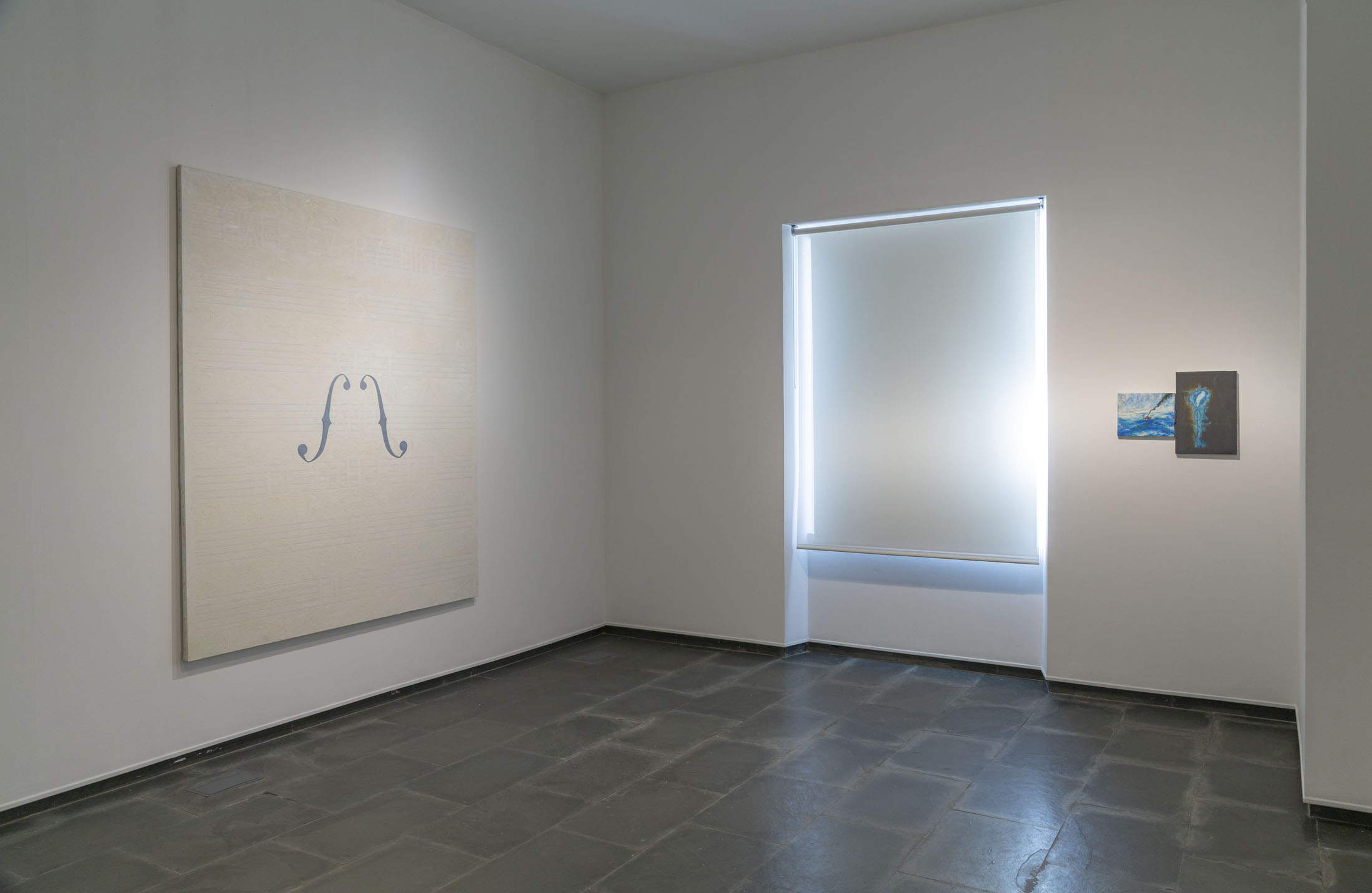
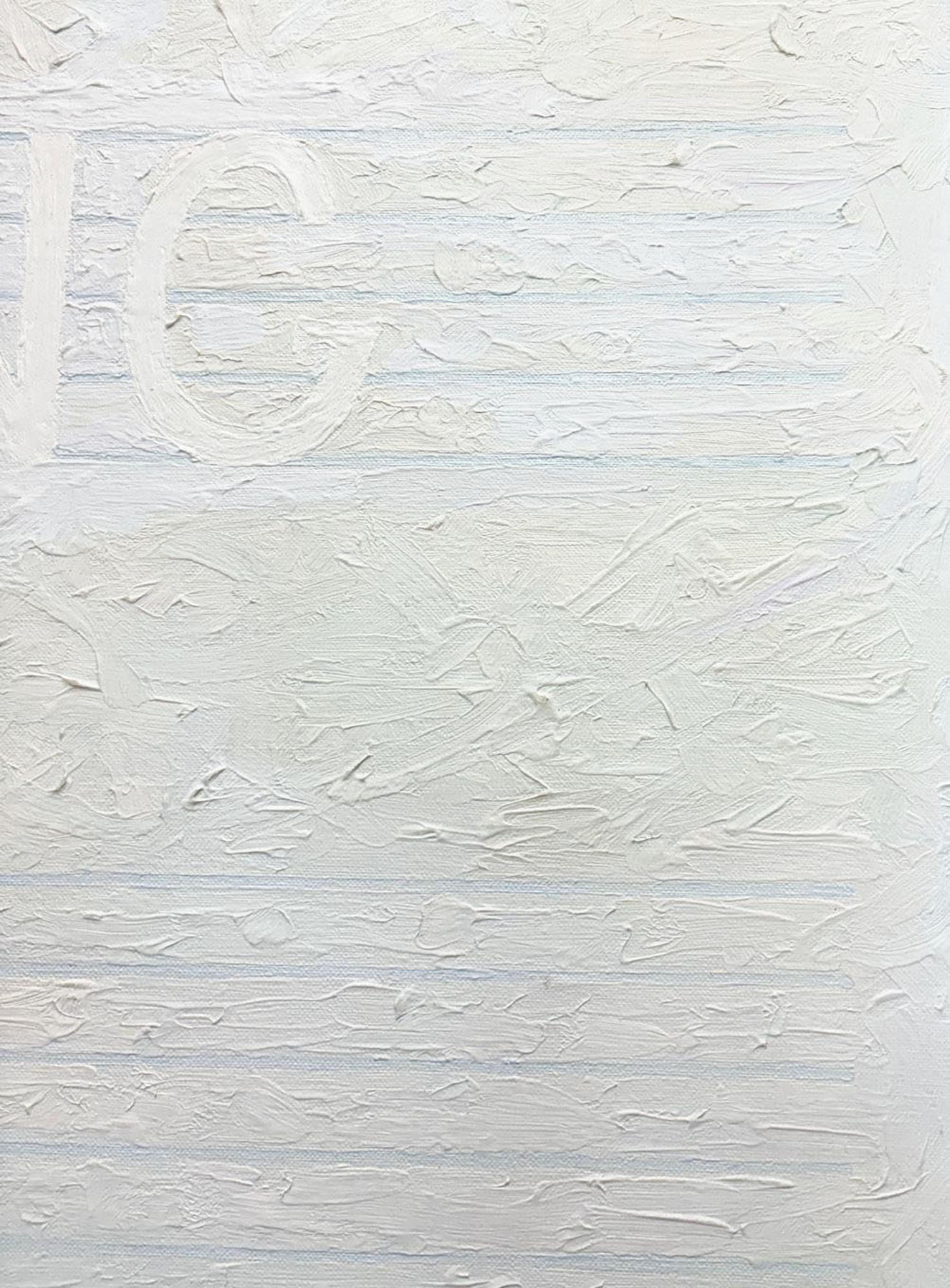
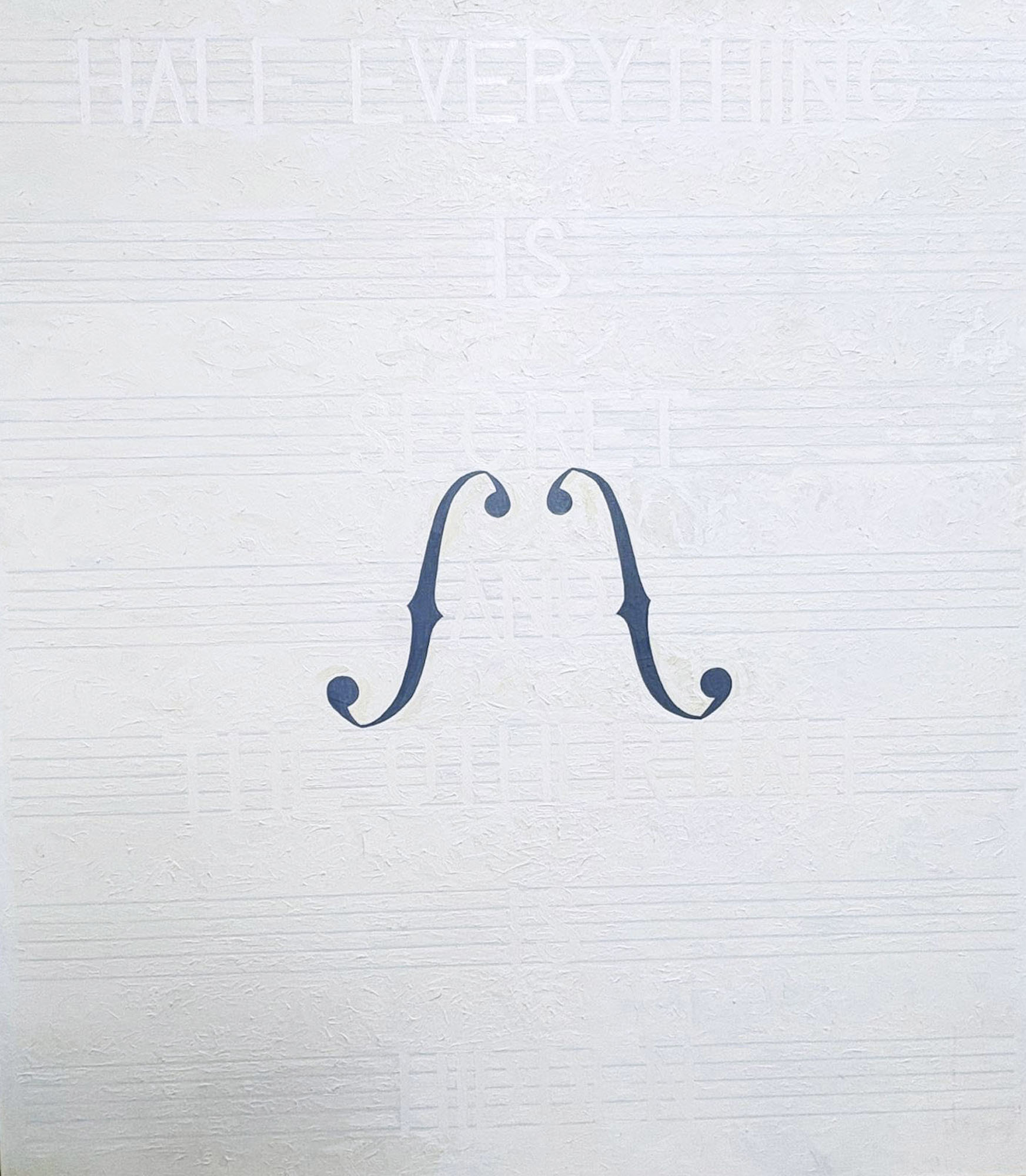
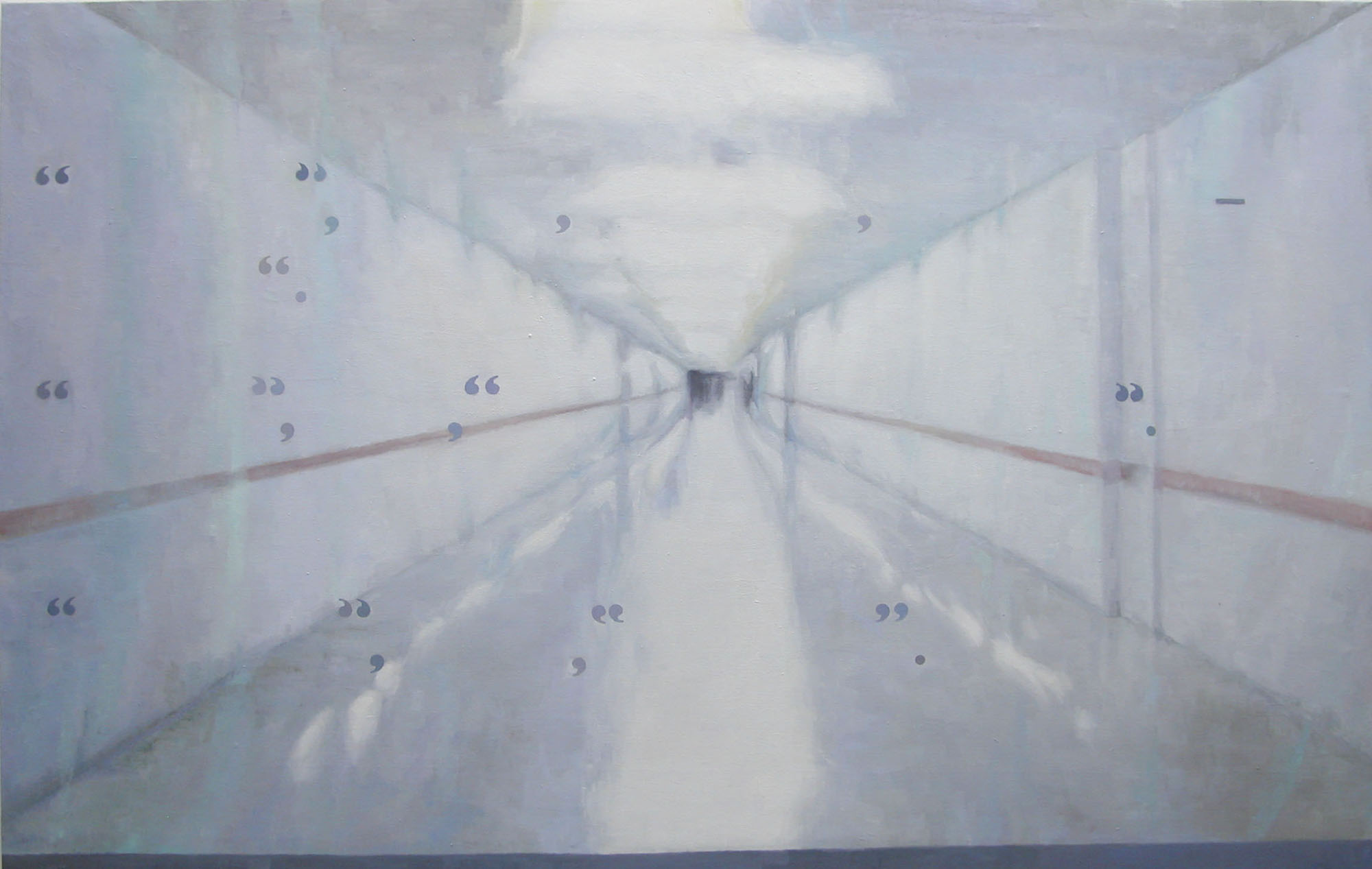
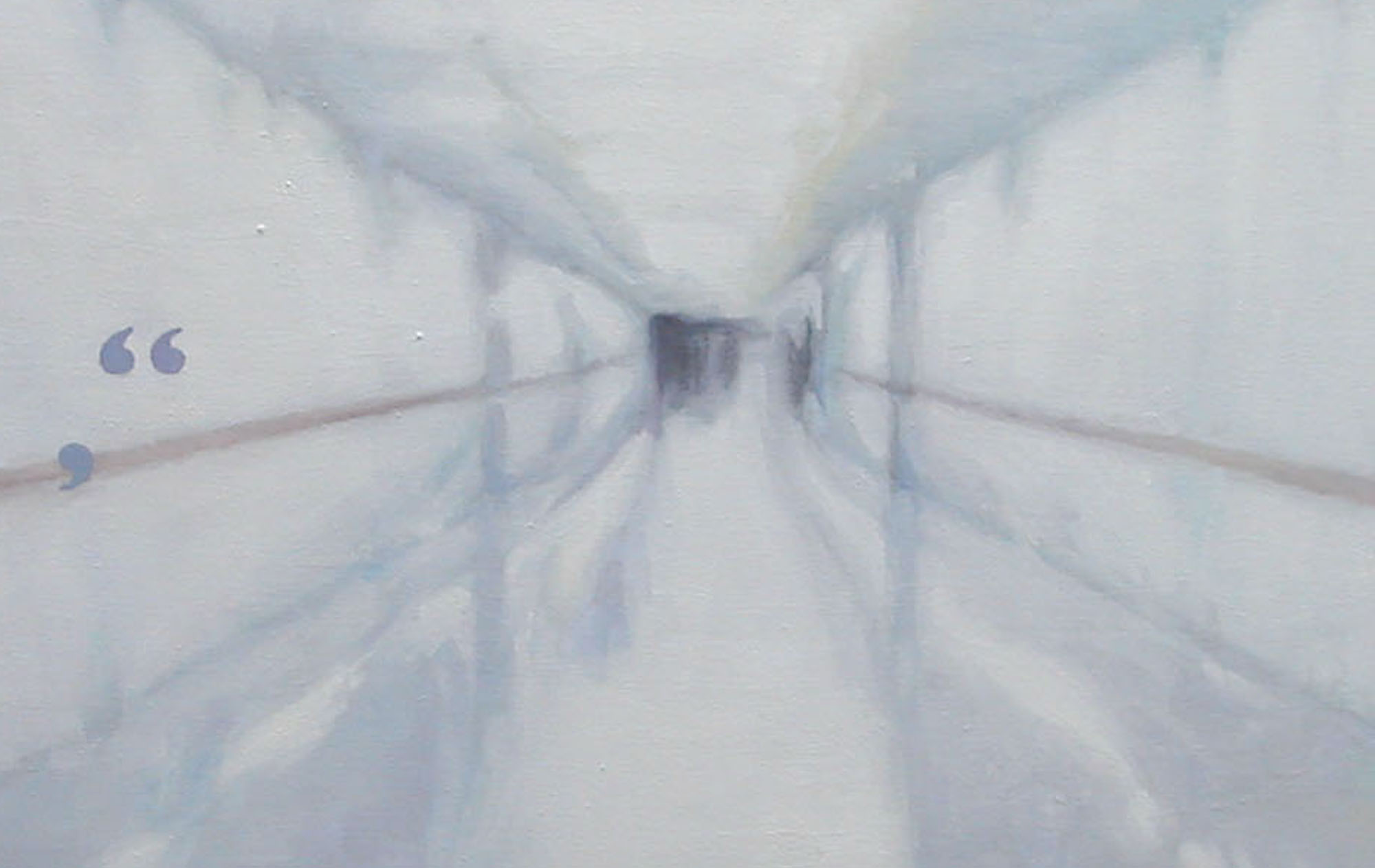
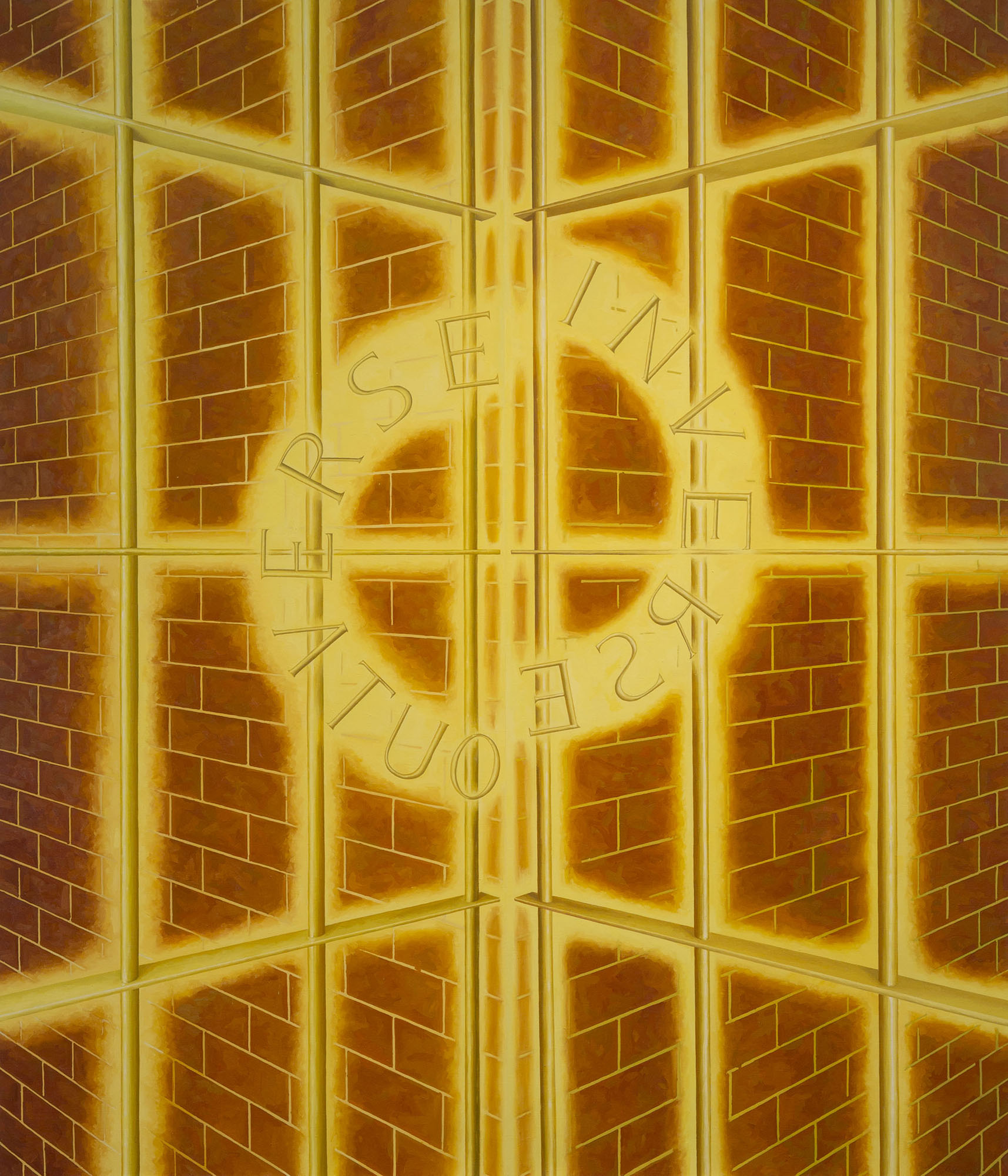
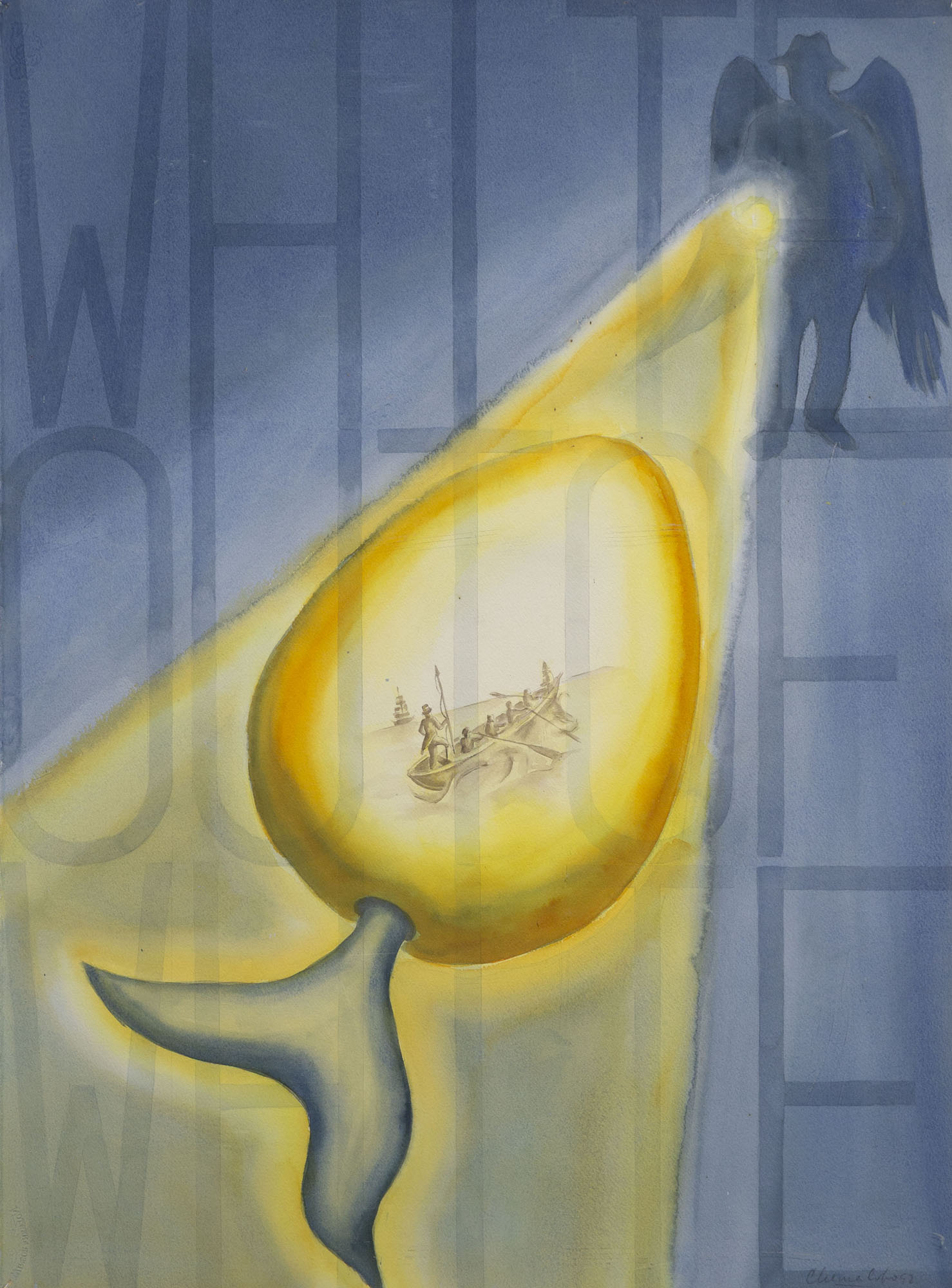
This is the Blank, Get Out! is proof of interpenetration between the arts, a way in which literature bestows a visual fabric on the painting that conflicts with its contentents. This has something in common with Chaucer speaking of sculpture, or Keats assisting Tiziano, the tiger in Blake’s poem competing with its painted image or Victor Hugo drawing. It can be found in the French manuscript of the Heroidas by Ovid and in the representation of women writing since Ancient Roman times. The uniqe relation between word and image is present in Mallarmé’s “coup de dés”, in the elevated Magritte’s signature in “Le clef des champs” or in his theory on the link between both places. (Foucault states that both phrases are literally true but figuratively false). The image text link is present in illustrated books, in the homophonies and semantic word games, in the figure poems that preceded the calligram. It is present in Miró when a phrase is added to a painting entitled Peinture. It lurks in the materiality of the letrism of Isidore Isou, in the drawing/writing of Alberto Greco or in the encounters between both disciplines in Cy Twombly’s improvisations.
There are also works that offer an illegible text but that exercise a centripetal force in the painting. This occurs in some paintings by the master of the “art of feminine half figures” of Gerard Ter Borch (especially one entitled Curiousity or in some paintings by Adelaïde Labille Guiard.
We can discern the word Iliada in the book Winkelman is holding in a postumous portrait by Mengs or in the name frozen in time, in the mist on the window breaking the logical duration of the painting by Christen Dalsgaard.
Maria Zambrano reflects in Sobre la Pintura on Saint Barbara by Master Fleamalle, Robert Campin, a painting she discovered in the Prado Museum as an adolescent and revisited on her return from her exile. In her essay Zambrano directs us to the words that, according to her, the saint is not actually reading. For her ,the protagonist of the painting is in many places at once: in the divine, in the cosmic or the hidden earthly, for instance the crannies of the human being. She writes that what is hidden isnus can appear like a flash as in Giorgione, about which she also devotes a text that she associates with Miguel Hernandez’s book El rayo que no cesa. As Zambrano points out “Saint Barbara is there with the book, unseeing, unthinking, simply being” and she also points out the gentleman passing by the window. He is unaware of anything, he is not a spectator and does not reach the words the book shows, “he is not part of the event” his name is not written in the mist.
THREE (Why one writes. Word Hunt Words)
Zambrano also wrote an essay in which she addresses some of the reasons for writing. She states “Writing takes possession of the words and makes them its own, subject to rhythm, sealed by the authority of they who direct them Their meaning is secret, a truth so great it cannot be uttered; and great truths are rarely transmitted by speaking. Chem Cobo avouches that when he is painting, Wittgenstein’ aphorism that “in art it is difficult to say something that is as good as saying nothing at all”, hover in his head. He also considers that reality cannot be told as it was by Giotto nor in any second novel. He says “ I write in bits and pieces, fragments. I even just write down the beginnings of sentences because there is nothing more to say.”
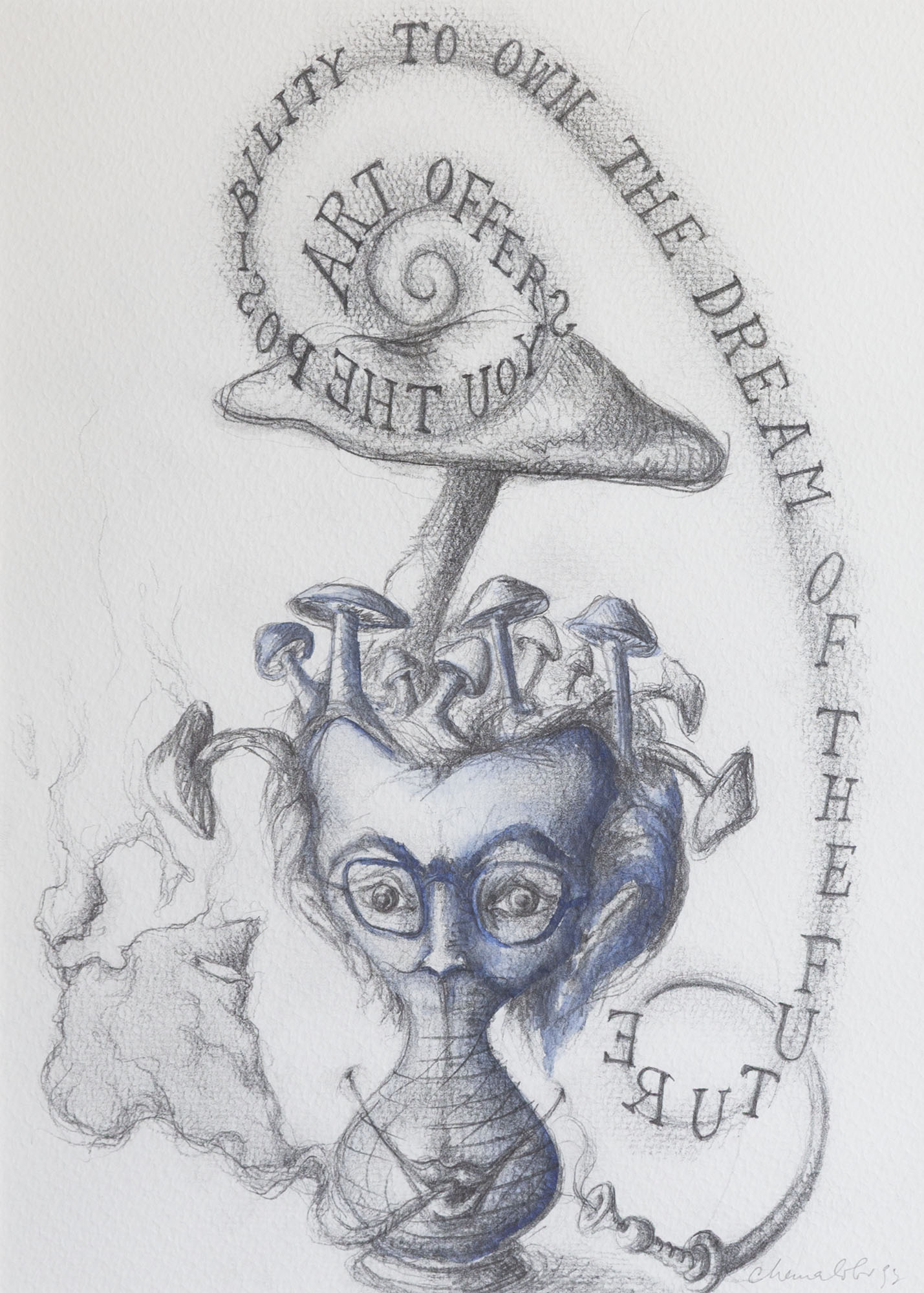
Chema Cobo has different ways of relating to writing, his own and that of others. He explains that “an encounter with words inspired a painting and the texts were like the translation of a translation of poetry”. The artist tells Kevin Power that his work must be read through the eyes of authors like Quevedo, Balthasar Gratian, Rabelais, Shakespeare or Lewis Carroll, One could add many more: St. John of the Cross, Borges, the Theatre of the Absurd authors, Stevens, Orwell or Ashbery. Cobo also feels the need to write aphorisms down on paper. And what if language were merely the translator of a text that does not existe: reality? as he says in one of them. Compiled in a volume aaentitled Amensia, they are a vehicule to speak of myths and tales, masks of the verb that lodge in the cracks of the pronoun, or of libraries where books isolate the walls from the cold. The brevity of his aphorisms seems to be constructed with a cryptic skill, echoing the texts of his paintings, lest they be erased.
FOUR. A boneless language)
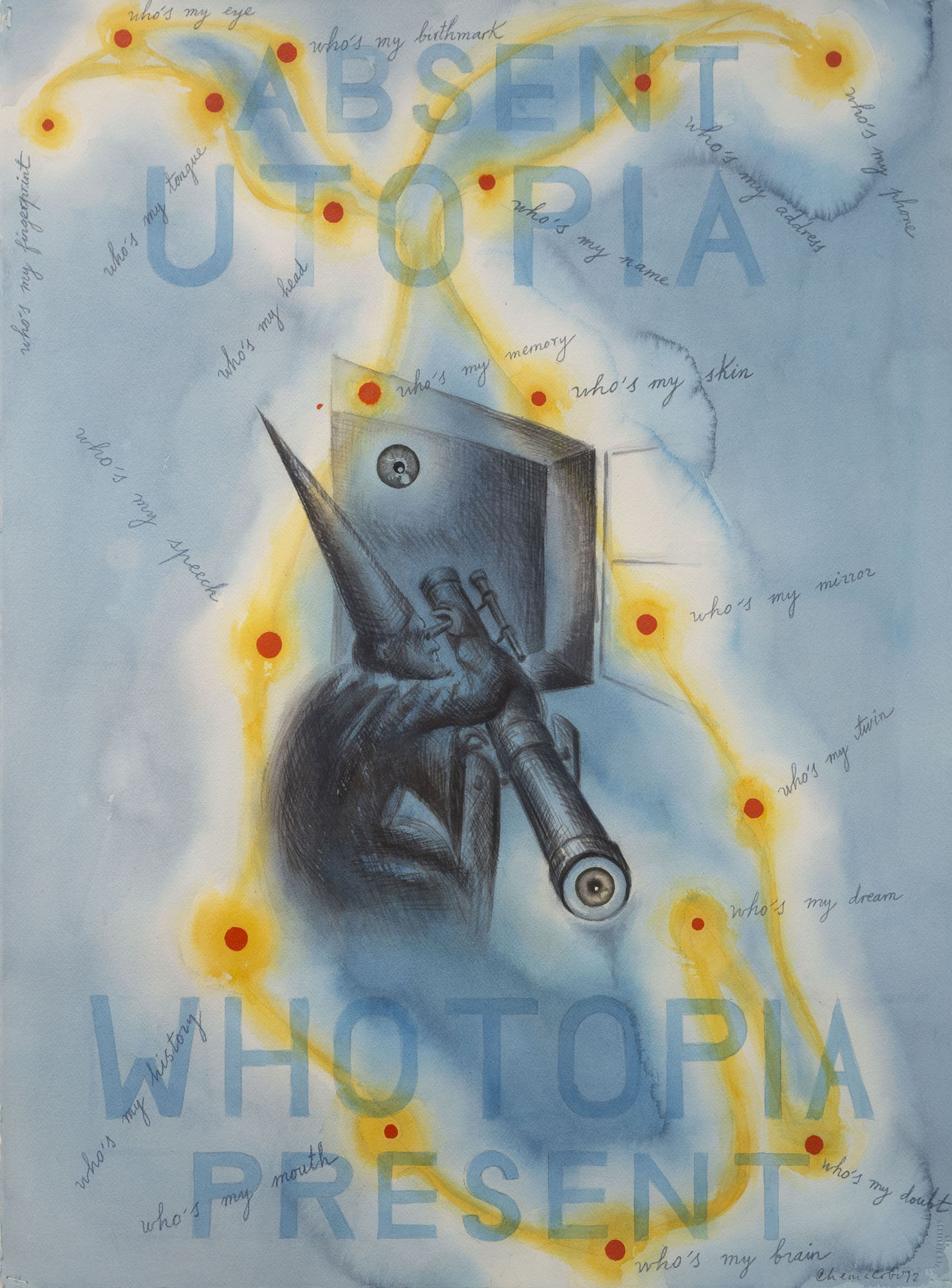
Humans communicate their spiritual selves by naming everything, says Walter Benjamin. Chema embraced language both written and its interpenetration with painting so that it accompanies him throughout his life’s journey on different levels of intensity. These pathways along which the artist integrates characteristic elements of literature, depart from his intellectual experience and his passion for reading and come together in a tapestry of references and images. In extending the potential of figurative painting, Chema Cobo uses the word (texture and covering) as a visual and conceptual resource that conciliates the canvas, the book and the artist’s reading space. In the search for a pictoric entity that responds to a demand for the redefinition of the media, Cobo passes from the alegoric painting to a work with echos of the neoexpressionist or English pop, he both approaches and flees colour and in the majority of cases, offers a text as an example of boneless language. This moves effortlessly along three paths: the literary quote that refers to the painting, the word in the painting (autonomous, as part of a sentence or visual verse) or by creating an image that becomes an indissoluble part of the literary work.
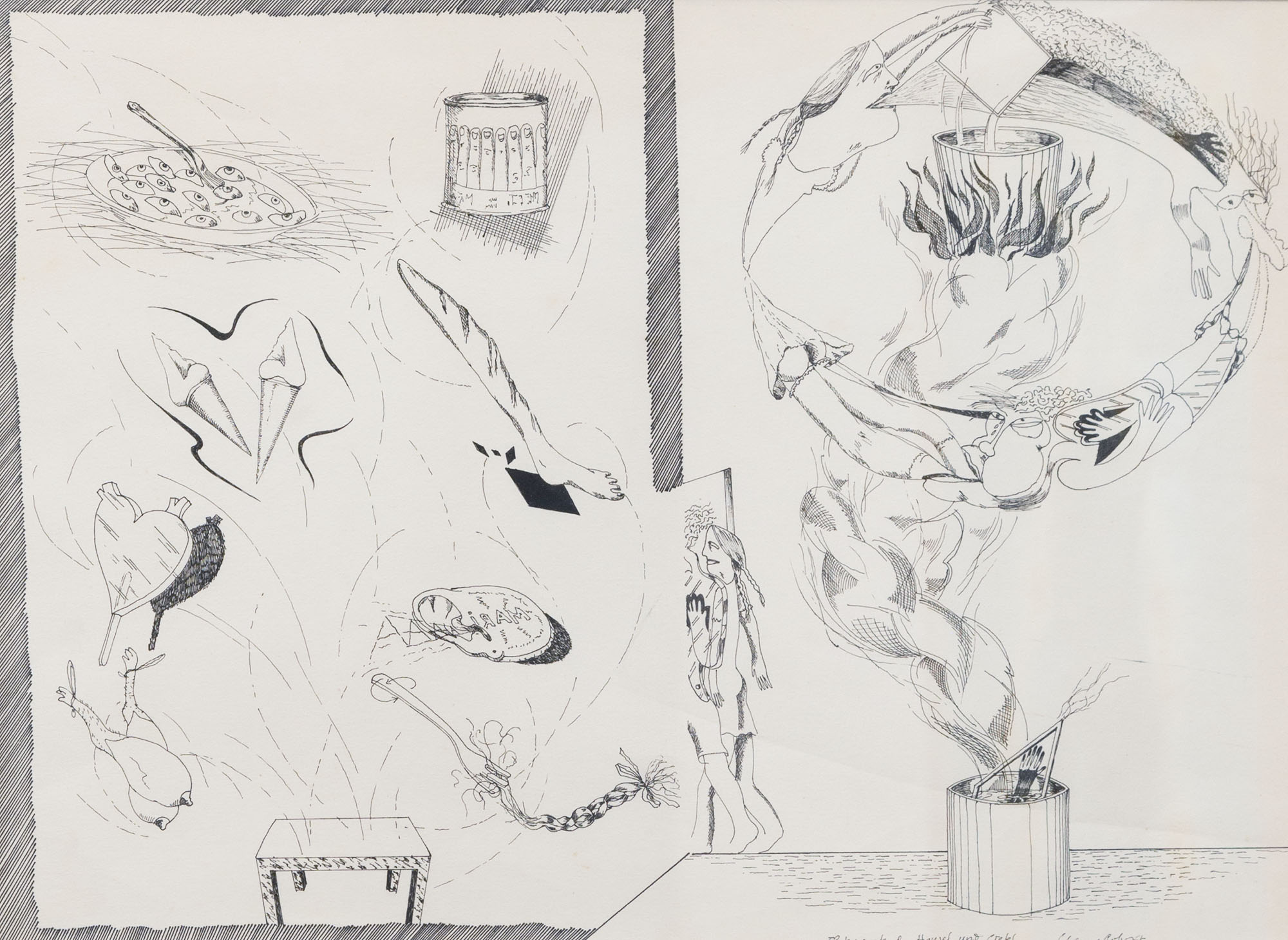
Cobo takes writing into painting in ways other than texts without the use of words. He paints the Iliad, Metamorphosis or Alice in Wonderland, he project images for Hansel and Gretel and a sort of “Caprichos from the poetry of St. John of the Cross. The artist says that he prefers to be a traveller like Montaigne, without moving too much, just imagining or dreaming.
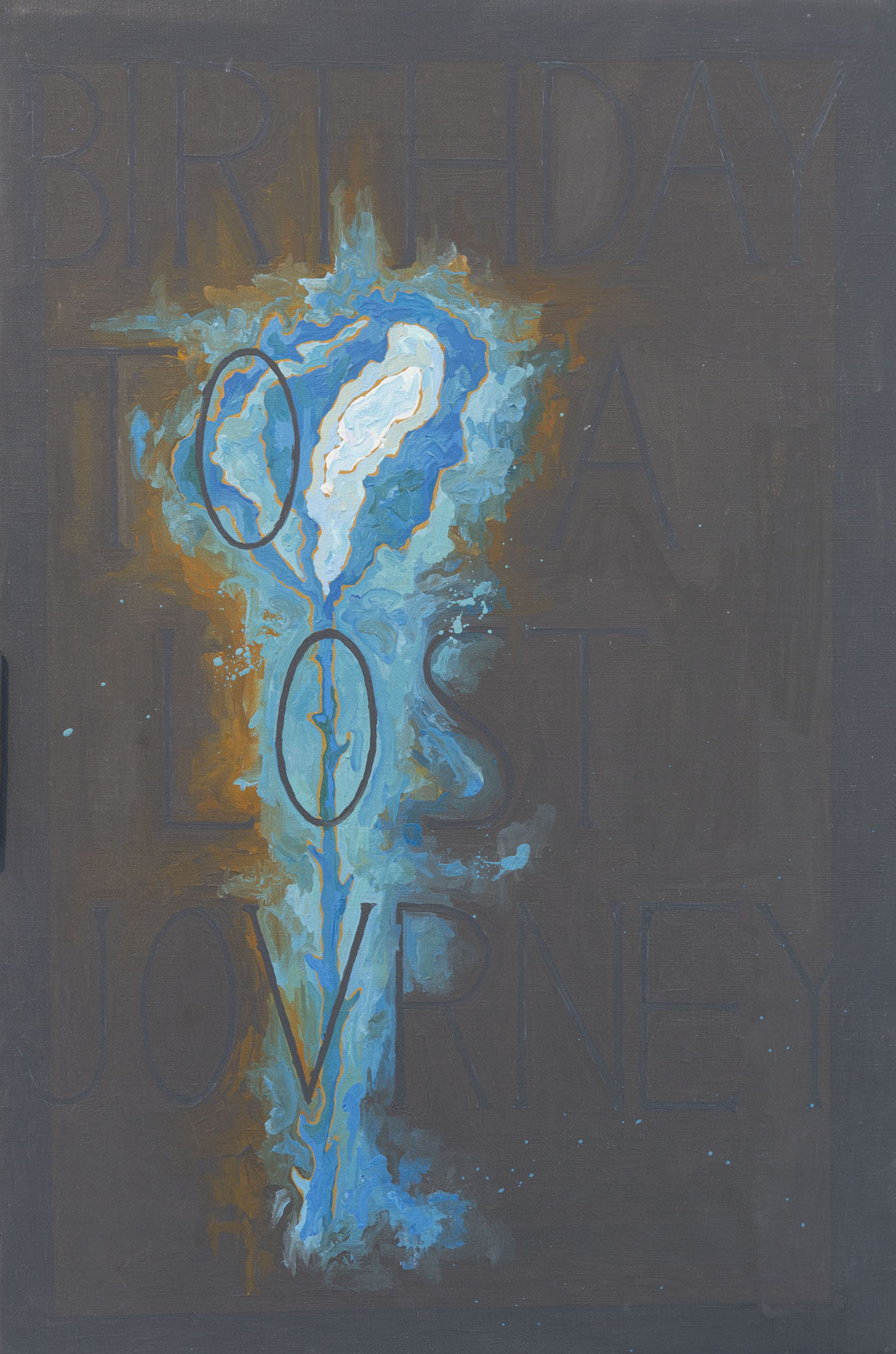
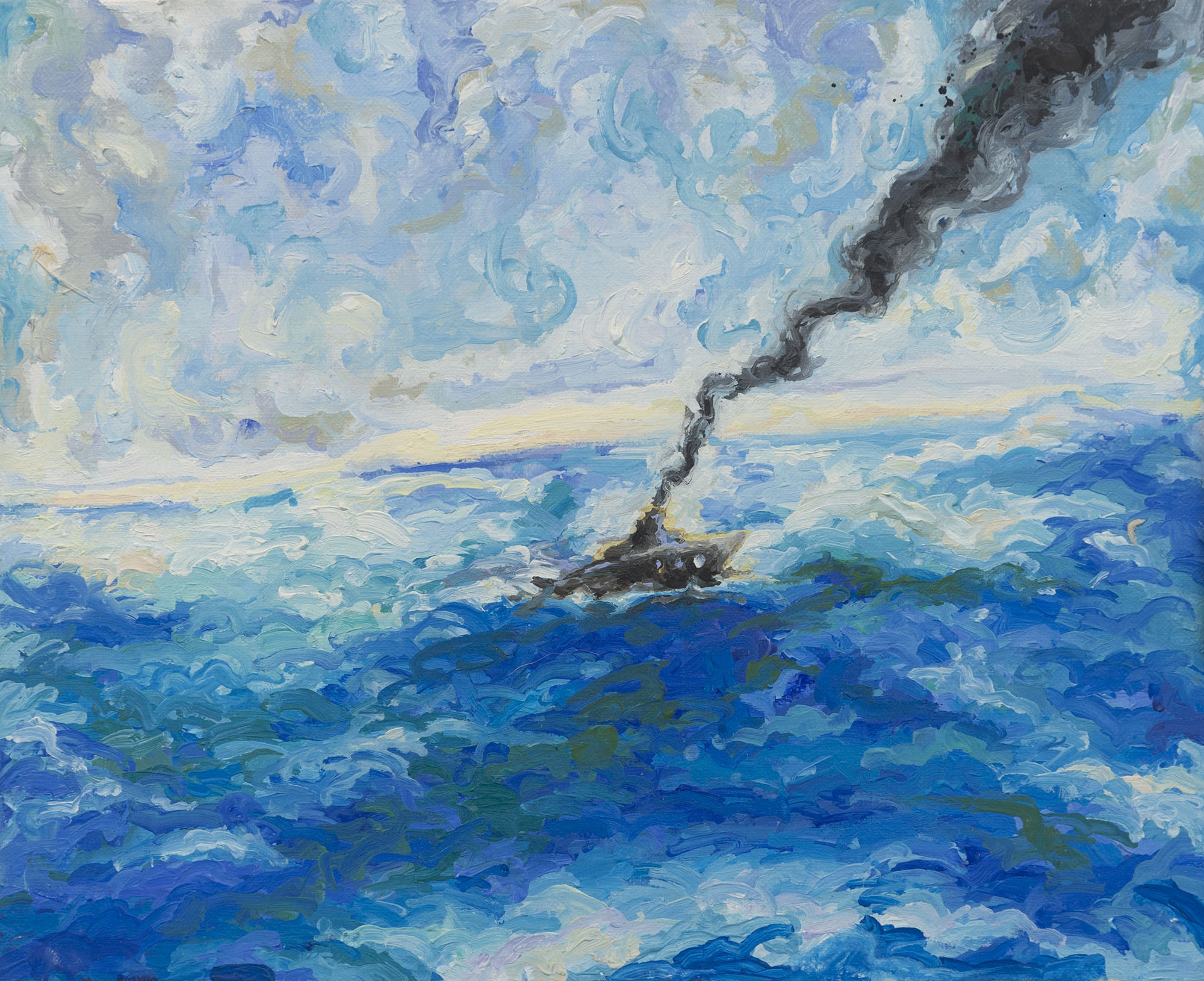
While living within the mechanism of the interrelations between the pieces of the painting, Cobo’s textuality has other ends His paintings bear titles that condition our reading. The name given to each work is not a marginal or peripheral element, it converses, coincides or rivals the pintoric text He also states that he loves putting titles like “to be gazed at for fifteen minutes, never less” or “only after twenty-five minutes will the gaze reveal something be seen”. In this way he contributes in the creation of a meta-fiction of the space. In the plays on words, the use English is fundamental because its phonetic ambiguities can be addressed from the other side of the image while the text is revived with every reading.
CINCO ( The strange consistency of writing. This is the Blank)
When Chema Cobo attaches his paintings to text he is provoking an instant of rearrangement of the aristic reality. The works become a version or appendix of them from the figure of the paratext, specifically that which is circulating around what Genette calls the epitext. By moving the focus to the textuality the expositive space becomes an extremity of the writing, a stretching or prolongation which brings a new warp and a new appearance for the lecto-spectator.
The intermedial moment that occurs in Chema Cobo’s works appears to create an inverse ekpharis when the painting suggests a submerged book . At times we discover what it is and we are invitesd to read it, others involve a simulantaneity or juxtaposition of texts. As part of an iconotextual turn, Cobo also constructs a third syntactic plane, another modality of message that transcends what we see before us. This happens, for example, with the words that are not in the painting of Victoria Chang’s poem that appears at the head of this text but are superimposed during its reading to consider “a thirst everywhere, even in the sweet crevices of the mandarin”. Deleuze says that in Proust, Vinteuil’s phrase weighs more than the madeleine and all the paving stones of Venice. To return to the word is the purpose says Cobo, who faces the weight of it as if it were a door to go in and out of a blank surface.