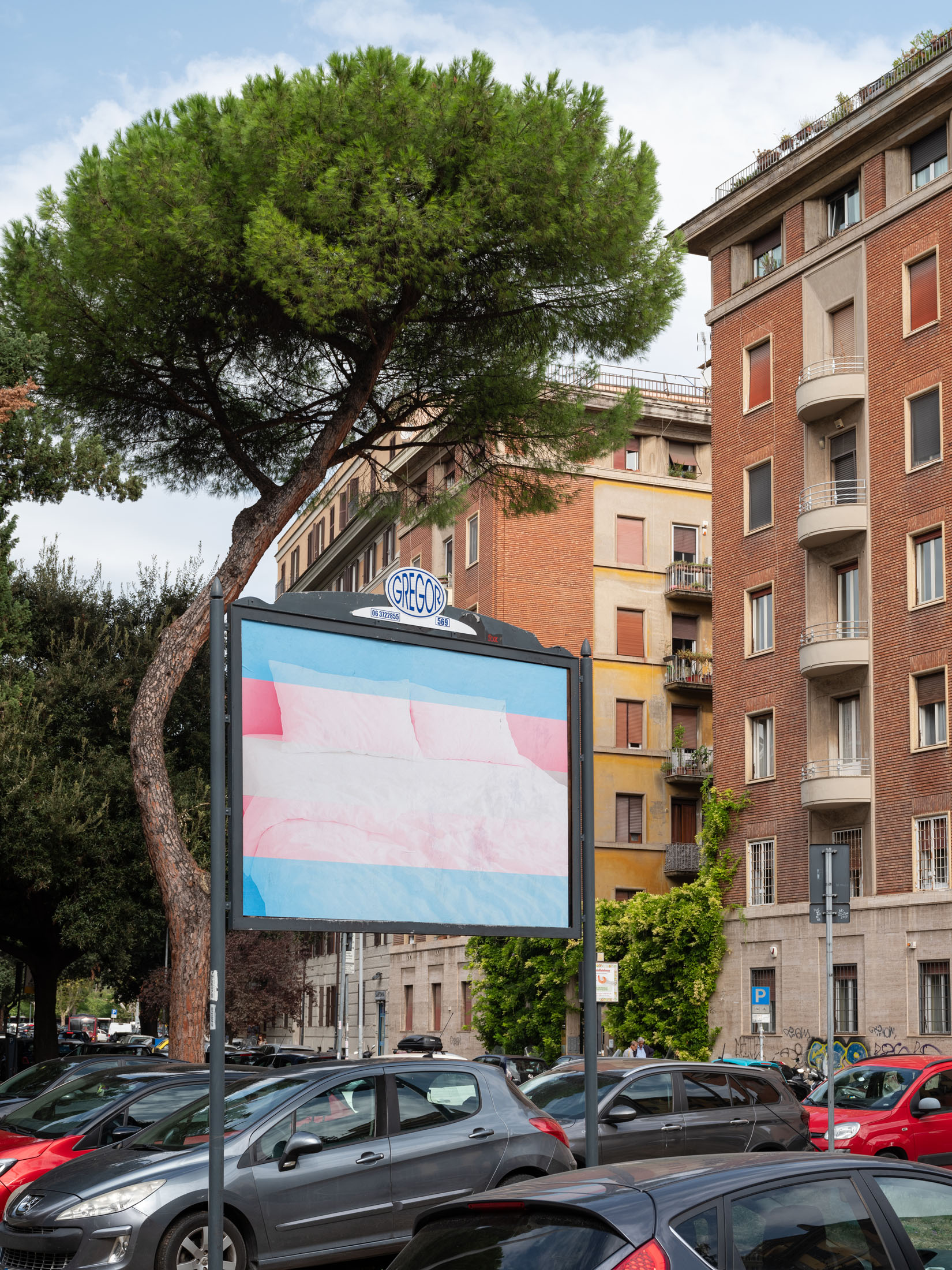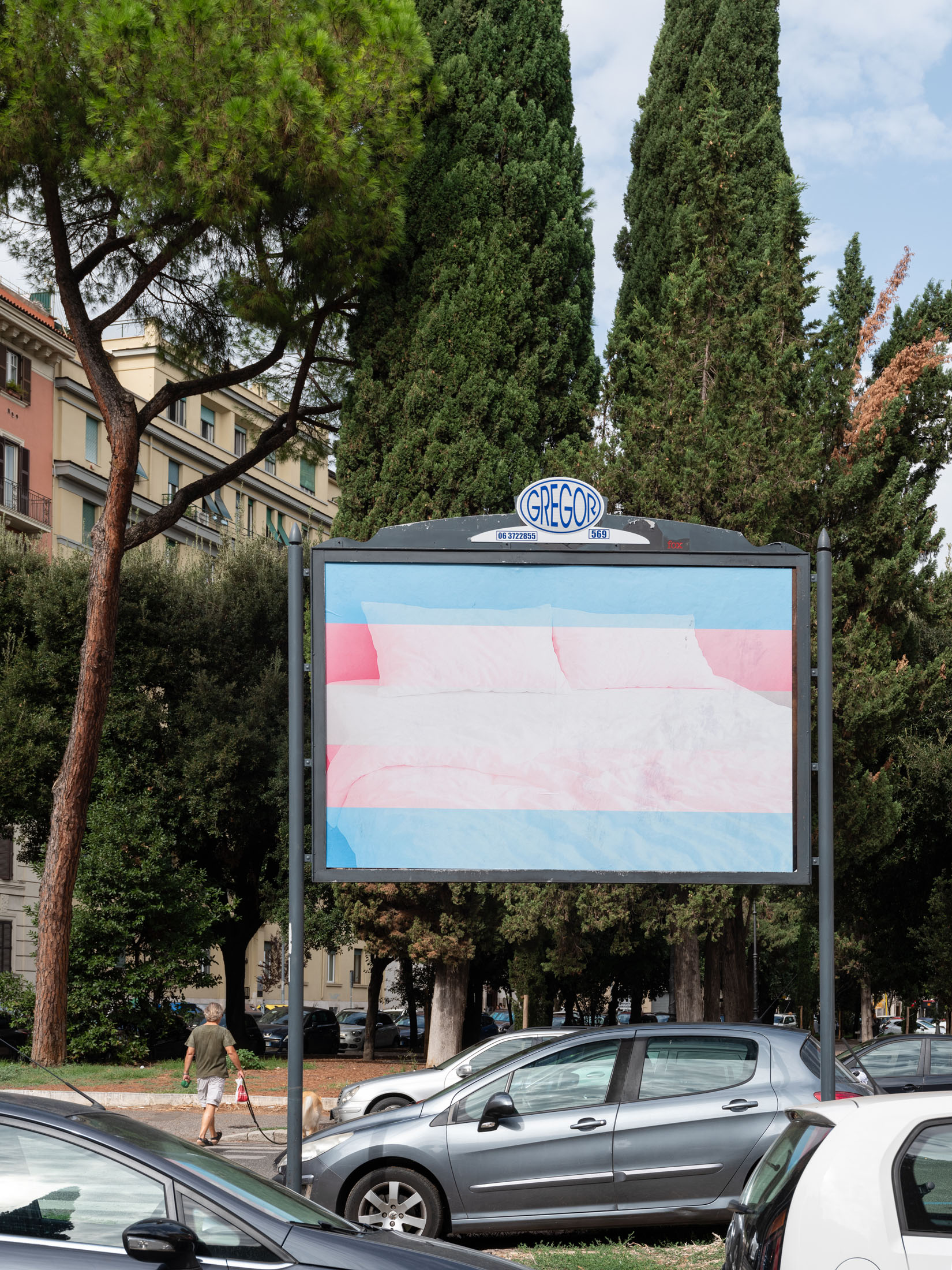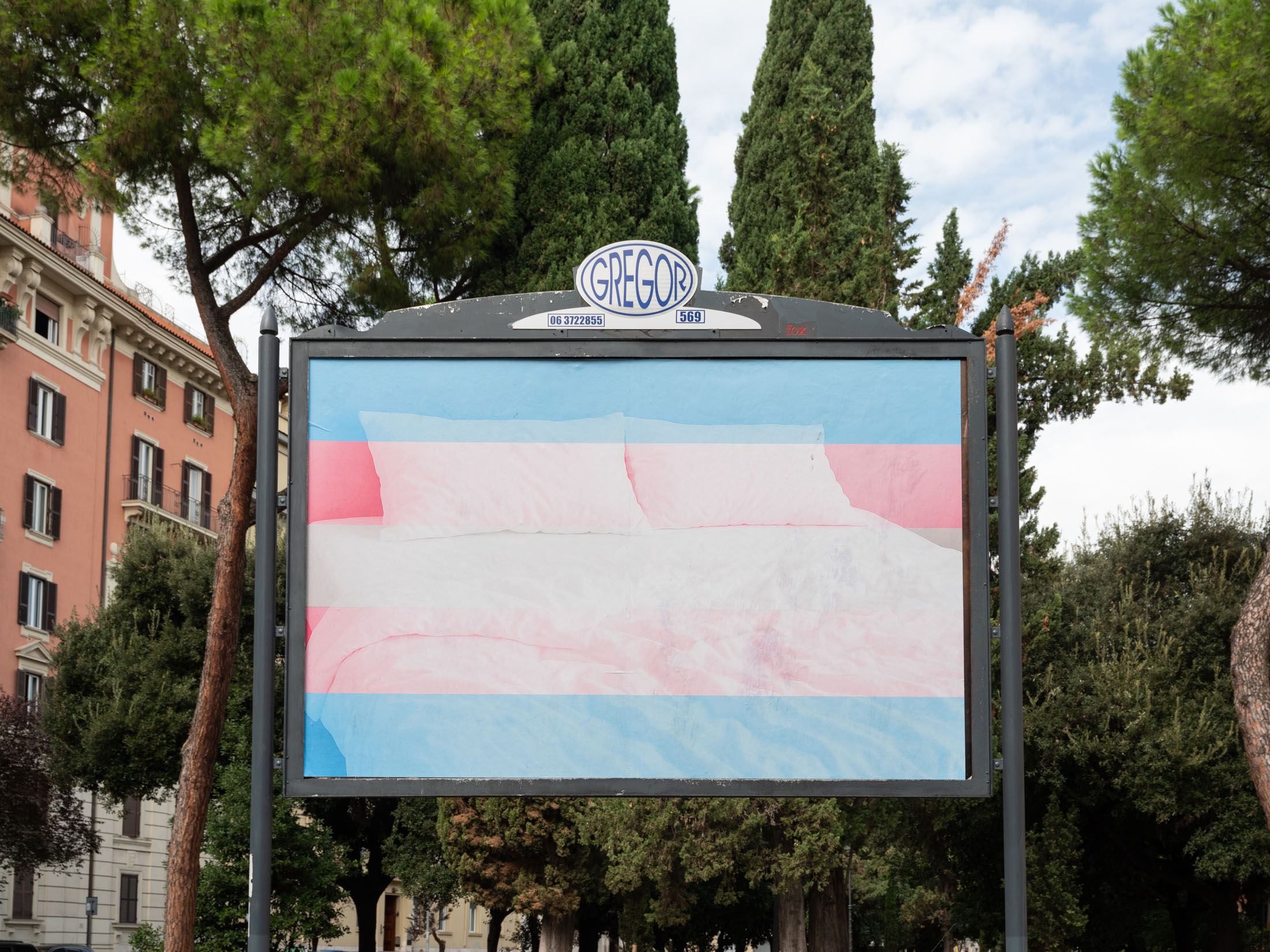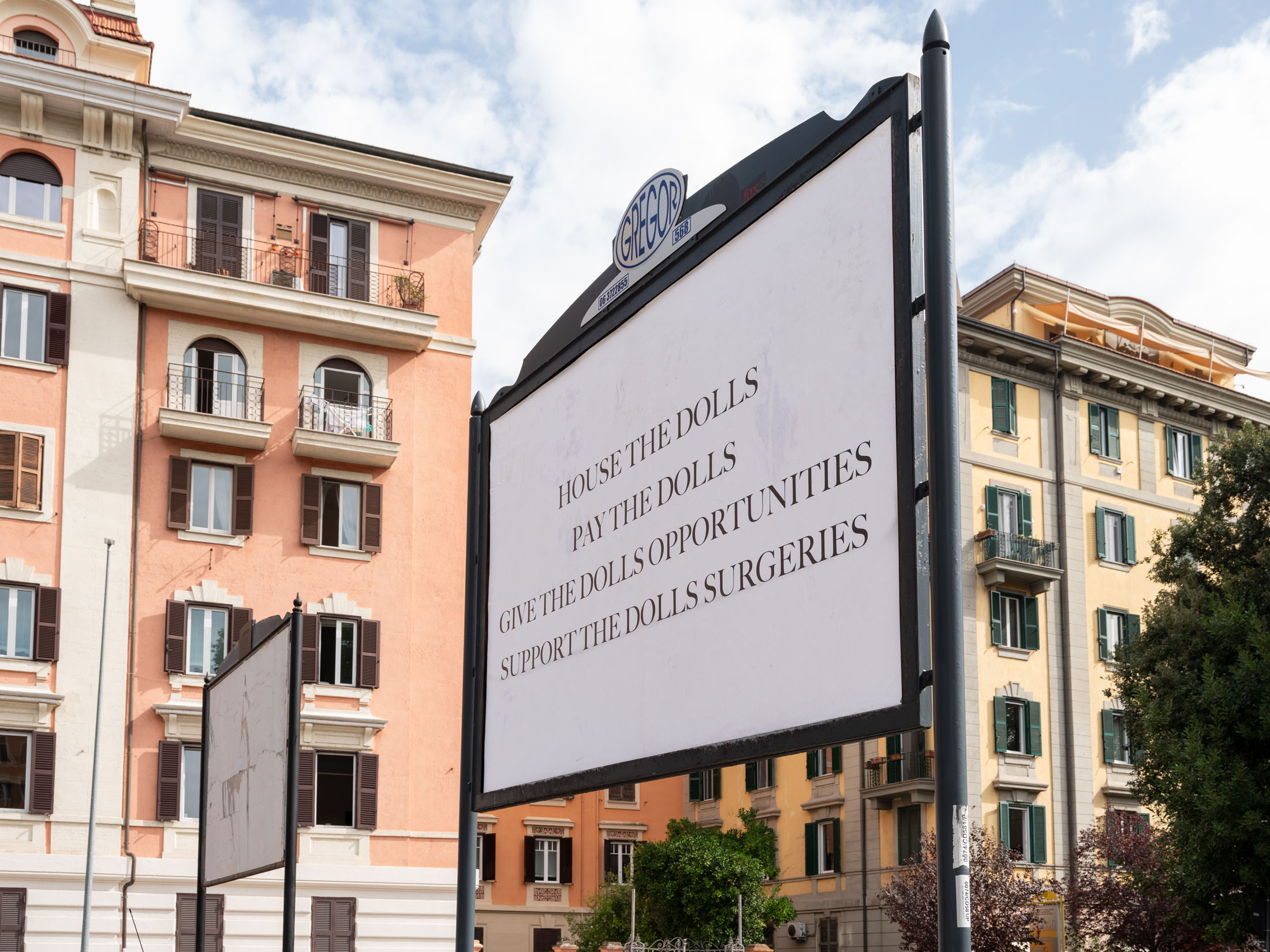
Underground Assemblies and New Tribes
Ilaria Marotta and Andrea Baccin
To get together, be together, share places and experiences, to assemble means to assume an individual posture connected with everything around us, people, ideas, voices, objects, sounds, worlds. “It is impossible to live without assembling our lives,” writes the philosopher Emanuele Coccia. “To live in the world is to assemble, aggregate, put together presences and ideas. The assembly coincides with the form of the world and with the process through which it comes together.” It is a process of exchange and reformulation of the self through the others. It is a reflection between us and what is other than us, which includes everything, from the objects that represent us, to the music we listen to, to the sharing of a space. The assembly is also debate, exchange, common sense. It is a political act, read in the controversial relationship between theater and manifesto, or the act of making visible, highlighting, manifesting. It is the moment in which the passage from being in an individual form to being in a collective form occurs. It is the energy that goes around places and shared experiences, where people gather and where the same rituals take place.
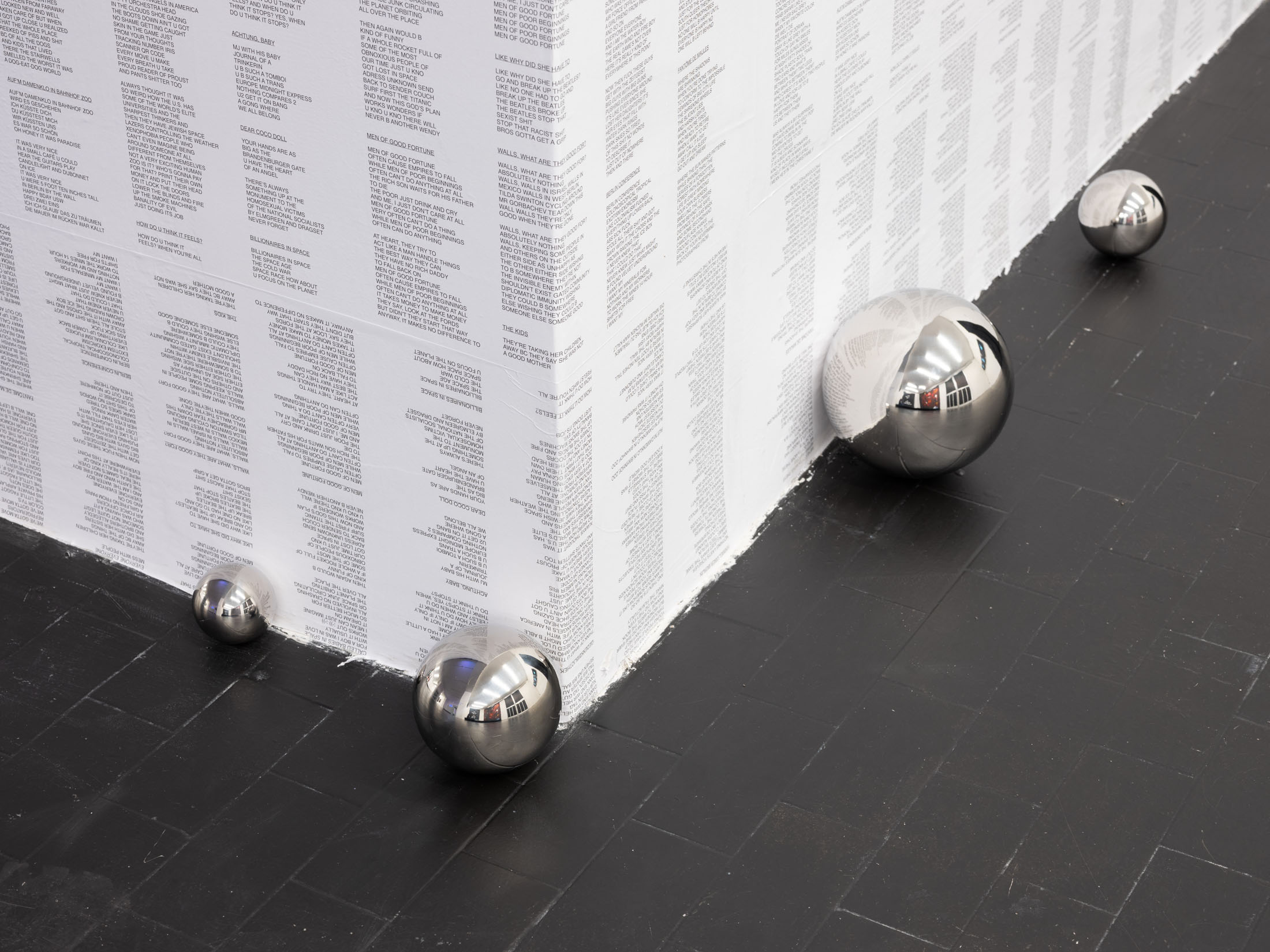
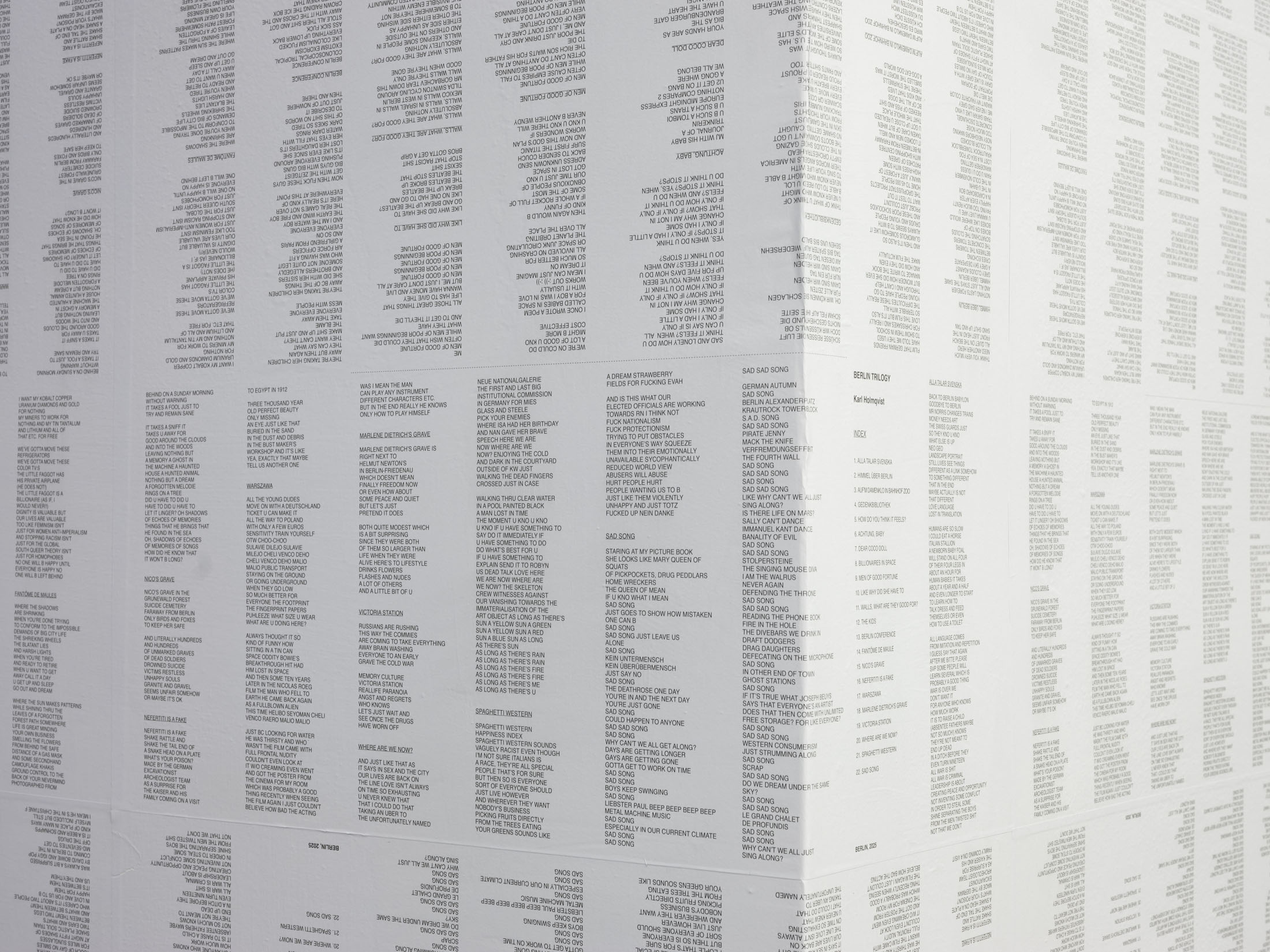
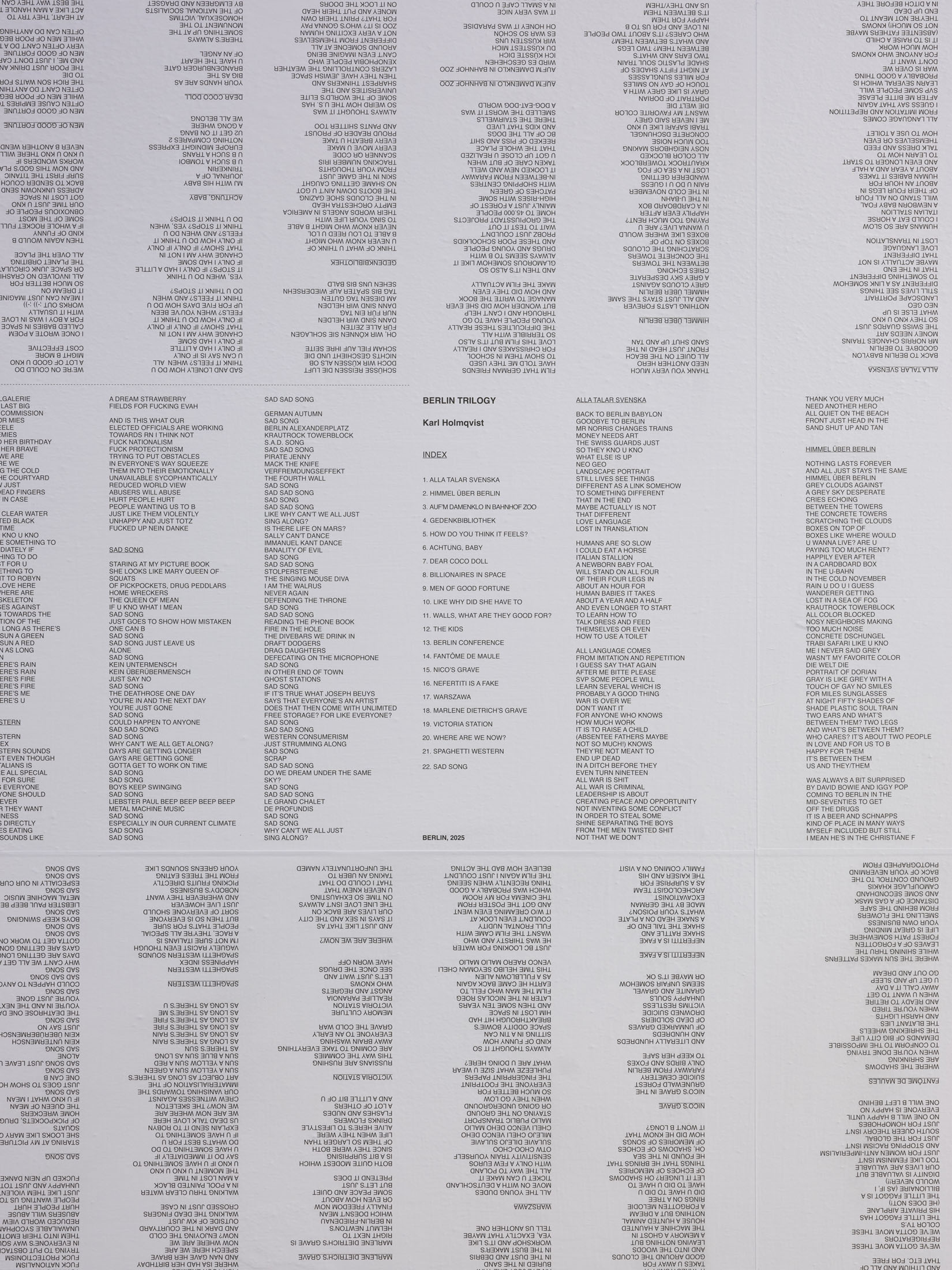
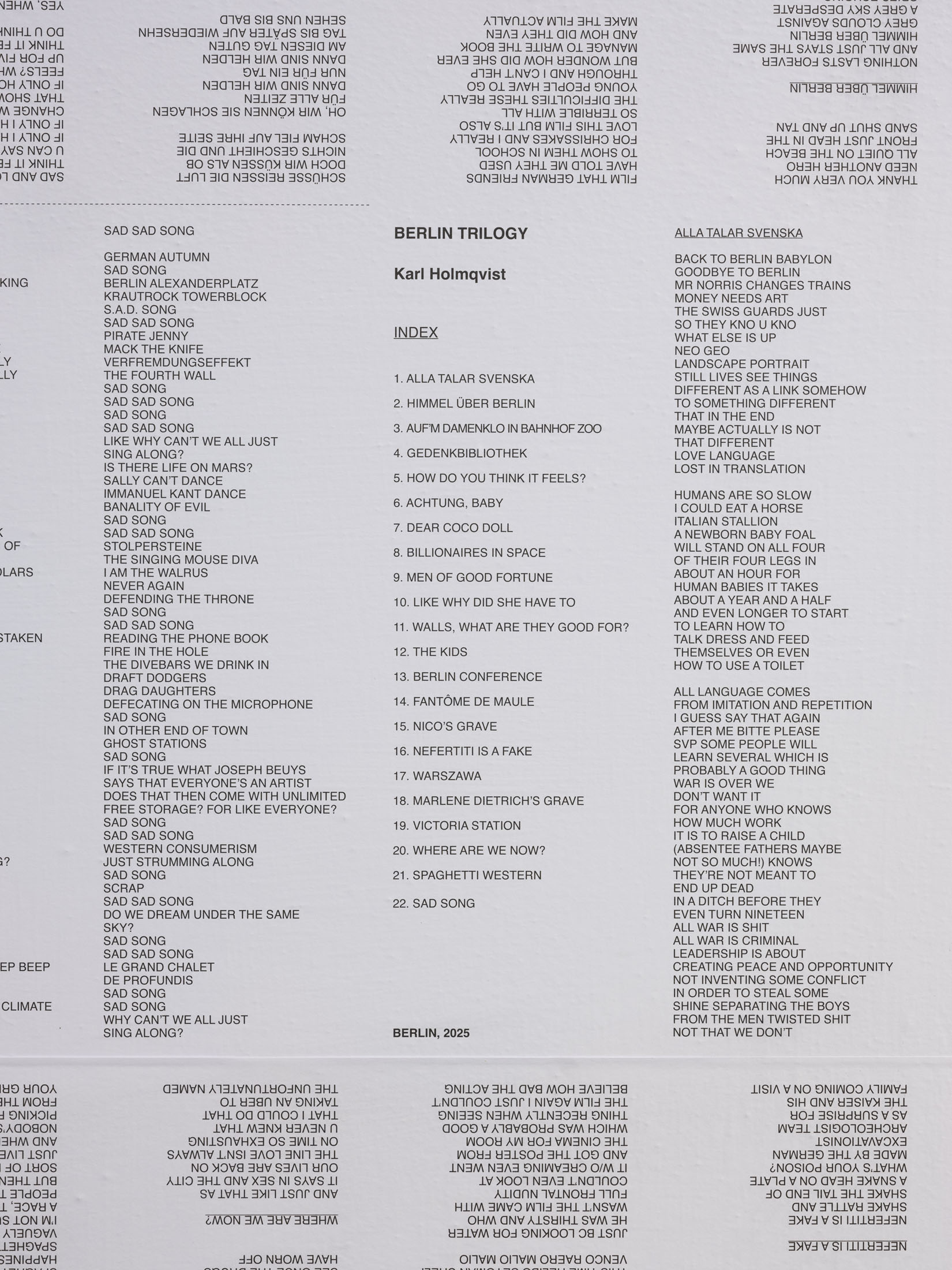
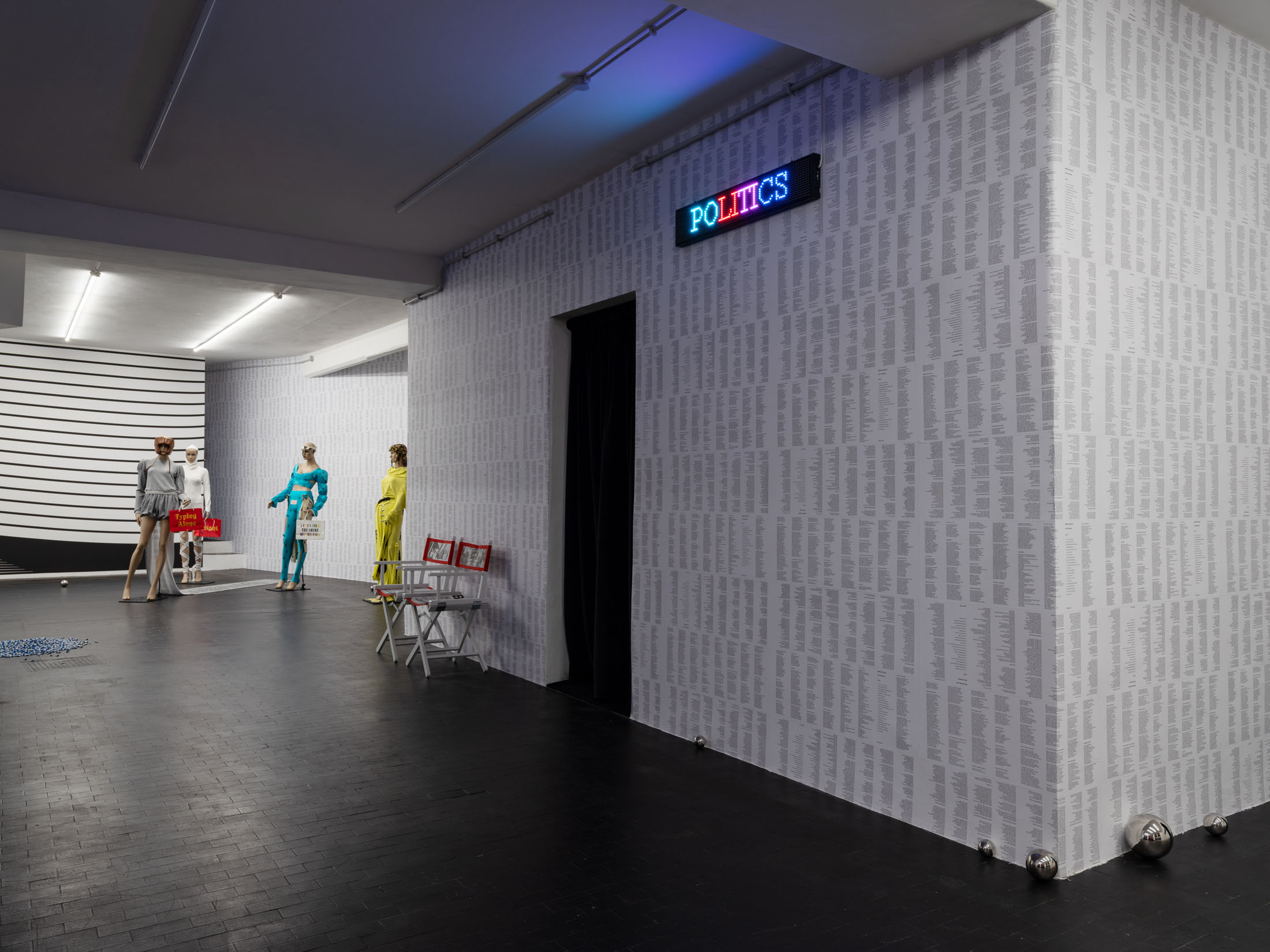
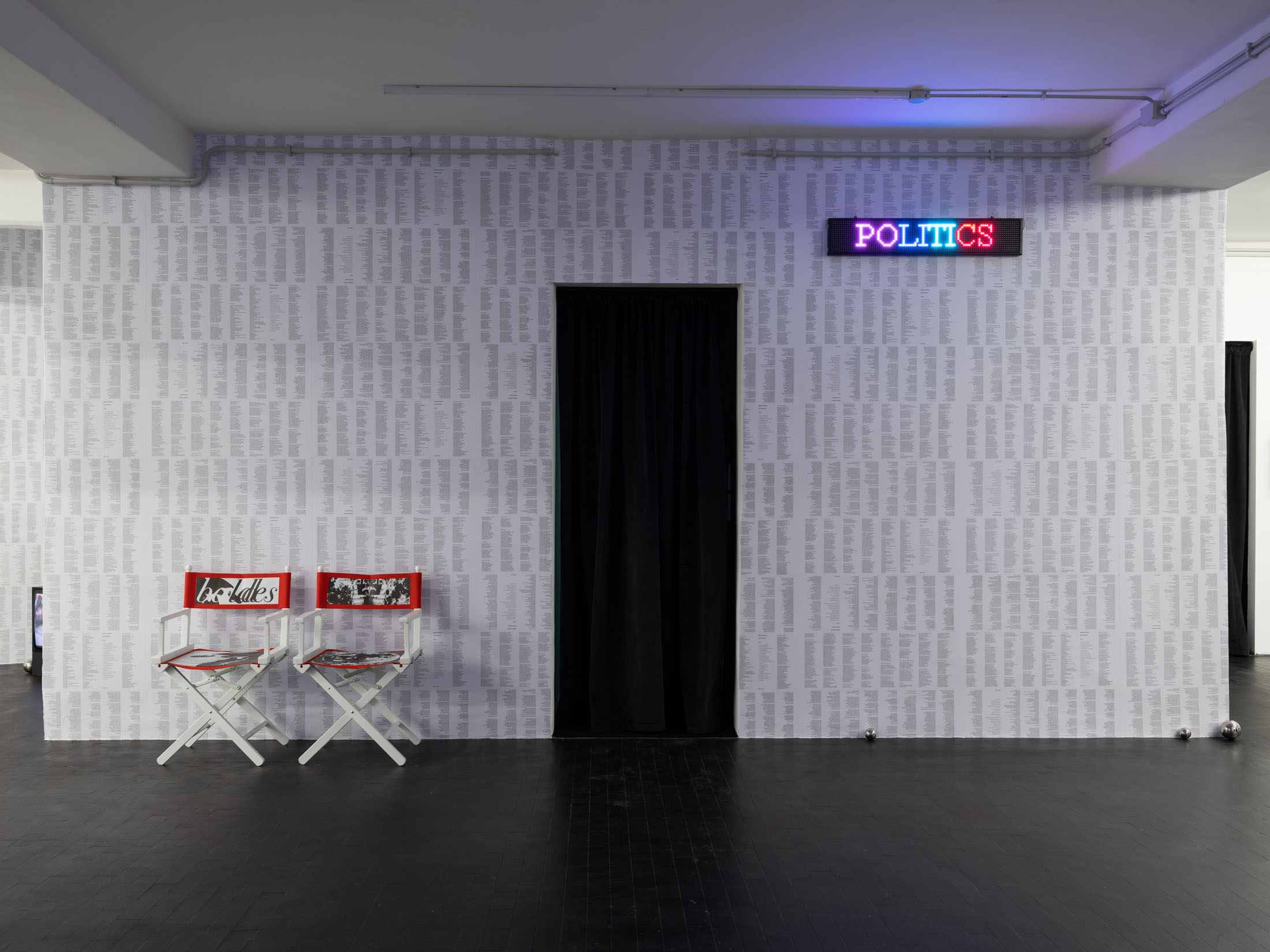
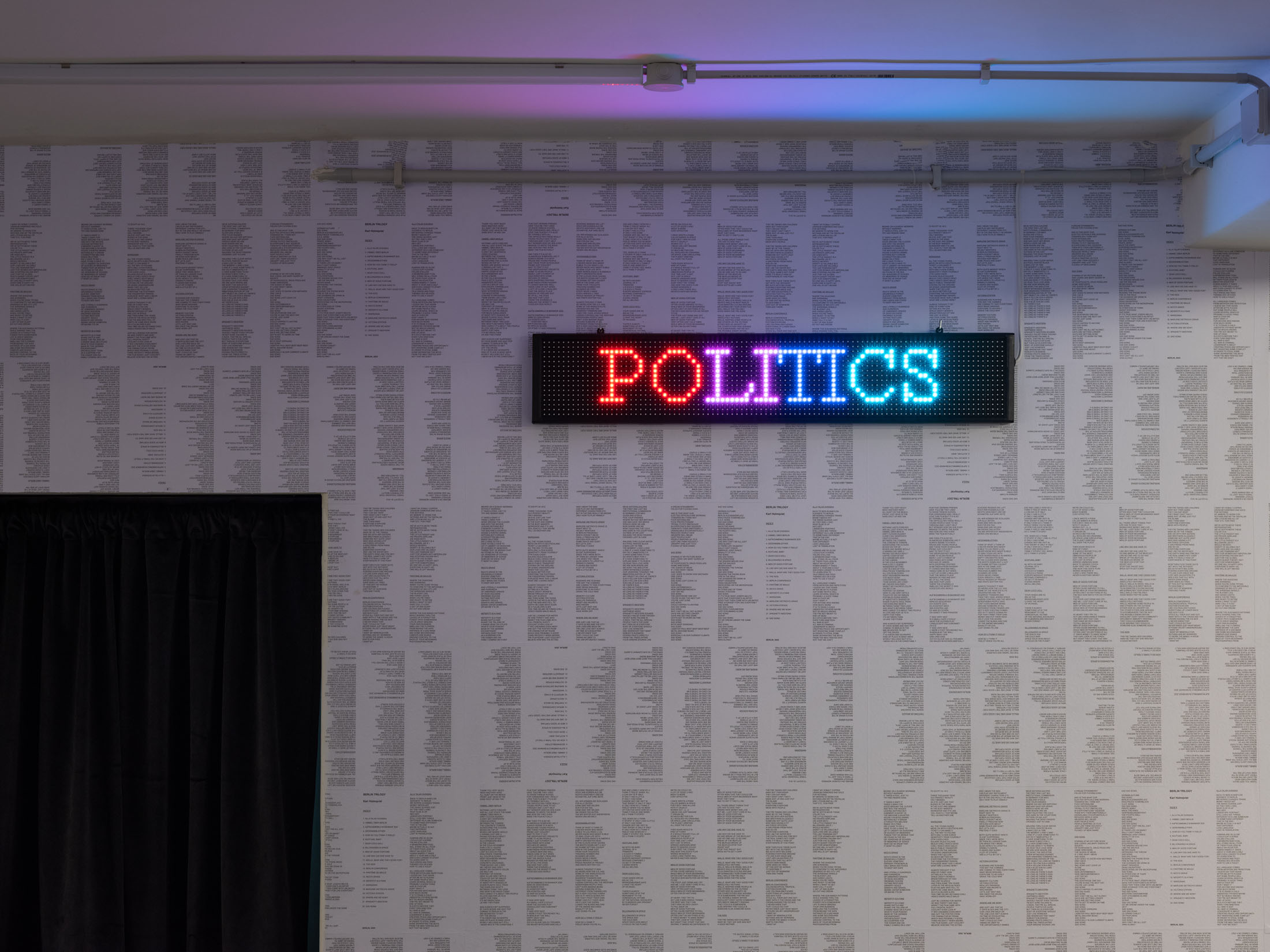
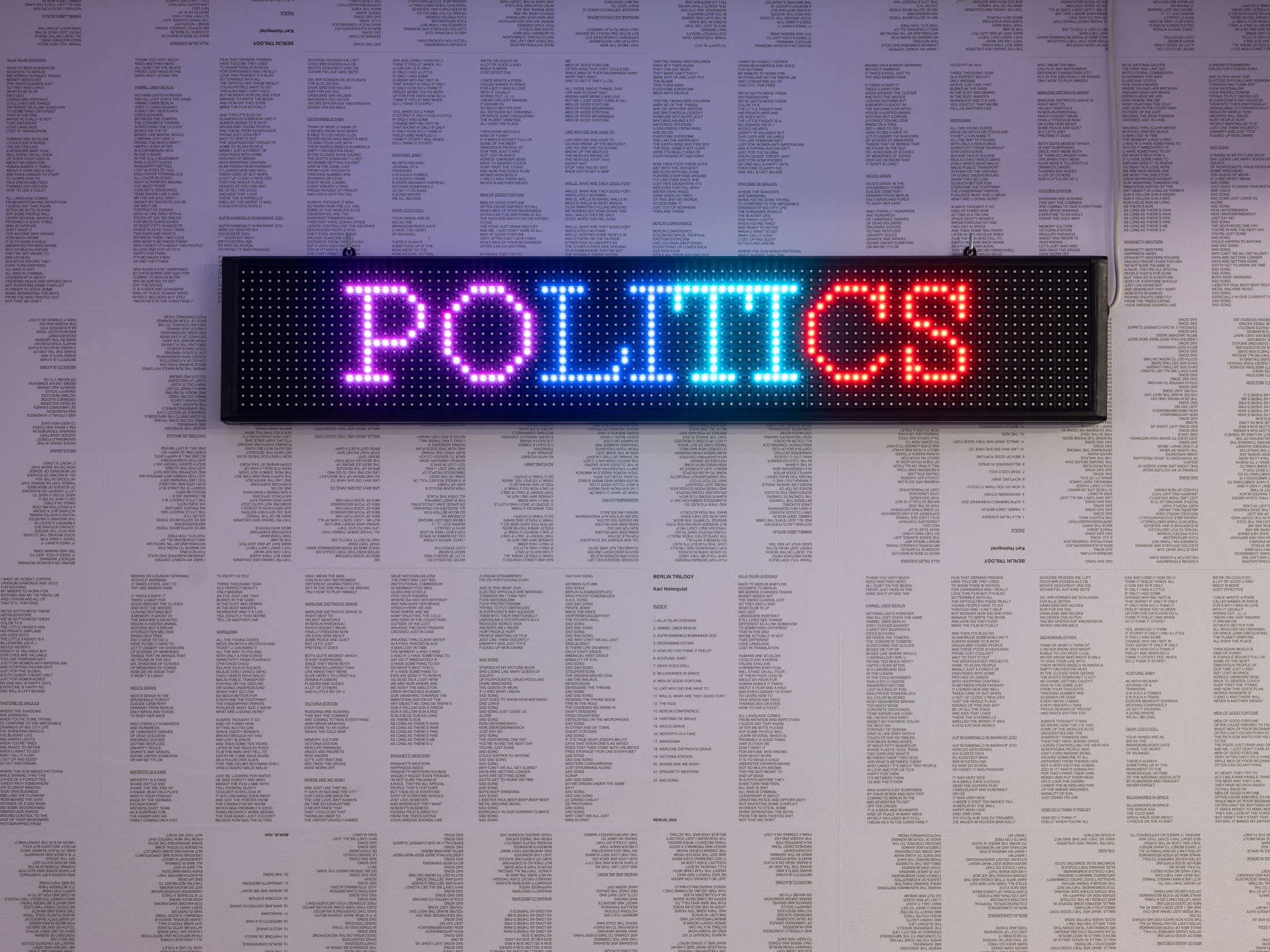
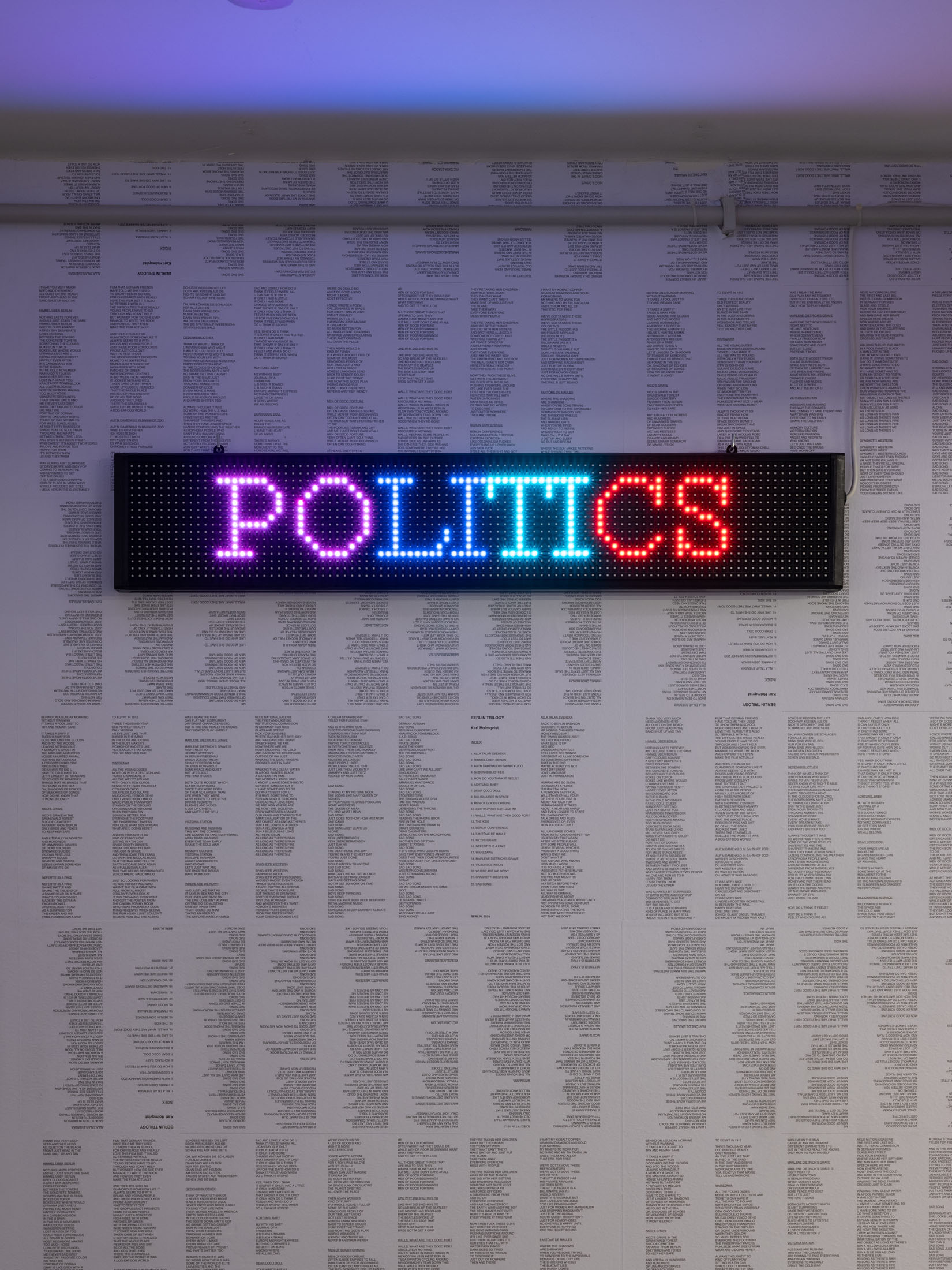
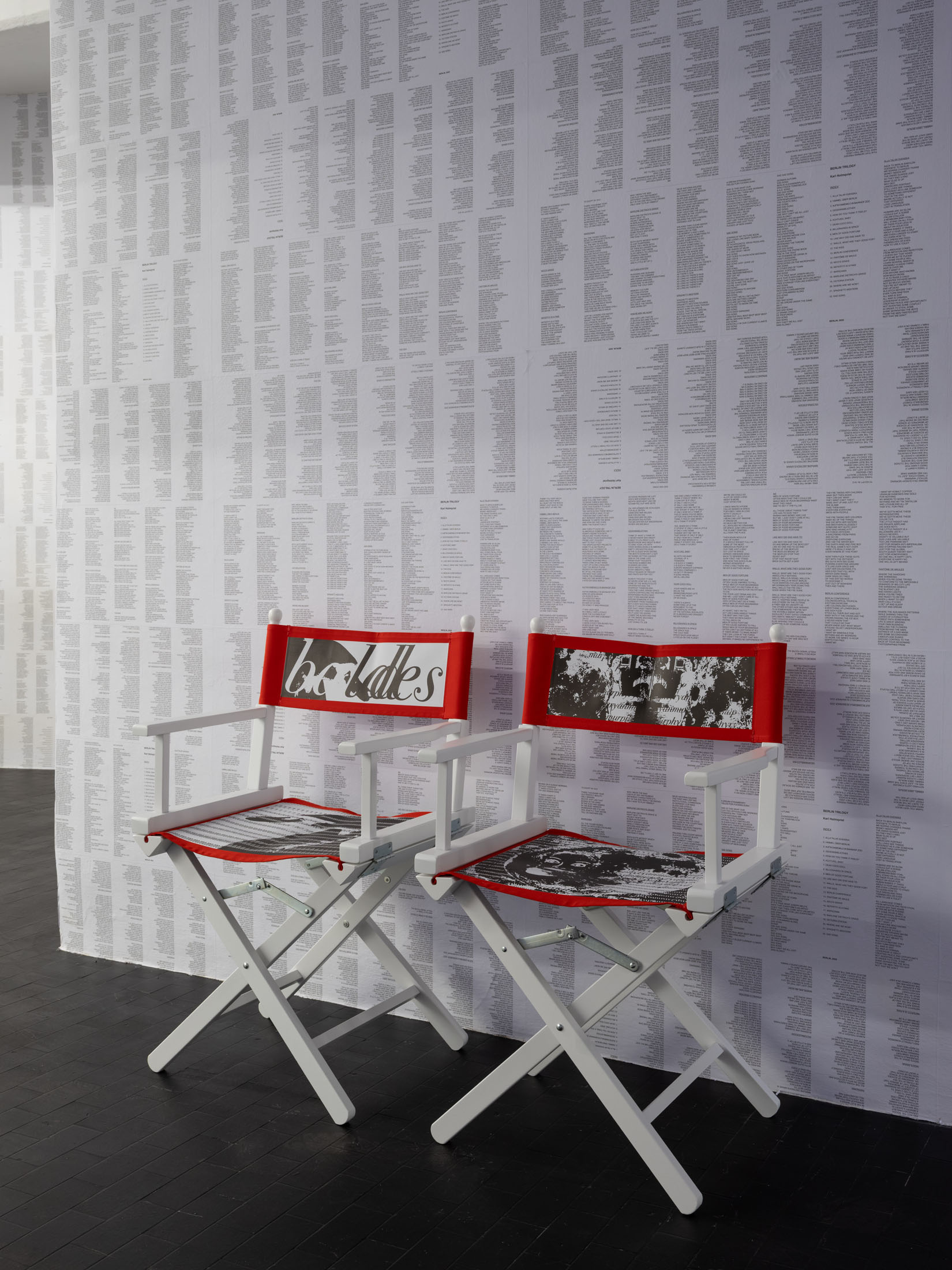
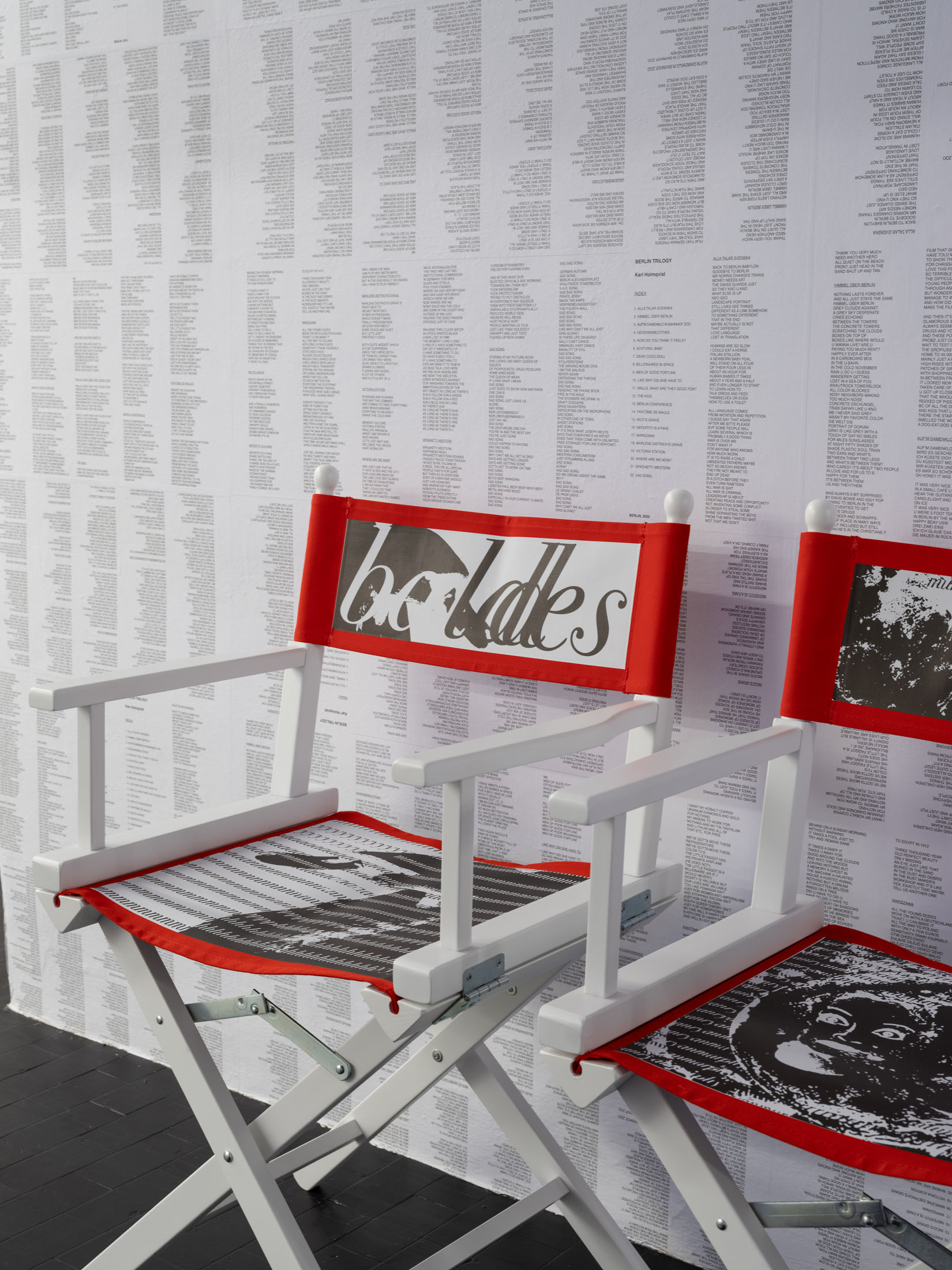
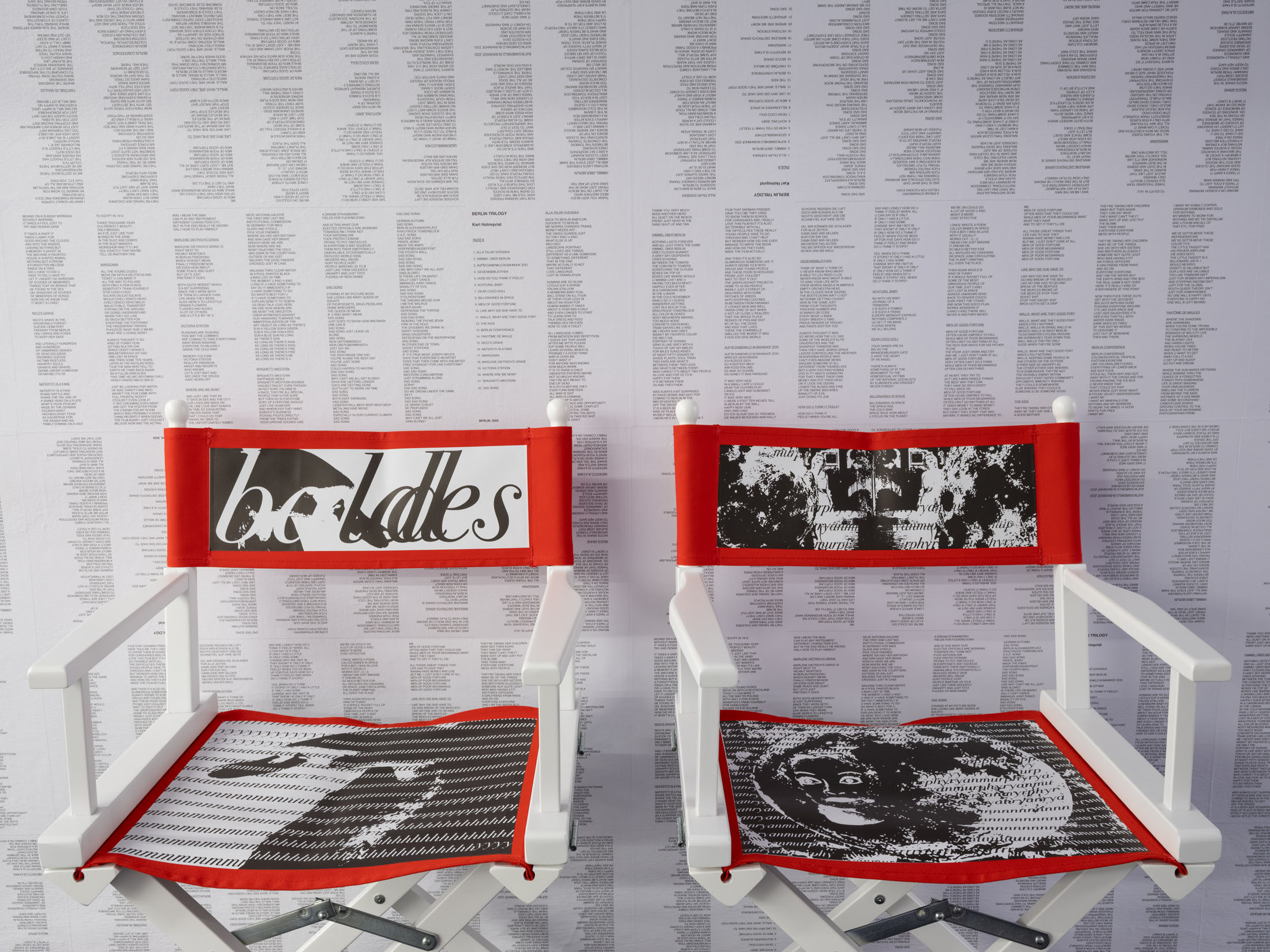
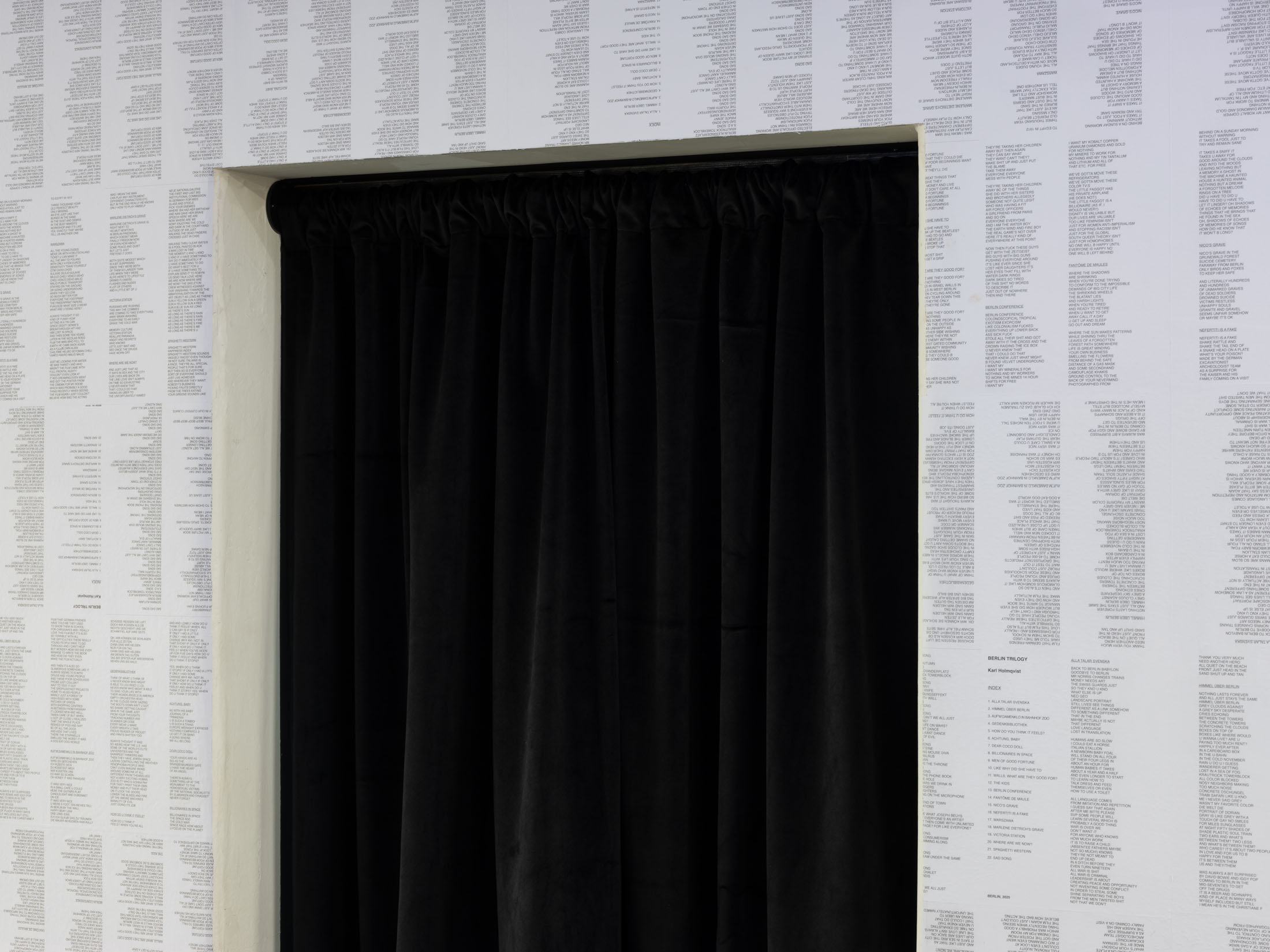
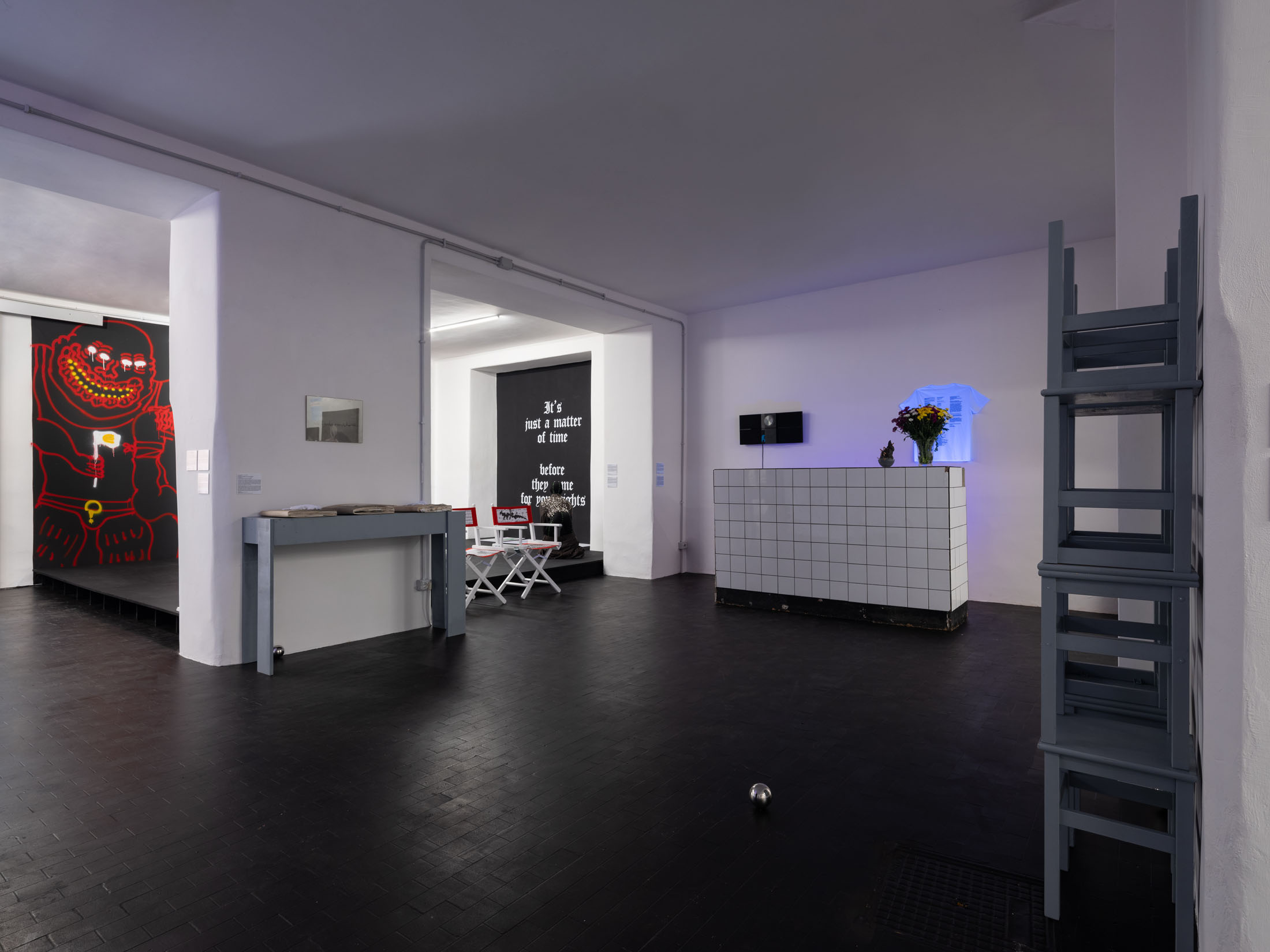
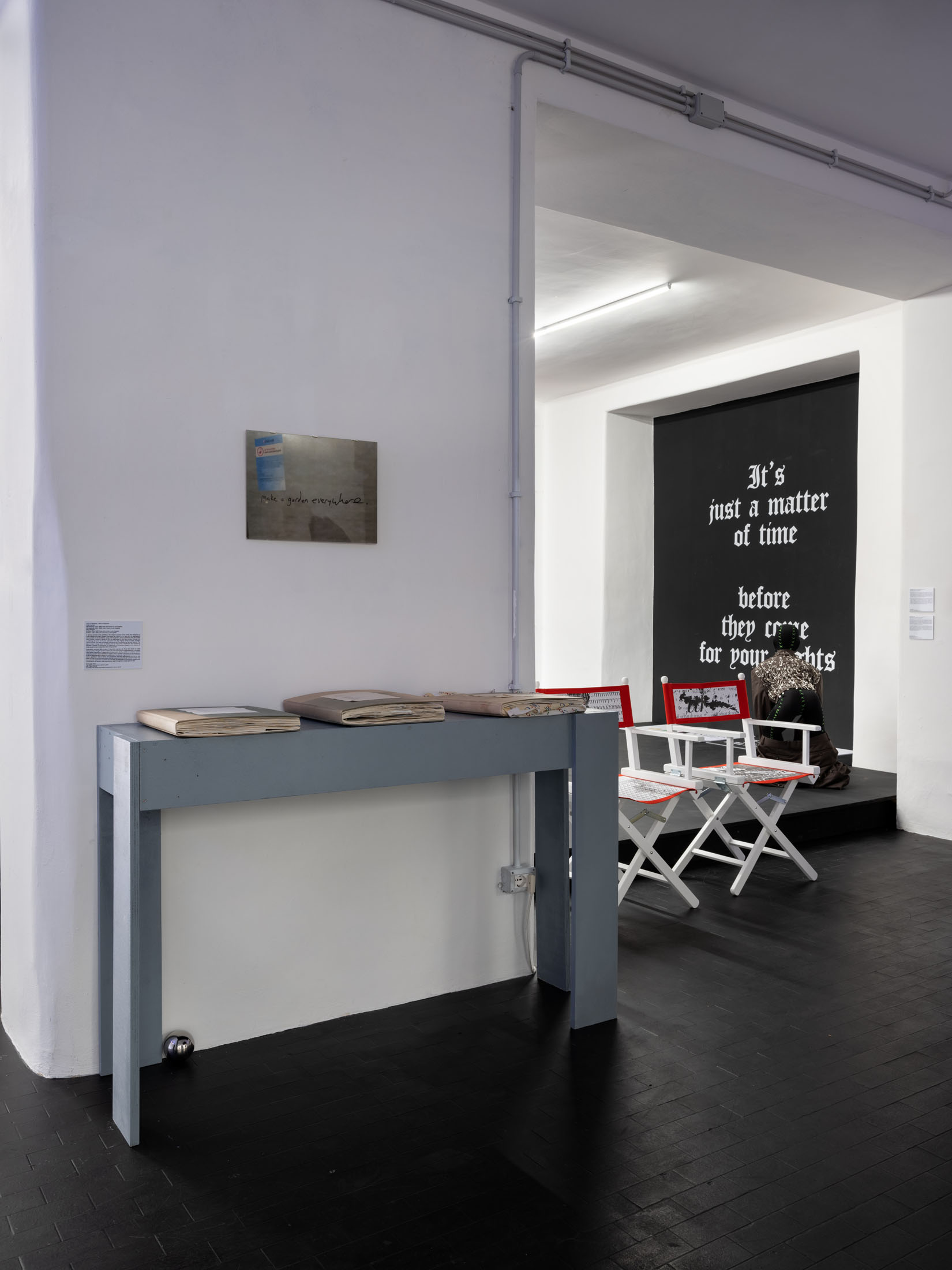
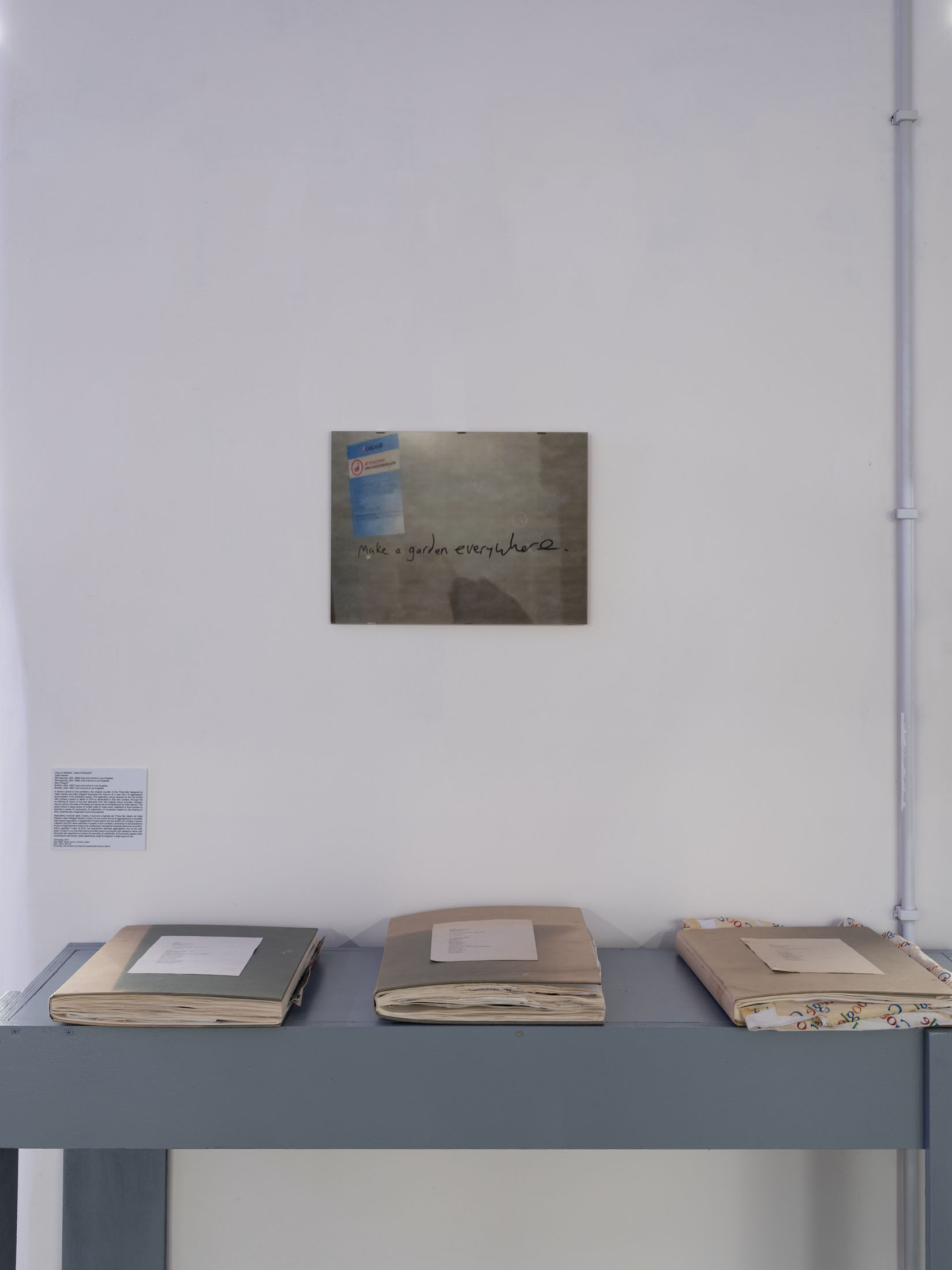
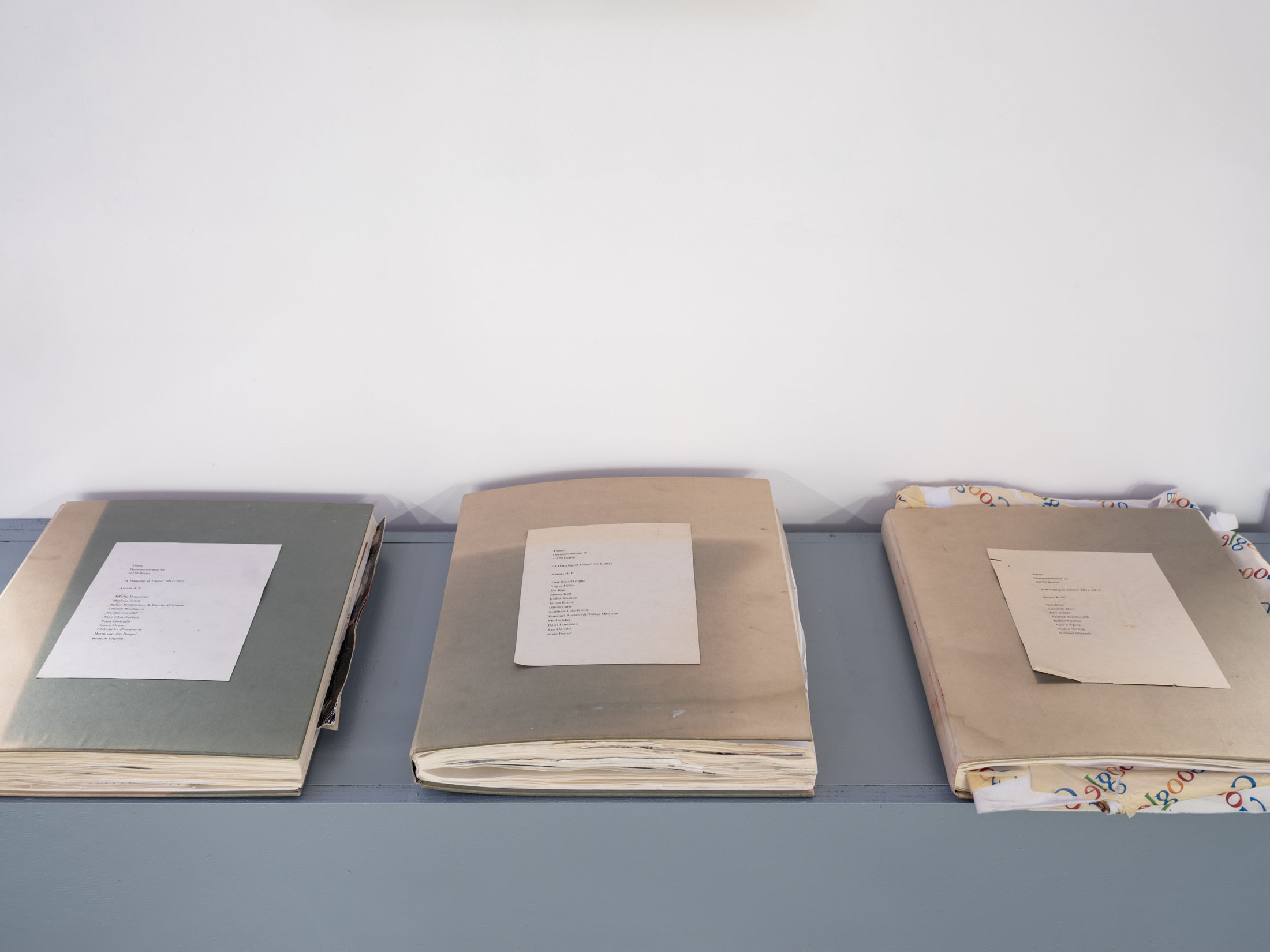
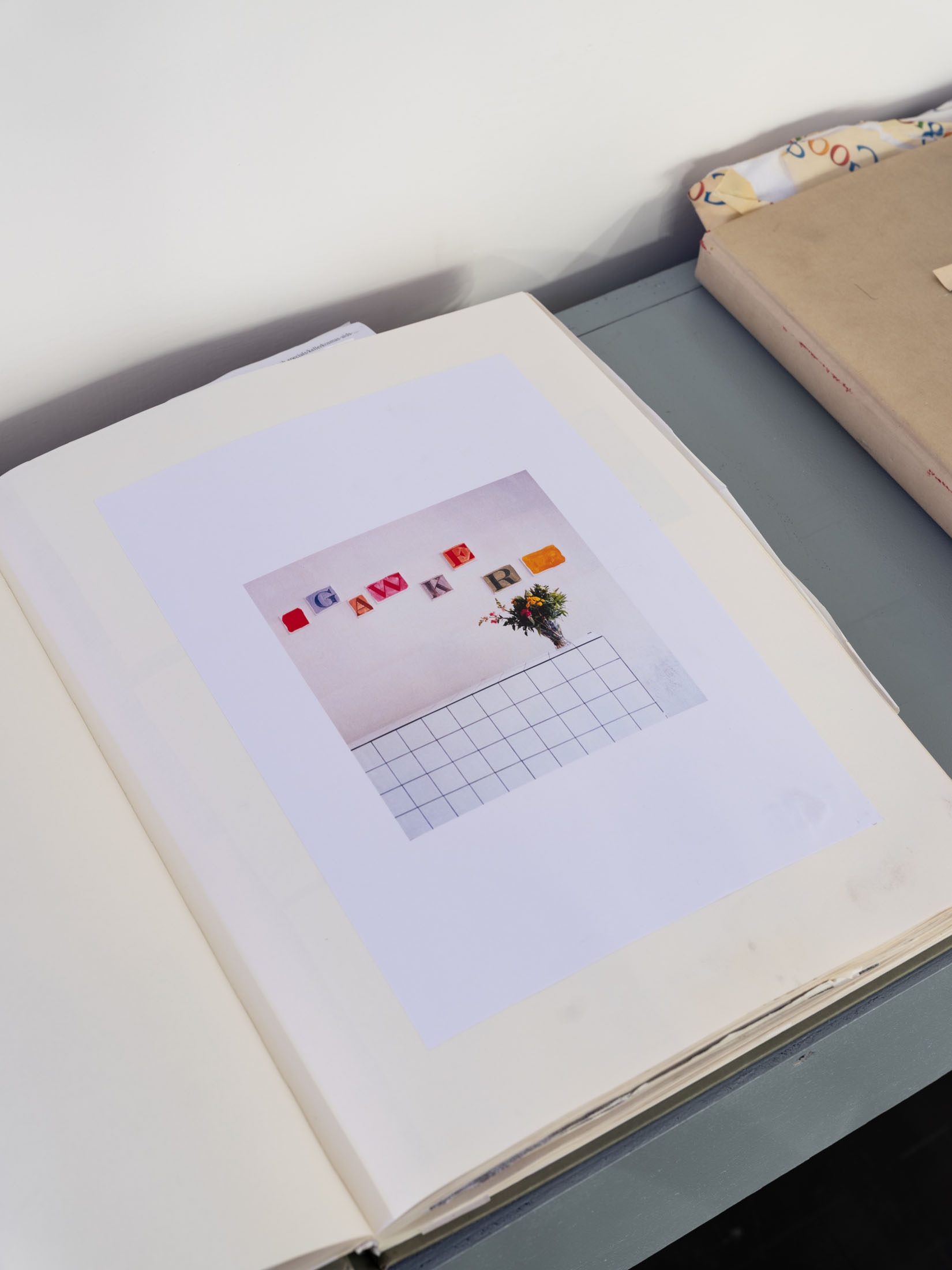
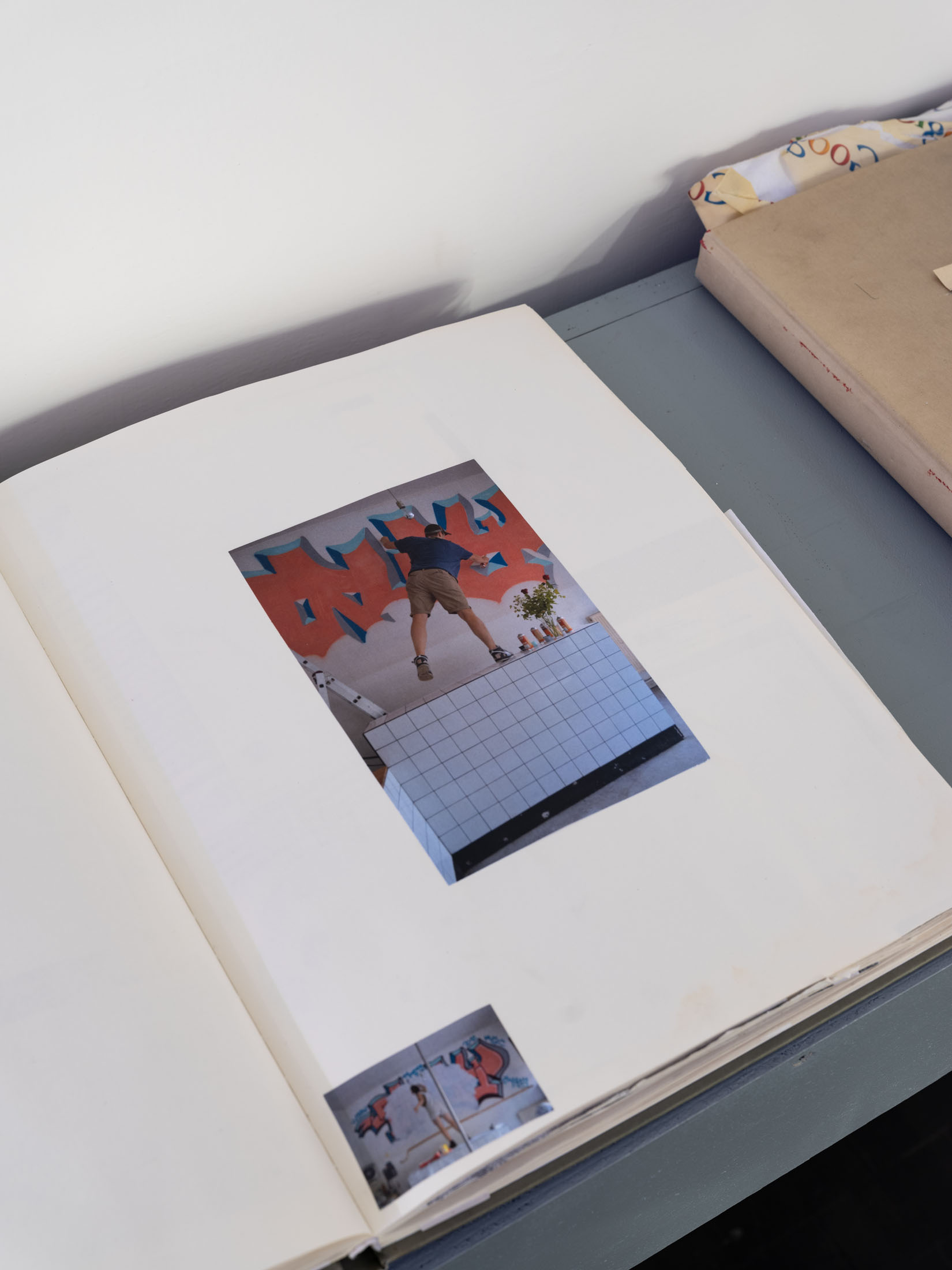
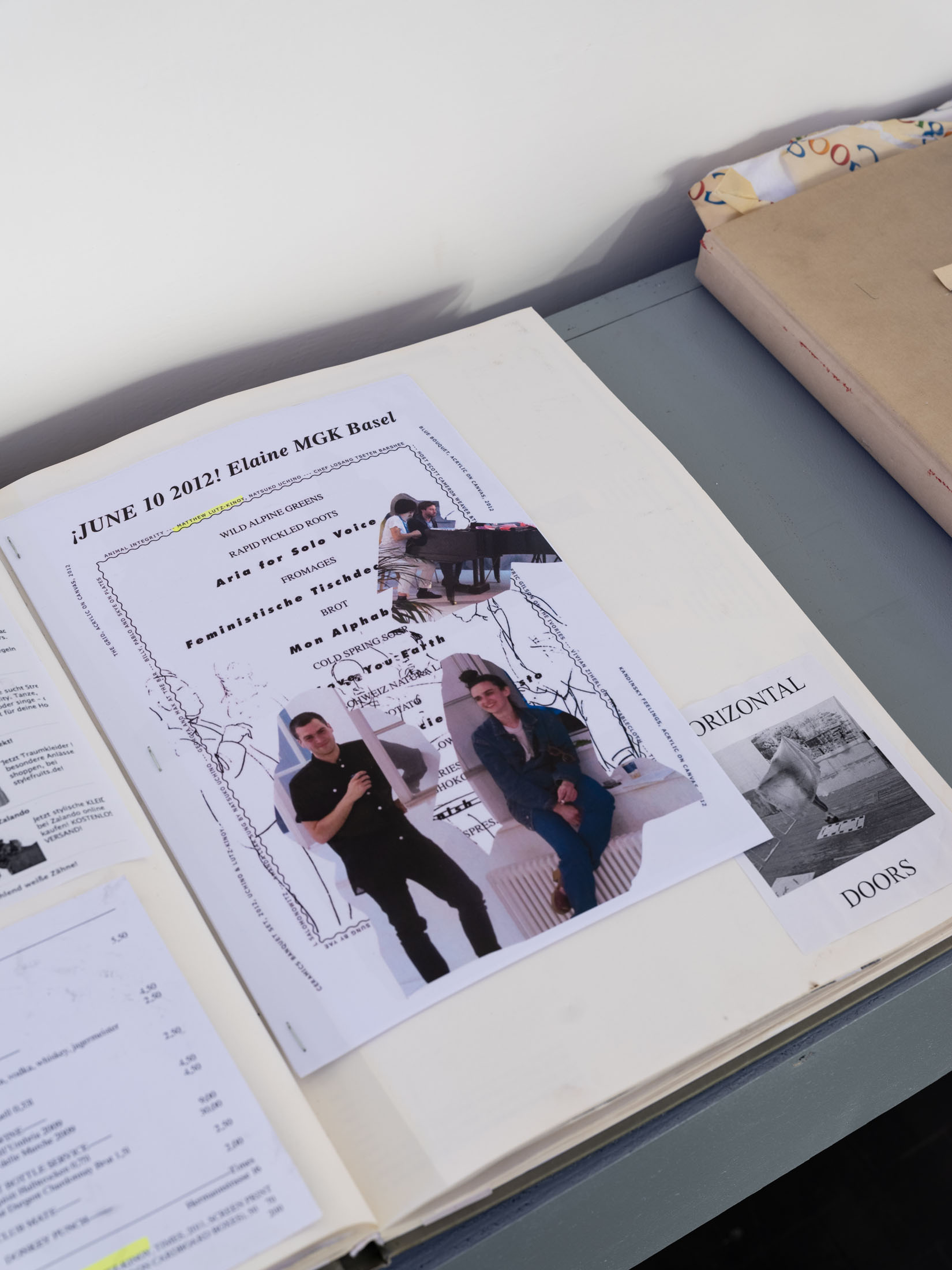
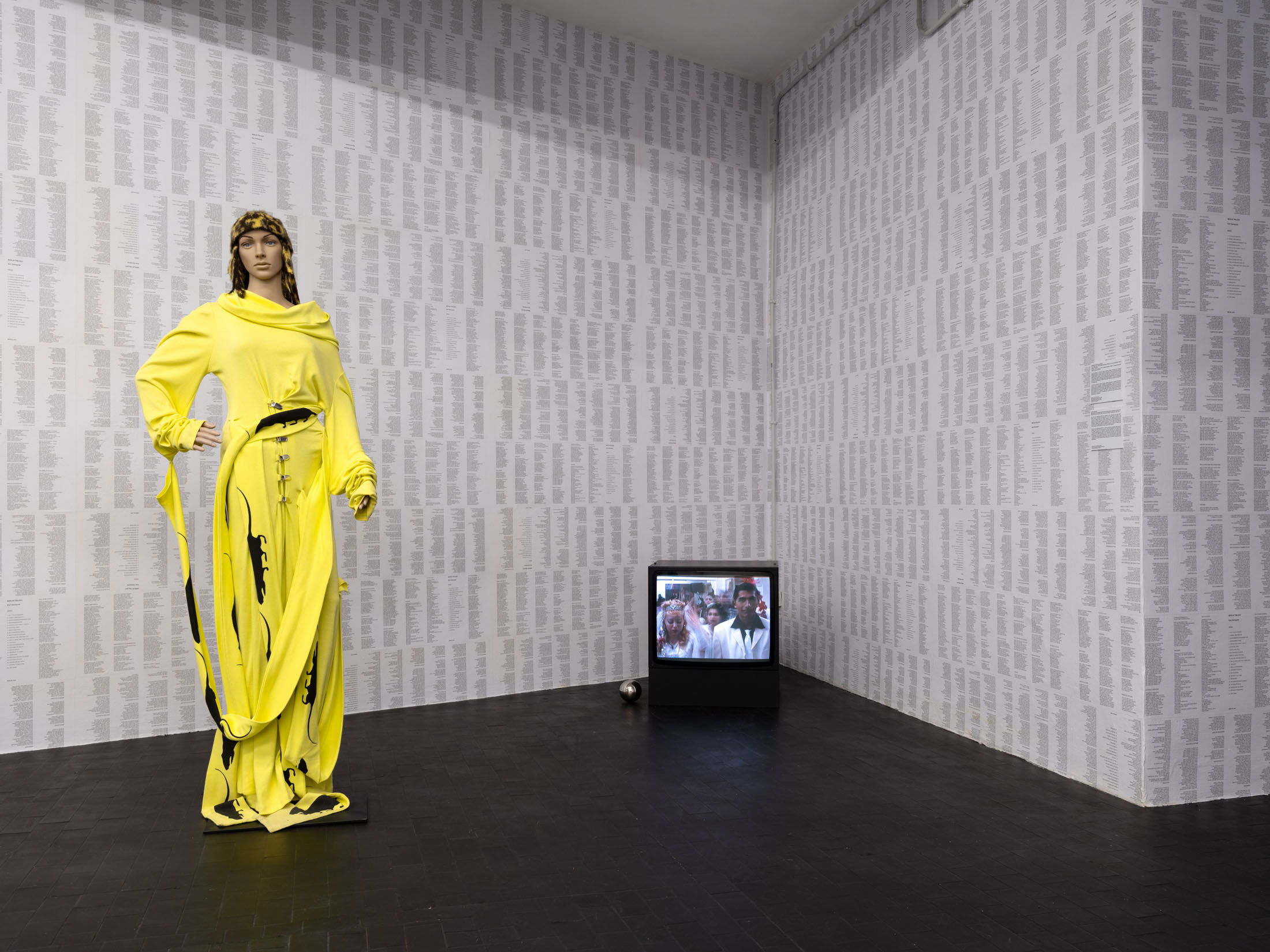
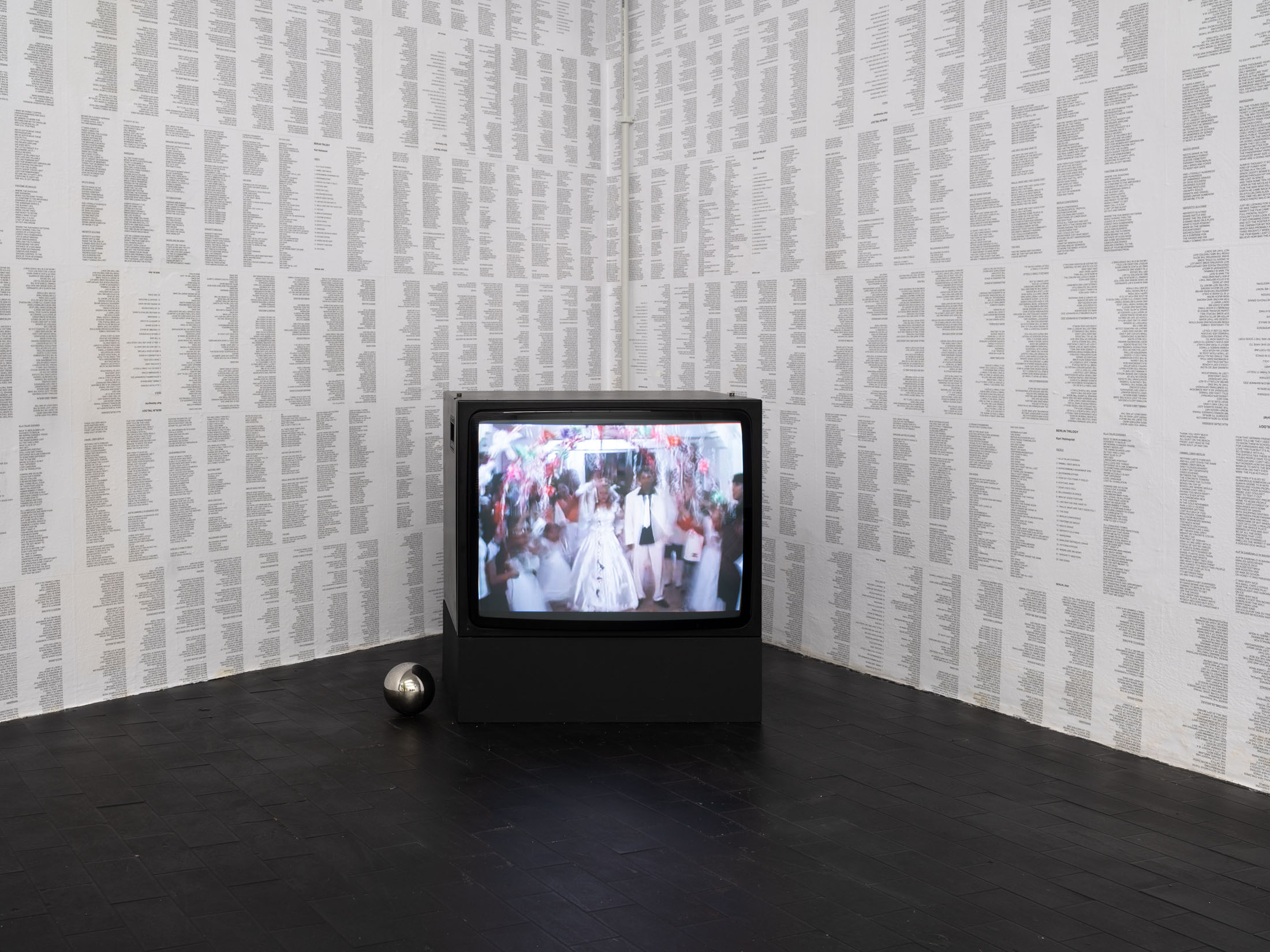
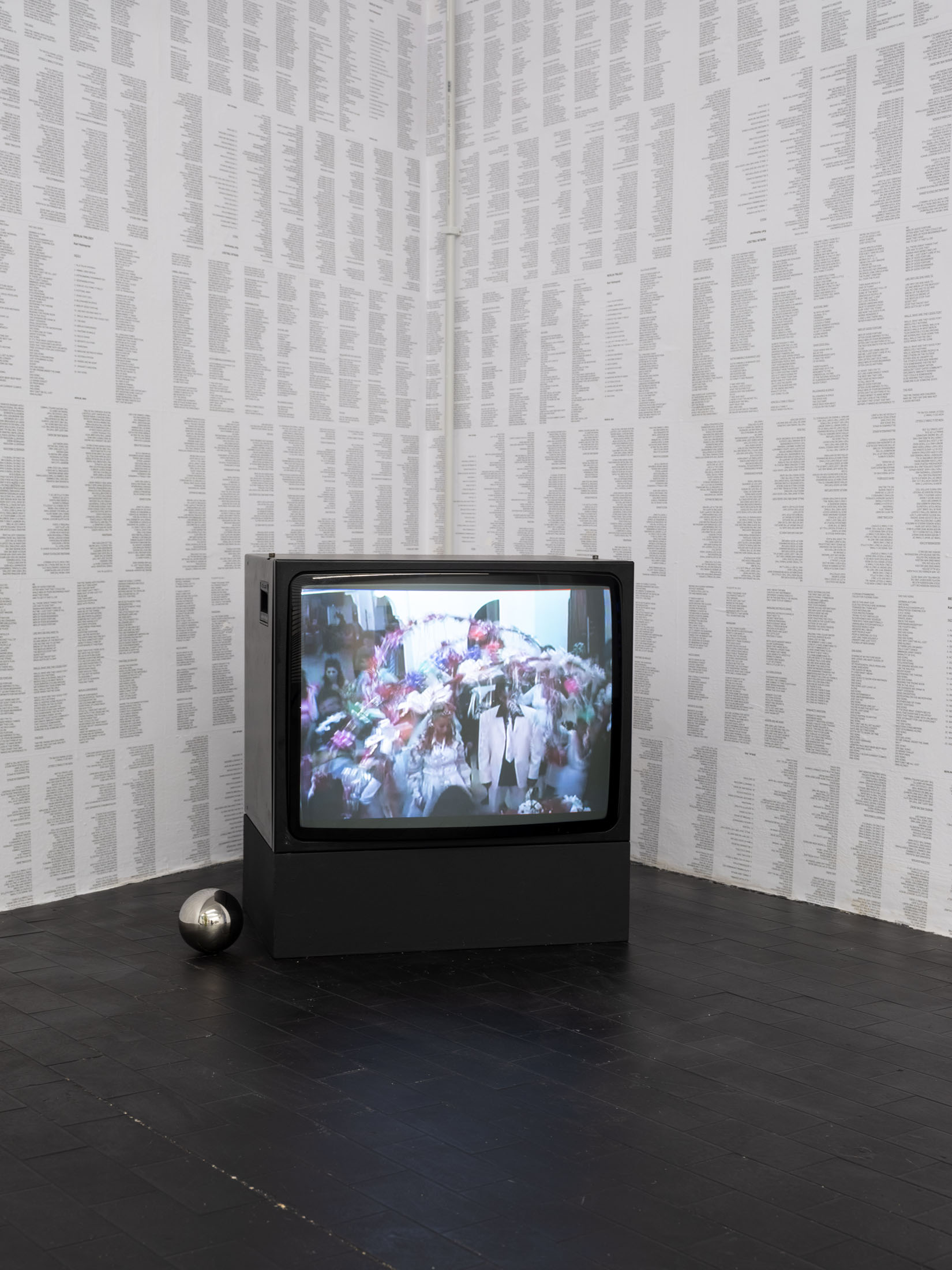
In art, one of these places is the Times Bar, a project started in Berlin between 2011 and 2014 by Calla Henkel and Max Pitegoff, two artists from the Cooper Union University in New York. The Times Bar, a small street venue, born in a little-attended area of Berlin, quickly became the meeting place for an entire community of artists, who met spontaneously every evening, as happens in ordinary bars, or in nightclubs, where sociality is transformed into a vibrant and collective energy, linked to a different way of being together. A hang-out for many of the artists in the exhibition, Simon Denny, Vittorio Brodmann, Karl Holmqvist, Tobias Spichtig, critics and curators such as Elvia Wilk and Carson Chan, among others. The Times Bar closed after a few years, transforming itself, through the work of Calla and Max, into many other choral and collective projects that have embraced theater or other not dissimilar formats, in which the art community born around that moment has kept connecting and sharing experiences. Far from the stiff sociality of art, the participatory spirit of the Times Bar is evoked nowadays within the exhibition, in which the audience, no longer the passive guests of a work of art, is called to activate, connect and give shape to a new community. “When audiences are released from their positions as mere consumers or witnesses, when we stop being afraid of articulating what we need from them, what freedom does that allow and what experimentation can that ferment?,” writes Lumi Tan in the text published here. “Only when we make it known that attention is a shared responsibility can we believe in the meaning of what we do. It’s on us to make the ask.”
As Jean-Max Colard, founder of the Platform for New Assemblies project at the Centre Pompidou, argues, the assembly is nothing but a new form of collectivity, whose earliest expression can be found in the classical agora. It is a form of art that we need in a world that is undergoing profound transformations and in which moments of aggregation become increasingly rare. The assembly is a moment of explicitation of the collective representations of a community. Having overcome the archetypical way of meeting, we must thus find new ways of living together. Like every shared moment, the ritual is marked by the repetition of the event, hence a biennial, which allows the necessary time to consolidate, regenerate, retake shape, through a normal cycle of refoundation of the group: new art tribes—as Achille Bonito Oliva would call them—that in addition to intellectual affinities are nourished by sociality, by being together and by a collective regeneration.
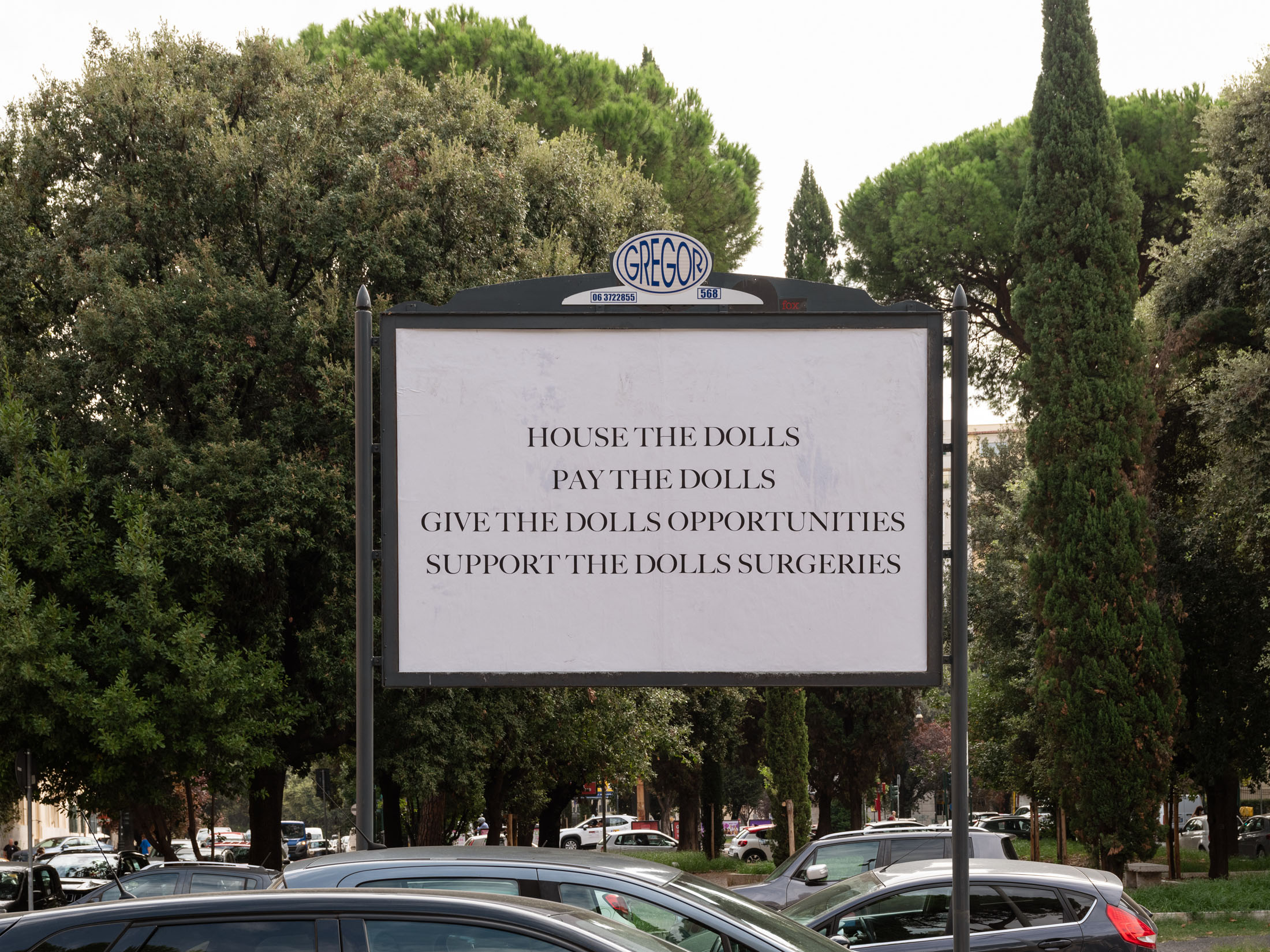
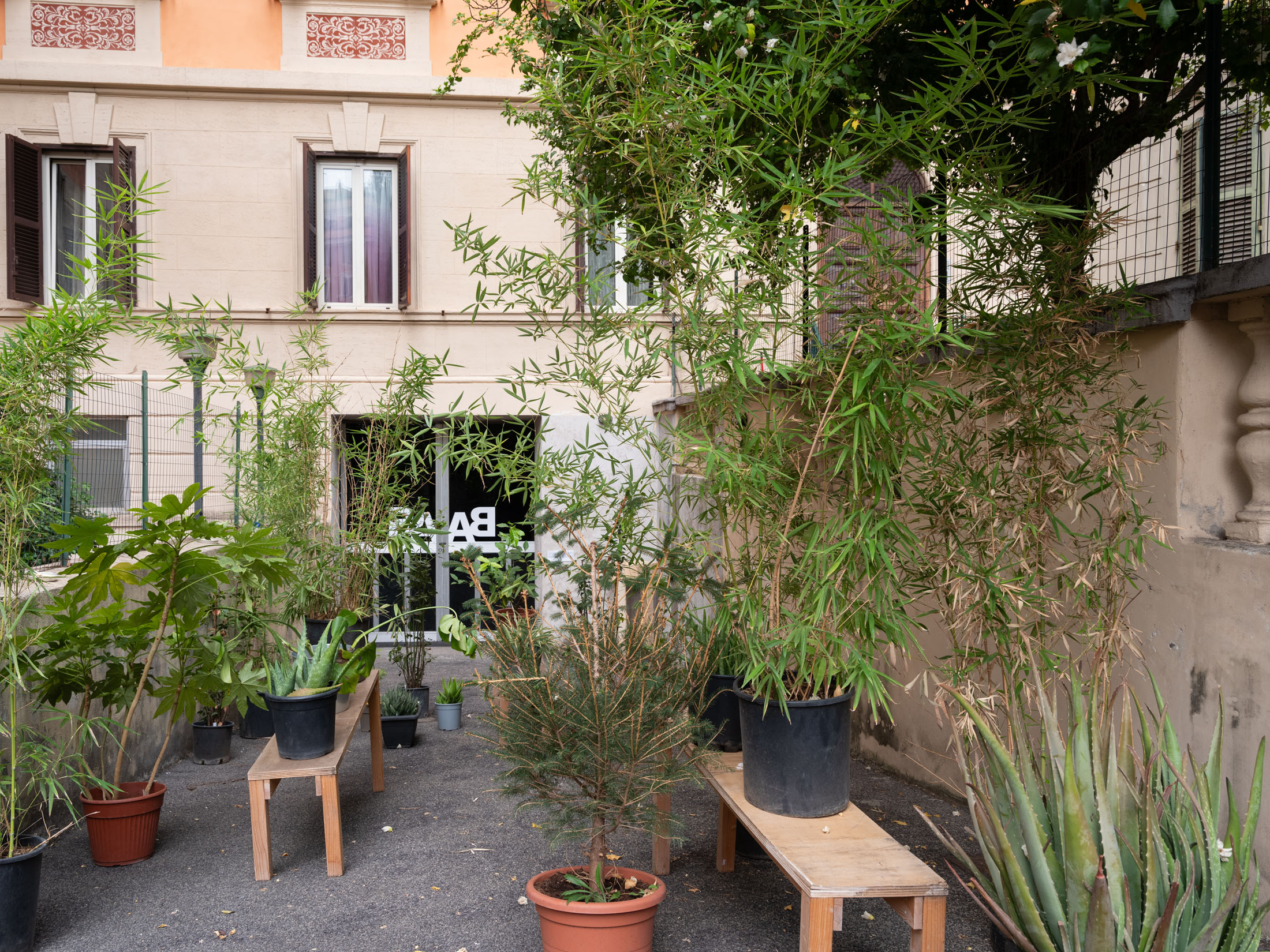
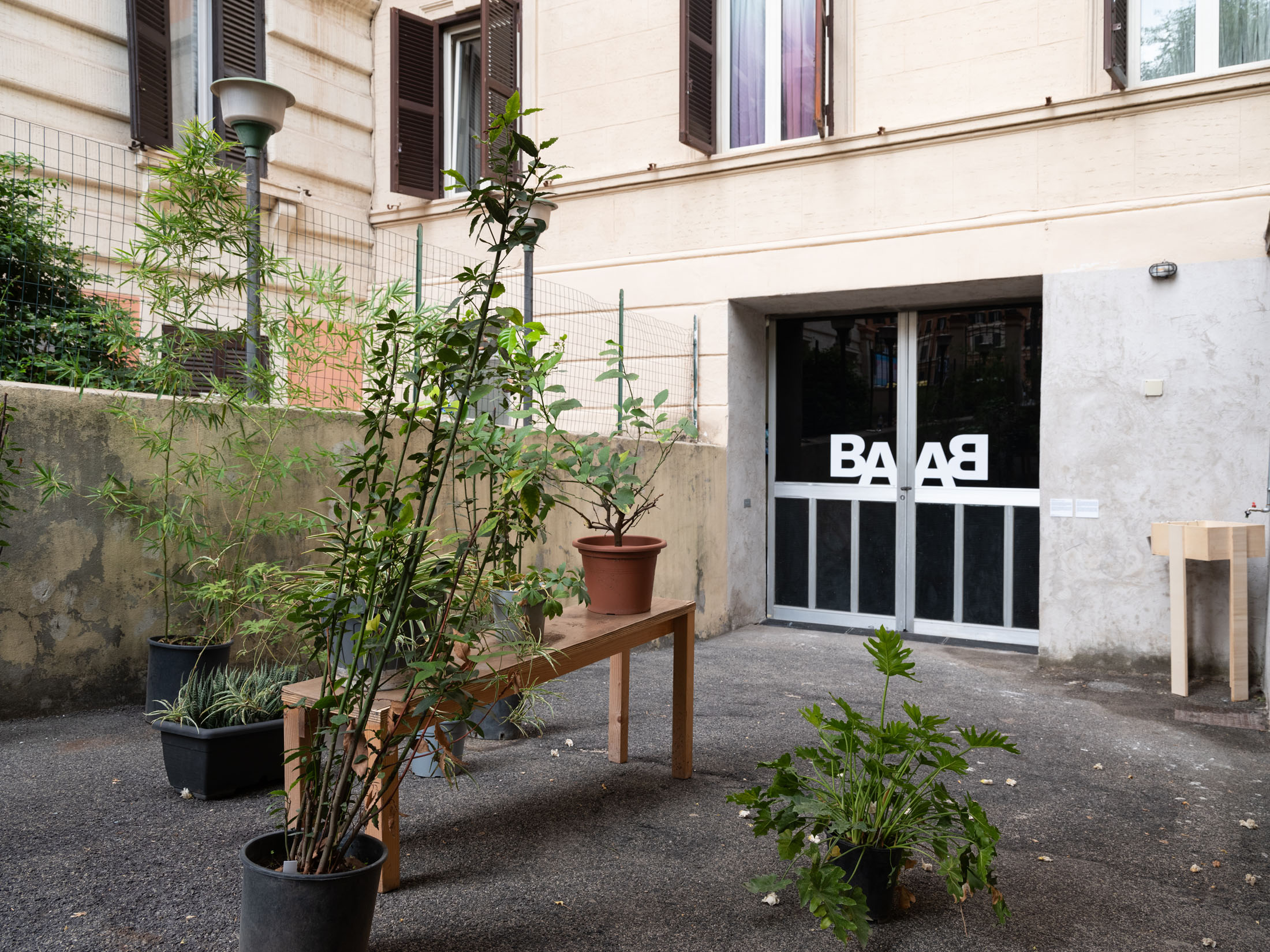
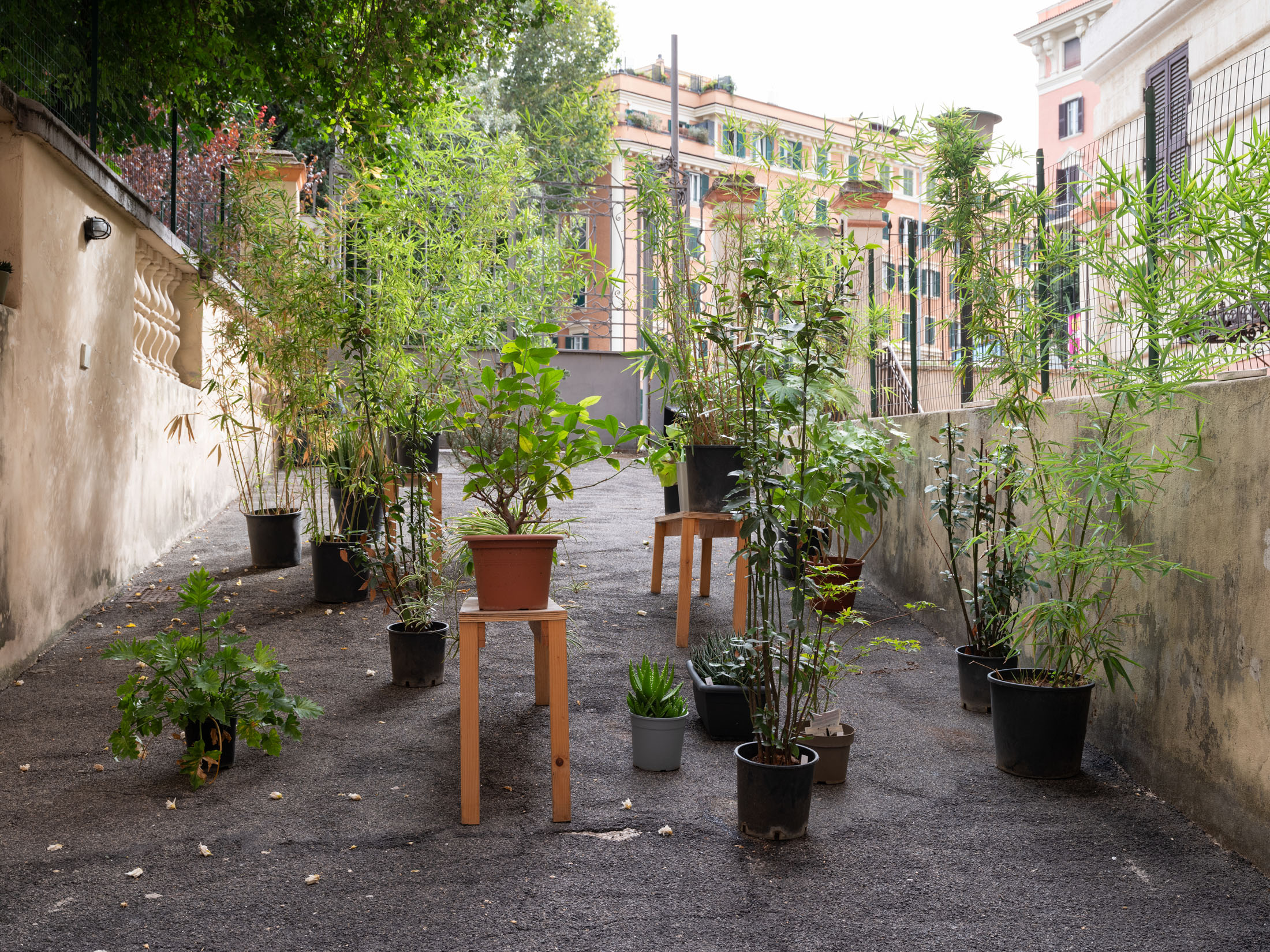
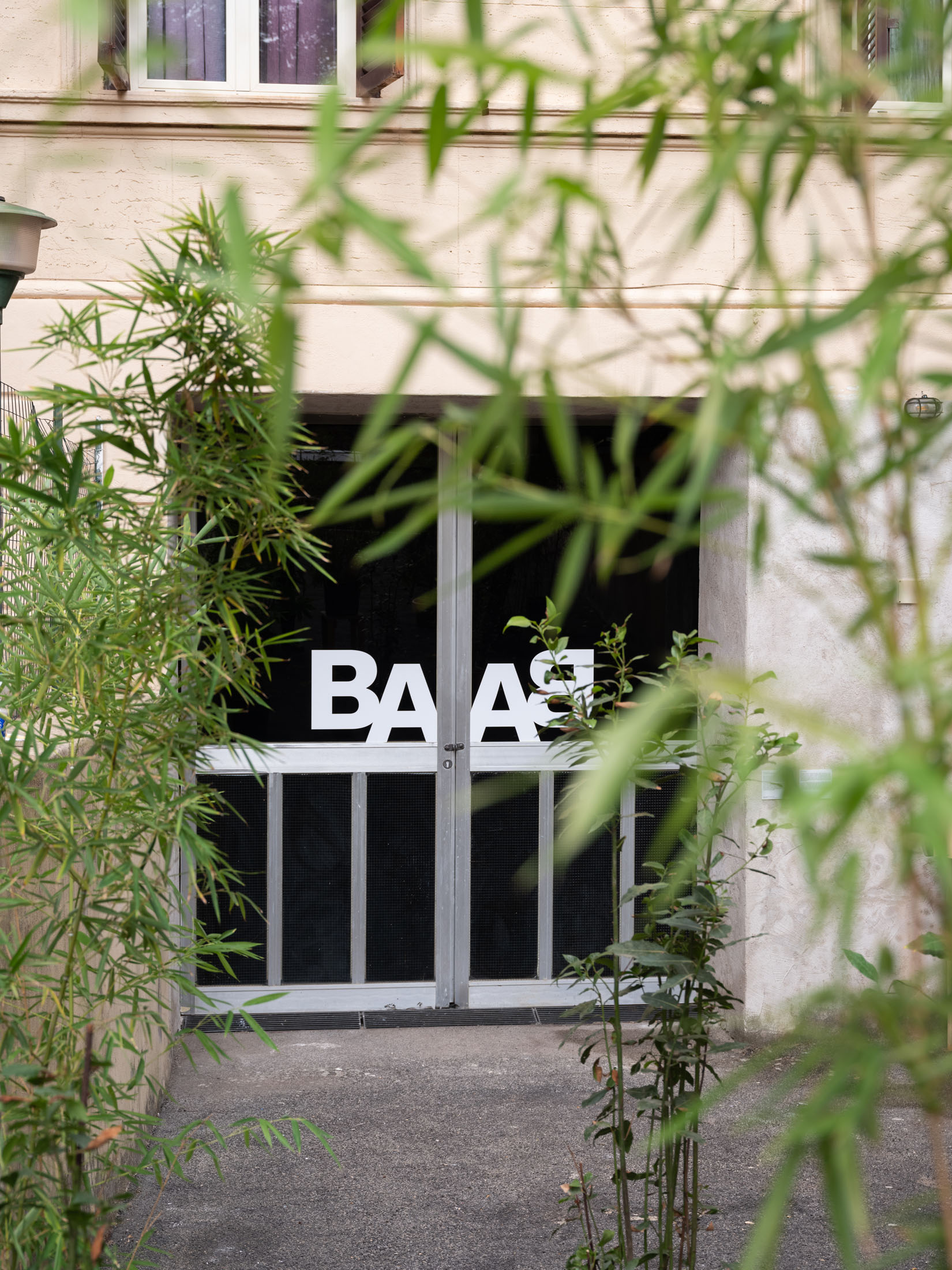
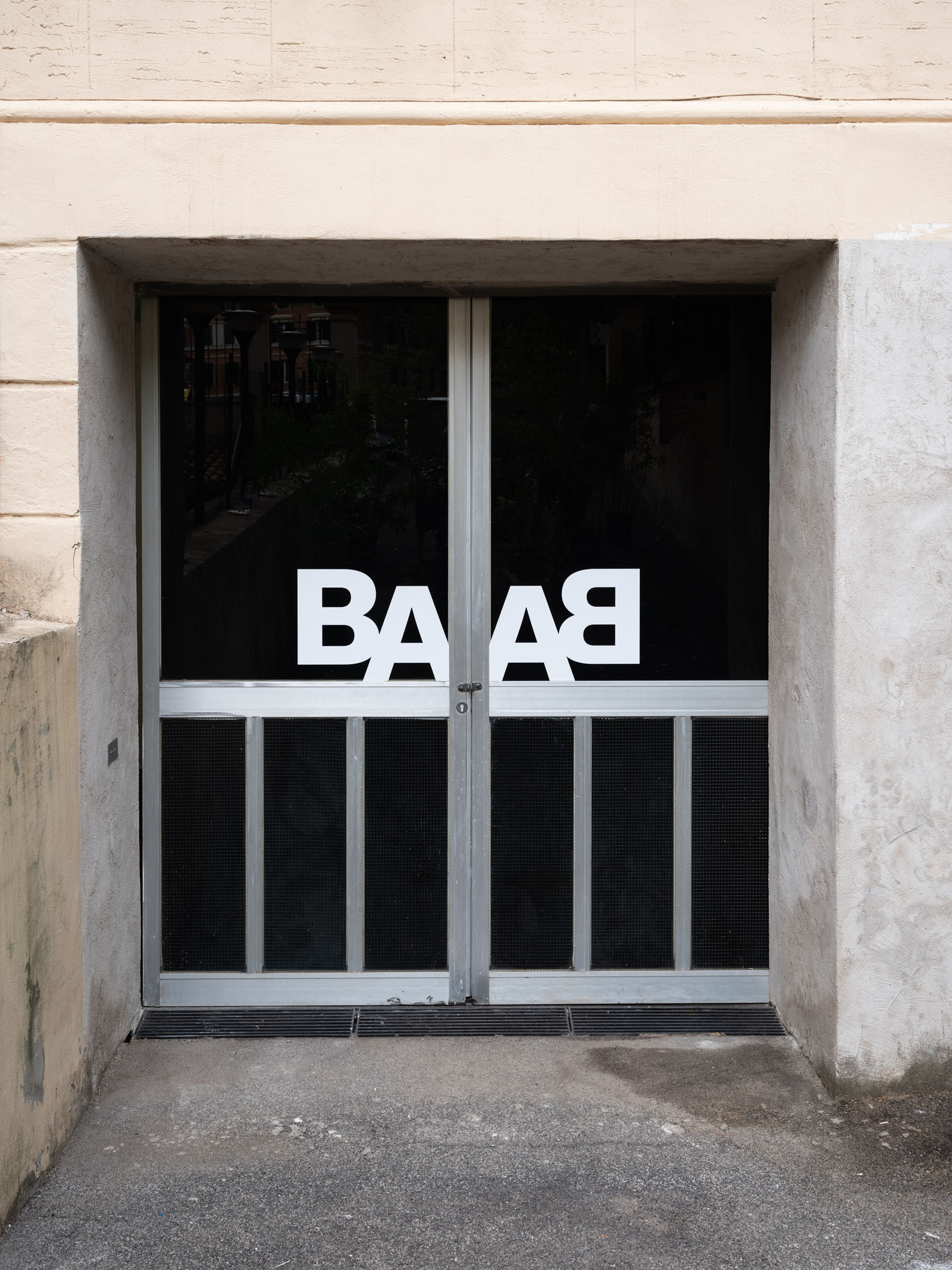
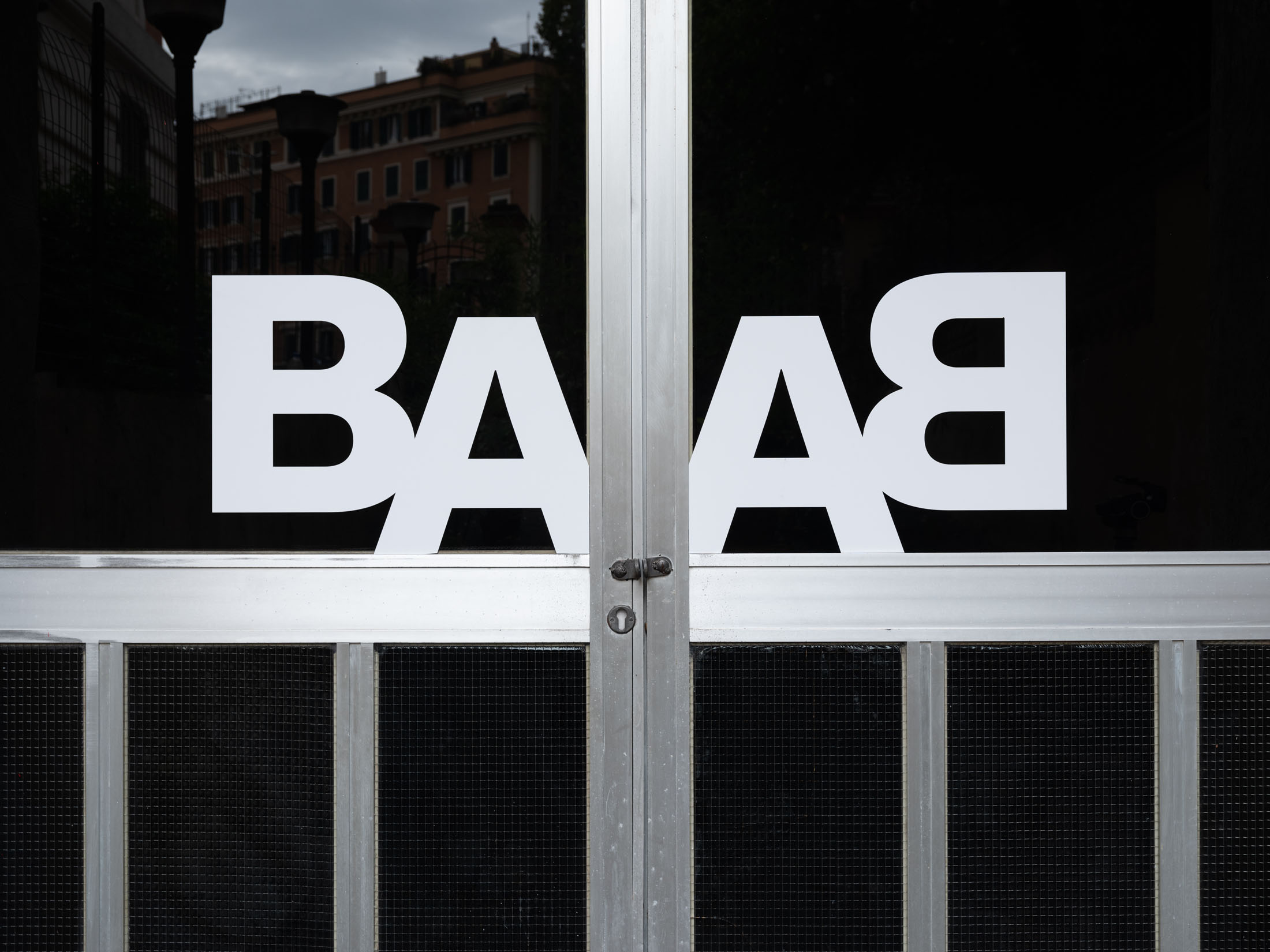
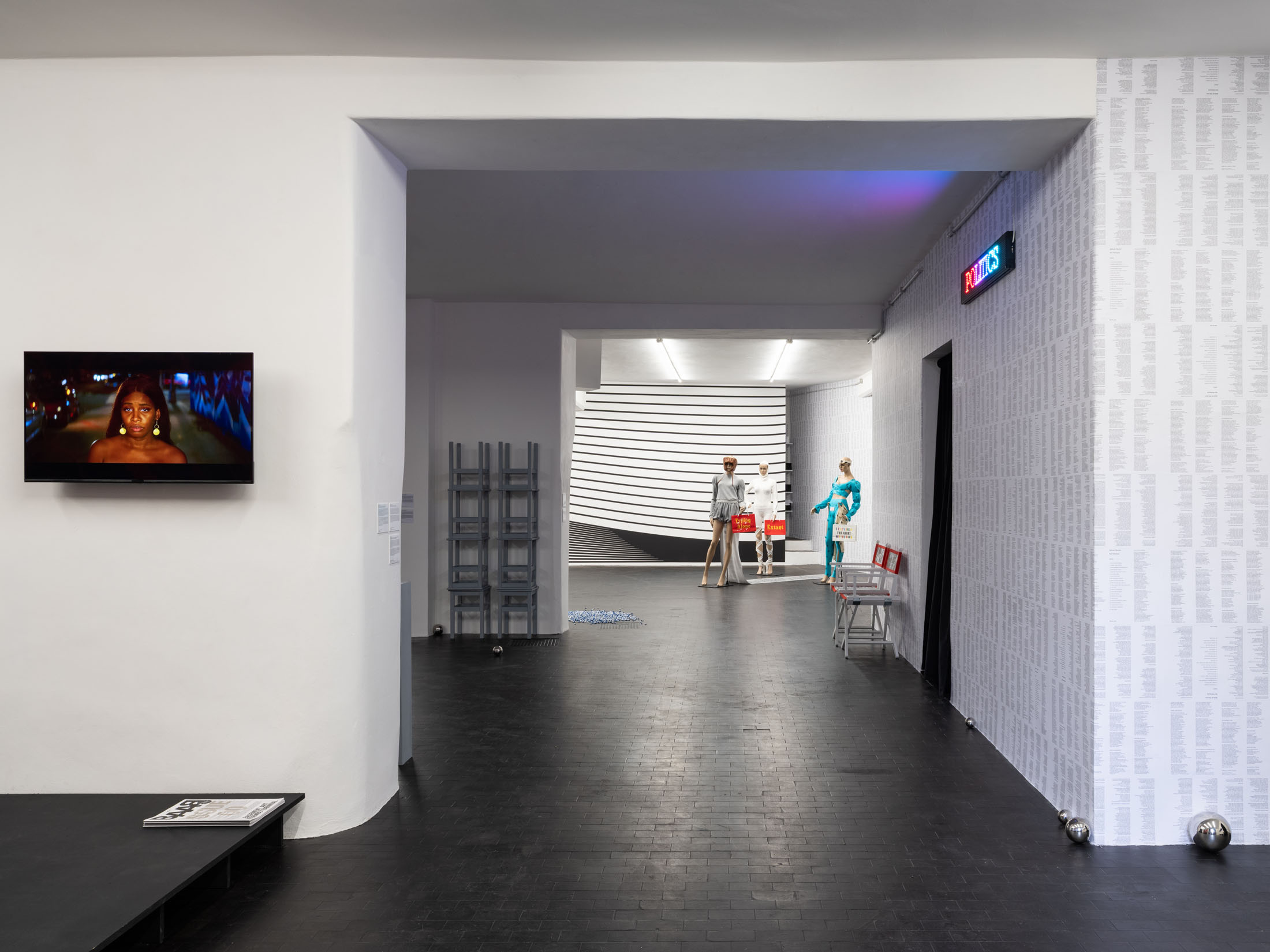
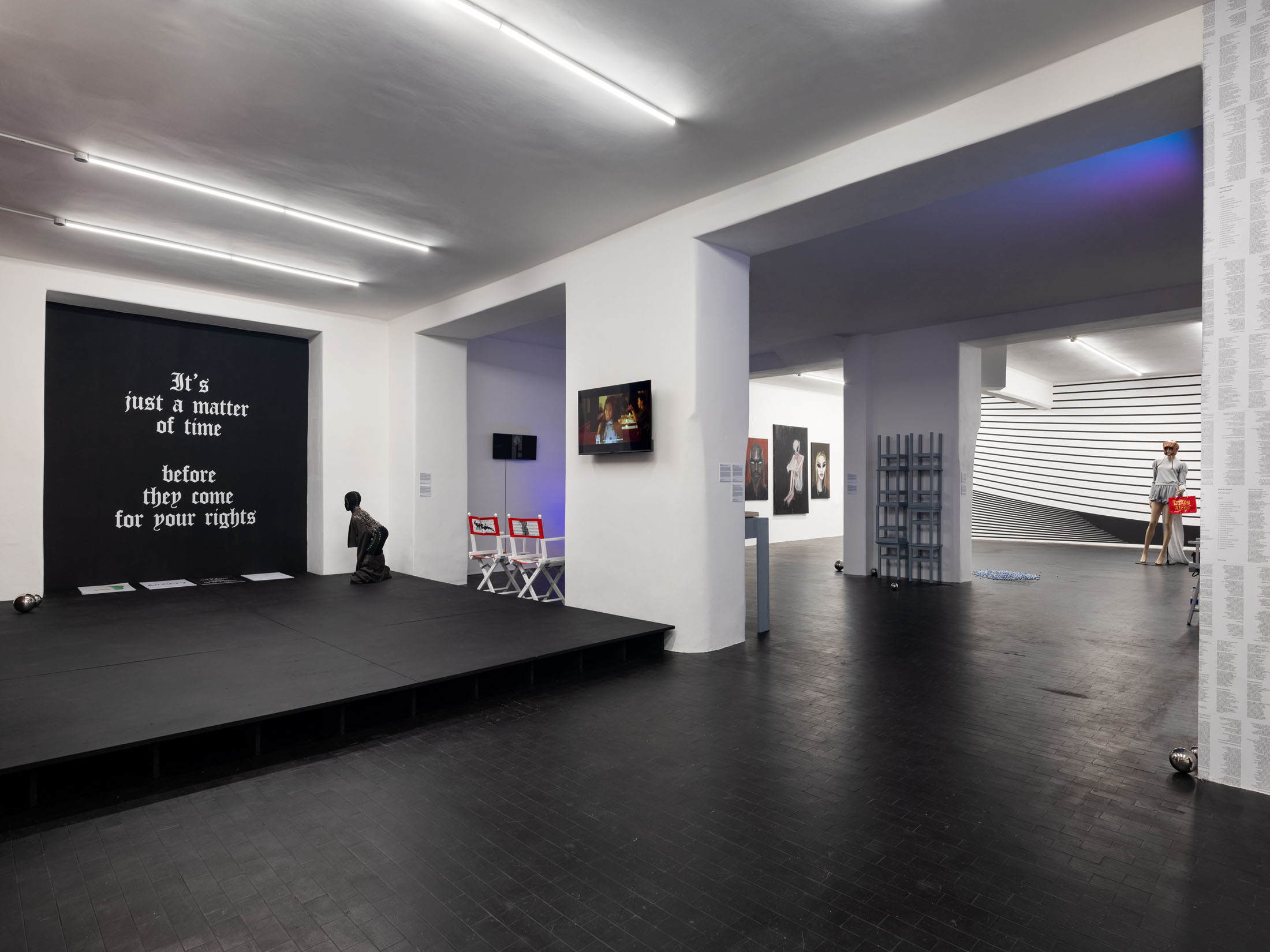
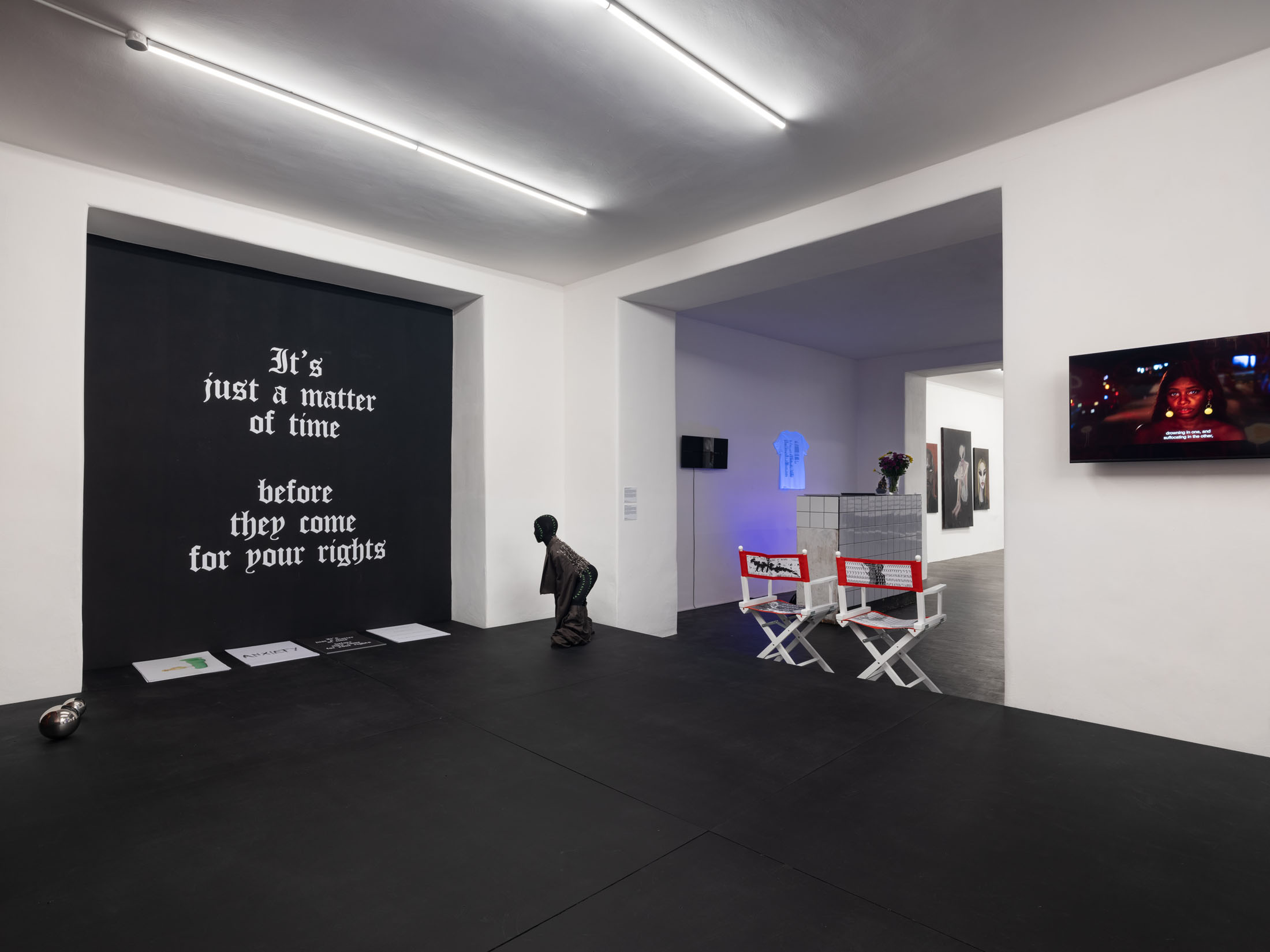
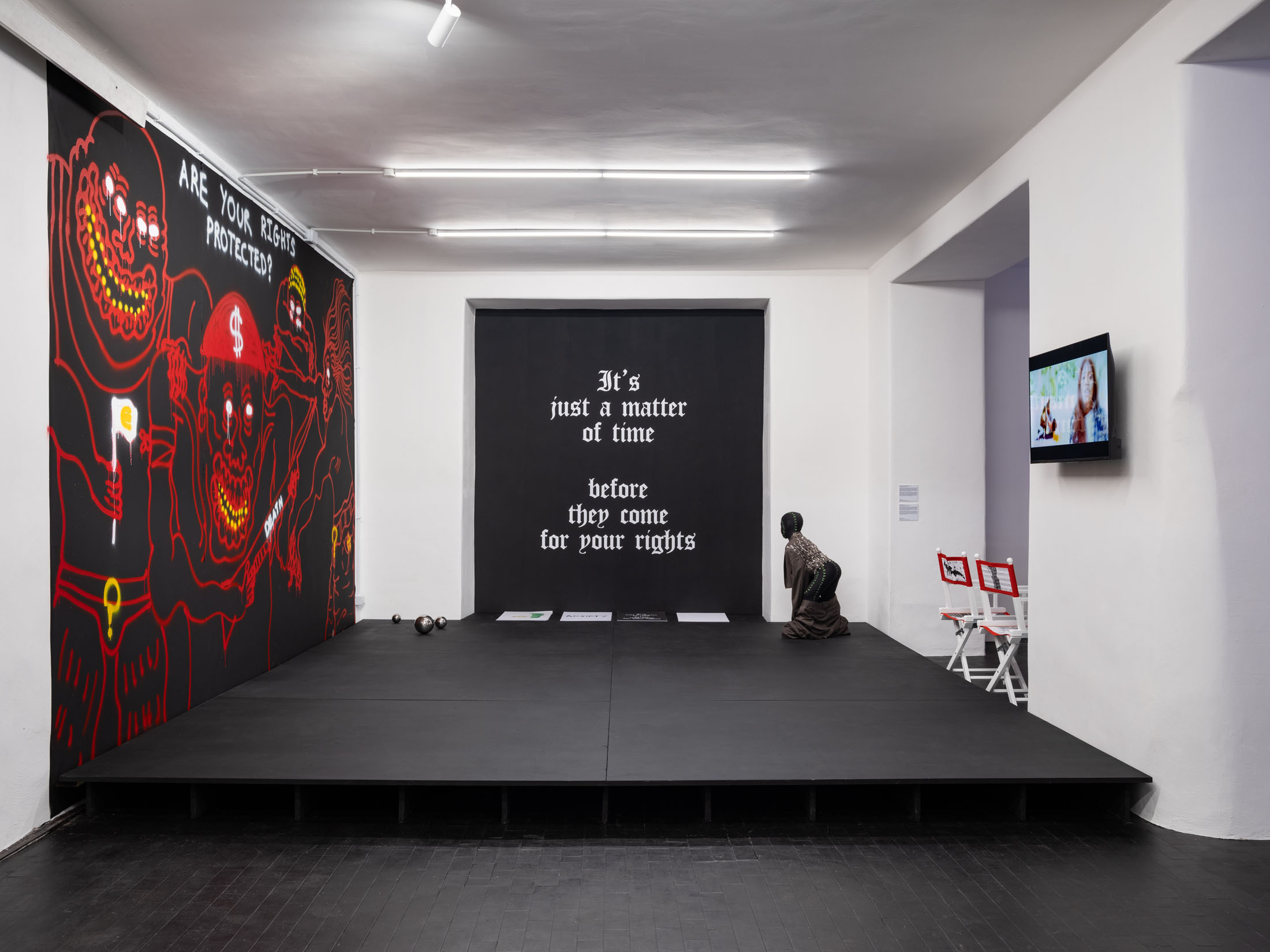
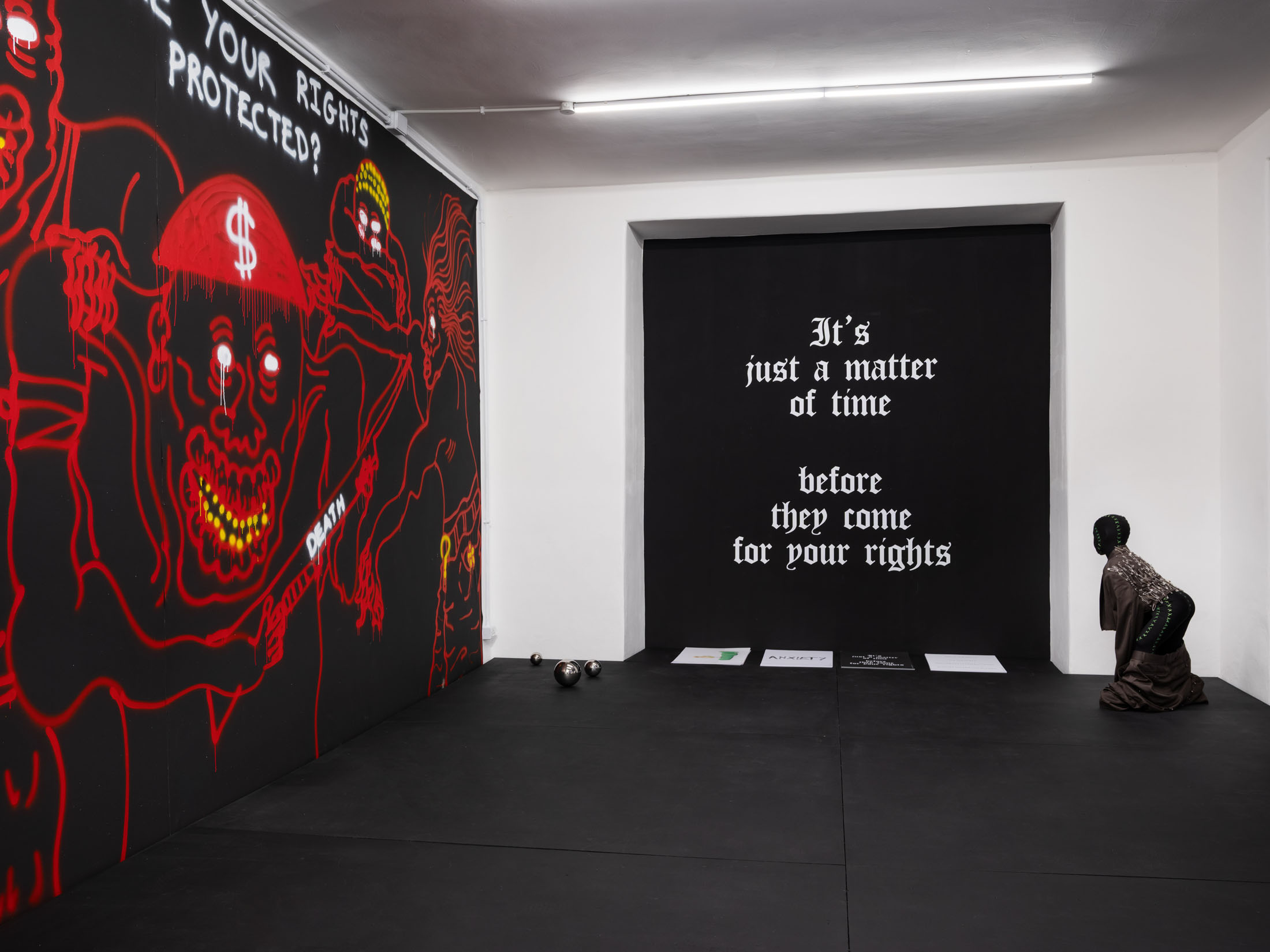
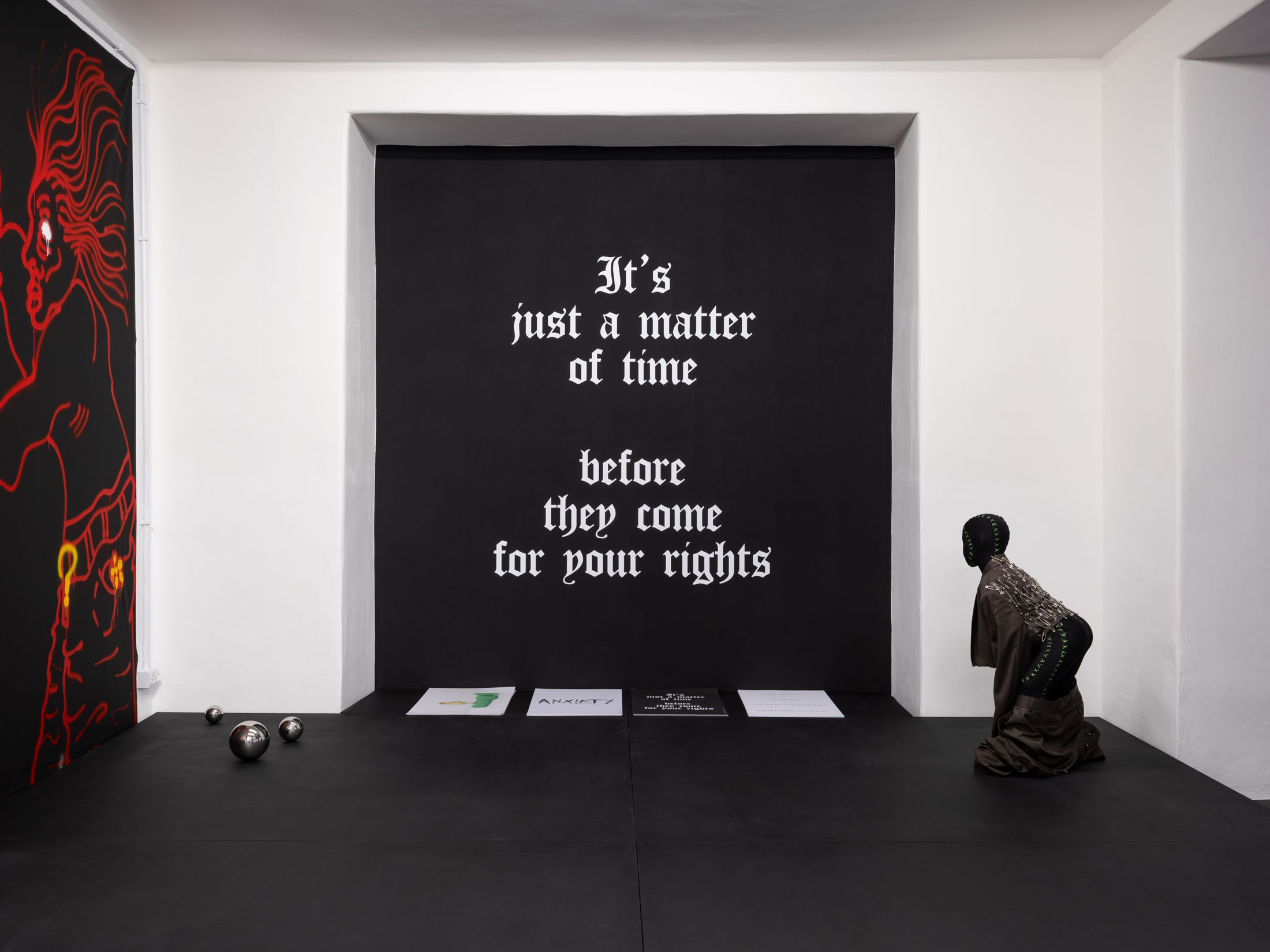
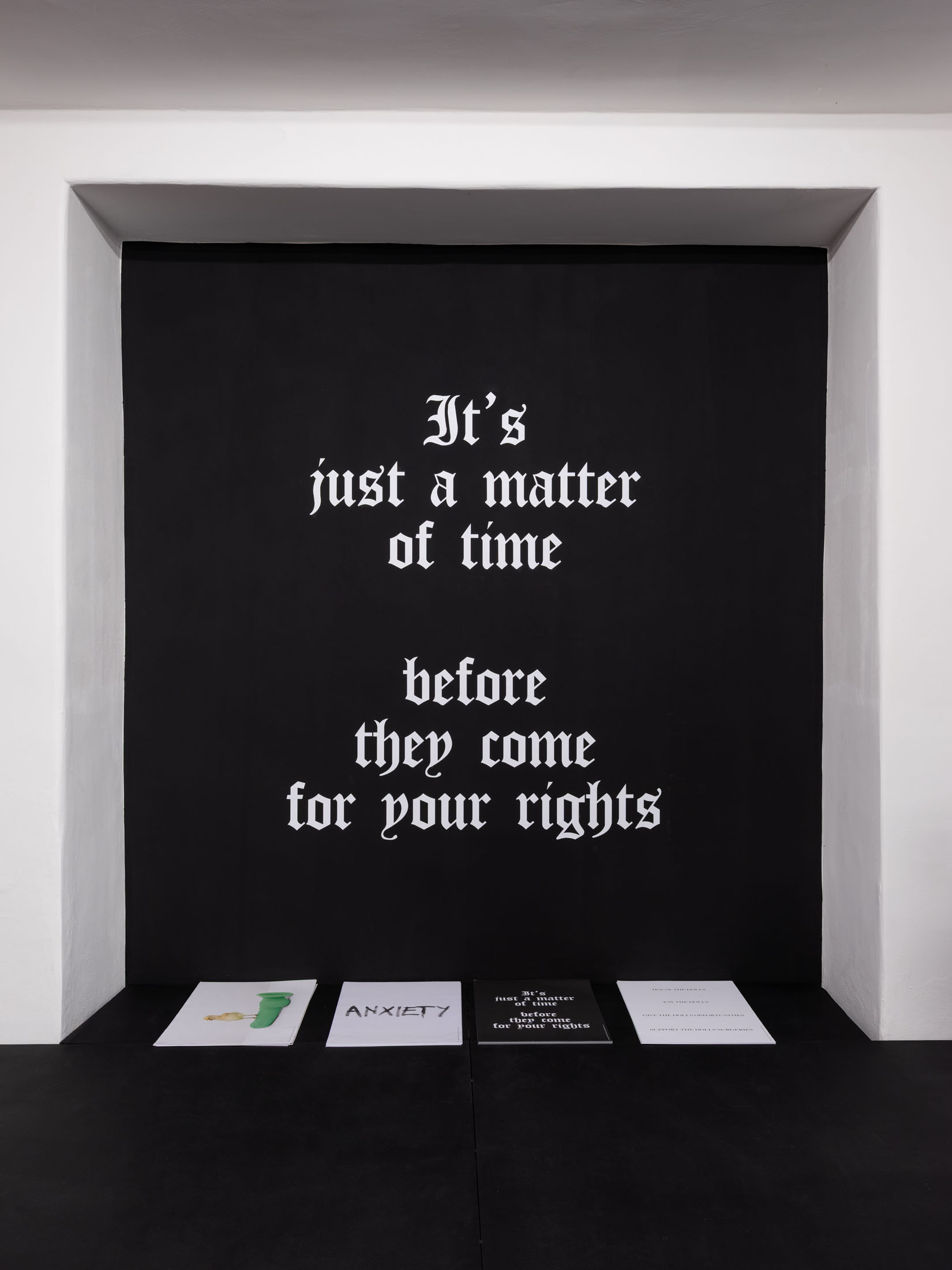
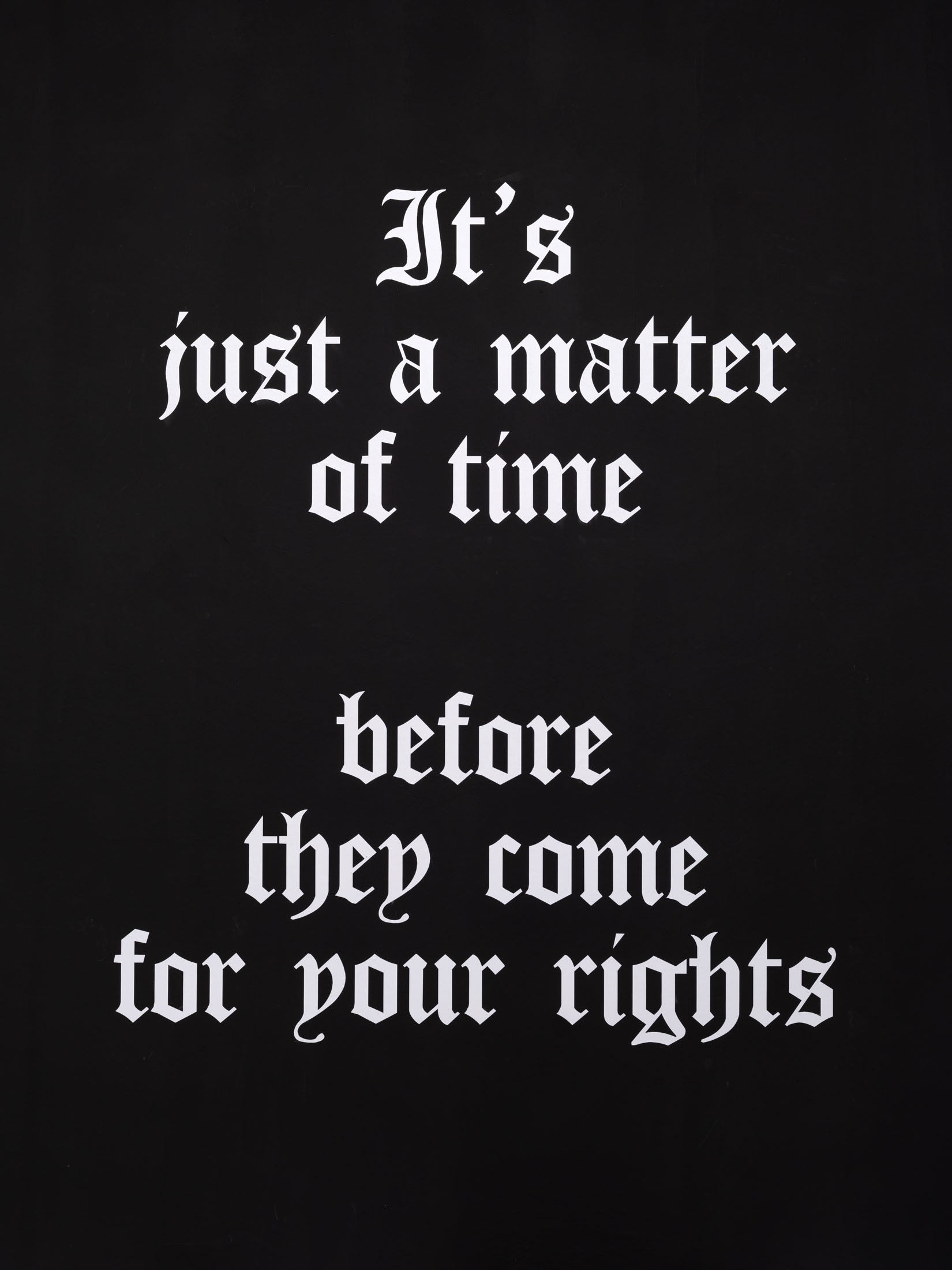
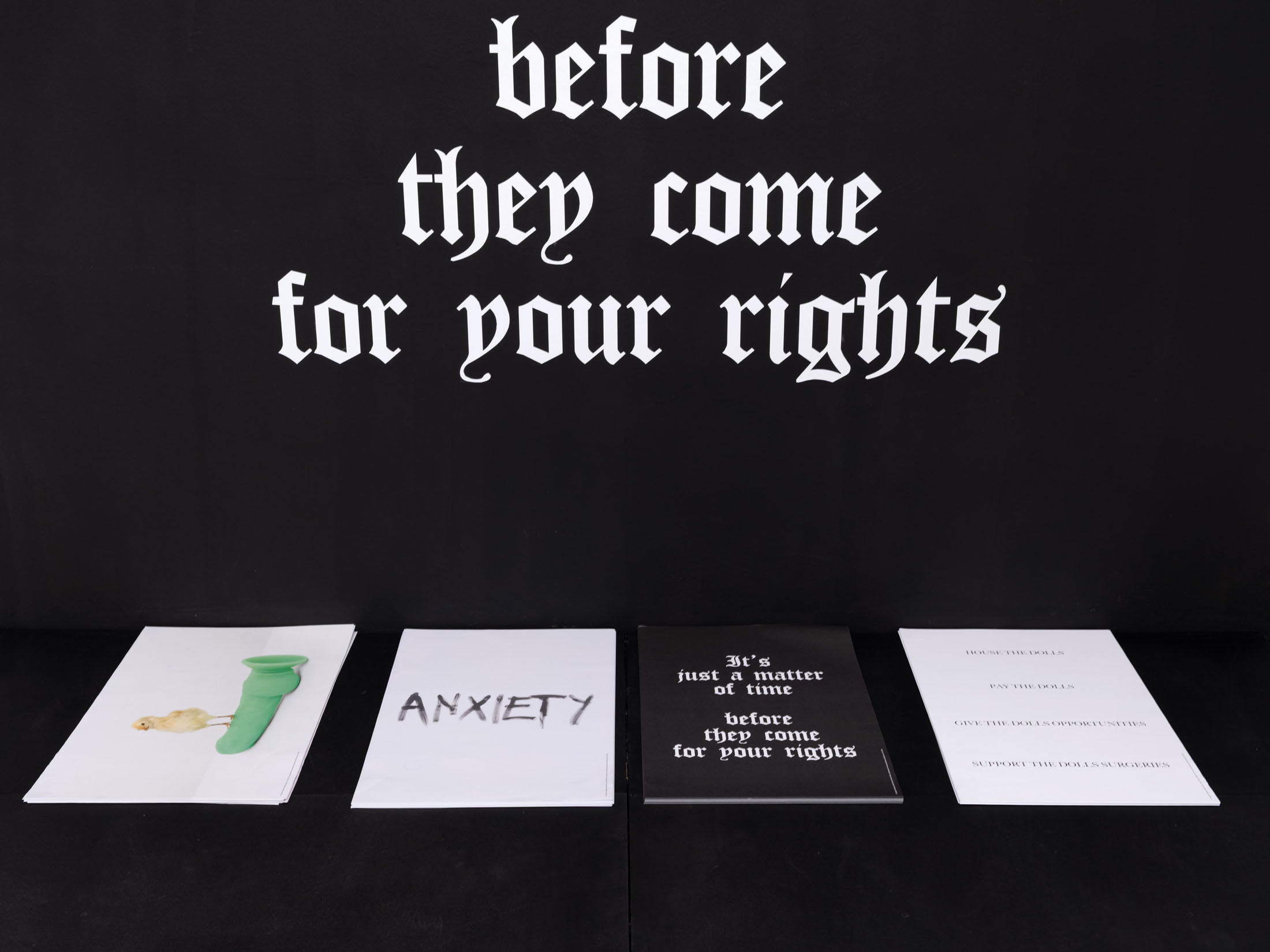
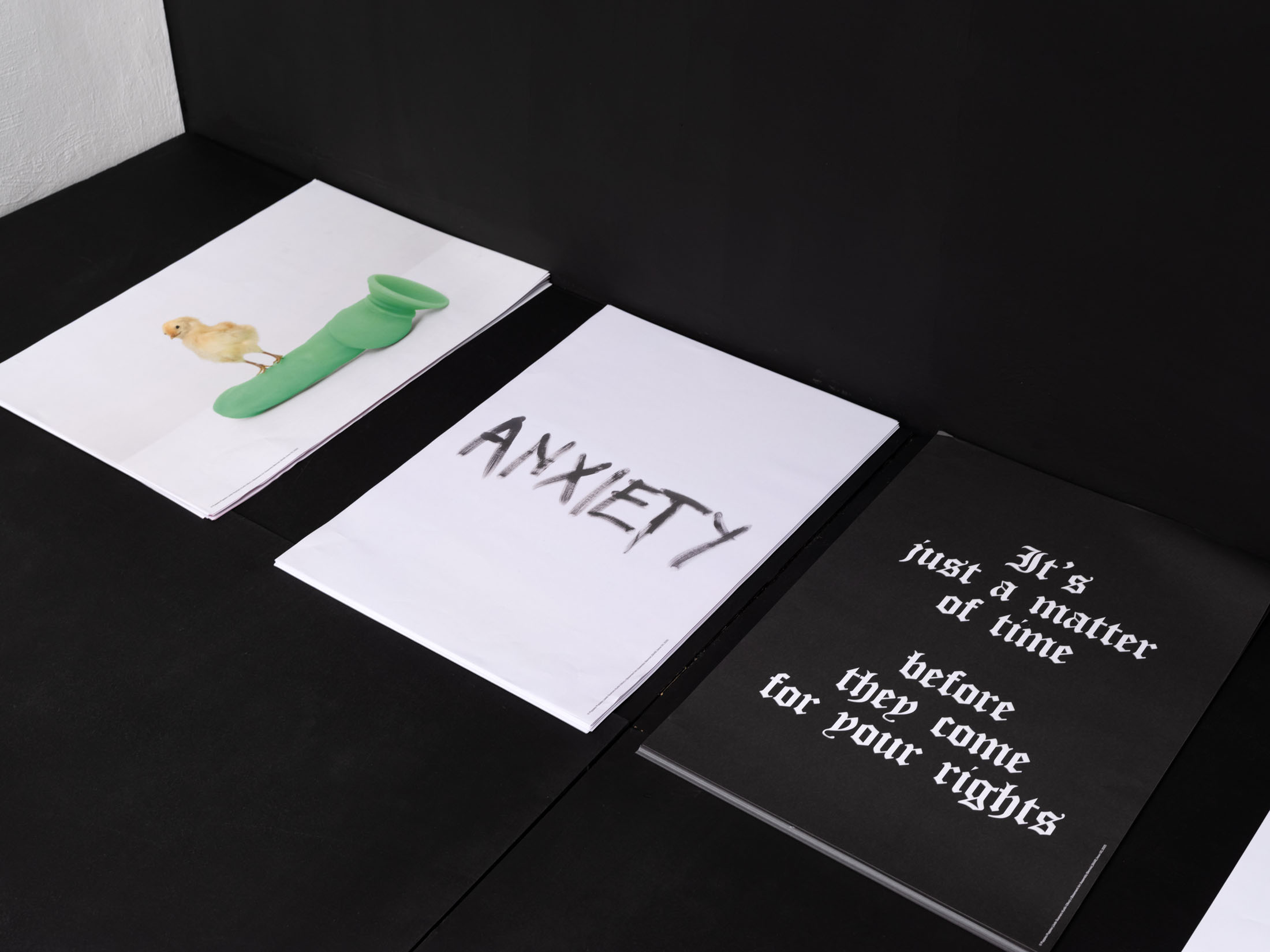
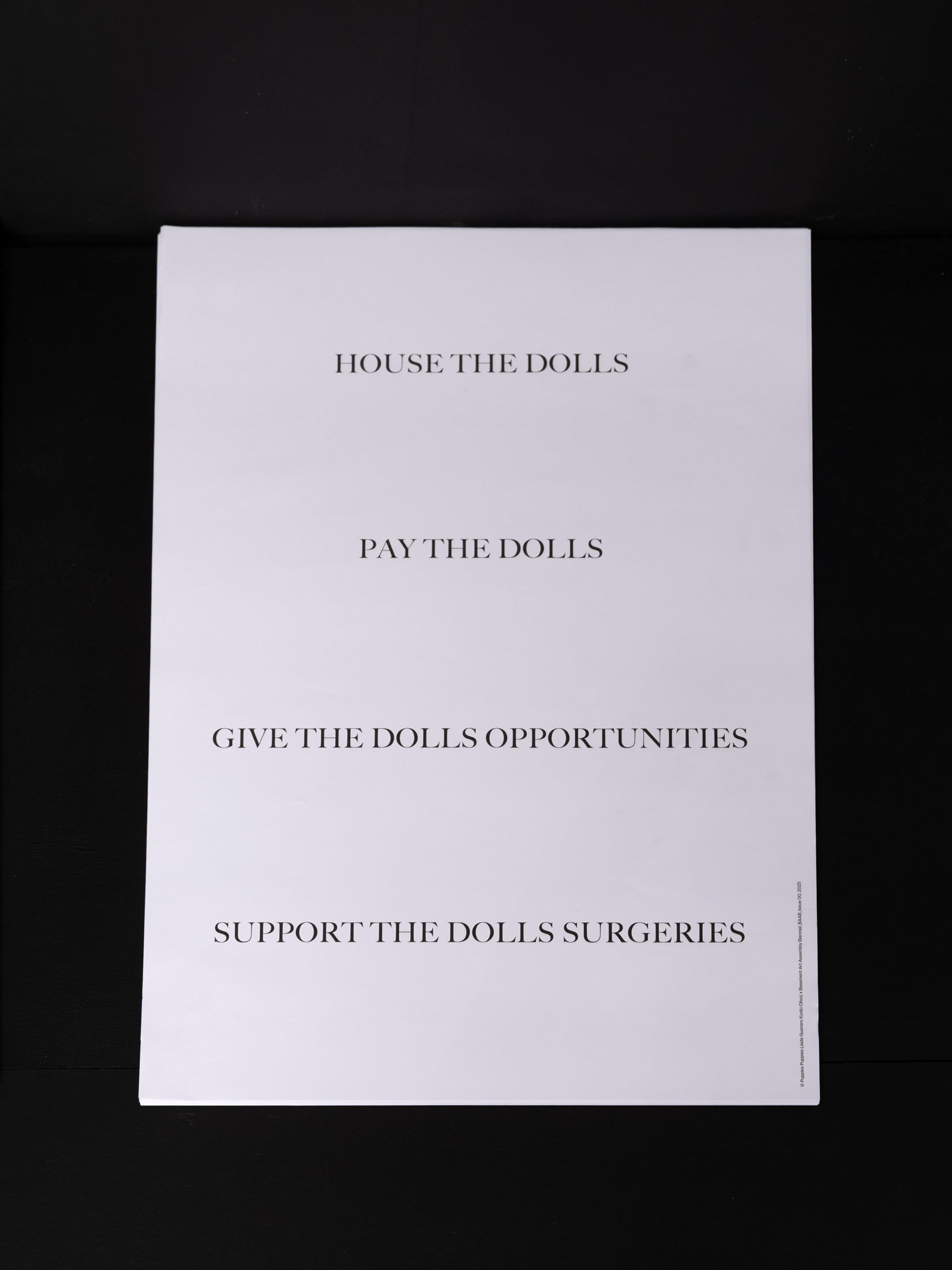
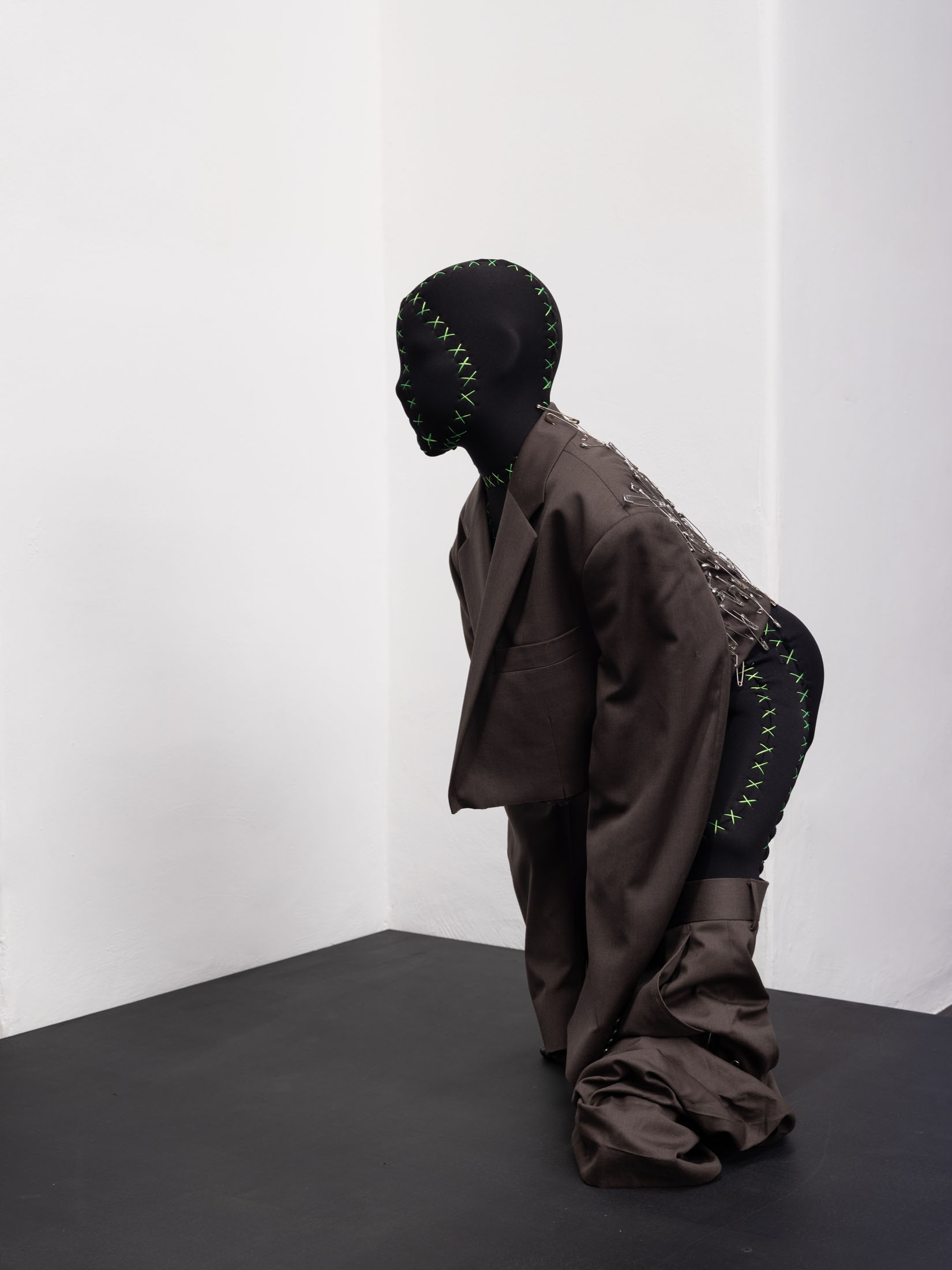
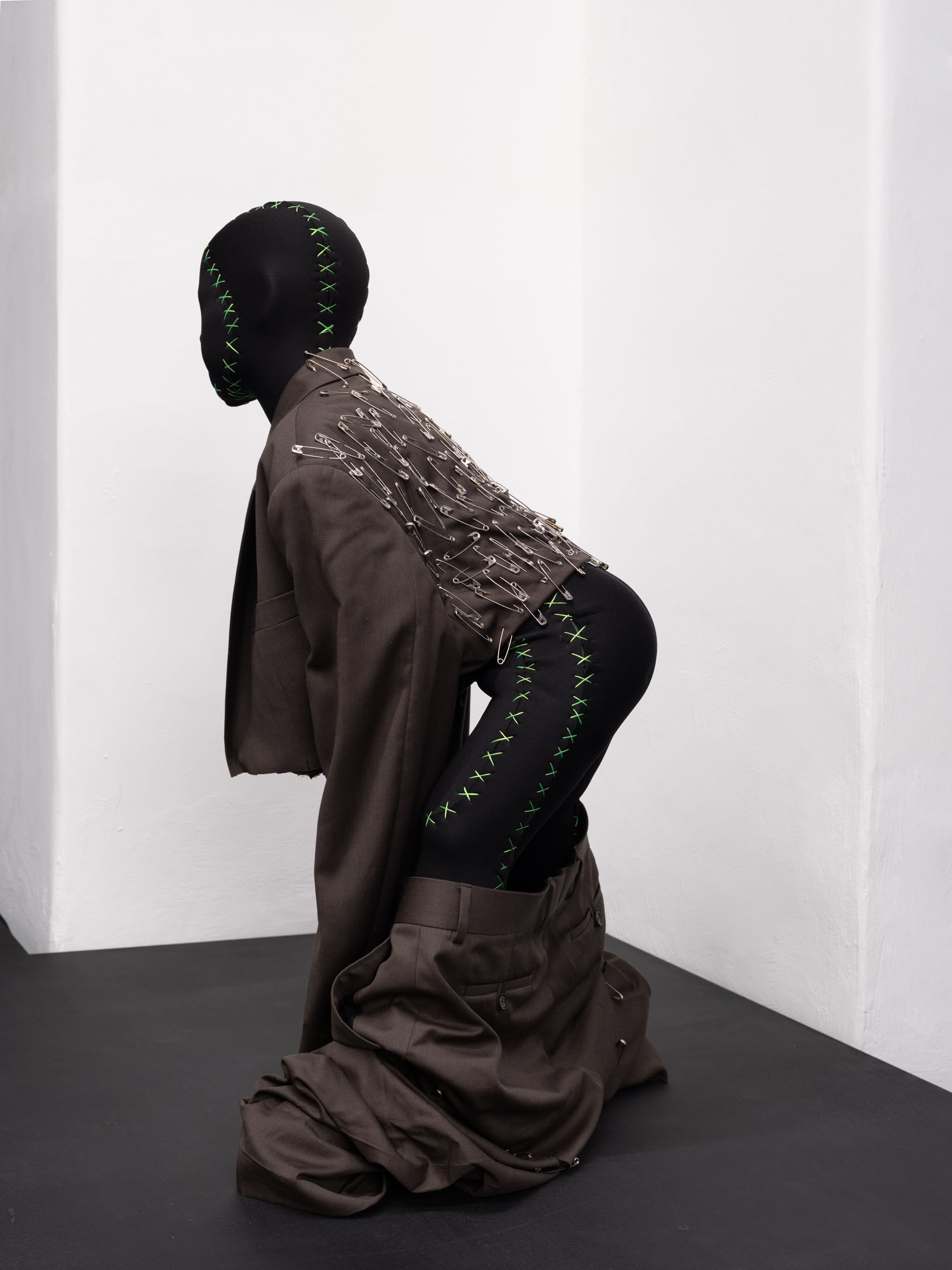
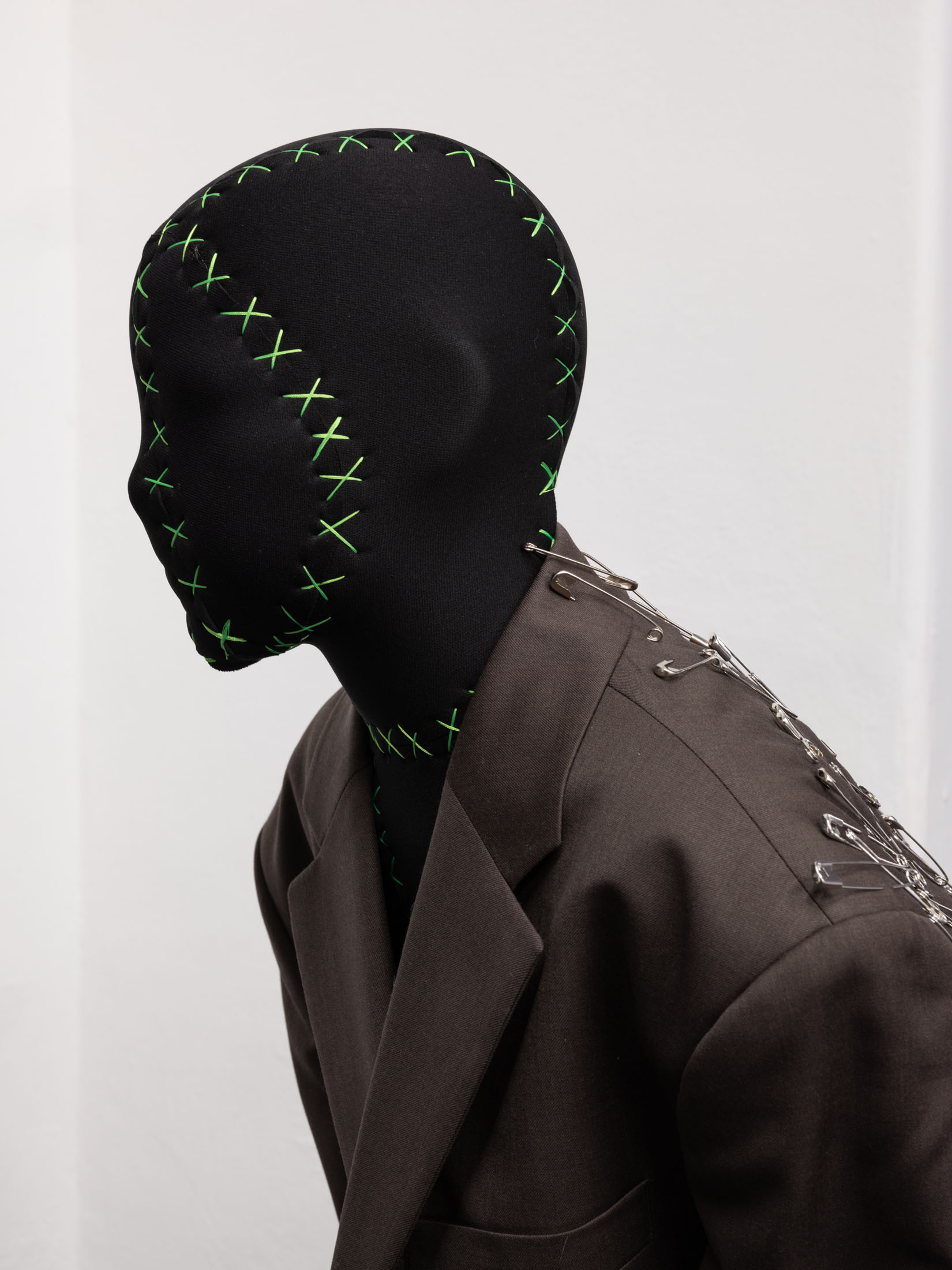
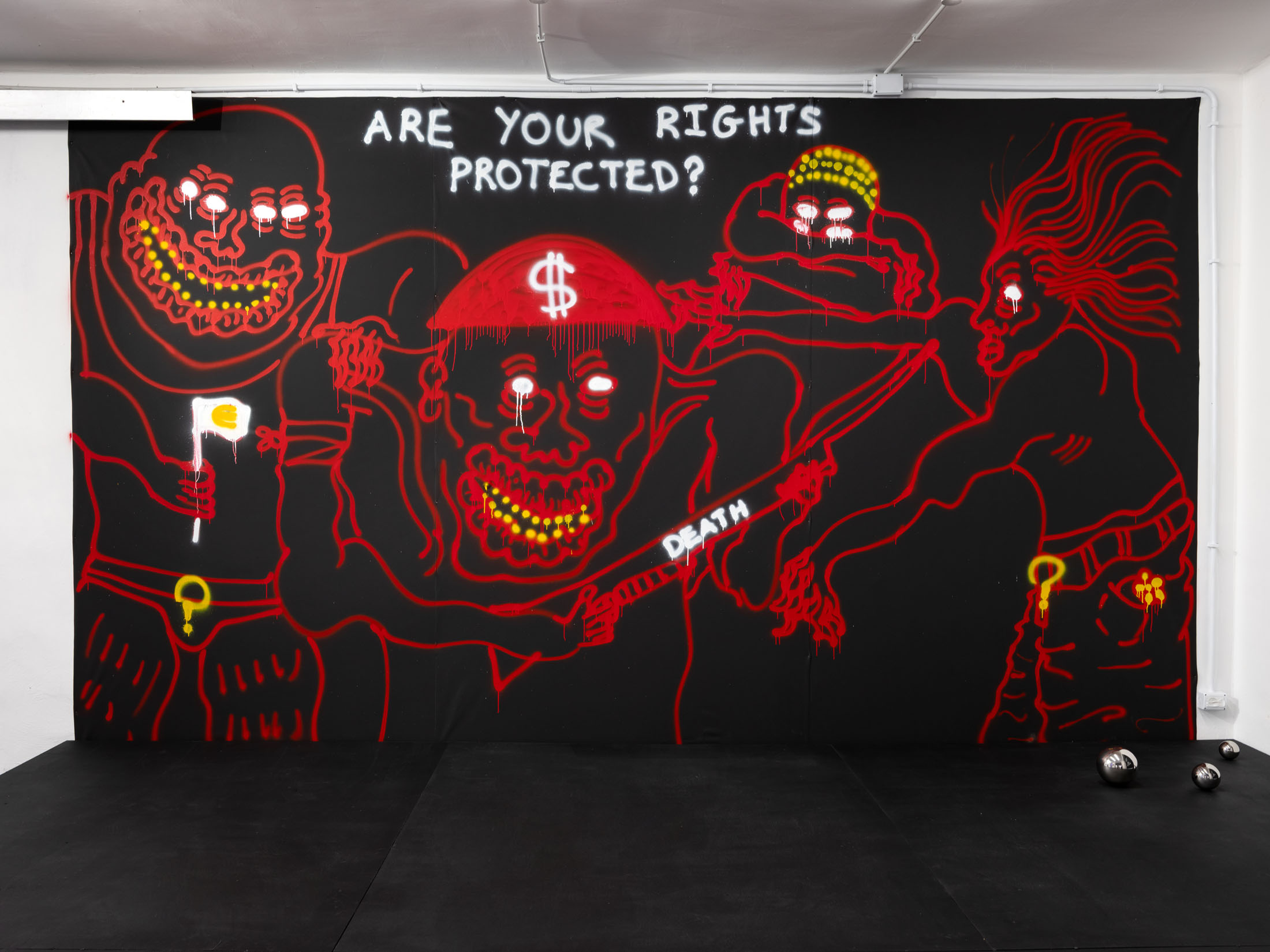
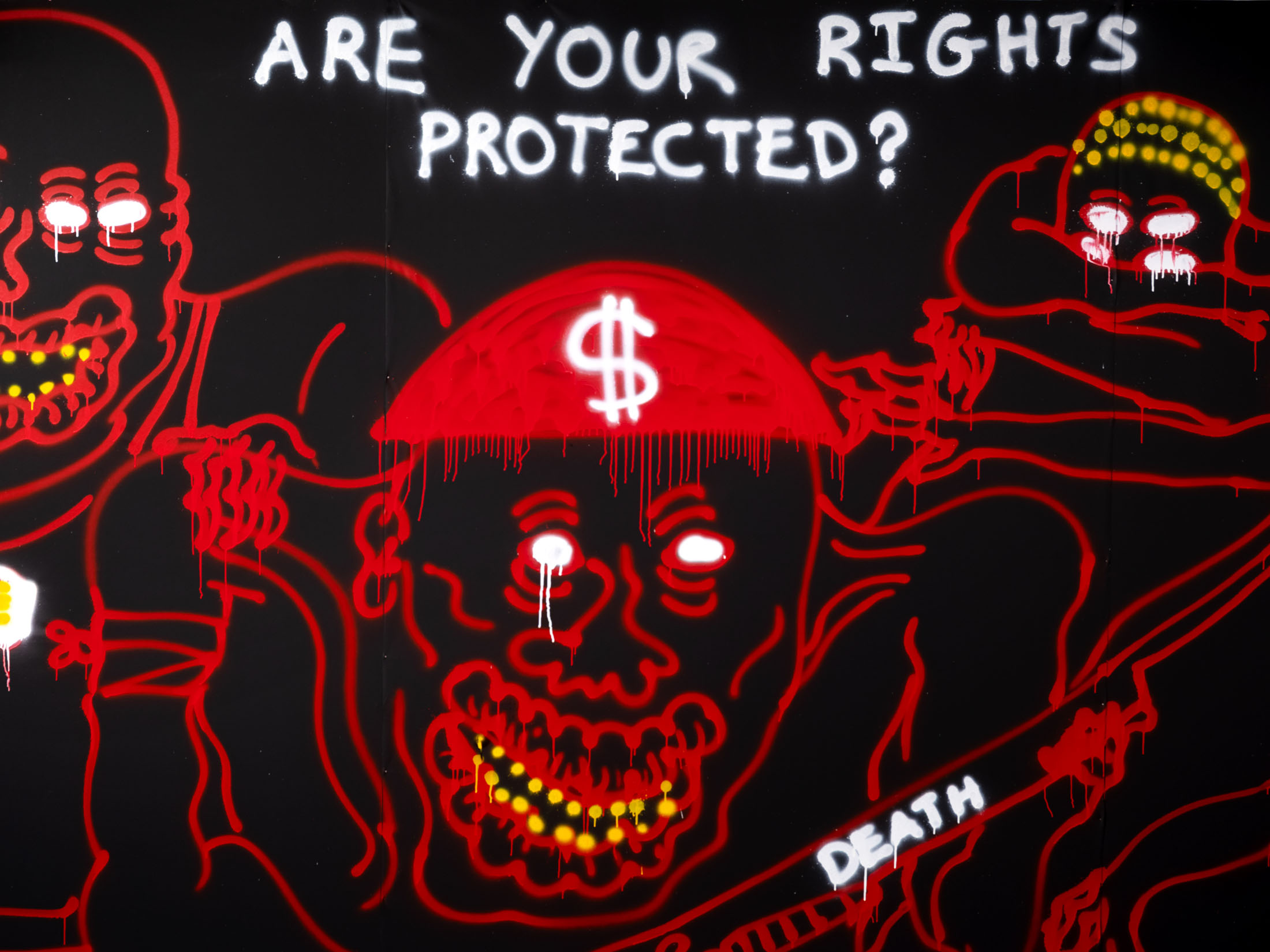
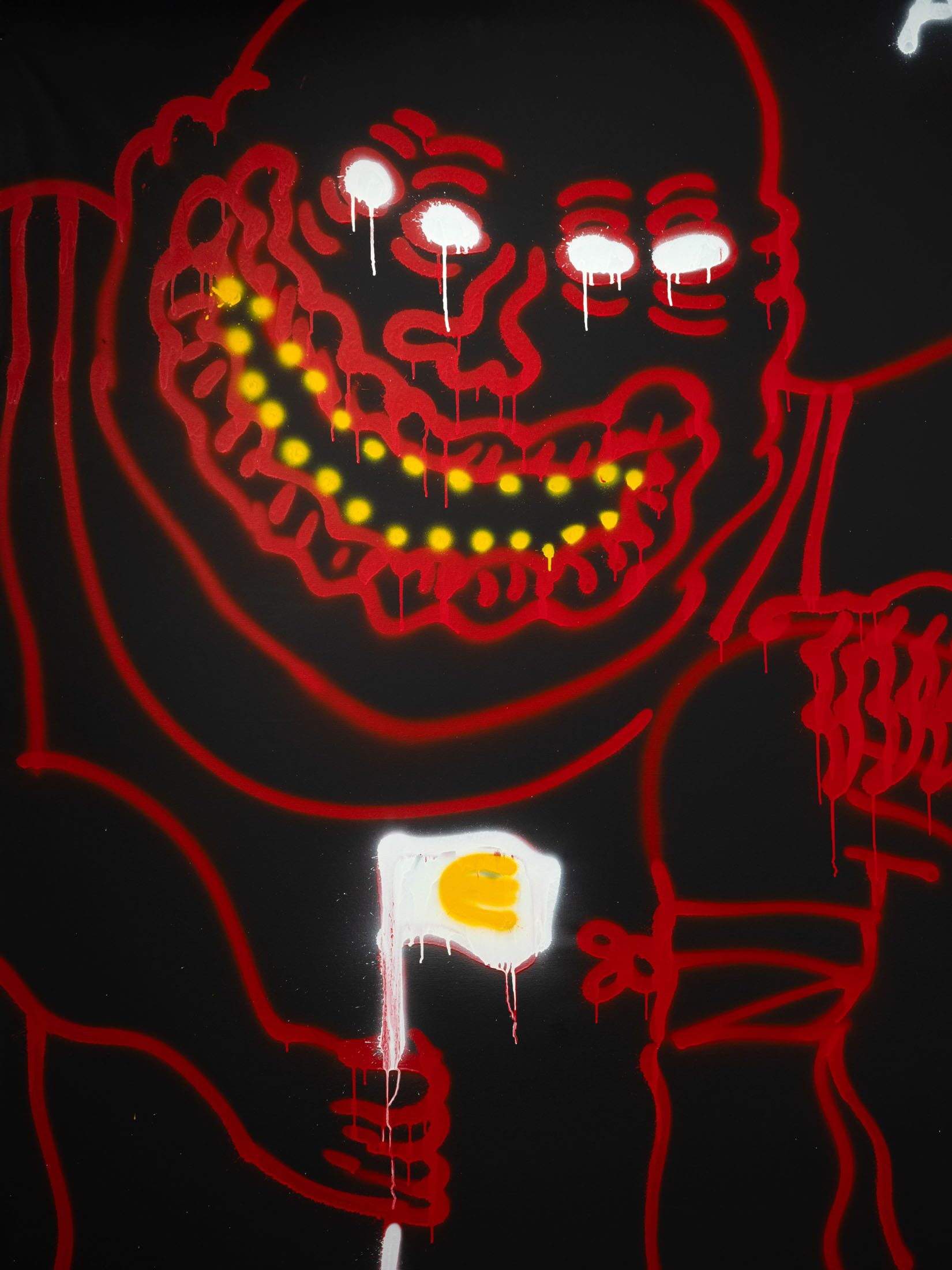
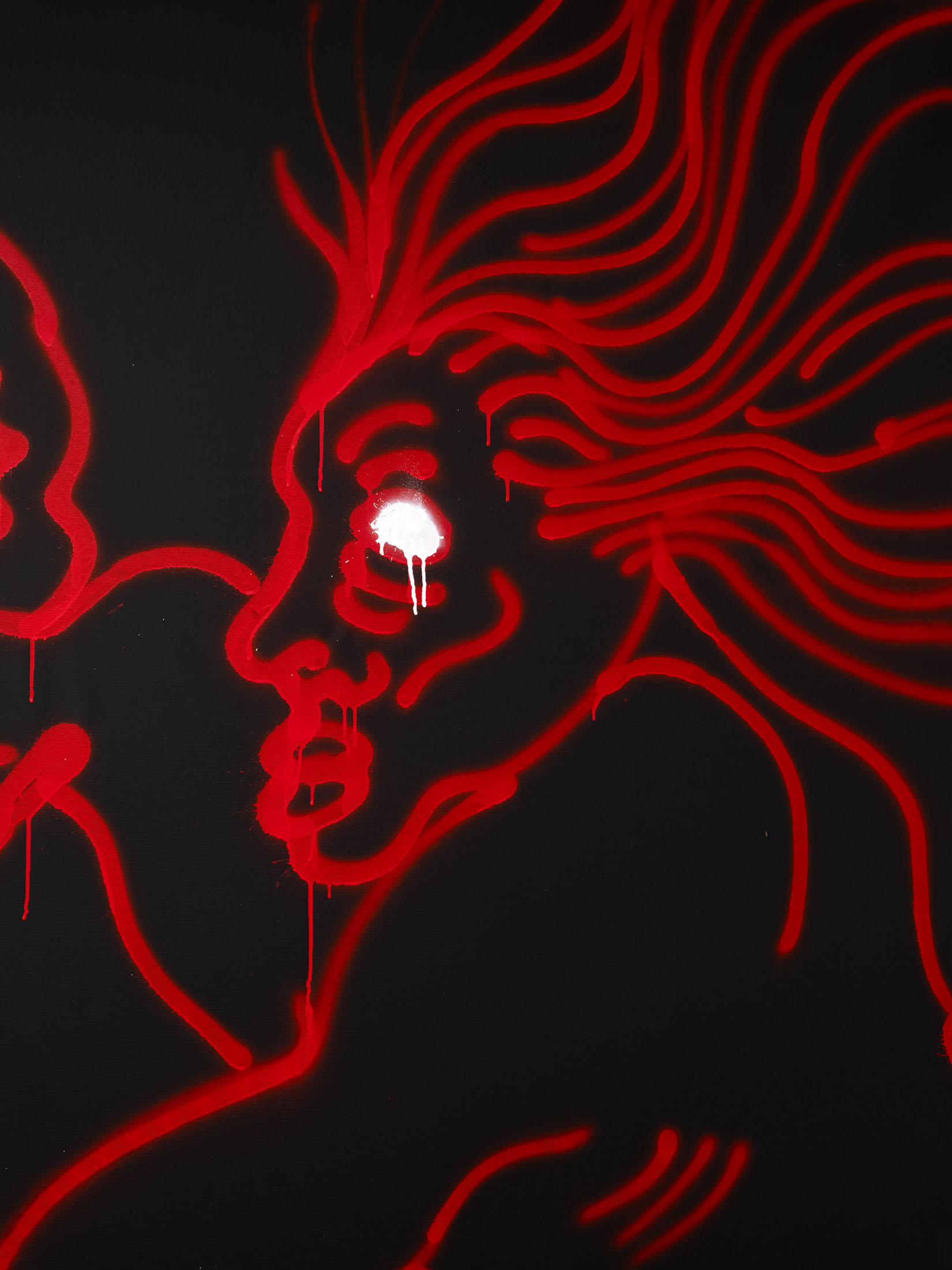
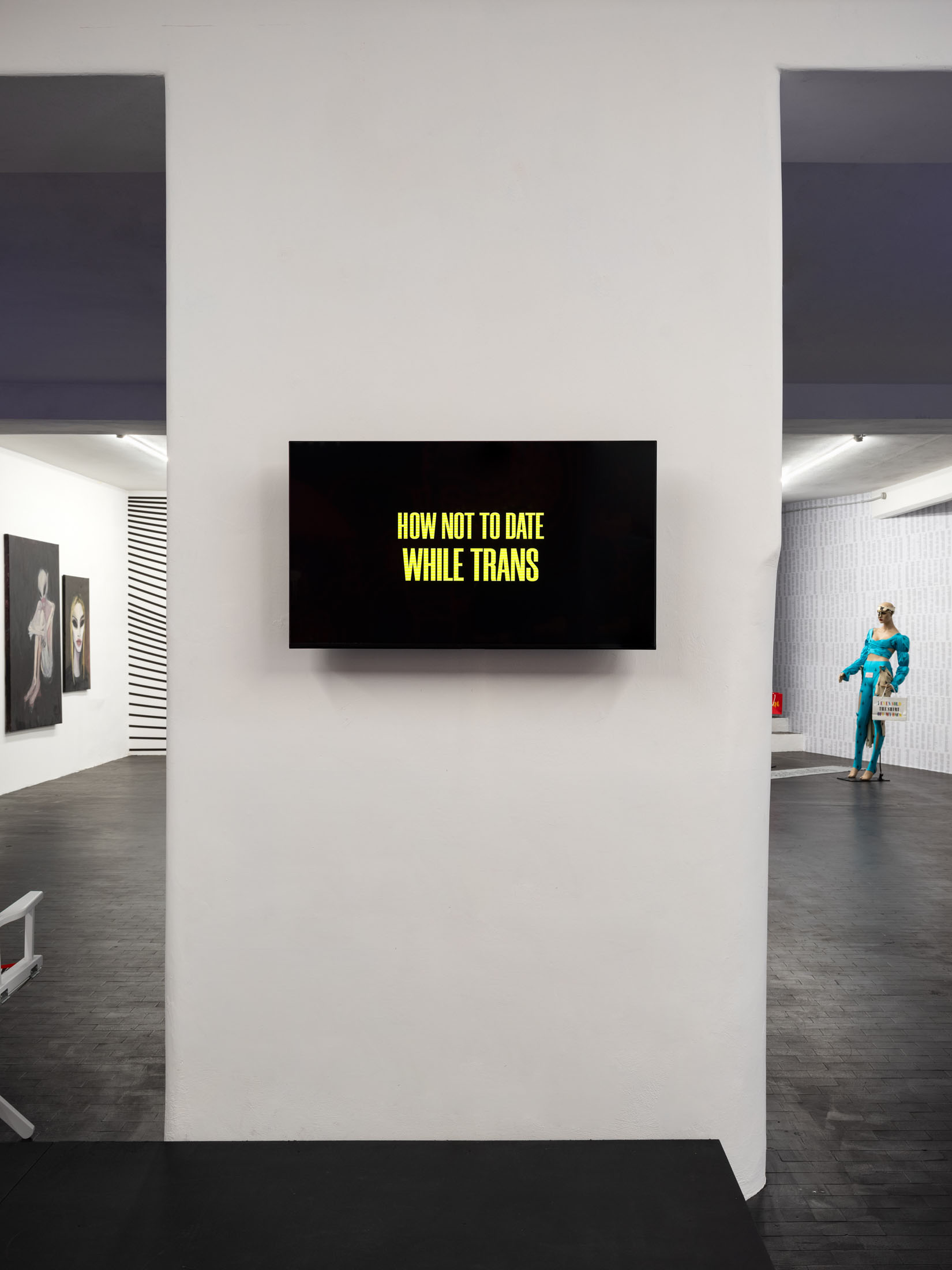
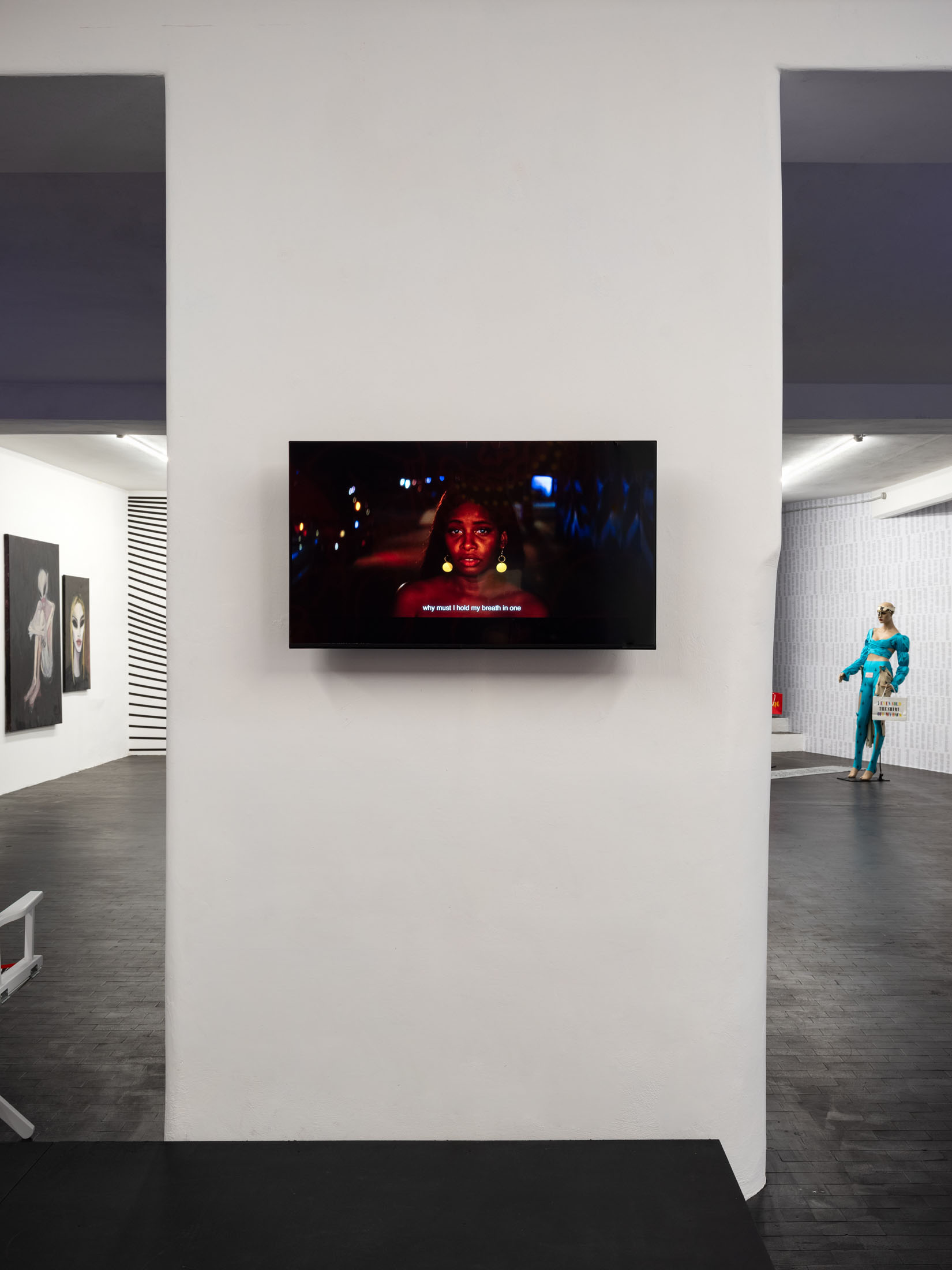
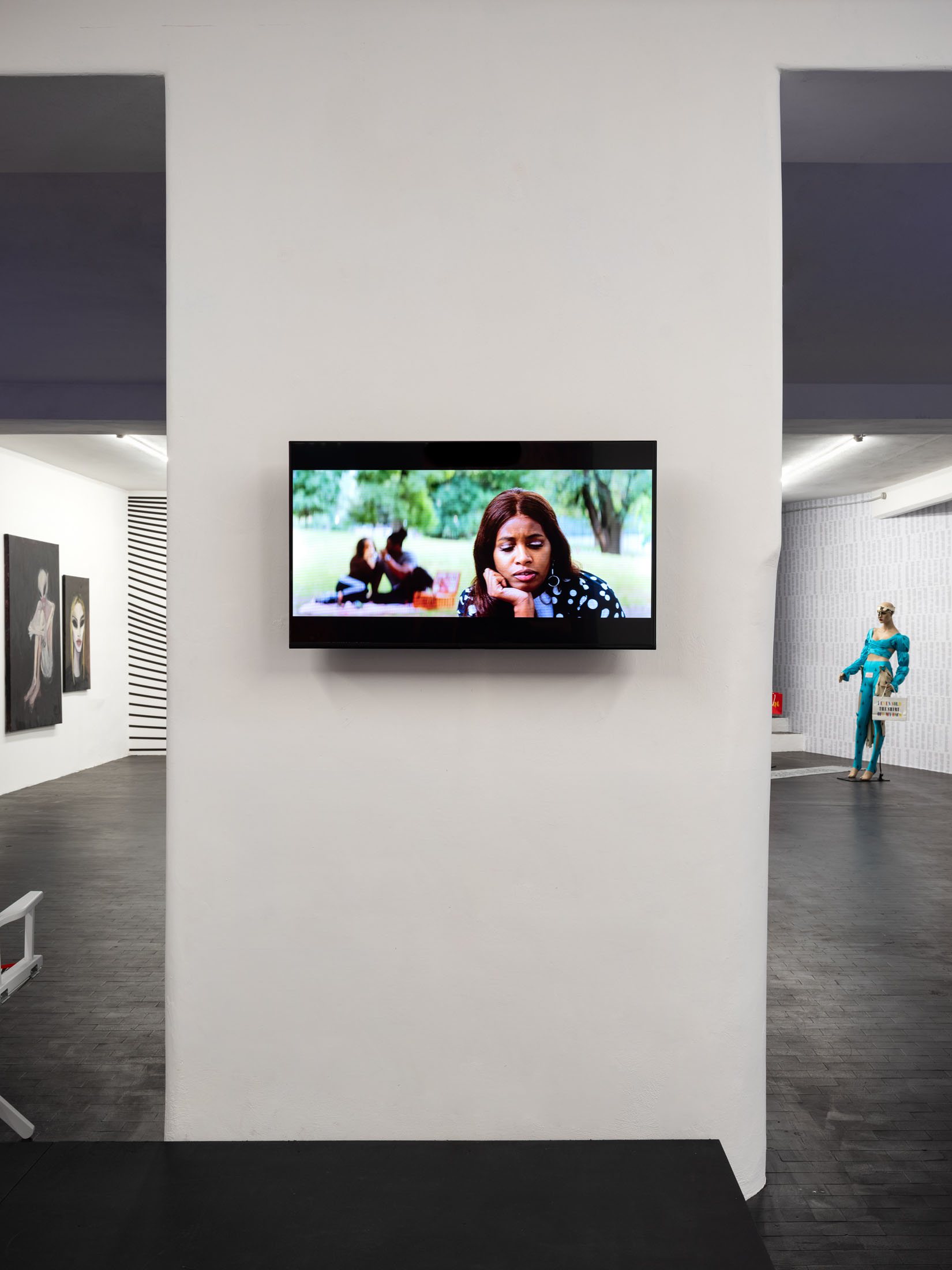
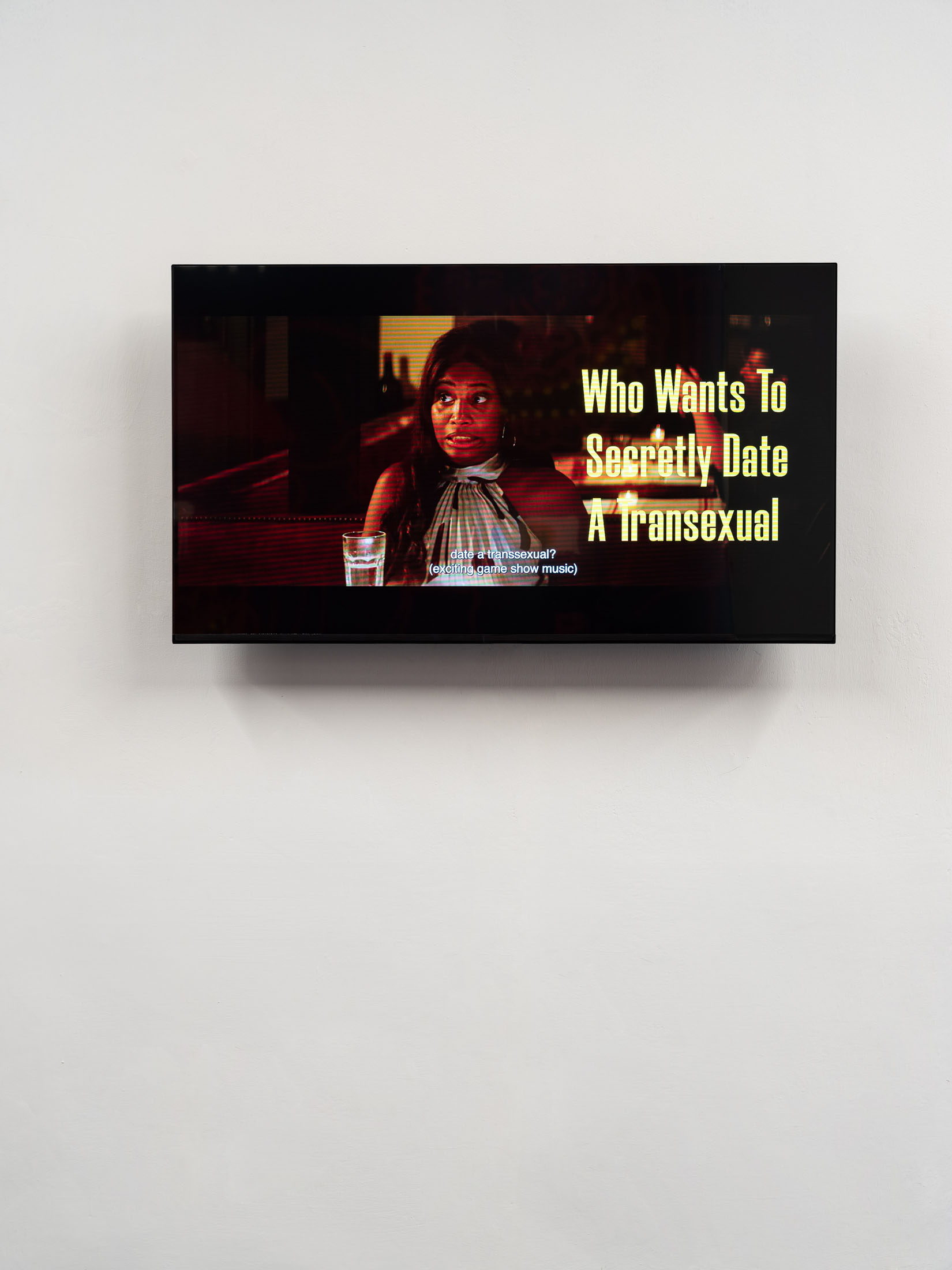
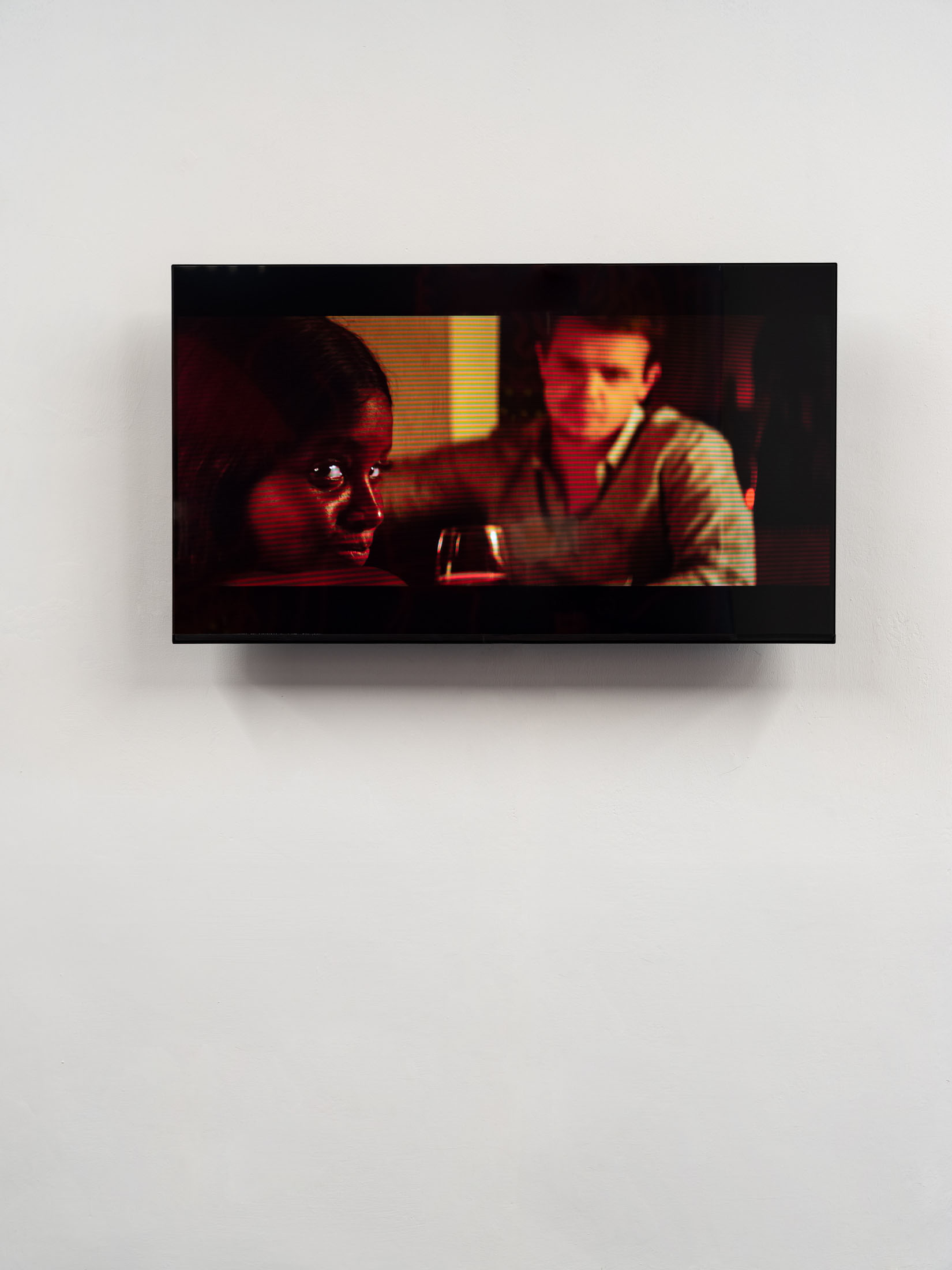
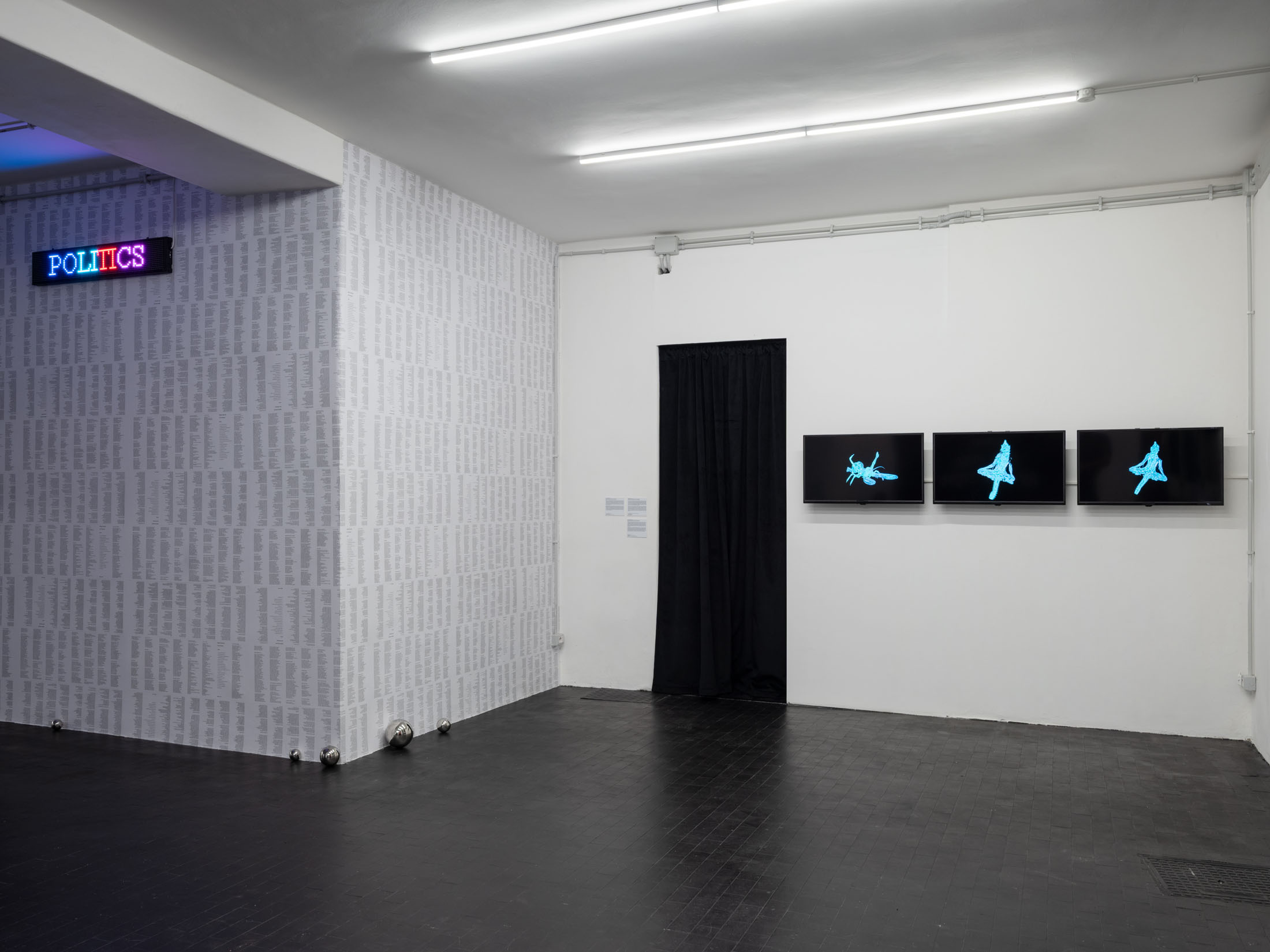
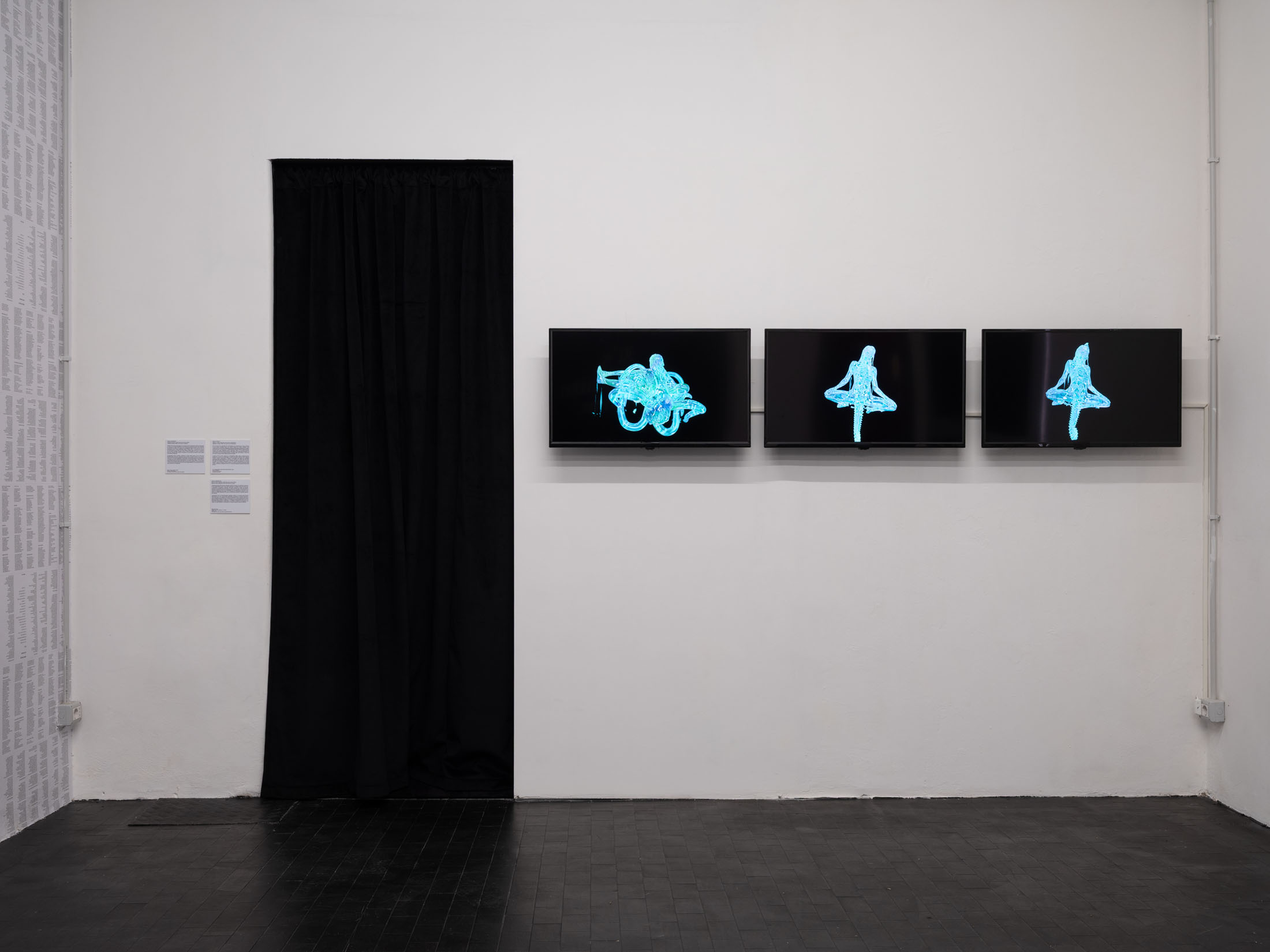
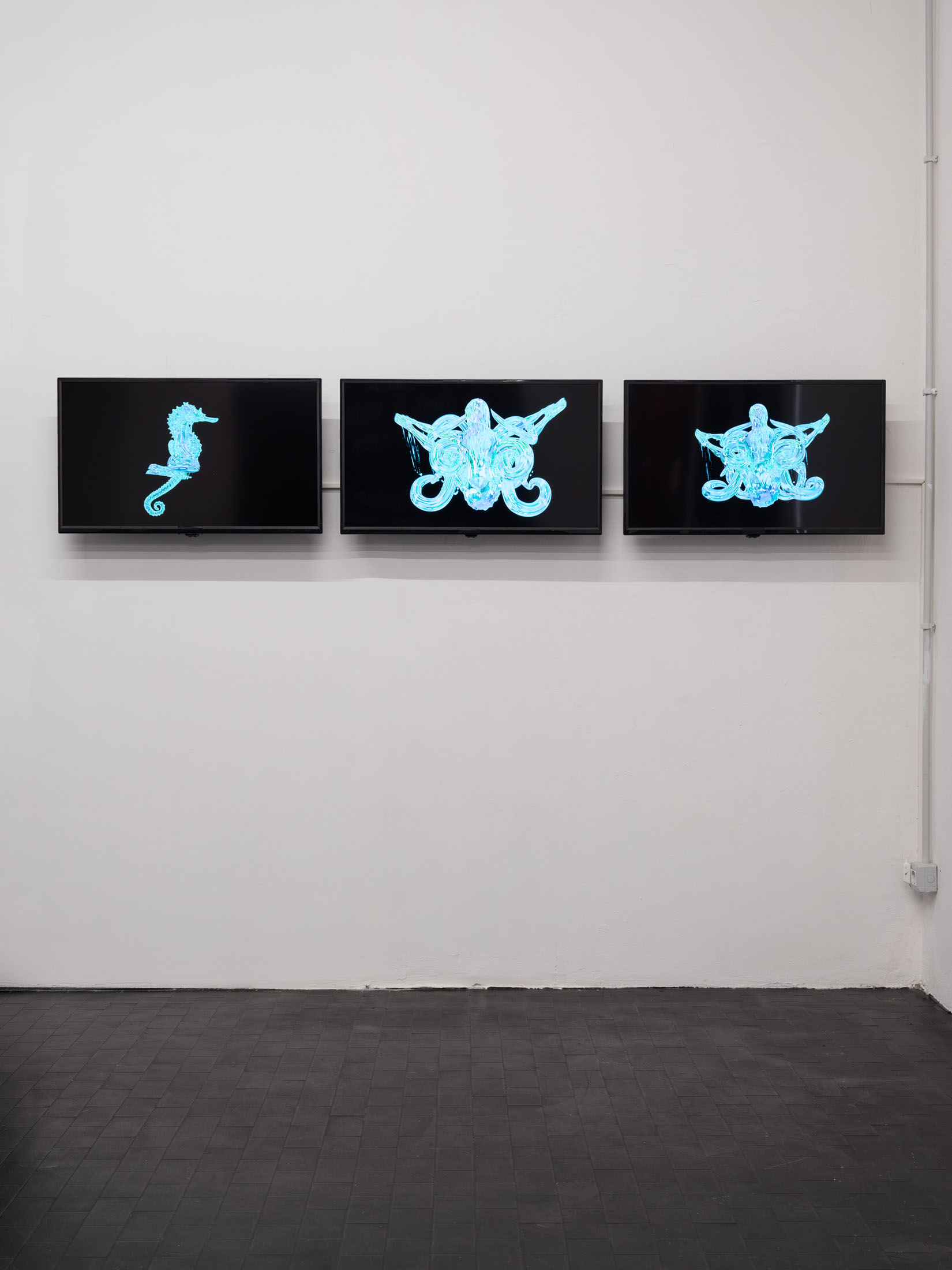
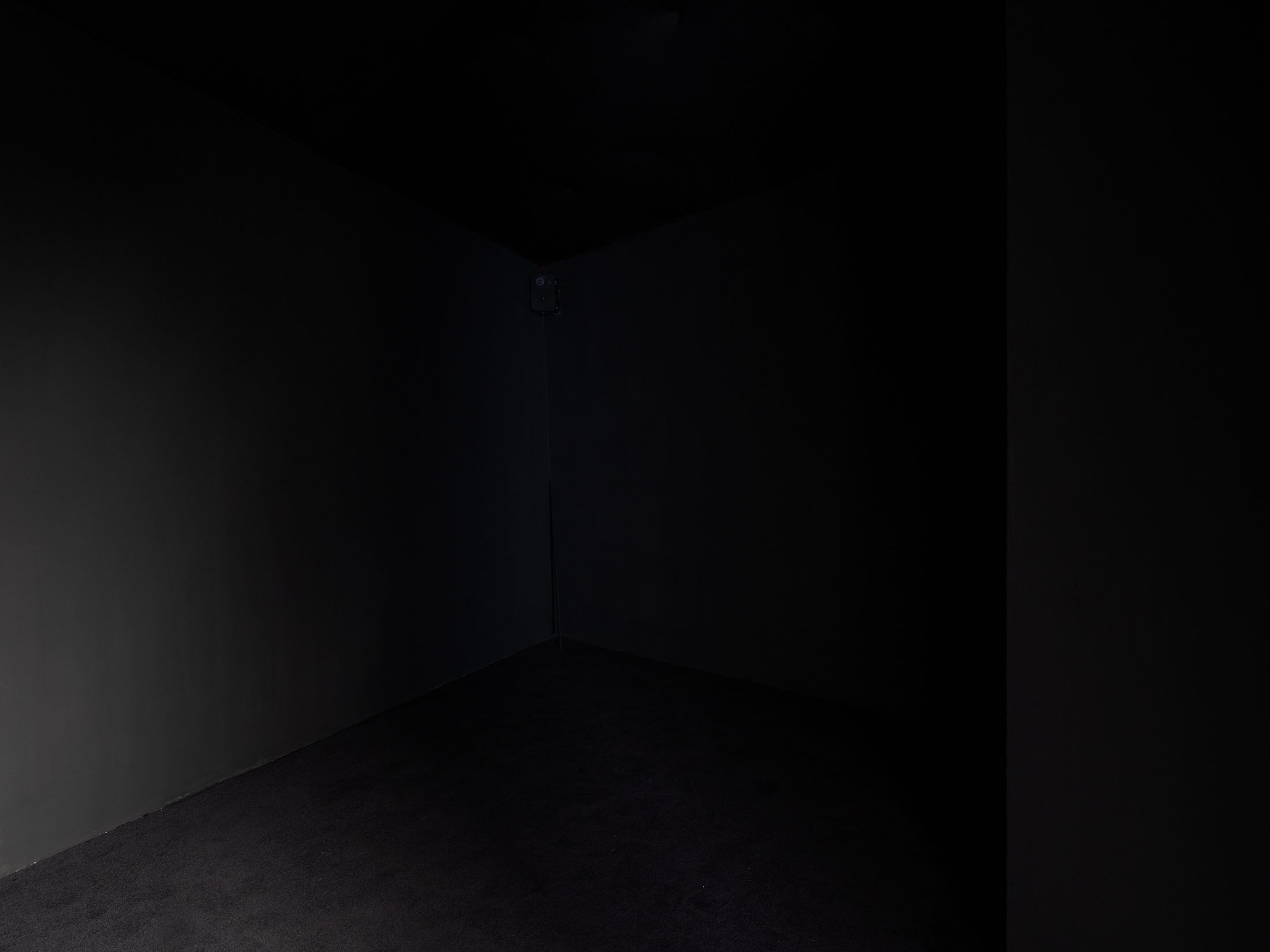
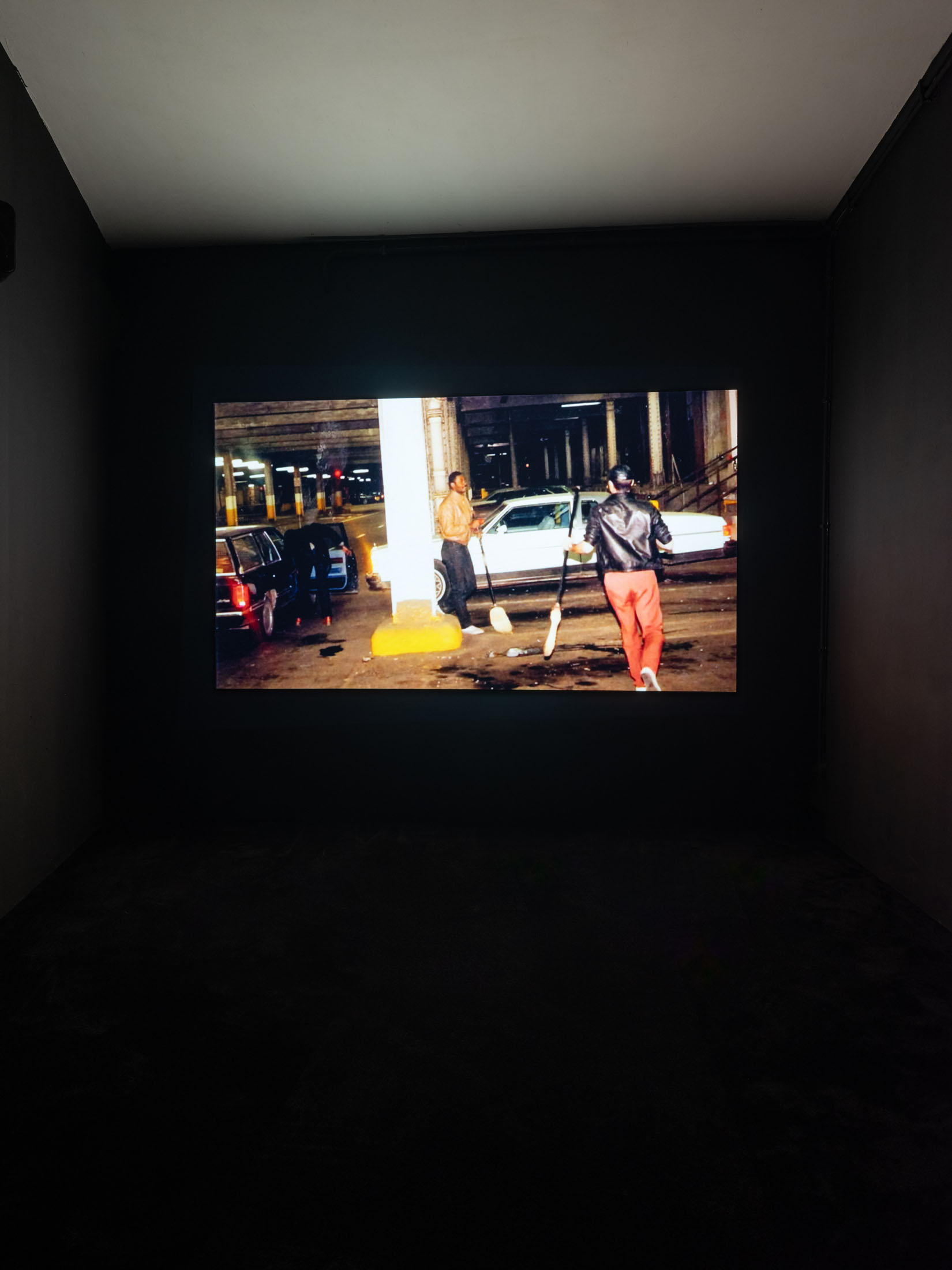
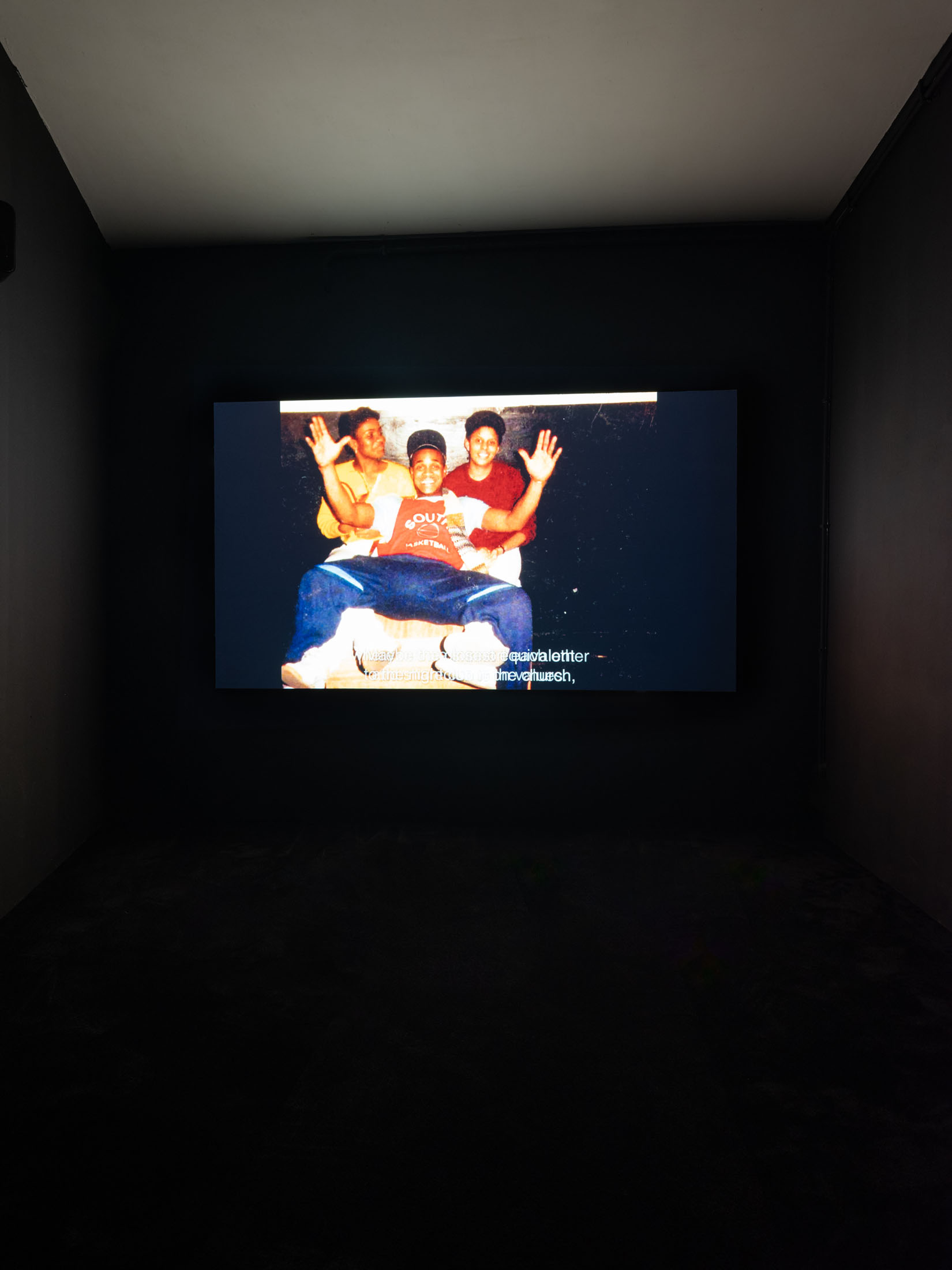
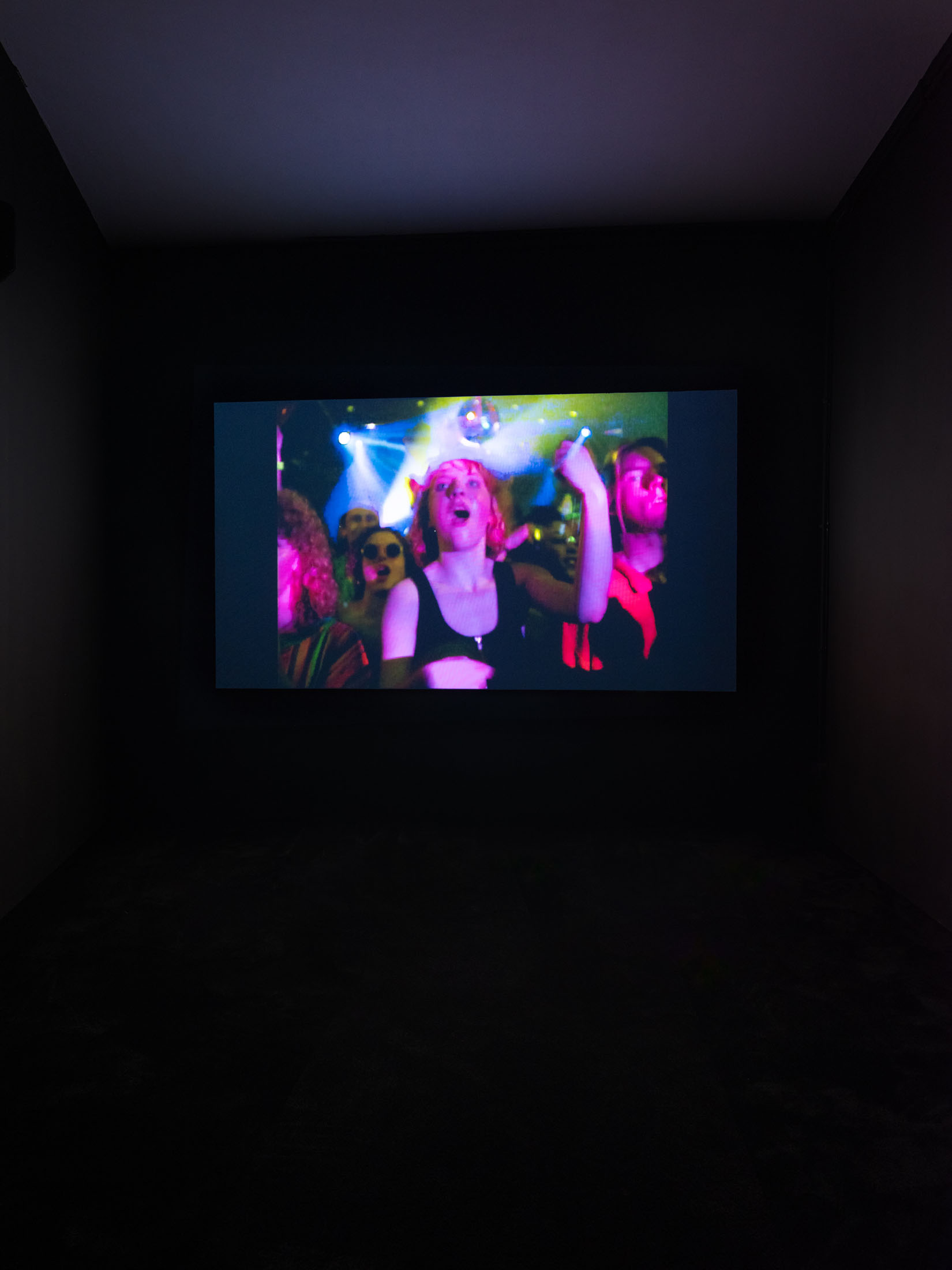
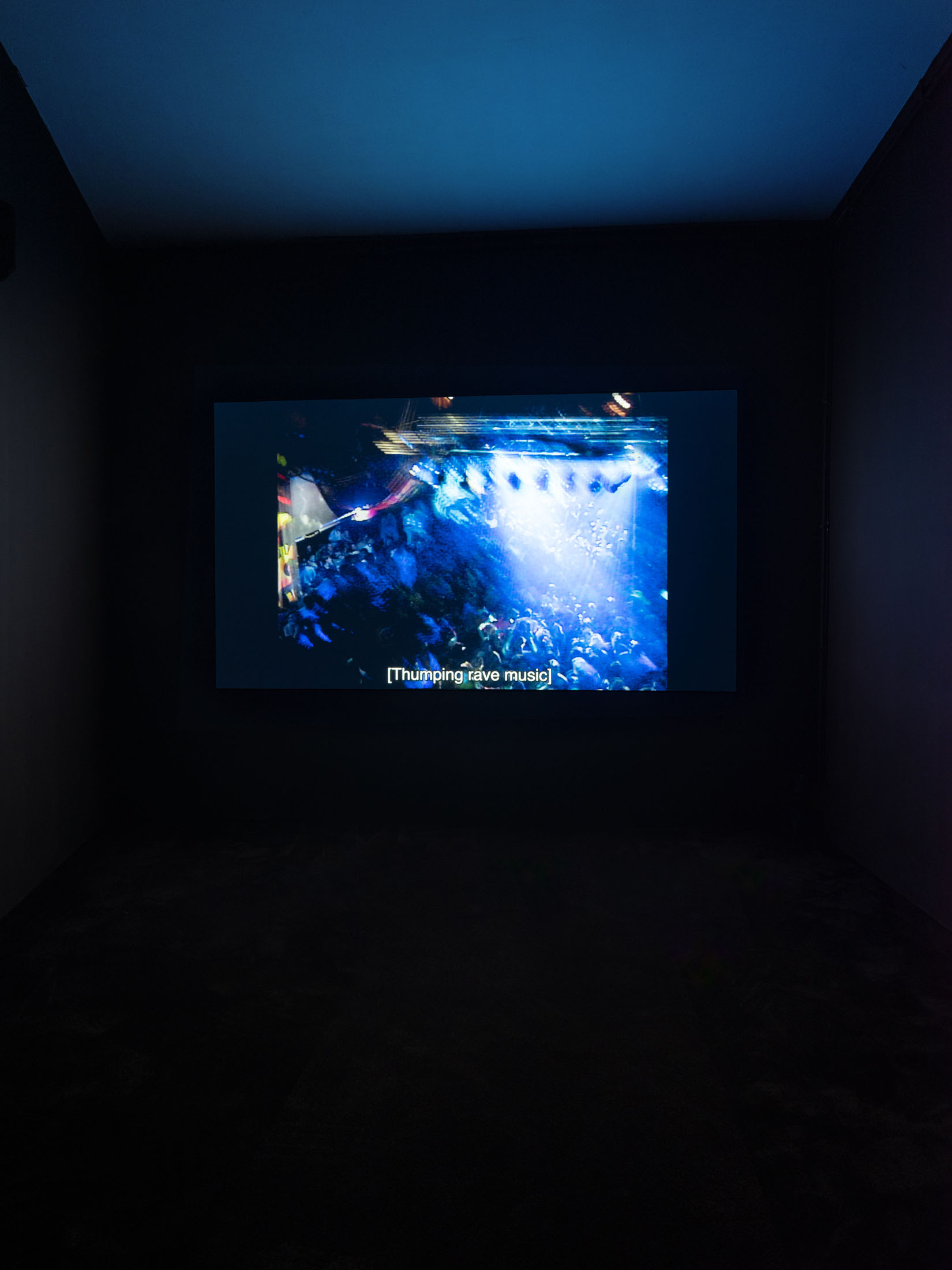
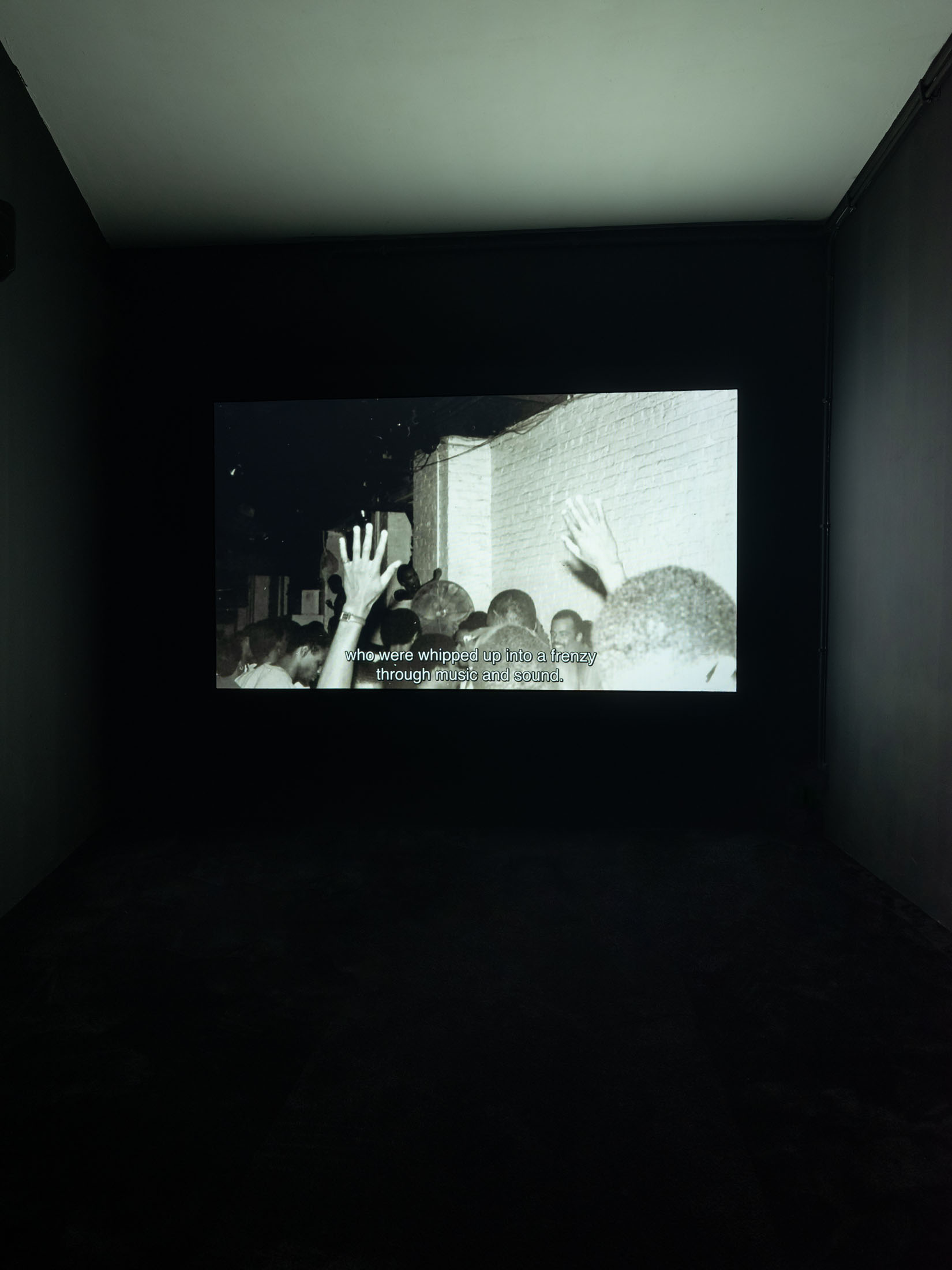
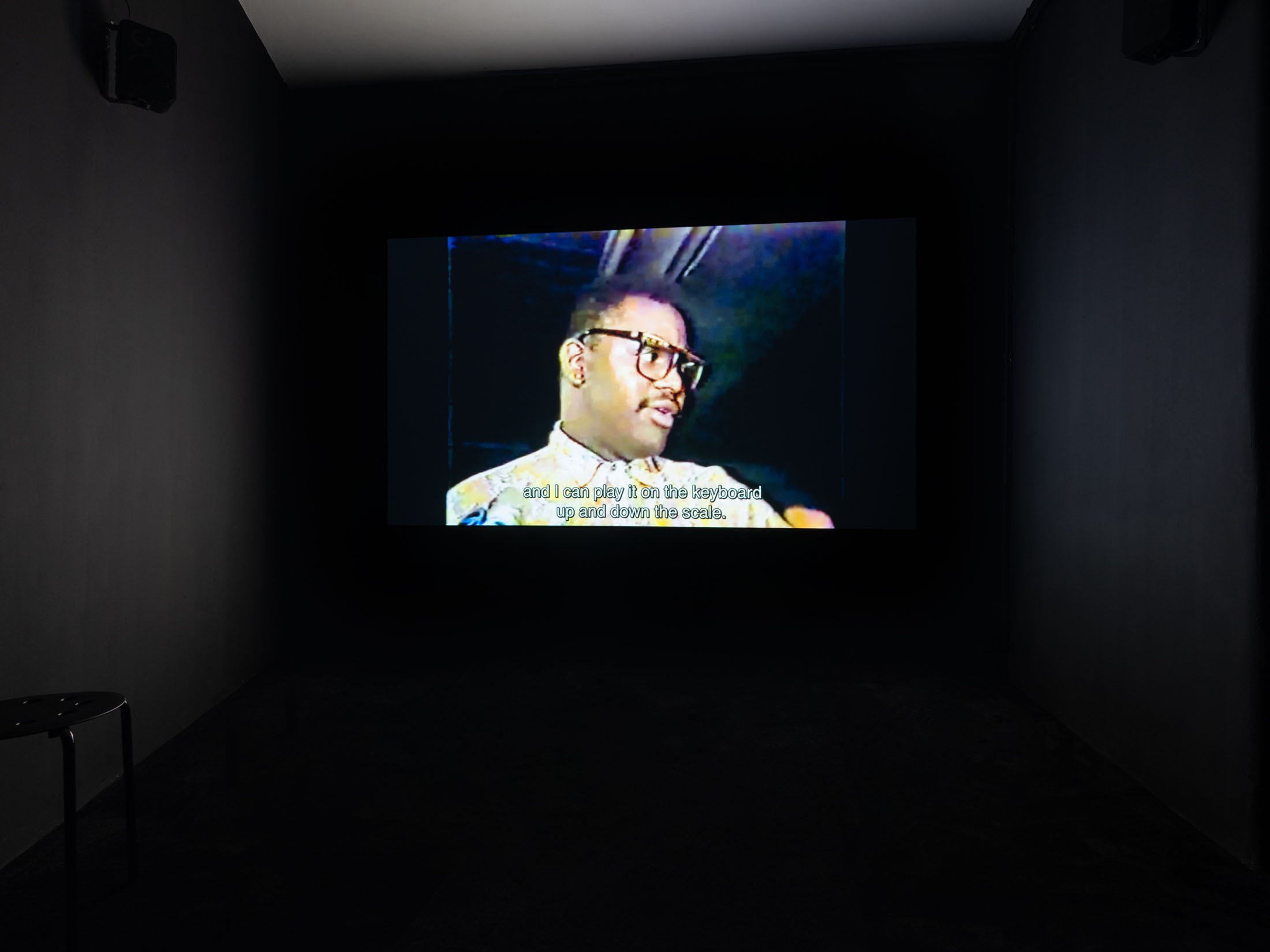
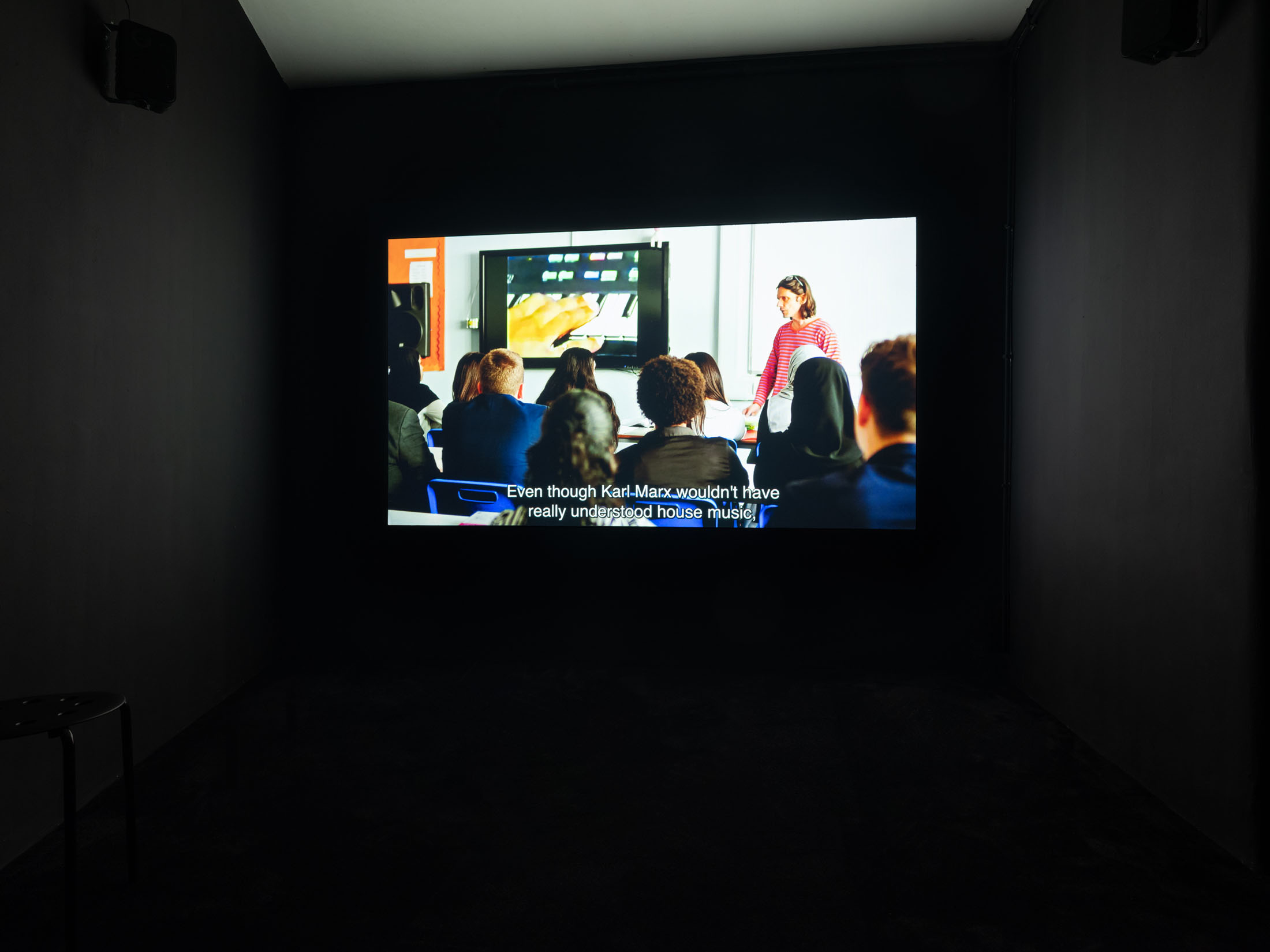
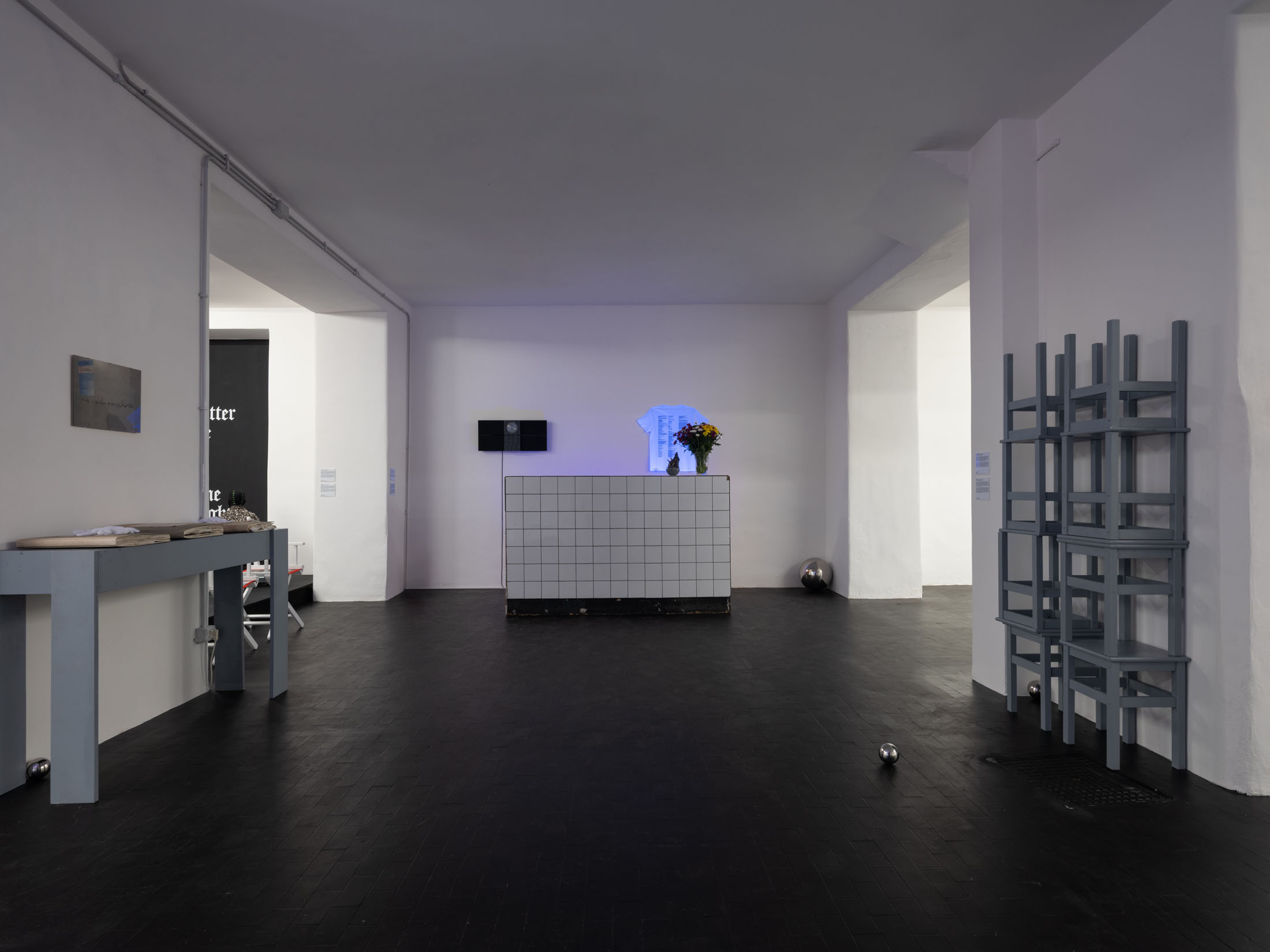
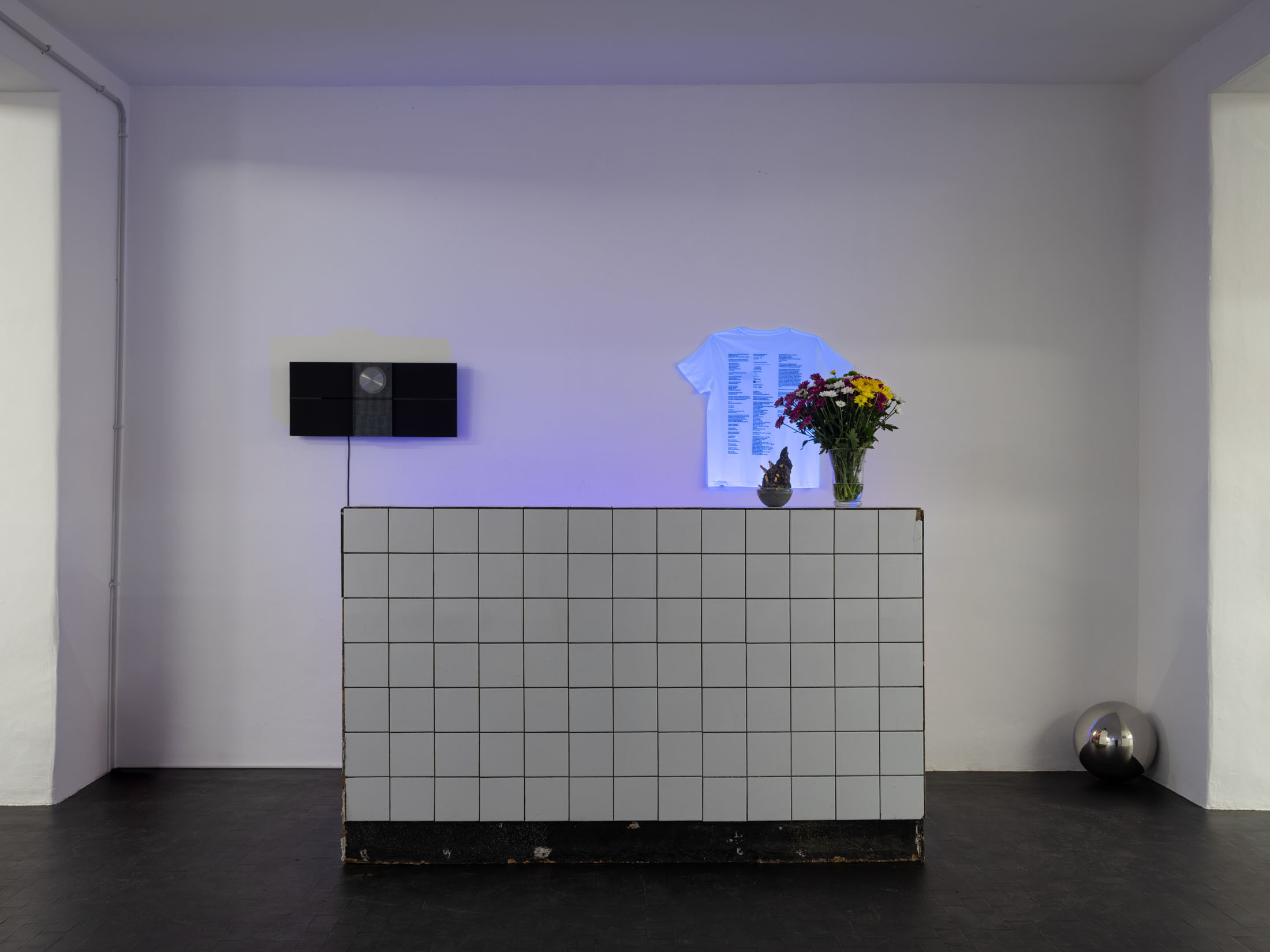
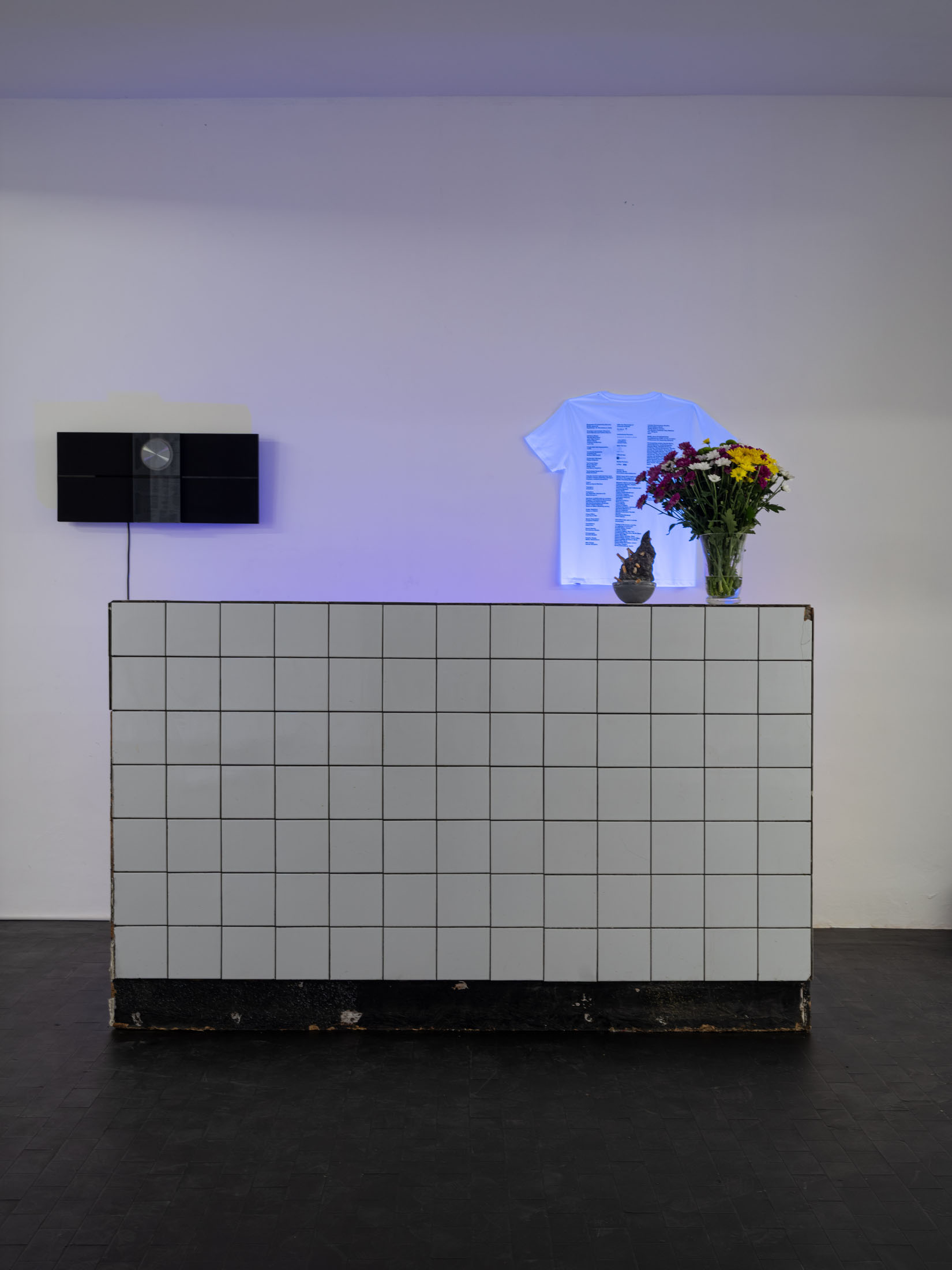
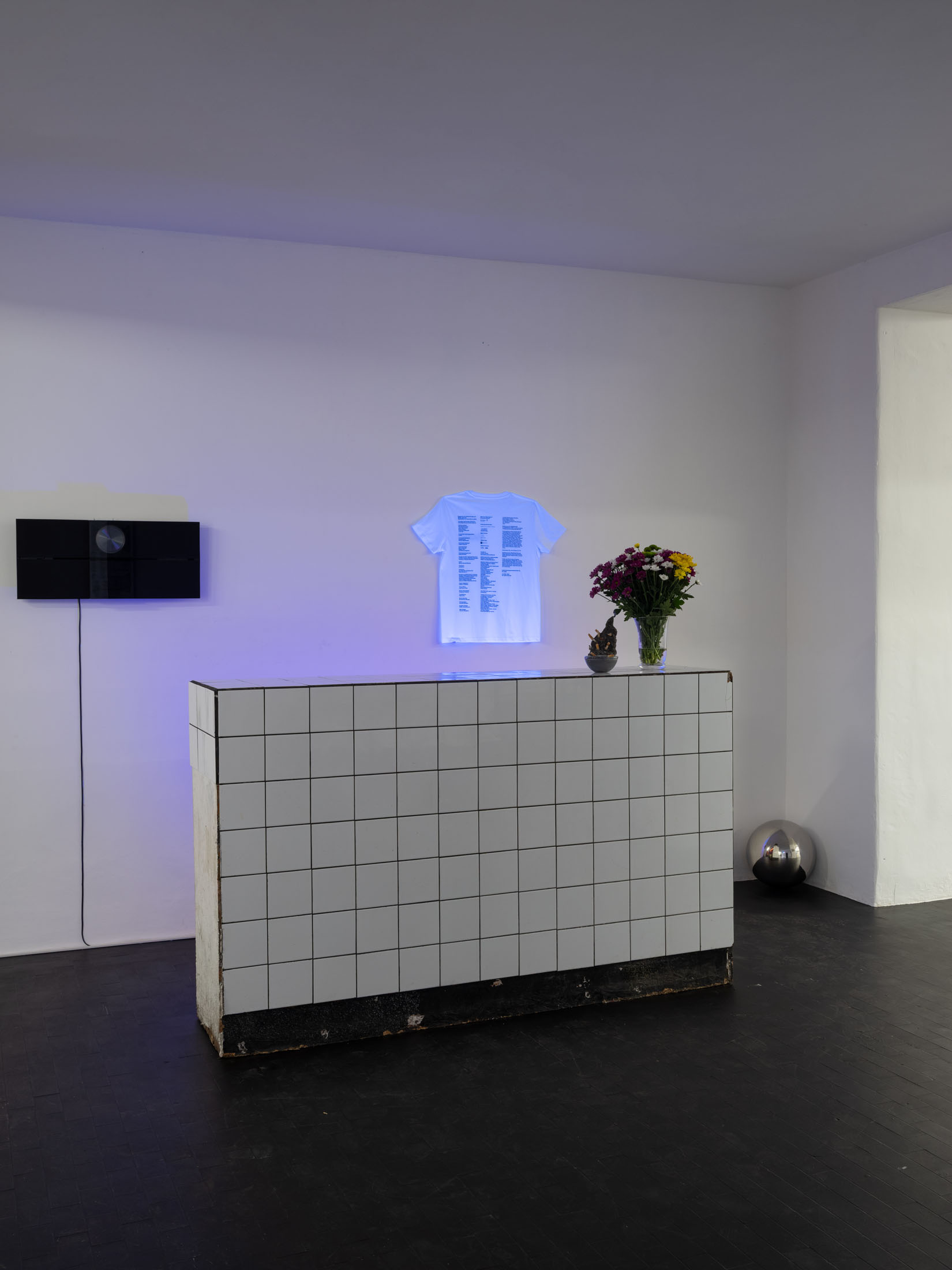
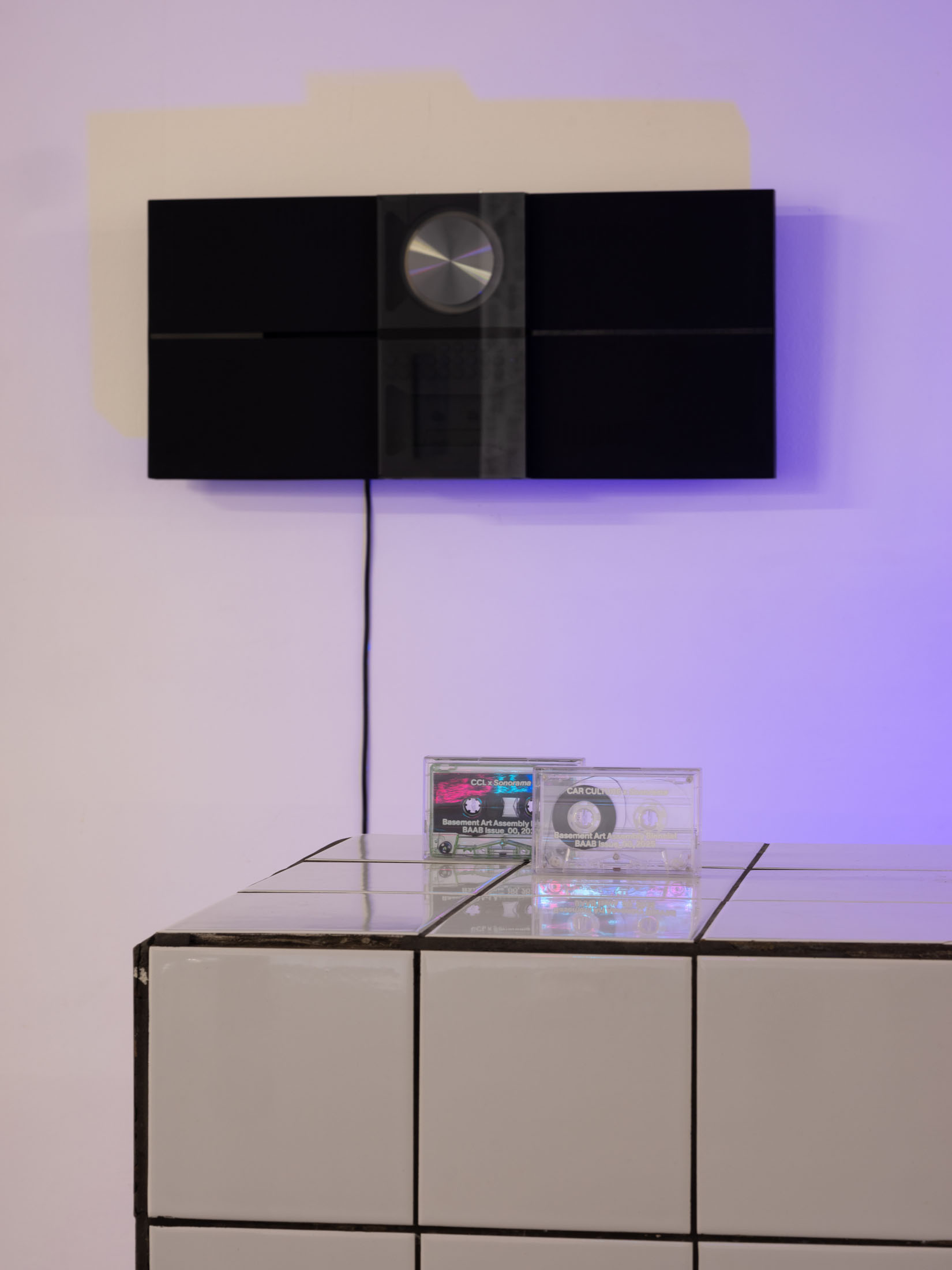
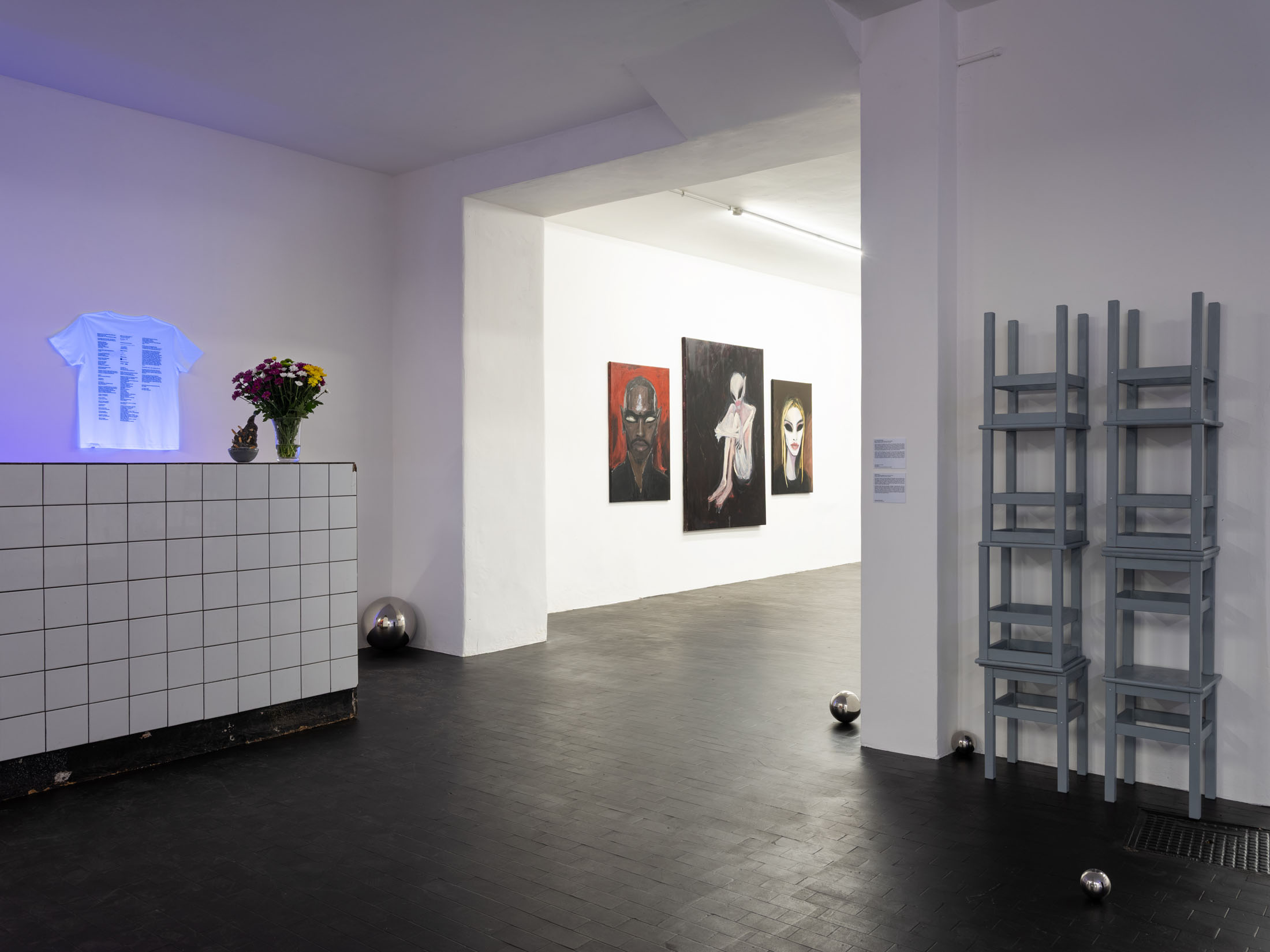
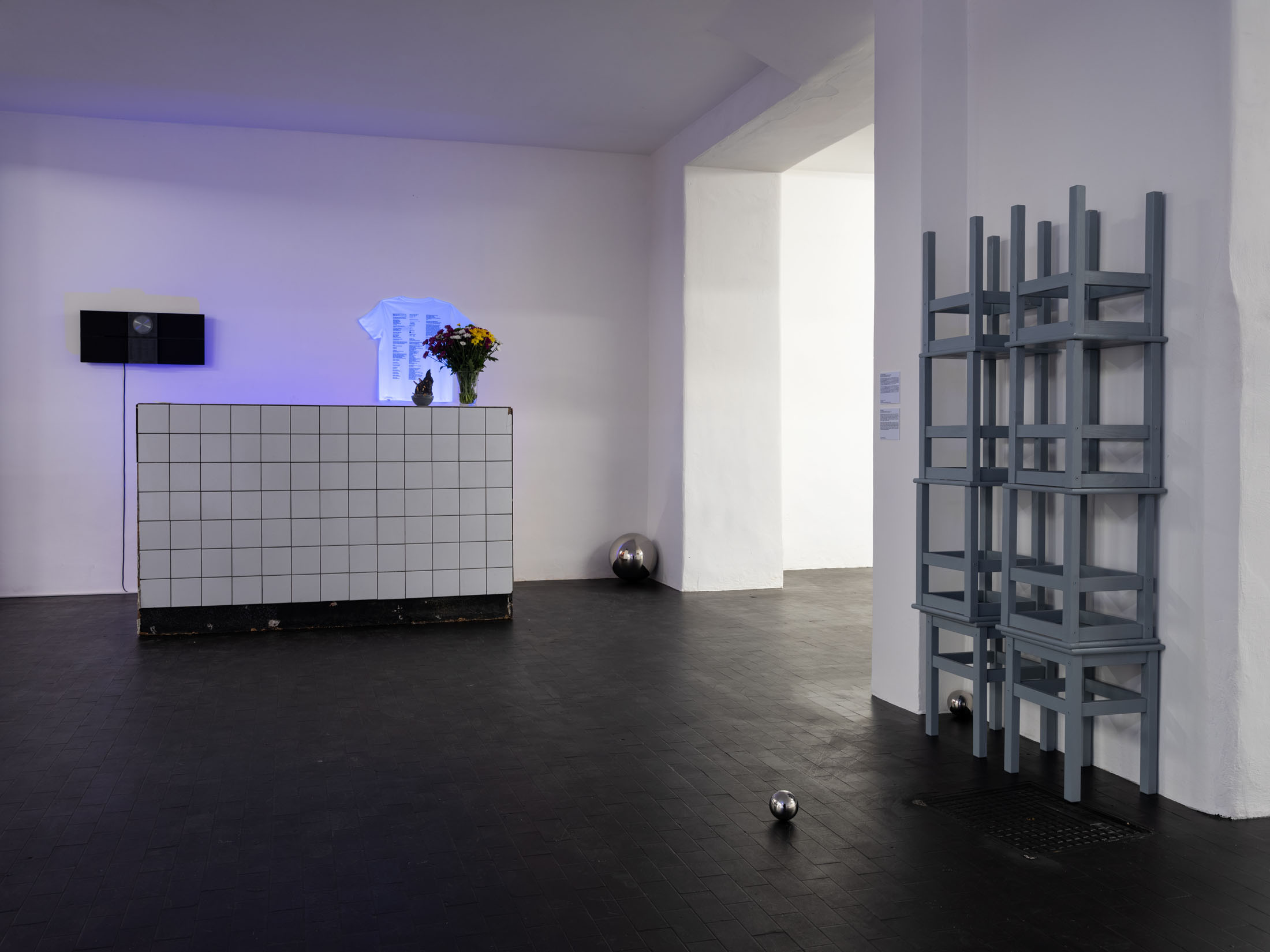
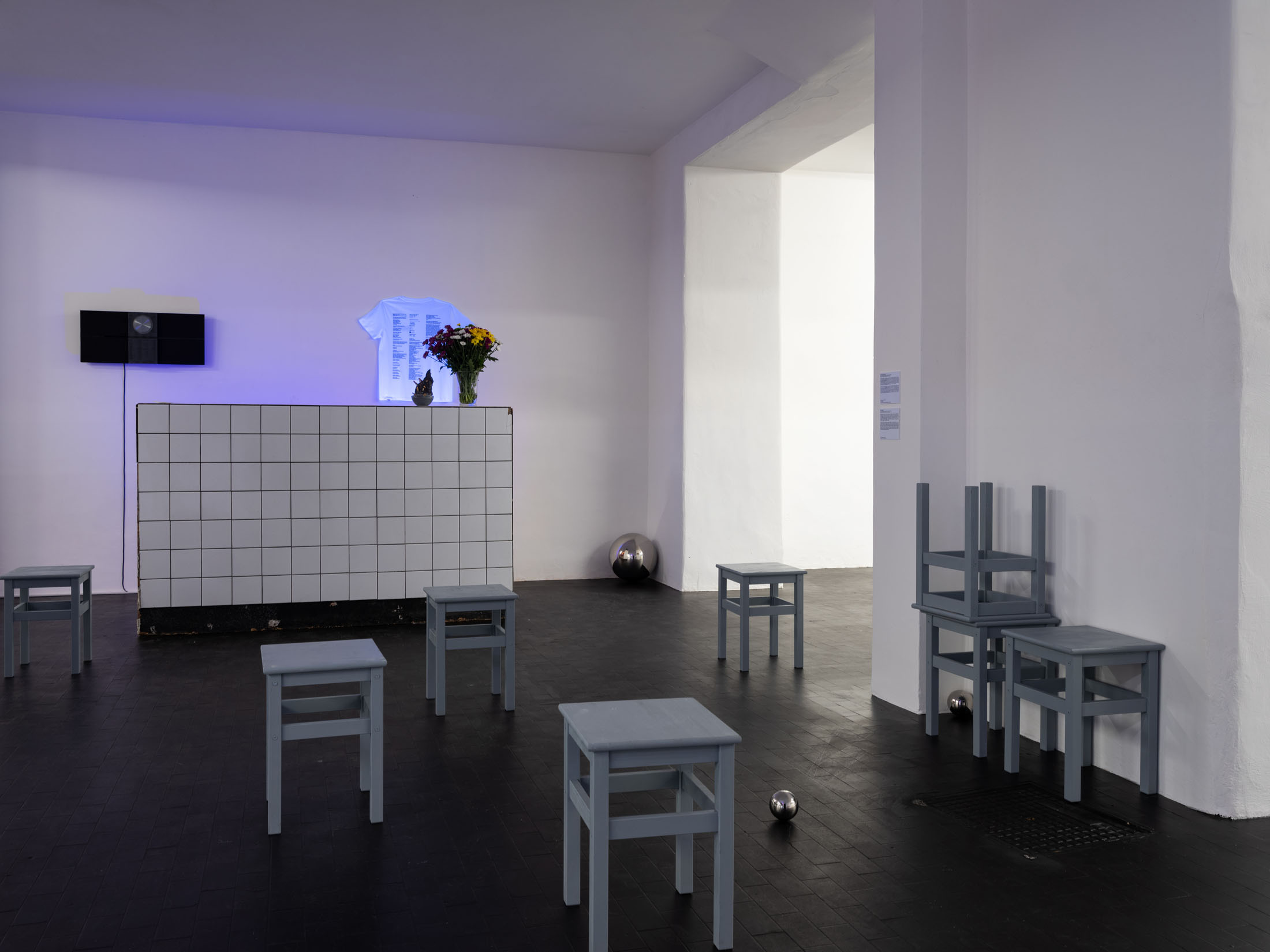
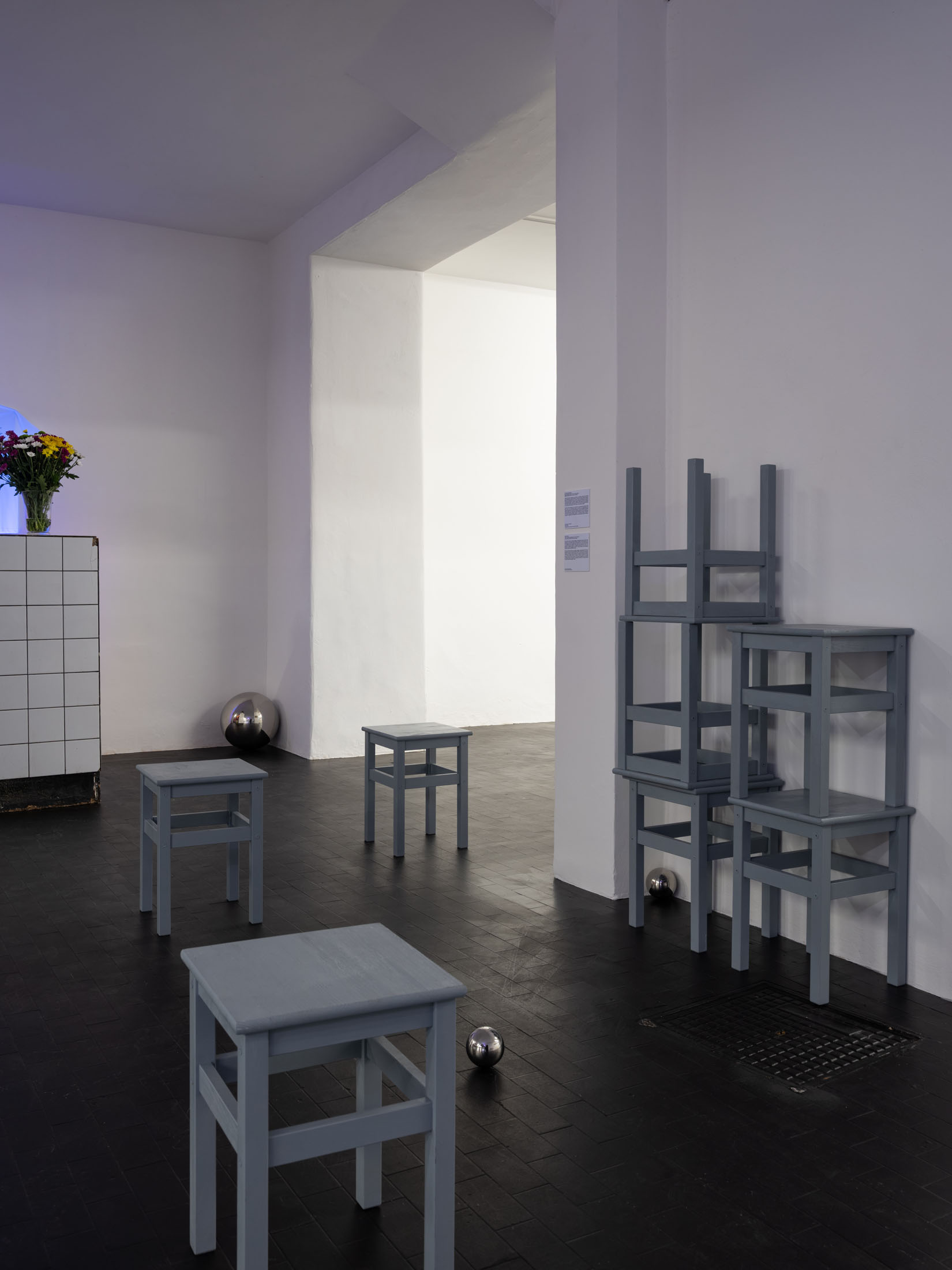
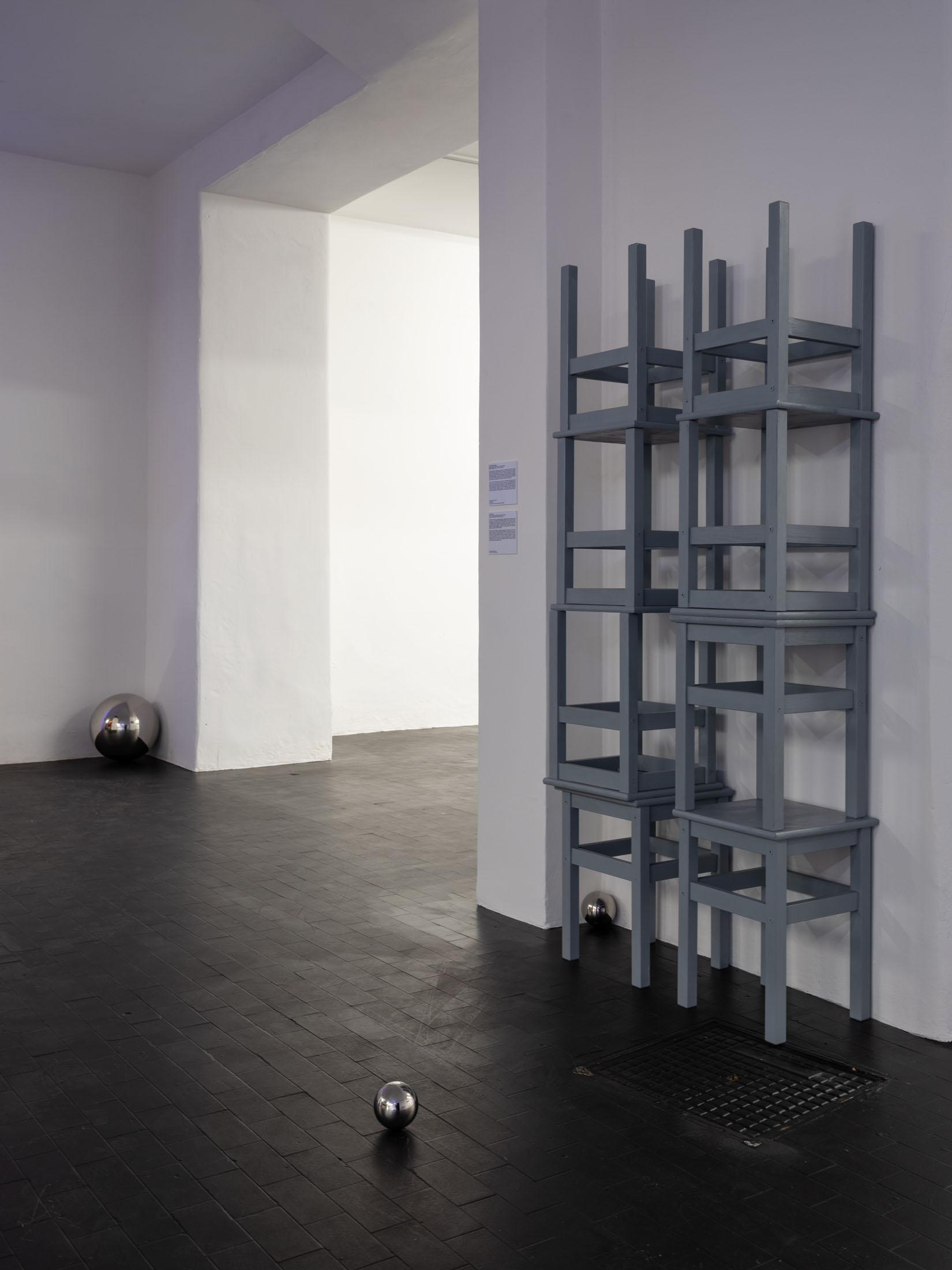
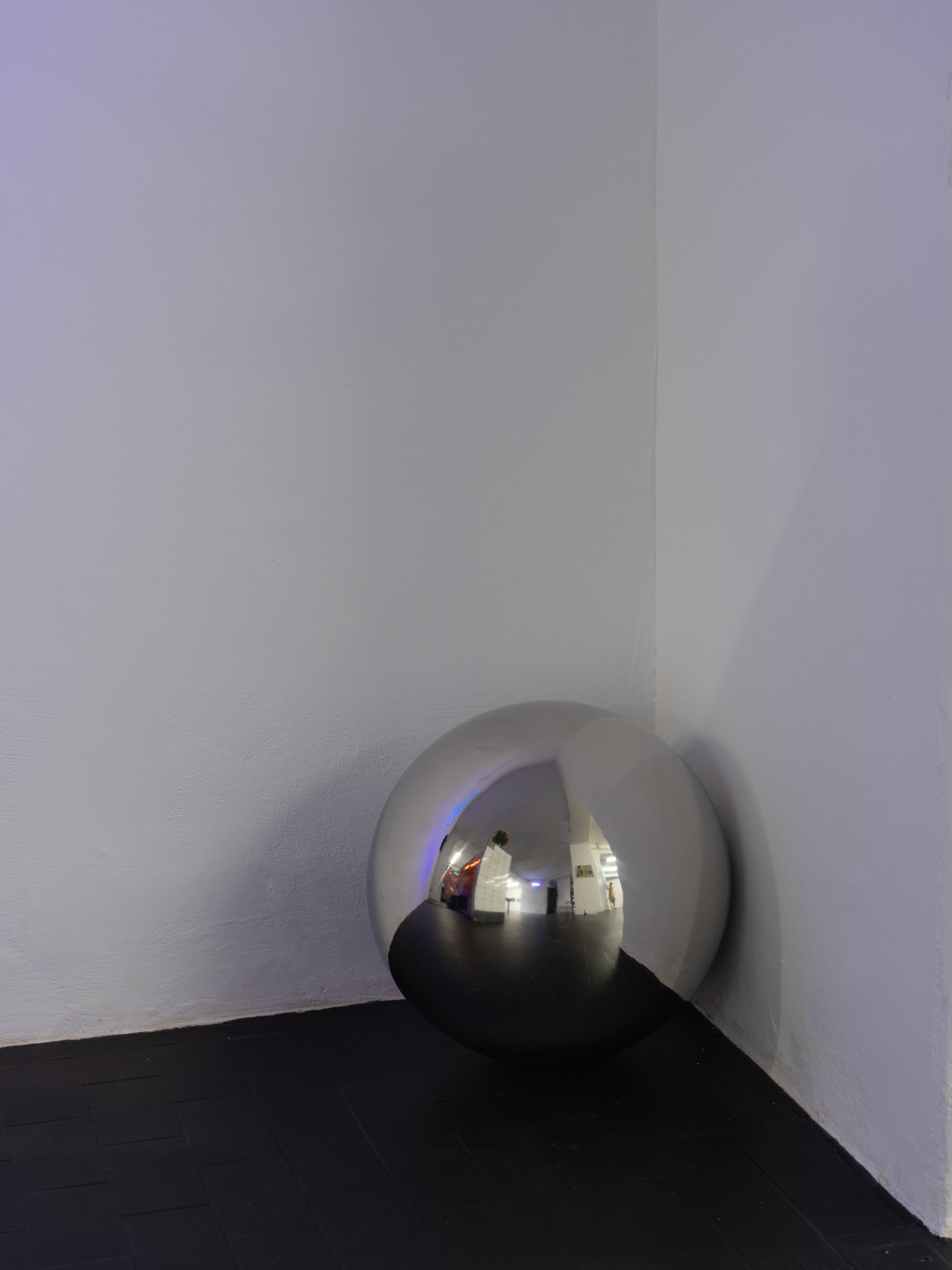
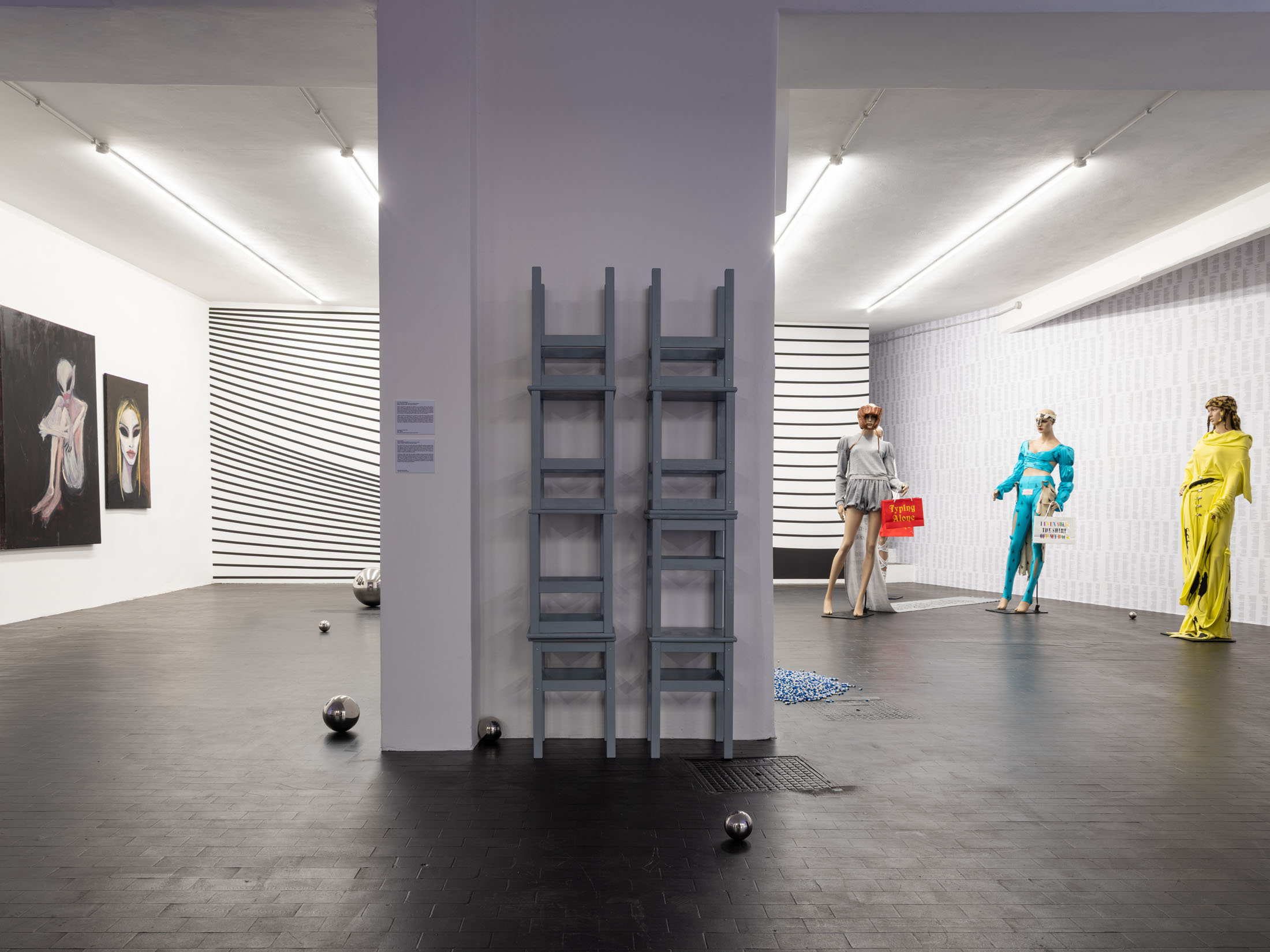
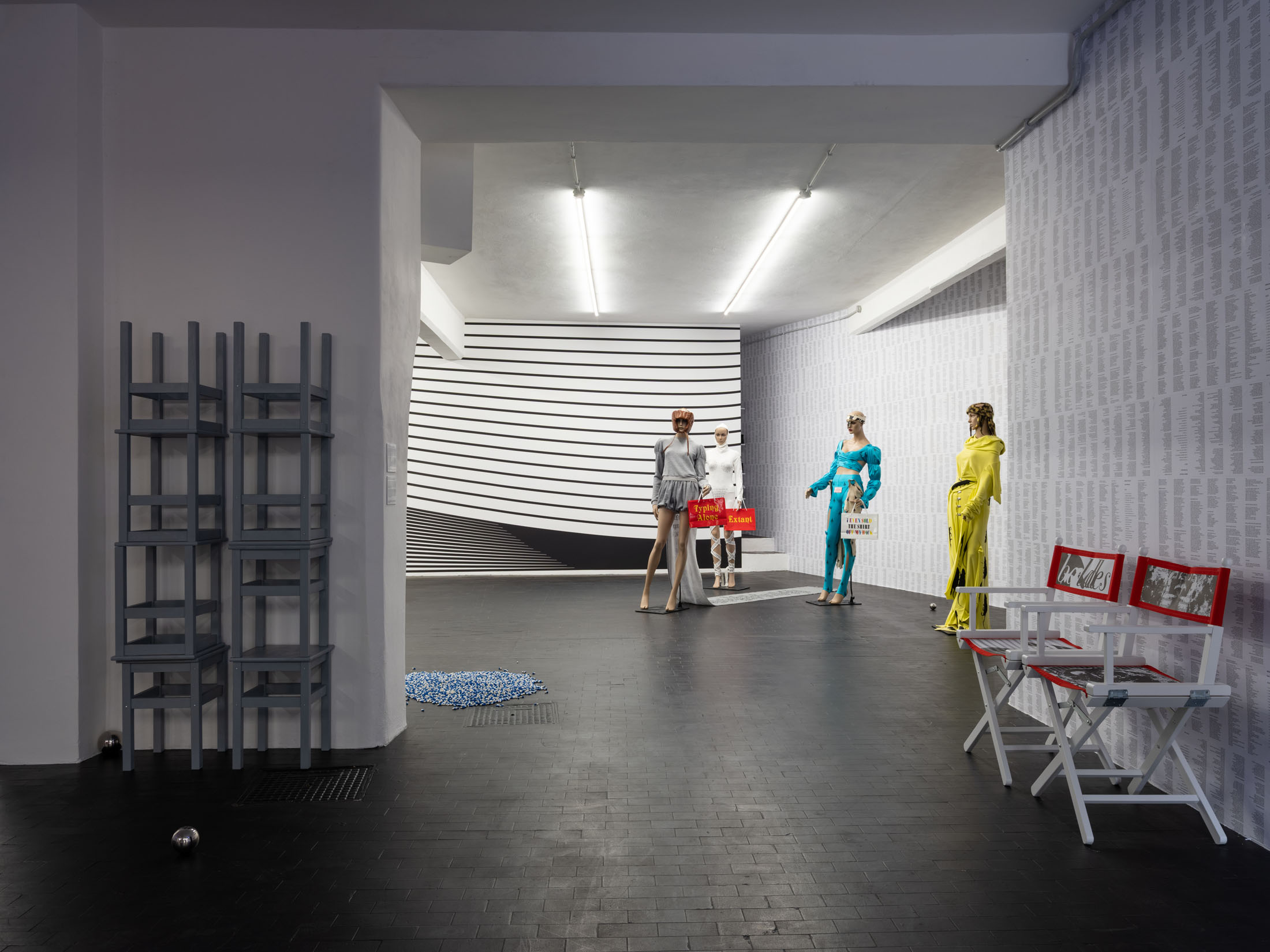
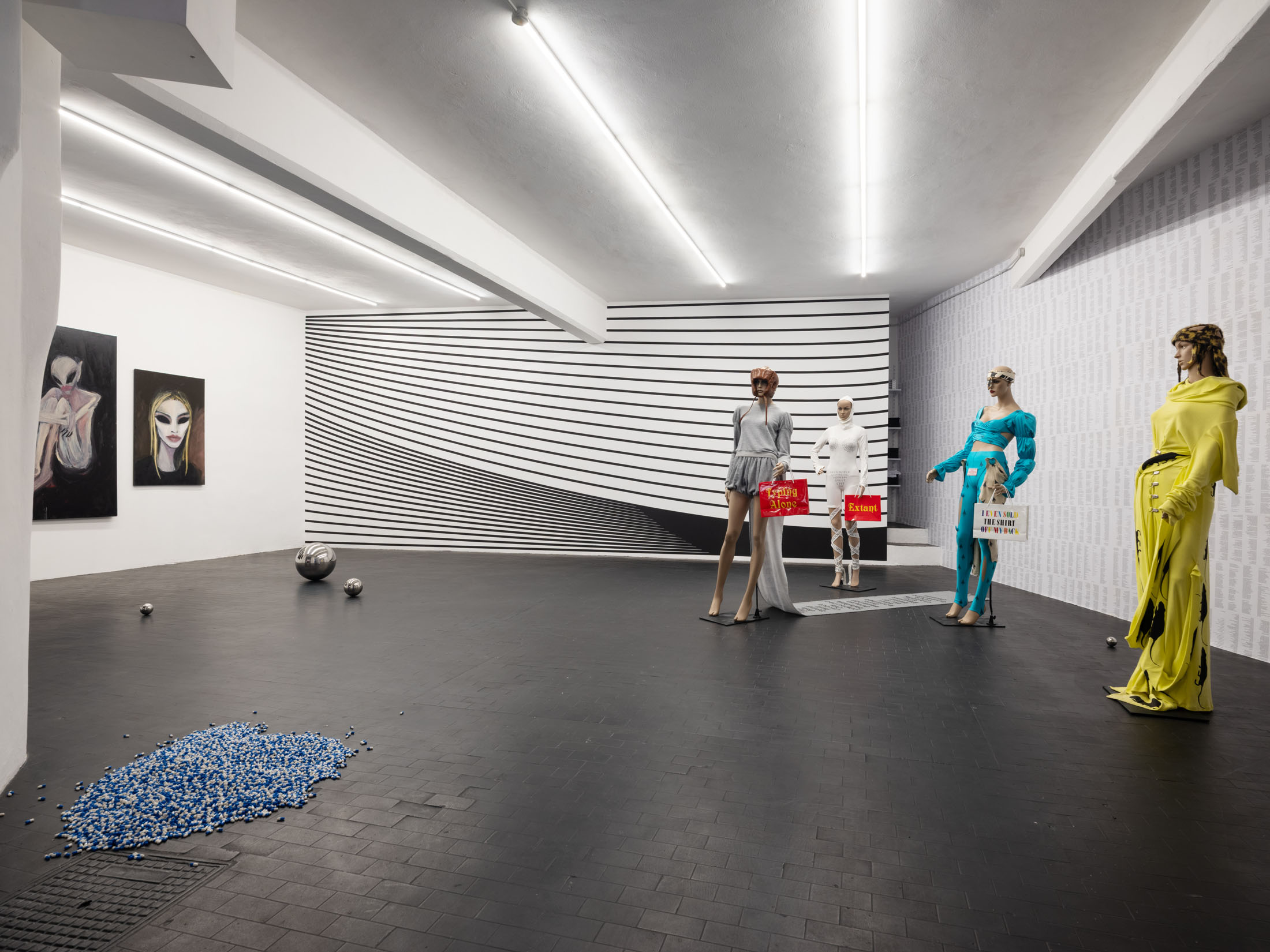
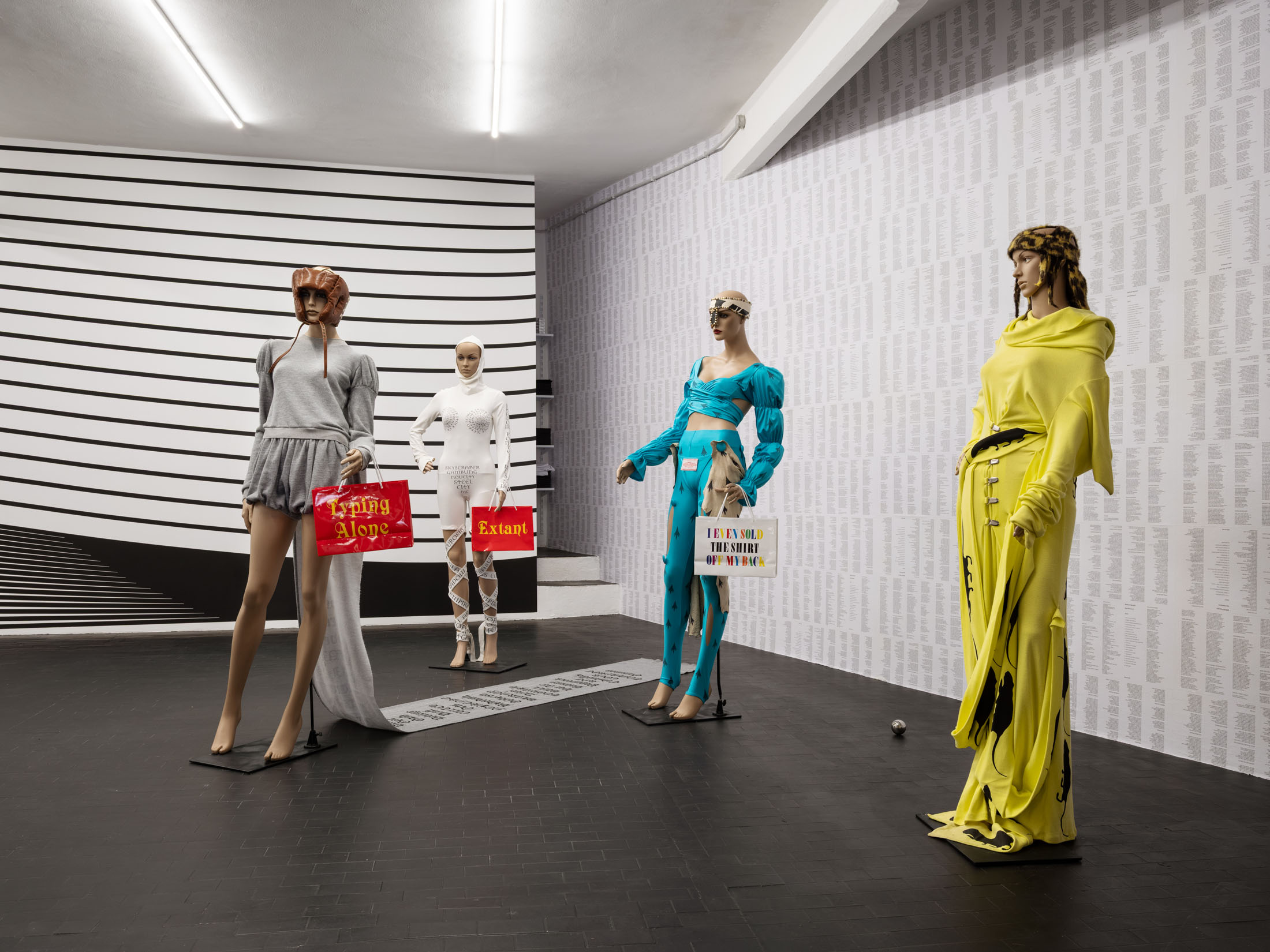
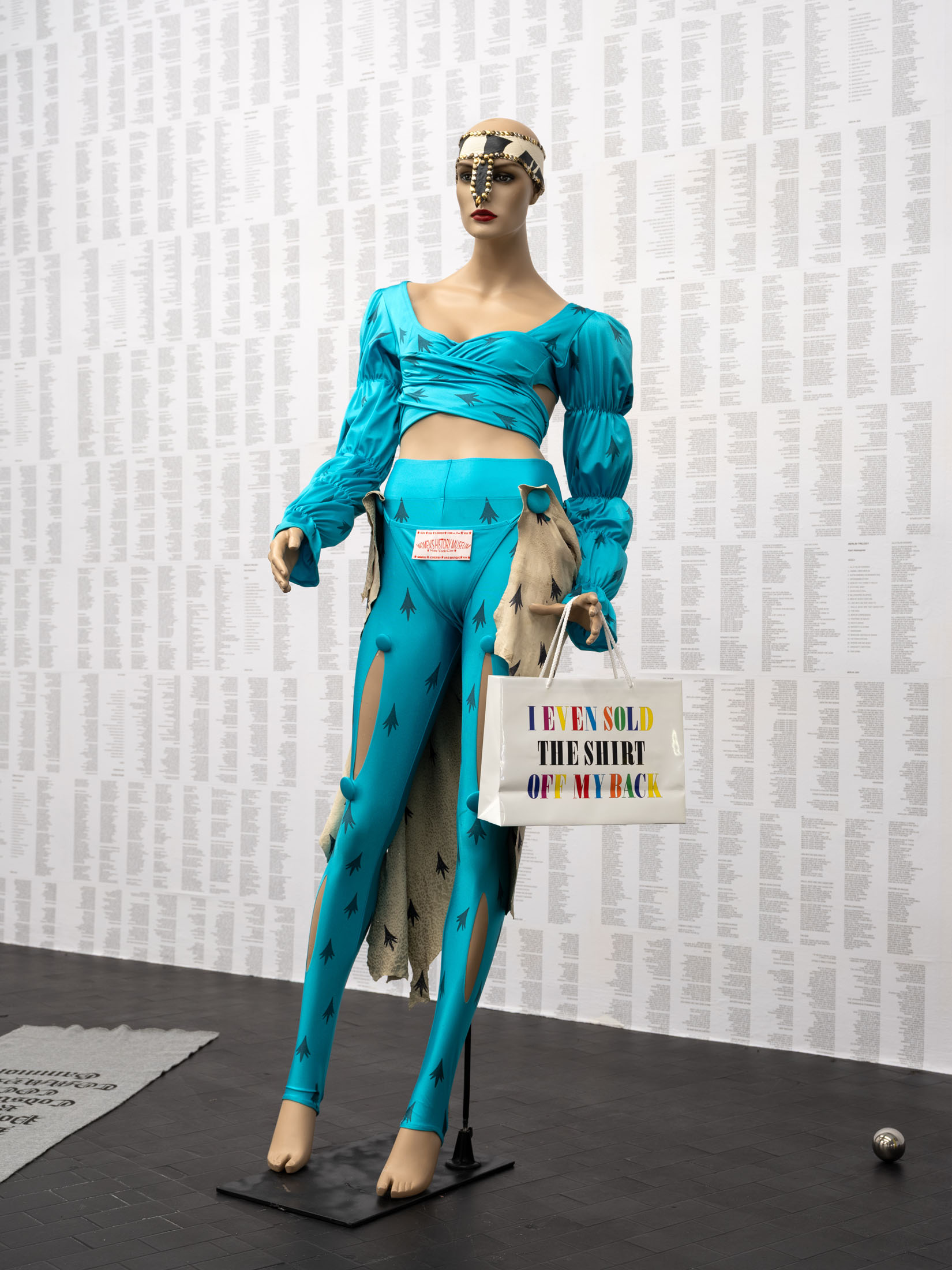
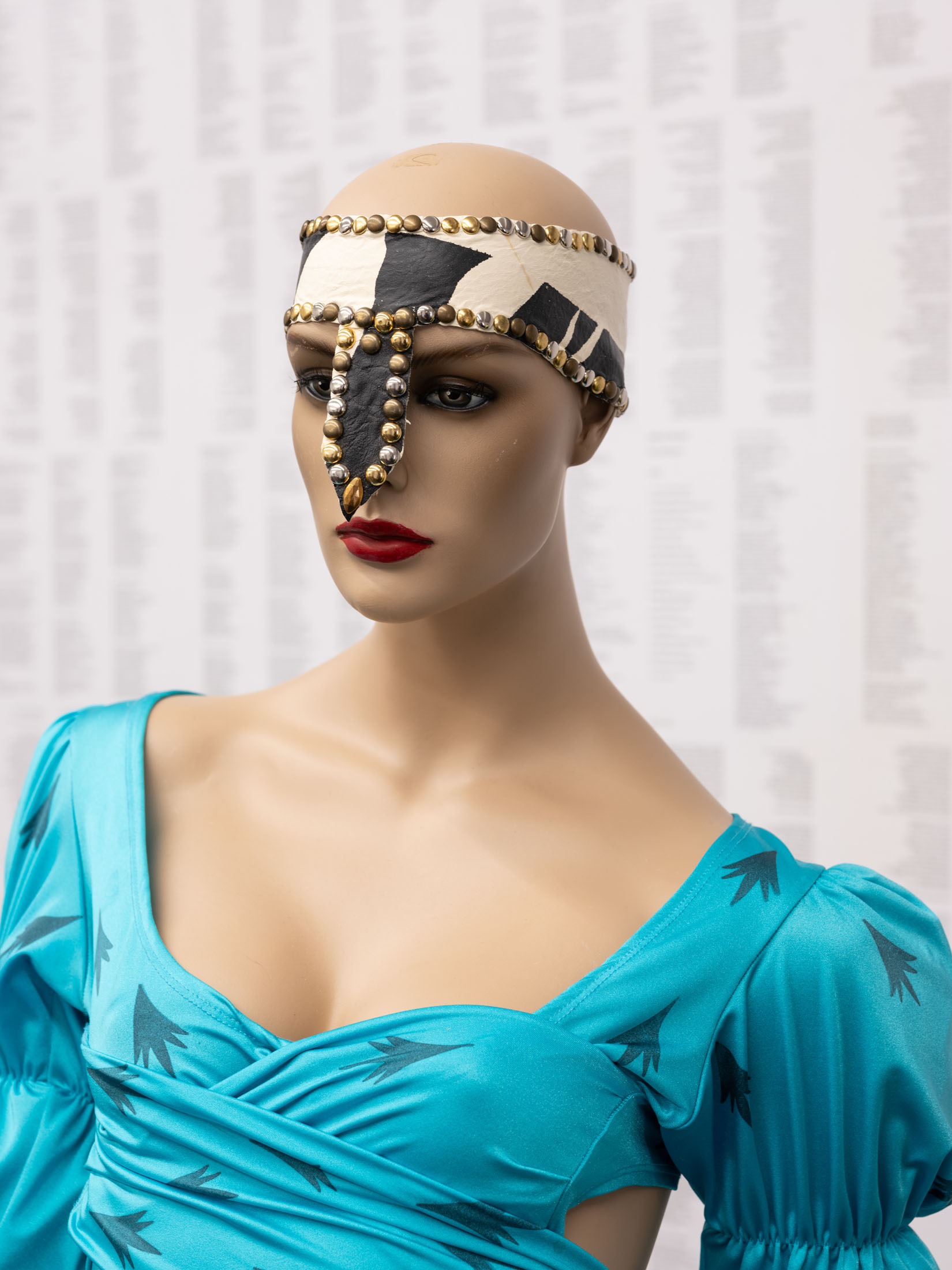
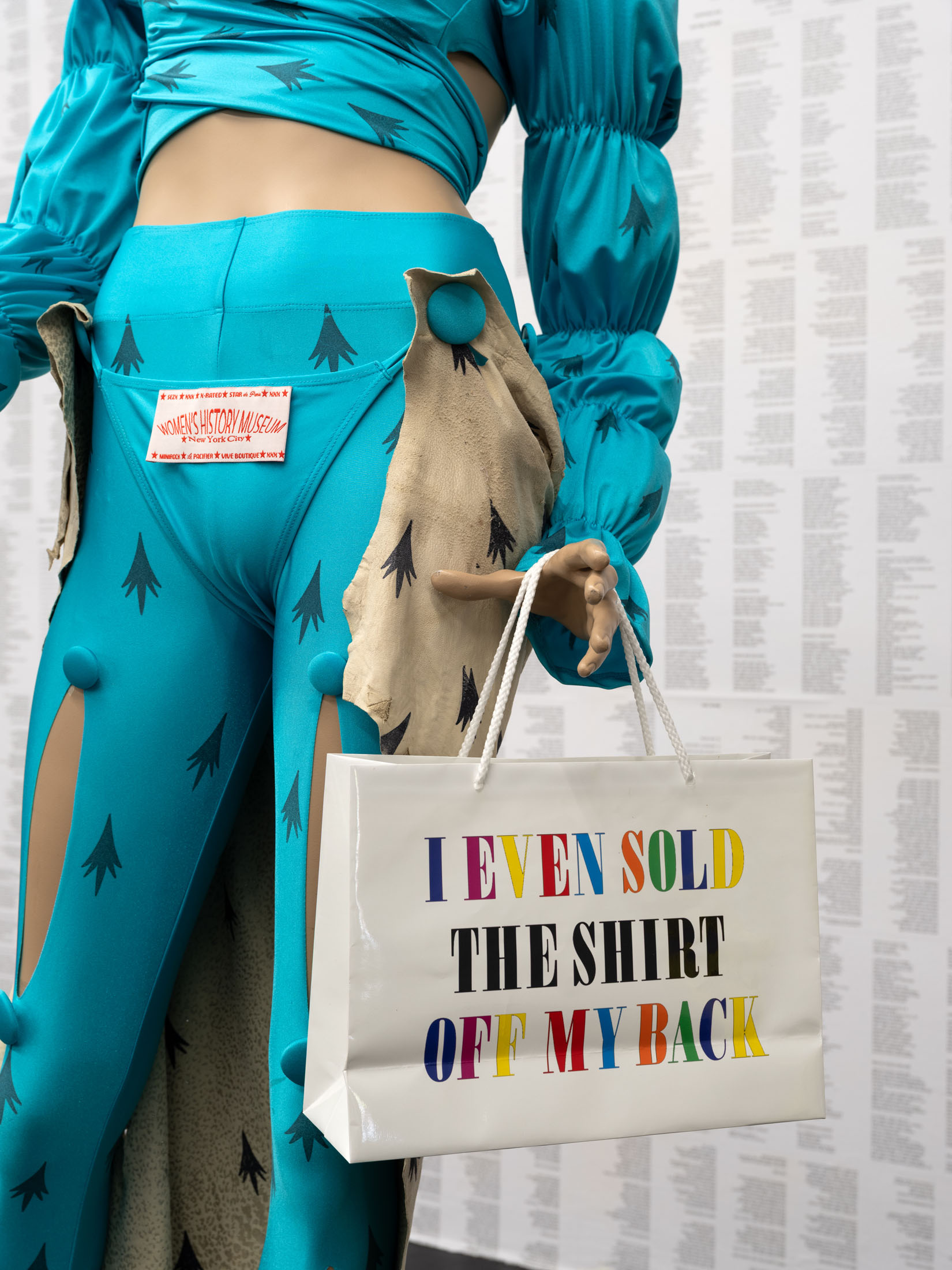
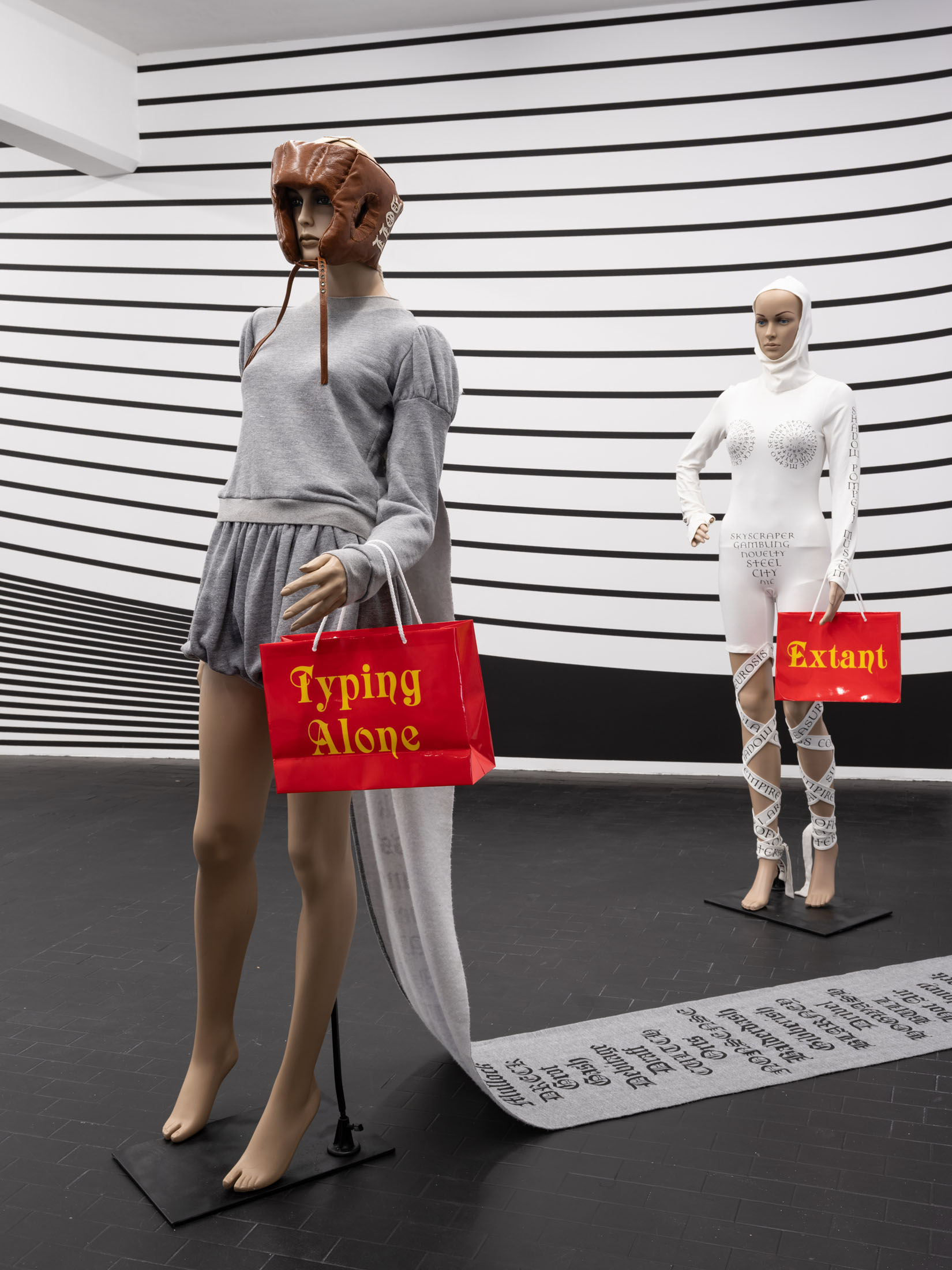
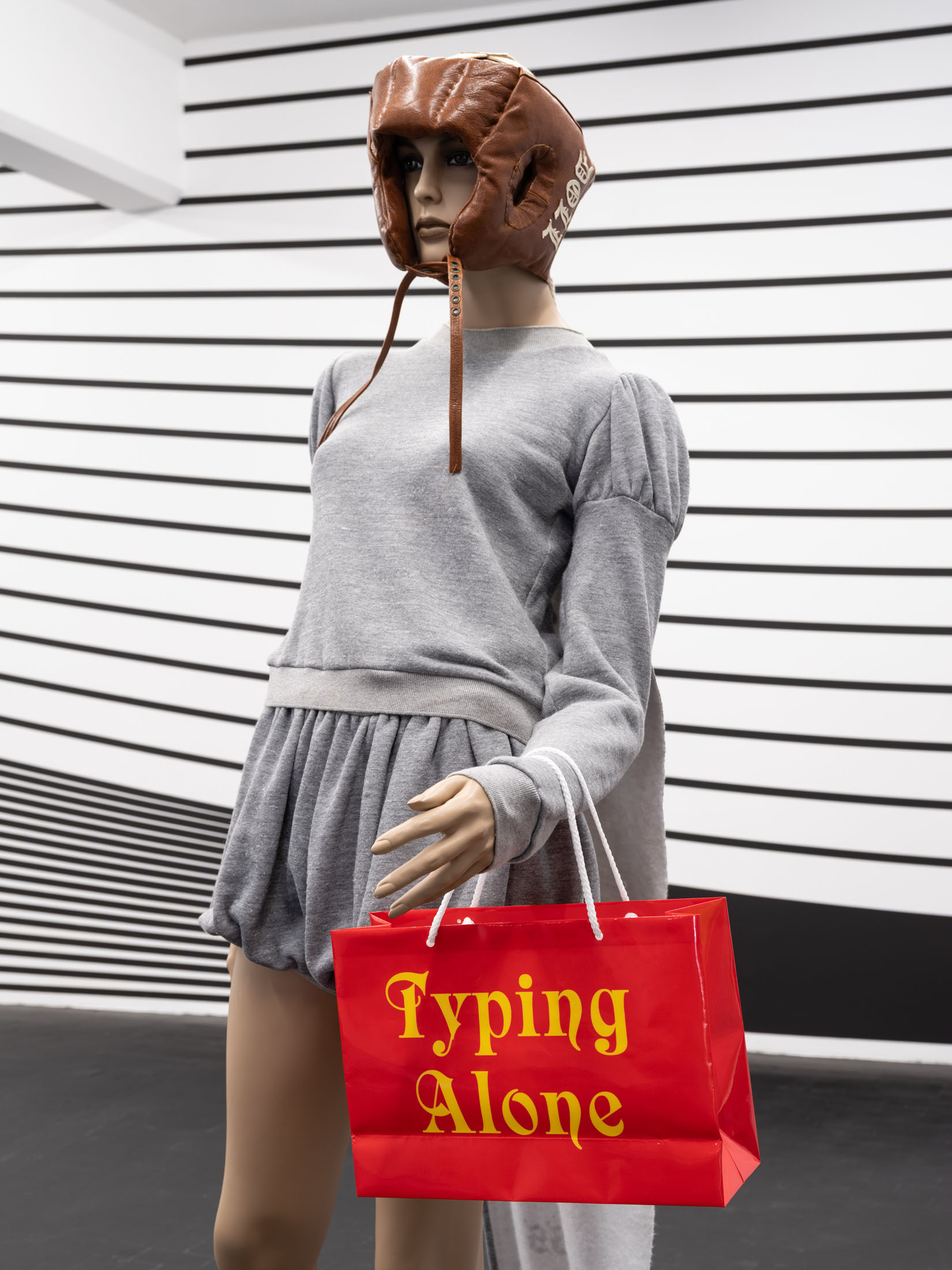
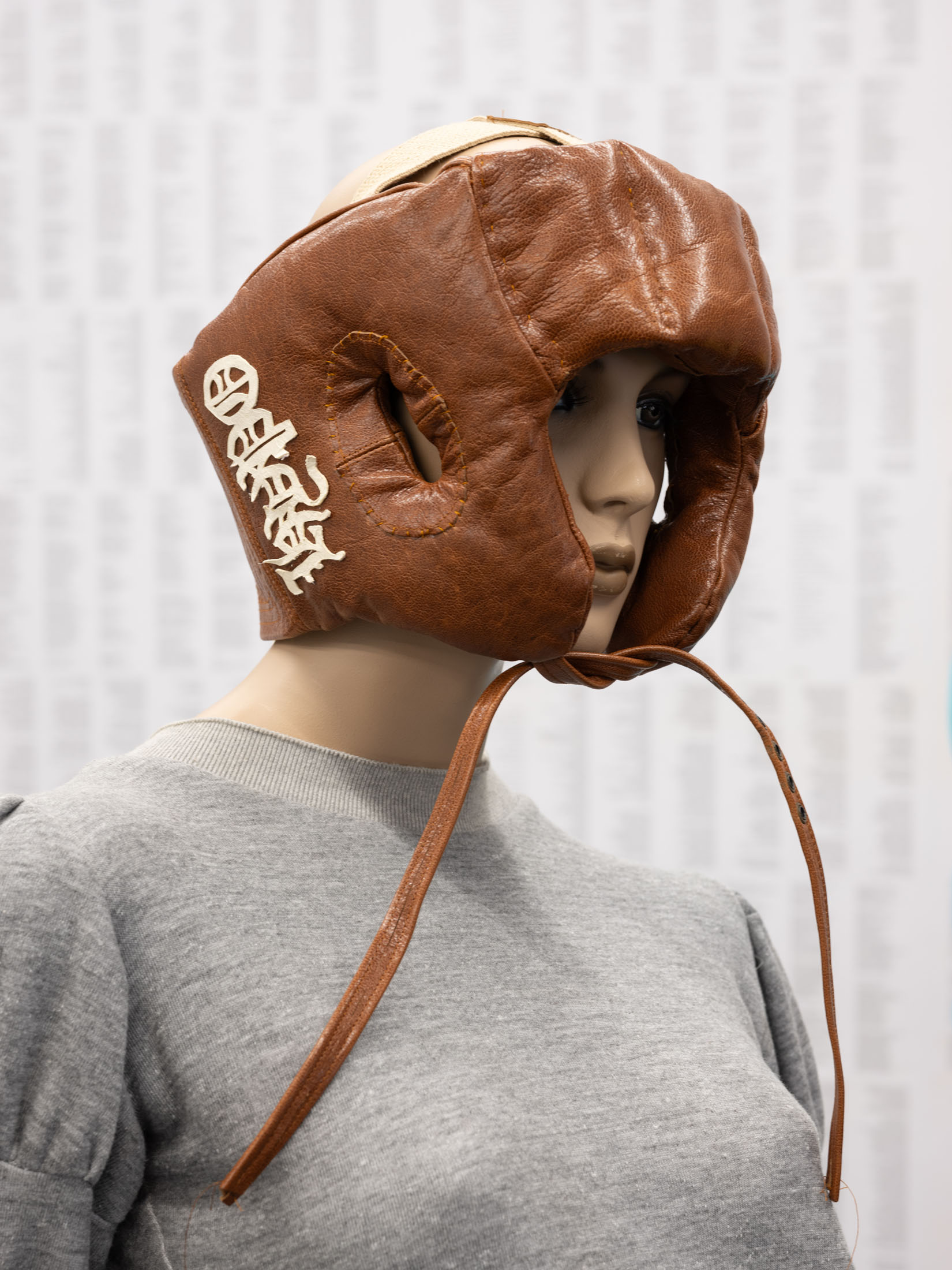
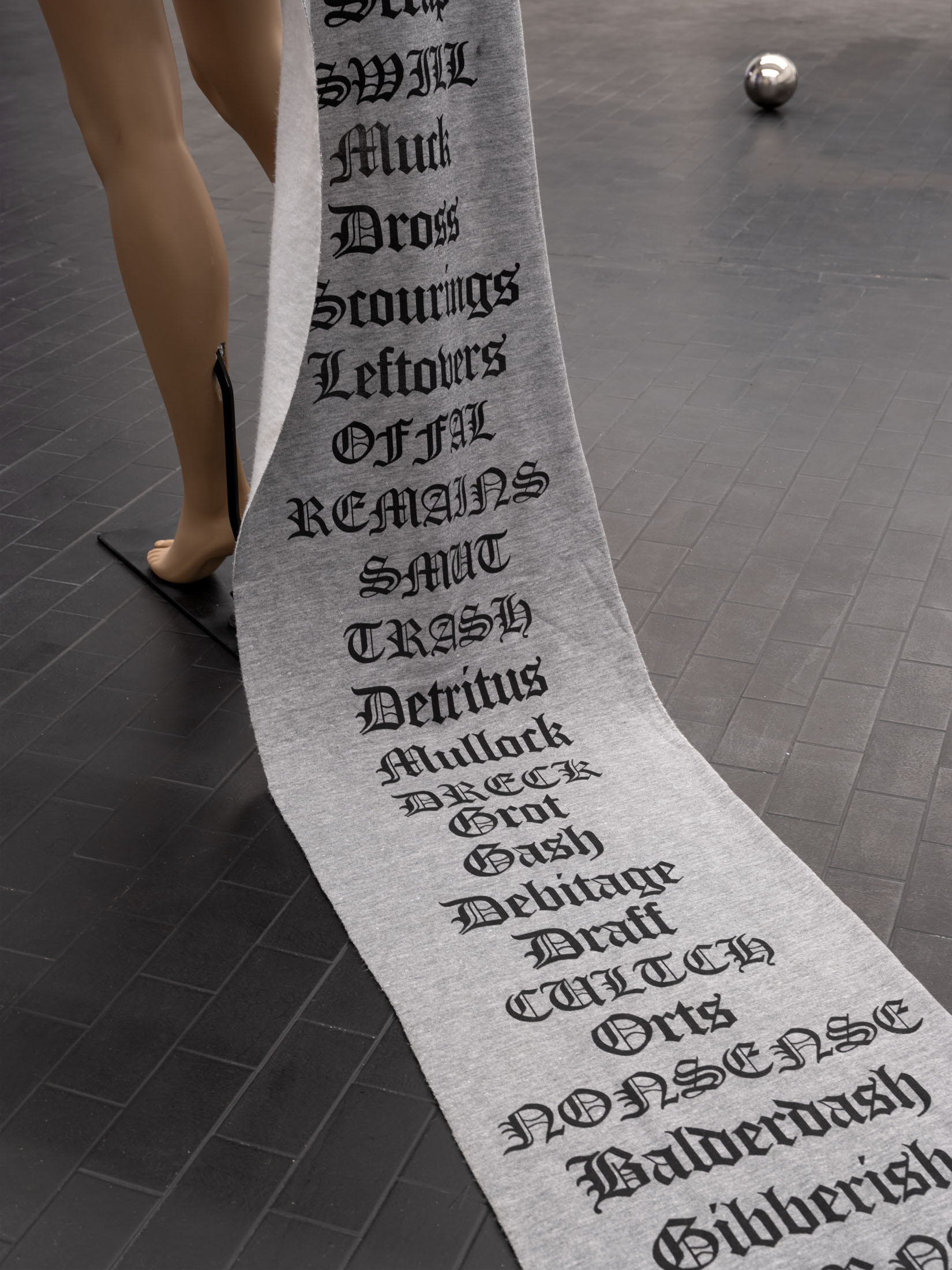
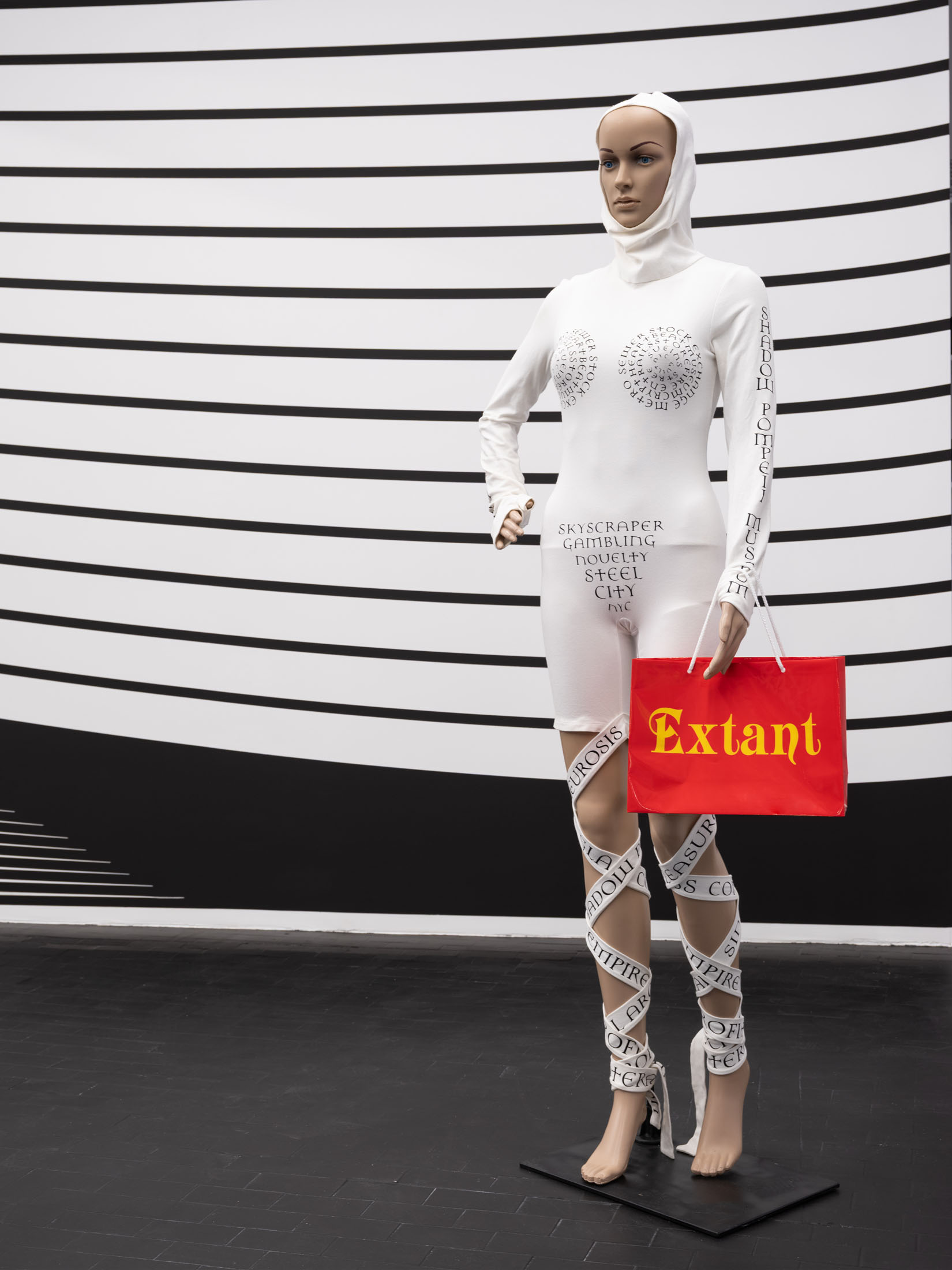
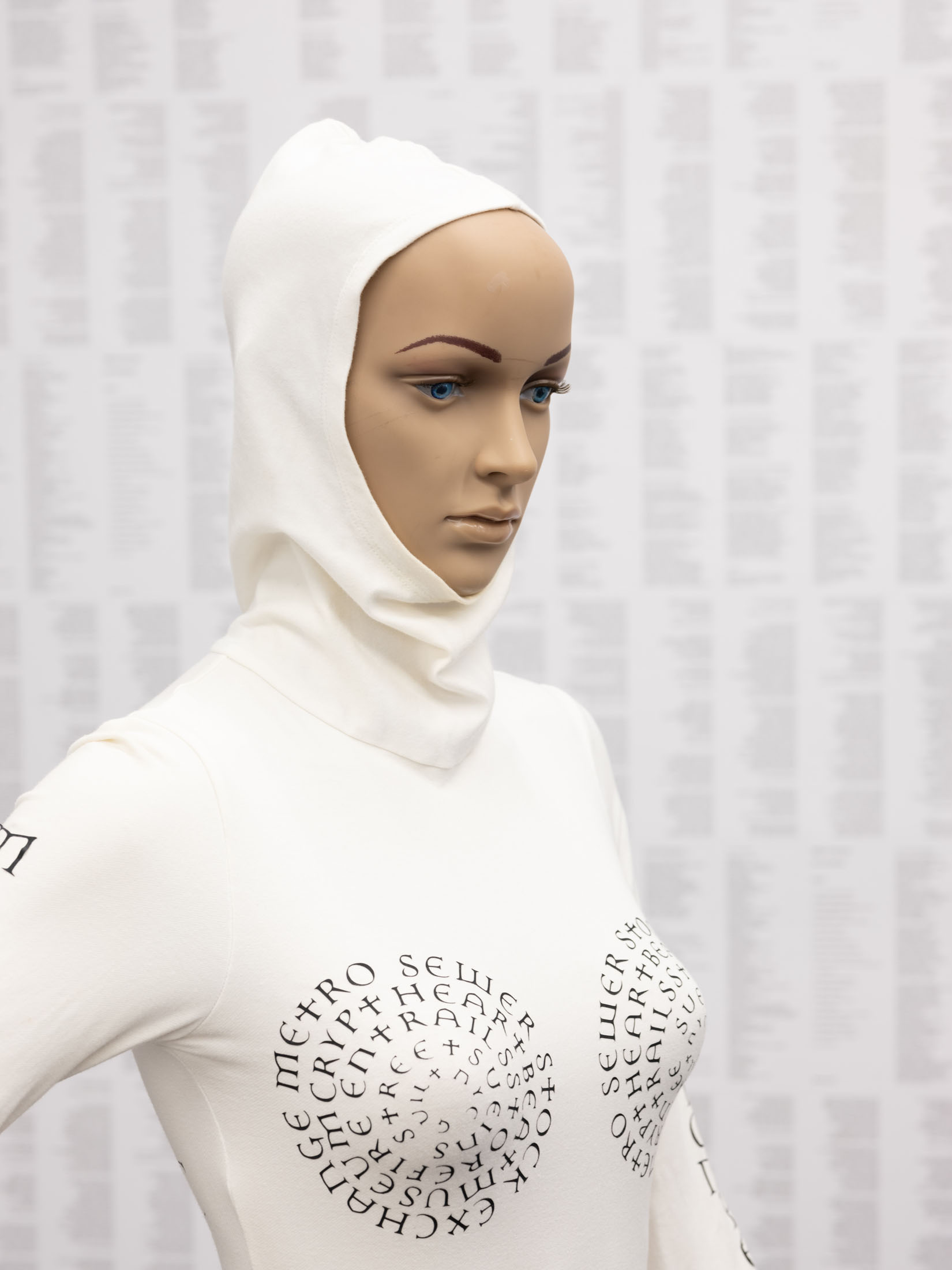
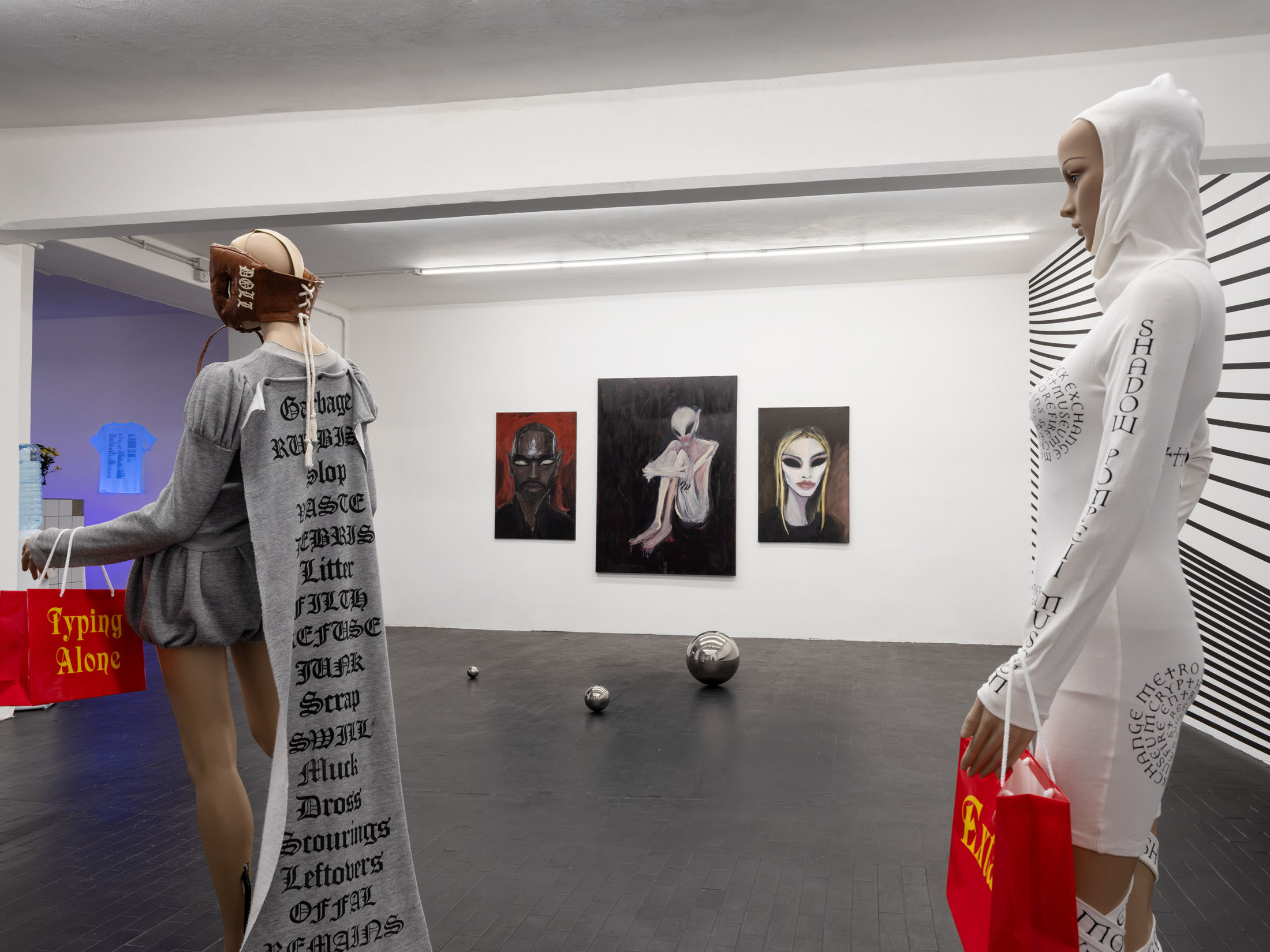
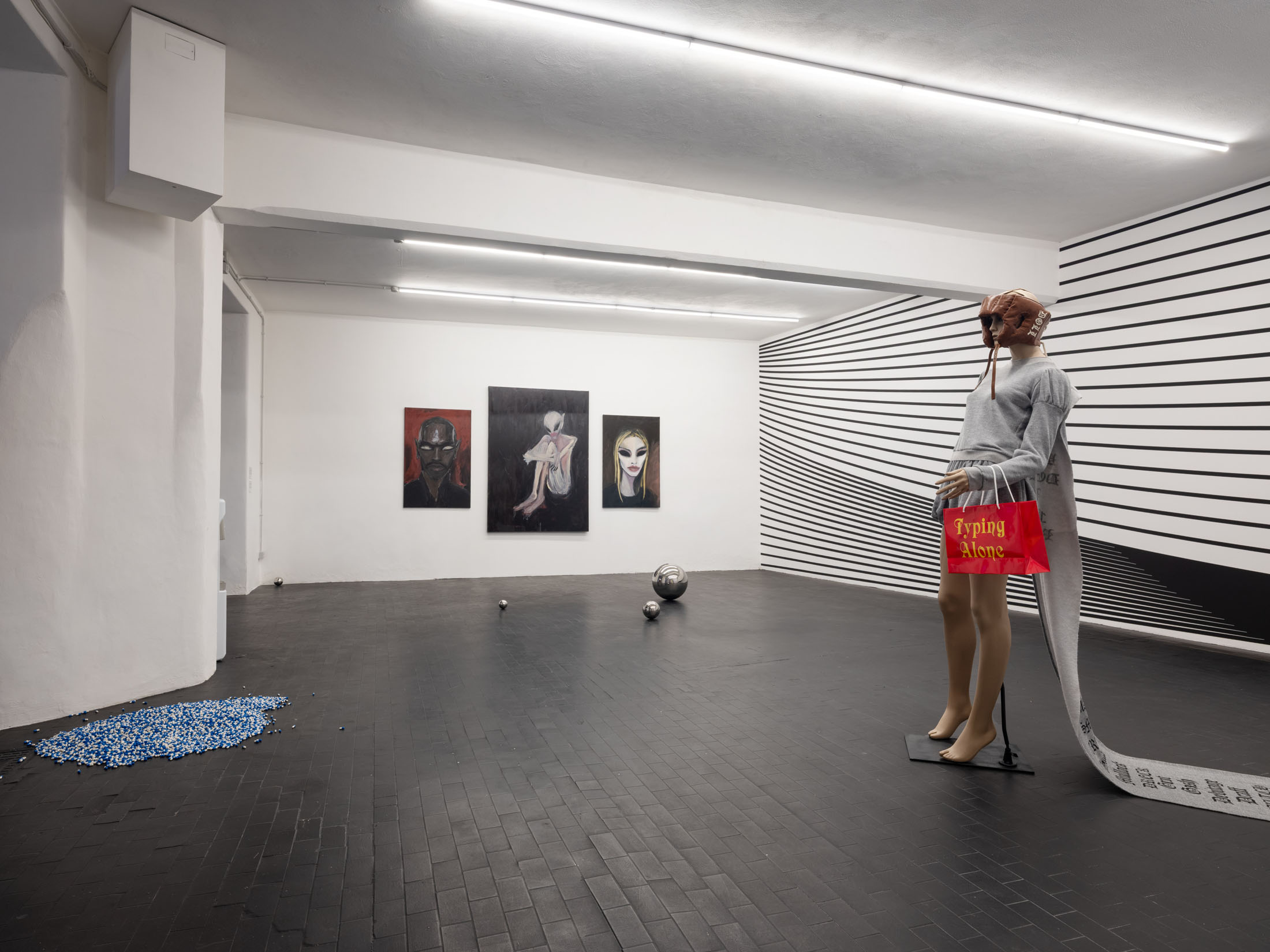
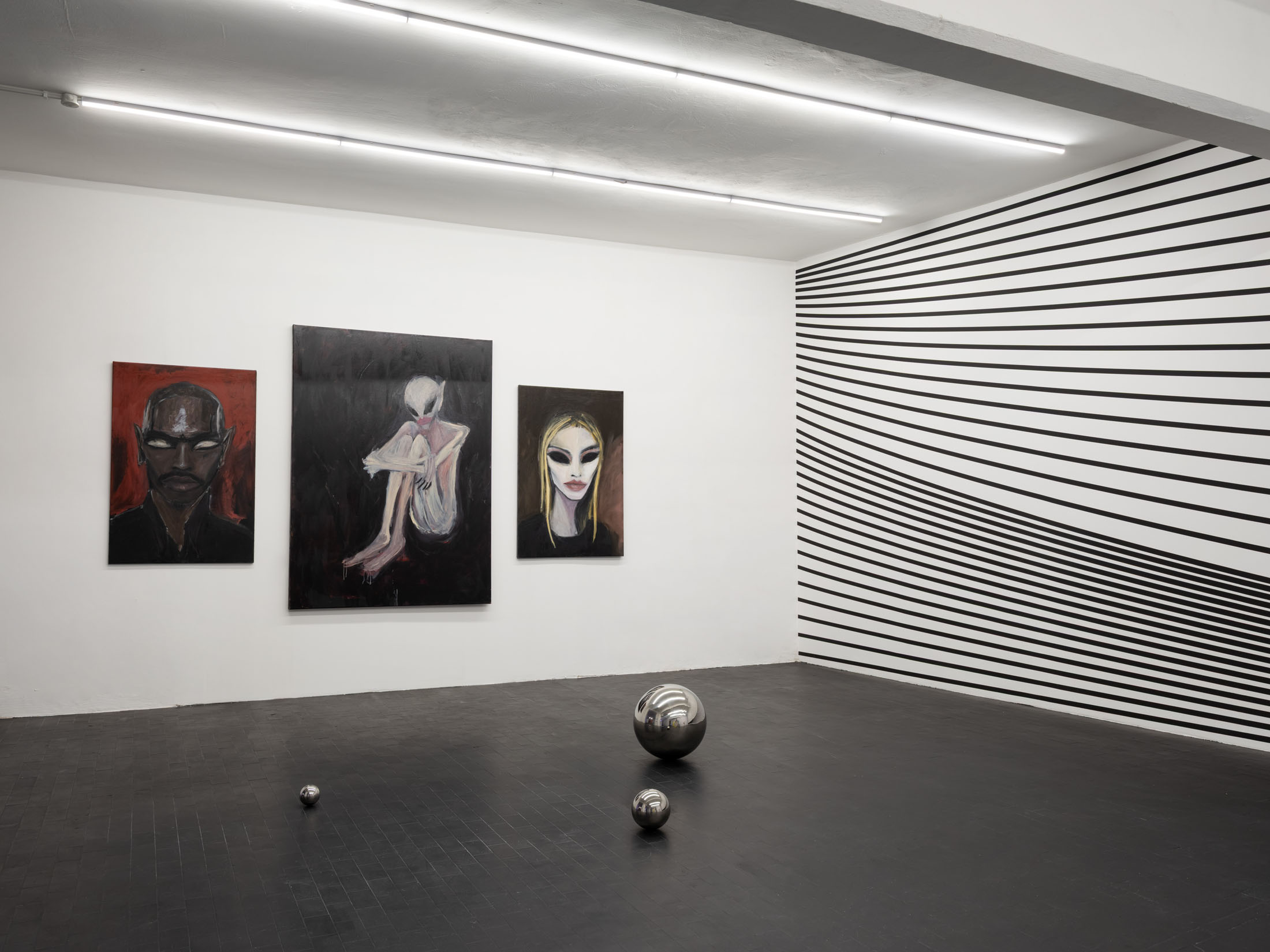
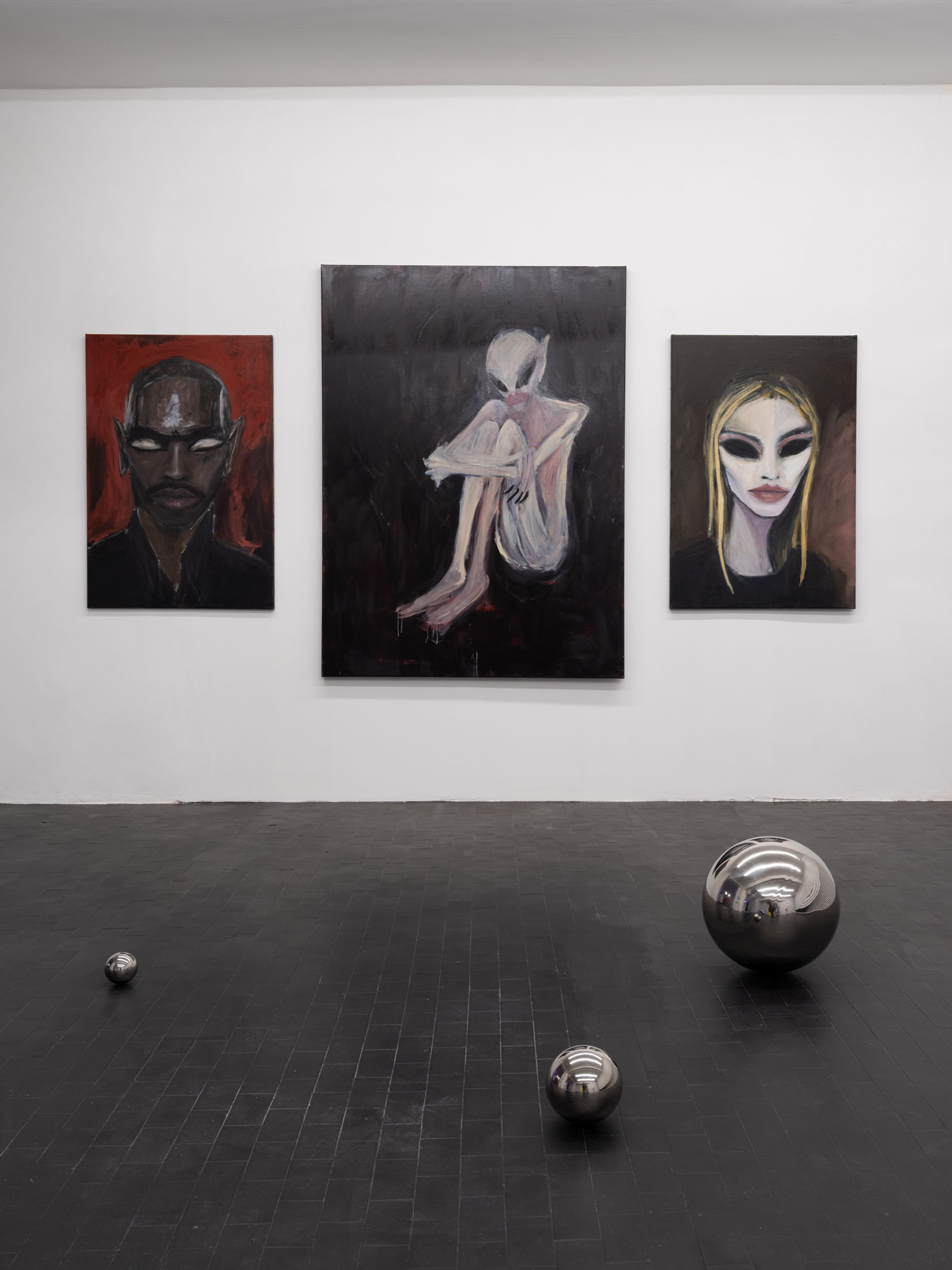
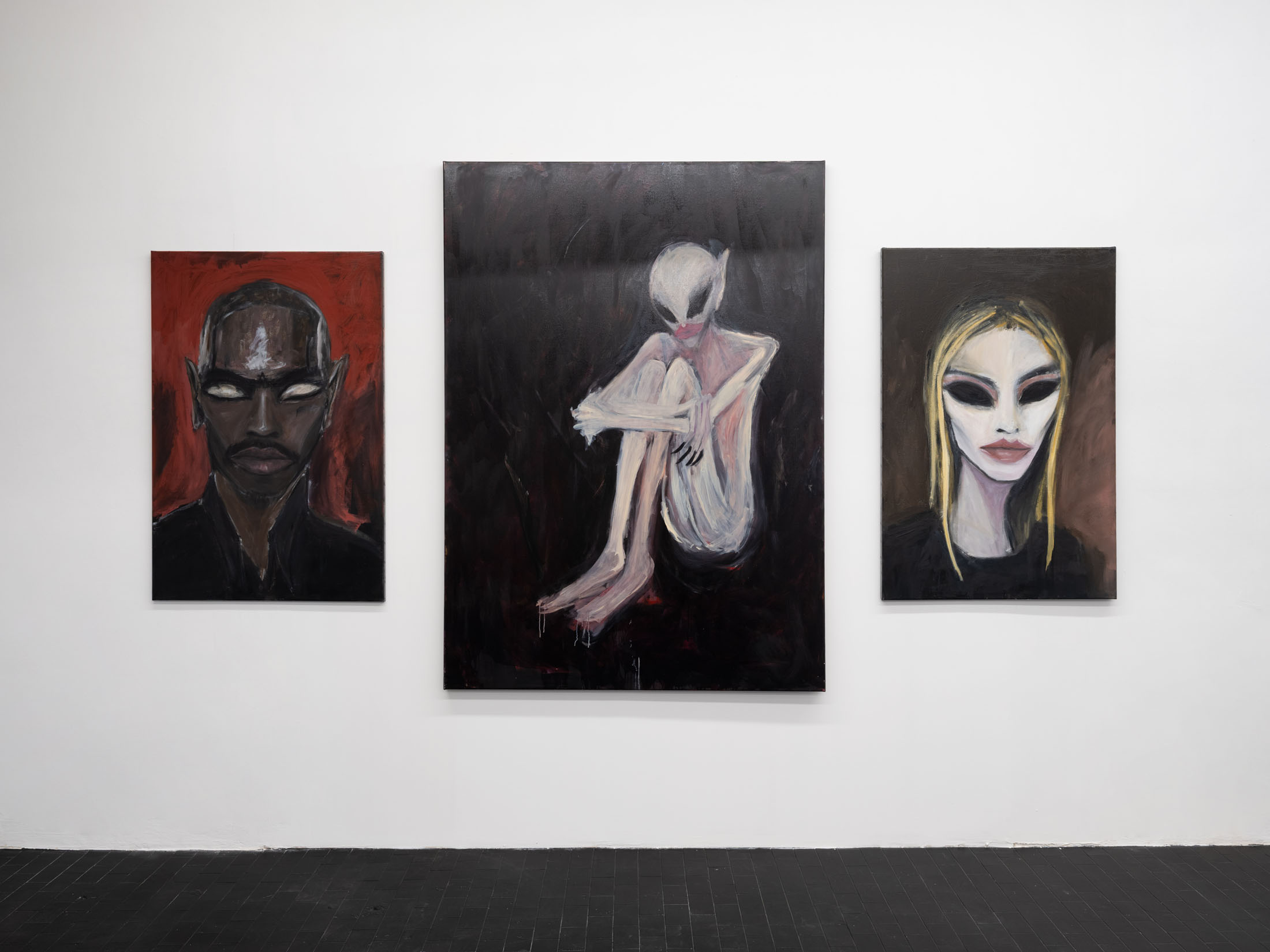
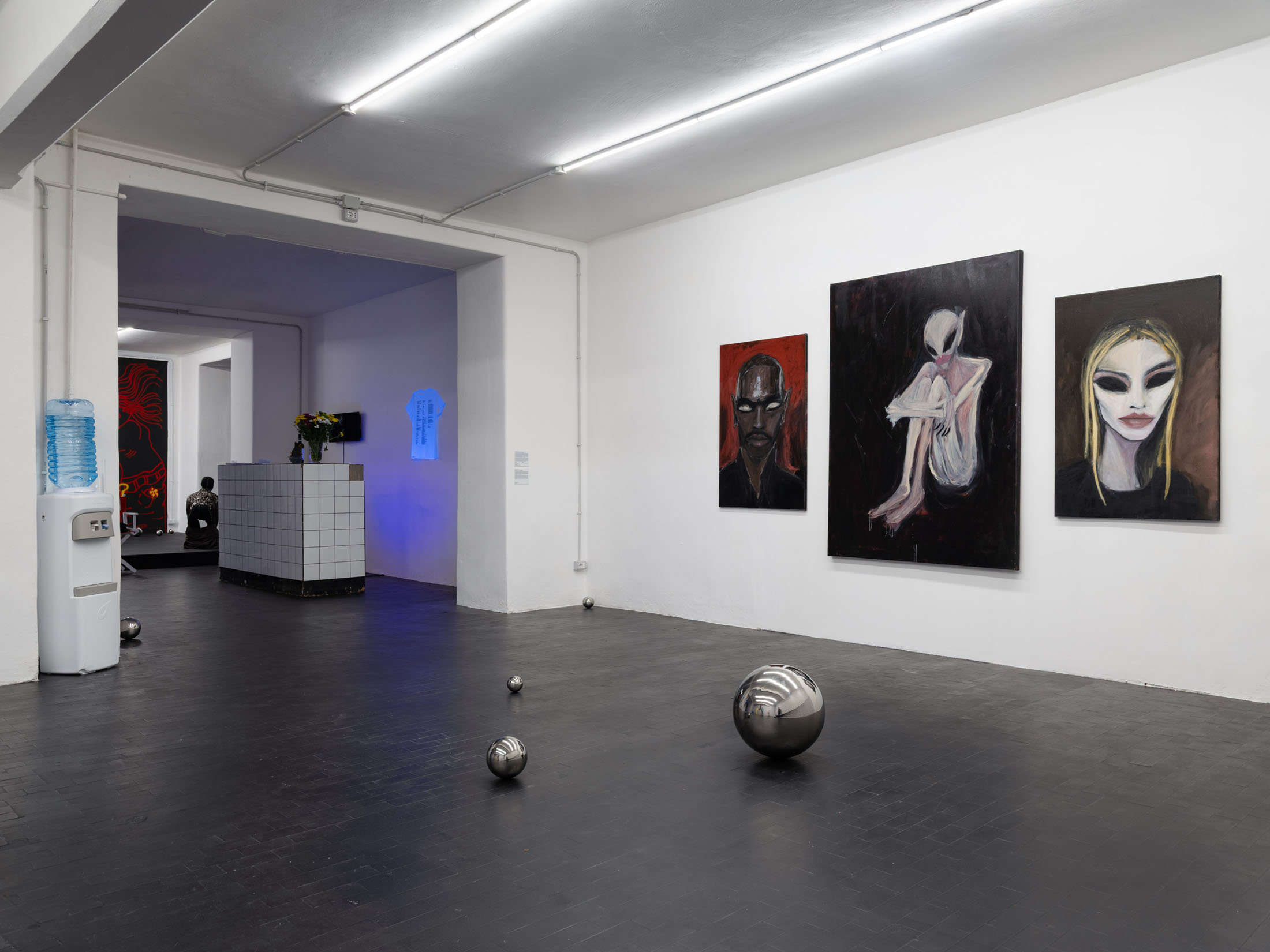
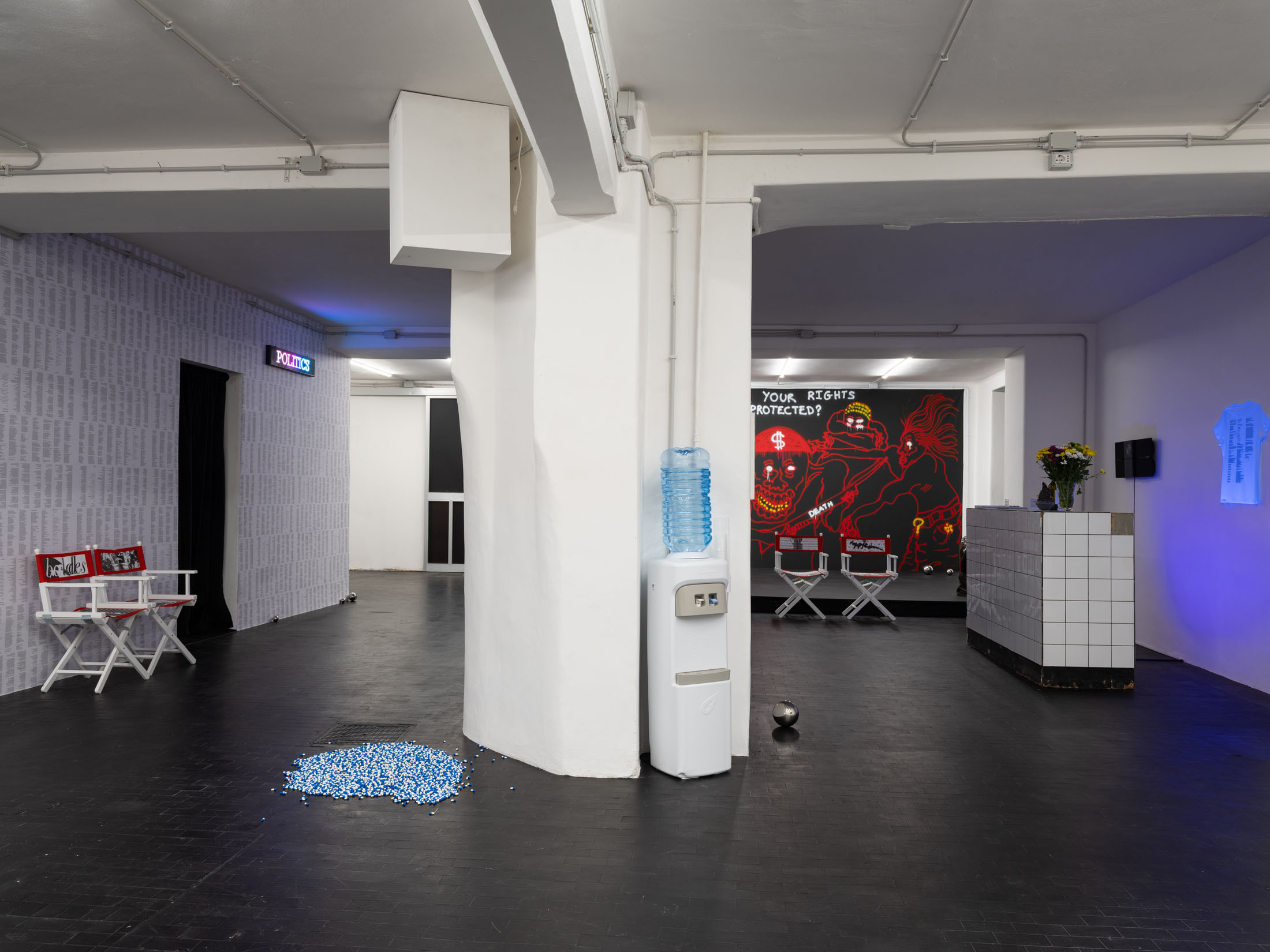
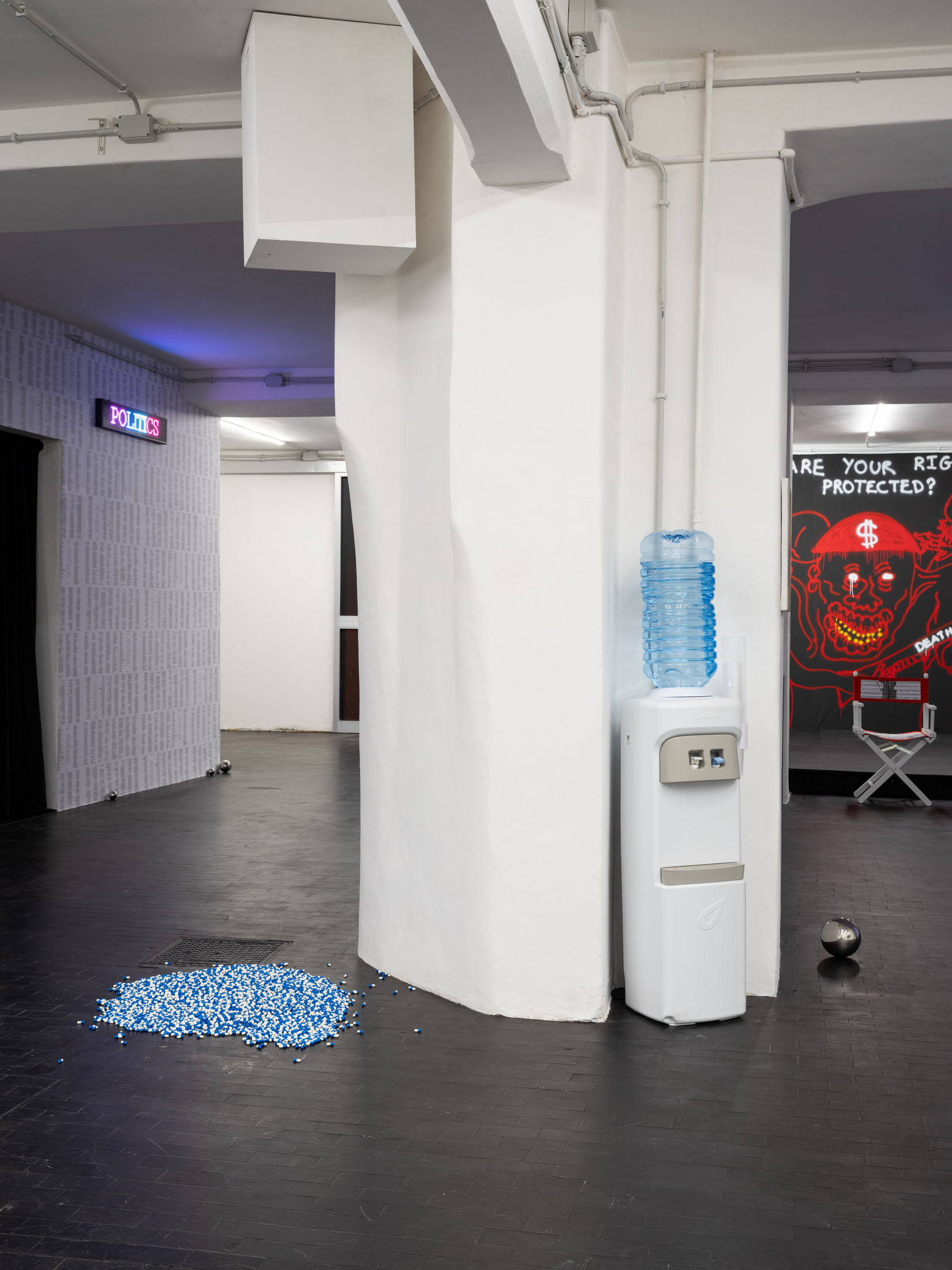
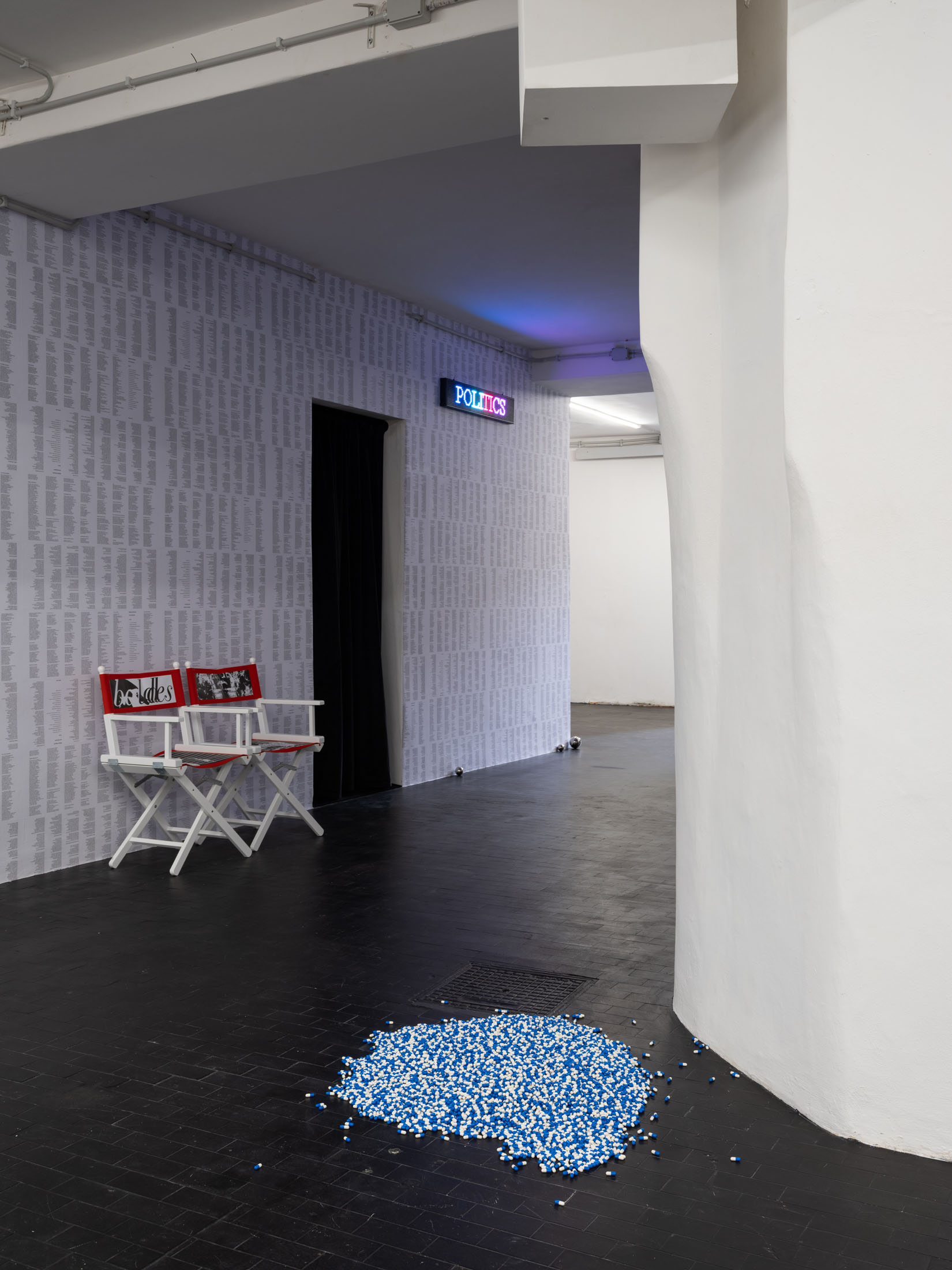
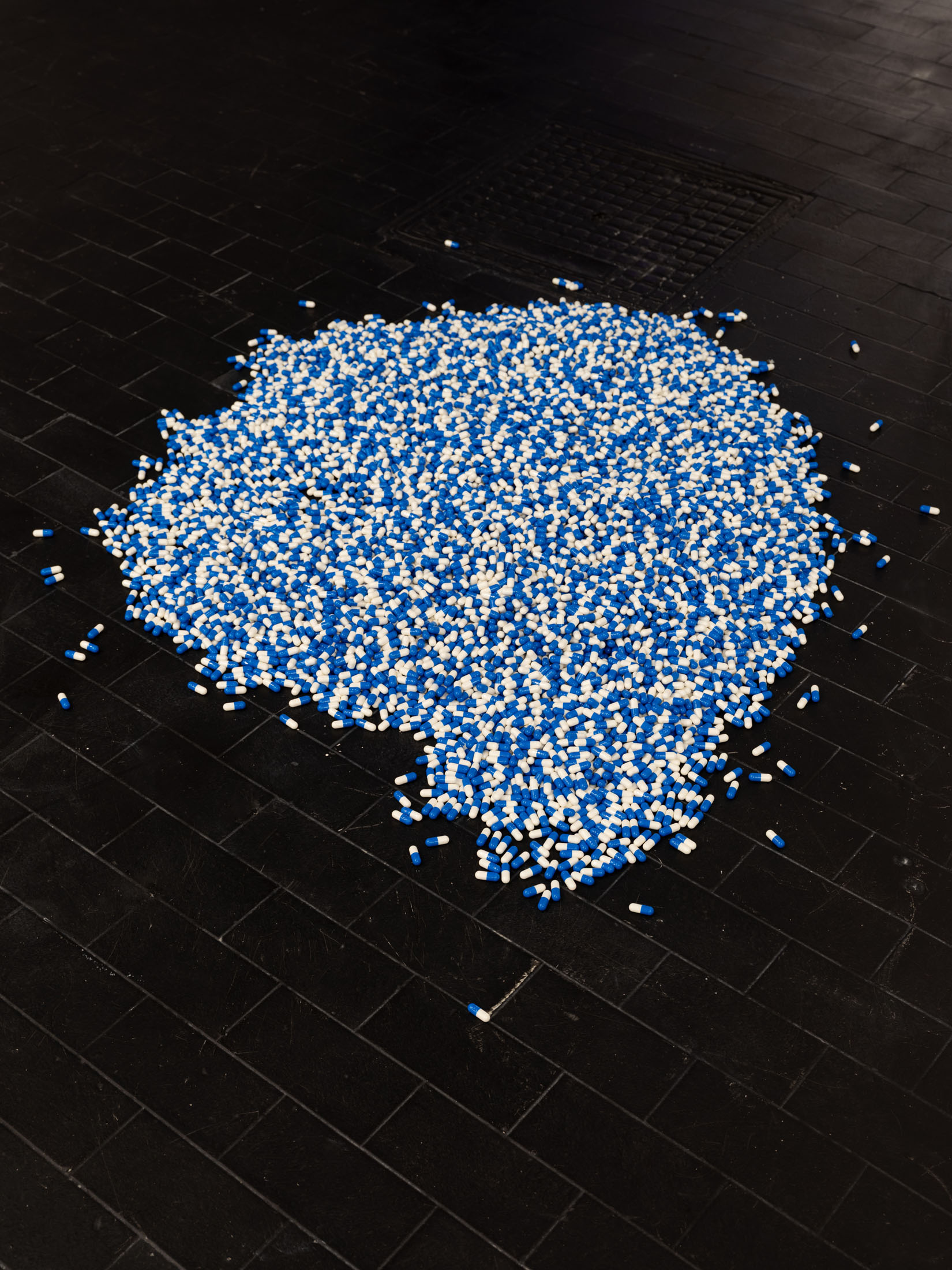
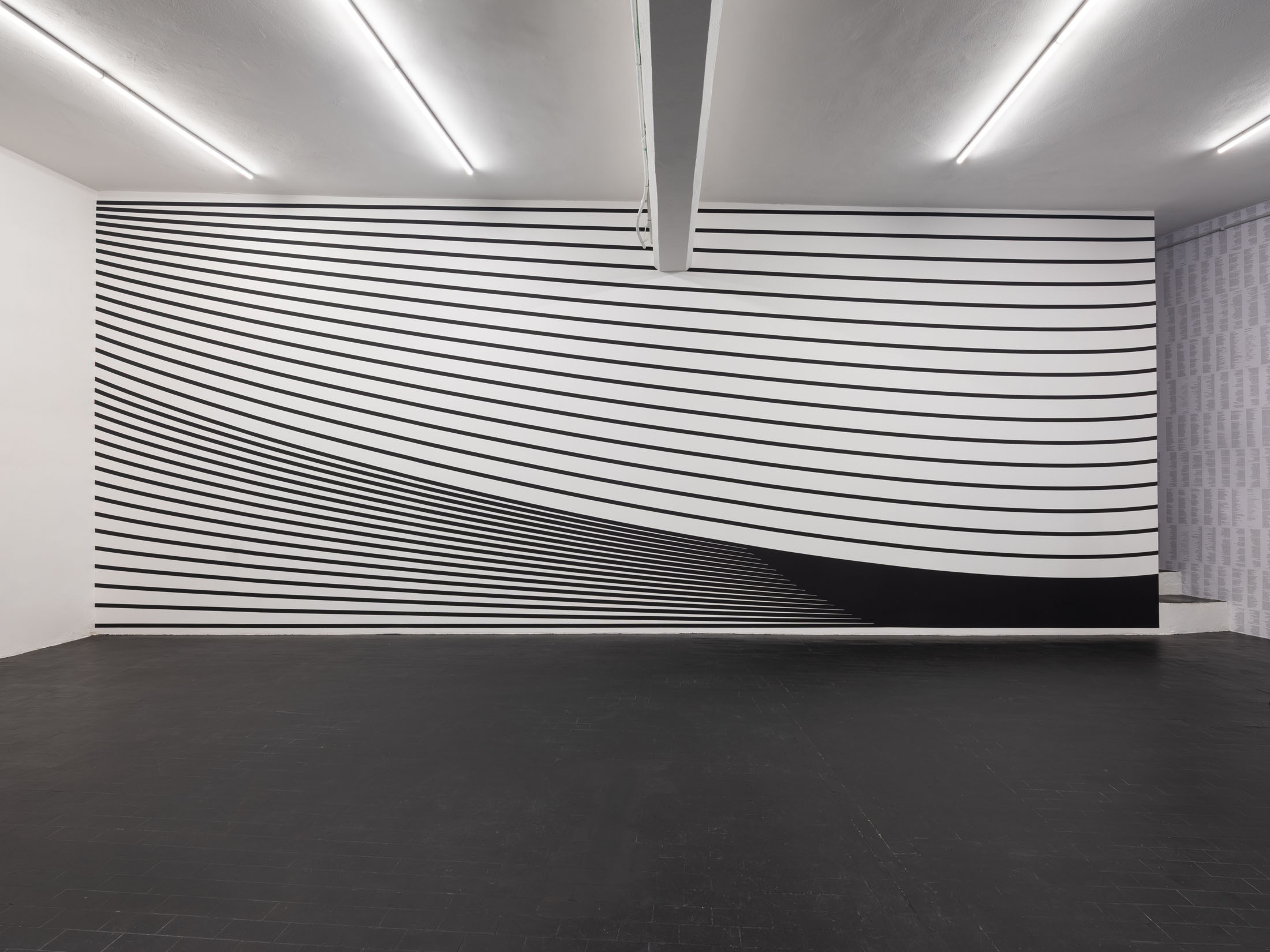
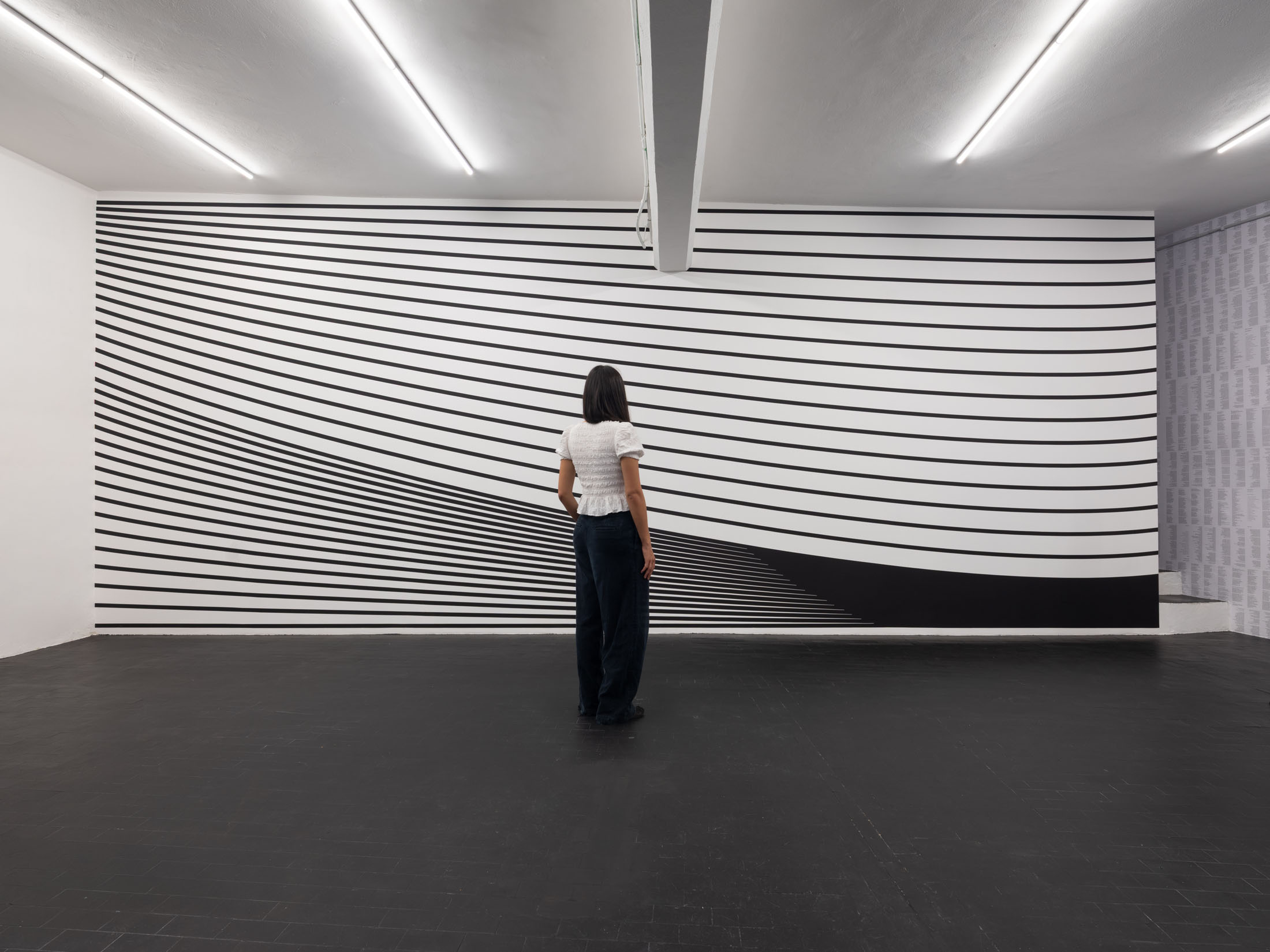
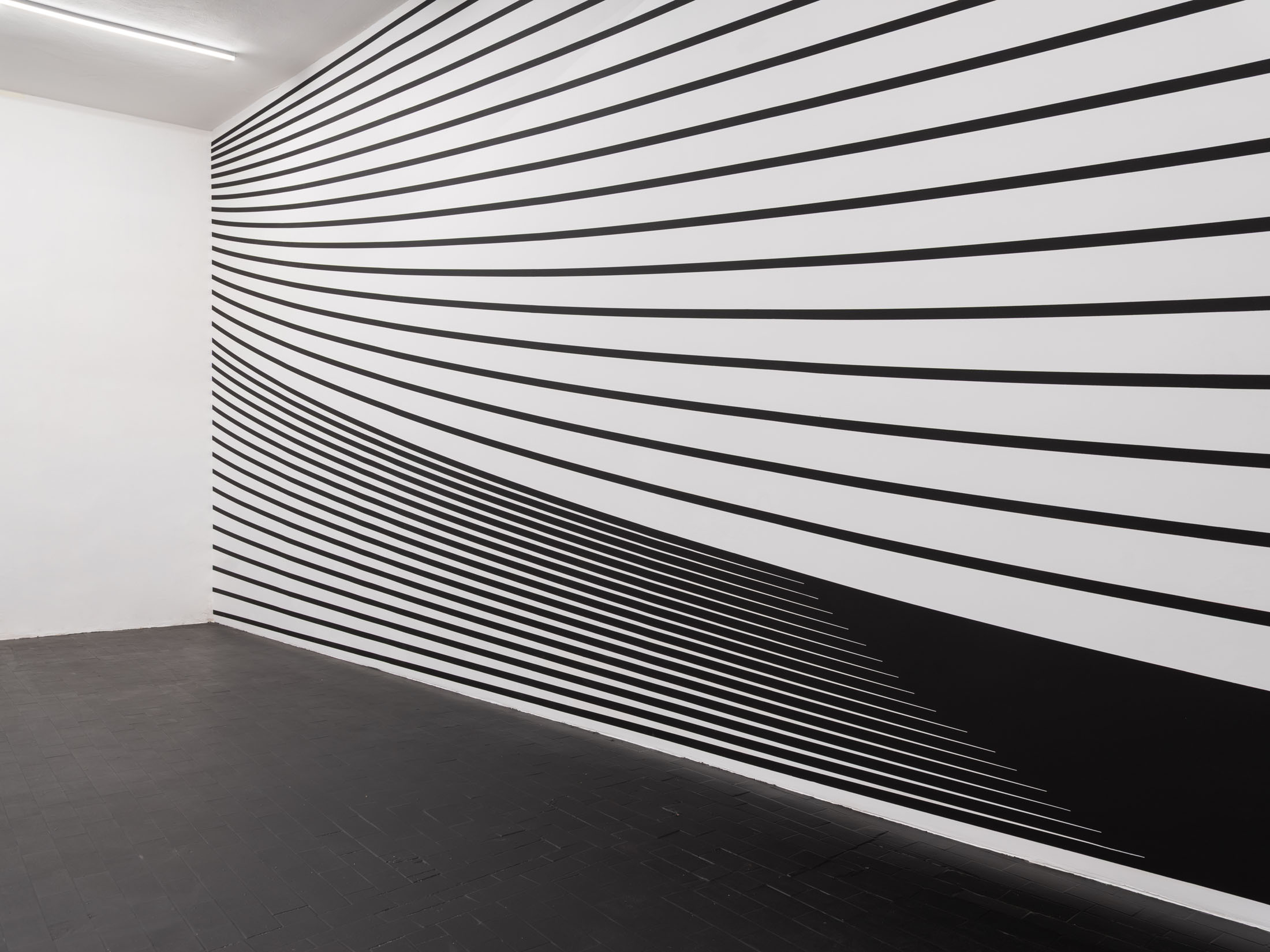
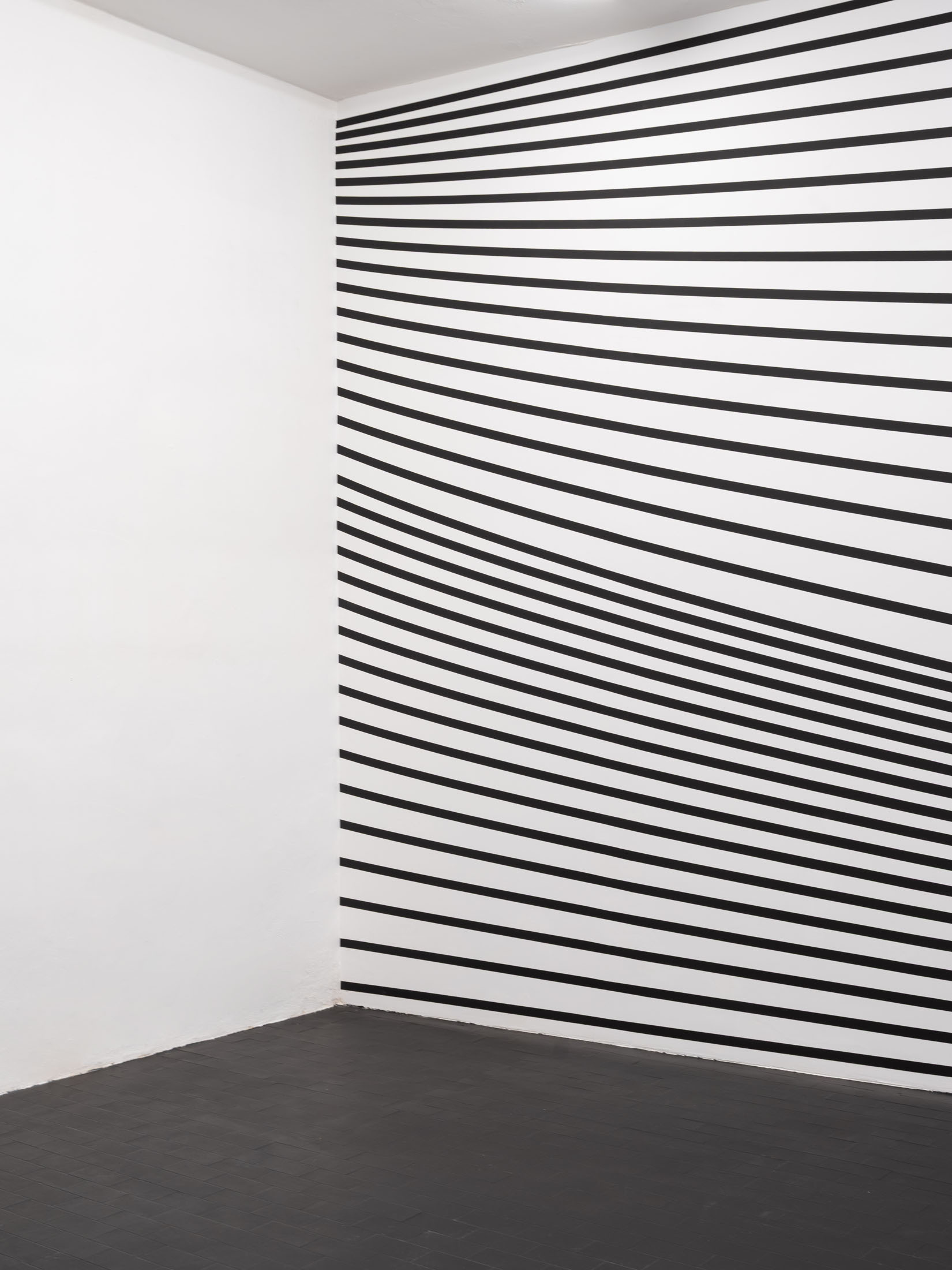
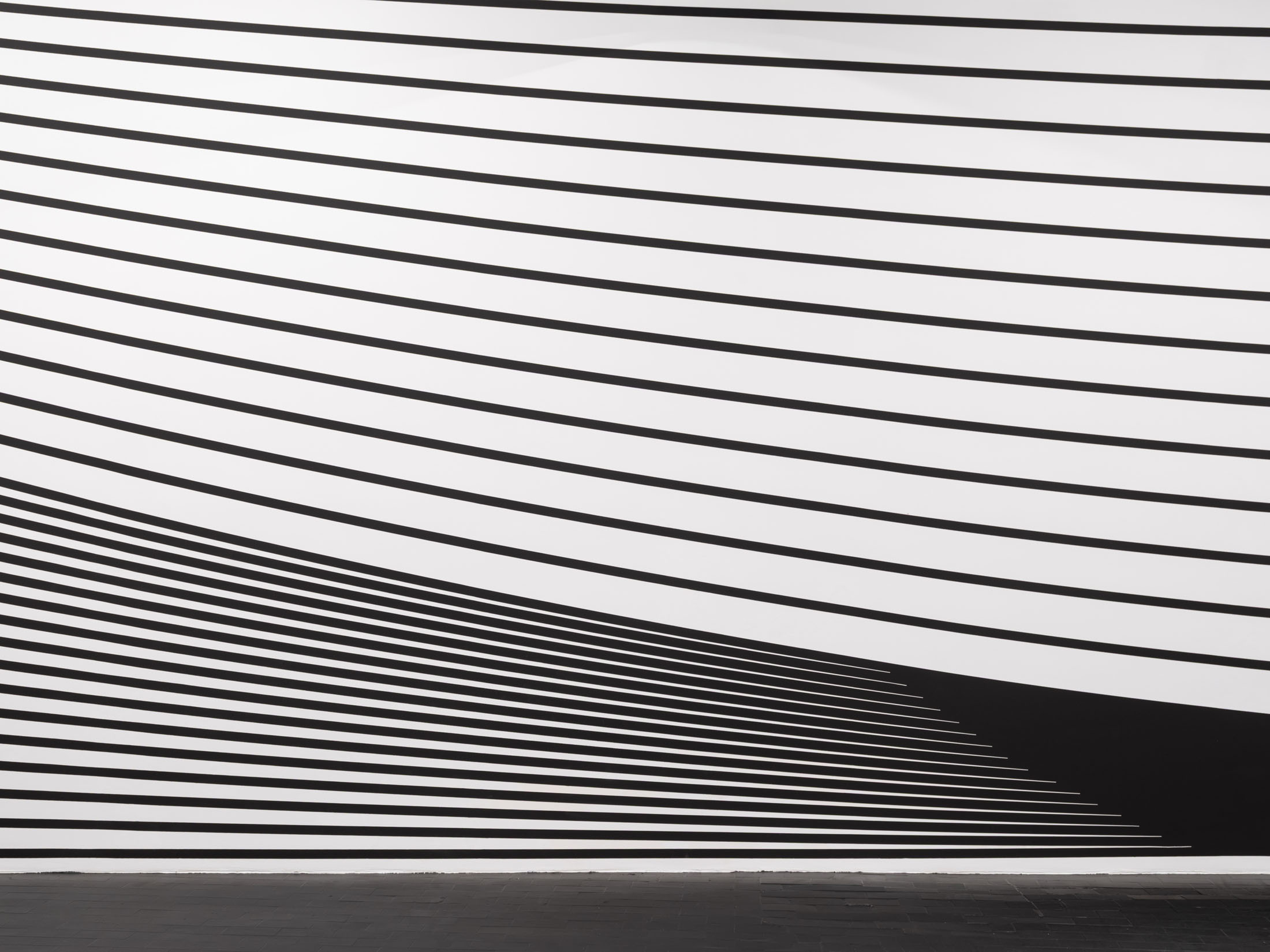
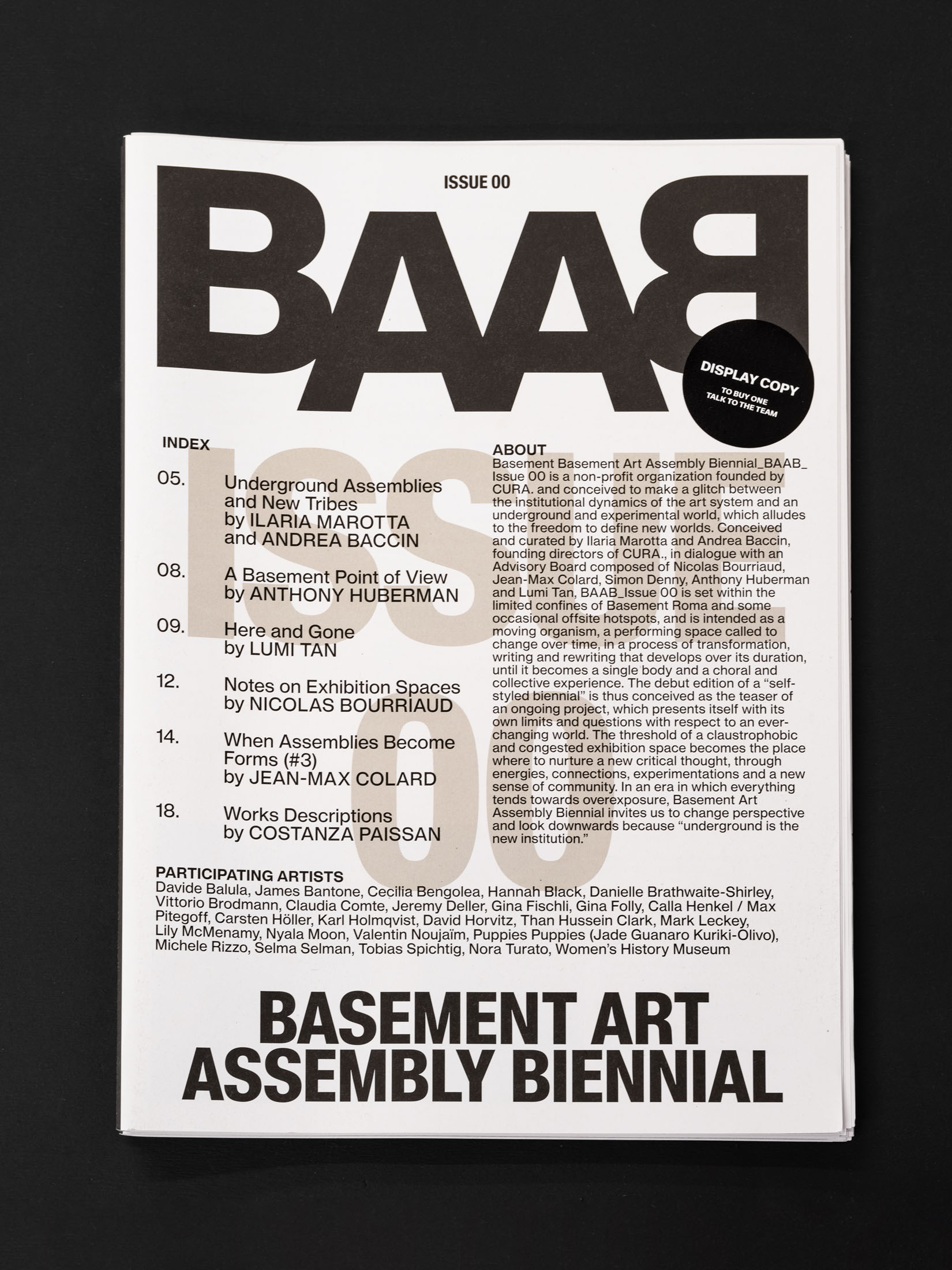
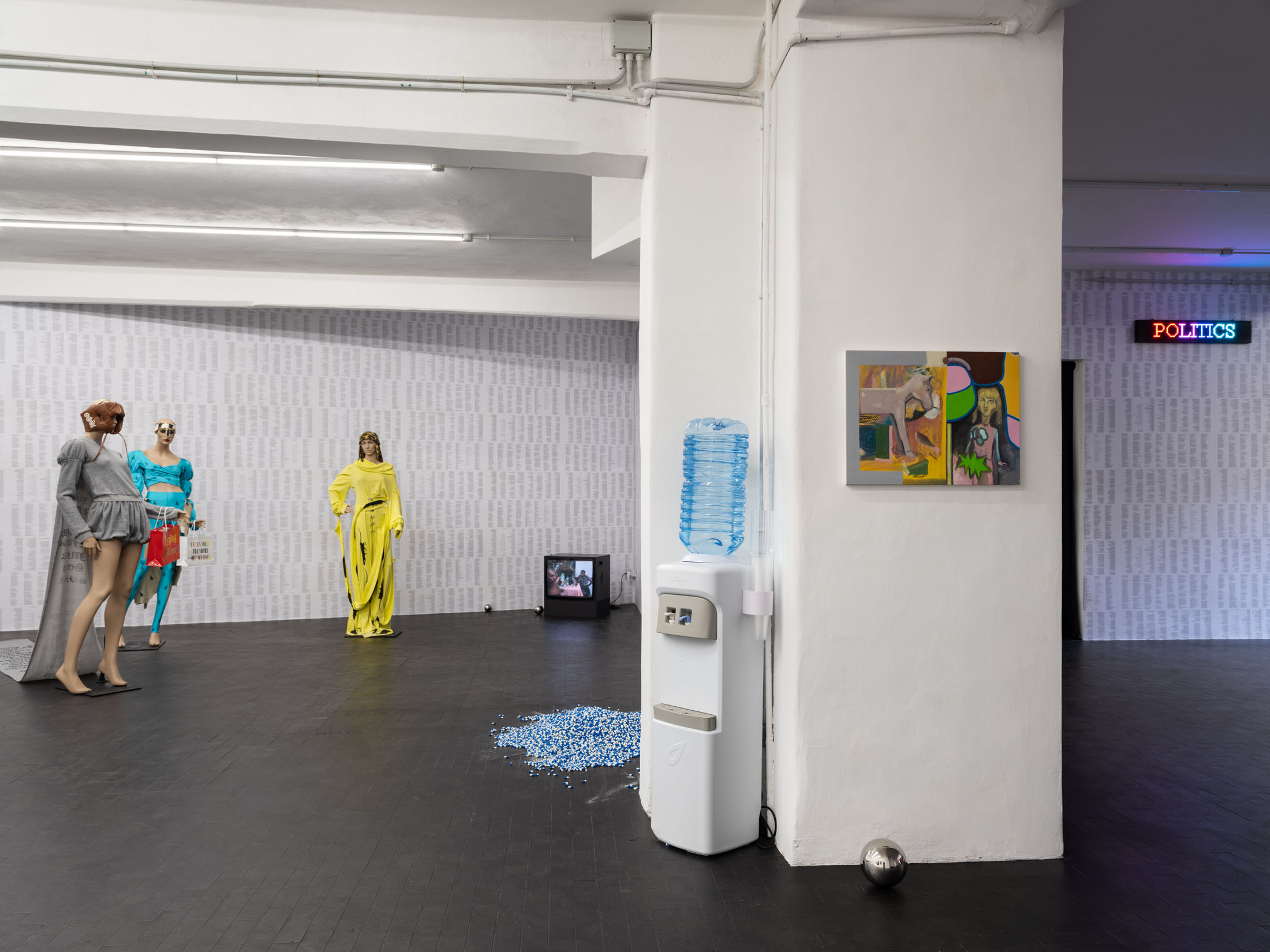
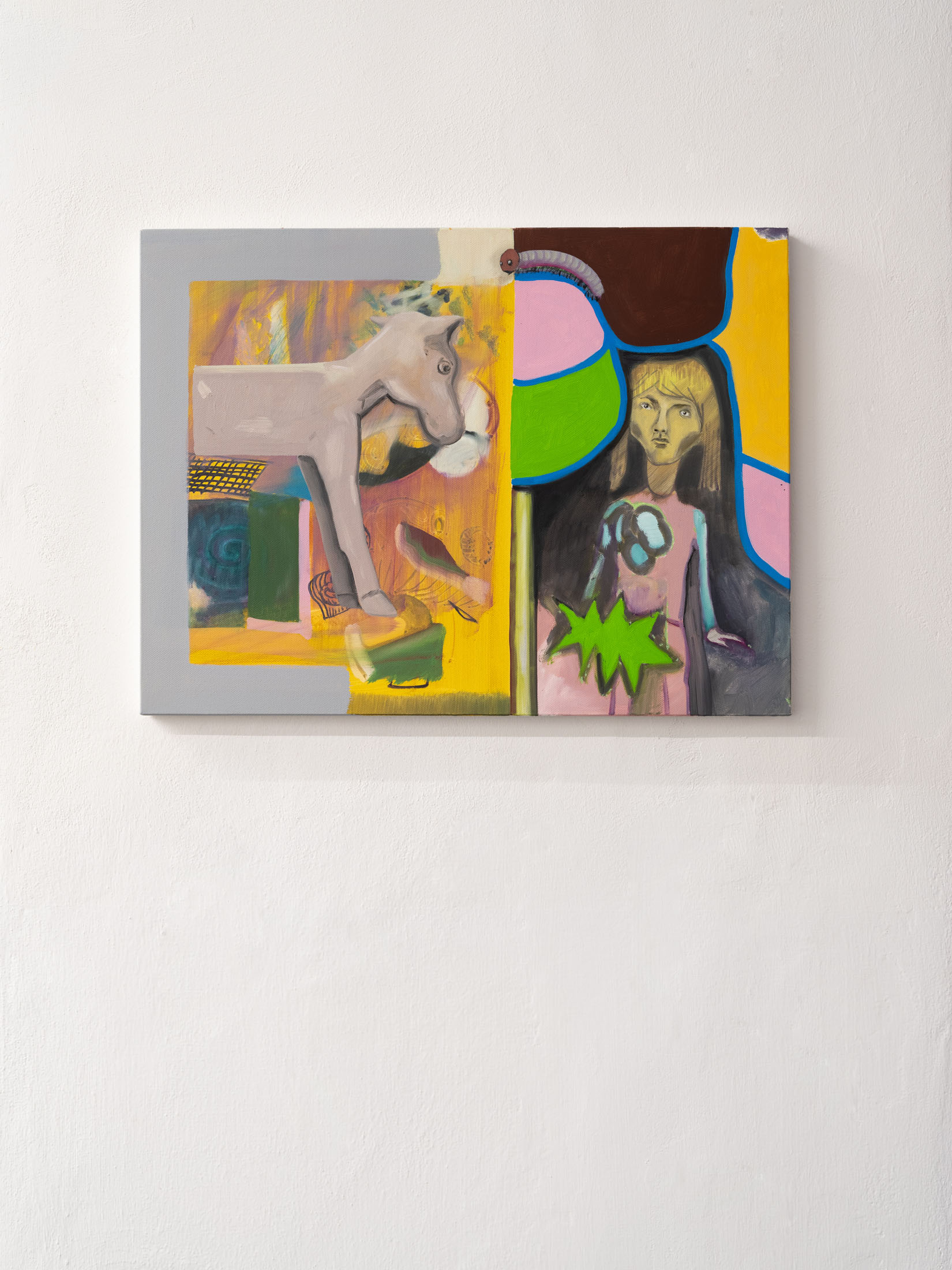
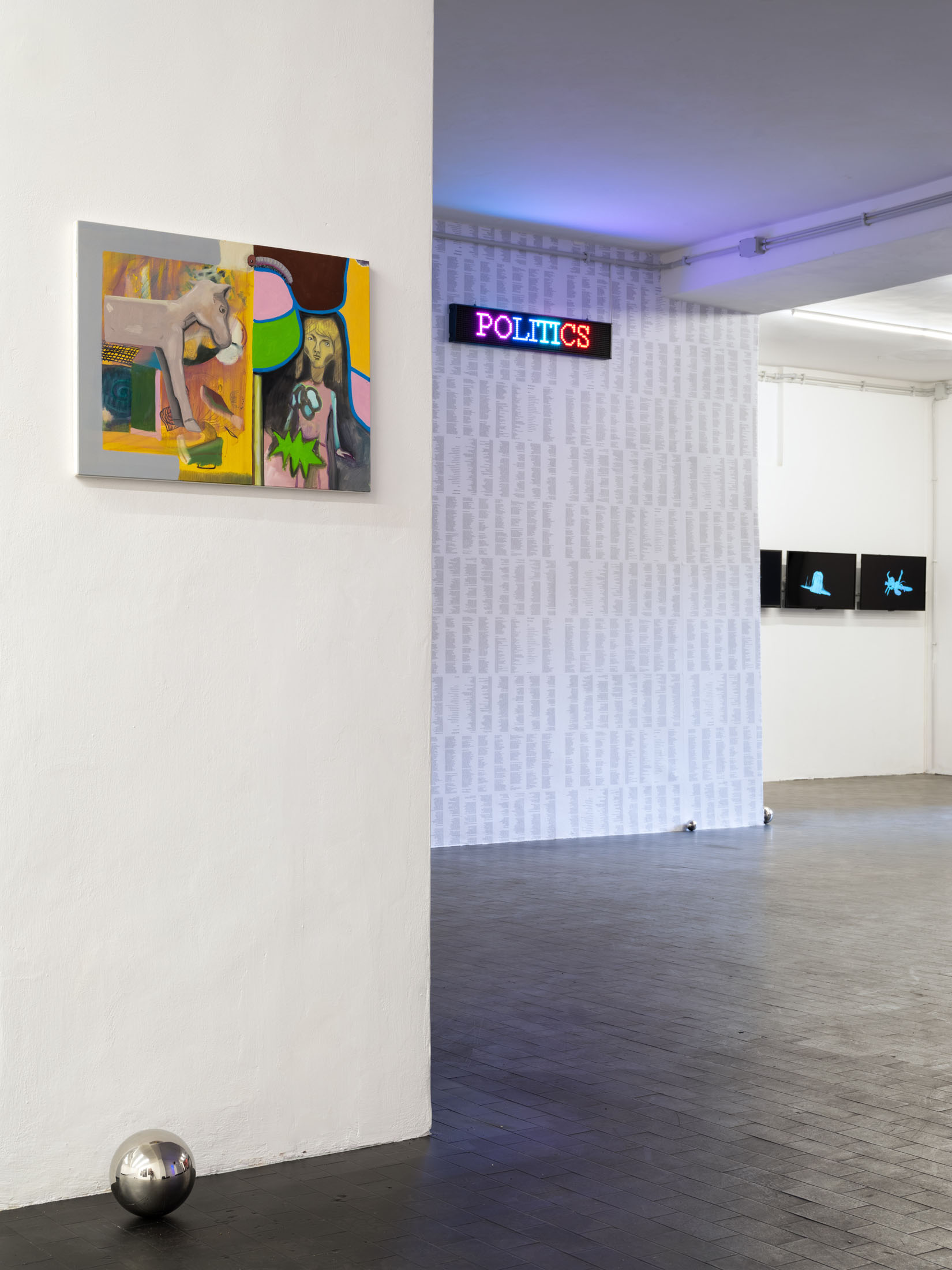
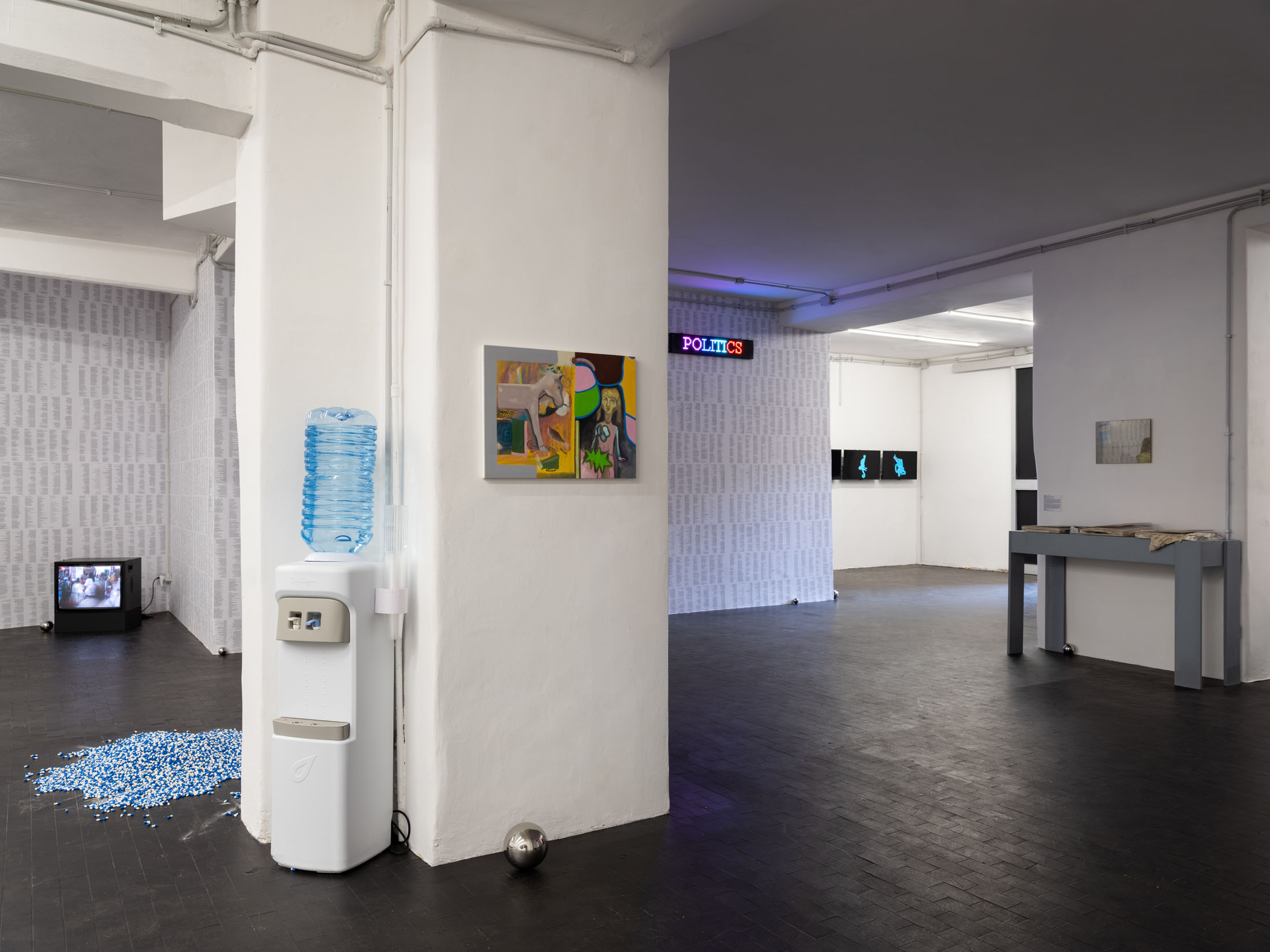
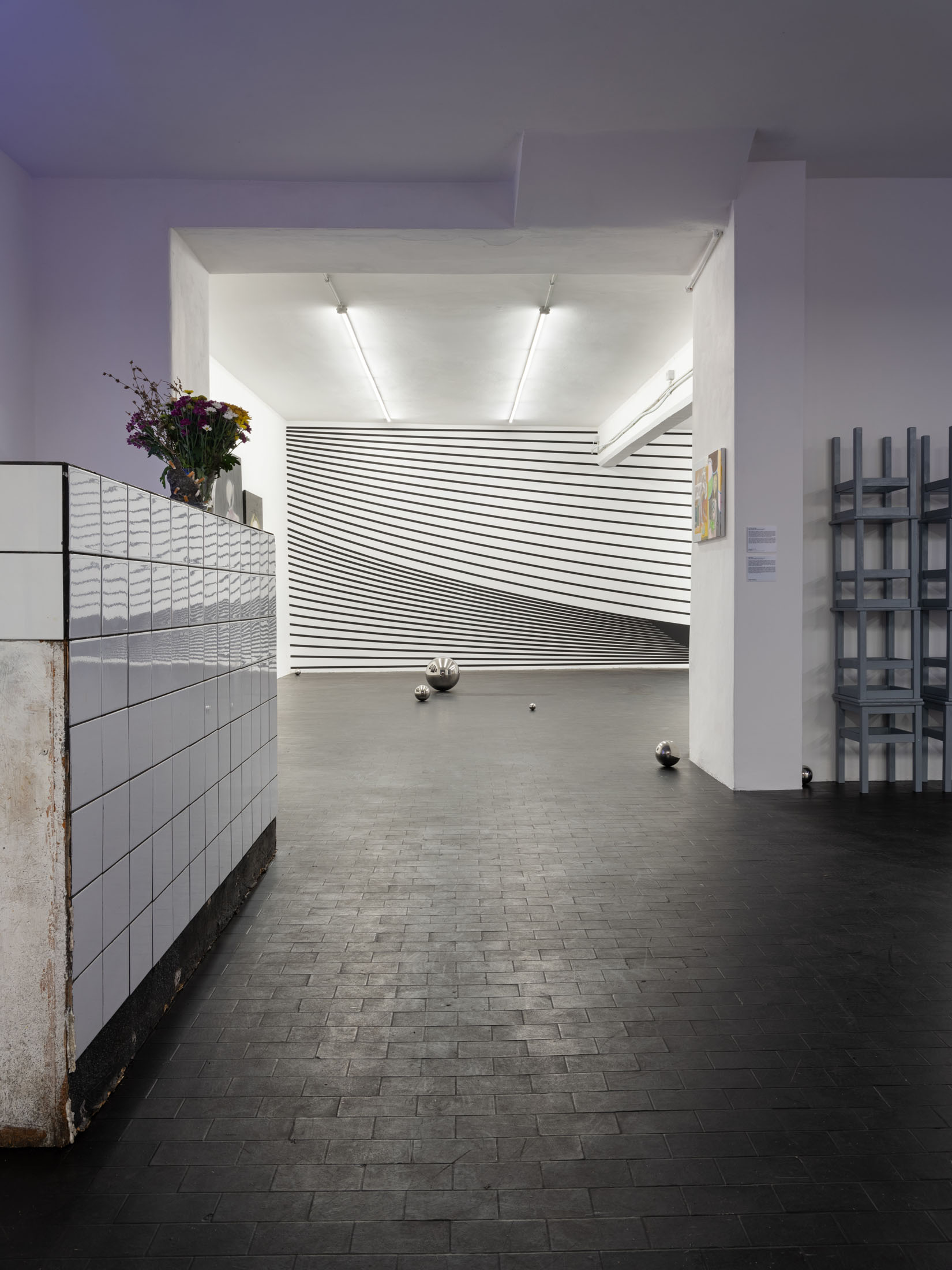
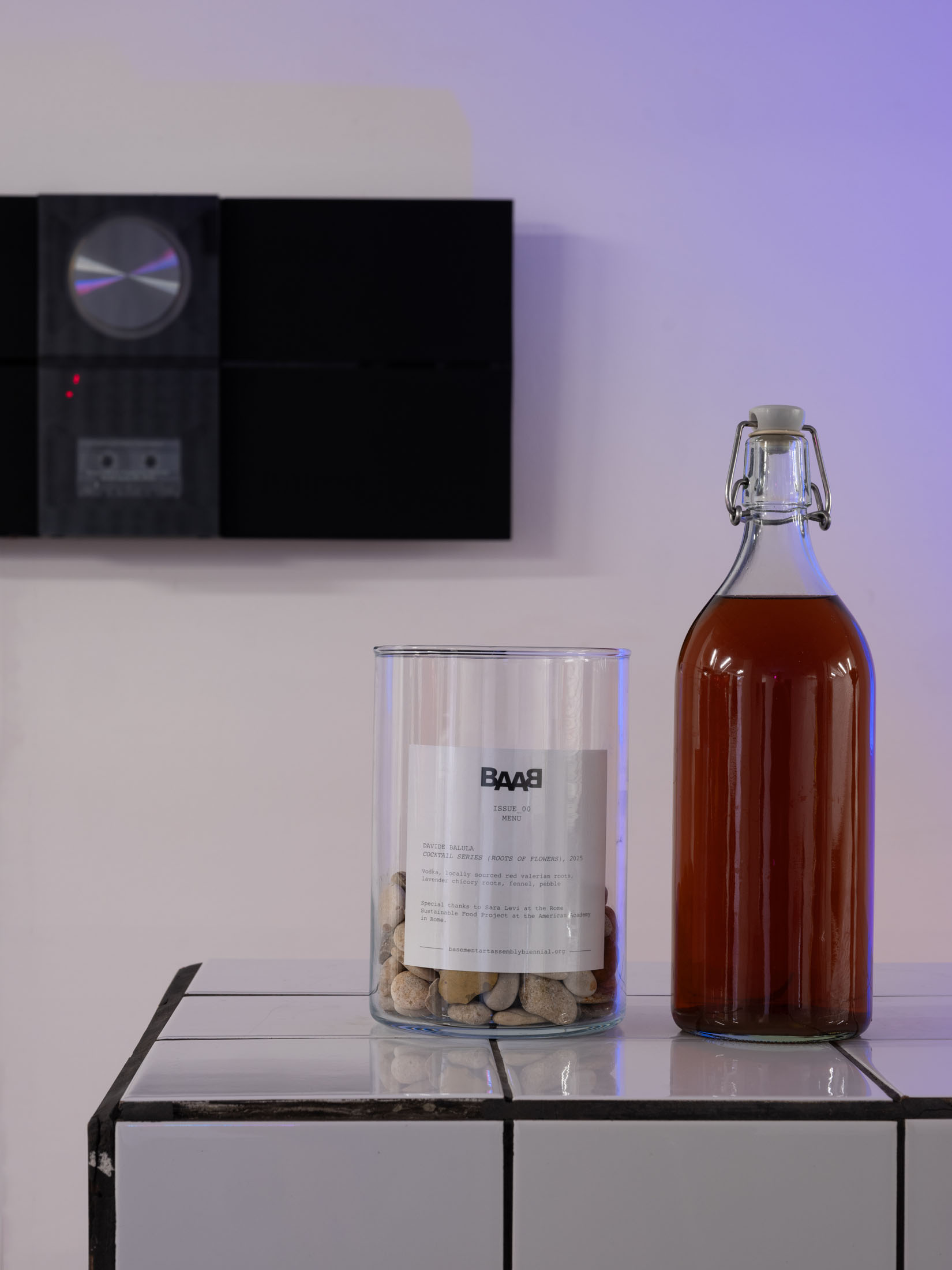
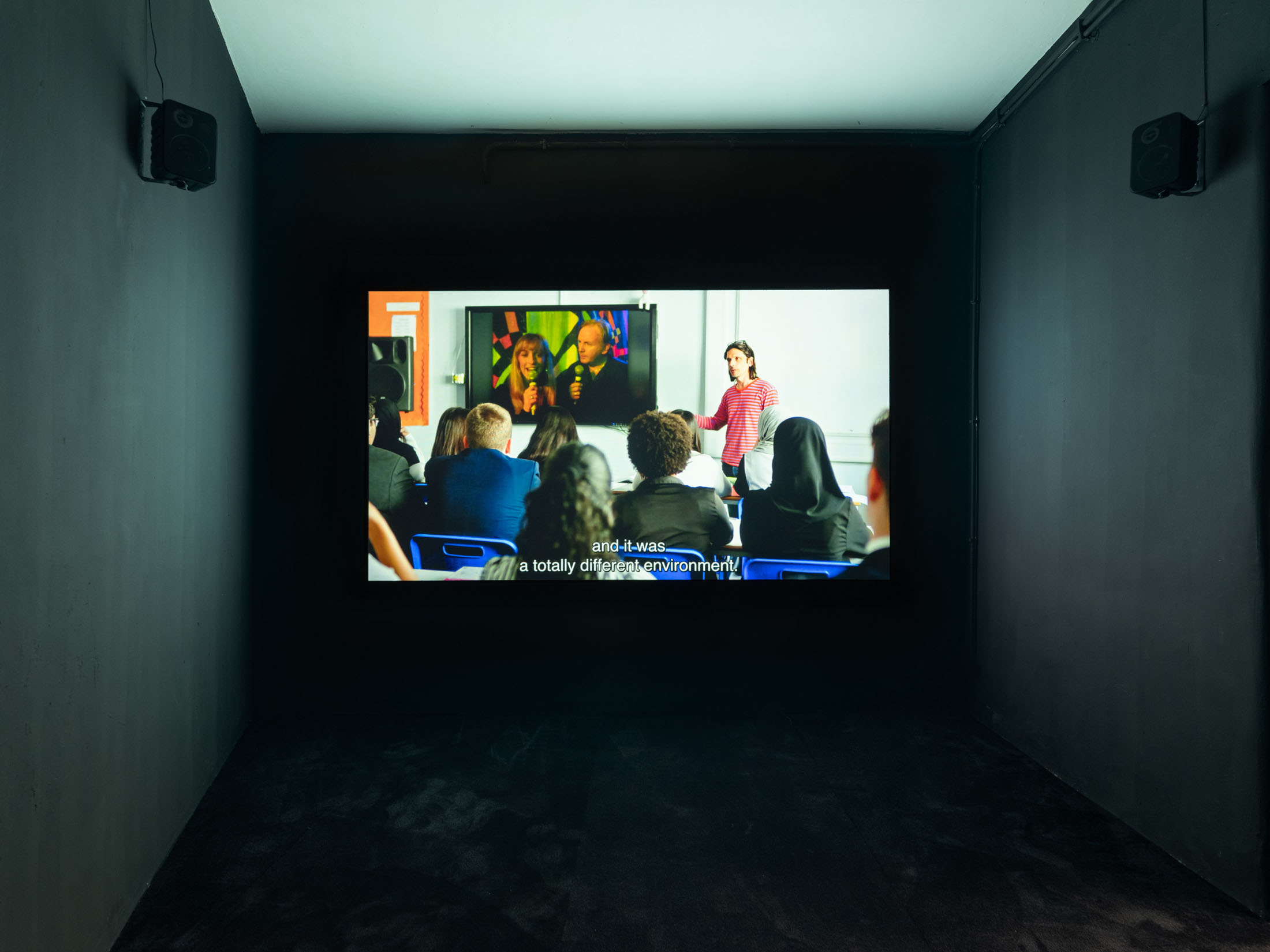
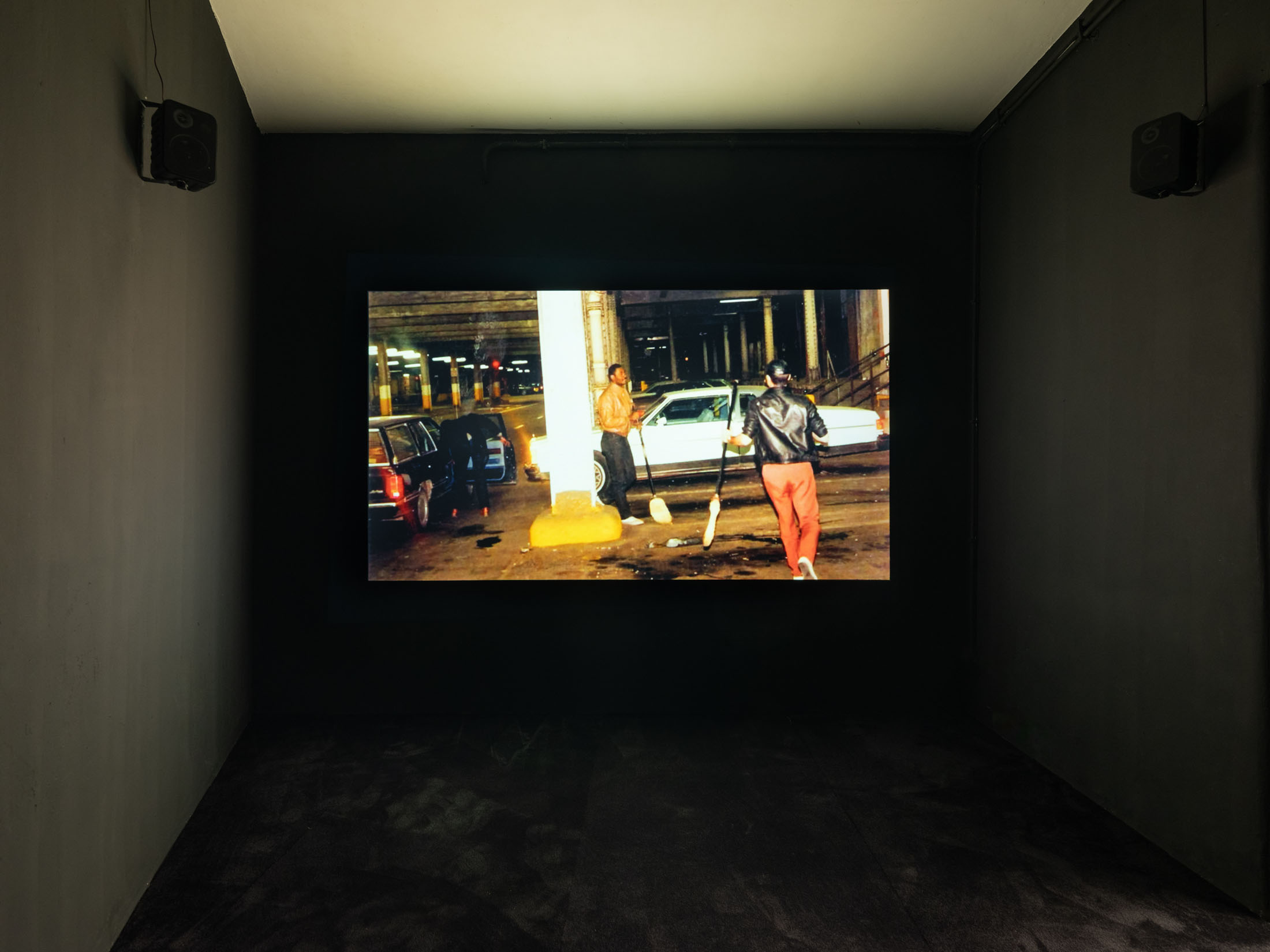
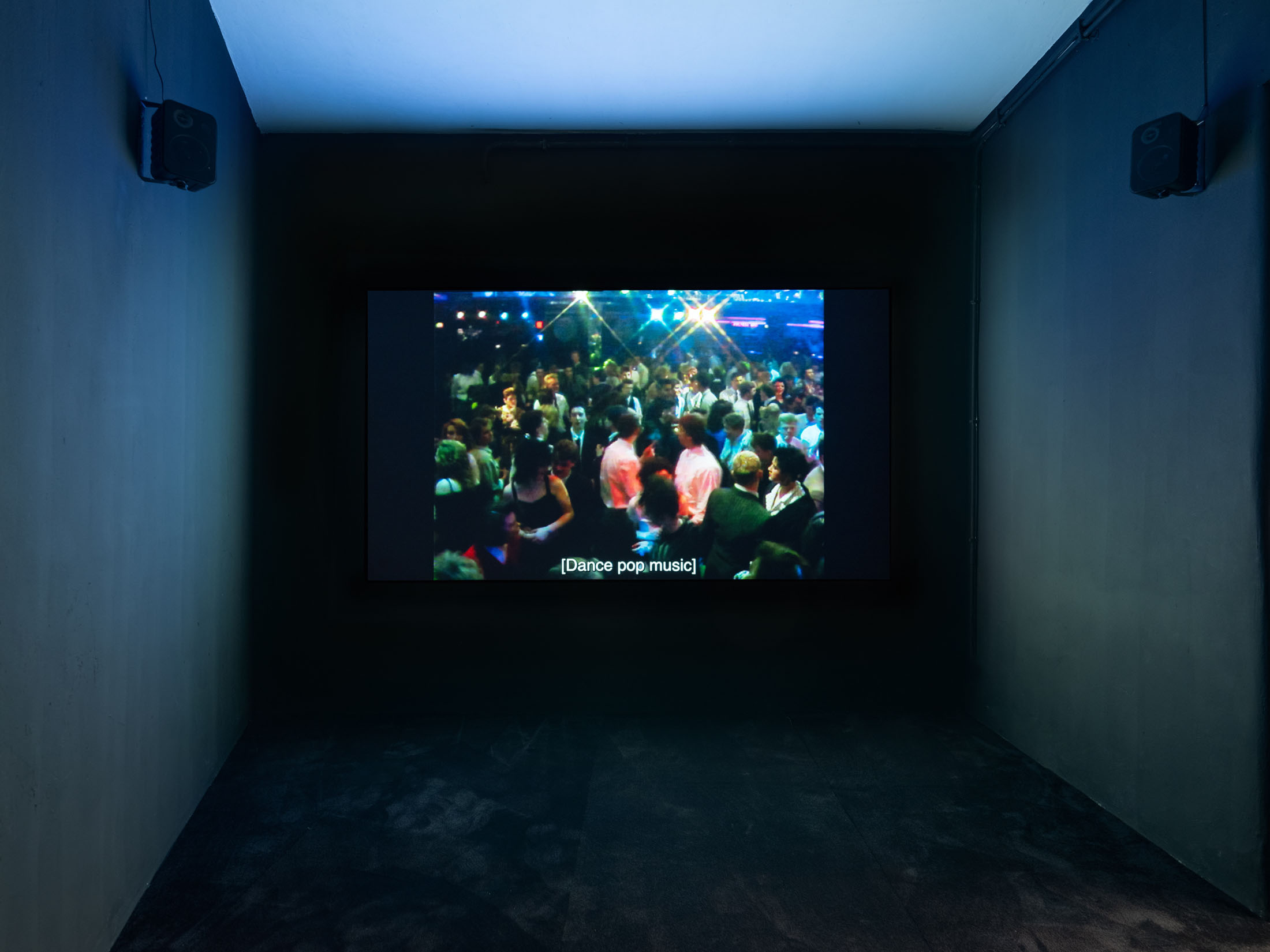
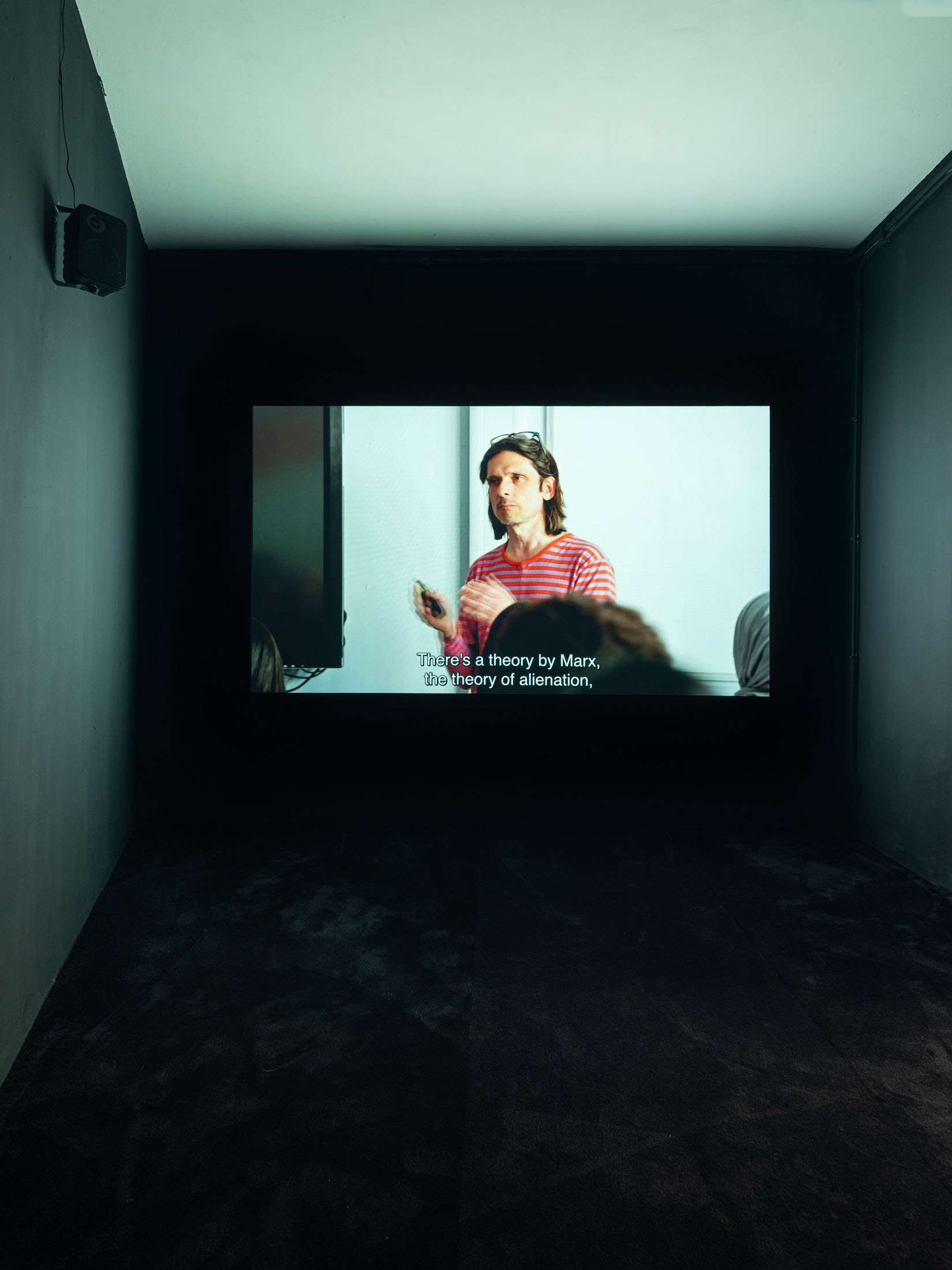
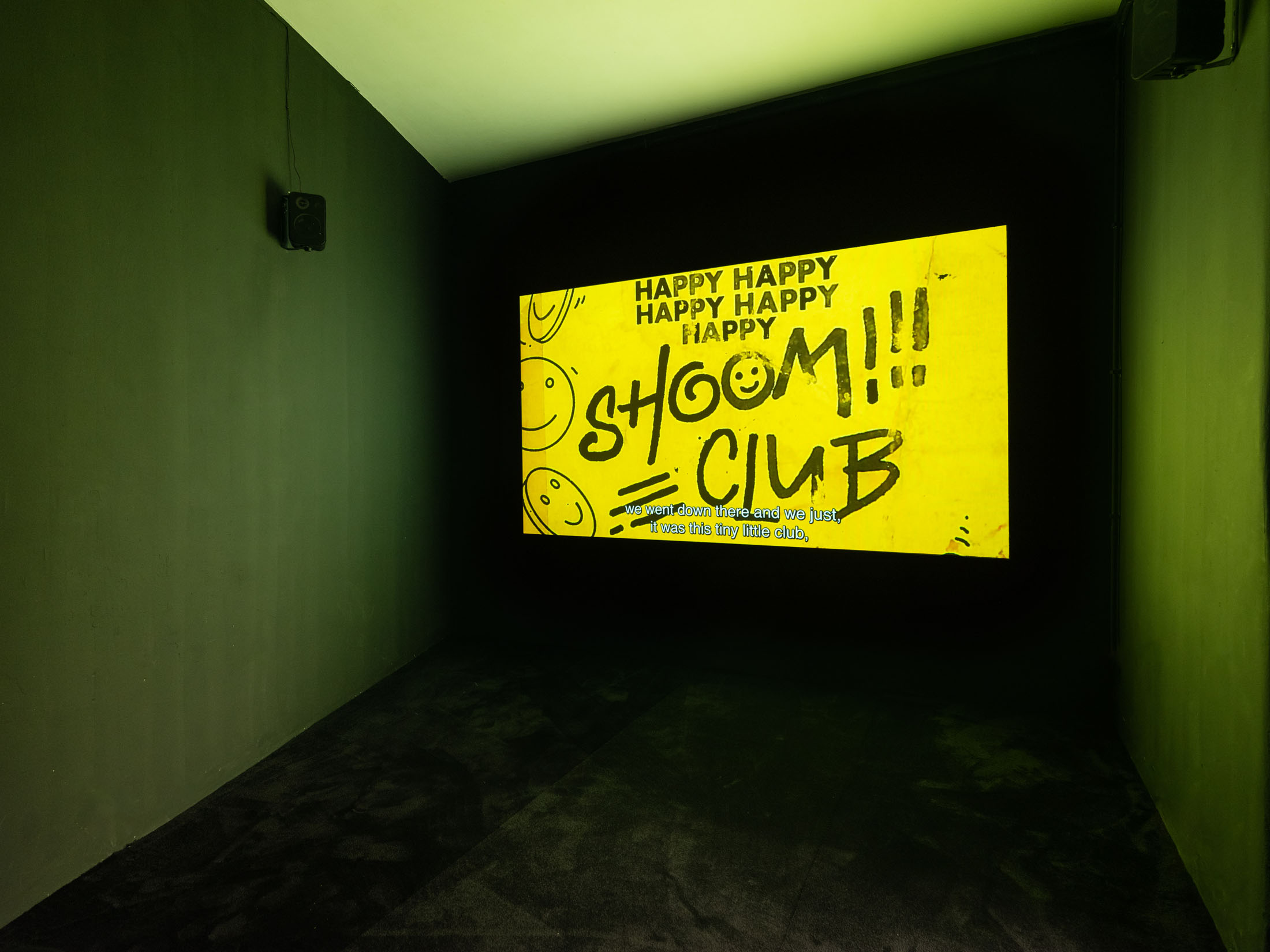
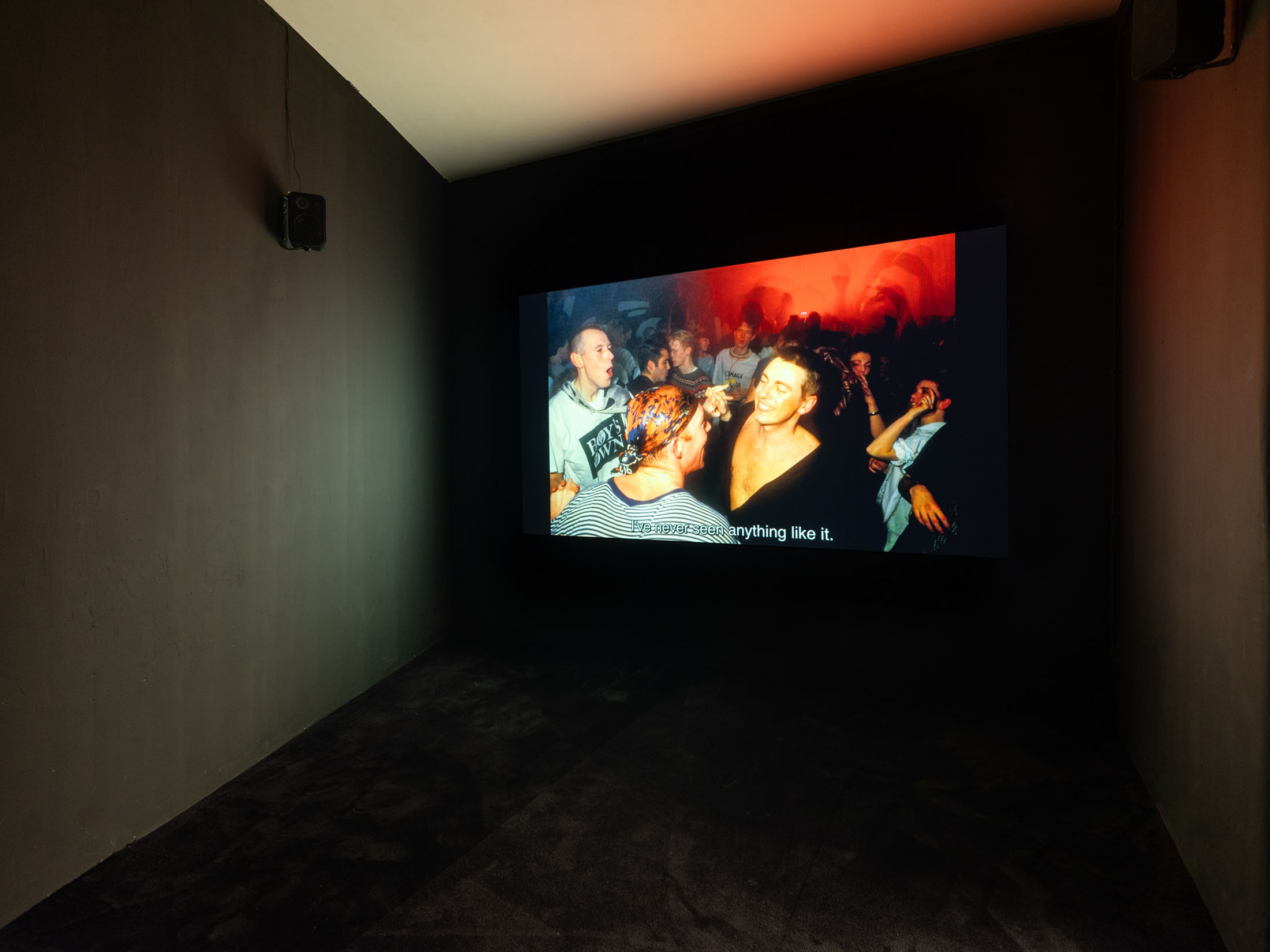
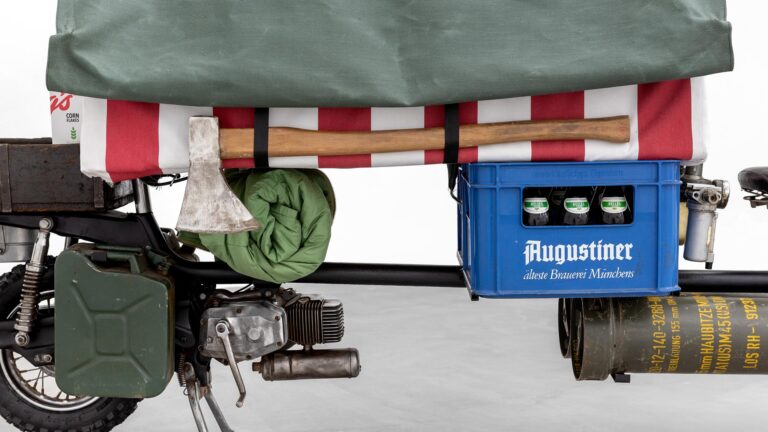
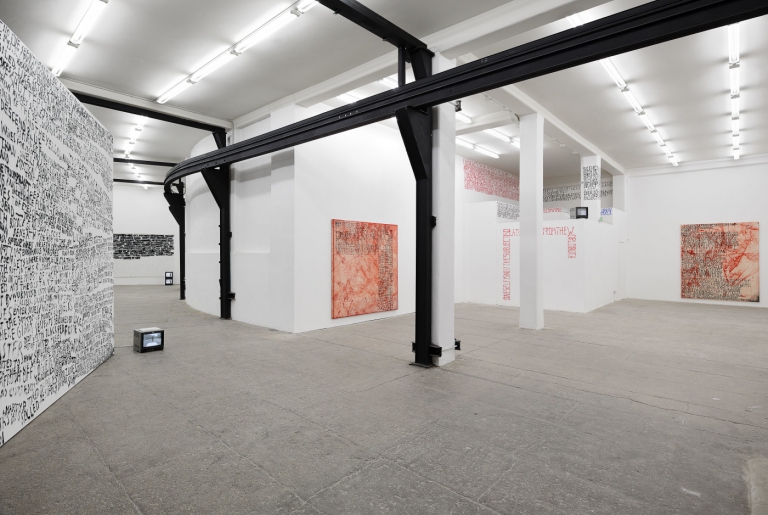
BAAB_Issue 00 stages an underground world. An assembly of artists, works, objects, interventions, actions, performances, in which extemporaneity and unpredictability, critical discourse and sociality, artistic personalities and improvisation mix; an open arena, a stage, a theater, in which actors and audience mingle and everyone is called to play their part.
“Most basements aren’t for people. They are for washing machines, cars, wine, or boilers. If kitchens are for cooking, dining rooms are for dining, and bedrooms are for beds, basements tend to be left undefined—they are simply underground. They are out of sight and open to interpretation. When people go there, they are free to do anything.” (Anthony Huberman)
What is brought to light is above all an embryonic, hybrid, metamorphic world, in which roles, times, actions, cultures and civilizations mix; it is the zero point in which differences and plurality coexist, in which the classical principles of artistic representation are undermined and the open boundaries of a new space of freedom are defined. It is the freedom of single individuals who connect in a collective, dynamic and non-homologated body; an inner world that contrasts the spatialized time of science; a constant flow of self-expression involving individuals and their community. Whether it is accumulation, acceleration or chaos, it is the freedom to define oneself and get lost, to play and to welcome unpredictability, error and transformation as parts of the whole. It is the freedom to find new surfaces, new grafts, new words, new collective forms. It is the freedom of improvisation and participation; freedom of the collective claim for the space of darkness. It is freedom of bodies, movement and otherness. It is the space in the cracks of an overexposed world, a rest area where silence and noise, consensus and dissent mix. It is the lubricant for the engine, the body that dances, the voice that screams or whispers, it is the pen that writes. It is a rebellious, anti-systemic and revolutionary state, it is the glitch between a fossilized past and an unwritten future, it is the prequel of what is to come. It is the ability to create worlds, and not just inherit and live within existing ones.
“Today, singular projects and atypical exhibition spaces are increasingly becoming a necessity, as the art world is dying of its conformism and reluctance to experiment. The Basement Art Assembly Biennial has no fixed location, nor any exhibition model, because art no longer has one. Let us therefore celebrate its inaugural statement: ‘Underground is the new institution.’” (Nicolas Bourriaud)