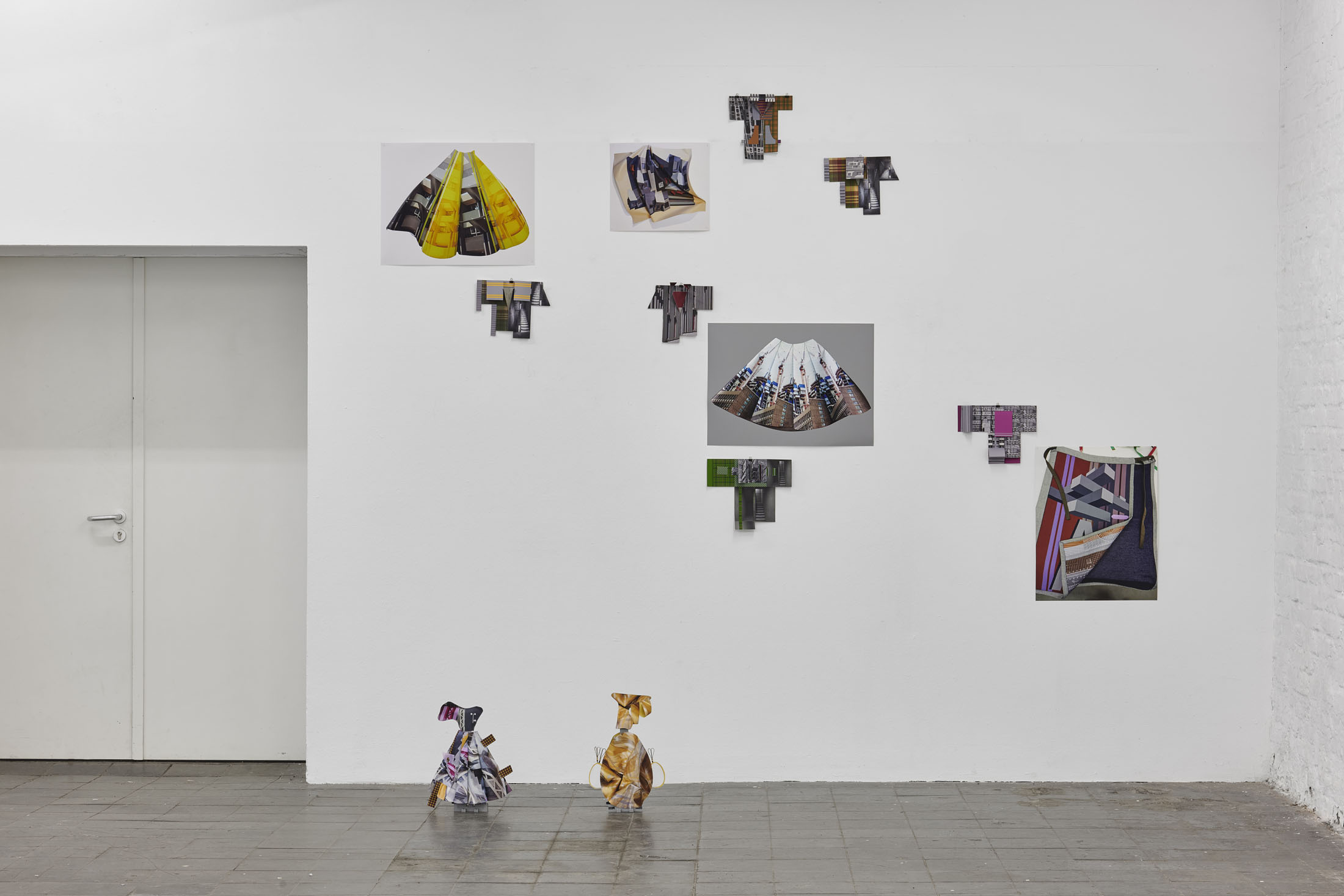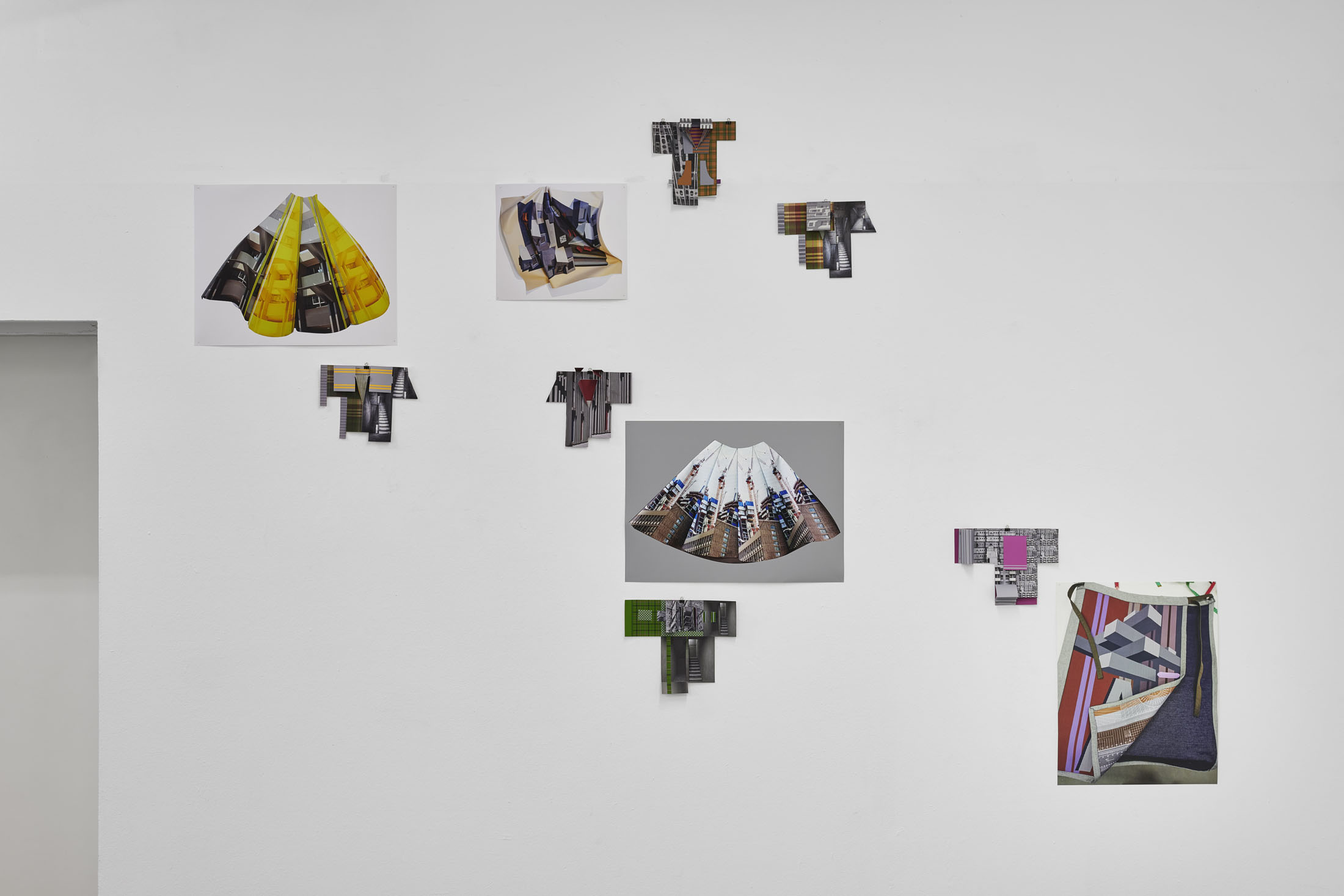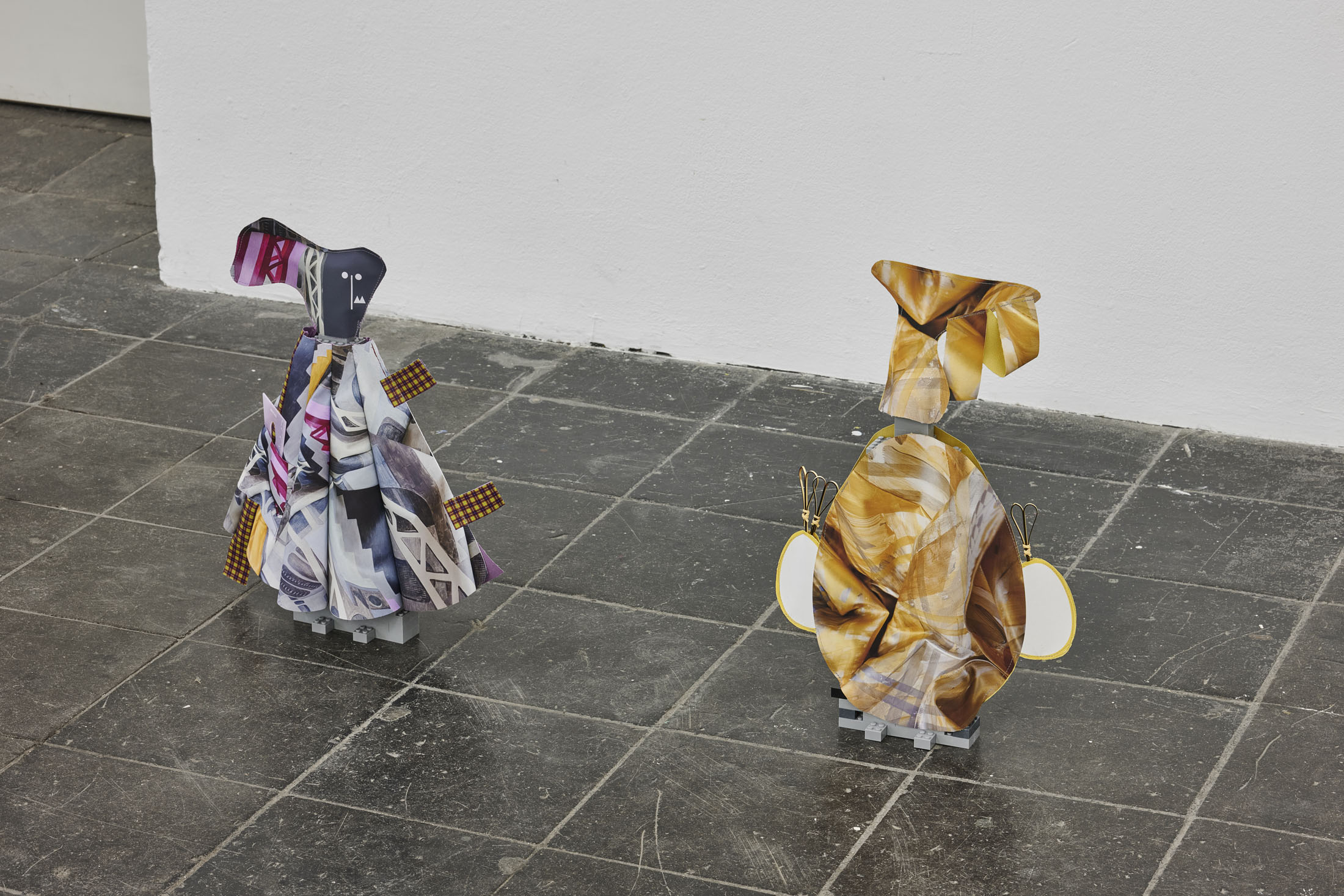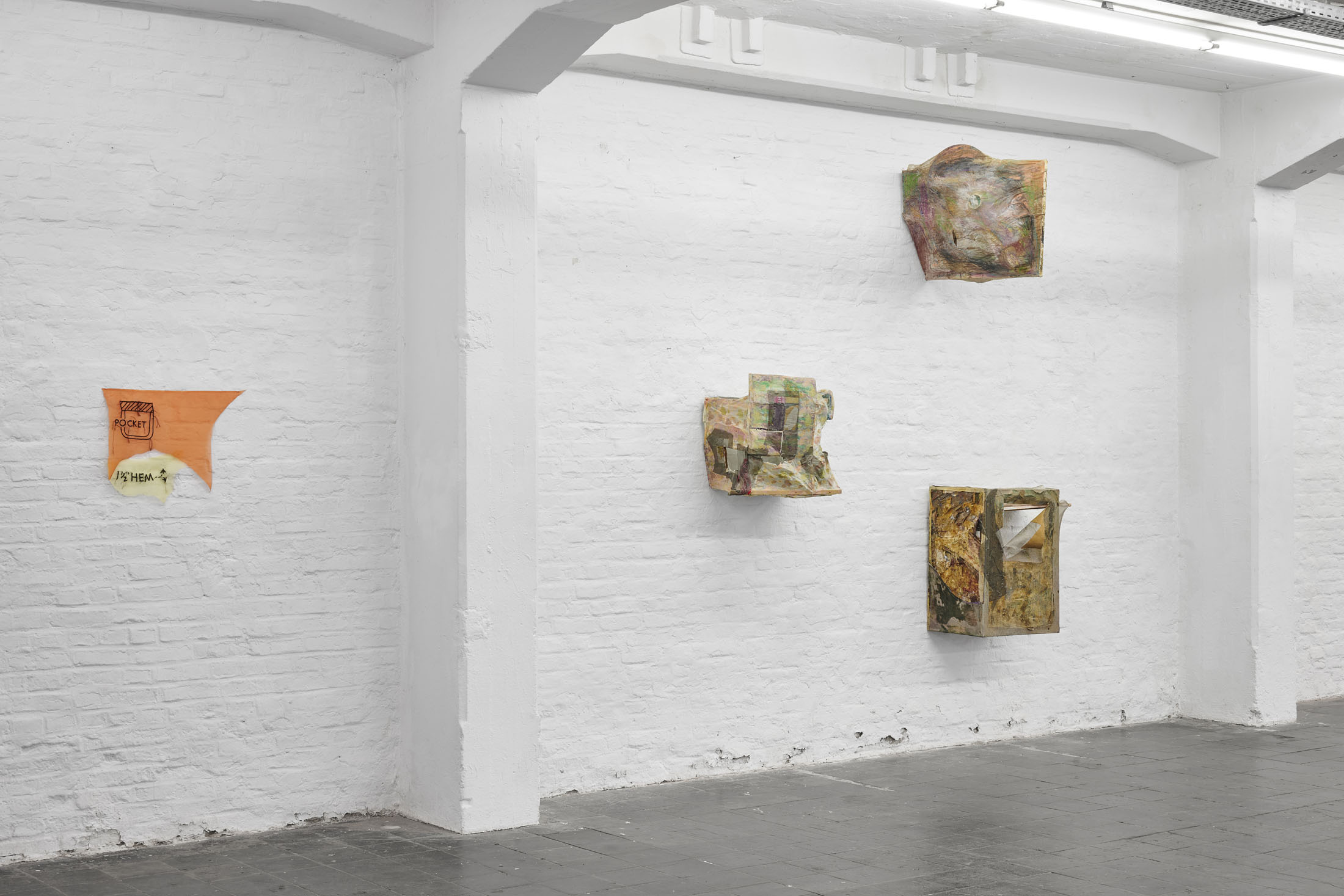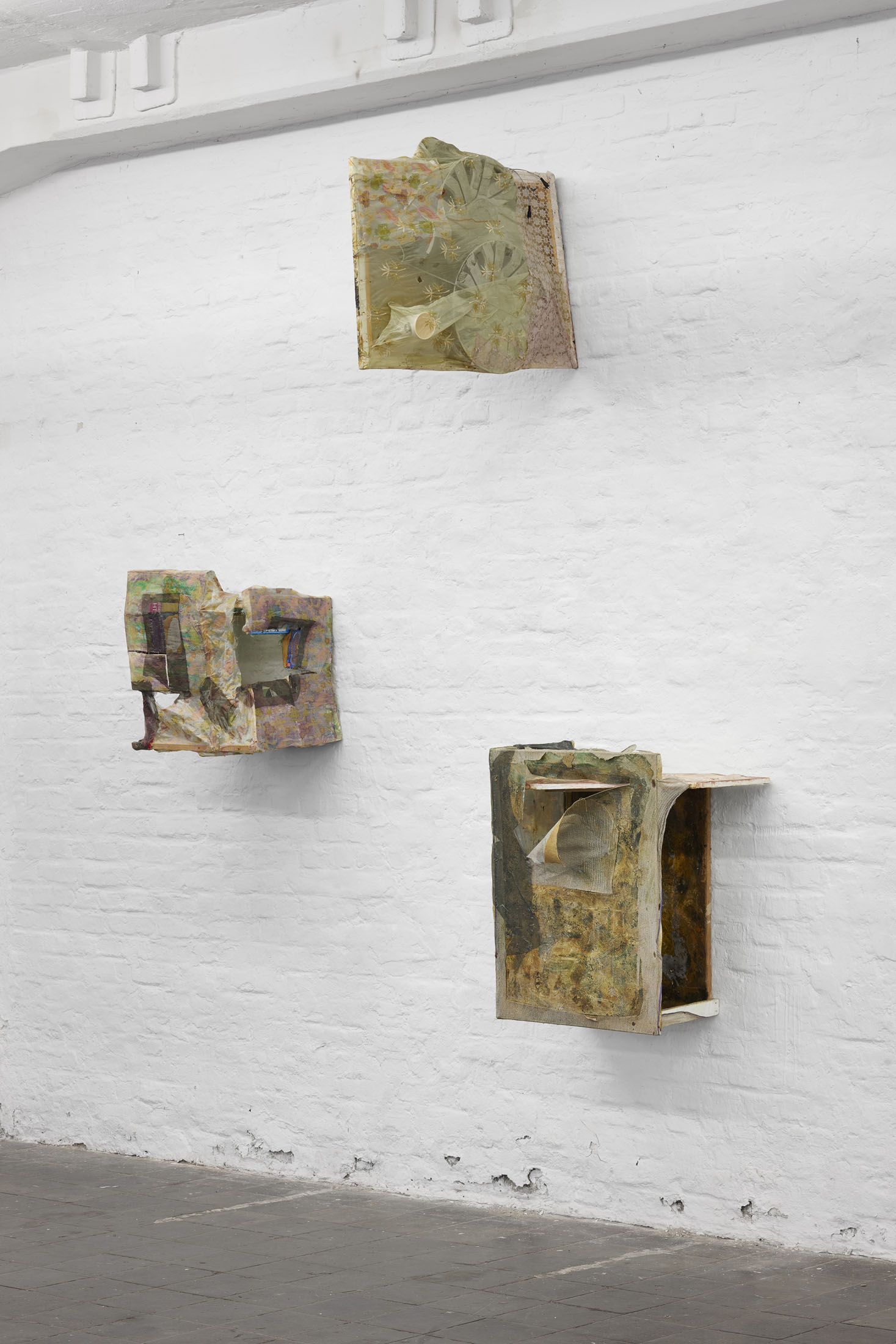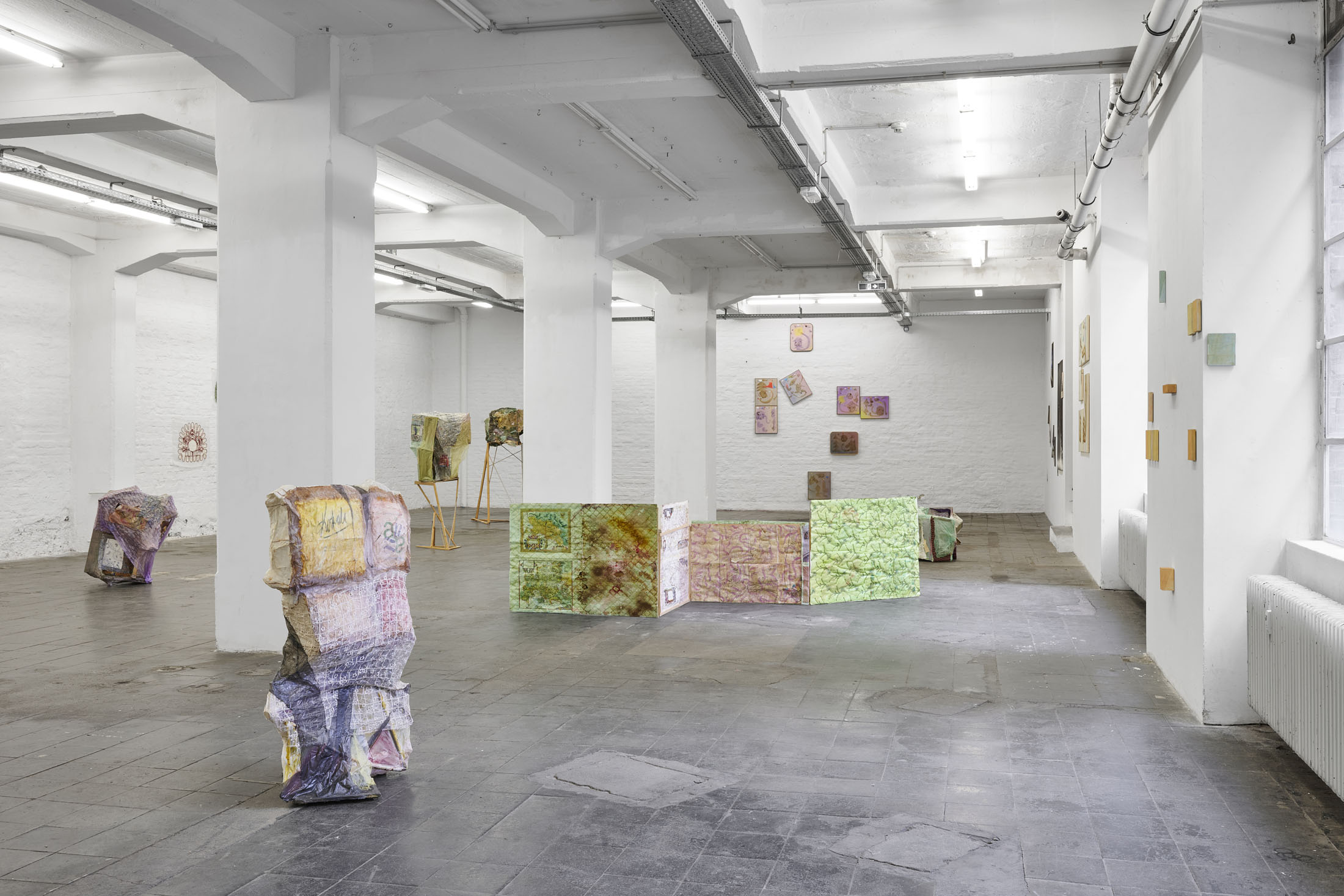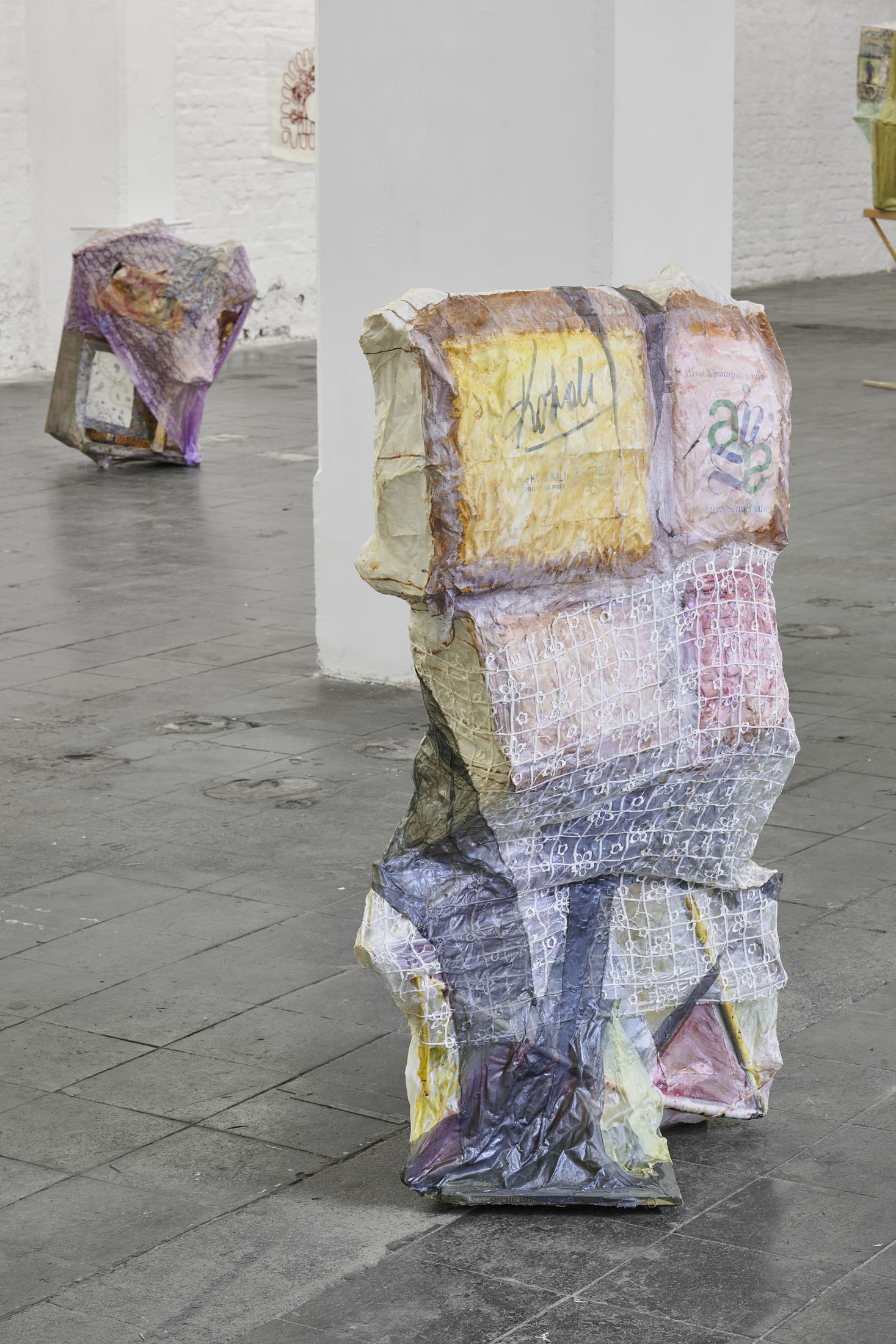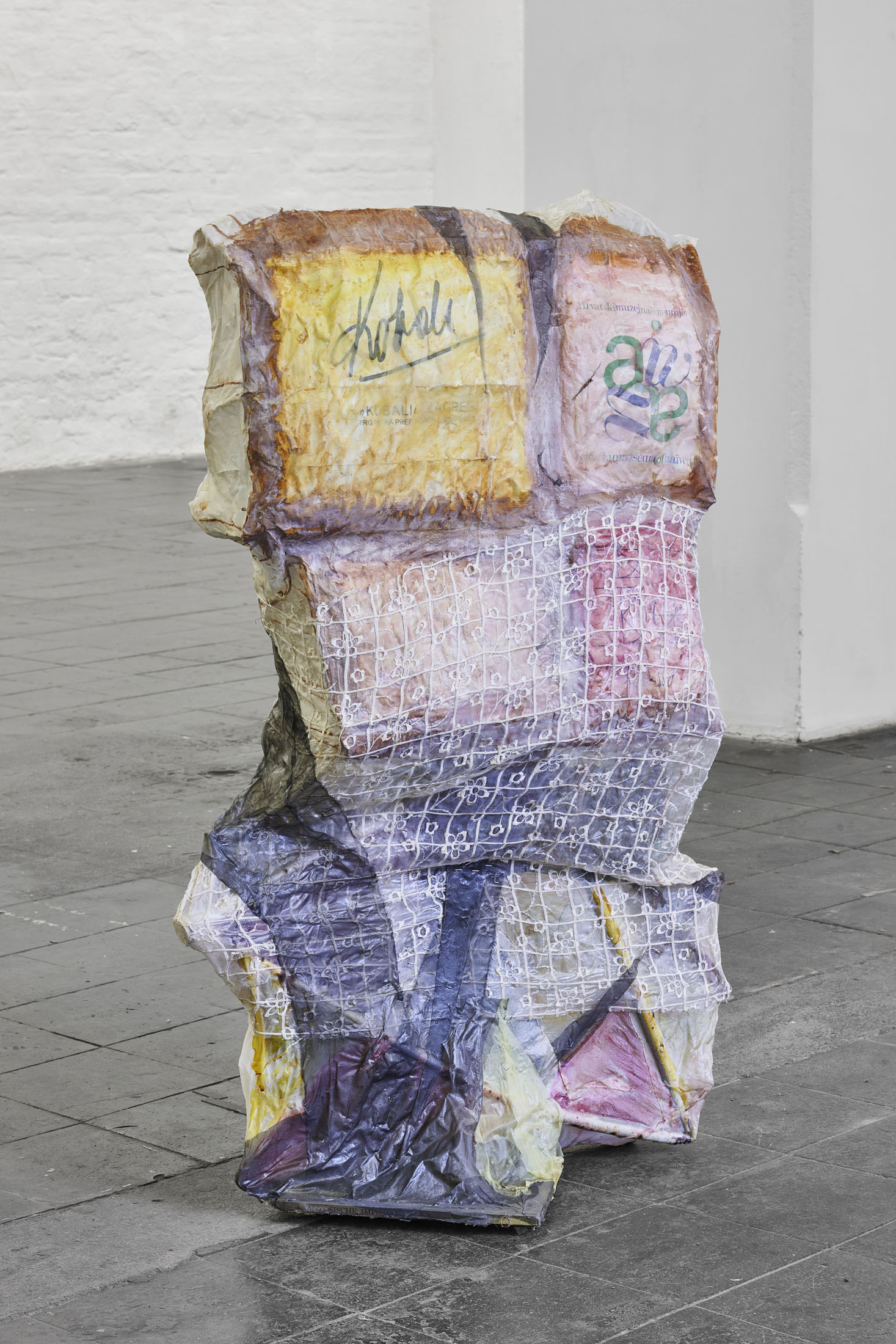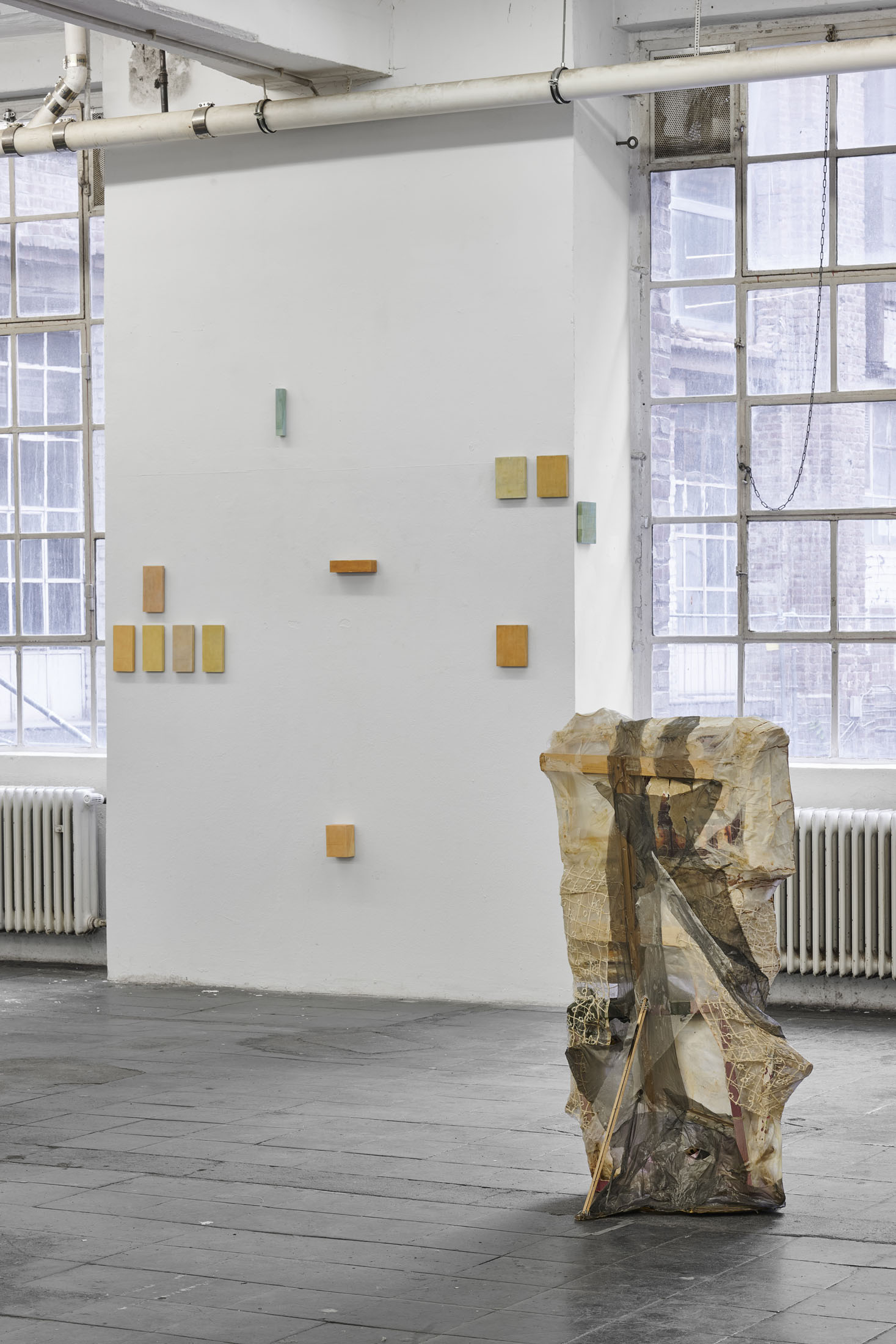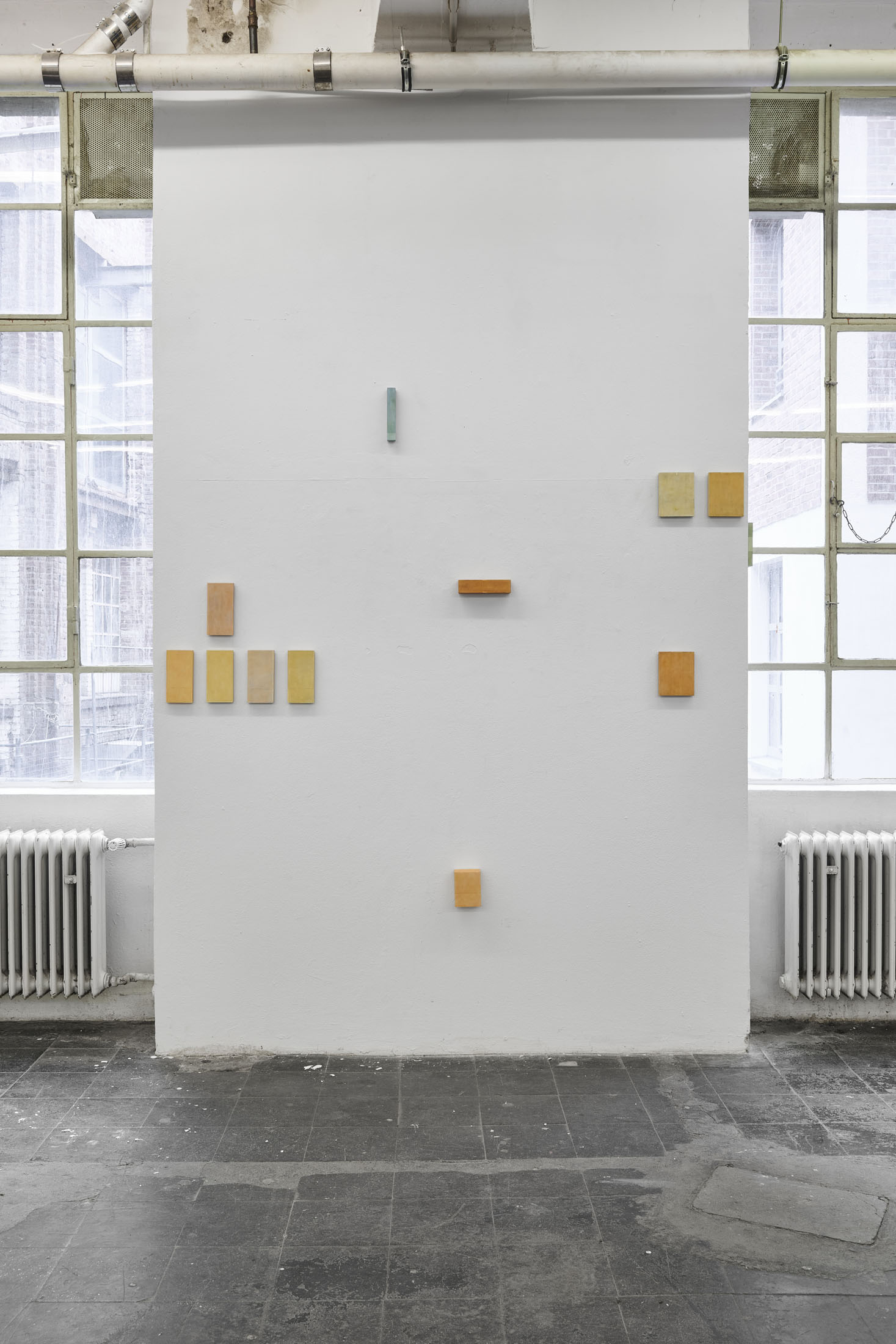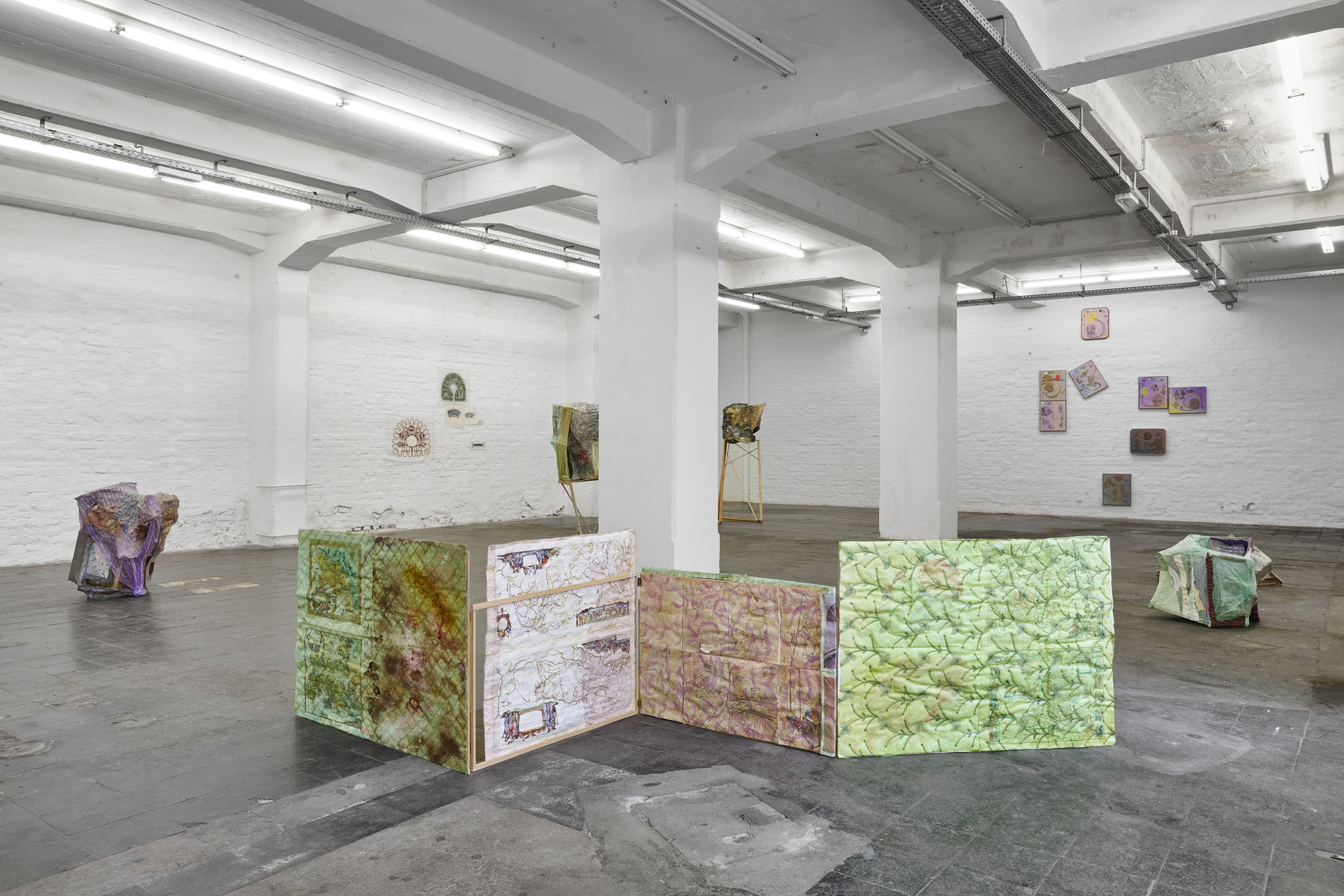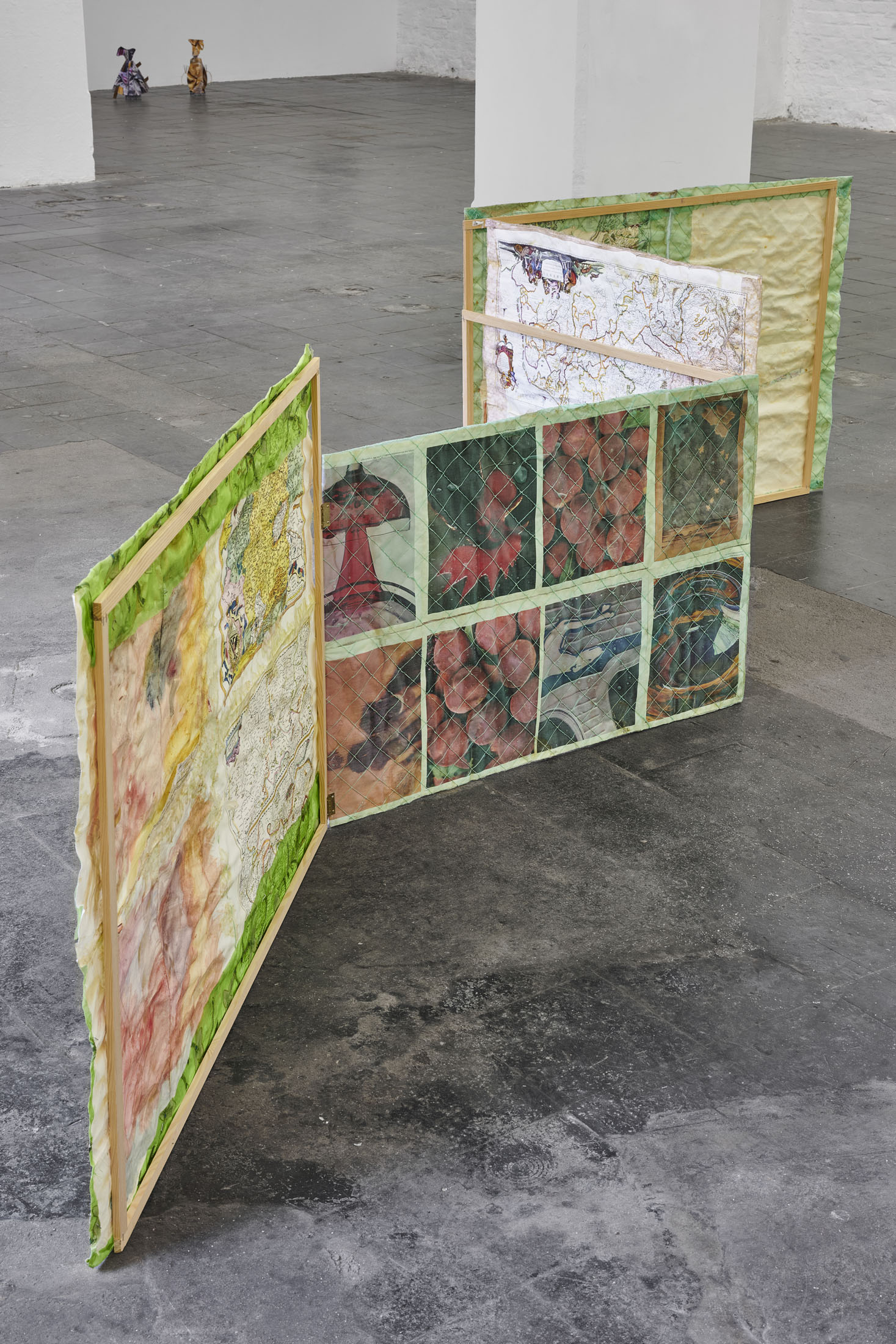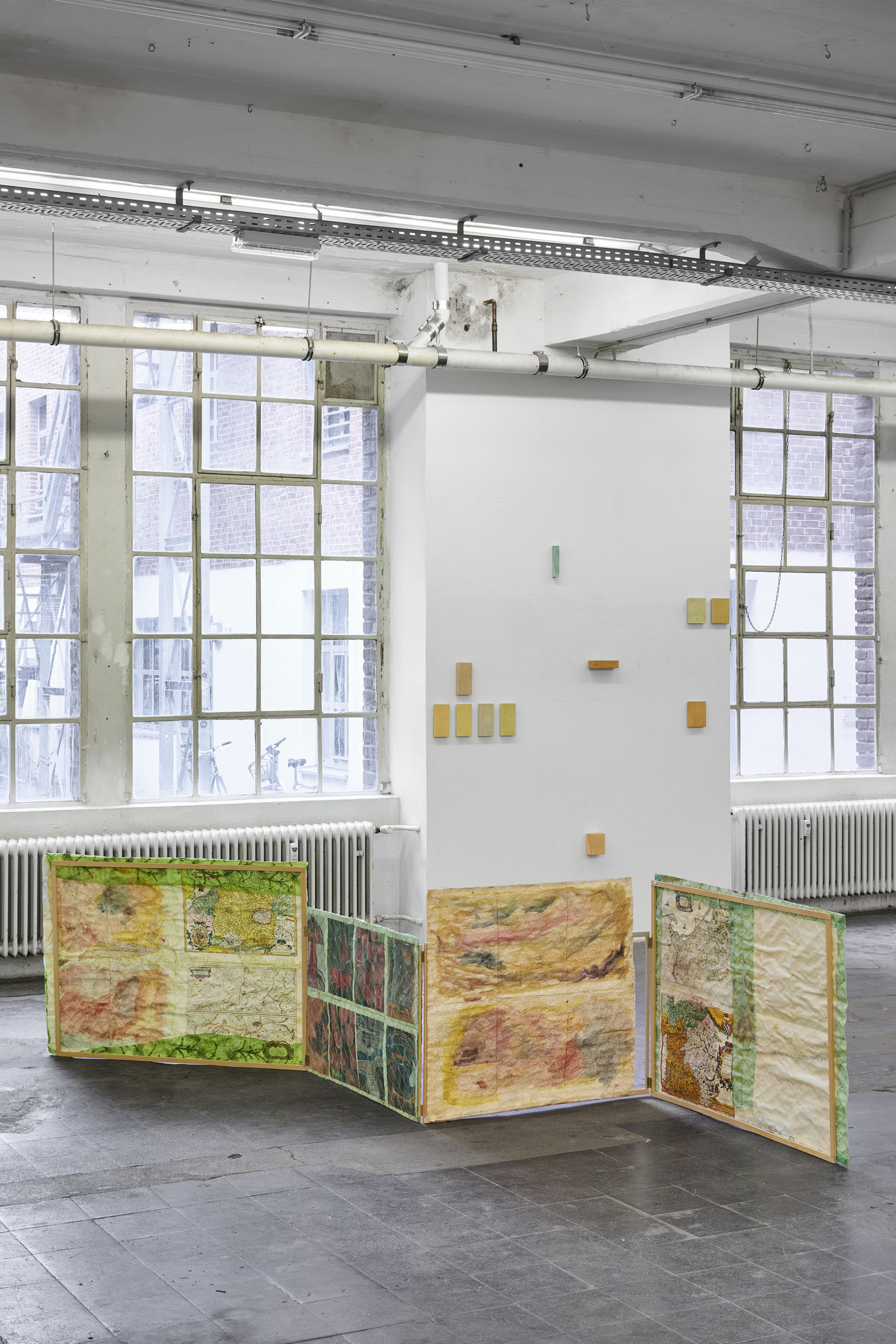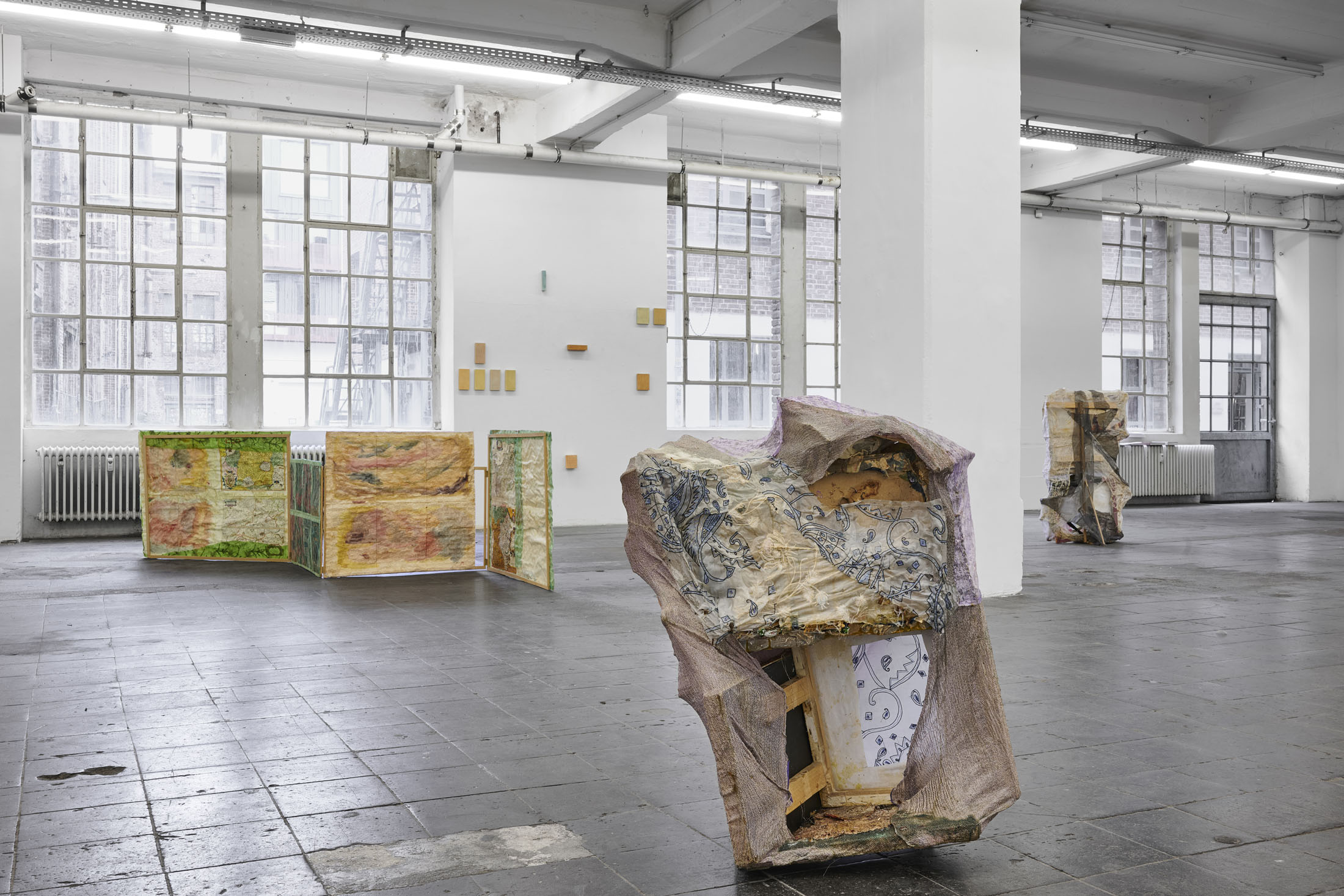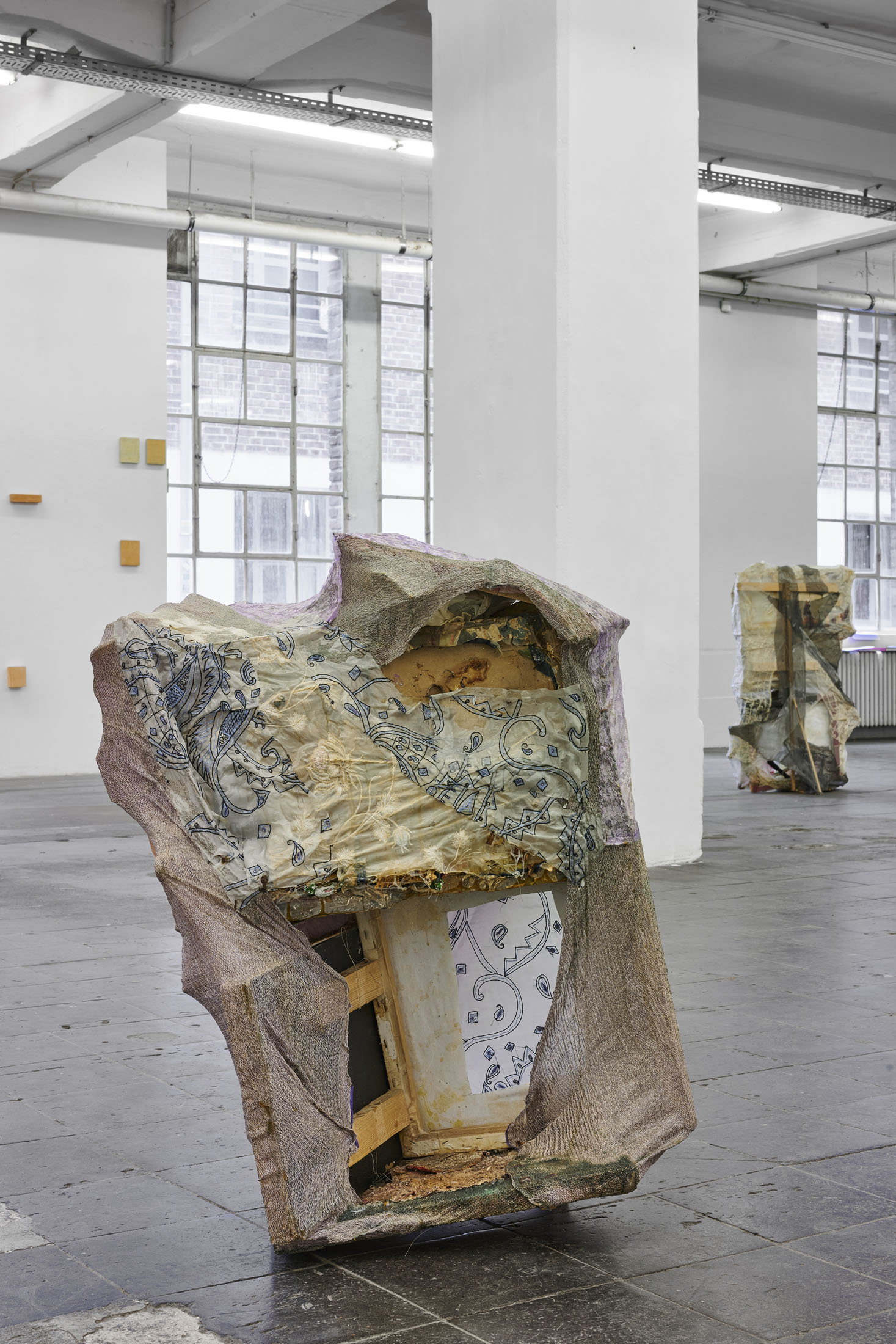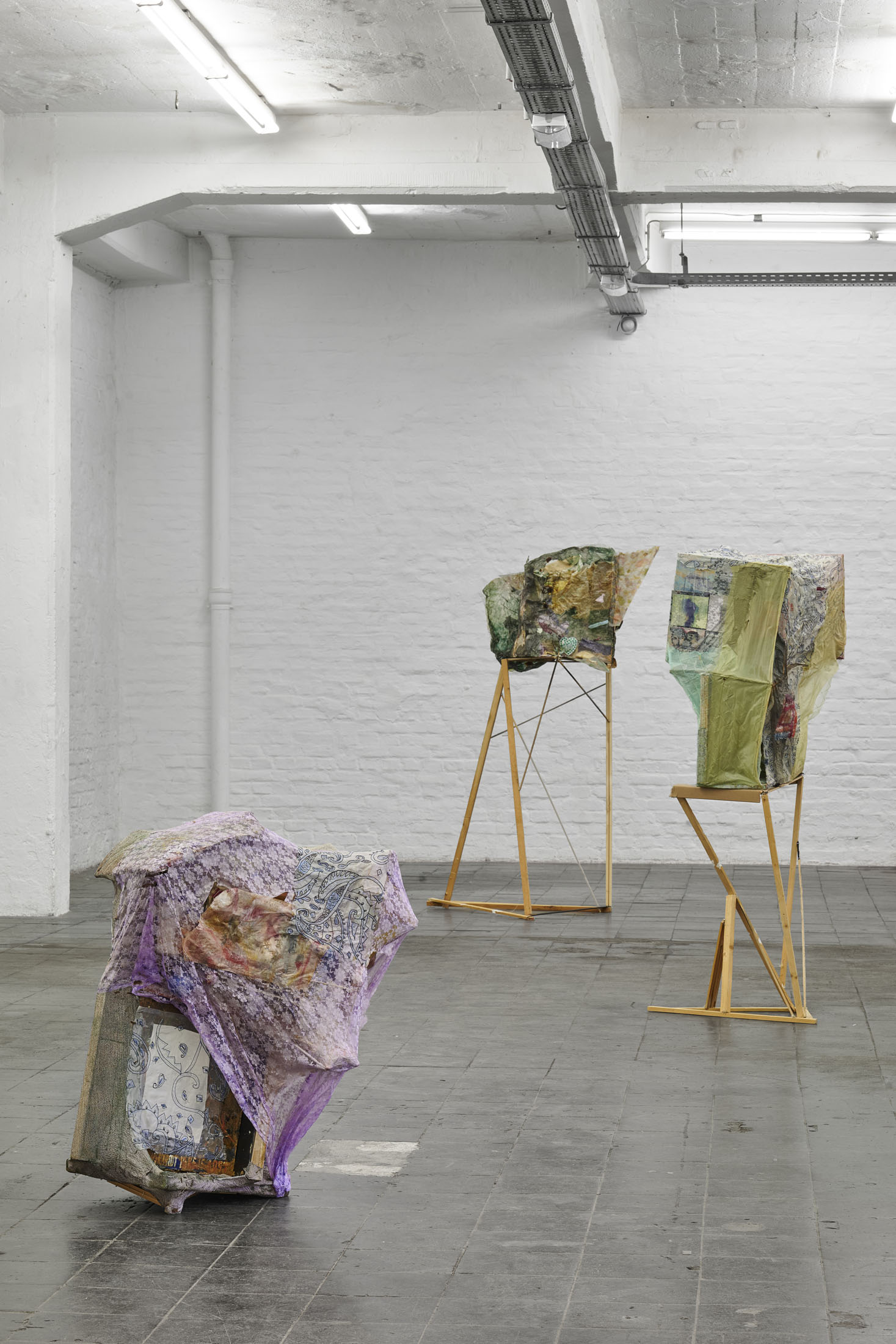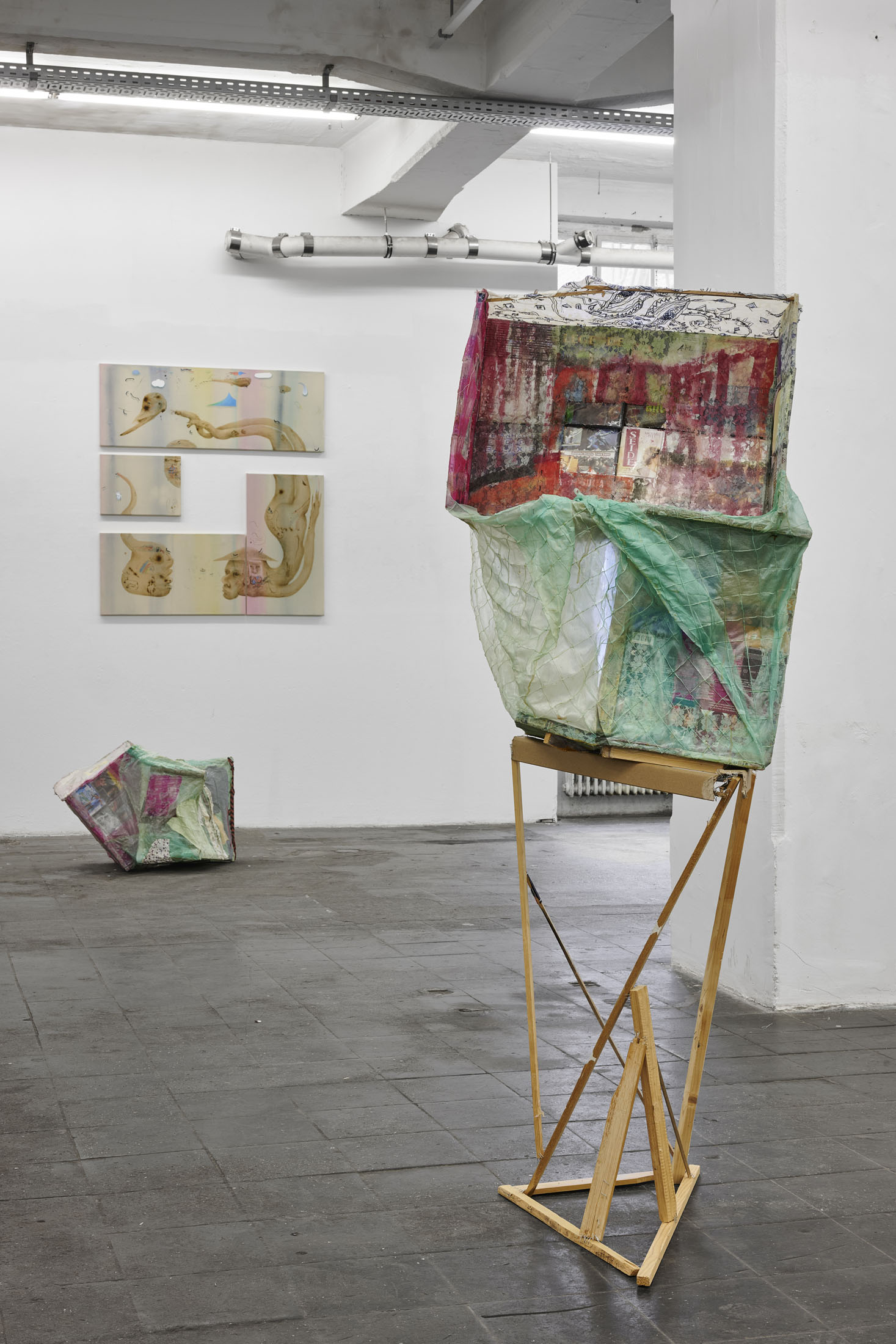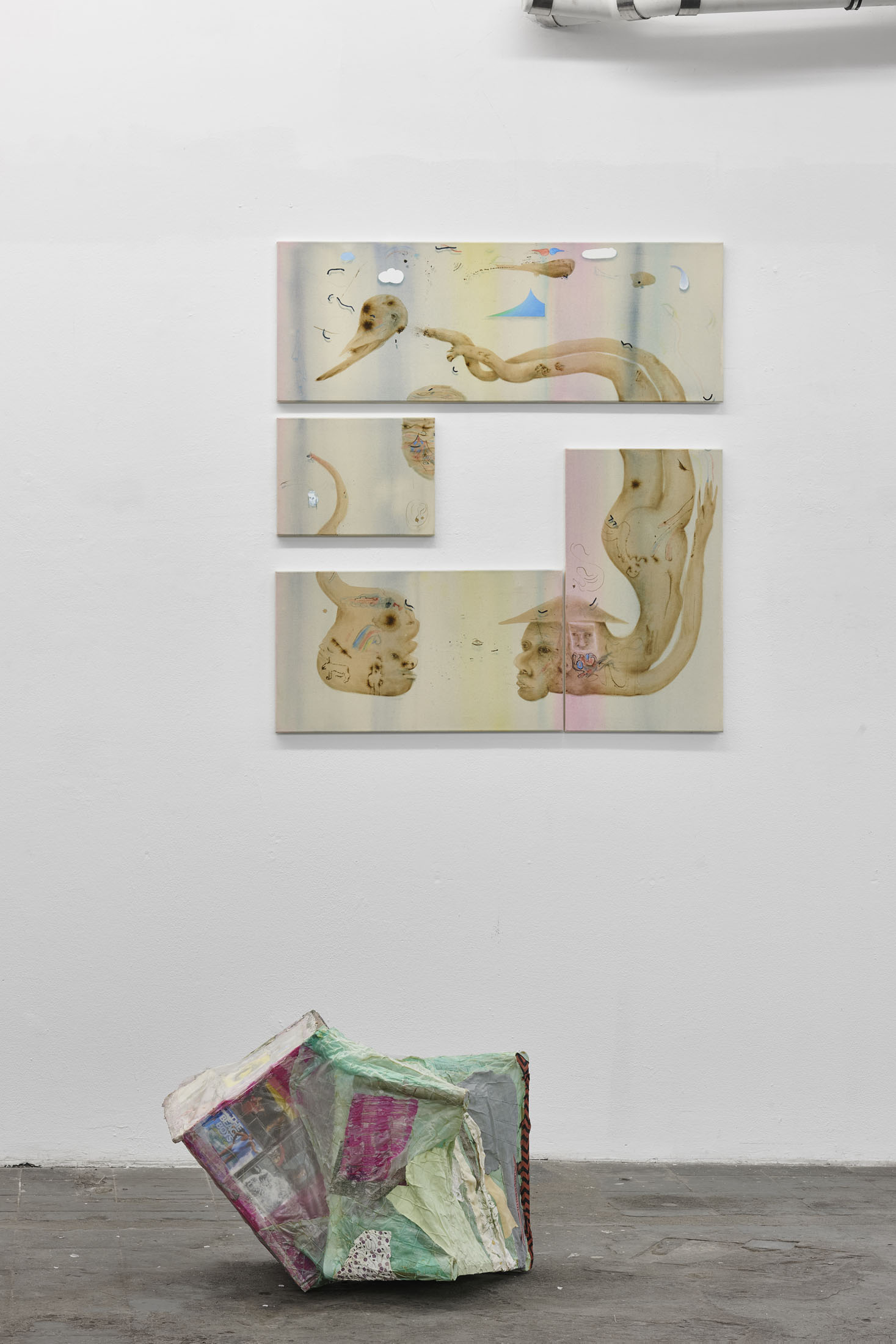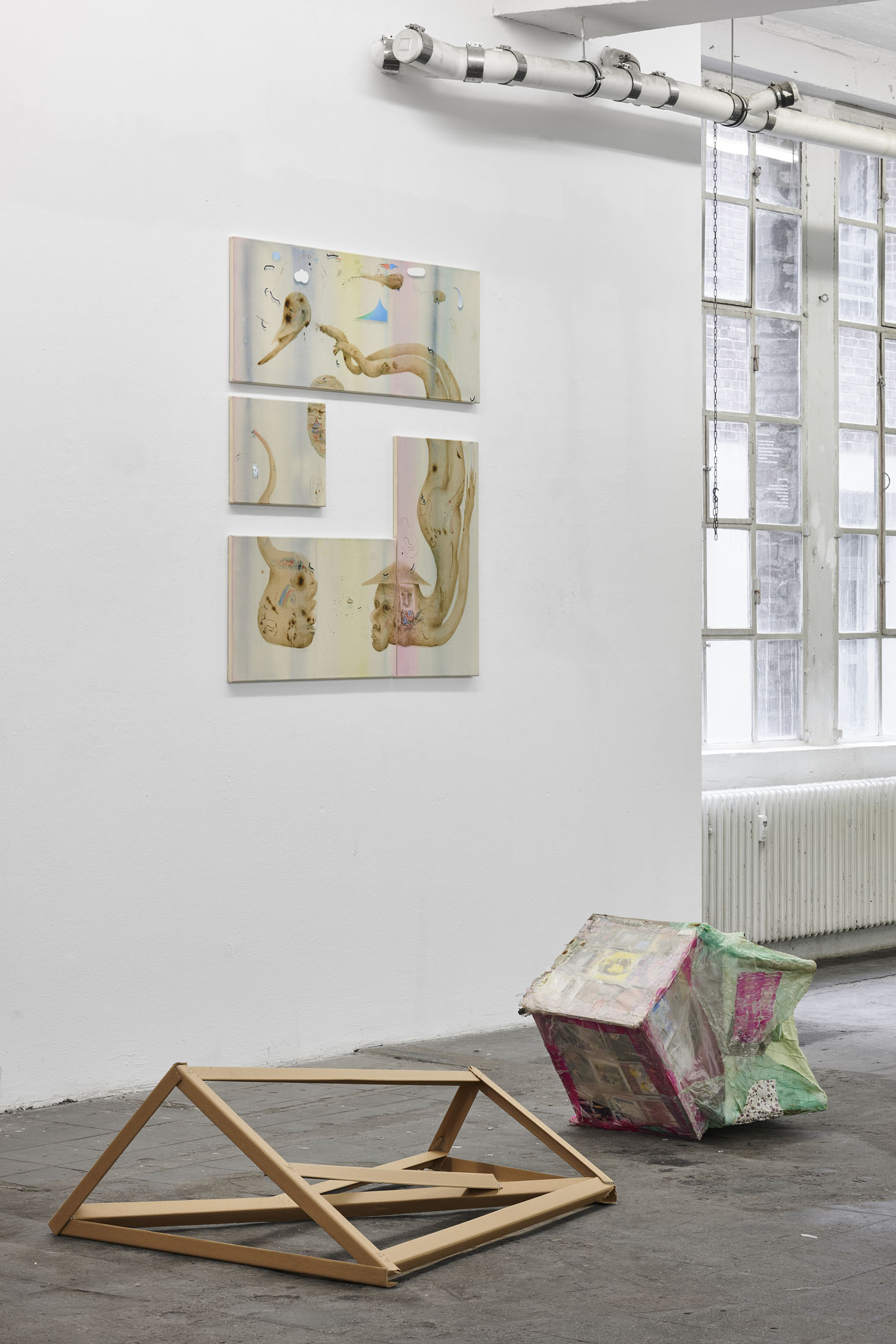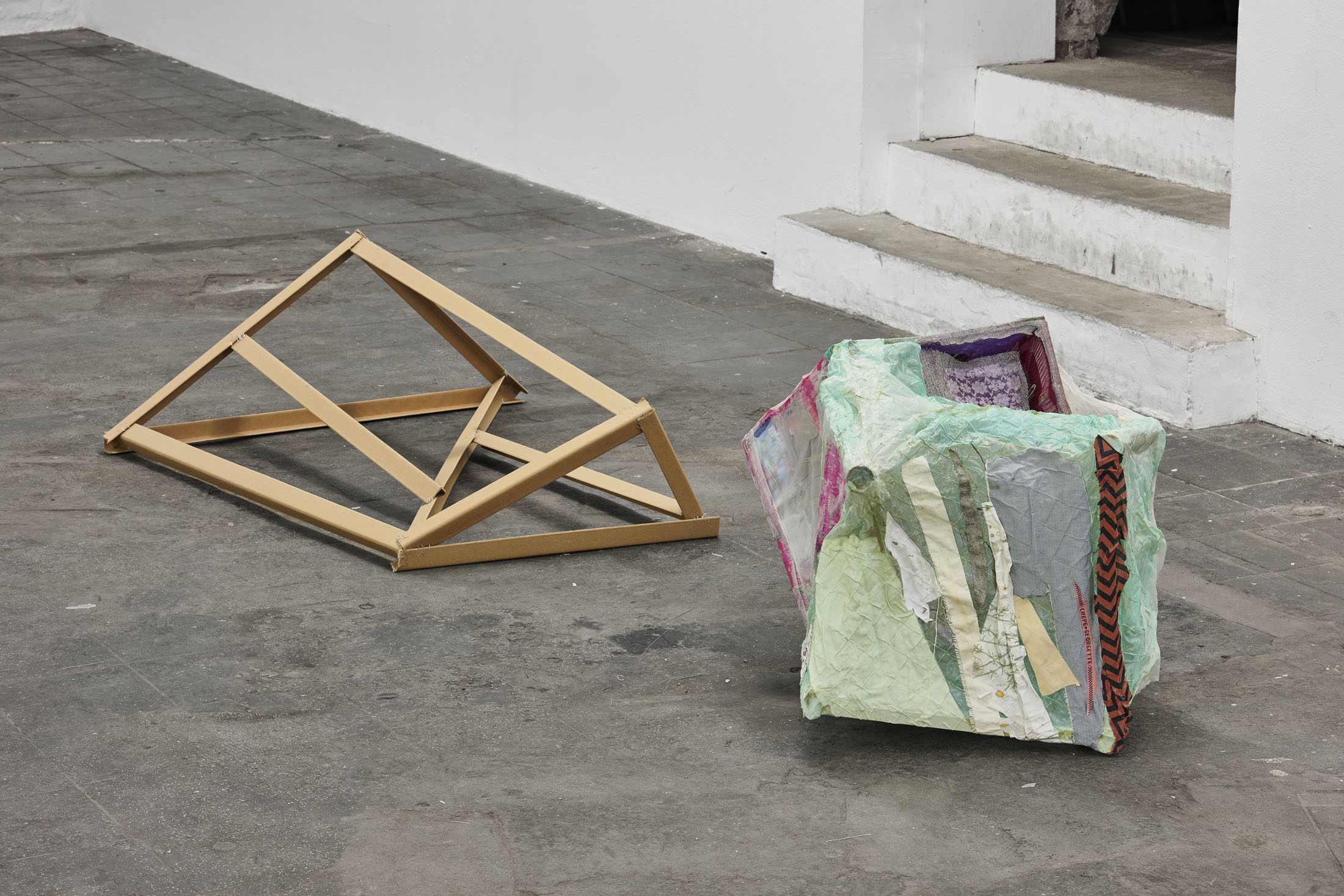
“… we have to find ways and means to get together and live together. Separating boundaries must fall. Walls must give way to arches and portals, and correlation between people made easier.” Friedrich Kiesler, 1960
When visiting art venues, every now and the, perhaps once every few years, you come across something that opens your eyes to what you!ve seen so far and broadens your own perspective. It isn!t always a spectacular exhibition, like the Medardo Rosso exhibition at the Kunstmuseum Basel (2025). Often, it!s just a small display in a museum that sticks in your mind until the opportunity arises to explore it further.
For me, one such moment was the small exhibition on Friedrich Kiesler at the Mumok in Vienna. It was something I couldn!t quite place, but which immediately captivated me because the Endless House showed design parallels to my own sculptures. In the museum shop, I bought the book Function Follows Vision, Vision Follows Reality, featuring texts by Kiesler, which has since sat on my bookshelf like a note or a potential project.
As part of the collaboration between Lore Deutz / Kunstwerk Köln and Israeli artists, which began in October 2024, I found myself, years later, searching for a theme related to the concept of stage design. Many artists from Tel Aviv who interested me worked extensively with elements of scenery, models, and the staging of art objects. Incidentally, one of the few buildings ever realized by the architect Friedrich Kiesler is located in Jerusalem. So it made sense to return to Kiesler, who had stuck in my mind as an architect and exhibition designer. I learned that he had, so to speak, invented the theory and practice of window display design, and that he not only designed exhibitions but was also an artist in his own right. This is most strikingly evident in his concept of the “Galaxies,” an early form of installation art, even if it differs from it in subtle ways.
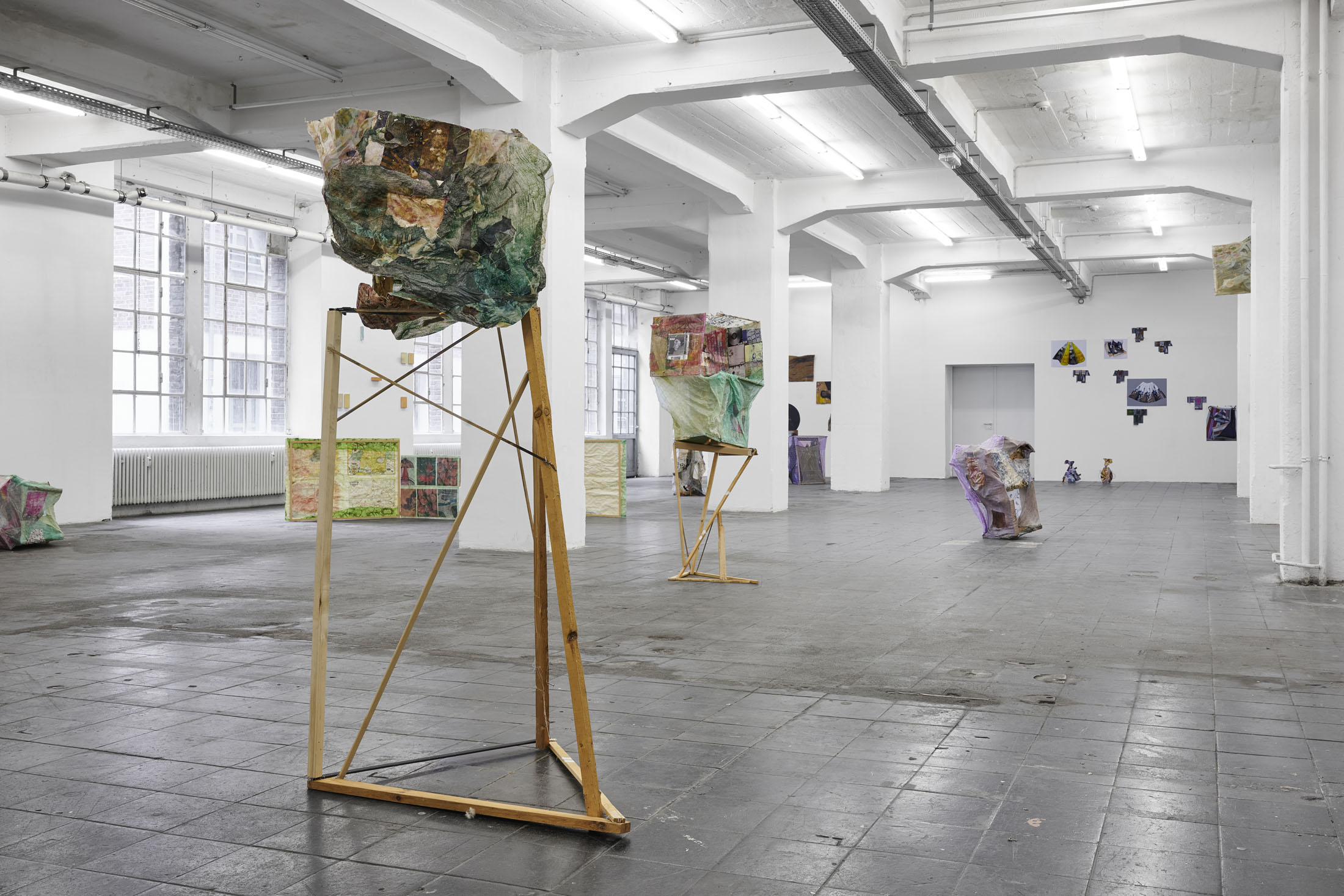
It thus became clear to me that not only did his sculptures and models relate to my own work, but that he had also helped pioneer the way works are arranged in relation to one another, so that at least as much happens in the spaces between them as in the works themselves. The relationship between the artworks is just as important as what can be seen in the images, and just as important as the way viewers interact with the artworks. This is exactly how I was trained during my art studies, and I always saw it as a peculiar quirk of my class. Back then, we staged exhibitions in galleries in New York and Berlin, hanging the works within two days in relationships that had been thoroughly discussed, without having a precise plan beforehand. From today!s perspective, the result was often a single, expansive, albeit minimalist, galaxy in the spirit of Kiesler.
Kiesler was concerned with dissolving boundaries and opening up and creating connections between everything. He understood art as something at least as open as the clear night sky above us. Kiesler was an artist for artists. He wanted to advance art itself; he was not interested in bringing art to the masses through popular means. At the same time, however, he was deeply interested in fusing art, life, and the environment. Perhaps this brought him closer to people!s everyday lives than one might expect from an “artist!s artist.”
In times when so-called “discursive art” is in grave danger and figures like Wolfgang Ullrich have already declared it dead, an artist like Friedrich Kiesler is more important than ever. It is not popular art that will change and open up the world for the better, but rather art that devotes itself with serious interest to the real world and, precisely for that reason, works with the utmost subtlety and precision on artworks that, in whatever form, have an impact on the world.
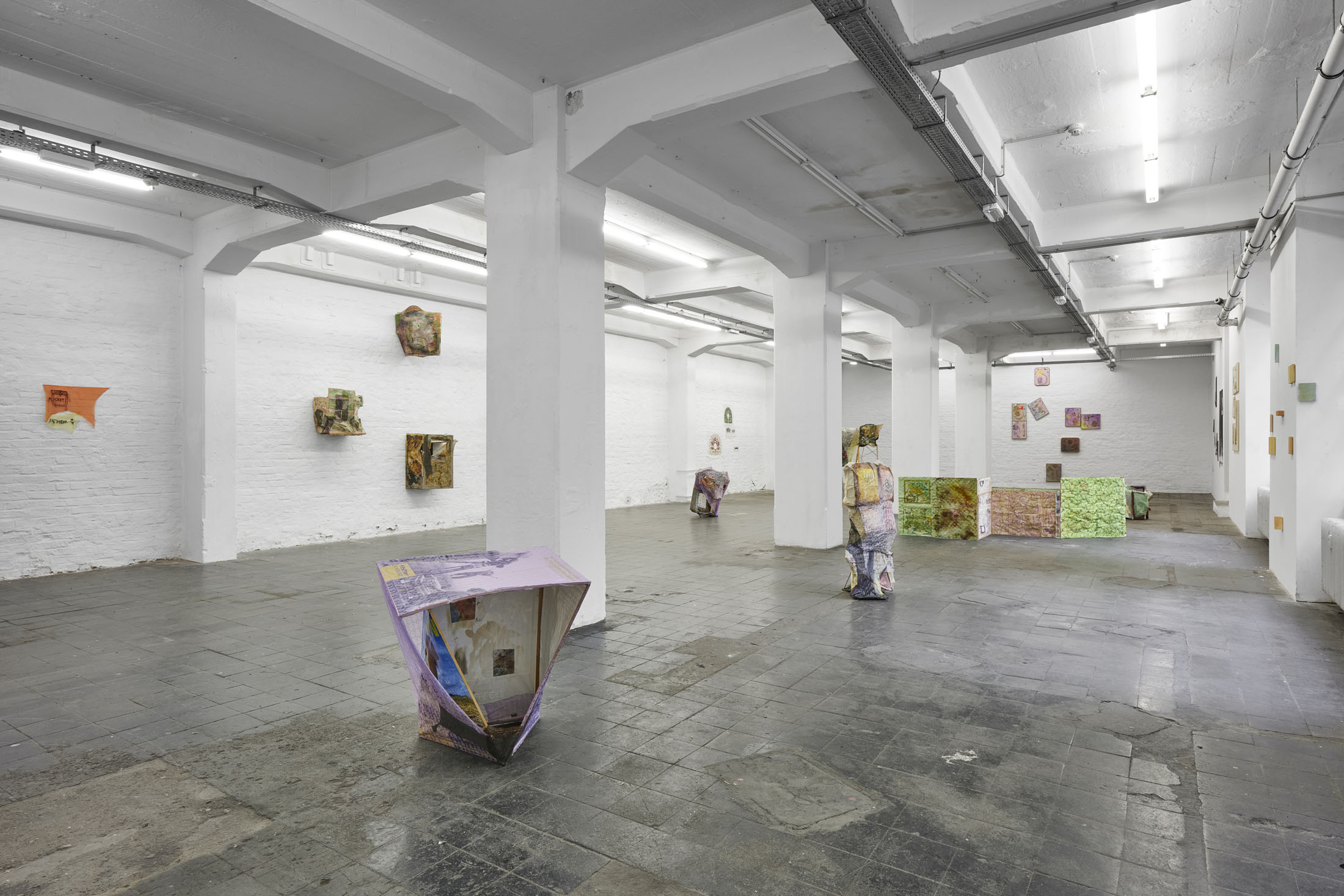
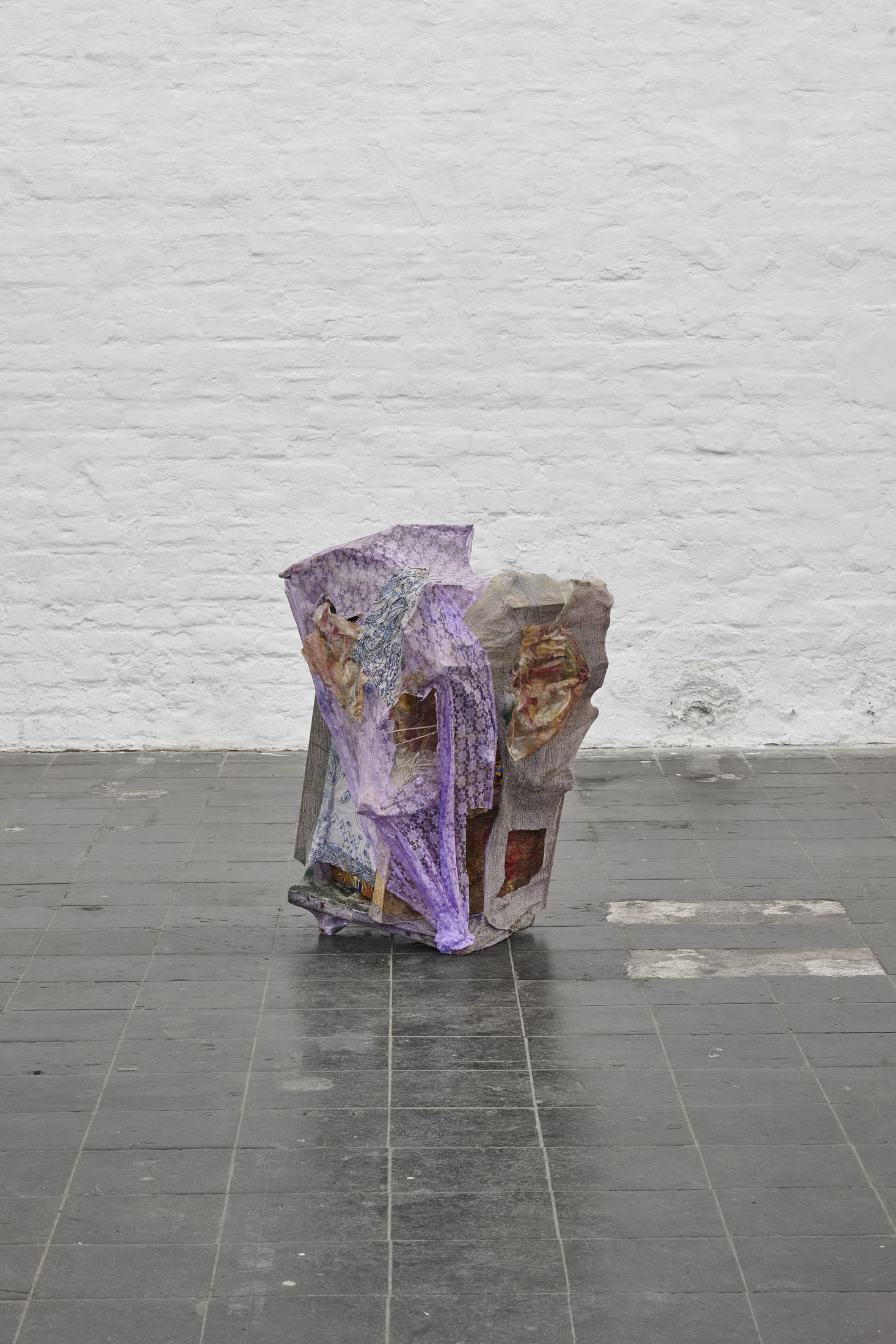
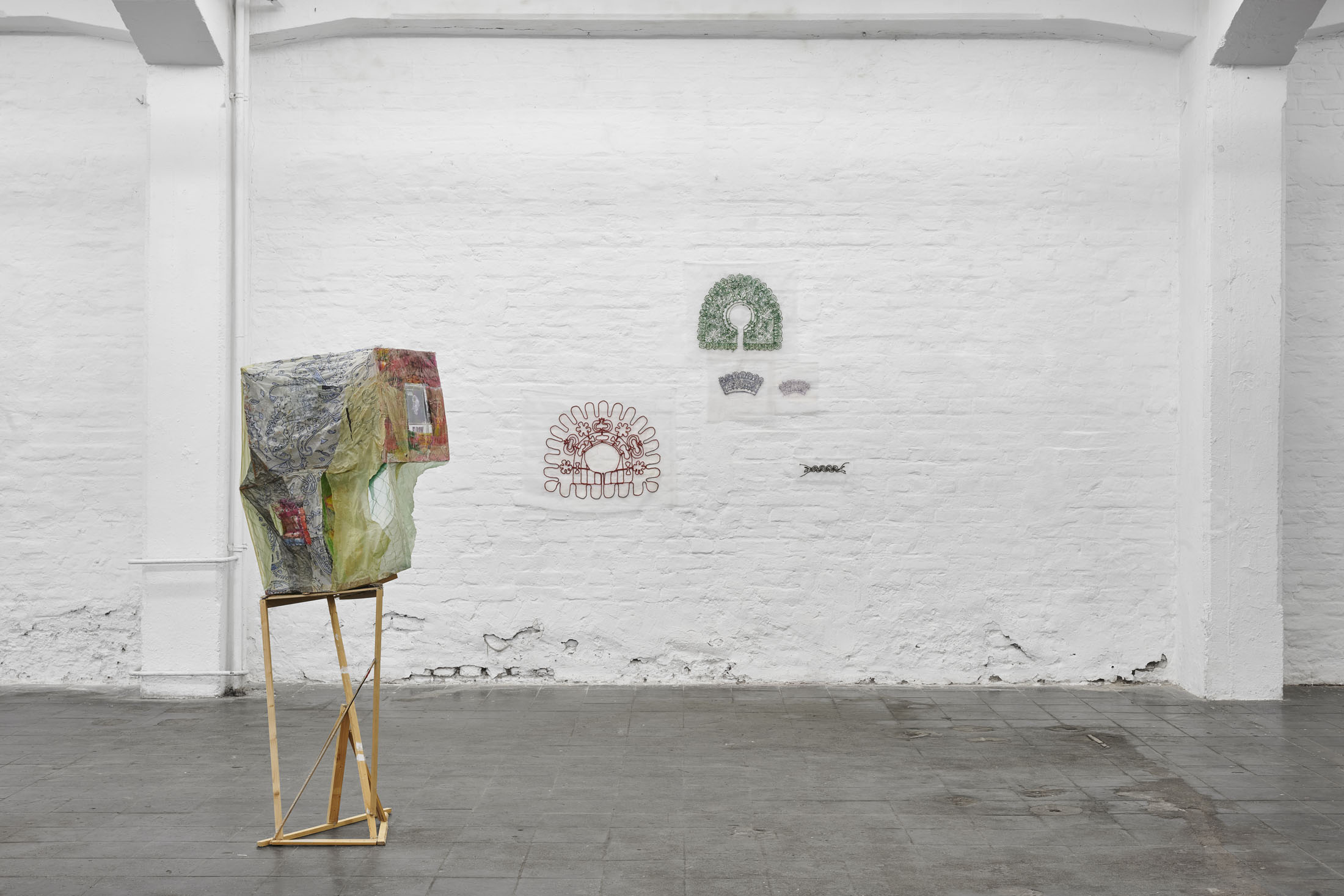
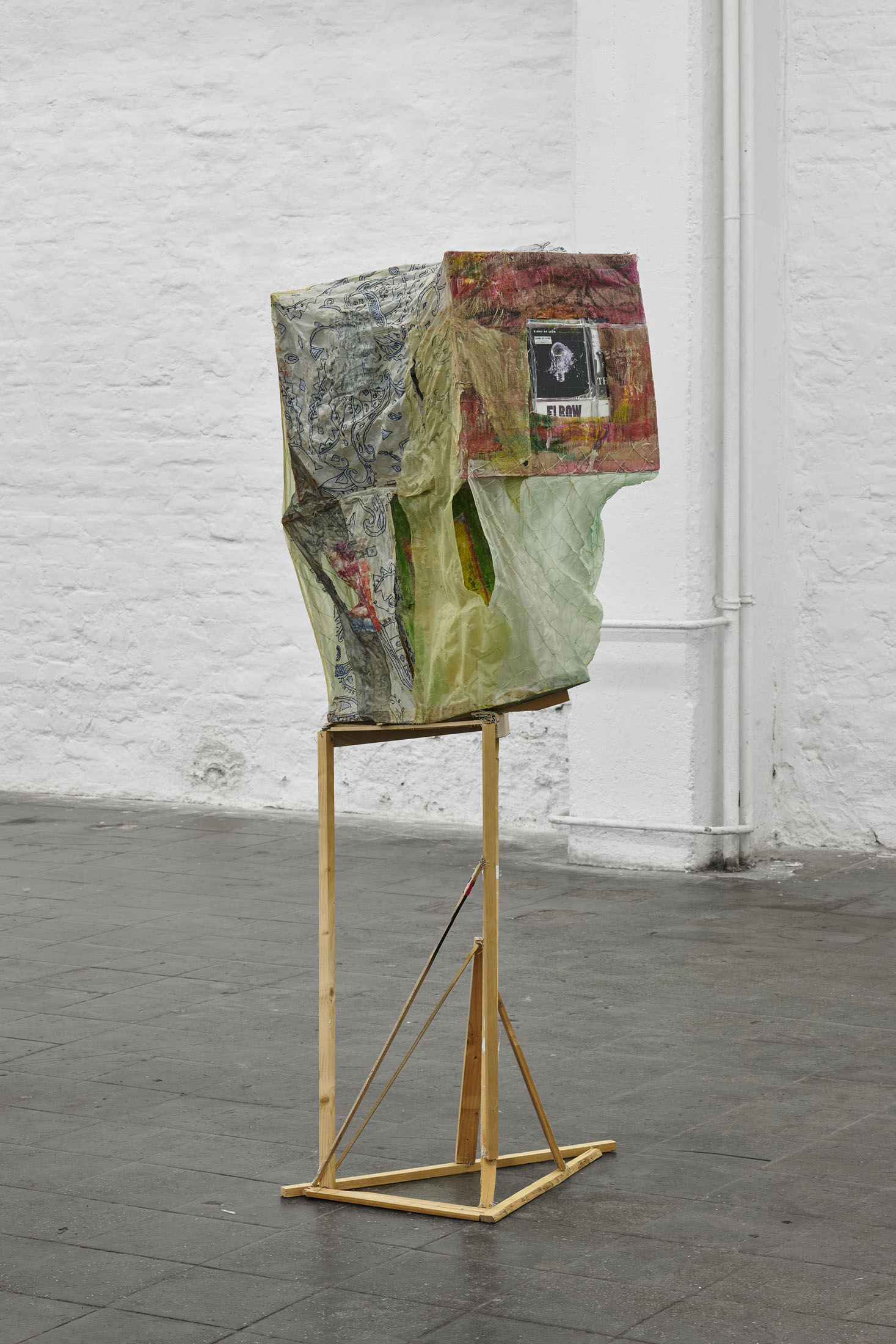
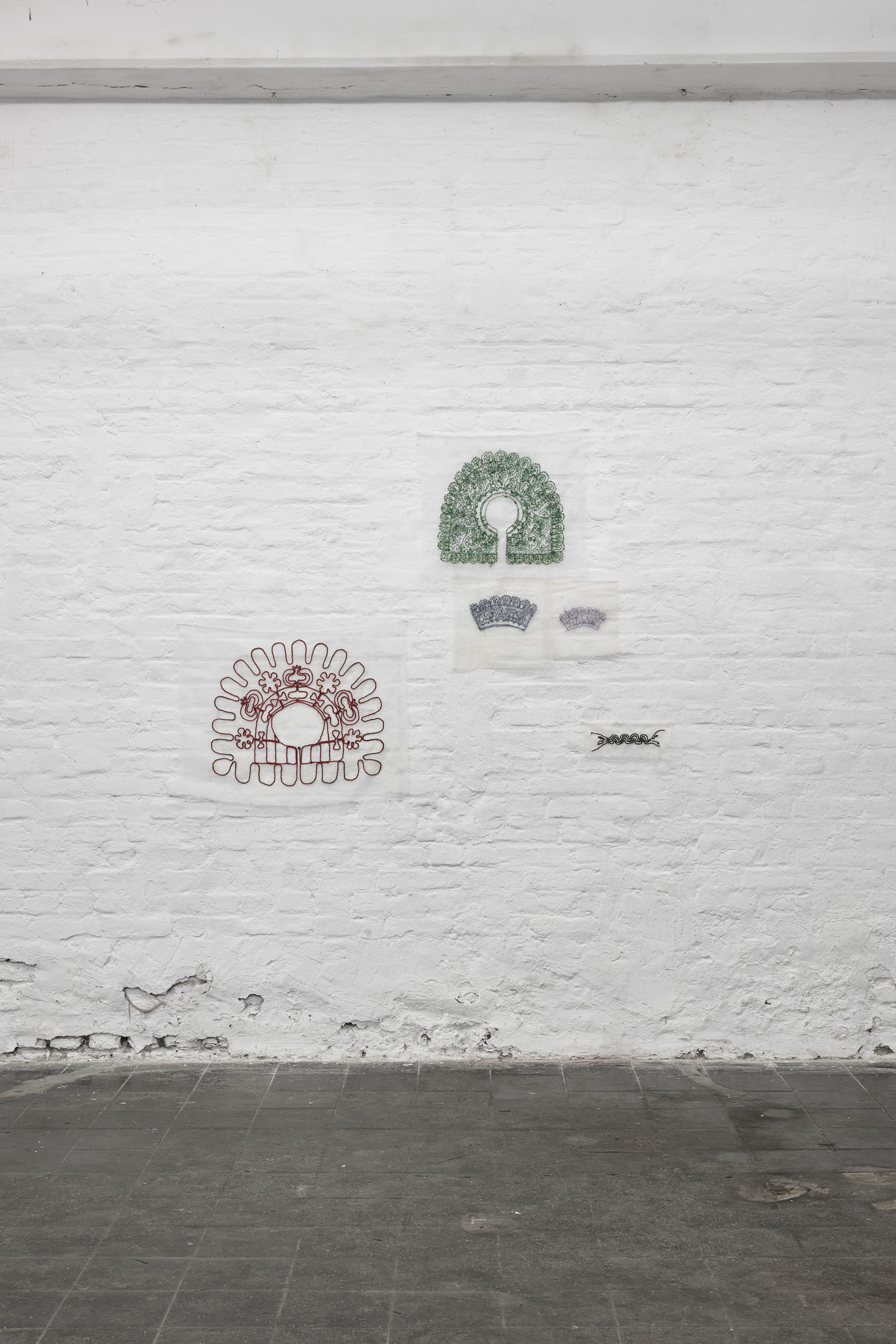
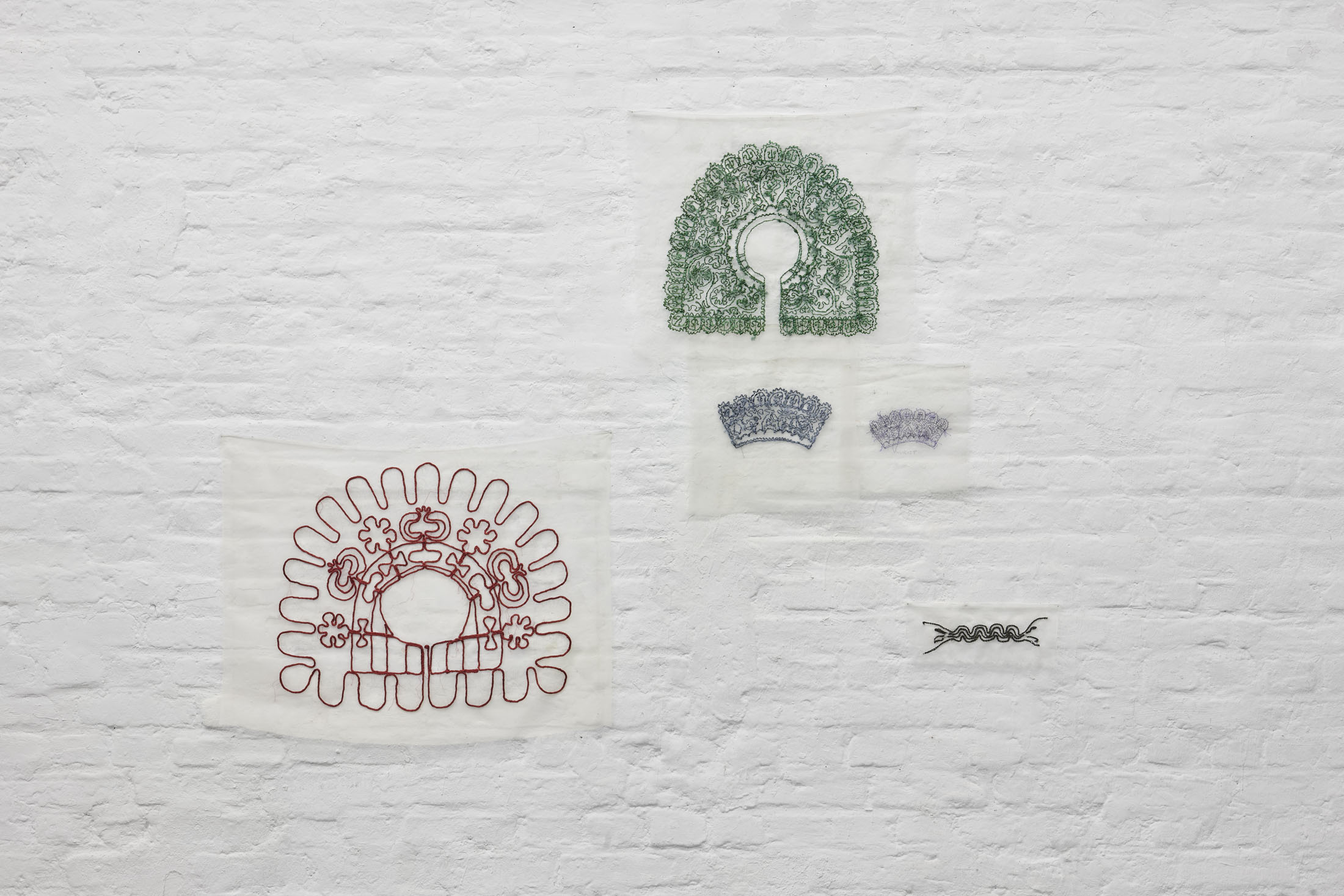
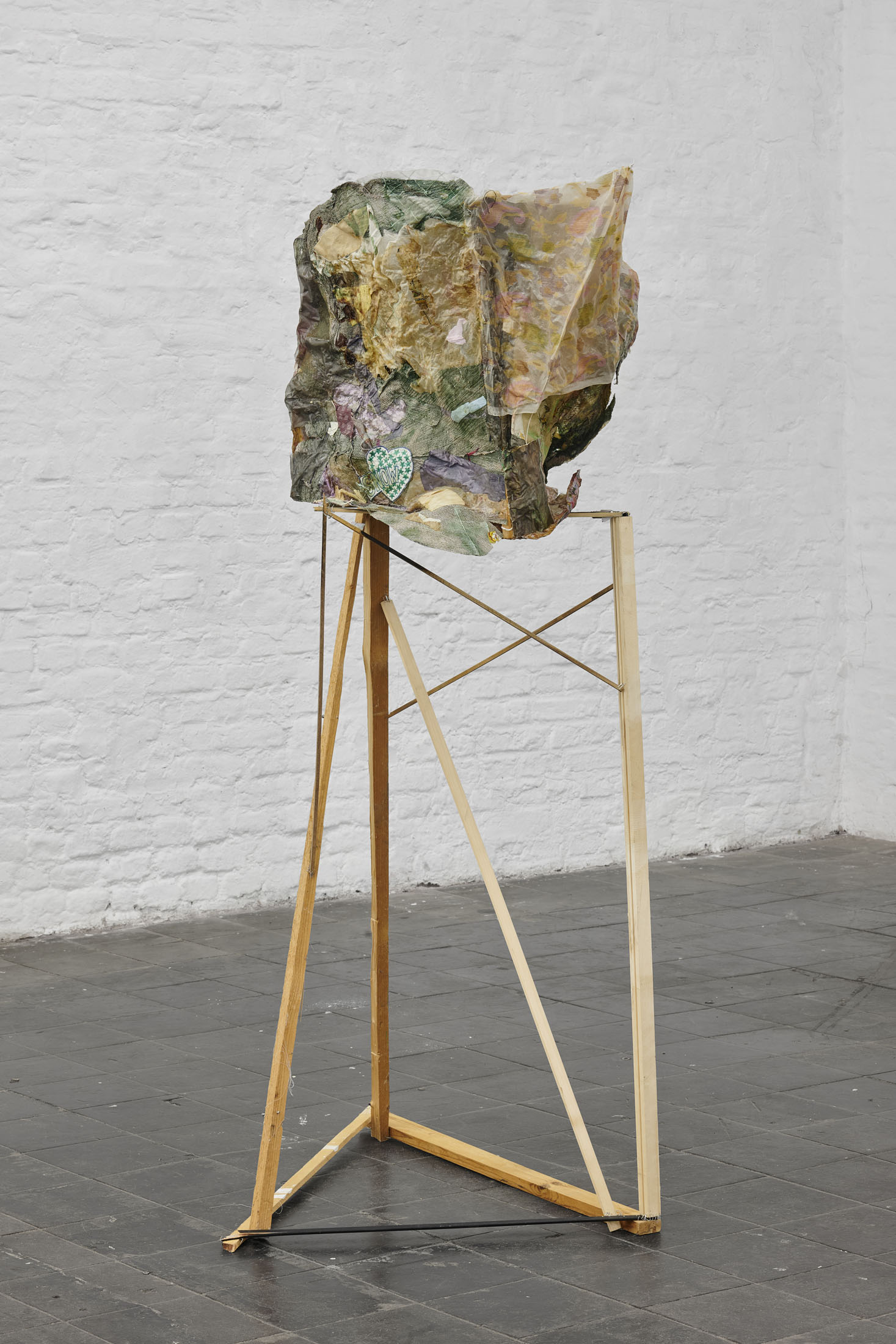
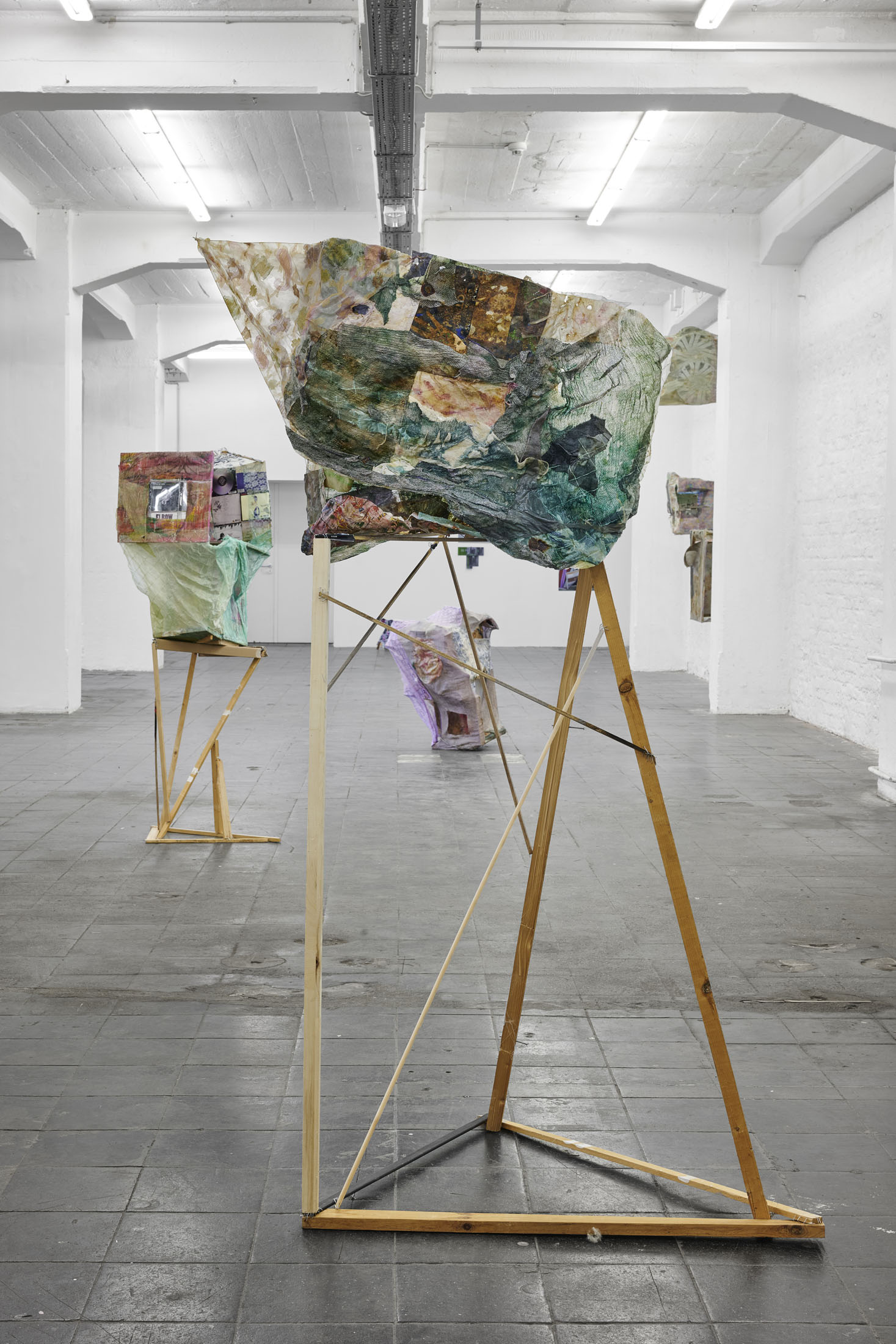
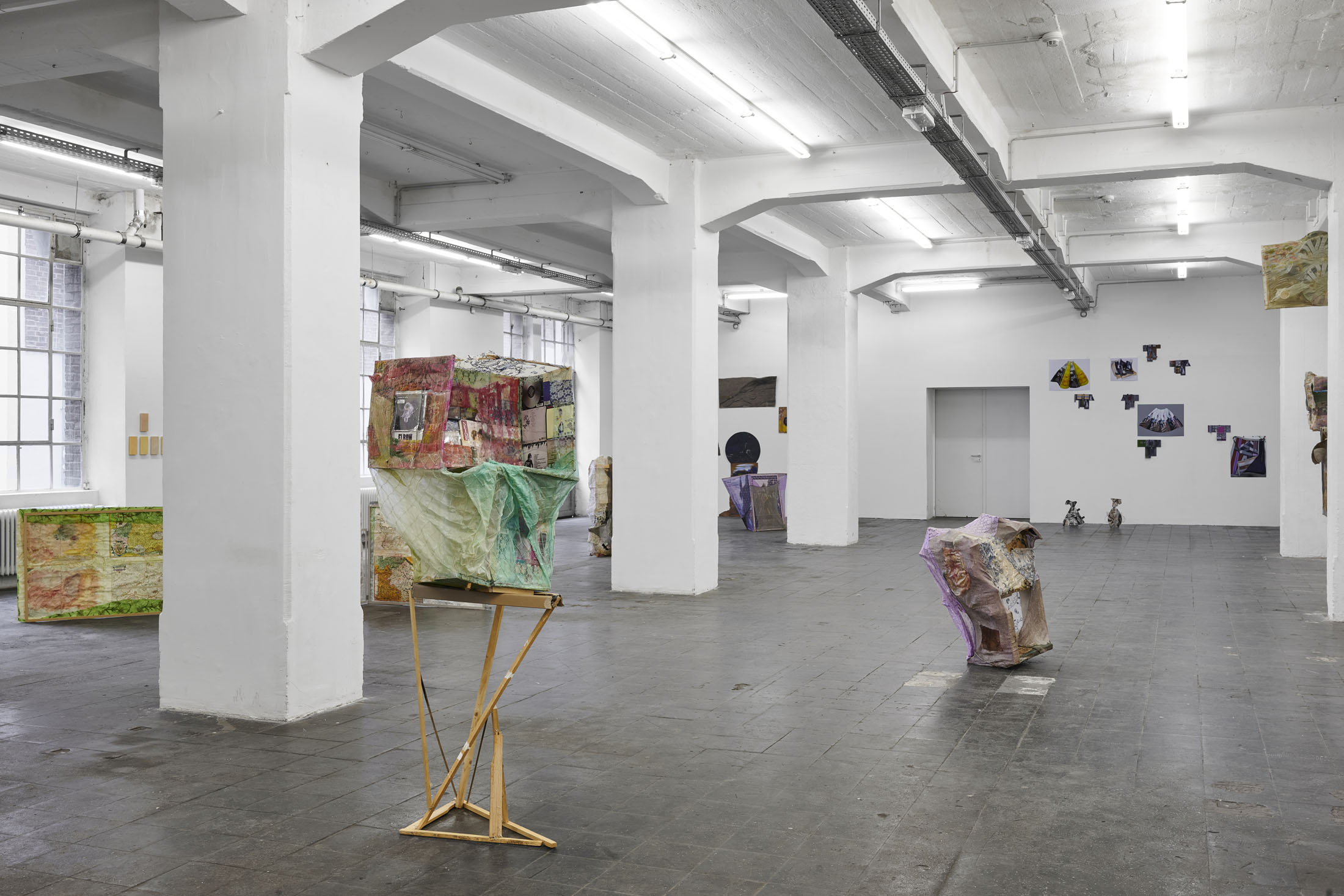
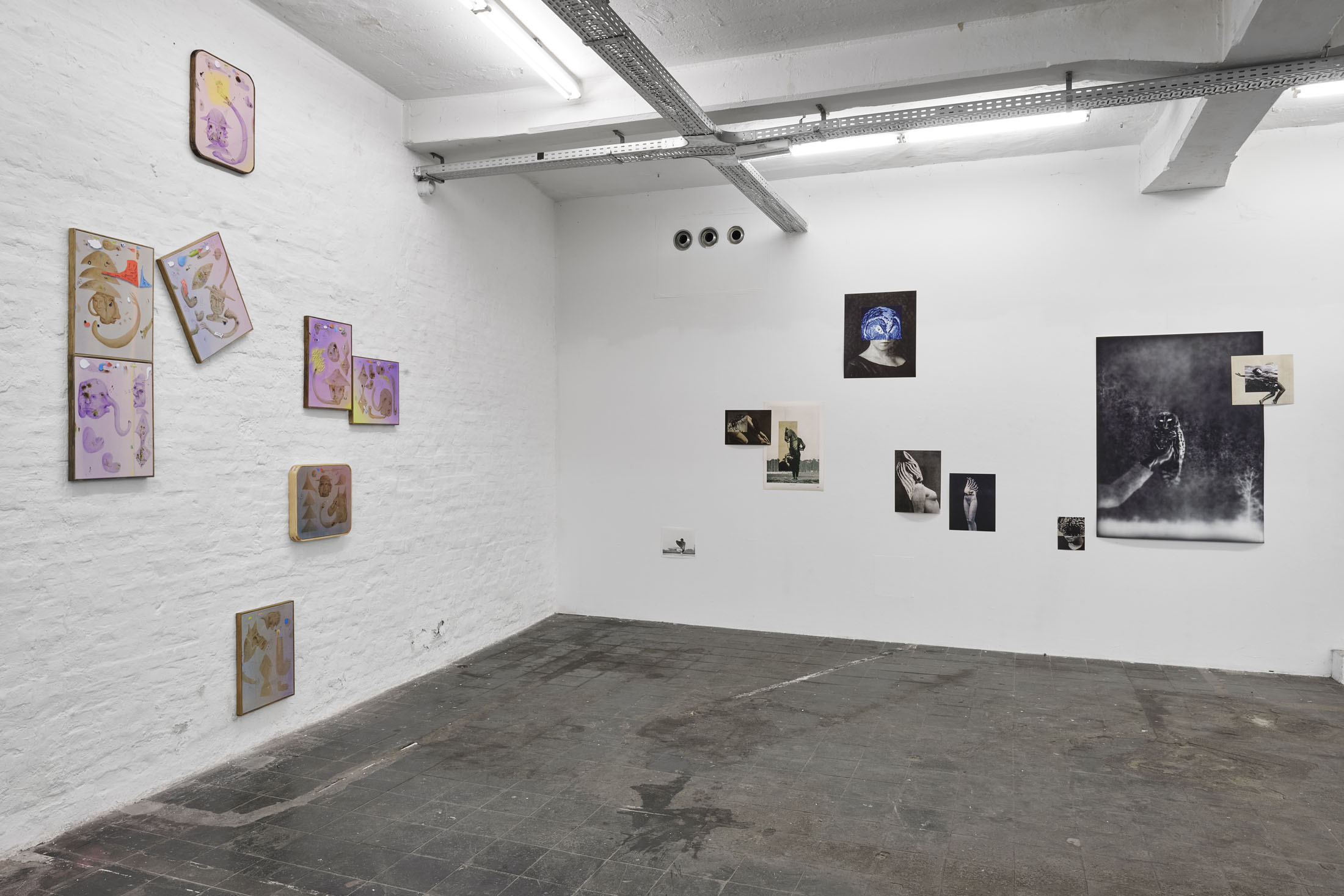
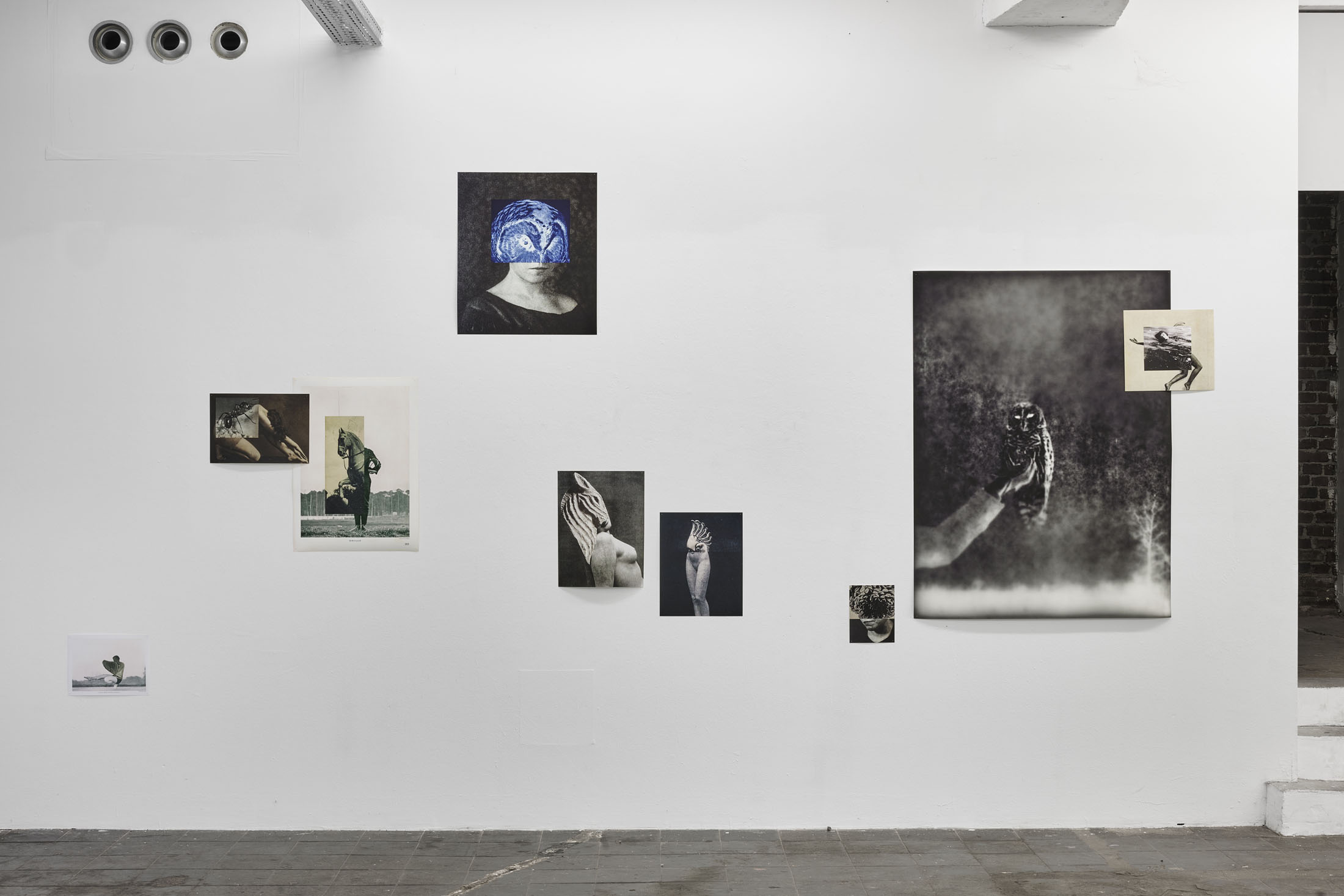
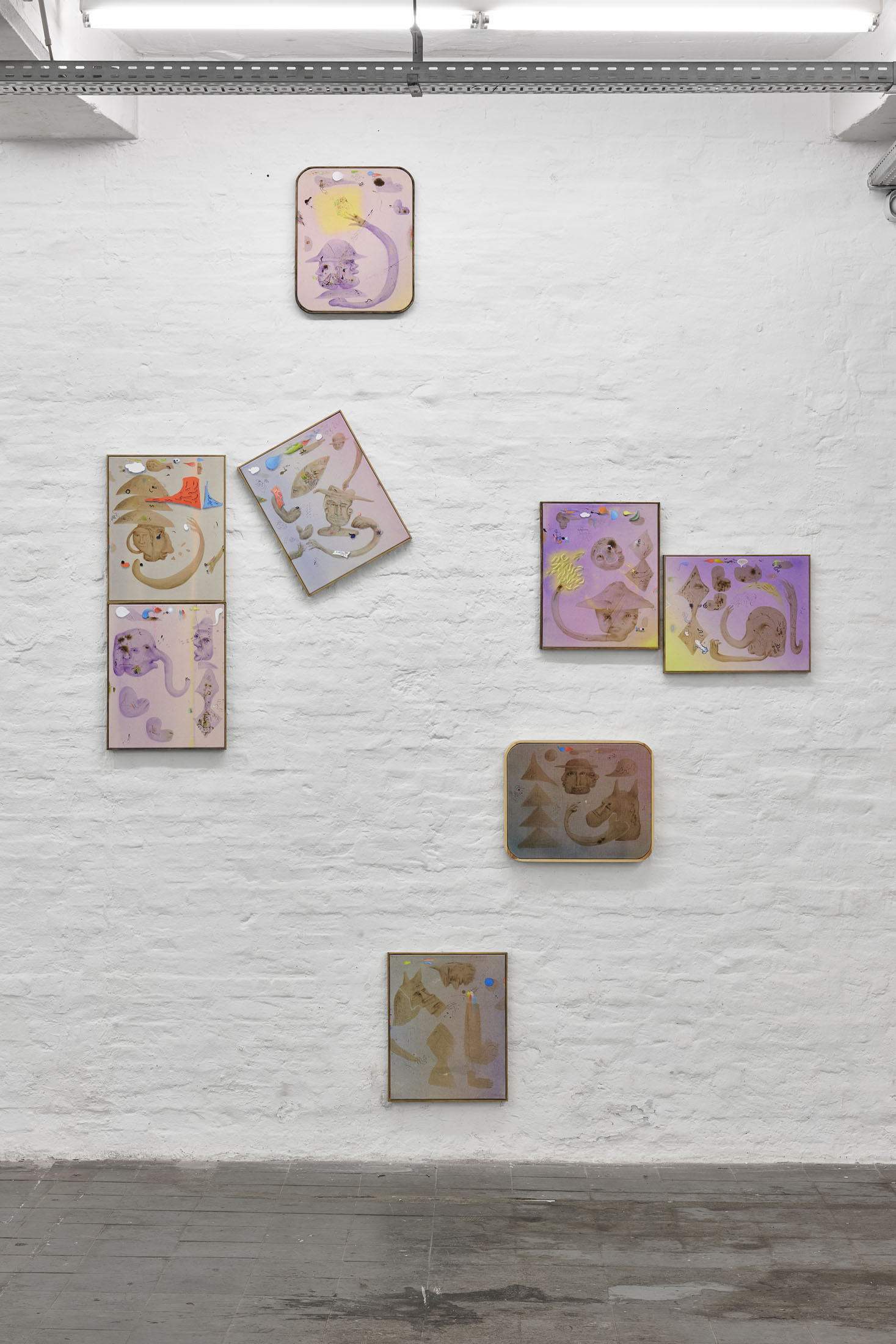
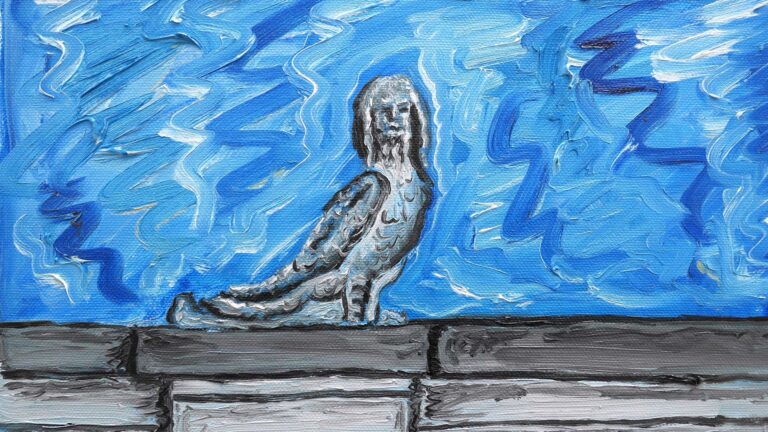
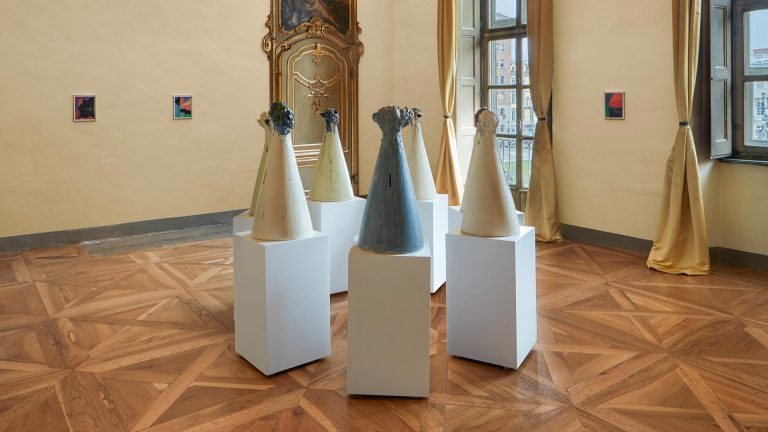
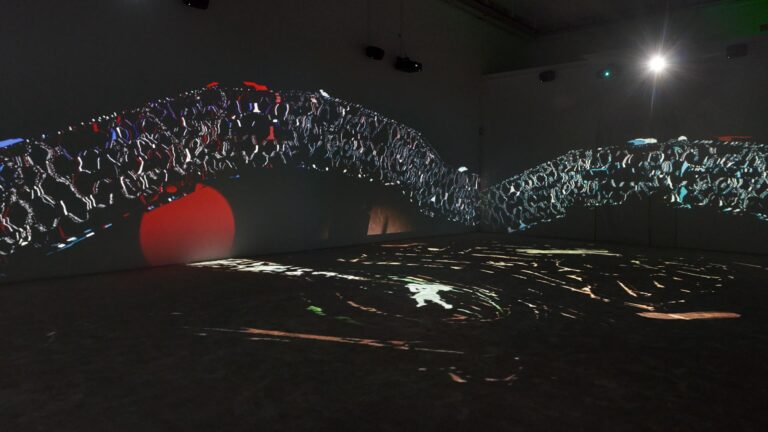
The exhibition Arches & Portals explicitly engages with Friedrich Kiesler!s Galaxies. He designed infinite theatre stages and buildings, was one of the first to consciously design storefront windows, was a painter and sculptor, and, in addition, developed an early form of installation art with his Galaxies long before the term even existed. Nevertheless, he never became a major star and did not achieve the fame that his influence might have warranted. The exhibition sees itself as part of a process to give Friedrich Kiesler his rightful place in recent art history. For example, when considering Christoph Schlingensief!s stage designs, installations, and his Operndorf project, one would always have to cite Kiesler as a role model and reference, so obvious are the connections.
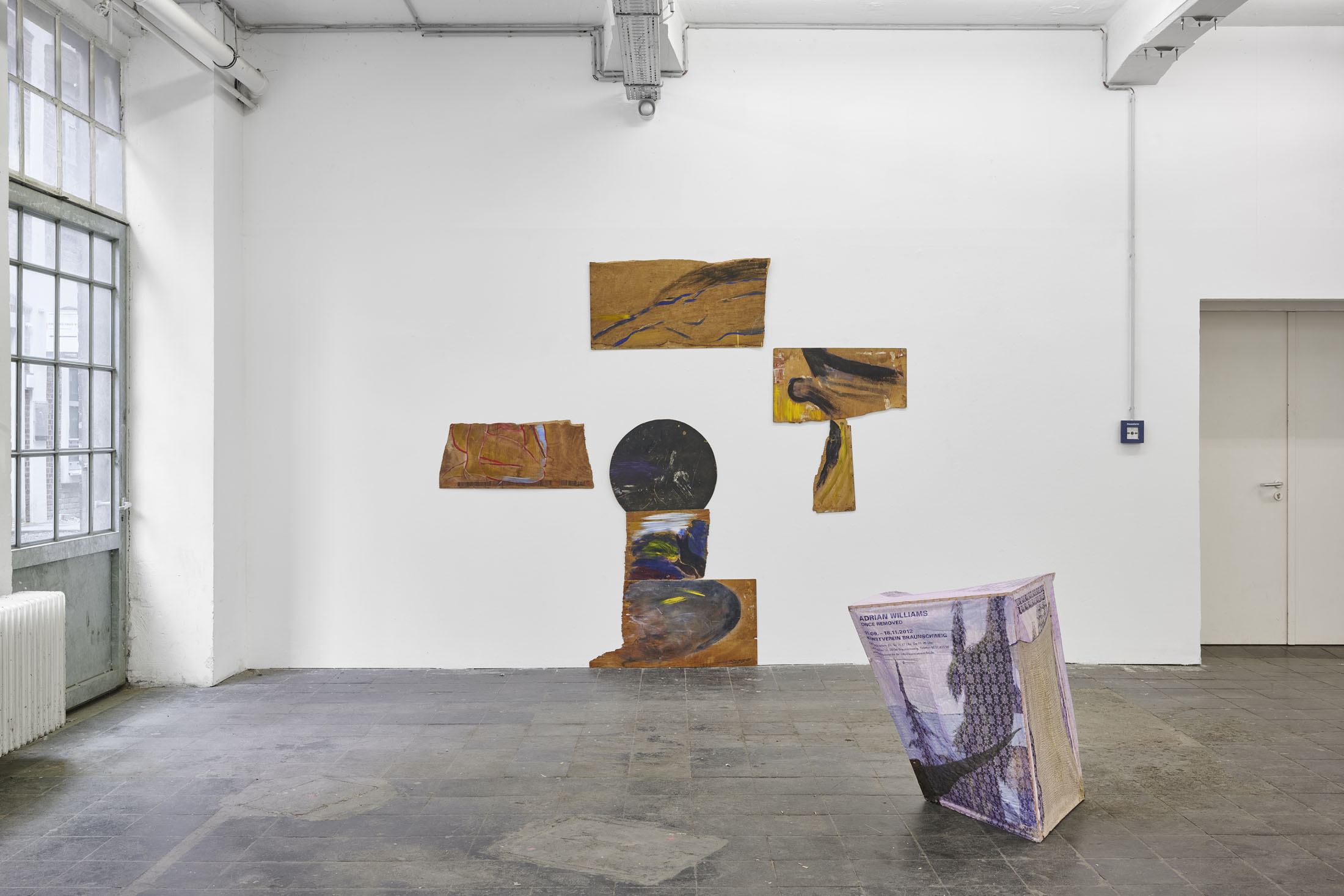
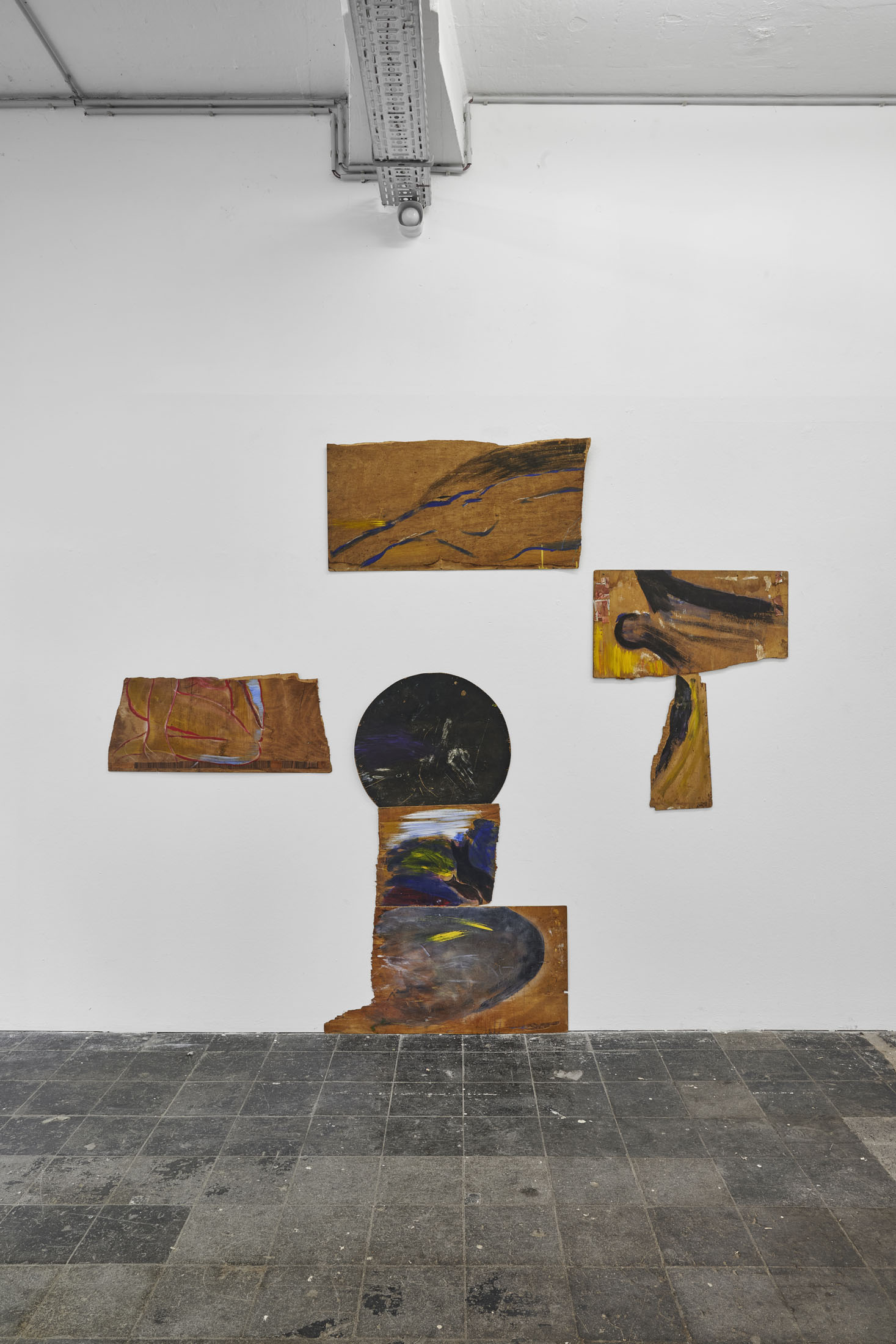
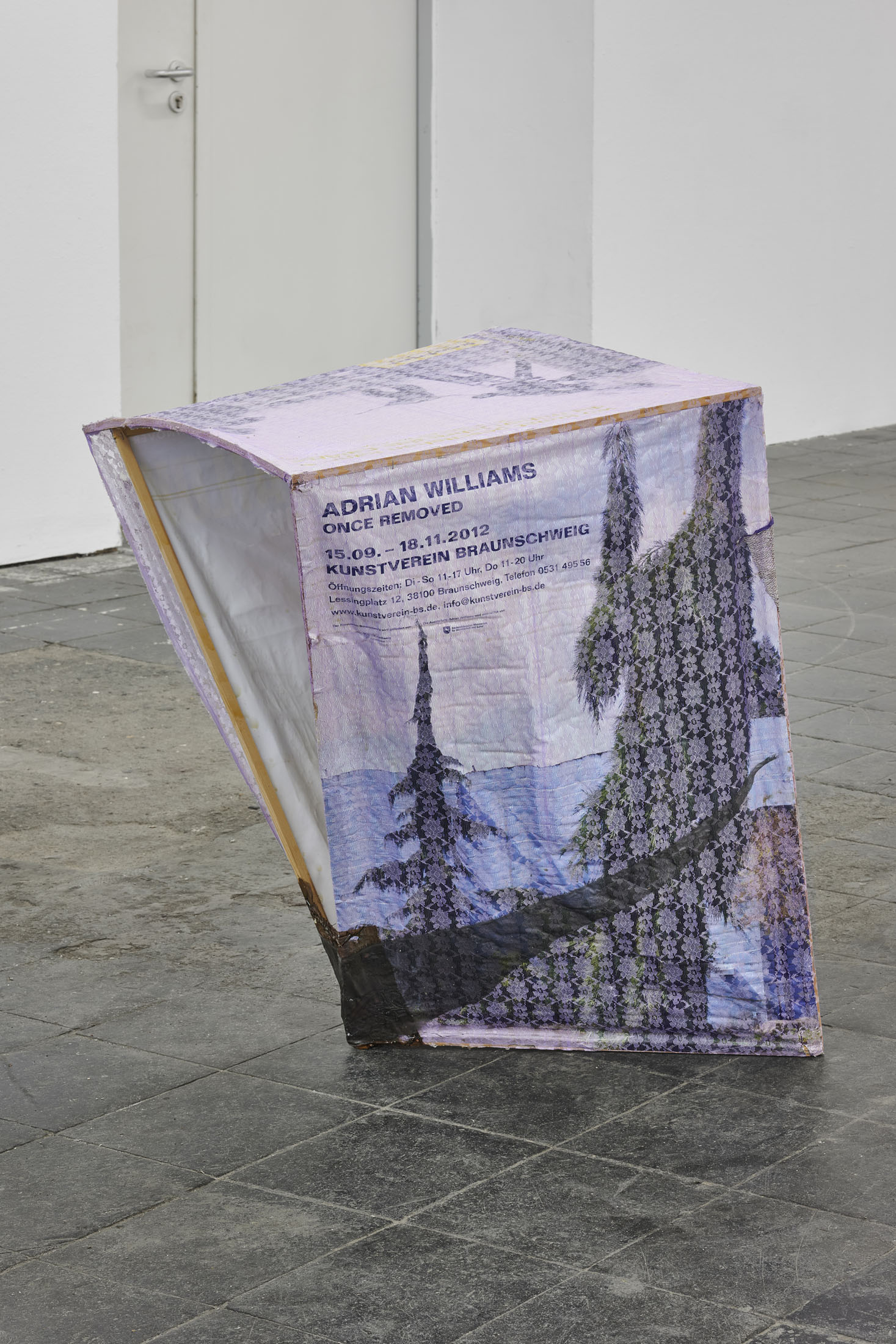
In Lore Deutz!s exhibition, Kiesler!s concept of Galaxies and Correalism is explored and applied. Works of art merge with the architecture of the former rubber thread factory, forming constellations in which the space between them is just as important as the artworks themselves. What would the stars be without the dark sky?
—Jan Gerngross