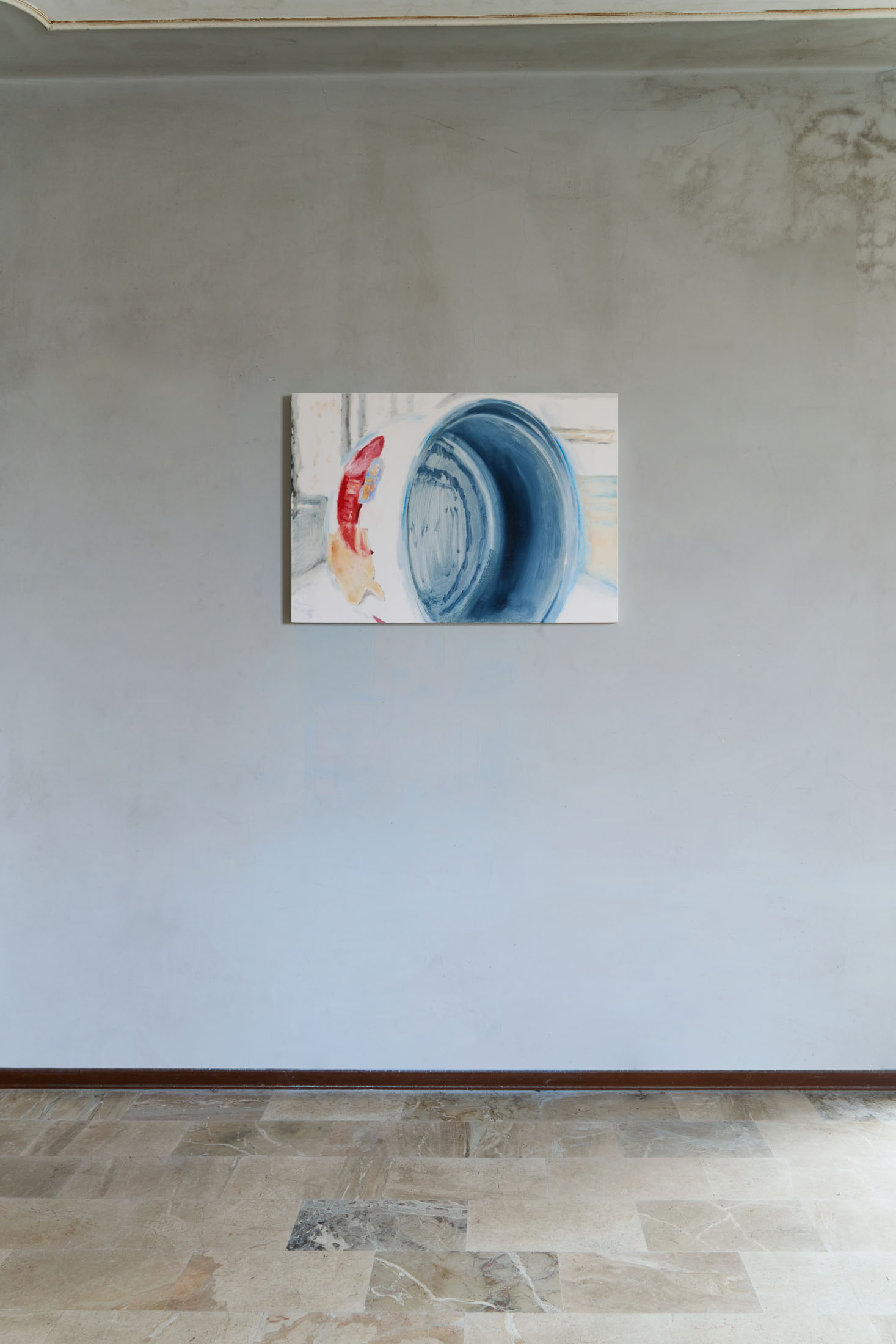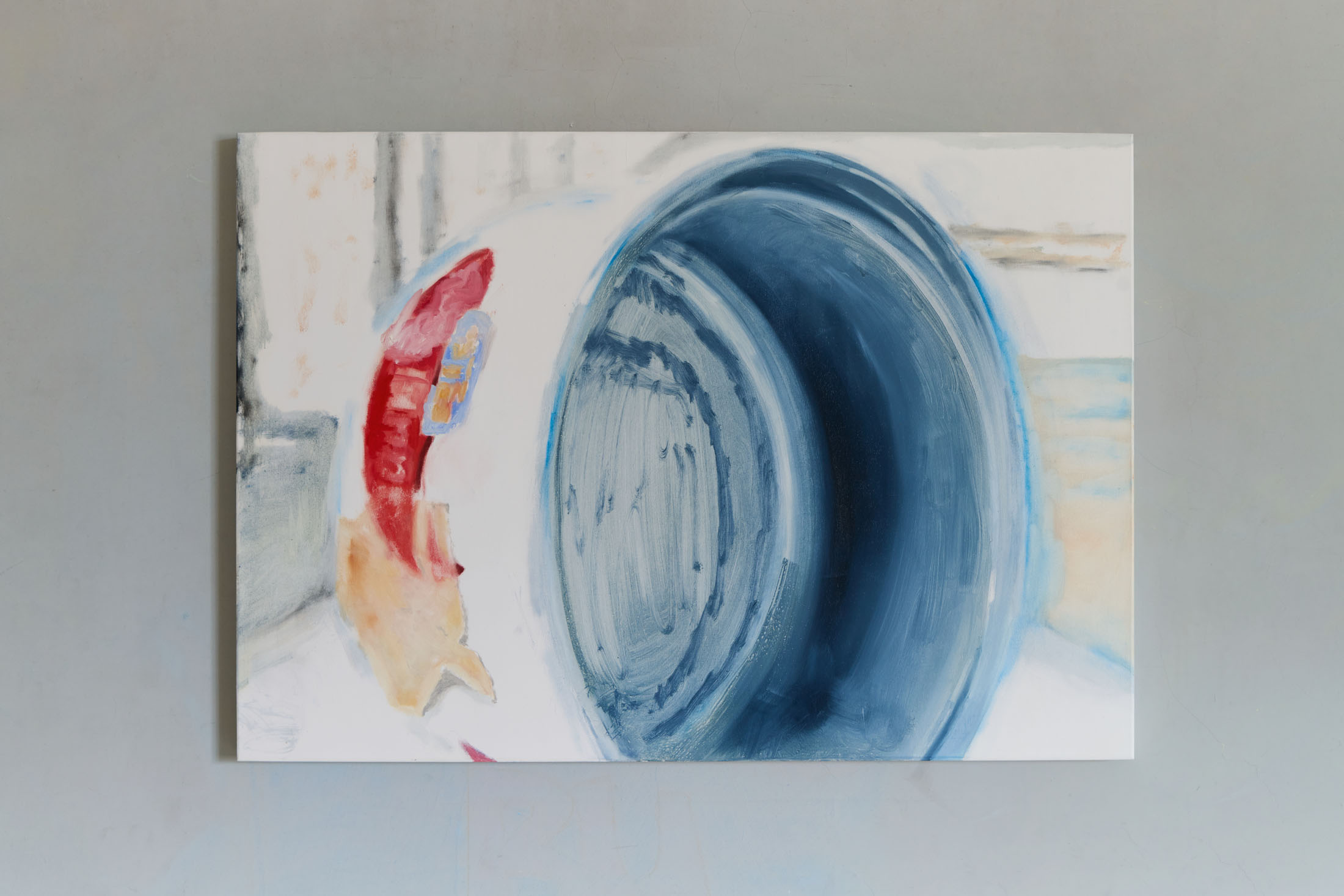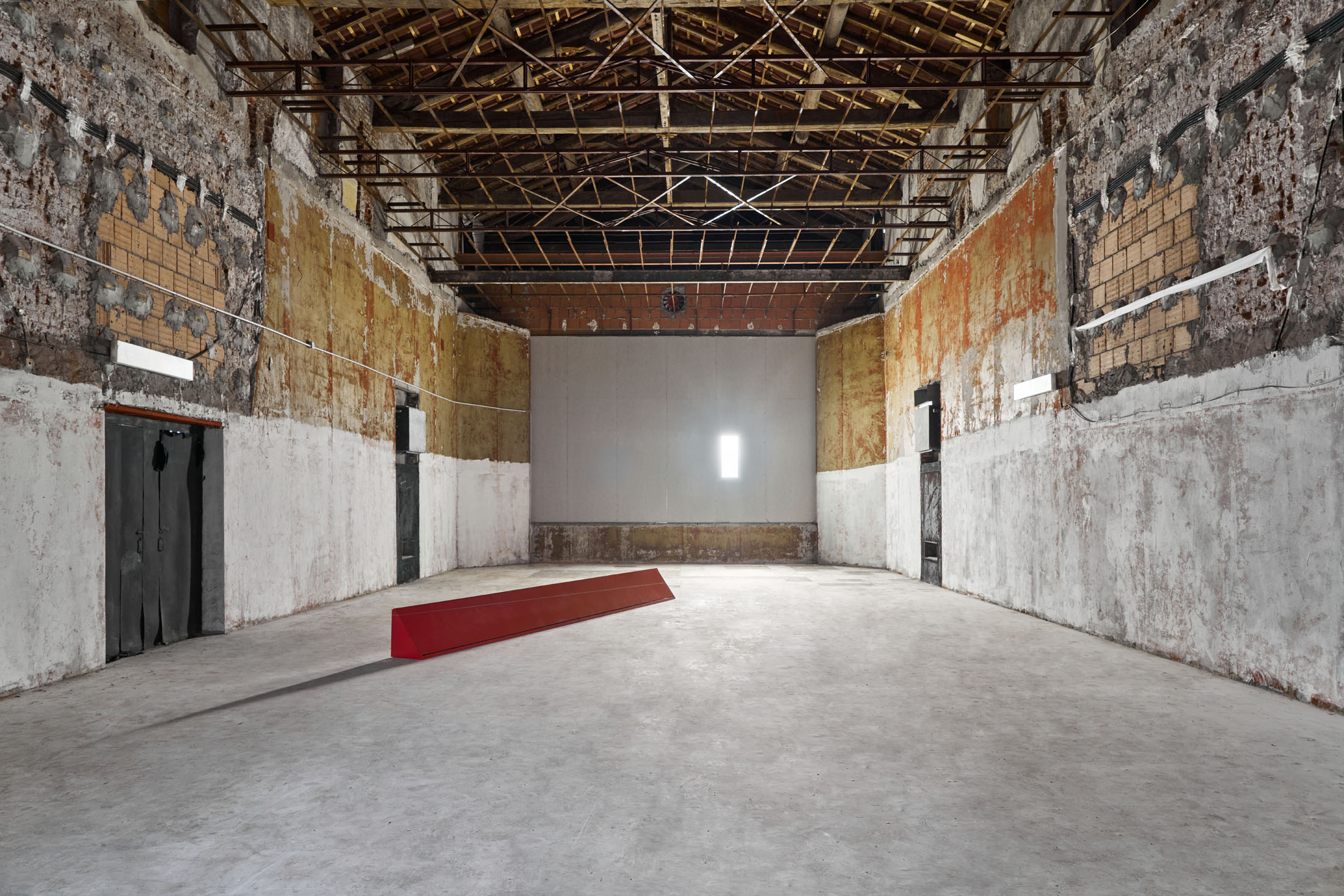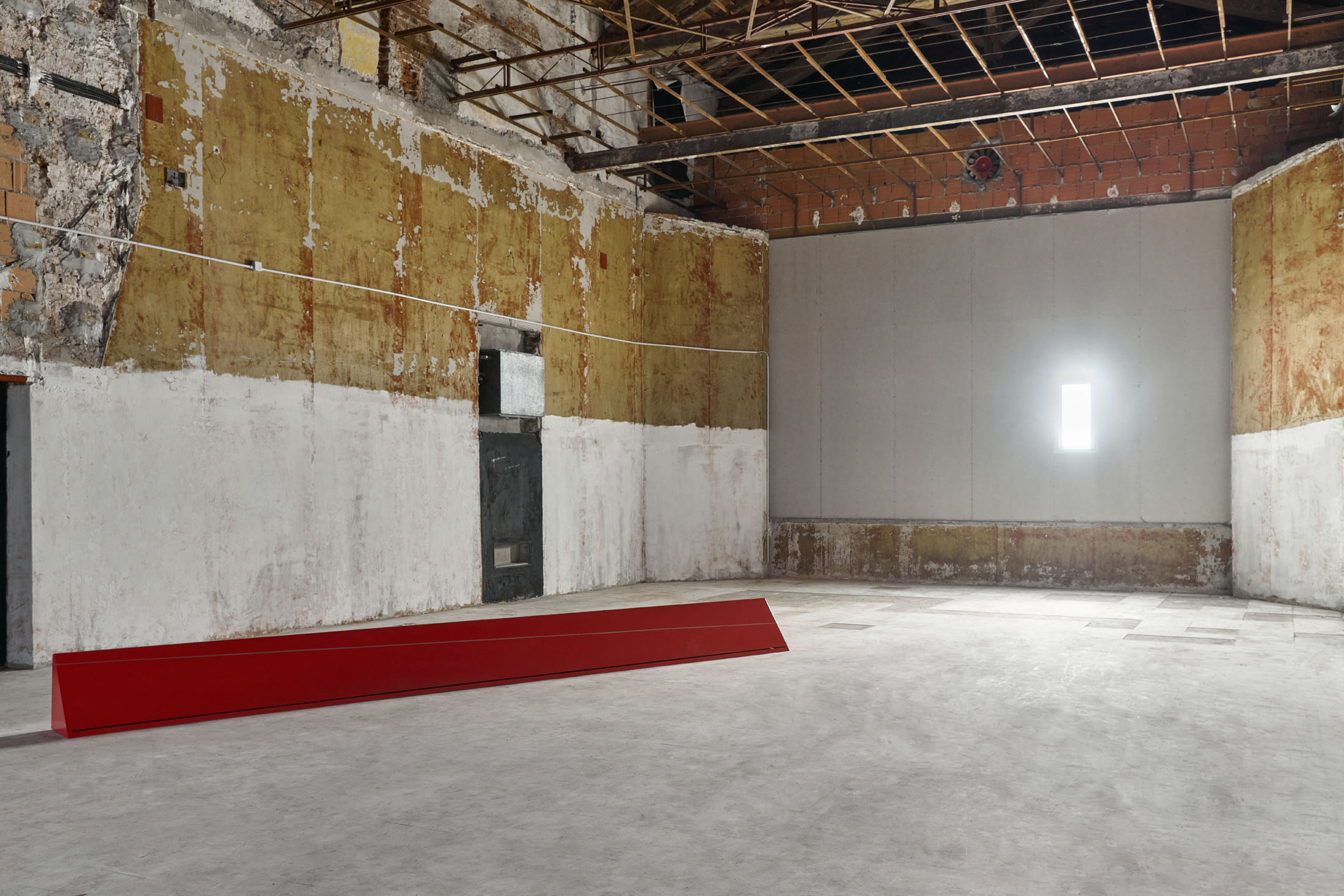
On July 16, 1054 Cardinal Humbert of Silva Candida arrived in Constantinople as envoy of Pope Leo IX. Negotiations unfolded in the shadow of Hagia Sophia, among disputes over liturgical language, jurisdiction, and authority— matters already rehearsed in letters carried across the Adriatic. During the Divine Liturgy Humbert approached the high altar and, before the sanctuary and in the presence of the rite, placed the papal bull of excommunication directed at Patriarch Michael Keroularios. The act interrupted neither chant nor incense; the document remained on the altar as the delegation departed the city.
Centuries later, along the southern bank of the Main River in Frankfurt, a narrow garden took form on a bend where currents slow and walls store daylight. Facing south, the bed shelters figs, palms, citrus, and more than two hundred subtropical species that have persisted without seasonal covering. Since the nineteenth century, gardeners have adjusted soil, drainage, and planting intervals, working with the river’s reflected warmth and the shelter created by the curve of the quay. From the bridge above, the garden appears as a strip of green along the river’s edge. From the street, it resembles a modest public park. Only within its paths does the change in air and vegetation become legible.
In the early seventeenth century, the Children of Paul’s—an all-boy company and contemporaries of Shakespeare—premiered Beaumont and Fletcher’s The Woman Hater in London; its action is set in a fictionalized Italy. Onstage a hailstorm drives the characters under a single roof. A widower, notorious for his misogyny, prowls the space, railing against the insatiable appetites of women. A noblewoman, oddly drawn by his certainty and contempt, moves to seduce him. A gourmand follows the trail of an Umbrana’s head as it passes among several people—reveling in the fish head’s sacred, unsoiled state and hankering for its divine taste with near-compulsive ambition. Others crowd the scene, plotting and testing. The adolescent actors shift posture, prop, and voice so that fish, gender, and appetite are measured, circulated, and dissected in a tight economy.