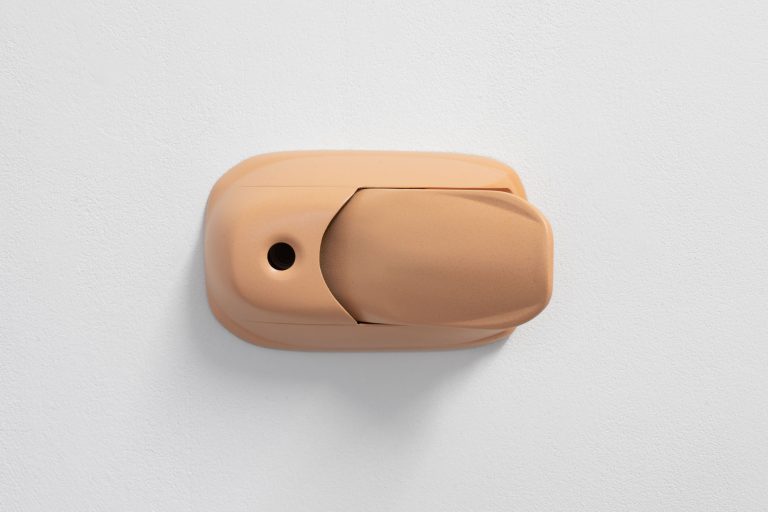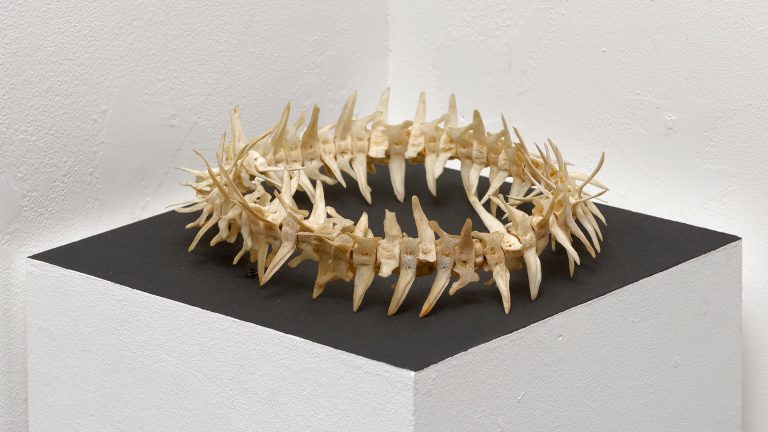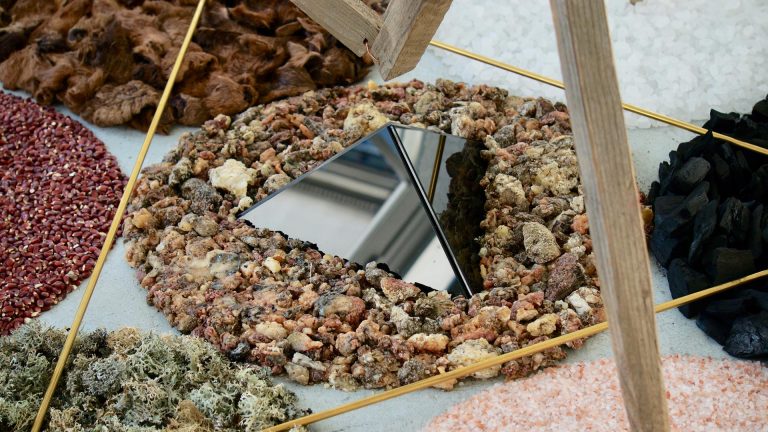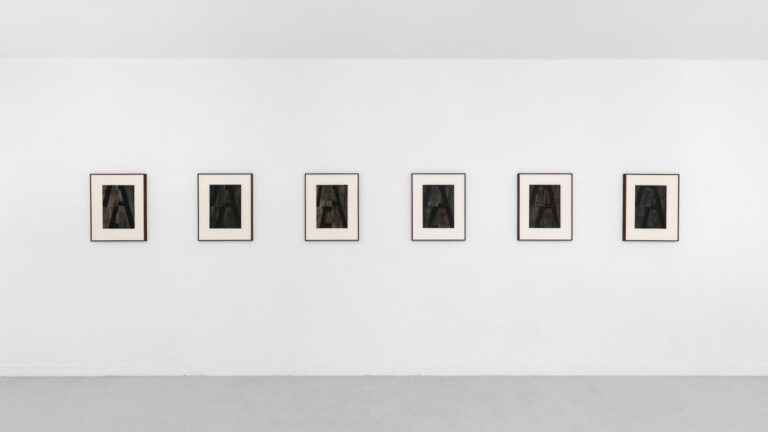
A Certain Distance looks at the way space is experienced through small shifts of position, access, scale and attention. The exhibition brings together works by Clémentine Adou, Park McArthur, Alexandre Khondji, Hélène Janicot and Matthias Odin, each approaching distance less as a measurement than as a situation: something that appears between bodies, objects, images and the conditions that allow them to meet.
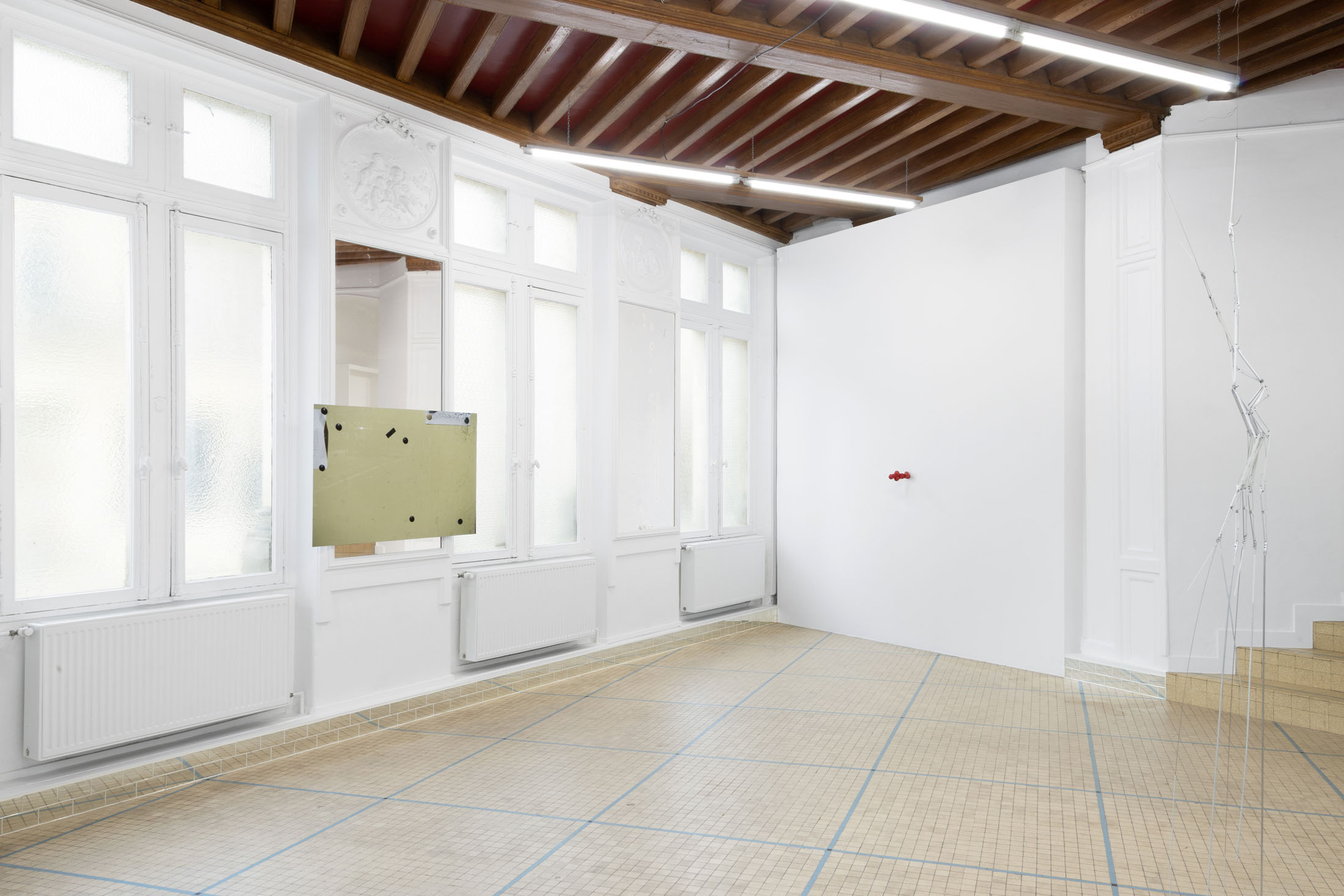
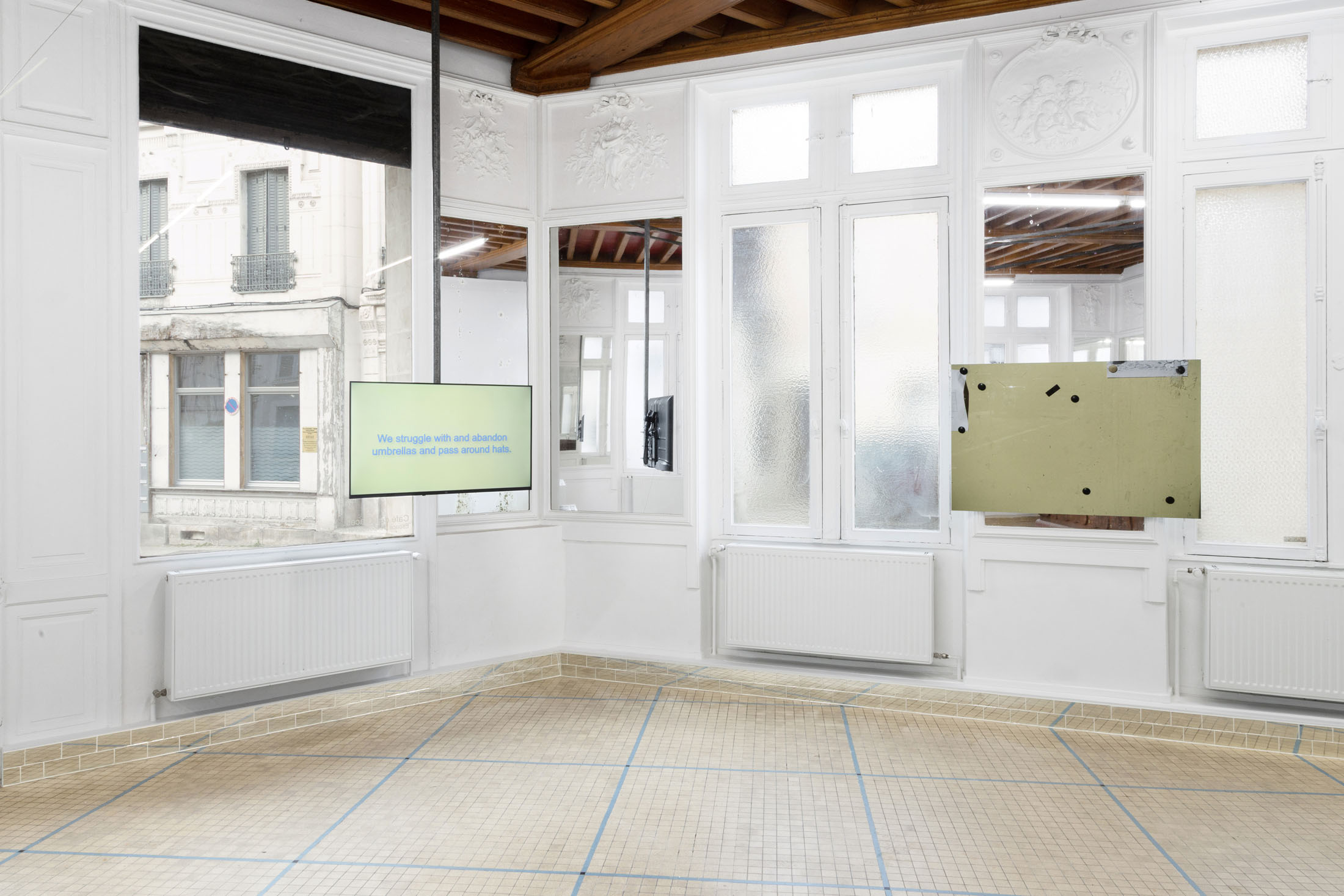
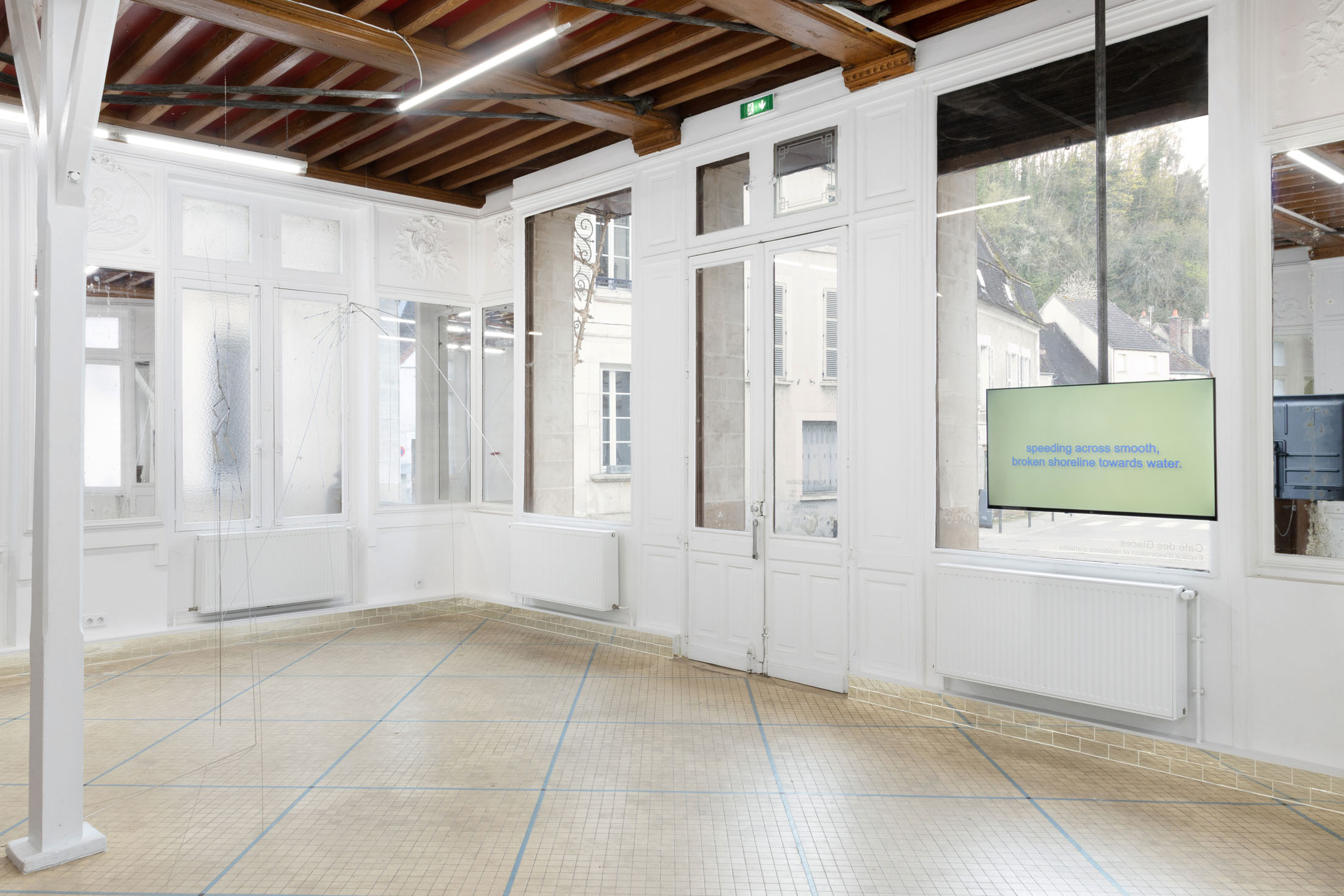
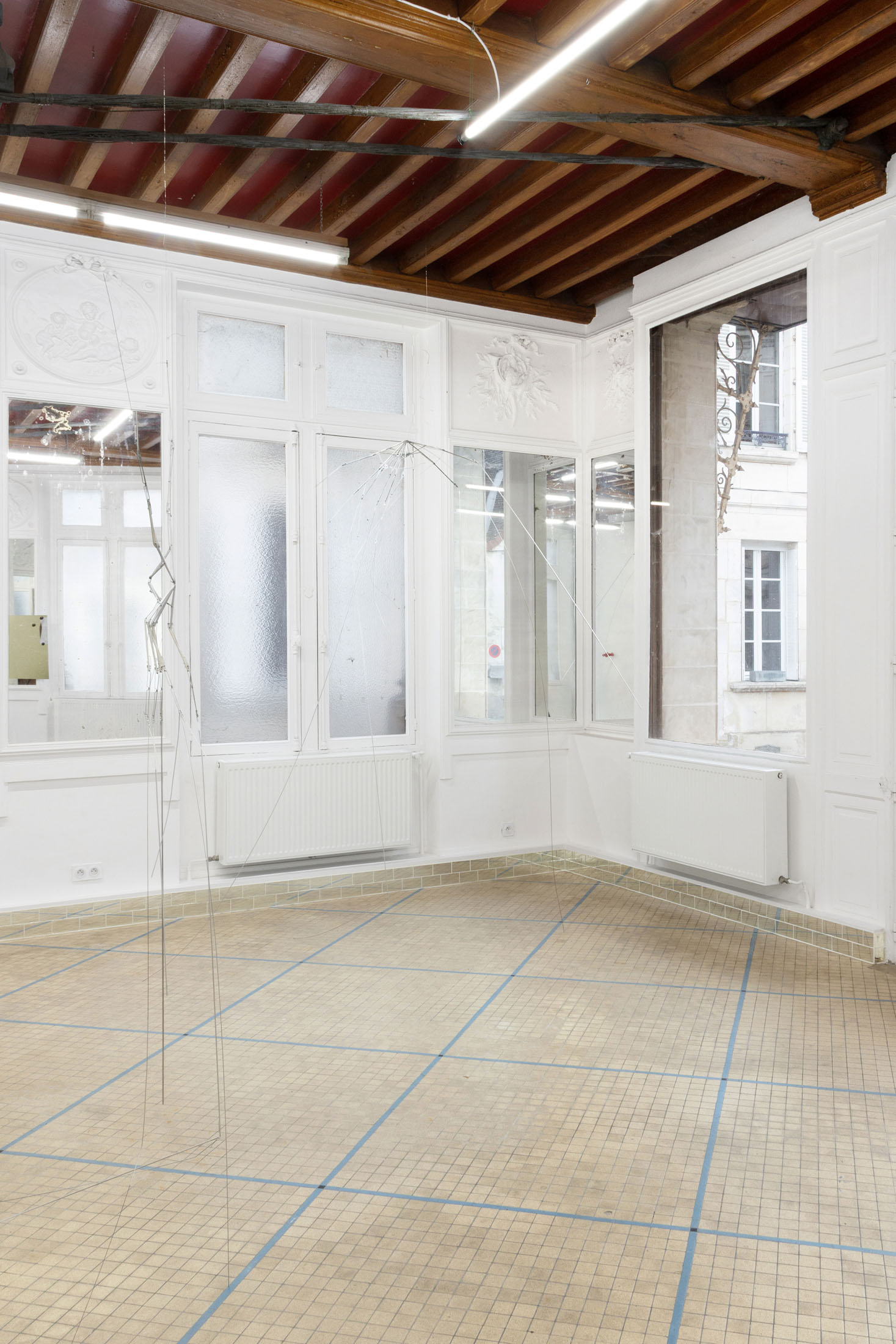
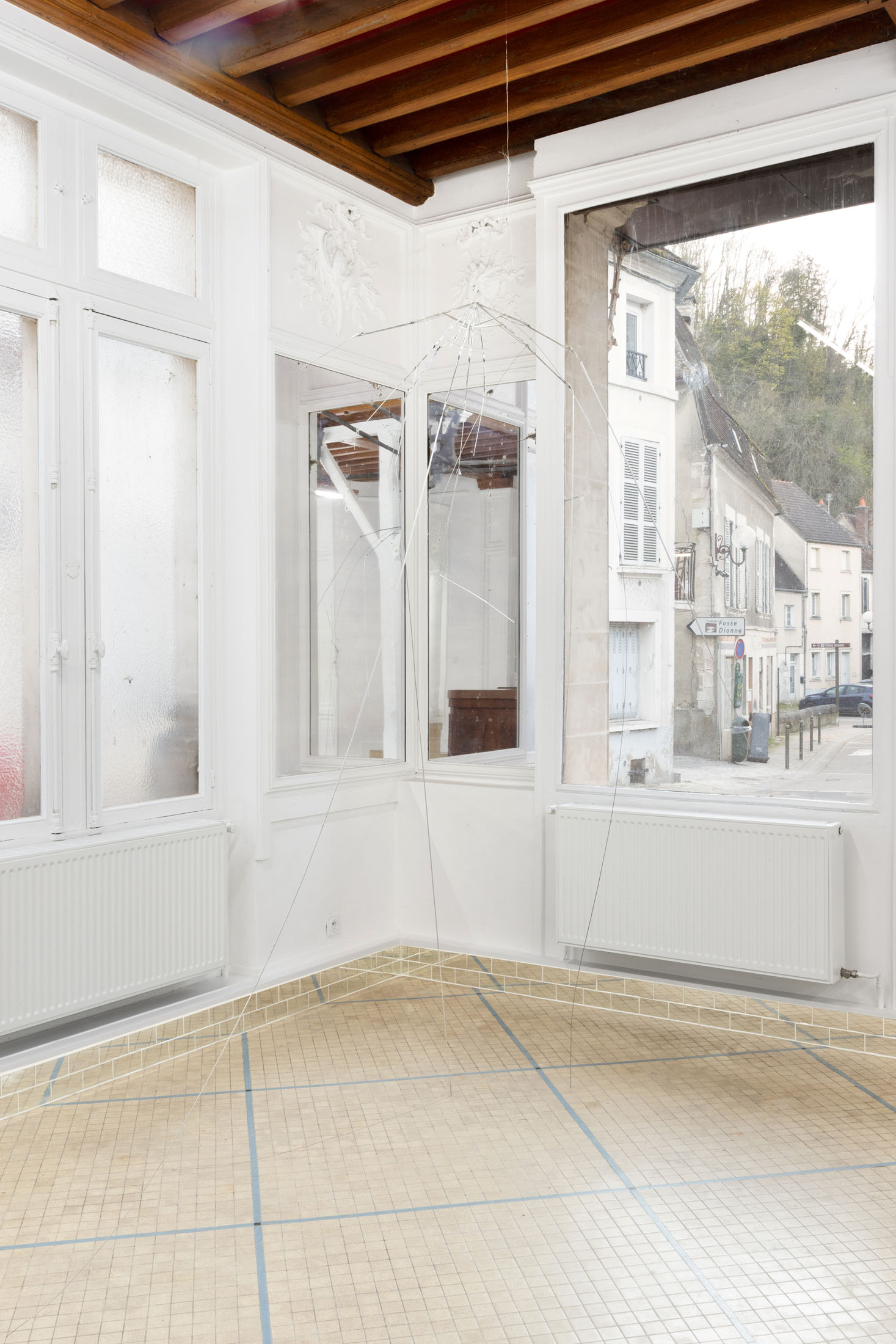
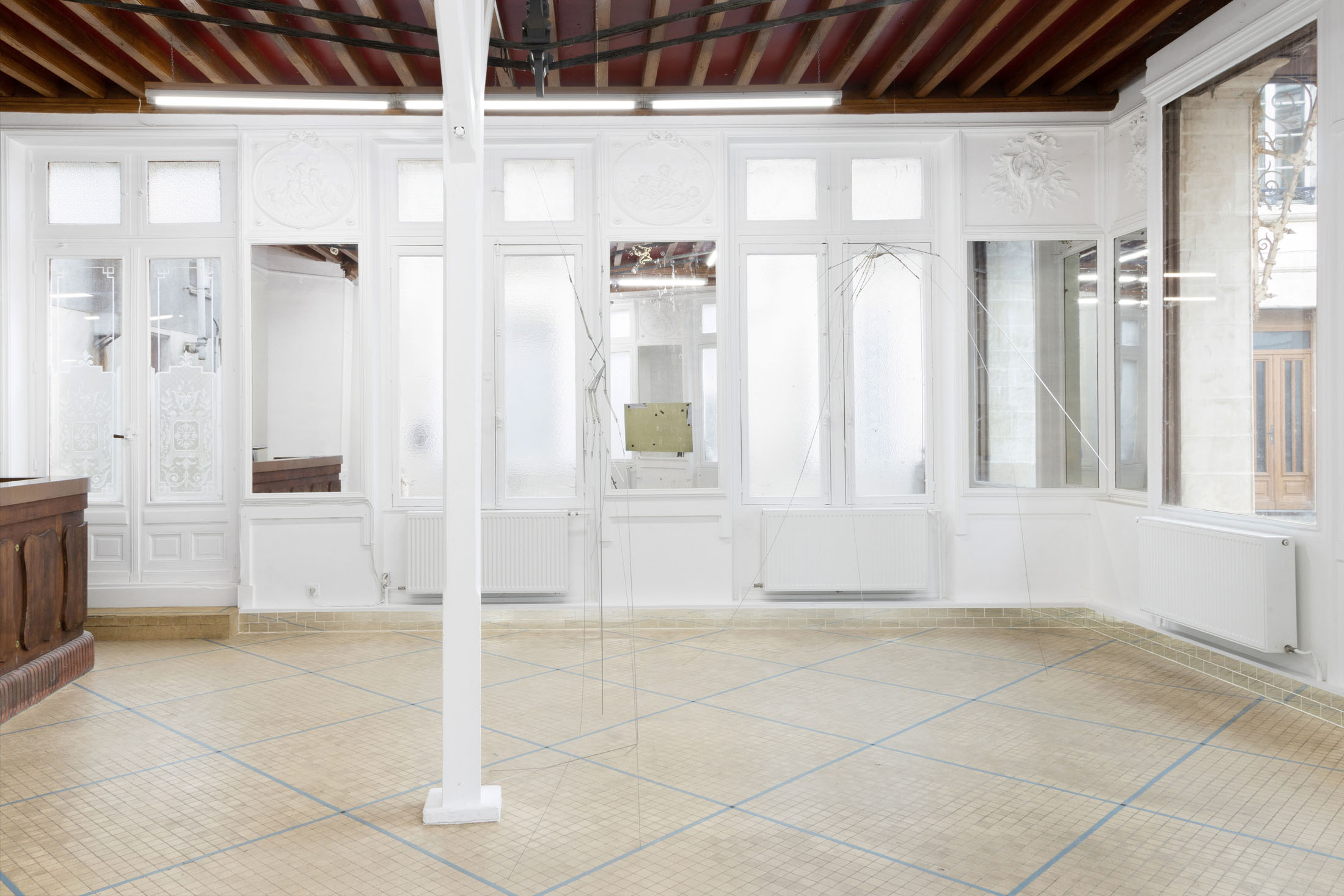
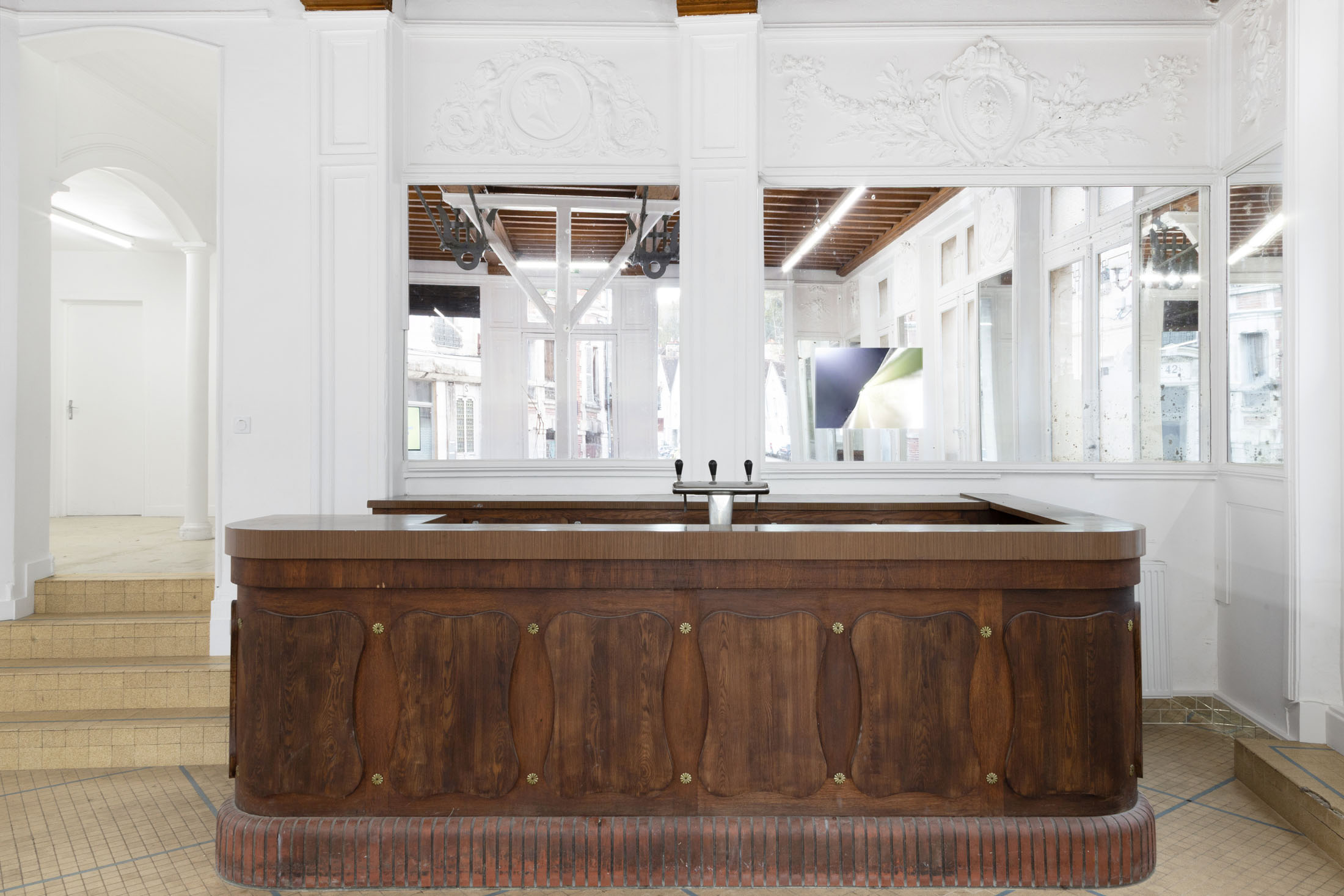
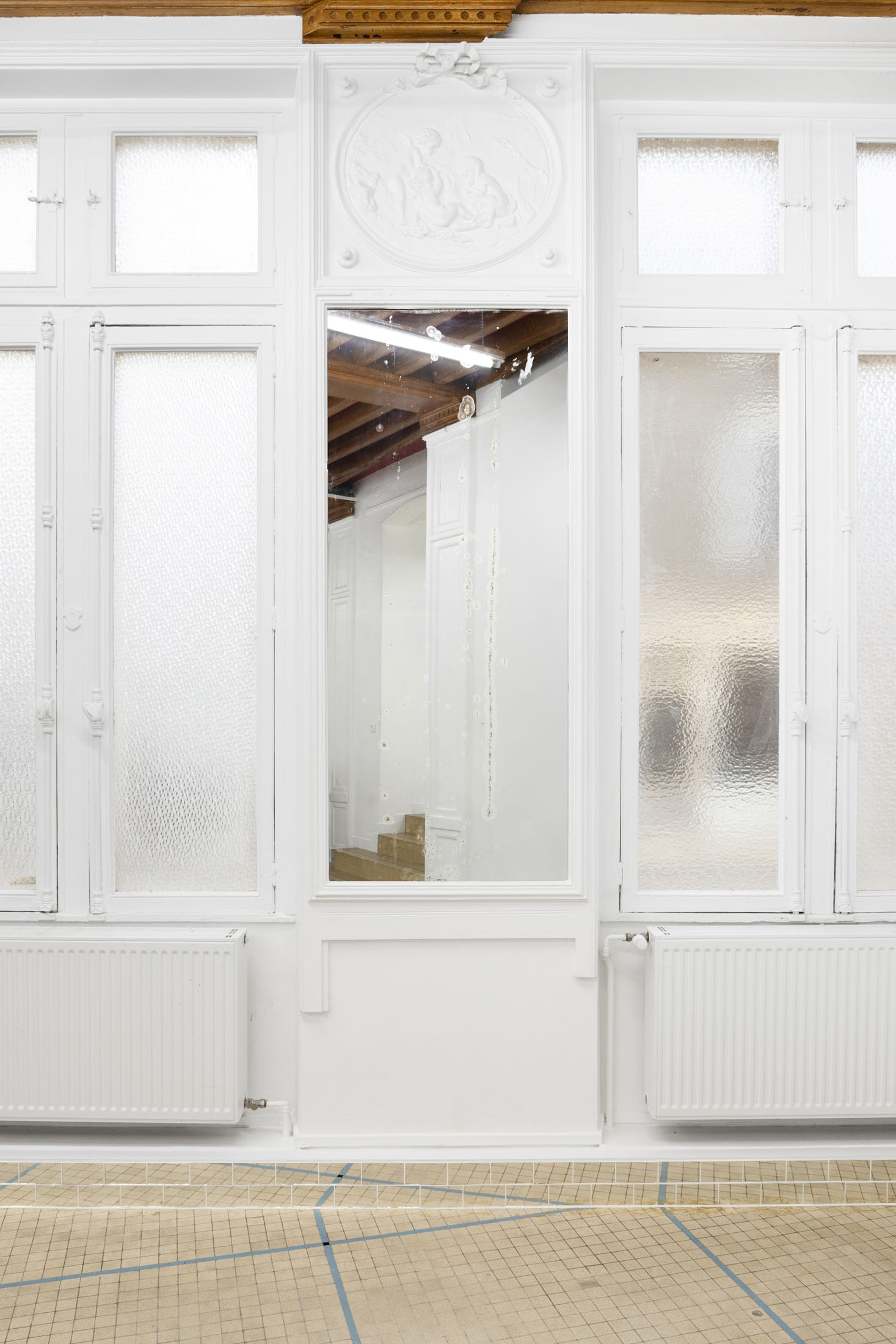
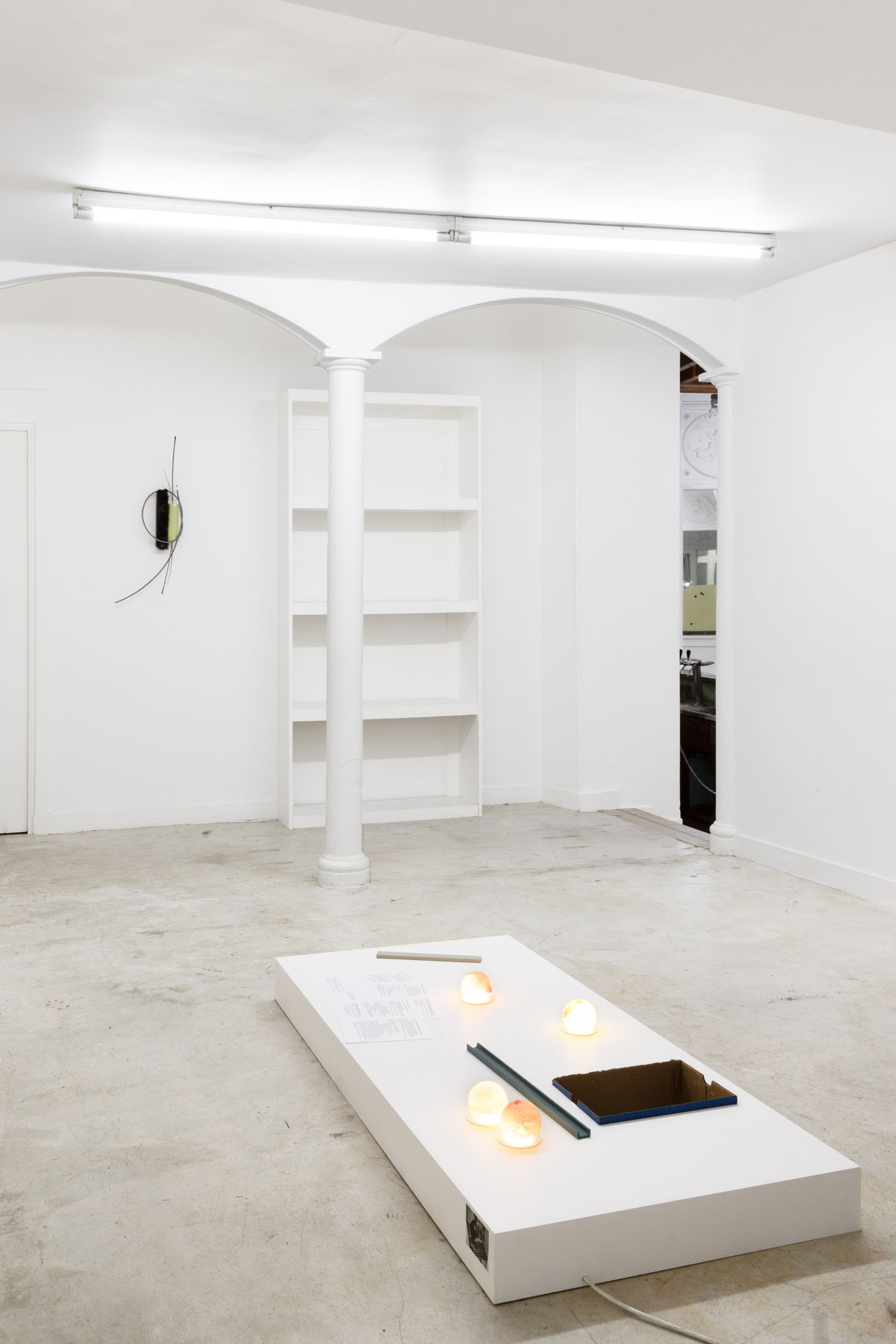
On the ground floor of Café des Glaces, the works occupy a sequence of rooms whose proportions, floors, openings and thresholds remain very present. The exhibition does not try to neutralize the architecture. It works with it, allowing elements of the building to become part of the experience: a line of tiles, a window, a passage from one room to another, the view of Tonnerre in the distance.
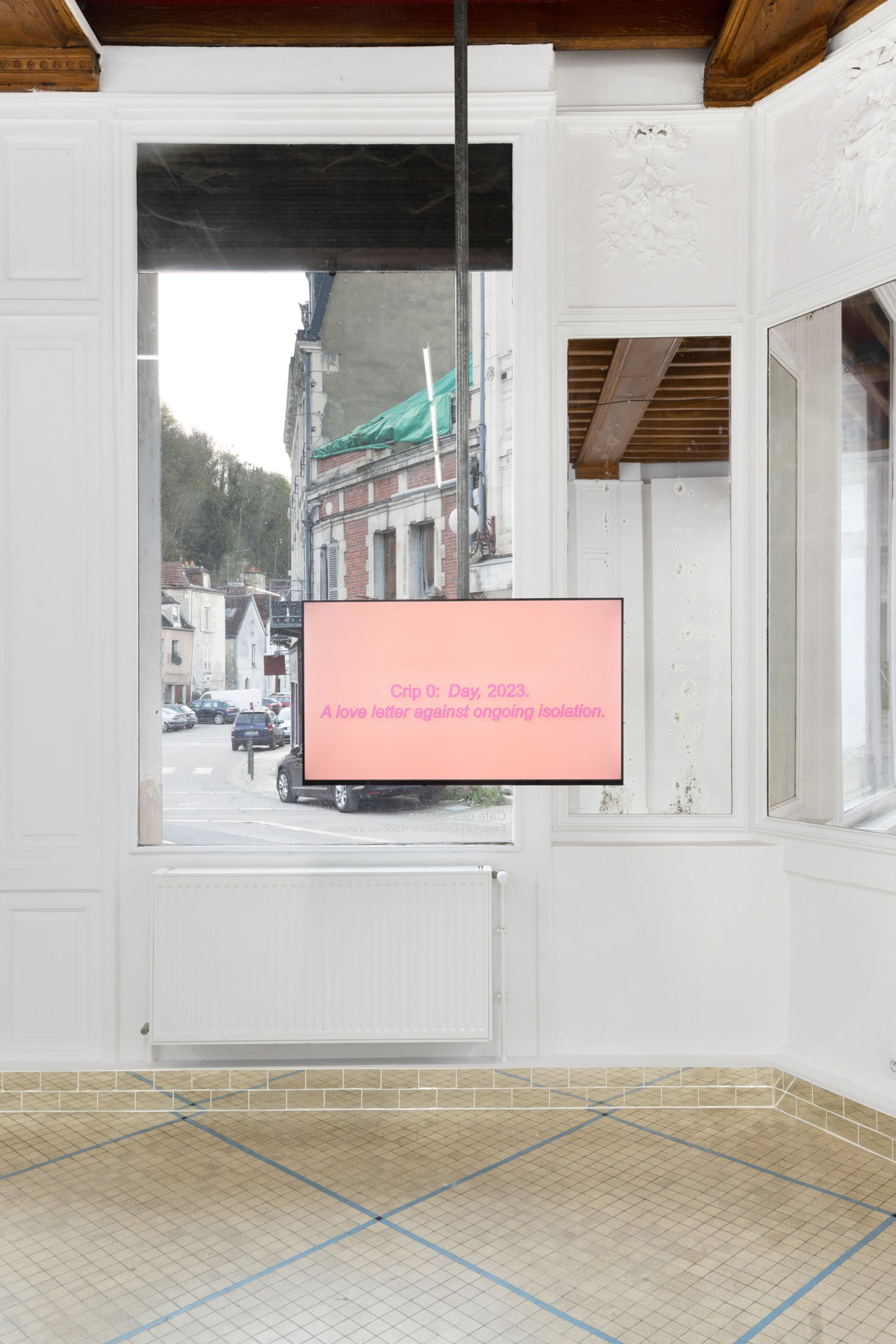
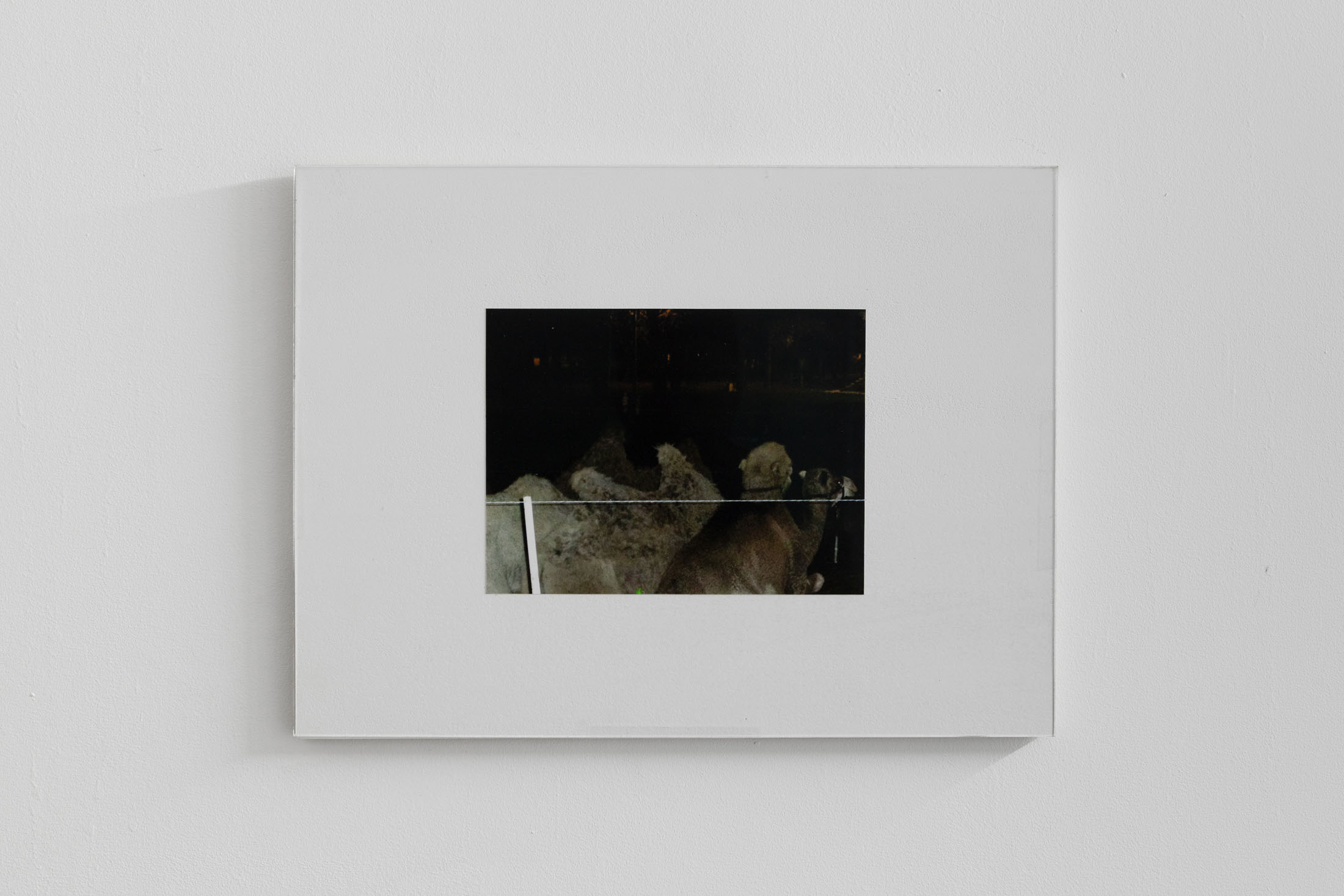
Park McArthur’s video Day, 2023, was first developed in the context of a conference on access practices and disability studies in and beyond art institutions and museums. Structured around the speculative invitation to go to the beach, the work unfolds through different possible responses to the same situation. Voice, memory and description become ways of thinking about access, isolation, care and the possibility of being together. Installed at Café des Glaces, the video is placed in relation to a distant view of Tonnerre, bringing an imagined elsewhere into contact with the immediate space of the exhibition.
Clémentine Adou’s works introduce an unstable distance between found object, sculptural presence and material fragility.
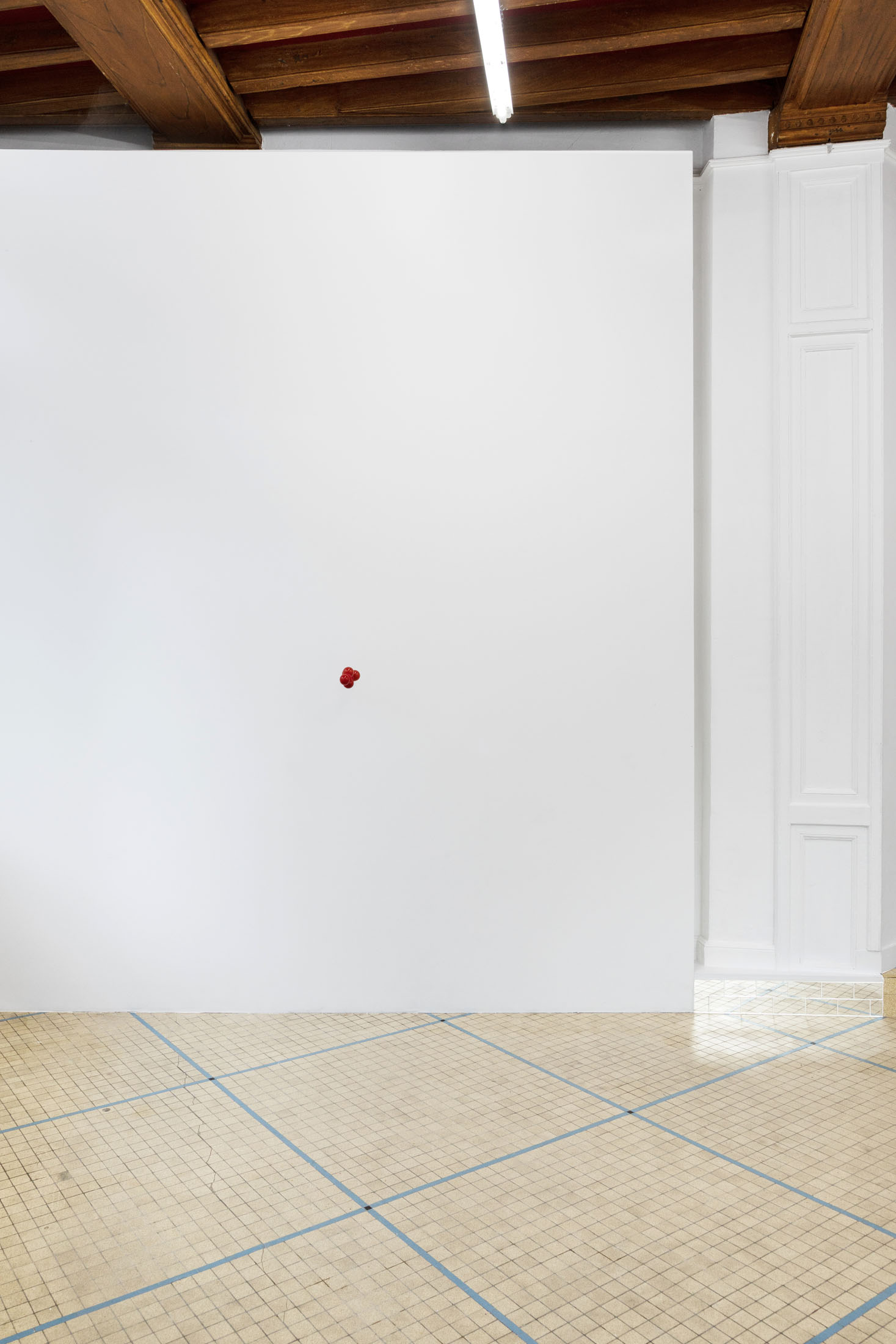
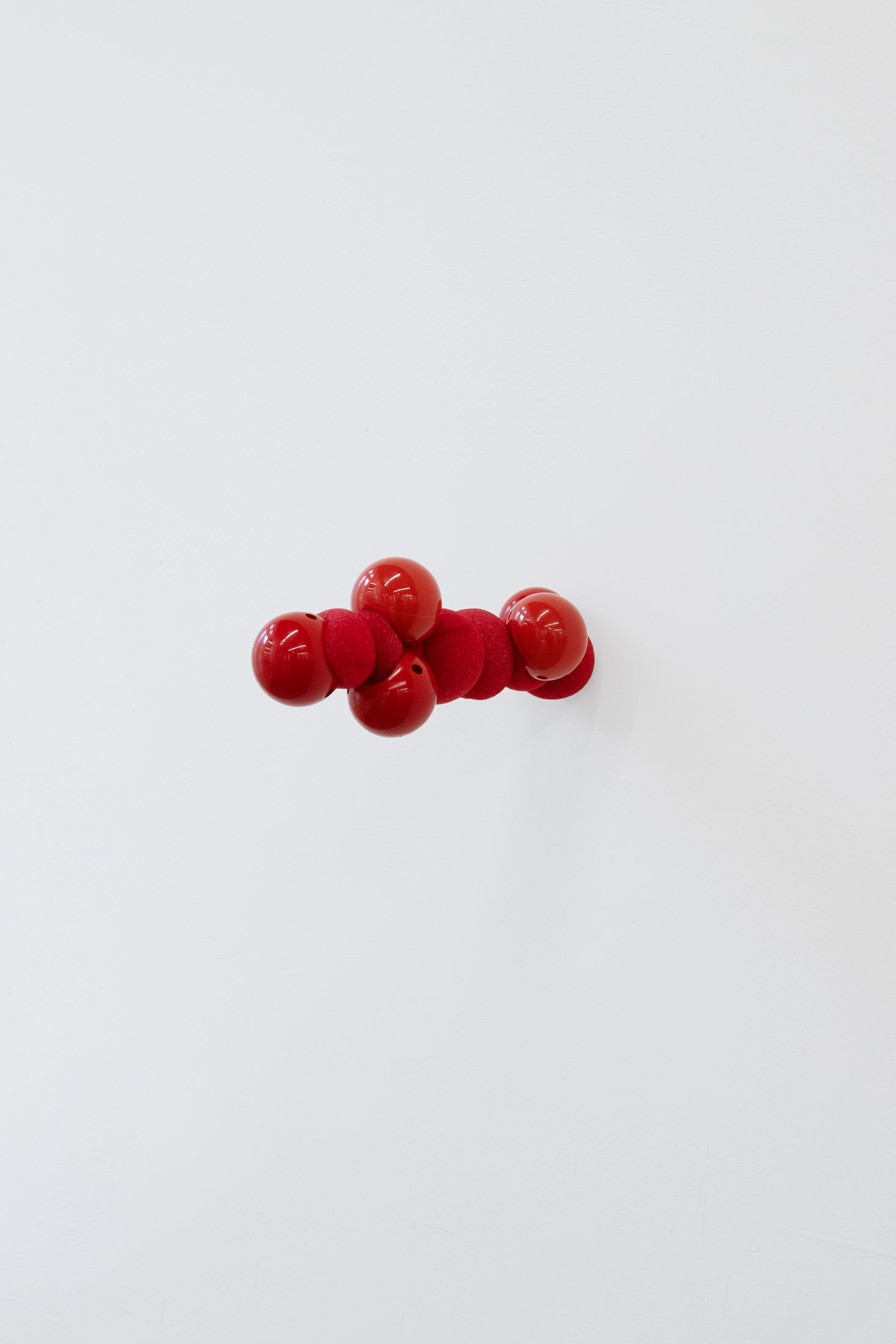
Red Noses, 2026, takes up the recurring motif of the clown nose as an almost minor red point: at once comic, minimal and optical, it catches the eye while resisting any form of monumentality. Daddy long legs’ hands, 2023, made from umbrella structures, aluminium, steel and wire, extends the artist’s attention to neglected, broken or disjointed objects. Its thin, almost skeletal lines merge with the architecture and only gradually come into view as the viewer moves. In the exhibition, distance is not only a matter of physical sepa-ration, but of a fragile gap between waste and sculpture, appearance and disappearance, humour and vulnerability.
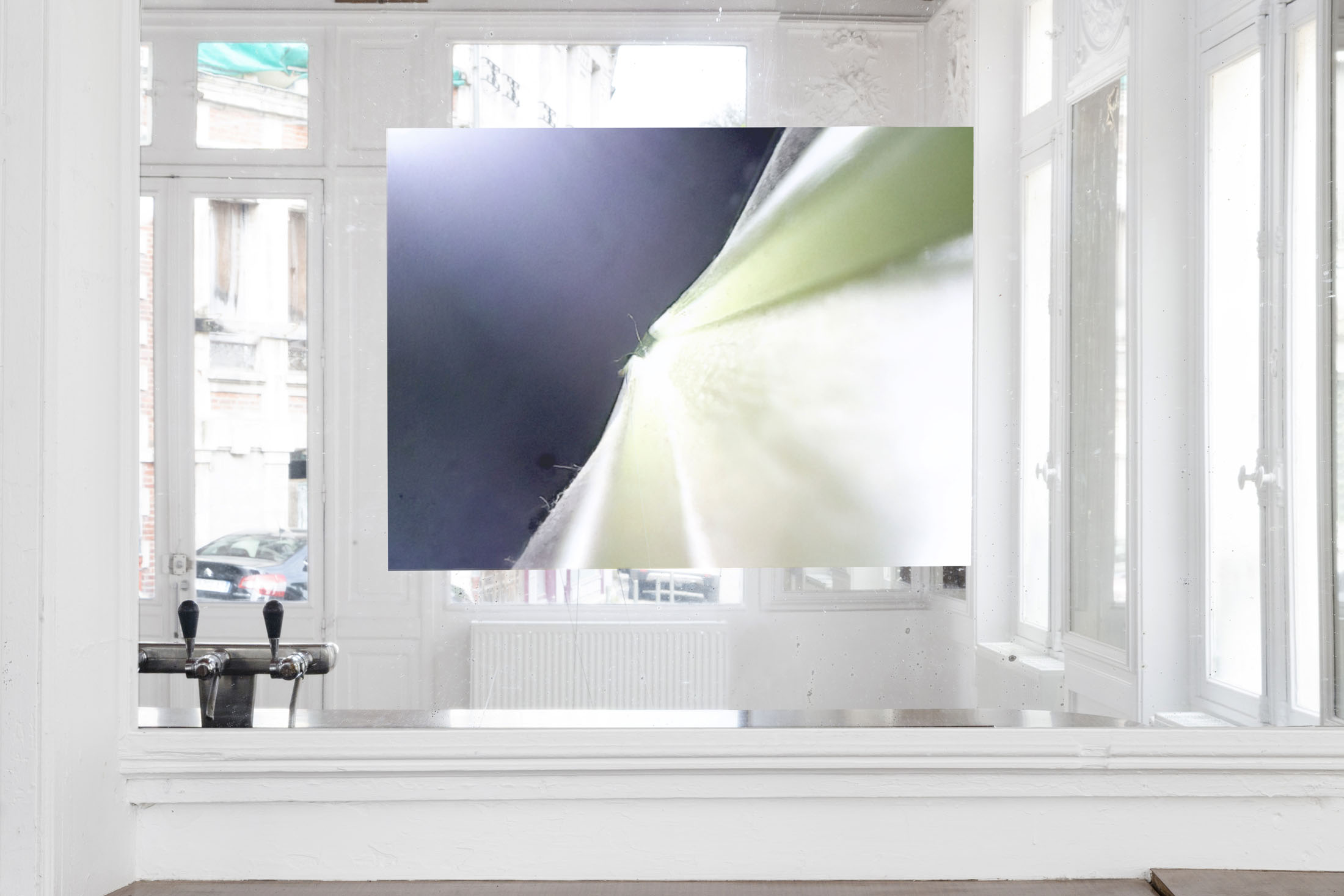
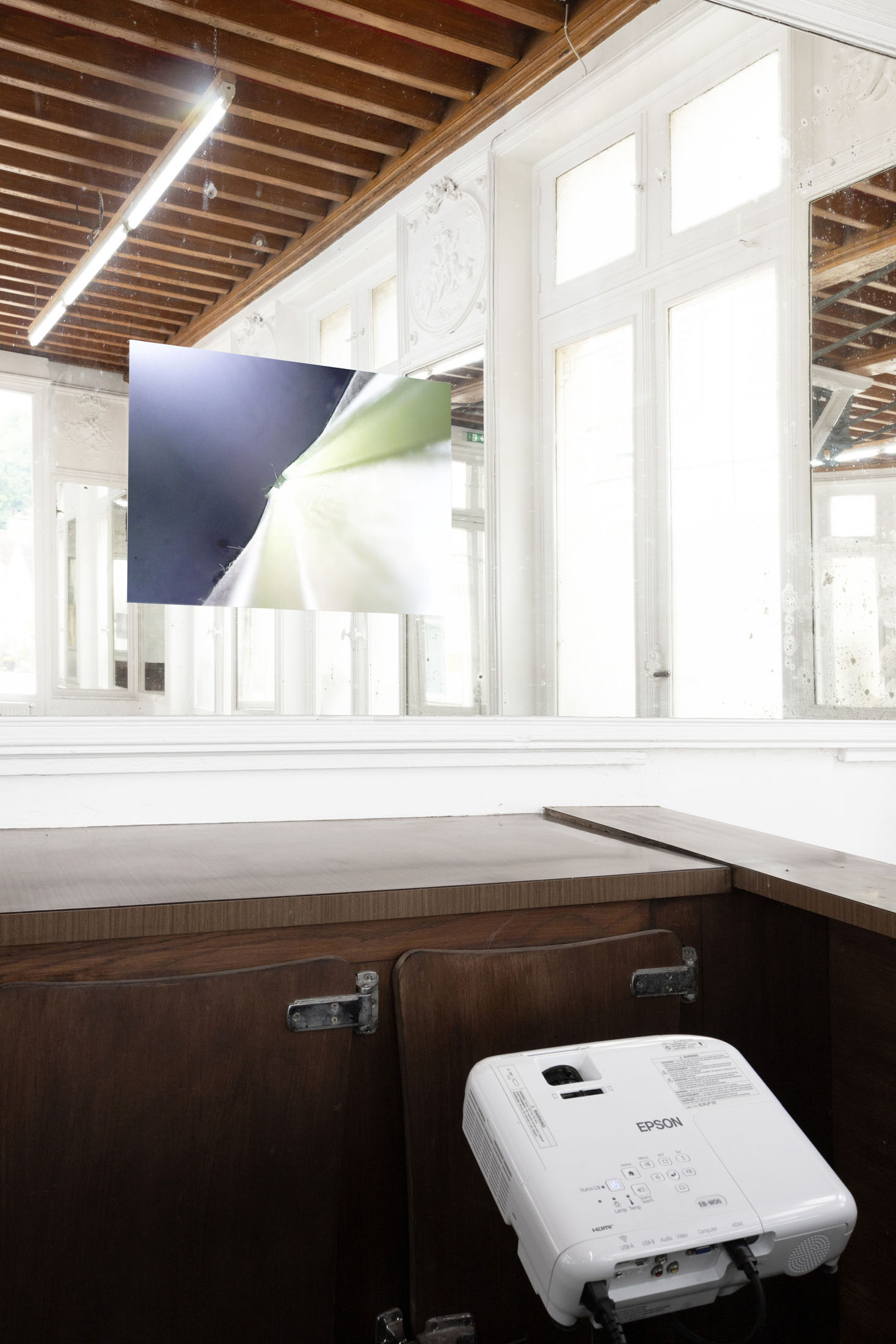
With Single Insert, 2026, Alexandre Khondji extends an ongoing research into residual spaces, technical margins and hidden areas of architecture. Conceived specifically for Café des Glaces, the work is inserted into the bar and uses an endoscopic camera to explore what usually escapes sight: interstices, inner surfaces, functional details and almost invisible zones of the building. The resulting image is both extremely close and difficult to locate. It does not simply reveal a space; it displaces it, turning proximity into a form of strangeness. Here, distance appears within contact itself: in what is approached too closely, in what remains hidden inside the place, and in the way architecture resists a stable view.
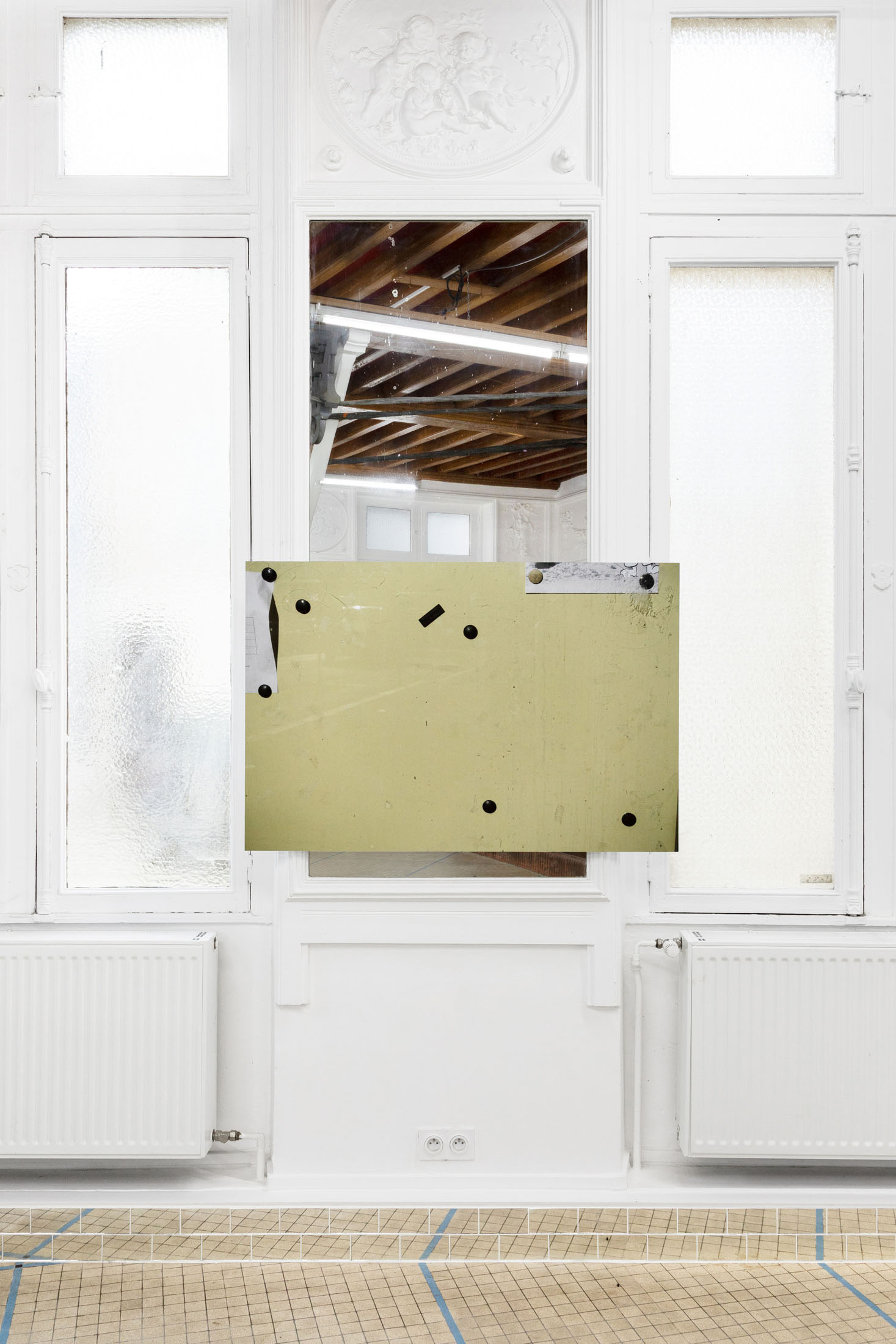
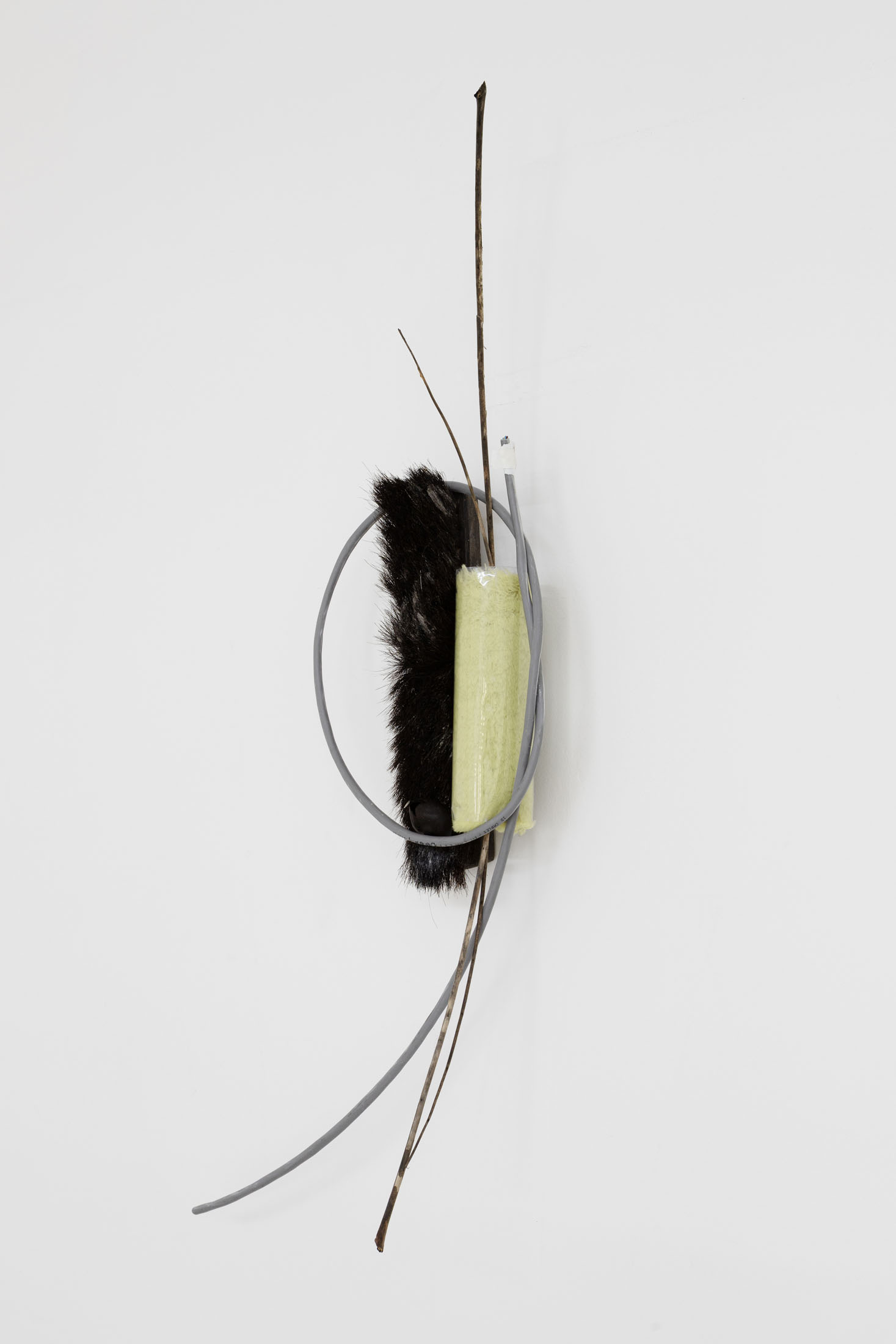
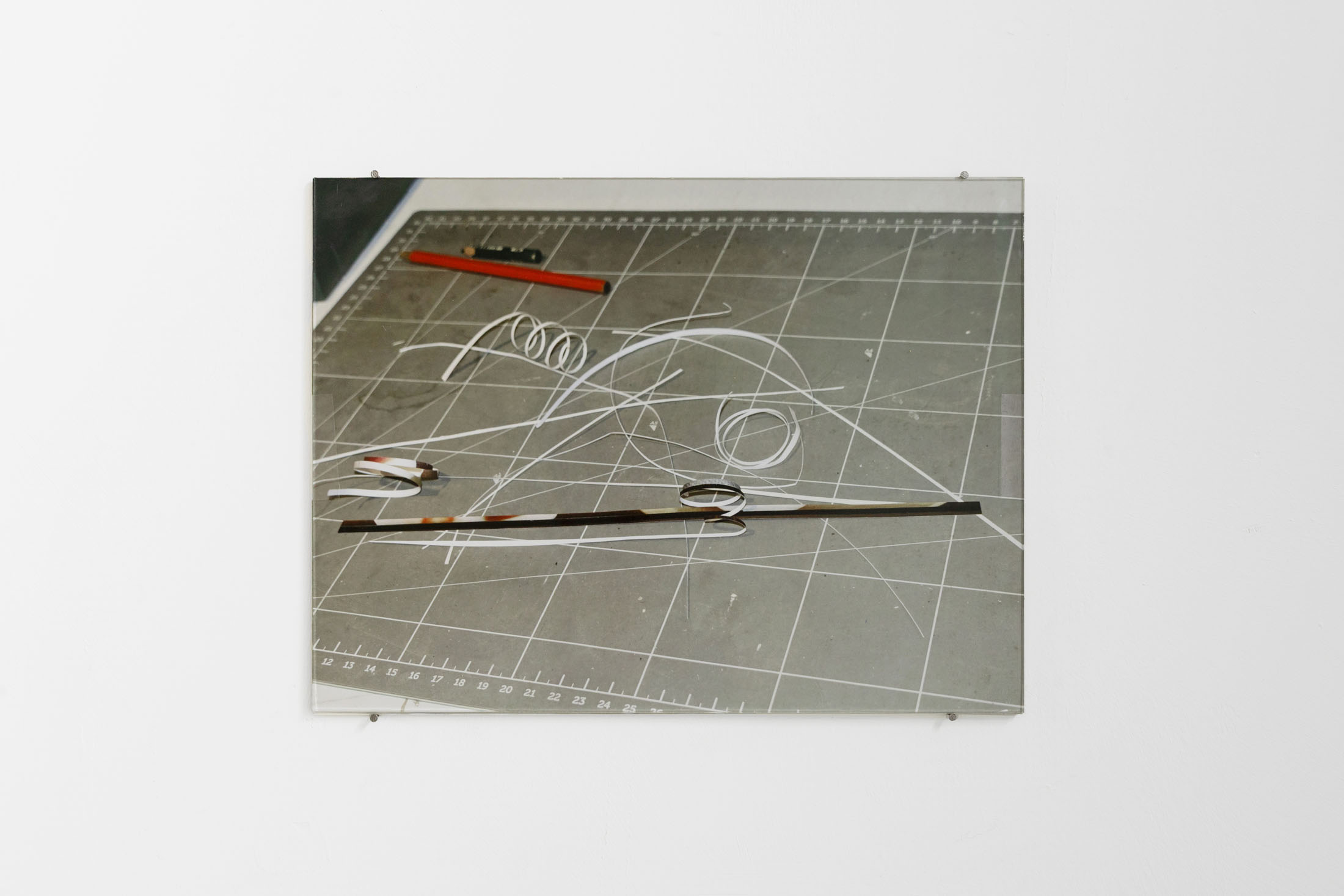
Hélène Janicot’s works approach distance through what exists at the edges of things: scraps, residues, contours, traces and objects displaced from their initial use. With L’ordre du jour, Isolines playground, Tonnerre 08/11/25 and her Untitled assemblage, she brings out lines, fragments and discreet signs that orient the eye within the space. Distance becomes a way of reading what is already there — surfaces, residues, tools, marks — but only becomes perceptible through a slight shift in attention.
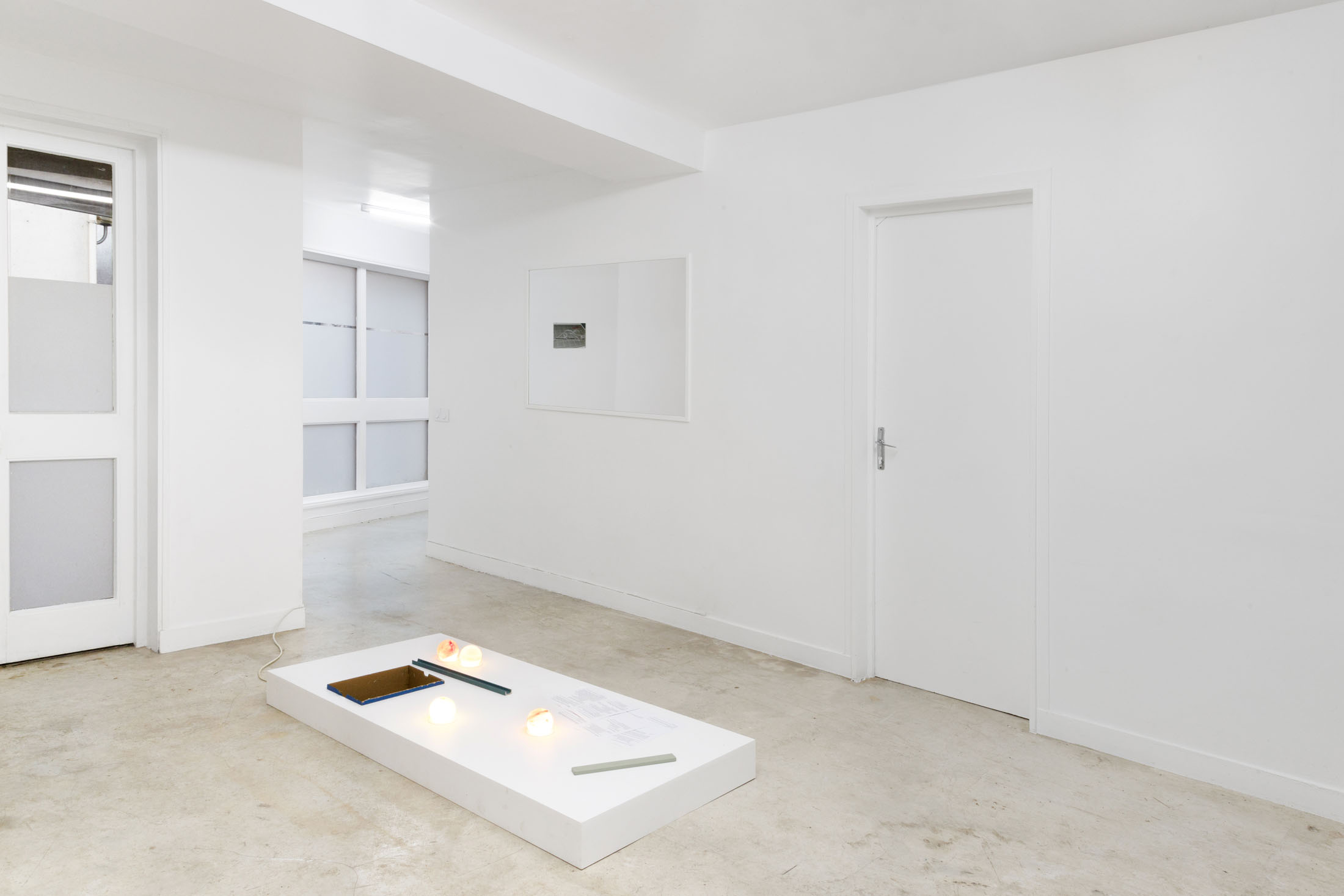
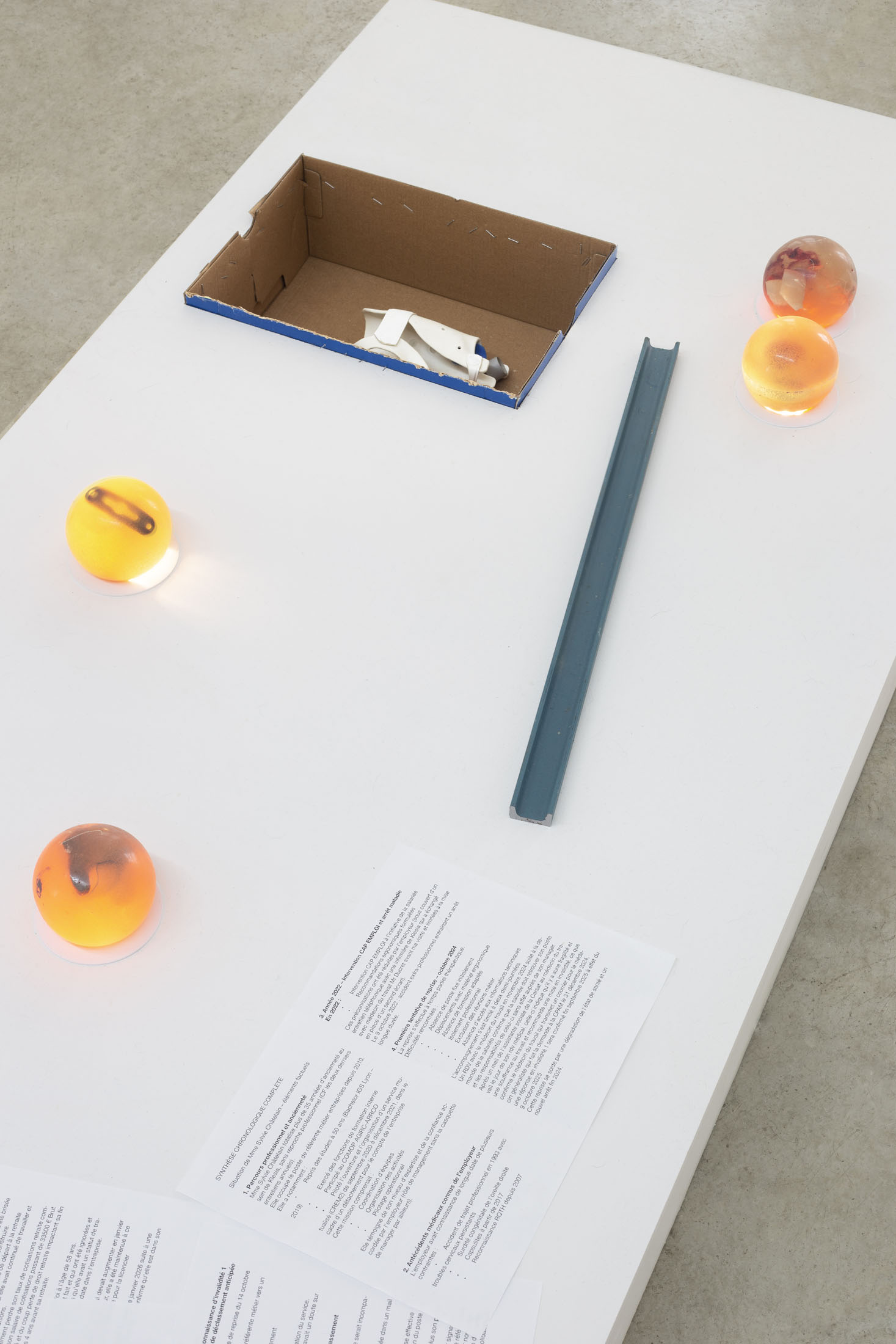
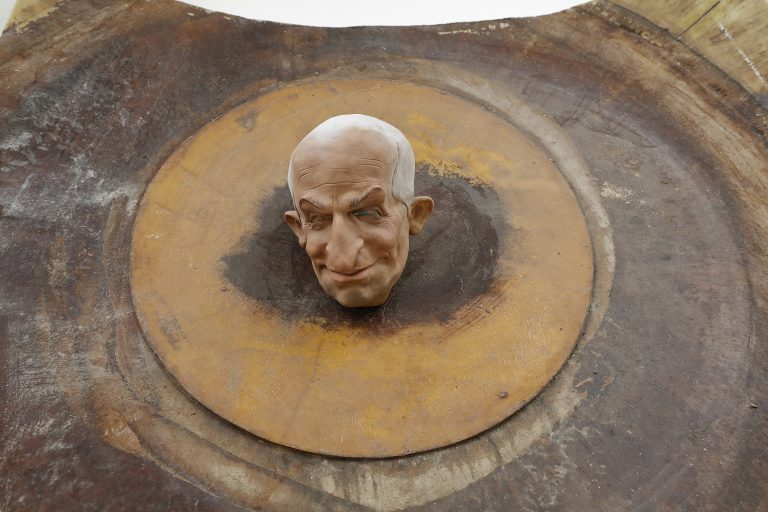
Matthias Odin’s Antipression.1 (maman), 2026, introduces another register of distance, more tactile, affective and familial. Made from coloured rubber stress balls, wood and steel, the work brings together materials associated with pressure, relief and repetition. It takes as a point of departure a gesture made by the artist’s mother, who, during a period of illness and withdrawal from work, began compulsively repainting rooms and furniture. Odin treats this gesture as a form of painting, placing it in relation to the stress balls he casts in the studio. The work makes visible how pressure can be absorbed, displaced and transformed through domestic gestures, care and making.
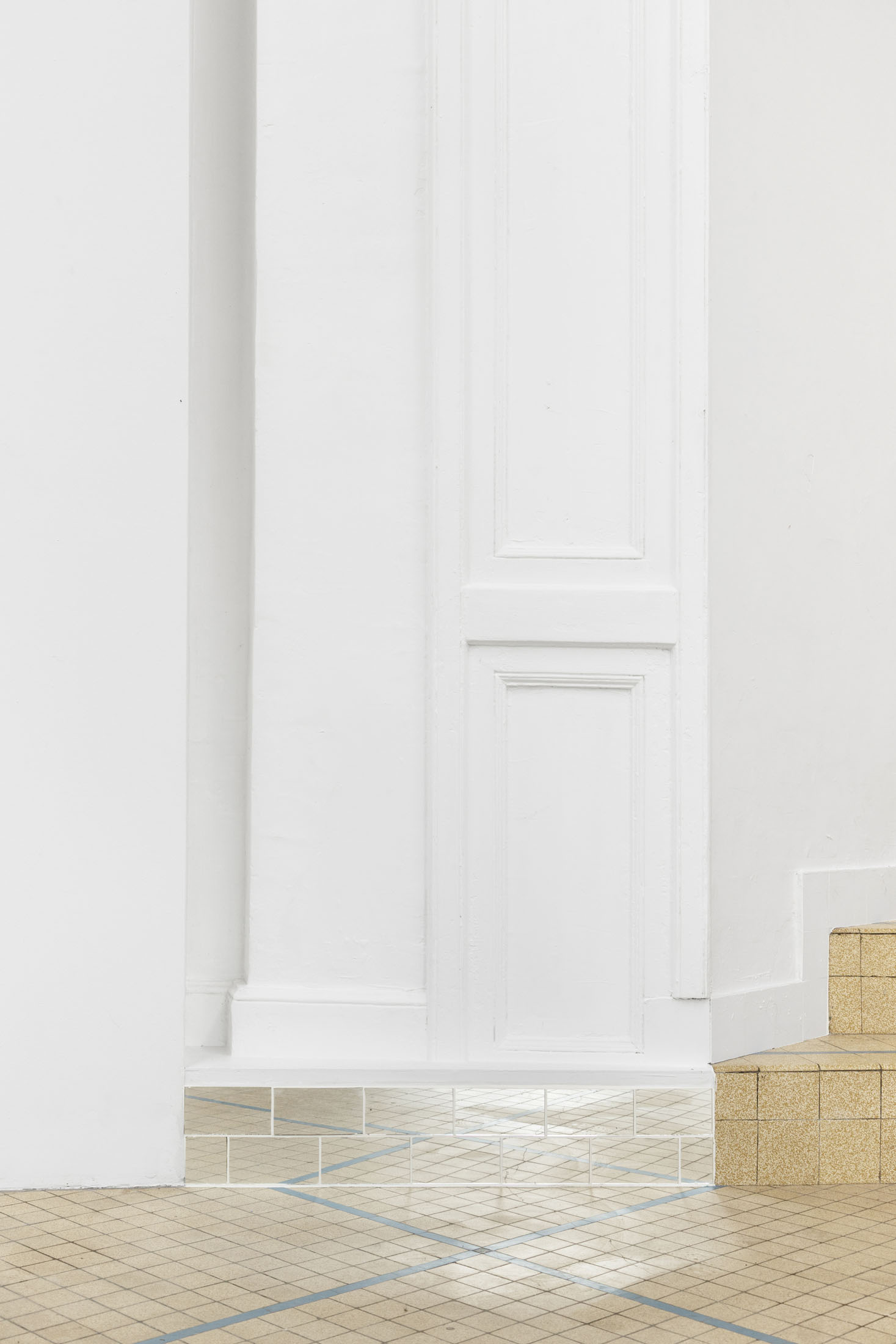
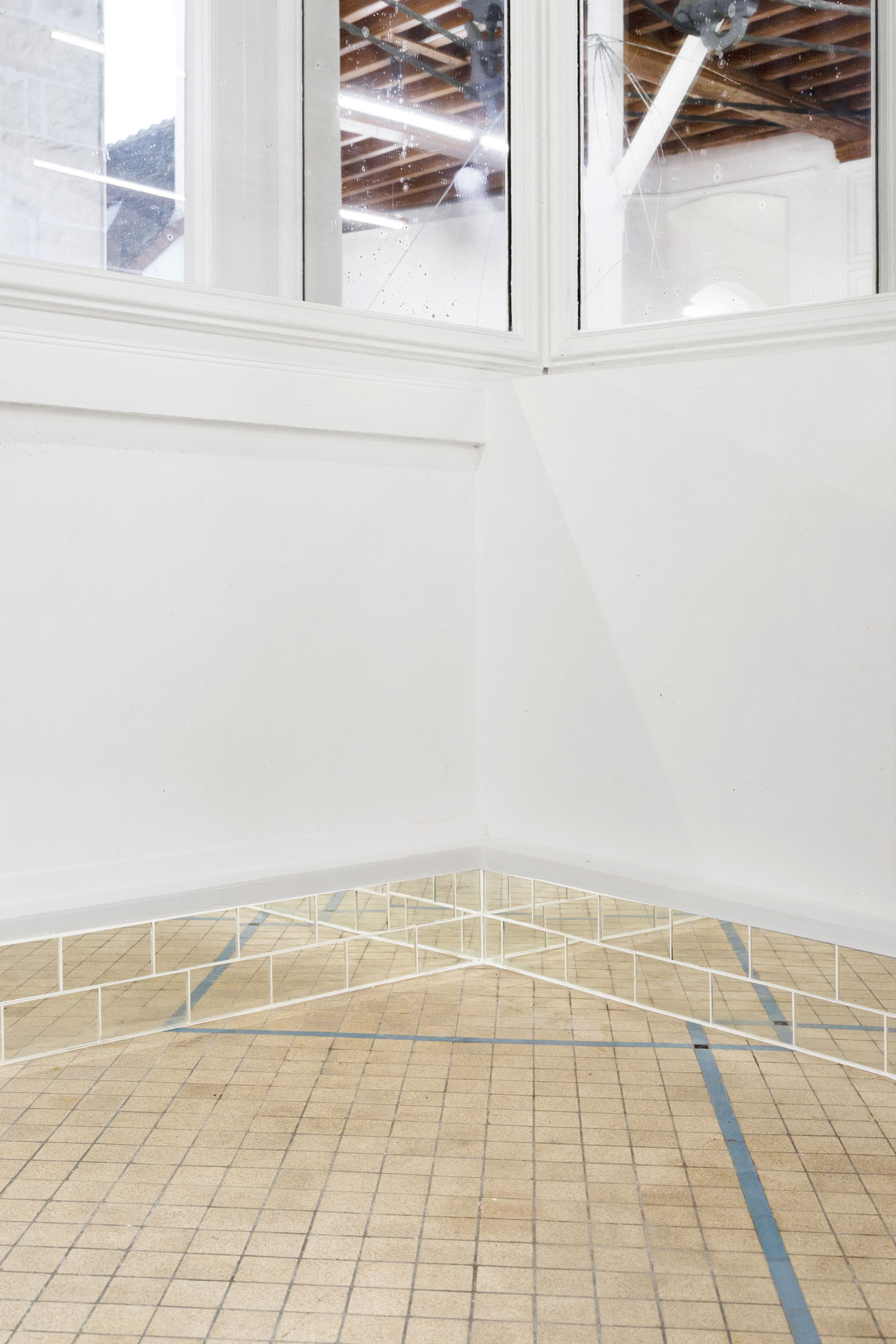
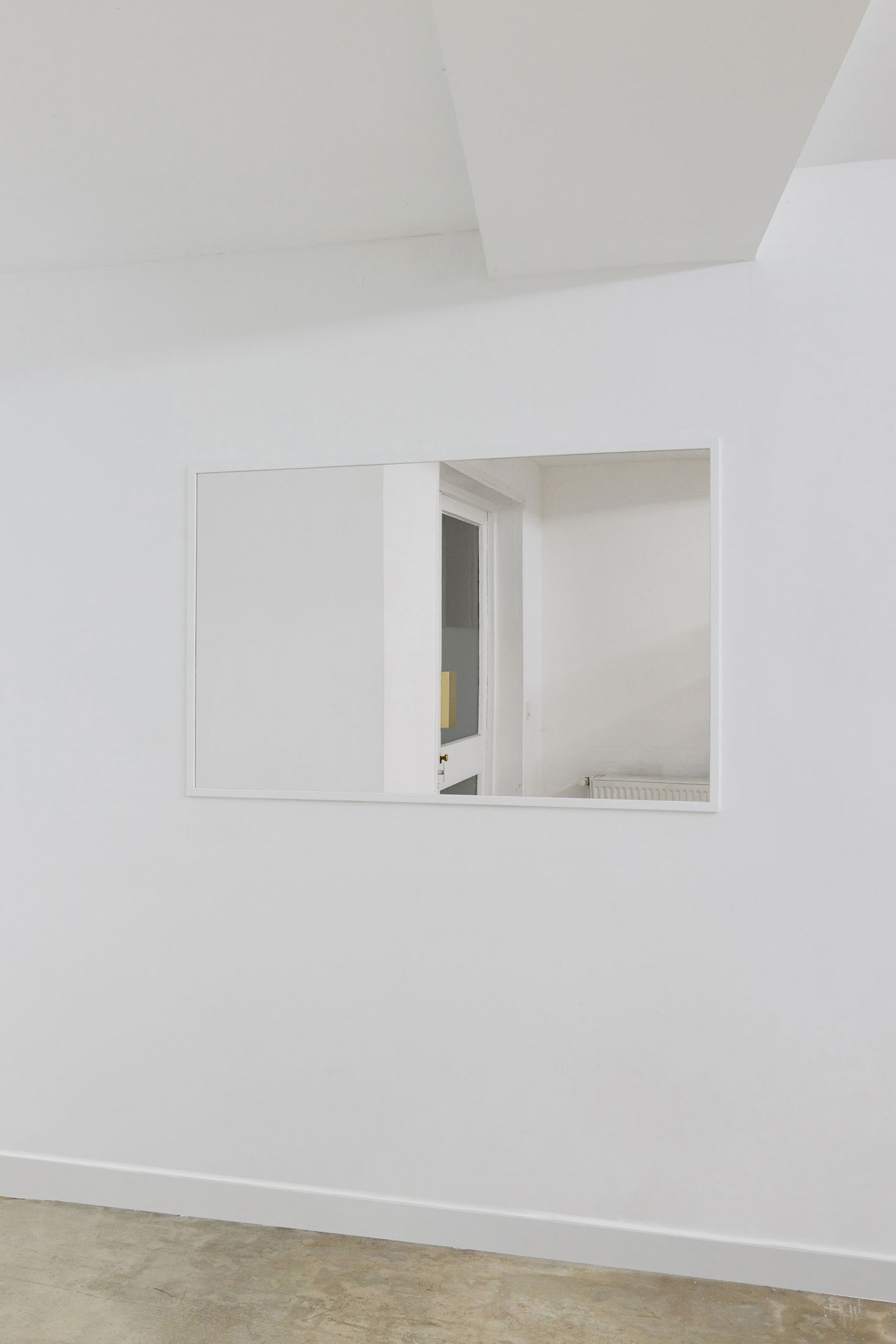
The scenography, conceived by Haydée Marin and Camille Besson, intervenes discreetly through mirrored plinths that follow the existing architecture. Extending the lines of the tiled floor and reflecting fragments of the rooms, these elements subtly alter the perception of thresholds. Their attention to junctions, surfaces and passages loosely evokes Carlo Scarpa’s sensitivity to architectural detail, while remaining fully embedded in the specific architecture of Café des Glaces.
Working from Tonnerre, at a distance from major metropolitan centres, is also part of the exhibition’s structure. Café des Glaces ope-rates through forms of adaptation, maintenance and shared attention, where exhibitions are made with the building rather than against it. In this context, distance is not treated as something to overcome. It becomes a way of looking, of slowing down, and of paying attention to how access, presence and relation are shaped by space.
A Certain Distance proposes distance as a condition of encounter: between a body and a room, an image and a view, an object and its use, a place and the structures that make it accessible. The exhibition stays close to these intervals, making them visible without resolving them.