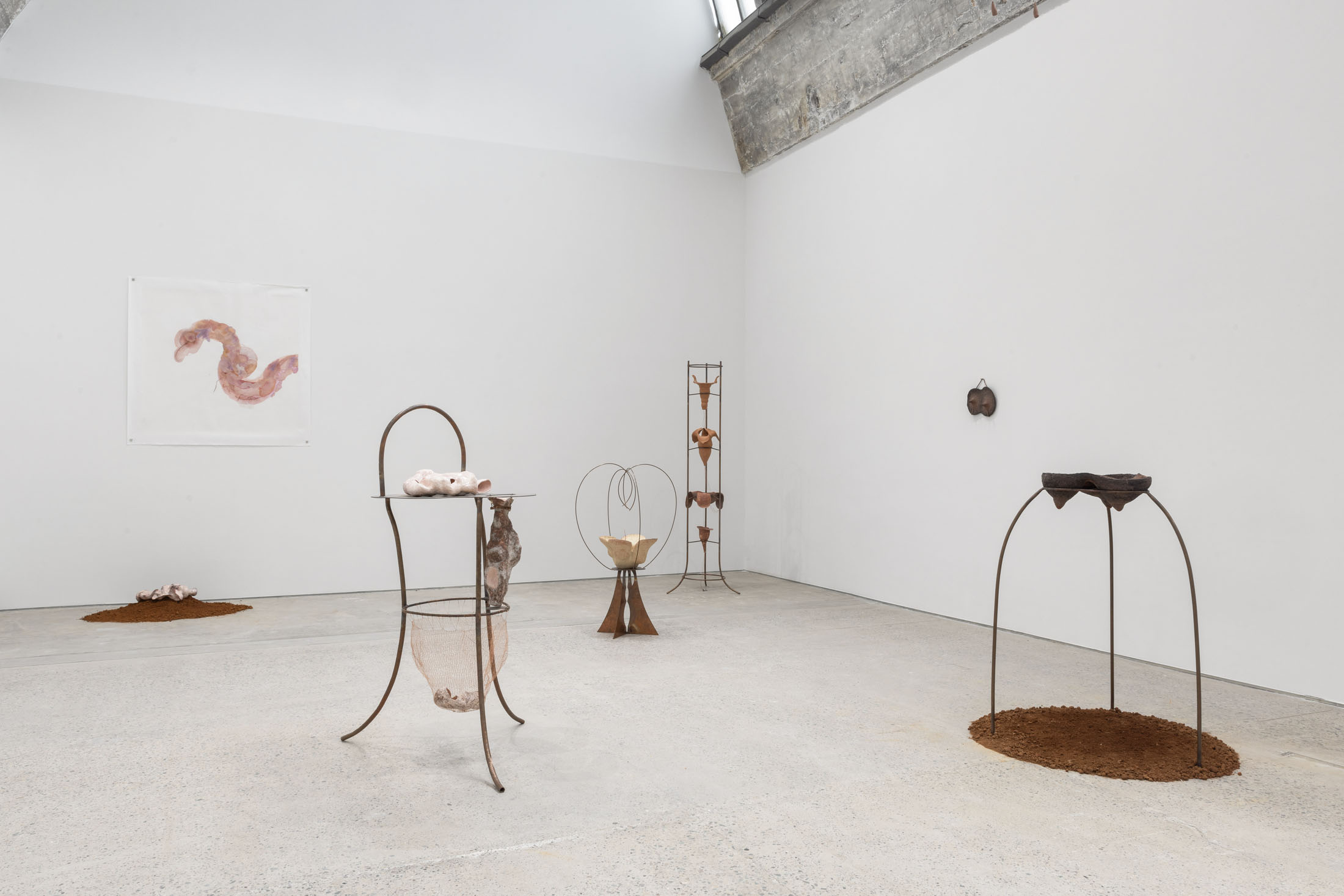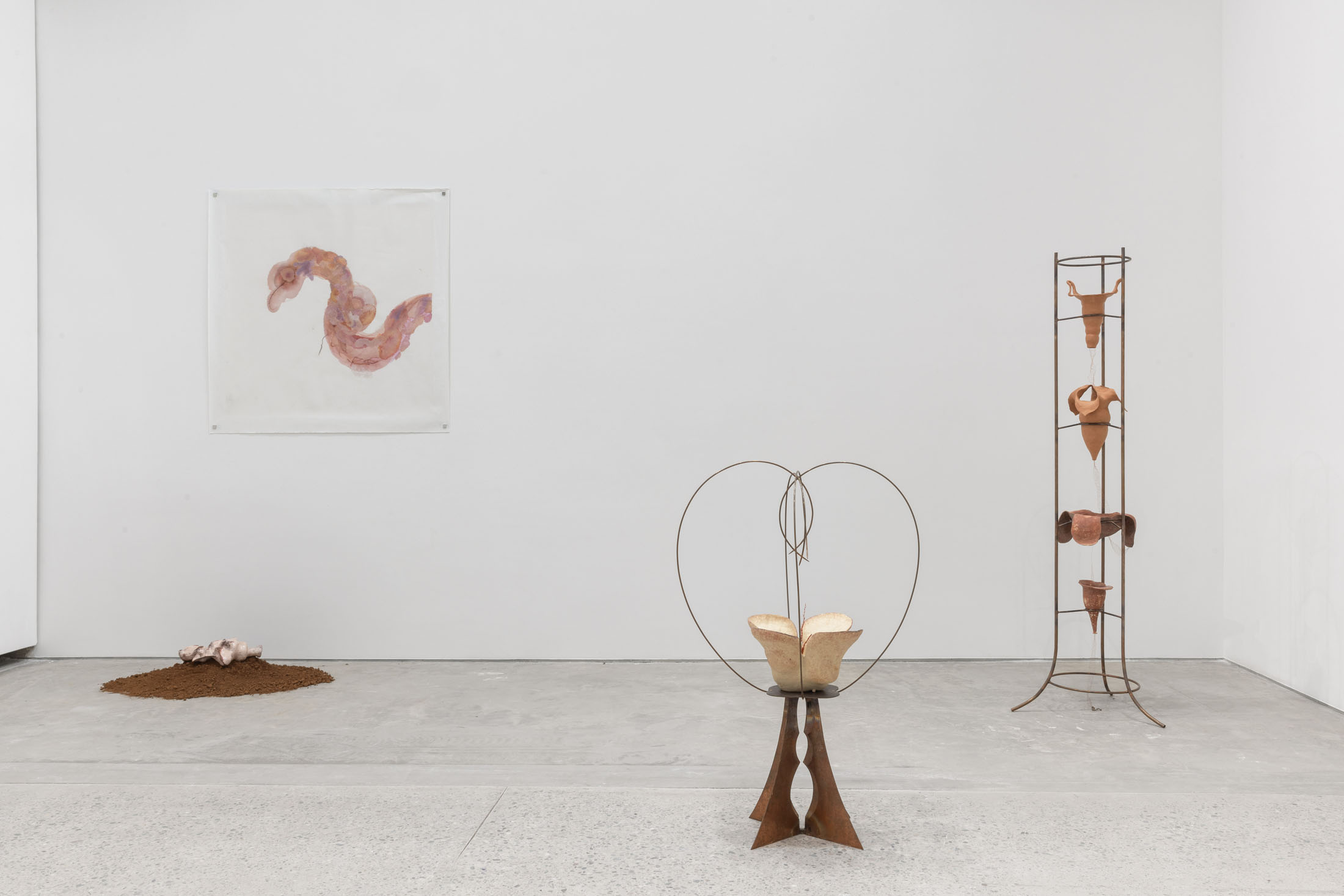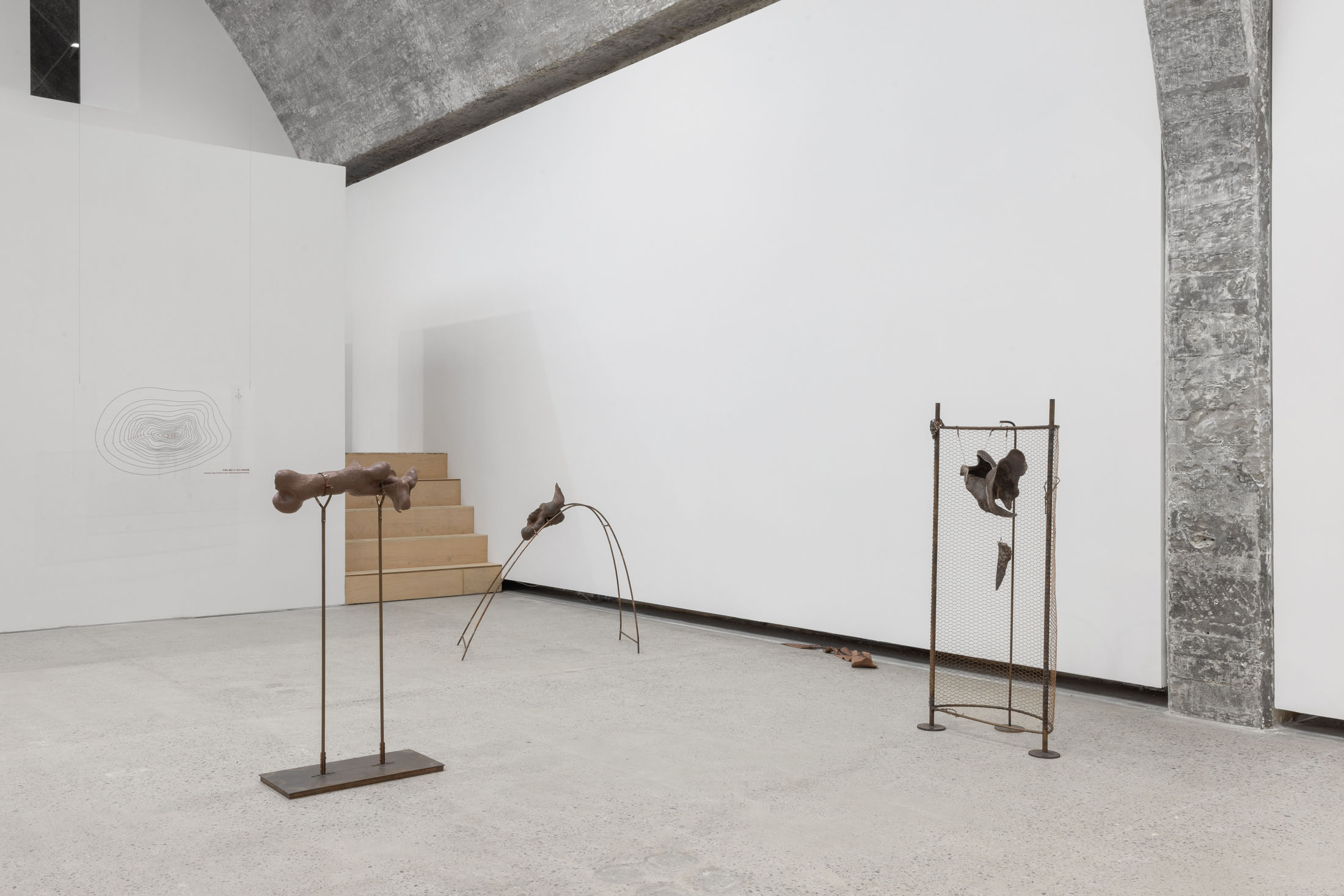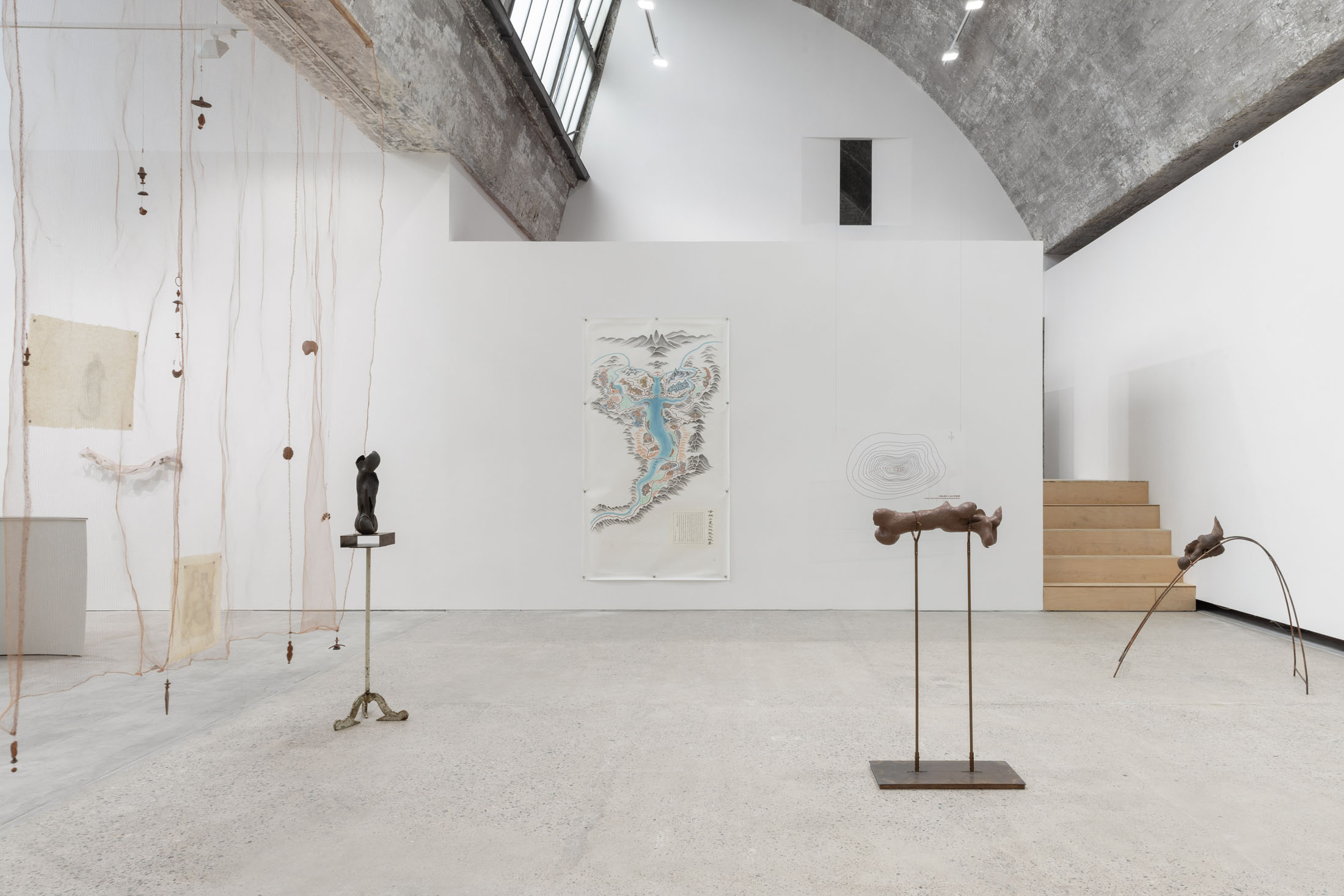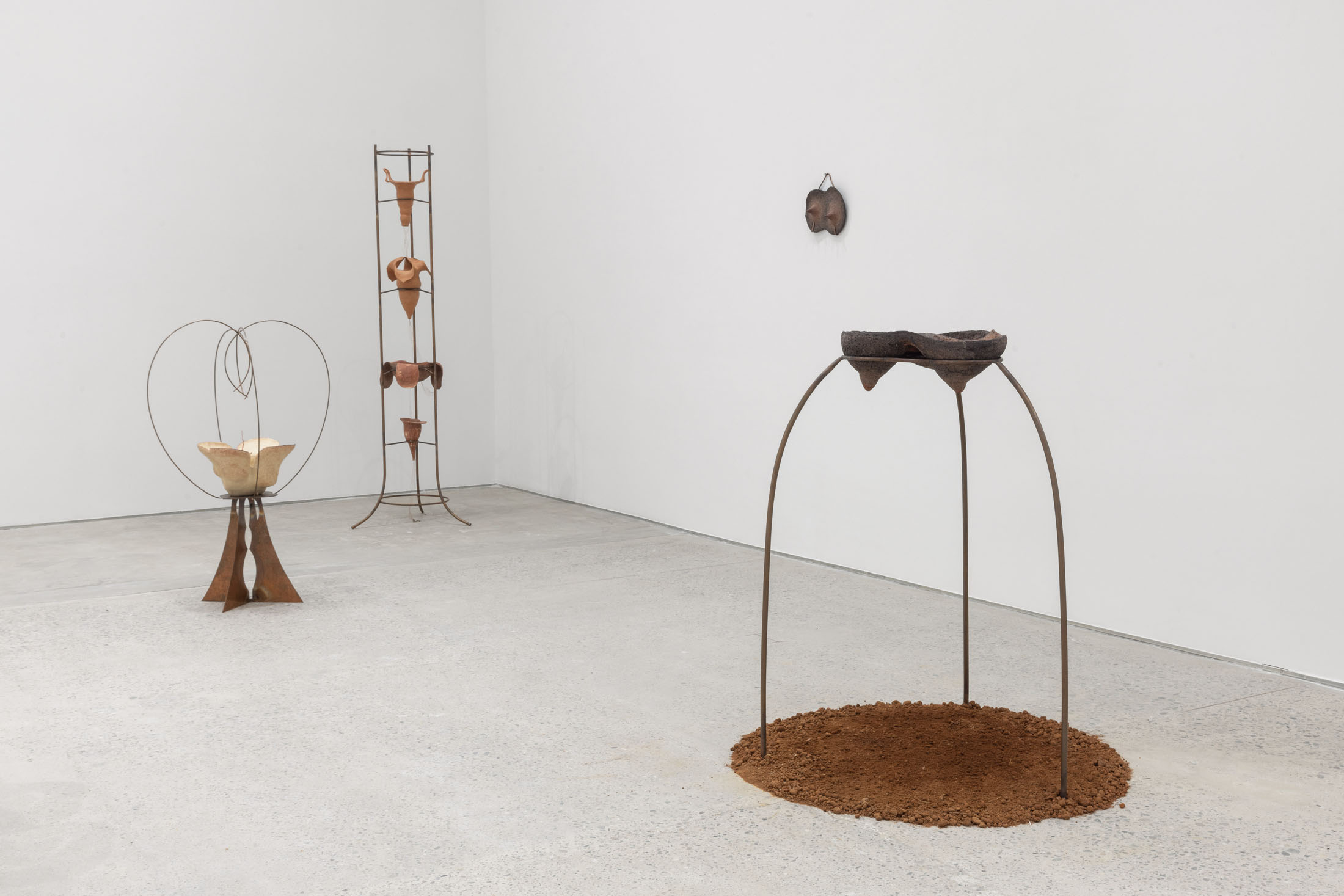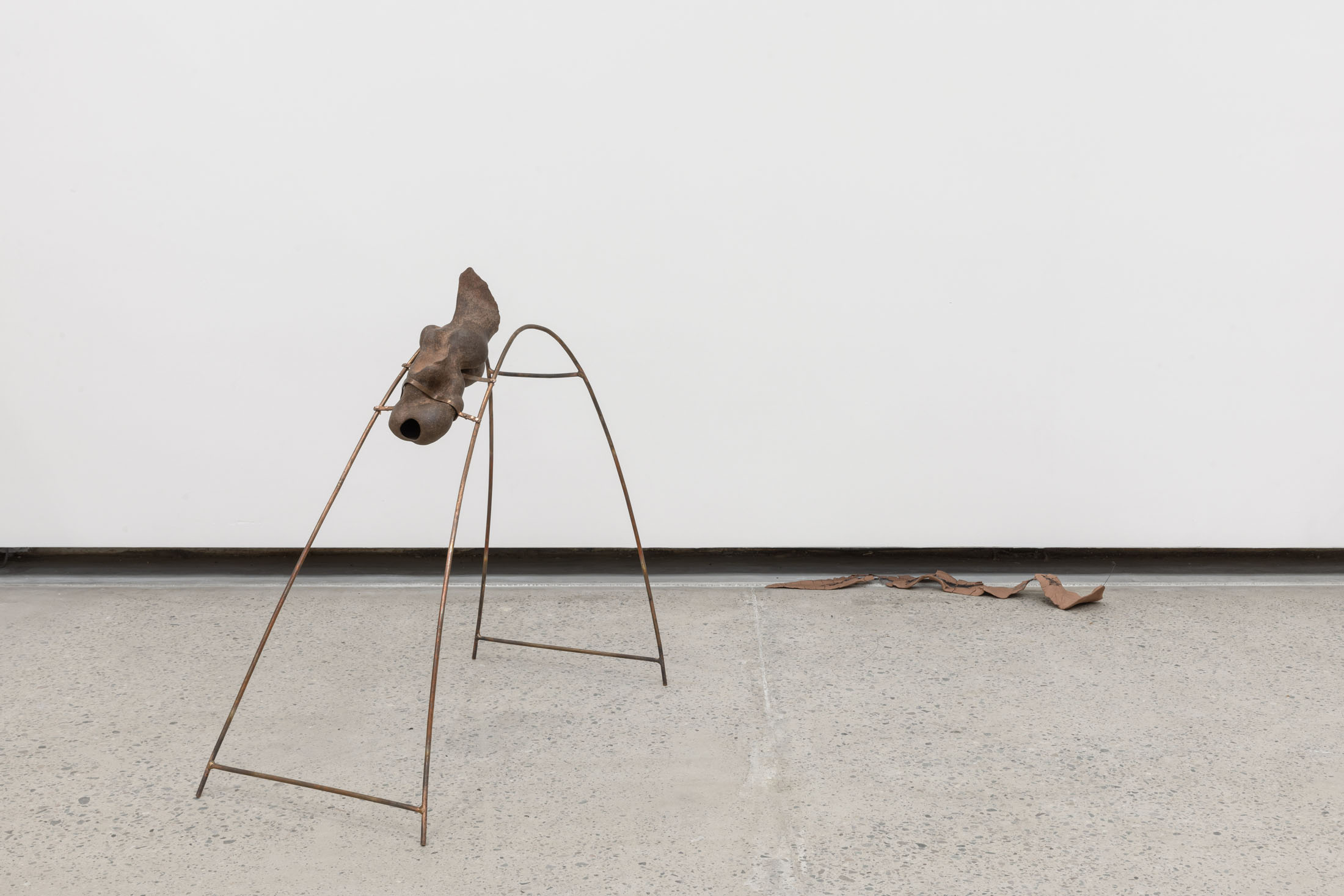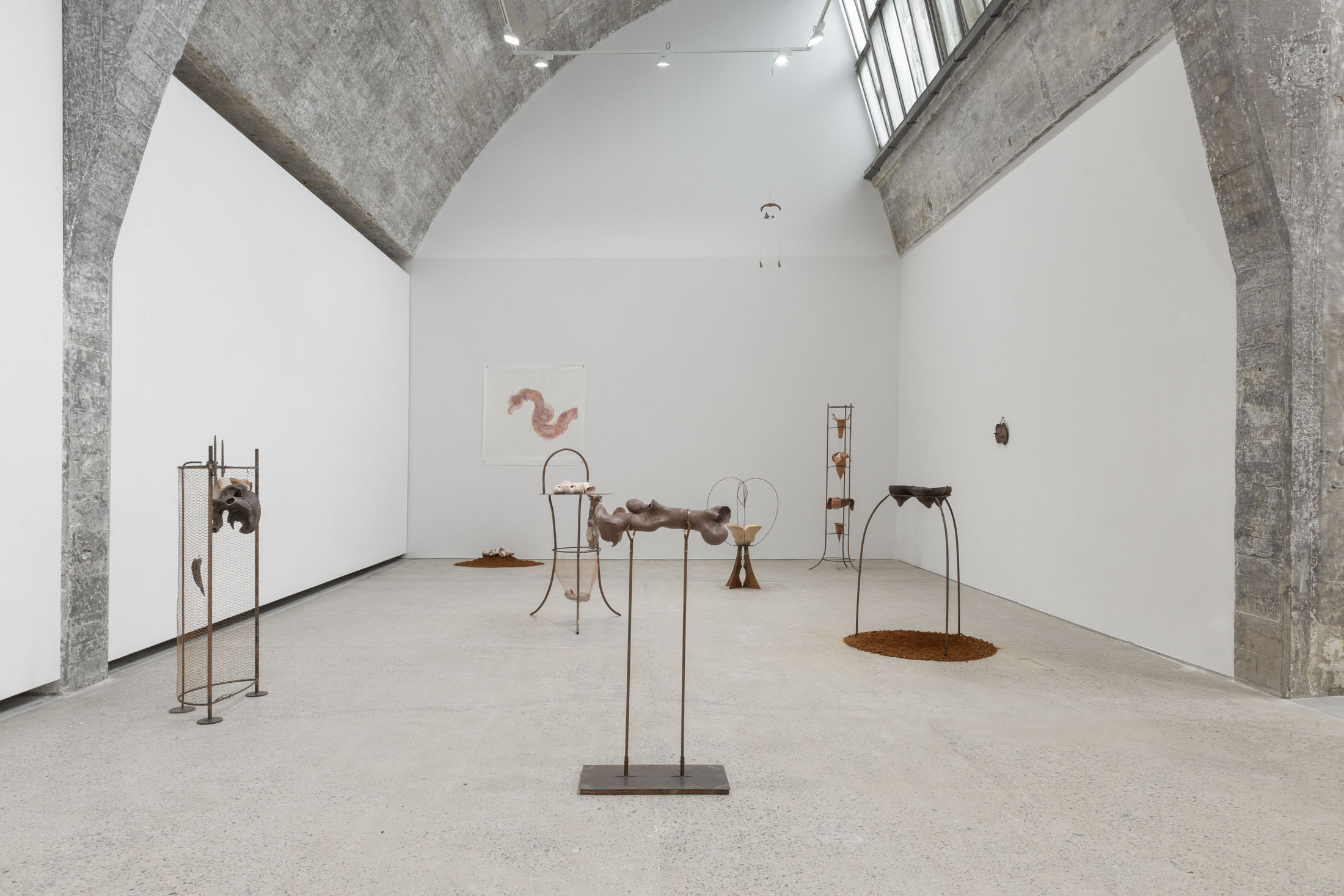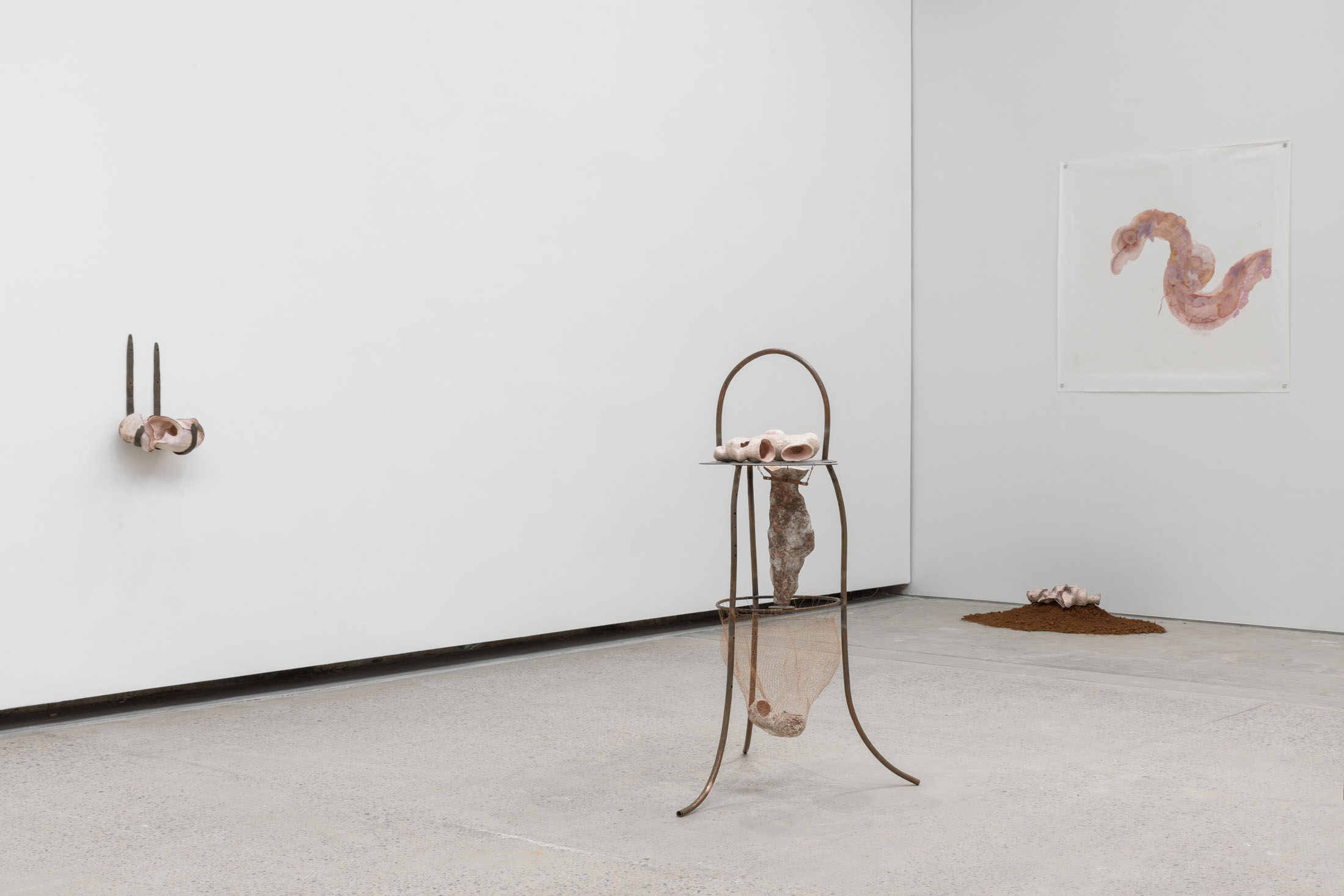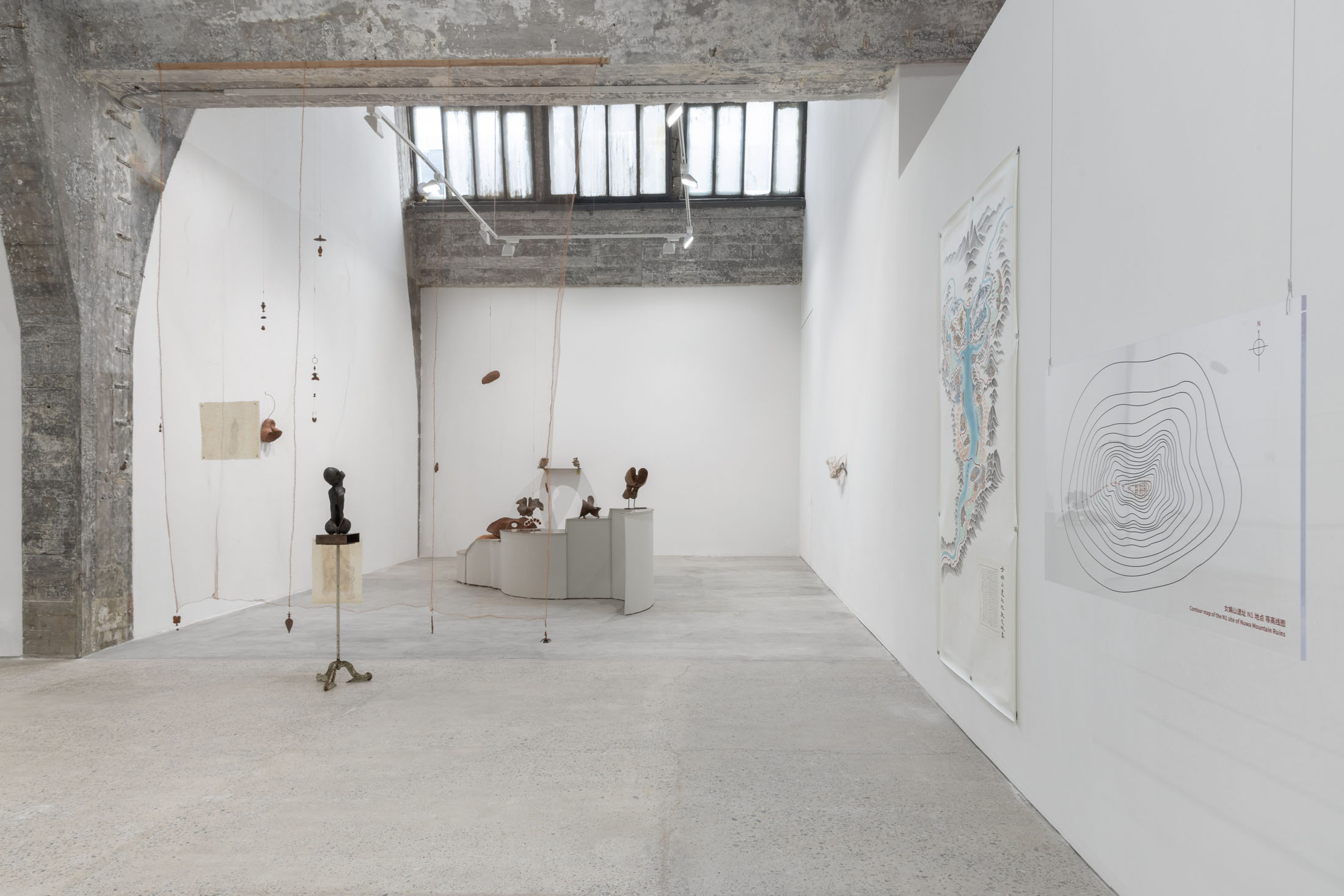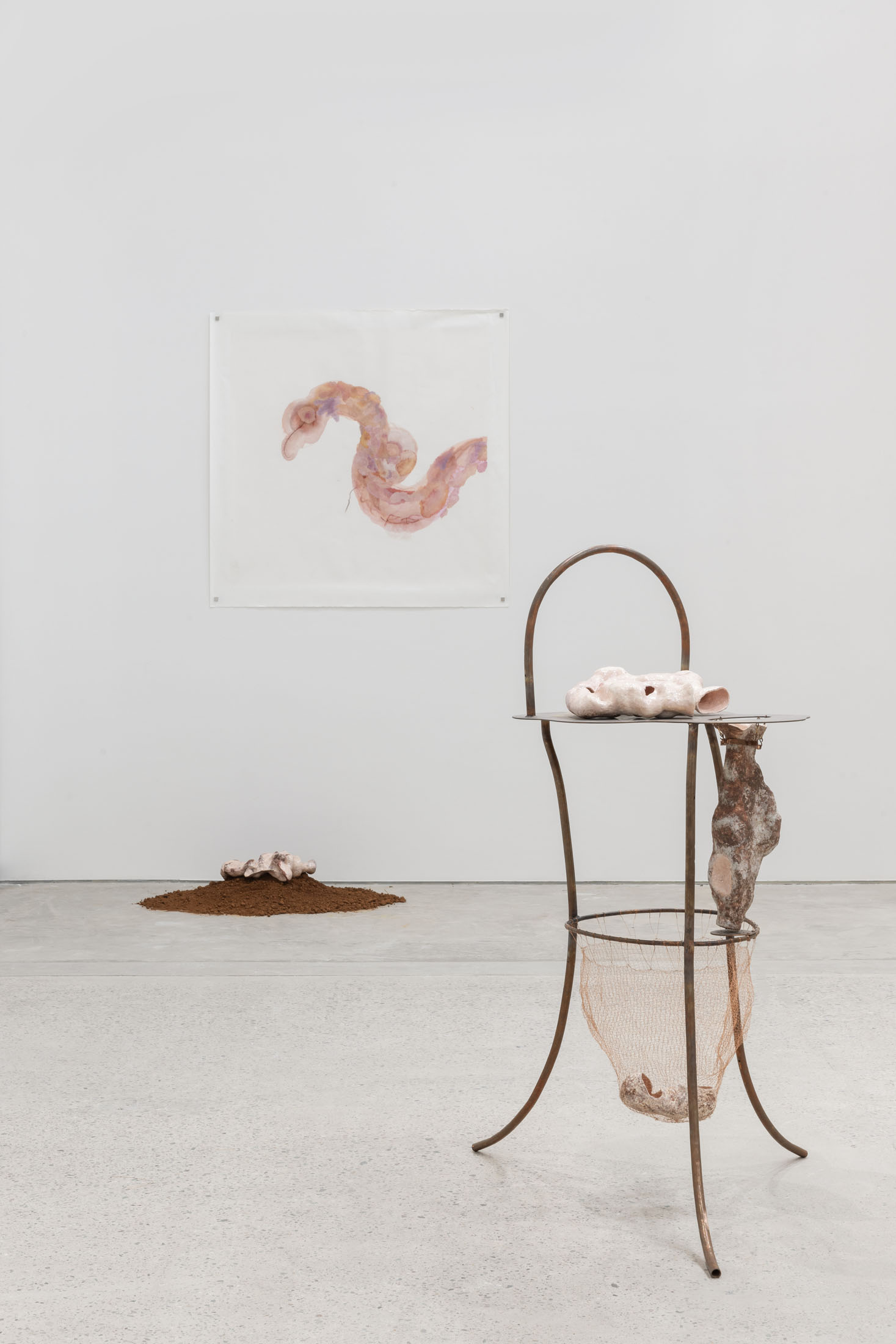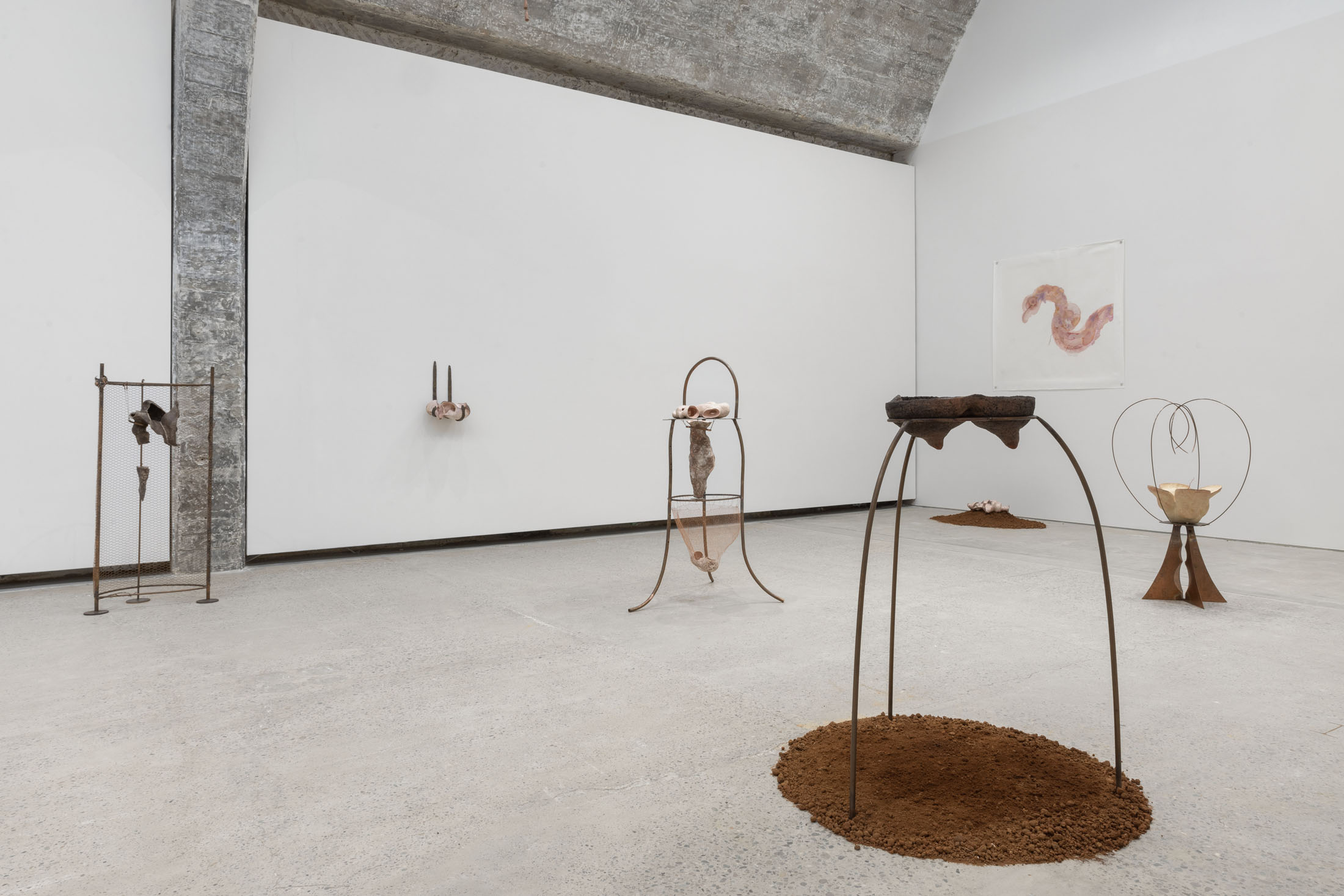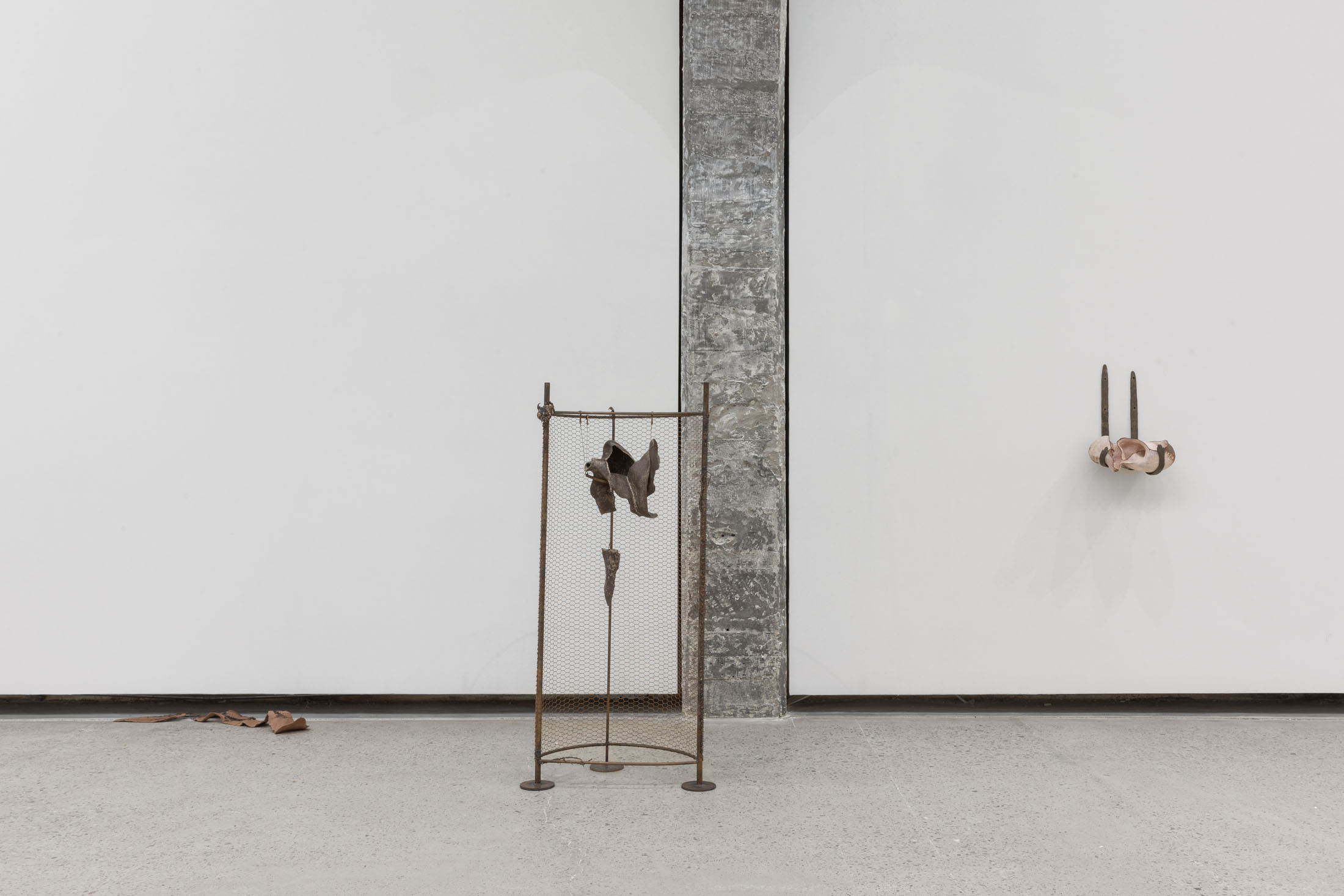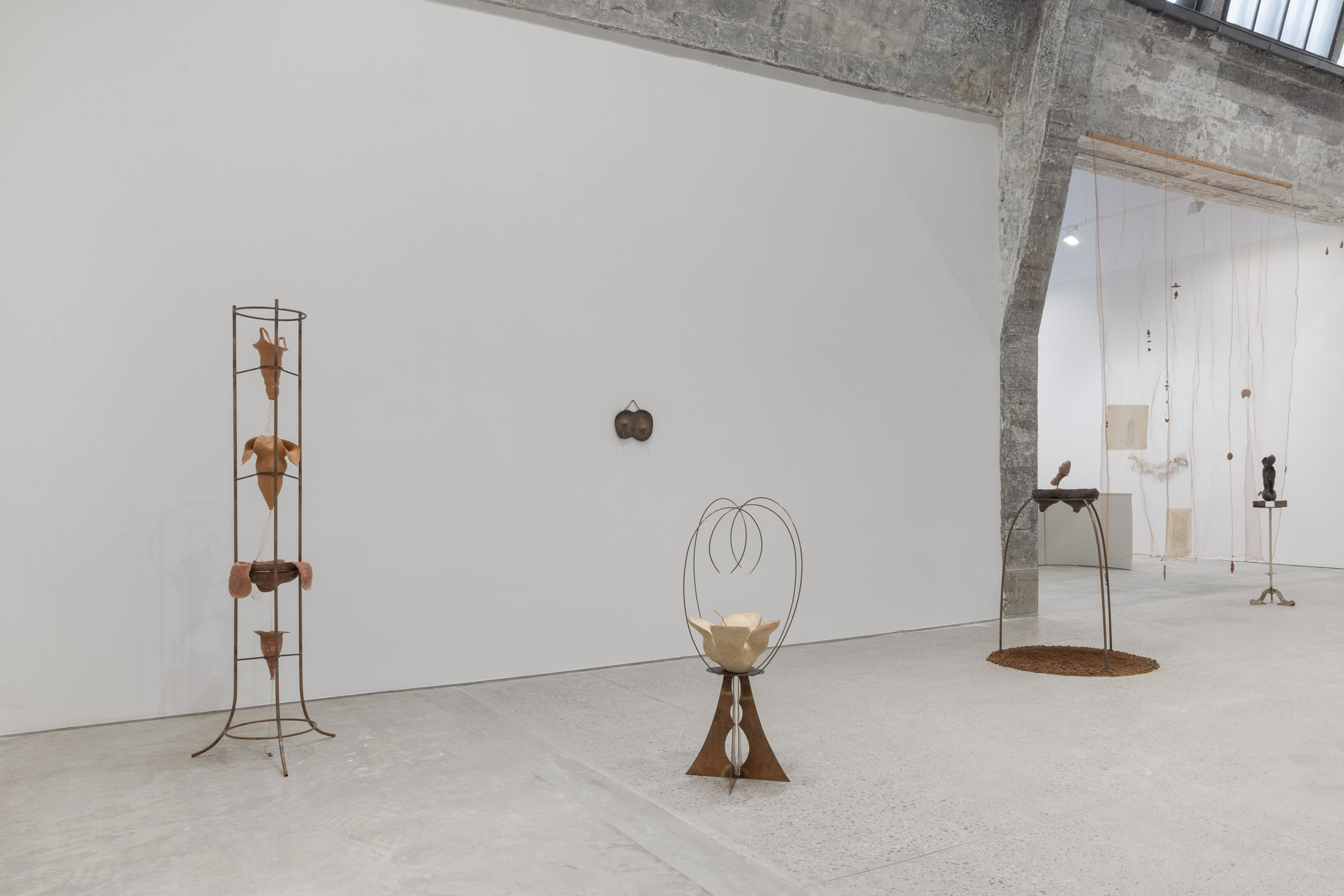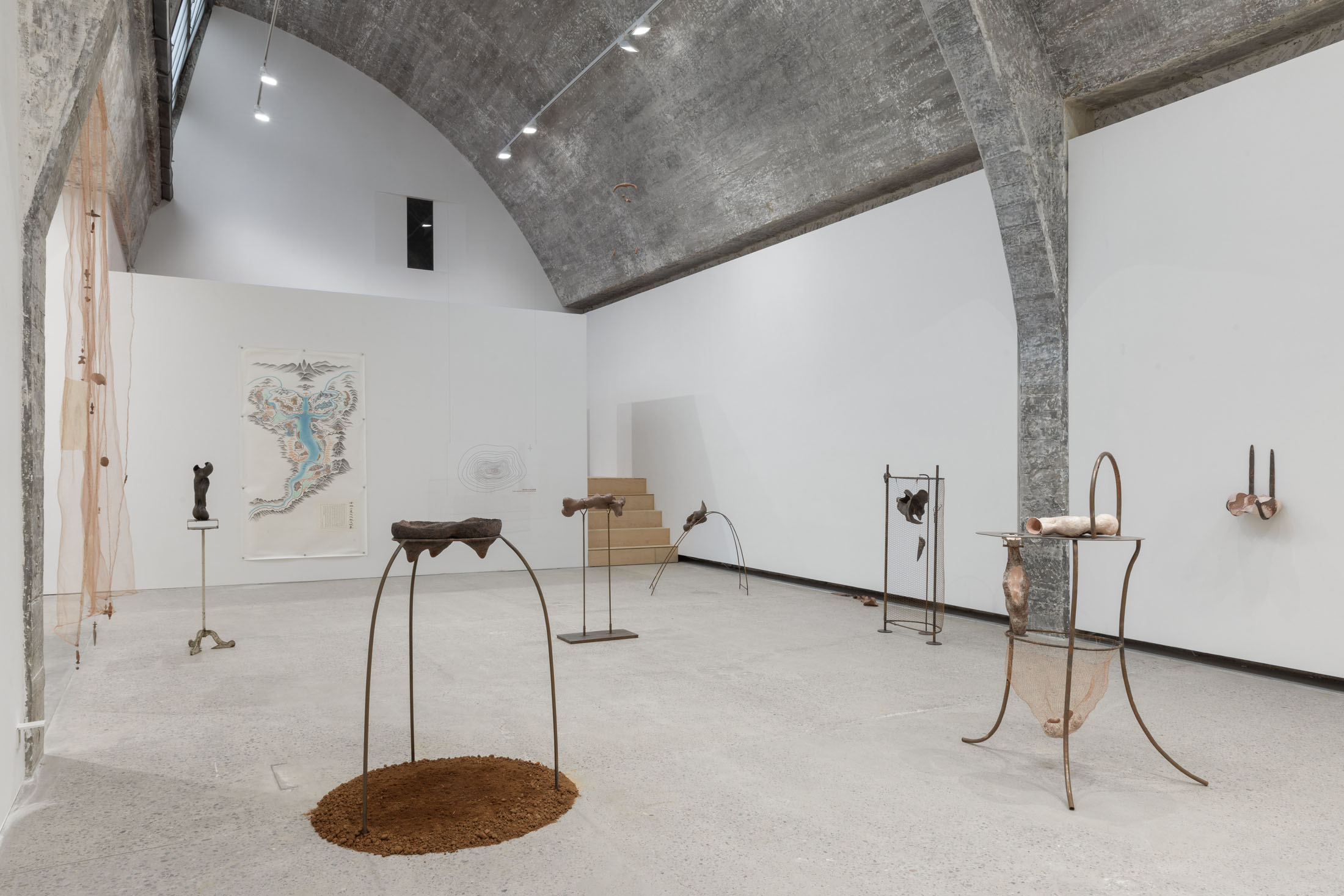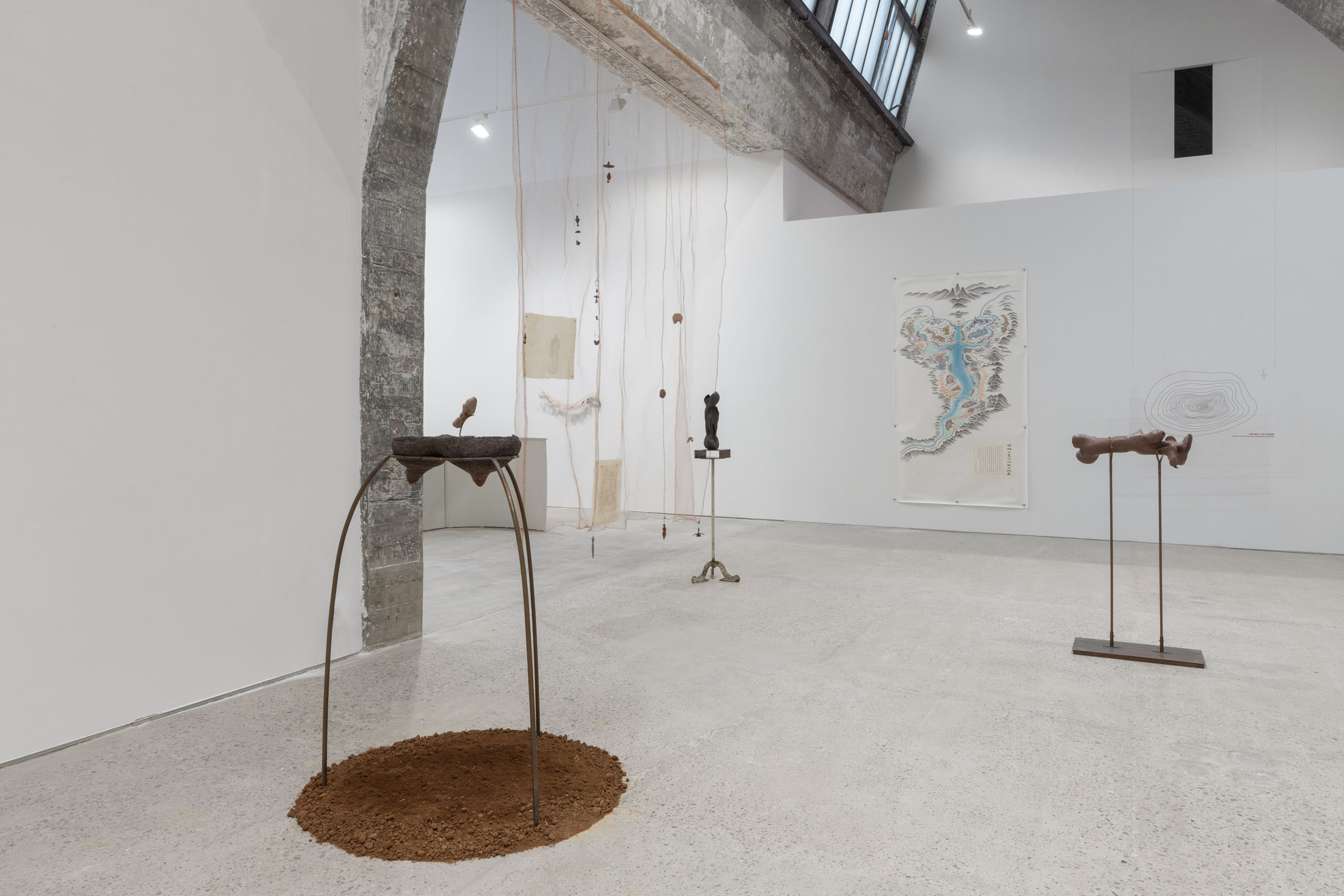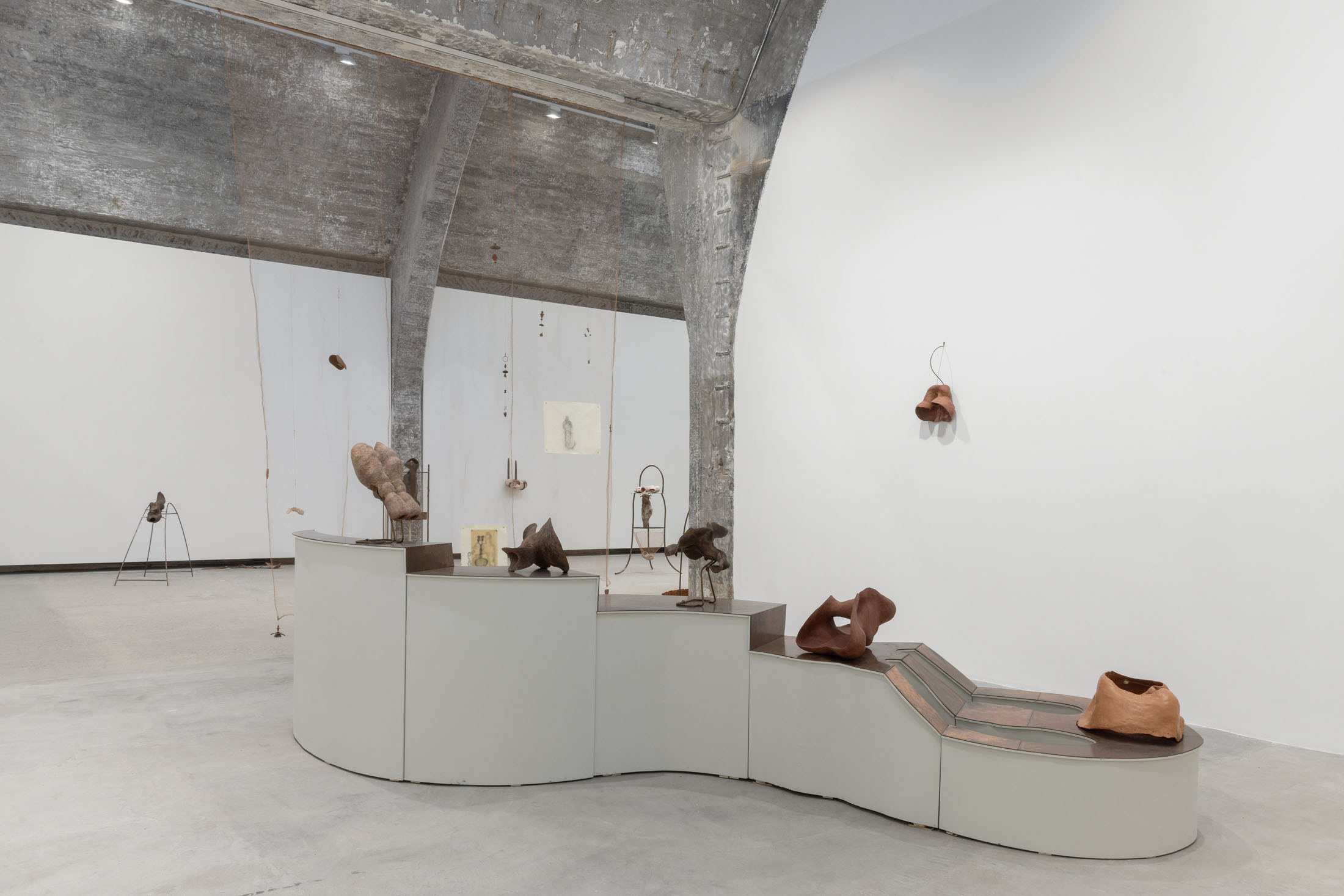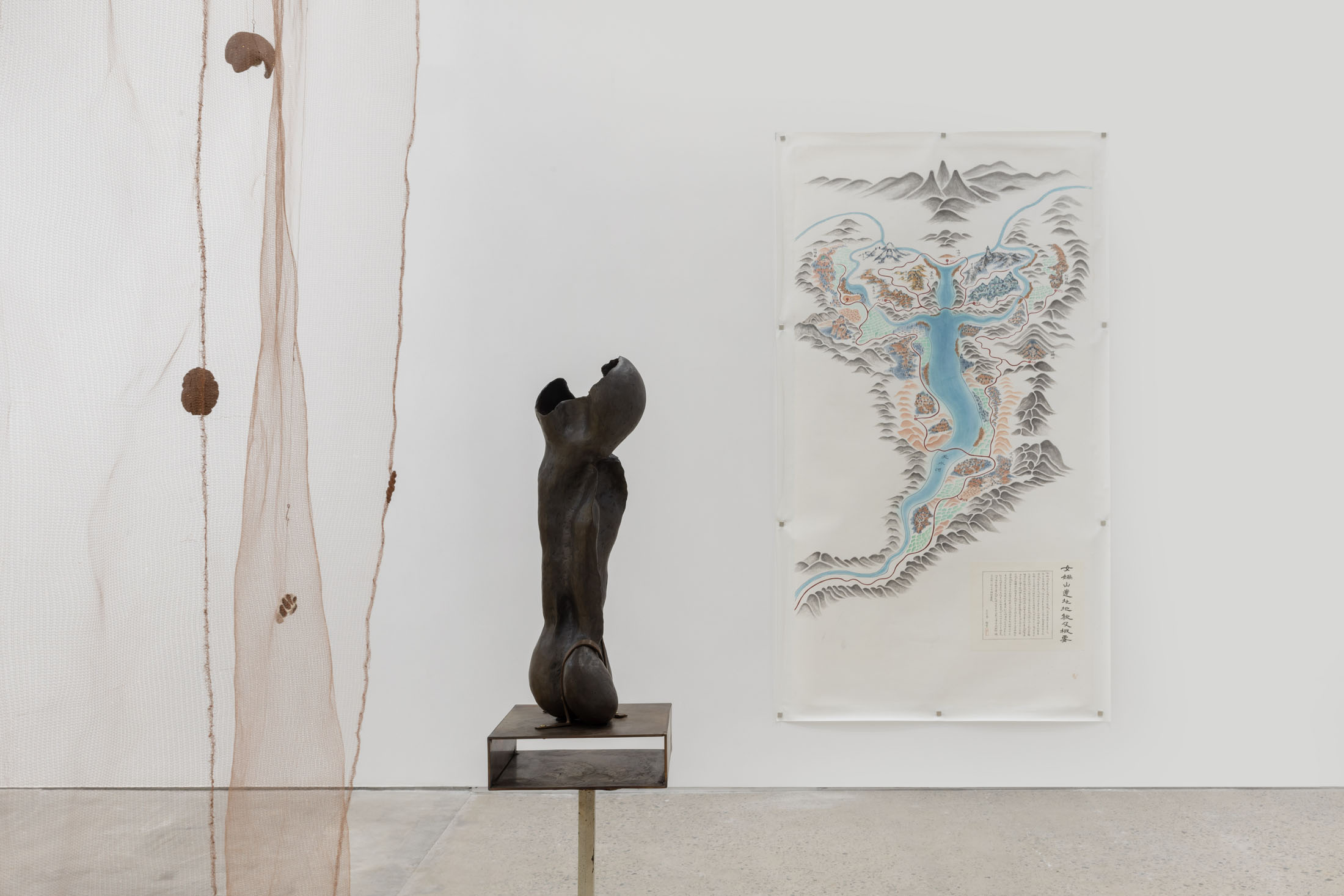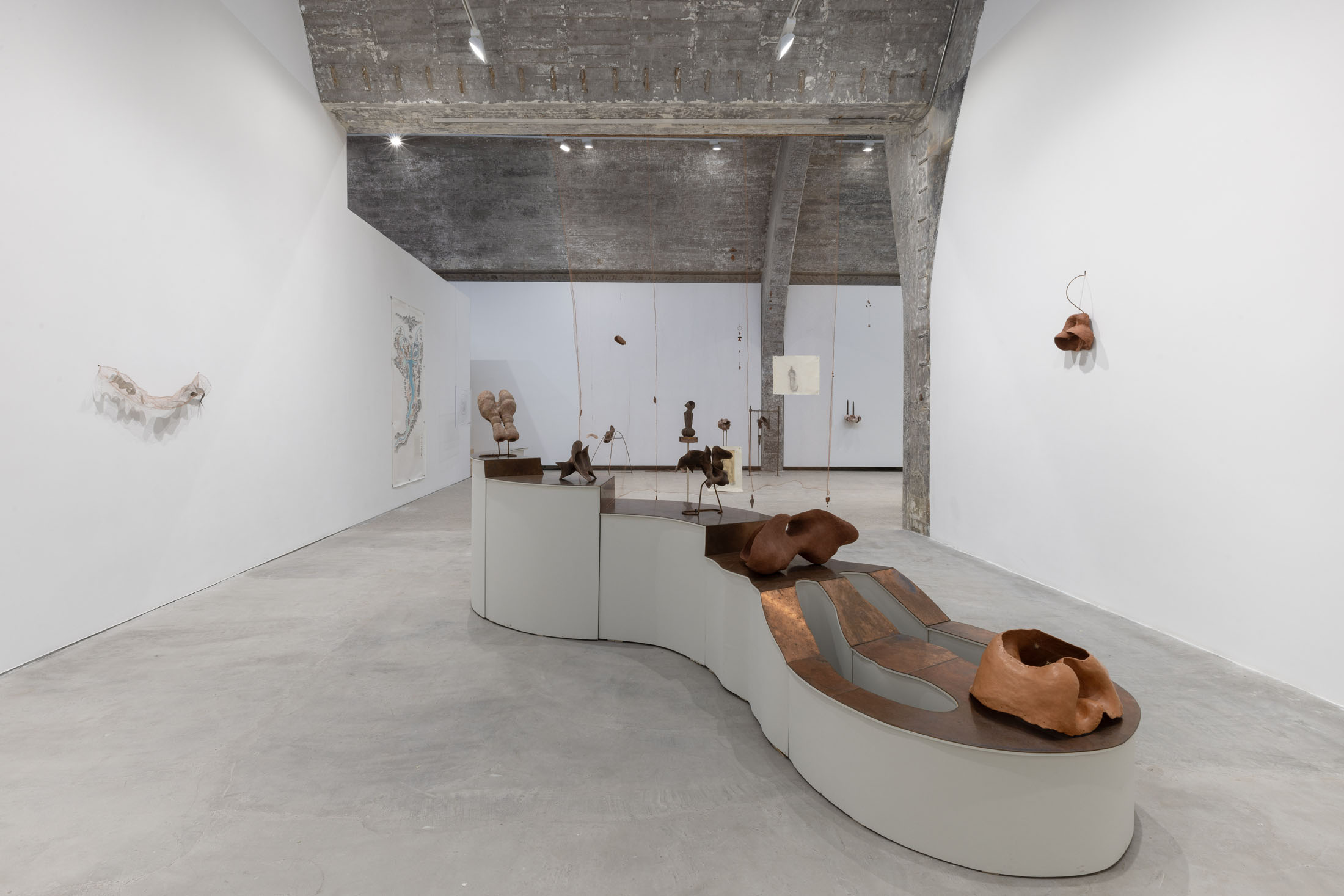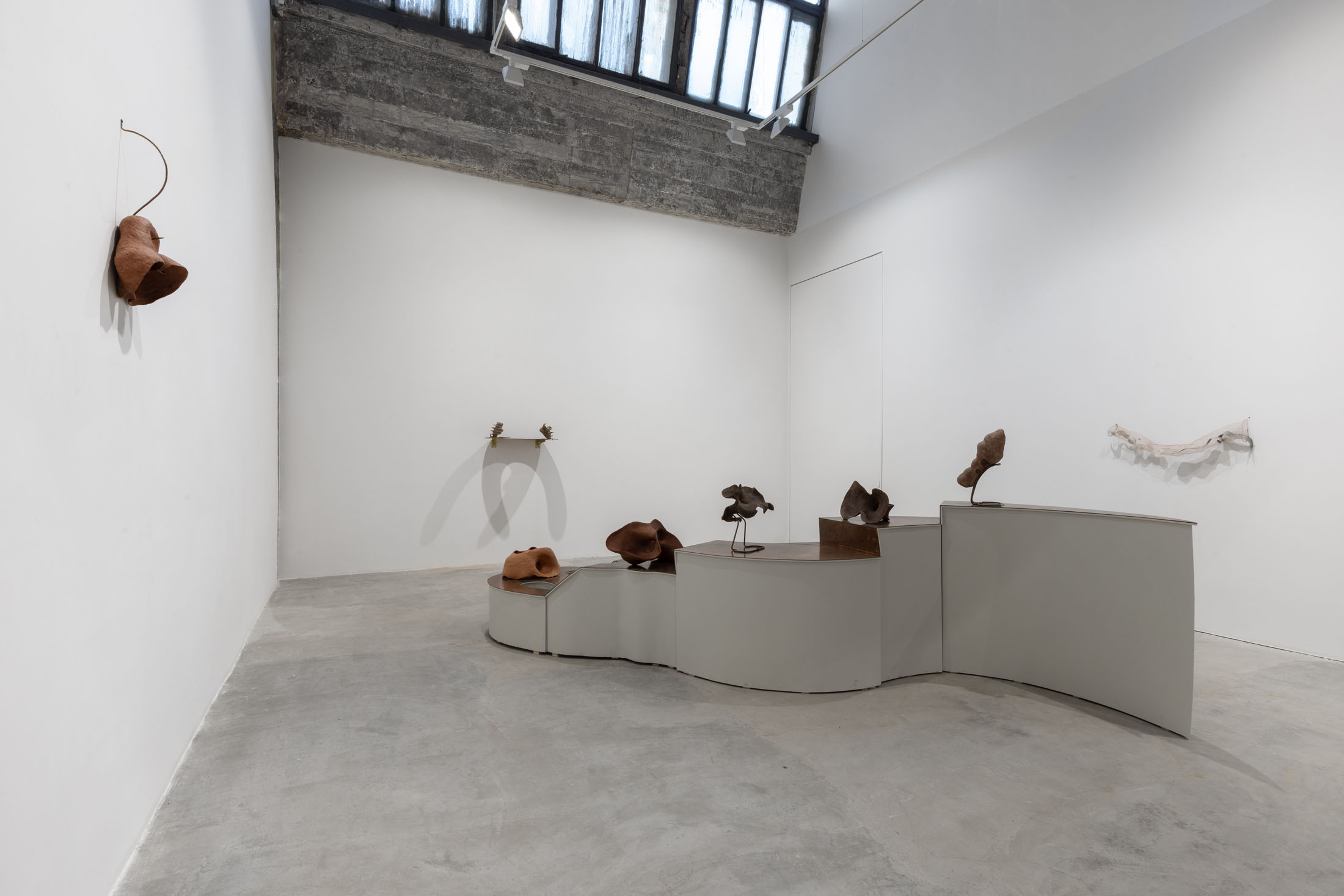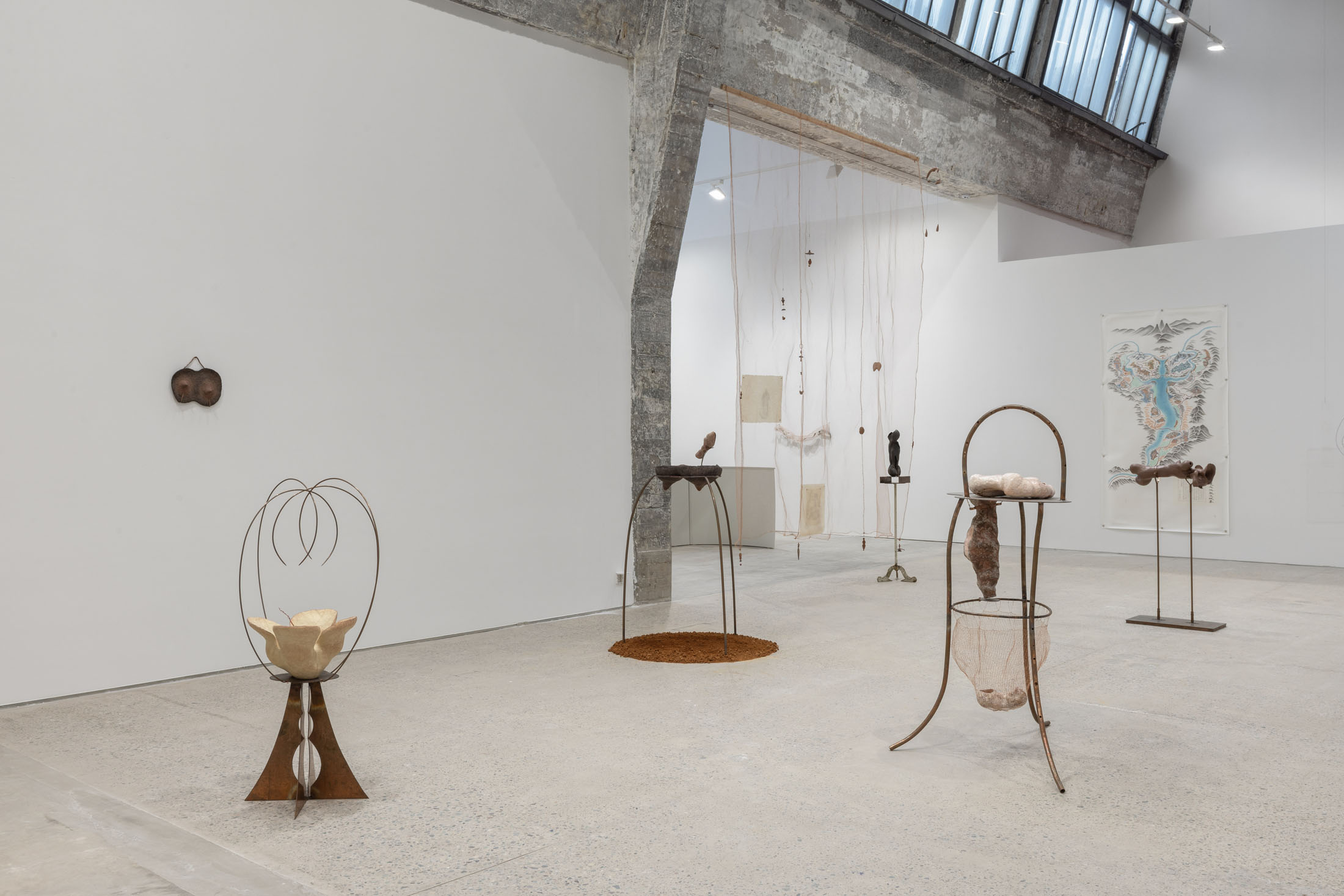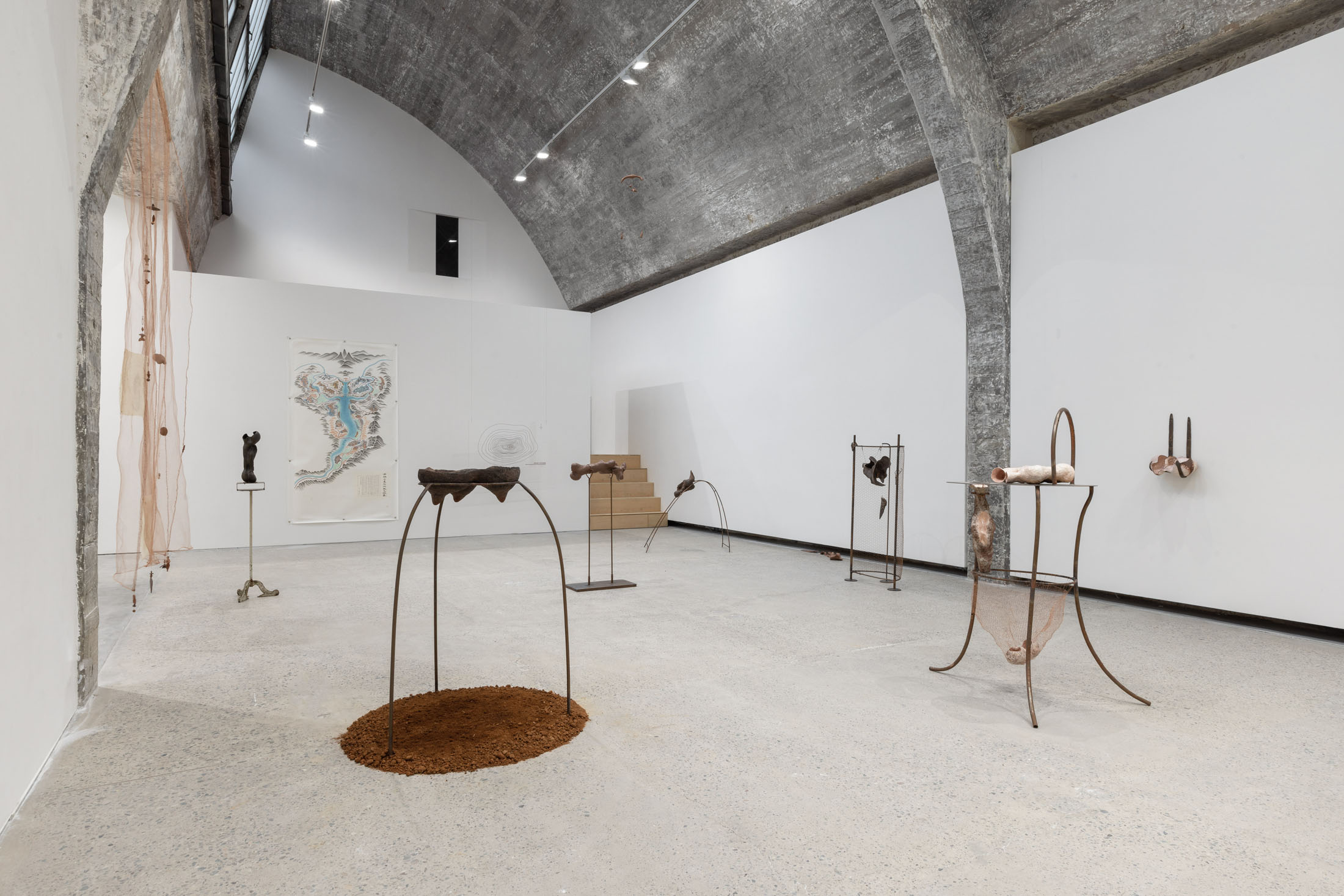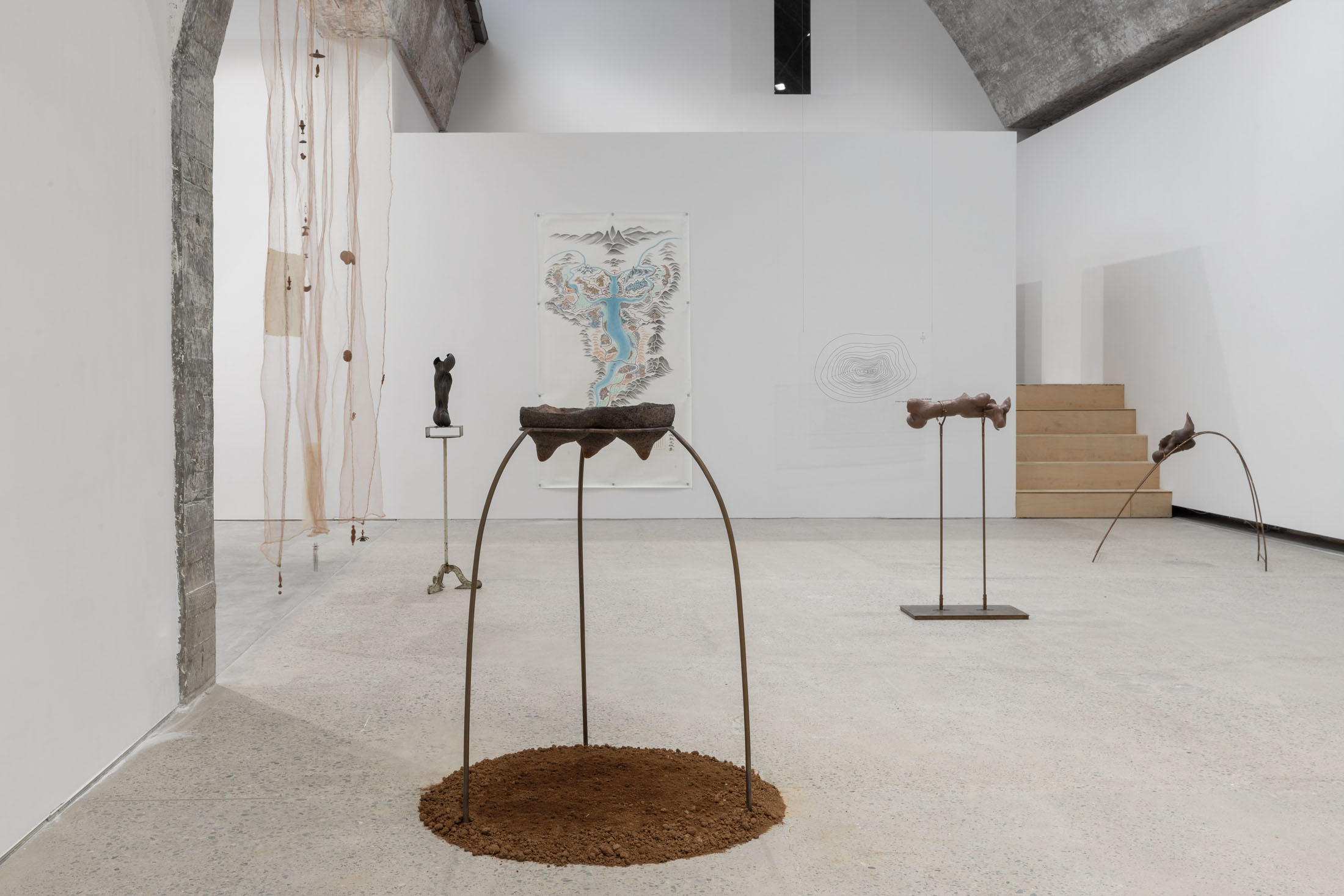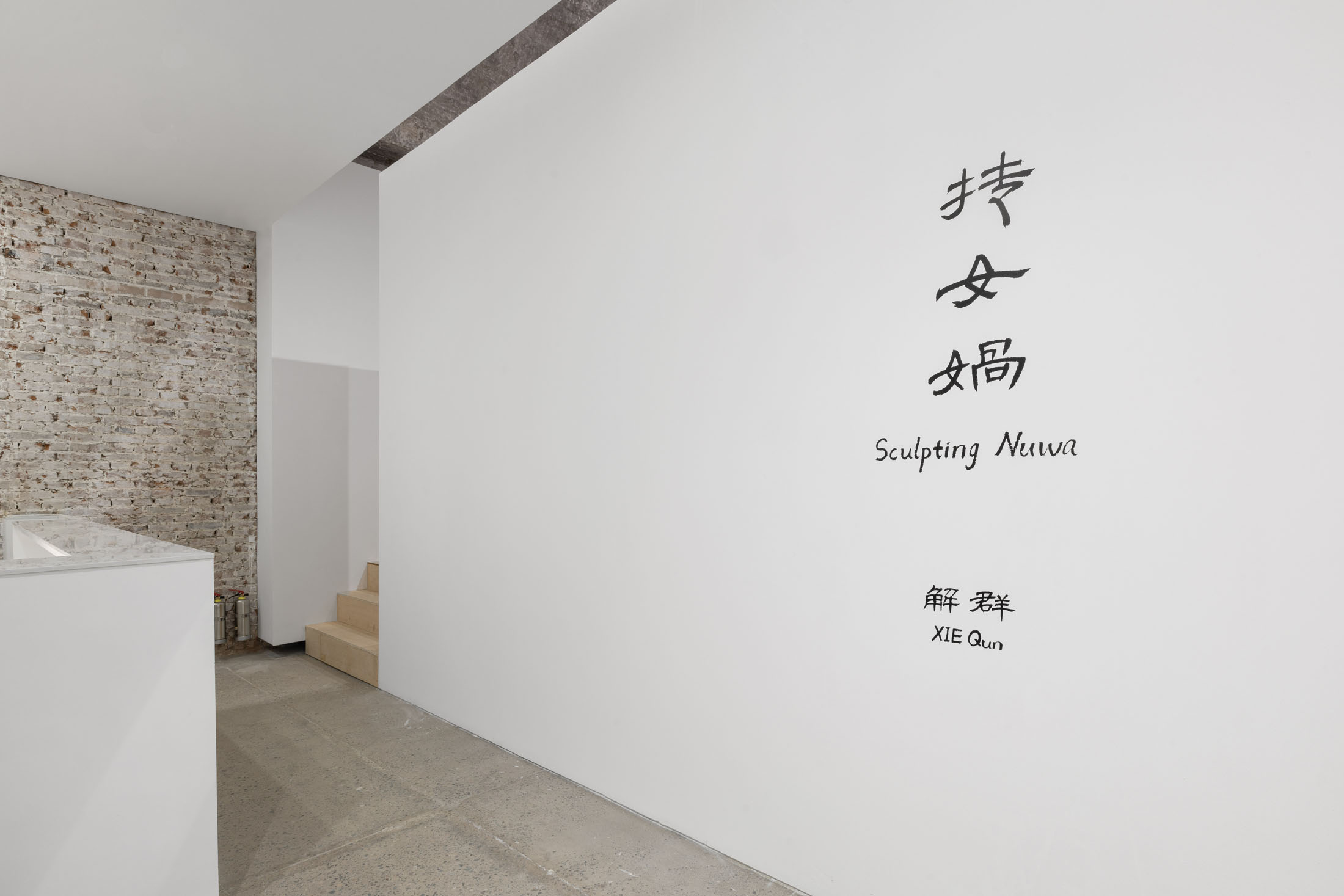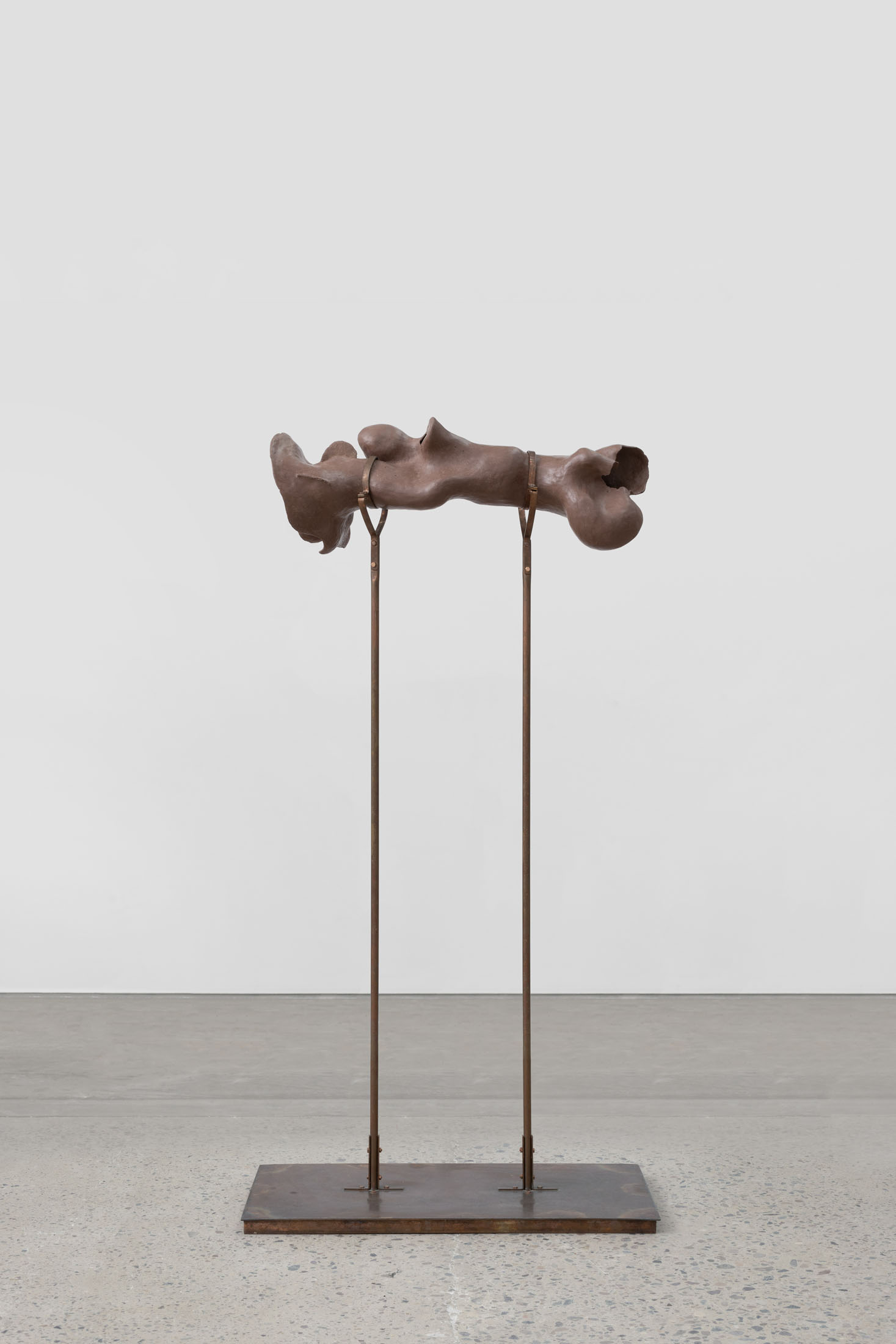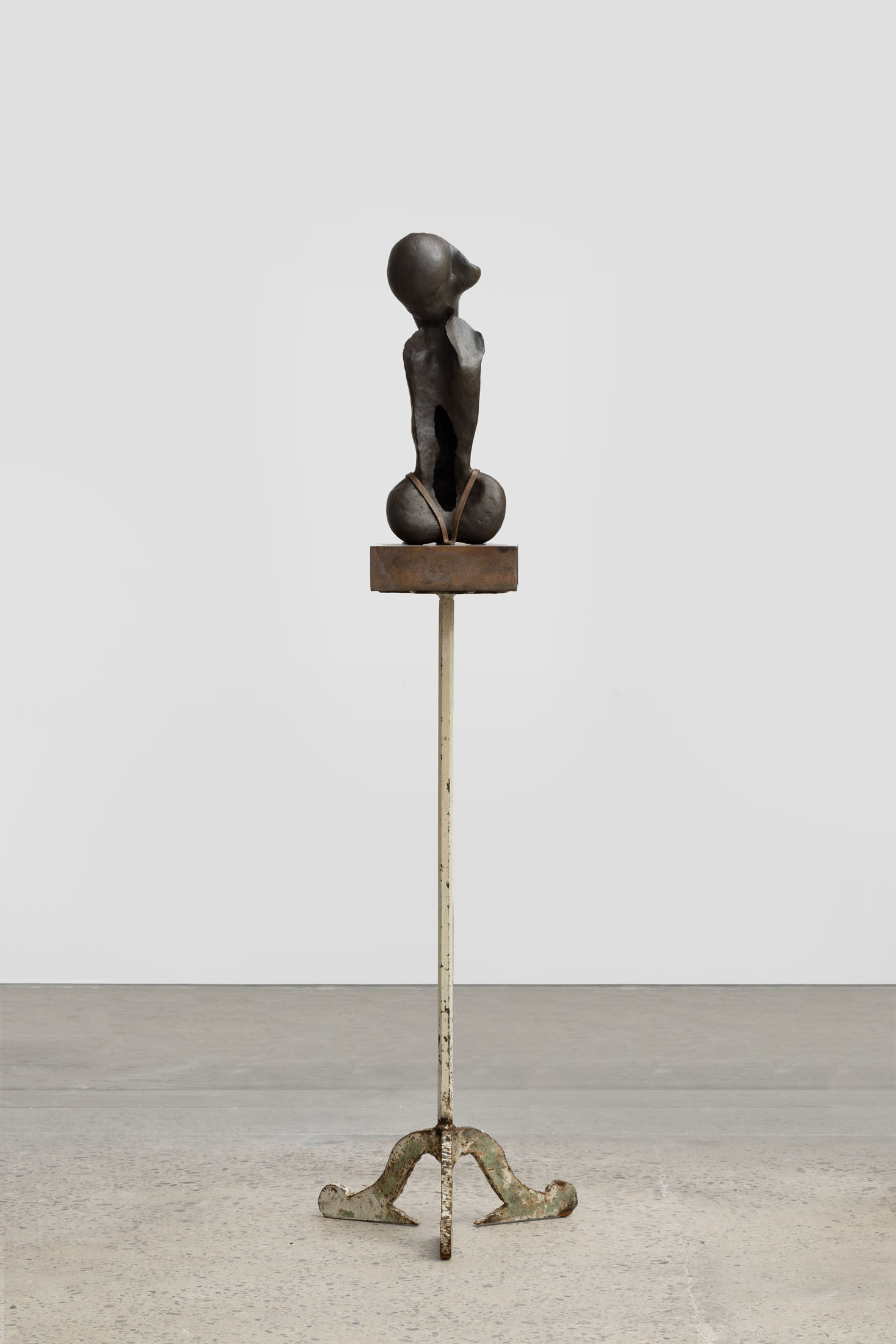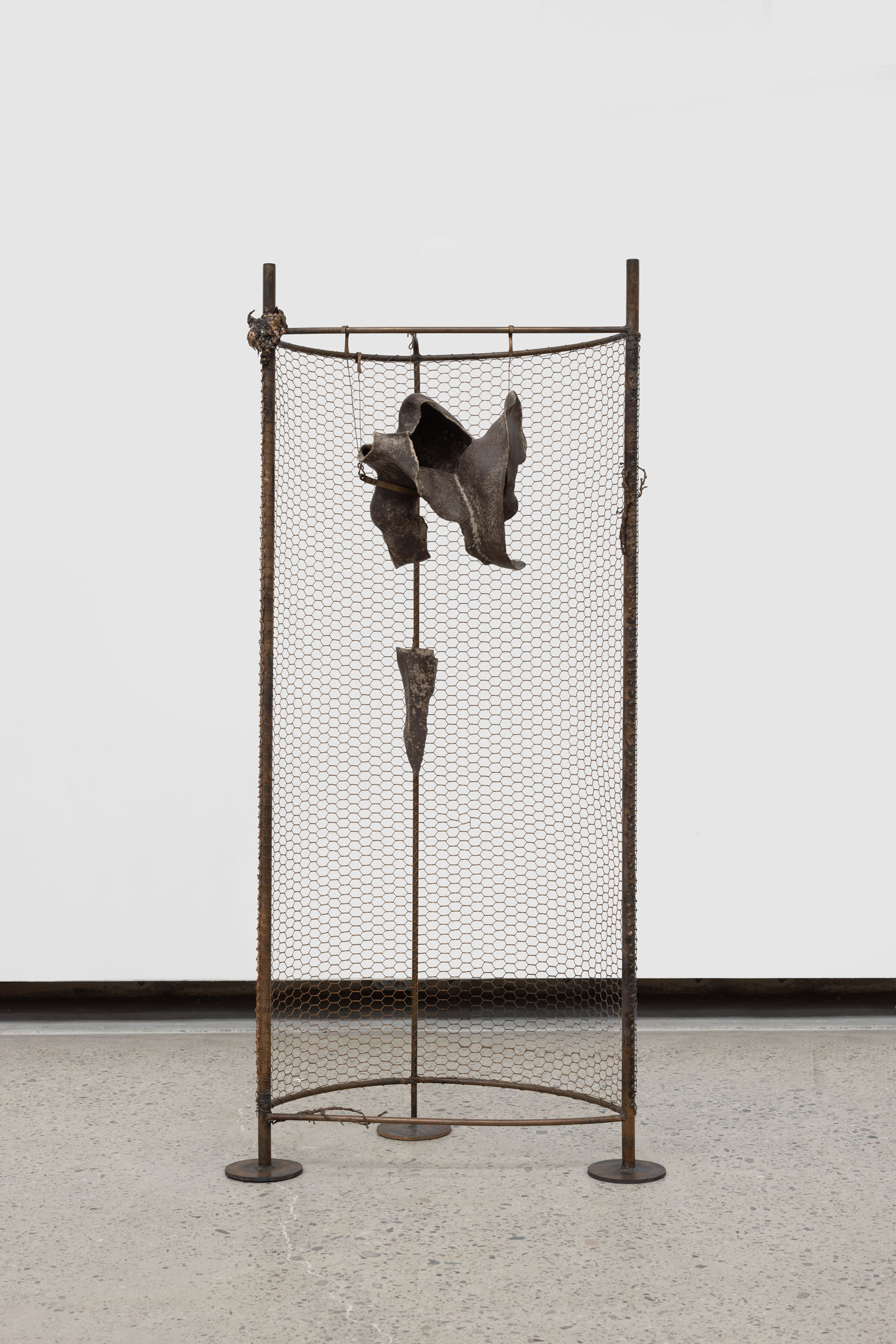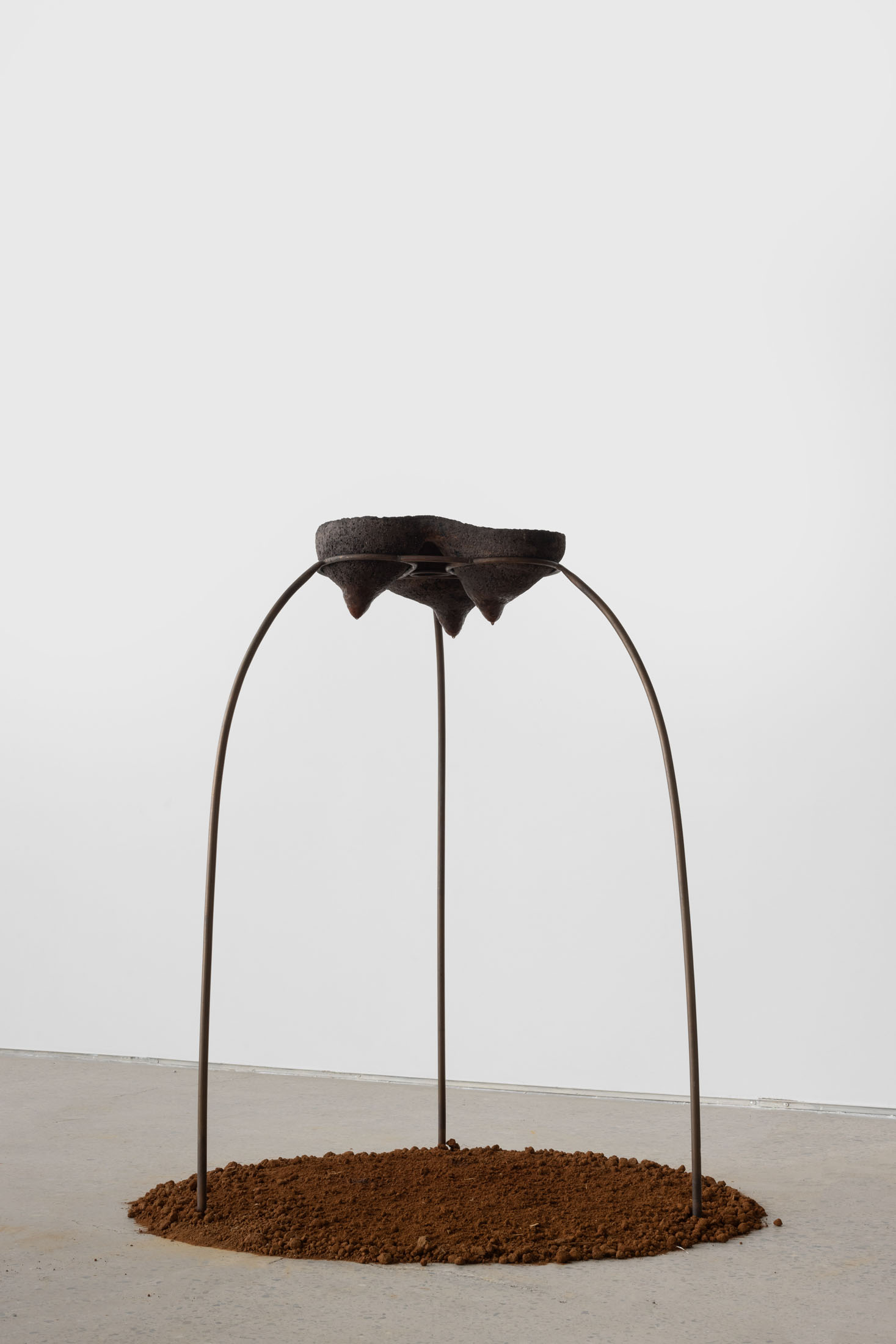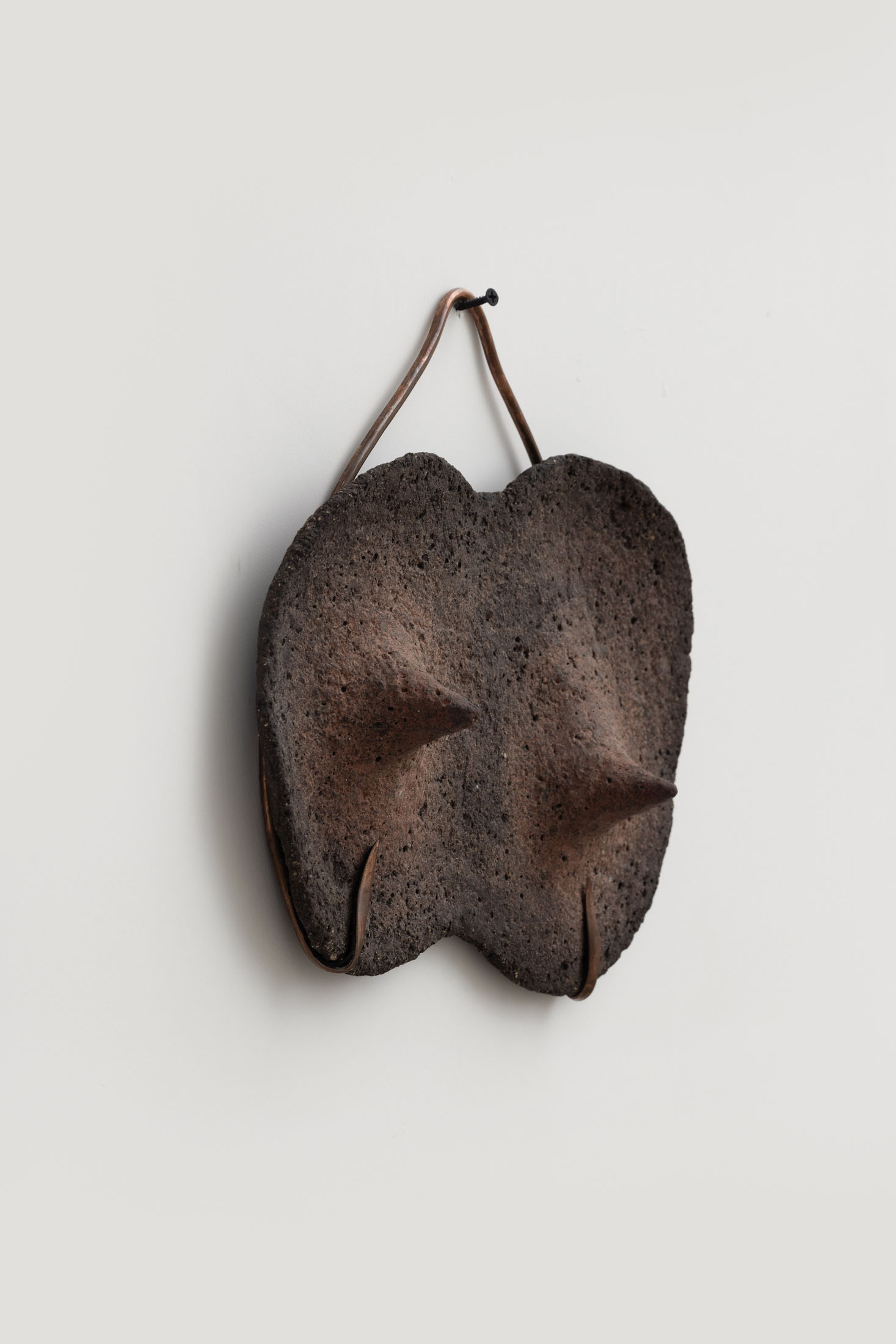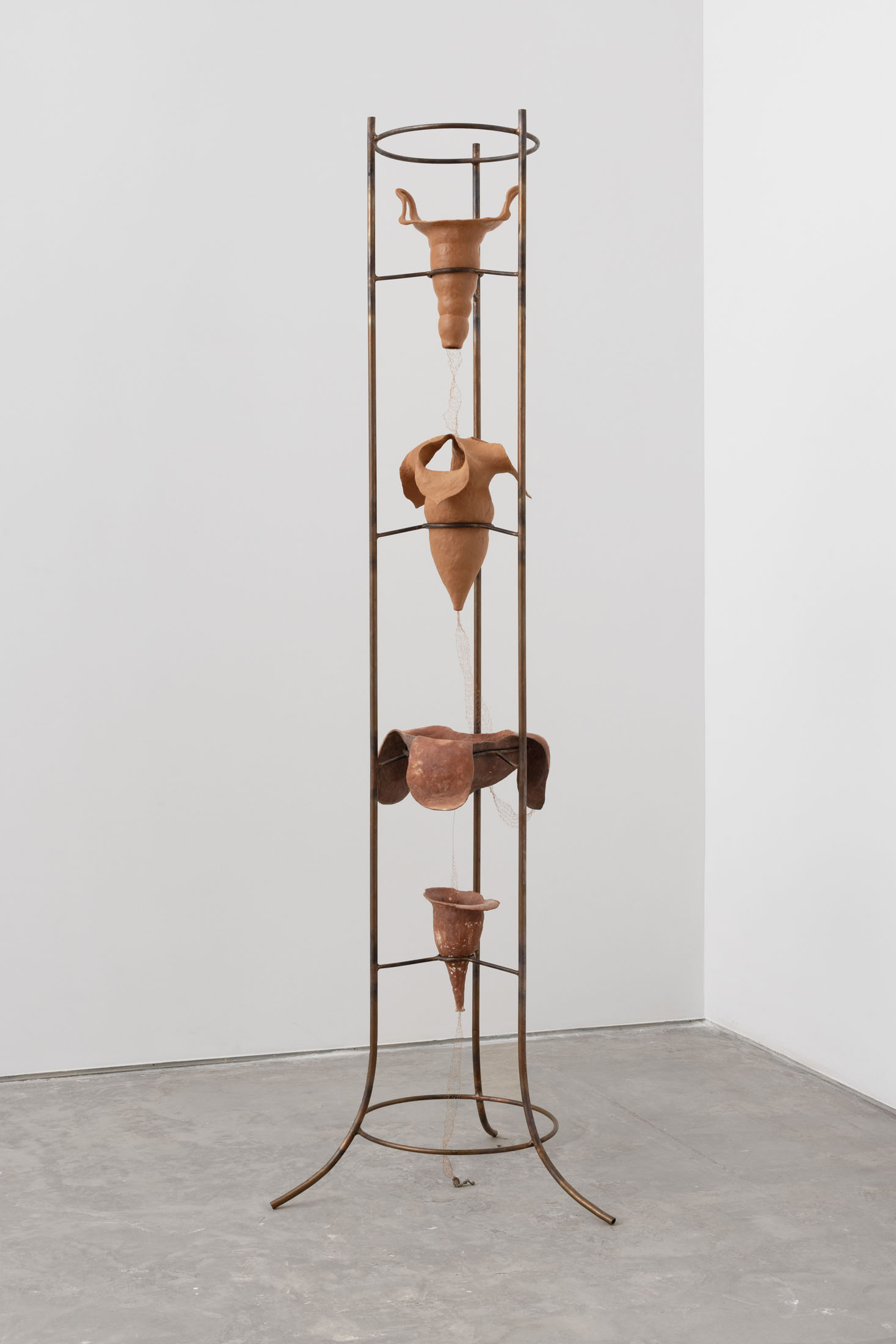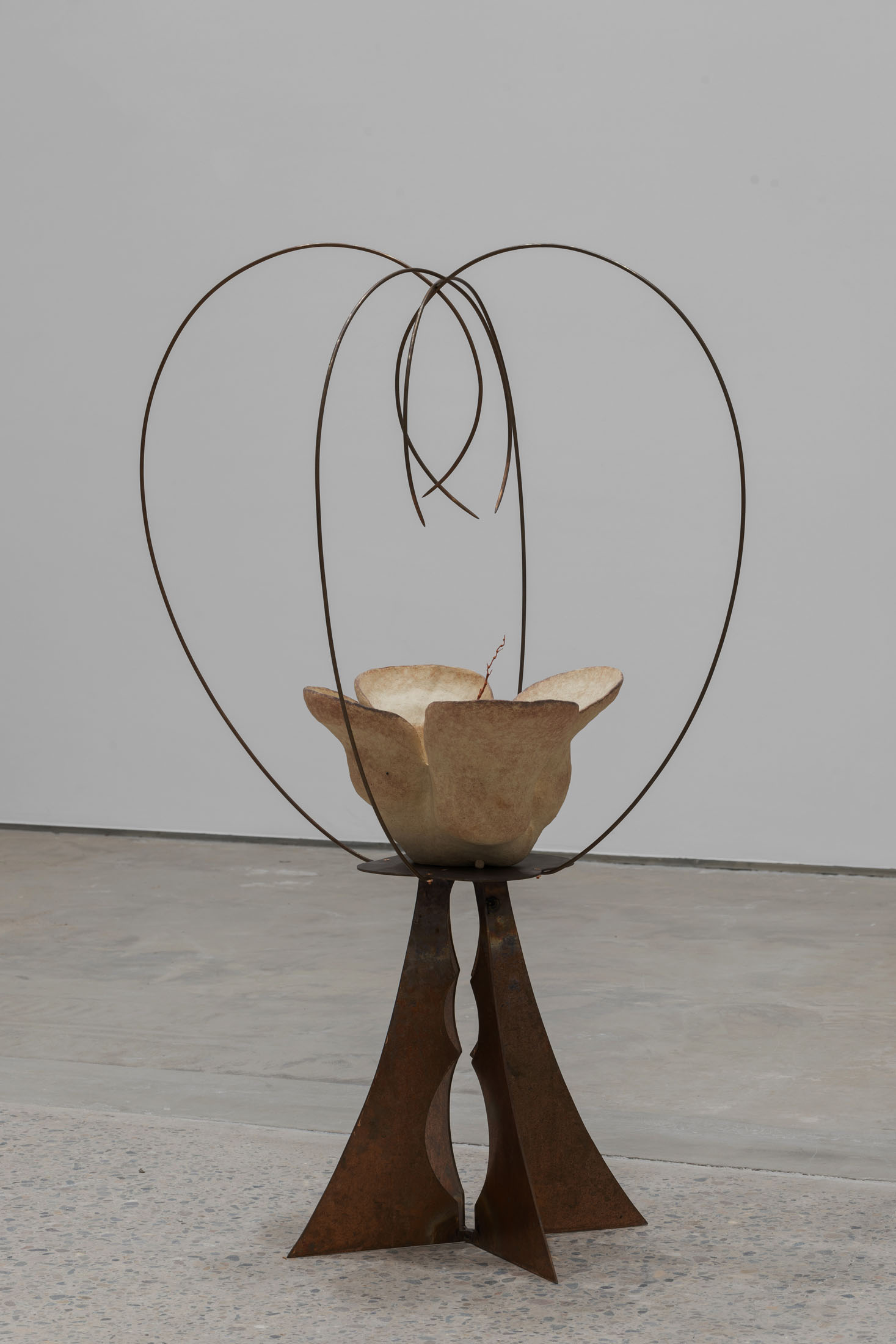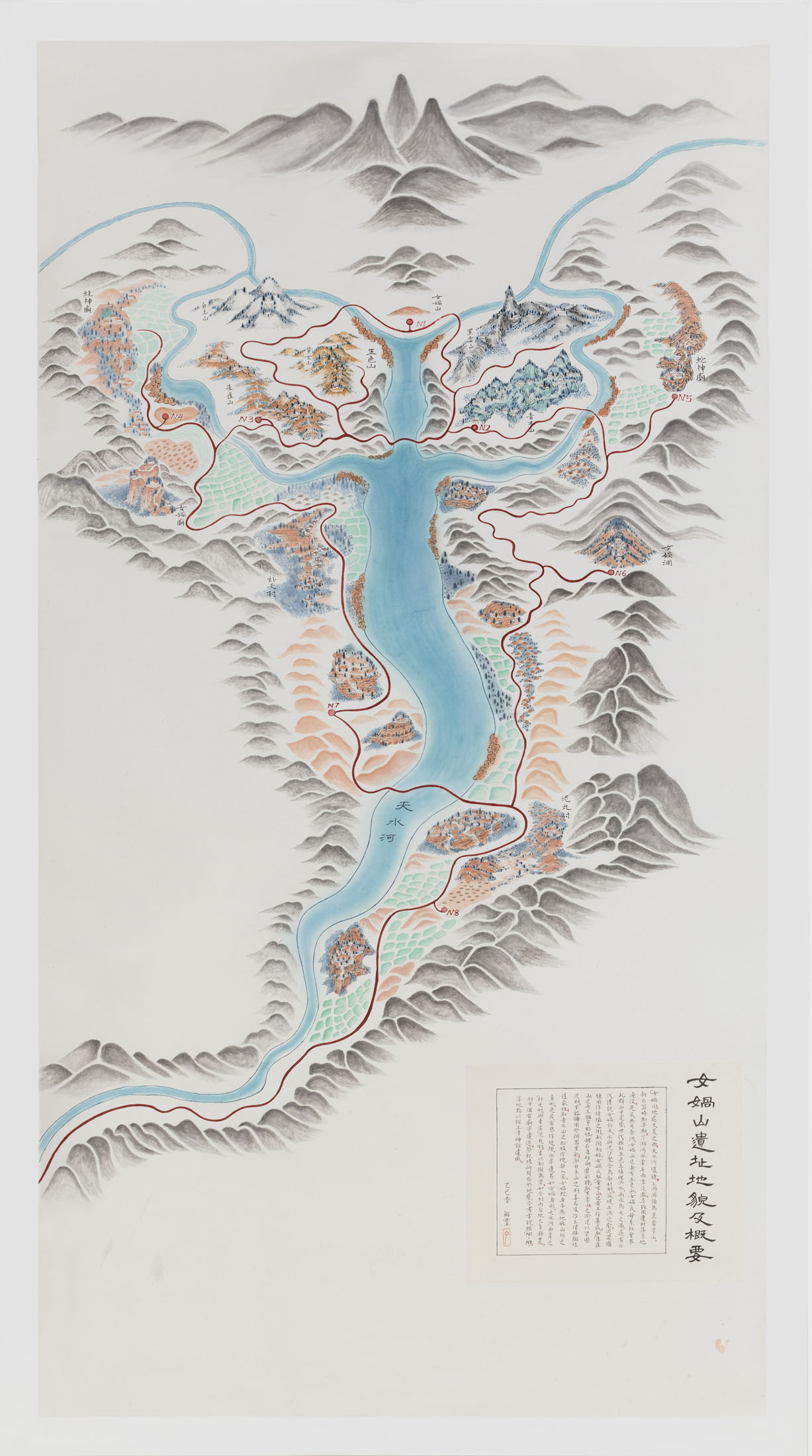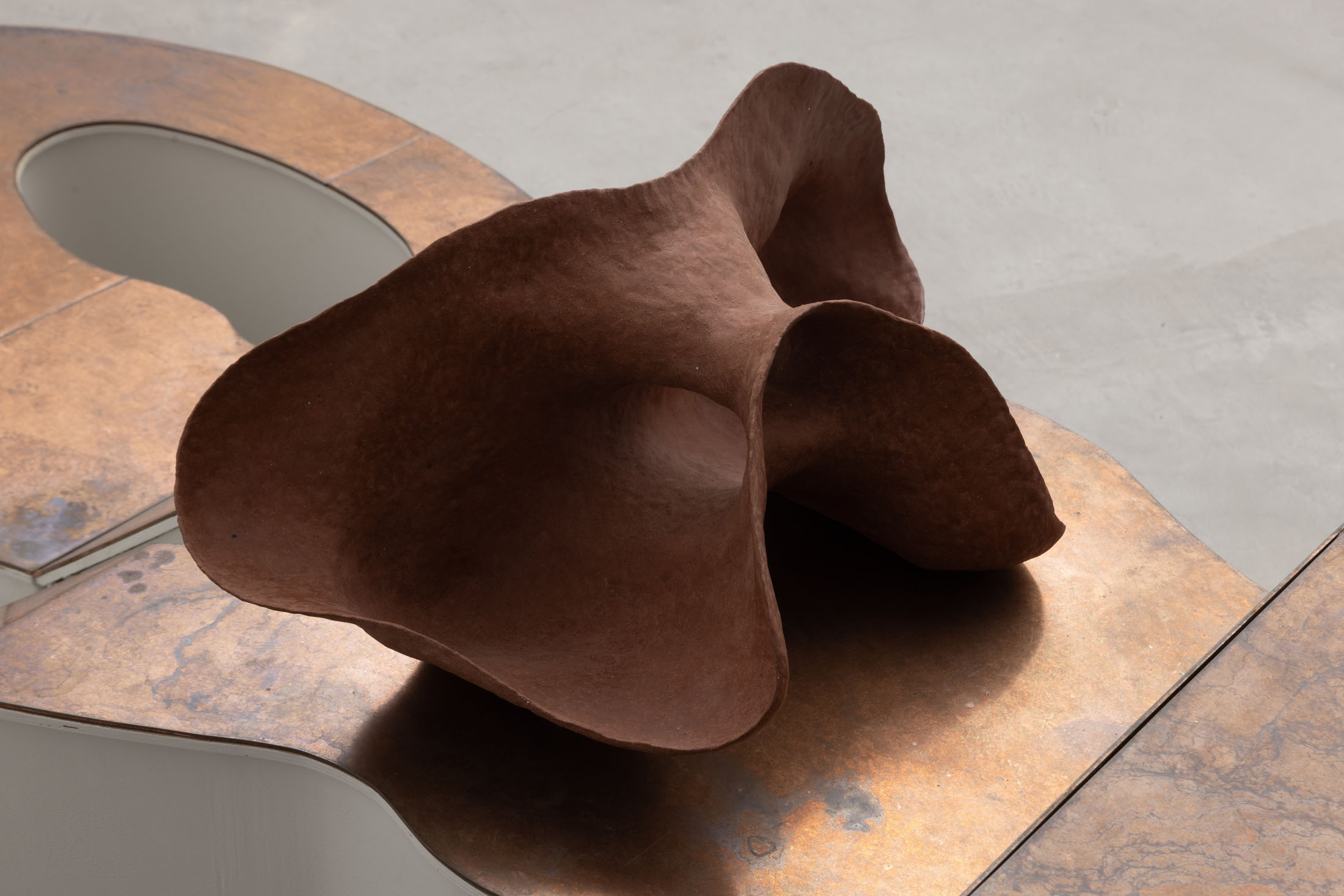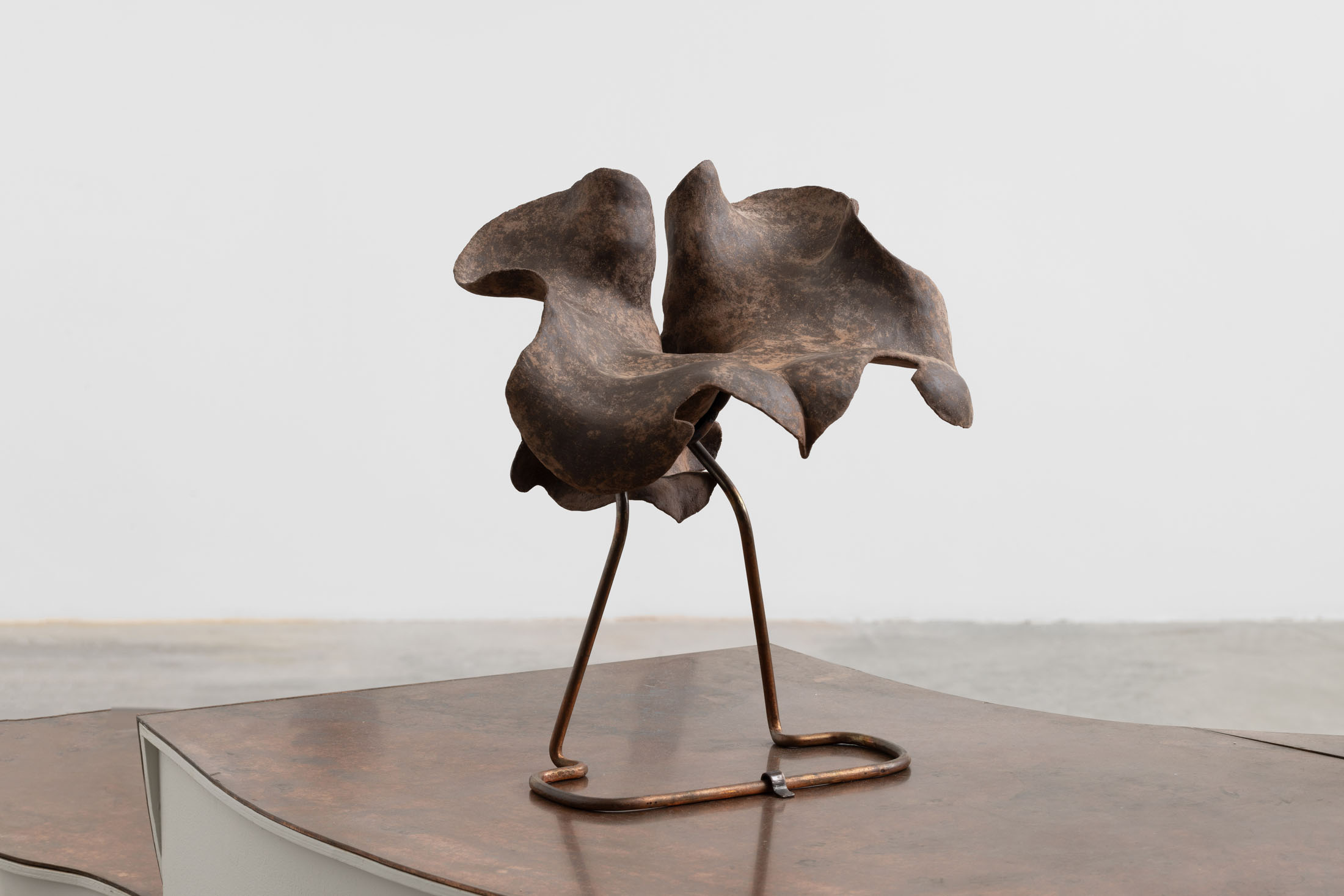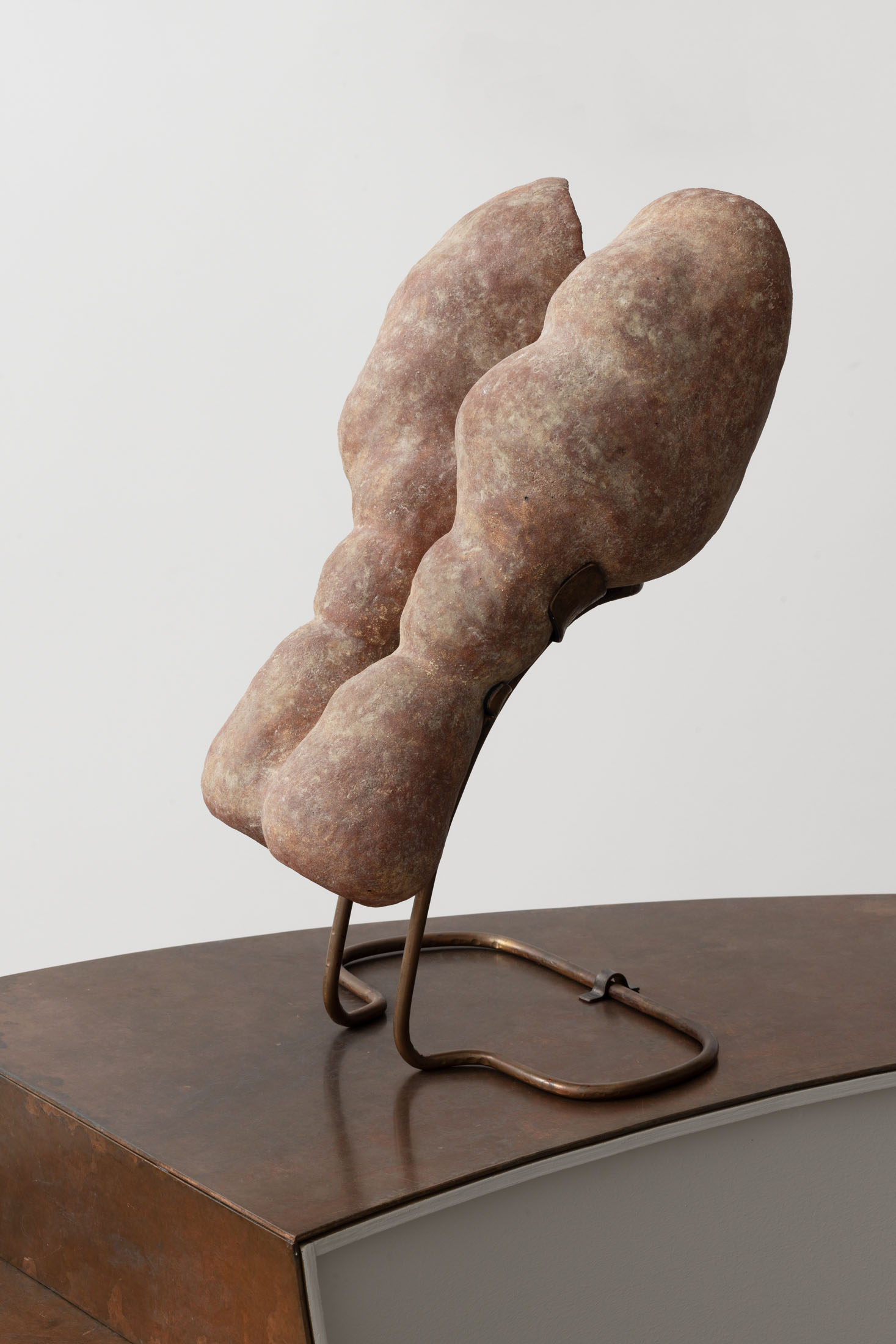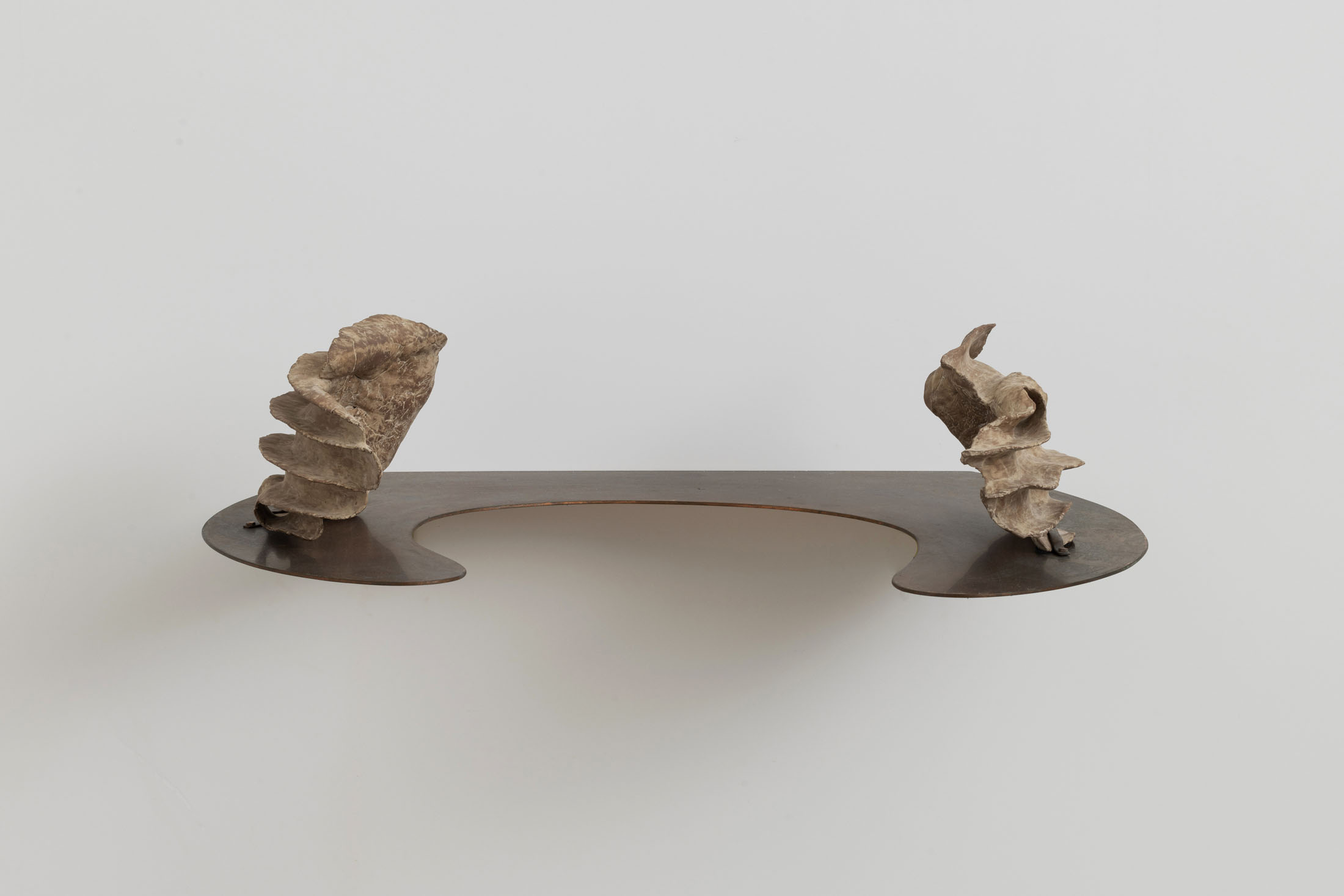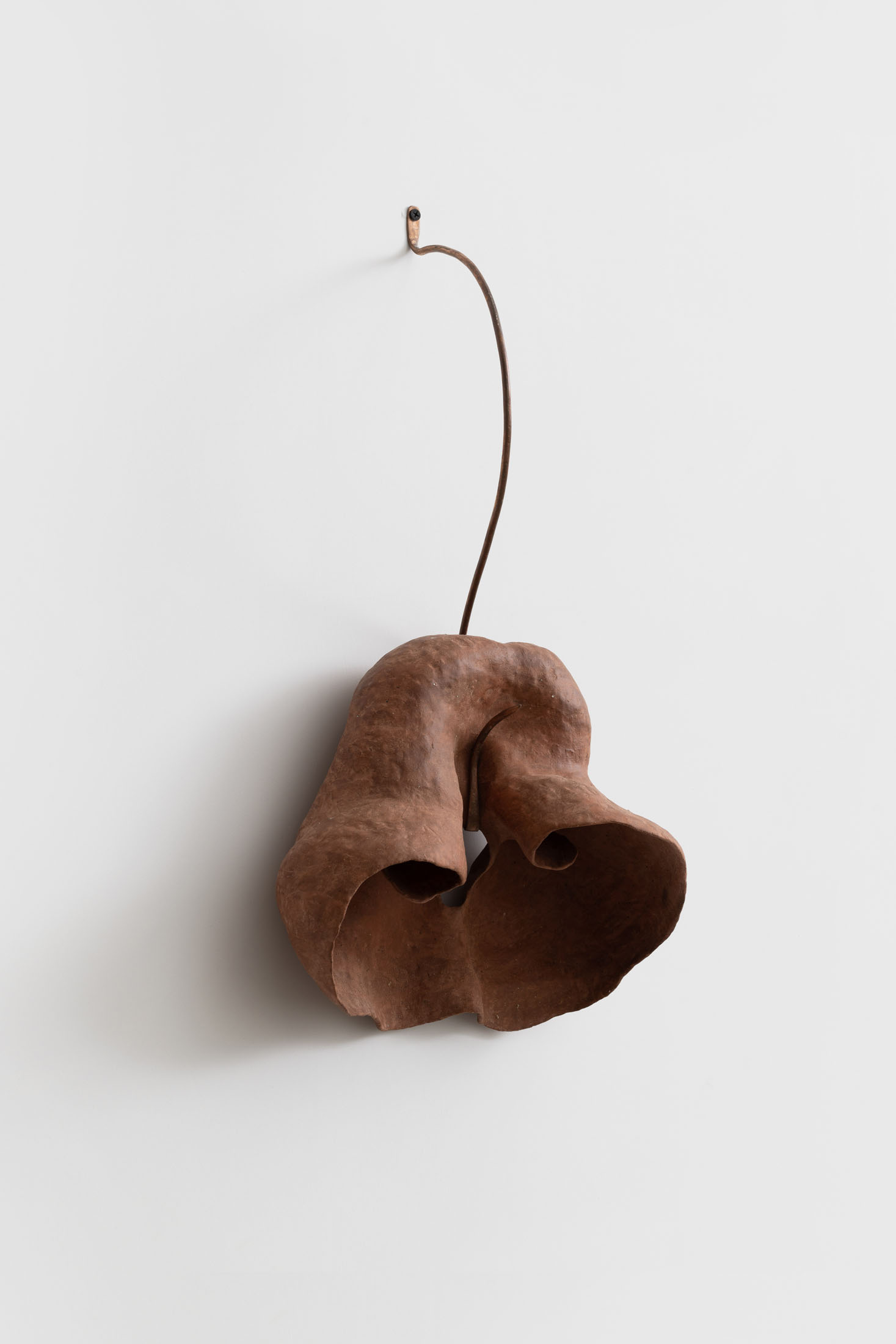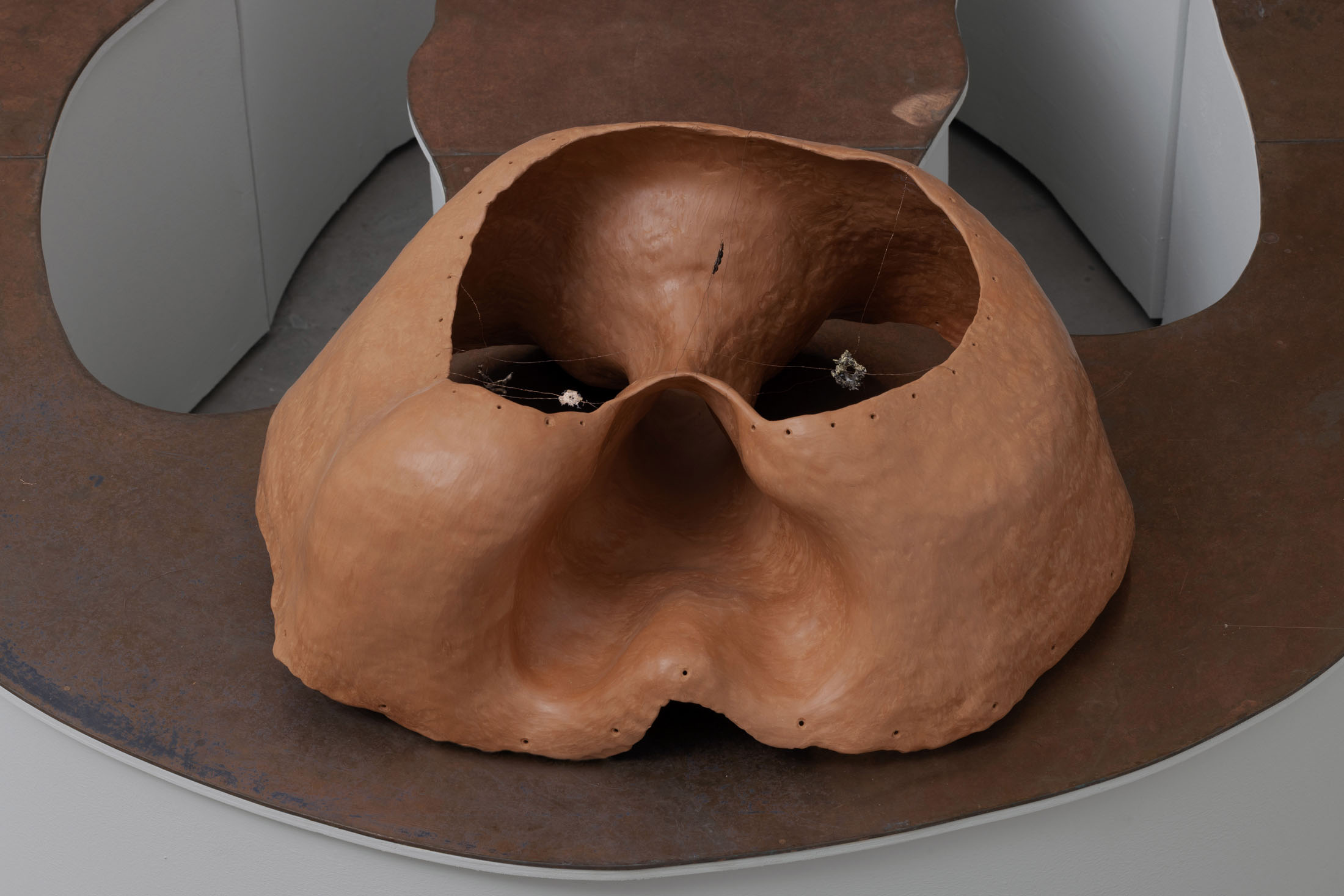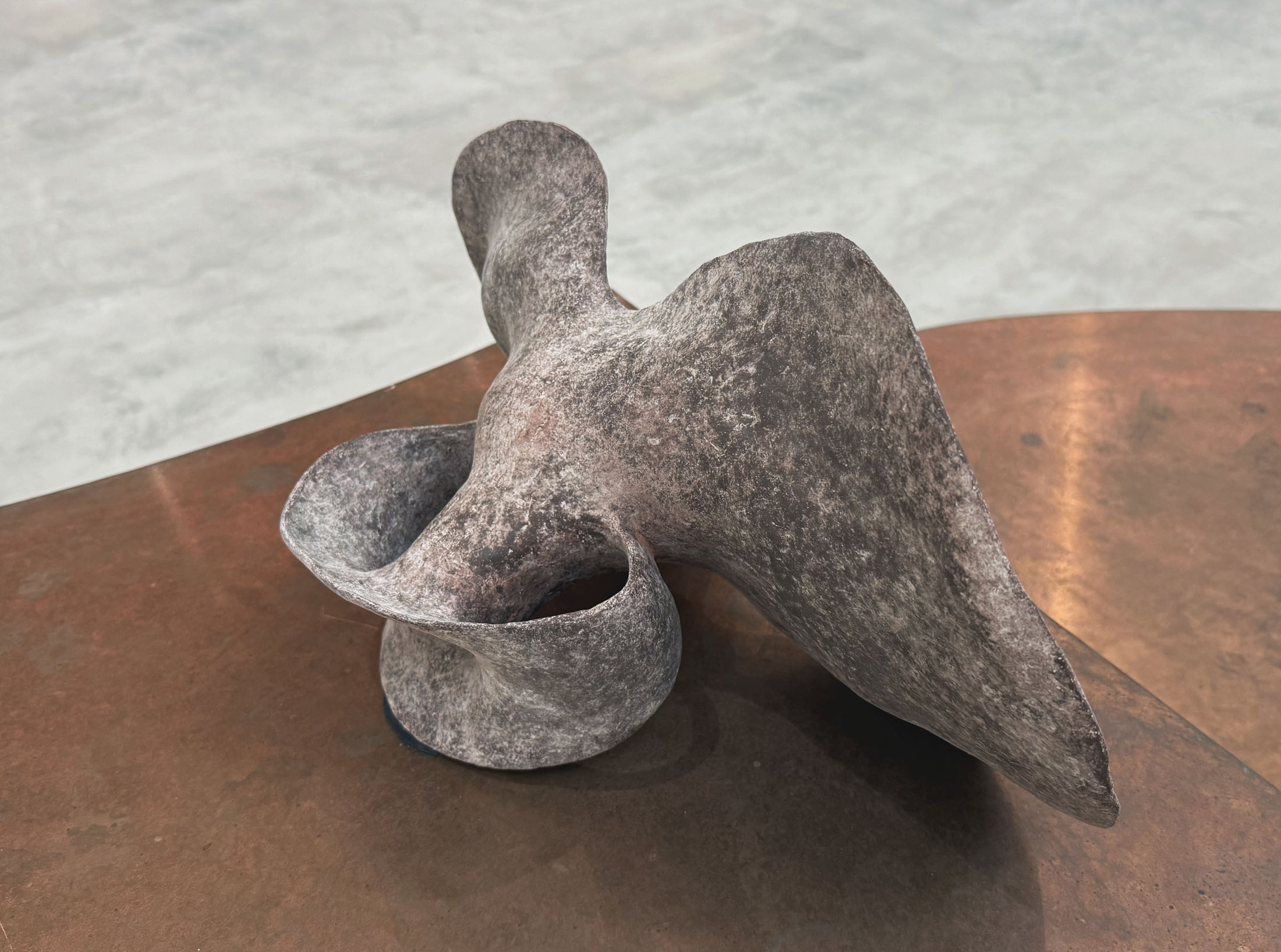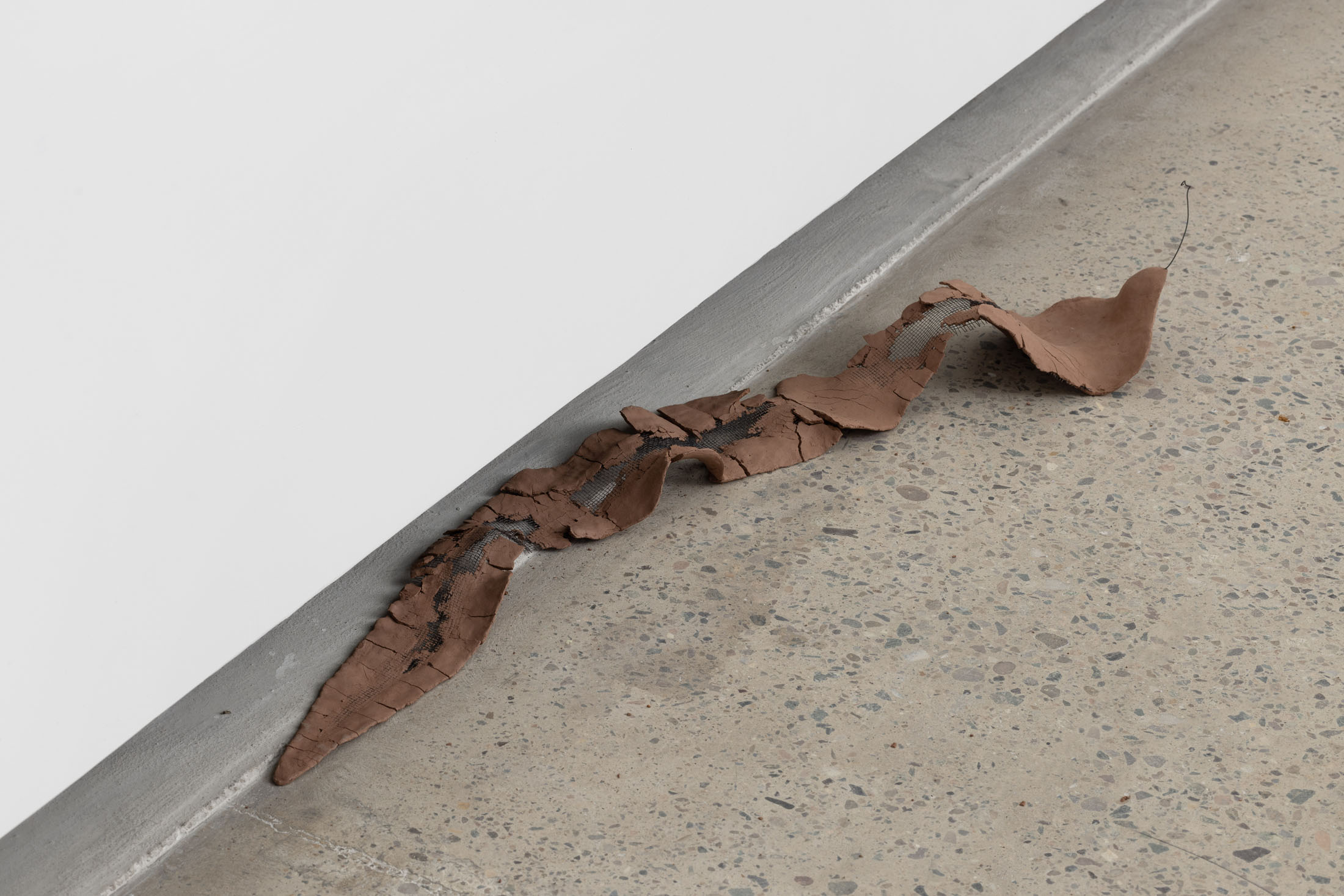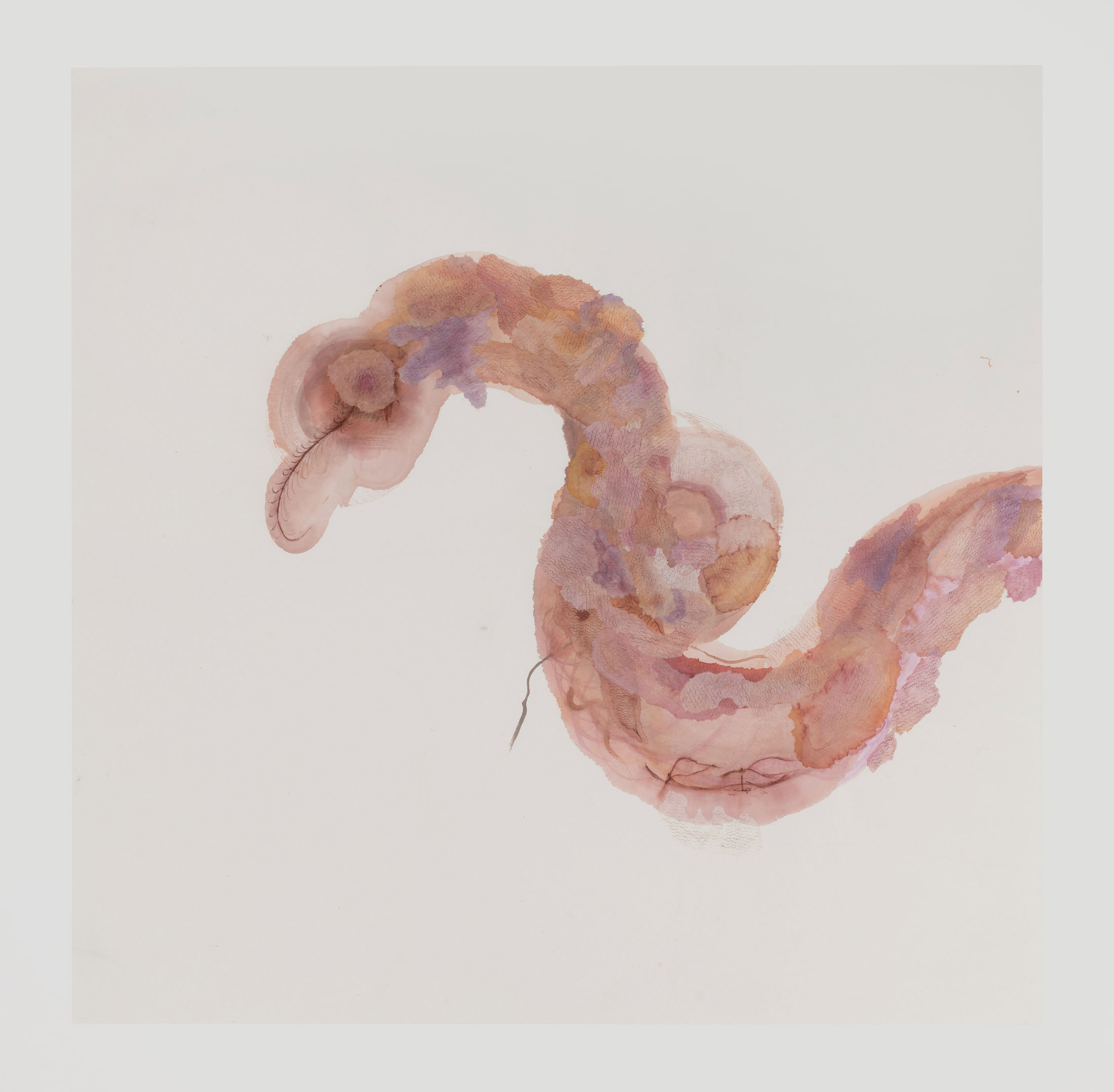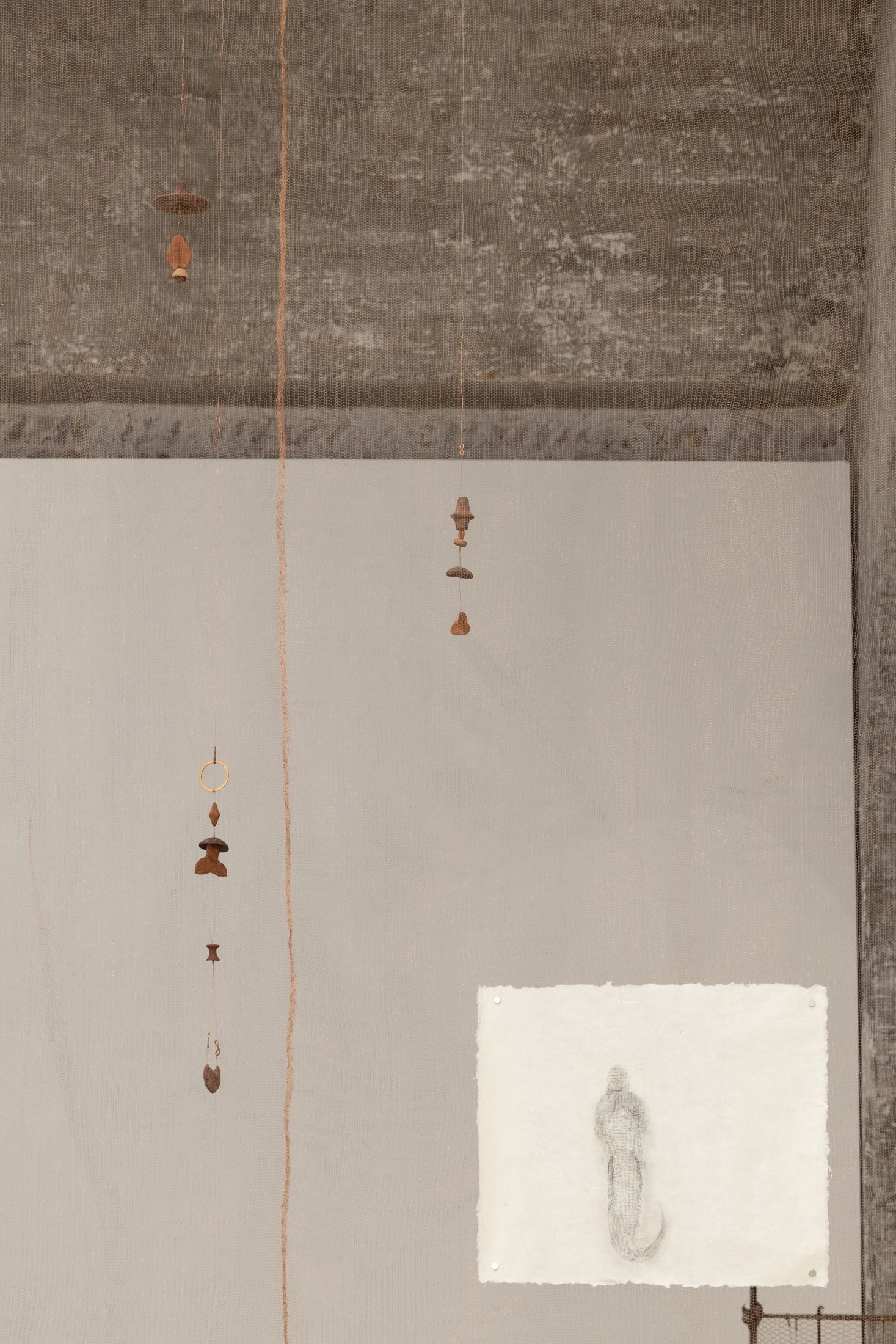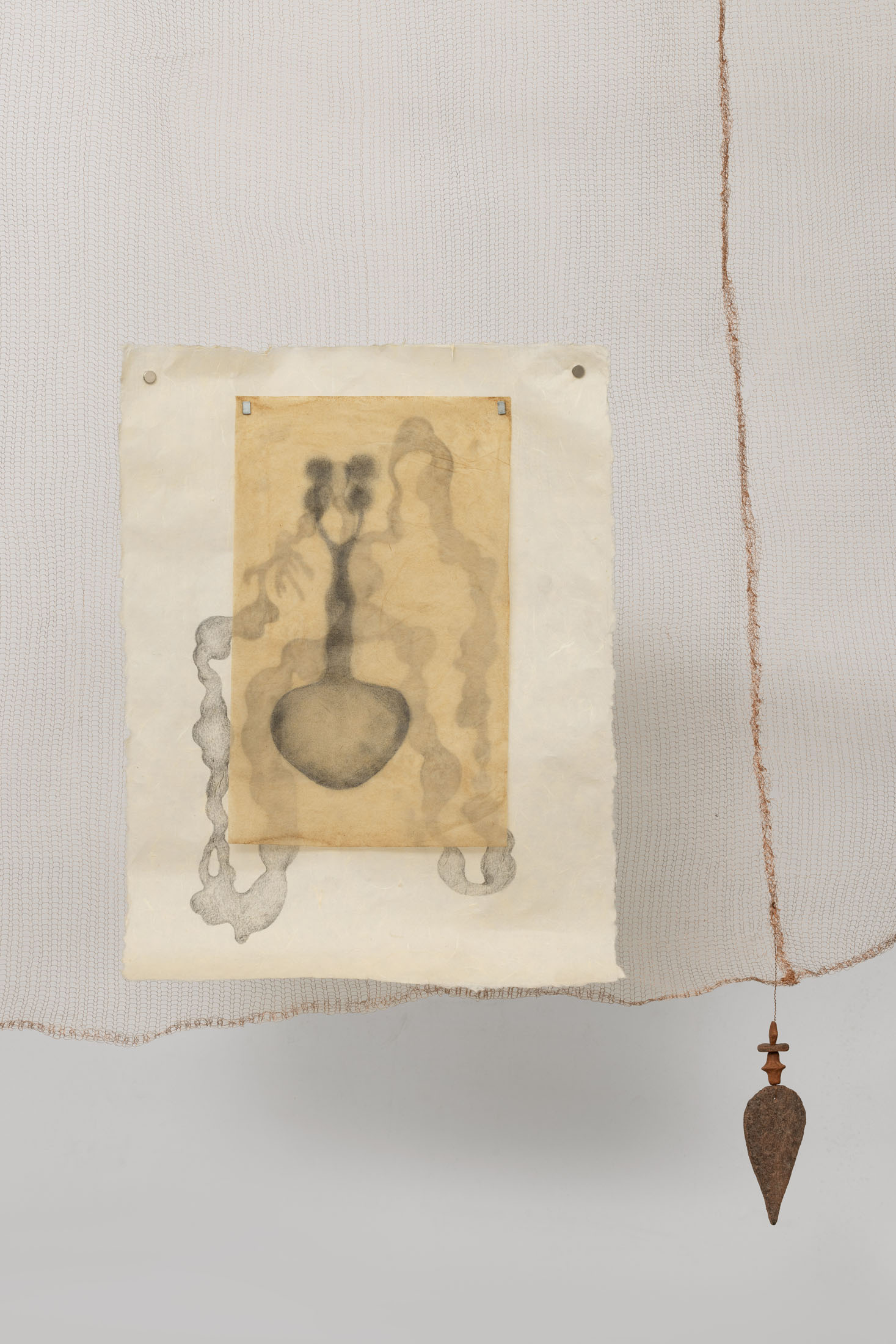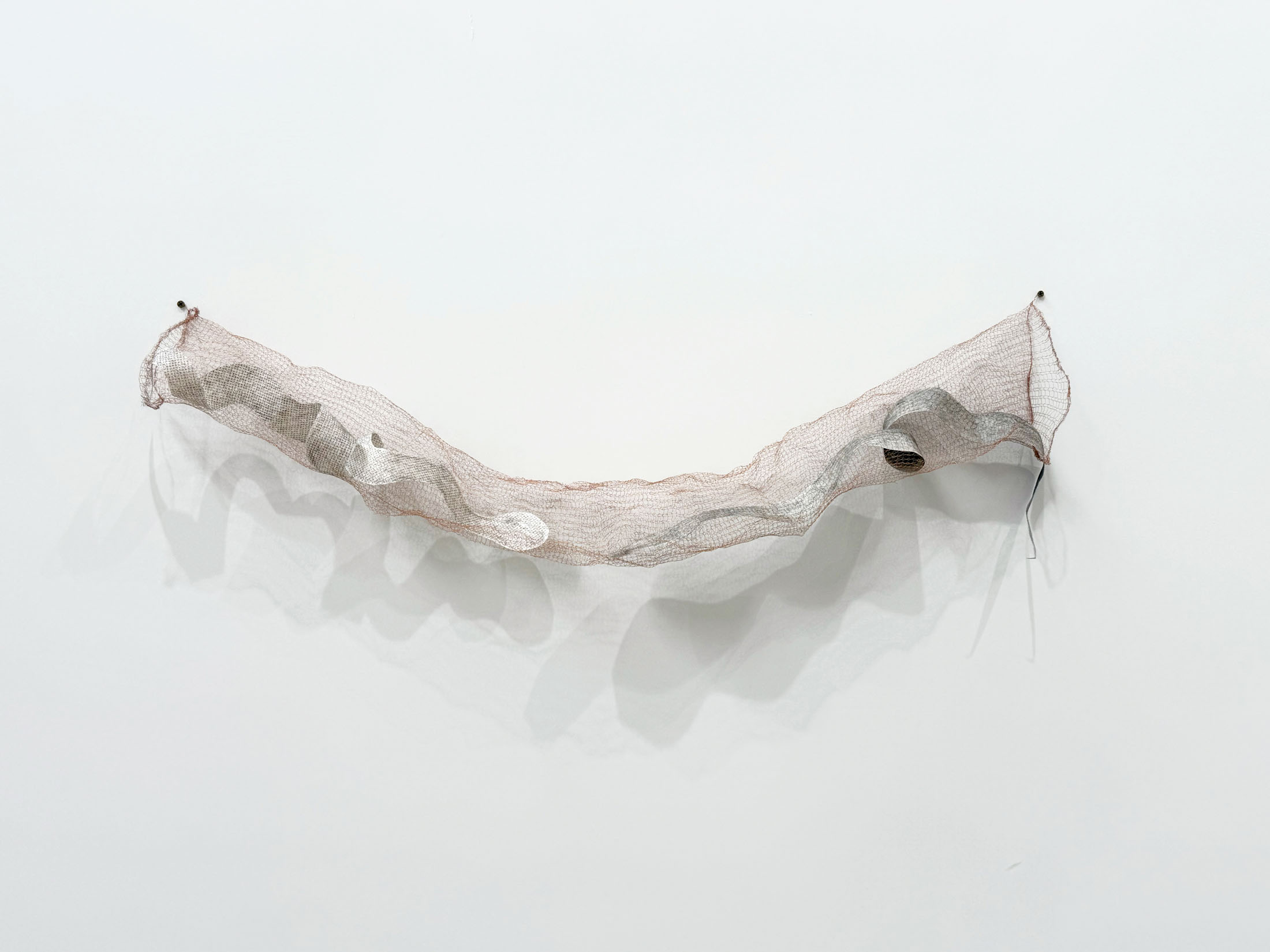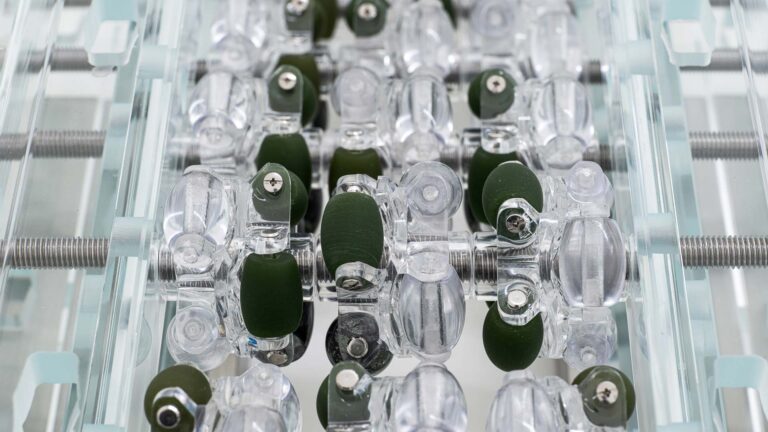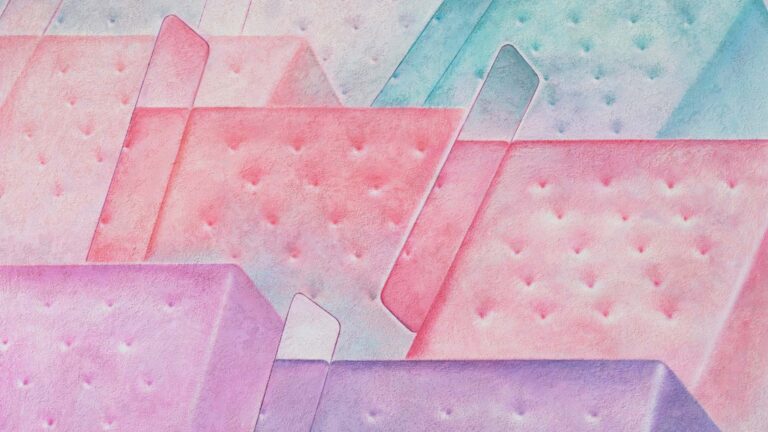
REFLEXION is pleased to present the first solo exhibition, Sculpting Nuwa, by artist Xie Qun, starting July 12, 2025. This exhibition marks the artist’s first solo at Reflexion.
Which craftsman created the body of Nuwa?
The story of Nuwa stands out as the most powerful one in the female group portraits in the old world order. However, her story was conditioned and slimmed down into an emasculated version by later societies throughout the ages. Nuwa, the creator, was remolded throughout history; the weight she, as the ancestor, carries was constantly diminished. She is coupled with Fuxi to balance her power, then steadily loses her ground in the patriarchal society. She vanished into a fragmented vision, with no head and no tail. Perhaps the only legacy people now recognize is her legend of “kneading clay into people.” Her original “liveliness” is a relic from the distant Neolithic age thousands of years ago; the only faint clue was the patchy pottery, where our imagination might run freely back to that distant time. Myths from remote ages were pulverized, reality altered beyond recognition, and are unable to be pieced together as if shattered in different strata.
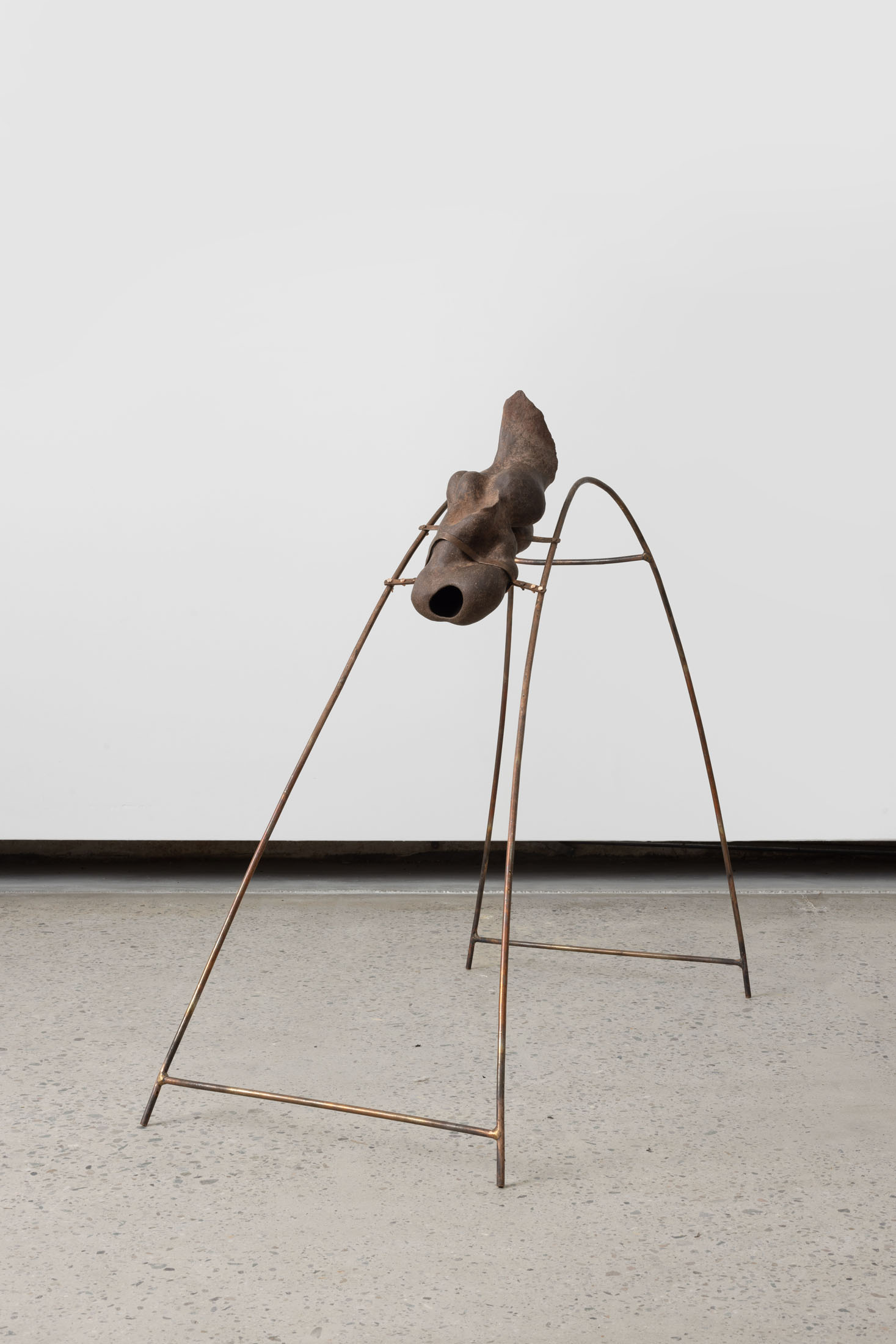
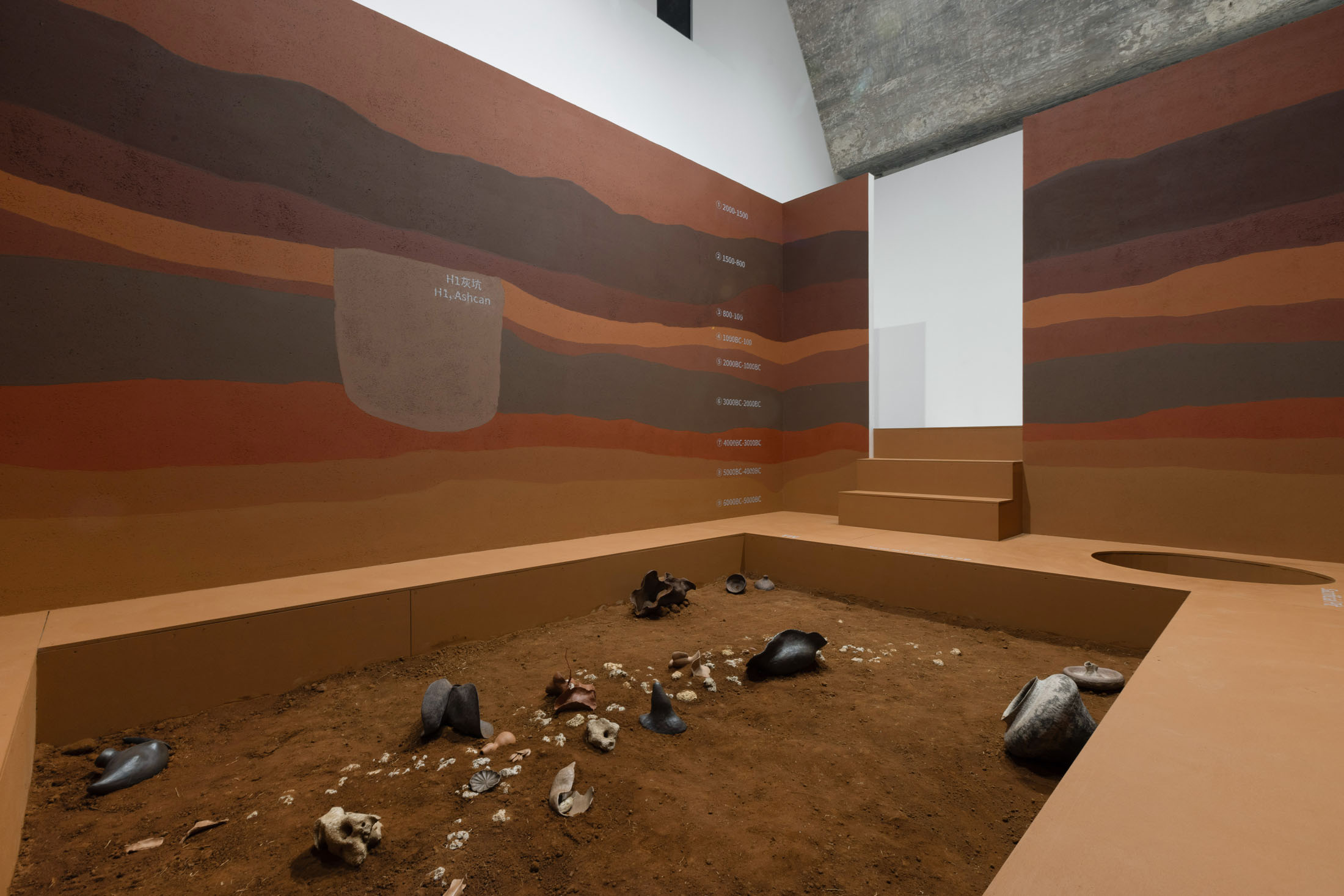
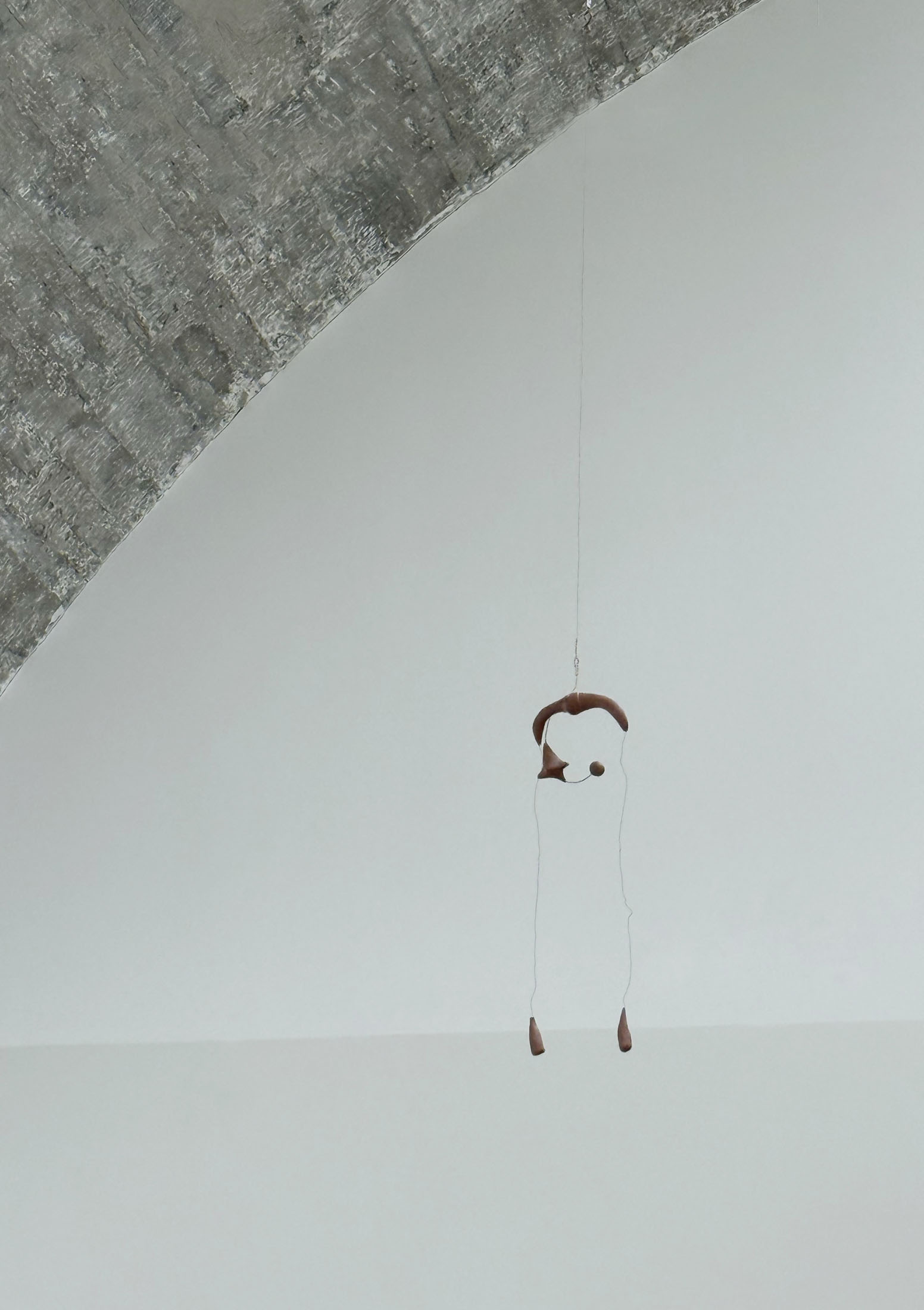
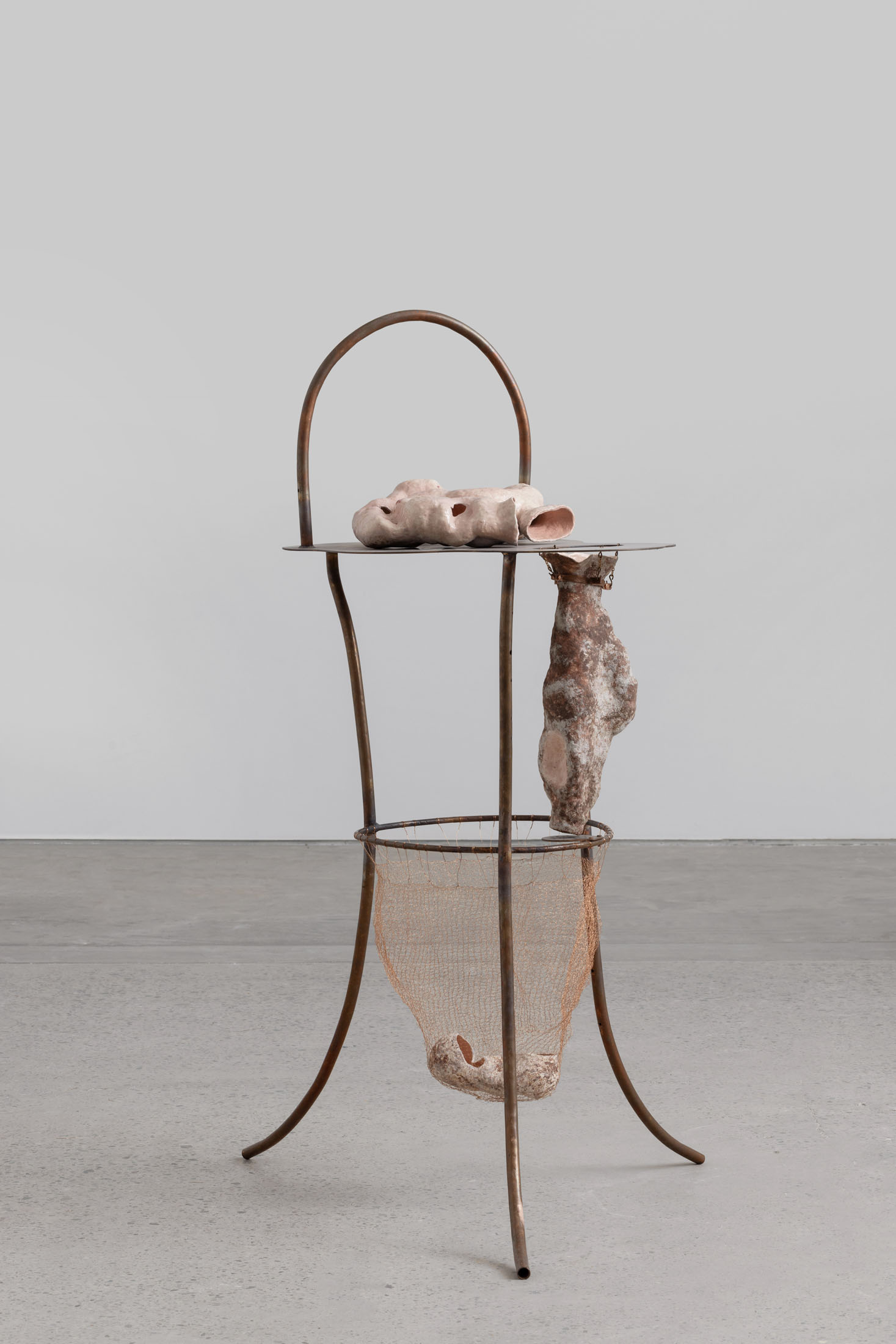
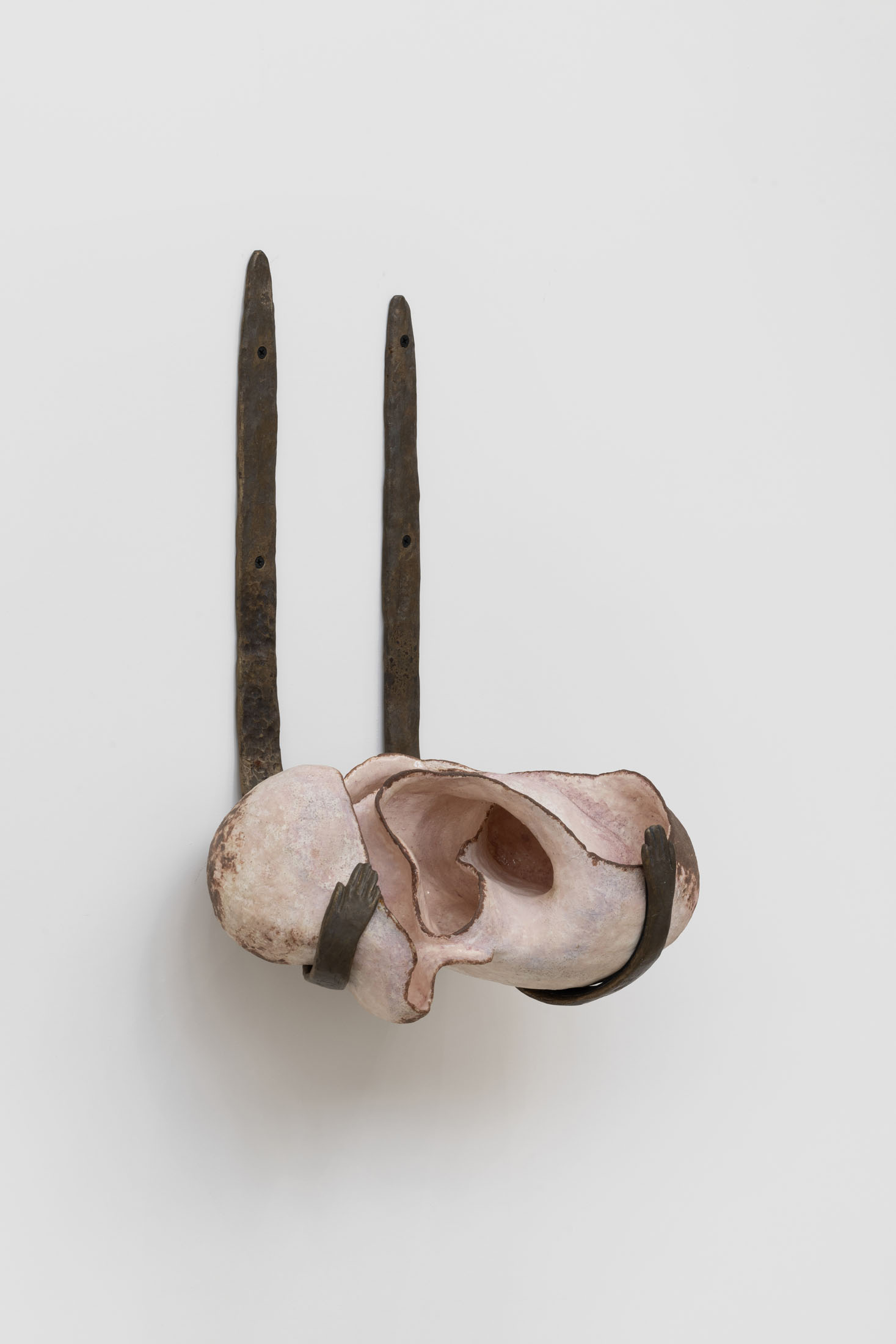
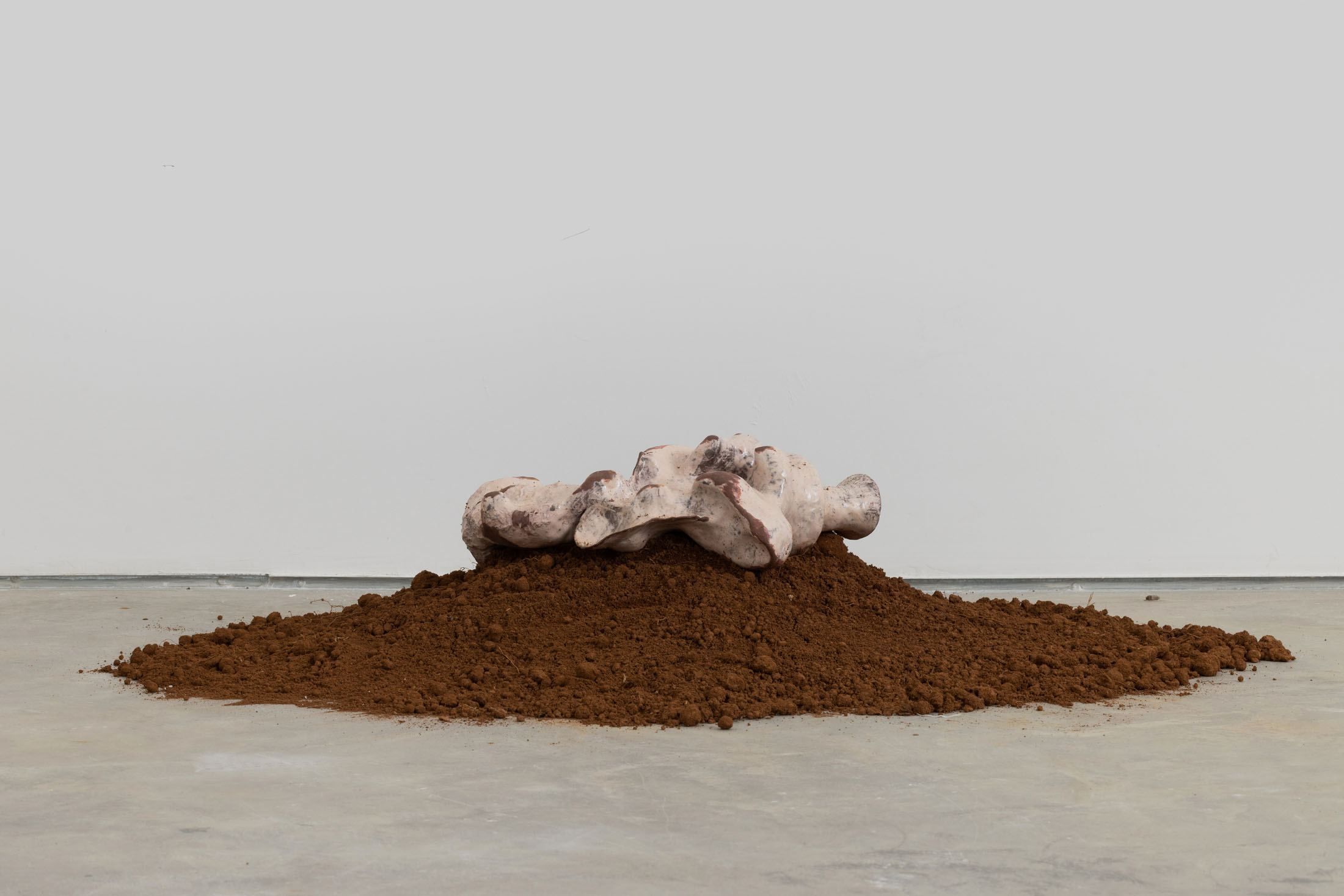
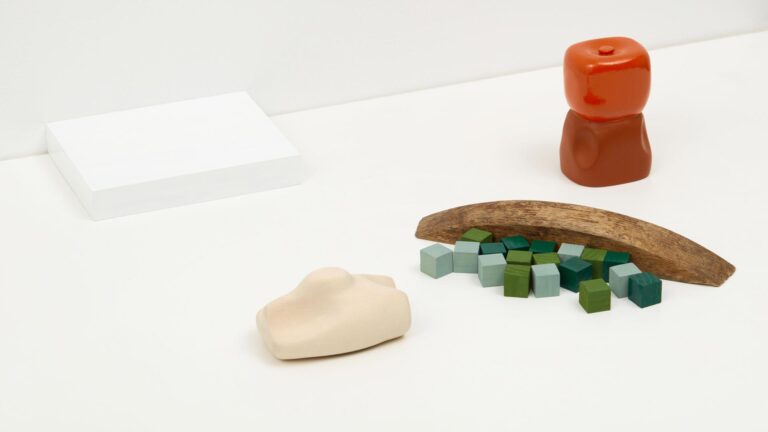
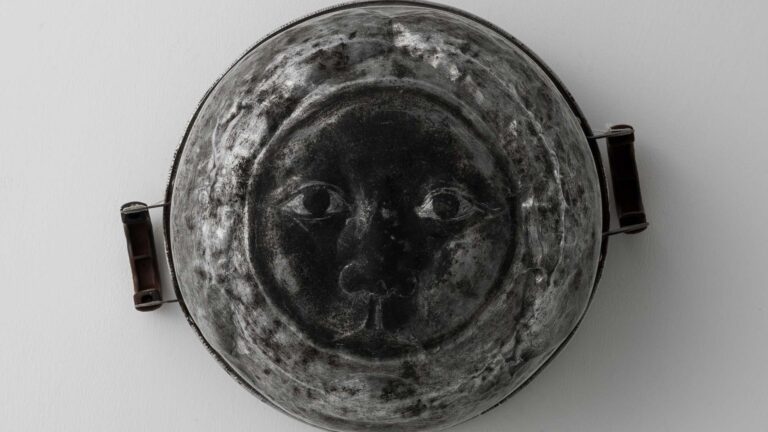
This exhibition presents a fake archeological site of Nuwa tomb, unfolding her obliterated traces through the discovered solid remains in the matrilineal pottery. Kneading clay is a technique both for making everyday utensils and as one of the earliest forms of artistic expression. The ancient pottery extends beyond the human body; the hollow part inside can hold nourishment for body and soul. Moreover, the pottery can serve as a vessel for wrapping the deceased. The counterpart for such a psychic artifact is the womb of the female. In the earliest moments of human history, the female body played a crucial role in ceremonies tied to collective unconscious events. As the creative wonder that can conceive life, female bodies have also served as a bridge and a teleport, the witch, for communication between the sky and the earth. Surrounded are the snakes, the primitive totem, whose shedding skins are associated with rebirth, as well as self-renewal and liberation
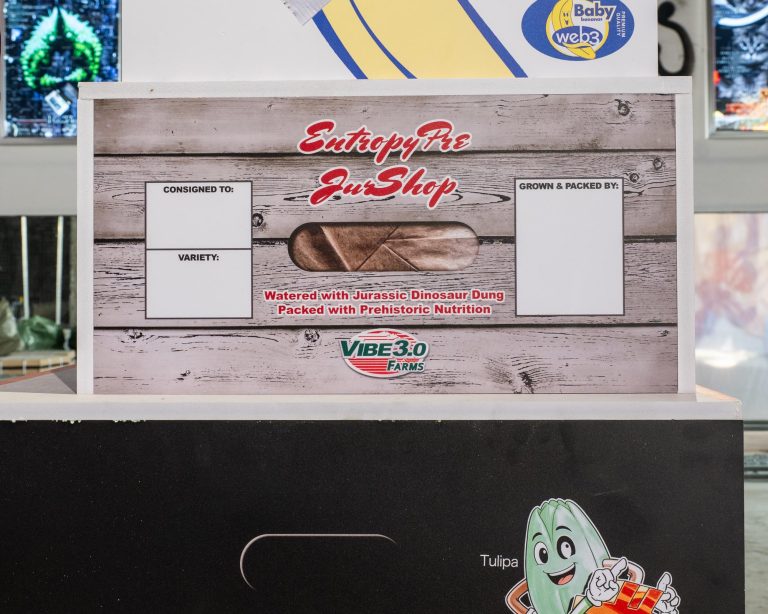
The “cultural relic” is presented in a contemporary context, “represented” in turn by a highly civilized society. Such interpretation and illustration are heavily planted with prevailing ideologies and fabrication, reflecting an interesting parallel to the gender influence and power dynamics in modern times. Editing ancient mythology is an elaboration of the artist Xie Qun’s personal experience and the external structural plight of society.
When the bone, flesh, and blood decompose into soil, when reformed into pottery, can the frozen body disengage the confined strata in its repeated shedding skins? Can there be an outlier sound? Apart from default narratives, we should adopt a critical mindset, imagining the potential for alternative ways of storytelling in this world.
Xie Qun, born in Hebei in 1991, graduated from the Third Studio of the Sculpture Department of the Central Academy of Fine Arts (CAFA) in 2018, and currently lives and works in Beijing. Xie Qun’s art practice is presented in a variety of media, including installation, sculpture, video, and painting, focusing on religious anthropology, geography, and folk witchcraft. Based on field research to explore the relationship between ancient tradition and modern society. Through the construction of semi-closed space rituals, Sakuin explores the extension of the current “psychic” matter and body sympathies with divine will, and attempts to invent multiple narratives of the body mythological beyond the sight of history.
Main exhibitions include: Xie Qun: Sculpting Nuwa, REFLEXION, Beijing (2025); Nature Through a Glass, REFLEXION, Beijing (2025); Xie Qun – TUO YUE Perpetual motion machine, Hunsand Space, Shijiazhuang (2022); Xie Qun – Planting Life, M’s Room, Beijing (2023); The Treasure Trove of the Goddess, Aimer Art Museum, Beijing (2024); Egress of Spirit, Ox Warehouse, Macau (2024); Jumping Frogs, Easternization movement & Hunsand Space, Beijing (2023); Cloud Sculpture/Growing River-Walking Nujiang Cloudsculpture, Song Art Museum, Beijing (2023); Pulse, Cai Jin Space, Beijing (2021); Water Falling Stones, Tao Xi Chuan Museum of Art, Central Academy of Fine Arts, Beijing (2020); Imaginary Warehouse, CHAO Art Center, Beijing (2019); Desktop Art Fair, Mumu Art Museum & Tong Gallery+project Cooperation Project, Beijing (2018).