Search

Wände bauen (Building Walls) at Kunstverein Langenhagen

Wände bauen (Building Walls) at Kunstverein Langenhagen

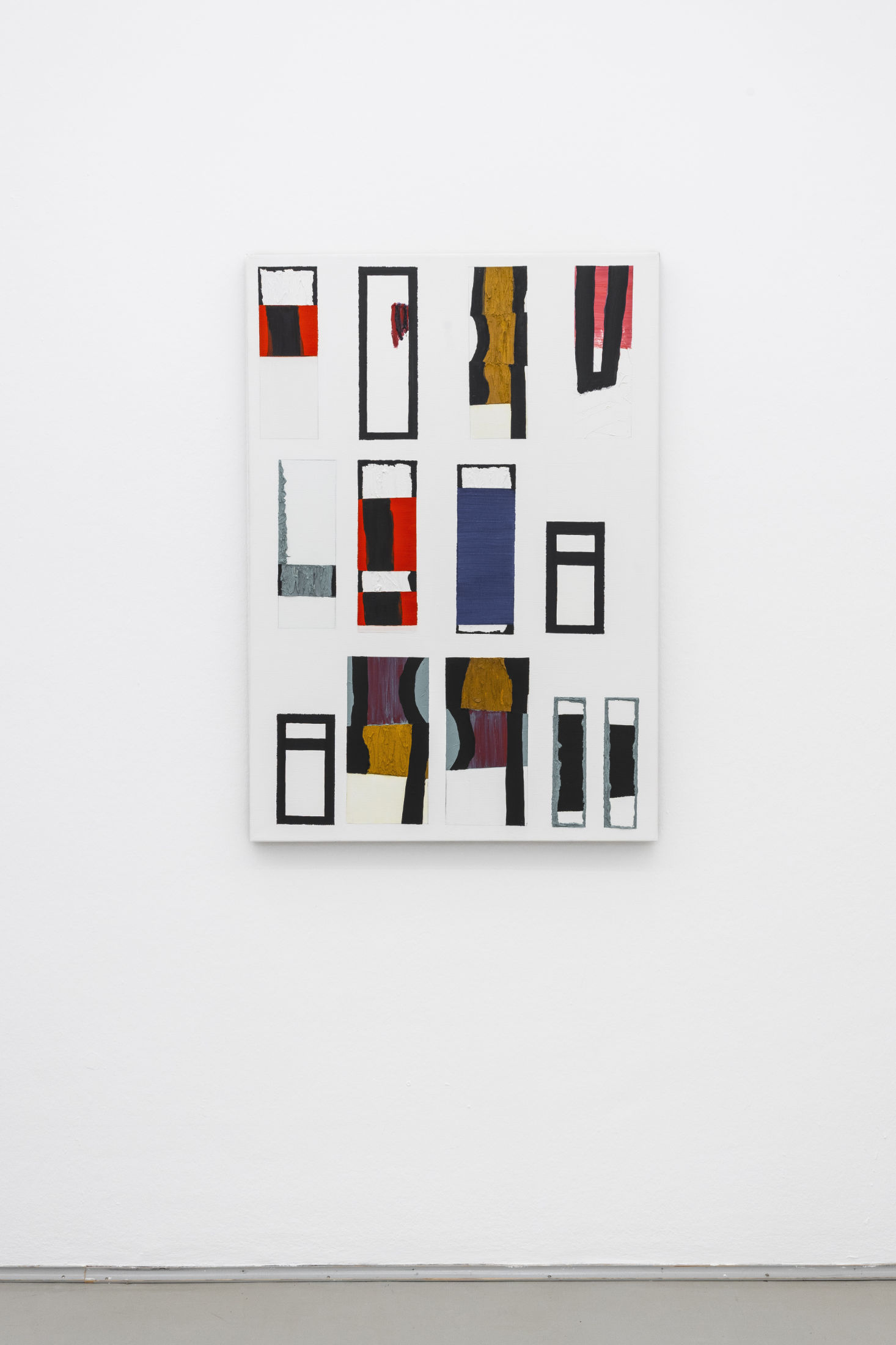
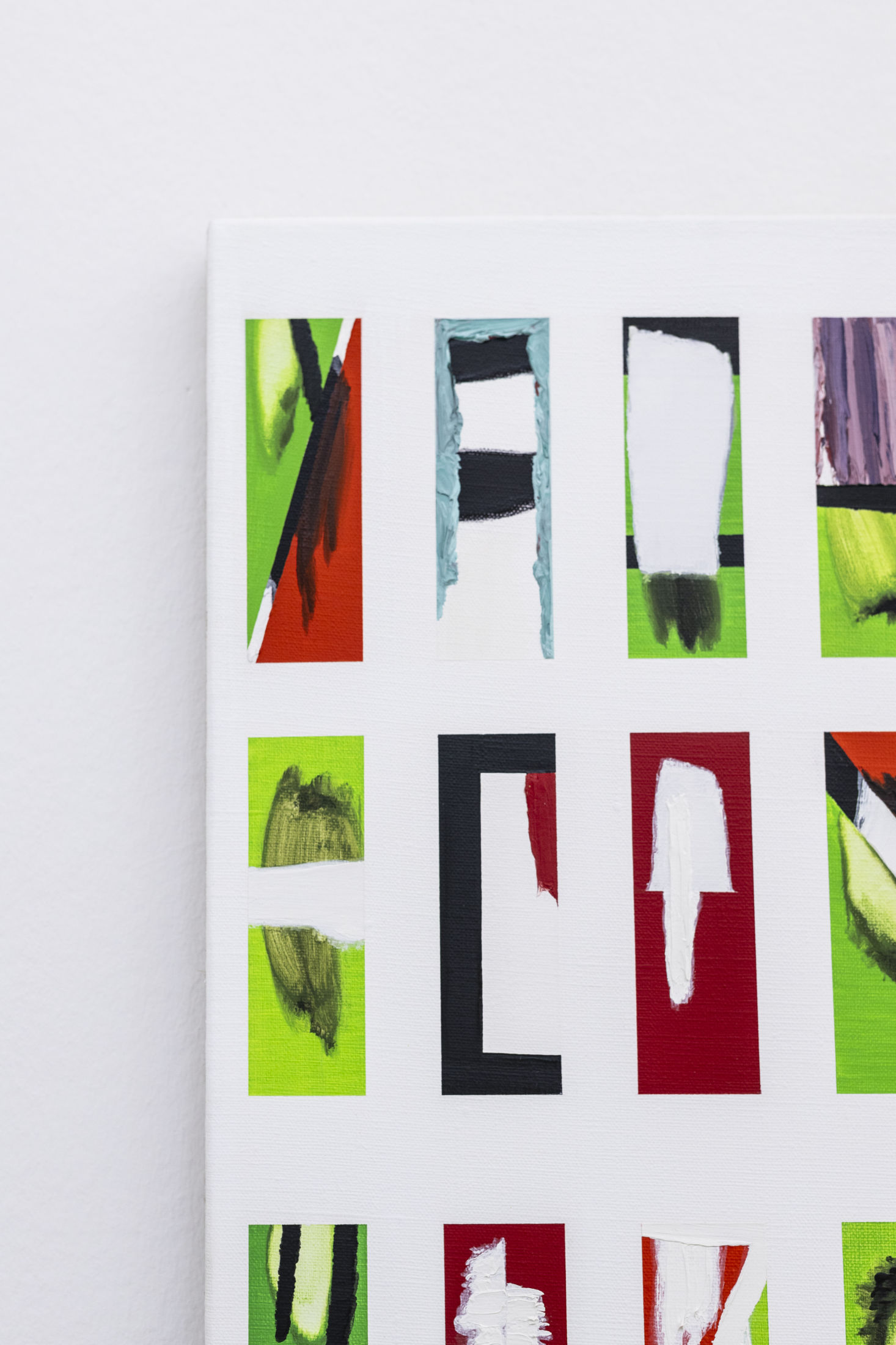
In 1992, Klaus Merkel began with an index. For each of his previous exhibitions, he painted miniatures of the works on display onto a new canvas. Merkel adapted the administrative practice of inventorying and created a system for composing images that outwitted the tiresome demands of creativity. More than that:

the Freiburg-based artist (*1953) had found a way to escape“the”discourse. I am speaking of that well-oiled machine of themes, interests, fashions, and jargon that sets the pace for the “contemporary” in contemporary art. Merkel was able to casually set it aside while, picture by picture (problem by problem), he found his own rhythm. His own partnership with the present.

Sometime around 2009, an art student in Hamburg got his hands on a catalog. The featured exhibition was titled TheMostContemporaryPictureShow,Actually,and the student was Christian Rothmaler (*1982*). During the years of the last major art boom, it must have seemed quite daring to him to go against the contemporary grain. But TheMostContemporaryPictureShow,Actually(November 2006 to January 2007 at the Kunsthalle Nürnberg) didn’t just allow itself the ironic title; the exhibition eschewed any thesis that could be used in discourse. Instead, it presented an open field of painterly references and distinctions between the works of the three participating artists: Michael Krebber, René Daniëls—and Klaus Merkel. The fact that new walls were built specifically for this purpose in the Kunsthalle struck the student as downright theatrical, and one can sense his enthusiasm when he recounts how profoundly this exhibition catalog influenced him. After all, during those years he had begun to develop his own self-referential game involving strange symbols and formal elements. Christian Rothmaler, too, eventually faded from“the”discourse—in both senses of the word.

We’re not talking about two reclusive painters who indulge in solitude in their studios far away from Berlin. On the contrary: whatI’mtrying to describe is how artistic discourses carve out their own paths—in the narrow cracks between images, texts, almost forgotten exhibitions, and long-out-of-print catalogs—despite everything. And how such a discourse also asserts itself against what we consider“the”discourse,“the”contemporary, or“the”present. Namely, when we no longer read texts or view exhibitions, but scan them. We scan them for more of the same, like the infamous algorithms that make us addicted—or at least lead us to believe—that curiosity is akin to convenience. Those who become too comfortable or addicted to “the”present realize too late when it is over. Ever since people have been talking about this ominous “vibe shift”—this shift in the cultural zeitgeist that is as unexplained as it is undisputed—many seem to be afraid of it.

It will not be the fear of artists like Merkel or Rothmaler, who integrate into“the”present only to a limited extent anyway, because they have long since come to terms with the times on their own terms. In a recent essay for LettreInternational, the philosopher Christoph Paret contrasted the concept of inclusion with the avant-garde’s secessionist principle: The avant-garde did not need to be included—because they did not want to be. Instead of making themselves dependent on those who grant access to institutions, their institution had yet to be founded. For me, Merkel and Rothmaler are comrades in the same secession. Without ever having met in person: their pictures have long been in dialogue with one another. I also believe that they already get along exceptionally well with the paintings of Stella Sieber (*1992), with the sculptures of Peter Wächtler (*1979) and Mara Wohnhaas (*1997), and the photographs of Nicolas Rausch (*1998). Because all their works succeed in erecting walls in very similar ways. Not literally in the room, but within the work, which the artists seem to seal off against certain impositions of the contemporary, without closing themselves off from the present itself. What they all have in common is a compositional clarity that is neither austere nor mechanically precise; a formal structure that is legible, yet impenetrable. Their walls have doors, but they make it clear from the entrance: We will not be taken over or conquered by anyone.

In“the”discourse of recent years, there has often been talk of contemporary art that “breaks down walls”and “opensup”to the world, to society, pop culture, politics, and the big questions of justice. Perhaps in doing so, we have underestimated which interests are, in a pinch, the stronger ones—and that good art itself is a minority that is, in a pinch, better off with a strategy of secession than with its complete inclusion in the existing order. In other words: Every picture, every work, and every body of work would do well to build its own four walls (its own place)—and enough back doors through which one can enter them when their main entrance is besieged by the lobbyists of the present.

–Steffen Zillig
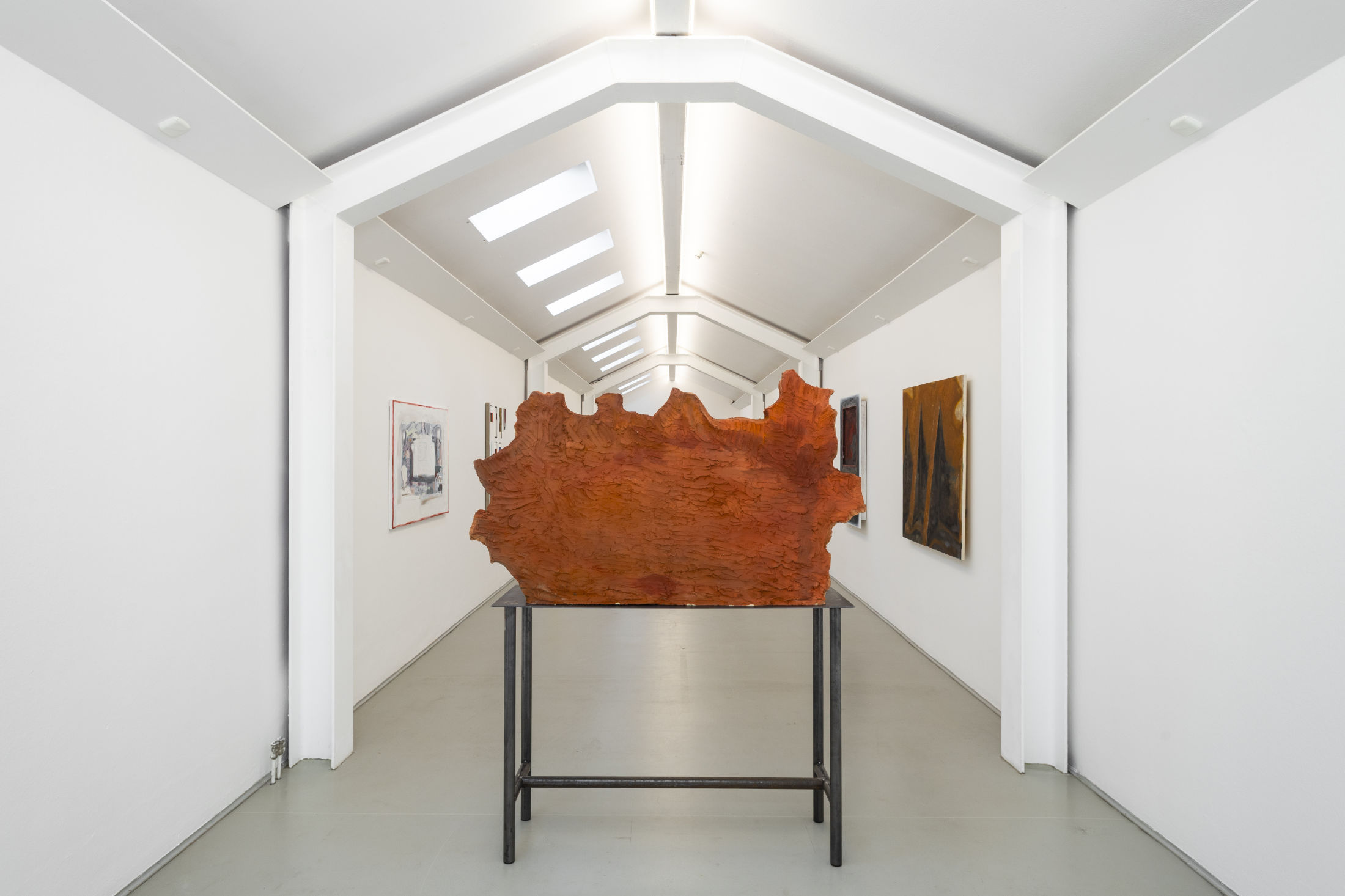
Wände bauen (Building Walls) at Kunstverein Langenhagen
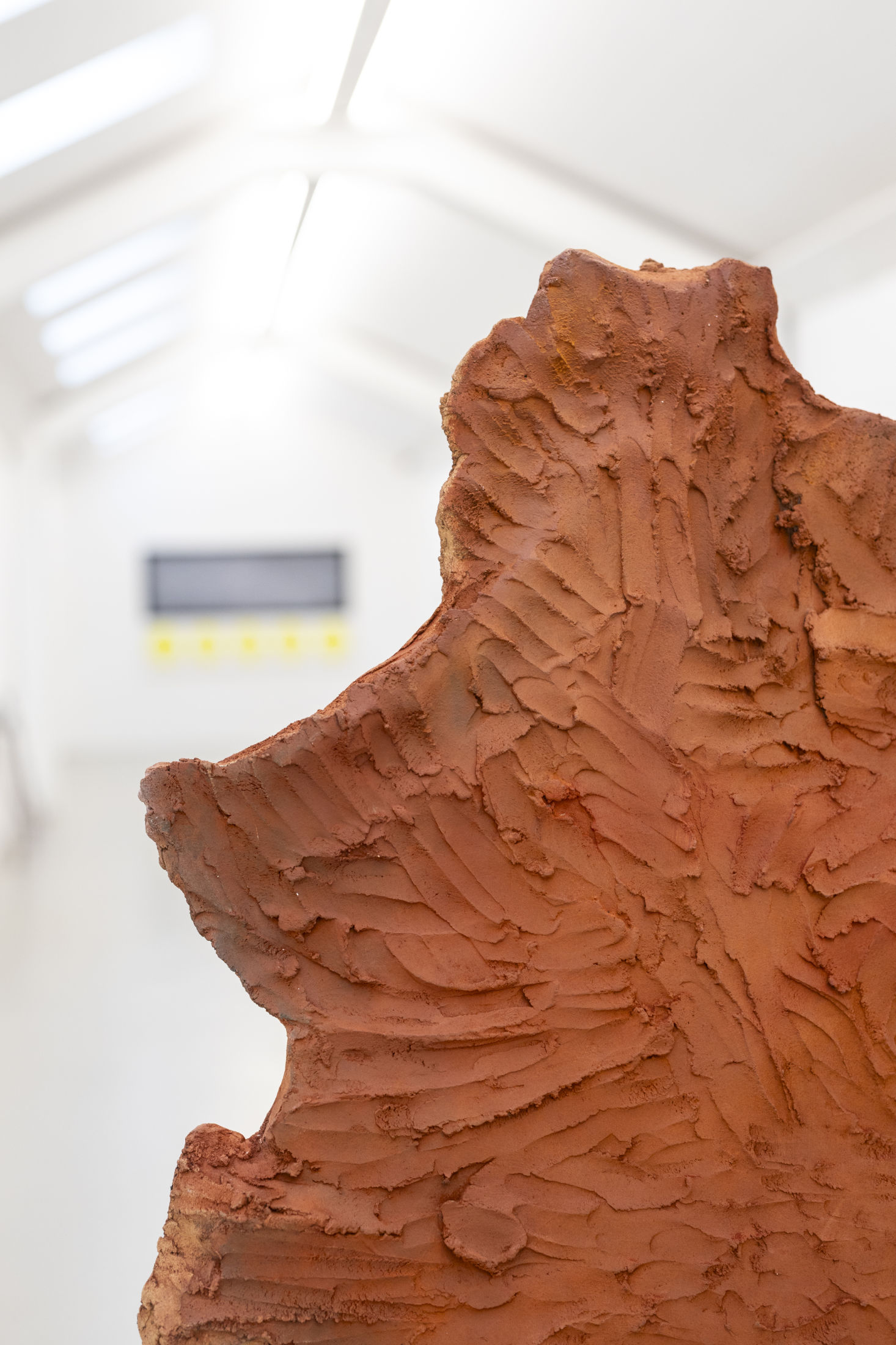
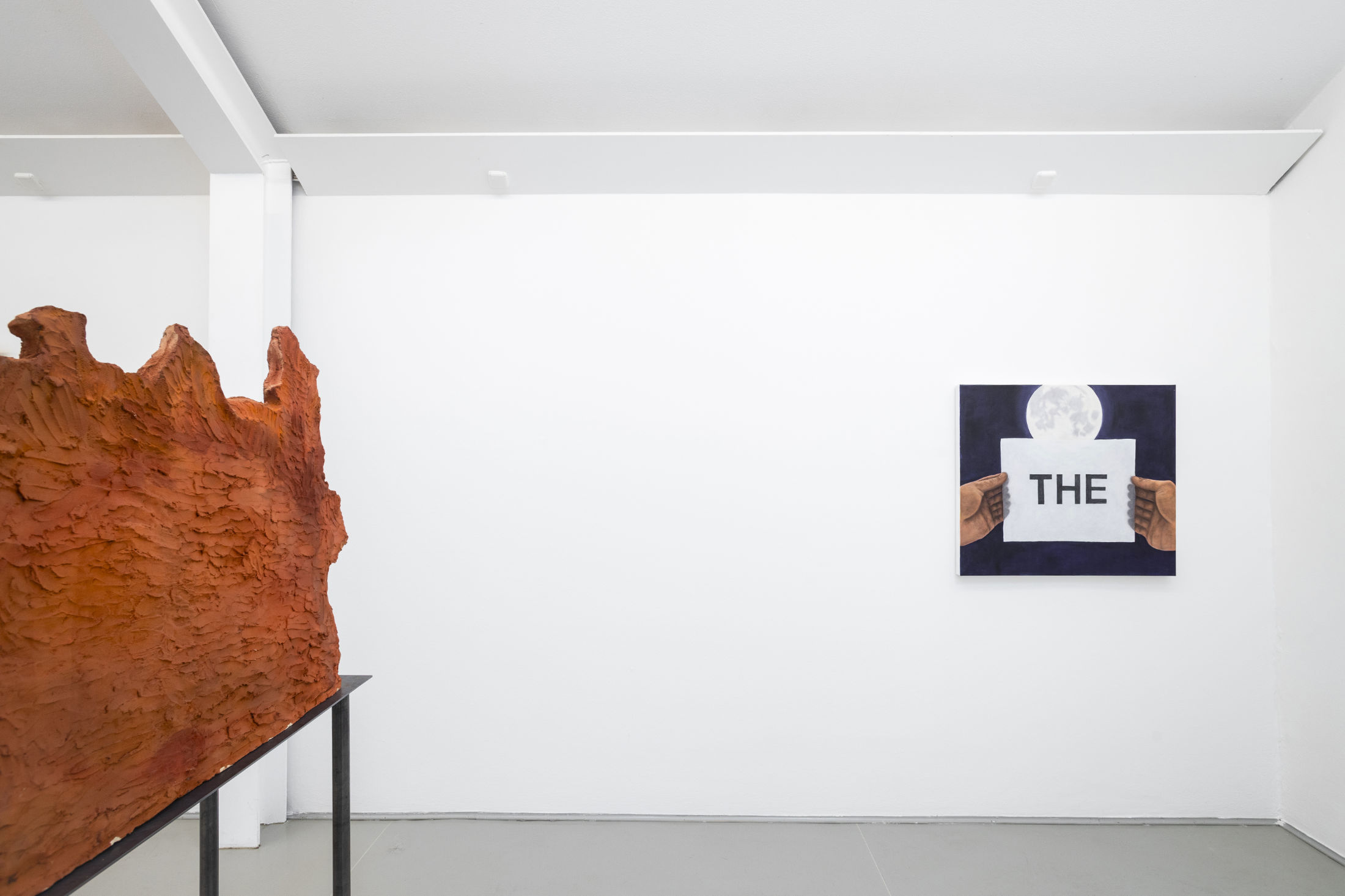
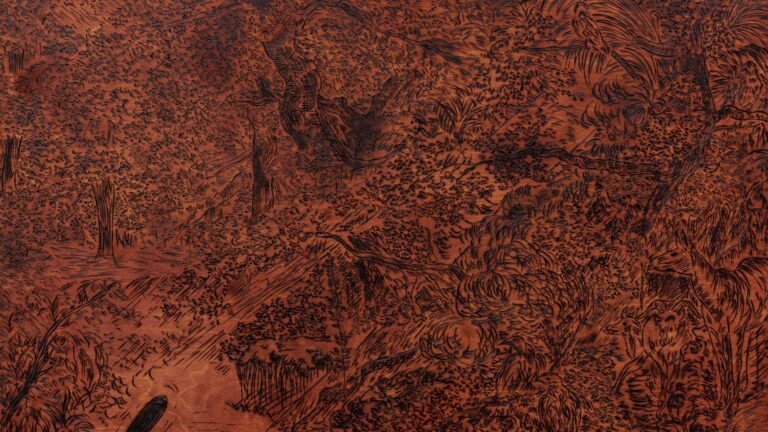
Peter Wächtler, 2024, pastel pigment on ceramic, 89 x 150 x 43 cm, Photo: Hannah Jung, Courtesy Kunstverein Langenhagen Galerie Lars Friedrich Berlin
Wände bauen (Building Walls) at Kunstverein Langenhagen
Peter Wächtler, 2024, pastel pigment on ceramic, 89 x 150 x 43 cm, Photo: Hannah Jung, Courtesy Kunstverein Langenhagen Galerie Lars Friedrich Berlin
Wände bauen (Building Walls) at Kunstverein Langenhagen
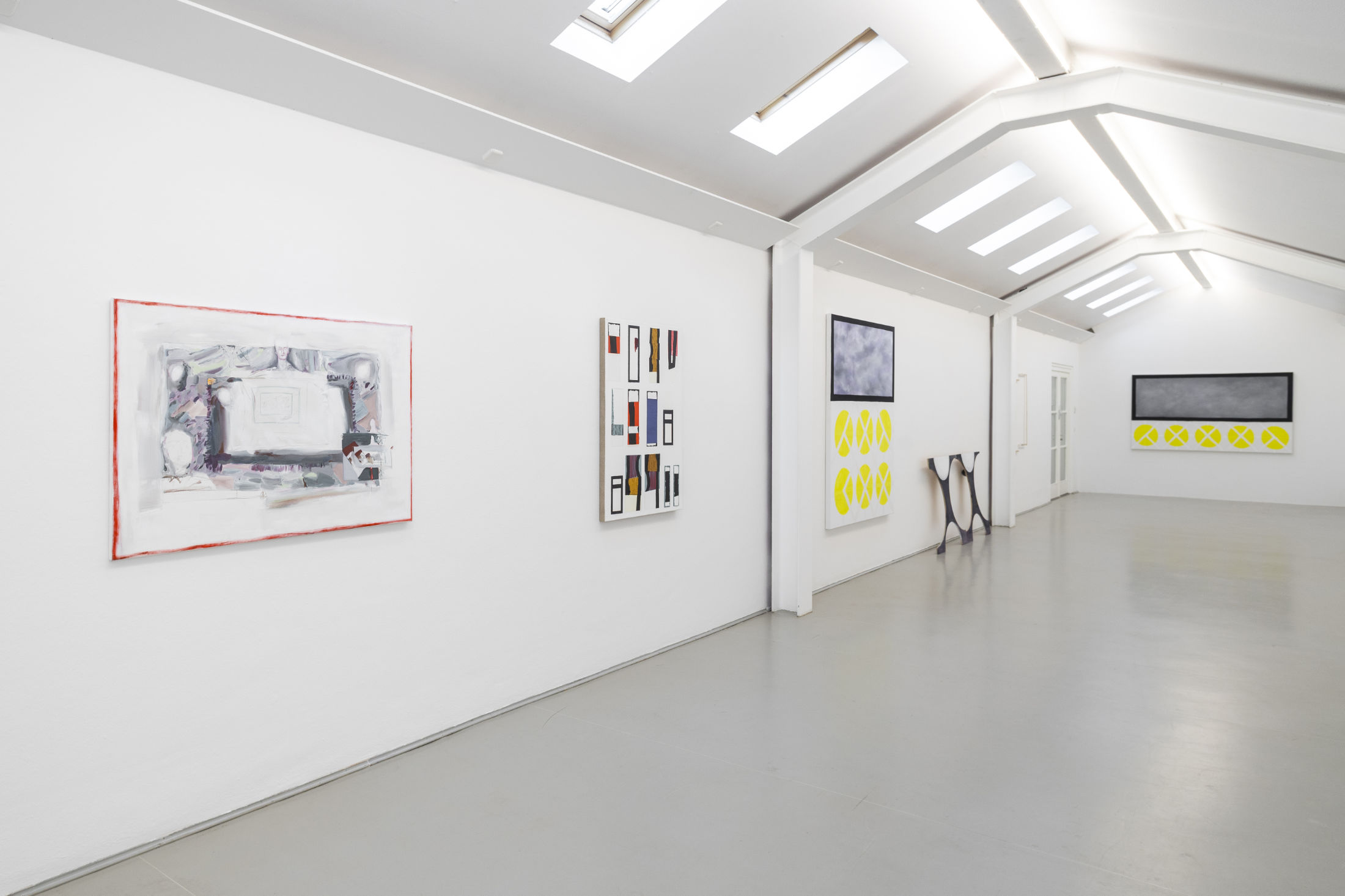
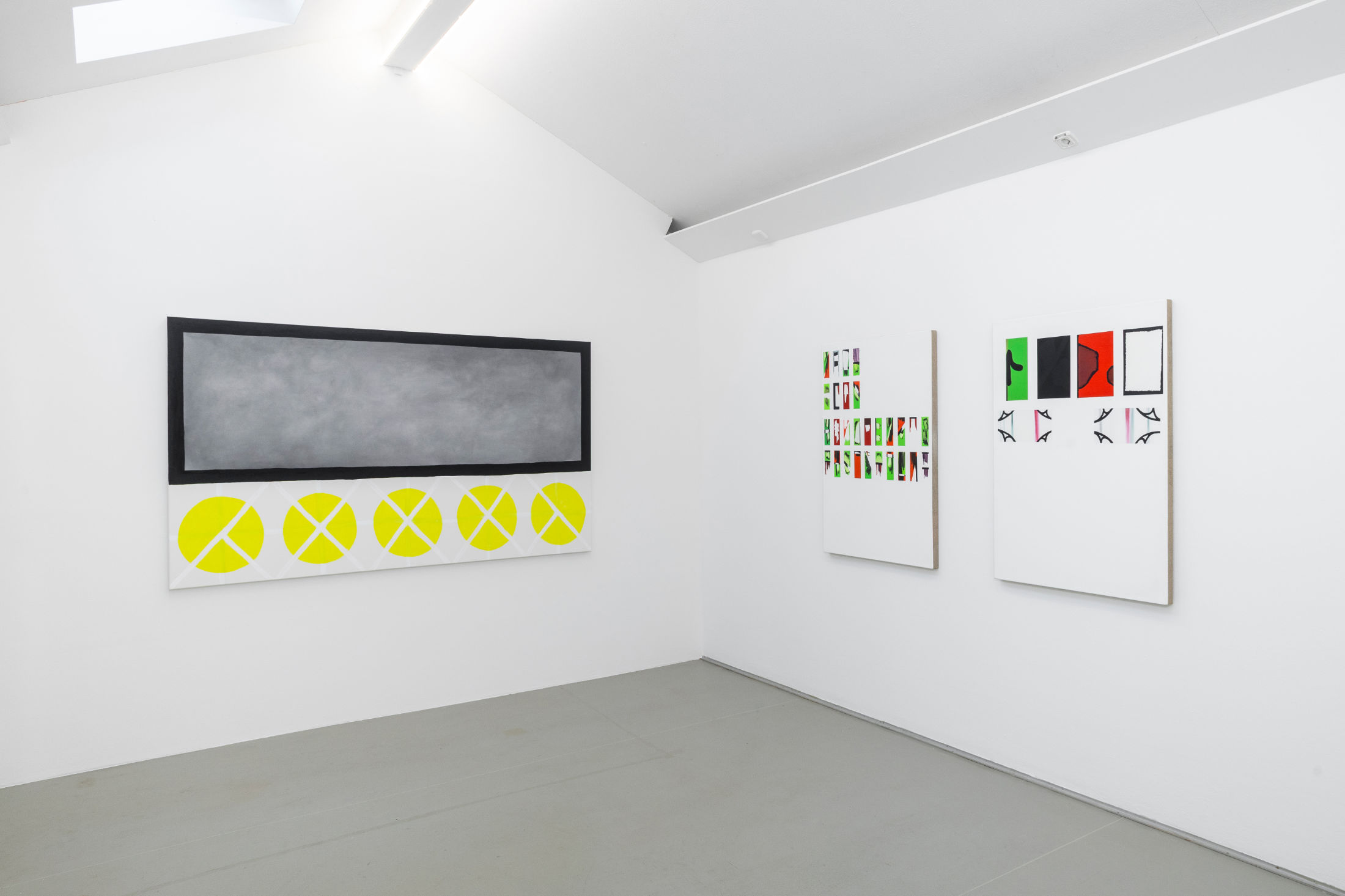
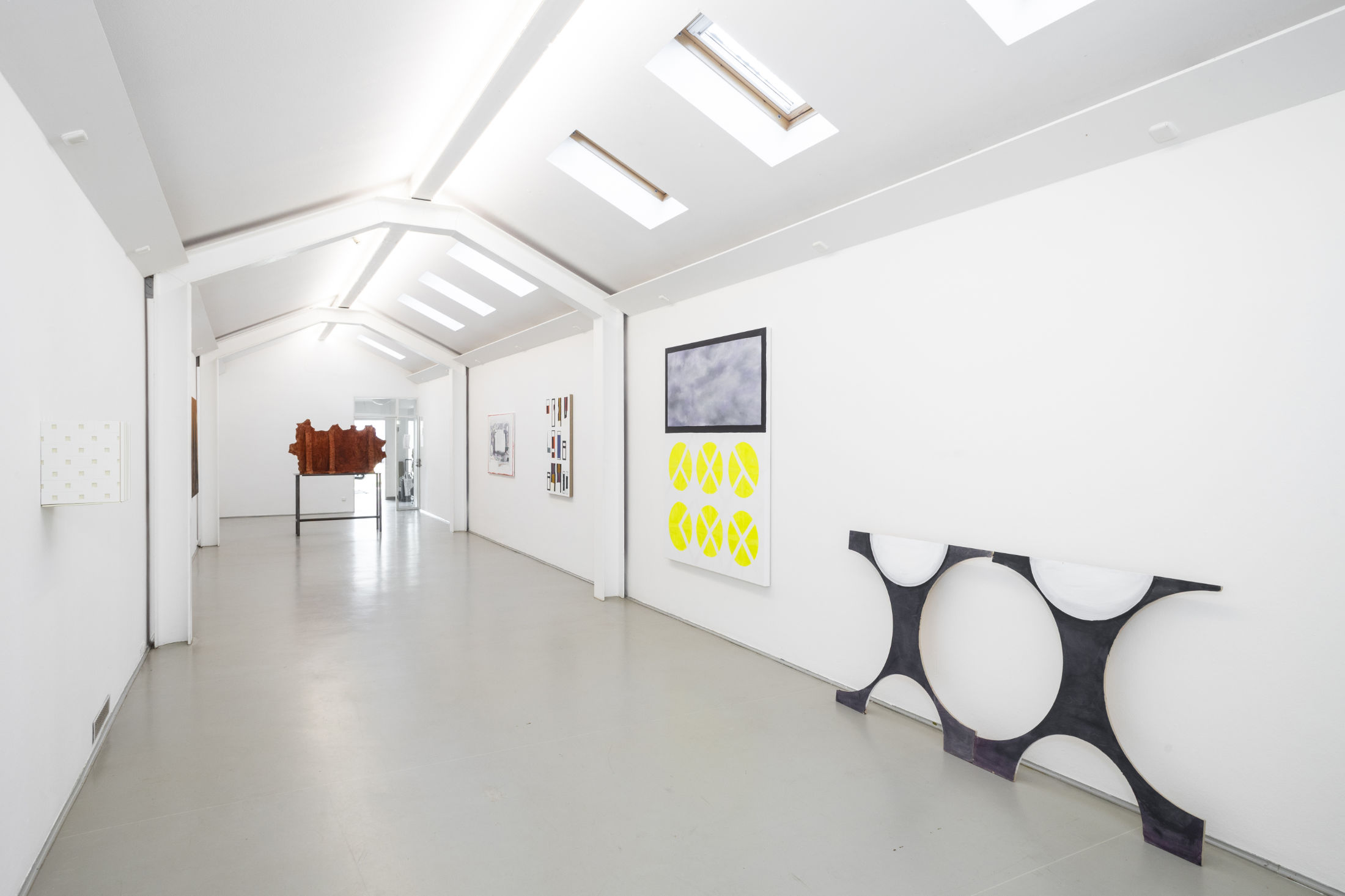
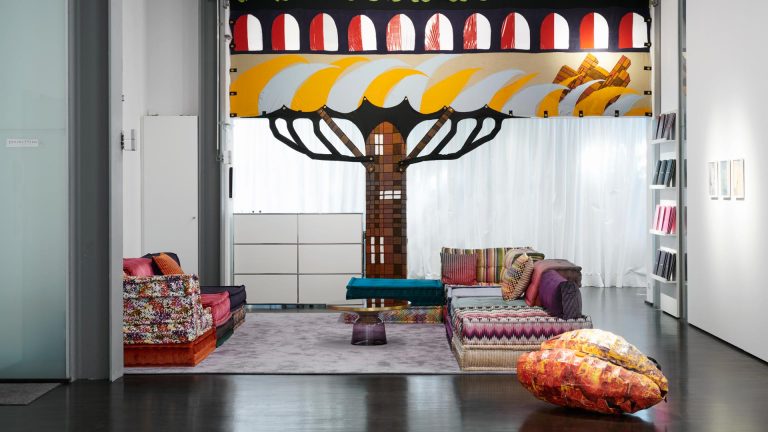
Wände bauen (Building Walls), 2026, exhibition view, Kunstverein Langenhagen
Wände bauen (Building Walls) at Kunstverein Langenhagen
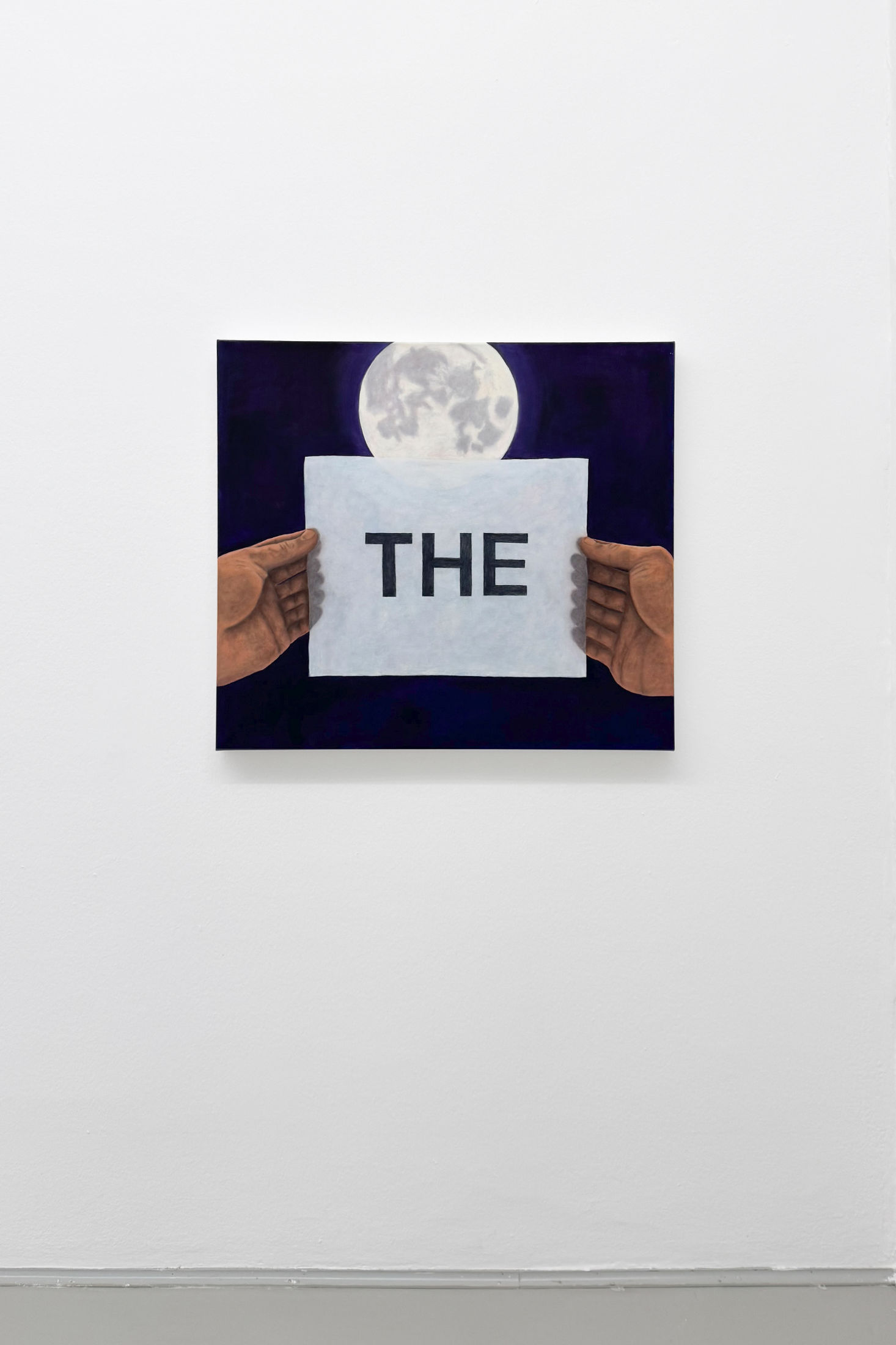
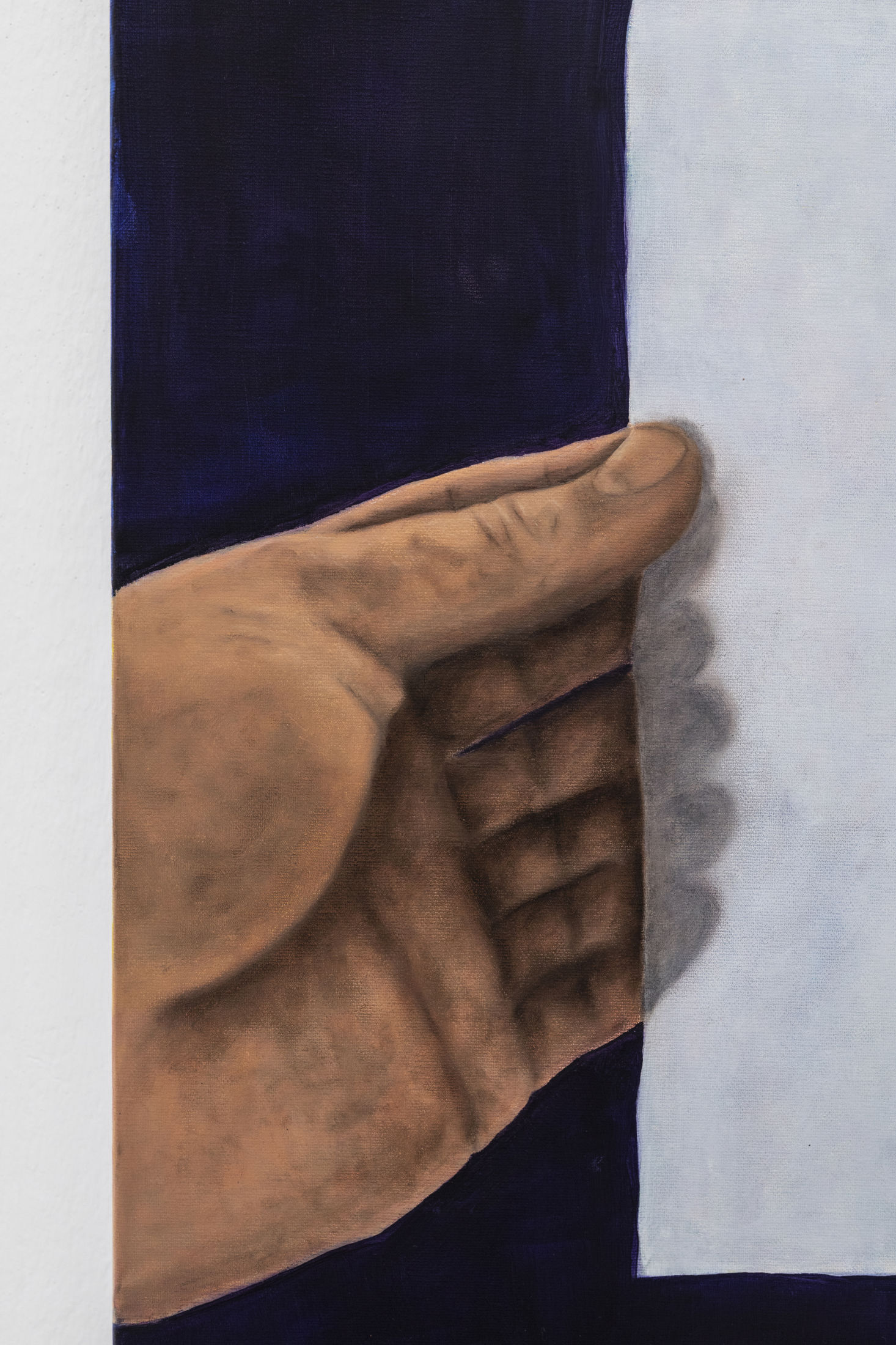
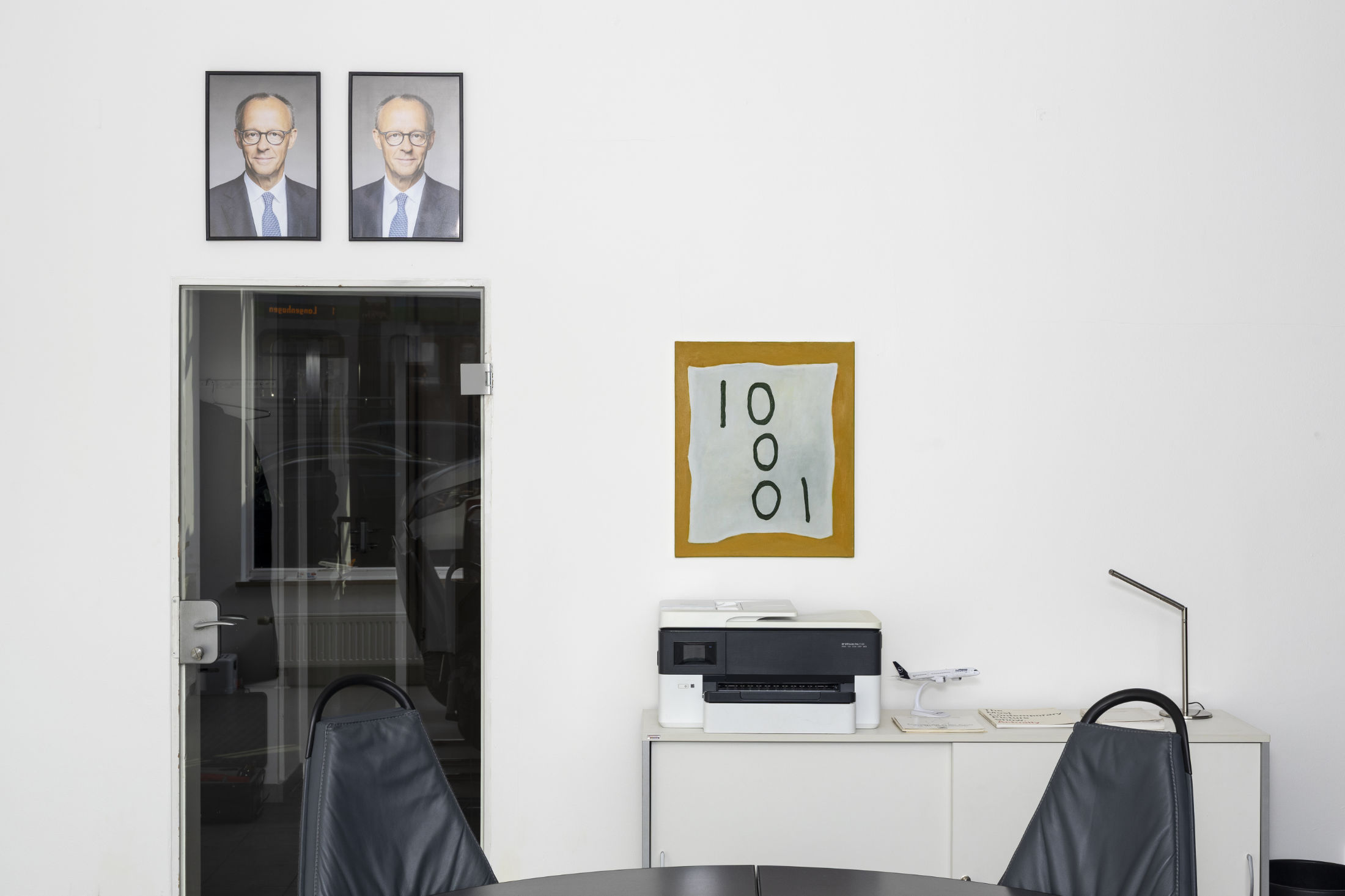
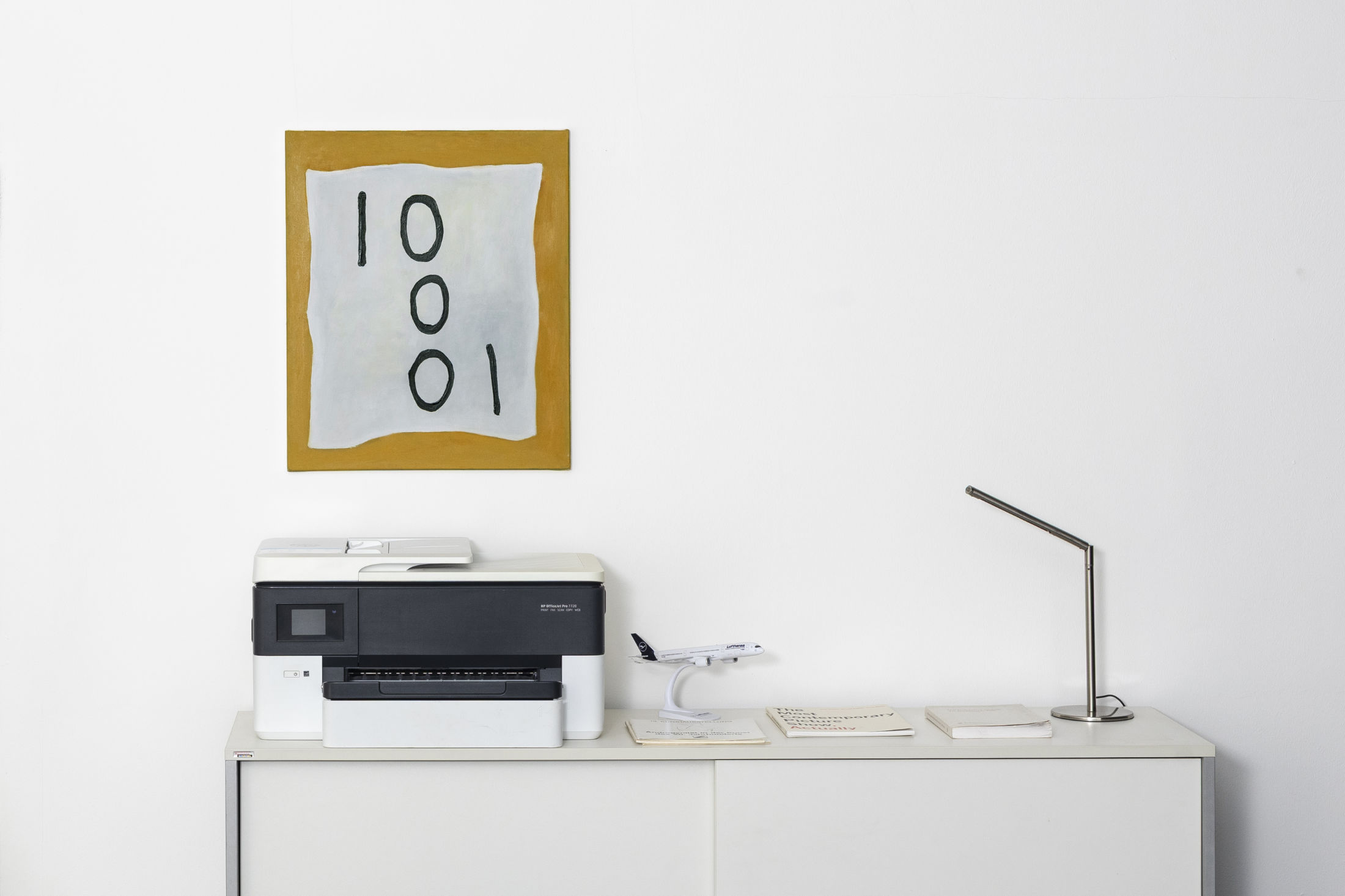
Christian Rothmaler, The The, 2022-2023, ink and oil on canvas, 80 x 90 cm, Photo: Riccarda Russo, Courtesy Kunstverein Langenhagen
Wände bauen (Building Walls) at Kunstverein Langenhagen
Christian Rothmaler, The The, 2022-2023, ink and oil on canvas, 80 x 90 cm, Photo: Riccarda Russo, Courtesy Kunstverein Langenhagen
Wände bauen (Building Walls) at Kunstverein Langenhagen
Wände bauen (Building Walls), 2026, exhibition view, Kunstverein Langenhagen
Wände bauen (Building Walls) at Kunstverein Langenhagen
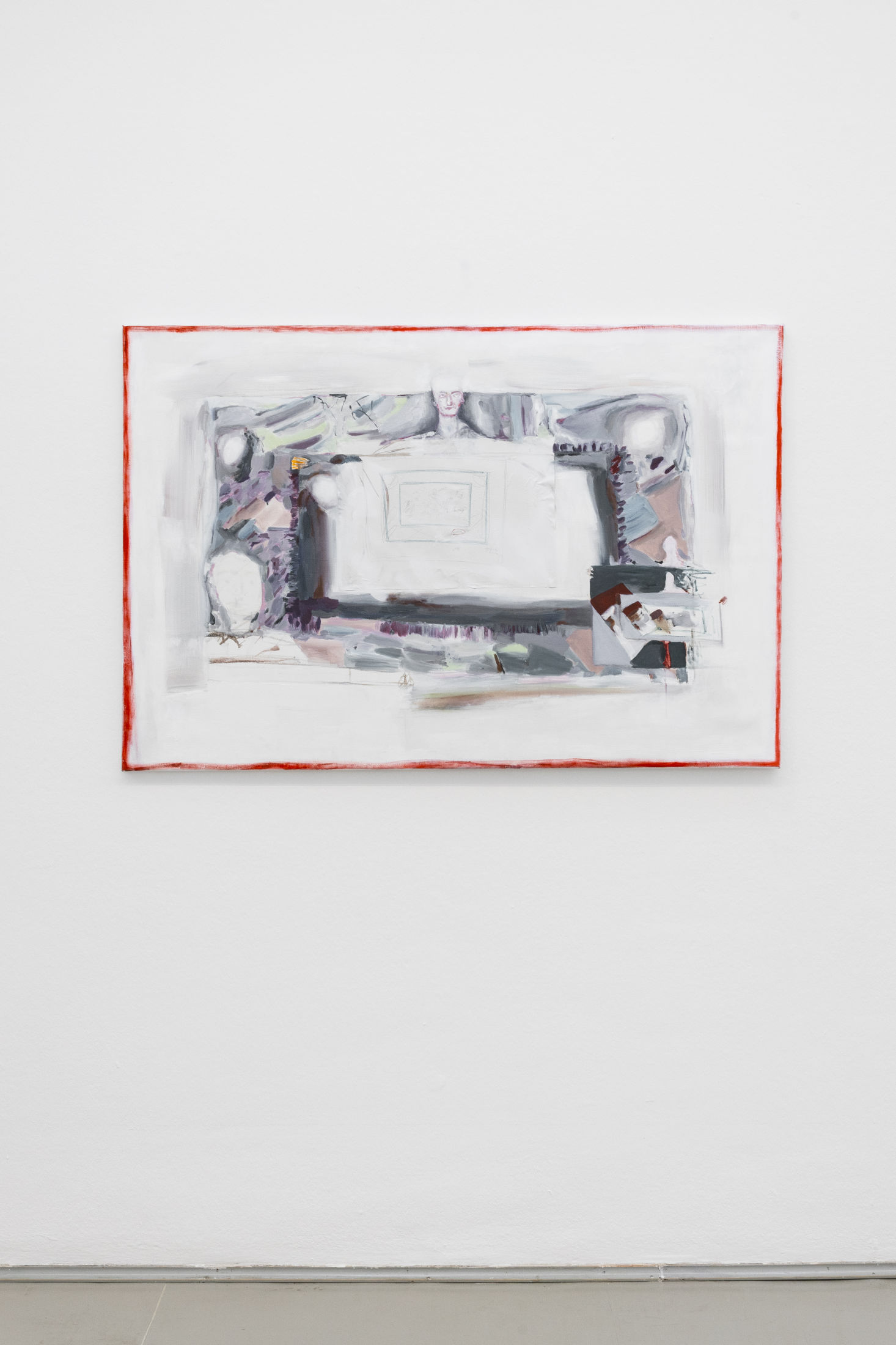
Stella Sieber, On the edge of war (always), 2025, oil on canvas, 87 x 129 cm, Photo: Hannah Jung, Courtesy Kunstverein Langenhagen
Wände bauen (Building Walls) at Kunstverein Langenhagen
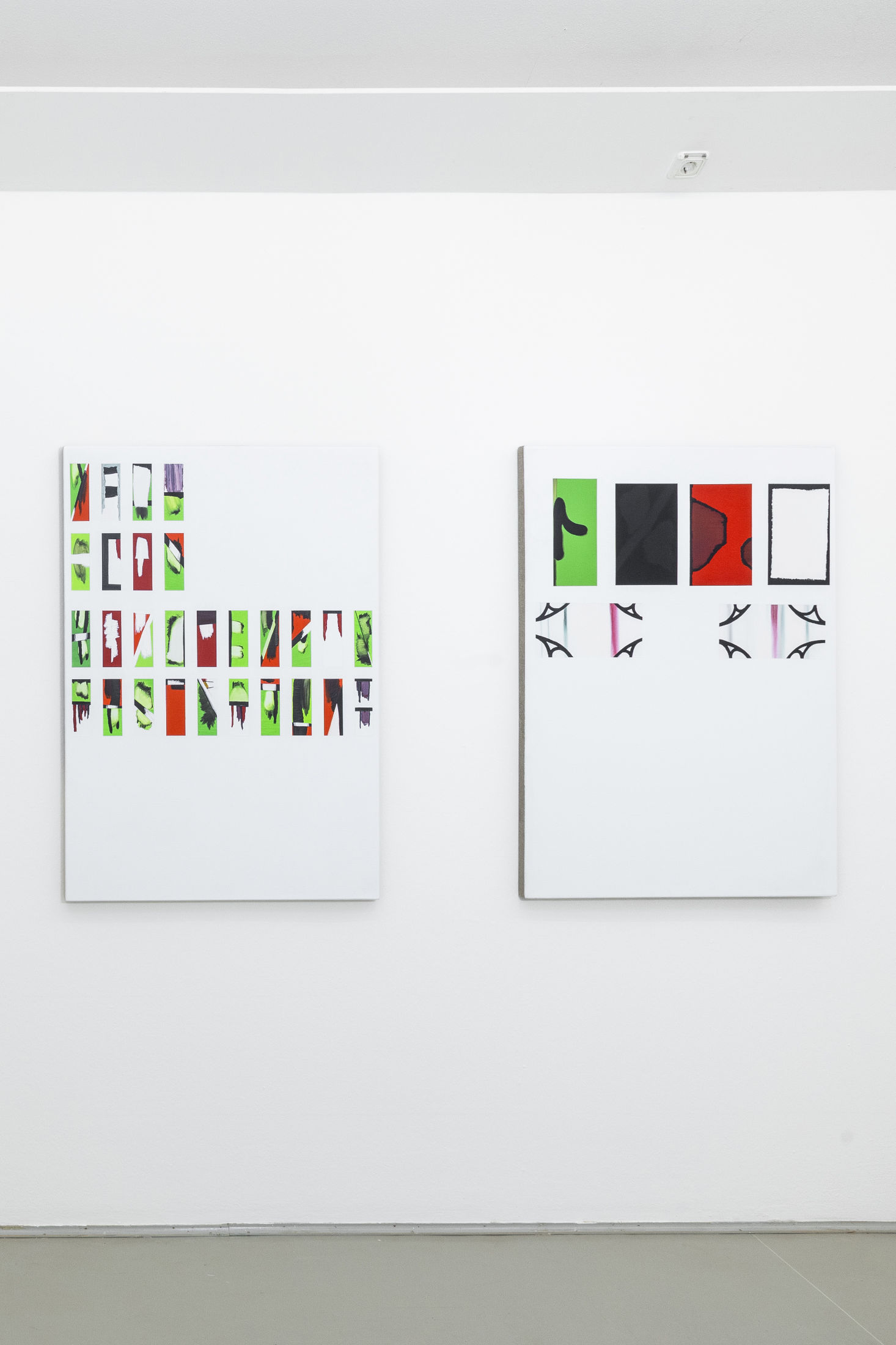
Klaus Merkel, 92.01.04 Gruppenausstellungsbild EXTRAS (Köln), 1992, oil on canvas, 115 x 80 cm, Photo: Hannah Jung, Courtesy Kunstverein Langenhagen Galerie Max Mayer, Berlin
Wände bauen (Building Walls) at Kunstverein Langenhagen
Wände bauen (Building Walls), 2026, exhibition view, Kunstverein Langenhagen
Wände bauen (Building Walls) at Kunstverein Langenhagen
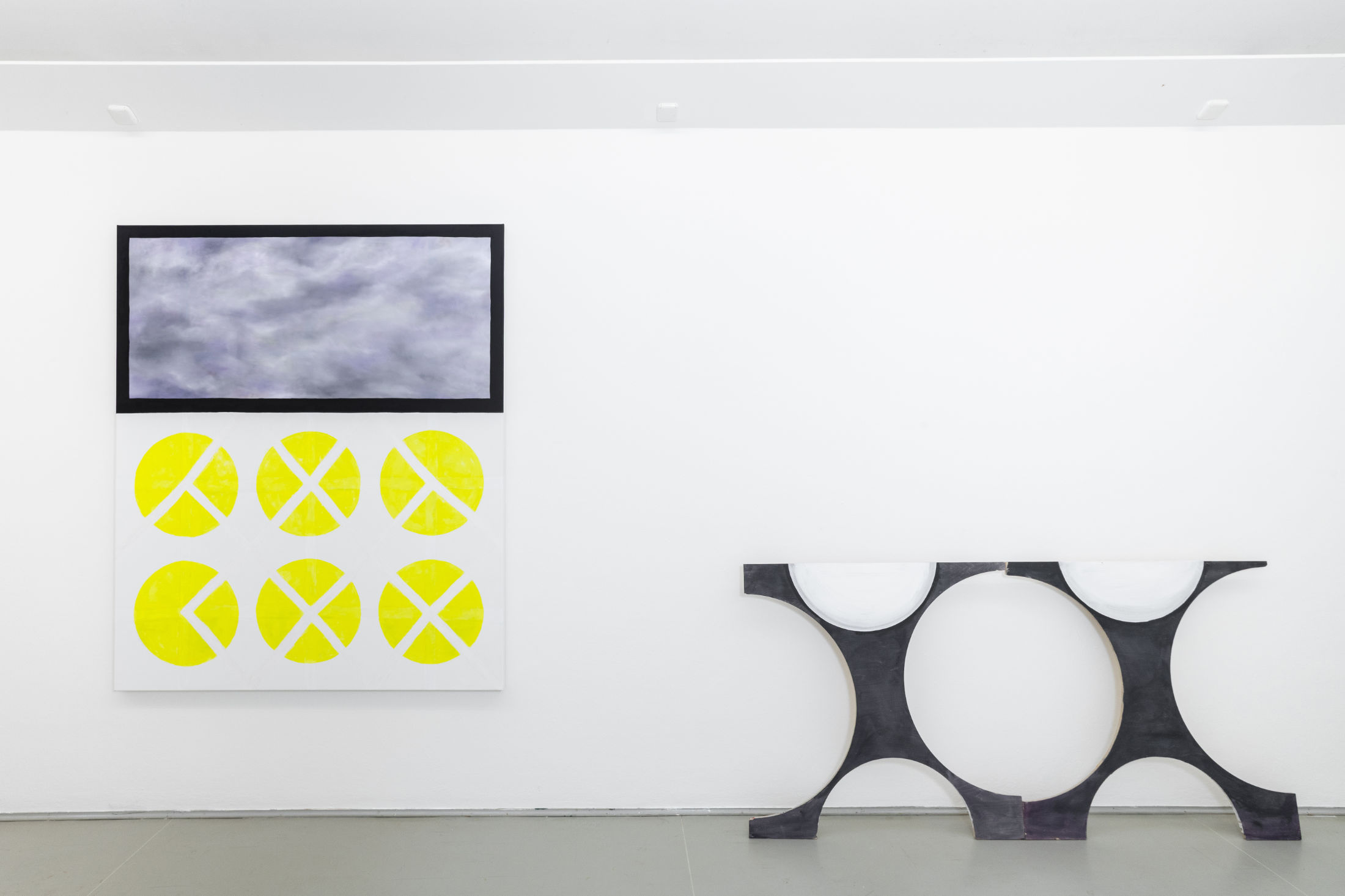
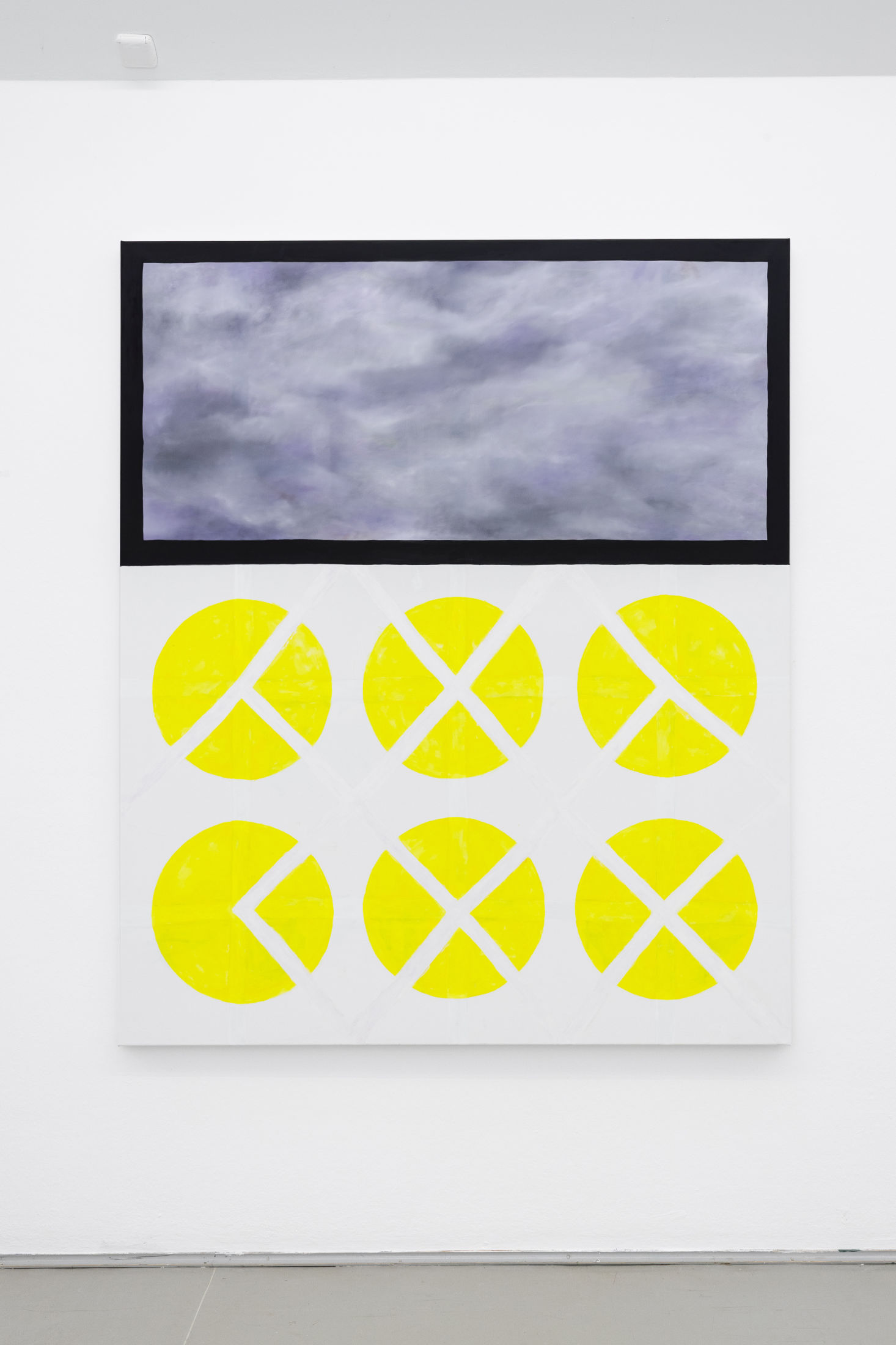
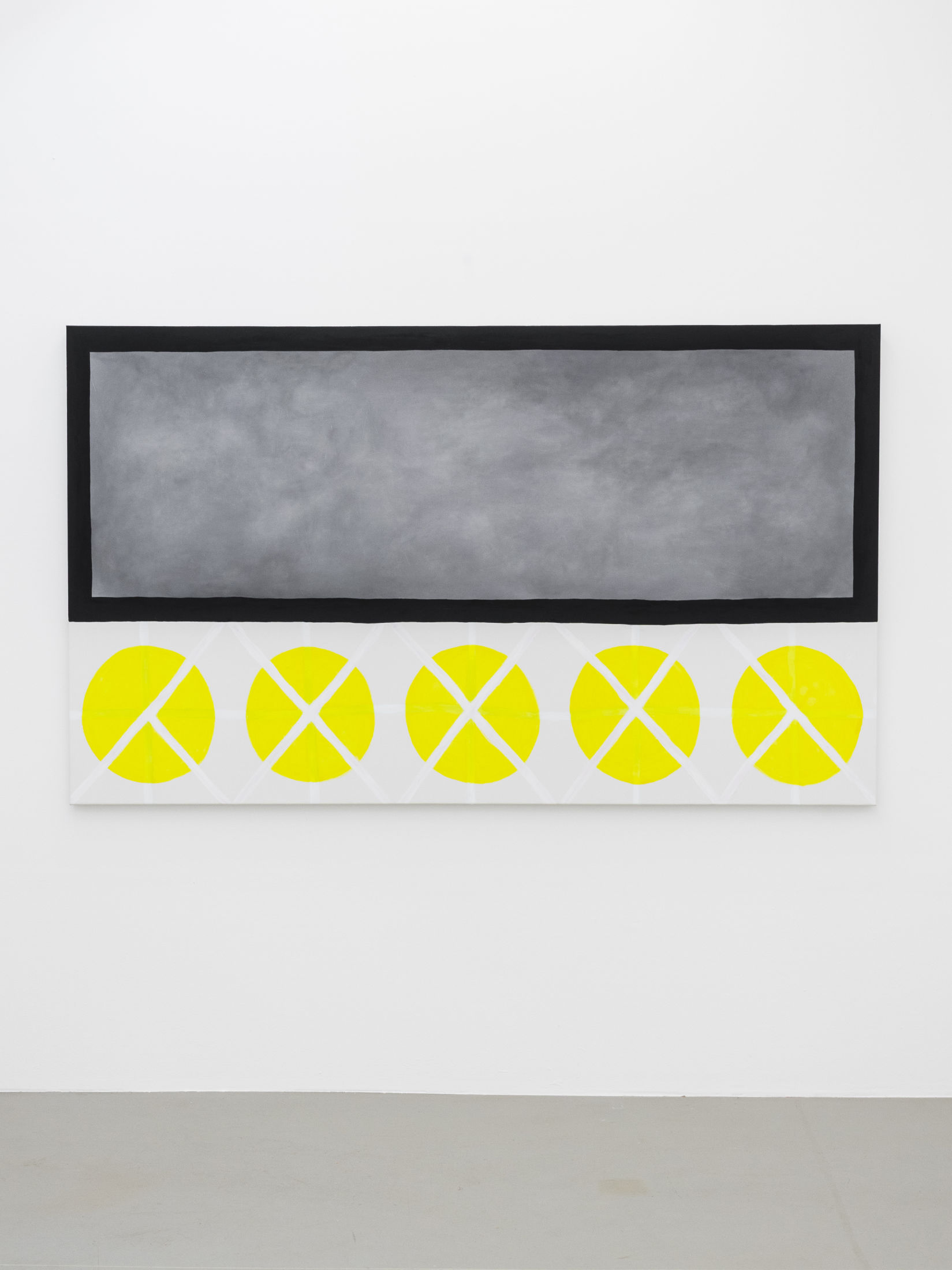
Christian Rothmaler, Zeitplombe: Der Fluch (Kontrollstation), 2025, ink and oil on canvas, 180 x 150 cm, Photo: Hannah Jung, Courtesy Kunstverein Langenhagen
Wände bauen (Building Walls) at Kunstverein Langenhagen
Stella Sieber, It‘s politics, choose it or not, It‘s symmetry, like it or not, Photo: Hannah Jung, Courtesy Kunstverein Langenhagen
Wände bauen (Building Walls) at Kunstverein Langenhagen
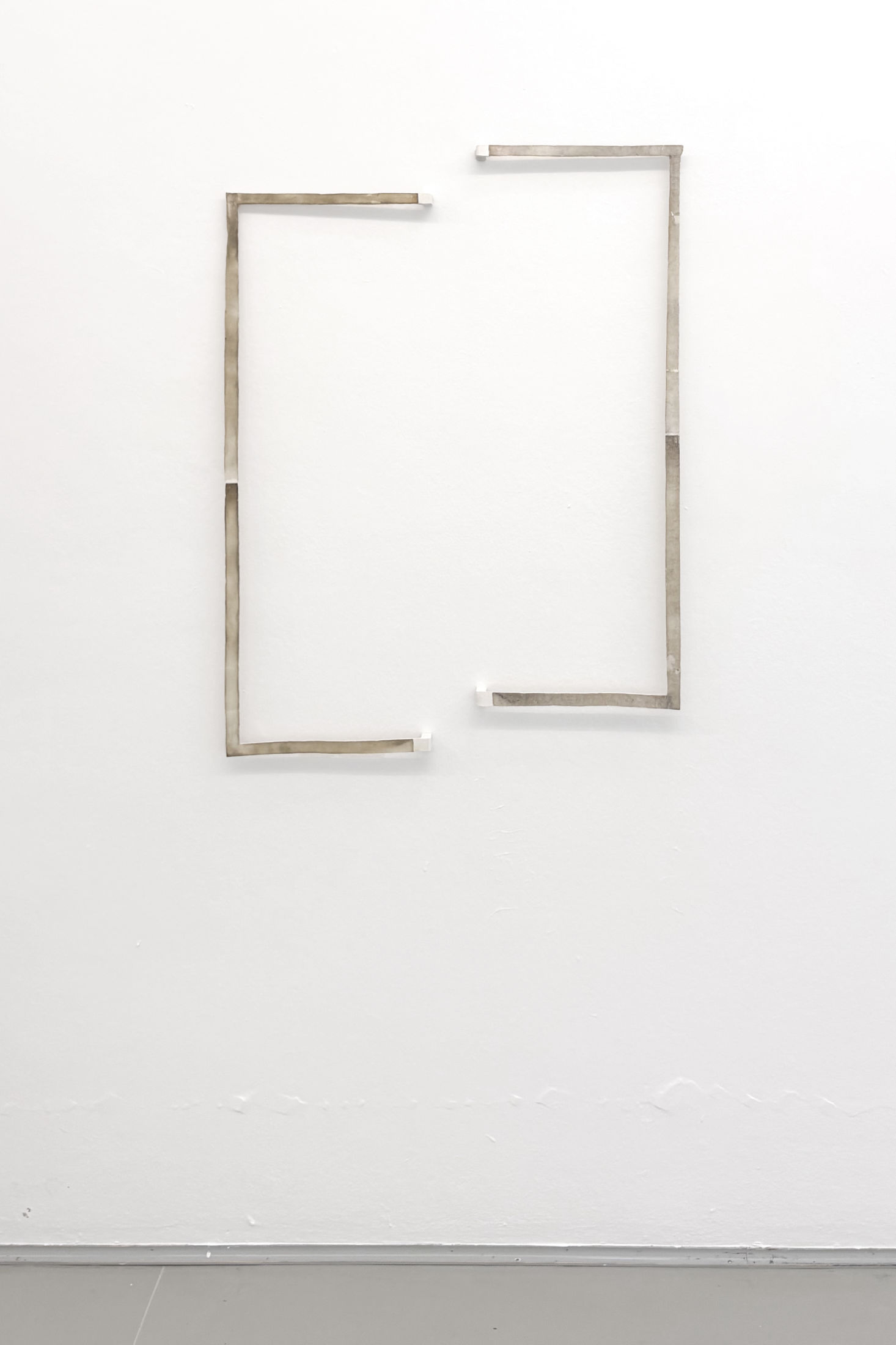
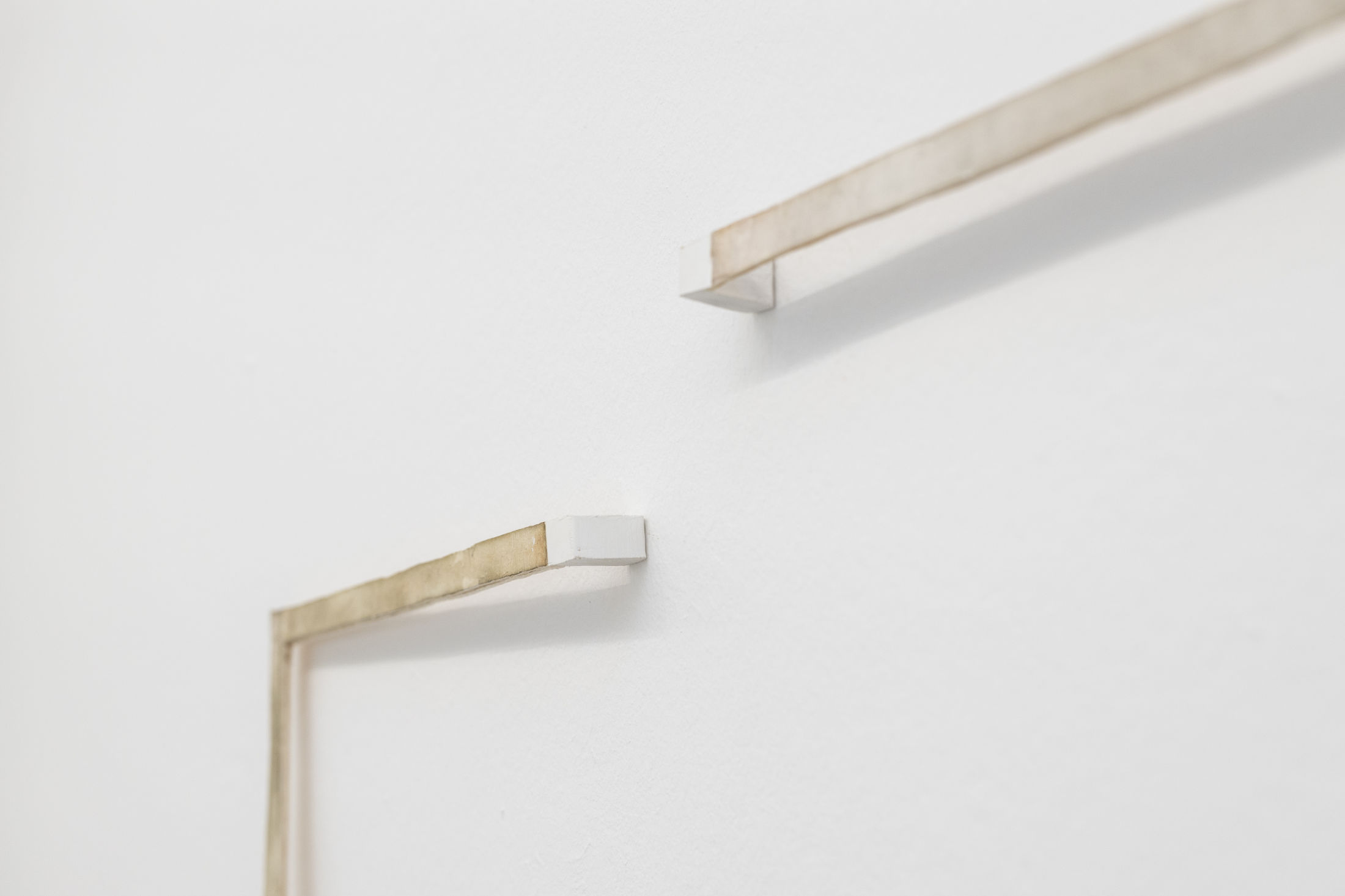
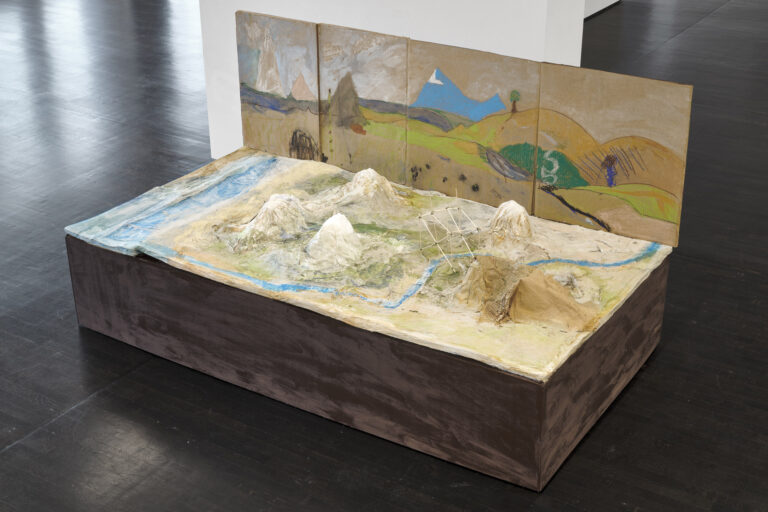
Mara Wohnhaas, Original und Fälschung, 2025, watercolor, paper, wood, 125 x 75 x 3 cm, Photo: Riccarda Russo, Courtesy Kunstverein Langenhagen BQ Gallery, Berlin
Wände bauen (Building Walls) at Kunstverein Langenhagen
Mara Wohnhaas, Original und Fälschung, 2025, watercolor, paper, wood, 125 x 75 x 3 cm, Photo: Riccarda Russo, Courtesy Kunstverein Langenhagen BQ Gallery, Berlin
Wände bauen (Building Walls) at Kunstverein Langenhagen
Mara Wohnhaas, Original und Fälschung, 2025, watercolor, paper, wood, 125 x 75 x 3 cm, Photo: Riccarda Russo, Courtesy Kunstverein Langenhagen BQ Gallery, Berlin
Wände bauen (Building Walls) at Kunstverein Langenhagen
Christian Rothmaler, Zeitplombe (Kontrollstation Flaschenhals), 2016, ink and oil on canvas, 130 x 220 cm, Photo: Hannah Jung, Courtesy Kunstverein Langenhagen
Wände bauen (Building Walls) at Kunstverein Langenhagen
Wände bauen (Building Walls), 2026, exhibition view, Kunstverein Langenhagen
Wände bauen (Building Walls) at Kunstverein Langenhagen
Klaus Merkel, 96.10.03 Gruppenausstellungsbild CHOCK A BLOCK (Lahr), 1996, oil on canvas, 115 x 80 cm and 92.01.09 Gruppenausstellungsbild (Bonn) 1992, oil on canvas, 115 x 80 cm, Photo: Hannah Jung, Courtesy Kunstverein Langenhagen Galerie Max Mayer, Berlin
Wände bauen (Building Walls) at Kunstverein Langenhagen
Klaus Merkel, 96.10.03 Gruppenausstellungsbild CHOCK A BLOCK (Lahr), 1996, oil on canvas, 115 x 80 cm and 92.01.09 Gruppenausstellungsbild (Bonn) 1992, oil on canvas, 115 x 80 cm, Photo: Hannah Jung, Courtesy Kunstverein Langenhagen Galerie Max Mayer, Berlin
Wände bauen (Building Walls) at Kunstverein Langenhagen
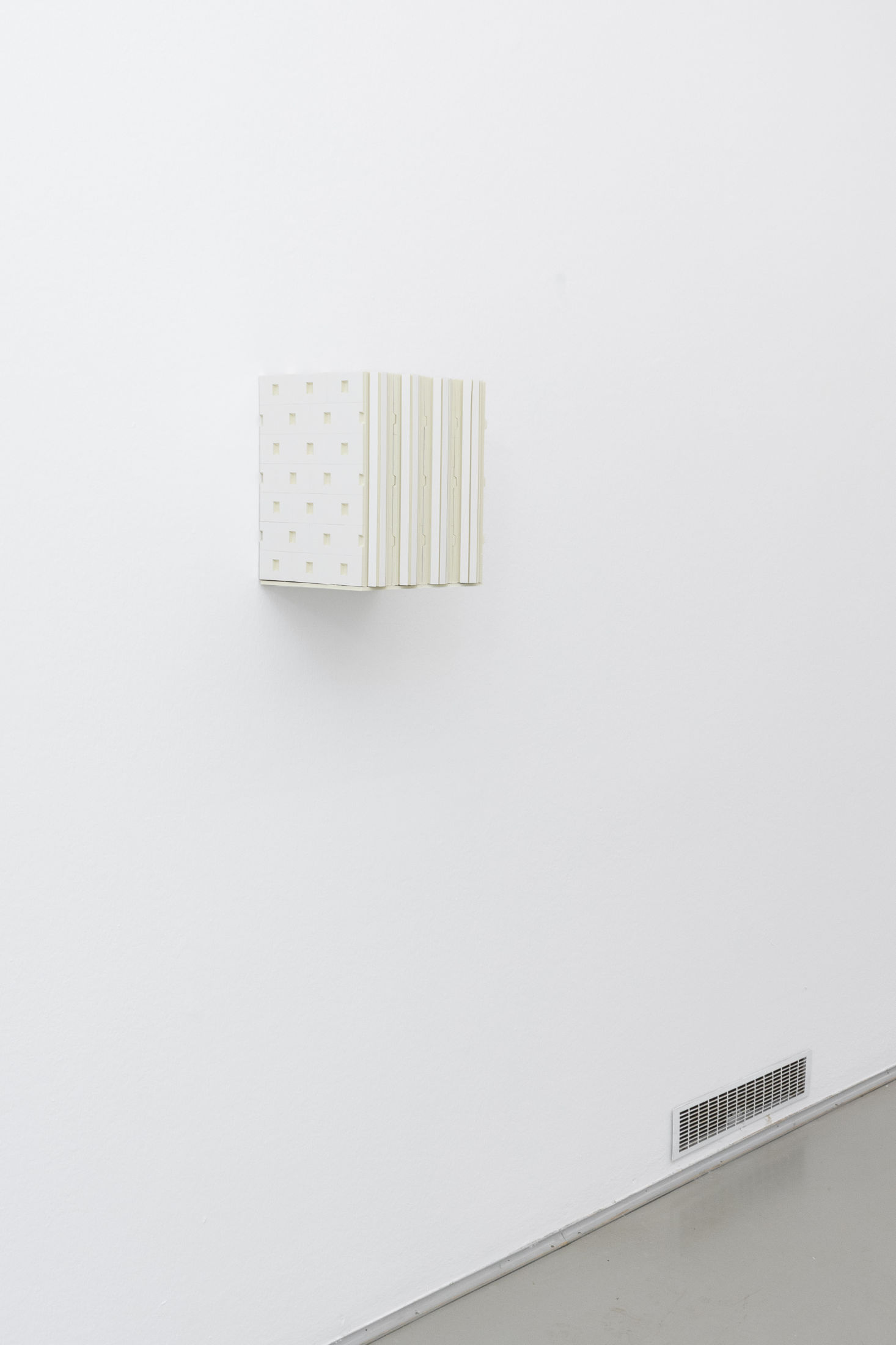
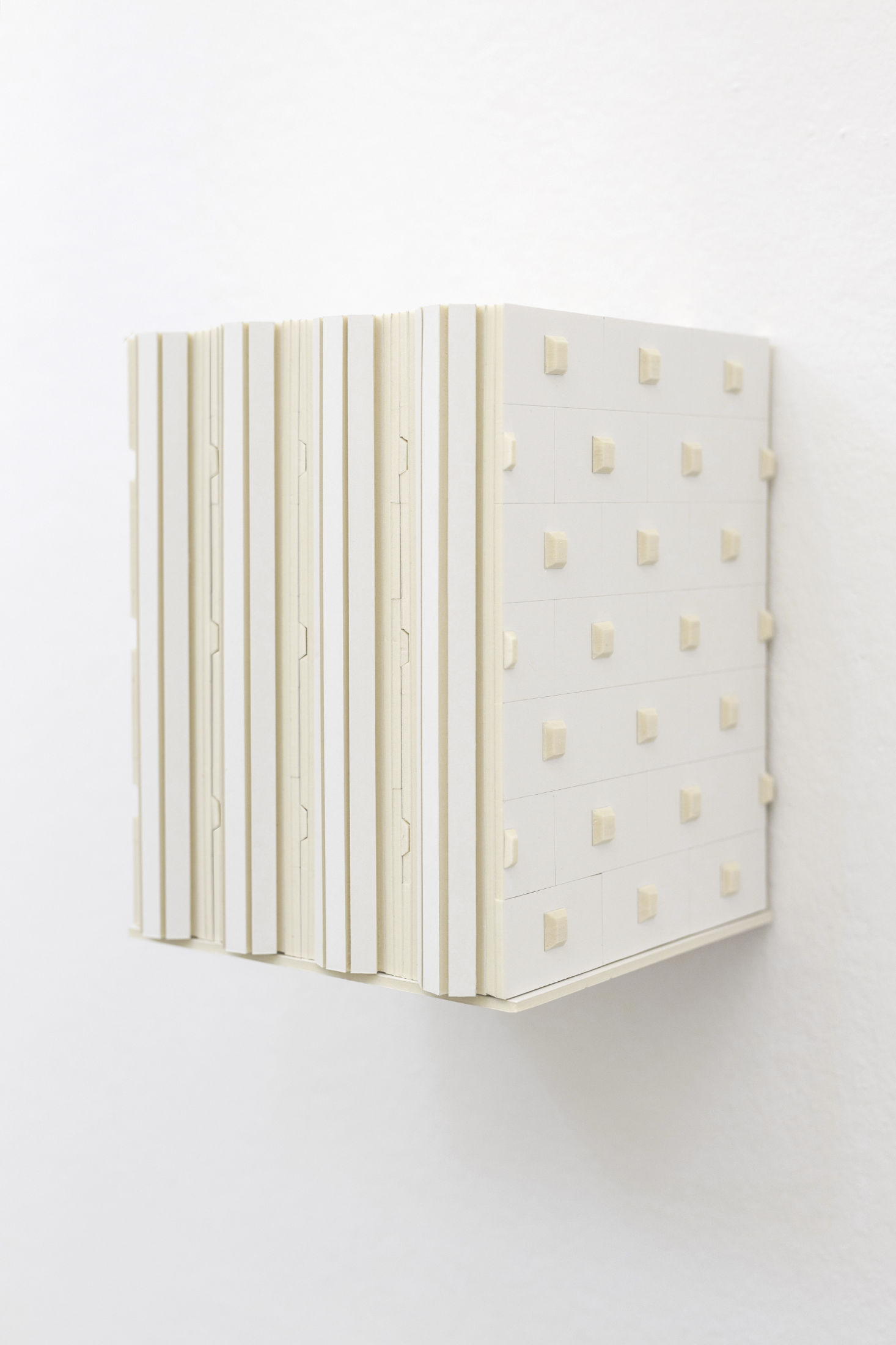
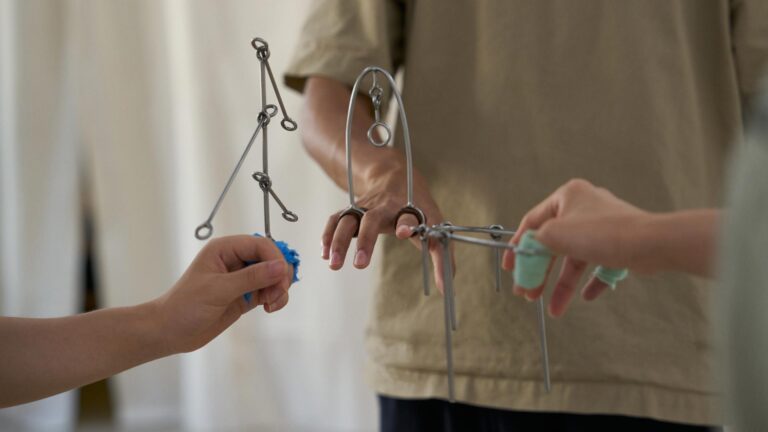
Mara Wohnhaas, Lockit for a Yeti, 2024, foam board, 28,7 x 40,4 x 30 cm, Photo: Hannah Jung, Courtesy Kunstverein Langenhagen BQ Gallery, Berlin
Wände bauen (Building Walls) at Kunstverein Langenhagen
Mara Wohnhaas, Lockit for a Yeti, 2024, foam board, 28,7 x 40,4 x 30 cm, Photo: Hannah Jung, Courtesy Kunstverein Langenhagen BQ Gallery, Berlin
Wände bauen (Building Walls) at Kunstverein Langenhagen
Wände bauen (Building Walls), 2026, exhibition view, Kunstverein Langenhagen
Wände bauen (Building Walls) at Kunstverein Langenhagen
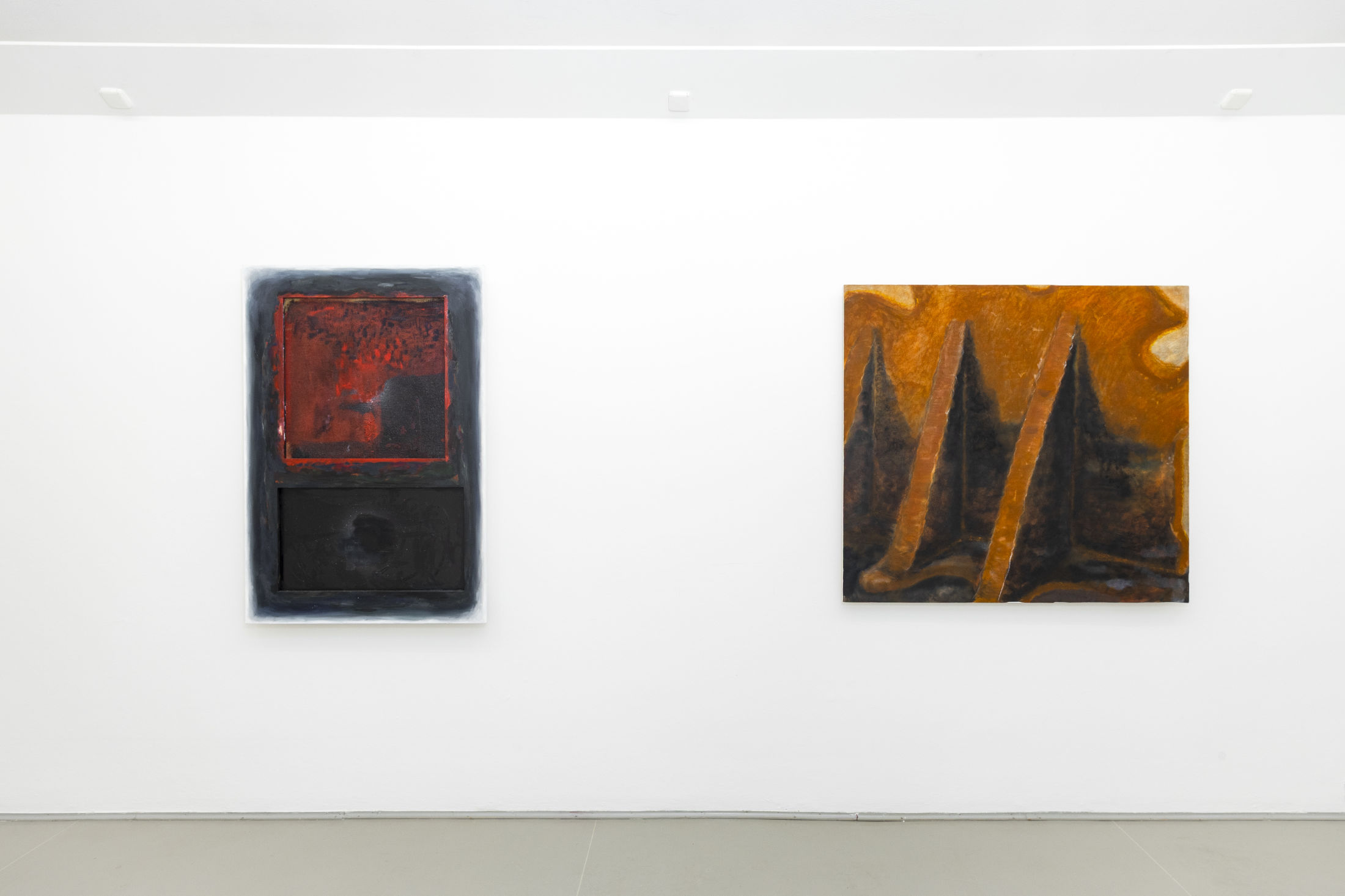
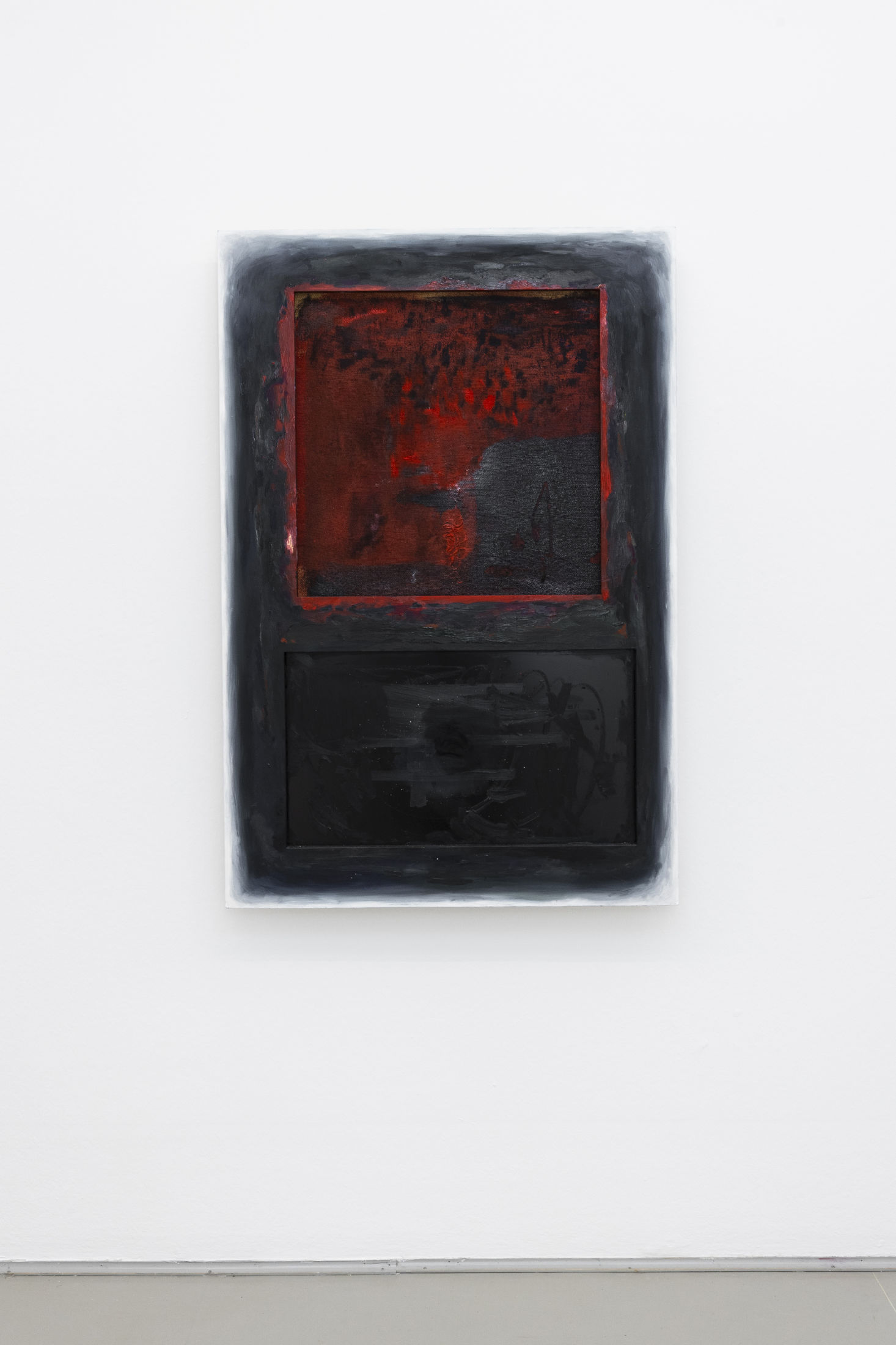
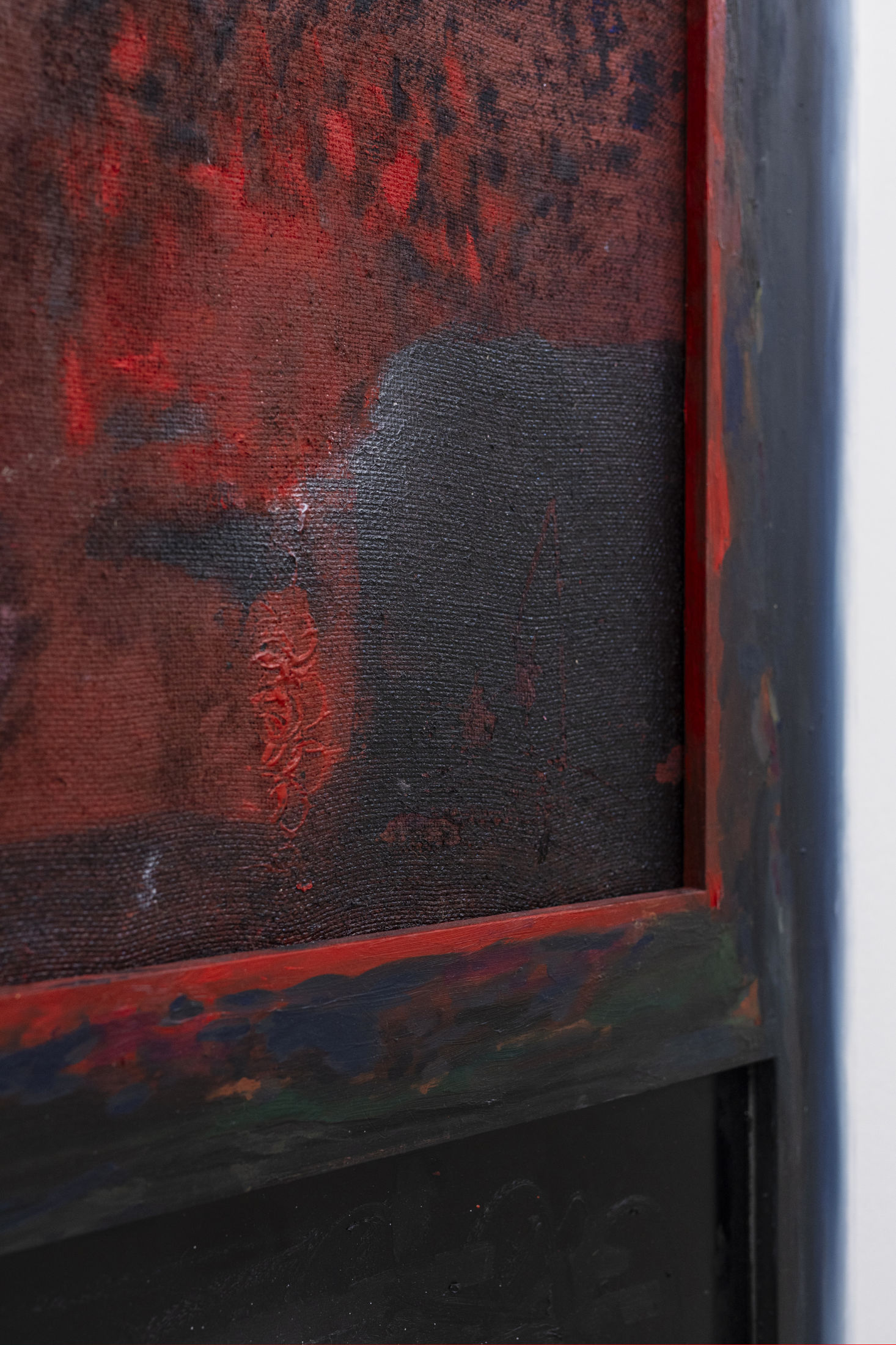
Stella Sieber, Anticipateded, blusheded, bled (for Anne), 2025, oil, latex, jute, wood, LED screen, 134 x 90 x 8 cm, Photo: Hannah Jung, Courtesy Kunstverein Langenhagen
Wände bauen (Building Walls) at Kunstverein Langenhagen
Stella Sieber, Anticipateded, blusheded, bled (for Anne), 2025, oil, latex, jute, wood, LED screen, 134 x 90 x 8 cm, Photo: Hannah Jung, Courtesy Kunstverein Langenhagen
Wände bauen (Building Walls) at Kunstverein Langenhagen
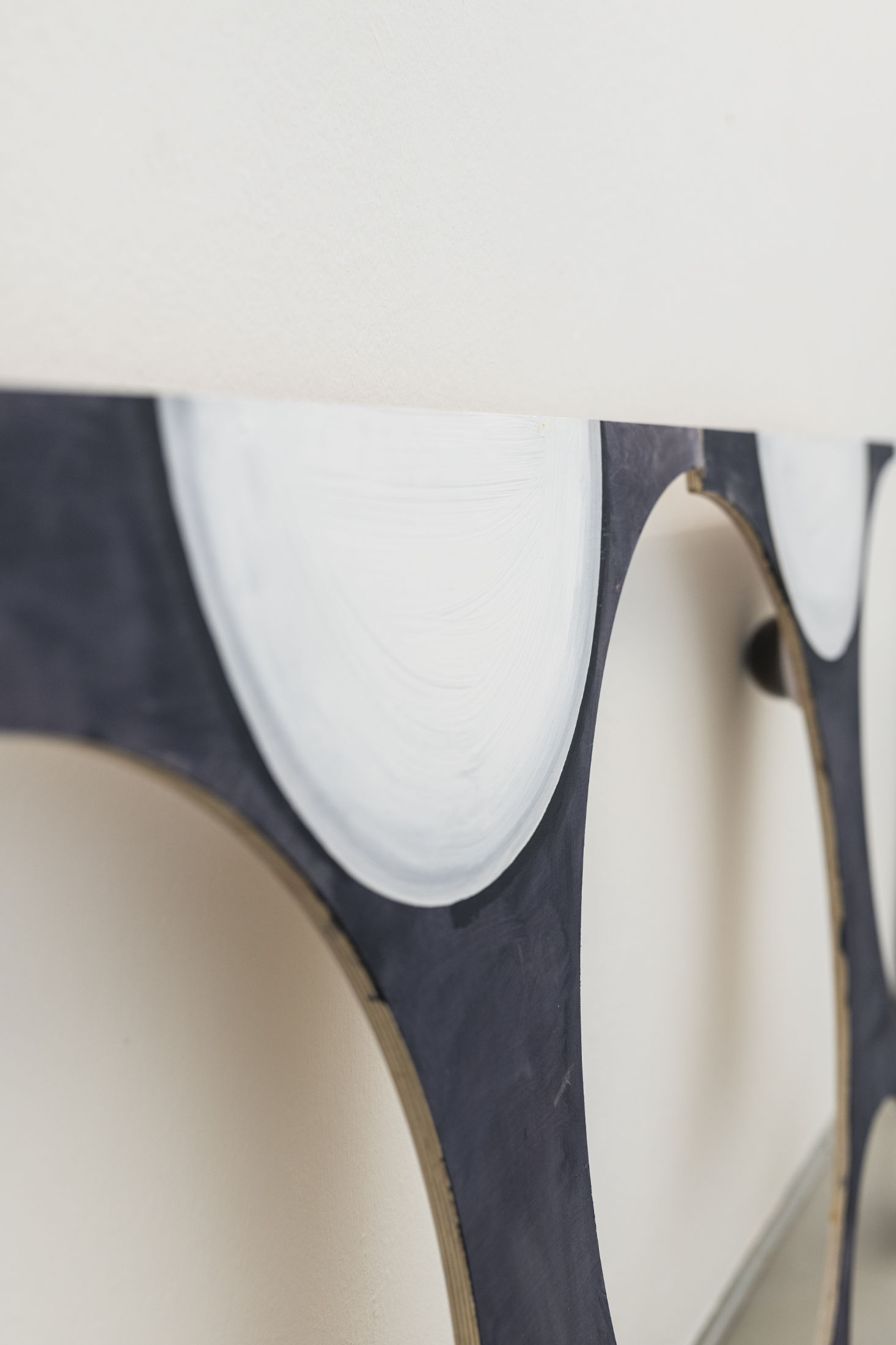
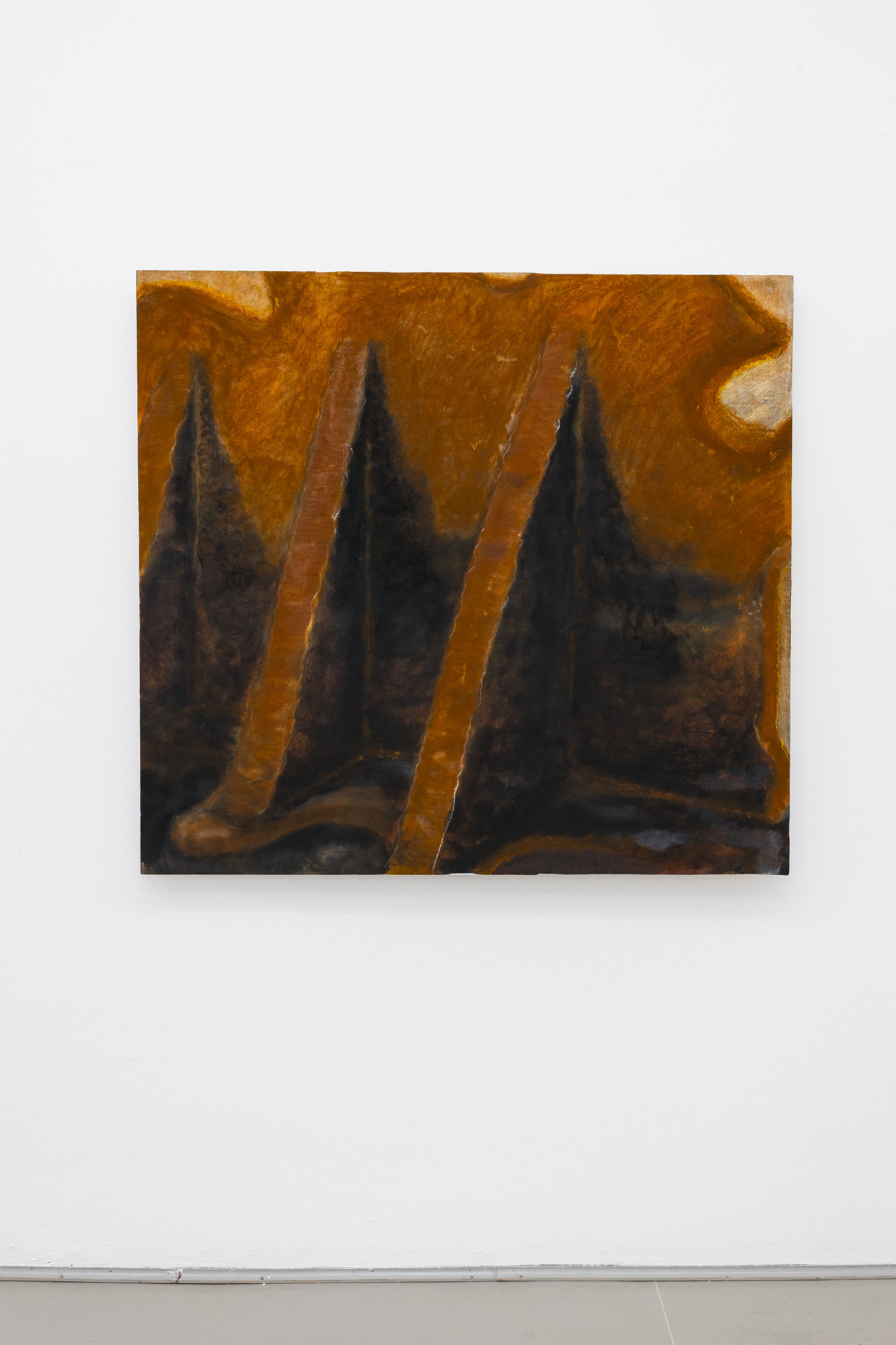
Peter Wächtler, Dich hab ich fast vergessen I, 2024, charcoal, coal on linen and wood, 110 x 130 cm, Photo: Hannah Jung, Courtesy Kunstverein Langenhagen Galerie Lars Friedrich, Berlin
Wände bauen (Building Walls) at Kunstverein Langenhagen
Wände bauen (Building Walls), 2026, exhibition view, Kunstverein Langenhagen
Wände bauen (Building Walls) at Kunstverein Langenhagen
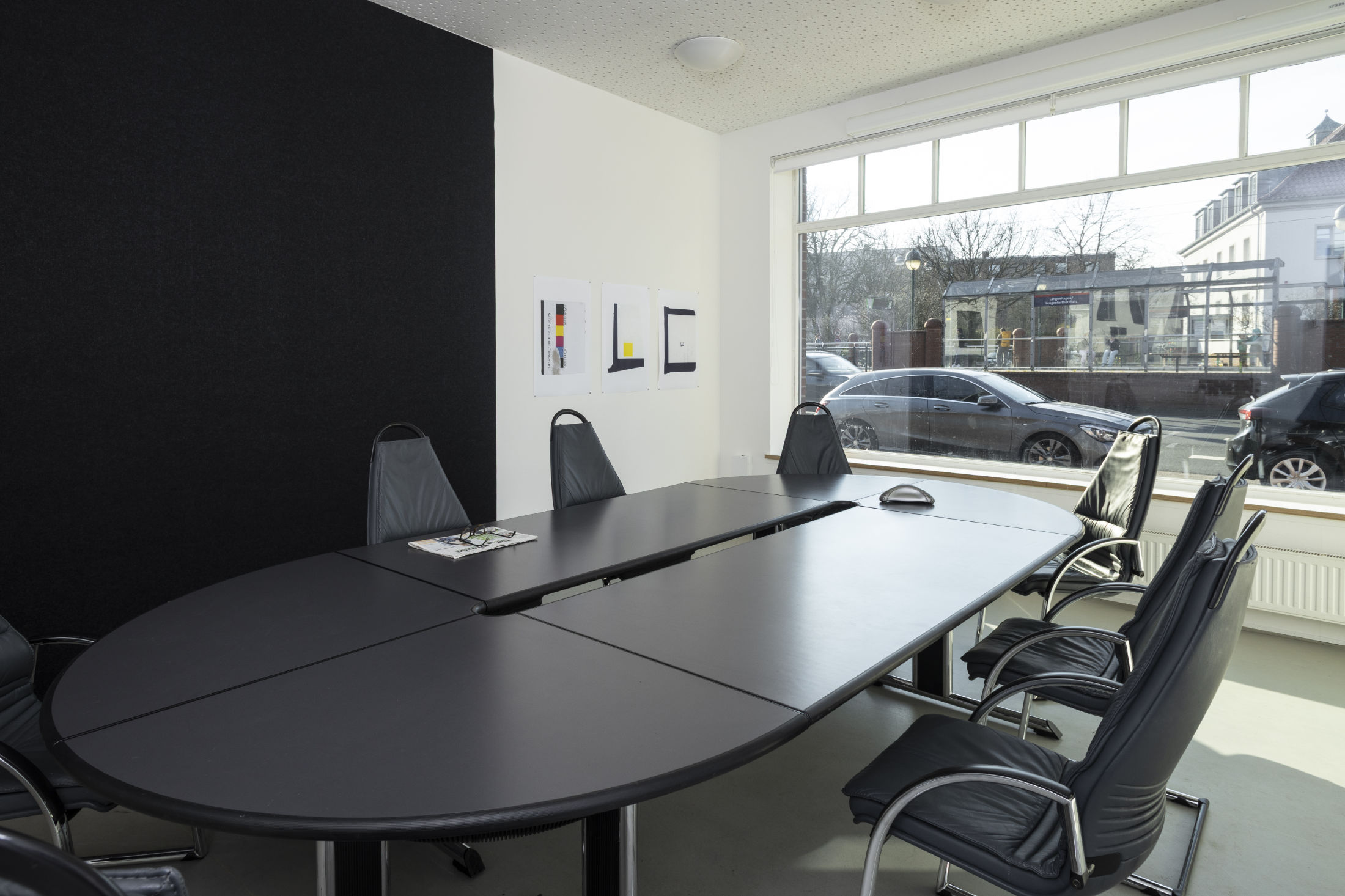
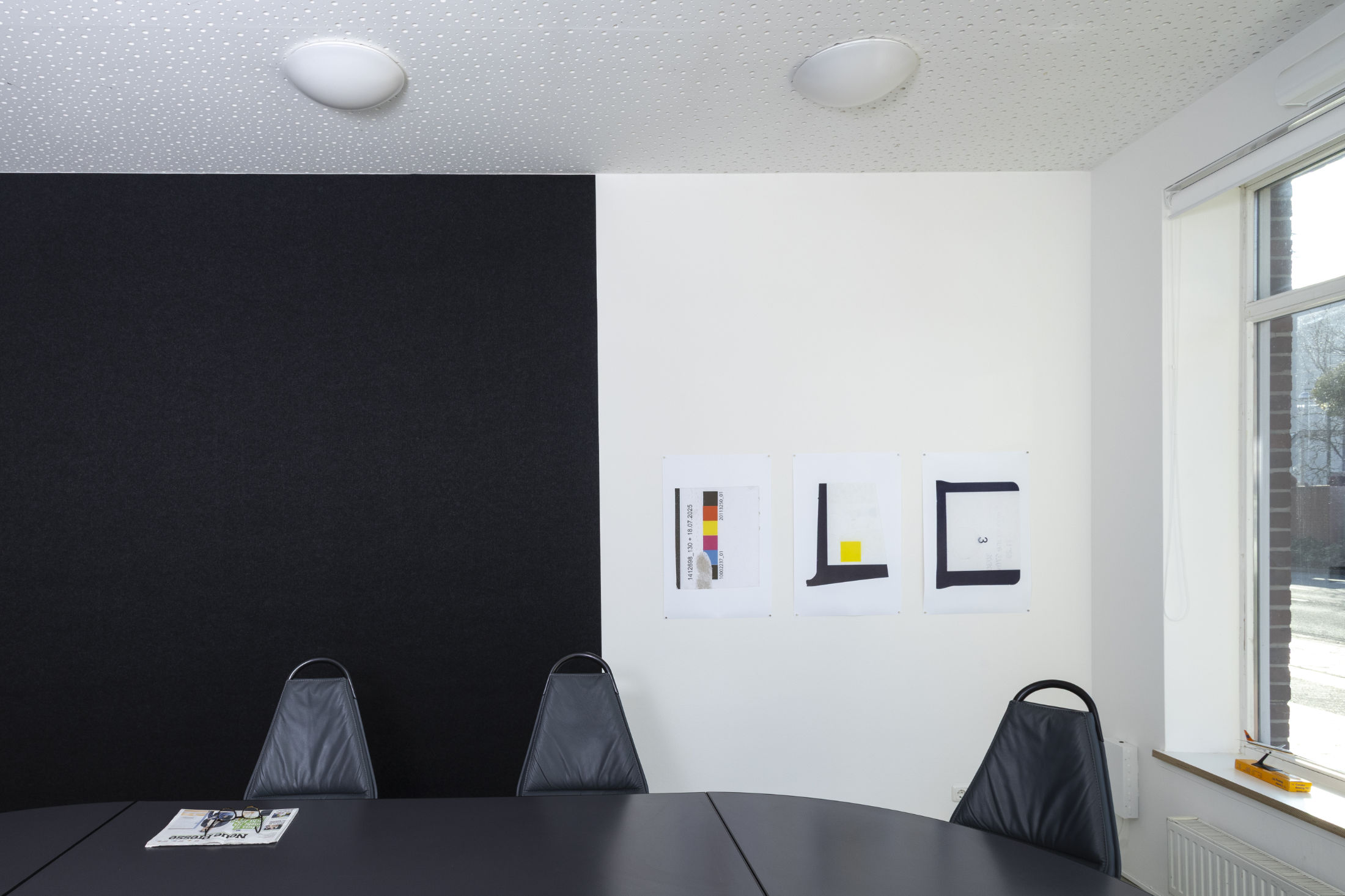
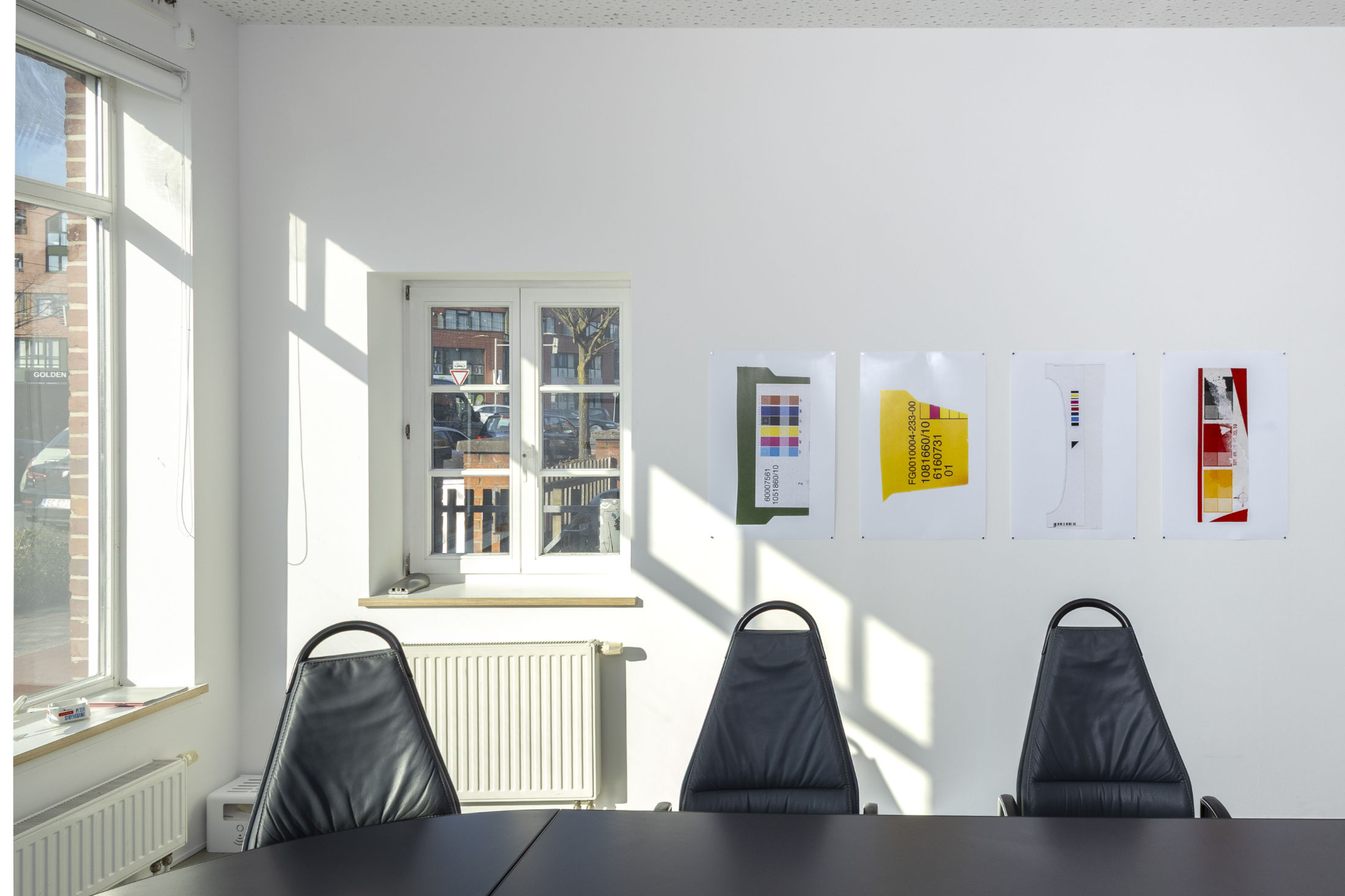
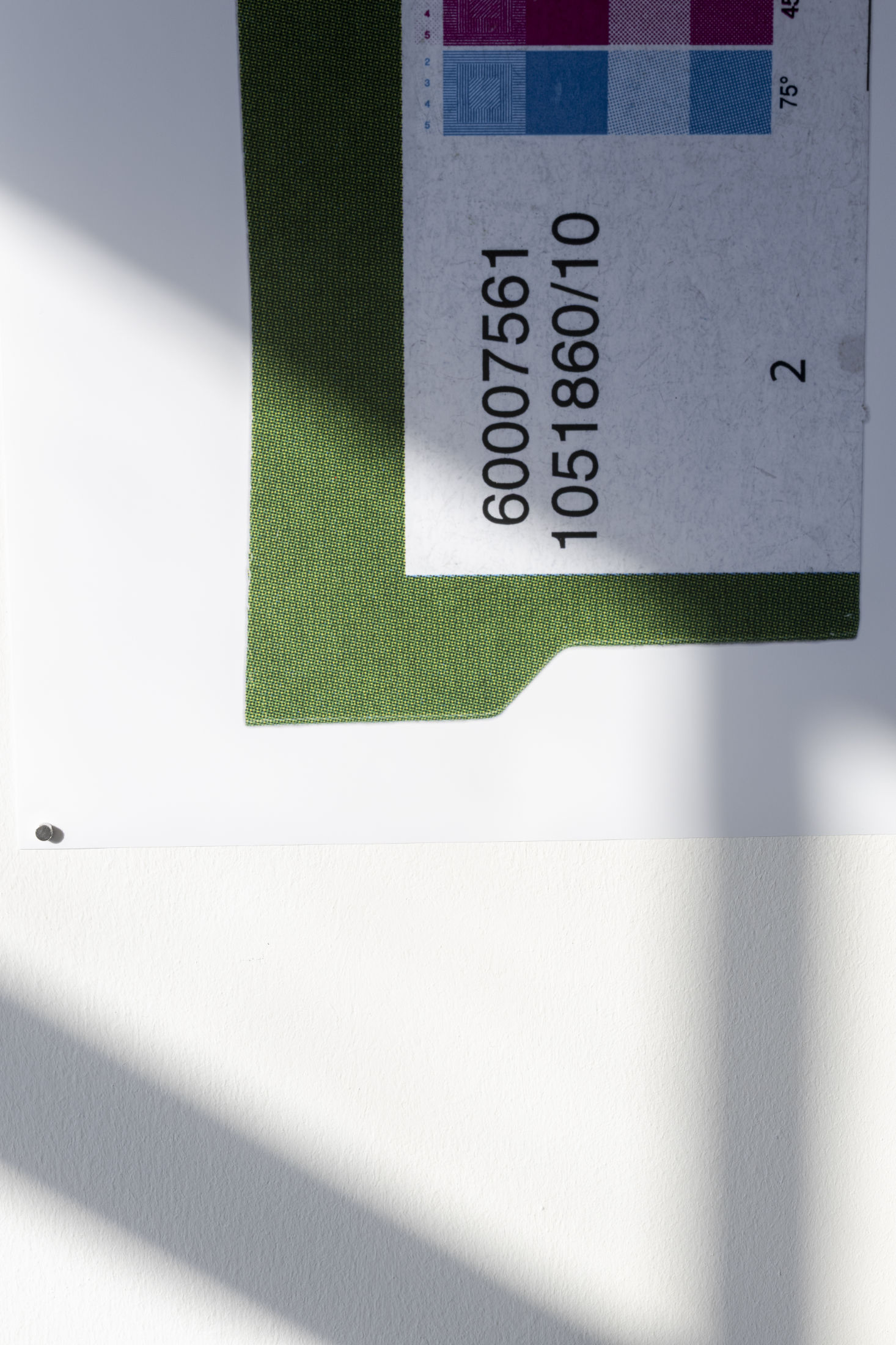
Nicolas Rausch, Spielformen, leider, 2025, inkjet prints, each 50 x 75 cm, Photo: Hannah Jung, Courtesy Kunstverein Langenhagen
Wände bauen (Building Walls) at Kunstverein Langenhagen
Nicolas Rausch, Spielformen, leider, 2025, inkjet prints, each 50 x 75 cm, Photo: Hannah Jung, Courtesy Kunstverein Langenhagen
Wände bauen (Building Walls) at Kunstverein Langenhagen
Nicolas Rausch, Spielformen, leider, 2025, inkjet prints, each 50 x 75 cm, Photo: Hannah Jung, Courtesy Kunstverein Langenhagen
Wände bauen (Building Walls) at Kunstverein Langenhagen
Nicolas Rausch, Spielformen, leider, 2025, inkjet prints, each 50 x 75 cm, Photo: Hannah Jung, Courtesy Kunstverein Langenhagen
Wände bauen (Building Walls) at Kunstverein Langenhagen
Wände bauen (Building Walls), 2026, exhibition view, Kunstverein Langenhagen
Wände bauen (Building Walls) at Kunstverein Langenhagen
Christian Rothmaler, Holes Hirnes (höres!), 2012, oil on canvas, 60 x 50 cm, Photo: Hannah Jung, Courtesy Kunstverein Langenhagen
Wände bauen (Building Walls) at Kunstverein Langenhagen
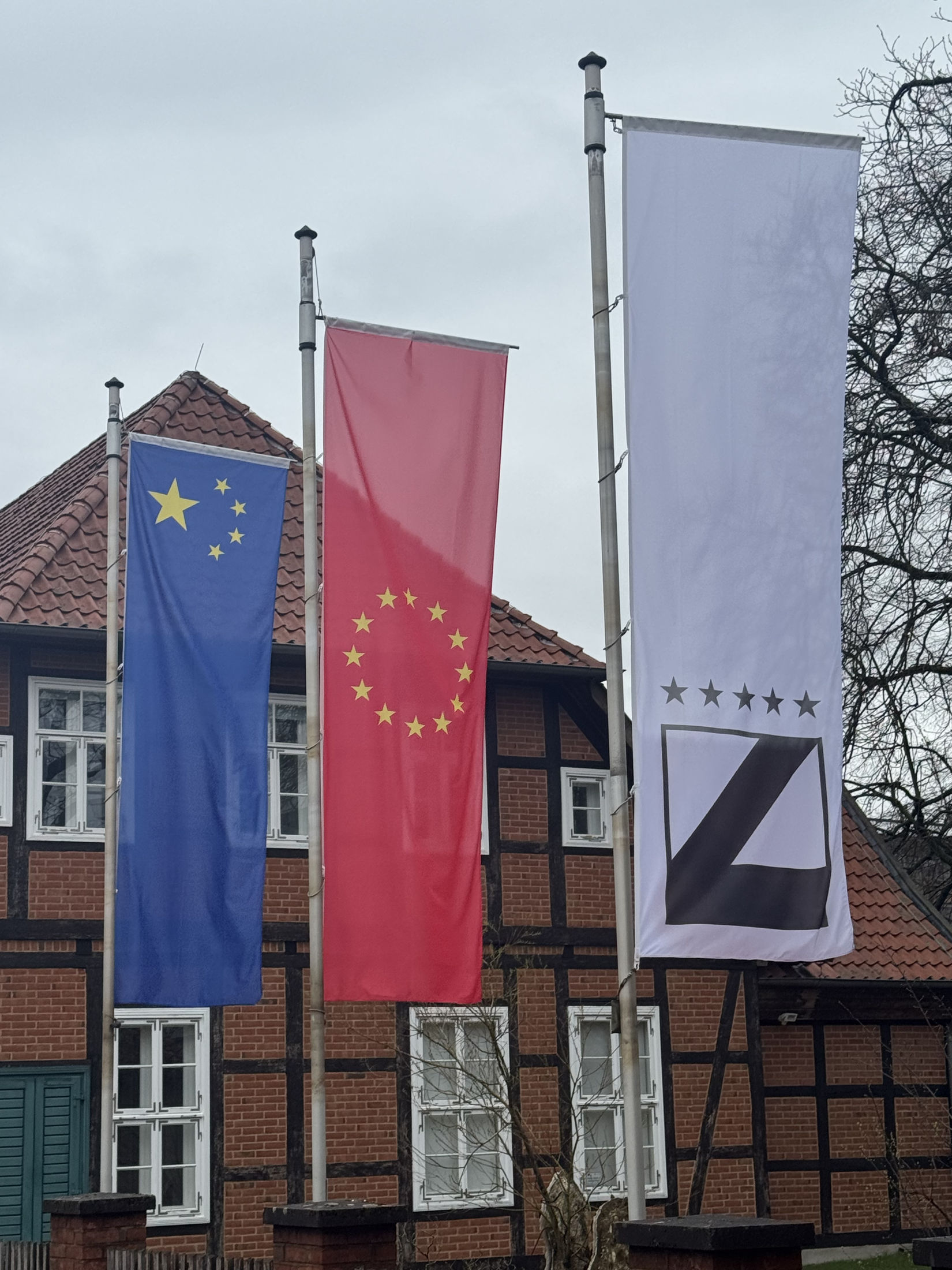
New flagging of the Kunstverein Langenhagen Photo: Andrzej Steinbach, Courtesy Kunstverein Langenhagen

↳Related Posts