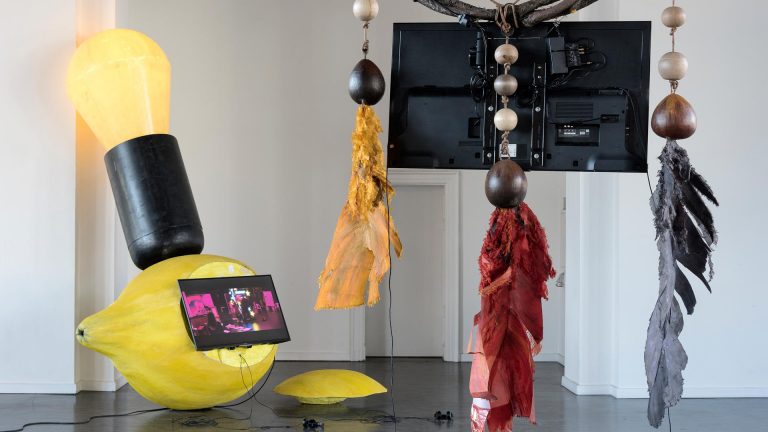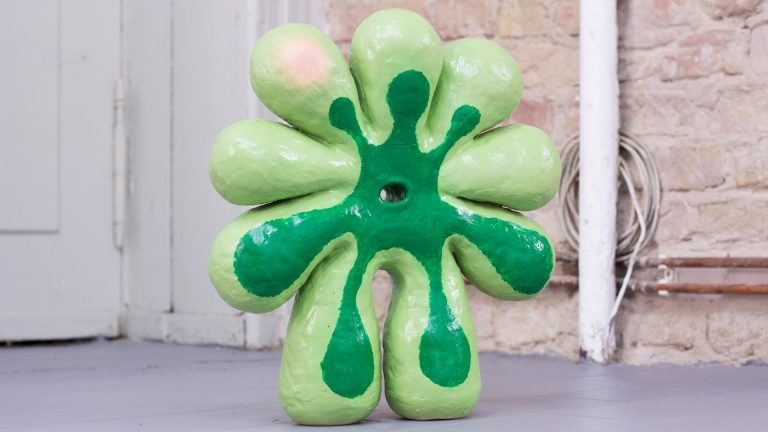
Uri Zamir works across sculpture, installation, video, and performance. His atmospheric presentations blur the lines between reality and imagination—a method deeply influenced by his background in theater. In his work, he creates visual spaces that feel both familiar and unsettling, where meanings begin to shift and unravel.
A central theme in Zamir’s practice is the tension between the sacred and the grotesque. He deconstructs historically charged visual languages and reinterprets them into a deliberately naive yet universally accessible visual vocabulary—inviting viewers to approach authority with distance and to playfully question outdated ideals.
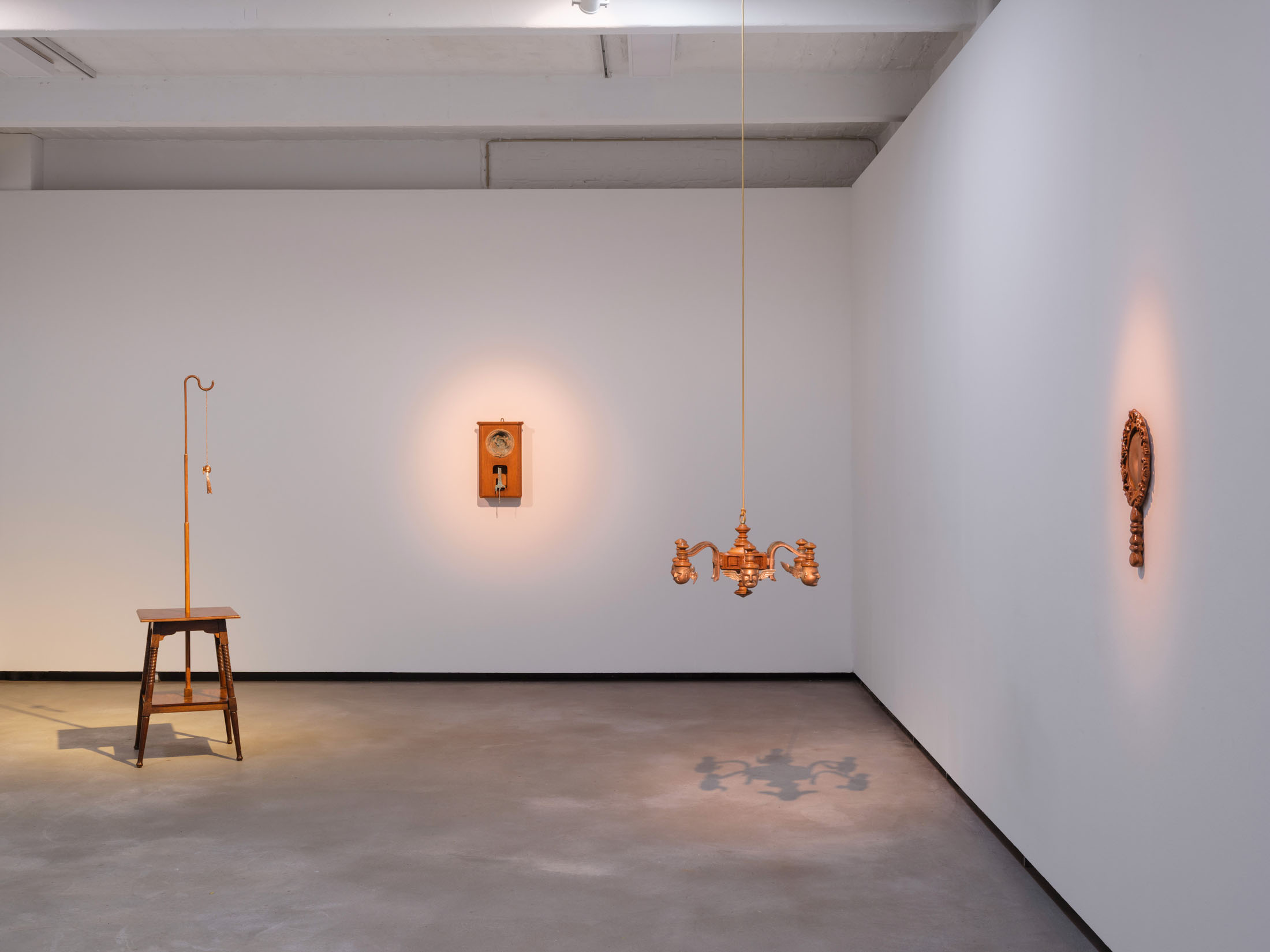
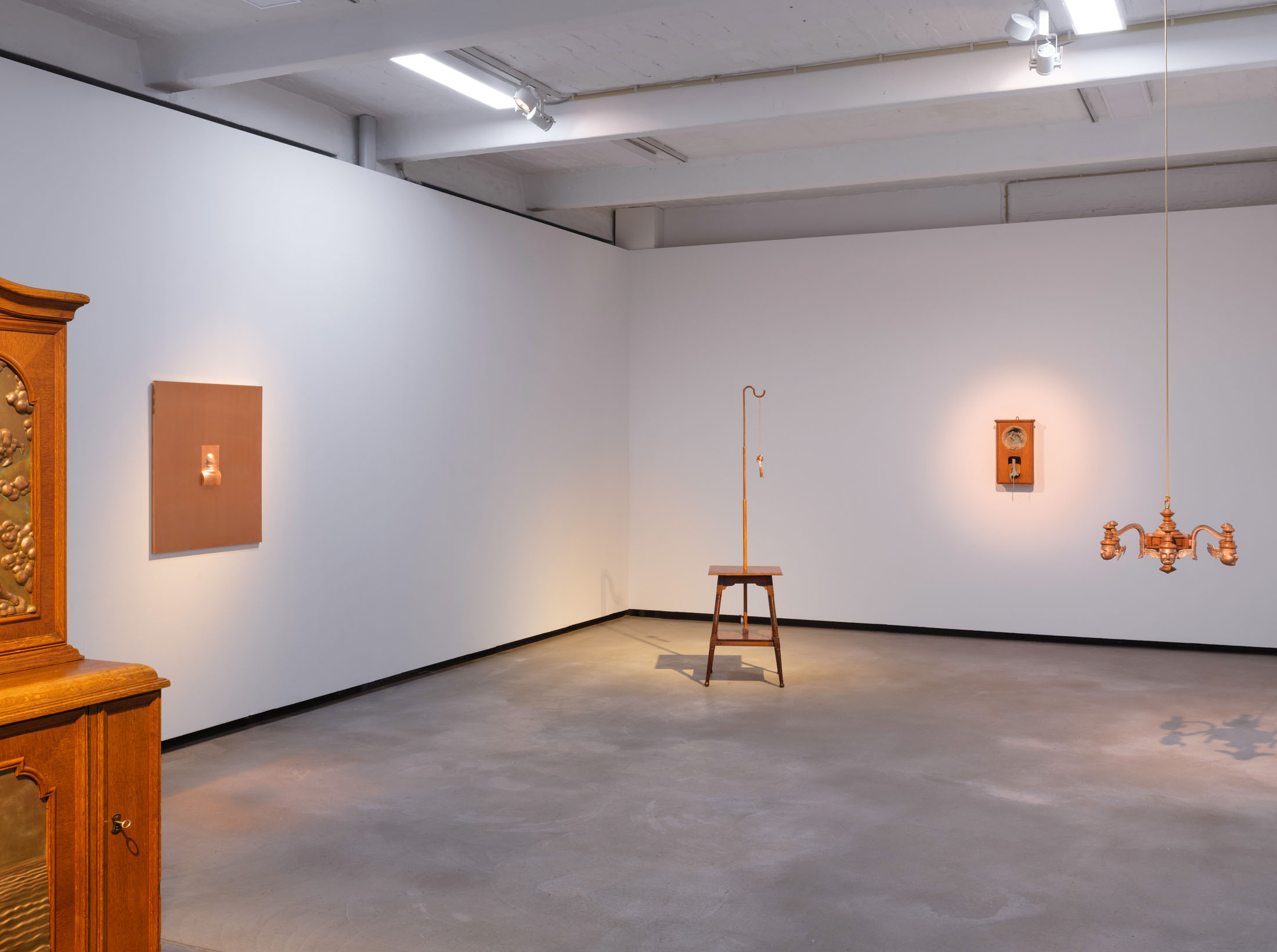
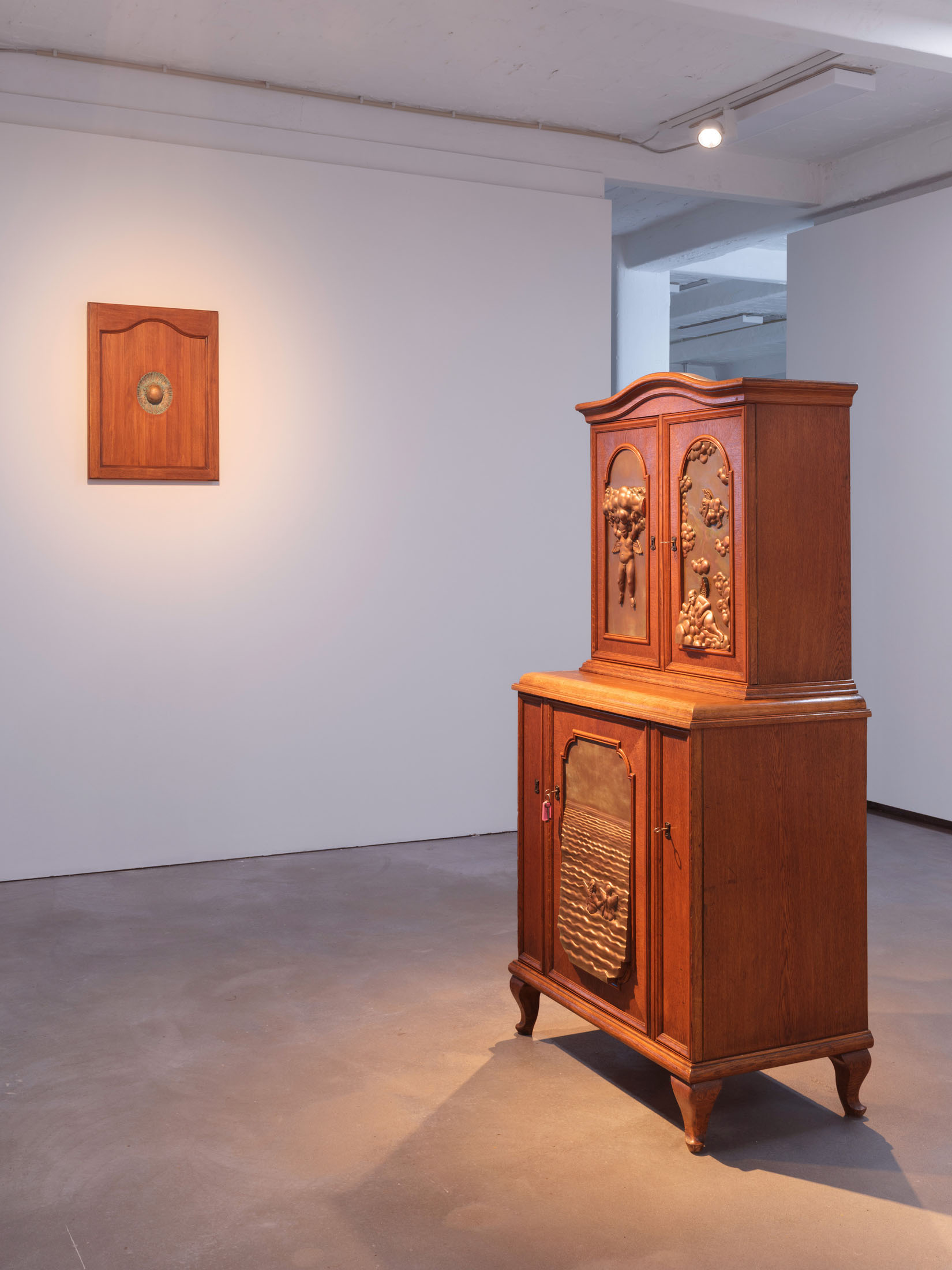
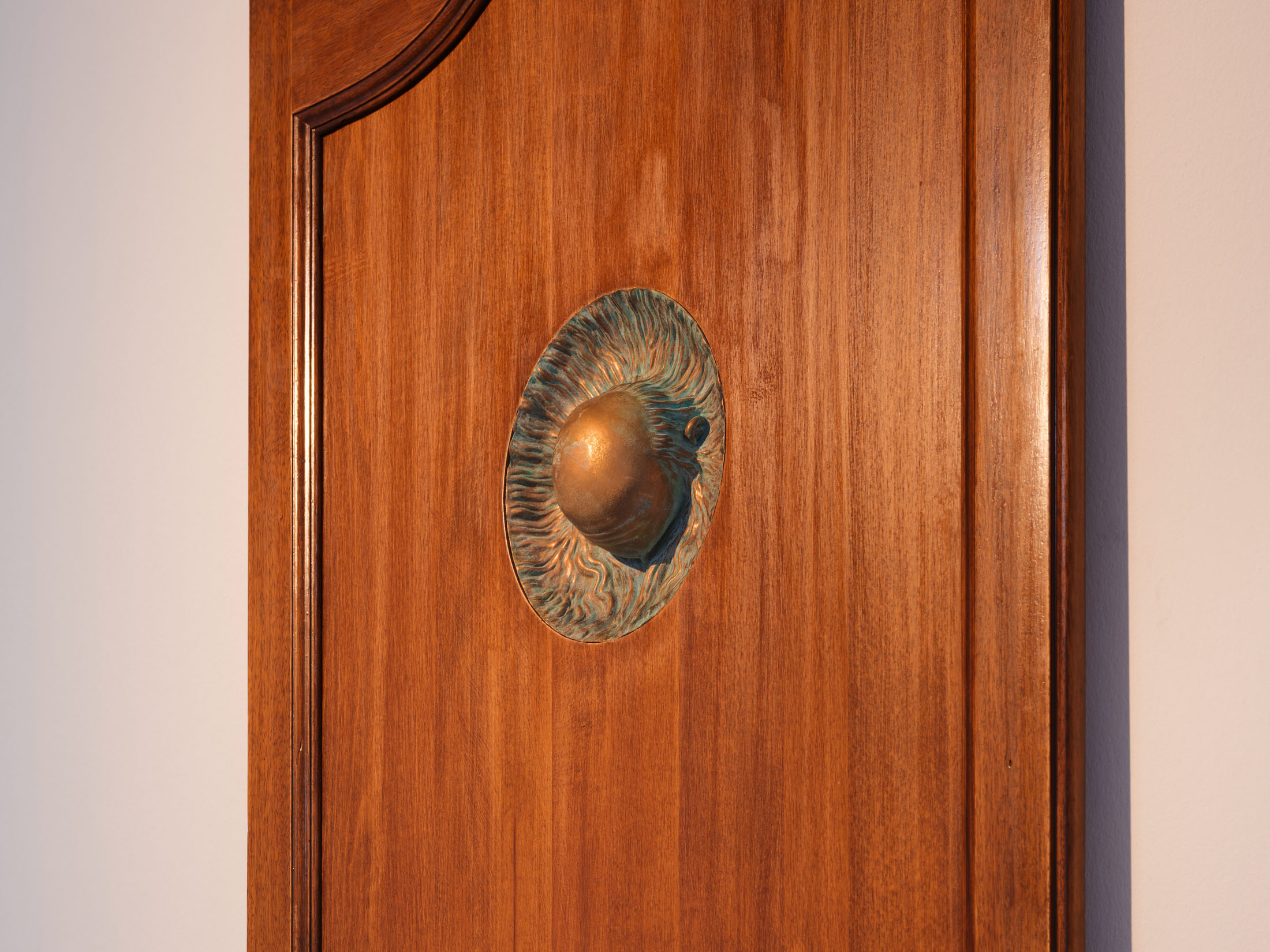
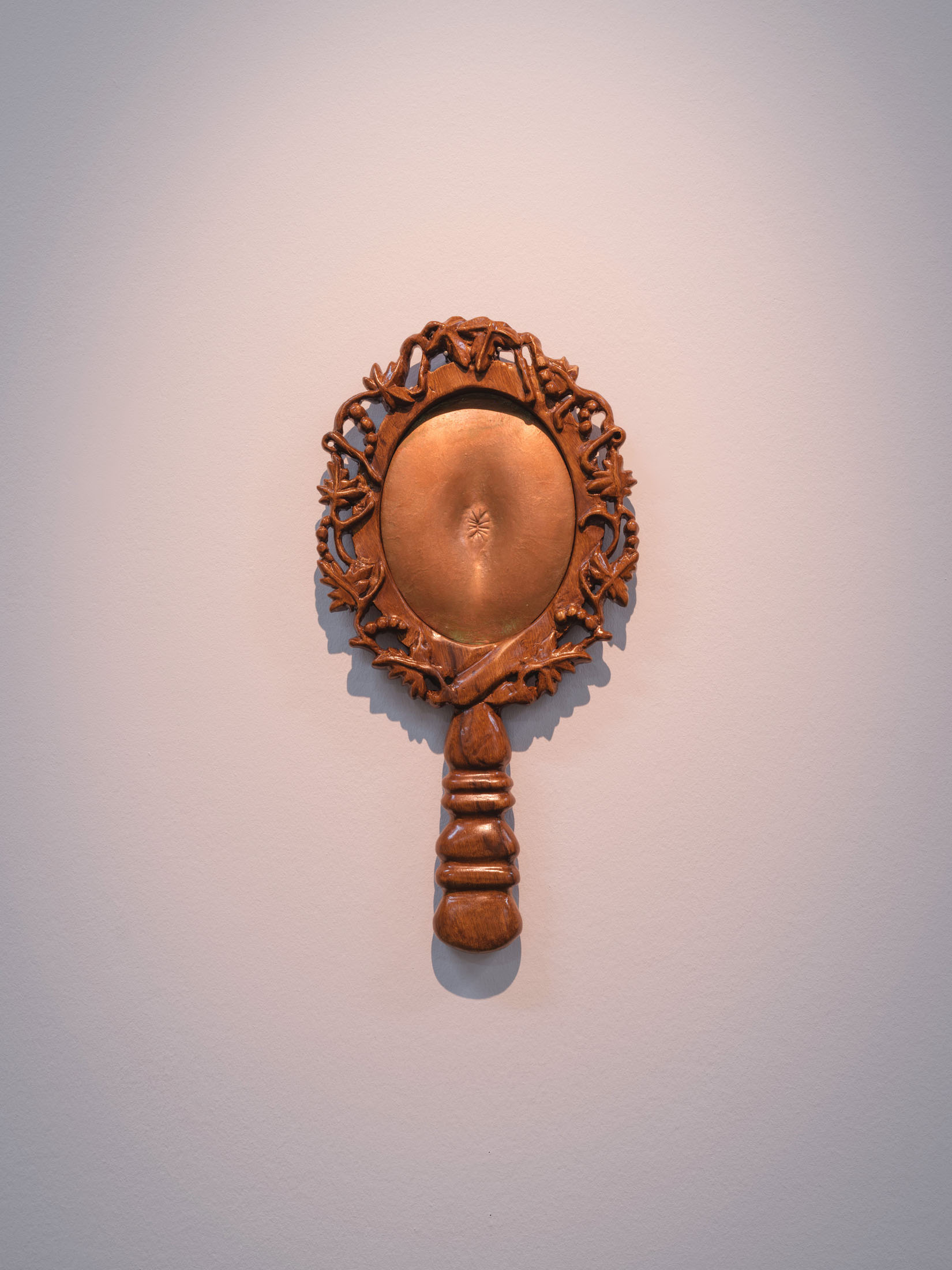
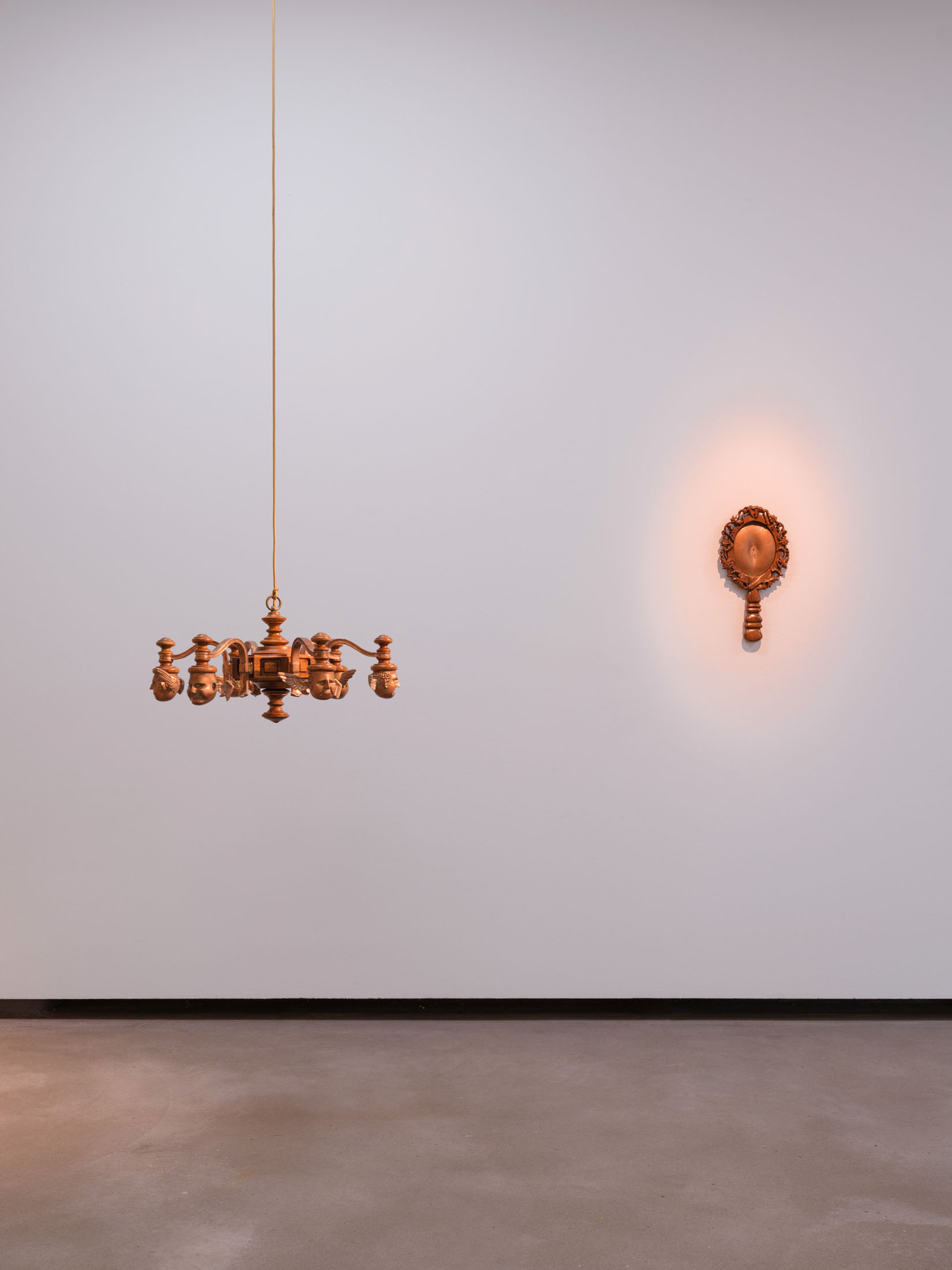
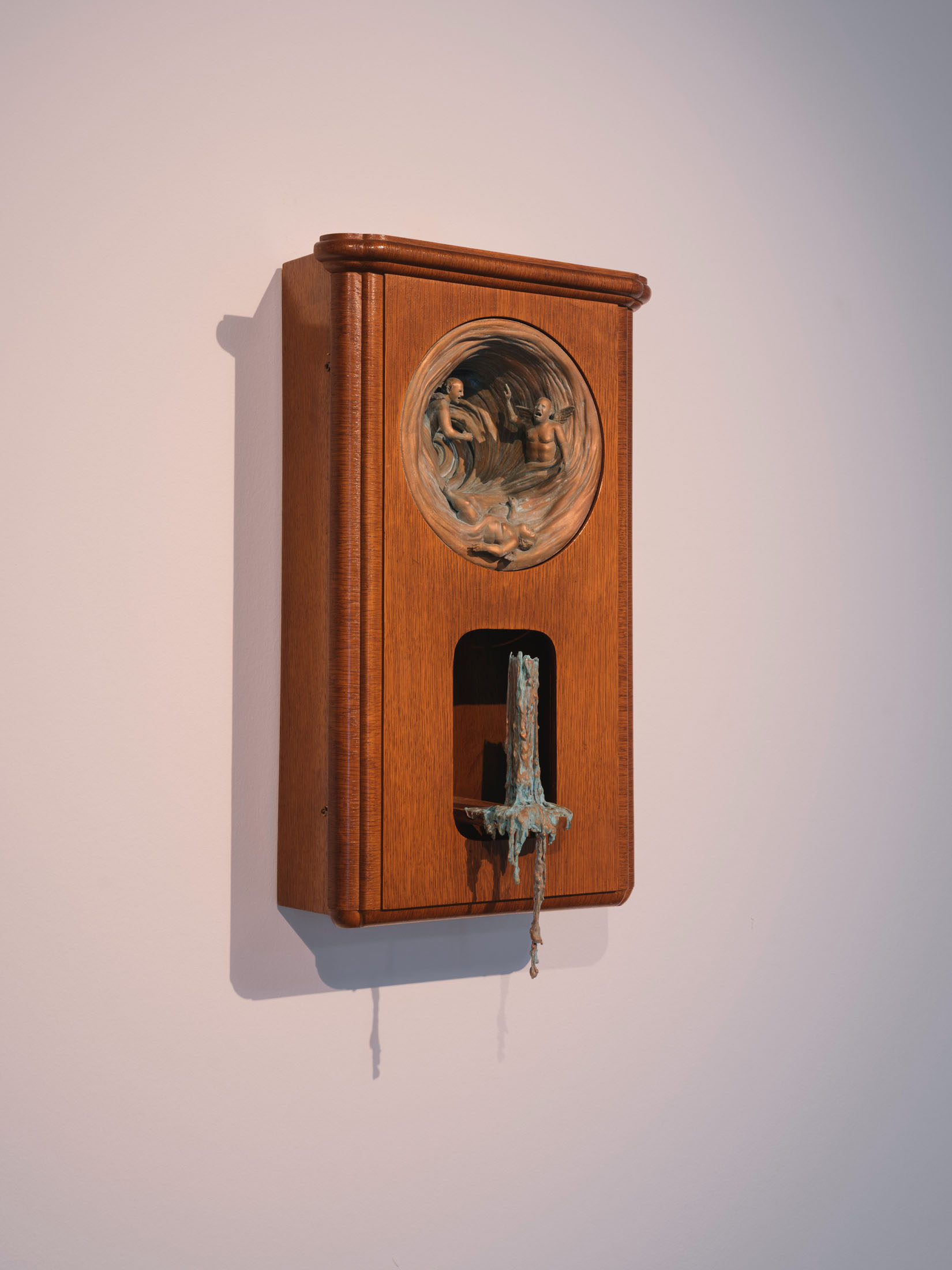
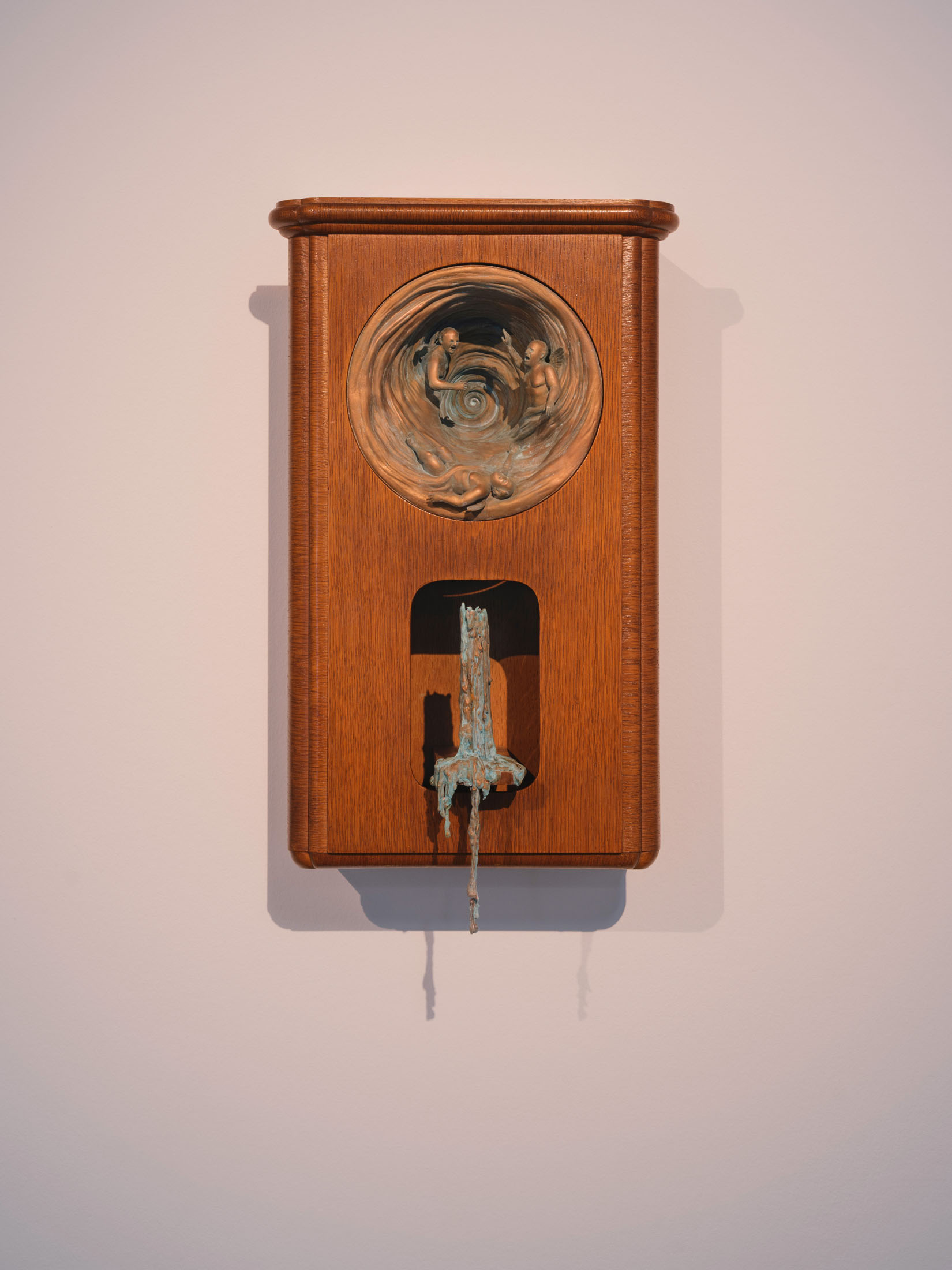
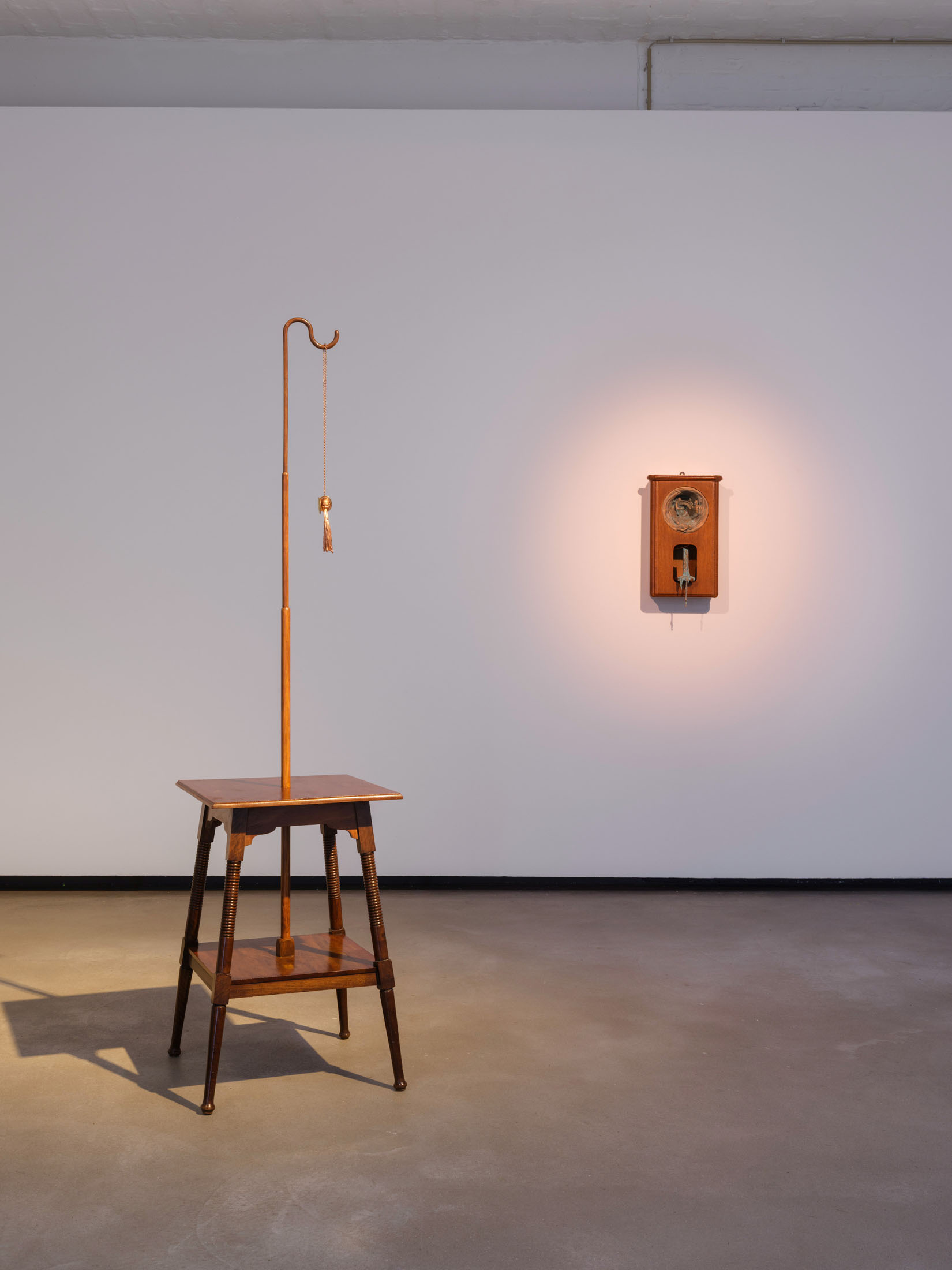
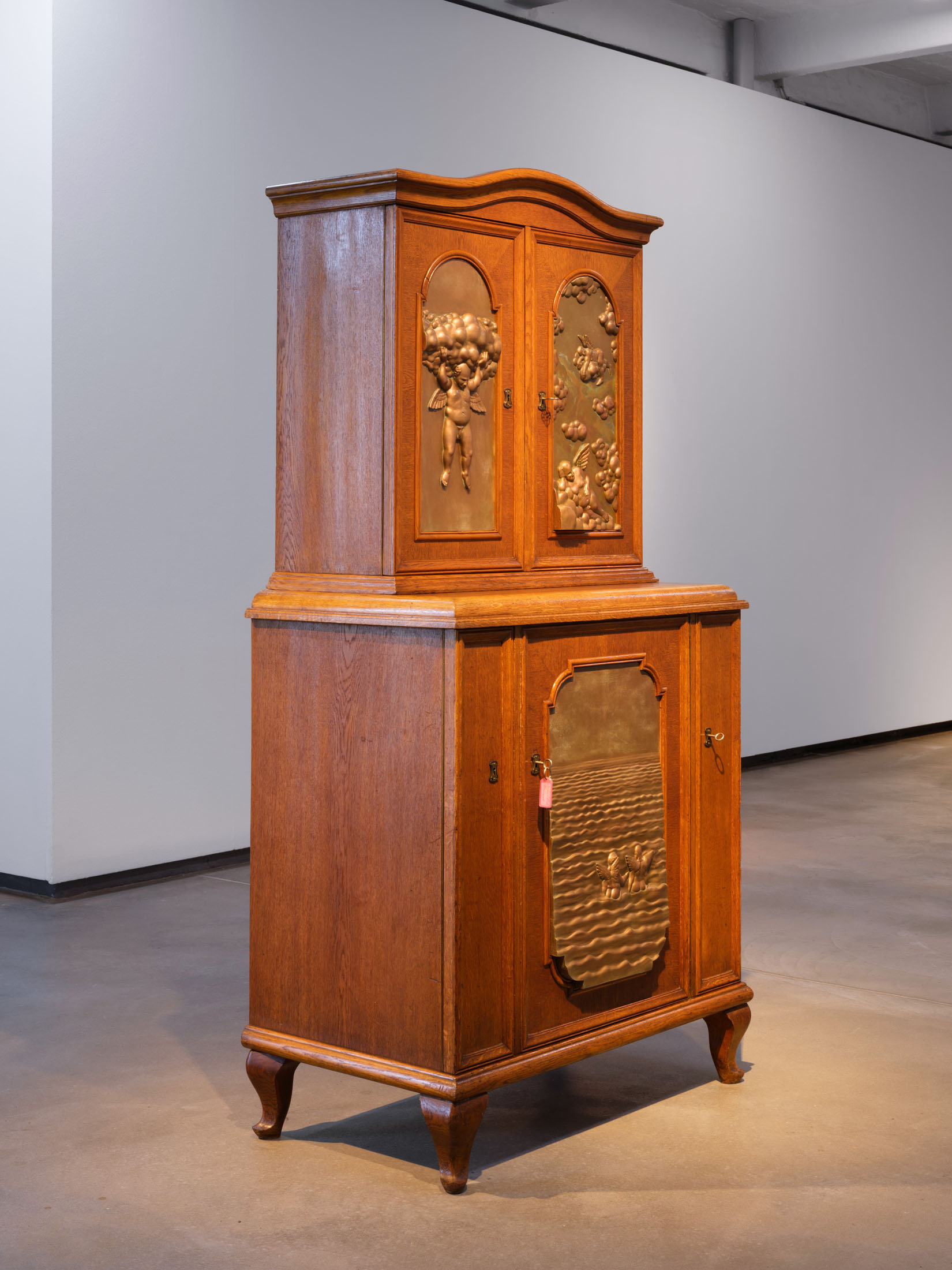
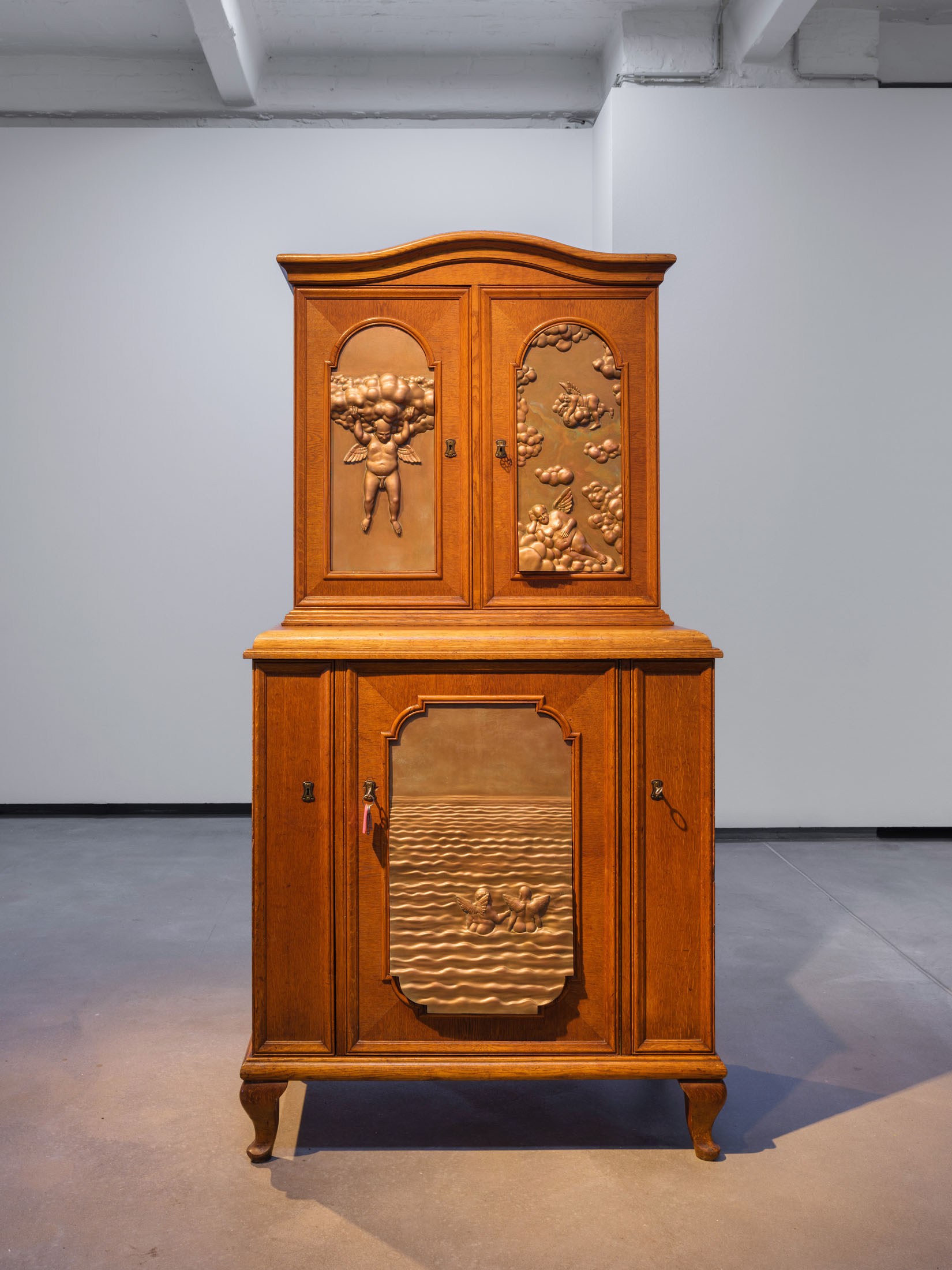
For his exhibition at Künstlerhaus Bethanien, Zamir developed a new body of work combining furniture made of dark, heavy wood—cabinets, dressers, and clock cases—with finely crafted reliefs. These pieces of furniture do more than simply carry the images; they shape how the reliefs are perceived. Unlike traditional frames, they situate the reliefs within a private, domestic context: they resemble heirlooms, familiar everyday objects, and status symbols all at once.
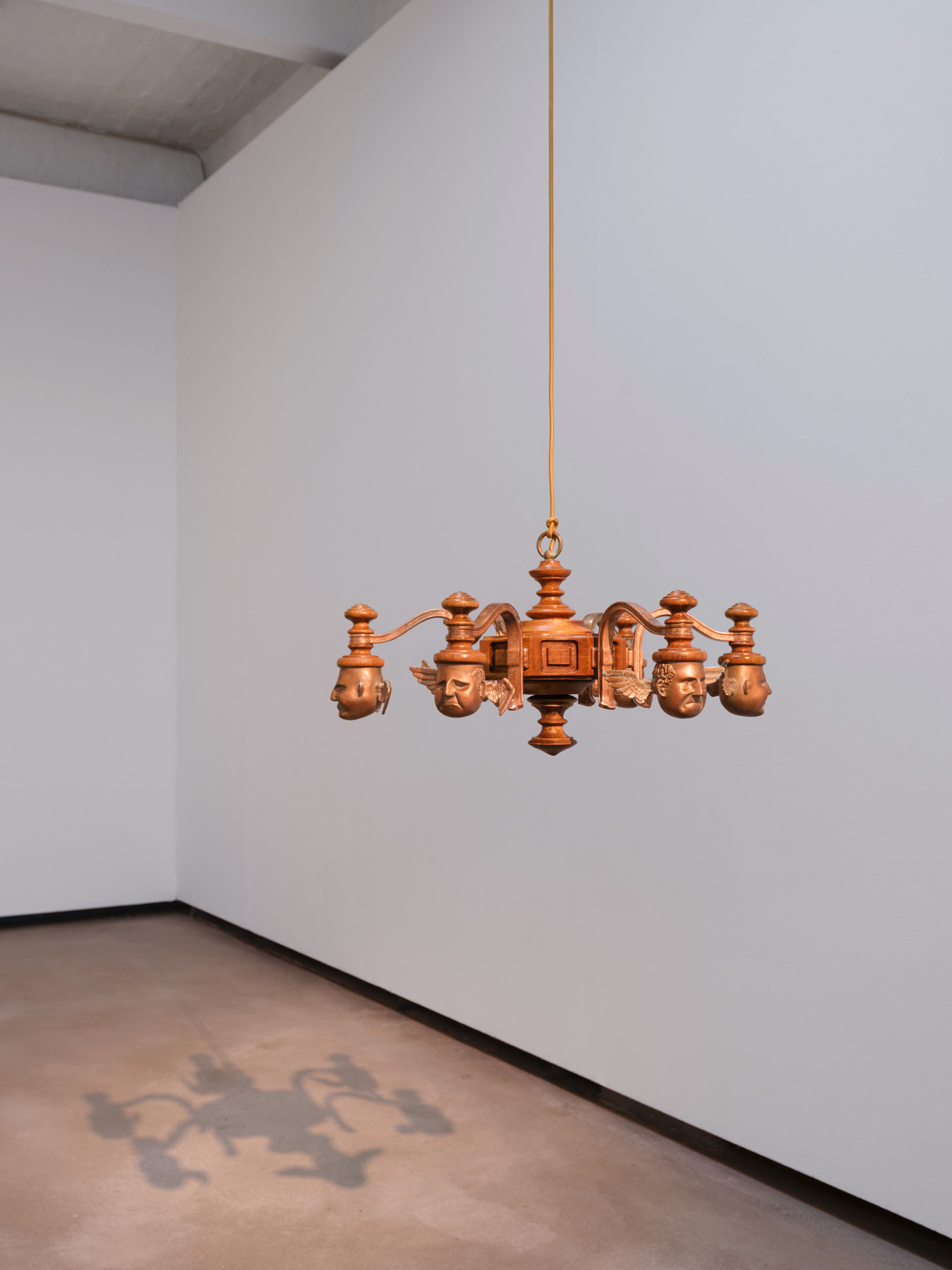
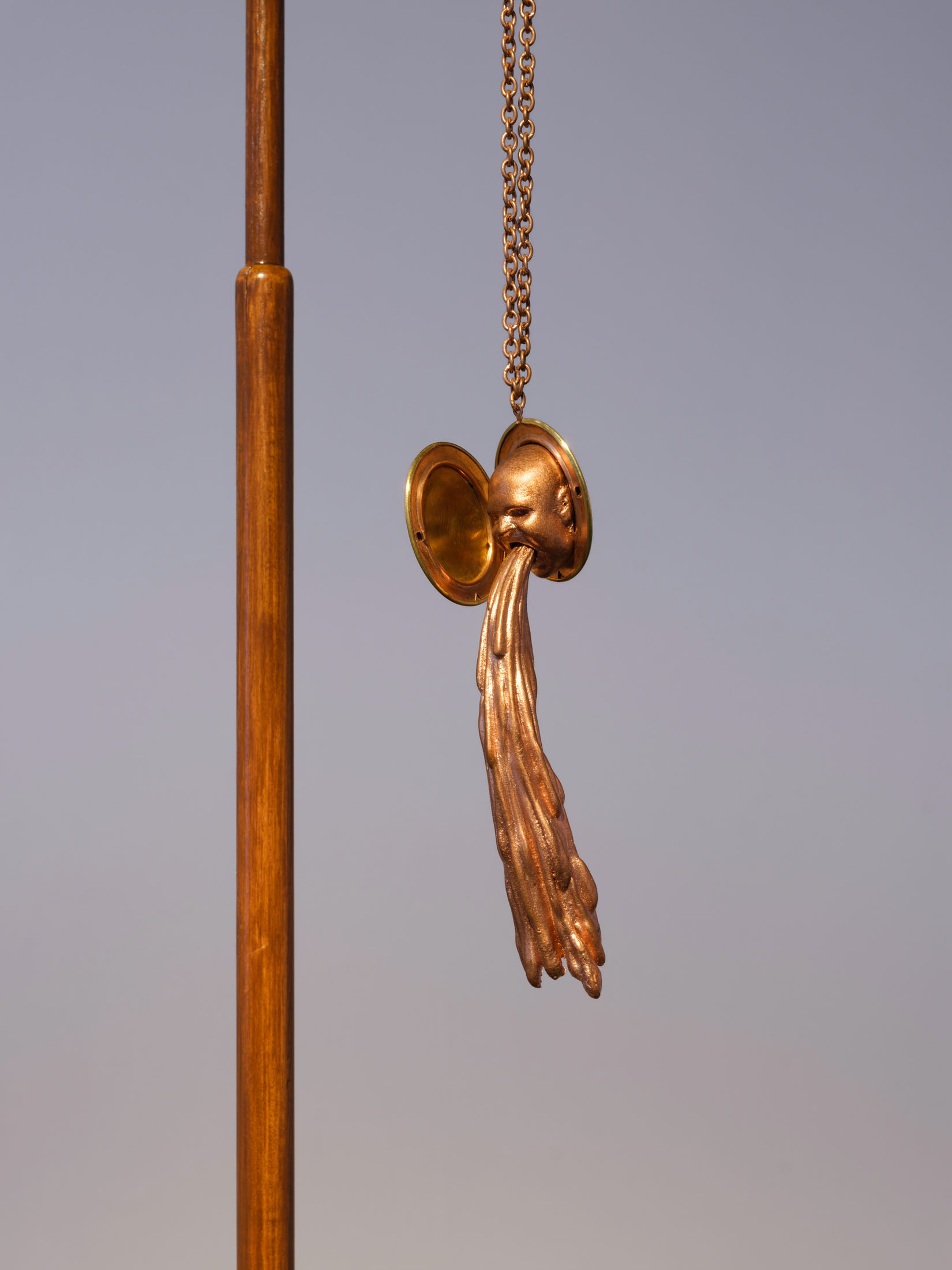
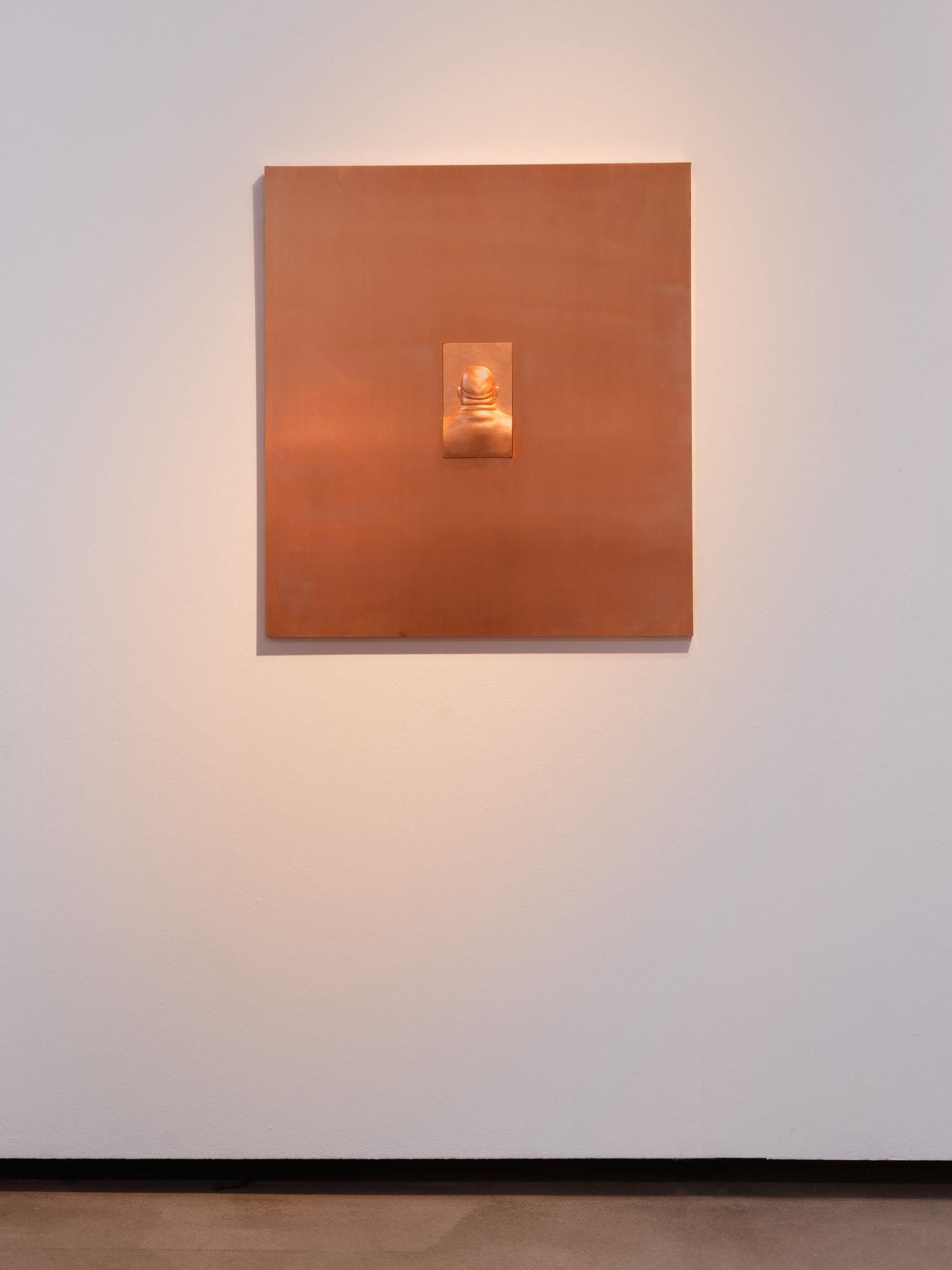
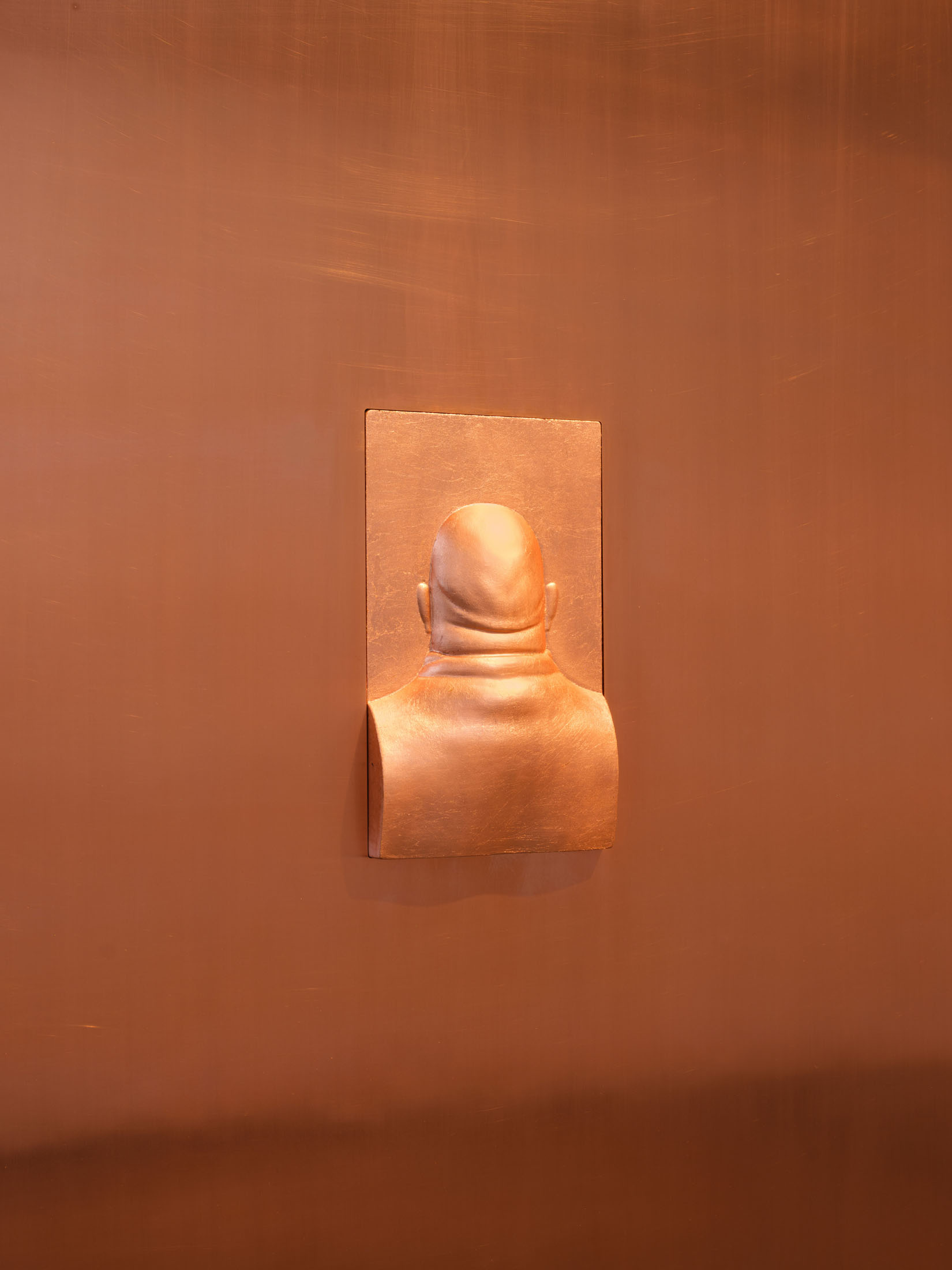
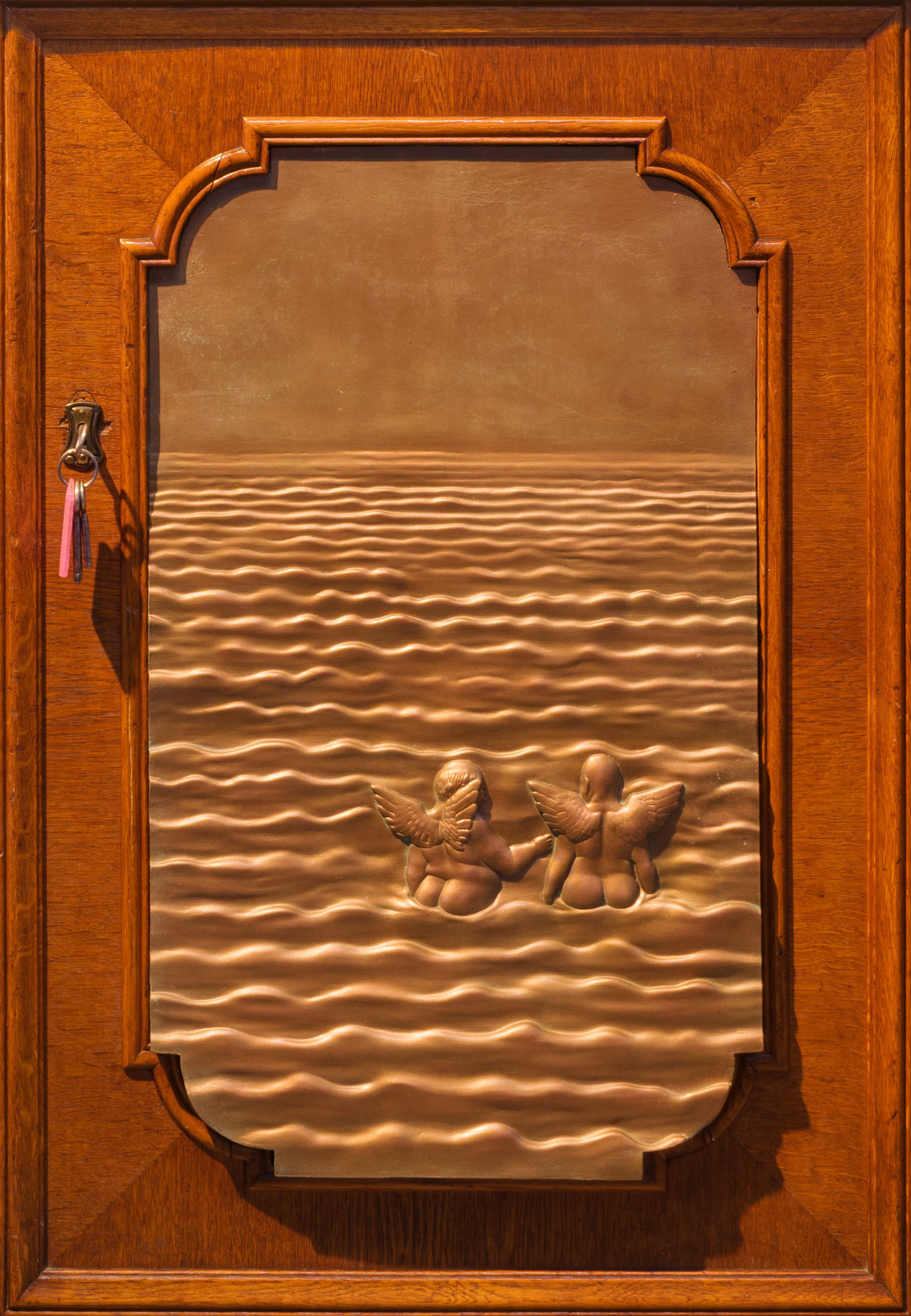
The reliefs depict scenes that at first seem recognizable but are subtly and humorously subverted: instead of idealized, cherubic Baroque angels, we encounter corpulent, older men. Their awkward grace and fleshy presence create a disarming blend of reverence and absurdity.
These angels were not sent out—they did not descend from heaven to deliver messages or salvation. They simply stayed. These figures resemble the faint echo of a myth the world no longer needs—yet it remains: persistent, alive, and present. Not a tragic downfall, but a quiet lingering in the in-between.