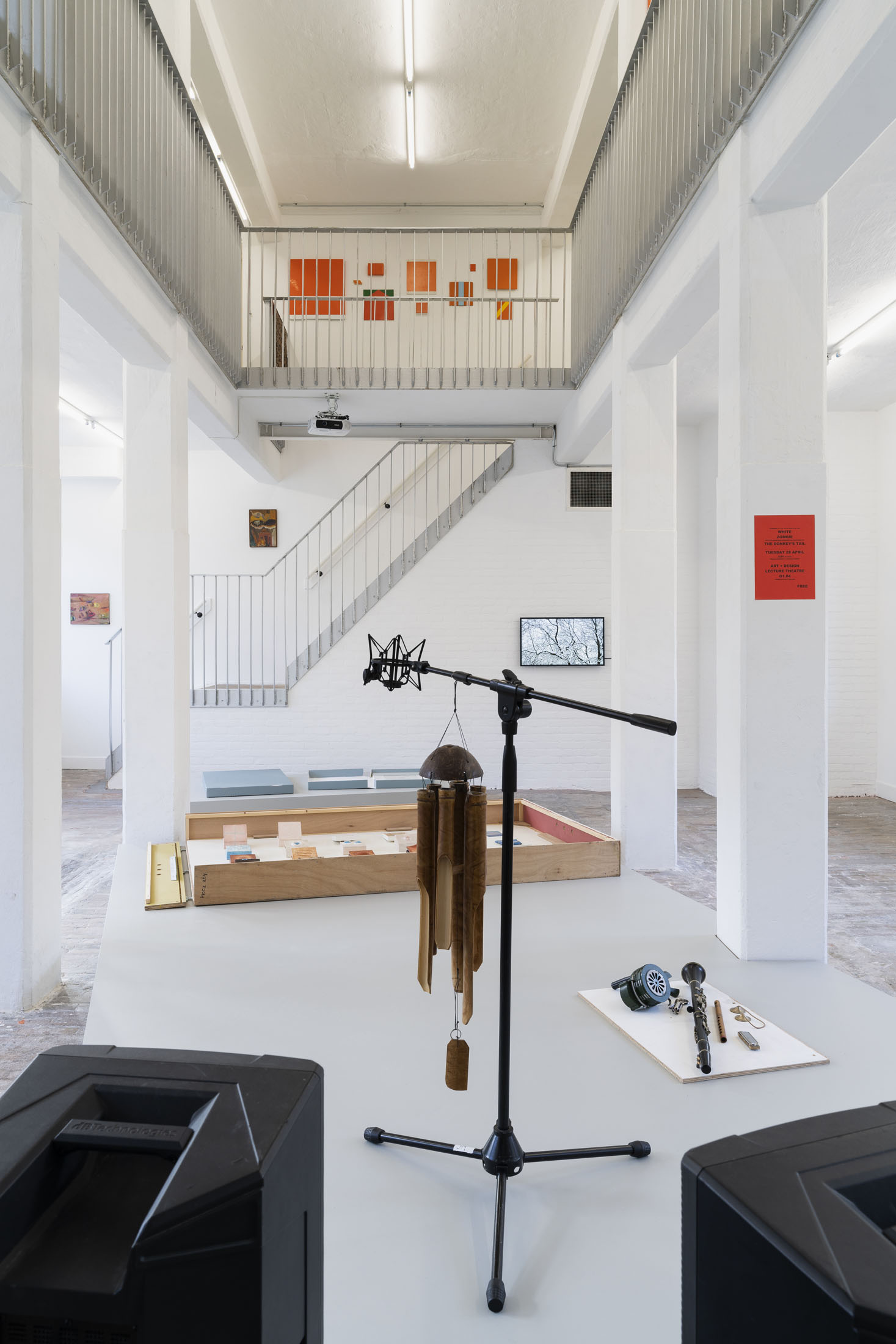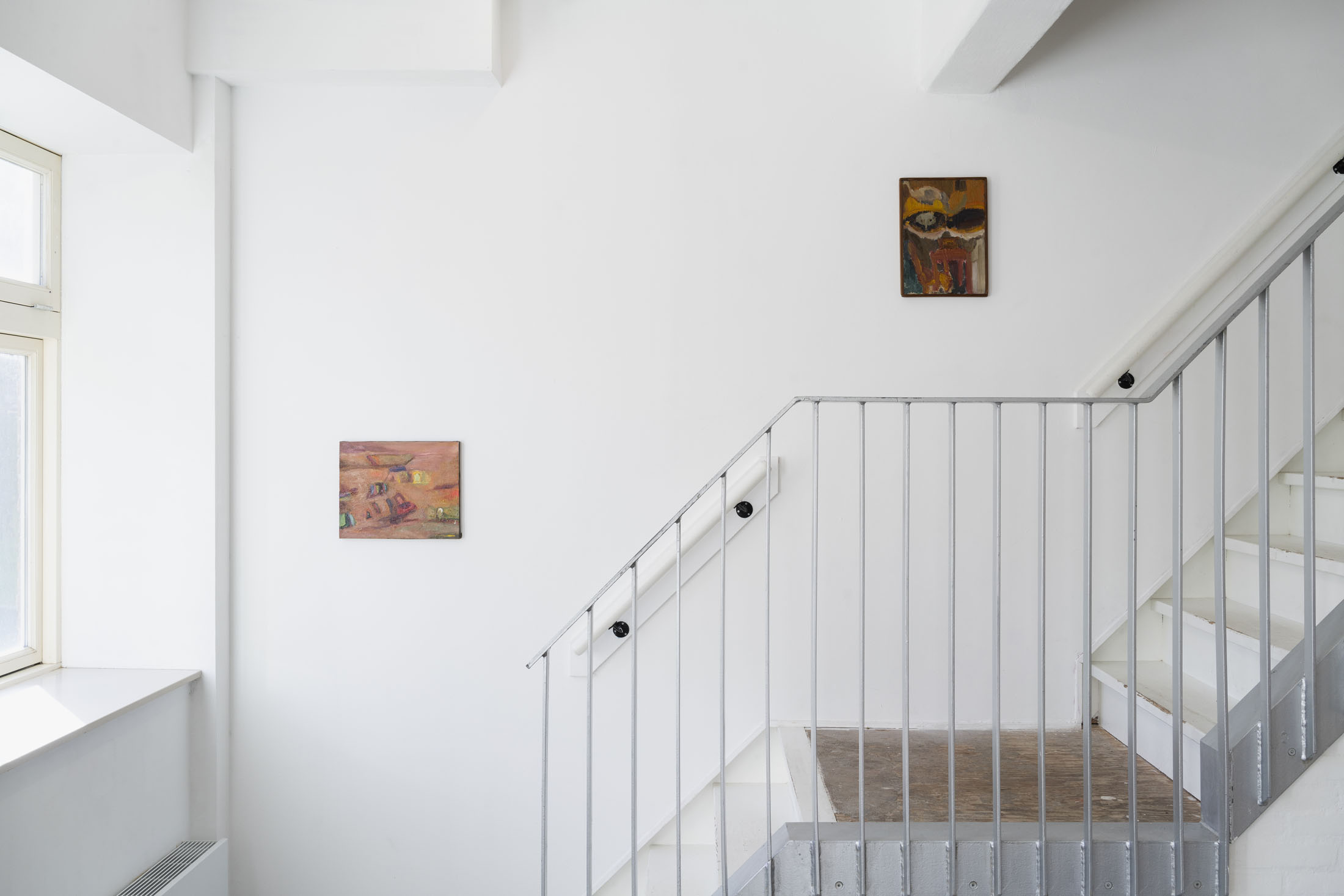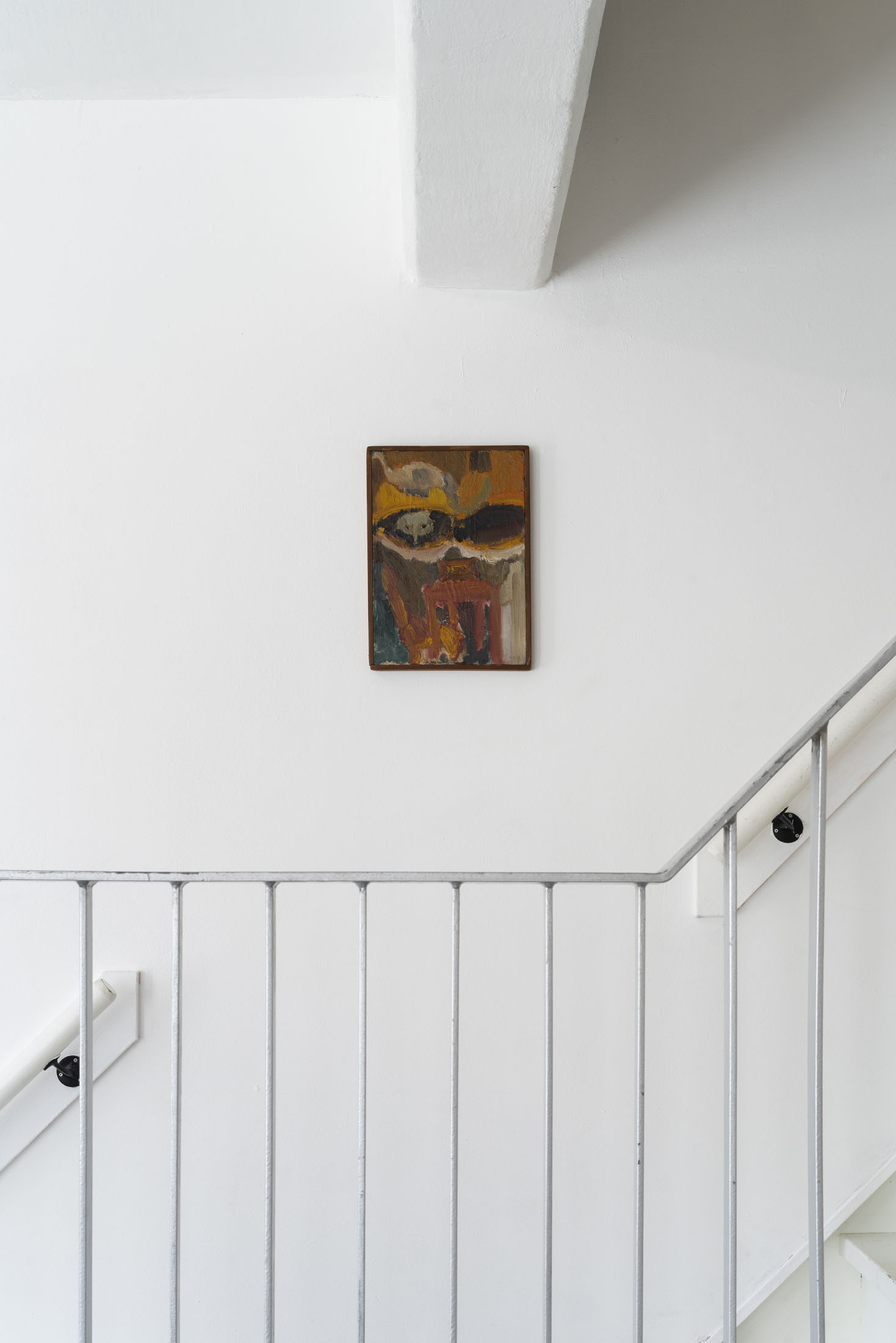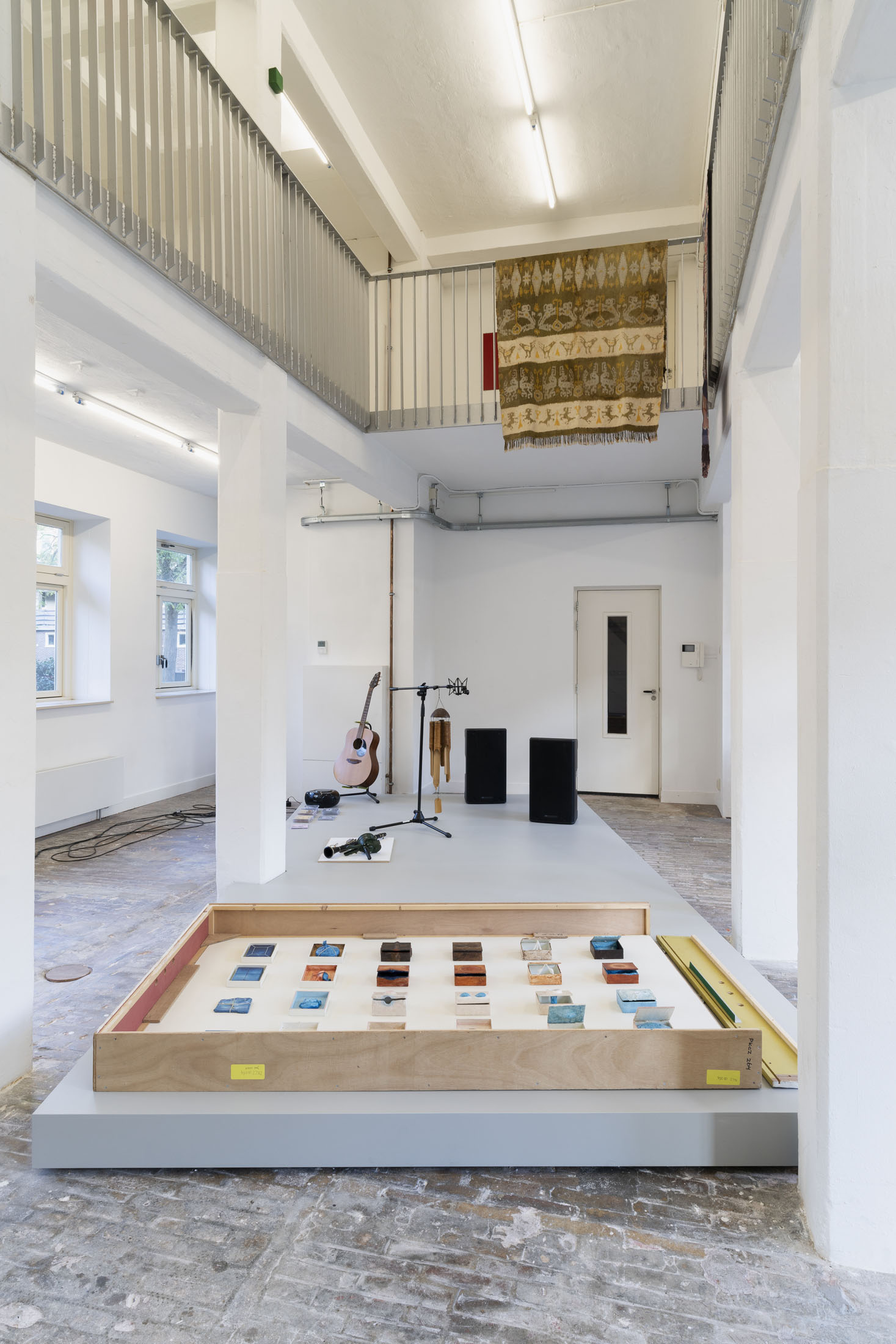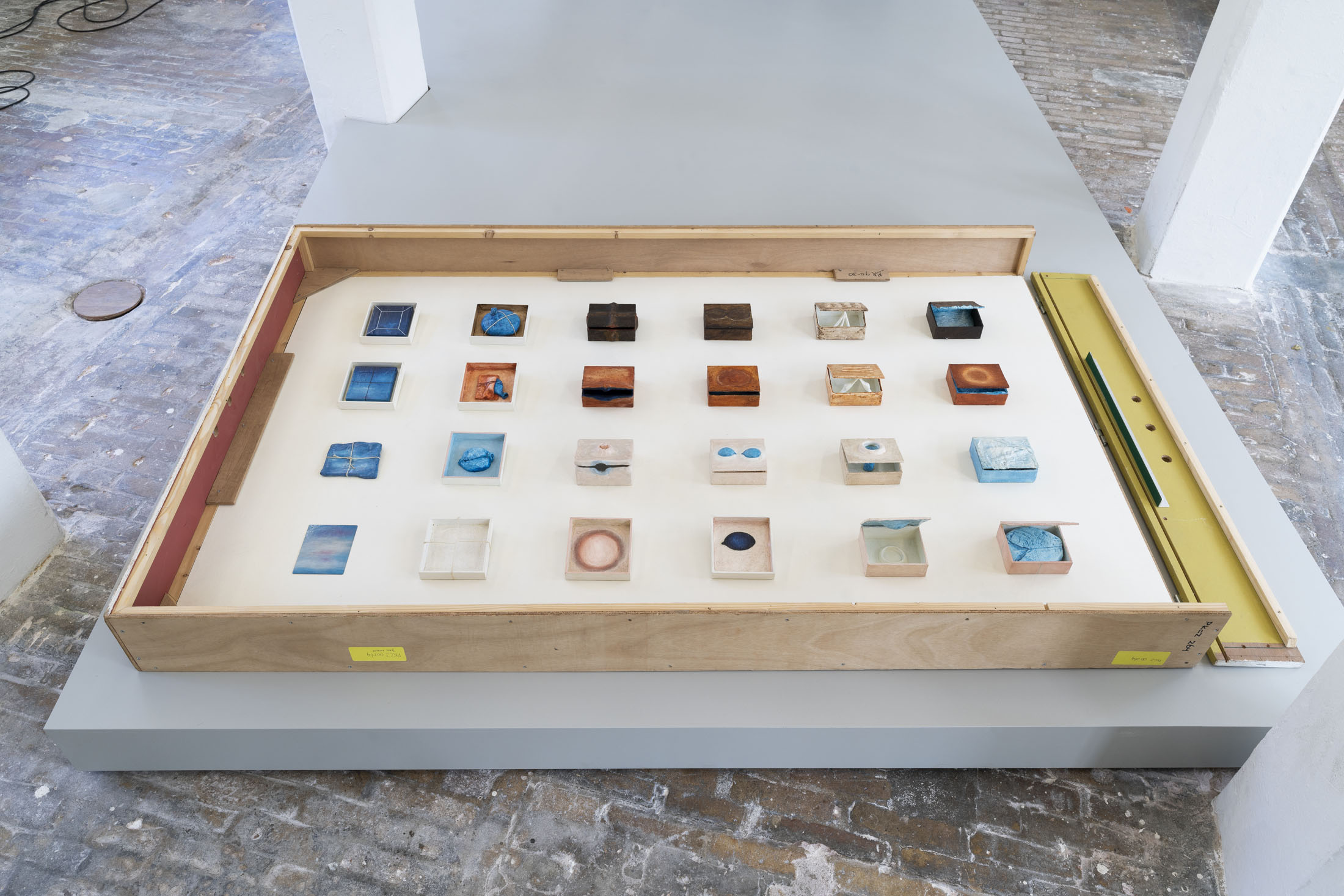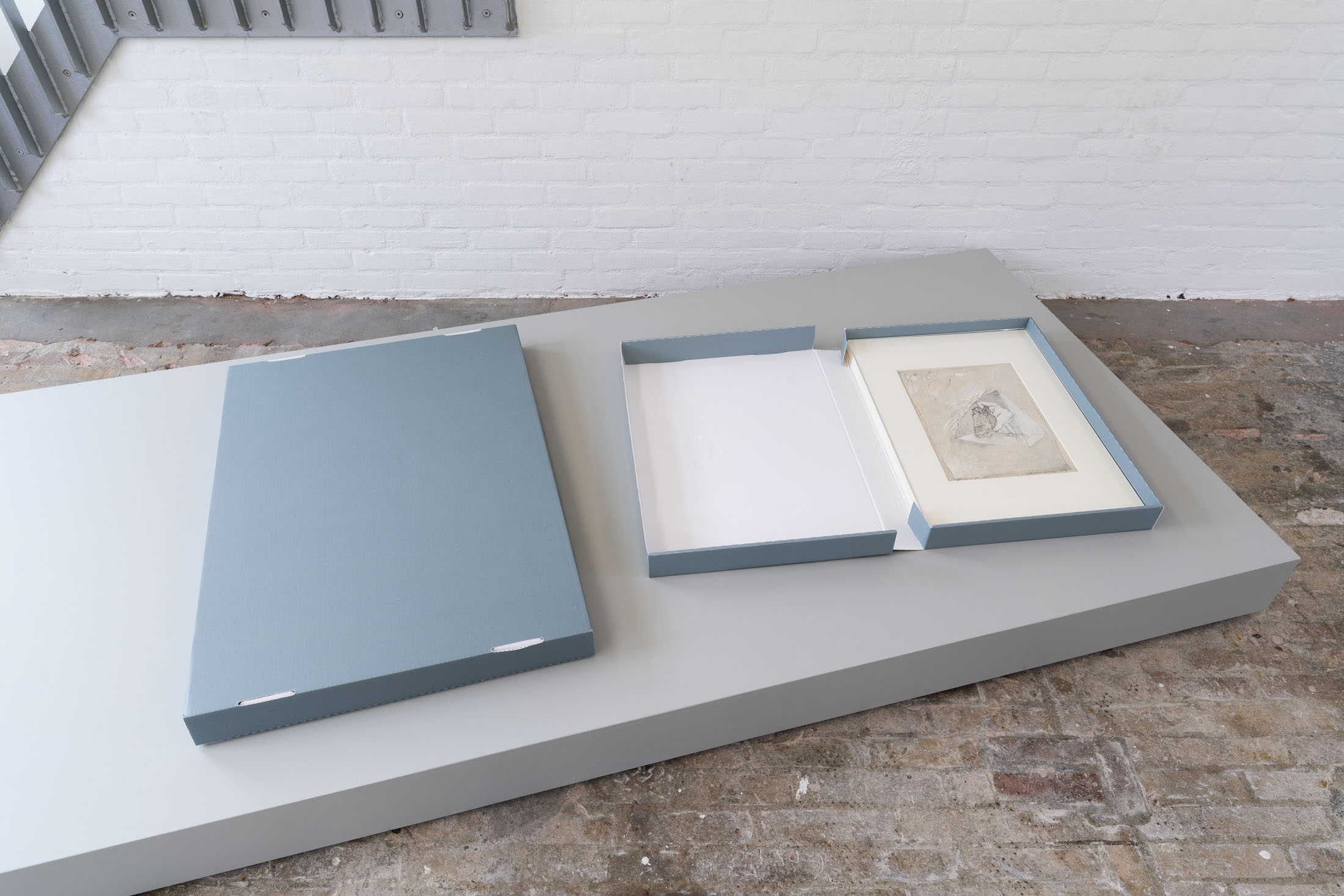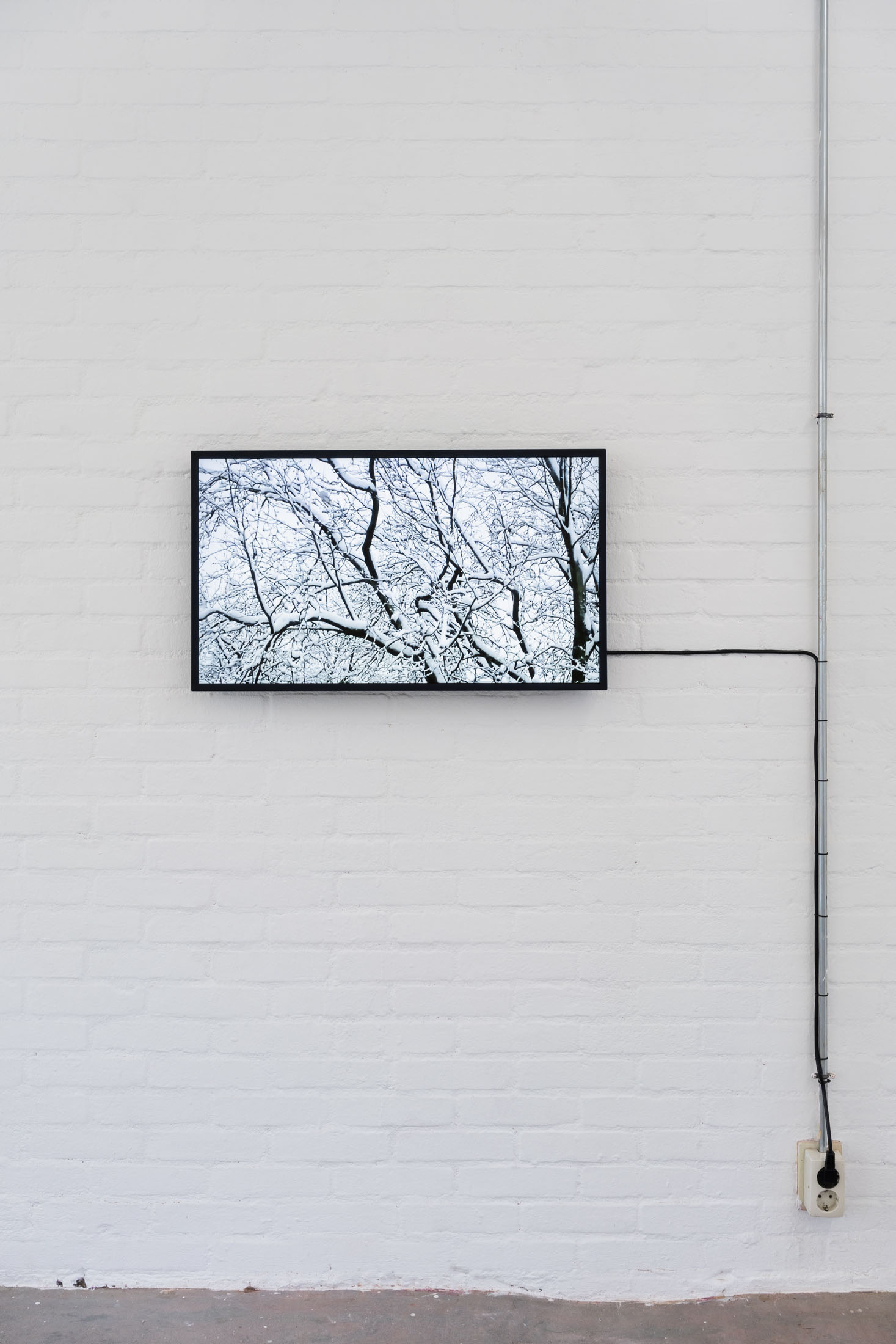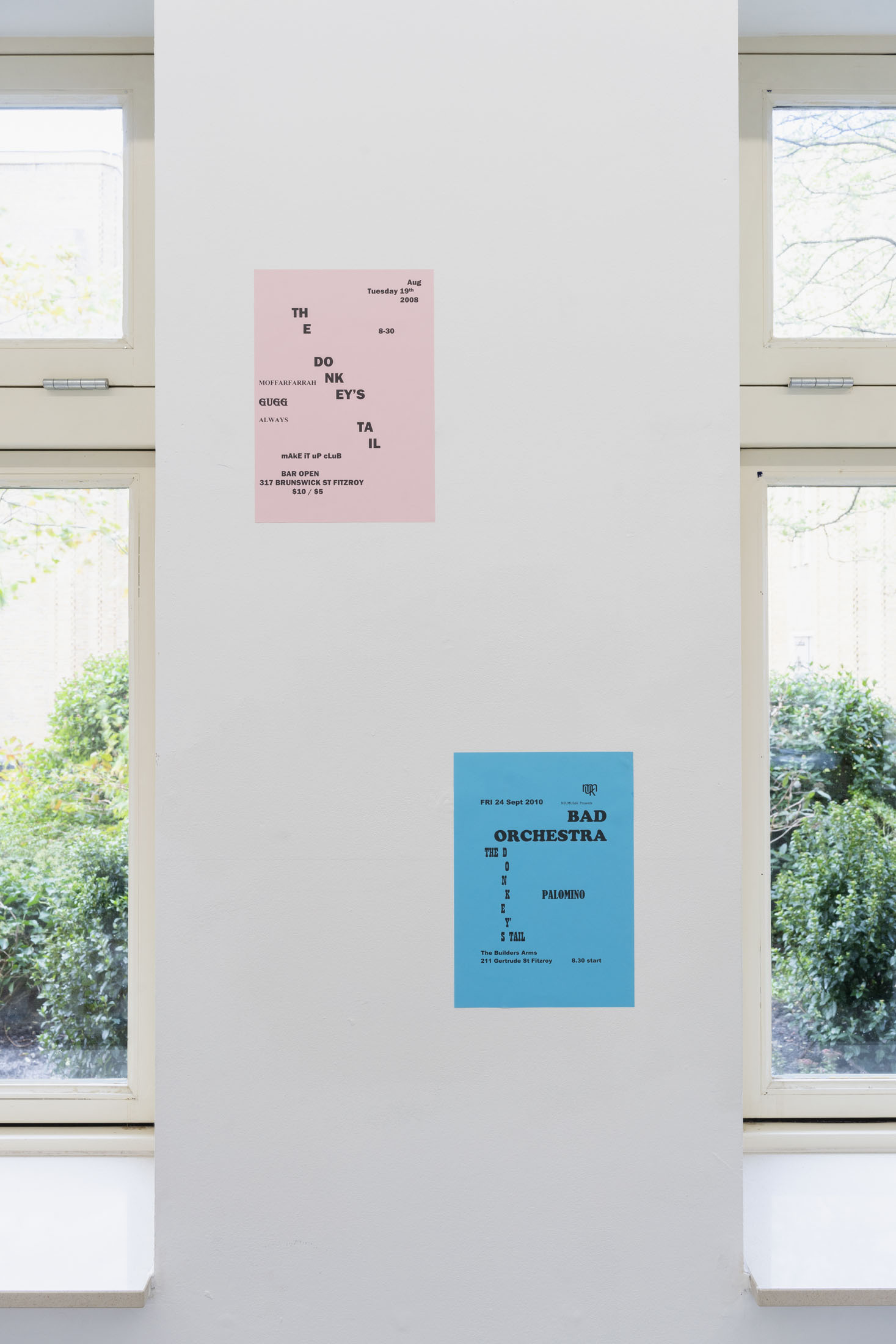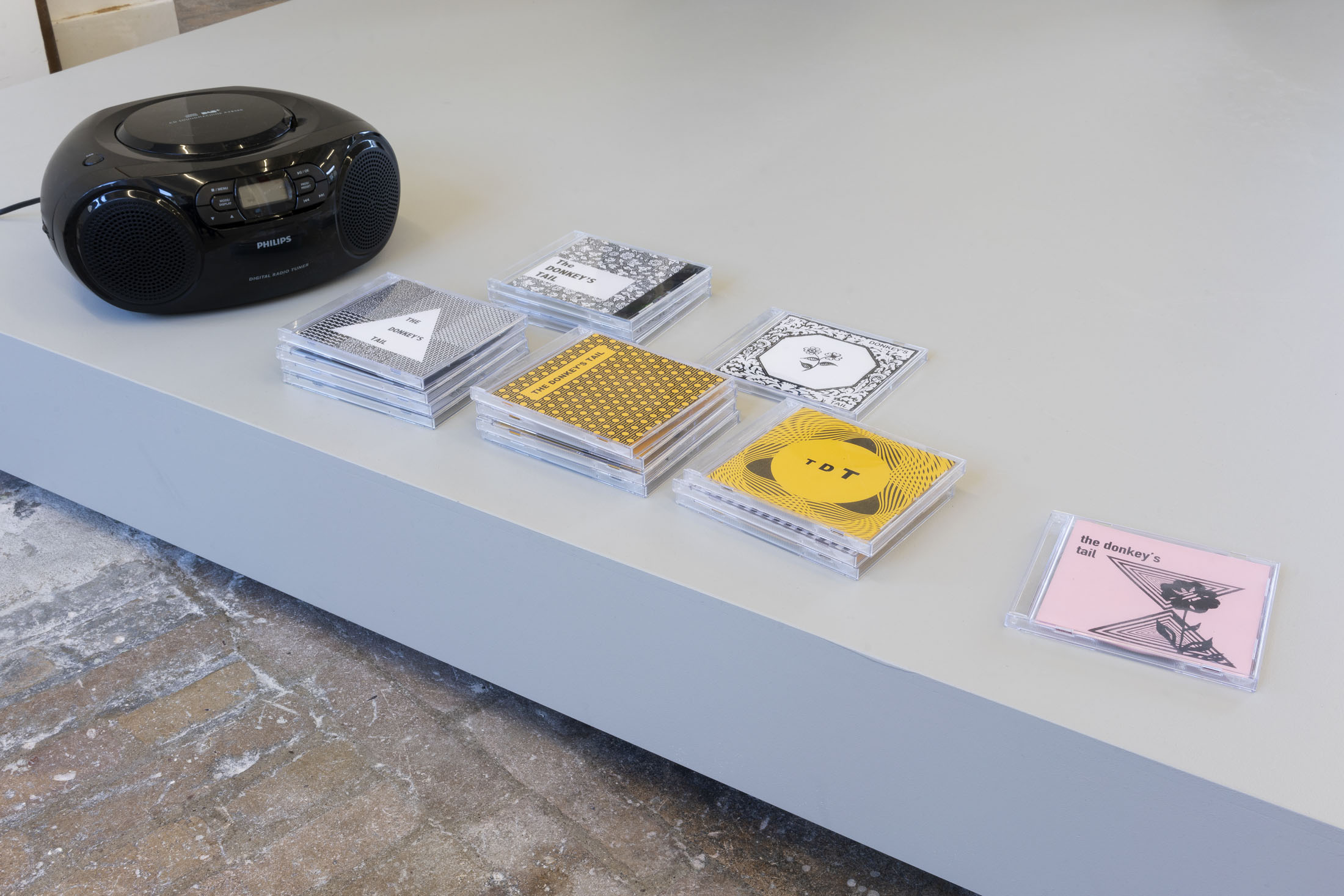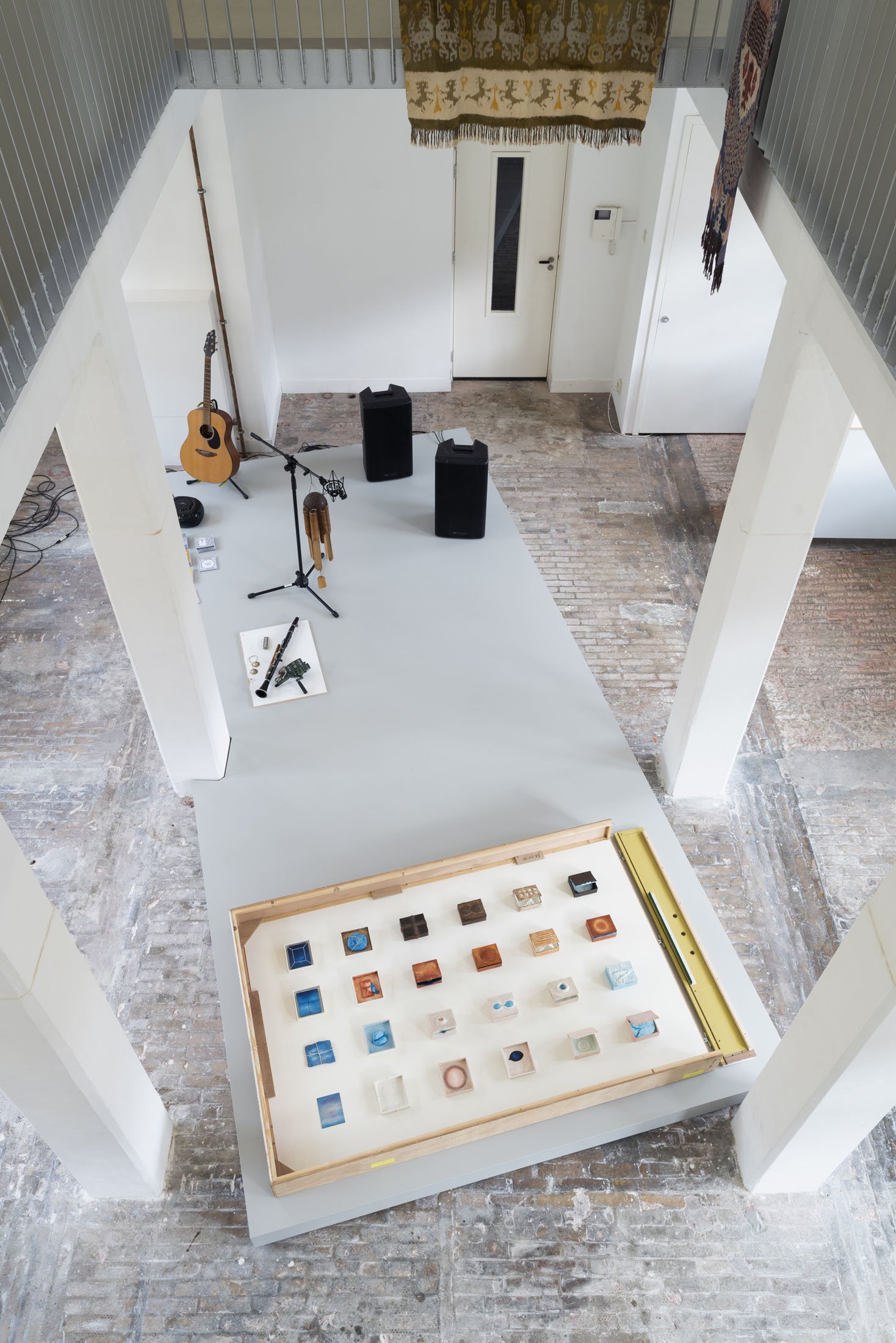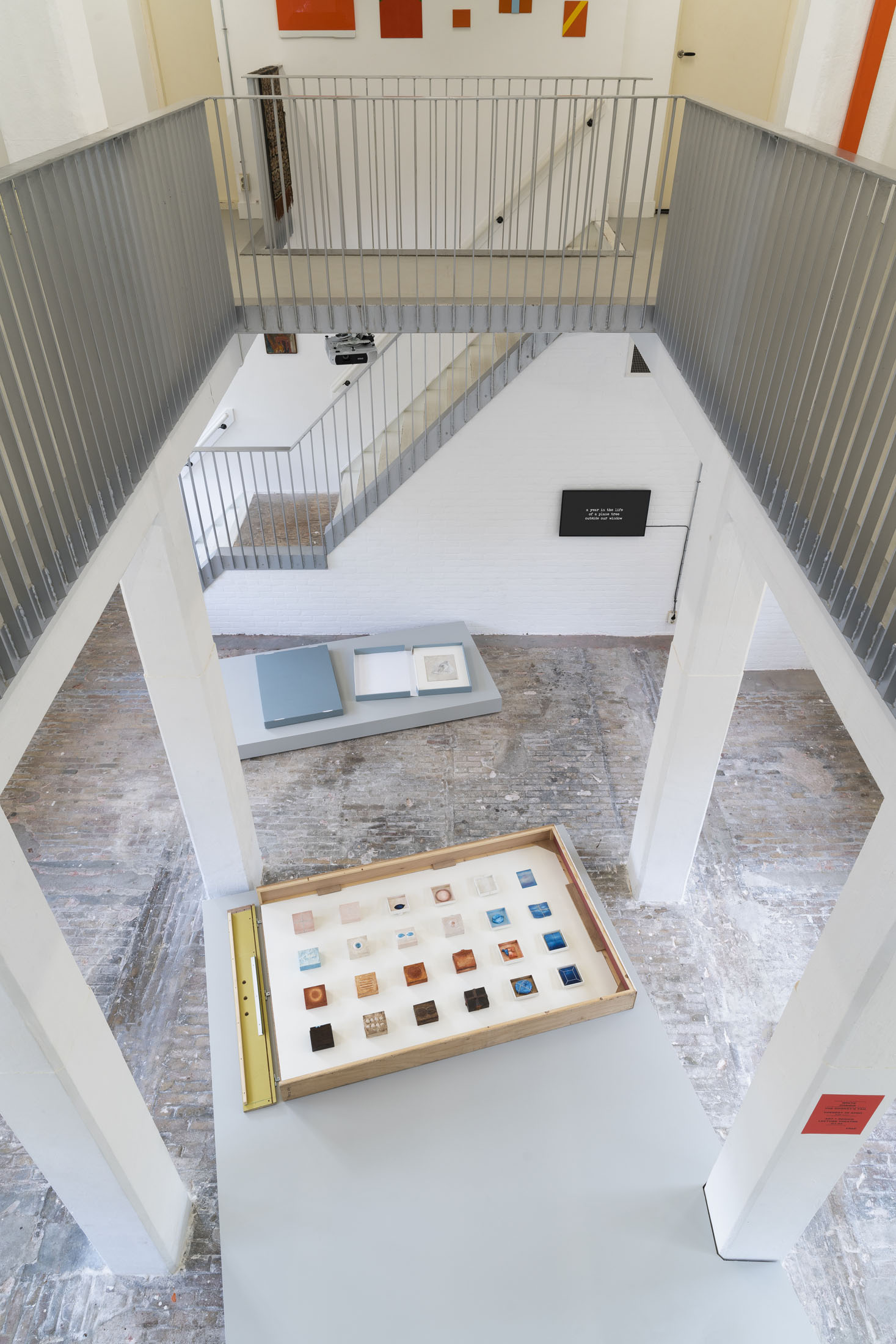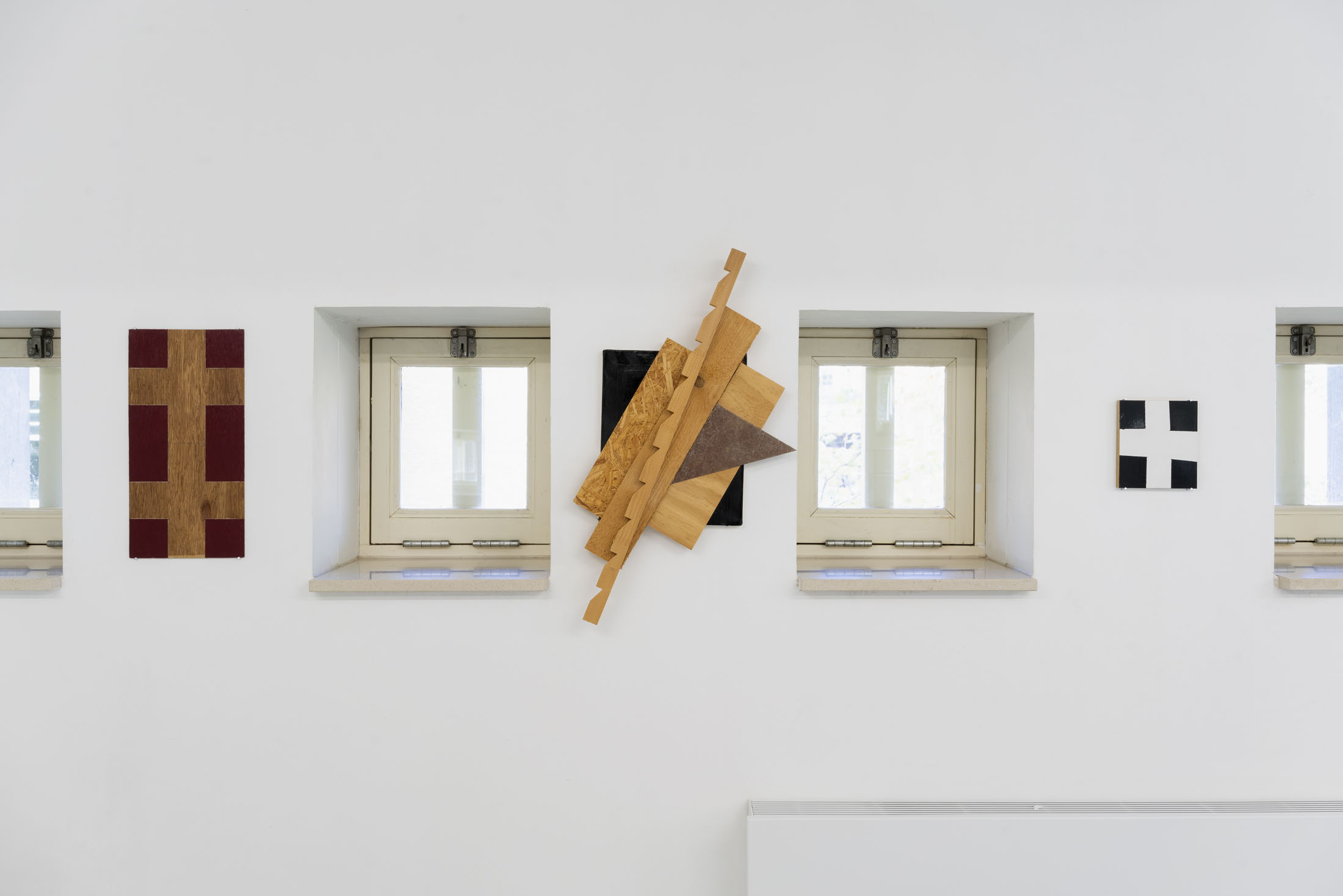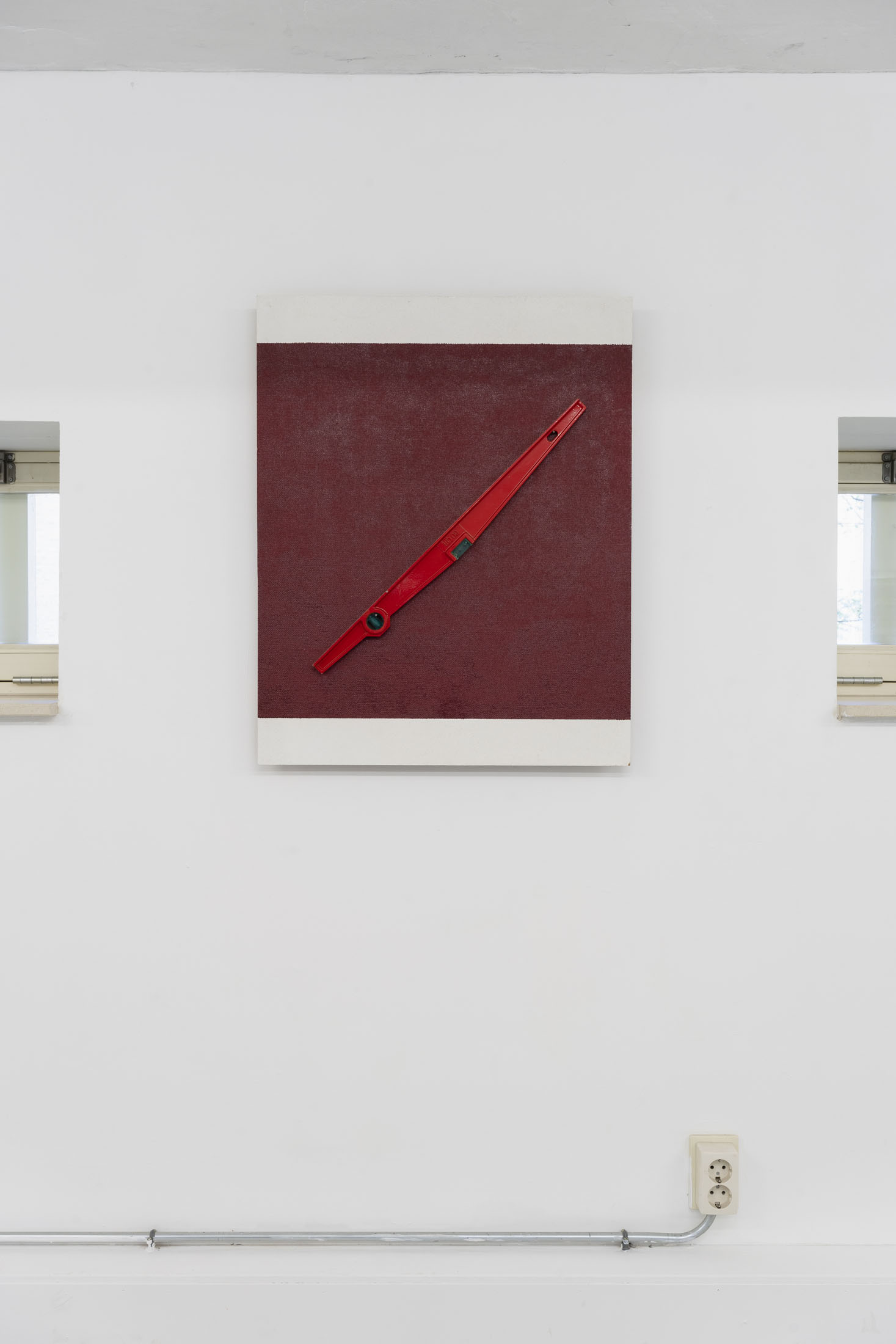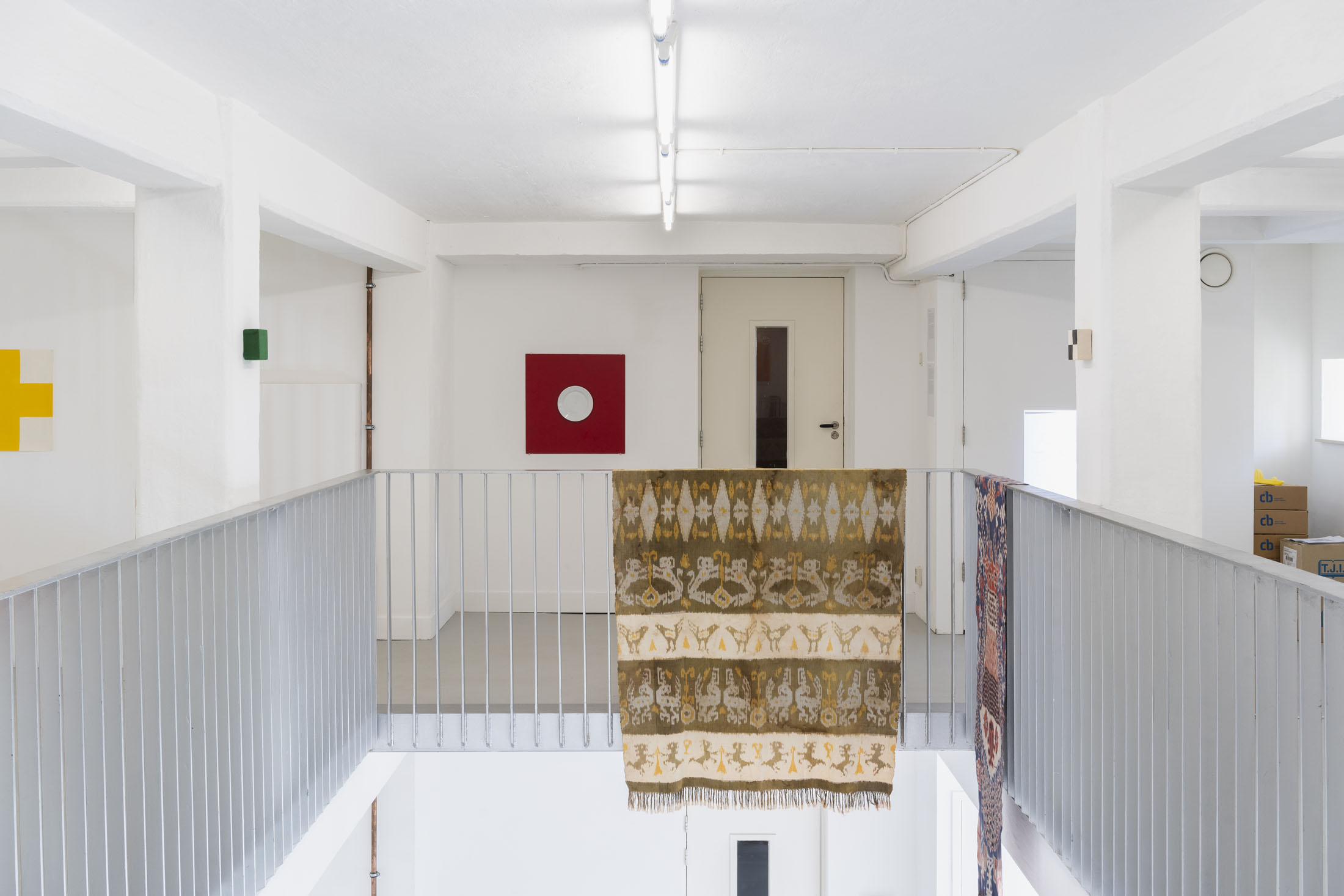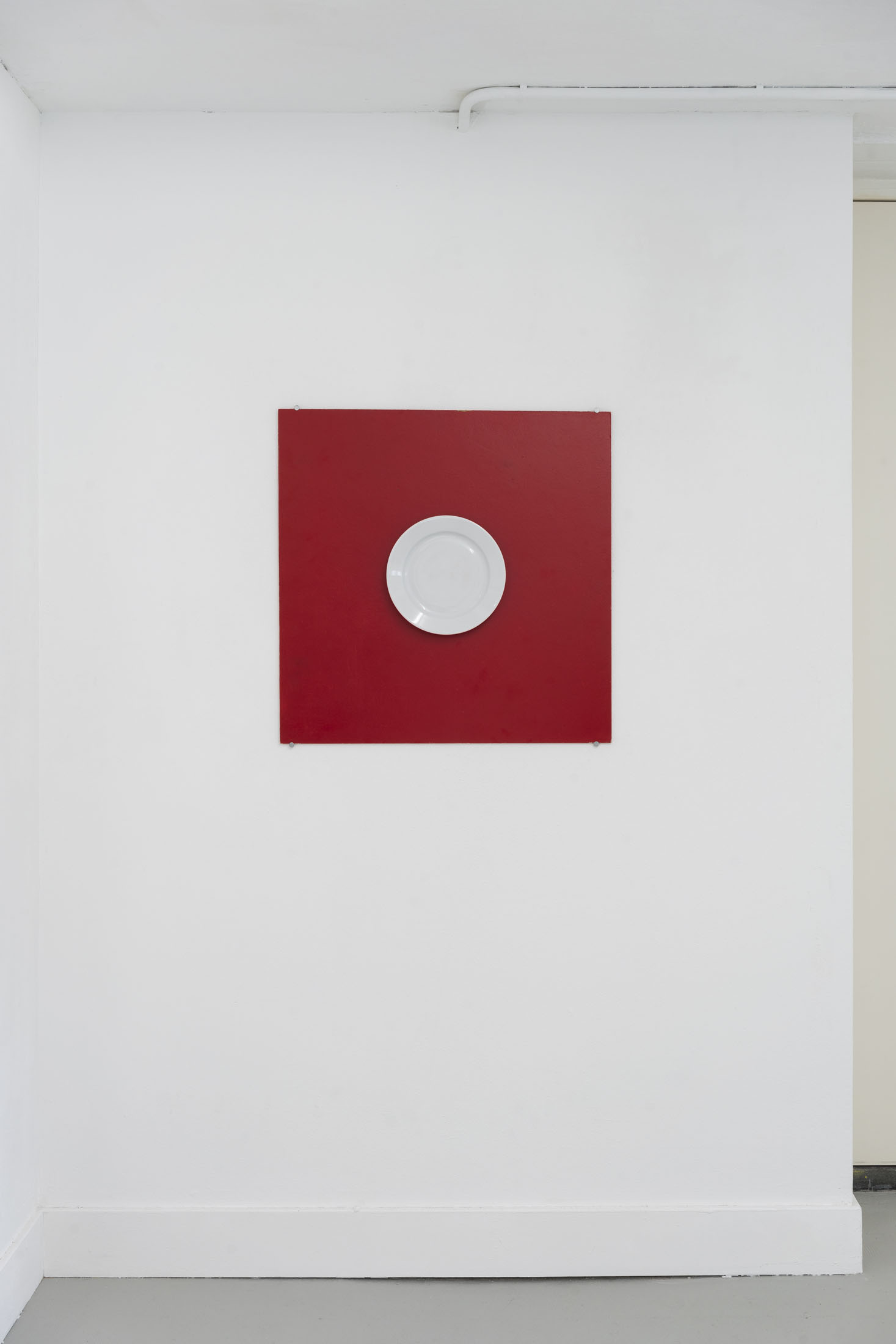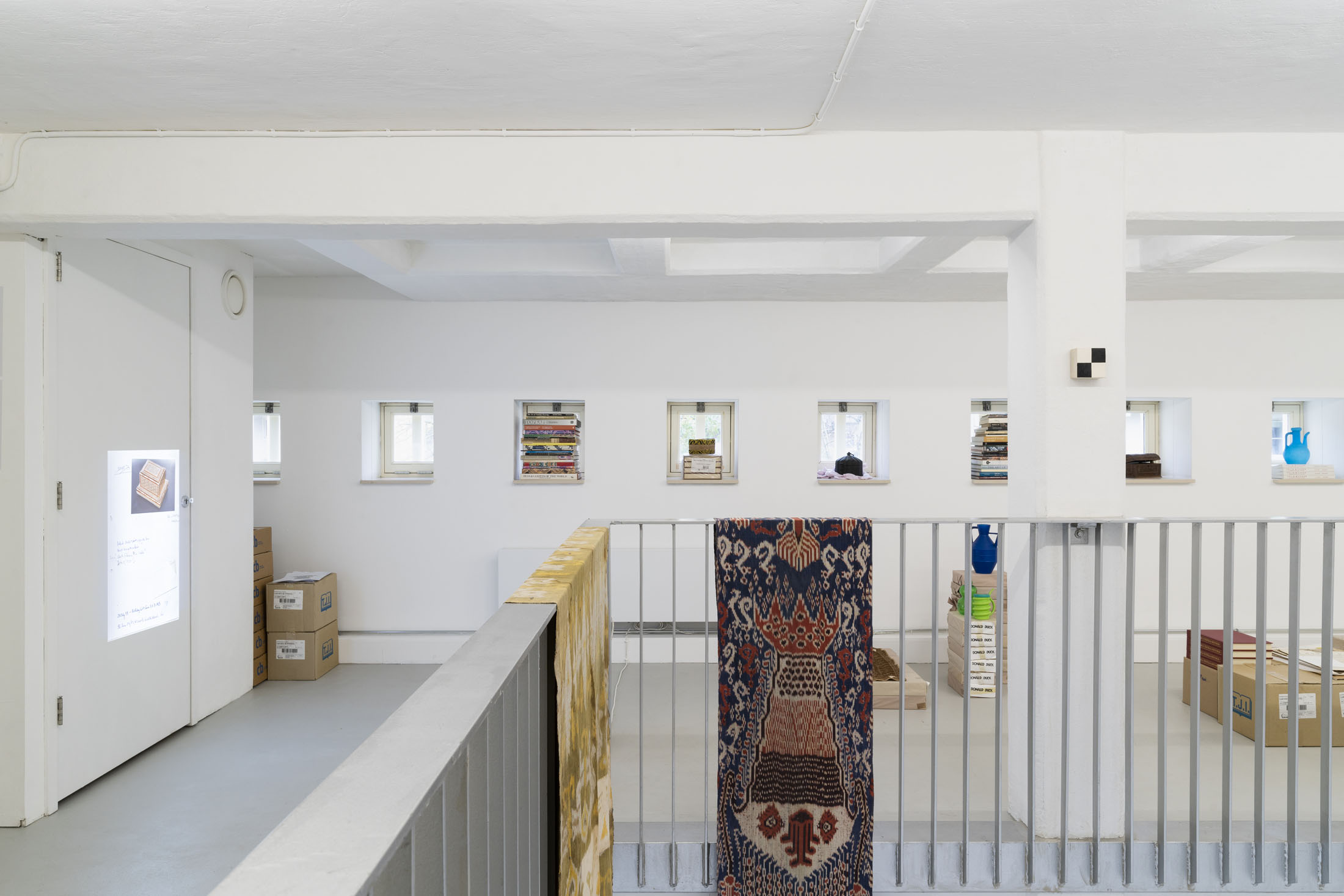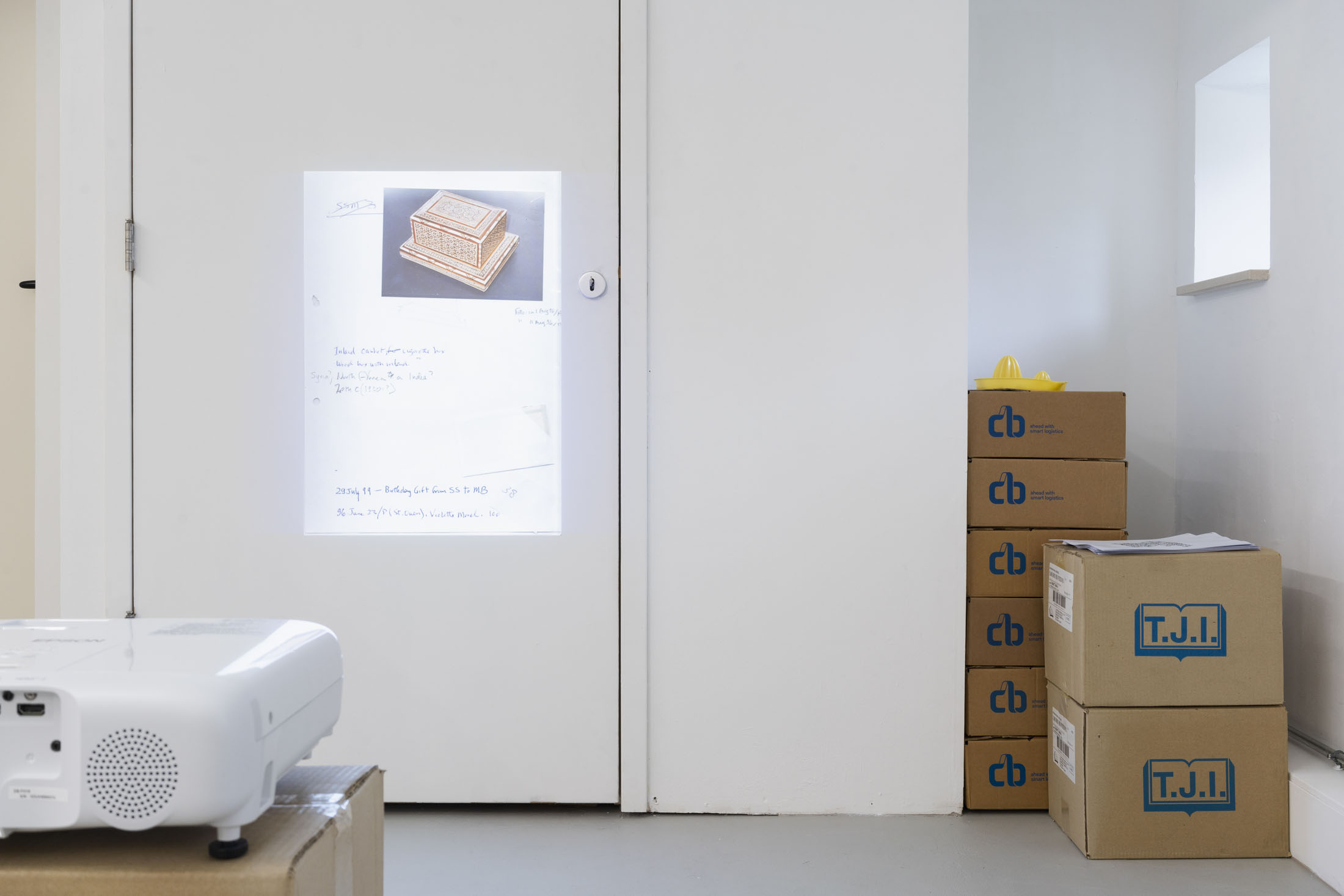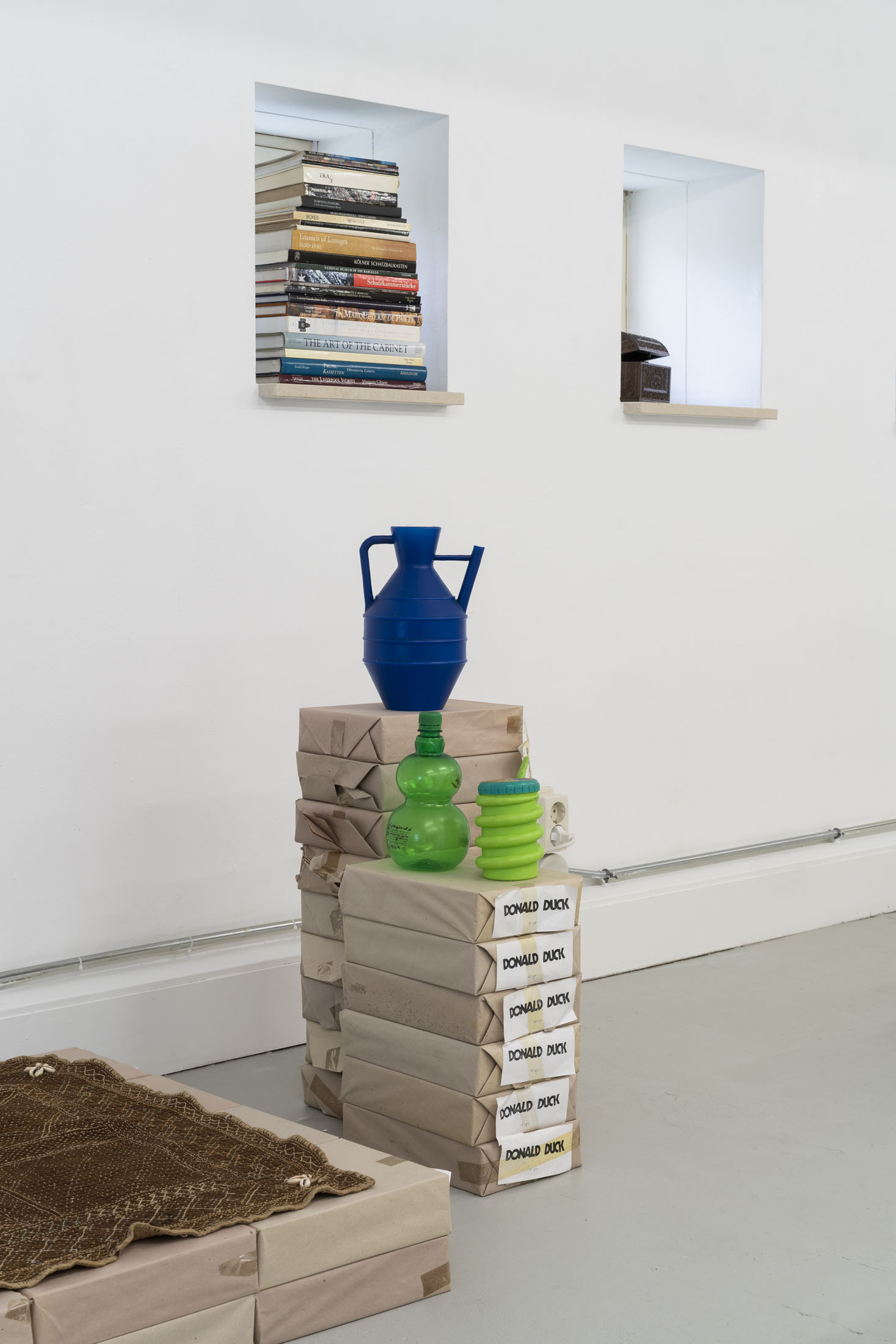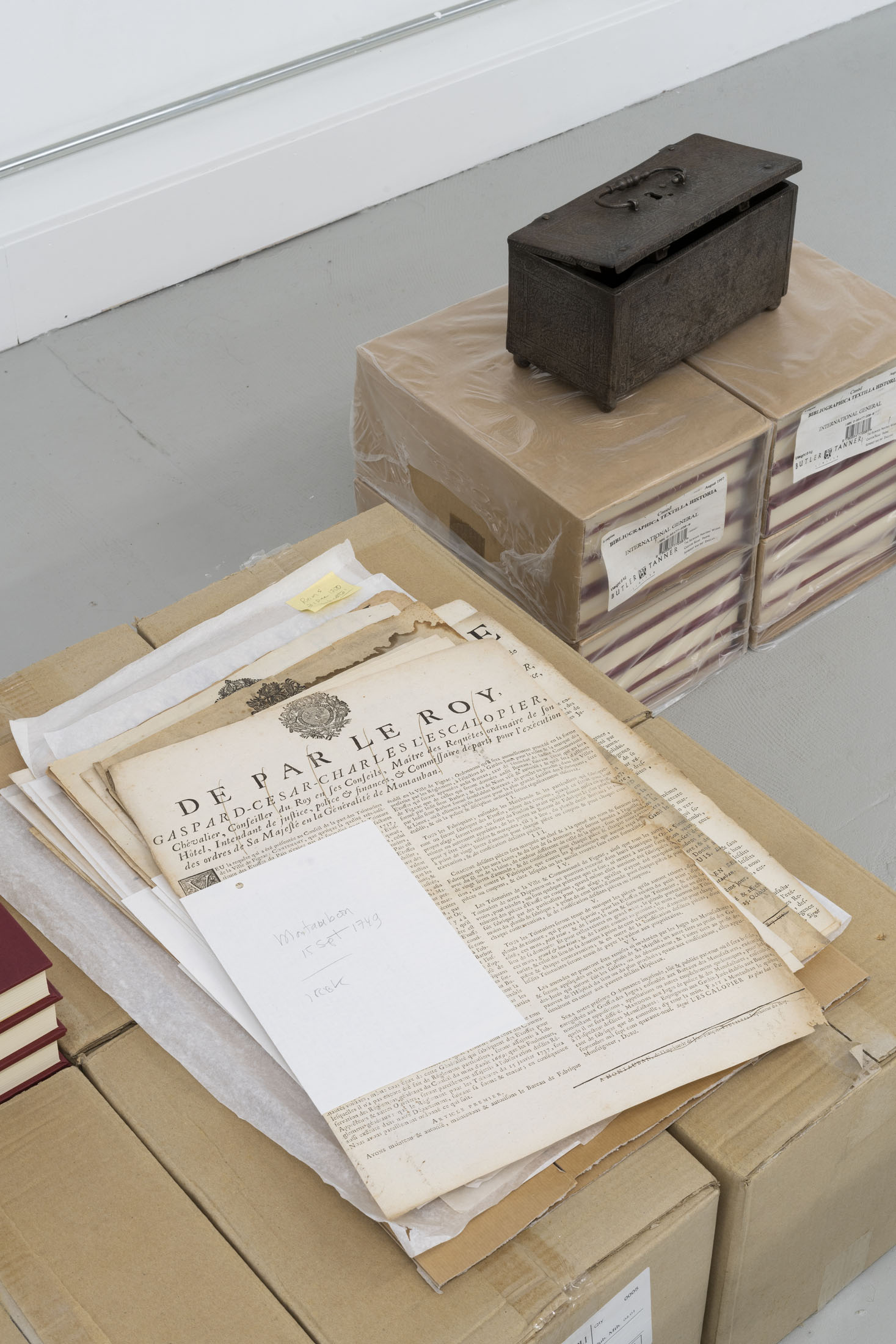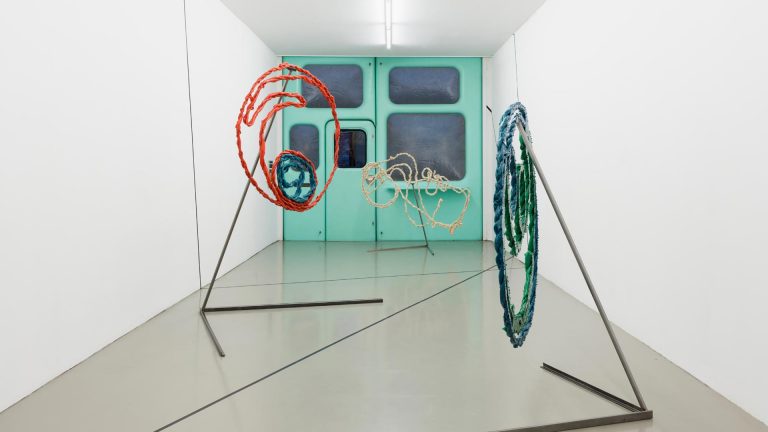
Join us for the opening of The Clock Wife, with a performance by JOHANNA MONK and an accompanying bulletin text by DODIE BELLAMY—plus karaoke afterwards at Café Brouwershuys!
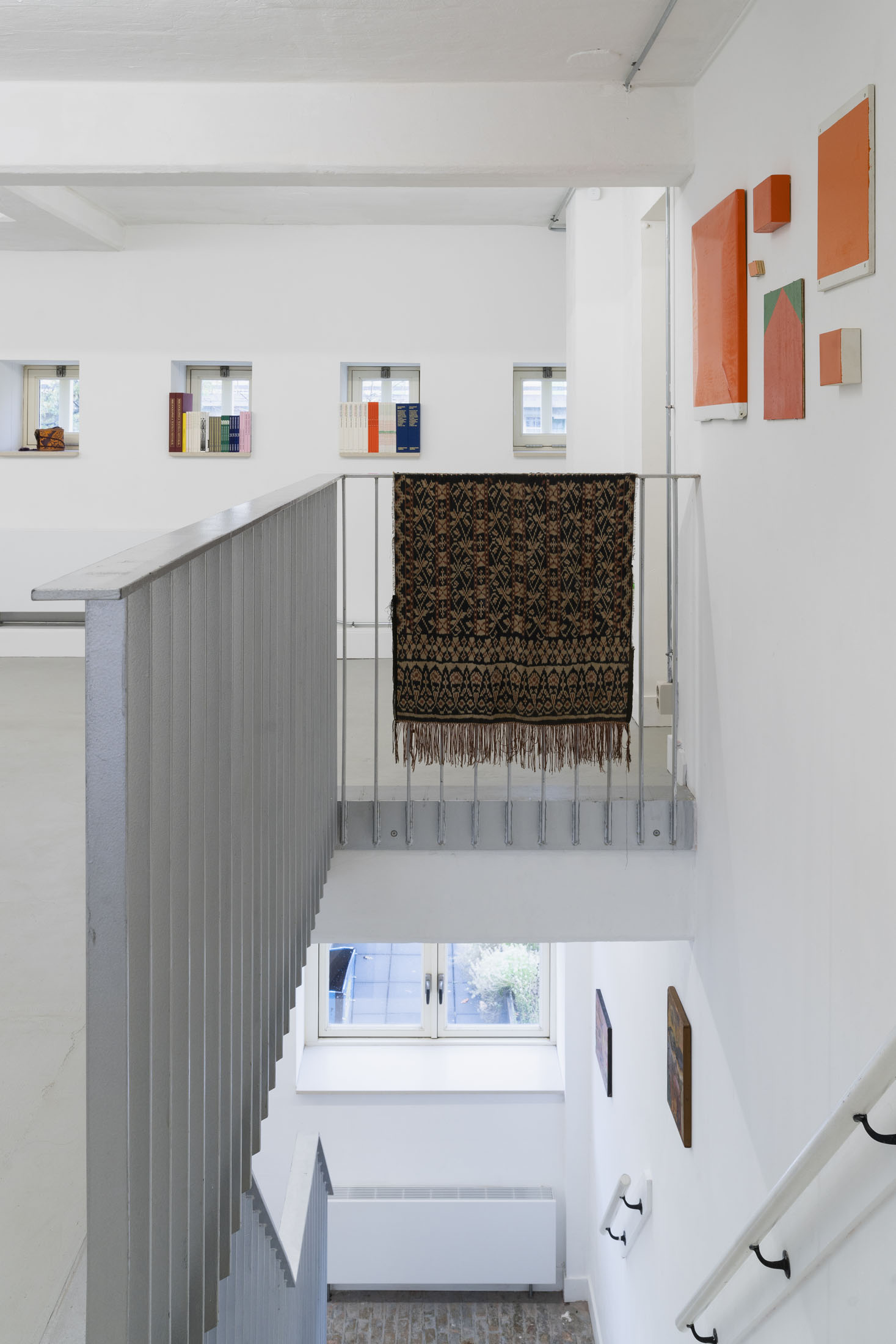
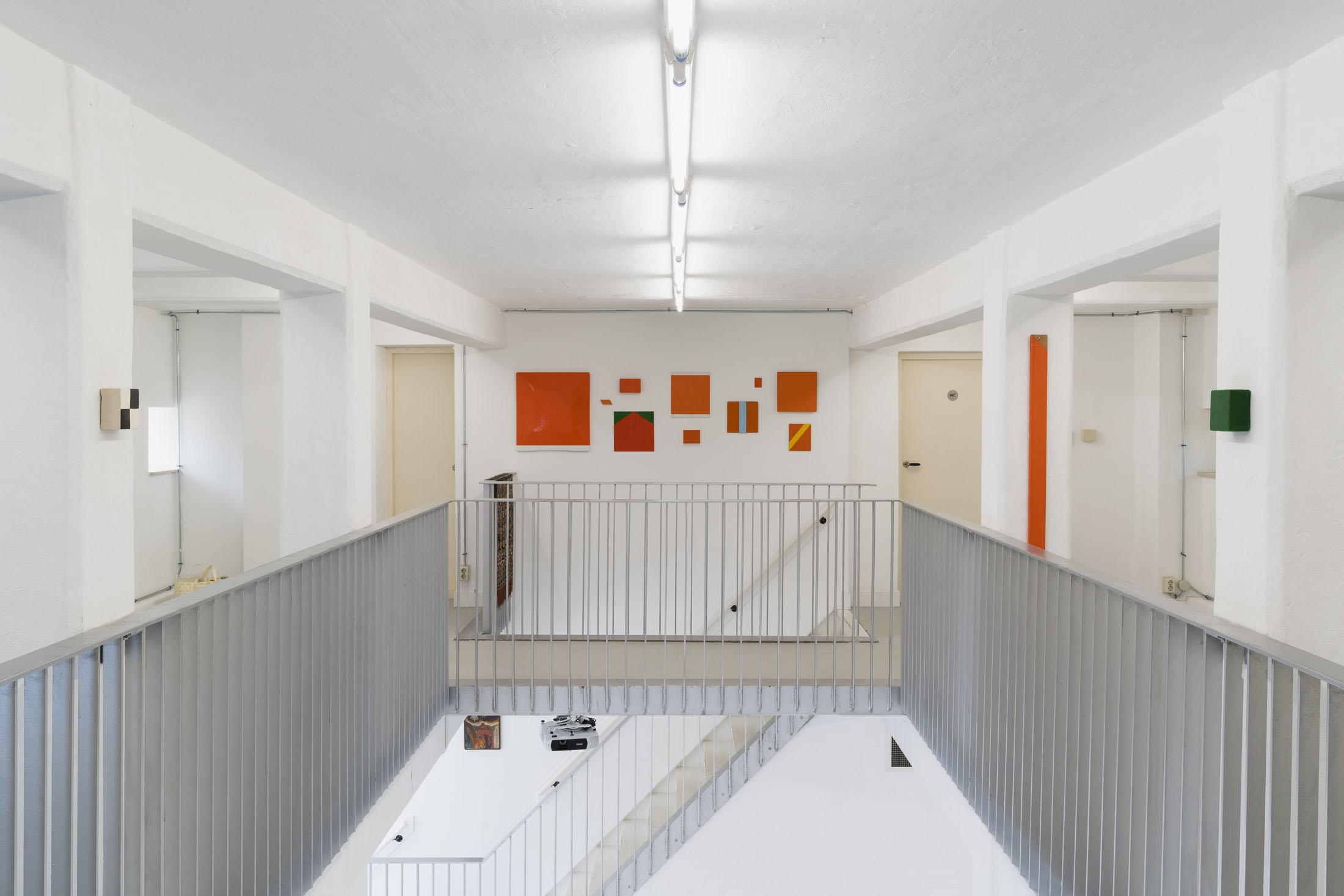
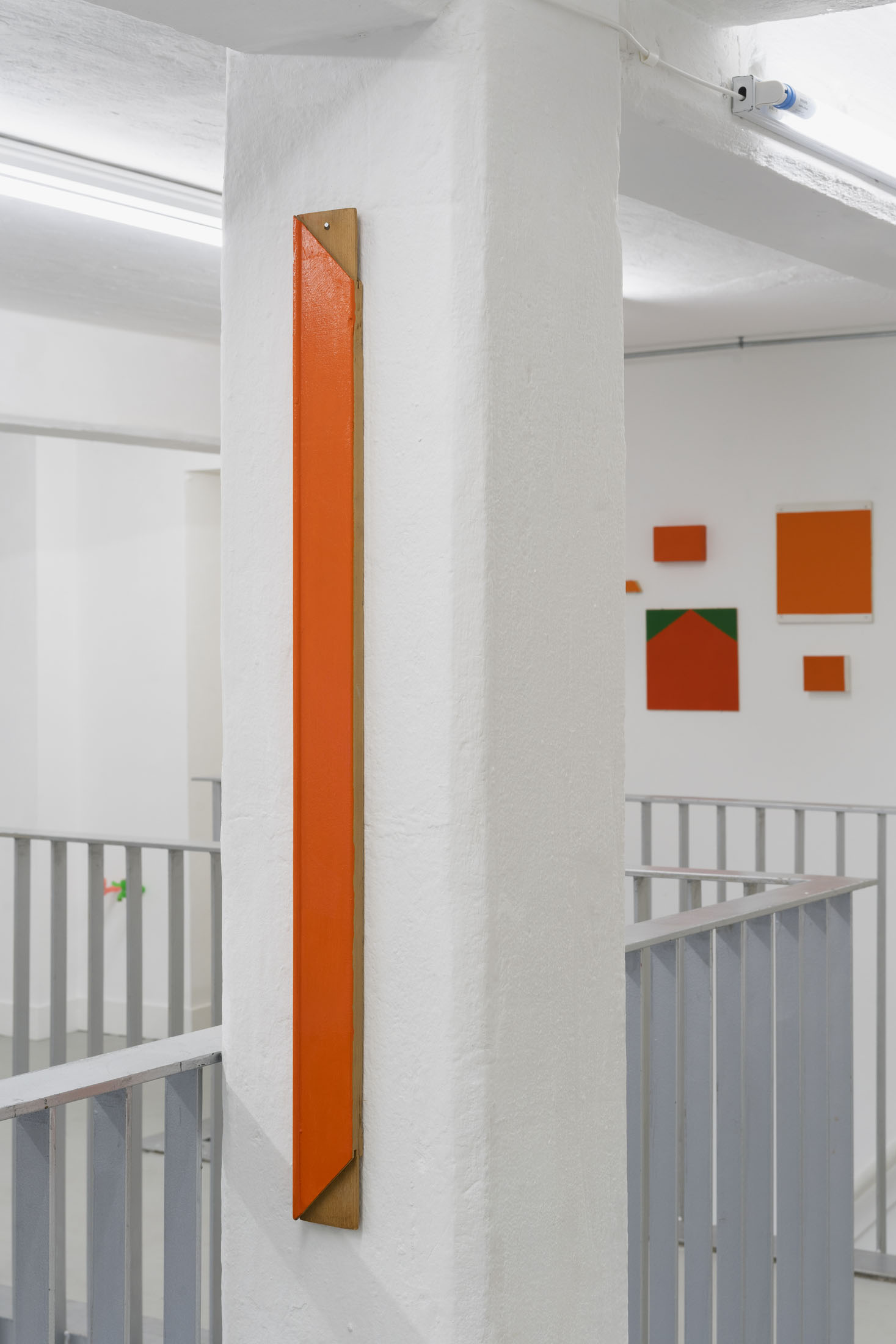
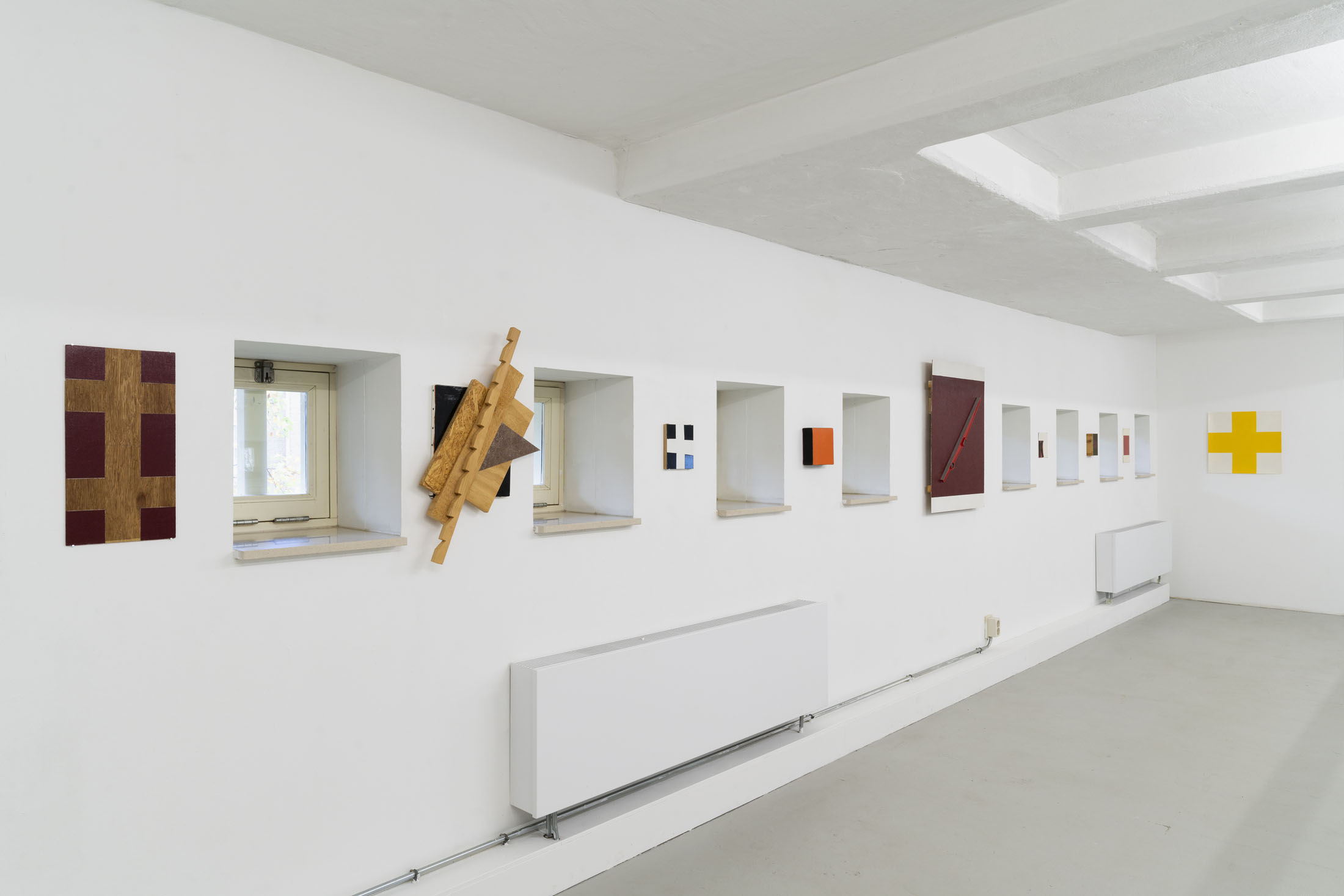
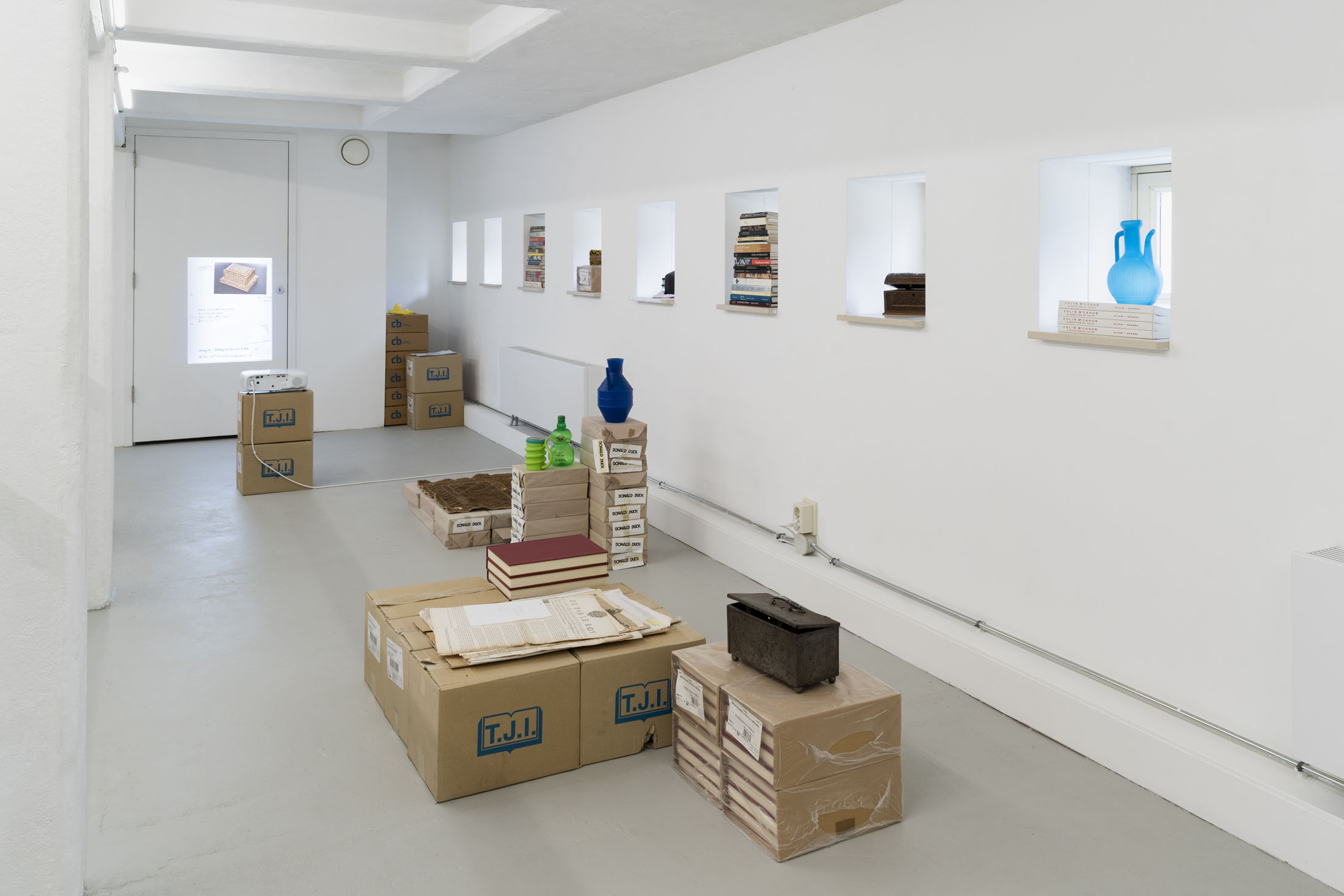
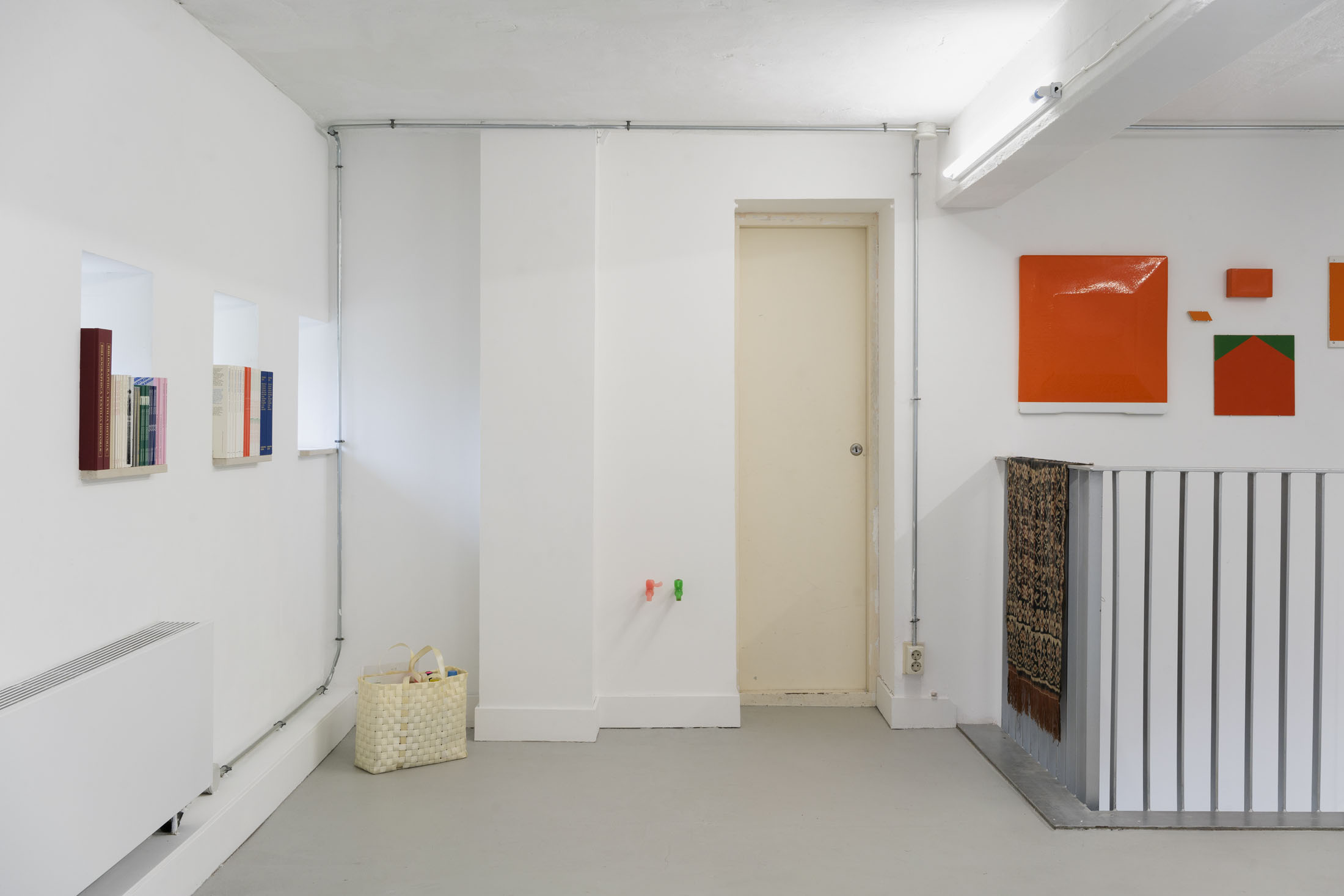
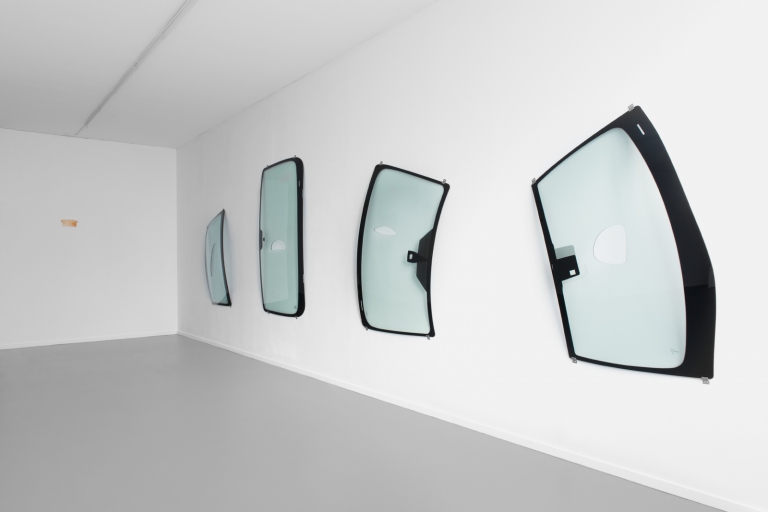
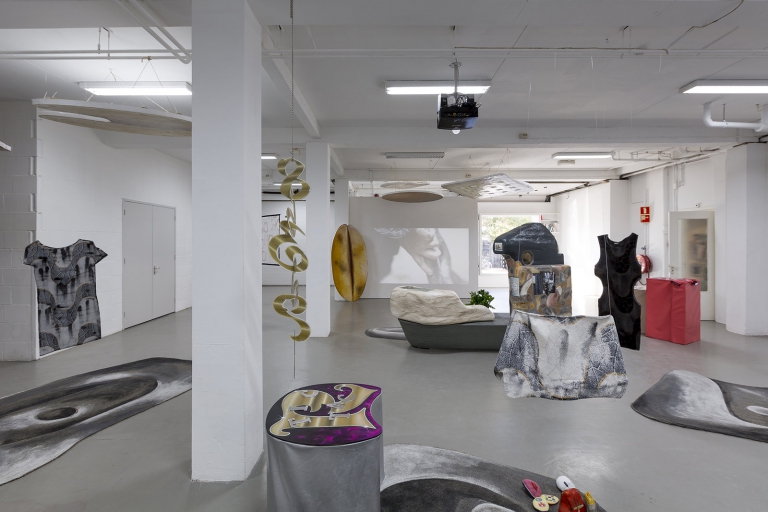
Accumulating over three months, The Clock Wife is an exhibition that focuses on artist estate management by presenting four estates through the eyes of the women overseeing them: Marja Bloem presenting her partner Seth Siegelaub; Sue Cramer and Emma Nixon presenting husband and father John Nixon; Johanna Monk presenting her beloved Vanita Monk; and Juf (Bea Ortega Botas and Leto Ybarra) presenting their peer Fran Herndon.[1] At the core of the exhibition is the conflation of administrative and emotional labour inherent to this line of work. Yet an exhibition built around an acknowledgement of the invisibility of certain forms of labour— and an attempt to centre them in turn—has a paradox at heart: how do you make visible that which is not seen?
While still acknowledging the artists around whom each of the estates revolve, The Clock Wife spotlights the work of the executors themselves. In order to do so, each executor has been asked to state a current need of the estate, one that, if filled, would better equip her to do the work at hand. In turn, the exhibition budget, as well as aspects of the broader institutional budget that pertain to some of the needs—such as the advertising budget, the public program budget and the ‘office costs’ budget—have been redistributed towards tending to them.
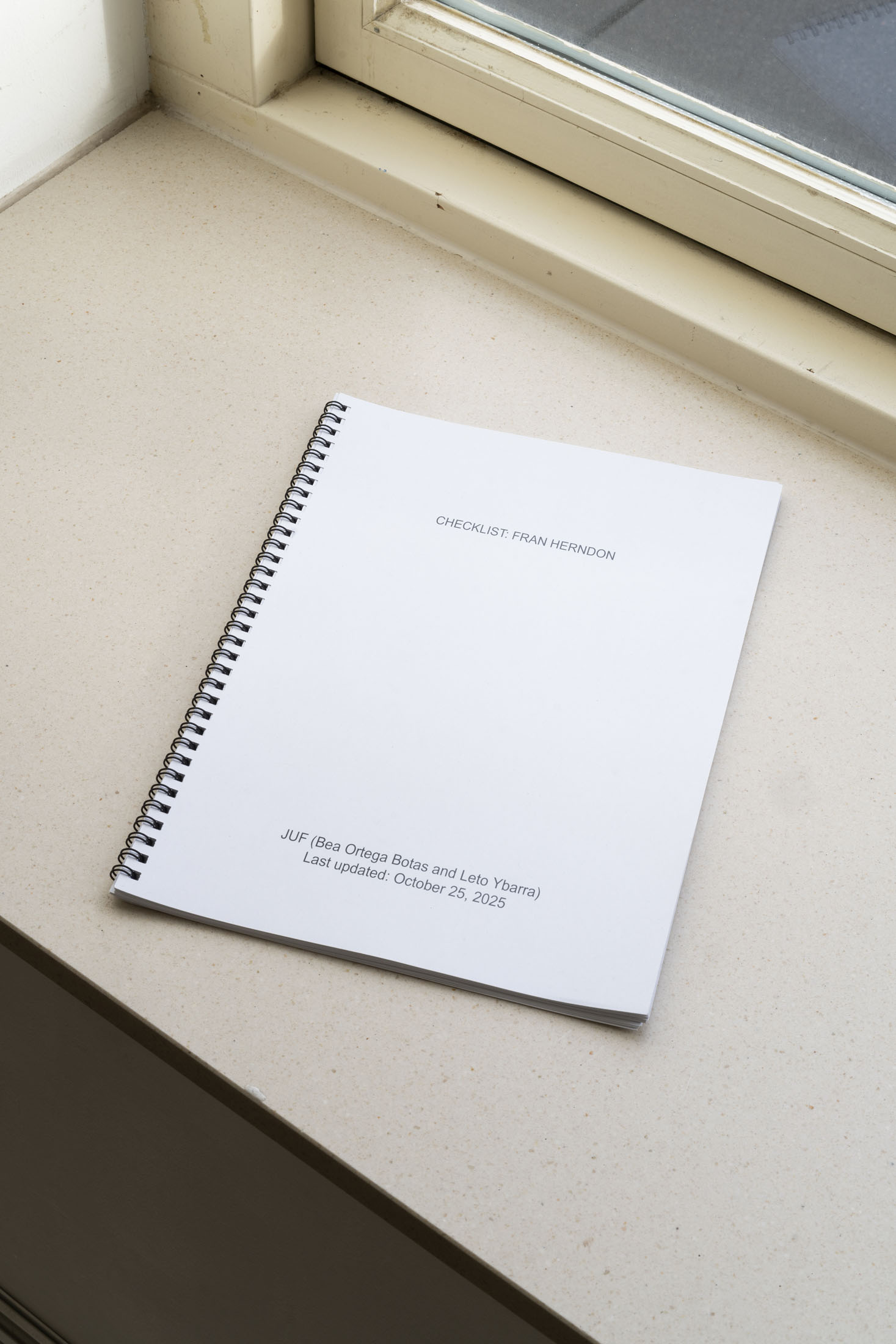
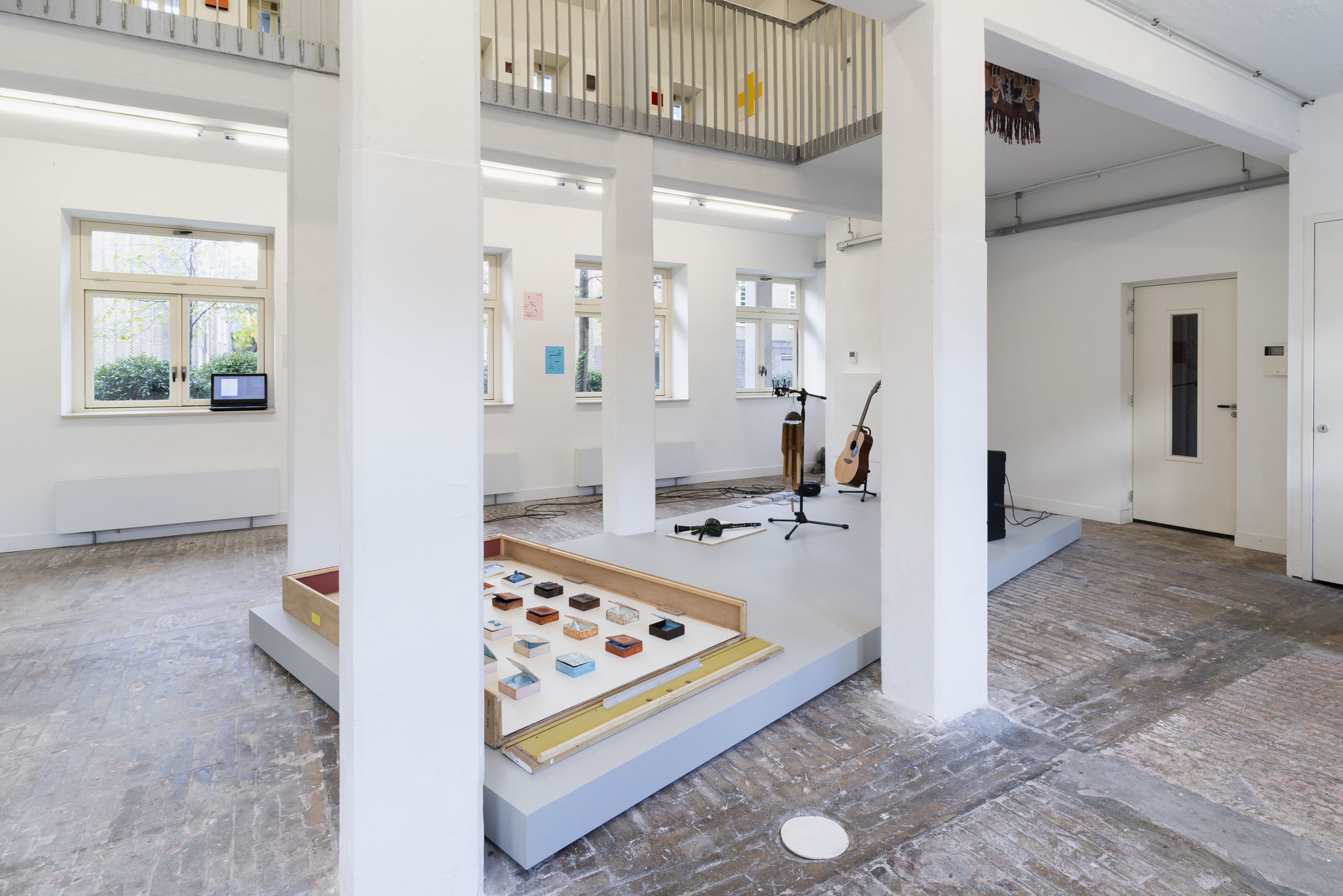
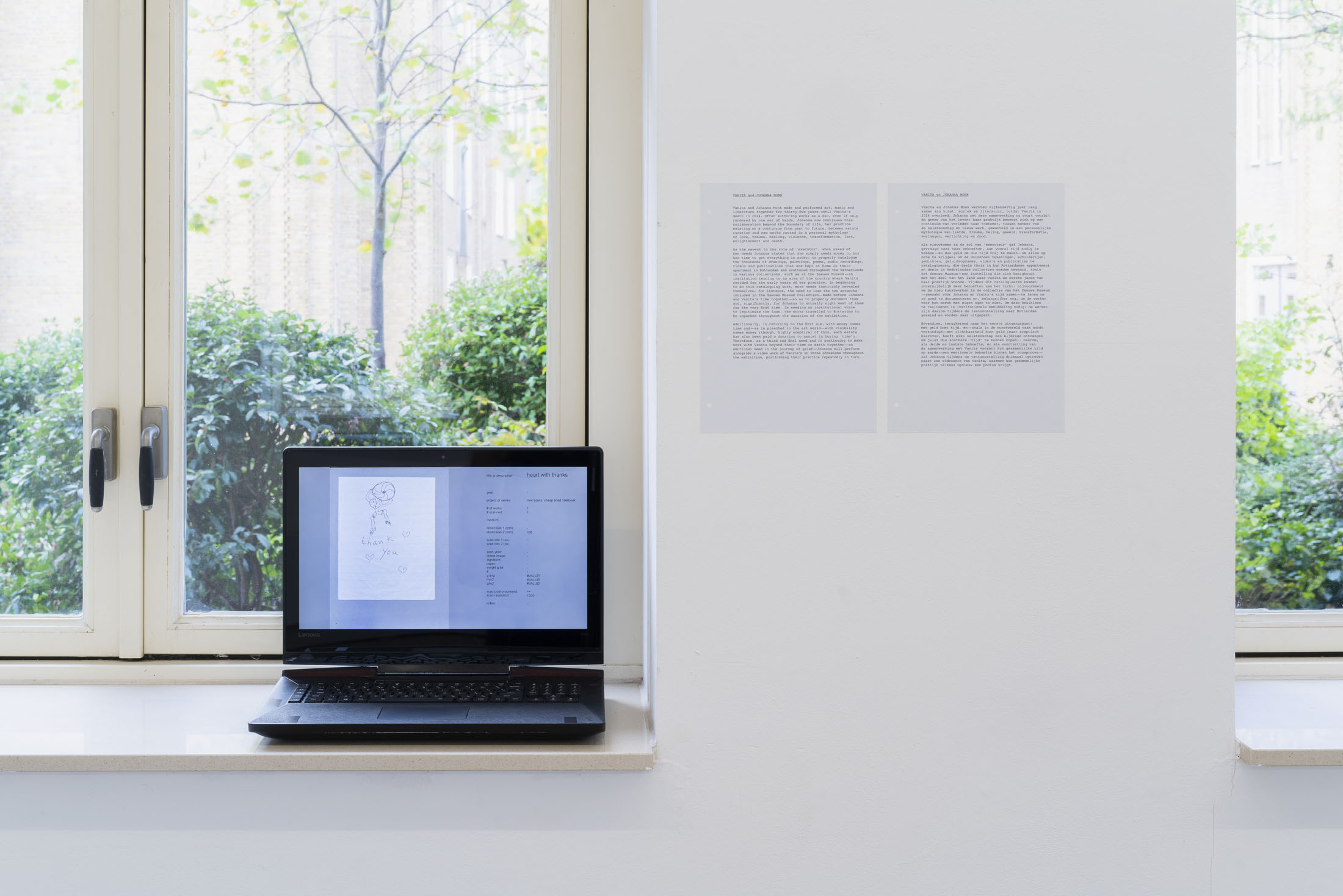
Each of the executors are at different points in the establishment of the estates as well as in their journeys with the grief that unfolds alongside this work: some have been doing it for decades, others picked it up unexpectedly only recently, learning and healing all wrapped up in one. Additionally, the social and familial relations that inform each of the bonds vary, with each pushing at normative understandings of artistic legacy in their own way. Naturally, then, the needs of each estate are also different: Sue and Emma strive for more visibility for John Nixon’s practice outside Australia, Marja struggles with digitisation requests and seeks an assistant skilled in this area. In another case, Bea and Leto desire more scholarship on Fran Herndon’s work,[2] while Johanna simply needs money to buy her time to actually get everything in order. Yet in the conversations that determined these needs, and despite the variations in practice and contexts, all the estates had two overarching things in common: 1. a desire to meet others doing this work in order to learn, and 2. further visibility for the practices. Or, as Johanna concisely put it, ‘Simply, a platform’. With this in mind, The Clock Wife revolves around a central platform system that draws on the invisible histories of the space of A Tale of A Tub—a former washhouse and site of gendered labour itself—and which acts as an intervention into the architecture. Developed by designer Maud Vervenne, the platforms are both metaphor and actual stage, upon which a series of talks, performances and informal meetings will take place throughout the exhibition.
Felt throughout the conversations that informed the making of The Clock Wife is the material and administrative weight of loss. This is not just as physical reality—apartments stacked to the brim with storage boxes full of possessions too achy to part with, paintings dispersed in homes and garages all over the world, begging to be catalogued—but also a financial one—said artworks needing to be sold in order for executors to pay tax on the ones that remain, foundations requiring legal establishment, so on and so forth. And with all this in mind, much of this daily work is done to learn to live with the loss, or, as Marja Bloem said, ‘to keep Seth alive’. Beyond art historical legacies and histories of gendered labour more broadly speaking, in the marginal spaces of the emotionally administrative—the scribbled inscriptions housed in archival systems so personally felt that they refuse objective organisation— there is a lot to be learned from and to acknowledge in the commitment of estate managers. This exhibition is an attempt to begin that process.
[1] Given the personal nature of this project, this footnote demands an uncharacteristic insertion of the ‘I’ into the press release form: During a gallery visit a number of years ago, I enquired about the name of the estate executor of Vit Cimbura, a Czech post-modern designer most known for the kitschy experimental clocks he made in the later years of his life. The person I asked wasn’t sure of the name and proceeded to yell out to his colleague at the gallery, ‘What’s the name of the clock wife?’ As evidenced by the nickname, Cimbura’s widow had looked after his work since his passing, and the label, however descriptive, betrayed a certain historical attitude toward the position of both the widow and the estate executor: that being someone defined by her relationship to (the work of) another. This was one of a number of instances that got me thinking about the designation of women to anonymous administrative roles within the narratives of artistic legacy and now serves as the anecdote from which this exhibition got its name.
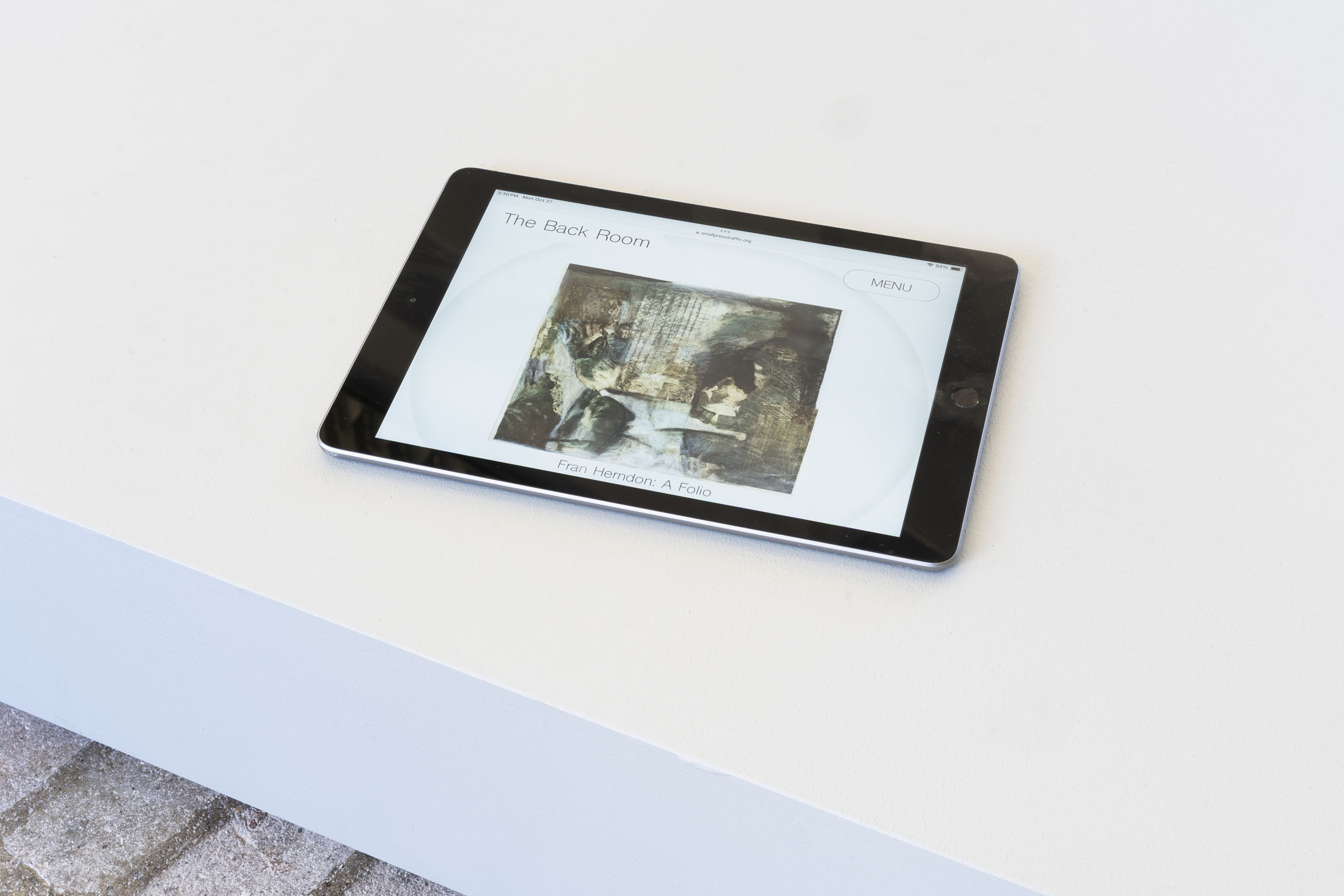
[2] As part of their contribution, Juf have comissioned a series of texts that will be published throughout the exhibition via The Back Room, an online publishing platform of SMALL PRESS TRAFFIC—a San Francisco Bay Area seedbed for poets who push boundaries in the arts. Writers include ARIEL GOLDBERG, SANJA GROZDANÍC and TUMELO MTIMKHULU.