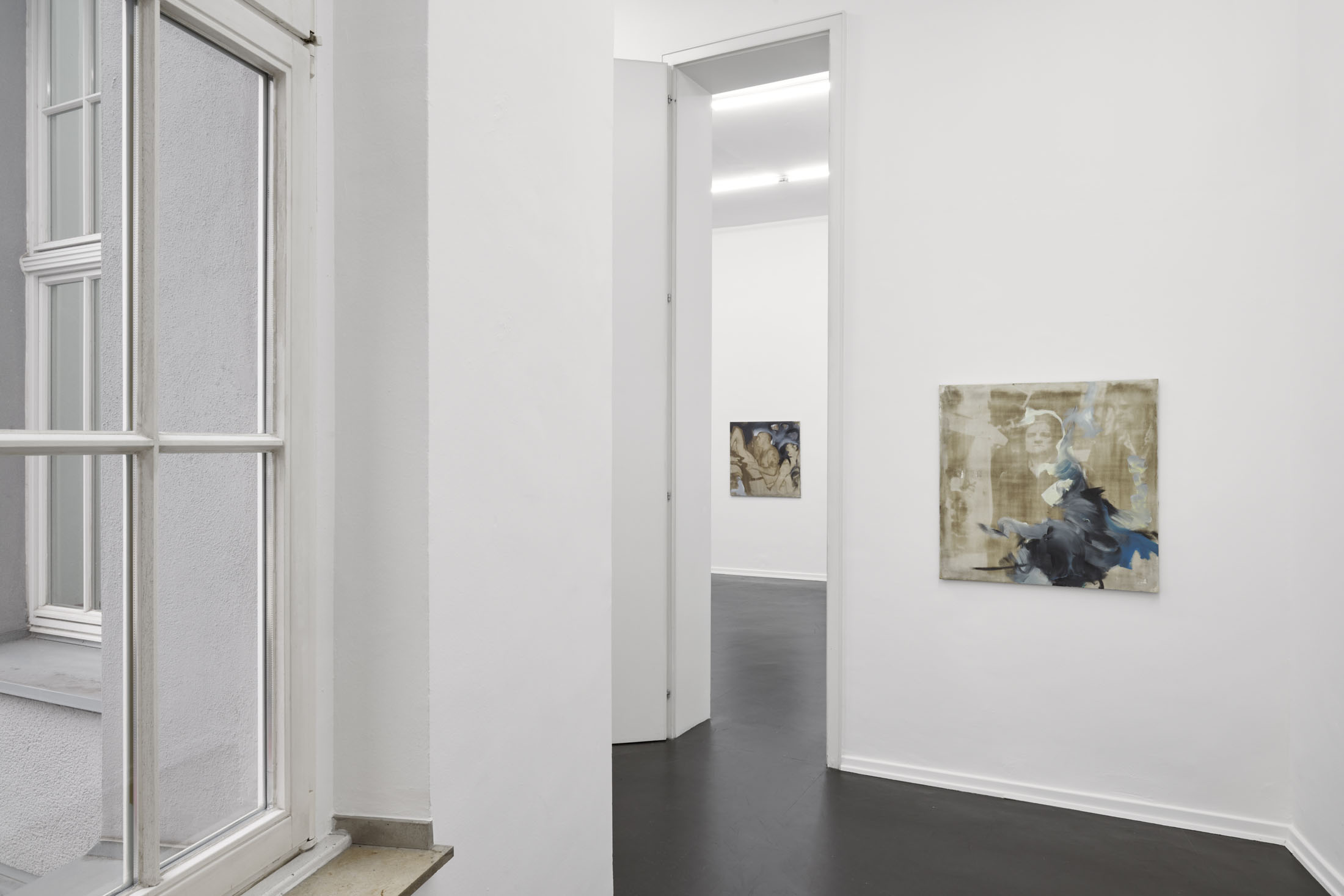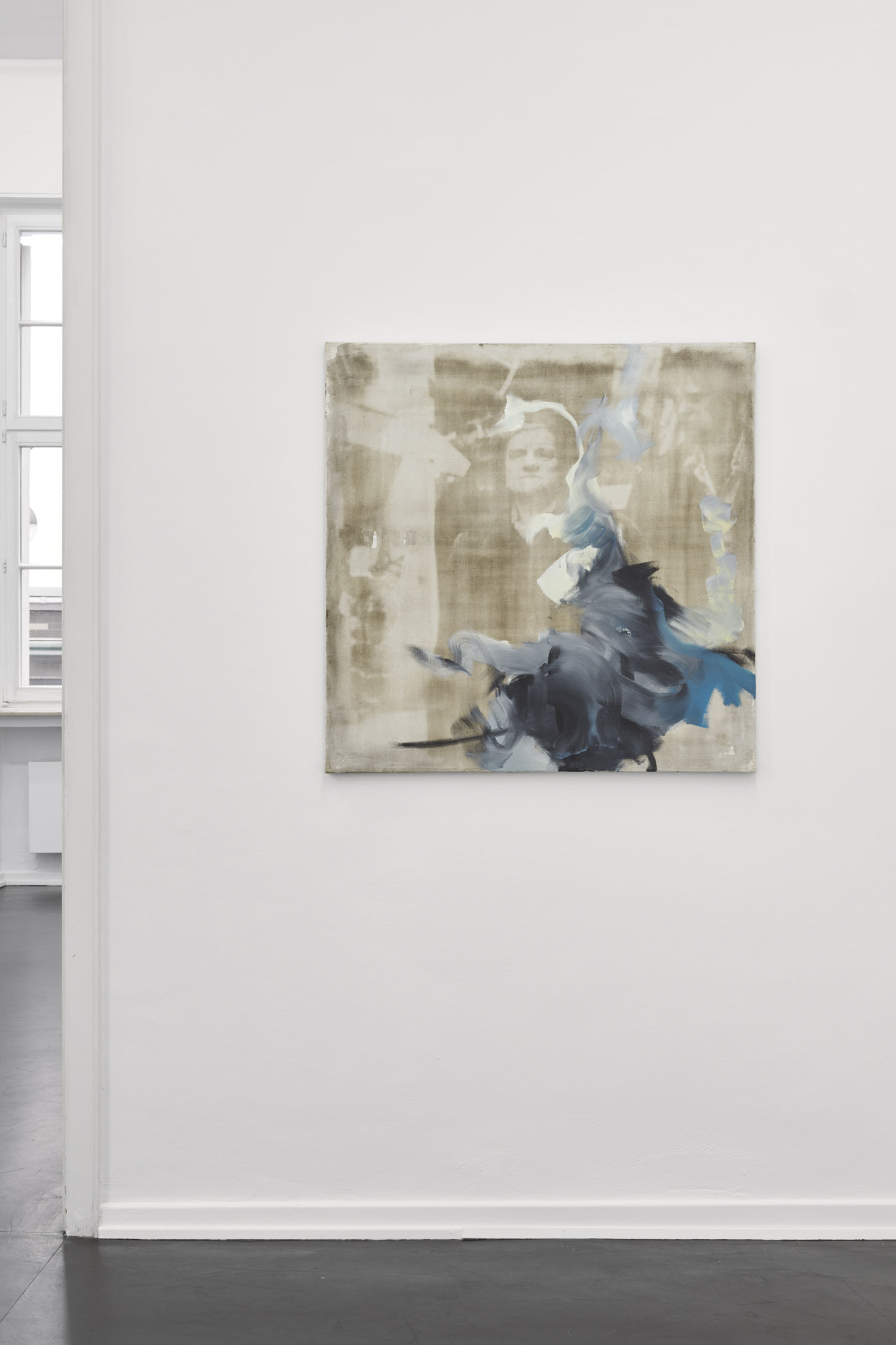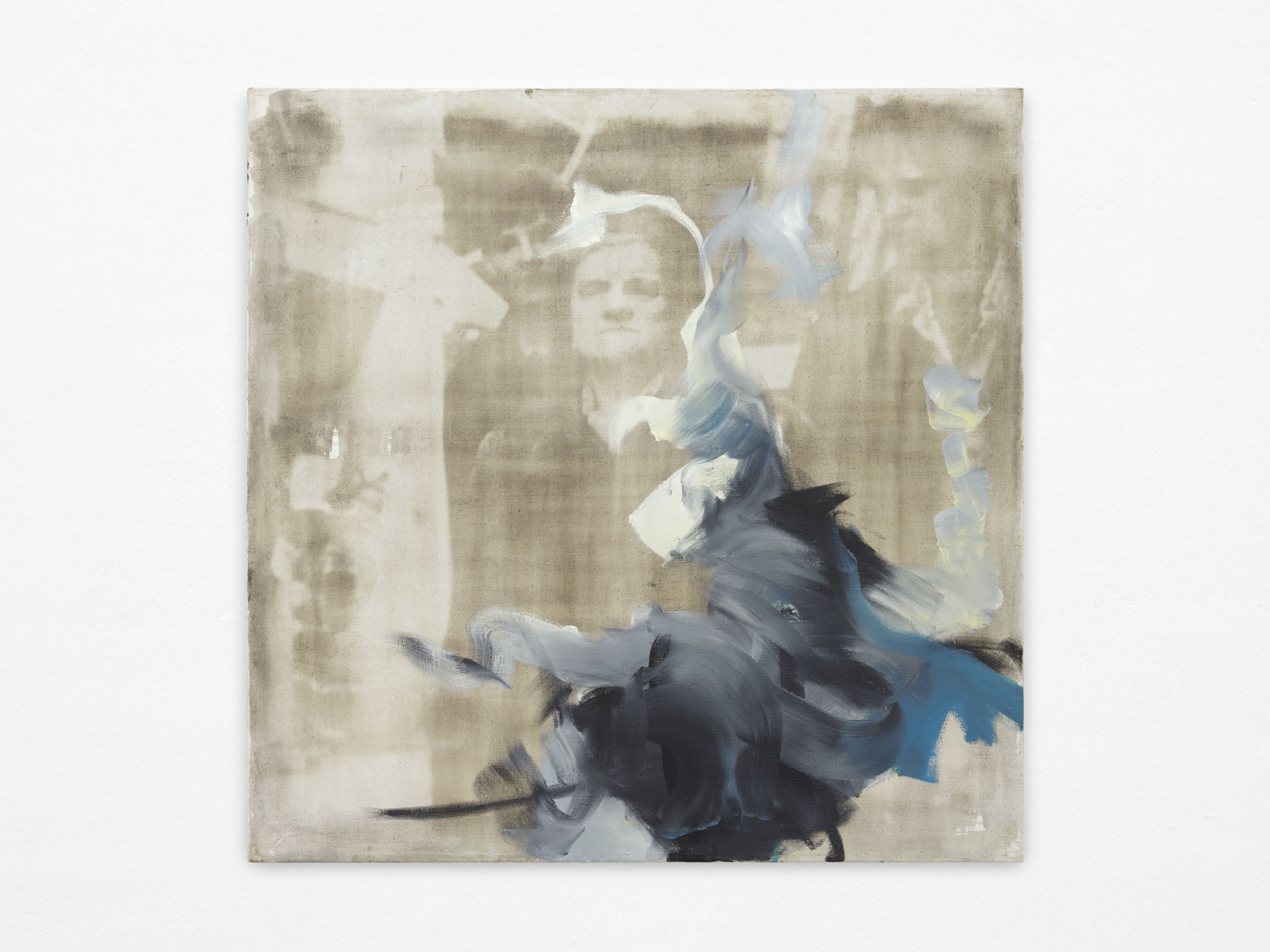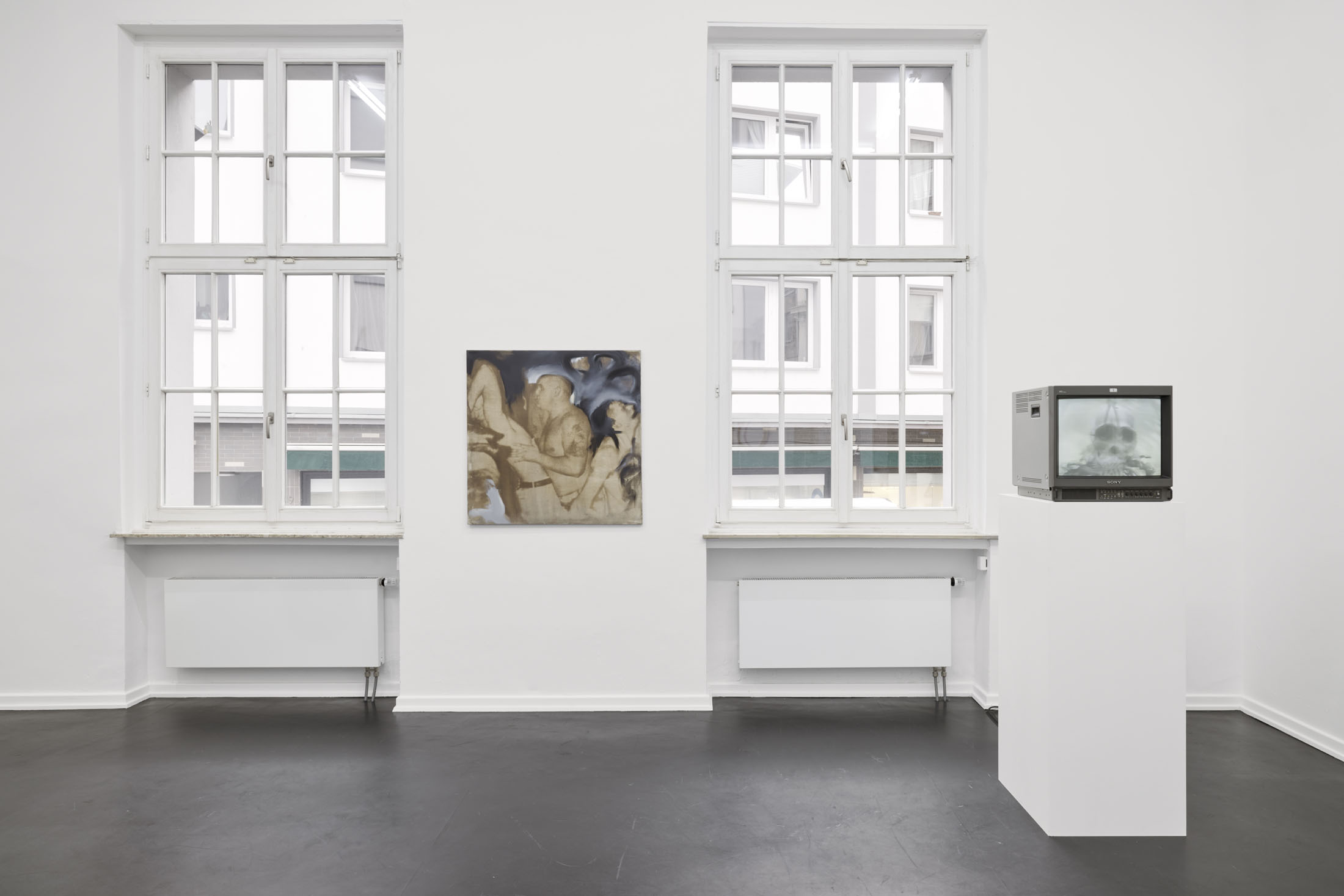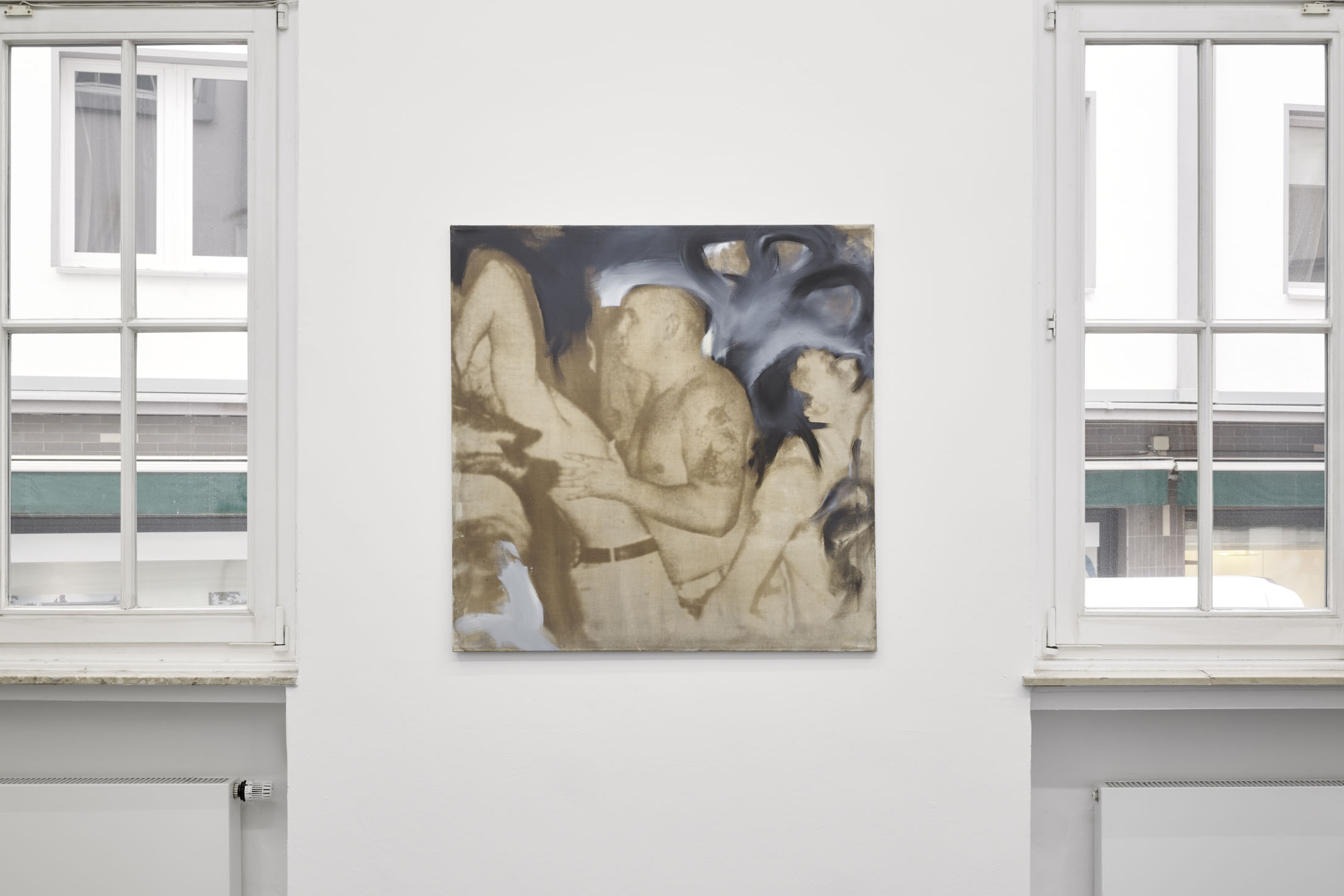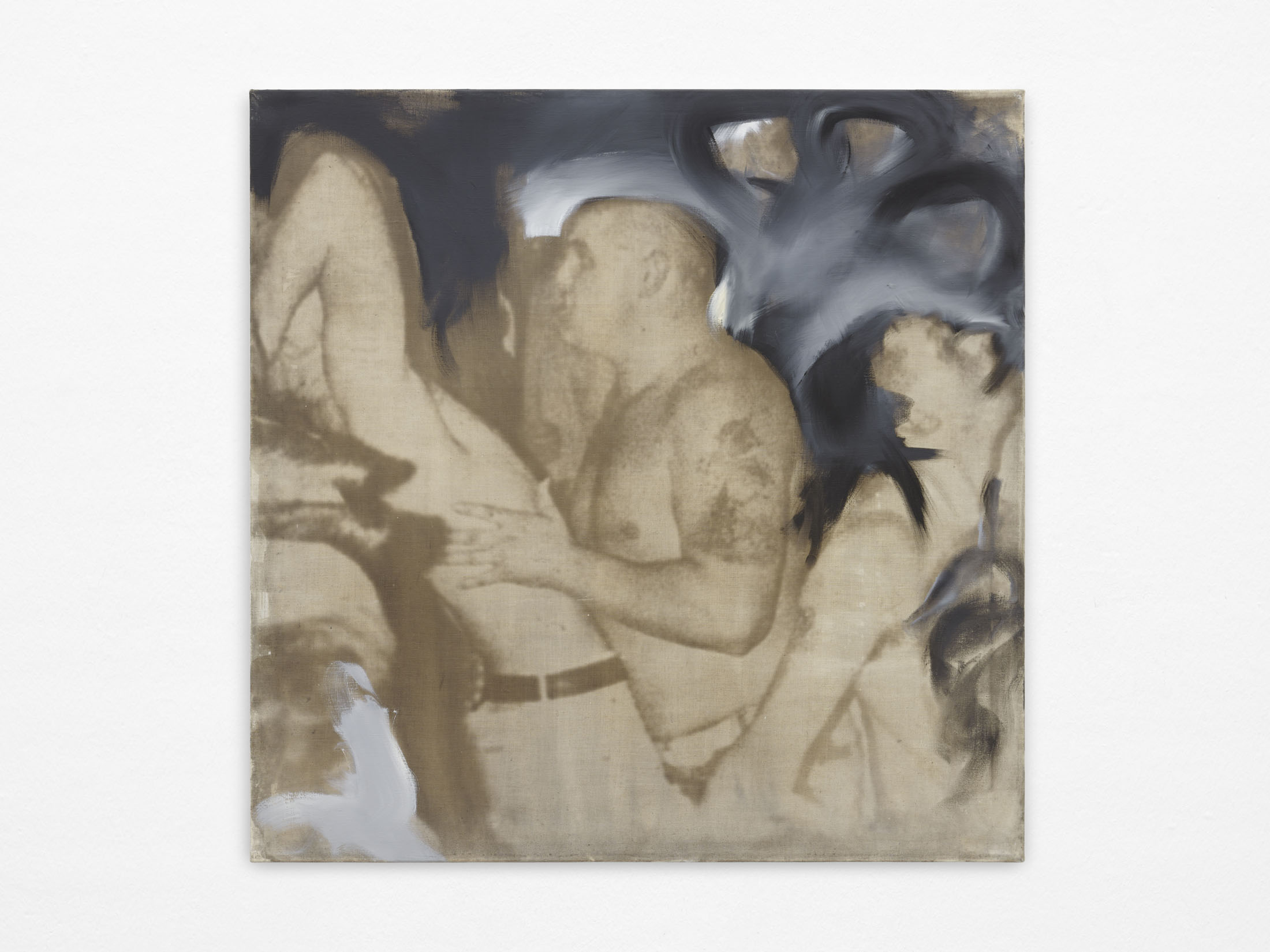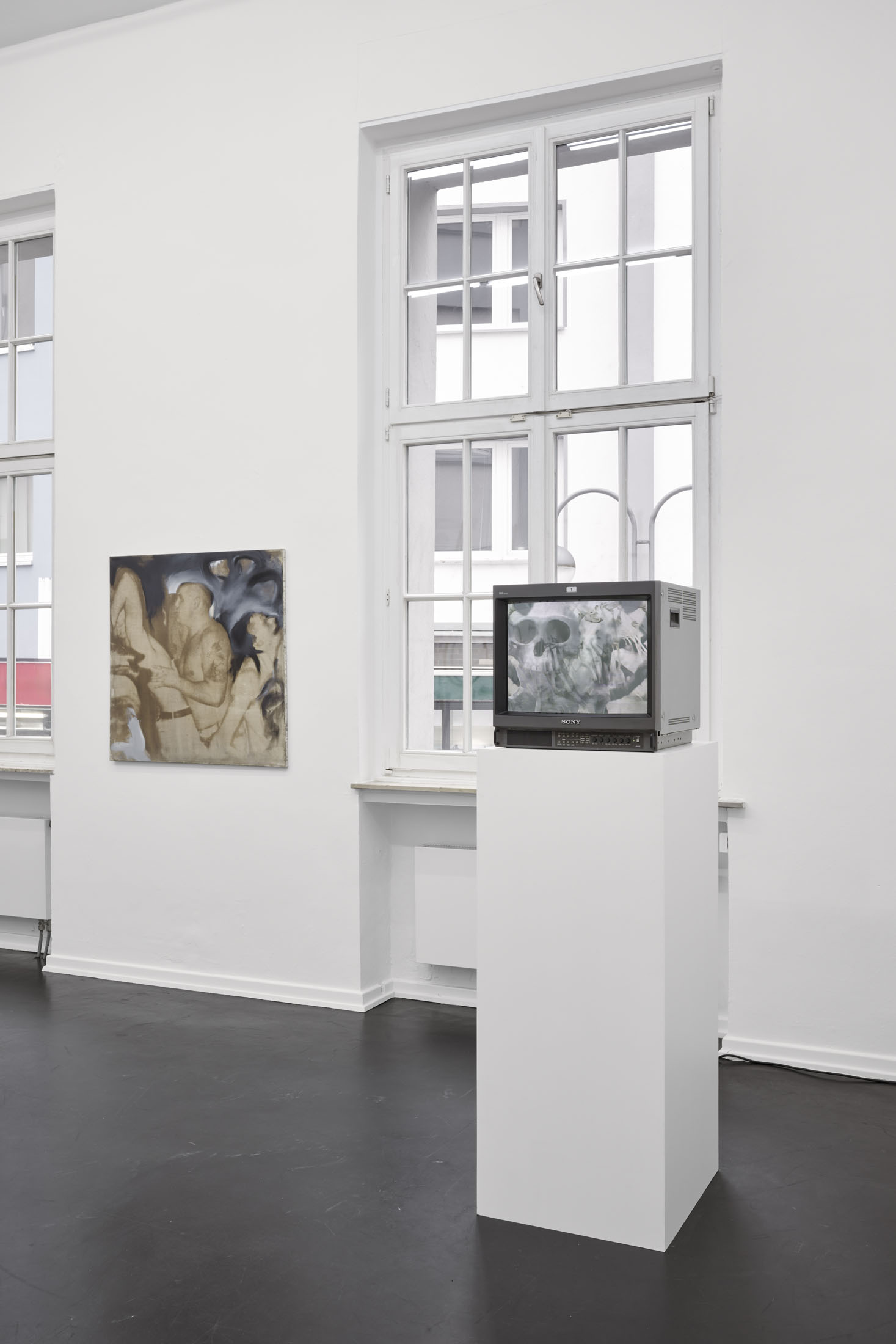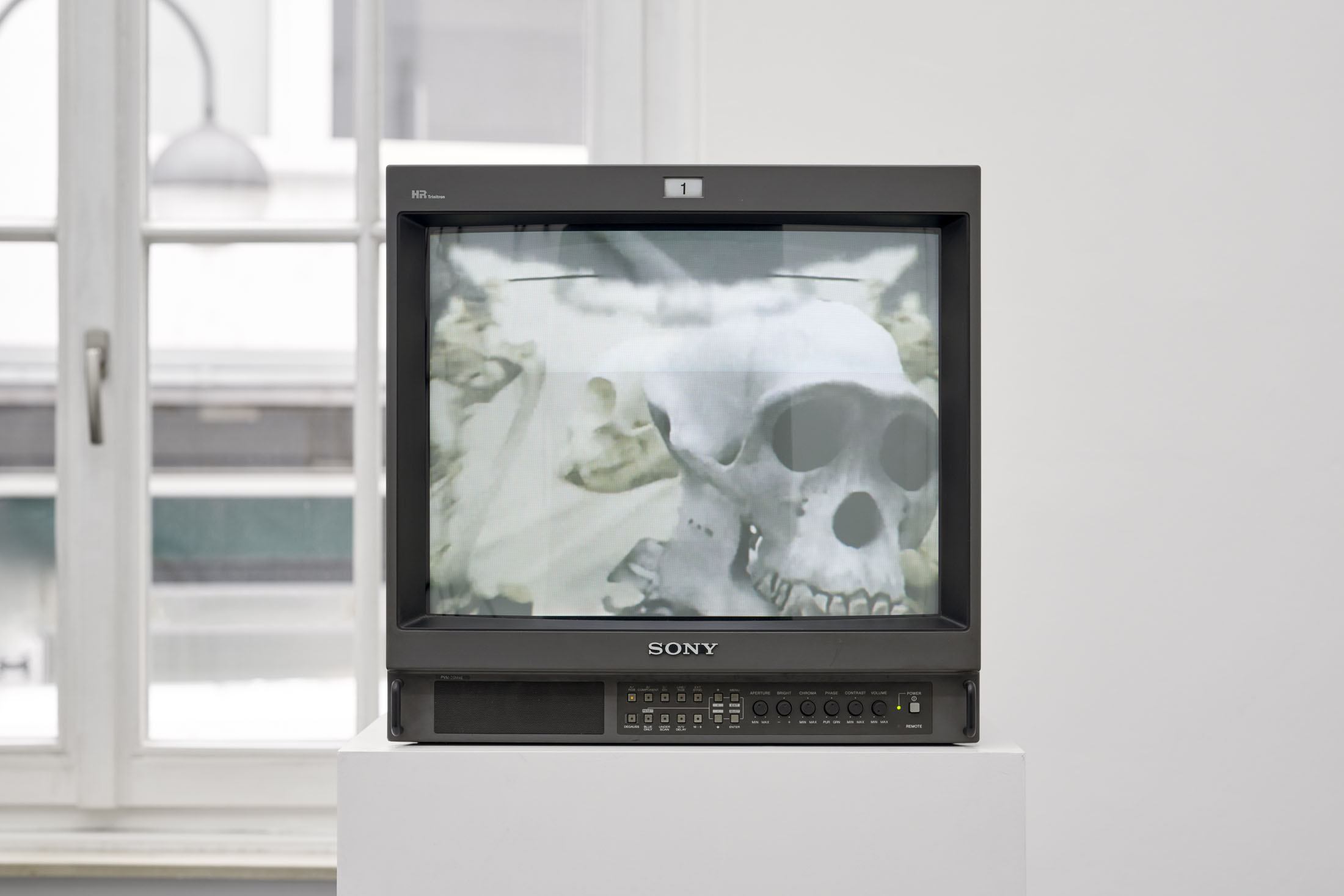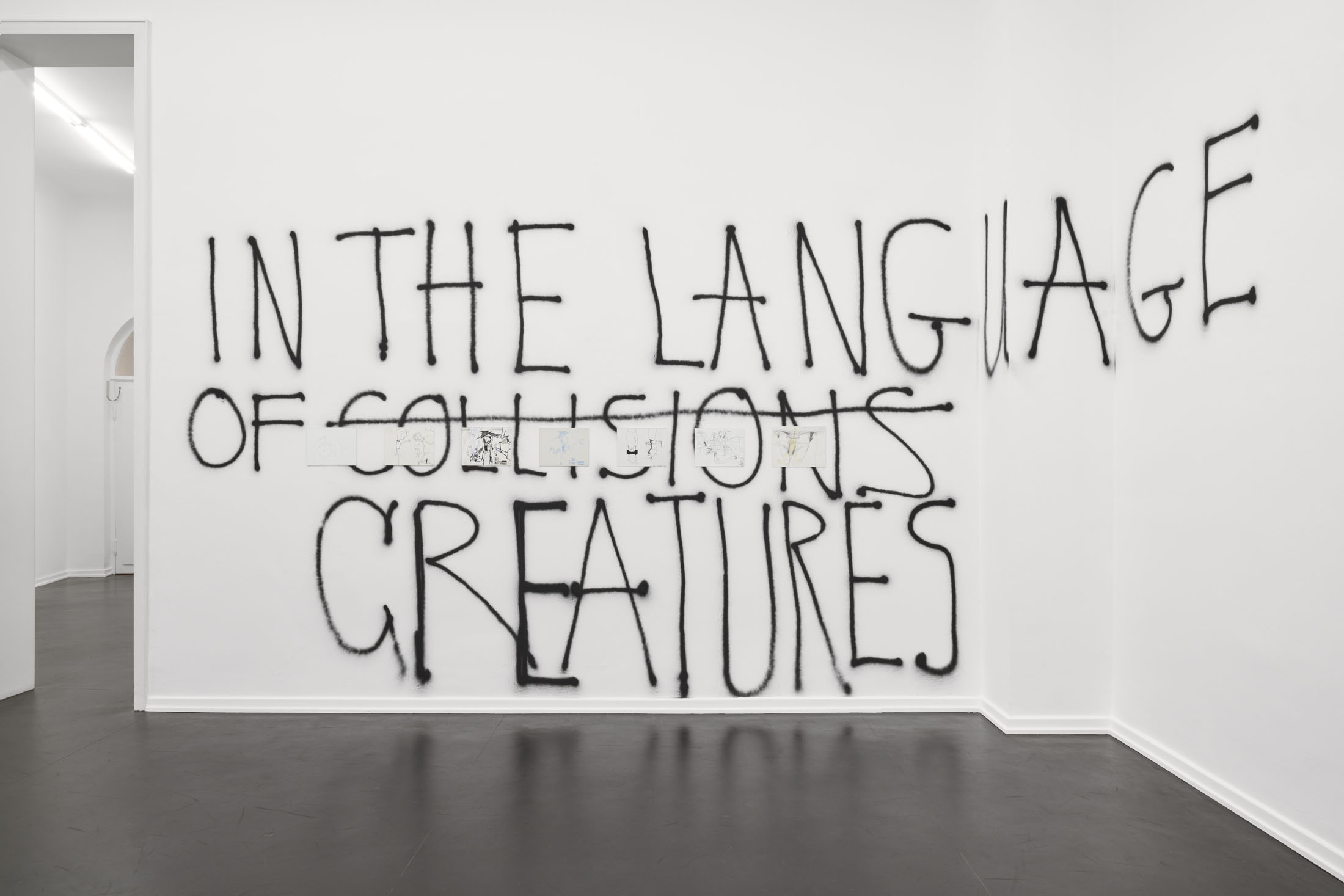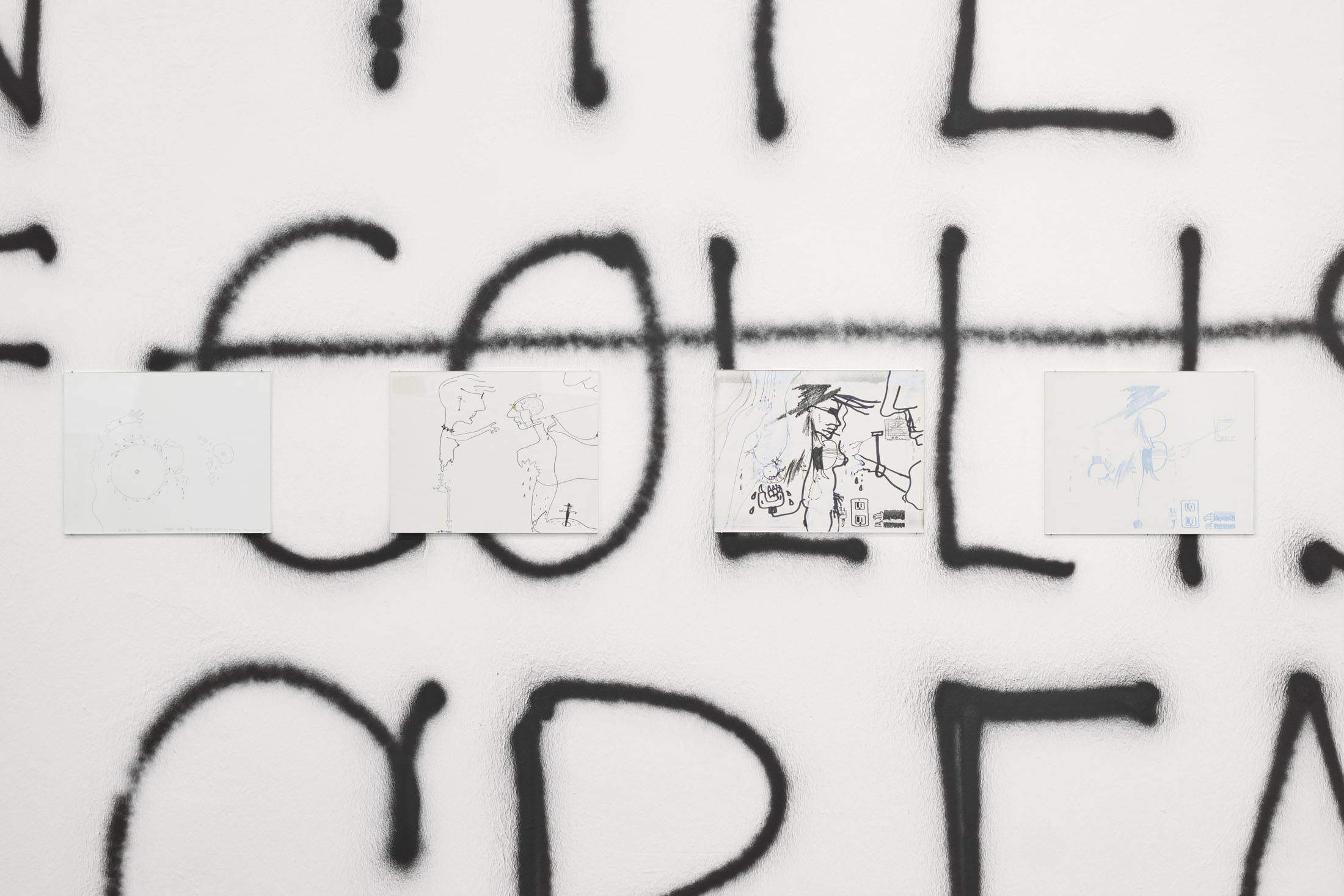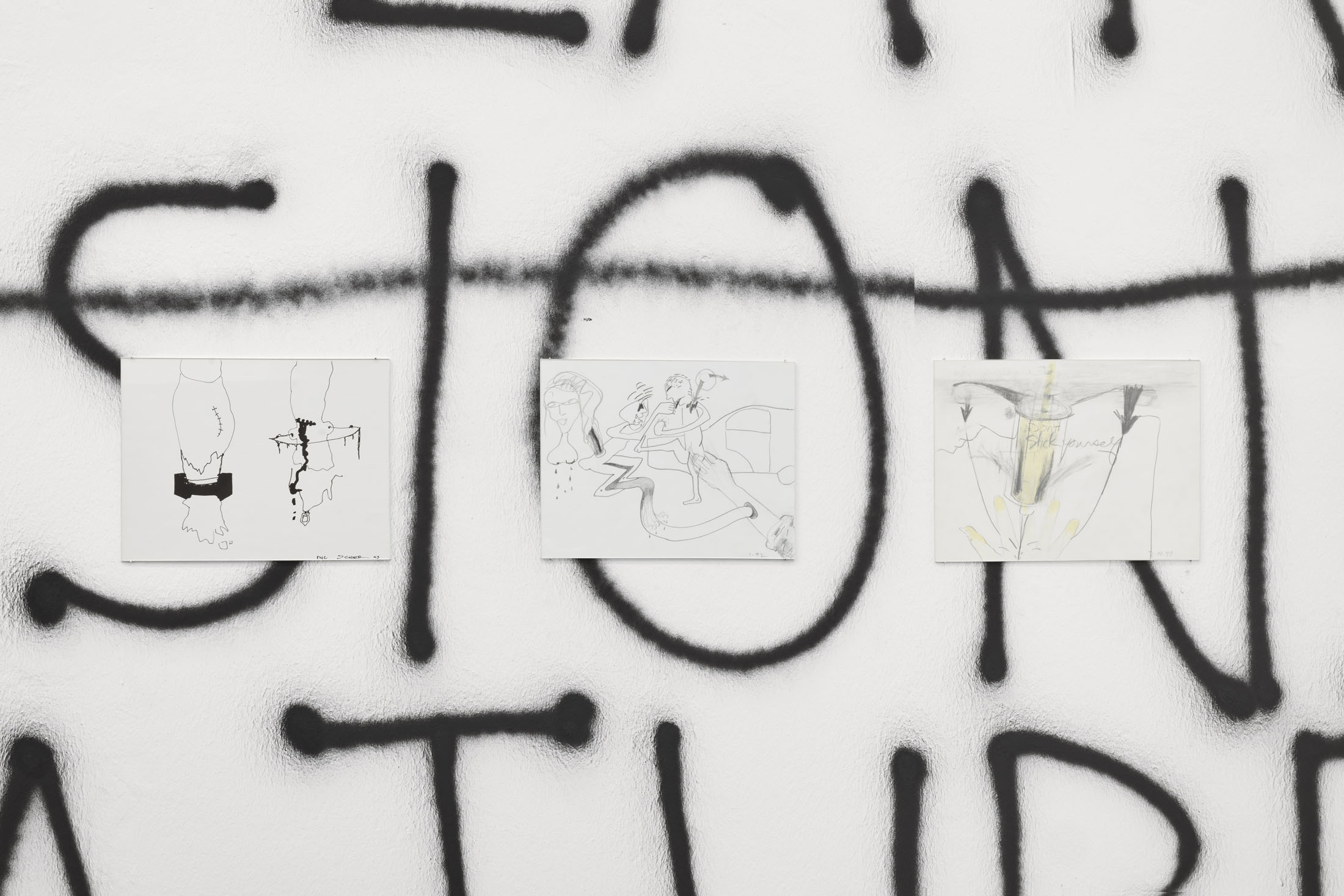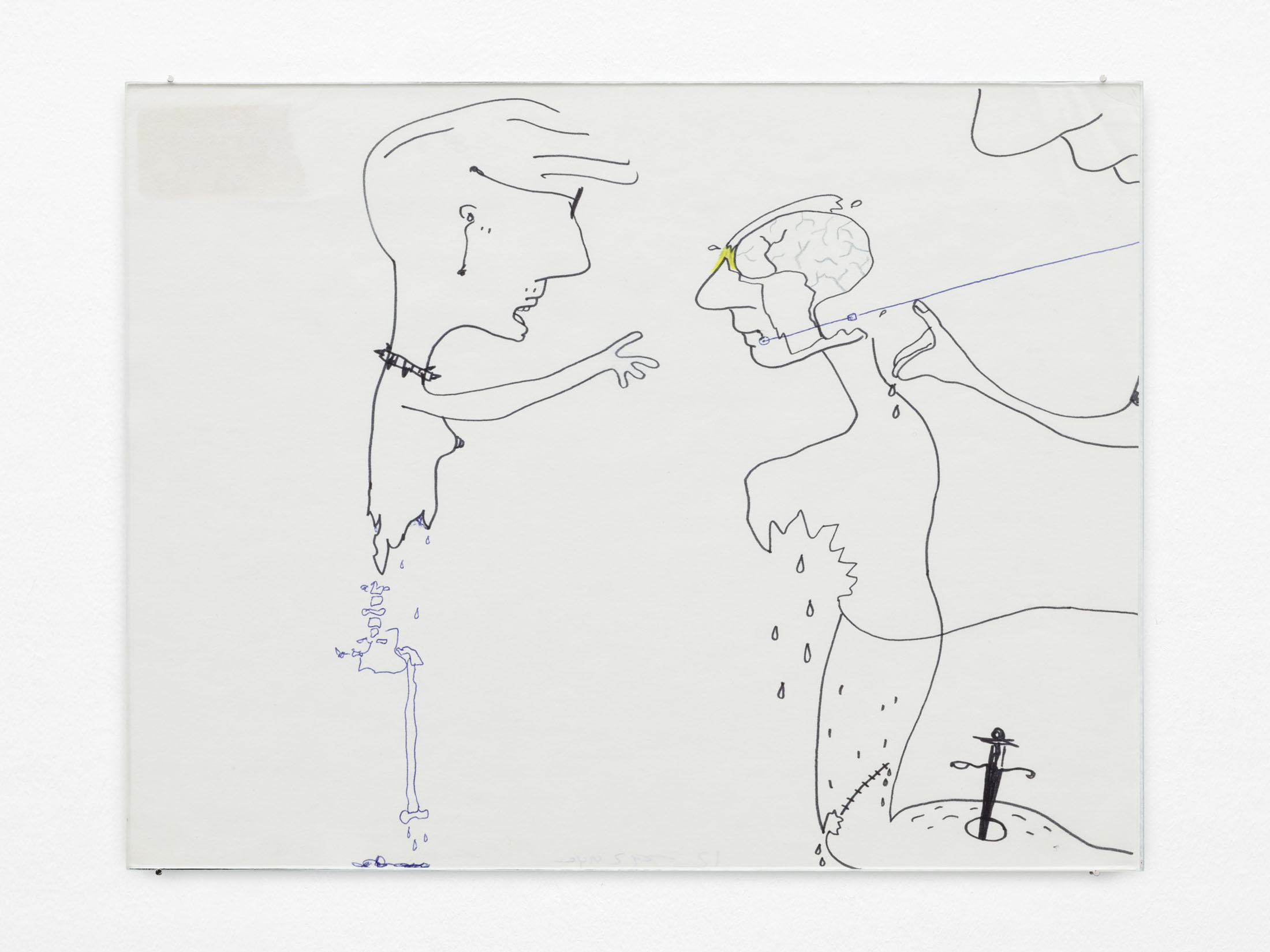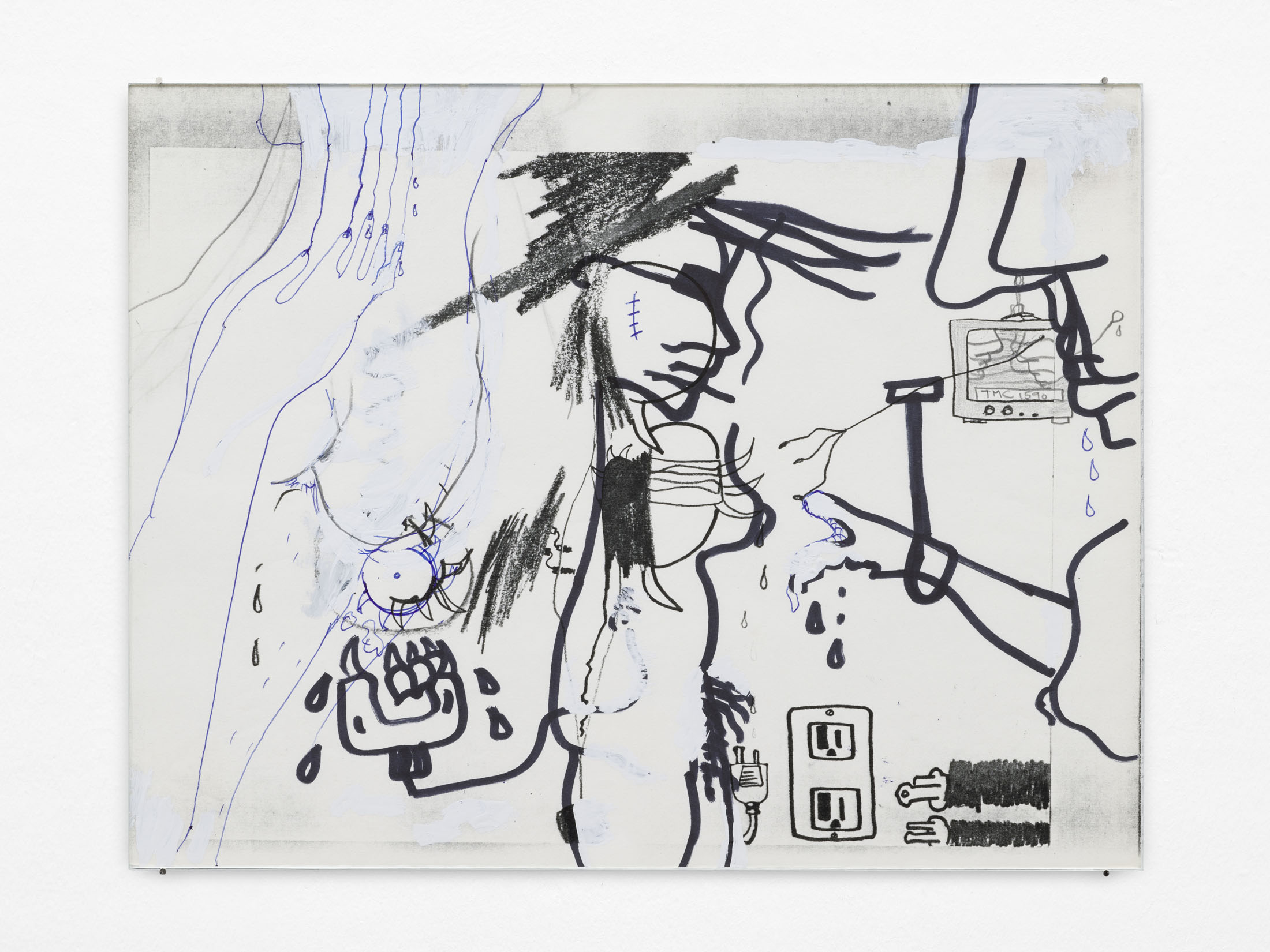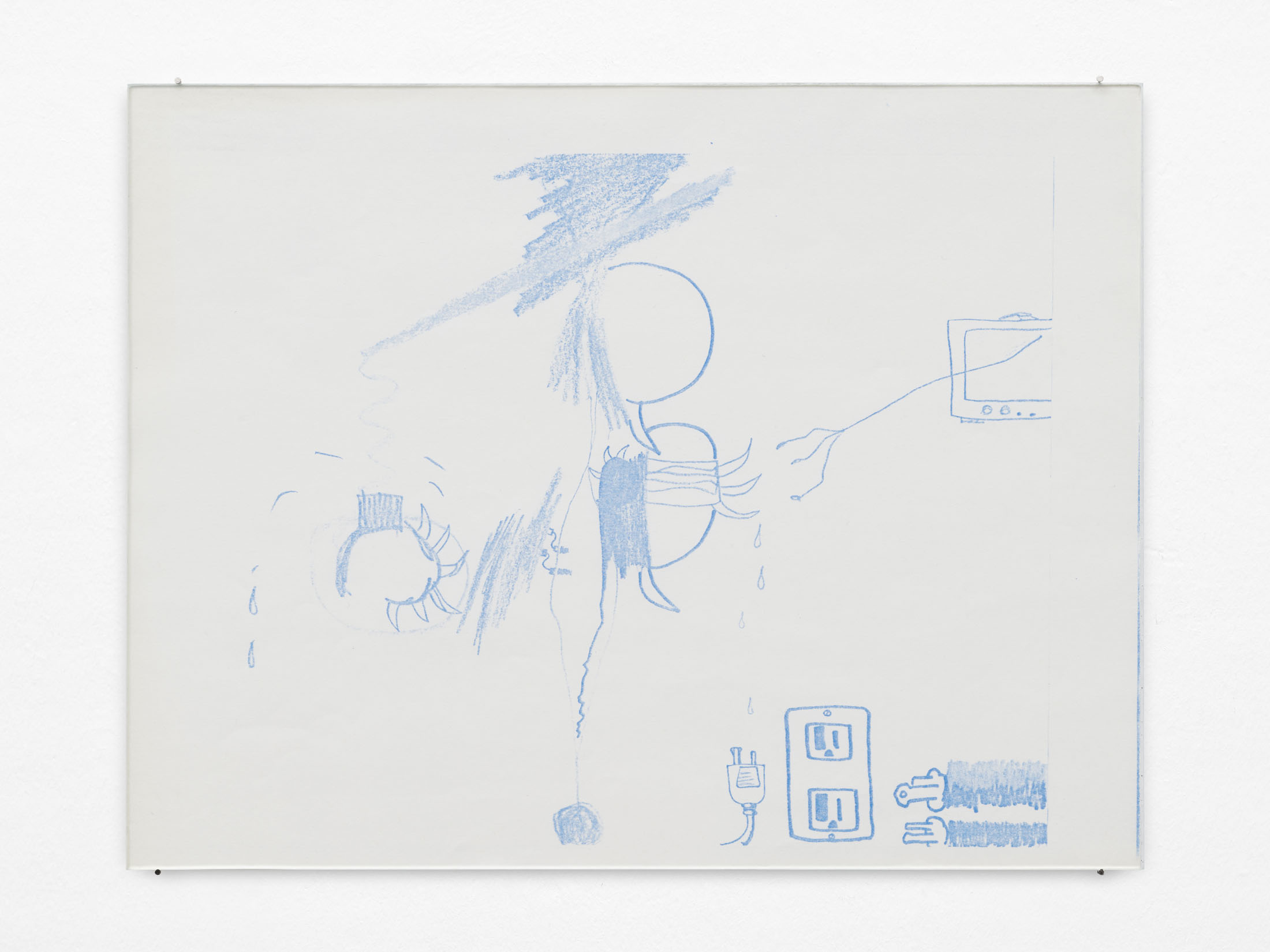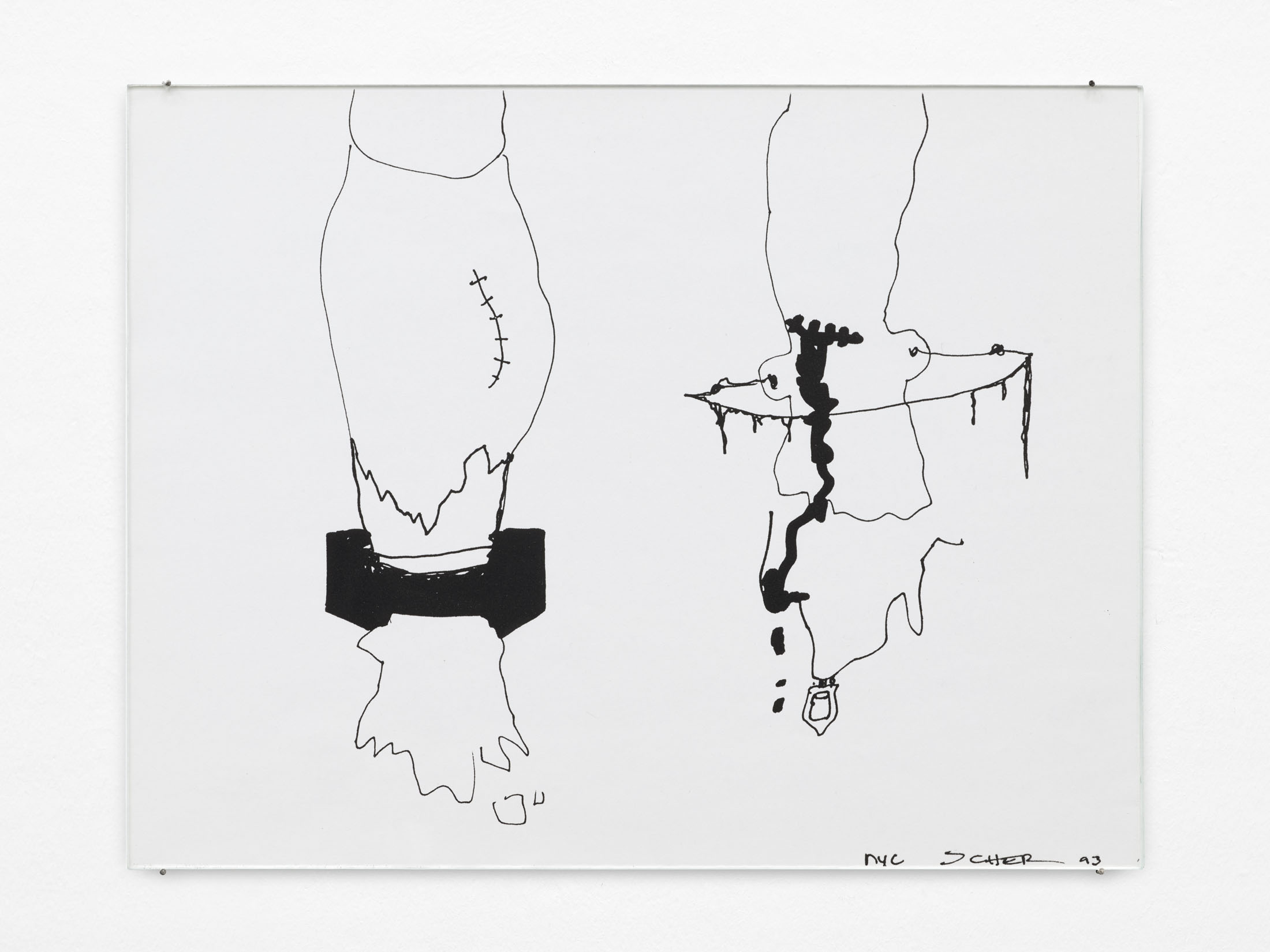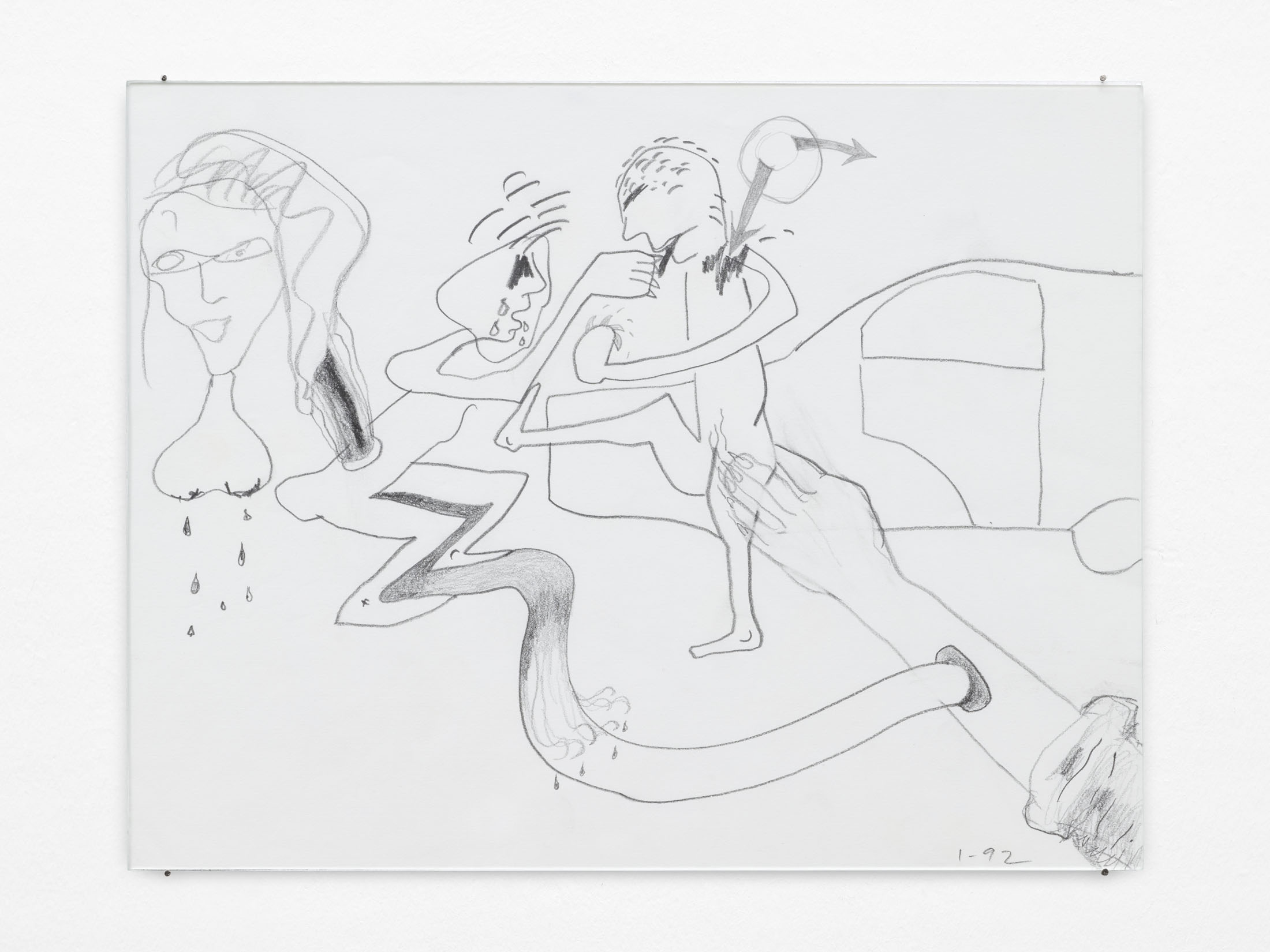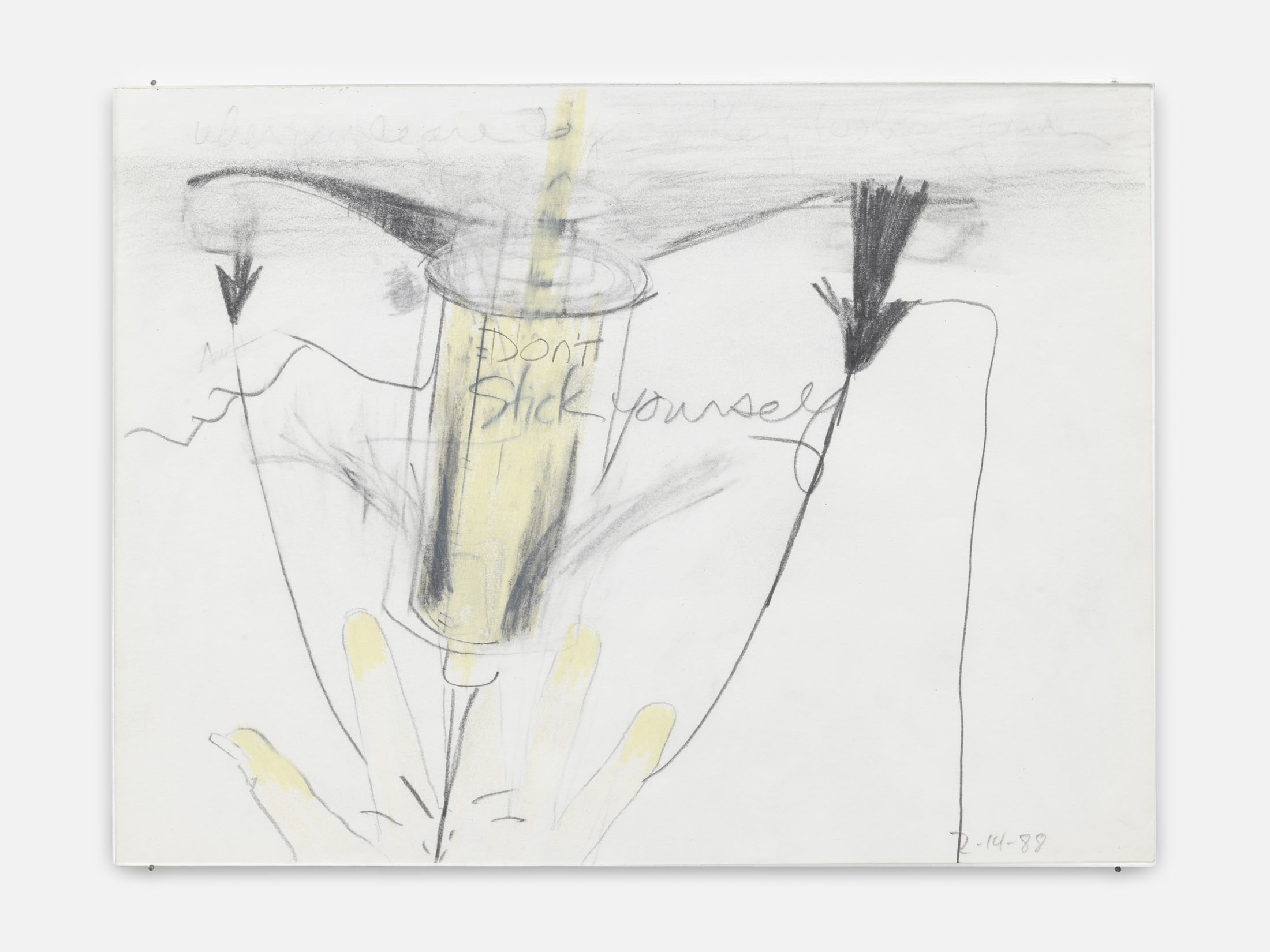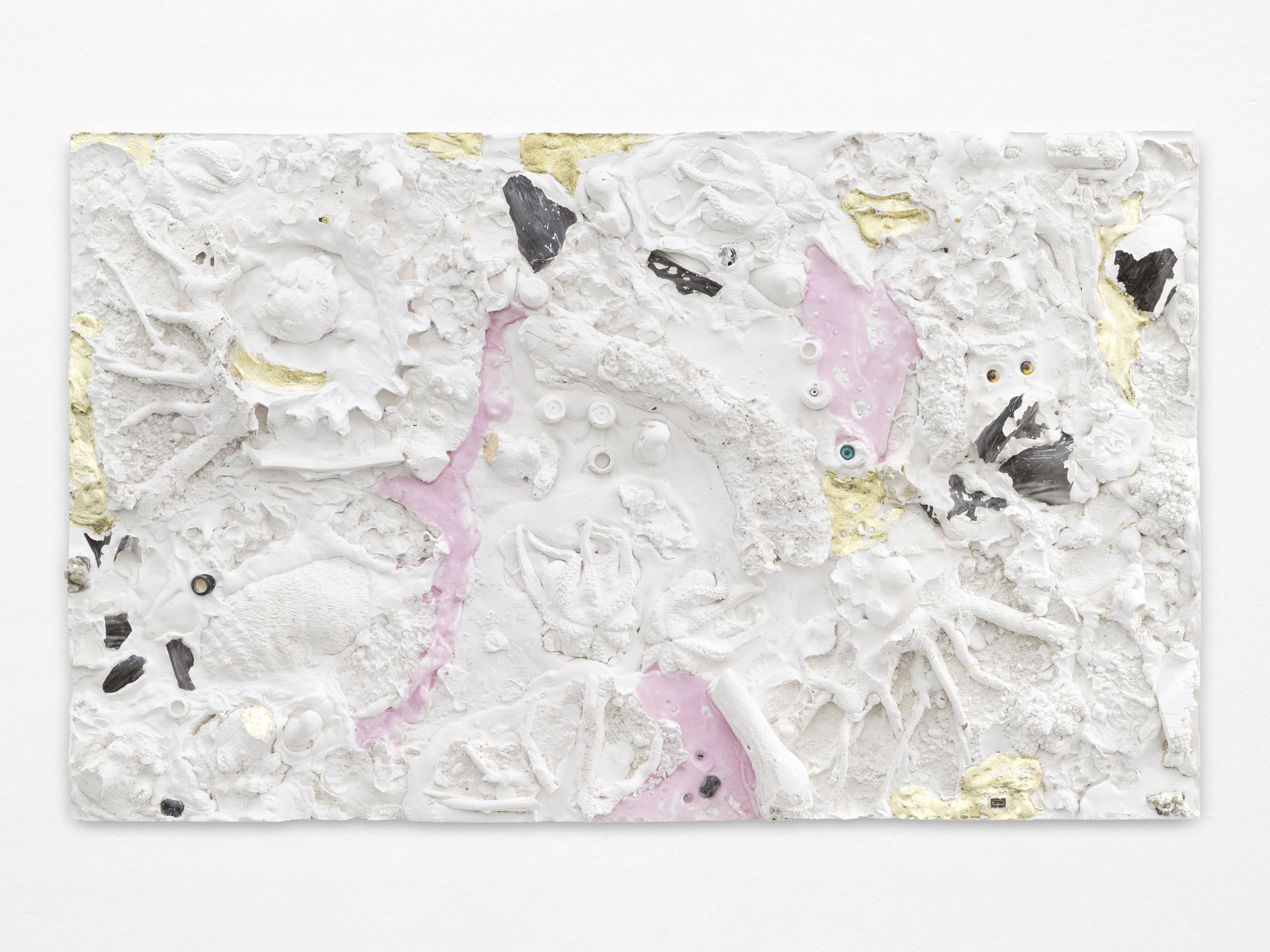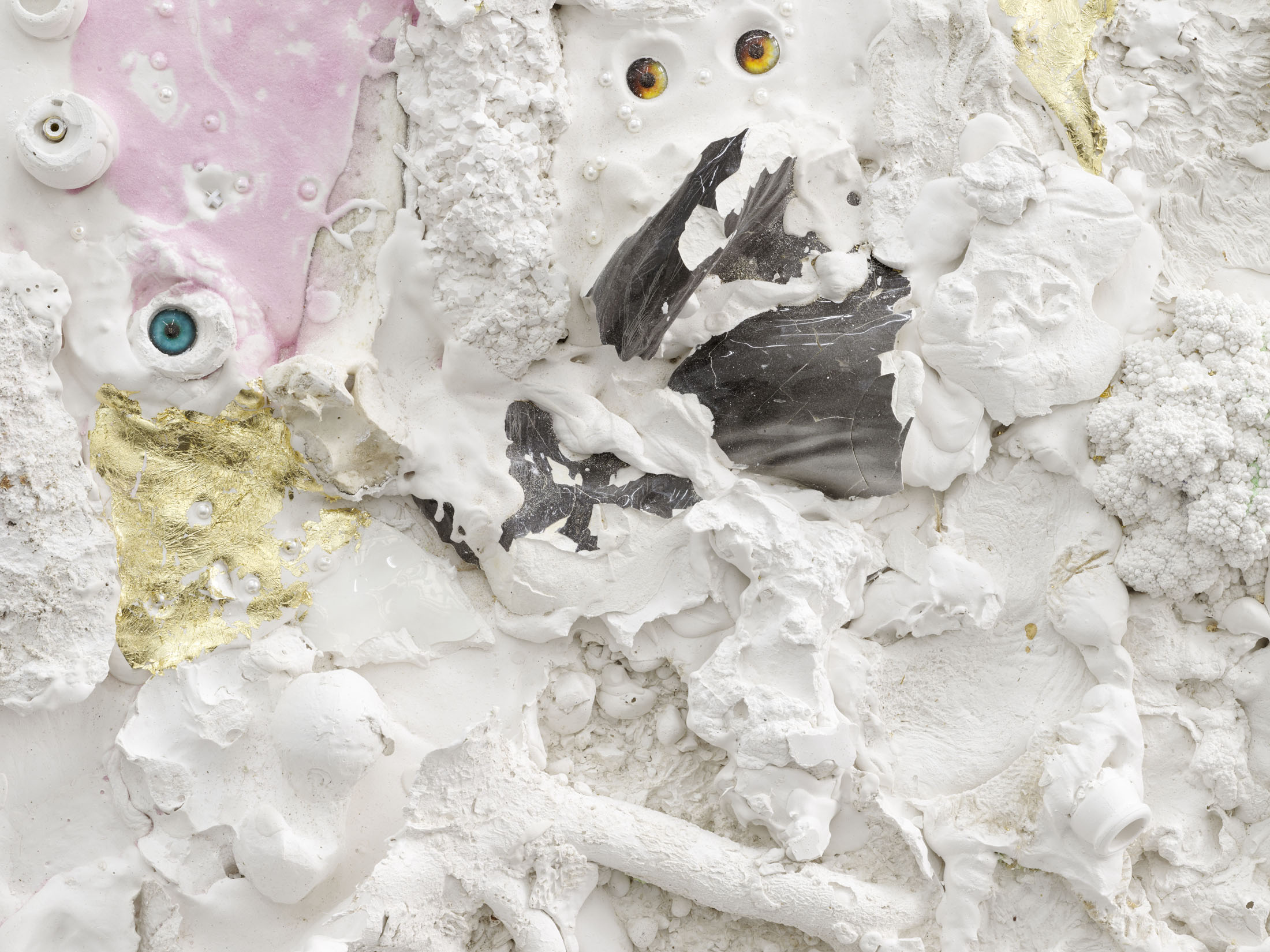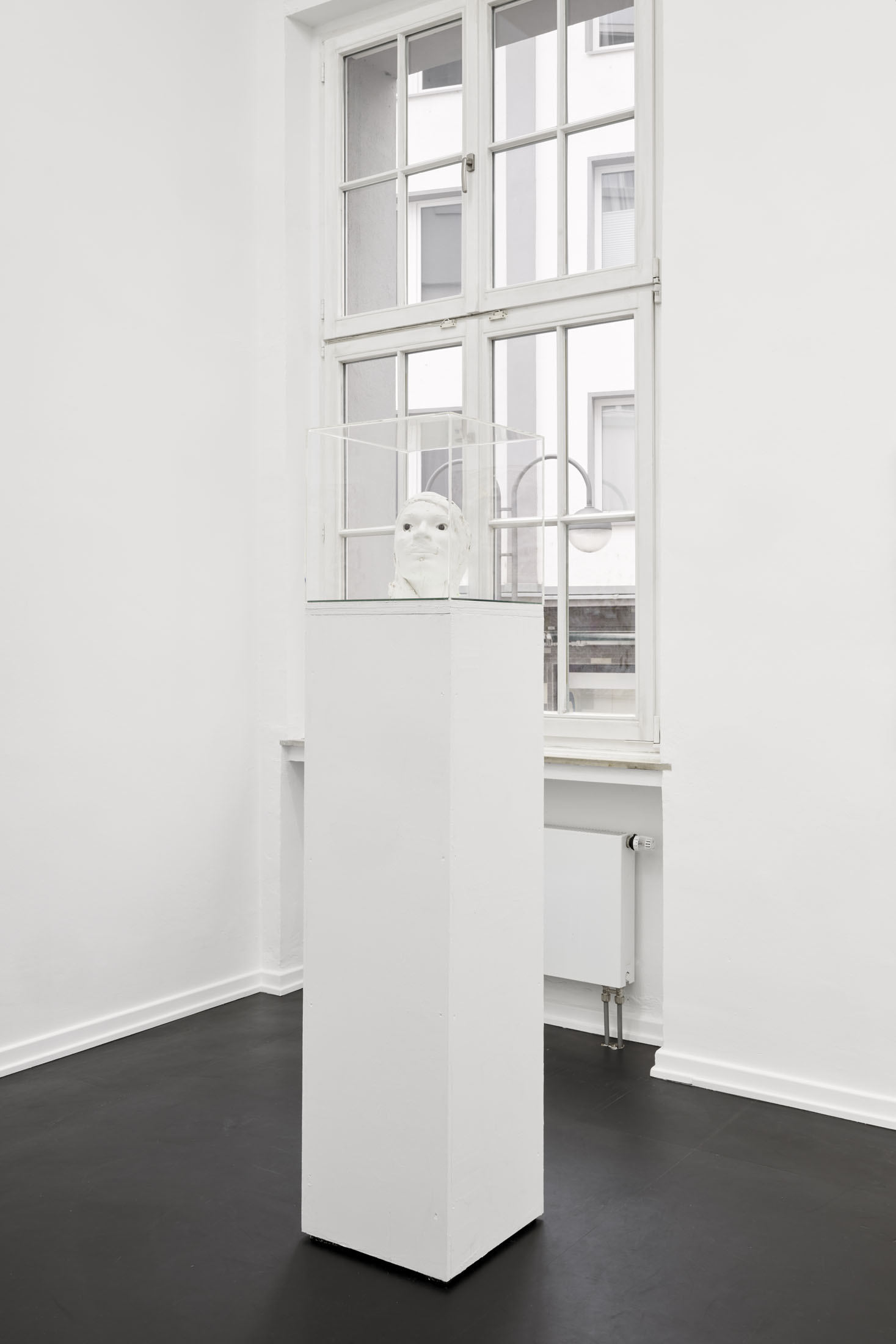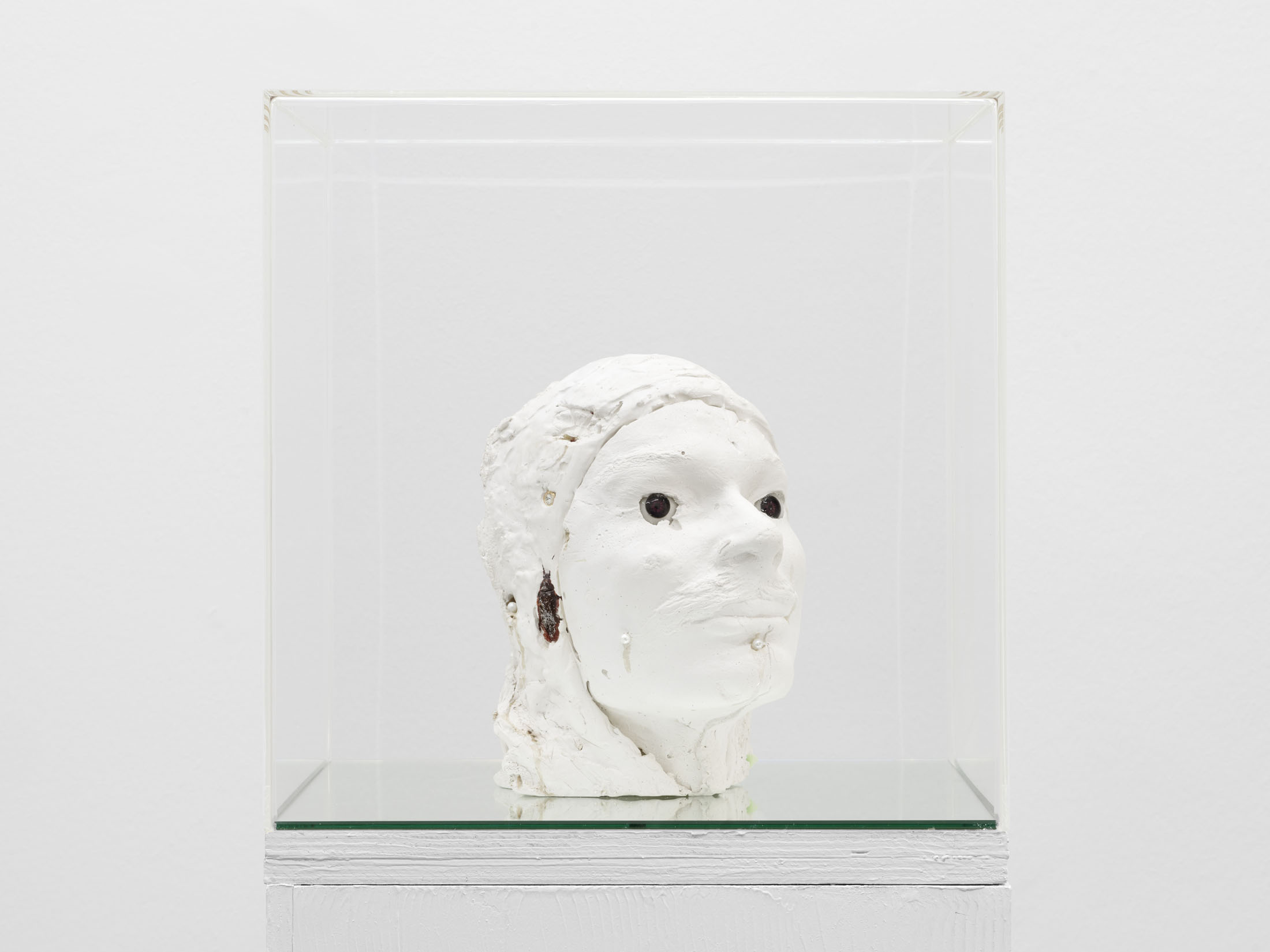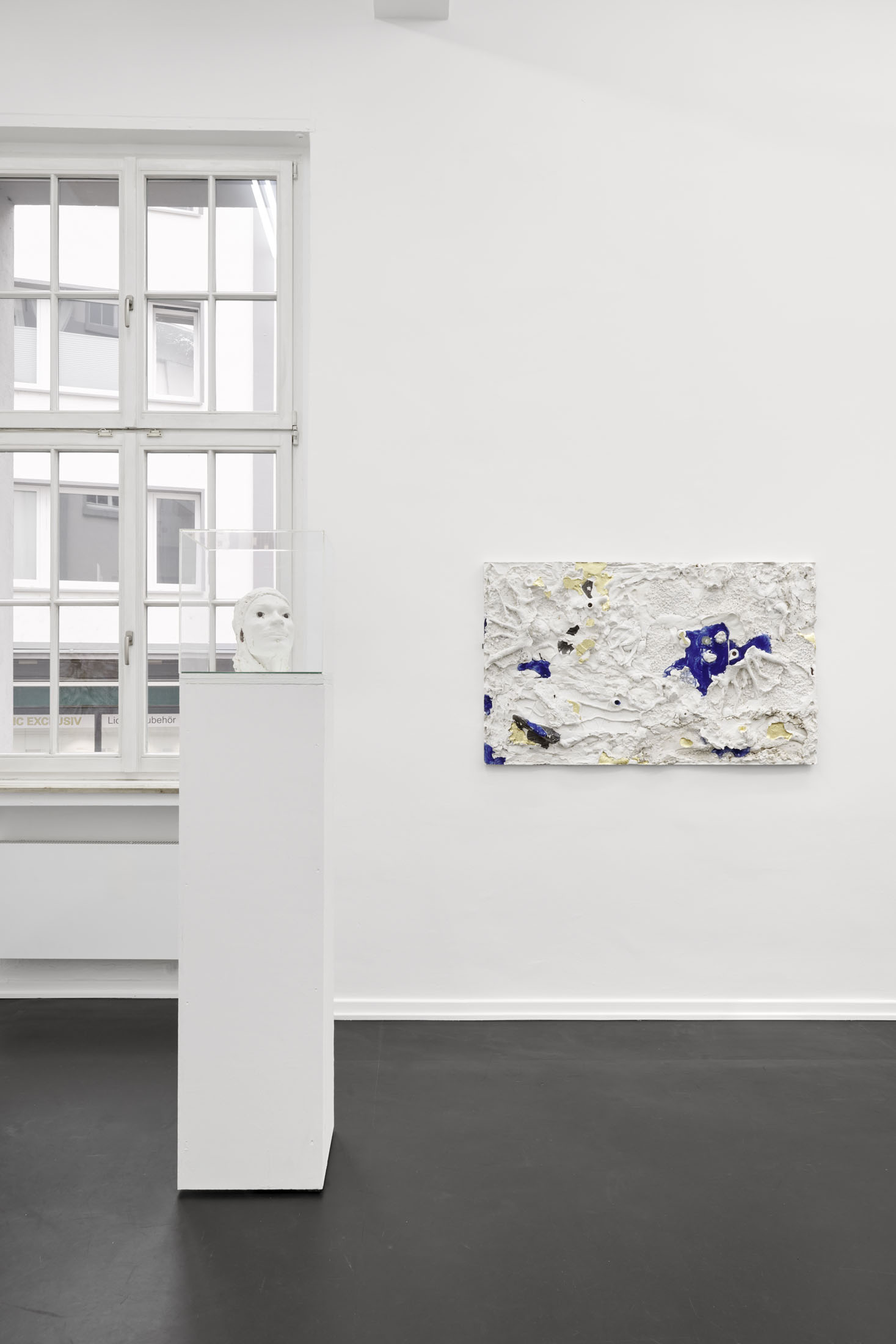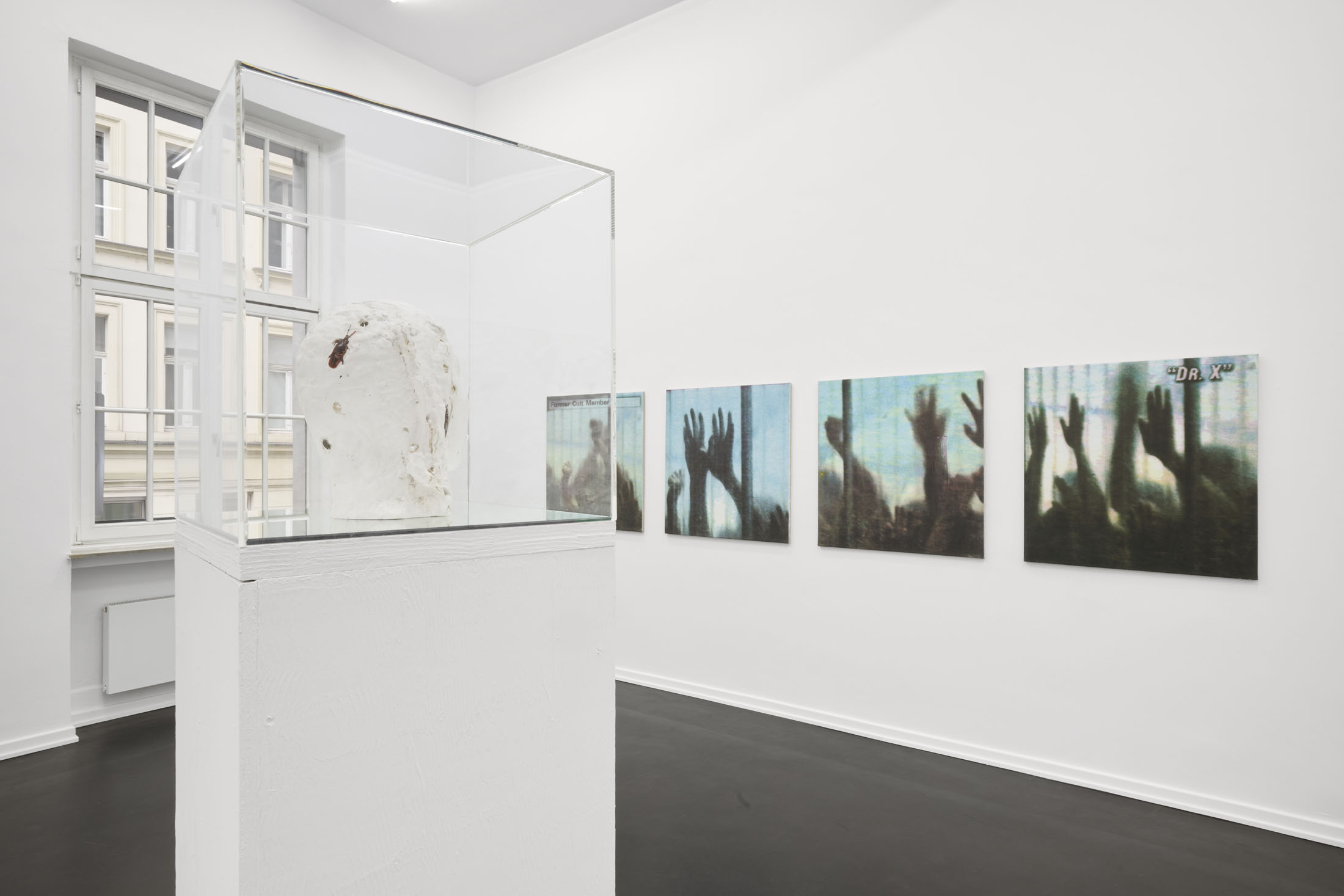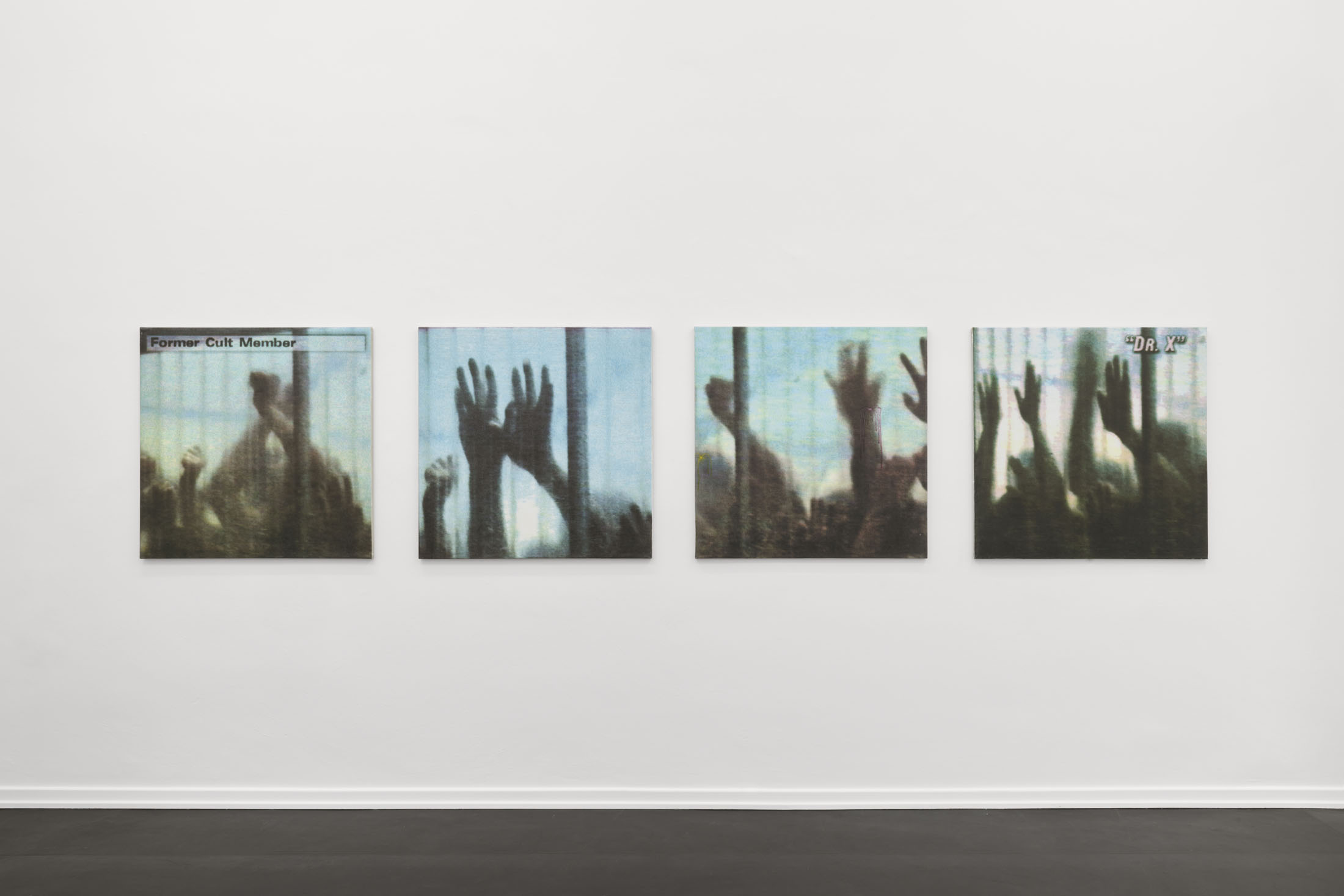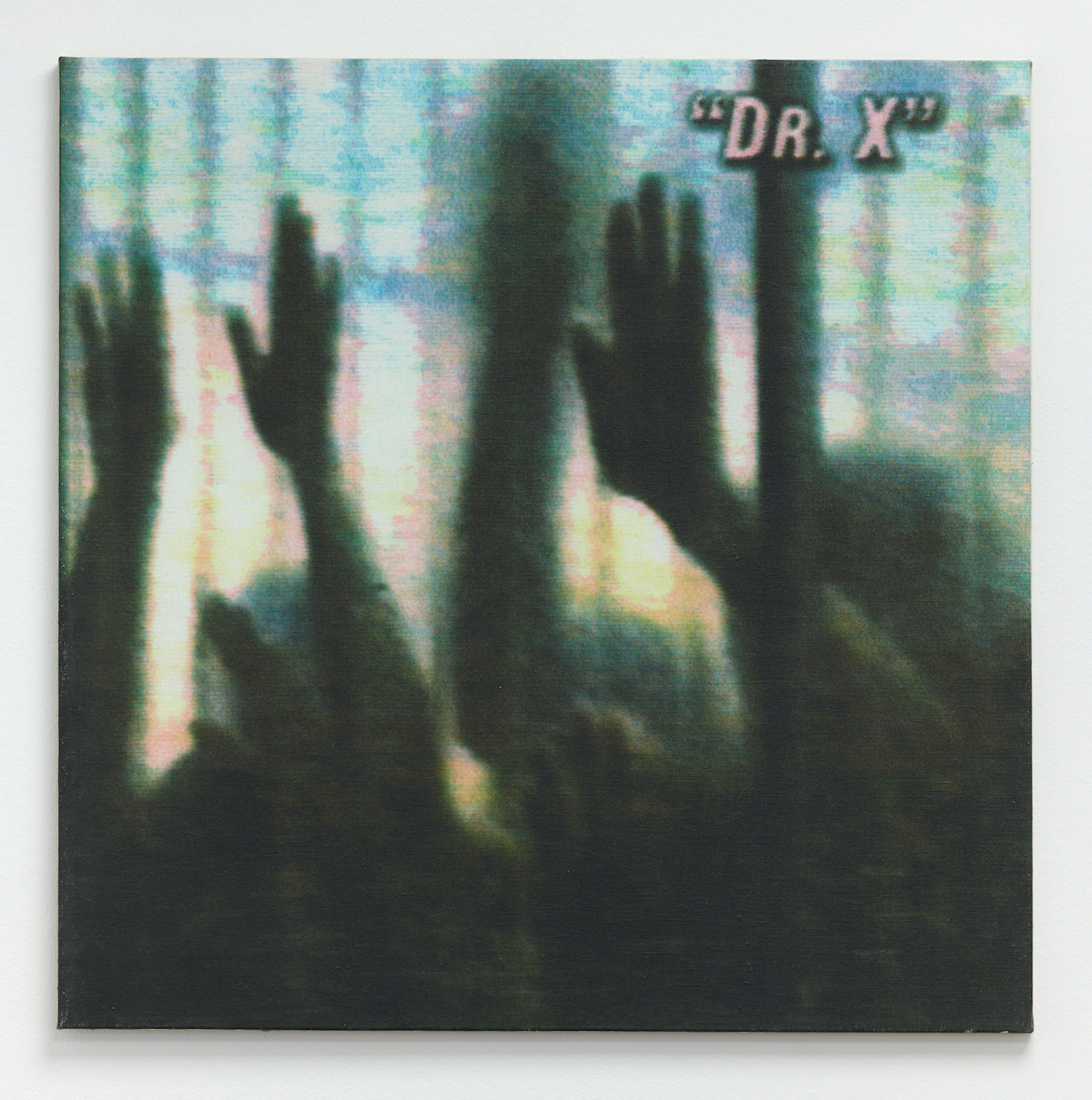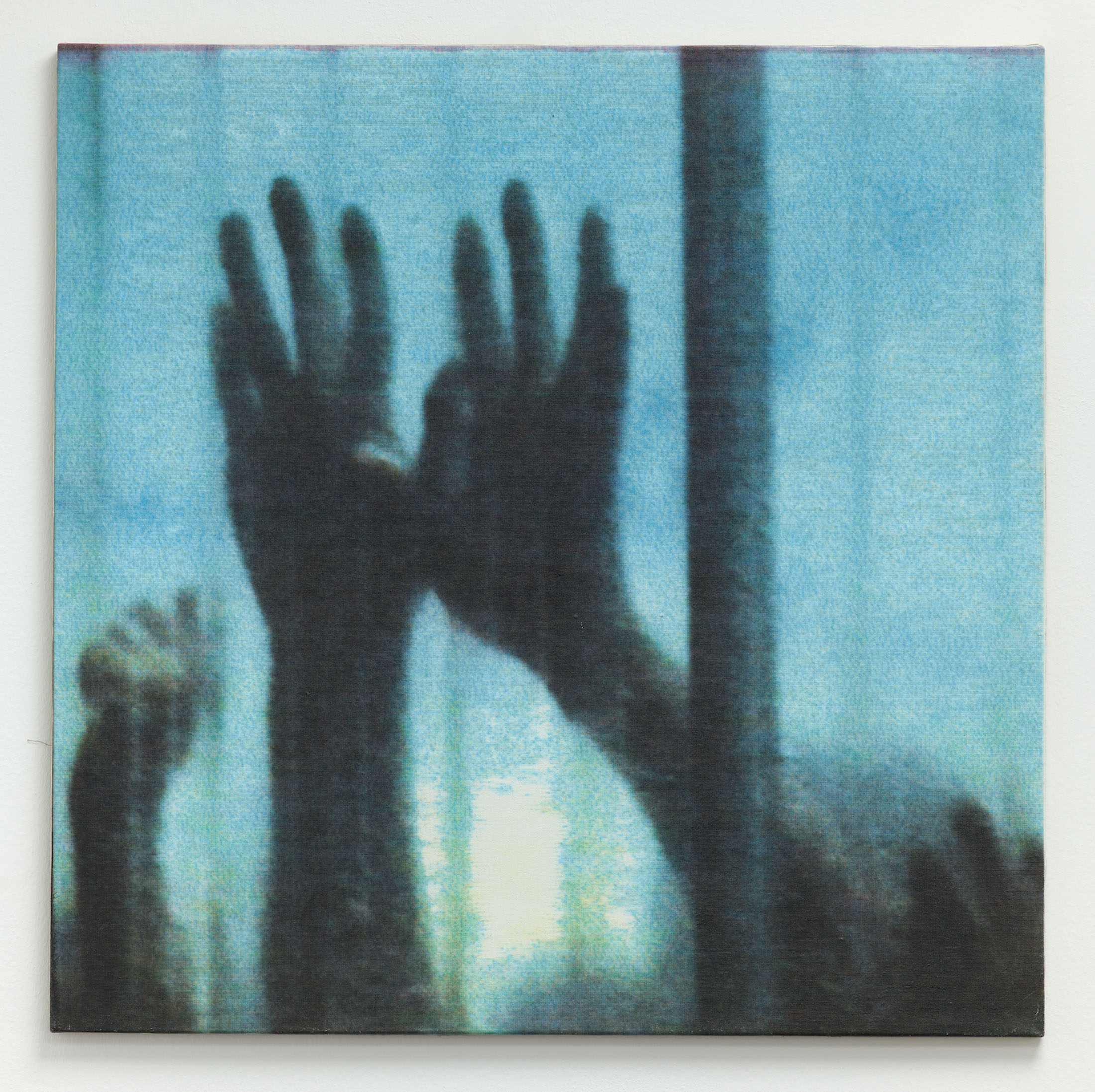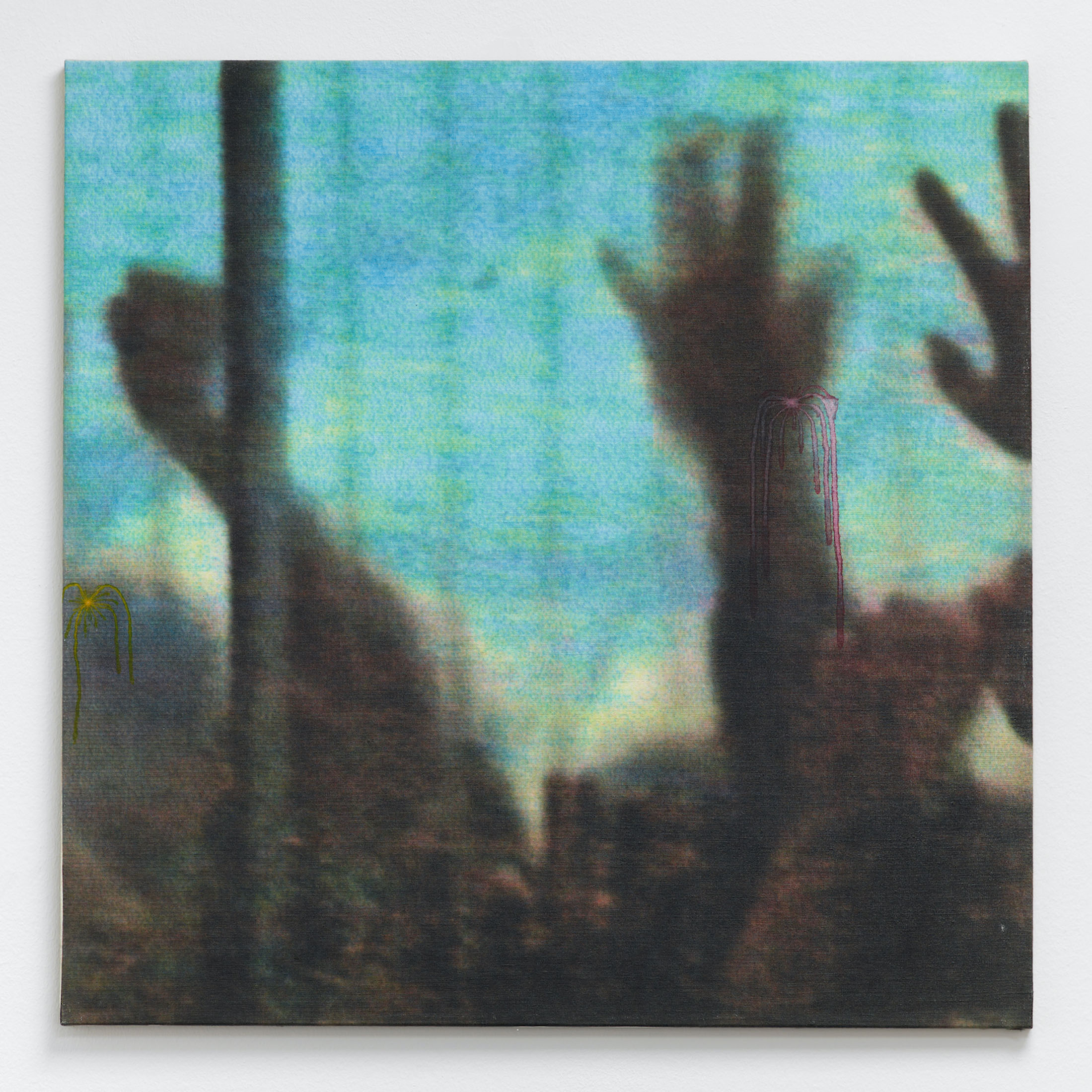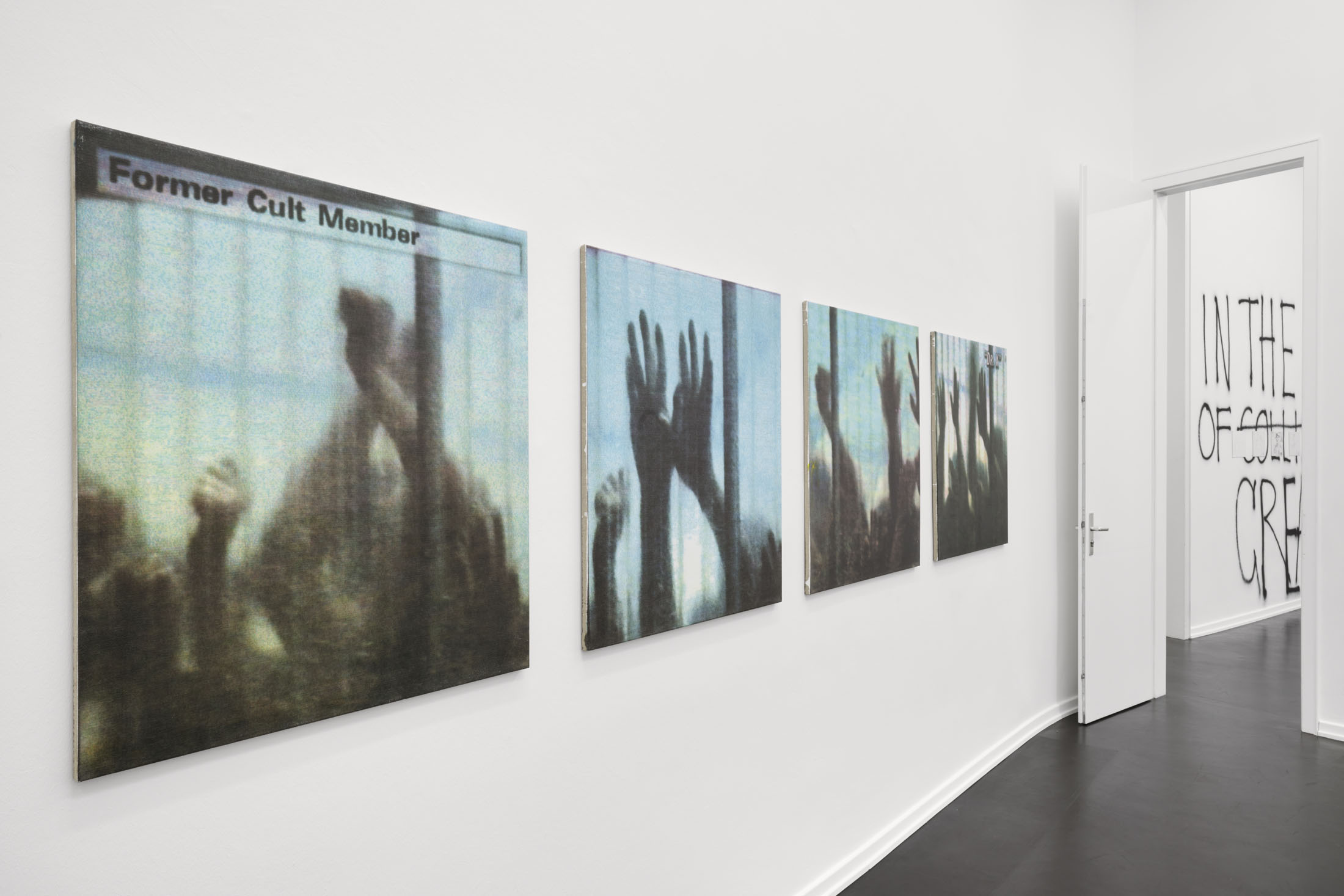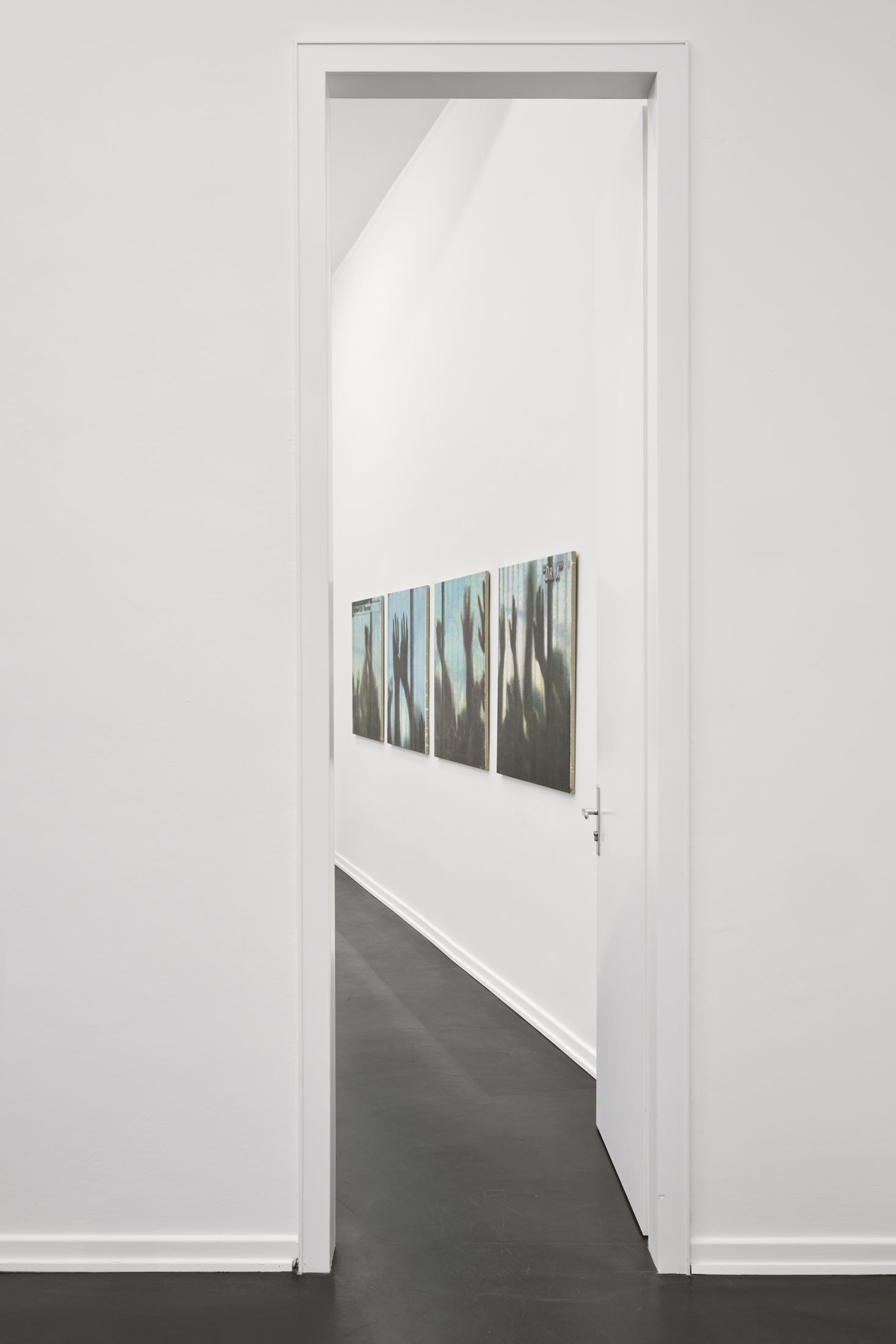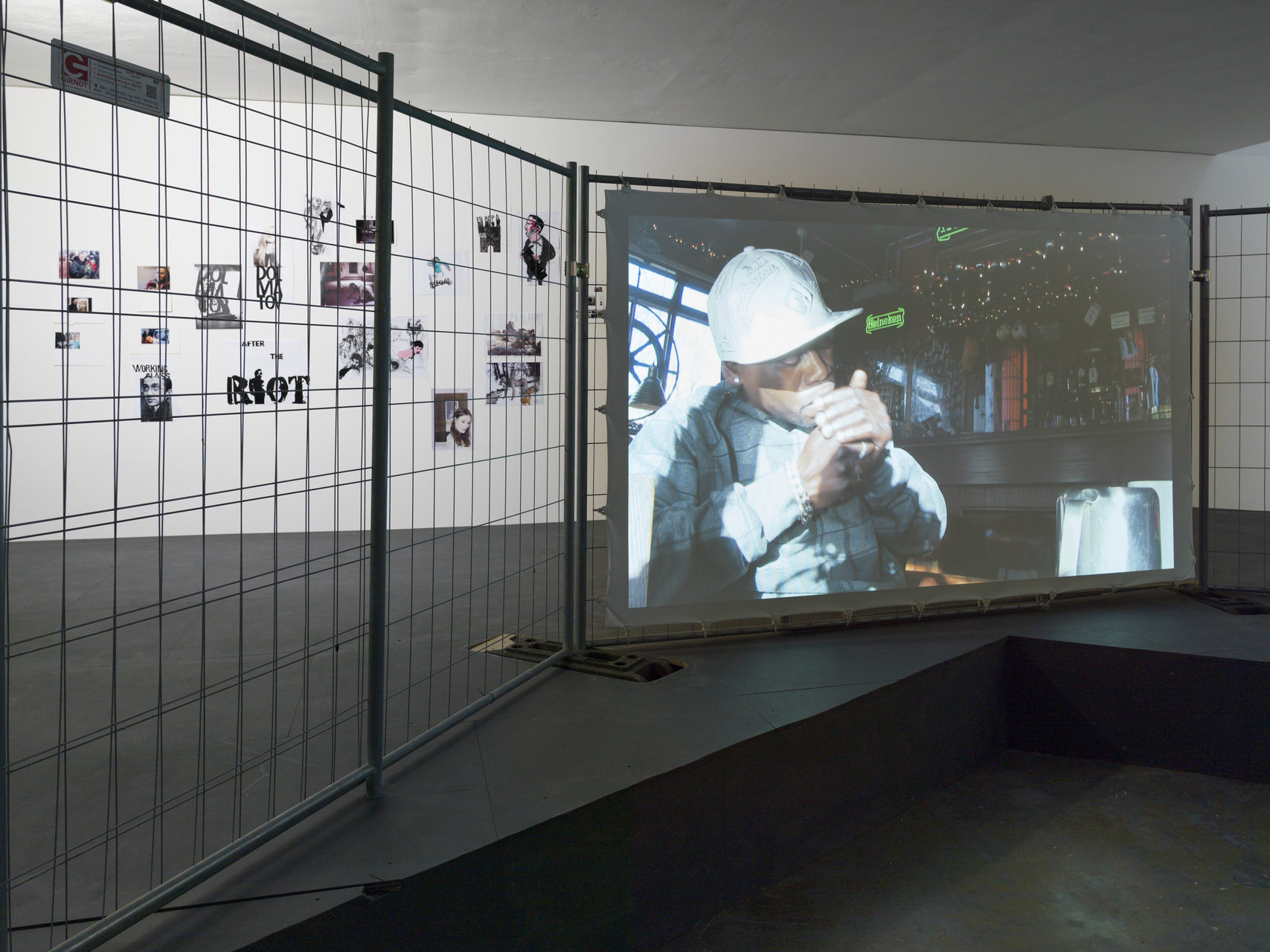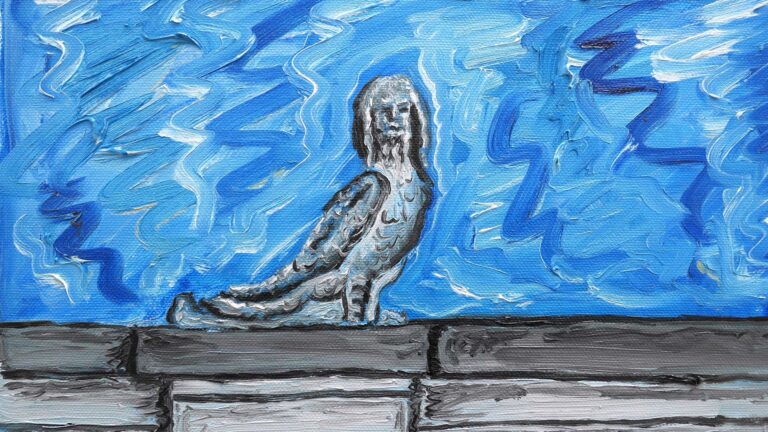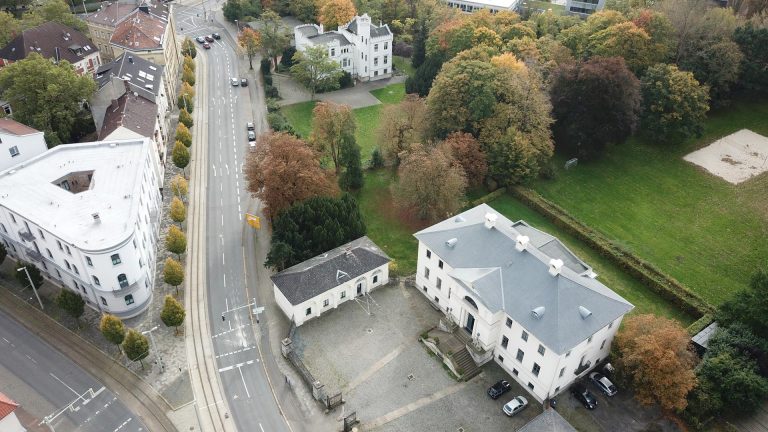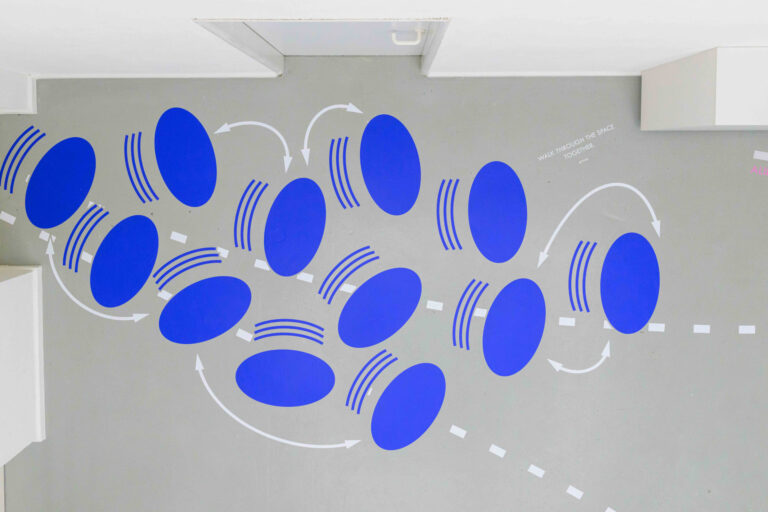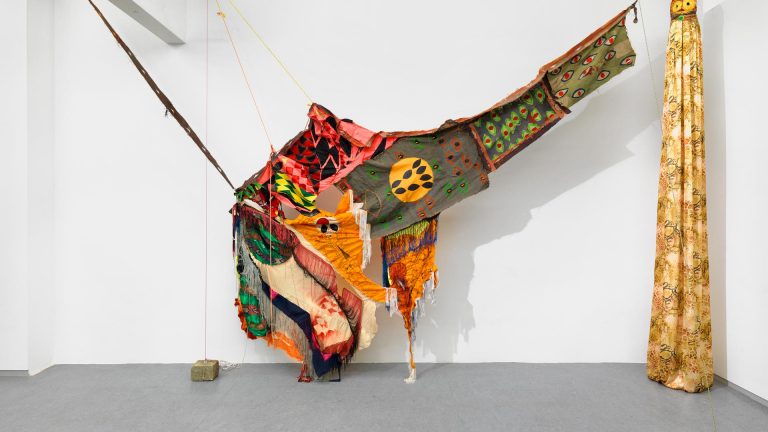
With Stamina, we dedicate our first exhibition in our new space on Gertrudenstraße to three artists whose work has sparked and expanded key discourses since the late 1980s and left a lasting imprint on Cologne’s art landscape.
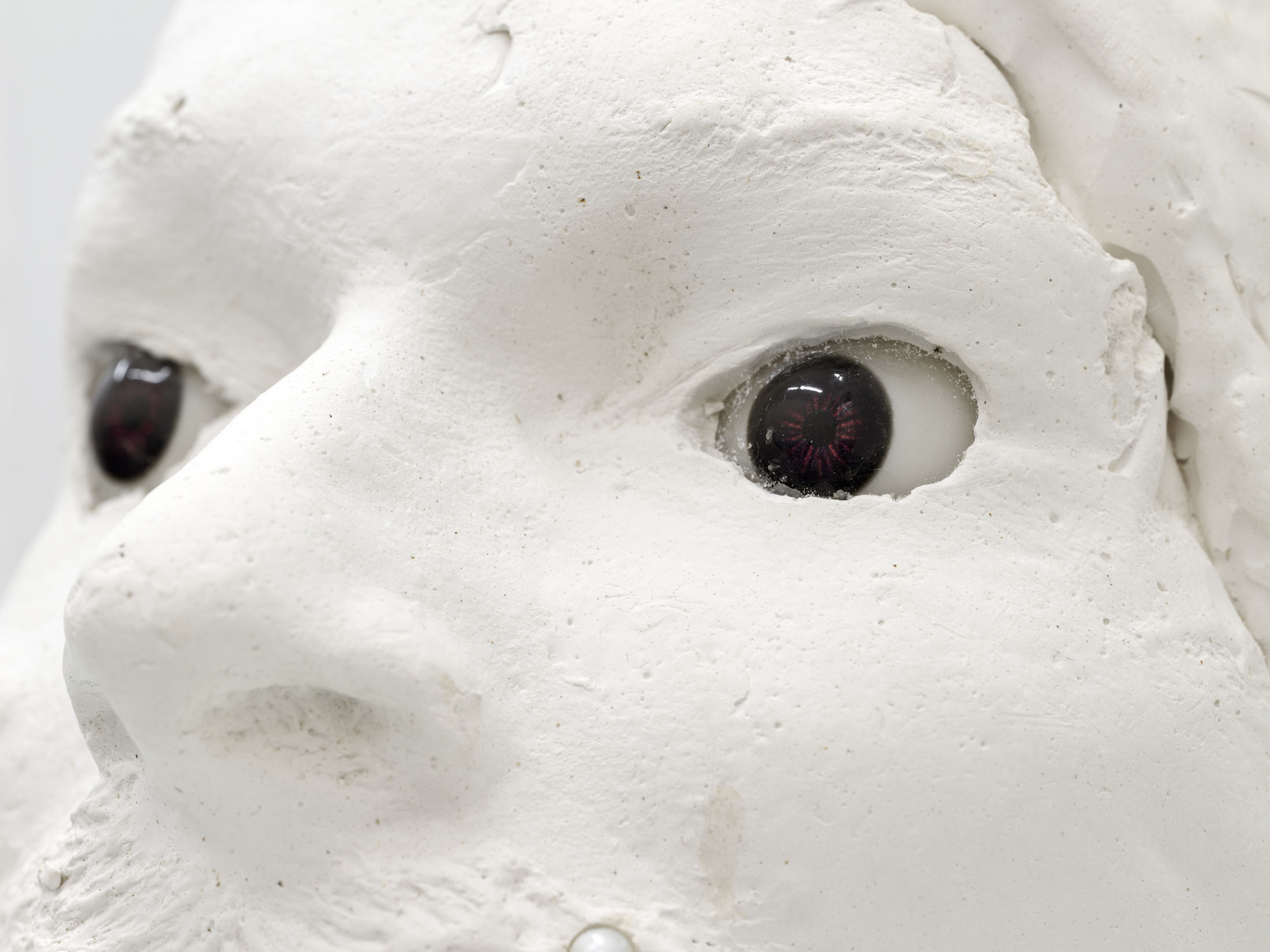
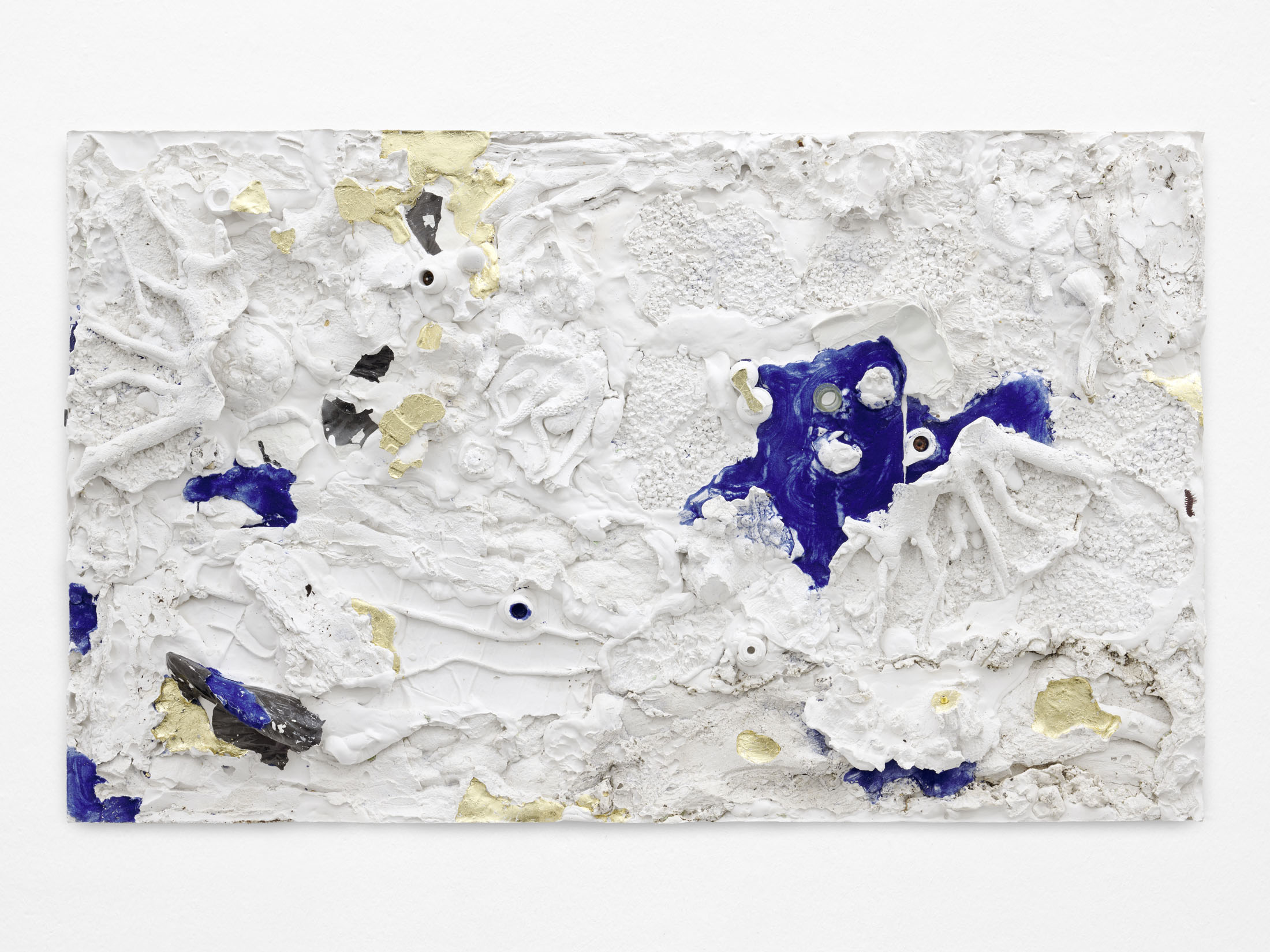
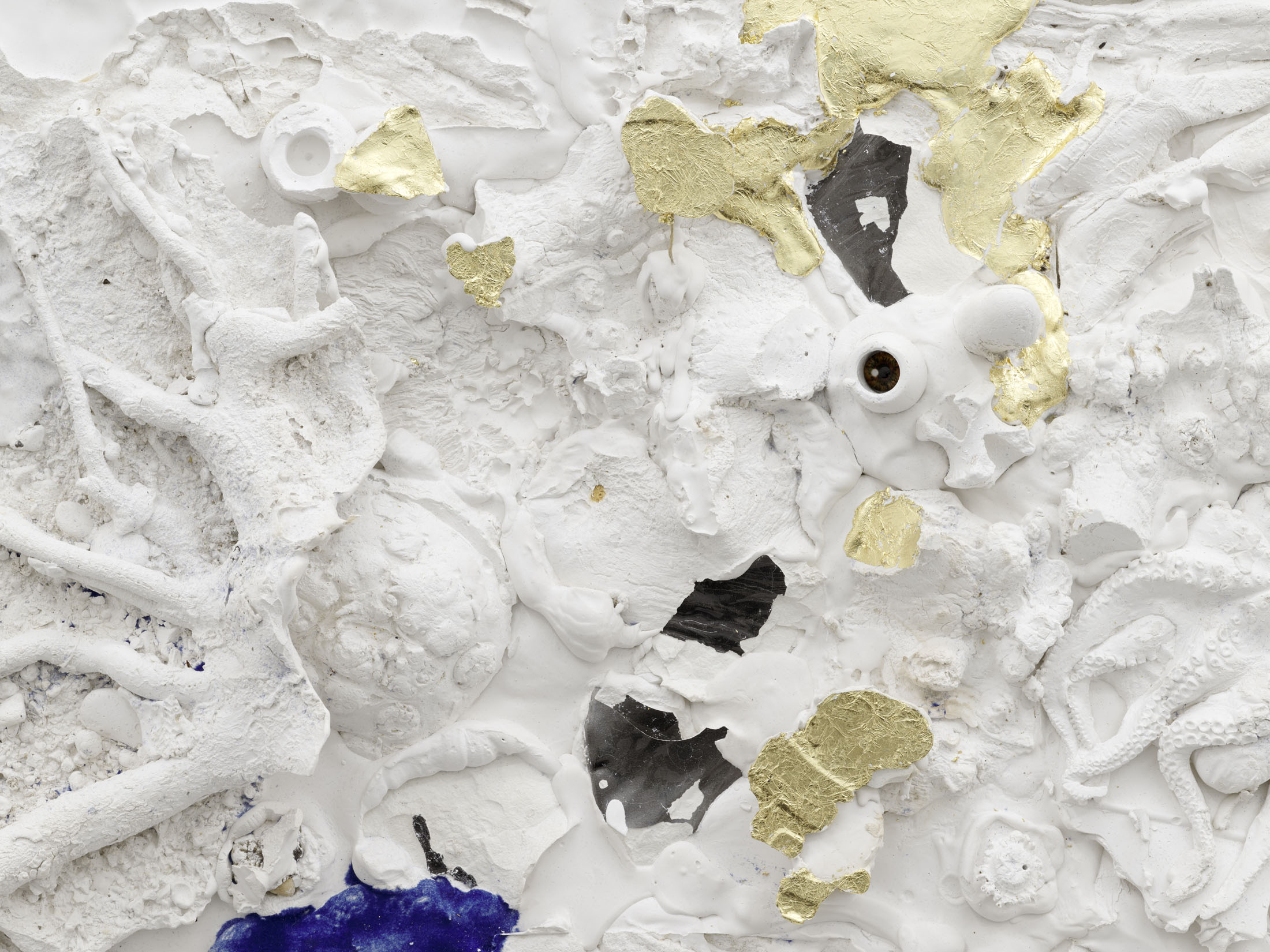
Bringing Julia Scher, Matthias Groebel, and Stephan Dillemuth together in this exhibition creates a productive ten-sion between three distinct artistic positions. Their individual contributions articulate themselves too differently to be forged into a falsely coherent whole — which is, in fact, to be welcomed. The broadest possible connectivity in every direction is not part of any of their programs. Each of them represents a welcome exception within the great machinery of ambivalence within contemporary art: monolithic, without being cold. Rather than presenting establis-hed notions of art in slightly varied and personally inflected forms, what unites Scher, Groebel, and Dillemuth is that each has paved the path their work has taken themselves. Groebel with a complex, technoid painting procedure at a time when telephones still had rotary dials; Scher with her performative model of existence under the sign of emer-ging media voyeurism; Dillemuth with the invention of a bohemistic research practice that enables a different kind of reciprocal informing of art and life. In none of the three cases is deviance strategically motivated; it results instead from fundamental, exploratory aesthetic imperatives. Residual countercultural protocols — be they Bohemia, punk, or cypherpunk — run through the works, inevitably leading to different outcomes because at least one foot remains in another sphere. One might also observe that each of the artists in this exhibition frequently touches upon the point of “whatness” — that slippery moment at which producer and recipient alike find themselves asking what exactly it is that they are encountering. A moment in which objects so theatrically call into question the suchness of their own thingness that this very gesture becomes a qualitative property of the thing itself. In short, the point that challenges us intellectually and sensually — precisely what many of us seek when we turn to works of art. Perhaps this also entails the continual reconfiguration of our current understanding of art or the artwork.
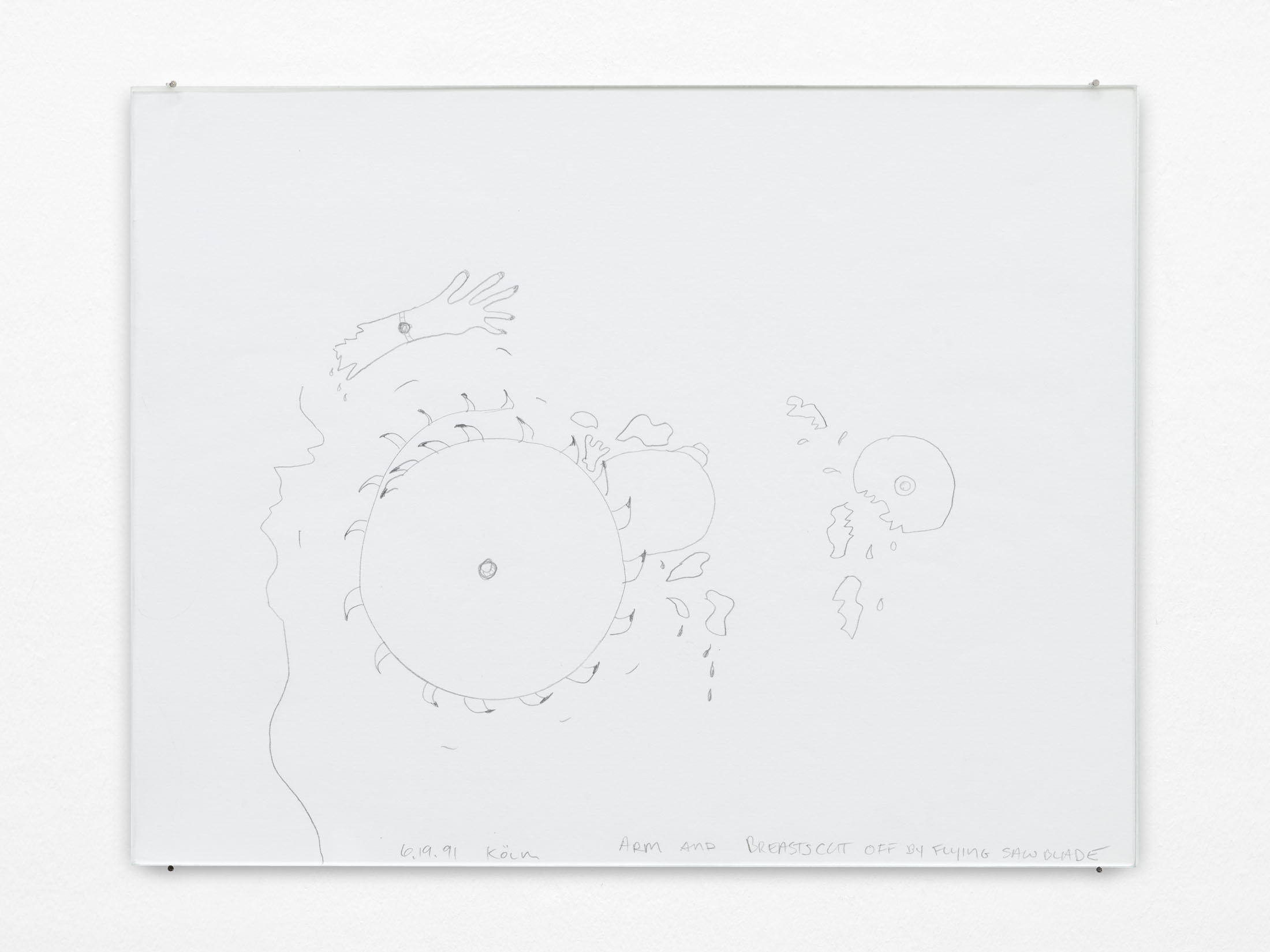
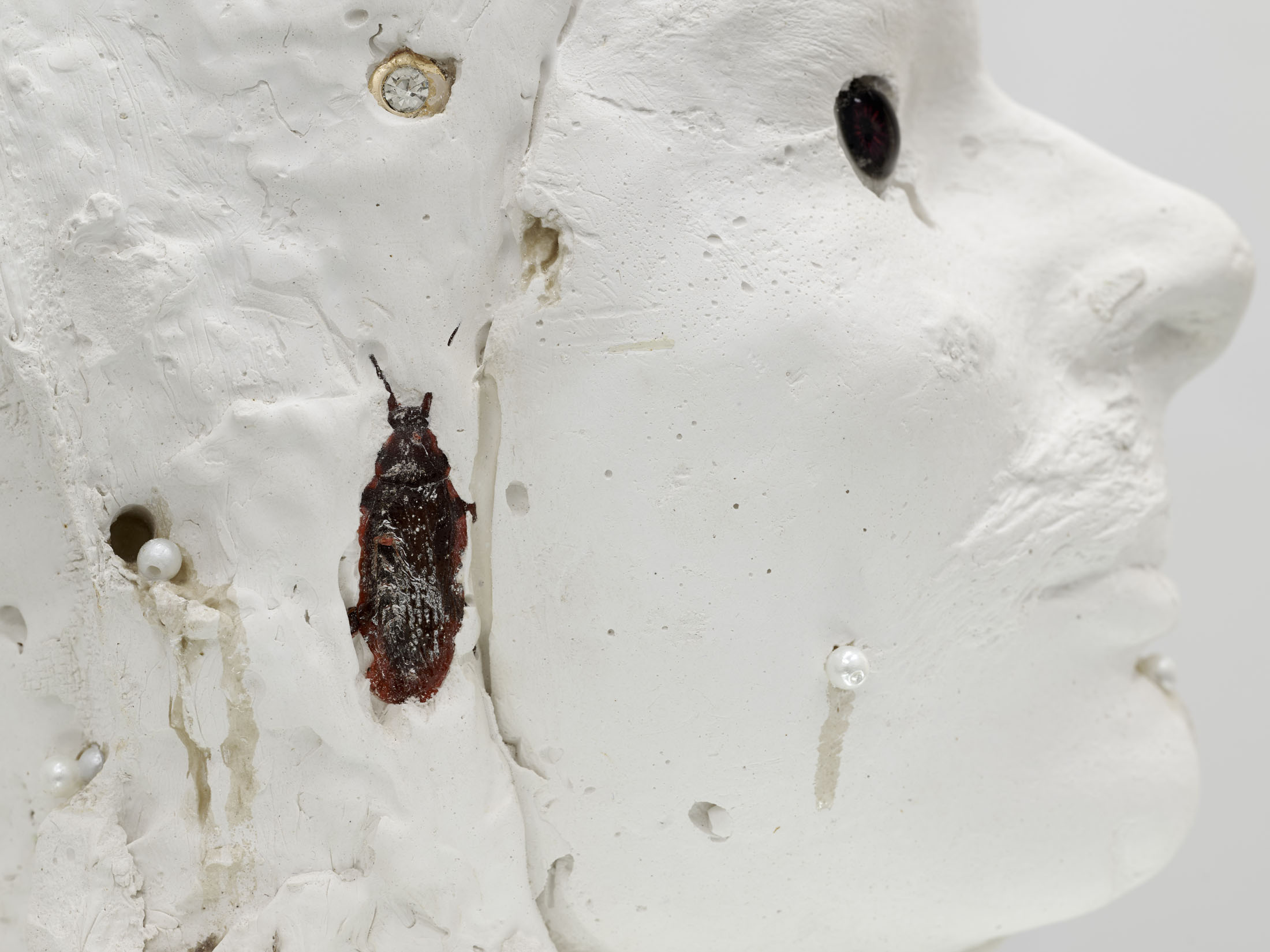
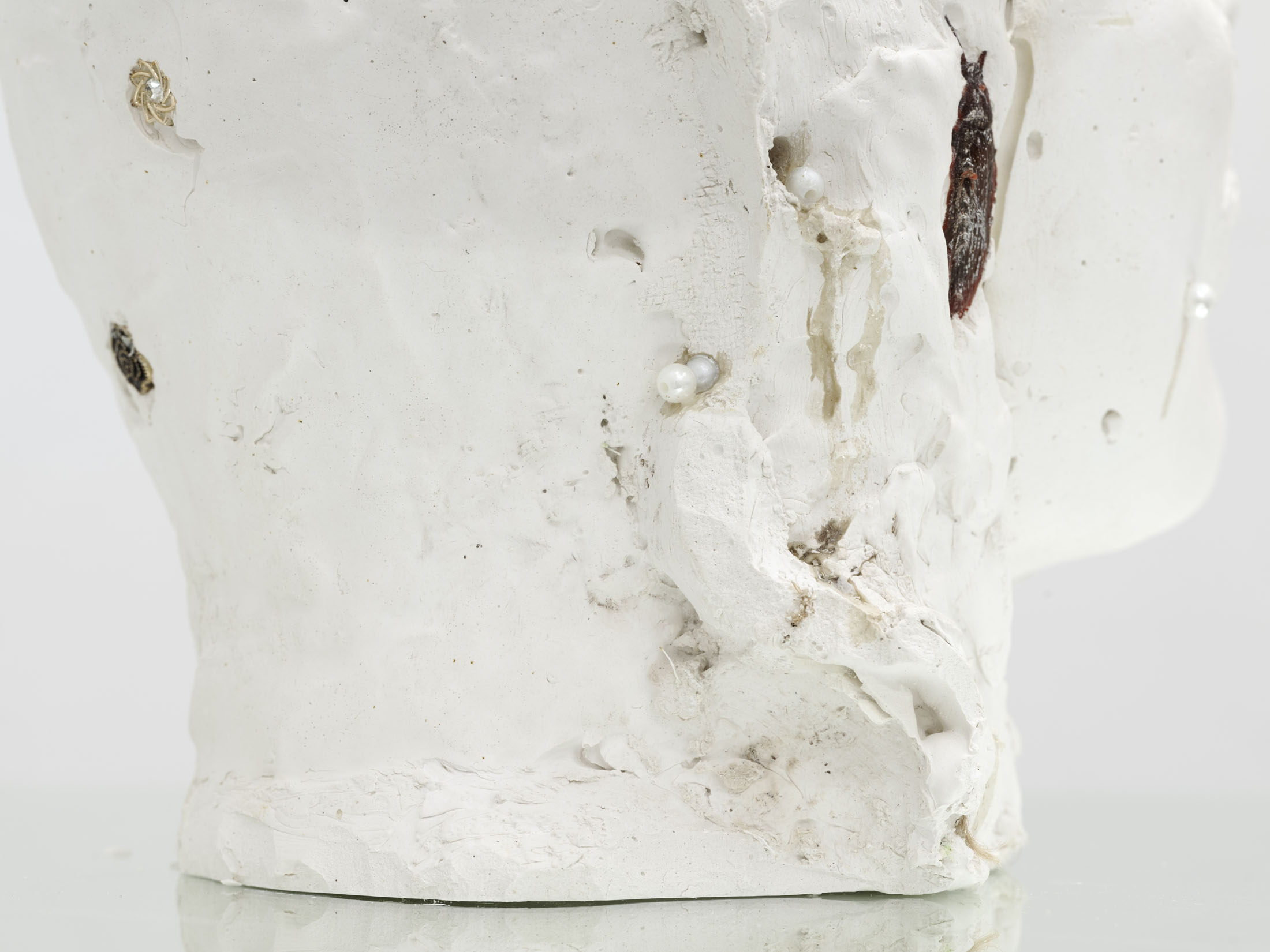
In this context, the detached extremities that recur as a leitmotif throughout the exhibition may call to mind the image of throwing a bomb into pure mathematics* — an image readily transferable to the unorthodox practices of Dillemuth, Groebel, and Scher. Deviance in aesthetic matters may indeed be rewarded, though rarely in the curren-cies that carry value outside the work itself. As the title suggests, the exhibition therefore also speaks of endurance, persistence, and all those qualities that sustain such practices through less well-cushioned years. These traits may not immediately catch the eye, yet they inform the output of such working biographies as an invisible sediment. Another central point at which the three artists converge is Cologne. Yet, the exhibition sketches a differentiated portrait of Cologne’s art ecosystem: Dillemuth as a representative of the proverbial “Cologne of the 1990s,” whose elevation sometimes threatened to overshadow what has developed since; Scher, who arrived in the city at a formative moment for a new scene taking shape in Cologne; and Groebel, who was already present in the 1990s but rarely involved — somewhat embodying what was repressed within the official Cologne narrative and whose work only later received broader recognition. If one were to reduce it to one or several common denominators, what we encounter here are different temporalities, distinct bubbles, and divergent trajectories — yet with substantial intersections in attitude, commitment, and a present never lacking in centrifugal forces.
— Moritz Scheper
*In Joseph Conrad’s novel The Secret Agent (1907), a character imagines how beautiful it would be “…if one could throw a bomb into pure mathematics.”