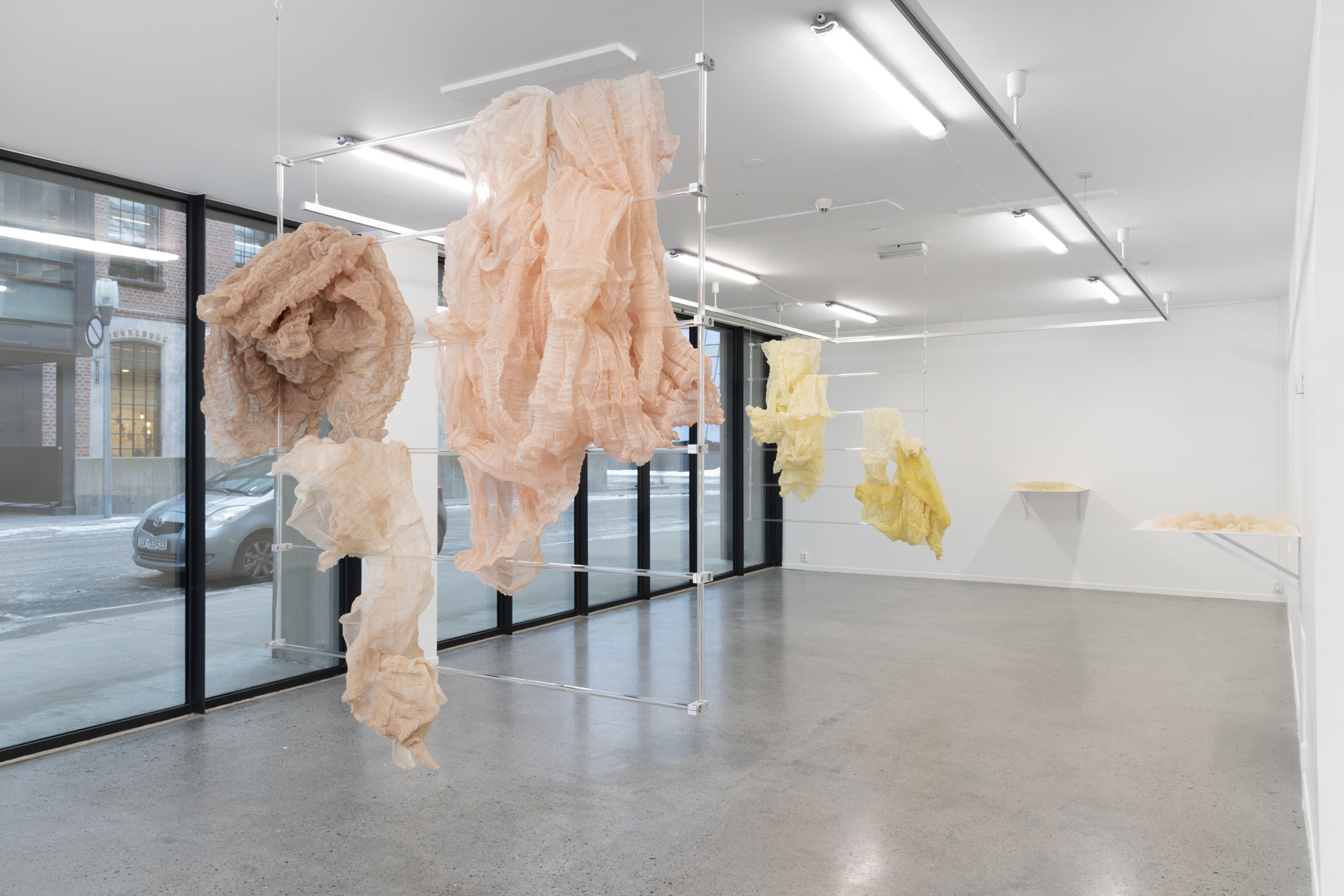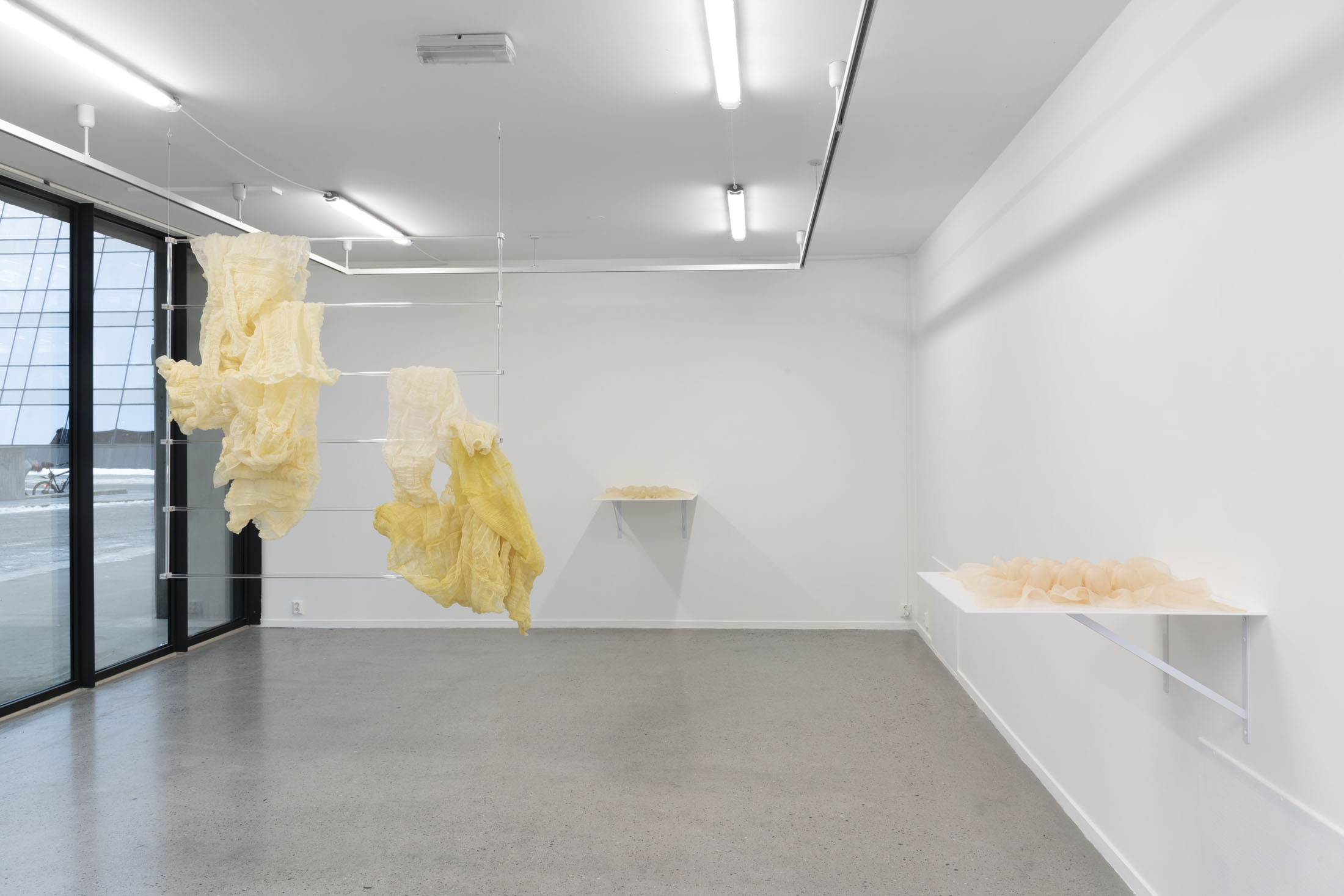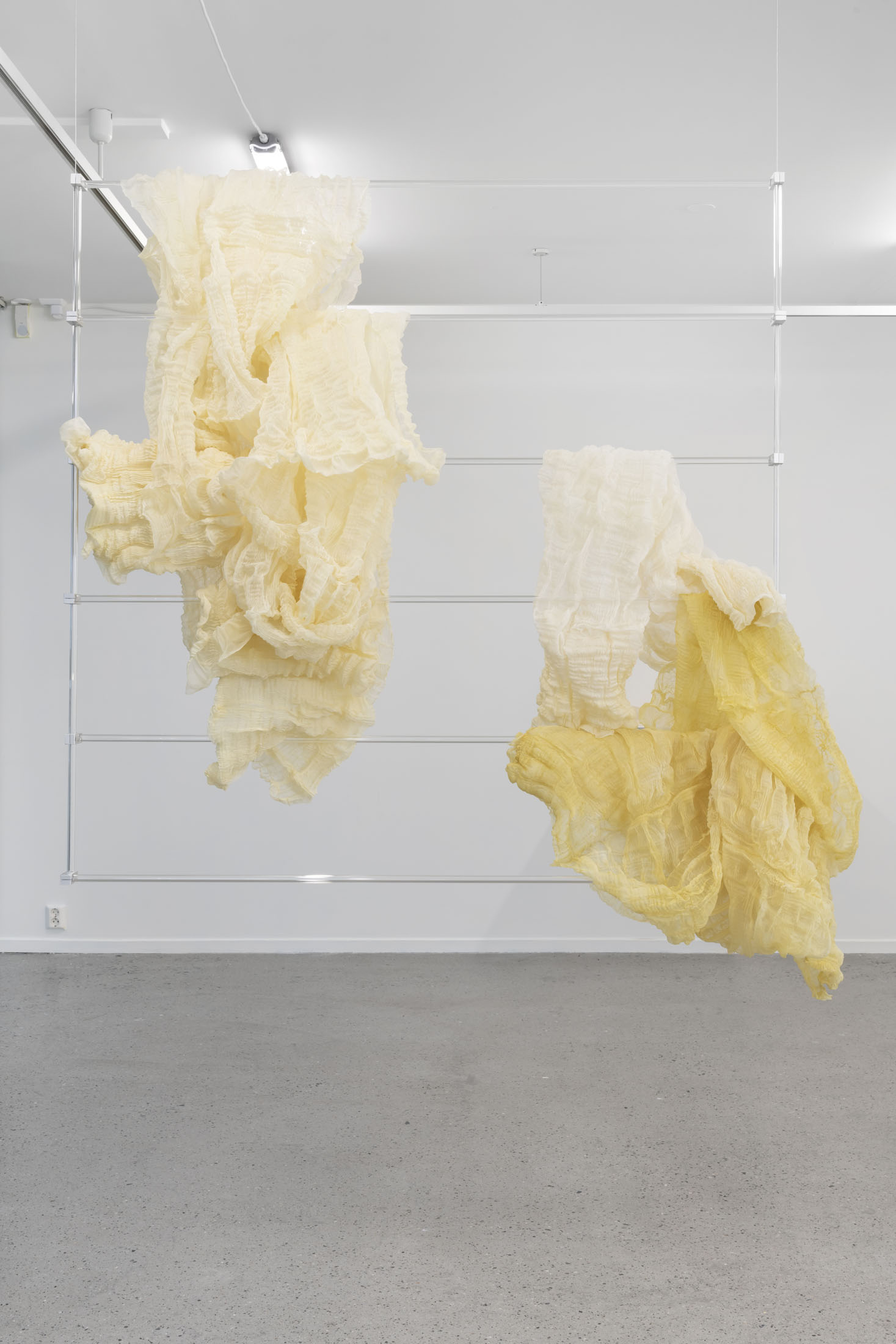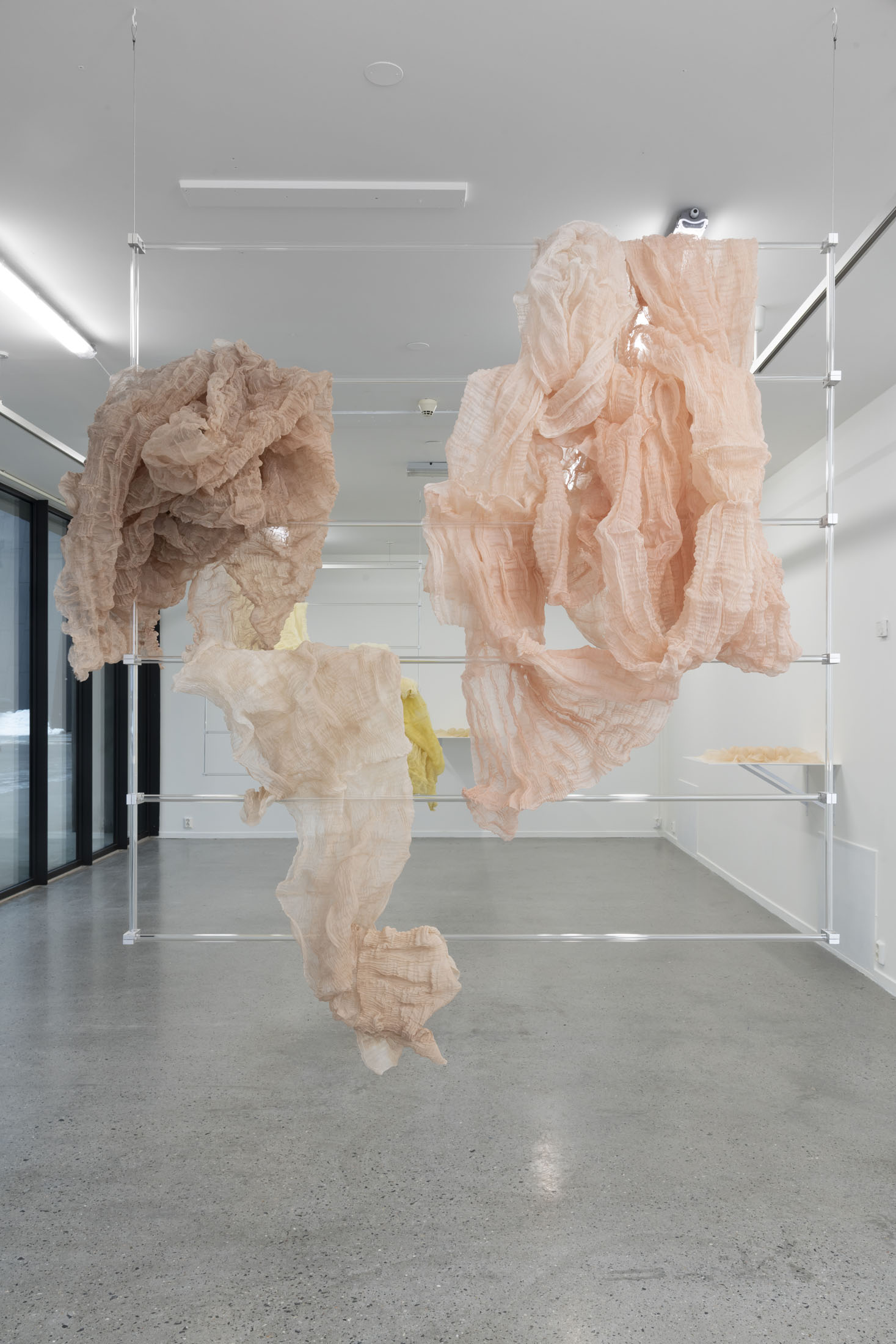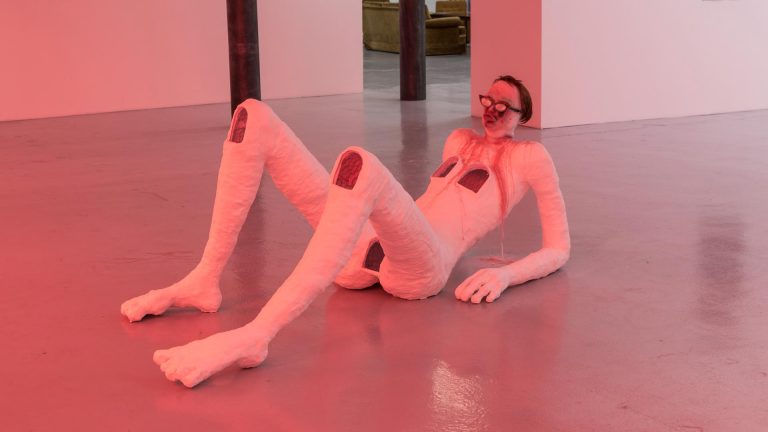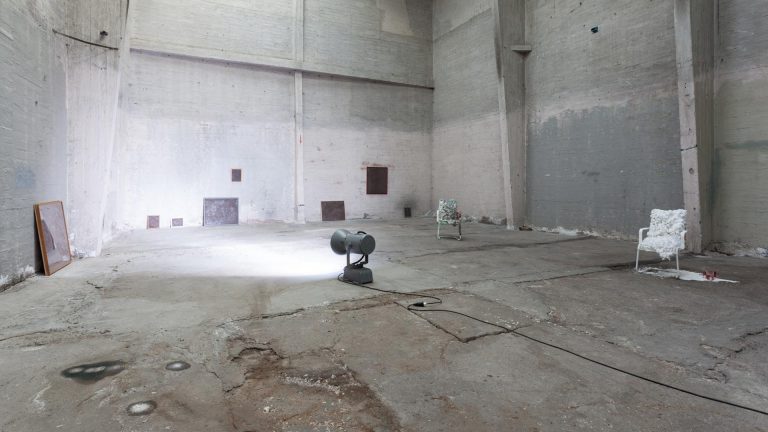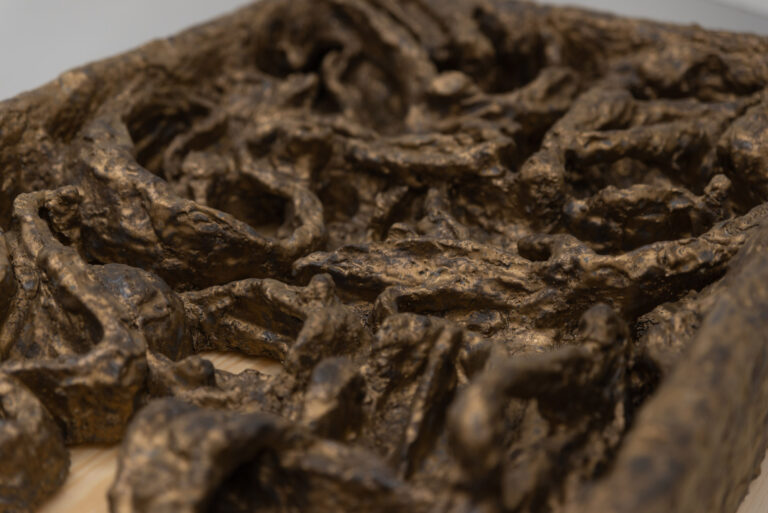
In the exhibition MATERIA MEDICA MEDICINA MAGICA, Sarah Vajira Lindström delves into a world of medicinal plants and pharmacology, grimoires and folk belief.
Plants have been used for healing and to combat illness for thousands of years, across all known cultures. Animals, too, have made use of plants as medicine in various forms. Western scientific research into such plants, however, is little more than 200 years old and has largely followed the emergence of organic chemistry, which made it possible to isolate active compounds. Prior to this, knowledge was primarily experiential and transmitted orally, through reference works such as so-called pharmacopoeias, or grimoires.
Materia medica refers to an earlier collective term for medicines (medicinal material) and originates from the Roman physician and botanist Pedanius Dioscorides’ pharmacological work De materia medica, written between AD 50 and 70. This work served as a central source of knowledge on medicinal plants and their uses for over 1,500 years.
Throughout the history of pharmacology, the boundary between magic and science has at times been unclear. Plants were often ascribed properties based as much on their appearance or scent as on their observable effects. Medieval medical books and grimoires functioned both as sources of magical formulas, rituals and spells, and as transmitters of important experiential knowledge about healing plants. While such works were initially disregarded in the early development of scientific medicine, they have more recently been revisited, and historical medicinal plants are now being researched in the search for new pharmaceuticals.
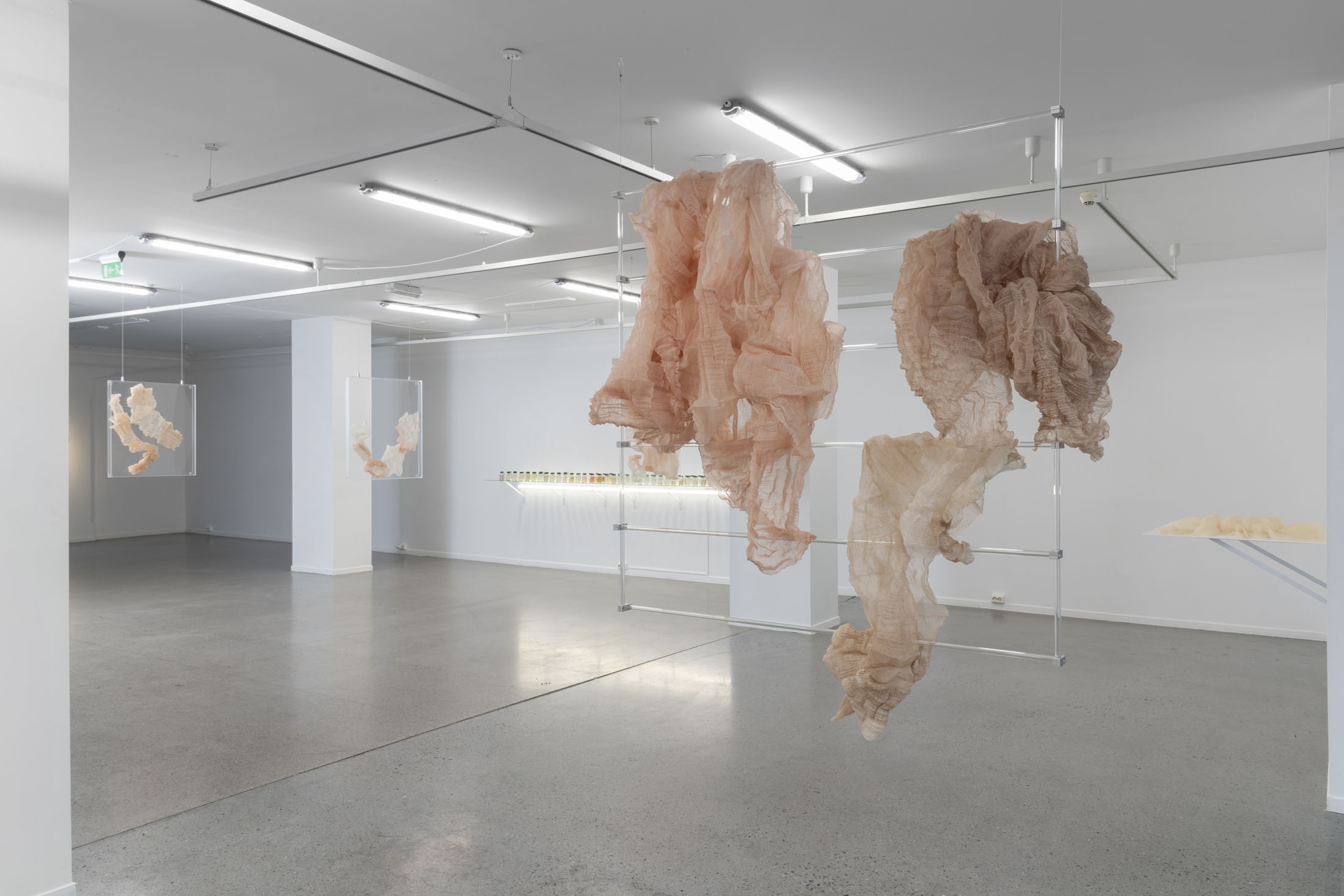
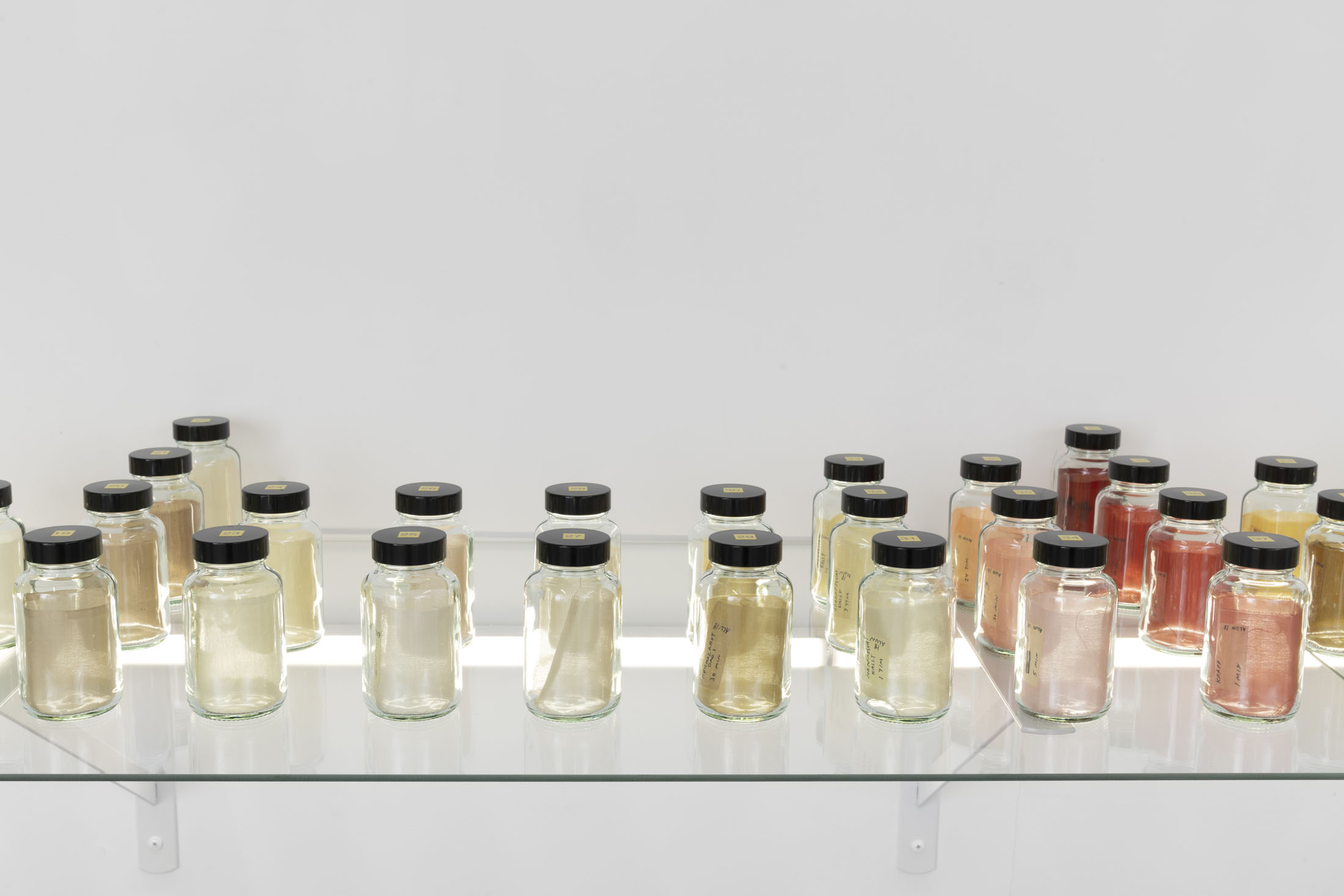
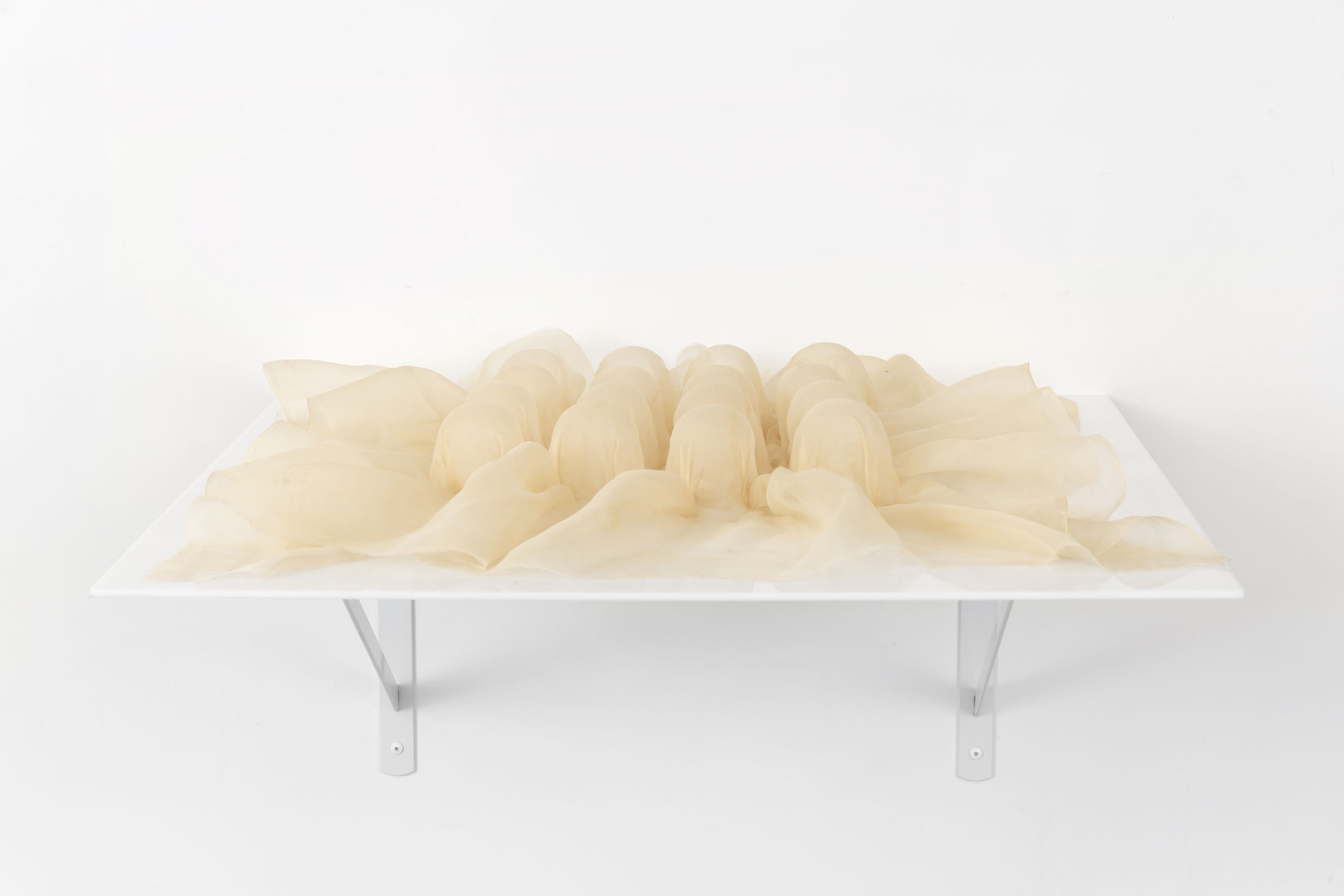
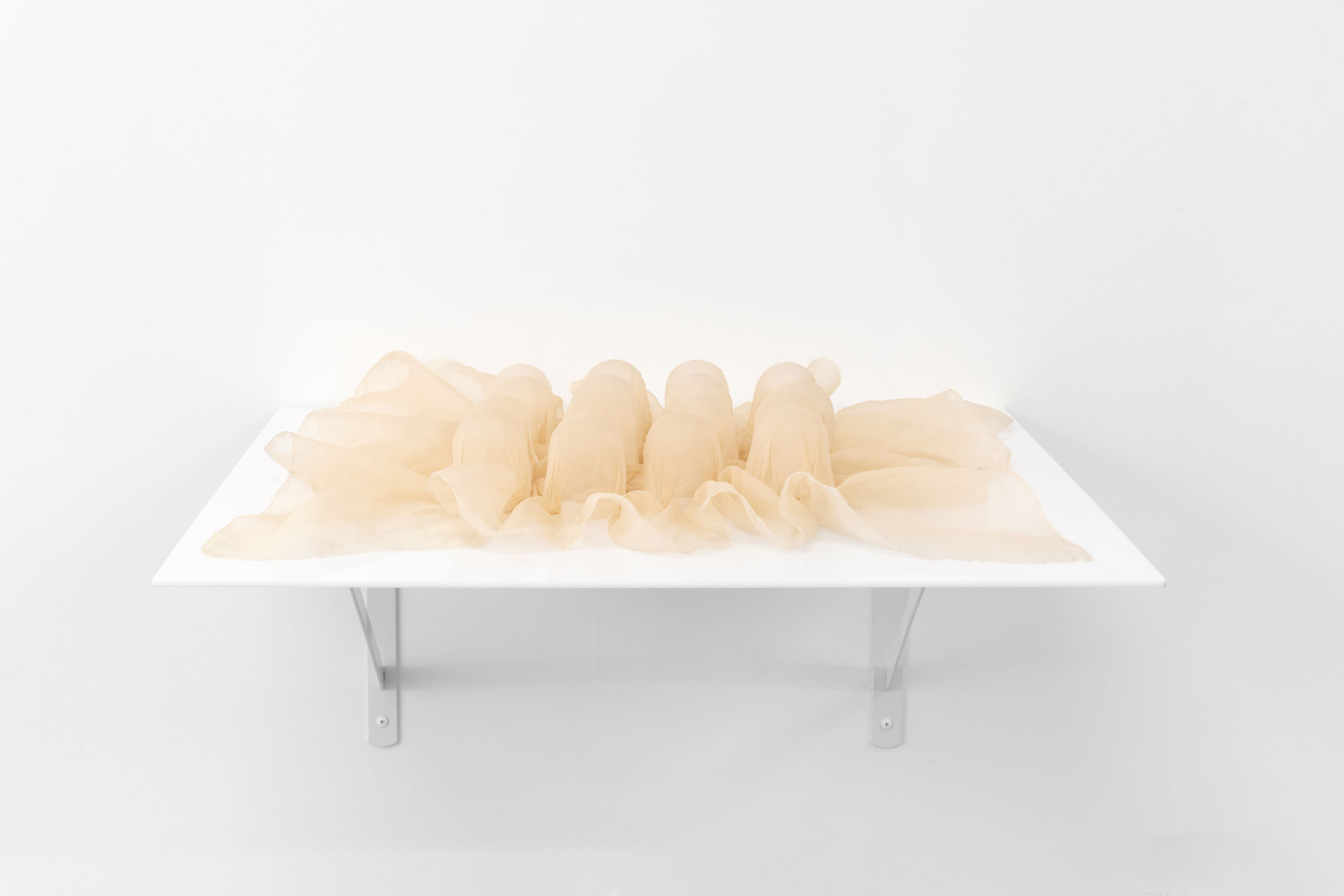
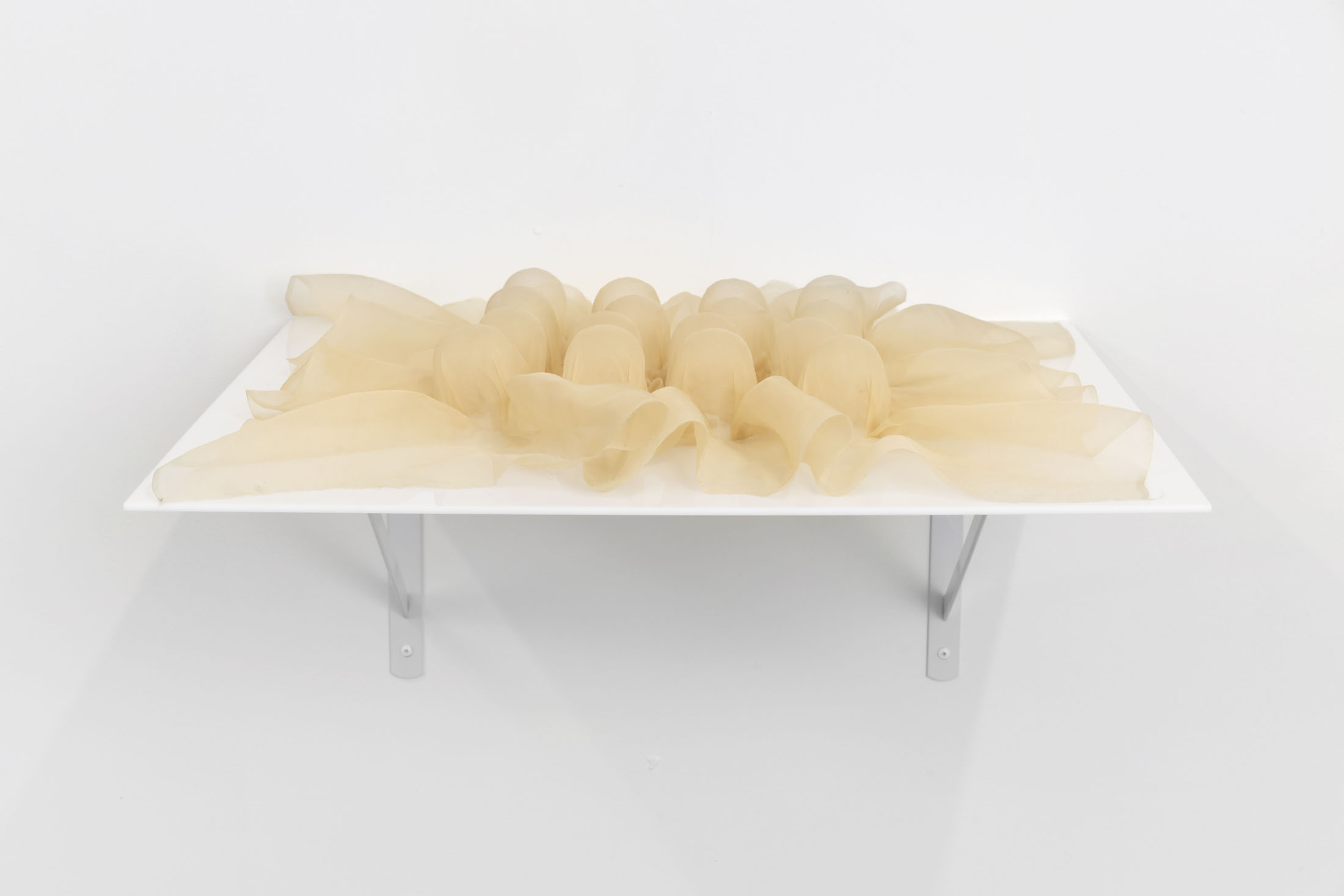
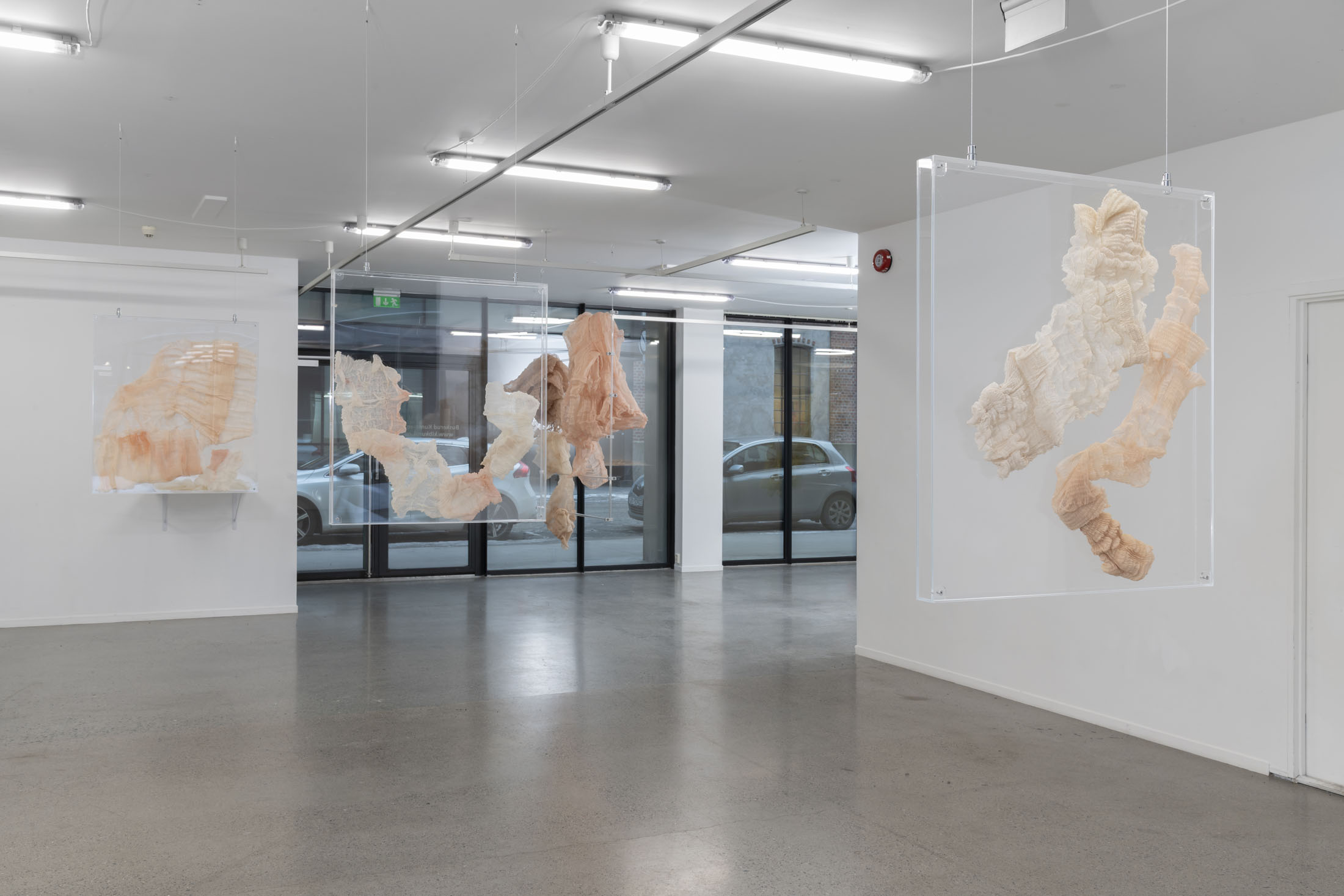
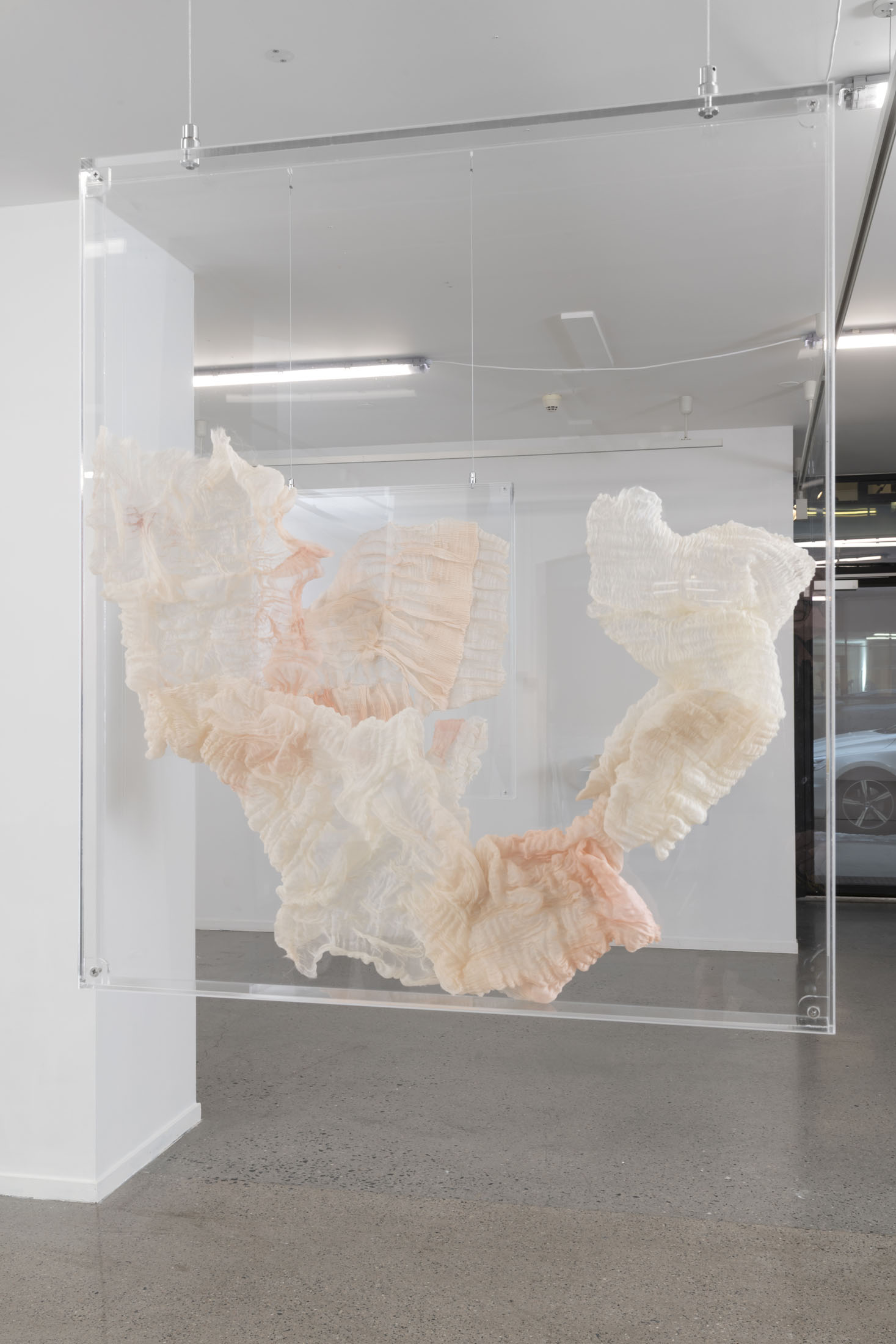
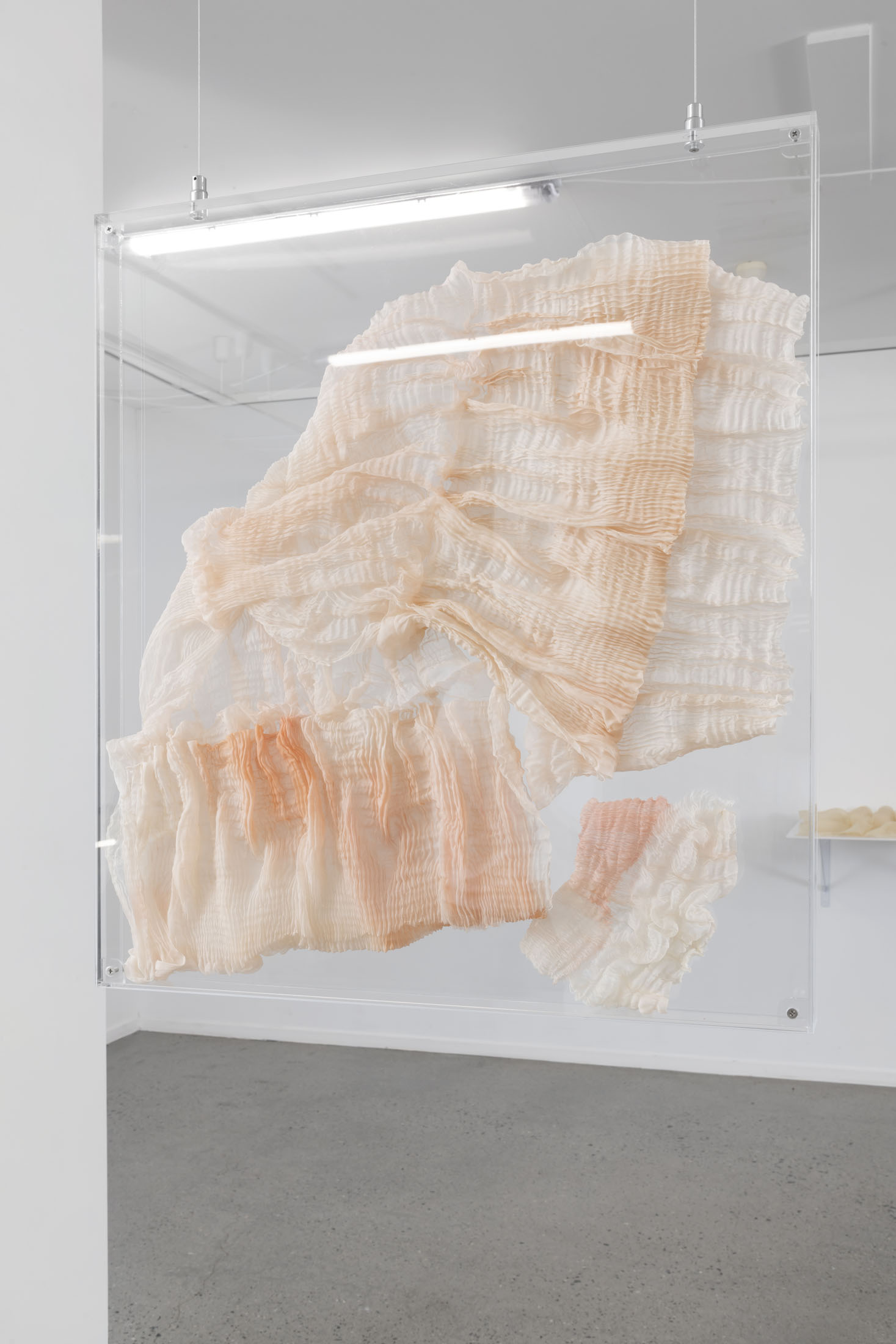
At Buskerud Art Centre (Buskerud kunstsenter), Lindström presents new textile works inspired by the history of pharmacology and medicinal plants. The textiles, composed exclusively of silk, are shaped through various techniques and dyed using pigments from 31 traditional medicinal plants.
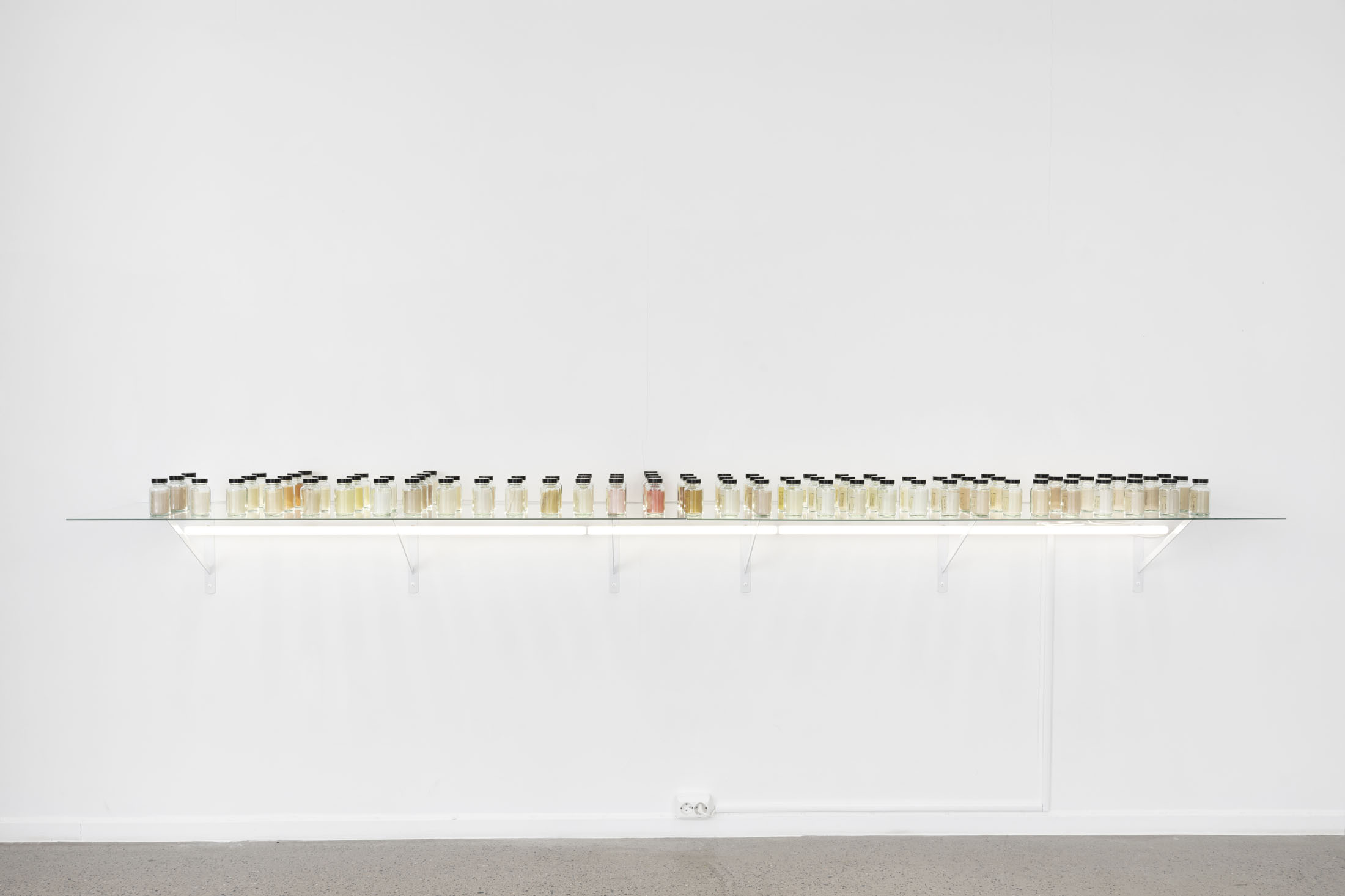
The work Pharmakon consists of a selection of dye samples that Lindström has used in her exploration of medicinal plants. Pharmakon (φάρμακον) is a Greek word with a dualistic meaning and can signify both “medicine/remedy” and “poison”. The term referred to substances that could affect health, including herbs and remedies, as well as toxins and magical agents.
The series In vitro I–III take their title from Latin. The expression means “in glass” and is used in biology and medicine to describe experiments conducted in artificial environments outside a living organism, for example in a Petri dish or another glass container, in contrast to in vivo (within the living).
Materia medica I–II takes its title from Dioscorides’ pharmacological work and consists of tens of metres of silk dyed using various medicinal plants.
The series titled Salve play on the Latin word salvē, used as a greeting meaning “be in good health”. The word is also used to denote a medicinal salve, where the act of applying a fatty or medicinal substance implies “to anoint, to heal”.
BIO
Sarah Vajira Lindström (b. 1981, Sri Lanka, SE/NO) lives and works in Oslo. She is educated in textiles at the Royal College of Art (MA) and Central Saint Martins (BA) in London.
Sarah Vajira Lindström has held solo exhibitions at Soft Galleri in Oslo and KRAFT in Bergen, and has participated in the Norwegian Association for Arts and Crafts’ annual exhibition, Liljevalchs Spring Salon, the Spring Exhibition at Fotogalleriet, CHART at Designmuseum Denmark, and the Spring Exhibition at Charlottenborg Kunsthal, where she was nominated for the Solo Award. Her work has been acquired by KODE in Bergen and the Sogn og Fjordane Art Museum.