SPURS Gallery is delighted to announce Anal Intelligence, a solo exhibition by artist Payne Zhu, set to open on May 21, 2026, in conjunction with Gallery Weekend Beijing 2026. This marks the artist’s first solo presentation with the gallery.
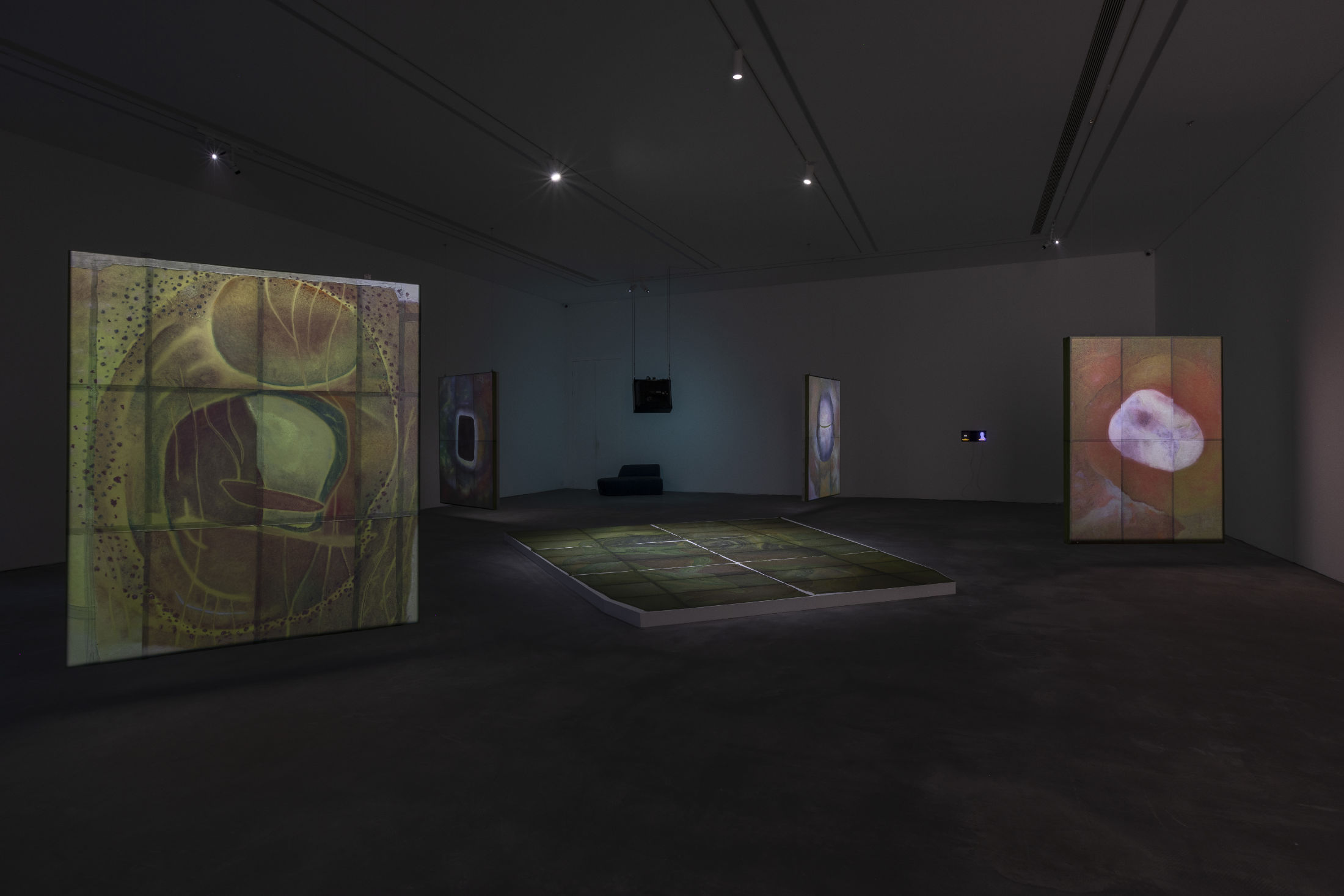
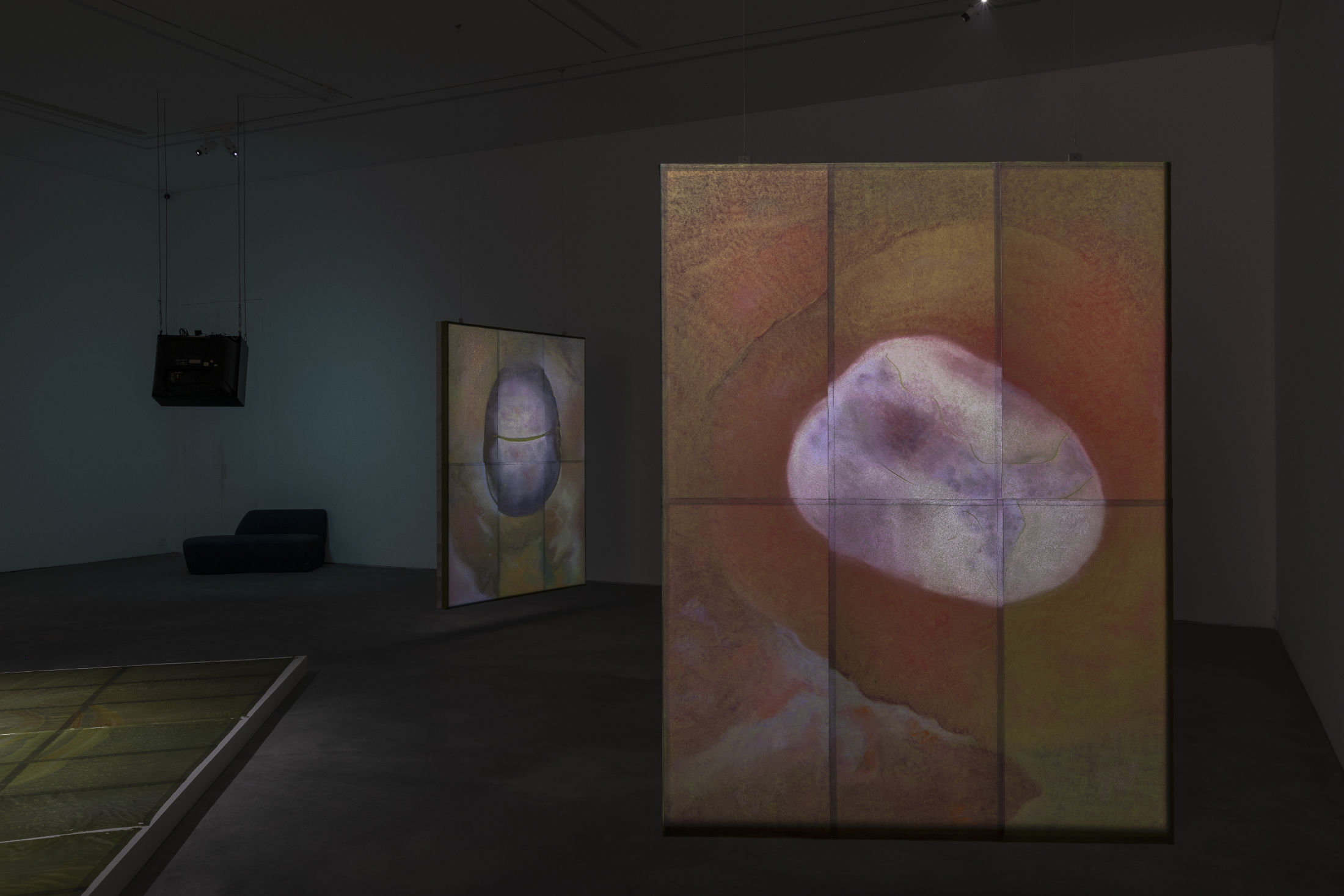
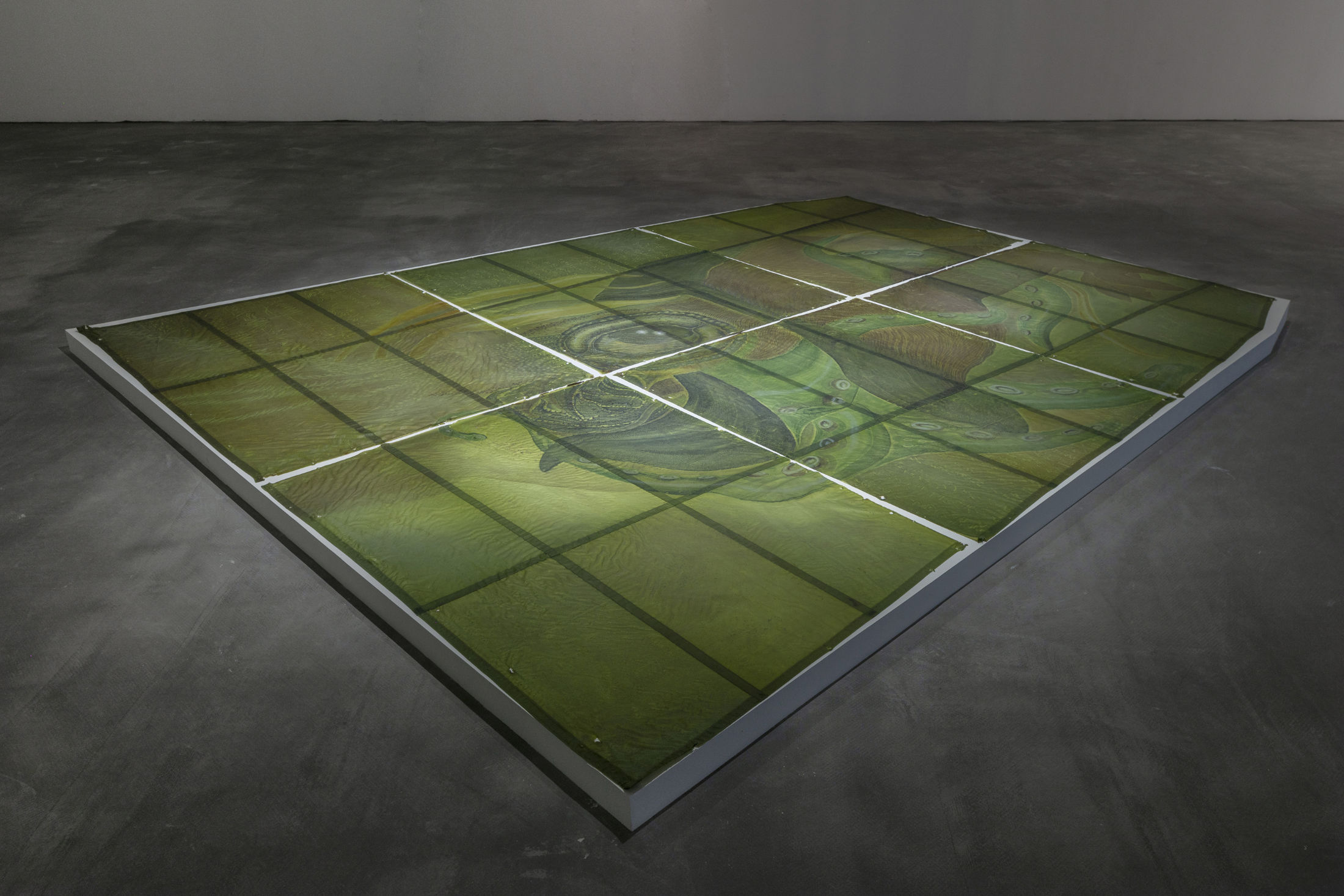
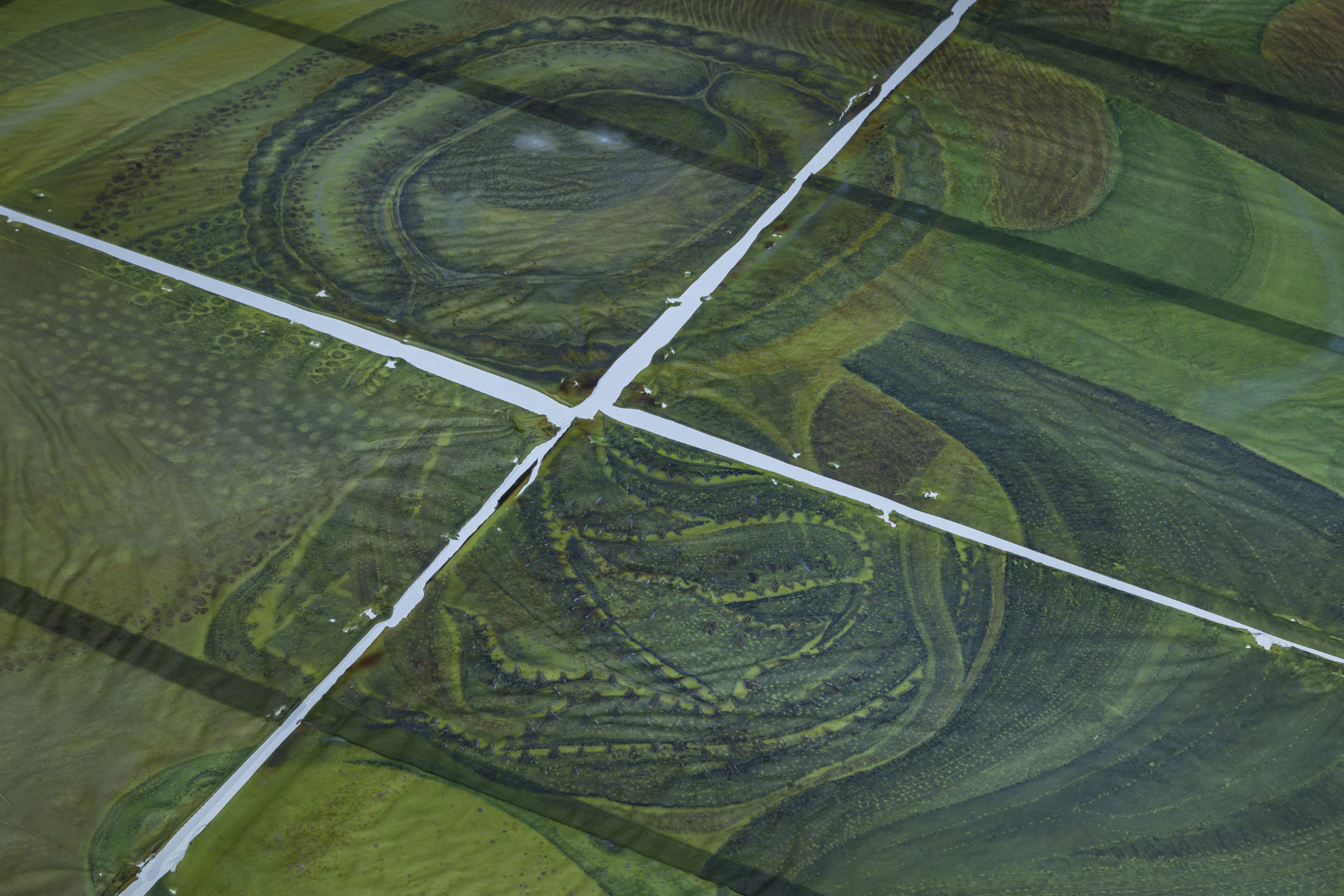
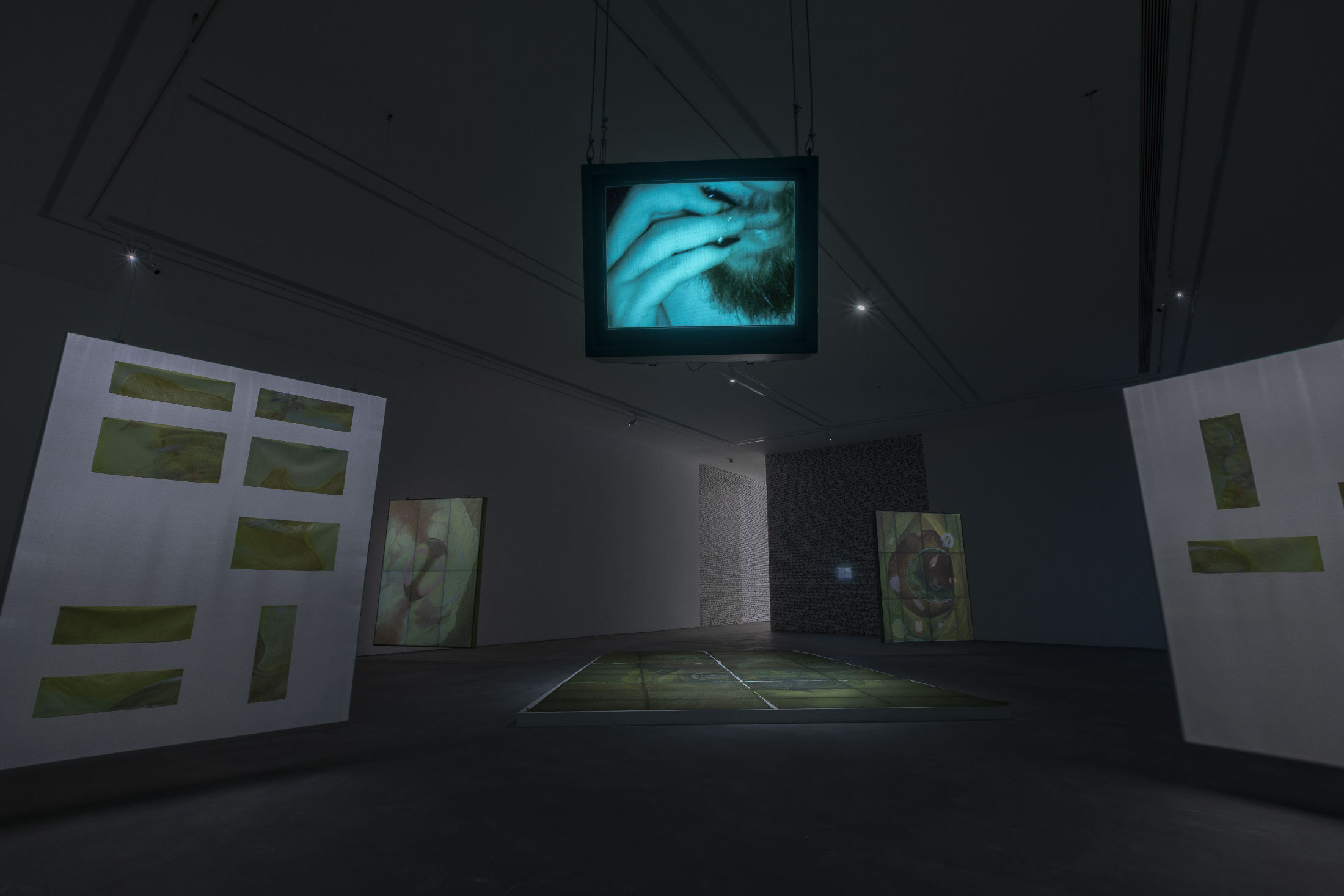
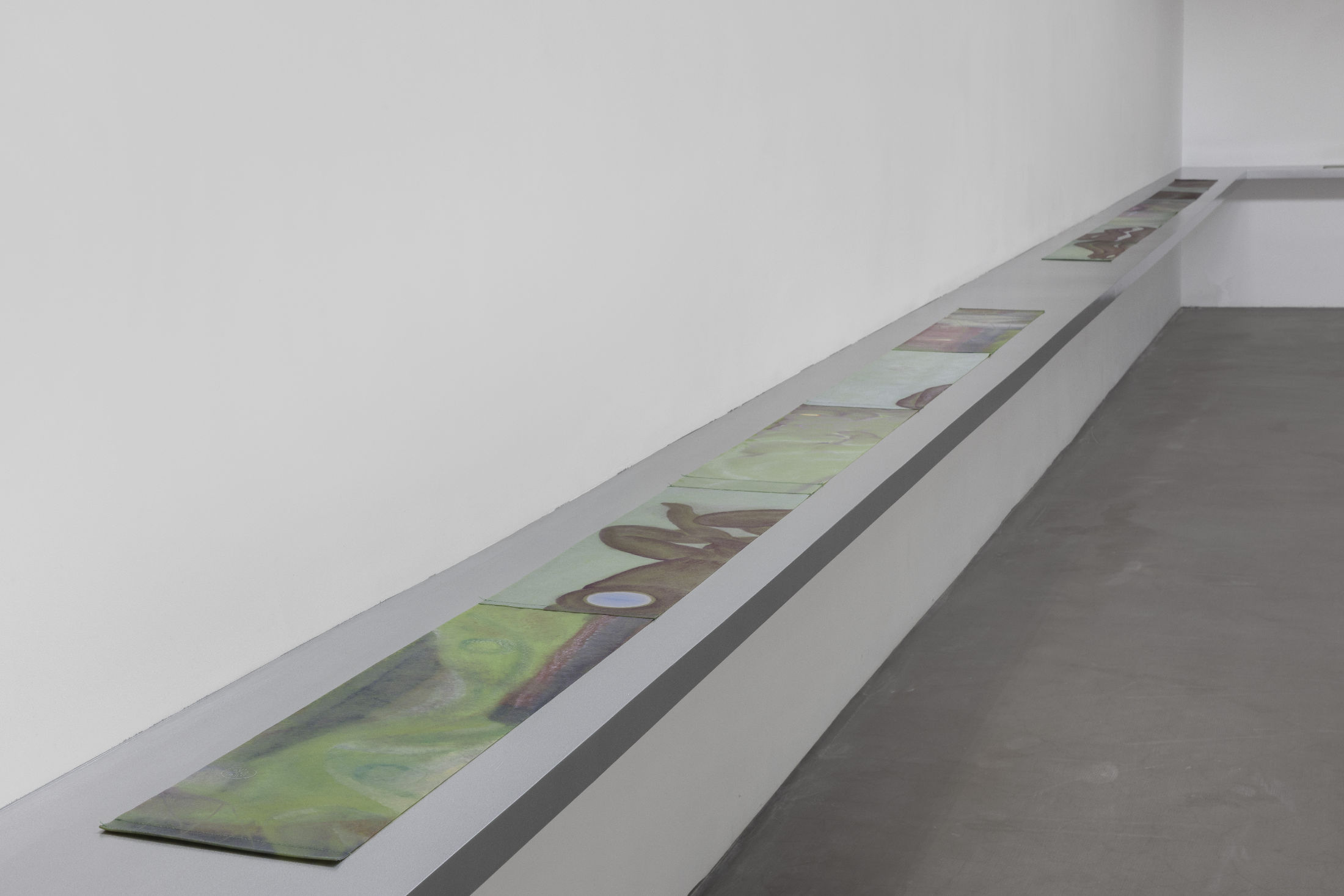
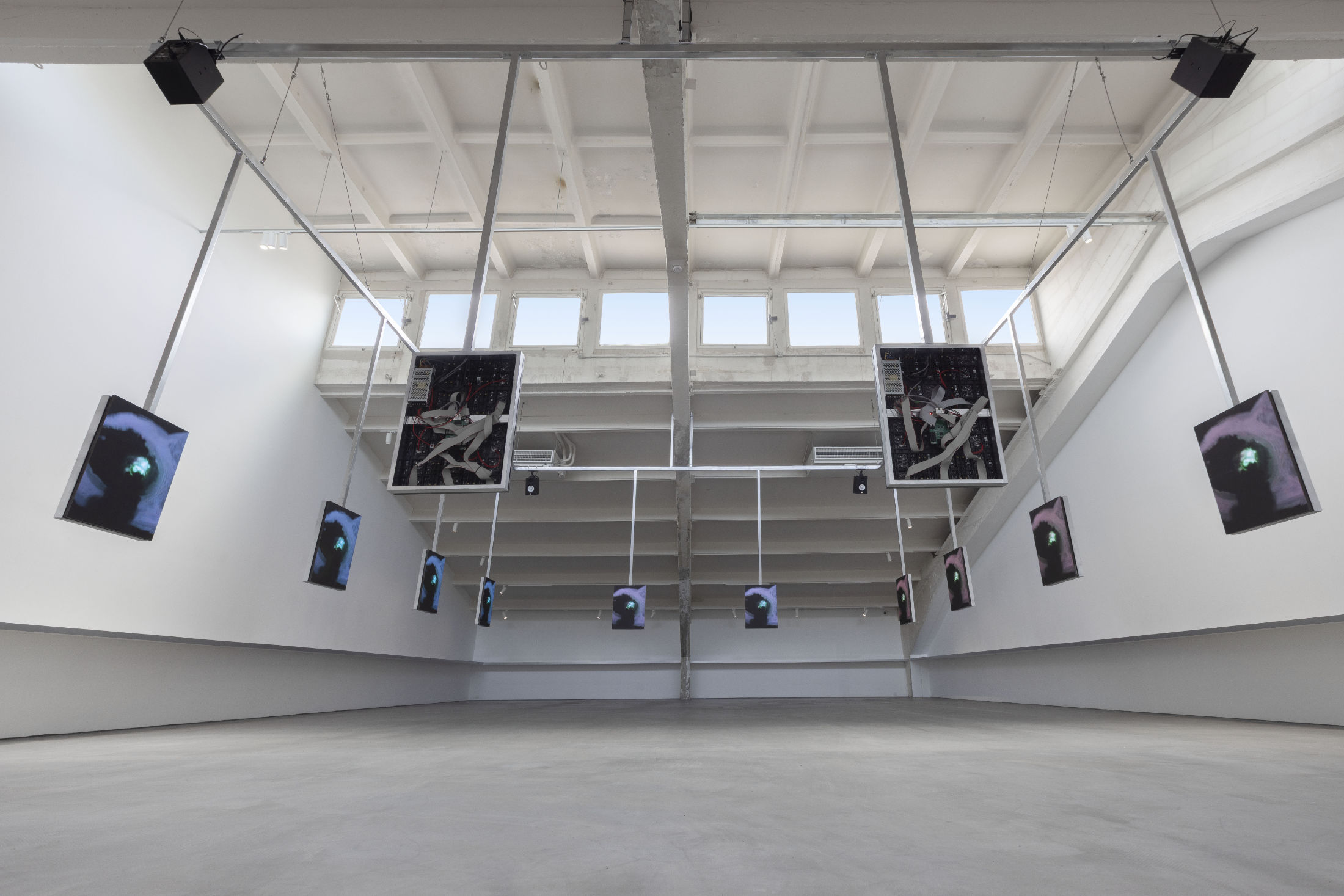
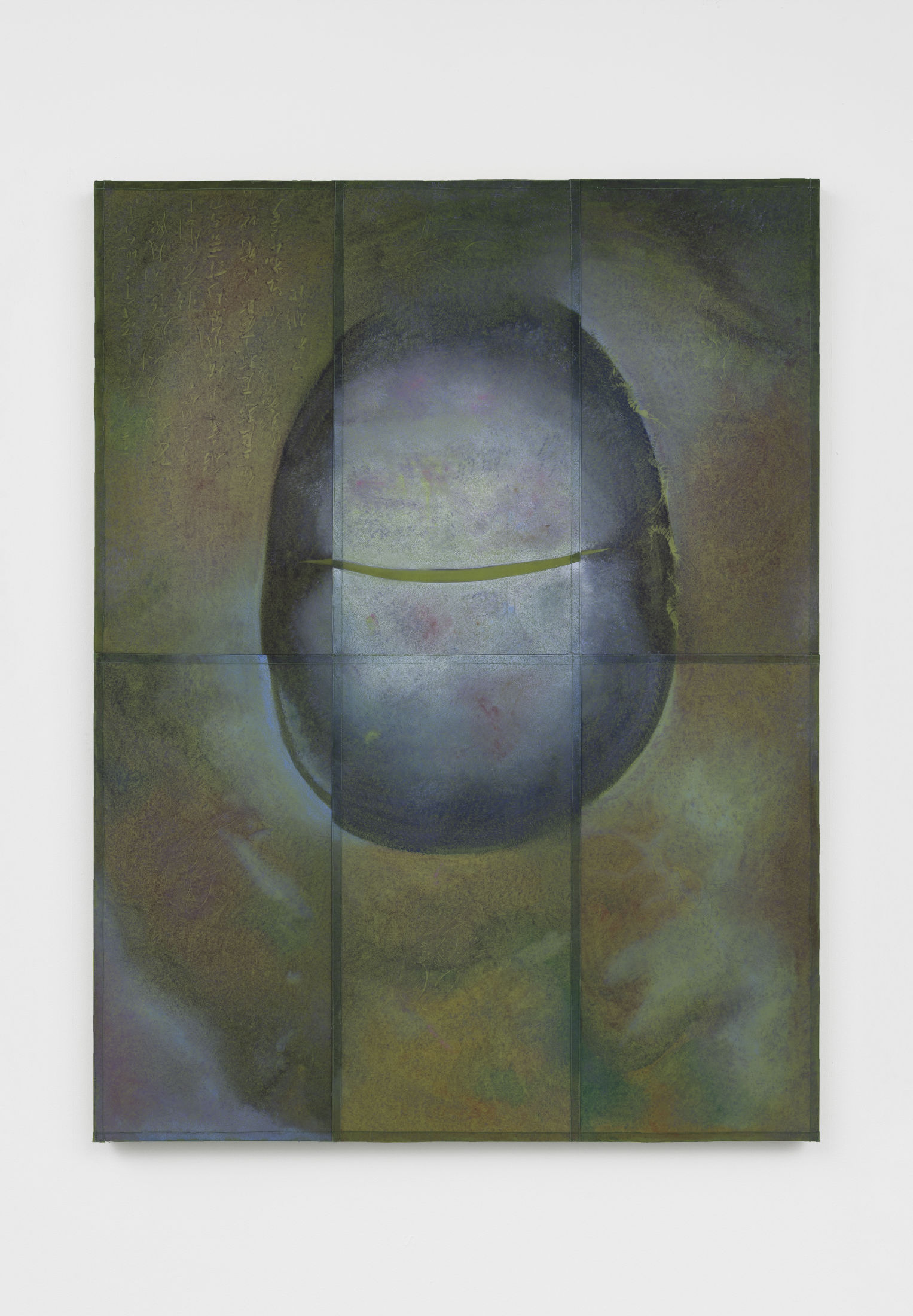
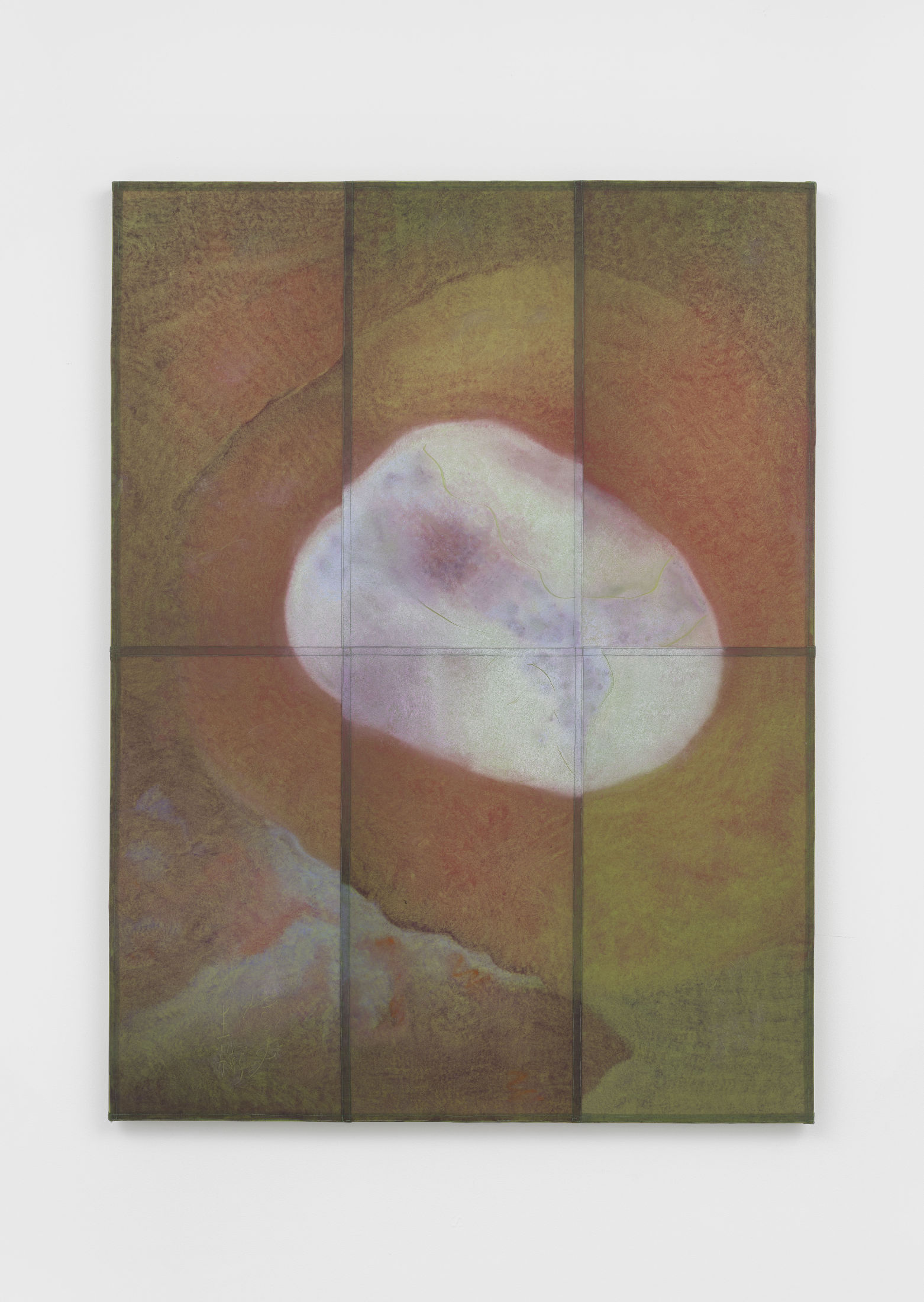
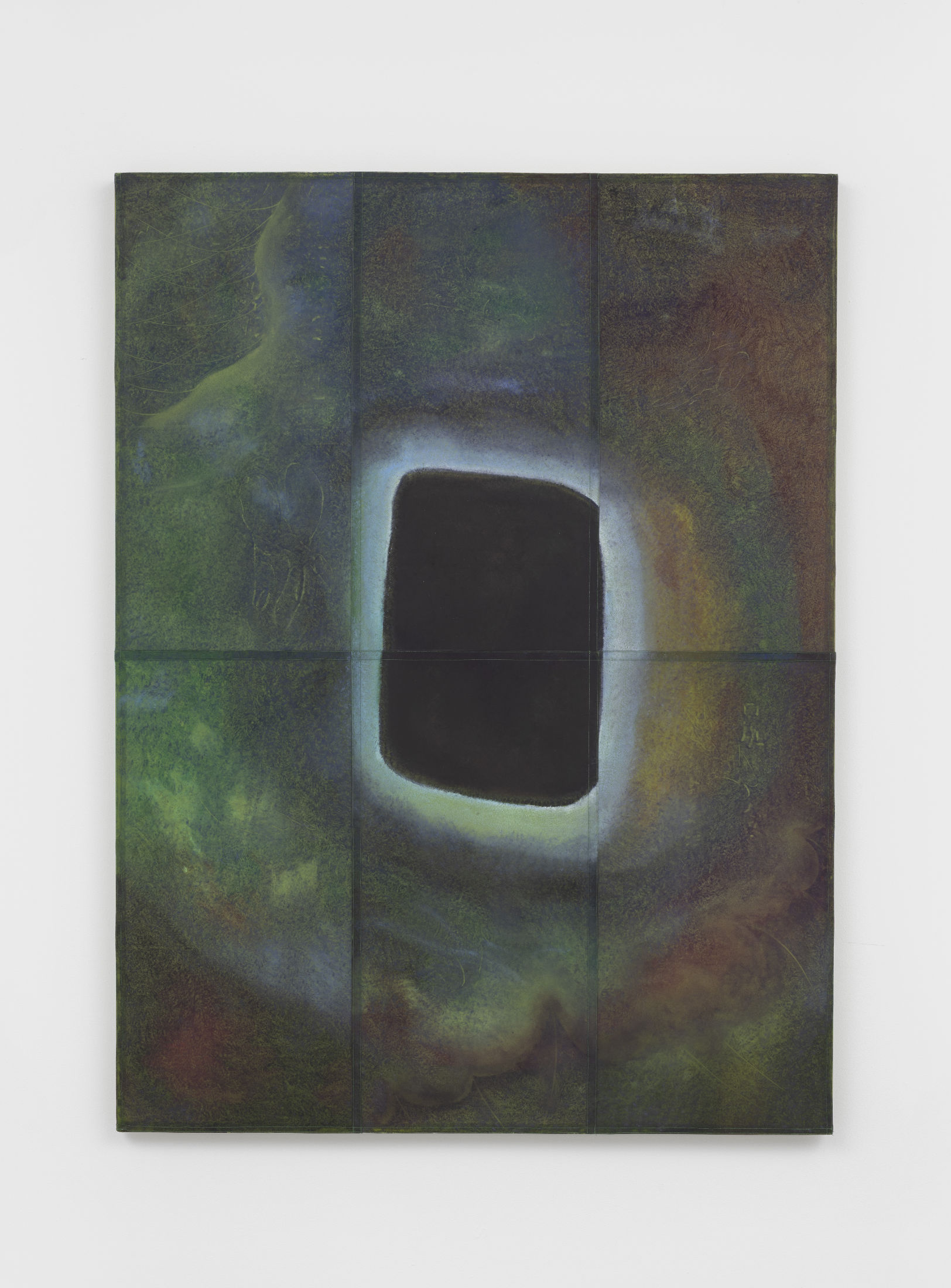
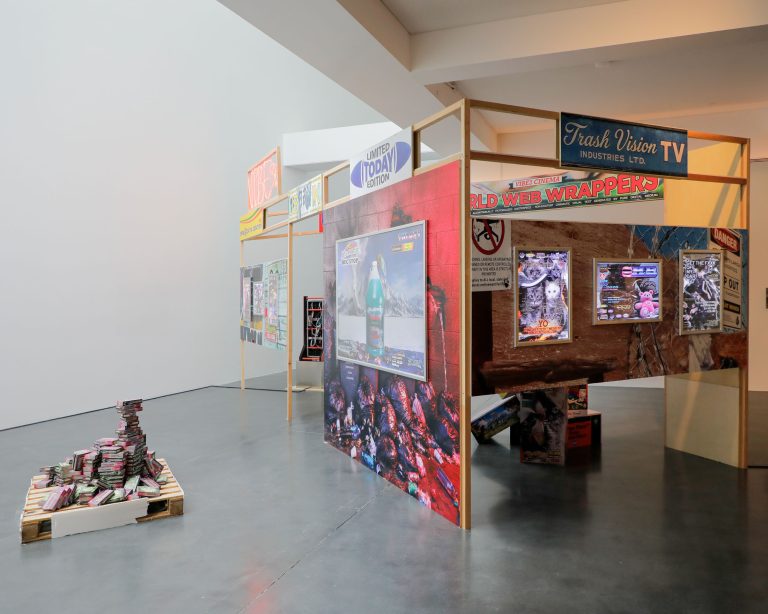
Spanning the gallery’s three dedicated spaces—Gallery I, II and III—the exhibition will feature Zhu’s latest 12-channel video installation Anal Intelligence as the centerpiece. Alongside this key work, the exhibition will unveil new iterations from Zhu’s ongoing algae-based series Whale-Derived Pump, alongside five seminal earlier video works, recontextualized and reinterpreted through the curatorial lens of “turbidity”.
Payne Zhu (b. 1990, Shanghai) delves into diverse historical, literary, and economic systems, excavating their financial unconscious. Through the mismatch of different technological media, Zhu derives videos, installations, and paintings as derivatives commemorating an unmatchable sacrifice. The exhibition Anal Intelligence describes the much-debated artificial intelligence of our time as a new form of intelligence, born from an abundance of “turbid matter” (surplus data and the human behavior of self-consumption). It was driven not by sex/reproduction, but by digestion/destruction. And humanity, gradually reduced to its extended senses and floating tentacles, has become the most fundamental and the most bountiful nourishment in its endless growth.
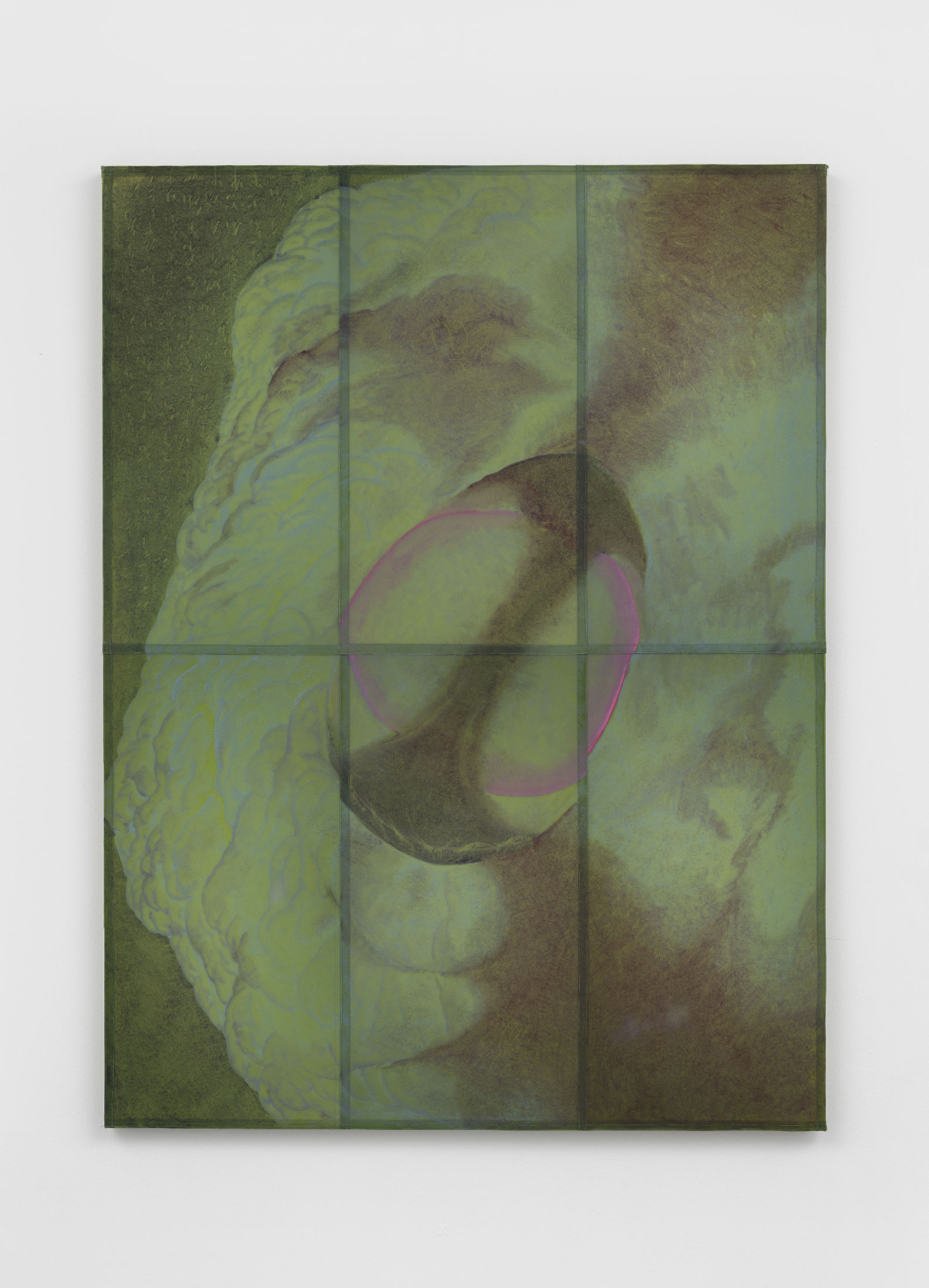
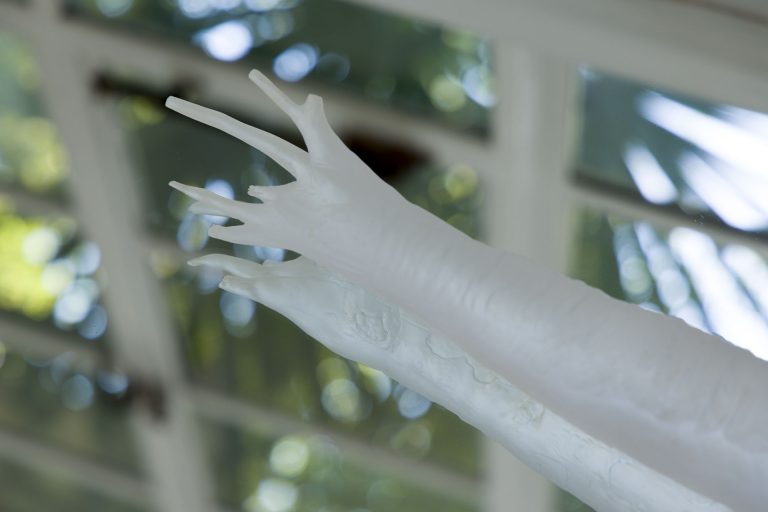
In Gallery I on the first floor, five earlier video works are reactivated. Created between 2016 and 2022, they point to different manifestations of Anal Intelligence: search engines and large language models (Make Bad Cookies, 2016), esports ranking systems (Ladder System, 2018), financial risk management tools (CACA, 2018), subscription-based platforms and the live-streaming economy (Economics of Loneliness: Service and Management, 2020), and real-time dividing short-video algorithms (Reverse-Rendering, 2022). Among them are eight groups of algae-based paintings from the Whale-Derived Pump series, created in different coastal port cities, Qinhuangdao (2025), Singapore (2026), and Shanghai (2026). In the latest works of this series, Zhu introduces the image of the octopus, whose intelligence resides not only in its brain but also distributes across each of its tentacles. It can be seen as metaphor for human intelligence that is increasingly moving beyond the boundaries of the skin, into machines, algorithms, and the environment.
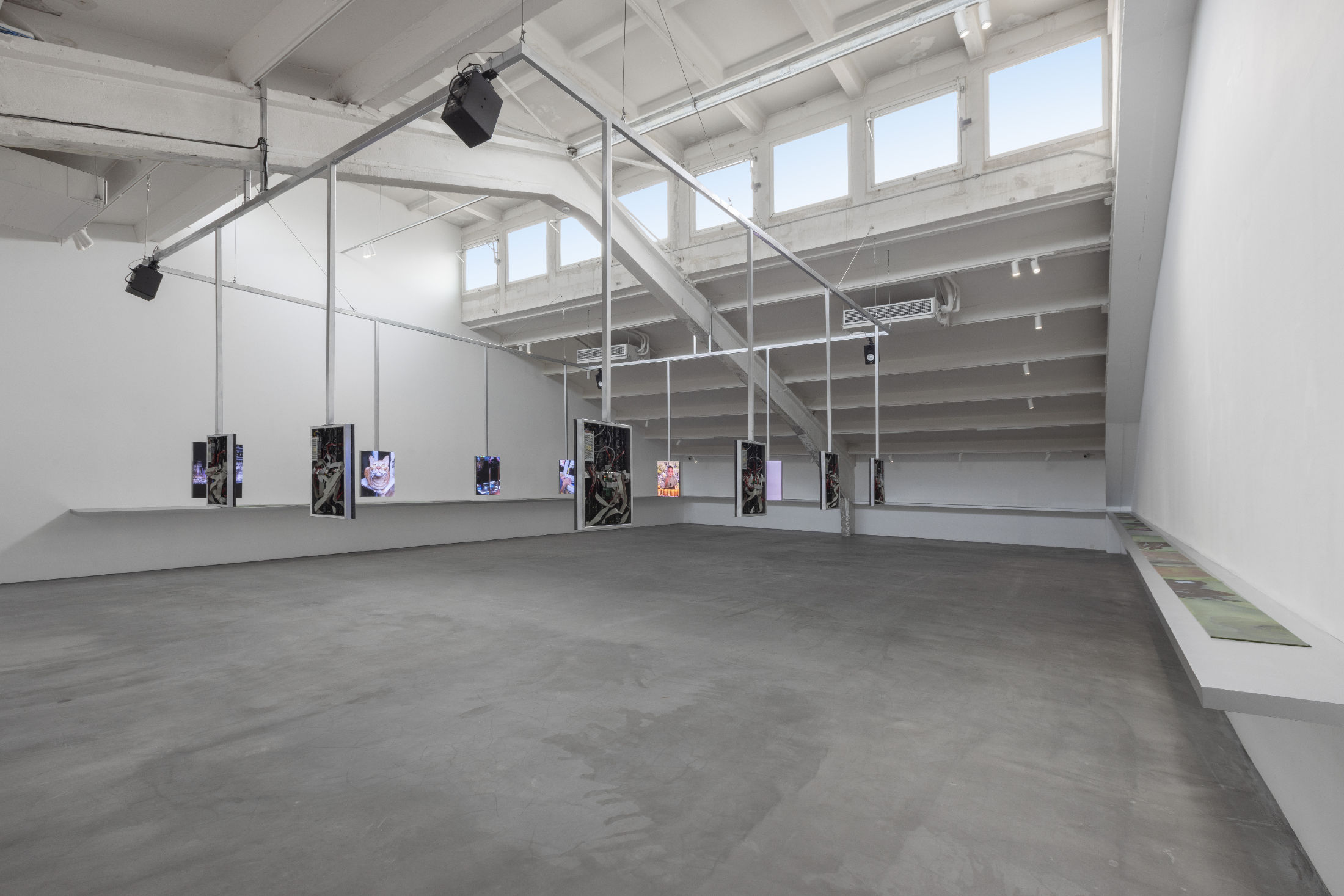
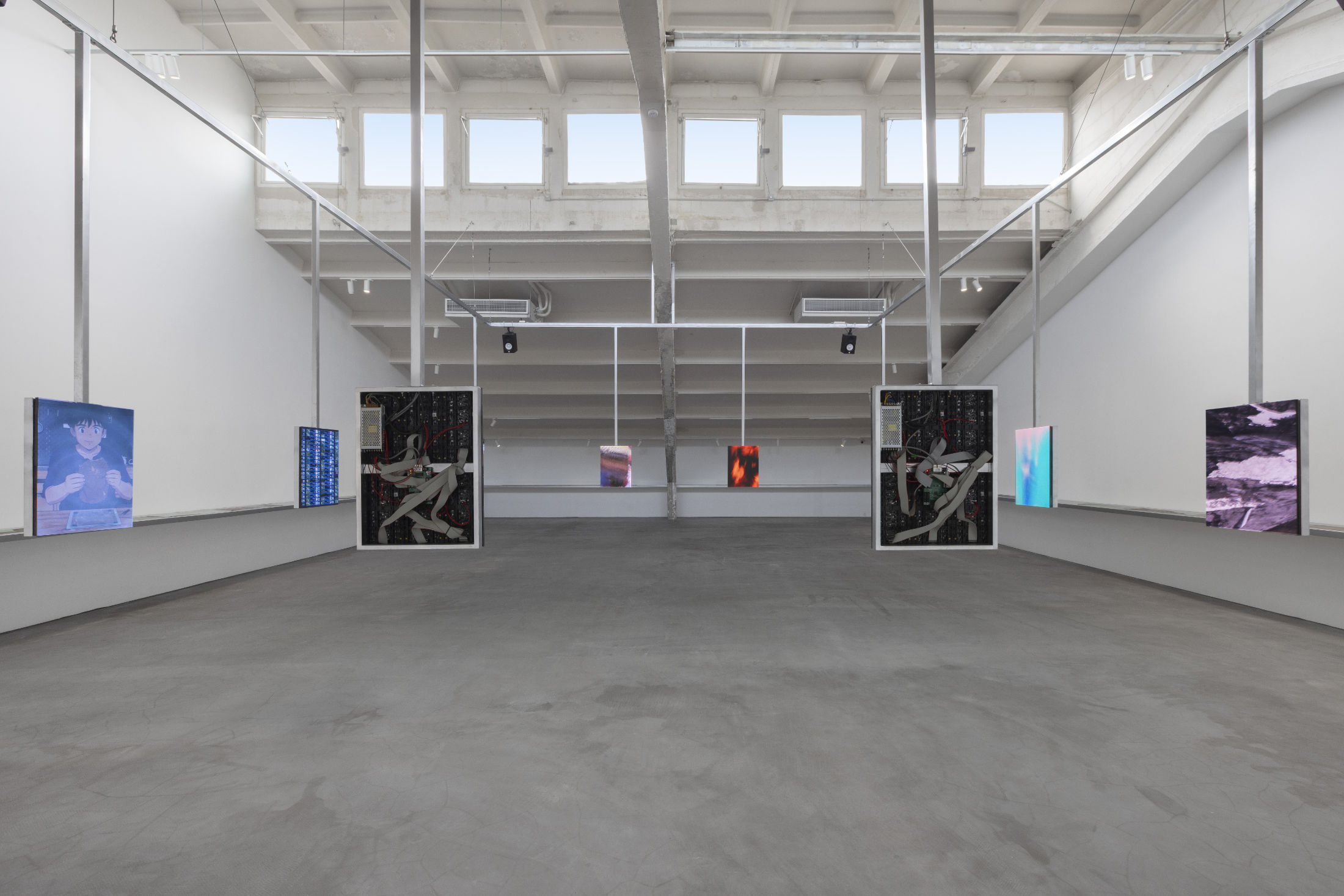
At the heart of Gallery II & III on the second floor is the 12-channel, real-time rendered video installation Anal Intelligence (2026), from which the exhibition takes its name. Twelve LED screens hang from the ceiling like satellites in space, with a commanding view of all below. Fragments familiar from major video platforms, mukbang, fashion hauls, C/K/J-pop, are cross-cut across the screen, edited with drone footage, first-person perspectives, stabilized gimbal shots, and game engine rendering, hybridized into content that can no longer be traced back to any origin. In this world where “production is digestion, and digestion is production,” the subject is divided into data that can be analyzed and stored, with even emotions extracted into tags, flowing through the network, luring, and ultimately taking part in dividing the next viewer.
The exhibition runs through June 28, 2026.
About the artist
Payne Zhu was born in 1990 in Shanghai, China, where he currently lives and works.
Payne Zhu delves into diverse historical, literary, and economic systems, excavating their financial unconscious. Through the mismatch of different technological media, Zhu derives videos, installations, and paintings as derivatives commemorating an unmatchable sacrifice.
Zhu’s recent solo exhibitions include Anal Intelligence, SPURS Gallery, Beijing (2026); Sounding the Deep Water, Aranya Art Center, Qinhuangdao (2025), and MATCHPOOL, OCAT Shanghai (2022). His works have also been presented and screened at numerous museums and instituitions, including Tai Kwun Contemporary, Hong Kong (2025); Para Site, Hong Kong (2024); Taikang Art Museum, Beijing (2024); the Soil Collection, Beijing (2024); Rockbund Art Museum, Shanghai (2024); the 14th Shanghai Biennale, Shanghai (2023); BY Art Matters, Hangzhou (2023); West Bund Museum, Shanghai (2023); Sifang Art Museum, Nanjing (2023); Fosun Foundation, Shanghai (2023); Deji Art Museum, Nanjing (2023); OPYUM Video Performance Festival, Paris (2022/2020); Macalline Art Center (2021); UCCA Center for Contemporary Art, Beijing (2020); New Century Art Foundation, Beijing (2020); Goethe-Institute China, Beijing (2019/2018); HOW Art Museum, Shanghai (2019); Wuzhen Contemporary Art, Wuzhen (2019); Julia Stoschek Collection, Düsseldorf (2018); Art Sonje Center, Seoul (2017); Museum of Contemporary Art Leipzig, Leipzig (2017); Shanghai Contemporary Art Museum, Shanghai (2015); Times Museum, Guangzhou (2015).