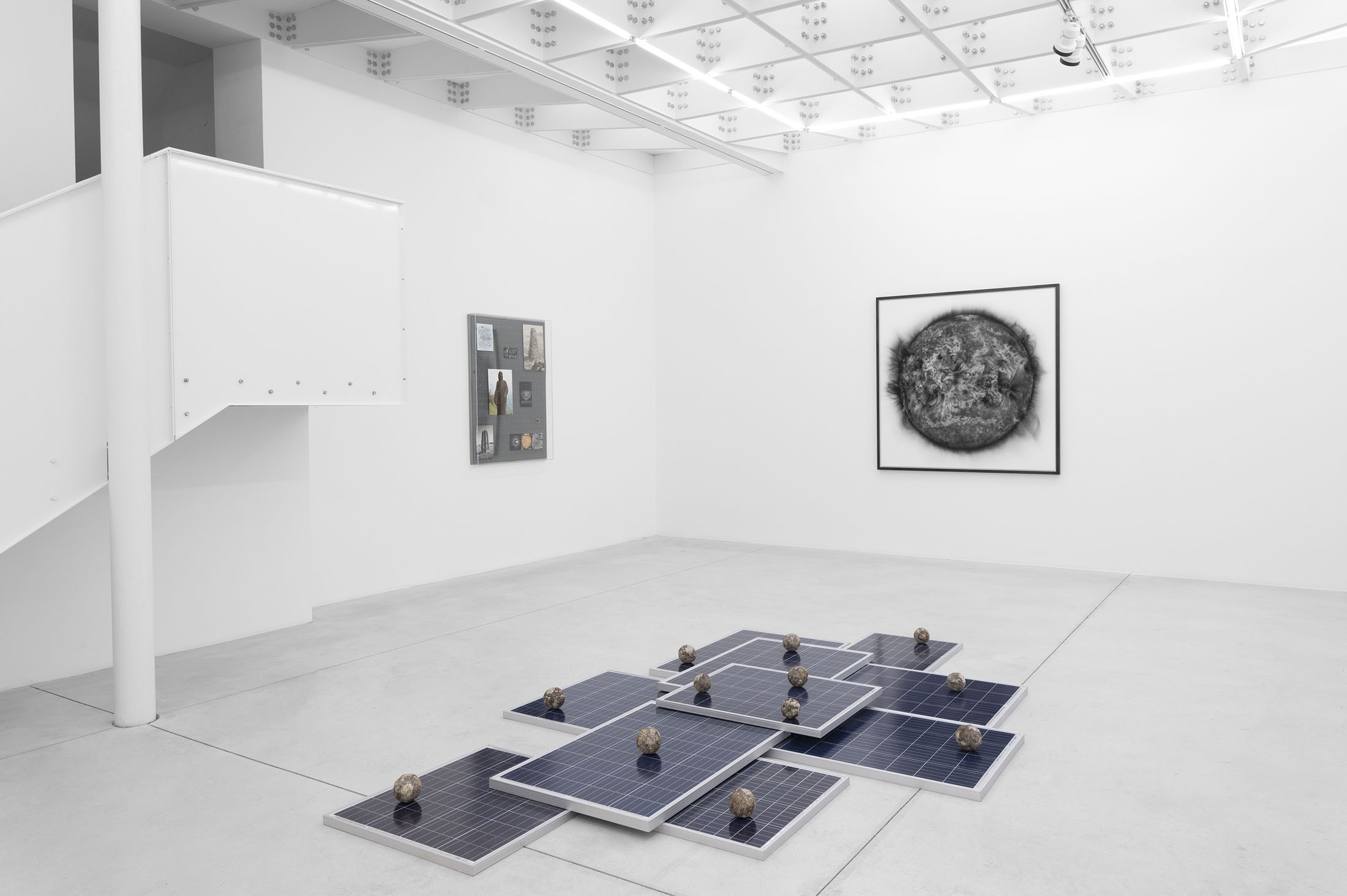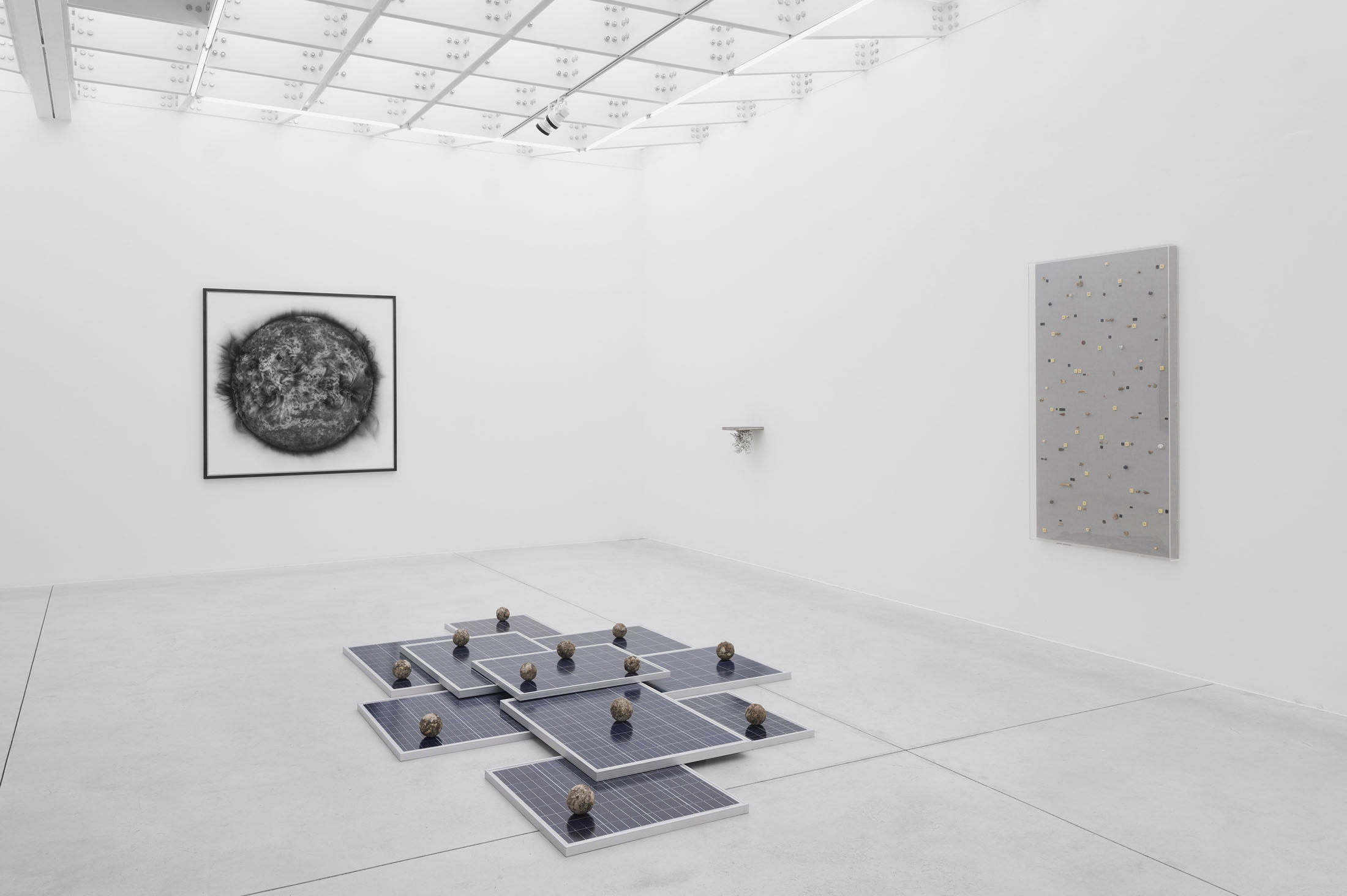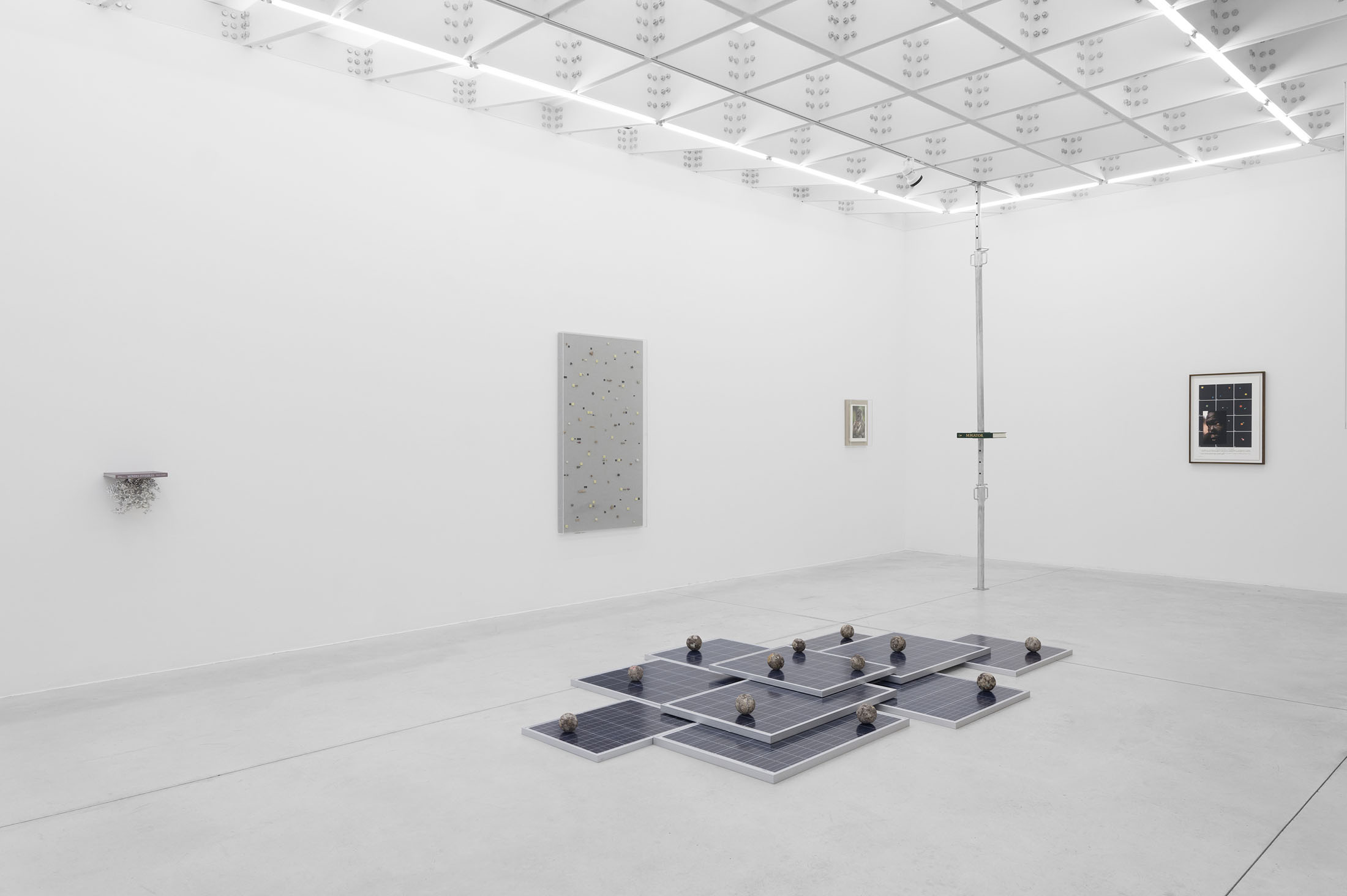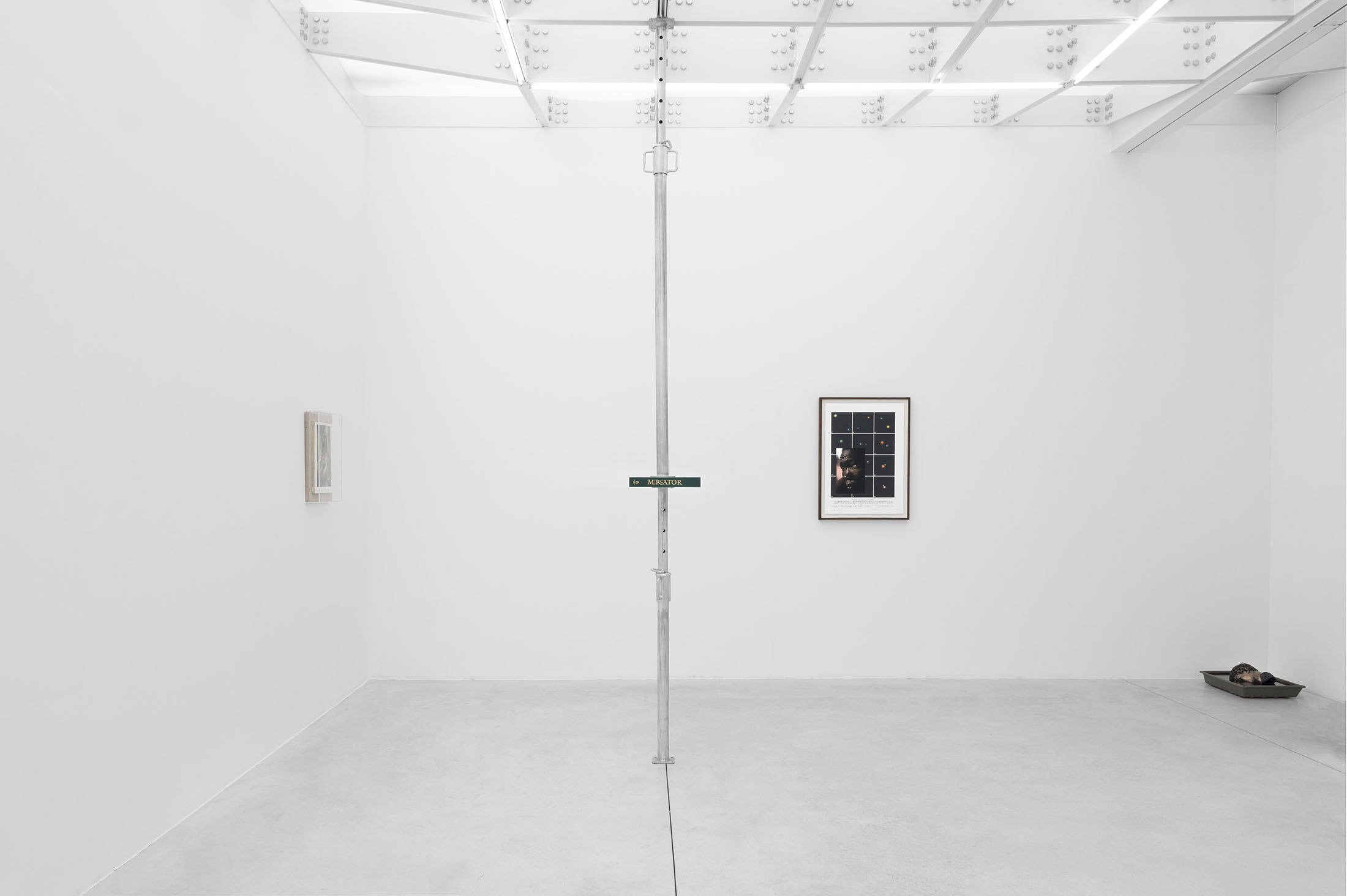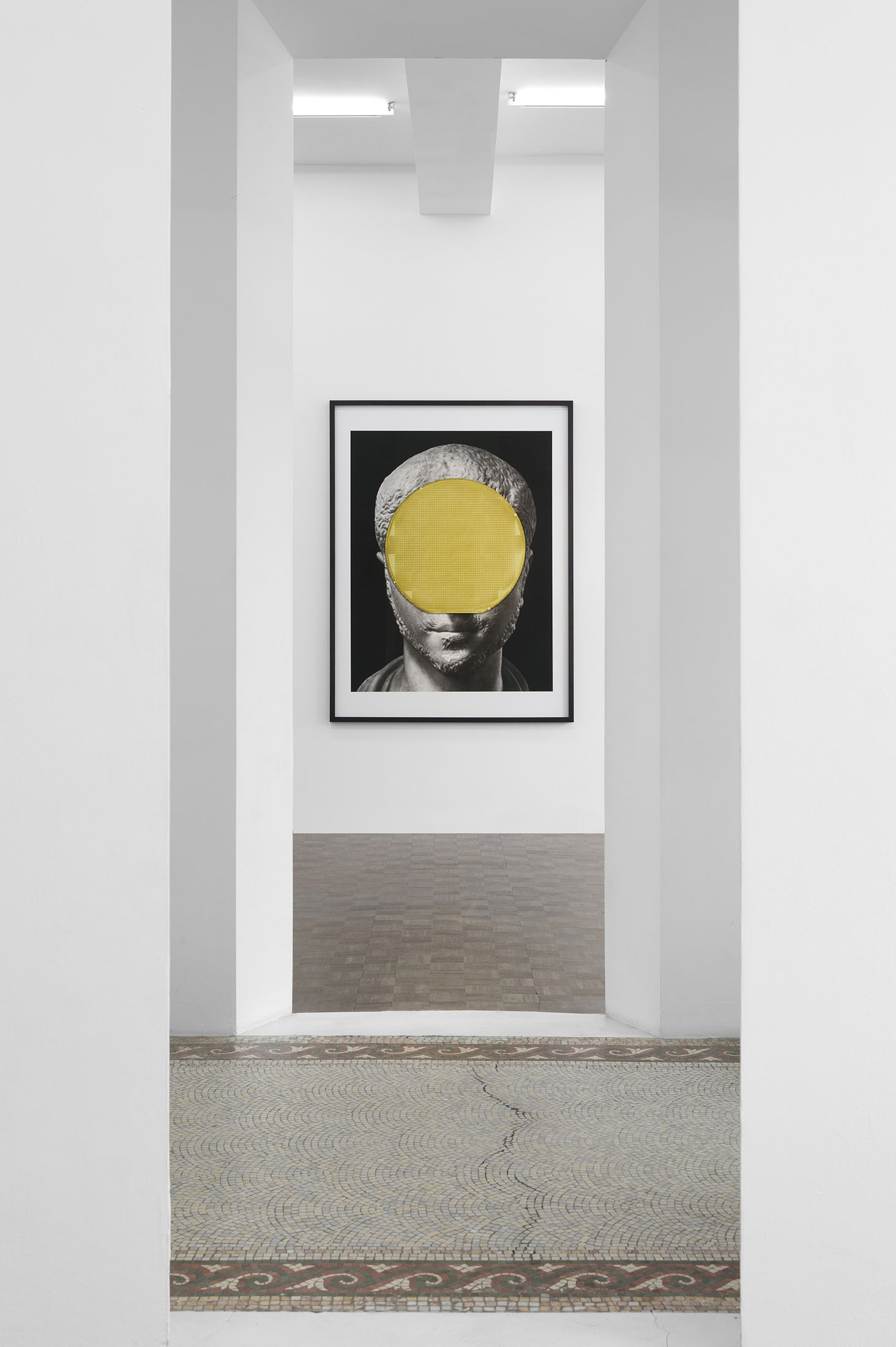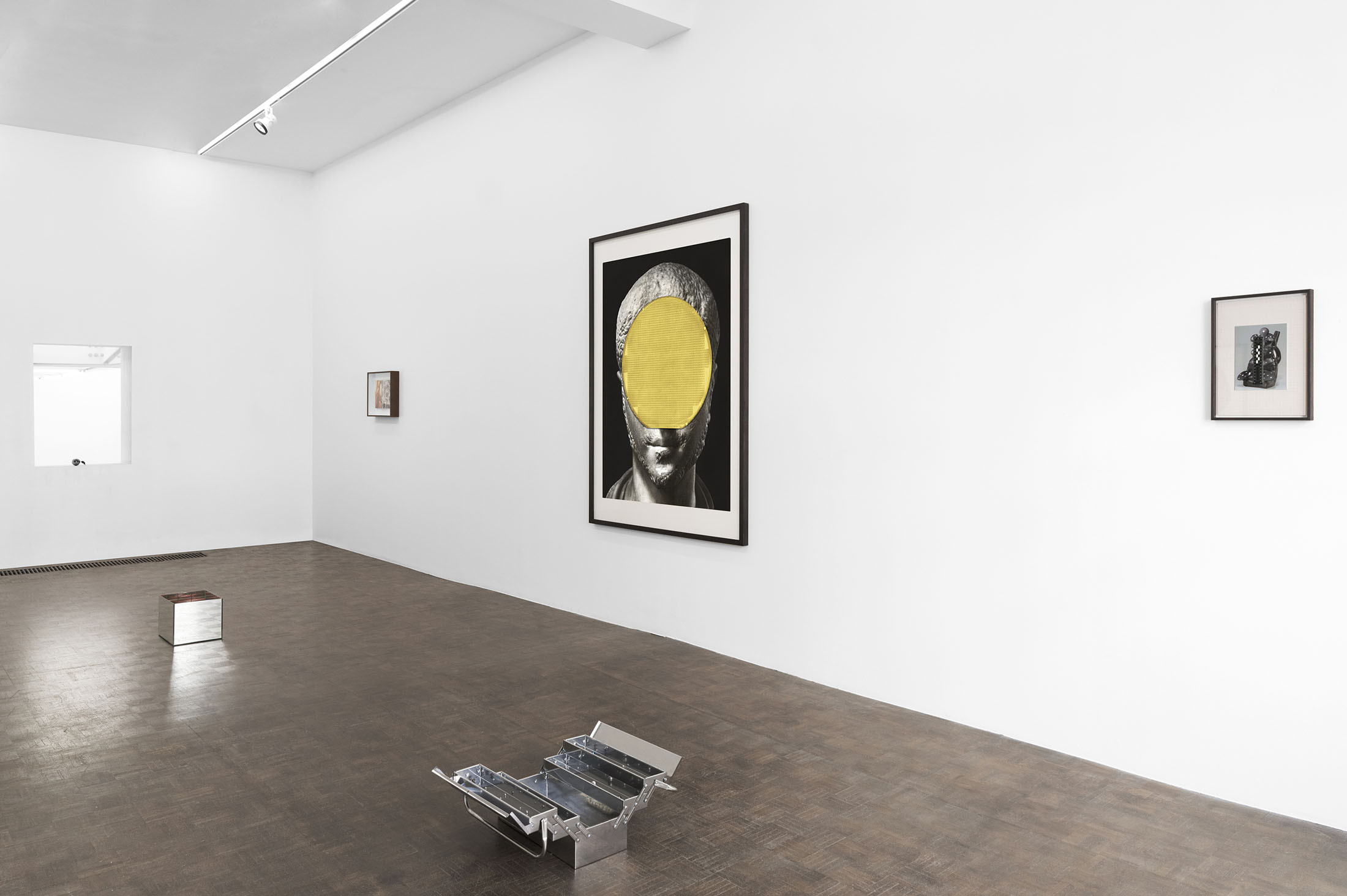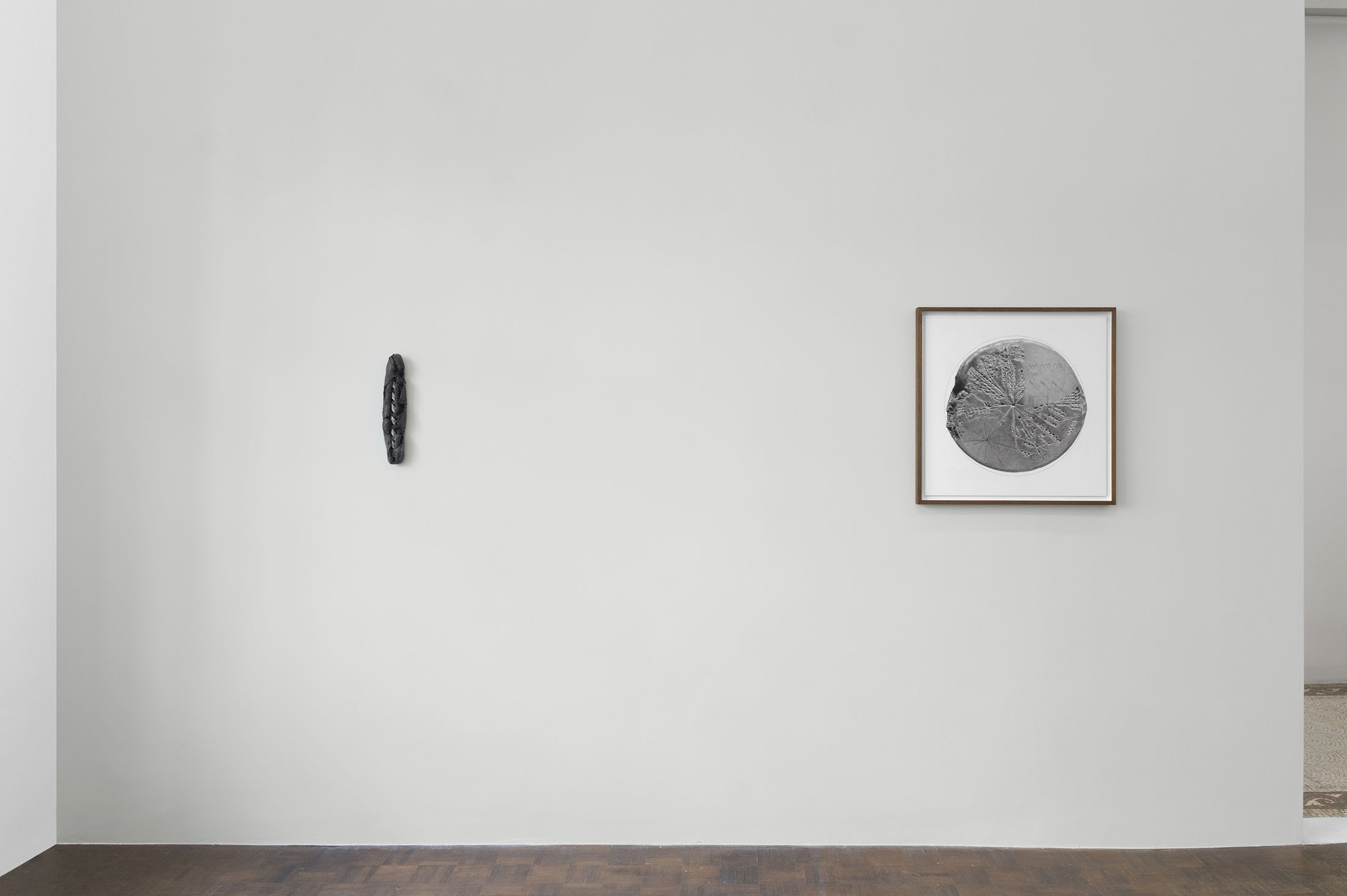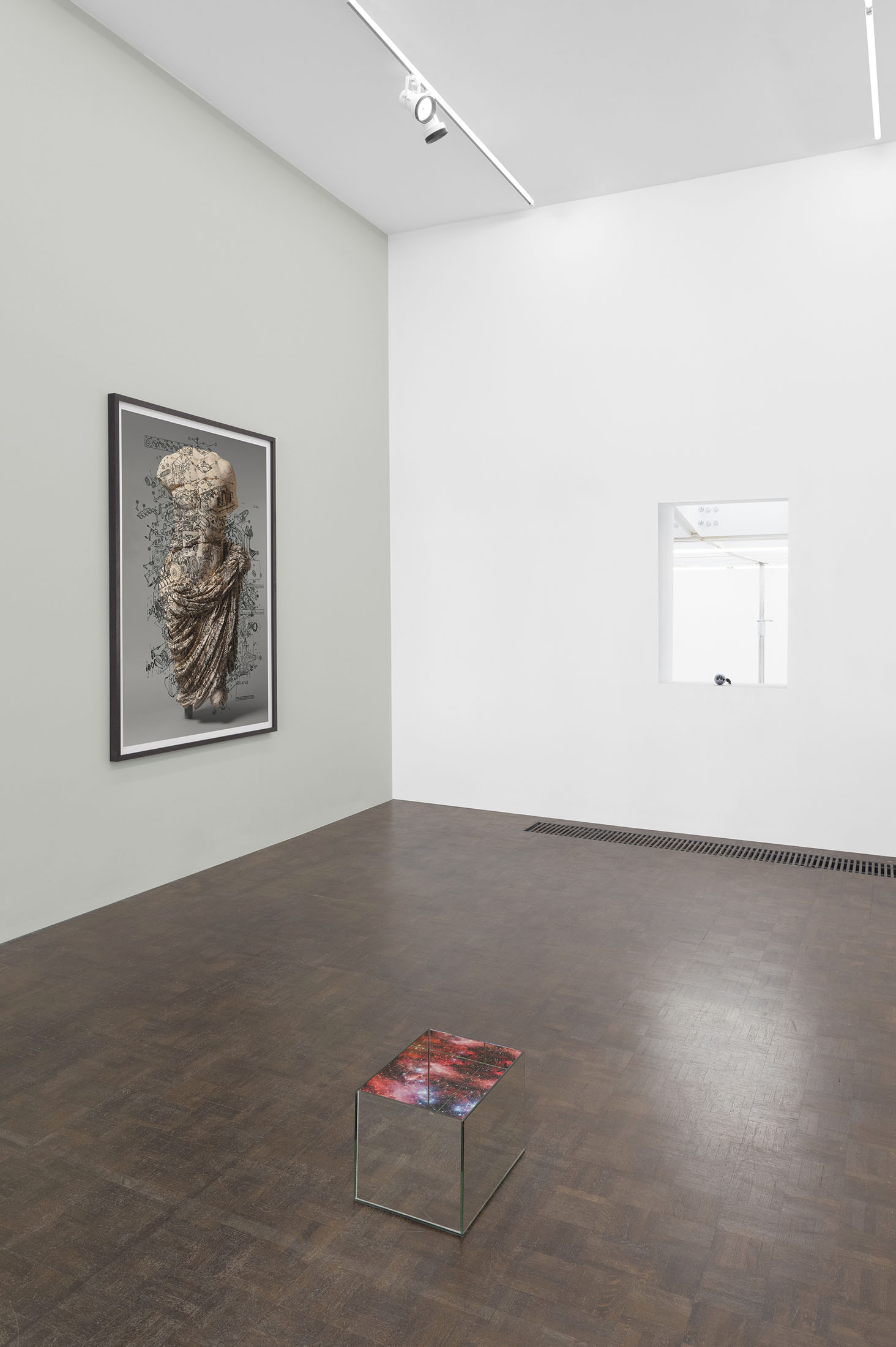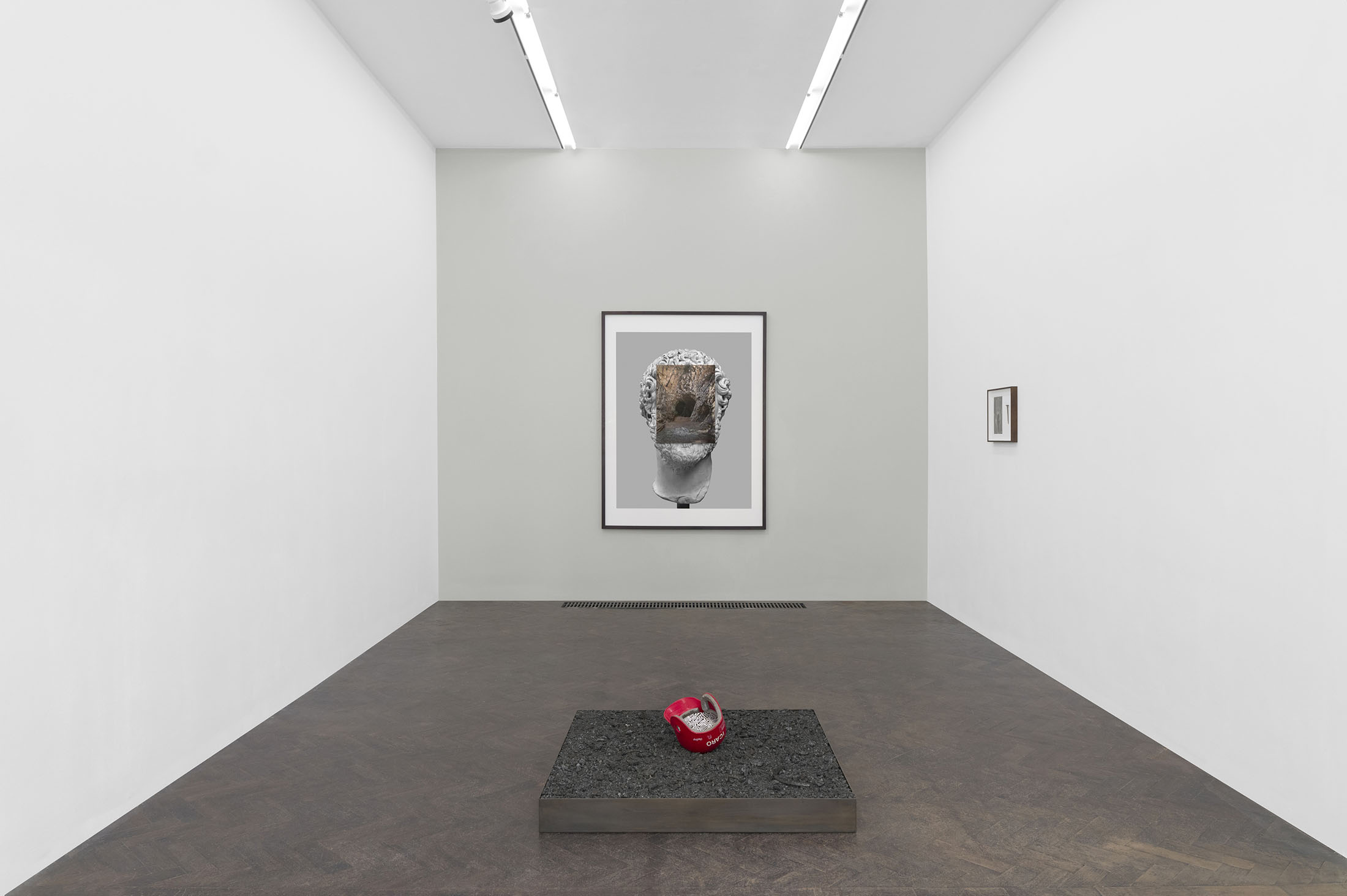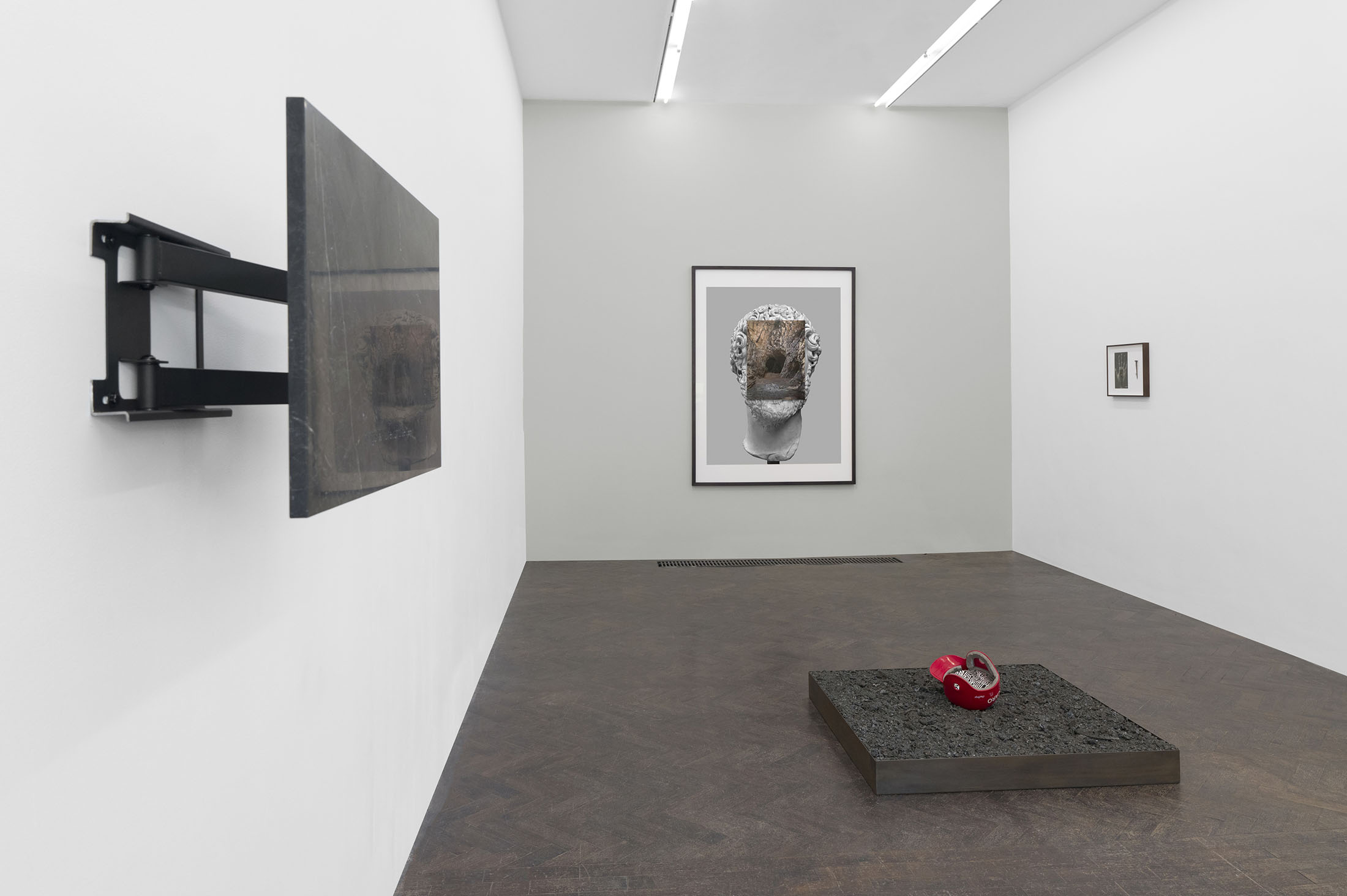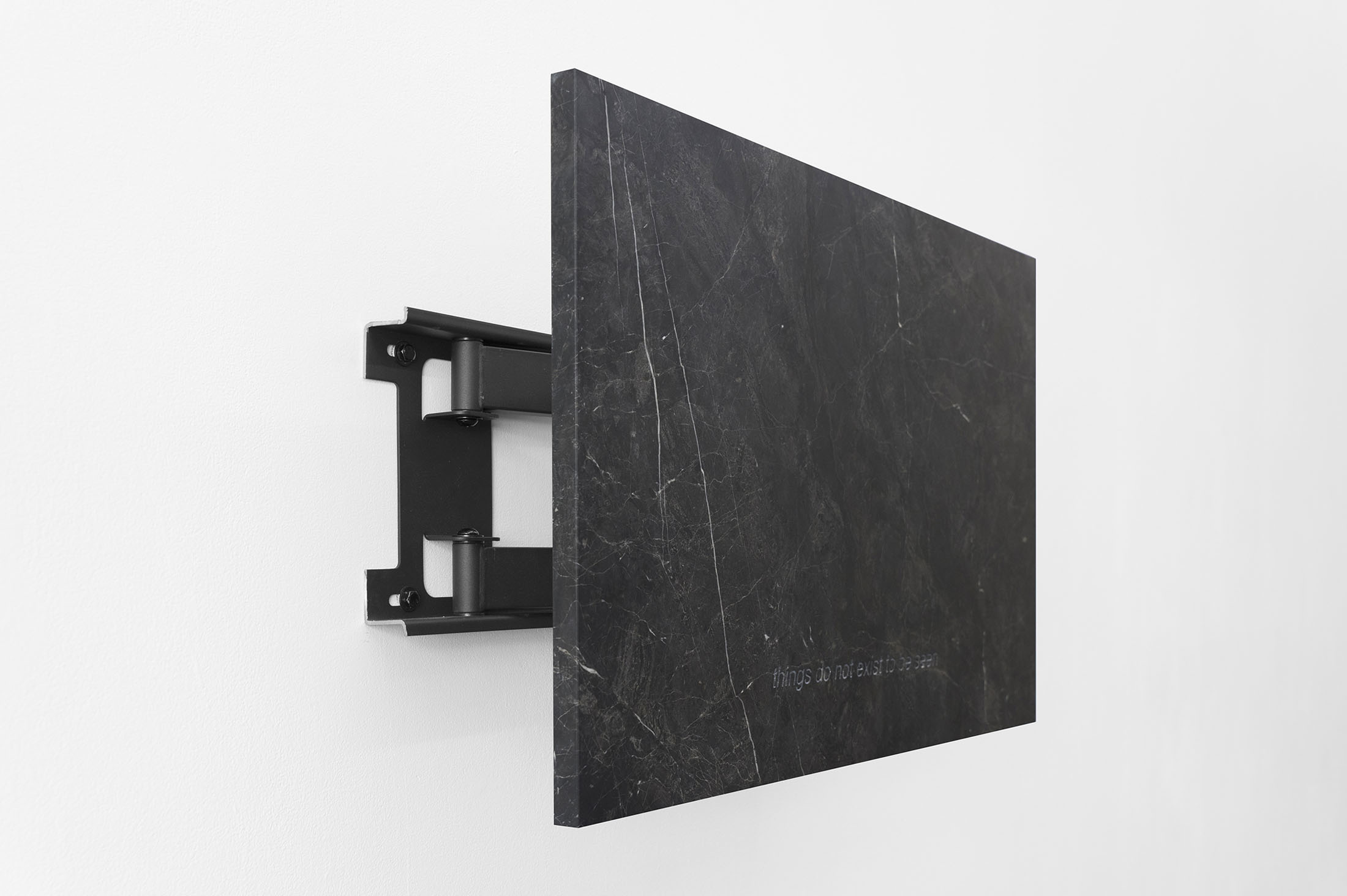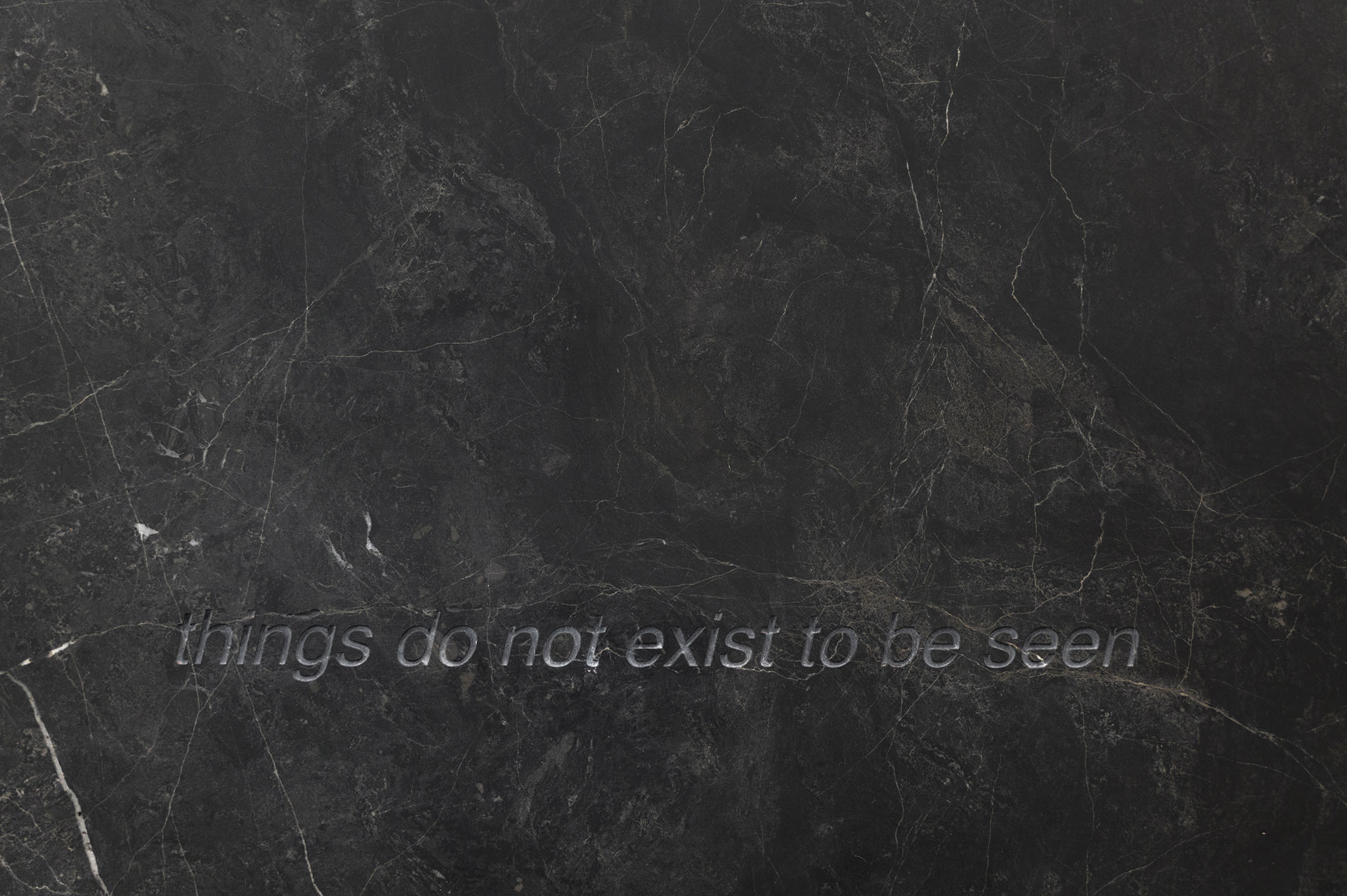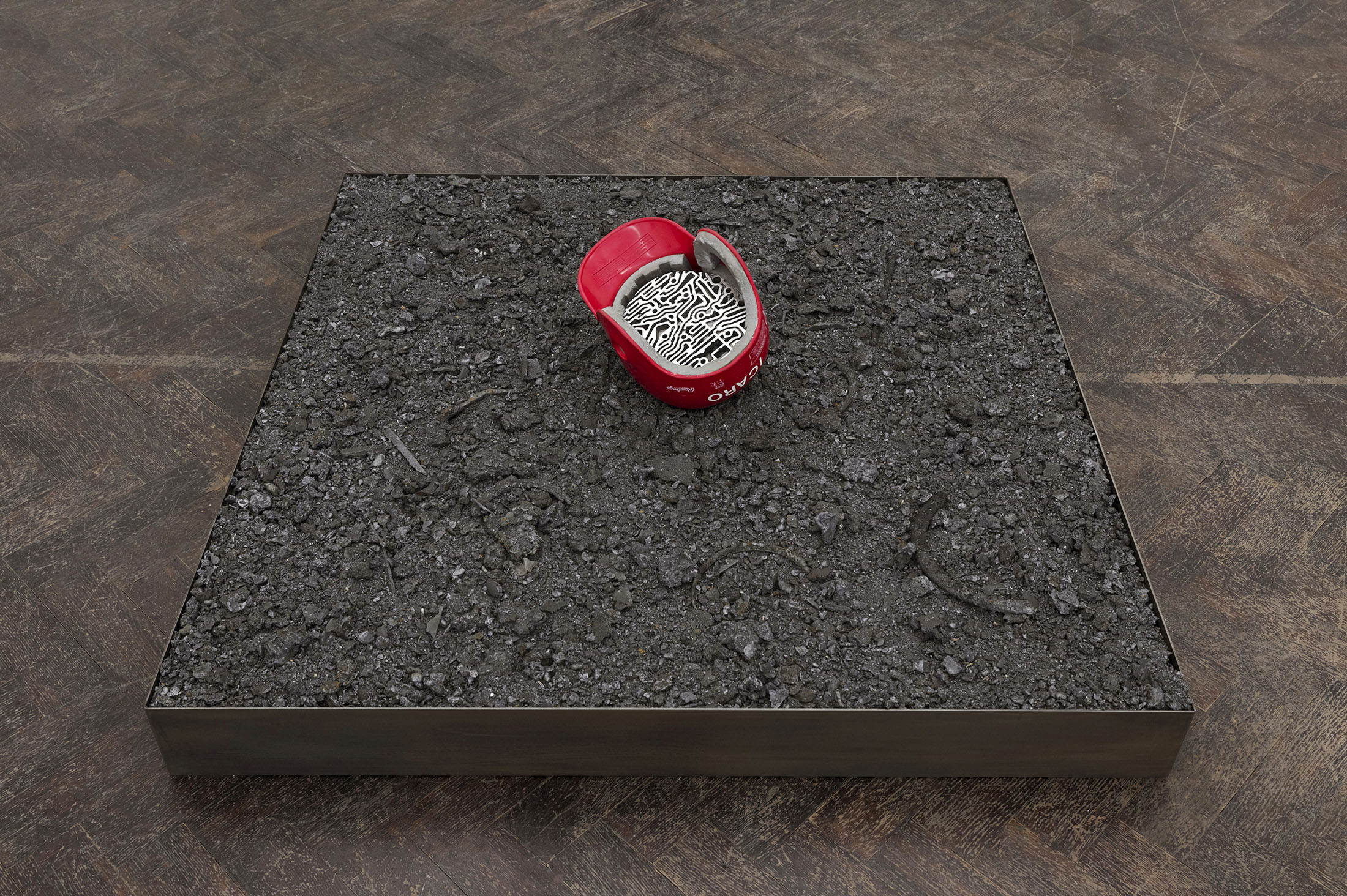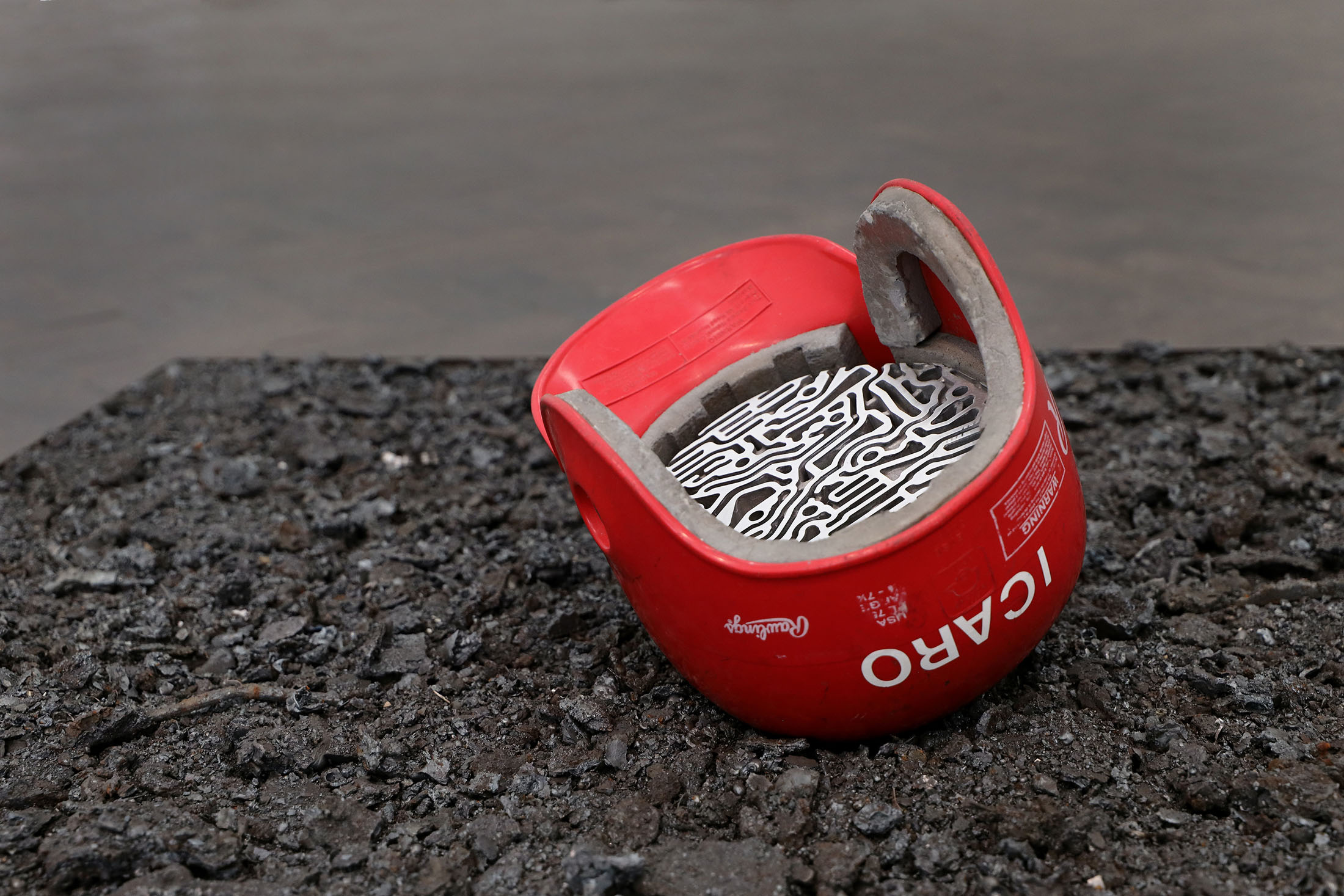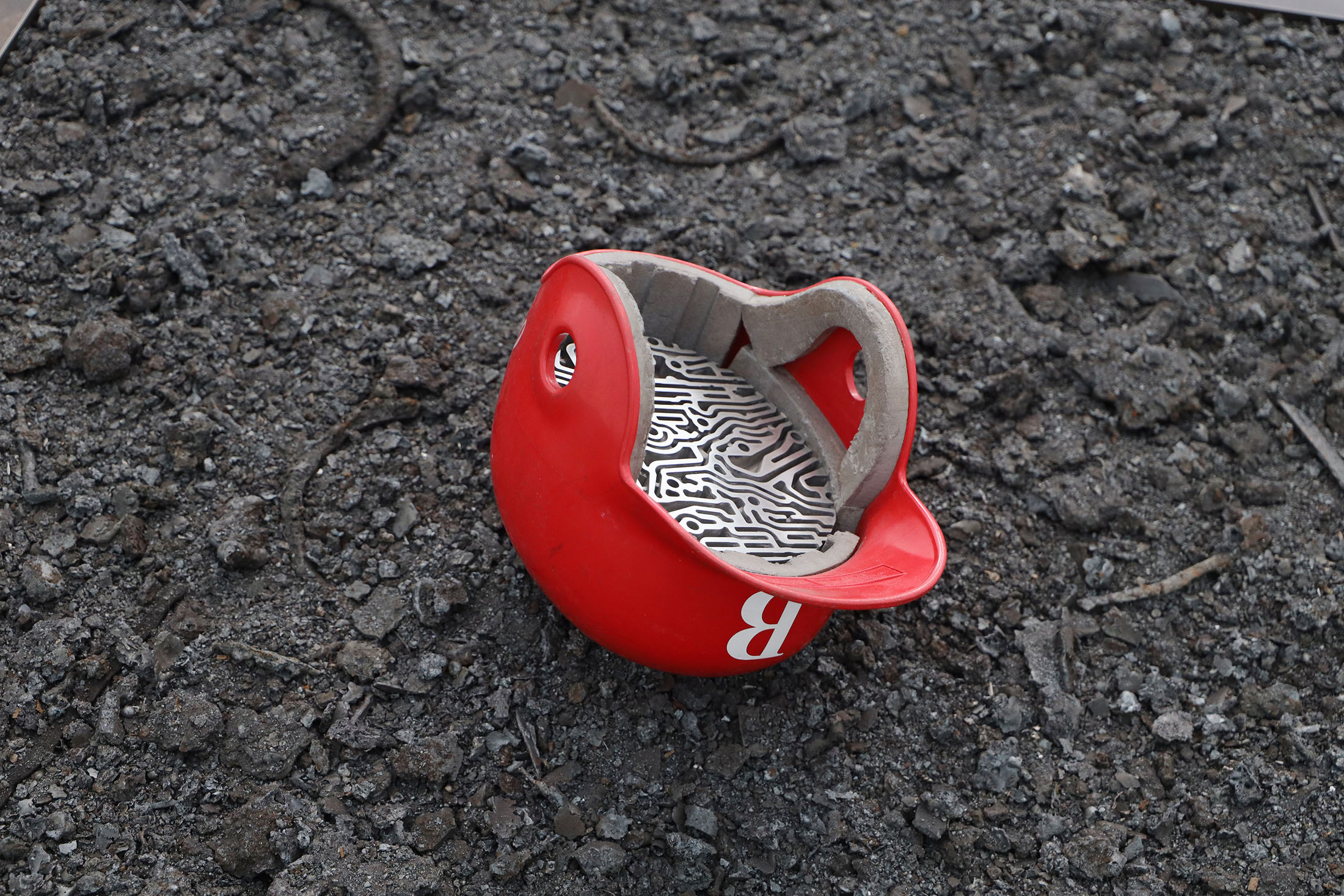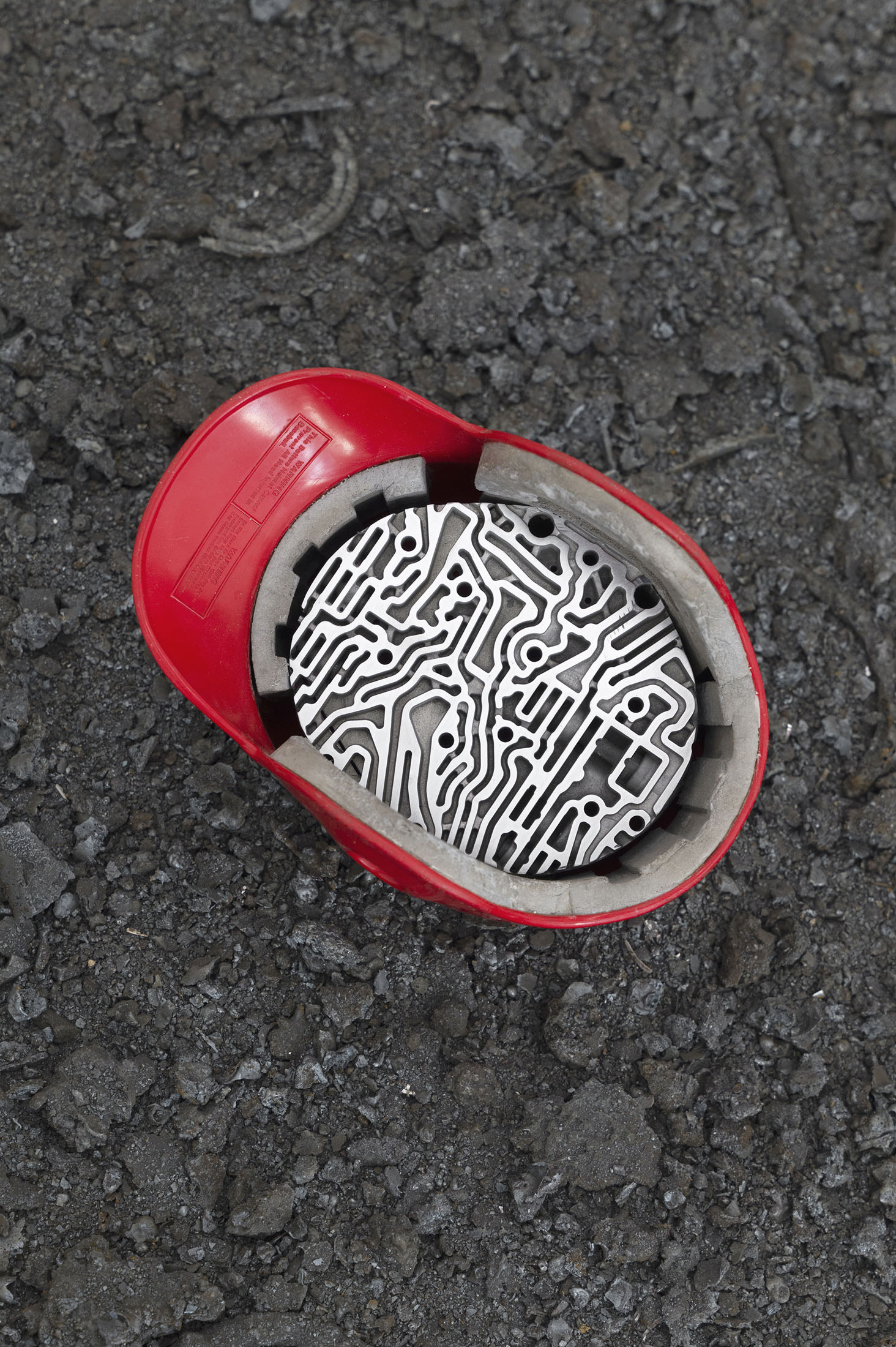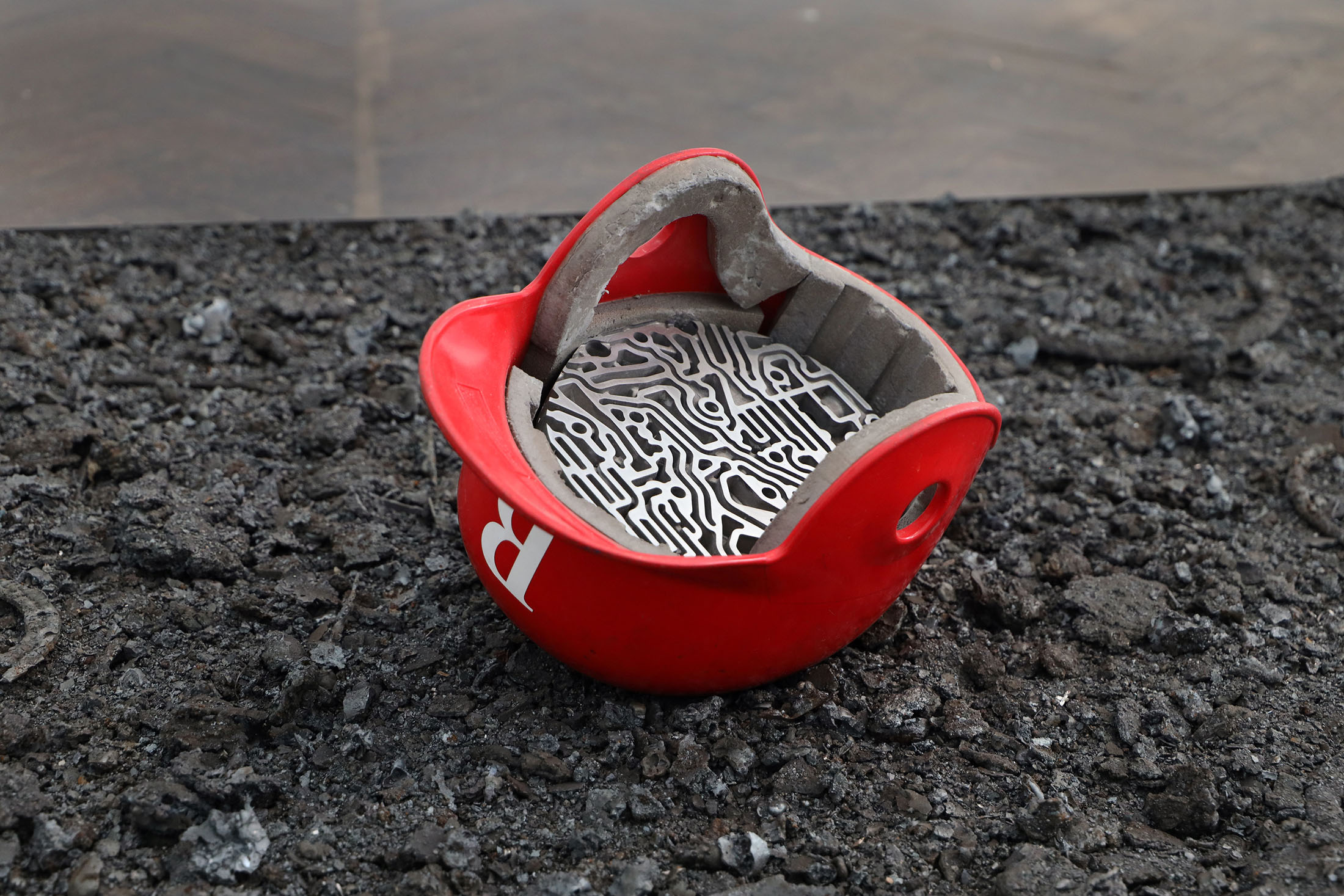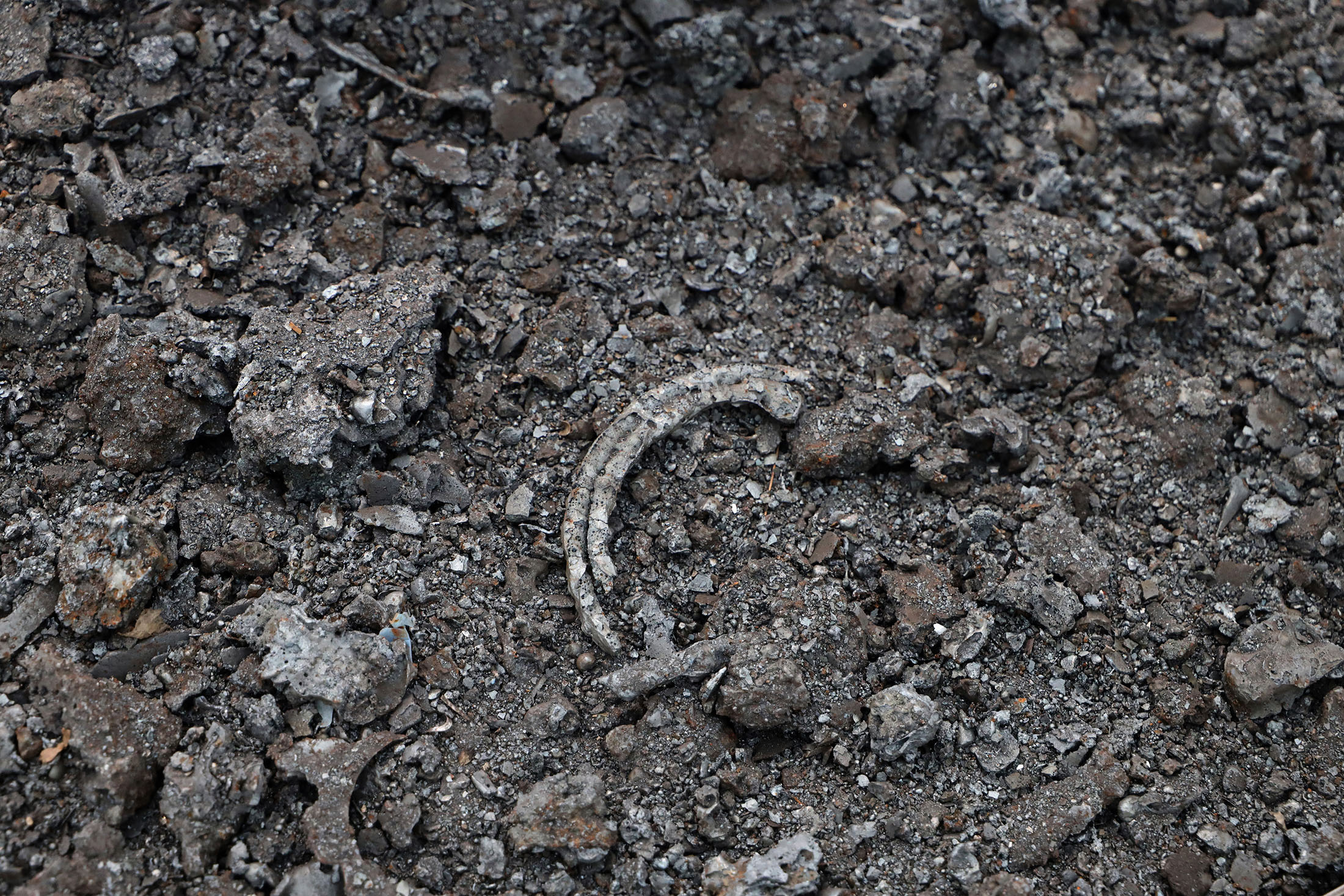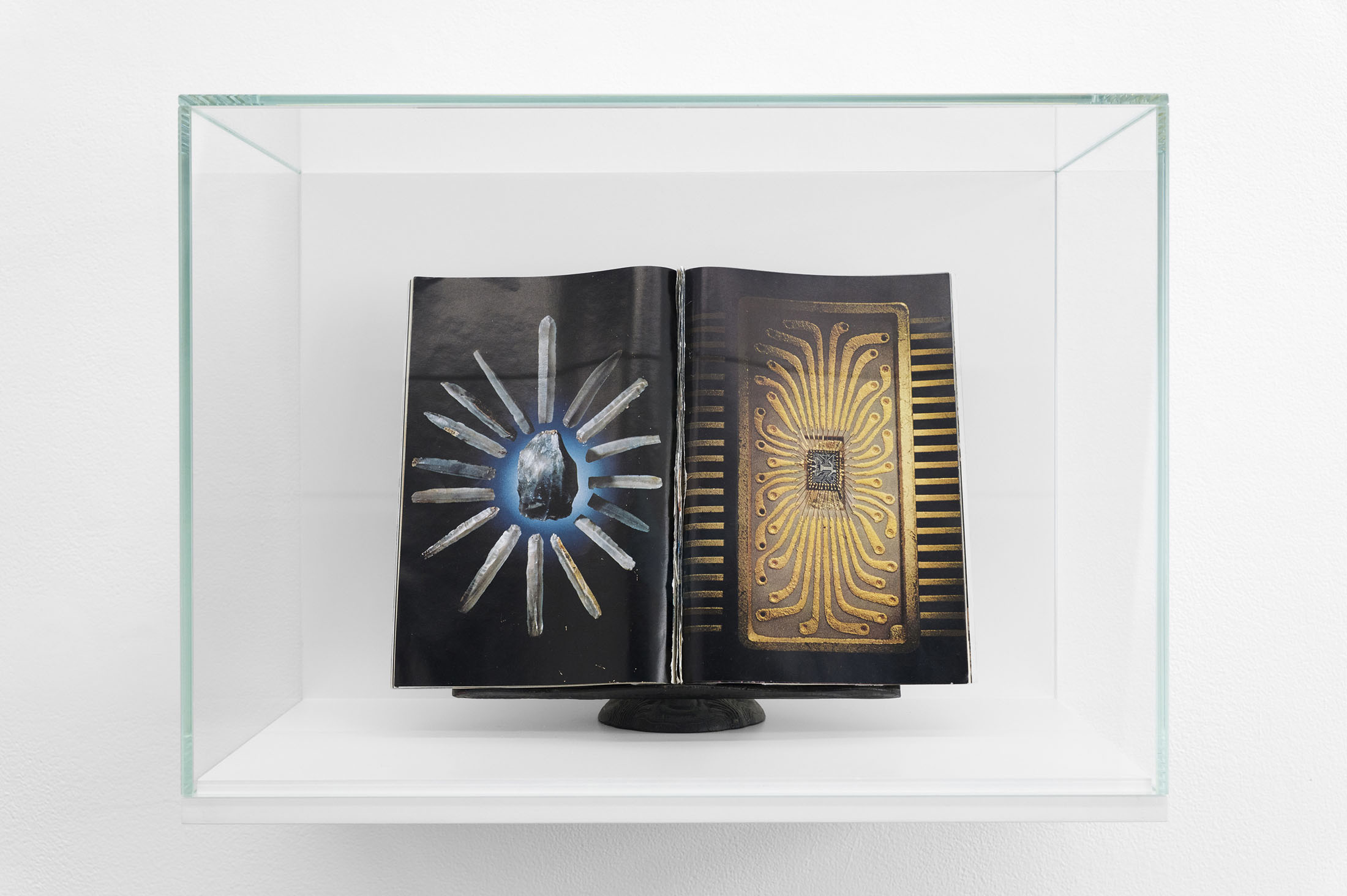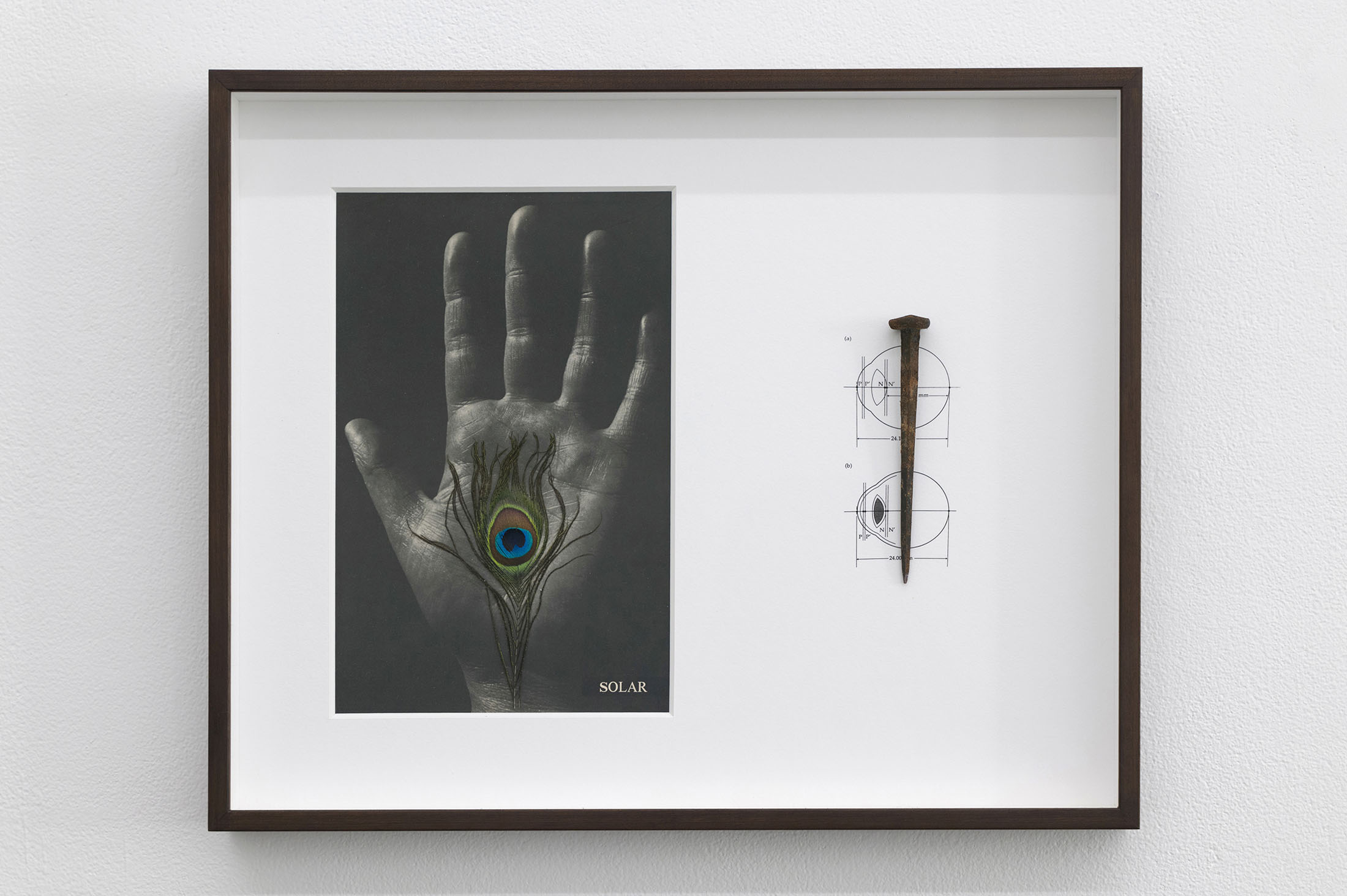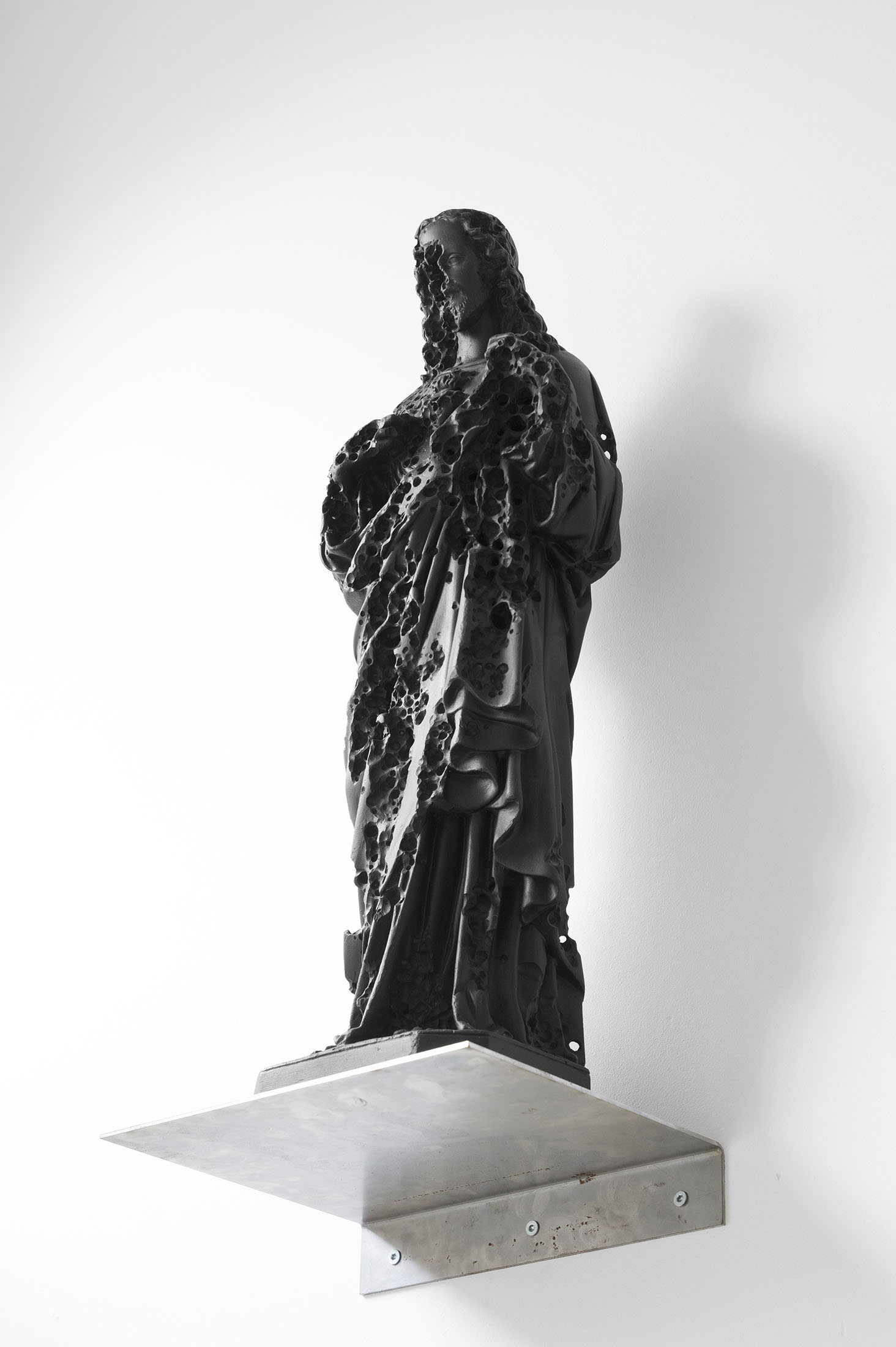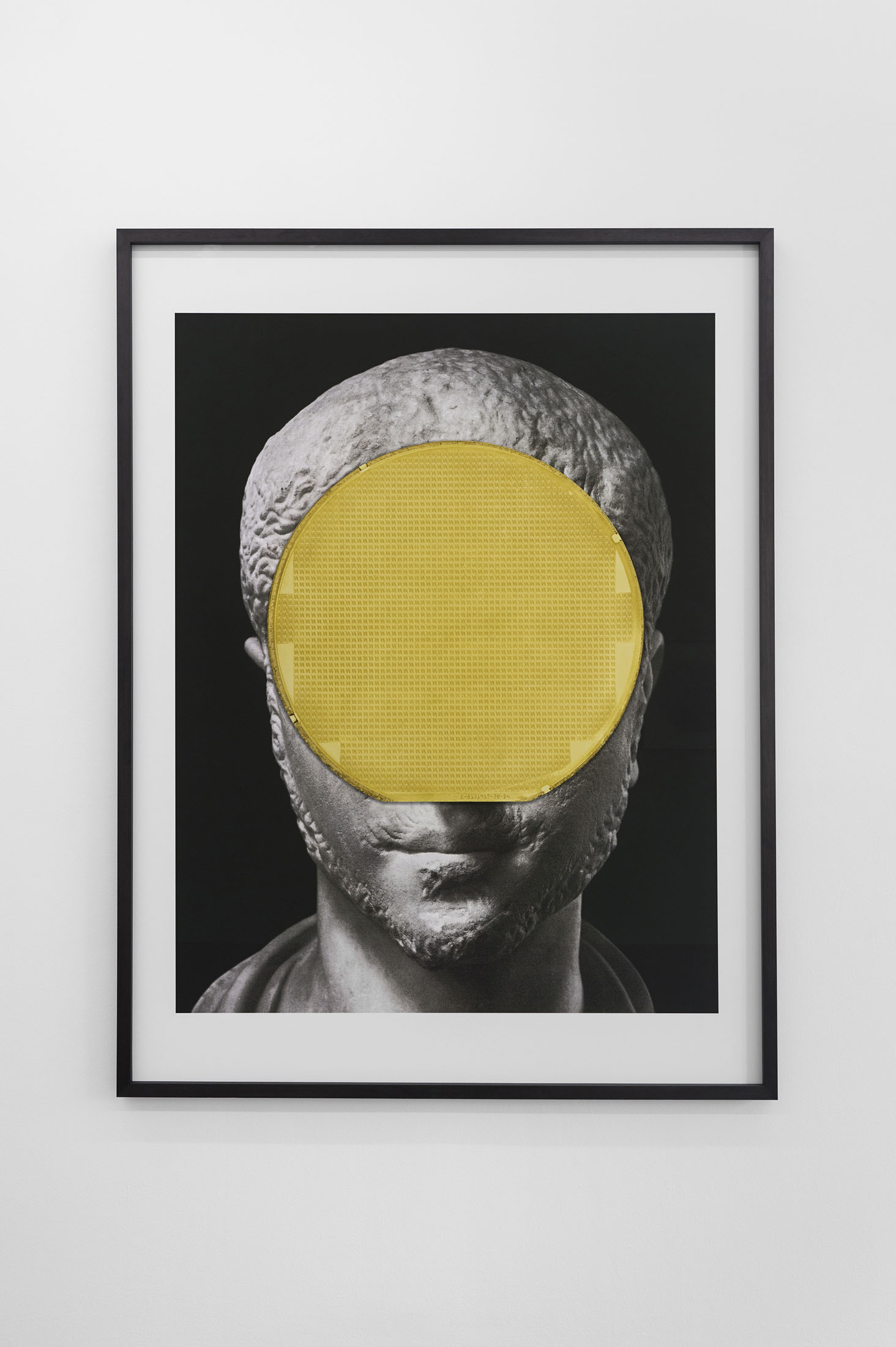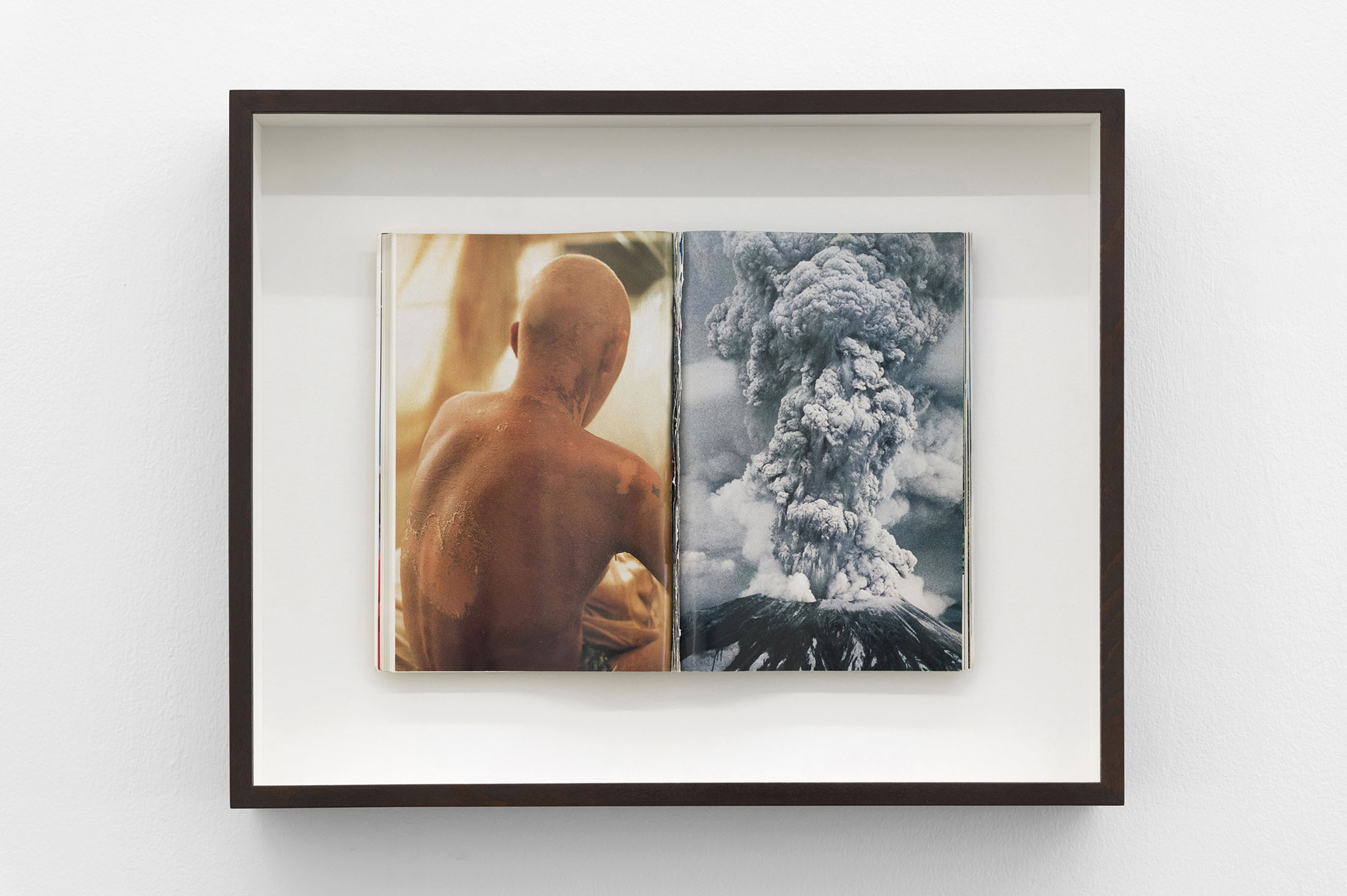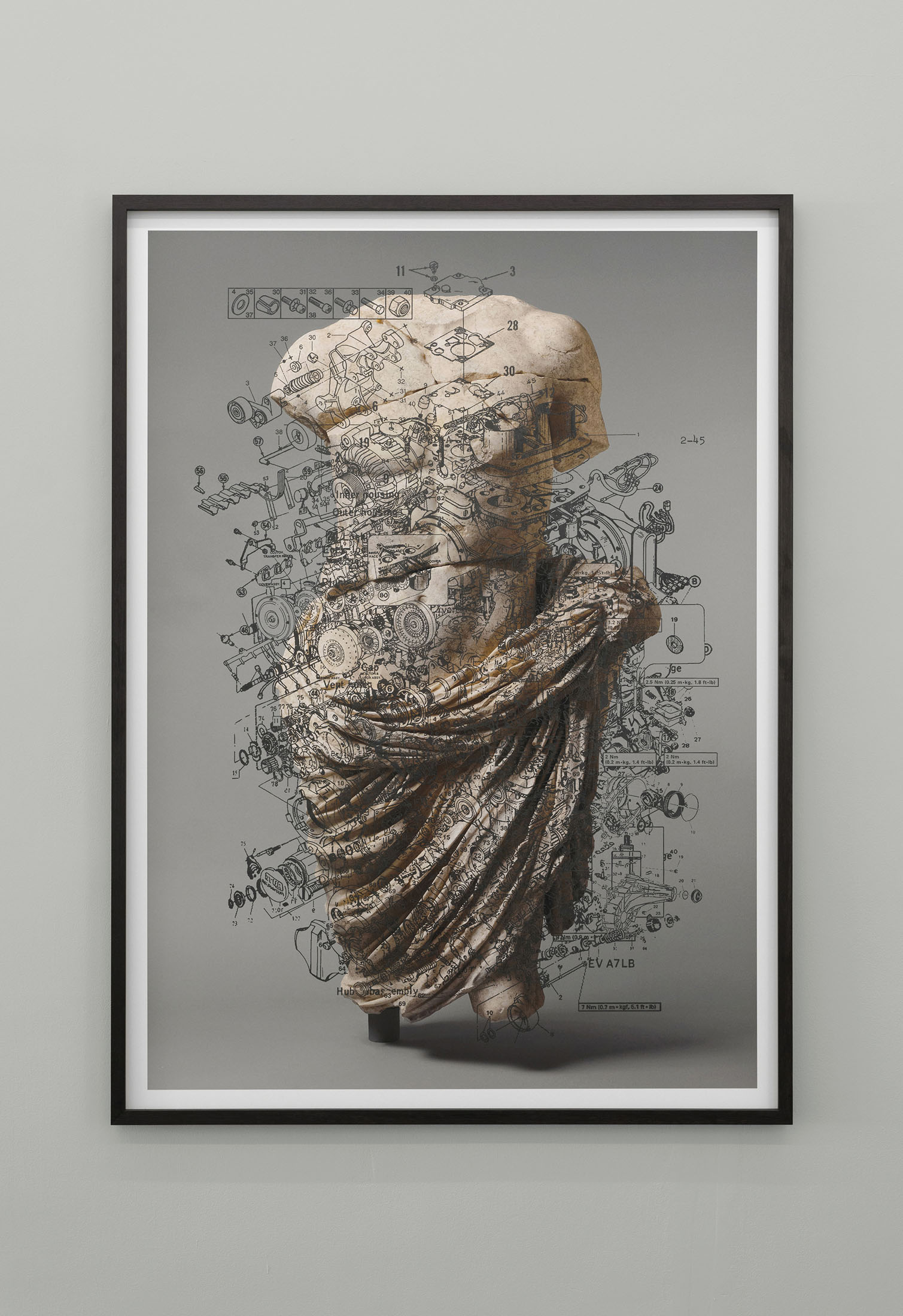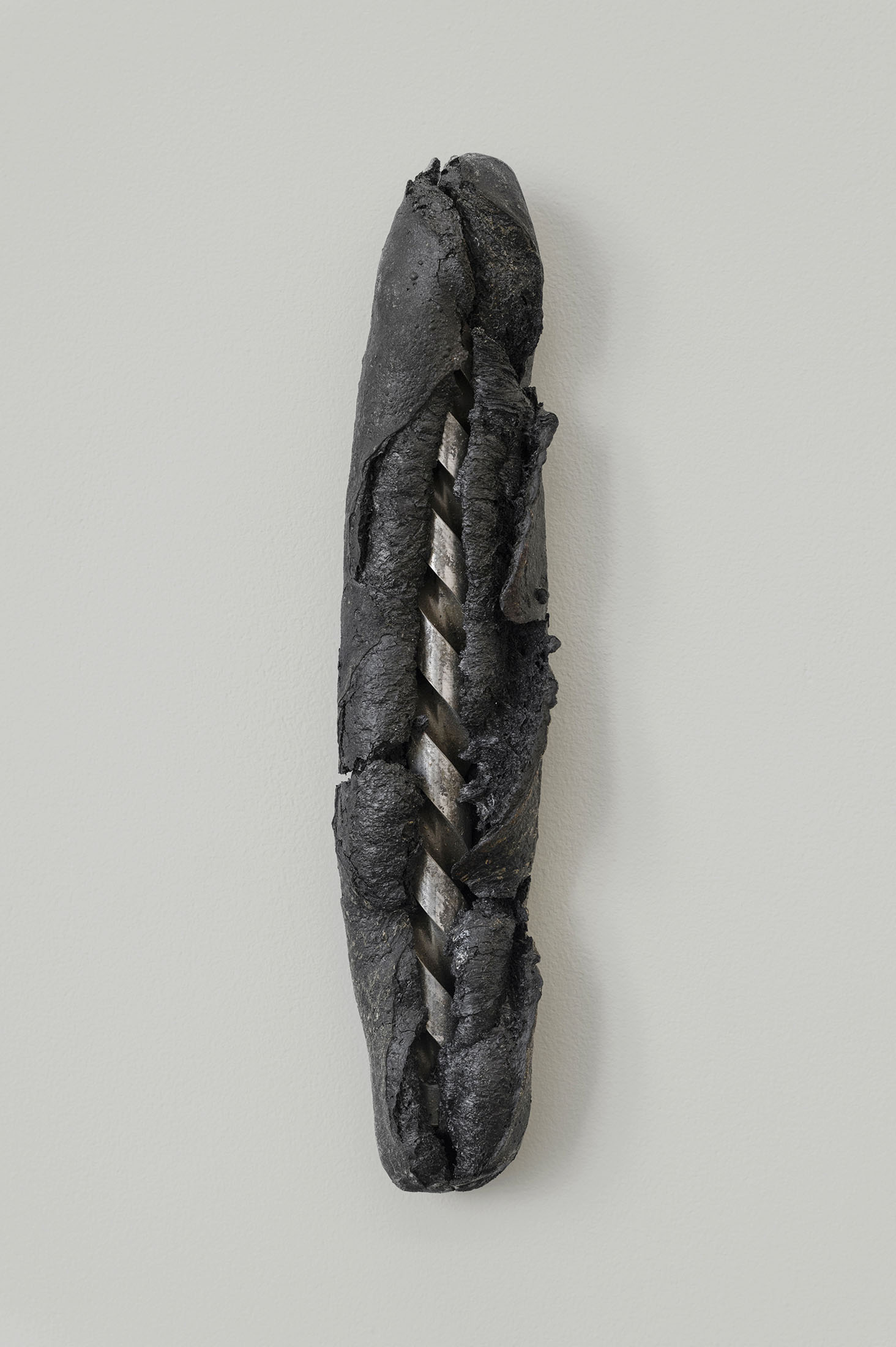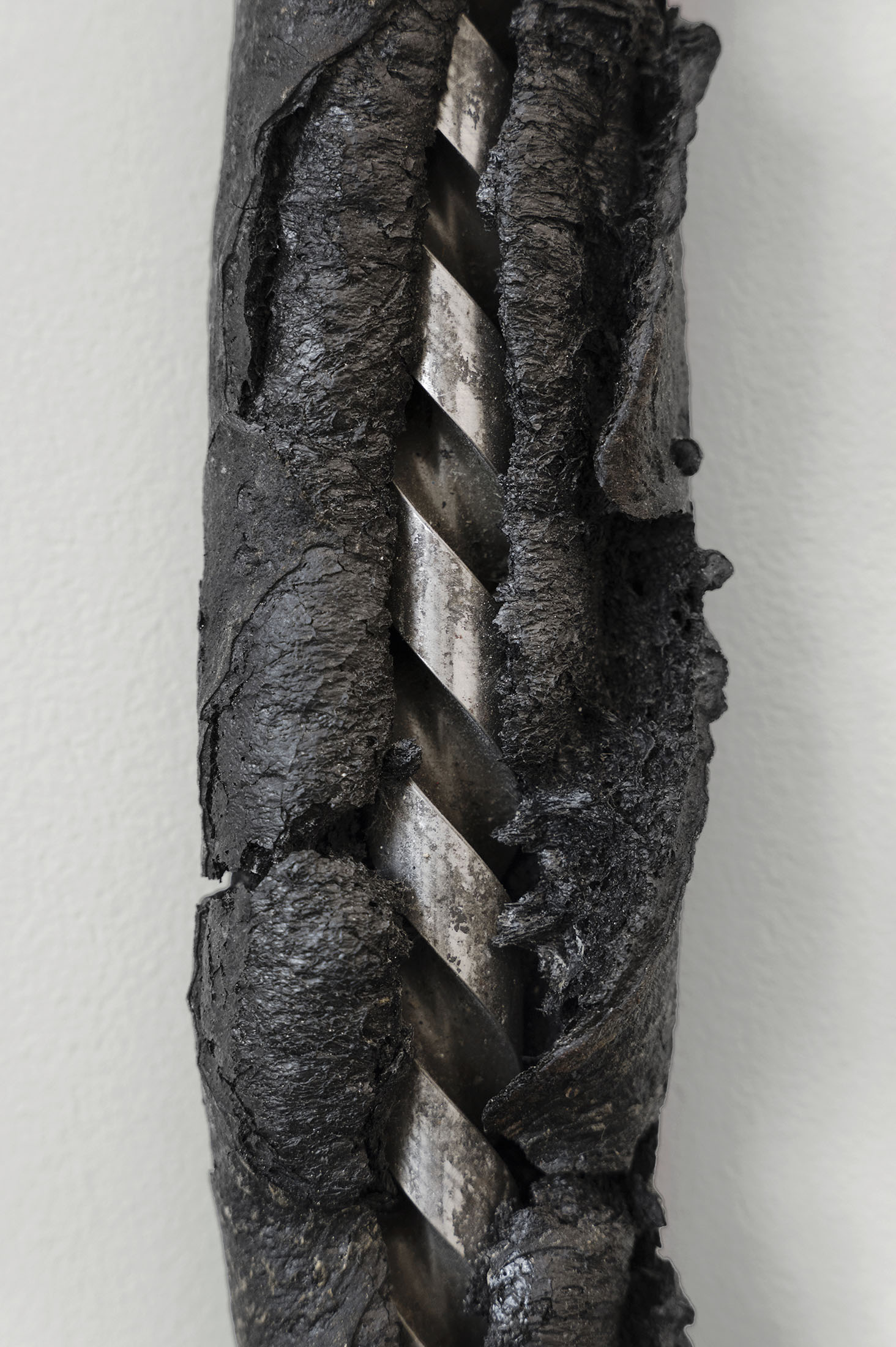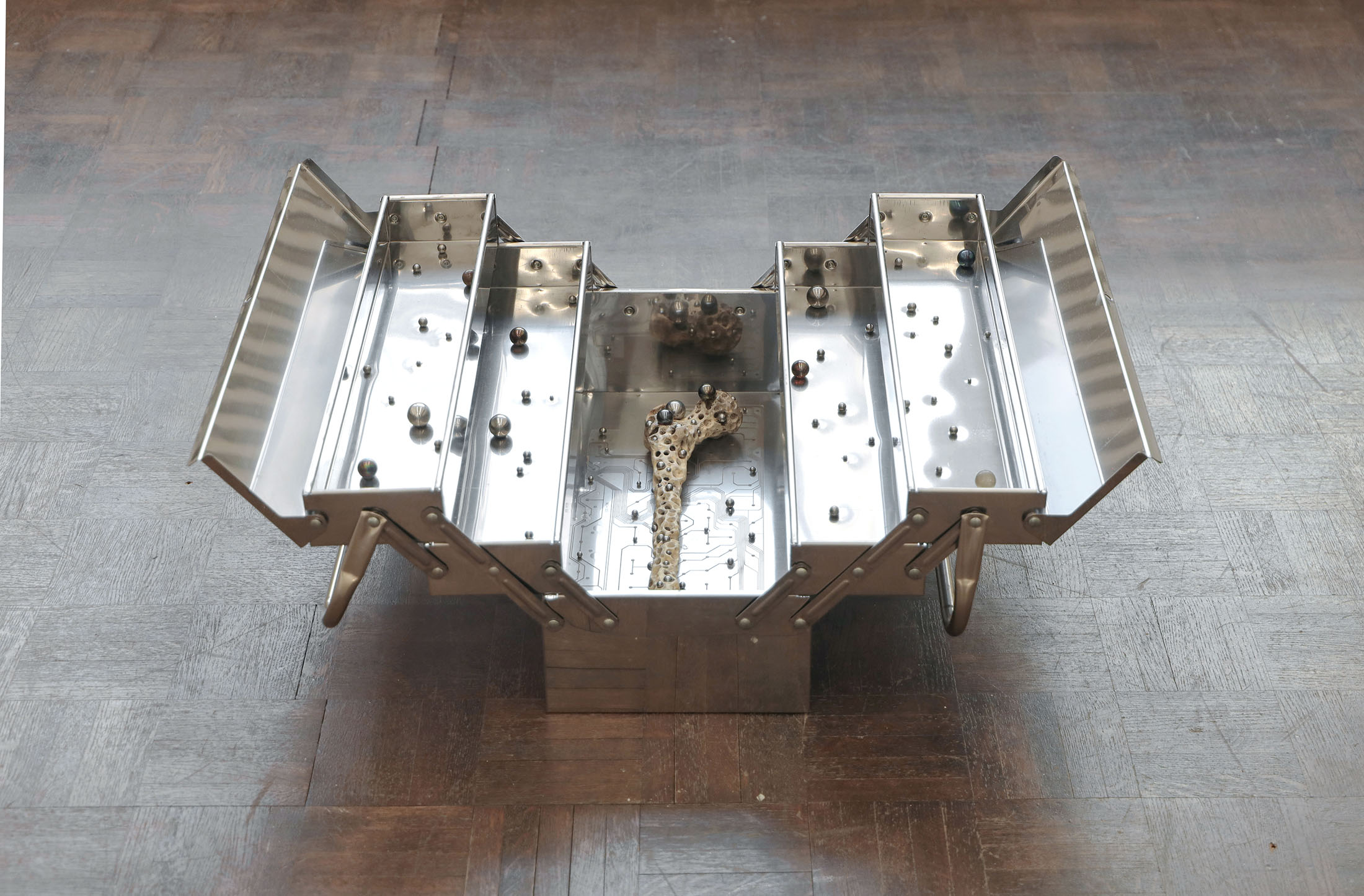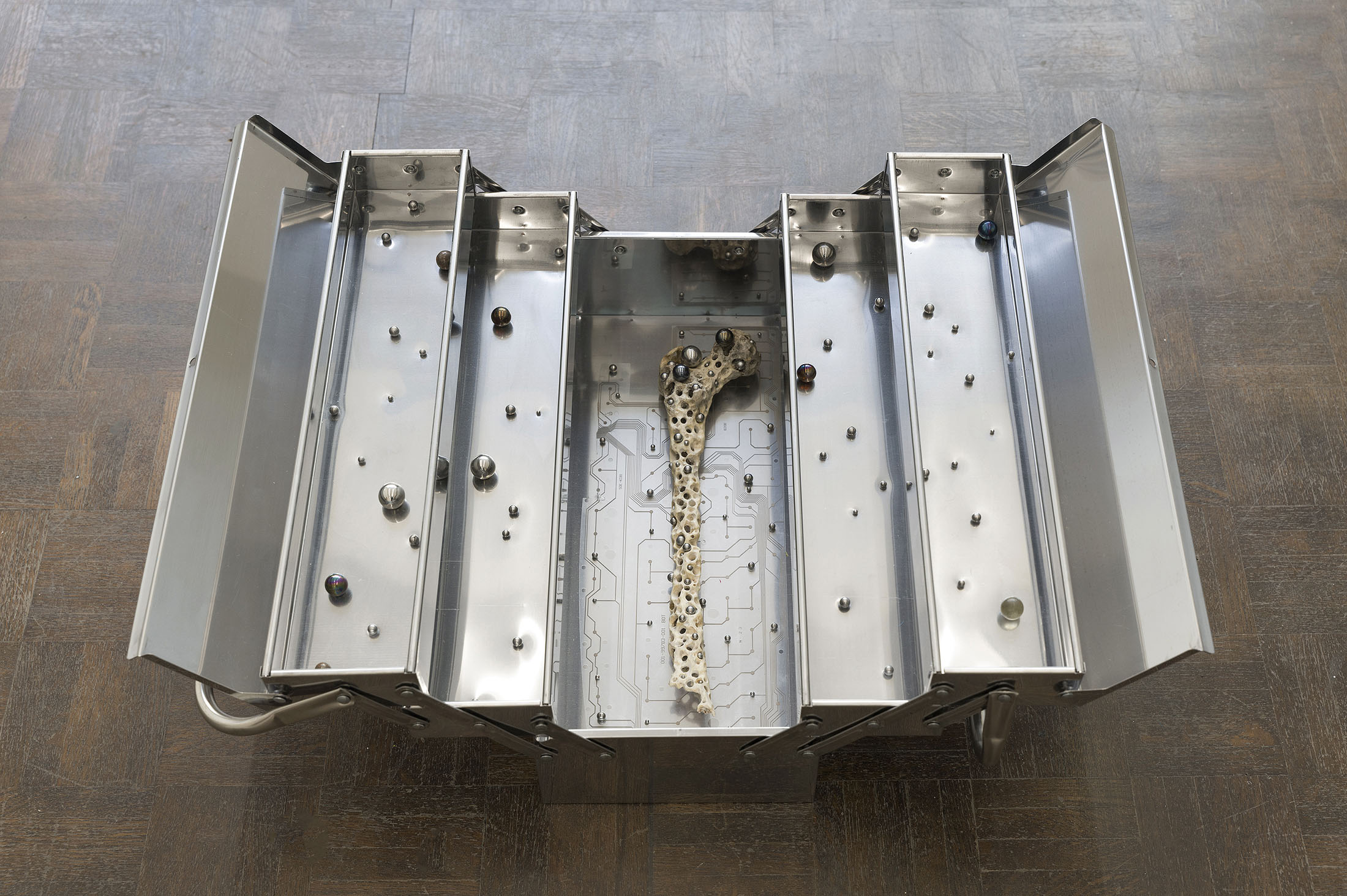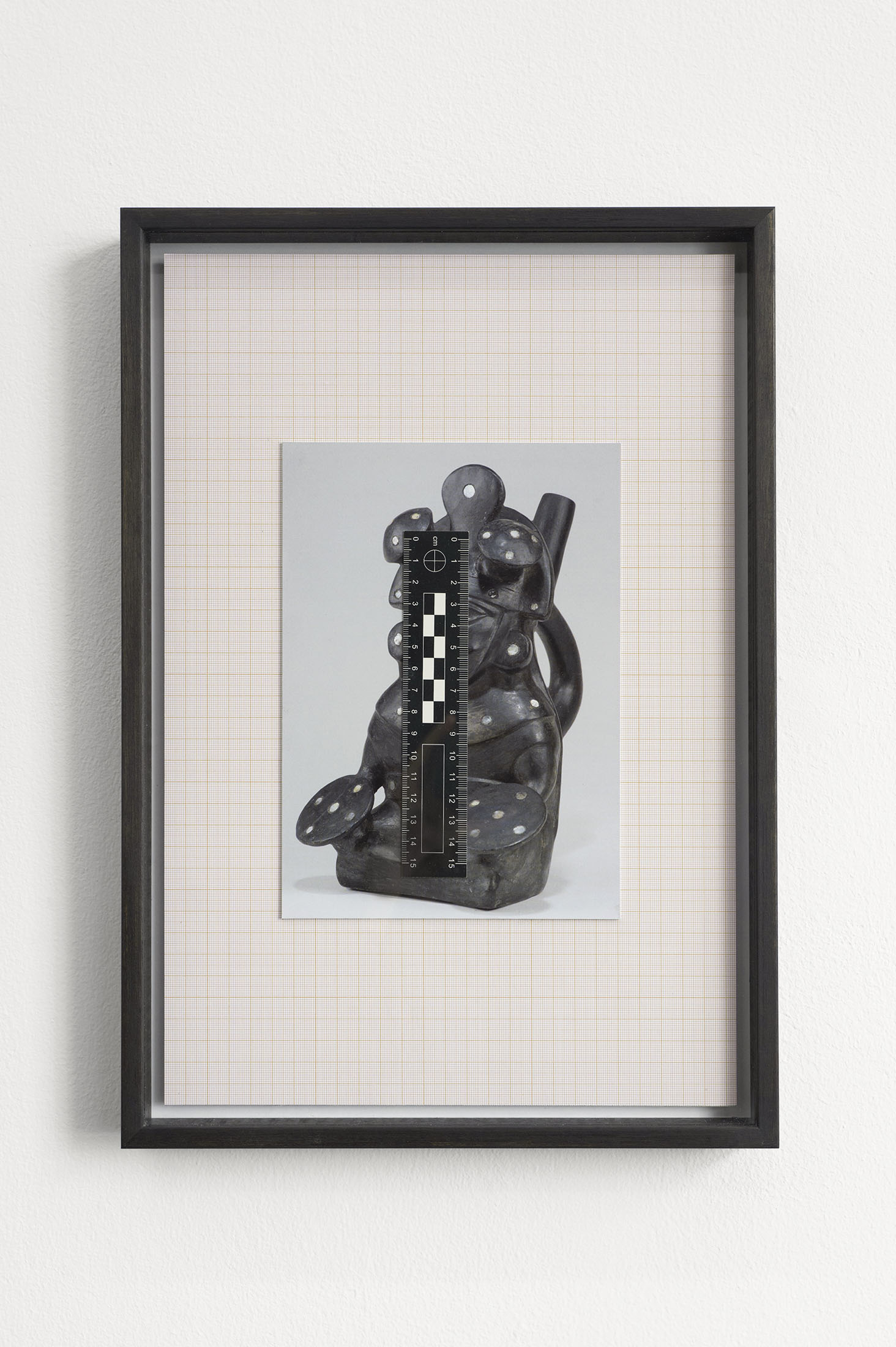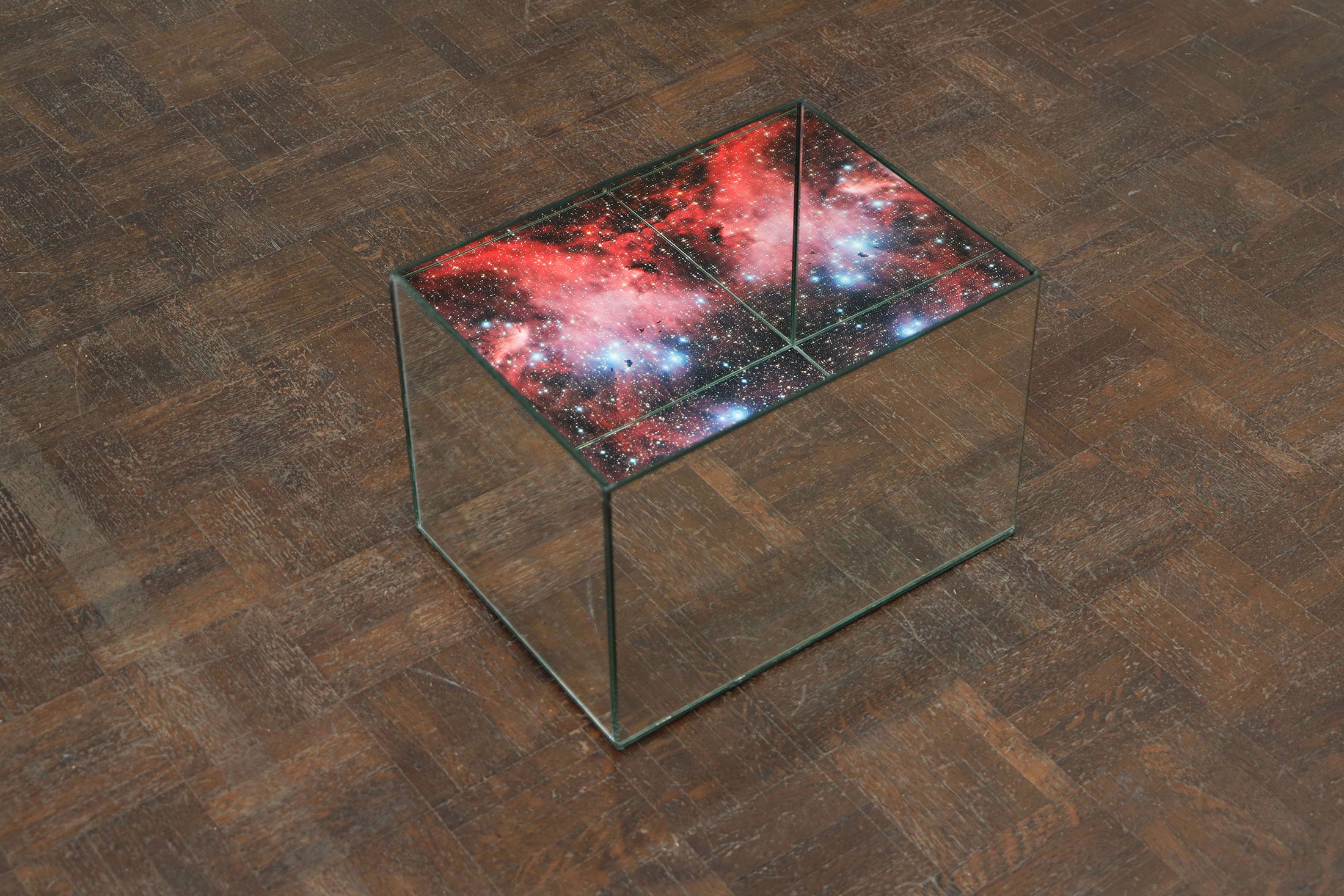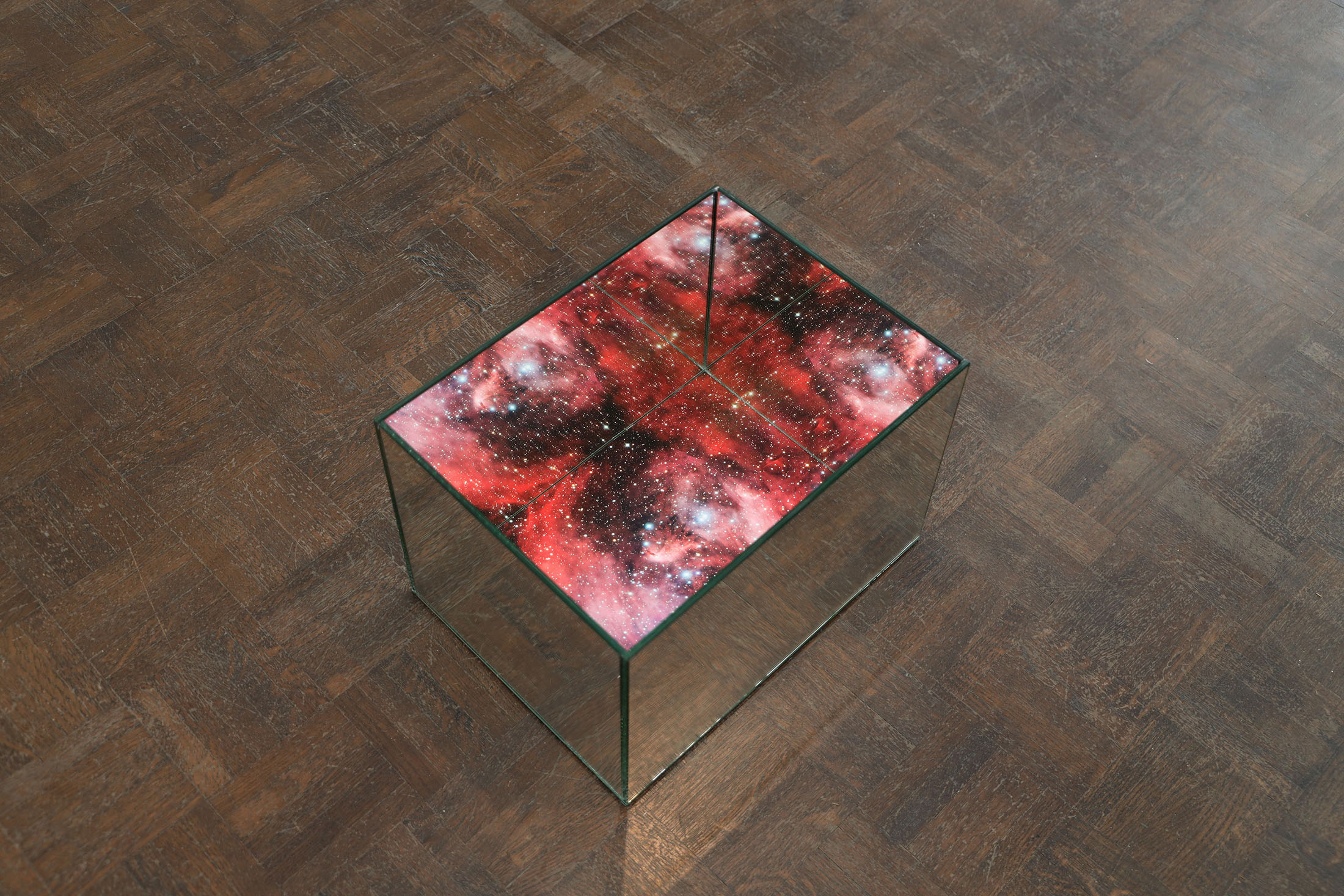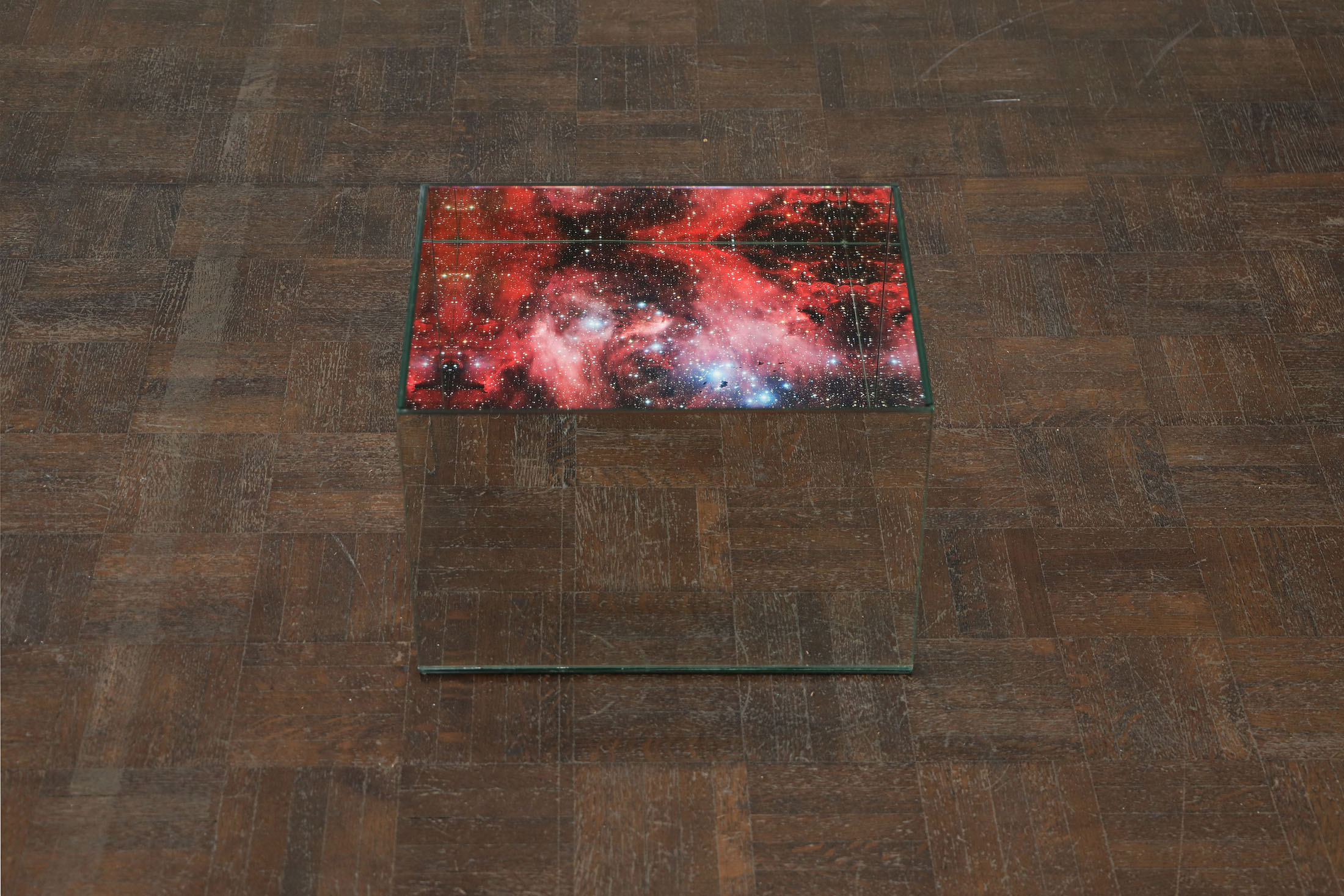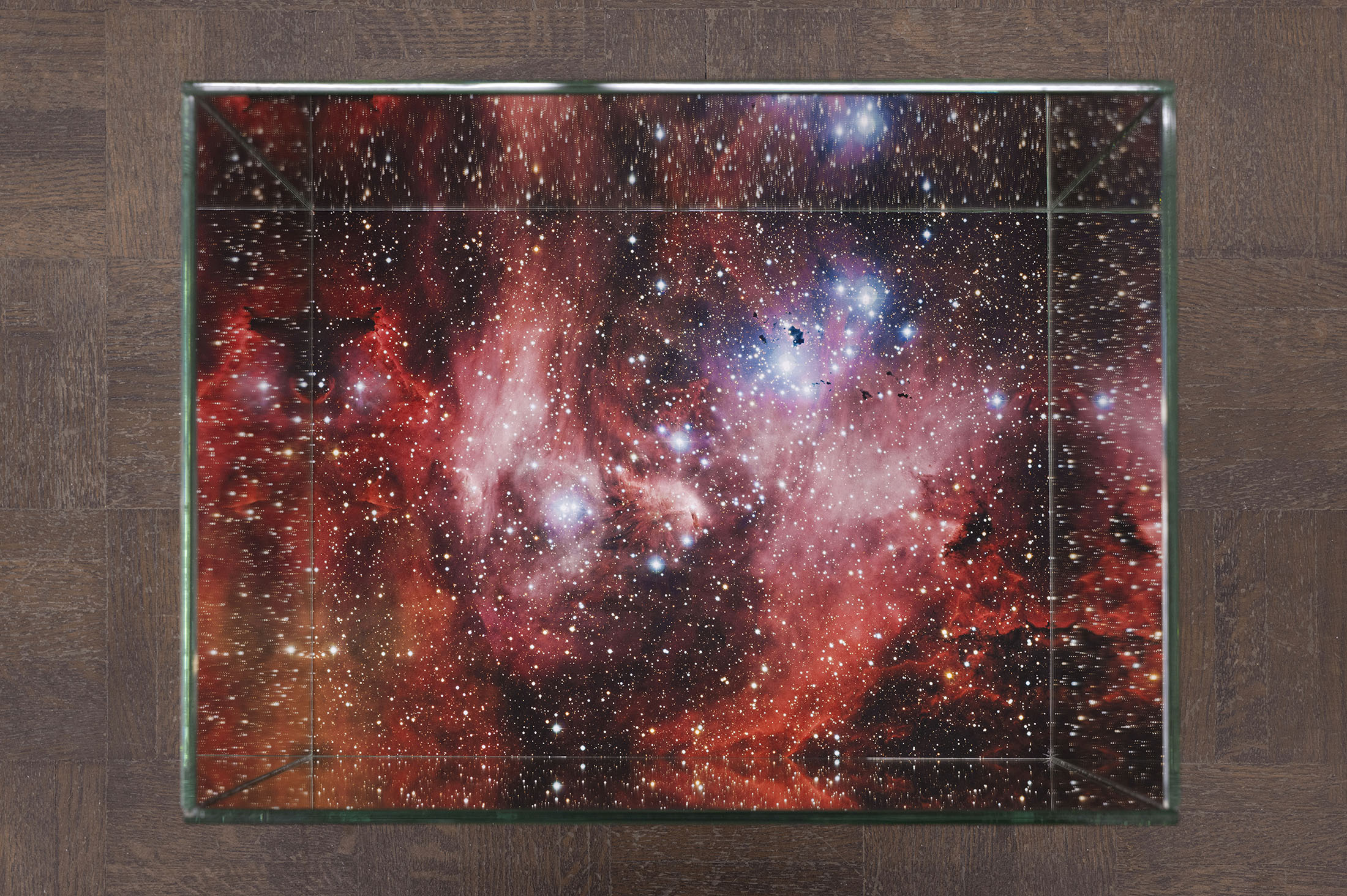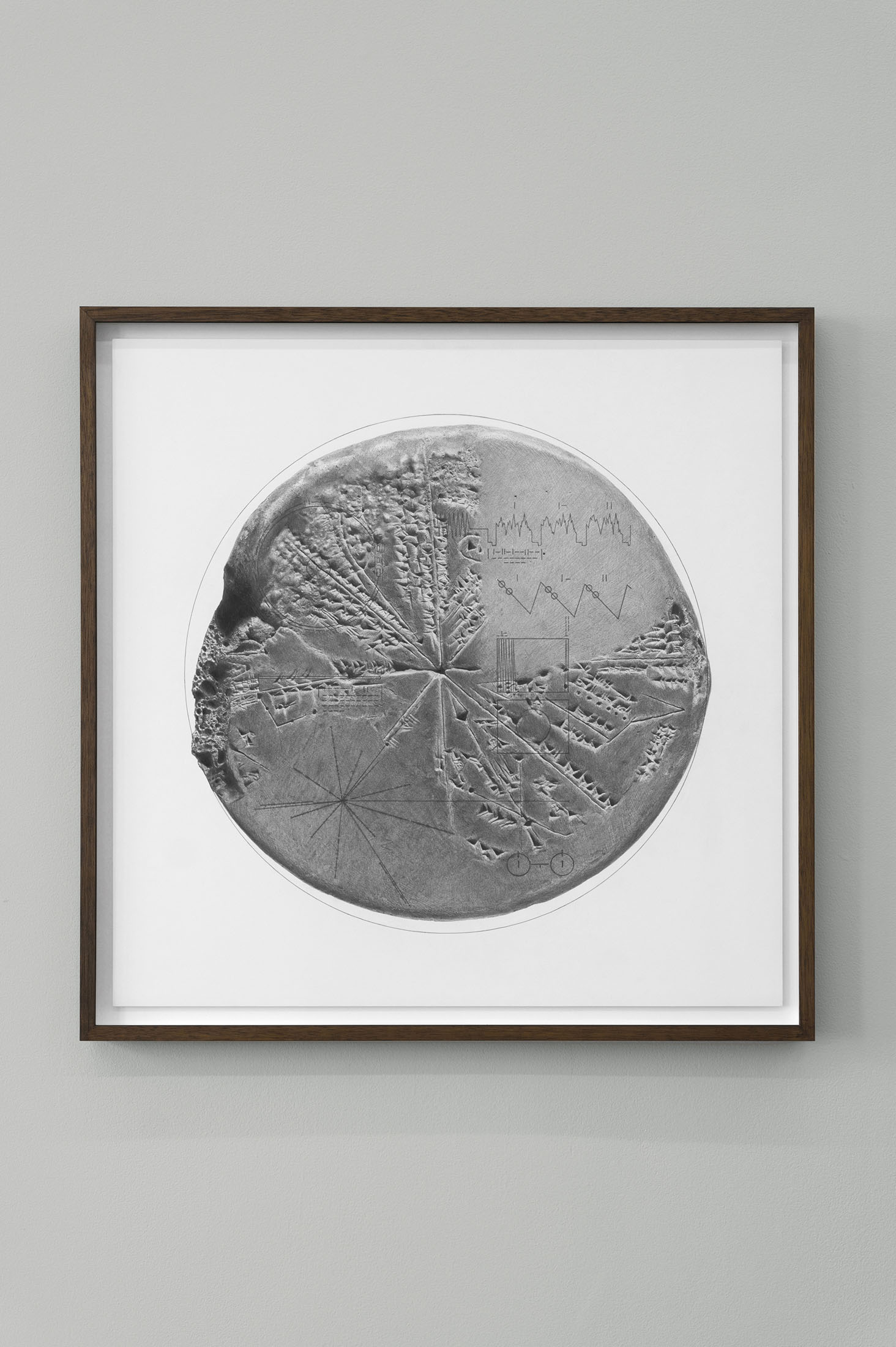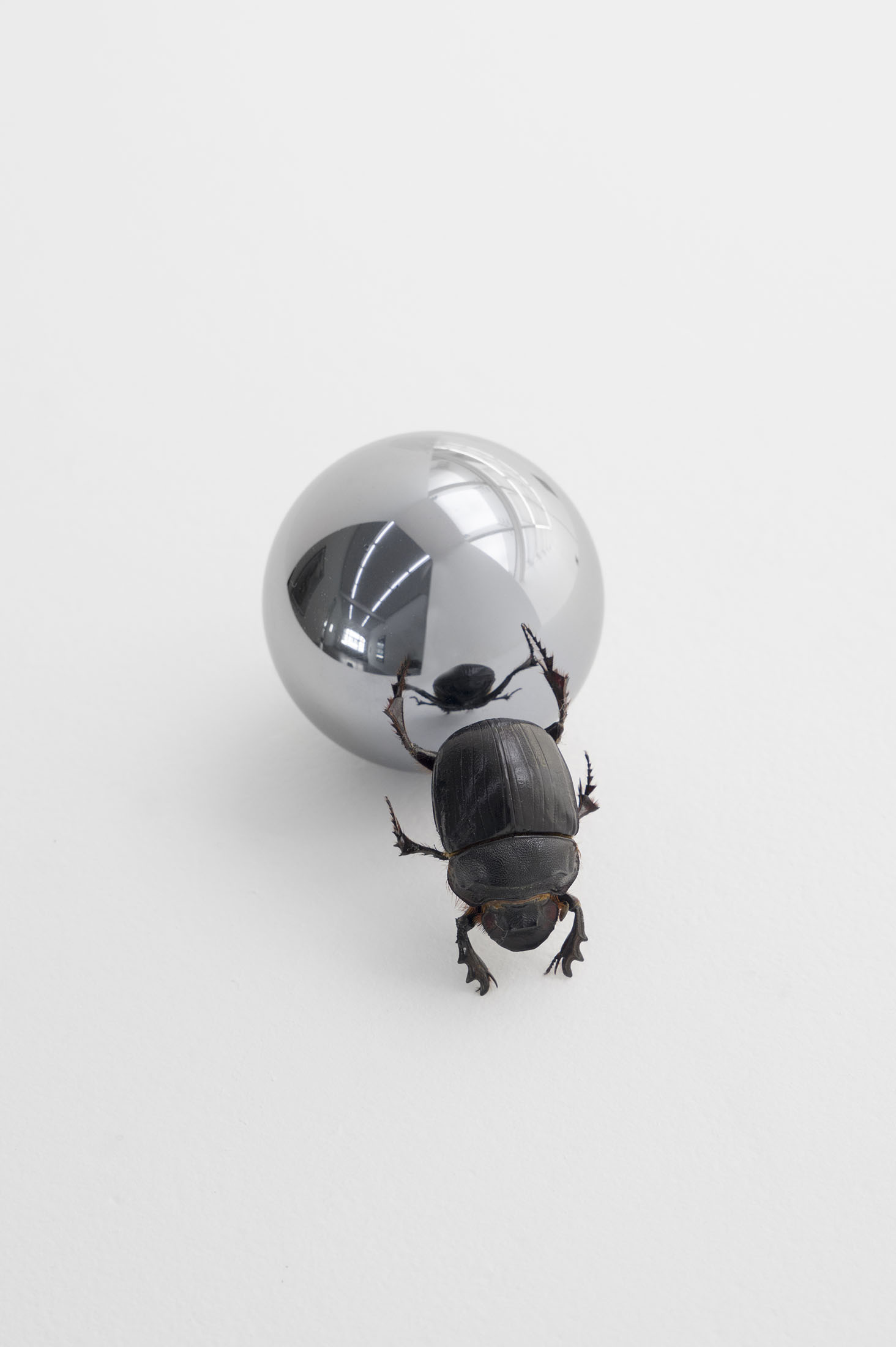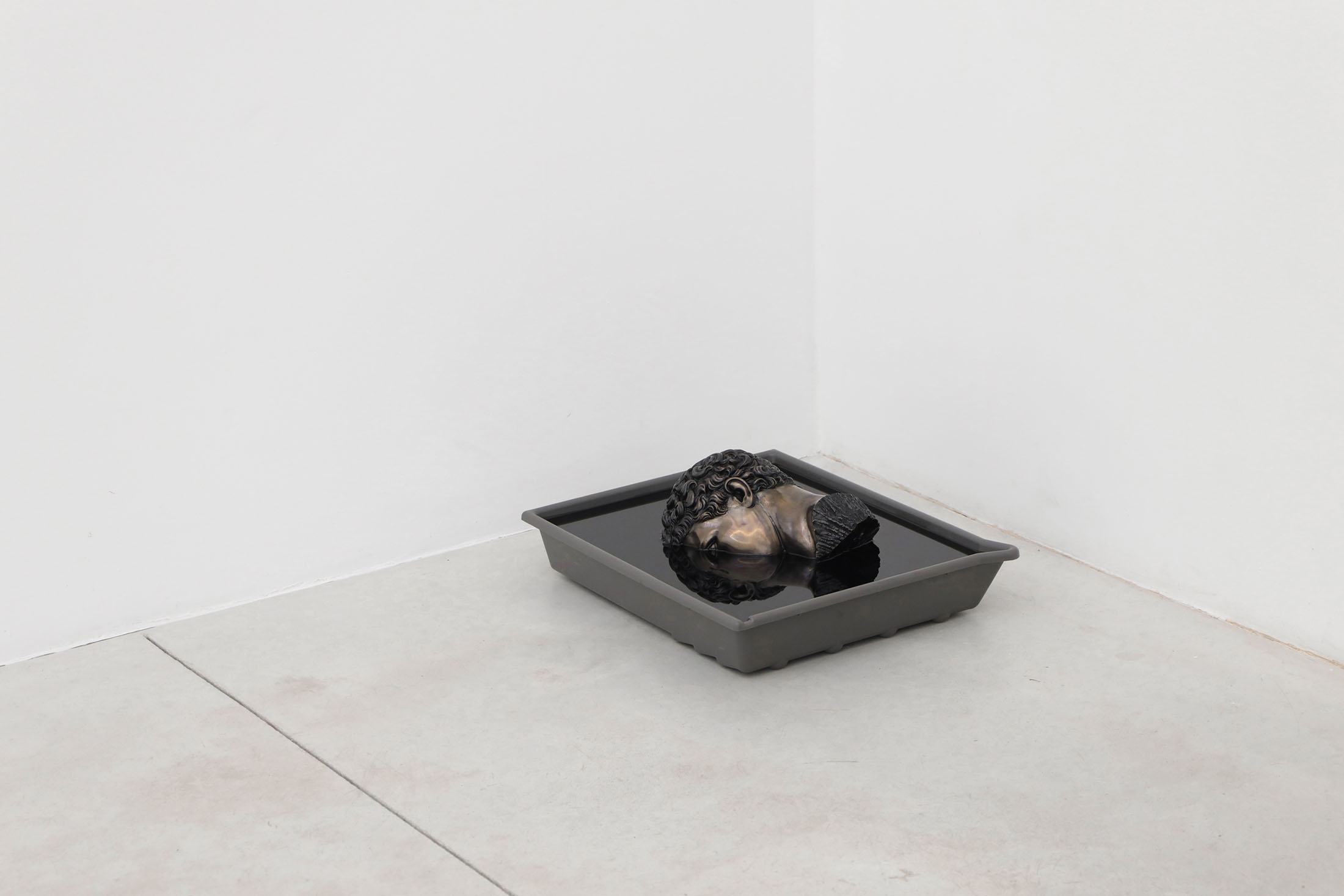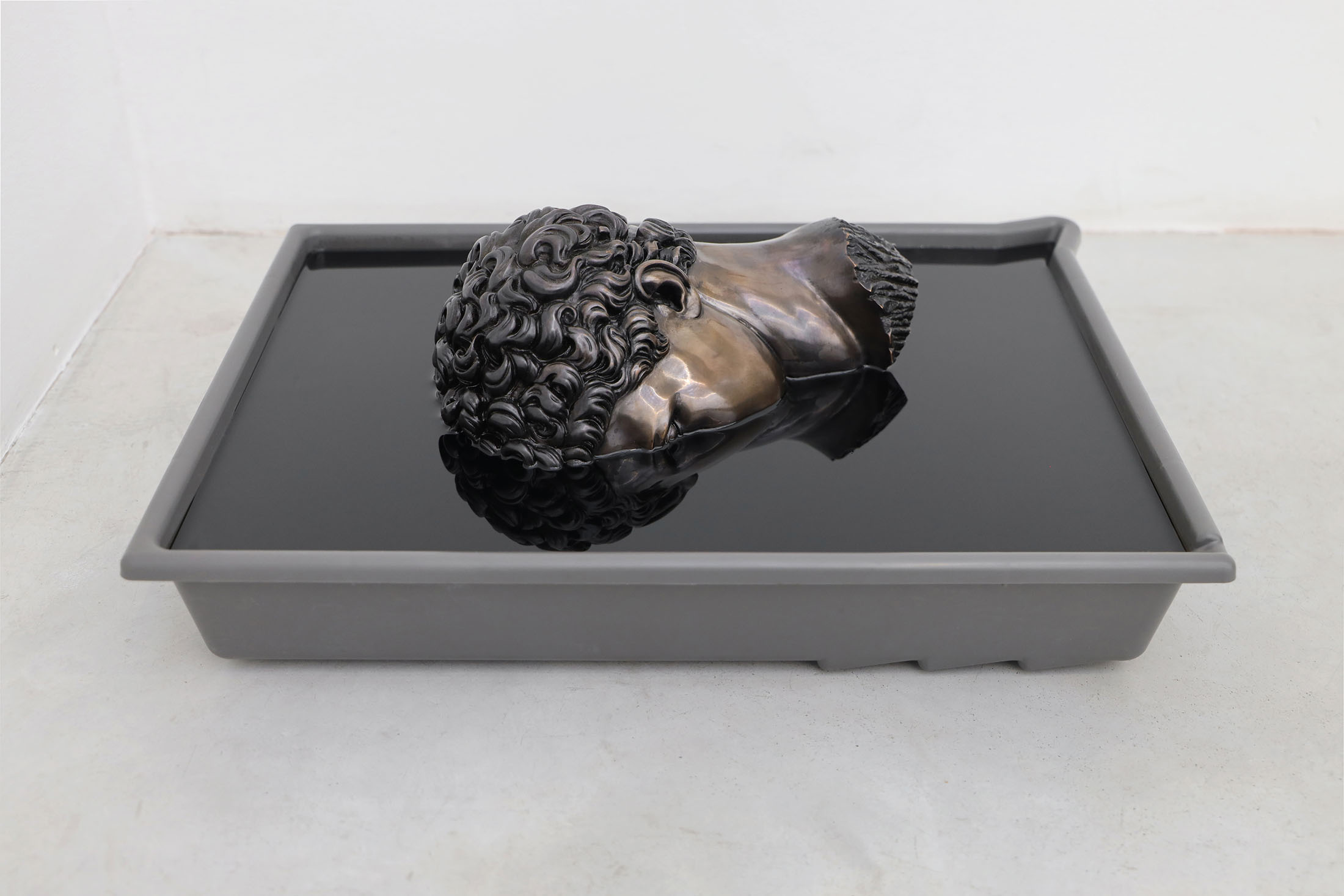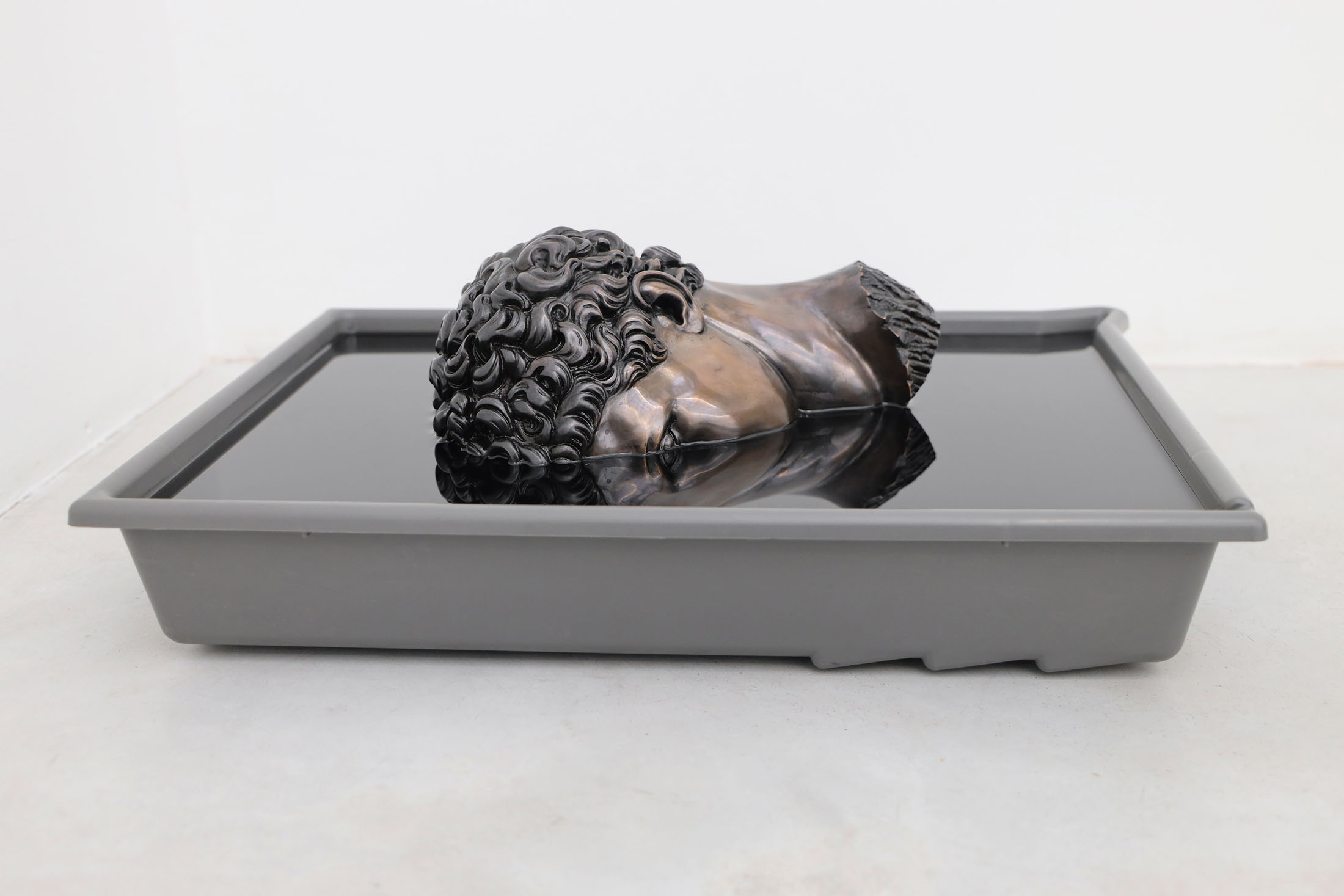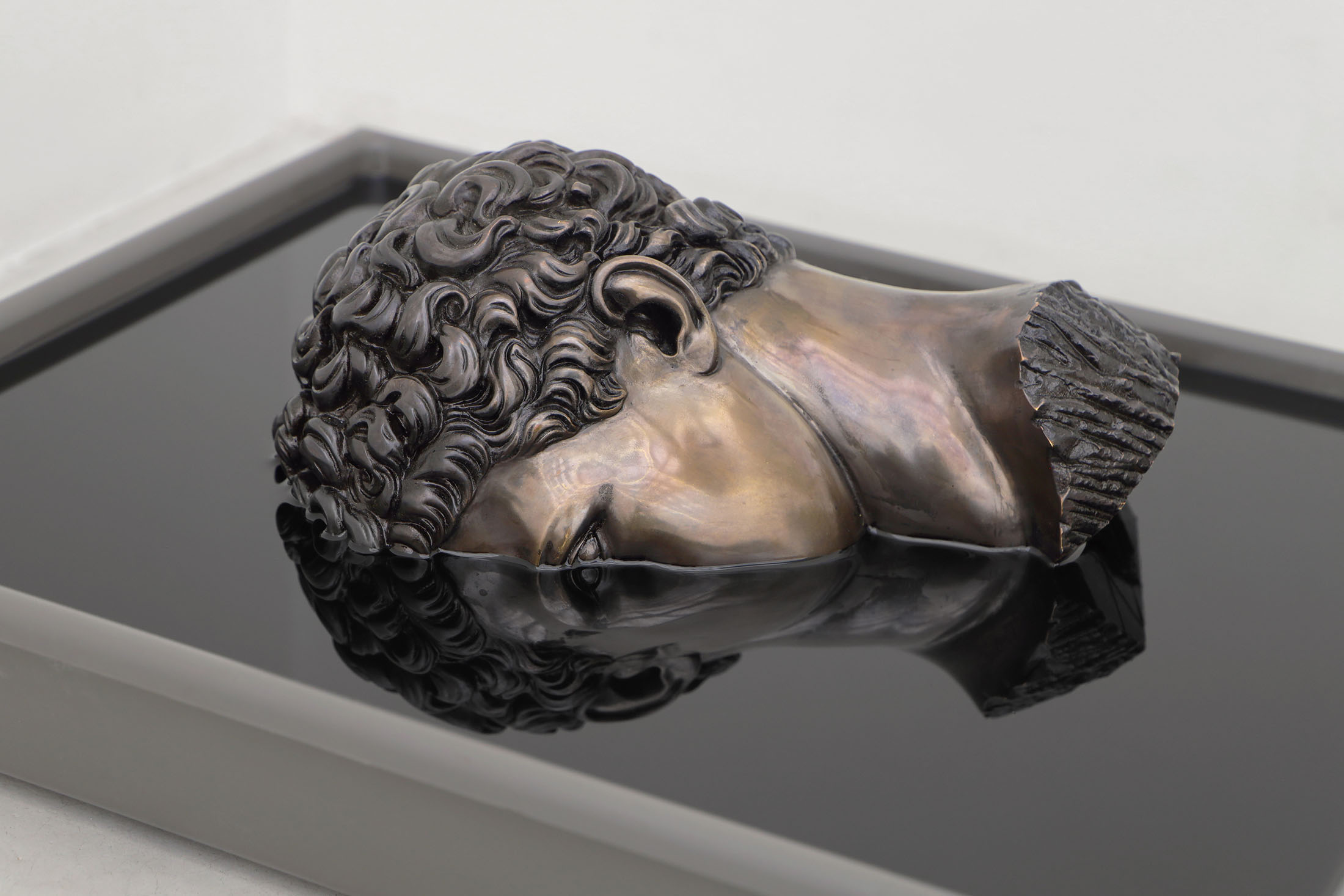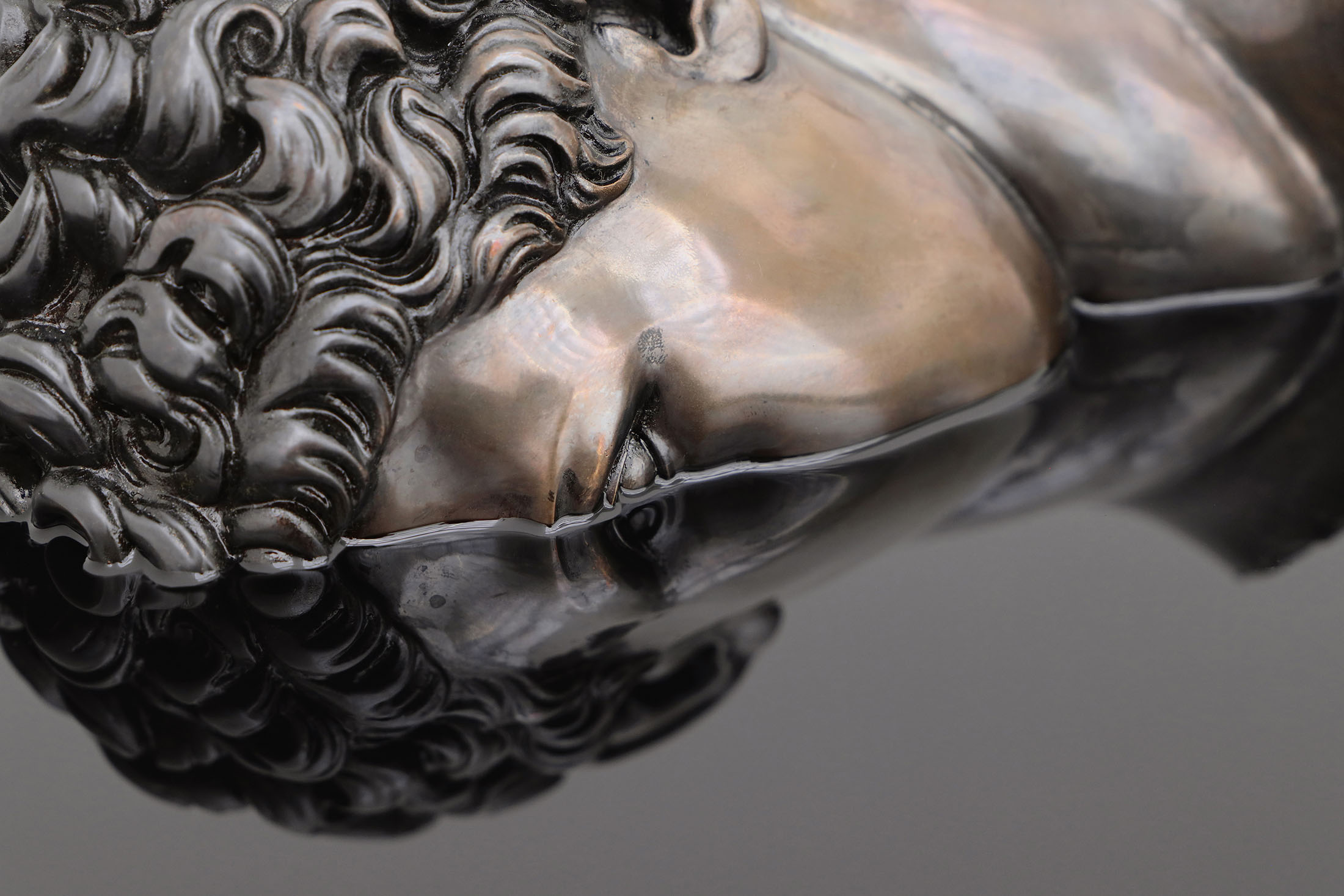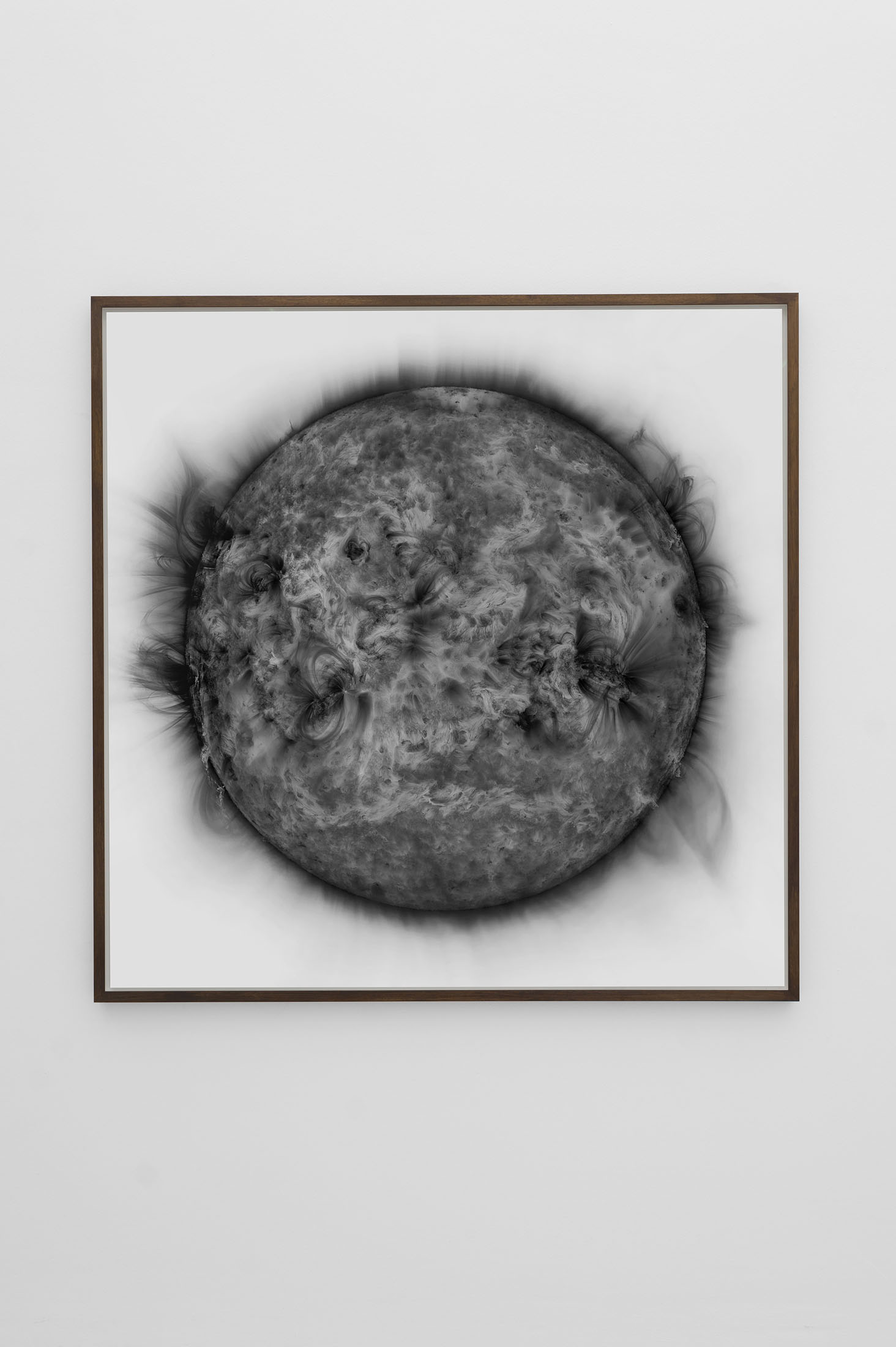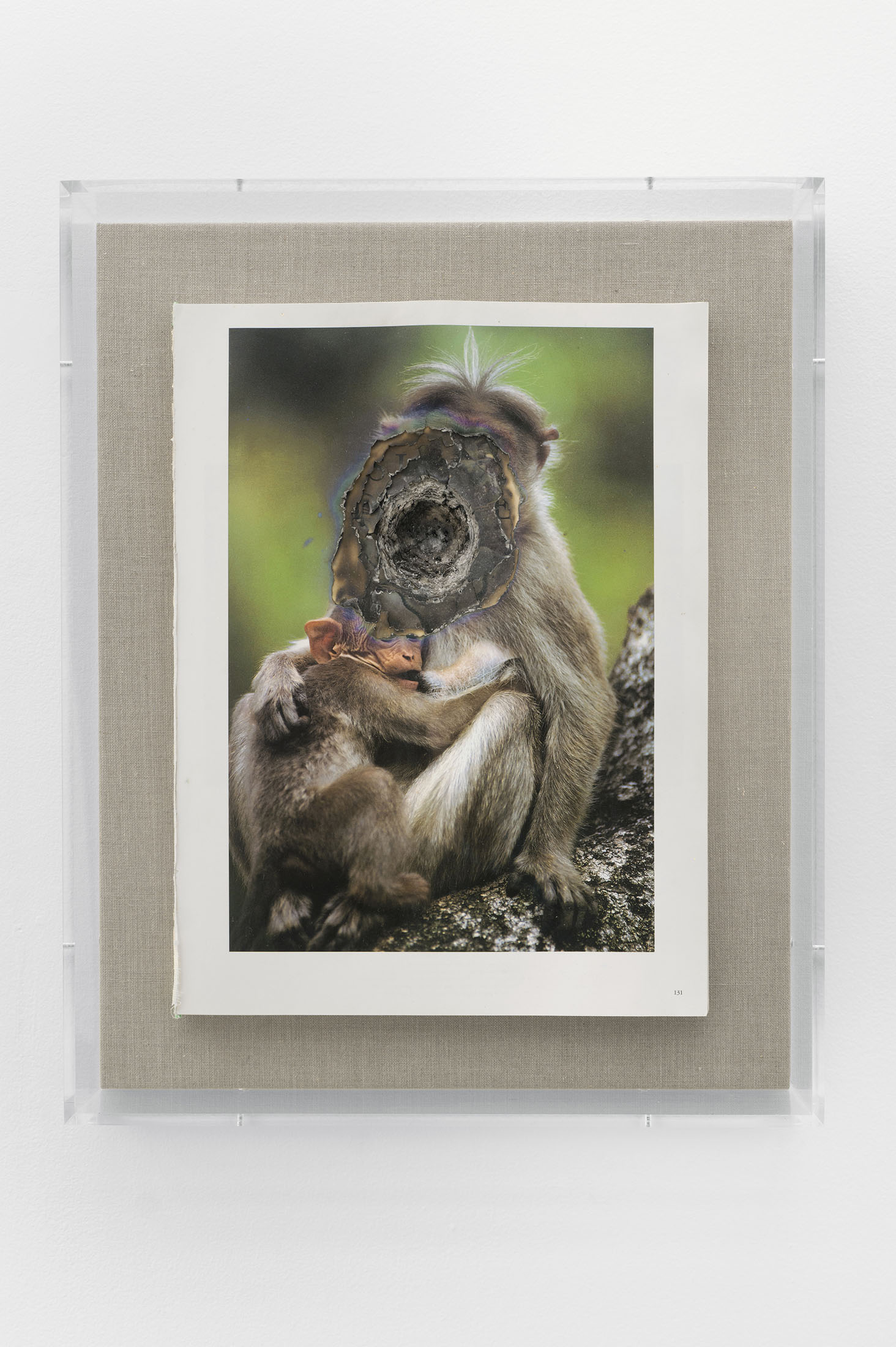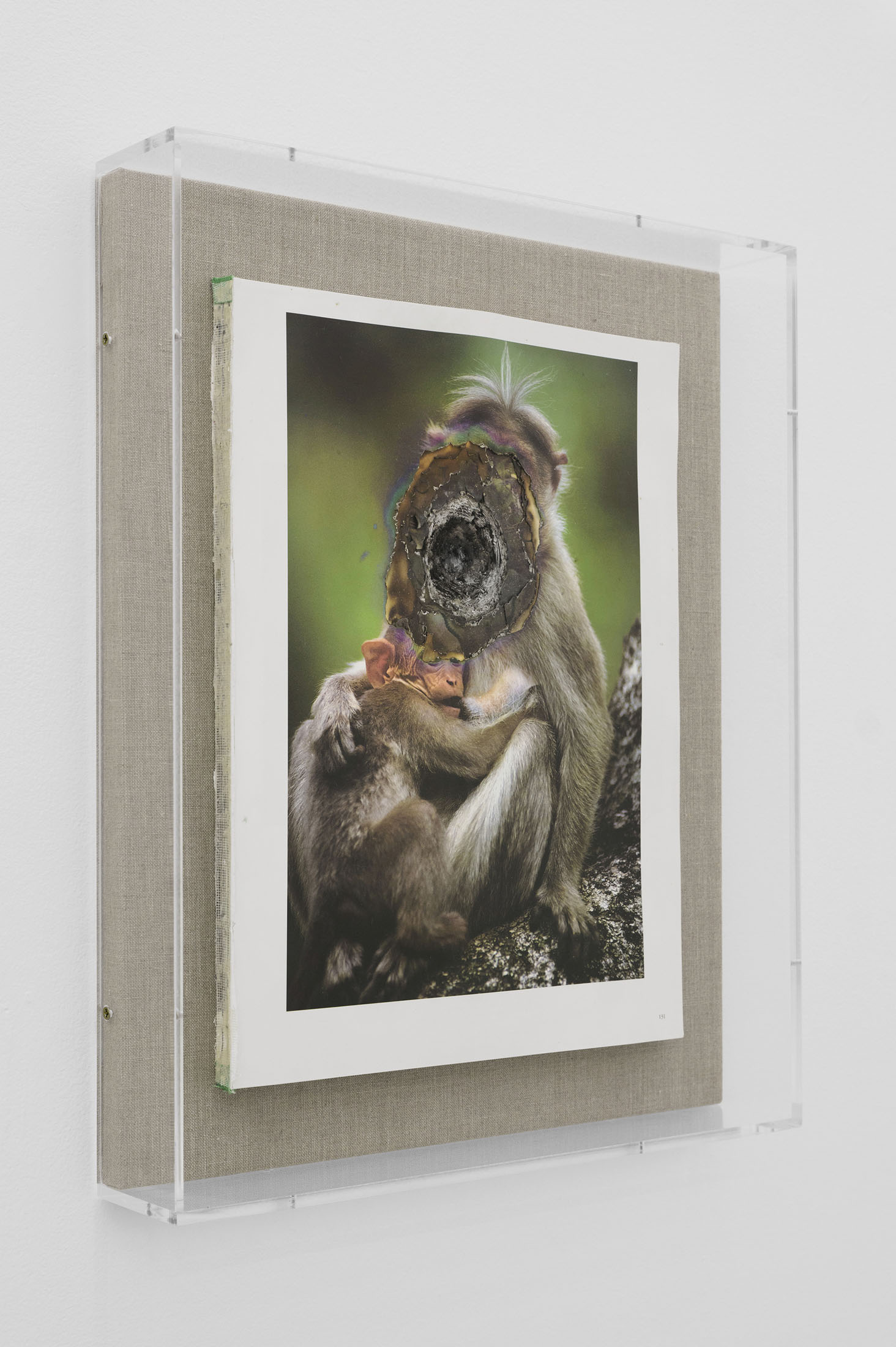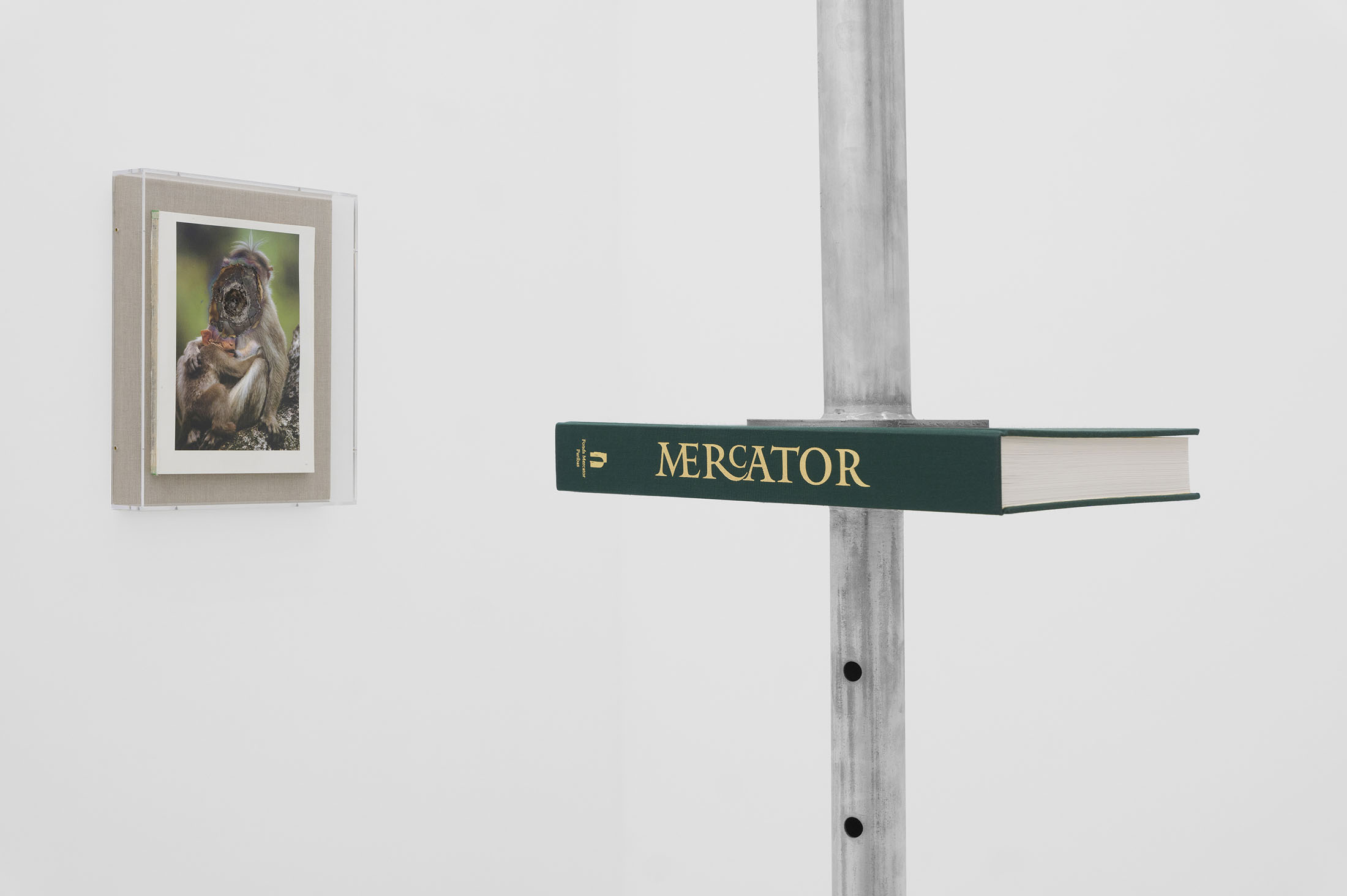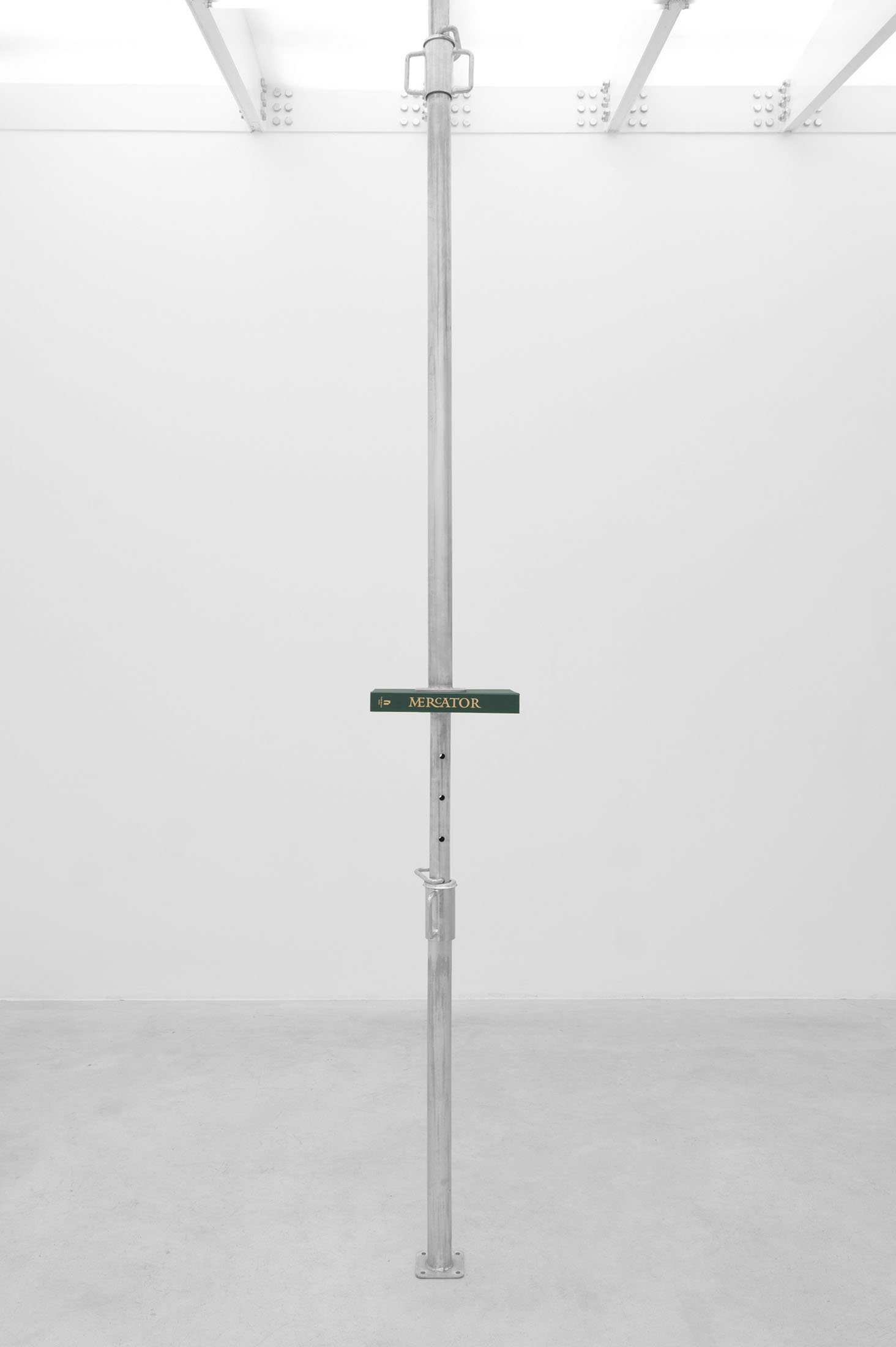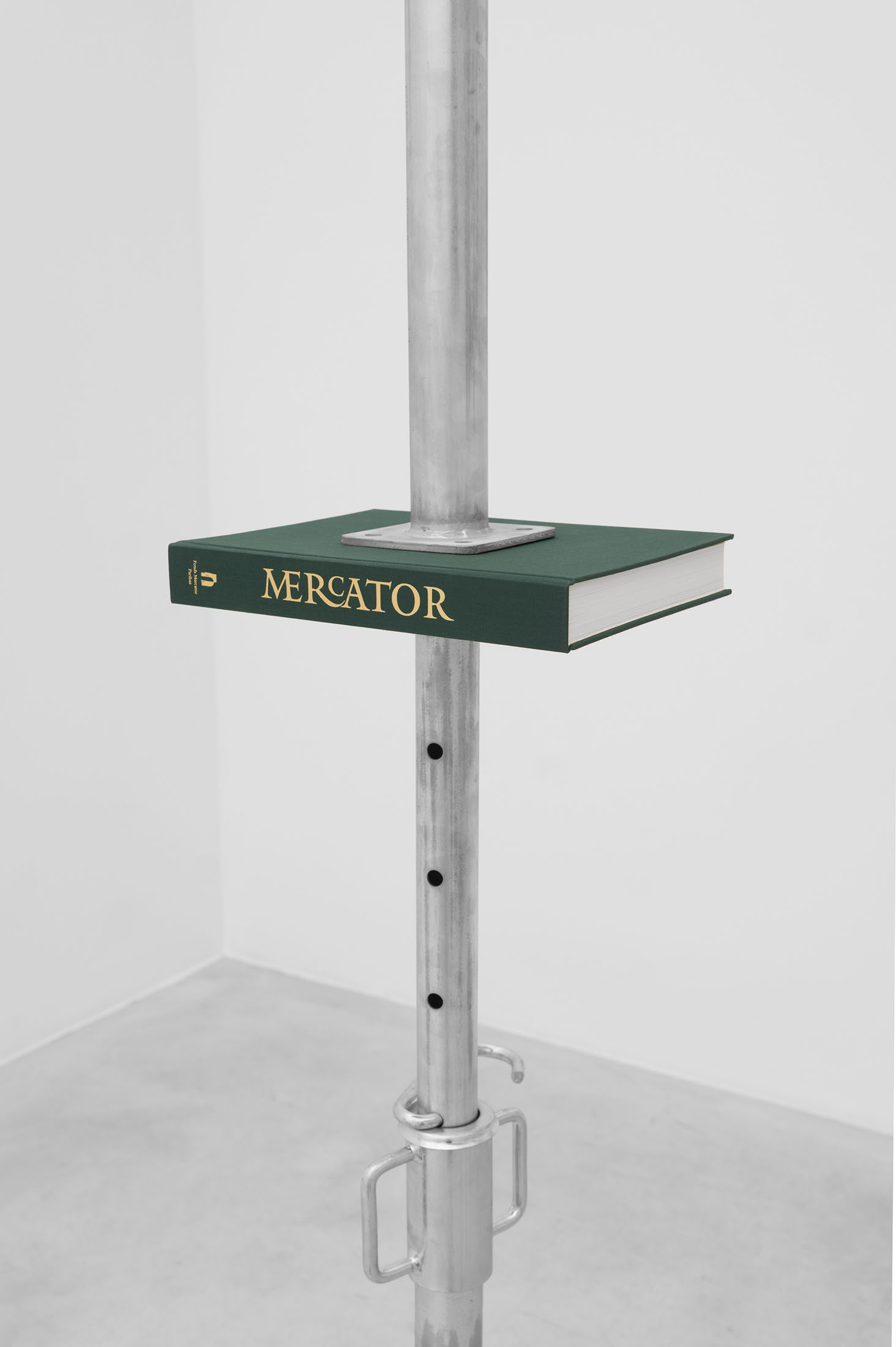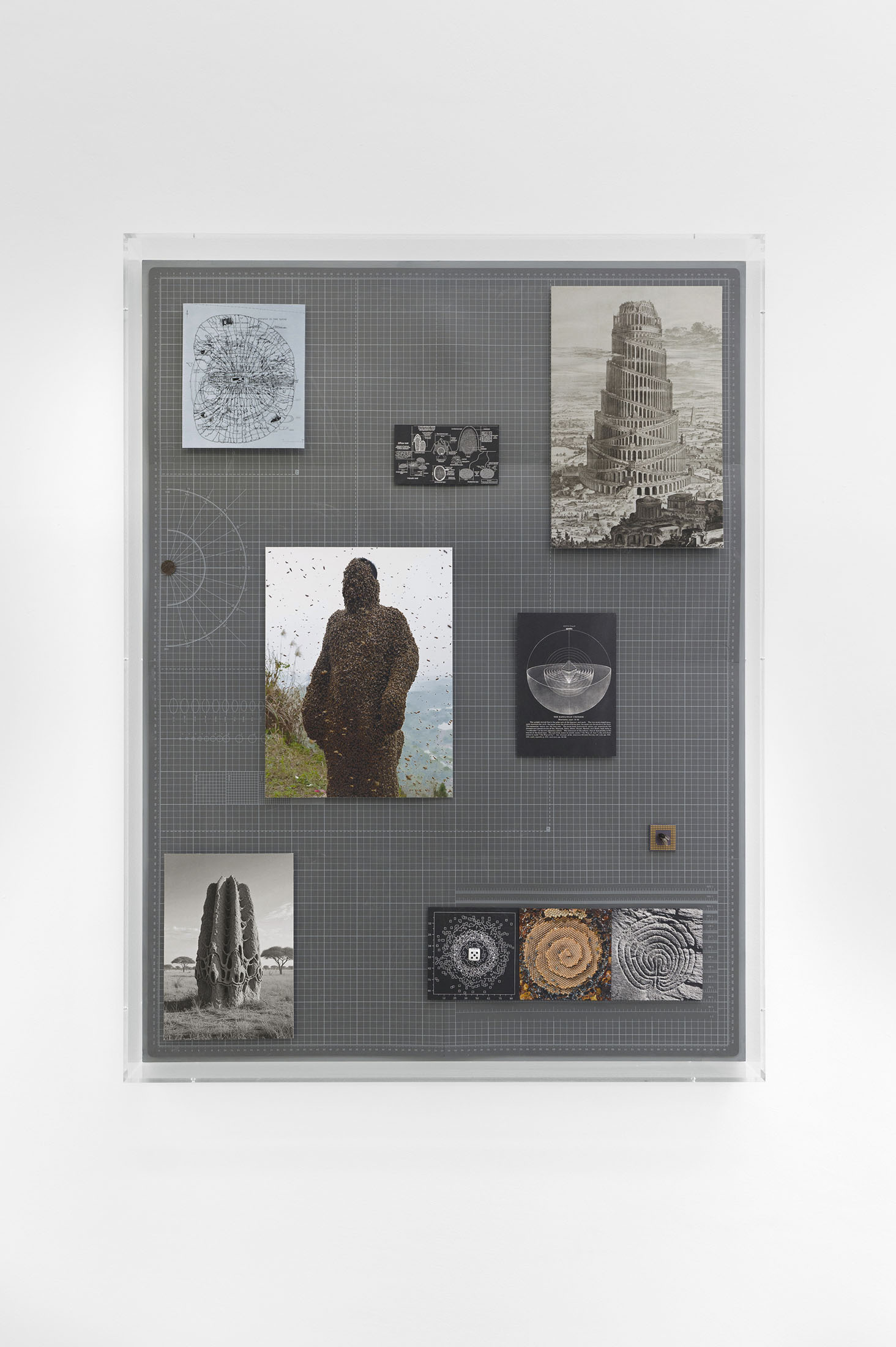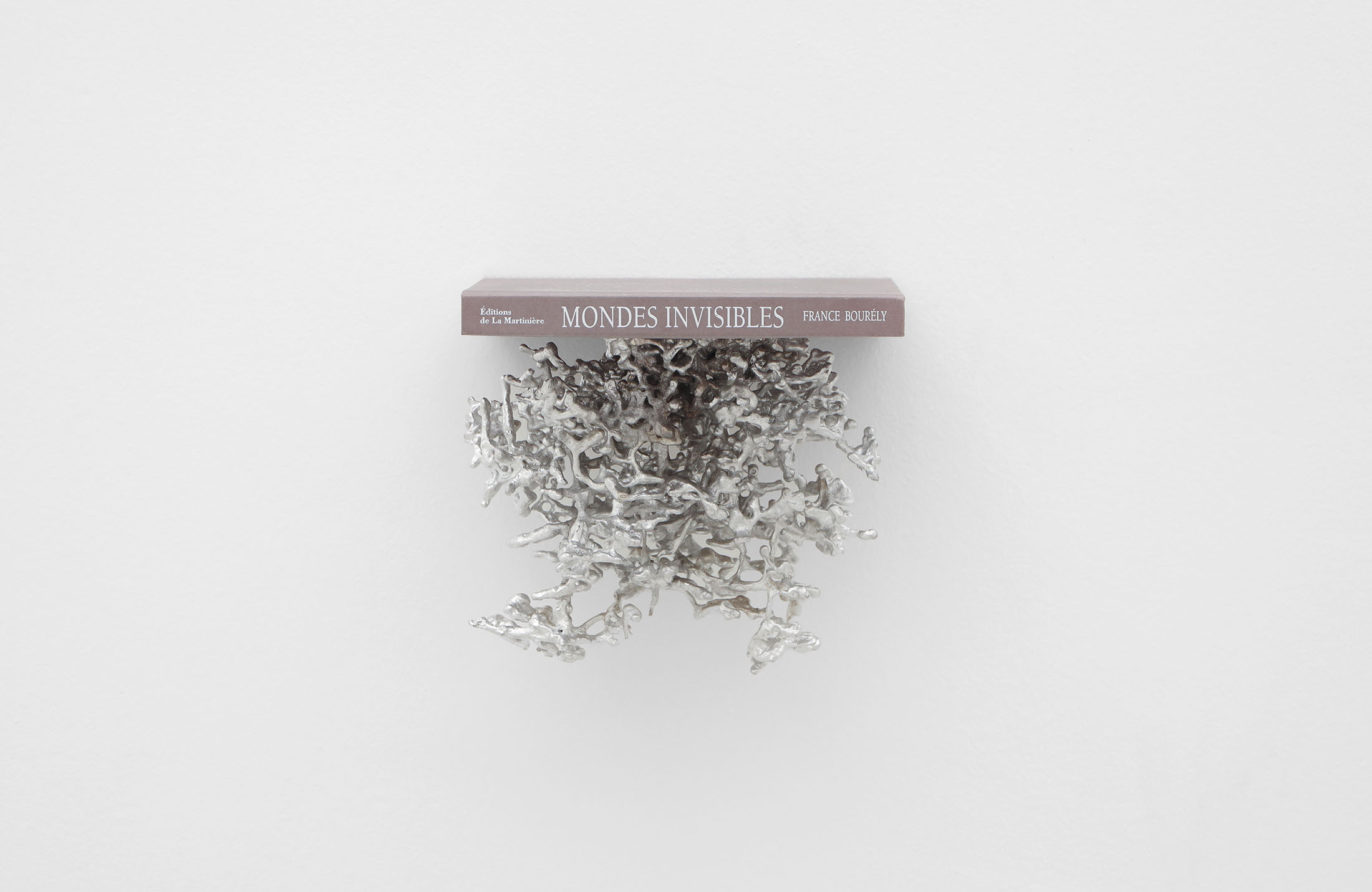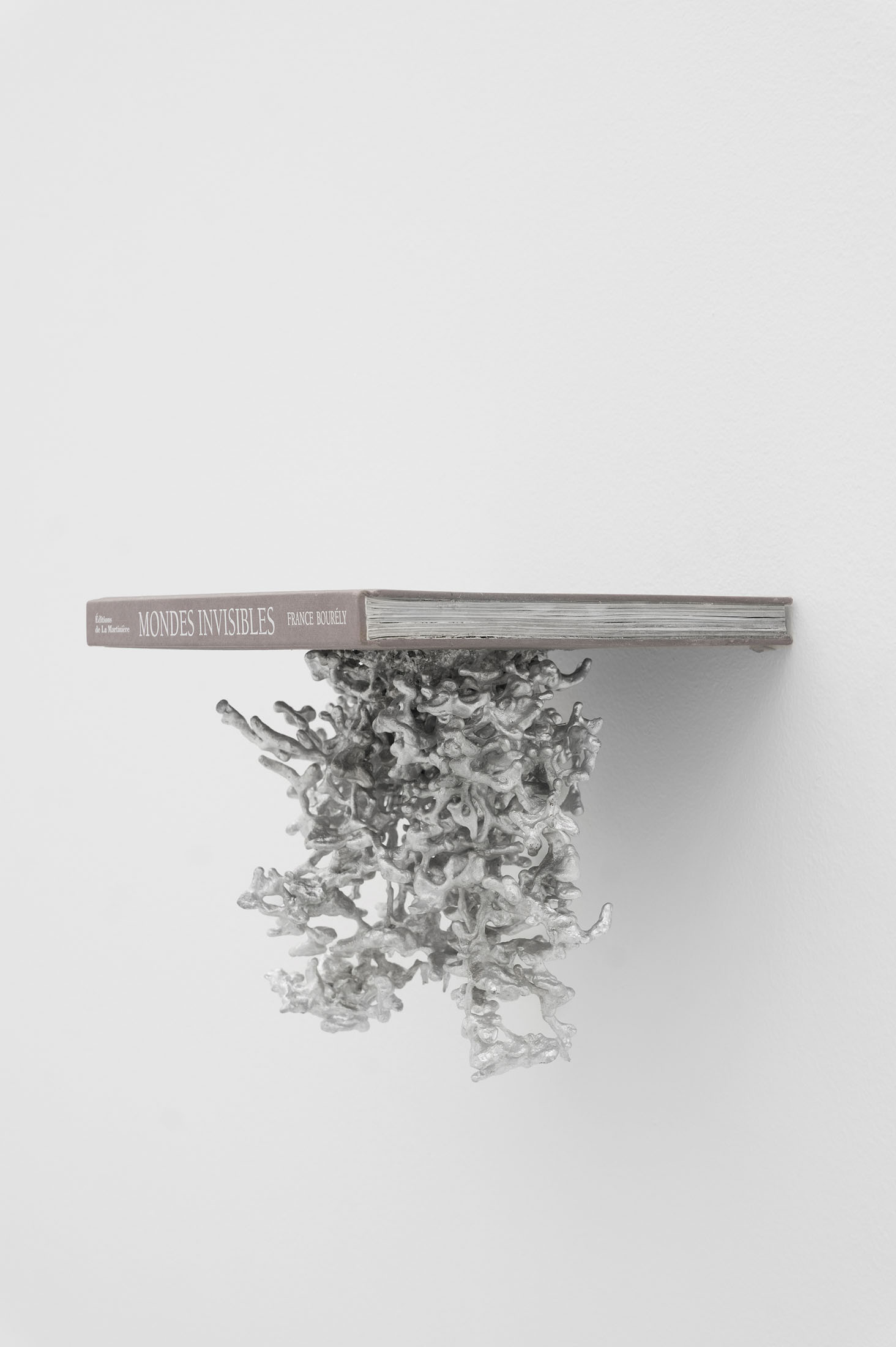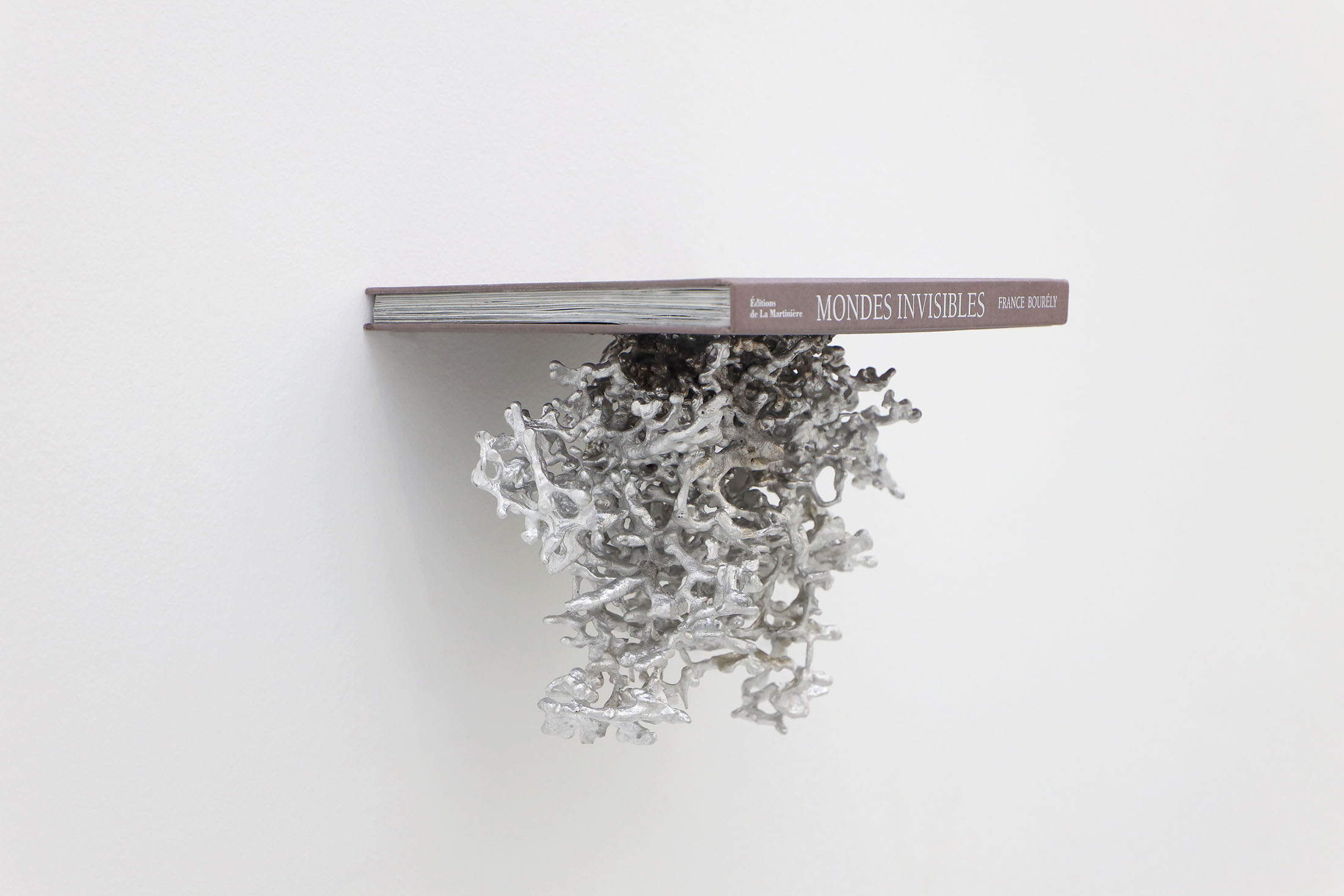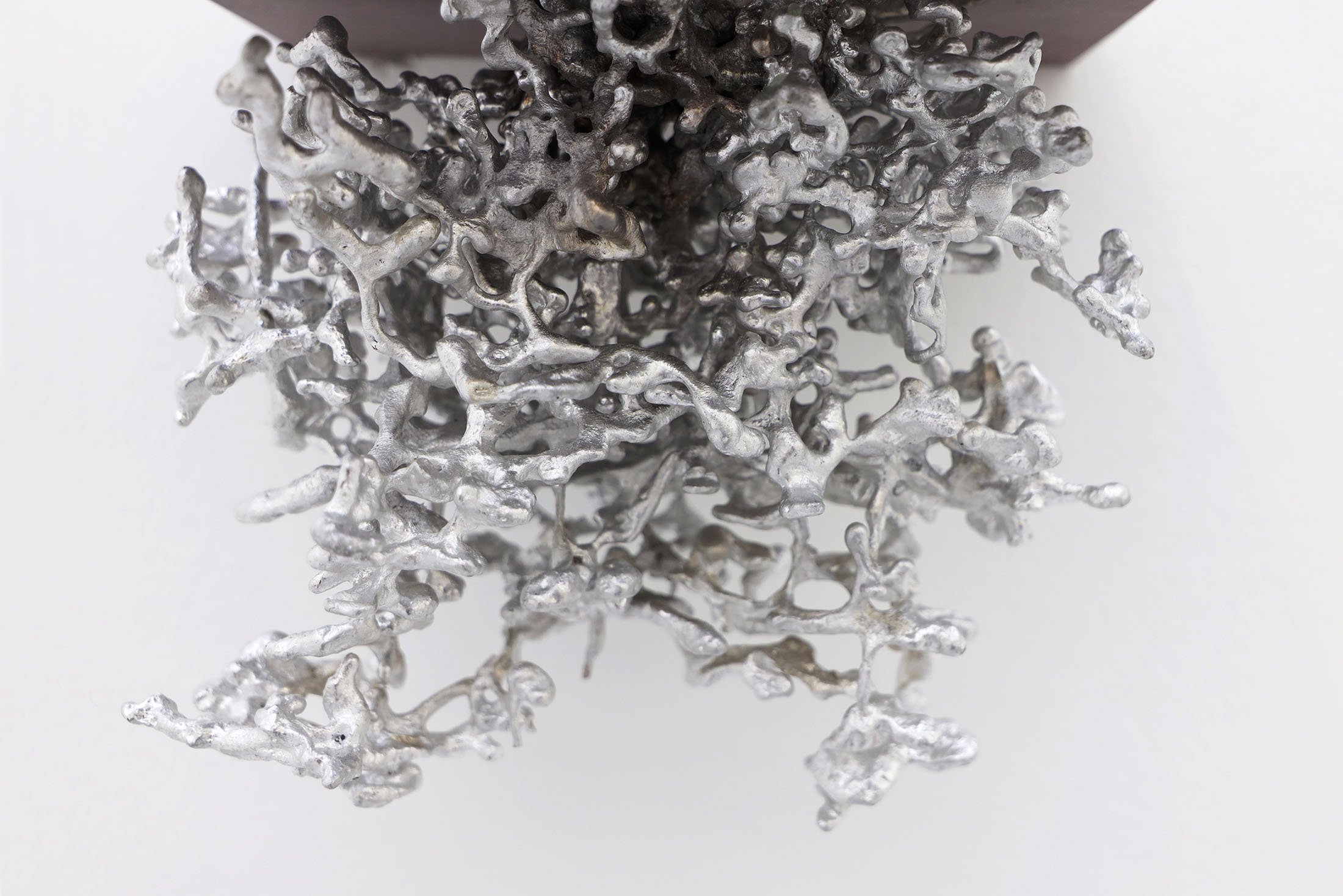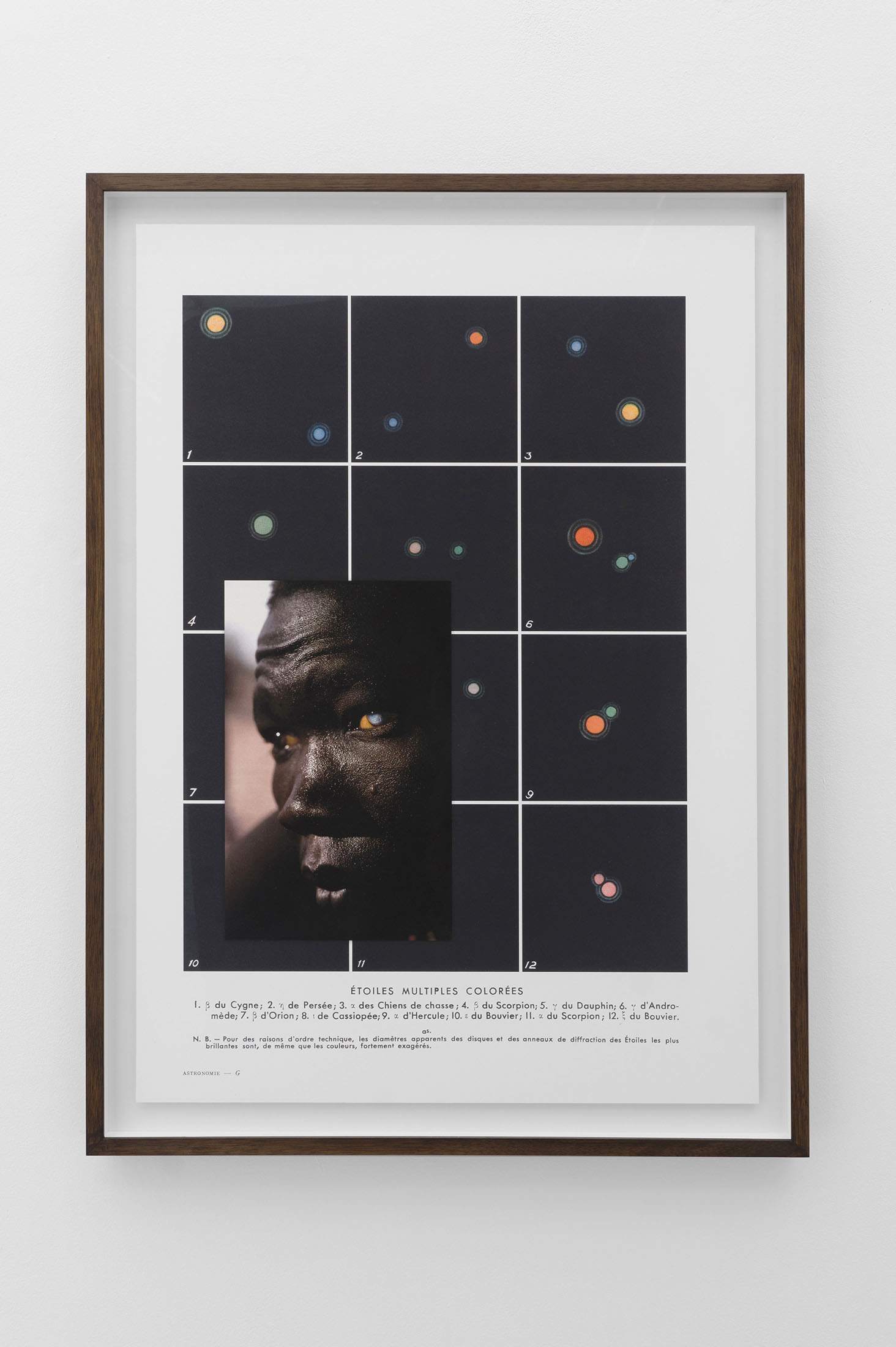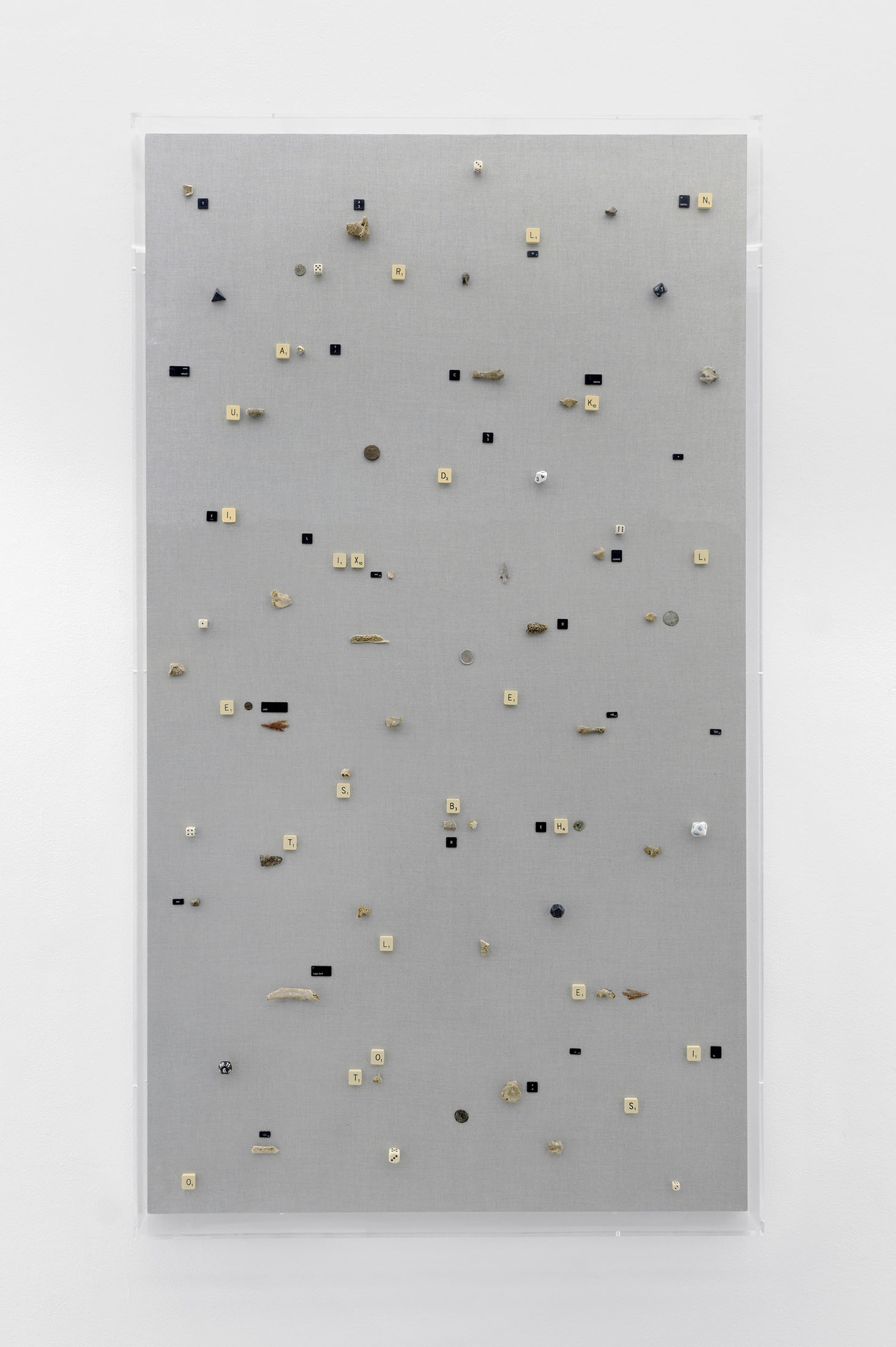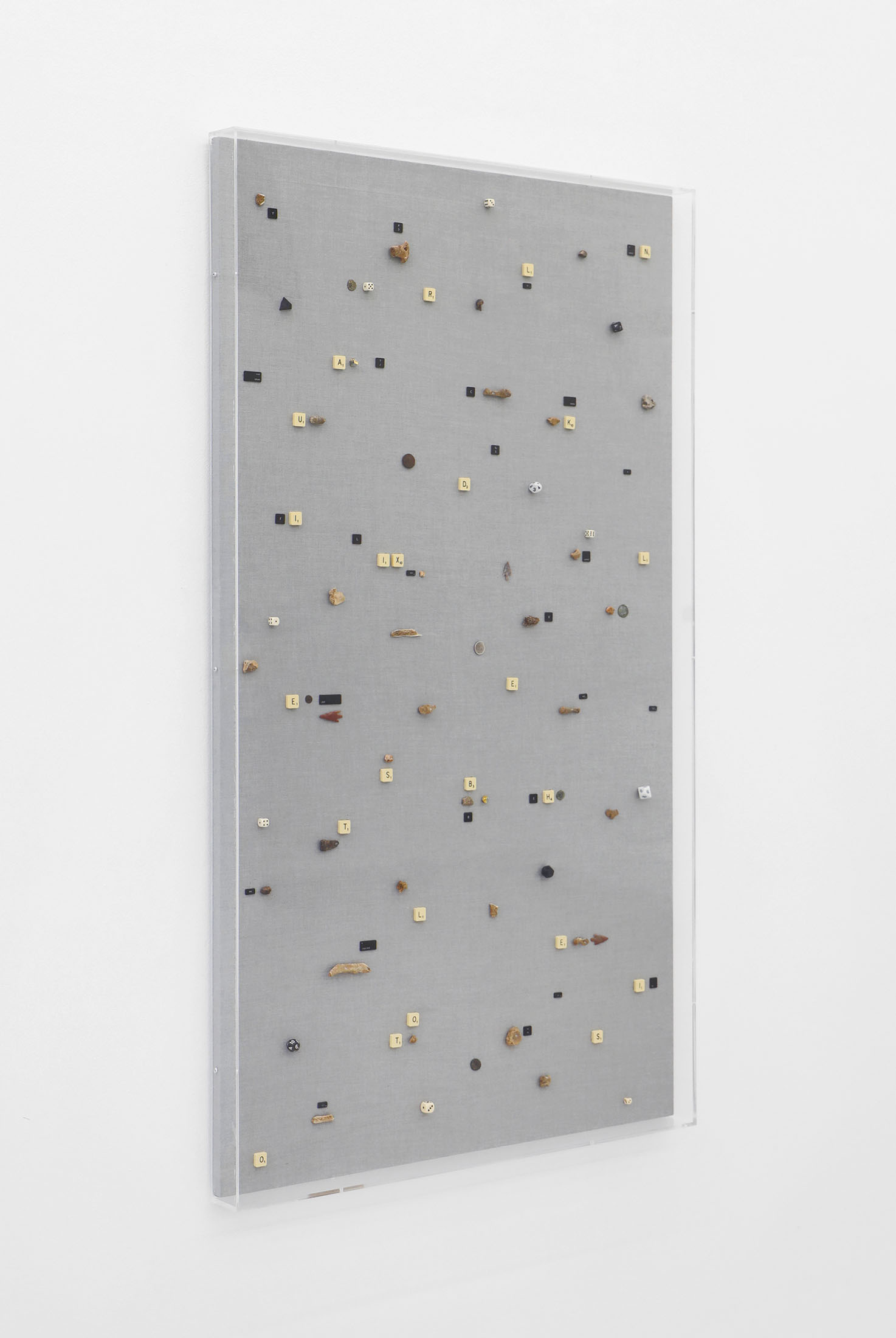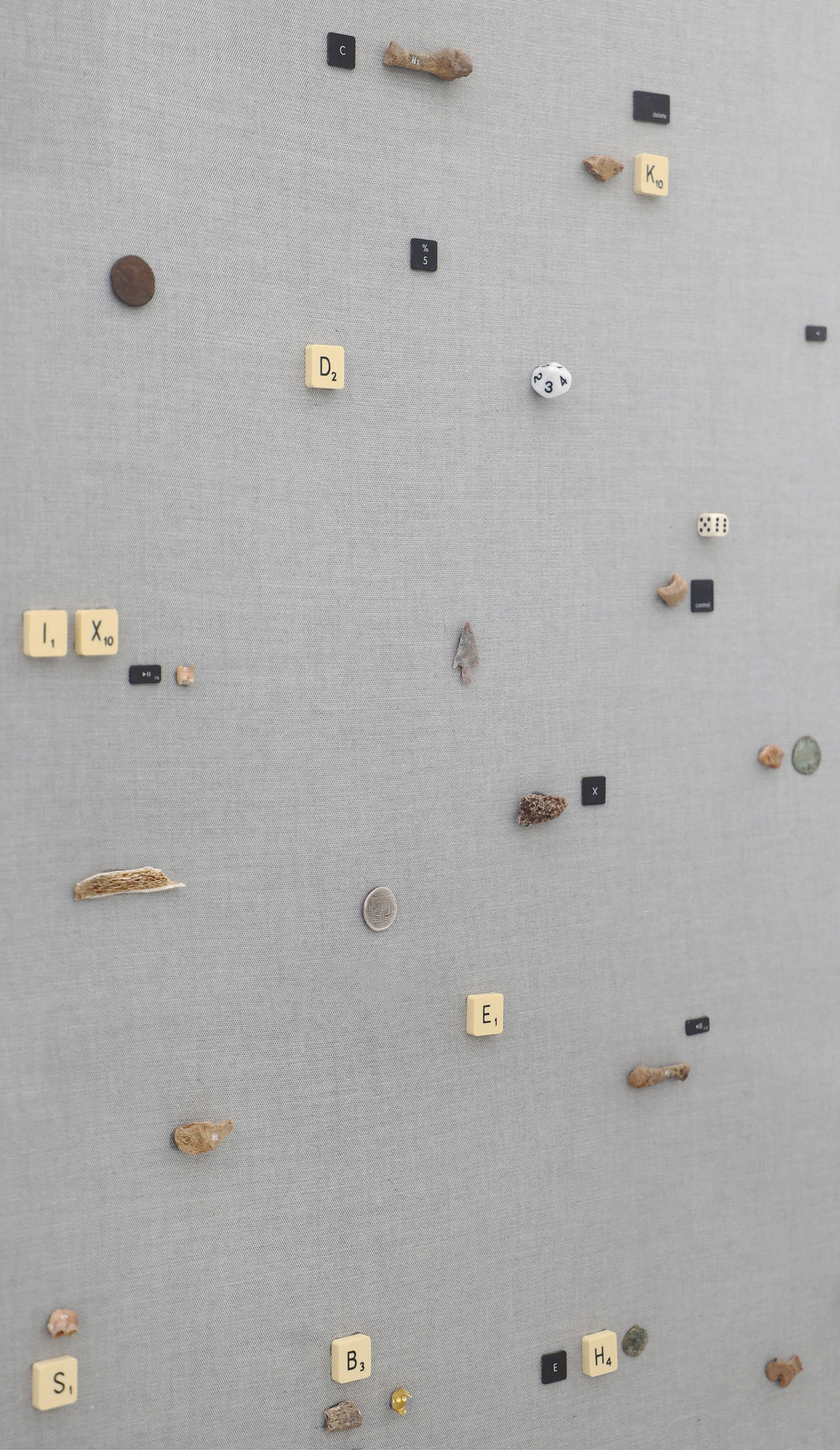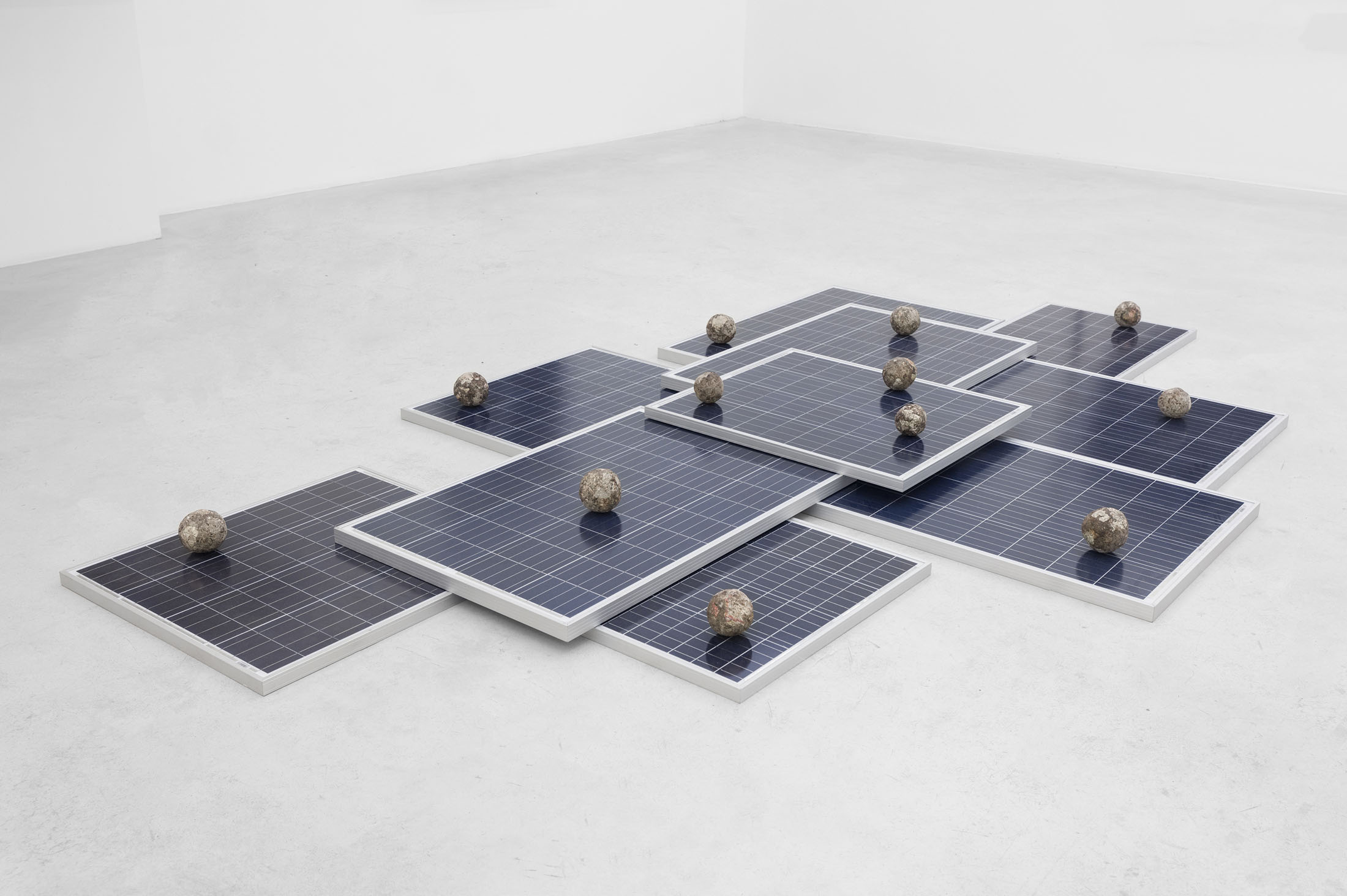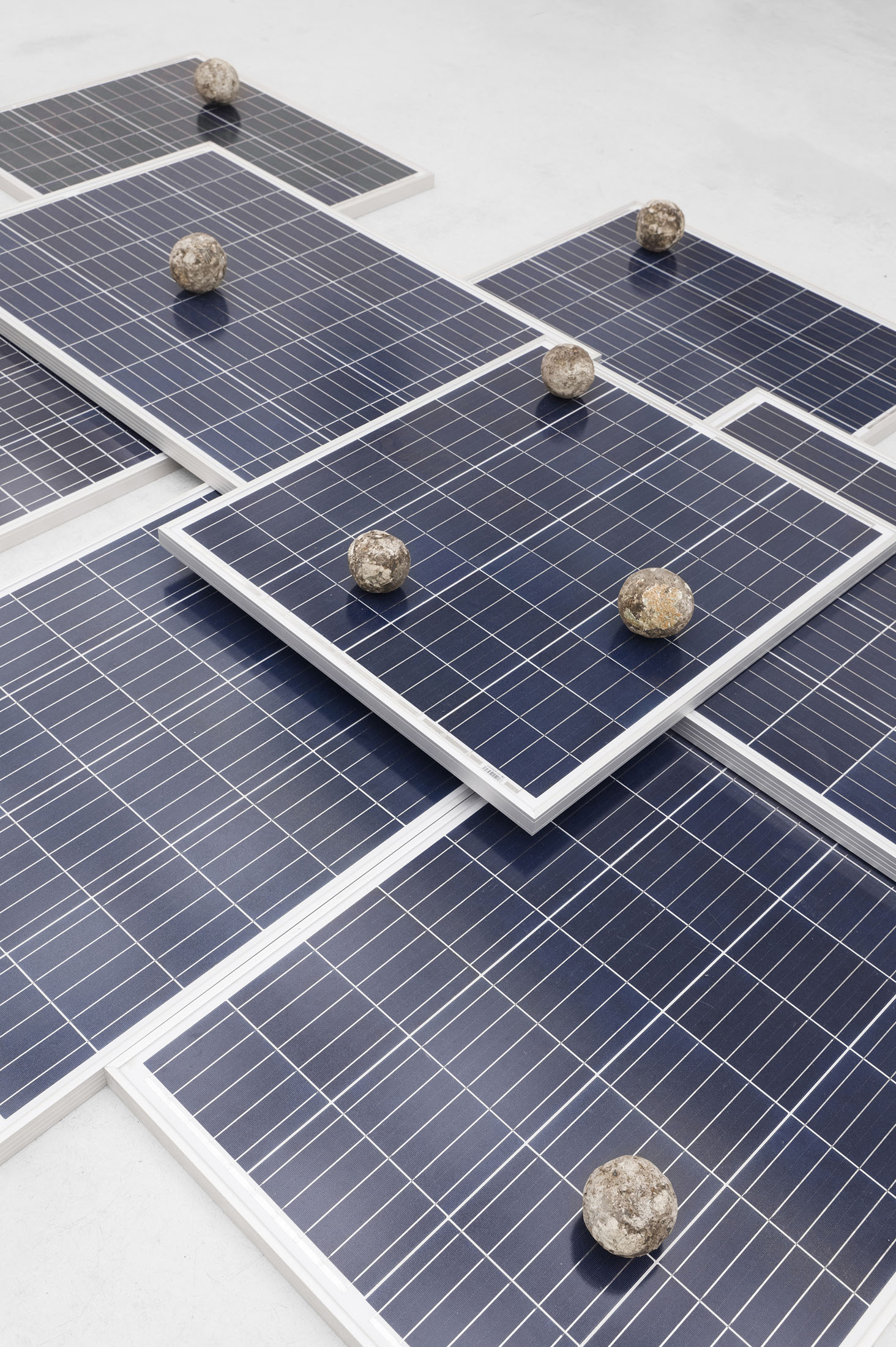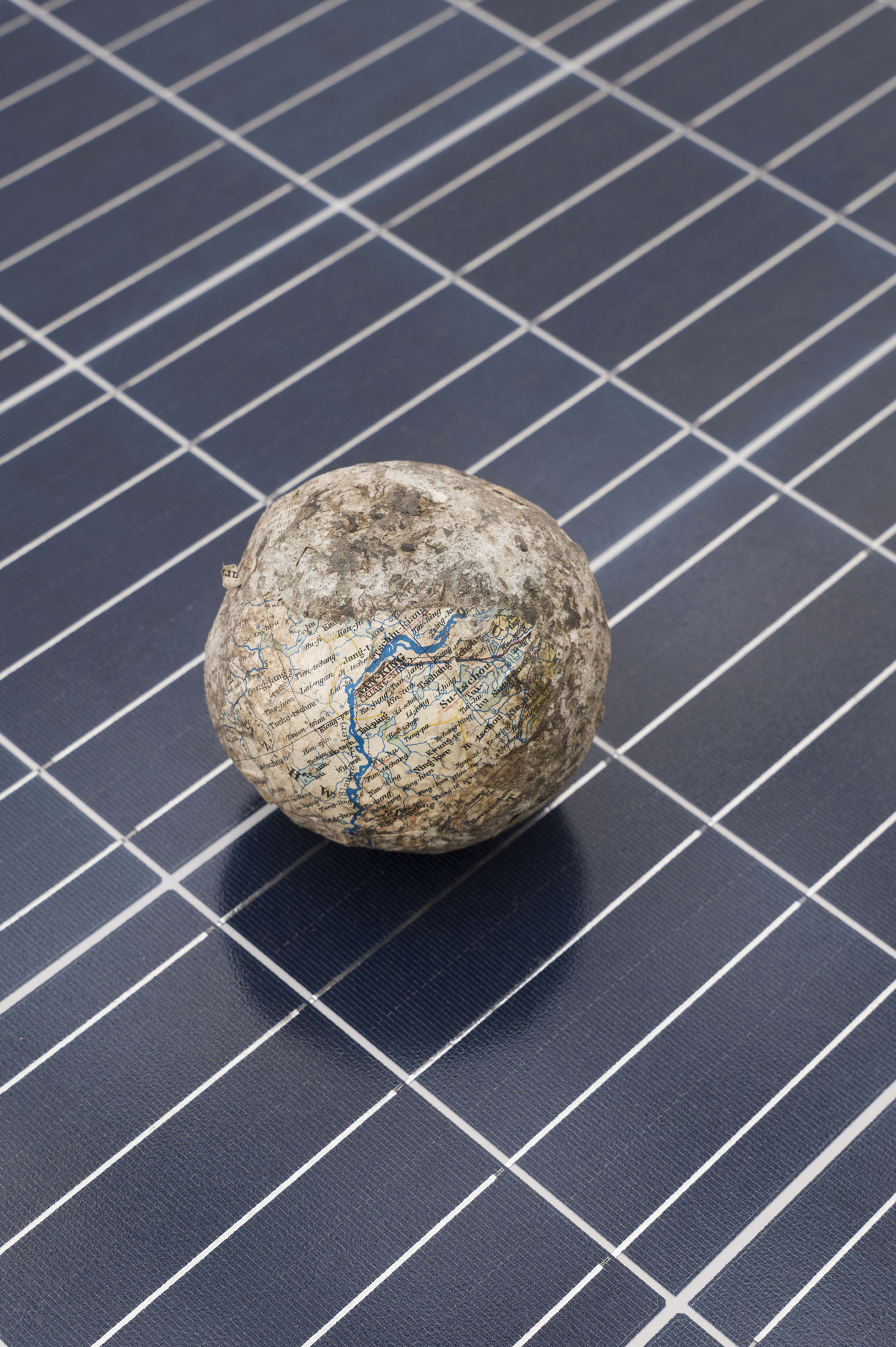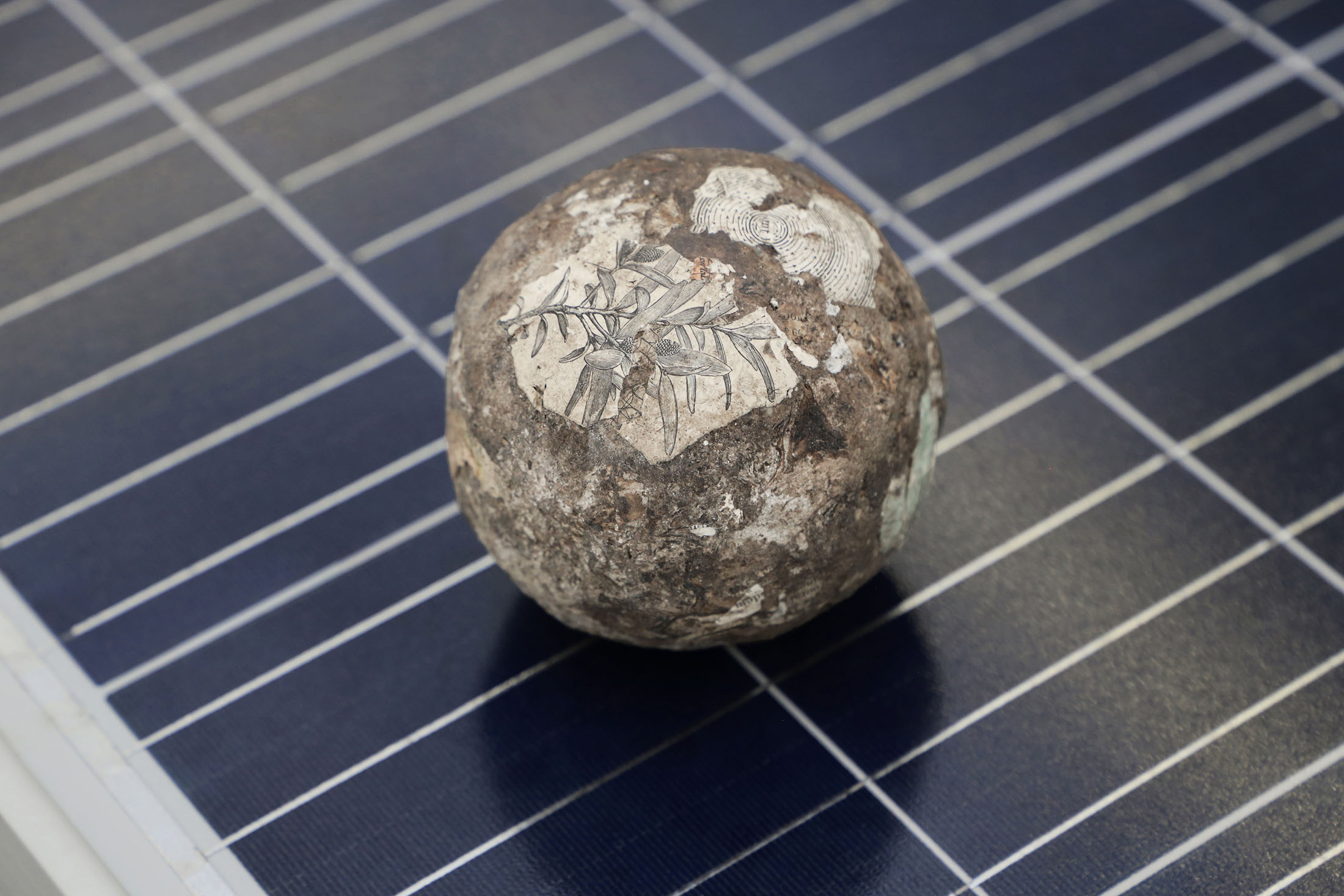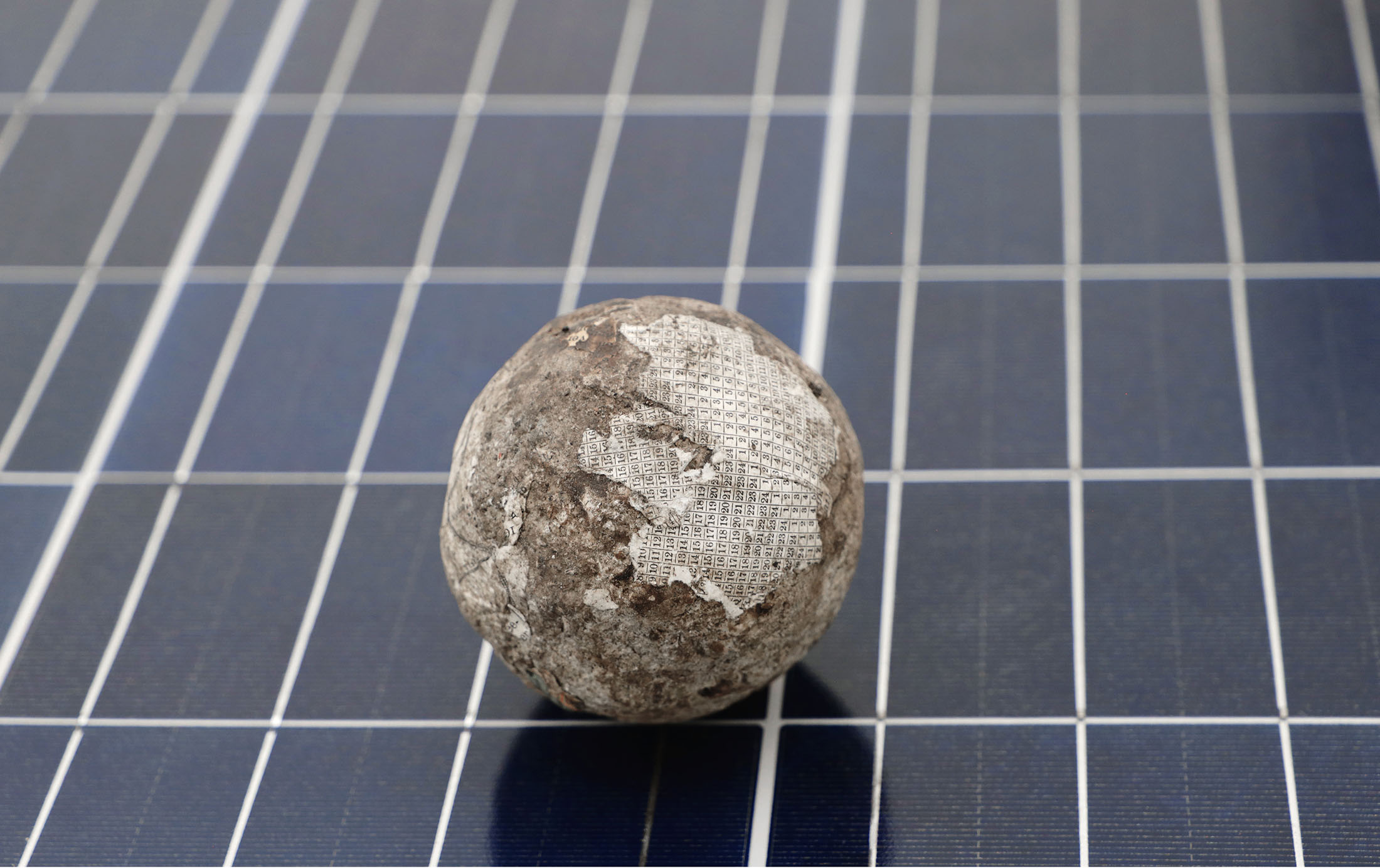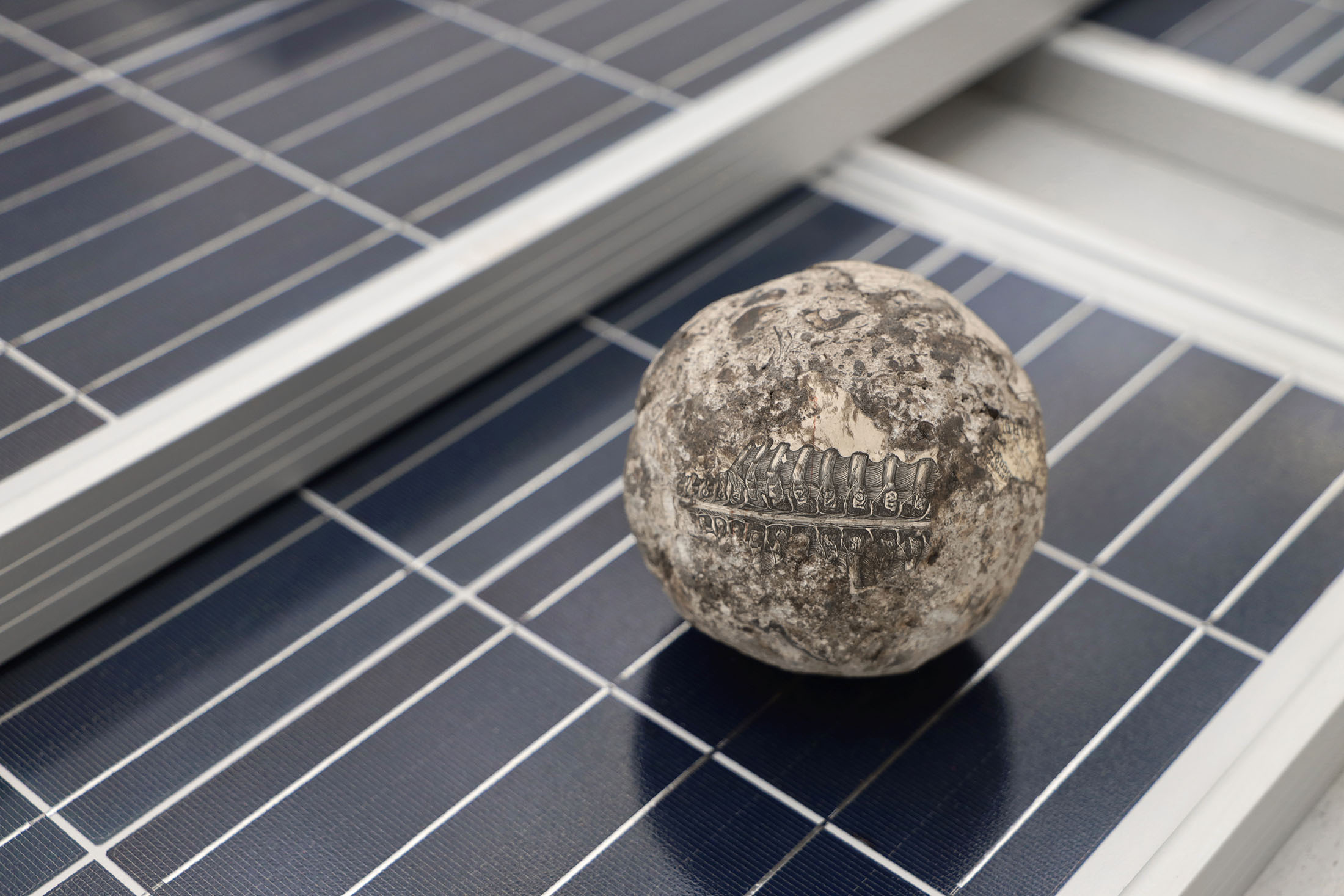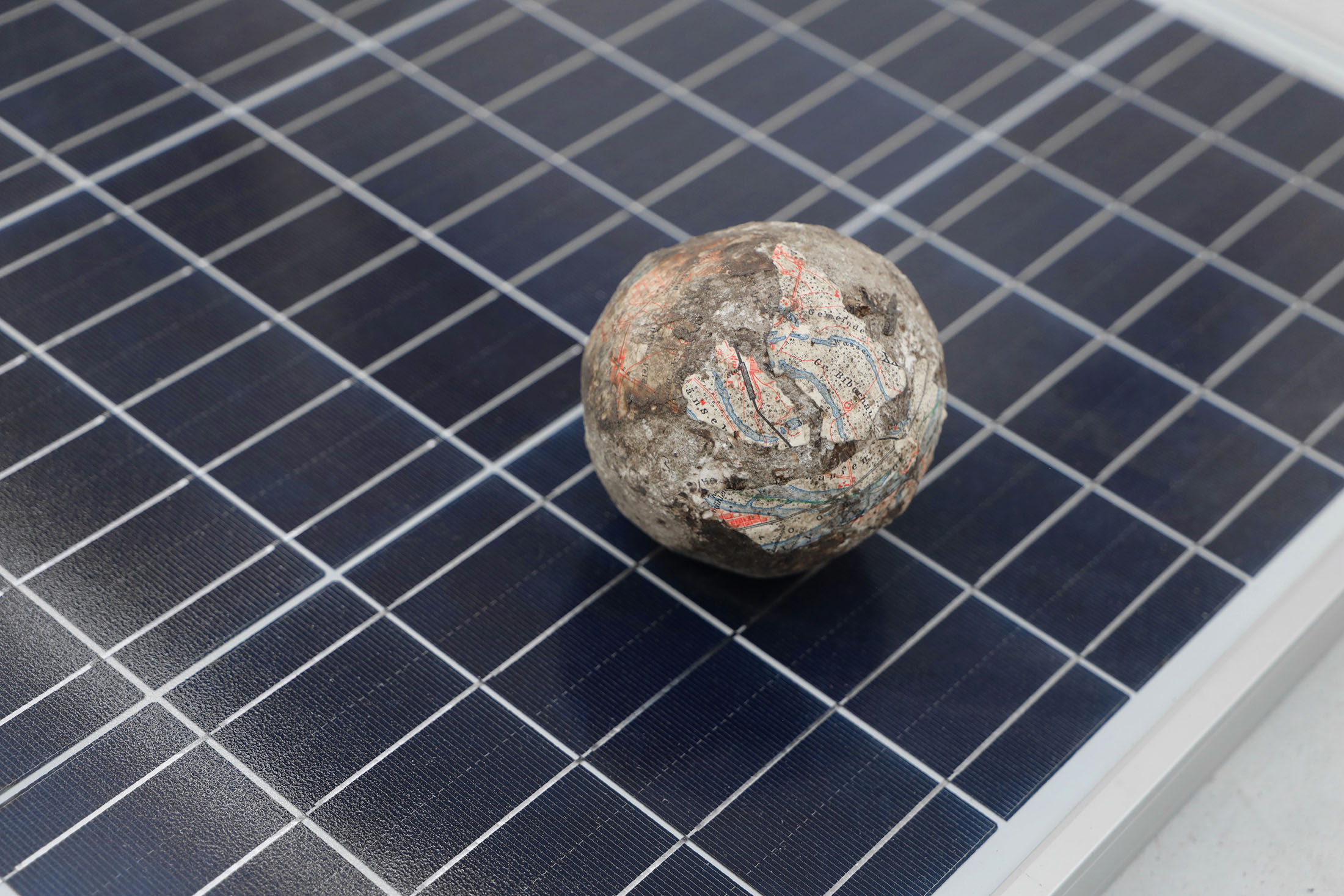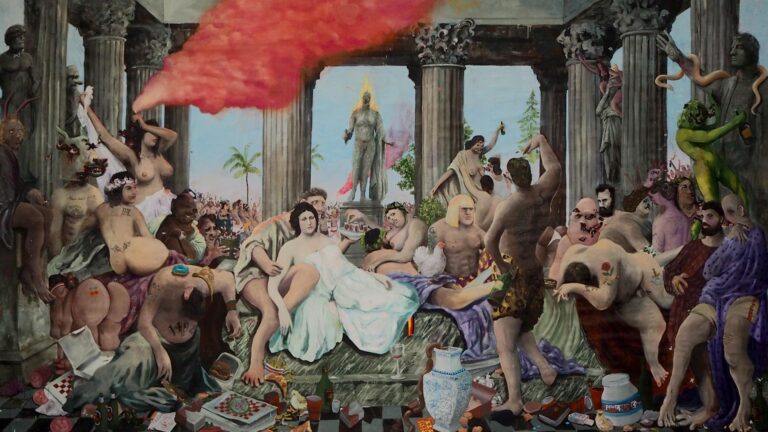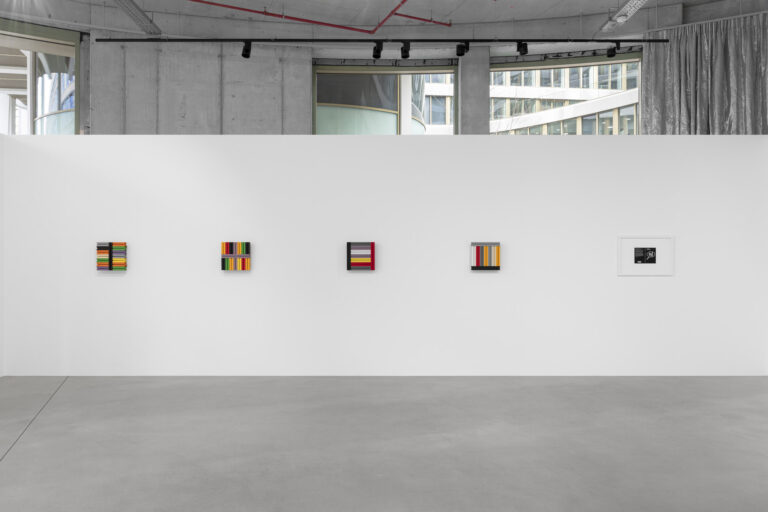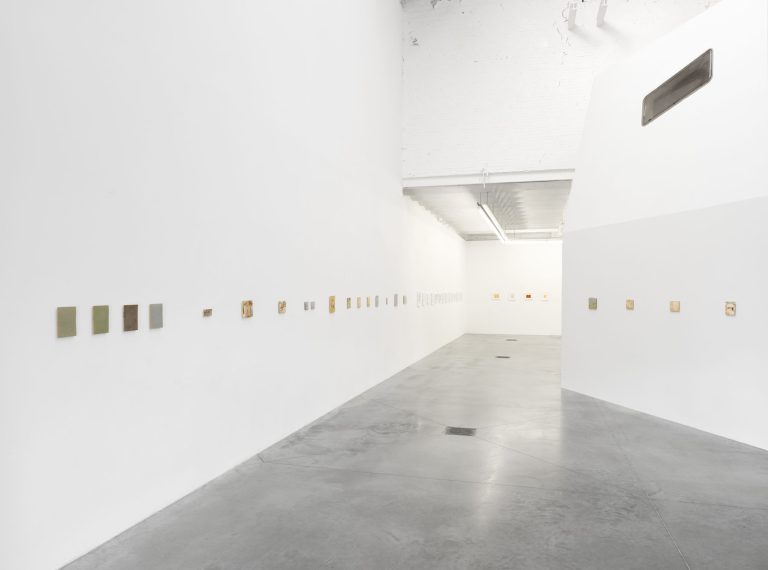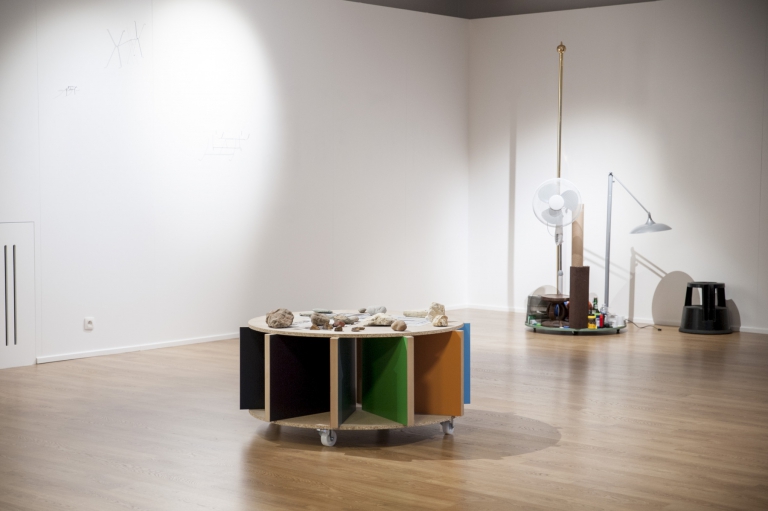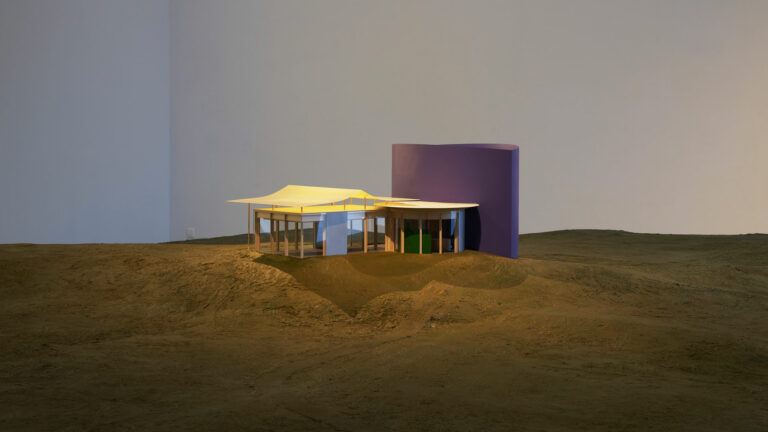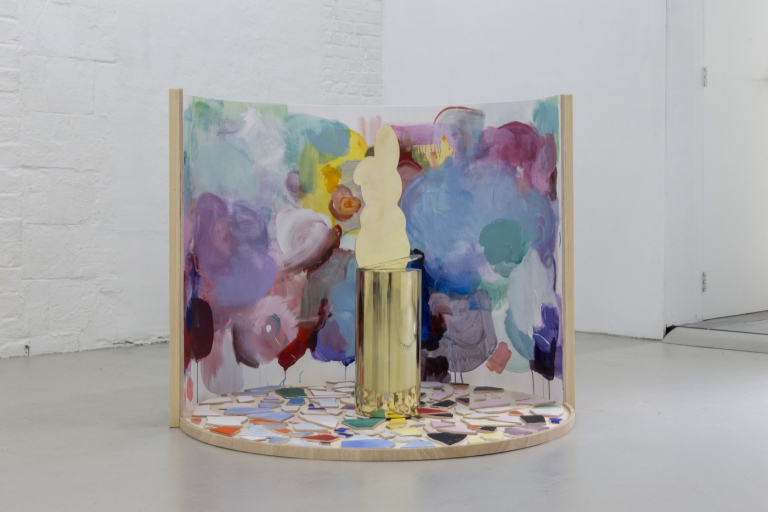
The Failure of Order is the sixth solo exhibition by Peruvian artist Nicolás Lamas at Meessen Gallery in Brussels. The show continues an inquiry developed throughout his practice into the relationships between matter, information, perception, and systems of knowledge. Here, objects do not appear as isolated and stable entities, but as provisional configurations produced by multiple material, historical, and cultural dynamics. From this perspective, the exhibition examines the operations through which we construct models to make sense of the world, as well as the tensions that arise when these models meet a reality that is multiple, shifting, and excessive.
The world does not offer itself as an immediately accessible totality, but as a multiplicity of bodies, forces, materials, events, scales, and temporalities that overflow any single framework of analysis. To navigate this complexity, we construct distinctions: we classify, measure, map, archive, and establish relationships. Throughout history, these operations have assumed diverse forms. Cosmologies, mythologies, and religions have organized relations between the terrestrial and the celestial, the human and the non-human, life and death, the visible and the invisible.
Taxonomies, archives, maps, scientific instruments, measurement systems, and various forms of technology have developed other ways of structuring experience, making distinct aspects of reality legible, comparable, and transmissible. Though governed by different criteria of truth, each of these systems produces a framework through which the world can be apprehended. Order, in this sense, is not a pre-existing condition waiting to be discovered, but an effect produced by the structures through which reality becomes intelligible.
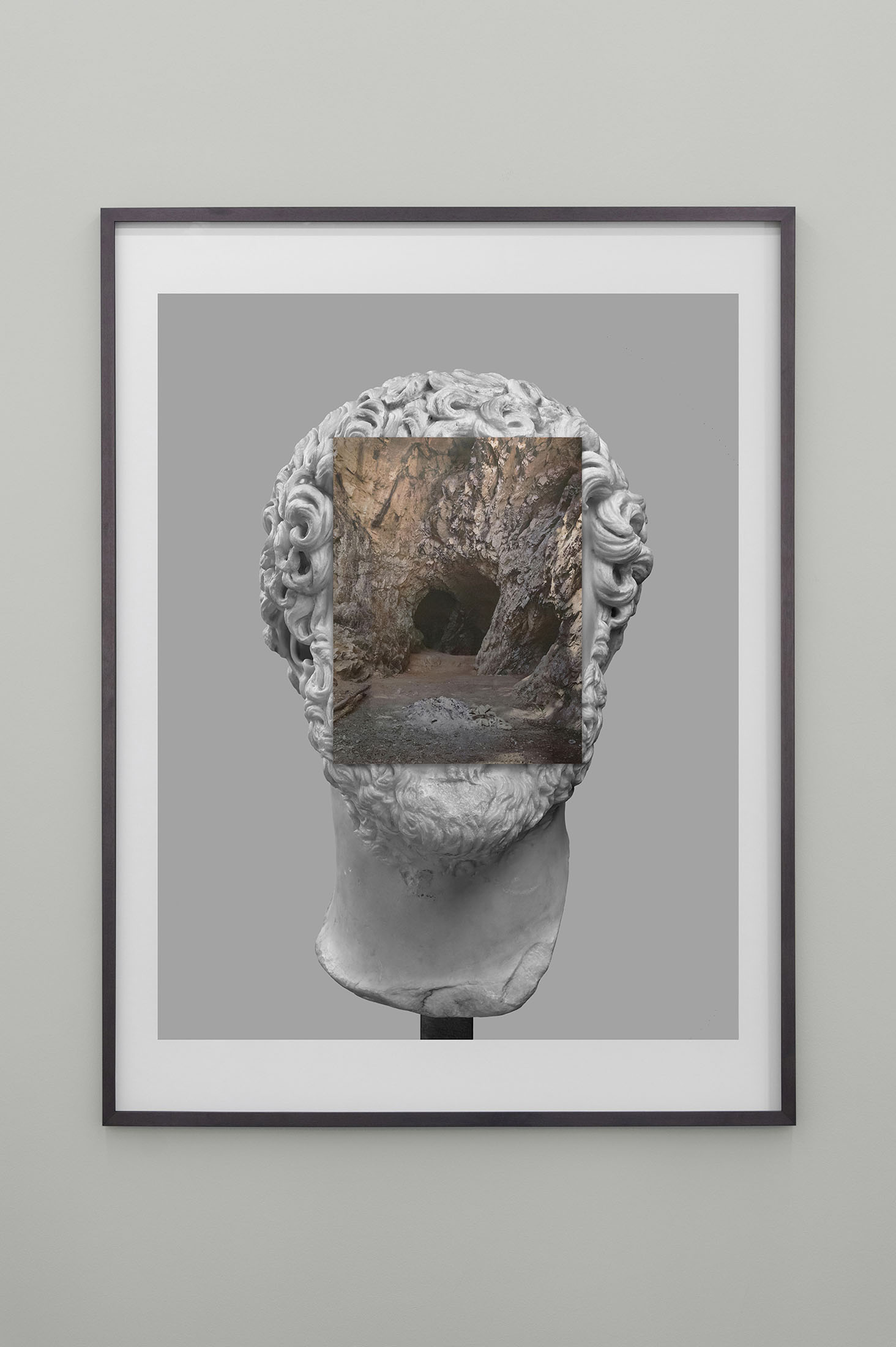
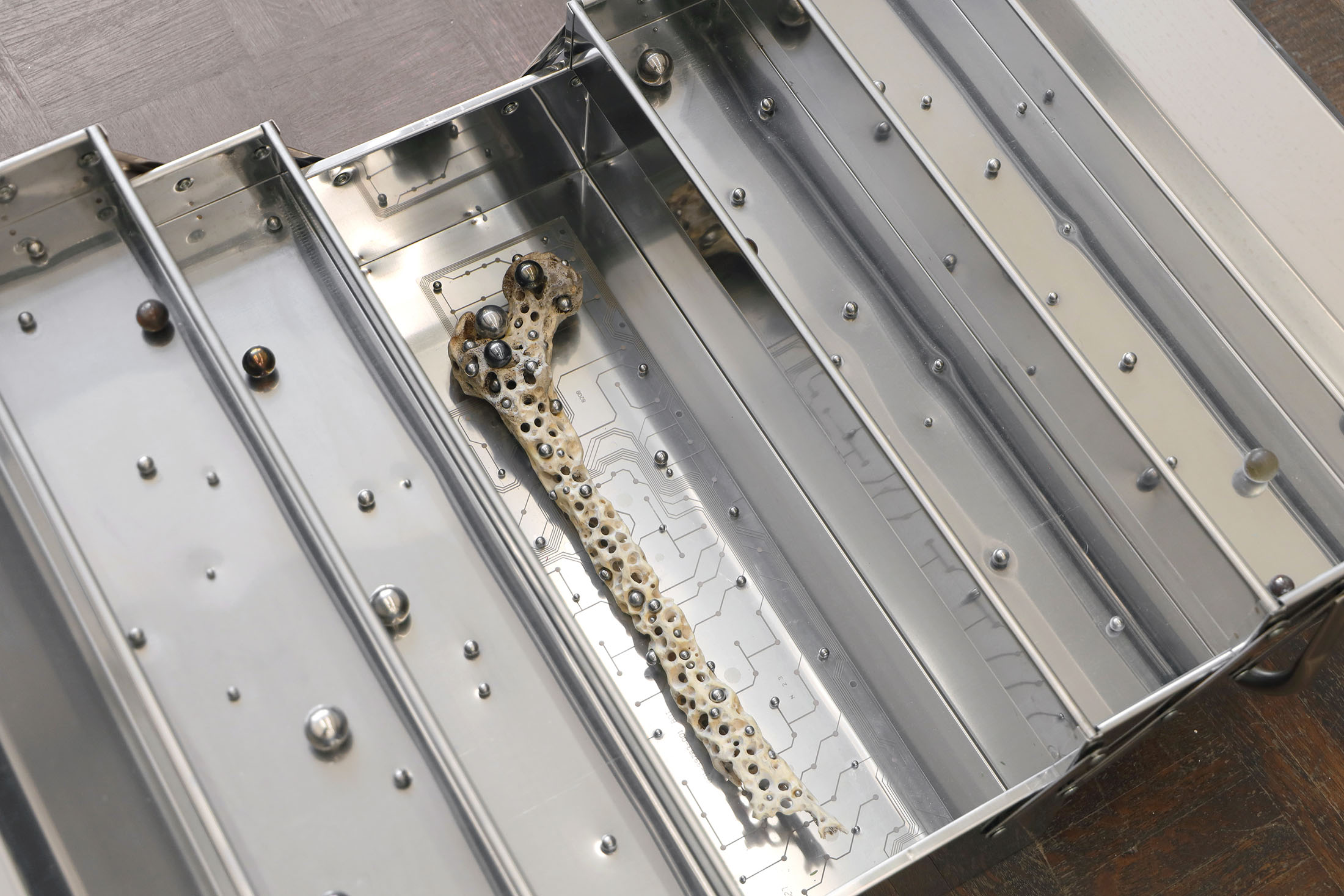
The exhibition situates itself precisely within the space of tension that emerges when these forms of organization encounter one another and that which they fail to contain. Scientific images, archaeological objects, technical instruments, organic materials, cosmological representations, and systems of belief are displaced from their customary contexts and brought into relation with elements belonging to other systems. Rather than aiming to establish a new order or replace one model with another, these associations make perceptible the correspondences, discontinuities, and frictions that run through our ways of producing knowledge.
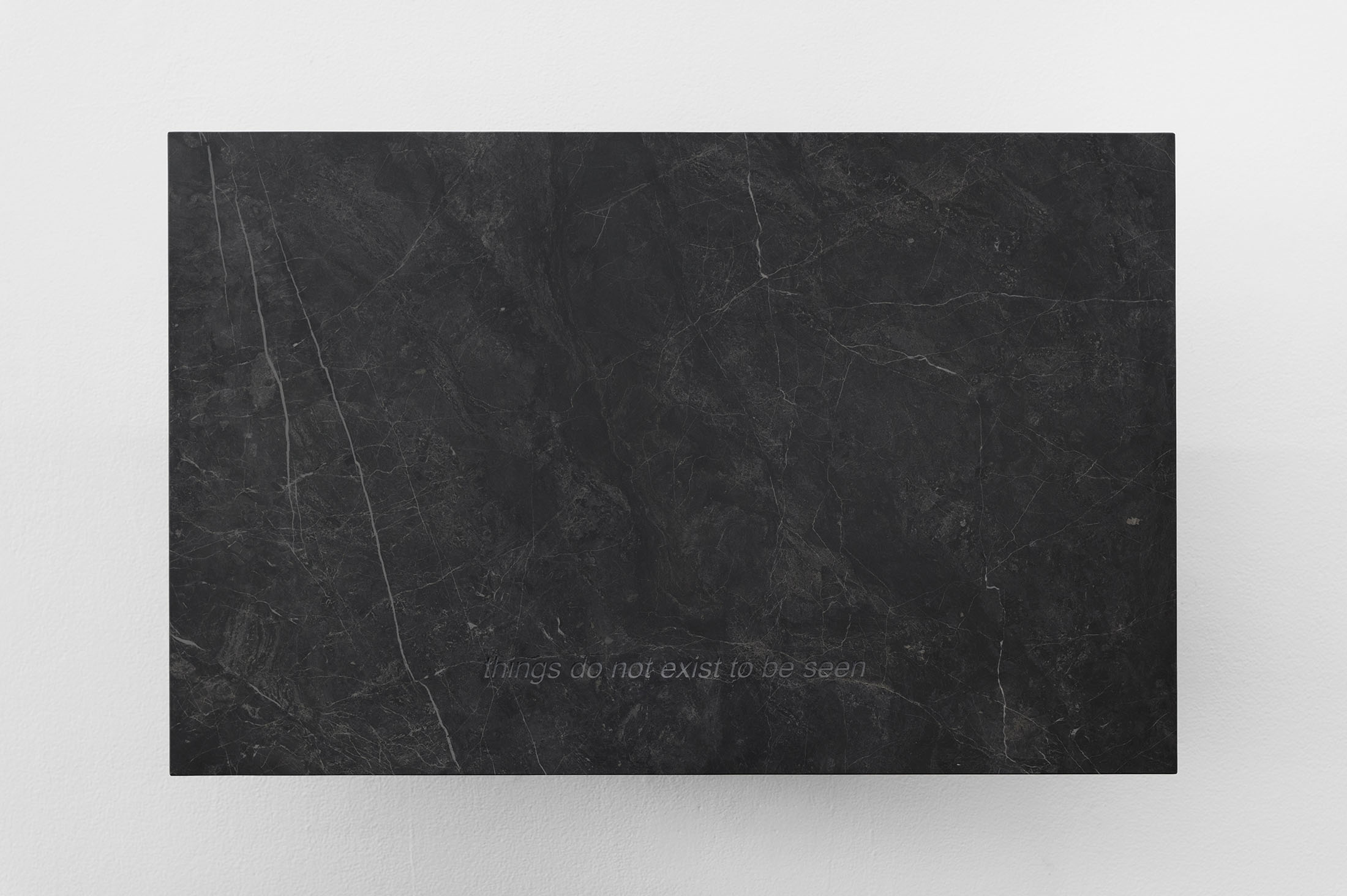
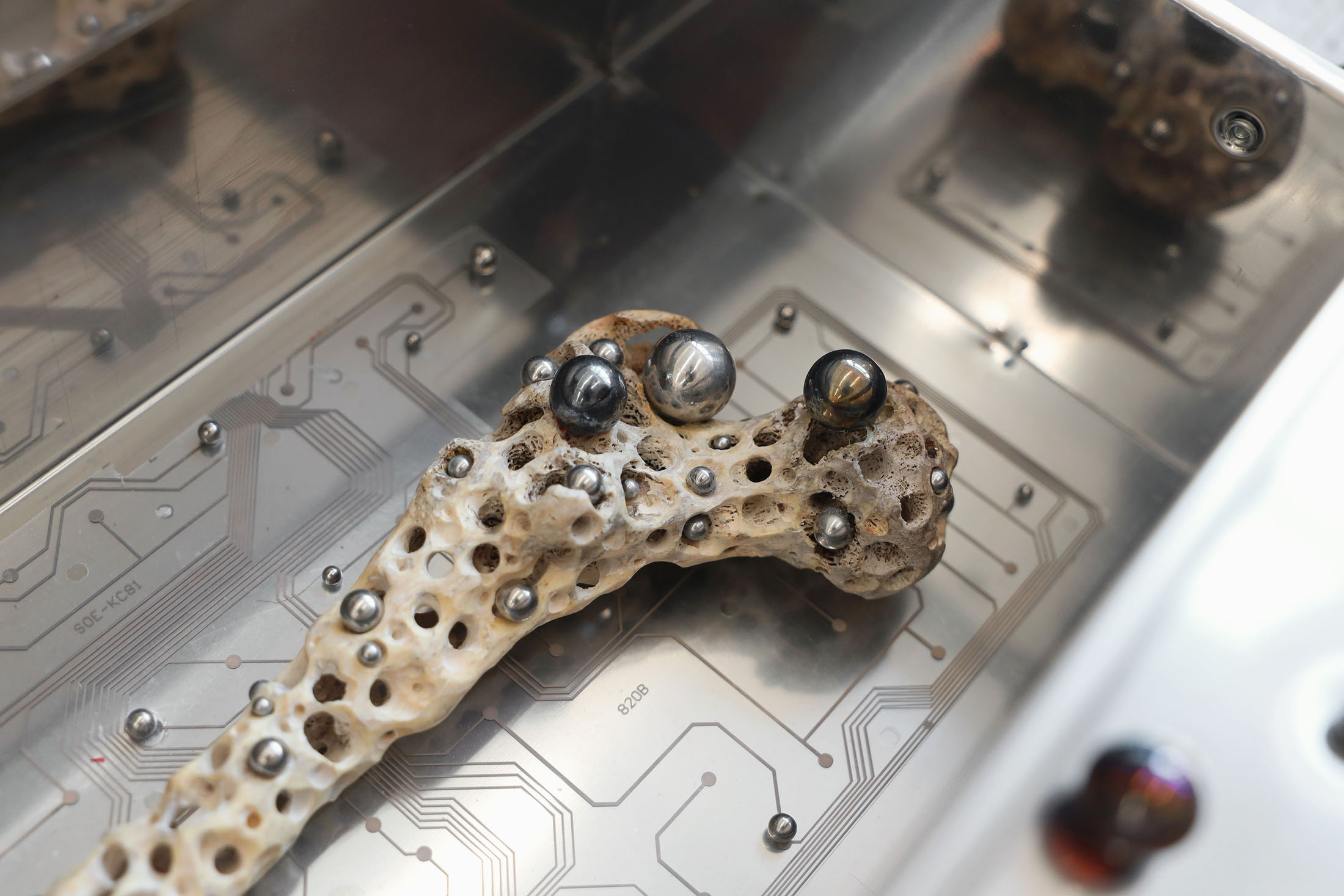
Within this field of relations, distinctions between the organic and the artificial, the archaeological and the industrial, the scientific and the symbolic, or the past and the present cease to function as closed categories. Matter appears not as a passive surface onto which meanings are projected, but as an active participant in the processes through which they are generated, circulated, and transformed. This instability also permeates the images and language present in the exhibition, through photographs and books that have been altered and activated through their relation to other sources of information.
The failure referenced in the title does not describe the collapse of a specific system, nor a simple opposition between order and chaos, but a more fundamental condition: the impossibility for any structure of knowledge to fully coincide with that which it attempts to comprehend. In this context, entropy is not merely a metaphor for decay, but a condition of the material, cognitive, and cultural processes through which forms emerge, circulate, and transform. Lamas’s works remain at that threshold where classification still functions, yet begins to reveal its fissures. The Failure of Order proposes inhabiting this interval without seeking to resolve it, understanding uncertainty not as a deficiency to be eliminated, but as a constitutive dimension of our relationship with the world.