“A ideia de progresso é a que sustenta a destruição de tudo em nome do futuro.”
Ailton Krenak, Ideias para adiar o fim do mundo
Broken lines that pretend to be straight. To think from the idea of lineage is to confront a promise of continuity, of orderly passage, of an inheritance that flows without resistance. It tells us that we come from a clear, universal place from which we move toward another equally legible one. Beneath its soft appearance, lineage draws a straight path and demands fidelity: to origin, to form, to rhythm. Everything that does not conform to that line—what deviates, fragments, bifurcates, or is interrupted—falls outside the narrative, suspended in a time that does not progress and cannot become genealogy. To name lineage is also to decide which memories may be inherited and which must disappear. For this reason, to speak of what exists outside lineage is not to deny the past, but to listen to what insists when the line breaks. When linear temporality becomes a tool of hegemonic power, resisting definition, classification, and inheritance turns into a device for survival.
In a context of intensified neo-imperialism, where old logics of domination reappear under renewed technological, economic, and cultural languages, Outside Lineage emerges as a space of friction: a series of twelve videos that think and practice resistance from the margins of inheritance and outside the temporality that sustains it.
Imperialism—yesterday and today—does not only occupy territories; it administers time. It decides which temporalities are valid, which are relegated to backwardness, and which are declared obsolete. As Ngũgĩ wa Thiong’o has noted, colonial violence also acts upon the imagination, breaking the relationship between language, memory, and history. Added to this rupture is another: the imposition of a single time that invalidates rhythms, cycles, and durations not aligned with the logic of power. In response, many contemporary practices operate from bastard genealogies that cannot be cleanly inherited, and from presents that refuse to be read as a transition toward a predetermined future.
In dialogue with this condition, the notion of ch’ixi memories developed by Silvia Rivera Cusicanqui allows us to think overlapping temporalities that neither merge nor reconcile—layers of time that coexist without integrating into a single narrative, without obeying the imperial chronology of progress. Outside Lineage situates itself precisely there: in the friction between times, in the refusal to order the present as a promise of the future, and in resistance to the dominant languages that organize thought—toward a rebellion against the end of the idea of the world… of “one world.”
The twelve episodes of the program bring together artists who work from visions historically linked to resistance against hegemonic power— orality, opacity, myth, linguistic disobedience, the body, the night, fragmentation—activated as contemporary strategies that disrupt the linearity of time. Languages that do not move toward synthesis, but insist, reappear, fold back on themselves, and refuse closure.
Outside Lineage does not propose a new canon or an alternative genealogy. Nor does it propose a new chronology. It proposes something else: breaking with the idea of an inheritance without fissures. To think and create outside lineage also means to think and create outside imperial time, where history is not inherited or advanced, but contested, interrupted, and reactivated.
At a moment when neo-imperialism flourishes massively and at speed, this program affirms that resistance cannot be limited to a single language, a single era, or a single tool. It must be activated from all the times power has tried to erase, and from all the forms of knowledge it has never fully managed to domesticate.
***
CHAPTER 250: DRUMMING WITH AND FOR BENNY
For a long time, the archive has been understood as the place where history is preserved, classified, and legitimized. Yet much of collective memory has never belonged to the archive. There are forms of knowledge that do not survive in documents, but in bodies, gestures, rhythms, and shared practices. Their continuity depends not on the preservation of an object, but on the possibility of being activated time and again. In this sense, remembering is not simply a matter of recovering the past, but of producing it anew through action.
Against the notion of the archive as a static repository, contemporary artistic practices have increasingly proposed it as a performative process. Memory is no longer understood as a collection of records, but as a relational practice through which knowledge is transmitted by repetition, encounter, and shared experience. The archive is no longer what is stored, but what continues to take place.
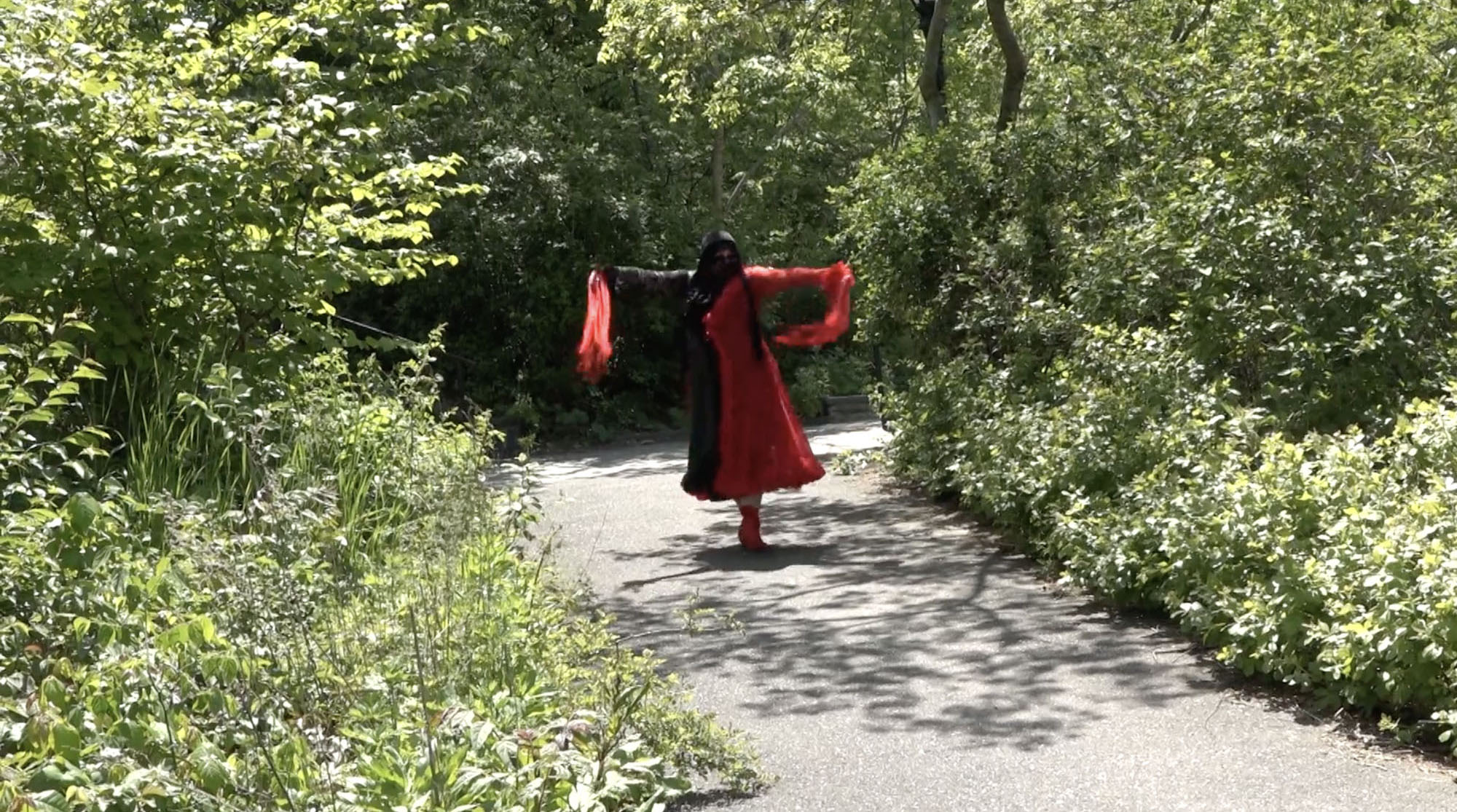
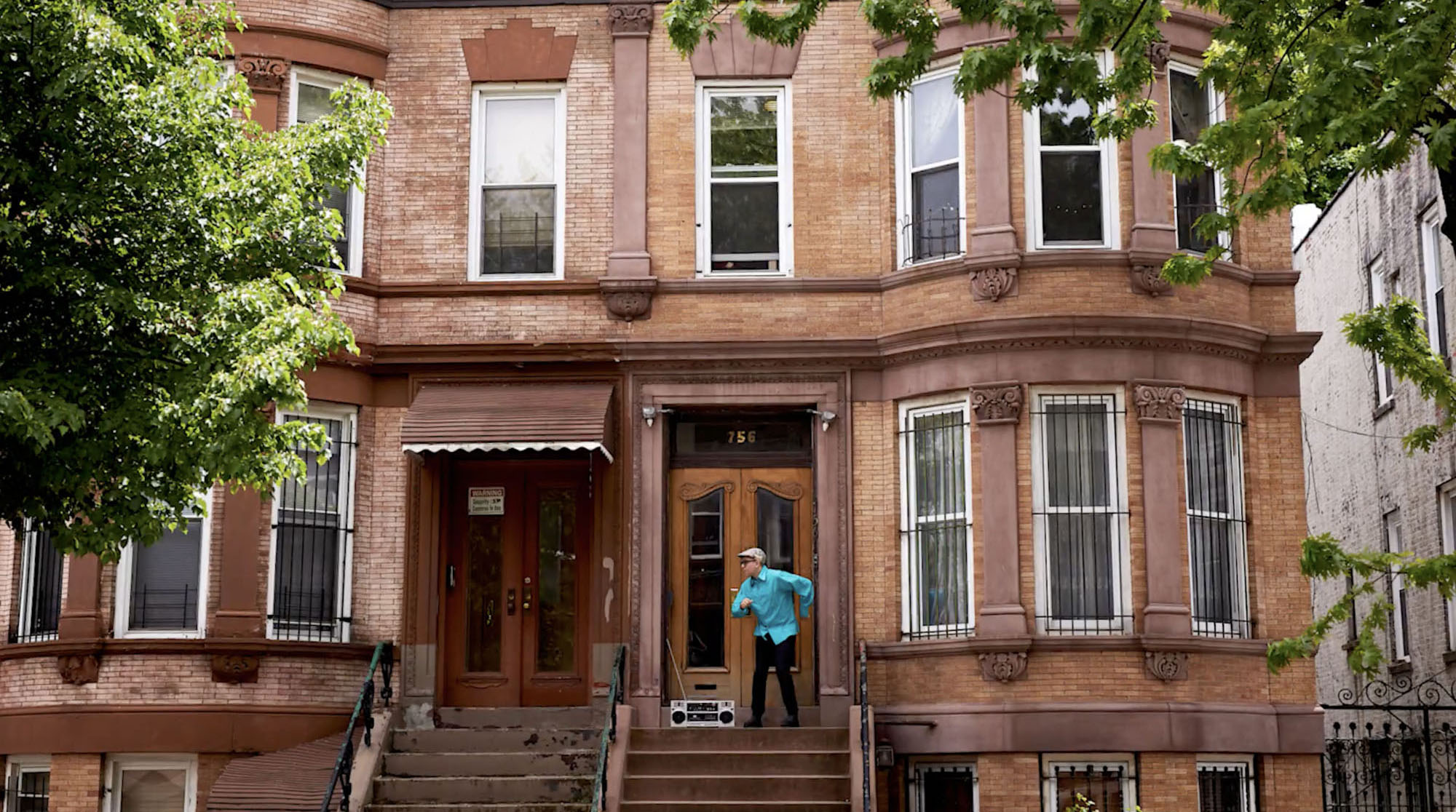
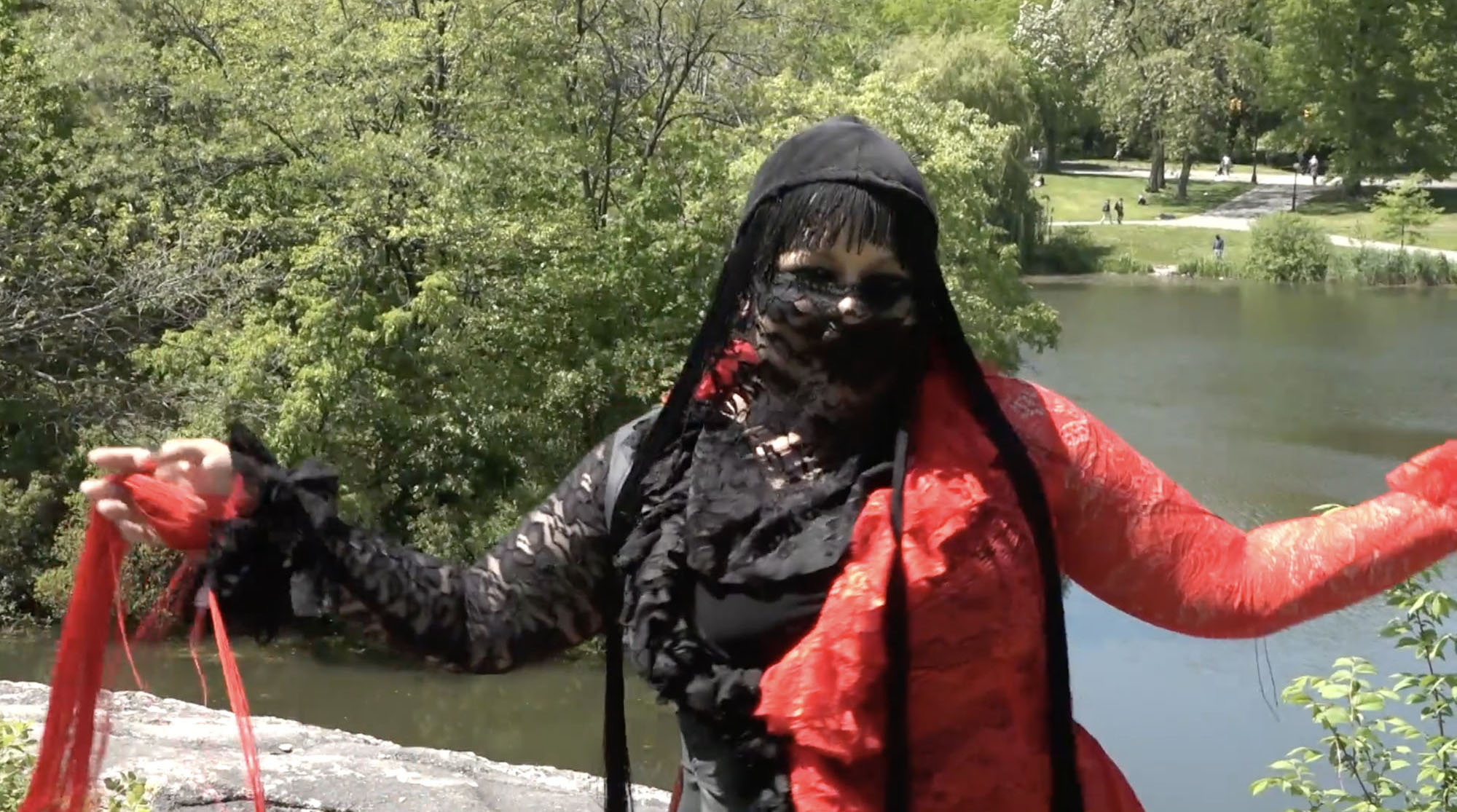
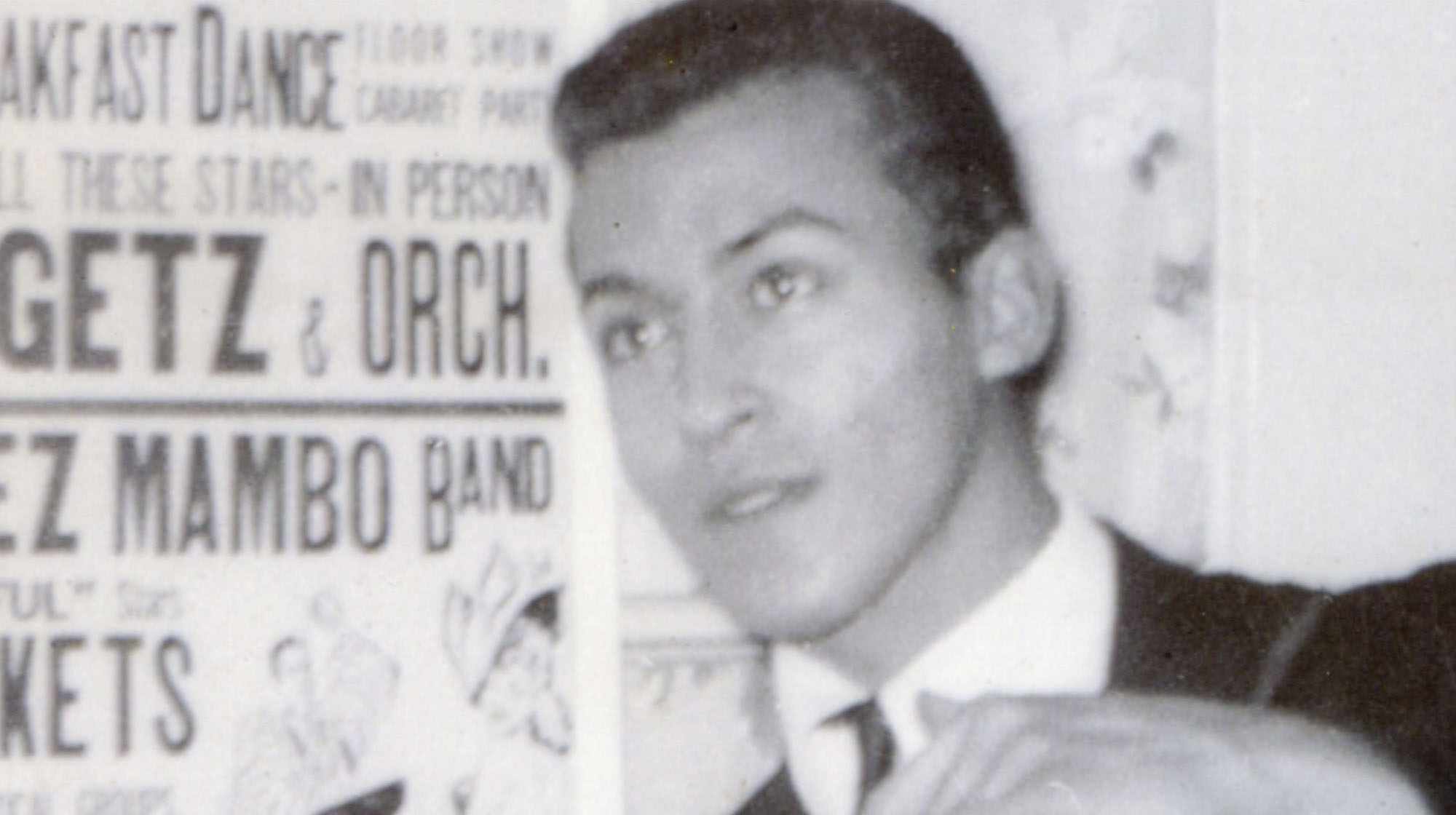
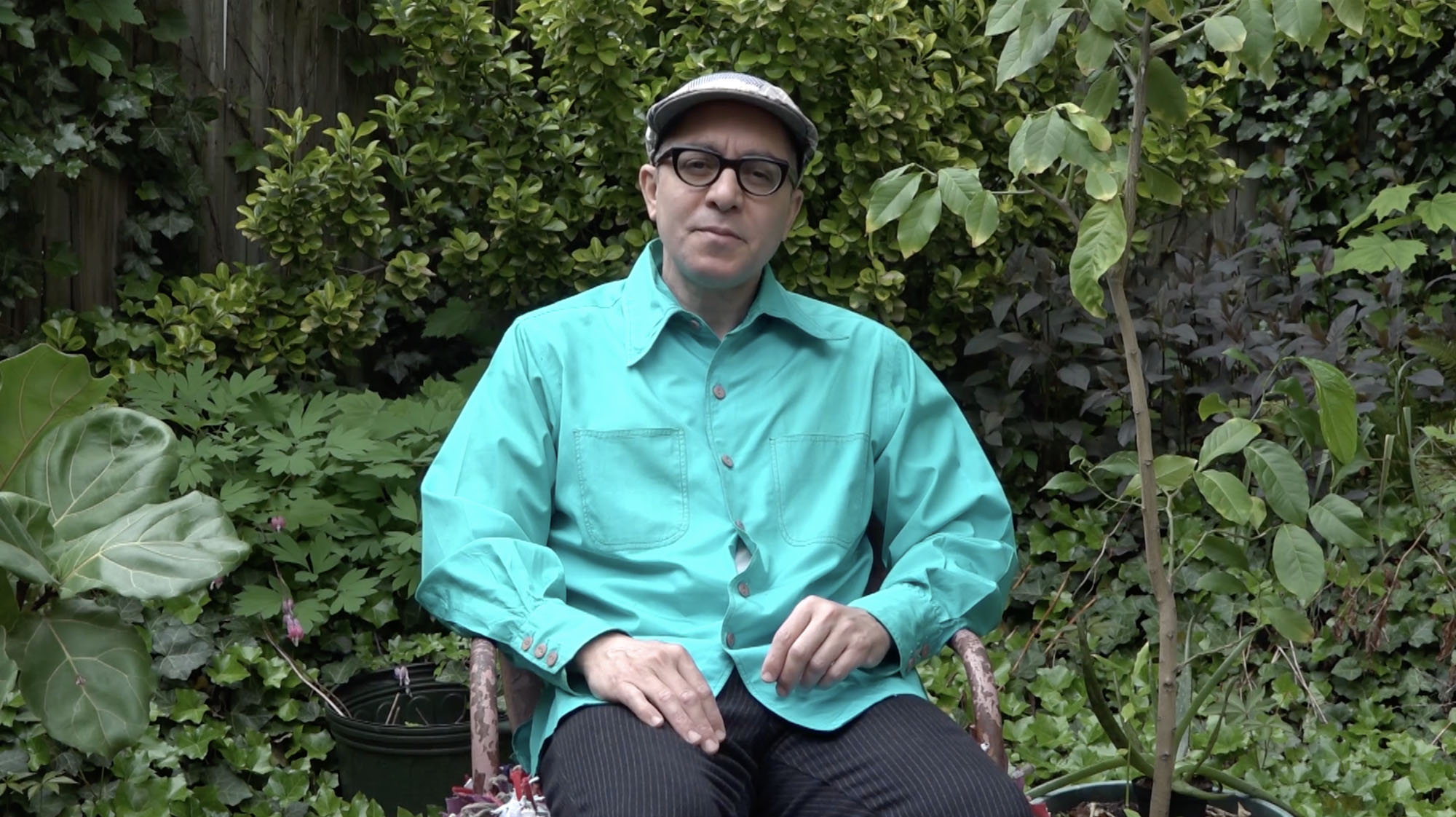
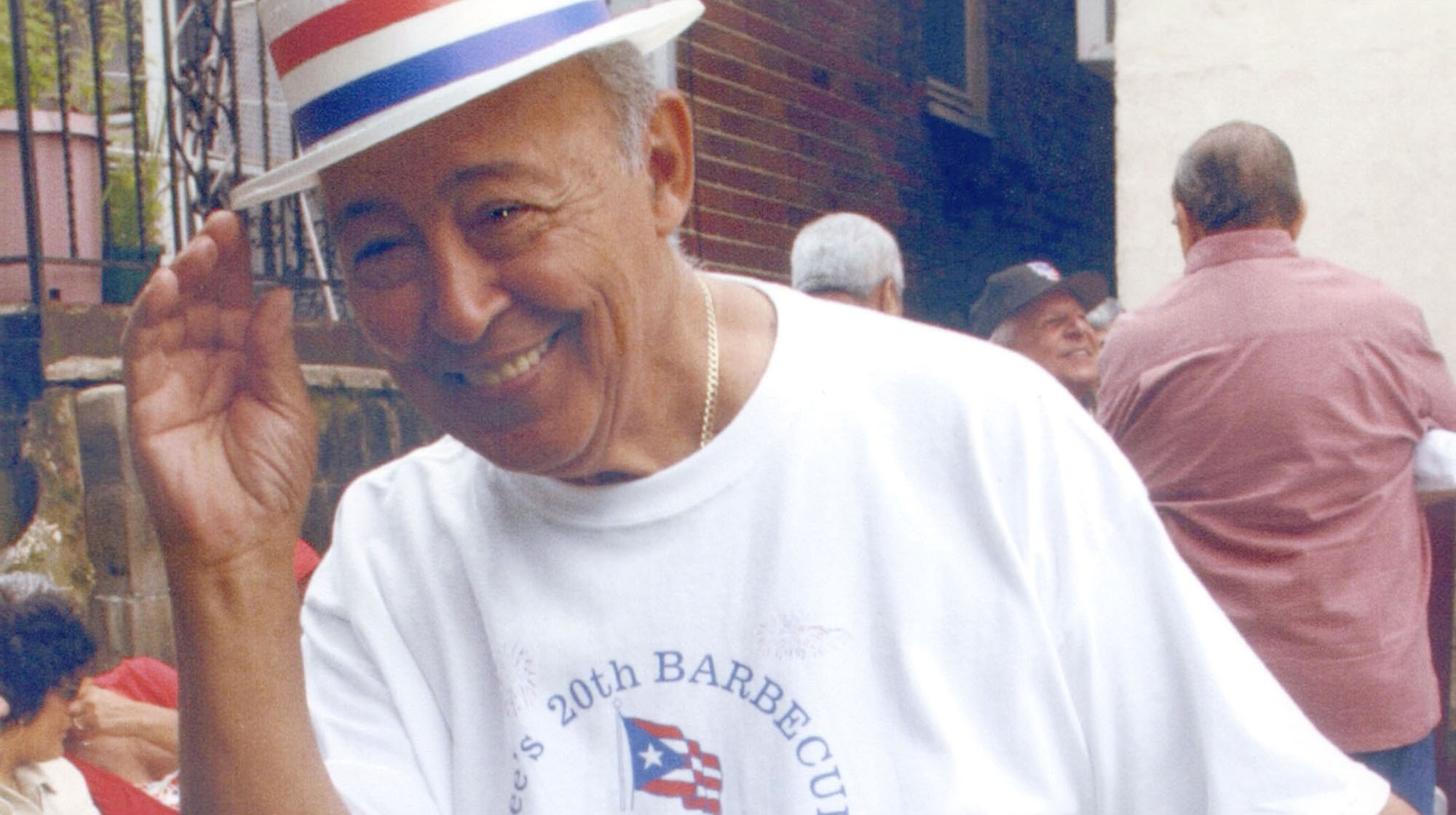
Created by Nicolás Dumit Estévez Raful Espejo Ovalles Morel Atribas part of his long-term project Performing the Bronx and presented in 2020 as part of the South Bronx Culture Trail Festival, organized by Casita Maria Center for Arts & Education, Drumming With and For Benny fully embraces this expanded understanding of the archive. The work takes as its point of departure the figure of Benny Bonilla, a percussionist, educator, and one of the most significant cultural figures within the Puerto Rican community of the Bronx. Rather than constructing a biographical portrait or a monumental tribute, however, Estévez Raful establishes a performative dialogue with Benny across the neighborhoods of Longwood and Morris Park, shifting the focus from the individual to the network of relationships through which memory is sustained.
The work brings together testimonies from musicians including Richie Bonilla, Eddie Palmieri, Joe Bataan, and Bobbie Sanabria, alongside historians, community members, and young participants from Casita Maria, whose drumming sequences are collectively assembled as part of the piece.
None of these voices seeks to establish a definitive narrative; instead, they form a polyphonic structure in which memory remains open, unfinished, and necessarily collective. The act of drumming ceases to be a mere musical performance and becomes an act of transmission, capable of sustaining a legacy precisely through its repetition.
Drumming occupies a central role as a technology of transmission. More than a musical instrument, it functions as a bodily archive in which histories are inscribed without ever requiring written documentation to endure. Each rhythm invokes previous memories while simultaneously opening the possibility of future continuities. Cultural inheritance is therefore presented not as a fixed legacy, but as a practice that exists only insofar as it continues to be performed.
The work also displaces the notion of individual authorship. Memory is constructed through a multiplicity of voices, bodies, and generations participating in a shared process of transmission. The Bronx ceases to operate as a documentary backdrop and instead emerges as a living archive: a territory where histories survive less in monuments than in the cultural practices that continue to inhabit it. The neighborhood does not simply contain memory; it continuously produces it.
Perhaps the work’s most significant critical gesture lies in its redefinition of legacy itself. Rather than understanding inheritance as material heritage, documentary evidence, or official historical narratives, Drumming With and For Bennyproposes legacy as a shared practice. What is transmitted from one generation to the next is not merely the memory of past events, but ways of making, listening, gathering, and sustaining a collective memory. From this perspective, the archive ceases remains alive only as long as there are bodies willing to make it resonate once again.
Nicolás Dumit Estévez Raful Espejo Ovalles Morel Atrib treads an elusive path that manifests itself through creative experiences that he helps unfold within the quotidian. He has exhibited or performed at Madrid Abierto/ARCO, The IX Havana Biennial, PERFORMA 05/07/21, IDENSITAT, Prague Quadrennial, Pontevedra Biennial, Queens Museum, MoMA, Printed Matter, P.S. 122, Sculpture Center, Bronx Academy of Arts and Dance BAAD!, Hemispheric Institute of Performance Art and Politics, City as Living Laboratory, Princeton University, The Bee Friendly Trust, Anthology Film Archives, El Museo del Barrio, Center for Book Arts, Longwood Art Gallery/BCA, The Smithsonian National Museum of the American Indian, Franklin Furnace, and Lower Manhattan Cultural Council, among others. Nicolás has received mentorship in art in everyday life from Linda Mary Montano, a historic figure in the performance art field.
Residencies attended include P.S. 1/MoMA, CEC ArtsLink, The Performance Project, Soaring Gardens, Jentel, Henry Street Settlement/Abrons Arts Center, Center for Book Arts, Lower East Side Printshop, Artists Alliance Inc., Yaddo, and MacDowell. Nicolás has curated exhibitions or programs for El Museo del Barrio; Leslie Lohman Museum of Art; Bronx River Art Center (BRAC); Franklin Furnace; Elizabeth Foundation Project Space; Artists Alliance Inc; Art in Odd Places; Korea Art Forum; Social Practice CUNY; BAAD! The Bronx Academy of Arts and Dance; and The Institute for Art, Religion and Social Justice at Union Theological Seminary in the City of New York; as well as for the Filmoteca de Andalucía in Córdoba, Spain.
Publications include Pleased to Meet You, Life as Material for Art and Vice Versa (editor), One Person at a Time (editor), Induced Labor, and For Art’s Sake, among others. Nicolás holds an M.F.A. from Tyler School of Art, Temple University, Philadelphia, where he studied with Coco Fusco, and an M.A. from Union Theological Seminary in the City of New York. He was a Senior Lecturer and Social Practice Artist in Residence in the Art and Art History Department at The University of Texas at Austin; and a Smithsonian Artist Research Fellow. Nicolás was recently a Teaching Scholar in Residence at Social Practice CUNY (SPCUNY). Born in Santiago, Dominican Republic, he was baptized as a Bronxite in 2011. He is the Founding Director of The Interior Beauty Salon www.interiorbeautysalon.com