CHAPTER 11: CHARKO
Climate anxiety is not a concrete fear, but an atmospheric condition. It does not respond to a specific event, but to the diffuse awareness of an ongoing irreversible process. It is not the anticipation of disaster: it is the experience of living within it without it ever fully taking place. In this sense, it does not paralyze solely through fear, but through the impossibility of positioning oneself outside the system that produces it. Unlike other forms of anxiety, there is no “before” to return to. There is no possible nostalgia for balance, because that balance was already traversed by extractive and parasitic dynamics. Climate anxiety is not only ecological: it is epistemological. It affects the way we understand time, responsibility, and agency.
Faced with this discomfort, cultural dispositifs that seek to regulate experience proliferate. Among them, nature documentaries occupy a central place. They construct carefully directed visual and sonic environments, where nature appears as a balanced, intelligible, and above all, separate system. They function as anxiolytic spaces: offering contemplation without implication, beauty without conflict, distance without responsibility.
In this context, an ambiguous form of adaptation also emerges: the normalization of the degraded. Living alongside waste, pollution, or deterioration ceases to be perceived as an exception and becomes part of the everyday landscape. This acceptance entails a risk: turning the symptom into environment, the anomaly into norm.
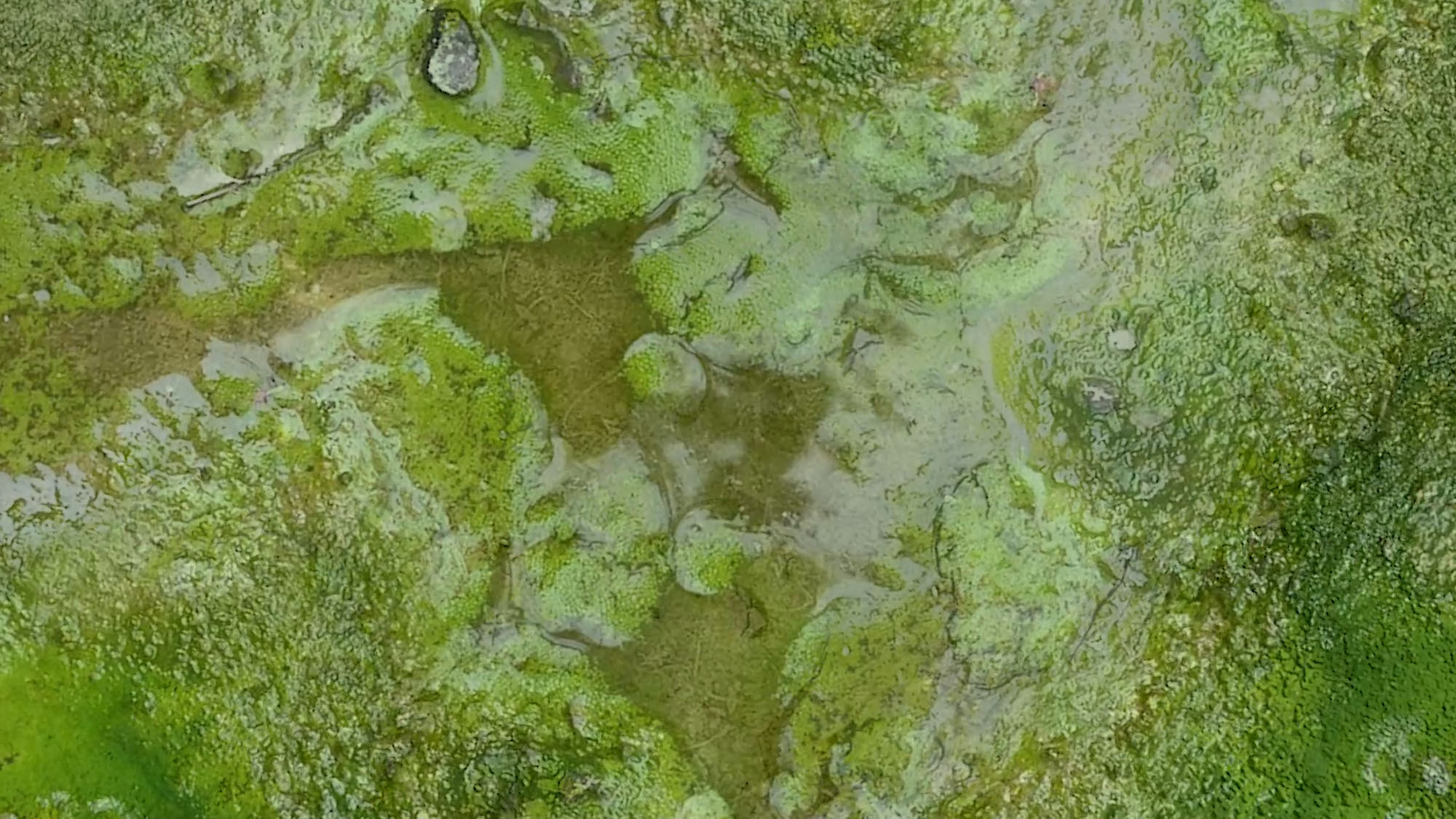
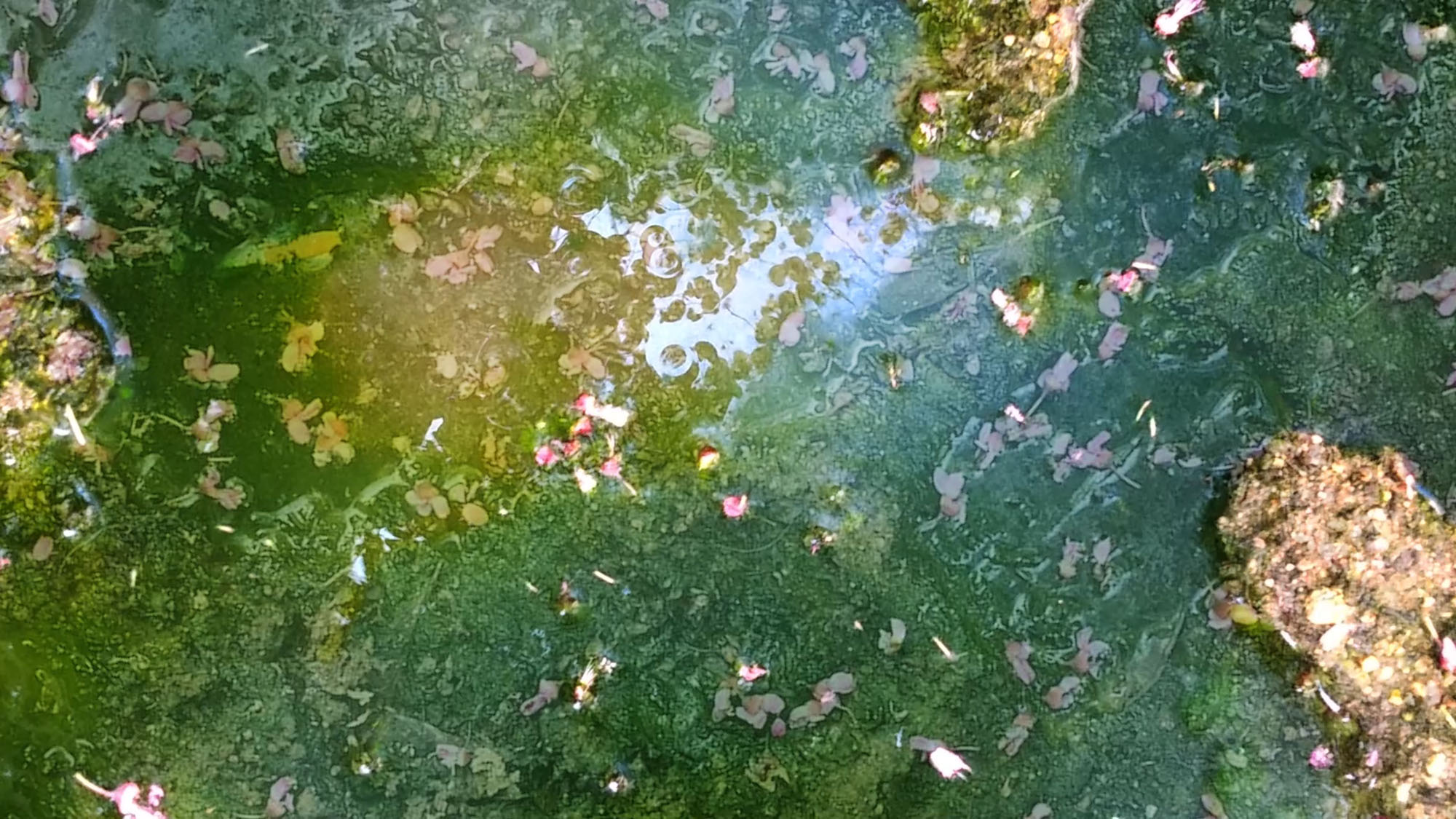
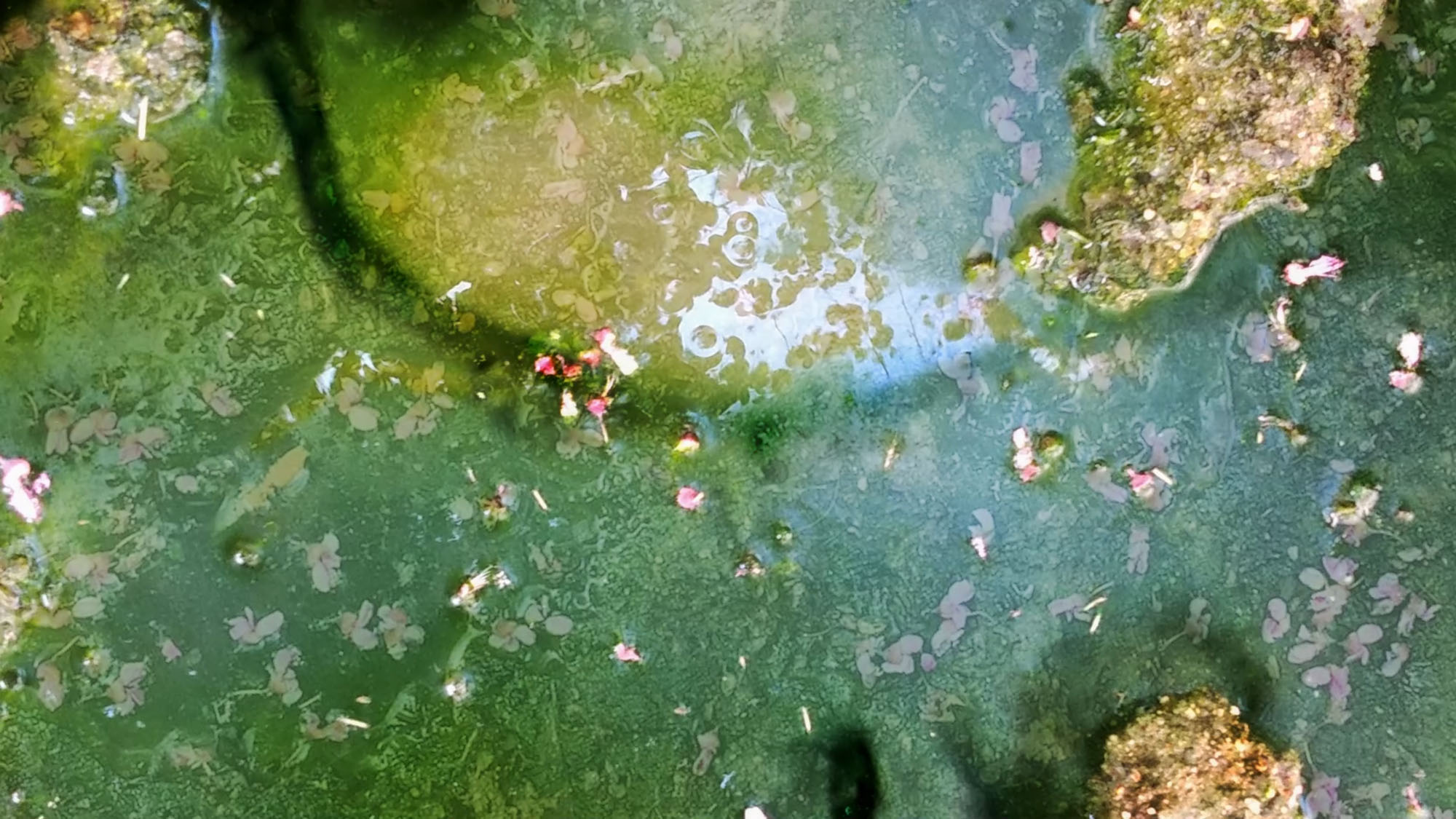
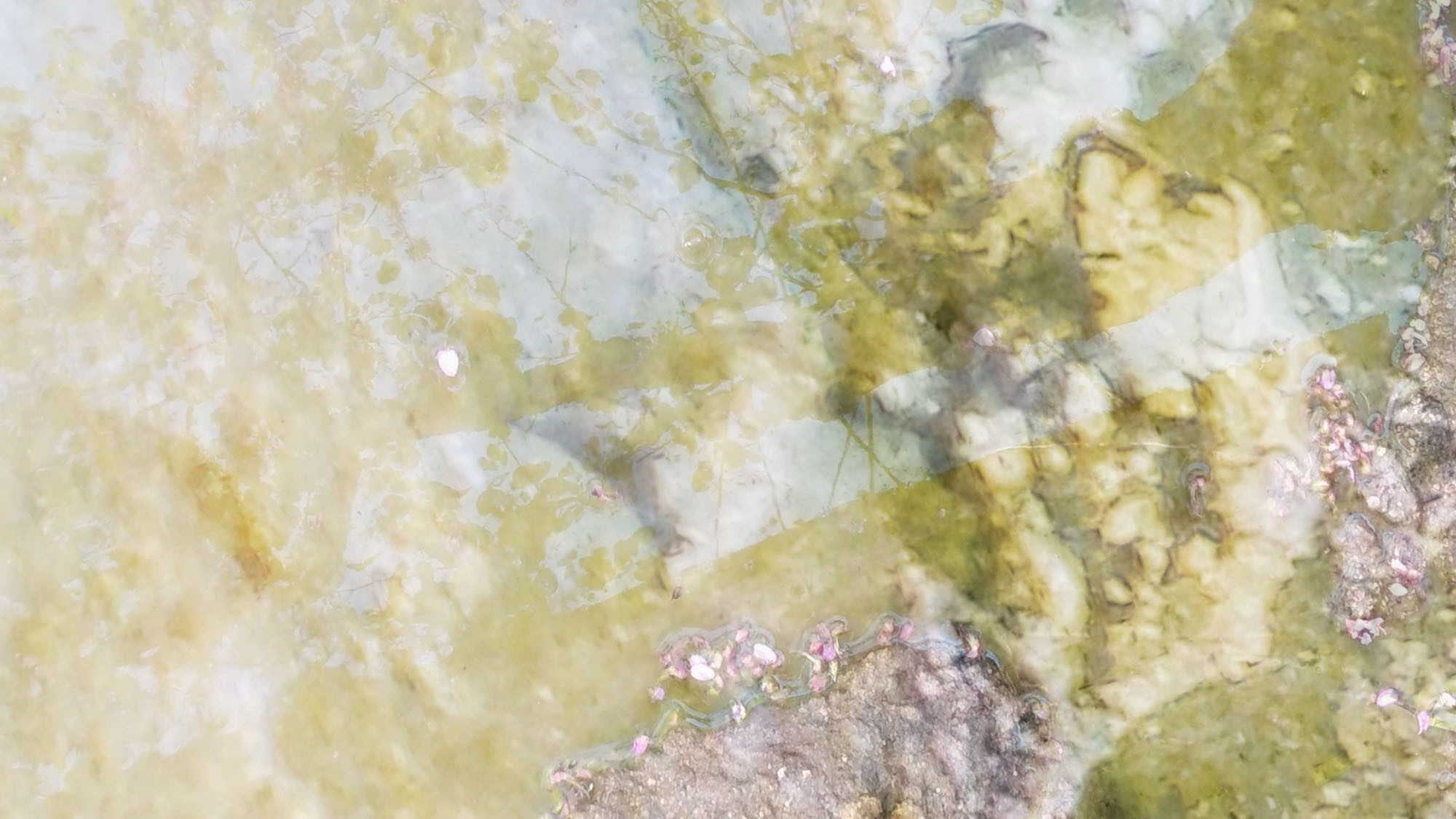
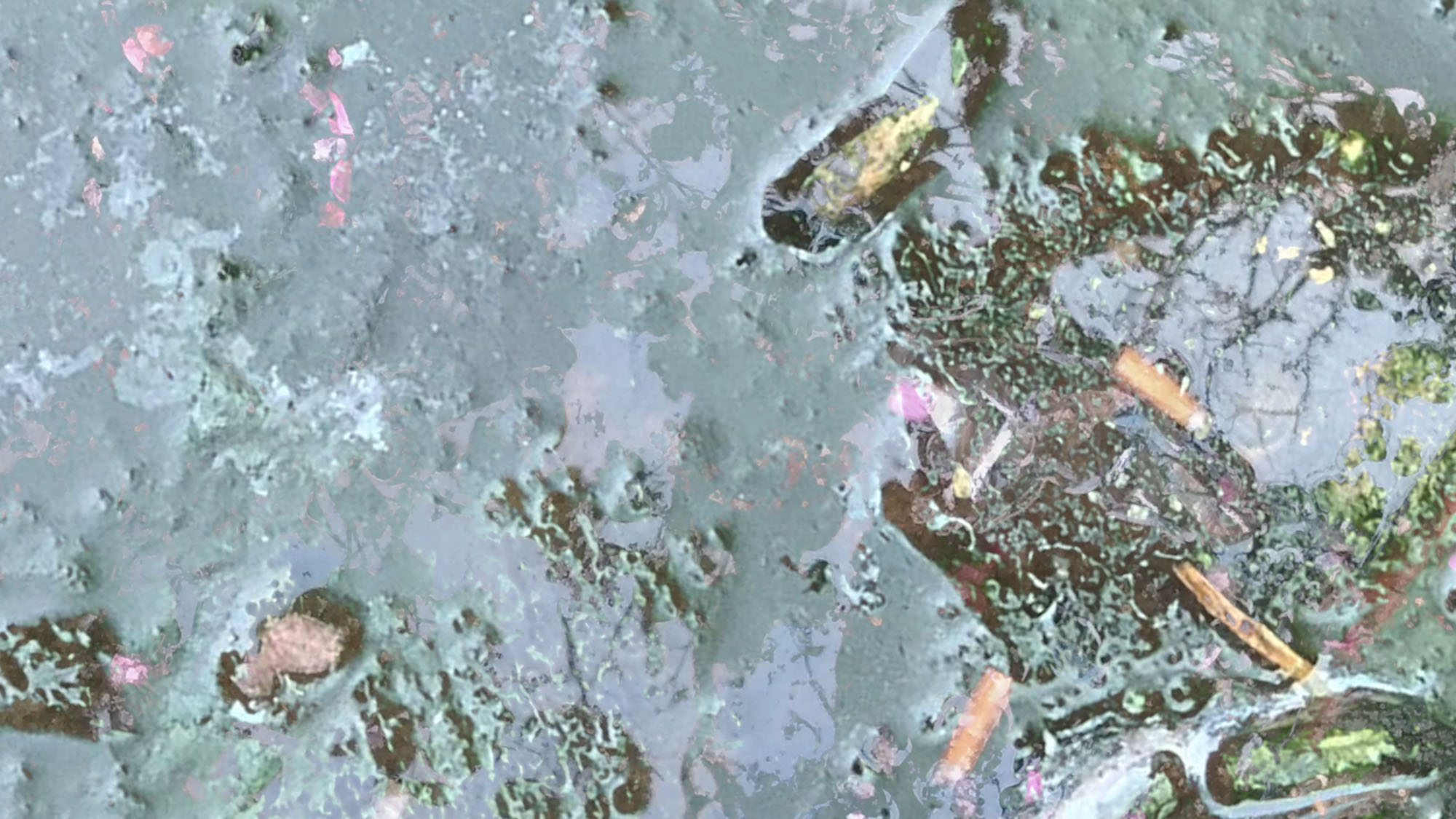
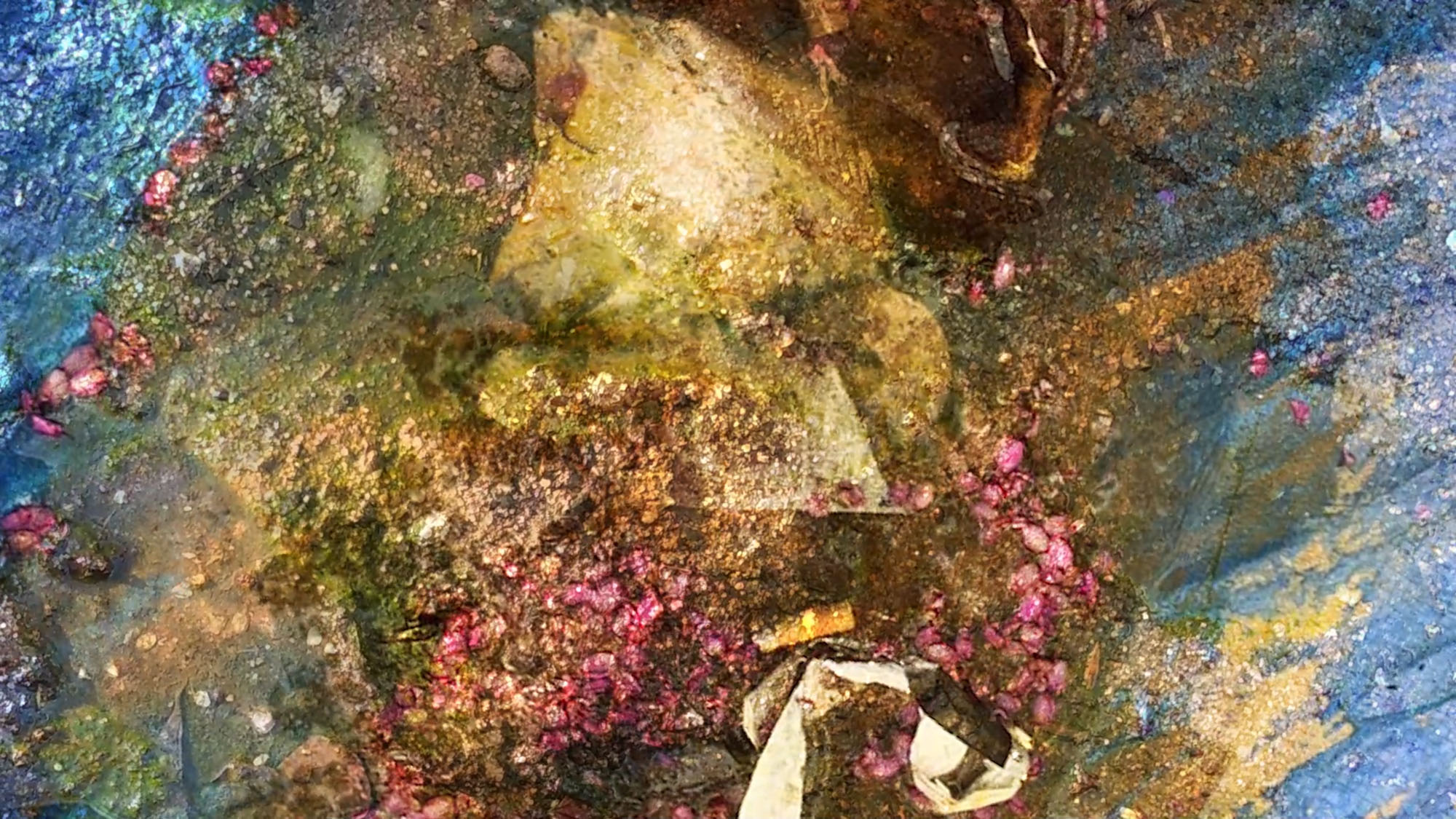
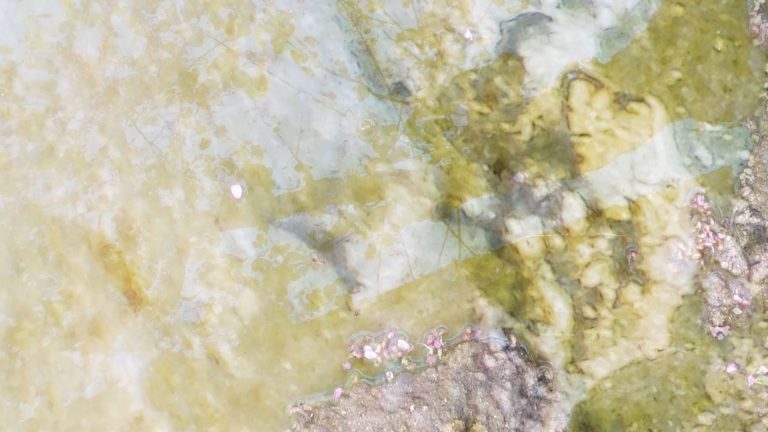
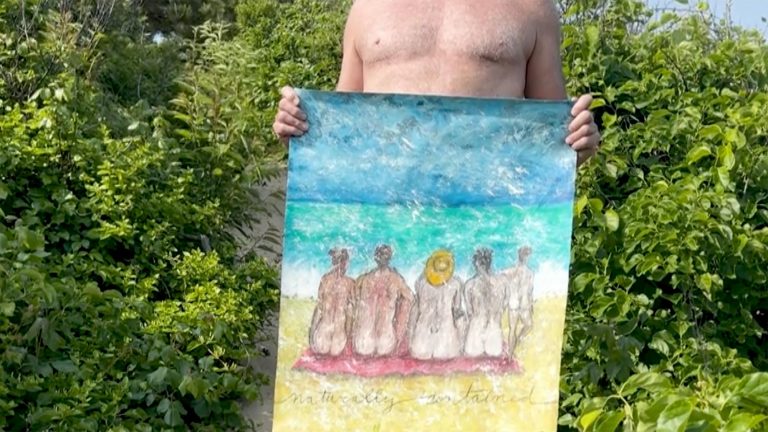
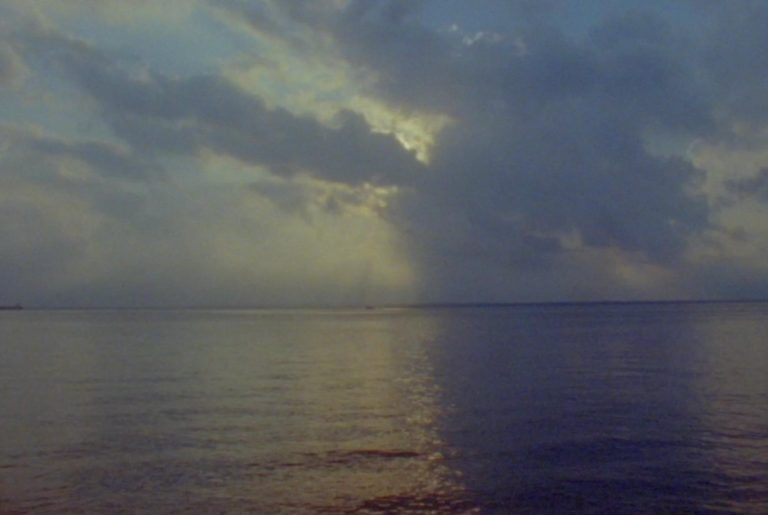
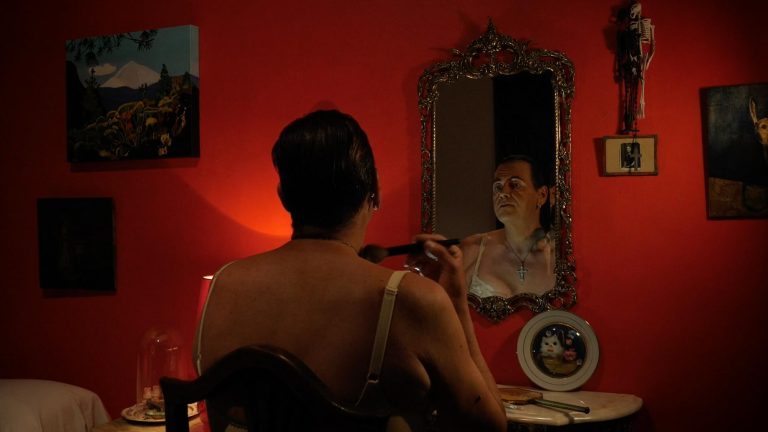
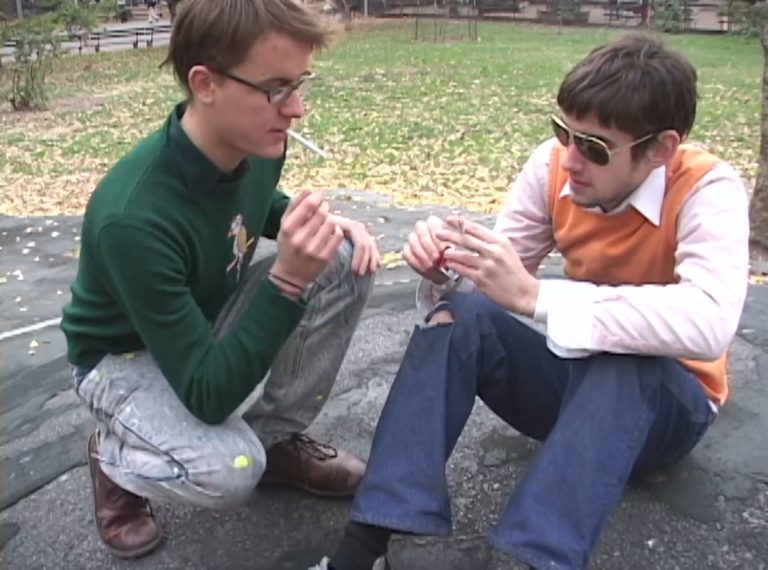
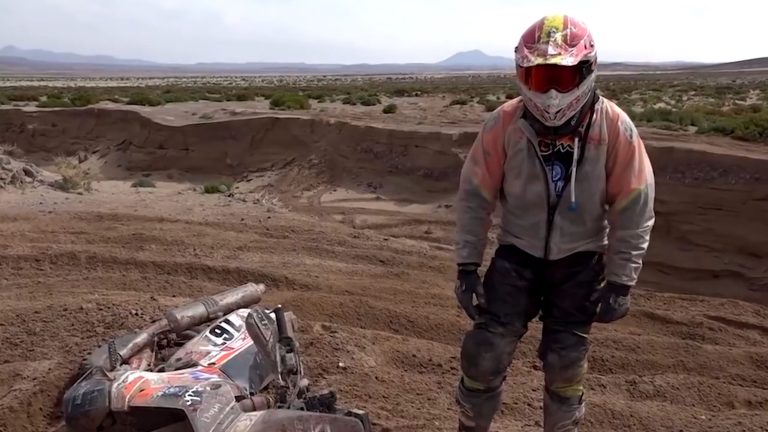
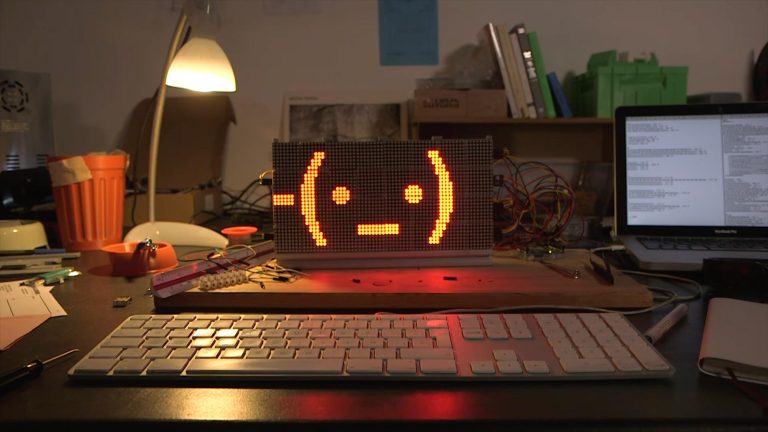
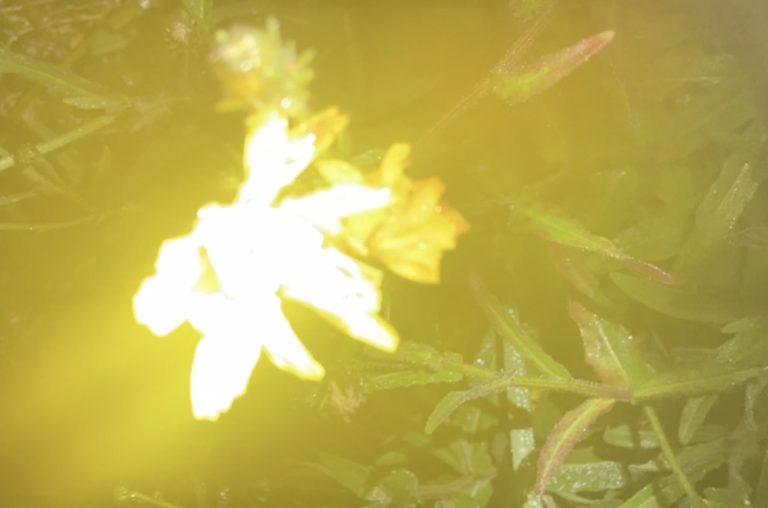
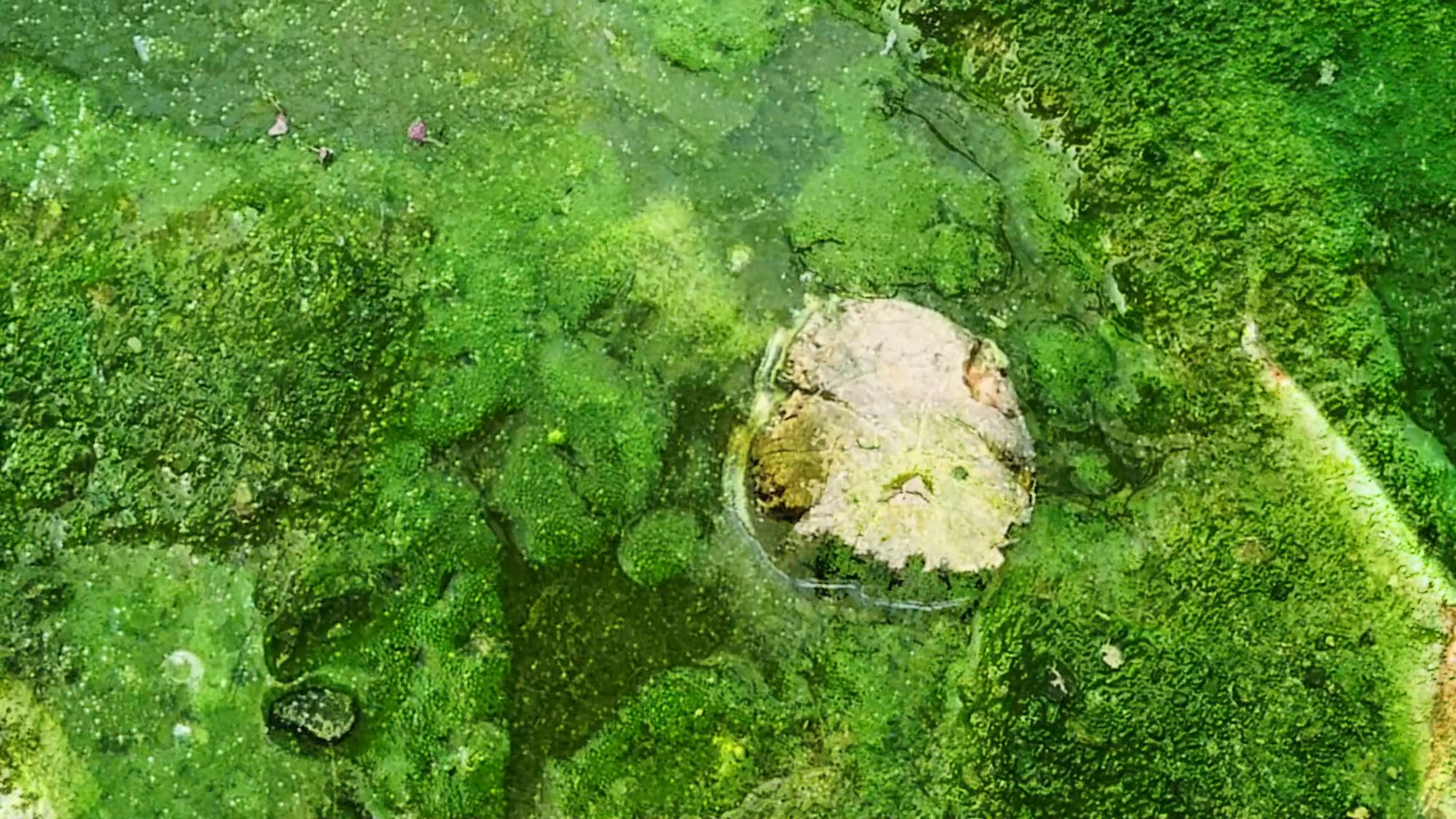
CHARKO by Natalia Colina breaks with this logic. It offers neither distance nor comfort. There is no outside. The anxiety is not resolved because there is no position from which to resolve it. Instead, the piece proposes a way of coexisting with discomfort: not as passive acceptance, but as sustained exposure to an unmediated truth.
In this context, the acceptance of“shit”—ofwaste, degradation, the abject—can function as an ambiguous anxiolytic. Learning to live among remains soothes, but also normalizes. It turns the symptom into landscape. And in doing so, it risks reinforcing the same parasitic logic that produces the crisis.
Climate anxiety, then, is not only an effect of collapse, but also a field of dispute. Between anesthesia and lucidity. Between representation and experience. Between the possibility of imagining other modes of existence and the constant temptation to adapt to the unacceptable. CHARKO does not resolve this tension. It keeps it open. And in doing so, it points to something uncomfortable but necessary: that perhaps the only honest way to inhabit this moment is not to soothe anxiety, but to sustain it without turning it into spectacle or consolation.
The piece shows how the abject can become comfortable, how collapse can be integrated as landscape. Meanwhile, macropolitics and structures of power remain at war for a destructive systemic supremacy, incapable of articulating a real response to planetary survival. There is no horizon of repair, only the possibility—still open, but increasingly fragile—of imagining another kind of legacy.
NATALIA COLINA (Mexico City, 1999). Video artist. She studied Fine Arts and Digital Design, integrating a background in sound production that runs through the auditory dimension of her work. She has participated in exhibitions at the Círculo de Bellas Artes, Cruce Contemporáneo, and the AIE Congress, and has also been part of the international exhibition Documenta Fifteen with the collective SinFin y Compañer_s. Her work has been awarded by the WE:NOW festival and selected in competitions such as the Contrasexual Art and Film Festival and the CineSalon Experimental Film Festival. She is currently represented by the i23 gallery and develops independent projects through workshops and gatherings for transdisciplinary artists.
Her work explores monstrous narratives, stitching together stories that were not meant to intersect. Through material and methodological experimentation in audiovisual practice, Natalia constructs a perverse vision of sexuality, digital pop culture, and trauma. She is interested in error and hybridity, using digital media to dissect contemporary narratives and generate visual experiences that challenge linearity and established forms.