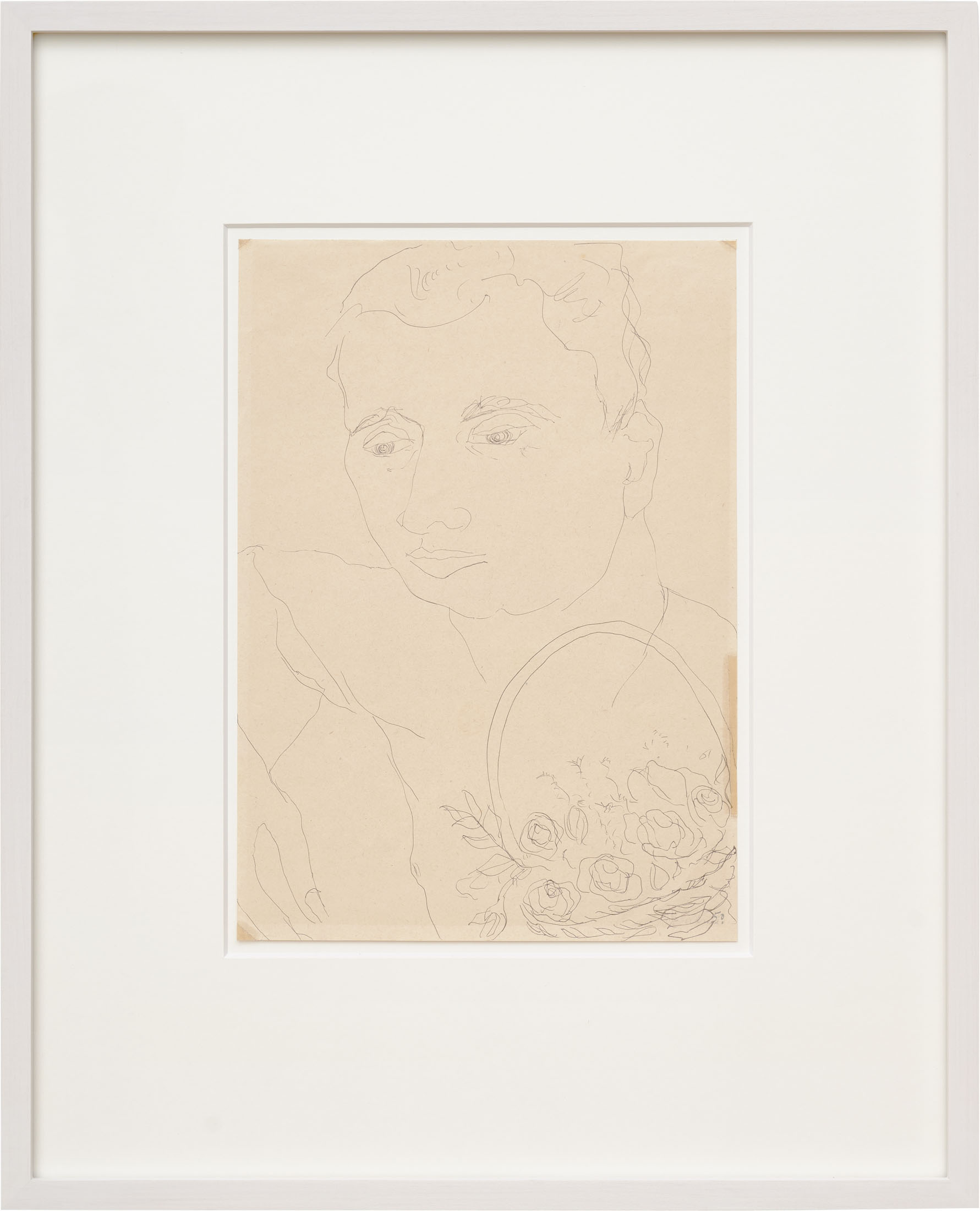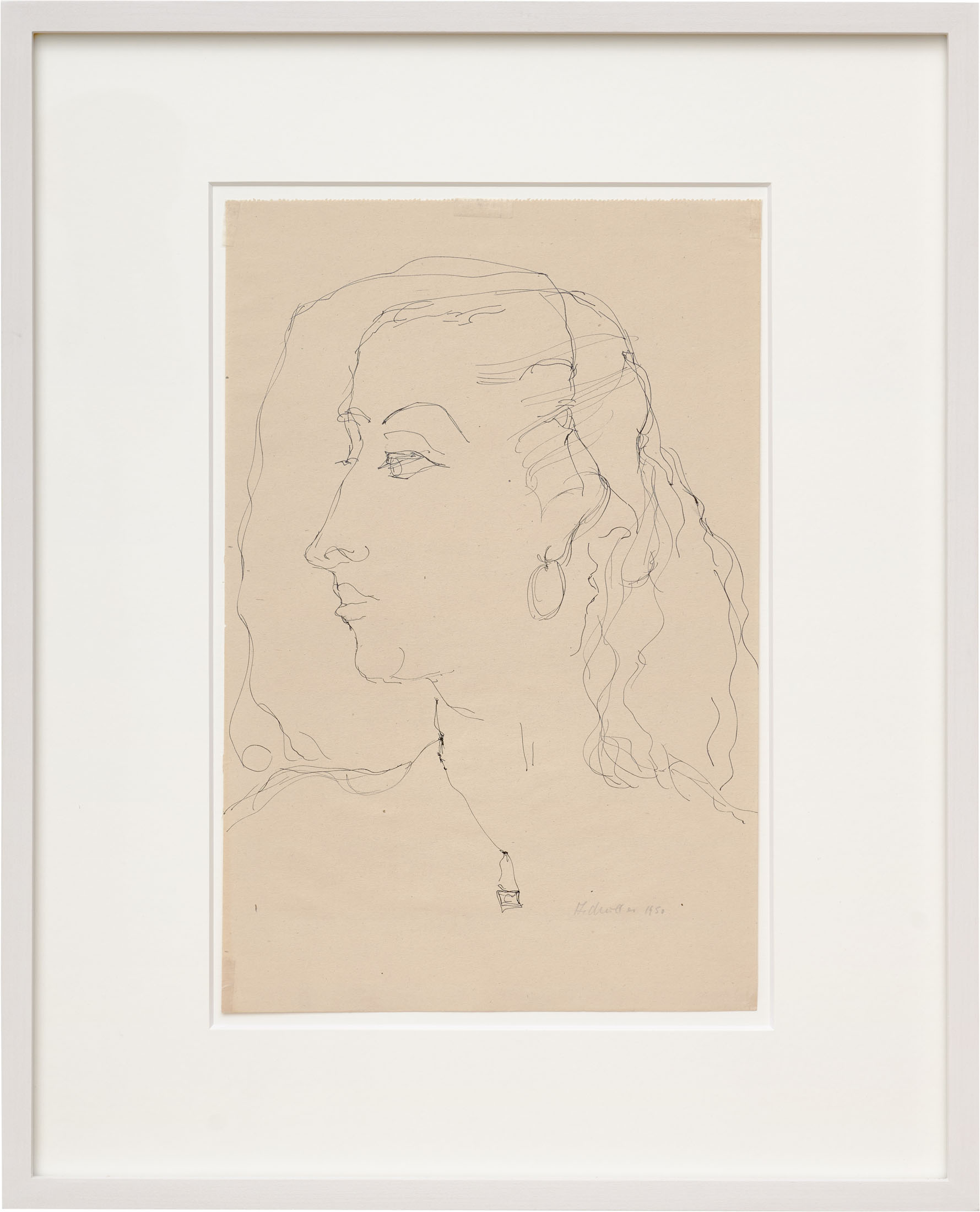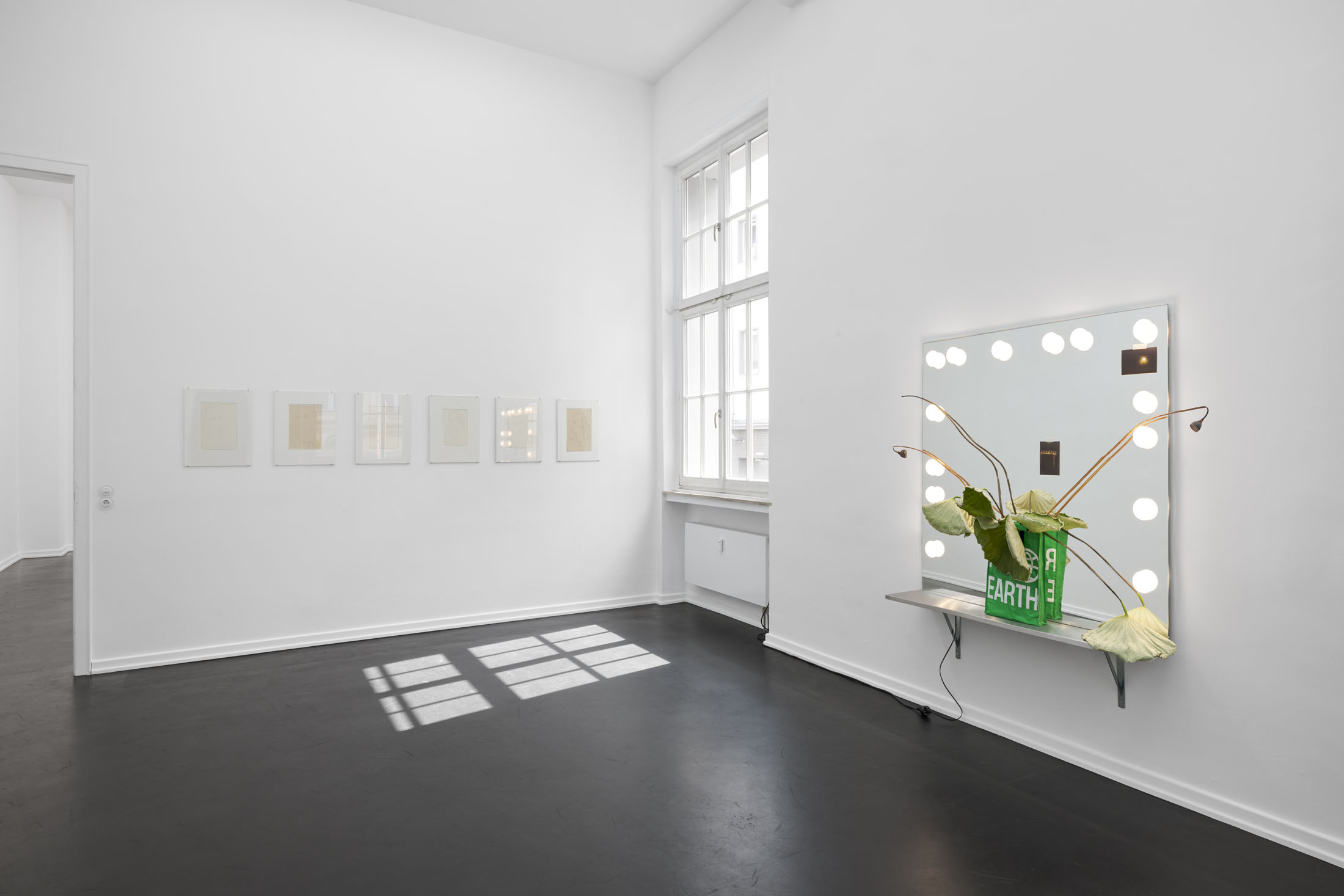
In Mother of Pearl, historical and recent works by four international artists from three ge-nerations come together. Their practices are connected by an engagement with personal and collective memory, experience, and the traces they leave behind.
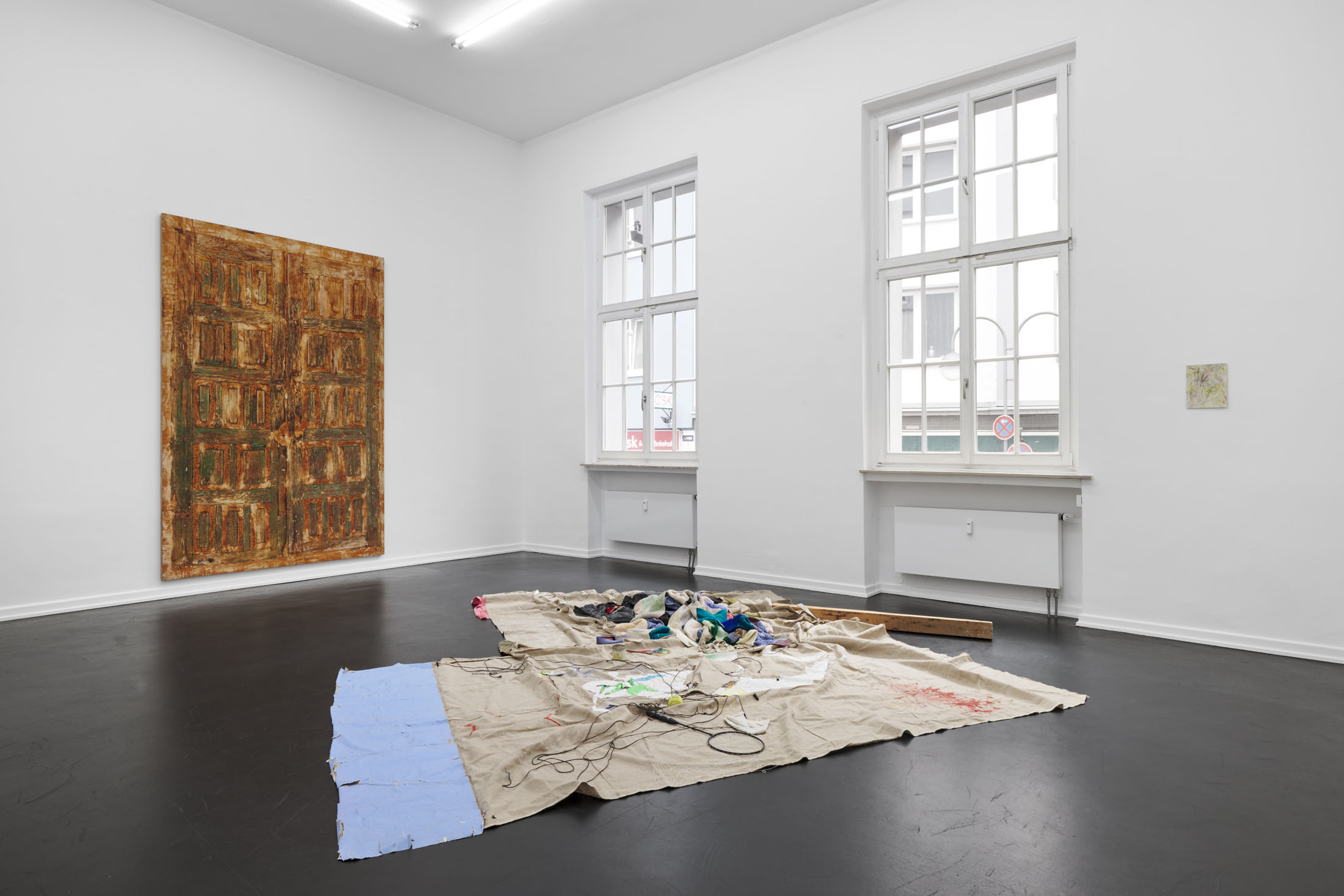
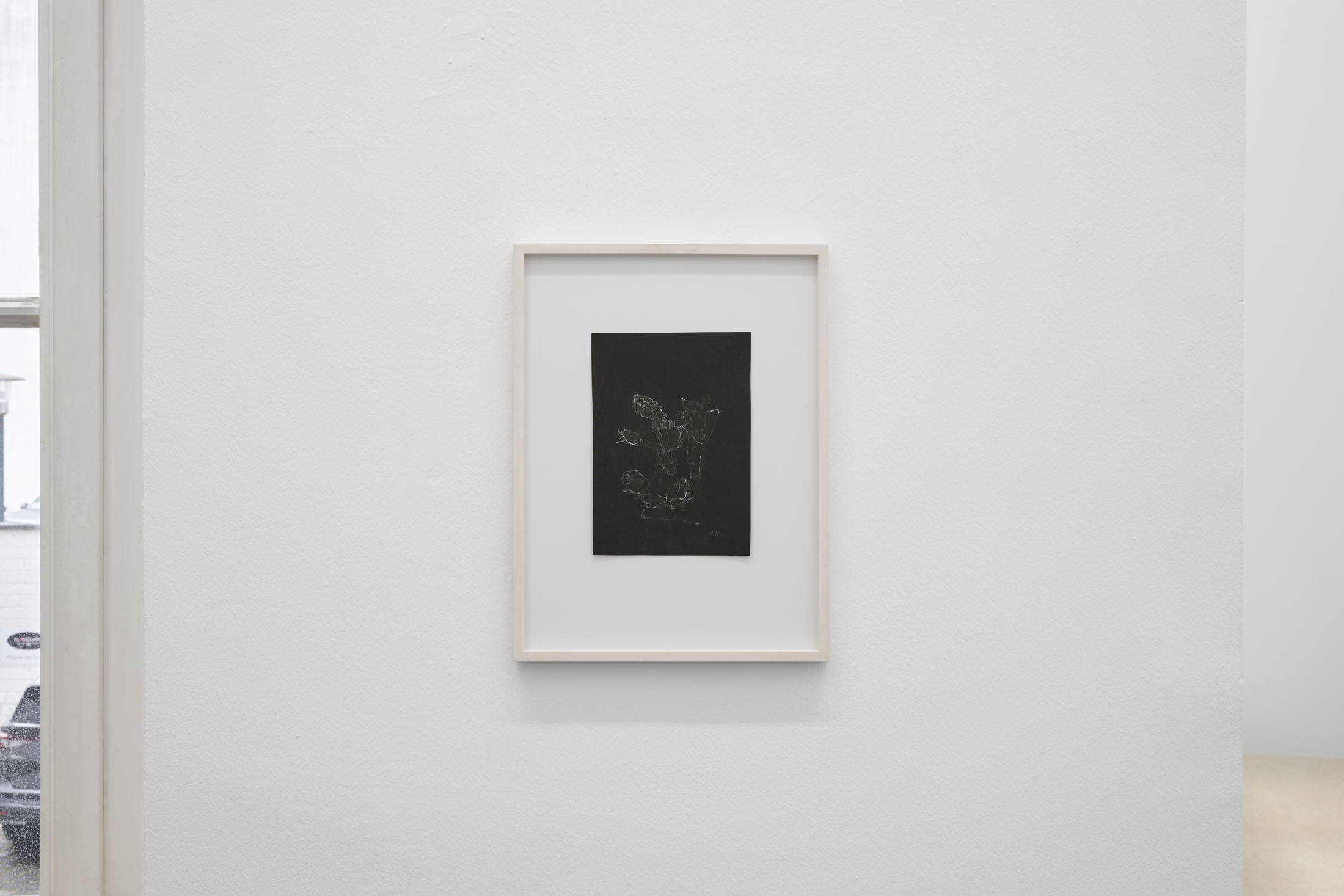
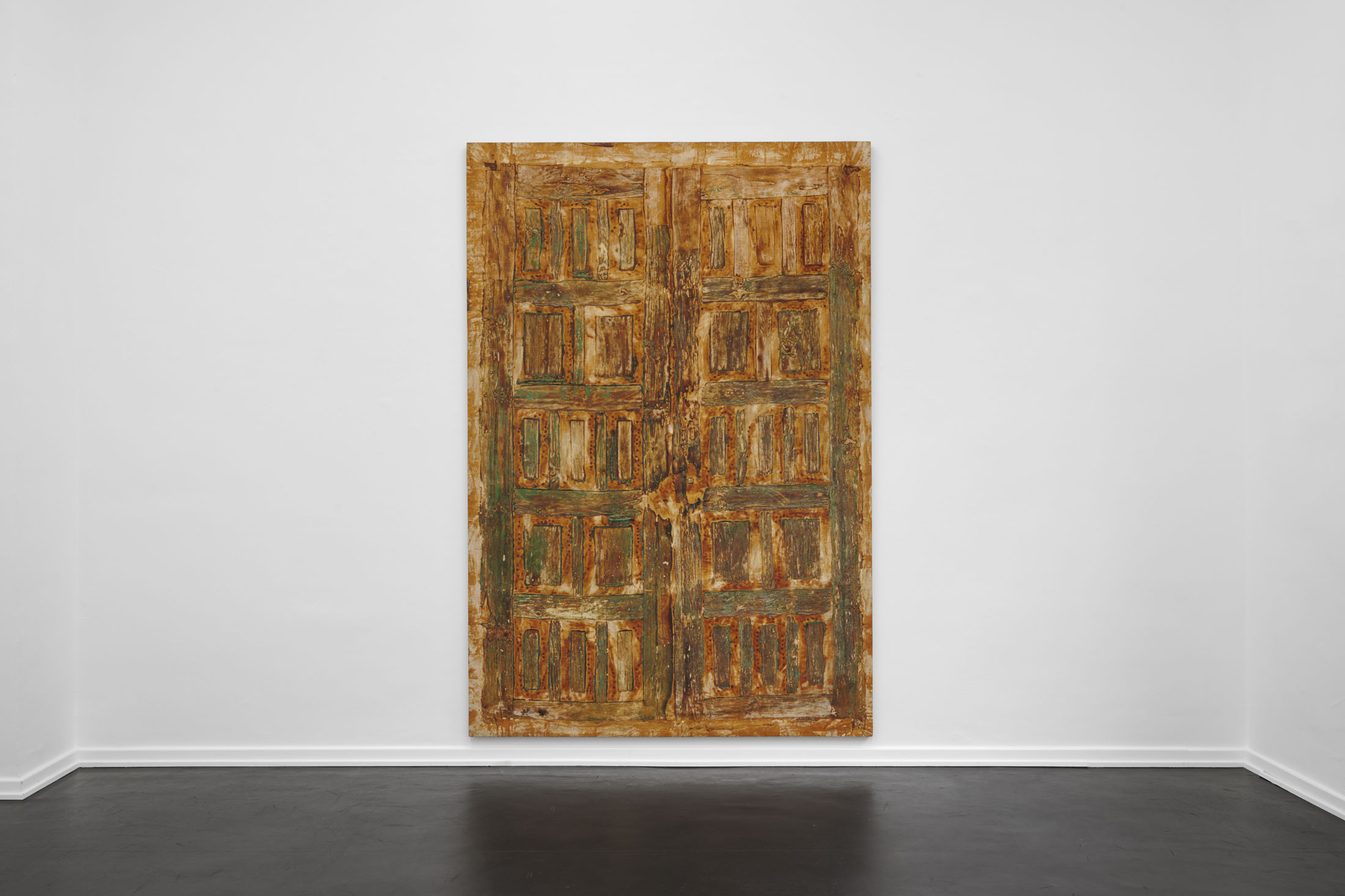
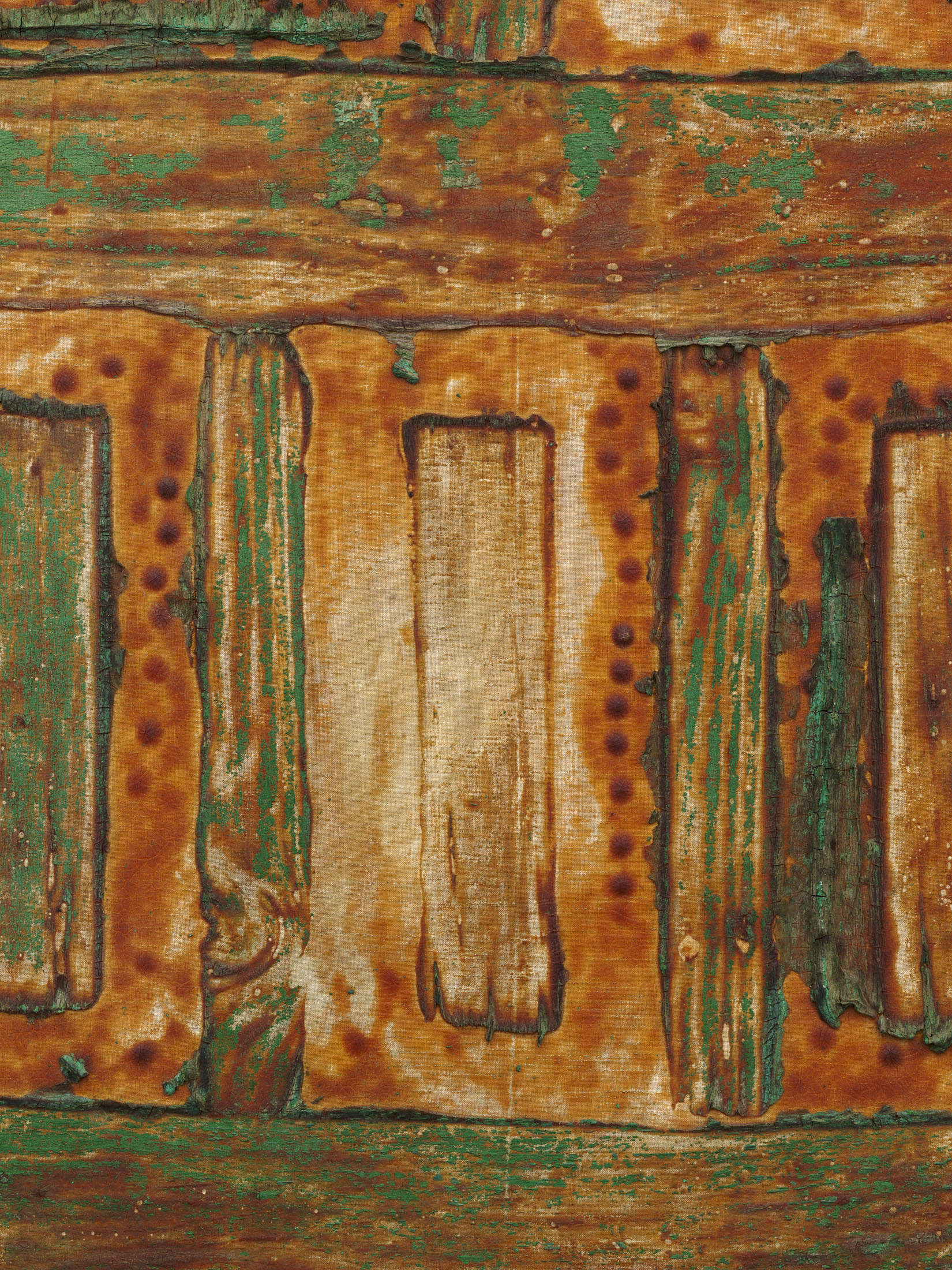
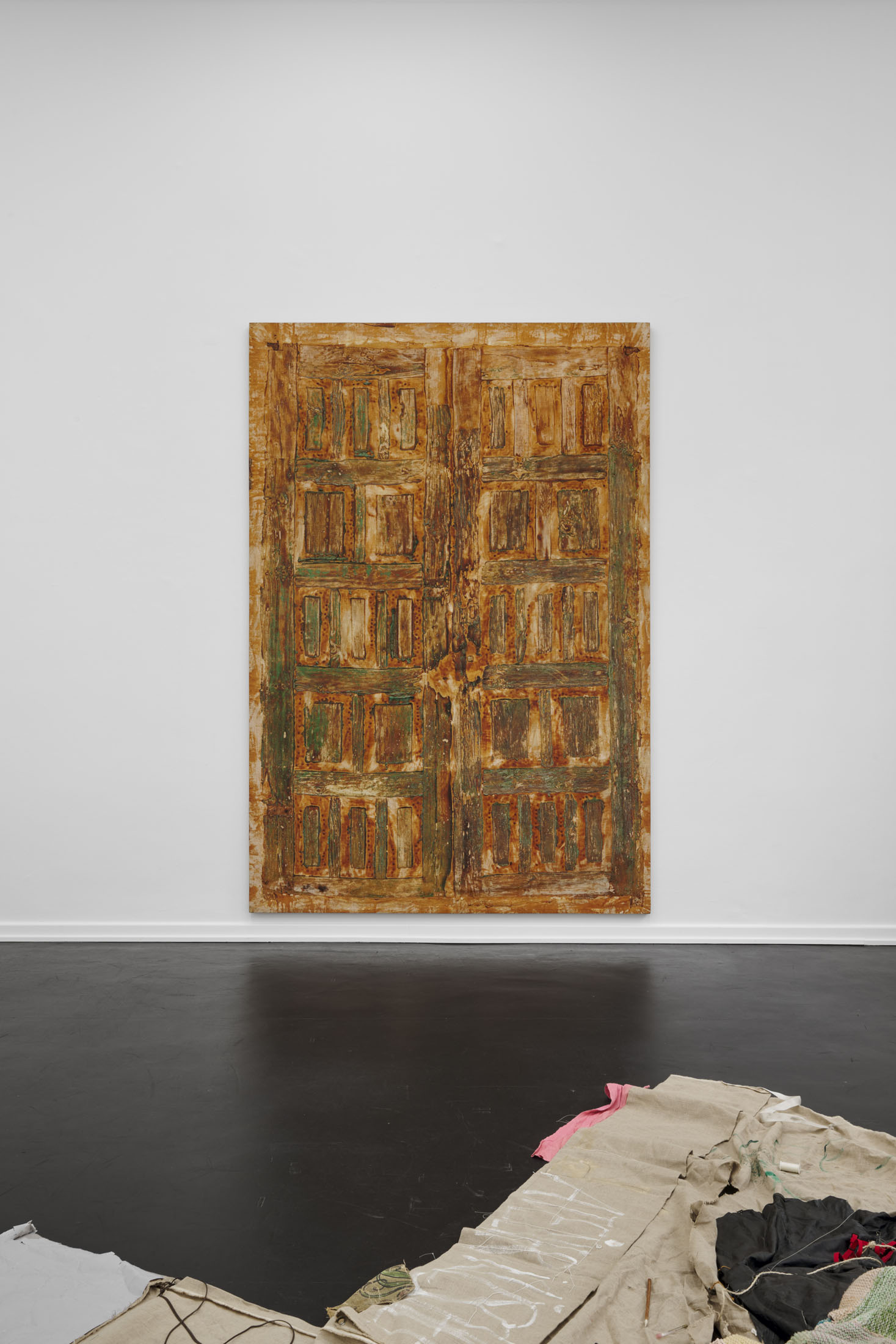
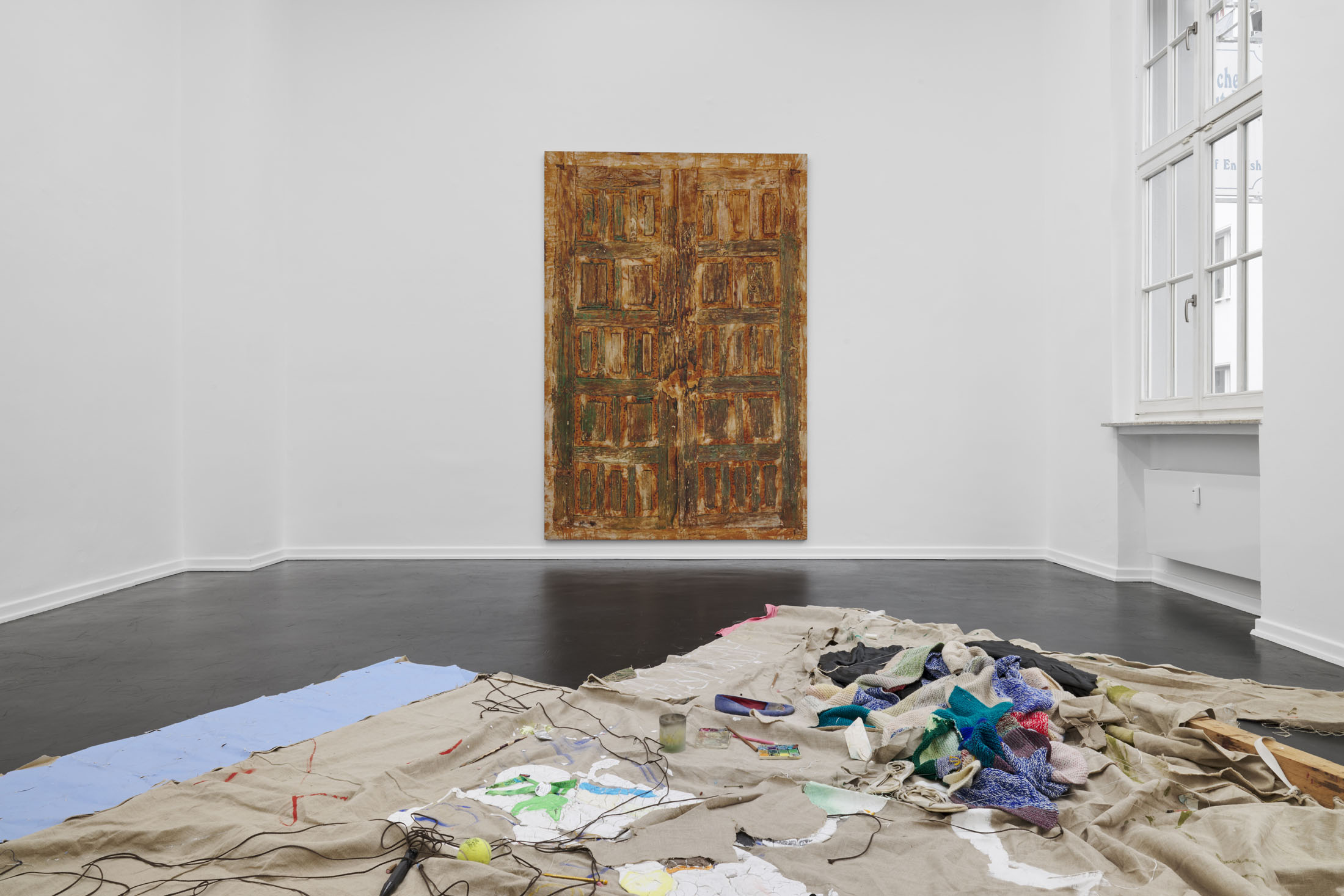
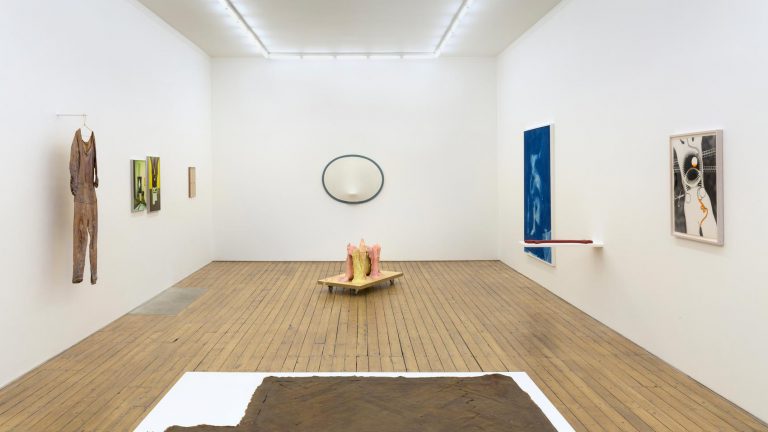
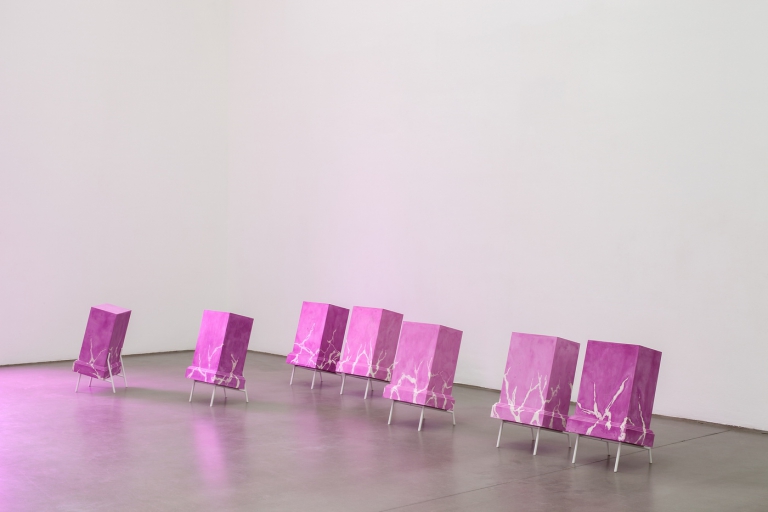
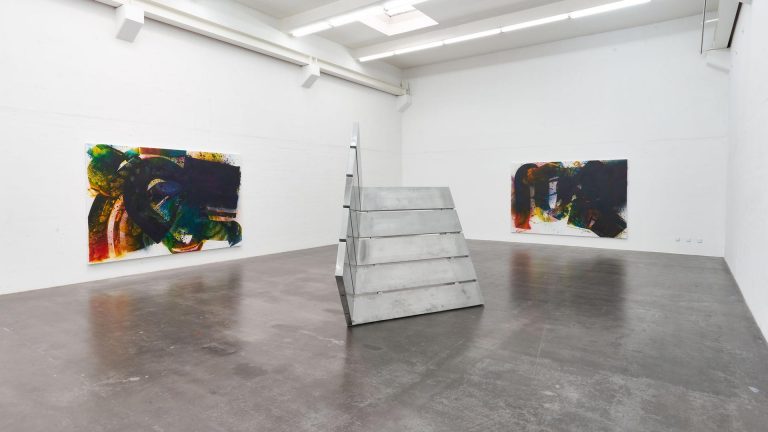
In the center of the exhibition hangs Heidi Bucher’s (1926–1993) Untitled (Puerta del Pa-lacio Ico) (1986), a key work of the artist’s late creation period on the Spanish island of Lanzarote where she spent the last decade of her life (1983–1993) and part of her major retrospective at Haus der Kunst in Munich (Metamorphosen, 2021). The landscape and archi-tecture of Lanzarote had a profound impact on Bucher’s work. The island’s austere buildings, characterized by their blue and white surfaces, stood in sharp contrast to the barren terrain of volcanic stone. For Bucher, Lanzarote gradually developed into a place of artistic retreat. She later purchased a house in the Teguise community, which she called Palacio Ico, which became the focal point for her central practice of “skinning”. The architectural elements that captured her attention most were the house’s doors. Their surfaces displayed a distinctive pa-tina composed of different shades of teal and turquoise. In places, the original wooden texture remained visible beneath the layers of color, creating a varied and weathered appearance. The door on view still bears remnants of this teal-colored patina. It consequently carries both the cultural history of its original site and the personal history of its maker.
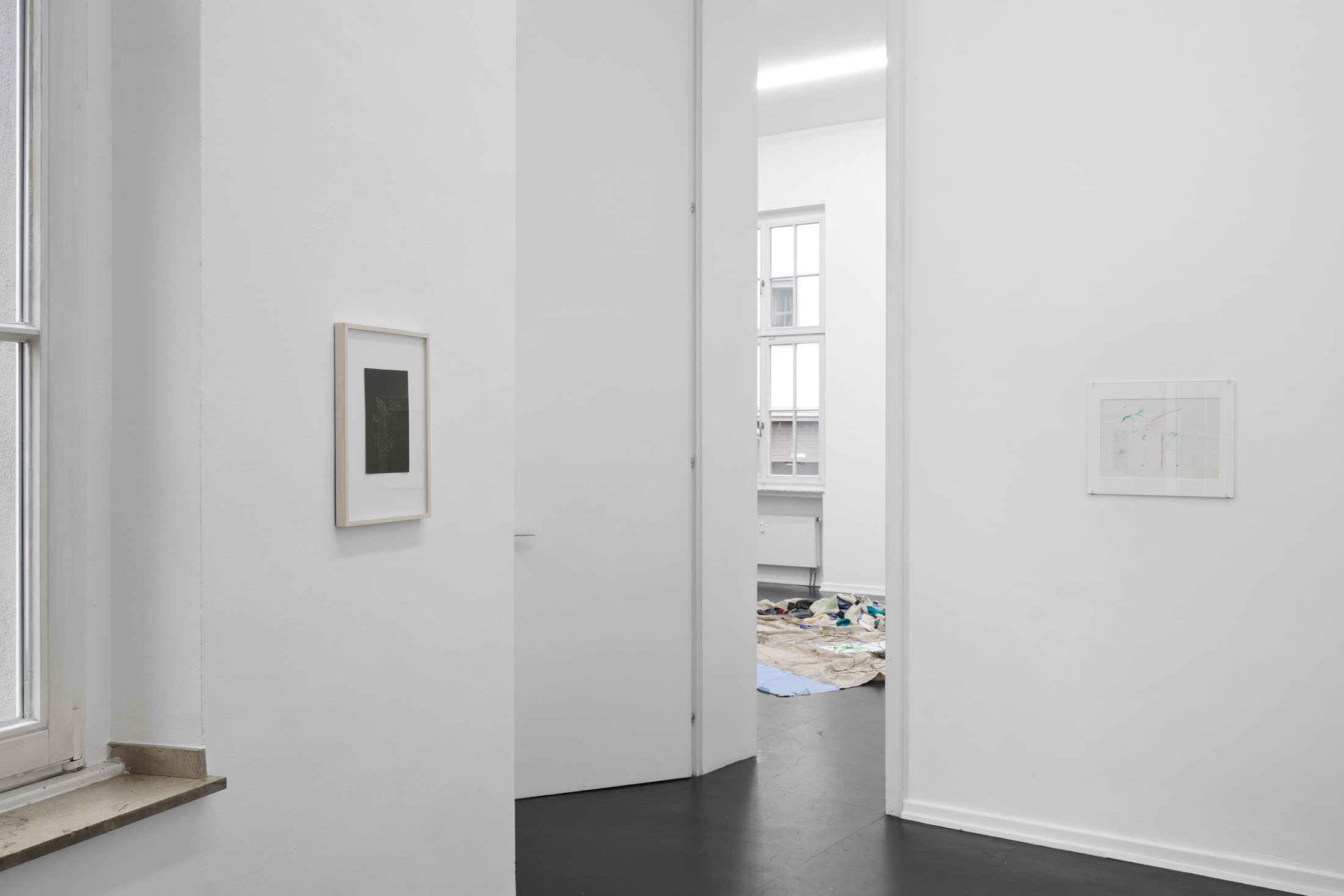
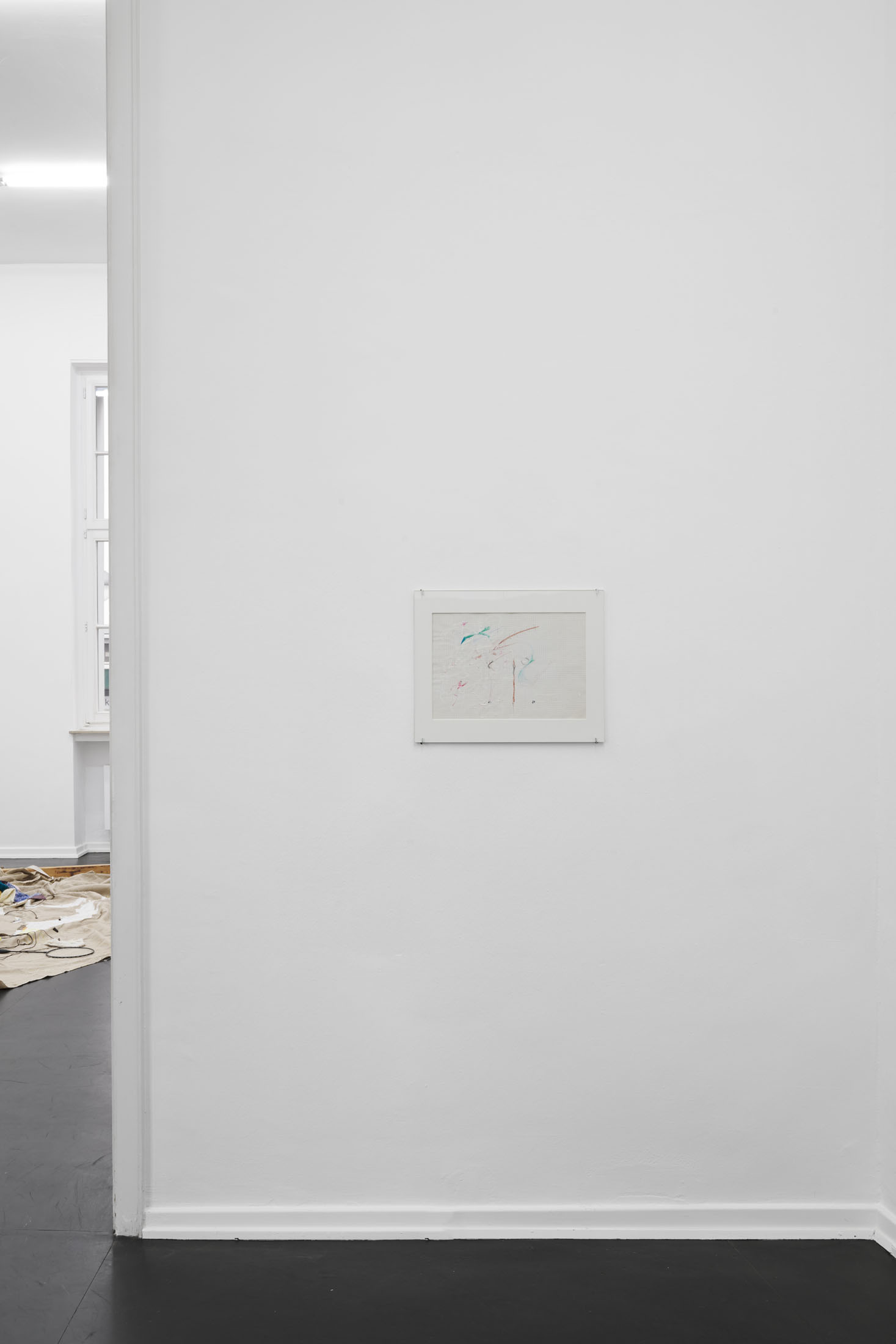
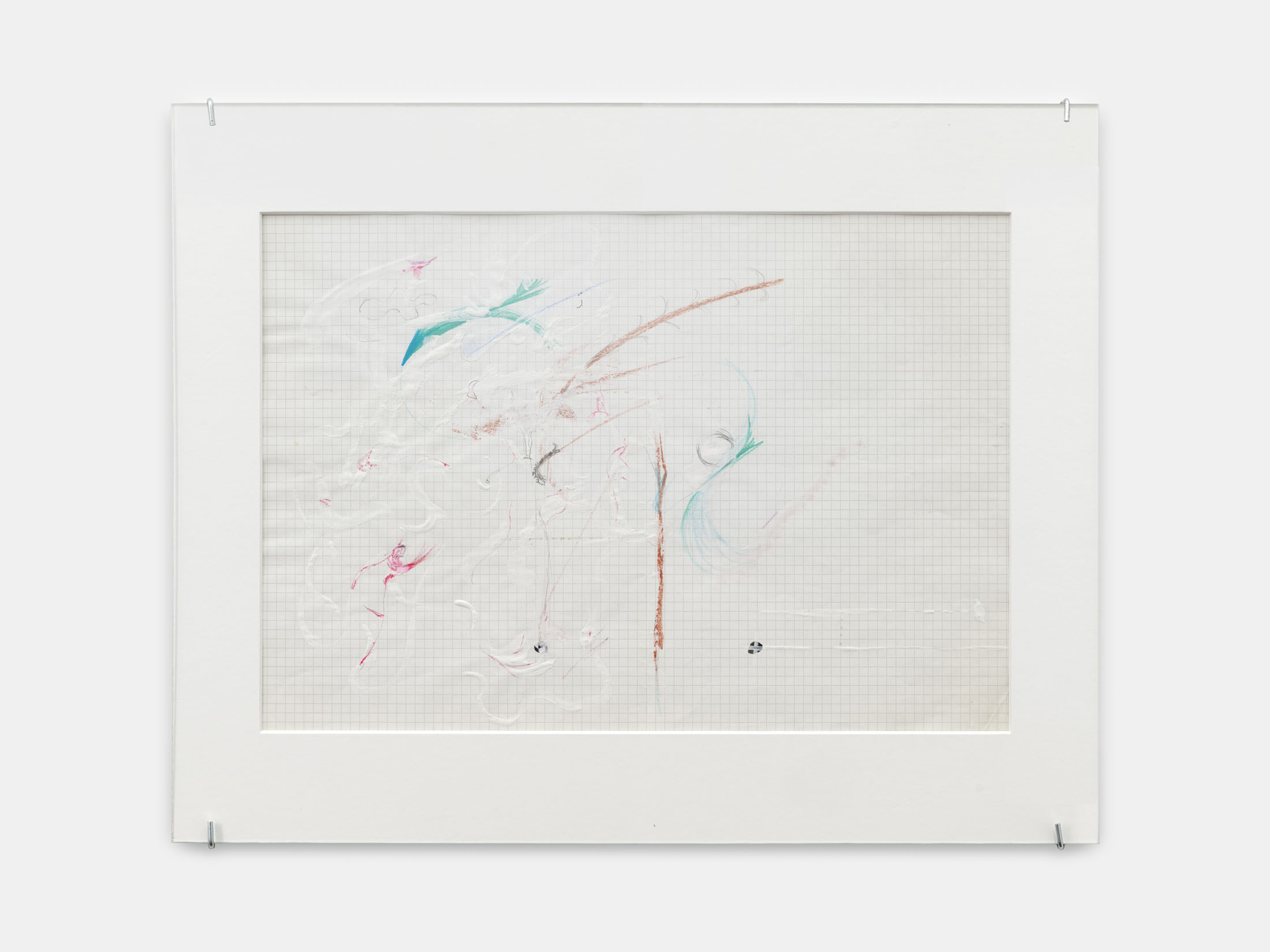
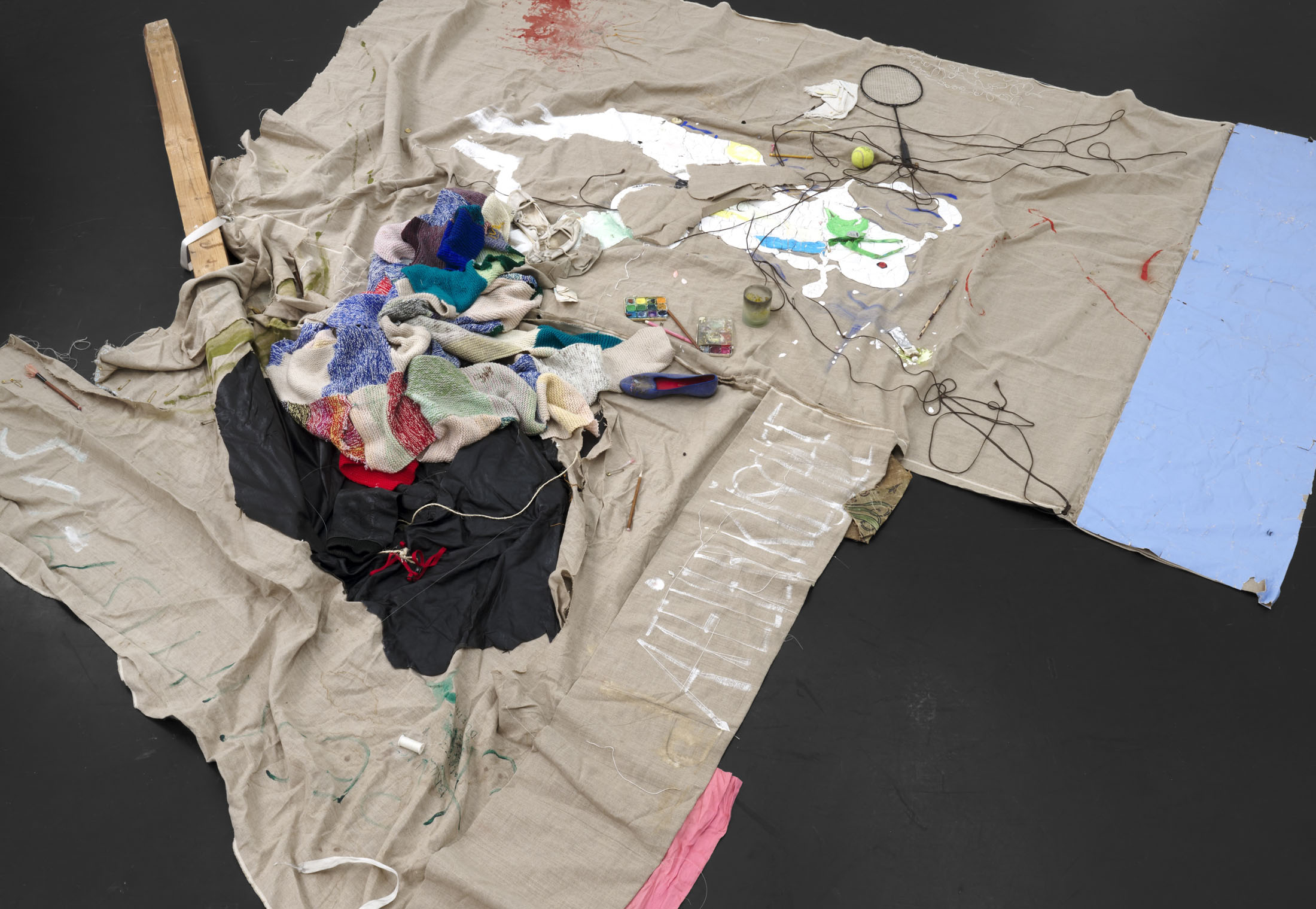
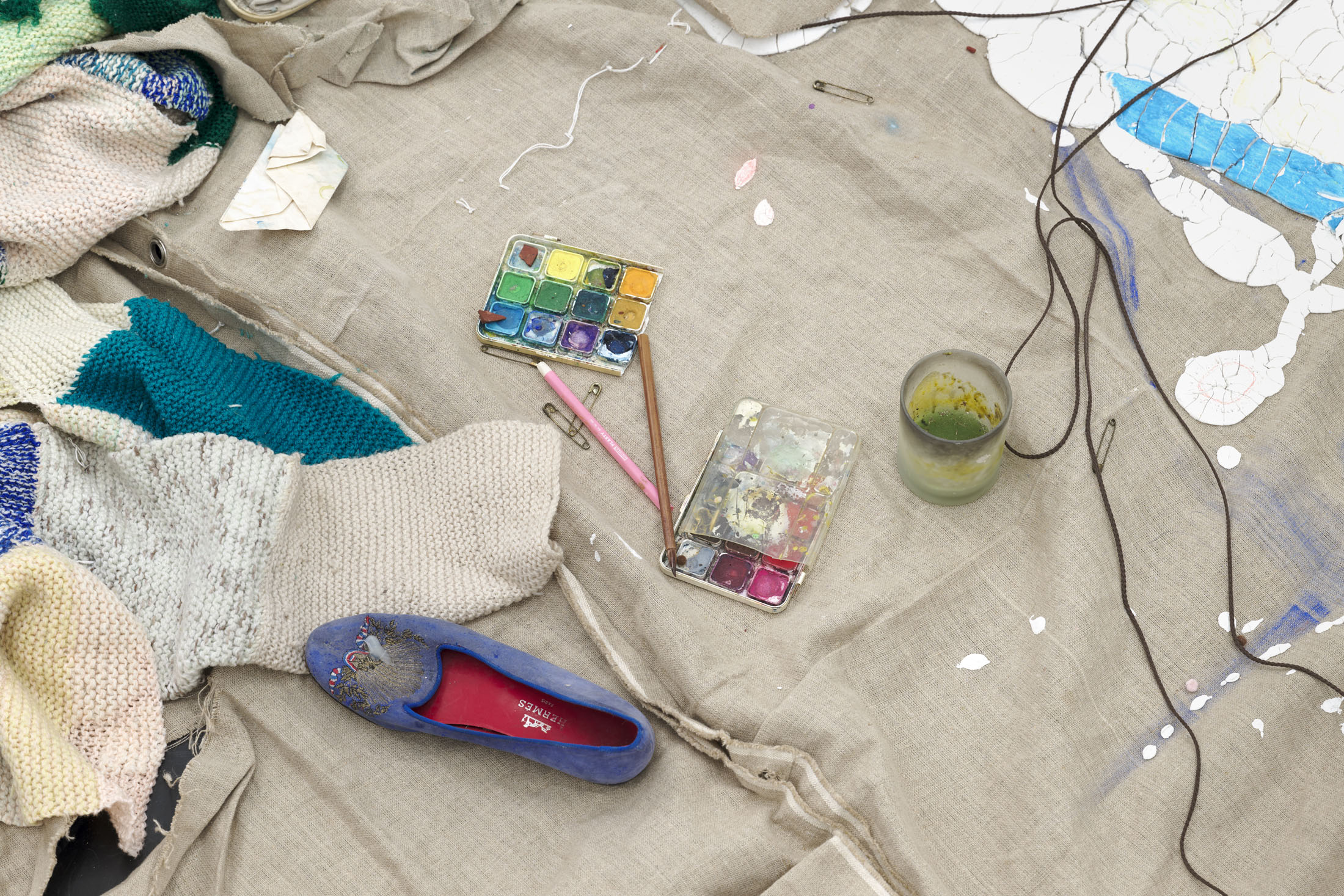
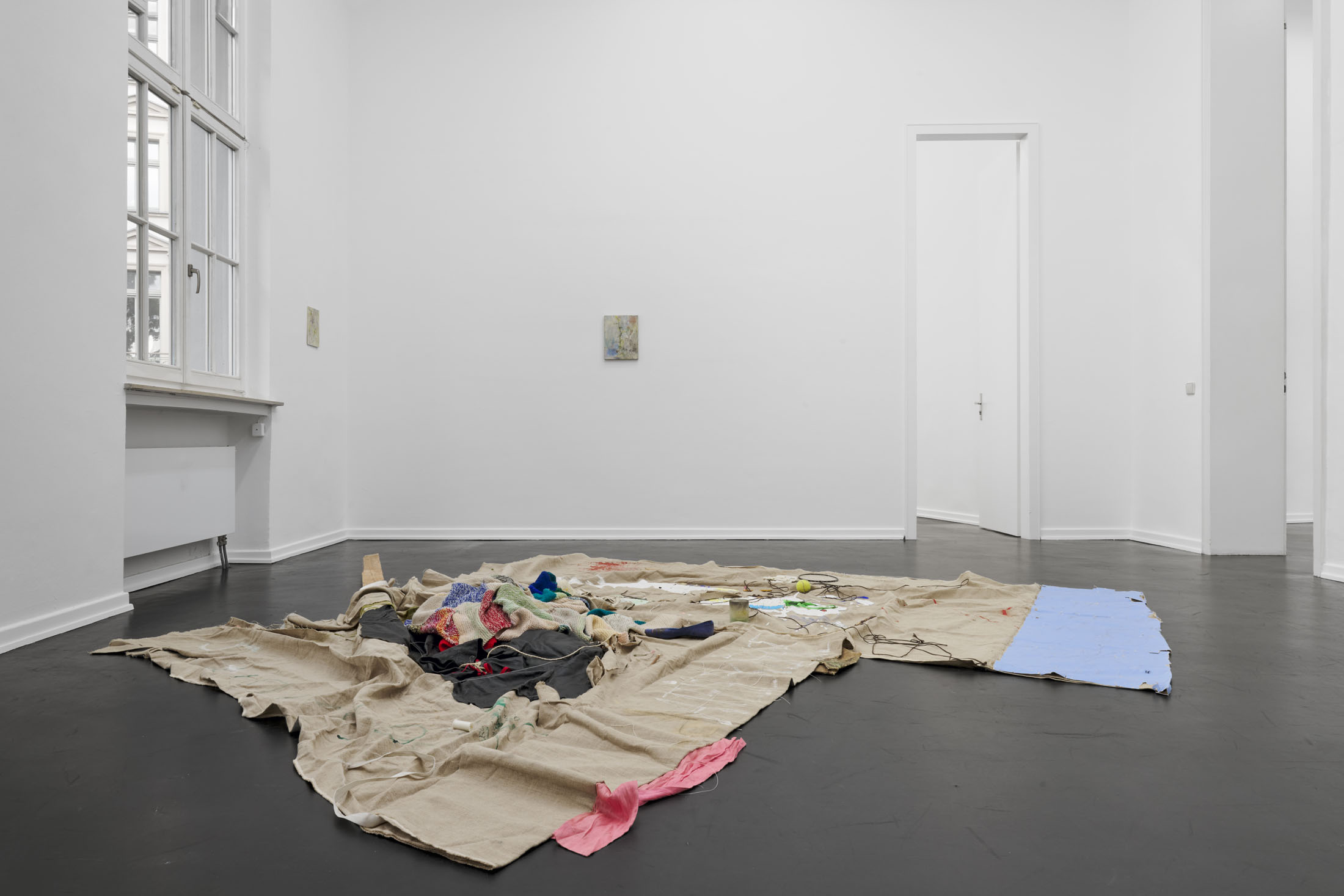
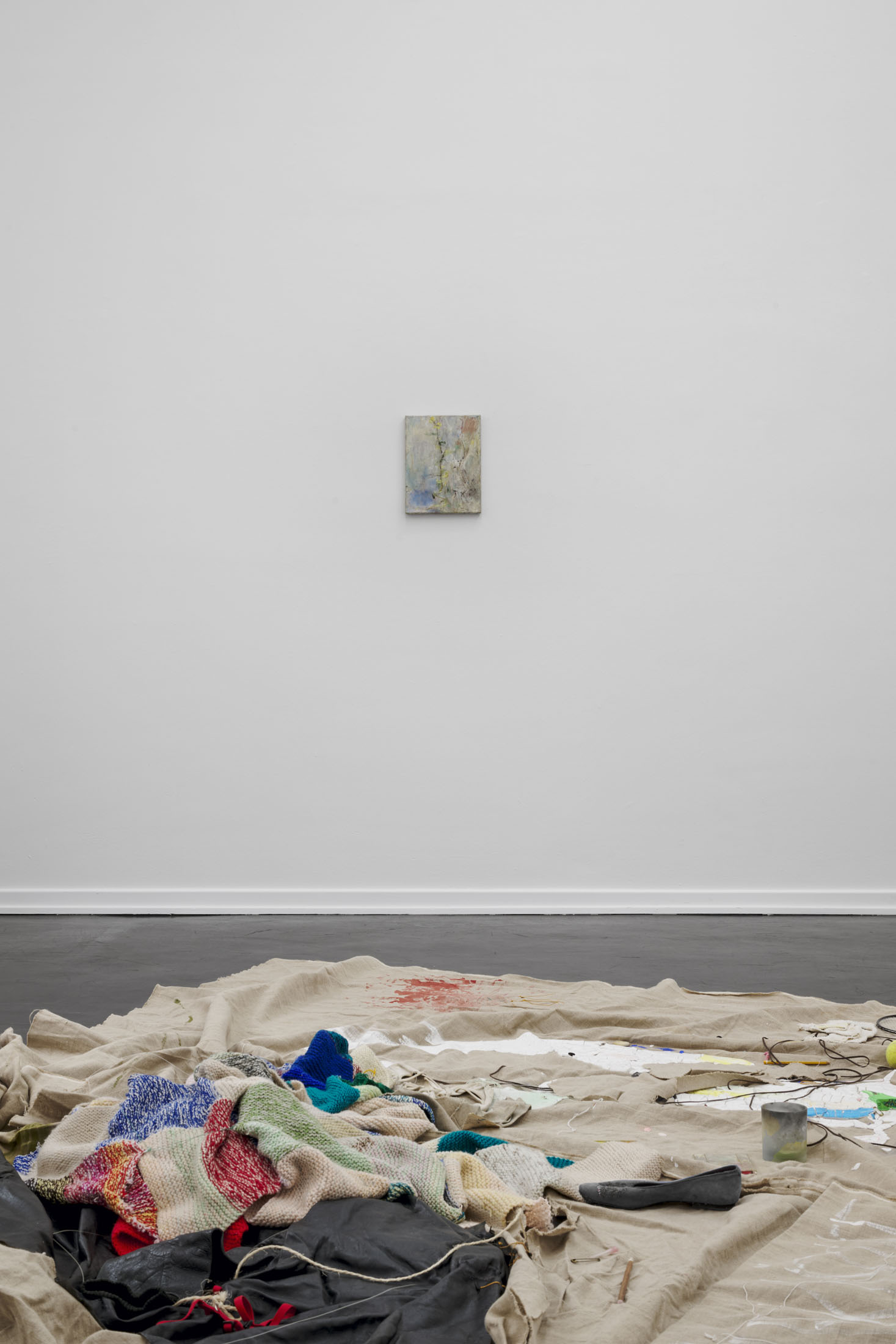
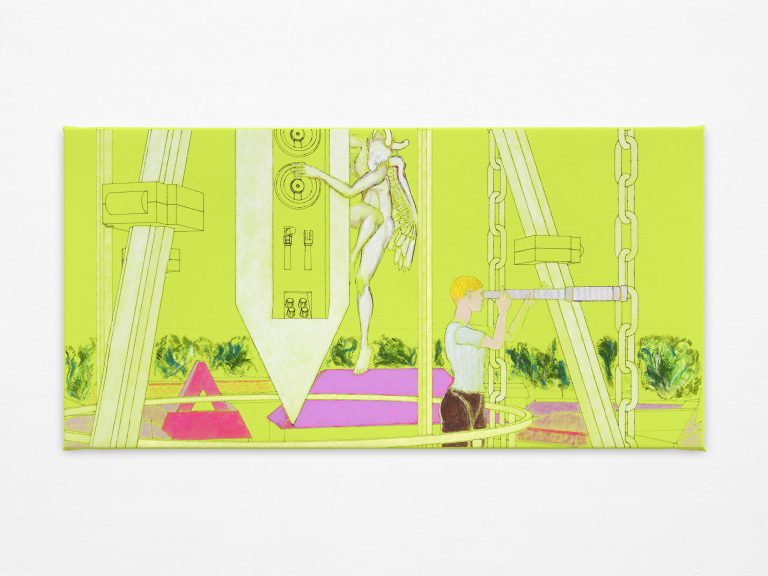
The cutting intimate experiments of Helena Huneke (1967–2012) are represented by Claus und Stefan (2003). Huneke’s warped, colorful palette is merely suggested in this phantasmatic tableau on linen, featuring numerous seemingly unrelated and personal objects such as clot-hes, a badminton racket, painting supplies, sewn and glued onto the linen cloth which also supports drawings, embroidery, writings, and even pastel-like reliefs made of hardened paint. The title suggests, however, that what’s missing is just as important, as potent, as what’s there. (“Once again, it is stupid death that draws attention, writes the text, constructs art history. Not life,” Dominikus Müller wrote in a posthumous review of Huneke’s work for Frieze.)¹. Scrib-blings, scrawlings, and fragments are a hallmark of these artists on view. Their work survives in the mist. Misreadings and gaps are a part of the process. In a small, exuberant drawing on paper, Huneke declared, “Künstler sind keine Spekulationsobjekte” (Artists are not objects of speculation)². Perhaps. But their work is. Certainly, Huneke’s fragmentary corpus can be melancholic, producing a sense of longing, conveying the blueprints without furnishing an ending.
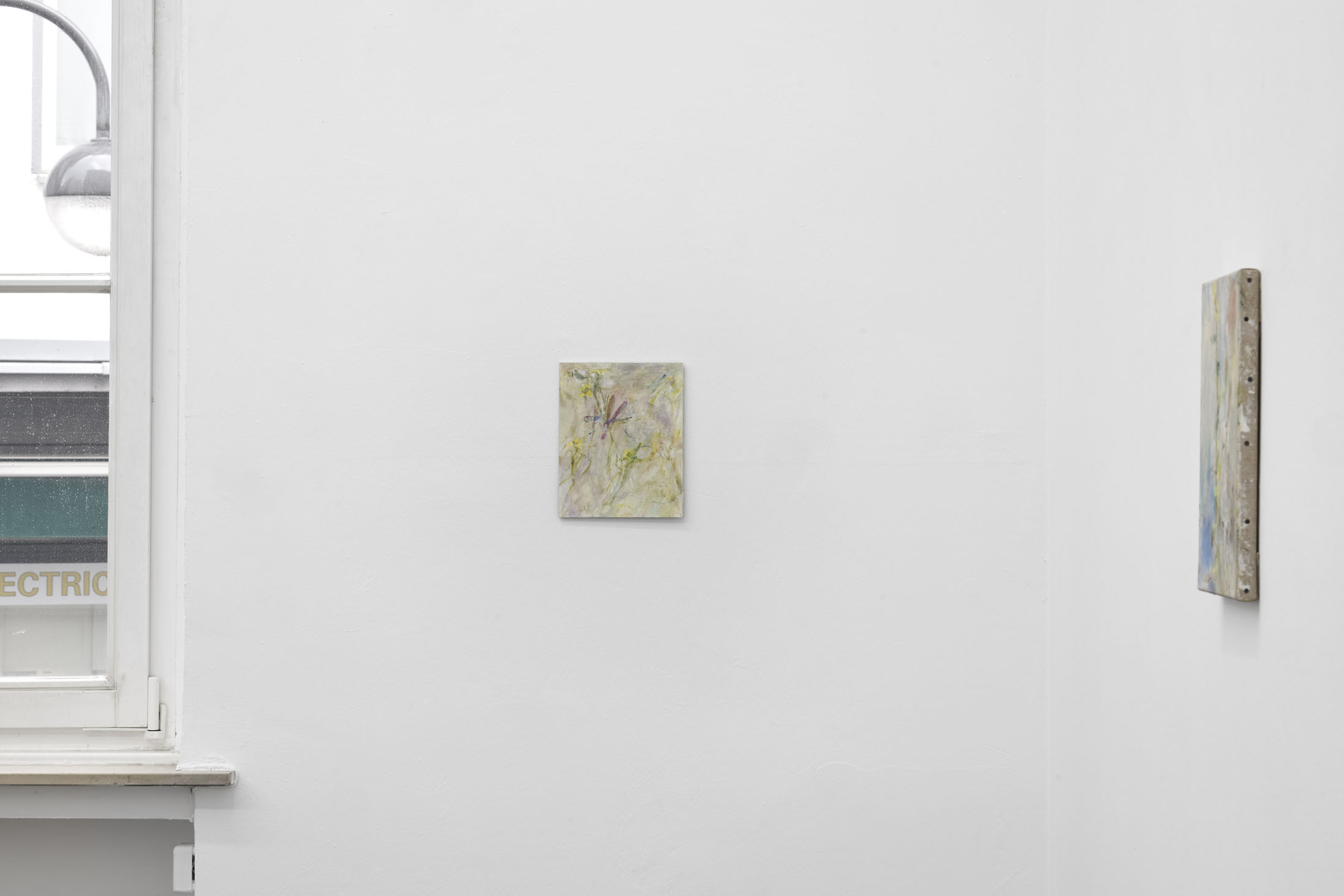
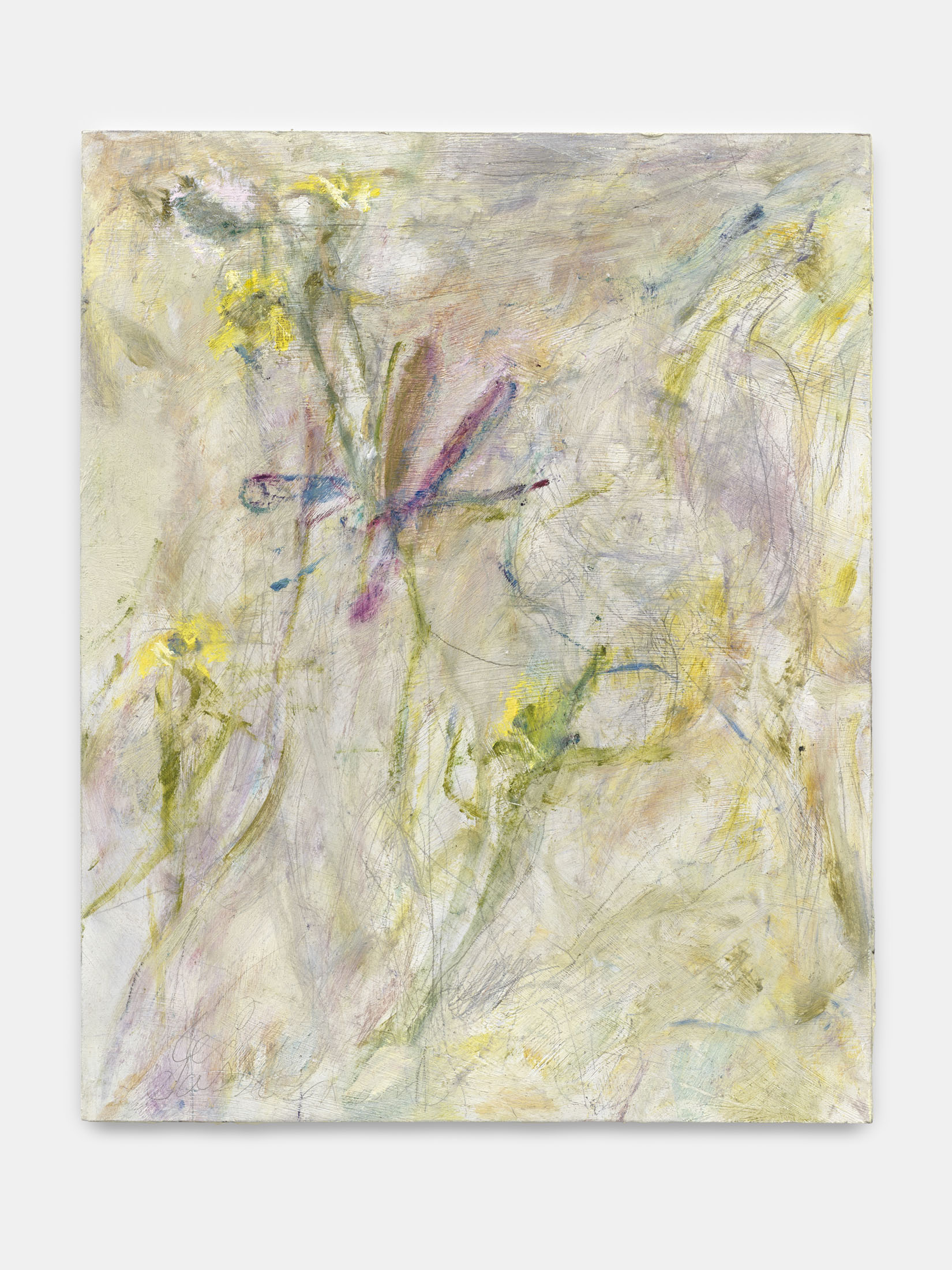
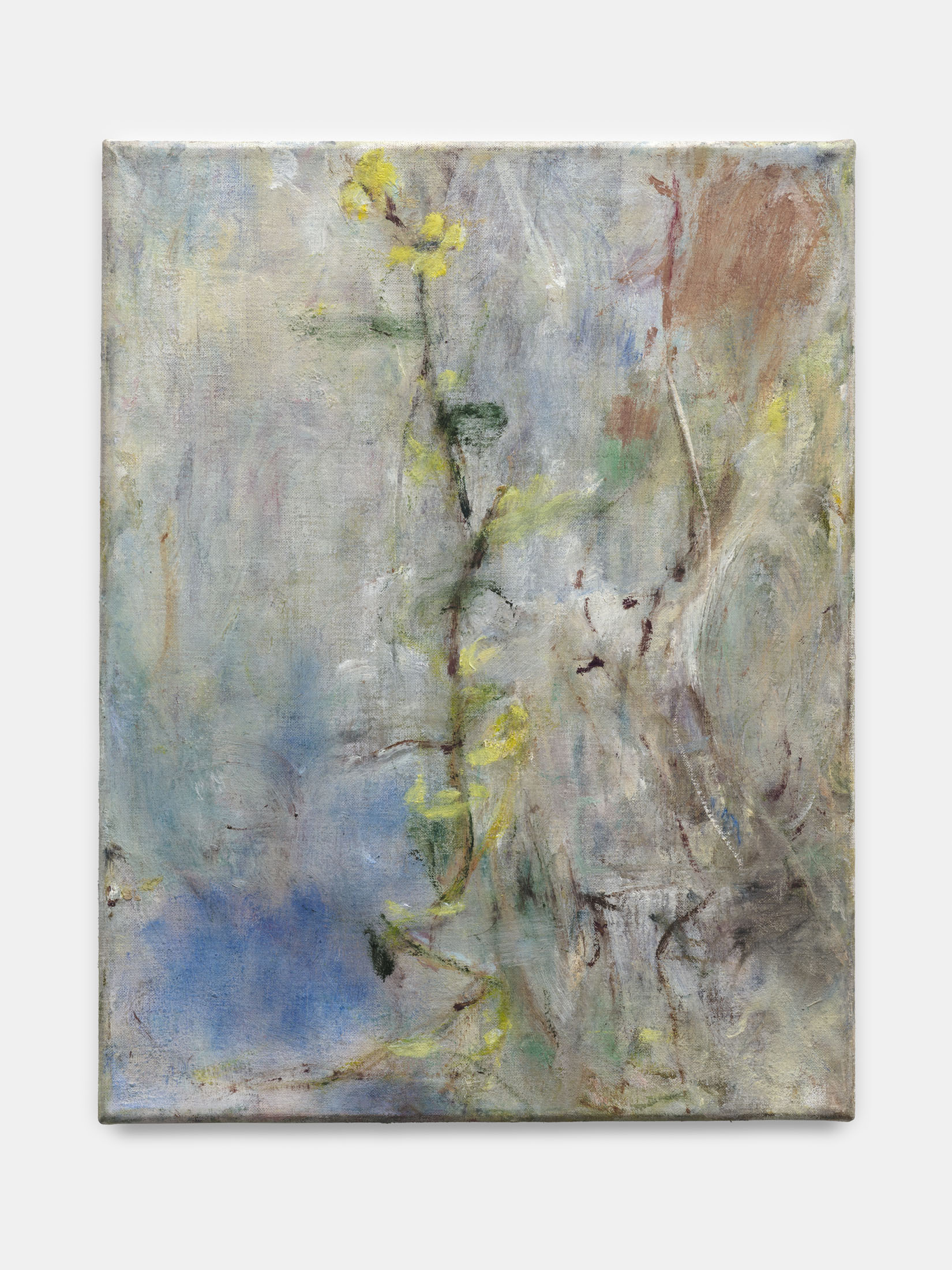
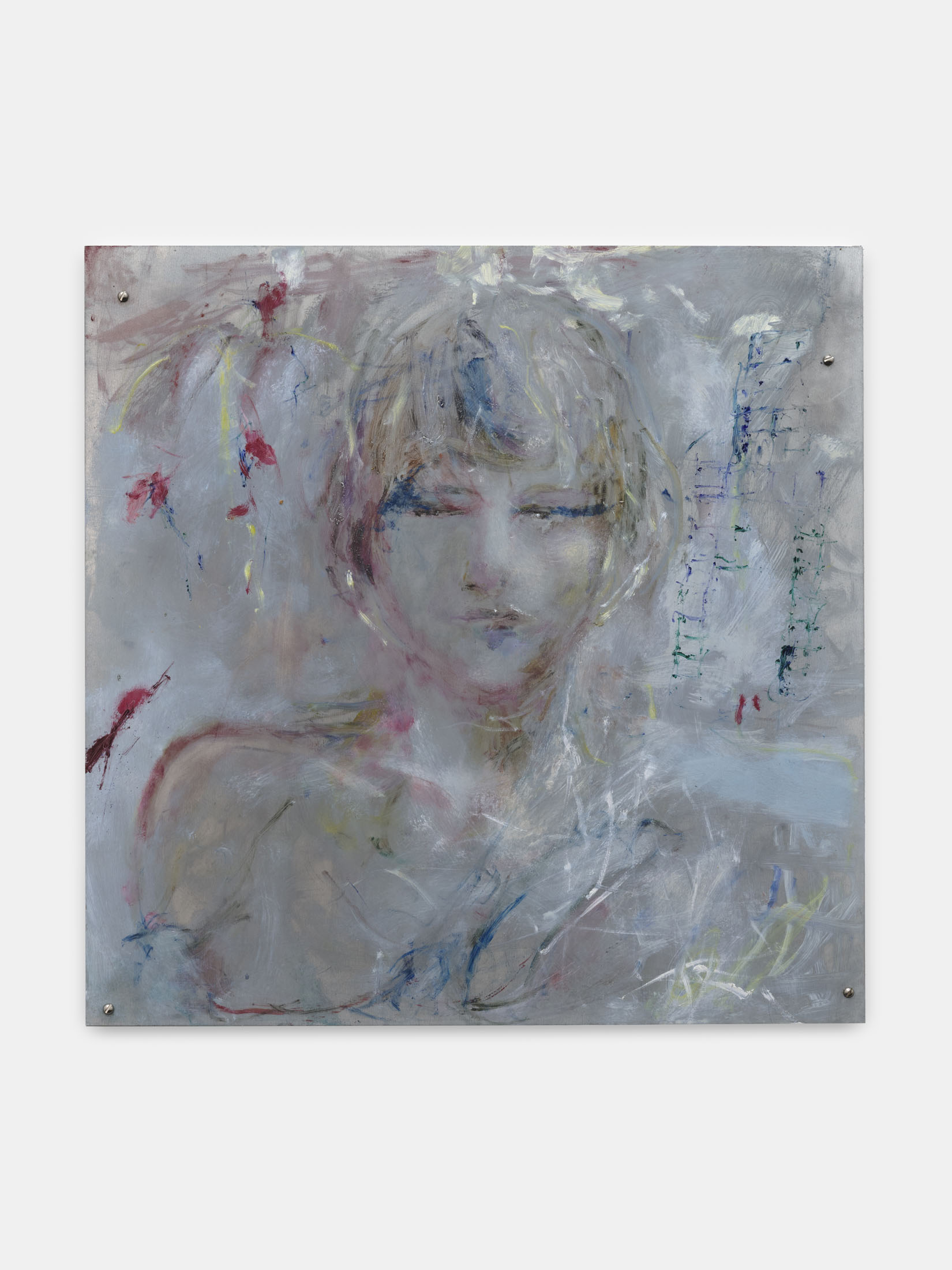
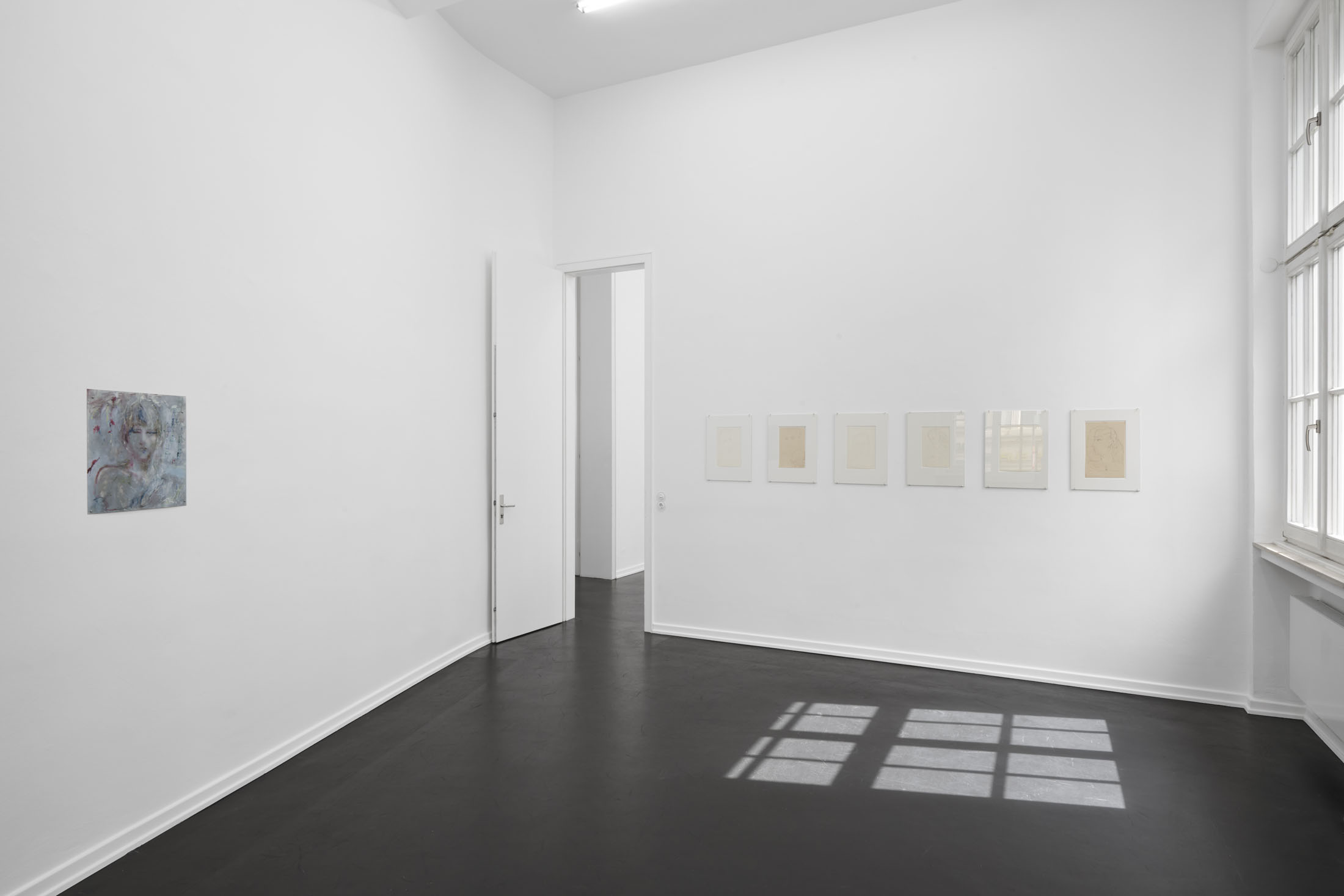
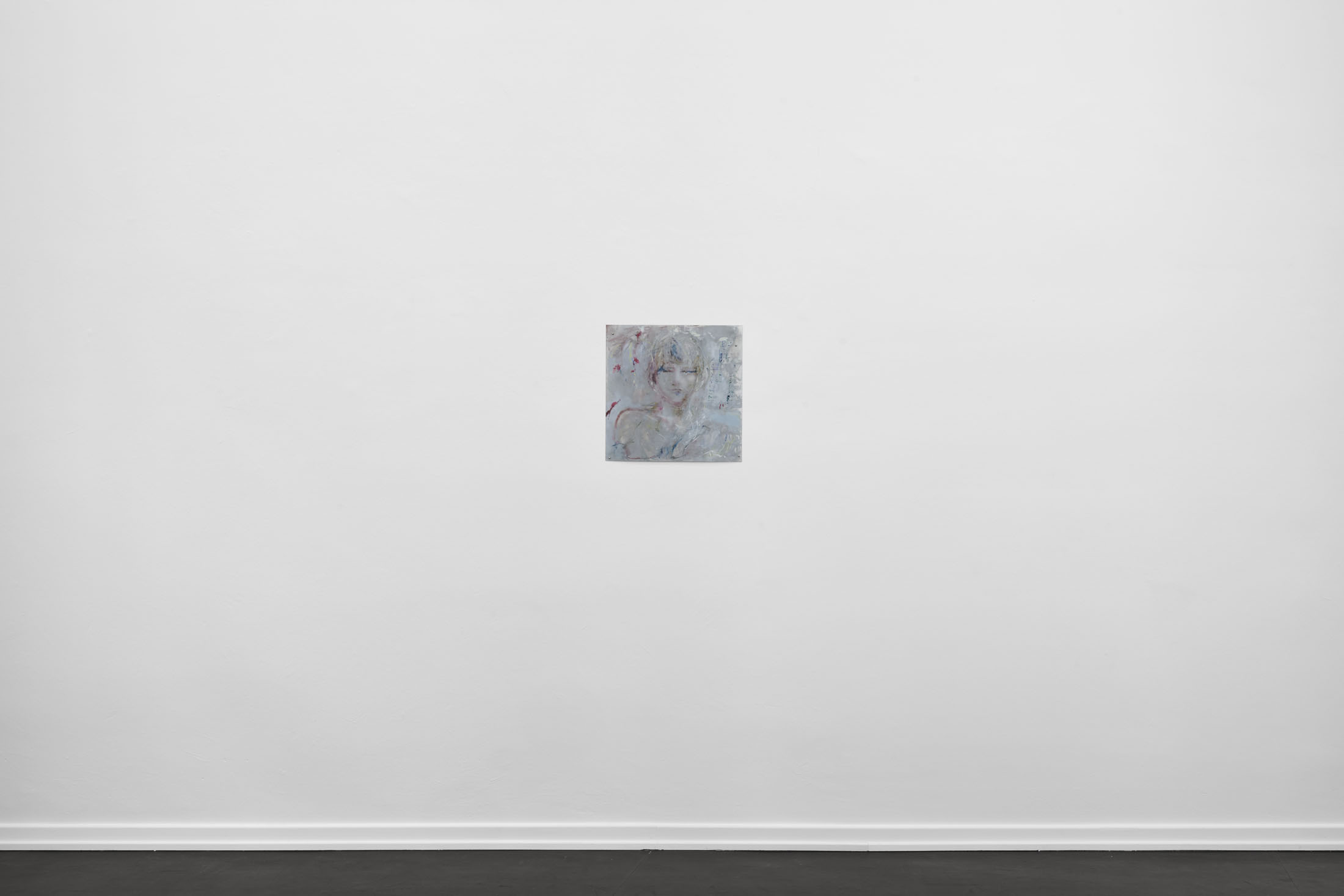
The lush brushstrokes of Willa Wasserman (b. 1990) rely as much on negative space as on color. Her paintings play with the nature of opacity. Faces and flowers are easy to mistake for one another on her surfaces. Wild violets, chalky whites, and slate blues intermingle as figures slowly come into and out of focus—her sketchy still lifes blur our sense of completion. These muted near-abstractions both negate and transmit a playful memory of flowers and fruit. Her portraits, like Bucher’s, are less fleshed out. Wasserman’s Арина (Arina) is an earnest yet somewhat futile attempt to capture the fading memory of someone beloved, but long-absent.
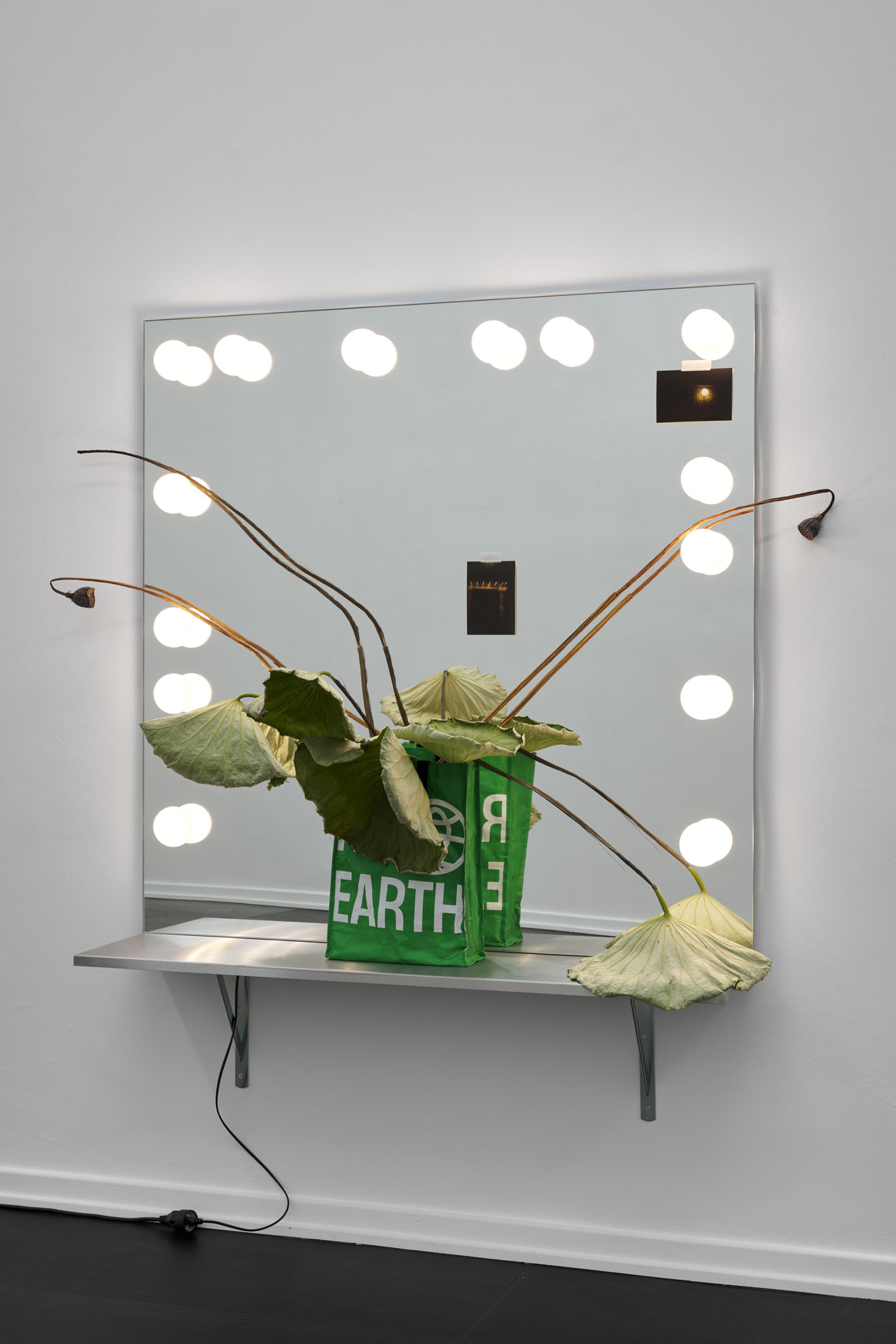
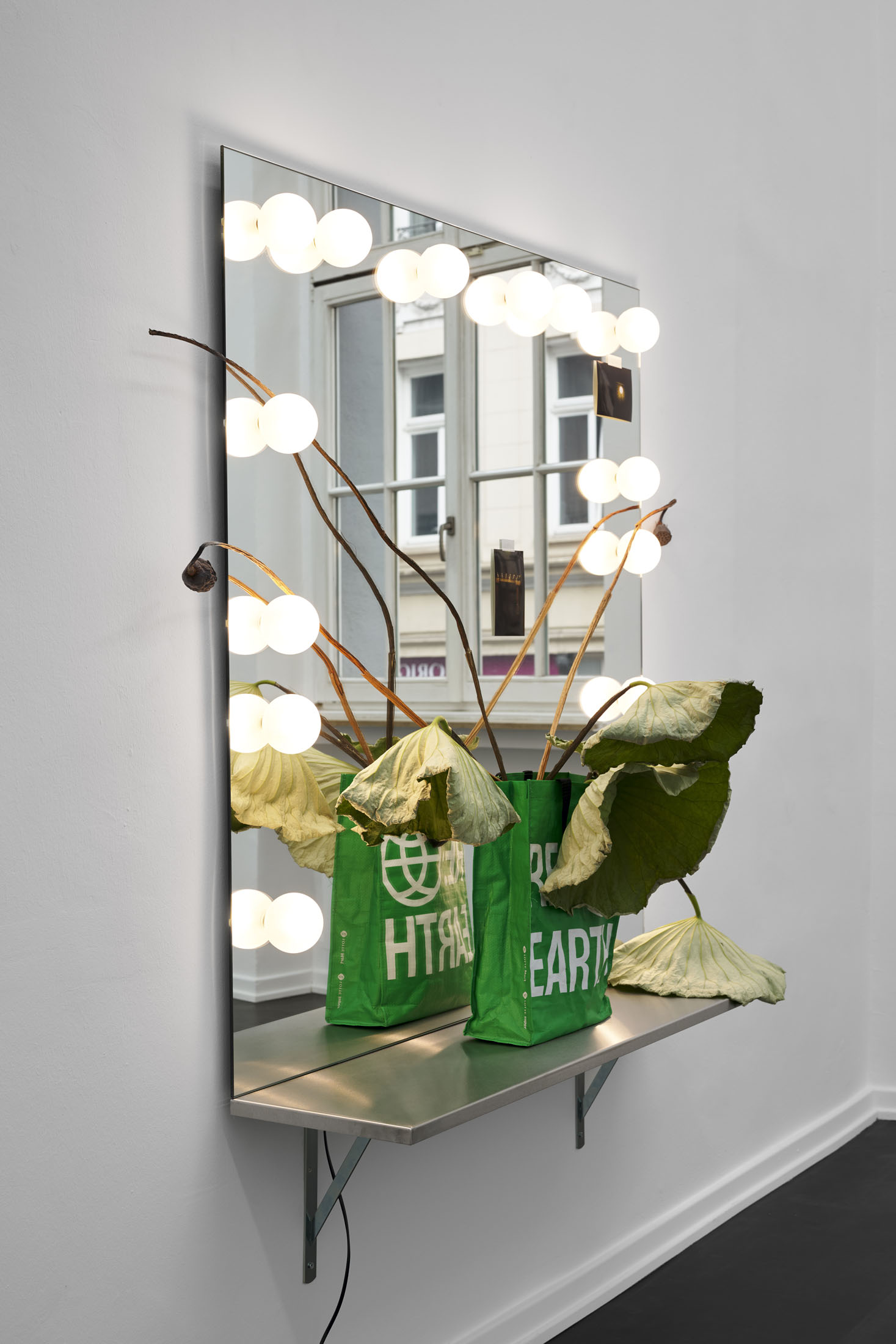
Reflecting in Mira M. Yang’s mirror work 바리데기-D (2023) (engl. Baridegi-D), Arina appears in motion, tilted towards the side or occluding our vision through the murky fields she is painted on.
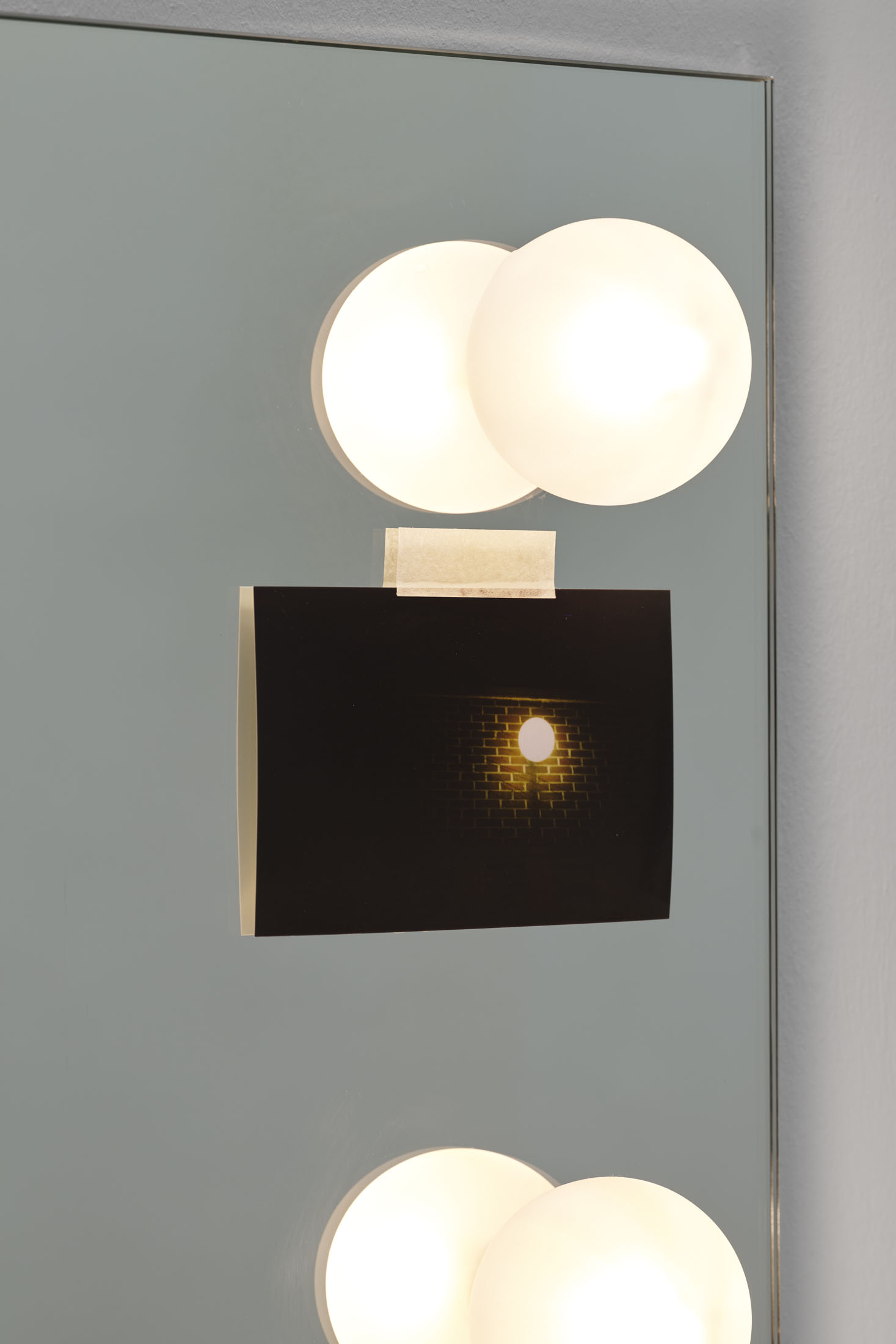
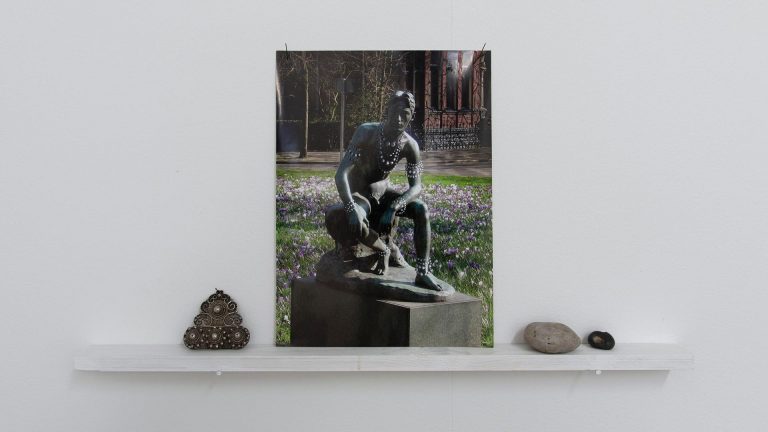
Mira M. Yang’s (b. 1993) work, which was on view at the 15th Gwangju Biennial in 2024, is at the center of the second exhibition room, “the portrait room”. Dead lotus leaves in a shopping bag stand on a metal rack in front of a stylized makeup mirror with two photographs taped onto it, each showing interiors in semi-darkness. The people and the setting remain obscure, just like any underlying story or possible connection to the artist in the work. M. Yang’s work frequently obscures its performers. By looking into the glass, the viewer beco-mes a participant in the installation. Such theatrical activation creates a space where identity and memory are unstable, incomplete and necessary at once. Their spectral site-specific work produces a transmission of memory through mirrors and lights, reminiscent of the space in which a courtesan prepares. The process of getting ready, of entering a space, of being done up and undone, draws on the history of pansori. Often, such female performers were of the Kisaeng class during the Goryeo and Joseon dynasties in Korea. Beauty and the mess coexist, dwelling like Schrodinger’s make-over, until the final revelation. But it is this waiting period that Mother of Pearl takes up as its schematic. The unfinished nature of memory is a balm, not a threat.
– Grace Byron
[1] Dominikus Müller, Helena Huneke, Halle für Kunst Lüneburg, Frieze d/e, Issue 20, 2015
[2] Helena Huneke, Title unknown, 2011, Acrylic, ballpoint pen, color pencil on paper; 7 × 21 cm Courtesy the Estate of Helena Huneke and Drei, Cologne.