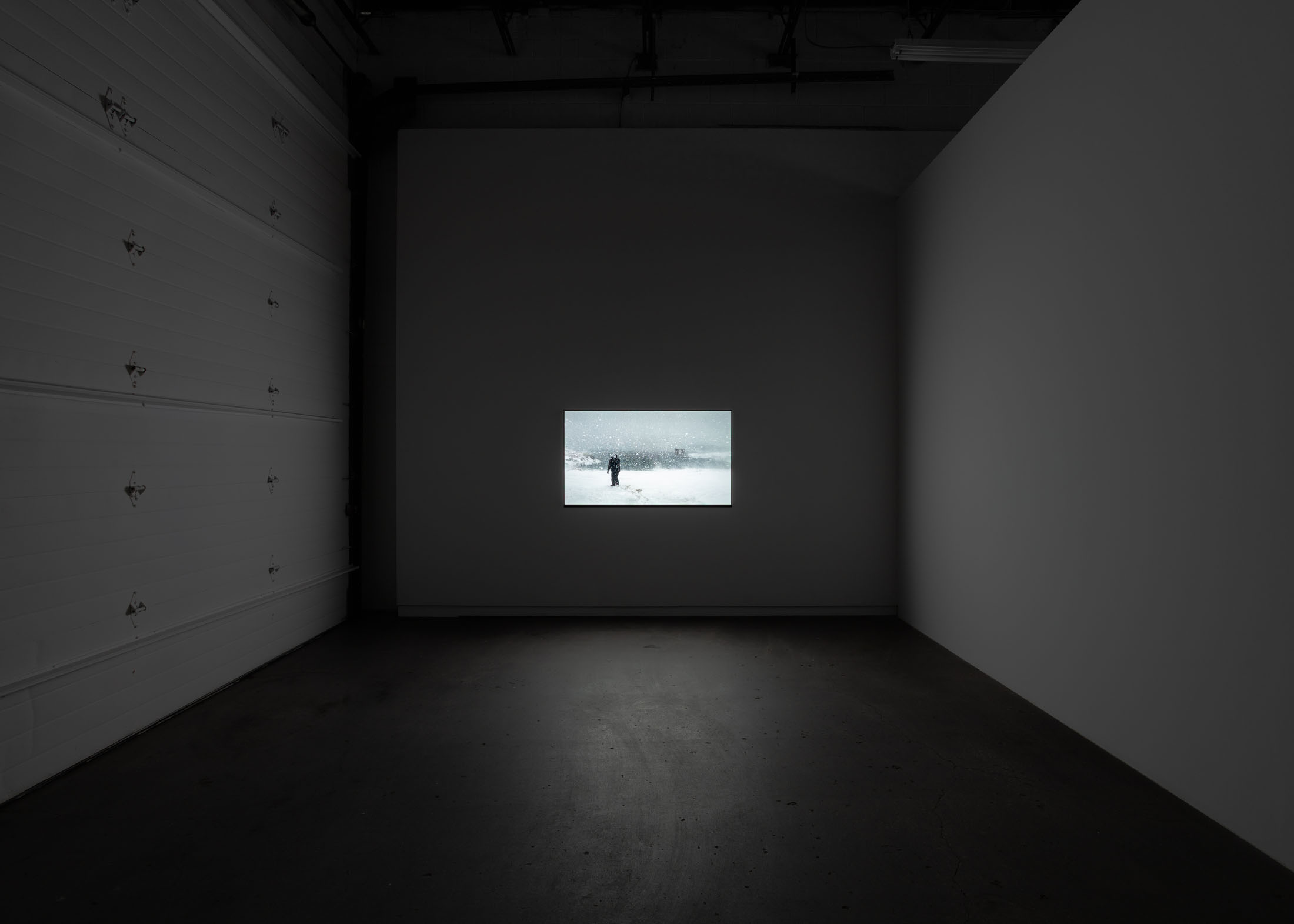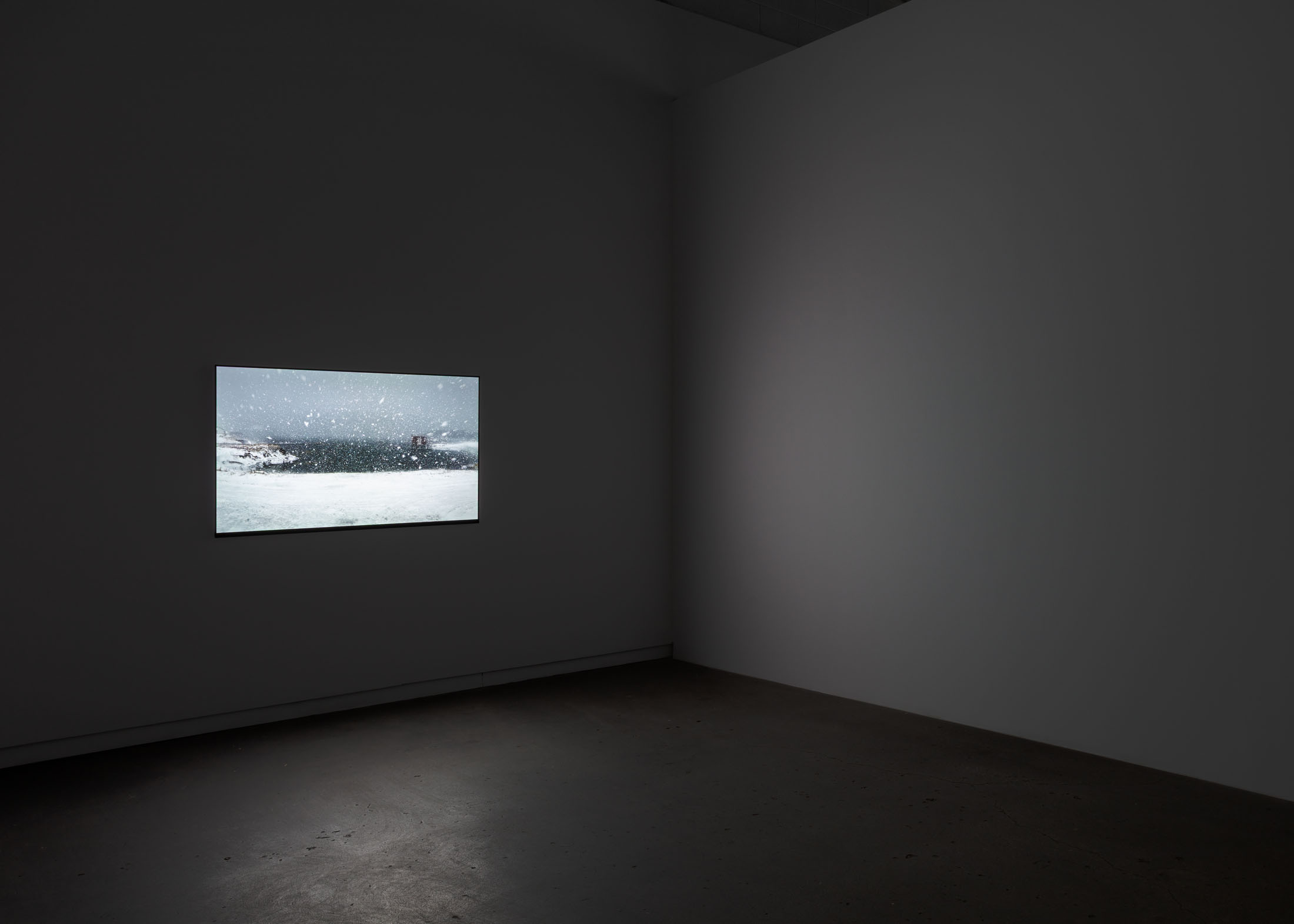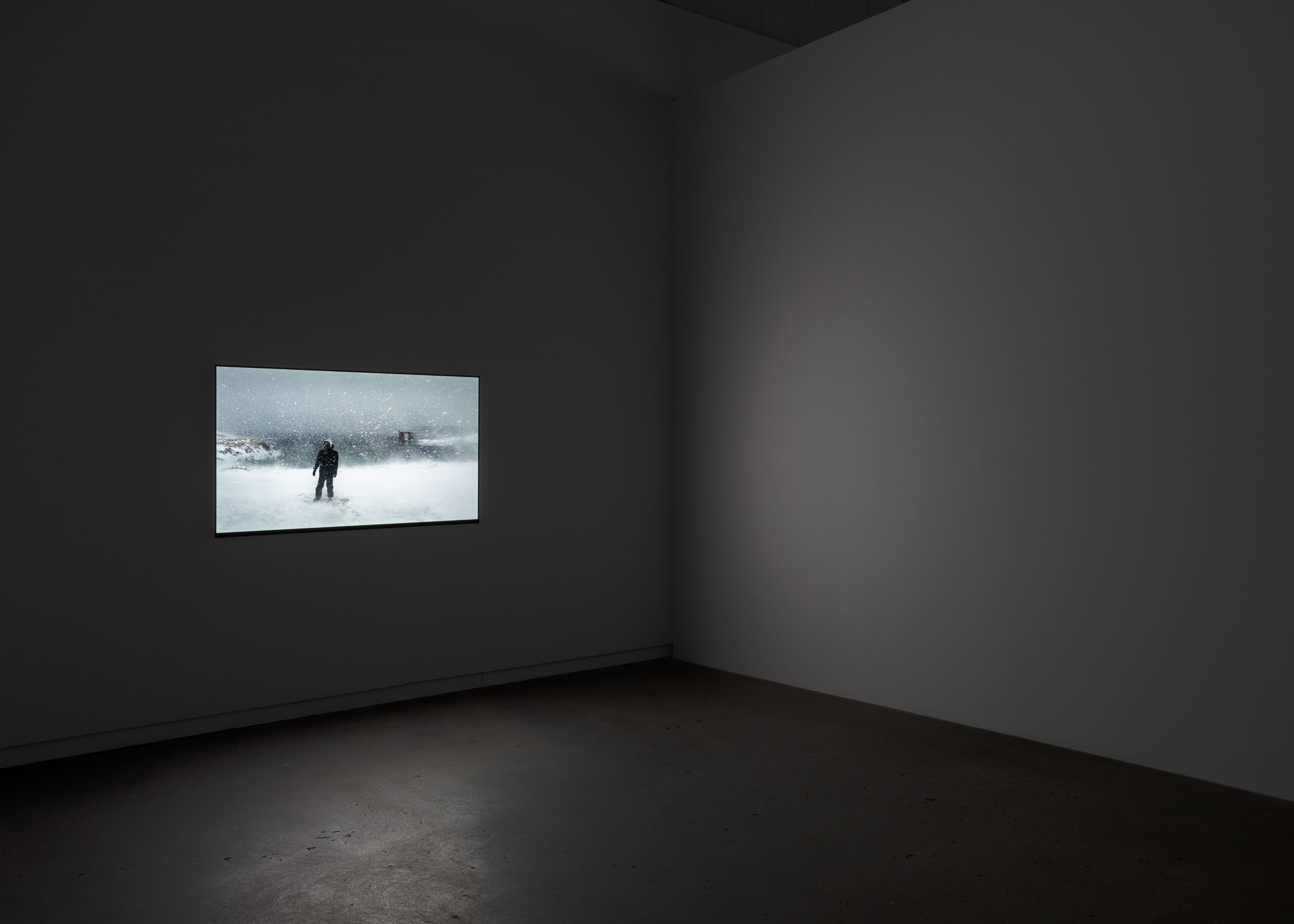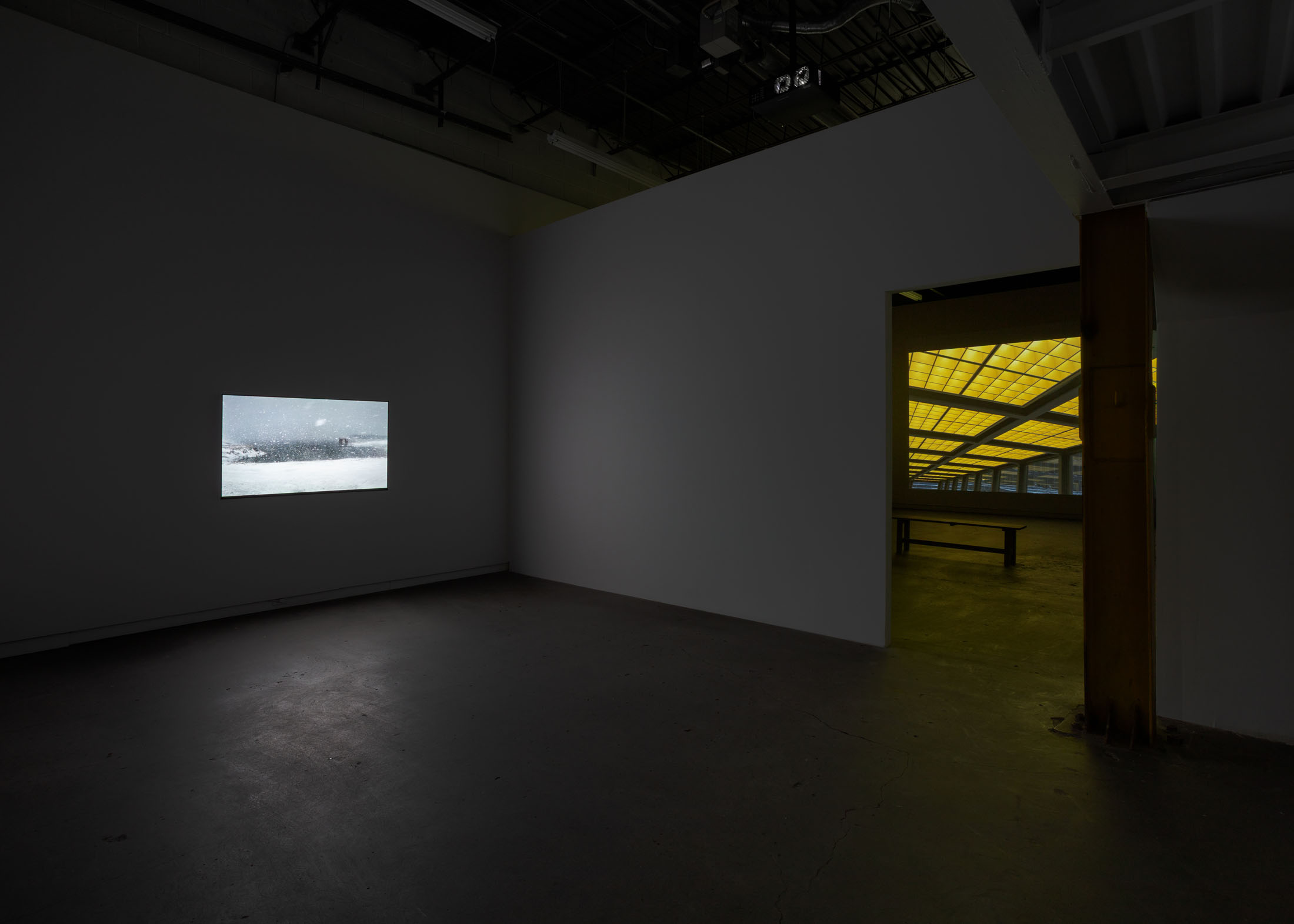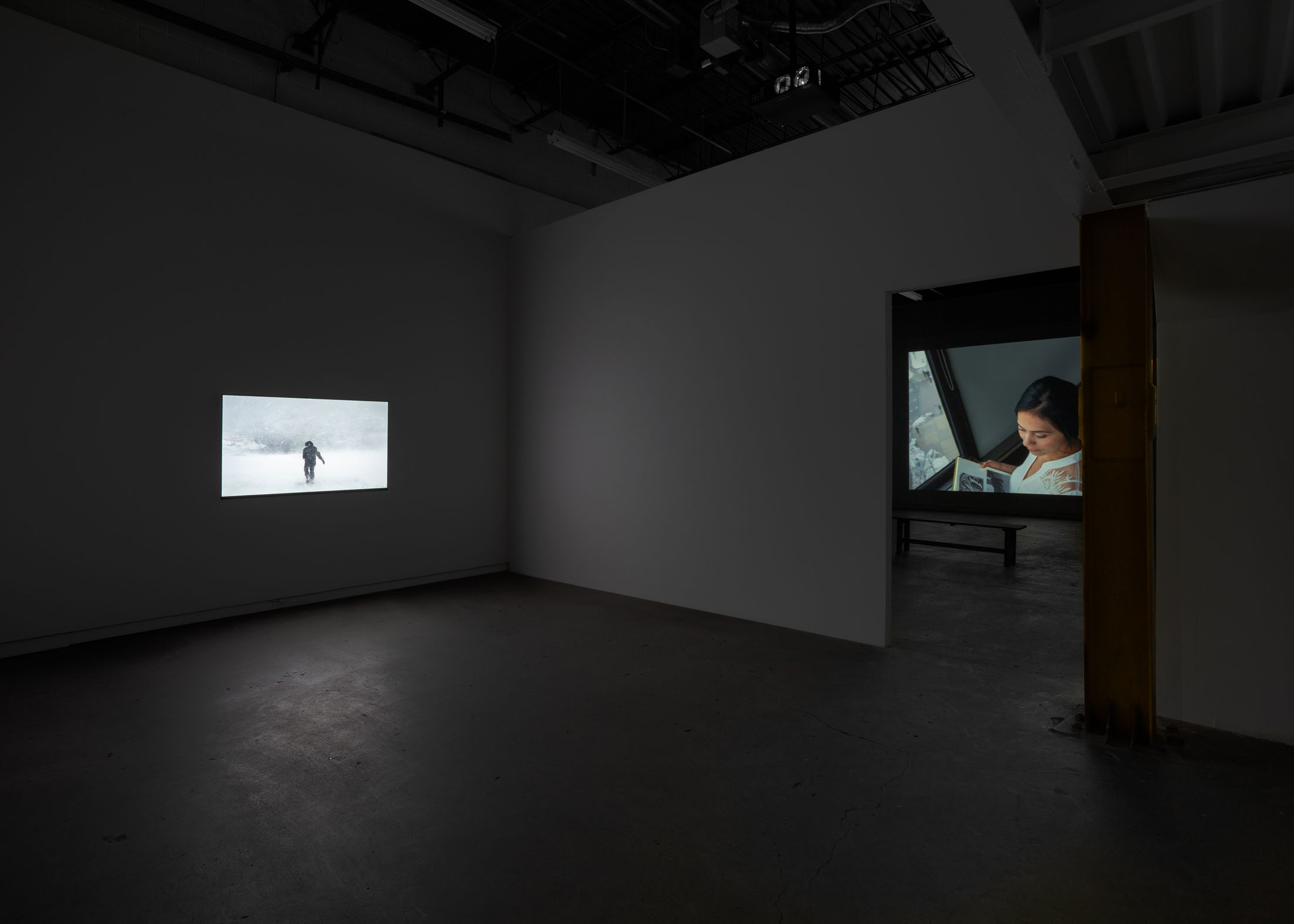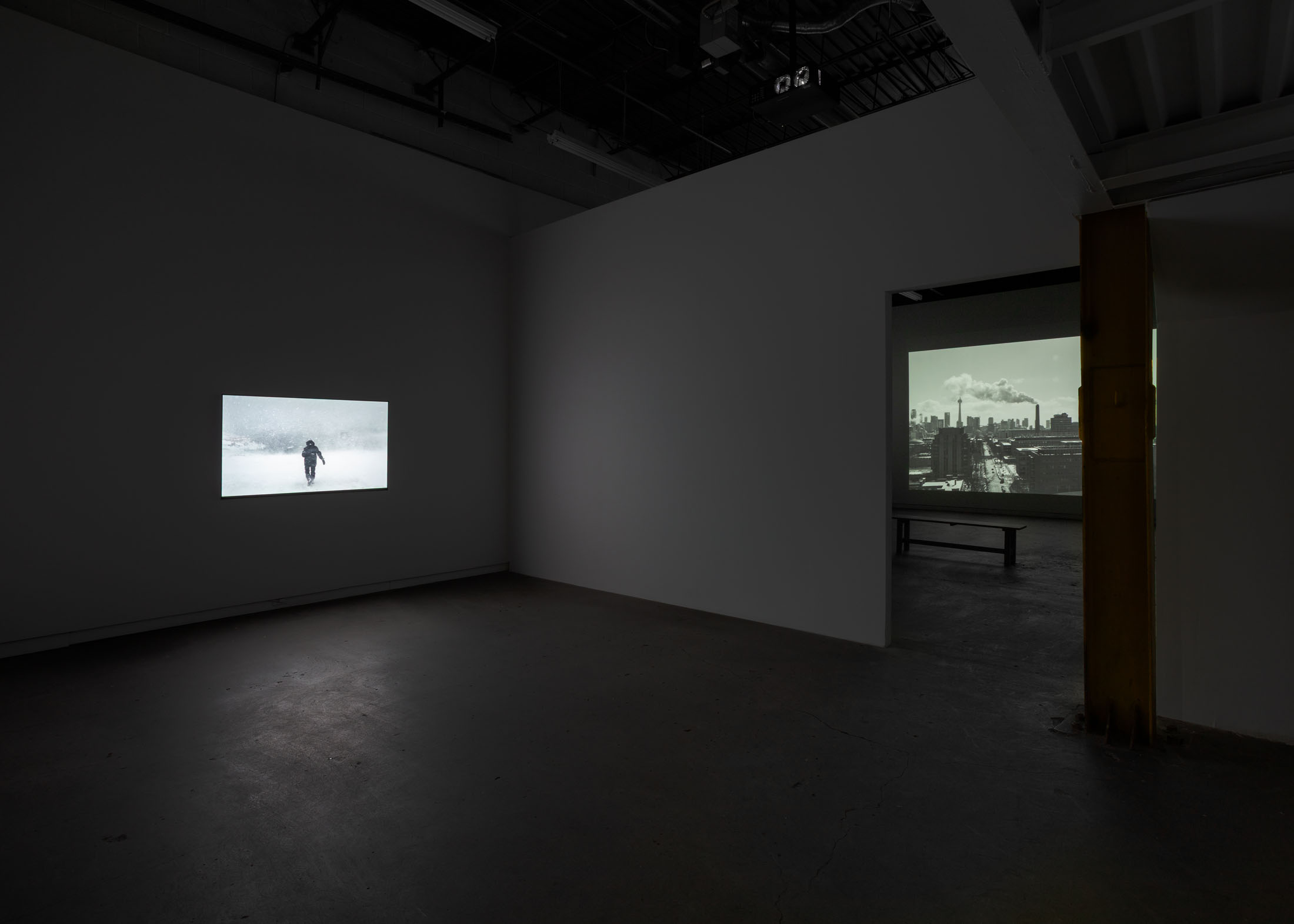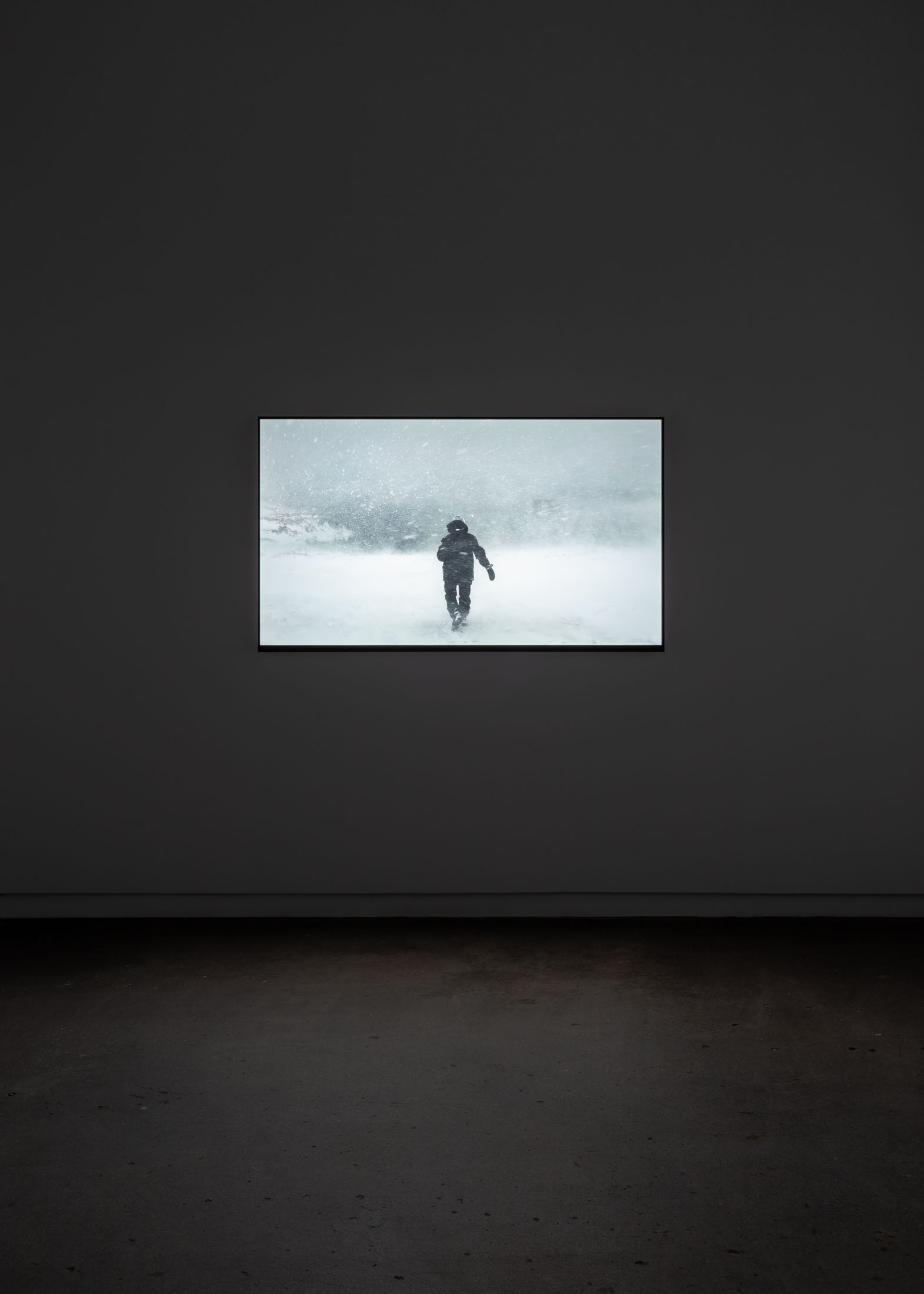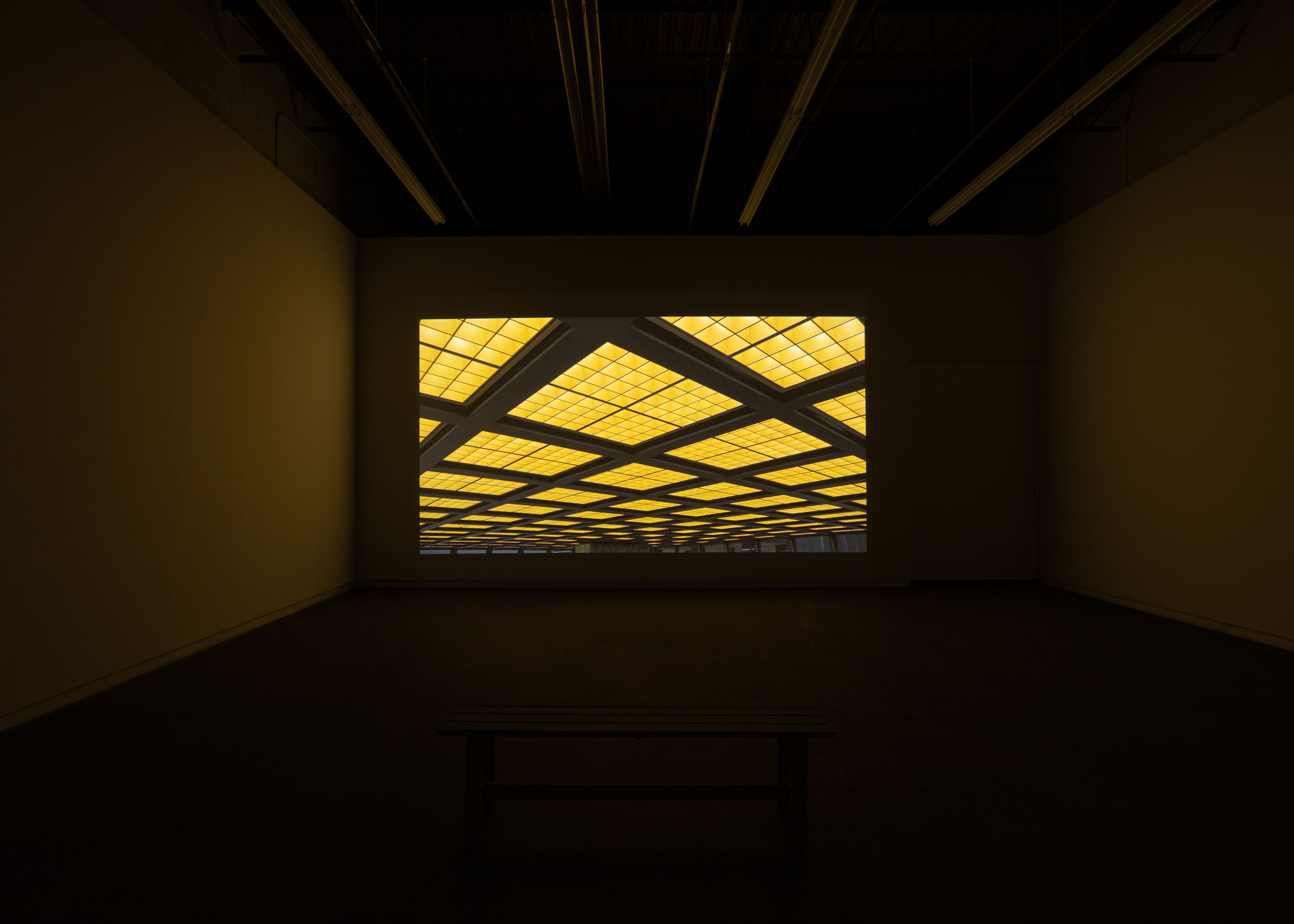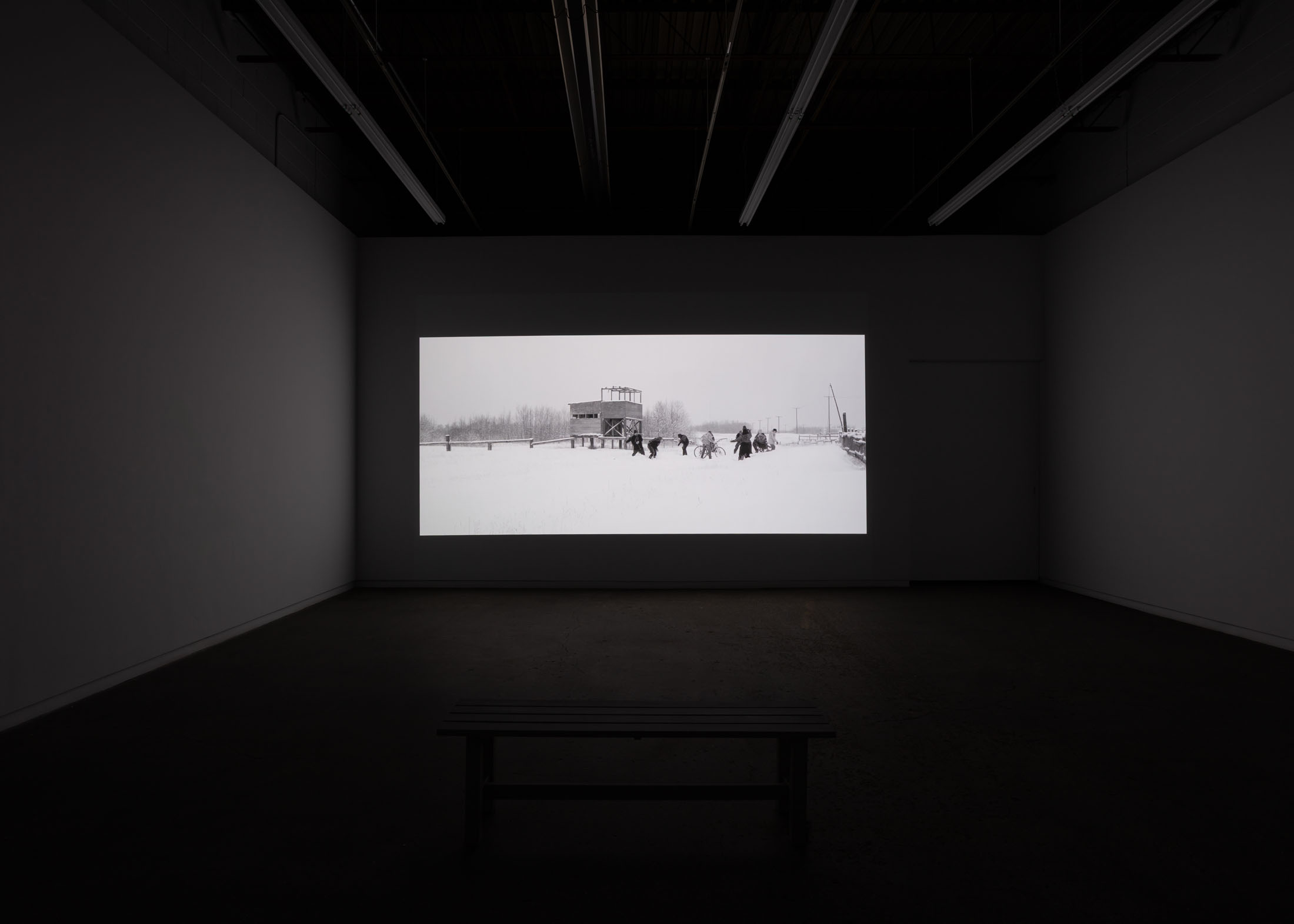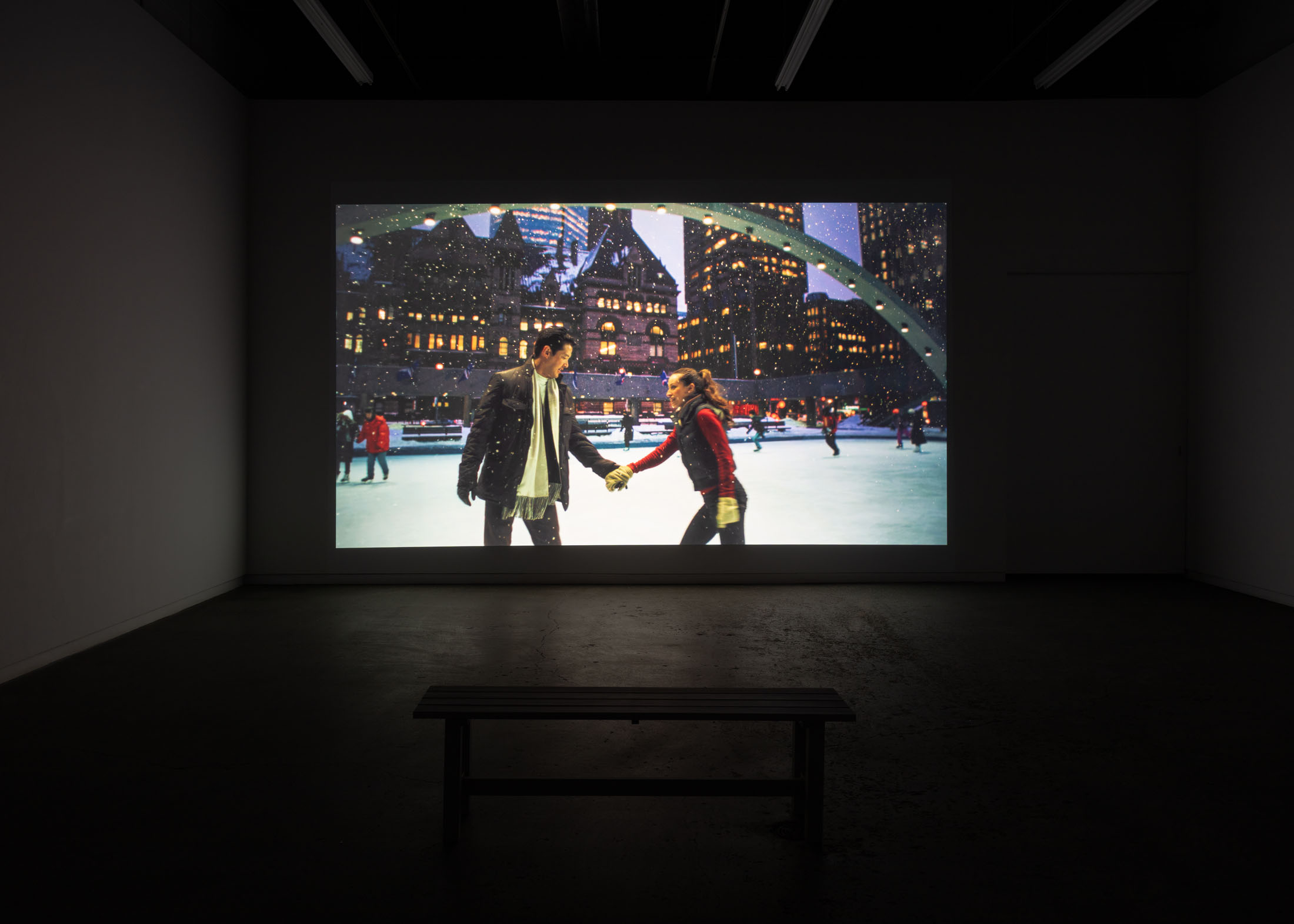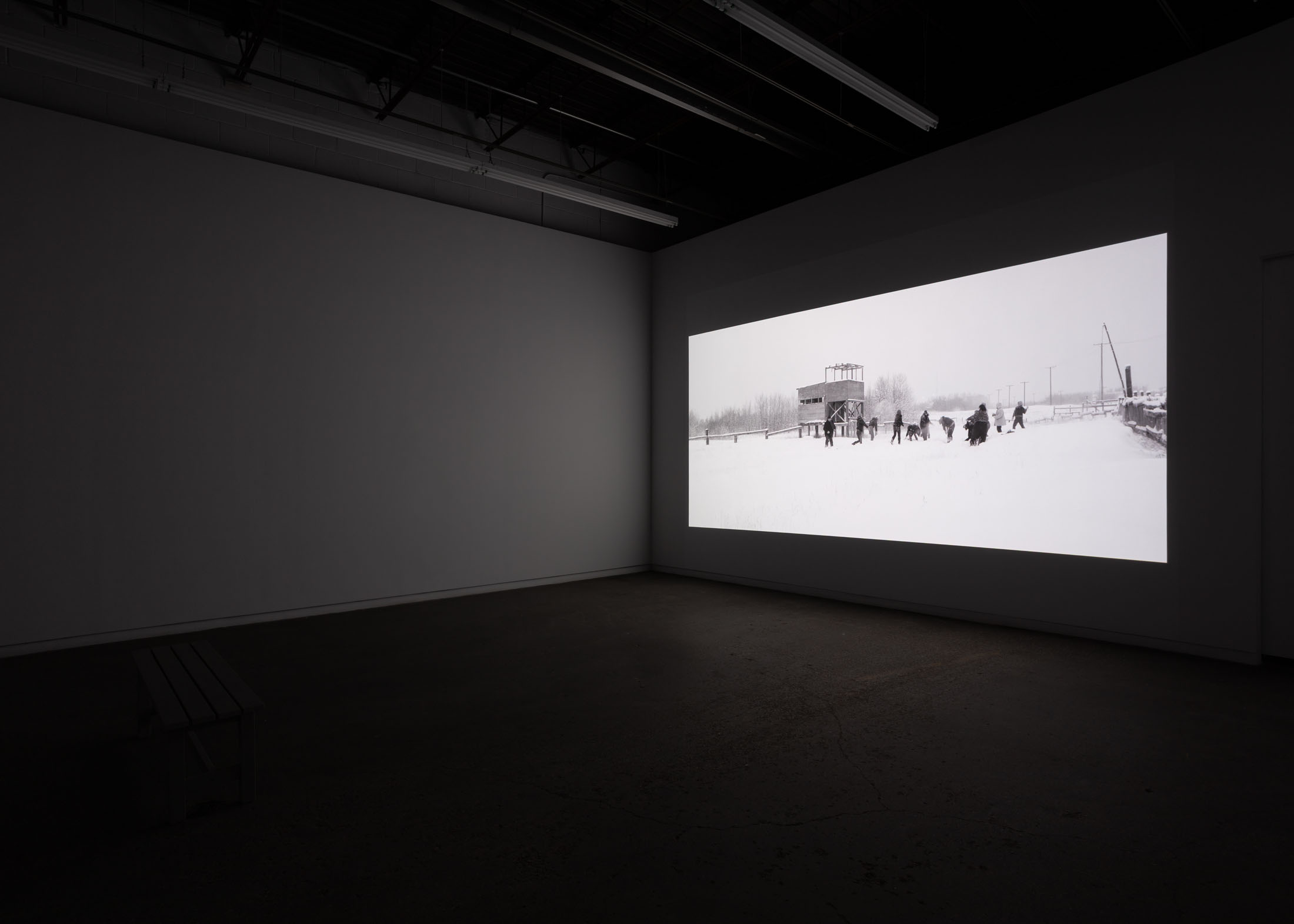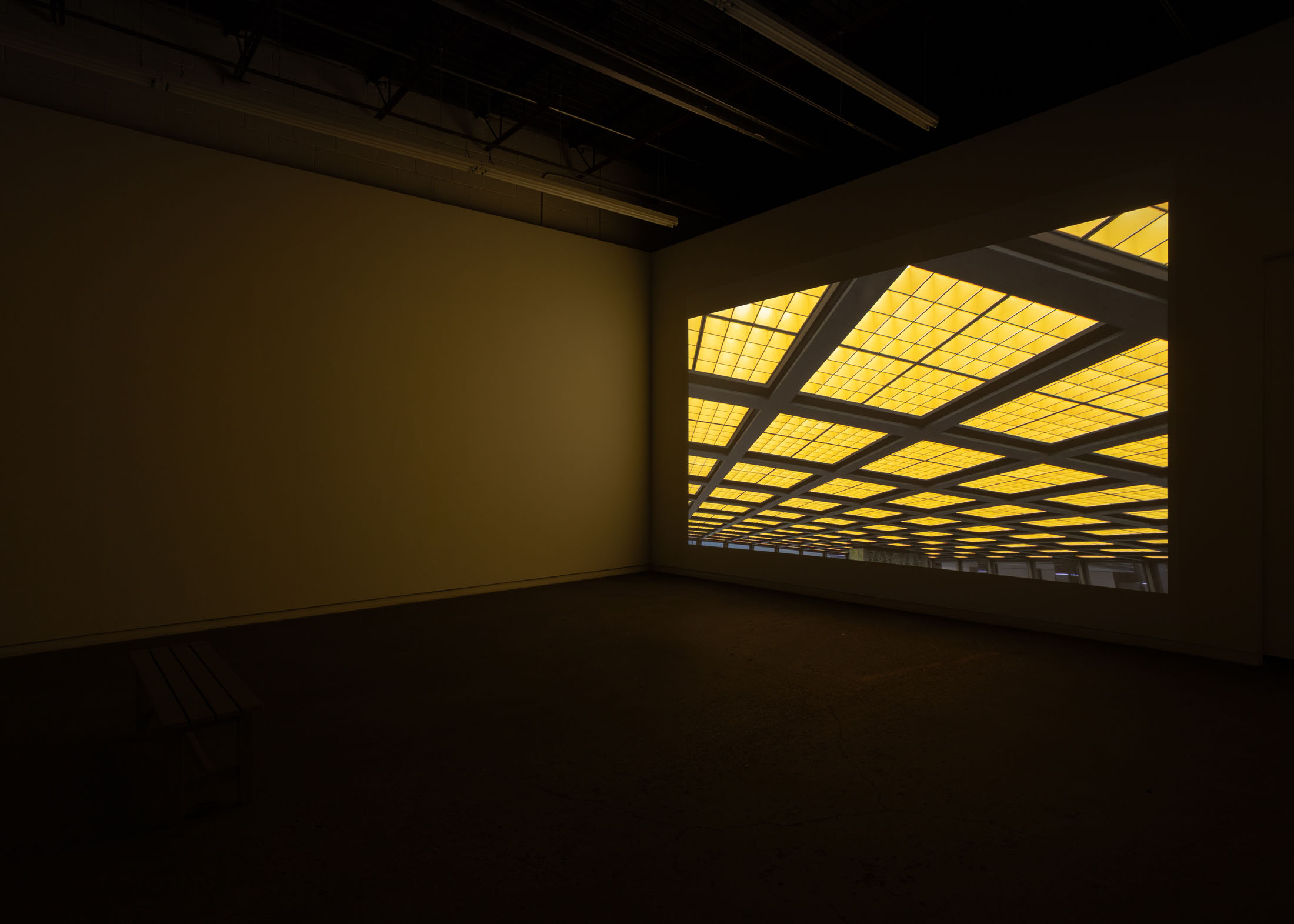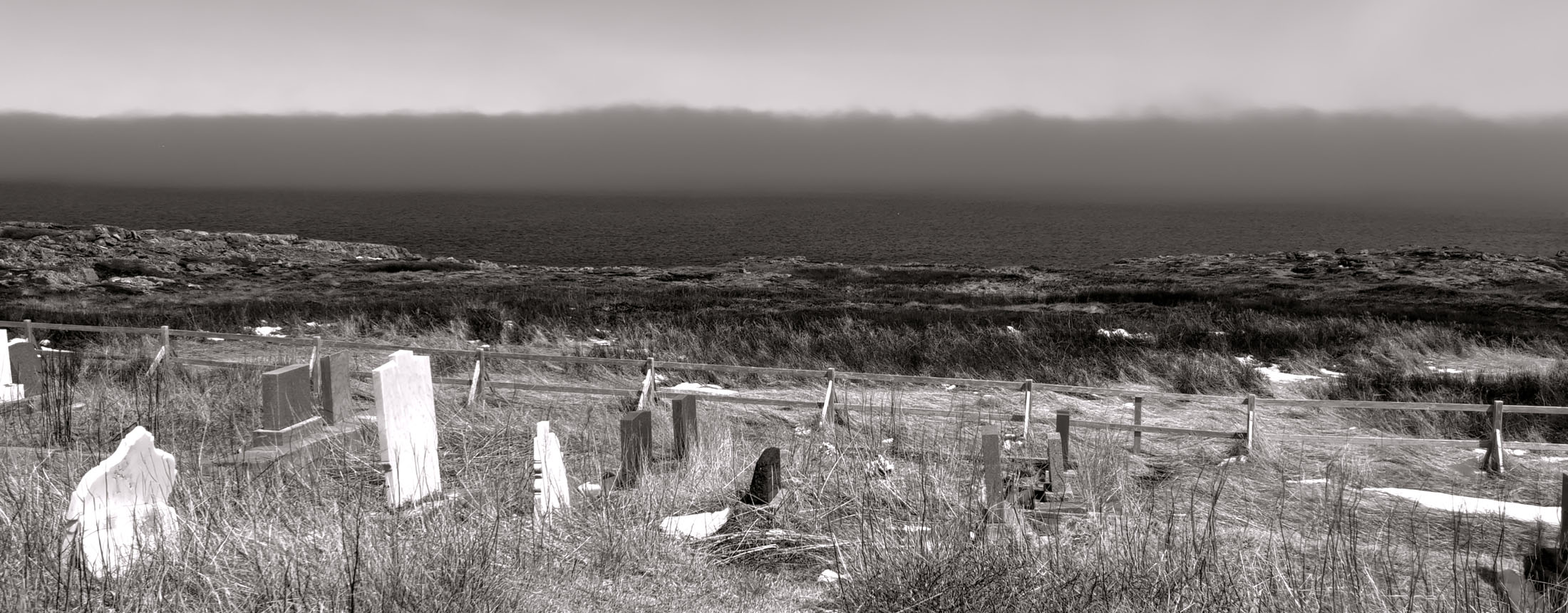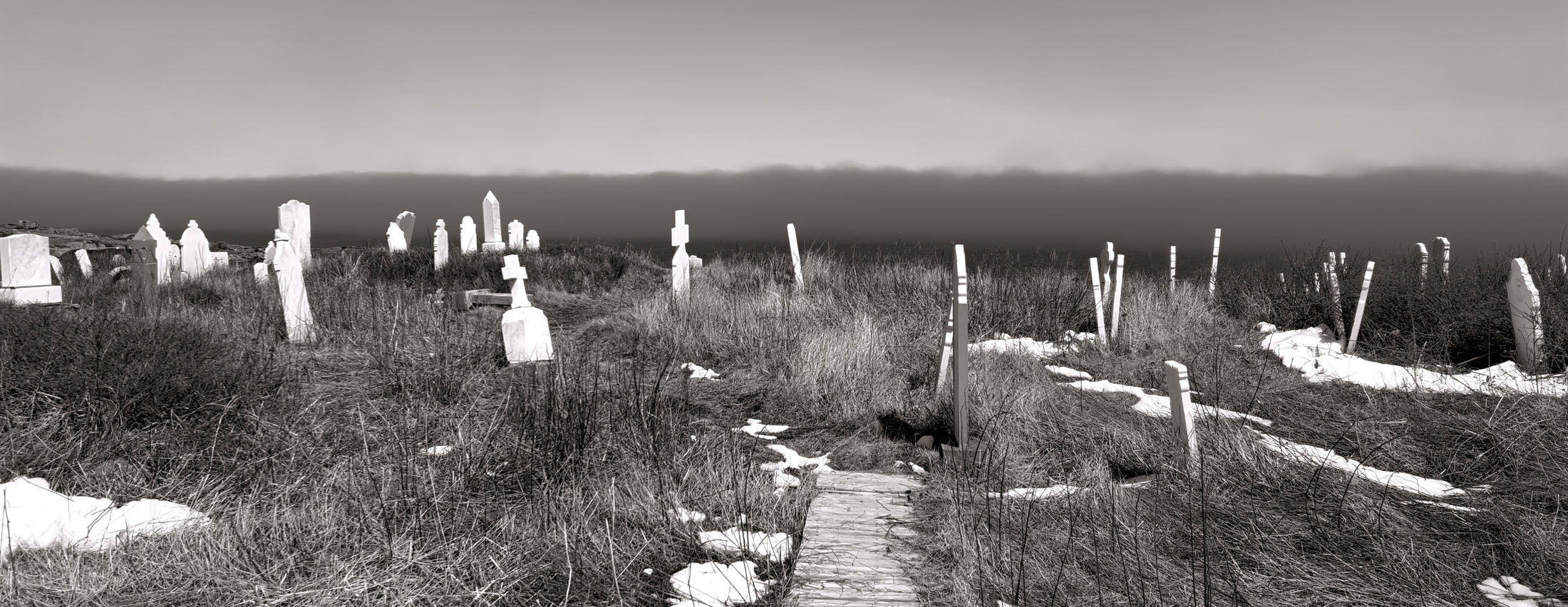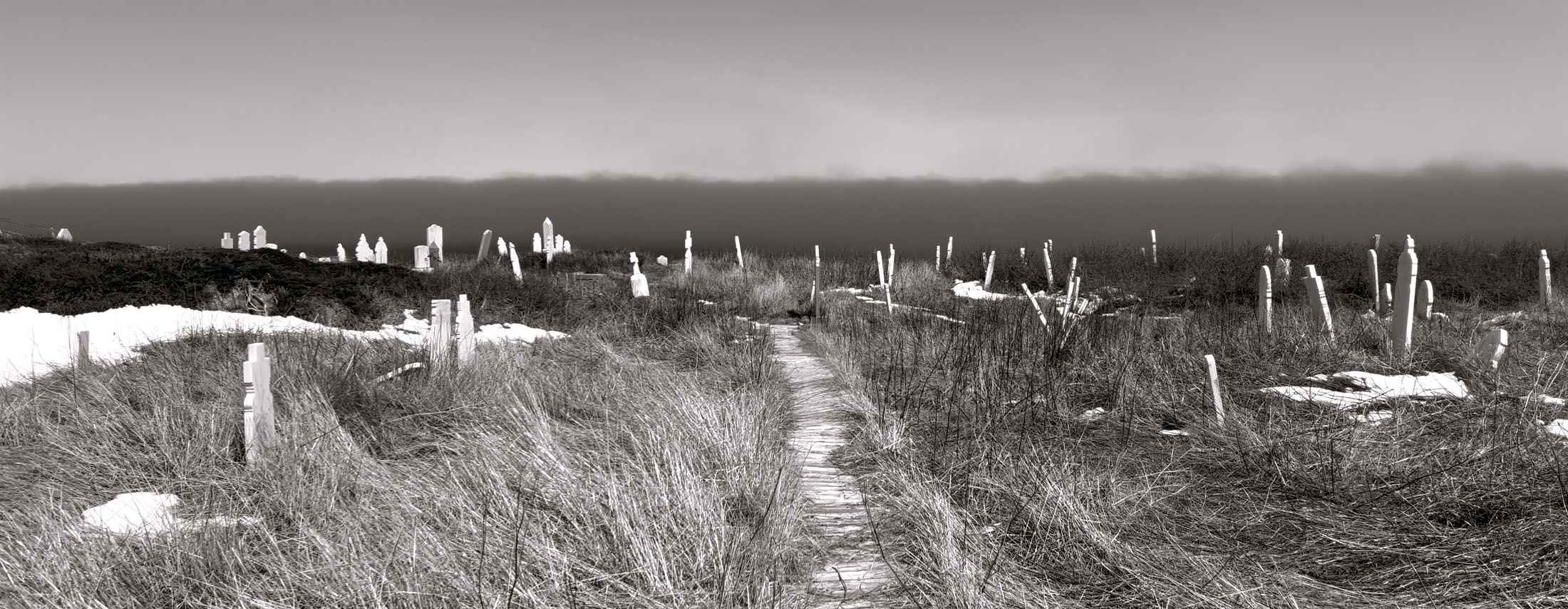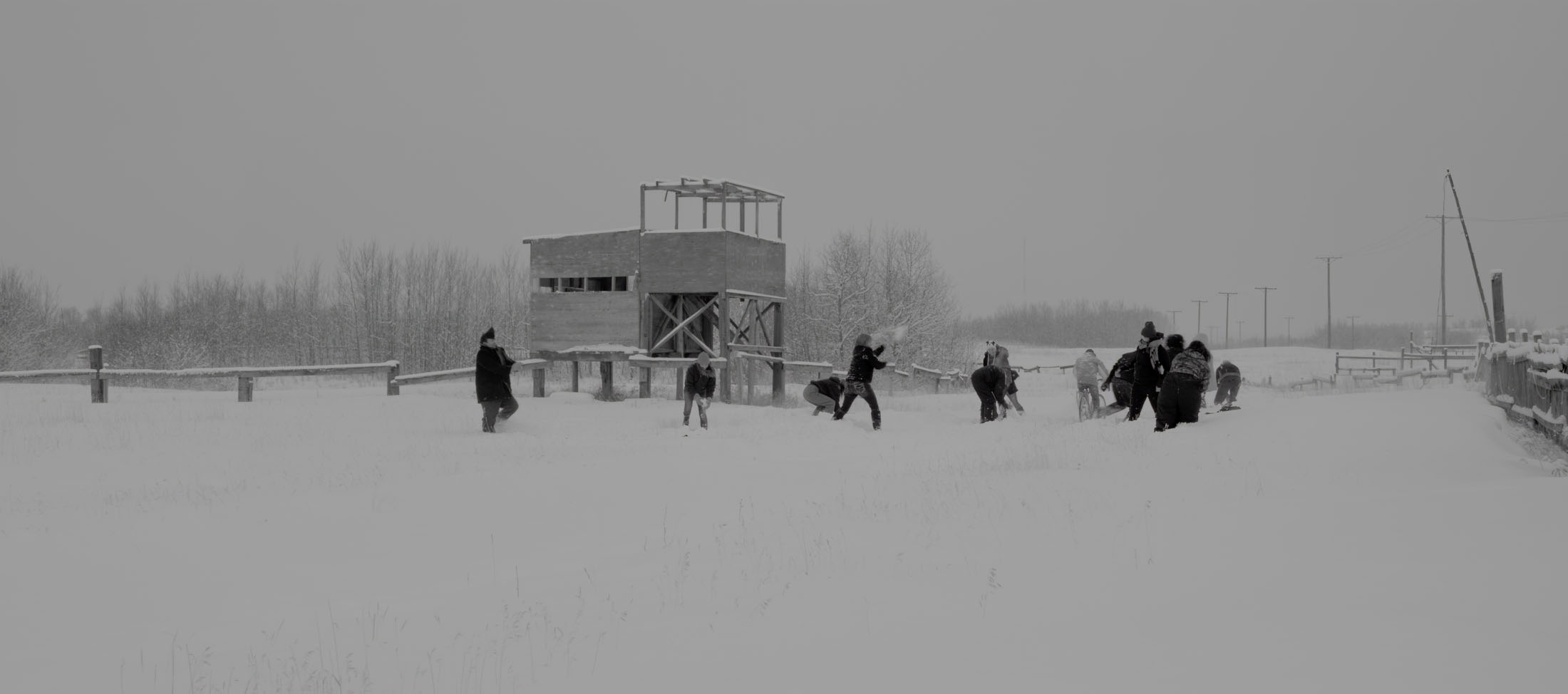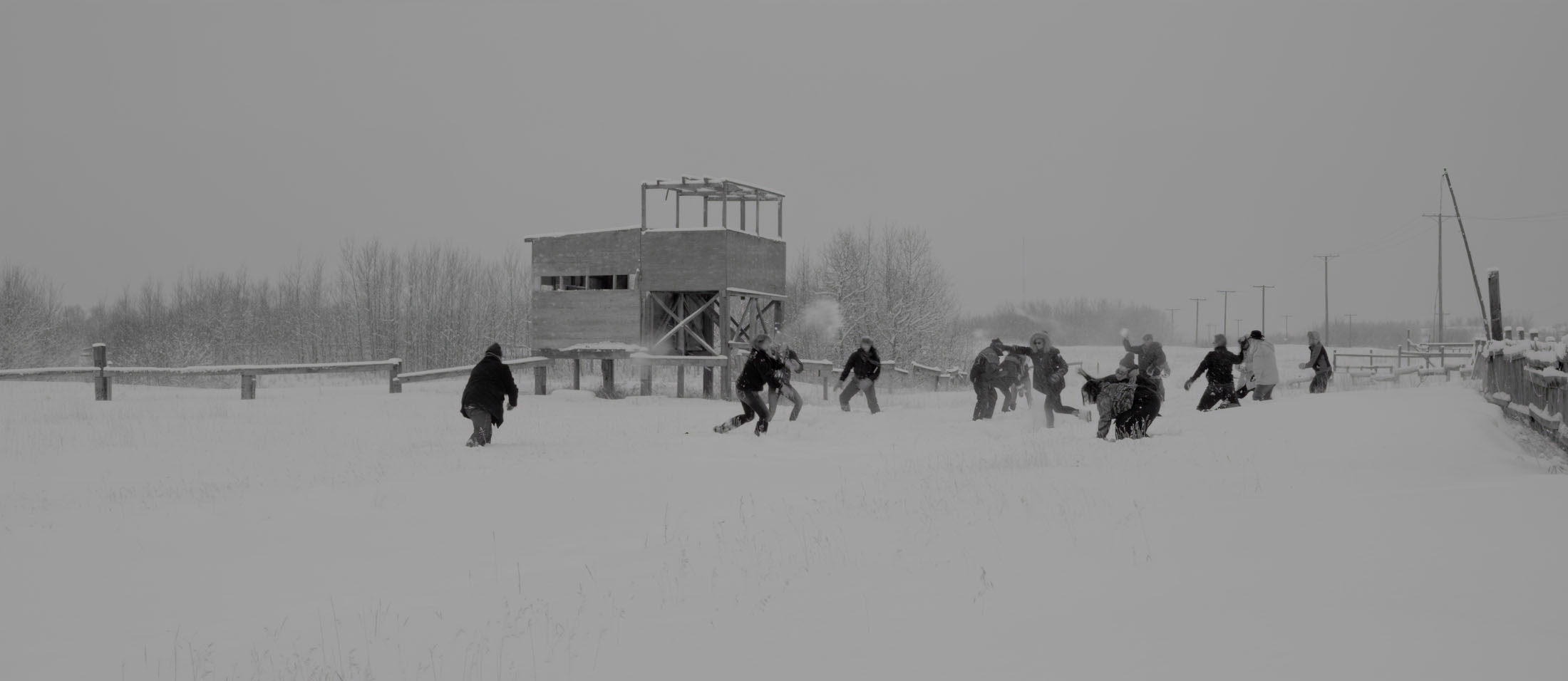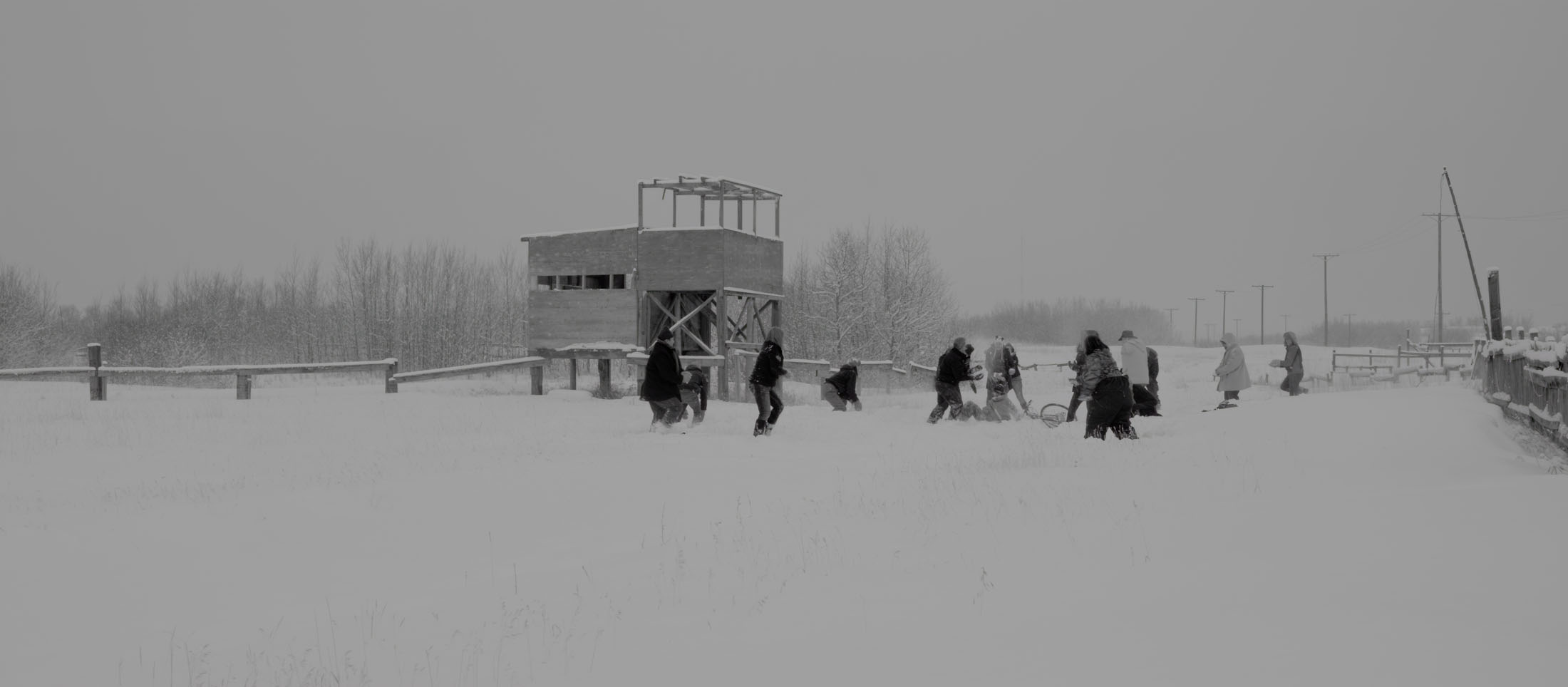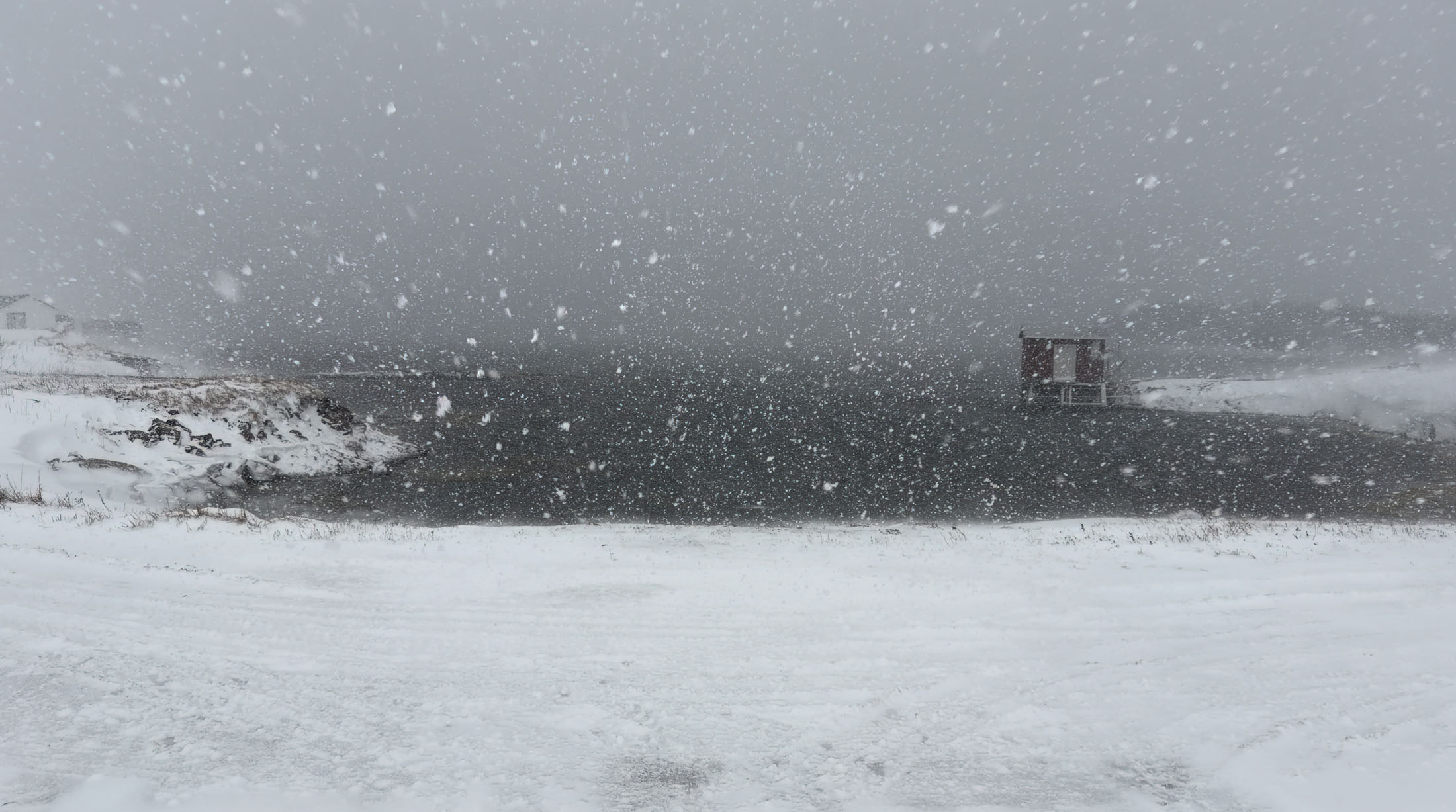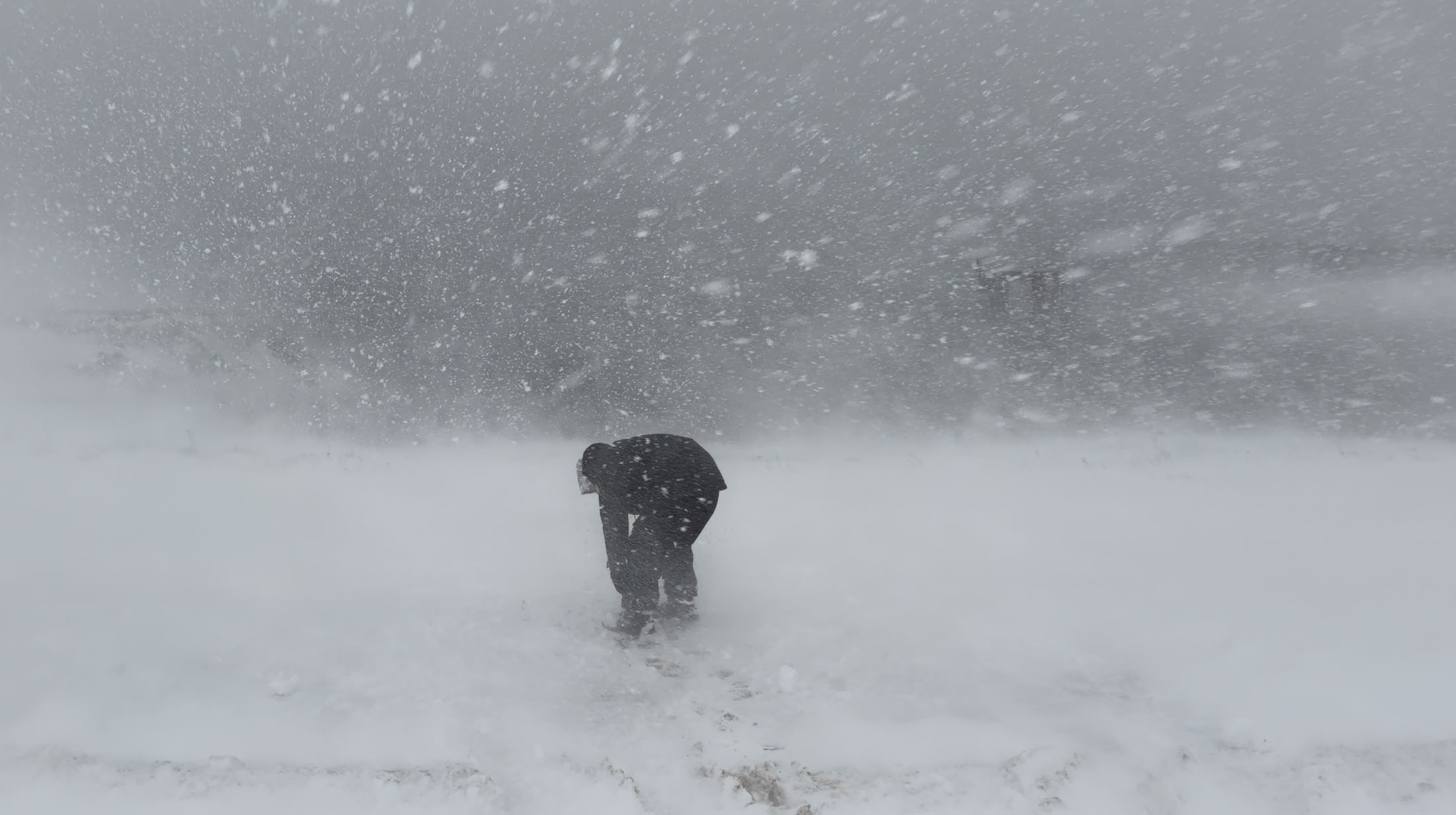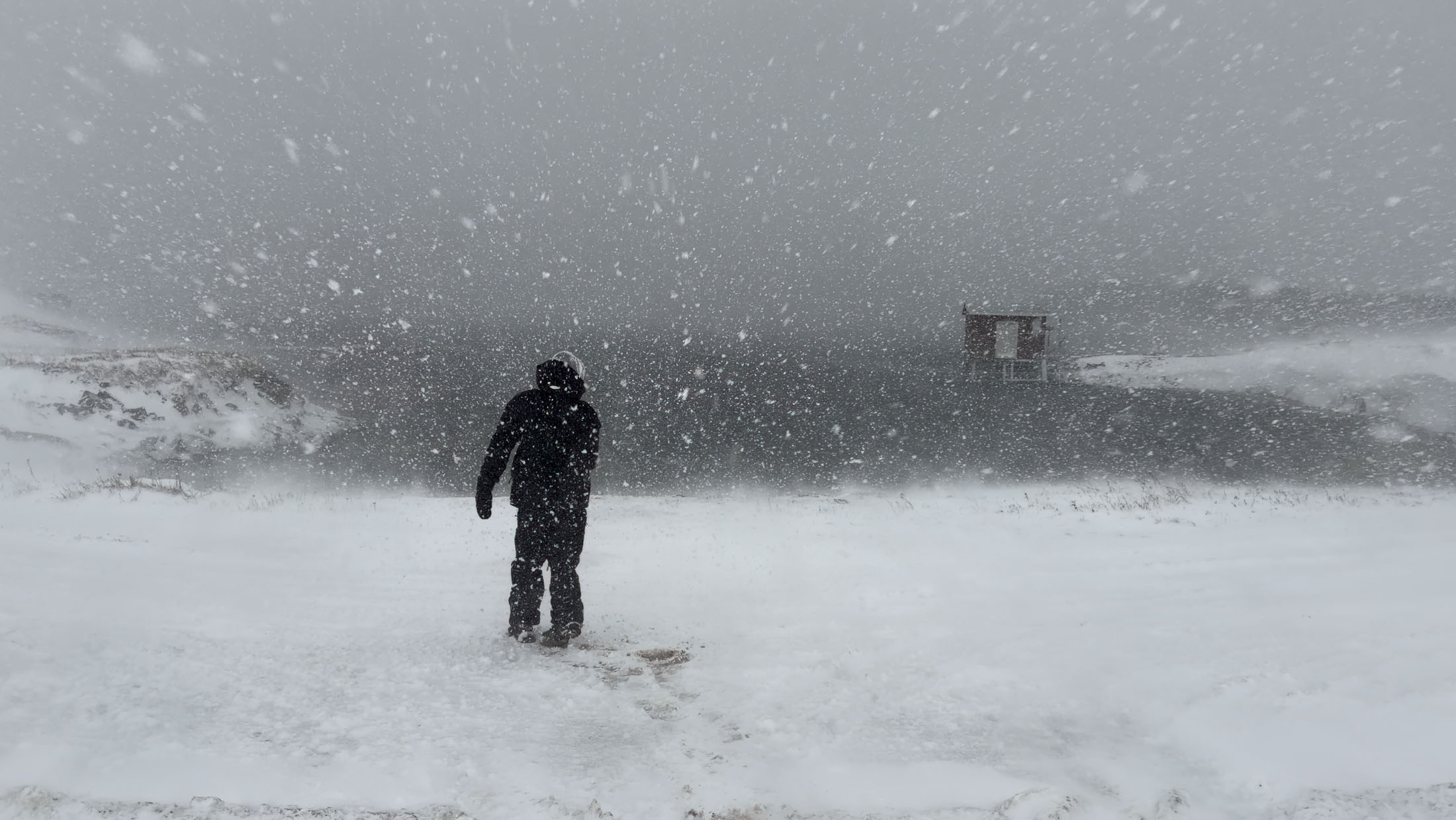
Daniel Faria Gallery is pleased to present Snow, Mark Lewis’ fifth solo exhibition with the gallery. Snow features films spanning Lewis’ career from 2002-2026, and includes Nathan Phillips Square, A Winter’s Night, Skating, first shown in his presentation for the Canadian Pavilion at the 2009 Venice Biennial. The selection of films in this exhibition offers a retrospective glimpse of the formal investigations that have shaped Lewis’ career.
In his foreword to the December 2020 issue of Afterall—of which Lewis was co-founder and director—he writes about the experience of waking up to discover that the world has been carpeted in a deep layer of snow. “Many of the usual markings, divisions between spaces, recognisable signs of life were gone. In this way there had been a kind of magical defamiliarization of the earth and all its formal, social and political consequence. But in some ways, many things still looked the same—unfamiliar while remaining somewhat familiar.”1 While Lewis here is drawing a comparison to his initial experience of the COVID-19 pandemic, the subtle defamiliarization of the familiar is one that permeates his work, and snow often appears as the formal device through which that strangeness occurs, in both urban and rural scenes.
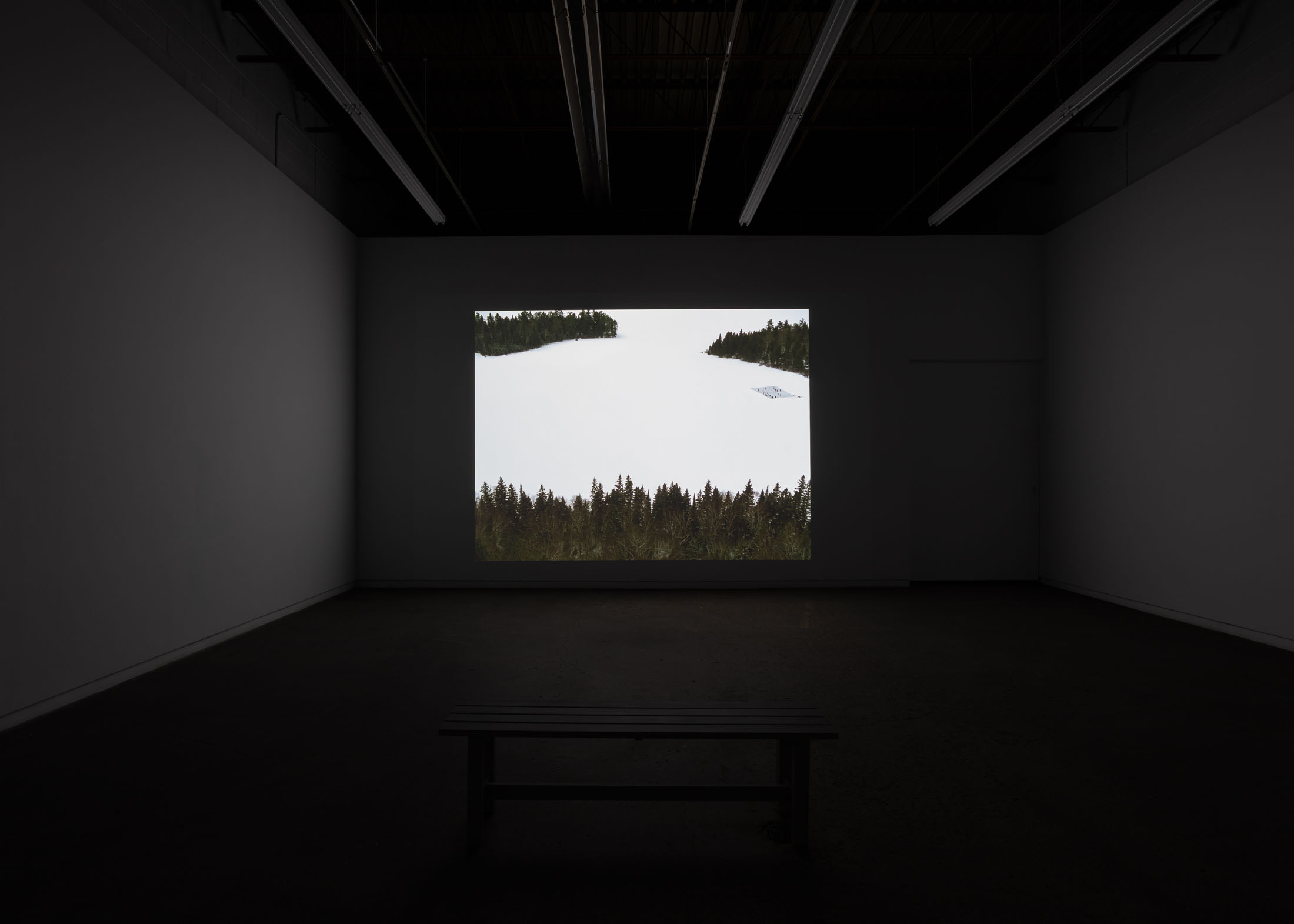
The first seconds of Algonquin Park, Early March (2002) are often mistaken for a malfunctioning, blank screen. It’s not until the camera zooms out enough to include the deep green tops of a cluster of trees that one realizes they have been looking at a landscape, albeit one entirely blanketed in untouched snow—disguised in snow, as it were. The film utilizes a zoom lens, beginning at the closest shot and panning out over four minutes to the widest, creating a unique relationship between distance and time which Lewis suggests is one of the few truly unique inventions of film.
The four-minute run time of Lewis’ early films was determined by the length of a 400 ft roll of film, beginning at the physical beginning of the film and ending at the physical end. This relationship between the formal decisions in Lewis’ films and the mechanics of cinema is one that recurs throughout his practice.
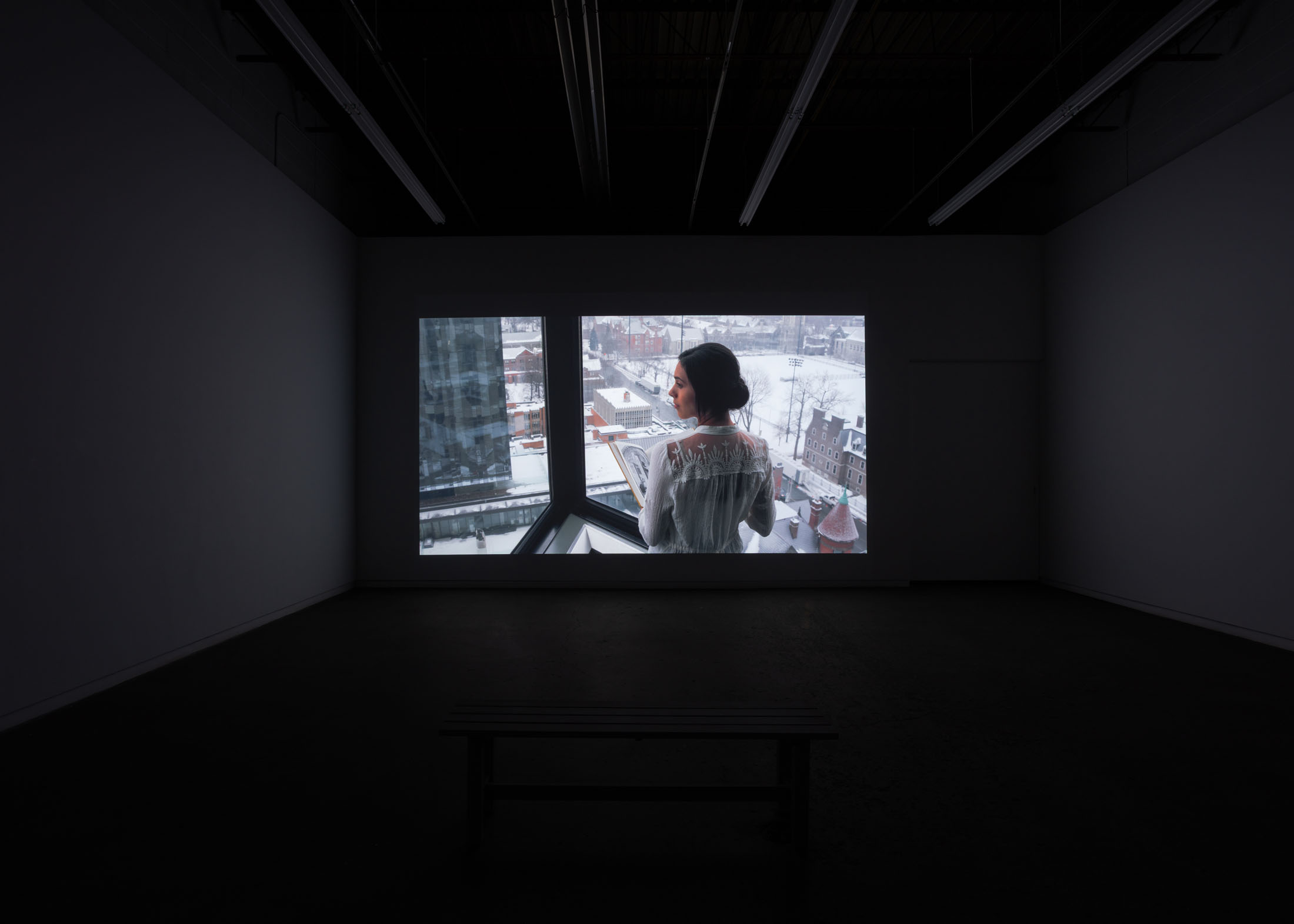
There is also often a link between the experience of modern architecture and the nature of cinema in Lewis’ films. Pavilion (2015) features Mies van der Rohe’s Toronto Dominion towers, and Snowstorm at Robarts Library (2015) features the well-known brutalist building at the University of Toronto. In both films, the window is the apparatus through which a scene unfolds, focusing and framing our attention like the camera lens. “Windows, beams and trusses are the optical equivalent of the frames of analogue film; and the movement through urban space, with its blocks and channels, cuts up perspectives and vistas, [evoking] the way montage edits temporal and spatial flow,”2 writes Barbara Fischer, curator of Lewis’ Venice presentation.
Toronto’s City Hall, designed by Finnish modernist architect Viljo Revell, appears as the backdrop in Nathan Phillips Square, A Winter’s Night, Skating (2009), in which a couple gracefully spins and glides across the popular skating rink. Their figures subtly stand out against those of the other skaters and the architecture behind, appearing as though they are more three-dimensional.
Achieved through rear projection, this separation between foreground and background creates a dreamlike, slightly uncanny environment. Rear projection was a predecessor to the green screen, perhaps most famously used by Alfred Hitchcock. Actors play out a scene in front of a filmed environment—be that a road on which they are meant to be driving or a far-away locale—which is projected behind them through a translucent screen. In using rear projection, one ends up with a film inside a film—film quoting film. It’s “self-conscious and self-reflective, and a foregrounding of the materiality of film itself,” says Lewis.
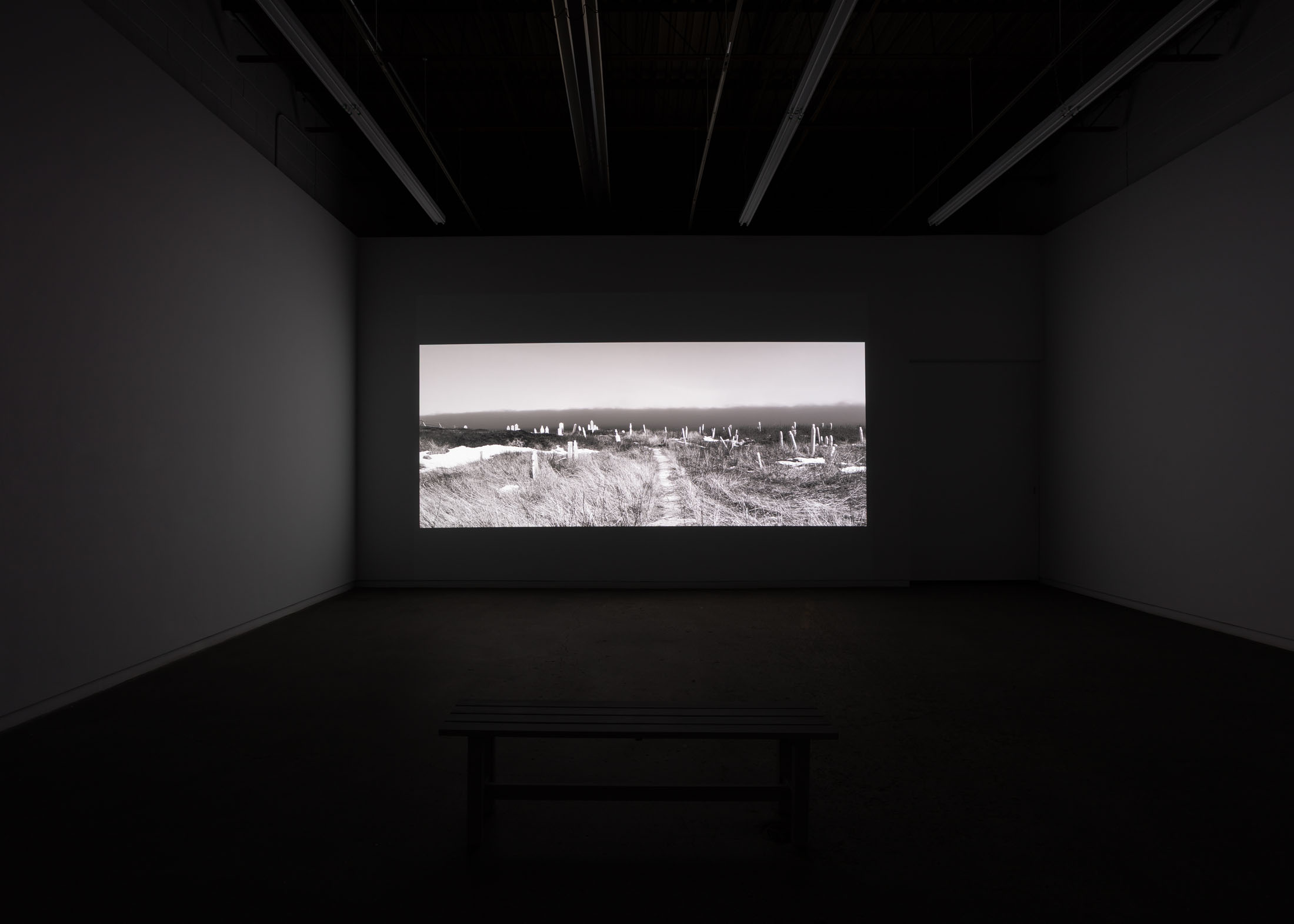
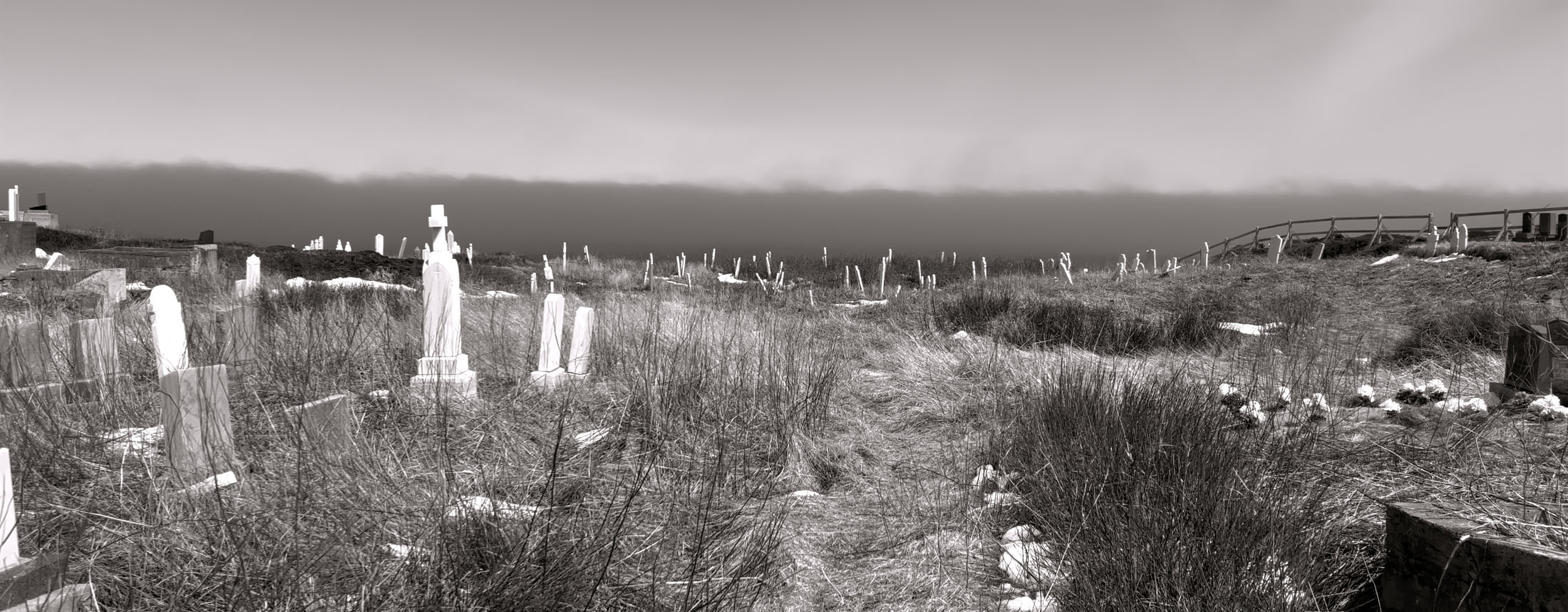
One of Lewis’ most recent films in the exhibition, Last Snow (after CDF) (2025) was shot on Fogo Island, where the artist spends many months of the year. The atmospheric approach towards a precipice is a nod to the romantic aesthetic of Caspar David Friedrich. Unlike the smooth dolly used in Pavilion or the zoom of Algonquin Park, Early March, the handheld camera used in this film places the viewer in the position of someone walking through the environment, footsteps ever so slightly articulated through shifts of the horizon.
The Russian formalist Viktor Shklovsky coined the concept ostranenie to describe how the work of an artwork is that of making the world, or some aspect of it, strange. While this effect is similar to the formerly mentioned experience of waking up to a city covered in snow, it could also be said that this is what film itself does. That by paying close attention to a subject or scene—in a slow tracking shot where almost nothing “happens,” for instance—one renders it unfamiliar, for it’s not often that we give our full attention to our surroundings.
[1] Mark Lewis “Foreword” Afterall, Issue 50, Autumn/Winter 2020.
[2] Barbara Fischer, Mark Lewis: Invention, Exhibition Text, Power Plant Contemporary Art Gallery, September 25, 2025 – January 2, 2016.
Mark Lewis was born in Hamilton, Ontario and currently lives and works in London, U.K. Lewis attended Harrow College of Art in London and the Polytechnic of Central London, and began his career as a photographer before moving into film. He has had numerous solo exhibitions at institutions around the world such as Musée d’art de Joliette (2024); The McMichael Canadian Art Collection (20323); MASP, São Paulo (2020); Casa do Povo, São Paulo (2019); The Contemporary Austin, Texas (2017); The Art Gallery of Ontario, Toronto (2017); Canada House, London (2015); The Power Plant, Toronto (2015); The Louvre, Paris (2014); Van Abbemuseum, Eindhoven (2013); Vancouver Art Gallery (2007); BFI Southbank, London (2007) and Musée d’art Contemporain, Montéal (2007). In 2009, Lewis represented Canada in the 53rd Venice Biennale, curated by Barbara Fischer.