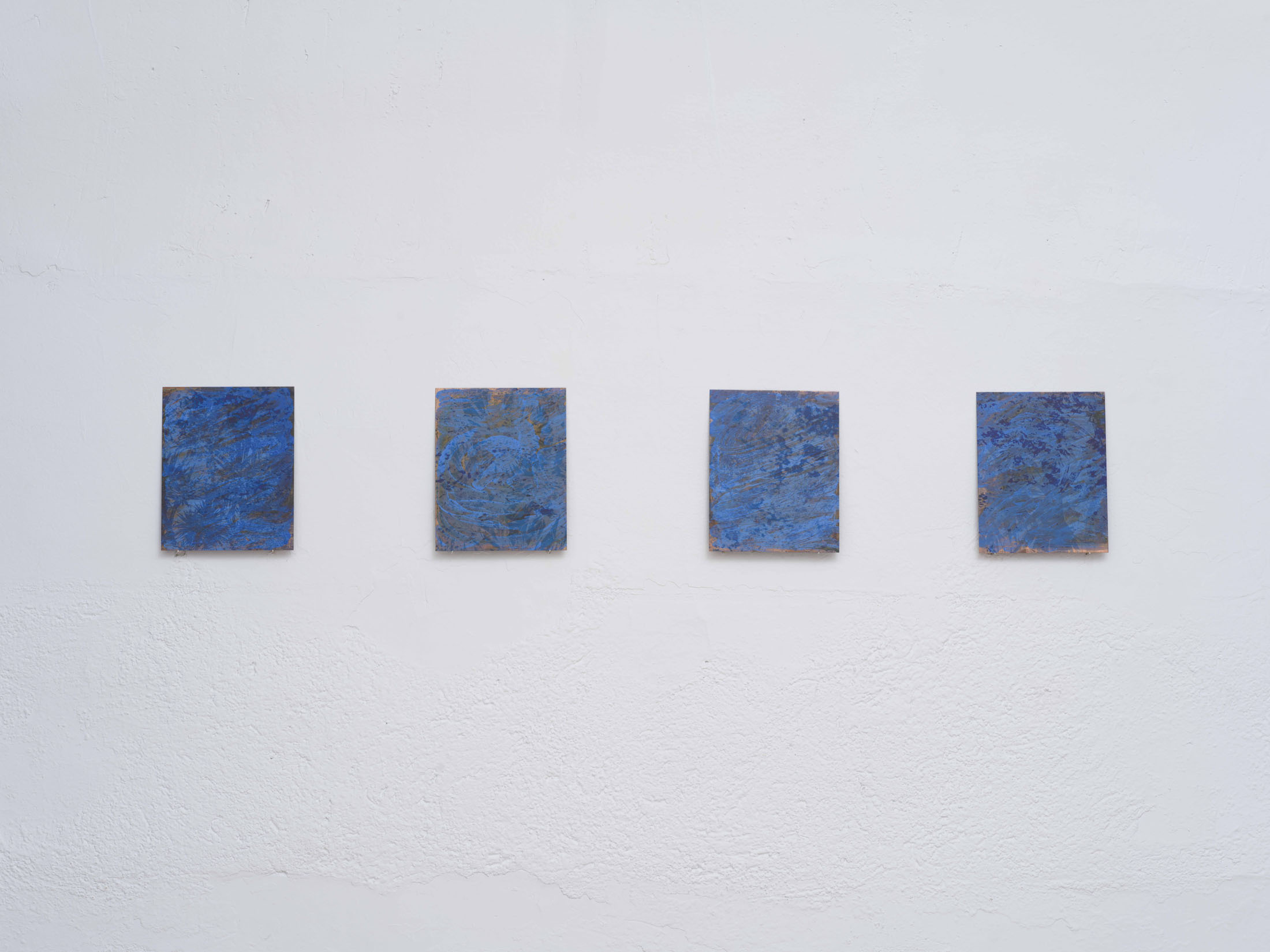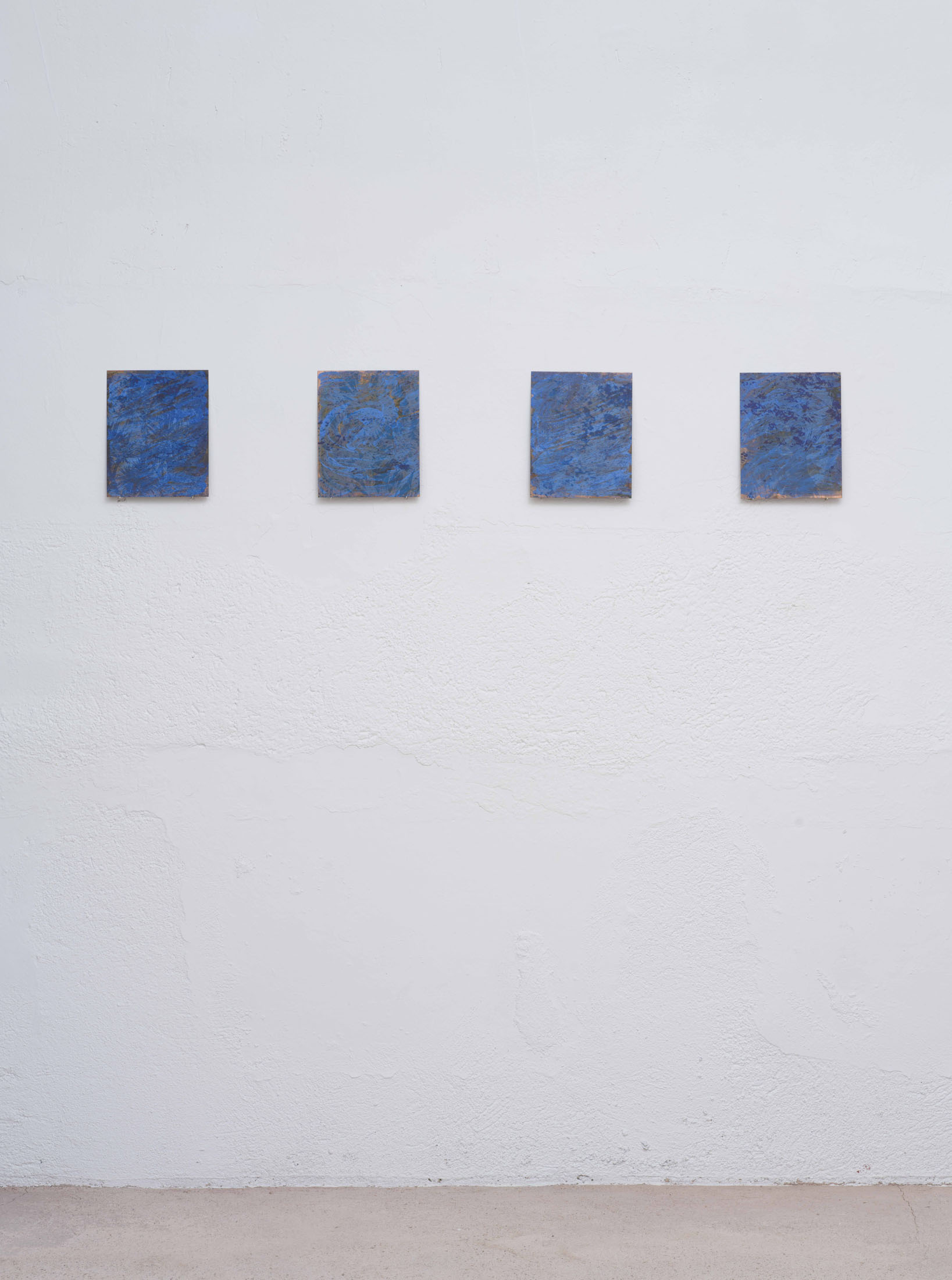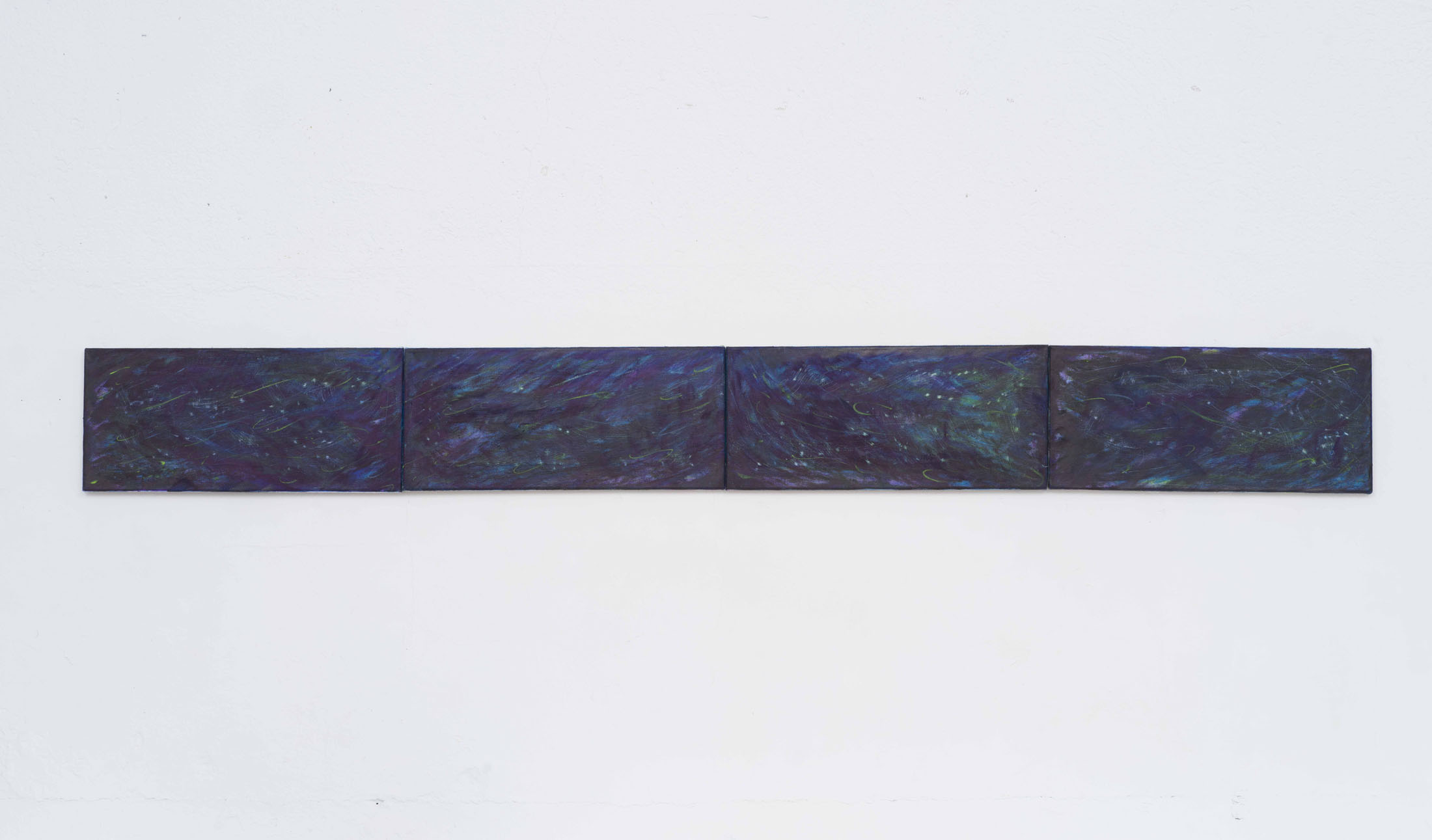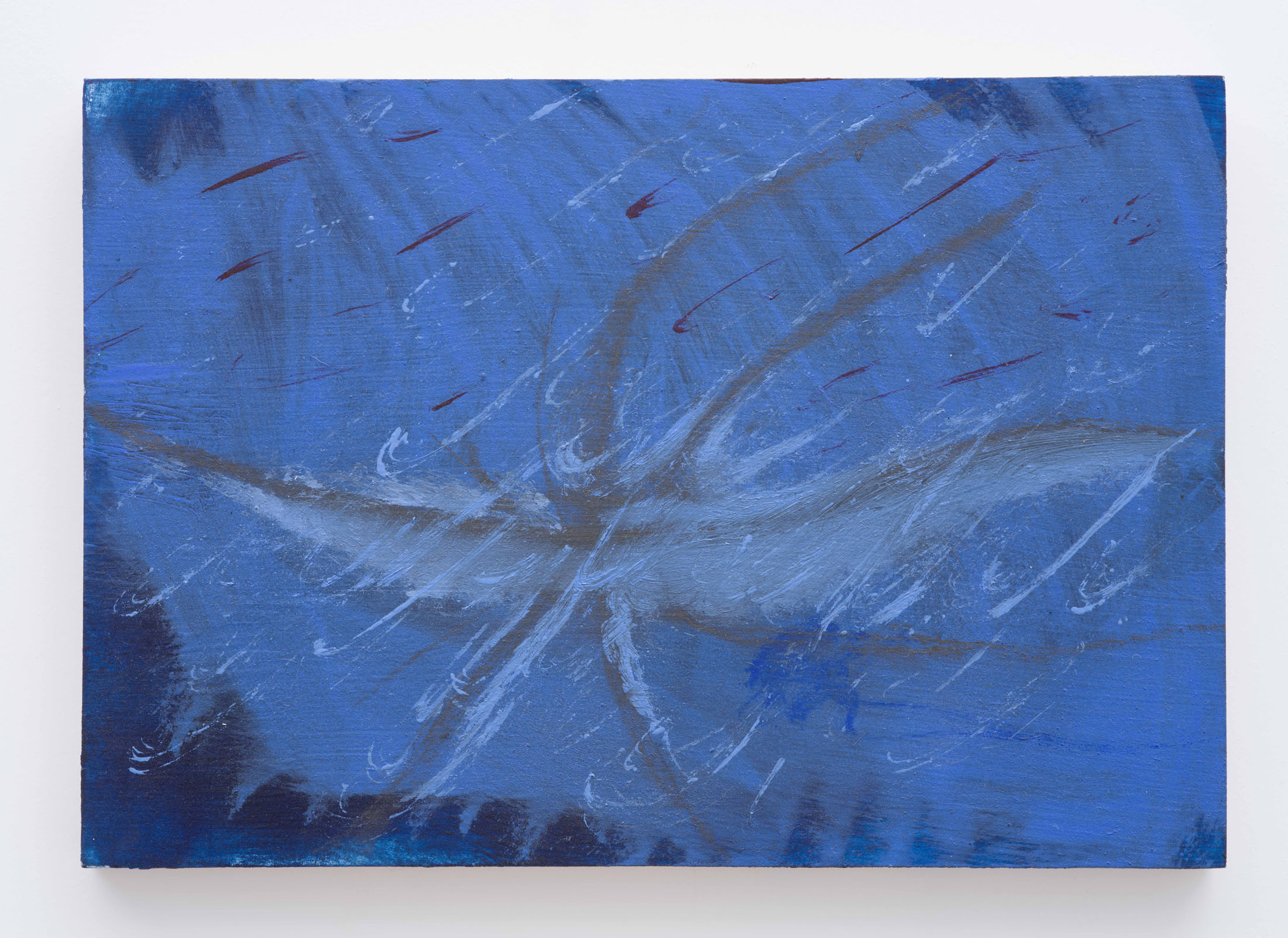
Marie Hazard
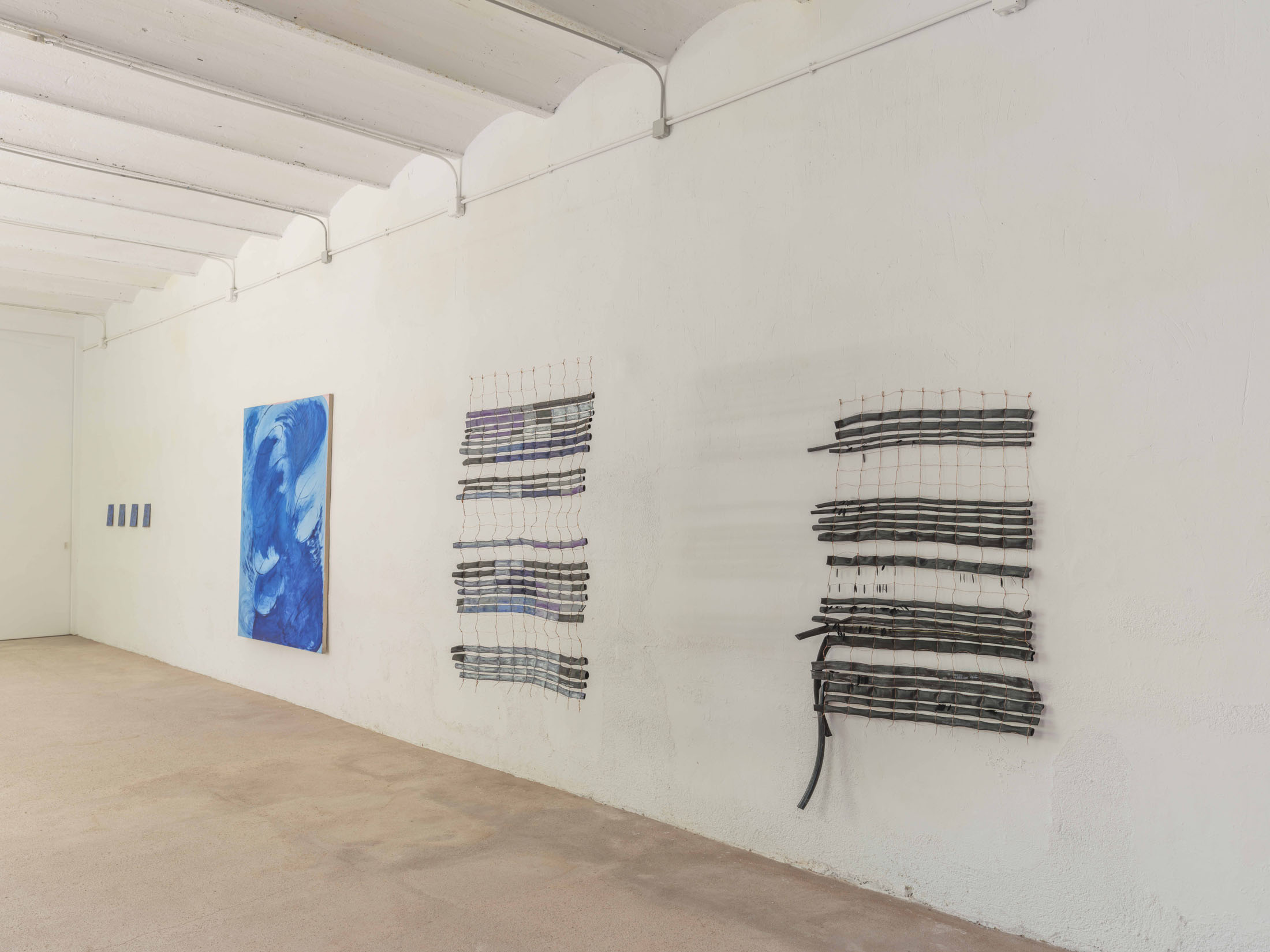
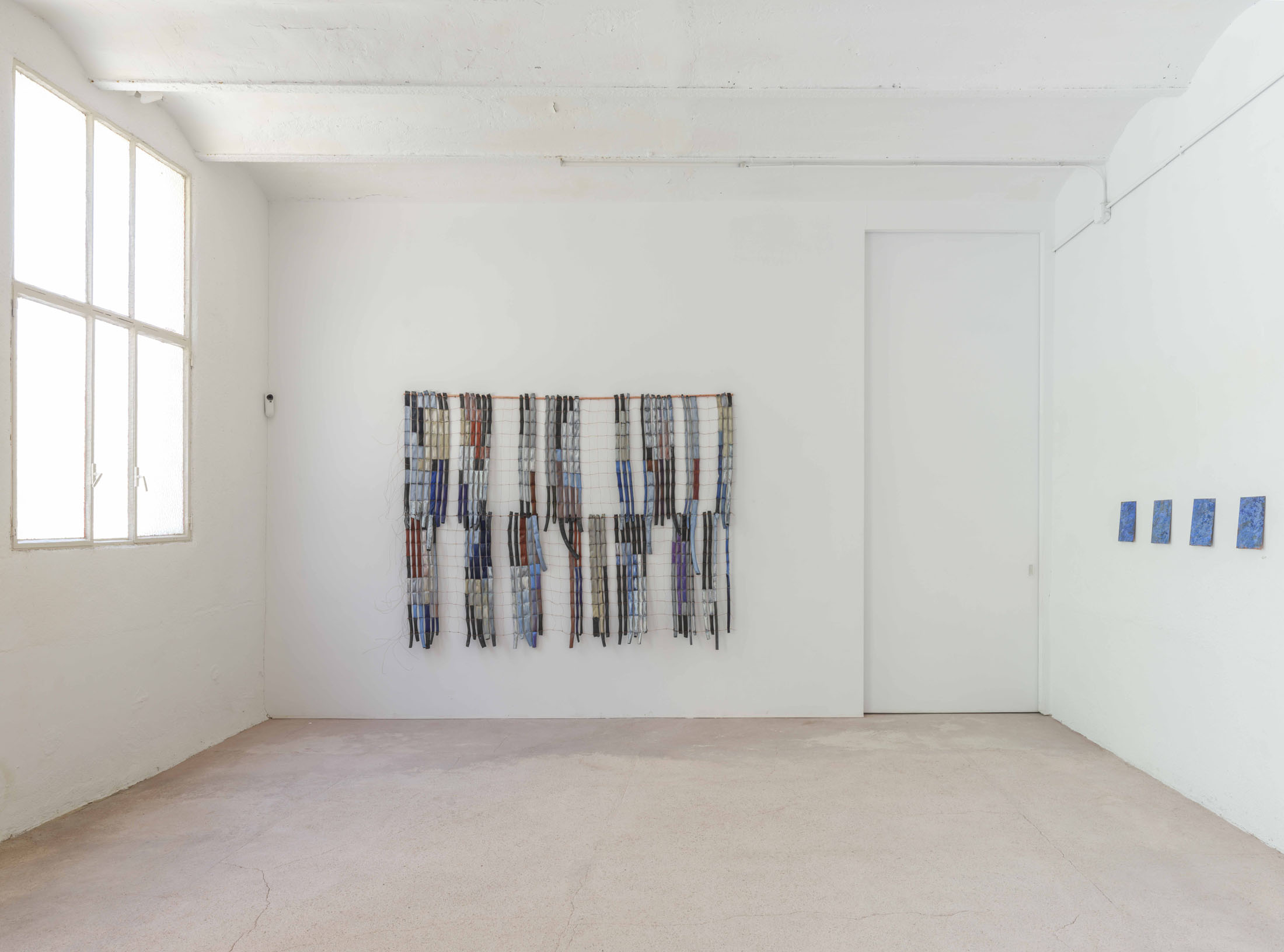
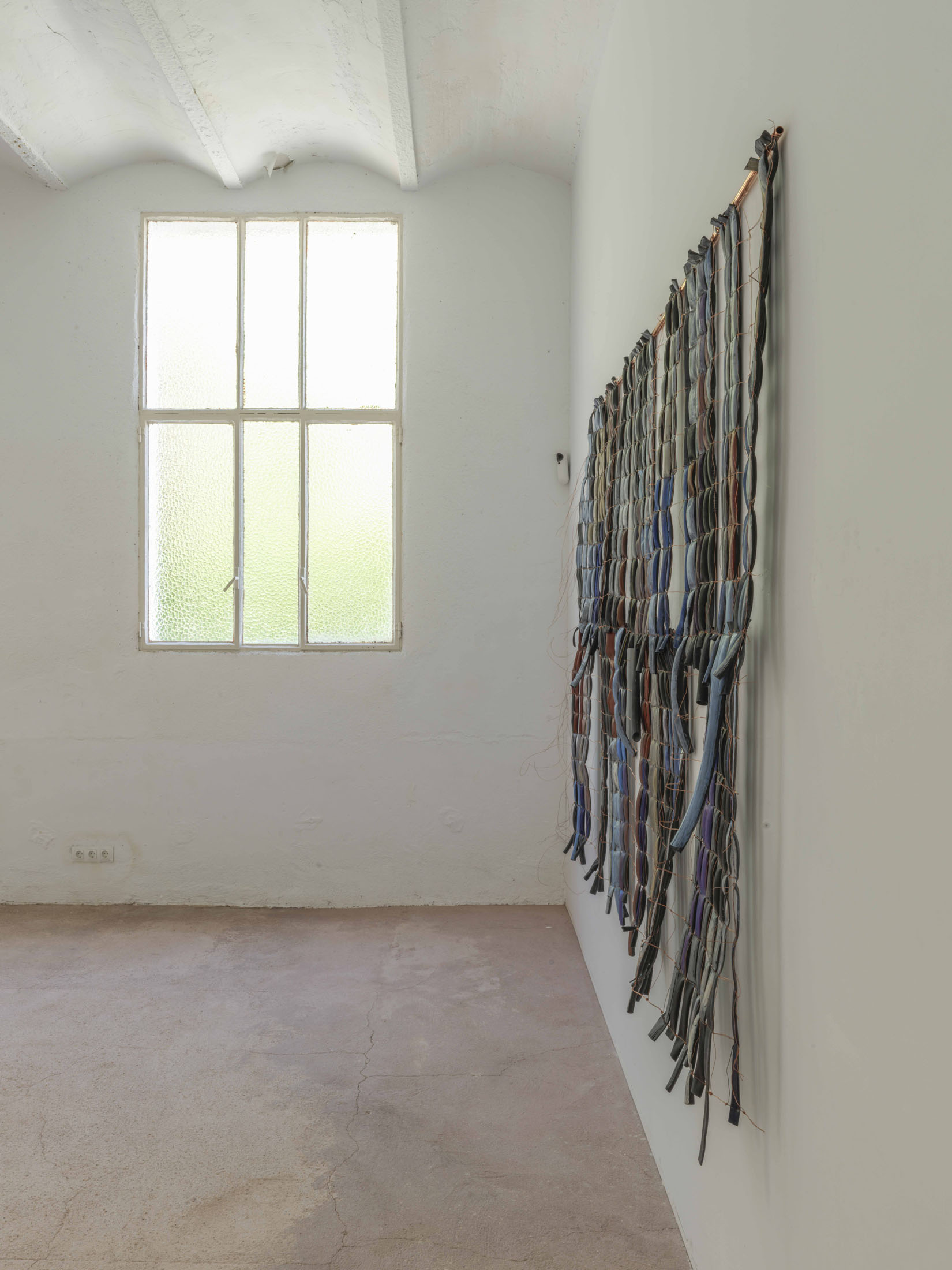
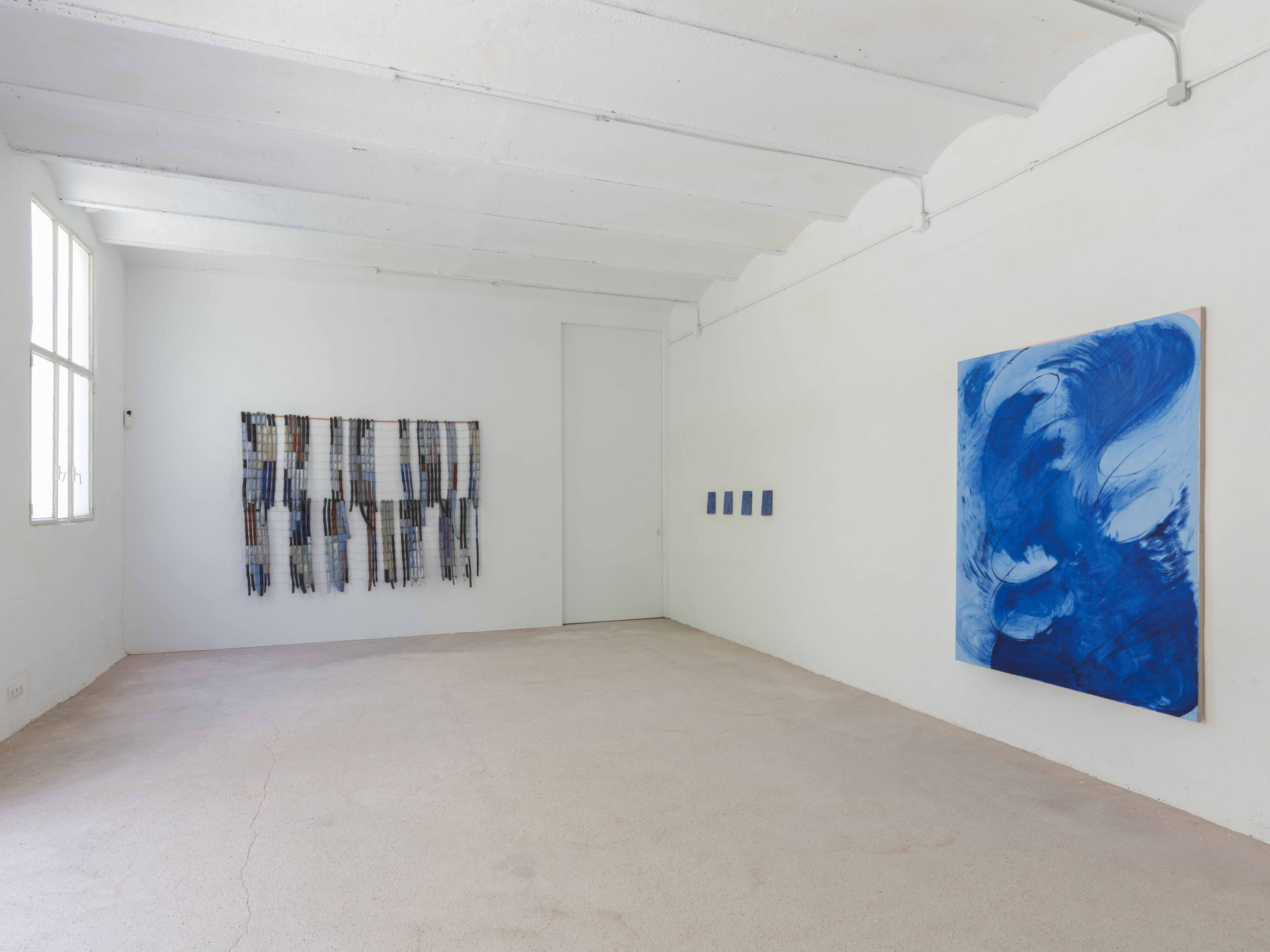
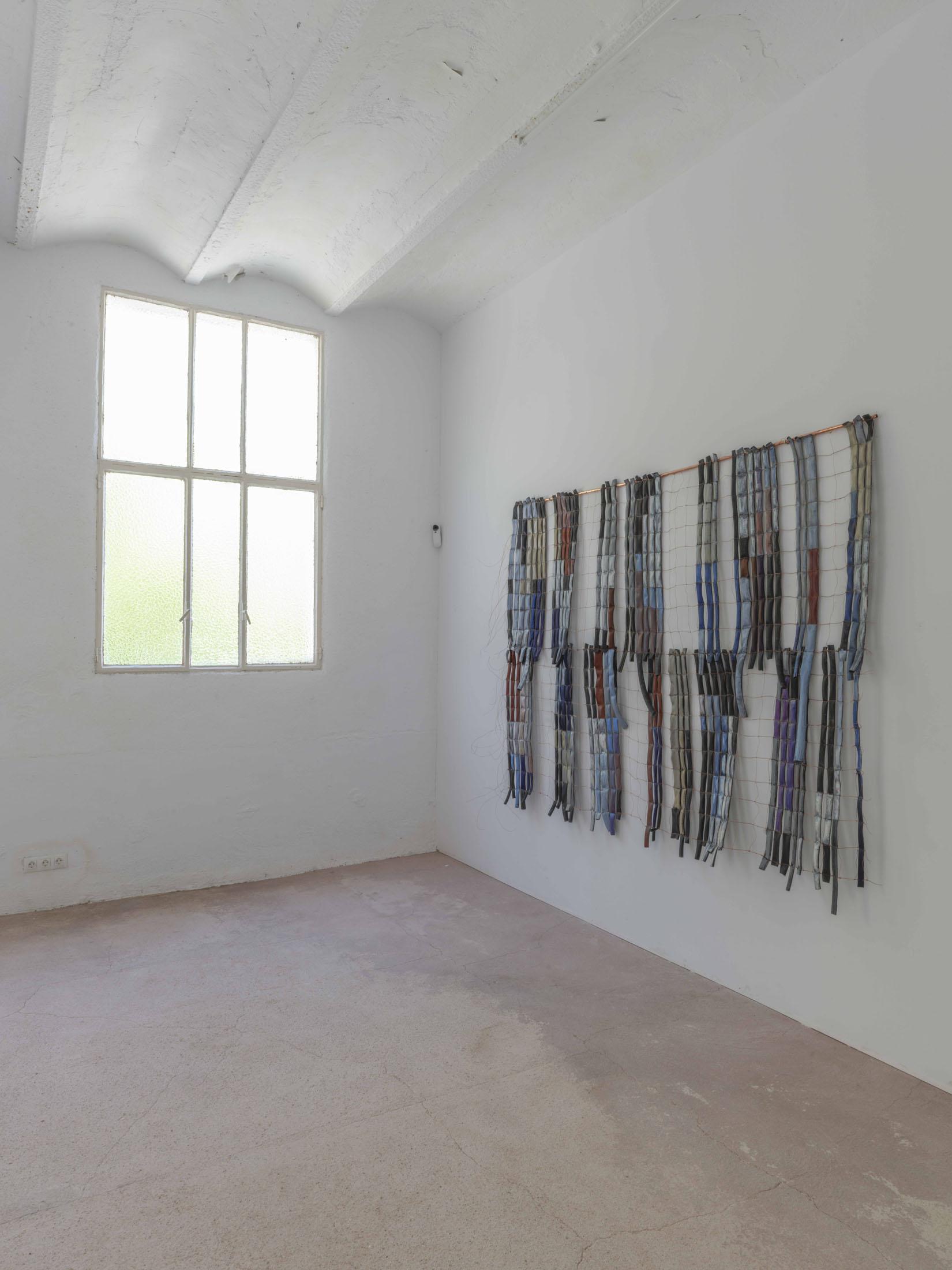
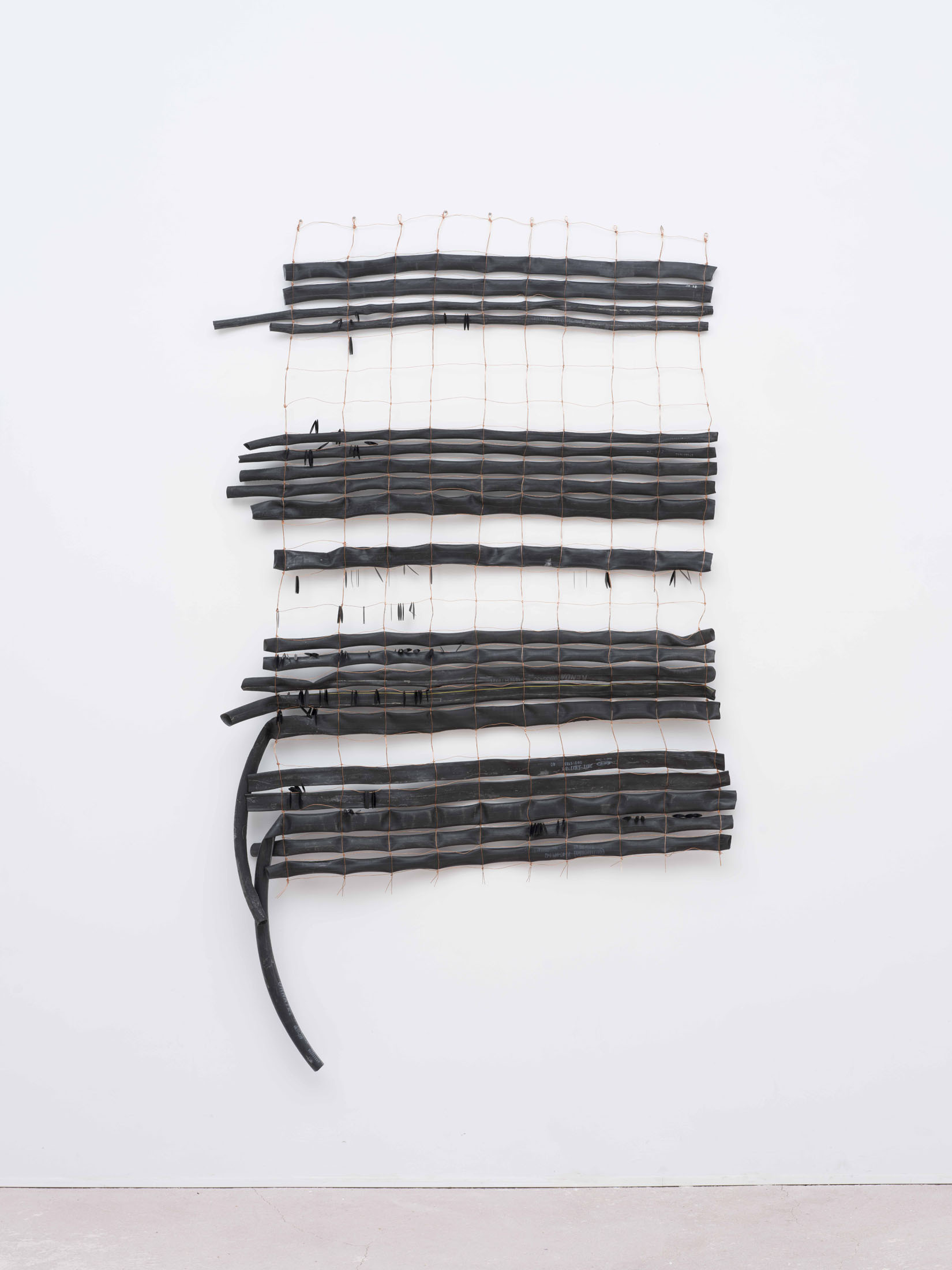
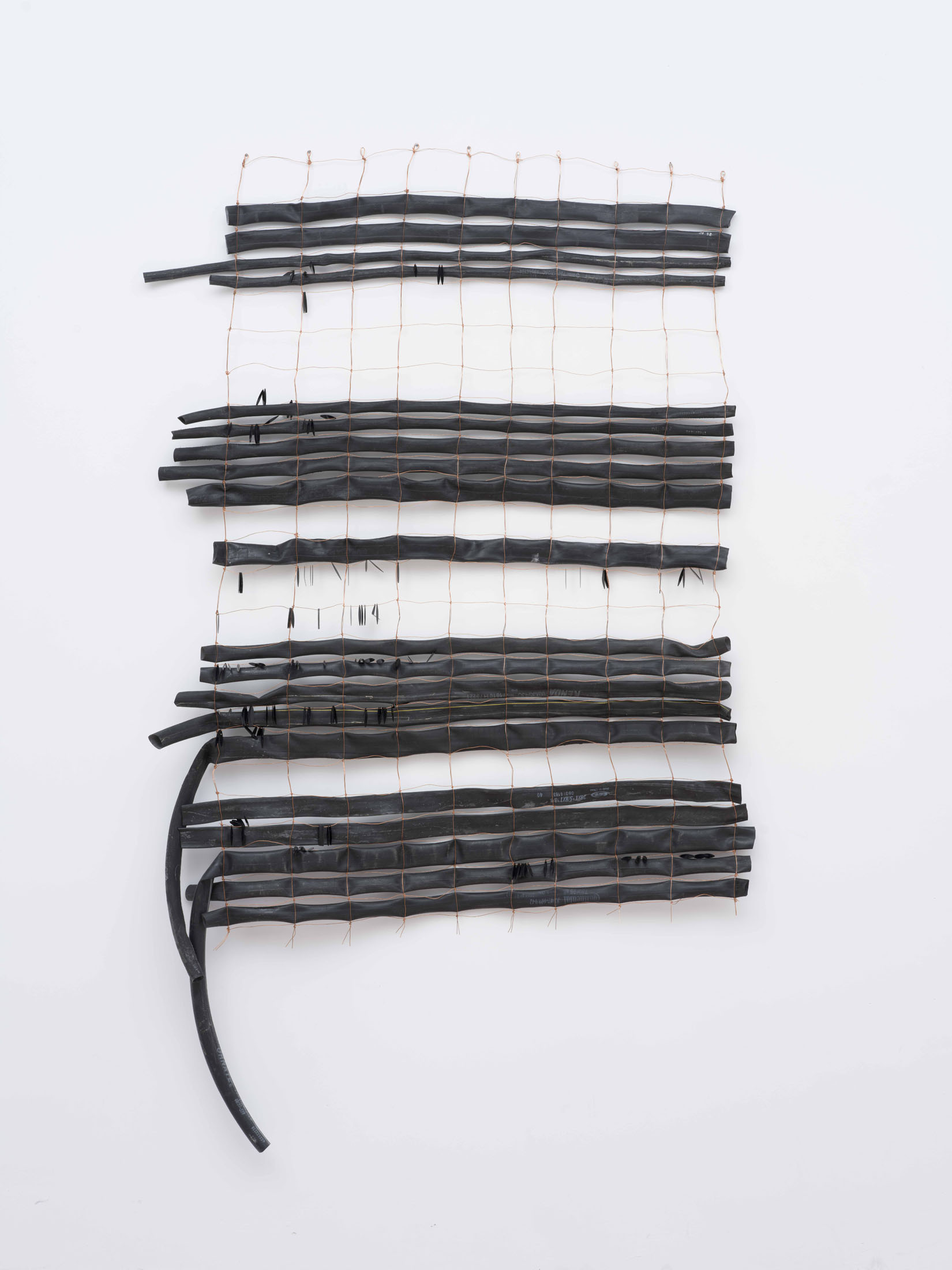
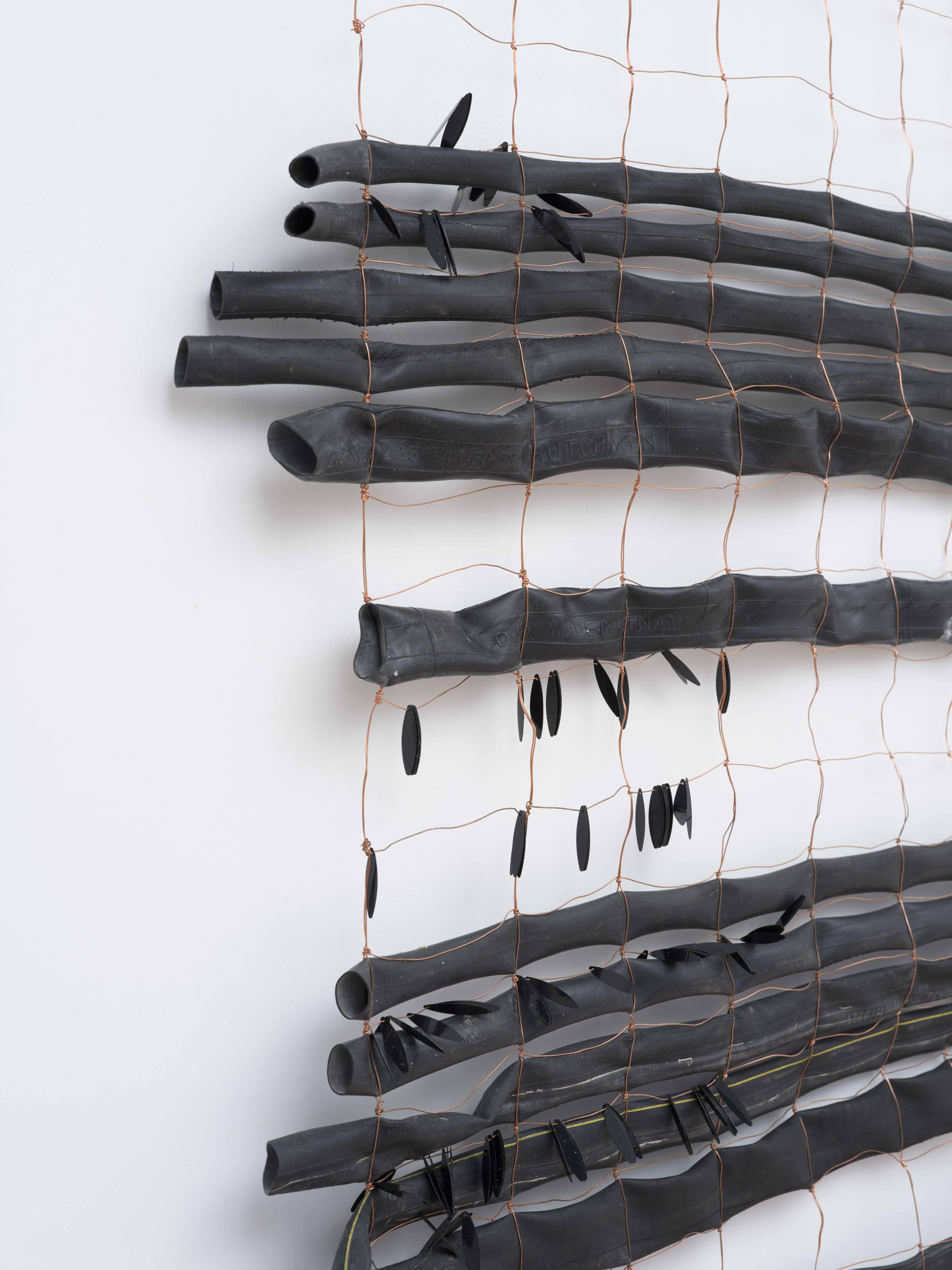
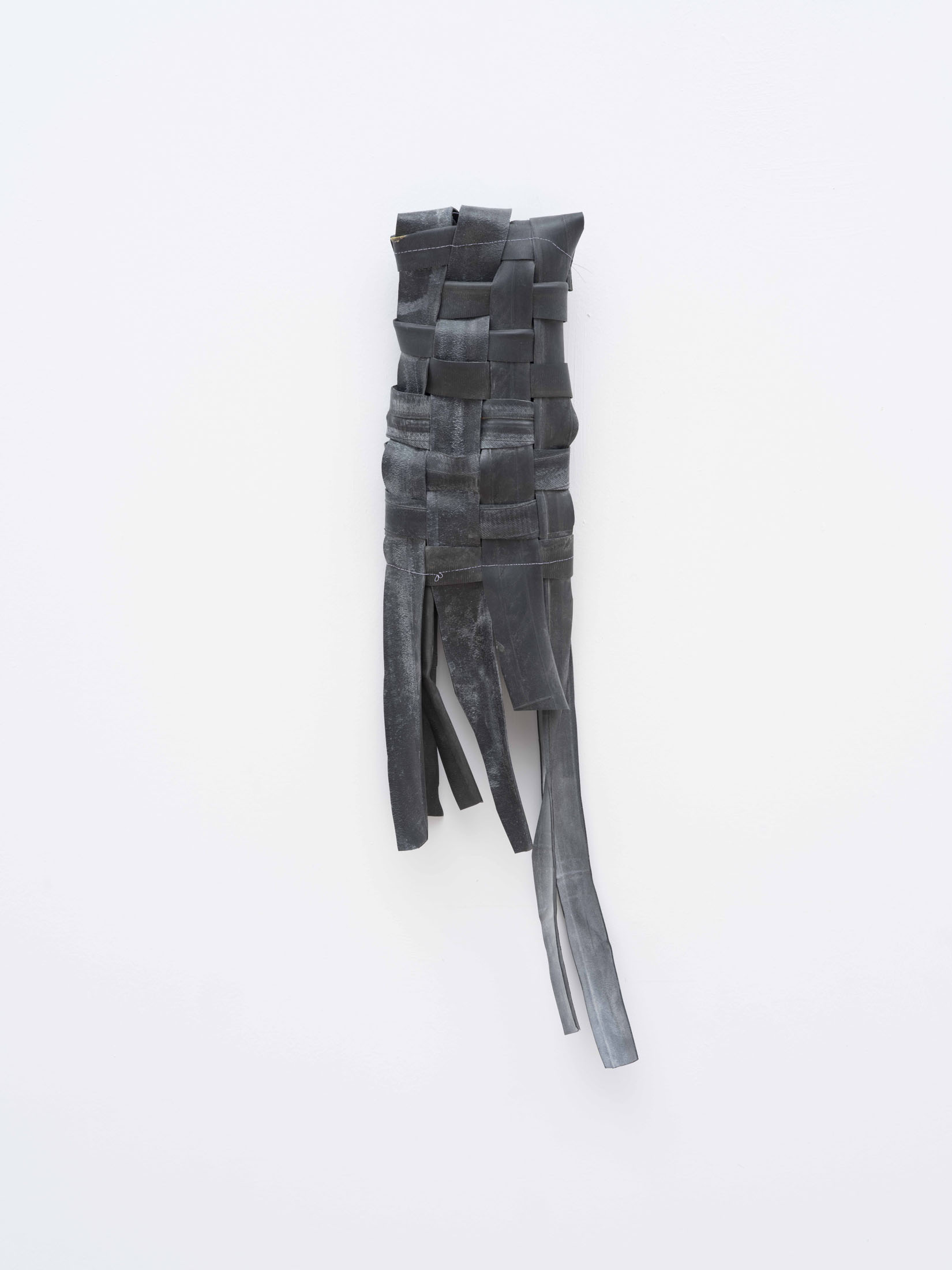
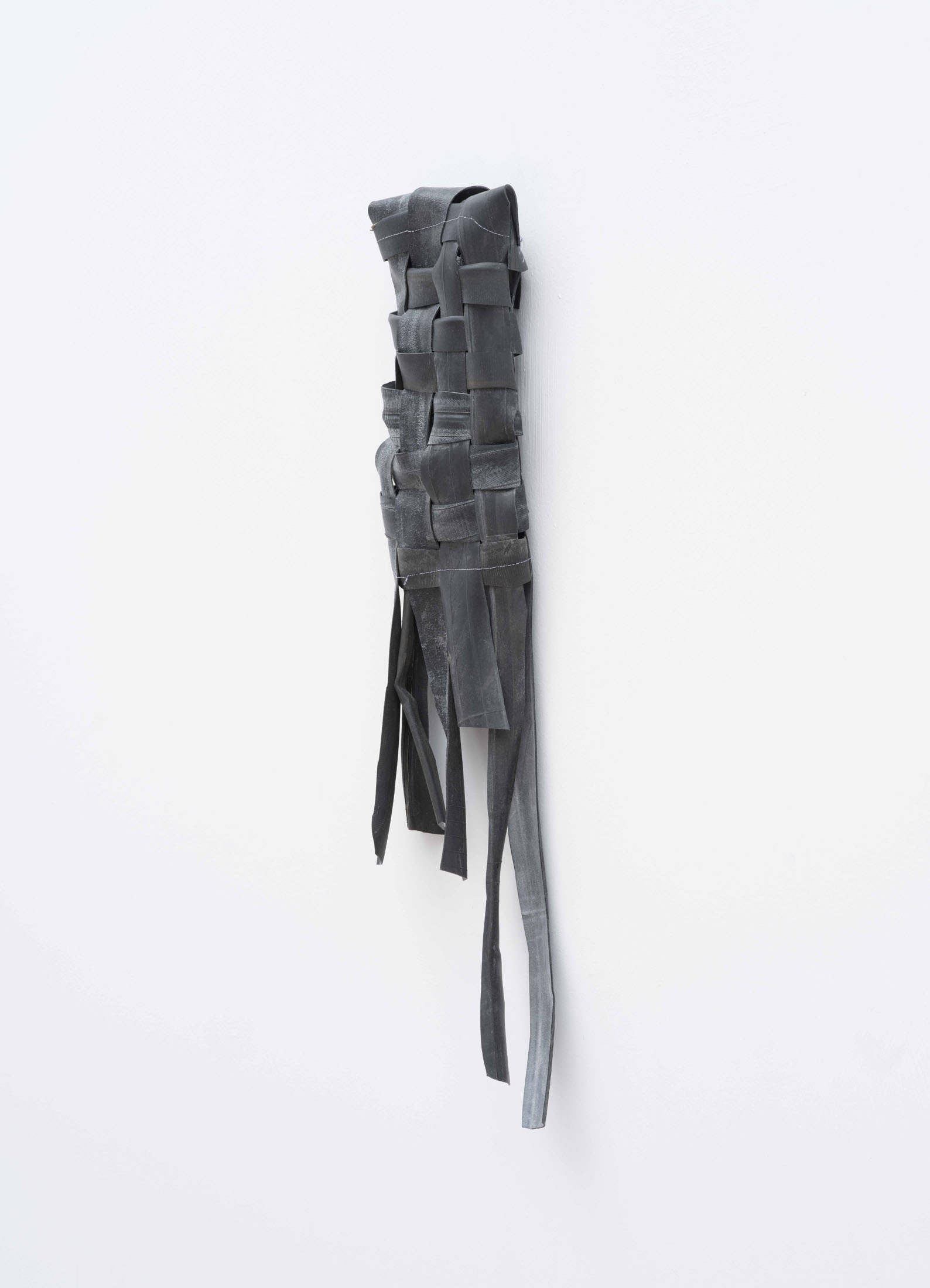
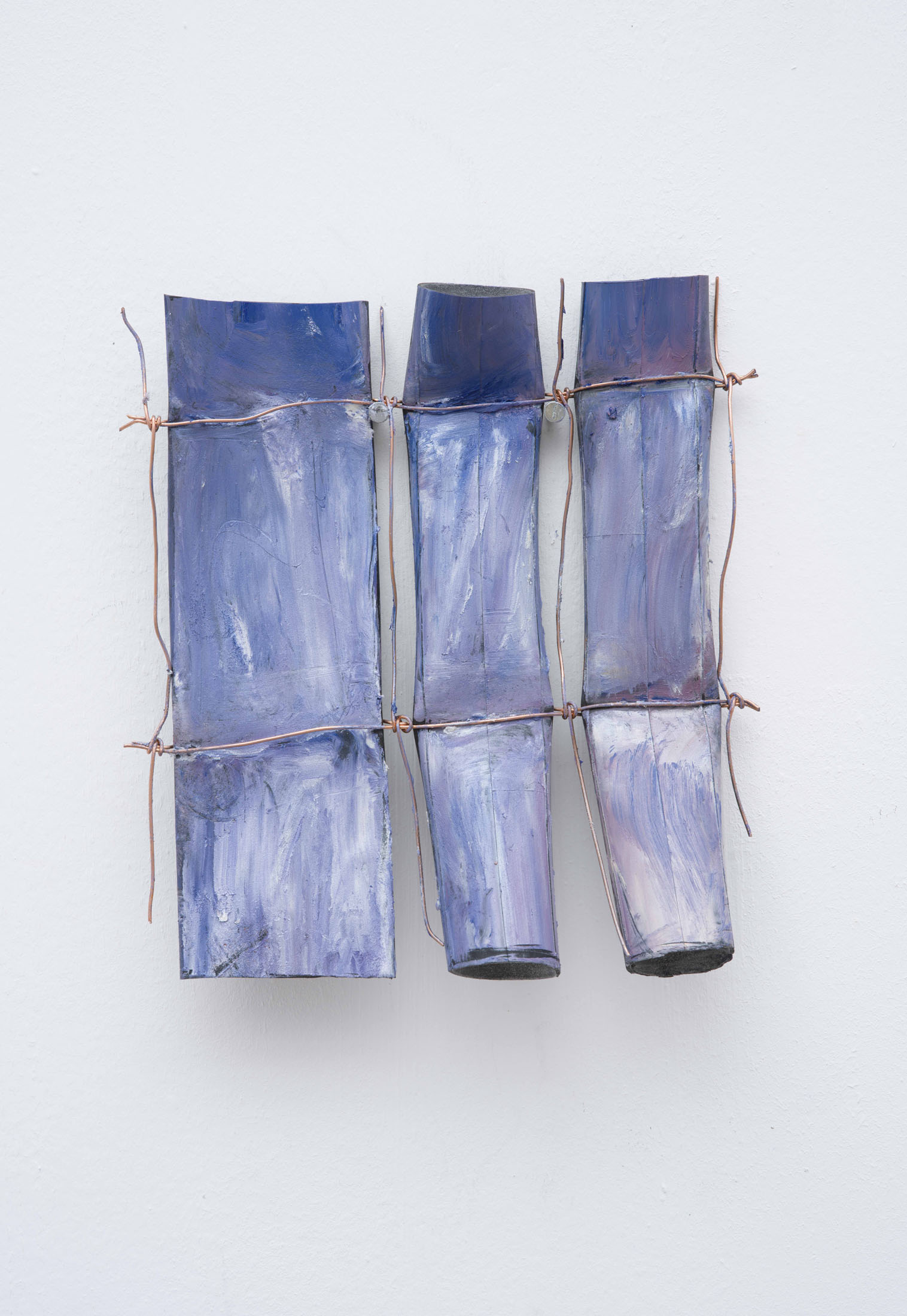
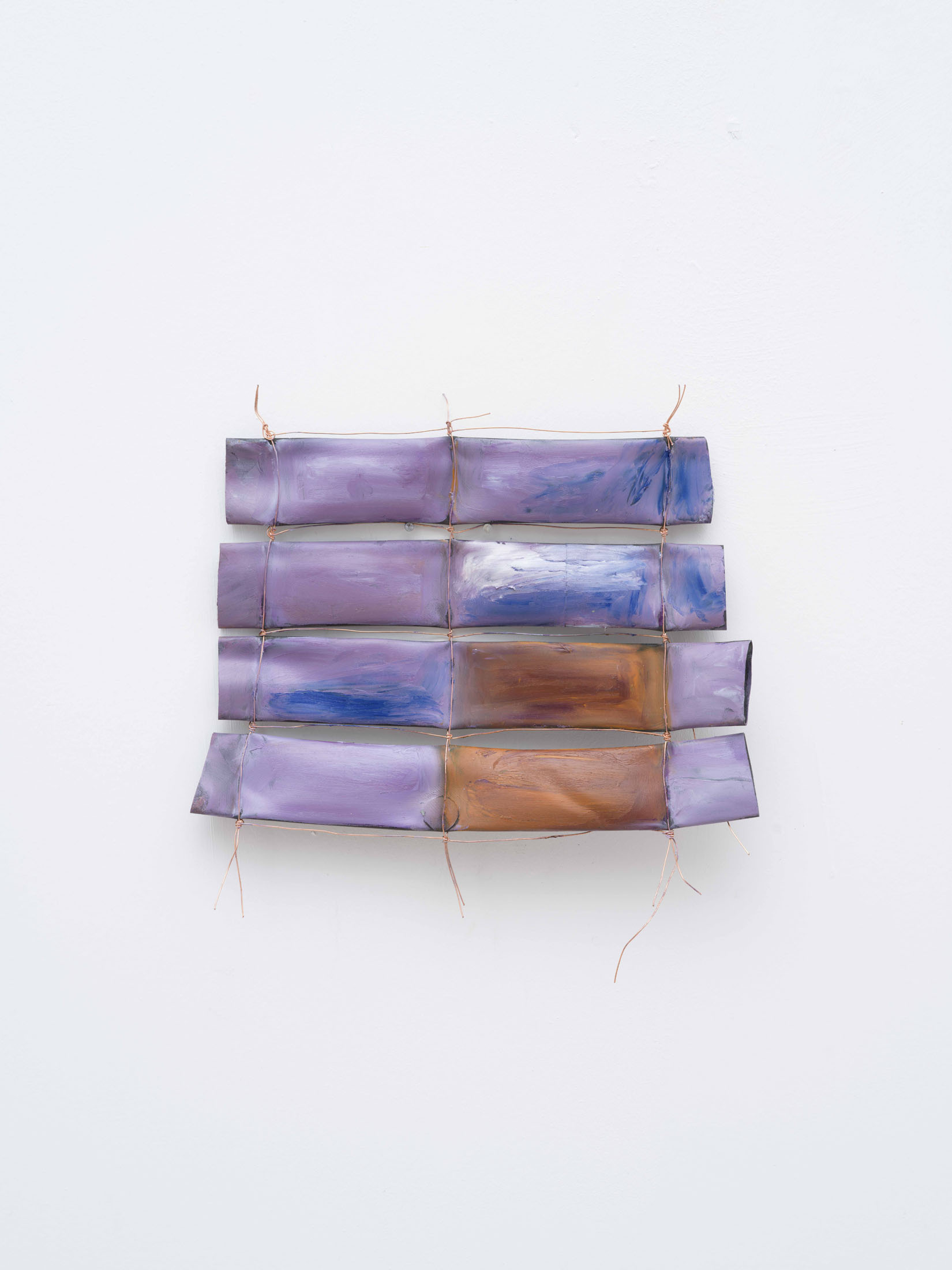
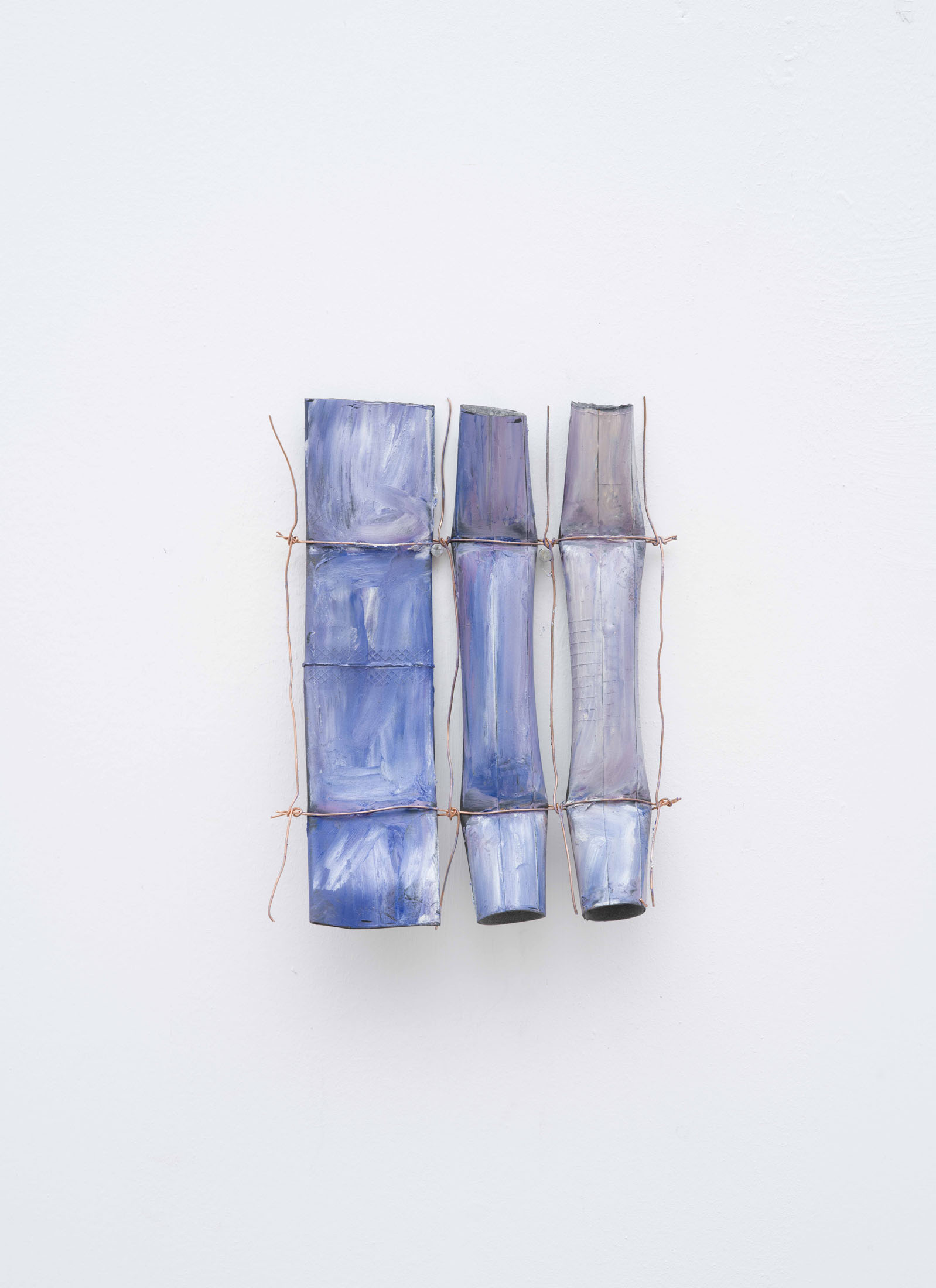
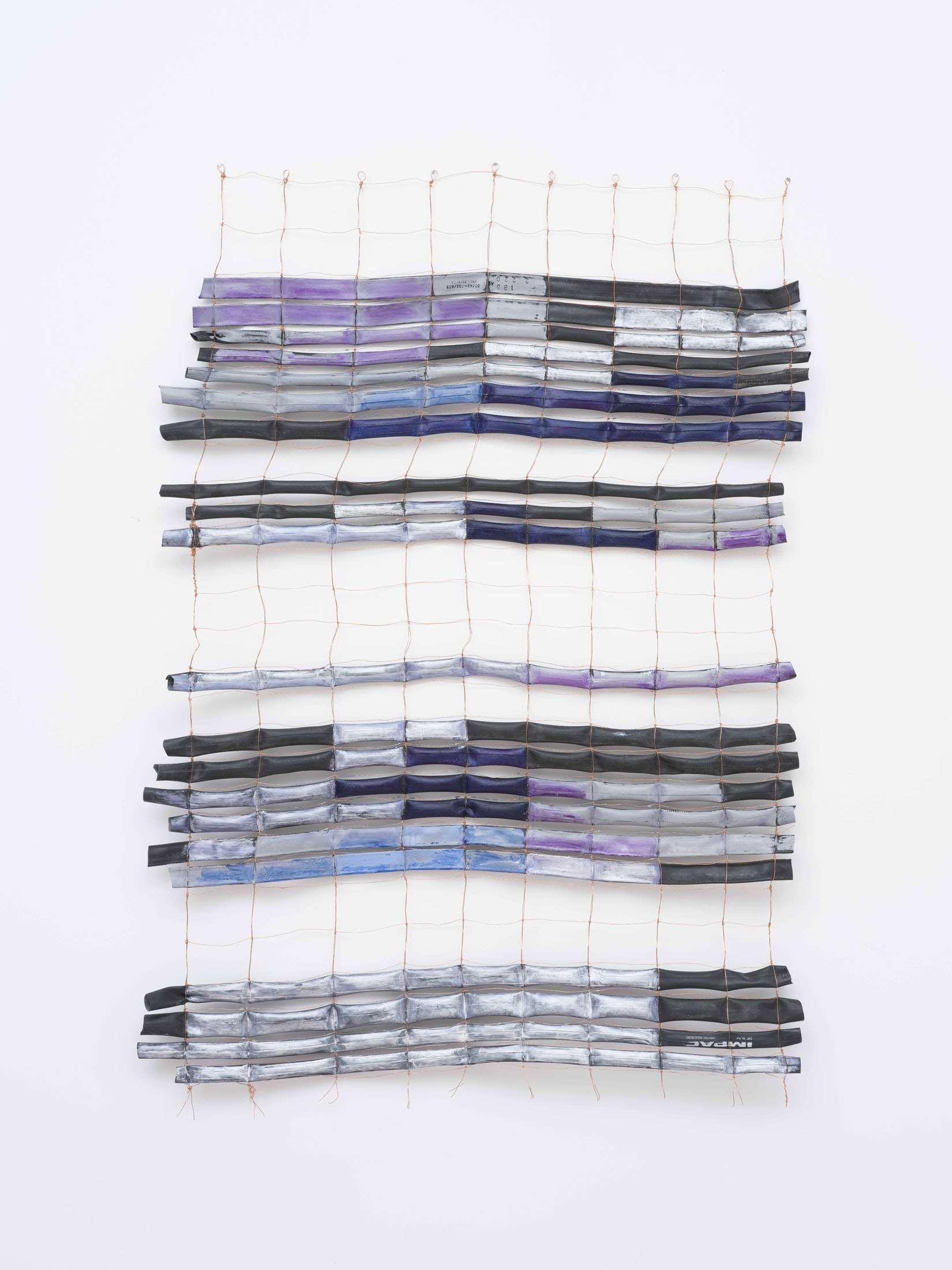
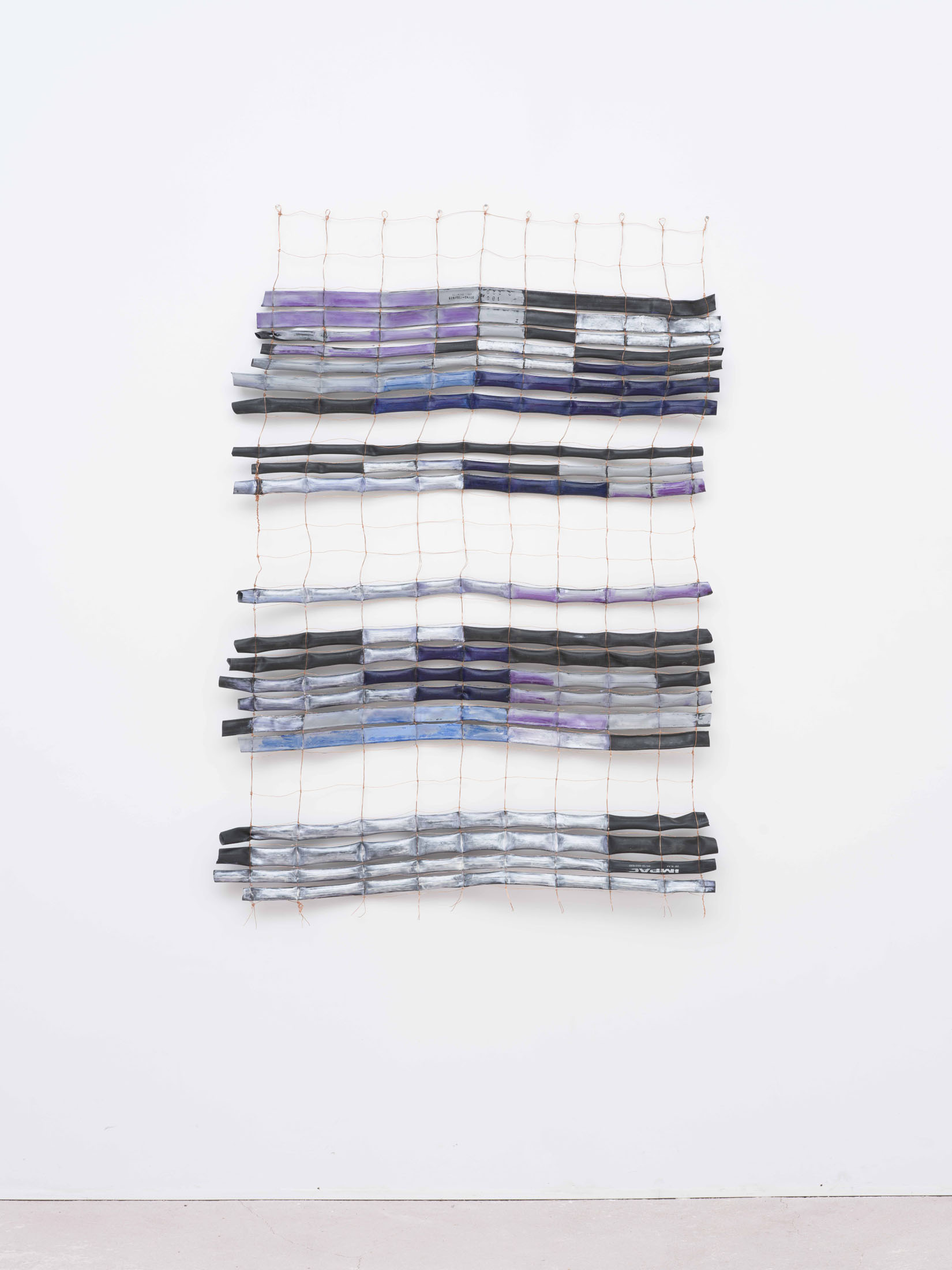
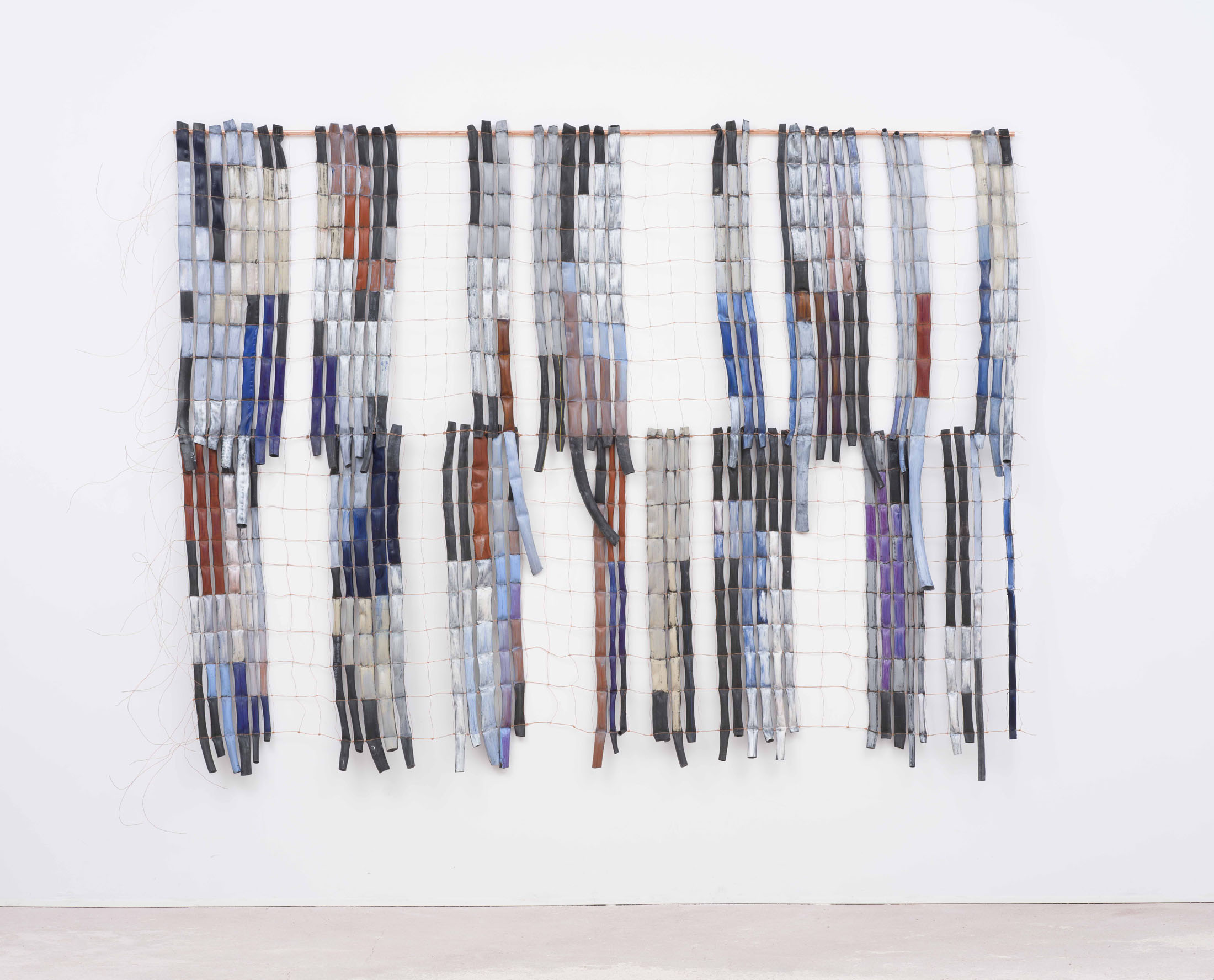
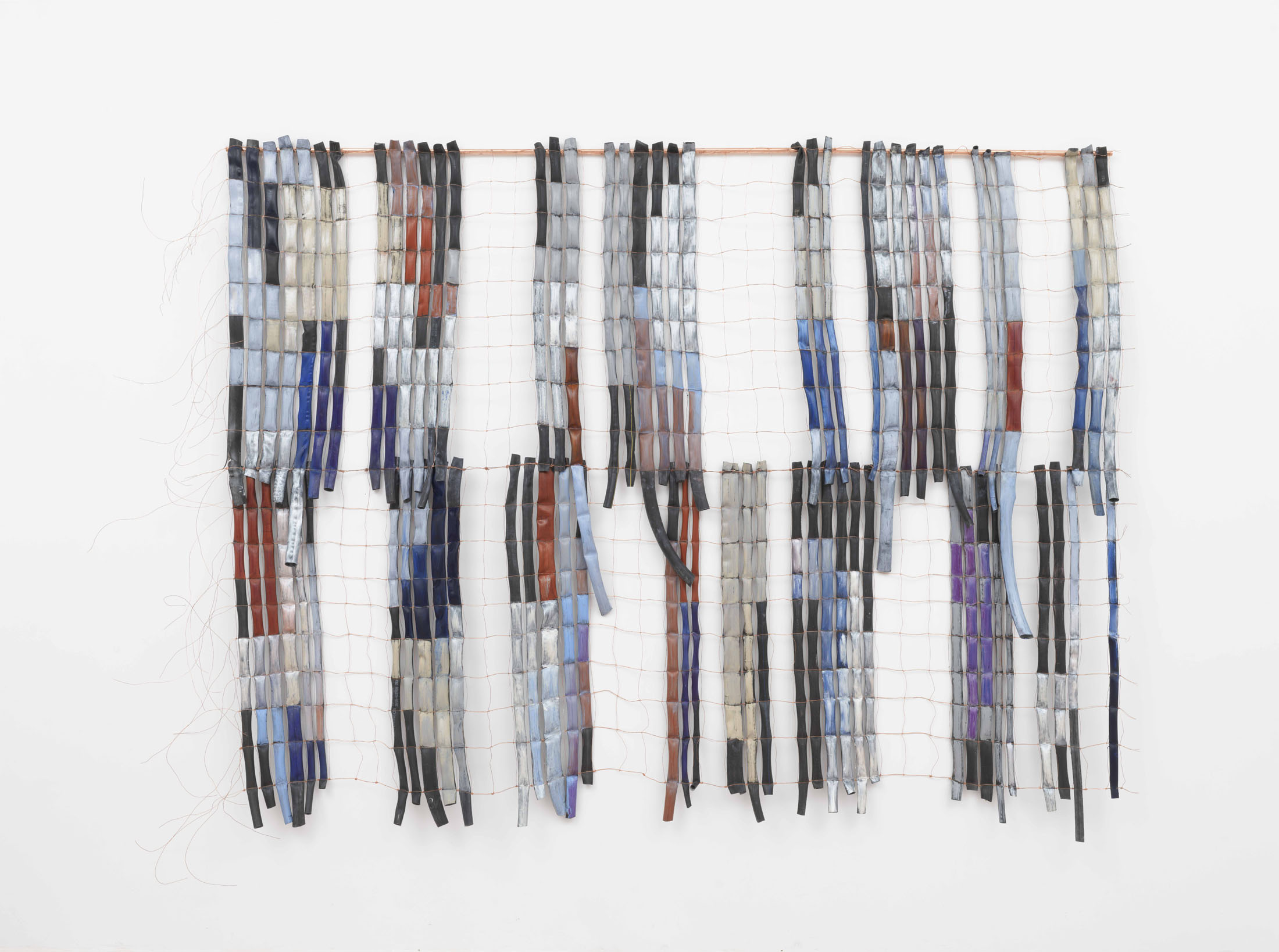
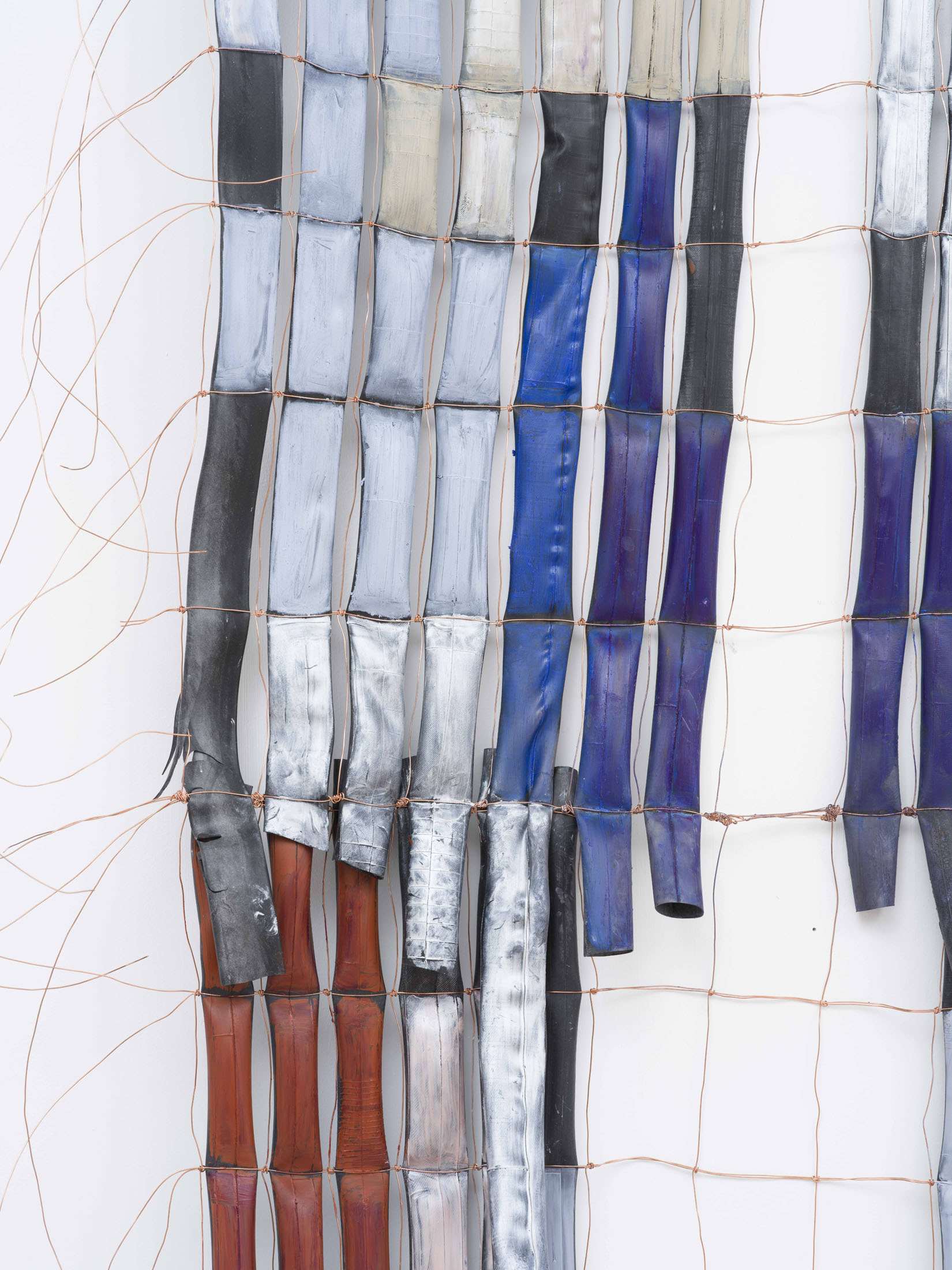
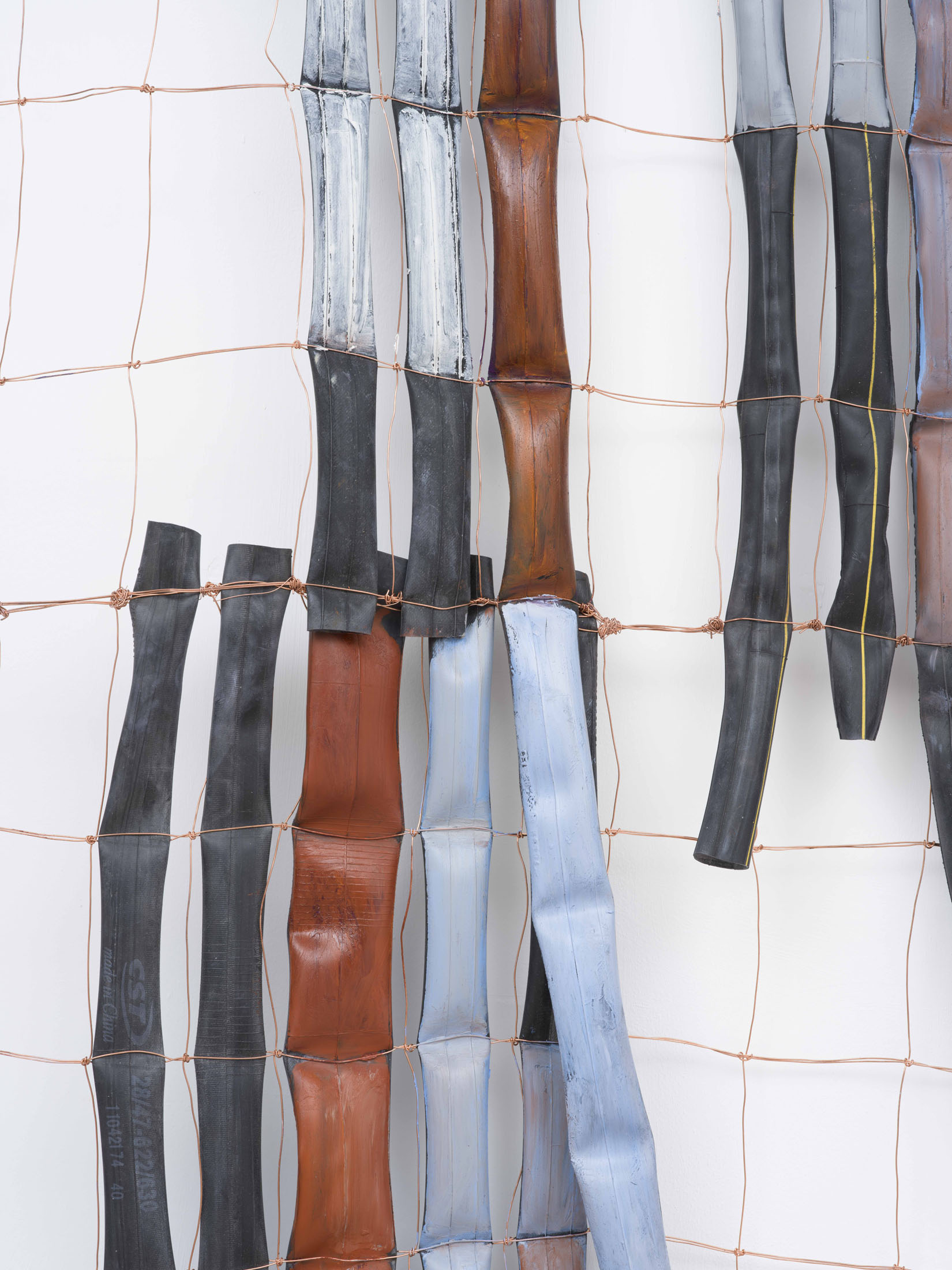
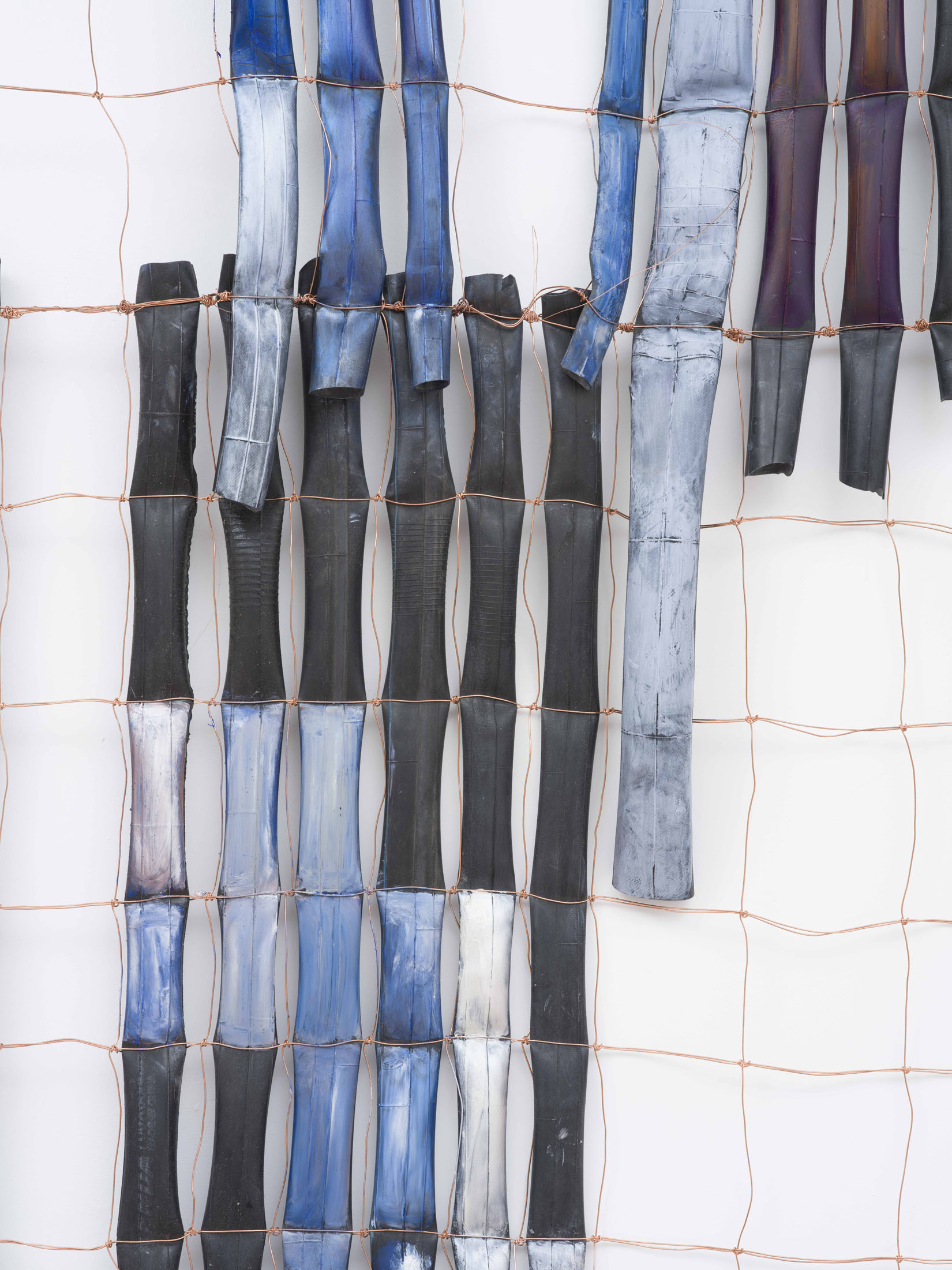
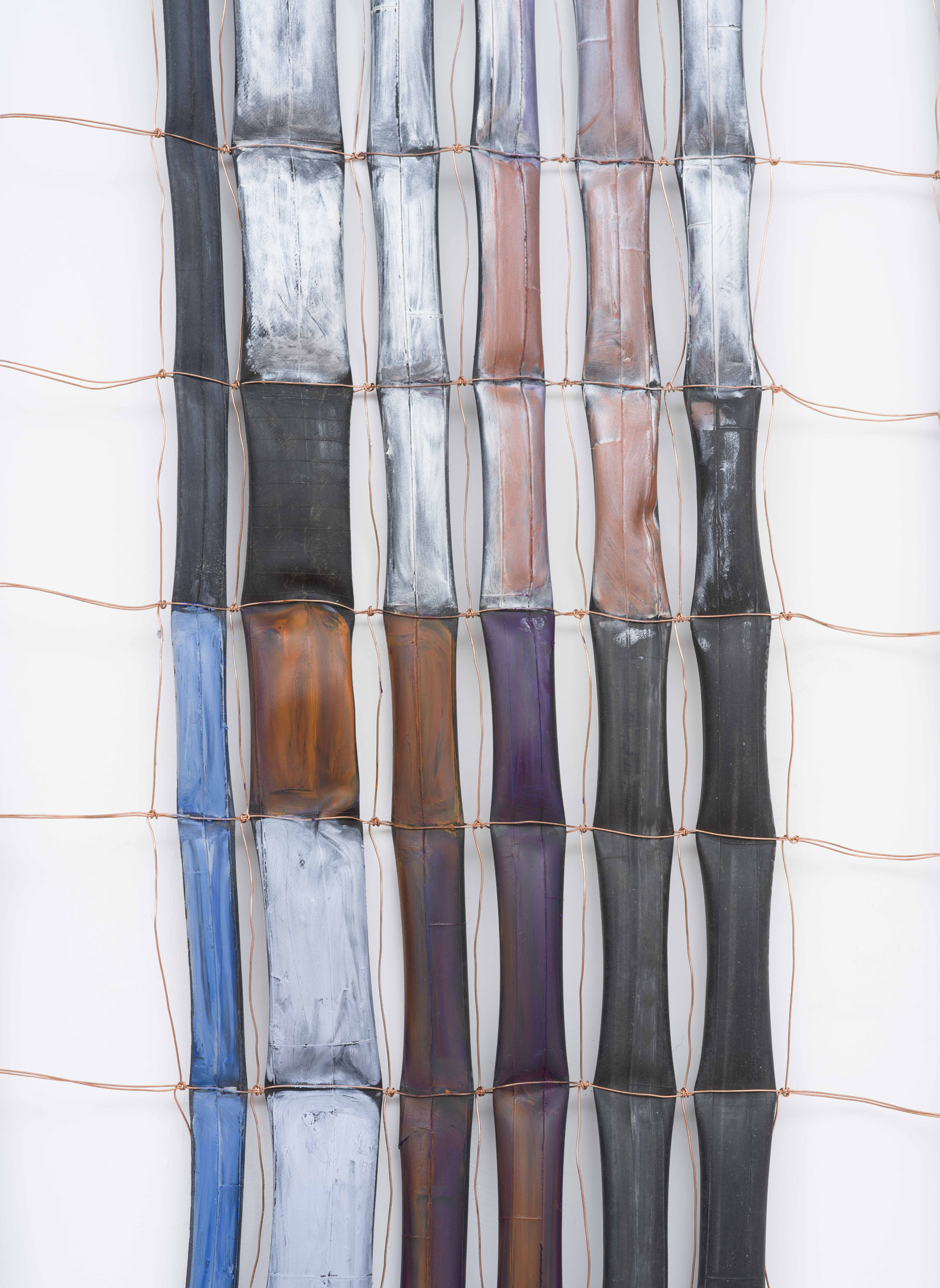
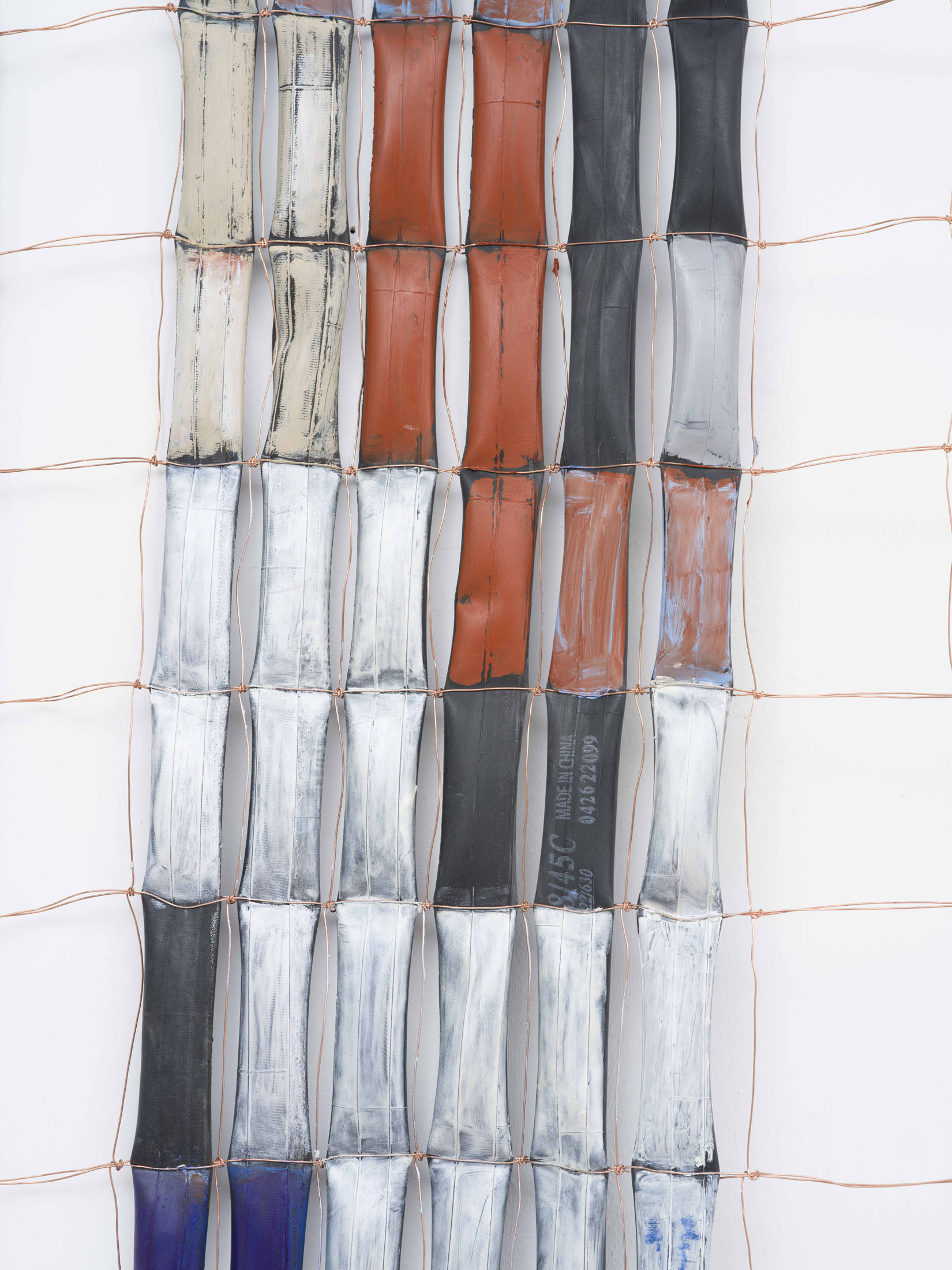
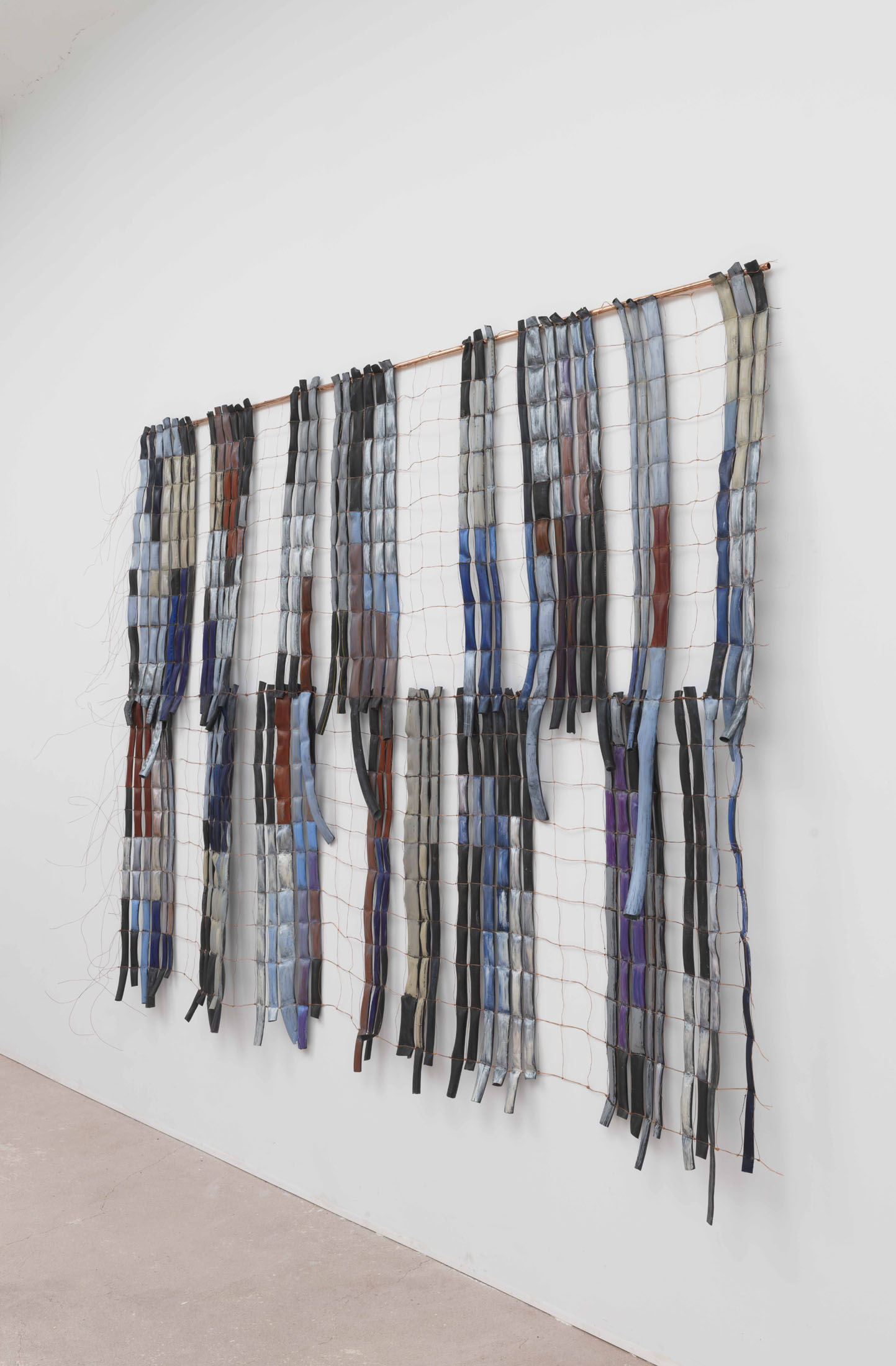
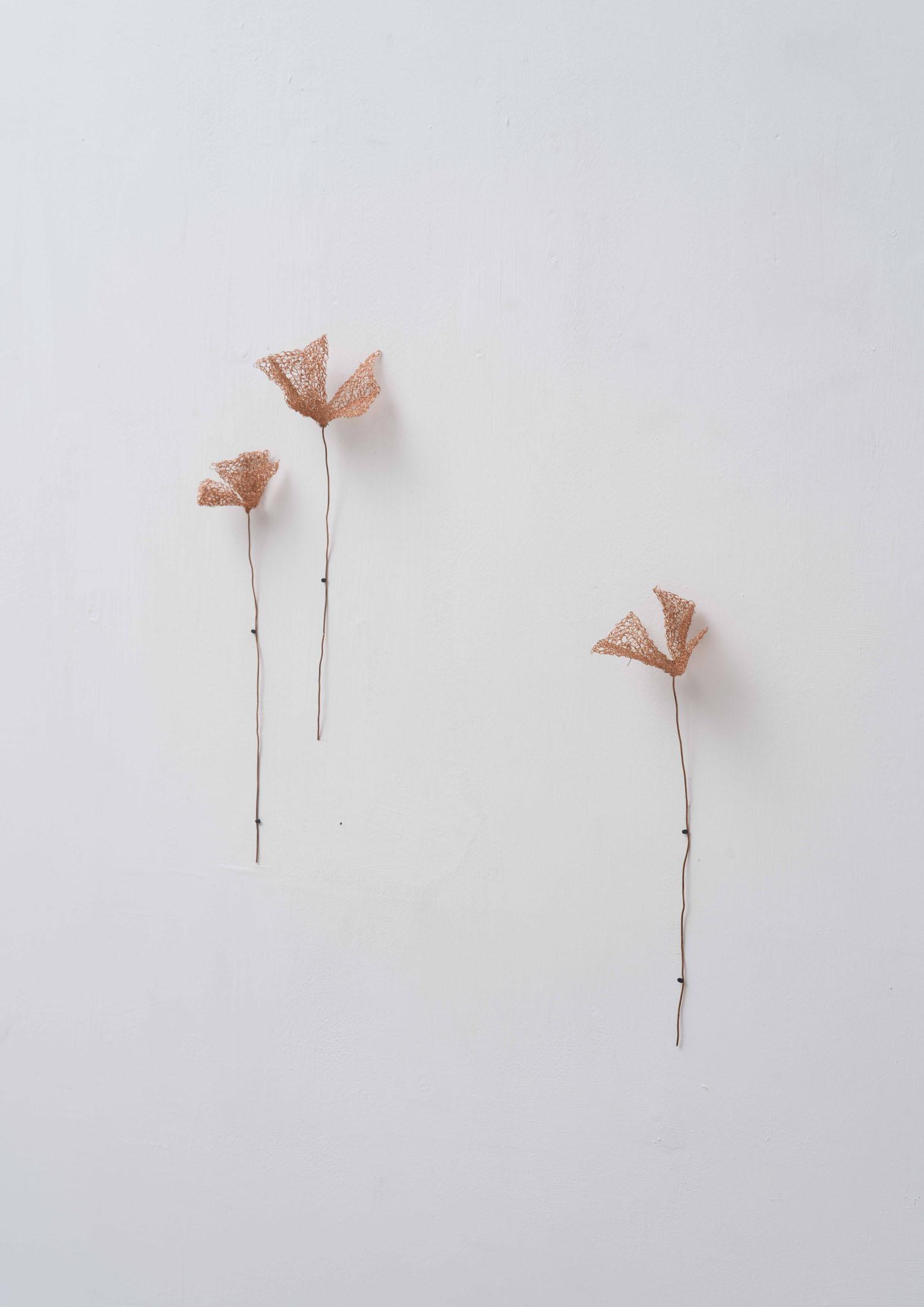
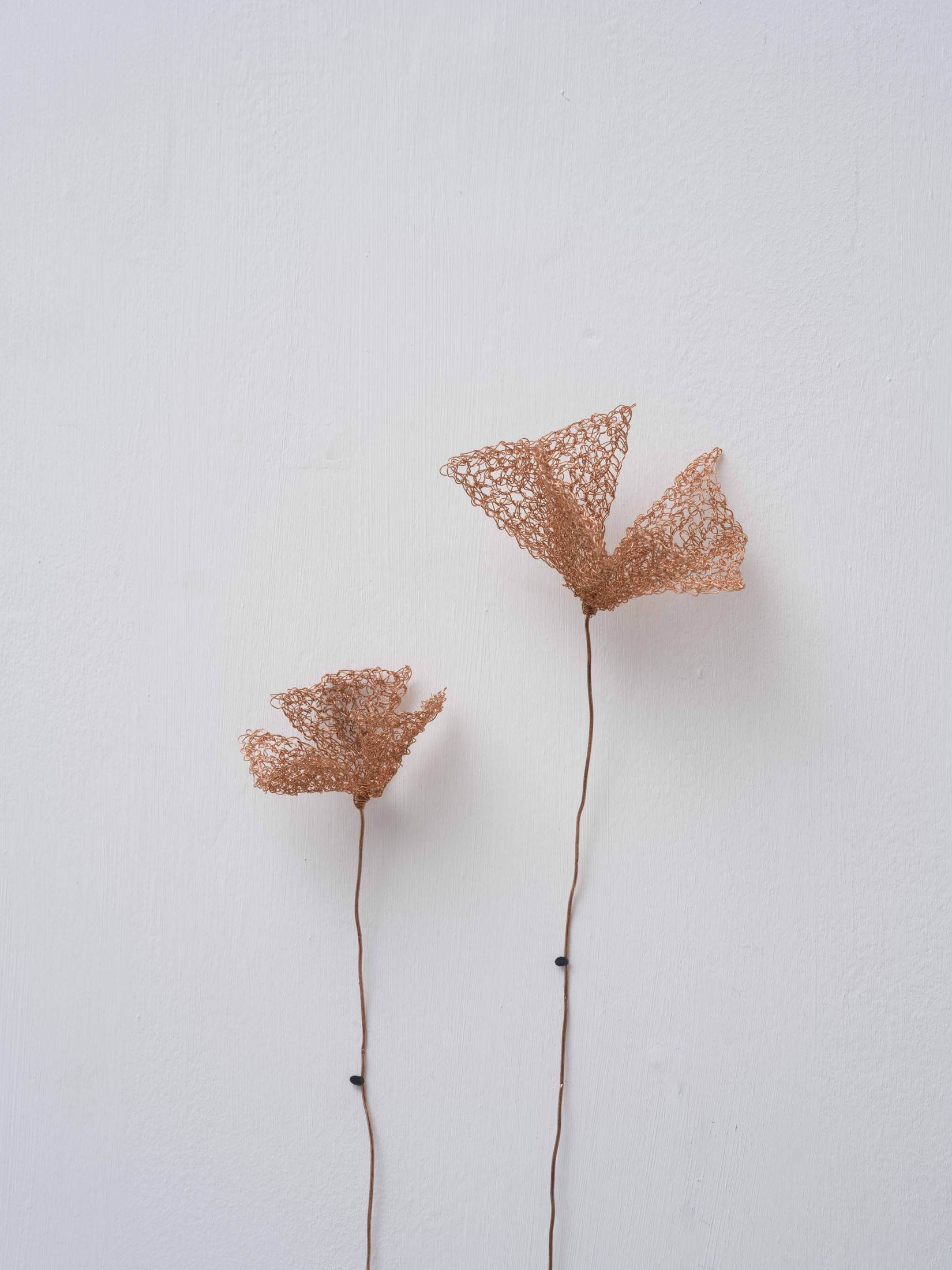
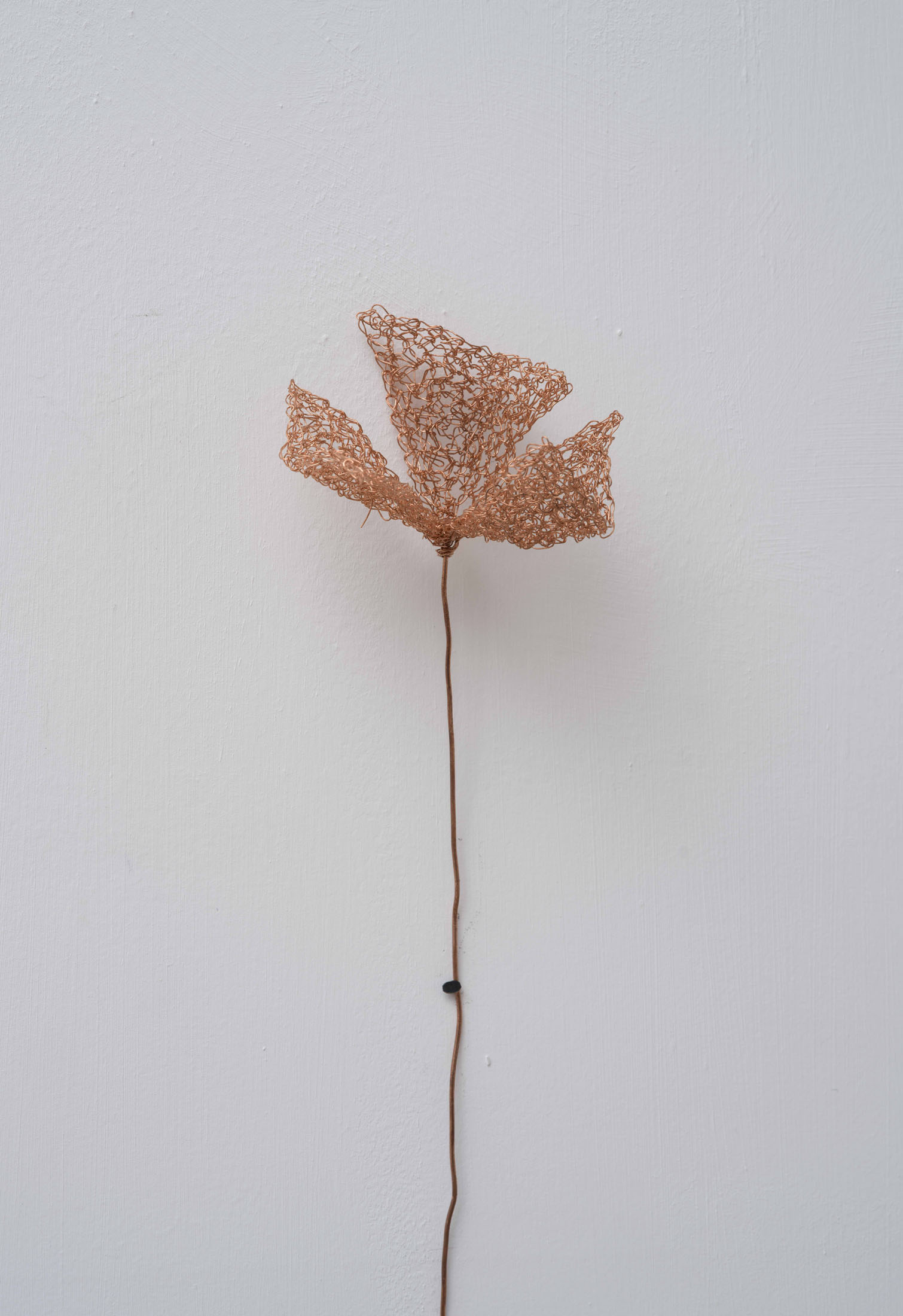
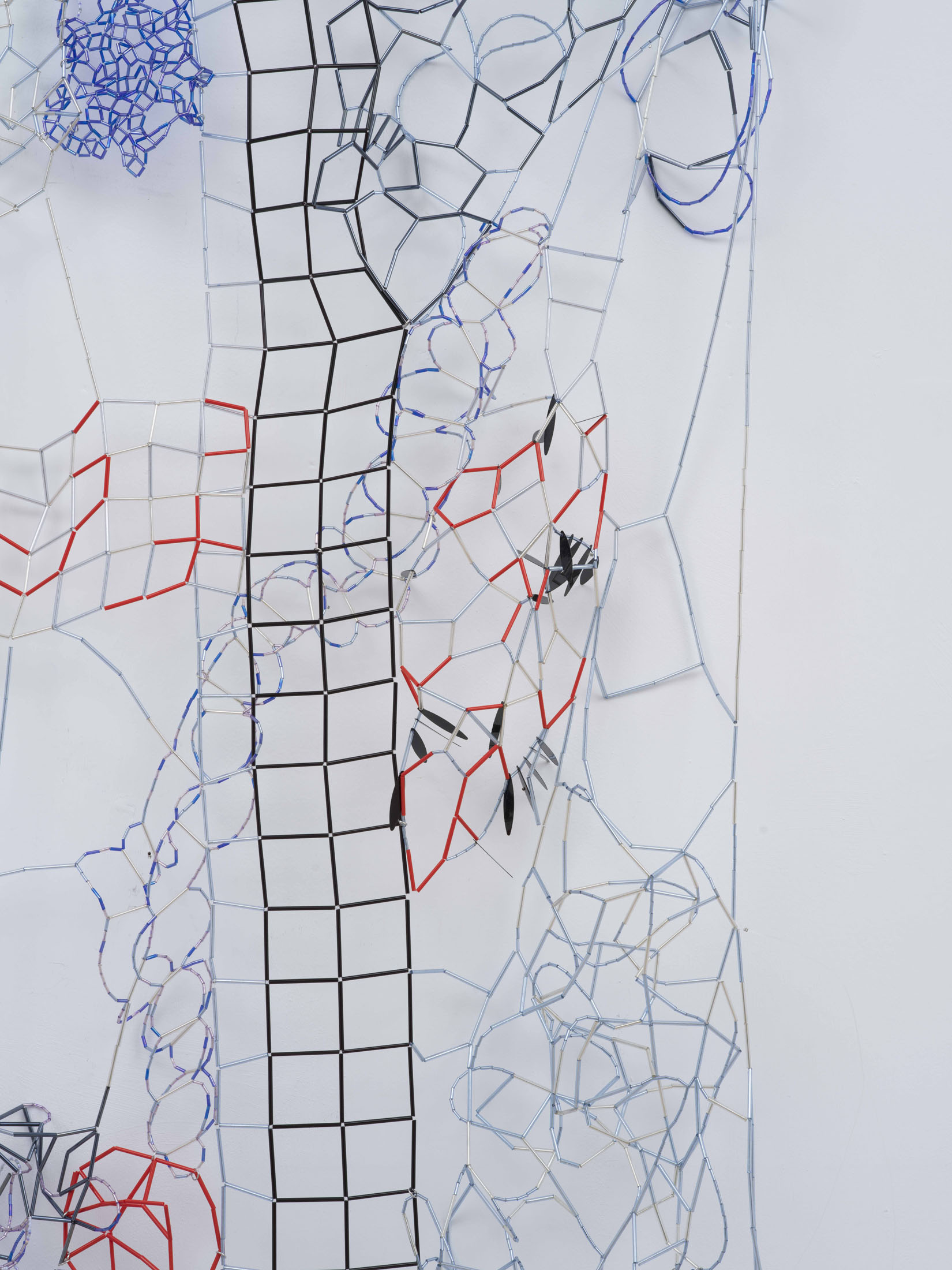
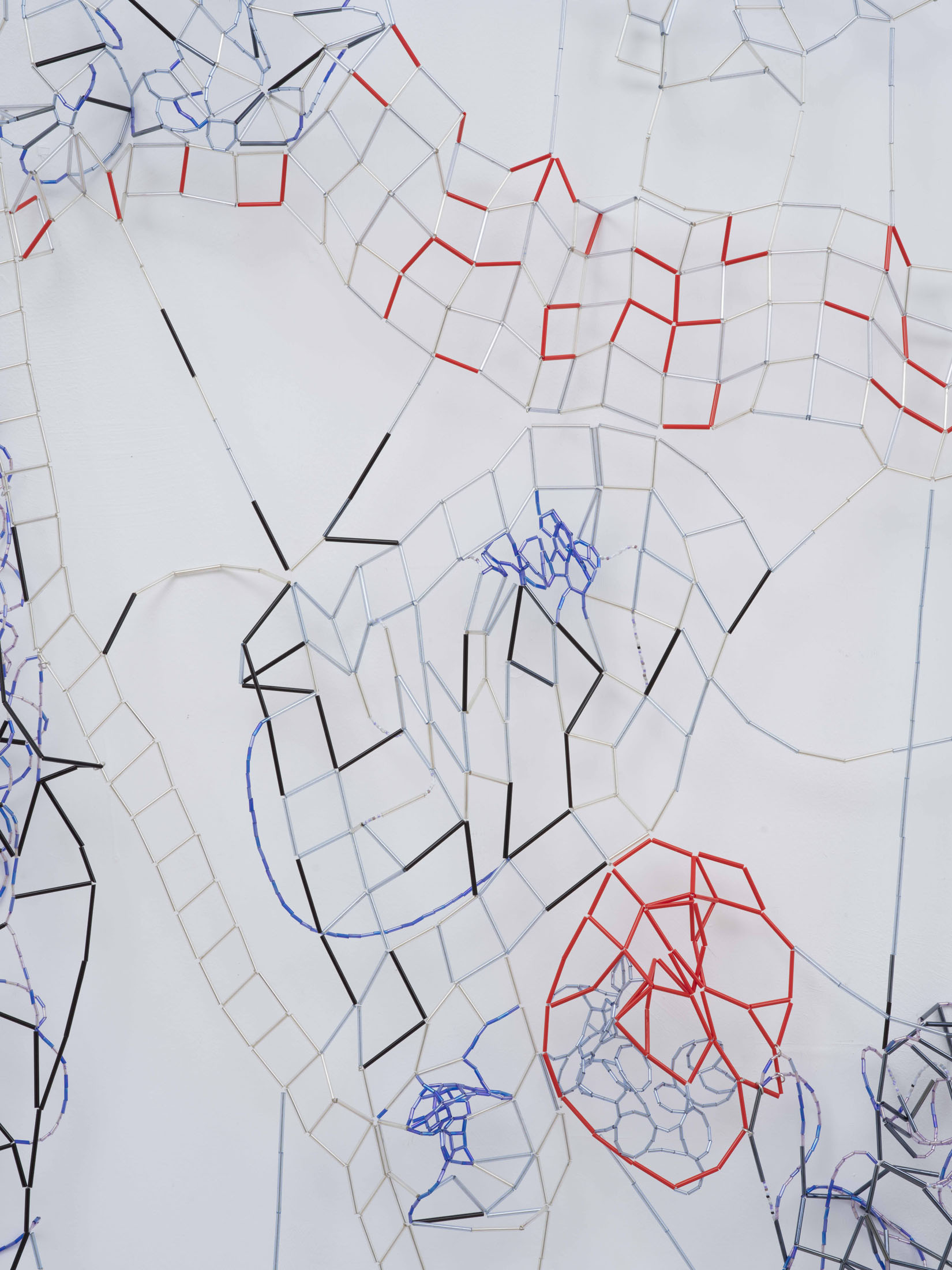
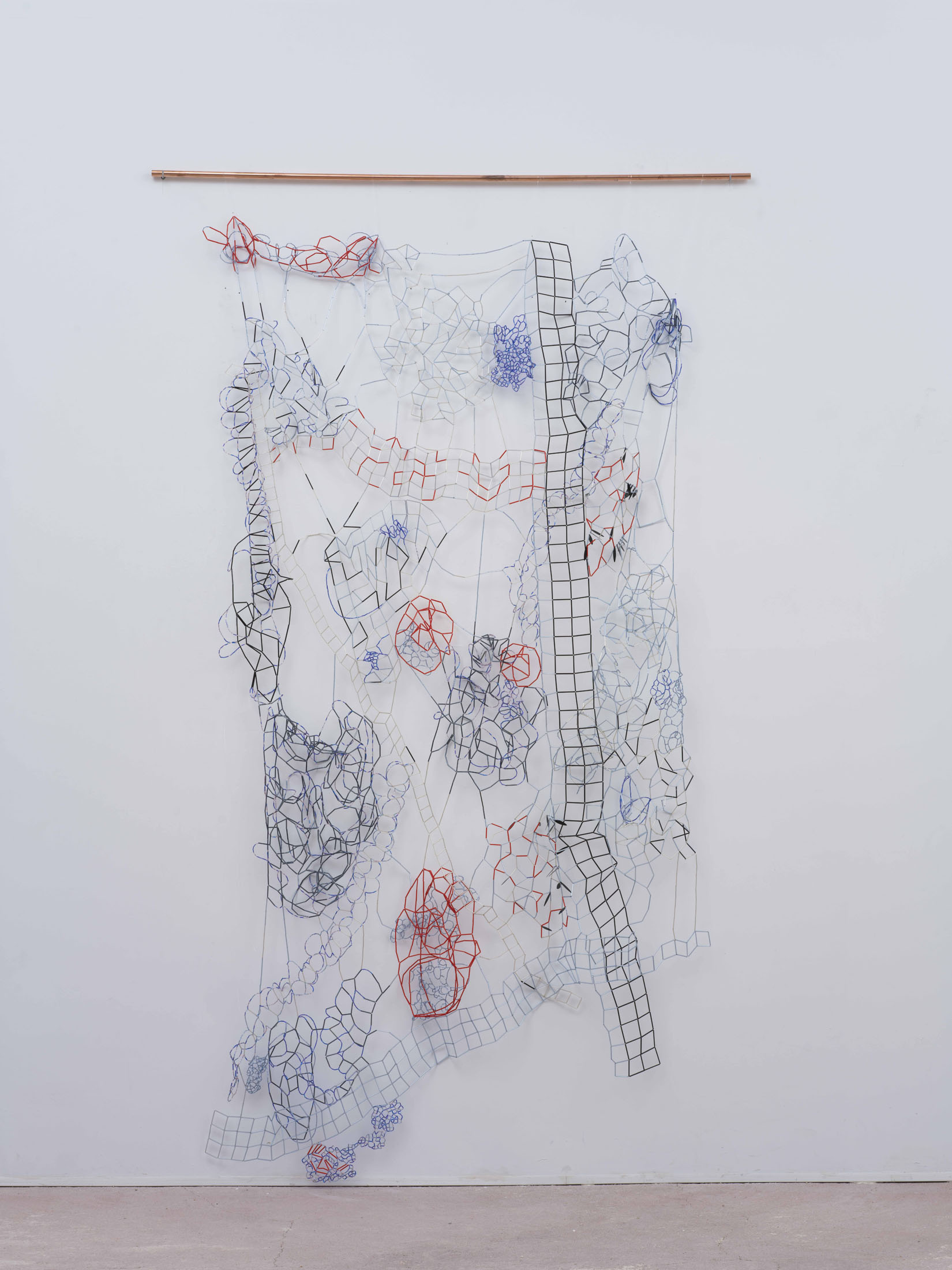
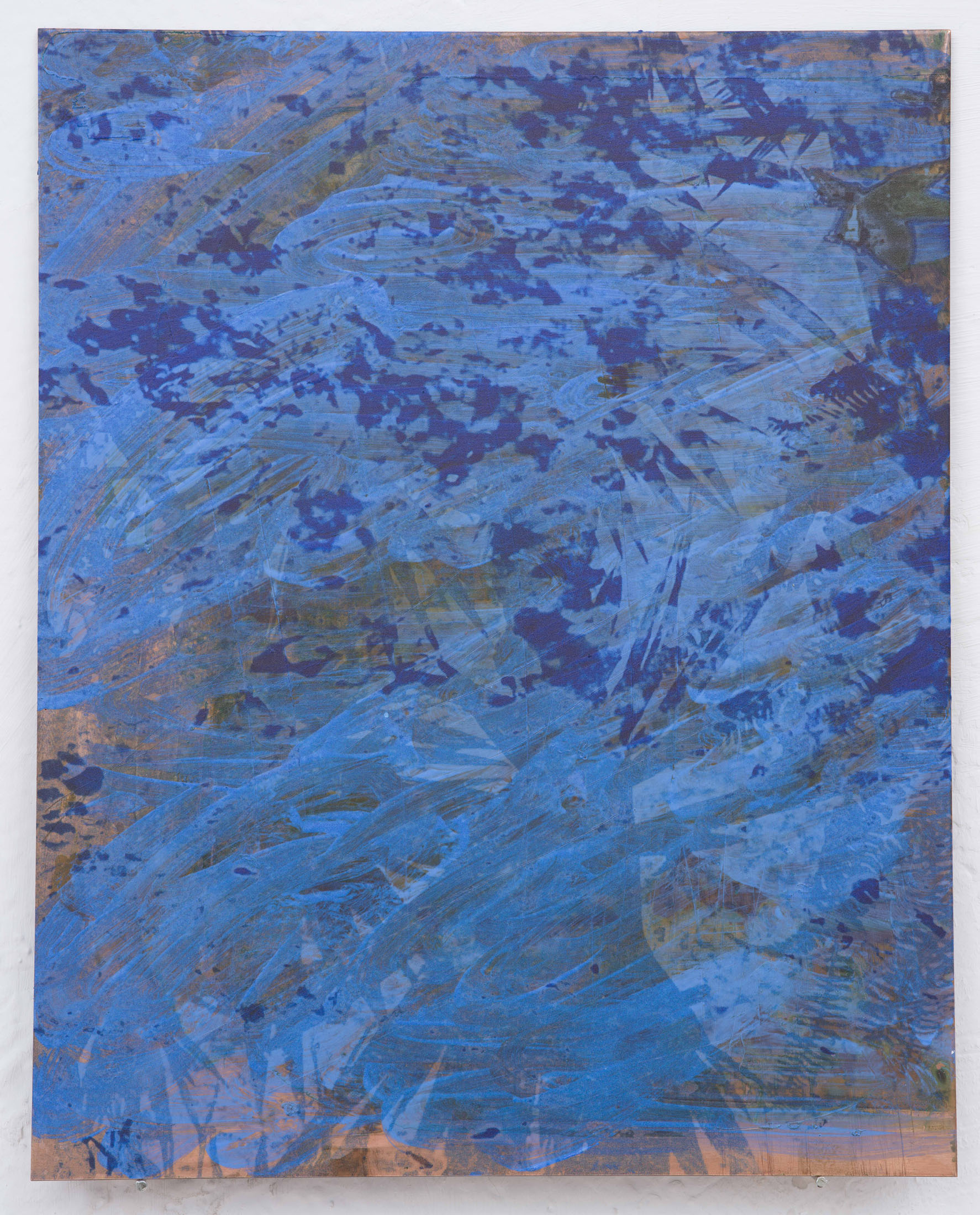
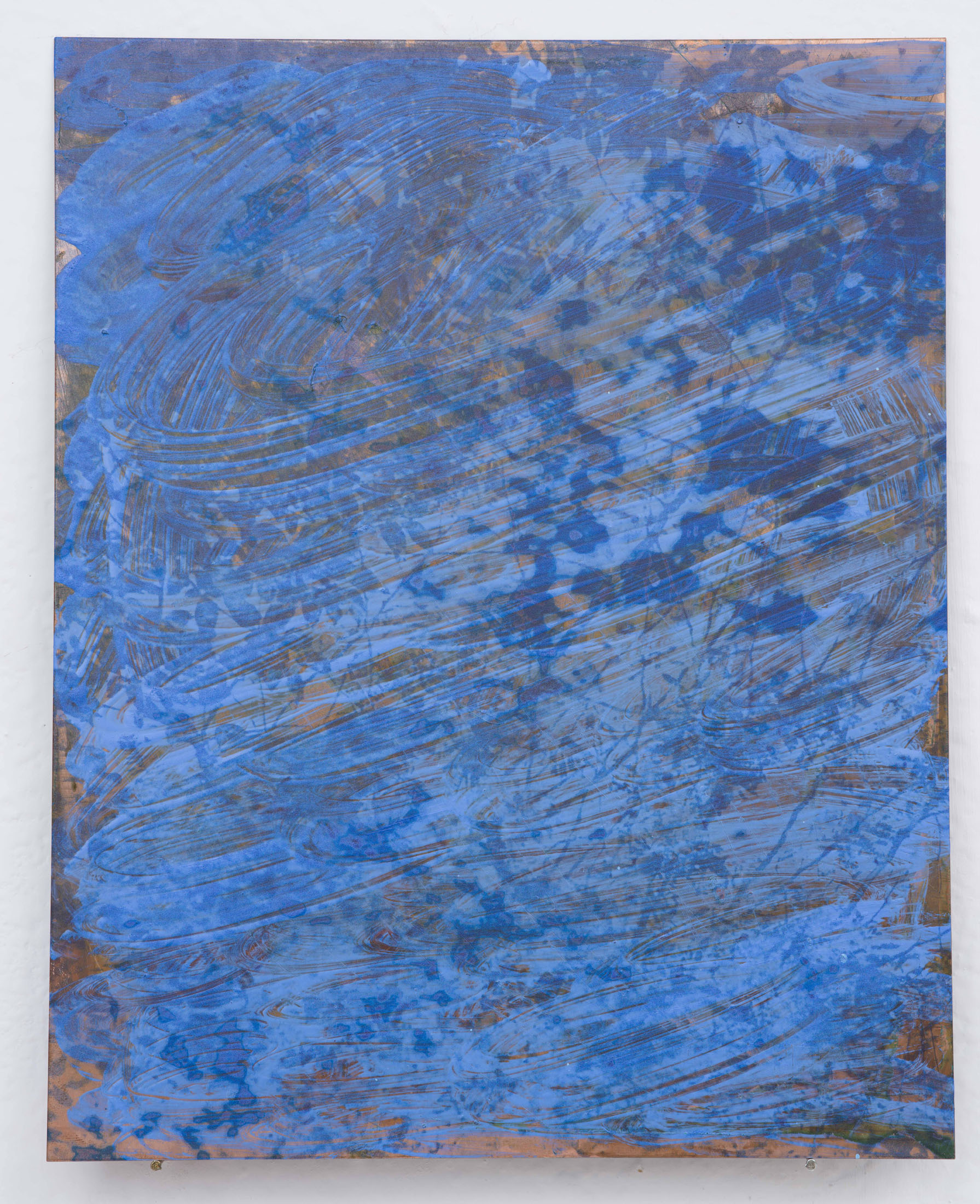
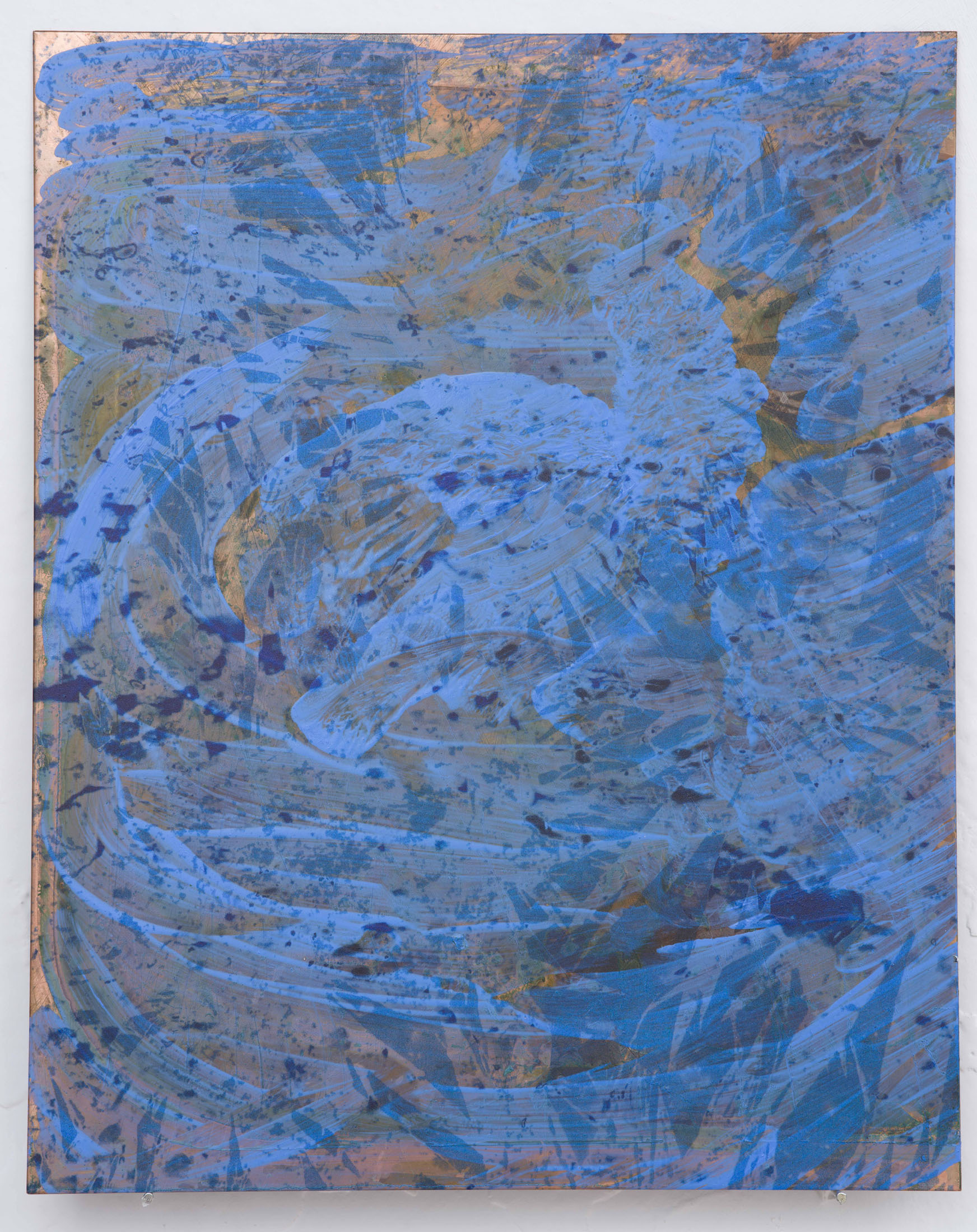
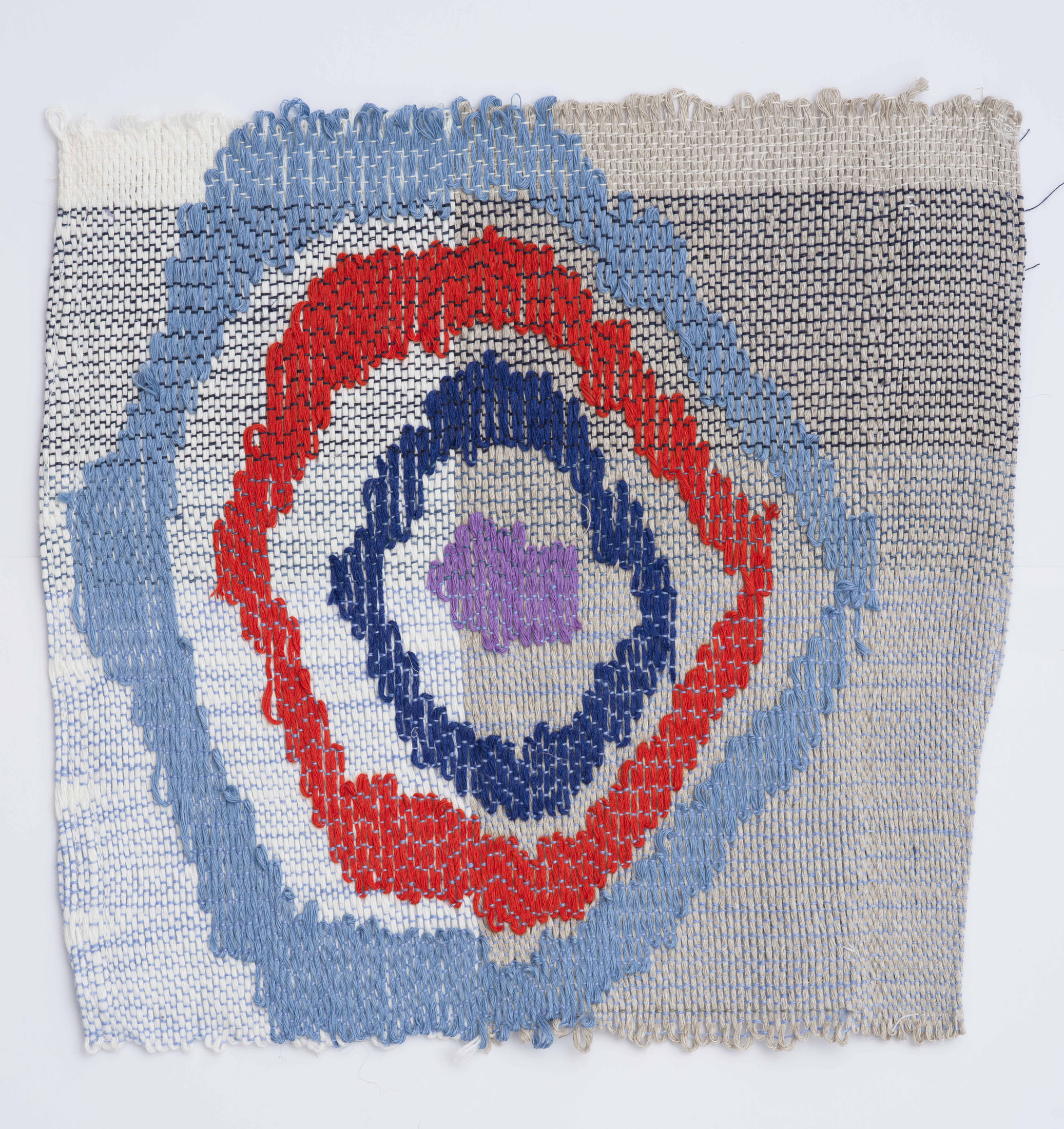
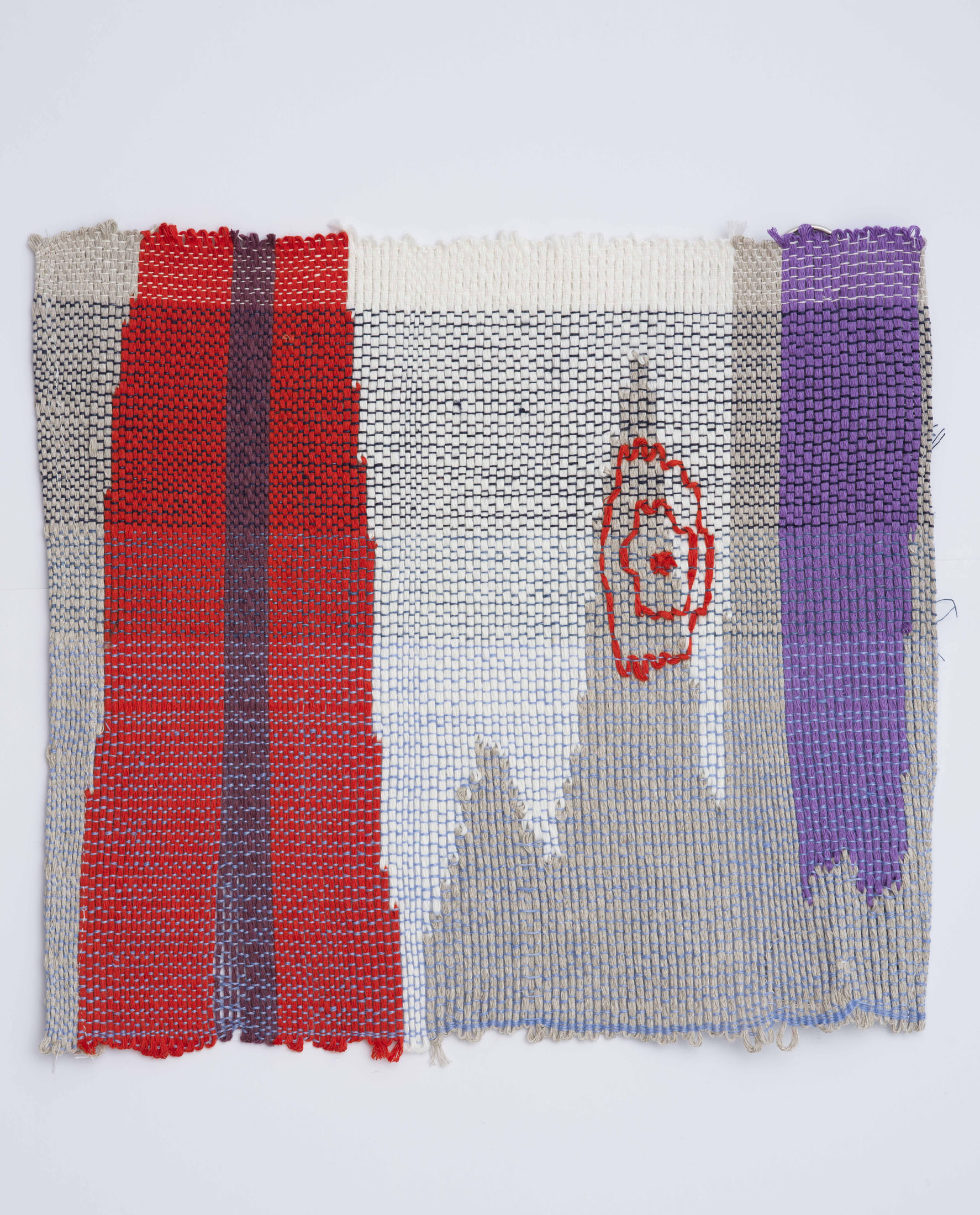
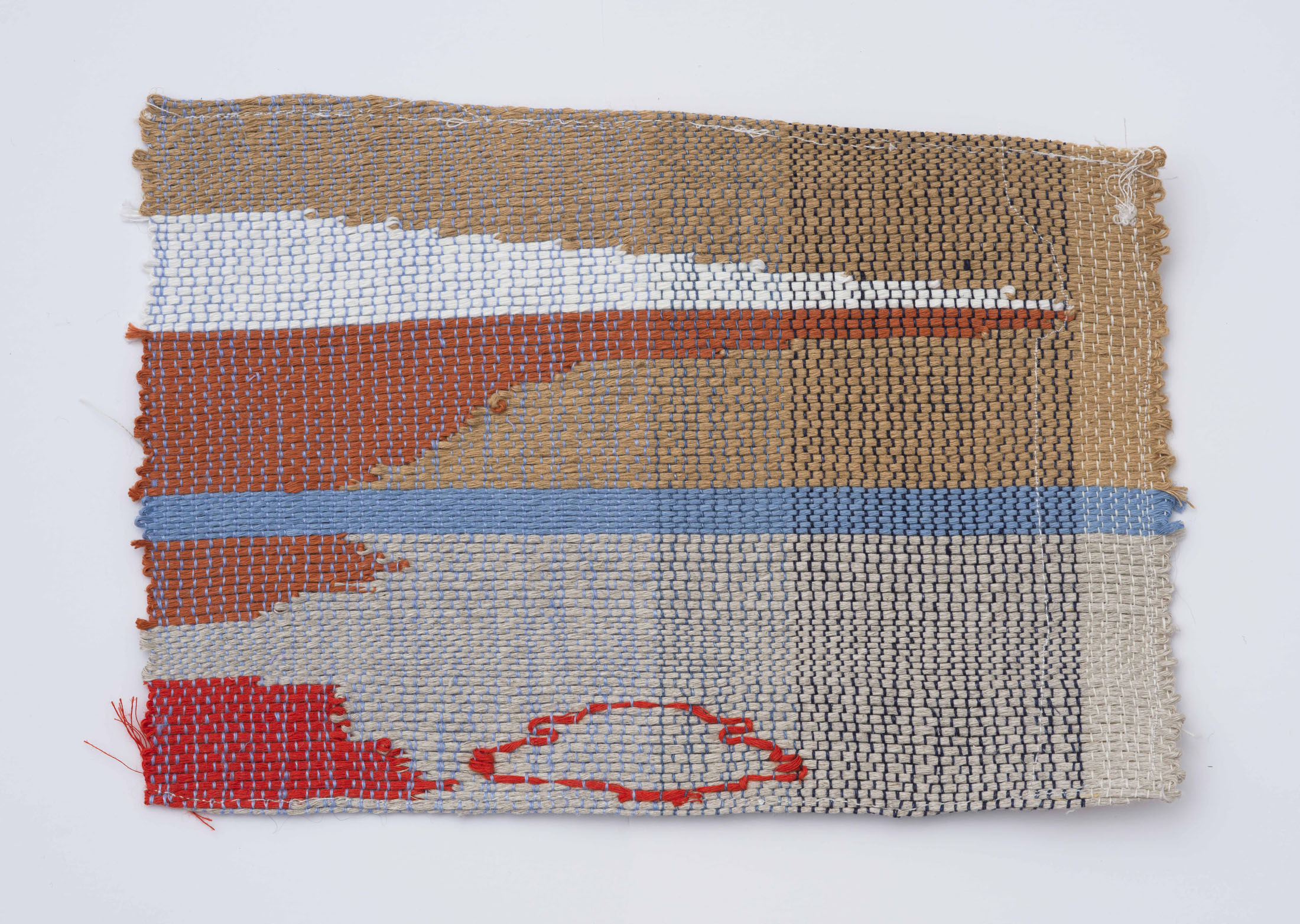
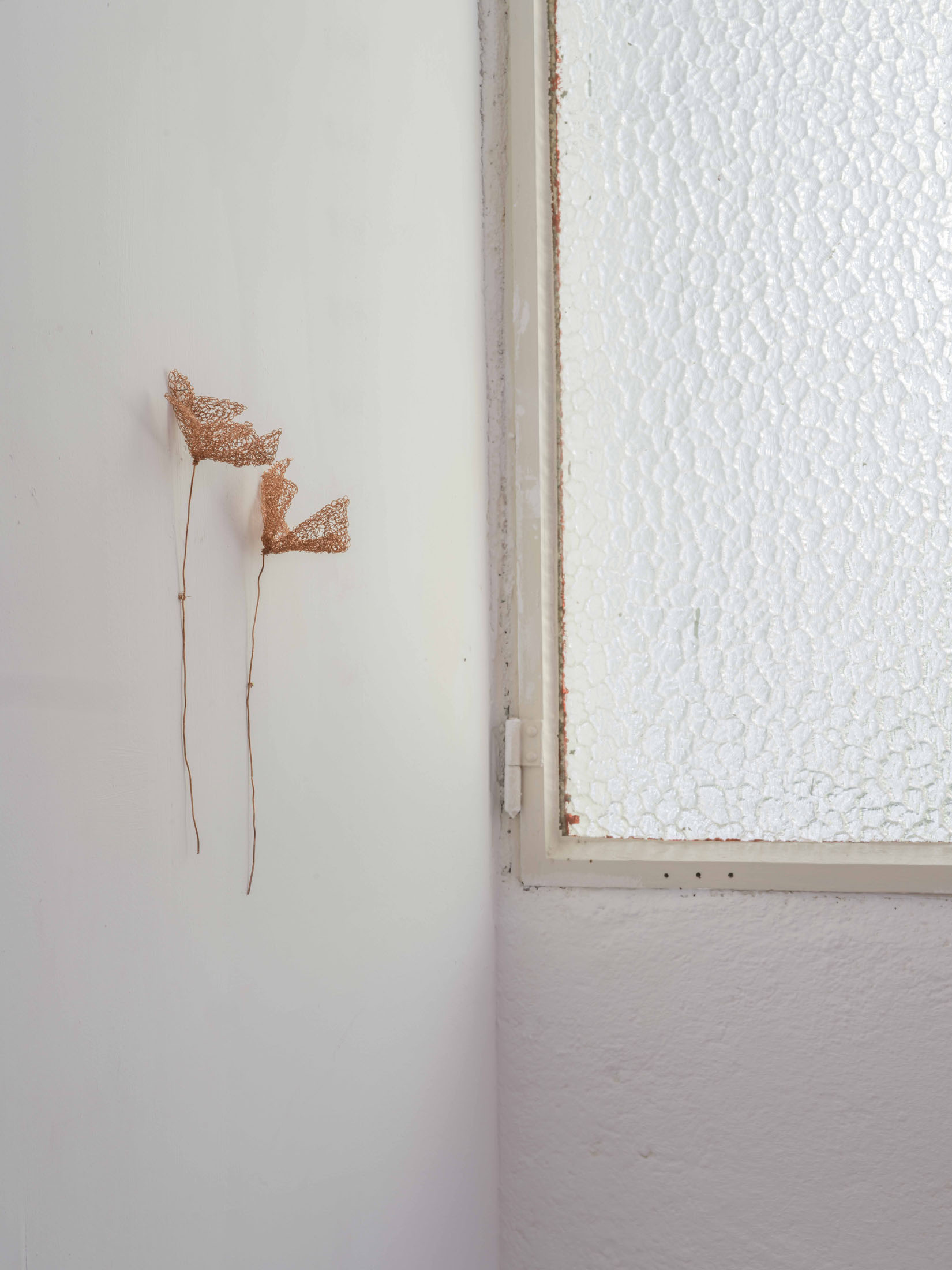
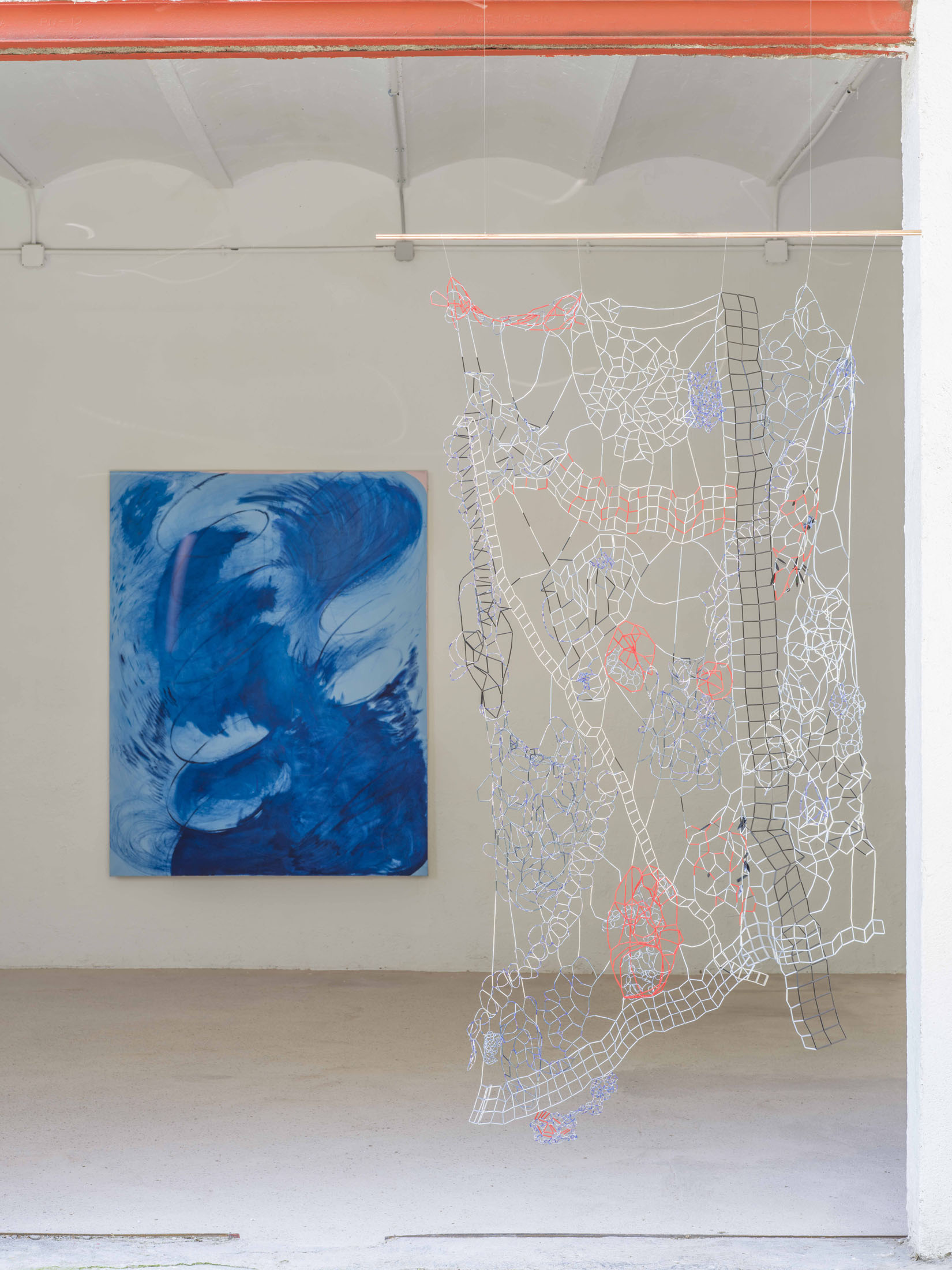
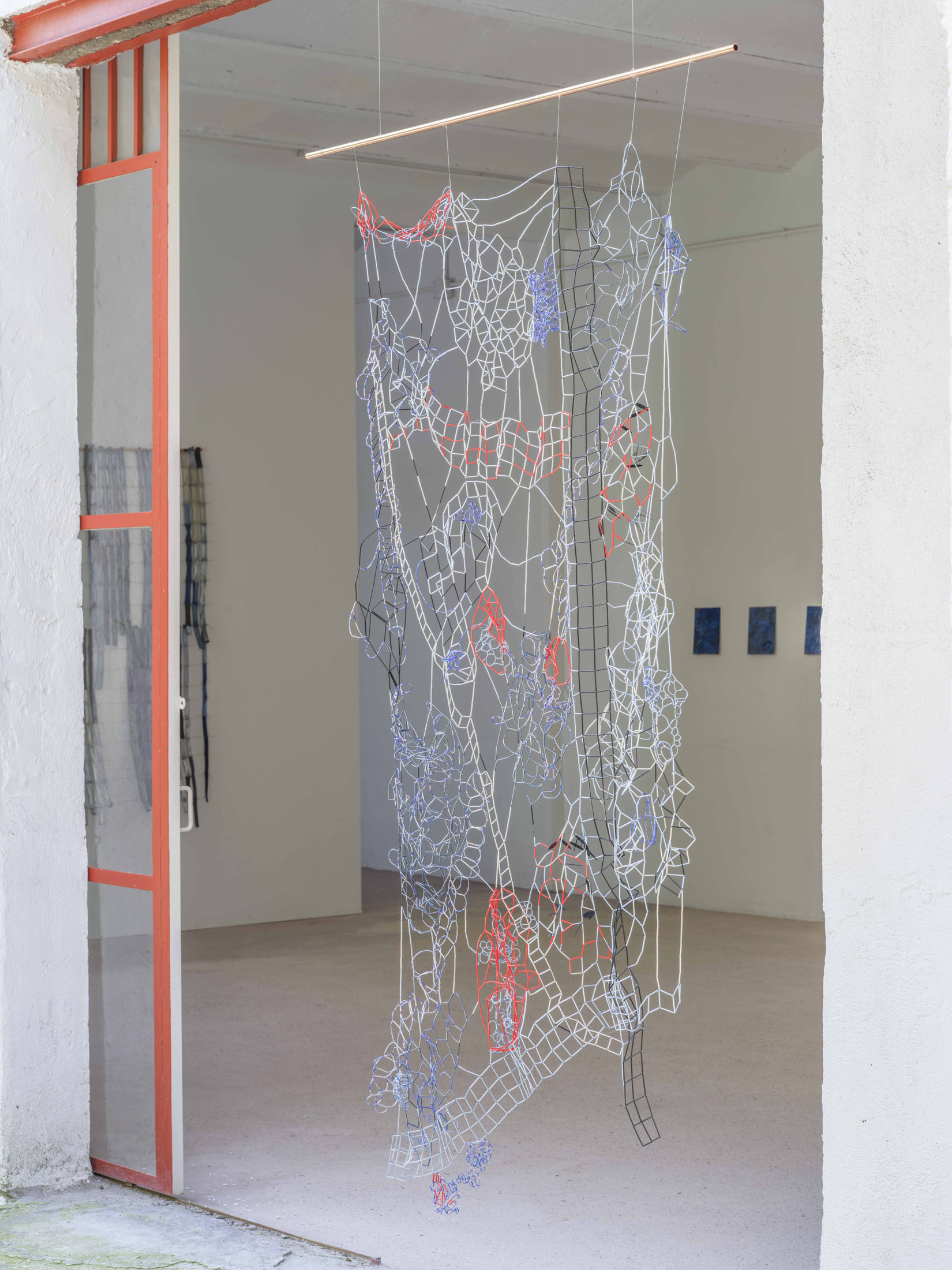
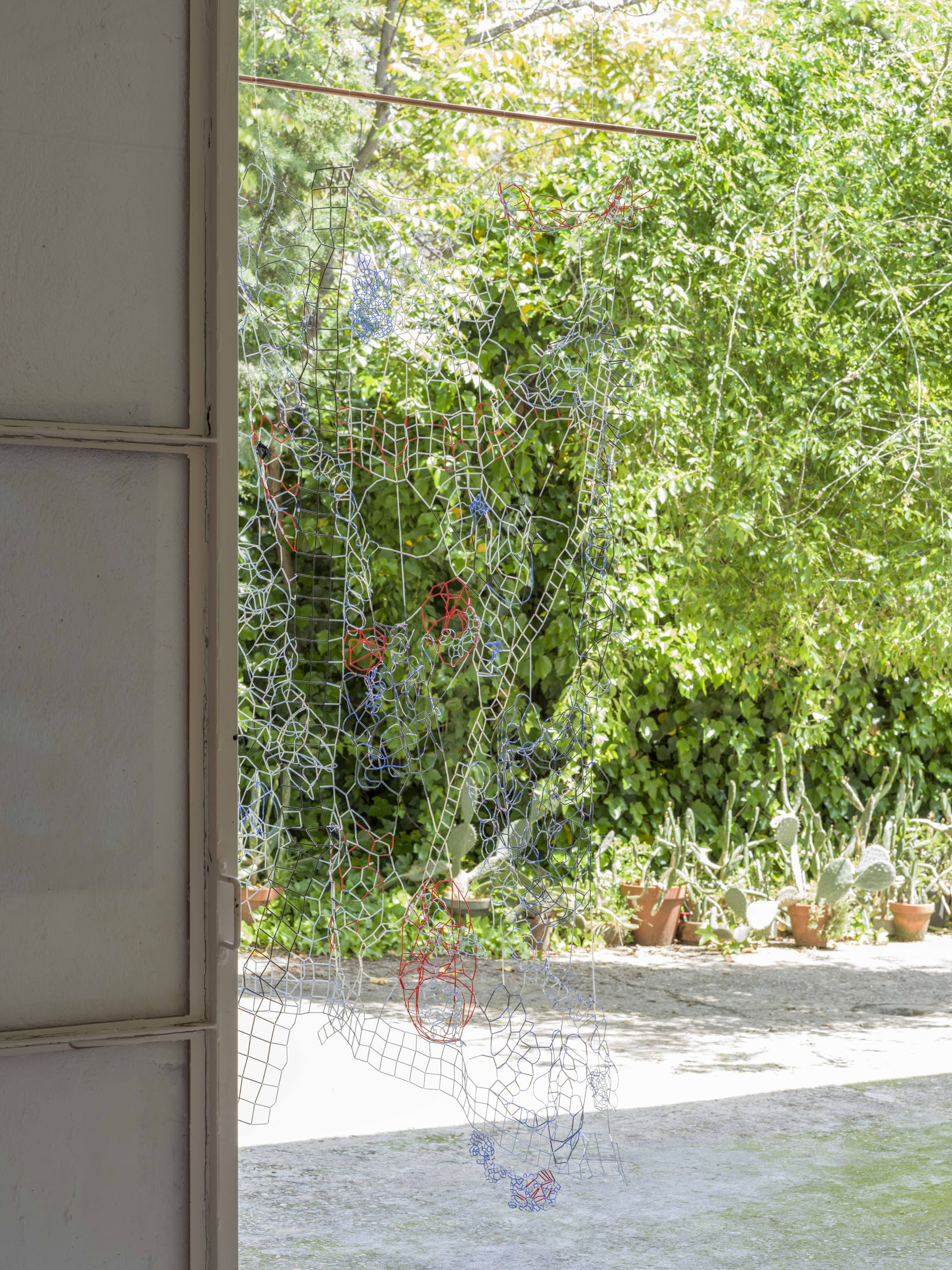
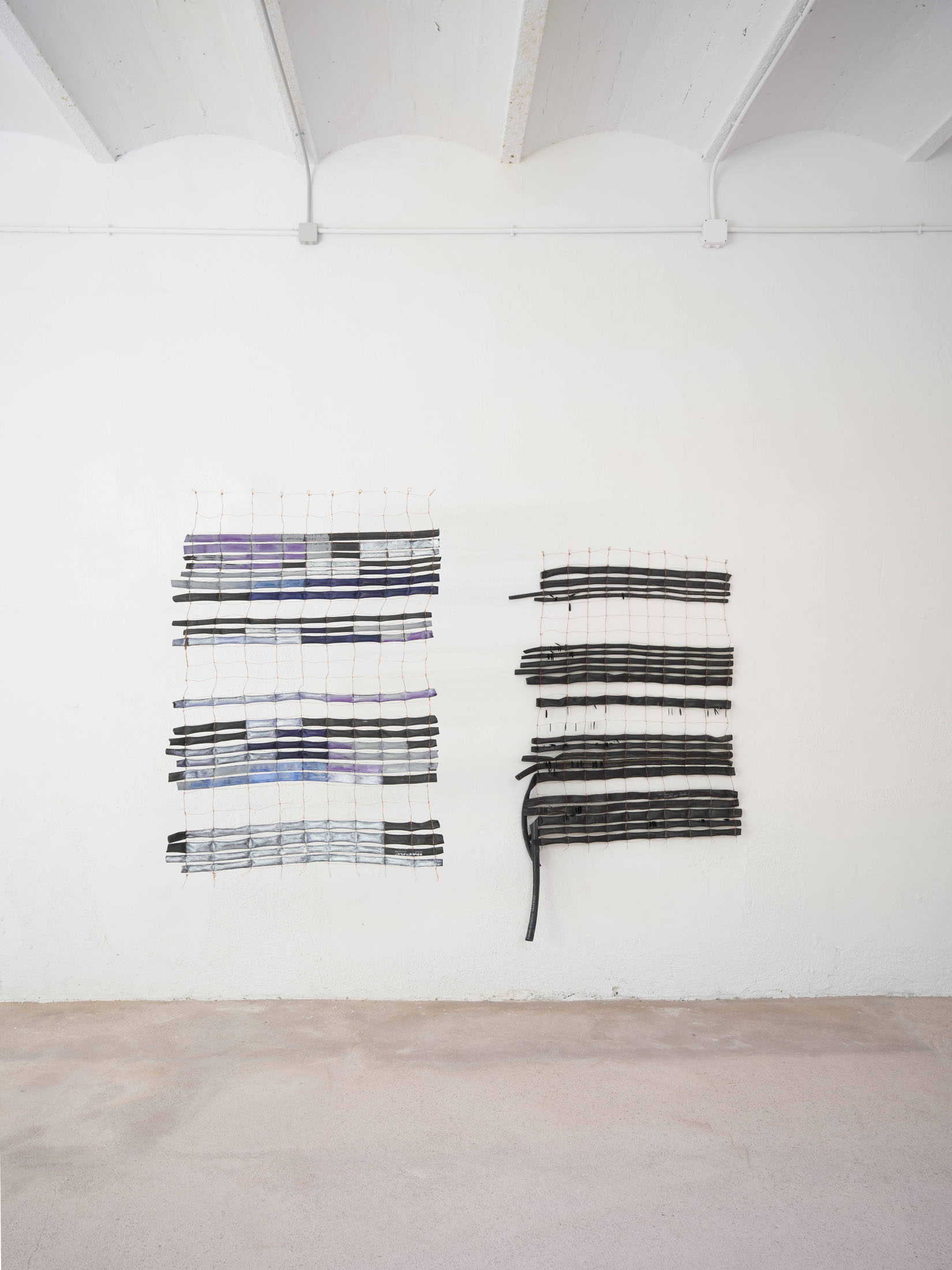
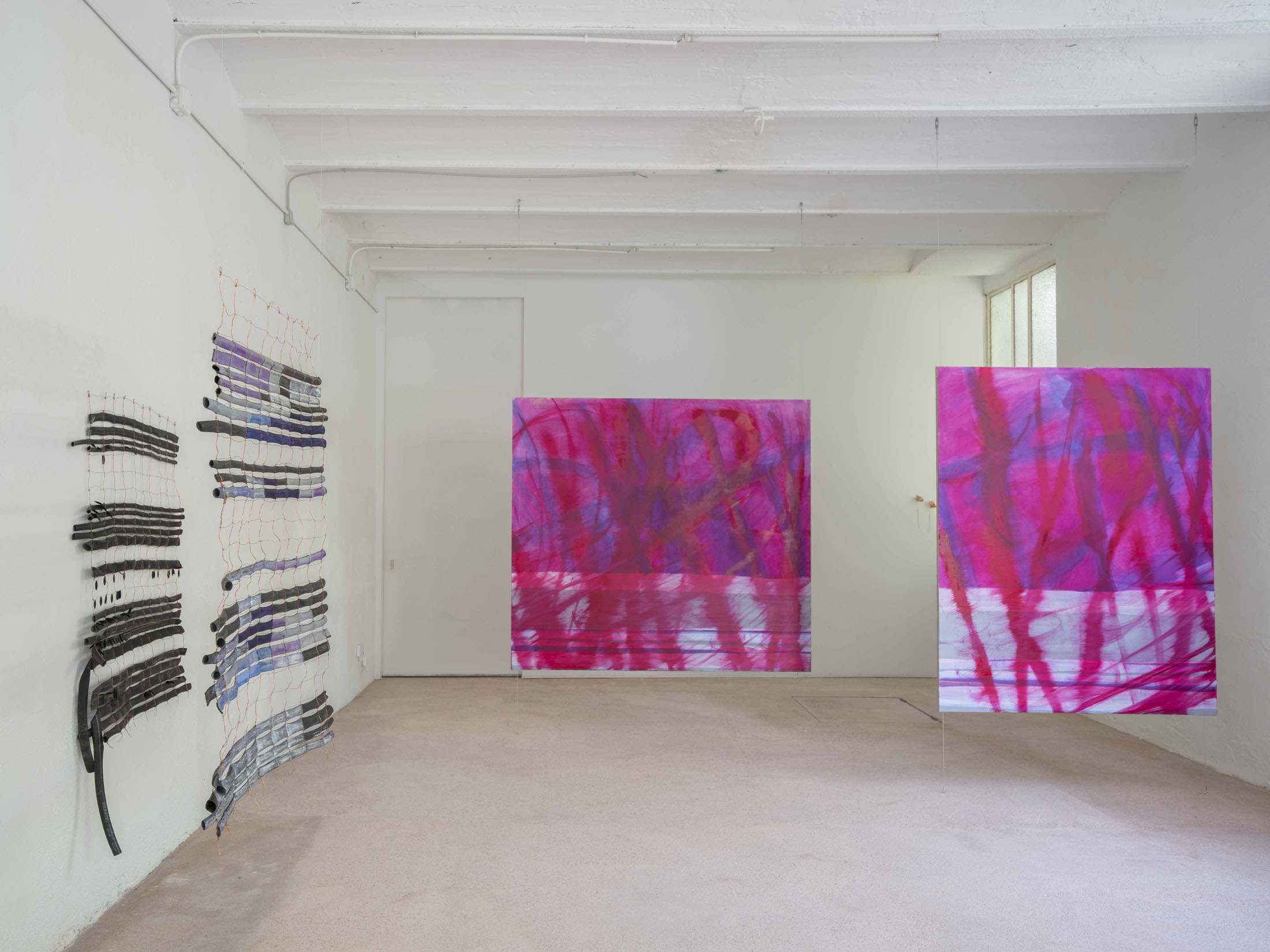
Marie Hazard (b. 1994, France) is a Paris-based weaver and artist whose work bridges traditional craftsmanship with industrial textile techniques. Since earning her BA in Textile Design from Central Saint Martins (London, 2017), Hazard has been experimenting with weaving, blending handcrafts like plain weave with digital printing to create a unique visual language. Her practice integrates media such as photography, painting, and literature, allowing her to reinterpret both ancient and modern techniques Hazard’s art draws inspiration from a diverse array of influences, including modernist textile pioneer Anni Albers and the Arte Povera movement with works of Alighiero Boetti.
Her work has been exhibited internationally, including solo and group shows at Dallas Contemporary Museum (2025); Fondation Alina Szapocznikow, Warsaw; Mobilier National & Institut Français d’Amérique Latine, Mexico City (2024); Villa Belleville, Paris (2023); Galeria Mascota, Mexico City (2022); and Tokyo Metropolitan Art Museum (2019). She won the Clothworkers’ Material Fund Prize in 2017.
In 2022, Hazard co-founded the Potyra project with Sophie de Mello Franco, aimed at building a youth art center in Serra Grande, Bahia, Brazil, to nurture young artists. That same year, Zolo Press published her debut monograph. Hazard is the recipient of the prestigious THREAD residency at the Albers Foundation in Senegal for 2024.
Augusta Lardy
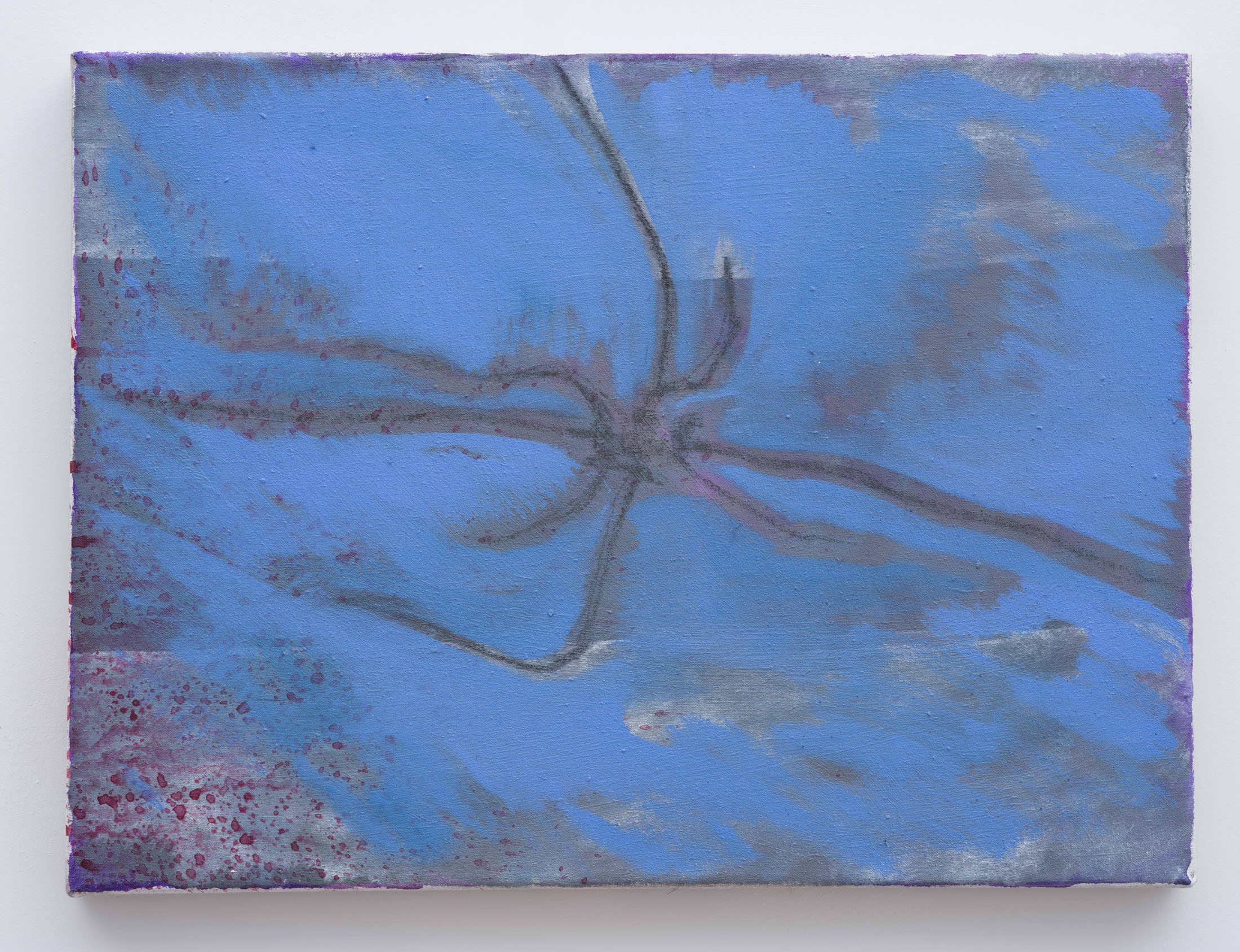
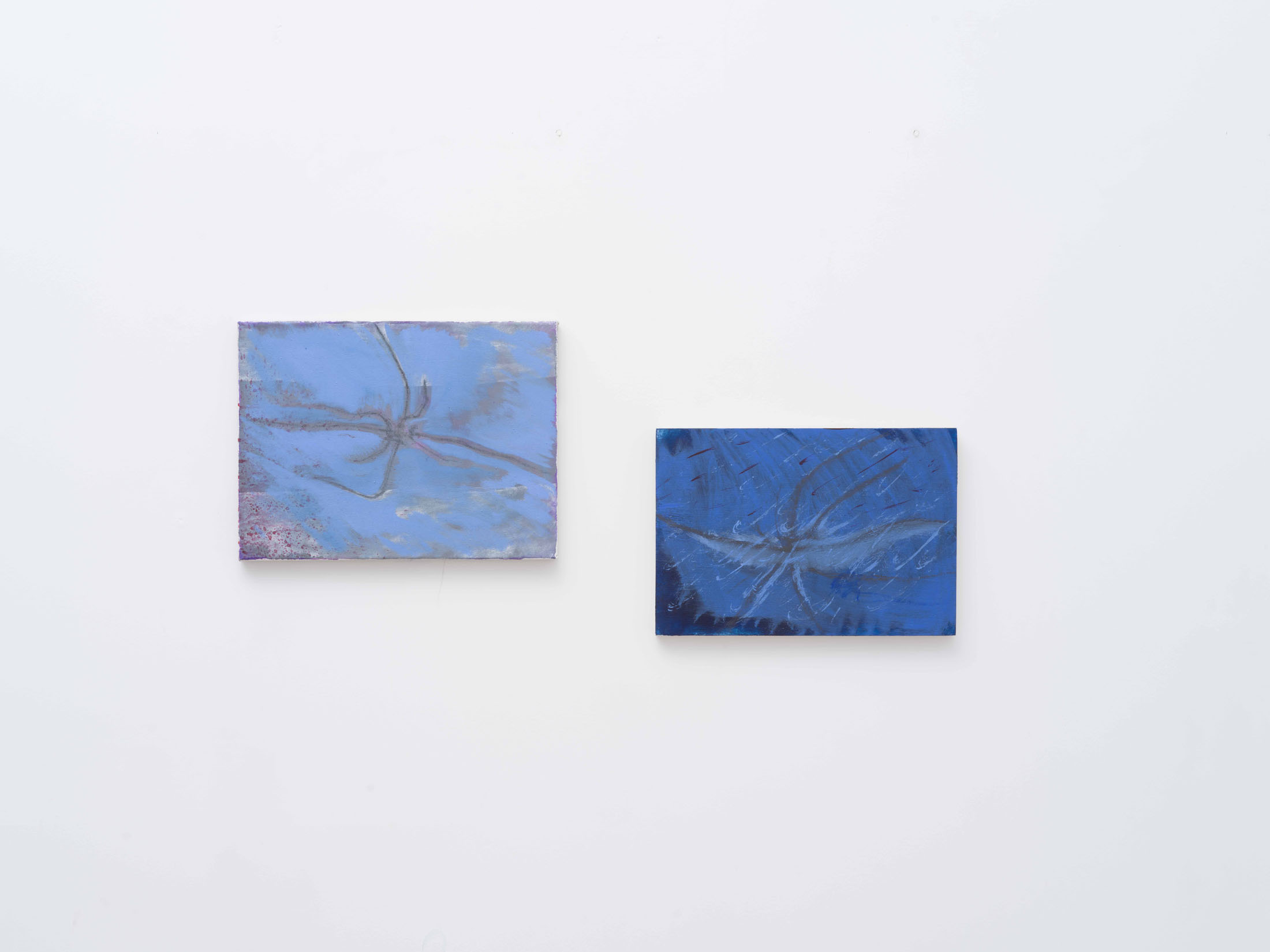
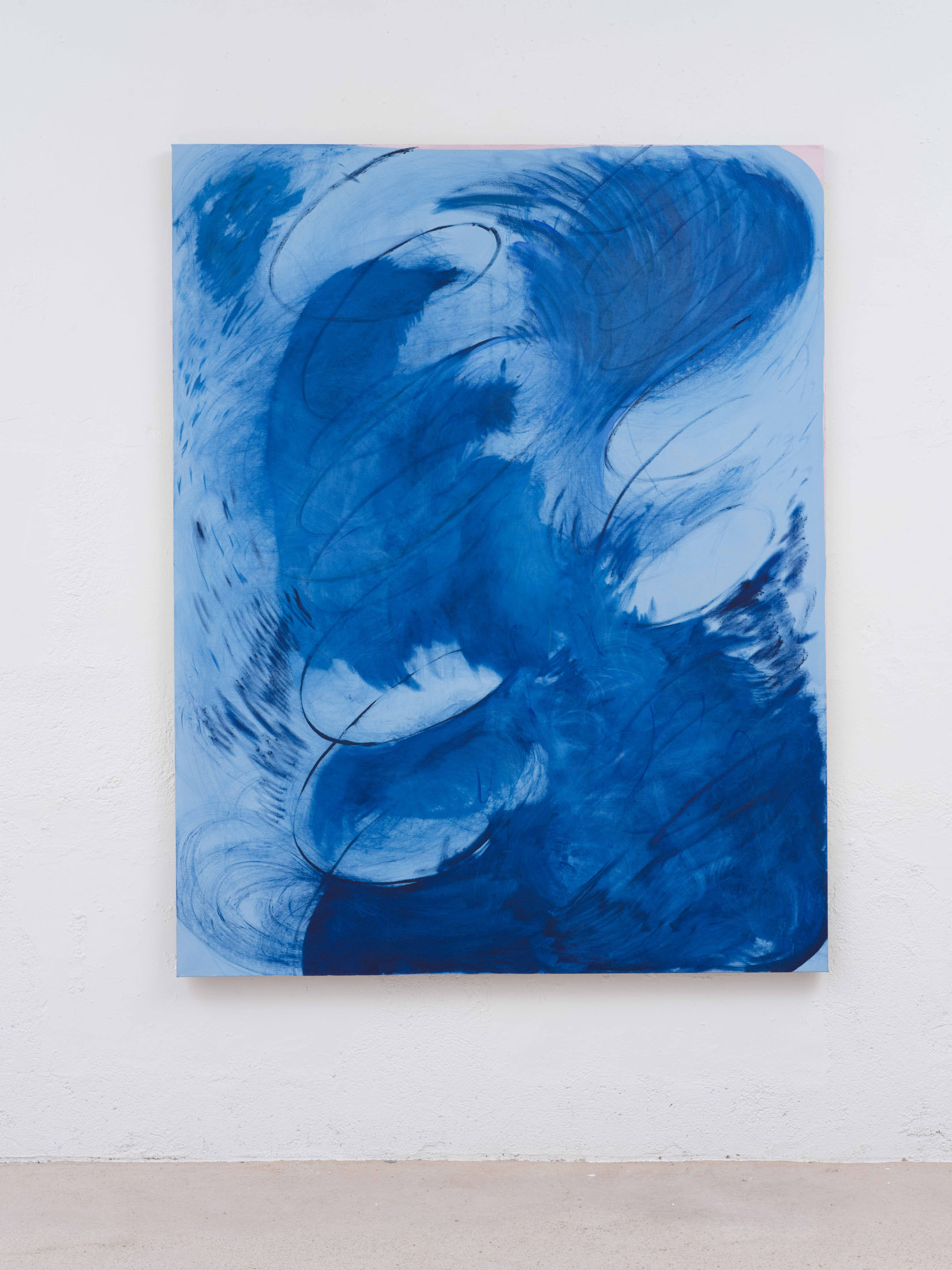
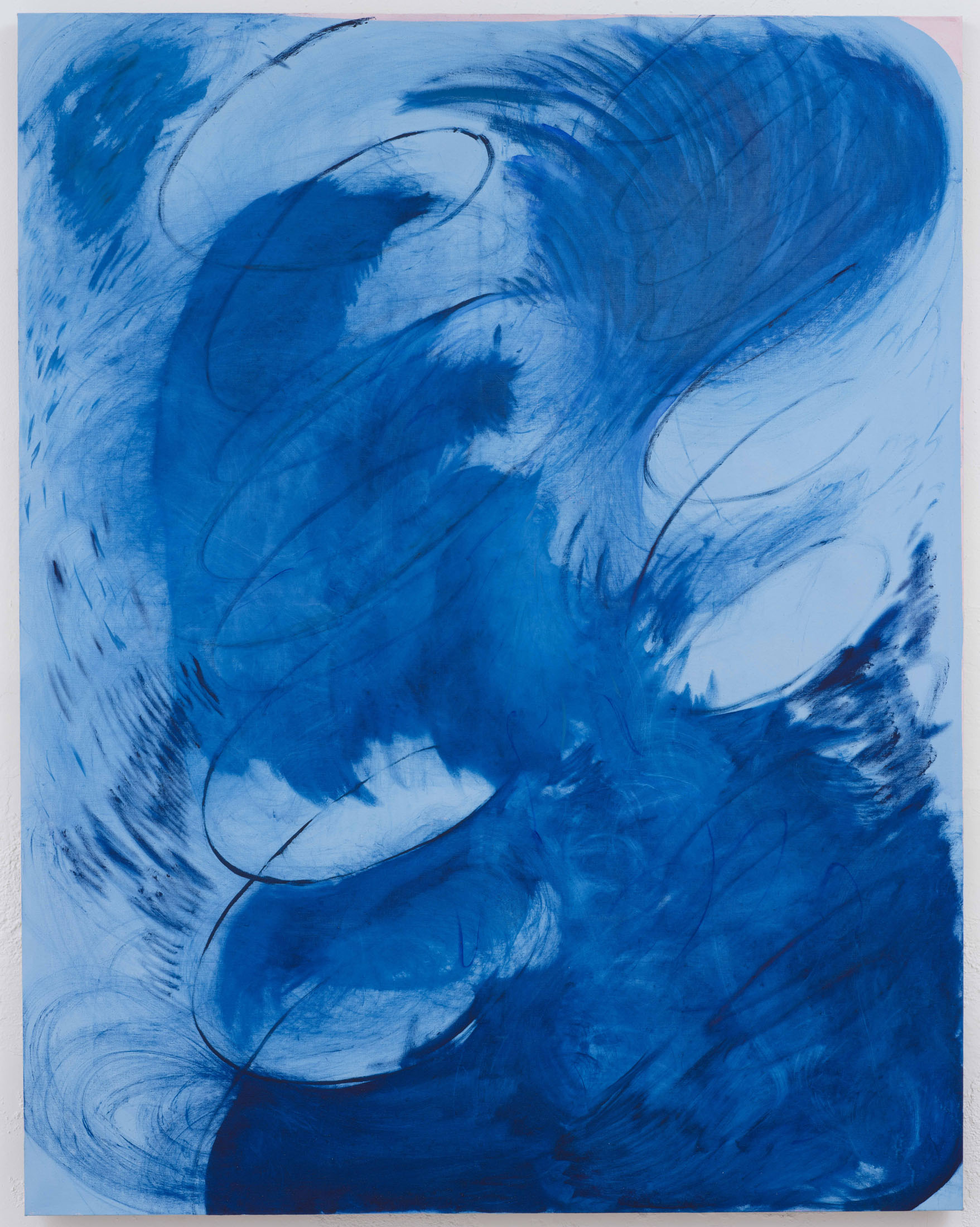
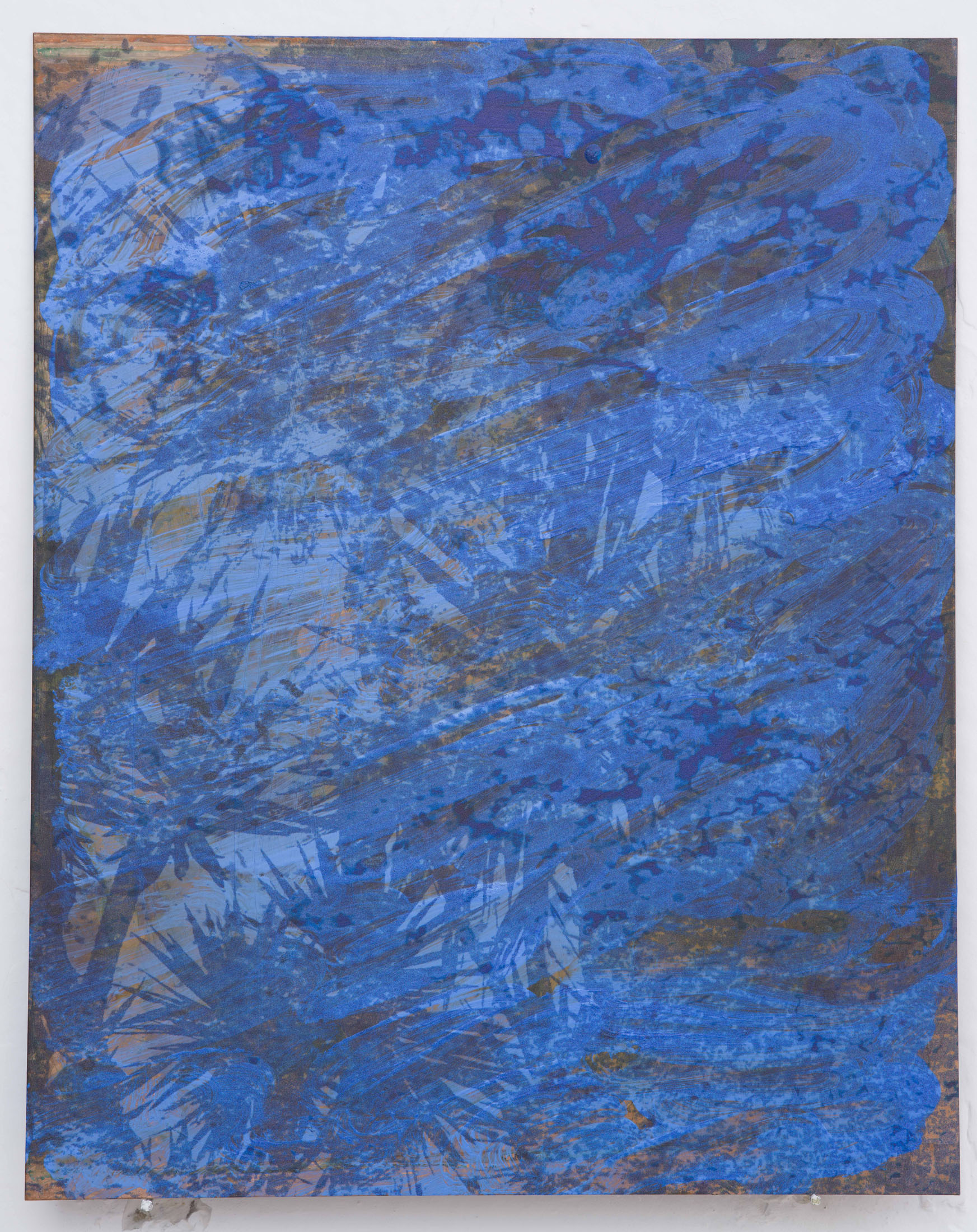
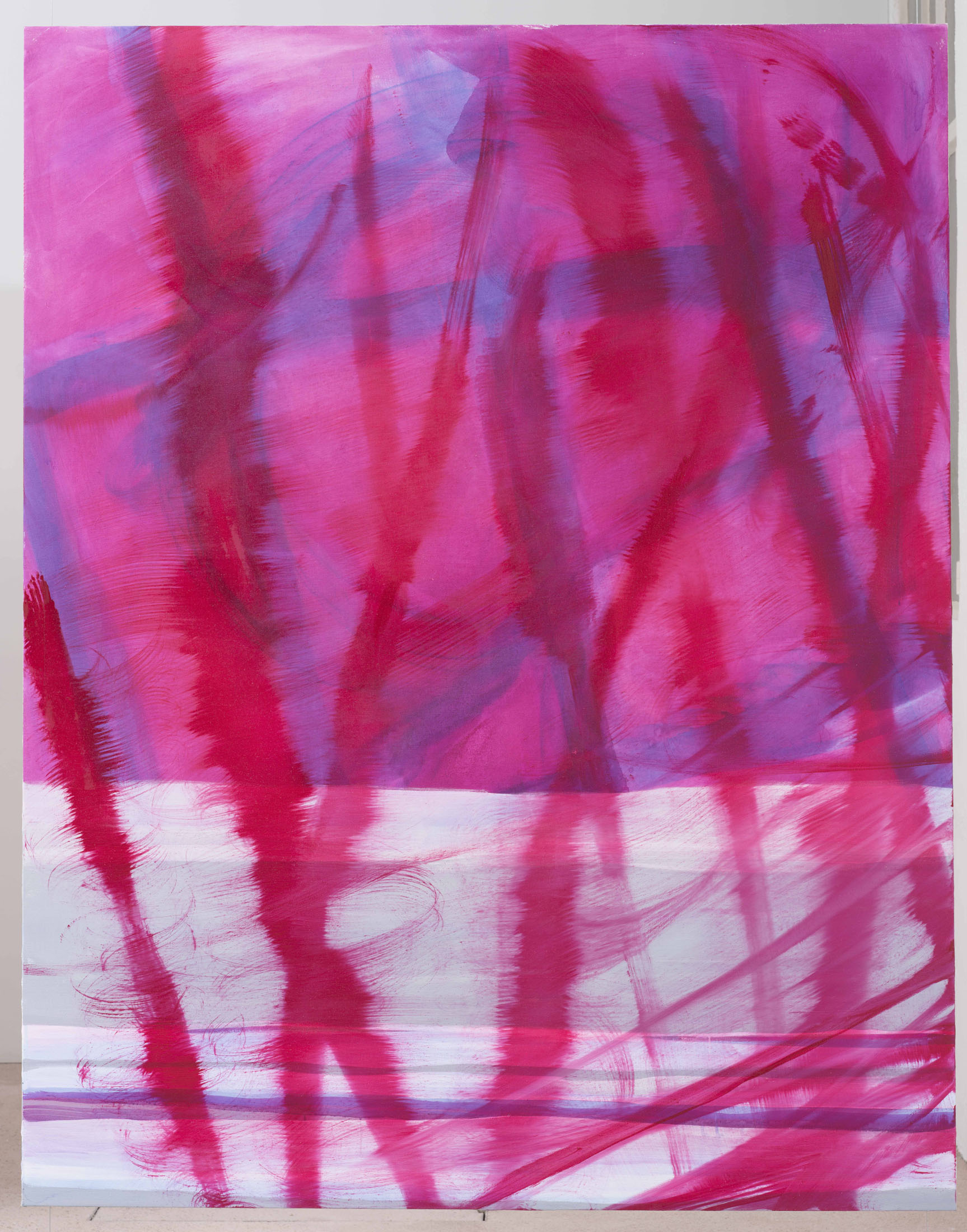
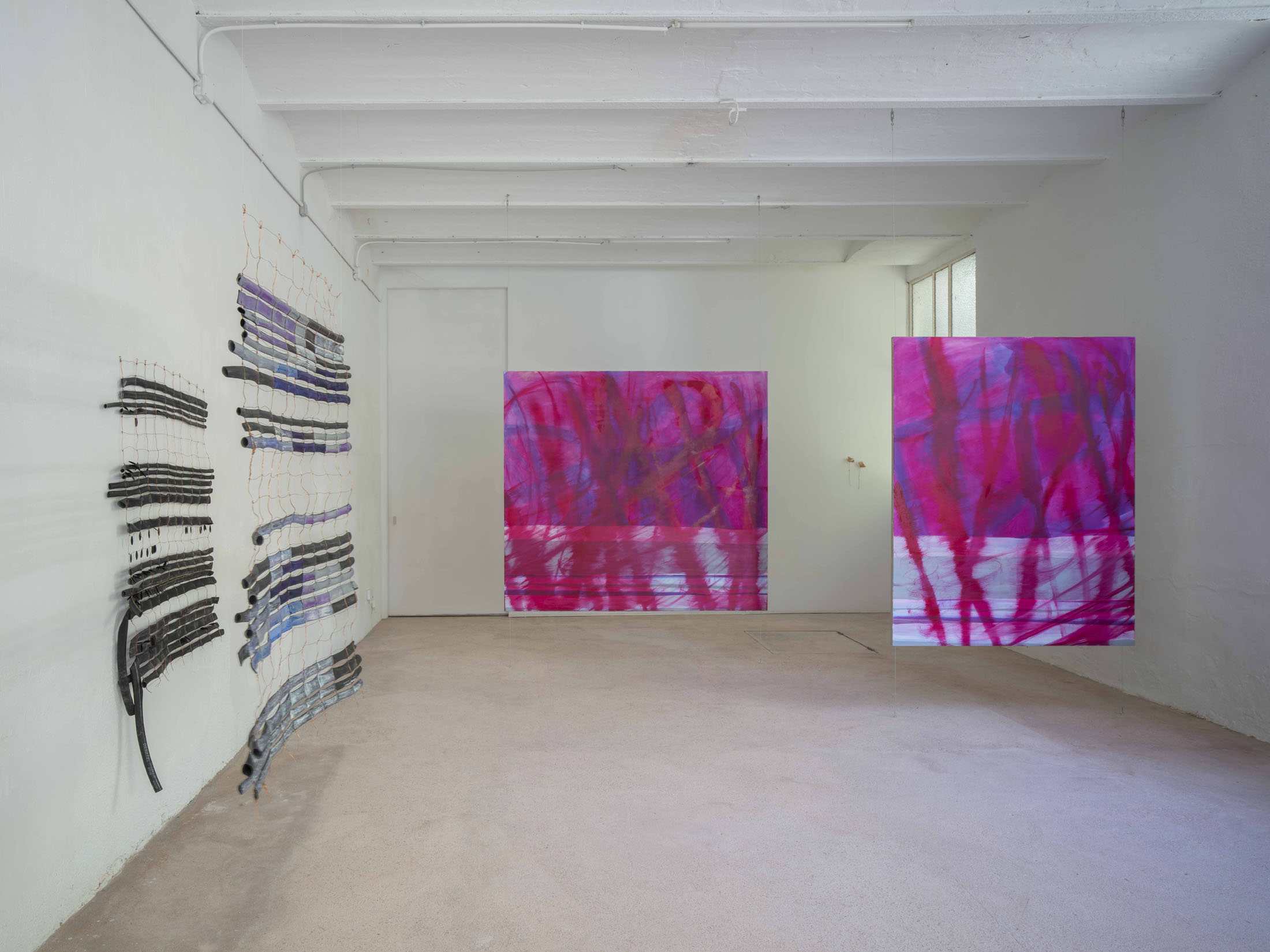
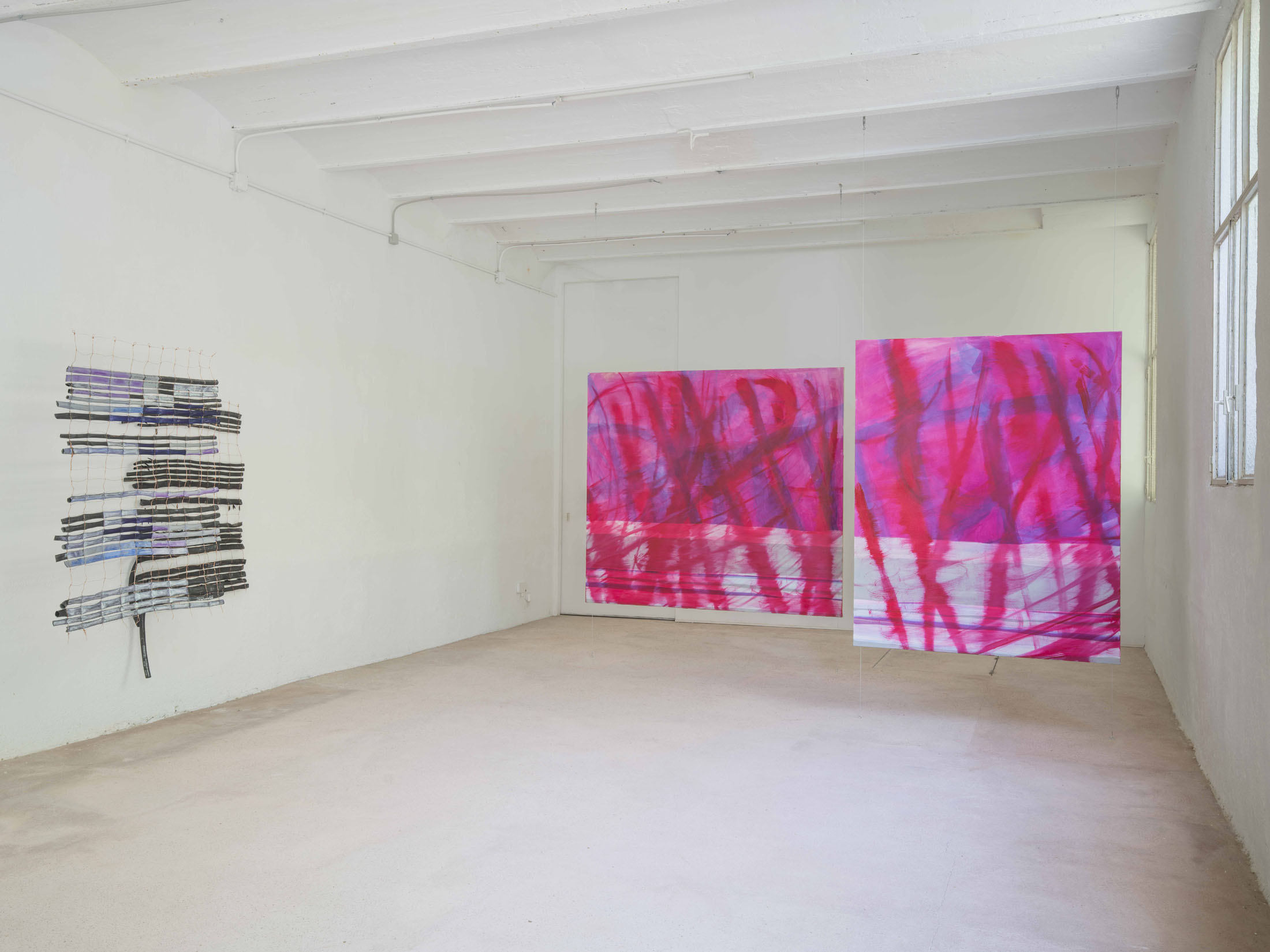
My work addresses the transitivity of being, the subjectivity of the gaze and the Sublime. I propose soft terror Sublime as anthropocenic operational aesthetics. First, I examine what constitutes the unspoken power of the image and the pre objectal existence of a composition. I ask : what is the metaphysical evolution of an object or feeling as they endure through time and space?
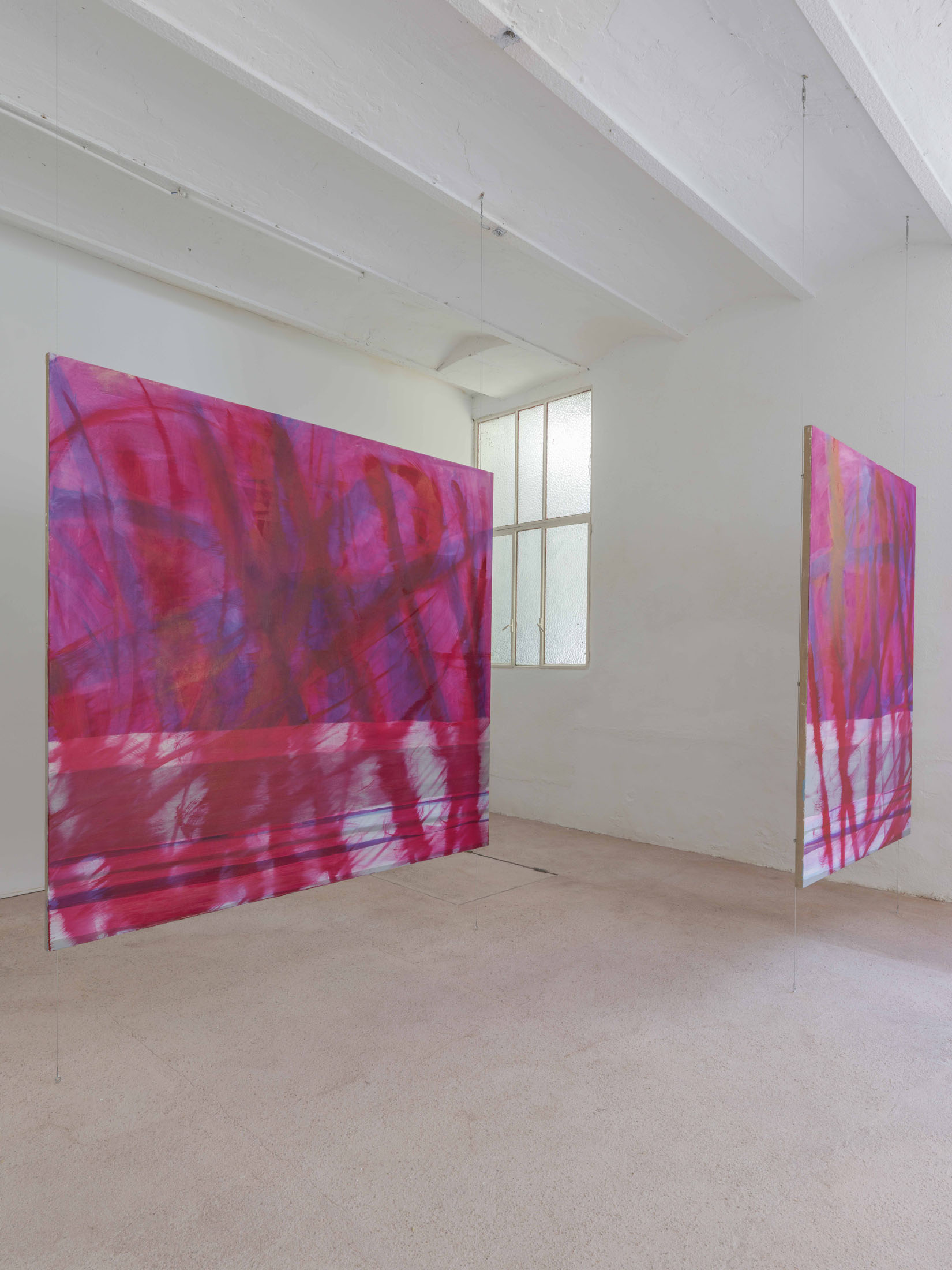
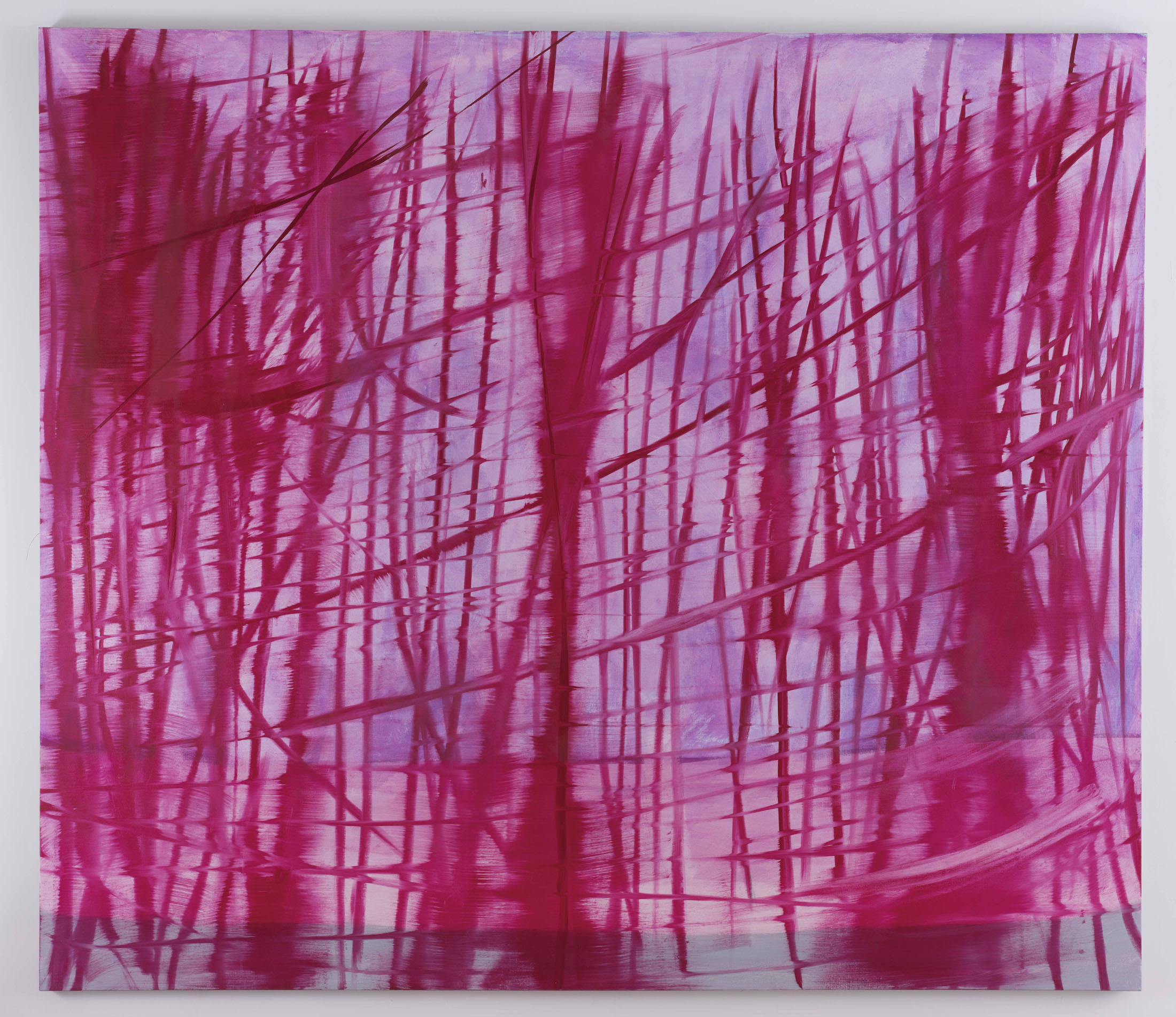
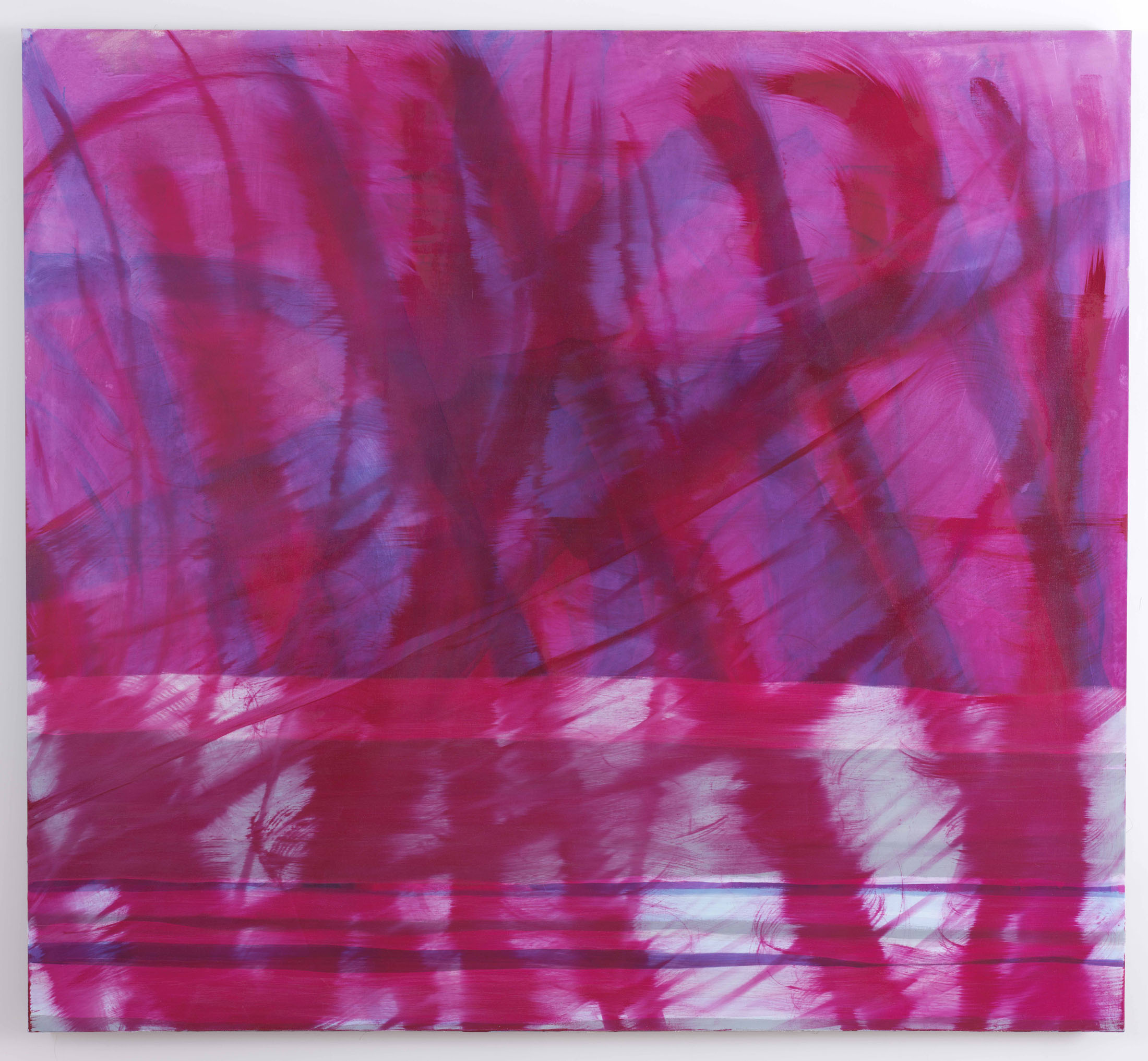
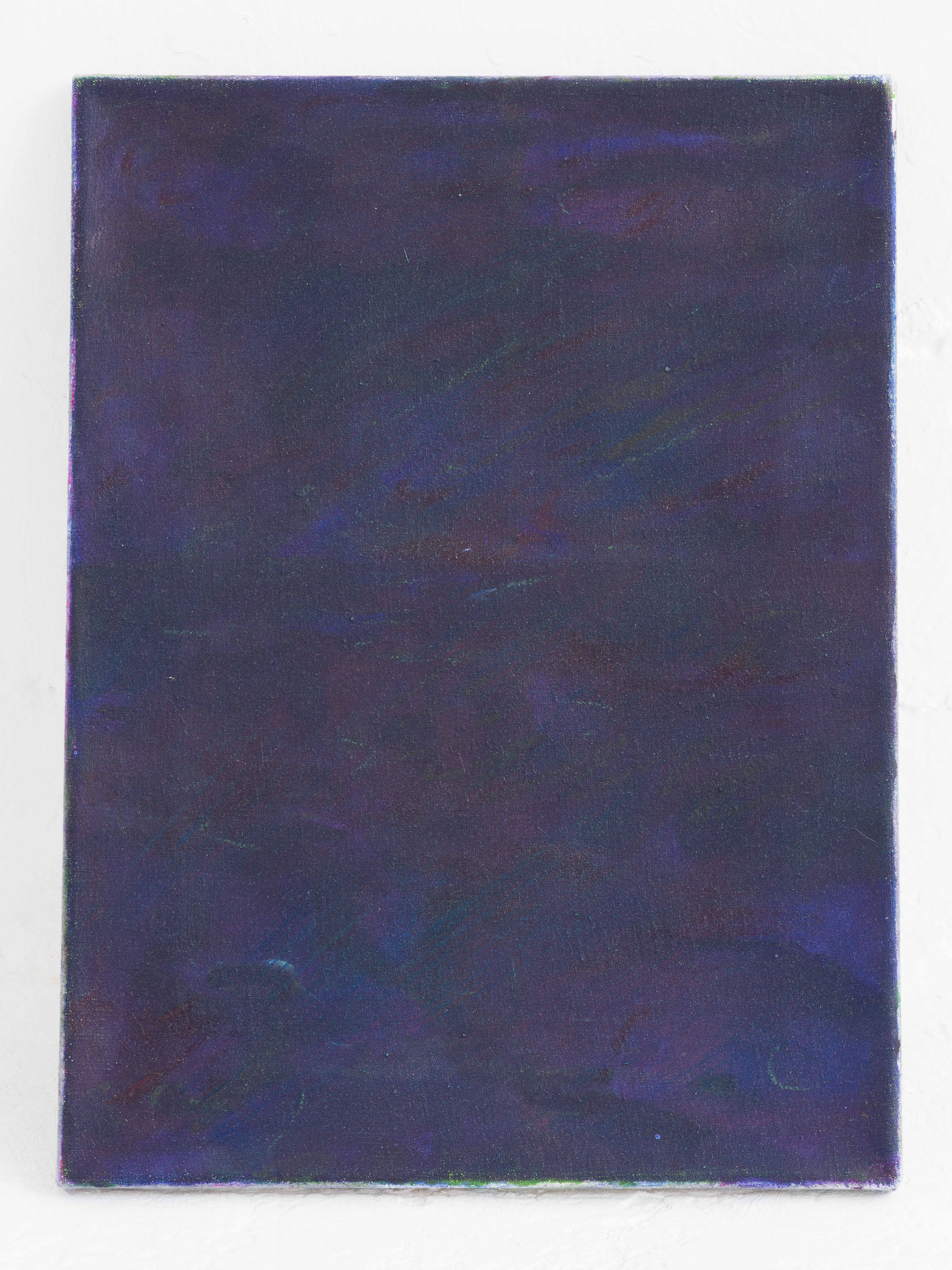
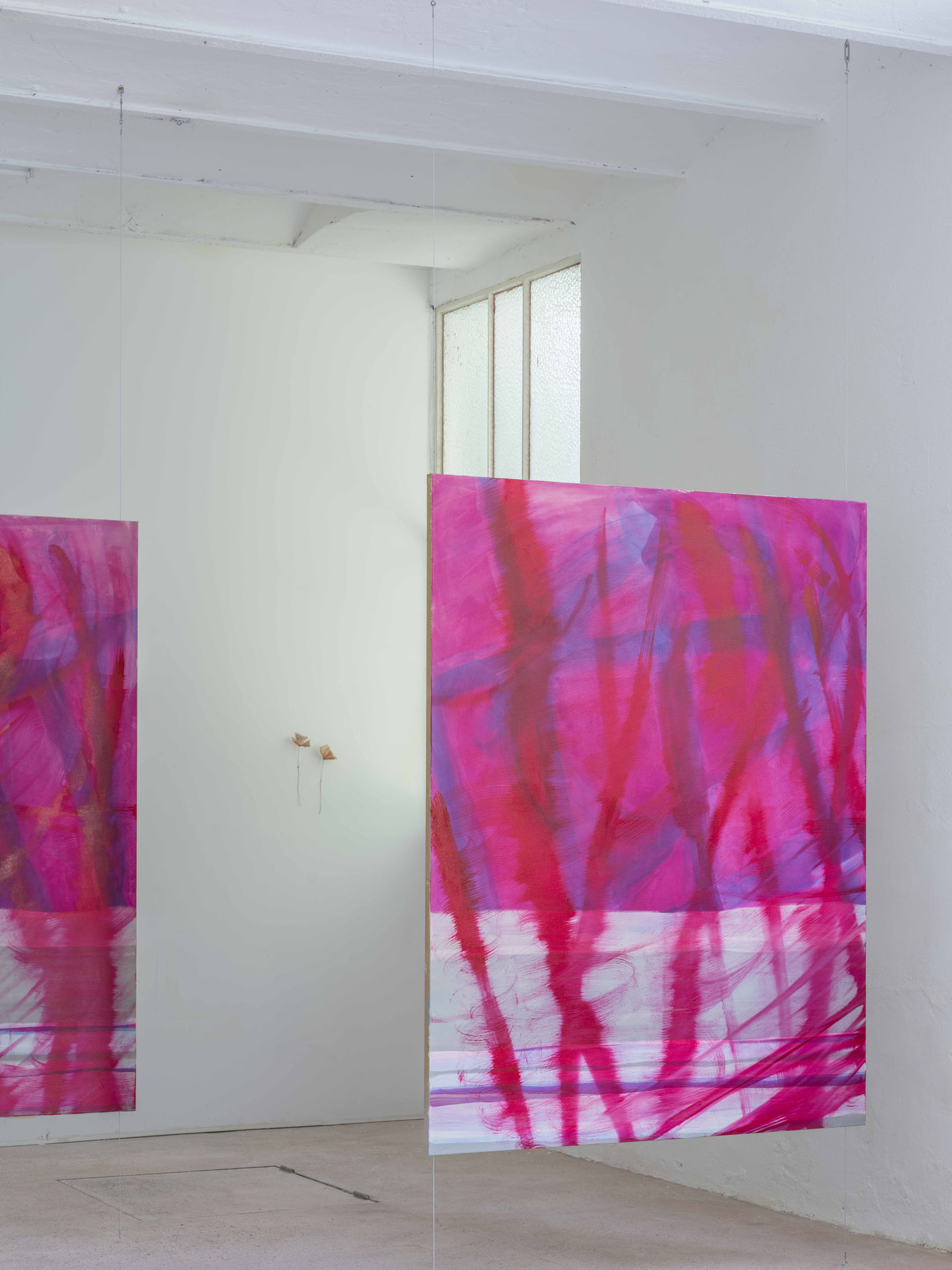
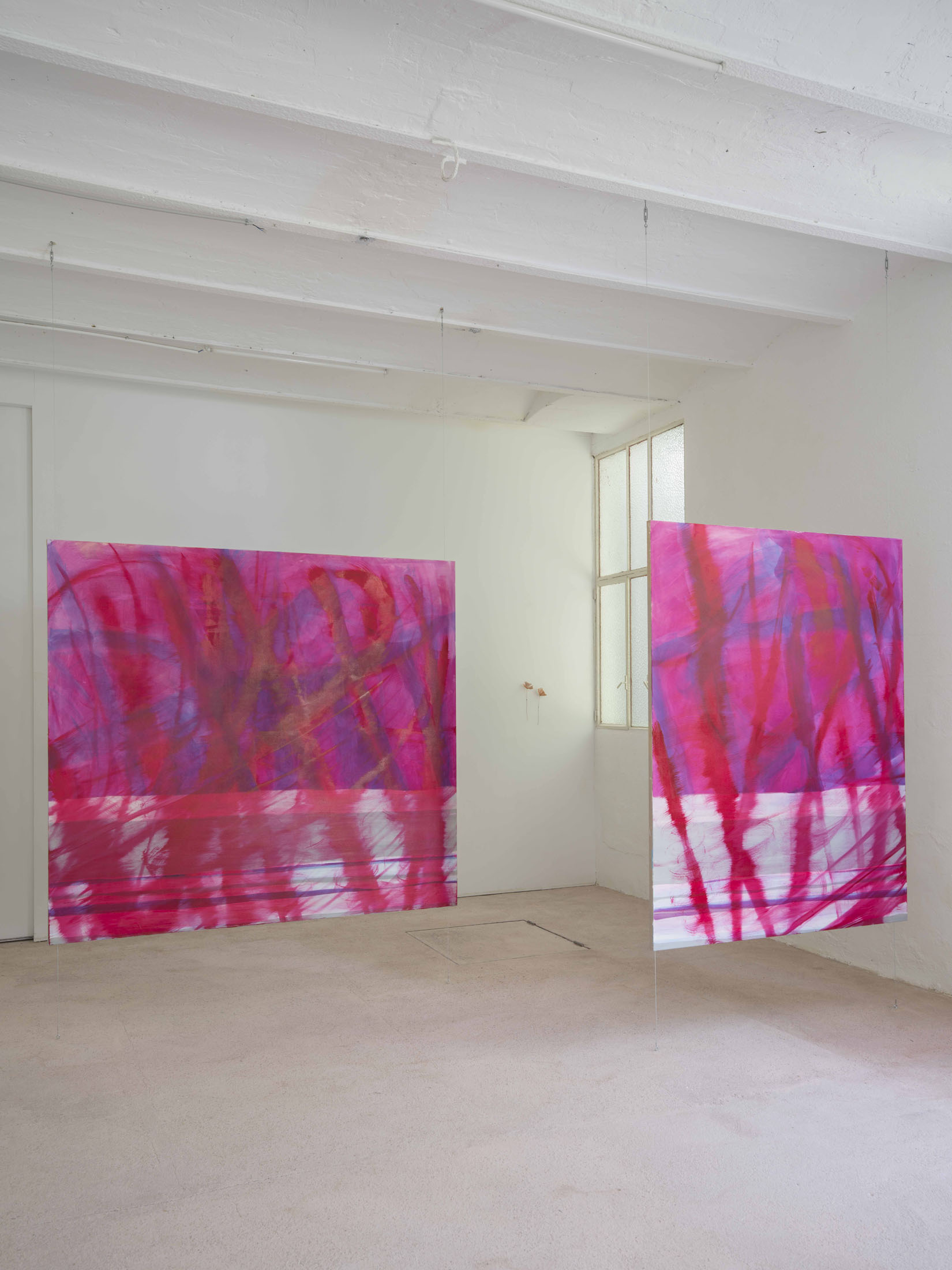
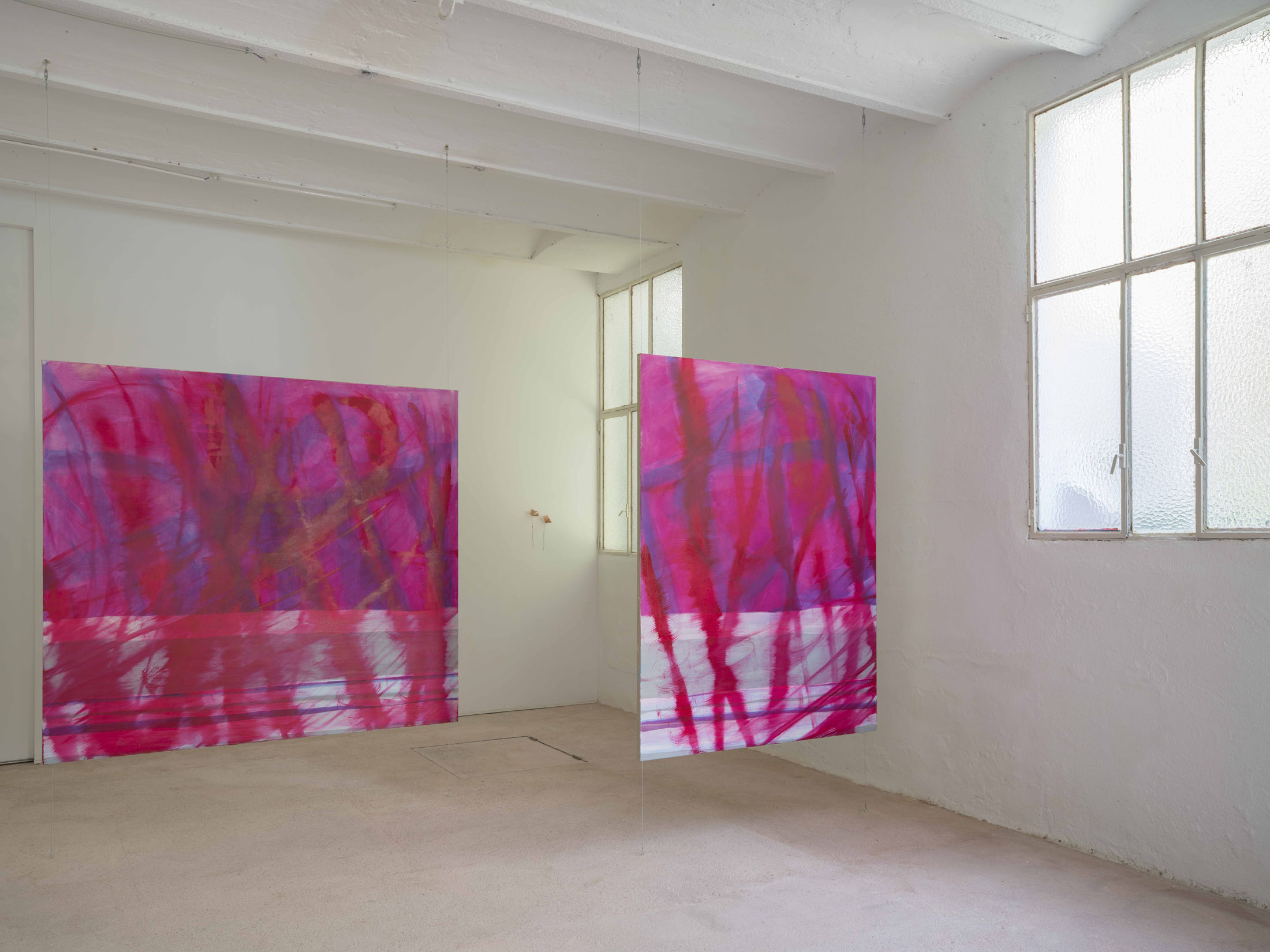
I wonder how the viewer’s sensibility and cognition gives in turn existence to the image, and how that relates to transcendental idealism. With every gaze comes a singular view point. For that effect, I keep figuration open ended behind veils of paint, as an invitation to the viewer to form their own version of the work. A violent scream is blurred by non-categorical veils of translucent paint : plurality of overlaying, plurality of interpretations and truths.
Moreover, the notion of the Sublime is defining to my practice. On the one hand, I explore the daily Sublime, where objects of daily life provoke the strongest of emotions, and how they become the prism where memory, intuition, and imagery meet. This is evocative of states of trance, just between awakening and sleep, the power emanated by colour and light, but also in the juxtaposition of observed objects of reality and formal painterly marks.
On the other hand, I explore how the concept of the Sublime has evolved since the 18th century until nowadays anthropocenic reality. Moreover, I propose the notion of the anthropocenic Sublime as operational aesthetics.
I look at how the traditional romantic depictions of alpine landscapes present pristine sceneries that are now the setting to a decaying ecosystem : glaciers are melting, dams are withholding, rocks are breaking. As we watch these landscapes being altered by human’s geological impact on earth, the strength of the traditional Sublime becomes a soft terror, environmental Angst. We endure a world of ecological destruction which evokes the post-human Angst felt by the Romantic Young Werther when facing the power of nature.
Finally, Sublime anthropocenic landscapes become cathartic ventures overlapping with objects of daily life, and the reminiscence of their shape altered by time and intuition. They evoke the strongest of emotions as I paint with veils casein and cangiante colours.
My intention is to create a plausible world of possible painterly realities that are detached from categories of abstraction or figuration, but were one feels wholly absorbed by the concave depth a canvas’s flat surface. I work towards possible painterly worlds where an image isn’t expected to be attached to a painting, but where that image can be one of the many parts that contribute to the soundness of these realities in its cognitive contribution to the conscious viewer. I advocate a way of painting that allows for the medium to be the message, while giving space to a type of figuration that does not limit the work to the sum of its narration.